Tag: Subhas Chandra Bose

  • Subhas Chandra Bose โ€” The Revolutionary Leader Who Fought for India’s Freedom

    Subhas Chandra Bose โ€” The Revolutionary Leader Who Fought for India’s Freedom

    https://images.openai.com/static-rsc-4/cKgfvt1TiSlnUYpQzTGYBVoy1Q4lP7rFQefR2ezlXZ0oejPycqoYYsOQB4JycrXcHtI_93mhYEf1JewM7euvkw8a8W224QCkSk997Fgg2r8KhcYYoNCGxhsMv_DvsgbJJ6VRzfLLXlMJ5kJ8hglUsmS03pc8ckGPVcHdvkwY2gtwe9cuH03rYyH8boKwu0d6?purpose=fullsize
    https://images.openai.com/static-rsc-4/UHFXS0fz-MCZHhQkxZtJKTwTfqvrE3muj5MIl8ph8FTNw-zric5ZzFakXYN2u0Z0tmxWNNqYDidEJtptRVcW3LTKSU6y-G462UITB7Lkgr-g3FdShzGDMZu5j4tbvGqvA94-e4G5jU59Nmukp77M7ma4fWXXcEYvldeD17F81VpsdKNFDDCyPw0bH73PVCae?purpose=fullsize
    https://images.openai.com/static-rsc-4/3WbSEPpQ3LvGUjsIeQariqotHDRl9Kluo4pGGHOFQjjK4NhW3PS5PwbwrgB09naSaWDtWpQOAnGjZKZF6kuI37xbZnVrLMhrn4TV-oMNtHp9KmrfrMki9AEJ55WnYE6yBUJL-oVIRlfIcuee1eVQaIMbgzcCJtdu2x3bLfK5qFlCk4PA8TXouoYmh7CiUMOF?purpose=fullsize

    ๐Ÿ”ฅ Subhas Chandra Bose โ€” โ€œGive Me Blood, and I Will Give You Freedomโ€

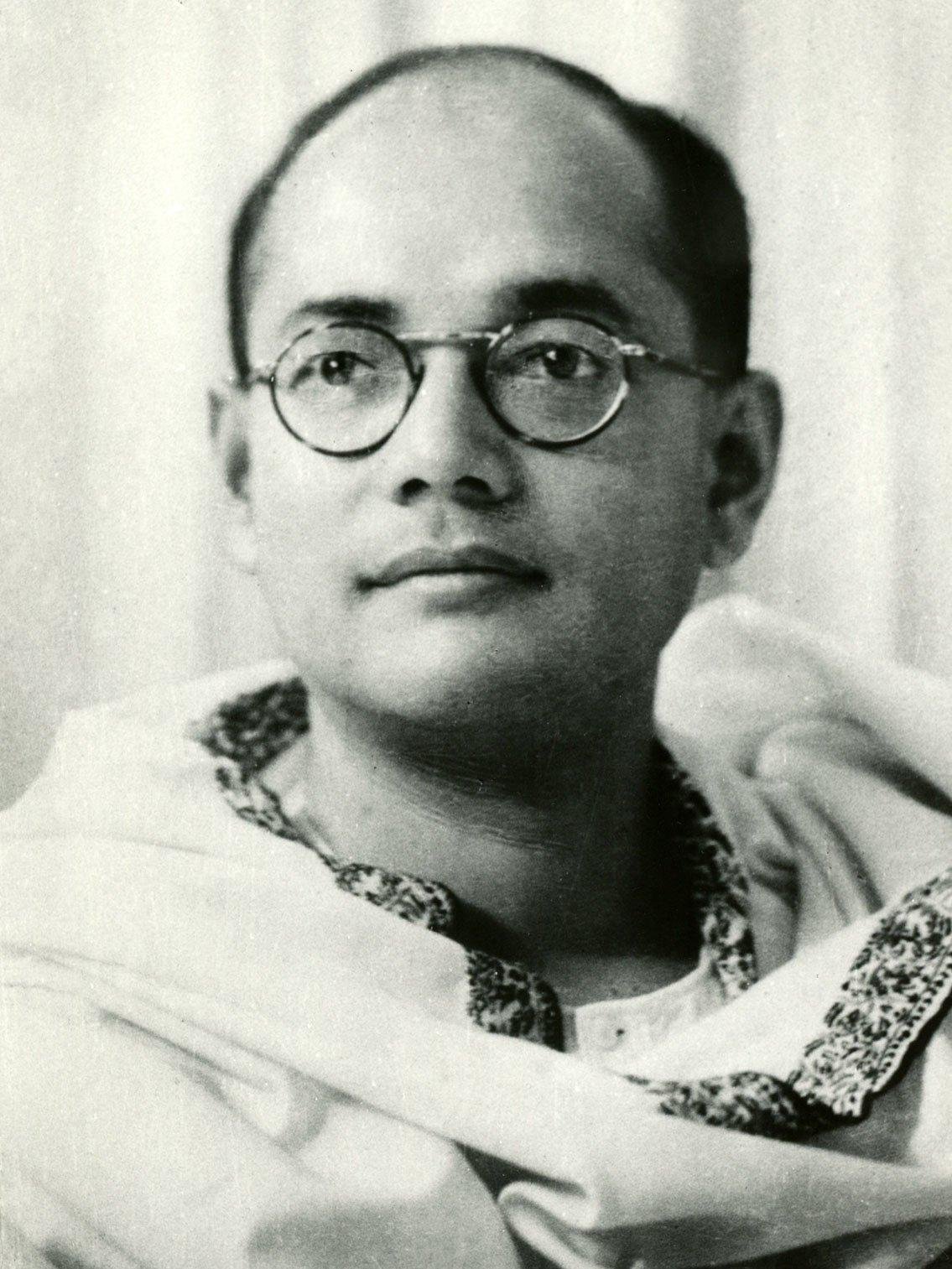
    Subhas Chandra Bose, popularly known as Netaji, was one of the most determined and controversial leaders of India’s independence movement.

    Unlike Mahatma Gandhi’s strategy of non-violent mass resistance, Bose believed that India needed a more forceful struggle against British rule.

    He eventually became the leader of the Indian National Army (INA) and formed the Provisional Government of Free India during World War II.

    His courage, organisational ability and uncompromising demand for complete independence made him one of the most remembered figures in Indian history.


    ๐Ÿ‘ค Subhas Chandra Bose โ€” Quick Facts

    DetailInformation
    Full NameSubhas Chandra Bose
    Popular NameNetaji
    Born23 January 1897
    BirthplaceCuttack, Odisha
    FatherJanakinath Bose
    MotherPrabhavati Devi
    EducationPresidency College, Scottish Church College, University of Cambridge
    Major OrganisationIndian National Army (INA)
    Political OrganisationForward Bloc
    Famous ForArmed struggle for India’s independence
    Disappearance18 August 1945, according to the official historical account concerning the reported air crash
    Remembered AsNetaji

    ๐Ÿ‘ถ Early Life

    https://images.openai.com/static-rsc-4/ibukfIrmv6oCXovGhHeCUK47qpk0O9nZJNX9-BFJJj5N5QDiUjXUk-EmEDOd6N52HoaOhtFxZSTFShANmULS03c98NLDNkig3x1KJ3b35sbktTwCAuzldziHg3MiTugsppGvfSDpdzLGXsdD9eszQQUsPpExDUwc4WTYZ7-navD7Eeo72k6qMWwMcLxI5lnj?purpose=fullsize
    https://images.openai.com/static-rsc-4/wngZeZ03YhJStG2yi9uJVIDFS2Ip3KWhRz89tiIYr-RpedZ1hpKOBCYdLNXpSz3jZtyE5fjEySgT6j1_dZn7t-Hb9L6mXuzYdjx3Z5rmtDhqOLDjBNErtSYAIoOjzWpVISph9-tO22Kvg0UonD6jV4mnNZNY5wp1qJYz7_R29ie_pFEdYQet1rjUTcJQ0B8V?purpose=fullsize
    https://images.openai.com/static-rsc-4/UHFXS0fz-MCZHhQkxZtJKTwTfqvrE3muj5MIl8ph8FTNw-zric5ZzFakXYN2u0Z0tmxWNNqYDidEJtptRVcW3LTKSU6y-G462UITB7Lkgr-g3FdShzGDMZu5j4tbvGqvA94-e4G5jU59Nmukp77M7ma4fWXXcEYvldeD17F81VpsdKNFDDCyPw0bH73PVCae?purpose=fullsize

    Subhas Chandra Bose was born on 23 January 1897 in Cuttack, then part of the Bengal Presidency under British India.

    His father, Janakinath Bose, was a successful lawyer.

    His mother, Prabhavati Devi, played an important role in the family’s upbringing.

    Subhas grew up in a large family and received a strong education.

    From an early age, he demonstrated discipline, intelligence and a strong sense of duty.


    ๐Ÿ“š Education

    Bose was an excellent student.

    He studied at Presidency College in Calcutta and later attended Scottish Church College.

    He eventually travelled to England and studied at the University of Cambridge.

    He passed the competitive Indian Civil Service (ICS) examination, one of the most prestigious career paths available under British rule.

    But Bose had different ambitions.

    He did not want to serve permanently under the colonial government.

    In 1921, he resigned from the ICS.

    That decision demonstrated how strongly he valued India’s independence.


    ๐Ÿ‡ฎ๐Ÿ‡ณ Entering the Freedom Movement

    https://images.openai.com/static-rsc-4/8EmONea9_C-vNQmzN2aDsNSRc008sh39WNVAOcfEstQlnRiUT7qPIxH80kIyA09a1Q-YCHNeJDpdOhcx1h12f2wZeoU943wDVUdQ4Im0xRkcGza1IFiZI6yK3mMVSs7Nc3U8mM7iO9dFF7-L3VJGq84DBvG-NSzW2IPtJST-l41aCeyeCBs63rrgjCTcV5lj?purpose=fullsize
    https://images.openai.com/static-rsc-4/iIGef0CXrFBS2csB2FnUxe8ALu_8A4iLx0rK2h0BIUo8es9XGBsOoJCsEwnEba9yvRI6uhrHUEdjx03NzQcL02H9h8mzjSC9prhkueFsvv9wBzAojUz5vyamH87XobbY5RAhGzfodlblS4_vEHp-9BexOWzhLcKhz5VwF3kwAYhHVRP8MI8cT0XnMj_HG_Ft?purpose=fullsize
    https://images.openai.com/static-rsc-4/dY6-LpQ20UrNJzG2BJo_nOKqWLZ3GLb7lhTB28TrhX4WL9TQZTx2Bp7JXHhnuVoxzEm04Vl2V7cnzK_mHlv0Tm6Hvvva3oX2_lyIY-zVXzScOGVgnY8yBgXb5b1ComuXp6kiTK4Q5KPYSK2AAKwblGLwC5Q-q7d9sXOYGSxBM8jb1W6lFz5O7MVs_XykaKZF?purpose=fullsize

    After returning to India, Bose joined the independence movement.

    He came under the influence of Chittaranjan Das, a prominent nationalist leader from Bengal.

    Bose quickly became known for his organisational ability and powerful political vision.

    He believed that India should not settle for limited political reforms.

    He wanted:

    ๐Ÿ‡ฎ๐Ÿ‡ณ Complete Independence


    ๐Ÿ›๏ธ Rise in the Indian National Congress

    Bose rose rapidly within the Indian National Congress.

    He became one of the most prominent younger leaders of the organisation.

    He believed that the freedom movement needed strong organisation and greater political pressure on Britain.

    His approach sometimes differed sharply from Gandhi’s.

    The differences were not simply personal.

    They reflected different ideas about:

    • Political strategy
    • The pace of independence
    • Economic planning
    • The use of force
    • India’s future political structure

    ๐Ÿ—ณ๏ธ Congress Presidency

    https://images.openai.com/static-rsc-4/hTAzWb05h5MzAKWyQmEEHFnn9Z5JiKYBcmJe3JF7Us4XOsCC3Y79_KIBU2E8yDBdpX7-j6i3Q_ul79YshNVOctGf-p7b9at-GG-9BpPAVuBug6EQ4uGOAv604oTbYvjGKiVrkokkwg_IWOb-5rFsB1WvprsMcRzGTeDW5gNyduUEUS8vx193wwIY3MbF8FtJ?purpose=fullsize
    https://images.openai.com/static-rsc-4/n2RWHiv5B5uNAL82E0TaKS22n9YWgByehE9YnKPkM7XyFT3vPHibnqpZ4lloAlpQ0evxg0iMx5PMvkdkLg6hlbS8UE7VEhuIh0Dcb6kXPU5mrZCBIYeAAla_O18ejmJglQudr1yMLgE0tIDKZ0ge4TWzvuT9Tb4g0-UejZon4SOTx6m5ZHVMSmzSdrjtL-do?purpose=fullsize
    https://images.openai.com/static-rsc-4/L3ZU8g-y2ZrZ74pNTfX_K8Rt88LPmXobiyZC6-W6heq4R6N8XGmFHi9jvRXubfAENpFFIktSpVPMy9qIB5emqpyZ1cVg3nT5jLyUq_0ekcggf34_Td79qMAsD6z6hXSTHuSLne7BzBpAQn-ZkUBrkYYhq2yyj2NKatFPYXMHjitievJnX0pezsiz3ibV7gn5?purpose=fullsize

    Bose was elected president of the Indian National Congress in 1938 at the Haripura session.

    He was re-elected in 1939.

    However, his second election created a major conflict within the Congress leadership.

    Bose’s political approach differed from that of Gandhi and many of Gandhi’s supporters.

    Eventually, Bose resigned as Congress president.

    He later established the Forward Bloc in 1939.


    โšก Why Did Bose Disagree With Gandhi?

    This is an important part of understanding his life.

    Both Gandhi and Bose wanted India to become free.

    But they had different strategies.

    Gandhi believed in:

    ๐Ÿ•Š๏ธ Non-violent mass resistance
    ๐Ÿค Negotiation alongside political struggle
    ๐Ÿ‘ฅ Mass mobilisation
    โค๏ธ Moral pressure

    Bose believed in:

    โš”๏ธ A more militant struggle
    ๐Ÿ”ฅ Immediate and complete independence
    ๐Ÿญ Rapid industrialisation
    ๐Ÿช– Military organisation
    ๐ŸŒ Using Britain’s wartime difficulties strategically

    Despite these differences, both remained major figures in India’s independence story.


    ๐Ÿš” Arrest by the British

    https://images.openai.com/static-rsc-4/IvCVP6cLrX9OKgPYV6Fr4huCQLBC8tt5ywFViSmllJGkiI4ArKrW6zSRf-wQFT3hA3HsvCzkPF1epZS6k3m50AChzTxeevsSHTTVGhGPmDRoQmv24g3sR7YEc3hQZCzGDOhdLZ3VeSBan4ZPh1JUEhHgfG3_g_VG3k4a9_WbUPtAlALCYqUubu7UgpyHj0Yj?purpose=fullsize
    https://images.openai.com/static-rsc-4/JqcR9SVVl8bfCEJMaw7E0uesoy21mv9RTtTWKah2xw-QJVEnjETZGEw_7b1wDghpX84E6MYuED2enDs0BBu7Isc0Gso4TildSecmyQJgGjhNNQBxwlKQiAU55hsKzPPLazKB82WR4ZEMix-KYMVCzGNgI2NstjfZqGmqoCgfRCMGAyFMmMpqE5BNtdPb9Qe8?purpose=fullsize
    https://images.openai.com/static-rsc-4/1tiFEDqqyO4bUDNDIJgQu3HYVpPE6yWdwOsoiUq_Mcq7OWG8fBLHJdhYXq3oCWqXaIbKn71tbfNtjkUpljHETv0A1j8JrOlVh9PmUEBq4iWCq-HpKqCd6zVg_2JX-pwxOyuS1l-2ouctb_3lqPuLl1Bi4knwo8_3wnT65GR6_6R2W6kwfZAAmAfwhHjARxV8?purpose=fullsize

    The British authorities considered Bose a serious political threat.

    He was arrested several times.

    In 1940, he was detained by the British government.

    While under house arrest in Calcutta, Bose planned an extraordinary escape.


    ๐Ÿฅท The Great Escape

    https://images.openai.com/static-rsc-4/8cF5B1IC8Zr-IQw-DLqLl7BAoT42gKPIm1yeLZ955HH495XtXrNR96_qkyjG-u3mMRKgSwm3Pa27abau73z1mHM9zXjaApjUXN1EaE1Sns5_n_qbKT4IZhABQa0vdDtDLnzp8mE8Eh4M60Bdi_zuPwUOF5-rb8T7I2Zygfn1J3_9qu9Wwk-uYiTL6_2a-naE?purpose=fullsize
    https://images.openai.com/static-rsc-4/o6dYslotF8xduNkek0dNZK7er6ZkTkrtdsAfJkeFOwwJ3ZSfxBB1AtqaJf5LhoHRxgHMGEOAUQLO0ytNxl649QN_b-3o9rKznOlV4DB3OpYV8CFrnmDMDURrL6o58WFmxNFgZ1Cg4ros82fLaNHCzfIs3F83TD044Oe43bN9jywKA__mTUd7aNQ9__a-COB5?purpose=fullsize
    https://images.openai.com/static-rsc-4/tup1Xd9PKiNAmR8trPRXmzNGrpWZnf97WDsemkYXJoOnSgKansjNZ1L_2_GEjaaY-TAM5FoxS-oUcrSQzCXZnGgp4Fchfy_G9XO7XfjVxfAK3jkgdF2UQQUC_r2k6AOCgLqLgiyWedi5_DDboX4vqq45-LG018f1yT18bN6gzd_LWV6cdeDQ9u8K7BAqVv4B?purpose=fullsize

    In January 1941, Bose escaped from his house arrest in Calcutta.

    He travelled secretly through India and eventually reached territories outside British control.

    His journey took him through Afghanistan and onward toward Europe.

    The escape shocked British authorities.

    Bose had successfully disappeared from their immediate reach.


    ๐ŸŒ Germany & World War II

    https://images.openai.com/static-rsc-4/W_Gqm63_ba8LSMkJCSiFvGeq53eTUmnLx2iD4Qxf3jUZmoQpKfHgDkoEWz-BVjEZz8x1cjwsww_JsegxGx4PKnZbFM8YapFHSr9ogBHP3txdeb358-aT8nYdKh3BKlYpoOaIyxN3W4il3Rd4J5J2N57EF1VCBfBl2nYNIdGA4dsAGCgu0BFgENi7ygcZiuJW?purpose=fullsize
    https://images.openai.com/static-rsc-4/q2jJY8UARCZfoMsRKheRtEQ6dmdunPu_PyNxbKYTgczcPK3Q38rUo_ka1-Tl-Z7ijP9DVNaDFYgxSvsUzZyLpWXcfac2ThK3oNvzyP52mbX_MVHD_KCzCuR8V48z4BvNiITIQRGo121Wx13gNGElVy8zhJbrwBMJRzoVqWjHxb44ilKkv69hzg54bEDbOSKx?purpose=fullsize
    https://images.openai.com/static-rsc-4/gTJwWwPP4jmrUBEUc7_dmFIZ1VqdB3wwqstqhr_cq7buGZc8pV4ttwhegnkmYLRc69AIDri6gJVEWKyWFgUvwFnN4VAnl71HbO02uMzTgyzsYQ6dlVEAtJEjTyQVfK7cDfmmm7UETTnDhrthD1cRfKVlJ_FWCYqYa8OFvjR5tYK-guRDrkg6xnwWsK0ANiRp?purpose=fullsize

    During World War II, Bose sought international support for India’s independence.

    He went to Germany and established the Free India Centre in Berlin.

    He also organised Indian prisoners of war into the Indian Legion, hoping they could eventually participate in India’s liberation.

    Bose was willing to cooperate with Britain’s enemies during the war because he believed India’s independence was the overriding objective.

    This aspect of his wartime diplomacy remains controversial and heavily debated by historians.


    ๐Ÿšข Journey to East Asia

    https://images.openai.com/static-rsc-4/k4ccHSwRPvUbRtbr82_h2d5CB9_CpHUpIiARdZotYSBDJGEljiYO5HqCt8jWH3l0kjfFup8sEcuHgNzmLOMapGGj3rhp3j2BKHKg2C3GEhKFNPFrokZeyQGV6opEA3imFD026oLLaLH_twPCBvDlLQrdHUU6Vi5860TktIJ5PNzt38jrnlMQcNAXy6nk6HNM?purpose=fullsize
    https://images.openai.com/static-rsc-4/HBkhPeQNImSlI9wRwqwaXQoR2dFDmeltBPso63LCndbnWKyaW8ecoJd9sLoetFuauUJTr1GWC-1BjazvL1CCLrKMSKohaaLXel7z5i84gj22lWMo682G_U4IzL_uN3kh6qm2AWerc9-iZpokObfEPwUYIoaHyjDEnhmXyfTx874oLhTvLxbkRkSWiSOrlbNx?purpose=fullsize
    https://images.openai.com/static-rsc-4/0o0XT1oissQ3A9p_-uoRwgHFBTi3X0-KpRwMhfXr02NNiNrLaJYagxs5HBAuYGoHPTbAi6k9UBNJQ2ZmX18CsRkihM_GdemhIFtCES1FKlJygBjFbXH_sX2zkfgB1O3lmeL-8KhSGah_PR_RI9nTxvWDlOCIZhOt3R5b1851XdTSTWpI2Fv6vktkvp2RBVkL?purpose=fullsize

    In 1943, Bose travelled from Europe to East Asia in an extraordinary wartime journey involving submarines.

    He eventually reached Japanese-controlled Southeast Asia.

    There he took leadership of the Indian National Army.


    ๐Ÿช– The Indian National Army

    https://images.openai.com/static-rsc-4/RIuTvhj8GOtCdHxNpW7tybcT8JO2jvTaXH9wcFSJuxZ6Euawfwzb577QiKL55PfUp034bo49qWxfuyfo9C_VdBybSwx8tHXoT-JvxULb3Fb7SO32K6-1R43t1gRk2-VehIWrLWy2JTXPdUijECX51SsRySE64vJyNibUPahgPy3-VlGqCv1n5vPasQq9z680?purpose=fullsize
    https://images.openai.com/static-rsc-4/WYug1UWhmd3oQJhNIwprGxQboO213ywllltGLdKrrOXmv05sv7fCUbWb-fDDJgMOlnt4qWhrWSffhZIznltKEOvZ1o6iCywyU_knLOL25z39ZB7H5Kz8B7vbzNhnxJ_8iKAGwpgbBEsyut3nO5YfOHpbrcn2KyC9Oc-k0fpUuqtkxhuYswOp-V78bT1JTRcA?purpose=fullsize
    https://images.openai.com/static-rsc-4/0ZnrLw9eq8D1eKiWBBr-KB1KWHjYeyTUNSEqKRJYinf1EWDwx7qwAoeV3XLo6SUpsW20SR6KCwB_Irqeff_L5FOY8sev8lJn0rmH4wwjqkd_jVtjdq87T3H69JbAqtvk06kCLKKPsSw4JcNoSY8v65bPyDExGRNlDWeHw3ZxnZ1Rfe3uCjbEqF5owDCWSm5k?purpose=fullsize

    The Indian National Army, commonly called the INA or Azad Hind Fauj, had originally been formed under other leadership.

    Bose reorganised and expanded it after arriving in Southeast Asia.

    He inspired Indian prisoners of war and overseas Indians to support the independence struggle.

    His leadership transformed the INA into a powerful symbol of armed resistance against British rule.


    ๐Ÿ‡ฎ๐Ÿ‡ณ โ€œAzad Hindโ€

    Bose established the Provisional Government of Free India, commonly called Azad Hind, in 1943.

    Several countries recognised the government.

    It claimed to represent a free India.

    Bose also created administrative and military structures connected with this government.

    His ultimate objective was to reach India and overthrow British rule.


    ๐Ÿ—ฃ๏ธ Netaji’s Famous Slogan

    https://images.openai.com/static-rsc-4/_5woPAexKopDpb5Se32NhUgPYzcxx4CsTa1o-1Tc2SLT2AZIGo4a56vdpaabDGguBl3LmStIZze_FQCZGwkqjc0hHeiB5UzMxm1creveoiLMRxLkRMSkLTAz3yelfbyHeX90c8V6Nfdo3jIR0bcftr53aHXm8WW36J3LV0Bw6FamJ9ZAqgLvqTI752ftJQ5O?purpose=fullsize
    https://images.openai.com/static-rsc-4/5P2ZUTmXnvSJ34JqEN1Se6g-REMg3VYXtLrXYnGqFwuiHePn-PKCpdJzIrjqGE2EYhPYpiLOkJIpI-xFhKMrk5bPsu0BzmPoTqb60XS_zc9d01ptIUyNy-hdTjVyBfzZaq7Wf85nlysuI_9h2sP3N8K13ZWF0tGfl3U4wEq-I8VbU83MgP8xFZSFV1hrRSDH?purpose=fullsize
    https://images.openai.com/static-rsc-4/UyokBgegMf-5SPoiHAhwdD8YSmbgesjVKSVRzW2q2G_5BeKxdhZ4rYVIojSrmxLgv4l77D1zgunAZGbG3ewjLSx380CWvaxsq4XaJKRKpwF7y5ChnPlKvlV5ylNlaZmU97ydYKdwTAzJ08CGFWwi5qx167Ufcv695GkgLuTJAfuB7S5FpplWxXl-J3tdlQow?purpose=fullsize

    Bose became famous for powerful slogans that motivated his supporters.

    One of the most remembered is:

    โ€œGive me blood, and I will give you freedom!โ€

    Another famous slogan associated with the INA was:

    โ€œDelhi Chalo!โ€

    Meaning:

    โ€œOnward to Delhi!โ€

    These slogans reflected his determination to take the struggle directly to the heart of British power in India.


    ๐Ÿ‘ฉโ€โœˆ๏ธ Rani of Jhansi Regiment

    https://images.openai.com/static-rsc-4/lqvEhdOiBQjnrwXijf_JYW-irb-bs3EW8ubPSWfFflui1Fjf4-oK16oWpWdI4xOKa3F2sWOnQcCHhRuXEYXzb4ZdeVlKbfmlV1e4KHxFhRC4Hhk62Pao5UAMFoN6-kimUDU0TUv3O-tdU--xa2CsRVCcjeAGufNUfQ25s2MRkGz5CREu7In2biLlxEktuc4V?purpose=fullsize
    https://images.openai.com/static-rsc-4/BLNMUsgwf_oncJplSEXwm3evzWkoFCi26jKVP4Hhp1YGXCFTmjTWeBsbcd32uwu6w_QyYXDop-gTHwIDY1gz0Db4Q4bAifXDBVjC4nzjEv32yU4MaMrT7RJOdKYiT0Y6b3GbgvlJZiBaQgqzMPJCvcvxbyYuq5zSD7cPyk9F_ZlyDJMr8k4juAvmVNZ_GWQM?purpose=fullsize
    https://images.openai.com/static-rsc-4/jaf1nSbV5aKO58VnLUrPuskNqumU7rRYG4p4lgY4lEsuAXPhdtrnhmecAZ5Zq6bKaNTW0XrZI_t0jCpkxJtf2KuQB3GHgJiPNU4OMNu_GWPZLqifB7v7JTlw5UxKrCAHfcYn859QiEOcYK-PbV3wOeiA1Yil0y87MxIqVKfZGdkoHpwwdtoxSv7IIXLlWIfz?purpose=fullsize

    One remarkable aspect of the INA was the Rani of Jhansi Regiment, a women’s military unit.

    It was commanded by Captain Lakshmi Sahgal.

    The regiment was named after Rani Lakshmibai of Jhansi, the famous warrior queen of the 1857 uprising.

    Its existence was significant because it challenged traditional ideas about women’s roles during wartime.


    ๐Ÿ—บ๏ธ INA’s Advance Toward India

    https://images.openai.com/static-rsc-4/JEhpEYdxagXejYX5ppOysjfQqtaxJE0kfsfDsM3zzJHvsqKf7-qYjlBPVgImv5bknmw1JhQIS25iEL-5pb1mvcKPMwfsSZnv26sRuNAj9ov6oWmFBujePJFIUFYV9Jzf68yR41SNVoV5aCmmJ45LXnRY4xeYlQUlKgij2sq4YboDO-EmRJau3zXLtAAjcNgy?purpose=fullsize
    https://images.openai.com/static-rsc-4/pg0tcQhJ8uBECCOYIFOsncOeBBivN3EkPOGzYM-vRvpUQk3at8iQnt2Vw3czQAvv0nI1QNxbMxejWRw9vyay7eQn1UaOAjtfy3RnNtpka6Sx2Nc-tRH92_qHkzmducIWnQ4tHRLWO0vZOjr6P3GkW_znzEG-1nigIxV_FnltiEgDONAUScFJEP3kdon26YZT?purpose=fullsize
    https://images.openai.com/static-rsc-4/FDjd7Va-w8dcfUqZlqpUIJ7qhleGPPFRlpGpN3_ZZZmoK2u0BOAbKX9daWpIxA-VuqoyhKeyz-eYvqAaedGeka3Du9a158mb3LLwlYwJZHtm_Z1UqwJQg_7vRq_hhESHhxsU8cC-mF2Ds903wpaM_brv3dIwiMYlSa4ETXuiCNtKpYzzL_-lLAcQ89of5f1M?purpose=fullsize

    In 1944, INA forces, alongside Japanese forces, advanced toward India’s northeastern frontier.

    They reached areas near Imphal and Kohima.

    The campaign ultimately failed.

    The Japanese and INA forces faced severe logistical problems, difficult terrain, shortages and determined Allied resistance.

    The military campaign could not achieve Bose’s objective of entering India and overthrowing British rule.


    โš”๏ธ The Battle of Imphal & Kohima

    The battles around Imphal and Kohima became major turning points in the Burma campaign.

    The Allied forces eventually defeated the Japanese advance.

    The INA suffered heavily.

    Despite the military defeat, Bose’s political influence continued.

    His movement had demonstrated that Indians were prepared to fight under an Indian nationalist banner.


    ๐Ÿ‡ฎ๐Ÿ‡ณ The INA Trials

    https://images.openai.com/static-rsc-4/pxyXhngG52kbojMszuykLTrHQ_DhLUtWWXB_Uq257Dj8stUIAwWWDFlzqXieDOffhwXQcAc9dhJAG7EKYfZ59c5FJ7dJ1GnIPGK7T2kmB2elvUlgbE9dhcBEGVzwyohzVwbfHZcl_f5VK-WjukNkTd0qRzoWJMGFWOkW66yLpVbinfiEqWxF2xdxbFIAIaAE?purpose=fullsize
    https://images.openai.com/static-rsc-4/3cEtWI6kI8u_ISFwpj1yN-9HNaIN8jvqbmZz7w1gC29NpP8F6WdDleuq18nz7JhDm5ik2RQzp375jcSTX3WA-oSEmCcy1WWkTTFx8avoQ2ik-YFlwR9uvQ1iDB4D2UI20JWgyCnHdaudKtOSxZsCucaA4APFgTvwzcB13QK-SsVcxRmPmUd0T3BrdL1AL7MW?purpose=fullsize
    https://images.openai.com/static-rsc-4/ZOw6NENXhcPYycrtXjfxobq-xjCRyd0_x4pAkLKCNdlHkp2DhhrhBY0u4uu7Z8SPSKoYqtoebgOBSQql9Q6eUX8hGpHr2iXX3hRQ_f6Zh_juITDT-ysLWC8gJS8Mxbvs212VqSvv7WA--VoHcSBPSevC6se1IlMB8J8oJFI4908NaYhDUDvOX_D32GCHAnOH?purpose=fullsize

    After Japan’s defeat in World War II, many INA soldiers were captured.

    The British government put several INA officers on trial at the Red Fort in Delhi.

    The trials generated enormous public sympathy for the accused.

    Indian political leaders and ordinary citizens protested against the prosecutions.

    The INA had become a powerful symbol of Indian nationalism.


    ๐Ÿ”ฅ Why the INA Became So Important

    The INA did not militarily defeat the British.

    However, its psychological and political impact was significant.

    The trials helped create widespread nationalist sentiment.

    They also contributed to growing dissatisfaction within sections of the armed forces and society.

    The INA story therefore became one part of the wider chain of events that preceded Britain’s eventual withdrawal from India.


    ๐Ÿ•ฏ๏ธ The Mystery of Netaji’s Death

    https://images.openai.com/static-rsc-4/kxU5NzeSPoXrZZDioD9F_7aczsLkDSBT3cdn8C0y6ZSo3yT7F552TlaAlXrnwcB3msNmfeuA4gP8C-Xc5Y3bj_QqsTZXZHXlcr0KJsbYfUwUbbsfwiGYZwYDT2r7U6kpR2nB1kilU6UmAYA_2lp2iKAZJcKDudow6gKaM9PHEchNX5-KvZXP0VQUZRBK10GD?purpose=fullsize
    https://images.openai.com/static-rsc-4/CbzZG8BnlbGeRE1fGdNYp9tEW48Sxe80Xuau4az7zQGxJHVH6SM2tBbZtWu7-ULGtZNSAP6X0HUpoEBjKdYpEa6unRbB-AISwxb_AMT4nBZzyoTyIPzmpKjuxfc3hy3A9W3VQddmb0z7aPj40fOeG8xHq5zOdhjED74kHYZMcrTC71_zHiMWFnSYkNkccL8M?purpose=fullsize
    https://images.openai.com/static-rsc-4/hfPIrn1AE6UAl62hITXOSUZ1huyfzN0SSqKEwRsbmAdPxUnFgIf2xDX1keoPKun-ZGcVY2cMH3A0TYGjUYA_cfeMmsepjQ9Ac9vQ5IBPFQQhK0-piABc6J_6DObR3RAmaDpsGrryaqdbhSTRtv0dKG8iH5wd9s9l032Q2rtgAjA3Y1GLYbVqbmvKqUtHLpdq?purpose=fullsize

    The circumstances surrounding Bose’s death have remained controversial for decades.

    The commonly accepted historical account is that Bose died following an aircraft crash at Taihoku, Formosa (now Taipei, Taiwan), on 18 August 1945.

    However, questions about his fate led to investigations and continuing public debate in India.

    Various inquiries examined the circumstances surrounding his disappearance and reported death.

    The mystery has contributed to the enduring fascination surrounding Netaji.


    ๐Ÿง  Why Is Netaji Still Remembered?

    Bose’s legacy is complicated but powerful.

    He was:

    ๐Ÿ”ฅ A passionate nationalist
    ๐Ÿช– A military organiser
    ๐Ÿง  A political strategist
    ๐ŸŒ An international diplomat
    ๐Ÿ‡ฎ๐Ÿ‡ณ A leader committed to complete independence

    His willingness to take extraordinary risks made him one of the most fascinating figures of India’s freedom struggle.


    ๐Ÿ›๏ธ Netaji Bhawan

    https://images.openai.com/static-rsc-4/mw57RrXAzn9IVFECU_hZc1-zYCqCGt025MH-aVxe5TkQux0s1OO527AXM8pY9zLKOeBUWiiTkrTteqTgWD5M6uBTFNtYlNP7dkGSwjaUmY9VOz3wwrUgiJr74damG8ouFm0UzcdlsEKjADa8dp-EgD0FBzslLu6lvRIF5VPZLUyHuYkYYatEzIZTvtRmeOCr?purpose=fullsize
    https://images.openai.com/static-rsc-4/TOMTopiupcC7QPBxgtnyMIq67nZzOgOsqomY2ZxgJW-2qa3T8mTMFeX6bfESH1tqsBIvXu9ksuZOOCEyI2yBli6StuawV4Ju_PqXanKdvNecrR7Hs3nV2B_BDRNegSC-MqMBZDLvqOXZt3hVUcGwcfD3kMmNFJmZuXx7kcgGlDIz0DyQzcVRfdu0MVpF1jrf?purpose=fullsize
    https://images.openai.com/static-rsc-4/hriGzQkn2IsiqDegDPGNNSjcyGyLdFaQwq-yPiBK7wQ6eWKpEVG6kKMEUeVUehKDn06FQYwT2JosyhuX31uGZlq50LlvlqRifmgOame475ajQQBxSLJaEu7dDibYm2IFMMvoKuzAp5jx8sHZsDcB4Qms1c8GJj40dRLuS690JjXhIjLLotyFVWBLsZvmlns8?purpose=fullsize

    Netaji Bhawan in Kolkata was the ancestral home associated with Bose.

    It is now a museum and research centre containing materials connected with his life and the independence movement.

    Visitors can learn about:

    ๐Ÿ“œ His political career
    ๐Ÿ—บ๏ธ His travels
    ๐Ÿช– The INA
    ๐Ÿ“š His writings
    ๐Ÿ“ท Historical photographs


    ๐Ÿ—ฟ Statues & Memorials

    https://images.openai.com/static-rsc-4/jfiaL-1zdeJaa4piQLFMhKAoSrRK4CqY58w8eSJYjSxtJ-afuWxCCUbklTbHFnYpSZvKYl0VSJs2WrdOtqHBgks3gq-DPJAn7ZApihU6v7Ik-ng0YaPPcJMaEuVbIdjSE_NyrJ-wj279sxWwuzs0qFRF6cer-N-Vq4NheT7X5KOhVqwf70eEwqdCKJvrxBAc?purpose=fullsize
    https://images.openai.com/static-rsc-4/wg0JDpgyyOAbd-ldfQK2hlwUDPaE1pX0o27FfiDMXynUmd3dhayJ9O2cmJjH6EV9Y-jJqk3i5QJlSENELVVj7_invfbejsort5bQyGirZD3PJ_Yk-nIJD-XS1lt42U3mtaePjrtLhpL8P9fdop1tOQCqWX7Qd7nja5w2fwkKW7FiLdb2LnBetG0AkVJ7uGfn?purpose=fullsize
    https://images.openai.com/static-rsc-4/EUHhojVO56MaRiW3IB94VKD90IxxsBWgYQd5zO4fzTw7NaV-MyiM_SjPi3svv0eeDZDvjJZxs417wwSguDFtWMhuiBsDS5kQ39kTC1ckvs87J6GPQHW3THcxxvm6i0guseHls73PzWA0uUUb5byvl6RJKSID3tiESD-KVT-ZoPyhEWxjWQ0uFCua_Qaxb1-6?purpose=fullsize

    Statues and memorials dedicated to Netaji can be found across India.

    He is commonly depicted wearing his military-style uniform, symbolising his leadership of the INA.

    His birth anniversary, 23 January, is observed as Parakram Diwas in India.


    ๐Ÿ—“๏ธ Parakram Diwas

    India observes 23 January as Parakram Diwas, commemorating the birth anniversary of Subhas Chandra Bose.

    โ€œParakramโ€ refers to valour, courage or heroic determination.

    The day highlights Bose’s courage and contribution to India’s independence struggle.


    ๐Ÿคฏ Interesting Facts About Subhas Chandra Bose

    https://images.openai.com/static-rsc-4/NHU9_YisYzhapHOVIfnt4P9OPcth9jcB01pZ0xgmdYsM5saAALfHMr661ctLryUXhuhrkqx0FDuLU3IKNQNx0FKkpK_LMuZyfJTuF5gBAZOtYfVfZNDiGU8IAG4nx1wNZEFevFV75tImAJ15-FYsWbLRFLfs-ywGOcxUt1u9ubMJ_H0wehzkuA7-SlMtRQYp?purpose=fullsize
    https://images.openai.com/static-rsc-4/MYgyJq_MLvEeMRaA-A5tlgHl-Ak5BBHZedeiX8eZs-RV7VPd0EPXTDW-DDwc6faJpA-n399YxX2USoS98WFCSKtwSOp7K8x3myO7s_4D1SLv1hu8sKB05JaLb3Atm-O33PREzmw4YWSSExF0GHxXL-CNXf4uwO3vywnIWq18BCHDl5bVXYtPj3ajQLtsyULq?purpose=fullsize
    https://images.openai.com/static-rsc-4/3WbSEPpQ3LvGUjsIeQariqotHDRl9Kluo4pGGHOFQjjK4NhW3PS5PwbwrgB09naSaWDtWpQOAnGjZKZF6kuI37xbZnVrLMhrn4TV-oMNtHp9KmrfrMki9AEJ55WnYE6yBUJL-oVIRlfIcuee1eVQaIMbgzcCJtdu2x3bLfK5qFlCk4PA8TXouoYmh7CiUMOF?purpose=fullsize

    ๐Ÿ‡ฎ๐Ÿ‡ณ 1.

    He was born on 23 January 1897 in Cuttack.

    ๐Ÿ“š 2.

    He studied at the University of Cambridge.

    ๐Ÿ›๏ธ 3.

    He passed the Indian Civil Service examination but resigned from the service.

    ๐Ÿ”ฅ 4.

    He became a major leader of the Indian National Congress.

    ๐Ÿ—ณ๏ธ 5.

    He served as Congress president in 1938 and 1939.

    ๐Ÿฅท 6.

    He escaped British house arrest in 1941.

    ๐ŸŒ 7.

    He travelled to Germany and later to Southeast Asia seeking international support.

    ๐Ÿช– 8.

    He became the most famous leader of the Indian National Army.

    ๐Ÿ‘ฉโ€โœˆ๏ธ 9.

    The INA included the Rani of Jhansi Regiment, a women’s military unit.

    ๐Ÿ‡ฎ๐Ÿ‡ณ 10.

    He established the Provisional Government of Free India in 1943.

    ๐Ÿ—ฃ๏ธ 11.

    โ€œDelhi Chaloโ€ became one of the most famous slogans associated with the INA.

    ๐Ÿ•ฏ๏ธ 12.

    His reported death in 1945 remains a subject of public fascination and historical debate.


    ๐ŸŒŸ Lessons From Netaji

    ๐Ÿ’ช 1. Courage

    Bose was willing to take enormous personal risks for his beliefs.

    ๐ŸŽฏ 2. Determination

    He continued pursuing independence despite imprisonment and political setbacks.

    ๐ŸŒ 3. Think Globally

    He understood that international politics could influence India’s freedom struggle.

    ๐Ÿง  4. Strategic Thinking

    He looked for opportunities created by changing global circumstances.

    ๐Ÿ‡ฎ๐Ÿ‡ณ 5. National Pride

    He wanted Indians to believe that they could determine their own destiny.

    ๐Ÿ‘ฉโ€โœˆ๏ธ 6. Empowerment

    The INA’s women’s regiment challenged conventional gender roles.


    ๐Ÿ Final Thoughts

    Subhas Chandra Bose remains one of the most extraordinary personalities of India’s independence movement.

    He chose a path very different from Gandhi’s.

    He believed that India’s freedom required a more forceful struggle and attempted to build an army capable of challenging British rule.

    His military campaign ultimately failed.

    But history is not measured only by battlefield victories.

    The INA became a symbol.

    The INA trials became a political phenomenon.

    And Bose became a lasting symbol of uncompromising patriotism.

    His life reminds us that the struggle for India’s independence was not shaped by one person or one method.

    It was the result of many movements, leaders, sacrifices and ideas.

    And among those leaders, the name of Netaji remains unforgettable:

    ๐Ÿ”ฅ SUBHAS CHANDRA BOSE

    ๐Ÿช– NETAJI

    ๐Ÿ‡ฎ๐Ÿ‡ณ THE LEADER WHO DREAMED OF A FREE INDIA


    ๐Ÿ‡ฎ๐Ÿ‡ณ MANA BHARATHAM

    Stories, Facts & Wonders From India

    โœ๏ธ Written by Pasupuleti Saida Rao

    ๐ŸŒ allpincodes.online

    Know India. Explore India. Celebrate India. ๐Ÿ‡ฎ๐Ÿ‡ณ

  • ๐Ÿ‡ฎ๐Ÿ‡ณ Indiaโ€™s Freedom Struggle: The Long Journey to Independence

    ๐Ÿ‡ฎ๐Ÿ‡ณ Indiaโ€™s Freedom Struggle: The Long Journey to Independence

    delhi

    Indiaโ€™s independence was not achieved in a single day.

    The freedom that India celebrates every year on 15 August was the result of decades of struggle, sacrifice, protests, imprisonment and determination. Millions of ordinary Indians, along with well-known leaders, became part of a movement that eventually brought an end to British rule.

    The story of Indian independence is therefore not only the story of famous leaders. It is also the story of students, farmers, workers, women, revolutionaries and countless people whose names were never recorded in history books.

    The Beginning of a National Awakening

    British rule in India had existed for many decades before the freedom movement developed into a mass national struggle.

    The Revolt of 1857 became one of the earliest major challenges to British authority. Although the revolt did not end British rule, it became an important part of India’s later political memory.

    During the late nineteenth and early twentieth centuries, political awareness grew rapidly. Indians increasingly demanded greater participation in government and began to organize themselves politically.

    The formation of the Indian National Congress in 1885 provided an important platform for political discussion and, eventually, for the wider independence movement.

    But the journey was still only beginning.

    https://images.openai.com/static-rsc-4/4h4D1LPsA_MkaQfEzs0Gjxt7SlFD3pyL6fgyP2114UJjQpaddi6KAxABljepfgv_tekjP4FC2Srx1llvUjhEj0lGCFwOEFX4CKfxiZzi_T_NtSYpzQe5XOt48ZFTAsUE_wpwaz6AkSRkbK85Qvi8qP2cW4U1Q6WcEhtQLJKjUN2qmDykpP4FZ_mbe6syZkJd?purpose=fullsize
    https://images.openai.com/static-rsc-4/JaJ9M6c2Lh69fuS3O4b90wFIy9NK3ozWStTAFfUMw9GaDWKJpyAfwmDhbd8fWAMCfQN3B2od35uATMd9iKDpglQuell--dROpkZny60NQdb49htOQe67_EO2ipzy3mfUeIOlrocE5V07VhMzizAjs-hhEYPCkihd6HUvSfL-ul_9-35kxzchAL_keUie4EJo?purpose=fullsize
    https://images.openai.com/static-rsc-4/SuGY-mSz7HBEKuApScGLf8-QLiGu7VAmoQt-9NAX-fgU37rVKHw7WEzFwRZw-67Q9RbJPGeRRXK1XLey754iUNoVWsLF07ArOI2kOakNqt9rvnAamLVG5YUZkHq0Eqtyh_vO3GzwBqYYVTxfsY9hQ6jl6y-U-JRMBf38Pov3422-fQANPUg6Ph5n8aiHmhJ7?purpose=fullsize

    Mahatma Gandhi and the Power of Non-Violence

    When Mahatma Gandhi returned to India in 1915, he gradually became one of the most influential figures in the freedom movement.

    Gandhi believed that ordinary people could challenge an unjust system through non-violent resistance, civil disobedience and mass participation.

    Movements such as the Non-Cooperation Movement and the Civil Disobedience Movement brought large numbers of Indians into the struggle.

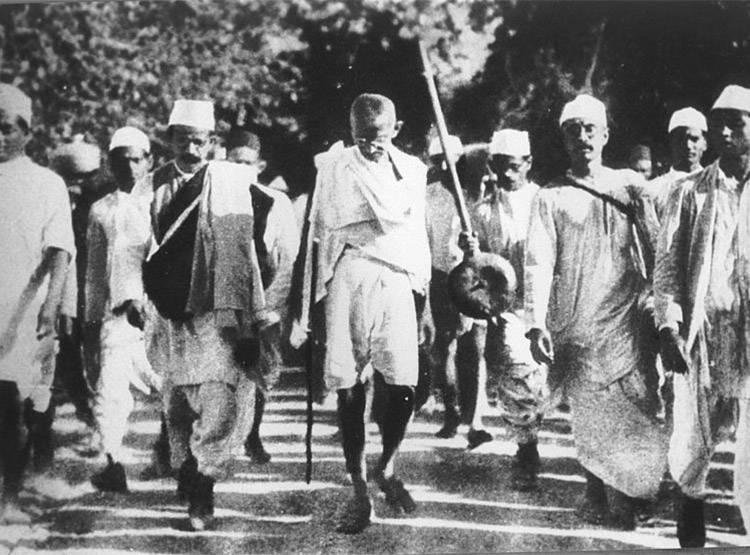
    One of the most famous examples was the Salt March of 1930.

    Gandhi and his followers marched to the coastal village of Dandi to challenge the British salt laws. The march became a powerful symbol because salt was something used by ordinary people every day.

    The message was simple but powerful: even an ordinary object could become a symbol of resistance when people stood together.

    The Freedom Movement Becomes a Mass Movement

    By the 1920s and 1930s, the independence movement had spread across different parts of India.

    People participated in demonstrations, boycotts, strikes and civil-disobedience campaigns.

    Women also played an important role. Leaders such as Sarojini Naidu, Aruna Asaf Ali and Kamaladevi Chattopadhyay contributed to the movement in different ways.

    At the same time, revolutionary groups and other political organizations followed different approaches to challenging British rule.

    India’s freedom struggle was therefore not one single movement with one single method. It was a large and complicated national struggle involving many ideas and many groups.

    The Quit India Movement of 1942

    The Second World War created a new and difficult situation.

    In August 1942, the Indian National Congress launched the Quit India Movement, demanding an immediate end to British rule.

    Gandhi gave the famous call:

    โ€œDo or Die.โ€

    The British authorities responded with mass arrests. Many national leaders were imprisoned, but the movement continued through protests and underground activities.

    The Quit India Movement became one of the most important final mass movements against British rule. Official historical records also document the participation and sacrifices of many individuals across India during the movement.

    https://images.openai.com/static-rsc-4/18Pt2uIZVh_joTmoLm3KXzWWLJWIPwAi2huQm41rk1uzjtwo5dk78PpoHaiSmLgFTvx6OudgT1d-JtHJYmtttuxtoA4AV0wphkm9xekWSg--5t_Dmtt9qVDoCiEY5EJ-Zc4Daj5_cFoLDdwaU2Fl6QK_DZT9_rpHvOljdLpRh8xGM4jrnqHIelYMTP8EYgXp?purpose=fullsize
    https://images.openai.com/static-rsc-4/_yMLRPkkvg-MuY0OvvFql4esqu_EdOUkxS7Ukx7LnUhStHm5UVUELil4P-F338BHeQBW6vrlTlcSJECN8He8RKbQvMLAMiQlIS6u4pv7iIHIisvPu8JlM6dDrqopYyAWADkaBlZpesDX4hGBKcRwAmNqQt2LYa_mLwAhrs7uL42mScIH119IGS6tLCA9dpzq?purpose=fullsize
    https://images.openai.com/static-rsc-4/wha1IQ32j_9ECCMVvyjgFizMlMkbY-mO7bl8LIcd8ceRivb3WJmEg2h7biP6x91BaVcZRy-l_5vz80clD4ZTHvXuaMspu2rHkc2OIKBRo16HvaJiG-0zqD7R46VFEXhfylSgeFN-Zj3SDiXkZpx9OvvS8aXv8zcpMBpps-ymtAMEYq795BuwLB_-dcbziYGa?purpose=fullsize

    6

    The Forgotten Heroes

    When we talk about India’s independence, names such as Gandhi, Nehru, Patel, Bose and Bhagat Singh are often remembered.

    But thousands of other people also suffered imprisonment, injuries, financial hardship and, in many cases, death.

    Farmers joined protests.

    Students organized demonstrations.

    Workers participated in strikes.

    Women entered public life and political activity.

    Young people distributed messages and organized resistance.

    Many freedom fighters spent years in prison without knowing when India would become free.

    Their contribution reminds us that independence was not achieved by a handful of famous individuals alone.

    It was a national effort involving people from different regions and backgrounds.

    Subhas Chandra Bose and the Indian National Army

    Another important chapter of the freedom struggle was associated with Subhas Chandra Bose and the Indian National Army (INA).

    Bose believed that armed struggle could play a role in ending British rule. Under his leadership, the INA sought to fight the British and advance toward India.

    The INA’s military campaign did not achieve its ultimate objective, but the events surrounding the INA trials after the war created considerable public attention and sympathy in India.

    The growing political pressure after the Second World War made British rule increasingly difficult to maintain.

    1947: The Moment of Independence

    After the Second World War, Britain’s ability to continue ruling India had weakened considerably.

    Political negotiations intensified, but the final years before independence were also marked by serious communal tensions and violence.

    Eventually, the Indian Independence Act 1947 provided the legal framework for the creation of two independent dominions: India and Pakistan.

    On the night of 14โ€“15 August 1947, Jawaharlal Nehru delivered his famous โ€œTryst with Destinyโ€ speech.

    At midnight, India entered a new chapter in its history.

    https://images.openai.com/static-rsc-4/1mEM8n1dn08PYzFh_Hk-5IKmOyNg7_9qCpf30BrA_4j7mEFGsZ_qy7ANse10JktHgctb9dSA7ScRVOjt8pLwQ0gzeiqxltlQJSNNtzGHd-LZQ2puHoxId0JUBXeyqVGATvu2_f7tjEda38Kec0kt32T-j5y9fF94EEX5Fftx4Y9oQ_zfXM0S07OQTjtObKp7?purpose=fullsize
    https://images.openai.com/static-rsc-4/eENeunZjELFVN_cwiG1xB1oPqU1kaLeuc8XDXye2JpdN9bTRj-EX3YoG4CLNCPlvXjOGCrcUwyYS-YVV7jynebIbpvWCCiVUT1f5aJG11dRle2YZ5eWZstqIRQQDXyckj6EW5y7XlNJ00fFkQg0cZry2xmXTDUK1UA2b-EkKyDS_68vepvyKIXwt0lXdM8e4?purpose=fullsize
    https://images.openai.com/static-rsc-4/678QcuxaidWsP2gYYzfyUkDQ74YZ-r91JLjA1yFHfAbUMsjDFAaf3IwIpOuNRRLswr-GtKM6lPsr1QfORQ1OncFMeh_D1FKOq2RbjIVDIfKuE68bnO28lZ-rSt9GaEIeT18Xw71UzLsPsz0M8ep2I-IitoVbJi4N18QTkdFDQTlCSm-9oNK4xXqG--TkTIXp?purpose=fullsize

    5

    The First Morning of Free India

    The morning of 15 August 1947 was unlike any other morning in Indian history.

    After nearly two centuries of British colonial rule, India was independent.

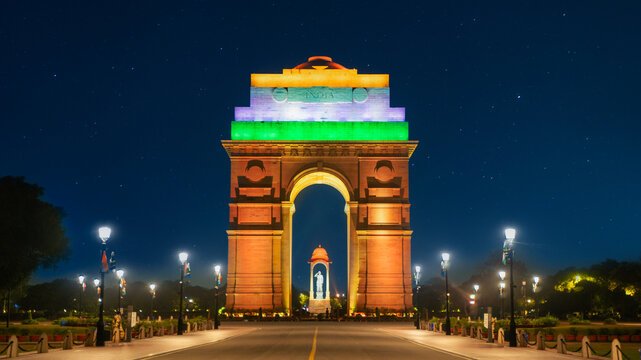
    People gathered in streets and public places. The Indian flag became a powerful symbol of the new nation.

    Newspapers carried the historic news across the country. The atmosphere was filled with celebration, hope and enormous emotion.

    https://images.openai.com/static-rsc-4/ZuEgkENNHP9j5txp1d1fRbkL5x9jNOiaDN7pbo-ejNoh3oFFo49Onk1lSuco7EjNaipDsJIrrLg8MKasQESnKGvnpIDVMUmBansD7bq0IQWL65j84sqg6uzEDdlkzWUURAeEnuqJ20NiGDjQvKNL1cYL-GiO-phxuk1nj0KRQWpgCuvrVvfBGCOU4aRe4LBA?purpose=fullsize
    https://images.openai.com/static-rsc-4/QL-tpYNIdOIzHn1acJN-fu8863UDjoJTf_3uiJDfFBflHU-Jl0Y7ZNcEkBi1bjODY1LBr3-SLNt8Llp3orGxIdcFvfFK5A9uf-KBkzwLnHLwwhWDHLmWgGW3yQ9NiiBlhzrdWCRoFZ2vPk2_2COMmrewCff_AM3ev2SGYKx4o3JqF6tjOoqWwyCSQsbiIk7y?purpose=fullsize
    https://images.openai.com/static-rsc-4/k1mvo_gIUHEyLPU2Mzuf9KItjoG-DTKqNtfpSr5sFSS35gINdpBHmV-8Y-wiA257d1h2Laoo4kGoJfk7JDgFCWCz_yJBS045YJF-6MpwPxmcksTPNdI8B-ZUxqIO2G5x9fQz1Iqjpc3SPqwkwH7olJgN2g331cBE3zTPP6mIw38mcL-ZZtIdOv_cvRswKIGe?purpose=fullsize

    4

    But independence also came with enormous pain.

    The partition of British India resulted in one of the largest and most tragic population movements in modern history. Millions of people were displaced, and communal violence caused immense suffering.

    Therefore, 15 August 1947 was both a day of freedom and a day marked by deep human tragedy.

    What Independence Really Means

    Independence was not simply the replacement of one government with another.

    It gave Indians the opportunity to build their own democratic institutions and decide their country’s future.

    In the years that followed, India adopted its Constitution and established itself as a democratic republic.

    The journey after 1947 was not easy. The country faced poverty, social divisions, wars, economic challenges and many other difficulties.

    Yet the basic idea remained powerful:

    India would determine its own future.

    Remembering the Freedom Fighters

    Every Independence Day gives us an opportunity to remember the people who contributed to India’s freedom.

    Some became famous.

    Others remained unknown.

    Some used non-violence.

    Others believed in revolutionary methods.

    Some spent years in prison.

    Others lost their lives.

    Their methods and political beliefs were not always the same, but they were all part of the complex history that eventually led to independence.

    The freedom we have today was built through the sacrifices and efforts of generations.

    Conclusion

    India’s independence is not just a date in a calendar.

    It is a story of courage, sacrifice, unity, disagreement, hope and determination.

    From the early resistance of the nineteenth century to the mass movements of the twentieth century, India’s freedom struggle continued through several generations.

    And finally, on 15 August 1947, the long struggle reached its historic turning point.

    The tricolour rose over a free India.

    The country had a new beginning.

    But the responsibility that came with freedom was even greater:

    to protect democracy, respect diversity, remember history and build a better India for future generations.

    ๐Ÿ‡ฎ๐Ÿ‡ณ Jai Hind.