Tag: Transgender India

  • 🇮🇳 Begging, Public Harassment and the Hijra/Transgender Community in India: What Is Really Happening?

    🇮🇳 Begging, Public Harassment and the Hijra/Transgender Community in India: What Is Really Happening?

    https://images.openai.com/static-rsc-4/GpYSO9xDIJiVUcj0_5VlIwJ9hmlC8DJJTqhWCvBcIydfVHvVeJw_LdN5MxgtZdcmmDu2SpDkmGd10nCT2uP2-ca7bfvfPi7Hi7D--DGtOLCGsdeGVwP5iU0cEILuEmHmF2a-_fUE6575DTZlv281sojZrCZ-B9AfgNb5F7GgBZGE4zS1ickCBus8zHWhQoaZ?purpose=fullsize
    https://images.openai.com/static-rsc-4/bihsBBpBnp1RSg67jAOIZzn5r5WUAAzfFx3lGuV2SDiIFIKKhOYQzAbt_rrG-NoNCmRb138JBMskE5VYnBAzUVPsOaX68JubqPTQd9Z7UuF6v7Ovw5DjES-X8lfgenXywMvnApwHNzcYXufGtXGihq6kCpL0F-ylBM6wcH433q1cGxM9JEx41A3n3GKXyCAX?purpose=fullsize
    https://images.openai.com/static-rsc-4/tgnYQaTqzQD1_EmCFEnaYYp0yzZok4Jk-G7AOSQwo6-Zgx-cFlEl8mW48-TKvTeBPM9TkbfSy5mHSxdyV4kXen4RIH9_4eKkNmy1AA4zLG_wbpqXVhdMa3ph-_en_C5Hk5fSikPW9_2Xwi_8IElqLUspOCGHXVZZBLc42nZj8Nm6q9HP0fP_RXW-9_Q3woDg?purpose=fullsize

    In many Indian cities, people sometimes encounter transgender or hijra individuals asking for money at traffic signals, near railway stations, on buses and trains, outside shops and at other public places.

    Some members of the public have complained about persistent requests for money, blocking a person’s path, clapping or shouting, touching vehicles or people, or refusing to leave after being asked.

    Such conduct, when it occurs, can make people uncomfortable and may cross the line into harassment.

    However, it is important to make one distinction very clear:

    The behaviour of some individuals should not be used to label an entire transgender or hijra community.

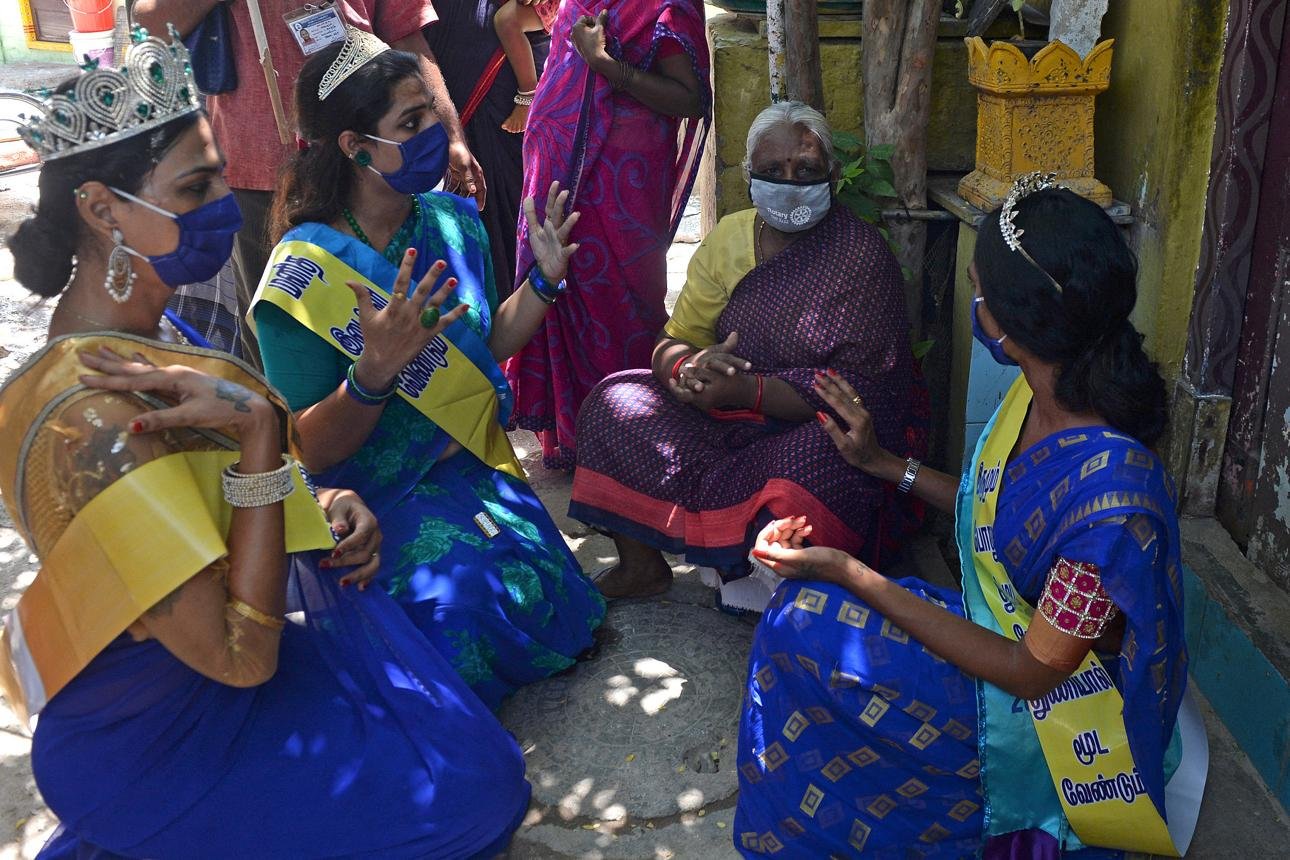
    India’s transgender population includes people working in many professions, and government policy itself recognises their rights to education, employment, healthcare and social security. The 2011 Census recorded 4,87,803 people under the “Others” sex category, although the government notes that this category was broader than transgender people alone.


    📸 Why Do We See Begging at Traffic Signals and Public Places?

    https://images.openai.com/static-rsc-4/HXPz0SgnpvXiKY_jg9fmoTqomTtn5jSseTj6u1OjZAS3vNTY3CeU3jbRyrne-_73BLzMU2JFHcNVSRV5DBYX5Y3QB2YN3G7Ip799b06ynkQmAFLX64jOxd1mMAk51bdIv_WqhVyesbX4vQX2DxM1VivQefkUj7dN1mM1ae7SzcbCcFAbFA2lq5OjLmrgXyIu?purpose=fullsize
    https://images.openai.com/static-rsc-4/x2RcR7R6X6TsW2VW5dR1krvaKUvk6VBbzHJ3U9cawUbCGwRdRJDp44qEyvhicwkFlQpXduxyhWlcxFnfpP6q_tRZBASWgfRjI-FoW_6dvrgsPou-xtZev9VSeYI7vW7BM5qh9s9WXLBUPo0HOYl4AWbphPgUPGL1B-uJIJxePiV8ISy497zT9UIy5--w_wMp?purpose=fullsize
    https://images.openai.com/static-rsc-4/F9EhGPx3ZOK2TJm1glqlmwgPZHXC6-p_-KAA--I2vmUbZ2ov6BmRGw_u1fwFADNNbR_9WQcfcbCO2g67wsV8aiQL8c0U-WK53naGWtQ0N-sJBHp5HLLEQmyD-esnTGod9d-3hNjIhdA8bvXZQaqxAbR2BF03If1G0f20uO2jBiNqB9C8dP9nz5SReiTZ1k6Z?purpose=fullsize

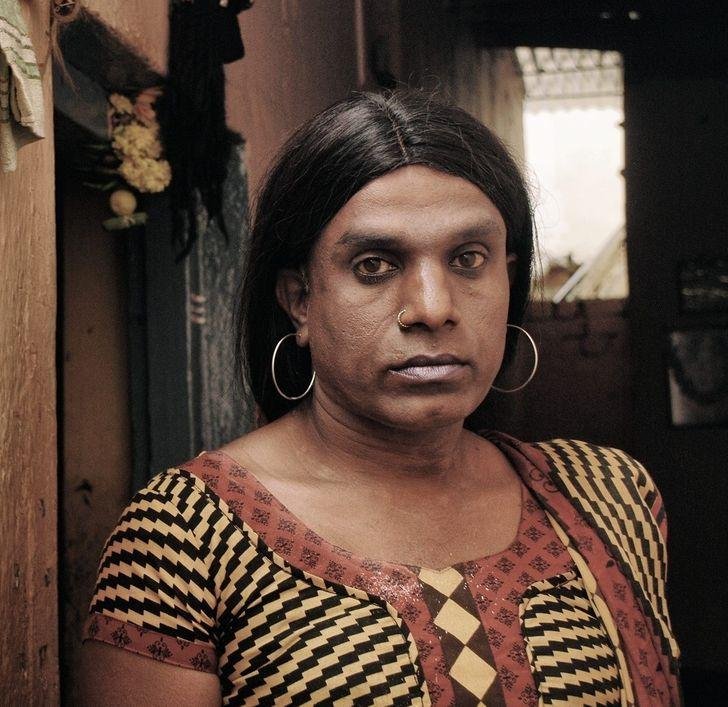
    The traditional hijra community has a long history in South Asia.

    Some members have historically earned money through:

    • Blessings at weddings and childbirth
    • Ceremonial performances
    • Begging or soliciting money
    • Community-based occupations

    Economic exclusion has also played an important role.

    The National Human Rights Commission has noted continuing problems involving employment disparities, limited healthcare access, education and social exclusion affecting transgender people.

    For some people, therefore, street-based income becomes a survival strategy.

    But economic hardship does not give anyone the right to intimidate or harass another person.


    ⚠️ When Does Begging Become Harassment?

    Simply asking someone for money is not necessarily the same as harassment.

    The problem arises when a person allegedly uses behaviour such as:

    🚗 Blocking vehicles

    Standing in front of a car or preventing a driver from moving can create a dangerous situation.

    🚶 Blocking pedestrians

    A person may feel threatened if someone deliberately prevents them from walking away.

    💰 Repeatedly demanding money

    A request can become problematic when the individual continues after a clear refusal.

    🤚 Unwanted physical contact

    Touching someone without consent is unacceptable regardless of the person’s gender identity.

    🗣️ Threatening or abusive language

    Threats, intimidation or abusive behaviour can potentially become a criminal or public-order matter depending on the circumstances.

    🚦 Creating traffic danger

    Approaching moving vehicles or standing between vehicles can put both pedestrians and motorists at risk.

    These standards should apply equally to everyone.


    ❗ Don’t Blame the Entire Hijra Community

    https://images.openai.com/static-rsc-4/4TSXGzojqyh7obMOgC4Anpk8D8sk-xexKfQ9zNFgevY95xYgdMPGHSIa7nvxcnD56o-_T79exvS-ES8_2xKt17f1K-kHPOpbF5uEnhvj_FM5eFpUYnxhKTHLuWgilaiedqBcwDrL55Ga8CcTsU_qVmW6Oz9oRk-whL7y0BT6GAZEsObF8QPbifTOk_1oNvCu?purpose=fullsize
    https://images.openai.com/static-rsc-4/NfubyaRMwHmxpsPx9URI0g9pUe6OyfkHPcKZ2oECMnkLib4Z1qBAIPKoUAO826liqRaxIIFVL8OGAMw2oWW80DgJBITeJIdiPzETqfJ23u0Z4pKsronH5koJ1BsTKHQmR2yaL2APze8UYP16S62mOomP77DsWN7i7hnyno4o31qAheHDqkZsrobA9Ovkq8OM?purpose=fullsize
    https://images.openai.com/static-rsc-4/QaogXSvY-Vwjr-aGxYi-Vm2KqaNbvr2hwxtE_rXGIQtoCWMaIQngLjRI1uZn8FvmLFMUXpvsplxAMC6NC3Nr8-sPXLohnEv26mmRChwVlg1Oso8sGV3g5gqk78iLtdSEX-i0IrM4B7vBWYm7mEwt51UJf-K1_7Z-FUsnkAJCkeQ-kqFOuUqkccfH0q2meIdG?purpose=fullsize

    This is perhaps the most important part of the discussion.

    There are transgender people in India who are:

    👩‍🏫 Teachers
    👩‍⚕️ Healthcare workers
    ⚖️ Lawyers
    👮 Police personnel
    🏢 Office employees
    🎭 Artists
    🏛️ Politicians
    👩‍💼 Entrepreneurs
    🧑‍💻 Professionals
    🤝 Social workers

    Therefore, it would be inaccurate and unfair to say:

    “All hijras harass the public.”

    The correct statement is:

    Some individuals may engage in aggressive or intimidating begging practices, and complaints about such behaviour should be addressed without discriminating against the wider transgender community.


    🇮🇳 Supreme Court Recognition of Transgender Rights

    https://images.openai.com/static-rsc-4/2U2SW0MvAx486Ln4c7Bdkt0L5T6g4SPM31Q8KDMtSduxes4Ixr-gt3cdngDu7y-8ieBap80fHuONMpihwepph2NsS4hKhDfHwthxOmrmsxJkeK3btTj9WpOPZ79ckwDEsb5X6eaX5cKJGUyyEKMp1YMy3MOpE6wkFpPbhQFZc98mgvQI9Vj6OcReYJjl_kot?purpose=fullsize
    https://images.openai.com/static-rsc-4/bw8ObRaEIl97Y7E-aZKAR7QgIIYFaRyel0Pe54UOWn1-dsgPLapyj7oBCzGfrNcEy2h1YhWc7pTNQaaZBuU9EWc13iNBXlj5wg9JNTLoinwkFELqyDDFm9AeLiJluDOfxdRIyk3AR__Ga-kcEnpMztrNWbCCam4S2y_BYJerFiURCO91tXtG0Nm6nX-Mxanu?purpose=fullsize
    https://images.openai.com/static-rsc-4/SgY6ZwzE7m6CgkE5OtDINeXydE_hIu298iGNTFz8jvxXmkG28mPBqalorXSVS-ysNbUf2WRSIZudSq1Pzkwkr0VRAm0x6w2YuzZyq_W1gVqD33aU0hku7xRiNCikT9xUtPUDvqKG24b-PdJzkrnbbCF7iIIatC6ElHVjTbs3oaIwQ64psWv16gvZl798lqPR?purpose=fullsize

    India’s Supreme Court recognised transgender persons as a third gender in the landmark NALSA v. Union of India judgment in 2014.

    The Court recognised the right of transgender persons to legal recognition and directed governments to take steps concerning education, healthcare, social welfare and protection from discrimination.

    This was a historic development in Indian constitutional law.

    It also means that discussions about public behaviour must happen within the framework of equal rights and dignity.


    ⚖️ What Does Indian Law Say?

    The Transgender Persons (Protection of Rights) Act, 2019 was enacted to protect transgender persons from discrimination and provide for welfare measures.

    The law addresses areas including:

    • Education
    • Employment
    • Healthcare
    • Residence
    • Welfare
    • Identity
    • Grievance redressal
    • Protection from abuse

    The law also contains offences involving harm, abuse, obstruction of access to public places and forced or bonded labour.


    🆕 Important 2026 Legal Development

    India amended the transgender-rights law in 2026.

    Among the changes were stronger offences concerning forcing a person to present as transgender and engage in begging, servitude or bonded labour.

    For an adult victim, the new provision provides for 5–10 years’ imprisonment and a minimum ₹1 lakh fine; for a child, it provides 10–14 years’ imprisonment and a minimum ₹3 lakh fine.

    This provision is aimed at coercive exploitation, not at criminalising every transgender person who begs.

    That distinction is extremely important.


    🚨 Begging Does Not Automatically Mean Criminal Activity

    India’s approach to begging is complicated because laws vary among states and Union Territories.

    The Ministry of Social Justice and Empowerment says 20 States and 2 Union Territories have enacted or adopted anti-begging legislation, while the provisions and implementation differ across jurisdictions. The Centre’s stated approach is increasingly rehabilitative rather than purely punitive.

    Therefore, there is no simple national rule saying:

    “Every person begging on the street should be arrested.”

    The legal position depends on the location, behaviour and applicable state law.


    🏛️ Government’s Rehabilitation Approach

    https://images.openai.com/static-rsc-4/mOgT7tuCWAW3d9EeufyOd5ZewyyJFWFpgCRpgf0LJOAWwIpv2YtANBGysspwdGG8LxGsIlGqbxntKcATg5wXBPTXj3NCAEq7IayEfpn27F1tJZy4enPa5BwMh6wsnEDwVvke3HUQOmhlBSGyq6iSZguS6ixHyX42_9WnhO_jCwVFlav6a5I-iyz5p779Di0B?purpose=fullsize
    https://images.openai.com/static-rsc-4/qvnMbJ8G1gnL8FhohuJJF1fGJK2PZh8j_U9DKF6uCSedESQYbsLKGFCNFJbNlfI8_Vpu-nTHalFNbb7IYIrpV1f3GLkiTopj2iW8kBv_U_0k3c60RgvxvdtGpfRlV8-drIOkmi4NWkrdXsRVynSQmQaikGFRpRunXWLvgY1HYUlvkBg9-7cB1g0b2mCMUIaZ?purpose=fullsize
    https://images.openai.com/static-rsc-4/XzTQkQUr-84kIcQ2p1OvtnfhRofGGPzzxXLb1_-CK6gYpnmDKGM_dMK3lh-KxmMvra6h5J-CgvtC4h3Cx6tY78-z6wQsUsXPElbHqFaVZ50xhoRgK4IudlAG-lQl7aVY0EQNJsoqt0QdW-eAn5r7oJpaZs8NrQ52RBXFKE9MZSccvJke_-Qkb0-b-d27AeBt?purpose=fullsize

    The Ministry of Social Justice and Empowerment operates the SMILE — Support for Marginalized Individuals for Livelihood and Enterprise scheme.

    It includes separate components for:

    • Comprehensive rehabilitation of transgender persons
    • Rehabilitation of people engaged in begging

    The programme focuses on areas such as:

    🏠 Shelter

    🩺 Healthcare

    🧠 Counselling

    📚 Education

    🛠️ Skill development

    💼 Livelihood opportunities

    💰 Economic linkages

    The objective is to provide alternatives to vulnerable people rather than relying only on punishment.


    👮 What Should Police Do When Harassment Is Reported?

    https://images.openai.com/static-rsc-4/rpzYdrSZ_LYarq96xNReRCOVsFhF7K1WxhxWAwQf8V0OAYVOkn7zJo3SDDopgG_J2LBBfrudDV-gUmJ5uAJeTEe1K90OYMT_c_j9FTQGtC-DdGZ6JPbLsn55-a4h5k5kDEEodI5Ca7g3C1KIwju0SkRbFYVMmqrleanmjIDIlVnIzBUeXYloUPQZL6ENcjqs?purpose=fullsize
    https://images.openai.com/static-rsc-4/WIlW73fzJs6js69al4UE09F1QeGFDdyxTy3KtncLIVH7DX4LjwnmbNr0_akeG-xqxmkJPYgAJ42Tw_MEYuGg2um2fDUE9XZfIC-uqWZZG5-zuxnQVggfmBFKdLvFQXQ9c7c6ywlGzHu1fWcCpeB5GJkMNLd1MLHBBBgonEgVawjuI0dyu-edTLj4QJA-9oAy?purpose=fullsize
    https://images.openai.com/static-rsc-4/kG5QMD6kHwTBz0HhK23UxZdBp8kQQKKLprituUf998PfgHIKiWl7suZ6ClikpmxE9yePriVO7TyGq_7VdaWQ-N71Vf66f2GcMNibLdqCiBt6LAzOgl-Ogshrm6rYpiGL_XUtC7dwb1h202Ls0V5w-1jPrEGo0a34wbHrplcelqM9Tw-yA2yjJSZX0fQd87bg?purpose=fullsize

    If a person—regardless of gender identity—is threatening, assaulting or intimidating members of the public, the appropriate response should be based on the actual conduct and applicable law, not on the person’s identity.

    Police can:

    1. Receive complaints.
    2. Assess whether an offence has occurred.
    3. Take action under the applicable law.
    4. Prevent immediate danger.
    5. Avoid discriminatory treatment.
    6. Refer vulnerable persons toward rehabilitation and welfare services where appropriate.

    The Ministry of Home Affairs has also directed states and UTs to establish Transgender Protection Cells and state-level mechanisms for monitoring offences, registration, investigation, prosecution and sensitisation.


    📢 What Should an Ordinary Citizen Do?

    If you experience aggressive begging or harassment:

    1️⃣ Stay calm

    Do not escalate the situation through shouting or physical confrontation.

    2️⃣ Clearly refuse

    A simple “No, thank you” is generally better than an argument.

    3️⃣ Move to a safe location

    If you feel threatened, go to a shop, police booth, security post or other populated place.

    4️⃣ If there is immediate danger, seek police assistance

    If someone threatens, assaults, blocks you or damages property, report the specific conduct.

    5️⃣ Don’t retaliate

    Do not hit, abuse or publicly humiliate someone because of their gender identity.

    6️⃣ Don’t generalise

    One person’s conduct should not become a reason to discriminate against thousands of innocent transgender people.


    📊 What Do We Actually Know About the Scale?

    There is no reliable national government dataset showing how many transgender people engage in begging or how many members of the public are harassed by transgender beggars.

    This is important because social-media videos can create an impression that a particular behaviour is universal when it may represent only a small portion of the population.

    The 2011 Census figure of 4,87,803 “Others” should also not be interpreted as the exact current transgender population, because the category included people beyond transgender persons. The Social Justice Ministry itself explains this limitation.


    🧩 Why Does This Problem Continue?

    There is no single reason.

    Several factors can overlap:

    💼 Employment discrimination

    If someone cannot find stable employment, street-based income may become an option.

    🏠 Family rejection

    Some transgender people face rejection or separation from family.

    🎓 Education barriers

    Dropping out of school can reduce future employment opportunities.

    🏥 Healthcare barriers

    Discrimination and lack of accessible healthcare can create additional vulnerability.

    👥 Social exclusion

    NHRC has repeatedly identified discrimination and exclusion as major concerns.

    💰 Informal income systems

    Traditional community structures can provide income and support, but they can also create complex power relationships.


    ⚖️ The Real Solution: Rights + Responsibility

    India needs to address both sides of the issue.

    For transgender citizens:

    Dignity + safety + education + employment + healthcare + housing

    For the general public:

    Safety + freedom of movement + protection from intimidation + access to police and legal remedies

    For government:

    Enforcement + rehabilitation + employment opportunities + welfare + accountability

    A fair society cannot protect one group’s rights by ignoring another person’s safety.

    At the same time, protecting the public does not require humiliating or discriminating against an entire community.


    🇮🇳 What Can Be Done?

    https://images.openai.com/static-rsc-4/XzTQkQUr-84kIcQ2p1OvtnfhRofGGPzzxXLb1_-CK6gYpnmDKGM_dMK3lh-KxmMvra6h5J-CgvtC4h3Cx6tY78-z6wQsUsXPElbHqFaVZ50xhoRgK4IudlAG-lQl7aVY0EQNJsoqt0QdW-eAn5r7oJpaZs8NrQ52RBXFKE9MZSccvJke_-Qkb0-b-d27AeBt?purpose=fullsize
    https://images.openai.com/static-rsc-4/VdbxoGCEa9MmX8gNy4Cz6R-9nU1a1pAWLM9KG1Xb9zPM-MOXi-Kc32KpEgAJHV9BkvDcqs_Pu5BtaGraRroauqAl0GE-gt2py5jsK0v_UhP9jwfVX1flK-3Gq_KMxqf2_LepJ9wE-e2jRjgOmQevlLlJpNPQQrG7PjqGz9YXCn3HrZnrZ3S_TDjjXZxHSH74?purpose=fullsize
    https://images.openai.com/static-rsc-4/2_SDm19bS-OvL9uk-HMPCMro7uMSzyZ0qOYMLjypzqmewCnWq_kz2OuFgyehIhgpbGWO6nFqRBxcFGsGJdBPJ3zkeV1xy6t8xB2CbSDgOu2yT8dGbvRcUHmlUuGTjDLVHhLzRT1ctjuipUJwEnlgL1lo242dSQD-xAjmjuROkbBr5DlwCwcY-Nq8mjPDjXkC?purpose=fullsize

    A long-term solution could include:

    🛠️ More skill-training programmes

    Provide practical training linked to real jobs.

    💼 Employment opportunities

    Encourage businesses to recruit transgender workers without discrimination.

    🏠 Safe shelters

    Expand accessible and properly funded shelters.

    📚 Education

    Prevent school and college dropout caused by discrimination.

    👮 Sensitised policing

    Police should protect transgender people while also responding fairly to complaints against anyone who commits an offence.

    📱 Public awareness

    People should understand both transgender rights and public responsibilities.

    💰 Better rehabilitation

    Government schemes should be implemented effectively at the local level.

    NHRC’s 2026 Advisory 2.0 has called for action on education, healthcare, employment, property rights, police procedures, grievance mechanisms and stronger transgender-inclusive welfare systems.


    🕊️ A Balanced Message to Society

    It is perfectly legitimate for a citizen to say:

    “I do not want to give money, and please do not force or intimidate me.”

    It is equally important to say:

    “A transgender person deserves the same dignity, safety and legal protection as every other citizen.”

    These two principles can exist together.

    Respect does not mean accepting harassment.

    And

    stopping harassment does not mean discriminating against an entire community.

    That is the balanced approach India needs.


    🇮🇳 Conclusion

    The issue of transgender or hijra people asking for money in public places is a complex social issue involving poverty, traditional community practices, discrimination, employment exclusion, public safety and individual responsibility.

    There may be genuine complaints about aggressive begging or harassment by some individuals. Such complaints should be taken seriously and addressed according to law.

    But it would be unfair and factually wrong to portray the entire transgender community as aggressive or criminal.

    India’s current policy direction increasingly combines legal protection, police accountability and rehabilitation. The government operates the SMILE scheme, while NHRC has continued to push for stronger education, employment, healthcare, police and welfare measures.

    The goal should be simple:

    A safer public space for everyone — and equal dignity for every citizen. 🇮🇳

    https://images.openai.com/static-rsc-4/9vFoUL-mKkJlF93uWWI1hdsoLwkylWZkQls9x8Jwul7BlkgPH2_-GYAgtRxgUE8vjtszHzrzaBMTdZgodmxtzqI-rFTRwwaekavq6vR_-tdjbslmEEgG4qQX5dXdY1zXRXOmPLYTh-YvRAUgr4kb9kTBADhPuz8wxT-PoPx6gBHjknEAQNjibyxyljHYAwbT?purpose=fullsize
    https://images.openai.com/static-rsc-4/D5n_9H__16E_V527x0beAWPSwju9uQdayNzF0wnV-5uW0SW-tzGaEGEpRmaRPvIUjCdefQuOGcfZmJD7TxMUL9iTjNSM66PPfB6Qk8B380kmTROOFyvRTPFVvPDbQEwukk2-lDRizkaG7nKpHPB4qACMx87cB-b5xhvbTj7kMIEmMF8tYkEUjG3TIiSEkemD?purpose=fullsize
    https://images.openai.com/static-rsc-4/_AGfv_Mov128DuV-zUPRJC_MiMRMs2-3g-_4gpePHYLMfxJ0jbHBWgX7qjY0bgGyfL88i2UyjwhxLbKlqR__TUsQer9V2-O34en_bwELjYNJ1W6XOCMtkoISKbaBz8LY6TDtyhAgtZlopGfWDq3eORK2ICPkgDd6V0G009rvIjqjuC29s9IASJVXjCBvrJ73?purpose=fullsize

    🇮🇳 MANA BHARATHAM

    Stories, Facts & Wonders From India

    ✍️ Written by Pasupuleti Saida Rao
    Know India. Explore India. Celebrate India. 🇮🇳

  • 🇮🇳 The Hijra and Transgender Community in India: History, Culture, Rights and Life Today

    🇮🇳 The Hijra and Transgender Community in India: History, Culture, Rights and Life Today

    India is known for its incredible diversity of languages, religions, cultures and traditions. Among the communities that have existed in the Indian subcontinent for centuries is the Hijra community, which is now often discussed alongside the broader transgender community.

    The history of Hijras is much more complex than the stereotypes often associated with them.

    They have been part of India’s social and cultural history for centuries, and their story includes tradition, spirituality, royal courts, colonial laws, social discrimination, legal recognition and a continuing struggle for dignity and equality.

    https://images.openai.com/static-rsc-4/SULl0DyMGBxmu56pm8pjvIhdODKAcKbq3aV-kY2KWSlFfCfFLF4vrlWEk8y-ja4a5ksNNdiFgSGLZ_d0za8KUK85X9mDS-0UIDBOGh3tgsuVWcRax8QsDwf-hOFqjuuOwZEm8VxA4ZsQujnGvrizI_1jGKpPVHqsqtUOPIlIZ-Q1yU1kVl2mqateoNr0M9_E?purpose=fullsize
    https://images.openai.com/static-rsc-4/RaA3MPG1hP_VR4f-7aRlR-0tV1Rk2FPLdiAfTcBy-h49LMfICZEMRLQ1iOtuRr7XjZCuED-HPBJJUhsf-1sSh_Lvk9KiVlhyZgmsSPPWWWz0BX13FQmP6UshG5swNuT6b6enrEz7J2BTAN8_dgD9F_DouUmyJq1JCmYH9n1qFxsg4LdbVHezZsYsZLmovCpB?purpose=fullsize
    https://images.openai.com/static-rsc-4/O98CI8h21w6MgLu3EsjqGZCe5dElGR0BTgPGIXdknYDDH3vjjNVVHybDSQFUiUEpzCrlPXrdvy7ma_IWfqqgeLqJWa3yR-5aJoZXJlBNtdBugB4G7HR3xQ7BVZAUDLFknp8viRr_h38NwkU1ASRY2FOU6B4gcMQH4ZO3oebIl3cntui5UZAKg35_w4zmZIoI?purpose=fullsize

    🌈 Who Are Hijras?

    The word Hijra has been used across the Indian subcontinent for a very long time.

    However, it is important to understand that not every transgender person in India identifies as Hijra.

    India’s transgender communities include people with different identities and cultural backgrounds. Hijra is one particular cultural identity within this broader diversity.

    Depending on their region and personal identity, people may identify as:

    • Transgender
    • Hijra
    • Kinnar
    • Aravani
    • Jogta or Jogti
    • Other local identities

    These terms should not automatically be treated as interchangeable.


    🏛️ A Long History in the Indian Subcontinent

    References to gender diversity can be found in different periods of Indian history, literature, folklore and religious traditions.

    However, modern concepts such as “transgender identity” should not simply be imposed on every gender-diverse person mentioned in ancient texts.

    Historical societies had their own concepts and classifications, which were not necessarily identical to today’s understanding of gender identity.

    The Hijra community therefore has a history that needs to be understood through different historical periods rather than through a single definition.


    👑 Hijras During the Medieval Period

    During parts of medieval Indian history, particularly under various royal courts, Hijras and eunuchs could hold important positions.

    Some served in:

    • Royal households
    • Administrative positions
    • Palace security
    • The households of royal women
    • Courtly institutions

    Some individuals could also acquire considerable social or political influence.

    This is an important part of their history because it challenges the modern stereotype that Hijras have always existed only on the margins of society.

    https://images.openai.com/static-rsc-4/yVAhN5_lsl6IOUOVj2KKbOfY--3A_Lf4KjMV3h_45sG7cw1k9ztx296S5HDV_KL3hiKNGsVhpjeD55UX8OuQUfxNSHr_pWDJGVrjRdGhZahWdDSX9TqFvAKHu0SqEv1rb2WPRxvWY3KReHpyxAvDusEhe3VWTEz_aTlXAL5__Nfj1LWnUhhCWH9TD5-HQeYv?purpose=fullsize
    https://images.openai.com/static-rsc-4/dJfK11lx_KXH7GiRY4aUV9HxeG5R3mRfiL5KvcEWZmiHCbrlbIX2TpUfoh6vaGqfhedPA995YG_tsSCapXeuM4Mf6dsCdZu4zIua0cz_VEYu1j4F69MKze2WF554ZVWQKL0vAGjNF_V5-3Yf96IEpzmDCdvQA-yBhW07f2fKMuyBIGRaEdwwdIRlbFa2Pmm7?purpose=fullsize
    https://images.openai.com/static-rsc-4/9sVqJZ5h9sDXK6kOnC992gw_J9DJi2SscNLADjlVL1RukYeByNQoEurB8exnbMV-9fxOXUwMf77oOXstqxJth9oj1fk5jVgI5MiO1kRLcAIdk96rdshYp7cpp8nHBuizUSNpL7cI2_-_3FpKc_VVQhyE7Rac9XVOnbe2ciED4mJx5iRfRDs7eSyrP2WTJGzI?purpose=fullsize

    🇬🇧 The Colonial Period and Its Impact

    British colonial rule marked a major change in the legal and social treatment of gender-diverse communities.

    Colonial authorities introduced systems for monitoring and controlling certain communities.

    The Criminal Tribes Act of 1871, for example, contained specific provisions concerning “eunuchs.”

    Such laws contributed to the institutionalisation of negative attitudes and social stigma surrounding gender-diverse communities.

    The effects of colonial-era policies continued to influence social attitudes long after independence.

    Understanding this history helps explain why some forms of discrimination faced by transgender communities have deep historical roots.


    🙏 The Guru–Chela Tradition

    One of the distinctive social structures associated with parts of the Hijra community is the Guru–Chela tradition.

    A guru may serve as an important social and cultural guide for members of the community.

    Depending on the particular group, the relationship can involve learning about:

    • Community traditions
    • Cultural practices
    • Social responsibilities
    • Customs
    • Ways of earning a livelihood

    For some people, these community structures have historically provided a form of social and family support, especially when individuals were rejected by their biological families.

    However, experiences vary considerably from person to person.


    🪔 Spiritual Traditions

    Some Hijra communities have distinctive spiritual traditions.

    For example, Bahuchara Mata is an important religious figure associated with sections of the Hijra community, particularly in Gujarat.

    The Bahuchara Mata temple in Gujarat has become an important place of pilgrimage and cultural significance for some members of the community.

    It is important to remember that transgender people in India have diverse religious beliefs and are not all followers of the same spiritual tradition.

    https://images.openai.com/static-rsc-4/YOM7psJtpgzKs04u4DymKY2Ab7UApU-pxIFVqCncJIuiHKlq2sAAbzUnKnmWxO2kt-3WF-fWoof1czOj_YVE5pN4zqlhj9n2n7t2zfrW27j1ODN8y9z2n9qGGs5eZRaP2qR1hxzrf-r0rf52l6A7kwczO9uslzZxTzuQwJCEWFADOG0kaEhBKBAdlJ2OB5lj?purpose=fullsize
    https://images.openai.com/static-rsc-4/bEsLmKIUY3yy58ClXqB3Ht0qc5yfuEmxsvnnaHJn0t8y1ObftIuopsLEHqWvEuIJ_auoKFDBbQwjCwv2IeDMGQR0IS_0Iv8iZUid9D1BAuZBzzMnKV06lQuYrtqoqeZhMLw6KlpX1akUPcHHRs3H1UR3L9Otx7eJvklzbGYVTYxoEiCinbXGgF5uUZcxmDZb?purpose=fullsize
    https://images.openai.com/static-rsc-4/jF7UaIbiHt6kuub0i0T4esisnSIE5pbWNSV0D9eX0NbVc9ofzSEUrqi68rxRfXGENxxx8ee4qO0YUVe5NWLQyw2u80YgP-kZxzGjMyTvLOiTMDukZILJ3PjxEQ86egy9f8AlxOLGJg4i2KoGAYmf29kBSTpmhOQ7TPczwmdwCJx62dRvzMwYL_x1Jj7WbP9F?purpose=fullsize

    🎉 The Tradition of Blessings

    In some parts of India, members of Hijra communities have traditionally participated in celebrations such as:

    • Birth ceremonies
    • Weddings
    • Other auspicious occasions

    They may sing, dance and offer blessings in return for gifts.

    This tradition is commonly associated with “Badhai”.

    For many communities, Badhai is not simply an economic activity. It is also part of a cultural tradition passed from one generation to another.


    ⚖️ Legal Recognition of Transgender People in India

    One of the most important developments in the modern history of transgender rights in India came from the Supreme Court.

    NALSA v. Union of India — 2014

    In its landmark 2014 NALSA judgment, the Supreme Court recognised transgender people as a “third gender” and affirmed that they are entitled to constitutional protections.

    The judgment connected transgender rights with principles including:

    • Equality
    • Dignity
    • Personal autonomy
    • Freedom
    • Non-discrimination

    The decision became a major milestone in the legal recognition of transgender people in India.


    📜 Transgender Persons (Protection of Rights) Act, 2019

    India subsequently enacted the Transgender Persons (Protection of Rights) Act, 2019.

    The law aims to protect transgender people against discrimination and provide a legal framework for their rights.

    It addresses discrimination in areas including:

    • Education
    • Employment
    • Healthcare
    • Access to public services
    • Housing
    • Public spaces

    The legislation also contains provisions concerning abuse and exploitation of transgender people.


    🚨 Major Challenges Faced by the Transgender Community

    Legal recognition is important, but it does not automatically eliminate social discrimination.

    Many transgender people can still face difficulties in everyday life.

    1. Family Rejection

    Some transgender people experience rejection or misunderstanding within their families.

    Lack of family support can affect education, employment, housing and emotional well-being.

    2. Educational Barriers

    Bullying, discrimination and social pressure can make school and college difficult environments for some transgender students.

    3. Employment Discrimination

    Some transgender people experience difficulties entering formal employment because of prejudice or discrimination.

    4. Healthcare Access

    Finding healthcare professionals who understand transgender health needs and provide respectful treatment can be a challenge.

    5. Housing Problems

    Some people may face difficulty renting accommodation or may be forced to leave their family homes.

    6. Social Stigma

    Perhaps one of the biggest challenges is the stigma attached to transgender identity.

    Mockery, harassment and exclusion can affect a person’s ability to participate fully in society.

    https://images.openai.com/static-rsc-4/bf08w62yxFuCtzkYKzTx2XTGExZMwFDJE4nJWKxA7l6ukItEeScqI51bD78hEdb3breNkeKWAHsElosGNkfzxSqP2JiecV9fmijPPsdD6i8a3D6qjeApUvm-Fe3DstWWsJN1J-0ez9wcmTiSx-OH9LfYkpYzkYnCYuyVEQDcsUAD9zAwFKeQpGJEblFVlAhh?purpose=fullsize
    https://images.openai.com/static-rsc-4/2_SDm19bS-OvL9uk-HMPCMro7uMSzyZ0qOYMLjypzqmewCnWq_kz2OuFgyehIhgpbGWO6nFqRBxcFGsGJdBPJ3zkeV1xy6t8xB2CbSDgOu2yT8dGbvRcUHmlUuGTjDLVHhLzRT1ctjuipUJwEnlgL1lo242dSQD-xAjmjuROkbBr5DlwCwcY-Nq8mjPDjXkC?purpose=fullsize
    https://images.openai.com/static-rsc-4/2U2SW0MvAx486Ln4c7Bdkt0L5T6g4SPM31Q8KDMtSduxes4Ixr-gt3cdngDu7y-8ieBap80fHuONMpihwepph2NsS4hKhDfHwthxOmrmsxJkeK3btTj9WpOPZ79ckwDEsb5X6eaX5cKJGUyyEKMp1YMy3MOpE6wkFpPbhQFZc98mgvQI9Vj6OcReYJjl_kot?purpose=fullsize

    💼 Transgender People and Employment

    Historically, some Hijra communities depended heavily on traditional forms of livelihood such as:

    • Badhai
    • Singing
    • Dancing
    • Begging

    But the situation is changing.

    Today, transgender people are increasingly visible in fields such as:

    • Government employment
    • Private companies
    • Beauty and fashion
    • Entrepreneurship
    • Arts
    • Education
    • Social work
    • Media
    • Politics
    • Community organisations

    Therefore, the stereotype that “Hijras only beg for money” does not represent the entire community.

    Like any other population, transgender people have diverse skills, careers and ambitions.


    🗳️ Transgender Representation in Politics

    Transgender people have also entered Indian politics.

    Some have contested elections, while others have been elected to local government positions or taken part in political and social movements.

    Greater political representation can help bring attention to issues involving:

    • Education
    • Employment
    • Healthcare
    • Housing
    • Safety
    • Social welfare

    Political participation can also help transgender people become active participants in decisions that affect their communities.


    ❤️ Is Being Transgender a Crime?

    No.

    Being transgender is not a crime.

    A person’s gender identity does not determine their intelligence, character, ability or value as a human being.

    Transgender people can become:

    • Teachers
    • Doctors
    • Engineers
    • Entrepreneurs
    • Artists
    • Government employees
    • Politicians
    • Social workers
    • Business owners
    • Professionals in many other fields

    The opportunities available to a person should not depend on whether they are transgender.


    👨‍👩‍👧 What Can Families Do?

    Family acceptance can make an enormous difference in the life of a transgender person.

    Families can:

    • Listen without immediately judging
    • Avoid humiliation or violence
    • Support education
    • Respect the person’s identity
    • Seek qualified professional guidance when needed
    • Focus on safety, dignity and well-being

    Family support can help prevent homelessness, educational disruption and social isolation.


    🏫 What Can Schools and Colleges Do?

    Educational institutions can create safer environments by:

    Preventing bullying

    Students should not be harassed because of their gender identity.

    Providing equal educational opportunities

    A student’s transgender identity should not become a reason to deny education.

    Creating awareness

    Teachers and students can benefit from accurate information about gender diversity.

    Respecting students

    Using a student’s appropriate name and respectful language can contribute to a safer environment.


    🌈 The Future of India’s Transgender Community

    The story of India’s transgender community is still being written.

    There has been a significant shift from social invisibility toward legal recognition and public representation.

    The future will depend on whether legal rights are translated into real opportunities.

    Important areas include:

    • Better education
    • More employment opportunities
    • Accessible healthcare
    • Safe housing
    • Political representation
    • Family acceptance
    • Social security
    • Protection from violence and discrimination

    Legal recognition is an important beginning, but social acceptance is equally important.

    https://images.openai.com/static-rsc-4/i5wnmJ3FggU4dY7hFH2RehFA_dKc-hwtLymGW_qsIKT5rsDrP1MhztbO8KzGp2KeTOli0Qh8oGPNaOduag-GjprrrzR5EsDMRdg88NMxYcx_IfrtpjvLBY-P7lDYMEgjMIValiuEqlKQxOiaMOOA3NFkCNJ6qJUyUy0HfjO1I37Stk0CwEOssmXjOTvK6FKj?purpose=fullsize
    https://images.openai.com/static-rsc-4/MP4KrTLFlNGHmdcgOkYKCrq2Oi5GUhx3vIS5gSF725oQ7pM04Lq6qsDDoHW3IjXfPSB4oVVmJyClbTXIebfXrG5FXYm6y8NlXFwRpAgtKW3Vd_bQzKDwi7UPf3oP3dx9-HLfpTwevCfylzCjdmC5_NBtEAicvXNXLDJRD-oNKm7DfiuOzSj9evBqXznyWaod?purpose=fullsize
    https://images.openai.com/static-rsc-4/Sn0gdizqez_IPBCiZFv4iTtDbdbvMxPFE4d9qGDfsa_8D45IymxoRjx9U_CHtVoycqEwZ3eau3dzTYStdOFIKTOdL9f3UrIMGI45FNo8h8jPW-TzBXD7xAbtdqYtcrr4lIx2sXhhJp4VPm1PNPxmZTBYe3ajEaVRK2pLKjMtZBHrUcTJwkGLw8il4D2E-7TZ?purpose=fullsize

    🇮🇳 Conclusion

    The history of the Hijra and transgender community in India cannot be reduced to a stereotype.

    It includes centuries of cultural traditions, spiritual practices, royal history, colonial discrimination, legal struggles and modern efforts toward equality.

    Hijras have been part of the Indian subcontinent’s social history for generations.

    Today, transgender people are increasingly entering education, employment, business, politics, entertainment and many other areas of public life.

    The 2014 NALSA judgment and the Transgender Persons (Protection of Rights) Act, 2019 were important milestones in recognising transgender rights.

    But laws alone cannot create an equal society.

    Real equality begins with respect.

    Acceptance begins within families.

    Opportunity allows talent to become visible.

    A transgender person should be seen not simply through their gender identity, but as a human being with abilities, ambitions, responsibilities and dreams.

    🌈 Dignity belongs to everyone—regardless of gender identity.