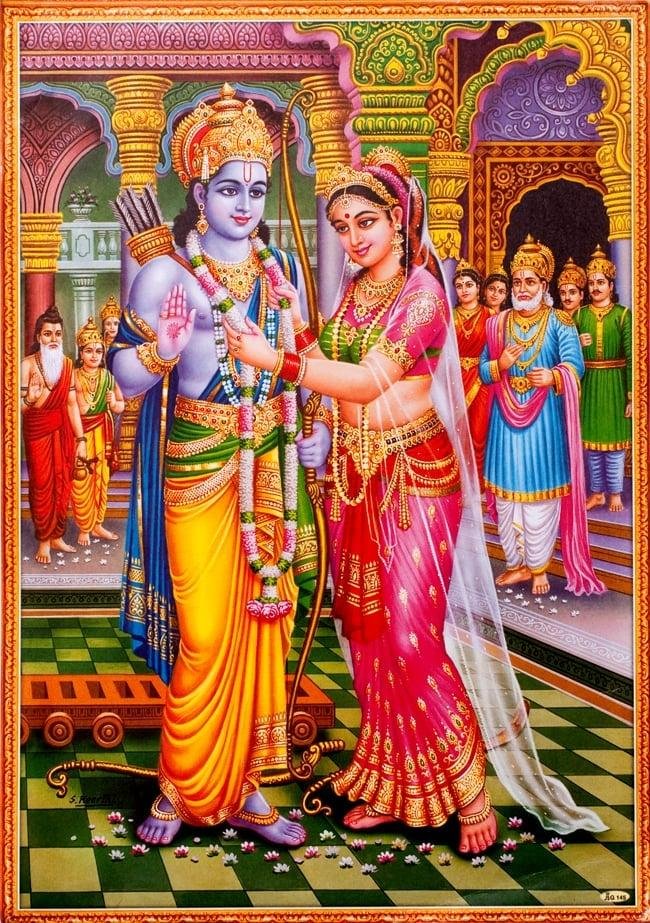
Tag: Yama Zatdaw

  • Ramayana Part 49: The Ramayana Across Asia | How Rama’s Story Reached Beyond Southeast Asia

    Ramayana Part 49: The Ramayana Across Asia | How Rama’s Story Reached Beyond Southeast Asia

    In the next article, we’ll explore how Ramayana traditions appeared in other parts of Asia, how the story travelled through cultural exchange, and how different societies adapted Rama, Sita, Hanuman and Ravana into their own literature, art and performance traditions.

    https://images.openai.com/static-rsc-4/GT1a4vzDCw9H-1jSRMJckHchAT_mfKS_A-ZuEmXlg_OPpAS-FDzuXfuW4ge0aWS_je03JLWWolZW_-2NXjNwLvop_73L9UOcJJPG2z7KxT1n7XO8aTmIfWrXGPu2IdgRIOB7Rgmm_8Ts2amVFFiRgQdTAxNVi5aG2IRprgGu_CDHoLlkvKsxTz7pl-5dDxCt?purpose=fullsize
    https://images.openai.com/static-rsc-4/A97eU0HN1Diw6w6-4vpY-2WFMhFa954SFoZ8vSo6R7RTXTVB8fjXux4LGw1HSVMwTHXn34wZgad2W_63XJEP1H1WTdfz1ruI6Q5xAomuH07QQAwbUin4j5Vf2A7zvBwvKVdGcr5nZxSm0R8HD_LRxlh5obSzlXqYbuY9qy1cvAeYUDychXITwBMREKEKvxOV?purpose=fullsize
    https://images.openai.com/static-rsc-4/kA0LllCN_vwR8Iym8MKiGmPuMbjG1K86AdcRTX4Ap27HTG7J3xFb9lkmMe7u_TyCZpI3UxiIEcY7PtDnOmPjGyFy9CtPzon6V_O52DDeUHZKdzmBk2QR0iayG34rRDa3iBEWZBJ9JQGEHa-1tOV8L3ak9cgvPAdW_zPayQd6bUK4HekSP34dPaM0gmIVPAQi?purpose=fullsize

    A Story That Kept Travelling

    Our journey has already taken us from India to:

    🇹🇭 Thailand
    🇮🇩 Indonesia
    🇰🇭 Cambodia
    🇱🇦 Laos
    🇲🇲 Myanmar

    But the cultural journey of the Ramayana does not end there.

    Across Asia, the story has been adapted into different languages, literary traditions, religious settings and performing arts.

    The characters may receive different names.

    The details may change.

    But the basic story remains recognizable.


    How Can One Story Have So Many Versions?

    The answer lies in the nature of oral and literary traditions.

    When storytellers receive an old story, they often retell it in a way that makes sense to their own audience.

    A travelling epic can therefore acquire:

    🗣️ A new language
    🎭 A new performance style
    🎨 A new artistic appearance
    🙏 New cultural meanings
    👑 New political associations

    The Ramayana is an excellent example of this process.


    Rama as a Cultural Hero

    Across different traditions, Rama is generally associated with qualities such as:

    ⚖️ Duty
    💪 Courage
    🙏 Loyalty
    👑 Leadership
    ❤️ Responsibility

    But different cultures may emphasize different qualities.

    One tradition may focus on Rama as a king.

    Another may emphasize him as a heroic warrior.

    Another may present him through dance and theatre.

    This creates different cultural interpretations of the same broad figure.


    Sita Across Different Traditions

    Sita’s character also changes in presentation as the story travels.

    She may appear as:

    🌸 A devoted wife
    👑 A queen
    💪 A strong woman
    🙏 A symbol of dignity
    ❤️ A central emotional figure

    Artists have represented her through paintings, sculpture, dance and theatre.

    Her story remains one of the most important parts of the Ramayana tradition.

    https://images.openai.com/static-rsc-4/J0rqjUEhetbVMyVSlYKU8oeMa7JjHSXkHJCgCWJpXuA0j08GeLmY5tsLIX0XoQKOtMLH79aNBS2rhb5gLtyide7ReK5ZaaiGbugN6wICb3c-676h8qQBaOpo3VGpQxPQnmjhvd7Nh6PW731SH8mtwzoam9c2qwVBPNGIhLjQxRlY4ey6W7QWAYDfV7Sc_EiH?purpose=fullsize
    https://images.openai.com/static-rsc-4/p9Tb4l45CZFpNBPK-MIMURqqlGjTCnuPo14KZIbofbldQRWu9gwrkEzGhiJdj43tnt5uW9RoIhA9vM-NTI6j28tyvxaoJOpbxpK2ZWaIAXgRjE3Y8GzZZBxVQzT8krxBT9NB5ezjKbiDCMDD0nQd8_k-EKUt-MUqGvQc1F3CgZJtP7xH1OOGoI1Kh9cFTqoW?purpose=fullsize
    https://images.openai.com/static-rsc-4/uP8OgP2aqtKX3qvnGAoYOCY05r9T4n_w9OFSFmHI17r0zxXK1zv2enDuknezwhdpoEYBNq8fY18NFujaS6SnapcL0OkU9SeCjknjvcLnJi6YaHW4h7phrxqpBIOL2l8SBH3rk3eQU54XhqAwpAkrSNeTKrrVzxRpnAwhcwZtPZiBbSkr72NGaOhMr5ObfOC_?purpose=fullsize

    Hanuman Travels Especially Well

    Hanuman may be one of the most successful Ramayana characters across Asia.

    Why?

    Because his personality combines several qualities that work extremely well in performance:

    🐒 A distinctive appearance
    💪 Extraordinary strength
    🧠 Intelligence
    🙏 Devotion
    😄 Humor
    ⚔️ Action

    A dancer can portray him.

    A puppeteer can create him.

    A sculptor can carve him.

    A painter can give him an entirely new appearance.


    Ravana in Different Cultures

    Ravana also changes visually as the story travels.

    His traditional image is dramatic enough to inspire artists across different cultures.

    He can be represented as:

    👑 A powerful ruler
    ⚔️ A formidable warrior
    🔥 A dangerous antagonist
    📖 A complex literary character

    The appearance may change, but his opposition to Rama remains central.


    The Ramayana Through Dance

    Dance became one of the most effective ways to preserve the story outside India.

    A dancer does not need a large amount of dialogue to communicate:

    🏹 A battle
    ❤️ Love
    😢 Separation
    🙏 Devotion
    👑 Royalty

    Body movements, facial expressions, costumes and music can tell the story.


    https://images.openai.com/static-rsc-4/xYcna3mN-8jStTcZSIo__3AxGQyMizp0yKij8xbsdCDDkLgkZSk5vQ4H-0busYpllN0jGBoFfc1CQAS7dQBg2WMrOU1nv03PJfGHTI2EUQ0ieW0d_4N3YEumTLArTQ80xFUlmmG24gsMhfQMifSERwxagx7Plm3NvPhBGyGihRSTkuyP9-X0_KfDXCs9V705?purpose=fullsize
    https://images.openai.com/static-rsc-4/tGR1FnP0iZhld0kU5lz2IlzA7OHxxyy1VkiaqWaUJNh4Vs1RIWLGSFsbUw5sqoHoBZVSLM8yiDljRWN67SyjZ3Tx0O9QFcADb44TnP2D65dVi5hl7gkoLdh2NT2zohUAo2-RCv8VirO-lDVJVE_dRGmyS8myXDE_VBBbzvjoVo3G41Lx1u_GGTX61oBAuuUV?purpose=fullsize
    https://images.openai.com/static-rsc-4/tMSjsWEw0LN5KPD1EAiRcUbe8tQrrREI-31EeegMoj4X4W2_hYFJ-y7qqJZYNzm3Kugss7k-CJgt7aHie5LOLyZfgi5U0gaFN52onYNNIShleayYuqs3kPY9mNe7_pkxE5f3Ft5kyUdOap8jI_3g3gRNJawPMR_lIWzmc7vrHCMNaiVFPagPI4-0fz3YP9Jm?purpose=fullsize

    The Ramayana Through Puppetry

    Puppetry is another important storytelling tradition.

    Indonesia is especially famous for Wayang Kulit, but puppet traditions across Asia demonstrate how epic stories can be transformed into visual theatre.

    A puppet can become:

    🏹 Rama
    🌸 Sita
    🐒 Hanuman
    👑 Ravana

    The puppeteer then controls the characters while narrating the story.


    The Ramayana in Architecture

    The story also travelled into stone.

    Temples and monuments across Asia contain artistic representations of epic narratives.

    Some of the most famous examples include:

    🛕 Prambanan in Indonesia
    🛕 Angkor Wat in Cambodia
    🛕 Wat Phra Kaew traditions in Thailand

    These monuments demonstrate that the Ramayana became part of architectural and visual culture.

    https://images.openai.com/static-rsc-4/y5Q3LDu5KDweuzsD4XVLKUO2FIA9xYnKlHVoH4Y2mk6_4LONL1ywcxTpBVnHOq27rdxbivllojkjRdYs24yYu2almlk77BMB7ZgoPg9xKnldRBlqdsysejg_IDmUSSJGVNDvMpxBwZnoIj8tV_vPFfyNhbpG8Ew6S0aCNj1AhI071CzpkiShU3qU2XOyhbfA?purpose=fullsize
    https://images.openai.com/static-rsc-4/b7fyY4Usc4S46fWvue7cNjoiRR2Sc4rj5G7WeIBl6FyVVl65TxflC6dLKRlkId4aPh7giFmG5z8Jcl6YwMA740iXQC8NQ4XASf9NFNHd_qz_pEvl0Rk9vwwJJ7aiM5XgOvqirk8R8GmYB4kIGDI-rEmOkxrItLLgRlpLcWtA6JCLu17NtV7i7oBJEMUAuqJm?purpose=fullsize
    https://images.openai.com/static-rsc-4/yUDzNOdzB3zHMg4JvtmxwasDA3eXxM8kbNqkOWPMYW7LTStwqLyo6dNvYRy1jZf435HX8XfSiX5-QzcFpp58AG7q2cKwAV8nrarPsAo5fwk8x1aQj1MfCa9qBaJA7i3oqTYD0DzjVoyhWby5nL8FDpyr7JLgK9OkE8EIkg0QLnaCAchHj7b1DxMucPN7zK8z?purpose=fullsize

    From India to Southeast Asia

    The movement of the Ramayana was part of a much larger history of cultural exchange.

    Trade networks connected communities across the Indian Ocean.

    Religious traditions travelled with scholars and teachers.

    Royal courts exchanged ideas.

    Artists and storytellers adapted narratives.

    The Ramayana was one of the stories that moved through these networks.


    The Story Changes Without Disappearing

    This is one of the most important lessons from the Ramayana’s Asian journey.

    A story does not have to remain identical to remain recognizable.

    The Ramakien is not exactly the same as an Indian Ramayana.

    The Reamker is different again.

    Phra Lak Phra Lam has its own identity.

    Yama Zatdaw developed its own Burmese characteristics.

    Yet all remain connected to the larger Ramayana tradition.


    Why Cultural Differences Matter

    These differences should not simply be treated as mistakes or deviations.

    They show how communities make stories their own.

    A Thai artist paints the story according to Thai artistic traditions.

    A Cambodian dancer performs it according to Khmer movement traditions.

    An Indonesian puppeteer presents it through Wayang.

    A Lao storyteller presents it through Lao language and culture.

    The story becomes a meeting point between cultures.


    The Ramayana as a Cultural Bridge

    The epic therefore provides an extraordinary example of cultural connection.

    It connects:

    🇮🇳 India
    🇹🇭 Thailand
    🇮🇩 Indonesia
    🇰🇭 Cambodia
    🇱🇦 Laos
    🇲🇲 Myanmar

    And many other communities that encountered the story through literature, religion, art and performance.


    What Remains Common?

    Despite differences, certain themes appear repeatedly:

    ⚖️ Dharma and duty

    Characters face difficult moral choices.

    ❤️ Family and relationships

    The story places enormous importance on family bonds.

    🙏 Loyalty

    Hanuman and Lakshmana are powerful examples.

    💪 Courage

    The characters repeatedly face dangerous situations.

    👑 Leadership

    Rama’s role as a ruler remains an important theme.

    These ideas helped the story survive across cultural boundaries.


    The Ramayana in the Modern World

    The story’s journey continues today.

    Modern audiences can encounter Ramayana traditions through:

    📺 Television
    🎬 Cinema
    📱 Digital media
    🎨 Contemporary art
    🎭 Theatre
    💃 Dance
    📚 Books

    The ancient epic continues to find new ways to reach new generations.


    https://images.openai.com/static-rsc-4/BXbI_e3izJfHHGp4jYyC-TKc_8JYptkfHqvWy2-UKcmUQj4AA5jnxgYzW6f9NRwJR2bA04isj_ekIFE6B7kiwEZZTbzDuBruvaJXFIuLQWVjFaC1hG0N_mJBRGerZohLP3HvsHXJ8StXx7CtoUilCDHrQHdyS0HqkufLs9L8KVIDuje9VPcTCFlo2pivrzyz?purpose=fullsize
    https://images.openai.com/static-rsc-4/36C2QKI6gF7865uu-qIBAoqsQDUSbJjkwM0CO8DI2ounXfVUXU20r6DA5B6sOnDrriiA6ZrusbLibHfDvof_w0h63AQeneliOCeXp5n4mIHryKX6kqLsLWUavs8QzwZmVc1sUE7lePUUMgA4KtLkBd6JFFv4ttdAh3RqDIdZZH8g1JVbcS9_m1wOdbE-xLj8?purpose=fullsize
    https://images.openai.com/static-rsc-4/QCveuHoy1N9SwSWbpXZXtKjZgfXRpDNM4ySw7-zY4cnAio3RMz6d_KL-bFswMcSG6uPop3o3hFM2_jYQKpI4EoEuOENHG1k49127zKpST1VzZOS4bGfetefp2vzpydMNij608ojNBxM5bnzBozqnxsT7k5fiY1M7nLlYAqy-zs4IDXKn-PCpghC7F7gdohkX?purpose=fullsize

    One Epic, Many Cultural Voices

    Perhaps the most beautiful part of the Ramayana’s journey is that there is no single visual appearance that represents the entire Asian tradition.

    Rama can look different.

    Sita can wear different clothing.

    Hanuman can have different costumes.

    Ravana can appear in different artistic styles.

    And yet audiences can still recognize the story.


    Why This Journey Matters

    Studying the Ramayana across Asia helps us understand something bigger than the epic itself.

    It teaches us about:

    🌏 Cultural exchange
    🎨 Artistic adaptation
    📖 Literary traditions
    🎭 Performance
    🛕 Architecture
    🤝 Connections between societies

    The Ramayana becomes a lens through which we can understand Asian cultural history.


    Conclusion

    The Ramayana travelled far beyond the land where its earliest major literary traditions developed.

    As it moved across Asia, it encountered new languages, religions, artistic traditions and societies.

    It changed.

    But it did not disappear.

    Instead, it became:

    🇹🇭 Ramakien in Thailand
    🇰🇭 Reamker in Cambodia
    🇱🇦 Phra Lak Phra Lam in Laos
    🇲🇲 Yama Zatdaw in Myanmar
    🇮🇩 Javanese and Balinese Ramayana traditions in Indonesia

    🌏 The Ramayana’s journey across Asia is not simply the story of one epic travelling from one country to another — it is the story of cultures meeting, adapting and preserving a shared narrative in their own unique voices.

    In the next part, we will return to India and explore another fascinating subject: the Ramayana in Indian regional languages — how Tamil, Telugu, Kannada, Malayalam, Bengali and other traditions created their own powerful versions of Rama’s story.
  • Ramayana Part 48: Yama Zatdaw | The Ramayana Tradition of Myanmar

    Ramayana Part 48: Yama Zatdaw | The Ramayana Tradition of Myanmar

    In the next article, we’ll explore Myanmar’s unique Ramayana tradition known as Yama Zatdaw, how Rama’s story entered Burmese culture, the roles of Yama, Thida and Dathagiri, and how the epic became part of Myanmar’s theatre, dance, literature and traditional art.

    https://images.openai.com/static-rsc-4/v0KEACuEXDkPb5o7_rL671Vq8Rc0withhBTrwTFdhltdf0-2cOEvDTk9tKkZjNHk993ero0gooWs5IcaT4KiM5bH86ByRdyJPswXo6Cg8g44UtTTakU-_9h8-kitBgHRy9VXDTPY5tm14sAEzuZn_MffyY0zlfL3Gur_PiKgBxRiyXS4A9THGL2X-5izgN7i?purpose=fullsize
    https://images.openai.com/static-rsc-4/-B-_rBUri77aTq7_obqlsofCw8ZHDO7mYlEf0kQXkL-gbcL4wxsvCWjMXx2NPxy7SLI9qPns0qR6RsGXXsXHfMo78po-e3iRJ7Vzn2NLR1sOlMnh940Q2K1W8EHEbyJDvhVEM2Y4zJ-Bk1FE80a8PhQip0qnOprIWPMozLKqrsnsxGrbIHFvOyoSIqtAfXEW?purpose=fullsize
    https://images.openai.com/static-rsc-4/w8JY2G2MRln05CEYyFCqiU83kLnMOJNDHjB6aqqaV6cd87NZIcNVUgP-gkwS0biigp9R7f0mI4zZABMMLtvKVt2DlqrhzQzmS50vw35kCcKuT9lUkodzqp-KNOCO8tIo22ZuysVyQNdNCG560JNEQuHjegiocMPoE55pG66Yj1idn-4CPZ94iI5aijp72XJj?purpose=fullsize

    What Is Yama Zatdaw?

    Yama Zatdaw is the Burmese tradition based on the Ramayana.

    The name is associated with Yama, the Burmese name for Rama.

    The story became part of Myanmar’s cultural heritage through:

    🎭 Theatre
    💃 Dance
    📖 Literature
    🎨 Art
    🗣️ Storytelling

    Like other Southeast Asian traditions, Myanmar developed its own interpretation rather than simply reproducing the Indian Ramayana word for word.


    Rama Becomes Yama

    In the Burmese tradition, Rama is known as Yama.

    He remains the central heroic figure.

    His story includes familiar themes of:

    🏹 Courage
    🙏 Duty
    ❤️ Loyalty
    👑 Kingship
    ⚔️ Conflict

    The basic narrative connects Yama with the larger Ramayana tradition found throughout Asia.


    Sita Becomes Thida

    Sita is known as Thida in the Burmese tradition.

    Her relationship with Yama remains an important part of the story.

    Her separation from Yama and the events surrounding her capture provide some of the most dramatic moments in Yama Zatdaw.


    Ravana Becomes Dathagiri

    Ravana is known as Dathagiri in the Burmese tradition.

    Like Ravana in the Indian epic, Dathagiri is a powerful ruler and the principal opponent of Yama.

    His elaborate appearance and dramatic role make him an important figure in Burmese performance traditions.

    https://images.openai.com/static-rsc-4/MwVoAbiP2CxvLZyqSQCHFLxM9Nr009Q0Z0igmQxJM-718ybCOpnA0R2ngHouXVOwuh_yAw8O7fEZ0RWp5XmAoplCq1UvEL39yQWWwoteQxANXvkJkMi5lzgPywnGjmnhj1DCpfgSUdjHin3C0MzAKHij0835pLhabn1oe2Gxjel2TviyXZaGhiStNfBiN9df?purpose=fullsize
    https://images.openai.com/static-rsc-4/VSZiYK-FCwwTXilTbfSS0iZWXvOn_8lJHDVX8PMhYsuHZx0P_OOy6W1-hjDoFVdRpwSj20z-bkmUxyv8bzrgS4qM3WSyfFIhQZMexO6PFDnZ54LfUX7QdTbJX79Cffqp1IwDHyVbDb5TOhdA9wLKPxFgQKTd5_Ki9XbUbvD3spVwn6xHtAd0i9az3JhY_jKO?purpose=fullsize
    https://images.openai.com/static-rsc-4/7JBeJjdxBWdpeIca2kAsJtr2e3o4cVJWqhwvvAorDy3ng6GDobHwvmJ7BxfQaF5kLgVYDSGVpFBYLxHxNFNdV1yF9jSzR9dFmA4PqGxXIKPkDosO_sJDa7iveGoSPIpFmJ91IPU6DLd99TxTTkoOlyD7b8Tu6JltS3VAKTQ2lyXRsL8hFZ1jbPzmF0p70KNJ?purpose=fullsize

    Hanuman in Myanmar

    Hanuman remains one of the most recognizable characters in Yama Zatdaw.

    His traditional qualities include:

    🐒 Courage
    💪 Strength
    🧠 Intelligence
    🙏 Loyalty
    ⚔️ Bravery

    His adventures provide opportunities for dramatic action and lively theatrical performances.


    Theatre and Yama Zatdaw

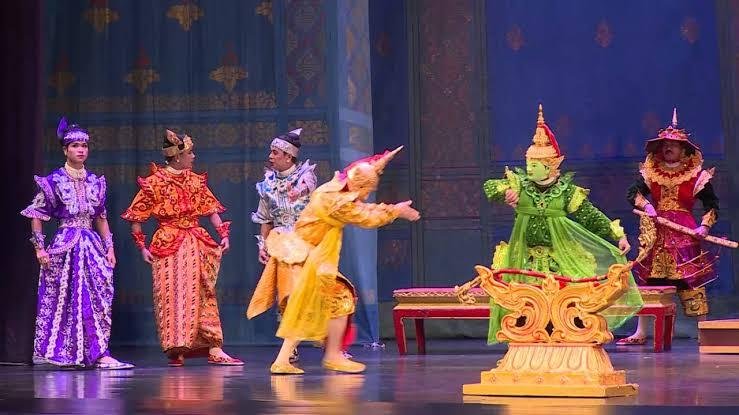
    The word Zatdaw is associated with traditional Burmese theatrical performance.

    Yama Zatdaw could therefore be experienced not merely as a written story, but as a performed epic.

    Actors, musicians and dancers could bring the characters to life through:

    🎭 Acting
    🎵 Music
    💃 Movement
    👑 Costumes
    🗣️ Dialogue

    https://images.openai.com/static-rsc-4/v0KEACuEXDkPb5o7_rL671Vq8Rc0withhBTrwTFdhltdf0-2cOEvDTk9tKkZjNHk993ero0gooWs5IcaT4KiM5bH86ByRdyJPswXo6Cg8g44UtTTakU-_9h8-kitBgHRy9VXDTPY5tm14sAEzuZn_MffyY0zlfL3Gur_PiKgBxRiyXS4A9THGL2X-5izgN7i?purpose=fullsize
    https://images.openai.com/static-rsc-4/-B-_rBUri77aTq7_obqlsofCw8ZHDO7mYlEf0kQXkL-gbcL4wxsvCWjMXx2NPxy7SLI9qPns0qR6RsGXXsXHfMo78po-e3iRJ7Vzn2NLR1sOlMnh940Q2K1W8EHEbyJDvhVEM2Y4zJ-Bk1FE80a8PhQip0qnOprIWPMozLKqrsnsxGrbIHFvOyoSIqtAfXEW?purpose=fullsize
    https://images.openai.com/static-rsc-4/wNXX2t0MC7qGEGdhswgz9nD3myltc6S0EzQU9oe9LDZ1sZexUq_JogVUtI3nBfnk9PW82Xv-1geCE0w5pN0sODhO9heluvVE-vJuSILPw_RQVOP2VJxtZALwXdeaImFoiAbU1GWpdWVttTtKZK5dX6XRupw7OmbTo-cPcBNpOMFhd4Ygg5oh0ddZO3_qNPVm?purpose=fullsize

    A Story Adapted for Burmese Audiences

    When the Ramayana entered Myanmar, it encountered an already rich Burmese cultural environment.

    The story was therefore adapted through local:

    🗣️ Language
    🎭 Theatre
    🎨 Artistic traditions
    🙏 Religious culture
    🎵 Music

    This helped transform the epic into something that Burmese audiences could experience as their own cultural tradition.


    The Influence of Buddhist Culture

    Myanmar has a long and important Theravada Buddhist tradition.

    As the Ramayana became part of Burmese culture, its stories were encountered within this wider Buddhist environment.

    This is another example of how the Ramayana changed as it travelled across Asia.

    The epic could be interpreted through the cultural ideas already present in the society where it arrived.


    Yama and Thida

    The relationship between Yama and Thida remains central to the emotional side of the story.

    Their journey includes:

    ❤️ Love
    🌳 Separation
    💔 Loss
    ⚔️ Conflict
    🏹 Reunion

    These themes help make the story understandable even when the names and cultural setting change.


    Hanuman’s Popularity

    Hanuman is especially effective in theatrical traditions because his character allows performers to combine action and humor.

    He can be portrayed as:

    ⚔️ A warrior
    🙏 A loyal servant
    🧠 A clever strategist
    🐒 An energetic hero

    This makes him one of the most memorable figures in Yama Zatdaw.

    https://images.openai.com/static-rsc-4/VSZiYK-FCwwTXilTbfSS0iZWXvOn_8lJHDVX8PMhYsuHZx0P_OOy6W1-hjDoFVdRpwSj20z-bkmUxyv8bzrgS4qM3WSyfFIhQZMexO6PFDnZ54LfUX7QdTbJX79Cffqp1IwDHyVbDb5TOhdA9wLKPxFgQKTd5_Ki9XbUbvD3spVwn6xHtAd0i9az3JhY_jKO?purpose=fullsize
    https://images.openai.com/static-rsc-4/v0KEACuEXDkPb5o7_rL671Vq8Rc0withhBTrwTFdhltdf0-2cOEvDTk9tKkZjNHk993ero0gooWs5IcaT4KiM5bH86ByRdyJPswXo6Cg8g44UtTTakU-_9h8-kitBgHRy9VXDTPY5tm14sAEzuZn_MffyY0zlfL3Gur_PiKgBxRiyXS4A9THGL2X-5izgN7i?purpose=fullsize
    https://images.openai.com/static-rsc-4/WnU3pwaFb1dPuO_HkV2zUDL3o5cXw_NFY_4Zzq-c-Q-vsEg2ddefMM1gpStM4xv1F0LjmDFx0Y89PjVotfbhy_vLcpPw3BUs-NaJ6wydMQUi4NLo30y8Lp_laFBQth39E4kkdY2RarTGgzJHPgh_Qu2pvS3xbqItnfXhy0BF_XMuXZR4CHbmMjTxShPMoBlM?purpose=fullsize

    The Ramayana Through Burmese Art

    The story has also inspired visual representations.

    Artists can portray:

    🏹 Yama
    🌸 Thida
    🐒 Hanuman
    👑 Dathagiri
    ⚔️ Battle scenes

    These images provide another way for audiences to connect with the epic.


    Myanmar’s Place in the Asian Ramayana Tradition

    By now, the journey is becoming clear.

    The Ramayana travelled across many parts of Asia.

    🇮🇳 India — Ramayana

    🇹🇭 Thailand — Ramakien

    🇮🇩 Indonesia — Javanese and Balinese traditions

    🇰🇭 Cambodia — Reamker

    🇱🇦 Laos — Phra Lak Phra Lam

    🇲🇲 Myanmar — Yama Zatdaw

    Each tradition has its own identity.


    The Same Characters, Different Names

    Indian TraditionMyanmar Tradition
    RamaYama
    SitaThida
    RavanaDathagiri
    HanumanHanuman
    LakshmanaLakhan

    The differences in names show how the story was adapted to the Burmese language and cultural environment.


    Why Did Yama Zatdaw Survive?

    The story contains themes that can cross cultural boundaries.

    People everywhere can understand:

    ❤️ Love
    🤝 Loyalty
    👨‍👩‍👦 Family
    ⚖️ Duty
    💪 Courage
    👑 Leadership

    These universal themes helped the Ramayana continue to resonate even after travelling far from its original cultural environment.


    From Ancient Epic to Living Tradition

    Yama Zatdaw demonstrates that the Ramayana is not simply a story preserved in old manuscripts.

    It has also been:

    🎭 Performed
    🗣️ Retold
    🎨 Reimagined
    🎵 Sung
    💃 Danced

    Each generation can encounter the story in a new form.


    A Shared Asian Story

    The Burmese tradition adds another important chapter to the story of the Ramayana’s journey across Asia.

    It shows that cultural exchange does not erase local identity.

    Instead, a travelling story can become part of a new culture while retaining connections with its earlier forms.


    Conclusion

    Myanmar transformed the Ramayana into Yama Zatdaw, giving the epic a distinctly Burmese cultural identity.

    Rama became Yama.

    Sita became Thida.

    Ravana became Dathagiri.

    Hanuman remained one of the most beloved figures.

    Through Burmese theatre, literature, dance and art, the story continued to live within Myanmar’s cultural tradition.

    🇲🇲 Yama Zatdaw is another remarkable example of how Rama’s story travelled across Asia and found a new voice in another civilization.

    In the next part, we will move beyond Southeast Asia and explore the Ramayana traditions of the Philippines and other parts of Asia, discovering how far the story travelled and where its influence can still be found today.