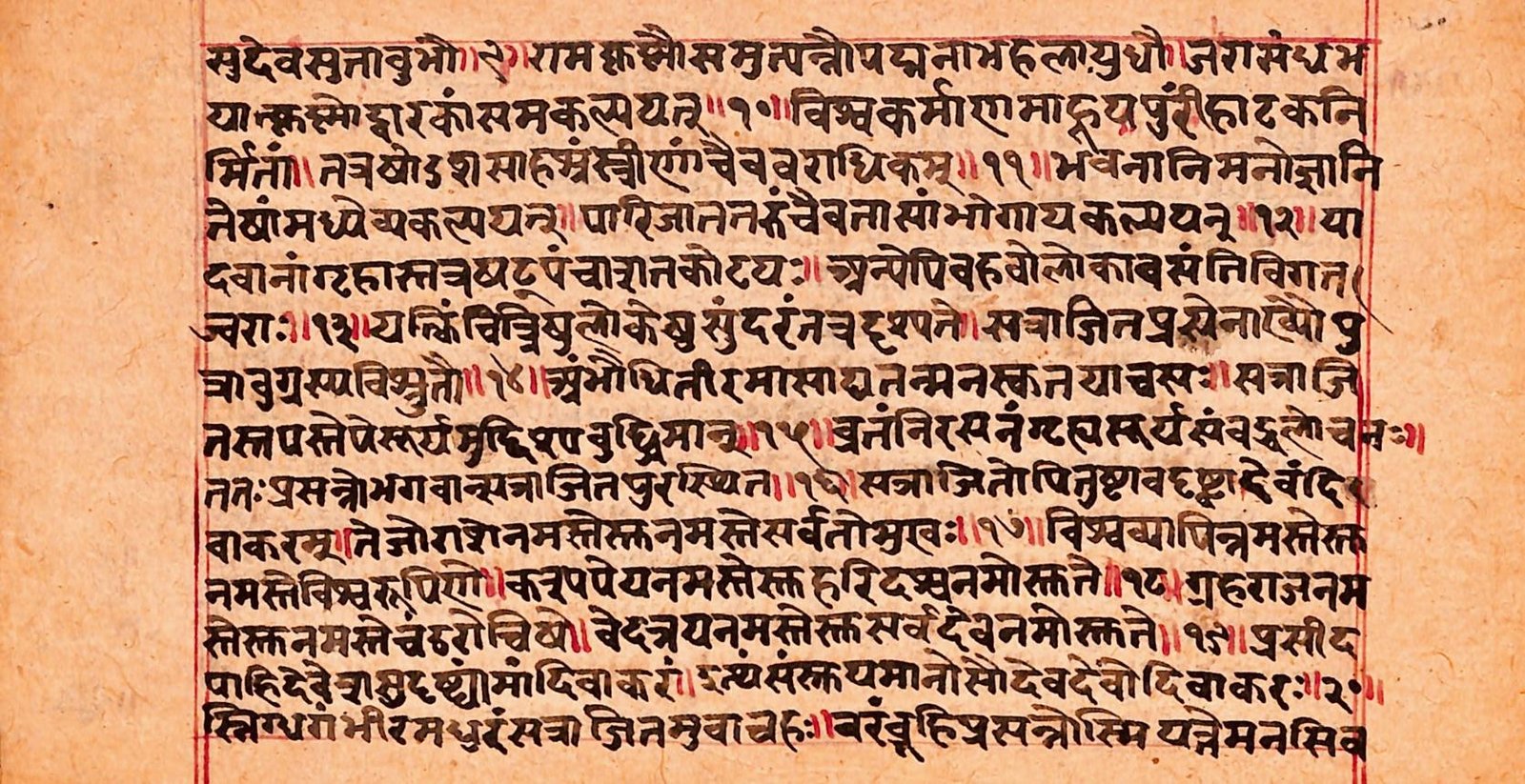
Continuing our 18 Mahapuranas series, Part 13 is the Skanda Purana.
The Skanda Purana is traditionally counted among the 18 Mahapuranas and is especially known for its extensive material on Lord Shiva, Skanda (Kartikeya), sacred places, pilgrimage, temples, festivals, Dharma and religious traditions.


Image ALT: Ancient Skanda Purana manuscript, Lord Kartikeya and Lord Shiva representing the Skanda Purana
What Is the Skanda Purana?
The Skanda Purana is one of the traditional 18 Mahapuranas.
It takes its name from Skanda, also known as Kartikeya, Murugan and Subrahmanya.


Image ALT: Lord Skanda Kartikeya riding a peacock in traditional Indian art
However, despite its name, the surviving Skanda Purana contains a very large amount of material concerning Shiva, Shakti, Vishnu, pilgrimage and sacred geography.
Who Is Skanda?
Skanda is one of the most important deities in Hindu traditions.
He is also known by several names:
- Kartikeya
- Murugan
- Subrahmanya
- Kumara
- Shanmukha
- Guha


Image ALT: Lord Kartikeya also known as Murugan, Subrahmanya and Shanmukha
He is traditionally associated with courage, divine wisdom and the destruction of evil forces.
Skanda and Shiva
Skanda is traditionally described as the son of Lord Shiva and Goddess Parvati.


Image ALT: Shiva, Parvati and Kartikeya representing the divine family in Hindu tradition
His divine family traditionally includes:
Shiva + Parvati → Ganesha and Skanda
Skanda and the Peacock
One of the most recognizable symbols of Kartikeya is the peacock.


Image ALT: Lord Kartikeya riding his peacock Vahana in traditional Indian art
The peacock is traditionally regarded as Skanda’s Vahana, or divine vehicle.
Skanda and the Vel
Another important symbol associated with Murugan is the Vel, the divine spear.


Image ALT: Lord Murugan holding the sacred Vel spear in traditional Indian art
The Vel is associated with divine power, courage and the destruction of evil.
The Birth of Skanda
The birth of Skanda is one of the famous stories associated with him.


Image ALT: Birth of Skanda Kartikeya and the six Krittika mothers in traditional Indian art
Different Hindu traditions tell the story in different ways, but Skanda’s birth is connected with a divine purpose: defeating powerful forces that threaten the cosmic order.
The Six Faces of Shanmukha
Skanda is also called Shanmukha, meaning the six-faced one.


Image ALT: Six-faced Shanmukha Kartikeya represented in traditional Indian art
The six-faced form is one of the most distinctive representations of Murugan.
Skanda and the Devas
Skanda is traditionally connected with the Devas and their struggle against powerful Asuras.


Image ALT: Kartikeya leading the Devas against Asuras in traditional Hindu mythology
He is therefore strongly associated with divine protection and victory over evil.
Skanda as a Warrior Deity
Kartikeya is often portrayed as a divine warrior.


Image ALT: Lord Kartikeya as a divine warrior holding the Vel
His warrior imagery represents:
- Courage
- Discipline
- Strength
- Protection
- Victory over negative forces
Shiva Traditions
The Skanda Purana contains extensive material connected with Lord Shiva.


Image ALT: Lord Shiva representing the Shaiva traditions found in the Skanda Purana
Shiva worship, sacred places and stories connected with Shiva form a major part of the text’s wider tradition.
Shiva Linga
The Shiva Linga is an important object of worship in Shaiva traditions.


Image ALT: Shiva Linga being worshipped in a traditional Hindu temple
Devotees traditionally offer:
- Water
- Milk
- Flowers
- Bilva leaves
- Lamps
- Incense
Sacred Geography
One of the most important features of the Skanda Purana is its extensive material concerning sacred places and pilgrimage.


Image ALT: Hindu pilgrims visiting a sacred place in India
The text is particularly valuable for understanding the traditional concept of Tirtha.
What Is Tirtha?
A Tirtha is a sacred place associated with spiritual practice and pilgrimage.


Image ALT: Hindu pilgrims visiting a sacred Tirtha and bathing in a holy river
Tirthas can include:
- Temples
- Rivers
- Mountains
- Lakes
- Sacred forests
- Holy cities
Kashi
The Skanda Purana is particularly famous for its extensive Kashi Khanda.


Image ALT: Sacred Kashi Varanasi and the Ganga representing the Kashi tradition of the Skanda Purana
Kashi, or Varanasi, is one of the most sacred cities in Hindu tradition.
It is especially associated with Lord Shiva and spiritual liberation.
Kashi Khanda
The Kashi Khanda describes the sacred geography, temples and religious importance of Kashi.


Image ALT: Kashi Varanasi and Shiva temples representing the Kashi Khanda
It contains stories explaining why different locations in Kashi are considered sacred.
Ganga in Kashi
The river Ganga is central to the sacred identity of Kashi.


Image ALT: Ganga River and Varanasi Ghats representing sacred Kashi
Bathing in the Ganga and visiting sacred temples are important parts of the traditional pilgrimage experience.
Kedara Khanda
Another well-known section is associated with Kedara and the Himalayan sacred landscape.


Image ALT: Kedarnath Temple in the Himalayas representing the sacred Kedara tradition
Kedarnath is one of the most important Shiva pilgrimage sites.
Himalayan Sacred Places
The Himalayas have an especially important place in Shiva traditions.


Image ALT: Himalayan landscape associated with Lord Shiva and sacred pilgrimage traditions
Mountains are often portrayed as places of:
- Meditation
- Tapas
- Spiritual knowledge
- Pilgrimage
- Divine presence
Prabhasa and Other Sacred Places
The Skanda Purana contains traditions associated with numerous sacred locations.


Image ALT: Somnath Temple representing the sacred Prabhasa pilgrimage tradition
Such descriptions helped connect local temples and pilgrimage sites with the larger Puranic religious world.
Pilgrimage in the Skanda Purana
Pilgrimage is not presented merely as travel.


Image ALT: Hindu devotees undertaking a sacred pilgrimage
It can involve:
- Prayer
- Fasting
- Sacred bathing
- Temple worship
- Charity
- Listening to sacred stories
- Meditation
Sacred Rivers
The Skanda Purana gives importance to sacred rivers and water bodies.


Image ALT: Hindu devotees visiting a sacred river during pilgrimage
Rivers are traditionally understood as sources of spiritual purification and blessing.
Devi and Shakti
The Skanda Purana also contains important traditions concerning Devi and Shakti.


Image ALT: Goddess Shakti representing divine feminine traditions in the Skanda Purana
The Goddess is worshipped in many different forms throughout Hindu traditions.
Goddess Worship
Devi traditions connect the Divine Feminine with:
- Power
- Protection
- Compassion
- Creation
- Transformation


Image ALT: Goddess Durga representing Shakti and divine protection
Vishnu Traditions
The Skanda Purana also contains material concerning Lord Vishnu and Vaishnava traditions.


Image ALT: Lord Vishnu representing Vaishnava traditions within Puranic literature
This illustrates how Puranic texts frequently preserve traditions concerning multiple major Hindu deities.
Dharma
Dharma is another important theme.


Image ALT: Hindu sage teaching Dharma and righteous conduct in traditional Indian art
Religious life is connected with:
- Righteous conduct
- Duty
- Devotion
- Charity
- Self-discipline
- Respect for sacred traditions
Vratas
The Skanda Purana contains traditions concerning Vratas, religious vows and observances.


Image ALT: Hindu devotee observing a religious vrata with prayer and puja
Vratas can involve fasting, worship, prayer and charitable acts.
Festivals
The text’s religious traditions are connected with numerous Hindu festivals and sacred days.


Image ALT: Hindu devotees celebrating a traditional religious festival at a temple
Festivals bring together devotion, ritual and community life.
Mahashivaratri
Because of the strong Shiva traditions associated with the Skanda Purana, Mahashivaratri is especially relevant to its devotional world.


Image ALT: Devotees worshipping Lord Shiva during Mahashivaratri
Devotees commonly observe fasting, night-long worship, Abhishekam and mantra chanting.
Murugan Worship
In South India, Skanda is especially famous as Murugan.


Image ALT: Devotees worshipping Lord Murugan at a South Indian temple
Murugan worship is particularly prominent in Tamil religious traditions.
Important Murugan Forms
Murugan is worshipped under several names and forms.


Image ALT: Different traditional forms of Lord Murugan including Subrahmanya and Shanmukha
Some well-known names include:
- Murugan
- Subrahmanya
- Kartikeya
- Shanmukha
- Skanda
- Kumara
Murugan and Tamil Tradition
Murugan has a particularly deep connection with Tamil culture and religious tradition.


Image ALT: Tamil devotees celebrating a Murugan temple festival
His temples and festivals continue to play an important role in South Indian devotional life.
Thaipusam
Thaipusam is a major festival associated with Murugan in several Hindu communities.


Image ALT: Devotees celebrating the Murugan festival of Thaipusam
The festival is associated with devotion, vows and offerings to Murugan.
Kavadi
Kavadi is an important devotional practice associated with Murugan worship.


Image ALT: Murugan devotees carrying Kavadi as an act of religious devotion
Devotees may undertake Kavadi as an expression of faith, discipline and devotion.
The Warrior and the Devotee
Murugan represents both divine strength and devotion.

Image ALT: Lord Murugan representing both divine courage and spiritual devotion
His stories show that strength is ideally used for the protection of Dharma.
Sacred Temples
The Skanda Purana’s emphasis on sacred geography makes temples especially important.


Image ALT: Ancient Hindu temple representing sacred pilgrimage traditions in the Skanda Purana
Temples become places where mythology, worship and geography come together.
Why Is the Skanda Purana Important?
1. Skanda Tradition
It preserves traditions connected with Skanda, Kartikeya and Murugan.
2. Shiva Bhakti
It contains extensive Shiva-centered material.
3. Sacred Geography
Its pilgrimage sections are among its most important features.
4. Kashi
The Kashi Khanda gives extensive attention to the sacred city of Varanasi.
5. Pilgrimage
It explains the religious significance of many Tirthas.
6. Dharma
It contains teachings concerning religious duties and observances.
What Can We Learn From the Skanda Purana?
Courage
Skanda represents courage in the protection of Dharma.
Devotion
Bhakti connects the devotee with the Divine.
Discipline
Vratas and pilgrimage require dedication and self-control.
Respect for Sacred Places
Tirthas remind devotees of the spiritual importance attached to sacred geography.
Spiritual Strength
The stories of Shiva and Skanda encourage inner strength as well as physical courage.
Unity of Traditions
The Purana contains material concerning Shiva, Skanda, Devi and Vishnu, reflecting the broad nature of Puranic Hinduism.
Skanda Purana – Quick Facts
Series: 18 Mahapuranas – Part 13
Name: Skanda Purana
Language: Sanskrit
Named After: Skanda / Kartikeya / Murugan
Major Tradition: Shaiva and Skanda traditions
Important Deities: Shiva, Skanda, Devi and Vishnu
Major Themes: Pilgrimage, sacred places, Dharma, temples, vratas, festivals and mythology
Famous Section: Kashi Khanda
Important Sacred Region: Kashi / Varanasi
Important Deity in South India: Murugan
Frequently Asked Questions
What is the Skanda Purana?
The Skanda Purana is one of the traditional 18 Mahapuranas, known for its extensive material on Shiva, Skanda, pilgrimage and sacred places.
Who is Skanda?
Skanda is another name for Kartikeya, Murugan and Subrahmanya, traditionally described as the son of Shiva and Parvati.
What is the Kashi Khanda?
The Kashi Khanda is a famous section associated with the sacred city of Kashi/Varanasi and its temples, stories and pilgrimage traditions.
Is the Skanda Purana only about Kartikeya?
No. Despite its name, the text contains extensive traditions concerning Shiva, Devi, Vishnu, pilgrimage and sacred geography.
Why is Murugan important?
Murugan is particularly important in South Indian and Tamil traditions, where he is worshipped as a powerful and compassionate divine figure.
What is the Vel?
The Vel is the sacred spear associated with Murugan and is an important symbol of divine power and victory over evil.
Conclusion
The Skanda Purana – Part 13 is one of the most extensive and fascinating works in the Puranic tradition.
Although it carries the name of Skanda, its scope extends far beyond the stories of Kartikeya. It brings together traditions connected with Shiva, Skanda, Devi, Vishnu, Dharma, temples and pilgrimage.
Its descriptions of sacred places—especially Kashi—show how Puranic literature connected mythology with the physical landscape of India.
The story and symbolism of Skanda/Murugan, with his Vel and peacock, represent courage, devotion and the protection of Dharma.
Above all, the Skanda Purana reminds us that pilgrimage is not simply a journey to a place; it can also be a journey of devotion and spiritual transformation.
This is Part 13 of our 18 Mahapuranas series.
Leave a Reply