Public Order and Community Safety Crimes in India: Types, Impact, Laws and Prevention
Introduction
A peaceful society depends on people being able to live, work, travel, study, and conduct their daily activities without unlawful interference or violence.
Crimes affecting public order and community safety can disturb this peaceful environment. They may involve unlawful gatherings, violence in public places, damage to public or private property, dangerous conduct, obstruction, or activities that create serious risks to the community.
Some of these offences may appear minor at first, but repeated incidents can create fear, financial losses, disruption of essential services, and damage to public confidence.
Indian criminal law contains provisions dealing with offences affecting public tranquillity, public servants, public safety, property, and other aspects of community life. The Bharatiya Nyaya Sanhita, 2023 (BNS) is the current principal substantive criminal law and came into force on 1 July 2024.
This article explains important categories of public-order and community-safety offences in simple language, along with their social impact and prevention.
Public Safety


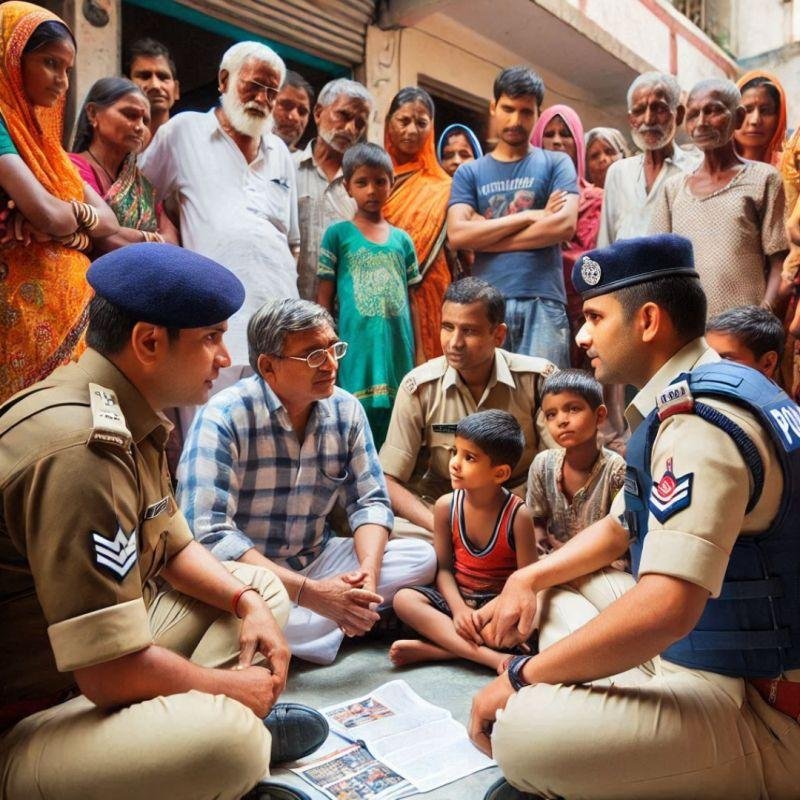
Public safety and community policing in India
A peaceful community depends on cooperation between citizens, institutions, and law-enforcement authorities.
What Are Public Order Crimes?
Public-order crimes are offences that can disturb peace, safety, or normal community life.
They may include:
- Unlawful assemblies
- Rioting
- Violence in public places
- Damage to public property
- Criminal trespass
- Public nuisance
- Obstruction of public ways
- Dangerous or reckless conduct
- Threats and intimidation
- Certain offences involving public servants
The exact legal classification depends on the circumstances and the applicable law.
1. Unlawful Assembly
People have legal rights to gather peacefully, but those rights are subject to applicable restrictions.
An assembly may become unlawful when it meets the legal definition and circumstances specified by criminal law.
This distinction is important:
A peaceful gathering is not automatically a crime.
The circumstances, purpose, conduct of participants, and applicable legal provisions determine whether an offence has occurred.
Citizens should exercise their rights peacefully and follow lawful directions from authorities.
2. Rioting
Rioting generally involves an unlawful assembly using force or violence in circumstances defined by law.
Rioting can result in:
- Injuries
- Property damage
- Traffic disruption
- Fear among residents
- Business closures
- Damage to public infrastructure
Authorities may use lawful crowd-management measures to restore public safety.
Peaceful Community


Peaceful public gathering and community safety in India
3. Damage to Public Property
Public property includes infrastructure and facilities used by the community.
Examples include:
- Government buildings
- Public transport facilities
- Roads
- Streetlights
- Public parks
- Educational institutions
- Public utilities
Deliberately damaging such property can create costs for taxpayers and disrupt essential services.
Citizens should report damage through appropriate authorities rather than attempting to confront suspected offenders.
4. Vandalism
Vandalism generally refers to deliberate damage or destruction of property.
Examples can include:
- Damaging vehicles
- Breaking public fixtures
- Defacing walls
- Destroying signs
- Damaging business property
Vandalism can affect both private individuals and the wider community.
Prevention
- Security cameras
- Better lighting
- Community awareness
- Quick reporting
- Proper maintenance
can help reduce opportunities for property damage.
5. Criminal Trespass
Criminal trespass involves entering or remaining on property in circumstances and with the intention specified by law.
It is important to distinguish criminal trespass from ordinary disputes over land or property.
A property disagreement may sometimes be a civil matter rather than a criminal offence.
When a property dispute exists, people should use lawful legal procedures rather than resorting to threats or violence.
Property and Community Safety


Property security and community safety in India
6. Public Nuisance
Certain activities can interfere with the safety, health, comfort, or convenience of the public.
Examples may include conduct that:
- Creates serious obstruction
- Causes harmful public inconvenience
- Creates significant danger
- Interferes with public spaces
Not every inconvenience is a criminal offence. The legal requirements and circumstances must be examined carefully.
Local authorities may also have separate regulations dealing with sanitation, noise, construction, traffic, and public spaces.
7. Obstruction of Public Roads
Public roads and pathways are intended for common use.
Unlawfully blocking public roads can interfere with:
- Ambulances
- Fire services
- Public transport
- School transportation
- Daily commuters
- Emergency response
Temporary gatherings or events may be permitted when conducted under applicable permissions and conditions.
The key issue is whether the conduct violates the applicable law or creates unlawful obstruction.
8. Dangerous Driving and Public Safety
Road safety is an important part of community safety.
Dangerous or negligent driving can cause:
- Injuries
- Deaths
- Property damage
- Traffic congestion
- Long-term disabilities
Drivers should:
- Follow speed limits
- Avoid driving under the influence
- Wear seat belts
- Use helmets
- Follow traffic signals
- Avoid distracted driving
Road safety is a shared responsibility.
Road Safety


Road safety and responsible driving in India
9. Threats and Criminal Intimidation
Threatening another person with harm can have serious legal consequences when the conduct satisfies the applicable criminal-law requirements.
Threats can be:
- Verbal
- Written
- Digital
- In person
People who receive serious threats should preserve relevant evidence and seek appropriate help.
Do not respond to dangerous threats by attempting to retaliate.
10. Offences Affecting Public Servants
Public servants perform important functions for society.
Indian criminal law contains provisions concerning certain acts that interfere with public servants performing their lawful duties.
Examples can include:
- Obstructing a public servant
- Using force against a public servant
- Threatening a public servant in circumstances covered by law
- Providing false information in certain circumstances
At the same time, citizens retain legal rights to complain about unlawful conduct by officials through appropriate channels.
11. False Information and Public Safety
False information can sometimes create unnecessary fear or disrupt public services.
The legal consequences depend on what was communicated, the intention, the circumstances, and the specific law involved.
People should avoid forwarding unverified claims about:
- Emergencies
- Communal incidents
- Government decisions
- Crime allegations
- Public health threats
Before sharing:
Stop → Verify → Share responsibly.
Responsible Information Sharing


Responsible information sharing and misinformation awareness
12. Public Property and Essential Services
Damage or interference affecting essential infrastructure can have consequences far beyond the immediate property loss.
Examples include:
- Electricity infrastructure
- Water systems
- Public transport
- Communication infrastructure
- Roads and bridges
- Hospitals
- Emergency facilities
Damage to such infrastructure can disrupt services for thousands of people.
Protecting essential infrastructure is therefore an important part of community safety.
13. Community Violence
Violence between groups or individuals can quickly escalate and affect innocent people nearby.
Community violence can result in:
- Injuries
- Property damage
- Fear
- Business disruption
- School closures
- Traffic disruption
Prevention
Early conflict resolution, community dialogue, responsible policing, and avoiding provocative misinformation can help reduce escalation.
14. Public Safety During Festivals and Large Events
Large gatherings require careful planning.
Event organizers should consider:
- Crowd management
- Emergency exits
- Medical facilities
- Fire safety
- Traffic arrangements
- Communication systems
- Adequate security
Visitors should follow instructions from authorized personnel and avoid pushing, overcrowding, or unsafe behaviour.
Event Safety


Crowd management and public safety during events in India
How Public Order Crimes Affect Society
These offences can have consequences beyond the immediate incident.
Economic Impact
Businesses may lose income because of closures or property damage.
Social Impact
People may become afraid to travel or participate in public activities.
Infrastructure Impact
Public property may require expensive repairs.
Emergency Impact
Blocked roads or violent incidents can delay emergency services.
Psychological Impact
Repeated disorder can reduce people’s sense of security.
How Can Public Order Crimes Be Prevented?
Prevention requires cooperation between citizens and authorities.
Citizens can:
- Follow laws and traffic rules.
- Respect public property.
- Avoid violence.
- Verify information before sharing it.
- Report serious concerns.
- Resolve disputes through lawful channels.
Communities can:
- Promote peaceful dialogue.
- Support local safety initiatives.
- Help vulnerable residents.
- Encourage responsible online behaviour.
Authorities can:
- Maintain effective policing.
- Improve emergency response.
- Monitor public safety risks lawfully.
- Communicate clearly during emergencies.
- Investigate reported offences.
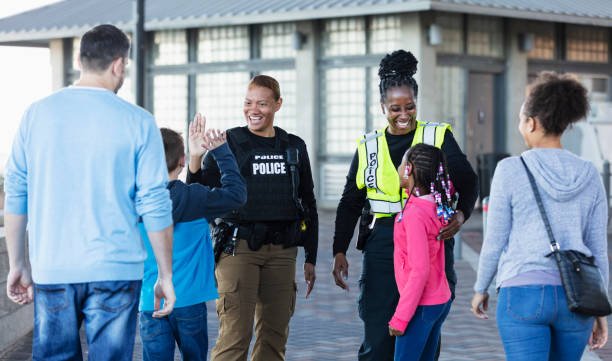
Community Cooperation

Police and community cooperation for public safety in India
What Should You Do During a Public Disturbance?
If you encounter a violent or dangerous public situation:
- Move away from the immediate danger.
- Avoid joining the crowd.
- Do not confront aggressive individuals.
- Follow lawful instructions from authorities.
- Keep children and vulnerable people away from danger.
- Contact appropriate emergency services when necessary.
- Do not spread unverified information online.
Your personal safety should always come first.
Importance of Responsible Citizenship
Public safety is not created by laws alone.
Responsible citizens can make a major difference by:
- Following rules
- Respecting others
- Protecting public property
- Avoiding unnecessary conflict
- Reporting genuine concerns
- Using social media responsibly
- Helping vulnerable people during emergencies
Small responsible actions can prevent larger problems.
Public Order and Fundamental Rights
India is a constitutional democracy.
Citizens have important fundamental rights, including freedoms related to speech and peaceful assembly, subject to constitutional and legal restrictions.
Therefore, it is important to distinguish between:
Lawful peaceful activity and criminal conduct involving violence, unlawful force, or other prohibited behaviour.
Understanding this distinction helps citizens exercise their rights responsibly while respecting public safety.
Frequently Asked Questions
What are public-order crimes?
They are offences that can disturb public peace, safety, tranquillity, or normal community life.
Is every public gathering illegal?
No. Peaceful gatherings can be lawful. Whether an assembly is unlawful depends on its circumstances and the applicable law.
What is vandalism?
Vandalism generally refers to deliberate damage or destruction of property.
What should I do if I see public property being damaged?
Do not confront potentially dangerous individuals. Report the incident to the appropriate authorities and provide useful information if it is safe to do so.
Can spreading false information be a crime?
In some circumstances, deliberately communicating false information can attract legal consequences. The exact position depends on the content, intention, circumstances, and applicable law.
How can communities improve public safety?
Community cooperation, responsible citizenship, lawful reporting, good emergency planning, and effective communication can all contribute to safer communities.
Conclusion
Public order and community safety are essential for a peaceful society. Violence, vandalism, unlawful obstruction, property damage, dangerous conduct, and other public-order offences can affect not only individual victims but entire communities.
At the same time, public safety must be balanced with constitutional rights and the rule of law. Peaceful expression and lawful gatherings should not automatically be treated as crimes.
The best approach is based on awareness, responsibility, lawful conduct, effective institutions, and cooperation between citizens and authorities.
A safe community is one where people can exercise their rights, respect the rights of others, protect public property, and resolve disagreements through peaceful and lawful means.
Public safety begins with responsible citizenship.
Leave a Reply