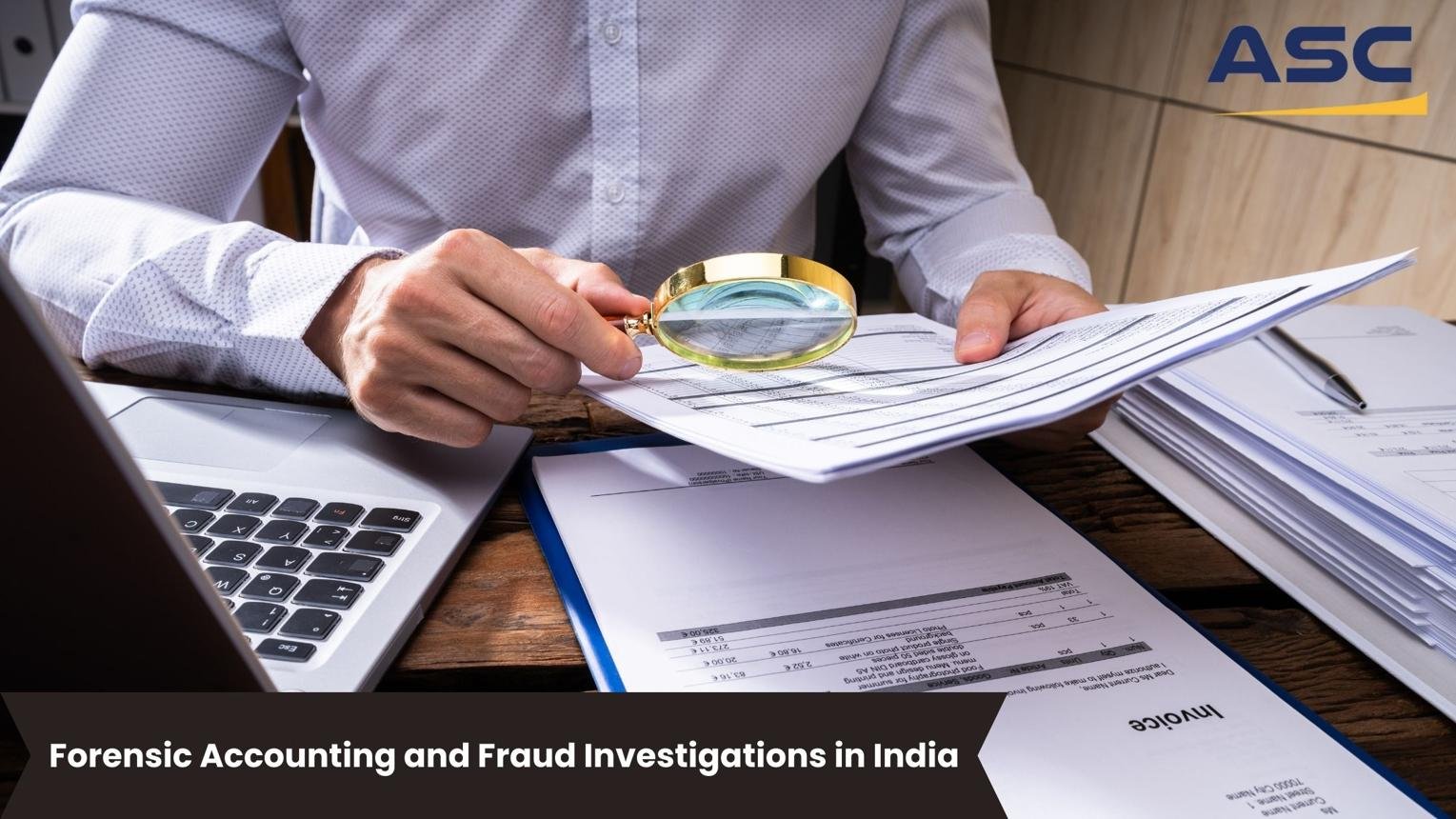

White-Collar Crimes in India: Types, Examples, Impact and Prevention
Introduction
Crime is often associated with physical violence, theft, or public disorder. However, some serious offences are committed without physical violence and may involve business transactions, professional positions, financial records, technology, or misuse of authority.
These offences are commonly described as white-collar crimes.
White-collar crime is a broad term generally used for financially motivated or dishonest unlawful conduct committed in professional, business, corporate, or institutional settings. Such offences can affect companies, investors, employees, customers, government institutions, and the wider economy.
Examples can include fraud, corruption, accounting manipulation, insider trading, corporate deception, misuse of entrusted property, and certain forms of financial misconduct.
The exact criminal offence depends on the facts and the law applicable to the particular situation.
White-Collar Crime Awareness


White collar crime and corporate fraud awareness in India
Professional and corporate environments require strong ethics, transparency, and internal controls.
What Is White-Collar Crime?
White-collar crime generally refers to non-violent or financially motivated unlawful conduct associated with professional or business activities.
The term can cover a wide range of conduct, including:
- Corporate fraud
- Accounting fraud
- Corruption
- Bribery
- Insider trading
- Forgery
- Misuse of company funds
- False financial representations
- Investment-related deception
- Certain forms of tax and regulatory fraud
Not every unethical business practice is automatically a crime. Criminal liability depends on the specific conduct, intention, evidence, and applicable law.
1. Corporate Fraud
Corporate fraud involves dishonest conduct connected with a company or business that can result in unlawful financial or other benefits.
It can involve:
- Misrepresentation of financial information
- False business claims
- Misuse of company resources
- Concealing important information
- Fraudulent transactions
Corporate fraud can harm shareholders, employees, customers, creditors, and other stakeholders.
Prevention
Companies can reduce risk through:
- Internal audits
- Independent financial reviews
- Clear approval procedures
- Employee training
- Whistleblower mechanisms
- Strong record keeping
2. Accounting Fraud
Accounting records are important because businesses, investors, regulators, and lenders rely on financial information.
Accounting fraud can involve deliberately creating or manipulating records to present a misleading picture of a company’s financial position.
Possible consequences include:
- Wrong investment decisions
- Financial losses
- Loss of investor confidence
- Regulatory action
- Criminal prosecution where applicable
Accurate accounting and independent auditing are important safeguards.
Accounting and Financial Records


Accounting records and corporate fraud prevention
3. Bribery and Corruption
Corruption can occur when a person improperly uses a position of authority for an unlawful benefit.
Bribery generally involves offering, giving, receiving, or soliciting an undue advantage in circumstances covered by anti-corruption law.
Corruption can damage public trust and make government or business processes unfair.
India’s Prevention of Corruption Act, 1988 is an important law dealing with corruption-related offences.
Why Corruption Is Harmful
Corruption can:
- Increase the cost of services
- Reduce public confidence
- Distort fair competition
- Affect public projects
- Encourage further unlawful behaviour
Transparency and accountability are important tools for prevention.
4. Insider Trading
Insider trading is a serious securities-market issue.
In simple terms, it can involve trading in securities while in possession of unpublished price-sensitive information, or communicating such information in circumstances prohibited by securities law.
India’s securities regulator, SEBI, has regulations dealing with prohibition of insider trading.
Why It Matters
Financial markets depend heavily on fairness and equal access to important information.
If certain people gain an unlawful advantage through confidential information, ordinary investors can lose confidence in the market.
Stock Market Integrity


Stock market integrity and insider trading awareness in India
5. Corporate Misuse of Company Funds
Company money is generally managed for legitimate business purposes.
Dishonest diversion or misuse of company funds can create serious legal and financial consequences.
Such conduct may involve:
- Unauthorized transfers
- False expense claims
- Misuse of company accounts
- Personal use of business resources
- Concealment of transactions
Companies can reduce these risks through segregation of financial responsibilities and regular audits.
6. False Documents and Forgery
Business transactions often depend on documents and electronic records.
Creating or altering false documents with fraudulent intent can have serious legal consequences.
Examples may involve:
- Fake invoices
- Altered agreements
- False certificates
- Manipulated financial documents
- Fraudulent electronic records
The Bharatiya Nyaya Sanhita, 2023 contains provisions relating to forgery and false documents or electronic records.
7. Misuse of Confidential Business Information
Businesses often possess confidential information relating to:
- Customers
- Products
- Financial data
- Research
- Business strategies
- Intellectual property
Unauthorized disclosure or misuse of such information can cause significant damage.
Depending on the circumstances, misuse may result in contractual, civil, regulatory, or criminal consequences.
Organizations should therefore maintain clear information-security policies.
Data and Confidential Information


Corporate confidential information and data security
8. Insurance-Related Corporate Fraud
Insurance fraud can involve false information or dishonest claims made to obtain benefits unlawfully.
It can occur in different sectors, including:
- Health insurance
- Vehicle insurance
- Property insurance
- Business insurance
Insurance companies use documentation, verification, investigation, and data analysis to identify suspicious claims.
Providing accurate information is important for both customers and insurers.
9. Loan and Banking Fraud in Business
Businesses may seek loans for expansion, equipment, working capital, or other legitimate purposes.
Fraud can occur when applicants deliberately provide false information or misuse financial facilities.
Potential warning areas include:
- False financial statements
- Fake documents
- Misrepresentation of assets
- Concealment of important information
- Dishonest diversion of funds
Banks and financial institutions use verification and risk-assessment procedures to reduce these risks.
10. Tax-Related Fraud
Tax systems depend on accurate reporting and compliance.
Certain deliberate attempts to evade taxes through false statements, concealment, or fraudulent documentation may attract legal consequences.
However, a genuine mistake or disagreement about tax treatment is not automatically a criminal offence.
Tax matters should be handled according to applicable tax laws and professional advice.
Tax Compliance


Tax compliance and financial accountability in India
11. Money Laundering
White-collar and organized financial crimes can sometimes generate unlawful proceeds.
Attempts to conceal the source or nature of proceeds of crime may fall within the scope of money-laundering laws.
India’s Prevention of Money-Laundering Act, 2002 (PMLA) provides the principal legal framework dealing with money laundering and proceeds of crime.
Money laundering is a serious issue because it can allow illegal proceeds to enter or move through legitimate financial systems.
12. Ponzi and Investment Fraud
Some fraudulent schemes are presented as professional investment opportunities.
They may promise:
- Guaranteed returns
- Very high profits
- Minimal risk
- Exclusive opportunities
- Fast wealth
Investors should verify the organization and understand the investment before committing money.
Important Rule
Never invest solely because someone promises guaranteed high returns.
13. Professional Misconduct and Criminal Conduct
Professionals occupy positions of trust.
Doctors, lawyers, accountants, consultants, financial professionals, company executives, and other specialists are expected to follow applicable laws and professional standards.
Not every case of professional misconduct is a criminal offence.
Some matters may be:
- Ethical violations
- Regulatory violations
- Contractual disputes
- Civil matters
- Criminal offences
The exact classification depends on the facts and applicable law.
Professional Ethics


Professional ethics and corporate compliance in India
How White-Collar Crimes Affect Society
White-collar crime may not always involve visible physical violence, but its impact can be substantial.
Financial Loss
Investors, customers, employees, and businesses can lose money.
Loss of Trust
People may lose confidence in companies and institutions.
Economic Impact
Large-scale fraud can affect markets and businesses.
Job Losses
Corporate failures can affect employees and families.
Public Revenue
Certain financial offences can reduce government revenue.
Market Integrity
Fraud can undermine confidence in financial markets.
Why Are White-Collar Crimes Difficult to Detect?
Some white-collar offences can be difficult to identify because they may involve:
- Complex financial transactions
- Large amounts of documentation
- Multiple companies or accounts
- Digital records
- Professional intermediaries
- Cross-border transactions
Investigators may therefore need financial analysis, forensic accounting, digital evidence, and expert assistance.
How Companies Can Prevent White-Collar Crime
Businesses should create a culture of accountability.
1. Strong Internal Controls
Financial responsibilities should be divided appropriately.
2. Regular Audits
Independent reviews can help identify irregularities.
3. Employee Training
Employees should understand fraud risks and reporting procedures.
4. Whistleblower Mechanisms
Employees should have appropriate channels to report suspected wrongdoing.
5. Transparent Record Keeping
Important financial and business records should be accurate and properly maintained.
6. Cybersecurity
Digital systems containing financial information should be protected.
Corporate Compliance


Corporate compliance and internal audit in India
What Can Individuals Do to Avoid White-Collar Fraud?
Individuals should:
- Verify investment opportunities.
- Read financial documents carefully.
- Avoid guaranteed-profit promises.
- Check the identity of financial advisers.
- Keep transaction records.
- Monitor bank accounts.
- Avoid signing documents without understanding them.
- Seek qualified professional advice when necessary.
If something appears too good to be true, it deserves careful verification.
Role of Regulators and Investigating Agencies
Different types of white-collar crime can involve different regulators and agencies.
Depending on the matter, these may include:
- Securities regulators
- Banking regulators
- Tax authorities
- Corporate regulators
- Police
- Specialized investigative agencies
- Financial-intelligence authorities
Each institution has its own legal responsibilities and jurisdiction.
White-Collar Crime and Technology
Technology has changed both the nature of financial misconduct and the methods used to detect it.
Modern organizations can use:
- Automated transaction monitoring
- Data analysis
- Digital audit trails
- Cybersecurity systems
- Access controls
- Electronic record verification
Technology cannot eliminate fraud completely, but strong systems can make suspicious activity easier to identify.
Frequently Asked Questions
What is white-collar crime?
White-collar crime is a broad term generally used for financially motivated or dishonest unlawful conduct associated with professional, business, corporate, or institutional settings.
Is every business fraud a criminal offence?
Not necessarily. The legal classification depends on the conduct, intention, evidence, and applicable law.
What is insider trading?
Insider trading can involve prohibited trading in securities while possessing unpublished price-sensitive information or communicating such information contrary to securities regulations.
How can companies prevent corporate fraud?
Strong internal controls, independent audits, employee training, proper record keeping, whistleblower mechanisms, and effective compliance systems can reduce risk.
Why is white-collar crime serious?
It can cause major financial losses, damage public trust, affect businesses and employees, and undermine confidence in financial and public institutions.
Conclusion
White-collar crime demonstrates that criminal activity does not always involve physical violence or traditional street crime. Fraud, corruption, financial manipulation, misuse of confidential information, and other professional misconduct can have serious consequences for individuals, businesses, investors, and society.
Prevention depends on transparency, accountability, strong internal controls, ethical business practices, effective regulation, and public awareness.
Businesses should create systems that make dishonest conduct harder to hide, while individuals should carefully verify financial opportunities and protect their personal and financial information.
A healthy economy depends not only on growth but also on trust, fairness, integrity, and responsible conduct.
Leave a Reply