Category: Crime in India

  • 🚨 ACB, Income Tax, ED & CBI Raids in India: How Many Have Taken Place and Why?

    🚨 ACB, Income Tax, ED & CBI Raids in India: How Many Have Taken Place and Why?

    In India, whenever the Income Tax Department, Enforcement Directorate (ED), Central Bureau of Investigation (CBI), or Anti-Corruption Bureau (ACB) conducts a search at the home, office or business premises of a politician, government official, businessman or other prominent person, it immediately becomes major news.

    People often ask:

    • How many raids have taken place in India?
    • Why are these searches conducted?
    • What do investigators look for?
    • How much money or property is seized?
    • Does a raid mean the person is guilty?
    • What happens after a search?

    The answers are more complicated than a television headline suggests.


    🔎 Is There One Official Number for All Raids in India?

    No.

    There is no single official database giving the total number of ACB + Income Tax + ED + CBI raids in India from 1947 to 2026.

    This is because the agencies work under different laws and maintain different types of records.

    For example:

    • Income Tax records search and seizure operations.
    • ED records PMLA, FEMA and FEOA investigations and actions.
    • CBI records cases and individual search operations.
    • ACBs operate primarily at the state level, so their figures are not maintained as one nationwide ACB total.

    Also, a case, search, arrest, attachment and conviction are different things.

    Therefore, publishing a made-up figure such as “India has witnessed 20,000 raids” would be misleading.


    https://images.openai.com/static-rsc-4/2BjvLYhY_qQUTNF1BswVbpyauYmBi83nA4QpiT0t8676lRdZTpvEitav3T_0iOptDVgc1o0Nr3aFQGhMMCIOcsmf-a_DVQxAWorCezkFHsE7OxRQ8PlBvgCyij3rxejs-IPYomagv2L26hf707VuAIGG7dz6w06mX9AJQV8hicYkEC3ZO5MVVSPilMQV0wZZ?purpose=fullsize
    https://images.openai.com/static-rsc-4/Wvx8UO79cwLiJipIoiKKhqctWK5LfbopO8KmA0nOlZM5njPjijFo-b0g0rbPk_FG1cfPLDH1rSBMI2GMVlACn3sAxDrxd1sQgUR2U-fOugvHy9mM0nVBci2dz5gtWgD3VT7MZhhwDrsKh2iagFlonp_wg---yH7pAoqrz_y8qrYyqoTOftjXdIZFJyYaAy7c?purpose=fullsize
    https://images.openai.com/static-rsc-4/gTuSOkeXRlszJJTZKCnlt4Bkh-8YzqoETqnciP_zbM4fI_M5SGdOb3ELQh16HD0-DdaTwBwnTsE__x_yTngeOh2Y0bFUaevY16JgrpgLu_x7ItD2elSXlzALmFHuC9tTjqKkmrNOXlFTyllTDAGKsFyUyxSzXp3vJ2NOQoadRKIk3G0EhlF-9nERKmQDrWDw?purpose=fullsize

    🏦 Income Tax Department Searches

    The Income Tax Department conducts searches when it has legal grounds to investigate matters such as:

    • Undisclosed income
    • Tax evasion
    • Unaccounted assets
    • Hidden financial transactions
    • Suspected manipulation of accounts
    • Other tax-related irregularities

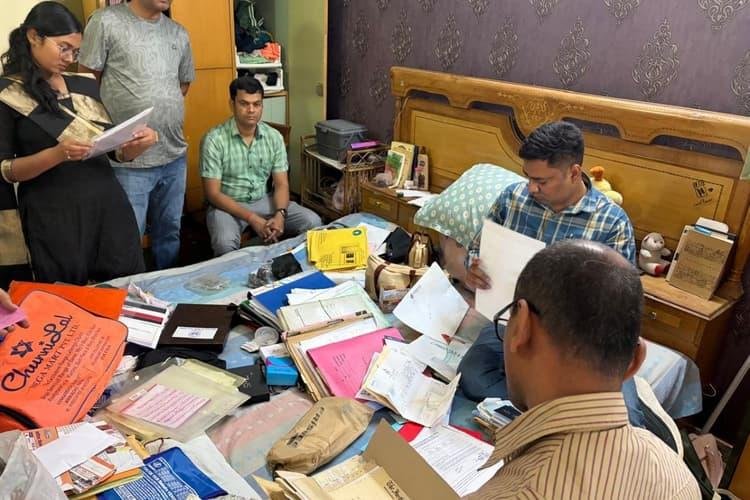
    During a lawful search, investigators may examine or seize relevant material such as:

    • Cash
    • Jewellery
    • Property documents
    • Account books
    • Invoices
    • Agreements
    • Computers
    • Hard drives
    • Mobile phones
    • Digital records

    India’s tax framework changed in 2026 with the Income-tax Act, 2025. The Income Tax Department’s official material explains the new framework applicable from April 1, 2026.


    📊 How Large Can Income Tax Search Operations Be?

    There is no single 1947–2026 total, but historical government data shows that Income Tax search operations have sometimes been conducted on a large scale.

    For example, official government data for earlier financial years recorded:

    Financial YearSearch & Seizure Groups
    2013–14569
    2014–15545
    2015–16445

    These figures refer to search groups, not necessarily individual people.

    One search operation may cover several premises belonging to the same business group or connected persons.


    💰 Does Finding Cash Automatically Mean Black Money?

    No.

    This is one of the most important points to understand.

    If cash is found during a search, investigators still have to determine:

    • Where did the cash come from?
    • Was it recorded in the accounts?
    • Was it disclosed for tax purposes?
    • Is there supporting documentation?
    • Is there a legitimate business explanation?

    Therefore:

    Cash found ≠ Automatically illegal money

    The legal status of the money depends on the evidence and the subsequent proceedings.

    The same principle applies to jewellery, property and other assets.


    🚔 What Is an ACB Raid?

    ACB stands for Anti-Corruption Bureau.

    State-level anti-corruption agencies investigate allegations involving public servants, particularly matters such as:

    • Bribery
    • Illegal gratification
    • Corruption
    • Disproportionate assets

    India does not have one single nationwide ACB operating in exactly the same manner across every state.

    Different states have their own anti-corruption or vigilance structures.

    Therefore, there is no reliable single figure representing all ACB raids in India since 1947.


    💵 How Does an ACB Trap Case Work?

    Suppose a government employee is alleged to have demanded money for performing an official duty.

    A complaint may be made to the anti-corruption authorities.

    After following the required legal procedures, investigators may arrange a trap operation to gather evidence of the alleged bribe transaction.

    If evidence is obtained, a criminal case may follow.

    But an important distinction remains:

    A trap or arrest is not the same as a final conviction.

    The case still has to go through the legal process.


    🏠 What Is a Disproportionate Assets Case?

    Another important category in anti-corruption investigations is a Disproportionate Assets (DA) case.

    In simple terms, investigators may examine whether a public servant’s assets and expenditure are disproportionate to their known lawful sources of income.

    For example, investigators may examine:

    Income + legitimate financial resources

    against

    Assets + expenditure during the relevant period

    But such calculations can be complicated.

    Investigators may also need to consider:

    • Previous assets
    • Loans
    • Inherited property
    • Family income
    • Agricultural income
    • Legitimate investments
    • Other lawful sources

    Therefore, simply saying that someone owns “very expensive property” does not by itself prove corruption.


    🕵️ What Does the Enforcement Directorate Do?

    The Enforcement Directorate (ED) is India’s major financial investigation agency.

    Among other responsibilities, it investigates cases under:

    PMLA — Prevention of Money Laundering Act

    and

    FEMA — Foreign Exchange Management Act

    ED investigations can involve matters such as:

    • Money laundering
    • Proceeds of crime
    • Certain foreign-exchange violations
    • Financial transactions connected to alleged criminal activity

    📈 ED’s Official Numbers Up to March 31, 2026

    The ED’s official statistics provide a useful picture of the scale of its work.

    As of 31 March 2026, the ED reported:

    • 8,851 ECIRs recorded under PMLA
    • 3,501 provisional attachment orders
    • 2,36,016.61 crore in provisional attachment orders
    • 1,187 persons arrested
    • 2,396 prosecution complaints filed
    • 466 cases in which charges had been framed
    • 60 completed PMLA trials
    • 56 trial cases resulting in conviction

    However, there is an extremely important point:

    8,851 ECIRs does NOT mean 8,851 raids.

    An ECIR is an investigation record; it should not be presented as a search count.


    💼 ED and Property Attachment

    During a money-laundering investigation, property believed to be connected to proceeds of crime can be subject to provisional attachment under the applicable legal process.

    But:

    Attachment is not the same as final confiscation.

    The legal process continues through the appropriate authorities and courts.

    This distinction is important when reporting financial investigations.


    🏛️ What Does the CBI Do?

    The Central Bureau of Investigation (CBI) investigates a range of cases falling within its jurisdiction, including certain:

    • Corruption cases
    • Bribery cases
    • Bank frauds
    • Major economic offences
    • Criminal conspiracies
    • Court-directed investigations

    CBI searches can involve homes, offices, companies and other premises connected to an investigation.


    🚨 Recent CBI Search Examples

    The scale of CBI searches can vary enormously depending on the case.

    April 2026 — Builder-related investigations

    In April 2026, CBI conducted searches at 77 locations across eight States/UTs in connection with 22 cases involving alleged builder-financial institution nexus. The searches reportedly resulted in seizure of documents, digital devices and other material for examination.

    May 2026 — Bank fraud cases

    In another operation, CBI searched seven premises in Mumbai and Ahmedabad in two bank-fraud cases involving an alleged combined loss of ₹119.03 crore to public-sector banks.

    July 2026 — Bank fraud investigations

    On July 4, 2026, CBI conducted coordinated searches in two bank-fraud cases involving alleged losses exceeding ₹231 crore.

    These examples demonstrate why it would be inaccurate to describe every CBI search as a “raid against a politician.” Many searches involve companies, bank fraud, cybercrime, corruption and other investigations.


    💻 Why Are Computers and Mobile Phones Searched?

    Modern financial investigations are no longer based only on paper documents.

    Important evidence may exist in:

    • Emails
    • WhatsApp conversations
    • Accounting software
    • Spreadsheets
    • Cloud storage
    • Mobile phones
    • Computers
    • Digital payment records
    • Electronic documents

    For this reason, digital evidence has become an important part of many modern investigations.


    💰 What Can Investigators Find During a Search?

    Depending on the nature of the case, investigators may find:

    Financial evidence

    Bank records, account books, invoices and transaction details.

    Property evidence

    Sale deeds, land records and property agreements.

    Digital evidence

    Phones, computers, hard drives and electronic files.

    Physical assets

    Cash, jewellery and other valuables.

    Communication records

    Emails, messages and other communications relevant to the investigation.

    Finding such material does not automatically establish criminal guilt. Investigators must examine its relevance and evidentiary value.


    👤 Does a Raid Mean the Person Is Guilty?

    Absolutely not.

    This is one of the most important principles your blog should explain.

    A typical investigation may proceed through stages such as:

    Complaint / Information

    ⬇️

    Preliminary verification

    ⬇️

    Investigation

    ⬇️

    Search and seizure

    ⬇️

    Evidence analysis

    ⬇️

    Further investigation

    ⬇️

    Charges / prosecution, where applicable

    ⬇️

    Court proceedings

    ⬇️

    Final judicial decision

    Therefore:

    Raid ≠ Guilt

    Arrest ≠ Conviction

    Investigation ≠ Conviction

    This distinction protects both the integrity of journalism and the rights of the person being investigated.


    📰 Why Do Raids on Famous People Become Major News?

    Searches involving:

    • Politicians
    • Ministers
    • Senior government officers
    • Business leaders
    • Film personalities
    • Major contractors
    • Large companies

    naturally attract significant media attention.

    A search involving a prominent individual can therefore become a national political or social issue.

    However, the person’s public status does not change the basic legal principle:

    An allegation must not be presented as a proven fact.


    ⚡ Why Do Political Controversies Arise?

    When an opposition leader or prominent political figure faces an investigation, supporters may say:

    “The agency is doing its legal duty.”

    Opponents may say:

    “The investigation is politically motivated.”

    Such claims should be treated as claims, not established facts, unless supported by evidence or a judicial finding.

    For reliable reporting, readers should be directed toward:

    • Official agency statements
    • FIRs
    • Court orders
    • Charge sheets
    • Investigation updates
    • Final judgments

    rather than unverified social-media posts.


    📱 The Social Media Problem

    Today, a photograph from a search operation can become viral within minutes.

    A caption may claim:

    “₹500 crore black money found!”

    But the actual official statement may only say that documents or assets were found and are under examination.

    These are very different statements.

    Before sharing a raid-related claim, ask:

    Who published it?

    Is there an official source?

    When did the search happen?

    What exactly was seized?

    Was the amount actually confirmed?

    Has a court made a final decision?

    Responsible reporting requires answering these questions.


    🔄 Can Multiple Agencies Investigate the Same Matter?

    Yes, depending on the facts and legal jurisdiction.

    A financial matter can potentially involve different legal issues.

    For example, one alleged transaction might raise questions involving:

    Tax law

    Corruption

    Money laundering

    Different agencies may therefore examine different aspects under their respective laws.

    However, an agency’s involvement does not automatically mean that every allegation against a person has been established.


    📊 A Useful Snapshot of India’s Investigation System

    AgencyMain AreaCan Conduct Searches?
    Income Tax DepartmentTax evasion, undisclosed income, unaccounted assetsYes, under applicable tax law
    EDMoney laundering and certain foreign-exchange mattersYes
    CBICorruption, fraud and other cases within its jurisdictionYes
    ACB / State VigilanceState-level corruption and bribery casesYes

    The exact powers and procedures depend on the applicable law and the facts of each case.


    🇮🇳 What Do the Latest Numbers Tell Us?

    The available official statistics show that financial investigations in India operate on a very large scale.

    For example, the ED reported 1,080 new PMLA ECIRs during FY 2025–26, compared with 775 during FY 2024–25. It also reported 712 provisional attachment orders in FY 2025–26.

    At the same time, a Parliamentary Committee has raised concerns about the need for more comprehensive public disclosure of consolidated CBI statistics, including registration, pendency, disposal and conviction data.

    This explains why it is difficult to produce one accurate number for all CBI raids from 1947 to 2026.


    🧾 10 Things Everyone Should Know About Raids

    1. A raid does not automatically prove guilt.

    2. Cash found during a search is not automatically illegal money.

    3. An ED ECIR is not the same as an ED raid.

    4. An arrest is not a conviction.

    5. Property attachment is different from final confiscation.

    6. ACB statistics are largely state-specific.

    7. CBI, ED and Income Tax have different legal roles.

    8. More than one agency may investigate different aspects of a matter.

    9. Social-media claims should be verified.

    10. The final legal outcome is determined through the judicial process.


    🌟 Conclusion

    ACB, Income Tax, ED and CBI searches are an important part of India’s system for investigating alleged corruption, tax violations, financial crimes and other offences.

    But a search is not the end of a case.

    It is generally one stage of an investigation.

    The most important questions are:

    What evidence was found?

    What does the evidence actually establish?

    What charges were filed?

    What happened during the court proceedings?

    Was there finally a conviction or acquittal?

    That is why sensational headlines should never replace facts.
    🇮🇳 A strong investigation requires evidence. A fair legal system requires due process. And responsible journalism requires both.

  • 🚔 Indian Police and Criminal Cases: How Many Cases Were Registered Against Police Personnel From 1947 to 2026?

    🚔 Indian Police and Criminal Cases: How Many Cases Were Registered Against Police Personnel From 1947 to 2026?

    police

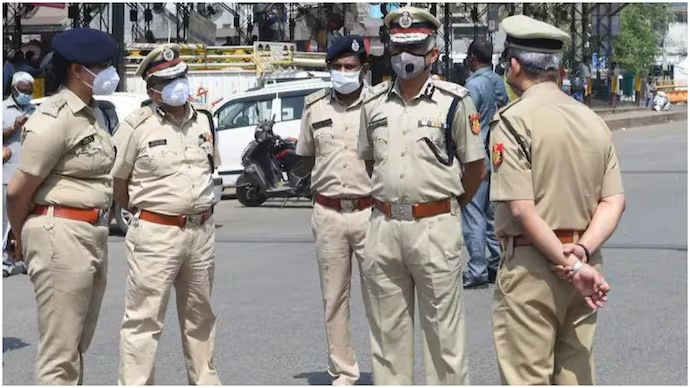
    Police are responsible for protecting citizens, maintaining law and order and investigating crimes.

    But what happens when a police officer himself is accused of committing a crime?

    Over the decades, India has witnessed cases involving police personnel accused of custodial violence, illegal detention, corruption, assault, abuse of authority, human-rights violations, sexual offences and other criminal misconduct.

    This raises an important question:

    How many criminal cases have been registered against police personnel in India?

    The answer is more complicated than a single number.

    India does not have one publicly available official database containing every case against every police officer from 1947 to 2026.

    Instead, the National Crime Records Bureau (NCRB) publishes annual statistics under specific categories, including cases registered against state police personnel and cases involving human-rights violations. The data are supplied by States and Union Territories.

    Therefore, a responsible article must distinguish between complaints, registered criminal cases, arrests, charge-sheets, completed trials and convictions.


    📊 What Does Official NCRB Data Show?

    Recent NCRB data provide a much clearer picture.

    For 2022, NCRB recorded:

    6,164 cases registered against State Police Personnel across India

    The same table recorded:

    • 4,390 police personnel charge-sheeted
    • 1,810 final reports submitted
    • 1,163 police personnel arrested
    • 832 police personnel charge-sheeted
    • 239 cases withdrawn/disposed of
    • 240 trials completed
    • 15 police personnel convicted
    • 225 acquitted or discharged

    These figures are from NCRB’s table on cases registered against State Police Personnel for 2022.

    2022 at a glance

    CategoryNumber
    Cases registered6,164
    Police personnel arrested1,163
    Police personnel charge-sheeted832
    Trials completed240
    Police personnel convicted15
    Acquitted/discharged225

    One important point is that a case registered is not the same thing as a conviction.

    A person against whom a case is registered is legally only an accused unless and until a court establishes guilt.


    ⚖️ Does This Mean Only 15 Police Officers Committed Crimes?

    No.

    This is one of the most important points to understand.

    The figure of 15 convictions in the 2022 NCRB table means 15 police personnel were recorded as convicted in the cases represented in that year’s disposal data.

    It does not mean that only 15 police officers were accused of wrongdoing in India.

    Likewise, 225 acquittals or discharges do not necessarily mean that every original complaint was false.

    Criminal cases can remain pending for years.

    Some can be closed after investigation.

    Some accused persons can be acquitted.

    Some cases can be withdrawn or otherwise disposed of.

    Therefore:

    Registered cases ≠ guilty persons

    Arrests ≠ convictions

    Charge-sheet ≠ conviction

    Complaint ≠ proof of crime

    This distinction is essential when writing about police misconduct.


    🧑‍⚖️ Why Is the Number of Convictions Much Smaller?

    There can be a large gap between a complaint and a final conviction.

    A typical criminal case may go through several stages:

    Complaint → FIR/Case Registration → Investigation → Arrest → Charge-sheet or Final Report → Trial → Judgment → Conviction/Acquittal

    A case can disappear from the conviction statistics at several stages.

    For example, investigators may submit a final report, a court may stay or quash proceedings, the accused may be acquitted, or the trial may still be pending.

    Therefore, looking only at the final conviction number can give an incomplete picture.


    🚨 What Types of Cases Are Registered Against Police Personnel?

    Police personnel can face allegations under many different categories.

    These may include:

    1. Custodial Violence

    Allegations that a person was physically or otherwise abused while in police custody are among the most serious allegations involving law-enforcement personnel.

    2. Custodial Death

    Deaths occurring while a person is in police custody are subject to special scrutiny.

    The National Human Rights Commission (NHRC) requires authorities to report custodial deaths within 24 hours.

    3. Illegal Detention

    A person may allege that police kept him or her in custody without lawful authority.

    4. Abuse of Power

    Police officers have significant legal powers. Using those powers improperly can result in disciplinary or criminal proceedings depending on the circumstances.

    5. Corruption

    Police personnel can face allegations involving bribery, illegal gratification or other corruption-related offences.

    6. Assault

    Physical assault by an officer can result in criminal proceedings depending on the facts and applicable law.

    7. Human-Rights Violations

    The NCRB separately records cases involving human-rights violations by police personnel.

    8. Sexual Offences

    Police personnel can also be accused of sexual offences. Such allegations are investigated under the applicable criminal law just as other allegations are.


    🕵️ Human-Rights Violation Cases Against Police

    The issue becomes particularly serious when police personnel are accused of violating fundamental human rights.

    The NCRB’s Crime in India datasets include a specific category for incidence of human-rights violation by police.

    The recorded categories include matters such as:

    • Custodial violence
    • Illegal detention
    • Abuse of authority
    • Custodial death
    • Police action-related deaths
    • Other alleged human-rights violations

    However, the existence of a registered case does not itself establish that the police officer committed the alleged violation.

    A final judicial determination is different from registration of a case.


    🏛️ What Does the NHRC Do?

    The National Human Rights Commission of India (NHRC) has an important role in cases involving alleged human-rights violations.

    Its investigation division deals with matters including:

    • Custodial deaths
    • Custodial rape
    • Deaths during police action
    • Encounter deaths
    • Other alleged human-rights violations

    The NHRC states that custodial deaths—whether in police or judicial custody—must be reported within 24 hours, while deaths during police action are subject to a 48-hour reporting requirement.

    The Commission can investigate, seek reports, conduct inquiries and make recommendations to public authorities.

    Its law division also handles complaints and official notifications relating to incidents such as custodial deaths and deaths resulting from police action or inaction.

    https://images.openai.com/static-rsc-4/tyyQ__8NX7NOxLdzcPMfA4BSNcMUT9HXmShJ2qFzx2kLaR0hUROIvktD7kkXT7D2yVO-BxqAEx3UwbH7yrnYXUdtTdA4S0J_UcKNCGuFxNnpoNRwVr40wnI11coQlWKSexAobZhg4N2gU4PNIUoISTk2hGR3Z5MQTVf3Q1stRpMFg3vMdar4ReFki7BjRv6m?purpose=fullsize
    https://images.openai.com/static-rsc-4/e44EhxT04CWMKFkL35d0sU4aSSycCAEqv9mPaf_XQKKGUdwm2B5edLAt2mgJGccXqt2ZfJvzPbPSu3hxKMDScVeUNPATA66mcEniNFfjxVVHARK1WZdOAGgPp8tfA86H2tT0zr8N8nsl1HExqWCV91OohWOF2T-jD8PePcUtLaMpeIuc4PfNif_x2U4hqNF2?purpose=fullsize
    https://images.openai.com/static-rsc-4/6jXnt9rJT5sdClAVuu_P3dktoyn69N98WERWx4L4bA4sgqzdmQmXlRX7Fh3TzyplgXLH27iG4A_MmLJjCgCDOeK2pbgM8MbkhaElZBXAO5E3qaSg0QJ7eLv1jHTUcHYNEnbQgqQbk92Ip6u6sLOtYGRHgI4xZ7MjOoSZn1BNZj7sDYPqOjILroz-D_oDTTvo?purpose=fullsize

    📌 A Recent Example of How Police Cases Are Recorded

    The NCRB’s 2022 data demonstrate how dramatically the numbers can differ between states.

    For example, the 2022 table recorded:

    • Maharashtra – 375 registered cases
    • Andhra Pradesh – 221
    • Gujarat – 130
    • Kerala – 101
    • Karnataka – 60
    • Madhya Pradesh – 48
    • Haryana – 41
    • Tamil Nadu – 113
    • Telangana – 91
    • Rajasthan – 245

    These figures should not automatically be interpreted as proof that police in one state are more criminal than police in another.

    NCRB itself cautions that State/UT figures should not be compared purely on the basis of crime numbers.

    Differences in reporting practices, population, policing structures, complaint mechanisms and registration practices can affect the numbers.


    📈 What About 2023?

    NCRB’s Crime in India 2023 dataset includes state/UT-wise cases registered against state police personnel and a separate dataset covering human-rights violations by police personnel. These datasets were published through the Government of India’s Open Government Data platform in February 2026.

    This is important because it shows that official statistics are continuing to be updated rather than ending with the older NCRB reports.


    ⚠️ Why You Should Be Careful With 2024 Data

    There is an interesting example showing why crime statistics need to be checked carefully.

    The NCRB’s 2024 report reportedly recorded 4,069 cases against police personnel in Chandigarh.

    However, Chandigarh Police publicly disputed the figure, saying it appeared incorrect and might have been a data-entry error. Previous NCRB figures for Chandigarh were only 2 cases in 2020, 6 in 2021, 4 in 2022 and 6 in 2023.

    This is a powerful reminder:

    Official statistics should be read carefully, especially when a number suddenly changes dramatically.

    It also demonstrates why a responsible blog should mention disputes or corrections instead of presenting every database figure as unquestionable fact.


    💰 Police Corruption Cases

    Corruption is another major area in which public officials, including police personnel, may face investigation.

    The NCRB’s 2023 datasets include information on cases handled by Anti-Corruption Bureaus, Vigilance organisations and Lokayuktas under the Prevention of Corruption Act and related provisions.

    Allegations can involve:

    • Bribery
    • Illegal gratification
    • Misuse of official position
    • Abuse of authority
    • Unlawful financial benefits

    A corruption allegation, however, still needs to be investigated and proved according to law.


    🚔 Custodial Deaths: One of the Most Serious Issues

    A custodial death is particularly sensitive because the individual is under the control or supervision of the State.

    NCRB separately publishes data on deaths in police custody or lock-ups.

    The causes can vary.

    They may include:

    • Illness
    • Suicide
    • Injuries suffered before custody
    • Injuries during custody
    • Accidents
    • Other causes

    Therefore, not every custodial death automatically means that a police officer committed murder or assault.

    Each case requires investigation.

    The NHRC specifically has procedures and guidelines for custodial deaths and police-action deaths.

    https://images.openai.com/static-rsc-4/2y-ruCPcrxMsqD99IzfKt_UdlmVyjusYRafT0xyjDSKZKhII6FTfMhj8FNx3HwCDuj-17h7-GFYBWwEPuwO6pigZFg_ScXEts36eS0uXEAZFFlFlh-QZPATJGq1-Qppp1SzN_AGd1jh5KqwfhC_YNVRaMsvKpduPWjzTMmb42fRF3LK4_DWu-AN-5SqOXkaf?purpose=fullsize
    https://images.openai.com/static-rsc-4/xZaRkS6TnxxuBLOTta2TVhciGKOA1Rb2_-S2dGE4iTqMcZSicVHWu4Wf2dFOPiwqCW4lhq-00iLxQ12lSOZtDWaZPH3QMrOZ5FQJ_M0q2lmy-9OCKAlyF-PuTTZO9Kdt00eS6hJBG_BxgwCUQBD5wpBCusdJAUsxdg2yaHU1Jypnx74iluZ4ImanfwcLQLJx?purpose=fullsize
    https://images.openai.com/static-rsc-4/TaMCPKVJHlyuztgxGFQnzUDRdxaY2NDbVguz37XiucSZZo8O0WgRLCzyqMn3x7ydnazzxB0RmbS327ucQKM_FiD_az_edJGYfxYG-PqhewGquehNPd5r04LANhUhUjFM4S7lNtqeZXmiz9SXFnC1hlj-bYVluIdUyK65MW3fr3k1aNVtt-FIop3040V5O_n7?purpose=fullsize

    ⚖️ What Punishments Can a Guilty Police Officer Face?

    There is no single punishment called a “police crime punishment.”

    The punishment depends on:

    1. What offence was committed
    2. Which law applies
    3. Evidence presented
    4. Court’s findings
    5. Whether the accused is convicted
    6. The seriousness of the offence

    Depending on the offence, punishment can include:

    Imprisonment

    Serious criminal offences can result in imprisonment.

    Fine

    Courts can impose fines where the applicable law provides for them.

    Both imprisonment and fine

    Some offences provide for both.

    Departmental action

    Separately from a criminal case, police personnel may face departmental proceedings.

    Possible disciplinary consequences can include:

    • Warning or censure
    • Suspension
    • Reduction in rank
    • Compulsory retirement
    • Dismissal from service

    The exact disciplinary rules differ according to the police organisation and applicable service regulations.


    🧑‍⚖️ Criminal Punishment and Departmental Punishment Are Different

    This distinction is very important.

    Suppose a police officer is accused of accepting a bribe.

    There can potentially be:

    Criminal proceedings in court

    and

    Departmental proceedings by the police/service authority

    These are not necessarily the same process.

    A criminal court decides criminal guilt under the applicable criminal law.

    The department can separately examine whether the officer violated service rules or professional conduct standards.


    🇮🇳 What Changed After the New Criminal Laws?

    India’s criminal-law framework underwent a major change on 1 July 2024.

    The Bharatiya Nyaya Sanhita (BNS) replaced the Indian Penal Code (IPC) for offences under the new framework.

    The Bharatiya Nagarik Suraksha Sanhita (BNSS) replaced the Code of Criminal Procedure (CrPC).

    The Bharatiya Sakshya Adhiniyam (BSA) replaced the Indian Evidence Act.

    BPR&D, under the Ministry of Home Affairs, provides official information and resources relating to the new criminal laws.

    Therefore, an article covering 1947–2026 needs to remember that the legal provisions applicable to a case can depend on when the alleged offence occurred.


    🕰️ Why Can’t We Give One Number for 1947–2026?

    This is perhaps the most important part of the entire article.

    There is no reliable single official number that can be presented as:

    “Exactly X police officers were charged and Y were convicted between 1947 and 2026.”

    Why?

    Because:

    • Historical records were maintained differently.
    • Categories changed over time.
    • NCRB’s modern statistical framework does not provide a single uninterrupted series from 1947.
    • A complaint is different from a registered criminal case.
    • A criminal case can remain pending for years.
    • Police personnel can face departmental proceedings that are not identical to criminal cases.
    • Human-rights complaints before NHRC are not the same thing as criminal convictions.
    • Different agencies maintain different datasets.

    For example, the Government of India’s Open Data platform has a dataset specifically covering complaints/cases registered against police personnel during 1995, demonstrating that older records exist, but that still does not create a single complete 1947–2026 series.


    The available statistics tell us two things at the same time.

    First:

    There have been thousands of allegations and registered cases involving police personnel.

    Second:

    A registered case does not automatically mean the accused officer was guilty.

    The 2022 NCRB figures are a good illustration.

    6,164 cases were registered, but only 240 trials were recorded as completed, with 15 police personnel recorded as convicted and 225 acquitted/discharged in the table.

    This shows why case registration, investigation and conviction must never be treated as the same thing.


    🔍 Why Accountability Matters

    Police officers have powers that ordinary citizens do not possess.

    They can:

    • Register criminal cases
    • Arrest people under legal conditions
    • Investigate offences
    • Search premises under legal authority
    • Question suspects and witnesses
    • Maintain public order

    Because these powers are significant, accountability is equally important.

    A trustworthy police system needs both:

    Strong policing

    and

    Strong accountability.

    Neither one can replace the other.


    🤝 Police and Public Trust

    Public trust is one of the most important assets of any police organisation.

    When citizens believe that police will act fairly, lawfully and professionally, they are more likely to cooperate with investigations and report crimes.

    On the other hand, allegations of corruption, torture, illegal detention or abuse of power can seriously damage public confidence.

    This is why investigations into police misconduct are important—not because all police officers are corrupt, but because a professional police system must be capable of identifying and dealing with misconduct when it occurs.


    📷 IMAGE – POLICE AND ACCOUNTABILITY

    https://images.openai.com/static-rsc-4/J5iRIC1E4ak_w3g77Ik4DqSCU6XhgEHDqN4gBi-znePJK-kX5Y_h5rnuAAAapOUgy6U3qmj3MCfIhCeC580WN_fE7pGd3mZq7QoLU0uNhEZJxGFJOyvTHs1buDTkCKxHj031jUrr8Du_u6tDxpjhJ3G56WfUcQi3W9o5bx7-ZpGx4RLIxnqRucg4NYhKzejV?purpose=fullsize
    https://images.openai.com/static-rsc-4/aBwaOLbUz7draBjtJlbYhRhfu0iIKHJcaS4C_I3FNQujM-8jgAZ61aQoKk17_pe0-Wq2zFjotGeDP1s4IINmGfCe38zIkNSumCZbDgaL0lBDgoviAQFyufdnmRLBlV3yfW3kVOXGhJYKHMPrXZ9DVP4XZZyvIydfWL0nKr96JCs1zL7z8lmBaeHE-PZKa7qr?purpose=fullsize
    https://images.openai.com/static-rsc-4/0QRDglhO5erP4dAxhR8kOk-nMDwKCd3Z1atqnY7uGANyf6L_YCHy3bl0a4TPV2gnPa21_7sTOYsZw65GmLGhneRqSTo3p6-QDnaa7EbiWCftTtMYSde2WMMk_IguW59HcFfocu0nWO0fepw-24uN1pQgTaKQ5rYJawq5ElOSbVEXAYCPK-oRI24zteESt8vB?purpose=fullsize

    📝 Final Conclusion

    From independence in 1947 to 2026, India’s policing system has changed enormously.

    Millions of police personnel have served the country, often under difficult and dangerous conditions.

    At the same time, there have been cases and allegations involving some police personnel in matters such as corruption, custodial violence, illegal detention, abuse of authority and other criminal or human-rights violations.

    The official data available today do not support giving one simple number for all cases against police personnel from 1947 to 2026.

    However, recent NCRB statistics demonstrate that thousands of cases can be registered in a single year.

    For example, 6,164 cases against State Police Personnel were recorded across India in 2022, while the same table recorded 15 convictions among police personnel in the relevant disposal figures.

    The most important lesson is therefore not simply the number of cases.

    It is the difference between:

    Allegation → Investigation → Charge-sheet → Trial → Conviction

    Every stage matters.

    A police officer should not be declared guilty merely because a complaint was filed.

    At the same time, a genuine allegation of abuse of power should never be ignored simply because the accused is a member of the police.

    A strong democracy needs strong police—and strong accountability for those who exercise police power

  • Types of Crimes in India – Part 10

    Types of Crimes in India – Part 10

    safty

    Public Order and Community Safety Crimes in India: Types, Impact, Laws and Prevention

    Introduction

    A peaceful society depends on people being able to live, work, travel, study, and conduct their daily activities without unlawful interference or violence.

    Crimes affecting public order and community safety can disturb this peaceful environment. They may involve unlawful gatherings, violence in public places, damage to public or private property, dangerous conduct, obstruction, or activities that create serious risks to the community.

    Some of these offences may appear minor at first, but repeated incidents can create fear, financial losses, disruption of essential services, and damage to public confidence.

    Indian criminal law contains provisions dealing with offences affecting public tranquillity, public servants, public safety, property, and other aspects of community life. The Bharatiya Nyaya Sanhita, 2023 (BNS) is the current principal substantive criminal law and came into force on 1 July 2024.

    This article explains important categories of public-order and community-safety offences in simple language, along with their social impact and prevention.


    Public Safety

    https://images.openai.com/static-rsc-4/J5iRIC1E4ak_w3g77Ik4DqSCU6XhgEHDqN4gBi-znePJK-kX5Y_h5rnuAAAapOUgy6U3qmj3MCfIhCeC580WN_fE7pGd3mZq7QoLU0uNhEZJxGFJOyvTHs1buDTkCKxHj031jUrr8Du_u6tDxpjhJ3G56WfUcQi3W9o5bx7-ZpGx4RLIxnqRucg4NYhKzejV?purpose=fullsize
    https://images.openai.com/static-rsc-4/4D0xoy1sEh0B2aU3rkFAQUIrdGQX5d9EtF-rzg_Te7Yx8KPGa8EJVNzD8rf2vRpFU1OL6Dsn4ZwqcAplsLphKb96s7Eo1gdRW0UJfyqLJPlAvSuFtPiW9W6TW_oW3yyrAHmKy6kFp9CATps-vflzsNoLKQblrPe81KftfUs5RARqmIGp6JlCGOb4NBvxWGF2?purpose=fullsize
    https://images.openai.com/static-rsc-4/aBwaOLbUz7draBjtJlbYhRhfu0iIKHJcaS4C_I3FNQujM-8jgAZ61aQoKk17_pe0-Wq2zFjotGeDP1s4IINmGfCe38zIkNSumCZbDgaL0lBDgoviAQFyufdnmRLBlV3yfW3kVOXGhJYKHMPrXZ9DVP4XZZyvIydfWL0nKr96JCs1zL7z8lmBaeHE-PZKa7qr?purpose=fullsize


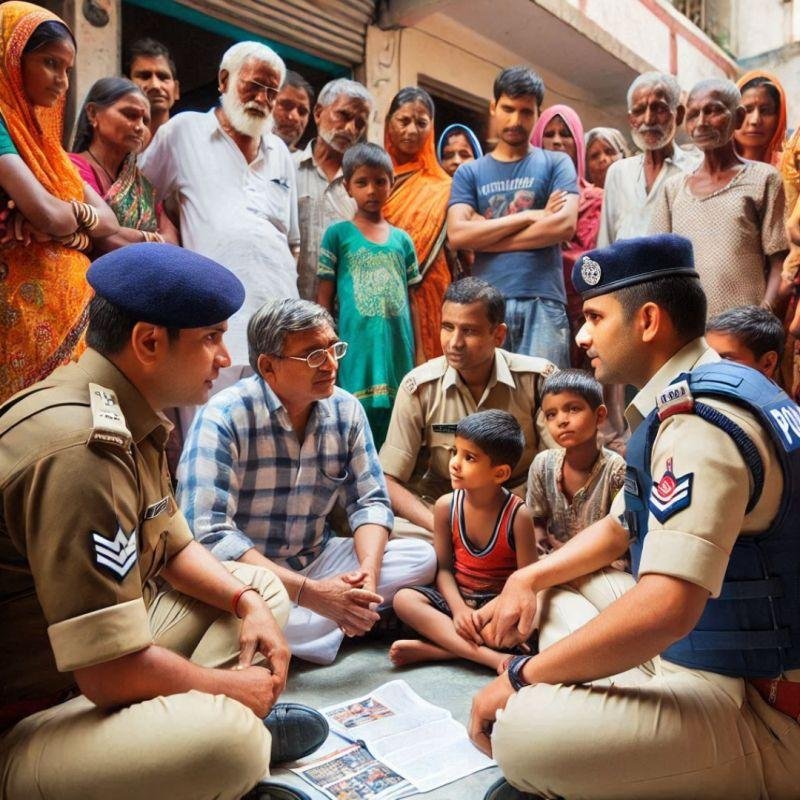
    Public safety and community policing in India

    A peaceful community depends on cooperation between citizens, institutions, and law-enforcement authorities.


    What Are Public Order Crimes?

    Public-order crimes are offences that can disturb peace, safety, or normal community life.

    They may include:

    • Unlawful assemblies
    • Rioting
    • Violence in public places
    • Damage to public property
    • Criminal trespass
    • Public nuisance
    • Obstruction of public ways
    • Dangerous or reckless conduct
    • Threats and intimidation
    • Certain offences involving public servants

    The exact legal classification depends on the circumstances and the applicable law.


    1. Unlawful Assembly

    People have legal rights to gather peacefully, but those rights are subject to applicable restrictions.

    An assembly may become unlawful when it meets the legal definition and circumstances specified by criminal law.

    This distinction is important:

    A peaceful gathering is not automatically a crime.

    The circumstances, purpose, conduct of participants, and applicable legal provisions determine whether an offence has occurred.

    Citizens should exercise their rights peacefully and follow lawful directions from authorities.


    2. Rioting

    Rioting generally involves an unlawful assembly using force or violence in circumstances defined by law.

    Rioting can result in:

    • Injuries
    • Property damage
    • Traffic disruption
    • Fear among residents
    • Business closures
    • Damage to public infrastructure

    Authorities may use lawful crowd-management measures to restore public safety.


    Peaceful Community

    https://images.openai.com/static-rsc-4/JPj8e592QVFW6fZtbyvshmvOLP7dEPFfHqBKoa8Cej92x2bNFG0eIgJDHHRJfGedlJppXgV6tI_QgoAX95KiceLkkZoqT9LB-iZNOsJIJNJeFQg9wRCC7EU5yRsLOeRA-y5AlLb4K3GH8E0t3lsmAM61ludhmhwLy-x3ZsASmkqRhPIPp9QFzI553wUCPHnL?purpose=fullsize
    https://images.openai.com/static-rsc-4/K3fuwLTICJh4K1iszbxgTeUDSEphYsXv1AV1iSe3jthW9opCYaCajaa16KJGqnMJT3wej1hUHV_zyB4FwiV9VrYrmDjDrEo1d-F2W4LT3zdSOFstWayUPO-fk9rAL5c7UBlhud1vx6k9T91VenSyng5UqnwKp3pQ0q7qBwcoToYVVgmIEuzLnxBMbVHKsoSk?purpose=fullsize
    https://images.openai.com/static-rsc-4/STmGYZHDgvJiRToUmzJr_hMk4uHBlvJ9nSfCn1_kAytruLamI_IGaX-IHq33ij9JOWxx1RYa9FTvqp-6O86AuQtF54movV1U5Wxiz2trIdud0IaagIe5UhkUqKIkniY2fNO_Abu3qMePTKv0e4MfN_W03-K3tbBI0cBt9kwEZSMjJkY0Danj52PNIYqE3XhA?purpose=fullsize


    Peaceful public gathering and community safety in India


    3. Damage to Public Property

    Public property includes infrastructure and facilities used by the community.

    Examples include:

    • Government buildings
    • Public transport facilities
    • Roads
    • Streetlights
    • Public parks
    • Educational institutions
    • Public utilities

    Deliberately damaging such property can create costs for taxpayers and disrupt essential services.

    Citizens should report damage through appropriate authorities rather than attempting to confront suspected offenders.


    4. Vandalism

    Vandalism generally refers to deliberate damage or destruction of property.

    Examples can include:

    • Damaging vehicles
    • Breaking public fixtures
    • Defacing walls
    • Destroying signs
    • Damaging business property

    Vandalism can affect both private individuals and the wider community.

    Prevention

    • Security cameras
    • Better lighting
    • Community awareness
    • Quick reporting
    • Proper maintenance

    can help reduce opportunities for property damage.


    5. Criminal Trespass

    Criminal trespass involves entering or remaining on property in circumstances and with the intention specified by law.

    It is important to distinguish criminal trespass from ordinary disputes over land or property.

    A property disagreement may sometimes be a civil matter rather than a criminal offence.

    When a property dispute exists, people should use lawful legal procedures rather than resorting to threats or violence.


    Property and Community Safety

    https://images.openai.com/static-rsc-4/YHet6kaymVdVRH4C0l17Ru4bQtU4toX2r2fWRexiLJHEkl42HzlrXBB7EIhNx81mW2znpqR3mHDHj_kFZET0f41SonDvP4u5RkAa2LE9o7WMrNNfmnGPYFi0YcCnCbXM8Dv-D63Pmu-IMKA4xgiLrv2xJj46jVrJjyqdqgoJXNJjQRa3ZtliiCjJsOeR07Uo?purpose=fullsize
    https://images.openai.com/static-rsc-4/5FFmLf1R_lKGH9Hqh40MXivJ5h51gDW7pdbq95WjrwpYZZUjqco2N2nGWS1niiEEqAq2Dvu2Z47kgckSEX6532MrL911qwJ6SXL0H8iuXYUJqj7EjvszD-d1atRCKIxf3Y22jAdHVZYsY-9rZetho4kG9zoTkAdSyjQZnpCr5v6kF2MppwT44hyrC5lfDaZf?purpose=fullsize
    https://images.openai.com/static-rsc-4/UU3x2aHZbE2kKHEAdUsxf9dIOpRwS9c5BBWK5ejI_WOAqHhF4b4vEXcDm69apzEBq2bNN-3wjX469A7DT9BtEUlDAntVYlaCBnfw4ycdKXsEe0uVSa45RziOydUTV9KjeQlFjhsigkTWodg8Fjudfqx22xLgkHrgARgltCDUVP2ag9yPeWU-SNubjEeaR0RN?purpose=fullsize


    Property security and community safety in India


    6. Public Nuisance

    Certain activities can interfere with the safety, health, comfort, or convenience of the public.

    Examples may include conduct that:

    • Creates serious obstruction
    • Causes harmful public inconvenience
    • Creates significant danger
    • Interferes with public spaces

    Not every inconvenience is a criminal offence. The legal requirements and circumstances must be examined carefully.

    Local authorities may also have separate regulations dealing with sanitation, noise, construction, traffic, and public spaces.


    7. Obstruction of Public Roads

    Public roads and pathways are intended for common use.

    Unlawfully blocking public roads can interfere with:

    • Ambulances
    • Fire services
    • Public transport
    • School transportation
    • Daily commuters
    • Emergency response

    Temporary gatherings or events may be permitted when conducted under applicable permissions and conditions.

    The key issue is whether the conduct violates the applicable law or creates unlawful obstruction.


    8. Dangerous Driving and Public Safety

    Road safety is an important part of community safety.

    Dangerous or negligent driving can cause:

    • Injuries
    • Deaths
    • Property damage
    • Traffic congestion
    • Long-term disabilities

    Drivers should:

    • Follow speed limits
    • Avoid driving under the influence
    • Wear seat belts
    • Use helmets
    • Follow traffic signals
    • Avoid distracted driving

    Road safety is a shared responsibility.


    Road Safety

    https://images.openai.com/static-rsc-4/S2SOZeOQOEWjsVXkrV_9geKE7LDP6gcQdNB3g6Q1x9Ga_CKS2RKrUmLuXPWACs9WKTVohyBm6XMeTgOyLJ1S25V6Lk-fUpUMHQ84i2xVCXnjRQfc34LPsPdeDf0qF9fp_tPda1rO0oKnFo9cjlPvA3EVFNtLNVoSbdyrxy568joVBCVBKO1QK4_gRNWSm9kr?purpose=fullsize
    https://images.openai.com/static-rsc-4/lUZrWSmaayUk4xidXZ2rQPZw2P8R8I2-plqi53rYlz0m5cqLOgnIOXcjiSioDzoKwuKw1vA0pEHmpEBBIzXSU4Wpt0d5ertwFfK2UI2cCJhO_pTq-hBKfD7ioEy51ou-j-ojDRMU9Mjlv9EYjLsNP9vE-ElXratmQJ9G8pS7P1Vh49PmG02aWx_8TPGl7IyQ?purpose=fullsize
    https://images.openai.com/static-rsc-4/Xu73bYX8E7KGPhGSVvrBgcdLcRZr5vjnS0lyYqiU6yxVuWEIlhMOllSCuk8OhmVSQcd02R4X0O7pvRrDJ6sgFCLM9rCA5mVeXby4k_NeFEokI377dhBJoa-amWPS6s-SC924cwmg5FHmJc7nUQKVReFcpR2OGXw4CpPVKngZg_ZHPTVsrs3cIvRQ7H1eW72C?purpose=fullsize


    Road safety and responsible driving in India


    9. Threats and Criminal Intimidation

    Threatening another person with harm can have serious legal consequences when the conduct satisfies the applicable criminal-law requirements.

    Threats can be:

    • Verbal
    • Written
    • Digital
    • In person

    People who receive serious threats should preserve relevant evidence and seek appropriate help.

    Do not respond to dangerous threats by attempting to retaliate.


    10. Offences Affecting Public Servants

    Public servants perform important functions for society.

    Indian criminal law contains provisions concerning certain acts that interfere with public servants performing their lawful duties.

    Examples can include:

    • Obstructing a public servant
    • Using force against a public servant
    • Threatening a public servant in circumstances covered by law
    • Providing false information in certain circumstances

    At the same time, citizens retain legal rights to complain about unlawful conduct by officials through appropriate channels.


    11. False Information and Public Safety

    False information can sometimes create unnecessary fear or disrupt public services.

    The legal consequences depend on what was communicated, the intention, the circumstances, and the specific law involved.

    People should avoid forwarding unverified claims about:

    • Emergencies
    • Communal incidents
    • Government decisions
    • Crime allegations
    • Public health threats

    Before sharing:

    Stop → Verify → Share responsibly.


    Responsible Information Sharing

    https://images.openai.com/static-rsc-4/u32HgDABPlAPZw5-uU8pVGp6SfmR_JMHjrsTS4DOPnZ0844_yMdaVddZWKiHs6Te0iE32C4UtKOPV8FGHFjZfUVypzlhIpnoRnmdgok1B13SXeObcoBRAj2tOrY7xFN7OCps5xSOaZRt6NGnw_oMgvqAm3uO1vx8HRAUNHgAtEt-LjWVMh64RnrEC2aNDjyg?purpose=fullsize
    https://images.openai.com/static-rsc-4/4xmVphR-y8jRahDP7lXAX4r2kEVLVl7zQj3TMkFZT3tsaH_SzABwdTsubM8qcWWWD5MsCmxtXvszBxeV92bTx_kJEvcaYfg4XQrdxEfPRZcwC7c9yqr6aqCjRdqzHzYGxn6e1cElPxHTbgr1BZ-v_cBjIl5Fq08-254ASKvTQ3XAqXWjh9pMtTxaFpwkWiK7?purpose=fullsize
    https://images.openai.com/static-rsc-4/e5Fl5-Zl1hjoA5CmP_29WIS5q2JjRx5FLq330ls-Vm1iG9Zs8SouBUFVdFQ-HDIICmCHdg8RG5LCk_fTsqijNweJfxent5Q5yMOhYs5ECG2f3lgDzj_FBLkxrzcmRUUQ6i_CzD6qSb82aN6f__M1bJqFPyKgMlG8WRJofU2J0HUSfKscWPjPGhICos5f6WaT?purpose=fullsize


    Responsible information sharing and misinformation awareness


    12. Public Property and Essential Services

    Damage or interference affecting essential infrastructure can have consequences far beyond the immediate property loss.

    Examples include:

    • Electricity infrastructure
    • Water systems
    • Public transport
    • Communication infrastructure
    • Roads and bridges
    • Hospitals
    • Emergency facilities

    Damage to such infrastructure can disrupt services for thousands of people.

    Protecting essential infrastructure is therefore an important part of community safety.


    13. Community Violence

    Violence between groups or individuals can quickly escalate and affect innocent people nearby.

    Community violence can result in:

    • Injuries
    • Property damage
    • Fear
    • Business disruption
    • School closures
    • Traffic disruption

    Prevention

    Early conflict resolution, community dialogue, responsible policing, and avoiding provocative misinformation can help reduce escalation.


    14. Public Safety During Festivals and Large Events

    Large gatherings require careful planning.

    Event organizers should consider:

    • Crowd management
    • Emergency exits
    • Medical facilities
    • Fire safety
    • Traffic arrangements
    • Communication systems
    • Adequate security

    Visitors should follow instructions from authorized personnel and avoid pushing, overcrowding, or unsafe behaviour.


    Event Safety

    https://images.openai.com/static-rsc-4/8gKFLXfxkpfLKT0VCSICs7fa6cD2y6ccTaMixYGfiBKD3jJsObsUk8nYhDytlktwkGW1y2c-vMYaRsKXyQQidQy2ZB8tJL2xNzYIVCNqXL4JY8YQT-l_5aunlyPv-o1DwlRB-frSwh7av3rD833eHsPpax74KZPwT1-ifE_yjoObMgkK-X7ZOtEfZsBA6VQv?purpose=fullsize
    https://images.openai.com/static-rsc-4/dElMcbfmTqQekycmxEkKgXAWq3DFU0xXxNRILkOsDXNWnfp3SLFTcehLuj7rE1eUsreRBYdsuVBsMgwmsVMorXJp1PdBZDEwZMZ8WnNWz8DJY4OFpTTinTe-evBWRENSRDNXE_YiEdBkRJMujK7NQ5vbMjbR3XrOoEUbmkNOfcZ0x1TxPvSW3e7rYttNQj9s?purpose=fullsize
    https://images.openai.com/static-rsc-4/QdnEqBJN29T0Ttq4Jxw6cCIS1aAYfp6w9IT_N99OOawrEq6Ke833xwf3XPVcw6a6NXbJ2I-bwtaowVJzoTEFQha1fK3uGHm5VdxUq9uVbB6zuqWHfuqqmw64_NmFJvIZFxBbQ4_KLCvJw-iYJr5uXKGzAcbc3REdtvekxBvAGcUxbbaC99G_hii2tYOdbyG3?purpose=fullsize


    Crowd management and public safety during events in India


    How Public Order Crimes Affect Society

    These offences can have consequences beyond the immediate incident.

    Economic Impact

    Businesses may lose income because of closures or property damage.

    Social Impact

    People may become afraid to travel or participate in public activities.

    Infrastructure Impact

    Public property may require expensive repairs.

    Emergency Impact

    Blocked roads or violent incidents can delay emergency services.

    Psychological Impact

    Repeated disorder can reduce people’s sense of security.


    How Can Public Order Crimes Be Prevented?

    Prevention requires cooperation between citizens and authorities.

    Citizens can:

    • Follow laws and traffic rules.
    • Respect public property.
    • Avoid violence.
    • Verify information before sharing it.
    • Report serious concerns.
    • Resolve disputes through lawful channels.

    Communities can:

    • Promote peaceful dialogue.
    • Support local safety initiatives.
    • Help vulnerable residents.
    • Encourage responsible online behaviour.

    Authorities can:

    • Maintain effective policing.
    • Improve emergency response.
    • Monitor public safety risks lawfully.
    • Communicate clearly during emergencies.
    • Investigate reported offences.

    Community Cooperation

    https://images.openai.com/static-rsc-4/J5iRIC1E4ak_w3g77Ik4DqSCU6XhgEHDqN4gBi-znePJK-kX5Y_h5rnuAAAapOUgy6U3qmj3MCfIhCeC580WN_fE7pGd3mZq7QoLU0uNhEZJxGFJOyvTHs1buDTkCKxHj031jUrr8Du_u6tDxpjhJ3G56WfUcQi3W9o5bx7-ZpGx4RLIxnqRucg4NYhKzejV?purpose=fullsize
    https://images.openai.com/static-rsc-4/1P5y2T0w-O2w5uKPpngEEwPn-KYnKPcd6EvNrpOoshO-q_uwXwSkY0DcqNM46Qncq7Ofd1aTSehU564Dv8nusRBrbcTCDJ6_NUCVFZmTipAaCgkG7EHWqCux1bFqMsMAyGUaQwk1Aq9Lbi45uq_j5lBjRq1jDDlQq1MByWR2bRb_iLH8zyex6CL01JZaIIDV?purpose=fullsize
    https://images.openai.com/static-rsc-4/aBwaOLbUz7draBjtJlbYhRhfu0iIKHJcaS4C_I3FNQujM-8jgAZ61aQoKk17_pe0-Wq2zFjotGeDP1s4IINmGfCe38zIkNSumCZbDgaL0lBDgoviAQFyufdnmRLBlV3yfW3kVOXGhJYKHMPrXZ9DVP4XZZyvIydfWL0nKr96JCs1zL7z8lmBaeHE-PZKa7qr?purpose=fullsize


    Police and community cooperation for public safety in India


    What Should You Do During a Public Disturbance?

    If you encounter a violent or dangerous public situation:

    1. Move away from the immediate danger.
    2. Avoid joining the crowd.
    3. Do not confront aggressive individuals.
    4. Follow lawful instructions from authorities.
    5. Keep children and vulnerable people away from danger.
    6. Contact appropriate emergency services when necessary.
    7. Do not spread unverified information online.

    Your personal safety should always come first.


    Importance of Responsible Citizenship

    Public safety is not created by laws alone.

    Responsible citizens can make a major difference by:

    • Following rules
    • Respecting others
    • Protecting public property
    • Avoiding unnecessary conflict
    • Reporting genuine concerns
    • Using social media responsibly
    • Helping vulnerable people during emergencies

    Small responsible actions can prevent larger problems.


    Public Order and Fundamental Rights

    India is a constitutional democracy.

    Citizens have important fundamental rights, including freedoms related to speech and peaceful assembly, subject to constitutional and legal restrictions.

    Therefore, it is important to distinguish between:

    Lawful peaceful activity and criminal conduct involving violence, unlawful force, or other prohibited behaviour.

    Understanding this distinction helps citizens exercise their rights responsibly while respecting public safety.


    Frequently Asked Questions

    What are public-order crimes?

    They are offences that can disturb public peace, safety, tranquillity, or normal community life.

    Is every public gathering illegal?

    No. Peaceful gatherings can be lawful. Whether an assembly is unlawful depends on its circumstances and the applicable law.

    What is vandalism?

    Vandalism generally refers to deliberate damage or destruction of property.

    What should I do if I see public property being damaged?

    Do not confront potentially dangerous individuals. Report the incident to the appropriate authorities and provide useful information if it is safe to do so.

    Can spreading false information be a crime?

    In some circumstances, deliberately communicating false information can attract legal consequences. The exact position depends on the content, intention, circumstances, and applicable law.

    How can communities improve public safety?

    Community cooperation, responsible citizenship, lawful reporting, good emergency planning, and effective communication can all contribute to safer communities.


    Conclusion

    Public order and community safety are essential for a peaceful society. Violence, vandalism, unlawful obstruction, property damage, dangerous conduct, and other public-order offences can affect not only individual victims but entire communities.

    At the same time, public safety must be balanced with constitutional rights and the rule of law. Peaceful expression and lawful gatherings should not automatically be treated as crimes.

    The best approach is based on awareness, responsibility, lawful conduct, effective institutions, and cooperation between citizens and authorities.

    A safe community is one where people can exercise their rights, respect the rights of others, protect public property, and resolve disagreements through peaceful and lawful means.

    Public safety begins with responsible citizenship.

  • Types of Crimes in India – Part 9

    Types of Crimes in India – Part 9

    white colorcrime

    White-Collar Crimes in India: Types, Examples, Impact and Prevention

    Introduction

    Crime is often associated with physical violence, theft, or public disorder. However, some serious offences are committed without physical violence and may involve business transactions, professional positions, financial records, technology, or misuse of authority.

    These offences are commonly described as white-collar crimes.

    White-collar crime is a broad term generally used for financially motivated or dishonest unlawful conduct committed in professional, business, corporate, or institutional settings. Such offences can affect companies, investors, employees, customers, government institutions, and the wider economy.

    Examples can include fraud, corruption, accounting manipulation, insider trading, corporate deception, misuse of entrusted property, and certain forms of financial misconduct.

    The exact criminal offence depends on the facts and the law applicable to the particular situation.


    White-Collar Crime Awareness

    https://images.openai.com/static-rsc-4/haiz4M-0ufFdyZAJAvscpVYUq7QfTbbt2OBI3DdQ_ywKCRJ2-oMf_Z7Am33oNnkb1MavGlYCTfGdBpyQGL5t8dJc322RDk56Qxk8xDSEx_RQnB2jy57v0Sz599ffAiFWkhh65nrh6nSNMln4z8FxZtduLfhp0h8wzE9piRc16CWif_g2Owh3af8btM6IDuYn?purpose=fullsize
    https://images.openai.com/static-rsc-4/CXRSJcz-7lVgGx7j4jR9zSKKqilzW2KrfhHtuHPprfFl-v75s56o2_BzpFyyEh4LNRVqt2ldkm8_gVzcsfpCo1eYrhs16AUxOkCAXRqcxBhK_J5x7eb7h32f8ym0R3agpeDinVqB8lzO3bNhsbdfRihAN2ODc-n0puy4lwCyAEF8Um-gmaqa3Gvj0psOGYMg?purpose=fullsize
    https://images.openai.com/static-rsc-4/TOx07UmNxR2-XKh1D2oDtyR6A5_Tqrwy2WYvFHC6tqGkrd9l7SED21gPFN4ADkkF2DnNIoPWp_U7-tTkmOfS94hT4yiqiAbWQW-oElGrkfoWLFImZ4enRP52VD5_zrboaaL6me90dFXSy6QzRQP4Bq5I-fUKDcXXa3RVB8-Pnwn8Cms9CONnbvu4ir-Af-Ud?purpose=fullsize


    White collar crime and corporate fraud awareness in India

    Professional and corporate environments require strong ethics, transparency, and internal controls.


    What Is White-Collar Crime?

    White-collar crime generally refers to non-violent or financially motivated unlawful conduct associated with professional or business activities.

    The term can cover a wide range of conduct, including:

    • Corporate fraud
    • Accounting fraud
    • Corruption
    • Bribery
    • Insider trading
    • Forgery
    • Misuse of company funds
    • False financial representations
    • Investment-related deception
    • Certain forms of tax and regulatory fraud

    Not every unethical business practice is automatically a crime. Criminal liability depends on the specific conduct, intention, evidence, and applicable law.


    1. Corporate Fraud

    Corporate fraud involves dishonest conduct connected with a company or business that can result in unlawful financial or other benefits.

    It can involve:

    • Misrepresentation of financial information
    • False business claims
    • Misuse of company resources
    • Concealing important information
    • Fraudulent transactions

    Corporate fraud can harm shareholders, employees, customers, creditors, and other stakeholders.

    Prevention

    Companies can reduce risk through:

    • Internal audits
    • Independent financial reviews
    • Clear approval procedures
    • Employee training
    • Whistleblower mechanisms
    • Strong record keeping

    2. Accounting Fraud

    Accounting records are important because businesses, investors, regulators, and lenders rely on financial information.

    Accounting fraud can involve deliberately creating or manipulating records to present a misleading picture of a company’s financial position.

    Possible consequences include:

    • Wrong investment decisions
    • Financial losses
    • Loss of investor confidence
    • Regulatory action
    • Criminal prosecution where applicable

    Accurate accounting and independent auditing are important safeguards.


    Accounting and Financial Records

    https://images.openai.com/static-rsc-4/dTG1JheEE9WXShUh6DtBdssamk9xnvNrgGHWdx_XVXBdsMOS3iAlo6ckHjnSQyKbjmZAV9aWELlf81zflbL07R13nbfYSAMYqkSt7eYv2rfkUMWrK6gNhEJH68hwinTZSrXcrrIOkYsgLfUkfqL65BeMb5leiiMM9jFcAfDvcBRPnpmEXfutei-Gd7lJgbhL?purpose=fullsize
    https://images.openai.com/static-rsc-4/gBjlQtJVzNhbky71FAvu_PumIRFKHTiAR6r-ZERUDOZhxgzwANyEZNAkqtmR0OJ2X9DdKYOpGJO8JBRYjiOtf8fBGrkTiDTtMRKY4gwCt-xm8CPpDGND42fIs26_sUSxLBfnkGlLvo4P-GFpAZ9ANhFk9W0DyELR-pHR2DYoYikfqeQROdBY8b55hXsmEV4N?purpose=fullsize
    https://images.openai.com/static-rsc-4/axuhDMg0C70-M7s_8qrlAgVFlRJX1Z6pidEnz03Fb9f8pJ8LPidgD4Z5s1ZOoTKO9pe8sVbJ3rpzEveyDJWCAQCrhleKYJFoZMcjLcAC5NiX2stg6kFD7L7fCteCBBDINv6pZJxxAdOKyFpLs9rTL0Uig5t61DZuaTnP1ahLAg8W0YRFzxPF-Wc2sI_twdvZ?purpose=fullsize


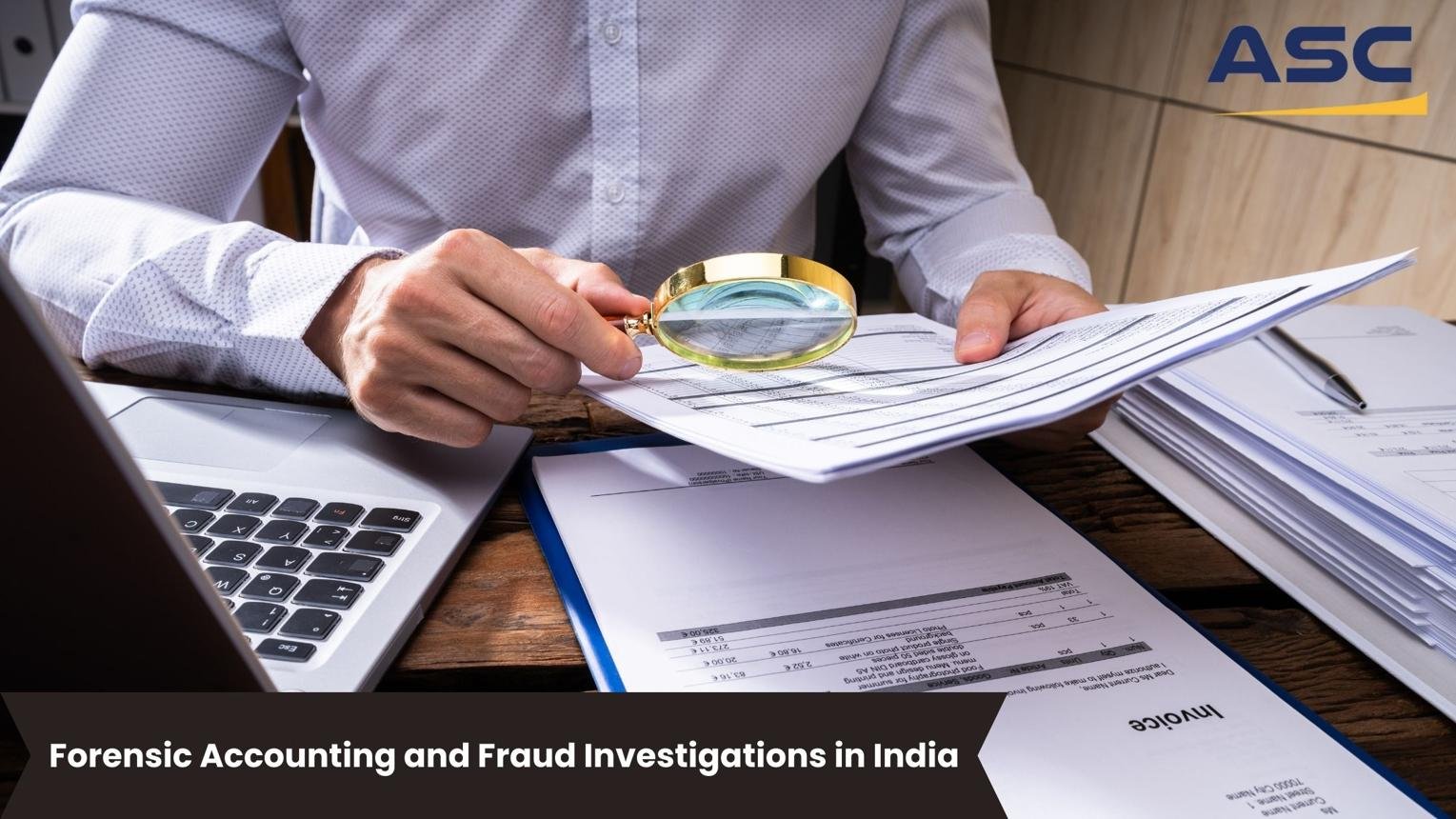
    Accounting records and corporate fraud prevention


    3. Bribery and Corruption

    Corruption can occur when a person improperly uses a position of authority for an unlawful benefit.

    Bribery generally involves offering, giving, receiving, or soliciting an undue advantage in circumstances covered by anti-corruption law.

    Corruption can damage public trust and make government or business processes unfair.

    India’s Prevention of Corruption Act, 1988 is an important law dealing with corruption-related offences.

    Why Corruption Is Harmful

    Corruption can:

    • Increase the cost of services
    • Reduce public confidence
    • Distort fair competition
    • Affect public projects
    • Encourage further unlawful behaviour

    Transparency and accountability are important tools for prevention.


    4. Insider Trading

    Insider trading is a serious securities-market issue.

    In simple terms, it can involve trading in securities while in possession of unpublished price-sensitive information, or communicating such information in circumstances prohibited by securities law.

    India’s securities regulator, SEBI, has regulations dealing with prohibition of insider trading.

    Why It Matters

    Financial markets depend heavily on fairness and equal access to important information.

    If certain people gain an unlawful advantage through confidential information, ordinary investors can lose confidence in the market.


    Stock Market Integrity

    https://images.openai.com/static-rsc-4/6Wlr--NHAxli4K0feYuG4LvRIz40KuIZwzM4SgClt4Vpoyx154jHnelRfN-DzZER3-e3wm2UWBN3bF2FlZjzUK6BVIvplilsQ4jtEUPg-as4LJo_sdIg_xlbnIiVljWagz2h9MQfiBbMEPJoLkSdtRWkllCtegFlbriVqPI8NSpjJa1kBsXBdtCwQVJwtuqp?purpose=fullsize
    https://images.openai.com/static-rsc-4/i3Tk-vmx6GUCBS__zYBcmcpnvW7qCSMq2b7_YRU9rtueUiTnY7Ua9p7rz6a4ePmDA6_ZYZvsx-wCa8P-orF1GD9e1p9tzGBvMIuU3Y_9VfLY1WpQ1hUa00Ybwx7TGQQceKYktauDrcuHW8psW4-fiPi2CORAvO76fV_u71bqpk6EMfnVWyfWA3Vm-2u1EQF9?purpose=fullsize
    https://images.openai.com/static-rsc-4/buRjJZ0YGSkSEcO-F0AnJWWK73QylkLHwqEjjL01KjdPUX80JnpSpFYXqociM7P9z3TIUM_ksUVOWzacm5nOPAu9pifduQOQehAl-EupYfwmMizP4m8tsAPcD6sx_rnh7-eWJd6nxqXd4XFTEMDCH4GL5JE1r7uA2j6sCWXo-A8fhbopOfnlhAOcjoE7WTfN?purpose=fullsize


    Stock market integrity and insider trading awareness in India


    5. Corporate Misuse of Company Funds

    Company money is generally managed for legitimate business purposes.

    Dishonest diversion or misuse of company funds can create serious legal and financial consequences.

    Such conduct may involve:

    • Unauthorized transfers
    • False expense claims
    • Misuse of company accounts
    • Personal use of business resources
    • Concealment of transactions

    Companies can reduce these risks through segregation of financial responsibilities and regular audits.


    6. False Documents and Forgery

    Business transactions often depend on documents and electronic records.

    Creating or altering false documents with fraudulent intent can have serious legal consequences.

    Examples may involve:

    • Fake invoices
    • Altered agreements
    • False certificates
    • Manipulated financial documents
    • Fraudulent electronic records

    The Bharatiya Nyaya Sanhita, 2023 contains provisions relating to forgery and false documents or electronic records.


    7. Misuse of Confidential Business Information

    Businesses often possess confidential information relating to:

    • Customers
    • Products
    • Financial data
    • Research
    • Business strategies
    • Intellectual property

    Unauthorized disclosure or misuse of such information can cause significant damage.

    Depending on the circumstances, misuse may result in contractual, civil, regulatory, or criminal consequences.

    Organizations should therefore maintain clear information-security policies.


    Data and Confidential Information

    https://images.openai.com/static-rsc-4/6MbJUPn0ka-glUSfZ-wTvhl_1rYR151lfITD3a9x2rmQkLyt2tN8cTOS-z5j55WlWiDXERpANr-N8zHHKEAPLPO92FSOCtTXNjjkLom_O55giitQ9pBIKShCVhuxa7KhDznBiFGOV7geu0lgeh9PKweOdNVPtrLIt4SG7eR3N8as0mMj3dgnl53k26OGNosC?purpose=fullsize
    https://images.openai.com/static-rsc-4/puDhScXYvx1NoHE9Mm9SiXXFJlWFTPwG4lc3kVcoooT3ylJWsOxskn37zF-JqphhmzFDJ0NqJ5B8QL0UgsrMAowQnhFL-SAHolY03fr5wW7XzVTGR0BiRtpgrUqv2rTi81JCdzPbwLwS2n7FQzfOQf1d8LjsrqQIbwawKsULJIuSNUvnuIoXCNEfZFep4_YC?purpose=fullsize
    https://images.openai.com/static-rsc-4/2gpc6nFV52PPzXepqHWTabdaEFjDXlk86FfWq0ev_zJeN4awB7AiIp-cTVEGYLujOcRD9yQ_c0Gd4Wq0z0ovBGJqESUecYxfCSqCdKZsiJdCnQW3LRMCPWGHZ9W_y9ezYEOzsfohEOZaXuLbd4jj_YsBOq-Vs-fbp4Vf1OXWA2FniwqcifN6Cma7e4OBKyDE?purpose=fullsize


    Corporate confidential information and data security


    8. Insurance-Related Corporate Fraud

    Insurance fraud can involve false information or dishonest claims made to obtain benefits unlawfully.

    It can occur in different sectors, including:

    • Health insurance
    • Vehicle insurance
    • Property insurance
    • Business insurance

    Insurance companies use documentation, verification, investigation, and data analysis to identify suspicious claims.

    Providing accurate information is important for both customers and insurers.


    9. Loan and Banking Fraud in Business

    Businesses may seek loans for expansion, equipment, working capital, or other legitimate purposes.

    Fraud can occur when applicants deliberately provide false information or misuse financial facilities.

    Potential warning areas include:

    • False financial statements
    • Fake documents
    • Misrepresentation of assets
    • Concealment of important information
    • Dishonest diversion of funds

    Banks and financial institutions use verification and risk-assessment procedures to reduce these risks.


    10. Tax-Related Fraud

    Tax systems depend on accurate reporting and compliance.

    Certain deliberate attempts to evade taxes through false statements, concealment, or fraudulent documentation may attract legal consequences.

    However, a genuine mistake or disagreement about tax treatment is not automatically a criminal offence.

    Tax matters should be handled according to applicable tax laws and professional advice.


    Tax Compliance

    https://images.openai.com/static-rsc-4/j3MFozuvjSwl4TJtMoqll_Zw-lyyVEB5vXAY3j7KBegazLEWDIuGiKNrus5x2vp-PqugE-ISLv8fV83mFMM_6K-EsWCY4Xsij1W2lIA3O1mR1W_APWW_VRwa-Zqe1GCyyLr9GNTaEtdMyj5rCEhaCrkM8iRfr-1f5N4Jib5afS-QrPWTle2_SQFxQXBUEl8i?purpose=fullsize
    https://images.openai.com/static-rsc-4/OxuDY8FmtVz1HV2ILFCU4ghrpF-7KXQTr4wHdpLJLD94uxJboQ02MLLfnJcPn6vvP6zaTXzubw2SuXE8VZrht7V2yVo6aoZml3hMwaTjFN2adjRbEM9smRIkkC8MAwe807-Z6zwb4dIWuD6CUHU-c4DBFCzHJuwrnNGPZ035EoAPnqO9dYJrgNUpUc5ZC2Ku?purpose=fullsize
    https://images.openai.com/static-rsc-4/MUZFDCW-T2JkepX56vi5ldZ6Oxn0oNsCshTxQfsUo-3LQkycwOLvFRHmKOHmLoKKQLoSJTz1KwjrYIsl39Qbb3p83etzPtAWIEeJGJhYA81fTuwkuMbLtLBWuqSTXzwEipqu0-JxxBDsCjsMPSBbTrUvwj_LNsDYfFJgmTJwPMrB5oBr5s97K1vf538XdT5E?purpose=fullsize


    Tax compliance and financial accountability in India


    11. Money Laundering

    White-collar and organized financial crimes can sometimes generate unlawful proceeds.

    Attempts to conceal the source or nature of proceeds of crime may fall within the scope of money-laundering laws.

    India’s Prevention of Money-Laundering Act, 2002 (PMLA) provides the principal legal framework dealing with money laundering and proceeds of crime.

    Money laundering is a serious issue because it can allow illegal proceeds to enter or move through legitimate financial systems.


    12. Ponzi and Investment Fraud

    Some fraudulent schemes are presented as professional investment opportunities.

    They may promise:

    • Guaranteed returns
    • Very high profits
    • Minimal risk
    • Exclusive opportunities
    • Fast wealth

    Investors should verify the organization and understand the investment before committing money.

    Important Rule

    Never invest solely because someone promises guaranteed high returns.


    13. Professional Misconduct and Criminal Conduct

    Professionals occupy positions of trust.

    Doctors, lawyers, accountants, consultants, financial professionals, company executives, and other specialists are expected to follow applicable laws and professional standards.

    Not every case of professional misconduct is a criminal offence.

    Some matters may be:

    • Ethical violations
    • Regulatory violations
    • Contractual disputes
    • Civil matters
    • Criminal offences

    The exact classification depends on the facts and applicable law.


    Professional Ethics

    https://images.openai.com/static-rsc-4/SjeW8vFCvUiJueV14eQjCVB5Prnr_ulGvpr3WWKPO4A_J7-mxjL5A9gYfNKQMVb22YL4Gv4J1xI6yrRtmZko8mk5RSYQUsAaYWczJdFvcX4xeULoiN3GQZ_pHcmxd6gqCubMdeEUOvVLqbnu38ASt8gJy5GMzJb1TPDmvhYybOS6EELveFBJXS4YUopxD-qD?purpose=fullsize
    https://images.openai.com/static-rsc-4/-vbSh35g5hJbMWFOeyPWKpWbICYhMj-u0J8rXoO2dSUnK0fJpDi1KQjgGuJPIfF1L4Kh5P8Gf_KCcyHkmEE4HfgN6OAms0--tyrLZ3Sj0VCMDbQLdIUIlwRl_oCOYWTStkddC3uKU7TZKhyXDaLwATlaM9yyLGYeHzyO5u6KbxxX-cMsMxOyW4qkfB3ZjUzZ?purpose=fullsize
    https://images.openai.com/static-rsc-4/XJwrLDm5HqyKi3LcEyCSbVkhfHN57UW90Itt-eTv1UFzaLPFKDH6Rc1fbmXgVXLy346pBuBa5EXmmX3rrf3uz5YH3EiQj9quGRPps61G_BY3kefyrBAv8FNj0V7XX8VJjWkLXnvN6FGJJYcm-1cKq6AmU2mgn3Dj9GbJ9t-K_UQUEcpME97-VPxt9FMwL7G6?purpose=fullsize


    Professional ethics and corporate compliance in India


    How White-Collar Crimes Affect Society

    White-collar crime may not always involve visible physical violence, but its impact can be substantial.

    Financial Loss

    Investors, customers, employees, and businesses can lose money.

    Loss of Trust

    People may lose confidence in companies and institutions.

    Economic Impact

    Large-scale fraud can affect markets and businesses.

    Job Losses

    Corporate failures can affect employees and families.

    Public Revenue

    Certain financial offences can reduce government revenue.

    Market Integrity

    Fraud can undermine confidence in financial markets.


    Why Are White-Collar Crimes Difficult to Detect?

    Some white-collar offences can be difficult to identify because they may involve:

    • Complex financial transactions
    • Large amounts of documentation
    • Multiple companies or accounts
    • Digital records
    • Professional intermediaries
    • Cross-border transactions

    Investigators may therefore need financial analysis, forensic accounting, digital evidence, and expert assistance.


    How Companies Can Prevent White-Collar Crime

    Businesses should create a culture of accountability.

    1. Strong Internal Controls

    Financial responsibilities should be divided appropriately.

    2. Regular Audits

    Independent reviews can help identify irregularities.

    3. Employee Training

    Employees should understand fraud risks and reporting procedures.

    4. Whistleblower Mechanisms

    Employees should have appropriate channels to report suspected wrongdoing.

    5. Transparent Record Keeping

    Important financial and business records should be accurate and properly maintained.

    6. Cybersecurity

    Digital systems containing financial information should be protected.


    Corporate Compliance

    https://images.openai.com/static-rsc-4/SjeW8vFCvUiJueV14eQjCVB5Prnr_ulGvpr3WWKPO4A_J7-mxjL5A9gYfNKQMVb22YL4Gv4J1xI6yrRtmZko8mk5RSYQUsAaYWczJdFvcX4xeULoiN3GQZ_pHcmxd6gqCubMdeEUOvVLqbnu38ASt8gJy5GMzJb1TPDmvhYybOS6EELveFBJXS4YUopxD-qD?purpose=fullsize
    https://images.openai.com/static-rsc-4/-BlaWS-jzNDGyRD1nGPSc9jsSPoRWKZtG4SRngP6qEHn-NSnexRXx2fvMKCrQr3Qbkwk-qr1cK5Vmu_yAIMe4c1gCuFnP2XoDZN5Nqrmh862BZj7fAdRTry4p9CU30pkx5z07ePeeI-hfLQXJJhy7q3rTMotYvMn6IkOMsbUJkXZsYCg1fN8VDHUg7X9VhH1?purpose=fullsize
    https://images.openai.com/static-rsc-4/fUCtfcswVdr2yvVXWAgds79jtyCKmK4pWz2djv5Agziq4F22DfmZfdPOI9lSIN9pkfbDRavMqMBdsx5P2dHApXstqsJpjWUen8CtyPgimxOGcDLGq_PCDgDsXm-GOVBZig1Xk4A9H76GhHB-VVA63ZOeKbVZlQuEGjzDQEhBGXNXgFoUrgbQpZL6pkVLmPd9?purpose=fullsize


    Corporate compliance and internal audit in India


    What Can Individuals Do to Avoid White-Collar Fraud?

    Individuals should:

    • Verify investment opportunities.
    • Read financial documents carefully.
    • Avoid guaranteed-profit promises.
    • Check the identity of financial advisers.
    • Keep transaction records.
    • Monitor bank accounts.
    • Avoid signing documents without understanding them.
    • Seek qualified professional advice when necessary.

    If something appears too good to be true, it deserves careful verification.


    Role of Regulators and Investigating Agencies

    Different types of white-collar crime can involve different regulators and agencies.

    Depending on the matter, these may include:

    • Securities regulators
    • Banking regulators
    • Tax authorities
    • Corporate regulators
    • Police
    • Specialized investigative agencies
    • Financial-intelligence authorities

    Each institution has its own legal responsibilities and jurisdiction.


    White-Collar Crime and Technology

    Technology has changed both the nature of financial misconduct and the methods used to detect it.

    Modern organizations can use:

    • Automated transaction monitoring
    • Data analysis
    • Digital audit trails
    • Cybersecurity systems
    • Access controls
    • Electronic record verification

    Technology cannot eliminate fraud completely, but strong systems can make suspicious activity easier to identify.


    Frequently Asked Questions

    What is white-collar crime?

    White-collar crime is a broad term generally used for financially motivated or dishonest unlawful conduct associated with professional, business, corporate, or institutional settings.

    Is every business fraud a criminal offence?

    Not necessarily. The legal classification depends on the conduct, intention, evidence, and applicable law.

    What is insider trading?

    Insider trading can involve prohibited trading in securities while possessing unpublished price-sensitive information or communicating such information contrary to securities regulations.

    How can companies prevent corporate fraud?

    Strong internal controls, independent audits, employee training, proper record keeping, whistleblower mechanisms, and effective compliance systems can reduce risk.

    Why is white-collar crime serious?

    It can cause major financial losses, damage public trust, affect businesses and employees, and undermine confidence in financial and public institutions.


    Conclusion

    White-collar crime demonstrates that criminal activity does not always involve physical violence or traditional street crime. Fraud, corruption, financial manipulation, misuse of confidential information, and other professional misconduct can have serious consequences for individuals, businesses, investors, and society.

    Prevention depends on transparency, accountability, strong internal controls, ethical business practices, effective regulation, and public awareness.

    Businesses should create systems that make dishonest conduct harder to hide, while individuals should carefully verify financial opportunities and protect their personal and financial information.

    A healthy economy depends not only on growth but also on trust, fairness, integrity, and responsible conduct.

  • Types of Crimes in India – Part 8

    Types of Crimes in India – Part 8

    india symble

    Environmental Crimes in India: Types, Causes, Laws, Impact and Prevention

    Introduction

    The environment is essential for human life. Clean air, safe drinking water, forests, wildlife, fertile land, and healthy ecosystems support communities and economies.

    When individuals, businesses, or organizations deliberately or unlawfully damage the environment, their actions can cause long-term harm that may affect not only one person but entire communities and future generations.

    Environmental crimes are a broad category of unlawful activities involving pollution, illegal exploitation of natural resources, wildlife offences, unlawful destruction of forests, and other conduct prohibited by environmental laws.

    India has developed several laws to protect the environment, forests, wildlife, and water and air quality. These laws are supported by regulatory authorities, courts, government departments, and enforcement agencies.

    This article explains major forms of environmental crime in India, their effects, important legal protections, and ways citizens can contribute to environmental protection.


    Environmental Protection

    Protecting natural resources today helps create a healthier environment for future generations.


    What Are Environmental Crimes?

    Environmental crimes are unlawful activities that harm or threaten the natural environment or violate environmental protection laws.

    They can involve:

    • Air pollution
    • Water pollution
    • Illegal dumping of waste
    • Illegal mining
    • Illegal logging
    • Wildlife offences
    • Illegal trade in protected species
    • Destruction of natural habitats
    • Unlawful disposal of hazardous substances
    • Activities that violate environmental regulations

    The exact offence and legal consequences depend on the facts and the applicable law.


    1. Air Pollution Violations

    Air pollution can result from industrial activities, vehicles, construction, burning of waste, and other sources.

    Not every instance of pollution is automatically a criminal offence. However, activities that violate applicable environmental standards, permissions, or legal requirements can attract regulatory or legal action.

    Air pollution can contribute to:

    • Respiratory problems
    • Reduced air quality
    • Environmental damage
    • Reduced visibility
    • Harm to ecosystems

    Prevention

    Industries and other regulated entities should comply with applicable emission standards and environmental permissions.


    2. Water Pollution

    Water pollution occurs when harmful substances enter rivers, lakes, groundwater, or other water bodies and degrade their quality.

    Potential sources include:

    • Untreated industrial discharge
    • Sewage
    • Chemical waste
    • Plastic waste
    • Agricultural runoff
    • Illegal dumping

    Water pollution can affect:

    • Drinking-water sources
    • Fish and aquatic life
    • Agriculture
    • Human health
    • Local ecosystems

    India’s Water (Prevention and Control of Pollution) Act, 1974 provides a legal framework for preventing and controlling water pollution and maintaining or restoring the wholesomeness of water.


    Water Pollution Awareness

    https://images.openai.com/static-rsc-4/IyUpWP7ZBgSdYz1xtO8xbSFumsmxcwQ7-pSULCaOXxyIUQFrhzN_mT2h6LQHxgGLPJOR3AC58eqTyA1Kjq_-V2oR2l2DsjwXoNyvj4e6fBSm6lFzkqz6oqjWgkiCLbyISCFvFZStJZ0s_RRFQkWmewVSevJONrWWhTKMAxv1qp8ptZUrJNWt0mrwHtBcutnX?purpose=fullsize
    https://images.openai.com/static-rsc-4/4-oZ7OrtWf5yDrw5CHE2QnmGdXSrGKxchx7X6YNh8IPkwL5LdPLOZCCE4cwnBJ9-Lhg05Cx61As2xJr575viRe47Sg1Y0iYZ9Oq8wZggx_amVJCfKPaRtcwyXDLtLu1Yvg16bsLPd4wW5sDHRyR4rxoUQ10d3XIl4Akm7KEAfDPxTh8KELF-R917erVJQmAd?purpose=fullsize
    https://images.openai.com/static-rsc-4/JMUj7pe7xW8GF_0Eid_XmXblFS_sT4KiJhA7DK8Bx0h-PkE1Vaoy5siDIkJdd5kZJaVe9cl7x0FagmfUvxu5wC_cNoH5Hn5lNTyq6mN6M9yRsAH-IMZiIu-YmeD6scml6yX5XVR4mI_XMXKVf8UY4KBKxc3JVwo56WQZjghF_eGpSw_P72WJI0GU8ASYPpg-?purpose=fullsize


    3. Illegal Dumping of Waste

    Improper disposal of waste can cause serious environmental problems.

    Examples can include unlawful dumping of:

    • Plastic waste
    • Industrial waste
    • Construction waste
    • Electronic waste
    • Hazardous materials

    Waste should be handled according to applicable rules and local requirements.

    Why Waste Management Matters

    Poor waste management can contaminate soil and water and may also create health risks.

    Responsible segregation, recycling, treatment, and disposal are important parts of environmental protection.


    4. Illegal Mining

    Mining provides important resources for economic development, but unauthorized or unlawful mining can damage the environment.

    Potential effects include:

    • Soil erosion
    • Loss of vegetation
    • Water contamination
    • Habitat destruction
    • Changes to local landscapes

    Mining activities are subject to various legal and regulatory requirements. Operating without required permissions or violating applicable conditions can result in enforcement action.


    5. Illegal Logging and Forest Destruction

    Forests provide:

    • Oxygen and carbon storage
    • Wildlife habitat
    • Soil protection
    • Water-cycle support
    • Livelihoods for many communities

    Unauthorized cutting or removal of trees can contribute to forest degradation.

    India has legal frameworks governing forests and forest conservation, including the Van (Sanrakshan Evam Samvardhan) Adhiniyam, 1980, as amended.

    Protection of forests is important not only for wildlife but also for climate resilience and local communities.


    Forest Conservation

    https://images.openai.com/static-rsc-4/TaHuyrBxRWL505AOiqFHM7_RVKzLnN5Go2_SfuobCjdYpjw-V-Swgv_5wYxN4KKVornrSbtNPkjR88yOeDZ4FhraPA_Re1_ZMfxZ8XACy3iB98FodRWawmawzpkT3cOUH4wv2BTTutaI2_hsU4RZD5uzVjhkl_fKm4i-I-4a_5lNl3sj3QjBOycTtnbq_E11?purpose=fullsize
    https://images.openai.com/static-rsc-4/maLLQ2RgMo_HrVWcN_6zirCB-yn_Irf8rBpDIgDFt6-id2DpifsKMCZJ68A8IBdMCPovqOOA38QZmSpe8iyBXLcpphALsVfbN12dNfotQwDPR5XSfmywl9LDp9tvYdZK0jCs5-M3q5Tdb6LdUPbUIxDxXZM0Us1cqE0SVHFiLGjECtIXOx4kzBh2N7swpSTV?purpose=fullsize
    https://images.openai.com/static-rsc-4/XxONa7EQ4Mwyc1ppVShPpu9nP_dkTr81LAfKeRxBkWPV5ZhVjY_w2dUCp1agyNLPR02Zbe1ubyz_ZsxZS01gZW9vr1QMhivpcWOQYluMvu5sLpstjbSxMm2UciWpaqOpKofcUoOPLW04BHoi8d3L12Dta6w7r4IKSx9C014HnJ3ISRoeVwACHx8gxV6oYy3X?purpose=fullsize


    6. Wildlife Crimes

    Wildlife crime includes unlawful activities involving protected animals, birds, plants, or wildlife products.

    Examples can include:

    • Illegal hunting
    • Poaching
    • Illegal possession of protected wildlife
    • Illegal trade in wildlife products
    • Destruction of protected habitats

    India’s Wild Life (Protection) Act, 1972 provides legal protection for wildlife and regulates activities involving protected species.

    Wildlife crime can threaten biodiversity and, in some cases, push vulnerable species closer to extinction.


    7. Illegal Wildlife Trade

    Illegal wildlife trade can involve the unlawful movement or sale of animals, plants, or wildlife products.

    Such trade can operate through local and international networks.

    It may involve:

    • Protected animals
    • Rare birds
    • Reptiles
    • Wildlife parts
    • Protected plants

    Illegal wildlife trade is not only an environmental issue; it can also involve organized criminal networks.


    8. Plastic Pollution

    Plastic has become one of the most visible environmental challenges.

    Single-use plastic waste can enter:

    • Rivers
    • Lakes
    • Oceans
    • Agricultural land
    • Urban drainage systems

    Animals may also be harmed when they ingest plastic or become trapped in it.

    India has regulations dealing with plastic waste management, including restrictions and requirements concerning certain categories of single-use plastic and plastic waste management.

    What Can Individuals Do?

    • Carry reusable bags.
    • Avoid unnecessary single-use plastics.
    • Separate recyclable waste.
    • Dispose of waste responsibly.
    • Reuse suitable materials.

    Plastic Pollution

    https://images.openai.com/static-rsc-4/iFXxz-VZHtv9WaOpkdS_-p1U37q8aT64e5Z-Km9lbheSge8wQmGIoqrXYBt9qe306yCMJOodxlhd2l4baFE8n4StvRvDKPMDy9z-X1KM5kqTrZOkrvYtudRPIo3WzkvMyfmQZJGwsA9pit_dst6c-hGvohdraUQwBwxjrIteUFco5-TFjGr0GxceX6dU1RyP?purpose=fullsize
    https://images.openai.com/static-rsc-4/EYG-XFc9lARbKAXV1DE8RBctAAdmTUjDz82jfgaLByy5VukKeZUxbQqMKYvLlJWydGMQj6I0nbfRl63yQsRxRpqBbIwICbROjiSZSqygmUuQkdzvUePxM7wlyVOZ5QZi0uWfjdub0O0iinw3TaMAFzo0xy3MdT1mqX_iYb6_fPBPUVknTbBC8CN1QYGTYOey?purpose=fullsize
    https://images.openai.com/static-rsc-4/nFHnKFPfLpPnpDJBmNCYnT7zzaglHtSVtTjgDGQT8kVBYhtQJSGRU5t2HX1rOJ9hVfqkMUQQwDkI1taW_cke2GtLOODBk1JJZ5BbnByg47UdnqKwNyrj3yCMlNVAHHLsoQXXA9YGVz-OXcF20iiY9fK33h48YKxWP92RS7h-vkoo3V0UCoc0VqJGfPEnz0Me?purpose=fullsize


    9. Hazardous Waste Violations

    Certain industries produce waste that can be dangerous if it is not handled properly.

    Hazardous waste may require:

    • Special storage
    • Safe transportation
    • Treatment
    • Controlled disposal
    • Record keeping

    Improper disposal can contaminate soil and water and create risks for workers and communities.

    Businesses dealing with hazardous materials should follow all applicable environmental and safety requirements.


    10. E-Waste Related Environmental Offences

    Electronic waste includes discarded:

    • Mobile phones
    • Computers
    • Televisions
    • Batteries
    • Appliances
    • Electronic equipment

    Improper handling of e-waste can release harmful substances into the environment.

    India has E-Waste (Management) Rules that establish requirements for the management of electronic waste.

    Consumers can help by sending unwanted electronics to authorized collection or recycling channels where available.


    11. Noise Pollution

    Excessive noise can affect:

    • Sleep
    • Concentration
    • Well-being
    • Schools
    • Hospitals
    • Residential communities
    • Wildlife

    India has legal rules governing noise pollution and permissible noise levels in different areas and circumstances.

    Individuals, businesses, event organizers, and institutions should follow applicable local requirements.


    Clean and Quiet Environment

    https://images.openai.com/static-rsc-4/YJORCyTeIJGiNRf-7XDA2hipQnwJihtxiNW39qQhe3zQKye7qm_QrsdljgU1jt3DvPyCgiFiWC7MzFu81vxp1Mp8DWg7_vOG_zebEiv32WhjXACZpKS4ZvwUFKYurvcCx9uZxaphsRAWljqIWfEO0noJEpsTN7pudmBJK2FwwQbs7HAAaTDl1pmU9kXvq_ky?purpose=fullsize
    https://images.openai.com/static-rsc-4/e1-BTLKaRqqFZG64q94jTtLNljfyk_zNqAAFFhsvdlgOFpbuCNRbdxaMmupwXkRalcr7tTjgVppoAnrlFxbSHovHMsCjmx5KxD6EhjvDE7iFnu4oyyyMHCmUslN1WOQmPBbgzPcdPZrBvncCSgWC8NIbVFEdEe1Sm3G1S2BQ484OWlTYR3_pM4CuyjqdJmfv?purpose=fullsize
    https://images.openai.com/static-rsc-4/yHtokUzAdqu4rl6MimoMsFN0THbcEi1Dd4V-v3chP-e_-URdlSJGi046LcvIn4RTDH6GFYBtotufcuMQoBIWcxNSzhMC084y6DHlvNqjiPL9Dvio7CfxdFR319xhz4zrFbeJ7-rz5kYj8_zocQ51OAXjjHPwFlfCM1i7Rze1aHLLjHSkCCjnfxJoyjIrDzan?purpose=fullsize


    12. Marine and Coastal Pollution

    India has a long coastline and many communities depend on marine ecosystems.

    Pollution from:

    • Plastic
    • Oil
    • Industrial waste
    • Sewage
    • Other harmful substances

    can damage marine ecosystems.

    Protecting coastal areas requires cooperation between authorities, industries, fishing communities, tourists, and the public.


    13. Illegal Activities in Protected Areas

    National parks, wildlife sanctuaries, conservation reserves, and other protected areas receive special legal protection.

    Activities prohibited by applicable laws may include unlawful hunting, unauthorized resource extraction, habitat destruction, or other prohibited conduct.

    Visitors should always follow the rules of protected areas and avoid disturbing wildlife.


    14. Environmental Damage from Industrial Activities

    Industries contribute significantly to economic growth and employment, but they must also operate within environmental regulations.

    Potential environmental concerns can include:

    • Uncontrolled emissions
    • Improper waste disposal
    • Unauthorized discharge
    • Excessive noise
    • Damage to surrounding ecosystems

    Environmental permissions and compliance requirements exist to reduce these risks.


    Sustainable Industry

    https://images.openai.com/static-rsc-4/ztkrXvJBZ6Z8YNx1xaItpkflgWoNPAl5olDNkttcD_DAKx3PD0kWrjVnMdMSoQjY25mOXxIrefgXQFngaSSraOBlyOABPiBO75M9wun1F6A0nb8RJ_tNG6Yp7VdbSXKIoEPh433JIeBku9skeZt30YU3OMrZa_DuvQYbj9bRiyL4mZ8yuaI6GjZfGPuzzlEL?purpose=fullsize
    https://images.openai.com/static-rsc-4/enLiS357-csuESiPg_nEE_Pq7fa0mp_jCw2a15yZPh-2SuqFO8bBH7Lsnx5qmHiGRwLaqlNa9s9UZALXqe8FZYugv_szp9mUuIHw7peEO07XL_dYo4YPqoU_MLYdNamKC3i_u86YT-BuPjVEYjrNwtRRhshSdH2u6u-yEfVHrSNMJEkGQwUq_xuCxc3oQr4a?purpose=fullsize
    https://images.openai.com/static-rsc-4/t3HKPWzOpq0oPR6A4J1F6kO-D8dBCX9f_Ttm9FSI3oEkQTKCDp7ijz3fw1MSDKoZSZk_58X7kUio6nj6g1IMwy_ktuFgt1ewMIudIxUfU8iFOLo961_-EMD6sweCCrlR2DOy2nhC1ElUu5MEm1xrvn72V1UbRnlt6_pKEfnKRwahHisoZUc2jOXRg8zt_YoA?purpose=fullsize


    Major Environmental Laws in India

    India has several important environmental laws.

    Environment (Protection) Act, 1986

    This is a major framework law for environmental protection and provides powers concerning environmental standards and pollution control.

    Water Act, 1974

    The Water (Prevention and Control of Pollution) Act, 1974 addresses prevention and control of water pollution.

    Air Act, 1981

    The Air (Prevention and Control of Pollution) Act, 1981 addresses prevention, control, and abatement of air pollution.

    Wildlife Protection Law

    The Wild Life (Protection) Act, 1972 provides legal protection for wildlife and regulates various activities involving protected species.

    Forest Conservation Law

    The Van (Sanrakshan Evam Samvardhan) Adhiniyam, 1980, as amended, deals with conservation of forests and related use of forest land.


    Role of Pollution Control Boards

    Pollution Control Boards play an important role in environmental regulation.

    The Central Pollution Control Board (CPCB) works with State Pollution Control Boards and other authorities on pollution prevention and control.

    Their responsibilities can include:

    • Monitoring pollution
    • Developing standards
    • Supporting enforcement
    • Collecting environmental data
    • Promoting pollution-control measures

    Environmental regulation is a shared responsibility involving central and state institutions.


    How Environmental Crimes Affect People

    Environmental damage can have long-term consequences.

    Health

    Pollution can affect human health.

    Agriculture

    Contaminated soil and water can affect agricultural productivity.

    Economy

    Environmental degradation can affect tourism, fisheries, agriculture, and businesses.

    Wildlife

    Habitat destruction can threaten biodiversity.

    Future Generations

    Environmental damage today can create problems for people decades later.


    Protecting Future Generations

    https://images.openai.com/static-rsc-4/uRIqNROVvdHofmbslr8Y3p6j-MkAjnaL1CWZ_ONlW9QXLfb59BIydYOyDB03vtbwb8mu4TQCfcGU1T8JeN0AKp1UYFCsXl9uQqsmr5fb7z6uFza7Myy2OBM2bE3RM1c3J7st5z9LiNj6fw_9xkVCiWWY6O0LZ8QmWGBDPsWgHlxtjw3FxgFfxOoUIjGWQ9Ki?purpose=fullsize
    https://images.openai.com/static-rsc-4/on9rhgqRfXWVZ_iKcBTVXT8CpDH9kWKGJQXHGg0_K2vEQtY-xExijxDpOBUShabB4Kbo_bjqqWhDhSQI3f6rahhTdBKDJ5_BtlNj9OtW1Eylr1vFlaiuGLdSVZmLazVaUu6uJenAMBEdjdhZGRS6np0v0RyuAAfH92GEFvJoC-imynn_JE5-05Luqd3meEhb?purpose=fullsize
    https://images.openai.com/static-rsc-4/-5W8qpCJ-ZYy4gu5k23whgSXnIvLWKYKAd6qKtelJ191UJ3yvNluw-xJdG5DZilyNdt7pq8Vay4oxFQ2vH2zLK-eltpuIaLKdM6iy73oMlb-1eNxzM8i3W06bllaPHzLoZ9vIsZWW09gqaT5ywDz0k6uFP7wBih5bOA3PjlD4sonTlUd7bawReWwjn3G8g43?purpose=fullsize


    Protecting the environment for future generations in India


    How Can Citizens Help Prevent Environmental Crimes?

    Environmental protection is not only the responsibility of government agencies.

    Individuals can contribute by:

    • Avoiding littering.
    • Reducing plastic use.
    • Reporting illegal dumping where appropriate.
    • Protecting local trees.
    • Respecting wildlife.
    • Using water responsibly.
    • Supporting recycling.
    • Following environmental rules.
    • Choosing environmentally responsible products.

    Small actions become meaningful when millions of people participate.


    What Should You Do If You Notice Environmental Violations?

    If you observe serious environmental damage:

    1. Do not confront potentially dangerous offenders.
    2. Record information safely where lawful and appropriate.
    3. Note the location and approximate time.
    4. Preserve photographs or other evidence if it is safe to do so.
    5. Report the issue to the relevant local authority or environmental agency.
    6. Follow up through official complaint mechanisms where available.

    Avoid making unverified accusations against individuals or businesses on social media.


    Environmental Protection and Sustainable Development

    Economic development and environmental protection do not have to be opposites.

    Sustainable development aims to meet present needs while protecting the ability of future generations to meet theirs.

    Businesses can contribute through:

    • Cleaner production
    • Waste reduction
    • Energy efficiency
    • Responsible resource use
    • Recycling
    • Environmental monitoring

    Consumers can contribute by making informed choices.


    Frequently Asked Questions

    What are environmental crimes?

    Environmental crimes are unlawful activities that harm the environment or violate applicable environmental protection laws.

    What is the main environmental law in India?

    The Environment (Protection) Act, 1986 is one of India’s major framework laws for environmental protection.

    Which law deals with water pollution?

    The Water (Prevention and Control of Pollution) Act, 1974 provides a major legal framework for preventing and controlling water pollution.

    Is wildlife crime a serious issue?

    Yes. Illegal hunting, poaching, and wildlife trafficking can threaten biodiversity and protected species.

    How can ordinary people help protect the environment?

    People can reduce waste, avoid littering, reduce unnecessary plastic use, conserve water, respect wildlife, and report serious environmental violations through appropriate authorities.


    Conclusion

    Environmental crimes can cause damage that lasts much longer than the original offence. Polluted rivers, destroyed forests, illegal wildlife trade, uncontrolled waste, and habitat destruction can affect human health, biodiversity, livelihoods, and future generations.

    Strong environmental laws are important, but laws alone cannot protect nature. Effective enforcement, responsible businesses, informed citizens, scientific monitoring, and community participation are all necessary.

    Every individual can contribute to environmental protection through everyday choices.

    Protecting nature is not only about saving forests and animals; it is also about protecting human health, livelihoods, and the future of our communities.


  • Types of Crimes in India – Part 7

    Types of Crimes in India – Part 7

    Organized Crime and Terrorism in India: Types, Impact, Prevention and Legal Framework

    Introduction

    Crime can sometimes be committed by individuals acting alone, but some serious offences involve groups of people working together over a period of time. When criminal activities are organized, planned, and carried out through networks, they can create significant challenges for law-enforcement agencies and society.

    Organized crime generally refers to serious criminal activity carried out by structured groups or networks for financial or other unlawful benefits. Such activities may involve different forms of exploitation, illegal trade, extortion, trafficking, financial offences, or violence.

    Terrorism, on the other hand, involves serious violence or threats intended to create fear or pursue objectives covered by applicable anti-terrorism laws. It is a distinct and particularly serious category of unlawful activity.

    India has laws and specialized institutions to address organized crime, terrorism, money laundering, trafficking, and related offences. The Unlawful Activities (Prevention) Act, 1967 (UAPA) is one of India’s principal laws dealing with unlawful activities and terrorism-related offences.


    🖼️ Image 1 – Organized Crime Awareness

    https://images.openai.com/static-rsc-4/YxqKAg4hWi5wt-0nvXZhyQJpLqnyELxlMlfV4KdDvI563w0FqDDZ0OFDTOOSY0ezlOcV31O9SbOlP3nJtbpt4tTNvAoy4ng0eJByLZI6KhDTlRhSAQrv0cDyefgM-NmRqmdpV9bkxakNT-fFctEpFn3vL8cPxrXJ00Ky1lyTiS39_z69fe1vx4ZZQ8OUtHql?purpose=fullsize
    https://images.openai.com/static-rsc-4/YvJuCCvxs4iHjKUniiTixCWINhSV3BbQR2pLGmO4qGTyn7a4EDGJEp2yuiyLpncqkPIE9zP1ZAE2SV0actpzIoldaSvTk2P9PuBkydA5oWk16f-qR7b5tf5Ji6dJ9GrdX9pxTEwKPnHO3euTMyS2porkrT1JZF8n0mfoJWEpq9gj05y-mmhByGfHk6YH61Ox?purpose=fullsize
    https://images.openai.com/static-rsc-4/xeOduCvaW32Si3MOtbJmrcoVaPhfuJp8f-YNiUfS71-HZZDuPsTaAMYB7AA06-eVJfgRYyOqfLQ108CIRvP1vUMTiiP89n150O2MQihWuG3eAqFBxqtERdxUQGKIPMxUed1Mb9FLNJMEn7B-ss2LB3jNlISbulaR6pKSRWkNizt_WCG68hWAHvfOmB0XdSaR?purpose=fullsize

    7

    Image Alt Text:
    Organized crime investigation and law enforcement in India

    Law-enforcement agencies use investigation, intelligence, financial analysis, and cooperation to address organized criminal activity.


    What Is Organized Crime?

    Organized crime involves coordinated criminal activity carried out by groups or networks.

    Unlike an isolated offence, organized crime may involve:

    • Planning
    • Coordination
    • Multiple participants
    • Financial networks
    • Repeated criminal activity
    • Concealment of illegal proceeds
    • Connections across different locations

    The structure of a criminal group can vary considerably. Not every group operates in the same way, and the legal classification depends on the specific conduct and applicable law.


    1. Extortion

    Extortion generally involves obtaining property, money, or another benefit through legally prohibited threats or intimidation.

    A person or group may attempt to threaten a victim with harm unless money or another benefit is provided.

    Extortion can affect:

    • Business owners
    • Professionals
    • Individuals
    • Contractors
    • Public figures

    Prevention

    People should avoid handling serious threats alone. Relevant evidence should be preserved and reported to the appropriate authorities.


    2. Human Trafficking

    Human trafficking is a serious form of exploitation.

    Victims can be exploited for purposes including:

    • Forced labour
    • Sexual exploitation
    • Forced begging
    • Other forms of exploitation

    Trafficking can involve recruiters, intermediaries, transporters, and exploiters, making it difficult to detect without proper investigation.

    Community Awareness

    Warning signs can include suspicious control over another person’s movement, unexplained exploitation, or situations where vulnerable people are being transported or controlled under deceptive circumstances.


    🖼️ Image 2 – Human Trafficking Awareness

    https://images.openai.com/static-rsc-4/sAihSbGHUdeJSncZgyqtYCVFizc5YHNuZOoBeikkrDC5JjZv488KMjdG1Wm6c_oQPlEClY_jg9rbLkaRXeON9KDSI0vEGfPxvi68uVovwWpnobfkR011Z_0wxTUI5luYqGq3d702ur1l0_Wu78p56nrmciaPH-nUyD3y3hn1SY8XHysxNRvOxg1NtPTlJr8D?purpose=fullsize
    https://images.openai.com/static-rsc-4/K4wb8sboeLGQCDU8ETKK5iabxeaC5dUQ0BzvW3zEFCrklLB6YTHJ-4qj094BkOrIzPgn-AIHFM9EQYWBhqLNp4wGLRQF0kRVOym74lX2DLxB285yyGO5-lNAH1MQX5Lw0v7o_hBkTvOS7LHBp0M1ZMYrhj2Nuy_DmACGOH9_1ls7igKF0UkzygyT0PNcYS3t?purpose=fullsize
    https://images.openai.com/static-rsc-4/cCAZzw9rLPlrHVlUYzNXY3cxqssuvrizNSNUtpvDEdhpDnErKJj-FcAyYowSONY3OaNKU6jpZdv33o4SQnQhcDNRus5la-cP6x4ja2wIw0Sh_hqe47Xd8ALb_LOY1ohDpMV0f26Q4jD4T0x9zeXTaojfD5Mn8m9R2MmAgsgaGpvkD8UlbOndvZuAVMoWx5IB?purpose=fullsize

    6

    Image Alt Text:
    Human trafficking awareness and prevention in India


    3. Illegal Smuggling Networks

    Smuggling networks may operate across geographical boundaries and can involve unlawful movement of goods or other prohibited items.

    Such networks can create:

    • Economic losses
    • Security risks
    • Public-safety concerns
    • Illegal financial networks

    Law-enforcement agencies may use intelligence, border controls, financial investigation, and inter-agency cooperation to identify such activities.


    4. Drug Trafficking

    Drug trafficking involves the illegal production, distribution, transportation, or sale of controlled narcotic or psychotropic substances.

    Drug trafficking can harm:

    • Individuals
    • Families
    • Young people
    • Communities
    • Public health

    India has the Narcotic Drugs and Psychotropic Substances Act, 1985 (NDPS Act), which provides the legal framework concerning narcotic drugs and psychotropic substances.

    Prevention

    Drug-related crime requires cooperation between law enforcement, healthcare professionals, families, educational institutions, and communities.


    5. Illegal Arms Networks

    Illegal trafficking or possession of weapons can create serious public-safety risks.

    Criminal networks may attempt to obtain or distribute weapons outside lawful channels.

    India regulates arms and ammunition through the Arms Act, 1959 and related rules.

    Strong enforcement and responsible reporting are important for preventing illegal weapons from reaching criminal networks.


    🖼️ Image 3 – Law Enforcement

    https://images.openai.com/static-rsc-4/l5LjjyGfOl9dRBnJGINTxUMKBBnbe0FfRTW2vIjD1dv7f66L0ClMU1GOCsVwqaittmljaIxJQ0tNsBJPJUGr_bzaoepkpnMRsIFSorZOerAcRfDx7GSAhfLZeD-rdpudY1TQ90yEX_MWC6IKiN-uQWavOjwl8hArHGU3iYpHXVszjqWoLrKflhkrnAt5rlMf?purpose=fullsize
    https://images.openai.com/static-rsc-4/tLYYEW92araFPRbmbOO_mmh_BbRlnx7U01sqeJwJKoZd7g7yiy2y-olW9PkaduKHvksXvvLq9rZhKDYUgpeXibzmc9-ogbr4t2taC1KpsL7RWbIeeZXvzeWv6Jwsxcc_Ubpy7KpCZdLxWLfvbH85kppg3gpRj6Xx3VGauhoonS1Wt1hwnrdQ10V_Ef9iLNVB?purpose=fullsize
    https://images.openai.com/static-rsc-4/d4rAxvxozWhcfXJM3L6dsTEdMSN8FfyC4rUDPoZFTuI_W6KcXviJHad0xkV7X3URDMOP9yxgZ4xsqbQ21gj5VuwV5crgZFQOznedD2orARO45h9s-sHuIWprrV31UyxVTBOOp4ziFRNcGW0ySq3eMkpdrQsgyphZ0VhuZb216prj9qIFvuq7JGgkyJldOEdE?purpose=fullsize

    6

    Image Alt Text:
    Law enforcement and criminal investigation in India


    6. Money Laundering and Organized Crime

    Organized criminal groups may generate large amounts of unlawful income.

    Attempts to disguise the origin or ownership of criminal proceeds can create money-laundering concerns.

    India’s Prevention of Money-Laundering Act, 2002 (PMLA) provides the principal statutory framework for dealing with money-laundering and related proceeds of crime.

    Financial investigation can therefore be an important part of tackling organized crime.


    7. Cyber-Enabled Organized Crime

    Technology has changed the way criminal networks can operate.

    Organized groups may use digital platforms for:

    • Fraud
    • Identity misuse
    • Financial scams
    • Illegal online marketplaces
    • Recruitment or communication
    • Distribution of stolen information

    This does not mean that every cybercrime is organized crime. The classification depends on the circumstances and evidence.


    8. Terrorism

    Terrorism is a particularly serious form of violence or threat of violence intended to achieve objectives recognized under applicable anti-terrorism law.

    Terrorist activity can cause:

    • Loss of life
    • Injuries
    • Destruction of property
    • Public fear
    • Economic disruption
    • Long-term psychological impact

    India’s legal framework includes specific provisions addressing terrorist activities under the UAPA.


    🖼️ Image 4 – Counter-Terrorism Awareness

    https://images.openai.com/static-rsc-4/3NjyTND3G69gQAkVEs4s8KFwT8mXGFMNh7bzxD1LT-arJ0WDbp0oyHZbujM7gFNhoX8GtwjKKAdQ3SX6lvW5iYZfJNI8-LpQTaIpDS0Oe6YZoK12FAalXz1nR4PbCYgSYBmpWrE9lDXZ9-FiGC2T9P7x36Zn82Qm1cGcPavLa_u8ZWy97NtFflF5yfgvp_Uc?purpose=fullsize
    https://images.openai.com/static-rsc-4/4_DRAeixLVWdVqrjk5kjff9Wc-pGMdBZSI2F6MD7Dv7atLq483o0DI8L35PFf1eBhXUzeA1qXywT8BBKyYttv1a1jiHUJ4AmJZOGIyGQua0H6WzJhojATbpwQAFlCrIoH77IIGAT3C_QbjKAMKWQtCXtXnHLghy38ABSD-Wn1K27R8yx3TvmpZ14uL2geIXF?purpose=fullsize
    https://images.openai.com/static-rsc-4/FGpuAZBjo6p9ComKLMeVBLoxRuHnJzX1oGbIl7888f_v-st3eQf4lqZuoYSSLfAzKZs_lJYZGMCoVg-SKhjv_HgKAqj2YOBcYfaTg-gRZv1REy5NYTcvP9eXEl_gCKgOrpHwknupy9_t2HvxD5J2VS4M7peMmHDOm4yMdqzdhdD839Ur8o0Dokms2hqp-7Zo?purpose=fullsize

    6

    Image Alt Text:
    Counter terrorism and national security in India


    9. Terror Financing

    Terrorist organizations require resources to support their activities.

    The financing of terrorism is therefore an important part of counter-terrorism investigations.

    Financial institutions, regulators, investigative agencies, and international partners may work together to identify suspicious financial activity.

    India’s anti-money-laundering framework and anti-terrorism laws provide mechanisms for addressing relevant financial activity connected with unlawful organizations or terrorist activities.


    10. Criminal Networks and Corruption

    Criminal networks may sometimes attempt to influence individuals or institutions through corruption.

    Corruption can weaken:

    • Public institutions
    • Law enforcement
    • Businesses
    • Government services
    • Public confidence

    India has the Prevention of Corruption Act, 1988, which provides the principal legal framework for certain corruption-related offences.

    Strong transparency measures, accountability, auditing, and lawful investigation can help reduce corruption risks.


    11. Organized Financial Fraud

    Criminal groups can sometimes coordinate large-scale financial deception.

    Examples may include:

    • Fake investment operations
    • Fraudulent businesses
    • Identity-based scams
    • Online financial fraud
    • Large-scale cheating

    Technology can make it easier for criminals to target people in multiple locations.

    Financial awareness and strong institutional controls are therefore important.


    How Organized Crime Affects Society

    Organized crime can have consequences beyond individual victims.

    Economic Impact

    Businesses and individuals may suffer financial losses.

    Social Impact

    Communities may experience fear and insecurity.

    Public-Safety Impact

    Violent criminal networks can create significant risks.

    Institutional Impact

    Corruption and criminal influence can weaken public institutions.

    International Impact

    Some criminal activities can cross national borders and require international cooperation.


    🖼️ Image 5 – Impact on Society

    https://images.openai.com/static-rsc-4/J5iRIC1E4ak_w3g77Ik4DqSCU6XhgEHDqN4gBi-znePJK-kX5Y_h5rnuAAAapOUgy6U3qmj3MCfIhCeC580WN_fE7pGd3mZq7QoLU0uNhEZJxGFJOyvTHs1buDTkCKxHj031jUrr8Du_u6tDxpjhJ3G56WfUcQi3W9o5bx7-ZpGx4RLIxnqRucg4NYhKzejV?purpose=fullsize
    https://images.openai.com/static-rsc-4/dHnE5HkrDl7oy_Vhdg0M_-vEQrQIYJR4cwIs-avXnv2n4Wo7kUFqiQuMFTr-udk-yR7Sk-TnksaStbyw9qlsXILKYKUJhMrEiFQLWmNx6t2jgqqOmB7XSUYnmJSP2VR2jSs_7SpVdrvyXnFe3AjkYPe7DjuB-sscxn6Ypfbz_XbpACEJMbt77_-N03FEHoCy?purpose=fullsize
    https://images.openai.com/static-rsc-4/5xI5p9-vRpr5nrcgSpqKjWR9f6pbHVRUtNEuCTRvYLkTnuGVqlJuqJBNRhM6ivYpADAvS3v8_uVSoI0ypcoFKgAzRVOlws042s3WqiQv8eCFnvVMRXCRlM2BAT20vLmY9GjVDu_wTjvndqdXO1Nagjm10C82pA4wJQP8GuJnCh2w1md2OUL5VrRHPe8xng68?purpose=fullsize

    6

    Image Alt Text:
    Community safety and crime prevention in India


    How Do Authorities Fight Organized Crime?

    Modern criminal investigations can involve several approaches.

    Intelligence Gathering

    Information from multiple sources can help identify criminal networks.

    Financial Investigation

    Following suspicious financial activity can help identify unlawful proceeds and networks.

    Digital Forensics

    Digital evidence can sometimes help establish connections between individuals and activities.

    Inter-Agency Cooperation

    Different agencies may need to work together when crimes involve multiple jurisdictions.

    International Cooperation

    Cross-border crimes may require cooperation with authorities in other countries.


    Role of Technology in Crime Prevention

    Technology can also help authorities prevent and investigate crime.

    Examples include:

    • Digital forensic analysis
    • Financial monitoring
    • CCTV systems
    • Database analysis
    • Communication records obtained through lawful processes
    • Geographic information systems
    • Cybersecurity tools

    Technology must be used responsibly and according to applicable legal safeguards.


    How Can Citizens Help?

    Ordinary citizens can contribute to public safety without putting themselves at risk.

    Report suspicious activity

    If you observe serious suspicious activity, contact the appropriate authorities.

    Protect personal information

    Criminal networks may exploit personal or financial information.

    Avoid suspicious financial schemes

    Do not participate in unknown investment or money-transfer arrangements.

    Verify job offers

    Be careful about employment offers involving unexplained payments or suspicious activities.

    Do not confront dangerous people

    Leave investigation and enforcement to trained authorities.


    🖼️ Image 6 – Public Awareness

    https://images.openai.com/static-rsc-4/dHnE5HkrDl7oy_Vhdg0M_-vEQrQIYJR4cwIs-avXnv2n4Wo7kUFqiQuMFTr-udk-yR7Sk-TnksaStbyw9qlsXILKYKUJhMrEiFQLWmNx6t2jgqqOmB7XSUYnmJSP2VR2jSs_7SpVdrvyXnFe3AjkYPe7DjuB-sscxn6Ypfbz_XbpACEJMbt77_-N03FEHoCy?purpose=fullsize
    https://images.openai.com/static-rsc-4/kuQoVqJun8UwVn7vn6WKPgMG_ohs_DHreExB5jmQ8lRKyy54jhSYTVoeju0KdHg_GrxXiX1UvOkooskLZPVS_stNn5UUkrZmUF95jj3sgqAI9Jdg-IWmOL0DeCNzOJvegYX7vPOcaaf5A7nwJ8yyUSjauKmGpHygsICZzN4U3Ojq0wqNbaj8rZmHfhMfD_09?purpose=fullsize
    https://images.openai.com/static-rsc-4/vz-1Khf_WGZxJ84ay2vM-c0iFwAKB7JtFXabWQzgGONwVLLa5lGsXlSIQarm7fpbl0HDKGGcKoomzeb7BLTGSyvJ5tZYpuk3PPpxNIcq9_BZNQGU_EhIO5NMj3yJFObDS9X5jLLtJw8E8ixuHa4BaRC9_-edIF5Ty5wekPPml8XX38RXpuBnEhxfJL1kwRMT?purpose=fullsize

    5

    Image Alt Text:
    Public awareness and crime prevention in India


    Organized Crime vs Ordinary Crime

    It is useful to understand the difference.

    FeatureOrdinary CrimeOrganized Crime
    ParticipantsOften one or a few peopleUsually coordinated groups or networks
    DurationMay be isolatedCan involve repeated activity
    PlanningMay be limitedOften more coordinated
    Financial structureUsually limitedMay involve complex financial networks
    Geographic reachOften localCan extend across regions or countries
    InvestigationMay involve a single jurisdictionMay require multiple agencies

    This is a general comparison; actual legal classification depends on the specific facts and applicable law.


    Organized Crime and Young People

    Young people can sometimes become vulnerable to criminal recruitment.

    Risk factors may include:

    • Social isolation
    • Financial difficulties
    • Peer pressure
    • Lack of opportunities
    • Exposure to criminal environments
    • Online manipulation

    Education, employment opportunities, positive community activities, and family support can help reduce vulnerability.


    Why International Cooperation Matters

    Some criminal networks operate across national borders.

    For example, investigations involving:

    • Online financial fraud
    • Human trafficking
    • Money laundering
    • Cybercrime
    • Smuggling

    may involve evidence or individuals in multiple countries.

    International cooperation can help authorities exchange information and pursue suspects through lawful processes.


    Importance of the Rule of Law

    Fighting serious crime requires strong enforcement, but it must also respect the rule of law.

    Investigations should be conducted according to applicable legal procedures, and accused persons are entitled to due process and a fair trial.

    The objective of criminal justice is not only punishment. It also includes:

    • Protecting victims
    • Establishing facts
    • Holding offenders accountable
    • Preventing future crime
    • Protecting lawful rights

    Frequently Asked Questions

    What is organized crime?

    Organized crime broadly refers to coordinated serious criminal activity carried out by groups or networks.

    Is every group crime considered organized crime?

    No. The legal classification depends on the nature, structure, purpose, continuity, and circumstances of the criminal activity.

    What is terrorism?

    Terrorism is a serious category of unlawful activity involving conduct defined under applicable anti-terrorism laws, including certain acts intended to threaten security or create widespread fear.

    Which Indian law deals with terrorism?

    The Unlawful Activities (Prevention) Act, 1967, as amended, contains important provisions dealing with terrorist activities and related matters.

    What is money laundering?

    Money laundering concerns dealing with proceeds connected with criminal activity in ways covered by the Prevention of Money-Laundering Act, 2002, including conduct intended to conceal or project such proceeds as legitimate.

    Can citizens help prevent organized crime?

    Yes. Citizens can remain alert, protect personal information, avoid suspicious financial arrangements, and report serious concerns through appropriate official channels.


    Conclusion

    Organized crime and terrorism present complex challenges because they can involve networks, financial resources, technology, multiple locations, and sometimes international connections.

    Effective prevention requires more than policing alone. It involves strong institutions, financial safeguards, cybersecurity, public awareness, international cooperation, education, and respect for the rule of law.

    Citizens also have an important role. Staying informed, avoiding suspicious financial activities, protecting personal information, and reporting serious concerns through appropriate channels can contribute to a safer society.

    A strong society is built through law, awareness, responsible institutions, and cooperation between citizens and authorities.

  • Types of Crimes in India – Part 6

    Types of Crimes in India – Part 6

    posco

    Crimes Against Children in India: Types, Causes, Prevention and Legal Protection

    Introduction

    Children are among the most vulnerable members of society. They depend on parents, guardians, teachers, and the wider community for their safety, education, health, and development.

    Unfortunately, children can become victims of different forms of abuse, exploitation, violence, neglect, trafficking, harassment, and online risks. Some offences happen in homes or communities, while others can occur through schools, workplaces, public places, or digital platforms.

    Protecting children is not only a family responsibility. It is a responsibility shared by parents, schools, communities, institutions, law-enforcement agencies, and society as a whole.

    India has laws specifically designed to protect children. The Protection of Children from Sexual Offences Act, 2012 (POCSO) addresses sexual assault, sexual harassment, and pornography involving children and provides for Special Courts.

    The Juvenile Justice (Care and Protection of Children) Act, 2015 provides a legal framework concerning children in need of care and protection and children in conflict with law, with an emphasis on care, protection, development, rehabilitation, and a child-friendly approach.


    Child Safety and Protection

    https://images.openai.com/static-rsc-4/3Yaf3ahIcTPJq6HnKtak9oQAdNk1Ctr7dAymDl-gnuqKaJG-12KjBeAxUd_ePTg_wTxHjYk4DaW4aZvLiEG57ZQbYZX1MLGMDRPGgCSpZAeuI4xd-L4WYr6dDD7YcNUOx2i24_Blw5zleqJAOYbFDKAZaDePdQ223pHo7ynaI8m6ZwMxlx6ncww0NjRPVzPv?purpose=fullsize
    https://images.openai.com/static-rsc-4/pTd6aJyHrKwedX0SaE7cafBhWLaH6BcB1I1oL-fHogFCQ8TtX8wIWzsT3EJnRBtbwAZlBT1kXI51_twD1xoAV323kQrBO5KmaqGSWlRn8wWv59eB7CnFpAn_JboFzBcIBGYqcazhx3EwoUhqp2NtDeMUzLxOOYVCoIZK9p981-tOztmDZmrsKXRFnfQKltzQ?purpose=fullsize
    https://images.openai.com/static-rsc-4/tweS6OA5c8IAF0Mssr4PhmQ6XKvWixn-zAmGPhMO3f4MsjWXb6tSaMKV1CSho-JLH1zytttl3k81uE33THQlHAeRpW75nBsamEkQng-jVdhwW_i2meShFdO-FM0owCUi2kVsluxgIaA4hMekxyL4kzESFthyE193ova90ql9NYhqFEiXJuJVo1P2yanxJ6bm?purpose=fullsize

    Every child deserves a safe environment in which to learn, grow, and develop.


    What Are Crimes Against Children?

    Crimes against children are offences in which children are victims of violence, abuse, exploitation, neglect, trafficking, harassment, or other unlawful conduct.

    Depending on the circumstances, these may include:

    • Physical abuse
    • Sexual offences
    • Child trafficking
    • Kidnapping and abduction
    • Child labour
    • Online exploitation
    • Cyberbullying
    • Forced begging
    • Cruelty and neglect
    • Exploitation through illegal activities

    The exact legal offence depends on the facts of an individual case and the applicable law.


    1. Physical Abuse of Children

    Physical abuse can involve intentionally causing physical harm or injury to a child.

    It may occur in different environments, including:

    • Homes
    • Schools
    • Institutions
    • Workplaces
    • Other places where children are present

    Physical punishment should never be treated casually when it crosses into abuse or unlawful violence.

    Warning Signs

    Possible warning signs may include:

    • Unexplained injuries
    • Sudden fear of a particular person
    • Changes in behaviour
    • Withdrawal from normal activities
    • Frequent unexplained absences

    One sign alone does not necessarily prove abuse, but significant concerns should not be ignored.


    2. Sexual Offences Against Children

    Children require special protection from sexual abuse and exploitation.

    The POCSO Act, 2012 specifically addresses sexual assault, sexual harassment, and pornography involving children and provides procedures including reporting provisions and Special Courts.

    Adults should teach children about personal boundaries in an age-appropriate manner and encourage them to speak to a trusted adult when something makes them uncomfortable.

    An Important Message

    A child is never responsible for abuse committed against them.

    The responsibility lies with the person who commits the offence.


    Child Protection Awareness

    https://images.openai.com/static-rsc-4/DbP9eh1I9MT43XsoYDNKlDoEvjZmLLlxuc6eu6FUKhcjNS6r6Fqv7JTEe3G8-ZbmWqdFSz3kxBfEd0l79lJ-UP2GWumdSUZid_S8Wj3e314x4VWwMIu_SNkRGq_nEIUa8H8CetqYEYzN5Nu5vtHIars0HpzOtuVsJykYUyaD0ctczZ8xpLcgXtoPkDD3SHz3?purpose=fullsize
    https://images.openai.com/static-rsc-4/6wbUHHzcnXcJpm6aDmZLwhAguWZd0HcbAiJLNyBZck_LtmcGg75zJ--xgH9FFplWm1Hkohw6Eiq_5paOKp4HD_P94NKOavuUcXAs1jlDQQLGXDxBoENTD0twfCPXrI3qtblJx1LJ3usXseYf3AmQKFJSVa5ND6hGJUrQQ05j8Rud2P1f4elsYJe8CRAfBJBN?purpose=fullsize
    https://images.openai.com/static-rsc-4/JrC1gonA9XYBdrP57PaUzRul88jzJTctMczwhH5za5EHZ6Xpnca8VZQvybl0Ie7-WPQaK2MPRuXGyy3ArLWRM8Iupi41OCK-sTDpdoFCUcOzvWwA_LMUy87ic4bDEYjyQR68xOdYaiHzhiyrUwFKzAKXYN9JFzQm1WLY4KhfXHQuGRzSPhsGLiC3u8JI-ojr?purpose=fullsize

    3. Child Trafficking

    Child trafficking is a serious form of exploitation.

    Children may be vulnerable to trafficking for purposes such as:

    • Forced labour
    • Exploitation
    • Forced begging
    • Sexual exploitation
    • Other unlawful activities

    Trafficking can involve complex networks and may cross geographical boundaries.

    Prevention

    Communities should pay attention to situations where children appear to be controlled, exploited, or separated from their families under suspicious circumstances.


    4. Kidnapping and Abduction

    Children may become victims of kidnapping or abduction for different unlawful purposes.

    Parents and guardians can take sensible precautions by teaching children:

    • Their full name
    • Names of parents or guardians
    • Important contact numbers
    • How to seek help from trusted adults
    • What to do if they become separated from their family

    Children should also be taught not to follow unknown people simply because they make attractive promises.


    5. Child Labour and Exploitation

    Children need education, protection, and opportunities for healthy development.

    Child labour and exploitation can interfere with:

    • Education
    • Physical development
    • Mental well-being
    • Future employment opportunities
    • Social development

    India has legal provisions concerning child labour and the employment of adolescents, and the applicable rules depend on the age of the child and the nature of the work.

    Why Awareness Matters

    Families experiencing financial difficulties can sometimes become vulnerable to exploitation. Communities, schools, and government support systems can play an important role in preventing children from being pushed into harmful working conditions.


    Education Instead of Exploitation

    https://images.openai.com/static-rsc-4/wjBiw1RHE7iCKSiQsBmV33AGItSbXpNPe8hd69zYM54MgQbNxi2KGFaJGazaRNZ4znKFVR8RqR57bw0Xrhh5oqEarfK0YyUB7kiH_DuEfSqxW9ynhRKa00RuACQHZam-2fMTUC7UUOVYbhHlYLa5C99GieEFXMA3zIydwX20ISj9MCuVeUzgJ_0MUjAxQj54?purpose=fullsize
    https://images.openai.com/static-rsc-4/X-YzmZRtp5t-0XUng0y-iA3XPMbhANxuPjqK7L08nd2APYI8n2ui7ojqP-eUeaLy31Gqy8DsDe5_03uMGaQDjmraiM7-VDpf7W4lsC9fD2z-i8oedCJXHx2p6xLWmsgIVCVDodvJ3Ub02eOyyDnnFFMHFpDi1Wn6tJE53AxAX09kZd8ONKCnsijbfr5NWu6a?purpose=fullsize
    https://images.openai.com/static-rsc-4/qnD88SaMoeyjIbBaNK0NvyXxC9NlZlhH3-NAGqvuRIbfFTFuiXpkafpsEkChQQ5WRbiehp0mOMgjTDlZb0AApkUJftcysQOUXTBTJ1Ty7av-Qbbx_jpvAmNOTOvGF-8sFizRl_IIwC4JQl1uEQDHp6rpsDPlp9uAE02CmUXMPU2rpgk96pG_sHSp0ucSQH7F?purpose=fullsize

    Education gives children opportunities to build a safer and more independent future.


    6. Online Exploitation of Children

    Children today spend significant time using smartphones, games, social media, video platforms, and educational applications.

    The internet can provide valuable learning opportunities, but it can also expose children to risks.

    These may include:

    • Online grooming
    • Cyberbullying
    • Manipulation
    • Unwanted contact
    • Identity misuse
    • Exposure to harmful content
    • Attempts to obtain private information

    Parents should maintain open communication with children rather than relying only on technical restrictions.


    7. Cyberbullying

    Cyberbullying involves using digital platforms to intimidate, humiliate, threaten, or repeatedly harass another person.

    Children may experience cyberbullying through:

    • Social media
    • Messaging applications
    • Online games
    • School-related groups
    • Video platforms

    What Parents Can Do

    Parents can encourage children to:

    1. Tell a trusted adult.
    2. Save relevant evidence.
    3. Avoid responding aggressively.
    4. Block or report abusive accounts where appropriate.
    5. Seek help when threats or serious harassment occur.

    Children and Online Safety

    https://images.openai.com/static-rsc-4/9gGhxmz_rO24PEkoQ0eM2-b2ec5sbJYBlU5ohuKM1rySI94-bu9oSZzKYbmzueR92_AGGMr42KC2XwloYW19gNWuuPi-sQ5a7Hv7K1lSb4EJp6ylM8ucRXKlcZ27wftPJH0uvlLF-Xk4cWMZh_58Mzf03VHJQ4ycAsQgmZ_J8tuGnC9_vfG0mskGze9kKbQ4?purpose=fullsize
    https://images.openai.com/static-rsc-4/lJnCkeQJELuCRLTuXEcyLqZ9Wa7ia5y8APBNQ0KjAW6OZF3VvqEAixoSyhX3XHgpqJ_umCltyPhf6z2kiotIzHKcMWS5GHw4I4nlBT7v6VESbZBfqJlfkdNqHkMsP7FWgF_dD7CnZT30oNXWuO9i8qD3zUFzlMa6trMegqxNf_w6faGDASzUWBV6Yv6OEupx?purpose=fullsize
    https://images.openai.com/static-rsc-4/opN8QT-02iEq4wSZaxo5DD_46943edvz6frv-8AVp8Q3w_ZNebVOFJuFLafTnao5rhcjwm47PLdyRfWUMfPs6UqRp1OBeKvmhid4wjXPOblxn2PED_ZsFW_7cWrQdytVMLS0CRtnnOI-lzA2_SNYTGOrv7d7QkIUJF4HCOsKkaXmHpIregtIa3hla92_CqTX?purpose=fullsize

    8. Forced Begging and Exploitation

    Some vulnerable children may be exploited for forced begging or other forms of unlawful activity.

    A child who appears to be repeatedly controlled or exploited should not automatically be blamed for their situation.

    The focus should be on protection, investigation, and rehabilitation.

    Communities can help by reporting serious concerns to the appropriate authorities rather than ignoring visible exploitation.


    9. Child Marriage

    Child marriage can negatively affect a child’s education, health, safety, and future opportunities.

    India has the Prohibition of Child Marriage Act, 2006, which provides the legal framework for preventing child marriage and addressing related matters.

    Education and community awareness are important tools in preventing child marriage.

    Why Education Matters

    When children remain in school and families understand the long-term consequences of early marriage, communities can become better equipped to protect children’s rights.


    10. Neglect and Lack of Care

    Not every harmful situation involves physical violence.

    Children may also suffer because of serious neglect, abandonment, or failure to provide necessary care and protection.

    Possible concerns can include:

    • Lack of basic necessities
    • Unsafe living conditions
    • Abandonment
    • Lack of medical care
    • Persistent failure to protect a child from known dangers

    The circumstances matter, and concerns about a child’s safety should be taken seriously.


    Safe Family Environment

    https://images.openai.com/static-rsc-4/V0q2rd7v4dWkjvDf0Ae5PSClV-dWJSIGNIxRV3P6PNedJ9glRU4ks3PvniUBfH2-s2fcErivCCtbCa7cwH6T0kKOoS-dvXXQo3INK_y4pQge9U-h_QQByLkM1kGCdgQ9Tq9gXu_WNr7DAdl2kuQVShGh-Csd1jjtAtr3ng3YX2eWDiYdp8FO5l1lEui0I30P?purpose=fullsize
    https://images.openai.com/static-rsc-4/lZzsvYdFfKZ2nazMkOOMbeYdACjYl3Q3EYK-jmA6IFxUjBS0cAiMywpa7XAb-rE6WmYaQM3uwM-5JCIap7TeW8GE0uz7hz5xWY-RYeQS-_rCVr2Z9wWPADcZ2XAZlpnlNk7kukLL9ws0CtUzQH4W9kz6mkDSXELr2TItzqcjC29ENw-m_7N-hffm1L09a_Fo?purpose=fullsize
    https://images.openai.com/static-rsc-4/XiZ2VX8o-hyzm7hZ1mD3Gq-ogpPi-_CyqxShOJ7QejkoPb_lPi5vlw-TsJSyYDE7fjvgsK-7RaotZ384xn49D7XTrXF7cQpAnTUWXf7BMv1vQo4EX2vwZ-y7CclDWVqoNBOKe7pC5gmGY-0jcJrwFrI_0Z4JnLTYbk471hL44sQR6SR4X7VdLYRYaBlTCWpq?purpose=fullsize

    11. Child Exploitation Through Technology

    Technology can sometimes be misused to exploit children.

    Parents should be cautious when children:

    • Receive messages from unknown adults
    • Are pressured to keep online relationships secret
    • Are asked for private photographs
    • Receive unusual gifts or money from strangers
    • Are encouraged to move conversations to private platforms
    • Become frightened or secretive about online activities

    These signs do not automatically prove that a crime has occurred, but they can indicate a need for careful attention.


    12. Children in Need of Care and Protection

    Some children may become vulnerable because they are:

    • Homeless
    • Abandoned
    • Separated from their families
    • Exploited
    • At risk of abuse
    • Without adequate parental care

    The Juvenile Justice (Care and Protection of Children) Act, 2015 establishes a framework for children in need of care and protection, including mechanisms such as Child Welfare Committees and rehabilitation measures.

    The law emphasizes the best interests of children and a child-friendly approach.


    How Can Parents Protect Children?

    Child safety begins with communication.

    Teach children about boundaries

    Children should understand that they can say no to uncomfortable behaviour and should tell a trusted adult when something feels wrong.

    Keep communication open

    Children should feel safe discussing difficult experiences without immediately fearing punishment.

    Teach online safety

    Explain why they should not share private information or communicate secretly with unknown people.

    Know their environment

    Parents should know, as reasonably possible, who regularly interacts with their children.

    Pay attention to behaviour changes

    Sudden changes can sometimes indicate that a child is facing a problem.

    Parent and Child Communication

    https://images.openai.com/static-rsc-4/KD892qjX1JVgJiGKAuf3XfH-ozX0bVTOhN2Qqv7aNApqErPIT9PsIH2TdhX9QHyyWvpyqjNyRoEuTFJcTtIOVVeqnaml3FdyvK-EFBe8zEJShQMTvHuo7rfQV35Jkj3iD9eel-BF9d_rR1PMxb6y-IRbdQMBuB3vT13d8NE5ArOj6YvlngWf6q9WjOHDtXie?purpose=fullsize
    https://images.openai.com/static-rsc-4/XGQEhHjl4AnA46Li_dF-2O7JTyaaiLbEVQn-oMU7ZkzS8FZf1NRXzOmLaQmSarrGCRywaW_SBfcA5E2_Maf2yDTuObtDV2C9NPNwIms1OjGaGO5levOSXGqQ4WyUVEKQngW6_BJMgrWCiBtrfalT79LyJRwvu9SG3uw06dYBuCpnLj9ucEcgSsVQVIKd566c?purpose=fullsize
    https://images.openai.com/static-rsc-4/m4YfpNFnxCnuEIE8v_ewXBWZR98LpW_GEGvuYAb9Tm5heHPRPJkQ046cePjUyvtVlaajKMrN3oaaRG--6uQO19YurrWMgMqiyuO1BgSRumgFAOqCW1WZS5L04toHwf_B2sGQyhTFqJS5p3g8f7PsMJP5YF-gTdR934wGkgUzC9HqdO0KGD_YLHEWxb4wqdjV?purpose=fullsize

    How Can Schools Help Protect Children?

    Schools have an important role in creating safe environments.

    Schools can promote:

    • Child-safety awareness
    • Age-appropriate personal-safety education
    • Responsible internet use
    • Anti-bullying policies
    • Safe reporting mechanisms
    • Staff awareness
    • Support for vulnerable children

    Teachers and school staff should take genuine safety concerns seriously and follow applicable reporting and safeguarding requirements.


    How Can Society Help?

    Child protection cannot be achieved by parents alone.

    Communities can help by:

    • Supporting vulnerable families
    • Promoting education
    • Reporting suspected exploitation
    • Preventing child labour and trafficking
    • Encouraging safe digital behaviour
    • Avoiding victim-blaming
    • Supporting rehabilitation

    A responsible community does not ignore signs that a child may be in danger.


    Legal Protection for Children in India

    India has several laws and institutions dealing with children’s rights and protection.

    The National Commission for Protection of Child Rights (NCPCR) is a statutory body under the Ministry of Women and Child Development. Its mandate includes monitoring implementation of laws relating to children, including the POCSO Act and Juvenile Justice Act.

    The NCPCR also provides child-rights resources and mechanisms related to child protection.

    For legal matters, readers should consult the current legislation and appropriate authorities because procedures and laws can change.


    What Should You Do If You Suspect a Child Is Being Abused?

    If you believe a child may be facing serious abuse or exploitation:

    1. Take the concern seriously.
    2. Prioritize the child’s immediate safety.
    3. Do not publicly identify or shame the child.
    4. Preserve relevant evidence where appropriate.
    5. Contact the appropriate authorities or child-protection mechanism.
    6. Follow applicable reporting requirements.
    7. Allow trained professionals to handle the investigation.

    Do not attempt to conduct your own investigation or confront a potentially dangerous person if doing so could place anyone at risk.


    Children’s Privacy Is Important

    When discussing cases involving children online, privacy must be respected.

    Do not publish:

    • A child’s full identity unnecessarily
    • Private photographs
    • Home address
    • School details
    • Phone number
    • Sensitive personal information

    In particular, content about alleged sexual offences involving children should be handled with extreme care and in accordance with applicable law.


    Building a Safer Future for Children

    Protecting children requires more than punishment after an offence occurs.

    Prevention should include:

    Safe homes

    Children should have a supportive environment where they can speak openly.

    Safe schools

    Educational institutions should have clear child-protection practices.

    Safe communities

    Adults should respond responsibly when they see children at risk.

    Safe internet use

    Children need age-appropriate guidance about online privacy and communication.

    Access to education

    Education can reduce vulnerability and provide children with better opportunities.

    Rehabilitation

    Children affected by abuse or exploitation may need long-term emotional, educational, medical, and social support.


    Child Rights and a Safe Future

    https://images.openai.com/static-rsc-4/OtKi2lWBnCFtwI3ZcVvnonRX14RXXi6t33kbvYb_coo4fdcSltvaLQ7IWJ4cdjz053URyv3JyTQlXnReFl7n3SQ_L-GDRPAoZ_U1FDSBPrD69MdKUmiVjNS9CBJ4i2SVzXw0jjg15Zb8rm5hsVYDr04ziFQq1UeisCrJUBZb5GdN52kA7U56tmirT5CTo2EL?purpose=fullsize
    https://images.openai.com/static-rsc-4/xV6uZ57bjBPm9ny1bTSu7sWFUApFSNw8Y2fSKP36Dgygx12tgv98i1Tuot5JMA_6bhRcGV1u0gx0nKGrPVSUuNqtqAvJVpsE8Et0jqpmBgbt2qs3wlpZ2oKsaTMc0in6jnaisGiFbXLniAQWvW34lThO8LDb-Wdcg-SBc1JduyOs46PYRJqTUPfcMHBpLBkc?purpose=fullsize
    https://images.openai.com/static-rsc-4/VxcODCoGGoOPHyg1t_DjZxzP-ViZz3mf7NToCbp6NxaxOGsbt5uX9NV36i_5iOXI3f4oGK-2y4HvLB882nphsQDVSdHQJQGweFw4konHf-Y0BBnZYcztOM3QuMCzMrcAAIJrqMHDCJiLIwCKy3pOPeQqVF_NNi9v41L0-jiLXgkdODfGKbCkEH-kIVjvgBRd?purpose=fullsize

    Frequently Asked Questions

    What are crimes against children?

    They are offences in which children are victims of abuse, violence, exploitation, trafficking, harassment, or other unlawful conduct.

    What is the POCSO Act?

    The Protection of Children from Sexual Offences Act, 2012 is a law designed to protect children from sexual assault, sexual harassment, and pornography and provides for Special Courts.

    What is the Juvenile Justice Act?

    The Juvenile Justice (Care and Protection of Children) Act, 2015 provides a framework for care, protection, development, rehabilitation, and related procedures concerning children.

    Why is online safety important for children?

    Children can encounter cyberbullying, unwanted contact, manipulation, privacy risks, and other online dangers. Age-appropriate guidance and open communication can reduce these risks.

    What should parents do if a child suddenly becomes withdrawn?

    A behaviour change does not automatically mean abuse has occurred. Parents should listen calmly, create a safe environment for communication, and seek appropriate professional or child-protection support when concerns are serious.


    Protecting children today means building a safer and stronger India for tomorrow.

  • Types of Crimes in India – Part 5

    Types of Crimes in India – Part 5

    leagle system

    Introduction

    Money is an important part of everyday life. People use banks, digital payments, credit cards, online shopping platforms, investment services, and other financial systems almost every day.

    As financial services have become more digital, criminals have also developed new ways of attempting to obtain money or financial information through deception, manipulation, unauthorized transactions, and other unlawful activities.

    Financial crime is a broad term that can include different offences involving money, property, financial accounts, fraudulent transactions, or financial systems. These offences can affect individuals, families, businesses, banks, investors, and the wider economy.

    Understanding common financial crimes is one of the best ways to recognize warning signs and make safer financial decisions.


    https://images.openai.com/static-rsc-4/mgDXJ2jas7IEfjDrUra_NO7H5CDRqfY071PEHLOXBSG0hOJNj_mSwiEMmMZa1gHhe51lRtN6uiTfei8q6NLhbxLWXsFX_6QxbXeStaduxMzSIQf4Me4BQmRSqJqnW2dybi5eAn3oULRVv7TVp8mBpgunJkj5URb5ZGZ4MZ3zq9HOtYi7NuDmcDxYhZ3ny4F7?purpose=fullsize
    https://images.openai.com/static-rsc-4/zo4idoaLjCV24ADpmXvZ4q1wz8iEuO2dQJE1pKZl0ePcvNrfoH5jR7rlluVTl5Koe-y-Hihl3WdTDDRnyKTbXNMQ0D6ZVENw94Spp78EtHCdFEvsfd6kgiRAAaMx81WHeQ1DIcfPyXgT__ekjac0RSUQOt32baPMWiFnkjE5fQBl5aVCQyng4vf8ePTi1_9Q?purpose=fullsize
    https://images.openai.com/static-rsc-4/I0c4veJnxjm7T5r5xK0LEPuRziR5HdBxdGZ7HQPUQv7sztj-vab4s1mahL783TSxThaJGM5naeCrkCGH__6u_anQdKBzhpaDlvMM54ltY7alyO7xTHyCbLVte0EZeW3r72t7tJTBfxhTIHOPon6F9ehXhsmdLOdBXHr1LS66511cn-A7MQ4eMHg-gEOvNu1X?purpose=fullsize

    Financial awareness and careful decision-making can help people reduce the risk of financial fraud.


    What Are Financial Crimes?

    Financial crimes are unlawful activities connected with money, financial assets, property, financial information, or financial transactions.

    Depending on the circumstances, examples can include:

    • Cheating and financial deception
    • Banking fraud
    • Investment scams
    • Loan-related fraud
    • Identity-related financial fraud
    • Unauthorized digital transactions
    • Forgery
    • Money laundering
    • Ponzi and pyramid-style schemes
    • Insurance-related fraud
    • Misuse of entrusted funds

    The exact offence and applicable law depend on the facts of each case.

    Under the current criminal-law framework, the Bharatiya Nyaya Sanhita, 2023 includes offences such as cheating, criminal breach of trust, forgery, and several offences affecting property.


    1. Banking Fraud

    Banking fraud generally involves dishonest activity intended to obtain money, financial information, or an unauthorized financial benefit.

    Criminals may attempt to deceive customers by pretending to be representatives of banks or financial institutions.

    Common warning signs can include:

    • Unexpected calls about account problems
    • Fake KYC update requests
    • Suspicious links
    • Unusual payment requests
    • Requests for confidential banking information

    How to Stay Safe

    Never share your OTP, PIN, CVV, password, or other confidential authentication information with another person.

    The Reserve Bank of India has repeatedly emphasized awareness around protecting critical payment information such as PINs, OTPs, and passwords.


    2. Digital Payment Fraud

    Digital payments have made transactions fast and convenient, but users can also be targeted by fraudulent requests.

    Scammers may use:

    • Fake payment requests
    • False refund claims
    • Fake customer-support contacts
    • Impersonation
    • Deceptive messages
    • Social engineering

    Important Rule

    Receiving money and sending money are different actions.

    Be careful if someone unexpectedly asks you to approve a payment, scan a QR code, or enter confidential information.

    Always verify the purpose of a transaction before confirming it.


    https://images.openai.com/static-rsc-4/lY-KeX1vjrYxcBHrB9xK1tOkNaQjUOjDf2HWcvVvQV4vOQBg9As4kB1ctmceO_t_e8oU5Auo1RJTQQG2a8Mr2RMsirLdqQQqrYAG3cgEExIrkYN7wZNFXTmbYAUDfXX40TrW6My-Cm1NsjT8kaE8ZlU5CqHp--nXtWKGcWla9Piyb8u6HBPVWxQTbWj9CZFi?purpose=fullsize
    https://images.openai.com/static-rsc-4/cuWVYYCMcAG9Um5gGpfVZCy0FfWtemOzvTr_o06h80IO6WCUQXw27rzlH-kHdr10xBNKUKqwdnz8nX7FJ6hofknyQAIPbKEfs16O2WqvI_L3kZSEfjXGsiBfULstNesc7VK0PRAMTlVuUbNaBDYGZZh3FbiOFInn0pf8SLYkN-1YPnfDrMLD1sT_aRh_QyXk?purpose=fullsize
    https://images.openai.com/static-rsc-4/XlFWm1ySdBRlyhQib1GkHmd1vriZ7Gr7ijTa-WhCcOkUESdcE0zcAXpgYBBOrcZw0KfK5kxoq6lfZUbOfs6yMxnS-VTMXo4BYRNXPuQsNBDlY_OB2Bu5cRC1uDnyX3-pM4XGU_F99pVVtFE2BvqlkmDVCslFqDRkMN0DmcakUlPoUdzrcftDeIfnkYjdnkMc?purpose=fullsize

    3. Investment Scams

    Investment scams attempt to convince people to put money into a fake or misleading investment opportunity.

    A scammer may promise:

    • Very high returns
    • Guaranteed profits
    • No risk
    • Exclusive investment opportunities
    • Quick wealth

    Warning Sign

    A promise of unusually high returns with little or no risk should be treated with caution.

    Before investing, verify the organization, understand the product, and check whether the person or entity is authorized to provide the relevant financial service.

    Do not make investment decisions solely because someone creates urgency.


    4. Ponzi-Style Schemes

    A Ponzi-style scheme generally involves using money from newer participants to provide apparent returns to earlier participants rather than generating legitimate investment returns as claimed.

    Such schemes can appear successful for a period of time, but they may collapse when new money is insufficient.

    Common Warning Signs

    • Guaranteed high returns
    • Pressure to recruit others
    • Lack of clear information
    • Unexplained investment strategy
    • Difficulty withdrawing money
    • Pressure to invest immediately

    Always independently verify an investment opportunity before transferring money.


    5. Loan Fraud

    Loan-related scams can target people who are looking for personal, business, or emergency loans.

    Fraudsters may advertise:

    • Very easy loans
    • Guaranteed approval
    • No documentation
    • Extremely low interest
    • Immediate loan disbursement

    They may then demand money or personal information under false pretences.

    Safety Tips

    Before dealing with a lender:

    1. Verify the lender independently.
    2. Check the official website or app.
    3. Read the terms carefully.
    4. Avoid unknown payment links.
    5. Never provide confidential information to unverified contacts.

    https://images.openai.com/static-rsc-4/shGuA8xrUyjWq2Gv6VFDOdS-xgKolX72bgncG3wJudoQKFb8JQ_lUR0ltEBO_b80SYdEI5W4ydp4ATyfzGQWSmTEXZCfM06U2k-TMzo9eYbwc25vcl8MzmWC8hgvdGdh3AF1xzgVK3g1RpAvcxCbvakx5OqvuciaT3T7HbtSdHemTP9f8NzCK_C3FYk6eUUQ?purpose=fullsize
    https://images.openai.com/static-rsc-4/HhpYVQNU-iJMOzANAcwE_W0JHj2XzCxoffzKquHQYlWl6b0M2twusRU2_y_wAx8KUvftYECDbku2s7SgJt7GJVfHE5dQUKsxYQ1ySqIlCvv4U1puat6FPLpGNeKRktHWKIsAa4nxrx5PWXPkheAC_3V734tKm8s9iyEjM5OLsBziLF3ztKCRNUs1iQdnp6PZ?purpose=fullsize
    https://images.openai.com/static-rsc-4/i_Oxa6uT5ppl5DtQCBsHw_ApJxyVO6BMIH_7BOovXjhwc-haYUo3B0UcJMnOatDGhyYCqMYTQAe0GMSdz40nuwXT7cJvx0mBX4cNf81UrV3YYsIs9LqORr-jKFwdHw2uvYKuKlO2D9rf-nkxG8qbzEGafGOjHF-uttiXqcIlHWd84wgMCG7Le65E-e9_Dmg4?purpose=fullsize

    6. Credit Card Fraud

    Credit card fraud can involve unauthorized use of card information or fraudulent transactions.

    People should regularly check their account statements and transaction notifications.

    Good Practices

    • Keep card information private.
    • Use transaction alerts.
    • Report suspicious transactions quickly.
    • Avoid entering card details on suspicious websites.
    • Do not share your PIN or OTP.

    Regularly reviewing transactions can help identify suspicious activity early.


    7. Identity-Related Financial Fraud

    Personal information can sometimes be misused to attempt financial fraud.

    Information such as:

    • Name
    • Phone number
    • Address
    • Identification information
    • Bank details
    • Account credentials

    may be targeted.

    People should avoid sharing sensitive documents publicly or sending them to unknown individuals.


    8. Forgery and Fake Financial Documents

    Forgery can involve creating or altering a document or electronic record with fraudulent intent.

    Under Section 336 of the Bharatiya Nyaya Sanhita, 2023, forgery includes making a false document or false electronic record with specified fraudulent or harmful intent.

    Financial document fraud can involve attempts to misuse documents for obtaining money, property, services, or other benefits.

    Prevention

    Organizations should verify important documents carefully and maintain appropriate record-checking procedures.


    https://images.openai.com/static-rsc-4/EvAwEnF165kHRpPrEmODr5euGShLaE7JpWF9mGKFsmiEvzoviFFyhGgIuhMGimk2_cGX_odlkF7C6yZAeDFZfCrcCKyvnb7GYHW86DjKTUwy5jUtR5OFS4bN45JrpMhHLMJPVkcg0zVNWsGk9Bg4O7UIwKQKJB9vQvWV-aHjqExx_ZTpK85J-qKb0HHFVDxJ?purpose=fullsize
    https://images.openai.com/static-rsc-4/Nlb2hSlSTh0cJYCf29o2mFoYnxmgqsOOEuQpaCZrGxg2E-aY7meZ_Tk2uBRBPkvPdb11WL72Ir_dGTuiBeHAPULfcCnrSe_zc89he_lrfBU7UT9H5O8_OQqQTE0Y87TKStZgIIrL6jz8KllX45BBfgQXoh-fZ9rD_fxDRyvDf_FgiPNXu1ZJGkdb17VKeBao?purpose=fullsize
    https://images.openai.com/static-rsc-4/FplHB2LZmph7UN_xiyChOwmRD6T5AwQQc3X2sT896BwKAwMoaCuKF32PUxMZXyPXgqP2hVs-6ijHxo-SCkbzzohnTOP6nATd0Bu4yWruSPGPHyVx-NPAA5pLq9qV1C6NhACnI-_szEmdw9QPMPTNVT2ExwAo7yH3NL5WPNrLWEVBpfAeueR1QjnQXSIJrQFk?purpose=fullsize

    9. Insurance Fraud

    Insurance-related fraud can involve deliberately providing false information or making dishonest claims for financial benefit.

    Insurance companies use verification procedures to identify suspicious claims.

    Customers should always provide accurate information when applying for insurance or making a claim.

    False information can create serious legal and financial consequences.


    10. Criminal Breach of Trust

    Financial wrongdoing can sometimes occur when money or property is entrusted to a person who then dishonestly misuses or converts it contrary to the applicable legal or contractual obligation.

    The Bharatiya Nyaya Sanhita, 2023 contains provisions relating to criminal breach of trust.

    Examples can arise in different professional or personal circumstances, depending on the facts.


    11. Cheating and Financial Deception

    Cheating involves deception that may cause a person to act in a way that results in wrongful loss or another unlawful benefit.

    Financial deception can take many forms, including false promises, misleading representations, or dishonest inducement.

    The Bharatiya Nyaya Sanhita, 2023 contains provisions dealing with cheating and dishonest inducement relating to property.

    How to Reduce Risk

    Before sending money:

    • Verify the person’s identity.
    • Check the organization independently.
    • Read agreements carefully.
    • Avoid making decisions under pressure.
    • Keep transaction records.

    12. Money Laundering

    Money laundering generally refers to processes through which proceeds connected with criminal activity are dealt with in ways intended to conceal or project them as legitimate.

    India has a specific law called the Prevention of Money-Laundering Act, 2002 (PMLA). The Act provides for prevention of money-laundering and for attachment, adjudication, and confiscation of property derived from or involved in money-laundering, subject to the law.

    Money laundering is a serious financial crime because it can allow proceeds of crime to enter or move through legitimate financial systems.


    https://images.openai.com/static-rsc-4/7UqXjH-VBVBbglr_bie8oXlHckCmaCFr6t-obvL168W6BcY0fRh3VHF8VGEMTpxwozv9w9KyJe3smZqVGqY3o46cZUrxshzApKaA2lAA95V1J2GgjEwrihr3BT9mCG_gGyEYI3oMeZN-kzzXtc_zUgd_DQT-sKkIF4zStZOiMLuZm_bQaKC4uQS_daJ28knV?purpose=fullsize
    https://images.openai.com/static-rsc-4/vIEZ5yy5lZyGEmxG5EQb552sHQQyvAESCiDydbwSi5he4SLMEmfe_itpYHWfU2XE7NdvzDUn0lW5ut9pJUOOyydr2-siskuxLRsxyxRWUCLdagnwjaoxJojghlUXskoi427wcNnO44SFkjPQKyVKWZmhg30utFkJkMledFkYHWiZlOpB_tisRw2cbqp7bShT?purpose=fullsize
    https://images.openai.com/static-rsc-4/7aLR7_1nVtQ7MEBjZImaVEM8Mgb3F1kvSM9nRMSr_IR5UN6-xMrl1ON2HbPBImUTlgj8qzBxPKop5B60uytvye1ZbSLsEWHXR0BGSDfyzh5Wj1q5HM_70q3pUg9nHcmoMsIuGSCZmBKYx4gIToW9wuA31UNCh4F3WXwSHRosEOv6xJxdHNfjMSqauauhm5FB?purpose=fullsize

    13. Fake Customer-Care Scams

    Fraudsters may create fake customer-support numbers or social-media accounts.

    A person searching for customer support may accidentally contact an unofficial number and be asked to:

    • Share sensitive information
    • Install software
    • Transfer money
    • Provide account credentials

    Safety Tip

    When you need customer support, find the contact information through the organization’s official website or official application, rather than trusting an unknown search result or social-media message.


    14. Employment and Work-from-Home Scams

    Some fake job advertisements promise easy work and high income.

    Victims may be asked to pay:

    • Registration fees
    • Training fees
    • Security deposits
    • Processing charges

    before receiving a promised job.

    Warning Sign

    A genuine employment opportunity should be independently verified before you send money or sensitive personal documents.

    Be especially cautious about offers that promise large earnings for very little work.


    https://images.openai.com/static-rsc-4/DEnuchkP1GbNDD9MgGuvX6l44BQMhO9jgwR58Ijo_SDpkpf6u6dnr8rbx_DgOqjfN6gZA6YQzsgkeIzMhnJ38c2OMAcI3kvlPWpTEQjMAO2QfmI8mvInE6wI95bWn3jD_-XDf6IdNz8I2D1SBU3SLYhYe5UKmmuA2xPkN0WxkXnxHO8St-7LflErOXCFSAx6?purpose=fullsize
    https://images.openai.com/static-rsc-4/8SBa6L6rnbjghdBjtIA9cJXYIKX1JrGKg85rxCvXFMg99w_bYhgMAZyUU_Aw2MtKNTS8hP3z6q5bz5wXdokVZus9XhBIJLtD5_ROkw4WSo-hS_08kVqcyGvIXWBSojX1GzdwFITfVIv1puFqx6rU3Te8N8xB29QVWk48ixL3v6DSUeG-5C2tIJBre-_yy6k8?purpose=fullsize
    https://images.openai.com/static-rsc-4/ALX0SuA1_o8FGiF-Cx2_CsQHH_x2bAWYU0lokSw_fAAmKvmNPPCcyqLuM-1o0vf58fGBcFyhLTq1wMHl08SuE4WCdy-0OoA70R0Qic35f6Hn8bANV3ewvCgp22hYz4n2PUEzdU6mYlQbUYzlovaT8cxb86MZbqrD1ws2vl87Gk7udVaeToRiP-LOPUEvC3vQ?purpose=fullsize

    Common Warning Signs of Financial Fraud

    Be cautious when you encounter:

    🚩 Guaranteed profits

    No legitimate investment can simply guarantee large returns without risk.

    🚩 Extreme urgency

    Scammers may tell you to act immediately.

    🚩 Requests for confidential information

    Never casually share passwords, OTPs, PINs, or similar security credentials.

    🚩 Unknown payment links

    Do not blindly click payment links sent through unexpected messages.

    🚩 Unverified organizations

    Always independently check who you are dealing with.

    🚩 Pressure to recruit others

    This can be a warning sign in certain investment or earning schemes.


    What Should You Do If You Lose Money to Online Financial Fraud?

    Act quickly.

    If the fraud involves an online financial transaction in India, the National Cyber Crime Reporting Portal states that financial cyber fraud can be reported through 1930 for immediate reporting.

    You should also:

    1. Contact your bank or relevant payment service immediately.
    2. Preserve transaction records.
    3. Save screenshots and messages.
    4. Keep phone numbers and other relevant details.
    5. Report the incident through the appropriate official channel.
    6. Change compromised passwords.
    7. Be careful of people promising to recover your money for an upfront fee.

    Important

    Do not send additional money to someone who suddenly claims they can “recover” your lost money unless you have independently verified the service.


    https://images.openai.com/static-rsc-4/O8lxzVOtVmjqjeIc1elGeaXSg62phzUmiWaYny6BTKrZW9jzyMCCszm7zLGE7XfNDMvjUXXR0m4occapYklGkEHdoWiCz6YhdMyecceGiNfdFAK9hmlxLnSzcJz-AwSUFbGZHRc1EISvO_aipETxDpRXgthdAEJ8PdTFmRMZDqt3nrb3rPCuNvwVAfLG51H0?purpose=fullsize
    https://images.openai.com/static-rsc-4/wGvlGDWpK4GNaVDcz50OC0Brh4dUBTVLgo81ianBL0FGx6A8Th8OfuO4BITjJ6iSmkjvcOCk376Wn_Cqsr0tazKyKUSenWWyP9m7W26RZNTCSwmHrxbwktmRYzCii1x80hzy0vhlTFrjuAVLoyHqjeQJpc1k52MxRAr4jezsxTgKlTzoI3zR9Ik1m1cXh3Af?purpose=fullsize
    https://images.openai.com/static-rsc-4/HTZKPboIoJt8_OwNzs1ACXmwqiv4Lir8jw0jbPf4bvmD7Dyz4CaP45FwpIYytfw_GPfRCBp-TsMrHrfGz9UBfRR545-1FFX500fn4TQBhDzO8uTkgG9wSDgm1QSRSLthKvrb-_0MYPLbuwhtcGoD9kWtqyP03DkhOghCQ8NcXi8R9y36HXNIr7RKfWiZvLRU?purpose=fullsize

    How Families Can Protect Their Money

    Financial safety should be discussed within families.

    Parents can teach children and older family members about:

    • OTP safety
    • Banking privacy
    • Fake calls
    • Investment scams
    • Online shopping fraud
    • Social-media impersonation
    • Suspicious links

    Older people can sometimes be targeted by callers pretending to be bank officials, government representatives, or customer-service agents.

    Simple awareness can prevent serious losses.


    How Businesses Can Reduce Financial Crime

    Businesses should maintain strong internal controls.

    Important measures include:

    • Separation of financial responsibilities
    • Regular account reconciliation
    • Secure payment procedures
    • Employee training
    • Multi-factor authentication
    • Transaction monitoring
    • Verification of important requests
    • Secure record keeping

    Employees should also know that unusual financial instructions should be independently verified before being acted upon.


    Why Financial Awareness Matters

    Financial literacy is not only about saving and investing money.

    It also means understanding:

    • How financial services work
    • How to identify suspicious offers
    • How to protect account information
    • How to verify organizations
    • How to respond to fraud
    • Where to report financial crime

    A financially aware person is generally better prepared to question suspicious claims before making a costly decision.


    Frequently Asked Questions

    What are financial crimes?

    Financial crimes are unlawful activities involving money, financial assets, property, financial information, or financial systems.

    What is an investment scam?

    An investment scam is a fraudulent or deceptive scheme designed to obtain money by making false or misleading investment claims.

    What is money laundering?

    Money laundering involves dealing with proceeds connected to criminal activity in ways covered by the Prevention of Money-Laundering Act, 2002, including processes intended to conceal or project such proceeds as legitimate.

    What should I do after an online financial fraud?

    Contact your bank or payment provider immediately, preserve evidence, and report the incident through the appropriate official channels. For cyber financial fraud in India, the National Cyber Crime Reporting Portal lists 1930 for immediate reporting.

    Should I share my OTP with a bank employee?

    No. Do not disclose confidential authentication information such as OTPs or PINs to people who contact you unexpectedly.


    Conclusion

    Financial crime can affect people from every section of society. As banking, investment, shopping, and payments increasingly move online, financial awareness and cybersecurity have become more important than ever.

    The most effective first step is often simple: do not rush.

    Verify unexpected calls, messages, investment opportunities, payment requests, and financial offers before taking action. Protect confidential information and maintain records of important transactions.

    When financial fraud occurs, reporting quickly can be important. People should use official channels rather than relying on unknown individuals who promise easy recovery of lost money

  • Types of Crimes in India – Part 4

    Types of Crimes in India – Part 4

    image

    Cyber Crimes in India – Types, Examples, Risks and Prevention

    Introduction

    The internet has become an essential part of everyday life. People use smartphones and computers for banking, shopping, education, communication, work, entertainment, and government services. Digital technology has made life easier, but it has also created new opportunities for criminals.

    Cybercrime refers broadly to unlawful activities involving computers, mobile devices, networks, digital accounts, or online platforms. Some crimes are committed entirely online, while others use technology as a tool to carry out traditional offences.

    Cybercrime can affect individuals, businesses, educational institutions, financial organizations, and government systems. A person may lose money, personal information, privacy, or access to important accounts because of a digital attack.

    This article explains common types of cybercrime in India, how these crimes occur at a general level, warning signs, and practical steps people can take to protect themselves.


    Cybercrime and Online Security

    https://images.openai.com/static-rsc-4/Uy9Knhi3lVbOFEwUkX4EtELabGGIld0ph1X0cYkxjyzKN8cZEurAab4vlJ2QLd0SR7jjHPrgYzpP_hSsnw0zj_JItq86yKWRK46l3yQRkbvHZ7SrWthCSjfcmTOTB8Pu0l2qVR8YdPyJ067R4Srjt503xV0vwS7ZYWr5zUMR2q5pyXOuSh9xXWfyxJ6xC41J?purpose=fullsize
    https://images.openai.com/static-rsc-4/t7ksNTKJjyVliLAtY1UZxBK9S4pYeCracV0lyvCTxbEzTFVLyoUKh0aqlbwzADU2c2CnqS8BksYICk64nt3roCdkaxhF-ec-u884lRwZFejmr1K4C_FcKkz0vZpiWDb1FrlsvzVJJQ6xZJDxgjNqje3-cRSMbD0g3bE5iYLZ406s65oLTWpgbiIV_VawZWkD?purpose=fullsize
    https://images.openai.com/static-rsc-4/qkFKCubkni1wpFIGJBzaoEURm5zzY_qjcUxsnA1oUnjQC-fAxyjT-m27theGa32YYUb2TgQNG4yDJLO2YWPsGHK9H9jPjqLhLX331BdptYdgTu1UWSxs7FmT6agBByJa9AItpgJjNTNsNNATByHulfTnwe8Xq3k0OaUQDj11VRd8vMsFzEm7YpK-b4pFyyyK?purpose=fullsize

    What Is Cybercrime?

    Cybercrime is a broad term used for criminal activity involving digital technology.

    Common examples include:

    • Online financial fraud
    • Identity theft
    • Phishing
    • Account takeover
    • Cyberstalking
    • Online impersonation
    • Data theft
    • Malware attacks
    • Ransomware
    • Unauthorized access to computer systems

    The exact legal classification depends on the conduct and the laws applicable to the particular case.

    India addresses cyber offences through the Information Technology Act, 2000, the current criminal-law framework, and other applicable laws.


    Why Is Cybercrime Increasing?

    Several factors have contributed to the growth of cybercrime in the digital age.

    More People Are Online

    Millions of people use smartphones, computers, and internet services every day. This creates more opportunities for criminals to target inexperienced users.

    Growth of Digital Payments

    Online banking, UPI, cards, and other digital payment systems have made transactions convenient. However, criminals may try to exploit users through deception and social engineering.

    Social Media

    People often share personal information through social-media platforms. Criminals may misuse publicly available information for impersonation, fraud, or harassment.

    Online Shopping

    The growth of e-commerce has also resulted in fake websites, fraudulent advertisements, and fake seller accounts.

    Increasing Dependence on Technology

    Businesses and organizations store large amounts of valuable information digitally, making cybersecurity increasingly important.


    1. Phishing

    Phishing is a deceptive technique used to trick people into revealing sensitive information or performing an unsafe action.

    A criminal may send a fake:

    • Email
    • SMS
    • WhatsApp message
    • Social-media message
    • Website link

    The message may pretend to come from a bank, delivery company, government service, employer, or another trusted organization.

    The victim may be asked to provide information such as:

    • Password
    • Login details
    • Card information
    • OTP
    • Personal information

    How to Stay Safe

    Never enter sensitive information after clicking an unexpected link. Instead, open the organization’s official website or application directly.


    2. Online Banking and Payment Fraud

    Digital payment fraud can occur when criminals deceive users into revealing information or authorizing transactions.

    Scammers may use:

    • Fake customer-care numbers
    • Fraudulent payment requests
    • Fake refund offers
    • Impersonation
    • Social engineering
    • Phishing messages

    Important Safety Rule

    Never share your OTP, PIN, password, CVV, or banking credentials with another person.

    Always verify unexpected payment requests before taking action.


    Online Banking Safety

    https://images.openai.com/static-rsc-4/myH2wC-c_gBGIvwoigQTQolETCeeJ5GVEWlCFY5rMYVajbl7sTQMJo5Wi_bK7XIfKEG06PpOG5yY_U7agxPEeHftp5lskcFWsHndGQe_Z0rQAkKBRkhComXnFdfSZIsPJ30dxIVA-8d0ryCUs6NUS18rTpy3pWbvo0sljm-an3Lmy6DysaFyAbqp2G3ztDov?purpose=fullsize
    https://images.openai.com/static-rsc-4/tAv8uLGjp8MvIpqlKnPwok0wo0geqr0NGl39oY7vWQST1NV723toPhb_1f3D6m6eUk18FychlIwMmyOJqocfNce1DbrmjRJ-i9ZnnZwBHfj2YEJDzdAa5m6pf7yCxnPd6raAFZYxaFsV2bJai3ufdq_IMAWezVDBT2tJfMLMPMPO3c3saehleVdweVAymeVP?purpose=fullsize
    https://images.openai.com/static-rsc-4/659lMX9bS7teo3sezYmDFoAxSs66dSGgWINTuPlr1cu07g45nxrPxxR_r6XZScrscazP_LWR-1TW-w99xUeWatB2p-KBKt3zO3wGd4qwCzJpN8xDTXuLZhPRcuw0BOH37KuF-zkd-2L1pj3ws-E3vh6KTDDLybfI1y2O7tpUVV50WRK8uo74E6RSAjsTBInJ?purpose=fullsize

    3. Identity Theft

    Identity theft occurs when someone’s personal information is misused without authorization.

    Information that may be targeted includes:

    • Name
    • Phone number
    • Email address
    • Identification details
    • Account information
    • Login credentials

    Criminals may use stolen information for impersonation, fraud, or unauthorized access.

    Prevention

    Avoid posting sensitive personal documents publicly. Use strong passwords and enable multi-factor authentication wherever available.


    4. Account Takeover

    An account takeover happens when an unauthorized person gains control of another person’s online account.

    Potentially targeted accounts include:

    • Email accounts
    • Social-media accounts
    • Shopping accounts
    • Financial accounts
    • Cloud-storage accounts

    Once an account is compromised, criminals may attempt to change passwords, contact the victim’s friends, or misuse stored information.

    Prevention

    Use a unique password for every important account and enable two-factor authentication.


    5. Cyberstalking

    Cyberstalking involves repeated unwanted monitoring, communication, threats, or harassment through digital platforms.

    It can occur through:

    • Social media
    • Email
    • Messaging applications
    • Online forums
    • Other digital services

    Victims should preserve evidence such as screenshots, messages, account names, dates, and relevant URLs where appropriate.


    6. Online Impersonation

    Online impersonation occurs when someone creates or uses a digital identity to falsely represent another person or organization.

    Examples include:

    • Fake social-media profiles
    • Fake business accounts
    • Impersonating a friend
    • Pretending to represent a bank or company

    The purpose may be fraud, harassment, reputation damage, or obtaining information.


    Fake Profile Awareness

    https://images.openai.com/static-rsc-4/0jMrGCw6NuLxACjEFzUXX77soFf95fhL659g6FILVkaCtpv66YgLjyaYQyNJQ2qJ6gNnwE9Au2Nk9vYrWZlhKYOz_SFCKpOwPnvMjqYDwOJaXzJXHKzdlYpG0fU_p8LWG8JD5aZZtWBNeQPQKYXSeL2HYIlUcpboMZTk9AQhT6xRm1MMhytbGsOV718lccOT?purpose=fullsize
    https://images.openai.com/static-rsc-4/iKork4jN_-FDBvadpq6vz1p9EJBaJ-JksIjI81TBd9EnUuR1ua1PfOyR1Z64G8dLHFoM37lw8Ui_qUHW0Udn-JMc9EmYsJZeMw8m903LoK31mQVkVyVyZGUdu7V_A-IVDAZyVlcCVMwvrgOy9x_NMLWLdz9Jnil_3K6lBoAbf_rhe44JL25n4QqTG0FmEcjD?purpose=fullsize
    https://images.openai.com/static-rsc-4/8FEulpAylBrW_GfP1YQLca_Jun2P-LOb0HlmxUKBvlwQol9EJfUCjVz6CNeTrJMxVfowrVHvrTCyBi2dyAEsoMnCUg_9cuIyGMNewJFAykMmXX5FN-HTpeRm5CAYqmN7aoKUvT7ghHtFiGYeD5NgaXzG668xB4Qo9YKNJ4jXu3x8h_uUHeEZxSB_ulVOSNdI?purpose=fullsize

    7. Malware

    Malware means malicious software designed to perform unauthorized or harmful activities.

    Common categories include:

    • Viruses
    • Trojans
    • Spyware
    • Worms
    • Ransomware

    Malware can be distributed through malicious attachments, compromised websites, unsafe downloads, or deceptive links.

    Basic Protection

    • Keep software updated.
    • Use reputable security software.
    • Avoid unknown attachments.
    • Download applications from trusted sources.
    • Do not install suspicious software.

    8. Ransomware

    Ransomware is a type of malicious software that can prevent users from accessing files or systems and may demand payment from victims.

    Businesses can be particularly vulnerable because an attack may interrupt normal operations.

    Protection Measures

    Organizations should:

    • Maintain regular backups.
    • Keep systems updated.
    • Restrict unnecessary access.
    • Train employees to recognize suspicious messages.
    • Maintain an incident-response plan.

    Backups should also be protected so that they cannot easily be affected by the same attack.


    Ransomware Protection

    https://images.openai.com/static-rsc-4/nIxbJ75HL3Ea5WChJ6onTyfV6KZmGOo2jACbFHElLs8SQDJ6bqcCxNzy-Z6HdZgL_9xx4PNgi3w9inaNpAb2MhaTDh4ZjLv7-339pkUBRhtiTPVNWy-lqO81KNWlO2VIBKgCOWHs9CSjFYjqjmqQ4bqGNEmnp_poWRBXBr0pYLETXQNRiKA_HIJTSlmrPMq8?purpose=fullsize

    9. Data Theft

    Data theft involves unauthorized acquisition or misuse of information.

    Potentially targeted information includes:

    • Customer records
    • Business documents
    • Password databases
    • Financial information
    • Intellectual property
    • Personal information

    For businesses, a data breach can cause financial losses, reputational damage, and legal consequences.


    10. Cyberbullying

    Cyberbullying involves using digital platforms to repeatedly intimidate, humiliate, threaten, or harass another person.

    It can affect:

    • Students
    • Young people
    • Adults
    • Public figures
    • Professionals

    Parents and teachers should encourage children to report online harassment instead of suffering silently.


    11. Fake Websites and Online Shopping Scams

    Fraudsters may create websites that look similar to legitimate shopping or service websites.

    Warning signs may include:

    • Unrealistically low prices
    • Unknown payment links
    • Poor website information
    • Pressure to pay immediately
    • Suspicious contact details

    Before making an online payment, verify the website and seller independently.


    Online Shopping Safety

    https://images.openai.com/static-rsc-4/IuEgzTi563qkdKq0iUmCC2hslkx-fb_QaFnBRoXP2S9iCf1E5ljY3S29mdzYIwnOYnd0oodE8-e4Fzk5ma7FMWoljfEgKh6pQnO9FE5-xxGvefa3yVFzr0mDyH828fOIeXcxkKoo39rNO2kQwG4a44gCKwHPxncSbDoUpwjkSh-kqElujt-Wn_WbSM9p5vzn?purpose=fullsize
    https://images.openai.com/static-rsc-4/gPo-Vc4qPuL5-89XpwAT16RtXuJhgxNk6fERG6rZRE3Ci4zpe1KwHjrUSv53QcVBnhGs7eWFeavWyeA_GKP6RSc_tVtE2MiQXc9uDICzpLRBj75l33u-c4dA_9kmwgbyKFjoiaZayh-KRTVhEEtUzaO51JoadidyQ8D9SA6X67VifxeSvsENYAogJz_-Ubb4?purpose=fullsize
    https://images.openai.com/static-rsc-4/L5ZEuuVgR0bRLxjYDYNOcdhDylNfpqbuNT1Clxhn_5yETNGfjP3DNn8YbU5-navim_h0ynz1rw_oSWLTnll9-1ZCkfj-HnuQZM0F4X75c3UoXzkIyMKZS7DOD8tNzbieZr5XzqyxWffrlNQWUsJ8I4wKveu9dkX5z_vSDZlYSPFmq0HJ3_B8BVOOV1rC7bRi?purpose=fullsize

    12. Social Engineering

    Social engineering involves manipulating people into revealing information or performing an action that benefits the attacker.

    Instead of attacking technology directly, criminals may try to manipulate the person using the technology.

    For example, a scammer may pretend to be:

    • A bank employee
    • A police officer
    • A government official
    • A customer-care representative
    • A friend or relative

    The safest approach is to independently verify unexpected requests before taking action.


    Common Warning Signs of Cyber Fraud

    Be especially careful when someone:

    • Creates extreme urgency.
    • Threatens immediate consequences.
    • Requests an OTP or password.
    • Asks you to install an unknown application.
    • Sends an unexpected payment request.
    • Offers a prize you never entered to win.
    • Claims your account will immediately be blocked.
    • Requests confidential information through an unofficial channel.

    Remember:

    Pause. Verify. Then act.

    A few seconds of verification can sometimes prevent a major financial or personal loss.


    What Should You Do If You Become a Victim?

    If you suspect that you have been affected by cyber fraud, take action as quickly as possible.

    1. Contact Your Bank

    For financial fraud, contact your bank or payment service immediately through its official channel.

    2. Preserve Evidence

    Keep:

    • Screenshots
    • Transaction details
    • Phone numbers
    • Emails
    • Messages
    • Website addresses
    • Relevant account information

    Do not delete useful evidence.

    3. Secure Your Accounts

    Change compromised passwords and enable two-factor authentication.

    4. Report the Incident

    Use India’s official cybercrime reporting mechanisms where appropriate. For financial cyber fraud, prompt reporting can be particularly important.

    5. Watch for Follow-Up Scams

    After an incident, criminals may pretend to be investigators, lawyers, or recovery agents and demand additional money.


    Reporting Cybercrime

    https://images.openai.com/static-rsc-4/kkEf9Bn7uy2O-4P0EvDnVh_ClqJS6bh13PU3DnzlT8cIkT6N5uxexAbjJAQKO-gWTUhFBhakkgE-vlOn-Ww0Sd-RqMdkrp9LELSkdtnbQxbBjt-smOmKW3HIYKE63RqI2y6gNWptNKhNvhTK27d_FyQBDaCbe0JrqYHYyHRFWvN24Nbry1yHH-SoHgAMcAwu?purpose=fullsize
    https://images.openai.com/static-rsc-4/OWAXJQdOM0sGINzJUnocxsyT-T47ygy60qh_Cy2iDNYlOryvZ2coiD-59hgZBsdxokrOS5RIoNCI88SHBf2J1O4XYVVxOQ8UOWQSz-e6WmnFKLwGgt3lQ_n6DGnXDCk3dlqW70zErrR-OGvzuQfRcWPOmGNH0bh5QLbywL97-P3yUmcbPehPliidH5hUn03Z?purpose=fullsize
    https://images.openai.com/static-rsc-4/w-ke2sAjzdTPC3pPlmtT5SO5iU0RsNEaJhjYZn9A8TRKo1qYF_TnvpVoii7j1hFO4MQ7_acr0vQjmKjUn24wai9JFLIIdcXdZp0SUMTpl6IXwbOZvzw4LRaI610D0y1XxGwmmhcxQD71Op_O_AivIbGImNvEjA8x3IyJA1H6e0GJnyc07fJH7kKtIu4YRRO6?purpose=fullsize

    How Businesses Can Prevent Cybercrime

    Businesses should take cybersecurity seriously because one compromised account can affect many customers.

    Important practices include:

    • Strong password policies
    • Multi-factor authentication
    • Regular software updates
    • Employee cybersecurity training
    • Secure backups
    • Access controls
    • Network monitoring
    • Data protection policies
    • Incident-response planning

    Small businesses should also avoid assuming that cybercriminals only target large companies.


    How Parents Can Protect Children Online

    Children increasingly use smartphones, games, educational platforms, and social media.

    Parents can help by:

    • Teaching children not to share personal information.
    • Using appropriate privacy settings.
    • Discussing online friendships and risks.
    • Encouraging children to report uncomfortable interactions.
    • Teaching them not to open unknown links or attachments.
    • Maintaining open communication.

    Children should know that they can talk to a trusted adult when something online makes them uncomfortable or afraid.


    Cybersecurity Best Practices for Everyone

    Use Strong Passwords

    Create long, unique passwords for important accounts.

    Enable Two-Factor Authentication

    This provides an additional security layer beyond a password.

    Update Your Devices

    Software updates often include important security fixes.

    Verify Links

    Check the website address before entering sensitive information.

    Protect Personal Information

    Do not unnecessarily share identity documents, financial details, or passwords online.

    Think Before Paying

    Never rush into a payment simply because someone creates urgency.


    Cyber Safety for Everyday Internet Users

    https://images.openai.com/static-rsc-4/0WhSh0ITfcgnWK7Tg_gPFOW5kRtxcndbkasdOiBEkMXpP3iAj1_0YdN31oqgz7hx8vRMMVZc18lZ8LO-o71OGNRiQdYEvQ7YtEzfPjL_uJ6xJz3uf0IOPESnmn-4akCa-lMAskOsUUa3XmaPA7NxOScsWPY3HBLPt-DWb-KGV2ROVFnaPHquYHvvyhmBktvc?purpose=fullsize
    https://images.openai.com/static-rsc-4/RM7CQgrxWYuaDVE6mfsQaZDQ5QmPOPJUlgPSzJ2YGpzNxH7zsAUvfLosCDMPnJnj_Ew6NtOPg1CiKKYIoZF89sootgZzM78Qp9QxWHZcY9EomXENW3jS7bCMGYzfrFnUhRkAlx6wqoO7WkqmOuXTLZ8dsQQaMQUc-p40LJJEsfBbmp9vmgjJ4rP--DcFDTRw?purpose=fullsize
    https://images.openai.com/static-rsc-4/yKpr7N8U_sJPNb0fOpi_e65lBsaoOYwR5XtsHI0Vy5tTI14u4E0L6k-1DpTYQQgxCxlF8FUqsB1wffdin511K-rBkIV4moNDxZj3LFFCaGGlkI1irc4pfo2Dsm79pI3XdOkwxQ4oKAwb_zkYcCzGKtMg5jZw4XC-XbImbPz_clp8gt55Jvxtw0ReOtjLbaBa?purpose=fullsize

    Frequently Asked Questions

    What is cybercrime?

    Cybercrime broadly refers to unlawful activities involving computers, digital devices, networks, or online services.

    What is phishing?

    Phishing is a deceptive attempt to trick people into revealing sensitive information or performing an unsafe action.

    Can cybercrime happen through WhatsApp or social media?

    Yes. Digital platforms can be misused for impersonation, fraud, harassment, phishing, and other unlawful activities.

    What should I do if my bank account is affected by online fraud?

    Contact your bank or payment service immediately through its official channel and report the incident through the appropriate official cybercrime reporting mechanism.

    How can I protect my online accounts?

    Use unique strong passwords, enable two-factor authentication, keep devices updated, and avoid clicking suspicious links.


    Conclusion

    Cybercrime is one of the major challenges of the digital age. As India becomes increasingly connected through smartphones, online banking, digital payments, e-commerce, and social media, awareness of cybersecurity has become essential.

    Cybercriminals often rely on deception rather than sophisticated technology alone. A suspicious message, unexpected phone call, fake website, or urgent payment request can be the beginning of a scam.

    The best protection is a combination of awareness, caution, strong security practices, timely reporting, and responsible use of technology.

    Everyone has a role to play in creating a safer digital environment. By learning how common cyber scams work and recognizing warning signs, individuals and organizations can significantly reduce their risk.

    Stay alert, protect your information, and think before you click.

  • Types of Crimes in India – Part 3

    Types of Crimes in India – Part 3

    Crimes Against Women in India: Types, Causes, Prevention and Legal Protection

    Introduction

    Women play an important role in every family, community, and nation. They contribute to society as mothers, daughters, teachers, professionals, entrepreneurs, scientists, leaders, and public servants. Protecting the safety, dignity, and rights of women is therefore an essential part of building a peaceful and progressive society.

    Despite social progress, women can still face different forms of violence, harassment, exploitation, discrimination, and abuse. These offences can occur at home, in workplaces, educational institutions, public places, or through digital platforms.

    Crimes against women can have serious physical, emotional, social, and economic consequences. Preventing such offences requires awareness, effective law enforcement, education, supportive communities, and access to justice.

    This article explains some major categories of offences affecting women in India, along with prevention measures and general information about legal protection.

    women safty

    What Are Crimes Against Women?

    The phrase crimes against women broadly refers to criminal acts in which women are targeted as victims or are disproportionately affected.

    These may include:

    • Sexual violence
    • Sexual harassment
    • Stalking
    • Voyeurism
    • Domestic violence
    • Dowry-related offences
    • Acid attacks
    • Kidnapping and abduction
    • Trafficking
    • Online harassment
    • Intimate-partner violence
    • Certain forms of intimidation and exploitation

    The exact legal offence depends on the facts of each case and the applicable law.


    1. Rape and Sexual Violence

    Sexual violence is among the most serious forms of crime affecting women.

    Indian criminal law provides severe punishment for rape and related sexual offences. The Bharatiya Nyaya Sanhita, 2023 contains provisions dealing with rape and other offences against women.

    Sexual violence can cause lasting physical and psychological harm. It can also affect a victim’s education, employment, relationships, and sense of safety.

    Important point

    A victim should never be blamed for an offence committed against her. Responsibility for a crime lies with the offender.

    lady justice


    2. Sexual Harassment

    Sexual harassment can occur in workplaces, educational institutions, public spaces, or other environments.

    It may include unwanted sexual behaviour, inappropriate remarks, requests for sexual favours, or other unwelcome conduct of a sexual nature.

    In workplaces, the Sexual Harassment of Women at Workplace (Prevention, Prohibition and Redressal) Act, 2013 provides a framework for preventing and addressing sexual harassment.

    Why awareness matters

    Women should know that they have the right to work and study in environments where their dignity and safety are respected.

    Organizations should also maintain appropriate complaint and prevention mechanisms.


    3. Stalking

    Stalking involves repeated unwanted following, contacting, monitoring, or attempts to establish contact with a woman in circumstances covered by criminal law.

    Stalking can happen:

    • In person
    • Through phone calls
    • Through social media
    • Through messaging applications
    • Through repeated unwanted online contact

    Digital technology has created additional ways in which unwanted monitoring or contact can occur.

    Safety measures

    Women can consider:

    • Blocking unwanted accounts
    • Keeping evidence of repeated harassment
    • Adjusting privacy settings
    • Avoiding sharing unnecessary personal information
    • Reporting serious threats to the appropriate authorities

    4. Voyeurism

    Voyeurism involves certain acts of watching, capturing, or sharing images of a woman engaged in a private act where she reasonably expects privacy.

    Modern smartphones and digital platforms can make this type of offence particularly harmful because illegally obtained material can spread rapidly online.

    Sharing intimate images without consent can cause serious emotional and social harm and may also attract criminal and other legal consequences depending on the circumstances.

    online safty

    5. Domestic Violence

    Domestic violence can take different forms, including:

    • Physical abuse
    • Emotional abuse
    • Verbal abuse
    • Sexual abuse
    • Economic abuse

    India has the Protection of Women from Domestic Violence Act, 2005, which provides civil protections and remedies for women facing domestic violence.

    Domestic abuse can occur in different types of domestic relationships. It should not be dismissed as merely a “family matter.”

    Why reporting matters

    Early intervention can sometimes prevent an abusive situation from becoming more dangerous.

    A person facing immediate danger should seek help from appropriate emergency or law-enforcement services.


    6. Dowry-Related Offences

    Dowry-related abuse has been a serious social problem in India.

    The Dowry Prohibition Act, 1961 prohibits the giving or taking of dowry, subject to the provisions of the law.

    Women may also face harassment or cruelty connected with unlawful demands for property or valuables.

    Education, social awareness, economic independence, and strict enforcement of applicable laws are important tools in combating dowry-related abuse.


    7. Acid Attacks

    Acid attacks can cause severe physical injuries, permanent scarring, disability, and psychological trauma.

    Indian criminal law specifically addresses acid attacks and attempts to cause such attacks.

    Prevention requires:

    • Effective enforcement of regulations
    • Public awareness
    • Quick investigation
    • Medical treatment
    • Rehabilitation
    • Legal support for survivors

    Survivors may require long-term medical, psychological, and social assistance.

    empower

    8. Kidnapping and Abduction of Women

    Kidnapping and abduction are serious offences. The circumstances, purpose, age of the person involved, and method used can affect the applicable legal provisions.

    Women and girls may be targeted for different criminal purposes, including exploitation and trafficking.

    Families should be alert to suspicious circumstances and report missing persons promptly to the appropriate authorities.


    9. Human Trafficking

    Human trafficking involves serious exploitation of people through means defined by law.

    Women and children can be particularly vulnerable to trafficking for purposes such as:

    • Forced labour
    • Sexual exploitation
    • Forced criminal activities
    • Other forms of exploitation

    Trafficking is not simply an issue of illegal movement. Exploitation is a central concern.

    Prevention requires cooperation between law enforcement, government agencies, communities, NGOs, and international organizations.


    10. Online Crimes Against Women

    The internet has created new forms of harassment and abuse.

    Examples include:

    • Fake social media profiles
    • Cyberstalking
    • Online threats
    • Impersonation
    • Non-consensual sharing of intimate material
    • Online blackmail
    • Identity misuse
    • Repeated digital harassment

    Women should be careful about sharing personal information publicly.

    Basic online safety

    • Use strong passwords.
    • Enable two-factor authentication.
    • Keep social media profiles appropriately private.
    • Avoid sharing sensitive documents publicly.
    • Save evidence of serious online harassment.
    • Report abusive accounts through platform and legal channels where appropriate.
    cyber crimes

    11. Workplace Harassment and Discrimination

    A safe workplace is essential for women’s participation in the economy.

    Women may face:

    • Sexual harassment
    • Unfair treatment
    • Intimidation
    • Workplace bullying
    • Discrimination
    • Retaliation for making legitimate complaints

    Employers should have appropriate policies, awareness programs, complaint mechanisms, and legally required internal processes.

    Women should know their workplace rights and understand how to use available complaint mechanisms.


    12. Crimes Against Girls and Children

    Girls can face offences such as sexual abuse, trafficking, kidnapping, harassment, and exploitation.

    India has a special law called the Protection of Children from Sexual Offences (POCSO) Act, 2012, which provides a legal framework for protecting children from sexual offences.

    Children require special protection because they may not have the ability or resources to protect themselves from exploitation.

    Parents, teachers, schools, and communities all have an important role in child safety.


    Why Do Crimes Against Women Occur?

    There is no single reason behind crimes against women.

    Factors may include:

    • Gender inequality
    • Lack of awareness
    • Abuse of power
    • Social prejudice
    • Substance abuse in some situations
    • Financial dependence
    • Poor reporting mechanisms
    • Online anonymity
    • Failure to recognize abusive behaviour early

    Understanding these factors can help communities develop better prevention strategies.


    Impact on Victims and Families

    Crimes against women can have long-term consequences.

    Physical impact

    Victims may suffer injuries, disabilities, or other health problems.

    Emotional impact

    They may experience fear, anxiety, trauma, or loss of confidence.

    Social impact

    Some victims may face social isolation or stigma.

    Economic impact

    Medical expenses, loss of employment, or disruption to education can create financial difficulties.

    Supporting survivors without blaming or judging them is essential.

    recovery

    How Can Crimes Against Women Be Prevented?

    Prevention requires action at several levels.

    Education

    Children should learn about respect, consent, equality, boundaries, and responsible behaviour.

    Strong Law Enforcement

    Complaints should be handled seriously, lawfully, and sensitively.

    Community Awareness

    Communities can help identify risks and support victims.

    Digital Awareness

    People should understand online privacy, cyber safety, and responsible digital behaviour.

    Economic Empowerment

    Education and financial independence can strengthen women’s ability to make decisions about their lives.

    Support Services

    Victims and survivors need access to medical, psychological, legal, and social support.


    What Should a Woman Do If She Faces a Crime?

    The appropriate response depends on the situation.

    If there is immediate danger, the first priority should be reaching a safe location and contacting the appropriate emergency or law-enforcement service.

    For non-immediate situations, a person may:

    1. Preserve relevant evidence.
    2. Save messages, emails, photographs, or other records.
    3. Inform a trusted person.
    4. Report the matter to the appropriate authority.
    5. Seek medical assistance when necessary.
    6. Obtain legal advice when appropriate.
    7. Use official cybercrime reporting channels for online offences.

    Victims should avoid confronting dangerous offenders alone.


    The Importance of Respect and Equality

    Laws alone cannot eliminate crimes against women.

    Society must also promote:

    • Mutual respect
    • Gender equality
    • Consent
    • Safe workplaces
    • Safe educational environments
    • Responsible use of technology
    • Zero tolerance for abuse

    Respect should begin at home and continue in schools, workplaces, public spaces, and online communities.


    Frequently Asked Questions

    What are the major crimes against women in India?

    They include sexual offences, sexual harassment, stalking, voyeurism, domestic violence, dowry-related offences, acid attacks, trafficking, kidnapping, and certain forms of cybercrime.

    What law protects women from domestic violence?

    The Protection of Women from Domestic Violence Act, 2005 provides important protections and remedies.

    Which law deals with sexual harassment at the workplace?

    The Sexual Harassment of Women at Workplace (Prevention, Prohibition and Redressal) Act, 2013 provides the legal framework for workplace sexual harassment.

    What is POCSO?

    POCSO stands for the Protection of Children from Sexual Offences Act, 2012, which protects children from sexual offences.

    Are online crimes against women punishable?

    Yes. Depending on the conduct and circumstances, online abuse can attract provisions under criminal law and information-technology-related laws.


    Conclusion

    The safety and dignity of women are fundamental to a healthy society. Crimes against women can cause deep and lasting harm, but prevention is possible through education, awareness, responsible technology use, effective institutions, and access to justice.

    Every woman deserves to live, study, work, travel, and use the internet without fear. Building such an environment is not the responsibility of women alone. Families, schools, workplaces, communities, law-enforcement agencies, and governments all have an important role.

    A society that respects women, protects their rights, and provides equal opportunities creates a stronger and more prosperous future for everyone.