The story of the Ramayana now moves deeper into the royal family of Ayodhya.
In Part 1, we learned about Maharshi Valmiki, the beginning of the epic, Ayodhya and the importance of Rama’s character.
But an important question comes next:
How was Rama born?
Why did King Dasharatha perform a great sacrifice?
Who were Rama’s parents?
And who were the three queens of Ayodhya?
Let’s go back to the beginning of Rama’s life.
King Dasharatha and the Royal Family
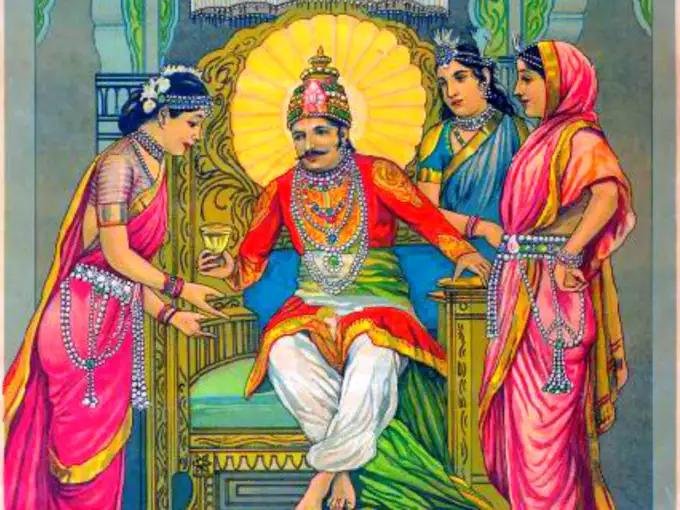
Suggested image: a respectful traditional Indian artistic depiction of King Dasharatha with the royal family of Ayodhya.
👑 Who Was King Dasharatha?
Dasharatha was the king of Ayodhya and an important figure in the Ramayana.
He belonged to the royal lineage traditionally associated with the Ikshvaku dynasty.
Dasharatha was respected as a powerful king and warrior.
However, despite having a prosperous kingdom and a respected royal position, he carried one great concern.
He did not have a son who could eventually continue the royal lineage.
This concern became increasingly important as Dasharatha grew older.
👸 The Three Queens of King Dasharatha
Dasharatha had three principal queens:
❤️ Kausalya
Kausalya was the mother of Rama.
💙 Kaikeyi
Kaikeyi was the mother of Bharata.
💛 Sumitra
Sumitra was the mother of Lakshmana and Shatrughna.
Each queen would later play an important role in the story.
Their relationships with Dasharatha and their sons become particularly significant when Rama’s life takes an unexpected turn.
The Three Queens
Suggested image: traditional artwork representing Kausalya, Kaikeyi and Sumitra.
😔 Dasharatha’s Great Concern
Although Dasharatha had wealth, power and a great kingdom, he was troubled by the absence of sons.
For a king in an ancient royal dynasty, the continuation of the lineage was considered extremely important.
Dasharatha therefore sought guidance from sages.
The solution eventually came in the form of a great sacred ritual.
The Putrakameshti Yajna
🔥 What Was the Putrakameshti Yajna?
The Putrakameshti is traditionally described as a ritual performed with the desire for children.
Dasharatha decided to undertake this important sacrifice with the guidance of sages.
The ritual was performed with great ceremony.
According to the traditional account in the Ramayana, a divine being emerged from the sacrificial fire carrying a vessel containing a special preparation.
He presented it to Dasharatha.
Dasharatha was instructed to distribute it among his queens.
This event would lead to the birth of four sons.
Putrakameshti Yajna
Suggested image: a traditional Indian artistic depiction of Dasharatha’s sacred sacrifice.
👶 The Birth of Four Princes
After the sacred preparation was distributed among the queens, the traditional story tells us that four sons were born.
👑 Rama
Born to Kausalya.
👑 Bharata
Born to Kaikeyi.
👑 Lakshmana
Born to Sumitra.
👑 Shatrughna
Born to Sumitra.
The birth of the four princes brought enormous happiness to Ayodhya.
The kingdom celebrated the arrival of the royal children.
Birth of Rama and His Brothers
Suggested image: a respectful traditional depiction of the birth of Rama and his three brothers.
🌟 The Birth of Rama
Among the four brothers, Rama was born to Queen Kausalya.
His birth became one of the most important events in the traditional story of the Ramayana.
Rama was later recognised as a prince who embodied exceptional qualities.
He was described as:
Truthful
Courageous
Compassionate
Disciplined
Respectful
Wise
Dedicated to dharma
His character would eventually become central to the entire epic.
👦 Rama and His Brothers Grow Up Together
The four princes grew up in the royal environment of Ayodhya.
Although they had different mothers, the brothers shared a close relationship.
The Ramayana gives particular importance to the bonds between them.
Rama and Lakshmana
Lakshmana became deeply attached to Rama.
He often wanted to remain close to his elder brother.
Bharata and Shatrughna
Bharata and Shatrughna also shared a particularly close bond.
The four brothers represented different personalities and relationships, but family remained central to all of them.
🏹 The Education of the Princes
As royal princes, the brothers received education and training appropriate to their position.
Their training included knowledge of:
Scriptures and traditions
Royal responsibilities
Archery
Warfare
Self-discipline
Leadership
Ethics
Rama became particularly known for his skill with the bow and his disciplined nature.
But his greatest strength was not simply physical ability.
His commitment to duty became the defining quality of his character.
Young Princes Learning
Suggested image: young Rama and his brothers learning archery and traditional knowledge under a teacher.
🧘 Sage Vashistha and the Princes
The traditional Ramayana describes Sage Vashistha as the royal preceptor of the Ikshvaku family.
Under the guidance of teachers and sages, the princes developed both knowledge and discipline.
This education was important because being a prince was not simply about living in a palace.
A future king had to understand:
How to protect people.
How to make difficult decisions.
How to control personal desires.
How to uphold dharma.
These principles would later become extremely important in Rama’s life.
❤️ Rama’s Special Bond With Lakshmana
Among the four brothers, Rama and Lakshmana had an especially strong relationship.
Lakshmana admired Rama deeply.
Whenever Rama faced an important situation, Lakshmana wanted to stand beside him.
This relationship becomes even more important later in the epic.
When Rama is sent into exile, Lakshmana refuses to remain comfortably in Ayodhya.
Instead, he chooses to follow Rama into the forest.
That decision becomes one of the great examples of brotherly devotion in the Ramayana.
👑 A Prince Loved by His People
As Rama grew older, he became increasingly respected by the people of Ayodhya.
He was not admired merely because he was the king’s son.
The traditional story describes him as someone who listened to others, respected elders and acted with self-control.
His qualities made him a natural candidate for an important future role in the kingdom.
And eventually, Dasharatha would consider making Rama the heir apparent.
But before that happens, Rama must first encounter a great sage.
Vishwamitra.
🧘 The Arrival of Sage Vishwamitra
One day, the powerful sage Vishwamitra arrives at the court of King Dasharatha.
He has an important request.
Vishwamitra is conducting sacred activities in the forest, but they are being disturbed by powerful beings.
He asks Dasharatha to allow Rama to accompany him.
Dasharatha is shocked.
Rama is still young.
The king worries about sending his beloved son into danger.
But Vishwamitra knows that Rama is capable of facing the challenges ahead.
Eventually, Dasharatha agrees.
And this decision changes the direction of Rama’s life.
Vishwamitra Meets Dasharatha
Suggested image: traditional artwork showing Vishwamitra requesting Rama’s help from King Dasharatha.
🌟 The Beginning of a New Chapter
Until now, Rama’s life has been centred around:
Ayodhya → Family → Education → Royal life
But now his journey will change.
He will leave the palace.
He will travel through forests with Vishwamitra and Lakshmana.
He will encounter dangers.
He will demonstrate his abilities.
And his journey will eventually take him to Mithila, where he will meet someone who will completely change his life.
❤️ Her name is Sita.
That is where our next major chapter begins.
🕉️ Conclusion
The birth of Rama is not presented in the Ramayana simply as the arrival of another prince.
It marks the beginning of the life of a character whose decisions, sacrifices and values would become central to one of India’s greatest epic traditions.
Dasharatha’s longing for a son.
The Putrakameshti Yajna.
The birth of Rama, Bharata, Lakshmana and Shatrughna.
Their education.
Their childhood.
The bond between the brothers.
And finally, Vishwamitra’s arrival.
All these events prepare us for the next stage of Rama’s journey.
The prince of Ayodhya is about to leave the palace for the first great adventure of his life.
The Ramayana is one of the most important and influential epic traditions of India. For generations, the story of Lord Rama, Sita, Lakshmana, Hanuman and Ravana has been remembered through literature, religious traditions, festivals, theatre, music and storytelling.
But the Ramayana is much more than the story of a king and a war.
It is a story about dharma, family, sacrifice, loyalty, courage, devotion and the choices people make during difficult times.
The story begins long before Rama leaves Ayodhya for the forest.
It begins with a great sage, a grieving bird, a powerful king and a question:
Can the story of an ideal human being be told?
This is where the traditional story of the Ramayana begins.
Maharshi Valmiki
Suggested image: a respectful traditional artistic depiction of Maharshi Valmiki composing the Ramayana.
📖 Who Wrote the Ramayana?
The Valmiki Ramayana is traditionally attributed to Maharshi Valmiki.
Valmiki is revered in Indian tradition as the Adi Kavi, meaning the first poet.
According to the traditional account, Valmiki once approached the sage Narada and asked whether there was a person in the world who possessed extraordinary virtues.
Valmiki wanted to know about a person who was:
Truthful
Courageous
Compassionate
Wise
Self-controlled
Dutiful
Respected by others
Firm in following dharma
Narada told him about Rama, the prince of Ayodhya.
This conversation becomes an important starting point for the story.
🐦 The Story of the Two Birds
One of the most famous traditional episodes connected with the origin of the Ramayana occurs when Valmiki is travelling near the River Tamasa.
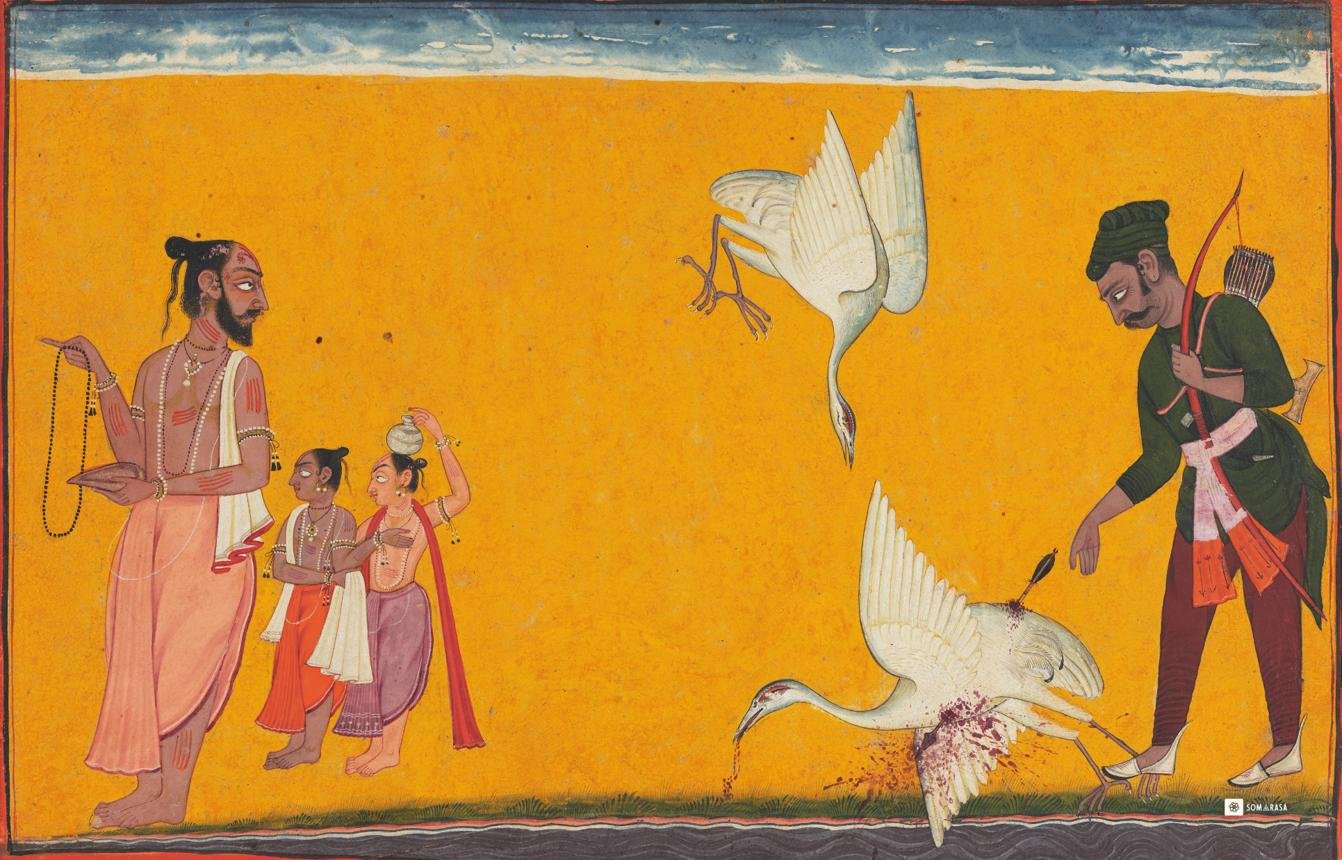
He sees a pair of krauncha birds together.
A hunter suddenly kills one of them.
Seeing the surviving bird suffering, Valmiki is deeply moved.
Words emerge from him in a poetic form.
According to the traditional account, this becomes the beginning of the shloka form associated with Sanskrit poetry.
This moment is traditionally remembered as the birth of Valmiki’s poetic expression.
Valmiki and the Krauncha Birds
Suggested image: traditional Indian artwork depicting Valmiki near the river witnessing the krauncha birds.
🕉️ Brahma and the Great Story
Traditional accounts of the Ramayana describe another important event involving Brahma.
Valmiki is encouraged to compose the story of Rama.
He is told that the events of Rama’s life can be expressed through poetry.
Valmiki then composes the great epic describing the life of Rama, including his childhood, marriage, exile, the search for Sita, the conflict with Ravana and his eventual return to Ayodhya.
The story is traditionally known as the Ramayana.
👑 Who Was Rama?
Rama was the eldest son of King Dasharatha of Ayodhya.
He was born into the royal family of the Ikshvaku dynasty.
The traditional Ramayana presents Rama as a person deeply committed to dharma.
He is respected for his:
❤️ Compassion
🛡️ Courage
🙏 Respect for parents
⚖️ Commitment to duty
🤝 Loyalty to friends and allies
👑 Responsibility as a ruler
These qualities become especially important as Rama’s life takes an unexpected turn.
Rama and Ayodhya
Suggested image: a traditional, respectful depiction of Rama associated with Ayodhya.
🏰 Ayodhya: The City of Rama
The story of Rama is closely connected with Ayodhya.
Ayodhya is traditionally described as the capital of the kingdom ruled by Dasharatha.
It is presented in the Ramayana as a prosperous and important city.
The people of Ayodhya greatly respected their king and the royal family.
Among Dasharatha’s sons, Rama was particularly admired.
As the eldest prince, he was expected to play an important role in the future of the kingdom.
But before that could happen, a series of events would completely change his life.
👨👩👦 King Dasharatha and His Four Sons
King Dasharatha had four sons:
1. Rama
2. Bharata
3. Lakshmana
4. Shatrughna
According to the traditional story, Rama was the son of Kausalya.
Bharata was the son of Kaikeyi.
Lakshmana and Shatrughna were the sons of Sumitra.
The four brothers grew up together, and the Ramayana gives great importance to their relationship.
Lakshmana, in particular, develops an exceptionally strong bond with Rama.
👬 Rama and Lakshmana
Rama and Lakshmana are remembered as brothers whose relationship went far beyond ordinary family affection.
Lakshmana remained closely connected with Rama throughout many important events of the story.
Later, when Rama was sent into exile, Lakshmana chose to accompany him.
This becomes one of the great examples of brotherly loyalty in the epic.
Rama and Lakshmana
👑 Rama’s Childhood and Education
As princes, Rama and his brothers were trained in various skills appropriate to their royal responsibilities.
The Ramayana tradition describes Rama as skilled in:
Archery
Warfare
Knowledge
Discipline
Moral conduct
Leadership
Rama’s character is not presented only through physical strength.
His ability to control himself, respect elders and follow his responsibilities becomes equally important.
This is one reason Rama’s character became such an important part of Indian cultural and religious traditions.
🧘 The Arrival of Vishwamitra
As Rama grows older, another important character enters the story:
Sage Vishwamitra
Vishwamitra comes to King Dasharatha and asks for Rama’s help.
The sage is performing religious rituals, but powerful forces are disturbing them.
Dasharatha initially hesitates.
Rama is still young, and the king is concerned about sending his son into danger.
But Vishwamitra explains that Rama is capable of protecting the sacred activity.
Eventually, Rama goes with Vishwamitra.
And this becomes the beginning of a major new chapter in Rama’s life.
🌳 The Beginning of Rama’s Journey
Until this point, Rama’s life has been largely connected with Ayodhya, his family and his education as a prince.
Now he begins travelling beyond the familiar world of the royal palace.
He encounters forests, sages and powerful beings.
He learns more about the responsibilities that come with his abilities.
And soon, he will face his first major challenges.
🌟 Why Is the Beginning of Ramayana Important?
The beginning of the Ramayana establishes the central ideas that will appear throughout the entire epic.
Dharma
Doing what one believes is right and fulfilling one’s responsibilities.
Family
The relationships between parents, brothers, husband and wife are central to the story.
Sacrifice
Characters repeatedly face situations where personal happiness conflicts with duty.
Courage
Rama and other characters face dangerous situations without abandoning their responsibilities.
Devotion
The later relationship between Rama and Hanuman becomes one of the best-known examples of devotion in Indian tradition.
🤔 What Will Happen Next?
Rama’s peaceful life as a prince is about to become much more adventurous.
His journey with Vishwamitra will lead him to encounters that change his life.
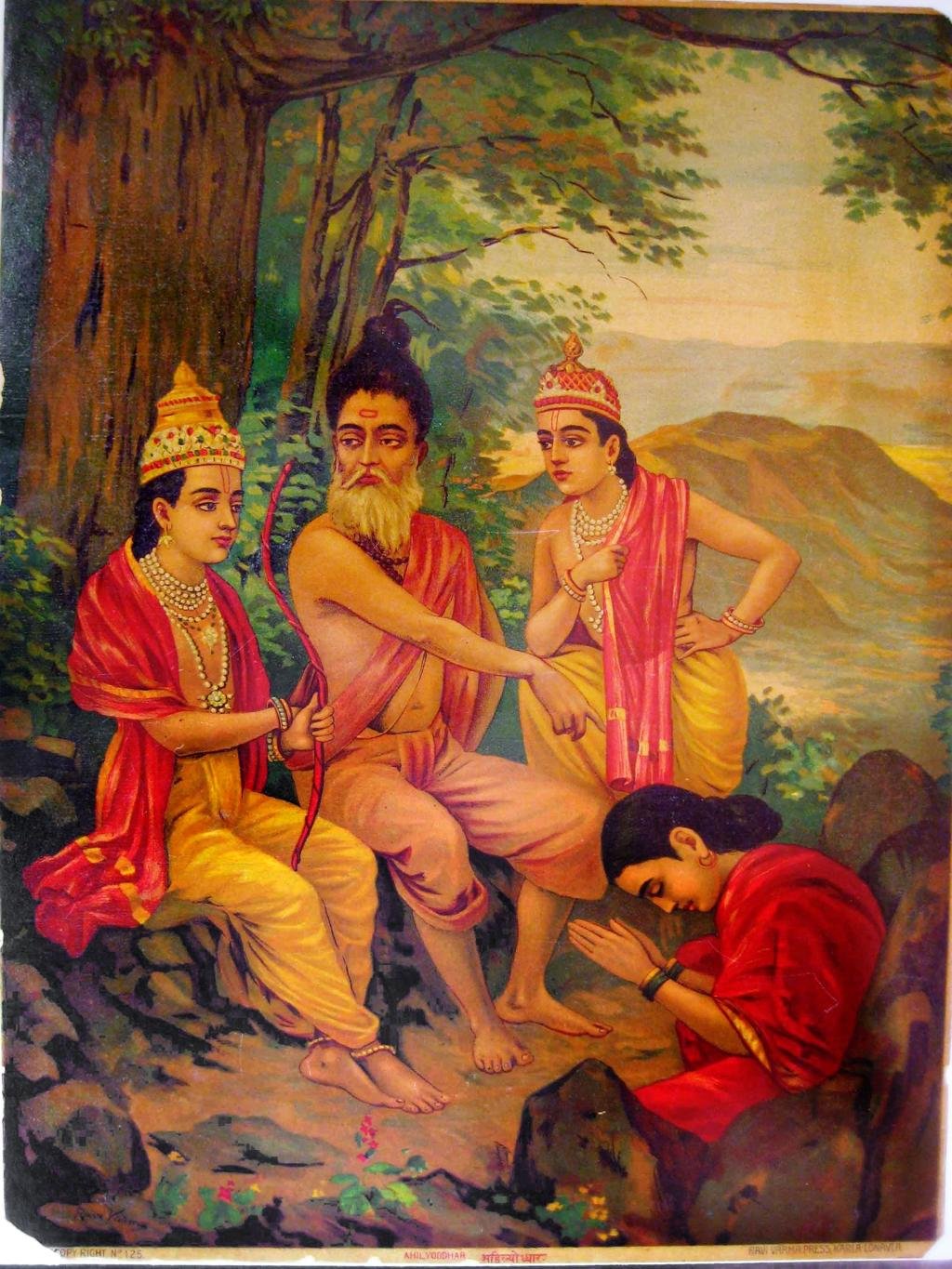
He will meet Ahalya.
He will travel toward Mithila.
And there, Rama’s destiny will take another major turn.
👑 He will meet Sita.
But that story belongs to the next part.
🕉️ Conclusion
The Ramayana begins with a simple but powerful idea: the story of a person whose life represents an extraordinary commitment to dharma and duty.
From Valmiki’s poetic vision to Rama’s childhood in Ayodhya, the opening chapters introduce the people and values that will shape the entire epic.
Rama begins as a prince.
But the events that await him will test his character in ways no ordinary prince could imagine.
His journey will take him from the royal city of Ayodhya to forests, kingdoms and eventually the battlefield of Lanka.
Their Global Position, Growth Story, Brand Value & International Recognition
India is no longer known globally only for its large population or fast-growing economy. In the last few decades, Indian businesses have built strong positions in technology, telecom, automobiles, banking, energy, infrastructure, retail and manufacturing.
Today, several Indian private-sector companies and business groups compete with some of the world’s best-known brands.
A good indication of this growing influence comes from Brand Finance’s India 100 2026 report. The combined brand value of India’s top 100 brands reached US$252.8 billion, up 7% year-on-year. Tata remained India’s most valuable brand, while Indian companies continued to strengthen their positions in global sector rankings.
Important note: In this article, “private companies” means private-sector Indian companies/business groups, not necessarily unlisted companies. Also, the “rating” mentioned below refers mainly to Brand Finance brand-strength ratings, not credit ratings.
The Tata Group is arguably India’s best-known corporate name internationally. Its businesses span:
Technology
Automobiles
Steel
Aviation
Hotels
Consumer products
Jewellery
Electronics
Renewable energy
Financial services
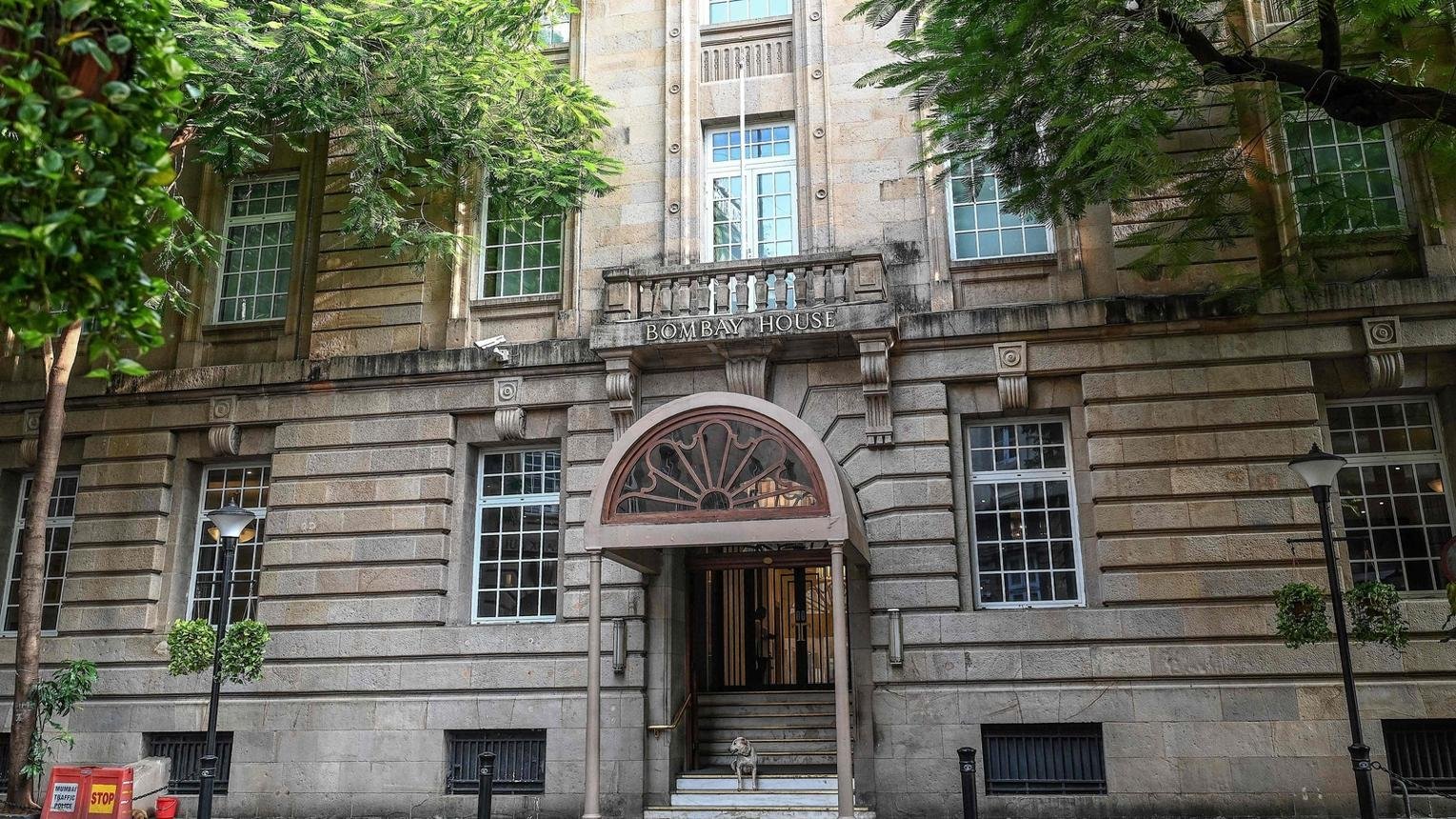
The group’s headquarters is Bombay House, Mumbai. Tata says its companies generated more than US$180 billion in revenue in 2024–25, while the combined market capitalisation of Tata companies was about US$328 billion on March 31, 2025.
🌍 International position
Brand Finance’s 2026 India 100 ranking placed Tata as India’s No. 1 most valuable brand for the 18th consecutive year.
Its 2026 brand value reached US$33.6 billion, an increase of 7%.
🚀 How did Tata grow?
Tata’s growth has come from diversification rather than depending on a single industry.
Its international expansion accelerated through businesses and acquisitions in areas such as automobiles, technology, steel and hospitality.
The group’s current strategy also includes major investments in:
semiconductors + electronics + EVs + renewable energy + digital infrastructure.
⭐ Rating
Tata is the No. 1 Indian brand by value in the 2026 Brand Finance India ranking.
For the group, Brand Finance’s ranking focuses on brand value; individual Tata brands can have their own brand-strength ratings.
Reliance Industries is one of India’s largest private-sector companies.
Its businesses include:
Energy
Petrochemicals
Retail
Telecommunications
Digital services
Media and entertainment
New energy
Its corporate office is at Maker Chambers IV, Nariman Point, Mumbai.
🌍 Global recognition
Fortune’s current Global 500 profile places Reliance Industries at No. 85 in the Fortune Global 500, based on revenue.
Brand Finance’s 2026 India 100 ranking places Reliance Group at No. 5 among India’s most valuable brands, with a brand value of US$10.8 billion, up 11%.
🚀 How did Reliance grow?
Reliance’s biggest transformation has been its movement from a primarily energy-focused business into a diversified consumer and technology ecosystem.
The expansion of Jio, retail and digital services dramatically increased the group’s presence in everyday consumer life.
Its next major growth areas include:
New Energy + AI + Digital Infrastructure + Retail + Telecommunications.
Brand Finance also reported in 2025 that Reliance had the highest total intangible value among Indian companies, at about US$150 billion.
Mahindra is one of India’s most internationally recognised industrial groups.
Its businesses include:
Automobiles
Tractors
Farm equipment
Technology
Finance
Hospitality
Logistics
Renewable energy
🌍 Global automobile ranking
Brand Finance’s 2026 Automotive Industry ranking placed Mahindra at No. 25 globally by automobile brand value.
India had eight homegrown automobile brands in the global top 100 in the 2026 ranking, showing the growing international strength of India’s automotive industry.
🚀 Growth
Mahindra’s international growth has been supported by:
SUVs + tractors + electric vehicles + technology + international partnerships and acquisitions.
Its tractor business in particular has helped the company establish a strong international agricultural-equipment presence.
L&T is one of India’s most important private-sector engineering and infrastructure companies.
Its activities include:
Construction
Engineering
Defence
Heavy engineering
Energy
Technology
Infrastructure
L&T’s international reputation has grown through large-scale infrastructure and engineering projects.
Brand Finance has consistently included L&T among India’s leading brands. In its 2025 India ranking, L&T entered the diversified sector with a brand value of US$7.4 billion and an AA brand-strength rating.
Its growth demonstrates India’s increasing ability to export engineering expertise and project-management capabilities, not just products.
Wipro is another Indian technology company with a substantial global presence.
Its services include:
Artificial intelligence
Cloud
Cybersecurity
IT consulting
Digital engineering
Business transformation
Brand Finance’s 2026 IT Services ranking placed Wipro among the world’s top 10 IT-services brands, at No. 9, with brand value of approximately US$6.3 billion.
Wipro’s international growth shows how Indian technology companies have moved from providing outsourced services to becoming strategic technology partners for global enterprises.
Adani is one of India’s fastest-growing private-sector business groups.
Its businesses span:
Ports
Airports
Energy
Renewable energy
Logistics
Infrastructure
Data centres
Cement
Mining and related businesses
Brand Finance’s 2026 India 100 report identified Adani Group as the fastest group to enter India’s top 10 brand ranking.
Its rapid expansion has been particularly visible in:
ports + airports + renewable energy + infrastructure + logistics.
This makes Adani one of the most internationally visible Indian infrastructure groups.
📊 Top Indian Private-Sector Brands at a Glance
Company / Group
Main Sector
International Recognition
Tata Group
Diversified
India’s No.1 brand by value in 2026
Reliance Industries
Energy, Telecom, Retail
Fortune Global 500 No.85
TCS
IT Services
No.2 global IT-services brand
Infosys
IT Services
No.3 global IT-services brand
Airtel
Telecom
No.17 global telecom brand
HDFC Bank
Banking
India’s leading banking brand by value
Mahindra
Automobiles
No.25 global automobile brand
L&T
Engineering & Infrastructure
Major global engineering brand
Wipro
IT Services
No.9 global IT-services brand
Adani Group
Infrastructure & Energy
Fast-growing global Indian conglomerate
🌍 Why Are Indian Companies Becoming Global Brands?
India’s private sector has changed dramatically.
Earlier, many Indian companies were primarily focused on the domestic market.
Today, successful Indian companies are increasingly competing globally through five major strategies.
1. Technology
AI, cloud computing, digital payments and telecommunications have allowed Indian companies to serve customers worldwide.
2. Acquisitions
Indian businesses have acquired companies and brands in Europe, North America and other markets, accelerating their global expansion.
3. Manufacturing
Automobiles, electronics, pharmaceuticals, engineering equipment and other products are increasingly being produced for international markets.
4. Infrastructure
Indian companies have developed expertise in ports, airports, roads, energy and large engineering projects.
5. Brand Building
Indian companies are investing more heavily in reputation, innovation, customer experience and global marketing.
⭐ What Does a Brand Finance “Rating” Actually Mean?
This point is important for readers.
A Brand Finance rating is not the same as a bank or corporate credit rating.
Brand Finance evaluates brand strength using a Brand Strength Index (BSI), which considers factors such as marketing investment, stakeholder perceptions and business performance.
Brand Finance explains that its methodology uses the BSI score to determine brand strength and ultimately contributes to its brand valuation.
So if a company receives an AAA or AA rating, it should be understood as a measure of brand strength, not a guarantee of financial performance or investment safety.
📈 India’s Global Corporate Rise
The most interesting part of India’s corporate story is that its global strength is no longer concentrated in just one sector.
India now has internationally recognised companies in:
Technology → TCS, Infosys, Wipro
Telecom → Airtel, Jio
Banking → HDFC Bank
Automobiles → Mahindra
Engineering → L&T
Energy & infrastructure → Reliance, Adani
Diversified businesses → Tata
Brand Finance’s 2026 research also found that eight Indian IT-services brands together represented 36% of the global top-25 IT-services brand value, showing just how significant India’s technology sector has become internationally.
🇮🇳 The Bigger Picture
India’s corporate success story is no longer simply about being a low-cost outsourcing destination.
The new generation of Indian companies is competing through:
India’s most successful private-sector companies have travelled a remarkable distance—from businesses primarily serving the Indian market to brands recognised around the world.
The latest rankings show that Tata remains India’s most valuable brand, TCS is the world’s No.2 IT-services brand, Infosys is No.3, Mahindra has reached No.25 among global automobile brands, and Airtel remains in the global top 20 telecom brands.
These rankings are more than numbers.
They show a broader transformation:
🇮🇳 India is increasingly becoming a country that does not just consume global brands—it creates global brands of its own.
And the next phase could be even more significant, as Indian companies expand into AI, semiconductors, electric vehicles, renewable energy, digital infrastructure, advanced manufacturing and global financial services.
Major Incidents, Deaths, Causes and the Long Road to Peace
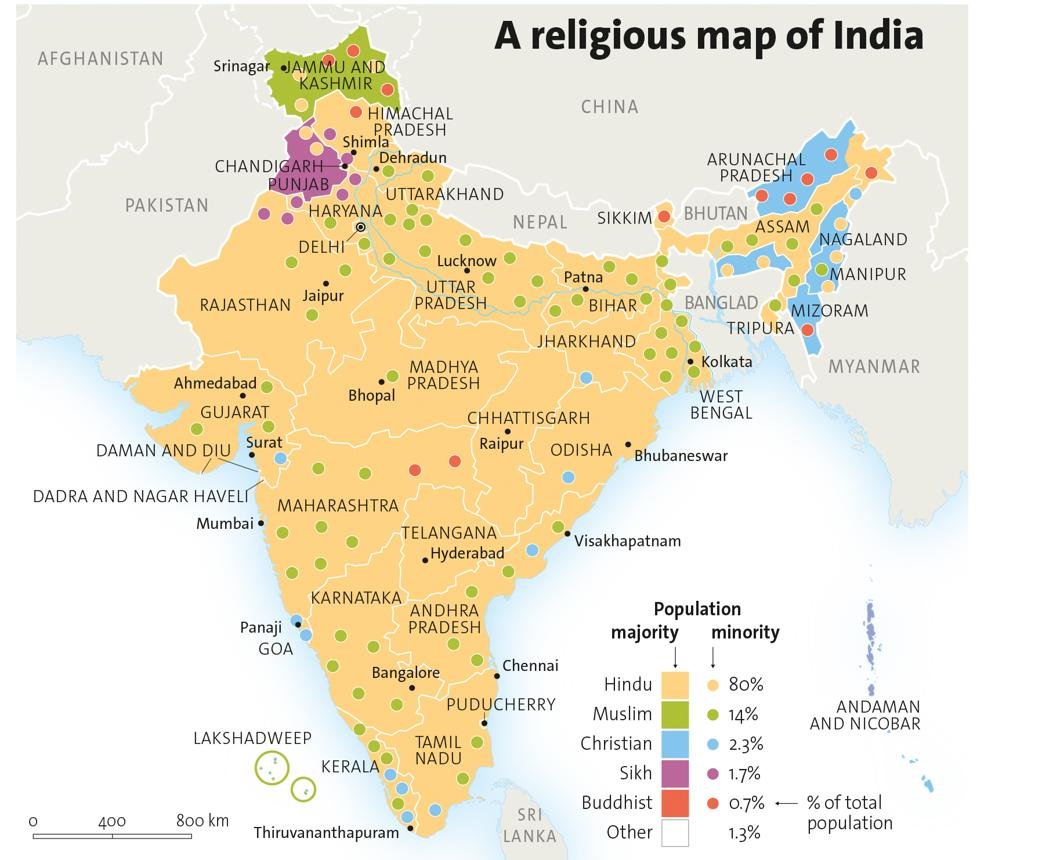
India is one of the world’s most religiously diverse countries. Hindus, Muslims, Christians, Sikhs, Buddhists, Jains and people of many other faiths have lived together for centuries.
Yet independent India has also experienced periods of communal violence, religious clashes and targeted attacks.
These events have caused thousands of deaths, large-scale displacement, destruction of homes and businesses, and long-lasting trauma.
But there is an important fact that is often missed:
There is no single official database that gives a complete death toll for every communal incident in India from 1947 to 2026.
Government statistics generally classify incidents under particular crime categories, while historical researchers and civil-society organisations may use different definitions and sources.
For example, the Ministry of Home Affairs has published NCRB figures for cases registered under “Communal/Religious Rioting.” For 2018, 2019 and 2020, the recorded cases were 512, 438 and 857 respectively.
Therefore, this article focuses on major documented episodes and explains why the numbers sometimes differ between sources.
🕊️ 1947 Partition: The Most Devastating Beginning
India’s independence in 1947 came together with the Partition of British India and the creation of Pakistan.
The Partition triggered enormous communal violence, particularly in Punjab and Bengal.
Hindus, Muslims and Sikhs were among the communities affected.
Millions of people were forced to leave their homes.
Estimates of deaths vary substantially. Historical sources commonly place the death toll somewhere around one to two million, although there is no universally accepted exact number.
The human tragedy was not limited to deaths.
Millions became refugees, families were separated and entire communities were uprooted.
Why did it happen?
Several factors came together:
Partition and territorial uncertainty
Political mobilisation around religious identity
Fear and rumours
Mass migration
Breakdown of law and order
Retaliatory violence
Local disputes turning into wider communal attacks
The events of 1947 left a deep psychological scar on the societies of India and Pakistan.
🔥 1969 Ahmedabad Riots
Ahmedabad witnessed one of the major communal disturbances of the post-independence period in 1969.
The violence developed amid existing social and political tensions and escalated into widespread attacks.
A historical fact-sheet compiled by PPRC lists 512 deaths for the Ahmedabad violence. Other historical accounts can differ depending on the period and definition used.
The episode demonstrated how a relatively local confrontation could rapidly become large-scale violence.
⚠️ 1980 Moradabad Riots
The Moradabad riots in Uttar Pradesh were another major episode of communal violence.
The exact circumstances and death toll have been disputed in historical accounts.
A PPRC compilation lists approximately 1,500 deaths, illustrating the scale of the tragedy, although figures from different sources should not automatically be treated as identical.
The episode is remembered as one of the most serious communal conflicts of the early 1980s.
🩸 1983 Nellie Massacre, Assam
The violence in Nellie, Assam, in February 1983 was one of the darkest episodes of mass violence in independent India.
The victims were overwhelmingly Bengali-speaking Muslims.
The incident occurred against the backdrop of the Assam Movement, political tensions, questions surrounding immigration and citizenship, and intense ethnic and political mobilisation.
A commonly cited official figure is 1,819 deaths, although historical estimates and accounts vary.
The incident remains a powerful example of how political conflict, ethnic identity and communal tensions can combine with devastating consequences.
🕯️ 1984 Anti-Sikh Violence
In October 1984, Prime Minister Indira Gandhi was assassinated by two of her Sikh bodyguards.
Violence against Sikhs followed in Delhi and several other parts of India.
Thousands of Sikhs were killed, particularly in Delhi.
Different investigations and sources have produced varying totals, but the Delhi death toll is generally reported as being around 2,700–3,000.
Human Rights Watch notes that the violence involved allegations of political complicity and failures of authorities to protect victims.
The 1984 violence remains one of India’s most painful examples of targeted communal violence.
🏙️ 1989 Bhagalpur Riots
Bhagalpur in Bihar witnessed severe communal violence in 1989.
The conflict involved widespread killings and destruction.
A historical compilation lists approximately 1,161 deaths.
The episode demonstrated how communal tensions could continue for an extended period and spread across multiple localities.
🕌 1992 Babri Masjid Demolition and the Riots That Followed
On 6 December 1992, the Babri Masjid in Ayodhya was demolished by a large crowd of Hindu activists.
The demolition triggered communal violence in several parts of India.
Mumbai experienced particularly severe riots during December 1992 and January 1993.
A U.S. Congressional Research Service report states that the riots following the demolition resulted in around 900 deaths across Indian cities.
The violence also contributed to a cycle of retaliation and further tension.
Why was this event so important?
Because it transformed a long-running dispute over the Ayodhya site into one of the most consequential communal and political issues in modern Indian history.
🏙️ 1992–93 Mumbai Riots
Mumbai experienced major communal violence following the Babri Masjid demolition.
The violence occurred in two major phases and involved killings, arson and destruction of property.
A government training document citing historical figures records approximately 900 deaths, including Muslims and Hindus.
The Mumbai violence was followed in March 1993 by a series of bomb blasts, which killed hundreds more.
It is important not to combine the riot deaths and bomb-blast deaths into one category because they were different events with different perpetrators and circumstances.
🔥 2002 Gujarat Riots
The 2002 Gujarat violence remains one of the most discussed communal conflicts in modern Indian history.
The immediate trigger was the burning of a train coach at Godhra, where 58 people were killed.
Communal violence subsequently spread through parts of Gujarat.
The official death toll commonly cited for the riots was 1,044, comprising 790 Muslims and 254 Hindus, with additional people reported missing. A U.S. Congressional Research Service report records these official figures.
The violence resulted in:
Large numbers of deaths
Thousands of injuries
Destruction of homes and businesses
Displacement
Long-term legal proceedings
Deep communal mistrust
The causes and the question of administrative responsibility remain intensely debated.
Human Rights Watch has documented allegations concerning failures by authorities and accountability for those responsible.
⛪ 2007–08 Kandhamal Violence
Communal violence also affected Christians in India.
Kandhamal district in Odisha witnessed serious violence in 2007 and 2008.
The violence involved attacks on Christians, churches, houses and institutions.
Reports documented large-scale displacement and property destruction.
This episode is important because communal violence in India has not been limited to Hindu-Muslim conflicts.
🏘️ 2013 Muzaffarnagar Violence
In 2013, communal violence broke out in Muzaffarnagar and surrounding areas of Uttar Pradesh.
The conflict led to deaths, injuries and large-scale displacement.
Human Rights Watch lists the 2013 Muzaffarnagar violence among major episodes in which authorities faced criticism over the response to communal violence.
The incident also demonstrated how local disputes can become much larger when they interact with political mobilisation and communal identity.
🏙️ 2020 Delhi Riots
In February 2020, serious communal violence occurred in northeast Delhi.
The violence happened amid intense political tensions surrounding protests against the Citizenship Amendment Act.
The clashes resulted in more than 50 deaths and hundreds of injuries.
The episode attracted significant national and international attention because of allegations concerning police response, political rhetoric and the treatment of different groups.
It remains an important example of how political polarisation and misinformation can contribute to communal violence.
📊 What Do Official NCRB Numbers Tell Us?
For recent years, official data gives us a better understanding of registered cases.
According to a Ministry of Home Affairs answer based on NCRB data:
Year
Communal/Religious Rioting Cases
2017
723
2018
512
2019
438
2020
857
2021
378
These are registered cases, not the number of deaths.
That distinction is extremely important.
A year with fewer registered cases could still contain a particularly deadly incident, while a year with many cases may contain numerous smaller incidents.
📉 What Happened in 2024?
Independent monitoring by the Centre for Study of Society and Secularism (CSSS) recorded 59 communal riots in 2024, compared with 32 in 2023.
According to its monitoring, 13 people died in those 59 incidents—10 Muslims and 3 Hindus.
CSSS also recorded 13 mob-lynching incidents in 2024 resulting in 11 deaths.
However, CSSS explicitly explains that its methodology is based on reports appearing in selected newspaper editions, so these figures should not be treated as equivalent to an all-India government dataset.
📉 What Happened in 2025?
According to CSSS monitoring, communal riots declined sharply in 2025.
The organisation recorded approximately 29 communal riots, compared with 59 in 2024.
Its monitoring recorded four deaths and 360 injuries from those riots.
It also recorded 14 mob-violence incidents resulting in eight deaths.
Again, these figures represent the methodology of that monitoring organisation and should not be presented as the definitive official national total.
❓ Why Do Different Sources Give Different Death Numbers?
This is one of the most important parts of understanding India’s communal-violence statistics.
Different sources may count:
Deaths during the immediate riot
Deaths from injuries later
Missing persons
Police firing
Retaliatory attacks
Bomb attacks
Related incidents
Deaths in surrounding districts
Some reports also count only communal riots, while others include mob lynching, targeted attacks or terrorist retaliation.
Therefore, combining all these categories into one number can produce a misleading result.
For example:
The 1992–93 Mumbai riots and the 1993 Mumbai bombings are historically connected, but they are not the same type of incident.
Likewise, the 2002 Gujarat train burning and the subsequent Gujarat riots should be analysed separately before discussing their combined historical context.
🔍 What Are the Main Causes of Communal Violence?
Communal violence rarely has just one cause.
Usually, several factors interact.
1. Religious and identity-based tension
Differences between communities can become politically or socially charged.
2. Political mobilisation
Religious identity can be used to mobilise voters or supporters.
3. Rumours and misinformation
False information can spread rapidly and provoke fear or retaliation.
4. Provocative speeches
Inflammatory rhetoric can increase tensions between communities.
5. Religious processions
Disputes over routes, music, slogans or places of worship can sometimes trigger clashes.
6. Local disputes
A small neighbourhood dispute can become communal when people interpret it through religious identity.
7. Economic and social competition
Competition over land, jobs, businesses or local political power can acquire a communal dimension.
8. Failure of law enforcement
If authorities fail to prevent violence or protect vulnerable communities, a small confrontation can escalate dramatically.
📱 The Role of Social Media
The nature of communal violence has changed considerably in the digital era.
A rumour that once took hours or days to spread can now reach thousands of people within minutes.
Old videos can be reposted as new incidents.
Images from another country can be falsely presented as events in India.
Edited videos can create the impression that one community has attacked another.
This is why verification is critical.
Before forwarding a religiously sensitive message, people should ask:
Who published it?
When was it recorded?
Where did it actually happen?
Has a reliable news organisation or official authority confirmed it?
A few seconds of verification can sometimes prevent a much larger problem.
🕊️ How Can Communal Violence Be Prevented?
Preventing communal violence requires more than police deployment.
Strong law enforcement
Police must act quickly and impartially against violence.
Responsible political leadership
Political leaders can reduce tension by avoiding inflammatory language.
Better social-media literacy
People need to learn how to identify misinformation.
Community dialogue
Religious and community leaders can help calm tensions.
Fast justice
When perpetrators are held accountable, it can discourage future violence.
Protection of vulnerable communities
Authorities need to protect homes, places of worship, businesses and individuals during periods of tension.
🇮🇳 India’s Other Story: Communal Harmony
While the history of communal violence is important, it should not create the false impression that Indians of different religions have always been in conflict.
Millions of Indians live peacefully with neighbours, friends and colleagues from different religious backgrounds every day.
India has countless examples of:
Interfaith cooperation
Shared festivals
Joint community celebrations
Religious places supporting one another
People helping neighbours during disasters
Families and friendships crossing religious boundaries
This quieter side of Indian society rarely becomes headline news.
Yet it is equally important to India’s history.
📌 A Note About the 1947–2026 Death Toll
“How many people died in communal violence in India from 1947 to 2026?”
the responsible answer is:
There is no single universally accepted official total covering every communal-violence incident in India across the entire 1947–2026 period.
The 1947 Partition alone is estimated by historians at roughly one to two million deaths, but even that figure is disputed.
For subsequent decades, government figures, commissions, historians and civil-society organisations have used different definitions and methodologies.
Therefore, adding individual estimates from unrelated sources and presenting the result as an exact 1947–2026 national death toll would be misleading.
That caveat actually makes your article more credible, not less.
🇮🇳 Conclusion
India’s history since independence contains both terrible episodes of communal violence and extraordinary examples of coexistence.
From the trauma of Partition in 1947 to major episodes in Ahmedabad, Moradabad, Nellie, Delhi, Bhagalpur, Mumbai, Gujarat, Muzaffarnagar and Delhi again in 2020, communal violence has repeatedly demonstrated how quickly fear, misinformation, political mobilisation and local disputes can turn into tragedy.
But history also teaches another lesson.
Communal violence is not inevitable.
Strong institutions, responsible leadership, accurate information, fair policing, speedy justice and everyday cooperation between communities can prevent conflicts from becoming disasters.
The most important lesson from India’s past is therefore not simply how many people died.
It is understanding why the violence happened—and what society can do to ensure that such tragedies are not repeated.
🕊️ India’s diversity is its strength. Protecting that diversity is a responsibility shared by everyone.
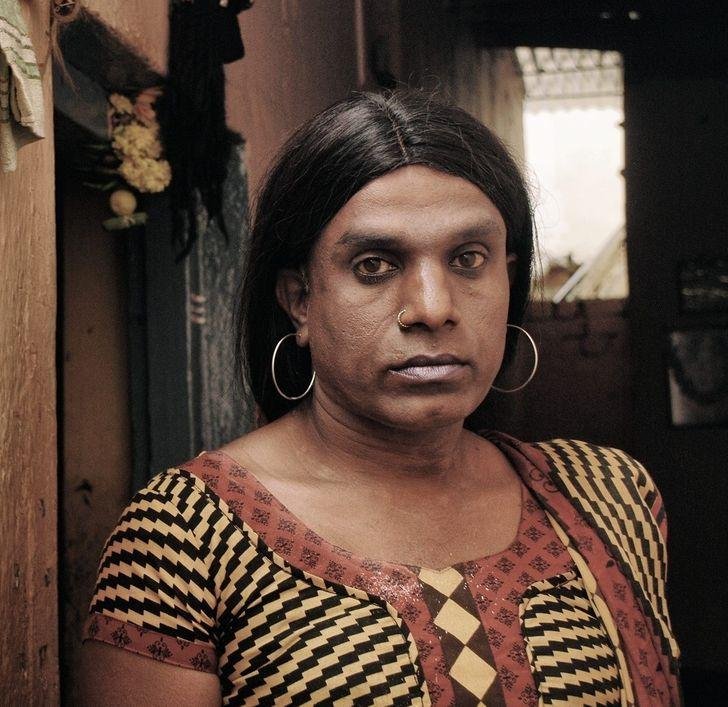
India is known for its incredible diversity of languages, religions, cultures and traditions. Among the communities that have existed in the Indian subcontinent for centuries is the Hijra community, which is now often discussed alongside the broader transgender community.
The history of Hijras is much more complex than the stereotypes often associated with them.
They have been part of India’s social and cultural history for centuries, and their story includes tradition, spirituality, royal courts, colonial laws, social discrimination, legal recognition and a continuing struggle for dignity and equality.
🌈 Who Are Hijras?
The word Hijra has been used across the Indian subcontinent for a very long time.
However, it is important to understand that not every transgender person in India identifies as Hijra.
India’s transgender communities include people with different identities and cultural backgrounds. Hijra is one particular cultural identity within this broader diversity.
Depending on their region and personal identity, people may identify as:
Transgender
Hijra
Kinnar
Aravani
Jogta or Jogti
Other local identities
These terms should not automatically be treated as interchangeable.
🏛️ A Long History in the Indian Subcontinent
References to gender diversity can be found in different periods of Indian history, literature, folklore and religious traditions.
However, modern concepts such as “transgender identity” should not simply be imposed on every gender-diverse person mentioned in ancient texts.
Historical societies had their own concepts and classifications, which were not necessarily identical to today’s understanding of gender identity.
The Hijra community therefore has a history that needs to be understood through different historical periods rather than through a single definition.
👑 Hijras During the Medieval Period
During parts of medieval Indian history, particularly under various royal courts, Hijras and eunuchs could hold important positions.
Some served in:
Royal households
Administrative positions
Palace security
The households of royal women
Courtly institutions
Some individuals could also acquire considerable social or political influence.
This is an important part of their history because it challenges the modern stereotype that Hijras have always existed only on the margins of society.
🇬🇧 The Colonial Period and Its Impact
British colonial rule marked a major change in the legal and social treatment of gender-diverse communities.
Colonial authorities introduced systems for monitoring and controlling certain communities.
The Criminal Tribes Act of 1871, for example, contained specific provisions concerning “eunuchs.”
Such laws contributed to the institutionalisation of negative attitudes and social stigma surrounding gender-diverse communities.
The effects of colonial-era policies continued to influence social attitudes long after independence.
Understanding this history helps explain why some forms of discrimination faced by transgender communities have deep historical roots.
🙏 The Guru–Chela Tradition
One of the distinctive social structures associated with parts of the Hijra community is the Guru–Chela tradition.
A guru may serve as an important social and cultural guide for members of the community.
Depending on the particular group, the relationship can involve learning about:
Community traditions
Cultural practices
Social responsibilities
Customs
Ways of earning a livelihood
For some people, these community structures have historically provided a form of social and family support, especially when individuals were rejected by their biological families.
However, experiences vary considerably from person to person.
🪔 Spiritual Traditions
Some Hijra communities have distinctive spiritual traditions.
For example, Bahuchara Mata is an important religious figure associated with sections of the Hijra community, particularly in Gujarat.
The Bahuchara Mata temple in Gujarat has become an important place of pilgrimage and cultural significance for some members of the community.
It is important to remember that transgender people in India have diverse religious beliefs and are not all followers of the same spiritual tradition.
🎉 The Tradition of Blessings
In some parts of India, members of Hijra communities have traditionally participated in celebrations such as:
Birth ceremonies
Weddings
Other auspicious occasions
They may sing, dance and offer blessings in return for gifts.
This tradition is commonly associated with “Badhai”.
For many communities, Badhai is not simply an economic activity. It is also part of a cultural tradition passed from one generation to another.
⚖️ Legal Recognition of Transgender People in India
One of the most important developments in the modern history of transgender rights in India came from the Supreme Court.
NALSA v. Union of India — 2014
In its landmark 2014 NALSA judgment, the Supreme Court recognised transgender people as a “third gender” and affirmed that they are entitled to constitutional protections.
The judgment connected transgender rights with principles including:
Equality
Dignity
Personal autonomy
Freedom
Non-discrimination
The decision became a major milestone in the legal recognition of transgender people in India.
📜 Transgender Persons (Protection of Rights) Act, 2019
India subsequently enacted the Transgender Persons (Protection of Rights) Act, 2019.
The law aims to protect transgender people against discrimination and provide a legal framework for their rights.
It addresses discrimination in areas including:
Education
Employment
Healthcare
Access to public services
Housing
Public spaces
The legislation also contains provisions concerning abuse and exploitation of transgender people.
🚨 Major Challenges Faced by the Transgender Community
Legal recognition is important, but it does not automatically eliminate social discrimination.
Many transgender people can still face difficulties in everyday life.
1. Family Rejection
Some transgender people experience rejection or misunderstanding within their families.
Lack of family support can affect education, employment, housing and emotional well-being.
2. Educational Barriers
Bullying, discrimination and social pressure can make school and college difficult environments for some transgender students.
3. Employment Discrimination
Some transgender people experience difficulties entering formal employment because of prejudice or discrimination.
4. Healthcare Access
Finding healthcare professionals who understand transgender health needs and provide respectful treatment can be a challenge.
5. Housing Problems
Some people may face difficulty renting accommodation or may be forced to leave their family homes.
6. Social Stigma
Perhaps one of the biggest challenges is the stigma attached to transgender identity.
Mockery, harassment and exclusion can affect a person’s ability to participate fully in society.
💼 Transgender People and Employment
Historically, some Hijra communities depended heavily on traditional forms of livelihood such as:
Badhai
Singing
Dancing
Begging
But the situation is changing.
Today, transgender people are increasingly visible in fields such as:
Government employment
Private companies
Beauty and fashion
Entrepreneurship
Arts
Education
Social work
Media
Politics
Community organisations
Therefore, the stereotype that “Hijras only beg for money” does not represent the entire community.
Like any other population, transgender people have diverse skills, careers and ambitions.
🗳️ Transgender Representation in Politics
Transgender people have also entered Indian politics.
Some have contested elections, while others have been elected to local government positions or taken part in political and social movements.
Greater political representation can help bring attention to issues involving:
Education
Employment
Healthcare
Housing
Safety
Social welfare
Political participation can also help transgender people become active participants in decisions that affect their communities.
❤️ Is Being Transgender a Crime?
No.
Being transgender is not a crime.
A person’s gender identity does not determine their intelligence, character, ability or value as a human being.
Transgender people can become:
Teachers
Doctors
Engineers
Entrepreneurs
Artists
Government employees
Politicians
Social workers
Business owners
Professionals in many other fields
The opportunities available to a person should not depend on whether they are transgender.
👨👩👧 What Can Families Do?
Family acceptance can make an enormous difference in the life of a transgender person.
Families can:
Listen without immediately judging
Avoid humiliation or violence
Support education
Respect the person’s identity
Seek qualified professional guidance when needed
Focus on safety, dignity and well-being
Family support can help prevent homelessness, educational disruption and social isolation.
🏫 What Can Schools and Colleges Do?
Educational institutions can create safer environments by:
Preventing bullying
Students should not be harassed because of their gender identity.
Providing equal educational opportunities
A student’s transgender identity should not become a reason to deny education.
Creating awareness
Teachers and students can benefit from accurate information about gender diversity.
Respecting students
Using a student’s appropriate name and respectful language can contribute to a safer environment.
🌈 The Future of India’s Transgender Community
The story of India’s transgender community is still being written.
There has been a significant shift from social invisibility toward legal recognition and public representation.
The future will depend on whether legal rights are translated into real opportunities.
Important areas include:
Better education
More employment opportunities
Accessible healthcare
Safe housing
Political representation
Family acceptance
Social security
Protection from violence and discrimination
Legal recognition is an important beginning, but social acceptance is equally important.
🇮🇳 Conclusion
The history of the Hijra and transgender community in India cannot be reduced to a stereotype.
It includes centuries of cultural traditions, spiritual practices, royal history, colonial discrimination, legal struggles and modern efforts toward equality.
Hijras have been part of the Indian subcontinent’s social history for generations.
Today, transgender people are increasingly entering education, employment, business, politics, entertainment and many other areas of public life.
The 2014 NALSA judgment and the Transgender Persons (Protection of Rights) Act, 2019 were important milestones in recognising transgender rights.
But laws alone cannot create an equal society.
Real equality begins with respect.
Acceptance begins within families.
Opportunity allows talent to become visible.
A transgender person should be seen not simply through their gender identity, but as a human being with abilities, ambitions, responsibilities and dreams.
🌈 Dignity belongs to everyone—regardless of gender identity.
India is no longer viewed only as a developing country with a huge population.
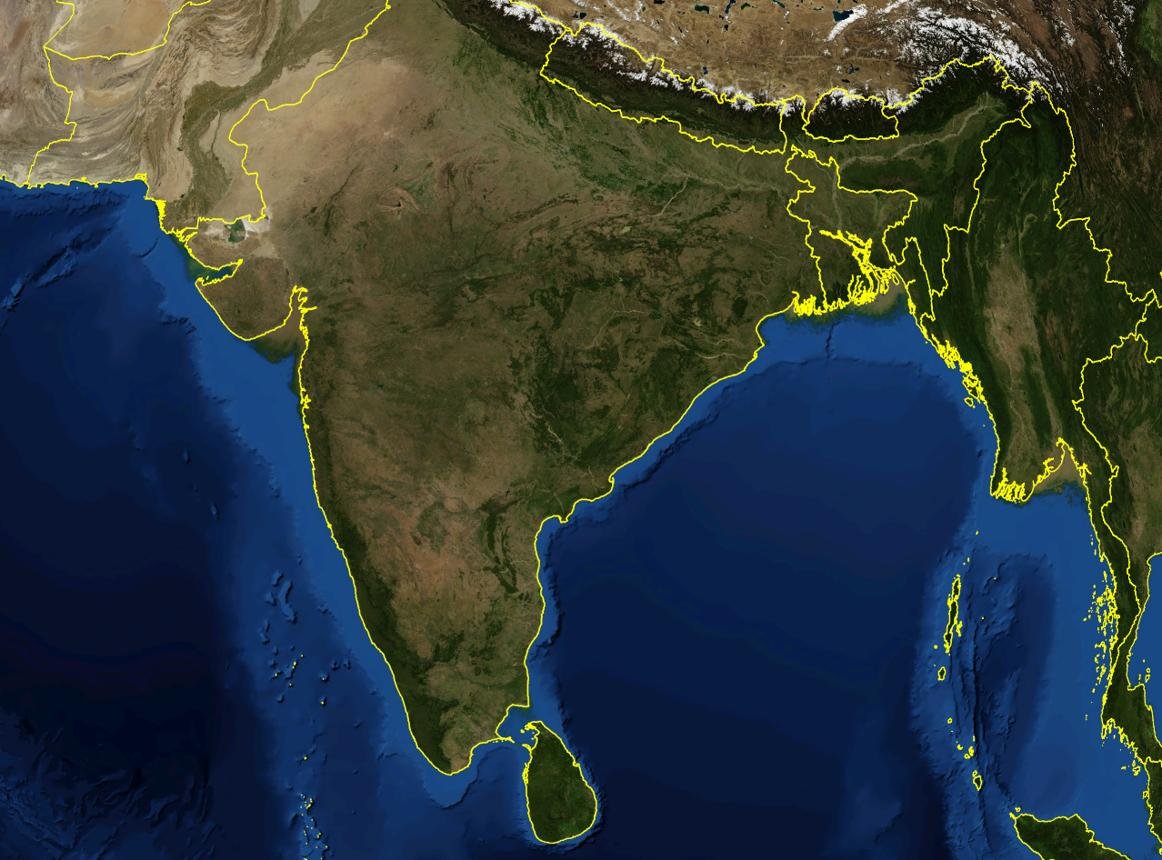
Today, India is one of the world’s most important economies, a major technology and services hub, a nuclear-armed power, a spacefaring nation and one of the largest markets on the planet.
But an interesting question remains:
Where exactly does India stand in the world?
Is India the world’s largest country by population?
What is India’s economic rank?
Where does India stand in innovation, military strength, human development, gender equality and press freedom?
The answer is different for every category.
There is no single global ranking that measures every aspect of a country. Different organisations use different methodologies, indicators and years of data.
So, instead of asking simply “What is India’s world rank?”, it is more useful to ask:
“What is India’s rank in each important field?”
Let’s take a detailed look.
🌍 1. India’s Population Rank — No. 1
India currently holds the position of the world’s most populous country.
The World Bank’s latest data put India’s population at approximately 1.46 billion in 2025.
This enormous population gives India a huge domestic market and a very large workforce.
It also creates major challenges involving:
Employment
Housing
Healthcare
Education
Infrastructure
Food and water security
Urbanisation
India’s population size is therefore both an economic opportunity and a major development challenge.
🏆 World Rank: 1st
💰 2. India’s Economy — Among the World’s Largest
India has become one of the world’s largest economies.
The World Bank currently lists India’s 2025 GDP at about US$3.96 trillion at current prices.
A 2026 Federal Reserve analysis describes India as the 5th-largest economy measured at current exchange rates, while Indian government material in 2025 described India as having become the fourth-largest global economy based on its then-current estimates.
The difference illustrates an important point:
Economic rankings can change depending on the source, exchange-rate methodology and reference year.
India’s economic growth has been particularly strong in:
Information technology
Business services
Pharmaceuticals
Engineering
Digital payments
Telecommunications
Manufacturing
Start-ups
The World Bank reports 7.6% GDP growth for India in 2025 in its latest country data.
🏆 World Rank: Top 5 economies by nominal GDP
🚀 3. India’s Innovation Rank — 38th
This is one of India’s most interesting achievements.
According to the Global Innovation Index 2025, India ranked:
🏆 38th out of 139 economies
The index is published by the World Intellectual Property Organization (WIPO) and measures innovation capabilities using around 80 indicators.
India also ranked:
1st among 37 lower-middle-income economies
1st in Central and Southern Asia
32nd in innovation outputs
52nd in innovation inputs
WIPO also identifies India as a long-standing innovation overperformer, meaning India produces stronger innovation results than might be expected from its income level.
India’s strengths include:
IT services
Start-ups
Venture capital activity
Digital technology
Scientific research
Business innovation
WIPO notes that India ranks 1st globally in ICT services exports in the GII indicators.
🏆 World Rank: 38th / 139
🪖 4. Military Spending — 5th Largest
India is also one of the world’s biggest military spenders.
According to the Stockholm International Peace Research Institute (SIPRI), India was the:
🏆 5th-largest military spender in the world in 2025
India’s military expenditure reached approximately US$92.1 billion, an increase of 8.9% compared with 2024.
The top three military spenders were:
United States
China
Russia
India followed as the fifth-largest spender.
India’s military capabilities include:
Nuclear weapons
Ballistic missiles
Aircraft carriers
Fighter aircraft
Submarines
Satellites
Indigenous defence systems
Large armed forces
However, military spending rank should not be confused with military strength rank. Spending is only one measurement of military capability.
🏆 Military expenditure rank: 5th
👨👩👧 5. Human Development — 130th
Economic size alone does not determine the quality of life of citizens.
The United Nations Development Programme (UNDP) measures this through the Human Development Index.
In the 2025 Human Development Report, India ranked:
130th out of 193 countries
India’s HDI value increased from 0.676 in 2022 to 0.685 in 2023.
UNDP placed India in the medium human development category.
The HDI considers dimensions such as:
Life expectancy
Education
Income
India’s progress in life expectancy has been particularly significant, with UNDP noting that the country’s life expectancy reached its highest level since the beginning of the index.
🏆 World Rank: 130th / 193
👩 6. Gender Equality — 131st
India still faces considerable challenges in achieving gender equality.
According to the World Economic Forum’s Global Gender Gap Report 2025, India ranked:
131st
India’s overall gender parity score was 64.4%.
The report noted that India’s overall score improved slightly, but its ranking fell three places compared with the previous edition because other economies improved faster.
The index evaluates four major areas:
Economic participation and opportunity
Educational attainment
Health and survival
Political empowerment
India’s performance varies considerably across these categories.
🏆 World Rank: 131st
😊 7. Happiness — 116th
Economic growth does not automatically mean that people report high levels of life satisfaction.
The World Happiness Report 2026 placed India at:
116th
The ranking is based on people’s evaluations of their lives using Gallup World Poll data covering 2023–2025. India’s reported life-evaluation score was 4.536.
The report measures subjective well-being rather than simply income.
Factors associated with the ranking include:
Social support
Income
Healthy life expectancy
Freedom to make life choices
Generosity
Perceptions of corruption
🏆 World Rank: 116th
📰 8. Press Freedom — 157th
One of India’s weaker positions in international rankings concerns press freedom.
According to Reporters Without Borders (RSF), India’s position in the 2026 World Press Freedom Index is:
157th out of 180 countries
India received an overall score of 31.96.
The 2025 ranking had placed India at 151st, meaning India’s position declined in the 2026 edition.
RSF’s index examines several dimensions, including:
Political context
Economic context
Legal framework
Social context
Safety of journalists
It is important to remember that this is RSF’s assessment, not an official ranking issued by the Indian government.
🏆 World Rank: 157th / 180
💼 9. Corruption Perception — 91st
Another important international measure is the Corruption Perceptions Index (CPI) published by Transparency International.
In the 2025 CPI, India ranked:
91st out of 182 countries
India received a score of 39 out of 100.
A higher score indicates a better perceived level of public-sector integrity, while a lower score indicates higher perceived corruption.
India’s score increased by one point compared with the previous edition.
It is important to understand that the CPI measures perceptions of public-sector corruption. It does not count the exact number of corruption cases in a country.
🏆 World Rank: 91st / 182
📱 10. Digital Economy and Digital Payments
India has become particularly prominent in the field of digital payments.
The Indian government’s Economic Survey 2025–26 reports that:
UPI processed 172 billion transactions in 2024
Digital transaction volumes increased dramatically over recent years
India’s services exports reached an all-time high of US$387.6 billion in FY2025
India’s share of global commercial services exports reached 4.3% in 2024.
India’s digital public infrastructure—including UPI and other platforms—has become one of the country’s most internationally discussed technological developments.
Rather than giving a misleading single “digital rank”, it is more accurate to highlight India’s scale and global significance in digital payments.
🌟 Global position: One of the world’s leading digital-payment ecosystems
🚀 11. Space Technology — A Major Global Player
India’s space programme has developed from a modest beginning into a sophisticated national space capability.
The Indian Space Research Organisation has demonstrated capabilities in:
Satellite launches
Earth observation
Navigation
Communication satellites
Planetary missions
Lunar exploration
Solar observation
Launch vehicles
India’s Chandrayaan-3 mission made history in 2023 by successfully landing near the Moon’s south polar region.
Rather than assigning an arbitrary global rank, it is more accurate to describe India as one of the world’s established space powers.
💊 12. Pharmaceuticals — A Major Global Supplier
India has also become a major force in the global pharmaceutical industry.
The country is particularly well known for:
Generic medicines
Vaccines
Pharmaceutical manufacturing
Contract manufacturing
Affordable medicines
Indian pharmaceutical companies supply medicines to markets around the world.
India’s strength here is not best represented by a single overall ranking because pharmaceutical rankings differ depending on whether they measure production, exports, market value, generic medicines or pharmaceutical innovation.
🌍 Global position: Major pharmaceutical manufacturing and export hub
🌐 13. Internet and Technology Services
India’s technology-services industry has become one of its strongest global advantages.
WIPO’s Global Innovation Index 2025 identifies India as the world’s No. 1 economy for ICT services exports under its relevant indicator.
Indian technology professionals work across:
Software development
Cloud computing
Artificial intelligence
Cybersecurity
Business-process services
Financial technology
Engineering services
Indian cities such as Bengaluru, Hyderabad, Chennai, Pune and Mumbai have developed major technology ecosystems.
🌾 14. Agriculture — One of the World’s Major Producers
India is one of the world’s largest agricultural producers.
The country is a major producer of:
Rice
Wheat
Milk
Sugar
Spices
Pulses
Fruits
Vegetables
Cotton
Because rankings differ from crop to crop, it would be misleading to give India one single “agriculture rank”.
For some individual commodities, however, India ranks among the world’s largest producers.
Agriculture remains especially important because hundreds of millions of people are connected directly or indirectly to the sector.
🌍 15. India’s Global Economic Influence Is Growing
India’s importance is not determined only by GDP.
Its influence also comes from:
👥 Population
The world’s largest population creates an enormous consumer market.
💻 Technology
India has a massive technology and services workforce.
💰 Remittances
The Indian diaspora sends enormous amounts of money back to India.
The Economic Survey 2025–26 states that India remained the world’s largest recipient of remittances, with inflows reaching US$135.4 billion in FY2025.
🌐 Trade
India’s share of global merchandise exports nearly doubled from 1% in 2005 to 1.8% in 2024, according to the Economic Survey.
🚀 Space
India has developed an independent launch and space-exploration capability.
🪖 Defence
India remains one of the world’s largest military powers and military spenders.
📊 India World Ranking — Quick Summary
Field
India’s position
Source
🌍 Population
1st
World Bank
💰 Nominal GDP
Top 5
World Bank / Federal Reserve
🚀 Innovation
38th / 139
WIPO
🪖 Military spending
5th
SIPRI
👨👩👧 Human Development
130th / 193
UNDP
👩 Gender Gap
131st
WEF
😊 Happiness
116th
World Happiness Report
📰 Press Freedom
157th / 180
RSF
💼 Corruption Perceptions
91st / 182
Transparency International
📱 ICT services exports
1st indicator rank
WIPO
🤔 Is India a Highly Ranked Country or a Low-Ranked Country?
The answer depends entirely on what you measure.
India is:
🏆 Extremely strong in:
Population scale
Digital payments
ICT services
Innovation relative to income level
Military spending
Space technology
Pharmaceutical manufacturing
Services exports
📈 Improving rapidly in:
Innovation
Digital infrastructure
Manufacturing
Infrastructure
Economic scale
Human development
⚠️ Facing major challenges in:
Human development
Gender equality
Press freedom
Public-sector corruption perceptions
Income per person
Social and regional inequalities
This is why a country’s development cannot be understood by looking at one ranking alone.
🇮🇳 India’s Biggest Strength: Scale
Perhaps India’s most unusual advantage is its scale.
A successful digital system in India can potentially serve more than a billion people.
A new highway can connect enormous markets.
A successful technology company can access one of the world’s largest consumer bases.
A successful space mission can build capabilities that serve both domestic and international needs.
But scale also creates challenges.
Providing high-quality education, healthcare, employment and infrastructure for such a huge population is extraordinarily difficult.
🌟 The Real Story Behind India’s Global Ranking
India’s international position is a mixture of extraordinary strengths and significant challenges.
It is possible for the same country to be:
No. 1 in population,
Top 5 in military spending,
38th in innovation,
while simultaneously being
130th in human development,
131st in gender equality,
and 157th in press freedom.
There is no contradiction.
Each index measures a different aspect of national life.
🇮🇳 Conclusion
So, what is India’s rank in the world?
There is no single answer.
India is the world’s most populous country, one of the largest economies, the 5th-largest military spender, and ranks 38th globally in innovation in the 2025 Global Innovation Index.
At the same time, India has considerable room for improvement in human development, gender equality, press freedom and corruption perceptions.
The bigger picture is therefore much more interesting than a simple number.
🇮🇳 India is a country of enormous scale, rapidly growing capabilities and equally enormous challenges.
Its future global position will depend not only on how big its economy becomes, but also on how successfully it converts its population, technology, education, infrastructure and natural resources into a higher quality of life for its people.
India’s story is not about one rank. It is about how many different rankings are changing at the same time.
A mosquito is one of the smallest creatures we encounter every day. Yet, it can carry diseases capable of causing serious illness and death.
In India, mosquitoes are responsible for transmitting several important diseases, including malaria, dengue, chikungunya and Japanese encephalitis.
But an important question remains:
How many people actually die in India because of mosquito-borne diseases?
There is no single official number covering every mosquito-borne disease together. Government agencies report deaths separately for diseases such as malaria and dengue.
The latest official data shows that India continues to face a mosquito-borne disease burden, although there has been significant progress in reducing malaria over the years.
🦟 Which Diseases Are Spread by Mosquitoes in India?
Different mosquito species can transmit different diseases.
The major mosquito-borne diseases of public-health importance in India include:
Malaria
Dengue
Chikungunya
Japanese Encephalitis
Lymphatic Filariasis
Zika virus disease in relevant surveillance contexts
Among these, malaria and dengue are particularly important when discussing deaths and disease burden.
🦠 Malaria Deaths in India
Malaria is one of the oldest mosquito-borne diseases known to humanity.
It is transmitted by infected female Anopheles mosquitoes.
According to the latest WHO India malaria country profile, based on data for 2023, India had an estimated 2 million malaria cases and about 3,500 malaria deaths. The same WHO profile recorded 227,564 reported malaria cases and 83 reported deaths, showing the difference between estimated burden and officially reported deaths.
This distinction is extremely important.
Estimated deaths vs reported deaths
There are two different numbers:
Estimated deaths: around 3,500
Reported deaths:83
The estimated figure is produced by WHO modelling, while the reported figure represents deaths recorded through the country’s reporting system. Therefore, these numbers should not be treated as contradictory—they answer different questions.
📉 India Has Made Major Progress Against Malaria
There is also good news.
According to WHO, India’s estimated malaria cases declined from approximately 6.4 million in 2017 to around 2 million in 2023—a reduction of about 69%.
India also exited the WHO’s high-burden-high-impact group in 2024 after significant progress in reducing malaria incidence and mortality.
That does not mean malaria has disappeared.
It means India has made substantial progress while continuing to work toward malaria elimination.
🦟 What About Dengue Deaths in India?
Dengue is another major mosquito-borne disease.
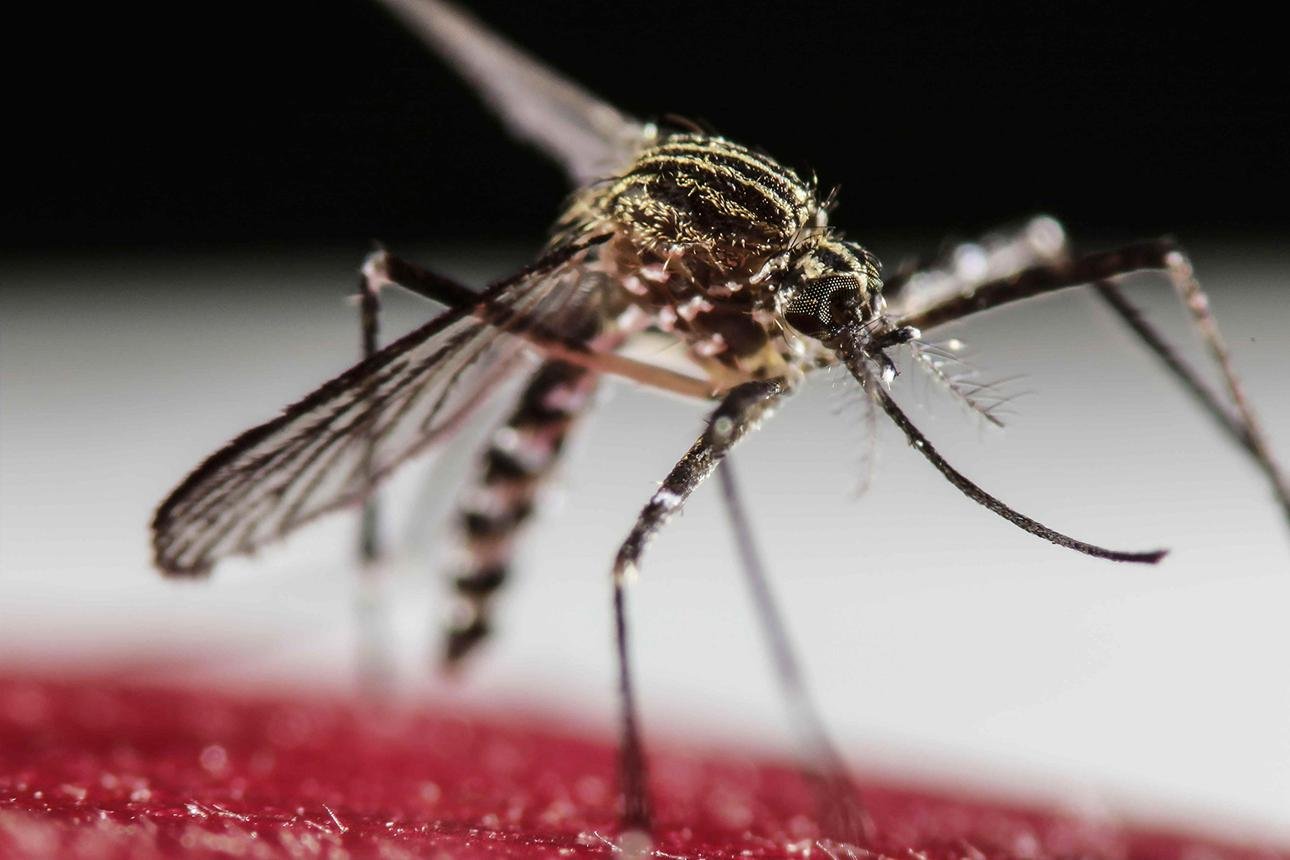
It is primarily transmitted by Aedes mosquitoes, especially Aedes aegypti.
Unlike malaria, dengue does not involve a parasite. It is caused by the dengue virus.
The number of dengue cases can rise sharply during periods of heavy rainfall because mosquitoes can breed in small collections of stagnant water.
According to India’s National Center for Vector Borne Diseases Control (NCVBDC), the country recorded:
Year
Reported dengue cases
Reported deaths
2022
2,33,251*
303*
2023
2,89,235*
485*
2024
2,33,251*
297*
2025
2,32,875
55
The exact presentation of annual dengue figures can change as surveillance data are updated, so for a blog post it is best to identify the data year and source rather than presenting an apparently permanent number. The current NCVBDC database provides state-wise dengue cases and deaths and is the appropriate source for updates.
Important: The figures above should not be combined with malaria deaths to claim a single “total mosquito death” number because the surveillance systems and reporting methodologies differ.
🩸 Why Can Dengue Become Dangerous?
Many people recover from dengue without major complications.
However, some patients can develop severe dengue, which may cause:
Severe bleeding
Shock
Organ complications
Severe dehydration
Dangerous changes in blood pressure
Early medical evaluation is important when symptoms become severe.
Common dengue symptoms can include:
High fever
Severe headache
Pain behind the eyes
Muscle and joint pain
Nausea
Rash
Weakness
A person with suspected dengue should seek medical advice rather than relying on home remedies alone.
🌧️ Why Do Mosquito Problems Increase During the Rainy Season?
Rain creates one of the biggest opportunities for mosquitoes to reproduce.
Water can collect in:
Old tyres
Flower pots
Buckets
Construction materials
Roof gutters
Open containers
Discarded plastic items
Water storage containers
Even a relatively small amount of stagnant water can become a mosquito breeding site.
This is particularly important for Aedes mosquitoes, which can breed around homes and urban neighbourhoods.
🏠 How Can Families Reduce Mosquito Breeding?
Mosquito control does not depend only on government spraying.
Households can also make a major difference.
1. Remove stagnant water
Check your surroundings regularly and empty containers where water has accumulated.
2. Cover water storage containers
Keep stored water properly covered.
3. Clean coolers regularly
Water coolers can become breeding places if they are not cleaned and emptied regularly.
4. Use mosquito nets
Mosquito nets can reduce exposure, particularly while sleeping.
5. Use screens and repellents
Window screens and appropriate mosquito repellents can reduce mosquito bites.
6. Keep surroundings clean
Discarded containers, tyres and plastic materials should not be allowed to collect rainwater.
🧬 Why Are Mosquitoes So Dangerous?
The mosquito itself is not necessarily dangerous simply because it is a mosquito.
The danger comes when a mosquito becomes infected with a disease-causing organism and then transmits it to another person.
For example:
Malaria → parasite
Dengue → virus
Chikungunya → virus
Japanese encephalitis → virus
So the same broad category—mosquito-borne disease—can involve very different pathogens.
🇮🇳 India’s Fight Against Mosquito-Borne Diseases
India has national programmes dedicated to controlling and eliminating vector-borne diseases.
The National Center for Vector Borne Diseases Control (NCVBDC) publishes surveillance information on diseases including malaria and dengue.
The data show that India has made substantial progress against malaria, while dengue continues to require strong surveillance and prevention efforts.
WHO also continues to work with India on malaria elimination and other vector-borne disease programmes.
📊 What Do the Latest Numbers Really Tell Us?
The numbers tell us something important.
It would be misleading to say:
“Millions of Indians die every year because of mosquitoes.”
The available official data do not support such a statement.
Instead, the evidence shows:
India has a significant mosquito-borne disease burden.
Malaria cases have fallen substantially over the long term.
WHO estimated about 3,500 malaria deaths in India in 2023.
India’s government surveillance system records dengue deaths separately.
The total number of deaths from all mosquito-borne diseases cannot simply be obtained by adding a few headline numbers from different sources.
This is why responsible health reporting should always mention which disease, which year and which data source is being discussed.
🔬 Why Reported Numbers and Estimates Can Be Different
This is an important point that is often missed in online articles.
Suppose a disease surveillance system records a certain number of deaths.
That does not necessarily mean every death caused by that disease was diagnosed and reported in exactly the same way.
WHO therefore uses epidemiological models to estimate the overall disease burden.
That is why the WHO malaria profile can show approximately 3,500 estimated deaths alongside 83 reported deaths for India in 2023.
Both figures are useful, but they should not be confused.
🦟 Can Mosquitoes Really Be Called One of the World’s Deadliest Animals?
Yes—with an important qualification.
The mosquito is dangerous because it acts as a vector for pathogens.
It can transmit diseases between humans or between animals and humans.
That makes mosquito control an important public-health activity around the world.
But the exact number of deaths attributed to mosquitoes depends on which diseases and which years are included.
❤️ The Most Important Message: Prevention
The most effective mosquito-control strategy is not simply killing mosquitoes after they appear.
It is also about preventing breeding.
One small container filled with stagnant water may appear harmless.
But if mosquitoes breed there, that tiny container can contribute to a much larger public-health problem.
Therefore:
No stagnant water = fewer breeding opportunities = fewer mosquitoes.
And fewer mosquitoes can mean fewer opportunities for mosquito-borne infections to spread.
🇮🇳 Conclusion
Mosquitoes may be tiny, but the diseases they transmit can have a major impact on public health.
In India, malaria, dengue and other mosquito-borne diseases continue to require attention, even as the country has made significant progress in reducing malaria.
The latest WHO data estimate around 2 million malaria cases and 3,500 malaria deaths in India in 2023, while India’s government surveillance system continues to track dengue and other vector-borne diseases separately.
So the answer to the question “How many people die in India because of mosquitoes?” is not one simple number.
The scientifically responsible answer is:
Thousands of deaths are associated with mosquito-borne diseases, but the exact total depends on the diseases included, the year and whether reported or estimated deaths are being counted.
The good news is that many mosquito-borne diseases can be prevented or controlled.
Remove stagnant water. Protect yourself from mosquito bites. Seek medical care when serious symptoms appear. And keep your surroundings clean.
🦟 A small mosquito can create a big health problem—but small preventive actions can also make a big difference.
India is a country of enormous distances, and the Indian Railways network connects some of the most important cities, cultural centres, business hubs and pilgrimage destinations across the nation.
From Delhi to Mumbai, Mumbai to Chennai, Kolkata to Delhi, Delhi to Varanasi, and Chennai to Bengaluru, thousands of passengers travel every day by train.
Some railway routes are famous because they connect major metropolitan cities. Others are popular because they pass through historic towns, pilgrimage centres, mountains, rivers and some of India’s most beautiful landscapes.
In this guide, we look at some of the major railway routes in India, famous trains operating on these corridors, important cities connected by them, and what makes each route special.
Note: Train numbers, stoppages, schedules and services can change. Always check the current Indian Railways/IRCTC information before planning a journey. The Government Services Portal provides current train-name, fare, route and schedule search facilities.
🇮🇳 1. Delhi – Mumbai Railway Route
One of India’s Most Important Rail Corridors
Delhi and Mumbai are two of India’s biggest metropolitan and economic centres.
The railway corridor connecting them is among the country’s most important long-distance routes.
Major trains on this broad corridor include premium services such as Mumbai–New Delhi Rajdhani Express and other long-distance express services. Indian Railways’ official Rajdhani list includes the Mumbai Central–Hazrat Nizamuddin Rajdhani service.
Important cities and regions on the corridor
Depending on the train and route, passengers may travel through or near:
New Delhi
Kota
Ratlam
Vadodara
Surat
Mumbai
The journey provides a fascinating transition from northern India to western India.
Famous trains
Mumbai Central – New Delhi Rajdhani Express
This is one of the best-known premium rail services connecting the two cities.
Other express services also operate between Mumbai and Delhi through different routes.
🚆 2. Delhi – Kolkata Railway Route
Connecting India’s Capital With the City of Joy
The Delhi–Kolkata railway corridor is another major artery of Indian Railways.
It connects India’s political capital with one of its most historically important eastern metropolitan cities.
The route passes through important parts of northern and eastern India.
Major cities associated with the route
New Delhi
Kanpur
Prayagraj
Varanasi region
Patna region
Dhanbad
Kolkata
The exact route and intermediate stops depend on the train.
Famous trains
One of the best-known services is the Kolkata Rajdhani Express, connecting Howrah and New Delhi. Indian Railways lists the Howrah–New Delhi Rajdhani services among its Rajdhani trains.
🚄 3. Delhi – Varanasi Route
One of India’s Most Important High-Speed Intercity Corridors
Varanasi is one of India’s most famous spiritual and cultural destinations.
The railway connection between New Delhi and Varanasi is particularly important for both tourists and pilgrims.
The New Delhi–Varanasi Vande Bharat Express is one of the prominent trains on this corridor. The Ministry of Railways lists train numbers 22435/22436 for this service.
Why this route is popular
Passengers travelling between Delhi and Varanasi can experience a journey connecting:
India’s political capital → historic Uttar Pradesh → one of India’s oldest living cities.
🚆 4. Mumbai – Ahmedabad Railway Route
A Major Western India Connection
Mumbai and Ahmedabad are two major economic centres in western India.
The railway route between them is heavily used by business travellers, tourists and daily passengers.
One famous premium service is the Mumbai Central–Ahmedabad Shatabdi Express.
Indian Railways’ Shatabdi list identifies the Mumbai Central–Ahmedabad service as 12009/12010.
Important cities
Mumbai
Surat
Vadodara
Ahmedabad
This route is particularly interesting because it connects India’s financial capital with major industrial and commercial centres of Gujarat.
A Secunderabad–Visakhapatnam Vande Bharat Express is among the Vande Bharat services listed by the Ministry of Railways.
This route is particularly useful for passengers travelling between Telangana’s capital region and Andhra Pradesh’s major coastal city.
🚆 10. Delhi – Jaipur – Ajmer Route
Rajasthan has strong railway connectivity with Delhi.
One of the famous premium trains on this corridor is the Ajmer Shatabdi, connecting New Delhi and Ajmer.
Indian Railways lists 12015/12016 Ajmer Shatabdi among the Shatabdi services.
The route is particularly popular with tourists because it provides access to:
Jaipur
Ajmer
Rajasthan’s historic cities
Major tourist destinations
🚆 11. Delhi – Amritsar Route
The railway connection between Delhi and Amritsar is important for tourism, pilgrimage and business travel.
The New Delhi–Amritsar Shatabdi Express is one of the best-known services on this route. Indian Railways lists the service as 12013/12014.
Amritsar attracts visitors because of the Golden Temple, Jallianwala Bagh and its historical importance.
🚆 12. Delhi – Lucknow Route
Delhi and Lucknow are two important northern Indian cities with strong rail connectivity.
The route connects:
New Delhi → Uttar Pradesh → Lucknow
One well-known premium service is the Lucknow Swarna Shatabdi, listed by Indian Railways as 12003/12004.
Lucknow is famous for its architecture, cuisine and cultural heritage, making this route popular among both business and leisure travellers.
🚄 13. Mumbai – Pune – Solapur Route
Maharashtra has an extensive railway network linking Mumbai with Pune and onward to Solapur.
A notable Vande Bharat service connects Solapur and Chhatrapati Shivaji Maharaj Terminus, Mumbai. The Ministry of Railways lists it as 22225/22226.
There is also a Sainagar Shirdi–Mumbai Vande Bharat, connecting the pilgrimage centre of Shirdi with Mumbai.
🚆 14. Howrah – Chennai Route
The eastern and southern parts of India are connected by several long-distance services.
The Howrah–Chennai corridor is particularly important.
The official Indian Railways train-name index includes the MGR Chennai Mail, connecting Howrah and MGR Chennai Central.
This long-distance corridor provides an excellent example of how India’s railway system connects very different regions, languages and cultures.
🚆 15. Kolkata – Mumbai Route
The eastern metropolis of Kolkata is connected with Mumbai through major long-distance railway services.
One well-known service is the Howrah–Mumbai Mail, listed in Indian Railways’ train index.
This broad east-west corridor crosses several major regions of India and is important for both passenger and commercial connectivity.
🚆 16. Delhi – Jammu Tawi Route
The railway network also connects Delhi with the Jammu region.
The Jammu Rajdhani Express is one of the premium services listed by Indian Railways.
The route is especially important for passengers travelling toward Jammu and onward to popular pilgrimage and tourist destinations.
🚄 17. Delhi – Katra Route
One of the most important modern rail connections for pilgrims is between New Delhi and Shri Mata Vaishno Devi Katra.
The Sri Mata Vaishno Devi Katra–New Delhi Vande Bharat Express is officially listed among India’s Vande Bharat services.
The route is particularly popular with devotees travelling to the Vaishno Devi shrine.
🚆 18. Mumbai – Indore Route
Mumbai and Indore are important commercial centres of western and central India.
A Mumbai Central–Indore Duronto Express is listed by Indian Railways, with train numbers 12227/12228.
This connection links Maharashtra’s financial capital with Madhya Pradesh’s major commercial city.
🚆 19. Pune – Hyderabad Route
Pune and Hyderabad are major IT, education, manufacturing and business centres.
Several railway services connect the two regions, providing an important rail link between Maharashtra and Telangana.
For travellers, the route offers a convenient alternative to road and air travel, particularly for passengers carrying luggage or travelling overnight.
🚄 20. Tirupati – Secunderabad Route
The railway connection between Tirupati and Hyderabad/Secunderabad is especially important for religious tourism.
The Tirupati–Secunderabad Vande Bharat Express is officially listed by the Ministry of Railways as train 20701/20702.
This route connects one of South India’s most important pilgrimage centres with Telangana’s capital region.
🌟 Some Famous Train Categories in India
India’s railway network includes several important premium and long-distance train categories.
🚄 Vande Bharat Express
Vande Bharat is India’s modern semi-high-speed trainset designed for intercity travel. The Government of India describes it as an indigenously developed semi-high-speed trainset with modern passenger amenities and safety systems.
As of 12 March 2026, the Ministry of Railways listed 162 Vande Bharat Chair Car services in operation.
🚆 Rajdhani Express
Rajdhani trains are premium services primarily designed to connect major cities with New Delhi.
Examples include:
Mumbai Central–New Delhi Rajdhani
Howrah–New Delhi Rajdhani
Sealdah–New Delhi Rajdhani
Jammu–New Delhi Rajdhani
Dibrugarh–New Delhi Rajdhani
These services are listed in Indian Railways’ official Rajdhani information.
🚆 Shatabdi Express
Shatabdi trains are generally daytime intercity services.
Famous examples include:
New Delhi–Bhopal
New Delhi–Lucknow
New Delhi–Amritsar
New Delhi–Ajmer
Mumbai–Ahmedabad
Chennai–Mysuru
Indian Railways’ official list provides the train numbers and endpoints for these services.
🚆 Duronto Express
Duronto services are known for connecting major cities with relatively limited intermediate stops.
Examples include:
Mumbai–Indore
Mumbai–Secunderabad
Mumbai–Jaipur
Howrah–Pune
Howrah–Yesvantpur
Yesvantpur–Delhi
These are listed in Indian Railways’ Duronto information.
🗺️ India’s Railway Network: Why These Routes Matter
Indian Railways is much more than a transport system.
It connects:
North India with South India.
East India with West India.
Metropolitan cities with smaller towns.
Business centres with industrial regions.
Pilgrimage destinations with millions of devotees.
Tourist destinations with travellers from across the country.
A train journey therefore becomes more than simply travelling from one station to another.
It is a way of experiencing India’s enormous geographical and cultural diversity.
❤️ Why Train Journeys Are Special in India
A flight can take you from one city to another in a few hours.
But a long train journey offers something different.
You can watch the landscape change outside your window.
You may begin among crowded urban neighbourhoods and eventually see farms, rivers, forests, mountains or coastal landscapes.
You meet passengers from different states.
You hear different languages.
You taste regional food.
And sometimes, a simple train journey becomes one of the most memorable parts of a trip.
That is one reason trains continue to hold such a special place in Indian life.
🇮🇳 Conclusion
India’s railway network is one of the country’s greatest connecting forces.
From Delhi to Mumbai, Kolkata to Chennai, Mumbai to Ahmedabad, Chennai to Bengaluru, Delhi to Varanasi, Hyderabad to Visakhapatnam, and Tirupati to Secunderabad, trains connect some of India’s most important cities and destinations.
Premium services such as Vande Bharat, Rajdhani, Shatabdi and Duronto have added different levels of speed and comfort to India’s long-distance railway network.
But the real strength of Indian Railways is not just speed.
It is connectivity.
Millions of passengers use the railway network to travel for work, education, business, tourism, family visits and pilgrimage.
From a small railway station to a massive metropolitan terminal, every route is part of a much bigger story—
India’s independence was not achieved in a single day.
The freedom that India celebrates every year on 15 August was the result of decades of struggle, sacrifice, protests, imprisonment and determination. Millions of ordinary Indians, along with well-known leaders, became part of a movement that eventually brought an end to British rule.
The story of Indian independence is therefore not only the story of famous leaders. It is also the story of students, farmers, workers, women, revolutionaries and countless people whose names were never recorded in history books.
The Beginning of a National Awakening
British rule in India had existed for many decades before the freedom movement developed into a mass national struggle.
The Revolt of 1857 became one of the earliest major challenges to British authority. Although the revolt did not end British rule, it became an important part of India’s later political memory.
During the late nineteenth and early twentieth centuries, political awareness grew rapidly. Indians increasingly demanded greater participation in government and began to organize themselves politically.
The formation of the Indian National Congress in 1885 provided an important platform for political discussion and, eventually, for the wider independence movement.
But the journey was still only beginning.
Mahatma Gandhi and the Power of Non-Violence
When Mahatma Gandhi returned to India in 1915, he gradually became one of the most influential figures in the freedom movement.
Gandhi believed that ordinary people could challenge an unjust system through non-violent resistance, civil disobedience and mass participation.
Movements such as the Non-Cooperation Movement and the Civil Disobedience Movement brought large numbers of Indians into the struggle.
One of the most famous examples was the Salt March of 1930.
Gandhi and his followers marched to the coastal village of Dandi to challenge the British salt laws. The march became a powerful symbol because salt was something used by ordinary people every day.
The message was simple but powerful: even an ordinary object could become a symbol of resistance when people stood together.
The Freedom Movement Becomes a Mass Movement
By the 1920s and 1930s, the independence movement had spread across different parts of India.
People participated in demonstrations, boycotts, strikes and civil-disobedience campaigns.
Women also played an important role. Leaders such as Sarojini Naidu, Aruna Asaf Ali and Kamaladevi Chattopadhyay contributed to the movement in different ways.
At the same time, revolutionary groups and other political organizations followed different approaches to challenging British rule.
India’s freedom struggle was therefore not one single movement with one single method. It was a large and complicated national struggle involving many ideas and many groups.
The Quit India Movement of 1942
The Second World War created a new and difficult situation.
In August 1942, the Indian National Congress launched the Quit India Movement, demanding an immediate end to British rule.
Gandhi gave the famous call:
“Do or Die.”
The British authorities responded with mass arrests. Many national leaders were imprisoned, but the movement continued through protests and underground activities.
The Quit India Movement became one of the most important final mass movements against British rule. Official historical records also document the participation and sacrifices of many individuals across India during the movement.
6
The Forgotten Heroes
When we talk about India’s independence, names such as Gandhi, Nehru, Patel, Bose and Bhagat Singh are often remembered.
But thousands of other people also suffered imprisonment, injuries, financial hardship and, in many cases, death.
Farmers joined protests.
Students organized demonstrations.
Workers participated in strikes.
Women entered public life and political activity.
Young people distributed messages and organized resistance.
Many freedom fighters spent years in prison without knowing when India would become free.
Their contribution reminds us that independence was not achieved by a handful of famous individuals alone.
It was a national effort involving people from different regions and backgrounds.
Subhas Chandra Bose and the Indian National Army
Another important chapter of the freedom struggle was associated with Subhas Chandra Bose and the Indian National Army (INA).
Bose believed that armed struggle could play a role in ending British rule. Under his leadership, the INA sought to fight the British and advance toward India.
The INA’s military campaign did not achieve its ultimate objective, but the events surrounding the INA trials after the war created considerable public attention and sympathy in India.
The growing political pressure after the Second World War made British rule increasingly difficult to maintain.
1947: The Moment of Independence
After the Second World War, Britain’s ability to continue ruling India had weakened considerably.
Political negotiations intensified, but the final years before independence were also marked by serious communal tensions and violence.
Eventually, the Indian Independence Act 1947 provided the legal framework for the creation of two independent dominions: India and Pakistan.
On the night of 14–15 August 1947, Jawaharlal Nehru delivered his famous “Tryst with Destiny” speech.
At midnight, India entered a new chapter in its history.
5
The First Morning of Free India
The morning of 15 August 1947 was unlike any other morning in Indian history.
After nearly two centuries of British colonial rule, India was independent.
People gathered in streets and public places. The Indian flag became a powerful symbol of the new nation.
Newspapers carried the historic news across the country. The atmosphere was filled with celebration, hope and enormous emotion.
4
But independence also came with enormous pain.
The partition of British India resulted in one of the largest and most tragic population movements in modern history. Millions of people were displaced, and communal violence caused immense suffering.
Therefore, 15 August 1947 was both a day of freedom and a day marked by deep human tragedy.
What Independence Really Means
Independence was not simply the replacement of one government with another.
It gave Indians the opportunity to build their own democratic institutions and decide their country’s future.
In the years that followed, India adopted its Constitution and established itself as a democratic republic.
The journey after 1947 was not easy. The country faced poverty, social divisions, wars, economic challenges and many other difficulties.
Yet the basic idea remained powerful:
India would determine its own future.
Remembering the Freedom Fighters
Every Independence Day gives us an opportunity to remember the people who contributed to India’s freedom.
Some became famous.
Others remained unknown.
Some used non-violence.
Others believed in revolutionary methods.
Some spent years in prison.
Others lost their lives.
Their methods and political beliefs were not always the same, but they were all part of the complex history that eventually led to independence.
The freedom we have today was built through the sacrifices and efforts of generations.
Conclusion
India’s independence is not just a date in a calendar.
It is a story of courage, sacrifice, unity, disagreement, hope and determination.
From the early resistance of the nineteenth century to the mass movements of the twentieth century, India’s freedom struggle continued through several generations.
And finally, on 15 August 1947, the long struggle reached its historic turning point.
The tricolour rose over a free India.
The country had a new beginning.
But the responsibility that came with freedom was even greater:
to protect democracy, respect diversity, remember history and build a better India for future generations.