Category: India Information

  • The Ultimate Travel Guide to Tiruvannamalai’s Sacred Arunachala

    The Ultimate Travel Guide to Tiruvannamalai’s Sacred Arunachala

    tiruvanamalai

    Introduction

    The tiruvanamalai temple is among India’s most sacred pilgrimage destinations. Located in Tamil Nadu this temple town is renowned for Arunachaleswarar Temple, the sacred Arunachala Hill, and its spiritual atmosphere.

    Known as the Land of Lord Shiva, Tiruvannamalai is not only a religious destination but also a place where people seek peace, meditation, and spiritual awakening. Pilgrims from across India and around the world visit this holy town to perform Girivalam (circumambulation of Arunachala Hill), worship Lord Shiva, and experience its unique spiritual energy.

    Whether you are a devotee, a history enthusiast, or a traveler looking for peaceful destinations, Tiruvannamalai offers an unforgettable experience.

    siva 2

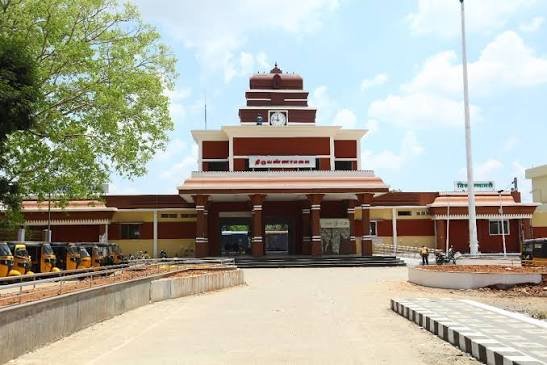
    Where is Tiruvannamalai Located?

    Tiruvannamalai is situated in the north-central region of Tamil Nadu, approximately:
    siva 3
    • 190 km from Chennai
    • 210 km from Bengaluru
    • 160 km from Puducherry
    • 95 km from Vellore

    The town is well connected by road and rail, making it easily accessible for domestic and international travelers.

    siva 4

    History of Tiruvannamalai

    The history of Tiruvannamalai dates back more than a thousand years. Ancient inscriptions indicate that the temple received patronage from several South Indian dynasties, including the Cholas, Pandyas, Hoysalas, and Vijayanagara rulers.

    The town is deeply connected with Hindu mythology. According to legend, Lord Shiva appeared as an infinite pillar of fire before Lord Vishnu and Lord Brahma to demonstrate His supreme power. Arunachala Hill is believed to represent this divine column of fire.

    Because of this legend, Tiruvannamalai is regarded as one of the Pancha Bhoota Sthalams, representing the Fire (Agni) element.


    Arunachaleswarar Temple
    siva 5

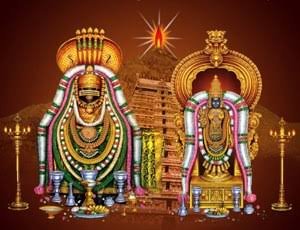
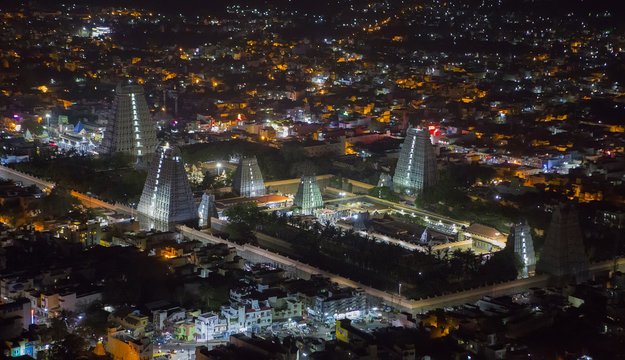
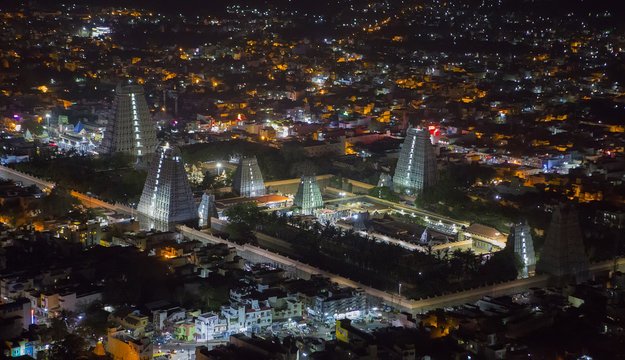
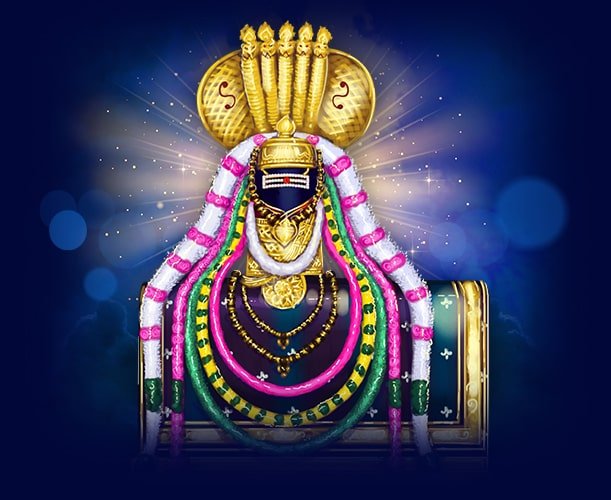
    The Arunachaleswarar Temple is the heart of Tiruvannamalai. Dedicated to Lord Shiva and Goddess Unnamulai Amman, it is one of the largest temple complexes in India.

    The temple features:

    • Massive Rajagopurams (Temple Towers)
    • Beautiful stone carvings
    • Ancient inscriptions
    • Large temple tanks
    • Spacious courtyards
    • Magnificent mandapams

    The eastern Rajagopuram stands approximately 66 meters (217 feet) tall and is among the tallest temple towers in India.

    Thousands of devotees visit this temple every day to seek blessings from Lord Arunachaleswarar.


    The Sacred Arunachala Hill
    siva 6

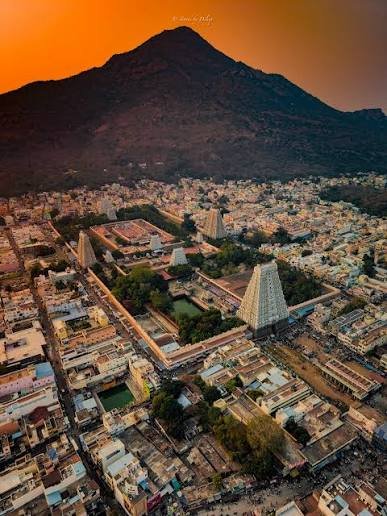
    Arunachala Hill is considered the physical manifestation of Lord Shiva.

    For centuries, saints, yogis, and spiritual seekers have meditated on this sacred hill.

    Many devotees believe that simply seeing Arunachala Hill brings spiritual benefits and inner peace.

    The hill remains one of the most respected pilgrimage sites in Hinduism.


    Girivalam – The Sacred Walk Around Arunachala
    siva 7

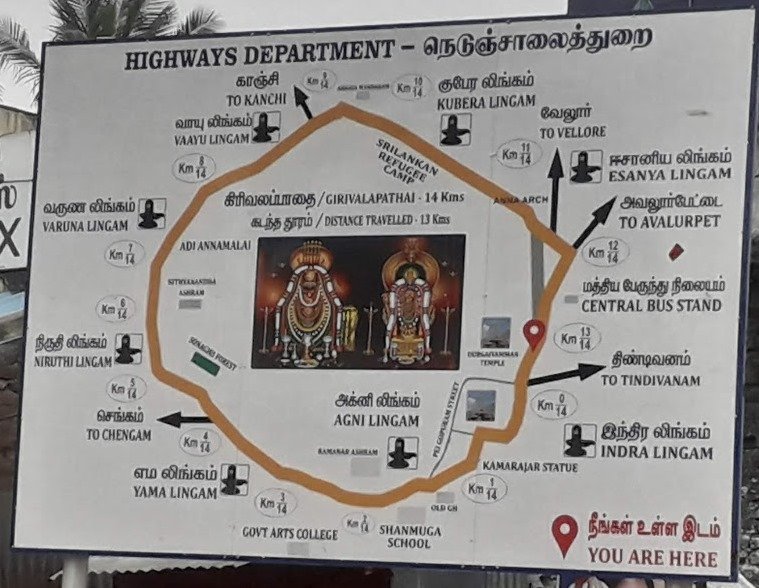
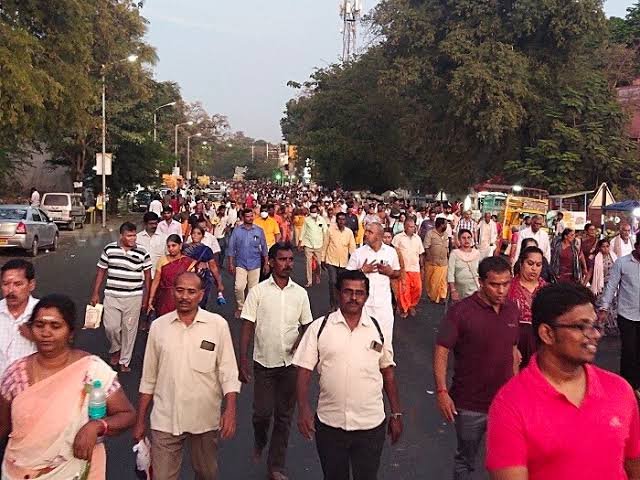
    One of the most popular religious practices in the tiruvanamalai temple is Girivalam.

    Girivalam is the act of walking barefoot around Arunachala Hill.

    The complete route is approximately 14 kilometers.

    Devotees perform Girivalam:

    • During every Full Moon (Pournami)
    • During Karthigai Deepam Festival
    • On special Hindu festival days

    Many believe that completing Girivalam removes negative karma and brings prosperity, peace, and spiritual growth.


    Karthigai Deepam Festival

    siva 8

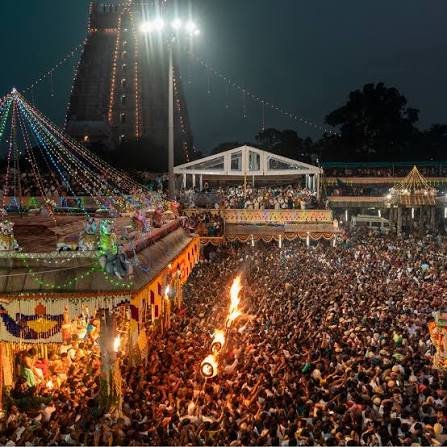
    The Karthigai Deepam Festival is the most famous celebration in Tiruvannamalai.

    Every year, during the Tamil month of Karthigai, a gigantic sacred lamp is lit on the summit of Arunachala Hill.

    Millions of devotees gather to witness this spectacular event.

    The flame symbolizes Lord Shiva appearing as the Infinite Light.

    The festival attracts pilgrims from across India and abroad.

    siva 9

    Sri Ramana Maharshi Ashram

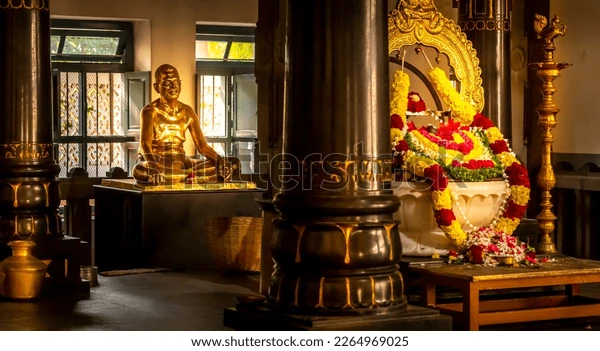
    siva 10

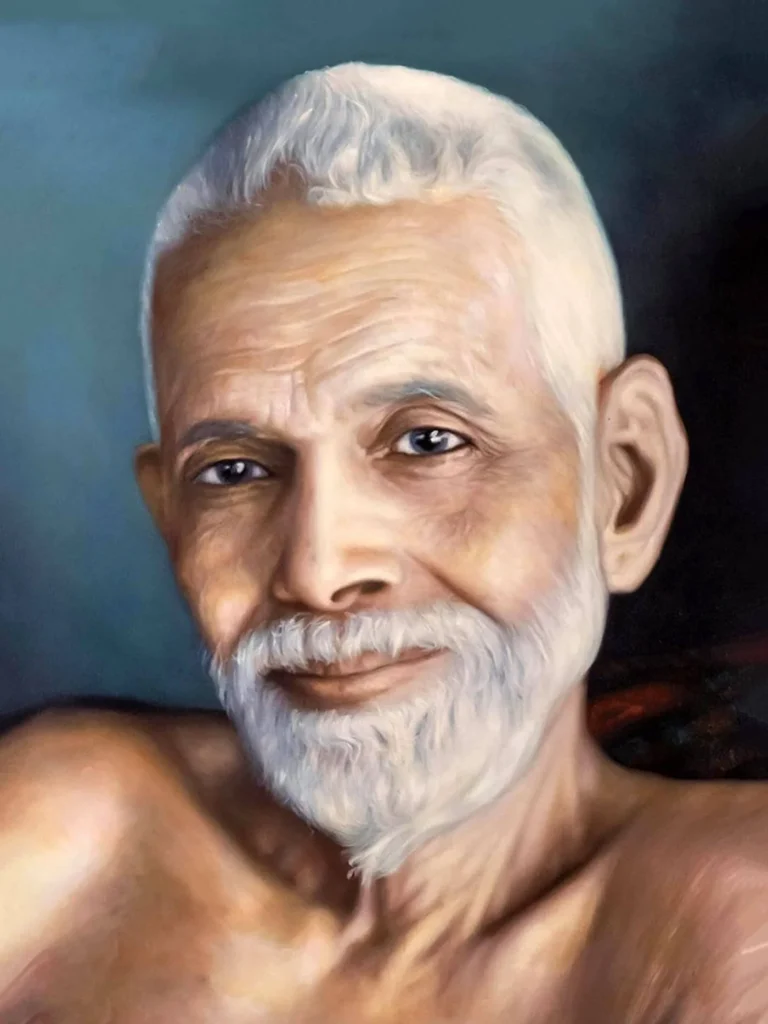
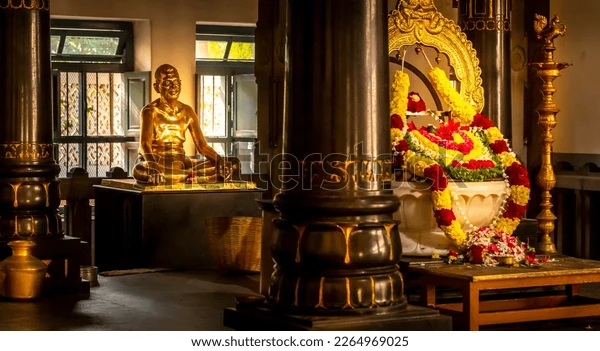
    Another major attraction is the Sri Ramana Maharshi Ashram.

    Ramana Maharshi was one of India’s greatest spiritual masters.

    His teachings emphasized:

    • Self-Inquiry
    • Silence
    • Meditation
    • Inner Peace

    The ashram welcomes visitors from around the world who come to meditate and learn about his philosophy.

    The peaceful surroundings make it one of the most visited spiritual centers in India.
    siva 11

    Best Time to Visit Tiruvannamalai

    The ideal time to visit is between:

    October and March
    siva 5

    During these months:

    • Pleasant weather
    • Comfortable temple visits
    • Ideal for Girivalam
    • Festival celebrations

    Avoid peak summer afternoons because temperatures can become very high.


    How to Reach Tiruvannamalai

    By Road

    Regular buses operate from:

    • Chennai
    • Bengaluru
    • Vellore
    • Salem
    • Puducherry

    By Train

    Tiruvannamalai Railway Station connects the town with major cities in Tamil Nadu.

    By Air

    Nearest airports:

    • Chennai International Airport
    • Bengaluru International Airport

    From the airport, travelers can continue by bus or taxi.
    siva 15

    Famous Foods in Tiruvannamalai

    Visitors can enjoy authentic South Indian cuisine, including:

    • Idli
    • Dosa
    • Pongal
    • Vada
    • Filter Coffee
    • Lemon Rice
    • Tamarind Rice
    • Curd Rice

    Several vegetarian restaurants serve traditional Tamil meals.


    Places to Visit Near Tiruvannamalai

    Nearby attractions include:

    • Sathanur Dam
    • Gingee Fort
    • Jawadhu Hills
    • Yelagiri Hills
    • Sri Seshadri Swamigal Ashram
    • Virupaksha Cave
    • Skandashram

    These places are perfect for history lovers, nature enthusiasts, and spiritual travelers.
    siva 10

    Travel Tips

    Before visiting:

    • Wear modest clothing while entering temples.
    • Carry drinking water during Girivalam.
    • Remove footwear before entering temple premises.
    • Respect temple customs and traditions.
    • Visit early morning to avoid crowds.

    Why Should You Visit Tiruvannamalai?

    Tiruvannamalai is much more than a tourist destination.

    It offers:
    siva 12
    • Ancient history
    • Spiritual experience
    • Beautiful temple architecture
    • Sacred pilgrimage
    • Meditation centers
    • Peaceful atmosphere
    • Rich Tamil culture
    • Whether you seek devotion, history, or inner peace, Tiruvannamalai has something special to offer.

    Frequently Asked Questions

    Why is Tiruvannamalai famous?

    It is famous for Arunachaleswarar Temple, Arunachala Hill, Girivalam, and Karthigai Deepam Festival.

    How long is Girivalam?

    The Girivalam route is approximately 14 kilometers.

    Which deity is worshiped in Tiruvannamalai?

    Lord Arunachaleswarar (Lord Shiva).

    Which is the nearest airport?

    Chennai International Airport.

    When is the best time to visit?

    October to March.
    siva 13

    Conclusion

    Tiruvannamalai is one of India’s greatest spiritual destinations. From the magnificent tiruvanamalai temple to the sacred Arunachala Hill, every corner of this town reflects devotion, history, and peace.

    Whether you come for worship, meditation, or sightseeing, Tiruvannamalai offers a memorable experience that stays with you long after your visit. A journey to this sacred town is not just a trip—it is a journey of faith, culture, and self-discovery.

    siva 14
  • Departments of the Government of India – Complete List and Details

    Departments of the Government of India – Complete List and Details

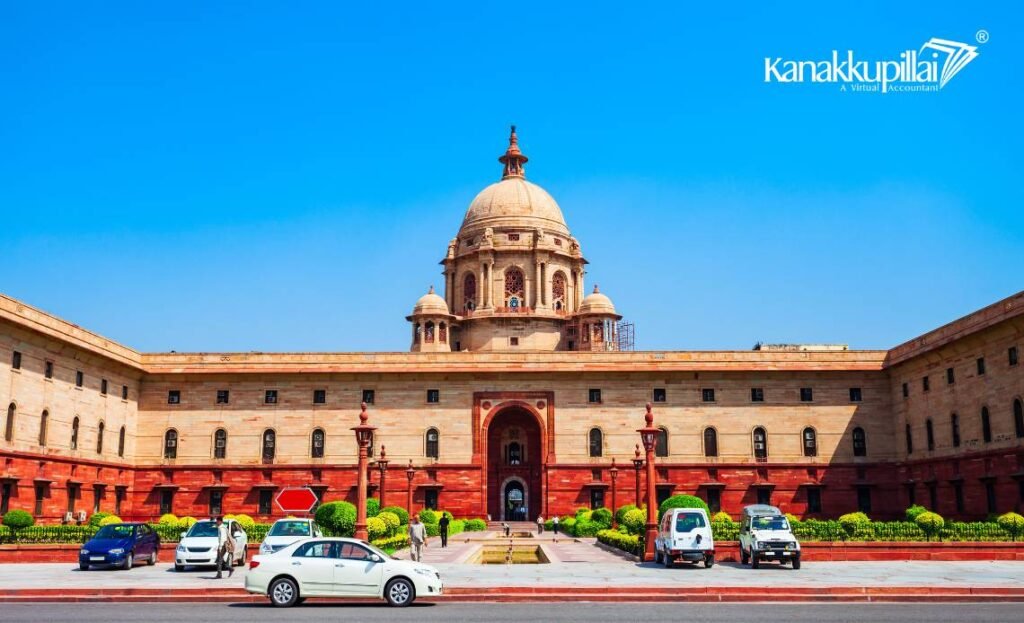
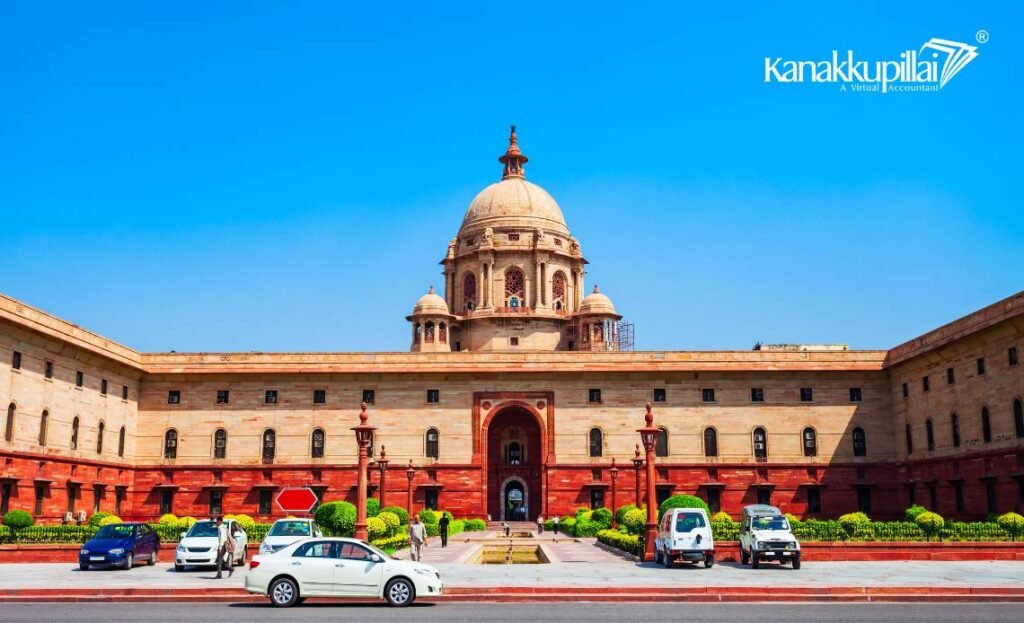
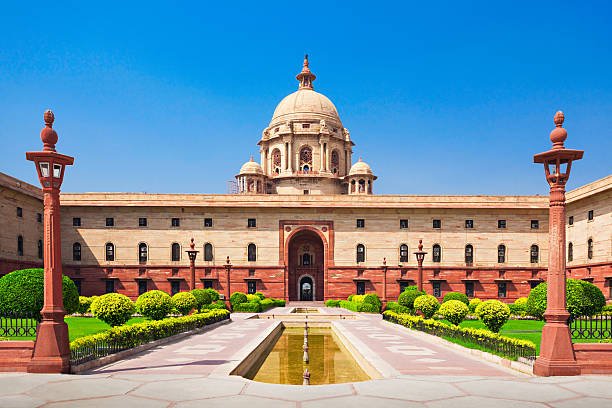
    rashtrapati bhavan is the official home of the president of india
    Rashtrapati Bhavan is the official home of the President of India

    The Government of India is divided into several ministries and departments, each responsible for managing a specific sector of administration, public welfare, economic development, and national security. These departments work together to implement government policies and provide essential services to citizens.

    Department of Agriculture & Farmers Welfare

    Responsibilities

    Agricultural development.

    Farmer welfare schemes.Livestock development Dairy farming Poultry development Animal healthcare

    Crop production.

    Agricultural research.

    agriculture

    Department of Animal Husbandry & Dairying

    Responsibilities:

    Livestock development

    Dairy farming

    Poultry development

    Animal healthcare

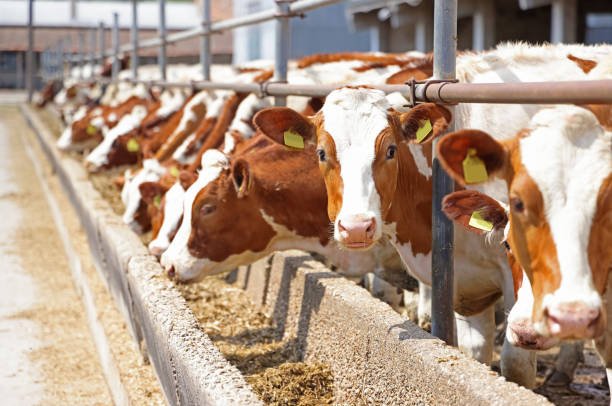
    dairy farm, simmental cattle, feeding cows on farm

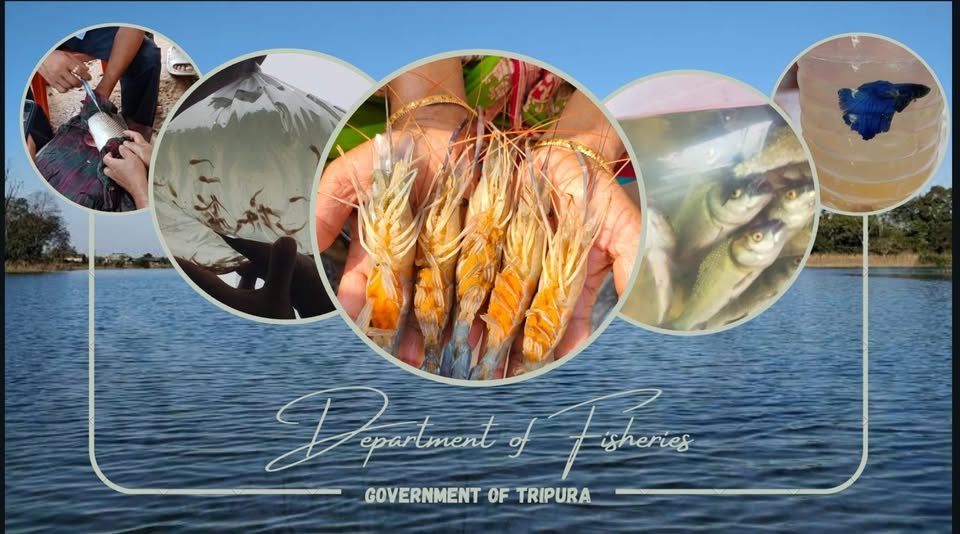
    Department of Fisheries

    Responsibilities:

    Fish farming.

    Fisheries development.

    Welfare of fishermen

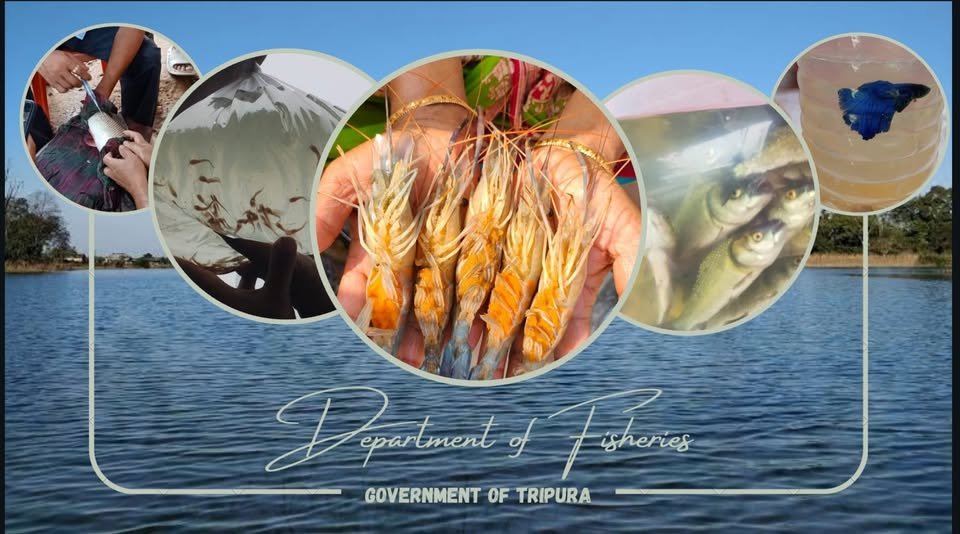
    department fisher

    Department of School Education & Literacy

    Responsibilities:

    • School education .
    • Literacy programs.
    • Educational reforms.

    Department of Education

    department school

    Responsibilities:

    • Universities.
    • Colleges.
    • Higher education policies

    Department of Health & Family Welfare

    Responsibilities:

    department health
    • Public healthcare.
    • Hospitals.
    • National health programs.
    • Vaccination campaigns
    • Vaccination campaigns

    7. Ministry of Home Affairs

    Responsibilities:

    ministry of home affairs
    • Internal security
    • Police administration
    • Disaster management
    • Border management

    8. Ministry of Defence

    Responsibilities:

    ministery of defence
    • Indian Army
    • Indian Navy
    • Indian Air Force
    • National security

    9. Ministry of External Affairs

    Responsibilities:

    ministry of external
    • Foreign relations
    • Passports
    • International diplomacy
    • Overseas Indian affairs

    10. Department of Economic Affairs

    Responsibilities:

    department economic
    • National economy
    • Budget preparation
    • Financial policies

    11. Department of Revenue

    Responsibilities:

    revenue
    • Income Tax
    • GST administration
    • Customs and Excise

    12. Ministry of Railways

    Responsibilities:

    minorty image
    • Railway operations
    • Passenger services
    • Railway infrastructure

    13. Ministry of Road Transport & Highways

    Responsibilities:

    sministry of road transport and highways
    • National highways
    • Road safety
    • Driving licenses
    • Vehicle registration

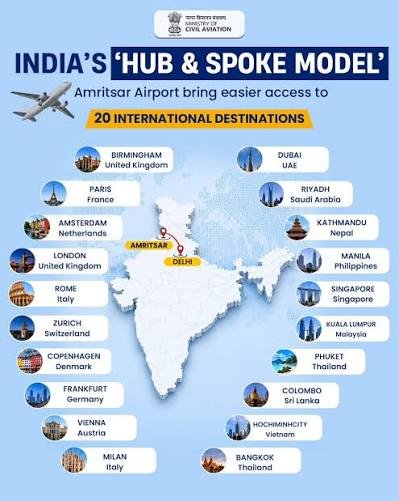
    14. Ministry of Civil Aviation

    Responsibilities

    minister of civil
    • Airports
    • Aviation safety
    • Air transport services

    15. Ministry of Ports, Shipping & Waterways

    Responsibilities

    department fisher
    • Ports development
    • Inland waterways
    • Maritime transport

    16. Ministry of Electronics & Information Technology (MeitY)

    Responsibilities:

    department economic
    • Digital India
    • Cybersecurity
    • E-Governance
    • IT policies

    17. Department of Telecommunications (DoT)

    Responsibilities:

    dot
    • Telecom services
    • Internet infrastructure
    • Mobile communications

    18. Department of Posts

    Responsibilities:

    postel department image
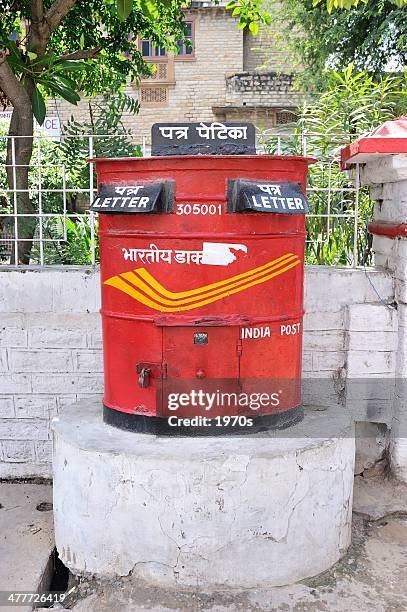
    Ajmer, India – September 24, 2013: red postbox outside the India post office, Ajmer, Rajasthan, India.
    • India Post services
    • Speed Post
    • Postal savings
    • Parcel delivery

    19. Ministry of Power

    Responsibilities:

    ministry of power
    • Electricity generation
    • Power distribution
    • Energy policies

    20. Ministry of Petroleum & Natural Gas

    Responsibilities:

    ministry of petroleum
    • Petroleum products
    • LPG distribution
    • Natural gas development

    21. Ministry of Coal

    Responsibilities:

    ministry of coal
    • Coal production
    • Coal mining policies

    22. Ministry of Mines

    Responsibilities:

    • Mineral exploration
    • Mining regulations

    23. Ministry of Steel

    Responsibilities:

    • Steel production
    • Steel industry development

    24. Ministry of Commerce & Industry

    Responsibilities:

    • Domestic trade
    • International trade
    • Industrial growth

    25. Ministry of Micro, Small & Medium Enterprises (MSME)

    Responsibilities:

    msme
    • MSME development
    • Business support schemes
    • Entrepreneurship promotion

    26. Ministry of Labour & Employment

    Responsibilities:

    labour images
    • Employment policies
    • Labour welfare
    • Industrial relations

    27. Ministry of Women & Child Development

    Responsibilities:

    women child
    • Women’s welfare
    • Child protection
    • Nutrition programs

    28. Ministry of Social Justice & Empowerment

    Responsibilities:

    justice image
    • Social welfare
    • Welfare of senior citizens
    • Rights of persons with disabilities

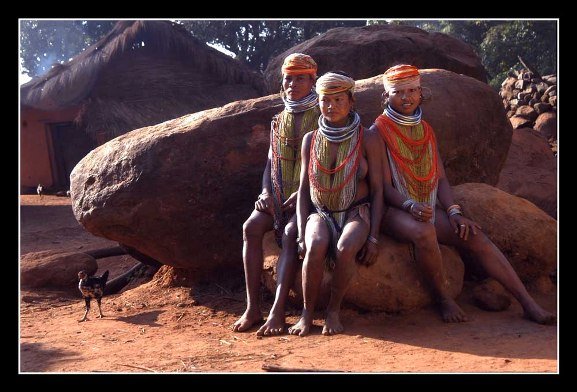
    29. Ministry of Tribal Affairs

    Responsibilities:

    tribal image
    • Tribal welfare
    • Tribal development programs

    30. Ministry of Minority Affairs

    Responsibilities:

    ministry of home affairs
    • Minority welfare
    • Scholarships
    • Community development

    31. Ministry of Rural Development

    Responsibilities:

    • Rural infrastructure
    • Employment schemes
    • Poverty alleviation

    32. Ministry of Panchayati Raj

    Responsibilities:

    • Village governance
    • Panchayat administration

    33. Ministry of Housing & Urban Affairs

    Responsibilities:

    • Urban development
    • Smart Cities Mission
    • Housing schemes

    34. Department of Drinking Water & Sanitation

    Responsibilities:

    • Clean drinking water
    • Rural sanitation
    • Swachh Bharat Mission

    35. Ministry of Jal Shakti

    Responsibilities:

    • Water resources
    • River management
    • Water conservation

    36. Ministry of Environment, Forest & Climate Change

    Responsibilities:

    • Environmental protection
    • Forest conservation
    • Climate change policies

    37. Department of Science & Technology

    Responsibilities:

    • Scientific research
    • Innovation
    • Technology development

    38. Department of Space

    Responsibilities:

    • Space research
    • Satellite missions
    • ISRO programs

    39. Department of Atomic Energy

    Responsibilities:

    • Nuclear energy
    • Atomic research
    • Radiation safety

    40. Ministry of Tourism

    Responsibilities:

    • Tourism promotion
    • Heritage tourism
    • Tourist services

    41. Ministry of Culture

    Responsibilities:

    • Cultural heritage
    • Museums
    • Archaeological preservation

    42. Ministry of Youth Affairs & Sports

    Responsibilities:

    • Sports development
    • Youth empowerment
    • National sports programs

    43. Ministry of Law & Justice

    Responsibilities:

    • Legal affairs
    • Judicial administration
    • Legislative drafting

    44. Ministry of Parliamentary Affairs

    Responsibilities:

    • Parliamentary business
    • Coordination between ministries and Parliament

    45. Department of Personnel & Training (DoPT)

    Responsibilities:

    • Civil services
    • Recruitment policies
    • Administrative reforms

    46. Ministry of Statistics & Programme Implementation

    Responsibilities:

    • National statistics
    • Government project monitoring

    47. Department of Consumer Affairs

    Responsibilities:

    • Consumer rights
    • Consumer protection laws
    • Essential commodities management

    Conclusion

    The Government of India consists of numerous ministries and departments that oversee different sectors such as agriculture, education, health, defence, finance, transport, technology, environment, and public welfare. Together, these departments ensure the effective functioning of the government and the delivery of essential services to citizens across the country.
    This content is suitable as a comprehensive introductory article. For a larger website, you could expand each department into its own dedicated page with detailed information, schemes, services, eligibility, and official contacts

  • The Greatness of Women in India – A Pillar of Strength, Wisdom, and Progress

    The Greatness of Women in India – A Pillar of Strength, Wisdom, and Progress


    Introduction

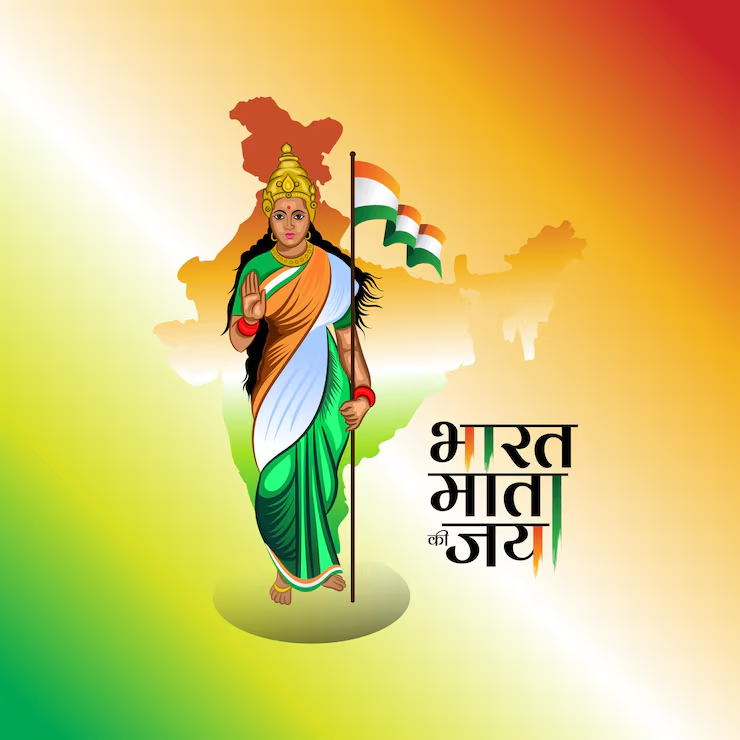
    mother india

    India is a land of rich culture, traditions, and values where women have always held a place of honor and respect. An ancient Sanskrit saying states, “Yatra Naryastu Pujyante Ramante Tatra Devatah,” which means, “Where women are respected, the gods rejoice.” This timeless message reflects the importance of women in Indian society.
    From ancient times to the modern era, Indian women have contributed significantly to the growth of families, communities, and the nation. They have been mothers, teachers, leaders, scientists, entrepreneurs, soldiers, and social reformers. Their courage, compassion, wisdom, and determination have inspired generations.
    This article explores the greatness of women in India and their remarkable contributions to society.

    Women in Indian Culture

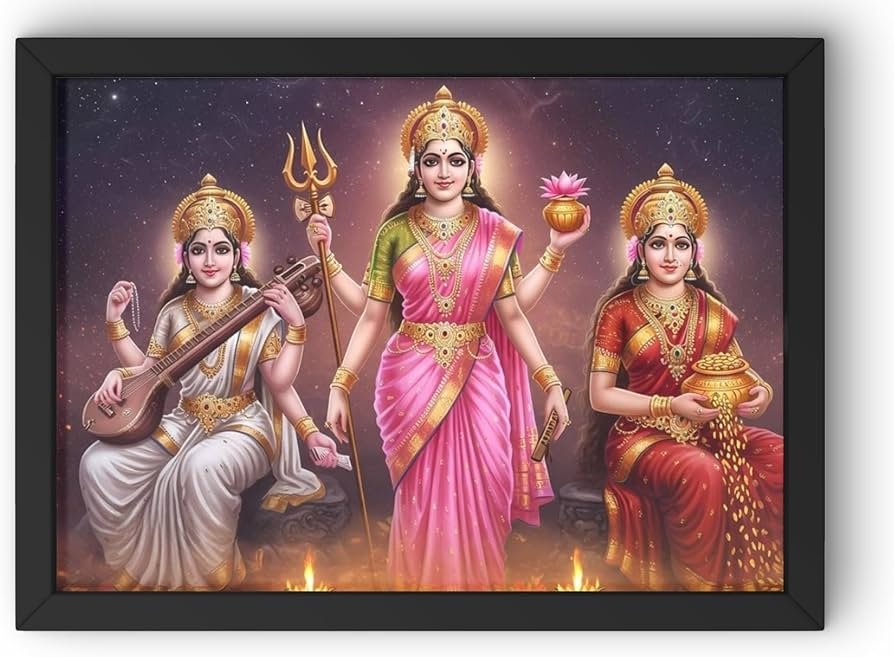
    Indian culture has always regarded women as symbols of love, wisdom, prosperity, and strength. Women are worshipped in the form of goddesses such as:

    lakshmi
    • Goddess Lakshmi – The Goddess of Wealth and Prosperity.
    • Goddess Saraswati – The Goddess of Knowledge and Learning.
    • Goddess Durga – The Goddess of Strength and Courage

    These divine forms represent the qualities that every woman possesses. Respecting women has always been considered one of the highest values in Indian civilization.

    The Role of Women as Mothers

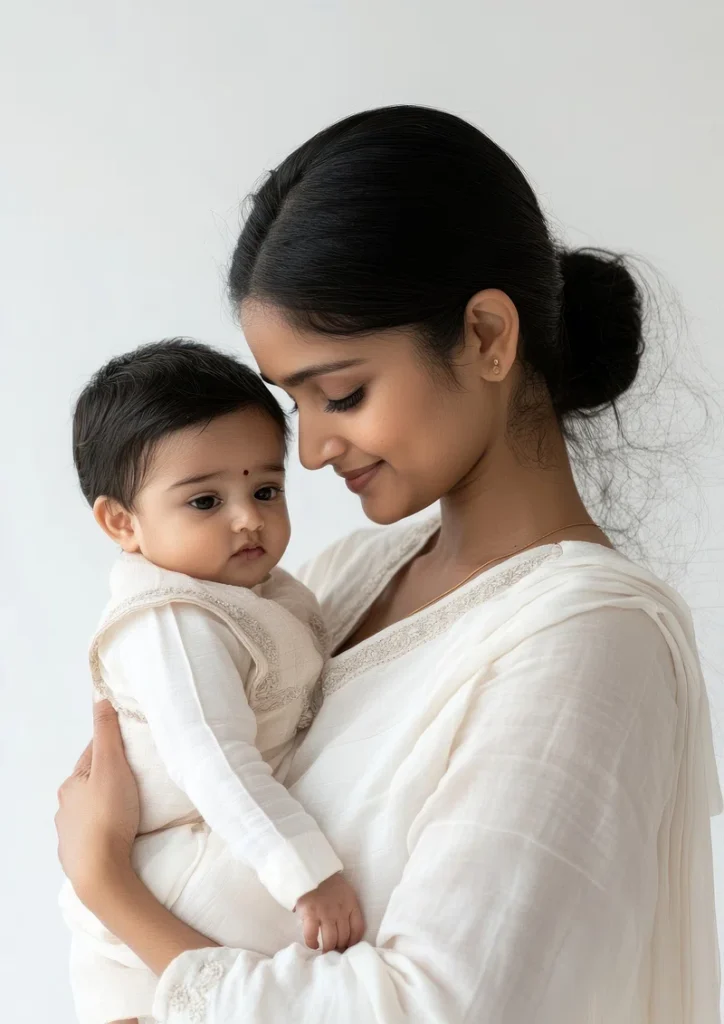
    talli

    A mother is often called the first teacher in a child’s life. She nurtures, guides, and shapes the future of her children with love and patience.

    From teaching a child to speak and walk to instilling moral values and discipline, a mother’s influence is unmatched. She sacrifices her comfort and happiness to ensure the well-being of her family.

    That is why Indian culture teaches the principle of “Matru Devo Bhava,” meaning “Mother is equal to God.”

    Women as the Foundation of the

    study

    Women play a vital role in maintaining harmony within the family. Whether as daughters, sisters, wives, or mothers, they bring love, care, and stability to every household.

    A woman manages responsibilities with dedication while balancing both personal and professional life. Her ability to care for every family member makes her the emotional backbone of the home.

    Strong families create strong societies, and women are at the center of this strength.

    Women and stydy in

    nice

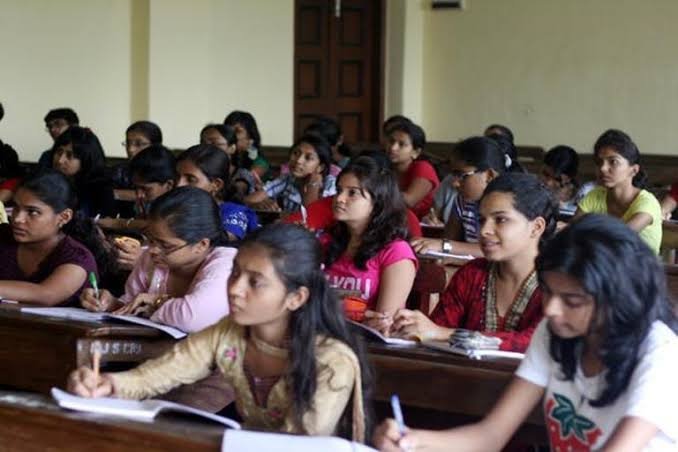
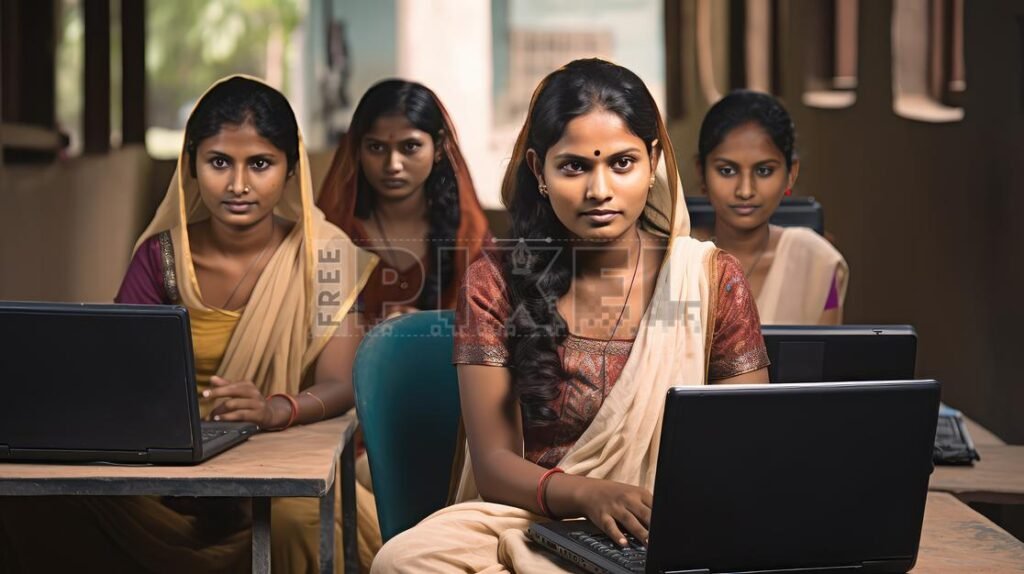
    Education has transformed the lives of millions of women in India. Today, women excel in schools, colleges, and universities across the country.

    Educated women contribute to:

    • Better family health
    • Improved financial stability
    • Children’s education
    • Social development
    • National progress

    When a woman receives education, an entire generation benefits from her knowledge.

    Women in Science and Technology

    doctor

    Indian women have made remarkable achievements in science and technology.

    Many women work as:

    • Scientists
    • Engineers
    • Researchers
    • Doctors
    • Software Professionals
    • Space Scientists

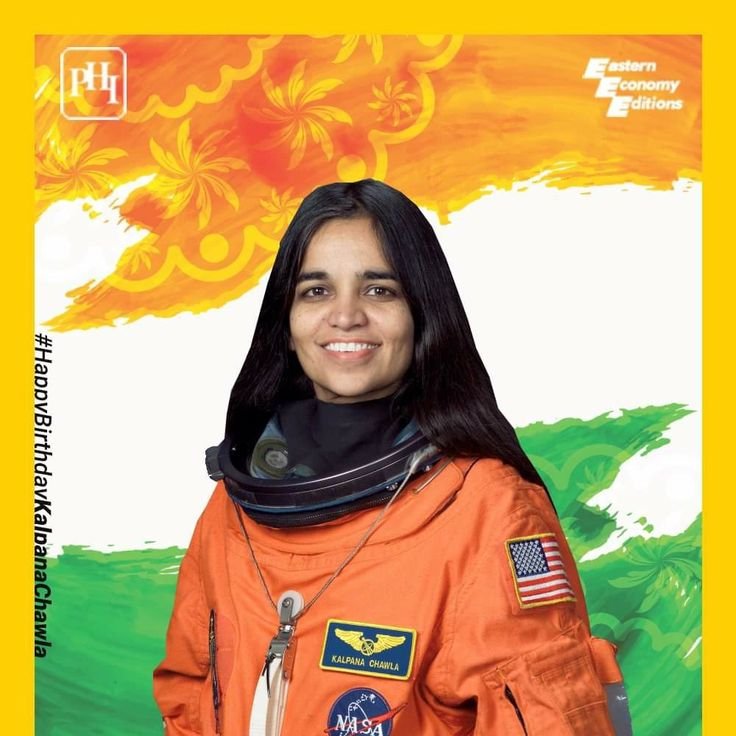
    One of the greatest inspirations is Kalpana Chawla, the first woman of Indian origin to travel into space. Her journey continues to inspire millions of young girls.

    Today, Indian women contribute significantly to organizations such as ISRO, DRDO, and various research institutions.

    Women in Politics and Leadership

    women leader

    Women have demonstrated exceptional leadership throughout Indian history.

    Some inspiring leaders include:

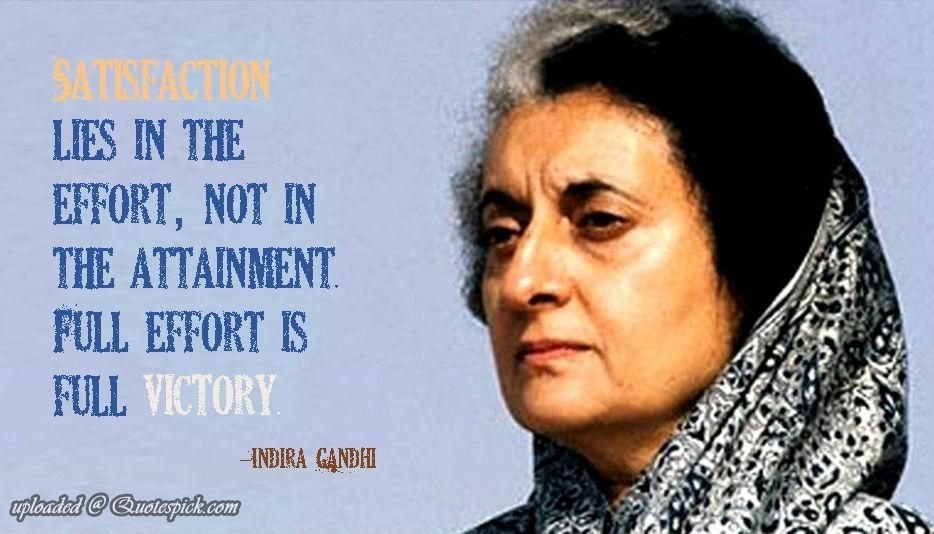
    Indira Gandhi

    indira

    India’s first woman Prime Minister, known for her strong leadership and determination.

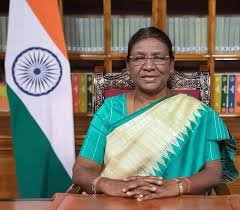
    Droupadi Murmu

    murmu

    The President of India and an inspiration for millions through her dedication to public service.

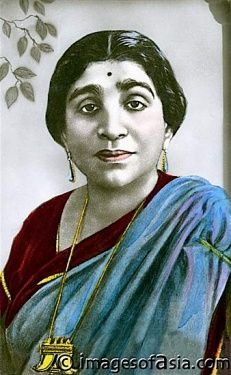
    Sarojini Naidu

    sarijini naidu

    Known as the “Nightingale of India,” she played a major role in India’s freedom movement and women’s empowerment.

    Their leadership proves that women can successfully lead a nation and bring positive change.

    Women in Sports

    Indian women have brought immense pride to the nation through sports.

    Some outstanding athletes include:

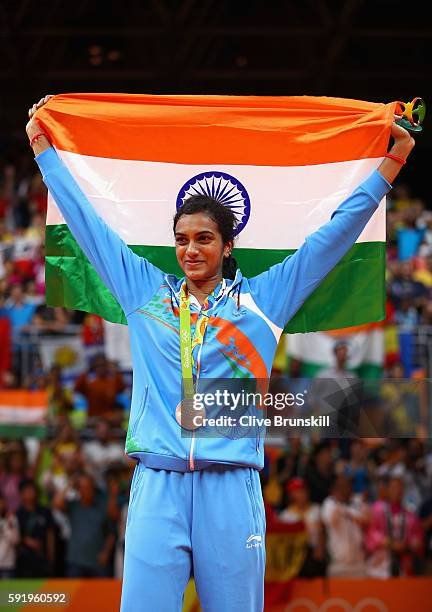
    • P. V. Sindhu – Olympic Medalist in Badminton
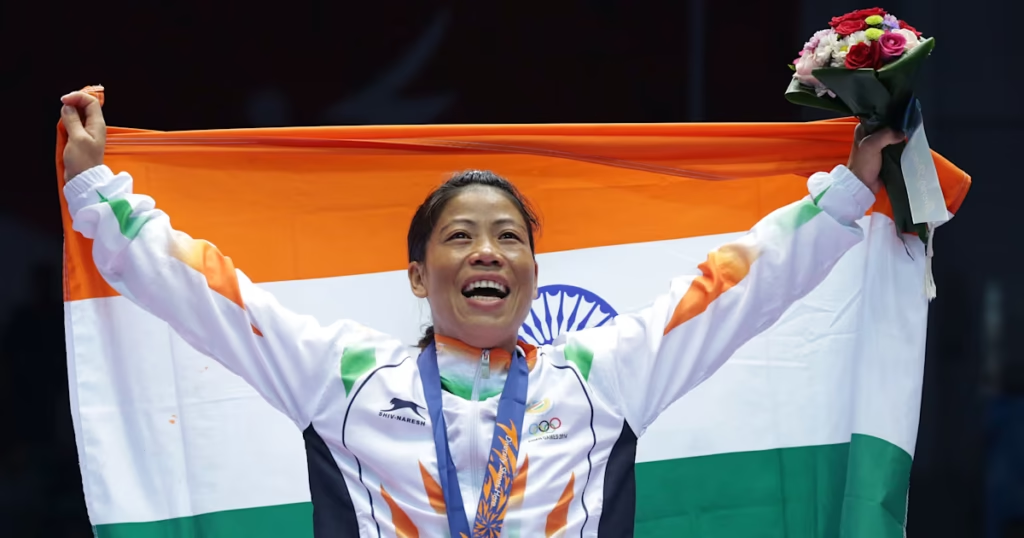
    • Mary Kom – World Boxing Champion
    • Saina Nehwal – International Badminton Star
    • Mirabai Chanu – Olympic Weightlifting Medalist
    • Sakshi Malik – Olympic Wrestler

    Their achievements have inspired countless young athletes across India

    kalpana
    mary cum
    pv sindu

    Women in Business and Entrepreneurship

    Today, women are becoming successful entrepreneurs and business leaders.

    They establish startups, manage multinational companies, and create employment opportunities for thousands of people.

    Women entrepreneurs contribute significantly to India’s growing economy by introducing innovation, leadership, and creativity.

    Women’s Contribution to Society

    women contribute to society in countless ways.

    They work as:

    • Teachers
    • Doctors
    • Nurses
    • Police Officers
    • Judges
    • Social Workers
    • Engineers
    • Pilots
    • Farmers
    • Entrepreneurs

    Their dedication improves education, healthcare, justice, and economic development

    murmu

    The Spirit of Sacrifice

    One of the greatest qualities of women is their willingness to sacrifice for the happiness of others.

    Women often prioritize:

    • Their family’s well-being
    • Their children’s education
    • Their parents’ care
    • Their community’s welfare

    Despite facing challenges, they continue to work with determination and compassion.

    Their sacrifices often go unnoticed, yet they remain the foundation of strong families and communities

    Women’s Empowerment

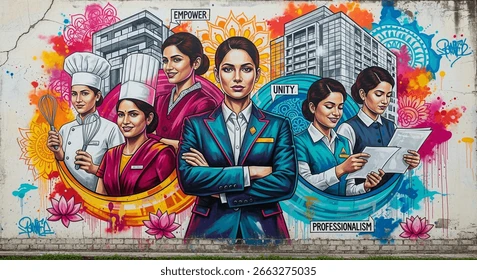
    Women’s empowerment means providing equal opportunities in:

    • Education
    • Employment
    • Leadership
    • Healthcare
    • Financial Independence
    • Safety and Security

    Empowered women become confident decision-makers who contribute positively to society.

    Governments, educational institutions, and communities must continue supporting women’s empowerment for a brighter future

    Challenges Faced by Women

    chalenge

    Although Indian women have achieved tremendous success, they still face several challenges, including:

    • Gender discrimination
    • Unequal opportunities
    • Workplace inequality
    • Safety concerns
    • Limited access to education in some areas

    Addressing these issues requires collective efforts from society, government, and individuals

    Respecting Women

    two professional women shaking hands to confirm a business partnership.
    Two professional women shaking hands to confirm a business partnership.

    Respecting women should not be limited to one special day.

    Every individual should:

    • Treat women with dignity.
    • Encourage girls’ education.
    • Support equal opportunities.
    • Speak against discrimination.
    • Promote gender equality.
    • Create safe environments for women.

    The Future of Indian Women

    The future of India depends greatly on the progress of its women.

    As more women receive education and opportunities, they continue to excel in every field—from technology and medicine to politics, sports, business, and entrepreneurship.

    An empowered woman creates an empowered family, which ultimately leads to a stronger and more prosperous nation

    lady feature

    Conclusion

    Women are the heart of every family and the backbone of every nation. Their love, strength, intelligence, compassion, and resilience make them one of the greatest forces in society.

    India’s progress is closely connected with the progress of its women. By respecting, educating, and empowering women, we build a stronger, more inclusive, and prosperous nation.

    Let us honor the invaluable contributions of women and ensure that every girl and woman has the opportunity to achieve her dreams.

    “When a woman rises, a family rises. When families rise, society prospers. And when society prospers, the nation becomes stronger.”

    namaste

    thanks for u all readers

  • WHO WAS ASHOKA, AND WHAT IS HIS PLACE IN INDIA

    WHO WAS ASHOKA, AND WHAT IS HIS PLACE IN INDIA

      Ashoka is a symbol of peace and righteousness                           in Indian history. 

     Ashoka The Great" Images – Browse 34 Stock Photos, Vectors ...                            

    Many kings have ruled India throughout its history, but there is no doubt that Ashoka stands out as one of the greatest emperors among them. He was not merely a ruler of the Mauryan Empire; he is also recognized globally for championing and practicing the principles of peace, non-violence, and righteousness. Although his life began with military conquests—during which he annexed numerous kingdoms—he ultimately gifted the world a message of peace; it is for this reason that he is known as “Ashoka the Great.”


     Ashoka was born around 304 BC. His father was Bindusara, and his grandfather was Chandragupta Maurya; Bindusara had further expanded the Mauryan Empire established by Chandragupta. From a young age, Ashoka was brave and intelligent, and he acquired great proficiency in the art of warfare. After Bindusara’s death, a struggle for power arose among the princes. Overcoming numerous challenges, Ashoka emerged victorious and was crowned Emperor of the Mauryan Empire in 268 BC.
     

                         An incident that changed Ashoka’s life

     The Kalinga War was the most significant turning point in Ashoka’s life. Indeed, hundreds of thousands of people perished in this war, and thousands more were wounded. Countless families were left destitute, and many lives were ruined. Witnessing the immense destruction and devastation firsthand, Ashoka was deeply pained and filled with profound remorse. Vowing never to wage war again, he dedicated himself to ruling for the welfare of his people.
     
    Kalinga war was own bye Kalinga dynasty
     After the Kalinga War, Ashoka abandoned the path of warfare and embraced Buddhism. He was deeply influenced by the teachings of Gautama Buddha and subsequently dedicated his life to principles such as Dharma, non-violence, kindness, compassion, and equality. He also implemented measures to ensure that the people of his empire lived in peace.
     
    What does Nahum 3:3 mean?
      
     Ashoka taught the people some important values: 1. Practice non-violence. 2. Love one’s parents. 3. Respect teachers. 4. Treat all religions equally. 5. Help the poor. 6. Show compassion towards animals. 7. Live honestly.
     the Birth anniversary of "The Great Ashoka..."( Bodhisatva king) who had played a pioneer role in spreading Buddhism across the world ##& was also the founder of MahaBodhi Maha Vihara...He will be
     Ashoka undertook numerous welfare measures for the people. He constructed roads across the country, planted trees for travelers, dug wells, and built hospitals. He provided care for both humans and animals and appointed officials to address the people’s grievances. Ashoka had his teachings on *Dhamma* inscribed on rock edicts and pillars.
     
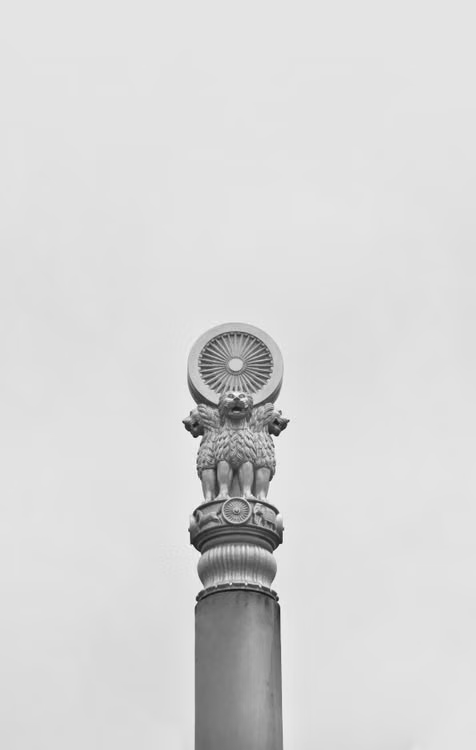
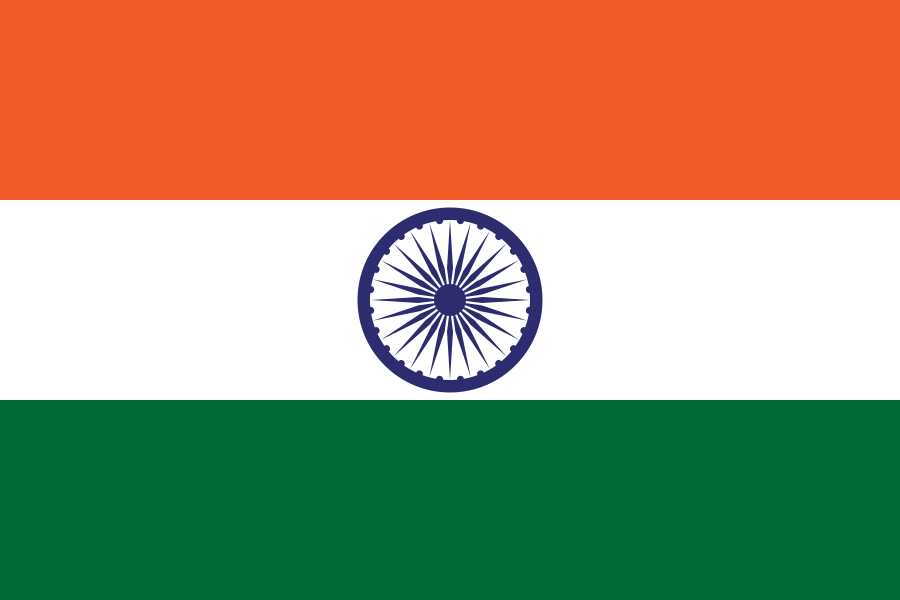
     The Lion Capital of Sarnath is the most significant among the pillars erected by Ashoka; the four lions atop this pillar serve as India’s national emblem today. The blue-colored wheel with 24 spokes, located in the center of the Indian national flag, is known as the Ashoka Chakra; it symbolizes righteousness, justice, discipline, and continuous progress. Ashoka propagated Buddhism not only within India but also to countries such as Sri Lanka, Nepal, Myanmar, and Thailand. He sent his son, Mahendra, and daughter, Sanghamitra, to Sri Lanka to spread the Buddhist faith. Ashoka placed great importance on the welfare of his people, promoted peace and non-violence, and advocated the message that all religions are essentially the same. He transformed India into a magnificent empire on the global stage.
     
     
     Ashoka Chakra" Images – Browse 28,228 Stock Photos, Vectors ...716 Ashoka Chakra Stock Photos - Free & Royalty-Free Stock ...Ashoka chakra Images - Free Download on Magnific (formerly ...

     Ashoka passed away in 232 BC. Even after his death, the values ​​he propagated—such as peace, righteousness, and non-violence—remain ideals for the world today. He was a great emperor in Indian history whose legacy is unforgettable. Ashoka was a visionary leader who chose the path of peace after realizing that war yields nothing but the loss of life and destruction. That is why he is remembered in history as the “Emperor of Peace.”
     
                                                                 700+ Free Ashoka Chakra & Chakra Images - Pixabay
     
     
  • 1947 to 2026 india prime ministers list

    1947 to 2026 india prime ministers list

     India is one of the great nations of the world; after gaining independence, it formulated a Constitution and began governing its people in accordance with it. 

    Flag of India - Wikipedia

       prime ministers of india there names and photos

     1–Jawaharlal Nehru —   Nehru served as India’s first Prime Minister from 1947 to 1964 and laid the initial foundation for the country’s progress.

     Jawaharlal Nehru PNG Transparent Images Free Download ...

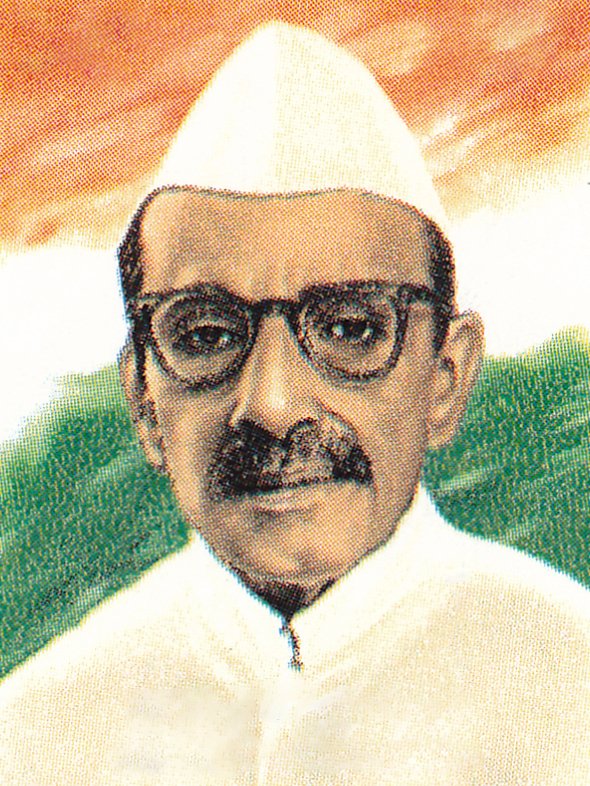
     2–Gulzarilal Nanda (temparary) After Nehru’s death in 1964, Nanda was appointed as the interim Prime Minister.


    File:Gulzarilal Nanda stamp (cropped).jpg - Wikimedia Commons 


     3– Lal Bahadur ShastriLal Bahadur Shastri, elected as the third Prime Minister of India, served in office from 1964 to 1966. During this two-year period, he effectively popularized the new slogan “Jai Jawan, Jai Kisan” among the people.


     13 Best Lal Bahadur Shastri Hd Images Wallpaper Pictures ...

    4–GULZARILAL NANDA( temperary)–After Shastri, he was appointed as the interim Prime Minister for the second time in 1966.


    File:Gulzarilal Nanda stamp (cropped).jpg - Wikimedia Commons


    5– Indira Gandhi In the history of India, a woman served as Prime Minister for eleven consecutive years—from 1966 to 1977—demonstrating indomitable fighting spirit; her own life stands as a testament to how women are honored in this country.


    indira gandhi HD photos By Bhushan66


    6–Morarji DesaiMorarji Desai was the first Prime Minister elected from the party that emerged during Indira Gandhi’s rule; he held that office from 1977 to 1979.


     Morarji Desai | Indian Politician, Prime Minister, Janata ...


    7–Charan SinghHe held office from 1979 to 1980 and is widely known as a farmer leader who served for a brief period.


     President Droupadi Murmu conferred Bharat Ratna upon former ...


    8–Indira Gandhi–  Perhaps it is only in India that a woman can return to office for a second term; Indira Gandhi served another term from 1980 to 1984. Many people affectionately call her the “Lioness.”


     indira gandhi HD photos By Bhushan66


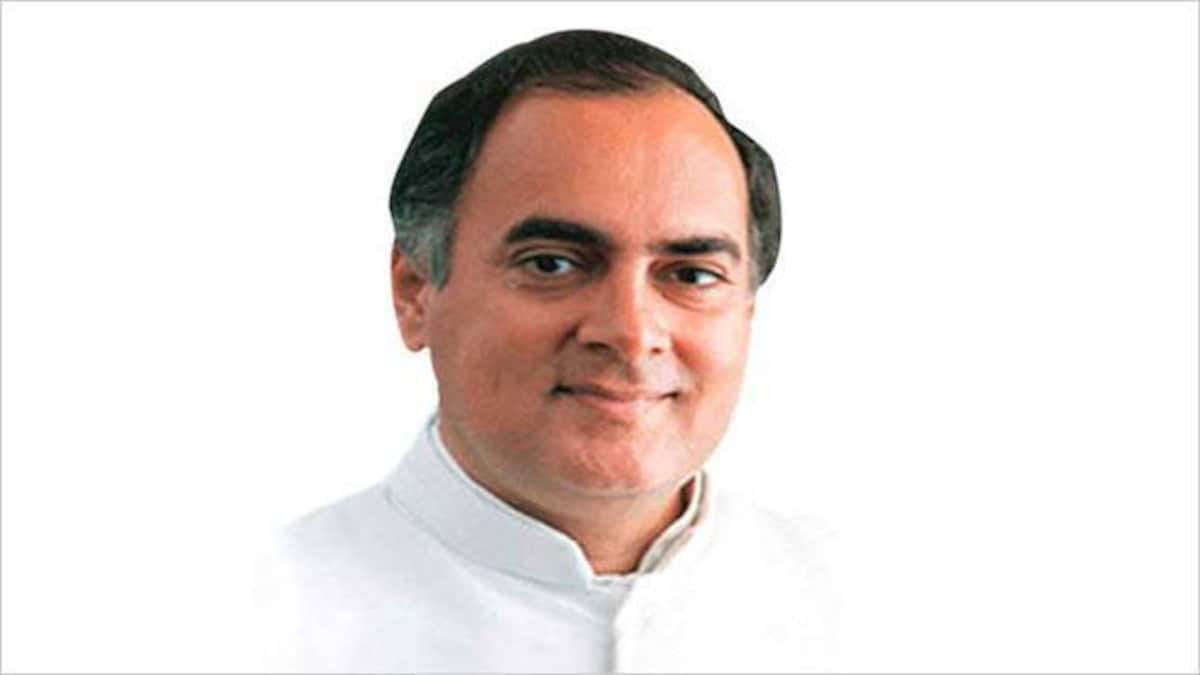
    9–Rajiv Gandhi– Indira Gandi Her son, Rajiv Gandhi, served his term from 1984 to 1989. During his tenure, he placed great emphasis on the computer and telecommunications sectors and made them accessible to the public. 

     Remembering Rajiv Gandhi: What exactly happened on that ...


    10–V.P..Singh– He served from 1989 to 1990; during his tenure, he worked earnestly towards the establishment of the mandal Commission in the country.

     V. P. Singh was meant to be a dreamer, a poet, an artist; It ...


    11–Chandra Shekhar– He served for a brief period from 1990 to 1991 and contributed his efforts towards advancing India’s national policies.

     Chandra Shekhar (@chandrashekharprimeminister) - Photos ...


    12–P.V. Narasimharao–Narasimha Rao served his term from 1991 to 1996. He attached great importance to sectors such as the Army, Navy, and Air Force. There is no doubt that the economic reforms were initiated by him.

     Our tribute to Former Prime Minister, P. V. Narasimha Rao on ...

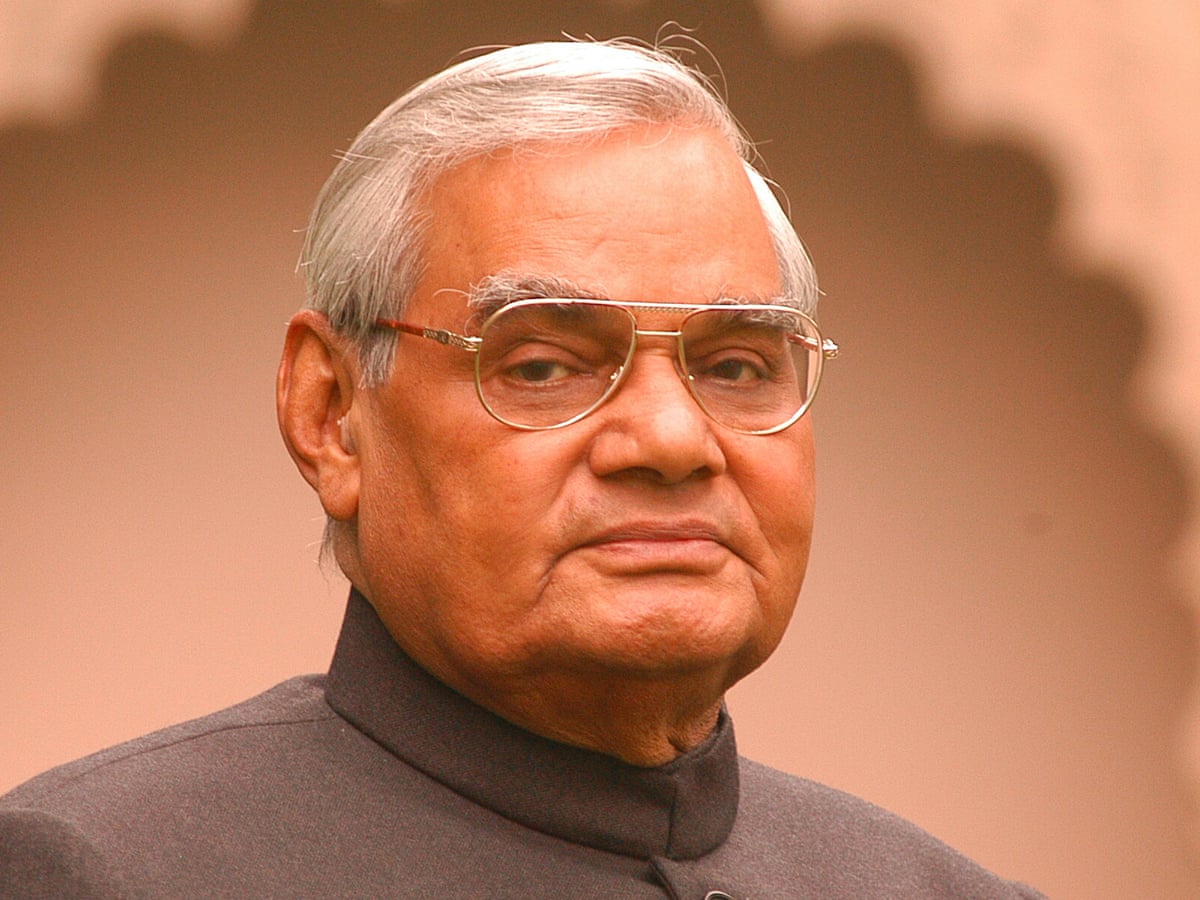
    13-atal Bihari Vajpayee- He served as Prime Minister for only 13 days

     Atal Bihari Vajpayee obituary | India | The Guardian


    .

    14–H.D..Deve Gowda– He served in office from 1996 to 1997 and led the United Front government.

     H. D. Deve Gowda - Wikipedia


    15–l.k Gujral– He was in office for only one year, from 1997 to 1998. He is widely known for the ‘Gujral Doctrine’.

     Inder Kumar Gujral - Wikipedia


    16–Atal Bihari Vajpayee– Vajpayee served as Prime Minister for a second term, holding office from 1998 to 2004. His efforts in securing global recognition for the nation were truly remarkable. Initiatives such as the Pokhran nuclear tests, the Golden Quadrilateral project, and advancements in rocket technology—along with measures to ensure food security—played a pivotal role in elevating India’s stature.

     Atal Bihari Vajpayee obituary | India | The Guardian


    17–Manmohan Singh — Mr. Singh served as Prime Minister from 2004 to 2014. He formulated and implemented schemes focused on areas such as revenue reforms and housing facilities for the poor in India.Manmohan Singh: Prime Minister of India - Detailed History ...


    18–Narendra Modi —  It is solely due to Mr. Modi that India has gained global recognition and that other nations are eager to forge friendships with it. There is no doubt that, having held office continuously from 2014 to the present (July 21, 2026), he has positioned India to compete with the rest of the world across all sectors.

     Samriddhi Narendra Modi Prime Minister wall paper poster for ...


  • how  to  earn  money  in  online

    how to earn money in online

     Making money online is a must in today’s world. There are many people who want to earn money in their free time as their salary is enough. It depends on their skills.

     How many ways can you make money online?

     1.YouTube —- You can earn money in many ways on YouTube. You can earn by making videos. The videos can be anything, driving, swimming, how you do business, how you cook. You can earn money by uploading videos in many ways. Do you want to know how to earn money through videos? Ads are displayed, they ask you to do any sponsorship, and you get money through that. You can earn money by sharing affiliate links.

    2.Online teaching—- If you are very knowledgeable about a subject, you can earn money by teaching it online through videos. It can be education, medicine, storytelling, you can also earn money online in this way.

    3.Online Selling—-You can sell your own handmade items online. You can make money by selling clothes, jewelry, plastic, and any other materials online. You can sell your handmade items on Amazon and Meesho.

    4.Content Creation—-Content creation is the most powerful thing. There is no need to explain why social media is so popular these days. You can make money by promoting brands and businesses by making reels in many ways on Instagram, Facebook, and TikTok.

    5.BloggingWebsite—-You can create a blog on your own website or on another website and earn money by posting posts on that blog. Ads are played by posting posts on the blog. You can earn money through that. You can earn money through Google Ad Sense, affiliate marketing, and programming.

     6. Freelancing—- You can earn money by working for clients with your skills. You can earn money through data entry, graphic designing, content writing, video editing, web development, etc.

  • Can a worker become an emperor one day? Is this possible?

    Can a worker become an emperor one day? Is this possible?

     Can a daily wage laborer rule a kingdom like an emperor for a day? Did the emperor carry the palanquin of that laborer on his shoulders? Is this really possible? Yes, it really happened. This happened in India.

     India is a land of wonders, customs, and mysteries that even science cannot fathom. Many kings, feudal kings, emperors, and great kings have ruled over many kingdoms in India. Many kings have remained in the hearts of the people forever. Today, let us learn about a great man who has remained in the hearts of the people forever.


    To know who that emperor is and who that servant is, we have to go back about 500 years. Why is it that the time when kings, emperors, and emperors ruled was different. The king who ruled Hampi also ruled a kingdom called Penukonda. The king used to use Penukonda, the capital of Hampi, as his tourist destination and a place to relax. Penukonda was 120 miles away from Hampi. It was not an ordinary thing for a king to go out. He had a large army and many people with him. When the king went out, he would have a servant who would hold an umbrella next to him so that the sun would not fall. That umbrella was also very beautiful with white cloth. That was also a courtesy for that king. That white umbrella was only for the king.
     The king went to Penukonda for some time to find peace. The king, who was completely immersed in his work, forgot what day it was. In the past, kings would worship their favorite gods on certain occasions like their birthdays or on important days. That was their custom and their belief. Similarly, this king had a habit of worshiping the Virupaksha temple on the day of Bahula Trayodashi, which he believed in with great faith. The king, who was completely absorbed in his work, forgot about that. At noon, he remembered that that day was Bahula Trayodashi. The distance from Penukonda to Hampi is 120 miles. If you go through the tunnel, it is 86 kilometers. Not everyone can enter through the tunnel. Thinking that time would pass, the king chose the tunnel route and asked for a good horse to be prepared for his journey. So much was prepared. When the king was leaving, an umbrella was brought to the king. The servant said, “It is not right for you to go like this, it will be a disgrace to your honor, I admit it, and I will definitely come with you,” and bowed and pleaded.
     Under the right circumstances, the king agreed and said that even though I am going to Hampi, it is not possible for you to walk that far holding an umbrella. But the umbrella holder did not agree. The king said okay. This is the beginning of the journey. The horse picked up speed. The horse holder also picked up his speed. The sun did not fall on the king and did not stop his run anywhere in between. The umbrella holder was running at the same speed as the horse. The horse’s footsteps were at the same time as his. Sweat was pouring out, his heartbeat was louder than the sound of the horse’s footsteps. But the umbrella holder continued his journey along with the horse without slowing down at all. When they reached Hampi, the horse and the umbrella holder stopped at the same time in front of the Virupaksha temple.


     The king quickly went into the temple, worshipped Goddess Virupaksha and received her blessings. The king who came out in a hurry wondered how he was so tired after coming on a horse, and how was the one who came running behind me? When the king came out, he saw the umbrella holder lying down. Immediately the king called his court physician and treated him. The umbrella holder who quickly regained consciousness immediately got up and held the umbrella. The king, who was surprised by his duty, was very impressed and asked him to ask for anything he wanted. The king himself asked him, “Tell me what your wish is.” The servant was very happy. Then everyone was surprised to see the wish that the servant had asked. He asked what the umbrella holder wanted, that one day I would sit on a lion like you and do charity. The king was very happy and did not ask for you. He said, “You asked for a throne for the sake of charity to the people, and I liked that about you very much.” He said, “I am declaring you king from tomorrow morning until the next morning.”
     
     The king, who had bathed the umbrella holder in spices and carried the palanquin to the ceremony of swearing-in, carried the palanquin on his lap and crowned him. That was the greatness of that king. That king’s name was Krishna Devaraya


     Even after ascending the throne, the ruler of the umbrella competed with the rising sun and performed alms to the people. He would give a letter to the people with the king’s identity and seal it with his own seal. He continued to perform many alms and alms in this way until the next morning. The next day, when the time was up, the ruler of the umbrella got down from the throne, bowed to the king and returned to grab the umbrella. The king who stopped him said, “You, the king, did not expect a single penny of your own and only served the people, so that the people would never forget you.” He named a village in his kingdom Godugupaludu Puram. Over time, it came to be called Gopalapuram. Do you know the name of that ruler of the umbrella, Bhuma Naidu?


  • What should a man do to fully enjoy sex?

    What should a man do to fully enjoy sex?

     Sex is an essential part of every person’s life, whether it’s a girl or a boy. But what’s the reason for not enjoying it to the fullest?

      What is real sex?—-   here is no doubt that every human being is the reason for his birth to his mother and father. Likewise, it is said that the union of the two is the reflection of their love, their children. The mother is a woman. The father is a man. This is true. And after they reach a certain age, due to the changes that occur in their bodies and the chromosomes that are made in their cells according to their age, it is necessary for them to want a companion for themselves and their bodies. A woman is a man for a woman, and a man is a woman for a man. In this way, they understand each other’s desires and enjoy their way of life. This is necessary for their age, mind, and the progress of their lineage.

    real wife husbend romance mood +


     Why men can’t fully enjoy sex —– In India, people used to get married when they were 15 or 16 years old. They used to grow up in their youth. They were very strong and worked hard, so their bodies were strong and nutritious. They did not have any bad habits. The food they ate was also clean. They did not have any bad thoughts or tensions during that day. That is why they used to show their full potential in sex. You may not believe it, but many people say that many beds would break during their sex time. You can understand this.

     Times have changed, days have changed. The food we eat and the water we drink have changed. The physical exertion of a man has decreased. Bad habits, constant tension, and many sorrows. From the day a man becomes addicted to the word money, his lifestyle has changed. It is true that a man thinks less and less about his sex life. After marriage, he struggles constantly for his family, suffers a lot, and runs around for money. In a society where he says that his sex life has changed from once a month to once or twice a month.

     What should a man do and eat to fully enjoy sex?

     1- Physical health- You should exercise regularly. You should get enough sleep. You should eat a good diet. You should not smoke or drink alcohol.

     2-What to do if you have sexual problems If you have any problems like erectile dysfunction or premature ejaculation, consult your doctor.

     3-Emotional attachment Sex is not just about physical pleasure. It is also about emotions. Love is trust, love between two people and understanding each other’s desires.

     4-Communication with partner No one can enjoy sex like they do. It is the woman who gives a man pleasure in sex. When he wants to have sex with her, her consent and whether she wants sex are important. Only if she wants sex can a man enjoy sex. Sex with a woman who does not want it is like a burnt corpse.

     5-One with anotherWhenever possible, try to have sex with both of you next to each other. If you are in the same room and you are in the same room, the physical connection between you will decrease. Bringing her closer to you in a way that she likes without any discomfort will gently put her in a romantic mood. Then your sex life will be very happy and exciting.


  • Some films that changed the way people of India think

    Some films that changed the way people of India think

     India is unity in diversity. Diversity in unity. Many different races, many different religions and many different castes. India is the sum of all these. There is no doubt in saying that there are no other castes, religions and races like the ones in India.

      Since India gained independence, their way of life has been based on their religions, castes, races, and customs. They do not know the rules and regulations made by a government. The reason is that education is less. Only now is education being given priority in India. 90 percent of the people are ahead in education. Along with studies, the people of India are ahead in games, songs, and entertainment.


    In India, with the increasing importance of everything, attention was paid to what is governance, what is government, why are rules, and what are their uses. Over time, people have changed so much that due to the selfishness of some people and the wrong policies of some people, people sometimes forget the method of communication in their anger and the beasts within them come out. It is a well-rounded education for political leaders to bring out any beasts with words. There is no doubt about this. This is just a form of chauvinism.


    In India, politicians used to use false words and false propaganda to incite the people and achieve success in their work. In the riots and violence that took place in the first place, the people showed their true colors on buses. They threw stones at government buses and broke their windows. They poured kerosene and petrol on them and set them on fire. In other ways, they burned thousands of buses and caused damage to the government.

    That one movie told the people what the value of government assets was.

    The policy that politicians are constantly doing in the name of protests and rallies, and their losses have been made clear in a movie. The name of that movie is Anna. In which movie, it is clearly stated that government assets are ours, that damage to them is ours, and that the government will recover the losses from the people. In which movie, a lot has changed among the people. Since then, attacks on government assets have stopped.


    What is the name of that movie and its details?

    Movie name – Anna

     Movie hero name-Rajasekhar

    Heroine’s name – Roja ,gouthami

    Director’s name – Mutyala Subbaiah

    Movie release date -1994

     Award received – Nandi Award

     https://youtu.be/CN0ziv_rKsA