Category: world information

all world information

  • 🇨🇭 Switzerland – The Beautiful Country of Mountains, Lakes and Amazing Innovation

    🇨🇭 Switzerland – The Beautiful Country of Mountains, Lakes and Amazing Innovation

    If you imagine a country with snow-covered mountains, crystal-clear lakes, green valleys, beautiful villages and highly developed cities, Switzerland is one of the first places that comes to mind.

    But Switzerland is much more than beautiful scenery.

    It is also famous for precision, watches, banking, chocolate, cheese, tourism and scientific research.

    In this World Information article, let’s discover what makes Switzerland so special.


    https://images.openai.com/static-rsc-4/UKTl6wq8BmVzVjCr-h-InHU40wkpxgDANMmOgI-77jBc_h_tHF5QNK8jELo1HzpcwLID-wvITjW57p5xZYPfBfsq7jlwrh24H2WJ0ugSxx7yI2AnEcBrLQX8RY4nC-sSwfPKgRmHDjTKgkX7rB5Ql_W2CRc_bhI42Dvmz9RN1KuZ9zRp_BCcTCCvLjnbKING?purpose=fullsize
    https://images.openai.com/static-rsc-4/yvPnP8fVyEjt6YumM5y9YMoHccyrMXIY6uI_c-TGpcytyNVE9zPZ3f_ZPGdkAtX5RLHFNU06SgWMB02PUaM4Y9z1qG3DD8Lu0dmzDKEkaCA3hC7R1PPR5FmAOYjooT8yXhcDdY5jHXnVeQTfGxX6PlB2Rx92bhA4xE3d_eDumpCNFy0AEZyDuJZOscLNkcaP?purpose=fullsize
    https://images.openai.com/static-rsc-4/oosh9RGDaRtnIM1LHGaBKnvmP6eiXUKNDUGEvwN5I60B_uNbLk0uX6aBQNek1nf3BnQvxSTq92PTsBTxFIbRd1965R3mdwvFKoMRXKbCkOJdhzNjrCnJ6zG3X8C8Ewf6yzinzZZdUOgxgVQwg-C8iG4AuxXa6nr2ySF5o3mTlcu2BjZNsygJlo7gegncMzEh?purpose=fullsize

    The Beauty of Switzerland

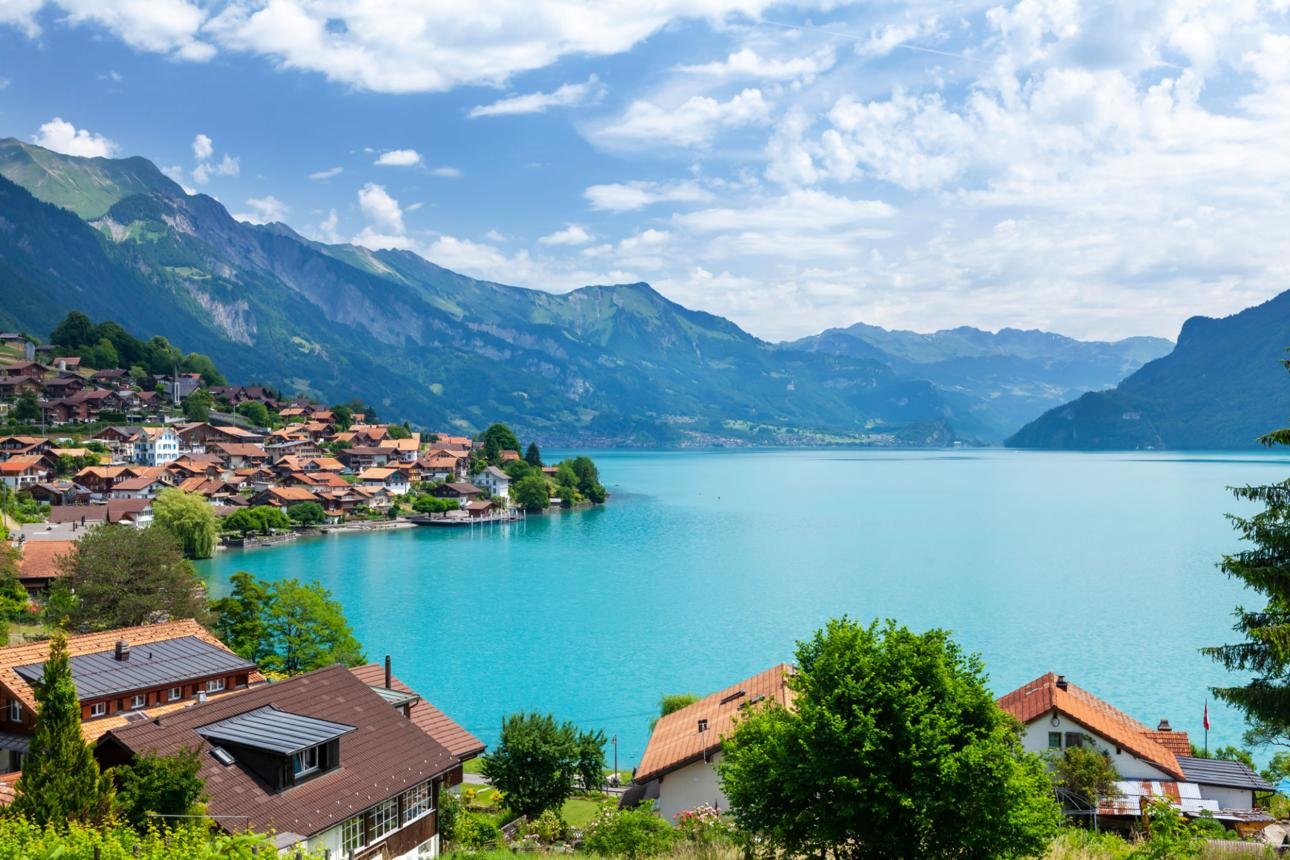
    Switzerland is famous for its dramatic mountains, peaceful lakes and beautiful villages.


    🌍 Where Is Switzerland?

    Switzerland is a landlocked country in Central Europe.

    It shares borders with several European countries, including:

    • 🇫🇷 France
    • 🇩🇪 Germany
    • 🇮🇹 Italy
    • 🇦🇹 Austria
    • 🇱🇮 Liechtenstein

    The capital city is Bern.

    Other famous cities include Zurich, Geneva, Lausanne and Lucerne.


    🏔️ The Swiss Alps

    The Swiss Alps are probably the most famous natural feature of Switzerland.

    The mountains attract visitors throughout the year.

    In winter, they become popular destinations for skiing and snow activities.

    During warmer months, travelers come for hiking, mountain railways and spectacular views.

    The Alps are not simply beautiful scenery — they are an important part of Swiss tourism and national identity.


    https://images.openai.com/static-rsc-4/VAVAQBTgTDpL8NG0SljkASxZeGrIUAe6KZ90AHpVGBtYacnNELSANWkWKFAcvwsczGjRxlIi_zxDJqNa8i2ktZMkY_pB1nXYHa-Puya4yMuqNjNMPS4odXhiLfeBwh_4HO-QLkJyFX6lFrgXp7mV8yz7iPa2tOkX7_ptFK-xWpVwJI7vnxitgu3bajNNO1K3?purpose=fullsize
    https://images.openai.com/static-rsc-4/_mA-1vGZDMaQcjlX3jZkdXZzKQgHd0lqcaBjfknMQGQNtgTfO2KnHoFXLGXwTRF1eLjHxiBiMQcangSDPbhEqepxlKTATHBcpUWKsS8eBjeaN3GCafblM9IXOTj2nJGcObWufstvsJaqrqol5pAUgxwKqEHc8Ju7fpA-50n23OpslMqNMaFv_A-vVWn_WrZ9?purpose=fullsize
    https://images.openai.com/static-rsc-4/OampNYCKKy2w5Q8X69LQsWOpl2aFQ7G33R8nbjGlysNki0SA_xoaLtIqI5yIAGvgfIC8ycSqQQ2_JdmTc3EGF9Qvib7x3Nx2ohMZZLSZ5k4AvAfp9bWXkvUFU4-6saM8umXzGxRepN3V_C61UsF7TEUgnIoalr6OkRDG6yPlVnHi7egm0T3cWdXwmepcrOO7?purpose=fullsize

    The Swiss Alps


    🏔️ The Matterhorn – A World-Famous Mountain

    The Matterhorn is one of Switzerland’s most recognizable mountains.

    Its distinctive pyramid-like shape has made it one of the world’s most photographed mountain peaks.

    The mountain is closely associated with Zermatt, a famous Swiss mountain resort.

    For photographers and travelers, seeing the Matterhorn is often one of the highlights of visiting Switzerland.


    🚂 Switzerland’s Amazing Mountain Railways

    One of the most interesting things about Switzerland is its railway system.

    Trains travel through mountains, valleys and tunnels while offering spectacular views.

    Some routes climb high into the Alps, allowing passengers to experience landscapes that would otherwise be difficult to reach.

    For tourists, a train journey in Switzerland can feel like a sightseeing trip rather than simply transportation.


    https://images.openai.com/static-rsc-4/Vj8xEIzz4Zq8mmHcYrisT0N88EpCqyoHT9fJLUG-tIk5fpXRTQSmjir83JfF5J8oFtfA7ecMaRNaryifkqXziyNQn2bADzMyB_zOdHBg7qQ86KVvc4D95vvWPuaKP4jymTY_qceBfLeA2ur3Yzk0Wk1GcOFWm_j3iZww7aRsShlzfOeBO9d1cNOQs2YHFFS8?purpose=fullsize
    https://images.openai.com/static-rsc-4/au63w4RWT0KRkCfeAKCyq0vrWl5Cjk6Yz-L-2KgZic1uPA-_dVdYii5nhUh-EIiAbUmOQA7681Dah8yIehd8pL2_pzJpdq4MOkGmiQfZ8hz-oYG_ZLK2zTuaiPhAT52-TQec7Bzot-gYJCoUN_K9U134WYWF1XLQCoOdcQpaCdbWX6ZK71dPPRiu26jmsVi4?purpose=fullsize
    https://images.openai.com/static-rsc-4/dFAgNswTg0yldnHYrrg2jS-RGx9Ff8zyAF7bmgYP1ugyT02BvHeQULhfMwiIceQki4QplhitRTjwawqJ3fwO1RpER6dMaLZXGSl9KtCuQwJG6QqGZ_-lUfndrdcw-8KWIp-Y-J-FJfHfvZbNYlEDMUhp7_vEz8w-54Raqi6jvmwzVDsu7Hvff_MDhnc-gTGm?purpose=fullsize

    Swiss Mountain Train


    🍫 Why Is Swiss Chocolate So Famous?

    Switzerland has a long association with chocolate.

    Swiss chocolate makers became known for developing refined techniques that helped establish the country’s international reputation for high-quality chocolate.

    Today, chocolate remains an important part of Swiss food culture.

    Walking through a Swiss city and finding chocolate shops is almost part of the travel experience.


    🧀 Swiss Cheese Has a Global Reputation

    Cheese is another important part of Swiss cuisine.

    Switzerland is associated with several varieties of cheese.

    One famous Swiss dish is fondue.

    Fondue traditionally involves melted cheese served with pieces of bread.

    It is especially popular during colder months and has become one of the foods most strongly associated with Switzerland.


    https://images.openai.com/static-rsc-4/caaNO0Qkq7wni7xWUo31B6u1PshH0JDl6HT8Kxs2iYuWzi3I_h1A14OZWtoi3s5snRSSqwTP9ya7X54Mp6XL7HcgJEOjYF7XnEldvoeHWotriS8jQwx9cJz4rNLvoXcOIvBXcKZAbg0ZN6LdoHdCLsPvvu8zqHBU4Y_rswPuqGqRbHu3OI8_puD1I60qjMUz?purpose=fullsize
    https://images.openai.com/static-rsc-4/3Qln8EPi2oW9ae69B4OZDDf3B5XDG6AUdWE29rrCispNc_uX4hpogjmj8O6-FWfKk4z8c1U1QJ8kEVwTtbvhn4NrsSFZa_pwsWnVoRWDc185-8X_x3wPCT7y_4k5VYGJRTHDuEf5px0l4zXEqVG8csRzKLB03cgaDy9Y-p6h0qk0L647GC1DmIU25amcd6pH?purpose=fullsize
    https://images.openai.com/static-rsc-4/hy2Zmiou1Fwo3LGDoq8DXn3wFCc2djx9qSQqQ58ITcprKoPwrgm6VzsMs3stKSm8oPH8kno7fS-P_hG0ZXjXBFk6RMIAfRvJ9FQmcXp-Q81RO1aGvPL73qw9Av0xMVT917dgxY4WtLUX9RdNR2Z8BKQcHziLNx6nSEHCwQwbucntIwyCCd3gKzFcK9zBmrJL?purpose=fullsize

    Swiss Chocolate, Cheese and Fondue


    ⌚ Switzerland and Luxury Watches

    Switzerland has one of the world’s strongest reputations for watchmaking.

    Swiss watchmakers are known for:

    • Precision
    • Craftsmanship
    • Engineering
    • Attention to detail
    • Traditional skills

    For many people around the world, the phrase “Swiss Made” is associated with quality and precision.

    The watch industry is an important part of Switzerland’s cultural and economic identity.


    🏦 Switzerland and Banking

    Switzerland has historically been famous for its banking and financial services sector.

    Cities such as Zurich and Geneva are important financial centers.

    The country’s reputation for stability and financial expertise helped make Swiss banking internationally well known.

    However, modern Swiss banking operates within international regulations and transparency requirements.


    🧪 Science and Innovation

    Switzerland is not only about tourism and luxury products.

    It is also a major center for science and research.

    The country has respected universities and research institutions.

    One of the world’s best-known scientific research organizations, CERN, is located near Geneva on the Swiss-French border.

    CERN is famous for particle physics research and the Large Hadron Collider.


    https://images.openai.com/static-rsc-4/qsyvTr-tHEGixHfR6Cs_u8aF_ZXf6-5aaen4kt4nzQXHwABkCmj9nJzIPP3CS3zF3UjZP7e3di7G5dTSkn6XwSrXuMOKaSyqTQpDELhjAgaNvMz6Tfgr4qGsKfWEUJ1lXrtTgNP8r2o5TCEATNtbDbQ0UCLW0yFUhspy3aVO58_cXSbxFSJCbTtD3VWGZPGo?purpose=fullsize
    https://images.openai.com/static-rsc-4/d0bERiX7qGRI6uNBqqb2vNCAxaBSQt6awvqbrHN5JvqFk4B0OkAbhboqiI5_VeiwPb76v2QRhsFdbL1p6JzUBnh77y72Jy4fcRBQwhIFX2BYmAZkMA6uZxQjoMOjzdLBSdtwxTm5UAuFQQVt7EaqDUiWg_m-7i7CckYYBlO2L52QVD8RScAzRqF9WB3kVLAQ?purpose=fullsize
    https://images.openai.com/static-rsc-4/GlPnctS_RH-0jzCezIY8It8_Mhjb0S7TPEZdCguHZpGTHoJ5SVD5UEB1rE__xUoSX-sIxPzZxR7B-6x5t2nTEDQqBMt1bgWhRF_GCCNVmA1HKzc9T9bwWyokuEbvAJWl2QBnGTslik9Dy2v7NYT-9f4NGfNLVxAOq1CGh34jgPDsExJz6F9Riowlb47knGxl?purpose=fullsize

    CERN Near Geneva


    🏞️ Switzerland’s Beautiful Lakes

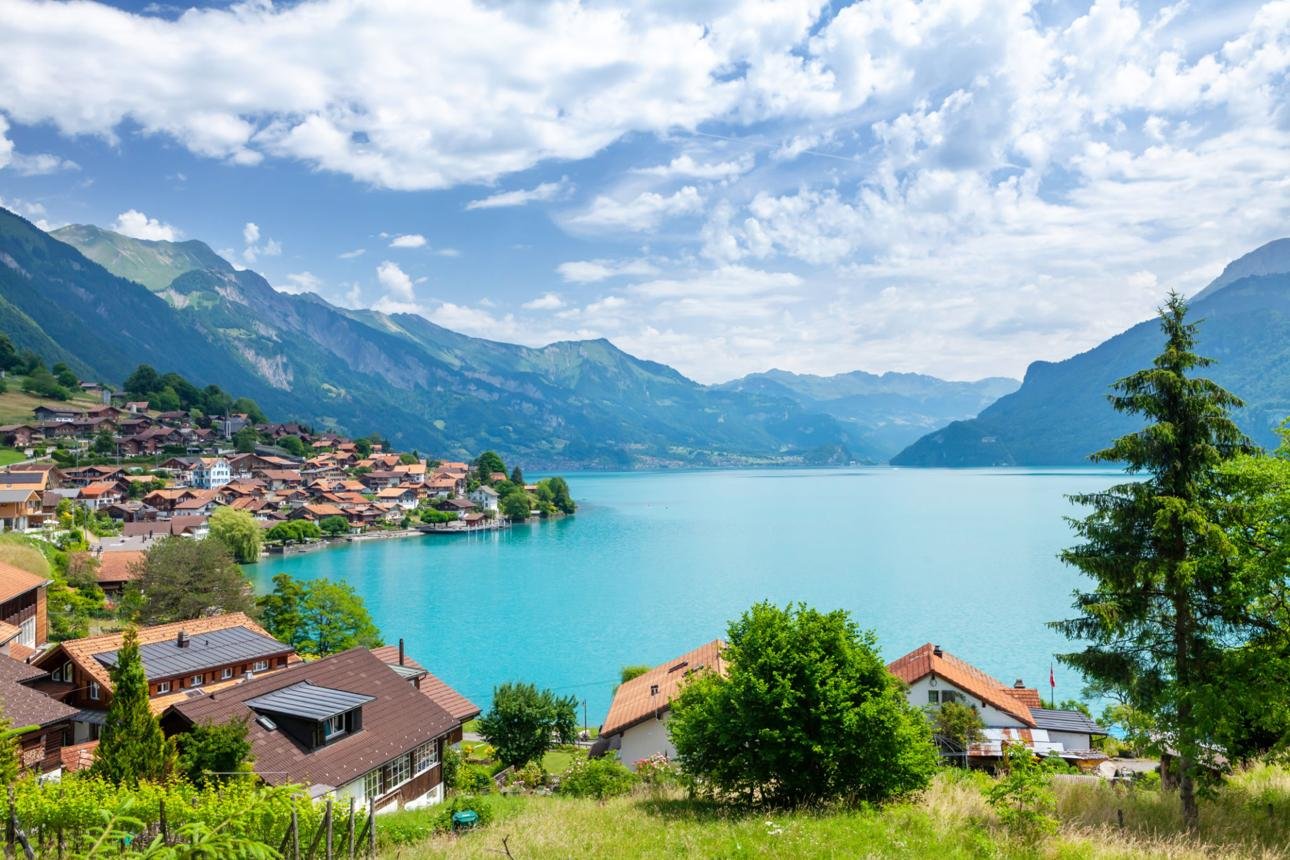
    Switzerland has many beautiful lakes.

    Some of the best-known include:

    • Lake Geneva
    • Lake Zurich
    • Lake Lucerne
    • Lake Thun
    • Lake Brienz

    Many cities and towns are located near lakes, creating beautiful combinations of water, mountains and architecture.


    🏘️ Picturesque Swiss Villages

    Switzerland is famous for its small mountain villages.

    Traditional houses, green meadows, wooden buildings and surrounding mountains create landscapes that look almost unreal.

    Places such as Grindelwald, Zermatt and Lauterbrunnen are particularly popular with travelers.


    https://images.openai.com/static-rsc-4/sbbnX5zhusfacmF2mgVl6rIXQj8cCLorCKnZbadMuIbY94iFZOIW4eJ7c2-q-jrmXCvwFB3_XPeoLACX2do9lqmwIpNOltskJRBgUnGoys73_iTSEyKzTMwDxS6kvJk8ZBPv8-feBn_FfaZRI_cqSACSLrUbsndkS8cQFVz4IVBrJAJVBg6fDQOaDz9AjHd9?purpose=fullsize
    https://images.openai.com/static-rsc-4/tIN5NWnyUv_AmIRep6ODQT6pZU3ogydsMr188vddpeo4-pUkLdiCaHX7QS62tor4H1lI1fUwKjQXKivtPZpNOXgXXY8luHrTcViS5m8yvZ5nOpnQuLAqvAgVZuqtP4oaa6Nj70hnODm0aybj8D8B6UQf5wHEO02a-LOBLX9SS_5Rpd8a8q-dHC8AWTUYHaWN?purpose=fullsize
    https://images.openai.com/static-rsc-4/pyq_akJQ6EcNkZGn7xbRNc_Dm_swcwS0MVV7I4atqlvRMl-FmSOs_zh1UNGWTggRoDp82IJfOUw4Acfxu0nhS1SL3v8_-iu9AD4Mi_RXyblTgTQkPEQQ3OnMspVmGdhoQC7n9daJdaHtg8Myu686h8UZStZIu2C8NtOavFM4lOE-VjOSWJfTB3-KYYaWzvHB?purpose=fullsize

    Swiss Mountain Villages


    ❄️ Switzerland in Winter

    Winter transforms parts of Switzerland into a snowy wonderland.

    Visitors come for:

    🎿 Skiing
    🏂 Snowboarding
    🚠 Cable cars
    ❄️ Snow-covered villages
    🏔️ Mountain views

    The Swiss Alps attract winter sports enthusiasts from around the world.


    ☀️ Switzerland in Summer

    Switzerland is not only a winter destination.

    Summer offers a completely different experience.

    The mountains become green, hiking trails open up and the lakes become especially attractive.

    Visitors can enjoy:

    🥾 Hiking
    🚲 Cycling
    🏞️ Mountain sightseeing
    🚂 Scenic train journeys
    🚤 Lake activities


    🏙️ Zurich – Switzerland’s Largest City

    Zurich is one of Switzerland’s most important cities.

    It is known for:

    • Finance
    • Business
    • Shopping
    • Culture
    • Universities
    • Transportation

    Despite being a modern city, Zurich also has a historic old town and sits beside beautiful Lake Zurich.


    https://images.openai.com/static-rsc-4/FiEYdFm0gK074PUGJaweyKs5kgnB6JOQ9SdXS4r18SST3T7RH1medF33YzT0_GzEdn0b84_WC5901vBXOn0rLszhbqK83YqySV5Aq75BzRtqeY2DfC7yQxbaM4TKaUVNeOwHNdaJ5fRuDBoj8pTE8h_-63fjBiSIKOX7qkSD8PQDGeSx2x1cIzJ7yz1zaiYW?purpose=fullsize
    https://images.openai.com/static-rsc-4/7xjN7HI1DW6C4v3fogHsRvMb8LyHk9s4YDbtPV_apwFOrAEByZ4bwfngbktC95v320A3JYT5T1s1o4KVuMTf2Mvr8UOGdbBIexxraQqUMUlZCoJefdl48mYL-2w9UCvgDyEmYPaC9Zn0qb9h4WGKwjjZFZhm7eulBd27uIRUhrV94vnAtuoUbTHTgS37MqME?purpose=fullsize
    https://images.openai.com/static-rsc-4/qX58qW8qd-Orojl0d__OEhfubMbluGwR3g1UIpWmTnN9mgmdyN805bEDRK3TMPKySz6mMeK0ZXrAP1pVU0VVdi70M2bQnWvlsYpv3uPAc2fAjCNXefzJ6jlbvHAG2dgofEP_NrypVe8nz0aqgQqvPJPWoTw6Oz2mkgb_OFe8koOhTAuZc5biMKHQ36ADXiAx?purpose=fullsize

    Zurich


    🏛️ Geneva – A City With Global Importance

    Geneva is another internationally important Swiss city.

    It is home to many international organizations and diplomatic institutions.

    The city is located beside Lake Geneva, with the Alps visible in the wider region.

    Geneva combines international diplomacy, finance, culture and beautiful landscapes.


    🗣️ Switzerland Has Four National Languages

    One particularly interesting fact about Switzerland is its linguistic diversity.

    The country has four national languages:

    🇩🇪 German
    🇫🇷 French
    🇮🇹 Italian
    🇷🇴 Romansh

    The languages spoken can vary considerably depending on the region.

    This makes Switzerland culturally diverse despite its relatively small size.


    🏛️ Switzerland’s Political System Is Different

    Switzerland is a federal republic with a strong tradition of direct democracy.

    Citizens can participate in national decision-making through referendums and initiatives.

    The country is divided into 26 cantons, which have significant responsibilities of their own.

    This federal structure is an important part of Swiss political life.


    🌱 A Strong Connection With Nature

    Switzerland places considerable importance on protecting its natural landscapes.

    Its mountains, lakes and forests are valuable not only for tourism but also for the country’s environment and quality of life.

    The combination of natural beauty and careful infrastructure is one of the things that makes Switzerland so attractive to visitors.


    💡 What Can We Learn From Switzerland?

    Switzerland offers several interesting lessons.

    1️⃣ Precision Matters

    Its watchmaking and engineering traditions show the value of careful work.

    2️⃣ Nature Can Support Tourism

    Mountains and lakes can become major tourism assets when managed responsibly.

    3️⃣ Different Cultures Can Coexist

    Four national languages exist within one country.

    4️⃣ Infrastructure Matters

    Railways and public transportation connect cities and mountain regions efficiently.

    5️⃣ Tradition Can Become a Global Brand

    Chocolate, cheese, watches and mountain tourism have all become strongly associated with Switzerland.


    🌟 10 Interesting Facts About Switzerland

    1. Switzerland is a landlocked country in Central Europe.

    2. Bern is the federal city and seat of the Swiss federal government.

    3. Switzerland has four national languages.

    4. The Swiss Alps cover a large part of the country’s landscape.

    5. The Matterhorn is one of Switzerland’s most famous mountains.

    6. Swiss chocolate has a worldwide reputation.

    7. Swiss watchmaking is famous for precision and craftsmanship.

    8. Switzerland is home to CERN near Geneva.

    9. The country has many beautiful lakes.

    10. Switzerland is famous for its scenic mountain railways.


    🌍 Why Should You Visit Switzerland?

    If you love nature, Switzerland offers mountains and lakes.

    If you love history, there are old towns, castles and traditional villages.

    If you love technology, Swiss railways and scientific research are fascinating.

    If you love food, there is chocolate, cheese and fondue.

    If you love photography, almost every mountain valley can become a beautiful picture.


    📝 Conclusion

    Switzerland is a small country with a surprisingly big global reputation.

    It is known for the Alps, chocolate, cheese, watches, railways, finance, science and beautiful landscapes.

    But perhaps the most interesting thing about Switzerland is the way all these different elements exist together.

    A modern financial city can sit beside a historic village.

    A high-speed train can travel through ancient mountain landscapes.

    A country known for advanced science can also preserve centuries-old traditions.

    🇨🇭 Switzerland is a country where nature, tradition, precision and innovation come together in a remarkable way.

  • 🇯🇵 Japan – The Amazing Country Where Ancient Traditions Meet the Modern World

    🇯🇵 Japan – The Amazing Country Where Ancient Traditions Meet the Modern World

    Japan is one of the most fascinating countries in the world.

    It is famous for advanced technology, high-speed trains, beautiful cherry blossoms, Mount Fuji, delicious food and unique traditions.

    But Japan is much more than technology and modern cities.

    It is a country where ancient culture and modern life exist side by side.


    https://images.openai.com/static-rsc-4/WIYHggdQ8Wr3gjLeTfyrWA43OxamAb7Ns9_q3eBzwuDAvjto06dUWrsTi1En_O5uvdmRbinCeAyMIocEuPe8X64bc12yYWZohjnlRmw2gfE6oo51lvyu5AYAYwu9z6z7gkNaJn3sUmU51IvlQBIGxKhVqSyKBxjNGiwNIm9-vTtlQyTpUNgf9mfFCuUoaN-3?purpose=fullsize
    https://images.openai.com/static-rsc-4/SxMBVJGvcEqULkdGVpdXzyCdtO9JkCRlo0QKyd5_EfbCOjFnu8jk8UF1lLORoiYN_j4A3iQbzwsqdNLs4u6JpuakxiON83OZISlfO8FURRcsWOalZc9Gb5TYiECDcYhpxv3BL9AYi-47HqQWHMCLG_rNY_ygja-kBNF61n_dDYeeKHmO0KCkJwNysaGSgsbq?purpose=fullsize
    https://images.openai.com/static-rsc-4/OoPDGoP3OTOLVWS-lzohpCA8PX3G9Q0QnB4dCZimHObcgR8OTbWxuwSprcxxK3YDLTbOToszjQ28vsWMYaeDBYHpOrwG7FHulC_W9y5uzhNXZq_YSLXwTVDpddvhrw2KZAVG7h-CYTStNHnvv9GY5JDz6balgdhMK2qQ1f4OjUNd3pfc-fa-jpHeTBBVFuKi?purpose=fullsize

    Japan

    Japan’s modern cities, traditional culture and beautiful natural landscapes make it a unique country.


    🌏 Where Is Japan Located?

    Japan is an island country in East Asia, located in the Pacific Ocean.

    It is made up of many islands, with four main islands:

    • Honshu
    • Hokkaido
    • Kyushu
    • Shikoku

    The capital city of Japan is Tokyo, one of the world’s best-known metropolitan cities.


    🗻 Mount Fuji – Japan’s Famous Mountain

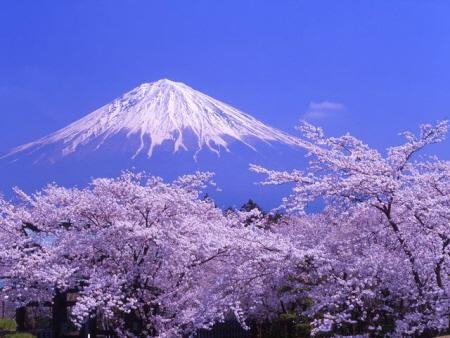
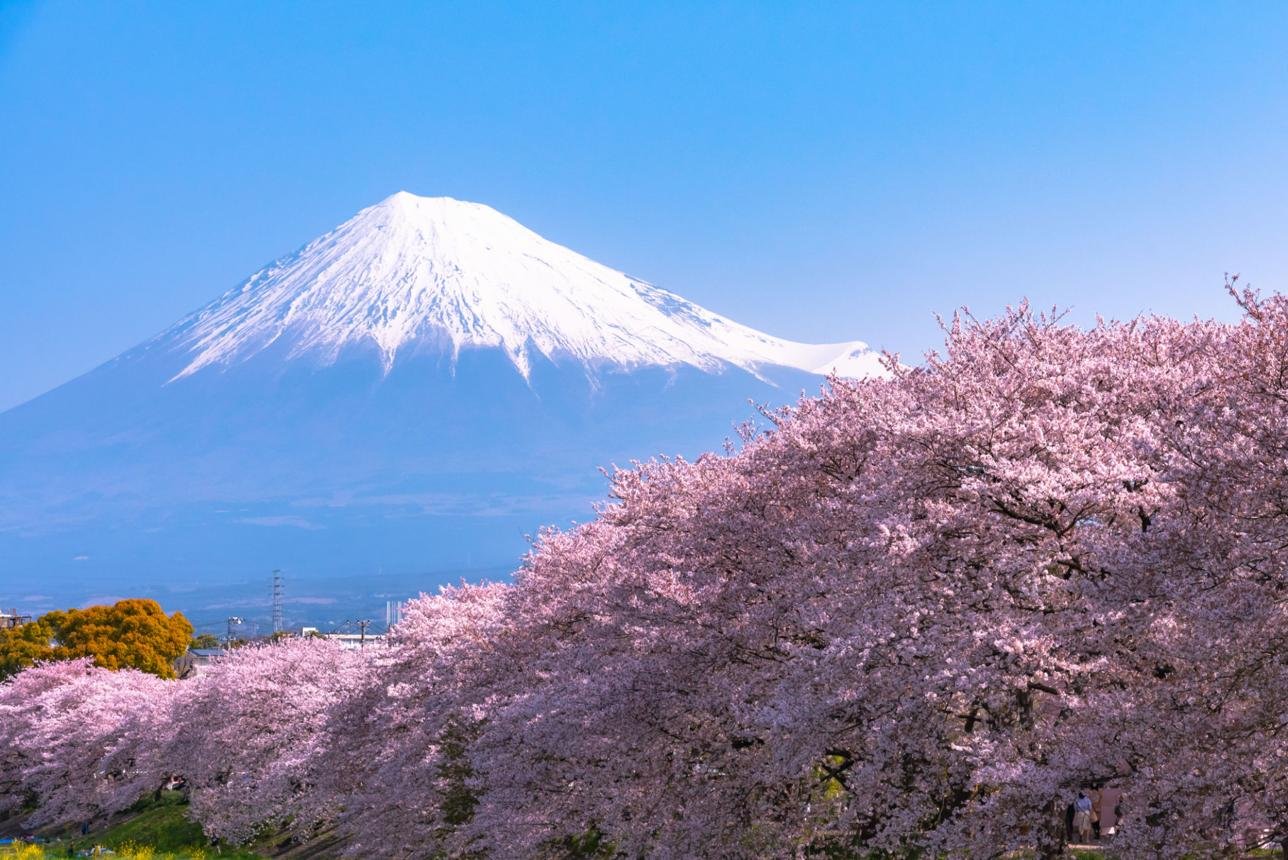
    When people think about Japan, one of the first images that often comes to mind is Mount Fuji.

    Mount Fuji is Japan’s highest mountain and one of its most recognizable natural landmarks.

    Its beautiful, almost perfectly symmetrical shape has inspired artists, photographers and travelers for generations.

    During winter, its snow-covered peak creates one of Japan’s most famous landscapes.


    https://images.openai.com/static-rsc-4/ZQEjg8MczP9AmLWfsDUeiypfKQeo5nfu21oGrJGzbMARxNziupG325oLwsnxjvPdlLi82TWFkKOyYWkKNtLyDzkti4jThP5oADszG0oRe47JkEW0XQIMLhsbJK4bAHhXYq-x0ZLJ4vMuwkbUConv0baXX73i1gBOrmjFG_ZOFSw8_cE4CiBkw4Fxw8Nn6_Gl?purpose=fullsize
    https://images.openai.com/static-rsc-4/lOnYBywXDHMXzQDOkqHeO0fVr57cqiYbttAjKCTmMkyxK-I_rUmTqJrWO35H5HCdE37DjjSdWzZKWsIAx0m9-wdBPreR_rzBBOYR564J9BW-YAyEdfvo2efqqb2WK1pfYZMe3-I6RlC23C8Dph2S3x8E_8QFBPFpKi7Kg3n2nuV_Qc_YDI0mVzw-zFF7wZBs?purpose=fullsize
    https://images.openai.com/static-rsc-4/1eZSUsJI5R7PfWXQzWBdlT0eIqc0lnCm56fwl5Xpe0tUiVEpYu3-MUdltZ5J74dhr_Co4-BHhXqQIdSEOh3_Ywl3A6PPTEY_JgGul1EXy1hSMLJjF3MMMcctYKX1CAzO7CZNIHH8WJCbXhgZVVhBOdyx10onLc4ohoIOMcDwQ6H69ACrQZtbh0NVWxyJ98lT?purpose=fullsize

    Mount Fuji


    🌸 Why Are Cherry Blossoms So Special in Japan?

    One of Japan’s most beautiful natural traditions is the appreciation of cherry blossoms, known as sakura.

    During spring, cherry trees burst into bloom and transform parks and streets with beautiful shades of pink and white.

    People gather with family and friends to enjoy the flowers.

    This tradition of viewing cherry blossoms is called Hanami.

    For many visitors, seeing Japan during cherry blossom season is an unforgettable experience.


    🚄 Japan’s Famous Bullet Trains

    Japan is also famous for its high-speed railway system.

    The Shinkansen, commonly called the Bullet Train, has become a symbol of modern Japan.

    These trains are known for their speed, efficiency and punctuality.

    Japan’s railway system shows how modern infrastructure can make everyday travel faster and more convenient.


    https://images.openai.com/static-rsc-4/Ywx6atKhp4cUkvrbQMWcxn0HdtyC7nXHLyfuECXTrFXn2izdk_CFB3AfVDw82hnqUPVCvh4mQHa4gM81LmaekVa9I7LLXX4hJ9IJvElYcLd3IQdI9Kj1q-1whpceQXlH6WshHGO9o2jnPjdKJcNsf27P8gVtRAhTov684um7Wc1rd7KUm7Y6YxSuIhxgcqf5?purpose=fullsize
    https://images.openai.com/static-rsc-4/PSaNCJMd3ZCx5rVIypkRUHCl8XhUZaVZW18X25ig2xLxM3qJmbmnmUeHs6rvhOxxu4Pdo94g-zL7Q4QZTpqb8ENyrFURe-uBPpgg7JfGBl2Two_lclPwi1Ddjysw-6T9oiiDEToEPGW2q1SrQE7hikI60PCeCcN04xAyLeFvfDQdpAoYijycpKRjZQCUkOBm?purpose=fullsize
    https://images.openai.com/static-rsc-4/Ogd4a-R3stBbOEE4kfdtsetSMPaRCDS2T3xaV6nsQb9mvaJ97-omqCBLR_DqK2EiGcGAUwFL6b9E9h_STbdiRIhta5WU-AhhDrgnSbZ6o1DLx4vfowV0BH9bDiqmolwDsfSqzx-jhQXft2bOqSG_JJNMZoUvTxtkdPAtpMWTnjyjSNqS5nqI2x_c5Q1mEl2u?purpose=fullsize

    Shinkansen Bullet Train


    🤖 A Global Leader in Technology

    Japan has played an important role in the development of modern technology and manufacturing.

    The country is well known for its contributions to:

    • Robotics
    • Electronics
    • Automobile manufacturing
    • Engineering
    • Industrial technology

    Japanese companies have built a strong reputation for quality and reliability.

    One interesting aspect of Japanese manufacturing is the importance given to precision and attention to detail.


    🚗 Why Are Japanese Cars Famous?

    Japan has one of the world’s major automobile industries.

    Japanese automobile manufacturers have become popular internationally because of factors such as:

    • Reliability
    • Fuel efficiency
    • Engineering
    • Quality
    • Innovation

    Japanese vehicles are used in many countries around the world.


    🧹 Japan’s Culture of Cleanliness

    Japan is also widely admired for its emphasis on cleanliness and responsibility.

    In many Japanese schools, students participate in cleaning their classrooms and school surroundings.

    The idea is simple:

    Keeping a place clean is everyone’s responsibility.

    This teaches children that cleanliness is not something that should always be left to someone else.


    https://images.openai.com/static-rsc-4/NiEFwdPJtvLY1uH0vAJ4G01qmwvxfVo5jwCj_hNNDYpversS9THkhvVsoaExl7LpRKUMQpbkjs-2ekZKXKXUtbDc5EyMGk7FOoVVsdjHKKXCjbO_9xmc1gHXgMMHeGzk5qCyeJuTQvfvO5RuCLBkwAOfzq7syhFfu59Ylsk9Th4Qw13yaVG5AvlhoqIsO3p4?purpose=fullsize
    https://images.openai.com/static-rsc-4/ROUWJGIIp-pysLoW8hN7T9La9r4m9eqBEZ9tQbbSPvcucTmUt2JQh3IyJQd0IMhGKsBiIM4kh2k-ft-AkDOtTxFBgUKm-w4p7K01goy4IG8BydGHajTr-5r_Z2PjVlkSFlmc9hXmyPgz7xNGC5WInk0LadbKKqh5cYD6QIsKL69FAJjXB3_NnoEf6jQEp8fZ?purpose=fullsize
    https://images.openai.com/static-rsc-4/_w10_Pi6xTpOEfGc7LjoONWbHTXQtSLq2gAOsv82T5v4rBOGTc89EZT4kXF83Mfh-LpwkFw9dhrSzo4nNK46JEnGc-moFIcmRVUxxSp75Pb2epQ_BqWkJOeBTB0rNgz09-baBdgAxHgE_Deqpk5-1ZsYA0OQ1gxtU99V-R8j4owK_GjAy_FBarUDDebEepbZ?purpose=fullsize

    Students Cleaning Their School


    🙇 The Japanese Tradition of Bowing

    Bowing is an important part of Japanese social culture.

    Depending on the situation, people may bow to show:

    • Respect
    • Gratitude
    • Greeting
    • Apology

    The way people bow can vary depending on the situation and level of formality.

    This tradition reflects the importance of respect in Japanese society.


    🍣 Japanese Food Is Famous Around the World

    Japanese cuisine has become popular far beyond Japan.

    Sushi is probably the most internationally famous Japanese food.

    But Japan has many other popular dishes, including:

    🍜 Ramen
    🍤 Tempura
    🍲 Udon
    🥢 Soba

    Japanese cuisine is also known for careful presentation.

    The appearance of food can be considered almost as important as its taste.


    https://images.openai.com/static-rsc-4/lBe04HZAuweA50v_cRFLWbWcmwmQFpFl0KL8KD4VE6mh3HnKBake53s2TToYGtEbJ6haTeV0Ad_e6tEe3f3f2PlM1AKHcEkmXXCx8tcio_Vk4U_SmtcN_RsALiExPC2L2xZuSDgJTecwGociwicM6F3XqKPvVDgMFSGL7Nj_zxXsf-7vih05X5h4amlk2cAk?purpose=fullsize
    https://images.openai.com/static-rsc-4/VyWxVGdcVj2vl1hjCjxz04G_lyKadPtuNy3AICCgqxDpFDQ2Qx1AsdjWNjgMnRQdTTSSYZtIkDqLCBvxjxDIrq8yyqxuo7c2CpviDOtOOeLuTIeYYk-lTzYn0KePIBzGCfJjy9OP5DX-7SRgRlri1R0SPYM3qdNQWFyHwMp_SjYbMRJkvucN3-QQ_AS3g4mx?purpose=fullsize
    https://images.openai.com/static-rsc-4/tHRIlLJqV18_aMPwFjM5Ygx9nP2B_PmJ0oT2QXk2RPPJy_vwip5bgwSZe1nyHWEizjPVtudYSlObB9IWAMC9dST5zHejT1OCi__0_g9AwOquELDj0WAinqx3ZNMth28VJsl5w0llqlXEtUrPqtBKPCn3NCvPLOZYFz0kN3f8LybwNRd8an-QM1awoSj5S3_a?purpose=fullsize

    Japanese Cuisine


    🏯 Ancient Culture Meets Modern Life

    One of the most fascinating things about Japan is the way ancient traditions exist alongside modern technology.

    In one place, you may see:

    🏯 Ancient temples

    And only a short distance away:

    🏙️ Modern skyscrapers

    You can find traditional Japanese gardens, historic shrines and centuries-old cultural practices alongside advanced technology and modern cities.

    This combination makes Japan especially interesting.


    🌋 A Country That Lives With Earthquakes

    Japan is located in a region where earthquakes occur frequently.

    Because of this, earthquake preparedness is an important part of life in the country.

    Japan has developed building standards, emergency systems and public awareness programs designed to reduce risks from earthquakes.

    People are also taught how to respond during emergencies.

    This is an important example of how a country can prepare for natural hazards.


    🌋 Japan Also Has Volcanoes

    Japan has many volcanic areas because of its geological location.

    These volcanoes have helped shape the country’s mountains, hot springs and landscapes.

    So Japan’s natural beauty comes with powerful geological forces beneath the surface.


    🌆 Tokyo – One of the World’s Great Cities

    Tokyo is the capital of Japan and one of the world’s major urban centers.

    The city is famous for:

    • Skyscrapers
    • Technology
    • Shopping
    • Public transportation
    • Restaurants
    • Entertainment
    • Busy streets

    But Tokyo is not only about modern buildings.

    The city also has quiet temples, traditional neighborhoods, gardens and historic places.


    https://images.openai.com/static-rsc-4/JWzOen-WqhPc_OOcWnz66-LYJB-c7HaJ9_ijhCMGY1o-7yp81SDLJMbfKxx2Mjze4tvQeQRiwE3Vn7Q2JNhDpPsFZNk_WYOEqyNVdyNQVNq50uotg6-qV_ZQYGsXADhbjUh8fP5WHIjs-o6QTnh5T-j6kfL07VvLrGpQr7-tcUmTH3a_YxYCn0r3LD-qkLgK?purpose=fullsize
    https://images.openai.com/static-rsc-4/qNRnS-6ZfbMB-lj_jAoUO_D4v-rWhBGCmCnyQ4sYl__h3w4hjqlefuyE8aNuRZTShBMmucIMMQKSU4Sl-F79Brr8cRvgQFPCoklsrNpNv0-5_p84iSq7hh-ShHADGyHXpVhiLI4OCnJc9DwVtDUt5WGYqtum1J1xJ0xB-o1Tje92zRPlmxj9dLpBxwC80O5c?purpose=fullsize
    https://images.openai.com/static-rsc-4/qr_BZ8zWIHsuMXURSCCppXYnhRsQWWUejQjjOK0N_sDtXryZOpPaNzNBTEOqh8c0QfGUZmKJxO0ZCsfEA1QklDZQ_ooTe52PX12FXfsFT93gMkzks-oZcw5smOE5GkAvL8-WKLoCyTloF7ivHWsGOrDv3RlbV3yU2zolEHZ2YoVv_qmu2bQLybVzbeIkJsKJ?purpose=fullsize

    Tokyo


    🎌 Anime and Manga

    Japan has also had a huge influence on global popular culture through Anime and Manga.

    Japanese animation and comics have attracted millions of fans around the world.

    Many stories created in Japan have been translated into different languages and adapted for international audiences.

    This has become another way Japanese culture has reached people across the globe.


    🌿 Japan’s Love for Nature

    Despite its large modern cities, Japan has many beautiful natural areas.

    The country has:

    🌲 Forests
    🏔️ Mountains
    🌊 Beaches
    🌋 Volcanoes
    🌸 Flower-filled landscapes
    ♨️ Hot springs

    The changing seasons also play an important role in Japanese culture.

    Spring brings cherry blossoms.

    Summer brings green landscapes.

    Autumn brings colorful leaves.

    Winter brings snow to many parts of the country.


    💡 What Can We Learn From Japan?

    Japan offers several interesting lessons.

    1. Respect for Time

    Punctuality is highly valued in many parts of Japanese society.

    2. Cleanliness

    People are encouraged to take responsibility for their surroundings.

    3. Attention to Quality

    Small details can make a big difference.

    4. Respect for Tradition

    Modern technology does not necessarily mean forgetting the past.

    5. Disaster Preparedness

    Being prepared can help people respond better to natural disasters.


    🌟 Why Is Japan Such a Unique Country?

    Japan combines many different worlds.

    It is a country of:

    🗻 Mountains and volcanoes

    🌸 Cherry blossoms

    🚄 High-speed trains

    🤖 Advanced technology

    🏯 Ancient traditions

    🍣 Unique cuisine

    🌆 Modern cities

    🌊 Beautiful coastlines

    That combination makes Japan one of the most interesting countries to explore.


    📝 Conclusion

    Japan is a country where the past and future exist together.

    Ancient temples stand alongside modern skyscrapers.

    Traditional ceremonies continue in an age of advanced technology.

    High-speed trains connect modern cities, while centuries-old cultural traditions remain alive.

    Japan also shows how a country can prepare for natural challenges while continuing to develop.

    🇯🇵 Japan is not just a country famous for technology.

    It is a fascinating combination of tradition, discipline, innovation, nature and modern life.

  • 🇨🇳 China’s Rainbow Mountains: The Incredible Mountains That Look Painted by Nature

    🇨🇳 China’s Rainbow Mountains: The Incredible Mountains That Look Painted by Nature

    Imagine standing in front of a mountain and seeing red, orange, yellow, white and brown layers stretching across the landscape.

    At first, you might think someone painted the mountains.

    But there are no artists here.

    No giant paintbrushes.

    No artificial colours.

    Nature itself created this incredible masterpiece.

    In northwestern China lies one of the world’s most unusual landscapes — the Zhangye Danxia landform.

    Its colourful mountains look almost unreal, making the region one of the most fascinating natural wonders in China.


    https://images.openai.com/static-rsc-4/CmSRA_Kk2yJxa_gRBvcjYyTrDoXTNlSQdGyiQ1CJ3DXrGN3eYQDEVVRgkYDHZTTVAnSh1EZaitY2PKj9pG9h3_-KQtbBVZezJhT3Y02mfdmwPuSzTmWEB_tOR3rOZY_sP31DDLgw9dhmPY-FAKave1l2k6NhboTRGkVPM4emfuSiD8mfv1aKM3te5xKdmeWL?purpose=fullsize
    https://images.openai.com/static-rsc-4/wWKjkZHXgRjcyfhb0HSjusRkchTDIDKwNr9Eyi9YbPsa7t4tZ80_3sE_AR9LGxK4xrNQTbzRxU-hcs0veLpPmPnjROJhfbHIFwGex4uVctFudyP34B9cUqEhfRkn2-v1zqCkYVjE88qczYsVSGytcrSvg6-IFhPXh0dWnYOc4Q1ft81mfTNWbnOWs905cMCB?purpose=fullsize
    https://images.openai.com/static-rsc-4/ZtefBCAU9HJeuZva39z_YV2Eprt984z8G73xsC1CdjavTX2SMfIJBcNZLiJCV9p6YT9-7McfNEtTlu7S5eNzJDegdray_XcvUY9_cn-SkUdD_xEPJnla5b-lcw_OWgYP_xC0ql_nCtgSi2NSpSTtx4FsnFC8DpGSMDE5zGBo54cnjzK5SIEYkfvYlpI0cNuA?purpose=fullsize

    Zhangye Danxia Rainbow Mountains


    Wide panoramic view of the colourful Zhangye Danxia mountains showing the red, orange, yellow and brown layers.


    🌈 1. Why Are These Mountains So Colourful?

    The colours are mainly the result of different minerals and rock layers that accumulated over an extremely long period.

    Different minerals can produce different colours.

    For example, iron-rich materials can contribute to reddish or orange tones, while other minerals and rock compositions create different shades.

    Over millions of years, geological processes shaped these layers.

    Wind and water then gradually eroded the softer rock.

    The result is a landscape filled with colourful ridges, valleys and cliffs.

    Nature slowly painted the mountains — but its paint was made from minerals.


    ⏳ 2. These Colours Were Not Created Overnight

    One of the most amazing things about Zhangye Danxia is its age.

    The landscape is the result of geological processes that took millions of years.

    Layer after layer of sediment accumulated.

    Over time, pressure transformed these sediments into rock.

    Later, tectonic activity helped uplift the region.

    Wind, rain and erosion then sculpted the exposed rocks.

    So when visitors look at these colourful mountains, they are actually looking at a geological story written over an enormous period of time.


    https://images.openai.com/static-rsc-4/GncMSJz8bAgA4WDHTt4Cw3gkbn0TNE95bHRcmc869btLOPUevEeApxUMnOnKc3wBBXhwxKaz-FARO-x1ZjFoXDyWvywdA9Abe4HvFMTqLlcC4jOyAgAcaO3mRJ-xLflAwFcNGsWu1fBEMPiL5ebhgsLQVPzuRjKu7oTaWuk8nXK0toV_eon92Bf5LIDHwCaP?purpose=fullsize
    https://images.openai.com/static-rsc-4/jDIqmamMSho4_2al90UFIHHoL1g9uCCM3mhB7tvkeadvzGNlYuXwRC_QVGQNRfXG8DloF74vlqLG-BS6moaiHAOM65sdyXYMa_HnLlQ_avl8D3pv9azV3VXXXSybhKElsR44MJVIbB3tFzFJkVRecGbpQKatC3AKl0aEfrlLk7xPoiSKFDOUGrLMe4OFehYZ?purpose=fullsize
    https://images.openai.com/static-rsc-4/ymVrSz-eOnpcogxtUOCfJGIRf9JuihG-N2AhO6Ox3ZpRqXCSQMWxNtvRaZXIga0Uitjk541w5jmoN3nJ6Du-wvHnLAboPB94MnrDAUve0VRKiinJR_CAMgpeORE7_HEOWAjHtT8Uau47DPu7EjMkRNjRPpc1gIDhap0kVbQo-asvV-5pZ1U2kUpeTdS7_Ejx?purpose=fullsize

    Colourful Rock Layers
    Close-up view showing the different coloured geological layers in the Zhangye Danxia landscape.


    🏔️ 3. What Does “Danxia” Mean?

    The word Danxia is used for a distinctive type of landscape found in parts of China.

    These landscapes are known for their colourful sedimentary rock formations, steep cliffs and unusual shapes.

    The Zhangye region is particularly famous because the colours and patterns are exceptionally dramatic.

    Some formations look like:

    • Waves
    • Giant layers of fabric
    • Painted hills
    • Frozen flames
    • Colourful ribbons

    The exact appearance changes depending on sunlight, weather and viewing angle.


    ☀️ 4. The Mountains Can Look Different Throughout the Day

    One of the fascinating things about these mountains is that their appearance can change with the light.

    Early morning sunlight can create soft shadows.

    During the middle of the day, the colours may appear brighter.

    Near sunset, the warm light can make the red and orange layers appear even more dramatic.

    This is one reason photographers and visitors are attracted to the region.

    The mountains are not changing their colours.

    The changing sunlight changes the way our eyes see them.


    Rainbow Mountains at Sunrise or Sunset


    Colourful Zhangye Danxia mountains illuminated by warm sunrise or sunset light.


    🌍 5. Where Exactly Is This Natural Wonder?

    Zhangye Danxia is located near Zhangye City in Gansu Province, in northwestern China.

    The region is part of a much larger landscape shaped by the geological history of the area.

    Although the surrounding environment can be dry and rugged, the colourful formations stand out dramatically.

    The contrast between the blue sky and the colourful mountains makes the scenery particularly striking.


    🧱 6. Millions of Years of Geological History

    Imagine placing millions of years into one photograph.

    The layers visible in these mountains represent different stages of geological history.

    Sediments were deposited.

    Pressure changed them.

    Tectonic forces altered the landscape.

    Uplift exposed the rocks.

    Then erosion began sculpting them.

    The process continues today.

    That means Zhangye Danxia is not a finished painting.

    Nature is still working on it.


    💨 7. Wind and Water Are the Natural Sculptors

    The colourful layers alone would not create the dramatic shapes visitors see today.

    Wind and water have played an important role in shaping the landscape.

    Over extremely long periods, erosion removes softer material more quickly than harder material.

    This can create:

    • Ridges
    • Valleys
    • Cliffs
    • Pillars
    • Ravines
    • Strange rock shapes

    It is a slow process.

    But given millions of years, even small changes can produce enormous landscapes.


    https://images.openai.com/static-rsc-4/ZhbPocFsqY-zHQhx4mdZfC7djKWBP5m4i4fZ6Zioj0cfyvK3Mdh2cRvYQdSAgrAmneV4m4aviVfiHXx6NlJtSN7yl2lx7aerGoOMOIZuTlTDvXLTnwVL4vcGKUAG_Tz9nDNXp_2YkVBzen6KLa0e7QCuQVDEcEkDxKxYcquq6CbhE6XOTmONOKRTJlMmwXI5?purpose=fullsize
    https://images.openai.com/static-rsc-4/biYa6v5KQFldiTEe4mTyue6QXZwzJSDfek9JC2bHeShWYtnLhY9_KxYBXaKh6hImJjm3r3sHOPrkR08FNavJesuEpLj1smKYsOxYRW7zKlaqoaGx25hMaPutJGtDKoiJEz-nUuyuYQnSUpytxCDkYV2O-aebGumYDTgpDPrjBXAiXucjyUR6AInSmZqp-TiA?purpose=fullsize
    https://images.openai.com/static-rsc-4/POo-z5tqIVTI6fRk-5Ty8Jk2yUWrfIngMxCXjiM15C-7EtBhIYLS4fwYCiz9jd5cveIofzWJyQMntrW6hMBSxFUpTLPb4zHB5gp7HlYmt-KVdtZ5Fqpgg0PfXFWKbFGyQ47FlgE_urt8Cz-QGEfxXkMHDFfLKv7sUi9D9kqF9Qf_ePi8qpt_oMi1ryDpTu_C?purpose=fullsize

    Erosion-Shaped Landscape
    Wide view showing the ridges, cliffs and valleys created by long-term erosion.


    📸 8. Why Do the Mountains Look Like a Rainbow?

    The colourful appearance comes from the combination of rock composition, mineral content, geological layering and erosion.

    The exact colours vary from location to location.

    You may see:

    🔴 Red
    🟠 Orange
    🟡 Yellow
    ⚪ White
    🟤 Brown
    🟢 Occasional muted greenish tones

    This unusual mixture creates the impression of a giant natural rainbow spread across the mountains.


    🐉 9. Some Rock Formations Look Like Animals

    Nature sometimes creates shapes that resemble familiar objects.

    At Zhangye Danxia, certain formations can appear to look like animals, faces or other objects depending on where you stand.

    This is called pareidolia — the human tendency to recognise familiar patterns in random shapes.

    The mountains themselves are not actually shaped into animals.

    Our brains simply try to find familiar forms in the landscape.

    And that makes exploring the region even more fun.


    🏞️ 10. Zhangye Danxia Became a Major Tourist Attraction

    Once photographs of the colourful landscape spread around the world, interest in Zhangye Danxia increased dramatically.

    Today, visitors travel to the region to see the unusual geological formations from designated viewing areas.

    Walking routes and observation platforms allow visitors to see the landscape from different angles.

    This helps protect the fragile geological formations while still allowing people to enjoy them.


    🌱 11. Why Should These Mountains Be Protected?

    The formations may look solid and permanent.

    But geological landscapes can be surprisingly fragile.

    Erosion that took millions of years to create these shapes can also slowly destroy them.

    Human activity can accelerate damage.

    That is why protected areas and visitor-management systems are important.

    Visitors should:

    • Stay on designated paths
    • Avoid climbing restricted formations
    • Never remove rocks
    • Avoid littering
    • Follow local rules

    A landscape that took millions of years to create deserves careful protection.


    https://images.openai.com/static-rsc-4/aFJTq5TdpbGaLSWZDk7umzig2xiT-h6WKFRksgB3LB3EYA_RM9C_umRWYJpuDTN3cK4GMS_CGM7Xz58PAiW7oFq93LqHXmB0VWHK9DGTGSsW774idKSVtdl_Fuf-Hf_SWZKU3G0MKVViFH8ndq5HBtkjbnxBOEOUvkl8kEBsLj2T19DEKSoc1ClEmAQu565K?purpose=fullsize
    https://images.openai.com/static-rsc-4/mFp-l2rNFP2kXPmOZeNZl5XW0oJARe25v6gzRKS0OthGdSjm1z1Ll5ozZwMAFmHcyZe03SIi6qxNpfRFgGJBBidL8atOQY-69i4pHp7Pceo-XVHYEwpaNuhfu0UCk-63TA7D6EoL_Z5WQoXiuxrbWhRnpL73N_BKTZpwLN1FB3gqL-VeP50uFOirSZC29ndu?purpose=fullsize
    https://images.openai.com/static-rsc-4/LK23FLv8dN_n8KN79w6glaH-JpxaSIaGmoqJlkEA-aJmc6ky9n6BN_0yt1Gg1hZSnRKTSYSgSb59l1qV6VThgu5hRvRH4KiJpBLqHABPgLoPs16V7Kj1IYre3jRWpL-ul8vf2RhbYc3rmf0MItX0QUWjl39hnd_uD3PLaH4-m7ACAEuDbf1p_V79IY2MDpOm?purpose=fullsize

    Visitors Viewing the Rainbow Mountains
    Visitors standing on a designated viewing platform overlooking the colourful Danxia mountains.


    🤯 10 Amazing Facts About China’s Rainbow Mountains

    1️⃣ Zhangye Danxia is located in Gansu Province in northwestern China.

    2️⃣ The colourful landscape was created by geological processes over millions of years.

    3️⃣ Different minerals and rock layers contribute to its striking colours.

    4️⃣ The landscape is part of the Danxia landform type.

    5️⃣ Wind and water have shaped many of its dramatic cliffs and ridges.

    6️⃣ Sunlight can dramatically change how the colours appear.

    7️⃣ The landscape attracts photographers and tourists from around the world.

    8️⃣ The formations are protected as a valuable geological landscape.

    9️⃣ Some formations can appear to resemble animals or other familiar shapes.

    🔟 Nature continues to reshape the landscape through erosion.


    🌎 What Can We Learn From the Rainbow Mountains?

    The Rainbow Mountains teach us something very interesting about our planet.

    A mountain does not need to be the highest mountain in the world to be extraordinary.

    Sometimes its beauty comes from something much smaller:

    A layer of mineral.

    Then another layer.

    And another.

    Millions of years of geological activity slowly transform these layers into something that humans can hardly believe is natural.

    The landscape reminds us that Earth is constantly changing.

    We simply live for such a short time that we normally cannot see the process.


    🇨🇳 Final Thoughts

    China’s Zhangye Danxia is one of those places that makes people stop and look twice.

    The colourful mountains appear almost artificial.

    The red, orange, yellow and brown layers look as though a giant artist painted them across the Earth.

    But there was no artist.

    There was only time, minerals, pressure, tectonic movement, wind, water and erosion.

    And together, these natural forces created something extraordinary.

    🌈 The Rainbow Mountains are a reminder that sometimes nature can create landscapes more beautiful than anything humans could design.

  • 🇯🇵 Japan’s Mysterious Underwater Ruins: The Ancient Monument Beneath the Sea

    🇯🇵 Japan’s Mysterious Underwater Ruins: The Ancient Monument Beneath the Sea

    Imagine diving into the ocean and suddenly finding enormous stone terraces, straight walls and steps beneath the water.

    At first glance, they look like the remains of an ancient city.

    But there is a mystery:

    Did humans build them — or did nature create them?

    Near Japan’s Yonaguni Island, divers discovered a huge underwater rock formation that has fascinated researchers, archaeologists and explorers for decades.

    Some people believe the structures could be ancient human-made monuments.

    Others argue that the unusual shapes were created naturally by geological processes.

    The truth remains controversial.

    And that is exactly what makes Yonaguni Monument one of the most fascinating underwater mysteries in the world.


    https://images.openai.com/static-rsc-4/iywtfrLOEManXF72-v9P9dlI0nDKK9W6oXrzCx84aPC_Hyp7xtJ9Q9HYjSIkwhG0w6Qz9sh5JO79gNVC5QLhOLvhV0HtnSiVwvdn1LyTad3vo1BS61-W0ZXQi519oDXzdFc0ffYGFi0bWWVZM3l7uR7t0Lyx1Tw2It9mMuAaMKfyWq6iFKi4I_pIwyvhAKGf?purpose=fullsize
    https://images.openai.com/static-rsc-4/xG8Cv6XRcgZcD-0P8o8pM2_Bvdy1T9m8biUWEiIvzsM3O2uY7hks4TTSzAcTEJnlxJ8fSZjBOVV08YS7juEQW6rVw3YdvqdhBImzdvRfwq3KPHqDHPmCqFS2uTh7RzeNK7spFBaofNBvAZ7ccgWYIZnJzujl0IlU1FwOtHTQrLLFfCpQlqelcuRNjEE39TRu?purpose=fullsize
    https://images.openai.com/static-rsc-4/9cHCfBlorfY3TG-XorIakNl3-50NVUPGBwFU3yoyriyDUUyEd_T3ID_usXzX171WG89Mn_vhlWhjwVNTec7ffpHZj3Pl6SZUxmTZ_miMqUNVpw64MZQu7ajs7x8Qv8nfqW0GaI9roRIFG3vtGFvsLASVuMfzciNQZe3MYfNj85WiJ9rnVr23kvp6M4IDE90i?purpose=fullsize

    Yonaguni Monument Underwater
    An underwater view of the massive stone terraces and geometric rock formations near Yonaguni Island, Japan.


    🌊 1. Where Is Yonaguni Monument?

    Yonaguni Island is located in Okinawa Prefecture, in the southwestern part of Japan.

    It is one of Japan’s westernmost inhabited islands.

    The island is surrounded by the waters of the East China Sea.

    Below the surface, divers can encounter the mysterious rock formation that became known as the Yonaguni Monument.

    The structure is enormous compared with an ordinary underwater rock.

    Its broad flat surfaces, terraces and steep edges make it look surprisingly architectural.


    🤿 2. How Was the Underwater Structure Discovered?

    The formation became widely known after divers explored the waters around Yonaguni in the 1980s.

    Local diving instructor Kihachiro Aratake is generally credited with bringing attention to the unusual underwater formation.

    What he encountered was unlike an ordinary underwater landscape.

    There appeared to be:

    • Large flat platforms
    • Straight edges
    • Stair-like formations
    • Terraces
    • Deep grooves
    • Large stone blocks

    The discovery immediately raised a fascinating question.

    Was this simply an unusual geological formation?

    Or was it something built by ancient people?


    https://images.openai.com/static-rsc-4/LxtdEjqxG5SyTyDRbIqlGHpsaFJc4KrL5CWvT-0h0F-49hLltbp47P2yp6rCRBOOjp9lpoU_E4hbIE1su3CgEw6mHZL24wUghJ9tLOMzHKDM7FxFAL7m_JIQd2NVaOUUH9qAvHbYC6FYnL29TlqADE8O0OuNq-HHvDfNjWNo-nSH6krKQbBZDBN9bkbbCJA2?purpose=fullsize
    https://images.openai.com/static-rsc-4/4Fn7XKi0dRtWSHpsLOujuhlVDZMSrkejFqKgNZ5OSJrUXIp44Qs6vV72xrWcxX9Qm5IgMTk6t3_QgWHPEqgQ2sNPiIzHB4XB43cY16bVxU1le4xas3W-6Di16mL6O2R7LILK01JRluPbaMxeJWM8mCKAYflc-A522avdhARJRzlCvQGoU5WckyJM4OwAe7SP?purpose=fullsize
    https://images.openai.com/static-rsc-4/O72b7nTbSmXgv8Ra1I_QthiO4Aj0zCLd5YxTbz8YeIa90y22HCPaVcygWtAgdzszPf2OVk9vTlbgux5t2WKJ-8X-8eXxO1DnnHXWsfyHr5tRVLLE-Yhtr2a94k355iAt1KZZcpb2bLI5XYjJsjO5QCEoGzw1zhb2akSLAiRvERxPvqZP13iUPxucWJbA5Zn6?purpose=fullsize

    Diver Exploring Yonaguni
    A scuba diver exploring the massive underwater rock formations, showing the enormous scale of the structure.


    🪨 3. Why Does It Look Man-Made?

    This is the part that makes Yonaguni so interesting.

    Some sections have remarkably straight edges.

    There are also formations that resemble:

    • Staircases
    • Platforms
    • Walls
    • Roads
    • Channels
    • Large rectangular blocks

    To some observers, these features look too organised to be purely natural.

    Supporters of the ancient-structure theory suggest that humans may have shaped the rock before the area was submerged.

    But there is an important problem.

    There is no universally accepted archaeological evidence proving that humans built Yonaguni Monument.


    🌋 4. The Natural Explanation

    Geologists who study the formation argue that natural geological processes can produce surprisingly straight lines and flat surfaces.

    The rocks around Yonaguni are largely sandstone and mudstone.

    These types of rocks can develop fractures and layers.

    Over long periods, erosion and tectonic activity can create:

    • Straight cracks
    • Flat surfaces
    • Sharp corners
    • Stepped formations

    In other words, nature can sometimes create structures that look surprisingly artificial.


    https://images.openai.com/static-rsc-4/1MVNLCiNoxrbOErpTXd43B1HelpdLdfrJ7mBsGRtYS3BdcFw-KSNyFIDmDNyaRwTIewFDoXHY4C9HQS7Tu9OHXWVOvWJngemqGw_tKi0uvxRl7uYn1i9v4iRmG-64TX0IrSrUq0VJnGccJxv0Wmx2r6IKdEyfqvkdGOb_zpbewHyH9tS2pSSKYhCV0Ycagk6?purpose=fullsize
    https://images.openai.com/static-rsc-4/aBGKmP0v-7GVD_y3UMtkY63gwB-RUg5xbFwtRIBpZ41U0xfV_L2EMHEnG4R-Wur_j4PdQujngXiu_8I6rGAqAIjIjdMpR2BDMptzJnI7nA4tKw0FtvYIm5cR2As6h_EYO66_mSMX7AnSnINLWgHuSWo9AIsiSRPBt9wSpLtSexk-wONaVmLNUWiynYwpCNOl?purpose=fullsize
    https://images.openai.com/static-rsc-4/w3r0y9w5UFF67f8x8F_og3Auk-yFgHLfGW7rQSrZGqTLv8VOCs9jLkHtSaOfR9GN25cHDoVpPSoPsdGpl33teJOjievLnHMs5i2eONPClLvkMhOOMaDmFBWNn_qoUvrXFTR2agXmkWxZuAxrSPJVCRu57jkxZvdBlOkG_HeAXjGwAQ3a_XLCaGNavZrpYIlq?purpose=fullsize

    The Geological Structure
    A close underwater view showing the rock layers, cracks and sharply angled surfaces of the Yonaguni formation


    🏛️ 5. Could It Really Be an Ancient City?

    Some researchers and enthusiasts believe that the formation may have been modified by humans.

    One theory suggests that ancient people could have shaped parts of the rock when the area was above sea level.

    If that were proven, it would completely change the historical significance of Yonaguni.

    But this remains a hypothesis, not an established archaeological fact.

    Researchers would need stronger evidence such as:

    • Clearly identifiable human-made structures
    • Tools
    • Artefacts
    • Inscriptions
    • Evidence of construction
    • Archaeological material associated with human occupation

    Without such evidence, the debate remains open.


    🕰️ 6. Was Yonaguni Once Above Sea Level?

    This question is important.

    The geological history of the region is complex.

    Sea levels have changed dramatically over thousands of years, especially during and after the last Ice Age.

    However, determining exactly when and how particular parts of Yonaguni became submerged requires detailed geological evidence.

    Therefore, claims that the monument is definitely the remains of a prehistoric city should be treated cautiously.


    🧩 7. Why Do People Compare It to Atlantis?

    Because of its mysterious appearance, Yonaguni has sometimes been connected with stories about lost civilisations and Atlantis.

    The comparison makes for a fascinating story.

    But there is no accepted evidence showing that Yonaguni is Atlantis or that it belonged to a lost global civilisation.

    The Atlantis connection is largely part of popular culture and speculation.

    The real scientific mystery is much more interesting:

    How did such an unusual underwater landscape form?


    🐠 8. Yonaguni Is Also Famous for Marine Life

    The area around Yonaguni is not famous only because of the mysterious monument.

    Its surrounding waters are also known for marine life and diving.

    Divers may encounter large schools of fish and, during the appropriate season, hammerhead sharks.

    This makes Yonaguni attractive to experienced divers even without the archaeological mystery.

    The combination of:

    Underwater rock formations + deep ocean + marine life

    creates an unforgettable diving environment.


    https://images.openai.com/static-rsc-4/Tl2_JhiwpkToA8F3dRWMbUnR1b65L3xA8TrXO9wwEdoorkbgZqs0MAlgvJRL7T_jAX6ISulGiWlrc4RfanWq94z6wtejWvz0Z0QcXXwGc_hk4EvnE-06Ygzsl7EK5yTGFdnyI-cNSJEmCQOt8gb52blkSICtHls2QD1-7nFee9toaX9b6oOxYhf8r5JtTIAA?purpose=fullsize
    https://images.openai.com/static-rsc-4/1B7_wXgH9nrAMyw6H9zVLy7EaE_TxVRkTWAEIG6Rt8Ol_j4Iz1SHM4gS4LNNlSR59bE_SXQc_j02oN7gv32Fnwjt-EN92TSc3BXhZcLlEnpweHNUsk44mU0pzu4a98f_B_bOaryck5Jxb_tSClDsZ6bjZqBYRc5408ILDAHcSHjK31r6zK58t88tEq1LmxXZ?purpose=fullsize
    https://images.openai.com/static-rsc-4/PLu0LcjLmS7rsPaiA1zscysxBIGMQasqt0M4b6v9vz0c2jxKxxZJSkyDwfj12Dcp0RZ9AMsAAlYuILg4Mxr9SkQsyrVizqhTjTRy2yIiauu-AWQdPDtoMhy7SKkiEcH-4_WjgQMfIz38fl2hnvsw6thM-NMCoI3nBcIuTwSOvhtihryDCF_1kNfMr7jVD36L?purpose=fullsize

    Yonaguni Underwater World
    A dramatic underwater photograph of divers or hammerhead sharks around Yonaguni Island.


    🗿 9. Are There Ancient Inscriptions?

    Over the years, photographs of unusual marks and shapes near the formation have led to claims about possible carvings.

    But interpreting underwater rock markings is extremely difficult.

    Natural cracks, erosion and rock fractures can sometimes resemble deliberate symbols.

    Without clear archaeological evidence, these markings cannot automatically be identified as writing or human-made inscriptions.

    This is one reason scientists remain cautious about calling the site an ancient city.


    🔬 10. Why Scientists Are Careful

    It is easy to look at a photograph and say:

    “That looks like a staircase.”

    But archaeology requires much more than appearance.

    Researchers need to determine:

    • Who made it?
    • When was it made?
    • How was it made?
    • What tools were used?
    • What was the structure used for?
    • Is there evidence of human settlement nearby?

    Until those questions can be answered, the safest conclusion is:

    Yonaguni is an extraordinary geological and archaeological mystery whose exact origin remains debated.


    🌏 11. Why This Mystery Is So Popular

    Yonaguni combines several things that naturally attract human curiosity:

    🌊 A mysterious underwater world
    🗿 Structures that resemble ancient architecture
    🤿 Deep-sea exploration
    🌋 Powerful geological forces
    🏛️ Questions about prehistoric humans
    ❓ No universally accepted final answer

    It is the kind of mystery that makes people want to learn more.

    And unlike many internet myths, Yonaguni is a real physical location that divers can actually explore.


    🤯 10 Amazing Facts About Yonaguni Monument

    1️⃣ Yonaguni Monument is located near Yonaguni Island in Japan’s Okinawa Prefecture.

    2️⃣ The underwater formation became widely known after exploration in the 1980s.

    3️⃣ Some sections contain remarkably straight and flat surfaces.

    4️⃣ Some people believe parts of it may have been shaped by humans.

    5️⃣ Many geologists argue that natural geological processes can explain its appearance.

    6️⃣ There is no universally accepted proof that Yonaguni is a man-made ancient city.

    7️⃣ The formation is a popular destination for experienced divers.

    8️⃣ The surrounding waters are known for marine life, including seasonal hammerhead shark sightings.

    9️⃣ Yonaguni has been connected to various lost-civilisation theories, although these claims remain unproven.

    🔟 The true origin of the unusual formation continues to attract scientific and public interest.


    🌊 The Biggest Mystery

    Perhaps the most exciting part of Yonaguni is that we don’t have a simple answer.

    If it is completely natural, then nature has created a landscape that looks astonishingly similar to human architecture.

    If humans modified it, then an important chapter of prehistoric history may still be waiting to be understood.

    Either possibility is fascinating.

    And that is why Yonaguni continues to capture the imagination of people around the world.


    🇯🇵 Final Thoughts

    Deep beneath the waters near a remote Japanese island lies a massive formation of rock that looks strangely like the remains of an ancient monument.

    Straight edges.

    Terraces.

    Steps.

    Huge platforms.

    Deep underwater walls.

    Yet science has not established that humans built it.

    Perhaps Yonaguni is an ancient monument.

    Perhaps it is an extraordinary creation of geology.

    Or perhaps future research will reveal something in between.

    For now, one thing is certain:

    The Yonaguni Monument remains one of Earth’s most fascinating underwater mysteries.

    And sometimes, the most interesting stories are not the ones with definite answers.

    🌊 They are the mysteries that make us keep asking questions

  • 🇪🇬 Egypt’s Lost City Beneath the Desert: The Amazing Story of the Ancient City of Gold

    🇪🇬 Egypt’s Lost City Beneath the Desert: The Amazing Story of the Ancient City of Gold

    For thousands of years, the ancient Egyptian civilisation has fascinated the world.

    The pyramids, mysterious tombs, enormous temples and golden treasures have inspired countless stories.

    But in 2021, archaeologists announced a discovery that created worldwide excitement: the remains of a major ancient city near Luxor, Egypt.

    The city was buried beneath the desert for centuries.

    Archaeologists called it one of the most important ancient Egyptian discoveries in decades.

    Its official archaeological name is the city of Aten, while it became widely known in the media as the “Lost Golden City.”

    What makes the discovery extraordinary is not just its age.

    The city contains evidence of houses, workshops, streets, administrative areas and everyday life — giving researchers a rare opportunity to understand how ordinary people lived during one of ancient Egypt’s most powerful periods.


    https://images.openai.com/static-rsc-4/yt4x7c6G4fklmwcPkoQUyG6ggw6AKZH9Ye_o5QSakj2ENcBgvpSuD5JzRFUXVJuVBYV-749JilXhJNLThW-q7MJxQwTEENfRKWAZtLZV9gRXoR-Hczfzq3NrdzQSK-D-7_a_tea4JSXRU3hdOOB2_hFiMv3XkyNChi6AjQKBzJX_WhenQWL50FtiJbqJ28uy?purpose=fullsize
    https://images.openai.com/static-rsc-4/tSXtNVMRYQ9mK9WRGg8tFH7LgU7IxLGGDPXs0bm2I4kdyZs3pvNb631l9LkkvOM3mVPSXKkKrrXK_eucQwrbtChqn6iAhggwPsmTnkoMlJWp_6v4uWh6emE6vpOr93lmFpma6H3srZXs01-JYzcirgavi7Xul3cuKmTHOaqzbxdTp7y7XIWffnSJiZ3Wku5z?purpose=fullsize
    https://images.openai.com/static-rsc-4/IPkb2-pby6Bm6RjaKAg1FzmcDv3pUw9nBXszqcSHeA820dCEkuweXXqRa1oo8vVSKTxglKoHk6lg9vcBki-0lZw3QioSMgTe8fbGJqFk4hyEJfA_8RN3l8CxwcC1lt8nF6RpyvyvnKb5_4paELXpCCdMbx7mv26PN6hna6A-9eC65w3mT-FCobPmZLYpwrjN?purpose=fullsize

    1 — The Lost City of Aten


    Ancient Egyptian archaeological excavation showing mud-brick walls and the remains of the Lost City of Aten near Luxor.


    🏺 1. Where Was the Lost City Discovered?

    The ancient city was discovered on the west bank of the Nile near Luxor, close to several famous archaeological sites.

    The location is particularly important because Luxor was once the heart of ancient Egyptian power.

    The area contains some of Egypt’s most famous monuments, including the remains of ancient temples and royal burial sites.

    Archaeologists began excavating the site in search of evidence connected with ancient Egyptian royal activity.

    Instead, they uncovered something much bigger:

    An entire ancient settlement.


    ⏳ 2. How Old Is the City?

    Researchers believe the city dates to the period of Amenhotep III, who ruled Egypt during the 14th century BCE.

    The settlement continued to be used during the reign of his successor, Akhenaten.

    That means the city is more than 3,000 years old.

    Think about that for a moment.

    Modern cities have changed dramatically over the last few centuries.

    But here, archaeologists found the physical remains of streets, walls, buildings and objects belonging to people who lived more than three millennia ago.


    https://images.openai.com/static-rsc-4/V5C7aHG-lXmkOMD6SjFI-7_YZrVmK3WS7BF_9G0b1XylpiyYE-JAwAzzJW4T3keVQdA8VZTwZbWnpzegCw2hqfJ55w-6m_7MzGcCdBEYp1kiJd4weVJeGuAM4Eq-psdU4jVjtqugUMKEPa3fspwBLQZLbXFfyz2i7_y3uqdJHAX5tLQS29GPIycCTqVjE42J?purpose=fullsize
    https://images.openai.com/static-rsc-4/2ihRwTzdQ-79XarhHm6EhnCG8CY8impHCWLIRr_tojqJhn78vh54V_LugUpvf_xWyYcRs-mqWWeE27_fPr52j5Xj_FRb5TKF3JXCBXHLT4AIYG2w3npYWne2nqO8KhuVJLHhA3tRSyUIM5lE2wwXxhfL0sdR_pBgijGvRAA0SePDgm2E5m3A0MZjxy7T3SbZ?purpose=fullsize
    https://images.openai.com/static-rsc-4/fSgf_ewYFK45D-y0uBxzRF_kgPWCruNApgwc8O_bA8vcmXnDLEurLW97iytjmtdo2tmRmioLJ5aeS_PgwvG4mb9tNJ78UhUhpuxSDLA08AZ28R5XKaWnVGgLn2cjK0WhRRn1H3RDUalUKXi4bjQeXRUFKQ28Fx91v49f19fHCyuXiggzs1AsTsMgOppPVzh5?purpose=fullsize

    2 — Ancient Egyptian Royal Era
    An authentic museum photograph of an ancient Egyptian statue representing the royal period associated with the city.


    🧱 3. What Did Archaeologists Find?

    The discovery became particularly important because researchers did not find just a few isolated objects.

    They uncovered the remains of a large settlement.

    Among the discoveries were:

    • Mud-brick walls
    • Streets
    • Houses
    • Workshops
    • Storage areas
    • Administrative spaces
    • Everyday objects
    • Tools
    • Jewellery
    • Pottery

    These discoveries help researchers reconstruct what life may have looked like in ancient Egypt.

    Instead of looking only at royal tombs and monuments, archaeologists can study evidence of the people who actually worked and lived in the city.


    👷 4. This Was Not Just a City of Kings

    Ancient Egypt is often represented by images of pharaohs, pyramids and enormous temples.

    But a civilisation cannot function through kings alone.

    Someone had to:

    • Build monuments
    • Produce food
    • Make pottery
    • Manufacture tools
    • Create jewellery
    • Manage supplies
    • Organise workers
    • Produce clothing
    • Maintain buildings

    The Lost City provides evidence of this less-visible side of ancient Egyptian civilisation.

    It gives archaeology a glimpse into everyday life.


    💍 5. Jewellery and Everyday Objects Reveal Personal Stories

    Among the discoveries were objects that show how people used and decorated their possessions.

    Jewellery and small personal objects may seem insignificant compared with a giant temple.

    But archaeologists can learn a great deal from them.

    A small object can reveal:

    Who made it?

    What materials were available?

    What did people value?

    How skilled were craftsmen?

    How wealthy was the settlement?

    This is why archaeology is not only about finding spectacular treasures.

    Sometimes the smallest objects tell the most interesting stories.


    https://images.openai.com/static-rsc-4/B1gt5vMdgDKAAiGsjwy4a89SgBOkYocMilD152yG-L2wd8fODC0hKvjSr-8Azx-S8rnQF9QMf9HYqNF88lwII50zdsFNm9V5yVsumsi6LyIIHfOCIicelPF0K_5Fsv9RABAsRqzMZry6m3DVvSNnhBDXCmjiRmq_TvLc_eFN-DqAiYgeR5mtO4q3mIdhq90K?purpose=fullsize
    https://images.openai.com/static-rsc-4/5pUXttTWPeI5ycHWqgXIopPz0wWbwvVX9ZCVSuzHTBsv9bI_KYEYekGiHx7L-F_htA3Yu8gb3ywfylvEj3_AV5_Flfznd_Nf4w9tcfP2hSR5a0mFYmcqYQFUQMHi6f0lqD9oWQFS4PQL9LBm8IyOazC9qhhL8zFeDelIttdls1xCqU9QoXa2PwYzwZnqtwZo?purpose=fullsize
    https://images.openai.com/static-rsc-4/IPkb2-pby6Bm6RjaKAg1FzmcDv3pUw9nBXszqcSHeA820dCEkuweXXqRa1oo8vVSKTxglKoHk6lg9vcBki-0lZw3QioSMgTe8fbGJqFk4hyEJfA_8RN3l8CxwcC1lt8nF6RpyvyvnKb5_4paELXpCCdMbx7mv26PN6hna6A-9eC65w3mT-FCobPmZLYpwrjN?purpose=fullsize

    3 — Objects Found at the Ancient City
    Ancient Egyptian pottery, jewellery or other archaeological objects associated with the excavation.


    🍞 6. What Can a City Tell Us About Ancient Egyptians?

    A city is like a giant historical document.

    Its buildings can tell researchers about architecture.

    Its tools can reveal occupations.

    Its pottery can provide clues about food and daily life.

    Its workshops can reveal manufacturing techniques.

    Its streets can reveal how the settlement was organised.

    By combining thousands of small pieces of evidence, archaeologists can reconstruct a picture of an ancient society.

    The Lost City is valuable for exactly this reason.


    👑 7. Why Was the City Important During Amenhotep III’s Reign?

    Amenhotep III ruled Egypt during a period when the kingdom was powerful and wealthy.

    His reign is associated with major building projects, international contacts and artistic achievements.

    The discovery of a large settlement from this period provides additional information about the economic and administrative systems supporting the royal court.

    It shows that behind monumental temples and royal ceremonies there was a complex network of workers, craftsmen, administrators and suppliers.


    ☀️ 8. The City Was Connected With Aten

    The settlement’s archaeological name is associated with Aten, the sun disk that became especially important during the religious reforms of Akhenaten.

    Akhenaten is famous for promoting Aten worship and establishing a new royal capital at Akhetaten, modern-day Amarna.

    The religious changes of this period were unusual in ancient Egyptian history.

    The Lost City therefore provides another important piece of evidence from a fascinating period of political, religious and cultural change.


    🏜️ 9. How Could Such a Large City Remain Hidden?

    This is one of the questions that makes the discovery so fascinating.

    The city was not necessarily hidden like a secret underground kingdom.

    Over thousands of years, sand and sediment covered the remains.

    Ancient settlements can disappear from the visible landscape as buildings collapse, natural processes reshape the area and later layers accumulate.

    Archaeologists therefore sometimes discover ancient cities beneath landscapes that look completely ordinary.

    That is one of the magical things about archaeology:

    A place can disappear from human memory without disappearing from the Earth.


    https://images.openai.com/static-rsc-4/OcG7f_TgXCT1ksnMVo941U_F2jdJ7lSedI_BN5li249cc5HhL4hqEuh73T-lx3GwFjhz5YxOFdeYcN7llfYxfsEwLCDxisZhUKXh3UCo8U3-BQUSIHT8aBrV2sdbm5_wA2kPA1e9-iVEZqRszAgVQFqW2A0PGbGREnoWP8V-UE04K4M-aMZ4UEDWv_IYp1Uh?purpose=fullsize
    https://images.openai.com/static-rsc-4/9uPc5pwTVKs1GwKQXCg6rdBt3B-QnUAjqpAanxfPerx3U-Y0oS832Oy4lplumVHjUUNbSjntSS7hS45pZUvY7DIJC2JlAUAWufNpbq5gyvuwMqMHQyW4fQbbhAfdo5nSq7pxwAyAzeazCUPvxrHKROmGjMPL5MdtXunvQZWWxNWj0t3Hd2xYl7xj7O3GwYc1?purpose=fullsize
    https://images.openai.com/static-rsc-4/wFtjgGqbTDdIFO4c0nQnCF1IglbZ6g6sKOkIFLnWQbBNggs98W5DihXW5S5hQ-PWc5AiqtbSuSTVqvh_Z_cztlATCCS6-fgtb45wFuFjE5utcigVwkkyaadj8HExAxQpW_ED1iUoAGd2vKV_-QJ_hs2dp-1MDXZ7RI7W6fod2T4st1s-xXT4aOMBImqNAeFP?purpose=fullsize

    4 — Archaeological Landscape Near Luxor
    A wide aerial or landscape photograph showing the desert and archaeological area around Luxor.


    🔎 10. Why Is This Discovery So Important?

    The importance of the Lost City goes beyond its size.

    For many years, historians have learned about ancient Egypt through:

    • Tombs
    • Temples
    • Statues
    • Royal inscriptions
    • Papyri
    • Burial objects

    But settlements can provide something different.

    They show how people actually lived.

    A royal tomb may tell us how a king was buried.

    A city can tell us how thousands of people worked, ate, produced goods and organised their lives.

    That makes the discovery extremely valuable.


    🧠 11. Archaeology Is Like Solving a Giant Puzzle

    Archaeologists rarely discover a complete story written down for them.

    Instead, they collect clues.

    One piece may be a wall.

    Another may be a pottery fragment.

    Another may be a tool.

    Another may be a seal.

    Another may be a piece of jewellery.

    Individually, these objects may not tell us much.

    Together, they can reveal an entire civilisation.

    The Lost City is a perfect example of this process.


    🏛️ 12. Egypt Still Has Many Secrets

    Egypt has been studied by archaeologists for centuries.

    Yet discoveries like the Lost City show that the country still has enormous archaeological potential.

    Beneath deserts, fields and ancient settlements, there may still be evidence waiting to be discovered.

    That means the story of ancient Egypt is far from finished.

    Every new excavation can change what we thought we knew.


    🤯 10 Amazing Facts About Egypt’s Lost City

    1️⃣ The city was discovered near Luxor in 2021.

    2️⃣ It is more than 3,000 years old.

    3️⃣ Archaeologists associate the city with the reign of Amenhotep III.

    4️⃣ The settlement is also known as the “Lost Golden City.”

    5️⃣ Researchers found extensive mud-brick structures.

    6️⃣ Workshops and administrative areas were discovered.

    7️⃣ Archaeologists found objects that provide clues about everyday life.

    8️⃣ The discovery helps researchers understand the society behind Egypt’s famous monuments.

    9️⃣ The city was located near some of ancient Egypt’s most important archaeological sites.

    🔟 The discovery demonstrates that important archaeological secrets can remain hidden for thousands of years.


    🌟 The Most Amazing Part of the Discovery

    The most fascinating thing about the Lost City may not be any single object.

    It is the idea that an entire community once existed there.

    People woke up in the morning.

    Workers went to workshops.

    Craftsmen made objects.

    Administrators managed supplies.

    Families lived in houses.

    People walked along streets.

    Children probably played.

    Life continued day after day.

    Then, over centuries, the settlement disappeared beneath layers of earth.

    Thousands of years later, archaeologists found it again.

    That is what makes this discovery more than an archaeological story.

    It is a story about ordinary human lives surviving through time.


    🇪🇬 Final Thoughts

    Egypt’s pyramids and temples show us the extraordinary achievements of ancient kings and engineers.

    But the Lost City of Aten tells another story.

    It brings us closer to the people who built and supported that civilisation.

    Its walls, workshops, tools and everyday objects provide a rare glimpse into a world that existed more than 3,000 years ago.

    And perhaps the greatest lesson from the discovery is this:

    History does not always disappear. Sometimes, it simply waits beneath the ground for someone to find it.

    The sands of Egypt still hold countless stories.

    And somewhere beneath those ancient landscapes, there may be another discovery waiting to change what we know about the past.

  • 🇮🇸 Iceland: The Incredible Country Where Fire and Ice Exist Together

    🇮🇸 Iceland: The Incredible Country Where Fire and Ice Exist Together

    Imagine a country where massive glaciers cover the land, while powerful volcanoes are still active beneath the Earth’s surface.

    In one direction, you can see frozen landscapes.

    In another, you may find boiling hot springs, geysers and volcanic rocks.

    This extraordinary combination has given Iceland one of the most fascinating nicknames in the world:

    The Land of Fire and Ice

    Iceland is a small island nation in the North Atlantic, but its landscape is anything but ordinary.

    From glaciers and volcanoes to waterfalls, black-sand beaches and the Northern Lights, Iceland looks like several different worlds combined into one country.


    https://images.openai.com/static-rsc-4/6e_-lHn2ZEE4x7BmSQqGZa6cpdwhMY5hkXwA6q29rTwnodlTLGyA3CQ0EbDJiUyfFPLnJZcvBO_wvy0LwqyT4jrRQYTyay3jH94gs_Kh50t8YpLxmKaDAQ_pkcDNxF59tmQlApgDitjtWyXZ5OMVeNqP0dsiCUWQu-_NGv6Zqo7sKzdv2NkS2vG3c3EFDt0j?purpose=fullsize
    https://images.openai.com/static-rsc-4/oZQgoBfgn0XUEKw6bDHTQ9EtwXWj1ljZbbGsn-BDClsy0-3sA74juye9hM18kOoxjjWuMmX3iVBDHaUdm1gGv5ZfVu9oZ7jLA47yfur66XZ06PIuXpOjwMh76PKTSwXoiz9r3Psy1G29e8aRLcxwl6nIqG9a0o7Eo86pcLmQk1BUL4QXM39VRURUAhFvARUa?purpose=fullsize
    https://images.openai.com/static-rsc-4/6yduzqFQ1-7_LMqaofw3vHBWsX5wQDiw3Wa_brV-V-5TyEKeHkQ5Wn5EXr_UF6r25v9NUC2Ikp2c_DO2Tn4_kSsp1iRivOJo6xcCFiQoml5Rj8PgTyeXlXNqr4GdS4H-zyidKU6IY724Fu00pr0zLlQFU5bHbd7EZotDf7Ybo6WqrjH3AOTQV8R-NAhQ5Pru?purpose=fullsize

    Iceland’s Fire and Ice Landscape

    Place this photo below the introduction:
    A dramatic Icelandic landscape showing a glacier or snowy mountain with volcanic terrain in the surrounding area.


    🌋 1. Why Is Iceland Called the Land of Fire and Ice?

    The nickname is not just a poetic description.

    Iceland genuinely contains both:

    🔥 Fire — Volcanoes and geothermal activity

    and

    🧊 Ice — Glaciers and enormous frozen landscapes

    The country sits in a geologically active region where tectonic plates are moving apart.

    This geological activity helps produce volcanic eruptions, geothermal heat and hot springs.

    At the same time, Iceland’s northern location allows enormous glaciers to exist across parts of the country.

    That unusual combination is what makes Iceland so special.


    🧊 2. Iceland Has Enormous Glaciers

    Iceland is home to several major glaciers.

    The most famous is Vatnajökull, one of Europe’s largest glaciers by area.

    The glacier covers a huge part of southeastern Iceland.

    Under and around the ice are mountains, valleys and volcanic landscapes.

    This creates a fascinating environment where ice and volcanic geology exist side by side.


    https://images.openai.com/static-rsc-4/YCVZGL9c3QqWJ_AHaR8A57tma6Qr43WZwXHTcJc0uIz4o95CdurkX2rpg0sWXjbQPsMtvmQkrUCw19H4qn0r31JRX--PMpITyGgdlY9xUGvZPB-IFR89mQANErYxvSTU-bBZUuT8xhetWpofu_6ahrrRBHjlmoriBwsmg7PWO2_Jc66FD_Aun8KVVK76pF17?purpose=fullsize
    https://images.openai.com/static-rsc-4/CtbNODd_P_ukStDEkh6mIX0IElwLX2yFcwTnNUCZ01rfkDjI1tIw4AQn2ZUz_S0MVjLOinbxTdLrJ-6YtIKtWDtY5WRoaDnrU03dNTqnanete3QtnE96lp3Ooq3y9DAbi2RnkkLeqArYNi2rCS8g8RXXZkAQByg--d7eyyESYquC5DO5rd1Wo1VxKNBX_h1P?purpose=fullsize
    https://images.openai.com/static-rsc-4/xlGFfCh-IoO-Pv3mrfRAb7MQBbOW4iBc4wArVSmPNbMtJC02Tg387YVAAcE1vXqzTdk-BYGbfeIjJfuUfjBLXjEzO2-ERYWk1zmXhl2bi9Jn8gjXPm_OwAIwsF0xYHNdWYo65SUGN-6tXtTM0cKosNCDGJS9cGg5aquiGJh1lOWcC5_m9IdztGk1cbl7FyQ7?purpose=fullsize

    Vatnajökull Glacier

    Place this photo here:
    A wide photograph of Vatnajökull showing the enormous glacier, surrounding mountains and icy landscape.


    🌋 3. Volcanoes Are Part of Iceland’s Identity

    Iceland has many volcanic systems, and volcanic activity has played a major role in shaping the country.

    Over thousands of years, lava flows have created mountains, valleys and unusual rock formations.

    Some Icelandic volcanoes are located beneath glaciers.

    This creates a spectacular geological combination.

    Imagine an enormous sheet of ice covering a landscape shaped by volcanic activity.

    That is Iceland.


    🔥 4. What Happens When a Volcano Erupts Beneath Ice?

    This is one of the most fascinating aspects of Icelandic geology.

    When volcanic activity occurs beneath a glacier, the intense heat can melt large amounts of ice.

    This can produce sudden floods known as jökulhlaups.

    These glacial outburst floods can be extremely powerful.

    They demonstrate just how dramatically Iceland’s fire-and-ice environment can interact.


    ♨️ 5. Iceland Uses Heat From Beneath the Earth

    Iceland has abundant geothermal resources.

    Hot water and steam from underground are used for several purposes, including:

    • Heating buildings
    • Producing electricity
    • Heating swimming pools
    • Greenhouse agriculture
    • Bathing and recreation

    Geothermal energy has become an important part of Iceland’s energy system.

    In other words, the same geological forces that create volcanoes and hot springs can also provide useful energy.


    https://images.openai.com/static-rsc-4/qBJo5YfABepx0AZj3A8F4s84D1EQU894gT1HultD4U-yXM5lCScQHsRoqddJyuzEHexc0YViLOMS599Rbggaste7psEWsDBhIbR31h7koJlT45clN_SckS5OBYUupKolapwJmbVVY_-5wQGybvzZkrNeGGBtv1PxakQQGhckepjHnolIar9n776QqZ07resu?purpose=fullsize
    https://images.openai.com/static-rsc-4/TB-ivBryVRw7mU961oi6aY1pnHq202fbM2o_e3EcZO6fKDySKA6x_XeVzudCXvvR2vLgPdl0PUw9DZLOkovjGtkGTk98W5ZkJjYlQp5WRGO1Z0vPvhMy_jPliUAQyEK-6aUE-MzkN2z2PEA7t1ZwlEk-VsZiNtI3ZJJbsfotSwpvQ8YTZXpJmfn7LoJrurTH?purpose=fullsize
    https://images.openai.com/static-rsc-4/aK5apsBUepFMAZ-6ehzqrnsv1poEeDAowqbTtSlLKmJDKSPG7o7IaO-1707wrcroKzETpxfQp3sJJocr3s7EylcUNSn2JE21zo_Boa_c36vemFXfjfZFvrXZpGH2oajUxV3quRcIvwcuEWaxSkxYFvLA8gxWQEIAba0hJboMSqJovlEptagJsqgDW0zQ4asm?purpose=fullsize

    Iceland’s Geothermal Landscape

    Place this photo here:
    A photograph showing steam rising from a geothermal area, hot springs or volcanic landscape.


    💨 6. The Famous Geysers of Iceland

    The word “geyser” itself is connected with Iceland.

    The famous Geysir geothermal area helped give the English language the word “geyser.”

    Although the original Great Geysir is not constantly active, another nearby geyser called Strokkur regularly erupts.

    Every few minutes, hot water can shoot dramatically into the air.

    Visitors often gather around the area waiting for the next eruption.

    Then suddenly:

    💦 BOOM!

    A column of hot water rises from the ground.


    https://images.openai.com/static-rsc-4/QKTgTUE49QK66TWfFcX6I5VxEJXPxixvvVgzs__Np5iHvT1zDP4g-2-uSSMM7oF7mtRi3Hf0cxtLbRPTJxwfBYe7VvMOcuER9IbS_EW_1ikT4bs9KJlyaDex7ZzFlJS1n4n9X73UBUFijeNQlc-1hjgp0Jlu3fF-v1rnc46b-swQFir2N0nIQQPd0CytyhMu?purpose=fullsize
    https://images.openai.com/static-rsc-4/54_uCP0K02eysOZ12VQgB7-jiTQ9p_4tvsWGiNjcCpVnVlHKrdLdZ0FhGyii2uRNtfXq-0pUBJw9GRu955RiS9wdlZDyt15kXIPfZtylFP02t2K73wHaoVP6mrsrMGGwrHMrkxDYiRA1O8El9zaYzjUbxdTPP68zTU97JYBtU070lyEAu8B8tHHKqS1NY-b2?purpose=fullsize
    https://images.openai.com/static-rsc-4/FThmFud_siTcMFnt8wtvzv1p_mNVxFGSl8h7DbjfsFJa1ExCzf5ayxEg8wRENDBREmyak7JJSRwO1MsdzmCF3FtEn8r5hPqg0ZCrsEbuyqF_OYxy7IdfdgESzBCbVUIbr6B4XV0_ou0LrpZnbsDMeHZ1MG2Lq0a6yX1j95LfaVwp5k99REkeUDMg4gUEp5Lf?purpose=fullsize

    Strokkur Geyser

    Place this photo here:
    A photograph capturing Strokkur erupting with a tall column of water and steam.


    🌌 7. Iceland Is Famous for the Northern Lights

    One of Iceland’s most magical natural phenomena is the Aurora Borealis, commonly called the Northern Lights.

    During suitable conditions, colourful lights can appear across the night sky.

    They may look:

    💚 Green
    💜 Purple
    💙 Blue
    🌸 Pink

    The lights are created when charged particles from the Sun interact with Earth’s upper atmosphere.

    For visitors, however, the scientific explanation almost disappears when the sky suddenly begins glowing above a dark Icelandic landscape.


    https://images.openai.com/static-rsc-4/t59m9wHE080y-qRPo51qzo2pBDhaQhe-AyOXrmCdFrV66cUdnrZ1-ZiUr6428KrL4sxmf2tqxQkeLqZ4bQihjAlVTdBjvnUTVtEwLz9sPp82OjB9q2Ji1ZZUCaETdZqa8gr2WN8Gqgm3kxL_riMu-l-jnBBdcDfQYaXwSydgpewW6TLZr2ESUI4rAIabFOIg?purpose=fullsize
    https://images.openai.com/static-rsc-4/q9xgp1CPd1Odk4wgmMKzFwKh7pciL8LRB7ArTmjO-nlc0I9Cxk9eqD92R3VtBmbkDRyL8bxUWCgV41-7DO46c5WRXCLMiixOshf6TdU9sqG_YPz08z9uRSmg-aDxPxSsBG7444xWniN-8mtday0IiR0BnLWV_I6RZGTsO-P7eRU6JjYPL3_ohc5hv_47P89w?purpose=fullsize
    https://images.openai.com/static-rsc-4/2Z40fOG1lOuOzP80jAG0oyx6X9bh9Qg0fse8yidEOyN_1bww8zlXhFIIuNQ4keocxpMyDeUJrCHvVMyKwOv3x-vrZNWNCPemtHX-9OhTXE48lwpPmM7Gcueca3OXpHhB2UedR0Jf5qiVj4nDkayES8uqUmCrr_iyvyk4WehBNX78J-ldcig11o6p7swFJQIN?purpose=fullsize

    Northern Lights Over Iceland

    Place this photo here:
    A night photograph showing colourful aurora lights above an Icelandic mountain, waterfall or remote landscape.


    🏖️ 8. Iceland Has Black-Sand Beaches

    Most people imagine beaches covered with golden or white sand.

    Iceland offers something completely different.

    Some beaches are covered with black volcanic sand.

    One of the most famous is Reynisfjara, on Iceland’s southern coast.

    The dark sand, powerful Atlantic Ocean, cliffs and unusual basalt formations create a dramatic landscape.

    It looks almost like a movie set.

    But the waves around these beaches can be dangerous, so visitors need to follow local safety warnings.


    https://images.openai.com/static-rsc-4/IWIrt-YdpCV_k3g3eMSXEQxhLxapmx3dld0bB6BunDoFT3fPitCpEMQ4mI95WVZxFJOqQepPIkUplo39zT9EomQJ4NpEOT_s8Lwaj2PbfzZA3FvCmRIoKAz-avyy0D8R8fNlhc3k4G55939hcNJJSYD8dAsaT74wJTB-XWRKZnebxHw7GqzqEoXhrk-cd2Eo?purpose=fullsize
    https://images.openai.com/static-rsc-4/d0Nwmkny6vagCRoRtySQ6znm8gMuO4lm2B681fn92c1F4Tqa8Bv51Q4EHj2Yqqz48r_pLD8os-8m0kayHuNNEB7phCSQ6hhtmFpYicNZXqm0SNhI1KojugdBfmGgH4tqR3otqrH9hNYsoolYdo7M6gtWbzyXjd515VS5vhg_UcoghjRt_NCOU_86KByoqaiv?purpose=fullsize
    https://images.openai.com/static-rsc-4/0I6tCiMqEqksOD8qM5H8hxAK2ry-rvFbpTtJr6-lYdnq20Zp0wXliJJddYNeLc_dBcATrfNllJIPQvGccMeMJMAlk9-rBbYd5oJO380o5HmEmDQeLp09IPaTB-CCqECuxNECU-DKwAJAfRTgeQ59Ffi27muD90SnGD-lo2TL325DWY-9RBRYB50SGVnORLy5?purpose=fullsize

    Reynisfjara Black-Sand Beach

    Place this photo here:
    A wide photograph showing the black volcanic sand, ocean, cliffs and basalt rock formations.


    💧 9. Iceland Has Incredible Waterfalls

    Iceland is also famous for spectacular waterfalls.

    Some waterfalls are surrounded by cliffs and green landscapes.

    Others are located in remote areas surrounded by mountains.

    One of the most famous is Seljalandsfoss.

    What makes it particularly unusual is that visitors can, under safe conditions, walk behind the falling water.

    Another famous waterfall is Skógafoss, known for its powerful curtain of water.


    https://images.openai.com/static-rsc-4/DGV3GocW0I4VpLVmFQ6GEiVwVdeZai8jWmQ8O_iYj-ZCWWsgIqqIV4J2Q_YV646r9vR7pI6SwXdRZG4TXRHaUrcfwNMA0c3GHtxwTC6Sikx3Ej7vXmMcSTPxu-jDcltZ4XOxXmnSW6j8owoesbFf72GoeRXwymX_4QgT3iJBP7keqQoc8O3KF_B1nKaCPgOU?purpose=fullsize
    https://images.openai.com/static-rsc-4/tEq6Lry2UoQB9y1jnPC88fYWwuun6G2cjVuoHoplrmF6F83mjb_dRyjVZoV1E_-Jj90Vuw12gGWd60VYBi30Nzg7VoSIF5IfyqwetGxJGFlnLP0SFCvbT-C9rt2WkksUPg68OBd4dWkvlCIMySNwQEMJ9nr265K2yLKCh7GAgcfZVB2Hz78vnPvqC6dv5Dsx?purpose=fullsize
    https://images.openai.com/static-rsc-4/ZHF9W-AYn5AF1vSnFQ9Owt037tCKol4GgVptI6Ca7j36hN3rbqVzjT5Qv1FJa2BJr7ukzwAu9DrHgQQdncLqrH3gEZEBmSrbCOnmFvJlyTRLTou3rk6bZYyAU6AlN6kTT2NhuwBWTlYVq9mi7Qt396SGcqBR49utu1wOdDOZL11yIzZmfJhMU5BVerViI1kR?purpose=fullsize

    Icelandic Waterfall

    Place this photo here:
    A photograph of Seljalandsfoss or Skógafoss showing the waterfall and surrounding landscape.


    🐴 10. Iceland Has a Unique Horse Breed

    Iceland is home to the Icelandic horse, a small and hardy breed that has been developed in relative isolation for centuries.

    These horses are famous for their strength, endurance and distinctive gaits.

    They are an important part of Icelandic culture and history.

    Despite their relatively small size, Icelandic horses are well adapted to the country’s challenging environment.


    🐋 11. Iceland’s Waters Are Full of Marine Life

    The ocean around Iceland is also biologically rich.

    Whales can be seen in Icelandic waters, and whale-watching has become a popular activity.

    Depending on the location and season, visitors may encounter species such as:

    • Humpback whales
    • Minke whales
    • Orcas
    • Dolphins

    This means Iceland’s natural wonders are not limited to its land.

    The surrounding ocean is another important part of the country’s ecosystem.


    🏙️ 12. Reykjavík: The World’s Northernmost Capital City

    Iceland’s capital is Reykjavík.

    It is known for its colourful buildings, modern architecture, coastal setting and vibrant cultural life.

    Despite being the capital of an entire country, Reykjavík is much smaller than many major world capitals.

    The city provides a fascinating contrast to Iceland’s vast wilderness.

    You can have a modern urban experience and, within a relatively short journey, reach glaciers, waterfalls, volcanoes and geothermal landscapes.


    https://images.openai.com/static-rsc-4/2MXKBpzescWqdWBbAlVTSY3DjmIBCkRYuHeC_Y_O1UI7SNa_v52OpZyttbtlcRoLgWQab4NQ3NKVDitECRh_7DUnYueiSdm8ZsB7TscfXdg7GSMULP_6ggIfBrHjvqScFv1hliSd44aKAq516UQEkK5xtjQpm2GVVAedFdYLDvCr08ZcyzRWFC03vQgCmDng?purpose=fullsize
    https://images.openai.com/static-rsc-4/VaVXZIo4QijeuYACOHzDQc6OZEU-K8XRkiYhcGFQkf9zenuC6qjuFiMVoJTGpvpKrhW0nj-eoQZPUYaz8o6nuY8bWfCpsA7qIE4IsT6wpG6m9rlQz66KwH5Ts-ChH4-SHVFm-86Du6fzzt00g9yGFJVdAKtmxNHUBPjjZxA9PZPodSGYhaNQHk66vXatFRkv?purpose=fullsize
    https://images.openai.com/static-rsc-4/_BNQLUMpzeLgflUXodcEj1scuGlNBvXDV8FJSficfByUkmXEn78nzlIIfCkW_b9Yp0jjqJpPZKAiiAimostqqzAx5JQxjnUbNIEMqd6yXdhG1_2EEmmW9Z_G2Ipis8LgjV0QnSilMNayT8z2rDR0DJnNtZAjIPomvhQ-e6xEfSvVN15yta6pIf-84p_vMOVY?purpose=fullsize

    Reykjavík

    Place this photo here:
    A panoramic photograph showing Reykjavík with Hallgrímskirkja, colourful buildings and the surrounding landscape.


    🧬 13. Iceland Is Geologically Young

    Iceland’s landscape is relatively young compared with many ancient continental regions.

    Volcanic activity continues to reshape parts of the country.

    New lava fields can form during eruptions, while glaciers, rivers, wind and waves constantly reshape existing landscapes.

    This makes Iceland almost like a natural laboratory for studying how geological landscapes develop.


    🌍 14. Iceland Sits Between Two Tectonic Plates

    One of the most interesting geological facts about Iceland is its position on the Mid-Atlantic Ridge.

    The North American and Eurasian tectonic plates are moving apart in this region.

    The ridge is mostly underwater, but Iceland is one of the rare places where visitors can see parts of this geological system above sea level.

    At Þingvellir, the landscape provides a remarkable opportunity to see geological features associated with the movement of the plates.


    https://images.openai.com/static-rsc-4/7weV1gqrSHwo3NNxrHZIGgj01144LSXjLAlOASxm6shrS23LTv6mKBX6sWLs6BzHRoVMevKsiVQGhy64eidHZDSvI2YBLAaAYYbdmhrUXbbo8__2ds9nfOu8tsituDEqrMewzyJdqZWPXxRwRydg9W6ajwaE5drRNYC8bT_MOVlHZ9kY-cNaRlhndbZRmaUV?purpose=fullsize
    https://images.openai.com/static-rsc-4/r2Uwt0gf7uOlAAnVYRgvTOmriUQzwTJxThkmhkQ73WQRdRqK0H3JO3cP19uq1lKU7l-5hRZQopgjPRQEhlVxhdwZvEMLDR9wsf0-tVs2cJGDr5rhtShvFErTOnGj3n8WkjoWIFf60C8vT7sTMb2wXN0w6ES4WcUd87FPKEzKCTKA3h4nJL2fgb33NdFDlMNV?purpose=fullsize
    https://images.openai.com/static-rsc-4/PG4TNjkBg3rncAmyUpIbPFvuo7TaxmtwQUh9o5X3F8VJUKMq4946vUiBG94VmGrZxfTofMxW6fl8rVG7rBqlV0FG_ep0-cv6zFm4mSY_caPru8ApjRUzUlWYjpnnVKTJxqMNrc1kvDWZs0pBUgZJwhTv6hegXz_nhCjLzSkt9LmGspju4VjpdrE8AgH7sq3B?purpose=fullsize

    Þingvellir National Park

    Place this photo here:
    A photograph showing the dramatic rift landscape at Þingvellir National Park.


    🌱 15. Iceland Is Also a Country of Green Landscapes

    The name “Land of Fire and Ice” might make you imagine only volcanoes and glaciers.

    But Iceland can also become remarkably green during the warmer months.

    Moss-covered lava fields, grasslands and valleys can create vivid landscapes.

    This creates another fascinating contrast:

    Black volcanic rock

    Bright green moss

    White glaciers

    Blue ocean

    All can appear within the same landscape.


    🤯 10 Amazing Facts About Iceland

    1️⃣ Iceland is famous for its combination of volcanoes and glaciers.

    2️⃣ Vatnajökull is one of Europe’s largest glaciers by area.

    3️⃣ Iceland has abundant geothermal energy.

    4️⃣ The English word “geyser” is connected to Iceland’s Geysir.

    5️⃣ Strokkur is one of Iceland’s best-known active geysers.

    6️⃣ Iceland has spectacular black-sand beaches created from volcanic material.

    7️⃣ The Northern Lights can sometimes be seen across Iceland’s night sky.

    8️⃣ Iceland has numerous waterfalls, including Seljalandsfoss and Skógafoss.

    9️⃣ The country lies on the Mid-Atlantic Ridge.

    🔟 Iceland’s landscape continues to be shaped by volcanic and glacial processes.


    🔥🧊 Why Is Iceland So Different From Other Countries?

    Iceland’s uniqueness comes from the combination of several powerful natural forces.

    🌋 Volcanoes create new land.

    🧊 Glaciers carve existing landscapes.

    🌊 The Atlantic Ocean shapes the coastline.

    💨 Wind and rain reshape mountains and valleys.

    ♨️ Geothermal heat rises from deep underground.

    🌌 The Sun creates the possibility of spectacular auroras.

    All these forces work together to create a country that looks dramatically different from many places on Earth.


    🌟 The Real Meaning Behind “Land of Fire and Ice”

    Iceland’s nickname is more than a catchy phrase.

    It describes the extraordinary meeting of two seemingly opposite forces.

    Fire represents the Earth’s powerful interior.

    Ice represents the cold environment of the far North.

    And between them lies a landscape filled with waterfalls, rivers, black beaches, mountains, green valleys and geothermal springs.

    That is why Iceland feels almost unreal.


    🇮🇸 Final Thoughts

    Iceland may be a relatively small country, but its natural story is enormous.

    It is a place where glaciers can sit above volcanic landscapes, where hot water rises from beneath the ground, where black beaches meet the Atlantic Ocean and where the Northern Lights can transform the night sky.

    Few places on Earth combine so many dramatic natural features in one location.

    And perhaps that is the greatest reason Iceland fascinates people around the world.

    🔥🧊 In Iceland, fire creates the land, ice reshapes it, and nature never stops writing the next chapter.

  • 🇧🇴 Bolivia: The Place Where the Sky and Earth Look Like One

    🇧🇴 Bolivia: The Place Where the Sky and Earth Look Like One

    Imagine standing in a place where there seems to be no horizon.

    The blue sky stretches endlessly in front of you, the clouds appear beneath your feet, and the ground looks like a giant mirror.

    It sounds like something from another planet.

    But this extraordinary place exists on Earth.

    Welcome to Bolivia, a fascinating South American country famous for the spectacular Salar de Uyuni, colourful high-altitude lagoons, volcanoes, deserts and landscapes that look almost unreal.

    What makes Bolivia even more fascinating is that its natural beauty is only one part of the story.


    https://images.openai.com/static-rsc-4/7LZ3hbh_n0znVgqAYjF3108L6H0viItvDZpX06pXE0wZNaLnEQQIqu-TSjiL3JUYolt8DNenUEhoswYCrQOTtLzn2begQS4remp0RMr6hQ0mDrLbezmMcHuENHNa-w4JwFVLfZUmDZ1m7CiLQMGLkltc18HNdVzUr6a7IfNLepmYvHKVv4m4Vg1mCqiHR37f?purpose=fullsize
    https://images.openai.com/static-rsc-4/2cFjhZZNofvENzzsfclzgTvmOEnnpbVCenJRF-w9qbxA1y9_33e99N-xtt35Vqt-MptoZK4PekYiLOe8vsAERQSoUcjf5RCHL4BdNuBUlvYGUXGv4LWz9cQZRNkarH9sXQ8PHwwaA_LAq06DL9h3bExzNL1TJt5HNInRFFxa-XV-EEfjRXxZUDdKDKLnoQFa?purpose=fullsize
    https://images.openai.com/static-rsc-4/ERObV-EGtIM8uXrSDjeHk0YSMTPp--kqx0nfNLOHA2eNbgti1Zs8SfR74EeBMfXYv0x0jiy5vi9NRS5xrlcnAQiwSD8KZQ3sAYPGfpt85psx9pqQmqU5A0t0px-E_r6YQWTPL11eXJavmzKRhWaFhQIX0VkKE9tVYEjOFJLTEmeAhOBHSvY4-8SQQryw605D?purpose=fullsize

    Salar de Uyuni, Bolivia

    Place this photo below the introduction:
    A wide panoramic photograph showing the enormous white salt flat with mountains in the distance.


    🌎 1. Salar de Uyuni: The World’s Largest Salt Flat

    The biggest reason Bolivia attracts worldwide attention is Salar de Uyuni.

    Covering more than 10,000 square kilometres, it is the world’s largest salt flat.

    The landscape is so enormous and flat that it can be difficult to understand its scale.

    From certain viewpoints, the white surface seems to continue forever.

    Salar de Uyuni was formed from ancient lakes that gradually dried up, leaving behind enormous deposits of salt and minerals.

    Today, the area is one of the most extraordinary landscapes on the planet.


    🪞 2. When the Ground Becomes a Giant Mirror

    The most magical transformation happens during the rainy season.

    A thin layer of water can cover parts of the salt flat.

    When the surface becomes calm, it reflects the sky so clearly that the boundary between Earth and sky almost disappears.

    Clouds appear to float beneath your feet.

    Mountains seem to rise from the sky.

    People standing on the surface can look as though they are walking through the clouds.

    This incredible phenomenon has made Salar de Uyuni one of the world’s most photographed landscapes.


    https://images.openai.com/static-rsc-4/bfZ9oldnP-Ec8Oh1DYRArHtopFeudJqrmls4LNoAQqpxnPC19DEt290BlgEkqkCDfCYI2GBdUGxIQxfS1DYY5uOvXuEcfx6SwPf-X7R76L13EH9xIgTX7b2BzPbvS5BIBv2zYbykYdO6NYsWRPwkUo5kJoqa_EeW98JnqbFPM6bN7em_oqpCfVo8zFbJ1VqA?purpose=fullsize
    https://images.openai.com/static-rsc-4/peloegaABrWm95y3tY0fnomT3IhiRLcDVX_MKQWBffDKZCdpB5xvObAojlJHyqAnLmr2JJp1tbeejnHtVaNudbQx9efmt6Hg9LXcfQGMSPDgUkb4duw19y_SqF-lM11TlU-dp29nyvGbmQHkOCFhMqJ2NzlJvYRMV3jnPXlyICo3EyhERnDaLxC3Amija-dC?purpose=fullsize
    https://images.openai.com/static-rsc-4/hixuEWjcpEe-90E5rI8cAOrB0iGjQSVr3ollmfebGFeq9roJc7tnYIHoIyLR_FR3eWaFNaIQd5BOnhKMH9VmiDZIQlgKU1mi00U4oHQoBvKzv2lkMoyefVhceY7LHi4d8ar5hNWJrAJ35emIVnMLDuqfEgekoN3zj2v3WZlxjoLr4G8V1-8p5tJ54RHosFks?purpose=fullsize

    The Famous Mirror Effect

    Place this photo here:
    A photograph showing the sky and clouds perfectly reflected on the thin layer of water covering Salar de Uyuni.


    🔷 3. The Strange Hexagonal Patterns

    When the salt flat is dry, another fascinating feature becomes visible.

    The surface develops polygon-shaped patterns, often appearing like enormous natural tiles.

    These patterns are created by the drying and crystallisation of salt and the movement of water beneath the surface.

    From above, the formations can look almost artificial.

    It is one of those places where nature creates patterns that appear to have been designed by an artist.


    https://images.openai.com/static-rsc-4/UcnFuP0-qdgiJvpwmJfrG8x5DvT0iLiEJHrUO1Py8CRGYHRbMYUbCtZEVSm1tDy50Rr2NIr4QcFJ-F5yOBa5nnZR2yTsvNMqjF5Hxt0XNeIySI0XFEzjMY8HJPwXGGXniAAB2GXC6K1VMS1i2ES6WL00SEi4ZYvHgd_DrtLmPefJTkv3cm6vmNV0MOJy8Iv7?purpose=fullsize
    https://images.openai.com/static-rsc-4/-RPA3NFJo2m2RDq7E5XLeqmLdCOripeoVpe76RmWlE1XWSIdJcHGV-VJV-9uemU-IsdnbTebywPyK0_kVp5oCuB9A4HqlrK_-Wu65LAJ_-nbgb7W9CqJiVYJomFi74Aya9YgIssENPuyggb5_TSWY4a-ZaLZP5lwZyUyltlfYI7gBpqsnBWEufPArif6uASq?purpose=fullsize
    https://images.openai.com/static-rsc-4/Y5LXVCPek-WVzZ81o36ybMMDpHQiyEtYdRd32dScdd1ICF1wJg0HYbrL4Arw0huS2UKW_1uvLnCQl_8JFXT4qdlsq3wsGvUHF99xfNZfu1u2TvR24yvA4Kg-BqoxlSWZfrmAAXNtKI2fCfIVkofpjhnGOg7bThnAS5ASMkXv0ykdBqFccSHeT8-dZb439z4r?purpose=fullsize

    Natural Salt Patterns

    Place this photo here:
    A close-up photograph of the geometric hexagonal patterns on the dry salt surface.


    🏔️ 4. Volcanoes, Deserts and Colourful Lagoons

    Bolivia’s amazing scenery does not end at Salar de Uyuni.

    The surrounding high-altitude region contains spectacular mountains, volcanoes, deserts and lagoons.

    Some lagoons are famous for their unusual colours.

    One of the best-known is Laguna Colorada, or the Red Lagoon.

    Its reddish appearance can be influenced by algae, minerals and sediment.

    Against the surrounding mountains and desert, the lagoon creates an extraordinary landscape.


    https://images.openai.com/static-rsc-4/WXsytYW5b3F9eXFfGvRbDTsx-YnU-jn_a8FpPCpQxybEyFuQ_BRuMiR5oRHtN_xGkfmq4-Kxh-rZ1FkoGjuCRo0mF-YVoJEl1cDYZRw_10CLC64cEPpseM8keQKCt-9fvgd-qsZhwZiCVulOsfghLRiovn1LKOZ2148qKRWkOu4M_EA-rOfy6VCdcc6zGphW?purpose=fullsize
    https://images.openai.com/static-rsc-4/qAz32nCdkPccmyAXwGYuvvD0-DCp_LQzZFNnAdazjbW8nGlWimt3yluOWBsivocSmnYn37sZ0WsmCXtbrTdUk084TZlec_9ZfOvrO3_d_I88d21GD-JB-6QDPe2s_jf8_sD_vqNizVEJyhi7lEvmSp0KLZm22naJWnFEJz7sQbwjK41tqnYkncX5zXuQi1zq?purpose=fullsize
    https://images.openai.com/static-rsc-4/UbgSyLhbI6viRKXHC2mZTagvSZ2_7KoIC8ATUMXEaF_caudJurE_4mbawuid4zOcXJ_9FZ-Zo_EnX5LsG_P6-mfVqI4l_UQ2NDOT_-vyb608PbJS__IYZQRYgxOrwkoARKJvNzOmVUeSIQc8gt-l3Kw5jumG4V1us5wUGTn130VX9DU5YbBy1LfneZaMsFsN?purpose=fullsize

    Laguna Colorada

    Place this photo here:
    A wide photograph of the reddish lagoon with mountains and, if possible, flamingos visible in the water.


    🦩 5. Flamingos Living at Extreme Altitudes

    One of the most surprising sights in Bolivia is seeing large groups of flamingos in remote high-altitude lagoons.

    Several flamingo species can be found in the Andean region.

    They feed on microscopic organisms in the shallow waters.

    The contrast is extraordinary:

    Pink flamingos + red or blue water + volcanic mountains + endless desert.

    It looks like a scene created for a fantasy movie.

    But it is completely real.


    https://images.openai.com/static-rsc-4/uUBxE3xjnthYoXR_YlW7SB1gxyR_5k6ivRqIGIR1HmYeZOIaqT-1Ox6mB6ctJF5J18yk9UTp6wpOFSR93dFGWQPgqZkP5EFnyDXj0SWRIRYj64azpsu3kGWyCZN48PEGXZ7XsYOaYATxBnJVv-QtNgxsicGx28xY1DyIDpD0NHMVMAZmydJ7O2gJ_lkdlQtR?purpose=fullsize
    https://images.openai.com/static-rsc-4/gvQFmWIQwBGefNCLya2WOlgo8inq6FxCPRgPsm2z2OqMPpBv_1OlvxaKp6QAXdskWhGuWYGNb1OB0_yWDYLRu6vnANnhW6-epFdYEyoHNvyocFvkrcsbcTm62hG0k1RlTFsU8YpLWgQ5CV6AGhq0Nbxmoa17MsOtdTORzLn22Y-2SoaAB13WKSa7aVCOs1lq?purpose=fullsize
    https://images.openai.com/static-rsc-4/8Y1WhBrgKc2_VxagXdFXuZzS6Nx5L0HHwChYyPdzAAztaTwVVX-woNmfiI9yMRysQ3gaI9UpOZ7QwIS9w3VGRVy5yW4ruu84EXOwSkHtylaYUoItDXKMweXRtNC2ZTW2Jj7qhm9YqxkdBdMe9_JeFeTA56vXnOKW_t52GqVLttzqTczDjy9yVx3RdjkOWjmB?purpose=fullsize

    Flamingos of the Bolivian Altiplano

    Place this photo here:
    A photograph showing flamingos standing in a high-altitude lagoon with mountains in the background.


    🌋 6. A Landscape That Looks Like Another Planet

    Parts of southwestern Bolivia have such unusual scenery that visitors sometimes compare them to the surface of another planet.

    You can find:

    • Huge salt flats
    • Volcanic mountains
    • Geysers
    • Rock formations
    • High-altitude deserts
    • Colourful lagoons
    • Vast empty landscapes

    The combination is extremely rare.

    Within a relatively short journey, the landscape can change from brilliant white salt to red desert, green water and towering volcanic peaks.


    🏙️ 7. Bolivia Has One of the World’s Most Unusual Capitals

    Bolivia’s administrative capital is La Paz, one of the world’s highest major cities.

    The city sits dramatically in a deep valley surrounded by the Andes.

    Instead of spreading across a flat plain, La Paz climbs up the steep slopes around the valley.

    The result is a spectacular cityscape.

    Buildings cover the mountainsides, while the surrounding peaks rise dramatically in the distance.


    https://images.openai.com/static-rsc-4/cXby1ZiGNVeSN1EqQEI9DBSIDdAUSNzfJ8WQ1si8ZHbmh6SlIl_Dj5FYuKm4S3HgvwSlwV8WLME09SGoynLKHxQFi0D9SlRKKQliG6XRsEJuTL1umG6nBy7pxgtARfnFsAfiv1XcbdDPPNOZGu3dm6VPC3lDogfFKHh1Oxp5_C9BQe_yBoa0YUIqECTzUKOz?purpose=fullsize
    https://images.openai.com/static-rsc-4/FN5zjtSQ4vzIjKzzHGqZbSMErZBMEJLjYVbMN19TkJZrf1vv_1l__29hnnTlQJuZDWHVtg5svaLy6HZJZefN-Xq2fTOtXBnU_IMHlaFxxKSSEAaRwUSwWhP7zbDplvz_OLBvye3Um8wflSlv5GakirPj5PmddWmdrwJrN6IpEpstfV4NFZ-sbxuIEFv4sRV7?purpose=fullsize
    https://images.openai.com/static-rsc-4/sdVaBMaEEjMZI1IAC1ig0fJjHEmwu5L8d57z4A0ZmSV8drEqYB-GlNTg0TY9LhLo_x5Jqk_4Z8Wc2sqvHzjtjBSVKB0LGLpP72VMXnu0S-vU76KgdKlcHO3Rb1DlI3hQOTCT34g1usMnNA_tCs5g1B4HYXeIPwb680P6PrO3KH7XylJn7yBtgAGOQ17CCORT?purpose=fullsize

    La Paz, Bolivia

    Place this photo here:
    A panoramic photograph of La Paz showing the city filling the valley with the Andes in the background.


    🚠 8. A City Connected by Cable Cars

    Because of La Paz’s steep geography, transportation can be challenging.

    The city and neighbouring El Alto have developed an extensive urban cable-car system, known as Mi Teleférico.

    Instead of travelling only along crowded roads, passengers can move above the city while enjoying spectacular views.

    The cable cars have become an important part of daily transportation as well as an attraction for visitors.

    Imagine travelling above an enormous mountain city while looking down at streets far below.


    🧂 9. Bolivia’s Salt Is More Than a Tourist Attraction

    Salar de Uyuni is not simply a beautiful landscape.

    The region is also associated with important mineral resources, particularly lithium.

    Lithium is an important material used in modern rechargeable batteries.

    These batteries are found in products such as:

    • Smartphones
    • Laptops
    • Electric vehicles
    • Energy-storage systems

    Bolivia has some of the world’s largest known lithium resources, making its salt flats important not only for tourism but also for discussions about the future of energy and technology.

    However, developing these resources also raises important questions about water, environmental protection, technology and the rights of local communities.


    🏜️ 10. Bolivia Is a Country of Incredible Contrasts

    Bolivia is not just one type of landscape.

    It contains an extraordinary range of environments.

    You can find:

    🏔️ High Andes mountains
    🏜️ Dry deserts
    🧂 Massive salt flats
    🌿 Tropical lowlands
    🌊 High-altitude lagoons
    🌋 Volcanoes
    🌳 Amazonian regions

    This diversity makes Bolivia one of the most geographically fascinating countries in South America.


    🏛️ 11. Bolivia Has a Rich Indigenous Heritage

    Bolivia is also remarkable because of its strong Indigenous cultural heritage.

    The country is home to numerous Indigenous peoples, languages and traditions.

    The Aymara and Quechua cultures have played an important role in the history and identity of the Andes.

    Traditional clothing, festivals, music, food and crafts remain important parts of Bolivian culture.

    This cultural diversity makes travelling through Bolivia about much more than seeing landscapes.

    It is also an opportunity to understand one of South America’s richest cultural histories.


    🗿 12. The Ancient Mystery of Tiwanaku

    Near Lake Titicaca lies the ancient archaeological site of Tiwanaku.

    It was the centre of a powerful pre-Columbian civilisation that influenced a large part of the Andean region.

    The site contains impressive stone structures and monuments.

    Its history demonstrates that the Andes were home to sophisticated societies long before the arrival of Europeans.

    For history lovers, Tiwanaku adds another fascinating layer to Bolivia’s story.


    https://images.openai.com/static-rsc-4/4WL8IZCKzV5ZiqXh2dIkBdVhwBckHanXD_rl0w6gaTIu_JWS5GpDqsjMKcaps9ywPwRBu3JAaIz8tK4yM2r9L86lRmRK0Vbh2pNc-W1JjvHRQ_Z1YKev5y9-2nFaXEU4lGrNg1QD41OxLk7kRE0LzY73oPrTVAeGYovrGKi8eByNpW6yFG9urSs_38N63qNe?purpose=fullsize
    https://images.openai.com/static-rsc-4/CLRyZrLzvPS5WzzmSjyFTHfpbHbT4DZTUKwCuKH3-BLLuTuX-cHP8GBQNnfZC_6--ad-Wr8kjZRA3_u2DTJ-k0kr3eyrhjJq_EnocLllnmhRMpqs21T2cLlzRLbtxW3YIVA9qgf9dULiCC4EMJ95cmOxSLwwcCpilbrG_NIqoPi4avBAZ8CDhEn8uMkCOi88?purpose=fullsize
    https://images.openai.com/static-rsc-4/eP1k4BhTHmz9t_UIQbPo6GZ_2g8p1FgfsGumnKAW5aasUUqFq1y9oTA2TufNRJW_fg0kjC1rDuOEwV_I4YOnUHzvkIi-3kHhToEtDYntQA80eBbVYKXDeghxQZtXx0l_XlxPd7WIWf4ilYHeQkAQy0OGBktYJVL6__tLqUyJUylquFLeHL7ACvqGMwnXGYqG?purpose=fullsize

    Tiwanaku Ancient Ruins

    Place this photo here:
    A photograph showing the ancient stone structures and monuments of Tiwanaku.


    🤯 10 Amazing Facts About Bolivia

    1️⃣ Bolivia is a landlocked country in South America.

    2️⃣ Salar de Uyuni is the world’s largest salt flat.

    3️⃣ Salar de Uyuni covers more than 10,000 square kilometres.

    4️⃣ During wet conditions, parts of the salt flat can create an extraordinary mirror effect.

    5️⃣ Bolivia has enormous high-altitude landscapes in the Andes.

    6️⃣ Flamingos live around several high-altitude lagoons.

    7️⃣ La Paz is one of the world’s highest major cities.

    8️⃣ Bolivia has enormous lithium resources associated with its salt-flat regions.

    9️⃣ Tiwanaku is one of the most important archaeological sites in the Andean region.

    🔟 Bolivia combines mountains, deserts, salt flats, tropical regions and ancient cultures within one country.


    🌟 Why Bolivia Is One of the World’s Most Amazing Countries

    There are countries famous for their beaches.

    There are countries famous for their skyscrapers.

    There are countries famous for their forests.

    But Bolivia offers something completely different.

    Here, you can stand on a white salt desert that becomes a mirror, watch flamingos in a remote high-altitude lagoon, see volcanoes rising from the Andes and explore ancient civilisations.

    It is a country where nature constantly changes the way it looks.

    One moment you are standing on what appears to be an endless white desert.

    The next moment, rain transforms the same landscape into a giant reflection of the sky.

    And somewhere beyond the salt flats, colourful lagoons and mountains create another completely different world.


    🇧🇴 Final Thoughts

    Bolivia is proof that some of the most extraordinary places on Earth are not always the most famous.

    Its landscapes can look unreal, its cities are shaped by dramatic geography, and its ancient cultures tell stories that stretch back centuries.

    But perhaps the most unforgettable sight is Salar de Uyuni.

    When a thin layer of water covers the salt, the boundary between sky and Earth disappears.

    You no longer feel as though you are standing on the ground.

    You feel as though you are standing inside the sky.

    🌎 Bolivia is not just a country you visit — it is a country that can make you question what you are actually looking at.

  • 🇳🇱 Netherlands: The Country That Took Land Back From the Sea

    🇳🇱 Netherlands: The Country That Took Land Back From the Sea

    Imagine looking at a map and discovering that some of the land beneath your feet was once covered by the sea.

    It sounds impossible.

    But in the Netherlands, this is part of everyday reality.

    For centuries, the Dutch people have fought a continuous battle against water by building dikes, dams, canals, pumping systems and reclaimed land.

    The result is one of the world’s most remarkable examples of how humans can reshape their environment.

    The Netherlands is not simply a country surrounded by water.

    It is a country that learned how to live with water — and, in some places, how to push it back.


    https://images.openai.com/static-rsc-4/IdzoZSMLmYW0HR_w9odW0ZRpINseOUvLAQUeOIxHdCZLXpsEJRgPdPx6Q6xnsjI9Rlirt9H8yYsoesQhHmhT0MuGJvUHavy0hN0487mUUss4Kvh3cDvR65GrkmRgfFUm8r2TIlorgAVJfpMRFhVeTx4rJKM8eITTt0QUEoOtsUJdbVtFc77ZuFGdvRtNHCTP?purpose=fullsize
    https://images.openai.com/static-rsc-4/b5iqJ18fJyTe5ylTtoiY3mgl0aB-NkmK7JYbMhpx5yt5n6a95jXpp4sWV4crooOPioAoBazjRwEqq5xis5bd6qeNMQbzh_0USDdTiQuV-QMyqYyXZjmsII0hA2nKB5DqIPVMXZ4MrazqN407eYytZKvAUZXq13O-Swi6-beoomLHf9qF1WOA46E4eEQWw39m?purpose=fullsize
    https://images.openai.com/static-rsc-4/M1urW4GAtXtI6eyDwpeg6ptfBy88wEDjU17z9UJjrq-3H3W5r1bTKiFnP6MMUXtbdoVMKI3XF5GTydzlrVz3IPWZuJsL3ymkkITikgRJGzLeKveOuhIqQr7ZVgHCmqlY8GBmiyqt_28akMg8r4OXF8XKARGvF2VNf_SxV4dqMmhr0mvb6HAOinOmTyjWhKyv?purpose=fullsize

    🌊 Why Does the Netherlands Have So Much Water?

    The Netherlands is located in northwestern Europe, along the North Sea.

    A significant part of the country is extremely low-lying.

    Some areas are even below sea level.

    Several major European rivers, including the Rhine, Meuse and Scheldt, flow through the Netherlands before reaching the North Sea.

    This geography gives the country enormous advantages for trade and agriculture.

    But it also creates a serious problem:

    Water can become a threat.

    Flooding has been one of the major dangers in Dutch history.

    So the Dutch developed increasingly sophisticated ways to manage it.


    🏞️ What Is a Polder?

    One of the most fascinating Dutch inventions is the:

    Polder

    A polder is land that has been artificially drained and protected from surrounding water.

    The basic process can involve:

    Water → Dike → Pumping → Drainage → Usable Land

    Once water is removed from an enclosed area, the land can potentially be used for:

    • Farming
    • Housing
    • Roads
    • Industry
    • Nature reserves

    This is one of the reasons the Netherlands looks so different from many other countries.


    https://images.openai.com/static-rsc-4/Rgg8avomHc8ImcEpmcccmbiguRsDzv40K2VKwNCcZ7adFTnr57DMC1oqI33WsI4YApZ7RhW4r0g_QqhrJ4Xvlv4e1Mp759FD6GN2XESSCeOdntE4XaJCBeTOSqmiA_t9-xNGSuQJnLCWB1Sz_s_nWbeOgKI2nfMLGxc2CgWjK4XTOr3SxdS79HLkMMgL4xUL?purpose=fullsize
    https://images.openai.com/static-rsc-4/7F9m4wO0r4lFC3jaia0FqZkm6_u2N8Sema6xEtiWwDOMMN3vd_KJAPMp0bmapubobZJkfTKwl-FyamszHv__1fMDKgGYy8NaZBphIN926ueTlLEdGLstnMCcQctW2khAnOkLngWHokx8QkgZmmE5tUpS8ShMwri7hD_TFZL31OWv9XZ4166qpEZUly-lH8K6?purpose=fullsize
    https://images.openai.com/static-rsc-4/LyrYT6MmfL6aK1SsGnS1wl0Y7vCshjiJjMA7nHzZ9yeG3tW0Ye66zB0cFYYyuEYaWEOa9-LJf3mYD6-xCLsnUgWSCsHvr1pqfRKpgJZU086JH914aWbKwob6L2bcAOvM7jdWSjW1VvUQgJlg6RadzY6LWMC90F0CdXWqAl_oUCC0NU2X1sGvjuXSWV4Zt26N?purpose=fullsize

    🚜 How Can Land Below Sea Level Be Safe?

    This is perhaps the most surprising question.

    If land is below sea level, why doesn’t seawater simply cover it?

    The answer is a complex system of dikes, drainage channels, pumps and water-management infrastructure.

    Water is continuously managed.

    It may be:

    • Diverted
    • Stored
    • Pumped
    • Drained
    • Released through controlled systems

    The system has to be maintained constantly.

    So living below sea level doesn’t mean water has disappeared.

    It means humans are continuously managing where the water is allowed to go.


    🌬️ The Famous Dutch Windmills Had a Practical Purpose

    When people hear the word Netherlands, they often imagine traditional windmills.

    Many people associate them with beautiful scenery and tourism.

    But historically, windmills had a much more practical role.

    Some were used to pump water out of low-lying areas.

    Wind-powered pumping systems helped drain land and maintain polders.

    This means the famous Dutch windmill is not just a cultural symbol.

    It is also part of the history of Dutch water engineering.


    ⚙️ From Windmills to Modern Pumps

    Technology has changed dramatically.

    Modern Dutch water management relies on advanced infrastructure rather than depending mainly on traditional windmills.

    Today, the country uses:

    • Large pumping stations
    • Dikes
    • Storm-surge barriers
    • Canals
    • Sluices
    • Reservoirs
    • Digital monitoring systems

    The principle, however, remains similar:

    Keep water under control without destroying the natural environment.


    https://images.openai.com/static-rsc-4/mtFMZD29ENuEXLqp5Es5p989ij23RnsWkyR9oJNslfIoi0uccDlBZYdUEmGaxmhzJE4jM3TUFQfDNuchtHOedhGeAP-01Y7cXFOzbiMOi5e9hdzxbsdgFDy8PCv_FI-uPg7KpoIHYS-RI6bITCYwgI1fLLJtT2dtIK439pV15Twc_8x7fn6X9c6qNw073KyO?purpose=fullsize
    https://images.openai.com/static-rsc-4/PEDkSMqWdaNS5Pq7T0tN8rT_TWAk8V0VLtvaSJAv01DapEa_sPmQabpvZdSP1GMyV2PafteV6ilRk3E1YUEY-BhR6EZk3sY4UWd_UCOMhybcu23G5EKhzlxKpowxiTkAZh5sVqAnIb2gNZYhzso6IfsMMqv7amwWl2zA6c3HkJ1gaPPkp9c_aqEPkmb7ZT9S?purpose=fullsize
    https://images.openai.com/static-rsc-4/14d1_tFtpafQYxM9AHF1Q_NoEXruWb0Hv1epmzS6WzePi9H7AonkYUwRxeY1kB1QY9gS53ujXFXFDqgFKc4YL_TqtrmzU24oXrVhTSQ0wbDZs19S4yEG0p7b-jBzBC68iaBHsRIQnaHYddNnN2kEuAcI3Sj8YnJymhFnmlMtbXiRHs-AZMzpi094swINto4K?purpose=fullsize

    🏗️ The Delta Works: One of the World’s Greatest Water Projects

    One of the most impressive examples of Dutch engineering is the:

    Delta Works

    The Delta Works is a huge network of dams, barriers, dikes, sluices and other structures designed to protect the southwestern Netherlands from flooding.

    It was developed after a catastrophic flood in 1953.

    That disaster demonstrated how vulnerable parts of the Netherlands could be to extreme coastal flooding.

    The country responded with one of the largest water-engineering programmes in its history.


    🌊 The 1953 North Sea Flood

    In the early hours of 1 February 1953, a severe North Sea storm caused catastrophic flooding across parts of the Netherlands.

    Thousands of people lost their lives in the Netherlands, and the disaster caused enormous damage.

    The event became a turning point in Dutch water-management policy.

    Instead of simply repairing damaged infrastructure, the country began developing a much larger long-term strategy for flood protection.

    The disaster changed the way the Netherlands thought about water.


    🚪 The Maeslantkering: A Giant Door for the Sea

    One of the most extraordinary structures in the Netherlands is the:

    Maeslantkering

    It is a massive movable storm-surge barrier near Rotterdam.

    When ordinary conditions exist, the barrier remains open so ships can pass through.

    But when a severe storm threatens, the giant gates can close to protect the surrounding region.

    This is an incredible combination of:

    Engineering + Automation + Water Management


    🚢 Why Rotterdam Needs This Protection

    Rotterdam is one of Europe’s most important ports.

    The city’s location is closely connected to the North Sea and major rivers.

    Its position provides enormous economic advantages.

    Ships can travel inland through waterways, connecting the port with markets across Europe.

    But the same geography creates flood risks.

    That is why water protection is not simply an environmental issue.

    It is also an economic necessity.


    https://images.openai.com/static-rsc-4/JO14KNaKs3KO3EgJn5pcfuoB1kw_nMmO0_HQZ5wxUKMQ-lImxdByTjqEVMjhD31Nx7dxyHzAlrJjaa7-kCpJnSsHC1jXi4DMvzegeFTHb6ChlYQN1XgBm_XPIihmYaGUn7mtVlc22r0brxY-be26jmLxdxIoLcDM7pqJFbRHeyzwTQXeO3nX8fmqywY6VNPr?purpose=fullsize
    https://images.openai.com/static-rsc-4/ZCfl7cV8yfkke5bRvgnLyXk3EZvYO_Y0D09At121EDhbB00R36aVMUL3vT6NnXIsEGeJv-rX5aAr-ZRrSkZ8OGx8b6_3BaRwupIkilfs-B_214UN3SkaAuXuAhLafAPkizcqgeDwFCp841-K-URGKHPYqUETV6ZHIbFTXNuu7RqDRcNy2Zzi1-jy0DDMtCzs?purpose=fullsize
    https://images.openai.com/static-rsc-4/XBgcsz4yUNG5fdIse5eTAQxGCPKbU-rWREYmnZjSzYWDoe-HnL3rhMiLZQ5GjdCGl5B10xVurBsREFlRJF4wnkQsTDLM1XGExC03uFT6n1kCC7L_d68k7-qa2EAYjiEwHF8ymdHsWTCPDCuJPph4MqQzOmoxRNPeuTfYPBkc432-Jc5FhvN1eQwyASRlNZfn?purpose=fullsize

    🌷 How Did the Netherlands Turn Water Into Farmland?

    Some reclaimed areas are now used for agriculture.

    This has helped the Netherlands become a major agricultural producer despite its relatively small size.

    Dutch agriculture is particularly known for:

    • Flowers
    • Vegetables
    • Dairy
    • Greenhouse farming
    • Seeds
    • Agricultural technology

    The famous Dutch flower industry is closely connected with this highly productive agricultural system.


    🌷 The Netherlands and the World’s Flowers

    When people think about the Netherlands, tulips often come to mind.

    Tulips are deeply associated with Dutch culture and tourism.

    Every spring, large areas of the country can become covered with colourful flower fields.

    The combination of:

    Reclaimed land + sophisticated agriculture + greenhouse technology

    has helped make the Netherlands internationally famous for horticulture.


    https://images.openai.com/static-rsc-4/_awCeTPKV7q3PlAbYmTxFwmN09pWeDChFfSvuj6kuXmWGBcQ261KL3rQPrVFtsn6RywarW_VmZ1HmUPTHOuGYcsEyds4n3-Q2Ds0a6FJR_tEKlRtMmAFwTsrNF4R_1UYeyhaCqN_2Es9RkojhK_Uugqsm1Cv1VQ-auVCMD8xugk-azHbbpXLg-jmQyJLbiUe?purpose=fullsize
    https://images.openai.com/static-rsc-4/oho9-Au1_oOmWr_lcaY8jmYZy6baMLRTTpcSpmHj6wE0ZVtqSmN3qvPZju3Jv6E-VlPwPht5pjAz22XT1dFIfLwwpeEBD8XO-0NJhhGXR15H935nB6TUnZ-Trz-jCd4Hx-7jqxFptzEawJslumaeNNDqpwG_cgTmX2xnhGIPOP5NhKU_2YuZeToDa_NFmuJa?purpose=fullsize
    https://images.openai.com/static-rsc-4/XCgEm1KFKJ24qz53Bh9k5NNzyZHVpqx-JjrPOEHsa9s6iIEwaCc0m7xmUNN_Md4mkh4KIav3SfxT-D7ZdVLdzo_HiDkJAgzI0P7bnBirunqCQWw3w3Xw1QuqaHXcXEYr-2RUWQydjkObe1dqesWY09b7BDbXS18fbk20rKZS9rBtXgSjnwec014KNfK9-9yp?purpose=fullsize

    🧠 The Dutch Secret: Don’t Always Fight Water — Work With It

    This may be the most important lesson from the Netherlands.

    Modern Dutch water management is not simply about building higher and higher walls.

    Increasingly, the philosophy also involves giving water space.

    This can mean:

    • Restoring wetlands
    • Creating flood storage areas
    • Moving dikes where appropriate
    • Designing cities to handle heavy rainfall
    • Creating waterways and retention areas

    The idea is:

    Instead of asking only “How do we stop the water?” ask “Where can the water safely go?”

    This approach is becoming increasingly important as climate change affects sea levels and extreme rainfall.


    🏙️ How Dutch Cities Are Preparing for the Future

    Cities in the Netherlands have been experimenting with ways to manage heavy rainfall.

    Urban areas can use:

    • Water plazas
    • Green roofs
    • Rain gardens
    • Permeable surfaces
    • Temporary water-storage areas

    These approaches allow cities to temporarily store excess rainwater instead of allowing drainage systems to become overwhelmed.

    It is an example of how urban design can become part of climate adaptation.


    🌍 Why Is the Netherlands Important for the Future?

    Climate change is increasing concerns about:

    • Rising sea levels
    • Extreme rainfall
    • Coastal flooding
    • River flooding

    The Netherlands has centuries of experience dealing with water.

    That makes Dutch engineering and water-management expertise valuable internationally.

    Dutch experts have worked with communities around the world on issues involving:

    • Coastal protection
    • Flood management
    • Urban water systems
    • River management
    • Climate adaptation

    🤯 10 Amazing Facts About the Netherlands

    1️⃣ Parts of the Netherlands are below sea level.

    2️⃣ The country has built extensive systems of dikes and barriers to manage flood risk.

    3️⃣ Polders are areas of land reclaimed and maintained through water management.

    4️⃣ Traditional Dutch windmills were sometimes used to pump water.

    5️⃣ The Delta Works is one of the country’s most famous engineering achievements.

    6️⃣ The devastating 1953 North Sea Flood transformed Dutch flood-protection policy.

    7️⃣ The Maeslantkering is a giant movable storm-surge barrier near Rotterdam.

    8️⃣ Water management is deeply connected with the Dutch economy and agriculture.

    9️⃣ The Netherlands is internationally famous for flowers, especially tulips.

    🔟 Dutch water-management techniques are increasingly relevant to a world facing climate-related risks.


    🇳🇱 The Netherlands Is More Than Tulips and Windmills

    Tourists may visit the Netherlands for:

    🌷 Tulips
    🚲 Bicycles
    🌬️ Windmills
    🏠 Beautiful canals
    🎨 Museums
    🏙️ Amsterdam

    But beneath all of that lies a much more extraordinary story.

    For centuries, Dutch society has had to answer one fundamental question:

    How do you build a successful country when water is always nearby?

    Their answer was not one invention.

    It was generations of engineering, planning, maintenance and adaptation.


    🌊 The Incredible Lesson of the Netherlands

    The Netherlands teaches us something that goes far beyond geography.

    Nature cannot always be controlled.

    But humans can learn to understand natural forces and design societies that live with them.

    The Dutch transformed wetlands into farmland, built cities below sea level, protected major ports and developed some of the world’s most sophisticated flood-management systems.

    Yet their greatest achievement may not be keeping water out.

    It may be learning when to keep water out — and when to give water room.

    That is what makes the Netherlands one of the most fascinating countries in the world.

    🇳🇱 A country that didn’t simply build on the land — it helped create the land on which it built

  • 🇯🇵 Japan: The Country That Learned to Live With Earthquakes

    🇯🇵 Japan: The Country That Learned to Live With Earthquakes

    Imagine living in a country where the ground can suddenly shake beneath your feet.

    For millions of people in Japan, earthquakes are not something that belongs only in history books. They are a natural hazard that has influenced architecture, technology, emergency planning and everyday life.

    Japan has therefore developed some of the world’s most advanced approaches to earthquake-resistant construction.

    But the fascinating story isn’t simply about strong buildings.

    It is about how an entire society has learned to prepare before an earthquake happens.


    https://images.openai.com/static-rsc-4/VCT3YrIpF_cbpQSWQzyzzsTSvHvw8KBHktUn2eBtm5Jyrf0dGn48kdWIw7uHD5HMUT02ziupdZfuO4_BWnv-M_y8VLy01UH-P_Kvynx6wiJhmos6NCGjGPruiSRiOCaFZnnhWlL2-TtsNpejoz5IhV3fafR8pEpUEaiTyBFzhD-uHxWM8va8i_OEzDcWj28V?purpose=fullsize
    https://images.openai.com/static-rsc-4/wGzuaaVNSY7Rid5w6WpjCJN00nJ-QCPlp-yDjWmAZEefO5DUAwXom86bp0h8C2KHECabx_Ontrnqd-WWLjYYdvt0jAkPPG2-zVFOFdE8wRsq-iucT984ErNWyqWaENOrRB8SOTp3ww5YODXhYv_D4Beg6zQI2Adk9vmTom5Qfj__5LVAIAXg30FWcXHQHjhi?purpose=fullsize
    https://images.openai.com/static-rsc-4/qfSuO4WkX-PCVQ5YHrgAwC-7Yt7yjNMMRR-gimLR65O0ss92uMMkbe8FjiS7JY5lY1fI5n2rBTOEiK1D3_rzzkgwz14UC3dJ8po314AJKmFgtNQCdqOJ_TGsxEV6Ax9YRFXR3HtQi-xzIuLOe6t6Xclc6fkuNRIvQZZSCKBoZJY9iHZhGfuZbJwnR48bLv_J?purpose=fullsize

    🌏 Why Does Japan Experience So Many Earthquakes?

    Japan lies in one of the world’s most geologically active regions.

    Several tectonic plates meet around the Japanese archipelago.

    When these enormous plates move against one another, energy can accumulate underground.

    When that energy is suddenly released, the ground shakes.

    This is why earthquakes are a recurring natural hazard in Japan.

    The country has experienced some extremely powerful earthquakes throughout its history, including the devastating Great East Japan Earthquake of 2011.


    🏢 How Can Tall Buildings Survive Earthquakes?

    One of the most impressive aspects of modern Japanese engineering is the way buildings are designed to respond to ground movement.

    A traditional building might try to resist an earthquake by simply being extremely strong.

    Modern earthquake engineering takes a different approach.

    The building is designed to move safely.

    Engineers may use systems such as:

    • Flexible structural elements
    • Shock absorbers
    • Dampers
    • Base-isolation systems
    • Special foundations
    • Reinforced structural frames

    Instead of trying to completely prevent movement, engineers can control how the building moves.


    https://images.openai.com/static-rsc-4/Nf4sdCb6U81PfVp7t-epEbJyaS7yazmNf2EEXoyJduVWcXwO8faq2ebJYL0ivqDwZqgnZVobavEZQkQkx6P4JFTSoi1waonAeYJBz1FKeE9Zoxak0jFAxvVreY93U-M1esqZVu8x3DCH_dTyTnED89mmtYHYswQ_IjN77Ipm6NuMF5glFBZHqa_t23D7NavC?purpose=fullsize
    https://images.openai.com/static-rsc-4/1zmeSLgZhRNkIvX5gQthARlYX8qFtiGALCGLDX-rcEwxATOyQ3nzrtnZLShf00wEDRW_Uvl_LmM1OgQsnAgS3i_QoO-VC5jSqpPyPg5cxTAvhkPXdDX5a_RY5CLgNSPlbRNSa0v-HXm6YaPSEhrqrubAWjIBqXUFe-f980wak54q6AqiOXa_wP1nzhnr6CH6?purpose=fullsize
    https://images.openai.com/static-rsc-4/Wt34VayvVmFpsxUEZYADR1cogm42kva9bpt3YMtreIRSWlQP1ZNOpd_VUYbQsWAeZoB5T3x6d9YRWWk23BBW1ckuMlZ5-nWblB3jyKPl_SyZNpfiZwWb9YocDYIbhdpSahzB8iR9ynKqrjU5L2nJj2u_nrj4zAXSzh9VVz5cJtuo2kfkQd6kDvOO4C_x_rrH?purpose=fullsize

    🏗️ What Is Base Isolation?

    One fascinating technology is called:

    Base Isolation

    The basic concept is relatively simple.

    Instead of connecting the building rigidly to the ground, special isolation devices can be placed between the building and its foundation.

    When the ground moves during an earthquake, these devices can reduce the amount of movement transferred directly into the structure.

    Think of it somewhat like putting a protective cushion between the building and the shaking ground.

    The actual engineering is far more complicated, but the goal is straightforward:

    Reduce the force transmitted into the building.


    🌊 Japan Also Has a Powerful Earthquake Warning System

    Japan has developed an advanced Earthquake Early Warning system.

    The system detects earthquake waves and can send warnings before stronger shaking reaches some locations.

    The warning time may be very short — sometimes only seconds.

    But even a few seconds can be valuable.

    For example, warnings can potentially allow:

    • Trains to slow or stop
    • Elevators to take protective action
    • Factories to shut down machinery
    • People to move away from dangerous objects
    • Emergency systems to activate

    It is important to understand that earthquake early warning is not earthquake prediction.

    It does not tell people days or hours before an earthquake that one will happen.

    Instead, it detects an earthquake that has already started and rapidly estimates where stronger shaking may arrive.


    🚄 Japan’s Trains Are Also Designed With Earthquakes in Mind

    Japan is famous for its high-speed Shinkansen railway network.

    Because trains can be travelling at very high speeds, earthquake safety is extremely important.

    Japan uses earthquake detection technology and railway safety systems designed to reduce risk during significant seismic events.

    When strong earthquake signals are detected, railway systems can automatically take protective action.

    This is another example of how earthquake preparedness has become integrated into everyday technology.


    https://images.openai.com/static-rsc-4/HR8o3F4aO0cobP_jMFH1bZttkBtROL19jfxTTTiOPI19D-bU2SdXQVRjzo7j3OpabpKxImX9EkB5AfYHgTBXH-Sp7o71wl-dCCVKMeaUcTO1QBawBZ5WELS3Oz9iL6vRuJoDPWMivtAxqMNTVzQ6gG-fch-Q9AwI1KNmcMvce42OV_tY8SSh2t2iAO0Tsg8T?purpose=fullsize
    https://images.openai.com/static-rsc-4/v1egHJT6sPI1YYCvLeCQ042yIARPCI7rrCeJK-taPl20QGTnaUiuejesvo_kEIVyqL-N_1w6ep3-8b3_nfhAumP9lGGKTuRcBQXx9VcdcOn6D8hbIPGdD80BhVkh6W_JU2zKMZ-BJnKlh6o_I39CAxIgULZauTCsnbrwlKTou_DT0ZsSh92eL4B5krXG884O?purpose=fullsize
    https://images.openai.com/static-rsc-4/qP0akTHAz07AacJFUaYLVTRY9r187sCq0XVdOS63tPFpHr2YRBm4TVlf_cCzsv3JaUxK2LQWHDMKfm3sG-Qm-RspY6xBodJj158zRO_fL-CXoBuTFxm42xTia1xVFOzkhkuJam3qILvUcyW5tbFhK1gYRSp8172USjm4PG3SMAHe-azK_KKV4fsLhbgIMju2?purpose=fullsize

    🏠 Earthquake Preparedness Starts at Home

    Earthquake safety in Japan is not limited to skyscrapers and trains.

    Ordinary households also prepare.

    People may keep emergency supplies such as:

    • Drinking water
    • Food
    • Flashlights
    • Batteries
    • First-aid supplies
    • Portable radios
    • Emergency toilets
    • Important documents

    Furniture can also be secured to reduce the chance of injuries.

    This creates an important lesson:

    A safe country needs prepared people as well as strong buildings.


    🎒 Japanese Schools Teach Disaster Preparedness

    Children in Japan can participate in earthquake and disaster-preparedness drills.

    Students may practise:

    • How to protect their heads
    • How to evacuate buildings
    • Where to gather
    • How to respond to emergency instructions
    • How to remain calm during disasters

    Regular drills help turn emergency procedures into familiar actions.

    This is particularly important because panic can make disasters more dangerous.


    🌊 The 2011 Earthquake Changed Japan Forever

    On March 11, 2011, one of the most powerful earthquakes ever recorded struck off Japan’s northeastern coast.

    The earthquake triggered a devastating tsunami.

    The disaster caused enormous loss of life and widespread destruction.

    It also resulted in the Fukushima Daiichi nuclear accident.

    The event became one of the most significant natural and technological disasters of modern times.


    https://images.openai.com/static-rsc-4/tv17BZ2dxT8FSJ24BN2QXoR6r_AArWN3QNMS1GyF3OXFfM3P-_I0GfqmlgBauM1thjDHe_zDCl17Y0DmGoMI9UPA4a1ewlaOvDjPTr0-pkVK1fW8jHDWr0updNmiUn406zMViYhjAh3AiyrGF0MLLm7A-FJxc2WekME28kazMfjPCq_CZEEO0lDRqUPO0ZTl?purpose=fullsize
    https://images.openai.com/static-rsc-4/iAonZJMPZE9qUiejRPZubhH1AcJCYgFdWc45v3D9hlOLKSJ86KI0A_-wm6I9zLQ8Igb6-Tn6waV-hvUeDU-9p5frzGJt368fERk_WqmnC2lc2nXqdLInqSyf_Z6bMrw9xrDNKONNduw98QcTQEbzDr8Zlm0x2f-bx3zE-hC7Ejri952MMAeh_mfTO5MDrkuL?purpose=fullsize
    https://images.openai.com/static-rsc-4/3rEjWlv_NKKm-xqMD1GdMXF3AGqW7LRUy6MfY7Q3KEJrt2NNBobSZej77EMgR25nqhhFGZXRtmtsT3wdtov5773z2uA2_Lu5IcRkf8xxwV3NDpYHjR9fSMoukNCBz7dv4GzGsJlsEgz1oUsjp2ZXjGQQBcLII7sEx5ucRJASdV5FTsmj3Lht6jWo9VQXB-OR?purpose=fullsize

    🌊 Why Was the Tsunami So Dangerous?

    An earthquake beneath or near the ocean can suddenly displace a huge volume of water.

    That can generate a series of powerful waves known as a tsunami.

    Unlike ordinary wind-generated waves, tsunami waves involve movement of a massive amount of water.

    When they reach shallow coastal areas, their height and destructive power can increase dramatically.

    The 2011 tsunami caused catastrophic damage along Japan’s northeastern coast.


    🧠 Japan’s Biggest Lesson: Preparation Saves Lives

    Japan’s experience demonstrates an important principle.

    You cannot stop an earthquake.

    You cannot completely eliminate natural hazards.

    But you can reduce their consequences through:

    Engineering + Education + Early Warning + Emergency Planning + Public Awareness

    This philosophy has influenced disaster-management practices around the world.


    🏙️ Why Does Tokyo Continue to Grow Despite Earthquake Risk?

    Tokyo is one of the world’s largest metropolitan areas.

    It contains:

    • Skyscrapers
    • Railway networks
    • Underground infrastructure
    • High-density neighbourhoods
    • Millions of residents
    • Major businesses

    Yet it continues to function in a region where earthquakes are a known risk.

    The answer is not that Tokyo is earthquake-proof.

    It isn’t.

    Instead, the city continuously invests in building standards, infrastructure resilience, emergency planning and disaster preparedness.


    🔬 Japan’s Earthquake Technology Keeps Evolving

    Japanese researchers and engineers continue working on technologies that can improve earthquake resilience.

    Research includes:

    • Structural monitoring
    • Seismic isolation
    • Vibration control
    • Earthquake-resistant materials
    • Early-warning systems
    • Disaster simulation
    • Infrastructure resilience

    The goal is not to build a world where earthquakes never cause damage.

    The goal is:

    Make society more capable of surviving them.


    🤯 10 Interesting Facts About Japan and Earthquakes

    1️⃣ Japan is located in one of the world’s most seismically active regions.

    2️⃣ Several tectonic plates interact around the Japanese archipelago.

    3️⃣ Japan has developed sophisticated earthquake-resistant building technologies.

    4️⃣ Base isolation can reduce the transfer of ground motion into buildings.

    5️⃣ Japan operates an earthquake early-warning system.

    6️⃣ Railway systems use earthquake detection and safety technologies.

    7️⃣ Disaster drills are an important part of preparedness.

    8️⃣ Households are encouraged to prepare emergency supplies.

    9️⃣ The 2011 earthquake triggered a devastating tsunami.

    🔟 Japan’s experience has made disaster preparedness an important part of modern Japanese society.


    🇯🇵 What Can India and Other Countries Learn From Japan?

    Every country has different natural hazards.

    India faces risks including:

    • Earthquakes
    • Floods
    • Cyclones
    • Landslides
    • Heatwaves

    Japan’s experience offers a valuable lesson:

    Disaster management should begin long before the disaster happens.

    Building codes, public education, emergency communication and resilient infrastructure can make a huge difference.

    Technology alone cannot protect a population.

    People need to know what to do, where to go and how to respond.


    🌟 The Real Secret Behind Japan’s Earthquake Resilience

    The secret isn’t one magical building material.

    It isn’t one warning system.

    And it isn’t one piece of technology.

    Japan’s strength comes from combining many things:

    🏗️ Strong engineering

    📡 Early warning

    🚄 Safe infrastructure

    🎒 Emergency preparation

    🏫 Public education

    🚨 Regular drills

    🔬 Scientific research

    Together, these create a society that is better prepared for one of nature’s most unpredictable forces.


    🇯🇵 Final Thoughts

    Japan cannot prevent earthquakes.

    But instead of simply accepting them as unavoidable disasters, the country has spent decades learning how to design, prepare and respond.

    From skyscrapers and bullet trains to schools and ordinary homes, earthquake preparedness has become part of Japanese life.

    And perhaps the biggest lesson from Japan is this:

    We cannot always control nature — but we can control how prepared we are when nature strikes.

    That is what makes Japan one of the most fascinating countries in the world.

  • 🇹🇲 Turkmenistan: The Country With a Giant “Door to Hell”

    🇹🇲 Turkmenistan: The Country With a Giant “Door to Hell”

    https://images.openai.com/static-rsc-4/PY8NaJsONes8FxMdKIxPj_2rhivHKH7m1CUX4staIeEtRbqEiLG9U28LcVU_bpF4VFTUW1qPD1RgwaDS0oaMT45CLrJuK_JPTgNKkD2zk9nyMrrEE2LbJ7ycjgPuwChZ6sKQUUn2GsokgTrxl_Ut7YCxkXH1XXMO5WBGneRwFOHzKm2HXwisjFL6xp3sSkD2?purpose=fullsize
    https://images.openai.com/static-rsc-4/2lj4dwQu6zB3qnssRR3JROv_6Lv7vSzrVPIbeEa15Yh2hsRTGpoGOtY6_0cIc8lDJ_yX-bVrFkldwOcF5tSlSJlinTWSPcAHyX_0SY5VPH4-wQ8mrbDP5xNFwTD6xvOl2KplMhzb8ho8Wt0pEtYZicNbNpTjXxnmzBelbSKLM2pr26iFciV4dG4CxFKd6_Ym?purpose=fullsize
    https://images.openai.com/static-rsc-4/MrGk9EzNiAjtaHI2YYZBUZA3pD_CjrlSui7Cly-t6g4qRST2mog4hyYeftVoDZGUAYNCLZndUiioeiE3gS5dG6dN75joO7ZA1N9a_TMAQKiX1qbJtNL-Ub-c529crtAW1VJdSZAv7Yl9eopi8mkXtFlb0jOr_TPCUuKydECvum-i-lQCZTe-K7MzuP7fDjoy?purpose=fullsize

    🔥 Turkmenistan’s “Door to Hell”: The Mysterious Crater That Has Been Burning for Decades

    Deep inside the Karakum Desert of Turkmenistan, there is a huge crater that has fascinated travellers, scientists and photographers for decades.

    At night, the crater glows with hundreds of flames.

    The site is popularly known around the world as:

    The “Door to Hell”

    Its official name is the Darvaza Gas Crater.

    The story behind this extraordinary place is a combination of natural gas, a drilling accident, fire and an unusual decision made decades ago.


    🌋 What Is the Darvaza Gas Crater?

    The Darvaza Gas Crater is a large depression in the Karakum Desert where natural gas has burned for many years.

    Natural gas escaping from the ground can ignite, producing the spectacular flames that made the site famous.

    During the day, visitors can see the enormous crater and the surrounding desert.

    But at night, the scene becomes completely different.

    The darkness of the desert makes the orange flames appear even more dramatic.

    https://images.openai.com/static-rsc-4/OC_pCUaG-uMWKjtfxEjt2QPAClh9iGr46nJHWI0PR-d-P4PwiCKQZdinz1gsQhPvJPU3q3p-jkeqYTW9qr5T8p3gCdyGBDOfDCBhMiNQCuI6O8Pa7Ud5P4PjXupvzgOZ4xBd-uPlNCx1zK3yk7cpBxwVUz2kD2d_c-A_4UB1rWnn3y1eKVOen0isZIIHd-Yz?purpose=fullsize
    https://images.openai.com/static-rsc-4/HKn5uONKKbzQIpYvegesWULiK_Haemiwh9q-KqqXaM9wwwRocHEhOOU_9VHZodnh_DRNT5WtVXptqcM-7MSTXoBvJO4gn8wcGpLbwVcdDitczuN2DRSIRtyfsEXuDFFidZVmVLzn8xOIhIdFIEtF-pcFtnOxZpj3ZUbplaTTgUQQJX52yWrg3g4Fwa-3NrOj?purpose=fullsize
    https://images.openai.com/static-rsc-4/5CfDtzwNmZ1VzeOGItpXbQBABnUJGgPwhXQoLs5We5fazyoubw_dqJtSF2Tzr0HjHvJUrVLi5dCxnU8dnyYZ16PtP8_XTyIPf3svcut83K9NeKT4Osop7dvSj1uAoYsb90MNbfR8b5E-zK6qmqXGCxKn6foqkdQh8xQ_5kJvQvfnUtK5fezUBWwblXYOhwpZ?purpose=fullsize

    🕳️ How Did the “Door to Hell” Begin?

    This is where the story becomes complicated.

    The crater is generally associated with Soviet-era natural-gas exploration in the 1970s.

    According to widely reported accounts, drilling operations encountered an underground natural-gas pocket.

    The ground then collapsed, creating a large crater.

    Because of concerns about escaping gas, the gas was deliberately ignited.

    The expectation was that the gas would burn away relatively quickly.

    But the fire continued.

    And continued.

    And continued.

    The exact history and timing of the initial incident have been disputed, so claims about the precise year and circumstances should be treated carefully.

    What is certain is that the crater became one of Turkmenistan’s most famous natural-gas landmarks.


    🔥 Why Does It Keep Burning?

    The simplest explanation is:

    Natural gas continues to reach the crater from underground deposits.

    As the gas escapes and burns, flames appear across parts of the crater.

    The amount of visible fire can change depending on conditions and gas flow.

    This is why photographs of the site can look different from one another.

    Sometimes the flames appear relatively small.

    At other times, the crater seems to glow intensely.


    🌙 The Crater Looks Completely Different at Night

    During daylight, the Darvaza crater looks like a giant hole in a vast desert.

    At night, however, the flames become the dominant feature.

    The surrounding landscape becomes almost completely dark, making the orange and yellow flames stand out dramatically.

    This contrast is one of the main reasons the site became famous internationally.

    The nickname “Door to Hell” was popularised because the glowing crater looks almost otherworldly.


    https://images.openai.com/static-rsc-4/9ds5v0xV0nA6507jnekh4pUpXojH_ZfFjJrnhPF0R0inUw74qgxGFLlpa-MT_X9Uh__Ua3ZFNwJ-xBaL-AVoRTbTAz2BxeDy5cCMlFYTtCU8Hc_Ebnxf0mAKEVjVW4e9Xqj_7JI1RJlXvPDLshWjqYLiBg8If4UlXFTdxMDFEhvNEHAARuj_3mhAkAtQJReq?purpose=fullsize
    https://images.openai.com/static-rsc-4/myqSV_DGs6A5b6oMWYxxKei-_sCLHUl6h3DLcKB61H7qEokJArURnlGAFEY1jz1ervF-YgWNvWWUS4uQWNJPGPLY0FG5RPGqp1WNTKBMTRX0eAYIeYN2JZVwiHDcU8Xkp68k6ffFqSoTsrDxdBu3Mv2V0W9kLnoMNg1ilvEN9DgUxXqDgv1VhM9XSkRRQisd?purpose=fullsize
    https://images.openai.com/static-rsc-4/mJRP-t7bq4lcpc8-XLAMfJ3dn-ccg5F3_qSZ4G9_I9xWFk8PPEu3b5u6_Q3DusotEkneAUt7g2rdKoajc6sO01BrFAgw1FqG-MYVSamvlhjKAbefyGLUoCanRey6oselbYfFvpUV9coNoClj8Xj2gnL4SY62s4gUQJ9RGUuA6xcdwq-dpn9zzNB4AzKEAxiH?purpose=fullsize

    🏜️ Where Is the Door to Hell?

    The crater is located in the Karakum Desert, one of the world’s major deserts.

    Turkmenistan itself is dominated by desert landscapes.

    The Karakum covers a large portion of the country and contains vast areas of sand, rocky terrain and extremely dry conditions.

    That makes the location of the crater even more dramatic.

    Imagine travelling through kilometres of empty desert and suddenly seeing a giant crater glowing with fire in the darkness.

    That is the experience that has made Darvaza so memorable.


    ⛽ Why Is Turkmenistan Important for Natural Gas?

    The Door to Hell is not famous simply because of its flames.

    It also reflects something much larger about Turkmenistan:

    The country has enormous natural-gas resources.

    Turkmenistan is one of the world’s important natural-gas-producing countries.

    The country’s economy has historically depended heavily on its energy sector, particularly natural gas.

    This makes the Darvaza crater an unusual symbol of both the power and unpredictability of underground natural resources.


    🌍 A Geological Attraction With a Human Story

    The Door to Hell is sometimes described as a purely natural wonder.

    But that is not quite accurate.

    The crater’s modern history is closely connected with human drilling activity.

    That makes it different from a volcano or naturally formed canyon.

    It is an example of how:

    Human exploration + geology + natural gas

    can combine to create a landscape that looks completely natural.


    🧪 Why Are Scientists Interested in Places Like This?

    Natural-gas craters and burning gas sites can provide opportunities to study:

    • Underground gas systems
    • Methane emissions
    • Desert geology
    • Microorganisms living in extreme environments
    • Effects of long-term gas combustion

    Researchers have even investigated microorganisms capable of surviving in extreme environments around the crater.

    Such environments can help scientists understand how life might survive under harsh conditions.


    🦠 Life in an Extreme Environment

    The Karakum Desert is already an extreme environment.

    Temperatures can become very high during the day and conditions can be extremely dry.

    A burning gas crater creates an even more unusual environment.

    Yet microscopic organisms can survive in surprisingly difficult conditions.

    Studying such organisms can help scientists understand the limits of life on Earth.

    It may also contribute to broader research into how life could potentially survive in extreme environments elsewhere.


    🚨 Is the Door to Hell Still Burning?

    The answer is more complicated than simply saying “yes.”

    Turkmen authorities have discussed reducing or extinguishing the Darvaza fire because of concerns about:

    • Natural-gas waste
    • Environmental impacts
    • Methane emissions
    • Energy resources

    Turkmenistan’s government has also explored ways to reduce the crater’s burning.

    Therefore, the appearance and future of the crater should not be assumed to remain unchanged forever.

    This is important for anyone writing about the site in a current article.


    🌱 Why Does the Crater Create an Environmental Problem?

    Natural gas contains methane, and methane is a powerful greenhouse gas.

    When gas escapes into the atmosphere without being burned, it can contribute significantly to climate change.

    Even though burning converts much of the methane into carbon dioxide and water, uncontrolled gas combustion is still a form of wasted energy and can have environmental consequences.

    That is why Turkmenistan has had an incentive to reduce the gas loss associated with the crater.


    🇹🇲 Turkmenistan Is Much More Than the Door to Hell

    The crater may be the country’s most internationally recognisable unusual attraction, but Turkmenistan has much more to offer.

    The country is known for:

    • The Karakum Desert
    • Ancient Silk Road history
    • Ashgabat’s distinctive architecture
    • Ancient archaeological sites
    • Traditional carpets
    • Akhal-Teke horses
    • Natural-gas resources
    • Unique Central Asian culture

    So the Door to Hell should be seen as one fascinating part of a much larger country.


    https://images.openai.com/static-rsc-4/AEZJfVr3v4sCjMjgqcLnZt-Ujh79NHNczFVm_6jacd-MXebvyu4wns4pAFx0XCZxKxa-LZ1sfD8axoUHB4PPSDkc20I0dCSjior-obu8cvb3t3uid8Mp2Gfu6icYqWY99Vi0ks4gMfWRioCingChZ2J7OVEw27ezUVXf4IDsYVnRQNTC_POs7VxPbLOla8TR?purpose=fullsize
    https://images.openai.com/static-rsc-4/c0WX9yH2Vn6ZHa1JccJDQP7jfyOZOoH256wxuM9Eog6-Rz41YC2XN-UV09_KT6YUhIin5VbdpLQetM0v8YVXkYdDTSmpdPHv9CJEyyPE_eUCRldMnJ7n5b1F2uXCZzd0x8-tI2kbfqPZTP6WBuxZy39YT4aI7osVf5ffzkZEref0b27tgBZpe7n-X-RFx-d6?purpose=fullsize
    https://images.openai.com/static-rsc-4/5y67Mi6O95xHZhkf_gA7VpR_00eBW-aYtPRqMIY2WNkEQSLnOlhowFxZkLo_sCqNVk6uPaTOEtx14HQPocc6mIs462D4BMh0uoeDXV0E6-_d0ni0wd1K6Wcca_r1uV21IwzIyfOd5XmqOdVH_cCMuWXP7k_mQZ3z9BcxWfr1Z6OVs6uUUkmCroI9CtNi5J2g?purpose=fullsize

    🐎 The Famous Akhal-Teke Horse

    Turkmenistan is also famous for the Akhal-Teke horse, an ancient breed known for its distinctive appearance, endurance and speed.

    The horse has enormous cultural importance in Turkmenistan.

    Its history is closely connected with the country’s nomadic and equestrian traditions.

    This creates an interesting contrast:

    Underground — enormous natural-gas resources.

    Above ground — one of Central Asia’s most famous horse cultures.


    🏛️ Ashgabat: A Very Unusual Capital City

    Turkmenistan’s capital is Ashgabat.

    The city is famous for its striking white-marble buildings, grand avenues and monumental architecture.

    Its appearance is dramatically different from the image many people have of a typical Central Asian city.

    Ashgabat has even gained international recognition for the enormous scale and distinctive appearance of its marble architecture.

    The capital and the desert crater therefore represent two completely different sides of Turkmenistan:

    Modern monumental architecture

    and

    Remote desert wilderness.


    🤯 10 Amazing Facts About the Door to Hell

    1️⃣ The site is officially known as the Darvaza Gas Crater.

    2️⃣ It is located in Turkmenistan’s Karakum Desert.

    3️⃣ The crater is associated with Soviet-era natural-gas exploration.

    4️⃣ Natural gas escaping from underground has fuelled the flames.

    5️⃣ The site became internationally famous because of its spectacular appearance at night.

    6️⃣ It is popularly called the “Door to Hell.”

    7️⃣ The crater is linked to human drilling activity rather than being a conventional natural volcanic crater.

    8️⃣ Scientists have investigated extreme microbial life associated with the environment.

    9️⃣ Turkmenistan has considered reducing or extinguishing the fire because of environmental and economic concerns.

    🔟 The crater has become one of the most unusual landmarks associated with Central Asia.


    🌟 Why Is This Story So Interesting?

    Most famous natural attractions were created entirely by nature.

    Mountains formed through geological processes.

    Waterfalls were shaped by rivers.

    Canyons were carved by erosion.

    Volcanoes formed through Earth’s internal forces.

    But the Door to Hell has a different story.

    It is connected to:

    Human exploration

    Underground natural gas

    A geological collapse

    A decision to ignite the escaping gas

    One of the world’s strangest landscapes.

    That combination is what makes the Darvaza Gas Crater so fascinating.


    🇹🇲 The Final Story of the “Door to Hell”

    Deep in the Karakum Desert, a hole in the Earth became a window into Turkmenistan’s enormous underground gas reserves.

    For decades, flames have made the crater glow against the darkness of the desert.

    But the future of the site may be different.

    As Turkmenistan tries to manage its natural-gas resources and reduce environmental impacts, the famous fire may eventually become a memory rather than a permanent feature.

    Whether the flames continue for years or eventually disappear, the story of the Darvaza Gas Crater will remain one of the most unusual chapters in the history of modern energy exploration.

    🔥 A hole created by drilling became a global mystery — and earned one of the most dramatic nicknames on Earth: the Door to Hell.