Category: world information

all world information

  • 🇨🇭 Switzerland: The Country Where Almost Everyone Could Have a Place in a Bunker

    🇨🇭 Switzerland: The Country Where Almost Everyone Could Have a Place in a Bunker

    When people think about Switzerland, they usually imagine snow-covered Alps, beautiful lakes, luxury watches, chocolate and peaceful villages.

    But Switzerland has another fascinating side that many people around the world do not know about.

    For decades, Switzerland developed an extensive system of civil-defence shelters designed to protect people during major emergencies, including armed conflict and nuclear fallout.

    This unusual preparedness policy became one of the most distinctive features of modern Switzerland.

    🏔️ Why Does Switzerland Have So Many Shelters?

    Switzerland is a neutral country, but neutrality does not mean that the country has historically ignored national security.

    During the Cold War, the possibility of a large-scale conflict in Europe created serious concerns about the safety of civilians.

    Switzerland therefore developed a national civil-protection strategy that included shelters for the population.

    These shelters were constructed in many different places, including:

    • Residential buildings
    • Schools
    • Hospitals
    • Public buildings
    • Underground facilities
    • Parking structures

    Some shelters were designed to protect people from the effects of conventional attacks, while others were designed with nuclear fallout protection in mind.


    ☢️ Switzerland’s Nuclear Shelter System

    One of the most remarkable aspects of Switzerland’s civil-defence policy was its attempt to provide shelter capacity for a very large proportion of the population.

    Swiss authorities have maintained a nationwide network of protected shelters, although the exact number of available spaces and their operational status can change over time.

    The country’s federal civil-protection system explains that shelters remain an important part of Switzerland’s emergency-preparedness strategy.

    The concept is simple:

    If a major disaster happens, people should have a protected place to go.

    This idea became particularly important during the Cold War.


    https://images.openai.com/static-rsc-4/WYdTYU0nkzhBo6Jcdn1Moa69MF2Lcd4EP6YYGUl--tWyMFQPhwkQAQY18pGAy5R1DswGIGym4D0FyBdCNPStsVEBjo5Tb1K19JMJUJlwWVeBTDrDbR1UQIxf7oN6LaODdEc05TpWippOAhhyEf5ZmtYv3AS37t9lxBqdoweXnIckfcNcQFh_J_YMA9TlMHxs?purpose=fullsize
    https://images.openai.com/static-rsc-4/IpGMcGnSk13qXwKW4JUd_4buowBVTmqv6BTrvXqIMEYqv1hACc7lOCWvYyXxl2y29kkKGf-9z-uVRJH8OR4gJKSdq3TXByjUz2A5AXesva3frUoTpCMDu6jBzT6BlGyG-LEQ7CDCy1a6_VbdTawbBRWRi1yrY1HOJEhjK7pe4nijt662h7iGFEBkPR7Taq32?purpose=fullsize
    https://images.openai.com/static-rsc-4/F7BVLafu5XwhsJpIg2AQEYJd5AzhqOVdVleFC1qPaz8SkaNhWFHeqnkawNYtPVKuQoeffpui5GAcJFueeNlt-1KjB4yoFXY6D2T7yocJVvBdIg5dpdS-HeA-gIepmOyvK7-DKJ0hTM7Zemh3KSwMJINgMYtZ4heUiRgBD3vblD8vR-xHz9WYti9jTDV_YyXQ?purpose=fullsize

    🚪 Some Shelters Are Hidden Under Ordinary Buildings

    One of the most surprising things about Switzerland’s shelters is that they do not always look like military bunkers.

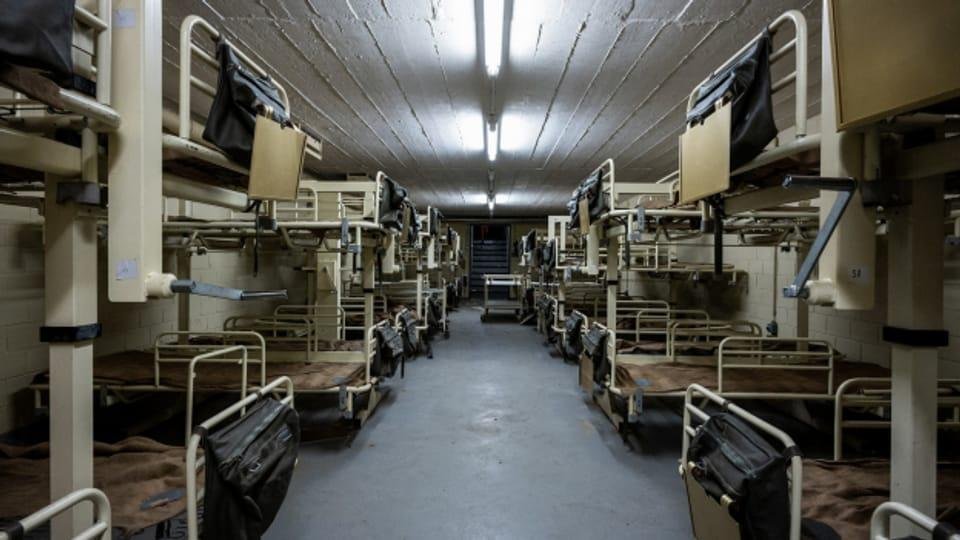
    A shelter can be located underneath an ordinary apartment building.

    From the street, a building might look completely normal.

    But below ground, it can contain:

    • Reinforced walls
    • Heavy doors
    • Ventilation systems
    • Emergency equipment
    • Sleeping areas
    • Sanitation facilities

    This means that Switzerland’s civil-defence infrastructure can be almost invisible in everyday life.


    🏠 Why Were Shelters Built Under Homes?

    Switzerland’s approach was based partly on the idea that protection should be available close to where people live.

    Instead of expecting millions of people to travel long distances during an emergency, shelters could be distributed throughout communities.

    This created a decentralised civil-protection system.

    In theory, that means:

    Home → Nearby shelter → Protection

    rather than:

    Home → Long-distance evacuation → Emergency facility

    That approach can be especially valuable when roads and transportation systems are disrupted.


    🧱 What Makes a Nuclear Shelter Different?

    A normal basement is not automatically a nuclear shelter.

    A properly designed civil-defence shelter can include structural protection and specialised ventilation systems.

    The purpose is not necessarily to make people completely immune to every danger.

    Instead, the shelter is intended to reduce exposure to hazards such as:

    • Radiation from fallout
    • Debris
    • Blast effects
    • Contaminated air
    • Other consequences of major emergencies

    The exact capabilities depend on the design and condition of each facility.


    🇨🇭 Switzerland’s Famous Preparedness Culture

    The shelter system is part of a much broader Swiss approach to emergency preparedness.

    Switzerland has traditionally placed considerable emphasis on:

    Preparation before a crisis happens.

    That philosophy can be seen in civil protection, emergency planning and infrastructure.

    The underlying principle is straightforward:

    It is better to prepare before a disaster than to improvise after it begins.

    This idea has influenced Switzerland’s approach to several types of emergencies, not just military conflict.


    🌍 Is Switzerland Preparing for a Nuclear War Today?

    This needs an important clarification.

    The existence of nuclear shelters does not mean Switzerland expects a nuclear war to happen.

    Many of the shelters were developed during the Cold War, when nuclear confrontation was a major concern across Europe.

    Today, Switzerland’s civil-protection system covers a much broader range of potential emergencies.

    These can include:

    • Natural disasters
    • Major accidents
    • Infrastructure failures
    • Armed conflict
    • Other large-scale emergencies

    So the shelters are better understood as part of a national resilience system, rather than simply “nuclear war bunkers.”


    https://images.openai.com/static-rsc-4/BmICuPiBGSKLbShbsIx2Es8aLn2vIKSf-JV-gtc5_3_isRHw-nPdTdzGEvqsOd-3hlQXVP7Lv_20R55i8JUmUQ9QoJbGzy9Ux18BzM93m4BQA2V4NbX8DZDv0avAdU4JrOKloKJF_2rnSbPb1MweLXKwe4iClNUYZNkRq3FGNwLHiPGr-RjNSAahAFJjPth0?purpose=fullsize
    https://images.openai.com/static-rsc-4/m4gBG3FUNUVNoxTpLPN_KUA8qmhyI5kno3iT9y56SVlBeq6RD12oUX1nGnQ17z80a8kBpMjO9iWDm4nDlu66wScn-0vQ1W7MPd1L6vhgPUu3lC7uTLGjGeC5iHVgOicm0Ass2kRJaUFe_yDIx2o5S0tj68gp3_lEf04FNi0hdI6nK4Yx7qUAnuwiAbUE4TIC?purpose=fullsize
    https://images.openai.com/static-rsc-4/0ccLXiIDnJMl2jYCyrvRysn0jcNSIskDmV2Y5pzxsLUnADQ_WXsn5uba69eY62F43pW9Rp0cBNPsWAEifz9I2HYjuU4iLvZScvWXv5FNSO_9ewSVgy314poLv4-umxv9_Mn6NOBQGFyGkApHgzlbLRhyp2QEb2UTtz0aciTQy1JIC93_-YxeZhogzdX8I8aR?purpose=fullsize

    🏔️ Why Switzerland’s Geography Also Matters

    Switzerland’s geography has influenced its approach to civil protection.

    The country has:

    • High mountains
    • Narrow valleys
    • Dense urban areas
    • Important transport routes
    • Major tunnels
    • Underground infrastructure

    Underground construction is already a major part of Swiss engineering.

    The same engineering expertise that helps build tunnels and infrastructure can also be used in civil protection.


    🚇 Switzerland Has a Remarkable Underground World

    Switzerland is famous for engineering projects beneath the mountains.

    Railway tunnels, road tunnels, underground facilities and military installations are scattered throughout the country.

    Some of these structures are connected with Switzerland’s long history of using mountains and underground spaces for strategic purposes.

    This creates an interesting contrast:

    Above ground:

    Beautiful villages, lakes and mountains.

    Below ground:

    Tunnels, shelters and reinforced infrastructure.

    That hidden side of Switzerland is rarely seen by tourists.


    🤯 10 Fascinating Facts About Switzerland’s Shelters

    1️⃣ Switzerland has one of the world’s best-known civil-defence shelter networks.

    2️⃣ Many shelters were developed during the Cold War.

    3️⃣ Some shelters are located underneath ordinary residential buildings.

    4️⃣ Certain shelters were designed to provide protection against radioactive fallout.

    5️⃣ Civil-protection shelters are not limited to military emergencies.

    6️⃣ Switzerland’s emergency-preparedness system is closely connected with its broader civil-protection strategy.

    7️⃣ Underground construction is an important part of Swiss engineering.

    8️⃣ The country’s mountain geography has encouraged extensive underground infrastructure.

    9️⃣ The shelters became especially important during the period of Cold War nuclear tension.

    🔟 Switzerland’s shelter system demonstrates the country’s long-standing emphasis on preparedness and resilience.


    🍫 Switzerland Is More Than Chocolate and Mountains

    Switzerland is often marketed to the world through its beautiful landscapes and famous products.

    People know it for:

    Swiss chocolate 🍫

    Swiss watches ⌚

    The Alps 🏔️

    Beautiful lakes 🌊

    Ski resorts 🎿

    But underneath this peaceful image is a country that spent decades preparing for some of the worst scenarios imaginable.

    That contrast is what makes Switzerland so fascinating.

    A peaceful country that built an enormous civil-defence system.


    🌎 What Can Other Countries Learn From Switzerland?

    Switzerland’s shelter system raises a much bigger question:

    How should a country prepare for disasters before they happen?

    Every country faces different risks.

    One country may worry about earthquakes.

    Another may face floods.

    Another may face hurricanes.

    Another may face wildfires.

    Switzerland’s experience demonstrates the value of:

    Planning + Infrastructure + Public Awareness + Emergency Preparedness

    The exact system may not be suitable for every country, but the principle of preparing in advance is universal.


    🇨🇭 The Hidden Side of Switzerland

    Switzerland may look like one of the world’s quietest and most peaceful countries.

    But beneath its towns and buildings lies a remarkable story of engineering, preparedness and Cold War history.

    Its civil-defence shelters are a reminder that even countries known for peace and neutrality have historically prepared for extremely dangerous situations.

    And perhaps that is the most surprising thing about Switzerland:

    The country famous for peaceful mountains also built one of the world’s most extensive civil-protection shelter systems.

  • 🇮🇸 Iceland: The Extraordinary Country Where Fire and Ice Exist Together

    🇮🇸 Iceland: The Extraordinary Country Where Fire and Ice Exist Together

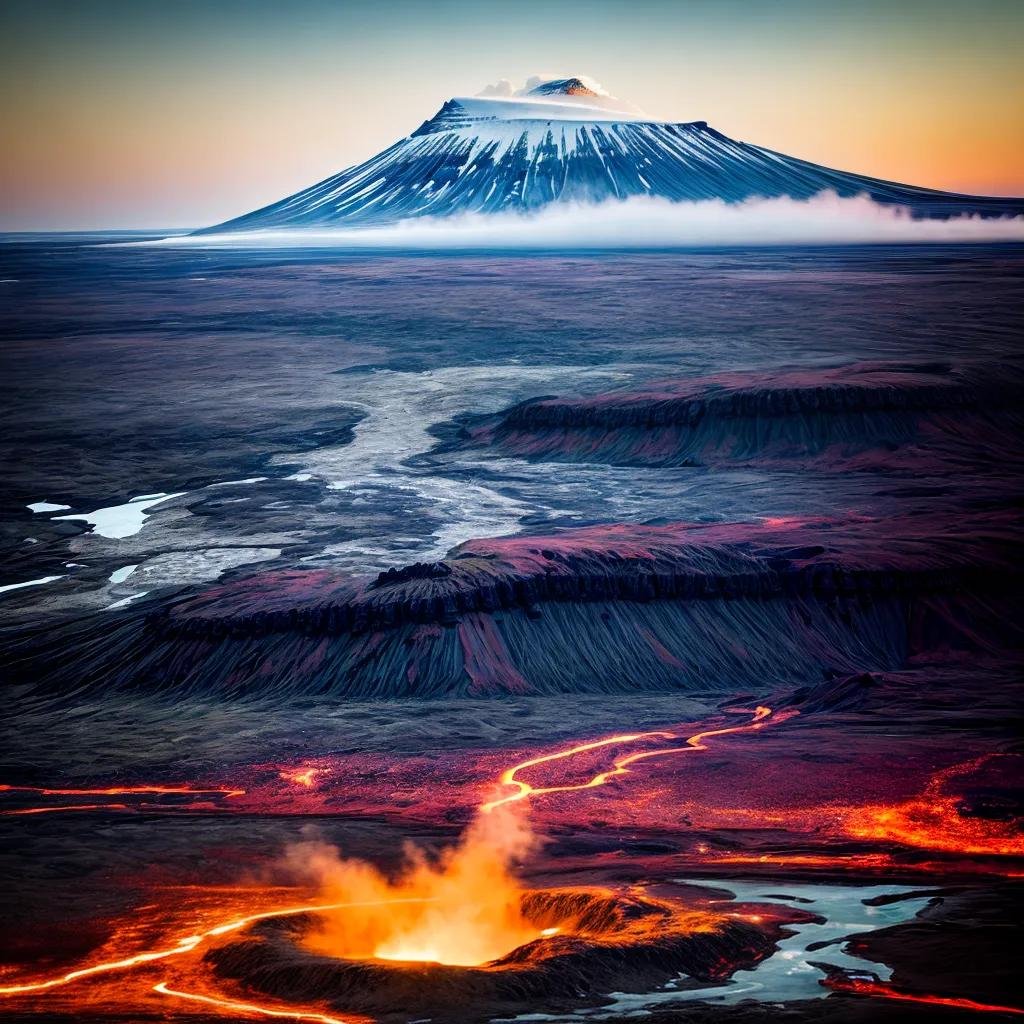
    Imagine a country where massive glaciers, active volcanoes, black-sand beaches, waterfalls, geothermal springs and the Northern Lights can all be found within the same national landscape.

    That country is Iceland.

    Located in the North Atlantic, Iceland is one of the world’s most unusual countries because its landscape is shaped by two powerful forces at the same time: volcanic activity and ice.

    That is why Iceland is often described as the “Land of Fire and Ice.” Its official tourism authority describes it as a country of extreme contrasts, with some of Europe’s largest glaciers and some of the world’s most active volcanoes.


    https://images.openai.com/static-rsc-4/6e_-lHn2ZEE4x7BmSQqGZa6cpdwhMY5hkXwA6q29rTwnodlTLGyA3CQ0EbDJiUyfFPLnJZcvBO_wvy0LwqyT4jrRQYTyay3jH94gs_Kh50t8YpLxmKaDAQ_pkcDNxF59tmQlApgDitjtWyXZ5OMVeNqP0dsiCUWQu-_NGv6Zqo7sKzdv2NkS2vG3c3EFDt0j?purpose=fullsize
    https://images.openai.com/static-rsc-4/uaOBlmkOsAeXPto6ZxHIqQey4pnmZjifX70S840oPbViBPz2pWNqrvKfTf6Yvgq6nsydGz-BXv3RkyCygejMv_ZPNH8Wh7oREZ9oZef02OUt-6xOSWbSM4DXUuIoIdOM98cPe2LtQcLKrZ-SGIQeZxHWpg578Go11fT45LOHzg5mPgfDtwgYtRaTLjW1Tz8H?purpose=fullsize
    https://images.openai.com/static-rsc-4/yG9koEjEjSV4OsL3kZe82GBiaTn34MN6iVPerfCmAh1Jd-3BCt1K_g-9IAWI_tgH7yhNCgrk-r226VjAfVSzsihkEAc9rcm_ibHks2rFFMfBM6CnWFc8ZIownwMjAp7F6EQoElQMMCvvhq5w9JW37fqVHSpTjiUpC7OTP3SDfEjAS6mwtiqeOAahFFQ5s4JI?purpose=fullsize

    🌋 Why Is Iceland Called the “Land of Fire and Ice”?

    The name sounds almost like something from a fantasy movie, but it describes Iceland’s geology surprisingly well.

    On one side, Iceland has enormous glaciers and ice-covered mountains.

    On the other, it is a highly volcanic country where geothermal heat rises from deep beneath the Earth’s surface.

    Volcanic activity is considered a normal part of life in Iceland, and the country’s geology also provides opportunities for geothermal energy.

    This creates landscapes where black lava fields can exist beside bright glaciers, while hot geothermal water can emerge from the ground in an otherwise freezing environment.

    That extraordinary combination is one of Iceland’s biggest natural attractions.


    🧊 Iceland’s Massive Glaciers

    Although the country’s name suggests ice, Iceland is not completely covered by glaciers.

    However, its glaciers are among its most spectacular natural features.

    One of the best known is:

    Vatnajökull

    It is the largest glacier in Iceland and one of the largest in Europe.

    The glacier has shaped the surrounding landscape for thousands of years, creating valleys, rivers, volcanic features and dramatic ice formations.

    Iceland’s official tourism information lists Vatnajökull among the country’s UNESCO World Heritage sites.


    https://images.openai.com/static-rsc-4/YCVZGL9c3QqWJ_AHaR8A57tma6Qr43WZwXHTcJc0uIz4o95CdurkX2rpg0sWXjbQPsMtvmQkrUCw19H4qn0r31JRX--PMpITyGgdlY9xUGvZPB-IFR89mQANErYxvSTU-bBZUuT8xhetWpofu_6ahrrRBHjlmoriBwsmg7PWO2_Jc66FD_Aun8KVVK76pF17?purpose=fullsize
    https://images.openai.com/static-rsc-4/DLbs-RnhWL_o5gPs8aVPN7PjEA_KZdlhnyq-wRlzffRPNfVqSkLU-nx14gjXApRYCo8W8uhpUrdxdieqgHpbprvC26YcLFK1FqiQisryX3WoK6r_iK7zSlwxejXr1qGK64MVdyqHhmFKKi9mNajAWQHzMXDf74TUI5DJlhKL7Kfit7yH4vIkzD6lHENlMMcE?purpose=fullsize
    https://images.openai.com/static-rsc-4/712-GEeWQ1JIELWrf0H2z_AmQd-R8LyAJAIKPuOyCvVe9-CPGzxS3iDJ65DU-1NjaScV9Gx3dXuXc3bhs3ImOofV-MEYARqwbAOm7sRiYpOihYCyfr4dy8lR-IpOYMF8hQ74hhjRWqfueoT1_TtxU9QDSWHVJ-59XjYROCM9xbsoQ3K_U9jfNiQep38kNJZq?purpose=fullsize

    🔥 A Country Built by Volcanoes

    Iceland is located in a geologically active region where tectonic forces and volcanic activity have played a major role in creating the island.

    Volcanoes are not simply distant geological features here.

    They are part of Iceland’s living landscape.

    Lava fields, volcanic mountains, craters and geothermal areas can be found in different parts of the country.

    The Reykjanes Peninsula has been particularly active in recent years. Iceland’s official tourism authority reports that the peninsula experienced eight eruptions since 2023, with the latest of those listed there ending on August 5, 2025.

    This is one reason Iceland is fascinating to geologists as well as travellers.


    🌡️ How Can Iceland Be So Hot and So Cold?

    This is perhaps the most interesting contradiction about Iceland.

    The country can have:

    🧊 Glaciers

    and at the same time:

    🔥 Geothermal heat

    Deep underground, heat from the Earth’s interior warms water and rocks.

    That heat can reach the surface through geothermal areas.

    The result is a landscape containing:

    • Hot springs
    • Geysers
    • Geothermal pools
    • Steam vents
    • Volcanic areas

    Iceland has used this natural heat extensively for heating and other purposes, making geothermal energy an important part of its energy story.


    https://images.openai.com/static-rsc-4/qBJo5YfABepx0AZj3A8F4s84D1EQU894gT1HultD4U-yXM5lCScQHsRoqddJyuzEHexc0YViLOMS599Rbggaste7psEWsDBhIbR31h7koJlT45clN_SckS5OBYUupKolapwJmbVVY_-5wQGybvzZkrNeGGBtv1PxakQQGhckepjHnolIar9n776QqZ07resu?purpose=fullsize
    https://images.openai.com/static-rsc-4/Ghx5-ac-iQdpjWU9azFFoiJKY-IX2ghRbWR-s-gTDPSqM1LR6GXa_o0xsnVDDyzuDTclU5qdCrfHg8mwunY7miI6Xtw9BQuFYD7Wn-H8rPSi3l7-f21iZIXheooMOZuT035X6GpdHdoNtGuGin9ED50G0Lih3ElZd95PgF6mEoAgzjVwuwt3PdMAcQo2O4eb?purpose=fullsize
    https://images.openai.com/static-rsc-4/yG7ftCl6dx-X8Bj--LH1tYHjeOgpESWDC-PPBW33rugZrFE1_7_cnaCbca2aLvwE-khS7IVvCj75HY4hG6n6nLOL1To_9HvRoSCrb6KeKXmj2KgIZH3wi6T5Cy77sKg4GahS-2tlU-X3GdfkXEGjjdXubAqcvFVga3IdVhQNt-1_Tr6dN2vlez7pd-oY9-hV?purpose=fullsize

    💨 The Country Where Geothermal Energy Is Part of Everyday Life

    In many countries, hot water and heating require large amounts of conventional fuel.

    Iceland’s geology gives it an unusual advantage.

    Geothermal resources provide naturally heated water that can be used for:

    • Heating
    • Bathing
    • Swimming pools
    • Certain industrial uses
    • Electricity generation

    The country’s official tourism authority describes Iceland as having abundant clean, renewable energy because of its distinctive geography and geology.

    This is a fascinating example of how a country’s natural environment can influence its technology and everyday life.


    🌌 The Northern Lights: Iceland’s Magical Winter Sky

    One of Iceland’s most famous natural attractions is the:

    Aurora Borealis — Northern Lights

    During the darker months, the night sky can sometimes fill with moving colours ranging from green to pink, purple and other shades.

    The phenomenon is caused by interactions between charged particles from the Sun and Earth’s upper atmosphere.

    Iceland’s official tourism information says the Northern Lights season generally runs from September to April, when darkness provides suitable viewing conditions.

    But seeing the Northern Lights is never guaranteed.

    You need a combination of:

    Darkness + suitable weather + solar activity + clear skies.

    That uncertainty is part of the excitement.


    https://images.openai.com/static-rsc-4/oBi3ATQSwIioO2Jh5jUdzGpDZy3u5W91T1YKT4mi8yscbl0MWcr2FXr-yKzVtQC6kwqHB9YeVd077ls3hwAI2U_XraASt4fW70Usc2MKBnxtCItolzJNxNqzID0VPk1ohZVRNUel6AJJ5JRLieLgloKCjMPP2POKbiB4KVMRPlicESzWWFx-QsvEF94PXUJj?purpose=fullsize
    https://images.openai.com/static-rsc-4/n0_AL51bPk81Ma6nH17ayyazcbfRxmf7ds2XBZ41eMqEOouaHyaMFOPIw3-uOAd8R9p9Hq0AgzfPejKCRz7Nxhj6uM_GbG_f7938FAr4a7AR4MBefpgTOERg452n5IxzPzXM55_h4kBgjNE5sK9A0Clo-dc8LrQzmGdX0jmEwM05ZDoIBCBqTvFxo4yPfisU?purpose=fullsize
    https://images.openai.com/static-rsc-4/mN4zaBHx3odV3cZU74yFuuhRs58Fw1WA3eoOEh-vQpah_BK7Y0-IfbmYY9DrAXc1GYpKKPru0Oi0HgYqZb-IU7K_tIAmB3Jq5BkootC74bWIA4WnyY7lxBt1Fx9FW6pM3o5FEpC_qRim6IvR_u5S5SXkRkbVsRmngoFhdLRNQyEXot_Br7SQxSe2OzyFA3ED?purpose=fullsize

    ☀️ The Opposite Happens in Summer

    Iceland’s winter darkness has a remarkable opposite.

    During summer, the country experiences extremely long daylight hours.

    Around the period from mid-May to mid-July, the Midnight Sun creates nights that remain unusually bright.

    So Iceland can offer two completely different experiences:

    Winter:

    🌌 Long darkness and opportunities to see the Northern Lights

    Summer:

    ☀️ Extremely long daylight and the Midnight Sun

    This dramatic difference between seasons is one of the country’s most memorable characteristics.


    🌊 Iceland’s Famous Black-Sand Beaches

    Most people imagine beaches as places covered with golden or white sand.

    Iceland has something very different.

    Some of its beaches are covered with dark volcanic sand.

    The colour comes from volcanic material that has been broken down over time.

    These beaches create a spectacular contrast:

    Black sand + white waves + green cliffs + grey sky

    The result looks almost unreal.

    Iceland’s volcanic geology is therefore visible not only in mountains and lava fields, but also along its coastline.


    https://images.openai.com/static-rsc-4/4nLWAiYtiD5IDCgu7dVurUt2Qku60K-LXPXdutyN8AFm_yTZKjqm_0jxqfx4_GB0yeNaulJwHNWSB2rtg02tLf_YiXEYSeUqkXtAbuOVJ9Kxizz0cXIyMotL2QZYADwOp2ODrajTqs0XGEWa0VnSbe_Vwci6ibZdI_ahNo2P6OeUHP5tptq07z9TsERatlqX?purpose=fullsize
    https://images.openai.com/static-rsc-4/IBZkVd7CatGn0F9J2cJxnEqaZYUwV9IlfZ5VqA0GW_7b2fnyA7ZKXfdsOWqvTVPlKL4DTFU2QvxxWEsE6CENYLx2C676jGxdBeLZivr9W9y6h5zDb5FDz2r8K8DhY-sztFFUhXiNKD6aCLckHLIy1FMYb6mJu8MjVQdC2E6xnETKQ9SQe-ivwbLpA-W57niP?purpose=fullsize
    https://images.openai.com/static-rsc-4/gdBWE8LxsVWBuvzAYUQ20wPhPJ8wF0Ap3y5KHb8t4unc7nqYTNFUdmh807KQzTmKFlJzSpCliVN8GoH1BTUv6WVqP2mIUaFcPM96QRzimN3CGS3o_Bt-xoXFOsXD3neJszZCOGslQyVFuMa7SeIgvjoSElAMVZhxH27pGzmrp4VsCvSYEilQIvDqhHlO4-mE?purpose=fullsize

    💧 Waterfalls Everywhere

    Iceland is also famous for spectacular waterfalls.

    Its combination of:

    Glaciers + snow + rainfall + mountains + rivers

    creates ideal conditions for powerful waterfalls.

    Some waterfalls are surrounded by cliffs, while others fall from broad plateaus or narrow valleys.

    Water is one of the most important elements in Iceland’s landscape, and travelling through the country can reveal completely different waterfalls within a relatively short distance.


    🏞️ Iceland Is One of the World’s Least-Densely Populated Countries

    Iceland has a very small population compared with the size of its territory.

    At the end of the first quarter of 2026, Statistics Iceland recorded a population of 395,050.

    The country’s official tourism authority describes Iceland as one of the world’s most sparsely populated countries, with almost two-thirds of residents living in the capital area in the southwest.

    That means enormous areas outside the main urban region have relatively few inhabitants.

    For visitors, this creates a remarkable feeling of space.

    You can travel through landscapes where there may be mountains, lava fields, glaciers and ocean—but very few buildings.


    🏙️ Reykjavík: A Small Capital With a Big Personality

    Iceland’s capital is:

    Reykjavík

    It is the country’s largest urban centre and the heart of its political, cultural and economic life.

    Despite being a capital city, Reykjavík is much smaller than the world’s giant metropolitan areas.

    That gives it a distinctive character.

    Visitors can experience:

    • Modern architecture
    • Cafés and restaurants
    • Museums
    • Nordic culture
    • Geothermal swimming pools
    • Easy access to spectacular natural landscapes

    The capital region is home to the majority of Iceland’s population.


    https://images.openai.com/static-rsc-4/2MXKBpzescWqdWBbAlVTSY3DjmIBCkRYuHeC_Y_O1UI7SNa_v52OpZyttbtlcRoLgWQab4NQ3NKVDitECRh_7DUnYueiSdm8ZsB7TscfXdg7GSMULP_6ggIfBrHjvqScFv1hliSd44aKAq516UQEkK5xtjQpm2GVVAedFdYLDvCr08ZcyzRWFC03vQgCmDng?purpose=fullsize
    https://images.openai.com/static-rsc-4/fRpbP59uYpdKn2yP8TDDyFz9TLeAtiZhYy1BPVT8FWNAHmoIYO-bippOEO-S06KigKIVrHwQvXamPhQemLQ2C90MPjz3LvkWs6E0QQRNkDKpslZc7e9EaSdD4nb-7oBlwFU-EBTodhT4z7qZmzdd1xYlxEyCp_2jVa2as4X75eCVW6PqR9wTeQWMdwqGuvST?purpose=fullsize
    https://images.openai.com/static-rsc-4/DGFzcq9yBDutHyM2QuRfVQRDhIWfAmRlXrXHrGzwGzKtnXYAhv77tglOu_4SIblU4KA9mrOZsEvwyRIcW6wFTFycggPHU05iPDTUHyVhGjFTStNPCL65bHcNK5wCocbRXcOWl-yFhfe5ypvtbEzSWZlS-H8ianLUuDrIxn6YLbG_VMQI4cm-qV3jqt3-UhGm?purpose=fullsize

    🧬 Iceland’s Unique Connection With Nature

    Iceland’s geography has influenced almost every aspect of life.

    The country’s:

    Volcanoes

    created land.

    Glaciers

    shaped valleys and rivers.

    Geothermal heat

    provides energy and hot water.

    Ocean

    supports fishing and coastal communities.

    Long winter darkness

    creates ideal conditions for experiencing the Northern Lights.

    Long summer daylight

    changes the rhythm of everyday life.

    In other words, Iceland’s natural environment isn’t just something people visit.

    Nature is deeply connected to life in Iceland.


    🐋 Wildlife in Iceland

    Iceland’s waters and coastal environments support a variety of marine life.

    Depending on the region and season, visitors may encounter:

    • Whales
    • Seabirds
    • Puffins
    • Seals
    • Arctic wildlife

    The country’s official tourism resources highlight wildlife experiences such as whale watching and puffin spotting among its attractions.

    The famous Atlantic puffin has also become one of Iceland’s most recognisable wildlife symbols.


    🏛️ A Country With a Viking Heritage

    Iceland’s modern culture is strongly connected to its Norse and Viking-era history.

    The country has preserved a remarkable literary tradition, including the famous Icelandic sagas.

    Its language has also retained many features of Old Norse.

    This means Iceland offers a fascinating combination:

    Ancient heritage + modern society

    Traditional stories and language exist alongside advanced technology, modern infrastructure and contemporary urban life.


    🌋 One of the World’s Best Natural Laboratories

    For scientists, Iceland is more than a beautiful tourist destination.

    It is a natural laboratory for studying:

    • Volcanic activity
    • Earthquakes
    • Glaciers
    • Geothermal systems
    • Plate tectonics
    • Climate change
    • Renewable energy

    The country’s unusual geology makes it particularly valuable for understanding how Earth’s natural systems work.


    🌍 Why Is Iceland So Special?

    Many countries have mountains.

    Many have glaciers.

    Many have beaches.

    Many have volcanoes.

    But Iceland brings an extraordinary number of these features together in one relatively small country.

    You can experience:

    🌋 Volcanoes

    🧊 Glaciers

    🌌 Northern Lights

    ☀️ Midnight Sun

    💨 Geothermal areas

    🌊 Waterfalls

    🖤 Black-sand beaches

    🐋 Marine wildlife

    🏔️ Dramatic mountains

    all within the same island nation.

    That combination is what makes Iceland genuinely unique.


    🤯 10 Amazing Facts About Iceland

    1️⃣ Iceland is widely known as the Land of Fire and Ice.

    2️⃣ It has both major glaciers and active volcanic areas.

    3️⃣ The country has extensive geothermal resources.

    4️⃣ The Northern Lights can be seen during suitable dark and clear conditions, generally from September to April.

    5️⃣ The Midnight Sun creates exceptionally long daylight periods around summer.

    6️⃣ Iceland has dramatic black-sand volcanic beaches.

    7️⃣ Its population was 395,050 at the end of Q1 2026.

    8️⃣ Almost two-thirds of its population lives in the capital region.

    9️⃣ The Reykjanes Peninsula has experienced repeated volcanic eruptions in recent years.

    🔟 Iceland’s geology provides abundant renewable geothermal and hydropower resources.


    🇮🇸 The Real Story Behind Iceland

    Iceland is much more than a beautiful travel destination.

    It is a country where Earth’s most powerful natural forces are visible almost everywhere.

    Fire rises from beneath the ground.

    Ice covers enormous areas.

    Waterfalls cut through valleys.

    Geothermal heat creates warm water.

    The ocean surrounds the country.

    And during the right winter night, the sky can suddenly come alive with the Northern Lights.

    That combination makes Iceland one of the most extraordinary natural environments on Earth.

    🌋🧊 Iceland proves that sometimes the most fascinating countries are the ones where nature itself becomes the main attraction.

  • 🇧🇹 Bhutan: The Country That Measures Progress Beyond Money

    🇧🇹 Bhutan: The Country That Measures Progress Beyond Money

    A Fascinating Look at Gross National Happiness, Forest Protection and a Unique Way of Development

    When people think about the progress of a country, they usually think about GDP, income, industries, roads, technology and economic growth.

    But there is a small Himalayan country that became famous for asking a different question:

    “Is economic growth enough to make a country truly successful?”

    That country is Bhutan.

    Nestled between India and China in the eastern Himalayas, Bhutan is known for its mountains, monasteries, forests and distinctive cultural traditions. But one of its most remarkable features is its approach to national development.

    Instead of treating economic growth as the only measure of progress, Bhutan developed the philosophy of Gross National Happiness (GNH).

    And the story behind it is far more interesting than the name suggests.

    https://images.openai.com/static-rsc-4/HP8FZ3yiyvh4s939brOeVufI8BQkPOs2NF13VaJAbhG3EC4iVffvcAaWSPkYYTCHN6bMqtgPOjOFay-fDCwxKmfym0Dc2-ekYDo-QRUxBZm4zXtCtRxw75CyeJB0u8AkJlCV519gKFuVL9LTZ_y2MoKyGYGzRb3SBO2-H_LG2fI4Itz4RTSNMe2dtAATTOAP?purpose=fullsize
    https://images.openai.com/static-rsc-4/suTSYxzKeDnv0UvmVnd0jKqzIuvGl2ywj7CrkWppmH9fOCG1r7Va2kLPnE5X-K46AXQbiMLYHDtjshUZ-yXrj0hdjgAaLJiaUwTDpVCZ5elT31iUddsoru6hBL0b0-NTTP11XOOnRLysPdRIlaCS2IDV9Dall77jqAHrSp96wrf0EGFYnhY385RXGWaaD3Q4?purpose=fullsize
    https://images.openai.com/static-rsc-4/oQDRlqbnWs0FX358uavhI1aYBrjN2qwN4Q3dHzaSHNCS7T0EUG6u-Dt_tzo10wKGHeCm4XyirihbrvHGnd_7Ot2SvXDty3fmGPoSP2E4wD-5UC7Bmt2hZ2LQLeCPaCmk10okReqnK-JKbS_VA4nPzhS09StVK1JtnywN6xbPtBAuvUTUkHXE6sCMhuO4qDmr?purpose=fullsize

    🏔️ Where Is Bhutan?

    Bhutan is a landlocked Himalayan kingdom located between India and China.

    Its landscape is dominated by:

    • High mountains
    • Deep valleys
    • Forests
    • Rivers
    • Traditional Buddhist architecture
    • Small towns and settlements

    The country’s geography has played an important role in shaping its culture and development.

    Its mountainous terrain also means that protecting forests, water resources and biodiversity is especially important.

    Bhutan’s government has therefore made environmental conservation a central part of its national development philosophy.


    😊 What Is Gross National Happiness?

    The most famous idea associated with Bhutan is:

    Gross National Happiness — GNH

    The concept was developed under the leadership of King Jigme Singye Wangchuck, Bhutan’s Fourth King, in the 1970s.

    The basic idea is that economic development should improve people’s overall quality of life, rather than focusing only on increasing national income.

    Bhutan’s official description of GNH presents it as a holistic development approach involving people’s well-being, culture, environment and good governance.

    This does not mean that Bhutan ignores money or economic development.

    Instead, the philosophy attempts to balance economic development with other aspects of life.


    🌱 The Four Pillars of Gross National Happiness

    Bhutan’s GNH philosophy is traditionally organised around four major pillars.

    1. Sustainable and Equitable Socio-Economic Development

    Economic development matters, but the emphasis is on making development sustainable and beneficial to society.

    2. Environmental Conservation

    Bhutan gives extraordinary importance to forests, biodiversity and ecological protection.

    3. Preservation and Promotion of Culture

    Traditional culture, heritage and identity are considered important parts of national well-being.

    4. Good Governance

    The quality of government and institutions is also considered part of people’s overall well-being.

    These four pillars are further developed into areas including health, education, psychological well-being, living standards, community vitality, culture, governance, ecological integration and balanced use of time.

    https://images.openai.com/static-rsc-4/jTsedG1or7OSRL3SPRHEZIXUdMiY6Zkopv5nQw6SO28bfJSRm2LOV7Xf9LgQMiHYvrNyGILyXW4I3Ys1jSW2JbwaoU7HTPifCGFpEj4H_GMVIm9Xm9Hp6hykL5izL7udifCRvRJQSgAqWds5PWTuvuW_IGAJFKAgxC-HI6baQl-ce1taIQwyY7gFG8qwpfes?purpose=fullsize
    https://images.openai.com/static-rsc-4/mrhy8_FyaGJX8SAAEx9JB6_wmAtXesxefxinQlcR4QrDhsQZBO-ZIMYHjZRXM2YE2YIqGtZAO-0RZfi_LTPe4D7TLxblv5z5BGKbQ7Iukk9MxAOOvkaEFNzOmGJBfmQQLF6F3XsOcnDBhezfZiS6WjrR57xKGDsS9aES6DzGuCzbdZ4wmuD9zIgXkx42Mhx_?purpose=fullsize
    https://images.openai.com/static-rsc-4/52hgskMwkLnGzqr00xv1x93fRJBH0sCvICNbeRx-oyiywC2vCTZfQdQlZ-aO3SzRNTCMKYYRT7F36yIxQB9B75gED-0hGOyurRoQ-FRBSXYP3CHZ9eXlDHVGdR98769-2LXuNy-WlrQTp69cKL4Gl04vvVV5CoUFkWNjGJPDRiiKBF8wcqOSKuPQekoq-Nam?purpose=fullsize

    📊 Does Bhutan Actually Measure Happiness?

    This is where the story becomes particularly interesting.

    GNH is not simply a slogan saying:

    “Bhutanese people are happy.”

    Bhutan developed a framework containing multiple indicators to examine different dimensions of people’s lives.

    The official GNH framework has included nine domains, 38 sub-indexes, 72 indicators and 151 variables.

    These areas cover subjects such as:

    • Psychological well-being
    • Living standards
    • Health
    • Education
    • Time use
    • Cultural diversity
    • Community vitality
    • Good governance
    • Ecological conditions

    So the idea is much broader than asking someone a simple question such as:

    “Are you happy?”


    🌳 Bhutan’s Extraordinary Forest Commitment

    Bhutan has another remarkable feature that makes it stand out internationally.

    Its Constitution requires the country to maintain at least 60% of its total land area under forest cover for all time.

    This is not merely an environmental target written in a government plan.

    It is a constitutional requirement.

    Bhutan’s Department of Forests and Park Services currently reports forest cover of about 70.45%, with an additional 10.43% under shrubs, while 51.34% of the country’s total area is under protected-area management.

    That makes Bhutan’s environmental policy one of the country’s most distinctive characteristics.


    🌍 A Country That Wants to Remain Carbon Negative

    Bhutan has also made strong climate commitments.

    Its forests absorb significant amounts of carbon dioxide, and Bhutan has repeatedly committed itself to remaining carbon neutral.

    Government environmental documents describe Bhutan as a net carbon sink, meaning its ecosystems absorb more carbon than the country emits overall.

    This is especially remarkable because Bhutan is a small developing country with a relatively modest industrial base.

    Its environmental strategy demonstrates that economic development and environmental protection do not necessarily have to be treated as complete opposites.


    https://images.openai.com/static-rsc-4/0FZnzZbkFg35cIZX1TFOp5ZFoMWvaf4uT3_Ny3P5EVnZhZUmCHYMLoh5b5Zqn-5w0rXmHxkLWUeD2PUHMJZHZyZzJkaUrf29PHbrfl7JR6RzS9ar2C6jitt2Wpzds0RlH0_2yMPwq27lzShzarDi238iAYgptG7JSg_wvxTi3I2u5WuyfAig0UriJNXNIruy?purpose=fullsize
    https://images.openai.com/static-rsc-4/r4MN5WEQVwwwlof3MnhWmDZ4zGhUOfdQFOFpUQ0Hz-45hyL8XMuZ8QwEH_TSJt2SMXM8Msv-1HzwMXHJ0pM3PcaZk9IcHKPDolQ-HBk5NqMS_5nkFIDJU2tUSA_6ikn3qbXvVGN6VDFl-hy9k0Rk6cc_YMs3_T1ljVAUA6bnoHXgOmg7Aj2uwvxKkZA22Wqw?purpose=fullsize
    https://images.openai.com/static-rsc-4/z_hNJlyH-HF5aRwLbXnEqlIXPBgCpFfBWTtNJUKARqZjFAb_lEql6F9uRawsq1RX0rOu6OHlHlH40t3KLKSItjR0SjORH1OobmqrBN74mxMIqxtGjJAHYXXc8xKnZzZxjrQFtSN_dd128gK4kroPEo_wh_75OAzTeH5yt-wMdIlaLk_ETXdrokgalANjrr7F?purpose=fullsize

    🐯 Why Are Bhutan’s Forests So Important?

    Bhutan’s forests are not valuable only because they look beautiful.

    They provide:

    • Wildlife habitat
    • Clean water
    • Protection against soil erosion
    • Carbon storage
    • Biodiversity
    • Natural resources
    • Ecosystem services for communities

    The country’s protected-area network includes national parks, wildlife sanctuaries, nature reserves and biological corridors.

    This approach has helped Bhutan maintain important habitats across its mountainous landscape.


    🛕 Culture Is Another Part of Development

    Bhutan has carefully preserved many aspects of its traditional identity.

    Visitors often notice:

    • Dzongs
    • Buddhist monasteries
    • Traditional buildings
    • Religious festivals
    • Traditional clothing
    • Local crafts
    • Himalayan customs

    Bhutan’s approach is unusual because cultural preservation is not treated merely as a tourism product.

    It is considered part of national identity and well-being.

    That is why modern development in Bhutan often exists alongside centuries-old cultural traditions.


    ⚡ Bhutan’s Economy Is Not Based Only on Happiness

    It is important not to misunderstand the GNH philosophy.

    Bhutan still needs:

    Jobs + Income + Infrastructure + Education + Healthcare + Investment + Economic Growth

    One of the country’s economically important sectors has historically been hydropower.

    Bhutan’s mountainous terrain gives it significant hydropower potential, and electricity has become an important part of its economic relationship with neighbouring India.

    Bhutan’s government also identifies hydropower as a major component of its development strategy.


    🇮🇳 Bhutan and India: A Special Relationship

    Bhutan shares a long border with India and has strong economic, cultural and diplomatic connections with its larger neighbour.

    India has been an important partner in areas including:

    • Hydropower
    • Infrastructure
    • Trade
    • Education
    • Development cooperation
    • Connectivity

    For Bhutan, cooperation with India is particularly significant because of its geography and landlocked position.


    🚀 Bhutan Is Also Changing

    It would be wrong to imagine Bhutan as a country frozen in the past.

    The country is developing modern infrastructure, expanding digital services and looking for new economic opportunities.

    One of the major current initiatives is Gelephu Mindfulness City, which the Bhutanese government describes as a transformative development initiative.

    The 2026 State of the Nation report highlighted Gelephu Mindfulness City alongside initiatives such as the 21st Century Economic Roadmap.

    This shows that Bhutan is attempting to combine:

    Tradition + Technology + Economic Development + Well-being

    rather than choosing only one of them.


    🏙️ Can Other Countries Copy Bhutan’s Happiness Model?

    This is a difficult question.

    Bhutan’s approach was developed within a particular:

    • Cultural environment
    • Geographic setting
    • Political history
    • Economic structure
    • Religious tradition
    • Population size

    Therefore, another country cannot simply copy Bhutan’s model and expect exactly the same results.

    But the underlying question is universal:

    Should a country’s success be measured only by how much money it produces?

    That is the question Bhutan has encouraged the world to discuss.


    🤔 Is Bhutan Really the “Happiest Country in the World”?

    This is one of the biggest misconceptions about Bhutan.

    You may see headlines saying:

    “Bhutan is the world’s happiest country.”

    But that statement is too simplistic.

    Gross National Happiness is Bhutan’s development philosophy.

    It is not the same thing as saying that Bhutan ranks first in every international happiness survey.

    A country can use GNH as a policy framework without automatically being No. 1 in every global happiness ranking.

    This distinction is important for accurate reporting.


    🌟 Why Is Bhutan So Interesting?

    Bhutan is fascinating because it challenges some assumptions about what development should look like.

    A country can ask:

    How much did our economy grow?

    But Bhutan also asks:

    How are our people living?

    Is our environment healthy?

    Are we preserving our culture?

    Is development sustainable?

    Is government serving society effectively?

    These questions make Bhutan’s development philosophy unusual in the modern world.


    📌 10 Fascinating Facts About Bhutan

    1️⃣ Bhutan is a Himalayan kingdom between India and China.

    2️⃣ It developed the philosophy of Gross National Happiness.

    3️⃣ GNH considers more than economic output.

    4️⃣ Bhutan’s Constitution requires at least 60% forest cover to be maintained permanently.

    5️⃣ The country’s current forest cover is reported at about 70.45% by Bhutan’s forestry authorities.

    6️⃣ More than half of Bhutan’s territory is under protected-area management, according to its forestry authorities.

    7️⃣ Hydropower is an important part of the country’s economy.

    8️⃣ Bhutan places strong emphasis on preserving its cultural heritage.

    9️⃣ Bhutan has committed to maintaining carbon neutrality.

    🔟 The country is now pursuing new economic and urban-development initiatives while retaining its GNH philosophy.


    🇧🇹 The Real Lesson From Bhutan

    Bhutan’s greatest uniqueness may not be its mountains, monasteries or forests.

    It may be the question it asks about development.

    For decades, the world has often measured national success through:

    GDP + Income + Production + Economic Growth

    Bhutan added another dimension:

    Well-being + Culture + Environment + Good Governance

    It does not mean economic growth is unimportant.

    Instead, Bhutan’s philosophy argues that economic development should serve human well-being rather than becoming the only definition of progress.

    That idea is what made this small Himalayan country famous far beyond its borders.

    🌏 Bhutan may be small on the world map, but its question is enormous:

    “What does it really mean for a country to develop?”

    And that is precisely why Bhutan deserves a special place in any World Information collection.

  • 🇯🇵 Japan’s “Blue” Traffic Lights: Why Does Japan Call Green “Blue”?

    🇯🇵 Japan’s “Blue” Traffic Lights: Why Does Japan Call Green “Blue”?

    If you look at a traffic signal in Japan, you may notice something surprising.

    The light that most of the world calls green is commonly referred to in Japanese as “ao” (青) — a word usually translated as blue.

    So, does Japan really have blue traffic lights?

    The answer is much more interesting than a simple yes or no.


    https://images.openai.com/static-rsc-4/zTN_tVkHPGIoCrA_NbZ6OeMlq_4RJnwKLjVVVMhRzy40k9_MNVbRXZyR9grY-vM0JxCcxtF1Xq0kAUpbACBpScX4-K3HLVZsQMscyA7K94RaJwlLZn9WFdmPP7hUok43ODNgw4tsPEUUuCZf2lPtngeo9k209ZgpQlVxkqMAALW26W4OH1Bgg3jktkb0i057?purpose=fullsize
    https://images.openai.com/static-rsc-4/zgRP2wrx_n10qkDEMafkPaa9ZmQXRnL4VAmaki55W0cNauY41Q2e-NE3JeoXrgSfoVebY-BKsxES68yu1YXNg3ZSLpnd-zbZcZzSDVy5lvDQnjzGc4JqqD1yGBwgNJ8EOqLfuVZD_fXQeauhz4uuEU3s9LmPRvE_RwFbWWMnzj_-F3Mg4KV9B-4w1k4BY8ZM?purpose=fullsize
    https://images.openai.com/static-rsc-4/ux0RUWssDzQYU76wy7p5YvSrYJWpVWlqSmiLPj65xB7n84tdTVbqg09ShsyLquHu_g7xR7Yu7Hq7Z1MvHUha1dOIin0jgWrGz5vCK3FSx_7UqdUuAz2PATjJ3VCY076gi7O9n9AbHaxhijXgP7iwIbXxxmjDtlGGXqiL3DDJpAdHIsexhzLp4ThODbPPglc6?purpose=fullsize

    🚦 A Green Light That Is Called “Blue”

    In English, traffic signals are normally described as:

    Red → Yellow → Green

    But in Japan, the green signal is traditionally called:

    青信号 (Ao-shingō)

    Here, ao means blue, while shingō means signal.

    So, literally, ao-shingō means “blue signal.”

    For someone visiting Japan for the first time, this can sound strange. After all, the signal looks green to most people.

    But the explanation goes back much further than modern traffic lights.

    It is connected to the history of the Japanese language and the way colour words developed over centuries.


    🎨 The Japanese Words “Ao” and “Midori”

    Modern Japanese has a commonly used word for green:

    Midori (緑)

    It is used for many things we would clearly describe as green, including vegetation and other green objects.

    There is also:

    Ao (青)

    which is normally associated with blue.

    However, historically, ao covered a broader range of colours than the modern English word “blue.”

    It could be used for colours that were blue, blue-green or vividly green in particular contexts.

    This is why some traditional Japanese expressions can sound unusual when translated directly into English.

    For example, Japanese still has familiar words and expressions containing ao that refer to things that appear green to English speakers.

    https://images.openai.com/static-rsc-4/IWp6obnySbmK1vyoh3Ut5OyU6pT3qQ57UUX5SBaftVXmBBTyV04Xf8Cfs86QWwISBx0gaIU1PNFfuDNp-X5E5SSNiKxq6cE9HsngJ7oV53C4X-HQMHYR-TWjbmDLnlMj_Jb49k14qIwgYl16l6JrdG6WYN_1rueD55AV0Hu7O2b6zlB89CVqQSI1MtLtB1KM?purpose=fullsize
    https://images.openai.com/static-rsc-4/ZQgXI3LdGjK0G_lDL9twUvs9i2TrC_X37EV7GeasYKQIHj5Wnqjne7w29nQ6MsHftZIyS_Bef9xc-b-MLOnFvrZsWXK6Ti1vkXvxy3U2wFUHlTQUPPHRQz73sgh5MVcFwc2aJkjxwSzuZQGJDvrhEm5Z8Q7_QHMLvZ1nYBuj0lN_qngHGaEYPPVBggeg5ajx?purpose=fullsize
    https://images.openai.com/static-rsc-4/umG8g0R63lwAarqyLa8DXyk6sJgACirfhdLaq1jZD_5lGiNY5AprPRUiqv6jd2MLOfc_ieUOnOOUS6hOJ24pNYo-mlJ8HH25j-d2GSfoYZiYJKzqeizN2hiTBbTxCDGLadepRjUjFdlGIux2v7VqRZJN8-O1rbEcttgJ8YzapKYc3ZD0-uuoAzCOM249jbLQ?purpose=fullsize

    📜 The Story Goes Back Centuries

    The unusual use of ao is not something that was invented for traffic signals.

    The word has a very long history in Japanese.

    Historically, Japanese colour terminology did not always divide the visible colour spectrum into exactly the same categories used in modern English.

    Over time, midori became strongly associated with green, especially natural greenery.

    But ao continued to survive in older expressions and everyday language.

    That history eventually became connected to one of the world’s most recognisable road signals.


    🚥 When Did Japan Get Traffic Lights?

    Japan’s first electric traffic light was installed in Hibiya, Tokyo, in 1930.

    It was imported from the United States and used the familiar three-colour system.

    Interestingly, the original Japanese legislation referred to the “go” colour as midori, meaning green.

    But ordinary people continued to call the signal ao.

    The popular terminology eventually became so established that in 1947, ao-shingō was adopted in Japanese law as the official name for the “go” signal.

    That means the strange-sounding expression has a genuine historical and legal background.


    💚 So, Is Japan’s Traffic Light Actually Blue?

    Not exactly.

    Japanese traffic signals generally serve the same three basic functions as traffic signals elsewhere:

    🔴 Red — Stop

    🟡 Yellow — Caution

    🟢 Green — Go

    The “blue” mystery is mainly about the name, not about Japan changing the basic meaning of the signal.

    However, there is another interesting detail.

    Some Japanese green traffic signals can appear somewhat blue-green or cyan rather than the deeper green many people expect.

    This helps explain why the traditional terminology does not always feel completely disconnected from what people see.

    But the main reason remains language and history, not a completely different traffic-light system.


    https://images.openai.com/static-rsc-4/COC12_VbQeZk0tVsCU7c5GMN-IN7uRQpBASSiBBdBC4L1Cc_xpFv7T0XmLTwPOof0KS5zcFNTXjp5R3o1jn0GR30SK6bwvnYqt4ln5h24ARrC5axxrFt2tEbiM0iZQv3efIlk4t158GnHBt6A6yyAw_btAIdzLnYznw4lr7LtwtBqrWsEtbrM3x3zTkkIukN?purpose=fullsize
    https://images.openai.com/static-rsc-4/JOfOuq8Lgce1A5Utn-5rnZRphIG8I8XiAIEz9Oifuv6eknQFwWshdpL_LII9C6fX4AuHJ3iz_fG3Qtlbjrm66vQUiSF7PSgJUPMOAyBTaH1uh-gOsOhQZnkv10RI9IniCHMGTdRnsZJJuDFH4KxwcF8Nc3Y6gWBDcta0SyN6TAlCgx5nQ-q3ZUftC47rM7eZ?purpose=fullsize
    https://images.openai.com/static-rsc-4/Ie9wT0sWFCF72_r_O7S2v6R_i0tBzD4qI5J3kqxfbD3MkmExtd9-P5LaqqbtrlfjMxp2KMbcsWUEKwHXVa83s5LgWfX298pYrfXvn-miYUiSNVxd899nAmvMTtAFOMatlXU_d38wJasrHfe2hZfdme_0W1ZMcARItbn6Fr1VsANpLPgKyWLRFsOQnMkeU-UX?purpose=fullsize

    💡 Why Do Some Japanese Signals Look Blue-Green?

    Modern LED technology has made traffic signals brighter and more precisely controlled.

    Japan has also played an important role in LED technology. Japanese researchers Akasaki Isamu, Amano Hiroshi and Nakamura Shuji were awarded the 2014 Nobel Prize in Physics for work related to efficient blue LEDs. Blue LEDs later became important in displays, lighting and traffic signals.

    But it would be incorrect to say that Japan uses blue traffic lights simply because of blue-LED technology.

    The name “ao-shingō” existed long before modern LED traffic signals.

    The language came first; the technology came later.


    🗣️ Why Didn’t Japan Simply Change the Name to “Midori”?

    This is where language becomes fascinating.

    Once a word becomes deeply established in everyday speech, changing it can be surprisingly difficult.

    Millions of people already understood ao-shingō to mean the signal that tells traffic it can proceed.

    Changing the name would create little practical benefit while breaking a familiar linguistic tradition.

    In 1947, the term was officially incorporated into Japanese law, helping preserve the expression.

    So today, Japanese speakers can understand:

    Ao = traditionally blue, but also used in certain green-related expressions

    and

    Midori = modern word strongly associated with green

    without seeing this as the contradiction it may appear to be to an English speaker.


    🌿 This Is Not the Only Japanese “Blue-Green” Mystery

    The relationship between ao and green appears in other Japanese vocabulary too.

    For example, expressions involving fresh foliage and green vegetables can use ao.

    One famous example is:

    Aoba (青葉)

    which refers to fresh green leaves.

    Another is:

    Aomame (青豆)

    used for green soybeans.

    These expressions show that the historical meaning of ao was broader than the modern English definition of “blue.”


    🗻 Even “Aomori” Has an Interesting Connection

    Japan’s Aomori Prefecture provides another interesting example of the old association.

    The name Aomori is commonly explained as referring historically to green vegetation or trees associated with the area.

    The exact historical interpretation of place names can be complex, but it provides another illustration of how ao has long been connected with the natural world and greenery in Japanese language and culture.


    https://images.openai.com/static-rsc-4/Mkdg3_7WmSH3RyYyibD9LKsdL9R_RJA8m5Dv_dX2hO6fOUNayErFGPcRmQ5H3vR4EsrK37BsLi8fRkRD4-dZF5btmV5FSgrMhFR55eqUkdkGsINJ_x416k7s0nlkVSb7ugen_ZOVlPf7d3V1Yg3JkizGfc8fnj_j2gun1XAhbTeHh_g9fSCjuah8IRXOi-q5?purpose=fullsize
    https://images.openai.com/static-rsc-4/moEDDsw3apiFAkFGNDapqdLcRlTc2-RMo_CO1v01NR40ipzlvGMzPndeQhu5f9ztGPxRvh2I8jNIEQoCJUMgqRGS653wroMolkZmWF-zxAIsPmiUNx7oQoVoxnccoSTem2c3qEZyaFvumQVyK1lWd6lU2_IeDBlDxU_OVOySXgyKsIIej61lCdKVHQPAKMmh?purpose=fullsize
    https://images.openai.com/static-rsc-4/y4QLSIa3ndYO_XwqbhE4M1R_eEzu24rcjwtPghgHMrRQTnr3zy-0G3I770PfVePeU0-xG4nf3YB8phdvjIT-q8ZYuF-njZ9ef9XiUDqo5LlbQiHuP957EWFDqtvjHC0Ewq3OB07X9GhNhP0aVgIOZIi0AXOtnIGQhOa5ysqn99XxIWXc57M79QC4NhdGJbRg?purpose=fullsize

    🌏 What Does This Teach Us About Language?

    The Japanese traffic-light story demonstrates something important:

    Colours are not understood through exactly the same linguistic categories in every culture.

    We often assume that colours have universal names.

    Red is red.

    Blue is blue.

    Green is green.

    But languages divide and describe colours differently.

    A word that traditionally covers a wider range of shades in one language may have a much narrower translation in another.

    That is why translating ao = blue and stopping there can create a misleading impression.

    Language is not simply a dictionary of one-to-one replacements.

    It carries history, culture and everyday habits.


    🤯 Why Does This Fact Surprise Tourists?

    Imagine learning Japanese and memorising:

    Midori = Green

    Ao = Blue

    Then you arrive in Tokyo and see a green traffic signal.

    Someone tells you:

    “Ao-shingō.”

    You might immediately think:

    “Wait… isn’t that green?”

    That moment is exactly what makes this one of Japan’s most fascinating everyday cultural facts.

    It looks like a simple traffic signal.

    But behind it are:

    Language + History + Culture + Technology


    🇯🇵 Japan’s Traffic Lights Are a Lesson in Cultural Differences

    Japan is known for its advanced technology, extremely organised transport systems and attention to detail.

    Yet this particular curiosity has nothing to do with Japan being technologically different.

    Instead, it shows how an old linguistic tradition can survive inside a modern technological system.

    A traffic light introduced in the early twentieth century became part of a language tradition that was already centuries old.

    That combination makes the Japanese ao-shingō story particularly fascinating.


    🔍 Quick Facts About Japan’s “Blue” Traffic Light

    QuestionAnswer
    What does ao usually mean?Blue, but historically it can cover blue-green/green shades
    What does midori mean?Green
    What is a Japanese green traffic signal called?Ao-shingō (青信号)
    When was Japan’s first electric traffic light installed?1930
    Where?Hibiya, Tokyo
    When was ao-shingō adopted in law?1947
    Does “blue signal” mean the light is literally blue?No
    Why is it called blue?Historical Japanese colour terminology and established usage

    The historical details above are documented in research on Japanese colour terminology and the history of the traffic signal term.


    🌟 The Fascinating Conclusion

    Japan’s so-called “blue traffic lights” are not really a story about a country using a completely different traffic system.

    They are a story about how language survives through time.

    A colour word that once covered a wider range of shades remained part of everyday Japanese vocabulary. When traffic lights arrived, people used the familiar word ao for the green “go” signal. Eventually, ao-shingō became officially established.

    So the next time you see a Japanese traffic signal described as blue, remember:

    💙 It is not simply a mistake in translation.

    💚 It is a piece of Japanese linguistic history.

    And that is what makes an ordinary traffic light one of the most interesting little cultural mysteries in Japan.