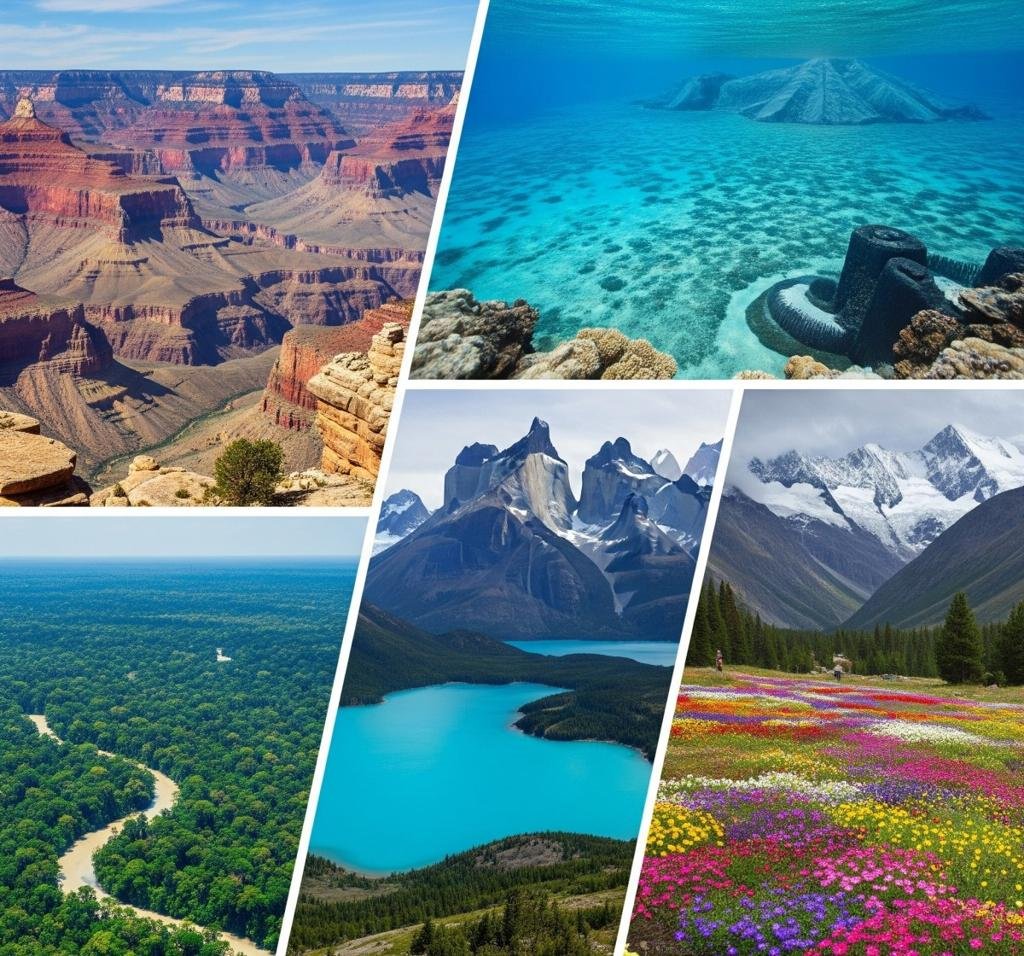
Tag: Amazing Places

  • πŸ•³οΈ The Strangest Places on Earth – 15 Locations That Look Like Another Planet

    πŸ•³οΈ The Strangest Places on Earth – 15 Locations That Look Like Another Planet

    What if you could travel to places on Earth where the landscape looks completely unreal?

    Imagine a lake that turns pink.

    A desert covered in giant rocks.

    A cave filled with crystals.

    A forest where trees look thousands of years old.

    A valley so dry that almost nothing survives.

    These places aren’t from science-fiction movies.

    They are real locations on our own planet.

    Let’s explore some of the strangest and most fascinating places on Earth.

    https://images.openai.com/static-rsc-4/PMUWaldXSKqB4cweiNKhJujdBMKInvo8mmZq7BOUkhsWuRjWCJSnk73mBE3M4SAvoXuFPu3grBxMQlQ5XPIjsAZ7Q03VWJyf9FuAacdckC6mZ1jmHs_Ljew_B2dlHJ9sAiOIW-6Nd9CATIMqQuyqnNaOhyxrOiGawsudBkR09UaxojWYOpG0_XjSkqhpkefp?purpose=fullsize
    https://images.openai.com/static-rsc-4/Qm4SULAW6ITiXnjZ3Bm0AQNbCxMUJw0TUkGa9Soov7OuveX5kMKUMpZwxmUnba7Bj3KnEPi6VReSoWgFYlZRsSGKEQNhYdx2Dcl-gN34JqIlD_HCuH3ovtcDKZYyM7xUsh7omPEat8ee-EVhrIJhYYxDYgyrLvShq_43pCz-4AYsTglbSsw_1AIq216pVmA_?purpose=fullsize
    https://images.openai.com/static-rsc-4/C3muRScGHOYVEIGempJrRxWs0Gn8cwNkmdd-Yrl4QWfX24aUn-TpHQ6kOqn-3at8fvINBmIK5DsgWo-DikMd7zRFGJBm6OlWe_9ho4yIJddAIll0-R6ezPiNETwbvu34bOFehf0rTmdb-ukw8f3rkqh3-G2BVPSpXAeoqqQ-87got7ek-Emm-MYf1WwXGXT2?purpose=fullsize

    🩷 1. Lake Hillier – The Mysterious Pink Lake

    On Middle Island in Western Australia is Lake Hillier, famous for its striking pink appearance.

    https://images.openai.com/static-rsc-4/q2qH4DQ825i8u-qazX4N2LPb-JwVoEZsS-61ORcReL0lcloNOjIhPqQFzr79xIXzaqu7M0FsNBsS7k5sJ3XHxrw0H2iShSVCjXwZIx3CE2WtqpPClUjmyAlsSYp6DTE3fiJmwMHbGqMezfJG_g1MerfzCQ5xHi11LdlIpElHIYHMQDCVfJmEfzr75JLiVgNp?purpose=fullsize
    https://images.openai.com/static-rsc-4/8TZGNH4aGnhsUjmMsk6mKHmnfY6LzfMxc9sEXH-USI8JM6YcUa9ciluEHaJpojRICoW_FA9pNRZgPwmMPclF9F4y-11Qza-Yp-tzAfG8VPO1aLLB5PiQoWOl13zakwLHjNgr68i28U_ja4RnT-O0ZmMtNCiF4SlGgBZYpuZQiSXDkiQN5Ij4Kl8lkIkzNBUw?purpose=fullsize
    https://images.openai.com/static-rsc-4/MiBXT7dZJZg7KX89qF7iVZIynY-fYxj0lIWrErAMx-ST7RBaZr-PI2Yks9WkpOrp6ranNIc-KAtZT2Qv6MesD4vFWSKcwZJFa1lm9g8xVZ1aG9fvIvpW4Bs_MA_nmtHbU8_hCFLWrjHWc6FOah76AU6qLpNaTR48gfitsAU3GNXuUnJTqIwj9QmjzX4AeoHK?purpose=fullsize

    From above, the lake can look as though someone poured pink paint into a giant natural basin.

    Its color is associated with microorganisms and the lake’s unusual chemical conditions.

    🀯 The Strange Part

    The surrounding ocean is blue.

    The lake can appear pink.

    And the two bodies of water are separated by only a narrow strip of land.


    πŸŒ‹ 2. Danakil Depression – One of Earth’s Harshest Landscapes

    In northeastern Ethiopia lies the Danakil Depression, an extreme environment known for intense heat, salt formations and colorful geothermal features.

    https://images.openai.com/static-rsc-4/s0qvG50r2oVmlarqNZFMFB_5Y9rVQPu3xRmE56QBJlwOQq8xQjovyH8-AWATJzg_d65YdotGMO9EVgLW5KrBMbaIZXQy7VruRRZj1jSFmPyjmlIxUrSCbC2RORE09qkwChYqgahBuPHWD4FWEmiLl8FbFWOYsEWO4QdjnFZKldBu_lDBbAKVTa9mmQrDdZjP?purpose=fullsize
    https://images.openai.com/static-rsc-4/EzYHMYEfMe8X0ZdGgaCXf_w78jay0tDX5OdWn208tCnsCa6pksrB8AnQYvDMwuO6M4g4Oyt_j8tXPLMkrpRXPd39uEYjd360hM0TaRcmuduA5fwRQmnZdoA5YVWizXk2_201lLwos4QibP9duSiE2ZASp7mGCTEmdxZZf4acCwHCGHmifUukC32gB7MOQ41e?purpose=fullsize
    https://images.openai.com/static-rsc-4/-Kqz6vf5Pai87IWpB2NN6Ew-fMERGONUsMpubecxmqNkIsJaBeaYDzIjAkinp_x_j32vCsKKxAg0ro3drX-9CkYu783OMRekxyZiihqfqyTCbyokqQC89kwFTmIHrEjJCoDLMyDrQTC4DUMLhGzt4giyhkG2W8Y1_rqNZm2LNzkeg3JRq5OxHUUpiLrZmhk7?purpose=fullsize

    The region lies in an area where tectonic plates are pulling apart.

    That geological activity contributes to the region’s remarkable landscape.

    Bright yellow, orange and green colors can appear around some geothermal areas.

    It looks almost like an alien planet.


    🌳 3. Socotra – An Island of Strange Trees

    Off the coast of Yemen lies the island of Socotra.

    https://images.openai.com/static-rsc-4/yAW653FqgyaKTf-Ba9bimrxR6CBQKvtFeglYFXeGLte38J_9672PvNQTHVW4Uth0dHsgTD-695hEibWzfPZoornoptAbD8kDXsczV1B0s_gZYDG4d3_dYqKPx9S5LaNaxKNu8-IW1aze-Eq6cvC-r-gcG48OL64CoX2UcbhSHQzCf6taqBI6Fhi6FNJD8VBD?purpose=fullsize
    https://images.openai.com/static-rsc-4/KNmdjgzWG4L9NhjVxvYYAjbsTGaTyn3VHpNsgsvuvWt5n5SF0iplnpSsR56FN3WgXEyVbAix7AtA0M6dUP4DCy5PKGlQ28YE0j6p-rj0q7v8imaAcWXkv4FSU4SLu9-xSO5NilI2iZZAbeRMVVQRuI9ALSyq8dFQMuUMYRY-AzPyUuT_vPoUJzPOqrMy-Gsc?purpose=fullsize
    https://images.openai.com/static-rsc-4/Fw-I0wX-SYROMuaEy6jFKRQyA9oVv7VorZXLjy_NXmBHWAEXJkTvfhZBsy4zhNO-qstRmNJCqYV1KrqxsGEGNGHdOcPDt0Qm2XKNtCQTsoGXus6So2O1hZ8wYcNbugse3lgJXnZmcX8dec807_6zsUupCtjH3dn7LrrJNzPrCYZSU38v-4sdI0mAHrN8JChQ?purpose=fullsize

    Socotra is famous for unusual plants found nowhere else.

    One of its most recognizable trees is the dragon blood tree, with a distinctive umbrella-like shape.

    The island’s long geographic isolation allowed unique species to evolve.

    🌍 It Looks Like Another Planet

    The combination of unusual trees, rocky mountains and dry landscapes gives Socotra an appearance unlike many other places on Earth.


    πŸ’Ž 4. Naica Crystal Cave – A Cave of Giant Crystals

    Deep beneath the ground in Mexico is the famous Cave of the Crystals near Naica.

    https://images.openai.com/static-rsc-4/9lABNF5ySZ-1h7ezYoJx3NcMWzJaDW-lGSNMjXwC0SIVSeEOBdC38PcDddoNtcecuFBcKE9YSntQSeZ1exYF80xuAlShDrOYlP5pJerj-IXVNtejEJRdSaj13D1PHegDgUAqiysw6nu52tY2eCOx2oR7Ench6MbSHaU14vLFGWQVI7Ipb9w9K8OjwvtFwd_v?purpose=fullsize
    https://images.openai.com/static-rsc-4/9GJje-ehaaOLUuBXIflgRsvMz5q5niPdj38CVrIUOVsJVzl4-RGTG4JmMq1ZD5G1p4ee1zlgGFgyGVYl3i63jwFuSN7EuzSOcH46QT2aRclUYS8IghAETuliC66w3SfDyQNPQ6JSxUw5QhdPnJ7pe8wRTAhbOAi5JRRlhBVgreNHJKY68ibLF9DQhSMzqoWB?purpose=fullsize
    https://images.openai.com/static-rsc-4/LcF-we6l-WdSM_tJVK9UsKmNqYwc7pQbNfc5POv_cpA_Q8nK1u1SjjnhPZjuLJXHkJFWNTBDRIcrPsvyk1-ycHlszff0gXOa4AAH3xIZZwYDKc3dDEE1SfV50oRw3bJoLM4APG_Lwqdqafi_g1O5inKu-8EgFXUf58uUfR6x5EhtkJIl_Osw2VBtQ9DoDZ_O?purpose=fullsize

    The cave contains enormous gypsum crystals.

    Some are several metres long.

    The crystals formed under unusual geological conditions involving mineral-rich groundwater and heat over very long periods.

    πŸ’Ž Nature’s Underground Architecture

    These aren’t small crystals that fit in your hand.

    They can be larger than a person.


    🏜️ 5. The Atacama Desert – Almost No Rain

    Chile’s Atacama Desert is one of the driest places on Earth.

    https://images.openai.com/static-rsc-4/CUs6Dj7uyPLc_aP8rJsv_qfDsva8iVWuWMmOCb_rwCYjNQBCT9o17uFULBmhEF7NY6DIuoy2DgcfoiYIg0DmKeFWo7Jr8nC-Jp7J4VZzwiAVwYlzfskpUeqb9FT9YGPMMQyrn8dGXcfKU-Cvi1h_SMKxab9pwsOgWge57MIJCJL5mZlp42HaKR0Ta19fp-vC?purpose=fullsize
    https://images.openai.com/static-rsc-4/clLtoIOfe51kLYaHMVrVq4InnC58hIC6cdL_lSGYm9HLCStLdQpPd21_iJKdDm0iDVIY8992n39QWhR4eyKtlNuWXCCsPhG00r3NftQyg1jL0RGEnFjBdmpoPwGH4W_nFhVrcOYjO10tm-b27LnYNUZWucD8VYe9j6zsD4xOJxISfHlPMPQ6DClPMZw8SFli?purpose=fullsize
    https://images.openai.com/static-rsc-4/tWqV-GwkS1iZILx9Mo_Mxkr2ZVyyxHYM9dvM-lkBtdheTHbsuEfFStXFt_0mLsqtKsrpphu7UC_xrLN4pz97NlWIinkmxQZ65CDVOFYUiHWvbmcHA4HsTOVBoz3VgoF-ZGjvjsnQdcWsODu6MdHRrdlKC56qU1B1tfsHNN_6VxZ78VJXSjNVB5Jb8E4wtgmf?purpose=fullsize

    Some areas receive extremely little precipitation.

    The landscape contains salt flats, rocky valleys and volcanic mountains.

    Because of its exceptionally dry conditions, parts of the Atacama have been used by scientists to study environments that resemble some aspects of Mars.


    🌊 6. The Great Blue Hole – A Giant Underwater Circle

    Off the coast of Belize is the famous Great Blue Hole.

    https://images.openai.com/static-rsc-4/Uw8g2Oe-TJ5dRRNSVcaieNm47V_KIZQgE_Rqm4r0UG7gKqoV0MWOSUgPWMZeZlvSCeZgCEGnXRkifBOIn45oUohGuDstMO5c52xYEfFZHqXnSUXRgsTU2pwnNOh8Td_s06JFJ8toKNsmysea8A4fVzCBLq6aWBbNiOQXkSXyRZeVdZeLNU-g0WOWXhGW0O_s?purpose=fullsize
    https://images.openai.com/static-rsc-4/uhJi0Pl0YJrF4UW9aIs4-gRuOp0wwghdrbyXtoTkWUJj0nh5ixm2AeMh474RHeafQzm6WZB3OhBKSb6NnwHkAbHEOdVzRxsumBQ7VWkGIOwK8xqbtDYvxYe7as2CDdvkgCCNvT_w6aUei7zACtiN3ZIy80vNnLBfj16opuHtSpSkC1xXcpSdM0LO6r_bj_eJ?purpose=fullsize
    https://images.openai.com/static-rsc-4/PYPEKXCv6Pwq8dxSG-WiXXHNpXf5e6Fby4z-SjVi_YwKAOw0QGaZnV3urhDdoW_O5j5RJSI8Qs3-gQIKD41yzOZaJV3RzMctRHvsOAn19jCfprVDne_5HmcAIaUHllJaS7sEAQTMcDsT5l-xqZ6-wh0CVLRMz2II86zz6c7IPFabJzYzDPuwsybKvomHMjpY?purpose=fullsize

    From above, it appears as an almost perfect dark-blue circle surrounded by lighter Caribbean water.

    It is a massive marine sinkhole formed through geological processes over thousands of years.

    Divers have explored its underwater depths and discovered fascinating geological structures.


    🧊 7. Blood Falls – A Red Waterfall in Antarctica

    Antarctica contains one of the strangest-looking natural features on Earth: Blood Falls.

    https://images.openai.com/static-rsc-4/G6sVtaCghFkPHBN9cXH0JHSVqUc-x9nDbixzXsIRYGZ7LXKSuCeBwnvV01cSpK78NtpSE0f-_sTPkw3wXzgq1cfL7OlLY2hmO-vEA6qcKMClJGAhQymex53F-_c3blfWvCyAx_D03Kvdh8WZOGBt9Fefo2LeFng-3cJQjemuhBAN0-ilylQQj4HDgmEcAO3E?purpose=fullsize
    https://images.openai.com/static-rsc-4/YPKXDPlJMwpSuDRwE1KverlxSIl3vOFidlHzHEmqenzcKK1OUcQsSrtQOEQ__A_sLMwIhjnQBJNaI_JctpdUMAPy0Uz2infdqCmhEhvqXSKd3-RNyzhAHv8VpmHdYLlQIsnadTCWvUI1kZCsFEFdn-1KPrUhqypRxLmZRWOoh8Ys-9IHv_jn5EC93cBN0Dpw?purpose=fullsize
    https://images.openai.com/static-rsc-4/nes6ROZjdxJloLpKtqYXgQtIAgn4kcaDo6_sKq95LJK4DlwXWx8apwb1g9qUKJBpPFCIr6LKMi-XNgFSs3p25itsBb6p-T4dnI8eZvXluPi4Z-BlKC77PfmzNb_AwbAURIC0krjxEIuKMlbTfdSN50lrqVFpBbR01xKwsdrfZc5TuDUc-HsD0WfKer8DCEbA?purpose=fullsize

    Red-colored water flows from the Taylor Glacier.

    It may look like blood pouring from the ice.

    But the explanation is geological and chemical.

    The water contains iron-rich material that becomes oxidized when it reaches the surface, producing the reddish color.

    🧊 Imagine Seeing This

    A frozen white landscape…

    and suddenly a red streak appears across the ice.

    It looks impossible.

    But it’s completely natural.


    🏜️ 8. White Desert – Egypt’s Strange Rock Formations

    Egypt’s White Desert contains unusual chalk rock formations shaped by erosion.

    https://images.openai.com/static-rsc-4/xBq4EZKjj_nB8NSMySs5BKjxVKS4hJlK-E0qLS_4NXSuZxJd0fPG0Kea5TYdXjPDGgqH0ZtyKg3BnhJlKjdQRxlzJtgrXd3aK_NPvzRMqbipH1-xncVT8p0qUqpUXmti71uAuUacvXJcWsApMd-Ct7wFISeq6639vUYSQaaJ159dGQvyl51sYr6zu9K7Aur0?purpose=fullsize
    https://images.openai.com/static-rsc-4/-wJINB_5v7ne6h1zQYfhX__unpPH5oNyxeBCodqeqlJHaE9LiEBu8v87aQnpsX2oP4yymtJU1ixJChmeQEKzVX_3ZHZSiY7jKhyWiH0v_P4t8Ha7zz5KWuO9AVAhj-j5rwdot6zs_LbK8XAbFZ8xy6jppo18I7LaMii8AZYU_HP73R2DKX-20O4NFDs2R5gN?purpose=fullsize
    https://images.openai.com/static-rsc-4/Pd_NQM_mm8MvEY9-p7wAnI9XIOMkz9FvwbGoZZLk1fSxXkviuazBgC_ZPoRg9L7513bwF_fseaSt9Am0AYTgoQJ36ki34vBdKCy84BbrjBdgAipLDljzq55nKJksGXeC3axPuxX0RPmsbyJM_BOvLTE1PDAbLrb3d9oQEuSatZq_Q3ocwjiGR-2o2xLes5pm?purpose=fullsize

    Wind and weather gradually sculpted the soft rock.

    Some formations resemble giant mushrooms, animals or abstract sculptures.

    There are no two formations exactly alike.


    🌈 9. Fly Geyser – A Man-Made Accident That Became a Natural Wonder

    In Nevada, United States, is Fly Geyser, famous for its brightly colored mineral formations.

    https://images.openai.com/static-rsc-4/YIvMWyceJYf9_VrPT0ooyyDG52GA55bgYbATGVHy-halekpJLy_mSDRtst_aV0AQEiYvUT10yG1-UY4bnNeMr-p3zAsj_6rtV5J0R-Vdj1Ib9sOlr9s7rsE4IbUUhhLW1ExmWwym6qwAyV778vadNL6W7Is0gWy6l1Pcj6djzPV_AWNGg1w1r8VR1d-x5AAK?purpose=fullsize
    https://images.openai.com/static-rsc-4/m8bFNGH-1GzU4_qSySM3-x-rBPPd9PR1TCboFL_BPv7-dEAwycQE5P_mpvocDtmNdof6XfDkkDAtta0FpCFgRYh8rNQAznt86NkosT8b98gmBQnJLsAKwdU-vKc-OTUy6262FNIU_mKhdLgLJQXFEQ3vOb9X4rqA15ihKjI9XDdIYt-gGVXNiMVOuA14-JOM?purpose=fullsize
    https://images.openai.com/static-rsc-4/orFUU68H3gXoIM2erI2gl5ZTiksCibmk6Tl1-YncV_CFhhvSpl476lCe0bSsaKbK9Z8cbbkHdUAtqzoqHVLPaXxBcJ4I_kGIfNr2kKtaHAMcd9lazsbweRCO9u5mek_31s7otKn4s5TlyTsZNIxsrS9vgVVhbXmwmGtbd7E3hL8Yxwh41DDrBWu3ypRFgHcM?purpose=fullsize

    The feature began after drilling activity created a pathway for geothermal water.

    Over time, minerals accumulated around the opening.

    Microorganisms also contribute to the striking colors.

    The result is a bizarre-looking formation rising from the desert.


    πŸ”οΈ 10. Chocolate Hills – Hundreds of Strange Hills

    On the Philippine island of Bohol are the famous Chocolate Hills.

    https://images.openai.com/static-rsc-4/ZP2o4TmywhHl45hg2Vp6RZ1X6lGrFwUNrcUXqp3_FgRmpSwcocGmOfk3G-KyZR9yuIbpojM-dWKTUxJzTaNxG56JDpaGTBn3rY9uaAVM50jChQxyCcNl_oGwBgIbwJ2gzamxMMvDxZ28TqtuNjP_orRftXy2TUB_FeZJ-vQItYO6DUYX7QUyBXAUSb-Tqh4T?purpose=fullsize
    https://images.openai.com/static-rsc-4/sgI6Sf5DxHk1JWcrZxhUPl0VAitLRsRi3jCidVDC78kU7KuW8ZooL1oxyPnv280WZKHVp8Pvxo1Oxlfq9OW-kEVaghfMUP6gmsQ5v4tol7s4M05u55FFDOq90LihKd_hWqGSfZuzIgbkPt-TZ5VAhLy8OCFcZt-OoDMkVtxP7yXt_HhdBttqOB5Xeam9lydR?purpose=fullsize
    https://images.openai.com/static-rsc-4/uZAyg6bnatWMDeoKPX-jt-0RX107BHmy90P5JKSco1vHzRrUVCNuCA5pjzt7m-9OJIvGiMVBFcDZawLhL0wUooVkQykSAkmvLsnXxYpB7B7OiwhI1W63NFfeG00y0wpmhVVwXLlyI498A9vE8s58B5QsRsJqxjIREvjBIElIyln0j-Abm7MRsiURPqQ5KnYA?purpose=fullsize

    Hundreds of rounded hills cover the landscape.

    During the dry season, vegetation can turn brown, giving the hills their chocolate-like appearance.

    The exact geological story is complex, but erosion and limestone geology played important roles in shaping the landscape.


    🌲 11. Crooked Forest – Trees With Mysterious Shapes

    Near Gryfino in Poland is a small forest famous for unusually curved pine trees.

    https://images.openai.com/static-rsc-4/kF5ylEhTHPd1XqdBkvsM0JTOrjqR8h5SWL6mE1gemHEmv7bIhJ3hiX9jqWCN7WGm-kG8pDR3NcF-tib1NReRICwvu-EbBRccprrfPY6pSncYpn_hAwtW_DLQwoFJgm8NQDhdoHZ08K-jlUJPkUSTZMAaRveRqY0LPrITWPXPlzJtOtQ5N5-ahrYNtBVMyKM4?purpose=fullsize
    https://images.openai.com/static-rsc-4/8gvUqXjNuYFW9RU1YwO8DJxspybR6PwoUYASx-Qdyis7tHaNhn_C7Kz2el3SOnUCoz0lPTnkPV7ZPYxi4vs36WAn8mNU1GhbPVQvg3ovMLoVUj3P6OJnHgwKdikMHvhsbA_DIxAX0jJI8PHDRsS-jQc_Od9JNZdysnpZbfUjTrgOYhgmWWGSpRqkPm2W8RXl?purpose=fullsize
    https://images.openai.com/static-rsc-4/XUNFCRcqY4PIcXEM2G_ZTxWCNn9ehrTDuzehQsaoK2oTn1V0_GWCZ-wrK1klZhx4jK4ZUlE_pY8NUgcXTPAYLtKXKEIGIrsDpARhaAGgKJKpfpbv8iXK94fZ0sHS7Vfzj1myhShPW05_FYnhCltP2s_0-FNTMF_Co6W7pg9G0rQOiY1Ir1mGMYI59nnYEj-3?purpose=fullsize

    The trees have curved trunks that bend dramatically near the ground.

    The exact reason for their unusual shape remains uncertain.

    Several explanations have been suggested, but there is no universally accepted answer.

    And that’s what makes the forest even more intriguing.


    πŸ”οΈ 12. The Rainbow Mountains of Peru

    In Peru’s Andes are mountains with naturally colorful layers.

    https://images.openai.com/static-rsc-4/L9ZAv5bPgNXWT-Vagw1F0y-l7g7PNcdKK_QZCLCajJAdsPpzKCbYtQrDRpKnlXE19SKEMsIGECrK_8fCNJ5D1q0LA9DImOeYyl-ReSgxHlY4fXMj6XOxXBQUArTdwKOjTDCCZioQ0lm0I_m8LIwwgEJU2QnKMwBUy3_nEZTqpfniHvl_D_TGDfYnt3I6Rlvd?purpose=fullsize
    https://images.openai.com/static-rsc-4/3QtwqMfU_WrDHgOVTk_6V53szJiYv7L79iRTqMgmVI2kjPzQ1nJvJLK53LkItVB3Yg1mCJgcXIPg-X6B_7-MsqeNDVCUPh3ihAyuJyX75IH3R18L-2ylu5amJ6zrXh-iW-Q3u4TSm6ZKRlbVwTgvjPOI--V1dcNJgfer01dEzl0BECq2-wXOtn2O6kycT_ab?purpose=fullsize
    https://images.openai.com/static-rsc-4/IUeFIwfXKNDhL8LKyDaLym4z--BcVfeWPzdRrX1AQ20Fcdne6osIMjRMrdT7aT1LDJBeIhG9D9kqNKbyHZm48li3qOKlxP9fxGGfSdL4LxG9AhIxGT8iTACYOyCdBg-EISbKqQSjzH0XMlFsr-KoWqpQuiQnKFrAFdnjLVdhwqv8JHXY3SUs9q62BKYm9-pR?purpose=fullsize

    Different minerals contribute to the red, green, yellow and other colors visible across the slopes.

    From a distance, the mountains can look digitally edited.

    But the colors are geological.


    🌊 13. Pamukkale – White Pools on a Mountain

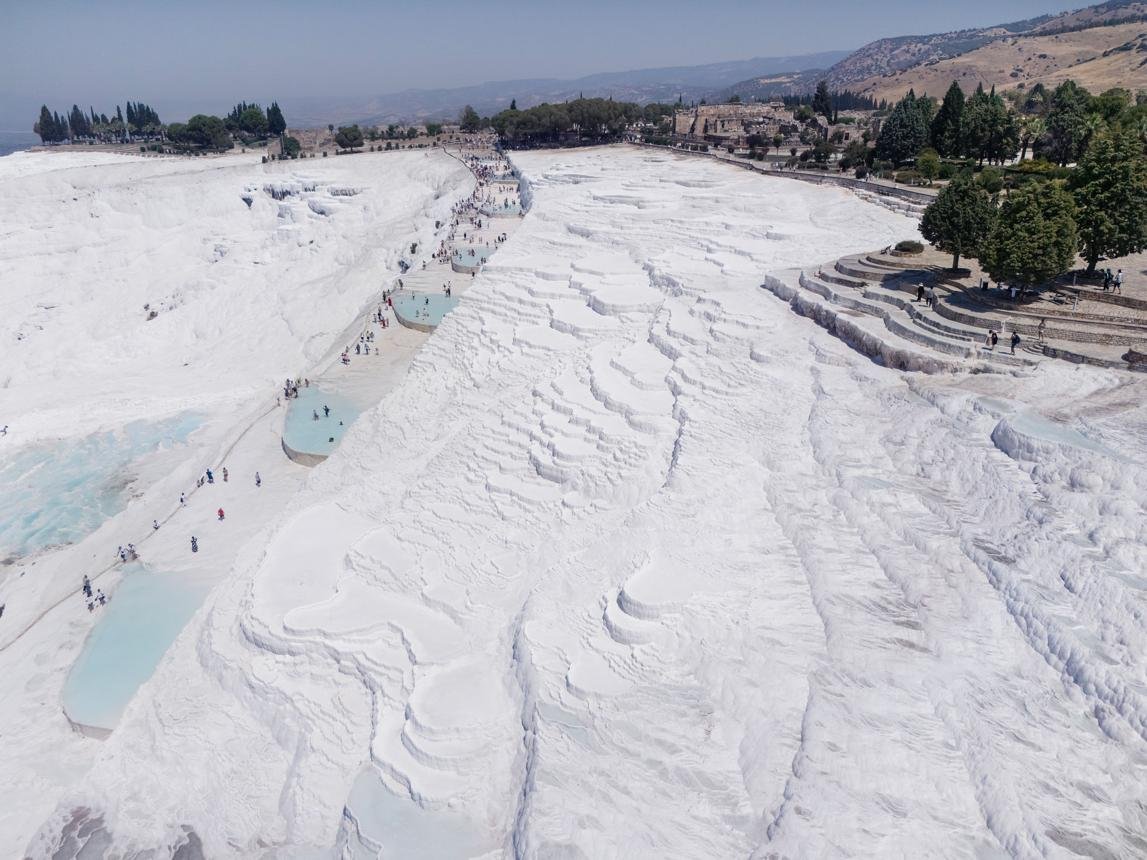
    Turkey’s Pamukkale looks almost like a snowy hillside.

    But the white terraces are actually made from mineral deposits.

    https://images.openai.com/static-rsc-4/aLIhA9uFs1tCY9H5aVIx_UVY8fiskLnKhLV1OClweVrhF5EQGkxB3I431I5e4HQ3doopZxsgHZW1MD6FRGctQ6ySHq29yPODscayF1htz2HVdIAun8X8StXhB8wemYC_WAX952_2smqpjOgfuWHRIdBAFS_Pga_ZmCDrjAEayC7j1aK22VikJ-W3iXLigvUB?purpose=fullsize
    https://images.openai.com/static-rsc-4/iVGCKAW-3I1419VIyAr2O2ZP9yWu1rIpt5DrD7TnZxyTBMAfKpCLtWxP3pQVxN41SeOTw0R5H1z-j4Fpy_0TtFLrBOhBx_f5iIlGyA4NaJi9GIsKneQ2oFOeFkyPOIFmQ2l0ZHNHZmc8yoPv6oPlgMEj0dJCwZuaBJTbrzFj9VzTfO07A4CbMaeEgtu4FkzS?purpose=fullsize
    https://images.openai.com/static-rsc-4/TfsUcr-7a5A8bKkoa3gKQdS3qxyW-oziZqoRO_gBI4y2NREBgVzaXLnk6vsPiioUtyQualUkAECGhRQE5CWgibks2LJwz-ZNt3uNLLB9lifihP88NsPapo1vnnCKbdzk3r4PXG6KV2v8Tp4QNg9oqQcJSvmnw4129ONxFL36Mgr1DI9Fe4yhG3oL_Nd1r0hi?purpose=fullsize

    Thermal water flows over the terraces and deposits calcium carbonate.

    Over long periods, this creates the brilliant white landscape.


    πŸͺ¨ 14. Giant’s Causeway – Thousands of Stone Columns

    On the coast of Northern Ireland is Giant’s Causeway, a remarkable landscape of interlocking basalt columns.

    https://images.openai.com/static-rsc-4/mPP4sDhG1r2P2qLwOL3UYG61zzU560FHUeM-23OheIp2NGqrxu2S27sL54kksvQACEKCtti06lND6JDH-Fw7FqIeMEOaIUfPaWa8JBD5imzLrvkLD2tSGgLmDWbvuzlbwkfr5G_Sb2XXpFG83MyVtM8FwhSVHkTnPW8H80KUz8pgFhNiOhkTrZppaEkbf_uJ?purpose=fullsize
    https://images.openai.com/static-rsc-4/D65Su9GPlq4-3KIu3JmRSRe4yswkge8z0XDIYQayr37lswzT0_gY7hN_mE4mf8gKR0pO3EcQ3UEmgN5Y5QmvqzG6ht3fokn6AdAcV5_x3lv2KPyipxvaWZDUkDxmVAyJSpRYW3fK9-UdNlApsc4GW9p6w6mTqb9K1zTGx-iKPQ-5jLVbUra2FTn1LtqXBb6o?purpose=fullsize
    https://images.openai.com/static-rsc-4/2-fA4Sw_a7pvLe_thBIGBnX5JMexbHnOgrZEtV8ZXR3merc6k1oP4f7wgRPiHQ8t81CnJKfZPw51Bqih18EcflFS1Kadnc3mOP4CgMRnlKmq5ueWeh4KCjG9FJA_LxGUntI8ftp892tqRqwpXxMRV1PHqSiDWyEtGRcK04Stit7H2_D35OcY7VXSgVr-3Deg?purpose=fullsize

    The columns formed when thick lava cooled and contracted.

    The cracking process produced distinctive geometric shapes, many of them roughly hexagonal.

    🧩 Nature Loves Patterns

    Humans often associate geometric patterns with architecture.

    But nature can create them without a designer.


    🌌 15. Waitomo – A Starry Sky Inside a Cave

    New Zealand’s Waitomo caves contain glowing organisms that illuminate the darkness.

    https://images.openai.com/static-rsc-4/PywoX7F5YpXXe5sqh5NCMKY8mMOb-zVUorgMwO8JTxzJFFS_OgOm8ts-GwAueEcNYs2e6cEvYDvI6W3j-WQN2ehfeok_thXGUYPdnlpqN9r0UOVsptQsIQfL3FWKtTILQkwsKewMGhqBDvO7mf4UAlyCJdr0XtJo0U8ChxwDm-726WjRGOTdQ0D-V_Oz5MGA?purpose=fullsize
    https://images.openai.com/static-rsc-4/btPq6ARuk4lvlJBgqB-RdH10tQf_wKmWf-yDf5FrI3LXzKcubgQyJ2zacgH2nb4yNlcQx5CJ4AuJTXRSCeeoVCstzPC508zbQQAe5HY6BuuxvEhbaNbaV6XtTEAEs9Zzt7vqwGi5NwqUmsBF471IbNv8DzzXhxSu94LGztTKVhMB1Xfe02LTwUE4Ps3F-L3P?purpose=fullsize
    https://images.openai.com/static-rsc-4/AtaEq6z06zwvBNTqZnF4sTO33AtqB3nBPxukHUrA8xqKxtPZtPOxqufHeb5YaRRr-ue219DUgQxXM1A6t0o3rUCBNINWMQ4fsXJqdPTbTsRTVtXwLiInxTIv53yPzEP8MpB4xhqB9OOFos9Ox0V0cVDJdfosZgmwS24NZaIa1jVmKj6UcJ4ajGKq80kVNlE7?purpose=fullsize

    When visitors look upward from the darkness, tiny points of light can resemble stars.

    It’s one of the most unusual natural experiences on Earth.


    🀯 Why Do These Places Look So Strange?

    The answer is a combination of geology, climate, chemistry and time.

    Nature doesn’t build landscapes according to human ideas of what looks normal.

    Instead, rocks are shaped by:

    πŸŒ‹ Volcanoes
    🌊 Water
    🌬️ Wind
    🧊 Ice
    β˜€οΈ Heat
    🌧️ Rain
    πŸ§ͺ Chemical reactions
    🌍 Tectonic movements

    Over enormous periods of time, these forces can create landscapes that seem impossible.


    🧠 The Most Interesting Thing About These Places

    Many of these locations look strange because they combine conditions that rarely occur together.

    For example:

    Extreme heat + minerals + groundwater = unusual geothermal colors

    Ancient rock + erosion = bizarre formations

    Glaciers + iron-rich water = red ice

    Isolation + evolution = unique plants

    Salt + shallow water + perfectly flat terrain = giant natural mirror

    Earth doesn’t need special effects.

    Earth is already full of them.


    🀯 Amazing Facts at a Glance

    🩷 Some lakes can naturally appear pink.

    πŸ’Ž Giant crystals can grow deep underground.

    🧊 Antarctica has naturally occurring red-colored water.

    🌳 Isolated islands can contain plants found nowhere else.

    🏜️ Some deserts are so dry that they resemble Mars.

    πŸͺ¨ Cooling lava can create remarkably geometric rock formations.

    🌈 Minerals and microorganisms can create spectacular natural colors.

    ✨ Living organisms can make caves look like starry skies.


    🌟 Final Thoughts

    We often imagine that strange worlds exist only in space.

    But our own planet already contains landscapes that look completely alien.

    A pink lake.

    A red waterfall.

    A crystal cave.

    A forest of strange trees.

    A desert covered with bizarre rocks.

    A giant underwater hole.

    These places show just how creative natural processes can be.

    Earth isn’t just a planet where life exists.

    It is a planet that is constantly creating new shapes, colors and landscapes.

    And somewhere around the world, nature is probably creating something even stranger that we haven’t discovered yet.


    ❓ Frequently Asked Questions

    What is the strangest place on Earth?

    There is no single answer because “strange” is subjective. Places such as Socotra, Danakil Depression, Blood Falls and Naica’s crystal caves are among the most unusual.

    Why is Lake Hillier pink?

    Its color is associated with microorganisms and the lake’s highly saline environment.

    Why is Blood Falls red?

    Iron-rich material in the water becomes oxidized at the surface, producing its reddish appearance.

    Why does Socotra have unusual plants?

    Its geographic isolation allowed many unique species to evolve.

    How were Giant’s Causeway’s columns formed?

    They formed from cooling basaltic lava, which contracted and cracked into distinctive columns.

    Why does the Atacama Desert look like Mars?

    Its extremely dry climate, rocky terrain and volcanic landscapes can resemble some aspects of the Martian surface.
  • 🌌 The Most Amazing Natural Wonders on Earth – Places That Look Unreal

    🌌 The Most Amazing Natural Wonders on Earth – Places That Look Unreal

    Have you ever seen a place so beautiful that it looked like it belonged on another planet?

    Our Earth is filled with landscapes that seem almost impossible.

    There are lakes with extraordinary colors, mountains shaped by millions of years of erosion, glowing caves, giant salt flats and forests that look like something from a fantasy movie.

    The best part?

    These places are real.

    Let’s explore some of the most incredible natural wonders our planet has created.

    https://images.openai.com/static-rsc-4/RIHVeI9neaC1UKCBpm6Ctp15TP1-09my5O_4cFUW7I7tgEjaBdcdz34mmh2uQof2u7d-BAHebDfpBwQMFv4KIR7TSHQ4nutSdPArF_Pdv_zdiQq6Mj5R5QS06GzA9wsahjVL2Xe08ICmNAUZmAyCmxPHzvRe0gk67nBo3Bj-N4IuI0AbLKJ6_VSgd0hmng75?purpose=fullsize
    https://images.openai.com/static-rsc-4/HqhkiVSIl0jAGvFaox6Ao0LnPS7e0PgUxXtzO5j1XNcwCKNKIKNp6aRYLmviqWHfQsIBMxOyJehl6zZyfKfo1eWQQ4Be5VC2kjW3haYDKjuXgjmNoZI8y1ln4AjrcZvETa7KqbR1yInD6YNYIjxQ1sVI5hxw02DMoruSe2veBQfoutpY5wl-V0k8mY8F8kjt?purpose=fullsize
    https://images.openai.com/static-rsc-4/RbScFn7hbR74V_uZqtSzaeYDyCbXiToO-HSQ_QRnyP1Nt8vQaMROS4w0E3k_Y68TSLjl7tjh68a1-uLecaPR3A5NOany2I7xcSB1eoJBkJdBcZso2tZaOahwthj7_-zAORJg7qp7VIUsGrZxD_-l4Zl8tORVvozkqfRRcBFrxAgO3owrbTbCTSdYBBHeESkn?purpose=fullsize

    πŸ”οΈ 1. Zhangjiajie – Mountains That Look Like Another World

    In China’s Hunan Province, towering sandstone pillars rise dramatically from the landscape.

    This is Zhangjiajie.

    https://images.openai.com/static-rsc-4/l9W-iVPiKoRYkvXvbdrR7tLpm5RX8XHmjBN_s06iNbtCscoFvg_46CCPT3A2MROfB-r8-BpgbPIGwQVsuMkUHq2pFca8rEIPH2D5FtgQQIc3lFWKBZ2HHPd2YEj9QrGTsxZObf1VX0Lq-69RYN2s3N1NOTmNkJh4ziiAS_gEVy7ndiDG0PQoZx_aYrcY6glK?purpose=fullsize
    https://images.openai.com/static-rsc-4/Mj4GOnOx4BM9DYYLuNJ_D8sottoGLsiLx_xZyll1iTu_zl-wE6oD1iLN6nhjdhQ_SZK08ZSJ4AS2Pao871BcnzThSUe9_wizft7aAqR9vm8EHKx7mJBGZioWvdY8RqZWasTQE_3QzsvU5jwrebx3G6MiNySPaNSe0Wjd5KWTID_tT6p6QVT5GVKG6DkTuyx2?purpose=fullsize
    https://images.openai.com/static-rsc-4/ysLCIEHoHRjJM1trk8Jt2Ly7WKnKa1blc_JSEnGFDMiRnOFE24-zZKh57dTsloxhovfOfCT1X56plxqfkwFBbwpt91g7na0gLzdwb5lKtqcxk8h6bVH3L_rpF4_w_vpvn422wwYAVTRzFvX_CpPBX19WJnWj2I1Z_ltnW46wGSMrx3MEUvvWf5iVJFaTYdzg?purpose=fullsize

    The narrow rock towers can disappear into clouds and mist, creating an almost otherworldly scene.

    Over millions of years, erosion gradually shaped the sandstone formations.

    🀯 Nature’s Architecture

    No architect designed these mountains.

    Wind, rain, weathering and geological processes slowly created them.


    🀍 2. Pamukkale – White Terraces of Turkey

    In southwestern Turkey is a spectacular geological formation called Pamukkale.

    Its name means “cotton castle.”

    https://images.openai.com/static-rsc-4/TfsUcr-7a5A8bKkoa3gKQdS3qxyW-oziZqoRO_gBI4y2NREBgVzaXLnk6vsPiioUtyQualUkAECGhRQE5CWgibks2LJwz-ZNt3uNLLB9lifihP88NsPapo1vnnCKbdzk3r4PXG6KV2v8Tp4QNg9oqQcJSvmnw4129ONxFL36Mgr1DI9Fe4yhG3oL_Nd1r0hi?purpose=fullsize
    https://images.openai.com/static-rsc-4/KNGiyrS-aCbWMnp3tdHJru8owtOZVeIrZQAd5Tb-PO6NW8d4mzUbs4YSu4Ix-hg_X5dyHW41FLA8P19oMmXBgQ5CiZddSqQYlnThjq4KTlFLlXw2FhnYcCInA4k8af7jfQnvkcpz43DsIUeV-IaiJC-AF2PN4KU-1LAsV9HTicnNemsNCr7qWqEhrytA1Mn9?purpose=fullsize
    https://images.openai.com/static-rsc-4/XivoBwYSHu8iSJke0Sh-HK9fibj9ZmdsY_wTdrINr1WHCLfY9YKJdmOsdtqelj4pUzrI7rPgoo53y0_aAEuBWKlMAw2hqoq71yuWhc18JlrhHqmEdIA5EYmTgw0o5J3c5ebZCVA8P7udO0UnNK79rSM5pN9cAZ3qkveR3cnn2Lx2WB0yvPDOMdMTLpctU_cy?purpose=fullsize

    Mineral-rich thermal water has deposited calcium carbonate over time, creating white terraces and pools.

    From a distance, the landscape can look covered in snow.

    But it is actually a geological formation created by flowing mineral-rich water.


    πŸͺž 3. Salar de Uyuni – The World’s Giant Mirror

    Bolivia is home to Salar de Uyuni, one of the world’s largest salt flats.

    https://images.openai.com/static-rsc-4/bfZ9oldnP-Ec8Oh1DYRArHtopFeudJqrmls4LNoAQqpxnPC19DEt290BlgEkqkCDfCYI2GBdUGxIQxfS1DYY5uOvXuEcfx6SwPf-X7R76L13EH9xIgTX7b2BzPbvS5BIBv2zYbykYdO6NYsWRPwkUo5kJoqa_EeW98JnqbFPM6bN7em_oqpCfVo8zFbJ1VqA?purpose=fullsize
    https://images.openai.com/static-rsc-4/_QXAYoa9C50oWSDhuXIWHG0aK4LSnxwr0ZM7Uy_nhIkYaLrByAFfMDO0y_GwU733CQImSpfL0EkWb7mpTsV9FBk3f90fqhp3jjMdjAmeQK1tIshGrtCzHGl6wt1IRHXOyraM39D7ScKcOnNxQRgqHlVqDaQzXZjo9TEDL36DIe5Pn9klU9srWo5uy6My-di0?purpose=fullsize
    https://images.openai.com/static-rsc-4/cQyd9fue96y_Ku2JaGPbU2FaDdSWLNmPWoV5UFlPZfTZWwMFTjPyiLyN1ok_AkqAJsr8b3J6CdWTBzQ0_mxJkVLQM-e8EslfsuuS7221-2DQvv8xt6wE7PZqWRT8m5YEXEb9PKrZPVJ70ho6TBZEkzuAaREc-j36wOz-PLiG1pyx4EdauywrZu8GZHTkLJsY?purpose=fullsize

    During the rainy season, a thin layer of water can cover the salt surface.

    The result can be extraordinary.

    The ground reflects the sky so clearly that the horizon almost disappears.

    It can feel as though you’re walking across the clouds.

    🌌 Why Does It Look Like a Mirror?

    The enormous, exceptionally flat salt surface allows shallow water to create a near-perfect reflection under suitable conditions.


    🌊 4. Great Barrier Reef – A World Beneath the Ocean

    Off the coast of Australia lies the Great Barrier Reef, the world’s largest coral reef system.

    https://images.openai.com/static-rsc-4/b5-n09aKQYN88VSbFxStdPAOTW5tQcBuqGt_2BWfgNq-CzO0BFGxewi72t1yesaLq9PbrUucVZ9hFN8p4RNXdWHMg6LvpwzJZDYGJcqQaD_jPxx7bZ_cnEyh_JfoOhYz7aVw4pzbYno2M4FHPXvowPr70uLWLLHl3vtlfMBsXy66HeEfnjnFwa28d28Aj7ws?purpose=fullsize
    https://images.openai.com/static-rsc-4/oMuzWefJgaYC6RVoJQG0n58rhaOslyV9fag9tJv2VBi6QILA8KjqkqJLnYB5nq8ALwAPaCda4btvhfG4ksYpOM9J5r9zMSGiu5NlF3wlAyorhxOYlzC3rh1wshpnD3yImlc3jcsHVlGSTKIimFMbJGv47YXS7Aa7LzlmAaypP7MHRYNKvCVotNZ8mshytvG6?purpose=fullsize
    https://images.openai.com/static-rsc-4/Oqa0fOBum8i913ZgYgHR2ayZj3_qokcqCsYUciNeAwwJTeZRrUbbR-dXHv_z-hdCJhRw1lVUqc0jHvsb1-Zwe6CF1ZYi93TgXbXIobjTq0wJVZMZFVxCJE64bBePLzFGOamr8fOloeZ6tcFv2audlrniHSpqQ1zqIttku1PzSiQSHDVLGk3tJKy39gfILZmZ?purpose=fullsize

    It is made up of thousands of individual reefs and hundreds of islands.

    The reef provides habitat for an enormous variety of marine life.

    Under the surface is a completely different world filled with:

    • 🐠 Colorful fish
    • πŸͺΈ Corals
    • 🐒 Sea turtles
    • 🦈 Sharks
    • πŸ™ Marine invertebrates

    The reef is also an important example of how delicate marine ecosystems can be.


    🏜️ 5. The Wave – A Natural Stone Sculpture

    In Arizona, United States, is a sandstone formation known as The Wave.

    https://images.openai.com/static-rsc-4/iFlFAqqYCLAI1CjaPFMKcR10J7RG6xq-x4Mw8VvKXw0UGqDVjnDeGHIEJYSLAKSMda8Fx6JEbkuuhBK07vHMfKYzdEGV3qdnNi8a8WyFusKeMDVzFq7cOnHxtttM65Ebe7qDnnT9r8A-rmHJdZdWvJri7oRakQNUtj61kICMaRPumqEyCGrliKqEXaMi422z?purpose=fullsize
    https://images.openai.com/static-rsc-4/qOJ4T5oFLAEXyZve9uubTFJj16J12FYSdMGPDMd1C1gdqxojD_dY08PfQwngc1bWkOGcfyppVlwMA2wuN_8n0NHE5ZQxWGKjk0Zal0-53zqrvqE9dsMq2EoyEO_GgStgjmUT5OyStT8ikDuzA5p9IYPj3MM5aJGLM6i5zL80X1ecZRScnzIZ2XkCPuVDEJE1?purpose=fullsize
    https://images.openai.com/static-rsc-4/PUFLrIoMLiCBKmkBE_x2PQN15mcvkxSlKmsB_oI4LQQdcOASh4PE0P08YLXoQgkrnn3Jlk00PUUDh3yShTkTZKxjqvnaKo-oz8HFdNzZbPEdCr4IvxWnJPpzHY-QZaky74NRFNEBEWqz2GF2eZD4VFjOEJPBxyZqP8RlA_phUuyqMcq_S_5sv6ZAbIyQ9yH6?purpose=fullsize

    Its curved layers look like frozen waves.

    The patterns formed through geological processes involving erosion and weathering.

    The result is one of the most recognizable examples of naturally sculpted rock.


    🌈 6. Rainbow Mountains – Nature’s Color Palette

    Some mountains around the world appear to be painted with different colors.

    One famous example is the Rainbow Mountain region of Peru.

    https://images.openai.com/static-rsc-4/NOpazI6BE5SmigL7Y85QvlM69SH3fVnCkGm6z9e8qsfhXEc_OGX-W16YJ3KiLm-Fe-U-mJzjP2JSDnk_Hb_UThBzjZyMlK-wH82sVrL1M-5X9BSj5andkK-PXx3ZA1z23dtXAKQHjxVrJ-2TJXdtbhdhubQbM5MRLbu53yN-eNLzouj1GVvyg-WN0RCWcRNb?purpose=fullsize
    https://images.openai.com/static-rsc-4/vs2dUR8aBzkRsSXZUfSgzvkycDBHQfEUWR3pnDPJI-2xx4SBmbpr1aX_WtLZqE6uZYvWdOciWZNzOLYTX4y-02JcgSuTHt03IRrYr8oljjuFNQDFlX7PDvucl46ZI4ttblReE8AAvY6hAHHcNTFMAECbQqSFrukR_41B1utMfSG6itGoSZstWwm5K8J1pfj7?purpose=fullsize
    https://images.openai.com/static-rsc-4/q5cx7h3XRcleZWYoUwas2ve5SGqSZ0zSt8lOd4NvtaQ0f35rg3F3tjcl9269avFkqRYs1byXPxsIJJDXKr1FSItsK9zEZn1R22E0ZUVHCzHO03-EJ1nKdScUZBrHeQKF7EG7MtkXlrNjxZ67Kl9oo_2EnceCdoCBWo9tpEZMUCx7WbP6DcQC-4rDrezC_rwE?purpose=fullsize

    The colors come from different minerals within the rocks.

    Depending on lighting and weather conditions, layers of red, yellow, green and other shades can become visible.

    🎨 A Mountain Painted by Geology

    There are no artificial colors here.

    The Earth’s own minerals created the patterns.


    🧊 7. The Blue Ice Caves of Iceland

    Iceland’s glaciers can contain spectacular ice caves.

    https://images.openai.com/static-rsc-4/pDgQ3ZwAzxtEBPTtOlBQ431JAvReKrfRHFQaFcrRSkGAa4iLDVo2iMWLxdmgvUb80sFJZotfkAcNuxWVd7j0xOimSC4UM47jEqRh5Er0P03_SjIAE961cgHqVsHm8NQaUqtX05uAOET4XMaJBAVCqJhvOaYN2iGP8yLRPvacwHMZQ7rWjpNxDHw7NfHOUwXn?purpose=fullsize
    https://images.openai.com/static-rsc-4/GD-JWLADf9chOFg4s5jO4SW3y7Tuwx15HaaA30_bHPkn7epUqZfKfQF9hPfiZ-xyrnvqI3Sq1Yjgzp-u5jnfDAlXdIZl5h1U7Z5LRvTWJVFivb4Tc5lZJTlcutBgkHA7hVfIJESxp6KEGDhIfUorAoD914CtSacJ6nABlF9yz4Kq_2soTQoEVwaasg6RSHwv?purpose=fullsize
    https://images.openai.com/static-rsc-4/0ixUMMt2oL-_BFrEVk7_QTumZYF1U4Vt8d3LXIs2XlmYp8tL88RsyQBWjHLB-TRgIdUUK3K7fWPYAsOsGwPX7oag6oV6aQpIRJvHypRSWhVI9XjkMLwBYko02uu6uC0CbwnKN6rUEi5k-te8QtrF1u7c3qEEuSK_CyFy3saS9nEdyS9P4nhtn-ZcpvG1gpTP?purpose=fullsize

    Inside the ice, light can produce intense blue colors.

    The appearance of glacier caves can change from year to year because glaciers are constantly moving and melting.

    This means an ice cave that exists one winter may look completely different later.


    πŸŒ‹ 8. Yellowstone’s Grand Prismatic Spring

    Inside Yellowstone National Park is the famous Grand Prismatic Spring.

    https://images.openai.com/static-rsc-4/1aW6QfFfSEnIEsxDsQh3Ux007tl5ezj_upNSb8TxZLrnuJ7rQh-yDjrO6UDxz3zsZX84rtmzxCtInjV-wbsooT6gx1WB73d2wiRdgBeJtcfec7d8ZJ1LQ9DDs0xwbjs87-uX2kLWwcpC2zoqPCLkNJllqZlPySedCEz8tdWAGoYxas3aioBiQwFJt-lzNl3a?purpose=fullsize
    https://images.openai.com/static-rsc-4/arhKPvPFawP3OuV493GfdPDEYUwqYm-2Chp5ord98DOzYLPRdZN7wNFakOc_IsFO5PcueD97pIsirens9cl3IpqcePV8vsN2IENH9s630MV-VDVWA_7IFsSAg8Kx18wvHjSTr8UakcWK5sLWtTmUksFAj8vfkU5E6tBT72i1u2DhXxJYO-jTceVMmkI_R_mZ?purpose=fullsize
    https://images.openai.com/static-rsc-4/W6p3QWnMU7cFGk3TPNH6NoSYjRun334kcp8jxStu9TZN7cJSJPaMTbLLwR0FebdvOMhzN5i7v5DkG07aTfcAuSQQST7Ex9Xn4ntXALQw5TKFNVEKafbvyxTZYy6T3iOHRpo7BnXqOt7m0q0XEmjrHbHk2iM0VR7GsfVWWP9vsIWIxNspcVI-rbn4qYpwwkrR?purpose=fullsize

    The enormous hot spring is famous for its brilliant colors.

    The different colors are largely associated with heat-loving microorganisms living around the spring.

    The center can appear intensely blue, while the surrounding areas can show orange, yellow and green shades.

    πŸ”₯ Life in Extreme Conditions

    Microorganisms living in hot environments demonstrate how adaptable life can be.


    πŸ”οΈ 9. The Dolomites – Mountains Shaped by Time

    The Dolomites in northern Italy are famous for their dramatic limestone peaks.

    https://images.openai.com/static-rsc-4/lrUuSiZOLS7yNoowhFLkpXPJkX5p52yOM0Se_mUSmPJpfhxg0s8CU9CAnhQUR3JWdLUw4qwWrBXXFXxCZ2G0AXFIlZGYdk2aUrV-dULgahsLjd0cL3CxT_4fnqQl6B5OGlBIWpbHbOGhQxBDFqxK-rqI4DI4JO9HJwOlim9NfHZ8wUH3S1m_pWeOkkHeKG6B?purpose=fullsize
    https://images.openai.com/static-rsc-4/RrhXSYkd_v5kDZmbXR_RwzgFA5XzMFrAV34a9P8FiMAr750nvEl3050HoIYjCBiamgd8P-tv3C5q40mfBVsnECxD7VG6Lhaktq_KeT56-HYlZAIvcaZAOZ-SwtkRBJuvAtO5PSpLQ1Qt9_SBBsY6AgTp4akFciW63vUebbwVg3n3vvHUzVTIpjZE5hYHvHiQ?purpose=fullsize
    https://images.openai.com/static-rsc-4/J0xLRsnqNhNoe0TD3vTy-gdJuXsZ7aqgxPFQ8wGlkNEtKixmaF9_ofSNrvLIfEHCBPhltfNeGAblucoId6XVoiJx4MOXgjqvv4vN1TvZyNkNynpgOwpKQszPo5K5X6W4tBqjhyO-mEIlFx-IlYJRzrmqZMWkaDSoE-8jxTno8wELzZYm5yUSwPkcjUrSA8J8?purpose=fullsize

    Their steep cliffs and distinctive shapes were created through a combination of geological processes and erosion.

    At sunrise and sunset, the mountains can take on warm colors that make the landscape especially spectacular.


    🌲 10. The Amazon Rainforest – A Living Natural Wonder

    The Amazon rainforest is one of the most extraordinary ecosystems on Earth.

    https://images.openai.com/static-rsc-4/CA_zv80B1TdBZ4kywmK9nF0A6N09ijPgkLxi5k3W3DlO1XLiIQDrsvttNM0ttniEkVzpBjcAiyKt-dH3Yy83A1459TDhy5bwb7-gOxxcHNqWhSABV-J3l8k6CHDyrCmNh6dYc4d2jZ_7vEihrrIMYMIYRXyIHxVWc7qfjxAmAbrkAF_KlxZeHfobMXts7ZB6?purpose=fullsize
    https://images.openai.com/static-rsc-4/MnkjoGGBCMrMjl0pgkK_MThC_kf7cDPO2Lo19cFAQMSeM6QNamRtAxNq-fDzTZU_LkxiFsXUc5ovGMWG7-AUS324q5FQ68ZX3QbIpKPLt13EO7dbl-IHV-j4IzZ0s-xvdsQj-SwdpRbdRsw0aaj7Yt1b7K0twH5X_GueiucOy501gBhifCfLiC6bABR_yiFa?purpose=fullsize
    https://images.openai.com/static-rsc-4/PKxUKPS-bRDHxuQMwqsMxZq9xssnj5B5Z5SU881dZXO3npuAOrxgXYd7-PnCqOjS8hBhqwTXTvhQ5M0KSjEfY_envPHgSFoi0rG2-SKzfGwc-8z0jjrVtk6QcZ_UpQCdmUuMVKQKqqWgMo1AXU2vL0lBygleMDgpLI4HETuqst6OKlkT-5zXMTmOTggioy0k?purpose=fullsize

    It covers a huge area of South America and contains an extraordinary diversity of plants and animals.

    The rainforest is also deeply connected to the Amazon River system.

    From above, the endless green canopy can stretch farther than the eye can see.

    But below the canopy is an even more complex world.


    🌊 11. Ha Long Bay – Limestone Islands Rising From the Sea

    Vietnam’s Ha Long Bay is famous for hundreds of limestone islands and islets rising dramatically from the water.

    https://images.openai.com/static-rsc-4/BToQhwifFz_hcslezPyOQvRWthLjwRLWZnBj4XNRxO-kdRSGmJ_1doZk3wyQULIXg0MIdNEPIfVETPGUs78wCQuQHvdtLVtbsB9zzoIlcgOMQVtjR4_jkCY0Vs7MzPOwrB4_qYF2sj7GUF6FlwOpK8lGoEvE8Qh3rOOa6fhxuyMYWyZSyn507RoifchdHKiM?purpose=fullsize
    https://images.openai.com/static-rsc-4/ZKJSn283Nqn4OwXT-QG-okC97raaK6pQCGAb2L13SCtt4oqnTc--mujoFVB639klmvdZjV7iceNRl_z5Dhe_qHHsh24BSKUGKpRNhYiFHCscgoeQFyGymMIuHI5FC_d15RkagSdAmnPL-RE7133ftcJfoz6PSLt-a1sX_ixTwMfSgBoAK-BN3C1LOwIPcuPJ?purpose=fullsize
    https://images.openai.com/static-rsc-4/4YAYWI5W1Q_PNmb4m9ftfGcnLLkPWbI-c_7_CjkGi9QpSrALSx5NQHDj1DRIDOJZM16WrquGbovK52YMoZd-BiaVg3ODBHMTWEyPp-psevFU74r92jgQ5JLZ4y3uTbvazNEftVpZOnBpaU7CVgg9FkuX5c31swsutAJa43p7Tw8F8yodU4PvV8I2xpmEQVmr?purpose=fullsize

    The landscape was shaped over long geological periods by erosion and changes in sea level.

    The result is a maze of cliffs, islands and sheltered waters.


    πŸ•³οΈ 12. Waitomo Glowworm Caves – A Starry Sky Underground

    New Zealand’s Waitomo region is famous for caves containing glowing organisms.

    https://images.openai.com/static-rsc-4/SBPsfRzYC7PJSP7kynxnMSPmYWGfONX_wy8jMPwM2_3vRpbo0AX1iZG6kv92YULteFt-9BEwiqkIF_oIjvl9VPNoN1ywvbxCf2BC_lCI7lgGZ4W5E-BmeipyBhmg8eQVa2Eo0l56e3AZeYcKjJohQvrzIqJ9S9no9snJWX1ut2a-xuY4Ah5hqZQmgcJls43O?purpose=fullsize
    https://images.openai.com/static-rsc-4/PywoX7F5YpXXe5sqh5NCMKY8mMOb-zVUorgMwO8JTxzJFFS_OgOm8ts-GwAueEcNYs2e6cEvYDvI6W3j-WQN2ehfeok_thXGUYPdnlpqN9r0UOVsptQsIQfL3FWKtTILQkwsKewMGhqBDvO7mf4UAlyCJdr0XtJo0U8ChxwDm-726WjRGOTdQ0D-V_Oz5MGA?purpose=fullsize
    https://images.openai.com/static-rsc-4/8xDqimUQgyJ_lemLMeTiu9rr6ke7Di_P3moIj9LSPfFocwi41KYOGclh0yxYzc-js5OzPfl5DjvA1EIEeIuC7EtjrrDPGdUd0CtV8FX5o34lVGTriYX0SvSdzkxlE4__mAcemzZMcKmlKnuVoCTrWu7kjUEDMzOEXP3U17DyopjiNEvMX8M0G8XpkR4KvPUo?purpose=fullsize

    Inside the dark caves, tiny glowing organisms create points of light across the ceiling.

    From below, it can look like a star-filled night sky.

    ✨ Nature’s Underground Galaxy

    There is no actual sky above.

    The lights come from living organisms.


    πŸ§‚ 13. The Dead Sea – A Lake Where Floating Is Easy

    The Dead Sea, located between Jordan and Israel/West Bank, is famous for its extremely high salt concentration.

    https://images.openai.com/static-rsc-4/yEcpftCRlHOWaogXKidZ_lnBDvFtM_MzXA3llzQjd7Jvt42eXTaYxrtgrnq41Vn17bLIDmRD7CziG4I5GvhSONFVqjekDQl7CWD2L9keSQyQ4oyoUbufPw1nLYgtSdJtSQBM0aVld-M1dSB3SPp7BbFzkzkrzpJSlSzwfelurxqqeHgtyfad-T_j5Oxwlt2c?purpose=fullsize
    https://images.openai.com/static-rsc-4/CD6226i4EwQLm2tYfdGIotQA8u_6Abi4v3vRcUcP2gQc3p7ug33LiPKFxFuOJlPE-oyPHF5YMC00dEOOhA7wZsS2H6VogYfJ6YWSwse1G3iOaOFbZ3EHyBdz7OUd7depQ3KexIY2FjHY-yJCJONQM2tVSfjYGwWmovzYvizcJ3TDr5Ft3_jW3B1fBiys6Kn0?purpose=fullsize
    https://images.openai.com/static-rsc-4/uFGRVf9SjE1ll5M3_C9qItFy8RWEnGgnCSy44wOyo9Q2WKsNboqR2-jAuiyYWbN3q-D2Wr2XZQI3lZ0c5svPfaaoSq9GYcU70lFqsNlN1S3J1bkBngowf46rE3HNMT4AiB6dPjGRkTv7nC6yCShIctmyfHbnjkKiLeXPU17-YMqI6FxblkE1zSKSGhxL3yov?purpose=fullsize

    The high salinity makes the water much denser than ordinary freshwater.

    This makes it unusually easy for people to float.

    The surrounding landscape is also remarkable, with mountains and desert terrain surrounding the water.


    🏜️ 14. Antelope Canyon – Curved Walls of Stone

    In Arizona, narrow sandstone canyons have been shaped by water and erosion.

    One famous example is Antelope Canyon.

    https://images.openai.com/static-rsc-4/6QE0eSjprkGhh8c1LUh_CoWhlt1vR37lb8knfKvHoIghOSYiKXPmkPVYToXn7gLl-5hzwxCTTC1ssorkBRfr2BPsanF5xFyulBrdzgOwTIByveETyFx4rr4vit8U-Ld0HWqILRgmrARmln3pg-a5PL5lcvHx_MYVSoYlWmTKc4sJesfqH5gC5ra7yr3ajR2I?purpose=fullsize
    https://images.openai.com/static-rsc-4/1vcFv9d_1VpUuSLuuKAEjWl7nBM4pORerr55LFK6m-JzgGZ5IMJrs7HgWaebRnnFSDyE-NO5e0K-1QvGgyPB8sHfB4Iq4N936PkaYR2NAoDfXJiDpyWShBMGMXYcga_Q5KSSqTbV04XCDqH0LbJGMloPXfucKqM8UsBdv9Gq7K_AYqYizxx1hO4iNQdt8ILA?purpose=fullsize
    https://images.openai.com/static-rsc-4/uVhCq1pp8OOMuJIliuCjo5jYd4_-2Mmxeprboxz_V2hmNnWzXtwFw615on94AwsqIwCpT8crlyGfIfwmk2rGr3U-TCm8QC2vbiHBjzwdecH7pg9sw3yqbr0moE8A_1xHaVcOkvGdyI2FbsdKDFXqBjrKuJahNmdxnB_gSWuHP4fbPCsHU-p2ZzFa_-v56zaS?purpose=fullsize

    The smooth, flowing walls create beautiful patterns.

    When sunlight enters through openings above, it can illuminate the canyon walls dramatically.

    The result looks almost like an abstract painting.


    🌍 How Does Nature Create Such Incredible Places?

    The answer is time.

    A single rainstorm cannot create a giant canyon.

    A single wave cannot create an island.

    A single earthquake cannot build an entire mountain range.

    But over thousands, millions or even hundreds of millions of years, small changes can produce enormous results.

    Nature uses:

    • 🌧️ Rain
    • 🌊 Water
    • 🌬️ Wind
    • 🧊 Ice
    • πŸŒ‹ Volcanic activity
    • 🌑️ Temperature changes
    • πŸͺ¨ Erosion
    • 🌍 Tectonic movement

    Together, these forces constantly reshape our planet.


    🀯 Amazing Natural Wonder Facts

    πŸ”οΈ Some mountains were shaped over millions of years by erosion.

    πŸͺž Salar de Uyuni can become a giant natural mirror after rainfall.

    πŸͺΈ The Great Barrier Reef is an enormous interconnected coral reef system.

    πŸ”₯ Yellowstone contains spectacular geothermal features.

    🧊 Glacier caves can change as glaciers move.

    🌈 Mineral-rich rocks can create naturally colorful mountains.

    ✨ Some caves appear to have stars because of bioluminescent organisms.

    🌊 Rivers and oceans have carved many of Earth’s most spectacular landscapes.


    🌟 Final Thoughts

    The Earth doesn’t need special effects.

    It creates them naturally.

    A salt flat can turn into a mirror.

    A mountain can become rainbow-colored.

    A cave can look like the night sky.

    A glacier can glow blue.

    A river can carve a canyon.

    And an ocean can hide an entire ecosystem beneath its surface.

    These natural wonders remind us that our planet is constantly changing.

    What looks impossible may simply be nature working slowly for a very long time.

    And that may be the most beautiful mystery of all.


    ❓ Frequently Asked Questions

    What is a natural wonder?

    A natural wonder is an extraordinary feature or phenomenon created by natural processes rather than by humans.

    Why are some mountains different colors?

    Different minerals within rocks can produce different colors.

    Why does Salar de Uyuni look like a mirror?

    During suitable rainy conditions, a thin layer of water can cover the extremely flat salt surface and reflect the sky.

    Why are some ice caves blue?

    Dense glacial ice absorbs and scatters light differently from ordinary ice, often producing intense blue tones.

    How are canyons formed?

    Canyons can form through long-term erosion by rivers, wind, ice and other geological processes.

    Are natural wonders permanent?

    Not necessarily. Natural landscapes continue changing through erosion, weather, climate and geological activity.

  • πŸŒ‹ Earth’s Most Amazing Natural Wonders – Places That Look Impossible

    πŸŒ‹ Earth’s Most Amazing Natural Wonders – Places That Look Impossible

    Have you ever seen a place so strange and beautiful that you wondered whether the picture was real?

    Our planet is full of places that look like they belong on another world. Some mountains appear to change color, some lakes glow with unusual shades, and some rock formations look as if they were carefully designed by an artist.

    The amazing thing is that nature created all of them.

    From enormous waterfalls and glowing caves to colorful mountains and giant ice landscapes, Earth has some truly extraordinary natural wonders.

    Let’s explore some of the most fascinating ones.

    https://images.openai.com/static-rsc-4/BDD25m50lWb-sIEjxKhtqf6Po2NDjRs54lEH3puP7bBaXkkfRbz0RXoaHX5R7tIcffgFhigBmWhdOVb9XjJQErsS1JEi7n2w0kNXL6fz-07Wg-lGBrzA3pxIVKuxxQJiSj6zIwhMtZ20XLRhKHNAEJUvvYseF5h_beUHBZWxyPTu_ftVxAljaYjk1yD0FVQJ?purpose=fullsize
    https://images.openai.com/static-rsc-4/Yy_sAaALcorU18krjdm6VdvAMROz2jMYwqrZpmIAo-FWXtO4-km_8IsvGh3RvPnV-9iC2kooi2fUyIJcE4NPSoAWzzRT-wXLcSPw7qicEY2lh3POtdHXsGaMdDQ4GwZOlwWMXTN7AmiMSKy5MN5hLdcmFJ7ejjbyEJajodNnqo7NuxxWtFurf6eWT2n8rhit?purpose=fullsize
    https://images.openai.com/static-rsc-4/hR5JPGP43y1AvOb7SfW8MFG8wxdtsXr2Jlx74lb2WyK5BWeHkAzoF5cs88HJBpMYwfmRDsD9nIoucqo7ipT1T_snDy-oCLMQou7yNBpIkUabk6usEMhNQW0TLMT5dMjGh5MXsOFZejQwwrpn1s7IxCE4dSnQh-5g-9v61MTI07i1DgBwWd3q5X43hk9kE2hV?purpose=fullsize

    🌈 1. The Mountains That Look Like They Were Painted

    Imagine looking at a mountain and seeing layers of red, yellow, orange, green and purple.

    It sounds like a fantasy painting, but colorful mountain landscapes really exist.

    One famous example is the Rainbow Mountain in Peru. Its unusual appearance comes from different mineral deposits within the rocks.

    Over thousands and thousands of years, geological processes exposed these different layers, creating the remarkable colors visible today.

    https://images.openai.com/static-rsc-4/NOpazI6BE5SmigL7Y85QvlM69SH3fVnCkGm6z9e8qsfhXEc_OGX-W16YJ3KiLm-Fe-U-mJzjP2JSDnk_Hb_UThBzjZyMlK-wH82sVrL1M-5X9BSj5andkK-PXx3ZA1z23dtXAKQHjxVrJ-2TJXdtbhdhubQbM5MRLbu53yN-eNLzouj1GVvyg-WN0RCWcRNb?purpose=fullsize
    https://images.openai.com/static-rsc-4/vs2dUR8aBzkRsSXZUfSgzvkycDBHQfEUWR3pnDPJI-2xx4SBmbpr1aX_WtLZqE6uZYvWdOciWZNzOLYTX4y-02JcgSuTHt03IRrYr8oljjuFNQDFlX7PDvucl46ZI4ttblReE8AAvY6hAHHcNTFMAECbQqSFrukR_41B1utMfSG6itGoSZstWwm5K8J1pfj7?purpose=fullsize
    https://images.openai.com/static-rsc-4/q5cx7h3XRcleZWYoUwas2ve5SGqSZ0zSt8lOd4NvtaQ0f35rg3F3tjcl9269avFkqRYs1byXPxsIJJDXKr1FSItsK9zEZn1R22E0ZUVHCzHO03-EJ1nKdScUZBrHeQKF7EG7MtkXlrNjxZ67Kl9oo_2EnceCdoCBWo9tpEZMUCx7WbP6DcQC-4rDrezC_rwE?purpose=fullsize

    🀯 Imagine This

    What looks like an artist’s colorful brushwork is actually a record of Earth’s geological history written directly into the mountain.


    πŸ’Ž 2. A Lake That Looks Like a Giant Mirror

    Some lakes can become so calm that they reflect the sky almost perfectly.

    When there is little wind, the boundary between the sky and water can almost disappear.

    The result?

    It can look as though you are standing between two skies.

    Salt flats and shallow lakes can create especially dramatic mirror-like landscapes after rainfall.

    https://images.openai.com/static-rsc-4/RVEVZJeQz2anr_MOgJOretMQQqgikclFacEa18kFr9Xlu9JmhGVLxgs0r2bjbNTyjGy0bl5jPynAtEtKFldpjbvPqJjdcAXGV3Jp7nAe8gac2XMpU5h0GTDPyDi6o4bpqkgtsCuV2JOtrJI2kndHgM4g8raH2QcvD6sq5wP_yb_iJX97goUocqWu8wgngktn?purpose=fullsize
    https://images.openai.com/static-rsc-4/h7P-6cXPFX6uu-yXzdhwNQ7ZTDg3wxb2_GQYH_7qoJKehq61MNVHY7T9tVUgaEcZpf4sF7YO5dDHaL840mYxc8bbhFvrk3G7tL56GJPWIlGly2f2ZZf51ceKKMzRZFqgAiyYSjQuSEGYeAMWSpCiLbjEQ7AvPKIYR18m1Eu20XlnZJx5jiy0ZBNeJciE-ake?purpose=fullsize
    https://images.openai.com/static-rsc-4/5mqZJZWG5pY6gavbHajyNFnIB-Y3bFISsisiRLaVLVCeC2iPCiUYKJPDaJQUQpuqOeZxiX2tRFpvITHwjUGArf4S9qjOoWIQQwVLPozki2lQlvNwkB8iK8DARI3-3UjKsw8S9Hp-xAZaSsf_TgYsrTnRSQ0OSwwPuvN2cPR3RqSOvLnt7lhdf07BrULTQfnB?purpose=fullsize

    One of the world’s most famous examples is Salar de Uyuni in Bolivia.

    During the rainy season, a thin layer of water can cover parts of the enormous salt flat and create spectacular reflections.


    🌊 3. A Waterfall Wider Than You Can Imagine

    Waterfalls are already impressive.

    But some are so enormous that standing nearby makes it difficult to understand their scale.

    Iguazu Falls, located along the border of Argentina and Brazil, is a vast system of waterfalls rather than a single waterfall.

    Hundreds of separate cascades spread across the landscape.

    https://images.openai.com/static-rsc-4/G-FJLkAMBrIv85DYwvh-sueMxdMbPTgvj8odK4WRn8TcxmAsN1WAIM8f00M-_V0t7FeGvnKktNg2B7zXjwRm8EcDAxIrmxorCQiz4I0zaX19vBFEraKg2wwKeMvpyt3_HfkcYnAoK5LZdBxpMdZSPQeBlB7uhZ0VGTxvAY0iaqfp5E2f1NriUfeM1CdmrQ48?purpose=fullsize
    https://images.openai.com/static-rsc-4/3uPDb1pFX927uH_5GlEmkKPa2nxYDBTMzg0NiS2VOmp1GoQOo5zMMhZOzaQhnCXupGzLf4nmlvhxSKbJ5sUce7821ZldQIQCamIFj_M0ESGtpcdcPi5VJVsfq98TnF509Z5MWYi1Z8aw4OUOhKuDkf5vS-4SpRheWfkPpEzFrveeFBRYnDRGR2vP7YOKRre9?purpose=fullsize
    https://images.openai.com/static-rsc-4/rWEZa8Ebtf1NQlrooe6bFw-kdcyXvhYKj1beaACjVfLSvGXyTtqOR9bv0USqSgoUs7gk2Xu4OeG57bxkX-iOBXn99LFFQ4T_8LOzJ72SXnb-CddwlyUsC5TEv6YDZao_l71dcAhDROTftnl31SrDgyfIJmumqjUpqJXeZCpcL99w8YKfzOqlPb-vJr91kHhM?purpose=fullsize

    The surrounding rainforest makes the scene even more dramatic.

    You don’t simply see the waterfallβ€”you hear the enormous amount of moving water and feel the mist in the air.


    🧊 4. A World Made of Ice

    Now imagine a landscape where almost everything around you is frozen.

    Antarctica is the coldest continent on Earth and contains enormous ice-covered regions.

    Some ice formations are incredibly large, with shapes that resemble giant walls, towers and sculptures.

    https://images.openai.com/static-rsc-4/PwthzTazWYeW6KT0-s5eZgAp4a1ftfZxdxDhfblkKwRI11XwkanQESy2oKGs1ihwADb6Pf48gVXSAEagF33aZ6BIYY5agJJ5cmCPZK4LU1Xut66xev1Wu3PFZ40guAgZu_ZuCgpOdMJXrGsA8ZpPbTP8Q1KZdy-YNBgtfRZ3hQq8rlFTSRA2mtG9nyeagr1O?purpose=fullsize
    https://images.openai.com/static-rsc-4/JrhSvvza4jCxavB4FWzEdwpFJ-h-k29vUqSoPXt-1yVRRYJWmqsqDNTEBoOQWK_v0V5NVrnGX_Cp-20oocIFENP0ZRp7tqYEpNrIUiFKEwuA_K2mgRP4VgKlKxafZLtw1vvyVsg92YIj4hiLSY3angX7geyw5PlbE2ELuzjQj7vtbKHcpiiLcO891t8upXwg?purpose=fullsize
    https://images.openai.com/static-rsc-4/GKRm3edAdJDZv82OXTCI1SCw1HR6pYnZTXPlyEaj88LlTlCokWmjvYkL_tS0u826pj62oKmLkIn08EjlpfIJ1guvhLIzQMKshQ_w7lWsqDZQslRJ35sFd2mhd_3fIXQ-kfDiP5KrhC-zDpd0xaU6ZhIvQlI9BIPsjTqRcqfoEcBSfBYZ4vCgeNYgTKEPOf27?purpose=fullsize

    Ice can also appear blue.

    Why?

    Dense ice absorbs more of the longer wavelengths of visible light and allows more blue light to be scattered back toward our eyes.

    So some ancient ice can appear brilliantly blue.


    🌌 5. A Cave Filled With Glowing Lights

    What if you entered a dark cave and suddenly saw what looked like a star-filled night sky above you?

    Something similar can be experienced inside New Zealand’s Waitomo Glowworm Caves.

    Tiny glowworms produce points of light that can make the cave ceiling look like a miniature galaxy.

    https://images.openai.com/static-rsc-4/PywoX7F5YpXXe5sqh5NCMKY8mMOb-zVUorgMwO8JTxzJFFS_OgOm8ts-GwAueEcNYs2e6cEvYDvI6W3j-WQN2ehfeok_thXGUYPdnlpqN9r0UOVsptQsIQfL3FWKtTILQkwsKewMGhqBDvO7mf4UAlyCJdr0XtJo0U8ChxwDm-726WjRGOTdQ0D-V_Oz5MGA?purpose=fullsize
    https://images.openai.com/static-rsc-4/SBPsfRzYC7PJSP7kynxnMSPmYWGfONX_wy8jMPwM2_3vRpbo0AX1iZG6kv92YULteFt-9BEwiqkIF_oIjvl9VPNoN1ywvbxCf2BC_lCI7lgGZ4W5E-BmeipyBhmg8eQVa2Eo0l56e3AZeYcKjJohQvrzIqJ9S9no9snJWX1ut2a-xuY4Ah5hqZQmgcJls43O?purpose=fullsize
    https://images.openai.com/static-rsc-4/zwGABfXhzkzSDmiFQ5IbqH2XNbTUc_-naMp2Zn2FOTYXThV1lcRSxpkj9k_609tP0bXhQh3Q9lKX8XP1wMdOSYX6fKU8U4rL-TFAyyWTktsyVEdTu2cb_ELJa3cXzwNU38t3bTgVIMgoR3X_r__9eCSGonCMAsawKjtqbg4iQ6wqJhz8nuMEzKWCP0ssYiyT?purpose=fullsize

    The effect is especially magical because the surrounding cave is dark.

    Instead of stars millions of kilometers away, the lights are produced by tiny living organisms.

    Nature doesn’t always need sunlight to create something beautiful.


    🏜️ 6. A Desert That Looks Like Another Planet

    Deserts are often associated with golden sand.

    But some deserts look completely different.

    The Namib Desert in southern Africa contains enormous orange-red dunes and some of the world’s oldest desert landscapes.

    https://images.openai.com/static-rsc-4/sMnv5tP6PFZH76Va5Mzh2xEBbYpbIyzOOBTTaeHXnozfHPMPlwTtrLUoJtaHu1vI_qgYZRWUDjqq_WjcIfwTU4xL0TD0IV35IXUMYmee2EiS4WpMqeQpBP5o36lPKMfH3EvUfcKrEe4mj-yuW4hF-cNg5_xP-JEs9kc6DTCeIBst6qFbC_Yb2vsoUAtB8uTM?purpose=fullsize
    https://images.openai.com/static-rsc-4/T03cHYyJARrHZ_pAJ1mHCKg9eAY1x40_7rG7cYIXEIDBzv6f3_mcV4aGefT7PhPNXd5nFUNv_srp0SmqRIre2McsY4_41FB_W3QWFaebQsPusg8g2GvVM2_ev_n8sX8UKpd9uuvcXVgS-sVz85TLtJ13Jo9NxkYgNNIq4W72NL97hXwVtquB7dS78riD1u3B?purpose=fullsize
    https://images.openai.com/static-rsc-4/04PFS-UJNuEOy7cAKmGplP_nZUdyq3puroPCzFUZyUdWY6bW0B9XuiV45j3brhqlg1Xhuw2m66wje3LJfPMAUqBVtTvEfStgK754eylCCXtMOLWKeOJ7QxV7G26zzlBDDFqI5Jwn4zT63u4pnWQUfRBxu2zzF-MUom-OdMlHacCaBGXjHGWpo0jgskW_QjoH?purpose=fullsize

    The contrast between the red dunes, blue sky and dark shadows creates a landscape that can look almost unreal.

    Some areas of the Namib are so visually unusual that they have often been used as dramatic filming locations.


    πŸͺ¨ 7. Rocks That Look Like Giant Sculptures

    Nature can create rock formations that look surprisingly artificial.

    Wind, rain, temperature changes and other geological processes slowly break down and reshape rock.

    Over enormous periods of time, these forces can create arches, pillars, cliffs and unusual formations.

    https://images.openai.com/static-rsc-4/Qp_klhbxxQAkwThsBNX1qMbx3yO1vzUdK5NT_aDsMV1GTcUUMaeGDP-jc69EfayPg9sOSsJUP2XqNARwC1XkbaJ-wjsI2wgiIvxKzUclKMRwOdQTy7uHN3ohg5b_2nYwRdqf76ux930spOD2XsHRZ8QU39rJpX1tT2J04ut0DUtK5YOP_CZin4pt2SbLyPKZ?purpose=fullsize
    https://images.openai.com/static-rsc-4/lIGQOSc2KJVPG7k4qQB5AGCKpMX4o8W5QK4K7nJcMKlDah8tcb6iiUp0LtP8QNmBwjffNEqpTSMz75xlbKVeNDYirvbHwl6VgzMahps1cIxv-Nl3i8rJNk2WaliLnwCyFvLaB6sKn0HrTA0vTz-Y6ZU1h7sppzfISLWO4oCWjxYGNP00NoY6v19vGe7E3g_G?purpose=fullsize
    https://images.openai.com/static-rsc-4/Oq_5EDkF1rsnzjGb8rU2Unoibvn_fSGyZbA-SqafffxS-hY1TPz_mP3AZ5hVUgjghim-9_BErMK4pjz9itLI_sQkhfGw2u2_FAHgNGkPFHf8124EQ6CVNFKv7UMFJBKvt63Gkf-_LitYmxcGjBaDyRwupP5tbT6D8Rj9S6u8qNxdM71SC8lwoTmZXdvPgTmD?purpose=fullsize

    Some formations look so carefully shaped that it is easy to forget how slowly they were created.

    A human sculpture might take months or years.

    Nature can spend millions of years creating its masterpieces.


    🌊 8. The Ocean Has a Hidden World Beneath It

    When we look at the ocean from the surface, we see only a tiny part of it.

    Below the waves lies an enormous world of mountains, valleys, trenches and plains.

    The seafloor contains underwater mountain ranges that stretch across vast distances.

    https://images.openai.com/static-rsc-4/py_P3mN8VHdiEYqPkTtlEjIf4Euze6WK80AgEzylKW61LFysbl89DQshwsoTTiUAVoBaLPGeZ3qEmyTPg_TH3hKWuWiWh29wGsYfbA5wzddpr4psvhJAckteyxLz96-ZmwJiz-9xQR41W22kBb2TEYFczJOMlgkIvL6BSb9ymnItN9nlZtrOp2ynnrulYnpd?purpose=fullsize
    https://images.openai.com/static-rsc-4/UZlI_vLUyC6EbQyO5YIJ2AaCsTiOSVIaxHzC6Kj5djMHD3PlnJbkXr0WXi95n72fQVoAYyznCdD41E0vXREoqtxbslpKXy-62xHU5HSn33xFkrOFCgSlNE-fJzYqyD7APyqwlBOPhMdEBvgT2gvBaqR9aij-LbFHKGuX4H_tqUKCnmxg7UCs8vdd-1xcAlaB?purpose=fullsize
    https://images.openai.com/static-rsc-4/FgUTDq8HrTPg8_xI1Od5QyneKnVSINeN19QYT_QayVQaj2p-oJsS5fghN_fi-OG9X-x7Z5mIwV28tF-Gak0gGuPJ0pkPj7y7jMqoe60BGstWRlBcmSx9VE7oFO1U1qGETN5gKVEXOOyhzdRl8ECIqDKy5uMc3-VTiAyzUwZO4ZxbrdBQchRTft4HYqZ4ogIF?purpose=fullsize

    Some areas of the deep ocean remain difficult to explore because of extreme pressure and darkness.

    In many ways, Earth’s oceans still contain mysteries waiting to be discovered.


    πŸŒ‹ 9. A River of Molten Rock

    Volcanoes are among Earth’s most powerful natural forces.

    When a volcano erupts, molten rock from inside Earth can reach the surface as lava.

    https://images.openai.com/static-rsc-4/xxQAayRmKR-wbN4h6i9aIJffz-IuylR6mykY4B0PCOx92EITBmL9l7ZN38UifscYZcyPhI384BHF9OKYwQVQBf2D1glc0YxjGqrRbs1SwXrQJ2k6Hwqju_UjgSLhsc0ytCRXkxy6JvEvYyQ_DpSnkgmkjaih9rG3JTyRsga_nhhX9YRtwYB79gEoluXrnxkh?purpose=fullsize
    https://images.openai.com/static-rsc-4/4FKrITjosnViZcALvVjqMfM1rCXSV8Dh0l5SAoQgZOqKthU4NE3HUDCMUWVTfggESaho_10L9Rt59z6NruK-asUR4OmCdOrl5fNANn6QhH_bOPy_O-7anezRpN2xPFfvgDS5Opk3Jzg7ByUhDX89Ehb_zxLIC1etn4Vse3oGYQG_Ne-JHoQbNYh-gJbPOyF0?purpose=fullsize
    https://images.openai.com/static-rsc-4/E1tQebzH0vBILojwdosaNOjOR1em_fak-xMloiaboUROwdM3-71O8P2FJqgiZV0zeGWNpHB8oiZNGTBv-MUdLLEfQMPCPjZyVjBLA6GnITerZQPCHl-zwq-40OFQFJZWQv4bMeaD1mADTKGIy4tV7SD-0iQC4BO7DqBZJhP8iiwFsG6u0tzh7IeW0MGCJ7Gf?purpose=fullsize

    Lava can destroy buildings and reshape landscapes, but volcanic activity also contributes to the creation of new land and enriches soils over time.

    A volcanic eruption is a powerful reminder that Earth is not a completely still planet.

    Our planet is constantly changing beneath our feet.


    🌳 10. The World’s Great Rainforests

    Rainforests may not look as dramatic as giant mountains or volcanoes, but they are among Earth’s most important natural environments.

    The Amazon rainforest, for example, covers a huge region of South America and contains extraordinary biodiversity.

    https://images.openai.com/static-rsc-4/CA_zv80B1TdBZ4kywmK9nF0A6N09ijPgkLxi5k3W3DlO1XLiIQDrsvttNM0ttniEkVzpBjcAiyKt-dH3Yy83A1459TDhy5bwb7-gOxxcHNqWhSABV-J3l8k6CHDyrCmNh6dYc4d2jZ_7vEihrrIMYMIYRXyIHxVWc7qfjxAmAbrkAF_KlxZeHfobMXts7ZB6?purpose=fullsize
    https://images.openai.com/static-rsc-4/TJxO0bvVLiGUO7AxVcjznzWWVt4H17bsc0OSPb4kJr8WgkMaXqh7__XEmYkIMawyfFIhc4eQgj0Ava6TVS9BuBOBVQp0-sth_1CLhcGNyQrhj8njdp3UxHbzVSmiZX7Z7gkXnBAmuI-tVpcU4WozLeoSRFLr5uYVhocqBs-1FLs9I3CSL5_CIbktRJpBqtfB?purpose=fullsize
    https://images.openai.com/static-rsc-4/C5RPZHiNPDdhvo_NigXgX_zr_Lgf-CA0lRDjz6TtFRhWiJrg-o4tZVrLI3TQFyOrbuZH7XB2ZzBIJ6blH4fOv2Cg0HZyPRFbyKJuPQFJMr-en23gVZl3w5yH4SziVULI2ilIDj3qAm_ogXBaVIVSkonAI6TsEDc5tH5wvPS2z1EeKdRrEYE_bXvYzJUQQ2lz?purpose=fullsize

    Thousands of plant and animal species live within rainforest ecosystems.

    Many species remain poorly studied, meaning scientists continue to discover new information about these environments.


    🀯 Nature Can Be Stranger Than Fiction

    One of the most fascinating things about Earth is that we don’t need to travel to another planet to find alien-looking landscapes.

    We already have them here.

    We have:

    • 🌈 Colorful mountains
    • 🧊 Blue ice formations
    • πŸŒ‹ Active volcanoes
    • 🏜️ Giant desert dunes
    • 🌊 Enormous waterfalls
    • 🌌 Glowing caves
    • 🌳 Vast rainforests
    • πŸͺ¨ Strange rock formations
    • 🌊 Hidden underwater mountains

    And these are only a small selection of Earth’s natural wonders.

    https://images.openai.com/static-rsc-4/rrINUKSkaJJ3xiXybLihFqA8jOI6E_pE4ZKw_rXzmPMOHa8p_h7MSbubXdJ10hAr9iUfCjYfREI7OCrHuzwFY9Oz7Sfs8-N_BxVCKugFfVodg9t7cb5ygdaNQfq7Rl15SmK-HxmmXxK6iVx_jW_NXG96RNhaeeTnrh7AnJRZTU76MNNclPG5jwwol7-91ToD?purpose=fullsize
    https://images.openai.com/static-rsc-4/mFYck5X0LN5ZE01H_DdpKi_wJPSXXQAPOMmNrbWhJ8wWdY1DV7qBt4Cn3aPWLOsHKQbzVib-Pxe-uqP_hlRc06qRI0RRBx6yI_0UsU6K0RM3T1E1Y__f3AFVxLGzHO7bc2PCktxKfybupUETKqyiaOMe_m9K4fdH2LFV8LLCzVge1jWcy-t4Qdj8IRtUQZlZ?purpose=fullsize
    https://images.openai.com/static-rsc-4/j6JI--oljytrLfnM2-_m_Ilf9Hkau5DaHbHiaC1DEoBSC6zi80I7bN0yeW9lzYWCvaxPkOsi3AaxBkfYd8PPMJEdhIC4eywufLHoSJ4cFS_dvaZa4s8yoDKdGVB55MjbySYbiUfVvpMBhP9wP-LPMXWB0bHVeioTHaPTTHYmMhEFD5nViA5Qb4n-My-6TfzE?purpose=fullsize

    🌍 Why Do These Natural Wonders Exist?

    There is a scientific explanation behind every one of these incredible landscapes.

    Earth’s surface is constantly shaped by:

    Plate tectonics – moving sections of Earth’s crust create mountains, earthquakes and volcanoes.

    Water – rivers, rain, waves and ice slowly erode rock and reshape landscapes.

    Wind – especially in deserts, wind transports sand and gradually changes landforms.

    Volcanic activity – lava and volcanic materials create and transform land.

    Climate – temperature, rainfall and ice influence how landscapes develop.

    Time – perhaps the most important factor of all.

    Many spectacular landscapes took thousands, millions or even hundreds of millions of years to develop.


    🌟 The Biggest Wonder of All

    We often think of natural wonders as individual places.

    But perhaps the greatest wonder is the planet itself.

    Earth has mountains higher than the clouds, oceans deeper than we can easily imagine, forests filled with life and deserts stretching beyond the horizon.

    And all of these environments exist on the same planet we call home.

    The more we explore Earth, the more we realize how much there is still to discover.


    ❓ Frequently Asked Questions

    What is a natural wonder?

    A natural wonder is an extraordinary feature or landscape created by natural processes rather than by humans.

    What creates natural wonders?

    Natural wonders can be formed through volcanic activity, erosion, weathering, tectonic movement, glaciers, rivers and many other geological and environmental processes.

    Why do some mountains have different colors?

    Different minerals and rock layers can produce different colors. Geological processes may expose these layers at the surface.

    Why can ice look blue?

    Dense ice absorbs more red wavelengths of light, allowing more blue light to be scattered back to our eyes.

    Are there still unexplored places on Earth?

    Yes. Particularly in the deep ocean, caves and some remote environments, scientists continue to discover new species, geological features and ecosystems.

  • πŸ‡¨πŸ‡³ China’s Rainbow Mountains: The Incredible Mountains That Look Painted by Nature

    πŸ‡¨πŸ‡³ China’s Rainbow Mountains: The Incredible Mountains That Look Painted by Nature

    Imagine standing in front of a mountain and seeing red, orange, yellow, white and brown layers stretching across the landscape.

    At first, you might think someone painted the mountains.

    But there are no artists here.

    No giant paintbrushes.

    No artificial colours.

    Nature itself created this incredible masterpiece.

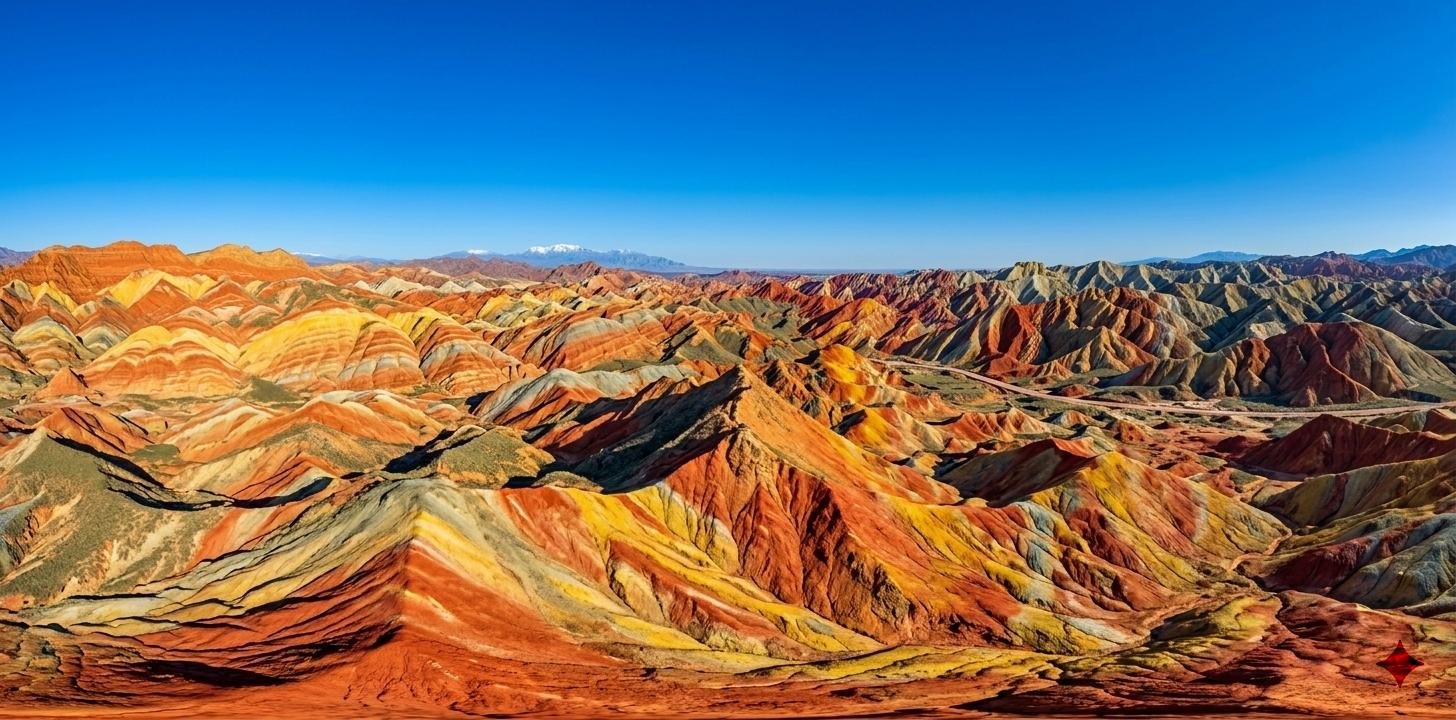
    In northwestern China lies one of the world’s most unusual landscapes β€” the Zhangye Danxia landform.

    Its colourful mountains look almost unreal, making the region one of the most fascinating natural wonders in China.


    https://images.openai.com/static-rsc-4/CmSRA_Kk2yJxa_gRBvcjYyTrDoXTNlSQdGyiQ1CJ3DXrGN3eYQDEVVRgkYDHZTTVAnSh1EZaitY2PKj9pG9h3_-KQtbBVZezJhT3Y02mfdmwPuSzTmWEB_tOR3rOZY_sP31DDLgw9dhmPY-FAKave1l2k6NhboTRGkVPM4emfuSiD8mfv1aKM3te5xKdmeWL?purpose=fullsize
    https://images.openai.com/static-rsc-4/wWKjkZHXgRjcyfhb0HSjusRkchTDIDKwNr9Eyi9YbPsa7t4tZ80_3sE_AR9LGxK4xrNQTbzRxU-hcs0veLpPmPnjROJhfbHIFwGex4uVctFudyP34B9cUqEhfRkn2-v1zqCkYVjE88qczYsVSGytcrSvg6-IFhPXh0dWnYOc4Q1ft81mfTNWbnOWs905cMCB?purpose=fullsize
    https://images.openai.com/static-rsc-4/ZtefBCAU9HJeuZva39z_YV2Eprt984z8G73xsC1CdjavTX2SMfIJBcNZLiJCV9p6YT9-7McfNEtTlu7S5eNzJDegdray_XcvUY9_cn-SkUdD_xEPJnla5b-lcw_OWgYP_xC0ql_nCtgSi2NSpSTtx4FsnFC8DpGSMDE5zGBo54cnjzK5SIEYkfvYlpI0cNuA?purpose=fullsize

    Zhangye Danxia Rainbow Mountains


    Wide panoramic view of the colourful Zhangye Danxia mountains showing the red, orange, yellow and brown layers.


    🌈 1. Why Are These Mountains So Colourful?

    The colours are mainly the result of different minerals and rock layers that accumulated over an extremely long period.

    Different minerals can produce different colours.

    For example, iron-rich materials can contribute to reddish or orange tones, while other minerals and rock compositions create different shades.

    Over millions of years, geological processes shaped these layers.

    Wind and water then gradually eroded the softer rock.

    The result is a landscape filled with colourful ridges, valleys and cliffs.

    Nature slowly painted the mountains β€” but its paint was made from minerals.


    ⏳ 2. These Colours Were Not Created Overnight

    One of the most amazing things about Zhangye Danxia is its age.

    The landscape is the result of geological processes that took millions of years.

    Layer after layer of sediment accumulated.

    Over time, pressure transformed these sediments into rock.

    Later, tectonic activity helped uplift the region.

    Wind, rain and erosion then sculpted the exposed rocks.

    So when visitors look at these colourful mountains, they are actually looking at a geological story written over an enormous period of time.


    https://images.openai.com/static-rsc-4/GncMSJz8bAgA4WDHTt4Cw3gkbn0TNE95bHRcmc869btLOPUevEeApxUMnOnKc3wBBXhwxKaz-FARO-x1ZjFoXDyWvywdA9Abe4HvFMTqLlcC4jOyAgAcaO3mRJ-xLflAwFcNGsWu1fBEMPiL5ebhgsLQVPzuRjKu7oTaWuk8nXK0toV_eon92Bf5LIDHwCaP?purpose=fullsize
    https://images.openai.com/static-rsc-4/jDIqmamMSho4_2al90UFIHHoL1g9uCCM3mhB7tvkeadvzGNlYuXwRC_QVGQNRfXG8DloF74vlqLG-BS6moaiHAOM65sdyXYMa_HnLlQ_avl8D3pv9azV3VXXXSybhKElsR44MJVIbB3tFzFJkVRecGbpQKatC3AKl0aEfrlLk7xPoiSKFDOUGrLMe4OFehYZ?purpose=fullsize
    https://images.openai.com/static-rsc-4/ymVrSz-eOnpcogxtUOCfJGIRf9JuihG-N2AhO6Ox3ZpRqXCSQMWxNtvRaZXIga0Uitjk541w5jmoN3nJ6Du-wvHnLAboPB94MnrDAUve0VRKiinJR_CAMgpeORE7_HEOWAjHtT8Uau47DPu7EjMkRNjRPpc1gIDhap0kVbQo-asvV-5pZ1U2kUpeTdS7_Ejx?purpose=fullsize

    Colourful Rock Layers
    Close-up view showing the different coloured geological layers in the Zhangye Danxia landscape.


    πŸ”οΈ 3. What Does β€œDanxia” Mean?

    The word Danxia is used for a distinctive type of landscape found in parts of China.

    These landscapes are known for their colourful sedimentary rock formations, steep cliffs and unusual shapes.

    The Zhangye region is particularly famous because the colours and patterns are exceptionally dramatic.

    Some formations look like:

    • Waves
    • Giant layers of fabric
    • Painted hills
    • Frozen flames
    • Colourful ribbons

    The exact appearance changes depending on sunlight, weather and viewing angle.


    β˜€οΈ 4. The Mountains Can Look Different Throughout the Day

    One of the fascinating things about these mountains is that their appearance can change with the light.

    Early morning sunlight can create soft shadows.

    During the middle of the day, the colours may appear brighter.

    Near sunset, the warm light can make the red and orange layers appear even more dramatic.

    This is one reason photographers and visitors are attracted to the region.

    The mountains are not changing their colours.

    The changing sunlight changes the way our eyes see them.


    Rainbow Mountains at Sunrise or Sunset


    Colourful Zhangye Danxia mountains illuminated by warm sunrise or sunset light.


    🌍 5. Where Exactly Is This Natural Wonder?

    Zhangye Danxia is located near Zhangye City in Gansu Province, in northwestern China.

    The region is part of a much larger landscape shaped by the geological history of the area.

    Although the surrounding environment can be dry and rugged, the colourful formations stand out dramatically.

    The contrast between the blue sky and the colourful mountains makes the scenery particularly striking.


    🧱 6. Millions of Years of Geological History

    Imagine placing millions of years into one photograph.

    The layers visible in these mountains represent different stages of geological history.

    Sediments were deposited.

    Pressure changed them.

    Tectonic forces altered the landscape.

    Uplift exposed the rocks.

    Then erosion began sculpting them.

    The process continues today.

    That means Zhangye Danxia is not a finished painting.

    Nature is still working on it.


    πŸ’¨ 7. Wind and Water Are the Natural Sculptors

    The colourful layers alone would not create the dramatic shapes visitors see today.

    Wind and water have played an important role in shaping the landscape.

    Over extremely long periods, erosion removes softer material more quickly than harder material.

    This can create:

    • Ridges
    • Valleys
    • Cliffs
    • Pillars
    • Ravines
    • Strange rock shapes

    It is a slow process.

    But given millions of years, even small changes can produce enormous landscapes.


    https://images.openai.com/static-rsc-4/ZhbPocFsqY-zHQhx4mdZfC7djKWBP5m4i4fZ6Zioj0cfyvK3Mdh2cRvYQdSAgrAmneV4m4aviVfiHXx6NlJtSN7yl2lx7aerGoOMOIZuTlTDvXLTnwVL4vcGKUAG_Tz9nDNXp_2YkVBzen6KLa0e7QCuQVDEcEkDxKxYcquq6CbhE6XOTmONOKRTJlMmwXI5?purpose=fullsize
    https://images.openai.com/static-rsc-4/biYa6v5KQFldiTEe4mTyue6QXZwzJSDfek9JC2bHeShWYtnLhY9_KxYBXaKh6hImJjm3r3sHOPrkR08FNavJesuEpLj1smKYsOxYRW7zKlaqoaGx25hMaPutJGtDKoiJEz-nUuyuYQnSUpytxCDkYV2O-aebGumYDTgpDPrjBXAiXucjyUR6AInSmZqp-TiA?purpose=fullsize
    https://images.openai.com/static-rsc-4/POo-z5tqIVTI6fRk-5Ty8Jk2yUWrfIngMxCXjiM15C-7EtBhIYLS4fwYCiz9jd5cveIofzWJyQMntrW6hMBSxFUpTLPb4zHB5gp7HlYmt-KVdtZ5Fqpgg0PfXFWKbFGyQ47FlgE_urt8Cz-QGEfxXkMHDFfLKv7sUi9D9kqF9Qf_ePi8qpt_oMi1ryDpTu_C?purpose=fullsize

    Erosion-Shaped Landscape
    Wide view showing the ridges, cliffs and valleys created by long-term erosion.


    πŸ“Έ 8. Why Do the Mountains Look Like a Rainbow?

    The colourful appearance comes from the combination of rock composition, mineral content, geological layering and erosion.

    The exact colours vary from location to location.

    You may see:

    πŸ”΄ Red
    🟠 Orange
    🟑 Yellow
    βšͺ White
    🟀 Brown
    🟒 Occasional muted greenish tones

    This unusual mixture creates the impression of a giant natural rainbow spread across the mountains.


    πŸ‰ 9. Some Rock Formations Look Like Animals

    Nature sometimes creates shapes that resemble familiar objects.

    At Zhangye Danxia, certain formations can appear to look like animals, faces or other objects depending on where you stand.

    This is called pareidolia β€” the human tendency to recognise familiar patterns in random shapes.

    The mountains themselves are not actually shaped into animals.

    Our brains simply try to find familiar forms in the landscape.

    And that makes exploring the region even more fun.


    🏞️ 10. Zhangye Danxia Became a Major Tourist Attraction

    Once photographs of the colourful landscape spread around the world, interest in Zhangye Danxia increased dramatically.

    Today, visitors travel to the region to see the unusual geological formations from designated viewing areas.

    Walking routes and observation platforms allow visitors to see the landscape from different angles.

    This helps protect the fragile geological formations while still allowing people to enjoy them.


    🌱 11. Why Should These Mountains Be Protected?

    The formations may look solid and permanent.

    But geological landscapes can be surprisingly fragile.

    Erosion that took millions of years to create these shapes can also slowly destroy them.

    Human activity can accelerate damage.

    That is why protected areas and visitor-management systems are important.

    Visitors should:

    • Stay on designated paths
    • Avoid climbing restricted formations
    • Never remove rocks
    • Avoid littering
    • Follow local rules

    A landscape that took millions of years to create deserves careful protection.


    https://images.openai.com/static-rsc-4/aFJTq5TdpbGaLSWZDk7umzig2xiT-h6WKFRksgB3LB3EYA_RM9C_umRWYJpuDTN3cK4GMS_CGM7Xz58PAiW7oFq93LqHXmB0VWHK9DGTGSsW774idKSVtdl_Fuf-Hf_SWZKU3G0MKVViFH8ndq5HBtkjbnxBOEOUvkl8kEBsLj2T19DEKSoc1ClEmAQu565K?purpose=fullsize
    https://images.openai.com/static-rsc-4/mFp-l2rNFP2kXPmOZeNZl5XW0oJARe25v6gzRKS0OthGdSjm1z1Ll5ozZwMAFmHcyZe03SIi6qxNpfRFgGJBBidL8atOQY-69i4pHp7Pceo-XVHYEwpaNuhfu0UCk-63TA7D6EoL_Z5WQoXiuxrbWhRnpL73N_BKTZpwLN1FB3gqL-VeP50uFOirSZC29ndu?purpose=fullsize
    https://images.openai.com/static-rsc-4/LK23FLv8dN_n8KN79w6glaH-JpxaSIaGmoqJlkEA-aJmc6ky9n6BN_0yt1Gg1hZSnRKTSYSgSb59l1qV6VThgu5hRvRH4KiJpBLqHABPgLoPs16V7Kj1IYre3jRWpL-ul8vf2RhbYc3rmf0MItX0QUWjl39hnd_uD3PLaH4-m7ACAEuDbf1p_V79IY2MDpOm?purpose=fullsize

    Visitors Viewing the Rainbow Mountains
    Visitors standing on a designated viewing platform overlooking the colourful Danxia mountains.


    🀯 10 Amazing Facts About China’s Rainbow Mountains

    1️⃣ Zhangye Danxia is located in Gansu Province in northwestern China.

    2️⃣ The colourful landscape was created by geological processes over millions of years.

    3️⃣ Different minerals and rock layers contribute to its striking colours.

    4️⃣ The landscape is part of the Danxia landform type.

    5️⃣ Wind and water have shaped many of its dramatic cliffs and ridges.

    6️⃣ Sunlight can dramatically change how the colours appear.

    7️⃣ The landscape attracts photographers and tourists from around the world.

    8️⃣ The formations are protected as a valuable geological landscape.

    9️⃣ Some formations can appear to resemble animals or other familiar shapes.

    πŸ”Ÿ Nature continues to reshape the landscape through erosion.


    🌎 What Can We Learn From the Rainbow Mountains?

    The Rainbow Mountains teach us something very interesting about our planet.

    A mountain does not need to be the highest mountain in the world to be extraordinary.

    Sometimes its beauty comes from something much smaller:

    A layer of mineral.

    Then another layer.

    And another.

    Millions of years of geological activity slowly transform these layers into something that humans can hardly believe is natural.

    The landscape reminds us that Earth is constantly changing.

    We simply live for such a short time that we normally cannot see the process.


    πŸ‡¨πŸ‡³ Final Thoughts

    China’s Zhangye Danxia is one of those places that makes people stop and look twice.

    The colourful mountains appear almost artificial.

    The red, orange, yellow and brown layers look as though a giant artist painted them across the Earth.

    But there was no artist.

    There was only time, minerals, pressure, tectonic movement, wind, water and erosion.

    And together, these natural forces created something extraordinary.

    🌈 The Rainbow Mountains are a reminder that sometimes nature can create landscapes more beautiful than anything humans could design.

  • πŸ‡§πŸ‡΄ Bolivia: The Place Where the Sky and Earth Look Like One

    πŸ‡§πŸ‡΄ Bolivia: The Place Where the Sky and Earth Look Like One

    Imagine standing in a place where there seems to be no horizon.

    The blue sky stretches endlessly in front of you, the clouds appear beneath your feet, and the ground looks like a giant mirror.

    It sounds like something from another planet.

    But this extraordinary place exists on Earth.

    Welcome to Bolivia, a fascinating South American country famous for the spectacular Salar de Uyuni, colourful high-altitude lagoons, volcanoes, deserts and landscapes that look almost unreal.

    What makes Bolivia even more fascinating is that its natural beauty is only one part of the story.


    https://images.openai.com/static-rsc-4/7LZ3hbh_n0znVgqAYjF3108L6H0viItvDZpX06pXE0wZNaLnEQQIqu-TSjiL3JUYolt8DNenUEhoswYCrQOTtLzn2begQS4remp0RMr6hQ0mDrLbezmMcHuENHNa-w4JwFVLfZUmDZ1m7CiLQMGLkltc18HNdVzUr6a7IfNLepmYvHKVv4m4Vg1mCqiHR37f?purpose=fullsize
    https://images.openai.com/static-rsc-4/2cFjhZZNofvENzzsfclzgTvmOEnnpbVCenJRF-w9qbxA1y9_33e99N-xtt35Vqt-MptoZK4PekYiLOe8vsAERQSoUcjf5RCHL4BdNuBUlvYGUXGv4LWz9cQZRNkarH9sXQ8PHwwaA_LAq06DL9h3bExzNL1TJt5HNInRFFxa-XV-EEfjRXxZUDdKDKLnoQFa?purpose=fullsize
    https://images.openai.com/static-rsc-4/ERObV-EGtIM8uXrSDjeHk0YSMTPp--kqx0nfNLOHA2eNbgti1Zs8SfR74EeBMfXYv0x0jiy5vi9NRS5xrlcnAQiwSD8KZQ3sAYPGfpt85psx9pqQmqU5A0t0px-E_r6YQWTPL11eXJavmzKRhWaFhQIX0VkKE9tVYEjOFJLTEmeAhOBHSvY4-8SQQryw605D?purpose=fullsize

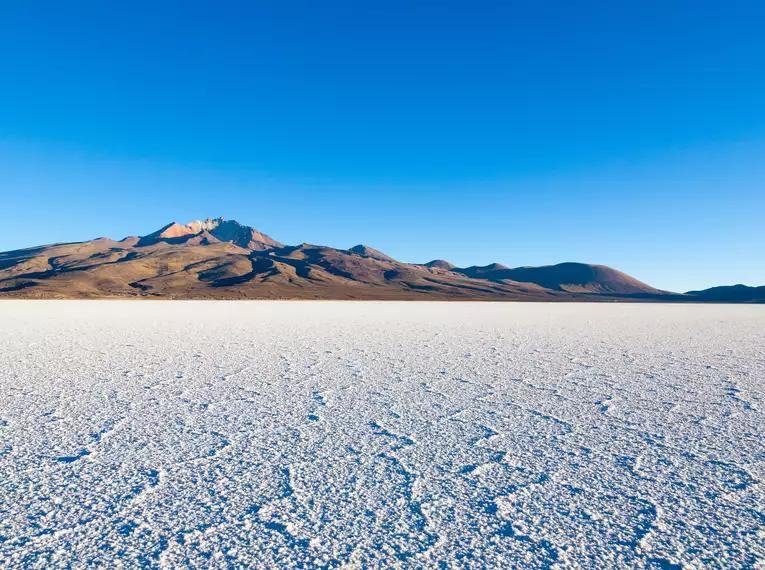
    Salar de Uyuni, Bolivia

    Place this photo below the introduction:
    A wide panoramic photograph showing the enormous white salt flat with mountains in the distance.


    🌎 1. Salar de Uyuni: The World’s Largest Salt Flat

    The biggest reason Bolivia attracts worldwide attention is Salar de Uyuni.

    Covering more than 10,000 square kilometres, it is the world’s largest salt flat.

    The landscape is so enormous and flat that it can be difficult to understand its scale.

    From certain viewpoints, the white surface seems to continue forever.

    Salar de Uyuni was formed from ancient lakes that gradually dried up, leaving behind enormous deposits of salt and minerals.

    Today, the area is one of the most extraordinary landscapes on the planet.


    πŸͺž 2. When the Ground Becomes a Giant Mirror

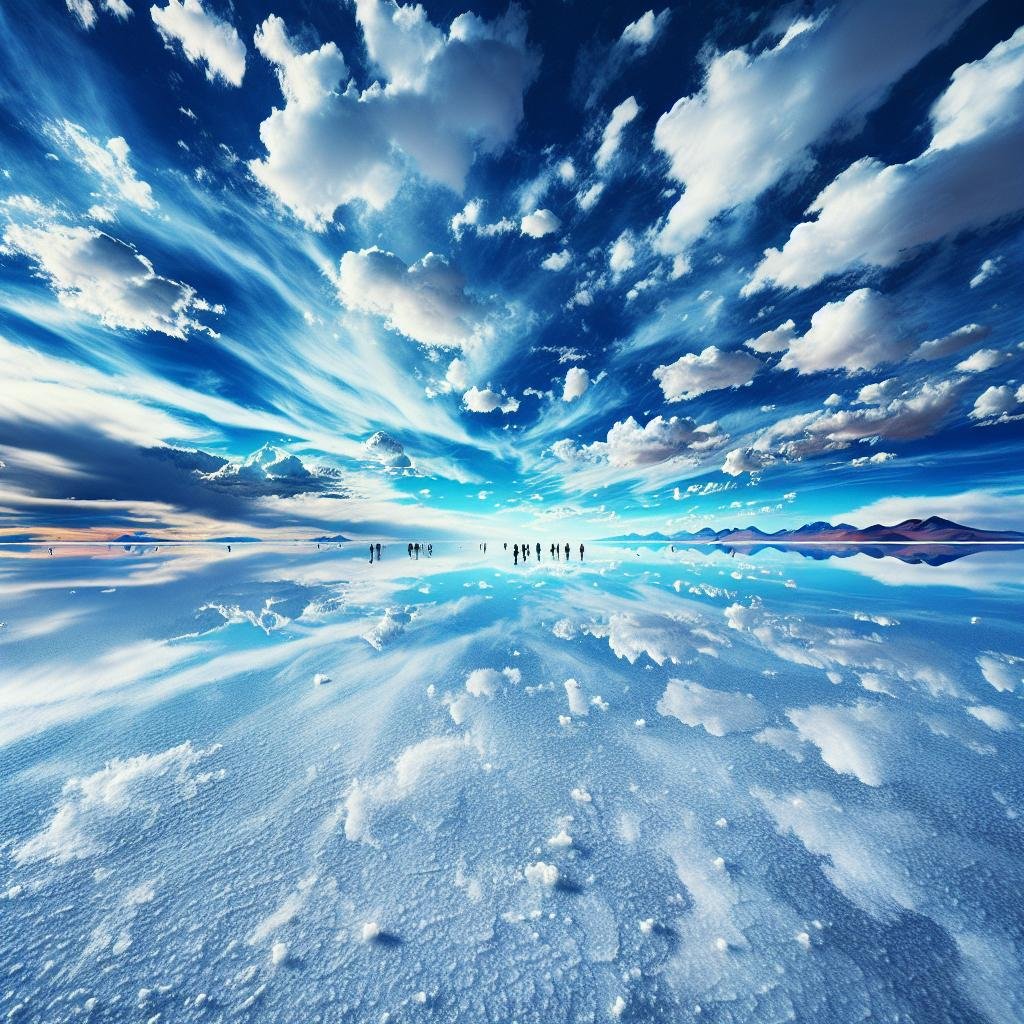
    The most magical transformation happens during the rainy season.

    A thin layer of water can cover parts of the salt flat.

    When the surface becomes calm, it reflects the sky so clearly that the boundary between Earth and sky almost disappears.

    Clouds appear to float beneath your feet.

    Mountains seem to rise from the sky.

    People standing on the surface can look as though they are walking through the clouds.

    This incredible phenomenon has made Salar de Uyuni one of the world’s most photographed landscapes.


    https://images.openai.com/static-rsc-4/bfZ9oldnP-Ec8Oh1DYRArHtopFeudJqrmls4LNoAQqpxnPC19DEt290BlgEkqkCDfCYI2GBdUGxIQxfS1DYY5uOvXuEcfx6SwPf-X7R76L13EH9xIgTX7b2BzPbvS5BIBv2zYbykYdO6NYsWRPwkUo5kJoqa_EeW98JnqbFPM6bN7em_oqpCfVo8zFbJ1VqA?purpose=fullsize
    https://images.openai.com/static-rsc-4/peloegaABrWm95y3tY0fnomT3IhiRLcDVX_MKQWBffDKZCdpB5xvObAojlJHyqAnLmr2JJp1tbeejnHtVaNudbQx9efmt6Hg9LXcfQGMSPDgUkb4duw19y_SqF-lM11TlU-dp29nyvGbmQHkOCFhMqJ2NzlJvYRMV3jnPXlyICo3EyhERnDaLxC3Amija-dC?purpose=fullsize
    https://images.openai.com/static-rsc-4/hixuEWjcpEe-90E5rI8cAOrB0iGjQSVr3ollmfebGFeq9roJc7tnYIHoIyLR_FR3eWaFNaIQd5BOnhKMH9VmiDZIQlgKU1mi00U4oHQoBvKzv2lkMoyefVhceY7LHi4d8ar5hNWJrAJ35emIVnMLDuqfEgekoN3zj2v3WZlxjoLr4G8V1-8p5tJ54RHosFks?purpose=fullsize

    The Famous Mirror Effect

    Place this photo here:
    A photograph showing the sky and clouds perfectly reflected on the thin layer of water covering Salar de Uyuni.


    πŸ”· 3. The Strange Hexagonal Patterns

    When the salt flat is dry, another fascinating feature becomes visible.

    The surface develops polygon-shaped patterns, often appearing like enormous natural tiles.

    These patterns are created by the drying and crystallisation of salt and the movement of water beneath the surface.

    From above, the formations can look almost artificial.

    It is one of those places where nature creates patterns that appear to have been designed by an artist.


    https://images.openai.com/static-rsc-4/UcnFuP0-qdgiJvpwmJfrG8x5DvT0iLiEJHrUO1Py8CRGYHRbMYUbCtZEVSm1tDy50Rr2NIr4QcFJ-F5yOBa5nnZR2yTsvNMqjF5Hxt0XNeIySI0XFEzjMY8HJPwXGGXniAAB2GXC6K1VMS1i2ES6WL00SEi4ZYvHgd_DrtLmPefJTkv3cm6vmNV0MOJy8Iv7?purpose=fullsize
    https://images.openai.com/static-rsc-4/-RPA3NFJo2m2RDq7E5XLeqmLdCOripeoVpe76RmWlE1XWSIdJcHGV-VJV-9uemU-IsdnbTebywPyK0_kVp5oCuB9A4HqlrK_-Wu65LAJ_-nbgb7W9CqJiVYJomFi74Aya9YgIssENPuyggb5_TSWY4a-ZaLZP5lwZyUyltlfYI7gBpqsnBWEufPArif6uASq?purpose=fullsize
    https://images.openai.com/static-rsc-4/Y5LXVCPek-WVzZ81o36ybMMDpHQiyEtYdRd32dScdd1ICF1wJg0HYbrL4Arw0huS2UKW_1uvLnCQl_8JFXT4qdlsq3wsGvUHF99xfNZfu1u2TvR24yvA4Kg-BqoxlSWZfrmAAXNtKI2fCfIVkofpjhnGOg7bThnAS5ASMkXv0ykdBqFccSHeT8-dZb439z4r?purpose=fullsize

    Natural Salt Patterns

    Place this photo here:
    A close-up photograph of the geometric hexagonal patterns on the dry salt surface.


    πŸ”οΈ 4. Volcanoes, Deserts and Colourful Lagoons

    Bolivia’s amazing scenery does not end at Salar de Uyuni.

    The surrounding high-altitude region contains spectacular mountains, volcanoes, deserts and lagoons.

    Some lagoons are famous for their unusual colours.

    One of the best-known is Laguna Colorada, or the Red Lagoon.

    Its reddish appearance can be influenced by algae, minerals and sediment.

    Against the surrounding mountains and desert, the lagoon creates an extraordinary landscape.


    https://images.openai.com/static-rsc-4/WXsytYW5b3F9eXFfGvRbDTsx-YnU-jn_a8FpPCpQxybEyFuQ_BRuMiR5oRHtN_xGkfmq4-Kxh-rZ1FkoGjuCRo0mF-YVoJEl1cDYZRw_10CLC64cEPpseM8keQKCt-9fvgd-qsZhwZiCVulOsfghLRiovn1LKOZ2148qKRWkOu4M_EA-rOfy6VCdcc6zGphW?purpose=fullsize
    https://images.openai.com/static-rsc-4/qAz32nCdkPccmyAXwGYuvvD0-DCp_LQzZFNnAdazjbW8nGlWimt3yluOWBsivocSmnYn37sZ0WsmCXtbrTdUk084TZlec_9ZfOvrO3_d_I88d21GD-JB-6QDPe2s_jf8_sD_vqNizVEJyhi7lEvmSp0KLZm22naJWnFEJz7sQbwjK41tqnYkncX5zXuQi1zq?purpose=fullsize
    https://images.openai.com/static-rsc-4/UbgSyLhbI6viRKXHC2mZTagvSZ2_7KoIC8ATUMXEaF_caudJurE_4mbawuid4zOcXJ_9FZ-Zo_EnX5LsG_P6-mfVqI4l_UQ2NDOT_-vyb608PbJS__IYZQRYgxOrwkoARKJvNzOmVUeSIQc8gt-l3Kw5jumG4V1us5wUGTn130VX9DU5YbBy1LfneZaMsFsN?purpose=fullsize

    Laguna Colorada

    Place this photo here:
    A wide photograph of the reddish lagoon with mountains and, if possible, flamingos visible in the water.


    🦩 5. Flamingos Living at Extreme Altitudes

    One of the most surprising sights in Bolivia is seeing large groups of flamingos in remote high-altitude lagoons.

    Several flamingo species can be found in the Andean region.

    They feed on microscopic organisms in the shallow waters.

    The contrast is extraordinary:

    Pink flamingos + red or blue water + volcanic mountains + endless desert.

    It looks like a scene created for a fantasy movie.

    But it is completely real.


    https://images.openai.com/static-rsc-4/uUBxE3xjnthYoXR_YlW7SB1gxyR_5k6ivRqIGIR1HmYeZOIaqT-1Ox6mB6ctJF5J18yk9UTp6wpOFSR93dFGWQPgqZkP5EFnyDXj0SWRIRYj64azpsu3kGWyCZN48PEGXZ7XsYOaYATxBnJVv-QtNgxsicGx28xY1DyIDpD0NHMVMAZmydJ7O2gJ_lkdlQtR?purpose=fullsize
    https://images.openai.com/static-rsc-4/gvQFmWIQwBGefNCLya2WOlgo8inq6FxCPRgPsm2z2OqMPpBv_1OlvxaKp6QAXdskWhGuWYGNb1OB0_yWDYLRu6vnANnhW6-epFdYEyoHNvyocFvkrcsbcTm62hG0k1RlTFsU8YpLWgQ5CV6AGhq0Nbxmoa17MsOtdTORzLn22Y-2SoaAB13WKSa7aVCOs1lq?purpose=fullsize
    https://images.openai.com/static-rsc-4/8Y1WhBrgKc2_VxagXdFXuZzS6Nx5L0HHwChYyPdzAAztaTwVVX-woNmfiI9yMRysQ3gaI9UpOZ7QwIS9w3VGRVy5yW4ruu84EXOwSkHtylaYUoItDXKMweXRtNC2ZTW2Jj7qhm9YqxkdBdMe9_JeFeTA56vXnOKW_t52GqVLttzqTczDjy9yVx3RdjkOWjmB?purpose=fullsize

    Flamingos of the Bolivian Altiplano

    Place this photo here:
    A photograph showing flamingos standing in a high-altitude lagoon with mountains in the background.


    πŸŒ‹ 6. A Landscape That Looks Like Another Planet

    Parts of southwestern Bolivia have such unusual scenery that visitors sometimes compare them to the surface of another planet.

    You can find:

    • Huge salt flats
    • Volcanic mountains
    • Geysers
    • Rock formations
    • High-altitude deserts
    • Colourful lagoons
    • Vast empty landscapes

    The combination is extremely rare.

    Within a relatively short journey, the landscape can change from brilliant white salt to red desert, green water and towering volcanic peaks.


    πŸ™οΈ 7. Bolivia Has One of the World’s Most Unusual Capitals

    Bolivia’s administrative capital is La Paz, one of the world’s highest major cities.

    The city sits dramatically in a deep valley surrounded by the Andes.

    Instead of spreading across a flat plain, La Paz climbs up the steep slopes around the valley.

    The result is a spectacular cityscape.

    Buildings cover the mountainsides, while the surrounding peaks rise dramatically in the distance.


    https://images.openai.com/static-rsc-4/cXby1ZiGNVeSN1EqQEI9DBSIDdAUSNzfJ8WQ1si8ZHbmh6SlIl_Dj5FYuKm4S3HgvwSlwV8WLME09SGoynLKHxQFi0D9SlRKKQliG6XRsEJuTL1umG6nBy7pxgtARfnFsAfiv1XcbdDPPNOZGu3dm6VPC3lDogfFKHh1Oxp5_C9BQe_yBoa0YUIqECTzUKOz?purpose=fullsize
    https://images.openai.com/static-rsc-4/FN5zjtSQ4vzIjKzzHGqZbSMErZBMEJLjYVbMN19TkJZrf1vv_1l__29hnnTlQJuZDWHVtg5svaLy6HZJZefN-Xq2fTOtXBnU_IMHlaFxxKSSEAaRwUSwWhP7zbDplvz_OLBvye3Um8wflSlv5GakirPj5PmddWmdrwJrN6IpEpstfV4NFZ-sbxuIEFv4sRV7?purpose=fullsize
    https://images.openai.com/static-rsc-4/sdVaBMaEEjMZI1IAC1ig0fJjHEmwu5L8d57z4A0ZmSV8drEqYB-GlNTg0TY9LhLo_x5Jqk_4Z8Wc2sqvHzjtjBSVKB0LGLpP72VMXnu0S-vU76KgdKlcHO3Rb1DlI3hQOTCT34g1usMnNA_tCs5g1B4HYXeIPwb680P6PrO3KH7XylJn7yBtgAGOQ17CCORT?purpose=fullsize

    La Paz, Bolivia

    Place this photo here:
    A panoramic photograph of La Paz showing the city filling the valley with the Andes in the background.


    🚠 8. A City Connected by Cable Cars

    Because of La Paz’s steep geography, transportation can be challenging.

    The city and neighbouring El Alto have developed an extensive urban cable-car system, known as Mi TelefΓ©rico.

    Instead of travelling only along crowded roads, passengers can move above the city while enjoying spectacular views.

    The cable cars have become an important part of daily transportation as well as an attraction for visitors.

    Imagine travelling above an enormous mountain city while looking down at streets far below.


    πŸ§‚ 9. Bolivia’s Salt Is More Than a Tourist Attraction

    Salar de Uyuni is not simply a beautiful landscape.

    The region is also associated with important mineral resources, particularly lithium.

    Lithium is an important material used in modern rechargeable batteries.

    These batteries are found in products such as:

    • Smartphones
    • Laptops
    • Electric vehicles
    • Energy-storage systems

    Bolivia has some of the world’s largest known lithium resources, making its salt flats important not only for tourism but also for discussions about the future of energy and technology.

    However, developing these resources also raises important questions about water, environmental protection, technology and the rights of local communities.


    🏜️ 10. Bolivia Is a Country of Incredible Contrasts

    Bolivia is not just one type of landscape.

    It contains an extraordinary range of environments.

    You can find:

    πŸ”οΈ High Andes mountains
    🏜️ Dry deserts
    πŸ§‚ Massive salt flats
    🌿 Tropical lowlands
    🌊 High-altitude lagoons
    πŸŒ‹ Volcanoes
    🌳 Amazonian regions

    This diversity makes Bolivia one of the most geographically fascinating countries in South America.


    πŸ›οΈ 11. Bolivia Has a Rich Indigenous Heritage

    Bolivia is also remarkable because of its strong Indigenous cultural heritage.

    The country is home to numerous Indigenous peoples, languages and traditions.

    The Aymara and Quechua cultures have played an important role in the history and identity of the Andes.

    Traditional clothing, festivals, music, food and crafts remain important parts of Bolivian culture.

    This cultural diversity makes travelling through Bolivia about much more than seeing landscapes.

    It is also an opportunity to understand one of South America’s richest cultural histories.


    πŸ—Ώ 12. The Ancient Mystery of Tiwanaku

    Near Lake Titicaca lies the ancient archaeological site of Tiwanaku.

    It was the centre of a powerful pre-Columbian civilisation that influenced a large part of the Andean region.

    The site contains impressive stone structures and monuments.

    Its history demonstrates that the Andes were home to sophisticated societies long before the arrival of Europeans.

    For history lovers, Tiwanaku adds another fascinating layer to Bolivia’s story.


    https://images.openai.com/static-rsc-4/4WL8IZCKzV5ZiqXh2dIkBdVhwBckHanXD_rl0w6gaTIu_JWS5GpDqsjMKcaps9ywPwRBu3JAaIz8tK4yM2r9L86lRmRK0Vbh2pNc-W1JjvHRQ_Z1YKev5y9-2nFaXEU4lGrNg1QD41OxLk7kRE0LzY73oPrTVAeGYovrGKi8eByNpW6yFG9urSs_38N63qNe?purpose=fullsize
    https://images.openai.com/static-rsc-4/CLRyZrLzvPS5WzzmSjyFTHfpbHbT4DZTUKwCuKH3-BLLuTuX-cHP8GBQNnfZC_6--ad-Wr8kjZRA3_u2DTJ-k0kr3eyrhjJq_EnocLllnmhRMpqs21T2cLlzRLbtxW3YIVA9qgf9dULiCC4EMJ95cmOxSLwwcCpilbrG_NIqoPi4avBAZ8CDhEn8uMkCOi88?purpose=fullsize
    https://images.openai.com/static-rsc-4/eP1k4BhTHmz9t_UIQbPo6GZ_2g8p1FgfsGumnKAW5aasUUqFq1y9oTA2TufNRJW_fg0kjC1rDuOEwV_I4YOnUHzvkIi-3kHhToEtDYntQA80eBbVYKXDeghxQZtXx0l_XlxPd7WIWf4ilYHeQkAQy0OGBktYJVL6__tLqUyJUylquFLeHL7ACvqGMwnXGYqG?purpose=fullsize

    Tiwanaku Ancient Ruins

    Place this photo here:
    A photograph showing the ancient stone structures and monuments of Tiwanaku.


    🀯 10 Amazing Facts About Bolivia

    1️⃣ Bolivia is a landlocked country in South America.

    2️⃣ Salar de Uyuni is the world’s largest salt flat.

    3️⃣ Salar de Uyuni covers more than 10,000 square kilometres.

    4️⃣ During wet conditions, parts of the salt flat can create an extraordinary mirror effect.

    5️⃣ Bolivia has enormous high-altitude landscapes in the Andes.

    6️⃣ Flamingos live around several high-altitude lagoons.

    7️⃣ La Paz is one of the world’s highest major cities.

    8️⃣ Bolivia has enormous lithium resources associated with its salt-flat regions.

    9️⃣ Tiwanaku is one of the most important archaeological sites in the Andean region.

    πŸ”Ÿ Bolivia combines mountains, deserts, salt flats, tropical regions and ancient cultures within one country.


    🌟 Why Bolivia Is One of the World’s Most Amazing Countries

    There are countries famous for their beaches.

    There are countries famous for their skyscrapers.

    There are countries famous for their forests.

    But Bolivia offers something completely different.

    Here, you can stand on a white salt desert that becomes a mirror, watch flamingos in a remote high-altitude lagoon, see volcanoes rising from the Andes and explore ancient civilisations.

    It is a country where nature constantly changes the way it looks.

    One moment you are standing on what appears to be an endless white desert.

    The next moment, rain transforms the same landscape into a giant reflection of the sky.

    And somewhere beyond the salt flats, colourful lagoons and mountains create another completely different world.


    πŸ‡§πŸ‡΄ Final Thoughts

    Bolivia is proof that some of the most extraordinary places on Earth are not always the most famous.

    Its landscapes can look unreal, its cities are shaped by dramatic geography, and its ancient cultures tell stories that stretch back centuries.

    But perhaps the most unforgettable sight is Salar de Uyuni.

    When a thin layer of water covers the salt, the boundary between sky and Earth disappears.

    You no longer feel as though you are standing on the ground.

    You feel as though you are standing inside the sky.

    🌎 Bolivia is not just a country you visit β€” it is a country that can make you question what you are actually looking at.