Tag: Indian Diversity

  • ๐Ÿงฌ Why Does India Have So Many Different Skin Tones? The Science Behind Human Skin Color

    ๐Ÿงฌ Why Does India Have So Many Different Skin Tones? The Science Behind Human Skin Color

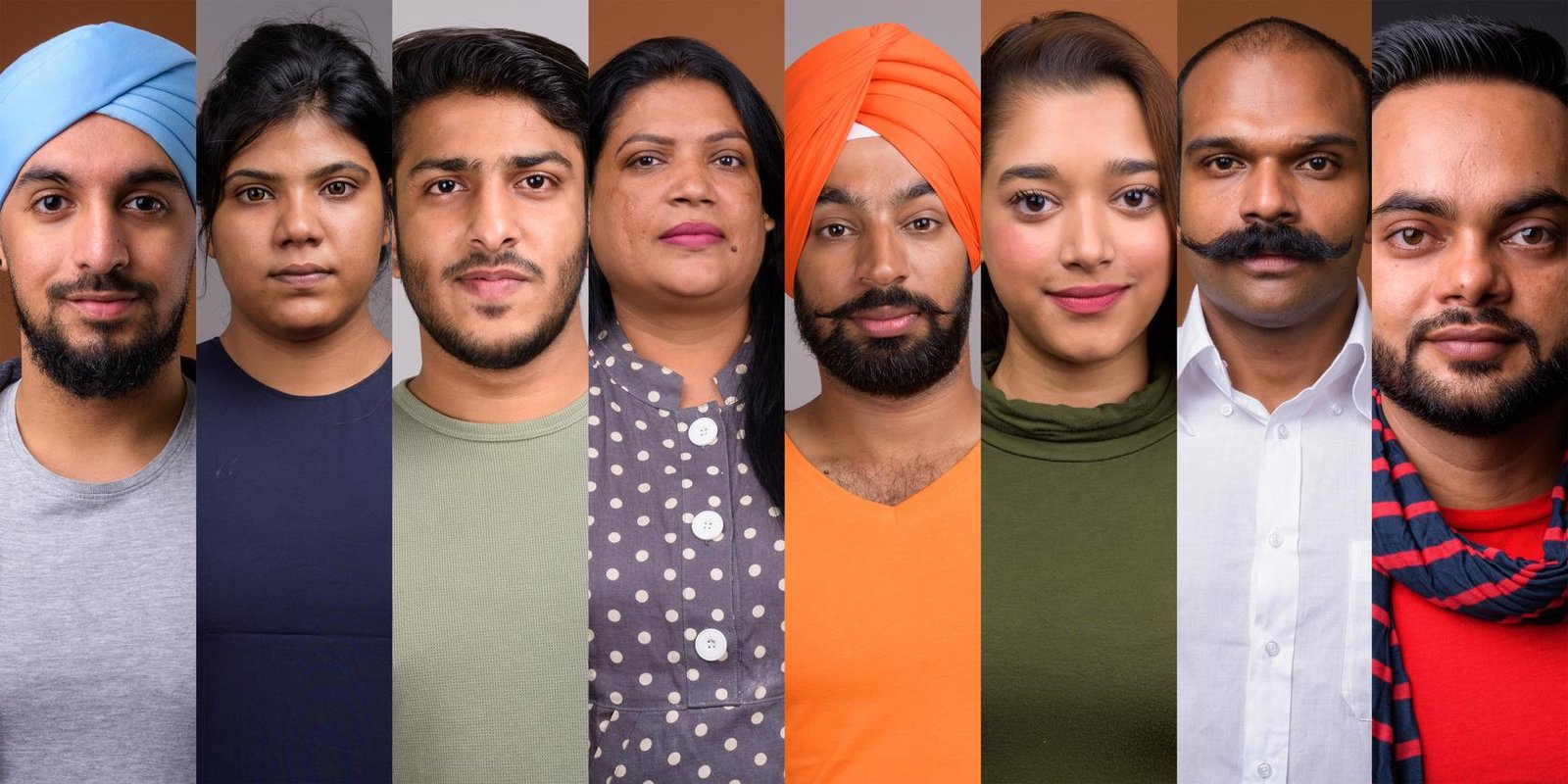
    India is home to people with a remarkable range of natural skin tones.

    From very light to very dark, many different shades can be seen across the country. But why does this variation exist?

    Is it simply because some people live in hotter places? Is it determined by sunlight alone?

    The real answer is much more fascinating.

    Human skin color is influenced by genetics, melanin, ancestry and long-term adaptation to ultraviolet (UV) radiation. India’s enormous geographic and population diversity has also contributed to a wide range of natural skin pigmentation.

    https://images.openai.com/static-rsc-4/Wo61xj8mh9IMcOo8wdCaLd38h-d6EOejt_QC0f-LkIx0OizjNBH_CMymTVhdz3yjkP4koJwI3VzHNs8v1aYNCc15jRGwx1SQBdAiSJM_U_WIAXJfJsmMcsq9RrG6G6la1Q5SRWhtBanBjY9ZwQwOezvOGvKTuKLeol5UI1wAeriL_PZE0QLit3QFWWljyQe0?purpose=fullsize
    https://images.openai.com/static-rsc-4/GkaYy_e0S_sqx6EoKka3HTyX8-qIYGEnxrqWYpC8zQWnTlSIX-2WW6P45t-4Jdyo-abVbiXMS-Meq7R6CaEYhzbL2vYHz16BDErbiwQpKUQ9vo3ILD99XtgYI8-sU2AwAWhJ30chVVW-xqiN655LbB65tmt9KuYHHfKlEaQoN-vHM0Jyo90lTsSx0Dwq2CkW?purpose=fullsize
    https://images.openai.com/static-rsc-4/9OJfoJTHy-js-unrqwC82eB9yxCz0hsTymTjcwE1Ez5bF41QY6_q7TRHTkRo4C-Poazc4k5e3MBfPbW4HUbPYC3NV7k2DtBqQu33xxN8wWEosFxkZHqrWUcPvc6MniHzR7kY67DvFWLCC9yMxQ9fROiE8LghVbwUi3430F7QQ2EKzPRgNIZNOX4CRJ82t4Ks?purpose=fullsize

    ๐Ÿงช 1. What Actually Determines Skin Color?

    The most important biological factor is a pigment called melanin.

    Melanin is produced by specialized cells called melanocytes, which are found in the skin.

    There are different types of melanin, and the amount and distribution of these pigments contribute significantly to the visible color of human skin.

    https://images.openai.com/static-rsc-4/JXihNpch3e_4ATtcri_z6muqLNXhlTFJguhjCANhMJZJyuMqIFhc9sO-JBGpJXqSpfLDUisW316xuHSJvzsKewF-LoinL06vvpTNMKngaXnBWkYT3PwNMYnOE60-0twyT60xMakJ8bfCwlPmaTMIaLmCQCPbTbxDFO2yWydiVMP7h6O2fAz9LqNitq6xJVJw?purpose=fullsize
    https://images.openai.com/static-rsc-4/XCdRMsDFoVjBGXYT4GI8zl1QeN4fzNTzwPbw26Qi-KwfRAYRWBWmVvi7vkLwYtbciVvygKOkrWfPF5u0sTs8dSU4zmdu8pFsmTEKLKZ0kY6651i9HsheY8FtjMiXuBZLtl37_aX8g93zujDag6_hsX8_9jTlgHcZR4fVVFP6SsWRDC8W9qzy32BWPJJe0Gx2?purpose=fullsize
    https://images.openai.com/static-rsc-4/J3ExBPTHoEisfkrqiiKGLVRfdFCr_oRrLs-N8hbE3kpeNJnWO8bzQ-4KWqHA9VJMYR72zpeEdqvNxX3KjyKBXz9uz_WfcNyYbg0N3gic8FyOnesQjuxsIqQWklUQIn-BNoLpJr2666uqwBLc81Gx0jUA2wGReCR8-Hl7DpKBEdtq40gu6v4MwcusSV5dx6KK?purpose=fullsize

    Generally:

    More melanin โ†’ darker pigmentation

    Less melanin โ†’ lighter pigmentation

    But skin color isn’t controlled by one simple gene.

    It is a complex genetic trait involving many genes.


    โ˜€๏ธ 2. Why Does Sunlight Matter?

    Sunlight contains ultraviolet radiation, commonly called UV radiation.

    Too much UV exposure can damage skin cells and DNA.

    Melanin helps protect skin by absorbing some UV radiation and reducing its effects on cells.

    https://images.openai.com/static-rsc-4/zJXiVp1pQli1xdl-WciSC2wzXfVarhY6kasX8A_mGWjcPCjo2OQbwxU8XQ6kW7ccvGSyCF8LIIVGdw6f9Vmd0iIuzjr6QF5xuQXB4MgATKQTN9JnCIZERdDQfPwVLjwGsL8LZUwwPqFKcDhOGNIZ9VrqfxHxzj92U3fxKtaydCWzmXj2LBiVFLiAZBGlWcrM?purpose=fullsize
    https://images.openai.com/static-rsc-4/ZtGWsaaT0oqINHddRs7y_iLF4PvSiZmUXUOyXmNPZRdZIYnVRtAuXmUKFLIFP3alXmcT4_gNO1Yu7E-20hvxxRXUqpkqNAvHscDURd6TeNTzbhQPbuwjJQwE00KX3HEfZKN94NnIMUtNg_TtmanYHo207LeaCSc5p1lAw5oVJ3QLW2uV_3LC5BKOHGvrvuWz?purpose=fullsize
    https://images.openai.com/static-rsc-4/_w3tGpUMW8n_wU51Iu_oHp_LlR_lg-O3ORZJg6U2qtptg7stWM9V88I9AhzkJ-_7Yy1h4moYejhW0xfqVS2UdtijcyWWupJ0S6AAtKC82QyDAN9RwMiajexVt3JuPVUkukqMz-2PSX-rdCHSRdvMcr60kDW4eyU_WsJ-YPMVbyNgJNKgqt9Nehg4b6HahkQz?purpose=fullsize

    Over many generations, populations living in regions with different levels of UV radiation experienced different evolutionary pressures.

    This is one important reason human pigmentation varies around the world.


    ๐ŸŒ 3. Why Are People Near the Equator Often More Darkly Pigmented?

    Regions close to the equator generally receive stronger UV radiation throughout the year.

    Higher melanin pigmentation provides greater natural protection against UV-related damage.

    Over very long periods, natural selection contributed to the evolution of darker pigmentation in many populations living under high UV conditions.

    https://images.openai.com/static-rsc-4/RKo19HCVfETqYgKe6Zgw6eOR5quJGkiYFHmkWSTTmM7R8RgFxaBDLIo3pWH-3FvT3m_VjA7oT_VLxM0NUxyLZakm0NyMy5JUV4FjiS3Uv5__mjrqy4Q4A8oUaso6JsflrCx1BVTVLX8LI6eRcXniP4W9zYHEN7m7S-XbEiLDPId_K6E_DOiEMq198CYnxE3O?purpose=fullsize
    https://images.openai.com/static-rsc-4/2kZ4daY_01fY7lHgKwxpRxt7oOZsKaGehAX4tViTBPcke3QNsE8E_w4ePF5roS99QMPSKFhoao_eIHcf7Z1j6CwPJzfROKpLI3MxBlArT71bspeDn7z3f1ZeuGHsX61eiOVj7jah3G76-B-oY6NG6UWenVJpckAA1JeBP7NdY1DRHKKczV5534ow5nW9MogG?purpose=fullsize
    https://images.openai.com/static-rsc-4/Jk3HDVtu97aYIerykhLaQCdbAVborI3t1IUA4D_3F1_WGaeDJ46THAFN8G087vD1yw9T_GSiKM8wux94FbomnC6Gd3LpiWnUPWcyc_PHZsAQMjr98F4-Dua4V2jWXe68aIkcfPhD18JZjpWDl8QtJ7t-egr4FJ3csm5jk0e2fHVl4sfz1v3pfruMps_Ad58J?purpose=fullsize

    However, this doesn’t mean everyone living in a particular latitude has the same skin color.

    Human populations have moved and mixed throughout history.


    ๐Ÿ‡ฎ๐Ÿ‡ณ 4. Why Does India Have Such a Wide Range of Skin Tones?

    India is geographically and genetically diverse.

    The country stretches across different latitudes and contains many different environments.

    There are also thousands of years of population movement, migration and genetic mixing.

    https://images.openai.com/static-rsc-4/ZdKKwN3j4-YKnvXqYTB2R5W_WCzjT78RHEciylkGbjw1_GuOvd75VK4E7mVKM3bXxN_yPIx-cTRNnhbUJbbWXVGeIHpjIstDcNxnYWr_Y6MA-AyxajyVCJ7f6S5hAtzZOvHISjTLTn-pCKS2_u2_tyl9A2g4oXjOpP9y4xlAkEyLrnLsaLg40ba9ZkWeFTdb?purpose=fullsize
    https://images.openai.com/static-rsc-4/igWOa8H-mxWMq4fXP36wFk9yVMvb2fBgZrVgzPrKsvd_Gmm9K76GARud0QUzjnUPJY9_YpYe_ydiZj_fNpj77RaLIpuHjnWNbQWKHfZuXUYZYpADpY7FGSO9FBaGKYrTPFMrB8ftV_4rDg_2pcUxrsMeWGoZXrvnsmJEh2lWvgqze6Q1eVFmKCTTAokiF6e-?purpose=fullsize
    https://images.openai.com/static-rsc-4/n-yC2sZUxvkl3D4o8BRAEaUZv0vbL_YrIoHlZCn5ujifDnVA7RtHFKlF6BDPyYLJUnPBWN92Ozju4RVOu5gYlgZeBv-PLOf1Ynee2aa8OzQzV1wb_yIIftlyxbsIL-TDh3sgNuKbMahl_UUttx-eKJodYAnrFFS4X3lNdqh1V1pzAOOn0QXFfL2kv2q3JRo8?purpose=fullsize

    People living in different parts of the subcontinent have experienced different environmental conditions and have different genetic histories.

    Over generations, these factors contributed to India’s broad spectrum of natural skin pigmentation.

    So there isn’t one “Indian skin color.”

    There is a huge range.


    ๐Ÿงฌ 5. Is Skin Color Controlled by One Gene?

    No.

    Skin pigmentation is polygenic, meaning many genes can influence it.

    Genes involved in pigmentation affect processes such as:

    • Melanin production
    • Melanin type
    • Melanosome formation
    • Melanin distribution
    • How pigment is transported within skin cells
    https://images.openai.com/static-rsc-4/IWGXQ22ksP1UKDIhUJbEKO5wj3zSdpc5lNnkbDWEz1OWfouNhbGR3C23VqKQQ5c1B1GgtQOWq-pjT-_CaJbjuHNUhVcotWowwnvwQ1EsuQTJkUHMlUXtwPnxLUO8AqseoSdHoAUnmAjWZAzNyMafx-tuEcrkdhNh5cg3C-ToMnzMB15gQF6KeY9FgH4g76Pp?purpose=fullsize
    https://images.openai.com/static-rsc-4/Vh5_DYHAw1-WI6oUJEkfCYzrJtKMjV4_RFEvTjJpf6mpCgPvtfUCpi7CSaV0jyWg9yHJgCGFkWEN01bDv8-QLgFcTvGahqQtTOO9T16T0_cfdCBiNz6Ffktt8zKaAFV4Hv2vTfu99GNZdiAIblLeOOCE73N0fu62ZL7clN0YApMMTan_sFAGMMVFZpN6dAHw?purpose=fullsize
    https://images.openai.com/static-rsc-4/3jKBTsGOSAh85vMkU39WvseIcpAsEHqge_RcFmoWDcQA-y7D_pC9HN9Ey_N9DtZsMNrhIptJN4UJU_JLou6PKgdst_jtbYWokI4FnZ9FX8Sp37PzFbTa6GYBrgX5-ZqNa15iCu7QGnWBvnpGrmkwdGiI9yu1rhhOt_4RIhwvukUqmb2lMJMGlAIkAlqjtK18?purpose=fullsize

    This is why two people with similar ancestry can still have noticeably different skin tones.


    ๐Ÿ‘จโ€๐Ÿ‘ฉโ€๐Ÿ‘ง 6. Why Can Brothers and Sisters Have Different Skin Tones?

    Parents pass combinations of many genes to their children.

    Because each child receives a different combination, siblings can inherit different sets of pigmentation-related genetic variants.

    https://images.openai.com/static-rsc-4/0cXE0QgMU1q9FIGzL6tWSnsWIaE7KWmTiWWZtRP49W58w_H4PsrcoHCv1Dy8dqa--8X1YXWSZ06ylotDJUD9hDYckgArGsE370k6kHqkGPpbmQreEHsrg3BXSkXMYVLps2ukyskPBTiXs9eaIOyCVDcSWX2QJ_uGwFZRzG6q4HX-XWMlg1KUSMs4La9wtmT_?purpose=fullsize
    https://images.openai.com/static-rsc-4/Sglt27xE2cX_Ix-QEpsBYHt_PRF0q-X9PFENtIZsUlvaw1joYcL0C_5W1AsCo2yve7DEDeuNQ5wBSoimx6q43Xv-9IJ1cwA_gLfaFR6zgaGRJJUAYhzVjr7fcgZztySVEPeyl9zDpFhmjKJ8-7rv2DK6RBBXVTTMpdTtGqywGbnzMBeGVvSV0KfLcGVWBadZ?purpose=fullsize
    https://images.openai.com/static-rsc-4/KTu0z_OuPk8ki74C8nB6TA9VeAPhdUfhc-vrr5eyfP1vNUj2u7aocU12CR2jKcT3eW7eHMh8x3puXSXun26jeggs9XmjmOcjpM7bOasb56YP-pDtae0ThnovywniYY-9Wyb9ZMdG-Uy7TrUOvGcKzcWTAsjCgY-e4k-7jP1W1AVeVkPFSz5d6oDB9Js5t_w5?purpose=fullsize

    Therefore, even within the same family, natural skin pigmentation can vary.

    This is completely normal.


    โ˜€๏ธ 7. Does Sun Exposure Make Your Skin Permanently Darker?

    Sun exposure can cause tanning, which is different from inherited baseline pigmentation.

    When skin is exposed to UV radiation, the body can increase melanin production as part of its protective response.

    https://images.openai.com/static-rsc-4/lL9m6N87GqO8ugD0Q4tUIHeozlXcHzQVimolH_QLmqwXVuyOJfO1G2r0HMx-tjD-aaAfE1ueXr7tG3L9ujtexsvr1x6P62dY2zyjPFyMJY81-mjguEoozC1QHkYGINKYafKUgFfvWfY9By64PPfmPyjSudcAahpN4X4Th9cjRMTYdbXj95PRIVGZkf8l203b?purpose=fullsize
    https://images.openai.com/static-rsc-4/Q6eEMZAYHxCUpc3QzPHsdzO7bmcJdTw4p6ZNDqRM4erbzNq8q5C5-Jr90R4goJMU918ne0JrMzt6C7m-zKiErIsDreeBoK_qOoOT2NPq8SASQXtgcAH7dKH3XJyTYOjCCfZPqq0zFSf8rEowk7KvHpEeR_5gDQaFEIqqDl-gC7NBWBTraK3SSit3pPRhbzHz?purpose=fullsize
    https://images.openai.com/static-rsc-4/dEA1swNvTlYPU4tINzPfo6tUIvh8SVAfaWWBkVE4N2AtVjqL5nqXUllAwlce-uZ5cPTNV_Ji8NWTt1eKgqajKr9Np0Z_KmtAWM0m9o7_Kj2WuwVznHWKUiCfSfLtVN5ZB_PxJ7bkNn3DRvjL5DjTfwGh6TFwMoM9V0SePqKROHQ3iuEv-mxj03IB7S8_-jfF?purpose=fullsize

    This can make exposed skin appear darker for a period of time.

    But tanning doesn’t mean that a person’s underlying genetic skin pigmentation has permanently changed.


    ๐Ÿงฌ 8. Why Are Different Parts of the Body Different Shades?

    Have you noticed that your face, arms, stomach and other parts of your body may not have exactly the same color?

    That’s normal.

    Skin pigmentation can vary because of:

    • โ˜€๏ธ Sun exposure
    • ๐Ÿงฌ Genetics
    • ๐Ÿฉธ Blood flow
    • ๐Ÿงช Hormonal influences
    • ๐Ÿงด Skin condition
    • ๐Ÿ‘• Clothing coverage
    https://images.openai.com/static-rsc-4/niL2D8GAdQGUR1n7gV_lcZJTF2-FYAUJU9uLcATfvhbpQymDSIdNPk395kGQzHK2OjbCb4w_OLkZTe5V4RROY3bp_duCE043I1Zz8lrTVPV0lQuSmD5LvYQNwOJTj6hM1v5q-75bQK344teXGRQoxu2Bp6gnY6SuUhyBher0EOYZiW5OGQtV9cR_sMwya0KG?purpose=fullsize
    https://images.openai.com/static-rsc-4/78kVbTYr0uWhixFYWj0CexkTczIqOcwNso2FSy_B2oMyvOjLUEAO6WvGN1sAMWxgtNESNXi04jTPVRoBIn8BC4EoAOWMqXjGiq4bqHPdsrM63KjCPDx6wi9ZcLtrJXOLUFl15xpo-R9TotErCLS6qDm478Sv-2keRD1ufhQLOWCT93deVeINscbWgogD2AOy?purpose=fullsize
    https://images.openai.com/static-rsc-4/Y1r9FPaqydQyDspSvIqkDrmk45D9HmrHsCG8B_a9TfM7SL_-N3odAcQSYFnC-sp6c-7dLHvl9HYwTkHN_Qv0kX2xj7mPJDoSqFIGNu_hdv-eoavZgOSLo_olw8ydUOBd8_itqQNrBuagyvJCEbVjwzv5fF7LpoJrvC7pDQFaBdsEGk1WR1CL68YwnOyxsRZS?purpose=fullsize

    Areas that receive more sunlight can often appear darker than areas normally covered by clothing.


    ๐ŸŒก๏ธ 9. Is Darker Skin Simply an Adaptation to Heat?

    Not exactly.

    This is a common misunderstanding.

    Skin pigmentation is more strongly associated with adaptation to UV radiation than with temperature itself.

    A hot climate does not automatically mean a population will have dark skin.

    Similarly, cold regions can receive strong UV exposure depending on factors such as altitude and reflection from snow.

    https://images.openai.com/static-rsc-4/wZOtfv7wTuke5ukQrduC0_TUyJdouCr12WvHXx2SXDengVU8gLzxKnx7I5VaZileqjd4u3_Y-x5H7n5dCZvxideBgCX_VCg9anV9QnuzVWYg32Evs3dHR4Vb1KBphr2KXhdqKWfeA-drl5NZ9jArrDIGRaRESb_hvOyUAmBhe-topTAVDSneoY3ko7ljxq4_?purpose=fullsize
    https://images.openai.com/static-rsc-4/r6nHw56_K3m5uA59ct31NQ48fGJUGHNRC0pcWocNJP_OdFPqvcLGwMdMEuYj8vokrsBAM33Ru3kHxB9Qlt-tEInOFIRCegYcHBjx0F5L9INZgqDiNs42Z0rdqw3QOYCdZzZU54roC72EIGQ1M7O1kEm4zz3Q8NCPdhAut-EQocC88Kr7cECA1IuYFkns_Hgr?purpose=fullsize
    https://images.openai.com/static-rsc-4/TNzj26PvGyh13Veww-OOYT9tebn5pOavQl0LS-K4ftMELfHeO4fO5VSslA01JSUP6Rg15JpAdbZlh5Q6AW-fL8lltmUZN1D5O37kXAO9XQ5i2arEJRDaQeV7VYUh967KAQdSDj1CG3vbYs6BiFjbvLwJvM0F7bWF2c3IWw3VA--FKmWRpi2pBTqpiGobALQq?purpose=fullsize

    So saying “dark skin comes from living in hot places” is an oversimplification.


    ๐Ÿ”๏ธ 10. What About India’s Himalayan Regions?

    India contains high-altitude regions where environmental conditions are very different from those in tropical southern India.

    At high altitudes, UV exposure can be significant because the atmosphere provides less filtering of ultraviolet radiation.

    https://images.openai.com/static-rsc-4/I31gSzksYyuukmETcwpEBYi42hRIXN3qeMBBBbiFEJzrLEbxW9kOdomD-AKevLqTrFtjRW3PRZyyJKJGRYxl8YCaO1VL3NIqxtIgp-82U8dqcF383vLgZefu95xRkXQZTCPfrCxG35fB4J6zFvolBJ82DLX-J6KcejQmox79Bm93hPUkGkz9RUiHV5Wt5Qq2?purpose=fullsize
    https://images.openai.com/static-rsc-4/m4f-4U2UxIt3mTMm2IN06OUk2iqd1yc6g98I7eyadHPtE4sWA0aawVSEOjzZYRpb8vdPCvDJKq3A71Ysu2oScF24OVJFKNtlcLGMDnCQ_s9yf7wftyaA_U-TpEStkZTZyXPcdr0jO3Ape47wIUqT-5o2h-8qAfmj8By21Sk6-5Mvt-2TqR0YpBnyQ9Uc2uLb?purpose=fullsize
    https://images.openai.com/static-rsc-4/ttKjhn4EJlvtSJlULvD4_qD8dQY6-zlmupyBJ5L2P-jkf_I035EXxr98fKmBiVOVEUC-Gt-UUVlhD87oTmeirzqpy4LlUyrjWZMA_Wbp9zHxWt35bpC09jgvQzTaRuy6o2VkqAuZ1eWC5QlkgnGaG8V7-rJNejyxPMjeAqiLcdH88NSxxXjU54I8Mrfwtm8C?purpose=fullsize

    This shows why climate should not be reduced to simply hot versus cold when discussing human pigmentation.

    Geography, ancestry, migration and UV exposure all matter.


    ๐Ÿงช 11. What Is Melanin Actually Doing?

    Melanin is not simply a “coloring substance.”

    It has important biological functions.

    One of its major roles is helping absorb UV radiation.

    When UV radiation reaches the skin, melanin can absorb some of that energy and help reduce damage to cellular structures.

    https://images.openai.com/static-rsc-4/61KIO_MjfPRsTCWriMxmIc0ddMluG1uZ2sGfb3Uth6pPRLobi-eJI_bZBAyt2hLL_9XX_FD2g6_L64QusbQQZRcxxpq4VwoFoRSF0E7S6OUNGC7tcPUVMebWIr4FqZ5AJQMHB3b33UeBT2a0fO5QNSglGzhR7HXwYzWSLLC4MhOgWqbfjCmp7cTdSr2arGLZ?purpose=fullsize
    https://images.openai.com/static-rsc-4/Q6eEMZAYHxCUpc3QzPHsdzO7bmcJdTw4p6ZNDqRM4erbzNq8q5C5-Jr90R4goJMU918ne0JrMzt6C7m-zKiErIsDreeBoK_qOoOT2NPq8SASQXtgcAH7dKH3XJyTYOjCCfZPqq0zFSf8rEowk7KvHpEeR_5gDQaFEIqqDl-gC7NBWBTraK3SSit3pPRhbzHz?purpose=fullsize
    https://images.openai.com/static-rsc-4/_NsvDHjVUseiKXYuMsPIXMUwHuBnnqyVRl98_iwcIgy2simnFJV-L1JB-8u5f34hlW4T7g1OSDosIQkQqnC1TM7fvEl3g-DqJazB5Mak-h7RO66UwcwmK-sQ3qFPUW4DPkcUbb0i2POCFMa6tOjjZN9N2MBkfz_ypSAZSYBbrmPaNuWS-k9kbc4kkCdGhfLu?purpose=fullsize

    This is one reason pigmentation has been so important in human evolution.


    ๐Ÿงฌ 12. Did Human Skin Color Evolve Over Time?

    Yes.

    Scientists generally understand modern human pigmentation as the result of evolutionary processes acting over very long periods.

    As humans migrated into different environments, natural selection interacted with genetic variation.

    https://images.openai.com/static-rsc-4/cIC7thLYGKcNVEDhIQcIOi5rZq5v-RGy9x0GAry4TzLHW5hlLbOs48OxuoWHUbzajL9GkbeXV6lz3CCTAtiqMvm0HjrJ1G1FpA8DiZB8n01Xd0AH_qCHofe8wI7ylY6t7eb5xP1UyD0fSgaP4_TCgMedQKHHdIJcz9SH-If7Gi-v6BoT55h5PhiARctiu-5Q?purpose=fullsize
    https://images.openai.com/static-rsc-4/HwQjBkSVn-Lu9frtLj0pM2GcRPsoOtVW1LibhUklfHCyfVmHKOEdZctdQi3jg1qBc_SqJcO4xYxwYvcB9Njaa4LznM2lrXTO_2D55GMji3YC6SLCAEAt5uWua0e6XCQQj351THRTI4vqpgYG_EFs_fqYqcN0-IsyUE_y9v9paXv9vRRxYYygNcEjBPeGXwcI?purpose=fullsize
    https://images.openai.com/static-rsc-4/TpH47IdYgErBSsts4P-ieA99AxiFxZujQUlWz2olIFrCubMOpbIGTzgnBCX1e8PStopefSNpYJREDuNsDqsoVMzo231kRKK4zMhK_HVZZMziUCsArnbEAQVIkMfgwph4fRyVxDsYNUTNKyNHwAmkmyC0NyEyGu7F2CJeVwAfUZWdgsgILiHNHZSWQyMjudWq?purpose=fullsize

    Populations living under different UV conditions developed different average levels of pigmentation.

    But human history is complicated.

    Migration, intermarriage and population movement have repeatedly mixed genetic backgrounds.


    ๐ŸŒ 13. Why Don’t People in the Same Country All Look the Same?

    Because countries are political and geographical boundariesโ€”not genetic boxes.

    People move.

    Families migrate.

    Communities interact.

    Different populations have mixed throughout history.

    India is an excellent example.

    https://images.openai.com/static-rsc-4/bh4kTfdaizOJrsISDqZbV32iJHguciqephgiIXoveyH93ipHb75tpcMALOc9FdaWLQwhVGNMHmn-Gundknon8K5seT9wyz3gNZrYPHyJDLuepyHW1M5RdB8uymaaFRgcGWItGiKwTv5a9yjkreTtdmPwO6SRXK2Y2SGY96YlPvPD3QTo14LXW04omgYLB54_?purpose=fullsize
    https://images.openai.com/static-rsc-4/NplFbjsLTc4PDhW7qm6FOVwkqQAgE6H_VmSShhEf_mIId2S8-7YfShTKeCNF-q0b36i930a1wPAqL37m8ydP6XtSNBgw3muqHPc9IlInE1jt57rwG7H_mbXgqTyuCAVyAKqU3ocPoilNaeDO4NzA4lvhvt9yAt292kN9H42hCPMplwIPA_O38s32wnGvUyaZ?purpose=fullsize
    https://images.openai.com/static-rsc-4/oxy1_v6fu73xIXllUOh3MB0tSlqRso60LVYZ-iuv_B5VVjkF6FOP8Ign6mRZu7baEV1ZcAvGOuSlzA6nVrVZUdjJxNXlxu1NhNbngltaMkGLNGKtGsj5yznHIiVNjv7oRILz2VksQrQJppIR1Nb1C3wLNHPMjOU4omVGdpyc8QQU10u4JjH-tHbwcosN-wJ_?purpose=fullsize

    The result is tremendous variation in appearance, including skin pigmentation.


    ๐Ÿ’ก 14. Skin Color Is Not a Measure of Health or Human Worth

    Skin pigmentation is a normal biological characteristic.

    A person’s skin tone does not determine their intelligence, character, ability or human value.

    There is no scientifically valid hierarchy of skin colors.

    https://images.openai.com/static-rsc-4/7wwVdW-6iR87KSan14K_yeLeUxWMG3ay7kdeYvSBkGUn7_A7Rb68UwX5UP5vA4s_FwrG7pFOsYGcrtSApzev2SzLTcXDblCIZwaVgY3fey2xzCClesq-R_Sx7lDgph9VjjcqiNwjFgB36vKR3yWxk4IQ3Wjw66JGWTfXI0SQPvS4MYKkycESPK0gK5DiTPHj?purpose=fullsize
    https://images.openai.com/static-rsc-4/cb_lSt3CjfDCTYHN8PhqGHXsvqcytlN0EeEHen5nu4UBrSpE8G5ogowVMXwspYqfqir13cNK2XbcLDcdFzNLrcPozxPDNjEFy2wMfp46XKTRAeIE19NpGvF5hRJdcpngiPluiviquHMKF2cWoVkqrHWgJsAGzAQJmipa8jJxau-cpMY8Np102pe5JbeLu5UT?purpose=fullsize
    https://images.openai.com/static-rsc-4/bh4kTfdaizOJrsISDqZbV32iJHguciqephgiIXoveyH93ipHb75tpcMALOc9FdaWLQwhVGNMHmn-Gundknon8K5seT9wyz3gNZrYPHyJDLuepyHW1M5RdB8uymaaFRgcGWItGiKwTv5a9yjkreTtdmPwO6SRXK2Y2SGY96YlPvPD3QTo14LXW04omgYLB54_?purpose=fullsize

    Human beings share the vast majority of their genetic makeup.

    Visible differences such as skin pigmentation represent only a small part of our overall biological variation.


    ๐Ÿคฏ 10 Amazing Facts About Human Skin Color

    1. ๐Ÿงฌ Skin color is polygenic

    Many genes influence pigmentation.

    2. โ˜€๏ธ UV radiation played an important evolutionary role

    Human pigmentation is strongly connected with adaptation to different UV environments.

    3. ๐Ÿงช Melanin is a pigment

    It contributes significantly to the visible color of skin, hair and eyes.

    4. ๐Ÿ‘จโ€๐Ÿ‘ฉโ€๐Ÿ‘ง Siblings can have different skin tones

    They inherit different combinations of genetic variants.

    5. ๐ŸŒž Skin can tan

    UV exposure can temporarily increase pigmentation.

    6. ๐ŸŒ Human pigmentation varies globally

    Different populations evolved under different environmental conditions.

    7. ๐Ÿ‡ฎ๐Ÿ‡ณ India has enormous pigmentation diversity

    Its geography and long population history contribute to this variation.

    8. ๐Ÿ”๏ธ Temperature isn’t the whole explanation

    UV exposure is much more important than simply whether a region is hot or cold.

    9. ๐Ÿงฌ Human populations have mixed throughout history

    Migration has continually influenced genetic diversity.

    10. โค๏ธ Skin color doesn’t determine human worth

    It is simply one aspect of normal human biological variation.


    ๐Ÿ‡ฎ๐Ÿ‡ณ Why India’s Diversity Is Scientifically Fascinating

    India is particularly interesting to study because the subcontinent contains:

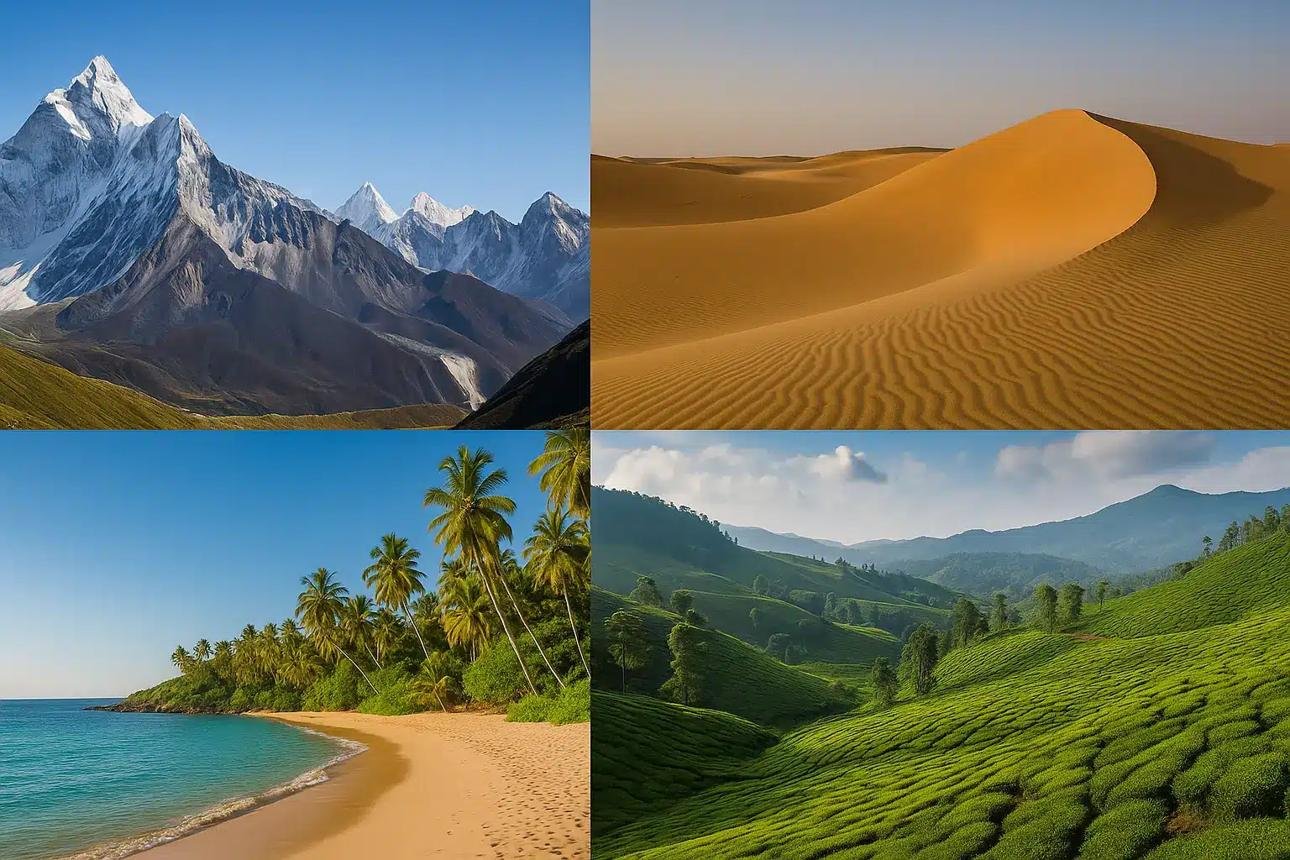
    ๐Ÿ”๏ธ High mountains

    ๐Ÿœ๏ธ Dry deserts

    ๐ŸŒด Tropical environments

    ๐ŸŒŠ Coastal regions

    ๐ŸŒง๏ธ Extremely wet areas

    โ˜€๏ธ Different patterns of UV exposure

    And it has experienced extensive human movement throughout its long history.

    https://images.openai.com/static-rsc-4/KvKPCrOPnWvwSTnnjfzx580qIa-6K9V60hjzjF2c-hbNo6H_-EH2xmNxLUtU-ZjhveyWKx7LVIiN6HKxoQv6y_C0qUcuDndweDex-Pi2bcRgXOJT21cW4hrdStG89yehatEycTomzTEXM0KJC7iepkl5p6hKdz9zFY0BDoARNoHhY9S2gWoAf_uwhQA2ieXU?purpose=fullsize
    https://images.openai.com/static-rsc-4/LXP-_lV21wJTV1BIHxnIEm0-VGFOhpDeQAhNVk5aB6FSE563VgqUXyAzdicZLYX60aSfBG8hhXBkU-JWhFDdjYXRkCsO3iBNT58qOzUIzNM_of3Vcdt8hu3hwUuflFGad8lF5aiMbNorBl1s1dwLIn82ZonBaybujEyYqd77AO8kyhDZMAnHHhYACCMu0bz-?purpose=fullsize
    https://images.openai.com/static-rsc-4/_cH7wqfqzpc7EpFgootO2b7JoHnd8k1NGuDDPkDwTqBk5G8x2y9iC3n72IXYFUf8uo1YV1zBz0BuumAmI927VFe3KJBlw7u0GNZjru076v188oF2CLj-t7Z7bMaiDhjlzk6MU4qfKkFI6PwgexUqhW5deiqA0UbJyJHDzn2RVCNEkl0yiSV_1t8AZNd4KbLC?purpose=fullsize

    All of these factors help explain why there is no single appearance that represents all Indians.


    ๐ŸŒŸ Final Thoughts

    The next time you see the incredible variety of skin tones in India, remember that there is a fascinating scientific story behind it.

    Our skin color is influenced by genes, melanin, ancestry, migration and evolutionary adaptation to UV radiation.

    It isn’t simply about living in a hot or cold place.

    And it certainly isn’t a measure of a person’s value.

    ๐Ÿงฌ Human skin color is one of nature’s beautiful examples of biological diversity.

    India’s enormous range of natural skin tones is a reflection of the country’s complex geography and deep population history.

    ๐Ÿ‡ฎ๐Ÿ‡ณ Different shades. Different histories. One humanity.

    https://images.openai.com/static-rsc-4/bh4kTfdaizOJrsISDqZbV32iJHguciqephgiIXoveyH93ipHb75tpcMALOc9FdaWLQwhVGNMHmn-Gundknon8K5seT9wyz3gNZrYPHyJDLuepyHW1M5RdB8uymaaFRgcGWItGiKwTv5a9yjkreTtdmPwO6SRXK2Y2SGY96YlPvPD3QTo14LXW04omgYLB54_?purpose=fullsize
    https://images.openai.com/static-rsc-4/s97UGmP4J7JHJhGvjiIf4U11dVrPevIUu_X9hZNXRVoj8X3Jufuh1hBT0fMpMbCLjHzzNDlH_f44ihQ1jxP2jwhfVkcjzV4GN94q0BZ7p-fPDOhYwxjdl4x7EhW0kVat1dPn2wksdcJrEkx9fAk51VQGgIJTPecCJqlJ9Gspd0Sr0-X6izZ3G6sz2WAJ2IgA?purpose=fullsize
    https://images.openai.com/static-rsc-4/7wwVdW-6iR87KSan14K_yeLeUxWMG3ay7kdeYvSBkGUn7_A7Rb68UwX5UP5vA4s_FwrG7pFOsYGcrtSApzev2SzLTcXDblCIZwaVgY3fey2xzCClesq-R_Sx7lDgph9VjjcqiNwjFgB36vKR3yWxk4IQ3Wjw66JGWTfXI0SQPvS4MYKkycESPK0gK5DiTPHj?purpose=fullsize

    ๐Ÿ‡ฎ๐Ÿ‡ณ MANA BHARATHAM

    Stories, Facts & Wonders From India

    ๐ŸŒ Website: allpincodes.online

    ๐Ÿ“– Blog: MANA BHARATHAM

    Know India. Explore India. Celebrate India. ๐Ÿ‡ฎ๐Ÿ‡ณ

  • ๐Ÿ‡ฎ๐Ÿ‡ณ 10 Things That Make India Different From Other Countries

    ๐Ÿ‡ฎ๐Ÿ‡ณ 10 Things That Make India Different From Other Countries

    India is one of the world’s most diverse countries.

    From the snow-covered Himalayas to tropical islands, from ancient traditions to modern technology, India contains an extraordinary variety of landscapes, languages, cultures and lifestyles.

    But what exactly makes India different?

    Let’s explore 10 fascinating features that make India stand out in the world.

    https://images.openai.com/static-rsc-4/TlWPaW0WjqVToZmtie6u3lfa_AZzAUkuYnJj2NfjCgDUinMVlBaAaQN_acr-khpwuE-EY6RedKCaBvzCLcqj9JGYqfoXo1yl6MsMkr9CyhjC0aEBmmJxNOnqPycXezhdmzyMT5Syj-Th89G5Udb3isqskA5n-q_Yoxy7mTDB-D7R3sPJJ7XqqRldV296ewS-?purpose=fullsize
    https://images.openai.com/static-rsc-4/qZEBNE0UPwWOoj-cX_BH-qkT-XY5CLinF_-rBQD1WkSIZujkPjCYqRN_DWf_b7RX5wT6wZ1jzXYZXePH5QDsS5E3s-3ne1OMOmtZGyk7o0rgmws4xodUGkd9bX4nnPk7wxmdR1L_ra7Mof06-fu7gyiEsEpJaPsF8Qdek9hpIfl7uCYwnrCbESgbaSL9Y0fO?purpose=fullsize
    https://images.openai.com/static-rsc-4/p1ChWPhdomYiCZycUZ4ylyLcx_QqNzf2Rxxry8g5Mq740jPXOoFQZozdlGLR_LtyO7zJqOe375XRCa8AL9w8dsn8j_nx5ak0uYoAUWsp4fsUZ1P5deh2_kzapy8pE7FuZ4hZmlei_yDbqErsJBy7DOko522RRraNabncGPAF36vQObJlm8WR6XXIJENGH0E_?purpose=fullsize

    ๐Ÿ”๏ธ 1. India Has Extraordinary Geographic Diversity

    India’s geography changes dramatically from one region to another.

    In the north are the Himalayas, among the world’s highest mountain ranges.

    Further south are vast plains, forests, plateaus and deserts.

    India also has long coastlines and island groups in the Arabian Sea and Bay of Bengal.

    https://images.openai.com/static-rsc-4/8G469xV1EPunN9k_mMpKwBY5evXUiTJgY3QOhEpEMr-g5rzMHaoEQCp4PXnnwyc42mjW4ppqeAtMVprIzpMwk6gImp-01nC1LWYtZTzFycUF19FeDDz1B89A-JQ8fuX-Z5IMRPyNAWNV94SIPK60-WlIc-zsDgp5p3TuhuPiI6xwUJFUSVkJKnhcW9weC3Sf?purpose=fullsize
    https://images.openai.com/static-rsc-4/GgfzS2Qz33-uEUlh8OTrwVFlJyPj6fnVvPmC8gW4VOWk3HQrxA8yG6_-WOO2MjhYe8GeRUHPXuy4wLuDs1Tut3212t-Zv8ElGQoxvk-ON9kd1M-eTbCKu58YiyP0lMzPZ4hg7HdRBikiK3RLkmMGHxag8MvRil_QVyHBRf8rGPtjtaHx_eD-VuZGFDdBYT5z?purpose=fullsize
    https://images.openai.com/static-rsc-4/bnuNSxOlhBwlxU0rw3tJq4aB1PG342W3oYdOwtFAqGHRVVNiwwqr8qHkMo5B4w3QLvVGzykgQWfpIX_QuQdduLSgEwG0wVJOatR2YTm2x-uvGcwdMrP-dCrwHSKjySrSsyx5ECaXYM1isQuJfPysKpFC0p2kLBGOAD0xxj5N9tjO66GHI9Q7UKNOLN6iU07G?purpose=fullsize

    Within one country, you can find:

    • ๐Ÿ”๏ธ Snow-covered mountains
    • ๐Ÿœ๏ธ Desert landscapes
    • ๐ŸŒด Tropical regions
    • ๐ŸŒŠ Long coastlines
    • ๐ŸŒณ Dense forests
    • ๐Ÿ๏ธ Islands
    • ๐ŸŒพ Vast agricultural plains

    This geographical variety is one of India’s most remarkable characteristics.


    ๐Ÿ—ฃ๏ธ 2. India Is Home to Extraordinary Linguistic Diversity

    India isn’t a country where everyone speaks one language.

    The Constitution of India recognizes 22 languages in its Eighth Schedule, while the country has many more languages and varieties spoken by its population.

    Major languages include:

    • Hindi
    • Bengali
    • Telugu
    • Marathi
    • Tamil
    • Gujarati
    • Kannada
    • Malayalam
    • Punjabi
    • Odia
    • Assamese

    And many others.

    https://images.openai.com/static-rsc-4/gnK2RWL_lIR8P8KV4W7TaOVb7QpWrFE3IH__HcXXmGIXGlixU7j95Log_D4p2ErCYIyHgXOFSujf2xd6S6pWj4K7Gz3CUc6wgmcutmmWKhVDBHcOvhA5nSBXGmOkCDIwEAJuQuTWcYsVgKv0ggqWod5C7IW0lpSBhNWsCJ7VSPeANf29YDFHsuihvoigM7SA?purpose=fullsize
    https://images.openai.com/static-rsc-4/xxV5eCGfPJ9BlQ74KhETMT53dqfnJATS38v8sWPBFEBa2cjQZw2oKlfKI0aVKlzqHre6gIcek1NsUbVODRoF8yNrA8ZfWq7WmcSfgqEgKf00YoEBWeeR7PUGbSX96LS1rVsgPfHL_01MUKpZqafzHo6QGos3dbeIHaU1bGLktUpf9rq0XjHkXxbz0rJPTHRD?purpose=fullsize
    https://images.openai.com/static-rsc-4/6VpkKnb2LtE-qqgW9UJ3-mFThf7rYxlwGM6UZbBB_AxHEYvtuN1iUgBtW_x4y4kH9z62QS_drXDRUTAoNziMsbpWA7zbCuz-3woWtZdnsICuo0_FRWykt2ioUva2yhJhTwYIPI77wYkzgLLeYCU6Zga1CKE5STs0cTIG4etEXQ1Ub_WZncqfAX_DksSVx3du?purpose=fullsize

    One interesting feature is that India’s languages can use completely different writing systems.

    For example:

    เฎคเฎฎเฎฟเฎดเฏ โ€” เฎคเฎฎเฎฟเฎดเฏ script

    เฐคเฑ†เฐฒเฑเฐ—เฑ โ€” Telugu script

    เฆฌเฆพเฆ‚เฆฒเฆพ โ€” Bengali script

    เช—เซเชœเชฐเชพเชคเซ€ โ€” Gujarati script

    Yet all of these languages belong to the cultural and linguistic landscape of the same country.


    ๐Ÿ•‰๏ธ 3. Several Major Religions Have Their Roots in India

    India has been the birthplace of several major religious and philosophical traditions.

    These include:

    ๐Ÿ•‰๏ธ Hinduism

    โ˜ธ๏ธ Buddhism

    ๐Ÿชท Jainism

    ๐Ÿชฏ Sikhism

    India is also home to large communities following Christianity, Islam, Judaism, Zoroastrianism and other traditions.

    https://images.openai.com/static-rsc-4/GeniNnJ0Ka0efnrv2OOb9aUWmJK0un-MQIU2cBV07-HCNjGNE-KPD5pOZrXP3RihLgDR5XkJV_5SN7-HCbzLqv5VddZrFYTWRlsyGQyge8KawuE3m39LYPW9q95zVIZTGlh2XmS9V9WS3eUXMbinAIU5eEI4bOae_q2zhT2D264O3ajCDghD1khRluKuTaD1?purpose=fullsize
    https://images.openai.com/static-rsc-4/LaMe7Lnj1zPO5UM1Cb83jIMIbO1dRMlCYN_X1771ZmIJW4Cib7gGJ-5JtyNZi2oIGOY7POzEj0zN4vTvHv4gtQ68PZ44xwrJuuflWnqiu3N5oZ5E_2VRt4weF1zLMd6-2-DIMW7-v3N_LGJHUgUGtq7WSw0iwVH3OfLXOHrteMmVCXmLtVY6PTvtmxGQCAGv?purpose=fullsize
    https://images.openai.com/static-rsc-4/itK4L0q6WALVfFb21o9tQHf1B9CawMIl4iYdR_d36bCYMYl8ZwMScXC9fSGYotD9uwBBHympcdxbD_XZ2NoDFYr6ldOSQnvOqu5VSH0InjyYQ4CfMxWsQyS5ZV2yrCXEFEsR9yyyZeN_g6NWnpEQZ2nRVOvnxTJZBeFQ6xoJe8S9XcnWe4p_8tJdJNSdIb0T?purpose=fullsize

    This creates a remarkably diverse religious landscape.

    In many Indian cities, different religious places can be found within a relatively small area.


    ๐Ÿง˜ 4. Yoga Became a Global Phenomenon

    Yoga has historical roots in the Indian subcontinent and developed through centuries of philosophical and physical traditions.

    Today, yoga is practiced across the world.

    https://images.openai.com/static-rsc-4/amF3x14ek79gx7ZTRr6_wkEuNNQHnTDM_r1HhmrI0lJbygic3gr0OQQmr-JuWQG5KeYRULSAgXg8u0zceEO91bkrTXrrnNJTy5uzHk1T8QJrw_qn1C1gGu5bX0M7RjJCfwwkVfS33wnJc4irEgMkERVSmPPAoSemSYQifUJ7VuxcGV1UrFJ_nbx7fGNO2tv5?purpose=fullsize
    https://images.openai.com/static-rsc-4/2xpZLtoMColMWMX0VLme4gWxPY7HmZ8Xa5B7wVJgwe5TX1qhePW0fRx9Ph2WPbetbPr9FXJRXHAnU3L8plm5a-k5VetyeckF6Q5H0vuP4rv2-zrGMuqrGq1vcdraDTLQM2lhrCUt09zchRODFbkFETq6CI9_5-FaZEMIJeLmk09peGfw_I31AXX4L4S7x263?purpose=fullsize
    https://images.openai.com/static-rsc-4/CvPNLwCSBWTWpDr2qaI-SfVYVSYaXs6TdIN78Xm-wV4YDy2b6DDDLgTRbdRyce-KvXge8BR229kpaBq_QBMDrxsOuHBkjyDVqHRF2mgd5X3HLJZxVVF79xUK1lWYLHAXbLiKhcZ3OAecJlTE10vYx18SLmV6sbMVkXi9XQ75GxyYkFAO5Py0bKDysjrF7g78?purpose=fullsize

    What began as part of India’s philosophical and spiritual traditions has become a global practice associated with physical exercise, breathing and meditation.

    The United Nations designated June 21 as International Day of Yoga in 2014.

    That is a remarkable example of an Indian tradition becoming a worldwide phenomenon.


    ๐Ÿ› 5. Indian Food Changes Dramatically From Region to Region

    Ask someone about Indian food and they might immediately think of curry, naan or biryani.

    But Indian cuisine is much more diverse than that.

    Food traditions vary enormously between regions.

    https://images.openai.com/static-rsc-4/2ZytTP70Eq74v7gyvn9qUu7PFbtM3izCOacAl3513DZpNfCrQRcKHALIdtDyvfKt6crGekR2oslazEUoSYXu1y40wzv4ub5f7fGuwiZEggZ24OBuLcEUePF6ezy9btmEvdFAv50z0ZOMYzUyQ6RHsyNrqM5hTpsEMr8_z28wzgvfU_VVY2L2UDdzLzGi86wy?purpose=fullsize
    https://images.openai.com/static-rsc-4/odAz7reT477j02ig_kG78TU6Q_T-9xq3pJKROqF0RMwoN5QaAvLVTTElG0icadixIVR_BuUZ_rqZoewVo8Bv8C_wuTqCXtdQjN79BWxzSugG7AYeFiEC5C7McLYiUdiHkF5eMuyffnl7lM12b5t6f9i9Q3ilozSmNYEzu3ZWYyPgSYTOsRXierKvvJjRd_5V?purpose=fullsize
    https://images.openai.com/static-rsc-4/kpzGDKbSs9BEVpNPHNPhWfgWyphT8sUXD4lmp9gsoGPtJohqspKelXi15lUfjXhIPgr4leAFmRIhIex_QNRMNWEdKtKAa29FI57hrNfUZiR0igij6cxESbiAaAD8PLiFmZstkN8U2TcS22CtnBmOYs2i7txiBzlC3L5injXpsMvHJS4kpnNAgDuU_T2i137k?purpose=fullsize

    For example:

    South India

    Rice, dosa, idli, sambar and many coconut-based dishes.

    North India

    Wheat-based breads, dals, paneer dishes and different styles of curries.

    West India

    Distinct Gujarati, Maharashtrian, Goan and Rajasthani food traditions.

    East India

    Rice, fish and unique sweets are important in many regional cuisines.

    Northeast India

    Food traditions differ considerably from those found elsewhere in the country.

    So there isn’t really one single thing called โ€œIndian food.โ€

    There are hundreds of regional food traditions.


    ๐Ÿ… 6. India Is One of the World’s Most Important Tiger Countries

    India is home to a significant proportion of the world’s wild tiger population.

    The country has invested heavily in tiger conservation through Project Tiger, launched in 1973.

    https://images.openai.com/static-rsc-4/yRX0XESzB3aOX4LFhwc3EtYDSRioAZfGj7zcP8L7ocFDP5BR2nLZOqB1exp6ExlwSh3UpWTacwek1382z94RtqRf25r9vSLCHVzXtCP8i05jDRkVxNgyilj5qy1FoTISEIEbuA1E21lsKAh_DlOKpACV9G6HwoJUg6c2PzN5ep-t4Lt20FTVuhV5dlhGnz1b?purpose=fullsize
    https://images.openai.com/static-rsc-4/eHgLXQhIvrDdJzTh0q-uKDLvA-tawyNevUvJ-29mIQIaroENqttD3Kap-n6OZgFopWZSKCCZZwiKqjVIHzvtwVDbKPcxuEkaOPwz0NbKdrtRn_-VGiK1NjMvwLRyPjoHLe9SG5kzJWMiaOcMvKj1kNYl__y1rw40Q-C99MoNEMn6gxRJJIO8AbqsWRTVVrYm?purpose=fullsize
    https://images.openai.com/static-rsc-4/jnkomyI-eZgerq5RWr7bS1IP6tcsZWVeJH41-mqCC1VCbayvMCsNWm8-i-ZBkCFerOW4jORLDJYJCevP3R0bopkyNmpogBhTbsQXnJ5pAgA-YAyWbebj-To4S6UN24oBT-wMPyRW5jM3eZ9yo6k3t7L88GwcC7Q7U6XT99mWq5z5FWvMftFyqN2V3BOjlAod?purpose=fullsize

    India’s tiger reserves protect important habitats across different landscapes.

    These include forests, grasslands and mangrove ecosystems.

    The Royal Bengal tiger has become one of the most recognizable symbols of India’s wildlife.


    ๐ŸŒง๏ธ 7. India Has Extremely Different Rainfall Patterns

    India’s climate varies enormously.

    Some areas receive enormous amounts of rainfall, while other regions are extremely dry.

    The northeastern part of India includes places famous for exceptionally heavy rainfall.

    https://images.openai.com/static-rsc-4/MNKBiYQ1H1HqpZFPnfg9enOY5U0bkqekIktpTg1D4hfyvq8k9S4dhF4Qetevb3aXXSNF-dCmiDlG3lTkiX5NSkCMPx2Rct_Ra1aOmbjPu-Jcikds_jFvctnApZr3OtQVXY8qFoHj7ipWosgbe5AplLtYwKDfJYurhOoA3F1oOwRH6EbMqBLC2yYeMVv3emDk?purpose=fullsize
    https://images.openai.com/static-rsc-4/hANkKj0j0f3SjVfDYEozmvJ1dCE7LSAPujz8rv8gzXXGuUtJ1PMh6Tyl6lBEY-nUvxVd0s6pvyyvRNuHf6C2O9NviEkRsKcKQYn_ax5EWwyYur2SqruyOY7stDXgdYe-VOkiggnmT3bHekXZ2vqcO3zElXTvcN8ypphOly9d05obHdRHvwgfJ5IQRT5XEqrO?purpose=fullsize
    https://images.openai.com/static-rsc-4/7vUNIhvn9o0BBjzAOMTaRXe8HK8EUQ-zqJCzLX-Rxm3G1q9u5I1gMCjZIU2g4Xo84jRvGlZnl673b9hbPOyaGTzSJVGz60X7wQ33FAgyt_6x0rzuXMIhxAiR4F30GN4khXfv_o-1LyR7Mz_WYTucK5REijESNGDCRIyDT0iMMKI0OFUOZQnph37yGju8Hdgw?purpose=fullsize

    Meanwhile, the Thar Desert in western India has a completely different environment.

    This contrast is remarkable:

    ๐ŸŒง๏ธ Extremely wet regions

    versus

    ๐Ÿœ๏ธ Extremely dry regions

    within the same country.

    The Indian monsoon plays a major role in shaping India’s climate, agriculture and economy.


    ๐Ÿš† 8. India’s Railway System Is Enormous

    Indian Railways is one of the world’s largest railway systems.

    Millions of passengers use the railway network, which connects cities, towns and rural areas across the country.

    https://images.openai.com/static-rsc-4/UATlvuxRQJXC-5CB990JnZghTrK1DUWyx_LiTmBuME3BL42c7bbp4Ufljl_dCu8DvtkOPNTbYjVYsyL3K5bhqQktgcxDJ-_MpXQLam82_i66gxTTrTJnbknCZ_S7Ekji9aMuwN0RVo9RxscfnLHyyXmiL79jNRWlF9_UTQt9rwPA4YMZiCWrgl4eUDe3PzUY?purpose=fullsize
    https://images.openai.com/static-rsc-4/RQE4AAk_nsPvuWutG3vmwQkBjsk3bzVtXODZTUtZnoRtAN3PSyeoUhCmXQGaFpSaW56BM6VaNQGdmQ0zCaGhOfULd-lhDhFgTRxMgksWuJKOBT_94yqkRxUPZUbWcjYiMnGcvP0j6j4DPcbQU_tM-RHQZVz0V1HGo8qEEK9HFSEHczHXyoAGTZMCVKIlsjmx?purpose=fullsize
    https://images.openai.com/static-rsc-4/J6vjWgLSmHIm4AgZMk67jp5p7kbVIIF9jYvNWhVXc3xK_Mu87lzL149aYzFphAbry57sjnthLI5kNQrsSIBqSsXfpidJ2ULYAnG3t3s86t6w1CVMPTGPVhaYL1paOh3gyv1s73RX1ec__GJgVAPX4rOrxAEiY1PN26kFb3s8Aoxsn2iwdvfjlVhlrJqsvPkt?purpose=fullsize

    A railway journey in India can take you through completely different landscapes.

    You might start near the Himalayas and eventually travel through plains, forests, cities and coastal regions.

    For many Indians, trains are not merely transportation.

    They are part of everyday life.


    ๐Ÿ›๏ธ 9. India Has Both Ancient Heritage and Modern Technology

    One of India’s most interesting contrasts is the coexistence of ancient traditions and modern science.

    India has archaeological sites, ancient literature, historic temples and traditional knowledge systems.

    At the same time, India has a major modern technology and space sector.

    https://images.openai.com/static-rsc-4/EONpAPg16TMqZCWDRgogEKPKbBcBWBf6bsKwOfFLFlUotTA3swOU2Ndj9AGG5hevqZFSiHXvs8Ll4uoGeXVAF5QVcQDCy2_5FEdgGtUk3L4WLO4LLhaHAPj7GryIPk1qY6-6fcNJZ17i7bUx9jXuDs9zccbH5vM_G00aO7neMoI2j7aXlidFlBKNR_HtG7Wu?purpose=fullsize
    https://images.openai.com/static-rsc-4/dzrgZDYI0AwUQEon-rNwqobcDCkohppLqq1jslX_SkvQqg_xr1rpa0u0B0wda5MCwLJy3Ztdn_E9nZ5r_Li4bTKnyN40iaWnWZiY-RNVo9eQCIjSv4S4PVVCRnB59dZk-a5FbjELiPhvci0JzOLEmO8LWEGF0w3HYr56uLRASxM8kO08Uy81zmqVCnBpcXhO?purpose=fullsize
    https://images.openai.com/static-rsc-4/-bfi5EqAOuzeSFw6TX1_yuGJfdJqwimc-ATbbS7WneoNxaPLpnOR--8Lv4ZVN1TAaouu8BcotZsAd30UNQ5cmI5dBLr5ZvJFssX2ysGtyp9irRMFXuZOU7gFDUfvD7QP4iCQXY1pmaySi8swxoeVnfopyUYsUdKA2RP4WSkCOqHF9kgenbMOYGb7y1FshtAK?purpose=fullsize

    India’s space programme has developed launch vehicles, satellites and planetary missions.

    For example, India’s Chandrayaan-3 mission successfully landed near the Moon’s south polar region in 2023.

    That creates a fascinating contrast:

    Ancient heritage on Earth + spacecraft exploring the Moon.


    ๐ŸŽ‰ 10. India’s Festivals Can Look Completely Different From One State to Another

    India has an enormous number of festivals and celebrations.

    Some are celebrated across large parts of the country, while others are strongly associated with particular regions or communities.

    Examples include:

    ๐Ÿช” Diwali

    ๐ŸŽจ Holi

    ๐ŸŒพ Pongal

    ๐ŸŒธ Onam

    ๐Ÿ›• Durga Puja

    ๐Ÿชท Baisakhi

    ๐Ÿ˜ Ganesh Chaturthi

    And many regional celebrations.

    The traditions, clothing, food, music and rituals can change dramatically from one state to another.


    ๐Ÿคฏ India Is Almost Like Many Worlds in One Country

    Think about the differences.

    You can travel from:

    ๐Ÿ”๏ธ Himalayan mountains

    to

    ๐Ÿœ๏ธ Rajasthan’s desert

    then to

    ๐ŸŒด Kerala’s tropical landscapes

    and finally to

    ๐Ÿ๏ธ the Andaman Islands.

    https://images.openai.com/static-rsc-4/1poqf6XzyIQcGOLS1SsPlhxr9c2nfbAS6w_fcgWc8nSDjGJUHd7MhZ6ny3Xze0tq6J3JWieBU7Ygq_rgo62Ej5LGgpb0gSfYV5QiGaEmephhDP3cT6aecgcnXRyb0FUKPWaXWmtoMdDqd-pIlwJ5_hfCd0wWTKbCDTNj-08GJpkjTYKkCc3fsDjBLMBQd6YF?purpose=fullsize
    https://images.openai.com/static-rsc-4/x3KpIUt2WUWtKTPJ3smfdLx2vj0YZitFHmEU4ErmOjjqm4N6_DWncnLMZlQxJT4lm3wI0uyR7OWpgBUbt7KmyOOZ_N57OwL6pZjd_i5e21S1rgG6HJr1V_C2Gdwofe9-fjA8RwJ4o-49kV-kyEMR7iw5v56THQPWIxmnLh3-C_f5ZDtnSBAYdz_CwprdA4HR?purpose=fullsize
    https://images.openai.com/static-rsc-4/sIov7OiLJ3GGOSNuGckpqedW5OZKzar_aTP33LXdzCAXChgY-2EOM2kP1TkiDXN6OlMDmHEVoCu2qOc0cZqllFIC-JqATP6QtJYRLf1pL0dmAnJNdjUAy5em98EPaT9cQbK7II10MMzKKt4av1v5lbrdZnr5BJ4NRn1S4Rt5A4ykBMu20ED-SPNTyjdQBIA1?purpose=fullsize

    The landscape changes.

    The food changes.

    The language changes.

    The clothing changes.

    The architecture changes.

    The festivals change.

    And yet all of these places are part of one country.


    ๐ŸŒ Is India Really โ€œDifferent From Every Other Countryโ€?

    Every country has its own unique characteristics, so it would be inaccurate to say India is completely unlike every other nation.

    What makes India particularly remarkable is the scale and combination of its diversity.

    It combines:

    • ๐Ÿ—ฃ๏ธ Huge linguistic diversity
    • ๐Ÿ•‰๏ธ Multiple major religious traditions
    • ๐Ÿ”๏ธ Dramatically different landscapes
    • ๐Ÿ› Hundreds of regional cuisines
    • ๐Ÿ… Major biodiversity
    • ๐ŸŽ‰ Diverse cultural traditions
    • ๐Ÿš† A vast railway system
    • ๐Ÿš€ A modern space programme
    • ๐Ÿ›๏ธ Ancient historical heritage

    That combination gives India a very distinctive identity.

    ๐Ÿ‡ฎ๐Ÿ‡ณ 10 Quick Facts About What Makes India Special

    1. India has 22 constitutionally recognized languages.

    2. The Himalayas form India’s northern mountain frontier.

    3. India is home to several religions that originated in the subcontinent.

    4. Yoga has become a worldwide practice.

    5. Indian cuisine varies dramatically between regions.

    6. India is one of the world’s most important countries for wild tiger conservation.

    7. India contains both extremely wet and extremely dry regions.

    8. Indian Railways operates one of the world’s largest railway networks.

    9. India combines ancient cultural heritage with modern space technology.

    10. Indian festivals and traditions vary enormously across regions.

    ๐ŸŒŸ Final Thoughts

    India cannot be described by one language.

    It cannot be described by one food.

    It cannot be described by one religion.

    It cannot be described by one landscape.

    And it certainly cannot be described by one tradition.

    India is a country where mountains meet oceans, deserts meet forests, ancient traditions meet modern technology, and hundreds of cultures share one national identity.

    That is perhaps the most fascinating thing about India.

    ๐Ÿ‡ฎ๐Ÿ‡ณ India’s greatest difference is not one single featureโ€”it is the extraordinary diversity that exists together within one country.

    https://images.openai.com/static-rsc-4/DIACd-ixnP7a5mF1ne2v8dZW_sfBXwER3zb_rp3zzDlkosl3DFo6gah-T8RuQt2wZzZb6p2u5ok5BWkkUCUk02ERlYdRYk9F9S4sjPgk0sdb4UgYnK3DsORiNdbTXEMCaXnJvhUsGaY-Qmr0l7PpgcOOCiOaWzRse7uHAtaBy9CerMTusbd2nhGUncubyQ-B?purpose=fullsize
    https://images.openai.com/static-rsc-4/o4gP1nLMGTAS7Ko3KksoSyM3Ppq8nXYB5RCp4z0zVFkTTj9WtYH39jBr7oM5fRC-BP_4mE3iG0LkeCc3NRIvOqGFXaoEbjF25rMmiVjiBYMI61EyIwo96BbFq9DFLW5JB1zph-BNSGerhsXEDrIqNKT_EnJJYosJWLeOWpU8GkCxloeEFriU8658HC4lpZMO?purpose=fullsize
    https://images.openai.com/static-rsc-4/maZmIbdDgAG7J0x5V4029ORyN5txDTqO4owh9xkqkhKqTUEYfzBzHtE7N8AGOr5Y8prspmR6yF_YYs03VavNeVGb_OX2k1Mp2pMjkOIslcjRbB5RN71OaycilsPH_1T00qEumyGKsCPH9hbZAJaJN7p1B3XwOdtEzyogvmPw8Wi8e_Zs9wmkBAp6eAkH3UoG?purpose=fullsize

    ๐Ÿ‡ฎ๐Ÿ‡ณ MANA BHARATHAM

    Stories, Facts & Wonders From India

    ๐ŸŒ Website: allpincodes.online

    ๐Ÿ“– Blog: MANA BHARATHAM

    Know India. Explore India. Celebrate India. ๐Ÿ‡ฎ๐Ÿ‡ณ