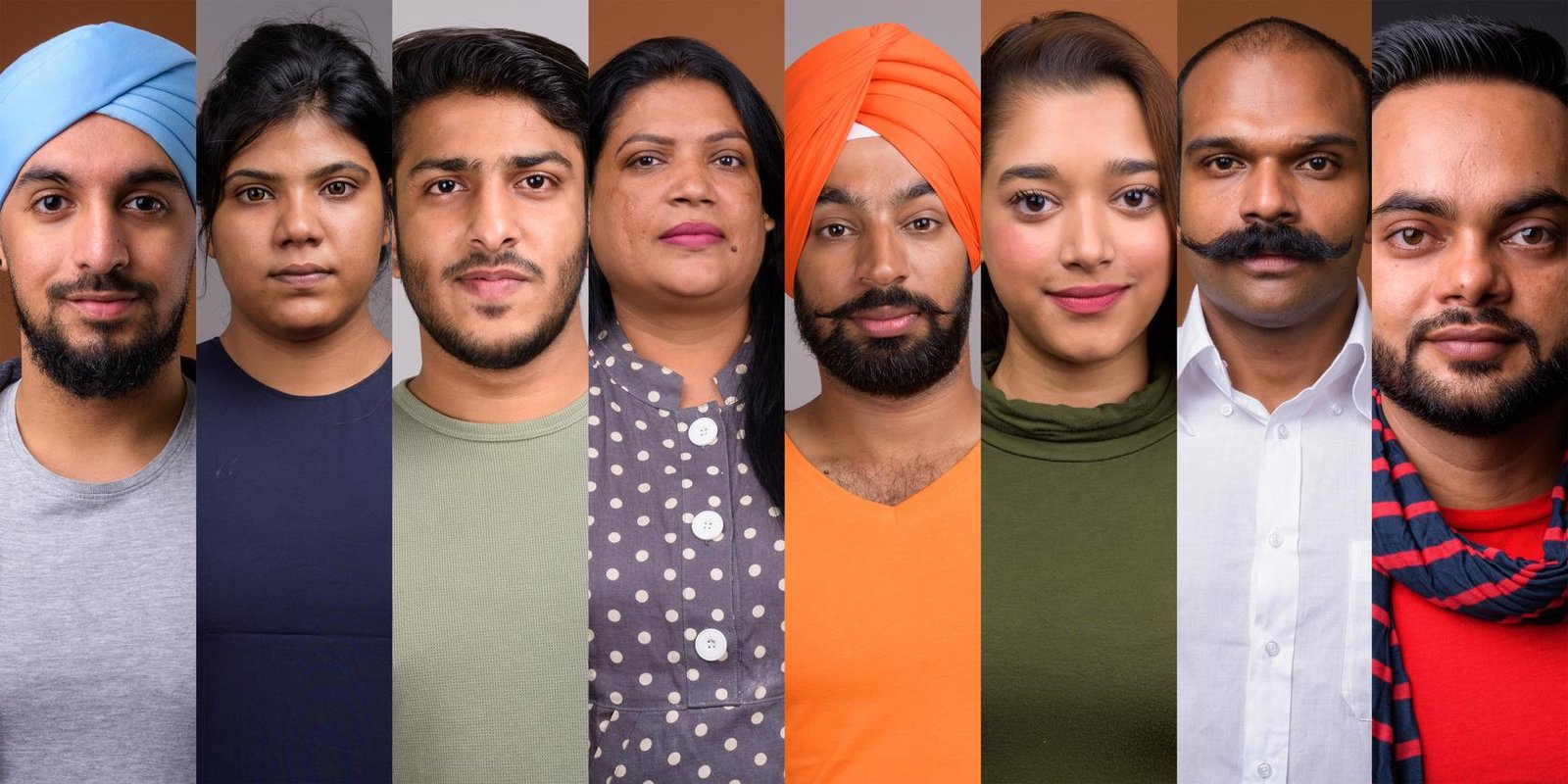
๐Ÿงฌ Why Does India Have So Many Different Skin Tones? The Science Behind Human Skin Color

India is home to people with a remarkable range of natural skin tones.

From very light to very dark, many different shades can be seen across the country. But why does this variation exist?

Is it simply because some people live in hotter places? Is it determined by sunlight alone?

The real answer is much more fascinating.

Human skin color is influenced by genetics, melanin, ancestry and long-term adaptation to ultraviolet (UV) radiation. India’s enormous geographic and population diversity has also contributed to a wide range of natural skin pigmentation.

https://images.openai.com/static-rsc-4/Wo61xj8mh9IMcOo8wdCaLd38h-d6EOejt_QC0f-LkIx0OizjNBH_CMymTVhdz3yjkP4koJwI3VzHNs8v1aYNCc15jRGwx1SQBdAiSJM_U_WIAXJfJsmMcsq9RrG6G6la1Q5SRWhtBanBjY9ZwQwOezvOGvKTuKLeol5UI1wAeriL_PZE0QLit3QFWWljyQe0?purpose=fullsize
https://images.openai.com/static-rsc-4/GkaYy_e0S_sqx6EoKka3HTyX8-qIYGEnxrqWYpC8zQWnTlSIX-2WW6P45t-4Jdyo-abVbiXMS-Meq7R6CaEYhzbL2vYHz16BDErbiwQpKUQ9vo3ILD99XtgYI8-sU2AwAWhJ30chVVW-xqiN655LbB65tmt9KuYHHfKlEaQoN-vHM0Jyo90lTsSx0Dwq2CkW?purpose=fullsize
https://images.openai.com/static-rsc-4/9OJfoJTHy-js-unrqwC82eB9yxCz0hsTymTjcwE1Ez5bF41QY6_q7TRHTkRo4C-Poazc4k5e3MBfPbW4HUbPYC3NV7k2DtBqQu33xxN8wWEosFxkZHqrWUcPvc6MniHzR7kY67DvFWLCC9yMxQ9fROiE8LghVbwUi3430F7QQ2EKzPRgNIZNOX4CRJ82t4Ks?purpose=fullsize

๐Ÿงช 1. What Actually Determines Skin Color?

The most important biological factor is a pigment called melanin.

Melanin is produced by specialized cells called melanocytes, which are found in the skin.

There are different types of melanin, and the amount and distribution of these pigments contribute significantly to the visible color of human skin.

https://images.openai.com/static-rsc-4/JXihNpch3e_4ATtcri_z6muqLNXhlTFJguhjCANhMJZJyuMqIFhc9sO-JBGpJXqSpfLDUisW316xuHSJvzsKewF-LoinL06vvpTNMKngaXnBWkYT3PwNMYnOE60-0twyT60xMakJ8bfCwlPmaTMIaLmCQCPbTbxDFO2yWydiVMP7h6O2fAz9LqNitq6xJVJw?purpose=fullsize
https://images.openai.com/static-rsc-4/XCdRMsDFoVjBGXYT4GI8zl1QeN4fzNTzwPbw26Qi-KwfRAYRWBWmVvi7vkLwYtbciVvygKOkrWfPF5u0sTs8dSU4zmdu8pFsmTEKLKZ0kY6651i9HsheY8FtjMiXuBZLtl37_aX8g93zujDag6_hsX8_9jTlgHcZR4fVVFP6SsWRDC8W9qzy32BWPJJe0Gx2?purpose=fullsize
https://images.openai.com/static-rsc-4/J3ExBPTHoEisfkrqiiKGLVRfdFCr_oRrLs-N8hbE3kpeNJnWO8bzQ-4KWqHA9VJMYR72zpeEdqvNxX3KjyKBXz9uz_WfcNyYbg0N3gic8FyOnesQjuxsIqQWklUQIn-BNoLpJr2666uqwBLc81Gx0jUA2wGReCR8-Hl7DpKBEdtq40gu6v4MwcusSV5dx6KK?purpose=fullsize

Generally:

More melanin โ†’ darker pigmentation

Less melanin โ†’ lighter pigmentation

But skin color isn’t controlled by one simple gene.

It is a complex genetic trait involving many genes.


โ˜€๏ธ 2. Why Does Sunlight Matter?

Sunlight contains ultraviolet radiation, commonly called UV radiation.

Too much UV exposure can damage skin cells and DNA.

Melanin helps protect skin by absorbing some UV radiation and reducing its effects on cells.

https://images.openai.com/static-rsc-4/zJXiVp1pQli1xdl-WciSC2wzXfVarhY6kasX8A_mGWjcPCjo2OQbwxU8XQ6kW7ccvGSyCF8LIIVGdw6f9Vmd0iIuzjr6QF5xuQXB4MgATKQTN9JnCIZERdDQfPwVLjwGsL8LZUwwPqFKcDhOGNIZ9VrqfxHxzj92U3fxKtaydCWzmXj2LBiVFLiAZBGlWcrM?purpose=fullsize
https://images.openai.com/static-rsc-4/ZtGWsaaT0oqINHddRs7y_iLF4PvSiZmUXUOyXmNPZRdZIYnVRtAuXmUKFLIFP3alXmcT4_gNO1Yu7E-20hvxxRXUqpkqNAvHscDURd6TeNTzbhQPbuwjJQwE00KX3HEfZKN94NnIMUtNg_TtmanYHo207LeaCSc5p1lAw5oVJ3QLW2uV_3LC5BKOHGvrvuWz?purpose=fullsize
https://images.openai.com/static-rsc-4/_w3tGpUMW8n_wU51Iu_oHp_LlR_lg-O3ORZJg6U2qtptg7stWM9V88I9AhzkJ-_7Yy1h4moYejhW0xfqVS2UdtijcyWWupJ0S6AAtKC82QyDAN9RwMiajexVt3JuPVUkukqMz-2PSX-rdCHSRdvMcr60kDW4eyU_WsJ-YPMVbyNgJNKgqt9Nehg4b6HahkQz?purpose=fullsize

Over many generations, populations living in regions with different levels of UV radiation experienced different evolutionary pressures.

This is one important reason human pigmentation varies around the world.


๐ŸŒ 3. Why Are People Near the Equator Often More Darkly Pigmented?

Regions close to the equator generally receive stronger UV radiation throughout the year.

Higher melanin pigmentation provides greater natural protection against UV-related damage.

Over very long periods, natural selection contributed to the evolution of darker pigmentation in many populations living under high UV conditions.

https://images.openai.com/static-rsc-4/RKo19HCVfETqYgKe6Zgw6eOR5quJGkiYFHmkWSTTmM7R8RgFxaBDLIo3pWH-3FvT3m_VjA7oT_VLxM0NUxyLZakm0NyMy5JUV4FjiS3Uv5__mjrqy4Q4A8oUaso6JsflrCx1BVTVLX8LI6eRcXniP4W9zYHEN7m7S-XbEiLDPId_K6E_DOiEMq198CYnxE3O?purpose=fullsize
https://images.openai.com/static-rsc-4/2kZ4daY_01fY7lHgKwxpRxt7oOZsKaGehAX4tViTBPcke3QNsE8E_w4ePF5roS99QMPSKFhoao_eIHcf7Z1j6CwPJzfROKpLI3MxBlArT71bspeDn7z3f1ZeuGHsX61eiOVj7jah3G76-B-oY6NG6UWenVJpckAA1JeBP7NdY1DRHKKczV5534ow5nW9MogG?purpose=fullsize
https://images.openai.com/static-rsc-4/Jk3HDVtu97aYIerykhLaQCdbAVborI3t1IUA4D_3F1_WGaeDJ46THAFN8G087vD1yw9T_GSiKM8wux94FbomnC6Gd3LpiWnUPWcyc_PHZsAQMjr98F4-Dua4V2jWXe68aIkcfPhD18JZjpWDl8QtJ7t-egr4FJ3csm5jk0e2fHVl4sfz1v3pfruMps_Ad58J?purpose=fullsize

However, this doesn’t mean everyone living in a particular latitude has the same skin color.

Human populations have moved and mixed throughout history.


๐Ÿ‡ฎ๐Ÿ‡ณ 4. Why Does India Have Such a Wide Range of Skin Tones?

India is geographically and genetically diverse.

The country stretches across different latitudes and contains many different environments.

There are also thousands of years of population movement, migration and genetic mixing.

https://images.openai.com/static-rsc-4/ZdKKwN3j4-YKnvXqYTB2R5W_WCzjT78RHEciylkGbjw1_GuOvd75VK4E7mVKM3bXxN_yPIx-cTRNnhbUJbbWXVGeIHpjIstDcNxnYWr_Y6MA-AyxajyVCJ7f6S5hAtzZOvHISjTLTn-pCKS2_u2_tyl9A2g4oXjOpP9y4xlAkEyLrnLsaLg40ba9ZkWeFTdb?purpose=fullsize
https://images.openai.com/static-rsc-4/igWOa8H-mxWMq4fXP36wFk9yVMvb2fBgZrVgzPrKsvd_Gmm9K76GARud0QUzjnUPJY9_YpYe_ydiZj_fNpj77RaLIpuHjnWNbQWKHfZuXUYZYpADpY7FGSO9FBaGKYrTPFMrB8ftV_4rDg_2pcUxrsMeWGoZXrvnsmJEh2lWvgqze6Q1eVFmKCTTAokiF6e-?purpose=fullsize
https://images.openai.com/static-rsc-4/n-yC2sZUxvkl3D4o8BRAEaUZv0vbL_YrIoHlZCn5ujifDnVA7RtHFKlF6BDPyYLJUnPBWN92Ozju4RVOu5gYlgZeBv-PLOf1Ynee2aa8OzQzV1wb_yIIftlyxbsIL-TDh3sgNuKbMahl_UUttx-eKJodYAnrFFS4X3lNdqh1V1pzAOOn0QXFfL2kv2q3JRo8?purpose=fullsize

People living in different parts of the subcontinent have experienced different environmental conditions and have different genetic histories.

Over generations, these factors contributed to India’s broad spectrum of natural skin pigmentation.

So there isn’t one “Indian skin color.”

There is a huge range.


๐Ÿงฌ 5. Is Skin Color Controlled by One Gene?

No.

Skin pigmentation is polygenic, meaning many genes can influence it.

Genes involved in pigmentation affect processes such as:

  • Melanin production
  • Melanin type
  • Melanosome formation
  • Melanin distribution
  • How pigment is transported within skin cells
https://images.openai.com/static-rsc-4/IWGXQ22ksP1UKDIhUJbEKO5wj3zSdpc5lNnkbDWEz1OWfouNhbGR3C23VqKQQ5c1B1GgtQOWq-pjT-_CaJbjuHNUhVcotWowwnvwQ1EsuQTJkUHMlUXtwPnxLUO8AqseoSdHoAUnmAjWZAzNyMafx-tuEcrkdhNh5cg3C-ToMnzMB15gQF6KeY9FgH4g76Pp?purpose=fullsize
https://images.openai.com/static-rsc-4/Vh5_DYHAw1-WI6oUJEkfCYzrJtKMjV4_RFEvTjJpf6mpCgPvtfUCpi7CSaV0jyWg9yHJgCGFkWEN01bDv8-QLgFcTvGahqQtTOO9T16T0_cfdCBiNz6Ffktt8zKaAFV4Hv2vTfu99GNZdiAIblLeOOCE73N0fu62ZL7clN0YApMMTan_sFAGMMVFZpN6dAHw?purpose=fullsize
https://images.openai.com/static-rsc-4/3jKBTsGOSAh85vMkU39WvseIcpAsEHqge_RcFmoWDcQA-y7D_pC9HN9Ey_N9DtZsMNrhIptJN4UJU_JLou6PKgdst_jtbYWokI4FnZ9FX8Sp37PzFbTa6GYBrgX5-ZqNa15iCu7QGnWBvnpGrmkwdGiI9yu1rhhOt_4RIhwvukUqmb2lMJMGlAIkAlqjtK18?purpose=fullsize

This is why two people with similar ancestry can still have noticeably different skin tones.


๐Ÿ‘จโ€๐Ÿ‘ฉโ€๐Ÿ‘ง 6. Why Can Brothers and Sisters Have Different Skin Tones?

Parents pass combinations of many genes to their children.

Because each child receives a different combination, siblings can inherit different sets of pigmentation-related genetic variants.

https://images.openai.com/static-rsc-4/0cXE0QgMU1q9FIGzL6tWSnsWIaE7KWmTiWWZtRP49W58w_H4PsrcoHCv1Dy8dqa--8X1YXWSZ06ylotDJUD9hDYckgArGsE370k6kHqkGPpbmQreEHsrg3BXSkXMYVLps2ukyskPBTiXs9eaIOyCVDcSWX2QJ_uGwFZRzG6q4HX-XWMlg1KUSMs4La9wtmT_?purpose=fullsize
https://images.openai.com/static-rsc-4/Sglt27xE2cX_Ix-QEpsBYHt_PRF0q-X9PFENtIZsUlvaw1joYcL0C_5W1AsCo2yve7DEDeuNQ5wBSoimx6q43Xv-9IJ1cwA_gLfaFR6zgaGRJJUAYhzVjr7fcgZztySVEPeyl9zDpFhmjKJ8-7rv2DK6RBBXVTTMpdTtGqywGbnzMBeGVvSV0KfLcGVWBadZ?purpose=fullsize
https://images.openai.com/static-rsc-4/KTu0z_OuPk8ki74C8nB6TA9VeAPhdUfhc-vrr5eyfP1vNUj2u7aocU12CR2jKcT3eW7eHMh8x3puXSXun26jeggs9XmjmOcjpM7bOasb56YP-pDtae0ThnovywniYY-9Wyb9ZMdG-Uy7TrUOvGcKzcWTAsjCgY-e4k-7jP1W1AVeVkPFSz5d6oDB9Js5t_w5?purpose=fullsize

Therefore, even within the same family, natural skin pigmentation can vary.

This is completely normal.


โ˜€๏ธ 7. Does Sun Exposure Make Your Skin Permanently Darker?

Sun exposure can cause tanning, which is different from inherited baseline pigmentation.

When skin is exposed to UV radiation, the body can increase melanin production as part of its protective response.

https://images.openai.com/static-rsc-4/lL9m6N87GqO8ugD0Q4tUIHeozlXcHzQVimolH_QLmqwXVuyOJfO1G2r0HMx-tjD-aaAfE1ueXr7tG3L9ujtexsvr1x6P62dY2zyjPFyMJY81-mjguEoozC1QHkYGINKYafKUgFfvWfY9By64PPfmPyjSudcAahpN4X4Th9cjRMTYdbXj95PRIVGZkf8l203b?purpose=fullsize
https://images.openai.com/static-rsc-4/Q6eEMZAYHxCUpc3QzPHsdzO7bmcJdTw4p6ZNDqRM4erbzNq8q5C5-Jr90R4goJMU918ne0JrMzt6C7m-zKiErIsDreeBoK_qOoOT2NPq8SASQXtgcAH7dKH3XJyTYOjCCfZPqq0zFSf8rEowk7KvHpEeR_5gDQaFEIqqDl-gC7NBWBTraK3SSit3pPRhbzHz?purpose=fullsize
https://images.openai.com/static-rsc-4/dEA1swNvTlYPU4tINzPfo6tUIvh8SVAfaWWBkVE4N2AtVjqL5nqXUllAwlce-uZ5cPTNV_Ji8NWTt1eKgqajKr9Np0Z_KmtAWM0m9o7_Kj2WuwVznHWKUiCfSfLtVN5ZB_PxJ7bkNn3DRvjL5DjTfwGh6TFwMoM9V0SePqKROHQ3iuEv-mxj03IB7S8_-jfF?purpose=fullsize

This can make exposed skin appear darker for a period of time.

But tanning doesn’t mean that a person’s underlying genetic skin pigmentation has permanently changed.


๐Ÿงฌ 8. Why Are Different Parts of the Body Different Shades?

Have you noticed that your face, arms, stomach and other parts of your body may not have exactly the same color?

That’s normal.

Skin pigmentation can vary because of:

  • โ˜€๏ธ Sun exposure
  • ๐Ÿงฌ Genetics
  • ๐Ÿฉธ Blood flow
  • ๐Ÿงช Hormonal influences
  • ๐Ÿงด Skin condition
  • ๐Ÿ‘• Clothing coverage
https://images.openai.com/static-rsc-4/niL2D8GAdQGUR1n7gV_lcZJTF2-FYAUJU9uLcATfvhbpQymDSIdNPk395kGQzHK2OjbCb4w_OLkZTe5V4RROY3bp_duCE043I1Zz8lrTVPV0lQuSmD5LvYQNwOJTj6hM1v5q-75bQK344teXGRQoxu2Bp6gnY6SuUhyBher0EOYZiW5OGQtV9cR_sMwya0KG?purpose=fullsize
https://images.openai.com/static-rsc-4/78kVbTYr0uWhixFYWj0CexkTczIqOcwNso2FSy_B2oMyvOjLUEAO6WvGN1sAMWxgtNESNXi04jTPVRoBIn8BC4EoAOWMqXjGiq4bqHPdsrM63KjCPDx6wi9ZcLtrJXOLUFl15xpo-R9TotErCLS6qDm478Sv-2keRD1ufhQLOWCT93deVeINscbWgogD2AOy?purpose=fullsize
https://images.openai.com/static-rsc-4/Y1r9FPaqydQyDspSvIqkDrmk45D9HmrHsCG8B_a9TfM7SL_-N3odAcQSYFnC-sp6c-7dLHvl9HYwTkHN_Qv0kX2xj7mPJDoSqFIGNu_hdv-eoavZgOSLo_olw8ydUOBd8_itqQNrBuagyvJCEbVjwzv5fF7LpoJrvC7pDQFaBdsEGk1WR1CL68YwnOyxsRZS?purpose=fullsize

Areas that receive more sunlight can often appear darker than areas normally covered by clothing.


๐ŸŒก๏ธ 9. Is Darker Skin Simply an Adaptation to Heat?

Not exactly.

This is a common misunderstanding.

Skin pigmentation is more strongly associated with adaptation to UV radiation than with temperature itself.

A hot climate does not automatically mean a population will have dark skin.

Similarly, cold regions can receive strong UV exposure depending on factors such as altitude and reflection from snow.

https://images.openai.com/static-rsc-4/wZOtfv7wTuke5ukQrduC0_TUyJdouCr12WvHXx2SXDengVU8gLzxKnx7I5VaZileqjd4u3_Y-x5H7n5dCZvxideBgCX_VCg9anV9QnuzVWYg32Evs3dHR4Vb1KBphr2KXhdqKWfeA-drl5NZ9jArrDIGRaRESb_hvOyUAmBhe-topTAVDSneoY3ko7ljxq4_?purpose=fullsize
https://images.openai.com/static-rsc-4/r6nHw56_K3m5uA59ct31NQ48fGJUGHNRC0pcWocNJP_OdFPqvcLGwMdMEuYj8vokrsBAM33Ru3kHxB9Qlt-tEInOFIRCegYcHBjx0F5L9INZgqDiNs42Z0rdqw3QOYCdZzZU54roC72EIGQ1M7O1kEm4zz3Q8NCPdhAut-EQocC88Kr7cECA1IuYFkns_Hgr?purpose=fullsize
https://images.openai.com/static-rsc-4/TNzj26PvGyh13Veww-OOYT9tebn5pOavQl0LS-K4ftMELfHeO4fO5VSslA01JSUP6Rg15JpAdbZlh5Q6AW-fL8lltmUZN1D5O37kXAO9XQ5i2arEJRDaQeV7VYUh967KAQdSDj1CG3vbYs6BiFjbvLwJvM0F7bWF2c3IWw3VA--FKmWRpi2pBTqpiGobALQq?purpose=fullsize

So saying “dark skin comes from living in hot places” is an oversimplification.


๐Ÿ”๏ธ 10. What About India’s Himalayan Regions?

India contains high-altitude regions where environmental conditions are very different from those in tropical southern India.

At high altitudes, UV exposure can be significant because the atmosphere provides less filtering of ultraviolet radiation.

https://images.openai.com/static-rsc-4/I31gSzksYyuukmETcwpEBYi42hRIXN3qeMBBBbiFEJzrLEbxW9kOdomD-AKevLqTrFtjRW3PRZyyJKJGRYxl8YCaO1VL3NIqxtIgp-82U8dqcF383vLgZefu95xRkXQZTCPfrCxG35fB4J6zFvolBJ82DLX-J6KcejQmox79Bm93hPUkGkz9RUiHV5Wt5Qq2?purpose=fullsize
https://images.openai.com/static-rsc-4/m4f-4U2UxIt3mTMm2IN06OUk2iqd1yc6g98I7eyadHPtE4sWA0aawVSEOjzZYRpb8vdPCvDJKq3A71Ysu2oScF24OVJFKNtlcLGMDnCQ_s9yf7wftyaA_U-TpEStkZTZyXPcdr0jO3Ape47wIUqT-5o2h-8qAfmj8By21Sk6-5Mvt-2TqR0YpBnyQ9Uc2uLb?purpose=fullsize
https://images.openai.com/static-rsc-4/ttKjhn4EJlvtSJlULvD4_qD8dQY6-zlmupyBJ5L2P-jkf_I035EXxr98fKmBiVOVEUC-Gt-UUVlhD87oTmeirzqpy4LlUyrjWZMA_Wbp9zHxWt35bpC09jgvQzTaRuy6o2VkqAuZ1eWC5QlkgnGaG8V7-rJNejyxPMjeAqiLcdH88NSxxXjU54I8Mrfwtm8C?purpose=fullsize

This shows why climate should not be reduced to simply hot versus cold when discussing human pigmentation.

Geography, ancestry, migration and UV exposure all matter.


๐Ÿงช 11. What Is Melanin Actually Doing?

Melanin is not simply a “coloring substance.”

It has important biological functions.

One of its major roles is helping absorb UV radiation.

When UV radiation reaches the skin, melanin can absorb some of that energy and help reduce damage to cellular structures.

https://images.openai.com/static-rsc-4/61KIO_MjfPRsTCWriMxmIc0ddMluG1uZ2sGfb3Uth6pPRLobi-eJI_bZBAyt2hLL_9XX_FD2g6_L64QusbQQZRcxxpq4VwoFoRSF0E7S6OUNGC7tcPUVMebWIr4FqZ5AJQMHB3b33UeBT2a0fO5QNSglGzhR7HXwYzWSLLC4MhOgWqbfjCmp7cTdSr2arGLZ?purpose=fullsize
https://images.openai.com/static-rsc-4/Q6eEMZAYHxCUpc3QzPHsdzO7bmcJdTw4p6ZNDqRM4erbzNq8q5C5-Jr90R4goJMU918ne0JrMzt6C7m-zKiErIsDreeBoK_qOoOT2NPq8SASQXtgcAH7dKH3XJyTYOjCCfZPqq0zFSf8rEowk7KvHpEeR_5gDQaFEIqqDl-gC7NBWBTraK3SSit3pPRhbzHz?purpose=fullsize
https://images.openai.com/static-rsc-4/_NsvDHjVUseiKXYuMsPIXMUwHuBnnqyVRl98_iwcIgy2simnFJV-L1JB-8u5f34hlW4T7g1OSDosIQkQqnC1TM7fvEl3g-DqJazB5Mak-h7RO66UwcwmK-sQ3qFPUW4DPkcUbb0i2POCFMa6tOjjZN9N2MBkfz_ypSAZSYBbrmPaNuWS-k9kbc4kkCdGhfLu?purpose=fullsize

This is one reason pigmentation has been so important in human evolution.


๐Ÿงฌ 12. Did Human Skin Color Evolve Over Time?

Yes.

Scientists generally understand modern human pigmentation as the result of evolutionary processes acting over very long periods.

As humans migrated into different environments, natural selection interacted with genetic variation.

https://images.openai.com/static-rsc-4/cIC7thLYGKcNVEDhIQcIOi5rZq5v-RGy9x0GAry4TzLHW5hlLbOs48OxuoWHUbzajL9GkbeXV6lz3CCTAtiqMvm0HjrJ1G1FpA8DiZB8n01Xd0AH_qCHofe8wI7ylY6t7eb5xP1UyD0fSgaP4_TCgMedQKHHdIJcz9SH-If7Gi-v6BoT55h5PhiARctiu-5Q?purpose=fullsize
https://images.openai.com/static-rsc-4/HwQjBkSVn-Lu9frtLj0pM2GcRPsoOtVW1LibhUklfHCyfVmHKOEdZctdQi3jg1qBc_SqJcO4xYxwYvcB9Njaa4LznM2lrXTO_2D55GMji3YC6SLCAEAt5uWua0e6XCQQj351THRTI4vqpgYG_EFs_fqYqcN0-IsyUE_y9v9paXv9vRRxYYygNcEjBPeGXwcI?purpose=fullsize
https://images.openai.com/static-rsc-4/TpH47IdYgErBSsts4P-ieA99AxiFxZujQUlWz2olIFrCubMOpbIGTzgnBCX1e8PStopefSNpYJREDuNsDqsoVMzo231kRKK4zMhK_HVZZMziUCsArnbEAQVIkMfgwph4fRyVxDsYNUTNKyNHwAmkmyC0NyEyGu7F2CJeVwAfUZWdgsgILiHNHZSWQyMjudWq?purpose=fullsize

Populations living under different UV conditions developed different average levels of pigmentation.

But human history is complicated.

Migration, intermarriage and population movement have repeatedly mixed genetic backgrounds.


๐ŸŒ 13. Why Don’t People in the Same Country All Look the Same?

Because countries are political and geographical boundariesโ€”not genetic boxes.

People move.

Families migrate.

Communities interact.

Different populations have mixed throughout history.

India is an excellent example.

https://images.openai.com/static-rsc-4/bh4kTfdaizOJrsISDqZbV32iJHguciqephgiIXoveyH93ipHb75tpcMALOc9FdaWLQwhVGNMHmn-Gundknon8K5seT9wyz3gNZrYPHyJDLuepyHW1M5RdB8uymaaFRgcGWItGiKwTv5a9yjkreTtdmPwO6SRXK2Y2SGY96YlPvPD3QTo14LXW04omgYLB54_?purpose=fullsize
https://images.openai.com/static-rsc-4/NplFbjsLTc4PDhW7qm6FOVwkqQAgE6H_VmSShhEf_mIId2S8-7YfShTKeCNF-q0b36i930a1wPAqL37m8ydP6XtSNBgw3muqHPc9IlInE1jt57rwG7H_mbXgqTyuCAVyAKqU3ocPoilNaeDO4NzA4lvhvt9yAt292kN9H42hCPMplwIPA_O38s32wnGvUyaZ?purpose=fullsize
https://images.openai.com/static-rsc-4/oxy1_v6fu73xIXllUOh3MB0tSlqRso60LVYZ-iuv_B5VVjkF6FOP8Ign6mRZu7baEV1ZcAvGOuSlzA6nVrVZUdjJxNXlxu1NhNbngltaMkGLNGKtGsj5yznHIiVNjv7oRILz2VksQrQJppIR1Nb1C3wLNHPMjOU4omVGdpyc8QQU10u4JjH-tHbwcosN-wJ_?purpose=fullsize

The result is tremendous variation in appearance, including skin pigmentation.


๐Ÿ’ก 14. Skin Color Is Not a Measure of Health or Human Worth

Skin pigmentation is a normal biological characteristic.

A person’s skin tone does not determine their intelligence, character, ability or human value.

There is no scientifically valid hierarchy of skin colors.

https://images.openai.com/static-rsc-4/7wwVdW-6iR87KSan14K_yeLeUxWMG3ay7kdeYvSBkGUn7_A7Rb68UwX5UP5vA4s_FwrG7pFOsYGcrtSApzev2SzLTcXDblCIZwaVgY3fey2xzCClesq-R_Sx7lDgph9VjjcqiNwjFgB36vKR3yWxk4IQ3Wjw66JGWTfXI0SQPvS4MYKkycESPK0gK5DiTPHj?purpose=fullsize
https://images.openai.com/static-rsc-4/cb_lSt3CjfDCTYHN8PhqGHXsvqcytlN0EeEHen5nu4UBrSpE8G5ogowVMXwspYqfqir13cNK2XbcLDcdFzNLrcPozxPDNjEFy2wMfp46XKTRAeIE19NpGvF5hRJdcpngiPluiviquHMKF2cWoVkqrHWgJsAGzAQJmipa8jJxau-cpMY8Np102pe5JbeLu5UT?purpose=fullsize
https://images.openai.com/static-rsc-4/bh4kTfdaizOJrsISDqZbV32iJHguciqephgiIXoveyH93ipHb75tpcMALOc9FdaWLQwhVGNMHmn-Gundknon8K5seT9wyz3gNZrYPHyJDLuepyHW1M5RdB8uymaaFRgcGWItGiKwTv5a9yjkreTtdmPwO6SRXK2Y2SGY96YlPvPD3QTo14LXW04omgYLB54_?purpose=fullsize

Human beings share the vast majority of their genetic makeup.

Visible differences such as skin pigmentation represent only a small part of our overall biological variation.


๐Ÿคฏ 10 Amazing Facts About Human Skin Color

1. ๐Ÿงฌ Skin color is polygenic

Many genes influence pigmentation.

2. โ˜€๏ธ UV radiation played an important evolutionary role

Human pigmentation is strongly connected with adaptation to different UV environments.

3. ๐Ÿงช Melanin is a pigment

It contributes significantly to the visible color of skin, hair and eyes.

4. ๐Ÿ‘จโ€๐Ÿ‘ฉโ€๐Ÿ‘ง Siblings can have different skin tones

They inherit different combinations of genetic variants.

5. ๐ŸŒž Skin can tan

UV exposure can temporarily increase pigmentation.

6. ๐ŸŒ Human pigmentation varies globally

Different populations evolved under different environmental conditions.

7. ๐Ÿ‡ฎ๐Ÿ‡ณ India has enormous pigmentation diversity

Its geography and long population history contribute to this variation.

8. ๐Ÿ”๏ธ Temperature isn’t the whole explanation

UV exposure is much more important than simply whether a region is hot or cold.

9. ๐Ÿงฌ Human populations have mixed throughout history

Migration has continually influenced genetic diversity.

10. โค๏ธ Skin color doesn’t determine human worth

It is simply one aspect of normal human biological variation.


๐Ÿ‡ฎ๐Ÿ‡ณ Why India’s Diversity Is Scientifically Fascinating

India is particularly interesting to study because the subcontinent contains:

๐Ÿ”๏ธ High mountains

๐Ÿœ๏ธ Dry deserts

๐ŸŒด Tropical environments

๐ŸŒŠ Coastal regions

๐ŸŒง๏ธ Extremely wet areas

โ˜€๏ธ Different patterns of UV exposure

And it has experienced extensive human movement throughout its long history.

https://images.openai.com/static-rsc-4/KvKPCrOPnWvwSTnnjfzx580qIa-6K9V60hjzjF2c-hbNo6H_-EH2xmNxLUtU-ZjhveyWKx7LVIiN6HKxoQv6y_C0qUcuDndweDex-Pi2bcRgXOJT21cW4hrdStG89yehatEycTomzTEXM0KJC7iepkl5p6hKdz9zFY0BDoARNoHhY9S2gWoAf_uwhQA2ieXU?purpose=fullsize
https://images.openai.com/static-rsc-4/LXP-_lV21wJTV1BIHxnIEm0-VGFOhpDeQAhNVk5aB6FSE563VgqUXyAzdicZLYX60aSfBG8hhXBkU-JWhFDdjYXRkCsO3iBNT58qOzUIzNM_of3Vcdt8hu3hwUuflFGad8lF5aiMbNorBl1s1dwLIn82ZonBaybujEyYqd77AO8kyhDZMAnHHhYACCMu0bz-?purpose=fullsize
https://images.openai.com/static-rsc-4/_cH7wqfqzpc7EpFgootO2b7JoHnd8k1NGuDDPkDwTqBk5G8x2y9iC3n72IXYFUf8uo1YV1zBz0BuumAmI927VFe3KJBlw7u0GNZjru076v188oF2CLj-t7Z7bMaiDhjlzk6MU4qfKkFI6PwgexUqhW5deiqA0UbJyJHDzn2RVCNEkl0yiSV_1t8AZNd4KbLC?purpose=fullsize

All of these factors help explain why there is no single appearance that represents all Indians.


๐ŸŒŸ Final Thoughts

The next time you see the incredible variety of skin tones in India, remember that there is a fascinating scientific story behind it.

Our skin color is influenced by genes, melanin, ancestry, migration and evolutionary adaptation to UV radiation.

It isn’t simply about living in a hot or cold place.

And it certainly isn’t a measure of a person’s value.

๐Ÿงฌ Human skin color is one of nature’s beautiful examples of biological diversity.

India’s enormous range of natural skin tones is a reflection of the country’s complex geography and deep population history.

๐Ÿ‡ฎ๐Ÿ‡ณ Different shades. Different histories. One humanity.

https://images.openai.com/static-rsc-4/bh4kTfdaizOJrsISDqZbV32iJHguciqephgiIXoveyH93ipHb75tpcMALOc9FdaWLQwhVGNMHmn-Gundknon8K5seT9wyz3gNZrYPHyJDLuepyHW1M5RdB8uymaaFRgcGWItGiKwTv5a9yjkreTtdmPwO6SRXK2Y2SGY96YlPvPD3QTo14LXW04omgYLB54_?purpose=fullsize
https://images.openai.com/static-rsc-4/s97UGmP4J7JHJhGvjiIf4U11dVrPevIUu_X9hZNXRVoj8X3Jufuh1hBT0fMpMbCLjHzzNDlH_f44ihQ1jxP2jwhfVkcjzV4GN94q0BZ7p-fPDOhYwxjdl4x7EhW0kVat1dPn2wksdcJrEkx9fAk51VQGgIJTPecCJqlJ9Gspd0Sr0-X6izZ3G6sz2WAJ2IgA?purpose=fullsize
https://images.openai.com/static-rsc-4/7wwVdW-6iR87KSan14K_yeLeUxWMG3ay7kdeYvSBkGUn7_A7Rb68UwX5UP5vA4s_FwrG7pFOsYGcrtSApzev2SzLTcXDblCIZwaVgY3fey2xzCClesq-R_Sx7lDgph9VjjcqiNwjFgB36vKR3yWxk4IQ3Wjw66JGWTfXI0SQPvS4MYKkycESPK0gK5DiTPHj?purpose=fullsize

๐Ÿ‡ฎ๐Ÿ‡ณ MANA BHARATHAM

Stories, Facts & Wonders From India

๐ŸŒ Website: allpincodes.online

๐Ÿ“– Blog: MANA BHARATHAM

Know India. Explore India. Celebrate India. ๐Ÿ‡ฎ๐Ÿ‡ณ

Comments

Leave a Reply

Your email address will not be published. Required fields are marked *