Tag: Indian Forests

  • 🐘 Nagarhole: Karnataka’s Wild Forest Where Elephants Roam

    🐘 Nagarhole: Karnataka’s Wild Forest Where Elephants Roam

    Imagine entering a forest where a quiet road suddenly opens into grassland—and a huge herd of elephants appears near the water.

    Or where you hear an alarm call from the trees and realize a predator may be somewhere nearby.

    This is Nagarhole Tiger Reserve, one of Karnataka’s most remarkable forest landscapes.

    Located across Mysuru and Kodagu districts, Nagarhole is part of an important wildlife landscape connecting forests of Karnataka and Kerala. The reserve supports tigers, leopards, elephants, wild dogs, sloth bears, gaur, deer and many bird species.

    https://images.openai.com/static-rsc-4/YhAWOph5a6glqGbAVd0jSo5oCtsVF69jSQymOdjjQpz02Xrrn12UdERP_0aQFaZh8rAkV9_spLZMeiq5oyA2cKJA5pTZ7ia_yctMUZ01tKgqRStTHHVOqCzsJ-CwAc1jIVaq7IlN2yLvNTgKPVHajWBN9l2_mpp6ivXUM06m4FyBobczx-aoVGUma9SGtN_z?purpose=fullsize
    https://images.openai.com/static-rsc-4/9OrS18RKmQefWUqlaxg3sTcOMH5jNtTt7oJ2cdY8DQiDzzXX-KOYPsjOY2XBqhYrI7jIRX9TZUkgrfvKsgB0FhPaZ4Zb2vZIlIBPTGJEIvc41DUlA62op5-HQ9qCrtxjAkBibv07PeYn2MOEge-AXSl9nXmCNp6IefSK4pfYBUIe8vh9PHB9AsRRrduF4jiX?purpose=fullsize
    https://images.openai.com/static-rsc-4/jhRleoC2VfP_ak9fBvd83WRDsGVS7axK05cN62vvBZlU6VgiFYbMC2Z3BI4gLFUkZdrvWDpCXFWOe9sBH906bv1XY8TJ7NhV7c_fsOFDBb3Nni7FqLbJlpBXxBNlg2c2IPRIfC0weaIlMq118MgeZag0FGOB_0_jrTtrr4PWdG0Lt36fUzkNO0otmdezA6wx?purpose=fullsize

    🌳 A Forest Between the Hills

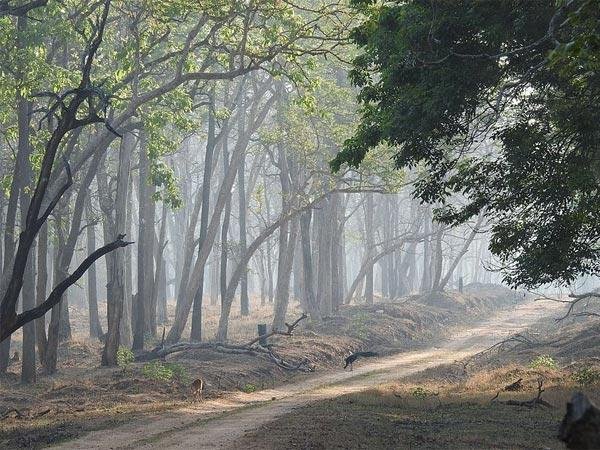
    Nagarhole lies between the Mysuru plateau and the Nilgiri hills.

    Its landscape includes deciduous forests, evergreen vegetation, bamboo, streams and open grasslands.

    Tall teak and rosewood trees create a beautiful forest canopy, while waterways bring life to the landscape.

    🐘 The Land of Elephants

    One of Nagarhole’s biggest attractions is its elephant population.

    Elephants move through the forest and grasslands in search of food and water.

    During the dry season, the areas around the Kabini backwaters can attract large numbers of herbivores.

    https://images.openai.com/static-rsc-4/BVtqy3hZlznQl01X9T0Cs4BwdOdN8-N5SSizVubFMwoeovCzudpZCwu_oN7dNIV-vGhfvN1OCZCMCmn7PduM2pITVQtZR4Z8Z9y25WoMd_g6-zJzWbwtITQwYtqvZkQ2e-fHKg0Bj71Os7gWAE8FeioRaUWGxFPAQK9xfr603pGPgIz-PfCgL8_Htp9JgKMl?purpose=fullsize
    https://images.openai.com/static-rsc-4/wSNTtuTGubICPsx0MYTo9I-TBCk4pk0FRSymM5B6Z3_WM-yQ_JnTKYbYNxU4rSQvxe52ZcckUUK5hKNK-Sl6YTt0NsfR3W2cYHRRH9H6eiyVS3HuGzTMQt_O9PKmc5YR_cmlWD7QQBFd9FGMTGbXLZHpPu9mfJ_xF9tV3SyUrrKF8_Dq_77rlDRBGO6HdcF4?purpose=fullsize
    https://images.openai.com/static-rsc-4/_V9UP4cl6ckmpYeZkIpLur05lypp-AJjWqwD7EWqy6BSUtt7905iWeET96H1Z6BKwV-Os-fupxDGQgkQpgCPp8CpJ7C6LJErHvjbif7cmLFO4NiLTGUlgBDuQ3pD_L3J2yUlXubzhlzmN5kNu7_MstWCHdvqKrCVv0swxIjMUWRX7GuoCq4HAQp-YiKz2Ibp?purpose=fullsize

    Watching a herd slowly cross a road or gather beside a water body can be one of the most unforgettable wildlife experiences in India.

    🐅 Tigers in the Forest

    Nagarhole is also an important tiger habitat.

    But the tiger is only one part of a much larger ecosystem.

    Tigers depend on prey such as deer and wild boar, while those animals depend on healthy vegetation and reliable water sources.

    That makes the protection of the entire forest essential.

    https://images.openai.com/static-rsc-4/0wFmBT--Yg-gzXxdHCNj1SISmw0JOA8oIIG8TAgURyENe73aLYaq25vlpFcE5TyGNpqxPFKkpjais3dSALB0rVuftCisGfYNlJMRL4zdQ7KtE_8ruFQpZvT6rSMMhOu3EtYPrJWdsnmS09hPI3FGVgyKWduHM63gC3gwyGegqcPiDMXqbUxrBRQCeib3BJ9t?purpose=fullsize
    https://images.openai.com/static-rsc-4/aLdBlcP5axhrsYQDwhSakrWt5q71KgEuhovS8hthTq9CoEP2DVd3qJcXN58ivKlJaiH7jMgO-XOxUNZ-itmUk7KrdkrbLwBoYgTnGv17CU1djP9ARS61T8pPBA1k9t30OOBPm090pn13bzcJR_2QGuTZv6olaV7P24XjiWZLKNdUyp1qt6T8jGdHUi8fN_Cn?purpose=fullsize
    https://images.openai.com/static-rsc-4/X--hTVFt3Fjgrfwac3pvgyWKMUbsB1OYlg29PDXkztPSt3YNu62wMt8FyyskBVSSNoOBTyEfAL_aU3soLKSz2LGsZWGsDe8wLP_GBDBPYuWykcwC09lx2KST2GdGU6UOzdKlgYBurjTSyuYW_Ds35xT_tYsfA-l864LK2rhPH60_KO9v2aJPx9oA0lxiCHap?purpose=fullsize

    🐆 Leopards and Wild Dogs

    Nagarhole also supports other important predators.

    Leopards are elusive and often difficult to spot.

    Dholes, or Asiatic wild dogs, are particularly interesting because they hunt cooperatively in groups.

    Sloth bears are another fascinating species found in the reserve.

    https://images.openai.com/static-rsc-4/79myqDTaPKy7R_3flJIBe4TwlodAQwzTa3mpcStynb6yikh-U9hBMQC2etCxZ1Bf63LFOfAbRVJ2x2MS6txDlrig5hm3MKgDdq6DMLGSrF6UGkcTFlxlsfew1BQvDF9cJTVUZXZZF5WY-RHLFDhiZMZ0lMh54hlNzhHRf5NxY7UhSXyjKBWISKcTjbr1PFvd?purpose=fullsize
    https://images.openai.com/static-rsc-4/4IPhqRkOVSI33fpNTs2pahyU48PHBwy3XR8kSMBaTlh9t8eQZ2ZyHqgevnsSYgQVEQXQb_Uka0Ku5z-6x9JA3J8EhpZvwAMsr1qsPG52rcDJRlNa0P5D6X4dSZwc0bnb9x56XJO47T5oApkD-sm0qzuMzEUID_ht2OVS31G0N86oHqrwmvrY9jXjTc6jVeXG?purpose=fullsize
    https://images.openai.com/static-rsc-4/Ud75NkMi-UO45nu_0ZiUcp5egtyEd8Zwr97_7kU1ll10UMepyH0GoBQsdZQ0d-_Q0XoqX2EzCT7twvIzAhqMl2BIIEwbmvnVr4m6dGoVuS-c3H9vLdnY1_IURJKbnbgfe7cYz1zi4FrpHgQAU1w2mr0BE5ckpO-p_zox462KH9ePVC2-NvqoehardyREHaHF?purpose=fullsize

    🦌 A Forest Full of Herbivores

    The forest supports many herbivores, including:

    • 🦌 Chital
    • 🦌 Sambar
    • 🐂 Gaur
    • 🐗 Wild boar
    • 🦌 Muntjac
    • 🦌 Four-horned antelope

    These animals form an important part of the food chain.

    When you see a large herd of deer in Nagarhole, you are not simply seeing beautiful wildlife—you are looking at one of the foundations of the forest ecosystem.

    🌊 The Kabini Backwaters

    The Kabini River and its backwaters are among the most famous landscapes associated with Nagarhole.

    During the dry season, receding water can expose grasslands that attract large numbers of herbivores.

    The combination of forest, grassland and water makes this area especially attractive to wildlife photographers.

    https://images.openai.com/static-rsc-4/XBtbRm67IWuxElMtqSm60tTqzrE6NwMtAmj15Mbp6r8sUEBR7XYuRoiPIZQ94wVRLmyiX5tsLvZHB9VxxvVK7t36VEkwyryPSUh-h5HJYqtG2VOeVazGfX3hdz9IhO8bSn4KKnB-9o8nnWFTPcbfZOUA8sWzoqWsp_3rHrylJgoBOYeYmfUw3uopIBbNBJGs?purpose=fullsize
    https://images.openai.com/static-rsc-4/LsXo4YYbqc3KSfDvfkZj08QEyOqq02VlJtMO3qjobqStTtUYgzPGZlgAurx74AHm98eGNoZ3bzHrvtyGrfSJn2Wylw5pCTdcnTTqBNqpEF7v4IOAKbZbdUCrhgjql5ArddLX7-ksySKGEsPqQxKAAwyZy5luT3QKbbikRSNTe_eZcRtqb7M3eKwyW-bQLluh?purpose=fullsize
    https://images.openai.com/static-rsc-4/Mo0Y68ONzX65EQtCQc9pkTVQKqUmC4imnWU-uc_D3ToqK9Z7x8TQDoEunKe73me_ImBcE-XRpqRuFYUi42CqPwyvnkJddsUanIFr6jZ7doPjHfhuzgPUFlnfnfLLfouFf4Gh-YdyDUdh1YEgfTcmxg8ktdvL05Nyqc7BviJ5pLyQLKoC1s2F31ykUPPUfrAF?purpose=fullsize

    🚤 A Safari on Water

    Nagarhole offers something unusual for a forest destination: boat-based wildlife experiences around the Kabini backwaters in addition to land safaris in permitted areas.

    From the water, the experience is completely different.

    You may see elephants along the shoreline, crocodiles near the water and birds moving between trees.

    https://images.openai.com/static-rsc-4/_vRF1y0b6Wu5i16YFtJQfYv7OcF-zSBKJajOlcVtii_md_QqViUp0UVo5CyFvFfjvtDmGySbUhzM-V_mTzydPVF_0pAcR65BcY30AMmYBmkbsUXZrsM0V3JBUMSoqnzCFeKcFMFDdrjIAf1fzOZ0WxEV53daLuIUxcr1kVbCAuGhsWlgsbRj6nC6vFvWmqtS?purpose=fullsize
    https://images.openai.com/static-rsc-4/V7De7DNf-AGm2iSD8_VCAxsAE0etaJ63GgayalhgUlffFKE9E8OkrYVyG-k0gZqAxRvJv7PFhervxgtjutoURgZmR4S06sNgvTBGTJox1cs_2zmzOCh70TwjKq5ua1TQdSI5ZnRLYk5SGhYavJHeQaD5HT6psZ63RQrkFocbJ0sPeSIFjggeWigp1ssi2z41?purpose=fullsize
    https://images.openai.com/static-rsc-4/aM8Kk3mZoQxMXPQ0AkU1br1u3aMuVQAg9a2sDeixxbcGkjrcEk4VuIRH2h3xV1mKEKKuRZ6Y5Svv-RLxUdjkWOogJ3Qve9ImyRNbkFtsdyQCGVHA0lBKxV7dodrMinkRrooEMCMVdgvQNLtO4OGGhSXNi1Hp2Awwo7oIx-S_UG-RKokU05a0R-ssYz8WJDgt?purpose=fullsize

    🐊 Crocodiles and Aquatic Life

    The waterways are home to more than fish.

    Crocodiles, turtles and water birds can also be found around suitable habitats.

    This shows how the reserve contains several interconnected ecosystems rather than just one type of forest.

    🦚 A Birdwatcher’s Paradise

    Nagarhole is also rich in birdlife.

    Visitors may encounter:

    • 🦚 Peafowl
    • 🦅 Eagles
    • 🐦 Kingfishers
    • 🦜 Parakeets
    • 🕊️ Nilgiri wood pigeons
    • 🐦 Hornbills
    • 🦉 Owls

    The reserve’s bird diversity adds another dimension to a wildlife safari.

    https://images.openai.com/static-rsc-4/XEUCA65zrv0CDQSpS1SmPIwho-Bf5zNOnzuMZ8MOZ2tg5LeRFxvyobkx6SXaPe4tbe-hgX9iEvKFrjOSis23E8Oeg4KDAAzy0FflJMN7a1GSS8Q7FQPrTTxmIowXI-kH6z5ybpJo1FOwxUrBVDCRz6BYcQm7JTjl-zAr1TbUT4XJ5QuGF2A5IYnEaFrn1erX?purpose=fullsize
    https://images.openai.com/static-rsc-4/GmVeQOqpygGwAHyqyh2wQARJ223nNJizba14gVVWAno6DGiyOLeQPusGK1nmwCJfUbGfO4XIgZtu6oUUCYUlJNW6p7pg--5cfWrBR57wrOAhWfcHsFwNu487ZgQtoF2TqjocpOXqMZ5DHLW4ER6pWL3M7piAbYYvhGyhBJ_ehYSRVFyWm4by_qPxSRhmfhAU?purpose=fullsize
    https://images.openai.com/static-rsc-4/A60kt8--aDGD76r4wR3iuSN4IxnwaGVROhhdRQ5FwyRIKRkBG92z7sNiZDMEziQsoyTWsXKj24N8mmgM31R732TfaAtSi6spsYX8iFkexX_dryQ4WxsJ6EDdrog6942PkYvX09CLa72nHyBVXdXwhGvZp_Y6Q37_V-ECV819uDn99xIzyjW_24deKx7A64PB?purpose=fullsize

    🌧️ When the Forest Turns Green

    During the monsoon, Nagarhole changes dramatically.

    The dry forest becomes lush.

    Streams fill with water.

    Grasslands turn green.

    The smell of wet earth spreads through the forest.

    https://images.openai.com/static-rsc-4/Lkc3avSJhlXJrMpyIz3ODKnFbzSmmM8no8tRvinqtY1bahq3SL5Gfblfw7hu1lUZfxt1l7rhdzUuVm2KPBCuUfV8HOxWAGC6Au1CX9EuLaEFmhHvGQoSImXhxR-JoIKHnoOlRo5HoTgX8iWiItJ33z5tAG3QaCaH2s6fxACFvM-7eMupwjR-soBDd77mYflq?purpose=fullsize
    https://images.openai.com/static-rsc-4/GIuZRCkkt002iqd_ZEiTPgPpPhykTjJh3wvTuxQhj5KLQOQFEwQV2nwzggRWBhVS-KPgVmDitwn416MmEDuf5VfdnRk5UGeHgdJzczhSy40i4JbXfplX9feyGMjncyEaSTB9NfNmXGFcxp3tV7Gg5tFEgNue-_uH12zp84rzYGKYGYOxn3rtIa-WaWFwkxV9?purpose=fullsize
    https://images.openai.com/static-rsc-4/8_7ySvR9YnskvfFUQJalnn8XEoG0FHXwXfkBVtpR4hgnuCYyiGvaS4IJmIaWLw1_fQyMFXEy5371GJVVg5-MQdigHpzeDHHDf8Xfs9FFbo3FNvjY8vjFouHzKwej3HQQigYWAfWJEbjpbWHsTjPm432ctkeolGSryvaRNrYi5-_MHRDNoA_639oQKs4EBq-S?purpose=fullsize

    Wildlife sightings can vary with the season, but the monsoon creates a completely different visual experience.

    ☀️ Summer in Nagarhole

    The hotter months reveal another side of the forest.

    As water becomes more concentrated in certain areas, animals often gather around remaining water sources.

    This can create excellent opportunities for observation.

    However, wildlife sightings are never guaranteed.

    The forest always decides what you will see.

    🚙 The Thrill of a Jungle Safari

    A safari in Nagarhole can begin quietly.

    The vehicle moves slowly through the trees.

    You notice deer.

    Then a langur suddenly gives an alarm call.

    The guide stops.

    Everyone becomes silent.

    For several minutes, you wait.

    Maybe there is a tiger nearby.

    Maybe there isn’t.

    That suspense is part of the magic of a wildlife safari.

    https://images.openai.com/static-rsc-4/2wESjk0DYIkfeYkfL3VvMG2vpvzUljHWBKIkyhLFGVECx8NVigPB7CKybApwxsCNhtkBviPQiCtX6rnTJeAXMpTo1JURX_MkW8Buc80imjEVwbOmPWfLUof3pwUKYLROXx6exRmwJL_hCDYzyOnbHtupOwOKaDmJUu_3o6U74qavdyYfpfexr0-qvBpHuF8N?purpose=fullsize
    https://images.openai.com/static-rsc-4/5Bp7f9MRrJHjPqedo_haPKUk9I2UBXjrtu4fpS6XD2ePeaCdqVR3a3iZdgZw8D_OA6SJ7-v63K6ImYVycyHB5iZHwz1GhSEVw6Ovx77Yktnvad-2r3Z0-rbec3Efn1-WIWuuf8HV2-k6KGyKMfpgobKf-dbIyx8iGP0PH8bOvgACciWpl6xOeR_OSwxyaoZY?purpose=fullsize
    https://images.openai.com/static-rsc-4/VCSDkLxDJ4_TkYs6gVT100DE7CdZOjd8x9N2KRGw8yCKurwRp_fGLsDdayidysmnqeNASeZBS62YIxPq4OdGHGAw5RiwUsZIt0uUB29cniFwXPUmWM3VKaMXHtI0ipGHK9sAe0tFV3_GZNjY7fPZa8hAPHRsO65LPG387jvQ9mQCAQFu2g7I6jMiynar0oK5?purpose=fullsize

    🌿 A Forest Connected to Other Wild Landscapes

    Nagarhole does not exist as an isolated island of forest.

    It connects with other protected areas, including Bandipur Tiger Reserve and Wayanad Wildlife Sanctuary, forming part of a larger landscape important for elephants and other wildlife.

    This connectivity is extremely important.

    Animals need space to move, find food, reproduce and respond to environmental changes.

    🐘 Why Forest Corridors Matter

    Imagine a tiger or elephant living in one forest but unable to move into neighbouring habitats.

    Over time, isolated populations can face serious ecological problems.

    Connected forests provide wildlife with greater opportunities to move across landscapes.

    That is why protecting only individual parks is not enough.

    The wider forest network matters too.

    https://images.openai.com/static-rsc-4/7rP1mU1ehtIjM9lDpna5jtMAillRiEBOkw61Ktf1FkeTpA_6bcjtoljf-pbCGP8ULmAXnwqd8kk_IgcfZo2ze5Mr4m0P-sNT8rhFtj4ZJPgkCw91dyMgQ1I0hn8O_E4c1zvT1v_ffI5kSyOITW97HtZt90AurBByS7gSQNMpjENAJY5iRcH1Gxnr5nlBw4rm?purpose=fullsize
    https://images.openai.com/static-rsc-4/ZIiDqzbx-g7edcV_VhK5ql3cKBlwd1PKCQjyrimeE8H5d5gi0YrPcaMgn9dSawNZKuXfvqlBBjgBsHS0hRXbvKoPiYEuPndlErd6VzQuO2igrMk87Wz_kOozidbY6X9lGkIIqblQ4aOaKlDqIcrytq6WYdXM7eNPJLp2xJuwAJK53oqTh8zQxjZQpbxTrpuG?purpose=fullsize
    https://images.openai.com/static-rsc-4/mpcMPWjlI_IZKCaA4_wBkrBVtLbhwurLbkYlg0hU1siiKSJRW021ZkzuRBSAvg0MsNKlcp68f69fkmh-dPED0Egt18fKZE-QdvCfieznhlhy-or-WalCcR9E5RV2p-SgM1G9O__xyRfCp3beIcKxeT5bW0xgn9tr_YubZrAAXWR-w_ixFjxGWl-yeQLACJDC?purpose=fullsize

    📸 A Dream for Wildlife Photographers

    Nagarhole provides countless photography opportunities.

    You can photograph:

    🐘 Elephants

    🐅 Tigers

    🦌 Deer

    🐂 Gaur

    🐊 Crocodiles

    🦚 Birds

    🌳 Forest landscapes

    🌅 Kabini sunsets

    The same forest can look completely different depending on season, weather and time of day.

    🤯 Interesting Facts About Nagarhole

    🐍 Why is it called Nagarhole?

    The name comes from the Nagarhole River, with the Kannada words referring to a “snake” and “river/stream,” describing the river’s winding course.

    🐘 It is part of a major elephant landscape

    Nagarhole forms part of an interconnected landscape supporting large elephant populations.

    🐅 It is a Tiger Reserve

    Nagarhole became part of Project Tiger and was later notified as an independent tiger reserve.

    🌊 Kabini is a major attraction

    The Kabini backwaters create important wildlife habitat and are particularly notable during the dry season.

    ❓ Frequently Asked Questions

    Where is Nagarhole Tiger Reserve?

    It is located mainly across Mysuru and Kodagu districts of Karnataka.

    What is Nagarhole famous for?

    It is famous for tigers, elephants, leopards, wild dogs, rich birdlife and the beautiful Kabini landscape.

    Can elephants be seen in Nagarhole?

    Yes. Elephants are among the reserve’s major wildlife attractions.

    Is Nagarhole good for photography?

    Yes. Its wildlife, forests, waterways and changing seasonal landscapes make it popular with nature and wildlife photographers.

    Can visitors go on safari?

    Yes, wildlife tourism and safaris are available through permitted arrangements, subject to current forest rules and availability. Karnataka Tourism currently highlights both jeep and boat experiences around Nagarhole/Kabini.

    🌟 Final Thoughts

    Nagarhole is a forest of contrasts.

    Quiet streams.

    Dense trees.

    Open grasslands.

    Huge elephants.

    Hidden leopards.

    Roaming tigers.

    And a river landscape that changes with the seasons.

    But its greatest beauty lies in the fact that all these elements are connected.

    The elephant needs the forest.
    The tiger needs the deer.
    The deer needs the grass.
    And the entire ecosystem needs water.

    Protecting one means protecting them all.

    Nagarhole is not simply a place to search for wildlife—it is a place to understand how a living forest works. 🌳🐘🐅🇮🇳

    https://images.openai.com/static-rsc-4/q_Z7xsfbxrj6jIQvFzjZDMNHsJifU_AuxA9niGQChFQt55RpU8c05-IfhyEo40frzjggIuaoG66rauIWDfj0mdUQHG-8yC_JL5dwzV_5e-gYsWPQ_ugv8nJpZbzsNZsA7BskqPMoOlmj2hZJ-CSJwm5aww5svNQ9ZxNzBxLwdUJSzoaUaSb6R9tpI7EtbL5E?purpose=fullsize
    https://images.openai.com/static-rsc-4/7rP1mU1ehtIjM9lDpna5jtMAillRiEBOkw61Ktf1FkeTpA_6bcjtoljf-pbCGP8ULmAXnwqd8kk_IgcfZo2ze5Mr4m0P-sNT8rhFtj4ZJPgkCw91dyMgQ1I0hn8O_E4c1zvT1v_ffI5kSyOITW97HtZt90AurBByS7gSQNMpjENAJY5iRcH1Gxnr5nlBw4rm?purpose=fullsize
    https://images.openai.com/static-rsc-4/Mo0Y68ONzX65EQtCQc9pkTVQKqUmC4imnWU-uc_D3ToqK9Z7x8TQDoEunKe73me_ImBcE-XRpqRuFYUi42CqPwyvnkJddsUanIFr6jZ7doPjHfhuzgPUFlnfnfLLfouFf4Gh-YdyDUdh1YEgfTcmxg8ktdvL05Nyqc7BviJ5pLyQLKoC1s2F31ykUPPUfrAF?purpose=fullsize

    🇮🇳 MANA BHARATHAM

    Discover the Stories Hidden Across India

    From India’s forests and wildlife to hidden destinations, history, culture, heritage and fascinating natural wonders, MANA BHARATHAM brings interesting stories from across the country.

    🌐 Website: allpincodes.online

    📖 Blog: MANA BHARATHAM

    Know India. Explore India. Celebrate India. 🇮🇳
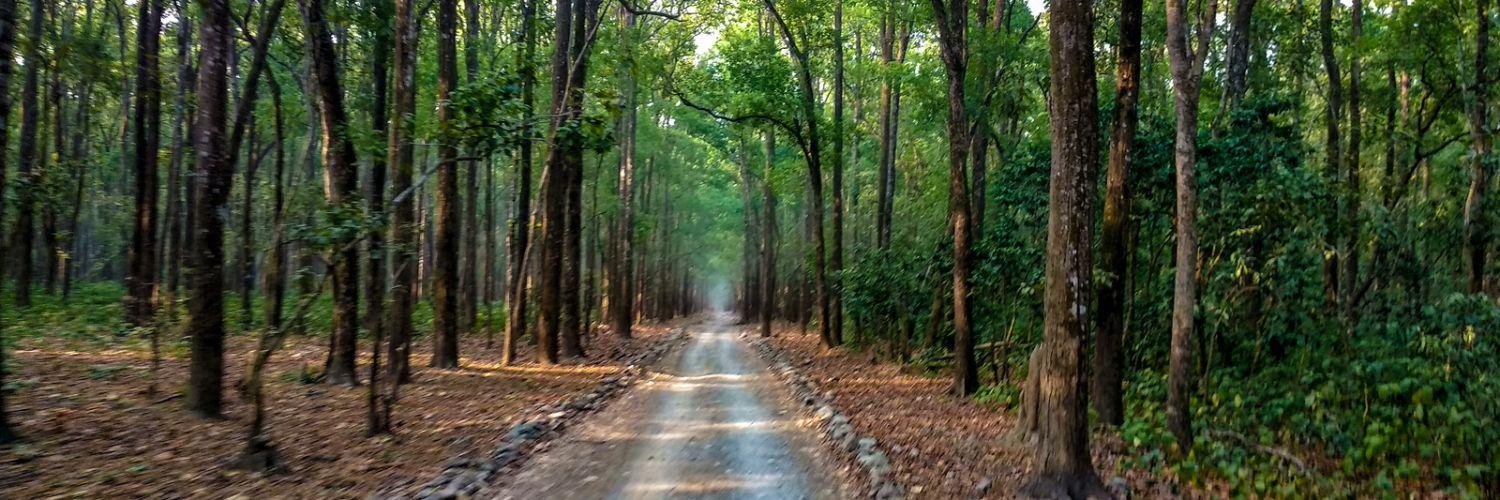
  • 🐅 Pench Forest: The Jungle That Inspired The Jungle Book

    🐅 Pench Forest: The Jungle That Inspired The Jungle Book

    Deep in the forests of central India, the sound of birds, rustling leaves and flowing water creates an atmosphere that feels almost like a storybook.

    This is Pench National Park, spread across the southern Satpura landscape of Madhya Pradesh, with the wider Pench Tiger Reserve extending across Madhya Pradesh and Maharashtra.

    The forest is famous for its tigers and rich wildlife—but it has another fascinating connection.

    Pench is closely associated with the landscapes that inspired Rudyard Kipling’s The Jungle Book.

    https://images.openai.com/static-rsc-4/OJoYK0Y_ntgZsxMpJptSaTwBt0Ev0cEfQuESsqZwMp67MrYZENr-OF4Ec4FLfErnaGtN8BTnryrUzJAC2eDC9uIFzg-ExNI9TemwY10oVqZMAT_JOEkyAcpMg1Rf9WrL-P--NqkamL-Pa18qgVw3eFlo6fyzuwZkOlCgx-_lWmdKU6r7YTO2nX5G45zTHgU3?purpose=fullsize
    https://images.openai.com/static-rsc-4/TYHJ_Qf3wwnKUJhffBVg_WnQCkGmmQlCfRVLFjUg6EL_QtiHMx1k4z1B8ETVfX76Mc5SWRNT--u6pv5qhWDhXfLk4wt2tHNWYHp7IInie8KRuHt1hXu1ORhovfZGblXI68R8LPjwRdsHFKQvgld-6zKf1o4le2eZGXB_2hFM1gpYtYMnw6uHRpqxePSCuEng?purpose=fullsize
    https://images.openai.com/static-rsc-4/1Uw6KcintXFoZ_Uvbl5HYCG2XfrwdM1ywJZCJZsIXYDfvSIrO2UgH2DzUp8QD4VZAnFYitnc2XaUp1uOXRZAovwfDiXQ847N4Ly3igE0KFOt4f8BMhozKu2idu9WZ6lM4g-Kp-H9X8fRAm3lVX5laRSKsiCDLoimqFcx5k6-zNjUULfeA4uUF46Lf7fIThOa?purpose=fullsize

    🌳 A Forest of Teak and Open Grasslands

    Pench has a very different appearance from India’s tropical rainforests.

    The landscape includes dry deciduous forests, teak trees, bamboo, open grasslands and streams.

    During the dry season, many areas become golden and dusty. After the monsoon, the same landscape can turn brilliantly green.

    This seasonal transformation is one of the most beautiful features of central India’s forests.

    🌊 The River That Gives Pench Its Name

    The Pench River flows through the park and is one of the defining features of the landscape.

    The river and its surrounding water bodies provide important resources for wildlife.

    Animals need water throughout the year, but during the hotter months, water sources become especially important.

    https://images.openai.com/static-rsc-4/MQBNKcgJRqC7nW-9FkX6ax7HUhSmlfbM9TZPkASUMY5M0htTWPvJPnKoPx-o3A07M5wyS4iXDjvd9L7SlbUZoYrzKVjwaFgV7RiYFSiUKF4AI3ah7Ws8WkZI-lxlRF691PzNhAFIw6kbCTTxL_Qae4Q9Y17bbt8CB1pG3nNaiHrpkcgTkuu9bMyRb9Hp_APh?purpose=fullsize
    https://images.openai.com/static-rsc-4/JeBtiib2FeTgOMFD7rT-qo0t3O6X_gq0IJ3VPOPCwTbQsatB67IRnukOVA4AOV_XFBEDXM4Oqi4QtST5VbQm1ewiidmdkUJkhqKNZLnwvScNlMVV8C0qZPOzXPTRZKYeWvcH9MSTLwQVumj2TT6TAN9lY71JfvleFyrBvVYddQFyXsOzrtKzfEvh0QfMkgdq?purpose=fullsize
    https://images.openai.com/static-rsc-4/2ZwWKtcg8fLrGHV7qIjBpnxNn7btkJG6sIx9DEf5XaxLxM2a-VqKb9ZpGLF5V_68V2jQhSdGzyybApPUbx4du9kNtsT-zqBGii1GTCAHWQboQUWwenfhWU43aQoiHBKHOEgU9rfkDB_URydFS73V9UWoTe1rzEJB8JTKwVAvyhTcy03zJgbP6KzwW73aaonV?purpose=fullsize

    🐅 The Tiger’s Territory

    Pench is a tiger reserve, and the Bengal tiger remains one of its biggest attractions.

    But a tiger reserve is much more than a place where tigers live.

    A healthy tiger population depends on a healthy ecosystem containing prey animals, vegetation, water and safe forest corridors.

    That is why protecting Pench means protecting an entire web of life.

    https://images.openai.com/static-rsc-4/YOMFzwfwKDn416tOYwsP6sK4IOeCbjw8CAc1ewI6eDeUUJ_8srJ5Scy8ObMXDjN4vhKm-cjcU0uTEPyQ8HmpmWIiYBbJHhavY3rucd0n08KgJwSc5etblA5x6Kr2vXQwSuBYOaRJ06BWEWQtczMJs-K-GStDnumsE43TIUgePCZRwfZ6TuSIYPEneznFeFYm?purpose=fullsize
    https://images.openai.com/static-rsc-4/2RC3X8QC4pSZMKYOLccrgAlo5gZPk2-yfvOEWLUfMNEn-EReOZx9CYshJrdIzYb2bxpKYRWA5JqVQ4mocooxkhMKp2VouuktJGxkn1jLZUJtfVtv81qUvQS6hp2CRsv1ZbqVDHfMxIX3q7OJW3jxx4S8SjZ2PhagZAJIRMUrrrD9WOkkU3bADr3IgLHHzzLS?purpose=fullsize
    https://images.openai.com/static-rsc-4/YaGxC25t7WZalz2TEL_J7K_AUKKbTLNDxpf-b5ZFRkkqeqiCgBe7K79muppfBxKJcw9A9A2v5lty9mpcCGHm1kutTTjA0uH2hJhuAaTh2EUtGQrlEd7ZBVWAZz5LtVE5oq8A20gFLPX9Eotazv10c4zWO1a5zattbRLrMQrVm9c_NEy3uJBJtVOI8vH8eSZL?purpose=fullsize

    📖 The Jungle Book Connection

    One of Pench’s most interesting stories is its connection with Rudyard Kipling’s The Jungle Book.

    The Pench landscape is widely associated with the setting and inspiration behind the famous jungle stories featuring Mowgli and Shere Khan.

    The real forest, however, is much more complex than the fictional world.

    There are no talking animals or storybook characters here—but there are real tigers, leopards, wolves, wild dogs, deer and hundreds of bird species.

    https://images.openai.com/static-rsc-4/XogKxyDGj5UMt5Nq6D9ttGF1qf_rE26jzJnZfe8aVqztfERURnwMwZAcREPFzNSZ93CWth76cf3cQmEvTg7aOx6Njy-ckaW_G68qUdbkrXQlno6_8rZNhuxDYEMsbPf9Q-Htqp_7zfrR3WvzePzNGs9AJ9nSn4ULXypOraQv4YjEvxMRMUERz-g4u1EWMDPM?purpose=fullsize
    https://images.openai.com/static-rsc-4/e7QripQ-IqT7QIqJ5rZpszFHZYmUigbPyGbJkg5p--hIcgE5gN9dOTBeQTYSCSNPGRGH1x4TXfTiABKIdzeoLVaV4nPoBS6xHrvslfgkr8KPd7_v7zZsJdC4lM_KXrWZdR0MP9ajCUo3lgvejlM88YbCopGEpGuPF-6zAXPqrg5dBWYxVn7N5Yipz2YD6ovD?purpose=fullsize

    🐆 Leopards in the Forest

    Tigers may receive most of the attention, but leopards are another important predator in Pench.

    They are elusive and can move through forest areas without being easily noticed.

    Their ability to climb trees and adapt to different habitats makes them fascinating members of the ecosystem.

    Seeing one during a safari can be a particularly memorable experience.

    🐺 Wild Dogs and Other Predators

    Pench is also home to dholes, commonly known as Indian wild dogs.

    Unlike solitary big cats, dholes are highly social animals and can hunt in groups.

    Their presence demonstrates how different predators can coexist within the same forest by using different strategies.

    https://images.openai.com/static-rsc-4/Da9Z4opIAfIZQUFVcvxHwSpIymyRB1Rhd5fWtjN-vJV5eSBqZuxWpc3tT43te2iEw6aY47_TWZrnx5G1pJnThvvW1P0_b8Li56qEv_M_DVDVLLkSn_Arkc3Zb30x2VOSkqTYV_mWyATelMiCfP1I5lTtxGei4Pr88l1r5Iy_wgB26rKOhTqYGXjT7a3XY4CJ?purpose=fullsize
    https://images.openai.com/static-rsc-4/-syG8m_hIup8fEvd2r21m6ay7AuReK3w1xBPdSkEJoTJYvKEBnQjEi3szrkx8ljb6lVW7XpBMibI-uQWUekP1AOsomJwafesXAvSLH4Xk5FJavJpMQHvv0A5xXHCqSSpWVANi2vkdX5Ukp81mkgp5fU6Iu1zr7iQSbb-U9JzgGkYAwT0bzpOZga1Zs6BSexA?purpose=fullsize
    https://images.openai.com/static-rsc-4/QaFaEulCfbq1FNpboePV2_ntcn2sDAAelPrAUeBhXVO9Og1bmI4PrHI0QQpXXRx2BiP8nkNo0BLVbnhFv1Pkj5Dxrd1yV2FNyzzFDp6EiRxDTa8DNuJ2vM9r5sLiQsNohAUMTWbIozrhQLRMhT7SP2XuqbCCNk5huJisdgP-oaDFxjTdxg15NmheXwvrlrW4?purpose=fullsize

    🦌 The Animals That Support the Tigers

    A tiger cannot survive without prey.

    Pench provides habitat for animals such as:

    • 🦌 Spotted deer
    • 🦌 Sambar
    • 🐂 Gaur
    • 🐗 Wild boar
    • 🐃 Nilgai
    • 🦌 Four-horned antelope

    These herbivores depend on the forest’s grasses, leaves and water.

    Their populations, in turn, support the reserve’s predators.

    🦚 A Paradise for Birdwatchers

    Pench is also an excellent destination for people who enjoy birds.

    The reserve supports more than 280 bird species, according to Madhya Pradesh Tourism.

    Depending on the season, visitors may encounter peafowl, kingfishers, eagles, owls, parakeets and many other birds.

    https://images.openai.com/static-rsc-4/nBxIgjN0tOAe5L7w0ouk-Bf6qpouzoKGoA0BgFJKC1wUrcbLH7gZaAiSxV3LPy2okS5g1dSNpIY2yYdDmIqNIJwam2uEpmla_q_pXPW5mZYOidlADqGc3BL1Sik4D0s08YrnEOc4_VMoZmvLR7a2VdH2dSKenE37iZtSFN7p3GHWcgRiVXWWVl0pMvcAbwvP?purpose=fullsize
    https://images.openai.com/static-rsc-4/1RExGm785TsQ5lmsMKrTa3MgAjppaXH8Ck0NF488jIl4Dv1yQ0S33K0aC5EgLkP7ZgFbloSnHrpQNw9eMymNGiHLOv4cKe6Do6iF9aT719hT5Vzn-65eYu5KAixhwiC9Y44XICJhHwBz6FDK05njGa_AuAkqEV2jiQikIoZS5TwZfOdMh9Pw3ZZzIVyHcV6g?purpose=fullsize
    https://images.openai.com/static-rsc-4/GTHBEPsEjFd2lo0o-XSkC8ZAcJ5P4VxNlWL1tkewpTwTGiygZuFKMgBiJR4-yZSxXaDRuPCYtZ23GviRyCZ8swA0mnqMvbggrWQUqaSfJAx6ziah_zFmfchceVQPKwcZld0m4ZBLDfX-L7T_Rc9lVfTGK20Jr3qgUYAkspFb5_SHkNV4_z7qnlSmjqSBq926?purpose=fullsize

    🌧️ Pench During the Monsoon

    When the rains arrive, Pench changes dramatically.

    The dry forest becomes green.

    Streams begin flowing strongly.

    Grass grows rapidly.

    Bird activity increases.

    The entire landscape feels refreshed.

    Some core areas of the park have seasonal closures during the monsoon, while permitted buffer areas may offer different experiences. Current access rules should always be checked before planning a visit.

    https://images.openai.com/static-rsc-4/p8h9YrnP9oyM1YxXvlBqvNYMVTJ5hnGC3eayppt73iCCqnvjJNIEuI4-wfCZufzWhQTVP7kHEZjUYaI-xwYK15F4stCHN9HUGkSSr2XQWSxqJc-a0scG3UJtY897M0MgXGj8BZPffhKfcBORZEV-RLgJfhIFe9orUJVRBjYbQedahhwv0912M_gAMYsO_STu?purpose=fullsize
    https://images.openai.com/static-rsc-4/mfDaNbB0a4jTi-kK0qchCjkCX_OuVlfkHepoHkc6dKi6noLt7LqxihT4JoQPg8LHM071MuTIcQ3eQQx6Sk26zsJrDkDTOEgZfZ836hrIrD1FFnvvjUQBTnM-h4BWAejTrOb7wJz2VienHILHjq8Qet9eSeAGyF0RY0Jt4y1vCdwrfk1yKEau6adcSXzbGJUu?purpose=fullsize
    https://images.openai.com/static-rsc-4/rdpOmurUMSIhyA397SjmyF4pzAKn4dqwZNG7b2pWYbQuNgE0uBiK-o54YhEe2fesD-Mt_lxsT7OV03s-qilxXW8iOuYFkQj-KZIVmqAxh-CKvRZIsqqVRqs_Uts0Rk-s6C1TN3Mzp-58IFunPtmUaEq4qZmbB1gANdOPRPBKFA4fMG3bwyM1P4-Bl-zeUiEW?purpose=fullsize

    ☀️ Summer: When the Forest Reveals Its Secrets

    Summer can be extremely hot.

    But there is an interesting advantage for wildlife enthusiasts.

    As natural water sources become limited, animals often concentrate around available water.

    This can sometimes make wildlife easier to observe.

    Of course, animals remain wild and sightings are never guaranteed.

    The excitement comes from not knowing what will appear around the next bend.

    🚙 What Makes a Pench Safari Special?

    A safari in Pench isn’t simply about searching for a tiger.

    You might begin the morning following tiger tracks.

    Then suddenly a herd of deer may raise an alarm.

    A peacock may call from the trees.

    A langur may start making warning sounds.

    Your guide may stop the vehicle and listen carefully.

    For a few moments, the entire forest seems to be communicating.

    https://images.openai.com/static-rsc-4/BB2bQTfWUThu9P8OzU8NOBTYMdMFxiqkUvbps8B7SNQnYsHelck3wpzoo4SgrLl7MFwysTraumiTDMd73AqKiyiYMvUc26DXJ0E3HCKiMgYLE9JoYDQRkSTxUWmwC4SjKRgcmOmcJRIGBucEoKO1EWVuKLCb5UhAY3i3Ygf_iTc2iJgf5ZIVYqxiDIp9IgKd?purpose=fullsize
    https://images.openai.com/static-rsc-4/qyx_U2_guh9nC3myzjGbIHyKwUawl-xtgHgdZL5Wb_-WFxrz9_6IoshEWDmraGLXKYKdTIh1ghOm0-yWEfgnQAL28nsjAZrOJZl4U9emPIfq5u25K_Fwat2maUVxutAcedjdbDXREFjB-j1hXK3TgsKf8cC9PuuelW34OYLX0wPrIwNj1Nlz1UfeG-k16GS8?purpose=fullsize
    https://images.openai.com/static-rsc-4/pKAAWkCLig5KZre2GUxm48mP5YB7yUKXkLUYGnHrtOQFqYH7QhnD49aRApNY4e-CdyL-k6I-2282BZ5pafqJX7_trKG2kDCKApZPomTnnYAjfypLkO-FJupVpCSWHuO75ctzmz4Y6rckR5DNY_GJC4DiMwM7uLJ9JgEd3R5AkcjY7dw2cR8iHFlxODCe54r3?purpose=fullsize

    👣 Learning to Read the Jungle

    One of the most interesting parts of a safari is learning how guides interpret the forest.

    They look for:

    Pugmarks

    Alarm calls

    Broken branches

    Fresh animal tracks

    Bird behaviour

    Movement near water

    These small clues can reveal that an animal passed through the area recently.

    Even when you don’t see a tiger, the forest is still telling you a story.

    🏘️ Forests and Local Communities

    The Pench landscape is also connected with local communities living around the protected area.

    Tourism can provide opportunities for guides, drivers, accommodation providers and other local businesses.

    Responsible tourism can therefore support both conservation and local livelihoods.

    But visitors must respect local communities and follow park rules.

    🌱 Why Pench Needs Protection

    The future of Pench depends on keeping its ecosystem healthy.

    That means protecting:

    • Forests
    • Water sources
    • Grasslands
    • Wildlife
    • Migration routes
    • Local ecological connections

    A forest is not simply a collection of trees.

    It is a living system.

    https://images.openai.com/static-rsc-4/OJoYK0Y_ntgZsxMpJptSaTwBt0Ev0cEfQuESsqZwMp67MrYZENr-OF4Ec4FLfErnaGtN8BTnryrUzJAC2eDC9uIFzg-ExNI9TemwY10oVqZMAT_JOEkyAcpMg1Rf9WrL-P--NqkamL-Pa18qgVw3eFlo6fyzuwZkOlCgx-_lWmdKU6r7YTO2nX5G45zTHgU3?purpose=fullsize
    https://images.openai.com/static-rsc-4/xSQl2qmZ6QXwKjfSSJfP9H0M74JL4PwP81mXvAxUJoIgB_KrTn5OdA2OjQKMp1LW-6db28xtvTvmcEBDivnrbNrKhcuo2HSS12jbT-QUL7n0b8va4MLt7OM9S6V8syYsjZtS6CAEJeh7jyedrj43h5flww_k7TlijZpMeT29jATHxasCB1OHb0oMZfX0xxr5?purpose=fullsize
    https://images.openai.com/static-rsc-4/xlsYRIwoLfvojwvEoQG30UH5OoNd0jQcYLXviykdkjoa4xV5qELN9x5CxC7VRsu3DMjS8jDX8rKDc3rNAwQU7d6P1XMh4zUhpliBeH3a4TtRCWY5u_BqJUuEsMkjz1_8bunUWCO2jbqkEWunfE4e1W7iGI-lOsBZihRwglunNYLxA_eV9T_kdNHx3Y1oThJ_?purpose=fullsize

    📸 Perfect for Nature Photography

    Pench offers plenty of subjects for photographers:

    • 🐅 Tigers
    • 🐆 Leopards
    • 🦌 Deer
    • 🐂 Gaur
    • 🦚 Peafowl
    • 🦅 Birds
    • 🌳 Teak forests
    • 🌊 River landscapes
    • 🌅 Sunrise and sunset

    The changing seasons also mean that the same location can look completely different at different times of the year.

    🤯 What Makes Pench Special?

    Pench combines several experiences in one destination:

    🐅 Wildlife

    🌳 Forests

    🌊 River landscapes

    📖 Jungle Book history

    🦚 Birdwatching

    📸 Photography

    🌱 Conservation

    That combination makes it one of India’s most interesting forest destinations.

    ❓ Frequently Asked Questions

    Where is Pench National Park?

    Pench National Park is in Madhya Pradesh, in the southern Satpura landscape. The wider Pench Tiger Reserve also extends into Maharashtra.

    Why is Pench famous?

    It is famous for its tigers, rich biodiversity, Pench River and its connection with The Jungle Book.

    What animals can be seen in Pench?

    Depending on location and season, visitors may see tigers, leopards, dholes, sloth bears, gaur, deer, wild boar and many bird species.

    Is Pench connected to The Jungle Book?

    Yes. The Pench landscape is widely associated with the inspiration and setting of Rudyard Kipling’s The Jungle Book.

    When is Pench open?

    The Madhya Pradesh government district information states that Pench National Park generally remains open from October through June, with seasonal conditions and zone-specific rules applying. Always check current official information before travelling.

    🌟 Final Thoughts

    Pench is a forest where reality feels almost as fascinating as fiction.

    The famous stories of Mowgli may have introduced generations of readers to the idea of an Indian jungle.

    But the real Pench is even more extraordinary.

    Here, the forest is alive with real animals, real rivers, real seasonal changes and real conservation challenges.

    A tiger crossing the road.

    A herd of gaur disappearing into the trees.

    A peacock calling from the grassland.

    The Pench River quietly flowing through the landscape.

    These moments don’t need a fictional story.

    The real jungle already has a story of its own. 🐅🌳📖🇮🇳

    https://images.openai.com/static-rsc-4/x6HNY75p0gU9RDysanMeylPUzwr3yQ0kO5EIcGbv3gPQZmhL3OKa2eoeNs1YgZNJ7Jukw8JNMYnuXc5amZ84Wqef2RD7ByoVwFt3J65u7tsexrkcTt7SYnQPiPctJ9ov5gAkHQLbzFaIDDNNrHb9ffk32C05Zhy8oRF0LJQnSG6ruz0Q5FE-38cLXtCmzTsF?purpose=fullsize
    https://images.openai.com/static-rsc-4/fAiHY69BhFGGYPrrFR5neZLYR-BHEHbXH4EzOloXXQsgmtwu2zsR36y46XjtFIhB_JHxPmUYGQNMCJcqqAUW35R5OVEoHoOif8jR01eeBwwFV8_L2umqwmCpmib1AW0_yN-xj3n4_0QHpCYRliHsNKqzW_yvbl4ZUI60o0dgErR5lkLJmQ3m8xogX2CIpi5O?purpose=fullsize
    https://images.openai.com/static-rsc-4/lLoKFgxxwrpqHyyueNrseCBDbRpSJNxQBNX6pV_IElgjxuzP95IoCrebuIJyc4KsItbTxn8tqmIEZp-vZVz-GPtOKIadByBZZ89Bzrm2tPhn4VDUjqoA3zfgJhDhyejQz1QAjwEZbNfP_P26gi4Z8rjBfVsgcIG1S0HkGW2gA0Y5wjsTenC42qtVwZq8e4Pe?purpose=fullsize

    🇮🇳 MANA BHARATHAM

    Discover the Stories Hidden Across India

    From India’s forests and wildlife to hidden destinations, history, culture, heritage and fascinating natural wonders, MANA BHARATHAM brings interesting stories from across the country.

    🌐 Website: allpincodes.online

    📖 Blog: MANA BHARATHAM

    Know India. Explore India. Celebrate India. 🇮🇳

  • Tadoba – Maharashtra’s Wild Tiger Kingdom

    Tadoba – Maharashtra’s Wild Tiger Kingdom

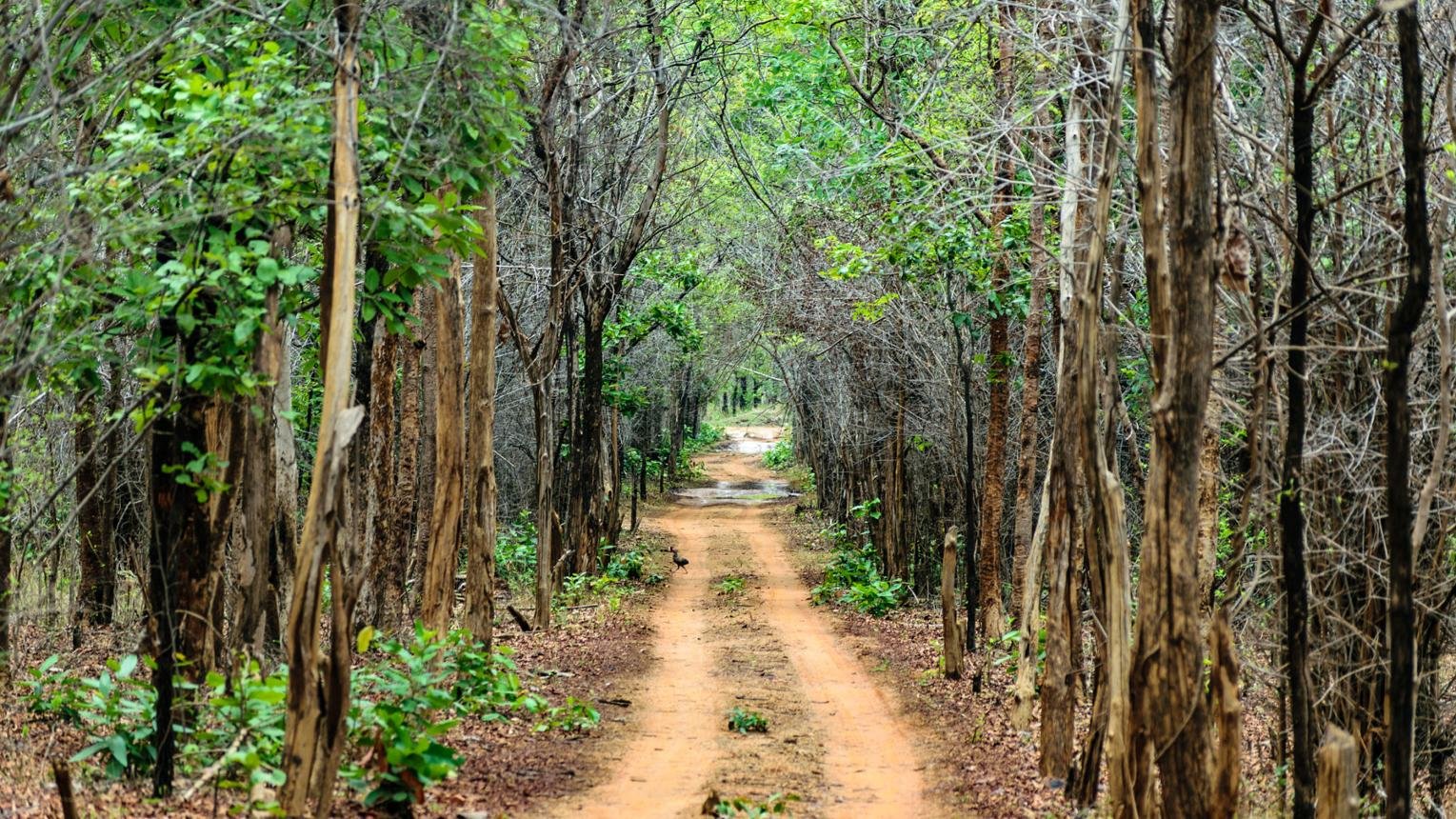
    Deep inside Maharashtra lies a forest where teak trees, bamboo, lakes and dry landscapes create one of India’s most exciting wildlife habitats.

    This is Tadoba-Andhari Tiger Reserve.

    Famous for its Bengal tigers, Tadoba offers a completely different experience from the lush rainforests of Kerala or the mangrove forests of the Sundarbans.

    Here, the forest can look dry and golden, especially during the hotter months—but hidden among the trees is an incredible variety of wildlife.

    https://images.openai.com/static-rsc-4/nROTgIIGV2C0cZbnwndY9T11_Y8ijTAk1L_3p3L4mHQHOmcDlH0xVcjHbUJ60K-pg10ViFNc1JiIftXgahlxHhMhAFzXay6AkcqT7Yx12_ZKlCvnzUZNU04ON2UKfOfiuKLEecbE7Y91P6urdMzf_ZGuAB8rpqaXQ_xOV-kk_m4uKEgCoblWjPenydPIy8v9?purpose=fullsize
    https://images.openai.com/static-rsc-4/4iwN8bBDN1cUlOnE-xleNhPB4TnZT-XuNnlhep4RIRY9sNo2jtFEzp6-0sfVEYdvBoS4XFEdnY_DeGKnym9mIT5Gm0QmLD7GqRe4f-ktJJEpB-FSZeYgHrkRv9EVKC2_tjZm80UV-k6ELjM0XFeHYIlIOHpLvx-E0VOBEz3NXHlrxCOezdBjlMVgfnV1w1ir?purpose=fullsize
    https://images.openai.com/static-rsc-4/4yHEC-TkXbE84S_M1tY-PbJsRcYuf-1CBfVjT6V3EQ89D2IeR5gXjj2mbVFTSMyJckGK8bB2zwDyumf4AIp1rjgGYurSf0KnRdV367gtXU7kYookEst7wWrGKYcXZ7rpfMhJbIhdOAZB-XLyO_D72IPiWZUp1UWgusQEWBPKvBzFTx3WuGIxSmfUJqLtLB72?purpose=fullsize

    🌳 Where Is Tadoba?

    Tadoba-Andhari Tiger Reserve is located in Chandrapur district of Maharashtra.

    It combines the Tadoba National Park and Andhari Wildlife Sanctuary into a larger protected landscape.

    The region contains dry deciduous forests, bamboo, grasslands and water bodies.

    Its changing landscape creates habitats for many different animals.

    🐅 The Tiger Is the Star

    Tadoba is particularly famous for its Bengal tigers.

    Unlike some forests where thick vegetation can make wildlife difficult to spot, parts of Tadoba have relatively open terrain.

    This can sometimes provide visitors with better opportunities to observe animals.

    https://images.openai.com/static-rsc-4/UmlGpUXFgamO32Y7G_OA7PBRcwNzk9bhRDF9KvbZpSQ8ytY2_Fnyjbpqhb1J7lwexBpLN1avhKmTRc0uLHXtyDuz8TbI3Km3lD6euKPpi4yK5AKrgHeYBYpq1zMzwbPyhBEJWPv90s8SqjMG4bZEE7PiuQuFAMoFjzlF6XAoyejcsw_89WzrcpP6gMOjzstf?purpose=fullsize
    https://images.openai.com/static-rsc-4/w_QoyZ3_q8oj3rVa7S8MRzb71RGuH02kfM7XoSJiYSfyEa9elvWH3EWUlrD0WTN5hXNWy5zYp1kHANHfgtJ8jCqNPkoQTEa_0mzJWS8GMhPm6_aF8sfojIDZKUtcBxVZOPTn6g73UElBdxQ7TOrQccBnqoUHIx7UPWHm45X4i7m_r4MEEMxsK_o4E5RRqttC?purpose=fullsize
    https://images.openai.com/static-rsc-4/sFQ29Sq9wSysThI9BwAmJ-hbz8yX5y_TUboEp_VbiVWCZw_PguO1IT7R555mxRXJn2gv_GIPKhq1nE3aeSayqJRA9ZODv1JJwQoEqbZPLYU7wWyV6IlQIP1x6XR03ZUx1ZWI4rui_666fkq2t6iZLjHmWZQpDnMApdIi3jabeB0IhHew6HEyn0hDSb7iNYMy?purpose=fullsize

    But seeing a tiger is never guaranteed.

    The forest is wild, and animals move according to their own routines.

    Sometimes visitors spend hours without seeing one—and then suddenly a tiger appears near a waterhole.

    That unpredictability is what makes wildlife safaris exciting.

    🐆 Leopards and Other Predators

    Tadoba is home to more than tigers.

    Leopards also inhabit the reserve, along with other carnivores.

    Wild dogs, commonly known as dholes, are another fascinating predator found in parts of the region.

    These animals play important roles in maintaining the forest’s ecological balance.

    🦌 A Forest Full of Herbivores

    Large predators depend on healthy prey populations.

    Tadoba supports animals such as:

    • 🦌 Chital
    • 🐂 Gaur
    • 🦌 Sambar
    • 🐗 Wild boar
    • 🐒 Langurs
    • 🦌 Nilgai in suitable habitats
    https://images.openai.com/static-rsc-4/4Ukc-olDMb4P3a63Cvgr9qdRAe_doOmgRaAdDKJkYqBvnMaHKcFw3R8nimOGDnXWDVREtb9aDFBWanIILyfbqVwi9-WKRVSFQN3UmWpDTcDABiJO6TCgw8bn-jAkf7JUyyHT3x3OV9qkDxSeSGy1ew4BY-YfYgVbONhPffOAA-14AZawn8f7Yzh_C6gns-LK?purpose=fullsize
    https://images.openai.com/static-rsc-4/dkrpg2YIXJTZU3mRpa4Prp0XcFo3VUwrnpxD4A6yugJZrKIEU2gkc_IgWJagrem_tpfbodRj9-c0VrAv6PdVaD67idHMPSMUcNO0WiR8BerB6AQprF5ten9dTOJPdbRQNHoasKQqoWBu7zmx6EaUdk3qUR1oAhDJTwMwbEcd1yPvf0mLnf4Mi4LSjEtwYcr4?purpose=fullsize
    https://images.openai.com/static-rsc-4/24AD1XS1D9WdJyqQE5QlMnAavBdrGsBZnFg8wknZIM2MbuwZXHg1YjthjtJsZF-oCITKlDXAUXA2wF1uDrLDuFHYn6fP1iQWkjYJvvshxIv0YSyJcG9JU2bSO_5Eemc8FtwfHVZMFC4DtKZu1iGiuxLJwvc2FU3fSoC3jLQbnhlrS4ygh3xqK9S5R43b0ayR?purpose=fullsize

    These animals are often easier to encounter than tigers and can provide fascinating wildlife sightings on their own.

    💧 Waterholes Are Important

    During hotter months, water becomes extremely important.

    Natural lakes, ponds and waterholes attract wildlife.

    Animals need water for drinking, while surrounding vegetation provides food and shelter.

    For this reason, water sources can become excellent places for observing wildlife—but visitors should always maintain distance and follow safari regulations.

    https://images.openai.com/static-rsc-4/B8HRSDSVInAE6uYqowztqLTa05ivZJlPh2J5K74v15uOtUd7tXv2yX3oazJuy1Os6n-OJ2Aj_91iaIL6NS0xyKsoldG5zLmz-1e8H3mZZPZYnFlTcVFAQmNTEnbBvSotx1FtobbP0uaebs6deCrMWf_oEi1kW7S4T2Lyono4q84EpFB48oXfOft2mdmNDwm_?purpose=fullsize
    https://images.openai.com/static-rsc-4/EDT0bGYGDtPcsA-4kSGxIM9-xtEGJ8Uz7JyWHRf577rl_uvmFb7ukxOv6ihMYUH0MmNkA_MHfizv_KLB0CEY4DiFfXphrJjuiKqbXLg93MCyiBMm18wEk_KiPu1U6ofvuytrudQEzTGBIijSvF1rcVqBI1PMbCOGqT8-8di7KHbBVX6IRvFsoiLeS7cuWzlH?purpose=fullsize
    https://images.openai.com/static-rsc-4/QvpHAfLZCtycAKv_gin1nw01HJ-BjbRfyP9T1bBZpqMokRROjGy1UEoru_c1qTcw0J7JrLfrERIdORAHJYiaGwRrlhvCKRFhnMdL6tlm34MZJ50RUYCIIC4c7ua9T4H7ku8nIb6bVT_r40-Zr4-jX3jX7QPWLv7uICGh4rlAKhqoyh1SPppTd4JCWzj6RX7a?purpose=fullsize

    🌞 Why Tadoba Looks So Different in Summer

    The forest changes dramatically with the seasons.

    During the dry season, grasses can turn golden and many trees lose their leaves.

    This may make the landscape appear harsh.

    But this dryness is a natural part of the ecosystem.

    Animals have adapted to seasonal changes in food and water availability.

    The dry landscape can also make some wildlife easier to observe because visibility improves in certain areas.

    🌧️ Tadoba During the Monsoon

    When the rains arrive, the forest changes again.

    Fresh green vegetation appears.

    Streams and water bodies fill.

    The landscape becomes much greener and cooler.

    https://images.openai.com/static-rsc-4/qvK7aa_FRij2JQutz7NWHIMA9ufrE4hGtUi7XW2-UWuMcRkxVNzI5XPvtAfaIPhHdEZ93biQ3K1K3b3kf7jFYe_zknoHSxn-3tk6GYsCnZ5eCO_5f91gVhxg25GZ2z1iEdBXK5QDNru3KtQvZDDAughyMmofe_mqZfyZnK8JzizQ9pJlSfa5HvldHTEs4kws?purpose=fullsize
    https://images.openai.com/static-rsc-4/tQ9U1aG_j1Be4miUnUTQ1nBYq11iH0a4y2ySxxMsYTnYCjRlLB5jFrN_MR0r-uV2V-iUAfbrzvW6_Z-jeuAy5ePxihljMQiHXTdXD-Pv_Ot0dyVC2HkRZnmnT0W5vzMEl1bydyaVGH5Gwcgfq4CS2d3m6hHzSgN-IVhIbXu2izefCaw0UfGqTE7Xp9uUvVxq?purpose=fullsize
    https://images.openai.com/static-rsc-4/Ebsqjd8iZ_3YvqFnHdOg6QMfhYE-dOVVRD1EoP_QUws3kuGyJgFSb0jaMUQ21vJddiOing7j-1QVpHUCCHeg2F9Pyp9lEkDsRXAQzEEtmyhOxebldD8zkiLcBFD0aqda8HwYbQUEQOYqFKMNYGa3SceMkMDv8ccQztSL7TSpDhQGaLQ2Jyv8uRaN9IsAYOLg?purpose=fullsize

    The same forest that looked dry and golden can suddenly appear lush and green.

    This seasonal transformation is one of the most beautiful aspects of India’s dry deciduous forests.

    🐊 Crocodiles in Tadoba

    Water bodies in the reserve can also support marsh crocodiles.

    These reptiles spend much of their time near water and can sometimes be seen resting along the banks.

    Seeing a crocodile quietly waiting near a lake while deer drink nearby is a reminder that the forest is full of complex relationships.

    🦅 A Paradise for Birdwatchers

    Tadoba is not only a destination for mammal lovers.

    The reserve supports a large variety of birds.

    Depending on the season and location, visitors may encounter:

    • 🦅 Raptors
    • 🦉 Owls
    • 🦜 Parakeets
    • 🐦 Kingfishers
    • 🐦 Woodpeckers
    • 🦚 Peafowl
    https://images.openai.com/static-rsc-4/_Agr4anhONoDLFZVcFFrWUW0Jvee8P6jkPHSVJiUAMg9ZsevWK7NDdL64j93ZVM64vMF6W0Tm8Hqj1Gt_zV3YCXgw8jhca5EUAifKFyeaT-KtzWRTXJA6Au_FnzRrAH4V7PVioS7nhQP8T24ama5tJ_Ly90veJZ7ItRxmKba6O0k57214NNlRAW0Z06Yw_yS?purpose=fullsize
    https://images.openai.com/static-rsc-4/6ZPrZNPVg2UOYuoiFO1AWGeZMDWlD25BjotqnkEyvRcoxBl6nn0QGK78RRMcC6GO5kiMq6vdfjOZBC1hmlnCCimfQ0B-lWs08sG8enxCd4HXtLVdgEsI-1NyRhgr9-Ty-CKVcnCAZgiQG1Sd0akqDwbGPhPERYSgtHsSybpd9s3Ht09w2uC_vn8hBKshJwXd?purpose=fullsize
    https://images.openai.com/static-rsc-4/6cGmsZBnON3nCCChdrFsa9qyOVpMLxi-2t932yXUYeBMxxtk0bhY17xoSyQURhowYBrtqWIuL9qV0G0QNMqr_SO7WxXiGpNbxuVFfbEmecL9mjL1bp8Vu43yCADvSJ1H_YOoEqlNhtB5yfa0jGD_0gLQFZ6hRx1c3qoB6XygTHWQDxWPjgu2K-KbUL62PjQF?purpose=fullsize

    For photographers, smaller creatures can sometimes provide equally memorable encounters.

    🌿 The Importance of Bamboo

    Bamboo is an important component of many parts of Tadoba’s vegetation.

    Dense bamboo areas can provide cover for wildlife.

    Other trees, grasses and shrubs contribute to the complex structure of the dry deciduous forest.

    Every layer of vegetation has a role.

    🚙 What Makes a Tadoba Safari Special?

    A safari through Tadoba is not simply a search for tigers.

    You may begin by looking for a tiger and end up fascinated by a herd of gaur.

    You might stop for birds.

    You might see deer near a water body.

    You might notice fresh animal tracks on the road.

    The forest constantly provides clues about what is happening around you.

    https://images.openai.com/static-rsc-4/AvNTEALvM7-JfL9uqGt1tqJY4TykTWhCkSlecTsXu1EgjOhHujZ4WRLspdARC5JRpsguO688bNTXeA3o5q-I5fMzjaYTrjM81j39ZeXvnFYLdsMRFQ5bA9ALPEakeowZxKdBmLJRga6eIHxzISsz2RvuapV4yd8oJ89MFYMZ96YbCFXOoYWtjEl1M1KQgGag?purpose=fullsize
    https://images.openai.com/static-rsc-4/UmlGpUXFgamO32Y7G_OA7PBRcwNzk9bhRDF9KvbZpSQ8ytY2_Fnyjbpqhb1J7lwexBpLN1avhKmTRc0uLHXtyDuz8TbI3Km3lD6euKPpi4yK5AKrgHeYBYpq1zMzwbPyhBEJWPv90s8SqjMG4bZEE7PiuQuFAMoFjzlF6XAoyejcsw_89WzrcpP6gMOjzstf?purpose=fullsize
    https://images.openai.com/static-rsc-4/wj1w9lp6MMq377bmweLhfRnfRfy25bmRFD90j0_XiHO1U5fwLWy-iFH-HJblqdxBKgXdmbRadmwz0XfVh5PDe6m6gFRuq5ZT7qgjAwYqgXWb_Z4MYowdLN5hsdCQEVv0csbjboe-VULjAhjDW_V-wWVMJ713jpbpByxSioN4RGx65B6ar_DEYBstR1Oxo7P8?purpose=fullsize

    👣 Learning to Read the Forest

    Experienced guides don’t simply look for animals.

    They observe signs.

    A sudden alarm call from a deer.

    Birds behaving differently.

    Fresh footprints.

    Movement in tall grass.

    A quiet forest suddenly becoming unusually alert.

    These clues can indicate that a predator may be nearby.

    For visitors, learning to notice these details can make a safari much more rewarding.

    🌍 Why Tadoba Needs Protection

    Large predators need large, connected habitats.

    Protecting a tiger therefore means protecting an entire ecosystem.

    Forests need prey animals.

    Prey animals need vegetation.

    All animals need water.

    The surrounding landscape also needs protection from excessive human disturbance.

    This is why tiger conservation is ultimately much larger than simply protecting one species.

    https://images.openai.com/static-rsc-4/GmNy6WiypF0jpcMPxzNdU7bOpp26t1QkuPou6wUl_yYPS-vsZkHlSMSknz5aCVc9NeUbJJeShVo1tJCd6rFjXs7cTu6OlW2As9pyDbDB6wcDwd-R8Fivqh0cvY675W-VSWvVpPwxcaBKRgBObB5876yZheaop49Th0ChOaqY4jEbjvmpzhYiYFTRngUTZ1-8?purpose=fullsize
    https://images.openai.com/static-rsc-4/1Tut4O-ee0wzmOOJsIFWqcwBSHTYe5vIg36D0YVm8-h7o9Y2ZdA4ifqSgNuXX8Bk8nVAW10A4FbSwgPaXAPuI6GpILHCGFcmBGmtL5NYC-zpcsg4AGMPb0bg2RL4IQQIBpmEIxbdQAjciofp0NxMpAeSEl9wGLwuvCtE3yrz7wkZObyK_S3f81wFTBOwxVv8?purpose=fullsize
    https://images.openai.com/static-rsc-4/WCwJuomYbsq-bO2aMUOmsEqj42tHkEv9EzXBDI2hxOW60-83YqjcAMKdE1v_W0wS9LPWsv0hIvjUwTXXtU6nluR8tKNQqa9VFBCDwlCAFMI6aquZaYSp-e0NqKAjjGv0ELeQf9fvcWT8NaaP-WRcktDD4vOFlSe2qiWnQZ5kraxR7ebGuvia0JmmflkQKU-4?purpose=fullsize

    📸 Perfect for Wildlife Photography

    Tadoba offers countless photographic opportunities:

    • 🐅 Tigers
    • 🐆 Leopards
    • 🦌 Deer
    • 🐂 Gaur
    • 🐊 Crocodiles
    • 🦅 Birds
    • 🌳 Dry forest landscapes
    • 💧 Wildlife around waterholes

    The golden light of early morning and evening can make the forest particularly beautiful.

    🧭 Responsible Safari Rules

    Wildlife tourism can support conservation and local communities, but visitors need to behave responsibly.

    Never:

    • Shout at animals
    • Feed wildlife
    • Throw anything from the vehicle
    • Try to force an animal into the open
    • Ignore guide instructions
    • Leave plastic behind

    The goal is to observe the forest without changing animal behaviour.

    ❓ Frequently Asked Questions

    Where is Tadoba Tiger Reserve?

    It is located in Chandrapur district of Maharashtra.

    What is Tadoba famous for?

    Tadoba is especially famous for its Bengal tigers and diverse dry deciduous forest ecosystem.

    What animals can be seen in Tadoba?

    Depending on location and season, visitors may see tigers, leopards, dholes, gaur, deer, wild boar, crocodiles, birds and many other species.

    Is Tadoba only about tigers?

    No. The reserve supports an extensive ecosystem with hundreds of plant and animal species.

    Which season is best for wildlife viewing?

    The dry season can offer good visibility around water sources, but conditions vary and every season has its own character.

    Can visitors take a safari?

    Yes, tourism is permitted in designated areas under the reserve’s rules and regulations.

    🌟 Final Thoughts

    Tadoba shows a completely different face of India’s forests.

    It isn’t the misty rainforest of Kerala.

    It isn’t the tidal wilderness of the Sundarbans.

    It is a dry, rugged and seasonal forest, where wildlife has adapted to dramatic changes in heat, rainfall and water availability.

    And somewhere among the teak and bamboo, one of India’s most magnificent predators continues to roam.

    The tiger may be Tadoba’s biggest attraction—but the real wonder is the entire forest that makes the tiger’s existence possible.

    Protect the forest, and the tiger gets a future too. 🐅🌳🇮🇳

    https://images.openai.com/static-rsc-4/Amd79E_fZBQRHsx2wpDr5H4JfvnTh92Vav7XBqM3rL0wkCHuw2pzcrv8iy90lYxtrcro7hW-RxO0VLg91S1jubJSmIyyCswXv37RQGI-eWq24DlaaSZB3XKK9ELbMhzVS6mruInr0UCwDp7auyNF4G7XvcAxScZkiSofjX1PTjLfudoW5pi8XqkqW5slarAa?purpose=fullsize
    https://images.openai.com/static-rsc-4/Fd5bAUk2G0E_pBlEOOMFSPO4SqvcelztSnxLZimUlZgQLTRmN92d1bkEbHR_Oz9eFyC-MfnPA-6OBrsPz8yBjpNKjOv5QcV2o74MGyGbA6Te_UJStrpYTScCPXgHky3Hq4JC-c8ZRpJXpXl2pKIw-Mp8xi7yQuuDoilJQKiGyC4BW1FtoHbgKTiC3MuPTzNn?purpose=fullsize
    https://images.openai.com/static-rsc-4/u4O7X64JQfyLVP7WCHvO6k3FMh_4vxhDqX9RHE4xHOX_WlMUqWsYy2uy1CJyISB9nPYKNP38fVAiYXyZq96KxF66HhHliGMsudwfXgcQeU0xS8ekh9Mem_mgCQc5zpKdxq_HQHWlNfw-GcwB5WTZY3ehxF0klpiyvipPRLLaTZNNfaZLJ1ZZq5MRjUMDCHFw?purpose=fullsize

    🇮🇳 MANA BHARATHAM

    Discover the Stories Hidden Across India

    From India’s forests and wildlife to hidden destinations, history, culture, heritage and fascinating natural wonders, MANA BHARATHAM brings interesting stories from across the country.

    🌐 Website: allpincodes.online

    📖 Blog: MANA BHARATHAM

    Know India. Explore India. Celebrate India. 🇮🇳

  • 🌳 Next Forest Article: Silent Valley – Kerala’s Ancient Rainforest

    🌳 Next Forest Article: Silent Valley – Kerala’s Ancient Rainforest

    Deep inside the Western Ghats of Kerala lies a forest where mist-covered mountains, evergreen trees, rivers and rare wildlife come together.

    This is Silent Valley National Park — one of India’s most remarkable rainforest ecosystems.

    Unlike a typical tourist destination, Silent Valley is special because of its untouched natural character and extraordinary biodiversity. It is a place where the forest itself is the main attraction.

    https://images.openai.com/static-rsc-4/np1zVjAIjdKdahAld_14Mqh5-ONFwMB2_uhPHSO4JfN9KBF7dLv7FLKugvkd7Z_cn387ndYYBCOOIiPCaHLIypqLWibUAgGW2w9RzNB1tCpdYYWfS9L5rnBpJmpDM6Uy1FJ0SizzAfRkQjvv5l876C6kLjGR4toBAISqtbi3rQNiE0KhS-dGc8Ild5mC_nky?purpose=fullsize
    https://images.openai.com/static-rsc-4/w5yYEJQVASGXccmTwEgKntjcntLBLo70frbGo2NYxeQ-zoflqJ2nqGKgeWpP1AURr8wLMgtUS5opx44kFgM1bisHiv2G9xLcnJ5ONxCdiAcVgNAVyy2_pziOqXf3FQ4ZtlUea-YzLgd_1l5t5B4ByGjonnSasRqt0AnIowF6B0xP50u583OzipX6AAIkcELv?purpose=fullsize
    https://images.openai.com/static-rsc-4/Q1JxifbKDfRRzDKN2_te9d39UzZVfV1CbjwRWZYDSgtAqQCk6cJsJpnjKfdvo0Csdt6ZMolGsH0ftOa8wHtjFFviRej3ndTWNH3Ze58daLdKXruBrXj0znRApsR6yaY7w9v9Jt8EJvj6j_OPBX-D5-U7IceVl-lAPgwhhRbO8ML-IDEaajowEEgS427YBHPL?purpose=fullsize

    🌿 A Forest That Feels Truly Wild

    Silent Valley is located in Kerala’s Palakkad district, within the Western Ghats.

    The landscape includes dense evergreen forests, steep mountains, valleys and streams.

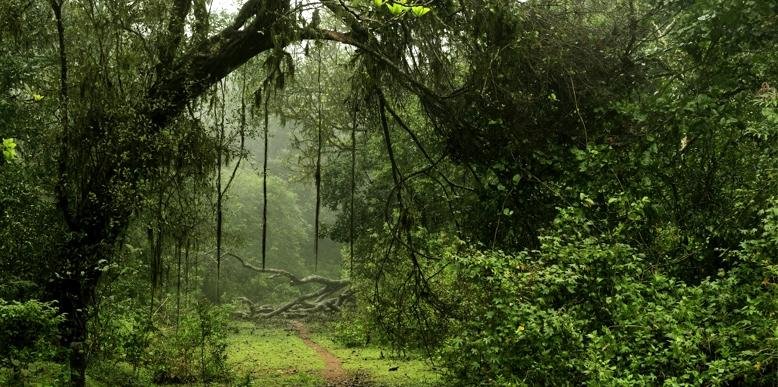
    Unlike forests dominated by dry deciduous trees, Silent Valley remains green for much of the year because of its humid tropical climate.

    Walking through this kind of forest can feel like entering another world.

    The thick vegetation blocks long-distance views, while sounds of insects, birds and flowing water surround you.

    🐒 Home of the Lion-Tailed Macaque

    One of Silent Valley’s most famous animals is the lion-tailed macaque.

    This rare primate is strongly associated with the evergreen forests of the Western Ghats.

    https://images.openai.com/static-rsc-4/esKacHfAnp_UtvLxTVkzHPN0LP0WsBzVEKK_io_zEAhWELON62n2SQ58BYKLV-k-_iJBDhSjmSIql7wlKyyIw-U8vnBFvTb6Hnyc9D-gqZ-0b1m2xdUzD8BayCaD4FfQYfnUNRkMv7Jc57NtTKfM6xIhHlVVyS_QRBkJ81mN_ilevho-ODGHaguLp3kX6t51?purpose=fullsize
    https://images.openai.com/static-rsc-4/7cCZ8xbj1aXc1S4gh986uGIEaxaSNCmnAVaCb9ZDa24T67ICvnJQ-gos0WvG1Iyb6mZgKi6peOk48Jqn-Hc10bdY0vuRZwt3wQpfrcIif-aiYeghzh_2FgEQqdKETKwUAqpjFNnXFCaXeC2occn4pvhpH-Btj0EkPJfdse1MJalipRK73yAej-TzxAWCruoD?purpose=fullsize
    https://images.openai.com/static-rsc-4/H97x6vmflW0fdcDTMUSRflaCM7K3s7-OLrt31sMWbJ7KtRbUX9Ny3KKkf6pYvI5EdVrEeyWRMCGPbctYUmV_y5NQ3bmC1wnNDz09eBIu7RmhP9yk9JhbO0QfUuYQvOOFLxUC2eWoP_RmeEojr3rvBjMAR7eYnzkXlE2NlMXmNj8j-wZdMw6m9k1zOni7sxd5?purpose=fullsize

    Its dark body, silver-white mane around the face and distinctive appearance make it one of India’s most fascinating primates.

    The survival of species like this depends heavily on protecting large areas of natural forest.

    🐘 More Wildlife in the Forest

    Silent Valley supports many species of mammals, birds, reptiles, amphibians and insects.

    The wider Western Ghats ecosystem is recognized for its exceptional biodiversity and high number of species found nowhere else.

    Animals associated with the region include:

    • 🐘 Asian elephants
    • 🐆 Leopards
    • 🐗 Wild boar
    • 🦌 Sambar
    • 🐒 Nilgiri langurs
    • 🐿️ Various squirrels
    • 🦅 Numerous forest birds
    https://images.openai.com/static-rsc-4/7rF0UYJy005Tp6hi06us1heEvzq_Glro0MH7saNHeJ-Rb3Em7nr5gdH_DF7pxgrV6qnWbewOJwYwptSZNArjz3-33HnIPBY5qetdMj5HSUBZNp7GD9M7xujkXkJGY3_MPhlljddbM-AshsioPuWfytZFD43yow7fhlmwob7XthD3jNBWV26OaJuXNxuMQGKv?purpose=fullsize
    https://images.openai.com/static-rsc-4/qnVm8sMc_lpXR5kHYt6Zj_ZIBpujdtFW0y6-eGob5Eq6y-SShRMA-vgbXS-NIwa-372jZjZudo9oeBxC0ZvayghjIlFxR_SkRhxuEWttDD033XN92ZFYup5hOT1p6WmRripg810ZUXwHJqdd2gYBcHC6-w7XXBDPi4e9PyfbqRlcyEj6K13ocvnjd-cEni6Y?purpose=fullsize
    https://images.openai.com/static-rsc-4/a2RrRelTSw8bnswhrhVklwiericjMOZO970YUOBLrvXlGhKjsjLxH1uwWc6MYxFU6elWYlF9-k-5hefGkkr68hCBzZHgt6nSGfYJoyDnHse1JlmY0bsIJCqt2M-pJvU4R8pNz33kzC1aESbMElBAUX8pHH541nqV019zNpQNneK5GKECC1gLU5We7JQWLq34?purpose=fullsize

    🌧️ A World of Rain and Mist

    The Western Ghats receive substantial rainfall, especially during the southwest monsoon.

    Rainfall plays a major role in maintaining Silent Valley’s evergreen forests.

    Streams become fuller.

    Waterfalls become more active.

    Moss and plants thrive.

    Clouds and mist frequently move through the mountains.

    This creates the lush appearance for which Kerala is famous.

    https://images.openai.com/static-rsc-4/5Feq4XuKyuP-eRWO5R0cdMWWUqAwkNZa6po0dqkOkeqcZYIW3lXikGb6rFF7StNa0CgZ-zcBKk97tvWVKVBulhTrbrgtJyqWAzpJ862xIs6NWsM_fRv0tRSMyGKn7BfY0_e6y_6-JCAaMbGVpDF2spLt7ymRyE6B9FH4VdNxLPOXbZNIR6fqNDbxTG5ACcg1?purpose=fullsize
    https://images.openai.com/static-rsc-4/JkFjYNrPEmWZjH64i6AGj6FKgbq-O_brj6pEg8F4ECrMNklAn0Fi-VTaSa5WygLo92b7Lk_ppiQuWsC_fnTM0Q0Xo7Uwon8yfJySuPTlfuslrJ0lDi3V9RkJOmSo0ludMUAjZDskjHnb4ZFAfYFIHYTF5usWCE30t1ofHTSeUSIH1Pkz4stANzlM9AcfmUyn?purpose=fullsize
    https://images.openai.com/static-rsc-4/hONlXrVjIOEn9JGAqVg0kQC8f831fSSQxP_3lzHFociCf30ho3iYmr2b5bPnVBehBxfgKBVBvBo1yVHoO9Hrpjs6-aEM6jHxYPsWanF_0oFShnqQX7ZDqRhQHiMbFzFzmPR84wnVUMc0Gdee2v297dhl_lDJ7dLvEm7L21M6f0LL_8sgQs2uSAcy8dHlvI8p?purpose=fullsize

    💧 The Kunthipuzha River

    One of the important rivers associated with Silent Valley is the Kunthipuzha.

    The river flows through the forest landscape and is an important part of the area’s ecology.

    Mountain rivers like this are essential for forests, wildlife and communities downstream.

    A healthy forest helps regulate water flow, reduce soil erosion and maintain the wider watershed.

    🏔️ The Western Ghats Connection

    Silent Valley is part of the larger Western Ghats, one of India’s most important biodiversity regions.

    The Western Ghats stretch along India’s western side and contain an extraordinary range of ecosystems.

    From tropical rainforests to montane grasslands, the mountains support a remarkable variety of life.

    https://images.openai.com/static-rsc-4/nAENKyoc9Miu-ewW7gs_eWV9h-JmAkf-e3zvEIiC-5_Pvh2aR9njXgTR12khswsk7dhosFyvuGr3W8K0PlrE8JtIeE-rVudQ3Qni0Hikxh12OCZr1SfdecOaUOThwulNVVVhi_Dmxp6mNQvTFc7jOpZPDgX666ZwQeQQC3b1oxbpaO_cJCkae7KPmAJDKbv8?purpose=fullsize
    https://images.openai.com/static-rsc-4/JUtsmce4oXKjNTCo1I3WoZ3f8XKWEMgYs_wJfDywxifMmqmoV9QA9Jp2RPslSigoOt3NMdIBfvIiyvIUILKcEq0aOFXEua2ylk5-wgcZbAvpSJSpwYEfx6k8qLjp_TfCgn-EEixc4XTujZSk3EI12mszVEIDWT5nFFic67zpBbqi3a7Qwuq4E767amPBeqA8?purpose=fullsize
    https://images.openai.com/static-rsc-4/oNtb4Tm1qR8sfWe_Pt-M6puv_p1rkB_VdlFUuPSkZh8OGKkx9W3BmiPkl2KXK9aysdGedrr-UNlNPXArHY0GYZIYO6RsmPxeLoJJ3CmNlaMB4K9Y0bO9Y6MnDtf2QnDLTE93M2ytv7njByLH4RjJbW1cTc_ZgzrFa8qsPdhc3MdmwrrxLALOMKiYz3shvxoz?purpose=fullsize

    ⚡ The Dam Project That Changed Everything

    Silent Valley became internationally known because of a major environmental controversy.

    A hydroelectric project was proposed in the region during the 20th century.

    Environmentalists, scientists and local groups raised concerns about the potential impact on the rainforest and its wildlife.

    The debate eventually became one of India’s most important environmental movements.

    The proposed project was ultimately abandoned, and the area received stronger protection.

    🌱 Why Silent Valley Matters

    The story of Silent Valley demonstrates how environmental conservation can become a major national issue.

    The forest is valuable not only because of individual animals.

    It provides an interconnected ecosystem containing:

    Trees + rivers + insects + birds + mammals + soil + climate

    Removing one part can affect many others.

    Protecting the entire forest therefore provides much greater benefits than protecting individual species alone.

    https://images.openai.com/static-rsc-4/bMXCF2brviLdwGuBByUMki-Px0T0GlojVjd4jsFyfzX73ceRyaghxdQ9utTUP-_nSehOW4ABXTCKXmK-C7VDvUUOAjCgexl76nR9xjJfvNHVA8Z27KrjlTvqsQDEF4h1QjRYITOFO0fFgJ3EStf2SXEIIIuLVUuvaD7EPWauQLdhcAbFKJurkde4Tc6SmFKh?purpose=fullsize
    https://images.openai.com/static-rsc-4/-XSA6bUAjnmahyJ9Ml1FdGSKLjcOZNgxA1YNuwNz1VaRkAY5AdrXLpnZSmjAjf6CfG4XJ68TRpUnb9w_qcXoHoDWCaS7YR8zAb6zCMhyHGf_3IiqIxfRe6JZJnEob_cpeVoNoAcdVL9a213P7GLB9r8JjZ4e67QuU6-B_rGHCDup_oEKUqIk-x_mdUNjX2IV?purpose=fullsize
    https://images.openai.com/static-rsc-4/k8Df8wWuM3plaaPp2KpZ-l5XdXOWOe6Peck3ttnZjhO2IGtOvWyD7nbVhUJarJw2muayM5BgYx7Ih-hLe9Tror9s6jepp_QZd8lgDbmS2Sei9JHT2vbrhYPINlhQaE1Bq5R7vhF0B1icjqXm96WQSmhvwaUljO17yCQPevVtP8BmFmJReHjoyXwuWjiVM5FP?purpose=fullsize

    🦋 A Paradise for Biodiversity

    One of the most interesting things about tropical rainforests is that much of their biodiversity is easy to miss.

    A visitor may notice a large tree or bird.

    But hidden among the leaves are countless insects, spiders, frogs and tiny organisms.

    Some species may have extremely small ranges.

    This makes habitat protection particularly important.

    🌳 Ancient Trees and Dense Canopy

    The forest canopy creates a green roof over much of the landscape.

    Large trees compete for sunlight while vines, epiphytes, mosses and smaller plants occupy different levels of the ecosystem.

    This vertical structure means that a rainforest is not just a flat collection of trees.

    It is an entire multi-layered habitat.

    https://images.openai.com/static-rsc-4/gQ0UzMcQ64Alcn7JIfXZRPRU2B_FQw3rz3woZXtjjnwoE6ftDCHRPFHS22jR2j1WdornUEi4zYnnu7bbwdiLJomToKEQKjOg5BMDe5evtgvo53DS_E81Pix80_kQEtB183hgn_9FDVkjFOv2r3GdJ5wix4xfPamVSE-whYGed5ru0VQ0_ypAF2cO6gPrRdZR?purpose=fullsize
    https://images.openai.com/static-rsc-4/bMXCF2brviLdwGuBByUMki-Px0T0GlojVjd4jsFyfzX73ceRyaghxdQ9utTUP-_nSehOW4ABXTCKXmK-C7VDvUUOAjCgexl76nR9xjJfvNHVA8Z27KrjlTvqsQDEF4h1QjRYITOFO0fFgJ3EStf2SXEIIIuLVUuvaD7EPWauQLdhcAbFKJurkde4Tc6SmFKh?purpose=fullsize
    https://images.openai.com/static-rsc-4/gjluQrOhiQwIEhCLI7sn93p6Wvs-53vo2SkE4xTJPwiYDxKQEkpzn0zgiQ3MN7mSdjwwQLRaOTuXvAoW3SZsXOQzmoLa9si4HacGMGUReOHPIZT9JoSiidEijkee1eaT6nL8xlzBXSnNPzbk78-UkKB3KfPOpbNvs3AKre2IftKsSfqhZUiaAUXOlweBAsB4?purpose=fullsize

    🥾 Visiting Silent Valley

    Silent Valley is not designed like a conventional city tourist attraction.

    Access is regulated because the primary goal is conservation.

    Visitors should follow park rules, stay on permitted routes and avoid disturbing wildlife.

    The forest is best experienced slowly.

    Listen.

    Observe.

    Look carefully at the trees and streams.

    The more quietly you experience a rainforest, the more you begin to notice.

    📸 A Photographer’s Dream

    Silent Valley offers beautiful subjects for nature photography:

    • 🌳 Giant rainforest trees
    • 🌿 Dense green vegetation
    • 💧 Mountain streams
    • 🌧️ Monsoon landscapes
    • 🐒 Rare wildlife
    • 🦋 Butterflies
    • 🏔️ Mist-covered mountains
    • 🌱 Forest details
    https://images.openai.com/static-rsc-4/qjaOEaP9K0hSj-uR5ksMQraeJxI6UzMfmi0VCnzSy3tixGIjrQshCbBBa1s_U9bx5o3FW_uHzv3xDK70OGISywOCRIcse9pDXVOzSZn6r2YNISTYSAwIgYy2SGgHVt112R2wcWjwlkfnUOL4Uftn0DdK0gqebomUfVLIEgVmRnNPCWmb-0nB370faxcp8i9W?purpose=fullsize
    https://images.openai.com/static-rsc-4/bMXCF2brviLdwGuBByUMki-Px0T0GlojVjd4jsFyfzX73ceRyaghxdQ9utTUP-_nSehOW4ABXTCKXmK-C7VDvUUOAjCgexl76nR9xjJfvNHVA8Z27KrjlTvqsQDEF4h1QjRYITOFO0fFgJ3EStf2SXEIIIuLVUuvaD7EPWauQLdhcAbFKJurkde4Tc6SmFKh?purpose=fullsize
    https://images.openai.com/static-rsc-4/np1zVjAIjdKdahAld_14Mqh5-ONFwMB2_uhPHSO4JfN9KBF7dLv7FLKugvkd7Z_cn387ndYYBCOOIiPCaHLIypqLWibUAgGW2w9RzNB1tCpdYYWfS9L5rnBpJmpDM6Uy1FJ0SizzAfRkQjvv5l876C6kLjGR4toBAISqtbi3rQNiE0KhS-dGc8Ild5mC_nky?purpose=fullsize

    🌍 Why Rainforests Matter to Everyone

    A rainforest located far away from a major city may seem unrelated to everyday life.

    It isn’t.

    Forests help regulate water cycles, store carbon, protect soil and support biodiversity.

    The rivers flowing from forested mountains can support agriculture and communities far beyond the forest boundary.

    Protecting forests is therefore not only about protecting wildlife.

    It is also about protecting natural systems that people depend on.

    ❓ Frequently Asked Questions

    Where is Silent Valley National Park?

    Silent Valley National Park is located in Palakkad district, Kerala, in the Western Ghats.

    What is Silent Valley famous for?

    It is famous for its tropical evergreen rainforest, biodiversity, lion-tailed macaques and important conservation history.

    Which animal is associated with Silent Valley?

    The lion-tailed macaque is one of the most iconic species associated with the park.

    Is Silent Valley a rainforest?

    Yes. It contains tropical evergreen rainforest ecosystems.

    Can tourists visit Silent Valley?

    Yes, visitors can access permitted areas subject to park rules, regulations and current conditions.

    Why was Silent Valley important to India’s environmental movement?

    The proposed hydroelectric project generated significant opposition because of concerns about damage to the rainforest ecosystem, making Silent Valley an important symbol of environmental conservation in India.

    🌟 Final Thoughts

    Silent Valley is more than a beautiful forest.

    It represents a chapter in India’s environmental history.

    A rainforest that might have been significantly altered was protected after years of debate and public concern.

    Today, its dense forests continue to provide habitat for rare species and help maintain the natural systems of the Western Ghats.

    Standing beneath the rainforest canopy, it becomes clear why these places are so valuable.

    Some treasures are not meant to be built, owned or developed. Some treasures are meant to be protected. 🌳🇮🇳

    https://images.openai.com/static-rsc-4/Q1JxifbKDfRRzDKN2_te9d39UzZVfV1CbjwRWZYDSgtAqQCk6cJsJpnjKfdvo0Csdt6ZMolGsH0ftOa8wHtjFFviRej3ndTWNH3Ze58daLdKXruBrXj0znRApsR6yaY7w9v9Jt8EJvj6j_OPBX-D5-U7IceVl-lAPgwhhRbO8ML-IDEaajowEEgS427YBHPL?purpose=fullsize
    https://images.openai.com/static-rsc-4/a2RrRelTSw8bnswhrhVklwiericjMOZO970YUOBLrvXlGhKjsjLxH1uwWc6MYxFU6elWYlF9-k-5hefGkkr68hCBzZHgt6nSGfYJoyDnHse1JlmY0bsIJCqt2M-pJvU4R8pNz33kzC1aESbMElBAUX8pHH541nqV019zNpQNneK5GKECC1gLU5We7JQWLq34?purpose=fullsize
    https://images.openai.com/static-rsc-4/bMXCF2brviLdwGuBByUMki-Px0T0GlojVjd4jsFyfzX73ceRyaghxdQ9utTUP-_nSehOW4ABXTCKXmK-C7VDvUUOAjCgexl76nR9xjJfvNHVA8Z27KrjlTvqsQDEF4h1QjRYITOFO0fFgJ3EStf2SXEIIIuLVUuvaD7EPWauQLdhcAbFKJurkde4Tc6SmFKh?purpose=fullsize

    🇮🇳 MANA BHARATHAM

    Discover the Stories Hidden Across India

    From India’s forests and wildlife to hidden destinations, history, culture, heritage and fascinating natural wonders, MANA BHARATHAM brings interesting stories from across the country.

    🌐 Website: allpincodes.online

    📖 Blog: MANA BHARATHAM

    Know India. Explore India. Celebrate India. 🇮🇳

  • 🐅 Sundarbans: The Mysterious Mangrove Forest of India

    🐅 Sundarbans: The Mysterious Mangrove Forest of India

    Imagine a forest where the land and water are constantly changing.

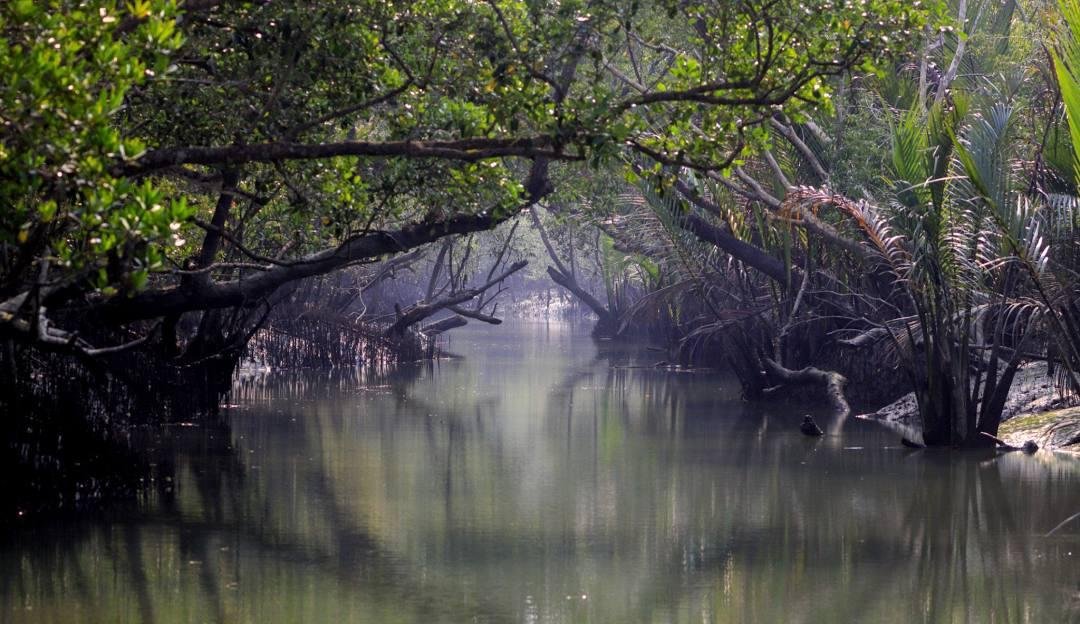
    There are no ordinary roads running through much of it. Instead, rivers, creeks and narrow waterways form natural pathways between dense mangrove trees.

    Somewhere in this vast wilderness, the Royal Bengal Tiger moves silently through the forest.

    This is the Sundarbans — one of the most extraordinary forest ecosystems in India and one of the world’s largest mangrove regions.

    https://images.openai.com/static-rsc-4/yjyMxarqgJl7qjTpdU5Ey0fM2OTCcHjacXrjkTqQx9aJZttyk8QZBuRMJ0fl40mwjPE-IsrXH-REJ38tFRgkNcu4osP0wCFy_uGE0i_U-oTxadX6l9W3QPLYJy3hMsx1um5DoUUA4HAIV4MrrldVSrqfDzS03_GE7OncjYTpaceGrNowYqoK90hgZbgJP6C5?purpose=fullsize
    https://images.openai.com/static-rsc-4/kS0uf5kIAB_90GYEeWgKPqZ-yBfIYye93QAjOrBCwLvkkokJjyAw38hseS6GgMFuH4fM1qMIugyX7fxQHtlcjECZ7r4JZ___vtP77uXCs4ijpFR95qRNj8apMTrvWGCzim_IQ1VEKOeaTQo1-apUqs6A4JjRBQ-WVI0GzZ8rAM2siUpIU_Ah3zfc-FU0LE3J?purpose=fullsize
    https://images.openai.com/static-rsc-4/mn9mrLe_lFDFbYoC7QoNti-r3nlw6DdEx0aUDlvkMcH2gkraAI0tMK0_rjAXCmS8j_XkNNnFIO8uf3Xl9s-MnQKZ9EH6C60bAsvaSz31GAlj7hb4y56_ZOVK118SRRe-FBfdVqhT9BPuerR2wcJ-IjLR15bo9FjlfGcgvsJXOM5HW0jmdP0In46rmfspLJ2z?purpose=fullsize

    🌿 What Makes the Sundarbans Different?

    Most forests are dominated by land.

    The Sundarbans are different.

    Here, forest, river and sea are deeply connected.

    The landscape is made up of islands, tidal waterways, mudflats and dense mangrove vegetation.

    Twice each day, tides can dramatically change the appearance of the waterways.

    An area that looks like exposed mud at one time can later be covered by water.

    This constant movement of water makes the Sundarbans a truly dynamic ecosystem.

    🌊 Where Is the Sundarbans?

    The Sundarbans stretches across the Ganges-Brahmaputra-Meghna delta.

    The larger Sundarbans region extends across both India and Bangladesh.

    The Indian portion is primarily in West Bengal.

    The region is strongly influenced by freshwater rivers flowing from the Himalayas and saltwater entering from the Bay of Bengal.

    https://images.openai.com/static-rsc-4/CKnSVP_QhIQxjLzCaOrqy7zkkRxBfSYUKSegMm0vOtP5t4xhB4WRW1oLr4iUAgFul069FWrbk62ik2NSmpTxTVscmygcxb1Q0fr2bo9T5Ryh81isLCh_SoS-MFO_NIpOGYkmThwFLkItdGGRi1dRxSRGBM8ASYpbGXlFfIk-fpoxLTh94V1g8BBXu8A0_2xY?purpose=fullsize
    https://images.openai.com/static-rsc-4/22Q7I8N6bLhZ3331D1n2cn0RnD6jzU8UlY6neVDLzqHY_pHZeb_F_4pVPt4pEwtMK9amGgkElbXDm35LT1hTsieq_td2_FQf3JAyr9U5YTbT93VerYoDxFBqoX_rDc7e3eKoWReW36fMSoHtbMfFIhGsFOi011cdWZLaFwiJ18N1mJqj-Qd2M3FofcrZISGq?purpose=fullsize
    https://images.openai.com/static-rsc-4/DGQvm9Ki5aI09oJhbCxWvQTUkgjVZdx1XlwUTF_TYxsVVcsLKtp_AkGidVK7voz0YgLX6eFfF-a-1gguoAUq2HQBVMS2oQtFJyVK21TF0j4Ch4jraVnI-y91SBAUEHQvlRrfalKd1CBz5-zRMB34zkKU9KzCEfYIi054G4YcTIKAsYFWId2NVyvvC-xndYN-?purpose=fullsize

    🌱 What Is a Mangrove Forest?

    Mangroves are trees and shrubs that can survive in coastal environments where freshwater and saltwater mix.

    They have special adaptations that allow them to live in muddy, waterlogged conditions.

    Some mangrove plants develop unusual root systems that help them obtain oxygen from the soil.

    These roots also help stabilize the shoreline.

    In the Sundarbans, mangrove forests create an intricate natural network of roots, mud and waterways.

    🐅 Home of the Royal Bengal Tiger

    The Sundarbans is famous around the world for its Royal Bengal Tigers.

    Unlike tigers living in many other Indian forests, Sundarbans tigers have adapted to an unusual environment of mangrove islands, tidal creeks and wetlands.

    https://images.openai.com/static-rsc-4/D24qRBWYPRqL11BHhsxlxqPTaSoWzuZj2BQrY3jT5b8Ud9jm273wEZ8jC40yJEqV_g7pX67EBXB8GUaQ_riHX9QMi2qI0WMwLBWpPgL1UQeetcKIuiwF_6xgNH10EIz6IpjvF9NYq8_SHTbo6NxEblfGXKmz1JsPYbCiB63XNBwSVsGYDtbu4uMwhsyQhRR8?purpose=fullsize
    https://images.openai.com/static-rsc-4/impUFIFF-_7FKGuxYbaWtyd7-m7EA69KyFi0gr-yDz0Q3v0I8kATNDdrGoAnSli3JDJXvsoARqDLxCMzz5W287_rh-30-ZfQ8S1UbY2JTi4Cbt0FLkLIjeZRXKEsWiCOLu1WmaUtOGHsL0WWq_tz-L3A-6_z-J9MJo62q3qNXnwAjFs2Y_beC0byb_YtKS0p?purpose=fullsize
    https://images.openai.com/static-rsc-4/Hf3-dI-Viq6qdMREtemepcXbOaiyZiGXWysmhFpPOgTDfBBCeuHX0fHgCEH65HOrAT-8gzfYUZEiYV6KVHE2ESZ0lPMQSaCgter6D8vgwtV-XBhqG3i9vEvEKQcVou0q5pxTV2GeHlutMIpsJICH4tZmr-bcCDq3rF3k0RtxB2guGsmic817MURvkr-0Xby4?purpose=fullsize

    Seeing a tiger in this environment is difficult.

    Dense vegetation, muddy terrain and waterways make the forest challenging to explore.

    That difficulty is part of what makes the Sundarbans such a fascinating wildlife landscape.

    🐊 More Than Tigers

    The Sundarbans is not just a tiger habitat.

    The ecosystem supports many different species, including:

    • 🐊 Estuarine crocodiles
    • 🦌 Spotted deer
    • 🐒 Rhesus macaques
    • 🐍 Various snakes
    • 🐟 Fish and aquatic species
    • 🐦 Numerous bird species

    Each species plays a role in the complex food web of the mangrove ecosystem.

    https://images.openai.com/static-rsc-4/94oCj_9ERMqXCBxbaIAVuX4Fk2dUpYJnDkXkpQjRoRYE1PGmhANpwZb8fGjX_5ir0Kt1Th7v6IW4lBP6Op8RPUTJGvKuZuI7rEGR2NLFObpCqqFCHoFOip6Ds7NNop88ESEcYotn7kxjIDF07aND5LJQweWG0N_Of-hpxFszOngl1p29VcSs66O35xWtydfI?purpose=fullsize
    https://images.openai.com/static-rsc-4/Wub2IrINEm44Vxyrh6Vt5rCOMqyPb_Det6SuukkTz7Uyiqi4abdVwqHmxWVhA0bx9bYrEokaVYEHp_JUZwidlD2JLwLYYWukJgaw6LNqSFjjmrFfL3YCEdghowXwcunJU_LTFqO_m91rMs_Vr2sDbDSEDUxHPOlmP1GeUmAP-PtNssag8vNFpt5--C3Fl7b-?purpose=fullsize
    https://images.openai.com/static-rsc-4/u5Ryufpx-x6MB-0Ziw4EFb0moiYBGXYciywRw6aZE5N2m18e2qJ864Fht0onGpRbuOkAQU96XlmLAPtVPej26_RVW81NOBbkfXsq7lRDgta66ryBvp7U-RriHUN10JgnujUXn7PqcqONp6RWk3qkYGiHk8NuGWwOw9Zg8k2zyLzpFsFSLxToVgn77mSfuH3T?purpose=fullsize

    🦀 A Forest Full of Life

    Look closely at the muddy edges of the waterways and you may notice another world.

    Crabs, mudskippers, fish and other small creatures live around the tidal zones.

    Mangrove roots provide shelter and breeding areas for many aquatic organisms.

    This makes the forest important not only for large animals but also for countless smaller species.

    🌊 Nature’s Protection Against Storms

    Mangrove forests provide an important natural barrier along vulnerable coastlines.

    Their dense root systems can help reduce wave energy and trap sediment.

    In a region exposed to tropical storms and cyclones, healthy mangroves can provide valuable protection to coastal landscapes and communities.

    This makes conservation of the Sundarbans important not just for wildlife, but also for people.

    https://images.openai.com/static-rsc-4/F0ZQ_7dtg5IzNWpjkQeYka-2I6H5ujtRT2n8PBXt-buA2PIa_vizvhPbhtKPMv4S0s48EoWD772bThM9Hdy9aKAaAmrUYdzp45NV5cl-4QcthFqAfz_uVFJbL6szB2U7yyDYPeFimMvUnNZM0ciDDRzPB4xsSsiNW36LIwGKhin8GtmBRnCZfLAGyBLF_SzV?purpose=fullsize
    https://images.openai.com/static-rsc-4/ZlE_FD6bhYjUlEgzhMrzvE-LKT_6exL3tZZ52xOkuXoq0llVnKhV-X8HzXZsJ_cLkcCe4AdtN8p7ZalvMPnCLMk0kJi9MUHtJgWIhKhF8SAoVR_SHGsTypGOkcuXdMdMwETfub9ihylayPxbFpPWzztexLJbQ1xo611Ndni9qChd9p2AI2edqyrz9A8sCifq?purpose=fullsize
    https://images.openai.com/static-rsc-4/So98x5VOyE5krR4DTelpnH2OdW9F-nkLpv0rGdwTVlTuk4Zny7-AvK_OJ4m13gmzaGpabzf9Ol5dftZ68olCHHKQGmEz7wK7BK99MokwTRgBNXV0206ixXbh6wIGFsova-ay7L97Ueq-OTEuK3GJ5y-0rjRWHkGnQ7uatk5Tql0P95sgXDc9NSlgK7jGVJIu?purpose=fullsize

    🏘️ Life Around the Forest

    Many communities live around the Sundarbans and depend on the surrounding environment.

    Fishing, agriculture and other traditional livelihoods are closely connected with the region.

    For people living near the forest, the Sundarbans is not simply a wildlife destination.

    It is part of everyday life.

    This relationship can be challenging because the same environment that provides resources can also bring dangers such as storms, flooding and encounters with wildlife.

    🐝 Honey Collection in the Sundarbans

    One traditional activity associated with the region is the collection of wild honey.

    Honey collectors enter parts of the forest during designated periods and search for wild bee colonies.

    It is a demanding activity because collectors work in an environment where encounters with dangerous wildlife are possible.

    The practice demonstrates the complicated relationship between people and the forest.

    https://images.openai.com/static-rsc-4/_SLOuqipz-cbzkzoOB2IMaNJFv0IpMX_XWWAjaCYXE6YscXObIHQTsLDx_31z_9dOXVBhQIwoYWQDBikQqleavaLyPpua-oFNBxm4oWKM_pQFiVLufDxTCfMm8hWjw4QxIoG0G07Jz_GcsSh9dat5ekYhC4VgAl1rO9-UCOIwSUrcC8z28JlOO-GXBSiGY-p?purpose=fullsize
    https://images.openai.com/static-rsc-4/nbzEB--9OevDKCx6Obqw30tS06iNi-hG8SvySLUHp3aXvT68ekHQuAZ3UdnREbLL8uGaalOOP7MRroVjZcYh5cbdo9TkEiivs4fFuzfRn6LLlmJlCH-tUElocBlpYcIN8BbMpSQyClIVItLINzUCz5AFpqQ4y69T5d2AS9fq4cyWVwMvtaORMmwDvzRcSvPr?purpose=fullsize
    https://images.openai.com/static-rsc-4/TUX2fQJV_kvk0ekpBy8H853oXFW_G3HGg1QNcICpPzwwOk0ddTsUNtPcESiz1VOZCy__Nh8axX2xarWiFuNwOXvAc7YT0rGonThGF4vJrO992m4I4TmUpHUqnusIyE8LimhBQsYSBT_hx7gyuE4Ga2eQ0zKGBPMeQjRPZs2vSTNKfJ5S8Dghs4DJJt3pu_hW?purpose=fullsize

    🚤 Exploring the Sundarbans by Boat

    One of the most interesting things about visiting the Sundarbans is that water becomes the road.

    Boats travel through permitted waterways while visitors observe the surrounding mangroves.

    Instead of walking through a conventional forest trail, you experience the wilderness from the water.

    Sometimes the forest appears completely silent.

    Then a bird suddenly flies across the water or a crocodile may be spotted near a muddy bank.

    The unpredictability is part of the experience.

    🛶 Why Boats Are So Important

    The Sundarbans contains countless waterways.

    Boats are therefore essential for transportation, tourism and many local activities.

    The waterways also influence where communities can live and how people move between islands.

    https://images.openai.com/static-rsc-4/nXsm24KfmZGTlb7M6Q3MuVAQd7DotdHzMt28likin8aRpQjZEoHogAM-t9guDpYNZejCJ-zZFRaHX7O0wYzXhUorY2QC0AIsWBrWsHso33PzgZ6OZU1THZoJioC1q83pDOmDR6TtjU__SKXIGLv1Vcrgelw6kfsPjCY4WUg8nGAt9hpg-bhS3NXBZcYYLPEC?purpose=fullsize
    https://images.openai.com/static-rsc-4/sGGoaQb1yA5HcPseqoQ5CXTdSXFnLT7dWMPwUWKSfUwTv0ooVVb7684PfgRQc7MsDfitHyry4gqrV4vvvmpERYz3N2U-NHW_ssnRv_ookeWvQEPUkr0KdkTgYWDhqyALGsVYlA4P77dl5P8W2fMA-kS8cF9DzZbiyBuzO6a3-stM7HndmT6X9Chp6ZDdsNwN?purpose=fullsize
    https://images.openai.com/static-rsc-4/xjEcDLrrlph3pKyAb8F0YtH5whkVnYhPP0L1iPz2JSRhh0WsSBGvZ9i-nbX109jZEIswbOWWLYgnD5OLPca1yyH1pYynkDpd3_uP2c5B4YpioqwRwAn4KoT_uXHnwm5rkUeX0rTi8J1Gm-ZaiDy53YPsWmb2Y8Fj_aYM8N_acbqkm2B918evZzk-F6fDHxxR?purpose=fullsize

    🌧️ A Forest Under Constant Environmental Pressure

    The Sundarbans faces several environmental challenges.

    Climate change, rising sea levels, coastal erosion, cyclones and changes in freshwater flow can affect this fragile ecosystem.

    Some islands have experienced significant erosion and changes in their coastline.

    Because the Sundarbans is built around a constantly changing delta, even small environmental changes can have major consequences.

    🌍 Why Protecting the Sundarbans Matters

    The Sundarbans is important on several levels.

    It protects biodiversity.

    It supports local communities.

    It stores carbon.

    It helps protect coastlines.

    And it preserves one of the world’s most unusual ecosystems.

    Protecting the forest therefore means protecting both nature and people.

    https://images.openai.com/static-rsc-4/Mtr3Irmz-7ux37ZE_PkkV3s2SnD8xLlp05VP_6VMH83Heo3xxvisO351WhstpcxOD-2ljX6usqlVhoJ1p9PpHbegD-Pj66w7-vdoKm5FS3Xx0KDpiMamERFq0zBT70shfjROAqcLQR--jsKDAPuOnolzi5jZpDz95wgP2GAsFJt7b5Ylpn0HlFBHXh0bODqC?purpose=fullsize
    https://images.openai.com/static-rsc-4/cLiisE7HwgJ2Ozav0ditO6LxHUtvU5FChFd9P9Viw5tKvmfX0wSlRJhMdrKklQ1RDiYa4V5eTnvVpUbDPa4g8cWJStNw8io-8BH03qhBrxmccPY5svVjxmOWoLuUP-HydRPPOJZR87CJsPaNwJp0z62YdjnKGy_xegPQydnoeKuoLVorQK8r7_wY4gW1sdVG?purpose=fullsize
    https://images.openai.com/static-rsc-4/IZFyIH2HWVTjsmB8f611WBFAXB34IVSD9_QNgatNQigrYTlbGGvTMBCZEhrkcEJXUEBJeBrjfwOFbdeyZsBq9j3bCMYPn9Za7Gb7M135R5zwqCGeHWP5u2YJdzF70ehnz48EL0lfENe5LRmQfPoZVOz_7QeG-H7yNL6oGYXPnp1A5HGOmyGYgBPhVC3kNw4w?purpose=fullsize

    🌅 The Beauty of a Sundarbans Sunset

    Despite its wild reputation, the Sundarbans can also be incredibly peaceful.

    As the sun begins to disappear, the waterways reflect the changing sky.

    Mangrove silhouettes appear against the horizon.

    Boats slowly move through the channels.

    For a few moments, the enormous forest seems completely still.

    https://images.openai.com/static-rsc-4/vXjsiG9TcZ_b9YgGuW7WnOPdTRl5oAnwPo28fWlJAjKgKkLJTS0dowhFSI3iMGjeGEk_gy9q0Njf14MO5HkkbXPsYbTPkevHku8lalkA2Gaw_YmCzPnDmkZUK3LxvS8GyyLC25tdrBPl6joCNZVqsVOdfB64bpT1O0QwhNYP1uej5Xs2gsF8CmgNBMEIzEmX?purpose=fullsize
    https://images.openai.com/static-rsc-4/wBK9WxggBCQ7Gf7yEhh7xG9JbxY3q-hTj0z5BFAxGiKJVxhGTkFqfZt2YoHoT7F3gkx667ddMGnSDQtao55ebmHgAZAIJU_rekT3vOKWK6PQdIVGPkgu4Wfu8uQ77SeTcw-yyQ4wrSAtcuPHTjLV7Q0hdUR2ctsgQ3mrU5AmocTWVOL9dcTxHw7WbfJoztcu?purpose=fullsize
    https://images.openai.com/static-rsc-4/RH-Tilm7Kw0IYn3abqBWZ9y0g5VCqV2yjRK4Q7wcVaOyqWW_CseH9v5k5_Ayyqp3jQfztnNXxVWF3KNpR52_I9i9-HeEjw2ge0GS915uYxUBSDlUQJsdeIW6TSR9FL9ZhwroHoo4-SFhhi2Lve1YQJJjGLjN1ryWhRVSviRwuoSda7uBBhNp9qu2eTRjsI18?purpose=fullsize

    🤯 Fascinating Facts About the Sundarbans

    🌳 It is a mangrove ecosystem

    The Sundarbans is dominated by mangrove vegetation adapted to tidal and saline conditions.

    🐅 It is famous for wild tigers

    The Indian Sundarbans is an important habitat for Royal Bengal Tigers.

    🌊 Tides shape the landscape

    Water levels change dramatically with the tidal cycle, constantly reshaping parts of the ecosystem.

    🐊 Crocodiles live here too

    Estuarine crocodiles are among the reptiles found in the Sundarbans.

    🚤 Waterways are essential

    Boats are an important means of transportation for both tourism and local communities.

    🌏 It crosses an international border

    The wider Sundarbans ecosystem extends across India and Bangladesh.

    ❓ Frequently Asked Questions

    Where is the Sundarbans located?

    The Sundarbans lies in the Ganges-Brahmaputra-Meghna delta, with the Indian part primarily located in West Bengal.

    Why is the Sundarbans famous?

    It is famous for its vast mangrove ecosystem, Royal Bengal Tigers, tidal waterways and unique biodiversity.

    Can tourists visit the Sundarbans?

    Yes. Tourism is possible through designated routes and permitted areas, generally using boats.

    Are there tigers in the Sundarbans?

    Yes. The Indian Sundarbans is an important habitat for Royal Bengal Tigers.

    Why are mangroves important?

    Mangroves provide habitat for wildlife, help stabilize coastlines and can reduce the impact of waves and storms.

    Is the Sundarbans dangerous?

    It is a genuine wilderness environment. Wildlife, tides, storms and remote terrain can create risks, so visitors should always follow local authorities and trained guides.

    🌟 Final Thoughts

    The Sundarbans is not an ordinary forest.

    It is a place where land becomes water, freshwater meets the sea, and forests grow in salty mud.

    It is home to one of India’s most iconic wild animals and thousands of other creatures.

    But perhaps its greatest lesson is about balance.

    The forest protects people.

    People depend on the forest.

    And the survival of both is connected to the health of the ecosystem.

    The Sundarbans reminds us that some of India’s greatest natural treasures are not monuments built by humans.

    They are living landscapes that have been shaped by nature for thousands of years. 🌿🐅🌊🇮🇳

    https://images.openai.com/static-rsc-4/mEmH6OhCO3sbNyI5KXQ7WnfzFtr5jyCEfapzgjzJJQpgpfHLjFsgOqdjWL8_MYlohoJvnHZ00fTE7CsvD2fUfCeLmkS4ohqGQ_uIv1_dakli0l7lDGVuQNUmDKSTrCecCaI_S-VzLU37NeMWO7JHJXtmdpjmaM0Ij5w3ckweFfq_1VtEeKSeYcDorEDqsbJf?purpose=fullsize
    https://images.openai.com/static-rsc-4/HY2LWSnx0mrcYf7H8OZq3wB9MZuNESO9DnbQBap-58HS7bXB7f_IYDMJ6-5XhR_sxKkP2dtJ3HYWXOGuXHfBPUdjM2F_JfCXiN_BKe_QiOOcqTNhrikuqLjjW7gzSYSMH_kCH5h9w6silOMh9Zbnn072sK9NX9pVkpde9uU_B2GUD63mfkUlR-hY1enmOdZv?purpose=fullsize
    https://images.openai.com/static-rsc-4/22Q7I8N6bLhZ3331D1n2cn0RnD6jzU8UlY6neVDLzqHY_pHZeb_F_4pVPt4pEwtMK9amGgkElbXDm35LT1hTsieq_td2_FQf3JAyr9U5YTbT93VerYoDxFBqoX_rDc7e3eKoWReW36fMSoHtbMfFIhGsFOi011cdWZLaFwiJ18N1mJqj-Qd2M3FofcrZISGq?purpose=fullsize

    🇮🇳 MANA BHARATHAM

    Discover the Stories Hidden Across India

    From India’s forests and wildlife to hidden destinations, history, culture, heritage and fascinating natural wonders, MANA BHARATHAM brings interesting stories from across the country.

    🌐 Website: allpincodes.online

    📖 Blog: MANA BHARATHAM

    Know India. Explore India. Celebrate India. 🇮🇳