Tag: Indian Heritage

  • 18 Mahapuranas – Part 4: Shiva Purana

    18 Mahapuranas – Part 4: Shiva Purana

    The Shiva Purana is traditionally counted among the 18 Mahapuranas and is the fourth Purana in our series. It is one of the most important texts connected with the worship of Lord Shiva.

    The Shiva Purana contains stories of Shiva, Parvati, Ganesha, Kartikeya, the divine family of Shiva, sacred places, creation, devotion, spiritual practices and the importance of Shiva Linga worship.

    https://images.openai.com/static-rsc-4/nm41vyfDBd8liJujHjnBWi_0jyshcFp8UeORdoCT9fa7iGrtMl_hV3rCmVRyQ5AASJ9O7wUpRaWdNo_EObuSh3Fb581To6uy2bxWP4d5xOby9gPLXHUYmbKEp-kWUjl-IcNtNUU8X0n_wB1jRqXknSOOwOMiCYqX0wvs_d5Yzn0ElpqARFQvZu_4fnxHfsrg?purpose=fullsize
    https://images.openai.com/static-rsc-4/GlbwKplkUL9Vet3rr209emWjIDIS9mOz2Wzv6APJ5FCyDlCBrx1D2BHNmfvTLVAxi1iVHy13KkA_XzHoQQg8YpouoA4Jm32xau56ZDuG8OLaCU41V_L-dLaGDMlOSuWUZ4RtPE01PDZ9yP62Lzk60R0r4KG3skOijjjiuKBdKQhLPWxTLXMJ6PCMlMT5U6k1?purpose=fullsize
    https://images.openai.com/static-rsc-4/rg8KFiBdgKyQ2HUH6U3l4tfKmFYYzHH5NLfenMURLcG0ceg_3-yFkCP5-bV3x1Q-2El6wk8anMhtJxVWMtiMLajQjyUX52q8DvZmCFa2lJTjc6lQ08U0mPIOSQAUm-VDNTKDxcJModh5l9gkYvGwJixem4Xyhd7QT0LBYZ_viC9NcnKmPmvG0aBS_sCZK-Jn?purpose=fullsize

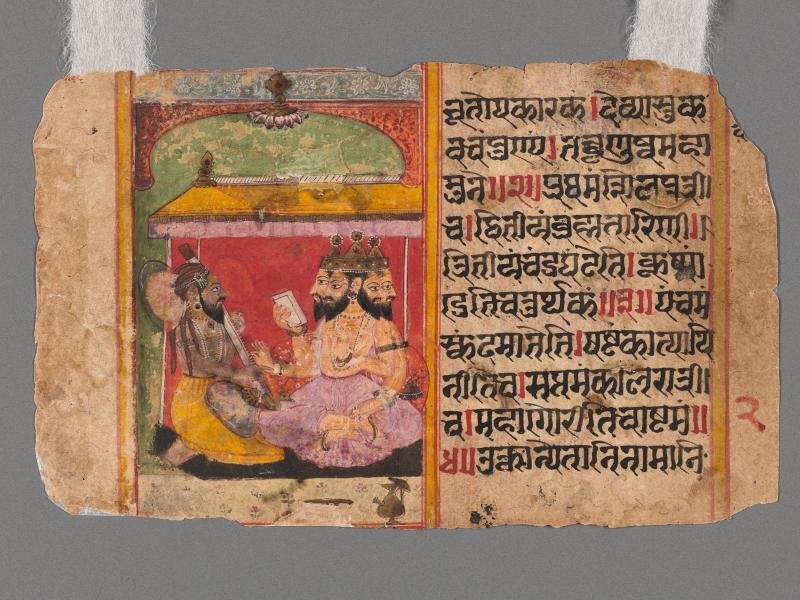
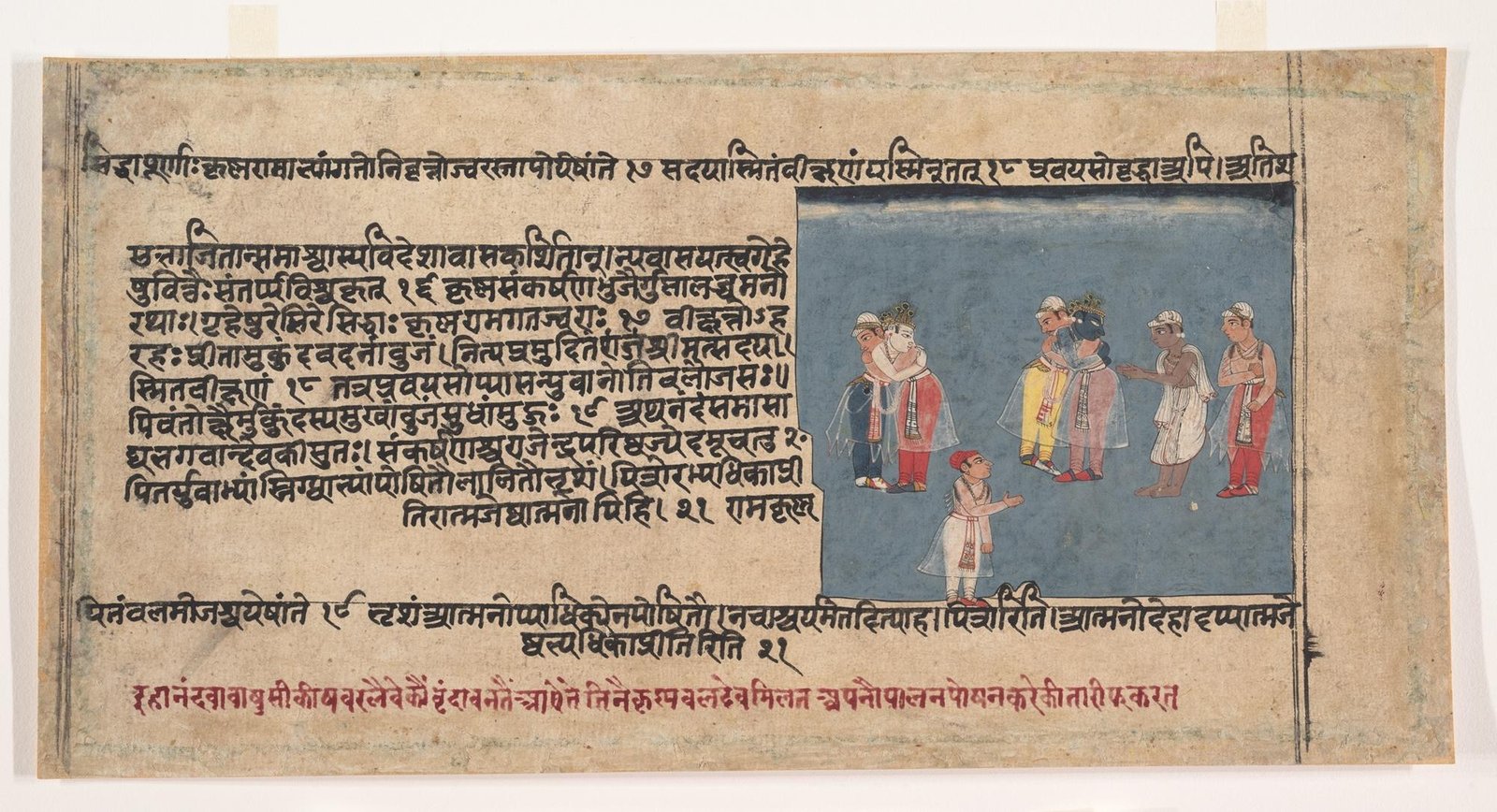
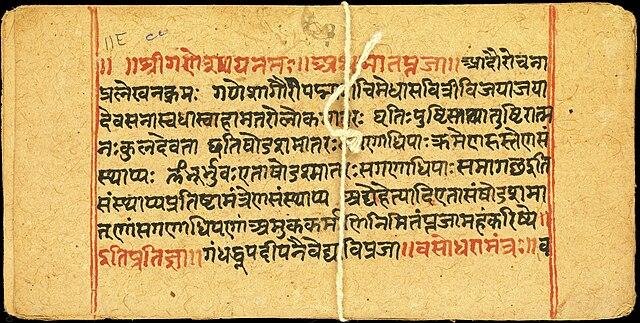
    Image ALT: Ancient Sanskrit manuscript and traditional depiction representing the Shiva Purana


    What Is the Shiva Purana?

    The Shiva Purana is a major Sanskrit Purana traditionally associated with Lord Shiva.

    It explains different aspects of Shiva’s nature and contains numerous stories that have become deeply connected with Hindu religious and cultural traditions.

    Major themes include:

    • Lord Shiva
    • Goddess Parvati
    • Shiva Linga
    • Ganesha
    • Kartikeya
    • Creation
    • Destruction
    • Devotion
    • Dharma
    • Yoga
    • Sacred places
    • Shiva temples
    • Jyotirlingas
    https://images.openai.com/static-rsc-4/sWvcH0sDr5scHpkk0IHBzfCFii0Laj7oXVH8UFAwNpSdxOBiaPxEje8FCIZWFFKcL9ZCEsfHrRVHplv4oUw5M6753bX4NKfnMtrO3by7WBoXcCLuNvNwksi4wsTiUS5WGkV4uBhOn3IaMLHqJdX4n_xwMrT5A8PZhk5EJipAi3HUf_4sHcTEQclXC2YA-nol?purpose=fullsize
    https://images.openai.com/static-rsc-4/Uks54cbwGQRIrUAKbGyPgX27qBKyFlcGU2wK6GYJptQ5A0RKyhmS5f5j3JOktg6Yf-zReR80WgaJa0xgFDrvn4vFUwV_QXYoVI4uGFfmgpGWVugQ8hrCx_Sf51cqJMJutAmlhqy02exAsmiIgtoLtscMDLsWiRTYN-KfHigNKP_SOzDhsH4FQl5pJMGaUTjF?purpose=fullsize
    https://images.openai.com/static-rsc-4/0Xfz0YKe1AU6MB5R-yQsnrVjD3sPQOLBDTaDFoBjoXqtHIvE_Dz1CkeugaNdm4kKnlxKURy9BpqgwVQsYAlz8xT_2Lv1bDObaxw8EU97Y3euxo9XxzcfJZVBpz6BBwnQVD6mqb3xdwOejUjl9H-uIcUDoP5pJ3BuKgS-OlAobZKWdGOPqhJ-Oy7BExXHaK-W?purpose=fullsize

    Image ALT: Lord Shiva and Goddess Parvati representing the central divine tradition of the Shiva Purana


    Why Is It Called Shiva Purana?

    The name comes from Shiva, one of the most important deities in Hindu tradition.

    The word Shiva is commonly associated with meanings such as auspiciousness and benevolence.

    The Purana presents Shiva through many different forms and stories, showing him as:

    • The great yogi
    • The compassionate Lord
    • The cosmic deity
    • The destroyer of evil
    • The husband of Parvati
    • The father of Ganesha and Kartikeya
    • The divine teacher
    https://images.openai.com/static-rsc-4/w5abJHX0EfS7HdTToRWKORy7ILWOotDZyK_Kj1YSWT1ricjN6_TFdUiDi1y9-svMNUS228dUUazMmxKxoBUzsysMh59pGkCIww01yEzmKNxAP9AiHoA5oNKSa8WJT6sQqk7A28L8owmQSbFQUCy9VZqonVtah4L9vkGrdSfM32-F2mgQ5hdXNLu6XNA4jrsw?purpose=fullsize
    https://images.openai.com/static-rsc-4/XddYTR3IWwLmH5HNKWrn64Latv6DsckGZ-b2a4q51aubIOxbSMljMHjXjCQ5bAaXo5QXR5AOqDqA0rUIhpVIqEgNBm5RxNLvfjdrQHAjRqApLr9AhtRjgckNGHH-5I9u4O07Cb89OKkIYtDZslkEQEw9Ybm3Wo-XCAWDBHISWkZ0oKGsCb41RIChwQWE1pNl?purpose=fullsize
    https://images.openai.com/static-rsc-4/4U6fysuTMb5jjGdX03yH7hm2kX1W-f610yX4JpTWyMW8n3AJ3CBFlwbZboUkC9LvTrMiQUah_nPXPvnmJbVotbs5Sg9MSOMNvB9YF4ax7VG_JrS09x2qnlj-ULJTh3YRl11tRKNItsKCAzUZvsSvqeXRAsaUItCUPDHy3YR0ALpVHqkSapRFXsH2zjPz-NRC?purpose=fullsize

    Image ALT: Lord Shiva in meditation representing the yogic and spiritual aspect of Shiva


    Shiva as Mahadeva

    Lord Shiva is often called Mahadeva, meaning “Great God.”

    The Shiva Purana presents many stories illustrating his extraordinary nature.

    Shiva is simultaneously portrayed as a powerful cosmic deity and as a compassionate figure who responds to sincere devotion.

    https://images.openai.com/static-rsc-4/0PfZOC8KqCHJ4eRz0_nc6ejyEIsF4X23b6gUru5eQn2WH8zlvAns_9vbGu0NvGuWKL6Stv0XiZ4j4nom8mO3VNPKWEsYzczKdRUgml1qtLGc_pF5inNhiBsTWC97WWK30DYq9mgSiwiTCSA8c-T6XrHjn_nlgXlcQZeON4X10YyjKf6kcEjuqYIiSIP-1b-h?purpose=fullsize
    https://images.openai.com/static-rsc-4/4ddZOpWJx_uzik_2_kXlho3Kx9IFAtqEXVmnJ-iGapuJWQOR9NiyQUvUF1tQPbaNU1DaKzQ6nfdgIDPlsu7v1uVkWpD7gsRCHqs1ydV0WeZjtnUwKGO3wOuzLKBuPShNPBYHu5Fvb-2eIe8Z7YaplN3rPGrgqzXebBmChQhjQQfskaGhcmLQ8udxAqUt2ugh?purpose=fullsize
    https://images.openai.com/static-rsc-4/BHoLGzQSSb3LyqLmH9nvZxS7nwH0W541qdtreG5frGnb0EdmGWYNnygQYMo4CemjRikTY50dzfC8Q72L3NNk4lINekQVr5k14XyYXUIROwcviZ6m4pMxXRJYbpfVhI2AA_Q3jXHGovIlDalzRlQhTIxZalduLvVHYSJxJgbnJLp_n2PSxucjHrKoRZoSekYI?purpose=fullsize

    Image ALT: Mahadeva Shiva with traditional symbols including the trident and crescent moon


    Shiva and Goddess Parvati

    One of the most important stories in the Shiva Purana is the relationship between Shiva and Parvati.

    Parvati is the daughter of Himavan, the personification of the Himalayas in the traditional story.

    She undertakes severe spiritual practices with the desire to unite with Shiva.

    https://images.openai.com/static-rsc-4/RT22mdlwMwAyOMlvVG9yeTShmCQovfUv7CscpJSEH-u3FSfU1oaAOg5IPth0S66-gJmM4f2DoSs3CxvX2lX0cSNxAFGnUt_jFRYMZhLxqdraxyXx6A-1KM2DH8mOiIwWyDHBHNmotgdpOxLPDcdowBWFczLD5uUiQOoqkUE_6qvXhbsbKwB1LoMWmkaw2D9L?purpose=fullsize
    https://images.openai.com/static-rsc-4/r-Dmq0vlZRpvjAxxvctdQgjn0dIg3tul9Wh5HXTDCRVbR073D0Z-JtUj5G0oXXDuyHXHbIBirNxYXNRPw9Z3jNT4mhWIriLBiIpL_LoMaaEDMbijjm4F1uaTD_Q_4aniMJiZu_OH-7Oq1sam4IgbfKfeJYWjQgwOJ5T-62wp0KT9AWqANgJf7UmhNKOARjN_?purpose=fullsize
    https://images.openai.com/static-rsc-4/e6dUSYcwkRVOkSGfw3gu4VrxH8kAE4zqyiDz4meXvquE4v9ioM7-q_pqITxtkGs9EX7757Xi04Tld4Ol2EBOuyglu_b8s7w3LvnR53nLEV4VDgpnfINP0-30GHn_ZCABwXw8tzn666Q2Mr9DlyUD-NEsI0-Nmt_waWUjdAonmYZVH3MvrZG-1hQvieCpaeuW?purpose=fullsize

    Image ALT: Shiva and Parvati representing their divine union in traditional Indian art

    Their marriage becomes one of the central narratives of the Shiva tradition.


    Parvati’s Penance

    According to the traditional story, Parvati performs intense tapas, or spiritual austerity, to attain Shiva.

    Her determination demonstrates the importance of:

    • Dedication
    • Patience
    • Faith
    • Self-discipline
    • Devotion
    https://images.openai.com/static-rsc-4/sud0B92jmlh0TR7ij1skc9aGY5M7k0qMc62q6kjdE8hAsEFt1KDro7Bh423QPsk43oNYVf87yCLnASRVVPuY0R02RWg-p_TmbFMqbhJKNnuTn3J246MFNCCSZMWW1Xx2_quI48LqRiuBi6TtcDJlhQR467WaXZaY6OWd6V-icp493X9ptjUsjjBTGy6FOHKV?purpose=fullsize
    https://images.openai.com/static-rsc-4/IF6UBc3zavKKUDMO9CUTNp8ipRzRZujyB3bonJoh-5Y_KCpSGFEs2rl1ib9Ex-WOhzx_itnBPwrnFjvbLNtT7ef_7mm3ZQkKJz82gClckwDyZIcM1EWUUFAbcdnLHGJu62AdQcRW1Cw8NABNWu_P5LpczWu-IhZM6ZYEN1F3aN5z7ujTllUYS-SzAvH7lZ6J?purpose=fullsize
    https://images.openai.com/static-rsc-4/EeSW5WVINFJ2cLMxYC9mrOYyEkevjIeMtK6fGf-Pux8bZfr91ItGqcxT6qBu1QkIYsZQYFp7xZZf4JVYfoMo2g0ywIHa-6kkacB8Uq-7eX-oAub75d6gHihuDdjQveZJdpyFC-E9VXAMzDlNdgYD0pCkCsmoraDtnheeTUH6DCCnyXdsVncXQZEketKef-RP?purpose=fullsize

    Image ALT: Goddess Parvati performing penance and meditation for Lord Shiva

    Eventually, Shiva accepts Parvati, and their divine marriage takes place.


    The Marriage of Shiva and Parvati

    The marriage of Shiva and Parvati is one of the most celebrated divine marriages in Hindu tradition.

    It symbolizes the union of two powerful divine principles.

    https://images.openai.com/static-rsc-4/rpp0v7P33ZBrYL2xw6cN5fJS8IhjMsI90OAc-kE0koLoumSdZYM1fXvncReA6pRaqqa8L710uELc4DFBf8137wCS3-Pc49NRWlZ5Yev-G94uMzRO0-uUxL8CsYcpcvmSg6Rvgz67RkDTEF9sBMUD--PGH7cJCOoGKaGypNaxccnQbk1sprKEEYNX6yXXAgSH?purpose=fullsize
    https://images.openai.com/static-rsc-4/RT22mdlwMwAyOMlvVG9yeTShmCQovfUv7CscpJSEH-u3FSfU1oaAOg5IPth0S66-gJmM4f2DoSs3CxvX2lX0cSNxAFGnUt_jFRYMZhLxqdraxyXx6A-1KM2DH8mOiIwWyDHBHNmotgdpOxLPDcdowBWFczLD5uUiQOoqkUE_6qvXhbsbKwB1LoMWmkaw2D9L?purpose=fullsize
    https://images.openai.com/static-rsc-4/e6dUSYcwkRVOkSGfw3gu4VrxH8kAE4zqyiDz4meXvquE4v9ioM7-q_pqITxtkGs9EX7757Xi04Tld4Ol2EBOuyglu_b8s7w3LvnR53nLEV4VDgpnfINP0-30GHn_ZCABwXw8tzn666Q2Mr9DlyUD-NEsI0-Nmt_waWUjdAonmYZVH3MvrZG-1hQvieCpaeuW?purpose=fullsize

    Image ALT: Divine wedding of Lord Shiva and Goddess Parvati in traditional Indian art

    The story has inspired generations of temple sculptures, paintings, festivals and devotional traditions.


    Birth of Lord Ganesha

    The Shiva Purana contains one of the best-known stories about Lord Ganesha.

    According to the traditional narrative, Parvati creates Ganesha and asks him to guard the entrance while she is bathing.

    When Shiva arrives, Ganesha does not allow him to enter.

    A conflict follows, and Shiva eventually strikes Ganesha.

    https://images.openai.com/static-rsc-4/KUq9bdcdaFN70dLw5LAui-VSUcK8n7wZhr9gl6-j9KdduUak_07wjQgNu3L2W3nPBgoTfU-7nqVSdWELCZ0HcpeOVWkh1-YfXoNsdA7nqEjLCRdoHldzytZh4El-rFRUO18VAlGHx-EZmszPY45gcEMxY38HwV4kDRNp6hUPE82jamKwV4mtESythUCtmmOJ?purpose=fullsize
    https://images.openai.com/static-rsc-4/hH6FQa02t6PXt1Ad9bpX1VlVUskfpTRLmsJ8gC_AjZ2WHh55PWdbP6e9Ai_moxtuhM1ARRRsNmOn-Yus8uaFPUzk7IkwJjurAtYqlexgYpBSpoMZYq7RDscR7X7K6q0Kyi9L0lGJxq8p2qZl-bOXuhdeXTwZGDuUpDNQcrf4fMuc4J6OfmxLftHACk05JLVi?purpose=fullsize
    https://images.openai.com/static-rsc-4/c6PpgofdjWWI3P9XrPHsKExnxdeoqkpt5197e1bHib2OYZluiPfsXVVjHAyrfs7Fljbsp6PDoCznRqT1uMPBG0bgYpJ40IFOs8PR5J2Z7iDpvayk0xu3dQFA0P7vbLCks3rpeF4SLkrlTQ3WfjF3pGBu-l-OdXr2_sK8a9RvCq5ldhJ-BFmZxYuI4hOkvoGA?purpose=fullsize

    Image ALT: Lord Ganesha with Shiva and Parvati representing the traditional Ganesha origin story

    Later, Shiva restores Ganesha to life and gives him the head of an elephant.

    Thus Ganesha becomes one of the most beloved deities in Hindu tradition.


    Why Does Ganesha Have an Elephant Head?

    The elephant head is one of the most recognizable symbols in Hindu religious imagery.

    The traditional story explains that Shiva gives Ganesha an elephant’s head after restoring him to life.

    https://images.openai.com/static-rsc-4/c0ncXbBMbSecHA6GGSYLqvwW8Id4jx0Am98Y9UXHcV73GZnhWysySkdES4u1RVWpVv_WqqbTikJG0mXgqe9R9ls0GGKTzmnWyuQyQdzSaMBrvtAKxC_6q4b10sl2MgsuBR5k1qL-FcZZFFCbjbSimKLCdSeKOWBCVprfz8aBcbpOzShTDoaEV75oOfnrJSRx?purpose=fullsize
    https://images.openai.com/static-rsc-4/xP9wCA7YBIxXJu-cW3fXiy6ZZIWejNcEmj2CaTyG55aL7I0f6cjsVizpolHQ_9UC27NxVnQnVKxvw5Vxo_YV1SzNYVL2uHO9N_yIej163wpMIEBrF-t8s13JqCOQlWErtOMXeUuCFatY6wjrnifiGAIb-s_HT8qvI3Rwa4sDcUPmoo_3j3Ky4l6BXJyHjnyI?purpose=fullsize
    https://images.openai.com/static-rsc-4/G3NPCKuuvJhCicrw3jO-HrnY-Ki4Nvg6faYG9bdyBWfOFreYCi4u8yREdlnf8MFGSpS5fGCWz5yy__YiDj0fL_vnAnOUSTKuH-zRpArVt9yNiRZdIvGJqEundPviRS_7MNVYCVK6bhhvBpHs1tP_PkKpz-hvQYv0BATGQCaCtDrSn30nn2g0wkbm5tic1Qxi?purpose=fullsize

    Image ALT: Lord Ganesha with elephant head representing the traditional Shiva Purana story

    Ganesha later becomes associated with wisdom, auspicious beginnings and the removal of obstacles.


    Birth of Kartikeya

    Another important member of Shiva’s family is Kartikeya, also known by names such as Skanda and Kumara.

    He is traditionally portrayed as a powerful warrior deity.

    https://images.openai.com/static-rsc-4/q-hmqDcHJCvVKKn5hin1VI5vrgNkebFDtKLRl7PPG9L5vyUv7cTWE2fxEEGOV5X9P-lRzWSOMRvX5ORZ4Gb1gPUB_-yhRotx7887-mGenVF61w-s72WAKzGdlBS2tacJ5BiSOhaXt0h2fnn5L-NJH1f7mZlJNGmKZG0ZD5PO3sWxTwY0t3L4gZ7pzVS2CgO_?purpose=fullsize
    https://images.openai.com/static-rsc-4/E1RE8asH-w8XwdbV2rIDgLKFiB1Nzf5A3QCeUEOL8hO6yUNq4ccI-3XsWcBZMb41yXiS4K1aVk_EoFjsUGof_mFQV3kuWemH3KcxGzZ8SfzXg6WCgZPD4UOW8LIoO2N4RP35vIAfirdC_JfAJywhkxURPfPBY2iFs0X1sa7KQj4OMpsDrUzU_qwJnueOJMo9?purpose=fullsize
    https://images.openai.com/static-rsc-4/U3Nr0OFMbn1GiwrGsNYylosiD76GWqR6J6EfFzcF1kViayH3uY5nShBu_5uRETAhwJgFOgHYcx04h-BeqndGwyA3cbtafKX0oa-TB7TIe0PJkIeY591lNKNVc0M_JnI3W72xxVTd3ZdcWj8dMTOX8cUgVdgupEKwKuaMdfwVZD-xFyMejBv37PsOOFmG_jYP?purpose=fullsize

    Image ALT: Lord Kartikeya with his peacock representing the warrior deity tradition

    Kartikeya plays an important role in stories concerning the defeat of powerful forces threatening the divine order.


    Shiva and the Divine Family

    The Shiva Purana provides many stories involving the divine family:

    Shiva + Parvati

    Ganesha + Kartikeya

    https://images.openai.com/static-rsc-4/OuAVQv1h9YM2s47XfEbJ7-_pUQxvWsNL9FeDCUUprxpwIrziXy-ikOV_FRs44x9ajelRSOLyZR-8xPbMj-DE5rU5yZtAxKuIw8QogxGzjj9fRPTc65LaBxAlhKiRBM2udfH4ICwiO1lHkec2za1V23LTHtXAJbuk0z8aDazV0_7gfDUEPZ4KBQDKlhVXx7vE?purpose=fullsize
    https://images.openai.com/static-rsc-4/xHI8hktYZoZ64DT8e2qRPhqeSKizObMUlIscI-wcDSw4VvG5iZ9u_NTXvc4nirPUTE7oG6MBwA0OA3zJ3aZ4cu3-8cSIeDSuKx2Ed0VJt6dB7L3RGfYm4A8wxRwOZIDw4r_v9EvzsMnVWu2TVvBmDDCdFqBr3_DgYi1-OHQsdAZZdco1XoOVcVreBW8BHXCR?purpose=fullsize
    https://images.openai.com/static-rsc-4/q5W67Iq7SRtUrSwXRO12mzfuEH-m5fMuWDbHU9R3p-j9D5uug5tU15lk5PFa06JInbMfqGHKEDYsFaaXiOMB8hB1vDpsGJvgGSikDSrELHbO2qfshH6VMKUHOaXw51kx6NIKVZYc7PpWevwKFWyjIFS9SWH0lHbh0RSyaZr8NKsFsCErr7j2S88GCcOFAR4u?purpose=fullsize

    Image ALT: Shiva, Parvati, Ganesha and Kartikeya representing the divine family

    These stories have become an important part of Indian religious art and family worship traditions.


    Shiva Linga

    The Shiva Linga is one of the most important symbols associated with Lord Shiva.

    The Shiva Purana gives great importance to Linga worship.

    https://images.openai.com/static-rsc-4/2xJB_vgxzeiJYUO2K5UVdZbDWKdPqgxBD0yG6NO9rDX0fR1ShUgoWSU7ndl_jyuz1QGFSVOAUy2viTlPVInrvKFLafMshcST4w-cEwh46D2I3pDyFLibMguFwOHe7yFm1eyU-xfYWuPpcop5z0YkGbtK2dZfNiRl_awuCpebN4wgAB_vbU7PwPbkVtjxt2xV?purpose=fullsize
    https://images.openai.com/static-rsc-4/T3Qr6X-Tw0yotKZCjpEhknuGPhmqw9Y8cuuvbRnb9pV30yiZikkTBK9iWpxCwww0AuIU3mnT534uRHKrZJJg3qkhvVfR_iyRewMPOJnp39B1XscFGxVtPoJRf8JS2B60N940PRcwWarNkfq8oeBBS5S0iP40VEZ5GKzHmPZdqIOR0SYd4UIr8sW9HtGSmxNI?purpose=fullsize
    https://images.openai.com/static-rsc-4/HXl3LWOepkR33V33X-Rbribx9hX2P3SYTzmzmffvlJpqqouVxZ8Z7XADGPt2TlkdMUR1rBmaaJ3QvOlfO7zNTFN1L_DAnCdihPnfu7CTuQ3-ubAgpM0XdGlzk2vBrfkzA1KUh-I1KxcdxDmu1JmIqnOCu63UWAQk29_6yJB8gHNonmqUocdkz5-QypHLmD0L?purpose=fullsize

    Image ALT: Shiva Linga receiving traditional worship in a Hindu temple

    The Linga is understood within Shaiva traditions as a sacred representation of Shiva and the divine principle.


    The Story of the Infinite Shiva Linga

    One of the famous narratives associated with Shiva describes a mysterious pillar of light.

    Brahma and Vishnu seek to discover its beginning and end.

    https://images.openai.com/static-rsc-4/vKNC67XwTxJuHVjrsQyhV0fy_0nkagZixHopbznI9xc6UssT655cFsMADKIup9b56P3hNnjUml5PY1vU4qARq0Z-6f6nAOLWgS1mKVCWuZmy_nk9END5VEGkV3RrMaoGp7JkS2eGwpAcZ64oauJxzNWX0hS2_0qnreBOE8UPlO1Sb79x-IDoS_gtCGXGNuKP?purpose=fullsize
    https://images.openai.com/static-rsc-4/NWrDUS0DIEkg2_TwtHne7QxxxPHgWeo6SP6AUGRo0OM7AHQ1NBBkFmU3SzJ9k9ku5A7yYzpnN5bsCy4BbloTe0OLB4BC1sB_lEiIBHyRgeMxZi4No_F4l8eOyWlQgqzCjqyFEPIhSsGdoZwCXCPe0ZCnM5TCEbh6bKM417JQxO5LEHUEHiHlF5K_hEFXhvnd?purpose=fullsize
    https://images.openai.com/static-rsc-4/FdhTOC_5MMufwALBPYzTUXv6DVvbUF-4O8wp_Ij9g6OV6wgxV6QwfvomK8O7Y1Pz2ehh4WfHXviJR25--D8leekszFYEYlLm8_1nE2OqbUxqa4SFqXnYibtm6dfm_MtY2tZgybaUD1Wq8yUlFS7NoeoZ8fXY8PFLXcplMCmQMH9vv6g3O6QsT2tYlEPdrUNZ?purpose=fullsize

    Image ALT: Shiva appearing as an infinite pillar of light before Brahma and Vishnu

    Neither is able to find its limits.

    The story illustrates the idea that the divine reality represented by Shiva is beyond ordinary measurement and comprehension.

    This tradition is closely associated with Lingodbhava.


    Jyotirlingas

    The tradition of the 12 Jyotirlingas is strongly connected with Shiva worship.

    The word Jyoti means light, while Linga refers to the sacred symbol of Shiva.

    https://images.openai.com/static-rsc-4/sae6SIQnGJB-qFP17hLfnRKCvCDEugRyhjeNhI_BjtHlaVmzHSVpMOCUa17khZLCjTTCR-B_RuU-v9R2bJ3BlRAl5mLynP0QklUEGPINo37ys7uJvlrjgaDLi5UKDE-t7AgixdOvJwMJtLMkM-tmYjfxbtHU_y6-TIu5uGY4s32s0VXXNIwb2LF5lWQXk9jT?purpose=fullsize
    https://images.openai.com/static-rsc-4/YtdkohYgekoXh3jUGz_YpPjC43JDX6i-NlKCIffOR75OffhQ_gOMpW-Lg5yhED2xXzcF6YbX4EikV7T203LIwaeigyMuDhzdfHpEkO5JWFQ8QcNNqzMCN-8EK3iiWm67qcuaq5JCRtrWBTSaW4VPt2VU9g6VufrNF9d4QO45cv3YLdroVUjecHP2G7W4XQGf?purpose=fullsize
    https://images.openai.com/static-rsc-4/a3ChQOp8-dfJtrfo4hF15j0YdqQra2MiedBzyPO1DYeiq6DECDkGID7TL0beHboZIe1DV6V9ZQLlE5o_YpX2LX2DkubrC87TiqyQ_hrVOQZhF5GVQv9jmTvUFm-HMfTP1VOSJjD3pJGfKFeFlpNIllMfXsRE19OVzpghD5bokS-1Wmzh2FC2qQiDNAESSIXI?purpose=fullsize

    Image ALT: Shiva Jyotirlinga temples representing important pilgrimage traditions associated with Lord Shiva

    The 12 traditionally recognized Jyotirlinga sites are:

    1. Somnath
    2. Mallikarjuna
    3. Mahakaleshwar
    4. Omkareshwar
    5. Kedarnath
    6. Bhimashankar
    7. Kashi Vishwanath
    8. Trimbakeshwar
    9. Vaidyanath
    10. Nageshwar
    11. Rameshwaram
    12. Grishneshwar

    These temples attract millions of devotees and are among the most important pilgrimage destinations in Shaiva tradition.


    Shiva and the Ganga

    One of the most famous stories associated with Shiva is the descent of Ganga from heaven to Earth.

    King Bhagiratha performs severe austerities to bring Ganga down to Earth.

    But the force of the descending river would be too powerful.

    https://images.openai.com/static-rsc-4/Ure7X0fVNuN3qLxVmVXtMZZZX_-4mhYXUWCaoC_UJd5lzWJ07oRawszynD6kS2Xlc58sxH1xgh-81-aRL0GzT93YS6Q_Ab5y2woQ6rSrU_mKFUmitRY1Levpor9sVf5MDD-0TkWQJkf9EaTQpmAMwBpYpItoJEG1Y9pPtV_fezn5ui3mEJ_lwlWLFLVa4OGU?purpose=fullsize
    https://images.openai.com/static-rsc-4/X5rHsuSwAn2wRjnC6ZqN3AA_yhaTlCbDoOOIEpAasJ-rFxlg0O54ra1Bo1JXTh5LgR_CQfk0YgV64ra6ccKvAs8dUySmoFFl5CQ_pfrZFrs4Aox13vGVBc_hZ2A3nZyVKfTLSIVvouRlDTz9NhwbQaczRU9lmi3PIDcbJxpG3UPXUqFGtHLLM5ARyewl_AUX?purpose=fullsize
    https://images.openai.com/static-rsc-4/6REw7uvPFgAIfnzvC0bEfOJoVk44OAgTtATFmYeR-PCWZklaWWu_I8NcESnm41zVwEX2goQ8yQqJ2rVPepLuslM46hJEgtXOFbttHV1tHU8AgmqTcdQTetASOgj8dJBB70S89Ejh6th8-C8NaJn75GkYPJjo6wXCQAIGvn5jFnLNOsk8chq83gCXZu8gXan_?purpose=fullsize

    Image ALT: Lord Shiva receiving the River Ganga in his matted hair as Bhagiratha prays

    Shiva receives Ganga in his matted hair and allows the river to descend gradually.

    This is why Shiva is known as Gangadhara, the bearer of Ganga.


    Shiva and the Third Eye

    Lord Shiva is traditionally depicted with a third eye on his forehead.

    The third eye represents a higher form of spiritual vision.

    https://images.openai.com/static-rsc-4/fxCj_M8JZzzhE52BKEZVwtY-RGEJtqFlXnemDRikAw7X-Gdn1peOvACY_ZS2MFY7Uxm6ISAW5opapmD59T7QZZ0rUCily_k20JvV0_r6Mv7zOMAeC4mYHjFDWRxQIlaIrk2qtdMEJeqL5cTgh-xuhhCJxsZnVhE34IbLEYc-90LYveo_sfTi9_fixNdOAfpm?purpose=fullsize
    https://images.openai.com/static-rsc-4/hgzgsWBdan-GoedhAhTl_TrlRhH0tO9PVXux4jsiNnmIu8kc3vBCTjtRRIpyfzYsfTlOSf5oGv8gaBmFqkQYIGUUOlGaMybjbeJSjCjnmwnwCBaWK8nVtiAACxYXglTKPBCZzPR_hqgZ_A8N_MjRv5E_yxWzGp0fIjvxacqxNi2aLZosEUr_0AlHm9zWkgnt?purpose=fullsize
    https://images.openai.com/static-rsc-4/dpNdw73h5F4MFB3_eugWd4qZjiuF8aRCaStVUlp9tAy7x0luBt_dEwm9ZwiIchRaqinXAJ-4mwgFW3N4kaalteEAYMm5D3lVHOE4BjWhLYpQ8xSeJNYTJ5VVa5oL8qYto3fiYO7XyioDksrR40tvUTEKPeXCPR9MyUTduNcTnJLR2wuOVYgWFx3vlYHmQOz9?purpose=fullsize

    Image ALT: Lord Shiva with the third eye symbolizing spiritual vision

    The opening of Shiva’s third eye is associated with powerful stories in Hindu mythology.

    It represents the destruction of ignorance and the transformation of consciousness.


    Shiva as Nataraja

    Another famous form of Shiva is Nataraja, the cosmic dancer.

    https://images.openai.com/static-rsc-4/oTnqOA-3TYaIjQGFh-JoSrRISnn61jAKYTTjI_NaTF60iWLcgwclBOcitipzvOJodftjoLC16ncssZ7VXNGghX1zZ5P9GuIhr-AU6mAjH0PnErzwljoXSZBQYN92pRRx1nPZsDqNmJKWavJTPtfykopiqugfjP8YdukErh0C4EgNEZC-BJ9K5NKa-QzbYVtX?purpose=fullsize
    https://images.openai.com/static-rsc-4/s600hmREdjozT2bDR41KL9DgMNsVpR-OJQIlvR-QkdfjkEJujgBU5i-2oP6jy5l3J5AkpL8XOU4xFdyFxRgkkf2PKdTVhazLUhC1G-NcX9QqQdbY-l-AbsJtox8ezvnh5SF_sCatB5PtqU6D2nZ6jdb73GwXAQcnJ5Ed5w7VRYM5YXSpYhyVZH_OprSkdoOs?purpose=fullsize
    https://images.openai.com/static-rsc-4/tjc9CsQ84drV5TedyX_CLhlNg5NXhBpC0JFHH2Wa-aePXVYklErjrgiMJAckLaHU_INbGo9C5sIWuE9AyalH2CMQC-egZ8MAnWbouea3KqrIyOEfQuIvGZYlXqbEqh-0Na_1o2jscB61T2MczA8ggrQ3m8a4z7YVJiDpEe5nBumgwt1pgjl3mM4zagv7UjJU?purpose=fullsize

    Image ALT: Nataraja, the cosmic dancing form of Lord Shiva

    The Nataraja image represents the cosmic dance of creation, preservation and transformation.

    It is one of the most famous forms of Indian religious art.


    Shiva as the Great Yogi

    Shiva is also portrayed as the ultimate Yogi.

    He is frequently shown meditating in the Himalayas.

    https://images.openai.com/static-rsc-4/w5abJHX0EfS7HdTToRWKORy7ILWOotDZyK_Kj1YSWT1ricjN6_TFdUiDi1y9-svMNUS228dUUazMmxKxoBUzsysMh59pGkCIww01yEzmKNxAP9AiHoA5oNKSa8WJT6sQqk7A28L8owmQSbFQUCy9VZqonVtah4L9vkGrdSfM32-F2mgQ5hdXNLu6XNA4jrsw?purpose=fullsize
    https://images.openai.com/static-rsc-4/R0XnngSEYYBOfOnNoFkmCqm7dZVDTvGcMd1GmYL7vZjk8dXGJ_aV_uJ97cZvKWdMbYs34yCDqcVEb8MyxoOqa5y2P6beLqmnJqjb3PLtX4HmFqotWZOOOmXAX2GRLwkA-XYYUOwqaF8-vmjE4gWEDVTCot6p5bIFA2yGZ7fQ95WiXbEumsfHWdDlcGZZKDvA?purpose=fullsize
    https://images.openai.com/static-rsc-4/4U6fysuTMb5jjGdX03yH7hm2kX1W-f610yX4JpTWyMW8n3AJ3CBFlwbZboUkC9LvTrMiQUah_nPXPvnmJbVotbs5Sg9MSOMNvB9YF4ax7VG_JrS09x2qnlj-ULJTh3YRl11tRKNItsKCAzUZvsSvqeXRAsaUItCUPDHy3YR0ALpVHqkSapRFXsH2zjPz-NRC?purpose=fullsize

    Image ALT: Lord Shiva meditating in the Himalayas representing his form as the great yogi

    This aspect of Shiva represents:

    • Meditation
    • Detachment
    • Self-control
    • Inner knowledge
    • Spiritual realization

    Shiva and Mount Kailash

    Mount Kailash is traditionally regarded as the sacred abode of Lord Shiva.

    https://images.openai.com/static-rsc-4/UH24Gy5QJUVV6MV-TgrEE3cooy3o8Syi031I4JoxTXe_7400jDCz4MUDVRbasbfXCOql3dQZBoWn1Nww238E1UyQ0k96g3sgrdDB0ewjwTK2mS-iuX14c_rAcKyHc8FSbwhApPigusN4p4KHD4lT0tKsl2XlNf7osCfwROzuan8c68WbVsGrvxOZ21sEQjA5?purpose=fullsize
    https://images.openai.com/static-rsc-4/SfKwBH9SktDh25DEKaZUc6KoBi4u5oDB34-AIRtKAFZk1ewcKW_ou5iOsOvjEGoOQKoqfSTOgp4AzYu0MK1Mkps-js76nVlyMy2lyK1E8kE44Iw8Ytb-yvWDgjw61USs5cNwZZXGhJETU7bY5b98QWnlgQ3VhSAw3Tk7yw0hC7qwzSYecj3nLG_fgSsrF0hh?purpose=fullsize
    https://images.openai.com/static-rsc-4/gGl6FxYK-nfRJVKq9c1rxhyM_Isd8AA3HRwLMb-7oCGB9fBd9zo5GMrAzIyNnOFA0fnWhUTMUKownZBnKKOg79JVJ0jWWK_8mPADX10ZXovVOR8Nj183gPVqurgddz_Rrd5I-_nD3qR2nX8Mr1mEeEzuSf8BdQ0NIl_d4peM4RJfXRy7nxQIuuhgMknvnzHu?purpose=fullsize

    Image ALT: Mount Kailash representing the sacred abode of Lord Shiva

    For Shaiva devotees, Kailash is one of the most sacred places associated with Shiva.

    The mountain has also become a major pilgrimage destination.


    Shiva and the Destruction of Tripura

    The Shiva Purana contains stories of Shiva defeating powerful forces that threaten cosmic order.

    One famous narrative concerns the destruction of Tripura, the three fortified cities associated with powerful demons.

    https://images.openai.com/static-rsc-4/S7cxzJlLEKYQDPsBAKZH_pBJymvvbp_Y56U5vmVilizykUHhqCyWp6daaUAkcAfgm2wDNyid4aJtU5hova91VZz0SGAom6pCdSw04HnSaj_fCkcXQKwIhf622J4xr1cicllcbk8ei53_-l1P4OXRJKO9V2ibMIWaxAG1EneBkcDeRk81MHiiHaJ56B7OZocs?purpose=fullsize
    https://images.openai.com/static-rsc-4/vPCRUv-naEI_--3gUP8l4UkmXq84OIq1QSJdg3OW2X-ihsSKXOjR1Aq5Ol3qnESTEZGto10ov5ekWf7tlUoZINVVKM0ZezEtt0L4kqZUBZJjMsHqRg-IMi7_GK5lF48cb-KVYApV2q773rebJNA0ciH9VPKW8y-1BhrHuYADsgKpPw8yQcmm1f_dW7BDQ8kJ?purpose=fullsize
    https://images.openai.com/static-rsc-4/8_D-hqNDcZ7WjUTQQMh84d2z8A79PC-LBvGiyR8zp422kBgg2uscZKalUEO7d7D3SNKV4YBiRP8W4P9ZJbVnkANh8mQYCCNvnDdoji03S6xYf_XqjOrjf4hNP7TME0n9cghxkyABbMpwFtXi53X_sLj2oaCILiLtk0820JLU3xg5iixHejL39OmnxMD_TXuI?purpose=fullsize

    Image ALT: Shiva as Tripurantaka destroying the three cities of Tripura in traditional Indian art

    Shiva’s victory symbolizes the destruction of pride, evil and imbalance.


    Shiva and Devotion

    One of the central teachings of the Shiva Purana is the importance of devotion to Shiva.

    A sincere devotee is traditionally encouraged to approach Shiva with:

    • Faith
    • Purity of intention
    • Prayer
    • Meditation
    • Service
    • Self-discipline
    https://images.openai.com/static-rsc-4/wZJiTJlskE8I7m4ZbTmB26LmLdX_CXtWivbfRUHSqtfo15AQYUYpDHzpp1DshaV8d88NyN8NfxC1pLokfo1lYRrCfYes1Ft_CKbc7F1A2-MT6EMNP8k5ecCIxmeTnGOMeJJijxDgUm1QkfDICo_C4FgpiPEViQRnfJfTBZT9aoW4twQh_b7EueXezzZAi-e4?purpose=fullsize
    https://images.openai.com/static-rsc-4/5Ut_UQec-mwAFADq-n8P4Z_LtlK1OvnUmPkpQoVaQLmEXOqaw7-wZGGeDLTv1MgFeeZTfk8uw8paXSm_kKOwYc5o7iPkWvnjAGZ7pcMfYVhVIWWlScKZUCsTkxIZ8bQtP-lTwynJHcw5F8WMHtW3-ZbvhObe4erbVjtrfMhSmm92_1nkpN_rSLle_gXF_QTB?purpose=fullsize
    https://images.openai.com/static-rsc-4/HXl3LWOepkR33V33X-Rbribx9hX2P3SYTzmzmffvlJpqqouVxZ8Z7XADGPt2TlkdMUR1rBmaaJ3QvOlfO7zNTFN1L_DAnCdihPnfu7CTuQ3-ubAgpM0XdGlzk2vBrfkzA1KUh-I1KxcdxDmu1JmIqnOCu63UWAQk29_6yJB8gHNonmqUocdkz5-QypHLmD0L?purpose=fullsize

    Image ALT: Devotee worshipping Lord Shiva in a traditional Hindu temple


    Mahashivaratri

    The worship of Shiva is particularly associated with Mahashivaratri, one of the most important festivals dedicated to Shiva.

    Devotees traditionally spend the night in prayer, meditation and worship.

    https://images.openai.com/static-rsc-4/2hQvG56_SxxbpniNbMfSnMUR_rdMHR-EQfKvohM9f4JcnBh2B2t6l4sOGzgaS1h4D76ldHa9lCJ-2nmIx7LxHOXuxMUKjViawtibR3PczUNcmTSwi1zDnOjj9FLq8TatAId0WRh1vT3BOR5sAKbdCnPCvAgVXssNyR0UvzuhDKlliTPdFX6vHothQ2OVTUr2?purpose=fullsize
    https://images.openai.com/static-rsc-4/wSTPK_wxQEvxBtXnmXcHfUgeI6xOXiFDbCX1ESi0KesRvEQMetVbDNJjDgURQDpxyvH8Dd6RGPberGfMuSz8VagsW4qea9iu7PfvpImsDkJrALwu5JTaiN4-1tlzPmNbuJ5Gl-BONnYdIyXd6X52DaF3r9nOCR-p7l-otrMe2GJn0tJoiVkLVj_bf8lQf8zZ?purpose=fullsize
    https://images.openai.com/static-rsc-4/-6uUGNhuBEyE_68GRQUjIoCE4pDPeCshu8z9HpPIaiarn4vft081l6ULqAZAhzG51YjRnVPQPz7CdGPyjVY_E62ZKSawEhUJULU12RG7ucgY6idq1IWH9Qh9LKhltZZyYHOWN4EcmPrVlOdLtfJ-R_9sgyWCpXYZ5Xe6BWPcUSI2fG6c7MK8Rlw_wQAgIlP6?purpose=fullsize

    Image ALT: Devotees worshipping Lord Shiva during Mahashivaratri

    The festival is associated with fasting, Shiva Linga worship, offerings and night-long devotion.


    Bilva Leaves and Shiva Worship

    The Bilva, or Bael tree, has a special association with Shiva worship.

    Bilva leaves are traditionally offered to the Shiva Linga.

    https://images.openai.com/static-rsc-4/kVBTd6LiaYTIiyt5SkI-68LRxZe4Z6Bg9KNAKYimQ08nJEoZ0kkH0D0KiCg8eHomQPfJ8mkXIWEBvWwYDfXTlKSZHSlSuwyMmdv7qIim7NizTsTl_3SC8u2jfyaeCYA_X1rY2QKyKFutIGSBtVpVXV9N4NRHvTP62bAHDCfhVEPJod37BOEtfoHblGjhovqn?purpose=fullsize
    https://images.openai.com/static-rsc-4/iYu3C0cDSgJABODLJ7EkooyXUAanEwXQ1yFpFX4wyT9F80qHGLCaMCaRsc_1srjVBOiV8ZJypk8FIENryTtBnvuNkaqsQsOHW89M05-hSRLcZ6u1dw8ebBdSutItgAQGK1KVVmzCKR4cdQ99bacuU2l9XrClGD2QQD6R41Iw_zP6Kl39pNrH26iQyBBb2ud9?purpose=fullsize
    https://images.openai.com/static-rsc-4/G_hNM2bI9BFeGXLlGUCxM8l_i08_gqtdWeY0cz_yjJMRcg-VsCfN-3nyFOCQhT-skDXfTYOC4FShTdMz0UzxDFaPL3JNyugfVoBdz6jQVvZiS0udkzdut5w3vKZztXxykhKX3gE87xG650hsIo7xUa3nsFBa693LO4hDfjHtZzNXfP0lq78VMNyNpRumBfNy?purpose=fullsize

    Image ALT: Bilva leaves offered to a Shiva Linga during traditional worship

    The three-lobed leaf is especially associated with Shiva worship.


    Abhishekam to Shiva Linga

    Abhishekam is the ritual bathing of a deity or sacred symbol.

    In Shiva worship, devotees traditionally perform Abhishekam to the Shiva Linga using offerings such as:

    • Water
    • Milk
    • Honey
    • Curd
    • Bilva leaves
    https://images.openai.com/static-rsc-4/oTdODtZNvbzIFlLj413K2rE-p5TDtAIA2digxLYHMP3hRWM9TAtVqBqAyBnswRew72en3sX7bPYOxvkrS7TJ543fNMC903dECQLOGkc98i7rivt_5nu-Kv3sHdYn049X0Yv-F1j12Q_v7eqNuHK5sxR_NvzTCKEYNFq2y07tvOuxt2NE2GgJVuVQNafBK4yS?purpose=fullsize
    https://images.openai.com/static-rsc-4/HXl3LWOepkR33V33X-Rbribx9hX2P3SYTzmzmffvlJpqqouVxZ8Z7XADGPt2TlkdMUR1rBmaaJ3QvOlfO7zNTFN1L_DAnCdihPnfu7CTuQ3-ubAgpM0XdGlzk2vBrfkzA1KUh-I1KxcdxDmu1JmIqnOCu63UWAQk29_6yJB8gHNonmqUocdkz5-QypHLmD0L?purpose=fullsize
    https://images.openai.com/static-rsc-4/hm42m4eodZAViaULFl3V8EApGdqpRjvgnDdv1E7sOg-OofhGGqF69H1gU7_Cxb_fhpQSKlwOB903n01fSYibCap52yezBQrWmR862x-a3NDNJYK4rJD0dNg8w2k4_m0G628VITglrhwNvtojs7maB2odDM_cKgE1pyINPAutZn3RcFNl5e35mk5fmU0Dxw9o?purpose=fullsize

    Image ALT: Traditional Abhishekam being performed on a Shiva Linga

    These practices express devotion, reverence and surrender to Shiva.


    Shiva Purana and Sacred Places

    The Shiva tradition is connected with numerous sacred places throughout India.

    Important Shiva pilgrimage centres include:

    • Kashi
    • Kedarnath
    • Somnath
    • Rameshwaram
    • Ujjain
    • Srisailam
    • Chidambaram
    https://images.openai.com/static-rsc-4/UoSd4YhoToFM4S7GmGd1Q5qULKZDpNumfwDmES0lmi3Mq6ilt6TNI6KH4KjsnTNHyOFnvWaQYVVA7_Pix7nPMuAz82K47_kD4I1O27m3fLchojpL6501IAMbttL9KYAzTA4iB1OWKIUL4ZrC6yPHzQFX3fbLnS9xvZZ10YUck_TEDfPUuvWlknAIH-_HEIMt?purpose=fullsize
    https://images.openai.com/static-rsc-4/Mgv5XAggq6e6jSCwgtm4Jda8ITs3cwPUpem6qF2OncSTjyk-VOUduyW-2B24-e7vKRTrtVRSyYPebrRGaN-ea9k0s_cT14YQFMFkTk0YW9xZoIep6B9ASV6dKfWrnWj86iTBry2zf3sYl6P-ocoaw0MloWTOb2ur_xFTEu_PnrIf-wQmsdr3a63t5gtW3bQA?purpose=fullsize
    https://images.openai.com/static-rsc-4/BOeNhubY9C-wO_wqxV45lIdEtk-O9E3MUV3uclWdWbmfxuBD3hz5uTjQJA2FtMP5g6QsNE18ISbWLhIb4I3lFp5B0iziQrq4LOtrl-vWl4fXa_2tjOJLmVU7yx2ErAmunneivPTkEn62IfGI6UcCiXYXYWxbFVLMrEmrHpMhVGQgZYg-m4RBdATK_-Yf5rSh?purpose=fullsize

    Image ALT: Famous Shiva temples representing the sacred pilgrimage tradition of Lord Shiva

    These temples demonstrate how the stories and teachings associated with Shiva became connected with India’s geography.


    Why Is the Shiva Purana Important?

    1. Shiva Tradition

    It is one of the major texts associated with Lord Shiva.

    2. Divine Family

    It contains important stories of Shiva, Parvati, Ganesha and Kartikeya.

    3. Shiva Linga

    It explains traditions associated with Shiva Linga worship.

    4. Devotion

    It emphasizes sincere devotion and spiritual practice.

    5. Sacred Places

    It connects Shiva worship with important pilgrimage centres.

    6. Mythology

    It preserves stories that have influenced Indian art, temples and festivals.


    What Can We Learn From the Shiva Purana?

    The Shiva Purana teaches several values through its stories.

    Devotion

    Sincere devotion is repeatedly presented as a powerful spiritual path.

    Determination

    Parvati’s tapas demonstrates the power of dedication.

    Wisdom

    Ganesha represents intelligence and wisdom.

    Courage

    Kartikeya represents divine strength and courage.

    Detachment

    Shiva’s yogic form reminds devotees about the value of inner discipline.

    Transformation

    Shiva’s destructive aspect represents transformation rather than destruction alone.


    Shiva Purana – Quick Facts

    Series: 18 Mahapuranas – Part 4

    Name: Shiva Purana

    Traditional Association: Lord Shiva

    Language: Sanskrit

    Major Themes: Shiva, Parvati, Ganesha, Kartikeya, Shiva Linga, devotion, mythology and pilgrimage

    Important Symbols: Trishula, Damaru, Third Eye, Crescent Moon, Ganga and Shiva Linga

    Major Festival: Mahashivaratri

    Major Pilgrimage Tradition: Jyotirlingas

    Major Tradition: Shaivism


    Frequently Asked Questions

    What is the Shiva Purana?

    The Shiva Purana is one of the traditional 18 Mahapuranas and an important text of the Shaiva tradition.

    Who is the main deity of the Shiva Purana?

    Lord Shiva is the central divine figure.

    Does the Shiva Purana contain the story of Ganesha?

    Yes. It contains a famous traditional account of Ganesha’s origin and restoration with an elephant head.

    Does it contain the story of Parvati?

    Yes. Parvati’s devotion and her union with Shiva are important parts of the tradition.

    Does the Shiva Purana discuss Shiva Linga worship?

    Yes. Shiva Linga worship is an important theme.

    What are Jyotirlingas?

    Jyotirlingas are sacred manifestations of Shiva associated with 12 important pilgrimage sites in Hindu tradition.

    Why is Shiva called a Yogi?

    Shiva is traditionally portrayed as the great yogi who practices meditation and detachment.

    Why is Mahashivaratri important?

    Mahashivaratri is one of the major festivals dedicated to Shiva and is traditionally observed through worship, fasting, meditation and night-long devotion.


    Conclusion

    The Shiva Purana – Part 4 takes us into the fascinating world of Lord Shiva and his divine family.

    Through stories of Shiva and Parvati, the birth of Ganesha and Kartikeya, the significance of the Shiva Linga, the story of Ganga, the tradition of the Jyotirlingas, and the spiritual image of Shiva as the great yogi, the Purana presents many dimensions of Shiva.

    The Shiva Purana is not simply a collection of mythology. It also preserves ideas about devotion, discipline, spiritual practice, sacred places and dharma.

    For millions of devotees, these stories continue to live through temples, festivals, pilgrimage and daily worship.

    This is Part 4 of our 18 Mahapuranas series
  • 18 Mahapuranas – Part 2: Padma Purana

    18 Mahapuranas – Part 2: Padma Purana

    The Padma Purana is traditionally counted among the 18 Mahapuranas and is the second Purana in our series. It is a vast Sanskrit text dealing with creation, sacred places, dharma, devotion, pilgrimage, festivals, religious practices and stories of gods and sages.

    The name Padma means lotus, an important symbol in Indian spiritual traditions. The Purana contains material connected with different forms of Hindu devotion, while Vishnu and his worship receive particular attention in several sections.

    Image ALT: Lotus flower symbolizing the Padma Purana and the sacred lotus tradition in Indian culture


    What Is the Padma Purana?

    The Padma Purana is one of the traditional 18 Mahapuranas.

    Like other Puranas, it is not limited to one subject. It brings together mythology, religious teachings, pilgrimage traditions, sacred geography and stories designed to communicate ideas about dharma and devotion.

    Traditional accounts divide the Padma Purana into several major sections, including:

    • Srishti Khanda
    • Bhumi Khanda
    • Svarga Khanda
    • Brahma Khanda
    • Patala Khanda
    • Uttara Khanda

    Different manuscripts and editions can vary in their organization and contents.

    https://images.openai.com/static-rsc-4/8VRsk2i3iPwAy__Q5P-oR346SU3fZnNYEd7l4jYyPBXkAHnnB4GqQ4BOe76x99nCusb5e0aVPuuTVavz0-BAZ_4xmEceSL-o-wpvzJgY8BUGkyTTZjYzAoiYn_6es8ergePkVaqNLYkbHNBUKxyPNC1SCFOswBz-96U2FYII7p8OCV4ntWgVhFMfPo0_hKQ2?purpose=fullsize
    https://images.openai.com/static-rsc-4/LNASIfI-jxGx7Wl-OiIv_3j8s-Dcy7HCQBz1Su8y3SSP5SmMC6mld3-wg8OwYK4yj8SIui2D6zA9GDaFXue5EozshSLD-UBDxblY8qhfTTrkXHuUnbAMa8fMGDGCy-3UC7W_XlhhhYABY13q8TDPUn3BAy2R55aKVPTuIxgLQdqnMEAt74CyokaxcF9Y2SZc?purpose=fullsize
    https://images.openai.com/static-rsc-4/tzzv8iYxOU5zE-zi1vQORfxD5MoWZxxnR-DjcAvbzzlzM7VSCmmDAbLaH5jI5EKJq0L57GTEtOZIuHDaf3KKFk2WQTZA2oJUlJFjJdBgetW4xSBTSUm0f31-Zkhu3jaMg-qKamMYe84KEsRYaGr-FWA6RGgsWuopJpNlixHqvzghfLTJCAu0vEKes-V0Ix_o?purpose=fullsize

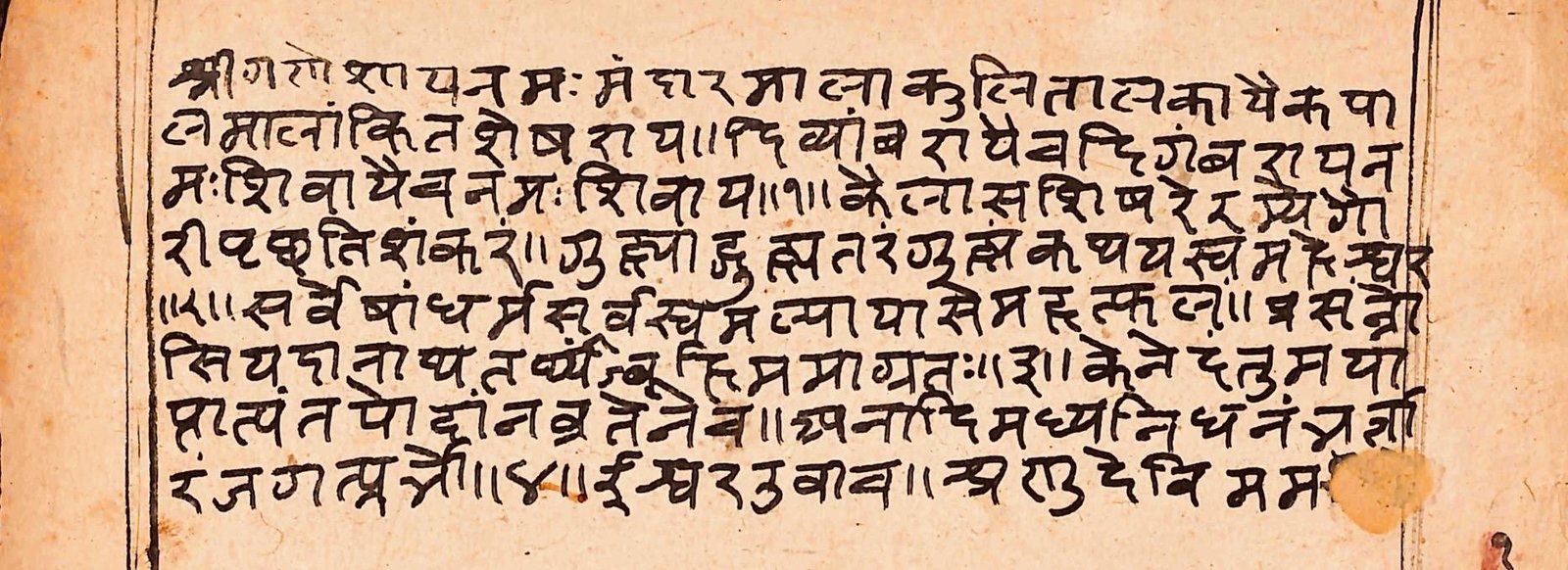
    Image ALT: Ancient Sanskrit manuscript representing the Padma Purana and the Puranic literary tradition


    Why Is It Called Padma Purana?

    The word Padma means lotus.

    The lotus has a special place in Indian religious symbolism. It is associated with purity, beauty and spiritual growth.

    The lotus also appears in traditional creation imagery associated with Brahma, who is often depicted emerging from a lotus connected with Vishnu.

    https://images.openai.com/static-rsc-4/90ypE-JfYFFNQRLRlBDjBYLRySfUsqZeu1gM5Q-h0yrGYOWx49q1t-rZ04rZ6wEJIESyQsGT1kLfbioNhQkc_QW8qW0v5X3wO2JcjB1sRZxdTRaEM8NFKY_AZdExh1wX0qxtVRhw011Ij2zfpGDRfGGHglDfxSVT7kJKQcmA9i-NzZjSteM49RtJeWrEtj3m?purpose=fullsize
    https://images.openai.com/static-rsc-4/k7vvZ2zQ8yiFKbA9JG6eyG0-NEAErfxwURs9nz2Bcl28MpVh2x4BPL5zK3Nu8MdJ7Zt8pe5zUj5Ii_mQOe5Ank7bciVOhuW3XG_MSvomzAAvgiCdaXxVSQEGUV51KVMLf8ZvBpE0EHzbej3oKdtUdKO92Ngfxp742nLy4rNMYuvtzRInZ2BbpTNfQLK833Pt?purpose=fullsize
    https://images.openai.com/static-rsc-4/l-ZSDSZyEagwg5XH-gJlLpCBtfnczFVO1i2ylgLBMLM_Uzwj4qHe6Wuy1aUSwGQ0rF3s3eX4dTK7WKywH-vsZXDR0TIJEATd4P1E_NKUHmfXlnTDDqiwoblTw9GVr_VXbFbVq-YSWeumCefSJ8j5V5Mz3aGdosUtYE-cs_x7Tfo3xMeXJo4ig7shiGK5ZBPA?purpose=fullsize

    Image ALT: Lord Brahma emerging from a lotus associated with Lord Vishnu in traditional Indian art


    The Main Sections of the Padma Purana

    The Padma Purana is traditionally divided into several large sections.

    1. Srishti Khanda

    Srishti means creation.

    This section discusses creation, gods, sages, religious teachings and various Puranic narratives.

    https://images.openai.com/static-rsc-4/kf5o5nKQj6Nkme-chIrdcRjEaGupX6cIaWb36Ov0Hgesm9v0zEIA19OL-v7aqME2QAqi6w9AiB8SJllKRtKPYgTt49NctW42Mh2HJ8bfJYqy4N92lkKp9VClLc2QceJisRXxLDvGVOF_yRxckYjq1a9r-83XaMysiga-yl2q4KCmeId8lxTVZ0Bkxol589AM?purpose=fullsize
    https://images.openai.com/static-rsc-4/nX-F9nehDCnGUki-0Vwe5cJTpi2BeaemyZpH2v-s6SOaBzew8M5mBa92_Coh_9cHqCWAoJjxU1VCZ9HhpDJa2zPg7haG0NQuaI9xK4l5lW-FqLoUwfRk5cBpgA-bYXXAoUu5H_ZT7ApoLkAAJXuY_JhXPUg68PtbcighmN9QIVJLKDOhOodgAUgWZtd1LwYw?purpose=fullsize
    https://images.openai.com/static-rsc-4/lYbIr1bWGCXTx1Px8qyLEmyRRzdqpZq6hzv3CauCoof7VMEWpxyiI1Imo1dOZSEEKbnP72QciT-33uVJy1NdeavMkOMSKefUzPnobqWaDjSN4MSP98MxmcXUpIoiNlHJY_7yNMTcgVPAlPzvJxF43Oxdtr_AbSqpYo39ZxEkJpqa8nv67OBFeQoy1gIp5c9w?purpose=fullsize

    Image ALT: Lord Brahma representing creation and the Srishti Khanda of the Padma Purana


    2. Bhumi Khanda

    Bhumi means Earth.

    This section contains stories concerning kings, sages, people and events connected with the earthly world.

    Puranic stories often use the lives of kings and devotees to communicate ideas about dharma, responsibility and devotion.

    https://images.openai.com/static-rsc-4/hU72A0x5q7bJy5Tcyeb6GbDUboL_R-j00w3w38K0fa_bDrp3snOMZJ4l_8jU6Fq4-BeaHeHoCcovdARUz1kVjKyTcd5ICb_VTTUZz9MFSK-D-z-CgIdvxUaB274fum6NL2dAllqcFPXM8hDwOsGIxwXF7nthsq1pS_6LOfsipOcsZwYPd_D7Is0_rHV8qkvB?purpose=fullsize
    https://images.openai.com/static-rsc-4/FU6DLqNmCNcN2gGuYtvQ6b-oAcqs_WjY2z2B6yWXdNNpCFPefMay48Q7eZAMp3sYAk2-_EdIp81ESlyK0un8v4PIh0ZDmej6RufP8E8jQx_5lKpvQbRYMLLYlhZ4BoWJ0Q8SXXNPwacfGQRC12PfA3nE9vMHPRgCPnjb8rDyIbps8Rh8Udb5RZ4gdzv2rpZk?purpose=fullsize
    https://images.openai.com/static-rsc-4/IZREunCxEsJ3id1hVc3C-eB0lWixIUyXiHAJQ7686iSnN4CTz-4gHx3X-IFBOKG-8KV3bZ8sJOWRovCcrb7Bjpqo7wY88_W1rvFml4xu9PNP-dAqtR7lfh-QPmuSiEdtkDiZaJgWb5Ovb30tkXbMdI8syW1mBqjsK_5LG2dMBMw-Dx1252lx9aSDBv9L2zf0?purpose=fullsize

    Image ALT: Traditional Indian depiction of an ancient king and sage representing the Bhumi Khanda


    3. Svarga Khanda

    Svarga refers to the heavenly realm.

    The Svarga Khanda contains descriptions and stories connected with sacred geography, pilgrimage and the spiritual significance of different places.

    https://images.openai.com/static-rsc-4/myUpyJCY0K8PAkQgZj_l45BBd4VnqlIHzTAI0hQvsN95r2OnfKvDUe71cXg_r7QVbxH4jFSq2LDZh6SGRKKBWs4EVxj4lPFRQRLmYhiU6FtkoR8bNeCxCIMvAQWQpZZqVmF5l8T4yYa7hhZ_K-otWEjuJ7iVnAP4vWDDLUEWxpFsgKbbTLiPtTBVxpXuWugr?purpose=fullsize
    https://images.openai.com/static-rsc-4/z-fOmGkp5kV4jSnfh4It91W4XlKSULyJEnkk4Ofb_dYYqrJsV24b4xz9MtkcgvN2d4EEFAr7-aq0_gklIq6PoIqVFdjeeMvypJGduJK5IFdaiRgd7geuy9Uz6zgMu_uyxvgWYmDU-lQNyEjhXVa5jB7t6Uas2ZQrxJE6d-WywlrDr-iQp6VBn3iEEp6fy82x?purpose=fullsize
    https://images.openai.com/static-rsc-4/ItbJsCRw2l_J3VlevSZRxNMQzm-USzdaCAJt5P1S3fszAv1ezB4gBYExDYf-Nmn6j3Mdy_FPO9LjhSY0HWdjzsEmFjtQhEkYcWjqpdl5U58dMnHY3_gJ1848YGNZzsfgs3AyA7KyVK9dP_qRPdfNBvfnQb4xtUjZ4IuzWb9Mub_JOEmJIdLkO0Zhwcphfb5E?purpose=fullsize

    Image ALT: Traditional Indian representation of Svarga, the heavenly realm described in Puranic literature


    Sacred Rivers and Pilgrimage

    One of the important features of the Padma Purana is its interest in Tirthas, or sacred pilgrimage places.

    Indian sacred geography includes rivers, temples, forests, mountains and cities that became associated with stories of gods, sages and devotees.

    The Padma Purana gives importance to pilgrimage and describes the religious significance of sacred locations.

    https://images.openai.com/static-rsc-4/s2n5_6kvN3wqCbAsQGRWh2JfK84I5ySy8Cl-ZhQci4q-930fdQZnrVNauRbT2Kg9SiC4n-OPAhBfCerbSuJ1T5Gb-nswCu7bfJ3yFk1Li3dLWPHPYnYKgbtdq8yj3CIvpEgGN4bq91mStPNFn_rlI_sWMFYu67LEtgQPL3_FhrEo6n79qcCzZJg9jnKdNk4z?purpose=fullsize
    https://images.openai.com/static-rsc-4/S-dIfJ71CVCe9P7OMSO2XDjTUfDRvl7e1DGbBbXoXRCXE2EBw5c3SPJsGvyPdAEOY0AQlbHUgCtkGS8v_imklsi7CIdPIsxUFzr8KXL3md29E0VTQDJ5KXUwGwb0neNnnfUoDvCzrjnky_QFTxeyQ_ZVPHLaJ67fBR8_ngoqTkX_EbK8SCfdyO41qTUME8Go?purpose=fullsize
    https://images.openai.com/static-rsc-4/ltguBxl-pMP2sMh3kakuKRszz-qXFwiF5a7fMk04k-b2iWW7Ocmo-5BgduscdAwZmF78S82fYvrNT2HLy8Rl8J-1UFXwFch8eBKL8L9ppGWttoKfZF8OZFqA-i9aYALfMvdAlQMI3a0W38gpO19_eiO114KCzEkVOmhK2M8yV023dfI8hopFfMMQXHMXuZcE?purpose=fullsize

    Image ALT: Sacred river and pilgrimage tradition representing the Tirtha teachings of the Padma Purana

    For devotees, pilgrimage is traditionally understood not simply as travelling to a place, but as an opportunity for worship, remembrance and spiritual purification.


    4. Brahma Khanda

    The Brahma Khanda contains narratives and teachings involving gods, sages and religious traditions.

    Brahma, Vishnu and Shiva appear throughout Puranic literature in different stories and theological contexts.

    https://images.openai.com/static-rsc-4/wRuFP3dQX6BlA7blB4v_Uqikzw0G20JAEfaVBT5cYe0PWBit4pgBhs3ep-xTDpFVn1qeOplmadVtGbVH6PxhRiqbVGPlkmw29df_B1RE0z8UDoDjD5baNT59Tbk0KszrVOb79xtVzVm13_dseS4zfP24Dpoi033HCLFtEvRSmA2UtuseT8206FeES3CFT0Yy?purpose=fullsize
    https://images.openai.com/static-rsc-4/CZP-qWXRLo2mexq35cPbt34TdvQgpL4-DF8A12ptLvhtjakMCtgtl3upmmh4ZwerLznTbVVTJ1hjnCQkeGgNufP84B441HtdDyAVFbHV4uTB83EOWL3MyEyLYp6MQCmow59WJRnLPW3QCdrgEgKBrXfKB7AMZjOAAeanZl7X5e5nbF_zYIDGZd8tBnqpzgfV?purpose=fullsize
    https://images.openai.com/static-rsc-4/ERSMGxCIgRnxsUI3lF87QV5eHe9cbmbtlXjz4Au9RpsW9Dr5pl8c5T3ay6tk4tlrwlLPn9hgjnxLQgHclgnY3__38kT6aJgxPBb6yVFwxXBZdd2hpj38bbqBM_4Amn3BuIkkjKnB4_g5N1j4s00ps60J1hTTmVzITNCOiS-7i4xdzAKysJAwrI9xjPanUt_w?purpose=fullsize

    Image ALT: Brahma, Vishnu and Shiva representing the major divine traditions of Puranic literature

    The Padma Purana therefore provides a broad picture of Hindu religious traditions rather than focusing exclusively on a single deity.


    5. Patala Khanda

    Patala refers to the lower worlds in traditional Hindu cosmology.

    The Patala Khanda contains several famous stories, including narratives connected with Rama, Sita, Lava and Kusha.

    https://images.openai.com/static-rsc-4/YLKxrVIy1JpZbHOpZiqqkUG6cge8VU1tL9aOXUBPdCqLW0lx8Ri2N2Y0RObK57Ub4X5KlhI49qBOt-pp_i1QhgGct_GqgLNqZQHzzD0GLYBGiKjvudcL0zNQdRHP2NbLuqDoAO41CYOjBDS71ufMpZcPdGpDWC5rN6mLpCLGLTGlzfEl1cWgoJAztRk2bIkR?purpose=fullsize
    https://images.openai.com/static-rsc-4/36arWTKRjWaVff2UIgP0Imjs-YlWaa0ApaYlr6r2Evvps9BHv32QlYL4LJ72bXlrGzzjprD_ORplXSzXxYThAF5lXD_zX7_bmH7StL7L0jqMqBTHBO3ag5-YotjxPRpITwN0NDt25tW3GX8_vGI6hXbCu15tEbiU5-yzrbeRzAFXtL-gqHaRsumkkLOzBudL?purpose=fullsize
    https://images.openai.com/static-rsc-4/LOv-15hw151TPinv8KkMAp8jTJQNg7lSdO6V1QL1jOv1Y3fUN1GQdM8AHLkQudnSkiQ83DwthC1SseGRUpYQX0jEYPkTvvVsSUa5pkBdyGQVxKBhewiwdS-u6xYVSbHgFkFsIDYBcj3JaNMQQk3l_ZLa3UGJgNFaClfMUVvwEsGXZIwhczrWJsf2oU4_cFT0?purpose=fullsize

    Image ALT: Rama, Sita and Lava Kusha representing Ramayana stories associated with the Patala Khanda

    The section demonstrates how Puranic literature often preserves and retells stories connected with the wider Indian epic tradition.


    Stories of Lord Rama

    The Padma Purana contains material connected with Lord Rama and the Ramayana tradition.

    Stories concerning Rama, Sita and their family became an important part of Indian religious and cultural storytelling.

    https://images.openai.com/static-rsc-4/qnMaK2CaoDqFX_I_Pb4mMtp2Whqj0pXYXHhNgGhnZUrbOGcWFKB6qdfd1FVvQIOIMGBXlBzK4N8MUGo9KJndZ7id2TDXUHgMnMbbozpVIDFTsOpM-xDh5FpR9mjGYMG8nd1O66M4ppiFhW_o83j1d8Zxqf8nY5PK3-OxDPDTEzBf7m7B4HpMRyi2PoXJBYXq?purpose=fullsize
    https://images.openai.com/static-rsc-4/yzSoYm2v6ZPotdpONeKg6CTdjeHySMgdWuclXg-bzMI-vZ6B5Yb37ucEXcwrolffEuN0aTA-UVfjEhsWrwWmhpxfMnN6DiowRY7zyAnrgs8uX3PUGVNB7xsRGMaRyIUs873SfNd7f_-tLNWqYxd2hgmdL-sCzySddrTC_iJBA6dlw4vbF7pnjIrrQ2Ajjeno?purpose=fullsize
    https://images.openai.com/static-rsc-4/VXTAqMzARRbl4qV11aPL69qFzQ64zQNhM3TGFTBr9y-ACFnNYFHtfc7Yufvvlz5YX3TKgbCP_O-4EmcFIuBogrYYYIN1LXFl7tkqzYFMdV0IB_-82J-MSu9CuxqLNc92ImYj9ZqU-IT2b57Cf_2DY_r6uLSrWXF9cqslN8u0KzUSGDkRHk1xHS9yGPgciBha?purpose=fullsize

    Image ALT: Lord Rama, Sita and Hanuman representing the Ramayana tradition in the Padma Purana

    These stories communicate values such as:

    • Dharma
    • Loyalty
    • Courage
    • Devotion
    • Sacrifice
    • Responsibility

    6. Uttara Khanda

    The Uttara Khanda is one of the major sections of the Padma Purana.

    It contains extensive discussions of devotion, religious observances, sacred places, festivals and the worship of Vishnu.

    https://images.openai.com/static-rsc-4/MghHY_3JexaE2aaeyUtxTDUTE87Xcyq_Qck9A2USiQkmOf6n2YdB0v-j2_BOLMsWB2Ppouf7TkzA_jlOJQrDGQ4ISJGcQdx6n-OaGyZ77pJXxdLYQHTE36l6ZkL2-IEqLGf0FE-VcLdal9nBGLc_fYql7VAUcLmF96eoknHLi7pXQ89MaNwTuWjYwZ3veY_0?purpose=fullsize
    https://images.openai.com/static-rsc-4/FTJeDqNc04d4zCA6YreCSdpQ3KLfn7Yg07tUQB9u222K2QEGwDOx7sdgyxFjeZ0wWtK4Xo3QzDeM5SXh5JzWzu8lXvg-hNGjbJURBss0FUE0IpA7rZA1TOqHZY0dRh-RrNLIv16DdV68jfJrQhxAigYERUYVToroIQec6hoef5VXTExx4jU5oraiW7Wq5nOv?purpose=fullsize
    https://images.openai.com/static-rsc-4/j86HfTYa7Ol2L_-wuqx3ndPu_dInu3kCfzpBbNPw_t5NAcAILS9SrFUtjnvYn3H47IP60oVQnscKIrHeK1vkWNtORuBIDG89r15oI0v2jfGdtX_pgHGpNiyG7mor_rXImV9W1uEtfIOCEocO76RXkr4KeAWrnCZCj5jz3WUNI3UaKGbBmbLwgeydzSDylBw7?purpose=fullsize

    Image ALT: Lord Vishnu and Goddess Lakshmi representing the devotional traditions of the Padma Purana


    Padma Purana and Bhakti

    One of the most important themes associated with the Padma Purana is Bhakti, or devotion.

    Bhakti means developing a loving and dedicated relationship with the divine.

    The Purana presents devotion through stories, worship practices and discussions of sacred observances.

    https://images.openai.com/static-rsc-4/jdD6ml7Z1qyu85USG_Ai2NJG7duqDtkIvMRqCUGQi5eGLf14KbRn2H85knVjqY0fmifxEwbW-7MiFRDtZaAO3g-dy1NIeEmuH_7rFeeVXxg4-95jWFY-FmRj338MhY9K6bp3JHi9r4kvZE_qC9GQKGZ2uPkuDP-kpg53gcREXYQvEq3hPUhVkTien1QRDiLo?purpose=fullsize
    https://images.openai.com/static-rsc-4/yg8W_3bbMj-gkREtGT_dkSjbsvgiN_XyXRW62eOkEd7IT0NAmHy-bolXlrpBTBvuZ7i5Mx85ysUoZOQZCuOP3T_xyZOu99wqhpfKm-eELZAjou6J798NHp_f-whdDmJhf2HgspvBEF18MPcoMswKg9NlkXbOfjxujFDDwHnE3-CkbhOQ0UC8e5_r-4IqY0OY?purpose=fullsize
    https://images.openai.com/static-rsc-4/Ciwl4mg2rfXRl-KEuHqjTVylJHJNEKxxUbO6nWfB5M1M7_1G8KFTZblX7noiF6vt9xkATb3cVlTJ1SKgGPkRFWncu1-scALjcmnsLz45DPabAeMNBFx65nKa4ZZnAaoUuDhI41cEZDx2OSRie-dF1MuOmr2I-Z0ekdJIaYsPJt9Sp8sT_DIjefpvxSVGzCpb?purpose=fullsize

    Image ALT: Devotee worshipping Lord Vishnu representing Bhakti in the Padma Purana

    The emphasis on devotion helped Puranic literature communicate spiritual ideas in a way that could be understood through stories and everyday religious practices.


    Padma Purana and Lord Vishnu

    The Padma Purana contains significant Vaishnava material.

    Lord Vishnu and devotion toward Vishnu are prominent in several portions of the text.

    https://images.openai.com/static-rsc-4/lhLDnlbGH0VfSz3Bc3o68kOsEUusdRXhgqzxUcN9zvZyO9uneOJQfHY0yrK-4GlM75eKFh95GdnxltLZQsSAM6GzMHc9bV7bCSsX62xxnyqQ8wLaFCPXw7wdfZuSFk2f_JatEq7atSgX4uL0SDmEZkkLZa8HYc5syjo9n51xxHmbUJ4eXuOseqxvFAN5AwUc?purpose=fullsize
    https://images.openai.com/static-rsc-4/MMGrC5yy6a0BaJQ855atzw-sn2IXkrdqVBDR1i5TwGKtXvdcfIU6K18YrOiTTmEDXl47U_HZl79xdXm2C4at59dtAK3oRV7ZZ24NzZMMjcdIU1YyrMYpMnphPd_GQEpZe155Gj79REpcPZtYx4cPZDyDTN1j9XhKPsVKrV_ztQomk_KD4myVWlQE7yAMQ3bn?purpose=fullsize
    https://images.openai.com/static-rsc-4/NviB9tgrDw3N1ChGojRVFDYU4KMyzMbkHcoddwrUjqxOBz_KCPv3cJFnrZpGsL0Iwm96vPEwHYnNJlnOYXcQo4AbUPTq8QDGLeoFiS1hGblWGH3hrOrirfsM1f3emUaKnXJScFo4lUp7pPl9cJ28or7Z8A3txtq3z0zkAXYgLDYl8eAbd5Xhx41iTiGKvj3W?purpose=fullsize

    Image ALT: Lord Vishnu reclining on Shesha representing Vaishnava traditions in the Padma Purana

    The Purana discusses forms of worship, religious observances and the spiritual importance of devotion.


    Tulasi and the Padma Purana

    The Tulasi plant has a highly respected place in Vaishnava traditions.

    Puranic literature contains stories and teachings concerning Tulasi and her connection with devotion and worship.

    https://images.openai.com/static-rsc-4/L2eDXDljax8Cb77ZJKOL8as7DKPDp_svj4E5kkvQUF0i41DzHQEzRPNff2PZfYOfevUzWdF4aujY6MA15E4yvH1tmXy1wgWI9VMU_RKXXVQW9UrkcskTIfkLkNTnmKuBVi_xCNO9q4CfG6rqa8D8_ySUEKsPBKXIZInSzEPUcvty8w3Ng_DpYPI77YOGcB2u?purpose=fullsize
    https://images.openai.com/static-rsc-4/prfxsczFuSWCvPgTiCM259WnlY-zUgErx5x1qoq3XVBRNt4FIDGjUWszy4RghsZ3xO22F3T6pGY7-XjCWAxkjVlHPib3Linme9M339jyYclxrggUv74Y2GXLxjLVH3TafSN4Z9cssXpqdWWnj1r1ZLz1vVBItXLKqZu64StF9_zIASHLADQH-EDr28cEEIDj?purpose=fullsize
    https://images.openai.com/static-rsc-4/wkXq_CRmcHtoQNK6bNMpTNAHGAoMuGH8bnrwnu9D8N6FTo_CQuHGmRXoSos-ZESqJlU8yNq59BWFxUx-rTZD8Qx-zgCCv3trTqqqwtbGOWHVSnURvKZ-YdNRljBE9Tp0HfZGHEod65XJKLuxg42lwZvKpT3wrHJHbjmv4uWTqiIN8ZF3rlURo7S3J_k18OZA?purpose=fullsize

    Image ALT: Tulasi plant used in Hindu worship and associated with Vaishnava devotional traditions

    Tulasi leaves are traditionally offered during the worship of Vishnu and Krishna.


    Ekadashi and Religious Observances

    The Padma Purana is also associated with discussions concerning Ekadashi, an important Vaishnava observance.

    Ekadashi occurs on the 11th lunar day of each fortnight.

    Devotees traditionally observe Ekadashi through fasting, prayer, worship and remembrance of God.

    https://images.openai.com/static-rsc-4/7pL07PCnGgDuVUcFwq-I1K8kVoyPYZUZq6uLGPz_4-fyfL-KZMSocrggUCJXmoWQ-PC6MPtyx4q8J-8wFEEmK3g4DpzwO8HoeuEzI-xgzE3USnu2kHTgV6laaGpPH9I5M7W60SrguDULcNkjeeJdFbgjSQ7y7qK2I75LeF_2bWVoVb3xU3MtdfSoVXuh0h_D?purpose=fullsize
    https://images.openai.com/static-rsc-4/LK_Ja3pLRKyM-1epbSHpvzVdOBXnxMY86ES4NwgqDyoDuAMO9xIFp5QsYIfHLDAK21IIlLIGG_0zu3tpDsqfVCcHcSp43sNYQ43pjouu7Rg02zpXgYB6h3WJRGjaDUePICrO6RHzmIlY0kyHA7JwfVGIgP-gLWY64hmJmaIVZhIG14BeTrVwWaPSqKBqIgqE?purpose=fullsize
    https://images.openai.com/static-rsc-4/4-5xMZRvKOM3Y8KSXtEMzeC1a87GbI2-q-AyNUQPjo1FcAn6jOgWu0Gl257iA8ymE5AapjitpisVs2-rCnVLiUCgug2m8423RL6gk-NKDn0QVH6XAIk5VooO_jgoiHd4aPZ8n4UqduLgBytI0B4tB9vsXgDOrRBR_-HIhHrznREzL6eRYXGvhCvFlFbctxDV?purpose=fullsize

    Image ALT: Vishnu worship representing the traditional Ekadashi observance described in Puranic literature

    The emphasis is not simply on fasting but on discipline, devotion and spiritual focus.


    Padma Purana and Vrindavan

    The Padma Purana contains material concerning Vrindavan and sacred places associated with Krishna.

    https://images.openai.com/static-rsc-4/oe-u8_c8ehvd2iks6AJwa_9NOsfZw7otdru3tEslsn2n6I-utDHiy11am43hjqVjC7E3LI83OlpzPrUe1y6QJ3uRHm2Q6ILUaLrkYlUdjlH-D6K9H2brJyRHn4tSLyDfDfLSl8o2hSliKO79PLaKlfnDP4LL69clcdZwWpXvnijrJfZgMKPbWytrOhmyHh0h?purpose=fullsize
    https://images.openai.com/static-rsc-4/wnh6EurbtPk8UQr4KcVoi3DnYBaV11O5LzMCJrWEaS6c5G0bMi6RWmmA4aoDMNCHNy36kkHlJ4p8i1kW7yAp_oKzk8NfmuF36a5UY2OH4Rtykg3UMla5-mxjAY-fEvOce4hdLWFQ2KI0RSEJAwKPbZZYc6oh81YWzVsT0i56YtUkTuUZpEh_ldGV7V8m8bJy?purpose=fullsize
    https://images.openai.com/static-rsc-4/yRr8wYdJuxIoSF6H48acMHB-FeAtG29vo-zpqOe0nylhIAa-iqFjanZGJUwrly30dJqBljgJypwuUSgIKjoQho0lkRWyEK5tSRp49PlRNIfGbgumIRmmwwAoKilnIGHlnWg4M8KEJ6S3KlHSykpIcmDu1-Kgo1V4C7a-OA47tMca5VvYqRrP6vze9vh5WVOR?purpose=fullsize

    Image ALT: Vrindavan Krishna temple representing the sacred geography associated with Krishna devotion

    Vrindavan became one of the most important pilgrimage centres connected with Krishna traditions.

    Its association with Krishna, Radha and the stories of divine love made it especially important in later devotional traditions.


    Padma Purana and Sacred Geography

    The Purana gives importance to many sacred locations.

    These include:

    • Rivers
    • Forests
    • Temples
    • Pilgrimage centres
    • Sacred mountains
    • Holy cities
    https://images.openai.com/static-rsc-4/TPKmq1yeQ9_oxl49EepBmKA1zp2HVocXydIcnr_2Dx4qvN-Qd7kQ9HwosBrIxdU2k3Rui0nqEJH4oqo8_uAP5dpuVWtjjF0TX2-LqrwwvJacapHZS0uvJTCPGuj4xyHLNIHUHrHI1Gujcm7OMcq3YI7F4JHzKDXtGfCkkLMAqXDtrc34qXBzmrP0cjc4dmRf?purpose=fullsize
    https://images.openai.com/static-rsc-4/EIaO35x87_d_FiNHAz3ijbs3u_luelIL5dpYfvo3GFCAmhzS9M2zi9qc0ZAJu11-GNcKCU2DUA0nPNorl3-Mu0elrmssfAObeuCnyJ1Qspp0jOQfoeGteLW42-MjEdrpKy8o8v6nrQW7oxbhH9MYhKe7xrd6yI1pVRgd4tcL5pYIJ3vOrbLcH2I_ywex4QWg?purpose=fullsize
    https://images.openai.com/static-rsc-4/sjxbBNLoeQJsaZhqUJt51yFTxG5rrO69B99lrtV-QKvYtewAyJejsAgDEzrClzRe2KKrPFkIVKa_DGIVfDeeRL3X6Zk46k9Cw3zVQGIbecnVZhwXA-T_pG4Q-Ce4lcetjSOKn2AmovMwqehuW43dkNr4w4vP2T2rqprgcNHEHQNpdEurGjT3W3r8J0TmDHaR?purpose=fullsize

    Image ALT: Indian temples and sacred landscapes representing the pilgrimage traditions of the Padma Purana

    Through such descriptions, religious stories become connected with real places and pilgrimage traditions.


    Padma Purana and Dharma

    The Padma Purana also discusses Dharma, or righteous living.

    Dharma can include:

    • Truthfulness
    • Compassion
    • Charity
    • Respect
    • Devotion
    • Self-discipline
    • Religious duties
    • Service to others

    These principles are often taught through stories rather than through rules alone.


    Padma Purana and Festivals

    Puranic literature played an important role in explaining the religious significance of many vratas, festivals and observances.

    The Padma Purana contains discussions of religious practices that connect worship with particular days, stories and traditions.

    https://images.openai.com/static-rsc-4/-P6lBN49ni78nRDdH1ejiZbTVh3KNqMs_UX9d3d5E3orsb1nq8BHQbCo2VFZfATgaem7OdOuMvGXIGikTX80hOzKFkQHBMfTIyiNVZXHK9y55pWui7w1-vKcP3xUVm4iprwe6j3c-i6NpneBlpsrjX26cKW1HaTb9u7c76xKFEHa-aAxp63lz5BAGb4l0Bw4?purpose=fullsize
    https://images.openai.com/static-rsc-4/8Cc7pCVomq774fOY7wlKV2pXn2OZCdhD08UIoUq52OUyOAY50y-sQP_PGgejbWA40FzzfNmdBrWW24BHj7G8SYCckhbemdLWxl4_YW0wjdxm6RpROSIw5EAHTP5KrP3bxiwUI4A40S416WwHkRLrqx2HvYoOM38qM5-MaFcKgfmhuT2wowU4zxXxvBjZAE36?purpose=fullsize
    https://images.openai.com/static-rsc-4/CB70DM-FHmma3WtlNEqfHajBmBUfSbyKMCX9y40cF8XrrP7NCQgrQ96q5Y4pmwy3uL5geYr0dqpHnw-mp5LkgmyiuxZiJuOPaiuW6TTQi7dED_7cYPfnjO7a2q-LGOEJ4qMapk5xjnNRx7QVNnXJuz0FxgD9SutBDuYGAxW_uJkxbwkNC8dBJzFMs6nVnbD2?purpose=fullsize

    Image ALT: Hindu devotional festival representing religious observances described in Puranic traditions

    These traditions helped preserve religious practices across generations.


    Why Is the Padma Purana Important?

    The Padma Purana is important because it brings together many different aspects of Indian religious culture.

    1. Devotion

    It gives significant attention to Bhakti and worship.

    2. Sacred Places

    It preserves traditions associated with pilgrimage.

    3. Mythology

    It contains stories of gods, sages, kings and devotees.

    4. Dharma

    It discusses righteous living and religious duties.

    5. Festivals

    It preserves traditions concerning religious observances.

    6. Cultural Heritage

    Its stories influenced Indian religious and cultural traditions.


    What Can We Learn From the Padma Purana?

    The Padma Purana gives us several important ideas.

    Devotion

    Faith and dedication are repeatedly presented as powerful spiritual paths.

    Discipline

    Religious observances encourage self-control and concentration.

    Respect for Sacred Places

    Pilgrimage traditions connect people with India’s sacred geography.

    Dharma

    The stories emphasize the importance of responsible and righteous conduct.

    Preservation of Tradition

    Stories and rituals helped transmit cultural knowledge from one generation to another.


    Padma Purana – Quick Facts

    Series: 18 Mahapuranas – Part 2

    Name: Padma Purana

    Meaning of Padma: Lotus

    Language: Sanskrit

    Traditional Classification: One of the 18 Mahapuranas

    Major Sections: Srishti Khanda, Bhumi Khanda, Svarga Khanda, Brahma Khanda, Patala Khanda and Uttara Khanda

    Major Themes: Creation, dharma, pilgrimage, devotion, mythology and sacred geography

    Important Traditions: Vishnu, Rama, Krishna and other divine traditions

    Important Concept: Bhakti


    Frequently Asked Questions

    What is the Padma Purana?

    The Padma Purana is one of the traditional 18 Mahapuranas and contains mythology, religious teachings, pilgrimage traditions, sacred geography and devotional material.

    Why is it called Padma Purana?

    Padma means lotus, a major symbol in Indian religious traditions.

    How many sections does the Padma Purana have?

    It is traditionally divided into major sections including Srishti, Bhumi, Svarga, Brahma, Patala and Uttara Khanda.

    Is Vishnu important in the Padma Purana?

    Yes. Vishnu and Vaishnava devotional traditions receive significant attention in several portions of the text.

    Does the Padma Purana contain stories about Rama?

    Yes. The Patala Khanda contains narratives connected with Rama, Sita, Lava and Kusha.

    Does the Padma Purana discuss Ekadashi?

    Yes. The text is associated with traditions and discussions concerning Ekadashi observance.

    What is the main message of the Padma Purana?

    Among its many themes, dharma, devotion, pilgrimage, religious practice and spiritual discipline are particularly important.


    Conclusion

    The Padma Purana – Part 2 takes us deeper into the world of the 18 Mahapuranas.

    From creation and sacred geography to stories of Rama and Krishna, from Vishnu devotion to Ekadashi and pilgrimage traditions, the text covers a remarkably wide range of subjects.

    Its different sections preserve stories and teachings that helped shape India’s religious and cultural traditions.

    The lotus, represented by the name Padma, is also a beautiful symbol for spiritual growth — rising above the water while remaining pure.

    The Padma Purana reminds us that devotion, dharma, discipline and knowledge can become part of everyday life.

    This is Part 2 of our 18 Mahapuranas series.

  • 18 Mahapuranas – Part 1: Brahma Purana

    18 Mahapuranas – Part 1: Brahma Purana

    The Brahma Purana is traditionally regarded as the first of the 18 Mahapuranas. It is an important Sanskrit Purana containing stories about creation, gods, sages, dynasties, sacred places, dharma, pilgrimage and devotion.

    It is also notable for its extensive descriptions of sacred places in Odisha, including Puri, Konark, Bhubaneswar and Jajpur.

    https://images.openai.com/static-rsc-4/6fTgNqlCUi0kZ6QawTkFDXPPGW87IQC-K1-4O3fGUq1uKG7ApBM7XtXJlmNU-YiVeA0yfZdc7YN0Xq_f3B_DqdiL7A6kuEQIm9QTRmMuGRJtkpzIdaMaJkEOjfcLxPFezO_HU6aN2B9MMxERmXNvTHj0qc0zNhwxdnRsSQBE_4vpg4IYLdi9603I2zDdCU1j?purpose=fullsize
    https://1.bp.blogspot.com/-k2FfWFqq3kM/VdFoxNkE-aI/AAAAAAAAZI8/lRXQSBhhNng/s1600/brahm2a.jpg

    Image ALT: Ancient Indian Sanskrit manuscript depicting Brahma and a sage, representing the Brahma Purana tradition.


    What Is the Brahma Purana?

    The Brahma Purana is one of the 18 Mahapuranas of Hindu tradition.

    According to the traditional narrative, the Purana is presented as knowledge associated with Lord Brahma. The text begins in the setting of Naimisharanya, where sages gather and Suta Lomaharshana narrates the Purana.

    The text covers a wide variety of subjects, including:

    • Creation of the universe
    • Manvantaras
    • Genealogies of kings and sages
    • Stories of gods and divine figures
    • Dharma
    • Pilgrimage
    • Sacred places
    • Worship of Surya
    • Krishna-related narratives
    • Yoga and spiritual teachings

    A modern study of the text describes it as rich in social, religious, philosophical, mythological, geographical and literary material.


    The Beginning of the Brahma Purana

    The Brahma Purana begins with a description of Naimisharanya, a sacred forest where sages have gathered.

    Suta Lomaharshana begins narrating the Purana after being requested by the sages.

    The early portion discusses the creation of the world. It describes the primordial waters and the manifestation of the cosmic egg from which Brahma emerges. Brahma then begins the process of creation.

    https://images.openai.com/static-rsc-4/jS17ID3Md4Oxj2zAeRptvFZ20pRYs2H5SIGQlLs-ChRv5ijQHTw9SrWOhREAPZlX7_FcH4-5gay0lQ9R0EkODi8kF__Ae2pHvLcVF3HyZuA_qxoKSFLfXXUhrinSOWA_T4Ymui0Crj88MrX3JsVH8gBij0J6SRTnMCC5HyzzgNqU72oFADWUde1Gdc8Huvry?purpose=fullsize
    https://images.openai.com/static-rsc-4/_VD3j2-wMJQf-QSqsV5LGId473APhMYtjlGT_ZcxwVsnn59DAXl6AU6vviiaK4AEQPVZflH7YoHD6mJXTTncLIHSO4i54tAwxeGe_1eDhQ8SfIYW8OyAO62Hq7863bRwWzoR_aQuCf8dOEsrfjqTjb3khaNdi6_C0yUArI2J1LmXbBgj6wfLlC0adwIzbUJ3?purpose=fullsize
    https://images.openai.com/static-rsc-4/0qR_8-F5VajJ3cj9-u0F4tbtp5MpwnDaLBN5-rf17V2D0khFX6EdvgCpAPIi1NTW8Mja-k5yaMyrrBvmIBftTsaBMu-ivREY-Qe5E4piI2Q8O_ZKlA-TBT1Z9Wtd61_RTGTZTn8GNSMizxGiK0d-wed-_jdOhQ2qIvDs2wq6UWAfVSJSauZRfKuC90tClvXl?purpose=fullsize

    Image ALT: Lord Brahma representing the creation of the universe in traditional Indian art.


    Brahma and the Creation of the Universe

    Lord Brahma occupies an important place in the creation narratives of the Brahma Purana.

    The early chapters discuss the creation of different beings and the development of cosmic order.

    The text also introduces figures such as Manu, Rudra and other divine and ancestral beings.

    The idea of creation in the Puranas is not simply a single historical event. It is connected with the traditional Indian understanding of cycles of creation, preservation and dissolution.


    Manu and the Early Dynasties

    The Brahma Purana also discusses Manu and his descendants.

    The early narrative includes Manu’s marriage to Shatarupa and accounts of his children and descendants.

    The Purana later discusses solar and lunar dynasties, along with important kings and legendary figures.

    https://images.openai.com/static-rsc-4/jf7EcF3b7_kk4EMSfZPpmdQbofyFJ-UuPP2cimoS_hlwcs_49aSeh39i5JhyXJO3WHgewOPL7EJ7ak5q6JMQD6jU3AIN4sF_KNqq59RMRI_WdPYZPjuMtnQV_YQZFvHamllksE2GQgLLpJ1WFubHlDWLpqCmbQKfzIuvBK4tfuX03R6qfIC8X9wNYNPF306f?purpose=fullsize
    https://images.openai.com/static-rsc-4/1qlIJY7_RUmC28F05daqjTYNd7q27LFenw4QSLQNggLadZ3iigWtOPqAZmgQb5IE9z0LkN6XId_K9Lq5cz0DL0aHhyG2i-3Ob7Keb2oNv2qTou41kvoOCql9cm2E-twmSY9m3vjlSsvnLTAVIODbZiGnGC1ex-iisHB76T8UZRdWkHnakNmOLa-MsnqX0N8e?purpose=fullsize
    https://images.openai.com/static-rsc-4/qYGFq2u3NMkxh3YZq_qLgnqXLJxvNJSrcPYfKXojwRxu3StO_UINwezvINo1_oLr-zHcC-XuorDucX0fKHn_gFtzHDGtfN5KMGnmqaytqqRb9ylozlJd9ot6nVFPp5fia5toOX_iSYx9ujRRtQ3-GxUSX-fiW3NaI-CSi7Z-bfWeYK7IuR3UIHlnlmQWdZ1R?purpose=fullsize

    Image ALT: Traditional Indian artistic representation of Manu and the ancient royal dynasties.


    Stories of Krishna

    The Brahma Purana also contains a section dealing with Krishna and the Vrishni family.

    Its contents include chapters concerning Krishna’s birth, the Vrishnis and the famous Syamantaka jewel episode.

    https://images.openai.com/static-rsc-4/DIqh-hvO1UrEOL32ruYw8_eBbDnz0PLprCStw4mM-eSAzoXs8_nYhFpwTKJ-8103oIG8ilDQg_wUO6blpccSeibcgTC_dSeI38yQl18wOB2uuOv4eKisNfv4NKPhPaWc3A56qRTyEjE3U-S6rHrHhOGFMA3juYCLDI3Vo1k3uoLxn0L_B8g6H9QOumGs0XCz?purpose=fullsize
    https://images.openai.com/static-rsc-4/sxVftQPSu277HAECKXhA_IjUVBZqb2ZYc0348vtds3EzcpP3YhElZkycFUJzRj3jzQdP1iwsCRiPxXZD2YYEwzeTKTp6kjX8aJdvswzMkwg7mG5055-QEsr3EDwijTOQdyaLzDXTlsyU_WkRWcwFl0WgsmrbevZCRStu55q740fYokz9PQlhT9qPFQg7xZyr?purpose=fullsize
    https://images.openai.com/static-rsc-4/0p7VI1GjPeT7VGxifW7KzwefFoiCtTTN2EwjcM6EuGY28O26qHkVPSoltC_FwqdH5OP8wR50_kzQptu3nr9g7q-BIHLcoHF51sHuiSGtwxIfUup7GhQTGKIv3HaHt_OaaI8clmhLJBdzQpcSlecu3hzCxZPJDRrUw0Feyo91-l1Y8qf9pS4HLKbcqeLlagKa?purpose=fullsize

    Image ALT: Traditional Indian depiction of Lord Krishna representing the Krishna narratives of the Brahma Purana.

    The Krishna-related material shows that the Brahma Purana is not limited to stories about Brahma. Like many Puranas, it brings together traditions connected with several major Hindu deities and sacred traditions.


    Brahma Purana and Odisha

    One of the most distinctive features of the Brahma Purana is its detailed treatment of sacred places in Odisha.

    A substantial portion of the text discusses places including:

    • Puri
    • Konark
    • Bhubaneswar
    • Jajpur

    The text connects these places with Vishnu, Surya, Shiva and Devi traditions.

    Image ALT: Konark Sun Temple in Odisha, a sacred site associated with the Sun worship traditions described in the Brahma Purana.


    Brahma Purana and Konark

    The Brahma Purana contains important material concerning Konark and the worship of Surya, the Sun God.

    The text describes Konaditya, a Sun deity associated with the Sun temple in Utkala. Its chapters on this subject discuss Surya worship and sacred practices.

    This connection makes the Brahma Purana particularly interesting when studying the religious history and sacred geography of Odisha.

    https://www.tripsavvy.com/thmb/rqQt4z-GU0nSFuFjY6GlMJnTqNo%3D/3660x0/filters%3Ano_upscale%28%29%3Amax_bytes%28150000%29%3Astrip_icc%28%29/GettyImages-521720746-988256f732e64eed8d03788cd3cb2cce.jpg
    https://images.openai.com/static-rsc-4/CY3ABzdMazhpuCiu9PBbNmTlDK1F78fUXZQRCrbNN2V1zzx3MlsO3lg91TmujulbXxv8Cx4wRPdjvk1wUPxhi7PqDtIXknXwTncauQOnIZ2SU0vwire1uzPBjX5AJsme_SKQUAG_VIy_NdAYHmM2lxiICRkH7OHfrIiOeT1DyFeXx--y_2o-Tue8esj1SW3Q?purpose=fullsize

    Image ALT: Konark Sun Temple and its geometric architectural layout representing the ancient Surya worship tradition.


    Brahma Purana and Surya Worship

    The Purana contains several chapters dedicated to the glory of Surya worship.

    The text discusses the importance of worshipping the Sun and mentions particular occasions and rituals associated with Surya.

    The Sun has an important place in Indian religious traditions because sunlight is associated with life, energy, health and cosmic order.

    The Brahma Purana preserves part of this ancient tradition through its descriptions of Surya worship.


    Puri and Lord Jagannath

    Another important part of the Brahma Purana concerns Purusottama Kshetra, identified with Puri.

    The text contains extensive material about the sacred region of Puri and its connection with Lord Jagannath.

    https://images.openai.com/static-rsc-4/8_vHINchyHv8JDz5dzfqtXFnRswDXoAZ-1vBLYO6F_7xGWfIBkiJrNgkzO45Ji8_VNzT3bqtONYF_-sKUkmUZhyqHHUijxsUPpU0fO6W9PeM2zvNk5fQsWV9oO8l_jbQq5kFc_kruA2OgCmUL9EED5Q688LHoACge433wXdSF4gBREVoCjZLy3m6hUpUk1AY?purpose=fullsize
    https://images.openai.com/static-rsc-4/zMaIO102ftSkWnGsJ5v1stbCUiW6372E8MKRqqHoRwJYziIlO4pXGKYv8qTNKOSI1-nfgdZqV5zW8PWZh8O0Bm8rAvGGh4m4vD__H77XKtG250tXvWp-Uqaod8oUATUIV3XJRXCtGdp4mNM-f21dAwe4uTu-io2fyWOu84pmG5u3FVt6jsoaDV7-PjucrGDn?purpose=fullsize
    https://images.openai.com/static-rsc-4/zRzKYnvkMhsdQ1x2Un51yQ8D0EAO6_HBw_80oZI8-11qYDSvwfbLSWmhfd5FnkF3CxBXqjV6Cuu4qM-WHAygyOVOEeYCWGp0E7_nyYt2zAM7H5T83DiK4c2iyqK2VeEFwCUhCAC6bue2G-JM7Zp1MOdf-IWVHEJ4uMcVIfY8VCRuN2SqsJP3FHN0-8pIpi5Q?purpose=fullsize

    Image ALT: Jagannath Temple in Puri, Odisha, representing the sacred Puri tradition described in the Brahma Purana.

    The connection between the Purana and Puri is especially important for understanding how sacred geography and religious storytelling developed together in India.


    Bhubaneswar and Shiva Tradition

    The Brahma Purana also discusses Ekamra Kshetra, identified with Bhubaneswar.

    This section is associated with Lord Shiva and sacred places in the region.

    https://images.openai.com/static-rsc-4/IDO6LrozZuQ1Bqs9jpGmao60dkYThmMwrZTNrv-7CB1nr8xeuMPWIoWO8TcRAsR1NRkarTdqizOXoHHV4hcResD3bEsjh1Wy5XNy9B7v2SZ45TMXR56oBdxOWDU1RmNNawQCVnvowzR2ca0-9ei03sRrnenShRAEB2Unn_ojrfcTu9teWGwRj62cEm6L2AxO?purpose=fullsize
    https://images.openai.com/static-rsc-4/DWUtlT6TO-tgpew18Ji3MfDsr-v_q8FFhs7xesDOdO6si6kXwHilpX-0mbg47xNVrvLvoky9lZSiikojMXW33WwCzd0hVJ8vIwkiWdqo_A6vMrUDoM55-ho4Q8dOAetC7btNfSg3lEgWWrOdEjd5ixvEAjgddbR4EJzMi5T_D2Yrn3RdmQTOLps1LSC0sKtg?purpose=fullsize
    https://images.openai.com/static-rsc-4/g3FumqXCtdE4V8MARJmKlgKGDX7O_1NATFoW7xe2mgFA0buw-45HMeFfuIkCfEA2NKfu8vhmHQdeSzzsBF2Ctd1DWR3S1mEj9Fm8dsSbnk_MPtm1pG60CmGSCg53L9m9C9mClIFeYYiipjsuBxZsrt7_KYSdHX73isip1mtYS7leN4ZXE89Uz5vXd81e-GBU?purpose=fullsize

    Image ALT: Lingaraj Temple in Bhubaneswar representing the Shiva tradition of Ekamra Kshetra.

    This shows how the Brahma Purana connects different sacred traditions and different geographical regions.


    Jajpur and Goddess Tradition

    The Purana also describes Viraja Kshetra, associated with Jajpur and the worship of Devi.

    https://images.openai.com/static-rsc-4/W6Bqy9z3b611wXfevZXXFcuHclzSCa9RPR7Hrlx8wjF6DqX-M79fSVZ0uRpOk3zChCARYarMOSGQ6U3BL4qV0RHrKG0UEGXSv1FREINM6PhxfpfmRFt7mxPhu0ZWs9QSjc75Hnn1ltP7HER3ps9Ncf9q_7BrcJ6jnrtry0rX6m_RO5UxnQ6OZlSruTfm8hTa?purpose=fullsize
    https://images.openai.com/static-rsc-4/jG5F1jWfdq7Tu_rqkWgi024VYSwivEsnlhiUpUczpI2Rq4Kl7U_-Q3yHfmMYd08aLoylT_NCYxyAz7U5LmMD3qeT_kjz4-4tdjoHzyiS6_RFUgfQFlica_3iVmYnTTPWCCrsdLdS5Ny-lKPAYKLFyBxMaiitxGDq9ihJ6mt7YyjcPGj2i9vzvH18zp32sTWn?purpose=fullsize
    https://images.openai.com/static-rsc-4/QLH1f8KWjQOfyUib9CoeW20gF1q_brA7ZIIsYQyD0QmztOMJGOjSWgvAiFhfgm7rW3X-C5AG-gQuyEcVG286ZeVKf3yWIzZaEuqOJZfpFTXVd93XPxvlTlqnOxFeTN4EmCEZlpnPNcjTXkbn2gyMPMz4RJxYgjh54Kq6N1rM8Eu9ZNq1hAPNmAbG1chM8_oo?purpose=fullsize

    Image ALT: Biraja Temple in Jajpur representing the Devi tradition associated with Viraja Kshetra.

    Thus, within its sacred geography, the Brahma Purana brings together important traditions associated with:

    Vishnu → Puri

    Surya → Konark

    Shiva → Bhubaneswar

    Devi → Jajpur


    The Brahma Purana and Pilgrimage

    The Brahma Purana gives great importance to Tirthas, or sacred pilgrimage places.

    A pilgrimage is not presented merely as a journey from one location to another.

    Traditionally, visiting a sacred place is connected with:

    • Devotion
    • Purification
    • Worship
    • Remembering sacred stories
    • Performing religious practices
    • Understanding the spiritual significance of a place

    The detailed descriptions of Odisha’s sacred places make the Brahma Purana particularly valuable for studying Indian sacred geography.


    Brahma Purana and Dharma

    The Brahma Purana also contains discussions related to Dharma, or righteous living.

    Dharma in the Puranic tradition can involve:

    • Duties
    • Religious practices
    • Charity
    • Pilgrimage
    • Worship
    • Respect for teachers and elders
    • Ethical conduct

    These teachings are often communicated through stories rather than through abstract philosophical explanations alone.


    Brahma Purana and Yoga

    The text also contains material concerning Yoga and spiritual practice.

    The Brahma Purana’s later material includes discussion of Yoga and contemplative devotion directed toward Vishnu.

    https://images.openai.com/static-rsc-4/uySZro6V0ctpEKaTO4_aFk5oV534x5GiRh7zkcmoGB-OkaGFP1ti8BQmSZdrF0VeWHdlfnCIbaXVs5zqhwTtGZoF_Ax0B2Nr9jPWTbriERdb9B589YVE6VtvPcdvLn4fRthEhdYeDP_h5GaWHRmkwryZbpouhiwr33Nt8snk-dQ90z0fdLNEv0VWvjWaT-oX?purpose=fullsize
    https://images.openai.com/static-rsc-4/JSvH2fiNneuHHMqLNSkHP0c7qPzJWkQB8Dt4JN623Mt1tZX0asYwN6x-2WibpwGwvFSBvjUOyrGSLDKhQAtpLDQ2kjbkLKyS5Je_Is-hSVTaAWHk7eFoSn-Vx-AFc_5LI83ti1gnPxhUj5mzIhhyZtEZfdnILL6tvYn0UnfRZ5RwjejBypQVQcCSPclXiMr9?purpose=fullsize
    https://images.openai.com/static-rsc-4/qqe5JSFvOO3E2Php6_N-US9Ixw7PCHadbPtL-rpzIuNKBbIJjur-U-VwubiLJkAVQFytaIKtloQVEMsGTZSvzOgrX3P1QY_TCXkRWN3khgPaDnHwBQWf6YzFwVG5NlfYbSJRfyfk5H8BiyKjGxr1rIlMt_2z3zU8Q_IE5YQARf2w4M6MYwi7s3Ki69_lXYwr?purpose=fullsize

    Image ALT: Indian sage practicing meditation and representing the spiritual teachings associated with Yoga.

    Yoga in this context is connected with self-discipline, concentration and spiritual realization.


    Why Is the Brahma Purana Important?

    The Brahma Purana is important for several reasons.

    1. Religious Heritage

    It preserves stories and teachings belonging to the Puranic tradition.

    2. Sacred Geography

    Its descriptions of Odisha provide valuable material about sacred places and pilgrimage traditions.

    3. Mythology

    It contains stories concerning gods, sages, kings and divine events.

    4. Cultural Heritage

    Its stories have connections with temples, festivals, pilgrimage and regional traditions.

    5. Spiritual Teachings

    It discusses dharma, devotion and spiritual practices.


    What Makes the Brahma Purana Different?

    Every Purana has its own emphasis.

    The Brahma Purana is particularly interesting for its extensive sacred geography of Odisha.

    Its descriptions of Puri, Konark, Bhubaneswar and Jajpur show how religious traditions became connected with particular landscapes and pilgrimage centres.

    This makes the Brahma Purana valuable not only for religious study but also for understanding Indian culture, geography and temple traditions.


    Brahma Purana – Quick Facts

    Series: 18 Mahapuranas – Part 1

    Name: Brahma Purana

    Traditional Association: Brahma

    Language: Sanskrit

    Major Themes: Creation, genealogy, mythology, dharma, pilgrimage, sacred geography and devotion

    Important Regions: Odisha and other sacred places

    Important Sacred Places: Puri, Konark, Bhubaneswar and Jajpur

    Important Traditions: Vishnu, Surya, Shiva and Devi

    Notable Feature: Extensive descriptions of sacred places in Odisha


    What Can We Learn From the Brahma Purana?

    The Brahma Purana teaches us that India’s ancient literature was not limited to stories about gods.

    It also preserved ideas about:

    Dharma

    Pilgrimage

    Sacred geography

    Devotion

    Cosmic cycles

    Royal traditions

    Spiritual practice

    It connects stories with places, temples and traditions that continue to be important today.


    Frequently Asked Questions

    What is the Brahma Purana?

    The Brahma Purana is one of the traditional 18 Mahapuranas of Hindu literature.

    Why is it called the Brahma Purana?

    It is traditionally associated with Lord Brahma and contains creation-related narratives connected with Brahma.

    What does the Brahma Purana contain?

    It contains material on creation, genealogies, mythology, dharma, sacred places, pilgrimage, Surya worship, Krishna and spiritual practices.

    Which places in Odisha are described in the Brahma Purana?

    Important sacred regions described include Puri, Konark, Bhubaneswar and Jajpur.

    Does the Brahma Purana discuss Lord Krishna?

    Yes. Its contents include narratives concerning Krishna, his birth, the Vrishni family and the Syamantaka jewel.

    Does the Brahma Purana discuss Surya worship?

    Yes. Several chapters discuss Surya worship and the sacred Sun centre at Konark/Konaditya.

    Why is the Brahma Purana important?

    It is important for understanding Puranic mythology, dharma, pilgrimage, sacred geography and Indian cultural traditions.


    Conclusion

    The Brahma Purana is a fascinating beginning to our journey through the 18 Mahapuranas.

    It begins with creation and cosmic narratives, continues through stories of Manu, sages, kings and divine personalities, and later takes us into the sacred geography of India.

    Its detailed descriptions of Puri, Konark, Bhubaneswar and Jajpur make it especially important for understanding the religious and cultural heritage of Odisha.

    The Brahma Purana shows us how stories, temples, sacred places, devotion and spiritual teachings became connected in India’s ancient tradition.

    And this is only Part 1.

    In our next article, we will continue with:

  • Puranas – The Ancient Stories and Wisdom of India

    Puranas – The Ancient Stories and Wisdom of India

    The Puranas are an important part of India’s ancient literary, religious and cultural heritage. They preserve stories about creation, gods and goddesses, kings, sages, sacred places, traditions, devotion and the cycles of time.

    The word Purana is commonly understood as relating to ancient or traditional narratives. The Purana tradition contains both the well-known 18 Mahapuranas and many other Purana texts.

    https://images.openai.com/static-rsc-4/uDiKpWdmVZ0doCbG8kQ_GekOfZ5SJ0vjfzBTJfQMxzDumX8bsyAnesuFsXmkZZyLy8e0K5Woq36hFLWfiOnUb3ZpIJwYLF5R4BRhD2OwCXeaAOld6GOt--sSoF-gl4TeOYsfte37ywjWH3wBBmxTpiqeJhFVrD4K2cYCxAgn2CtAOAPjFpN3luRaOQ70NfE3?purpose=fullsize
    https://www.bonhams.com/_next/image.jpg?q=75&url=https%3A%2F%2Fimg1.bonhams.com%2Fimage%3Fsrc%3DImages%2Flive%2F2022-01%2F31%2F25170695-5-2.jpg&w=2400

    Image ALT: Ancient illustrated Bhagavata Purana manuscripts representing India’s Puranic literary tradition


    What Are the Puranas?

    The Puranas are a large body of Sanskrit literature that combines stories, teachings, traditions, genealogies, cosmology, sacred geography and religious ideas.

    Unlike a simple history book, a Purana can contain many different types of material within the same work.

    The stories were traditionally used to communicate important ideas through narratives and conversations between sages, kings and divine figures.

    Image ALT: Illustrated Sanskrit manuscript representing the storytelling tradition of the Puranas


    How Many Mahapuranas Are There?

    Tradition recognizes 18 Mahapuranas, or “Great Puranas.” Different traditional lists can vary in some names, but the commonly cited list includes the following:

    1. Brahma Purana
    2. Padma Purana
    3. Vishnu Purana
    4. Shiva Purana
    5. Bhagavata Purana
    6. Narada Purana
    7. Markandeya Purana
    8. Agni Purana
    9. Bhavishya Purana
    10. Brahmavaivarta Purana
    11. Linga Purana
    12. Varaha Purana
    13. Skanda Purana
    14. Vamana Purana
    15. Kurma Purana
    16. Matsya Purana
    17. Garuda Purana
    18. Brahmanda Purana

    The 18-Mahapurana classification is a traditional one, and historical manuscript traditions sometimes differ in their lists.


    What Do the Puranas Talk About?

    Puranic literature covers a very wide range of subjects.

    Some important themes include:

    • Creation of the universe
    • Destruction and recreation
    • Gods and goddesses
    • Avatars
    • Sages and saints
    • Kings and dynasties
    • Dharma
    • Devotion
    • Sacred places
    • Festivals and traditions
    • Cosmology
    • Genealogies
    • Stories of great devotees

    A traditional description of Purana literature often refers to Pancha Lakshana, or five characteristic subjects: creation, recreation, the eras of Manus, genealogies and accounts of dynasties.


    The Five Characteristics – Pancha Lakshana

    The traditional Pancha Lakshana describes five major subjects found in Purana literature.

    1. Sarga – Creation

    This concerns the creation of the universe and its beings.

    2. Pratisarga – Re-Creation

    This concerns cycles of destruction and subsequent creation.

    3. Vamsha – Genealogy

    This includes genealogies of gods, sages and important lineages.

    4. Manvantara – Ages of Manus

    This describes different cosmic periods associated with Manus.

    5. Vamshanucharita – Dynastic Stories

    This includes accounts of royal dynasties and their rulers.

    https://images.openai.com/static-rsc-4/ItbJsCRw2l_J3VlevSZRxNMQzm-USzdaCAJt5P1S3fszAv1ezB4gBYExDYf-Nmn6j3Mdy_FPO9LjhSY0HWdjzsEmFjtQhEkYcWjqpdl5U58dMnHY3_gJ1848YGNZzsfgs3AyA7KyVK9dP_qRPdfNBvfnQb4xtUjZ4IuzWb9Mub_JOEmJIdLkO0Zhwcphfb5E?purpose=fullsize
    https://images.openai.com/static-rsc-4/QvCySISOYOQ_AEdyGe2Uazs_qLkUOJmXmoOFJ6H-ntXadi4bGxHAFHjzlWwXW8p4rbtQCLjAmpvs2n4s4_e_uKuAjEKlgYiBhh_75wxAKYowmBnHNNQRJctUnCBDNxjMTE_zJOaZhW28JNhbtf6SxJZAUY11fJvtF_-k4uqavF3cmtHTfTk9fpzwg2lEk1yq?purpose=fullsize
    https://images.openai.com/static-rsc-4/mjMa8u_2sTZX9foMzInn7zLgLCOeFTYUEtPli-Eh528O-xFXN2JEnWcjSQFZMOEjBKGz0mFqKixThc6F_g9B1hUYHZ0wfWqM9xCzxHRv_fScY6OlofDiRTGFn2jXw1UHDnecTRDaF1BIMqWZHEC3mIPMdC4O4alLJlavzNpLDM-DOhEq9Z6cR02VcBa8-g8i?purpose=fullsize

    Image ALT: Traditional Indian depiction representing Puranic cosmology and cycles of creation


    1. Bhagavata Purana

    The Bhagavata Purana is one of the best-known Mahapuranas.

    It is especially famous for its stories of Lord Krishna, devotion and the relationship between the devotee and the divine.

    The National Museum in New Delhi describes a Bhagavata Purana manuscript as a major religious manuscript and notes its wide influence across Indian languages.

    https://www.bonhams.com/_next/image.jpg?q=75&url=https%3A%2F%2Fimg1.bonhams.com%2Fimage%3Fsrc%3DImages%2Flive%2F2022-01%2F31%2F25170695-5-2.jpg&w=2400
    https://images.openai.com/static-rsc-4/pmOdkBFxeirMhXxqhS2Zbpb31zHwtT1EkuowkXFF2zu3GY5YkGKI7iH5c8V-eBXUkJxyu-IjrXWzKxZ6HO48g7npisuF20_AKagmUdKr-Qz1hAmllStXjQQBr9uvoBIkBEjYDmgtOJFdCSEY1f-IcQVZEBanhK97jZUZpfbcFq52zFpgn4ANH10KZLVRAYIP?purpose=fullsize

    Image ALT: Illustrated Bhagavata Purana manuscript depicting stories associated with Lord Krishna

    Stories connected with Krishna’s childhood, devotees, spiritual teachings and divine activities have made the Bhagavata Purana particularly influential in Indian devotional traditions.


    2. Vishnu Purana

    The Vishnu Purana is an important Vaishnava Purana.

    It contains narratives concerning Vishnu, creation, cosmic cycles, genealogies and the history of important dynasties.

    Manuscript collections preserve copies of the Vishnu Purana as one of the traditional 18 Mahapuranas.

    https://images.openai.com/static-rsc-4/yd1UPEBAD0N8_gwNO2TuMemsU91TBbxMsb9ipS_0sY0H-bQpvpZ09mvBtUfhsp2zrM2zaA049RRue-yKiQ7iBYxT7Kf6oBHZmKtwe3g2lOoaPtwYxDS-9r9_hZ_53dQGKjdEzbwWykIvz8JqWCstfAzNLPaeTrl38j975za4sygGITOaOY-8NH2qFuVfaOQW?purpose=fullsize
    https://images.openai.com/static-rsc-4/Vch3u5nMi2410WFMsN4-syRRB1VY4yO_WSoqxpx65LWDrfEOuHpQ4nuOoRJng09YToBL19ZtGZN0dr3kkpv5EgM04yBGY7khyCCiJldR0DZAG4pc3fWNDF5wAEskFGyRCeT-Z8Dax7Dl5igunHSqICfrAaH8eD4ZZKelYgNTkNXNsjwEID6HLqawnl5pwzUt?purpose=fullsize
    https://images.openai.com/static-rsc-4/dDskeDdAFexNN0gBF9XwmNbdZzzepj5X1oCBotOdifzPwlFMaAeVowTu2A_REc5dcKuXoJNcurmhEjCIUVfNEasUbU968c2XZxXZAVF0FOK6p6Jr0SaqVz6pu1ZOvLs1WPulJeiBakbqwmiqpym3jfx5y6EVjJJGj1-raD3kPLezuhE5dKVtjtUXHZSQC-l5?purpose=fullsize

    Image ALT: Ancient Vishnu Purana manuscript representing the traditions associated with Lord Vishnu


    3. Shiva Purana

    The Shiva Purana is associated primarily with Lord Shiva and Shaiva traditions.

    It contains stories and teachings concerning Shiva, Parvati, Ganesha, Kartikeya and other divine figures.

    https://images.openai.com/static-rsc-4/nm41vyfDBd8liJujHjnBWi_0jyshcFp8UeORdoCT9fa7iGrtMl_hV3rCmVRyQ5AASJ9O7wUpRaWdNo_EObuSh3Fb581To6uy2bxWP4d5xOby9gPLXHUYmbKEp-kWUjl-IcNtNUU8X0n_wB1jRqXknSOOwOMiCYqX0wvs_d5Yzn0ElpqARFQvZu_4fnxHfsrg?purpose=fullsize
    https://images.openai.com/static-rsc-4/py8xLPV-D5JR_NZejEZYQUKBEAFStd-3fPd9EhuD4KyVrskTPDhp23VwDwLUgXRwXmNKmd4dDTJgW_TnUqSzInEedWgSjfm_T6hXNgFkIW_8i7xXY7C-zKt147F1gQ_GyvvsTkdM8tI2NZtC3Rxcxm2KhKb2Qvz2BCII2qErtoXpC6c447UG53pzkwULokSk?purpose=fullsize
    https://images.openai.com/static-rsc-4/-RwCFbhC1DrtAx44fCeNVkoAu1hTiHk6X1oEiOYB82n_YWzYfL1CvRRUsxjvRKpEC-Coblzyfz7xjqFETv95y3tpc94f7WChxy6MKwqySLEcWVmaUEpT5P2uNXLoyDU_UV7CMJL5yBn5RST6mtjEnr88bWwKHluTttRBMdokkVr6n8vVwtovGK8ni2fZvq1K?purpose=fullsize

    Image ALT: Traditional Indian depiction of Lord Shiva and Parvati associated with Shaiva Puranic traditions

    The Shiva Purana has played an important role in communicating stories and devotional traditions connected with Shiva.


    4. Markandeya Purana

    The Markandeya Purana is another important Mahapurana.

    It is especially famous because it contains the Devi Mahatmya, also known as Durga Saptashati or Chandi.

    The Devi Mahatmya is devoted to the glory and power of Goddess Durga and has become particularly important in Shakta traditions. Manuscript collections identify Devi Mahatmya manuscripts as part of the Markandeya Purana.

    https://images.openai.com/static-rsc-4/JDwEZwj798G9wM_4jNPYys5PPFtt4LCTs9WnJaJ_pBmO3ozqzYOzzFVyRqfiGKG7AORTP6nIBRG3GnEUGT0uf_TkoVN2S5qaz0oxUlOgjGgY0c5y7G1tV7aoS_6KNSQgY9zUArhkM1qvuP7DGFfYUk1eHaqvhP3KE4Z4cYKhZPDcC9mWu96ff-dn6AQihyx0?purpose=fullsize
    https://images.openai.com/static-rsc-4/1-Xhv65UiNrcazSmSdqsxD6hGX41NTFI9jd2hzwkpzTVOSx3c8ybl4aLlLnLZLiKPfTRIRP2-ZNZpl5xEMEKiQIFaCPcpRivpfeJ6-gH2FTErTEVjaMo84PAKZ6E_Q8eMhnWMdFn-JaoEkmhad0zDKVf5mW4ucJs0Q30JUHmLHnr4XsHduNXFJFGJvdjH4aS?purpose=fullsize
    https://images.openai.com/static-rsc-4/CiUjTlcbeDl78kzvzCHKbEIAB77tB4jH1PXfL5Wd7hufYyE0f3Iylpdr4Y3E5uImqIpdgJr9bcpLzr-qDQ58YtKvQHjJG7z3OdTu-XuzbLpXK17_RbuHR9gW3W4KamBl5qYwGHt-clLHJ-aTqUPJTLKQh5h71qCFTyYezwj-XQt8ZAub3MTpo2YRI9JwlrrR?purpose=fullsize

    Image ALT: Goddess Durga representing the Devi Mahatmya tradition within the Markandeya Purana


    5. Skanda Purana

    The Skanda Purana is traditionally regarded as one of the largest Mahapuranas.

    It contains extensive material concerning sacred places, pilgrimage traditions, temples and religious practices.

    https://images.openai.com/static-rsc-4/UWbC9bH8IVp1gB9CFQZ7N1SusBxh7PFQOcoPSrSCSLWttD316eeNXsNdQStcz_MuCUP2E9Uk70ZkKmRFoIbYveeOcXRjxRf0pEJQMUVJaf3f76daxSMeEB_NfkWunaWapCs_kDPphwpslXGwZmOnS6WEC5tb7JtONjWHf7Vde4Hbc7soXfzjg7rmMyZ5bXLm?purpose=fullsize
    https://images.openai.com/static-rsc-4/V0x68QX88KZzcvxSsgZ9gAd6m4QDXwtiEck-o5sz8_a9ImXhC648WNr3N5R2X7-APguxYlxJeXvYgijiSq_3x6ymNwtZ5Jufq6KFpXosa7LKrOS0Y_RpcWHOW9hrckc5YB46STkzkuTISViaiWt0hkMahtEVPEody8bqrYQiesKCw6m-UZx2fuRKaw2NXIck?purpose=fullsize
    https://images.openai.com/static-rsc-4/FeEBCtNr-Ll4hJ8Jw4BEOWWO96b0MhMhM63W_L3Jso0mHHgnnQHbKVTmIDPPxsjBi8fu9gzO6WrdCsZpumffnySmM0UBkYqXVYE2ISPIuXdl19hm8JqYAeT3T_s8CPHuL-Z5rqyq9kojpC2s7oNgOHawc-F96y350yHtsL532Id-256gS-5my7y38WWxpwca?purpose=fullsize

    Image ALT: Ancient Indian temple and pilgrimage tradition associated with the Skanda Purana

    The text is especially important for understanding the traditional sacred geography of India.


    6. Garuda Purana

    The Garuda Purana is traditionally associated with Garuda, the vehicle of Lord Vishnu.

    It contains discussions on subjects including dharma, rituals, cosmology and ideas concerning death and the journey after death.

    https://images.openai.com/static-rsc-4/e6bJv7cR6yBnC4k5-XeZ5qt3lB1zcwafJOA7DNj4pVCzk91vg9T10uZ12rhDjDCBWLsre_Y9kb07L-7KHjVfdvYugxcveuyrDqydzgJXPJ13349-EkmBVzbORWhfp52Hx2X4Bxl5I5DqUwFTHwhsTdC2W-2Zbm98YKUOxQN8QG22-m5Up2GrcDCVyMbMMH0N?purpose=fullsize
    https://images.openai.com/static-rsc-4/--ldKX62Tt2Oz75EdNgIJpuVW6qhXE9-rdI18-kpqdAq982PptYBaqYX03dzvYjQz-JbMWOLF51d7Sb1RliZu4ij3SSXLO0m1hH2zo1kVJWcgAgR8KOwoorb7kzgEfCtI_r43iajr50YEWBEicTFkaymDLpt8EcFSsrSioBWDj9Vtcq3ocTCgI66BvGu7_SM?purpose=fullsize
    https://images.openai.com/static-rsc-4/DWXqcjD12eIGUe4F3vax2k5HRYmcgkYG5kOXF_x_UF7elWweGRhE3HdupLA1dby-NlH6EN5E42_Qr3ngRSK8cWSvcY2YcjnIrgSXz5SBydpziI8IJmsLrfYZb0l5bHh31e0QYRheaWNXdr0fYS-nAGN3BhsfgXcWztlyJhCSNa6lefR7nM1qacnauIK8sFNv?purpose=fullsize

    Image ALT: Lord Vishnu and Garuda representing the Garuda Purana tradition

    Because of its discussions about death and funeral traditions, the Garuda Purana is particularly well known among Indian religious texts.


    7. Matsya Purana

    The Matsya Purana is traditionally associated with Matsya, the fish incarnation of Vishnu.

    It contains narratives about creation, mythology, traditions and sacred places.

    https://images.openai.com/static-rsc-4/_Dvoey9_-menlaLEtX5vw843Wq9Sdb_litqNVmDyIrihDp188p6KE22MyVp9phzAF3qJA3KQl23JnARfig2RJvaG9uMopBVrQOjZGDCwHh1kItCj14kQBMSzAofEJchUSxB2IqUV_wS3lX_vBby6g5p1s5IMXCEB_aNZopQymKQa83oFhSWpAwe1kBVUZ9El?purpose=fullsize
    https://images.openai.com/static-rsc-4/8PPSsnKmxS84RHVPynE0c4OkCfOAwjO3JxdqQzfIJzEX5Jgf0fwTPZNGQsWgcE-_yqD5vL-C9yxvf5hppYO1dkZBL8gCQuZVX5TL1hXTvaDawGx1zzMDCD3u1nOqT1QbMprpihmAxsA6G7ZAPRNCZHMnhQJDkrbzgKDU50CFf3A4HanfzemEHjA9jb33Xa9H?purpose=fullsize
    https://images.openai.com/static-rsc-4/K0wpn3Wvgzx7Qd1LlhdblI5MD3A71PNMAWPTG8CT-kwPQWiLAnQunMMGAKrcjWuAQTgTIaleoyvoFm-tFlKT8s_qGJQZ74Gi-_wzRMkoxSz-1ujvQCUypFcO6mNuwpF97eB9YfyPyiNFlxKJpEnevEFFGxVufbRRzQAfTeA0dAlYoJxM8KG2vN_Q9BhaKAyp?purpose=fullsize

    Image ALT: Matsya avatar of Lord Vishnu representing the Matsya Purana tradition

    The story of Matsya is one of the famous narratives connected with the avatar traditions of Vishnu.


    Puranas and the Concept of Time

    One fascinating aspect of Puranic literature is its description of vast cycles of time.

    The Puranic tradition describes four major Yugas:

    • Satya Yuga
    • Treta Yuga
    • Dvapara Yuga
    • Kali Yuga

    Together they form a Mahayuga, within the traditional cosmological framework.

    https://images.openai.com/static-rsc-4/6YeFK8NE4Re43atxvJpDgHdJc7Vg-LAnUiroZChviPgtNzhNQZ8oYDnlSTo6O14zBmDBXwOcSFsiWUA3rFeerVqQJ5kDyvDi2u3qV4BmdeLoGZLyvXYjch2vjKW2nDQWfpW14zrjoZyEv1XSkAs0PJpUDUJoEusUwgHeWMIxA5lxdL5aKXUGm7V12BLrnzcA?purpose=fullsize
    https://images.openai.com/static-rsc-4/U_VqZNjqZq4EpQCwIHJpRiec1qNESiRR-uV0mxiuEktp7AoJilm8eoXSH8cE7Qw4ta7TtdrUJM26kyr8J0ShyM1jvqsKLJ09qE-PQMT4XiFCb6gTzpk56v6otCYQAF-5KyO4CVsIIbsowD83IEgUv36XjXN6ymnV9kP6Q8AB-0TpXJ7900iAf6URwA0mTA60?purpose=fullsize
    https://images.openai.com/static-rsc-4/SFWOROVamcK-w4ke41mg4nn9b1h5y0yYev7Egf7MrNhjvrIT-EJgYS_NQ1SCQ4xbkfm03ghvJarPHQTf0ywdQ_YFB_qdxgAXKOj5Q2BvQLCIMmOS4rf1j2Vuo39DB0yOjK2FY9e_uWMF7noj3ufNsQaTyCsNja7LSmt12UQDTv0yjf3bP_CJn5TrErr4pC7D?purpose=fullsize

    Image ALT: Traditional Indian representation of the four Yugas and the cyclical concept of time

    This cyclical view of time is one of the distinctive features of traditional Indian cosmological thought.


    Puranas and Stories of Krishna

    The Puranas helped preserve many stories that became deeply rooted in Indian culture.

    The Bhagavata Purana, in particular, is famous for its narratives about Krishna.

    Image ALT: Illustrated Bhagavata Purana manuscript depicting a scene from the stories of Lord Krishna

    Stories of Krishna’s childhood, friendship, devotion and divine activities continue to inspire Indian literature, music, dance, painting and religious traditions.


    Puranas and Goddess Traditions

    Puranic literature also contains important traditions concerning Devi, the divine feminine.

    The Devi Mahatmya is one of the best-known examples.

    https://images.openai.com/static-rsc-4/bsVZJocAo76CgafdfZ3r1PB3CbyXpCJHHbBKJjqPANI3LsCKn6Ex5l1kgRAY49xI5rm-zGajE5jG0Q39vVzFkIiNwQsmO-B6QpFGfz4L1vjpRA0Oj1aMsLiOi48lqqbsU8Sjuuo6cbH9HRONRHm9ecTzyNCSixiEa9_HSGTRYQahBlIsYrwWwRHfvU_2imkP?purpose=fullsize
    https://images.openai.com/static-rsc-4/T4NZX3_2VT28pevivBjjDTV-c76Byr1jIvdfJCPjY2SSU3uUjqWXfj089PCgkxGIwznglPIwCOBG2NwYkor_oDUp19RI_UDMeKtYk2XkZSwr7eTBlQl0js-FeVT1ydIMFar15-IifTzwrN8cTdQrW4Egje5wi4JcNezsdKScWIGA6xr0nn5BxUnbRR9MTm-v?purpose=fullsize
    https://images.openai.com/static-rsc-4/tdD_d7uOKrFAoBrrwTzHGGT9LXMTHZfcuG6ahh3SF2hFCetl8fVw2m-mdawVRsgYAwSQiZu8TOE86vlW_yD_GP8eaY0tjEmLQamsW60QLjMp2qcSdYRZYiRM4Fzsgs10fz4W1R-iN2NwKlrIpJ3TIIoGf0gXw6D8seIJvu-5vfpAt5sWmtu_faeCmrfZk6tv?purpose=fullsize

    Image ALT: Goddess Durga representing the Shakta traditions found in Puranic literature

    The stories of Durga and the victory of divine power over evil became especially important in festivals and devotional traditions throughout India.


    Puranas and Sacred Places

    Many Puranas describe the importance of sacred rivers, temples, mountains and pilgrimage places.

    They helped connect religious stories with the geography of India.

    https://images.openai.com/static-rsc-4/FMMz_WeRHbqSn_HjIVpEcnlpvjDT0m81thusiiZaIaciOQVkmuPsXALCB33a9MG6JVKS6lERenwa4xGySSPy0jPh2fwXeEOkCwSyfya-sIoGPapXXnMmoIcbPZaKXDIIXSZt9YNa_M6zpJrruumkS6c-1f2CnyxPhPkVJs4QRKc4H3XO0bHHh-0exickbs8J?purpose=fullsize
    https://images.openai.com/static-rsc-4/p6xzst8n9BQrnt5qEkNRxNa0VYj4C4ZHyzkbcOMgQuzVFs6O8uX2ZJ6LShKk-JFBNdcO636f_Fr0o-_pJ9oQf9Z_cPX-af6uM5qLLFOZ3f-QxNOpTEtzm3eq5LlBw4aSA0Po0mBL2xrjDIeIYqSqSi4s5O0GHblLsmC4iFFPskPLIei9PeqGIv95wZEi3Zyb?purpose=fullsize
    https://images.openai.com/static-rsc-4/u3x_8vJ_IV5cuKPK39LLGQKUCsvcqB7Xipxn2WOaydynNSavAEMWuBFjEf7kTyrzLZFpUPXZkbw-rLUm6Qqicib1fqI8uWV4BcfDtVLOj4nnzBEb7F1Ymu2s6hC8MvKZuaEx87-ihxTyn5lF6pscHipMkOP_z2RI8nJFXDsTKe1mgKjfXFcP_BZofy4XOUik?purpose=fullsize

    Image ALT: Indian temple and sacred pilgrimage landscape representing Puranic sacred geography

    Through these traditions, places across India became associated with particular stories, deities and sacred events.


    Puranas and Indian Culture

    The influence of the Puranas extends far beyond religious texts.

    Puranic stories have influenced:

    • Indian classical dance
    • Music
    • Painting
    • Sculpture
    • Temple traditions
    • Folk stories
    • Festivals
    • Theatre
    • Literature
    https://images.openai.com/static-rsc-4/zaLqfYIf9RDBxpa---_27QoE-I6I7xsjRun6Ao_RWMEl3PHiDiwzqV0R7ThJoosvG0j8VNTksqFQoD7lsq5iFdHSztNVoA30YT7ixhhEzZqrHZ3Am9auZMgjGIEkYzbFO6o9S2KzwPQ3rQrkxXrOVU_ekR7wX2gkPY5y_T6rMvb6WQcpIkhzbhpBqKEq23Lx?purpose=fullsize
    https://images.openai.com/static-rsc-4/X5t_vw-0i3DVxxDoJ2VU9Sq03HDb-0CnWqiVdksTRaq_O4uYL50_-LRG5kjTG9GuFYLWdsRWiFN0WF8v5dGhnNJcha8vDJsZ4ETZi3X0P6MhbLm_5_x3FF22t4c08mPuv-Tpvf1SutI6aF-YsfnzrVlMziffPTn2Pjtmns7LAYog6fUW9VC26gKjoZJZI9YY?purpose=fullsize
    https://images.openai.com/static-rsc-4/YjOAiDiwrzVbcRA_bV0FEmR9XVsF7EbHP5_KJEZTKeoFQhjT1-5J1ee3uA7agYaeCP0u5n9Yj2oGntcO3EqM1cblvMwrbFWCl0nDInjIOxC7kO0skU8A2ggjlvHiOTRWpvp9gl-R9tU1GCyEZV43IRYW0t30ivDzRpw3p965wSPpxRmJ5BeQVtEtBwpDZW4W?purpose=fullsize

    Image ALT: Indian cultural traditions inspired by stories from the Puranas

    Even today, many Indian festivals and cultural performances draw upon stories that have been preserved through Puranic traditions.


    Puranas and Moral Teachings

    The Puranas do not only tell stories.

    Many stories communicate ideas about:

    Dharma – righteous conduct

    Bhakti – devotion

    Truthfulness – speaking and living truthfully

    Compassion – showing kindness

    Self-control – controlling desires and actions

    Devotion to God – maintaining faith and dedication

    These values are often presented through the experiences of kings, sages, devotees and divine characters.


    Why Are the Puranas Important?

    The Puranas are important because they preserve a vast collection of stories, traditions, beliefs and cultural ideas.

    They also help us understand how religious ideas were communicated to wider communities through stories and memorable characters.

    Their influence can be seen throughout Indian art, literature, temple culture and festivals.


    Puranas – Quick Facts

    Traditional Number of Mahapuranas: 18

    Language: Primarily Sanskrit in the classical textual tradition

    Main Themes: Creation, mythology, genealogy, dharma, devotion, sacred places and cosmology

    Famous Examples: Bhagavata Purana, Vishnu Purana, Shiva Purana, Markandeya Purana and Skanda Purana

    Cultural Influence: Literature, music, dance, painting, sculpture, temples and festivals


    What Can We Learn From the Puranas?

    The Value of Dharma

    Many stories explore the consequences of righteous and unrighteous actions.

    The Power of Devotion

    Stories of great devotees show the importance of faith and dedication.

    Respect for Knowledge

    Sages and teachers play important roles throughout Puranic narratives.

    The Importance of Courage

    Many stories describe the struggle between good and evil.

    India’s Cultural Diversity

    The Puranas connect different regions, temples, rivers, mountains and traditions through stories.


    Frequently Asked Questions

    What are the Puranas?

    The Puranas are ancient Indian religious and cultural texts containing stories, teachings, genealogies, cosmology and traditions.

    How many Mahapuranas are there?

    Tradition generally recognizes 18 Mahapuranas. Some historical lists vary in the names included.

    Which Purana is famous for Krishna stories?

    The Bhagavata Purana is especially famous for its extensive Krishna narratives and devotional teachings.

    Which Purana contains the Devi Mahatmya?

    The Markandeya Purana contains the famous Devi Mahatmya, also known as Durga Saptashati or Chandi.

    What are the five characteristics of a Purana?

    The traditional Pancha Lakshana refers to creation, re-creation, Manvantaras, genealogies and dynastic narratives.

    Why are the Puranas important to Indian culture?

    They have influenced Indian religious traditions as well as literature, art, dance, music, temple culture and festivals.


    Conclusion

    The Puranas are one of the great treasures of India’s ancient literary and cultural heritage.

    Through stories of Vishnu, Shiva, Devi, Krishna, sages, kings and devotees, they communicate ideas about dharma, devotion, courage, wisdom and the nature of existence.

    The 18 Mahapuranas cover an enormous range of subjects, from creation and cosmic time to sacred places, genealogies and devotional traditions.

    Their stories continue to live through Indian temples, festivals, paintings, music, dance and literature.

    The Puranas remind us that sometimes the deepest teachings can be preserved through a simple story.

    They are not merely collections of ancient stories — they are an important part of India’s cultural memory and spiritual heritage. 🇮🇳

    MANA BHARATHAM 🇮🇳

  • Yajurveda Explained: Meaning, Rituals, Yajnas and Importance in Indian Culture

    Yajurveda Explained: Meaning, Rituals, Yajnas and Importance in Indian Culture

    The Yajurveda is one of the four Vedas and is closely associated with Vedic rituals, yajnas and sacrificial ceremonies.

    While the Rigveda is mainly known for its hymns and the Samaveda for its musical chanting, the Yajurveda is particularly connected with the practical performance of Vedic rituals.

    The Yajurveda contains sacred formulas and ritual material used by priests during different Vedic ceremonies. It therefore gives us an important understanding of how rituals were organized and performed in the ancient Vedic tradition.

    https://images.openai.com/static-rsc-4/70wXPero9Q2nB5tafLwvUdz9MRWLHm6YsutthYaDAYEsDwZfz2sakJqW_5BbrCenIKnUDi3jdCtUlFWAcgEY6PwFXjslC-OSbWfy91YEdybvVBbYmLUh8oNKB11op7gtKBxuc40Wqe1OMehwkWi8ItM-O1Ic_NZr0moCAgJuQJiXJsWo1UFBlyDwacmEJ6JA?purpose=fullsize
    https://images.openai.com/static-rsc-4/WM_z-ZpghDpe9RYb60WwL1ovxwiWSEKi7DSgsbPNyNlGlp0b3SnX6RC0xi0bBRow1JV-zfImkwqm5zFTc2dlBDMiNqixINF0_r0YJXVrr97Nx03Wt06Il99l0dcW4hm2y80B52qjtO_ZXkqfFHCBB9cSsz8fT2HdwcygJvCmnmZ7A0sXXcYqo2GrrzUDdkB0?purpose=fullsize
    https://images.openai.com/static-rsc-4/9HmGGleVFkKLoPuZAkLggf9qXt7GwtxgkyFrIsVASY-jhA_RNzDoXEEkeSrrTtMPxdgpTg6KvPByWqMXbVU5rsQk56nobAtge8P-AO2skhZvxXlB5rSsU4I0eUYz1q4uyOM7T7b9F3obBE7AT7x6LvEEgHFMuJ1ZibfL_TXPg2aW1nAc4VIBrD-HvC9lx6bQ?purpose=fullsize

    Image ALT: Ancient Yajurveda Sanskrit manuscript and Vedic ritual tradition


    What Does the Word Yajurveda Mean?

    The name Yajurveda is connected with the Sanskrit term Yajus, referring to formulas used in Vedic ritual practice.

    Veda means knowledge.

    Yajurveda can therefore be broadly understood as the knowledge associated with ritual formulas and sacrificial ceremonies.

    It has a particularly strong connection with the practical side of Vedic rituals.


    What Is Found in the Yajurveda?

    The Yajurveda contains mantras, ritual formulas and material connected with Vedic ceremonies.

    Its subject matter includes:

    • Yajnas
    • Ritual offerings
    • Sacred formulas
    • Priestly duties
    • Ceremonial procedures
    • Sacred fire rituals
    • Soma-related ceremonies
    • Religious observances
    https://images.openai.com/static-rsc-4/70wXPero9Q2nB5tafLwvUdz9MRWLHm6YsutthYaDAYEsDwZfz2sakJqW_5BbrCenIKnUDi3jdCtUlFWAcgEY6PwFXjslC-OSbWfy91YEdybvVBbYmLUh8oNKB11op7gtKBxuc40Wqe1OMehwkWi8ItM-O1Ic_NZr0moCAgJuQJiXJsWo1UFBlyDwacmEJ6JA?purpose=fullsize
    https://images.openai.com/static-rsc-4/9HmGGleVFkKLoPuZAkLggf9qXt7GwtxgkyFrIsVASY-jhA_RNzDoXEEkeSrrTtMPxdgpTg6KvPByWqMXbVU5rsQk56nobAtge8P-AO2skhZvxXlB5rSsU4I0eUYz1q4uyOM7T7b9F3obBE7AT7x6LvEEgHFMuJ1ZibfL_TXPg2aW1nAc4VIBrD-HvC9lx6bQ?purpose=fullsize
    https://images.openai.com/static-rsc-4/Jztdels1yGQx7dTd29u4w5x6fvc-o_c9kpdNNgEk4PxOt0--oTeAXSwwXZbeCZLwTfhoTZRe3MtmRUngiYjkbOD8yl2EsskAvkQwrxlCvbSYKpZUO_G0NBlG0PkPPYItL_0jpiwwYcsStt8Rr_MpddBZv3vtn1NwkQOGk93Divms-kA6hpTf07yFWlRkur--?purpose=fullsize

    Image ALT: Yajurveda Sanskrit manuscript containing ancient Vedic ritual verses

    The Yajurveda was especially important for the Adhvaryu, the priest associated with many of the practical actions of a Vedic sacrifice.


    What Is a Yajna?

    A Yajna is a traditional Vedic ritual involving offerings made in connection with a sacred fire.

    Fire, known as Agni, had an important role in Vedic ceremonies.

    Different offerings could be made during different rituals while appropriate sacred formulas were recited.

    https://images.openai.com/static-rsc-4/VI-IFm_B_78le3Ucnjl0vjHCoMrPt00JHVTUwWhHnsI2nFjmXUEjjAZPln6acUUMfPZ_CyaRaXV7EDhyGMSaxrLwuCrMn8AuIQgXjFj5jyFOWcv5bp1eR1O5OJ97ftoHGQ7GK4xzyoGhZK0ozQCsVQyGldA6lVucFps8D3BceHqz3BGpBMYk6aVbxhm8g2Sv?purpose=fullsize
    https://images.openai.com/static-rsc-4/HrrUS2NUuywLkdkezx1TLWPzrVwZ2LqEX3okxdDoTVX3kNfrKCRYQVmMqOo4j4BBfwyL8ob2sJKK8b7fmdjauy8oCgzK468-88-AWeE9C8SyonAp-L0NakMH_EBhQtlVWArQUwayVkXd9Umq5Aie7vfpoHlF6uTod3icd9g52CzZn7mA7sJk05Tp48yvXMLz?purpose=fullsize
    https://images.openai.com/static-rsc-4/XOPBVZSk6WeNlY0EhRBEYcpsOfrSmU0wjbZNmhLbfLzoa82M9u0-kEKGb7CHVE5awslKECJKxOmQPeFA_EbLu34YPeArugh191rIxMfEr1D7FjQwB1K6-EFMqS4Qmp14TZTkFh5cy3eWFDJiVqWFzy2Rg3awlo3cnL5Y9lZboYm069DAjGpKKV150iYzvBDF?purpose=fullsize

    Image ALT: Traditional Vedic Yajna ceremony with priests performing a sacred fire ritual

    A Yajna required careful preparation and organization.

    The ritual could involve:

    • Preparation
    • Sacred formulas
    • Correct materials
    • Proper sequence
    • Trained priests
    • Careful execution

    This practical and organized character is one of the important features of the Yajurveda.


    Why Was the Yajna Important?

    Yajnas had an important place in Vedic religious life.

    Different ceremonies were performed for different purposes and occasions.

    The ritual involved offerings, sacred words and carefully prescribed actions.

    The Yajurveda is especially important because of its connection with the actual performance of these rituals.

    https://images.openai.com/static-rsc-4/XlxOWPWJ1lqQzUPXWa09-NOGrCqM0IxJqEFKqFoGdl80UFnp9gv08vcu83qHQ1V2lnhfSyyrKhchKiE7L-9MoXwjEjIRRmtaYw0PdF6U0QNqzfJZc7tUDFy0qoot3_JIbUUGSle2hVZ8aTOBWQAXZ_iiA__gRKzz6XTjEUIYdGWH18gJoXkSDre5SIWT2mXu?purpose=fullsize
    https://images.openai.com/static-rsc-4/VI-IFm_B_78le3Ucnjl0vjHCoMrPt00JHVTUwWhHnsI2nFjmXUEjjAZPln6acUUMfPZ_CyaRaXV7EDhyGMSaxrLwuCrMn8AuIQgXjFj5jyFOWcv5bp1eR1O5OJ97ftoHGQ7GK4xzyoGhZK0ozQCsVQyGldA6lVucFps8D3BceHqz3BGpBMYk6aVbxhm8g2Sv?purpose=fullsize
    https://images.openai.com/static-rsc-4/MzBL8v4PIRm-es8kqQ1yn0paIOEtXjvREb4D2is5QlVGwu3ZMLsfFforiCdx-rVV-3RUCg8k0McjGzgUE5S-HN8F0nqFL6IOaGtmpvufEcGMIgI759I2DWp7oQqdocmb8Is1ZmgYz47VRGar2bm31yAi3MZkZwfC0cn_oeJIhovnAUBZMPK8YkYFjQa9JbhU?purpose=fullsize

    Image ALT: Vedic priests performing a traditional yajna ceremony around sacred fire

    Simple Way to Remember

    Yajurveda = Yajna + Ritual Practice

    Life Lesson

    Yajurveda reminds us that important work requires preparation, discipline and responsibility.


    The Four Main Priestly Roles

    Large Vedic rituals traditionally involved different priests with different responsibilities.

    Hotṛ

    The Hotṛ was associated with reciting hymns from the Rigveda.

    Udgātṛ

    The Udgātṛ was associated with the musical chants of the Samaveda.

    Adhvaryu

    The Adhvaryu was closely associated with the Yajurveda and handled many practical actions of the sacrifice.

    Brahman

    The Brahman priest had a supervisory role in the ritual.

    https://images.openai.com/static-rsc-4/KQfa01PkfWzXVpUuEBhqWOthwpqW8mr2P1sXWm2E7gJcWpYZESzF6U1Utp-1pYX7L4sNcDnRG6NwyvamznnzCkJFZsQLgLhvR7IdauQ5X-Ddrtxbek1qw71qUow4ZJWrE5Gp9liE6vSrmeJvw_1QNUBzM1eY-5ry9L0Q0fdbkNawWgtCGZnhTh1NTw4aKiDw?purpose=fullsize
    https://images.openai.com/static-rsc-4/8wWlDFqnRGRxsDPT4BpKnSjTcPuiDD61XNNM0L5z8912RXywUnXHcRWitdUv_OF5hUNd-m8BcmBw7487-LSA0XnK1H9FQHdEMepJxQnpXzMcE1SfSr_Yl2gK-enYJXo5oNdSOwgoyjcQI_s7mvbt44fxtZNr4biTUT3vNKV2tHSZYhtsNA-Cv8nh_vy-JWnR?purpose=fullsize
    https://images.openai.com/static-rsc-4/MzBL8v4PIRm-es8kqQ1yn0paIOEtXjvREb4D2is5QlVGwu3ZMLsfFforiCdx-rVV-3RUCg8k0McjGzgUE5S-HN8F0nqFL6IOaGtmpvufEcGMIgI759I2DWp7oQqdocmb8Is1ZmgYz47VRGar2bm31yAi3MZkZwfC0cn_oeJIhovnAUBZMPK8YkYFjQa9JbhU?purpose=fullsize

    Image ALT: Vedic priests performing different roles during a traditional yajna

    This division of responsibilities shows how organized major Vedic rituals could be.


    What Makes Yajurveda Special?

    The distinctive feature of the Yajurveda is its strong connection with the practical side of Vedic ritual.

    While the other Vedas have their own distinctive functions, the Yajurveda provides important formulas and ritual material associated with the performance of ceremonies.

    Simple Way to Remember

    Rigveda → Hymns

    Samaveda → Music and Chanting

    Yajurveda → Rituals

    Atharvaveda → Everyday Life and Prayers

    Life Lesson from Yajurveda

    Doing something correctly requires knowledge, preparation and discipline.


    Shukla Yajurveda and Krishna Yajurveda

    The Yajurveda has two major textual traditions:

    Shukla Yajurveda

    The Shukla Yajurveda, also known as the White Yajurveda, presents the mantra material and explanatory material in a more separated arrangement.

    The Vajasaneyi Samhita is the best-known Samhita associated with this tradition.

    https://images.openai.com/static-rsc-4/70wXPero9Q2nB5tafLwvUdz9MRWLHm6YsutthYaDAYEsDwZfz2sakJqW_5BbrCenIKnUDi3jdCtUlFWAcgEY6PwFXjslC-OSbWfy91YEdybvVBbYmLUh8oNKB11op7gtKBxuc40Wqe1OMehwkWi8ItM-O1Ic_NZr0moCAgJuQJiXJsWo1UFBlyDwacmEJ6JA?purpose=fullsize
    https://images.openai.com/static-rsc-4/DEGdPlM9-nrnWi9lZtO2jZach7m_r0pCNcqB9p7KPeUdHpArJ7lUX6skXGnstApTlYpvQH7WlWy7orKT7jq8YRHJwT_kQpzU3I8g2NPKyOuaKXWzmWu8I-_HCSrwer2VB7lSWjG39_KWhCW295LmAFUVbak0eQQgLkX_pEitSvuYVVlbIcarZFC7GLQqrMRH?purpose=fullsize
    https://images.openai.com/static-rsc-4/VQciV7NjJL-pLOHHvcd2mBnK0KoKUYVrYQ4T5rxjVhTHRSlBgxNb2k0m87lvEXaXuBxtehb5yrKnIc4dFiQWL8nKBoSpY83Oy-NIrQocqlS4YfhUcgxwwMve3MIrmELD-I-GeU-8UNyhf_QUBF9vno7ycqV8mANxJz7wayV46C7dg6U7zlYT4_0skcyvtXoB?purpose=fullsize

    Image ALT: Shukla Yajurveda Vajasaneyi Samhita Sanskrit manuscript

    Krishna Yajurveda

    The Krishna Yajurveda, also called the Black Yajurveda, contains mantra and explanatory prose material in a more mixed arrangement.

    The Taittiriya Samhita is one of the major texts associated with this tradition.

    https://images.openai.com/static-rsc-4/9HmGGleVFkKLoPuZAkLggf9qXt7GwtxgkyFrIsVASY-jhA_RNzDoXEEkeSrrTtMPxdgpTg6KvPByWqMXbVU5rsQk56nobAtge8P-AO2skhZvxXlB5rSsU4I0eUYz1q4uyOM7T7b9F3obBE7AT7x6LvEEgHFMuJ1ZibfL_TXPg2aW1nAc4VIBrD-HvC9lx6bQ?purpose=fullsize
    https://images.openai.com/static-rsc-4/WKxeck9KfEdI3SUGmhWUJC9KlGsAMn0ISBStX40YCIv_0OSBg7L8wZlu4iOlcY-EobpoVFgogdFf2NWYY5xdMx_xQEKKuj-rMumLrUSvUkuzdY2R7ygCc2BVlsyDwnwTKLjWsNjQCyCkkynNJ_BYgE4Z44VV2P0yZJb2cN1FxAyKKOeVytM2rCdz2btoNKur?purpose=fullsize
    https://images.openai.com/static-rsc-4/s0xyKapaHNt7FOWHmVdzHWCwVvP94ljtcPHIRKhBwBD1QoizDWaCv2SnNLSI0TazLxgcOJV8BIHnDWA0ZufD-w6u9zyjK8zkf0ZSzFFdp3to077gKm3EW0lnfaVWhv69ydmDJwRupV3yUArqgtx341HvFHxgxLVRO3J4-UZCNo4AAwd7SQzj6NSB59ADP04U?purpose=fullsize

    Image ALT: Krishna Yajurveda Taittiriya Samhita Sanskrit manuscript

    Both traditions are important parts of the Yajurvedic heritage.


    Yajurveda and Agni

    Agni, the sacred fire, plays an important role in Vedic ritual traditions.

    During a Yajna, offerings were placed into the fire while appropriate mantras were recited.

    https://images.openai.com/static-rsc-4/Y6k8WWCbE7z0nakT3w49wUu4SUNdZ5muNQVIna0GuWwu1wFVRG6GT6hrsnz6qgaGyKQkmqh1gIS2O14fQsvbc3GRZLDorCTCXqpkhQ_9pqM9OxdC6oN0x_QZJVRFML2VTQad4XoqUWjHIYFURd4GUpxb9qfpUerlsLZ5vWoJYXGNUhQW4RXtx902Ac2XGVXO?purpose=fullsize
    https://images.openai.com/static-rsc-4/f8kwmoqM2OaFl0Jnup1CT4huSNPCzPXCAdNDepzBKCIoBBuiUloIWWUsAm7y4myGj2zLn2rFeKlYB3pB9THWZfu5tMpCjsxX0Boji9WV3Yi7rL-wDSJpAOkA1rwmcKM2CH-jZ015u5vjwQ5aGGdsaO1TJ8Q7gmtYq2DmHe8riDOA4vyoeHyNO3puHjeijRGj?purpose=fullsize
    https://images.openai.com/static-rsc-4/VI-IFm_B_78le3Ucnjl0vjHCoMrPt00JHVTUwWhHnsI2nFjmXUEjjAZPln6acUUMfPZ_CyaRaXV7EDhyGMSaxrLwuCrMn8AuIQgXjFj5jyFOWcv5bp1eR1O5OJ97ftoHGQ7GK4xzyoGhZK0ozQCsVQyGldA6lVucFps8D3BceHqz3BGpBMYk6aVbxhm8g2Sv?purpose=fullsize

    Image ALT: Sacred Agni fire during a traditional Vedic yajna ceremony

    The fire therefore became an important part of the relationship between offering, ritual action and sacred recitation.


    Yajurveda and Soma

    Soma also occupies an important position in Vedic ritual literature.

    Certain major Vedic ceremonies involved the preparation and ritual use of Soma.

    These ceremonies required carefully organized actions and appropriate sacred recitations.

    The Yajurveda contains important ritual material connected with these practices.


    Yajurveda and Discipline

    One of the strongest lessons we can take from the Yajurvedic ritual tradition is discipline.

    A complex ritual could involve many steps.

    Each step had to be performed carefully and in the appropriate sequence.

    https://images.openai.com/static-rsc-4/yOL2KnDThZOGOZVsxlYE5O5GASR4Qsi9dR62scqxGvV4W5wYnfMy6b0BE-0UIAn99WvKhAhI5AqZla7za5c-0mfcwlL2p_aAEdELhu51tpDwoxDPTjS2WCcpcowihvGcL6ubJvsVJ0gUZAp1zMMzNuXsYDIo9J7OIa0xTOTqUWG2gykTcZutc4jpyIUN63yO?purpose=fullsize
    https://images.openai.com/static-rsc-4/VI-IFm_B_78le3Ucnjl0vjHCoMrPt00JHVTUwWhHnsI2nFjmXUEjjAZPln6acUUMfPZ_CyaRaXV7EDhyGMSaxrLwuCrMn8AuIQgXjFj5jyFOWcv5bp1eR1O5OJ97ftoHGQ7GK4xzyoGhZK0ozQCsVQyGldA6lVucFps8D3BceHqz3BGpBMYk6aVbxhm8g2Sv?purpose=fullsize
    https://images.openai.com/static-rsc-4/XOPBVZSk6WeNlY0EhRBEYcpsOfrSmU0wjbZNmhLbfLzoa82M9u0-kEKGb7CHVE5awslKECJKxOmQPeFA_EbLu34YPeArugh191rIxMfEr1D7FjQwB1K6-EFMqS4Qmp14TZTkFh5cy3eWFDJiVqWFzy2Rg3awlo3cnL5Y9lZboYm069DAjGpKKV150iYzvBDF?purpose=fullsize

    Image ALT: Priests carefully performing a traditional Vedic Yajna ceremony

    The correct:

    • Mantra
    • Action
    • Offering
    • Sequence
    • Timing

    were important.

    Life Lesson

    When we perform our responsibilities carefully, even difficult tasks become organized and meaningful.


    How Was the Yajurveda Preserved?

    Like the other Vedas, the Yajurveda was preserved through a highly developed oral tradition.

    Teachers taught students the correct pronunciation and recitation of sacred formulas.

    Students listened, repeated and practiced the material until they could reproduce it accurately.

    https://images.openai.com/static-rsc-4/DHhm_EIE5Peb03h-74_OBRelQp6DAz7rdU8YV59nncjd-uOZdmnmQzq9YQm8J4Xgz0UfHc4UJHNZpbtccNeXmj1eDAADqYIyDd-XPrlP3q6G1LHRsHupOyKrLRMPiiyz6ZhFXDSfdu1fAfRRwqLMWWan7sgjPYHgV-mmkvy6DUe3hBorj3qF71bkGzHCoCa3?purpose=fullsize
    https://images.openai.com/static-rsc-4/OPFdV4gkOGEn7SVYZ1lVwAlzz_uFv7NEr__tZxJz2JOvkwKJ4kpzKCrYdR0ZfzameWMtNfKl8p4m5ROELDl-I4lWH1gOp7WqCXlu3oKnv7LqMTfK5h8TClxu7cMaIY_67_0SbLaq5IuT51eNenbOUC3swCg5t7EGLaQ69_1ktIEwuNb7_9QNlIIsWv56sRPB?purpose=fullsize
    https://images.openai.com/static-rsc-4/a8ka-LbM3hAVESsLLkCmp_fsNIjEsRb-kCFPW4JMumEbPkvY3jARyWdLkypULhqtCdbbwro63uNNbtq4rzKW1_uEabhuJRv1srRJxaDkvlD-11zmOhqQ3ndVrbbf7SbCdSz9sffl4XXBKNkQqZuTA0tpJ2e-EMDiX-Sh-6iOY83BolFz9E-Y0JkQOgFf7vCy?purpose=fullsize

    Image ALT: Guru teaching students Vedic chanting in a traditional Indian Gurukul

    The process can be remembered as:

    Listening → Repetition → Memorization → Practice → Preservation


    The Guru–Shishya Tradition

    The Guru–Shishya tradition was an important part of traditional Vedic learning.

    A teacher personally guided students and corrected their pronunciation and recitation.

    Students needed patience and concentration to master the material.

    https://images.openai.com/static-rsc-4/DHhm_EIE5Peb03h-74_OBRelQp6DAz7rdU8YV59nncjd-uOZdmnmQzq9YQm8J4Xgz0UfHc4UJHNZpbtccNeXmj1eDAADqYIyDd-XPrlP3q6G1LHRsHupOyKrLRMPiiyz6ZhFXDSfdu1fAfRRwqLMWWan7sgjPYHgV-mmkvy6DUe3hBorj3qF71bkGzHCoCa3?purpose=fullsize
    https://images.openai.com/static-rsc-4/a8ka-LbM3hAVESsLLkCmp_fsNIjEsRb-kCFPW4JMumEbPkvY3jARyWdLkypULhqtCdbbwro63uNNbtq4rzKW1_uEabhuJRv1srRJxaDkvlD-11zmOhqQ3ndVrbbf7SbCdSz9sffl4XXBKNkQqZuTA0tpJ2e-EMDiX-Sh-6iOY83BolFz9E-Y0JkQOgFf7vCy?purpose=fullsize
    https://images.openai.com/static-rsc-4/u0v_BEdNKE1nyqsYY-Cxs6BQSrtXZrlA4Q9Z6QE3klRNx1XriUnwQcyClNuVDvx6hWNTDtv57LTrmzG6-IQTtb2VsPCudHsepRmscKZX94fa6twFR7iTxRcjEfGY8oNF1Z8417LSHSuwZcAG4S4loZU9MScenW2mXuozHOMD2jusH3Kf_JkD_LiPxuAo7qOr?purpose=fullsize

    Image ALT: Guru and students following the traditional Vedic education system

    Life Lesson

    Knowledge becomes stronger when it is learned carefully and passed responsibly to the next generation.


    Yajurveda and Indian Culture

    The Yajurveda is an important part of India’s ancient cultural and intellectual heritage.

    Its ritual material helps us understand the organization of Vedic ceremonies and the responsibilities of different priests.

    https://images.openai.com/static-rsc-4/HrrUS2NUuywLkdkezx1TLWPzrVwZ2LqEX3okxdDoTVX3kNfrKCRYQVmMqOo4j4BBfwyL8ob2sJKK8b7fmdjauy8oCgzK468-88-AWeE9C8SyonAp-L0NakMH_EBhQtlVWArQUwayVkXd9Umq5Aie7vfpoHlF6uTod3icd9g52CzZn7mA7sJk05Tp48yvXMLz?purpose=fullsize
    https://images.openai.com/static-rsc-4/WM_z-ZpghDpe9RYb60WwL1ovxwiWSEKi7DSgsbPNyNlGlp0b3SnX6RC0xi0bBRow1JV-zfImkwqm5zFTc2dlBDMiNqixINF0_r0YJXVrr97Nx03Wt06Il99l0dcW4hm2y80B52qjtO_ZXkqfFHCBB9cSsz8fT2HdwcygJvCmnmZ7A0sXXcYqo2GrrzUDdkB0?purpose=fullsize
    https://images.openai.com/static-rsc-4/vT1vEpTghmf1mpBIbzcXmqs6jr67ewvh1AS5jcm7s4jTcztga6g4Q1Fuzj8G7F7jJQIZ2omtNZE0Ad9rLAtigUfJACw5LlC5eKLxJWEqxEPd5WptA9DCoOWTF02WPAoIPAAF2YcxdsmwrpA0tafeisLoNpPJgj9rFd9nWkgNEZ3IliqZiDO_0407nIoYIXns?purpose=fullsize

    Image ALT: Vedic cultural heritage and traditional ritual ceremony in India

    The Yajurveda therefore represents an important part of India’s ancient religious and cultural heritage.


    Why Is Yajurveda Important Today?

    The Yajurveda remains important for several reasons.

    1. Understanding Vedic Rituals

    It helps us understand the practical performance of Vedic ceremonies.

    2. Ancient Indian Knowledge

    It preserves an important part of India’s ancient textual and oral heritage.

    3. Oral Tradition

    Its preservation demonstrates the importance of memory, pronunciation and disciplined learning.

    4. Cultural Heritage

    Yajurvedic traditions remain part of India’s living Vedic heritage.

    5. Historical Importance

    It provides valuable material for understanding Vedic religious and cultural traditions.


    What Can We Learn From Yajurveda?

    Discipline

    Important tasks require preparation and regular practice.

    Responsibility

    Every role has its own duties.

    Precision

    Careful work produces better results.

    Teamwork

    Large rituals involved people with different responsibilities.

    Respect for Knowledge

    Knowledge survives when every generation learns and preserves it.


    Yajurveda – Quick Facts

    Name: Yajurveda

    Main Association: Vedic rituals and Yajnas

    Language: Vedic Sanskrit

    Major Divisions: Shukla Yajurveda and Krishna Yajurveda

    Important Priest: Adhvaryu

    Important Element: Agni / Sacred Fire

    Main Character: Ritual formulas and practical ritual material

    Preservation: Oral teacher–student tradition


    Conclusion

    The Yajurveda holds a special place among the four Vedas because of its close connection with Yajnas, rituals and ceremonial practice.

    It gives us an important view of the practical side of the Vedic tradition.

    The correct mantra, action, offering and sequence were important parts of ritual performance.

    But the Yajurveda is not only about ancient rituals.

    It also gives us timeless lessons about discipline, responsibility, precision and dedication.

    For generations, teachers and students preserved this knowledge through careful oral learning.

    Even today, Yajurvedic traditions remain an important part of India’s living cultural heritage.

    Discipline, responsibility, knowledge and dedication — these are among the timeless values we can learn from the Yajurveda. 🇮🇳


    Frequently Asked Questions

    What is the Yajurveda?

    The Yajurveda is one of the four Vedas and is particularly associated with Vedic rituals, Yajnas and ritual formulas.

    What does Yajurveda mean?

    The name is connected with Yajus, referring to formulas used in Vedic ritual practice, together with Veda, meaning knowledge.

    What is a Yajna?

    A Yajna is a Vedic ritual involving offerings, sacred fire, mantras and carefully organized ritual actions.

    Which priest is associated with the Yajurveda?

    The Adhvaryu is traditionally associated with the Yajurveda and with many practical aspects of the ritual.

    What are the two major traditions of Yajurveda?

    They are the Shukla Yajurveda and the Krishna Yajurveda.

    Why is Agni important?

    Agni, the sacred fire, is an important element in many Vedic rituals and receives offerings during the ceremony.

    How was Yajurveda preserved?

    It was preserved through highly disciplined oral transmission, with teachers training students through repeated recitation and practice.

    Why is Yajurveda important?

    It is important for understanding Vedic ritual traditions, ancient Indian culture, oral learning and Vedic literature.


    Final Thought

    The Yajurveda reminds us that knowledge becomes meaningful when it is put into practice.

    The ancient Vedic tradition placed great importance on performing responsibilities carefully and maintaining discipline.

    Its preservation through generations also demonstrates the importance of learning, memory and dedication.

    Let us learn about our heritage, understand it with an open mind, and preserve its valuable traditions for future generations.

    MANA BHARATHAM 🇮🇳 🇮🇳

  • 🕉️ The Four Vedas: Rigveda, Samaveda, Yajurveda & Atharvaveda – Complete Guide

    🕉️ The Four Vedas: Rigveda, Samaveda, Yajurveda & Atharvaveda – Complete Guide

    1. Rigveda – The Veda of Hymns

    https://images.openai.com/static-rsc-4/Qby5uWu1xuQmsro8AkVjjr2tK_mQvnYg7muMsuxzpNMVEJuq7tcWu-8MJa6qTvEW-e3nA5zhRBErZiiZ72ZTbDXxe2htKVmpnotD9EGs-osQeOj790pAeUPfUlr-NG15wsIdQHOEFhMBENKmsg9v6NYRWnHGSRAib9tLc9LrP9aoMHuqSEgGTQIyy0wFm_ZT?purpose=fullsize

    The Rigveda is generally regarded as the oldest of the four Vedas.

    The word “Rig” is associated with hymns or verses of praise. The Rigveda contains a large collection of hymns dedicated to various deities and natural forces.

    Some of the important figures and forces mentioned in Rigvedic hymns include:

    • Agni – associated with fire
    • Indra – associated with power and storms
    • Surya – the Sun
    • Vayu – associated with wind
    • Varuna – associated with cosmic order and waters
    • Ushas – the dawn

    But the Rigveda is not simply a collection of prayers.

    Some of its hymns ask deep questions about creation, existence, the universe and the origin of life.

    This is one reason why the Rigveda is important for understanding the early intellectual and spiritual traditions of India.

    The Government of India’s Sanskrit resource also describes Rigvedic hymns as praising various divine manifestations and natural forces.

    What makes Rigveda special?

    The Rigveda is especially important for its hymns and poetic verses.

    It gives us a glimpse into how ancient Indian thinkers observed nature, expressed devotion and asked questions about existence.

    Simple way to remember:

    Rigveda = Hymns and Knowledge

    Life Lesson from Rigveda

    The Rigveda reminds us to remain curious, thoughtful and willing to ask questions about the world around us.


    2. Samaveda – The Veda of Music and Chanting

    https://images.openai.com/static-rsc-4/FlDQbLaHCH9BXw4mnyuiHVnA8dTuwFVdHCA-d-OhD6c49L9lKXeTiA4OhazJS6JJVNDXF7K9Hy3kxtw9tBZEPW6nauQqXja_VeiA9B-CmOqO56PEC2N4UC9asv4VMowONI0QhTN4IjoCQs77UwCZH9SJeHAzG5paNiFVIY6dD5CEQ6wV2NjJpc1T1AtVH2vT?purpose=fullsize
    https://images.openai.com/static-rsc-4/PAe5RrBHzCpUUuEQwt_NuiKyVR1STF1Sa6Qyr4MK_5nmoyj8agTgjVnzj6mSOkyz52gqdyJ1eKVjiL34JjSZ6EPHoIaYeH8AgC6pAo5qejfJxh-17teVulofTdVijAKypLlUnqmbII8k8i83IaJQin9Pd6owfvgYMP2RKTf9jrtL84O3lpk4cerMQGdvrFRT?purpose=fullsize

    The Samaveda is closely connected with music, melody and chanting.

    Many of its verses are derived from hymns found in the Rigveda, but they are arranged for melodic recitation.

    This makes Samaveda different from simply reading a verse. The way the words are pronounced, the musical notes used and the rhythm of chanting are all important.

    The Government of India’s Sanskrit resource describes Samaveda as the “Veda of chants” and explains its connection with melodious chanting of Vedic hymns.

    The priest associated with Samaveda chanting is traditionally known as the Udgatri, whose role is connected with singing the Samavedic hymns.

    Why is Samaveda important?

    Samaveda shows how important sound and music were in the Vedic tradition.

    It also helps us understand the ancient roots of India’s musical and chanting traditions.

    What makes Samaveda special?

    If Rigveda is mainly remembered for its hymns, Samaveda is particularly remembered for how those hymns are sung or chanted.

    Simple way to remember:

    Samaveda = Music and Chanting

    Life Lesson from Samaveda

    Samaveda teaches us that the way knowledge is communicated can be as important as the knowledge itself.


    3. Yajurveda – The Veda of Rituals

    https://images.openai.com/static-rsc-4/XOPBVZSk6WeNlY0EhRBEYcpsOfrSmU0wjbZNmhLbfLzoa82M9u0-kEKGb7CHVE5awslKECJKxOmQPeFA_EbLu34YPeArugh191rIxMfEr1D7FjQwB1K6-EFMqS4Qmp14TZTkFh5cy3eWFDJiVqWFzy2Rg3awlo3cnL5Y9lZboYm069DAjGpKKV150iYzvBDF?purpose=fullsize
    https://images.openai.com/static-rsc-4/MzBL8v4PIRm-es8kqQ1yn0paIOEtXjvREb4D2is5QlVGwu3ZMLsfFforiCdx-rVV-3RUCg8k0McjGzgUE5S-HN8F0nqFL6IOaGtmpvufEcGMIgI759I2DWp7oQqdocmb8Is1ZmgYz47VRGar2bm31yAi3MZkZwfC0cn_oeJIhovnAUBZMPK8YkYFjQa9JbhU?purpose=fullsize
    https://images.openai.com/static-rsc-4/VI-IFm_B_78le3Ucnjl0vjHCoMrPt00JHVTUwWhHnsI2nFjmXUEjjAZPln6acUUMfPZ_CyaRaXV7EDhyGMSaxrLwuCrMn8AuIQgXjFj5jyFOWcv5bp1eR1O5OJ97ftoHGQ7GK4xzyoGhZK0ozQCsVQyGldA6lVucFps8D3BceHqz3BGpBMYk6aVbxhm8g2Sv?purpose=fullsize

    5

    The Yajurveda is mainly associated with Vedic rituals, yajnas and sacrificial ceremonies.

    It contains prayers and ritual formulas used by priests during different stages of ceremonies.

    In simple terms, while some Vedic texts provide hymns, the Yajurveda is particularly connected with the practical use of formulas during rituals.

    UNESCO describes the Yajurveda as containing prayers and sacrificial formulas used by priests.

    The Yajurveda has two major traditions:

    Shukla Yajurveda

    This is commonly known as the White Yajurveda.

    Krishna Yajurveda

    This is commonly known as the Black Yajurveda.

    Both traditions have their own textual and interpretive traditions.

    What makes Yajurveda special?

    Its strong connection with yajnas and ritual practice makes it distinct among the four Vedas.

    The performance of a Vedic ritual involved carefully following procedures, reciting the appropriate formulas and maintaining discipline.

    Simple way to remember:

    Yajurveda = Yajna and Rituals

    Life Lesson from Yajurveda

    Yajurveda can remind us about the value of discipline, responsibility and performing duties carefully.


    4. Atharvaveda – The Veda Connected With Everyday Life

    The Atharvaveda is the fourth of the four Vedas.

    It contains a wide range of hymns and mantras connected with different aspects of life.

    These include themes related to:

    • Peace
    • Protection
    • Health
    • Family
    • Well-being
    • Prosperity
    • Ritual practices

    UNESCO describes the Atharvaveda as containing incantations and related ritual material, while India’s Vedic Heritage resources include Atharvaveda among the four major Vedic traditions.

    Because many of its themes relate to human concerns and everyday life, the Atharvaveda gives us an interesting perspective on the concerns and beliefs of ancient Indian society.

    What makes Atharvaveda special?

    It contains many subjects that feel closer to human life and everyday concerns.

    This makes it an important part of the wider Vedic tradition.

    Simple way to remember:

    Atharvaveda = Life, Peace and Protection

    Life Lesson from Atharvaveda

    It reminds us that knowledge should not remain theoretical. It should also help people deal with the real challenges and needs of everyday life.


    The Four Vedas – Easy Comparison

    VedaMain AssociationEasy Way to Remember
    RigvedaHymns and verses📖 Hymns
    SamavedaMusic and chanting🎵 Music
    YajurvedaRituals and yajnas🔥 Rituals
    AtharvavedaDaily life, prayers and protection🌿 Life

    UNESCO similarly distinguishes the four traditions as Rigveda’s sacred hymns, Samaveda’s musical arrangements, Yajurveda’s sacrificial formulas, and Atharvaveda’s incantatory material.


    How Were the Four Vedas Preserved?

    One of the most fascinating things about the Vedas is that they were preserved primarily through oral transmission.

    For generations, teachers taught students the verses through careful repetition and memorization.

    Students were trained to preserve:

    • Exact pronunciation
    • Tone and accent
    • Rhythm
    • Word order
    • Recitation patterns

    UNESCO notes that practitioners were trained from childhood in complex recitation techniques designed to preserve the sound of each word accurately.

    IGNCA also documents the guru-shishya parampara, in which Vedic chanting was transmitted through teacher-student traditions.

    This is one of the greatest achievements of India’s oral knowledge tradition.


    Vedic Chanting – A Living Heritage

    Vedic chanting is not simply a historical practice that disappeared thousands of years ago.

    It continues to be practiced in different parts of India.

    In 2008, UNESCO inscribed the “Tradition of Vedic Chanting” on the Representative List of the Intangible Cultural Heritage of Humanity.

    The recognition is important because it highlights not only the Vedic texts themselves, but also the traditional methods of chanting and preserving them.

    The Vedic Heritage Portal of India’s Ministry of Culture also documents Vedic texts, recitation traditions, manuscripts, rituals and Vedic learning centres.


    Are the Vedas and Upanishads the Same?

    No.

    The Vedas and Upanishads are closely connected, but they are not exactly the same.

    The Upanishads belong to the broader Vedic literary tradition and focus strongly on philosophical questions.

    They explore subjects such as:

    • The self
    • Brahman
    • Knowledge
    • Reality
    • Meditation
    • Liberation

    The Upanishads therefore became an important foundation for later Indian philosophical traditions.


    Why Should We Learn About the Vedas Today?

    Learning about the Vedas does not mean that everyone must become a Vedic scholar.

    Understanding the Vedas helps us learn about:

    Ancient Indian culture

    Indian philosophy

    Traditional education

    Sanskrit literature

    Vedic rituals

    Oral knowledge systems

    Indian spiritual traditions

    The Government of India’s Vedic Heritage Portal describes the Vedas as foundational pillars of Indian thought and provides resources on their manuscripts, oral traditions, chants, rituals and related literature.


    Important Life Lessons From the Four Vedas

    From Rigveda

    Keep asking questions and seeking knowledge.

    From Samaveda

    Respect the power of sound, discipline and expression.

    From Yajurveda

    Perform your responsibilities with discipline and care.

    From Atharvaveda

    Use knowledge to bring peace, protection and well-being into life.


    Conclusion

    The four Vedas — Rigveda, Samaveda, Yajurveda and Atharvaveda — represent one of the most important parts of India’s ancient cultural heritage.

    Each Veda has its own special character:

    Rigveda gives us hymns and profound questions.

    Samaveda gives us melody and chanting.

    Yajurveda gives us ritual formulas and yajna traditions.

    Atharvaveda connects the Vedic tradition with many aspects of human life.

    But the story of the Vedas is not only about ancient texts.

    It is also about the teachers and students who preserved this knowledge for generation after generation.

    That living tradition continues even today.

    Our India. Our Culture. Our Heritage. 🇮🇳


    Frequently Asked Questions

    How many Vedas are there?

    There are four main Vedas: Rigveda, Samaveda, Yajurveda and Atharvaveda.

    Which is the oldest Veda?

    The Rigveda is generally regarded as the oldest of the four Vedas.

    Which Veda is associated with music?

    The Samaveda is especially associated with musical chanting and melody.

    Which Veda is associated with yajnas?

    The Yajurveda is closely associated with Vedic rituals and yajnas.

    Which Veda is connected with everyday life?

    The Atharvaveda contains many themes connected with daily life, peace, protection, health and rituals.

    How were the Vedas preserved?

    They were transmitted mainly through a highly disciplined oral tradition, with careful preservation of pronunciation, tone, accent and recitation patterns.

    When did UNESCO recognize Vedic chanting?

    UNESCO inscribed the Tradition of Vedic Chanting on its Representative List of the Intangible Cultural Heritage of Humanity in 2008.


  • THE VEDAS – A COMPLETE GUIDE TO THE FOUR VEDAS

    The Vedas are among the oldest and most important sources of India’s ancient knowledge and cultural heritage.

    They are not simply a collection of religious prayers. The Vedic tradition includes hymns, chants, rituals, philosophical ideas, myths and reflections on human life and the universe.

    The word “Veda” is traditionally associated with the Sanskrit root “Vid,” meaning knowledge or to know.

    In this article, let us understand the four Vedas, their importance, how they were preserved, and why the Vedic tradition continues to remain important even today.


    1. Rigveda – The Veda of Hymns

    The Rigveda is generally regarded as the oldest of the four Vedas.

    It contains a large collection of sacred hymns and verses addressed to various deities and natural forces.

    Some of the important figures and forces mentioned in Rigvedic hymns include Agni, Indra, Surya, Vayu, Varuna and Ushas.

    The Rigveda is not limited to prayers. Some hymns also explore deep questions about creation, existence, the universe and the nature of life.

    Because of this, the Rigveda is an important source for understanding the early religious, cultural and intellectual traditions of India.

    Life Lesson:

    The Rigveda reminds us of the importance of curiosity and the desire to understand the world around us.


    2. Samaveda – The Veda of Chanting

    The Samaveda is closely connected with music, melody and chanting.

    Many of its verses are related to hymns found in the Rigveda, but they are arranged and used in specific musical forms for chanting.

    The Samaveda played an important role in the development of the ancient tradition of melodic Vedic recitation.

    The careful use of sound, tone and pronunciation shows how important oral learning was in ancient India.

    Life Lesson:

    The Samaveda teaches us that knowledge is not only about words. The way knowledge is spoken, remembered and transmitted can also be important.


    3. Yajurveda – The Veda of Rituals

    The Yajurveda is mainly associated with Vedic rituals, yajnas and sacred ceremonies.

    It contains prayers and sacrificial formulas used by priests during rituals.

    The Yajurveda helped guide priests regarding the words and formulas used during different stages of a ritual.

    There are two major traditions of the Yajurveda:

    • Shukla Yajurveda
    • Krishna Yajurveda

    The Yajurveda therefore occupies an important place in the history of India’s ritual traditions.

    Life Lesson:

    The Yajurveda reminds us about discipline, responsibility and the importance of performing duties carefully.


    4. Atharvaveda – The Veda of Everyday Life

    The Atharvaveda is the fourth Veda.

    It contains hymns and mantras connected with different aspects of life, including peace, protection, health, family life and various rituals.

    Compared with the other Vedas, the Atharvaveda contains many themes that are closely connected with everyday human concerns.

    It therefore gives us an interesting view of the beliefs and concerns that existed in ancient Indian society.

    Life Lesson:

    The Atharvaveda reminds us that knowledge should also help people deal with the challenges and concerns of everyday life.


    5. How Were the Vedas Preserved?

    One of the most remarkable features of the Vedic tradition is the way it was preserved.

    For thousands of years, Vedic knowledge was transmitted primarily through an oral tradition.

    Teachers taught the verses to students, who memorized and repeatedly recited them.

    The students were trained to preserve not only the words but also:

    • Pronunciation
    • Tone
    • Accent
    • Rhythm
    • Word order
    • Traditional methods of recitation

    UNESCO notes that complex recitation techniques were developed to help keep the sound of the words unchanged across generations.

    This extraordinary oral tradition helped preserve Vedic texts for thousands of years.


    6. The Guru–Shishya Tradition

    The preservation of the Vedas was closely connected with the traditional Guru–Shishya system.

    A teacher would personally guide students in pronunciation and recitation.

    Students would listen carefully, memorize the verses and repeat them many times.

    This required:

    • Patience
    • Concentration
    • Discipline
    • Memory
    • Respect for the teacher

    The system shows how education in ancient India was not simply about reading books. Knowledge was also transmitted through direct teaching and practice.

    Life Lesson:

    True learning requires patience, discipline and respect for knowledge.


    7. Vedic Chanting and UNESCO Recognition

    The Vedic chanting tradition has received international recognition as an important form of intangible cultural heritage.

    In 2008, UNESCO inscribed the “Tradition of Vedic Chanting” on the Representative List of the Intangible Cultural Heritage of Humanity.

    UNESCO highlights the sophisticated methods used to preserve the pronunciation, tonal accents and exact form of the verses.

    This recognition shows the importance of protecting India’s ancient oral traditions for future generations.


    8. Are the Vedas and Upanishads the Same?

    The Vedas and Upanishads are not exactly the same.

    The Upanishads belong to the broader Vedic literary tradition and focus more deeply on philosophical questions.

    They discuss subjects such as:

    • The nature of the self
    • Brahman
    • Knowledge
    • Meditation
    • Reality
    • Liberation

    The Upanishadic tradition became an important foundation for Indian philosophical thought.

    Therefore, while the Vedas and Upanishads are closely connected, they should not simply be treated as identical texts.


    9. What Do the Vedas Teach Us?

    The Vedic tradition contains many different ideas and themes.

    It encourages reflection on:

    Knowledge

    The search for knowledge is an important part of the Indian intellectual tradition.

    Nature

    Many Vedic hymns refer to natural forces and the relationship between human beings and the natural world.

    Duty

    Vedic traditions place importance on performing one’s responsibilities and following established practices.

    Discipline

    The preservation of Vedic chanting required extraordinary concentration and discipline.

    Spiritual Thought

    The Vedic tradition eventually became closely connected with deeper philosophical questions about existence, knowledge and reality.


    10. Why Are the Vedas Important Today?

    The Vedas continue to be important because they are part of India’s living cultural heritage.

    Vedic chanting is still practiced in different parts of India.

    The tradition also demonstrates how ancient knowledge can survive through careful teaching, memorization and practice.

    UNESCO describes the Vedas as one of the world’s oldest surviving cultural traditions and notes that the Vedic tradition continues to play an important role in contemporary Indian life.

    The survival of this tradition reminds us of the importance of preserving India’s cultural heritage for future generations.


    11. The Four Vedas at a Glance

    Rigveda

    Main focus: Hymns and sacred verses

    Samaveda

    Main focus: Musical chanting and melodies

    Yajurveda

    Main focus: Rituals and sacrificial formulas

    Atharvaveda

    Main focus: Everyday life, prayers, protection and rituals

    Together, the four Vedas form an important part of India’s ancient literary, spiritual and cultural heritage.


    12. Important Life Lessons from the Vedas

    The Vedic tradition can inspire several values that remain meaningful today.

    Knowledge

    Always remain curious and continue learning.

    Discipline

    Important knowledge requires dedication and regular practice.

    Respect

    Knowledge should be respected and responsibly passed to future generations.

    Responsibility

    Every person has duties and responsibilities in life.

    Preservation

    Ancient traditions survive only when each generation makes an effort to preserve them.

    Humility

    The more we learn, the more we understand how much there is still to discover.


    The Vedas Are More Than Ancient Texts

    The Vedas are more than old books or collections of mantras.

    They represent a vast tradition of knowledge, poetry, ritual, philosophy, chanting and oral education.

    Their importance lies not only in their ancient origins but also in the extraordinary tradition through which they were preserved.

    The story of the Vedas is therefore also the story of India’s ability to preserve knowledge across generations.


    Conclusion

    The four Vedas — Rigveda, Samaveda, Yajurveda and Atharvaveda — occupy a central place in India’s ancient cultural heritage.

    The Rigveda is known for its hymns.

    The Samaveda is closely associated with chanting and melody.

    The Yajurveda is connected with rituals and sacrificial formulas.

    The Atharvaveda contains many themes related to everyday life, prayers and rituals.

    For thousands of years, these traditions were preserved through disciplined oral transmission from teacher to student.

    The UNESCO recognition of the Tradition of Vedic Chanting in 2008 highlights the global cultural importance of this remarkable heritage.

    The Vedas help us understand an important part of India’s ancient intellectual and spiritual history.

    They remind us that knowledge becomes truly valuable when it is preserved, understood and passed on to future generations.

    Our India. Our Culture. Our Heritage. 🇮🇳


    Frequently Asked Questions

    How many Vedas are there?

    There are four main Vedas: Rigveda, Samaveda, Yajurveda and Atharvaveda.

    Which is the oldest Veda?

    The Rigveda is generally regarded as the oldest of the four Vedas.

    What is the Samaveda known for?

    The Samaveda is particularly associated with musical chanting and melodies.

    What is the Yajurveda about?

    The Yajurveda is mainly associated with Vedic rituals, yajnas and sacrificial formulas.

    What is the Atharvaveda about?

    The Atharvaveda contains hymns and mantras connected with various aspects of daily life, protection, peace and rituals.

    How were the Vedas preserved?

    The Vedas were preserved for generations through a highly disciplined oral tradition, with careful attention to pronunciation, tone, accent and recitation.

    When did UNESCO recognize Vedic chanting?

    UNESCO inscribed the Tradition of Vedic Chanting on the Representative List of the Intangible Cultural Heritage of Humanity in 2008.

    Are the Vedas and Upanishads the same?

    No. The Upanishads belong to the wider Vedic literary tradition but focus more deeply on philosophical questions concerning the self, reality, knowledge and liberation.


    Final Thought

    The Vedas are not only a window into India’s ancient past.

    They are also a reminder of the importance of knowledge, discipline, tradition and continuous learning.

    Thousands of years after their beginnings, the Vedic chanting tradition continues to connect the present generation with an important part of India’s ancient heritage.

    Let us learn about our heritage, understand it and preserve it for the generations to come. 🇮🇳

    MANA BHARATHAM

  • 🇮🇳 The State Emblem of India: History, Meaning and the Story Behind the Four Lions

    🇮🇳 The State Emblem of India: History, Meaning and the Story Behind the Four Lions

    india symble

    When we think about India, several national symbols immediately come to mind—the Tricolour, the Ashoka Chakra, the national anthem, and the majestic State Emblem of India.

    The familiar image of the three visible lions appears on government documents, official publications and many institutions across the country.

    But have you ever wondered where this emblem came from?

    Why are there four lions?

    What does the Dharma Chakra represent?

    And why are the words “Satyameva Jayate” written beneath it?

    The story of India’s State Emblem goes back more than two thousand years to the reign of Emperor Ashoka.

    https://images.openai.com/static-rsc-4/UQebvcBdu4HxNMU3MN4Gyyi6T01v_2JLeschJEy_IASzRzB7c-_U-0y1tY8Zwu33U1yKLINu0Q9jIdIQPjbynGcvgLpJgwa_L9UMNqEFCUEEfZyw_nmUjvYMWdTfkD_H34PO_wvCydFencOupyVbtwG-OZKZyKqS4KrYxlFFrqf7TJjzQ6hW3CBuesmXy7N2?purpose=fullsize
    https://images.openai.com/static-rsc-4/1pN2XekUwB3rogn4Efe3IjDgc2OTRxHwfCb9BdCze0m4nAC8tP8LqQiXL62Cf2dfrF-r0zj5oIL1EhmtxW2A9zRhqFNgkb9mtvxrlSIjQxK0eqDo_jY2Yov2EFC__4IJxMWc33vVNYqRiNF9H61F4tQYdG8P4I8yecIUbA9IPS5TJSEOFIFoSITa6QXnm43f?purpose=fullsize
    https://images.openai.com/static-rsc-4/YKnbo9s3owDUj52UU_XXOBnCzYyddhuHFG8AbMgPQ7J7xYVfDDLAauDjv1sWNcl2BN4AHZCFHlCUIGfb79dHjqNRPXLooVUVjPynvbSN2ZMmgJi7ssWBpOFlWR0cHSOV0sxnIb1H9RWUufbEi2HGnQXfUKLAIimmf6qn95nzjTJ2-RcMRPCTHLH22fW6szUG?purpose=fullsize

    5

    The Origin of the Indian State Emblem

    The State Emblem of India is based on the Lion Capital of Ashoka at Sarnath.

    Emperor Ashoka of the Mauryan Empire commissioned numerous pillars and monuments across his vast empire. One of the most important was erected at Sarnath, near Varanasi.

    Sarnath is especially significant in Buddhist history because it is traditionally regarded as the place where Gautama Buddha delivered his first sermon after attaining enlightenment.

    The Lion Capital created during Ashoka’s reign eventually became the inspiration for India’s modern State Emblem.

    According to the Government of India’s official description, the State Emblem is an adaptation of the Lion Capital of Ashoka at Sarnath.

    🦁 Why Are There Four Lions?

    The original Lion Capital features four lions standing back-to-back.

    Each lion faces a different direction.

    From the front, however, only three lions are visible. The fourth lion is positioned behind them.

    This is why the official emblem generally appears to show three lions even though the original sculpture contains four.

    The lions give the emblem a powerful and dignified appearance and connect modern India with its ancient historical heritage.

    https://images.openai.com/static-rsc-4/1pN2XekUwB3rogn4Efe3IjDgc2OTRxHwfCb9BdCze0m4nAC8tP8LqQiXL62Cf2dfrF-r0zj5oIL1EhmtxW2A9zRhqFNgkb9mtvxrlSIjQxK0eqDo_jY2Yov2EFC__4IJxMWc33vVNYqRiNF9H61F4tQYdG8P4I8yecIUbA9IPS5TJSEOFIFoSITa6QXnm43f?purpose=fullsize
    https://images.openai.com/static-rsc-4/ZNSYxTKmqrAC0LwvgpkV2xQAX7-mEdesYTGLZ8HYSZzODIhy7Y3_Cvn6_bcBWJWcBN9R8lDyRwIgOZCNsIT6Y391wN2OIME0IC8RAnw5D8pphM4eqdi54rhgeNyLHOhxbbzxvckVMSY8MbWZb0Hb1q9Gxbpt_QDkaFGMzskijEngt75N5fUQoc_3iK25JAQU?purpose=fullsize
    https://images.openai.com/static-rsc-4/VIPMz6JSCLAX2o4hoeNy2z1nJPe8LnNlmG0TgqO8m6kbEiIs9U6u77us2p7xYrVXYl_gvDR8879dWuzbzoa2o0rAZjGhfisz8yCZKUyFL6rqaSyf3-XOx3bWLZlHkddKv9nVOd3FlLZdgw3qG3W5GOCunBlKXK3yUYyx9sECrXd_QxH5STrWINwxxDRMON5i?purpose=fullsize

    5

    The Dharma Chakra Beneath the Lions

    Below the lions is a circular platform known as the abacus.

    The original Sarnath Lion Capital contains representations of animals and Dharma Chakras on this section.

    The Dharma Chakra is an important symbol associated with the teachings of Buddhism and with the wider idea of Dharma.

    The modern State Emblem is based on the ancient sculpture but is not an exact reproduction of every part of it.

    One noticeable difference is that the bell-shaped lotus at the bottom of the original sculpture is not included in the official State Emblem.

    🐘 The Elephant, Horse, Bull and Lion

    The original abacus of the Sarnath Lion Capital contains representations of four animals:

    • Elephant
    • Horse
    • Bull
    • Lion

    They are separated by Dharma Chakras.

    These details are part of the artistic and historical character of the original Ashokan sculpture.

    Many explanations about the individual symbolic meanings of these animals can be found online. However, not every interpretation has the same historical or official basis.

    Therefore, it is better to distinguish between documented history and later interpretations.

    🇮🇳 When Did India Adopt the State Emblem?

    After India became independent in 1947, the new nation needed official symbols that reflected its history and identity.

    The ancient Lion Capital of Ashoka provided a natural connection between India’s historical heritage and its modern republican identity.

    The State Emblem was adopted for official use when India became a republic on 26 January 1950.

    Since then, it has become one of the most recognizable symbols associated with the Government of India.

    https://images.openai.com/static-rsc-4/0OpQQrldoVVCuFyEq9cGHYk0xsB8IKmqKSSeRrWl2OiOQDgZZW5zNOal7dBhE5mxvaZBcOVhlDN2yE-DTHAQ_qfP7xVhbaTuICwWGqftIRv1xLT-5tIziAP-ONJhGTmco7z_nRHI9Cd3GFSueRtdUBnyaS94xBIDvjVhDL21gxc8zCS33asqpUiGI8FzCrQU?purpose=fullsize
    https://images.openai.com/static-rsc-4/fDjCmoIUkQ952wNppCe-5NXHXQZED5BoGrBW6QVk8vx-7CofNFGsKfTbdzBP2BhXnqv7GmObrhrAI0mChUj4e-kEgC4GbMnvA8DPzmVLzK0VPf3viFoT1TyGa9j6AfcW91J76BTOsI1VeoSnVD8s0H55dAMTUVmP9F9uvuVH3WvySjMVgGIWb3TQ4b6PqLRF?purpose=fullsize
    https://images.openai.com/static-rsc-4/thBReTBa0LrlKQVrG9RzlE4PLnbUE400crnjGWWYFp3YX3hNG4wGAFXHdZzVVK7pom6vxIthiuTNVO4H4vSOVmuZ1D8RafJ3LvWD9C5ZFwDMEMId1e5Zj7dPCIxBE9nJKgaBwl_boBKC8CSHtdpxWLaz29DqZc9551eeTzzTo5LAzZgfylKQybR-Sde0Wkt9?purpose=fullsize

    6

    “Satyameva Jayate” — Truth Alone Triumphs

    One of the most meaningful features of India’s State Emblem is the inscription underneath it:

    सत्यमेव जयते

    In English, it means:

    “Truth Alone Triumphs.”

    The phrase comes from the Mundaka Upanishad.

    Its inclusion gives the State Emblem a message that goes beyond political authority.

    It reminds us that truth and moral values should remain at the foundation of public life.

    The Government of India officially describes the motto as “Satyameva Jayate” — “Truth Alone Triumphs.”

    Why Is the Fourth Lion Not Visible?

    This is one of the most common questions about India’s State Emblem.

    The answer is simple.

    The original sculpture has four lions arranged back-to-back.

    When viewed from one direction, only three can be seen clearly.

    The fourth lion is behind them.

    Therefore, the official two-dimensional representation normally shows three visible lions.

    https://images.openai.com/static-rsc-4/9K6GIysEfhpYGtSUai50BReWD1FANkujwSubBYsg-m9PU5bd3cnIy6-E_2qth8wmmpKZL4A9Hyw0zGNRttLnN6TqQHBNW3BuZbaYJp5M9LN-NF4Qaljz55k8Q9Jn9j_U5Jbk3EFi1Y9NxZa_GvCTcRGjdl7_17G97ssduXkDig5jT4b6GCrw9suNuL90ReHf?purpose=fullsize
    https://images.openai.com/static-rsc-4/MmMh_HCqecWV2wwp3OFYzSBIQxIxAQwyvF_DF8aDFQOO_8PPY76dpW2uRxcgMyMS95WFSfdJrCyg1vL2_5Dzrwg1IBry9N2Rs73TdLaVPE9Pq1O5WUYaeO9XFkVLTbqKHYrS6UaQ5HlTOAmM654wuQul1-INl9yjVa6D7cGfPKqGfxWk0nw4606iH8ojkKlC?purpose=fullsize
    https://images.openai.com/static-rsc-4/JOz2Xz86S042jhVoNeC8nRXArz_hsqh5FpksbOeNGHerD21czSlmv1Fq3w15I-OlsOnkfIPKg35vS8g2tslephGRo-DDNKENf9H397buNB0iQTIemf7srUho9C_N4W4-kNv5-oLS_fsFHZ5uYgSjsfh-4C32lAyMbcS_OKEmFB2Qr0sb_Q587hmfe4z6XKFL?purpose=fullsize

    4

    The State Emblem and the Government of India

    The State Emblem is used in many official contexts.

    It can be seen on:

    • Government documents
    • Official publications
    • Government offices
    • Certain official certificates and communications
    • Government websites
    • Various official institutions

    However, the emblem is not simply a logo that anyone can freely use.

    India has laws governing the proper use of the State Emblem. The State Emblem of India (Prohibition of Improper Use) Act, 2005, along with the relevant rules, regulates its use.

    This is important for bloggers and website owners.

    If you are writing an article about India’s State Emblem, it is better to use an appropriate historical image for illustration rather than treating the official emblem as your own website logo or commercial branding.

    🇮🇳 State Emblem vs Ashoka Chakra

    Another common source of confusion is the difference between the State Emblem and the Ashoka Chakra.

    They are not the same symbol.

    The Ashoka Chakra appears at the centre of India’s national flag.

    The State Emblem is based on the Lion Capital of Ashoka and features the lions, the abacus and the motto Satyameva Jayate.

    Both have historical connections with Emperor Ashoka, but they represent different national symbols.

    Why Is the State Emblem Important?

    The State Emblem connects modern India with an ancient chapter of Indian history.

    It represents more than a group of lions carved in stone.

    It carries the memory of:

    • Ancient Indian art
    • The Mauryan period
    • Emperor Ashoka
    • Sarnath
    • Dharma
    • India’s republican identity
    • The principle of truth

    That is why the emblem has such an important place in India’s official identity.

    The Journey From Sarnath to Modern India

    More than two thousand years ago, a magnificent stone capital was created during the reign of Emperor Ashoka.

    Centuries passed.

    Kingdoms changed.

    Empires disappeared.

    India eventually became an independent nation.

    Then, in 1950, the ancient Lion Capital became the foundation of one of the most important symbols of the Republic of India.

    That journey—from an ancient monument at Sarnath to the official emblem of a modern democratic republic—is what makes the story so fascinating.

    https://images.openai.com/static-rsc-4/pTbJoppv18UvxbF5nktCja9PxDCMHl1Gx-yK0nBEyz7ac7HcfC_EKoXoTIlIlp6zkU14gSUXz_EJWh88u4Ej9ZSB86b1C62WXc304VGtmY_2C-38F99eBv-gL1kTNWW5tlHfagqz1yPAnlzZErjCKVM4zUsbZhSSITQO0JD7W69HOCu0-rkpArdJtx344Rtw?purpose=fullsize
    https://images.openai.com/static-rsc-4/1g1_LXOsoVF53TkvGW-g9ElVD3QgsWJ0yA9or_4q-IiZMMm5TnuQiGYEyFWj07bnT7X9oavVbKdKTkOEMweIrdOyAlqo64rHNIEjCelDKsZa6TyM4j7cwK-t-g8y-0HVinEoJtXIVG28ZUwLxRiwmOYApyGIHqmxAJ2W_b0Pd3j8LwdxUVh_D5TMisBwKOLh?purpose=fullsize
    https://images.openai.com/static-rsc-4/wurgMw4nTDmD9qQLHRI6Xo3bEfCjJ9P1YH0Pv4o5T47qNzl78GDkgSUunHzZBhilFZWEAbPIXDTYCC1GJXyEsbS0O8XqRd6_6VTuhYLpAsmwTqjReKBCTGIXz68b_z-vtRyLCmRYQUePbPt5hQ809ADzd6egZYVa5GJ9XDoiaNsdC6Xme_jMtSDXfDhFEgMv?purpose=fullsize

    4

    A Symbol of History, Responsibility and Truth

    The next time you see India’s State Emblem, look beyond the three visible lions.

    Remember that the emblem represents a much larger story.

    It connects India with its ancient past while representing the modern Republic.

    The lions represent the majesty of the emblem.

    The Dharma Chakra connects it with the idea of Dharma.

    The ancient sculpture connects modern India with the Mauryan period.

    And beneath everything is the powerful message:

    Satyameva Jayate — Truth Alone Triumphs.

    Conclusion

    The State Emblem of India is one of the country’s most important national symbols.

    Its story begins at Sarnath, with the magnificent Lion Capital created during the reign of Emperor Ashoka.

    Thousands of years later, that ancient artwork became the foundation of the emblem of independent India’s Republic.

    It reminds us that a nation’s identity is not created overnight.

    It is built from history, culture, values and the memories passed from one generation to another.

    The four lions, the Dharma Chakra and the words Satyameva Jayate together create a symbol that represents India’s historical heritage and its commitment to truth.

    🇮🇳 The State Emblem is not merely an official symbol—it is a bridge between India’s ancient past and its modern identity.