Tag: Indian Railways

  • 🇮🇳 INDIA’S RAILWAY JOURNEY

    🇮🇳 INDIA’S RAILWAY JOURNEY

    From the First Train in 1853 to Vande Bharat and the Future of Indian Railways

    https://images.openai.com/static-rsc-4/lWLqI1wwdwSlEeMlfA6uR7HSbNyMr0Ss-H9QEmNadGDPeetDGlmgccrPMT6d628Hzdedp2ww8h6NXj62YZpRmZixCnKbe01unVwwhObYncIkV0hDSd1mYbo1jZWIfR98h0woOCb_WcrvFCQkZOooqZfcbQqMSq0lY4FpiUw0JZn-s0O1NcEpWWnP1nxzc0Sr?purpose=fullsize
    https://images.openai.com/static-rsc-4/gZs0Gi1f-YOFvY3HjbfZ406k6k_iO1Po75Yj-8sHhu8H9u3ucx7106rTauGBUvNLeMJFNEu9cT-ak83UX89mqg1Cx-AFmkwN3ZLkDJbO3T0kM6ucnPtTmYXwd5VKvITb-ig5nLI0oQgveTwWANkSahvI4hUKHznZ1imE6XBRxOolU01Oa_-yP6RwBxhe2Mcr?purpose=fullsize
    https://images.openai.com/static-rsc-4/6mJZkKu7S7F27BSm3CZz3jZb6hS3KH96tEJ0VmOXbenEyWoN2uGzgyK1tMmWoruCiIqH0hSM2qcHiOmdB0DrLsrS7s39wBWXnLZhP42iU1wfvVgCVDu9ll28pdN3SXQqtFCInuIsfB2FpTomFl1LZeoOTu0l7d5ajyrtdLwKp8dWzTEB5ytPDWeoocNB9tbc?purpose=fullsize

    India’s railway system is one of the most remarkable transportation stories in the world.

    What began with a 34-kilometre passenger railway between Bombay and Thane in 1853 eventually developed into an enormous railway network connecting cities, villages, ports, industrial centres and remote regions across the country. Indian Railways itself records the first passenger train as running on 16 April 1853, with 14 coaches and about 400 passengers.

    Today, India’s railway journey has entered a completely different era—with electrification, digital ticketing, modern stations, semi-high-speed trains and Vande Bharat Express.


    🚂 1. BEFORE THE FIRST TRAIN

    Before railways, long-distance travel in India depended mainly on:

    • 🐎 Horse-drawn vehicles
    • 🐂 Bullock carts
    • 🚶 Walking
    • 🛶 Boats
    • 🐘 Animal transport
    • 🛞 Carriages

    Travelling between distant towns could take days or even weeks.

    The development of railways promised something revolutionary:

    Move people and goods much faster over long distances.


    🚂 2. INDIA’S FIRST PASSENGER TRAIN — 1853

    https://images.openai.com/static-rsc-4/lWLqI1wwdwSlEeMlfA6uR7HSbNyMr0Ss-H9QEmNadGDPeetDGlmgccrPMT6d628Hzdedp2ww8h6NXj62YZpRmZixCnKbe01unVwwhObYncIkV0hDSd1mYbo1jZWIfR98h0woOCb_WcrvFCQkZOooqZfcbQqMSq0lY4FpiUw0JZn-s0O1NcEpWWnP1nxzc0Sr?purpose=fullsize
    https://images.openai.com/static-rsc-4/39SsKBIEU4XxtnxFiocHb6u7KCY1ankvfTsaMlmy_agUwbhfmVRBNh4JHG0a4R2SZfN7k3WWmYo7XBb-BicnFvjAj39Y-NzUMHuz0xEV7SyU0skFOg9KNQ6L8F60q_12K5ZKX9nGJoIMysehs5-SbfjZC408aT2eqkitBxKtD8dfNjz9hZi-AIhBHNQxtPUq?purpose=fullsize
    https://images.openai.com/static-rsc-4/k-xIjE9PKlS_TKLifyP4T-9cRyxopSwxjilZQyqxqIurVfkNS5jSC3EEuv377ka4_YBJc_ze5d7rEp8VROsPyA2s9A37_EpllHsQhhiLUhf4K9Jr_sdVQe5JRlgbaCqqxT7Qtm3MEntdiyDHVSvBRjPl85tUl7ZSd1B7_FTEeshbahKj5lirzI7VmECrk9yG?purpose=fullsize

    📅 16 April 1853

    This is one of the most important dates in India’s transport history.

    The first passenger train officially ran from:

    Bori Bunder, Bombay → Thane

    The distance was approximately:

    34 kilometres

    According to Indian Railways, the train consisted of:

    • 14 coaches
    • Around 400 passengers

    It was operated by the Great Indian Peninsula Railway.

    The journey marked the beginning of passenger railway service in India.


    🎺 3. THE FIRST JOURNEY WAS A GRAND EVENT

    The first train was not an ordinary railway journey.

    It was a major public event.

    Historical records describe a formal ceremony at Bori Bunder, with a 21-gun salute accompanying the departure.

    The train travelled towards Thane amid considerable public attention.

    For people who had never seen a steam locomotive before, the sight must have been extraordinary.

    Imagine seeing a huge machine producing smoke and steam while pulling fourteen coaches!


    🚂 4. WHAT DID THE FIRST TRAIN LOOK LIKE?

    https://images.openai.com/static-rsc-4/lWLqI1wwdwSlEeMlfA6uR7HSbNyMr0Ss-H9QEmNadGDPeetDGlmgccrPMT6d628Hzdedp2ww8h6NXj62YZpRmZixCnKbe01unVwwhObYncIkV0hDSd1mYbo1jZWIfR98h0woOCb_WcrvFCQkZOooqZfcbQqMSq0lY4FpiUw0JZn-s0O1NcEpWWnP1nxzc0Sr?purpose=fullsize
    https://images.openai.com/static-rsc-4/k-xIjE9PKlS_TKLifyP4T-9cRyxopSwxjilZQyqxqIurVfkNS5jSC3EEuv377ka4_YBJc_ze5d7rEp8VROsPyA2s9A37_EpllHsQhhiLUhf4K9Jr_sdVQe5JRlgbaCqqxT7Qtm3MEntdiyDHVSvBRjPl85tUl7ZSd1B7_FTEeshbahKj5lirzI7VmECrk9yG?purpose=fullsize
    https://images.openai.com/static-rsc-4/TdlsQZGR-5yqhG3o7rUVx0VfJ1lT5c4k6OXwredlkWHM4PW9F3ZLwkifxq6gnuUMZqRo9YOgf9pNTcIyZkumGis63FeoFmNXUkBShwynzQ-e8UOC9JW20AEeDzrAHhWhJ0Q76yLphC3tzfp1KKGqDC9clMtCCXO7YHimFhKsv6WsX2RJ0I3hpGO5DpBzs9E6?purpose=fullsize

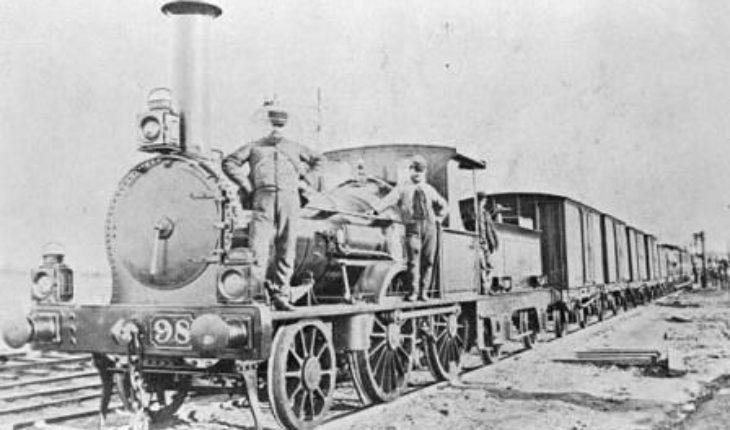
    The first passenger train was powered by steam locomotives.

    Unlike today’s electric trains, these locomotives depended on:

    🔥 Coal
    💨 Steam
    💧 Water

    A steam locomotive heated water inside a boiler.

    The resulting steam created pressure that moved pistons and ultimately turned the locomotive’s wheels.

    It was a remarkable engineering technology for its time.


    🏙️ 5. WHY WAS BOMBAY–THANE CHOSEN?

    Bombay was becoming an important commercial centre.

    Connecting Bombay with Thane by railway had several advantages.

    It could help move:

    • People
    • Cotton
    • Agricultural products
    • Raw materials
    • Manufactured goods
    • Mail

    Railways would eventually become closely connected with India’s commercial and industrial development.


    🚂 6. THE RAILWAY NETWORK QUICKLY EXPANDED

    The Bombay–Thane line was only the beginning.

    Indian Railways records that:

    • The first eastern passenger service ran from Howrah to Hooghly in 1854.
    • The first major railway line in the south opened in 1856, connecting the Madras region with Walajah Road.
    • A line between Allahabad and Kanpur opened in 1859.

    By 1880, the Indian railway system had approximately 9,000 route miles, according to Indian Railways historical material.

    From a tiny beginning, the network was rapidly spreading across the subcontinent.


    🚂 7. THE FIRST STEAM LOCOMOTIVE MADE IN INDIA

    https://images.openai.com/static-rsc-4/PTTwVCBKRRdiuFOhkbaiY8s03An-zn0Rh3IT8h7AfLe95-VOOC1cHD7ZYykq5HsV2eUeLiahrmaj2xB3uQCfDC9aq6_m0riO7ePX4SVRZd8igvYNvjGU9lAfXFs6SH__3iTmYRUsxVoRk-NN-QEowILBHVxfPNH3DZx8KmOmfV9_pScW8f3mq3dS0zWcaRNd?purpose=fullsize
    https://images.openai.com/static-rsc-4/MOtTgAvOEeY4r10JDbkmvRNUfgBiPosfrar_Uc-E9jW5uzlT1jhlmyqvm4gf1qb0pcct71f0dQ4AlljKx3j7PfhrmZoNyGs9jqLXXkbmaAuSbBmBFoWggmS4qn7NvNJRbdCAIxVYnCo3YmIC_La1S0vLfJPwWw62wFATvUnftBKIw65ZYflx8HTq-PEfhKi_?purpose=fullsize
    https://images.openai.com/static-rsc-4/G-s-2qHWd7PryHD4RgeAxfk8uramx-Hgoki_TWQB5YxPthq9XvC2L5abvsB1-1jf2oSrmE4ZX9d80XWWxbQUyC57nZlCc4XEM7OOeTn8R2Y2dT4KPCDsl5b-HrnbwwG1U1x1F_j3BXNnf3UKpASwmiFpPY-VwAnt7abMo9ioVTZePjGv4Lrs7F09rpQVGg3h?purpose=fullsize

    India eventually began manufacturing its own locomotives.

    Indian Railways records that the first steam locomotive manufactured in India was F-734, built in 1895 at the Ajmer workshop of the Rajputana-Malwa Railway.

    This represented an important step toward developing India’s own railway engineering capabilities.


    🏭 8. RAILWAYS AND INDUSTRIAL DEVELOPMENT

    Railways did much more than transport passengers.

    They helped connect:

    Farms → Markets

    Mines → Factories

    Ports → Cities

    Villages → Towns

    Industrial centres → Markets

    Goods that previously took enormous amounts of time and effort to transport could be moved much more efficiently.

    Railways therefore became an important part of India’s economic infrastructure.


    🇮🇳 9. RAILWAYS DURING THE FREEDOM MOVEMENT

    Railways also played an important role in India’s social and political history.

    The railway network allowed people from different regions to travel and interact more easily.

    Newspapers, political ideas and movements could spread across large distances.

    During the freedom movement, railway stations and trains became part of India’s political landscape.

    The railway therefore became more than transportation.

    It became part of India’s national story.


    🇮🇳 10. WHAT CHANGED AFTER INDEPENDENCE?

    India became independent in 1947.

    At that time, the railway system consisted of numerous companies and regional railway systems.

    One major task of independent India was to bring these systems together.

    The railway network was gradually reorganised into a unified national system.

    Indian Railways became one of the country’s most important public institutions.


    🚉 11. THE CREATION OF THE ZONAL RAILWAY SYSTEM

    Over time, Indian Railways divided its enormous network into different zones and divisions to make administration easier.

    This helped manage:

    • Track infrastructure
    • Trains
    • Stations
    • Staff
    • Signalling
    • Freight
    • Passenger services
    • Maintenance

    Today, the railway network is administered through multiple zones and divisions across India.


    🚂 12. FROM STEAM TO DIESEL

    https://images.openai.com/static-rsc-4/UezUYhCZ6kV2VrA9Td63ue2bVWJTI9c10LUYPuE3QwgKb0L1NFzcJfUIba_cnLMsNU-AM8t6io0JB-qrZpfsauz5D3cL_TRH2p9tdL-KP3RZb2JVzRdyflrbQ6zLgz4A7oH372S7H5efF4goLnl-uVey1__lkQRyzHAVNkN-eVXlVBqHeil-H5MyDql5PF_i?purpose=fullsize
    https://images.openai.com/static-rsc-4/11JKG1cL7kvQAYQuxEd3By-qU_xChUzU_CbyZXZkLQ-kTXExWcBH4x-l9cqsFHQQY_ERAzYymwB41KAduJQcsHnR_P6Mloa3ReiemAO2C-5JHEyCXZaQOwt3x49R4-Kmn4aTRJfGBypriatd4Qb5PZnG4PiuzmhMXrvbIq3vDS_1-7-3rQ8lNEtM_dZOaR6A?purpose=fullsize
    https://images.openai.com/static-rsc-4/sByD39fwccOZBWppuLFp9zbRpSZWsj1GLmiPBoBWMR72360EhOpQWby6G-ey6mxIQWfqaIkWg4rI_0W73hVj3LYWJylgXmp9oUWKppwFyarw1iFjm5bVkQjVyYuuCsbzL_0nvo2Pc0Lwr6YQZZDsUy92xWYeEivQO5FD-lKMPqqqbLjI9SLWgitRg10EEfAy?purpose=fullsize

    For decades, steam locomotives dominated Indian railways.

    But eventually, diesel locomotives became increasingly important.

    Diesel engines offered several advantages:

    • Less dependence on coal
    • Easier operation
    • Faster turnaround
    • Lower maintenance in many situations
    • Greater operational flexibility

    India gradually moved away from steam.


    ⚡ 13. THE ELECTRIC RAILWAY REVOLUTION

    https://images.openai.com/static-rsc-4/p-8oUw0VYPb_wP_hQ-ntzbSmbL338wVMJdkp5oMeHX33wQtjealzddu8uLX2jr31ONiiMzIxCN-WUxC2Dwc0Wwe97LcuWJWn_yPUvunqwDKMS8ii7FYFBqyCqjnnKsh758DGPHlZ6WecJ2kGq1t-qOisM_fZ_qEh2bVdPBgCkcEbA1WoiAR76TC2-Intxppl?purpose=fullsize
    https://images.openai.com/static-rsc-4/lSpiNlC5vVVkwuUfIRNU3AcCdY1FygP-Ixbx2ZOcwPDUmYSrckcLWHXjhMiqHEXuUlE6dR0dSL9IyJvsX9gRVwlgR2yRoSc4qA_-8leuyWM51-gkHVT3BJ4fyKFM_WkRS3gEnMXPbLvH6hrMxBdJ0OLSAAQquIHuUiZ2bFy9rW-Kz3Ux7h8L4LkDOsI3JQir?purpose=fullsize
    https://images.openai.com/static-rsc-4/D0up55CLCPoasEuI9PlPHX63v_UpC1QRok_MXxFChe47MGGTlIuQM-Yvbfv-rN46athjIoXd4VcJ_MNguhn97zn4Q8T1L6mhHRQalpQM3tKimeL1Ua5JWOwkIBfSAxOxmA7lp-NUAJQvLkfoHFxDe-FCQIdN795YO25b5S2gPuCqGFk12B5oWr8rydKWovyc?purpose=fullsize

    The next major transformation was electrification.

    Electric locomotives could provide:

    ⚡ Powerful acceleration
    ⚡ High efficiency
    ⚡ Reduced dependence on diesel
    ⚡ Cleaner operation at the point of use
    ⚡ Better suitability for heavily used routes

    Indian Railways has pursued large-scale electrification for decades, with the pace accelerating significantly in recent years.


    🚉 14. RAILWAY STATIONS ALSO CHANGED

    Old railway stations were very different from today’s modern terminals.

    Over time, stations received:

    • Larger platforms
    • Foot overbridges
    • Electronic displays
    • Escalators
    • Lifts
    • Waiting halls
    • Food outlets
    • Digital ticketing
    • CCTV
    • Improved accessibility

    Major stations are increasingly being redeveloped into modern transport hubs.


    🎫 15. FROM PAPER TICKETS TO ONLINE BOOKING

    One of the biggest changes passengers experienced was digital ticketing.

    Earlier, passengers had to stand at railway reservation counters.

    Today, passengers can use online systems to:

    • Search trains
    • Check availability
    • Book tickets
    • Cancel tickets
    • Check PNR status
    • Receive electronic tickets

    Indian Railways records indicate that computerised reservation began at New Delhi in 1986, while online railway reservation developed later.


    🚄 16. RAJDHANI EXPRESS

    https://images.openai.com/static-rsc-4/xNfPqEJVDH_IojMHrXZ-hO__6q41aJqMWYdarf-KOyuILCxLEJQhbKiQ7teHGfW2dNr5iGpGaS4IA8NsuVLbecoo031LMEtvnPE_Y5m1Oz7rFBOztb2MrjnbCZbvRDnQrk38xXkN9cJtaxP4HtKAjqULeuV7tmkHSUiRI7WbiaOGg9klK123s2bEIoxk6dD8?purpose=fullsize
    https://images.openai.com/static-rsc-4/TZIbflVKMVHBRxLNQvbzwKGj5fknTvuvwdVKXBhnmbvB5fTbpXivpg2gjM-qF36qveTSWxbqlvzCPZXWzUi6fHnqNMHuEUXwYoyeaw0xRcyVXu8HBSWQ8ewmR7lklJAGFBWo55CjivCgDXLhXp3fZDDTz0PtLu6BWABg0hOAQoMdrdcfE6CQr4gNXJDXHgHm?purpose=fullsize
    https://images.openai.com/static-rsc-4/7bHNPvOqat9mMRxR1wPtUz1bKbQX-NPVrccKGICg_zU8LOH58xII9PxoTayGBzM-c4Im8mzmpMo8Wv8MdCpOqOMyglkacl97PFr7t6sjGZeDY2KltWrRvIIUMjTwQXcXfkJWV7rQ0t__KB-AsseSBNME9pwqihGYePTH-m8pc6uD4LvDj5Gkie6RjafnF65U?purpose=fullsize

    The Rajdhani Express represented a major improvement in long-distance passenger travel.

    The trains were designed to connect Delhi with major state capitals and important cities.

    They became known for:

    • Faster journeys
    • Air-conditioned coaches
    • Better onboard services
    • Premium passenger experience

    The Rajdhani became one of India’s most recognisable premium train categories.


    🚄 17. SHATABDI EXPRESS

    https://images.openai.com/static-rsc-4/v42Y8Dz6m8umHEeTq5NCvO8mmJrEkzGCvq1tUFsqO8KOqdpBHpHvCZ1KLcKuyuZ3BGyhziOiVaLqTmj3SCqgpPFLFS2tiVm6kAEP9LTPPx2uNreMwE9MXEVFtLzryLubAn8uiOJew7gAVmkzsu-6mSR9B5lmO-epQpM3VJaycBLF7iOUGQLUy1r1t9ZLTuaR?purpose=fullsize
    https://images.openai.com/static-rsc-4/7Pndg7vkfle_tgsdfzBdI8qrxH0hzhx0jDZThHSQbNp5pQOuOJPFlhuETCCJyuGSy0WKVikwlMhHKgauh8Wp5lTC-OjzK-Ba2iWxImvMY-Gu2UmFJLisqeTPhzeDXo3os4zFighXyKfZ7VuM2n_yokb1HPx439GBrTowRON372PJYH-aSROVI-Uiil0e1cXQ?purpose=fullsize
    https://images.openai.com/static-rsc-4/VxR8GEtmZ75t4e3UspGypjMcLDwaLetWyBRIQp9yHoEEgDCqIp8SZYhQqdDewTpcbUWs03BkwMCbCk8_-ayLy5JlAEJXVd7I9Ow7-eH1dtW2jrPhfDNR_lGEPICg26iSarLF4-9yt1ylGWr2-TQI_yzsapXES9oRl_N0suLxDmUBC77gavBkj3wwMiL6o_BG?purpose=fullsize

    The Shatabdi Express introduced another important concept:

    Fast daytime intercity travel.

    The first Shatabdi Express was introduced in 1988, according to Indian Railways material.

    It became particularly popular for relatively shorter intercity journeys.


    🚄 18. ENTER THE VANDE BHARAT EXPRESS

    https://images.openai.com/static-rsc-4/DG9zw9wrescI1vGOyt1td1qsRkR7wLWXAWH1SQUC3kkMNrzg3rTnO_j9H6MBdmOYlv0Jc7tUqPJh9pqD424mWXeeTMgdsel2Nc5pbXFH8vsquVL54NNyfhsLN6Jrb7WnczdeW-IL2VVIfpNLraO29NLlBZndj9A679xXjarxGexI3VXmv4R4o52ABxS-ED8E?purpose=fullsize
    https://images.openai.com/static-rsc-4/zETEzpmo7XLrg0jhMhTAC4gaIMRH8sbzcdvdWzmMJsoXiFszC2_2aUCuUg3voOF7DvuEcUed7xrBqj3ZByj5MaLOEQXr69R57aOFVuzGnK8SeOn9qZwiUV1zZkdzsCiZ4-WYWdLG5m1qFmOQJBvc2GcbyAcI8ibh2LSCs1lTjOKJx1MkVtlk0jSBGUT3LC5G?purpose=fullsize
    https://images.openai.com/static-rsc-4/TMsfQlWs370NcX4l5Fml3tLKrDaGfDGYvx4NmW31ATHbrigznE9PaYMxcJTpwdInymBUkF5sBO-GTpn43YCsR0o6HrPmbgAc5pGaHMGhO8LkjLAW0F-SW7aedsB5jEVOFVmad3Hw9NlT9GBsn-k-JcajSZWyX3WKL8R2ypg-O_lOsF7BGxWdqbEiqde3i2Ah?purpose=fullsize

    India’s railway technology has entered a new era with the Vande Bharat Express.

    The train was originally developed as Train 18.

    The first Vande Bharat service was launched in 2019, initially operating between New Delhi and Varanasi.

    Unlike conventional locomotive-hauled trains, Vande Bharat uses a trainset design, where propulsion equipment is distributed through the train.


    🚄 19. WHAT MAKES VANDE BHARAT DIFFERENT?

    Vande Bharat introduced several modern features.

    🚪 Automatic doors

    Designed to improve passenger convenience and safety.

    📺 Passenger information systems

    Digital information systems help passengers during the journey.

    📡 Wi-Fi and connectivity features

    Modern onboard technology provides improved passenger experience on applicable services.

    🚽 Bio-vacuum toilets

    Designed to improve sanitation.

    💺 Modern seating

    Executive-class coaches include enhanced seating arrangements.

    ⚡ Faster acceleration

    The trainset design allows strong acceleration and braking performance.

    These features helped create a modern image for Indian passenger rail travel.


    🛡️ 20. KAVACH — INDIA’S TRAIN SAFETY TECHNOLOGY

    https://images.openai.com/static-rsc-4/wITKYRPTAXU9VNZEHbuR_kwh5Wh6DFHUrSsQaW8k1fjKm2BFhFMQmvaj5aN-OgdhSXnbAg7UdLJJaDf5VQTHESs5EVUzQab8Go4Bx8sBG6Luexi9vnZWXuNPXYAA4doSr17HpWg3RHd3MJqVRbhdyDWFLVDyn0A-i7IdoS8CqJH_x-qz5kWLvqoFDT5uQF1s?purpose=fullsize
    https://images.openai.com/static-rsc-4/pvyV9FlT0Ufb8qvAKRRH-Hq91H8BOZyn8HoLoXKFgOBFjv01rcV_bJEjTMgn3grB8vuVuLfc_tY7B1AOJmX1T4Rc9nh-ti8_AQDx0XdaEBwlJJGA5kqMdG0U1N56XfEOiRN0u-N48n3-jaLslWMsU_J5rkPqUa80FBO4TflplHw-yHThDXaNlzjpCMV92Qfh?purpose=fullsize
    https://images.openai.com/static-rsc-4/zGZL-PSMopdAVV7y-f12eHbxQe0D9umDooXSzjac1sHCqwG0fAFnf4Pw34x5l8AbQPTriBmM9jaMn27Z7kBIxtgbai62FZs68UKqI1b36Y4KAxe7f6qtpDcPKX1xbEmyZ2jngaG6O3Ni02q39wxvoGSx6UY8TiOn4zZEtdTG7L3t1nWRz0XD2UlG-dd7NR8n?purpose=fullsize

    One of India’s major railway technology projects is Kavach, an indigenous automatic train-protection system.

    Its purpose is to help reduce the risk of certain train collisions and signal-related accidents.

    The system can assist with:

    • Monitoring train movement
    • Preventing overspeeding in relevant circumstances
    • Enforcing restrictions
    • Automatic braking under specified conditions

    Kavach represents an important move toward increasingly technology-driven railway safety.


    🌄 21. INDIAN RAILWAYS AND SCENIC JOURNEYS

    Indian Railways is not only about commuting.

    Some railway journeys are famous for their spectacular landscapes.

    Examples include:

    🏔️ Himalayan routes
    🌴 Konkan Railway
    🌿 Western Ghats
    🏜️ Rajasthan desert routes
    🌧️ Northeast India
    🌊 Coastal railway sections

    The Konkan Railway is particularly famous for its bridges, tunnels, mountains and monsoon scenery.


    🏔️ 22. MOUNTAIN RAILWAYS OF INDIA

    https://images.openai.com/static-rsc-4/76p4jeO0KV64UzcYmdGn-Cff-0_AwiV-zlk18vvDU31rlumpbW2jF6o0Br6hHNmbyVi83UKz2CVyfAExfEfJTddZpAdNzFBDSmkD9iC3FNRjAkjlAMvhq7TZGdTlCiqb6zMifx3QadRD4YENNIZQcP6Sel5l6LB_1CAEWE5XunBfQ1X3awm0qYur64DSoupw?purpose=fullsize
    https://images.openai.com/static-rsc-4/-Ndn8qJh8tsDN3WtGz9hNMl-x1gK5S9OBtDOxcIHS89Ur63XVNGa_GNgJebrb1FUISdi3cPu4OwmxbNS_fycFwbO_ya7NU6wbWJHLpI5Zyi_8qzKINz83MCFL4ozhoNkeLnO0Qbg2VmuX_L7WGW5EtzdKtAzAVlqIdTXo2vyj1EthhL2JD9Zgio_kNVzdFrv?purpose=fullsize
    https://images.openai.com/static-rsc-4/xf0zRRBssi7ZIgTZlNoV1kcnre3WVN2ddGBpBb6Sg1YbZndkWXiTwQ1YycFbmeTOE15QMlK6wphu0EBMyQurb_G6BWE5ueP6vuT22O8M4fI_NdR-INv0ULKzTJXYVaqyGu4zCyC2IFyjf2lodfIvc9hSlaNjMWaMnaCTHT_PAMaPtuQ01bVpxVlt78VVa_iX?purpose=fullsize

    India’s mountain railways are among its most famous railway heritage treasures.

    Three important examples are:

    🚂 Darjeeling Himalayan Railway

    West Bengal

    🚂 Nilgiri Mountain Railway

    Tamil Nadu

    🚂 Kalka–Shimla Railway

    Himachal Pradesh

    These railway systems demonstrate how engineers built railways through difficult mountainous terrain.


    📦 23. FREIGHT TRAINS — THE OTHER SIDE OF INDIAN RAILWAYS

    Passenger trains receive most of the public attention.

    But freight trains are equally important.

    Indian Railways transports enormous quantities of:

    • Coal
    • Cement
    • Food grains
    • Steel
    • Fertiliser
    • Petroleum products
    • Containers
    • Industrial materials

    Freight railways help connect India’s industries and markets.


    🚆 24. THE FUTURE — HIGHER SPEEDS

    India is also working toward faster railway services.

    The Mumbai–Ahmedabad High-Speed Rail project is designed around Japanese Shinkansen technology.

    It represents a fundamentally different category from conventional Indian Railways services.

    Instead of simply improving existing trains, high-speed rail requires:

    • Special tracks
    • Advanced signalling
    • Dedicated infrastructure
    • High engineering standards
    • Special rolling stock

    🤖 25. THE FUTURE OF INDIAN RAILWAYS

    The railway of the future could increasingly include:

    ⚡ More electrification

    🚄 Faster trains

    🤖 Automated safety systems

    📱 Fully digital passenger services

    🌱 Greater energy efficiency

    🏢 Modernised stations

    📦 Faster freight corridors

    🚆 High-speed rail

    Technology is changing almost every part of railway operations.


    📊 INDIA’S RAILWAY JOURNEY — IMPORTANT MILESTONES

    YearMajor Development
    1843Railway connection idea for Bombay–Thane region recorded
    1853First passenger train: Bombay–Thane
    1854Howrah–Hooghly passenger service
    1856First railway line in southern India
    1859Allahabad–Kanpur railway section
    1880Indian railway system reaches about 9,000 route miles
    1895Steam locomotive F-734 built at Ajmer
    1947India becomes independent
    1986Computerised reservation introduced at New Delhi
    1988First Shatabdi Express
    1990s onwardLarge-scale modernisation and electrification
    2019First Vande Bharat Express service
    2020sRapid expansion of electrification, modern trains and safety technology

    Historical milestones are based primarily on Indian Railways’ own published historical material.


    🚂 THEN VS NOW

    Feature1853Modern Indian Railways
    PowerSteamElectric/diesel
    TrainBasic steam coachesModern trainsets & coaches
    SpeedVery limited by today’s standardsMuch higher
    TicketPaper/manualDigital + paper options
    CommunicationManualDigital systems
    SafetyBasic systemsAdvanced signalling & protection
    Passenger informationNoneDigital displays/announcements
    StationsBasicModern terminals
    ReservationManualOnline
    EnergyCoalIncreasing electrification
    TechnologyMechanicalDigital + automated systems

    🇮🇳 26. THE RAILWAY IS MORE THAN A TRAIN

    For generations of Indians, railway travel has been connected with important moments in life.

    A student travelling to a new city.

    A worker travelling home for a festival.

    A family taking its first long-distance trip.

    A soldier travelling across the country.

    A farmer sending goods to a distant market.

    A pilgrim travelling to a sacred place.

    For millions of people, the railway is not simply transportation.

    It is part of everyday Indian life.


    ❤️ 27. WHY INDIAN RAILWAYS MATTERS

    The history of Indian Railways can be seen as a journey through several technological eras:

    Steam → Diesel → Electric → Digital → Semi-High-Speed → High-Speed

    But behind every technological change is the same basic purpose:

    Connecting people and places.

    From the 34-kilometre Bombay–Thane journey of 1853 to today’s modern railway network, India’s railway story reflects more than 170 years of technological, economic and social change.


    🇮🇳 CONCLUSION

    On 16 April 1853, a steam train left Bori Bunder in Bombay for Thane.

    There were only 14 coaches and about 400 passengers.

    Nobody travelling that day could have imagined what Indian railways would eventually become.

    Today, trains can travel with electric power, automatic doors, advanced signalling, digital passenger information and modern safety technology.

    From the smoke of the steam locomotive to the sleek design of Vande Bharat, India’s railway journey is a story of technology, engineering, people and national development.

    🚂 1853 started the journey. The future of Indian Railways is still being written. 🇮🇳

    https://images.openai.com/static-rsc-4/vIRdi6wbnHEwuSLVJ0G9OdR63iwZDQhYtlE0yPEJwCVjstr0db6kqufqBreXeF-dF6P3nxoFgmH_2uIKzBwDHLyWGj0yNKmzEhywh0coWfC4Xez6M9MwD2njw34W5Q1ccbUq8iayuNCQxh0eb6DzlIiHGKwPPhyr5KXLiEfZN1rt7X3uRLY7m8EB5pJOuybG?purpose=fullsize
    https://images.openai.com/static-rsc-4/l--6yTkAYvfwH8aBRh4guZtnN2iGKOGHb5_A6gDCcF_xJ38ym7wYI8CC0CgC7FoXyTk4hVyOv6Lxqt_b4oPj-OB1wc-LDDq-DcMF2H4x4iiH57mA_yypRZ36TEIOU2Vpe0b2hJr1qcvGp3sCntqoS5U_TcZDlEp2kOBFtd4vUhWWjvuiynKNovqYGC0KH2xY?purpose=fullsize
    https://images.openai.com/static-rsc-4/znJRYTlXg7kJTK8s2U-q7dph2xIwv7fTbL9FmkjQrXZERKdQmm_B3RcaAsjdUGSE0xnahMitHau55I8bg9yr3Vfx1fKLataV6tyoETBFKW2n3JPMONlqdLQhUPTpVRoLZdvsvAB7MUG6QEFrr5WnqcEA-d5CKHJj1bTh6jAzT0RtgDtH_3ojTyZ-CoO2MKmf?purpose=fullsize

    🇮🇳 MANA BHARATHAM

    Stories, Facts & Wonders From India

    ✍️ Written by Pasupuleti Saida Rao
    Know India. Explore India. Celebrate India. 🇮🇳

  • 🇮🇳 10 Things That Make India Different From Other Countries

    🇮🇳 10 Things That Make India Different From Other Countries

    India is one of the world’s most diverse countries.

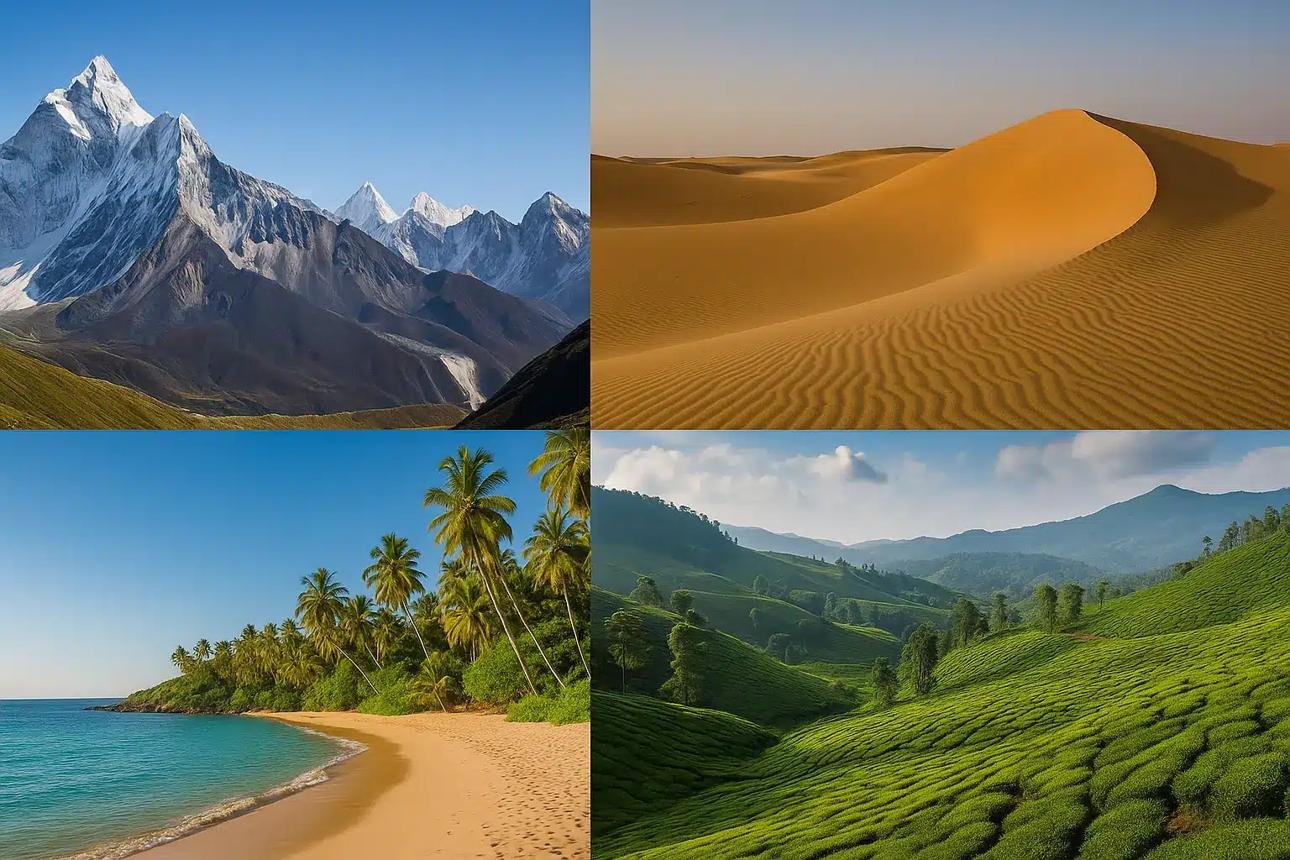
    From the snow-covered Himalayas to tropical islands, from ancient traditions to modern technology, India contains an extraordinary variety of landscapes, languages, cultures and lifestyles.

    But what exactly makes India different?

    Let’s explore 10 fascinating features that make India stand out in the world.

    https://images.openai.com/static-rsc-4/TlWPaW0WjqVToZmtie6u3lfa_AZzAUkuYnJj2NfjCgDUinMVlBaAaQN_acr-khpwuE-EY6RedKCaBvzCLcqj9JGYqfoXo1yl6MsMkr9CyhjC0aEBmmJxNOnqPycXezhdmzyMT5Syj-Th89G5Udb3isqskA5n-q_Yoxy7mTDB-D7R3sPJJ7XqqRldV296ewS-?purpose=fullsize
    https://images.openai.com/static-rsc-4/qZEBNE0UPwWOoj-cX_BH-qkT-XY5CLinF_-rBQD1WkSIZujkPjCYqRN_DWf_b7RX5wT6wZ1jzXYZXePH5QDsS5E3s-3ne1OMOmtZGyk7o0rgmws4xodUGkd9bX4nnPk7wxmdR1L_ra7Mof06-fu7gyiEsEpJaPsF8Qdek9hpIfl7uCYwnrCbESgbaSL9Y0fO?purpose=fullsize
    https://images.openai.com/static-rsc-4/p1ChWPhdomYiCZycUZ4ylyLcx_QqNzf2Rxxry8g5Mq740jPXOoFQZozdlGLR_LtyO7zJqOe375XRCa8AL9w8dsn8j_nx5ak0uYoAUWsp4fsUZ1P5deh2_kzapy8pE7FuZ4hZmlei_yDbqErsJBy7DOko522RRraNabncGPAF36vQObJlm8WR6XXIJENGH0E_?purpose=fullsize

    🏔️ 1. India Has Extraordinary Geographic Diversity

    India’s geography changes dramatically from one region to another.

    In the north are the Himalayas, among the world’s highest mountain ranges.

    Further south are vast plains, forests, plateaus and deserts.

    India also has long coastlines and island groups in the Arabian Sea and Bay of Bengal.

    https://images.openai.com/static-rsc-4/8G469xV1EPunN9k_mMpKwBY5evXUiTJgY3QOhEpEMr-g5rzMHaoEQCp4PXnnwyc42mjW4ppqeAtMVprIzpMwk6gImp-01nC1LWYtZTzFycUF19FeDDz1B89A-JQ8fuX-Z5IMRPyNAWNV94SIPK60-WlIc-zsDgp5p3TuhuPiI6xwUJFUSVkJKnhcW9weC3Sf?purpose=fullsize
    https://images.openai.com/static-rsc-4/GgfzS2Qz33-uEUlh8OTrwVFlJyPj6fnVvPmC8gW4VOWk3HQrxA8yG6_-WOO2MjhYe8GeRUHPXuy4wLuDs1Tut3212t-Zv8ElGQoxvk-ON9kd1M-eTbCKu58YiyP0lMzPZ4hg7HdRBikiK3RLkmMGHxag8MvRil_QVyHBRf8rGPtjtaHx_eD-VuZGFDdBYT5z?purpose=fullsize
    https://images.openai.com/static-rsc-4/bnuNSxOlhBwlxU0rw3tJq4aB1PG342W3oYdOwtFAqGHRVVNiwwqr8qHkMo5B4w3QLvVGzykgQWfpIX_QuQdduLSgEwG0wVJOatR2YTm2x-uvGcwdMrP-dCrwHSKjySrSsyx5ECaXYM1isQuJfPysKpFC0p2kLBGOAD0xxj5N9tjO66GHI9Q7UKNOLN6iU07G?purpose=fullsize

    Within one country, you can find:

    • 🏔️ Snow-covered mountains
    • 🏜️ Desert landscapes
    • 🌴 Tropical regions
    • 🌊 Long coastlines
    • 🌳 Dense forests
    • 🏝️ Islands
    • 🌾 Vast agricultural plains

    This geographical variety is one of India’s most remarkable characteristics.


    🗣️ 2. India Is Home to Extraordinary Linguistic Diversity

    India isn’t a country where everyone speaks one language.

    The Constitution of India recognizes 22 languages in its Eighth Schedule, while the country has many more languages and varieties spoken by its population.

    Major languages include:

    • Hindi
    • Bengali
    • Telugu
    • Marathi
    • Tamil
    • Gujarati
    • Kannada
    • Malayalam
    • Punjabi
    • Odia
    • Assamese

    And many others.

    https://images.openai.com/static-rsc-4/gnK2RWL_lIR8P8KV4W7TaOVb7QpWrFE3IH__HcXXmGIXGlixU7j95Log_D4p2ErCYIyHgXOFSujf2xd6S6pWj4K7Gz3CUc6wgmcutmmWKhVDBHcOvhA5nSBXGmOkCDIwEAJuQuTWcYsVgKv0ggqWod5C7IW0lpSBhNWsCJ7VSPeANf29YDFHsuihvoigM7SA?purpose=fullsize
    https://images.openai.com/static-rsc-4/xxV5eCGfPJ9BlQ74KhETMT53dqfnJATS38v8sWPBFEBa2cjQZw2oKlfKI0aVKlzqHre6gIcek1NsUbVODRoF8yNrA8ZfWq7WmcSfgqEgKf00YoEBWeeR7PUGbSX96LS1rVsgPfHL_01MUKpZqafzHo6QGos3dbeIHaU1bGLktUpf9rq0XjHkXxbz0rJPTHRD?purpose=fullsize
    https://images.openai.com/static-rsc-4/6VpkKnb2LtE-qqgW9UJ3-mFThf7rYxlwGM6UZbBB_AxHEYvtuN1iUgBtW_x4y4kH9z62QS_drXDRUTAoNziMsbpWA7zbCuz-3woWtZdnsICuo0_FRWykt2ioUva2yhJhTwYIPI77wYkzgLLeYCU6Zga1CKE5STs0cTIG4etEXQ1Ub_WZncqfAX_DksSVx3du?purpose=fullsize

    One interesting feature is that India’s languages can use completely different writing systems.

    For example:

    தமிழ் — தமிழ் script

    తెలుగు — Telugu script

    বাংলা — Bengali script

    ગુજરાતી — Gujarati script

    Yet all of these languages belong to the cultural and linguistic landscape of the same country.


    🕉️ 3. Several Major Religions Have Their Roots in India

    India has been the birthplace of several major religious and philosophical traditions.

    These include:

    🕉️ Hinduism

    ☸️ Buddhism

    🪷 Jainism

    🪯 Sikhism

    India is also home to large communities following Christianity, Islam, Judaism, Zoroastrianism and other traditions.

    https://images.openai.com/static-rsc-4/GeniNnJ0Ka0efnrv2OOb9aUWmJK0un-MQIU2cBV07-HCNjGNE-KPD5pOZrXP3RihLgDR5XkJV_5SN7-HCbzLqv5VddZrFYTWRlsyGQyge8KawuE3m39LYPW9q95zVIZTGlh2XmS9V9WS3eUXMbinAIU5eEI4bOae_q2zhT2D264O3ajCDghD1khRluKuTaD1?purpose=fullsize
    https://images.openai.com/static-rsc-4/LaMe7Lnj1zPO5UM1Cb83jIMIbO1dRMlCYN_X1771ZmIJW4Cib7gGJ-5JtyNZi2oIGOY7POzEj0zN4vTvHv4gtQ68PZ44xwrJuuflWnqiu3N5oZ5E_2VRt4weF1zLMd6-2-DIMW7-v3N_LGJHUgUGtq7WSw0iwVH3OfLXOHrteMmVCXmLtVY6PTvtmxGQCAGv?purpose=fullsize
    https://images.openai.com/static-rsc-4/itK4L0q6WALVfFb21o9tQHf1B9CawMIl4iYdR_d36bCYMYl8ZwMScXC9fSGYotD9uwBBHympcdxbD_XZ2NoDFYr6ldOSQnvOqu5VSH0InjyYQ4CfMxWsQyS5ZV2yrCXEFEsR9yyyZeN_g6NWnpEQZ2nRVOvnxTJZBeFQ6xoJe8S9XcnWe4p_8tJdJNSdIb0T?purpose=fullsize

    This creates a remarkably diverse religious landscape.

    In many Indian cities, different religious places can be found within a relatively small area.


    🧘 4. Yoga Became a Global Phenomenon

    Yoga has historical roots in the Indian subcontinent and developed through centuries of philosophical and physical traditions.

    Today, yoga is practiced across the world.

    https://images.openai.com/static-rsc-4/amF3x14ek79gx7ZTRr6_wkEuNNQHnTDM_r1HhmrI0lJbygic3gr0OQQmr-JuWQG5KeYRULSAgXg8u0zceEO91bkrTXrrnNJTy5uzHk1T8QJrw_qn1C1gGu5bX0M7RjJCfwwkVfS33wnJc4irEgMkERVSmPPAoSemSYQifUJ7VuxcGV1UrFJ_nbx7fGNO2tv5?purpose=fullsize
    https://images.openai.com/static-rsc-4/2xpZLtoMColMWMX0VLme4gWxPY7HmZ8Xa5B7wVJgwe5TX1qhePW0fRx9Ph2WPbetbPr9FXJRXHAnU3L8plm5a-k5VetyeckF6Q5H0vuP4rv2-zrGMuqrGq1vcdraDTLQM2lhrCUt09zchRODFbkFETq6CI9_5-FaZEMIJeLmk09peGfw_I31AXX4L4S7x263?purpose=fullsize
    https://images.openai.com/static-rsc-4/CvPNLwCSBWTWpDr2qaI-SfVYVSYaXs6TdIN78Xm-wV4YDy2b6DDDLgTRbdRyce-KvXge8BR229kpaBq_QBMDrxsOuHBkjyDVqHRF2mgd5X3HLJZxVVF79xUK1lWYLHAXbLiKhcZ3OAecJlTE10vYx18SLmV6sbMVkXi9XQ75GxyYkFAO5Py0bKDysjrF7g78?purpose=fullsize

    What began as part of India’s philosophical and spiritual traditions has become a global practice associated with physical exercise, breathing and meditation.

    The United Nations designated June 21 as International Day of Yoga in 2014.

    That is a remarkable example of an Indian tradition becoming a worldwide phenomenon.


    🍛 5. Indian Food Changes Dramatically From Region to Region

    Ask someone about Indian food and they might immediately think of curry, naan or biryani.

    But Indian cuisine is much more diverse than that.

    Food traditions vary enormously between regions.

    https://images.openai.com/static-rsc-4/2ZytTP70Eq74v7gyvn9qUu7PFbtM3izCOacAl3513DZpNfCrQRcKHALIdtDyvfKt6crGekR2oslazEUoSYXu1y40wzv4ub5f7fGuwiZEggZ24OBuLcEUePF6ezy9btmEvdFAv50z0ZOMYzUyQ6RHsyNrqM5hTpsEMr8_z28wzgvfU_VVY2L2UDdzLzGi86wy?purpose=fullsize
    https://images.openai.com/static-rsc-4/odAz7reT477j02ig_kG78TU6Q_T-9xq3pJKROqF0RMwoN5QaAvLVTTElG0icadixIVR_BuUZ_rqZoewVo8Bv8C_wuTqCXtdQjN79BWxzSugG7AYeFiEC5C7McLYiUdiHkF5eMuyffnl7lM12b5t6f9i9Q3ilozSmNYEzu3ZWYyPgSYTOsRXierKvvJjRd_5V?purpose=fullsize
    https://images.openai.com/static-rsc-4/kpzGDKbSs9BEVpNPHNPhWfgWyphT8sUXD4lmp9gsoGPtJohqspKelXi15lUfjXhIPgr4leAFmRIhIex_QNRMNWEdKtKAa29FI57hrNfUZiR0igij6cxESbiAaAD8PLiFmZstkN8U2TcS22CtnBmOYs2i7txiBzlC3L5injXpsMvHJS4kpnNAgDuU_T2i137k?purpose=fullsize

    For example:

    South India

    Rice, dosa, idli, sambar and many coconut-based dishes.

    North India

    Wheat-based breads, dals, paneer dishes and different styles of curries.

    West India

    Distinct Gujarati, Maharashtrian, Goan and Rajasthani food traditions.

    East India

    Rice, fish and unique sweets are important in many regional cuisines.

    Northeast India

    Food traditions differ considerably from those found elsewhere in the country.

    So there isn’t really one single thing called “Indian food.”

    There are hundreds of regional food traditions.


    🐅 6. India Is One of the World’s Most Important Tiger Countries

    India is home to a significant proportion of the world’s wild tiger population.

    The country has invested heavily in tiger conservation through Project Tiger, launched in 1973.

    https://images.openai.com/static-rsc-4/yRX0XESzB3aOX4LFhwc3EtYDSRioAZfGj7zcP8L7ocFDP5BR2nLZOqB1exp6ExlwSh3UpWTacwek1382z94RtqRf25r9vSLCHVzXtCP8i05jDRkVxNgyilj5qy1FoTISEIEbuA1E21lsKAh_DlOKpACV9G6HwoJUg6c2PzN5ep-t4Lt20FTVuhV5dlhGnz1b?purpose=fullsize
    https://images.openai.com/static-rsc-4/eHgLXQhIvrDdJzTh0q-uKDLvA-tawyNevUvJ-29mIQIaroENqttD3Kap-n6OZgFopWZSKCCZZwiKqjVIHzvtwVDbKPcxuEkaOPwz0NbKdrtRn_-VGiK1NjMvwLRyPjoHLe9SG5kzJWMiaOcMvKj1kNYl__y1rw40Q-C99MoNEMn6gxRJJIO8AbqsWRTVVrYm?purpose=fullsize
    https://images.openai.com/static-rsc-4/jnkomyI-eZgerq5RWr7bS1IP6tcsZWVeJH41-mqCC1VCbayvMCsNWm8-i-ZBkCFerOW4jORLDJYJCevP3R0bopkyNmpogBhTbsQXnJ5pAgA-YAyWbebj-To4S6UN24oBT-wMPyRW5jM3eZ9yo6k3t7L88GwcC7Q7U6XT99mWq5z5FWvMftFyqN2V3BOjlAod?purpose=fullsize

    India’s tiger reserves protect important habitats across different landscapes.

    These include forests, grasslands and mangrove ecosystems.

    The Royal Bengal tiger has become one of the most recognizable symbols of India’s wildlife.


    🌧️ 7. India Has Extremely Different Rainfall Patterns

    India’s climate varies enormously.

    Some areas receive enormous amounts of rainfall, while other regions are extremely dry.

    The northeastern part of India includes places famous for exceptionally heavy rainfall.

    https://images.openai.com/static-rsc-4/MNKBiYQ1H1HqpZFPnfg9enOY5U0bkqekIktpTg1D4hfyvq8k9S4dhF4Qetevb3aXXSNF-dCmiDlG3lTkiX5NSkCMPx2Rct_Ra1aOmbjPu-Jcikds_jFvctnApZr3OtQVXY8qFoHj7ipWosgbe5AplLtYwKDfJYurhOoA3F1oOwRH6EbMqBLC2yYeMVv3emDk?purpose=fullsize
    https://images.openai.com/static-rsc-4/hANkKj0j0f3SjVfDYEozmvJ1dCE7LSAPujz8rv8gzXXGuUtJ1PMh6Tyl6lBEY-nUvxVd0s6pvyyvRNuHf6C2O9NviEkRsKcKQYn_ax5EWwyYur2SqruyOY7stDXgdYe-VOkiggnmT3bHekXZ2vqcO3zElXTvcN8ypphOly9d05obHdRHvwgfJ5IQRT5XEqrO?purpose=fullsize
    https://images.openai.com/static-rsc-4/7vUNIhvn9o0BBjzAOMTaRXe8HK8EUQ-zqJCzLX-Rxm3G1q9u5I1gMCjZIU2g4Xo84jRvGlZnl673b9hbPOyaGTzSJVGz60X7wQ33FAgyt_6x0rzuXMIhxAiR4F30GN4khXfv_o-1LyR7Mz_WYTucK5REijESNGDCRIyDT0iMMKI0OFUOZQnph37yGju8Hdgw?purpose=fullsize

    Meanwhile, the Thar Desert in western India has a completely different environment.

    This contrast is remarkable:

    🌧️ Extremely wet regions

    versus

    🏜️ Extremely dry regions

    within the same country.

    The Indian monsoon plays a major role in shaping India’s climate, agriculture and economy.


    🚆 8. India’s Railway System Is Enormous

    Indian Railways is one of the world’s largest railway systems.

    Millions of passengers use the railway network, which connects cities, towns and rural areas across the country.

    https://images.openai.com/static-rsc-4/UATlvuxRQJXC-5CB990JnZghTrK1DUWyx_LiTmBuME3BL42c7bbp4Ufljl_dCu8DvtkOPNTbYjVYsyL3K5bhqQktgcxDJ-_MpXQLam82_i66gxTTrTJnbknCZ_S7Ekji9aMuwN0RVo9RxscfnLHyyXmiL79jNRWlF9_UTQt9rwPA4YMZiCWrgl4eUDe3PzUY?purpose=fullsize
    https://images.openai.com/static-rsc-4/RQE4AAk_nsPvuWutG3vmwQkBjsk3bzVtXODZTUtZnoRtAN3PSyeoUhCmXQGaFpSaW56BM6VaNQGdmQ0zCaGhOfULd-lhDhFgTRxMgksWuJKOBT_94yqkRxUPZUbWcjYiMnGcvP0j6j4DPcbQU_tM-RHQZVz0V1HGo8qEEK9HFSEHczHXyoAGTZMCVKIlsjmx?purpose=fullsize
    https://images.openai.com/static-rsc-4/J6vjWgLSmHIm4AgZMk67jp5p7kbVIIF9jYvNWhVXc3xK_Mu87lzL149aYzFphAbry57sjnthLI5kNQrsSIBqSsXfpidJ2ULYAnG3t3s86t6w1CVMPTGPVhaYL1paOh3gyv1s73RX1ec__GJgVAPX4rOrxAEiY1PN26kFb3s8Aoxsn2iwdvfjlVhlrJqsvPkt?purpose=fullsize

    A railway journey in India can take you through completely different landscapes.

    You might start near the Himalayas and eventually travel through plains, forests, cities and coastal regions.

    For many Indians, trains are not merely transportation.

    They are part of everyday life.


    🏛️ 9. India Has Both Ancient Heritage and Modern Technology

    One of India’s most interesting contrasts is the coexistence of ancient traditions and modern science.

    India has archaeological sites, ancient literature, historic temples and traditional knowledge systems.

    At the same time, India has a major modern technology and space sector.

    https://images.openai.com/static-rsc-4/EONpAPg16TMqZCWDRgogEKPKbBcBWBf6bsKwOfFLFlUotTA3swOU2Ndj9AGG5hevqZFSiHXvs8Ll4uoGeXVAF5QVcQDCy2_5FEdgGtUk3L4WLO4LLhaHAPj7GryIPk1qY6-6fcNJZ17i7bUx9jXuDs9zccbH5vM_G00aO7neMoI2j7aXlidFlBKNR_HtG7Wu?purpose=fullsize
    https://images.openai.com/static-rsc-4/dzrgZDYI0AwUQEon-rNwqobcDCkohppLqq1jslX_SkvQqg_xr1rpa0u0B0wda5MCwLJy3Ztdn_E9nZ5r_Li4bTKnyN40iaWnWZiY-RNVo9eQCIjSv4S4PVVCRnB59dZk-a5FbjELiPhvci0JzOLEmO8LWEGF0w3HYr56uLRASxM8kO08Uy81zmqVCnBpcXhO?purpose=fullsize
    https://images.openai.com/static-rsc-4/-bfi5EqAOuzeSFw6TX1_yuGJfdJqwimc-ATbbS7WneoNxaPLpnOR--8Lv4ZVN1TAaouu8BcotZsAd30UNQ5cmI5dBLr5ZvJFssX2ysGtyp9irRMFXuZOU7gFDUfvD7QP4iCQXY1pmaySi8swxoeVnfopyUYsUdKA2RP4WSkCOqHF9kgenbMOYGb7y1FshtAK?purpose=fullsize

    India’s space programme has developed launch vehicles, satellites and planetary missions.

    For example, India’s Chandrayaan-3 mission successfully landed near the Moon’s south polar region in 2023.

    That creates a fascinating contrast:

    Ancient heritage on Earth + spacecraft exploring the Moon.


    🎉 10. India’s Festivals Can Look Completely Different From One State to Another

    India has an enormous number of festivals and celebrations.

    Some are celebrated across large parts of the country, while others are strongly associated with particular regions or communities.

    Examples include:

    🪔 Diwali

    🎨 Holi

    🌾 Pongal

    🌸 Onam

    🛕 Durga Puja

    🪷 Baisakhi

    🐘 Ganesh Chaturthi

    And many regional celebrations.

    The traditions, clothing, food, music and rituals can change dramatically from one state to another.


    🤯 India Is Almost Like Many Worlds in One Country

    Think about the differences.

    You can travel from:

    🏔️ Himalayan mountains

    to

    🏜️ Rajasthan’s desert

    then to

    🌴 Kerala’s tropical landscapes

    and finally to

    🏝️ the Andaman Islands.

    https://images.openai.com/static-rsc-4/1poqf6XzyIQcGOLS1SsPlhxr9c2nfbAS6w_fcgWc8nSDjGJUHd7MhZ6ny3Xze0tq6J3JWieBU7Ygq_rgo62Ej5LGgpb0gSfYV5QiGaEmephhDP3cT6aecgcnXRyb0FUKPWaXWmtoMdDqd-pIlwJ5_hfCd0wWTKbCDTNj-08GJpkjTYKkCc3fsDjBLMBQd6YF?purpose=fullsize
    https://images.openai.com/static-rsc-4/x3KpIUt2WUWtKTPJ3smfdLx2vj0YZitFHmEU4ErmOjjqm4N6_DWncnLMZlQxJT4lm3wI0uyR7OWpgBUbt7KmyOOZ_N57OwL6pZjd_i5e21S1rgG6HJr1V_C2Gdwofe9-fjA8RwJ4o-49kV-kyEMR7iw5v56THQPWIxmnLh3-C_f5ZDtnSBAYdz_CwprdA4HR?purpose=fullsize
    https://images.openai.com/static-rsc-4/sIov7OiLJ3GGOSNuGckpqedW5OZKzar_aTP33LXdzCAXChgY-2EOM2kP1TkiDXN6OlMDmHEVoCu2qOc0cZqllFIC-JqATP6QtJYRLf1pL0dmAnJNdjUAy5em98EPaT9cQbK7II10MMzKKt4av1v5lbrdZnr5BJ4NRn1S4Rt5A4ykBMu20ED-SPNTyjdQBIA1?purpose=fullsize

    The landscape changes.

    The food changes.

    The language changes.

    The clothing changes.

    The architecture changes.

    The festivals change.

    And yet all of these places are part of one country.


    🌍 Is India Really “Different From Every Other Country”?

    Every country has its own unique characteristics, so it would be inaccurate to say India is completely unlike every other nation.

    What makes India particularly remarkable is the scale and combination of its diversity.

    It combines:

    • 🗣️ Huge linguistic diversity
    • 🕉️ Multiple major religious traditions
    • 🏔️ Dramatically different landscapes
    • 🍛 Hundreds of regional cuisines
    • 🐅 Major biodiversity
    • 🎉 Diverse cultural traditions
    • 🚆 A vast railway system
    • 🚀 A modern space programme
    • 🏛️ Ancient historical heritage

    That combination gives India a very distinctive identity.

    🇮🇳 10 Quick Facts About What Makes India Special

    1. India has 22 constitutionally recognized languages.

    2. The Himalayas form India’s northern mountain frontier.

    3. India is home to several religions that originated in the subcontinent.

    4. Yoga has become a worldwide practice.

    5. Indian cuisine varies dramatically between regions.

    6. India is one of the world’s most important countries for wild tiger conservation.

    7. India contains both extremely wet and extremely dry regions.

    8. Indian Railways operates one of the world’s largest railway networks.

    9. India combines ancient cultural heritage with modern space technology.

    10. Indian festivals and traditions vary enormously across regions.

    🌟 Final Thoughts

    India cannot be described by one language.

    It cannot be described by one food.

    It cannot be described by one religion.

    It cannot be described by one landscape.

    And it certainly cannot be described by one tradition.

    India is a country where mountains meet oceans, deserts meet forests, ancient traditions meet modern technology, and hundreds of cultures share one national identity.

    That is perhaps the most fascinating thing about India.

    🇮🇳 India’s greatest difference is not one single feature—it is the extraordinary diversity that exists together within one country.

    https://images.openai.com/static-rsc-4/DIACd-ixnP7a5mF1ne2v8dZW_sfBXwER3zb_rp3zzDlkosl3DFo6gah-T8RuQt2wZzZb6p2u5ok5BWkkUCUk02ERlYdRYk9F9S4sjPgk0sdb4UgYnK3DsORiNdbTXEMCaXnJvhUsGaY-Qmr0l7PpgcOOCiOaWzRse7uHAtaBy9CerMTusbd2nhGUncubyQ-B?purpose=fullsize
    https://images.openai.com/static-rsc-4/o4gP1nLMGTAS7Ko3KksoSyM3Ppq8nXYB5RCp4z0zVFkTTj9WtYH39jBr7oM5fRC-BP_4mE3iG0LkeCc3NRIvOqGFXaoEbjF25rMmiVjiBYMI61EyIwo96BbFq9DFLW5JB1zph-BNSGerhsXEDrIqNKT_EnJJYosJWLeOWpU8GkCxloeEFriU8658HC4lpZMO?purpose=fullsize
    https://images.openai.com/static-rsc-4/maZmIbdDgAG7J0x5V4029ORyN5txDTqO4owh9xkqkhKqTUEYfzBzHtE7N8AGOr5Y8prspmR6yF_YYs03VavNeVGb_OX2k1Mp2pMjkOIslcjRbB5RN71OaycilsPH_1T00qEumyGKsCPH9hbZAJaJN7p1B3XwOdtEzyogvmPw8Wi8e_Zs9wmkBAp6eAkH3UoG?purpose=fullsize

    🇮🇳 MANA BHARATHAM

    Stories, Facts & Wonders From India

    🌐 Website: allpincodes.online

    📖 Blog: MANA BHARATHAM

    Know India. Explore India. Celebrate India. 🇮🇳

  • 🚆 How Is a Train Made? The Amazing Journey From Steel to a Giant Machine

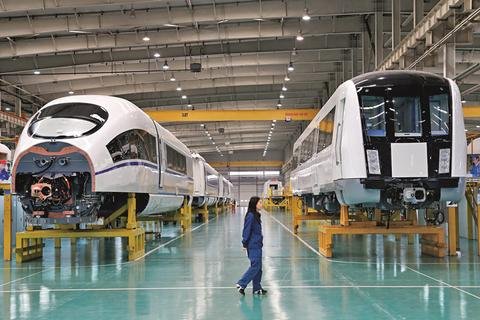
    🚆 How Is a Train Made? The Amazing Journey From Steel to a Giant Machine

    Have you ever watched a huge train rushing through a railway station and wondered:

    How is something this massive actually built?

    A modern train is not made in one place by one machine.

    It is the result of thousands of engineering decisions, powerful machines, skilled workers, electronics, computer systems and extremely precise testing.

    From a simple sheet of steel to a train weighing many tonnes, the manufacturing process is a fascinating journey.

    https://images.openai.com/static-rsc-4/Yr4pMpPja8BxlRFy78pElWL6SXrEdYCV_DQgEX-fhJSO8KxkZXXM95HejZieTt1B620wST8bXTMAW_r-2S7V83Hw_zftyzSRyV4kD0G6gReHSnT5CfugfQPngQqQBvB0V3ENU1PY0rUa50IpQt6LRL4agxWiI6WjKZ79ehQmUKMisTCzBiiE6YKVui8aU0GP?purpose=fullsize
    https://images.openai.com/static-rsc-4/PYpnt3GohEEzpB7PFeApY_OdWdf56v9guUmN8cqs48Wwr4pzZBr8yNZftExD8J7-rDBBvNXTByJLLqLMW7qIXq1WbRy2sX-5udlhLsyfVvUmpHewsJV9kYnjz1BGLOnBFYyPFDU7NGe04b0WkbjGq0l0ze8LLJMDjV0pFU_7t7PVVuubJEBanRCGHtep0drK?purpose=fullsize
    https://images.openai.com/static-rsc-4/-BLs5LCPxlKmPUUyMcO2ZWHJrvnp9hUTM0AgIzkkNKlbiT4pN-YTYrU9bqdhzRGpFlsokjg0NBQnPQppHyA2goIz3F0NlHv-f_tj7ndLRSlSeGzSnw5p3P9S0FSch6lUEky5q50pxJrEzaAz0YaXjWmfGF1nkZhCa48TES7tS5P3IShqNxYJxowgiJXo-wab?purpose=fullsize

    🏭 1. Everything Starts With a Design

    Before a single piece of metal is cut, engineers design the train.

    They decide:

    • 🚆 How long the train should be
    • ⚡ What type of power it will use
    • 🛞 Wheel and bogie design
    • 🧍 Passenger capacity
    • 🌬️ Aerodynamics
    • 🛑 Braking system
    • 💺 Interior arrangement
    • 🔌 Electrical systems
    • 🛡️ Safety requirements

    Modern trains are usually designed using advanced computer-aided engineering software.

    Engineers can create a detailed digital model before manufacturing begins.

    https://images.openai.com/static-rsc-4/ZofhefXQhPY3_axfISOzv4xx5NxL8ZPT9e7tOoRC6edl5Qq1fPEkaRY8yaL7_NkGFhryChkaJDnjDDcSLZhLvtzT7JPzFVBFflNGFZXtRBJtnfNj7GSyk5N8YBMUHB2RAlTVsnKV1c5kAEFNakINfZfBwzSOcxG5h6vA6V_5H2TIkdciydmU6FWAWUJ9jGMd?purpose=fullsize
    https://images.openai.com/static-rsc-4/xC-WQG5rurJXL9NMBQLuBSWz9IZPLRmBNcArLEoyzgTtTC_HkFuvnTsPK51rWKpeDJDKnTlink10FbxFZYuNl7Yn1obzTT8bQaFCEuVVQ0X_TGruIdKH9qBzxx_n2zJVE2LZD9diNTUVFOovp5aJaeKU95PRkOQUrhtuH_ouP09yGKBKOgKkB0W7jFV4gKib?purpose=fullsize
    https://images.openai.com/static-rsc-4/iF5sx9fwSmnFTCKNHoVRnFl4nE6GaPw2xnHdcjpKaSJjoGEYYgRLW7CLZ2kY3d0hbv58kVEEEqEbvIPr9kXeW65PxPh8cGkHwXov9R-YGlOEM1RFcKjtHbincCVxQib_RrOLEBLPgbPDuqvS-I4sq1sYy_MzO78RCHcgHjsMfouUIuUOw_LI2t99uNCnCDWB?purpose=fullsize

    🧠 Why Is Design So Important?

    A train has to carry hundreds or sometimes thousands of people while travelling at high speed.

    It must remain stable.

    It must stop safely.

    It must withstand vibration.

    And it must operate in different weather conditions.

    That means even a small component has an important job.

    🔩 2. Steel Becomes the Train Body

    One of the most recognizable parts of a train is its outer body.

    Large sheets and structural sections made from materials such as steel or aluminium alloys are cut and shaped according to engineering specifications.

    Manufacturers use powerful industrial equipment to cut, bend and form these components.

    https://images.openai.com/static-rsc-4/wDiPI0D9ZbgjefmweLZyTgit7c1FvCPQC1bc-evAxV9wWvgUizrG28HDZXdS9MOn8uluk-PkX-OPyBIYCj56TuUuL1nLbsN-LinCWjAr1PAnLRgKPac5dum89TrxB45Z4oXBehMXp0olTEMR7B1Y8TvbExRFKVr5-Jma64v31Gn0ZUk1LMkppXXaeswGvpFS?purpose=fullsize
    https://images.openai.com/static-rsc-4/Vm8lELhqfvu8NVmidCA5jEXJqMBoD4hTUGXLXizPdYit89dVdaMUspBF7aohbSgDlnidqirXiEZwCVfm7KzqehAKZbud_6LXuAhc2lm72O3YQ8eIn-nxSBY4RQ0UvU4iCgkCZORf8HzBWIU8lMboRw3nv401--DM2Nc_iPPNjvJB5dTkBXweanya3npGzmcy?purpose=fullsize
    https://images.openai.com/static-rsc-4/CGhZfxIanK_76QGbjAizxAYPTVzYTr0ENlnq0FfabHmyHRDo9g3BGi7snge9nCJIv-o9Y-GOD3O9Q8FVDCXVDAwWX5VSF9jN8DlFovQaMKkOUnHkhQtkPB-XFr3aqQCIPn4WaI6vQhxrtJXwCM6uFdFSg9EEBaSt87rJUmL3xdbQIS8NZ8tiNxwQ11TJ1DmR?purpose=fullsize

    The individual sections are then assembled into a strong car body.

    It is a little like building a giant metal structure—but with extremely precise measurements.

    🔥 3. Welding Holds the Structure Together

    Once the metal sections are positioned correctly, they are joined together.

    Welding is one of the most important manufacturing processes.

    Industrial welding equipment creates strong joints between metal components.

    In modern factories, robots may perform repetitive welding operations, while skilled technicians inspect the results.

    https://images.openai.com/static-rsc-4/h3_bZ84HVgTS-mBiMWMIlswEBV_zQ6qitlyRXdgEJo7nkBguJYaLCy1KGKemW70TYIlxnhu5fErJpduCDpf4iVcNLUpXQ3nDjloSey6RNx_YRdyIpRzSCK4Jpodsvtwj-Qu19YZi3zDwCRMPUjPS4RuluiZjLkSSpNU-KHSQWjTjxjaOkGcqt8HW8D7RS63B?purpose=fullsize
    https://images.openai.com/static-rsc-4/BZkAx6058h18NDhaQu_yp6lvcC-JvZd-jGlQnES94MuhP8P8yoEiaPXOJmULywwZytN86_A_WWrYStJRaAYN2KaAtVgWiGEwR58eE90F9VpqaBBoZiK0P0Dnd4KrTK4Y_Q7bDDAebrcMZxCRG68EA4VLbRBcmePjwD3POqMlyUYxKWI2PNV4rAMhR0bGI-6K?purpose=fullsize
    https://images.openai.com/static-rsc-4/NWCuLQ1w3VUpG_YYnB4Mz5JywuPzdRbyj7lhw_zq_U0ZcUiA4xppApbzk-Ee3WUdbj8gzFnuqyIeCJ3q3rdOL_NauoGWadhcudP217O2JP3S9VgGK6KwutovMgTxBhNA37FV81GW5_uSgFa98AZ0-VPSCFpZu9sFiyxL3ATZd8u5DA-HRGP7WH3tTSBvUa7O?purpose=fullsize

    The quality of these joints is critical.

    A train body has to withstand years of vibration and repeated journeys.

    🛞 4. The Bogie: The Train’s Hidden Hero

    Now comes one of the most important parts that passengers rarely notice.

    The bogie is the wheel-and-suspension assembly located underneath a railway vehicle.

    It supports the vehicle and helps it move smoothly along the track.

    https://images.openai.com/static-rsc-4/w64lLGOa85-AOD1i2tf2vrdpTkQYwYyTz5EkIo8KOOE-LRYz0PdECf_Cn2V6dIy8v-qVIV7RupiIaFXUN0Le8HC5pvr97v6vN_43Wmr9ArPjR4spfO9Q1_932ROtEWlQ-4SkGjOG0XbC6CbQoLti3FQOYbAZR7tUmtQ-42LSfyRpxDbVngx3eF1Gwk6quncK?purpose=fullsize
    https://images.openai.com/static-rsc-4/LtFzWNInKSG6kOLuH-vByenOqYCoWs9J_R7HRlED2uicATzoDlvUfq-Y3Dl2gSQJPmdjmRmbQgRKQ2SEBsTXktDb26fVHrtLg3ZnU1nnDBuSUulDaEvJNMtLnntV4h1saYm9okTPi_DiQ2IgUj6TpbJk752X-WYpArMbxR-DpzvC_mCWyDGB89Y9QRmScuGS?purpose=fullsize
    https://images.openai.com/static-rsc-4/ioyjuT6RsfTRw20bZ5nha1knMLffVflMSuxZWAbhKkKjXvR7kIgVSEHsOfiR3fg-5Mr8dB7eNXZ4hrKSKN-DeSCpHS5QhqGy5ZsgkaMVX_y_wd6wF2bXkCcxpjC2246NQAQTObKrYeJ1UTJhTpEFSbASEsTcub5AGikrVC39zg9_9Ug3RWn7K8MZOK27Axyh?purpose=fullsize

    A bogie contains components such as:

    • 🛞 Wheels
    • ⚙️ Axles
    • 🔧 Bearings
    • 🌀 Suspension
    • 🛑 Braking components
    • 🔩 Structural frames

    Without properly designed bogies, a train could not safely travel at speed.

    ⚙️ 5. Wheels Are Manufactured With Extreme Precision

    Train wheels may look simple.

    They are not.

    Their dimensions and profiles have to be manufactured very accurately.

    The wheel’s shape affects how it interacts with the railway track.

    https://images.openai.com/static-rsc-4/L3shl1YF_EvOU-iiNigKc46j2cnz06y3QwPeKLudGYukpiDfa1N9Z8MJsIC2jyfH5Y-Nt7iGVHRvEDscZh0xy3JIjtflIgUPuShqYRlXAFSYlibuxQpTCL8U77I4p6CxdswI6ertsANYdZr1dSIV65fgrkU2hvC_HgUXYLdfAxQV56N_E6t5x3UDOehflBlm?purpose=fullsize
    https://images.openai.com/static-rsc-4/pdX69LDUbkZhxrMJ1mZNKo53FDf0aJ3Jg1U5v-RXQl67KX-UIE2Wa_1YkqUHa1z5BoUSfuduqnJTmTP6NqrqfNOyvf4iJ0FqmnM9hEPmwFbfbrnJUFVnDHY2pHplzwAINk5TmVxcHr8NVRPQIcBLAvJKmfmlSGq3UVUjjBiLPMFBSPCYBAvbiy3oPsev67lU?purpose=fullsize
    https://images.openai.com/static-rsc-4/XsBAmIxaMmcRQFYLvNKxR3LkIVUsD16RsBqdQUy93CE0wkvigqPOkhHZJ3AttxgwbHuvNlCaXf1U9vk8zzno-vZod8_b4MBznXBbO7sZszeYSSPtqCYEq0lD00nVdlY-SJeHni-_VhDYiYQ9aJaJCCDcwqDy841dzwfEQHpDtkRAX7fMzbgFD_vd7tOzHh2U?purpose=fullsize

    Manufacturers use machining processes to achieve the required dimensions.

    Wheels are also inspected for defects before being used.

    Even a tiny manufacturing problem can become a serious safety issue.

    ⚡ 6. Installing the Train’s Power System

    A train needs an enormous amount of energy to move.

    Depending on the type of train, the power can come from:

    ⚡ Overhead electrical lines

    🔋 Batteries

    ⛽ Diesel engines

    or combinations of different technologies.

    Electric trains use electrical equipment to convert and control the incoming power.

    https://images.openai.com/static-rsc-4/q-F4_NWbU-nKVn-ukptj8zCa0cotnp6LQeLdzO4O2CVg-NgSYvYHdITu42a2gVCVqp9_oQSESdoQJpsqfUkU1XGXI_2mJtzuIEMr0Vl4cxagLNrDR_6tkHyNHrvG3vX4FXz6c3UDhsVq7ChD7VRuMIQ2dcDhm3EN7Vtz5fAJbJet3fkiBrqN7R-i-1f6eRYv?purpose=fullsize
    https://images.openai.com/static-rsc-4/sYJE2BySq8ss2YmDnFsaNJ1zIestbbRq8_dR4c2v-SE8sjSpI48C6X4JQ6ohd8wmxvHESPZSgtJIEKTLhK3ztTiTi5fZ1CbIFp-KTsya9gstsdRK9ZPmeoW8xHzDWmecmvPVw8PEF2xqLYfs9l4_djzx8_6I4bliyAjDt8xoO1BVA_sAVafeCsxWN4Pqz4_z?purpose=fullsize
    https://images.openai.com/static-rsc-4/dfDatuQLRM16uUT83pIGWzxmQaSXtrL95Bnt2-AWXRuXdVQfJ8JwuPXpsHj7N5aXGBAiKkNQrByjw-H4awMduoqz0_OFU45ojkYKl9qJPA2UUrVS5gd6AAFpImGv3uXdMqpU3Cd4XooYQXqO-yj4M-nIvkfrIQZ5iV7WIm_aDh3Ksddss08KbQISxw10ljW7?purpose=fullsize

    🔌 What Actually Makes an Electric Train Move?

    Electricity doesn’t simply go directly to the wheels.

    It passes through several systems that control voltage, current and motor operation.

    Electric traction motors then convert electrical energy into mechanical motion.

    Electrical energy → Motor → Mechanical rotation → Wheels → Train moves 🚆

    🛑 7. Brakes Are Just as Important as Motors

    Making a train move is only half the challenge.

    Engineers must also make sure it can stop safely.

    Modern trains use sophisticated braking systems.

    Depending on the train, these can include:

    • Air brakes
    • Disc brakes
    • Regenerative braking
    • Electronic brake controls
    https://images.openai.com/static-rsc-4/h0Dxv3_Ce36vZ1x_MAxsXRi7aEmWdEW1AY3_3OQ6ycgKCvvYGl24eKHAfO0ZEf5dGQ9E2iF1BIsQOtiu7HSgQF1VE7NIsKwe6IAqLjmWPBL9WGqfiWy_ui9fzoVqFtq8zFDGot7Aw-Tw0CBVWlK4sorUH8mktH4XyEkFtZB9I6skgJPDsI10QLGXIleI4e4U?purpose=fullsize
    https://images.openai.com/static-rsc-4/3Xx2n4BHvS_rPe0fqE69lSAUKhFUjTGWp0HOVJVCnMt10g3XOrGUsh7m5vuHj7xUy8mZ7ql1gEYL0Si07pZlYi5XYOVn7nKuqeVV5o9YXaeS-kQKMGoVeI1dLr4I7R_ThzUMJB060oSmQKUg6OfnHS8xxfUkQeEPWv_M9SrKTdxhpl2HntR7dvSpcjHdjlYh?purpose=fullsize
    https://images.openai.com/static-rsc-4/b_yPo9_W1yTOAEQDAwNf1c7A3JGd4o-hkubJKTL6CLlQbQXjW7vaTBcqSQhQROM8Klr3b4-vPBDYRjqO2ir8Ug63aVtMOJr5DUcjdvPVXYfaZhu3cMbohuWwnFG4jh-sUUmTx73GN5nTvsPmyjtlLfIzhiEkUs3KU4ALTnIlkMx6UfkfpuTNVzLfl03W_O3n?purpose=fullsize

    Some electric trains can use regenerative braking, where energy generated during braking can be returned to the electrical system or otherwise managed for improved efficiency.

    💺 8. The Empty Metal Shell Becomes a Passenger Train

    Once the major mechanical systems are installed, the interior work begins.

    Workers install:

    • 💺 Seats
    • 🚪 Doors
    • 💡 Lighting
    • ❄️ Air-conditioning systems
    • 🔊 Public-address equipment
    • 🖥️ Passenger information displays
    • 🚻 Toilets where applicable
    • 🔌 Electrical outlets and other equipment
    https://images.openai.com/static-rsc-4/b3vbyIqAtAMbfEVVQPpOhgir6v3E1wKejY1yBiaGUYERmklIuCGHooiul1Zc0X95R4IJ8hTB3njNUO3tmbRMyozktnyxoHV4JQXWV-sOqVEdI1PTgMTvc_YiyeYBuBf4Z5KWXZPD9Fvc56qmbg6zCnGG1e3PQ65tHfuacdT2b8UGN2W87uAzBZDrpm5VHnm0?purpose=fullsize
    https://images.openai.com/static-rsc-4/o6N9uozWWKOQBYaV0KAAkXTwMYGoh-bi_Kvwh2f93pmpVRM6m72p32baTFCt0-WUSfo1oaLncSx8XIKDXvlH7tE0Hmg1UfSqJN_yhtEC4T0KmcUReSkexSb_o-9bISTE5NtUSNAhyfkbWZaS1ULD-PKZRVcWNZ0k5DMlCMqn_AlqX7oog865Ect0X1ydCnsy?purpose=fullsize
    https://images.openai.com/static-rsc-4/DnH4axAHBXFjjZsnY9i_sRjH8owvjMYw1UpmP1aHCLMJEJ2vLYJQYYNBHOUM38pE_GsXAFgTcbQfCtYInr-QIAzveMzz-skQGrzpu9ciDcHWwPQPbGlLUsJKgFwe2U_cY-0_MRsFYm-m2WJ3UCKLgkajJ1j9IzaOHwv0UoxaQblqs_FkMvTy3BoCt-ypm8V_?purpose=fullsize

    This is when the train starts looking like the vehicle passengers recognize.

    🎨 9. Painting and Exterior Finishing

    The outside of the train receives its final surface treatment.

    Depending on the manufacturer and train type, this can involve surface preparation, protective coatings and paint or other finishing systems.

    https://images.openai.com/static-rsc-4/IhDwJ7b2k-e_lZF8repM-8NGs_AbSxpWE5AoZaRks8kbpy0wi8914tPQuhdM0Ox73IqqT7LXuQqlD5wk3huX1tHFgl0BMv88WwM4T1L0tpgOcbVssH9FvzYFXAXH-BsEANEMVBdsnLyx-RwsP0t9w8RJEpqBiroG46t5NU0HY4YPQo4r6tkSokBYXHkXf7qm?purpose=fullsize
    https://images.openai.com/static-rsc-4/xJ72fkcmE1axswkOv5brLcC-D_XoN4BOF86UDCRguB5jRXw9_dFojinVXhE_5tMnsJQelZ_JVHPr-g60sl9DYsXaILEk0fdKZmQPK9_goaWhyNcQDjoqaGWyKaRBHuWzuM7lra3EC_1o2F4ML4uGLvWHP7Ylh0JAgphj1Zx1eoawCvWuSVIiu1vAOAk0i8tq?purpose=fullsize
    https://images.openai.com/static-rsc-4/ui3pFdO0c67Y9LNfj0T3mGOfxxhSZl_5zL31VV31zdvXdHXJZRFIB8vISabmgxIukuzWG1QSqKNhg-jc0t3wlWnRCf826g6lFOVgGDRdzJLP0ifD-y85YXsgUTHpkBkga_fxCPtAUZwZs3WwTNFO0r_vd480hKWzPeHpUzm0N7LufXD647VAUtgVWN7s2yLD?purpose=fullsize

    The paint is not only about appearance.

    Coatings can also help protect the body from environmental exposure and corrosion.

    🧪 10. Testing the Train

    This is one of the most important stages.

    A newly manufactured train cannot simply leave the factory and immediately start carrying passengers.

    It must undergo extensive testing.

    Engineers test systems such as:

    🚆 Movement

    Does the train move correctly?

    🛑 Braking

    Can it stop as expected?

    🚪 Doors

    Do the doors open, close and lock correctly?

    ⚡ Electrical systems

    Are the electrical systems operating safely?

    🌡️ Climate control

    Can heating and cooling systems maintain the required conditions?

    📡 Communication

    Do communication and passenger information systems work correctly?

    https://images.openai.com/static-rsc-4/HlSv5kelrs-zsATT3B7UjOnqiE-1dT-AI25EE9nRt-OQWTasjgEhrfuP5DqKa7srcbKa--0YOtLBJTWHPY7YTB0urENLAh_fOHKkLPWsEec3_YPLoLuqKWJCphaS14_w8Pm2FS1bDWmiYdvEEJZ8G-sklDq7baBg1Wf_ICm2KUYpaFuetYrIZBB6Xjh4Oxjb?purpose=fullsize
    https://images.openai.com/static-rsc-4/DToP00tMgoidTGC-_2KpFuZZ3fk737dKdAPFrCkPonaUVfZk45cDxHa_drH58azW0kvpIBarN2KrSdAWgeic2qNN57fBBI1kykEzCDgmcg3Se9hINbHJMb0iS2PYB461fzVjkIAcTFssUwRA-DM8DVWkRqTYHVbgBqHzTrrnk0dTcT0LSPV47Y--ofBJVXRt?purpose=fullsize
    https://images.openai.com/static-rsc-4/lC70JDGo3g3PlwA3c9wY_TKfsCeM8rHZ9p3qFGoVT8Vs1WNixcjn1aUyLv5qLAjgmAS-vjfs1L9EX3gntACm1bTNedZUWPMzsV192AiUHqXUkDllX-kBubcY-_ZbzxtyJZUgNU9GgFXZTIWF_zlNevH9zEQDgoaVi_Z7oob6FX7wL717sbMhnuCwH6_knPlB?purpose=fullsize

    🏎️ 11. High-Speed Testing

    Some trains are tested at increasing speeds under controlled conditions.

    Engineers monitor:

    • Vibration
    • Wheel behaviour
    • Braking performance
    • Electrical systems
    • Noise
    • Stability
    • Temperature
    • Software and control systems

    The goal is to make sure the train behaves predictably under different operating conditions.

    🧑‍🔧 12. Humans Still Play a Huge Role

    Modern factories can contain robots and highly automated equipment.

    But people remain essential.

    Engineers, technicians, welders, electricians, inspectors, software specialists and quality-control teams all contribute to the final train.

    https://images.openai.com/static-rsc-4/PYpnt3GohEEzpB7PFeApY_OdWdf56v9guUmN8cqs48Wwr4pzZBr8yNZftExD8J7-rDBBvNXTByJLLqLMW7qIXq1WbRy2sX-5udlhLsyfVvUmpHewsJV9kYnjz1BGLOnBFYyPFDU7NGe04b0WkbjGq0l0ze8LLJMDjV0pFU_7t7PVVuubJEBanRCGHtep0drK?purpose=fullsize
    https://images.openai.com/static-rsc-4/mUvKoOAxV_Iy56_OejLgVxrPHZ8X_ghXk7tk03XfpfNsa5BuohKRk1jzY9hh9aoMLZZjzZXwRTPy4cNy4EuPIrxlg963kL2KuJwZ89cgBKwSpE8qIskFVwz4BTaCKTYE2dNeCRNmqNBrtS5Ezca1HkFKYgP1tiYg_ulf7XbJnzTrghds1llcvfQSPJ91OmX-?purpose=fullsize
    https://images.openai.com/static-rsc-4/hpihgDuGldvhxBxr2vStVOklZry66hDmYxiBIXvWVSfCzbhsUo_EBTvvChyFUXWQQv3pYkskV8EnOWxJRPv6hqSXzckYt9Onm8LlhsNVs22pZrJmF5coxjPr4LQtnI5_2f14K8w5QfWeF87xpn_aciRztmYiF95ow2ahI65rJyGCjI6cyoUm5FUsHzXp2MGj?purpose=fullsize

    A modern train is therefore a combination of:

    Human skill + engineering + automation + science.

    🤯 How Many Parts Does a Train Have?

    A modern train contains an enormous number of individual components.

    Think about everything that has to work together:

    🛞 Wheels

    ⚙️ Motors

    🔌 Cables

    💡 Lights

    🚪 Doors

    🛑 Brakes

    🧠 Computers

    📡 Sensors

    ❄️ Air-conditioning

    💺 Seats

    🔊 Speakers

    and many more.

    One train is essentially a moving engineering system.

    🧠 Trains Are Becoming Smarter

    Modern trains increasingly use sensors and computer systems to monitor their condition.

    Sensors can collect information about things such as:

    • Temperature
    • Vibration
    • Speed
    • Brake condition
    • Motor performance
    • Door operation

    This information can help maintenance teams identify potential problems before they become major failures.

    https://images.openai.com/static-rsc-4/yCYAiyJlmNTDxXySOG5nmQqVE15m2TNoK6Ompa0FCd4Twmw5h7oB-y2O1PcnOItPSRkm9OvlhvEsuyJHH7mC1xJlsOgiKoffxLhw0jfKaeFeqI_OnV1dDmcysL93oGDuDYds2kG0LaVgfKCb2x0oidzbFKcuk2SazsBfjtJTWL0A0BrmtBQC2nLhz6rpPX5Q?purpose=fullsize
    https://images.openai.com/static-rsc-4/HAR3XxO4vki5xeNGdIwdQ15EXby6PmZn8vy4Tsm0YykKerBgRikmC-8OmuVp0RkOzolKGb5oh4hcBjWTHcQtnpf-WtxCqwMtT19tel0PGi_o0u1mV_MDAUafZiZqvrA98ME6lh0-r-vfxDVrt9Xr_UypcolDJQsCkjTTgi10MgWr8EUbyeaZas8vsmNYu1X-?purpose=fullsize
    https://images.openai.com/static-rsc-4/JRjQUJyK3S_bNRgwKEW6WTNinSvlGzEHJ2z7_hfD3zs6Y_e6NeBU2HOcAFhYf9OtzF53PFpaBpsH4jTrRuTLy125EjhhvyOTlKB7XH9yUXtbEu1ZQYycnQPlSn9EbbvMiCLLUV_7QhuDGZxZT6HOgrpYiBazhQOWb_4e9Eg4_HEptz7624gtsIgwTLcVRFSi?purpose=fullsize

    🌱 What About Future Trains?

    The trains of the future may become even more efficient.

    Engineers are working on technologies involving:

    🔋 Battery-electric trains

    ⚡ More efficient traction systems

    🤖 Automated operation

    🧠 Artificial intelligence and advanced monitoring

    🌱 Lightweight materials

    ♻️ More energy-efficient systems

    Some railways are also exploring hydrogen-powered trains for particular applications.

    The basic goal is simple:

    Move more people while using less energy and producing fewer emissions.

    🇮🇳 What About Train Manufacturing in India?

    India has a major railway manufacturing ecosystem.

    Different facilities and companies manufacture railway coaches, locomotives, trainsets, components and related equipment.

    Indian Railways has also developed modern train technologies and manufacturing capabilities over the years.

    https://images.openai.com/static-rsc-4/Iro6Gcgfn-E9yC9M8MdxEzhwoFZkTLCnR0ndjfpP9Q90kfMuUznoODNiR8Grzjq6xom3eLxanwcra5-fvQB9d8KQeBmCyBCAj2dy2Df9m01ahgpCK0H9b0zaHVm6DFB9YrpqmPm4emNVn9VJ3-l2wKdOmvaopVcoMLpnS_e0qOmYv4HZqJX93lkfOe2Y4oMV?purpose=fullsize
    https://images.openai.com/static-rsc-4/4ZTyG86rZT-zqu-Mp1jI497XdzLnuxXLwL3fDG7rWCifUODEqnRMQHASFAv13LjfonjgRgOceA-1rea4k_AzFy4BdeUEvJYat9U3DWviRWfwZNg0_CRTQvHsost_LRHWuQR6nDikWbTBPBWVDrcUcrNKN3SCqta2HKeMHSZwWoRi2cyBHjAtwaPSPleyxguI?purpose=fullsize
    https://images.openai.com/static-rsc-4/WQieKklJ8flsBCiCV51ZPXXpEdqGLGgeDwZPMWAXL9AUyCvQR1zQC6JNM0CKUmsRvM-efE85nw8WqsOKMiEKkmM827DfvhKDgWE93ATYiktOsNtOFIV95_fU383O1wdfgq6Z_nq-MUCw9UNv5ddvYg06U1KrDv6S_tnUEYQ-tsdlUZlrp32BvlMSPZ5UMjgB?purpose=fullsize

    Modern Indian train manufacturing increasingly combines traditional railway engineering with electronics, software and advanced manufacturing techniques.

    🤔 Why Does a Train Take So Much Engineering?

    Because a train isn’t just a large vehicle.

    It is a machine designed to safely move huge numbers of people.

    Imagine a train travelling at high speed while:

    Hundreds of wheels rotate.

    Motors produce enormous force.

    Brakes must respond correctly.

    Doors must remain secure.

    Computers continuously monitor systems.

    Passengers expect a smooth ride.

    Everything has to work together.

    That is why building a train is an engineering masterpiece.

    🚆 From a Piece of Metal to a Moving Giant

    The next time you see a train entering a station, don’t just look at it as a vehicle.

    Think about its journey.

    First came the design.

    Then the metal.

    Then cutting and forming.

    Then welding.

    Then wheels and bogies.

    Then motors and electrical systems.

    Then brakes.

    Then seats and interiors.

    Then paint.

    Then hundreds of tests.

    Finally…

    🚆 The train is ready to travel.

    A train that may look simple from the outside is actually the result of engineering, physics, mathematics, electronics, manufacturing and thousands of human decisions.

    And perhaps the most amazing part is this:

    That enormous machine can carry hundreds of people smoothly across hundreds or thousands of kilometres.

    That is the science behind the train. 🚆⚙️🌍

    https://images.openai.com/static-rsc-4/fRuZIcOm8-pW_91WzsnhAD3rF0ZK1sbtkW_S7pFEaSmSBE0cNzXrQlIV2FV1X7NHdZp57loQKp0wAdrKmMR_TeIqKyEZ6OgsG4W77KVRvftG5KP2Z-cAh6vtJEGP2SWNlbAJD9ShmHtZv0R6ex3Rqt5MqgTMC00QY03Eg0_-tGjxYgf1WQO4dg3xZzxVVByV?purpose=fullsize
    https://images.openai.com/static-rsc-4/ODdsjksQnCSfng4OWVo22cwMqoRly4Wbs9zDnCsk8wvcGhX07gFK0G7g_dnqsggt3zP-oqbTiJVFE4y4scnv_nZ4llXl7Wcz7jXB2U0HBiMbHfc_EK-U0RlEej_nyQDNecL1uEfV2QCjJP9RU4v7u--_2qzcFksp_7NQw9psJBTJqmi_xFpkQ153ZeqWYdaz?purpose=fullsize
    https://images.openai.com/static-rsc-4/PBdsURVxaXfb7i0-o6qqvqUyG4Tf5LPNE73kMYWdQCSkzcE1xVm68-M9jIkoF0500HQtyHkpXA0BzNzqiTpjZODEtgBCgG4sCEKfbwZ7vRdXjIlMD7D1yMWq43WXIt3k5s3saR31MWpNcLYMyWBlB9zBuH-UjhRFiUQuV7C0yKSn2lJFGGPeecPllooYyy0g?purpose=fullsize

    🇮🇳 MANA BHARATHAM

    Stories, Facts & Wonders From India

    🌐 Website: allpincodes.online

    📖 Blog: MANA BHARATHAM

    Know India. Explore India. Celebrate India. 🇮🇳

  • 🚆 Major Train Routes in India: Important Cities, Famous Trains and Complete Route Guide

    🚆 Major Train Routes in India: Important Cities, Famous Trains and Complete Route Guide

    india railway

    India is a country of enormous distances, and the Indian Railways network connects some of the most important cities, cultural centres, business hubs and pilgrimage destinations across the nation.

    From Delhi to Mumbai, Mumbai to Chennai, Kolkata to Delhi, Delhi to Varanasi, and Chennai to Bengaluru, thousands of passengers travel every day by train.

    Some railway routes are famous because they connect major metropolitan cities. Others are popular because they pass through historic towns, pilgrimage centres, mountains, rivers and some of India’s most beautiful landscapes.

    In this guide, we look at some of the major railway routes in India, famous trains operating on these corridors, important cities connected by them, and what makes each route special.

    Note: Train numbers, stoppages, schedules and services can change. Always check the current Indian Railways/IRCTC information before planning a journey. The Government Services Portal provides current train-name, fare, route and schedule search facilities.


    🇮🇳 1. Delhi – Mumbai Railway Route

    One of India’s Most Important Rail Corridors

    Delhi and Mumbai are two of India’s biggest metropolitan and economic centres.

    The railway corridor connecting them is among the country’s most important long-distance routes.

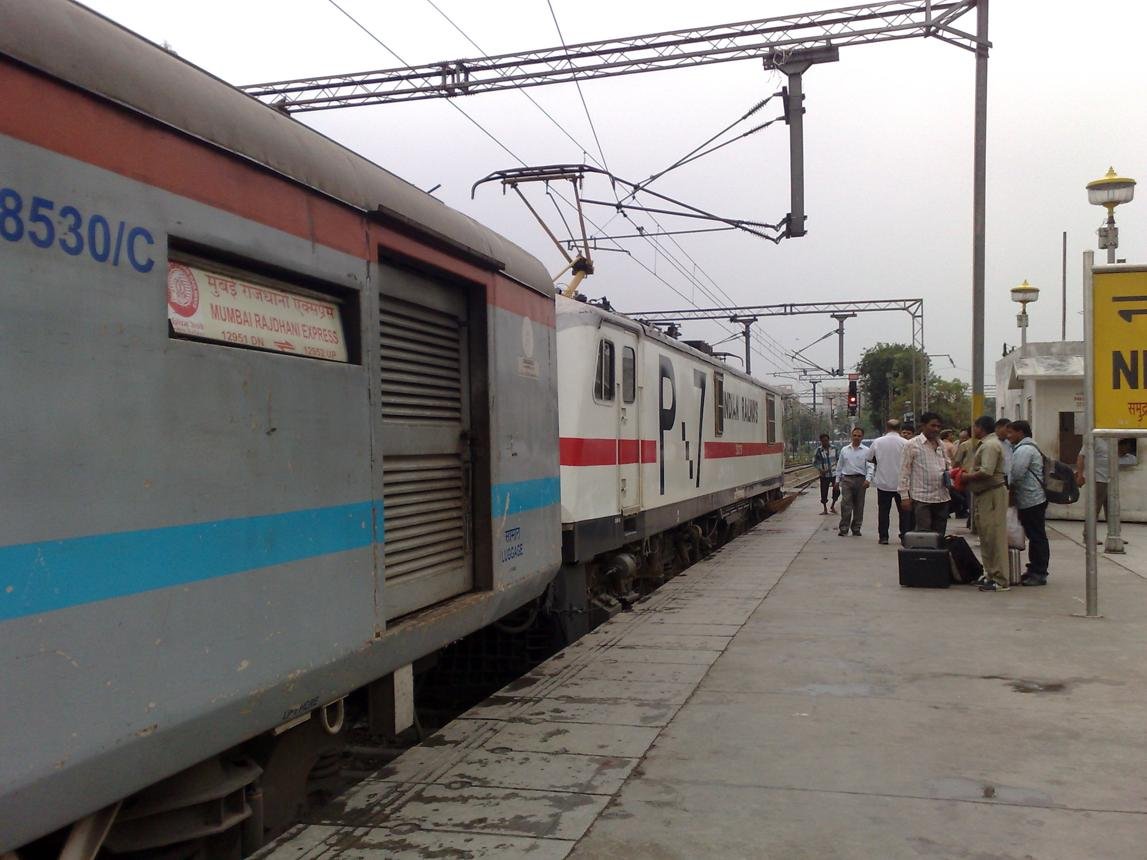
    Major trains on this broad corridor include premium services such as Mumbai–New Delhi Rajdhani Express and other long-distance express services. Indian Railways’ official Rajdhani list includes the Mumbai Central–Hazrat Nizamuddin Rajdhani service.

    Important cities and regions on the corridor

    Depending on the train and route, passengers may travel through or near:

    • New Delhi
    • Kota
    • Ratlam
    • Vadodara
    • Surat
    • Mumbai

    The journey provides a fascinating transition from northern India to western India.

    https://images.openai.com/static-rsc-4/jWeHBkfHKnWNmlNX2vcWhP9dETUHVIgq_LUbkIrCK1wnpaB_LIUzYdFwNURuEbr8o8UpkM9mZPGKgZJUSJsBasBrOGY5n9_CpbntB8Qn8y-0cVtsGmQTSC0DvAsm2B71xL_uXPvU6839UNc21gOC-qbzfQhTmUNgCcN8XKO1yNk14SV34v4G4NhDA73GBJdF?purpose=fullsize
    https://images.openai.com/static-rsc-4/b1QQYifWYxflgIK0bqmnGmMnXB-2D1ka1ubXxsRXoW7Wxq4vjenOxsZkK63eU3eHVhxJJsDUo3g-Pcc8XLBfbJuyZ4yAJ7jlWeVWVS9Xvp9LCpBu0uP9qLcEdna-jIzEkb3UskyLHlDFU1nSDiLCr-TdDzBCbu-A6FWp267C0bwUC3RAx1_7O23FN2WHzBTu?purpose=fullsize
    https://images.openai.com/static-rsc-4/VUx8_UvSq2J75dbUvhbjHv9Gm5JoliyjrawZBQXY7fR06TdYqOku7FelDpinol659JwSz9X-Hwl8TjWRZx1ECnIriYxK-VEId-PcuJai5_BoAw7rvJ1f-E_YVK4GLWl-qzHAcwbyt8n8gPiqoQT1btsRtaS5uR2Hn64NwKNGMkvYMdvkb4p0vrnxoHtVgYT2?purpose=fullsize

    Famous trains

    Mumbai Central – New Delhi Rajdhani Express

    This is one of the best-known premium rail services connecting the two cities.

    Other express services also operate between Mumbai and Delhi through different routes.


    🚆 2. Delhi – Kolkata Railway Route

    Connecting India’s Capital With the City of Joy

    The Delhi–Kolkata railway corridor is another major artery of Indian Railways.

    It connects India’s political capital with one of its most historically important eastern metropolitan cities.

    The route passes through important parts of northern and eastern India.

    Major cities associated with the route

    • New Delhi
    • Kanpur
    • Prayagraj
    • Varanasi region
    • Patna region
    • Dhanbad
    • Kolkata

    The exact route and intermediate stops depend on the train.

    Famous trains

    One of the best-known services is the Kolkata Rajdhani Express, connecting Howrah and New Delhi. Indian Railways lists the Howrah–New Delhi Rajdhani services among its Rajdhani trains.

    https://images.openai.com/static-rsc-4/5i81HOmV6KNJc03MQf56rfdT0wEjxjEeJTKh_78TLG3IgKw2Z6n8VnFgfwDV-rxuoZa8JnTnLKAmw8vQFPBP_UioNZe0-AVm0uJqGXeJv2QfiGtHMfEHAbqYQiFygMukRl45m7x2-txXChhQCLDBVi7ukijBl9pbhLSxsKebHi7wzW8M9B6-JzuFkbminGBT?purpose=fullsize
    https://images.openai.com/static-rsc-4/CE20EI6P5VuYbPcaiQiYibcAt4JvRchTIHcdnzwAZesno3dkqbTr5-DzotlgqVmG1IcUwWpc1Hjfiw-J2IyfRFSlDjsUvcqAbK9kexF9vCXy1ZT-zBnzFKm5Bknb29FTrtqRbYrfBbUCV4nOq8TVtGq7SBqkcPEQpALGPKy2EA9XpsRK5ilxjMj02_seQLo5?purpose=fullsize
    https://images.openai.com/static-rsc-4/7R1MeC7X9T_0Q9eBp9mP_bf_mGqkzJhZdEOKQwVou4xyZ3iircalpGif-gwr7hxOMbyIMfZ0XfjfCwgtlTCTnvH2APh-m8LlEB4h8hFdxrBkynDGxesTZVqr1TfqenG_PY9iBvBo6r8675le9VA-zzhjgR1bBuzGy5jNgJdk8TVIgFWroyfunqU7L5--tlOp?purpose=fullsize

    🚄 3. Delhi – Varanasi Route

    One of India’s Most Important High-Speed Intercity Corridors

    Varanasi is one of India’s most famous spiritual and cultural destinations.

    The railway connection between New Delhi and Varanasi is particularly important for both tourists and pilgrims.

    The New Delhi–Varanasi Vande Bharat Express is one of the prominent trains on this corridor. The Ministry of Railways lists train numbers 22435/22436 for this service.

    Why this route is popular

    Passengers travelling between Delhi and Varanasi can experience a journey connecting:

    India’s political capital → historic Uttar Pradesh → one of India’s oldest living cities.

    https://images.openai.com/static-rsc-4/FowCTS0u8gj2N49XRbfa2ZkpOin-xFzEQlK5_ATo9ZZgi-3ximzv80_vKQuEYrFDUDrIxJrJOGrsAojzyVWcx-BITVfAKN2crrgIKK7YQ6-GWAlhXTmPlqNi--hWG1KQlZd2f1cyl7sn6GzoHahixpWic630eD6KjZEF_lfDqUOdpCCNitwdMKC25w6272xG?purpose=fullsize
    https://images.openai.com/static-rsc-4/5I78iK4q6s4Xhjx0fMAyCsUXWgMnClzFPBkMc0cmOMeEAjofwJsEGzXxkMhpmD3KRut2AGmwi2OcZMF_lfZ1RZOuE3wWFqP7Gr0Ycdu0xcDeXIIhS4_Nbn3OK2nkAsRNUMYp_GuDxsOjp-m8KKwMEeZzG_KuF11L7yd2rv2OaARrK4qU38NfYA0cRGLjS29P?purpose=fullsize
    https://images.openai.com/static-rsc-4/eFv49kIK6DZMpMRXQw0rFob6PCubZJ1-b0M7e2QxjxxfUWo0Mn1DiNVKGNRpoF6b_4rQyUbHM81k5HmzrNuHkBBUGm7Cv6Ik4A95lrNApTSB7svbHXRZpdZjF4Z_syUDKVDD0DPBzUDfbin4BphupO5E-VaqmByZPCYYlkaD9hwmqPbBUucn8fVJe2HGU1zI?purpose=fullsize

    🚆 4. Mumbai – Ahmedabad Railway Route

    A Major Western India Connection

    Mumbai and Ahmedabad are two major economic centres in western India.

    The railway route between them is heavily used by business travellers, tourists and daily passengers.

    One famous premium service is the Mumbai Central–Ahmedabad Shatabdi Express.

    Indian Railways’ Shatabdi list identifies the Mumbai Central–Ahmedabad service as 12009/12010.

    Important cities

    • Mumbai
    • Surat
    • Vadodara
    • Ahmedabad

    This route is particularly interesting because it connects India’s financial capital with major industrial and commercial centres of Gujarat.

    https://images.openai.com/static-rsc-4/P35PnTFdq9jYC5pOzC_RZPmlHBEz75Og1idL84GReKCNBEcP7CJePVNduk1SFOv7EAGBIHPm-wA3BxPZuDjMl5j7fgWpXA1wFnY9oOBS9v0x5Sicf9Tl6mKwD2F8X8IXoaoaW-fW3rCPNDZ8iOcdFO9-au552Dp8rXttiWEu72YnaSFqJaq8i7EKcvSFZP4m?purpose=fullsize
    https://images.openai.com/static-rsc-4/XktMii-BoRhHo9DhQpaBSIDla5RUb__BCKNpXmdhpBKZrpyZIpaF-dfgc0uXfBvSFGRssMkh4WIKibbCNQy8u1U0F8HLp5OPWO8WYJVLcZ-0VE28nKGk14XA3aYkfdsgKHW4z7jjKSovvpsV8dQyj0iT9EoXhZgLz5lxW_f4PwEQ4UAHar7PxMIinKgdPzsR?purpose=fullsize
    https://images.openai.com/static-rsc-4/_xFyKdlmX36kNmYlO25NBgaCxIoH-jJM46cQTKpF7WYj4kkyg9p_soxVOHiyZ-nAHREjVo6GO_99bB7A7hFppNGxptiKMLCWDWBOwo-m7sXpLcxOKAAM-y0GFkpvDk_zeyBnv8z4OpSPbSfliB8K-IQfNQ1DREH-QIdl2dS05iP5KOs8XJ9jYGjGtEHkhiyS?purpose=fullsize

    🚄 5. Mumbai – Surat – Vadodara – Ahmedabad Vande Bharat Corridor

    The western railway network has also become an important part of India’s modern semi-high-speed rail expansion.

    The Gandhinagar Capital–Mumbai Central Vande Bharat Express is among the services officially listed by the Ministry of Railways.

    The broad corridor connects important cities including:

    Mumbai → Surat → Vadodara → Ahmedabad/Gandhinagar

    This makes the route particularly important for business and leisure travel between Maharashtra and Gujarat.


    🚆 6. Chennai – Bengaluru – Mysuru Route

    A Major South Indian Railway Corridor

    The Chennai–Bengaluru–Mysuru corridor connects three important cities of South India.

    Chennai is a major industrial and cultural centre.

    Bengaluru is one of India’s leading technology and business hubs.

    Mysuru is famous for its royal heritage, palaces and tourism.

    The Chennai Central–Mysuru Shatabdi Express is one of the best-known trains on this corridor. Indian Railways lists the service as 12007/12008.

    https://images.openai.com/static-rsc-4/KR9o4FvZKOAa_zeVxP_N3mX54CtUM3Fh35F6BjCvjEhPjMDFMPEA_Y4ZaGaPuxY3ALbI0PU6eem4_0J_Sh7uZbLQ18YGwLswR2MMql791ilr3qTrV9VXP6YIm8Tn8_JzS1xKT95vnsq-ng5NP_FDtZs1a_ot3Njzc7_RmG05YX1EhtN7Q2gPfOjopQdhHAZc?purpose=fullsize
    https://images.openai.com/static-rsc-4/IzVHdb6slLg8MAHarj3js1iA-p4Rim7E26XpyXUPH9AECDxj1gSdhCQTaS_TytNi0sA45jtoxfakA7V3tNjewSMFppkSB74O3xvU7Y1EVhUUusFh6k_RzJJOE-qjX-tplPaLkgncC1gwoPcslfmL2blrl7h523SC8v_F5k_wRKnKCAf1K18Y5UJ4cs0yqK9g?purpose=fullsize
    https://images.openai.com/static-rsc-4/QNGoe8T-5rfUKRBO0cs_yddwMYPj94ZqEfdu5rJmAa-nU4vh2RTglHkwbVhLE8WGVDX4R0Mz2C1dhdtrI9IdQyAZ-yIIDcVpXcjNpIHA5jPhJaVVXXPcy9hfqf1ooHghImC45tA-yEr1Wqd9ug4383Iok2aAYhUdyH6UqDTEtUNkMPxbqZZvhBM62ZOoGple?purpose=fullsize

    🚄 7. Chennai – Coimbatore Route

    The Chennai–Coimbatore corridor is one of the important railway connections within Tamil Nadu.

    The route links:

    Chennai → Salem region → Erode → Tiruppur → Coimbatore

    A Shatabdi service operates between MGR Chennai Central and Coimbatore, listed by Indian Railways as 12243/12244.

    A Vande Bharat service also operates on the Coimbatore–Chennai corridor, listed by the Ministry of Railways as 20643/20644.

    https://images.openai.com/static-rsc-4/5HlNfsbMIgCXR-B1lo05ZgXpMKmGbW6bJuHsIPHDTlpnvMk2rTyc_4gW_2HNVveLbwUxUsshqXK-V8gqOmAMRzxYRd2m8Iz4oJRNNAQRJQgW5LiMZ-Io6KrztEH8rpFbrm0c9LuyuqPKKFbMnmPLO97dYszNBnK4PKVpfpHNhVNnoOv1M_QKkTVUFLXwes1X?purpose=fullsize
    https://images.openai.com/static-rsc-4/q0FLLeWAdGBfQ-DmDqgPWB8GvI5dC3xcE7XnbARppz29J6iZHVm0WK1NhW2QXRMX4Ax8SszY32WUDENfLVLnSzrpxE7_DEow4TBo4lyZRFN0QTUJWVyhXwKke9HpNDygccjbBqzwkjVKV4hQtVWuQ1_lEj-IfahSxPXFcdGklVxaCtmKhqz0Zr2TZp1u8RDj?purpose=fullsize
    https://images.openai.com/static-rsc-4/ywVmoaroYk8aUUoq7W-fz-RT5Zo7qK9kWyqIW-P577I4JQKJXJ55Im2ce-zODl3X1Tlx7nZujX7JxDyW3SDv0O_h1jR9jH48lGGEc8Hv056CwHhDkxow4qL02R_fU-QPslmHAY5BNIVhsNFggJJcSy1lk-_eXcCc7ImDI90V_Utj-s-MZR6ubrFBxUqtwwN3?purpose=fullsize

    🚆 8. Hyderabad – Mumbai Route

    The Hyderabad–Mumbai corridor connects two major metropolitan regions in central-western India.

    Important trains connect Hyderabad/Secunderabad with Mumbai through routes across Maharashtra and Telangana.

    One notable premium service listed by Indian Railways is the Secunderabad–Lokmanya Tilak Terminus Duronto Express, train numbers 12219/12220.

    Major cities associated with the corridor

    • Hyderabad
    • Secunderabad
    • Solapur region
    • Pune region
    • Mumbai
    https://images.openai.com/static-rsc-4/zg2z3DDMA9LEe4wyARsBywuhBEVfgdEzXHgA8dgjnMIxzckhAuuF0BmKKb_EF8RLWtHrt4DR3-OXxdl0PIiRT_AG_ynirkt1YU3wHGOW_edG_n4PKHYonAZsqViQj5BSNwUDM_TqIJ9WHO3rM7pZClg4K6J_hS9TsXlwQz4RwNujU8KyCm4osMzV7KLnbsxF?purpose=fullsize
    https://images.openai.com/static-rsc-4/DUBTyMN92UwBhoIE5s95UULajqjXOn2yIKaEoeyYoWiTm36N174H3_82cIy0HTUiXAcxiiEkYcIsuz1B-KNwAeOOKqnG3NHmrfZK_zvAVsBFz9Y_-qAM1_svnGGoq1Zg_CaYOepynH5ghXKdcyNS9Fl0YZpY6JRkU552YRf4tbq71Bxj65ICIMRvsEWzyIm1?purpose=fullsize
    https://images.openai.com/static-rsc-4/D7OcPzV-HIXNkqJJCAeeB6_1AVUsz6A-wa7Km5aGWvWc-61owNNwb8iRr4knRQYamMTERqNtYoUMOx22_p10y74yyiwYeHBH9VWIy2K1KqTDJ2Sf-qfscWm9rsXhN8augbpMvp8XMEoX-CzYmv7ghqhhuItOKQ-lVNEAkJhWhqye_gIFHYRf4pWOycFXFYhT?purpose=fullsize

    🚄 9. Hyderabad – Visakhapatnam Route

    This is an important connection between Telangana and Andhra Pradesh.

    The route links:

    Hyderabad/Secunderabad → coastal Andhra → Visakhapatnam

    A Secunderabad–Visakhapatnam Vande Bharat Express is among the Vande Bharat services listed by the Ministry of Railways.

    This route is particularly useful for passengers travelling between Telangana’s capital region and Andhra Pradesh’s major coastal city.

    https://images.openai.com/static-rsc-4/zCn1fcNpALYR0Yx-cqoTvxgxakqoBheB8euopjQxqEg2Ec8ZSZhHYk-S1fZeHYtBOPapsl2xV3OEvZAMUEIrIHYKzmEtQsZszFMBqMVkx99w1OVJb7Fomccyvf05KXYNxQ8nKd2TFZ28ayNWBTpFLIsRXGEIzvhc6Mk5oBcvVtz6YYoOA2sIEJi8uBblXIN_?purpose=fullsize
    https://images.openai.com/static-rsc-4/J2KCg2_cdeZPj2FD7fmkXD0rvOYCBf-jq_HRnlhvgGvDHs6adYTzDtOnO75QlfQTQn8OZ0_WhfIMmKI_SxvsTqpVhYZ0SUh7X6I7CJuLA_hj2qLjYibGb4-gB7GOlTYD94s82e7hCTQ5AcXmNOT5eiRaumHS44jEWmJVnoG14szQ5cxAbdXVCuOJ4fF71wtf?purpose=fullsize
    https://images.openai.com/static-rsc-4/Pu0HlBkw_9SK92631En7YyTVtGgt--ZFb0fpGldM4jXwxnZAG5VEeqlAhtH8mpg6ddrG_74fnCB02Gdr-ix13MvU8XBcKImVf8LXtd4Pyb8XXyoQYm9XVDnMQT5F4T6as6Aw9Lp5NIBftDXrcQylXyUTzckCjMD5VC6vcBJQ9A2SLjGC53wwTEg5fLSjydzu?purpose=fullsize

    🚆 10. Delhi – Jaipur – Ajmer Route

    Rajasthan has strong railway connectivity with Delhi.

    One of the famous premium trains on this corridor is the Ajmer Shatabdi, connecting New Delhi and Ajmer.

    Indian Railways lists 12015/12016 Ajmer Shatabdi among the Shatabdi services.

    The route is particularly popular with tourists because it provides access to:

    • Jaipur
    • Ajmer
    • Rajasthan’s historic cities
    • Major tourist destinations
    https://images.openai.com/static-rsc-4/-xdc5jTaYQ8cFu_mgPame3Ow9Ehc9fuDMtbrd8NpBbd6b0HeDZOPFWg0U1h8tSAUY3Yvgvao8sOQVUuohEiHok5EYKEnI5Qw59yPM493dx_KKo_EdarcUC-cThJ6fB31zaVas7bQwKF7iUNQbQe81orTYdBzYDjIVJUPEPzJKC1sd7v9xjNOgvKlN2gPDPiN?purpose=fullsize
    https://images.openai.com/static-rsc-4/9KyIn67mOXWgHdtz5H92Y56fMTBL5iuAKngcGxw72-htRBuoa_TOaHeL6bXIZk8VKU2WeCphxrNiYwxCe_1ddmiFlOUawg3YCeUZyS_0JG-q92B2lBLkNPnKmytiDK_Ulz8qbYOcxN1gYzcIeXuHiQdXt3LfcuoOCSX24IAB6-yQlwQdCXoXQqDw4oN3FdYm?purpose=fullsize
    https://images.openai.com/static-rsc-4/Z2qbU378xFoGPbGQ4cUpZa793nQczsp3EVvSZviGMcQFziXrQQKfnKgjmdZldV-fBEutURUCHA7hTnRTLz1PQk6Tk0AOvmh9ZdnK3AlaxF7yPefHgvoZb9qrIY7Xo0fMP_UfPDW0ariGmQRNaVcUSHGJUqffzt9785udleDvozWGib5l24tDyf7h0Q7Ypxzl?purpose=fullsize

    🚆 11. Delhi – Amritsar Route

    The railway connection between Delhi and Amritsar is important for tourism, pilgrimage and business travel.

    The New Delhi–Amritsar Shatabdi Express is one of the best-known services on this route. Indian Railways lists the service as 12013/12014.

    Amritsar attracts visitors because of the Golden Temple, Jallianwala Bagh and its historical importance.

    https://images.openai.com/static-rsc-4/0vzNEsCuyNgtUQt7R28s-r9A3vdlzbtWpDc5ySABv3V4S5FYQPZtmbP8QW1WTfv4g44BEE0PVkkaylFEj_flpP_4QT8N2-K8qmzLqqaZGUUuBmGohB-AWEKqhF-XJCJXVPJN5YA3QWaUdc7VImyv4pijpoyiFe8xAPQapBFh3i71M9WsGYFfehUMYMWW_pvH?purpose=fullsize
    https://images.openai.com/static-rsc-4/HuB7ZOR3JkfYFQd6Fy-5wsvkpWtHCHeI5OCNu6QzjRzxpNguhcnzhlv4AjqE_UpZKif_FjaLoqxmCYLWbbkBtfyBkAlKtM1tNSaoOMjam-SYHLceuNqlV5Rn3aWaOiMyaCIpPQOu_IOkMZEdBkPyNnzjRDpX_iRZeuh5IDuLcjXL7VXh-cX_3buPgGxSXhYd?purpose=fullsize
    https://images.openai.com/static-rsc-4/y63rKyOgC_tjDBGXGFI68_owImmES7x4EI2M8ZIWIUAvnL5ubx7W1v7-ybl5P3knS68RAYyumjjkqpUF27b6xbT8wJT1Z_PROwupVblRlCMBvI6b3Mt9UzogBV1fV0mReoKWGMtCja6CzDiMn9EsrhGfVon_B7BuVuIg8b81ciN2xF9IVg20h6krlIOaJy6C?purpose=fullsize

    🚆 12. Delhi – Lucknow Route

    Delhi and Lucknow are two important northern Indian cities with strong rail connectivity.

    The route connects:

    New Delhi → Uttar Pradesh → Lucknow

    One well-known premium service is the Lucknow Swarna Shatabdi, listed by Indian Railways as 12003/12004.

    Lucknow is famous for its architecture, cuisine and cultural heritage, making this route popular among both business and leisure travellers.


    🚄 13. Mumbai – Pune – Solapur Route

    Maharashtra has an extensive railway network linking Mumbai with Pune and onward to Solapur.

    A notable Vande Bharat service connects Solapur and Chhatrapati Shivaji Maharaj Terminus, Mumbai. The Ministry of Railways lists it as 22225/22226.

    There is also a Sainagar Shirdi–Mumbai Vande Bharat, connecting the pilgrimage centre of Shirdi with Mumbai.

    https://images.openai.com/static-rsc-4/wtD17RcXdoqGDIoTiIBipZxSZuzP1NxeHWHqqc2Qnh64vr4Fw6RP1Ziq9YtTKqelLpnefXuKImSafm0MoJBJSiutSDkOjZxagOJqdN_iz-xupvUXomP0Me9E7tzBcmNw03wmWcHIkmTl-ktrptgXZUJA3DXf4ngiQhcAJqSvL4Wshr6g_w48mSrz0bhw-y33?purpose=fullsize
    https://images.openai.com/static-rsc-4/OtZrUcsZ6R9mzKsCHXs7iE_Hhh6QfL8e5BAhux_CKD83pw9r-t6HOr8rQbCtK7o3mUn6VdmS14Apc0KjN7yHV5q24Rjl117jDCTSDYVSPIsHNfGCCPOUgL_pjLqHPAt5VKi-3Q_5Lz5oTYj7L2uYJDJhCNAoshxSpKbZs2QVxbBaDVeucQ_CKYOwR6JNvVCX?purpose=fullsize
    https://images.openai.com/static-rsc-4/_U6DSPmQC2OGvrIKZuwdHpzHZVCAEa4sxiSR7_wj1HZY5xCQ_g1QnU6VFVsYhi_RTKg1VNIGpamKRo-2mZQ50hGLuZvzdY8Ga-C3dCc6vLQ8NMx0wshFijodyzSkOnlPIqv-g7d_WyC52E0DHM45uJx4R_WTBzJZv04qPYlJ3e2Ae8P3sevPik0O0NaPXfgB?purpose=fullsize

    🚆 14. Howrah – Chennai Route

    The eastern and southern parts of India are connected by several long-distance services.

    The Howrah–Chennai corridor is particularly important.

    The official Indian Railways train-name index includes the MGR Chennai Mail, connecting Howrah and MGR Chennai Central.

    This long-distance corridor provides an excellent example of how India’s railway system connects very different regions, languages and cultures.

    https://images.openai.com/static-rsc-4/2TBCD1LeLKml-Ls7gwnYeJG-V0KzJAkZ5vp5hvdXYOAPVXtGrTGIImKE92aNmSbm_HA_j_hfvq3K8E7I2cidDT7rO821m-_WyeLmy4zJyC8oH0TJCYLVt6myTD8JVCqxynM-EHFm7ollmhTNk3I2-GGinhHPkyoaU7df2EMQt9VfdSdesHlZSFpvI4QH832S?purpose=fullsize
    https://images.openai.com/static-rsc-4/4I3gw5Kc_tkKCzSr9g7Vvb5I1EUUSnrFQTJrxGa6zsaMAO9yJ0sq9NkMUL_MfNm4oZyvIRNB5hX8PNgwW2HCQpUUMbPzQwN6KShp6771Q68ZfnY1yKs43ZsmLVdVdloCHuXpmW_UjTOmaFCUuSo6uU70evSq-kcSV6_tGmKvk7Rqo4jzfZVjcrkQSyBnLd70?purpose=fullsize
    https://images.openai.com/static-rsc-4/_PNAKVG_rxw5YRhjYESowgQhp1HLhoF9WikYZAvlgkowA1kQPXyMW950AwWfw9AE6CFgz2w9NzGWOCnC1Qh4a0VvhtmxwyAeol01eI7t4bpSLNdaQH3xs2qh643FLHt39M6pI3J_vZefydxwz8jKIVgGUCkLlb_7m93lQXLoz8JRuvHQdTyFnk-UCXAgoPaG?purpose=fullsize

    🚆 15. Kolkata – Mumbai Route

    The eastern metropolis of Kolkata is connected with Mumbai through major long-distance railway services.

    One well-known service is the Howrah–Mumbai Mail, listed in Indian Railways’ train index.

    This broad east-west corridor crosses several major regions of India and is important for both passenger and commercial connectivity.


    🚆 16. Delhi – Jammu Tawi Route

    The railway network also connects Delhi with the Jammu region.

    The Jammu Rajdhani Express is one of the premium services listed by Indian Railways.

    The route is especially important for passengers travelling toward Jammu and onward to popular pilgrimage and tourist destinations.

    https://images.openai.com/static-rsc-4/kXv-sj8KIRcgQWN-3l8iOlXuTp945zAR9ZAV9d31Qj4F_j6h-MpCKqq97USA41OmcM4qAu356VjUIrQmfydUMRnuKRiABoETDSy3sUXiYUSGswtNEJrMW5rZJuyV1lQkzS11FMtamVm2NFaNstalJQjiRMzRhhso0U8gqIxWZjNof3vclrkCvrX6twAYFMX5?purpose=fullsize
    https://images.openai.com/static-rsc-4/jaeaqWrJrx1RCOd6ZP_UsvzTpZOu0CvBmr5IpcyPSKmy0e9Ixg8uDzXyh0_emhnOEduVA9beJWDwurK85I6HHkGLUXTeL-7H-akn0t-OLw1du06Ks_QcqsPT7bImfI6gAgFaB6D3yIqhHQOaS0jBhw_xQEFtJdTbIr7thQkvLw3AhzEtqZvPIzPhiLfbHtsA?purpose=fullsize
    https://images.openai.com/static-rsc-4/e6PsKzdGY3Spm7_kMfC4ERxvpfBDz1BwHjXMKueE9HQK54RN9XU-GRbf_QfjOmXKeFCtl32CId6OgH5gkuOKKKvk9-xxw5akirP9gXMz3aBzcpesaMekfyWMp7dMhoOHoTlOmrt3jYK7EjEX-VS2W2Xv9QtGCqsD_jhEi2UtE7mN6q_1_5G_ezlgeg_YHfc9?purpose=fullsize

    🚄 17. Delhi – Katra Route

    One of the most important modern rail connections for pilgrims is between New Delhi and Shri Mata Vaishno Devi Katra.

    The Sri Mata Vaishno Devi Katra–New Delhi Vande Bharat Express is officially listed among India’s Vande Bharat services.

    The route is particularly popular with devotees travelling to the Vaishno Devi shrine.


    🚆 18. Mumbai – Indore Route

    Mumbai and Indore are important commercial centres of western and central India.

    A Mumbai Central–Indore Duronto Express is listed by Indian Railways, with train numbers 12227/12228.

    This connection links Maharashtra’s financial capital with Madhya Pradesh’s major commercial city.


    🚆 19. Pune – Hyderabad Route

    Pune and Hyderabad are major IT, education, manufacturing and business centres.

    Several railway services connect the two regions, providing an important rail link between Maharashtra and Telangana.

    For travellers, the route offers a convenient alternative to road and air travel, particularly for passengers carrying luggage or travelling overnight.


    🚄 20. Tirupati – Secunderabad Route

    The railway connection between Tirupati and Hyderabad/Secunderabad is especially important for religious tourism.

    The Tirupati–Secunderabad Vande Bharat Express is officially listed by the Ministry of Railways as train 20701/20702.

    This route connects one of South India’s most important pilgrimage centres with Telangana’s capital region.

    https://images.openai.com/static-rsc-4/AE8blJILpTaHH5A_fAa-shUrqQHt715ZdmWOQ3gRVq-iIba7rPynxmHDJ10bJkEVkWNyF__Q6oxAbfcwAbfbq3ifmuIwrNRiBos_kQmVO38K7-UMrcxC0jyv2WVtiZeU_hQhWQKPzvcWKcd5fMiaiOPTNABGLFYNqOfbwxolhw9SryKv1S7-LSdl57JMaOni?purpose=fullsize
    https://images.openai.com/static-rsc-4/DCW1rJAbyj8nEIG9QKRobL3O-3hSPMRulWlp-lU5xUr2HDLvATDX2ekuObOTOsiTk9n_EybVI6phGM8J1Km712JSW4O1TJR9srsfu0gXwq8XQPBf-1znPpvXQGgZRPywYqo6KbtYiqo_TlT8LB_pMgdoglHWiLoZpM8rQ7XQ4LvDblk8l71Caa6MJ3HdAjow?purpose=fullsize
    https://images.openai.com/static-rsc-4/PjNIAawqxKsN77tODfZAtmcQ4JXcRFU1pNhr1CkDz5-X89_lAUPRVr2HIt4jLXFjF13_ndyHEeQgQz_HipAS5xmKx3jJKqonVBPItNuf6maFCMSpUUdv0u6zArXqAJ0bb93UQgsqZ8kKoANUAEXYDuQnGwlknWbjiTyK12D-5oCT307cOVNr8DBT0ZY-yTFq?purpose=fullsize

    🌟 Some Famous Train Categories in India

    India’s railway network includes several important premium and long-distance train categories.

    🚄 Vande Bharat Express

    Vande Bharat is India’s modern semi-high-speed trainset designed for intercity travel. The Government of India describes it as an indigenously developed semi-high-speed trainset with modern passenger amenities and safety systems.

    As of 12 March 2026, the Ministry of Railways listed 162 Vande Bharat Chair Car services in operation.

    🚆 Rajdhani Express

    Rajdhani trains are premium services primarily designed to connect major cities with New Delhi.

    Examples include:

    • Mumbai Central–New Delhi Rajdhani
    • Howrah–New Delhi Rajdhani
    • Sealdah–New Delhi Rajdhani
    • Jammu–New Delhi Rajdhani
    • Dibrugarh–New Delhi Rajdhani

    These services are listed in Indian Railways’ official Rajdhani information.

    🚆 Shatabdi Express

    Shatabdi trains are generally daytime intercity services.

    Famous examples include:

    • New Delhi–Bhopal
    • New Delhi–Lucknow
    • New Delhi–Amritsar
    • New Delhi–Ajmer
    • Mumbai–Ahmedabad
    • Chennai–Mysuru

    Indian Railways’ official list provides the train numbers and endpoints for these services.

    🚆 Duronto Express

    Duronto services are known for connecting major cities with relatively limited intermediate stops.

    Examples include:

    • Mumbai–Indore
    • Mumbai–Secunderabad
    • Mumbai–Jaipur
    • Howrah–Pune
    • Howrah–Yesvantpur
    • Yesvantpur–Delhi

    These are listed in Indian Railways’ Duronto information.


    🗺️ India’s Railway Network: Why These Routes Matter

    Indian Railways is much more than a transport system.

    It connects:

    North India with South India.

    East India with West India.

    Metropolitan cities with smaller towns.

    Business centres with industrial regions.

    Pilgrimage destinations with millions of devotees.

    Tourist destinations with travellers from across the country.

    A train journey therefore becomes more than simply travelling from one station to another.

    It is a way of experiencing India’s enormous geographical and cultural diversity.


    ❤️ Why Train Journeys Are Special in India

    A flight can take you from one city to another in a few hours.

    But a long train journey offers something different.

    You can watch the landscape change outside your window.

    You may begin among crowded urban neighbourhoods and eventually see farms, rivers, forests, mountains or coastal landscapes.

    You meet passengers from different states.

    You hear different languages.

    You taste regional food.

    And sometimes, a simple train journey becomes one of the most memorable parts of a trip.

    That is one reason trains continue to hold such a special place in Indian life.


    🇮🇳 Conclusion

    India’s railway network is one of the country’s greatest connecting forces.

    From Delhi to Mumbai, Kolkata to Chennai, Mumbai to Ahmedabad, Chennai to Bengaluru, Delhi to Varanasi, Hyderabad to Visakhapatnam, and Tirupati to Secunderabad, trains connect some of India’s most important cities and destinations.

    Premium services such as Vande Bharat, Rajdhani, Shatabdi and Duronto have added different levels of speed and comfort to India’s long-distance railway network.

    But the real strength of Indian Railways is not just speed.

    It is connectivity.

    Millions of passengers use the railway network to travel for work, education, business, tourism, family visits and pilgrimage.

    From a small railway station to a massive metropolitan terminal, every route is part of a much bigger story—

    🚆 The story of India travelling together. 🇮🇳