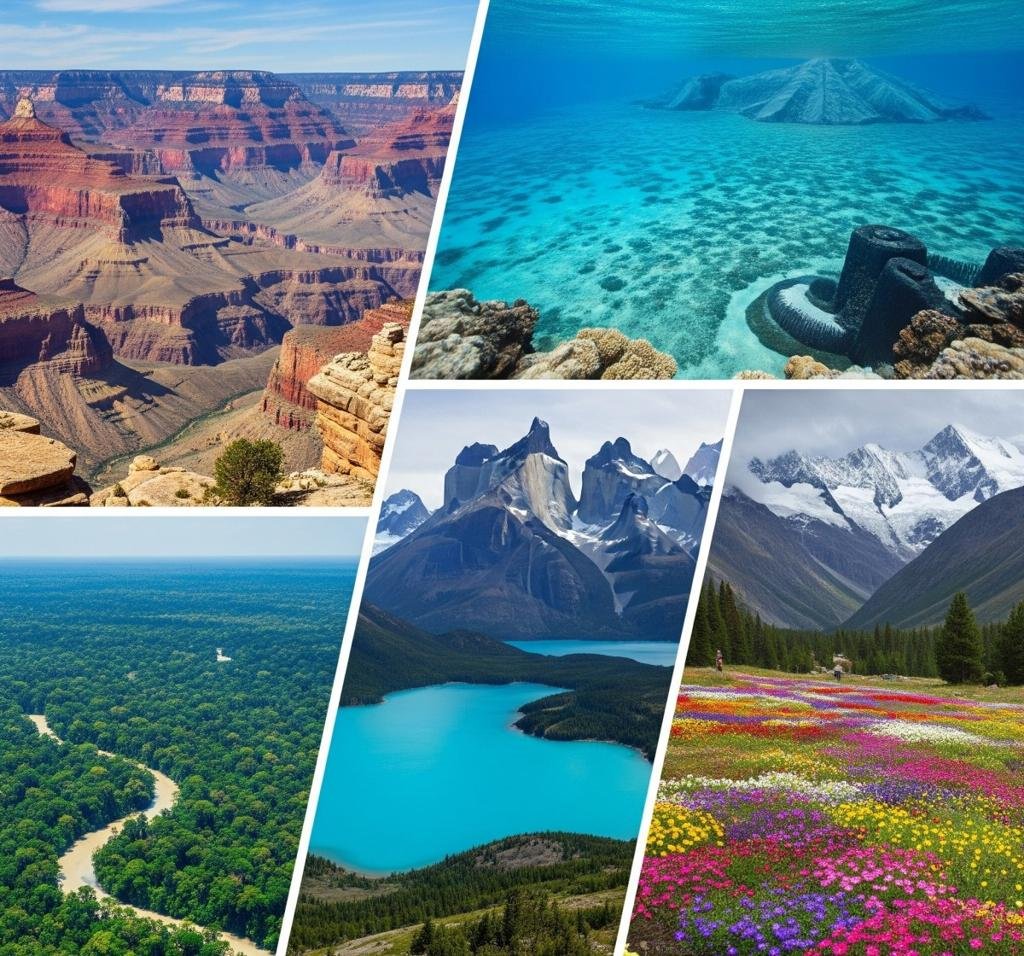
Tag: Nature

  • 🕳️ The Strangest Places on Earth – 15 Locations That Look Like Another Planet

    🕳️ The Strangest Places on Earth – 15 Locations That Look Like Another Planet

    What if you could travel to places on Earth where the landscape looks completely unreal?

    Imagine a lake that turns pink.

    A desert covered in giant rocks.

    A cave filled with crystals.

    A forest where trees look thousands of years old.

    A valley so dry that almost nothing survives.

    These places aren’t from science-fiction movies.

    They are real locations on our own planet.

    Let’s explore some of the strangest and most fascinating places on Earth.

    https://images.openai.com/static-rsc-4/PMUWaldXSKqB4cweiNKhJujdBMKInvo8mmZq7BOUkhsWuRjWCJSnk73mBE3M4SAvoXuFPu3grBxMQlQ5XPIjsAZ7Q03VWJyf9FuAacdckC6mZ1jmHs_Ljew_B2dlHJ9sAiOIW-6Nd9CATIMqQuyqnNaOhyxrOiGawsudBkR09UaxojWYOpG0_XjSkqhpkefp?purpose=fullsize
    https://images.openai.com/static-rsc-4/Qm4SULAW6ITiXnjZ3Bm0AQNbCxMUJw0TUkGa9Soov7OuveX5kMKUMpZwxmUnba7Bj3KnEPi6VReSoWgFYlZRsSGKEQNhYdx2Dcl-gN34JqIlD_HCuH3ovtcDKZYyM7xUsh7omPEat8ee-EVhrIJhYYxDYgyrLvShq_43pCz-4AYsTglbSsw_1AIq216pVmA_?purpose=fullsize
    https://images.openai.com/static-rsc-4/C3muRScGHOYVEIGempJrRxWs0Gn8cwNkmdd-Yrl4QWfX24aUn-TpHQ6kOqn-3at8fvINBmIK5DsgWo-DikMd7zRFGJBm6OlWe_9ho4yIJddAIll0-R6ezPiNETwbvu34bOFehf0rTmdb-ukw8f3rkqh3-G2BVPSpXAeoqqQ-87got7ek-Emm-MYf1WwXGXT2?purpose=fullsize

    🩷 1. Lake Hillier – The Mysterious Pink Lake

    On Middle Island in Western Australia is Lake Hillier, famous for its striking pink appearance.

    https://images.openai.com/static-rsc-4/q2qH4DQ825i8u-qazX4N2LPb-JwVoEZsS-61ORcReL0lcloNOjIhPqQFzr79xIXzaqu7M0FsNBsS7k5sJ3XHxrw0H2iShSVCjXwZIx3CE2WtqpPClUjmyAlsSYp6DTE3fiJmwMHbGqMezfJG_g1MerfzCQ5xHi11LdlIpElHIYHMQDCVfJmEfzr75JLiVgNp?purpose=fullsize
    https://images.openai.com/static-rsc-4/8TZGNH4aGnhsUjmMsk6mKHmnfY6LzfMxc9sEXH-USI8JM6YcUa9ciluEHaJpojRICoW_FA9pNRZgPwmMPclF9F4y-11Qza-Yp-tzAfG8VPO1aLLB5PiQoWOl13zakwLHjNgr68i28U_ja4RnT-O0ZmMtNCiF4SlGgBZYpuZQiSXDkiQN5Ij4Kl8lkIkzNBUw?purpose=fullsize
    https://images.openai.com/static-rsc-4/MiBXT7dZJZg7KX89qF7iVZIynY-fYxj0lIWrErAMx-ST7RBaZr-PI2Yks9WkpOrp6ranNIc-KAtZT2Qv6MesD4vFWSKcwZJFa1lm9g8xVZ1aG9fvIvpW4Bs_MA_nmtHbU8_hCFLWrjHWc6FOah76AU6qLpNaTR48gfitsAU3GNXuUnJTqIwj9QmjzX4AeoHK?purpose=fullsize

    From above, the lake can look as though someone poured pink paint into a giant natural basin.

    Its color is associated with microorganisms and the lake’s unusual chemical conditions.

    🤯 The Strange Part

    The surrounding ocean is blue.

    The lake can appear pink.

    And the two bodies of water are separated by only a narrow strip of land.


    🌋 2. Danakil Depression – One of Earth’s Harshest Landscapes

    In northeastern Ethiopia lies the Danakil Depression, an extreme environment known for intense heat, salt formations and colorful geothermal features.

    https://images.openai.com/static-rsc-4/s0qvG50r2oVmlarqNZFMFB_5Y9rVQPu3xRmE56QBJlwOQq8xQjovyH8-AWATJzg_d65YdotGMO9EVgLW5KrBMbaIZXQy7VruRRZj1jSFmPyjmlIxUrSCbC2RORE09qkwChYqgahBuPHWD4FWEmiLl8FbFWOYsEWO4QdjnFZKldBu_lDBbAKVTa9mmQrDdZjP?purpose=fullsize
    https://images.openai.com/static-rsc-4/EzYHMYEfMe8X0ZdGgaCXf_w78jay0tDX5OdWn208tCnsCa6pksrB8AnQYvDMwuO6M4g4Oyt_j8tXPLMkrpRXPd39uEYjd360hM0TaRcmuduA5fwRQmnZdoA5YVWizXk2_201lLwos4QibP9duSiE2ZASp7mGCTEmdxZZf4acCwHCGHmifUukC32gB7MOQ41e?purpose=fullsize
    https://images.openai.com/static-rsc-4/-Kqz6vf5Pai87IWpB2NN6Ew-fMERGONUsMpubecxmqNkIsJaBeaYDzIjAkinp_x_j32vCsKKxAg0ro3drX-9CkYu783OMRekxyZiihqfqyTCbyokqQC89kwFTmIHrEjJCoDLMyDrQTC4DUMLhGzt4giyhkG2W8Y1_rqNZm2LNzkeg3JRq5OxHUUpiLrZmhk7?purpose=fullsize

    The region lies in an area where tectonic plates are pulling apart.

    That geological activity contributes to the region’s remarkable landscape.

    Bright yellow, orange and green colors can appear around some geothermal areas.

    It looks almost like an alien planet.


    🌳 3. Socotra – An Island of Strange Trees

    Off the coast of Yemen lies the island of Socotra.

    https://images.openai.com/static-rsc-4/yAW653FqgyaKTf-Ba9bimrxR6CBQKvtFeglYFXeGLte38J_9672PvNQTHVW4Uth0dHsgTD-695hEibWzfPZoornoptAbD8kDXsczV1B0s_gZYDG4d3_dYqKPx9S5LaNaxKNu8-IW1aze-Eq6cvC-r-gcG48OL64CoX2UcbhSHQzCf6taqBI6Fhi6FNJD8VBD?purpose=fullsize
    https://images.openai.com/static-rsc-4/KNmdjgzWG4L9NhjVxvYYAjbsTGaTyn3VHpNsgsvuvWt5n5SF0iplnpSsR56FN3WgXEyVbAix7AtA0M6dUP4DCy5PKGlQ28YE0j6p-rj0q7v8imaAcWXkv4FSU4SLu9-xSO5NilI2iZZAbeRMVVQRuI9ALSyq8dFQMuUMYRY-AzPyUuT_vPoUJzPOqrMy-Gsc?purpose=fullsize
    https://images.openai.com/static-rsc-4/Fw-I0wX-SYROMuaEy6jFKRQyA9oVv7VorZXLjy_NXmBHWAEXJkTvfhZBsy4zhNO-qstRmNJCqYV1KrqxsGEGNGHdOcPDt0Qm2XKNtCQTsoGXus6So2O1hZ8wYcNbugse3lgJXnZmcX8dec807_6zsUupCtjH3dn7LrrJNzPrCYZSU38v-4sdI0mAHrN8JChQ?purpose=fullsize

    Socotra is famous for unusual plants found nowhere else.

    One of its most recognizable trees is the dragon blood tree, with a distinctive umbrella-like shape.

    The island’s long geographic isolation allowed unique species to evolve.

    🌍 It Looks Like Another Planet

    The combination of unusual trees, rocky mountains and dry landscapes gives Socotra an appearance unlike many other places on Earth.


    💎 4. Naica Crystal Cave – A Cave of Giant Crystals

    Deep beneath the ground in Mexico is the famous Cave of the Crystals near Naica.

    https://images.openai.com/static-rsc-4/9lABNF5ySZ-1h7ezYoJx3NcMWzJaDW-lGSNMjXwC0SIVSeEOBdC38PcDddoNtcecuFBcKE9YSntQSeZ1exYF80xuAlShDrOYlP5pJerj-IXVNtejEJRdSaj13D1PHegDgUAqiysw6nu52tY2eCOx2oR7Ench6MbSHaU14vLFGWQVI7Ipb9w9K8OjwvtFwd_v?purpose=fullsize
    https://images.openai.com/static-rsc-4/9GJje-ehaaOLUuBXIflgRsvMz5q5niPdj38CVrIUOVsJVzl4-RGTG4JmMq1ZD5G1p4ee1zlgGFgyGVYl3i63jwFuSN7EuzSOcH46QT2aRclUYS8IghAETuliC66w3SfDyQNPQ6JSxUw5QhdPnJ7pe8wRTAhbOAi5JRRlhBVgreNHJKY68ibLF9DQhSMzqoWB?purpose=fullsize
    https://images.openai.com/static-rsc-4/LcF-we6l-WdSM_tJVK9UsKmNqYwc7pQbNfc5POv_cpA_Q8nK1u1SjjnhPZjuLJXHkJFWNTBDRIcrPsvyk1-ycHlszff0gXOa4AAH3xIZZwYDKc3dDEE1SfV50oRw3bJoLM4APG_Lwqdqafi_g1O5inKu-8EgFXUf58uUfR6x5EhtkJIl_Osw2VBtQ9DoDZ_O?purpose=fullsize

    The cave contains enormous gypsum crystals.

    Some are several metres long.

    The crystals formed under unusual geological conditions involving mineral-rich groundwater and heat over very long periods.

    💎 Nature’s Underground Architecture

    These aren’t small crystals that fit in your hand.

    They can be larger than a person.


    🏜️ 5. The Atacama Desert – Almost No Rain

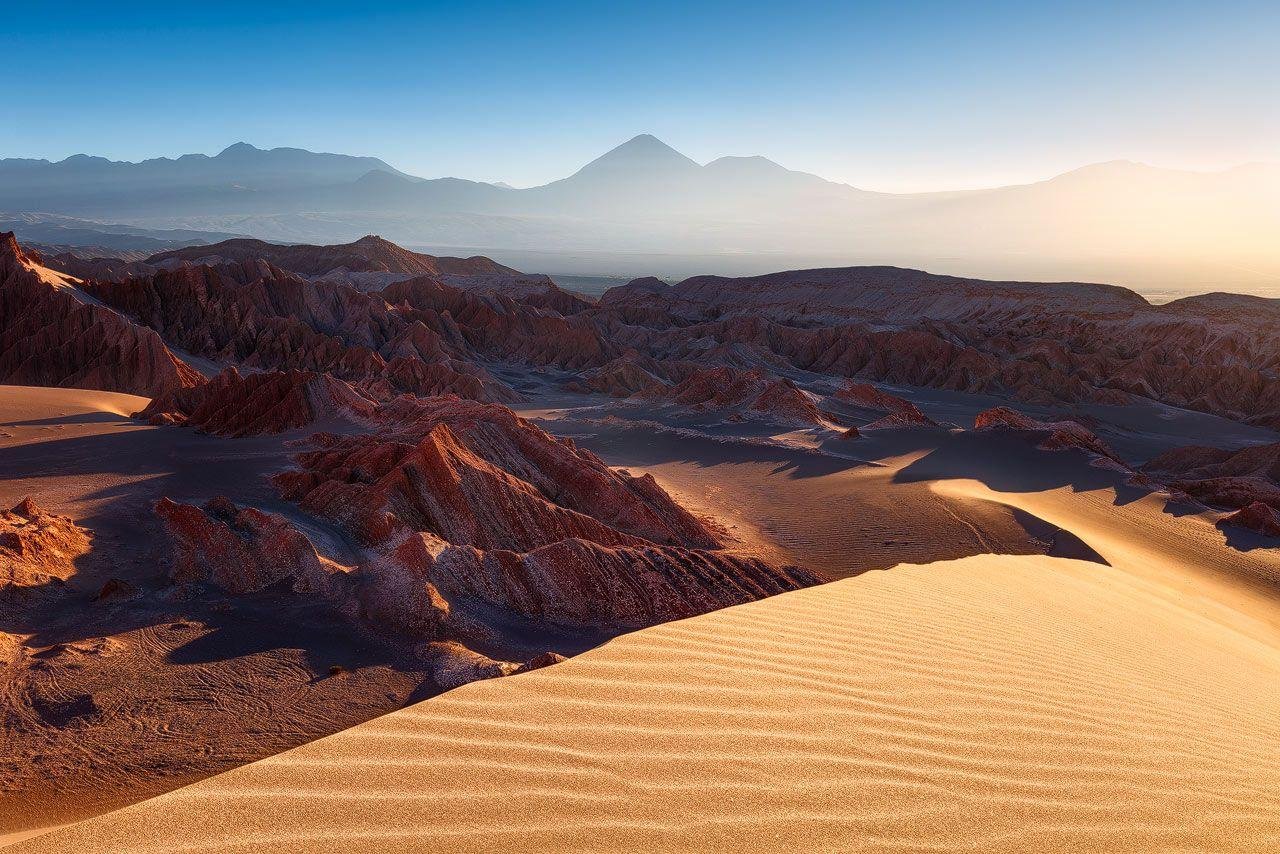
    Chile’s Atacama Desert is one of the driest places on Earth.

    https://images.openai.com/static-rsc-4/CUs6Dj7uyPLc_aP8rJsv_qfDsva8iVWuWMmOCb_rwCYjNQBCT9o17uFULBmhEF7NY6DIuoy2DgcfoiYIg0DmKeFWo7Jr8nC-Jp7J4VZzwiAVwYlzfskpUeqb9FT9YGPMMQyrn8dGXcfKU-Cvi1h_SMKxab9pwsOgWge57MIJCJL5mZlp42HaKR0Ta19fp-vC?purpose=fullsize
    https://images.openai.com/static-rsc-4/clLtoIOfe51kLYaHMVrVq4InnC58hIC6cdL_lSGYm9HLCStLdQpPd21_iJKdDm0iDVIY8992n39QWhR4eyKtlNuWXCCsPhG00r3NftQyg1jL0RGEnFjBdmpoPwGH4W_nFhVrcOYjO10tm-b27LnYNUZWucD8VYe9j6zsD4xOJxISfHlPMPQ6DClPMZw8SFli?purpose=fullsize
    https://images.openai.com/static-rsc-4/tWqV-GwkS1iZILx9Mo_Mxkr2ZVyyxHYM9dvM-lkBtdheTHbsuEfFStXFt_0mLsqtKsrpphu7UC_xrLN4pz97NlWIinkmxQZ65CDVOFYUiHWvbmcHA4HsTOVBoz3VgoF-ZGjvjsnQdcWsODu6MdHRrdlKC56qU1B1tfsHNN_6VxZ78VJXSjNVB5Jb8E4wtgmf?purpose=fullsize

    Some areas receive extremely little precipitation.

    The landscape contains salt flats, rocky valleys and volcanic mountains.

    Because of its exceptionally dry conditions, parts of the Atacama have been used by scientists to study environments that resemble some aspects of Mars.


    🌊 6. The Great Blue Hole – A Giant Underwater Circle

    Off the coast of Belize is the famous Great Blue Hole.

    https://images.openai.com/static-rsc-4/Uw8g2Oe-TJ5dRRNSVcaieNm47V_KIZQgE_Rqm4r0UG7gKqoV0MWOSUgPWMZeZlvSCeZgCEGnXRkifBOIn45oUohGuDstMO5c52xYEfFZHqXnSUXRgsTU2pwnNOh8Td_s06JFJ8toKNsmysea8A4fVzCBLq6aWBbNiOQXkSXyRZeVdZeLNU-g0WOWXhGW0O_s?purpose=fullsize
    https://images.openai.com/static-rsc-4/uhJi0Pl0YJrF4UW9aIs4-gRuOp0wwghdrbyXtoTkWUJj0nh5ixm2AeMh474RHeafQzm6WZB3OhBKSb6NnwHkAbHEOdVzRxsumBQ7VWkGIOwK8xqbtDYvxYe7as2CDdvkgCCNvT_w6aUei7zACtiN3ZIy80vNnLBfj16opuHtSpSkC1xXcpSdM0LO6r_bj_eJ?purpose=fullsize
    https://images.openai.com/static-rsc-4/PYPEKXCv6Pwq8dxSG-WiXXHNpXf5e6Fby4z-SjVi_YwKAOw0QGaZnV3urhDdoW_O5j5RJSI8Qs3-gQIKD41yzOZaJV3RzMctRHvsOAn19jCfprVDne_5HmcAIaUHllJaS7sEAQTMcDsT5l-xqZ6-wh0CVLRMz2II86zz6c7IPFabJzYzDPuwsybKvomHMjpY?purpose=fullsize

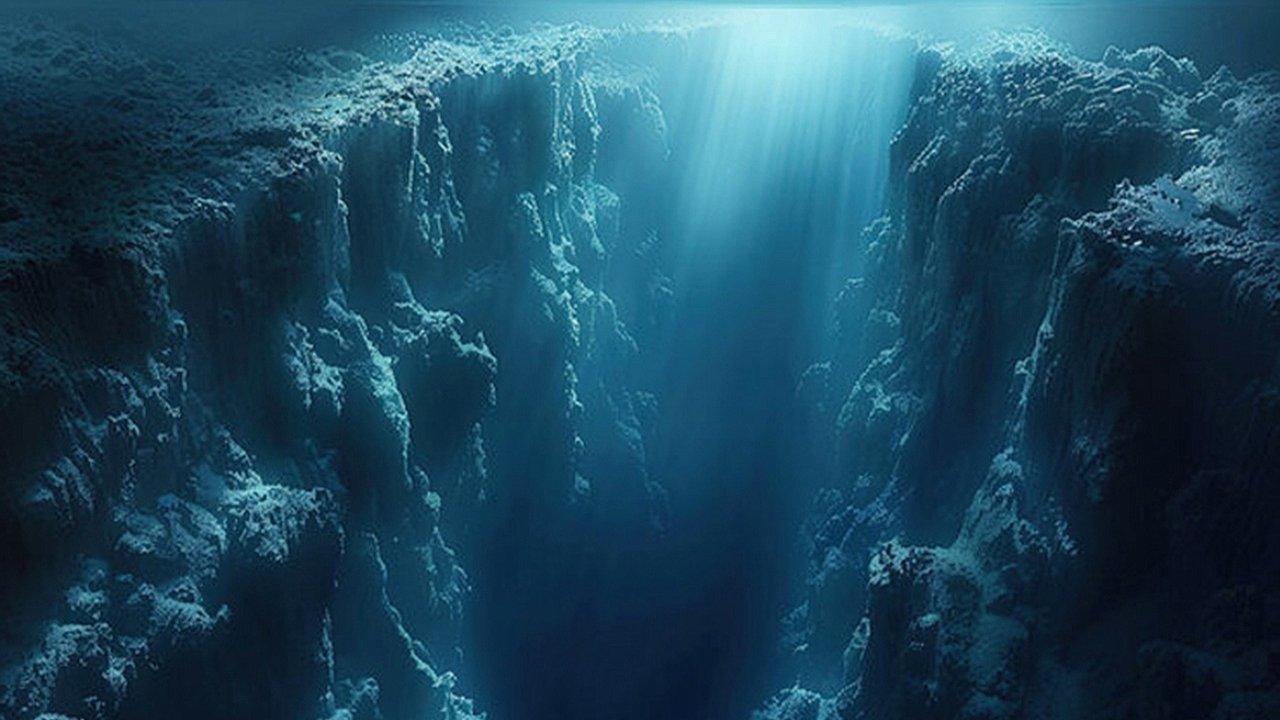
    From above, it appears as an almost perfect dark-blue circle surrounded by lighter Caribbean water.

    It is a massive marine sinkhole formed through geological processes over thousands of years.

    Divers have explored its underwater depths and discovered fascinating geological structures.


    🧊 7. Blood Falls – A Red Waterfall in Antarctica

    Antarctica contains one of the strangest-looking natural features on Earth: Blood Falls.

    https://images.openai.com/static-rsc-4/G6sVtaCghFkPHBN9cXH0JHSVqUc-x9nDbixzXsIRYGZ7LXKSuCeBwnvV01cSpK78NtpSE0f-_sTPkw3wXzgq1cfL7OlLY2hmO-vEA6qcKMClJGAhQymex53F-_c3blfWvCyAx_D03Kvdh8WZOGBt9Fefo2LeFng-3cJQjemuhBAN0-ilylQQj4HDgmEcAO3E?purpose=fullsize
    https://images.openai.com/static-rsc-4/YPKXDPlJMwpSuDRwE1KverlxSIl3vOFidlHzHEmqenzcKK1OUcQsSrtQOEQ__A_sLMwIhjnQBJNaI_JctpdUMAPy0Uz2infdqCmhEhvqXSKd3-RNyzhAHv8VpmHdYLlQIsnadTCWvUI1kZCsFEFdn-1KPrUhqypRxLmZRWOoh8Ys-9IHv_jn5EC93cBN0Dpw?purpose=fullsize
    https://images.openai.com/static-rsc-4/nes6ROZjdxJloLpKtqYXgQtIAgn4kcaDo6_sKq95LJK4DlwXWx8apwb1g9qUKJBpPFCIr6LKMi-XNgFSs3p25itsBb6p-T4dnI8eZvXluPi4Z-BlKC77PfmzNb_AwbAURIC0krjxEIuKMlbTfdSN50lrqVFpBbR01xKwsdrfZc5TuDUc-HsD0WfKer8DCEbA?purpose=fullsize

    Red-colored water flows from the Taylor Glacier.

    It may look like blood pouring from the ice.

    But the explanation is geological and chemical.

    The water contains iron-rich material that becomes oxidized when it reaches the surface, producing the reddish color.

    🧊 Imagine Seeing This

    A frozen white landscape…

    and suddenly a red streak appears across the ice.

    It looks impossible.

    But it’s completely natural.


    🏜️ 8. White Desert – Egypt’s Strange Rock Formations

    Egypt’s White Desert contains unusual chalk rock formations shaped by erosion.

    https://images.openai.com/static-rsc-4/xBq4EZKjj_nB8NSMySs5BKjxVKS4hJlK-E0qLS_4NXSuZxJd0fPG0Kea5TYdXjPDGgqH0ZtyKg3BnhJlKjdQRxlzJtgrXd3aK_NPvzRMqbipH1-xncVT8p0qUqpUXmti71uAuUacvXJcWsApMd-Ct7wFISeq6639vUYSQaaJ159dGQvyl51sYr6zu9K7Aur0?purpose=fullsize
    https://images.openai.com/static-rsc-4/-wJINB_5v7ne6h1zQYfhX__unpPH5oNyxeBCodqeqlJHaE9LiEBu8v87aQnpsX2oP4yymtJU1ixJChmeQEKzVX_3ZHZSiY7jKhyWiH0v_P4t8Ha7zz5KWuO9AVAhj-j5rwdot6zs_LbK8XAbFZ8xy6jppo18I7LaMii8AZYU_HP73R2DKX-20O4NFDs2R5gN?purpose=fullsize
    https://images.openai.com/static-rsc-4/Pd_NQM_mm8MvEY9-p7wAnI9XIOMkz9FvwbGoZZLk1fSxXkviuazBgC_ZPoRg9L7513bwF_fseaSt9Am0AYTgoQJ36ki34vBdKCy84BbrjBdgAipLDljzq55nKJksGXeC3axPuxX0RPmsbyJM_BOvLTE1PDAbLrb3d9oQEuSatZq_Q3ocwjiGR-2o2xLes5pm?purpose=fullsize

    Wind and weather gradually sculpted the soft rock.

    Some formations resemble giant mushrooms, animals or abstract sculptures.

    There are no two formations exactly alike.


    🌈 9. Fly Geyser – A Man-Made Accident That Became a Natural Wonder

    In Nevada, United States, is Fly Geyser, famous for its brightly colored mineral formations.

    https://images.openai.com/static-rsc-4/YIvMWyceJYf9_VrPT0ooyyDG52GA55bgYbATGVHy-halekpJLy_mSDRtst_aV0AQEiYvUT10yG1-UY4bnNeMr-p3zAsj_6rtV5J0R-Vdj1Ib9sOlr9s7rsE4IbUUhhLW1ExmWwym6qwAyV778vadNL6W7Is0gWy6l1Pcj6djzPV_AWNGg1w1r8VR1d-x5AAK?purpose=fullsize
    https://images.openai.com/static-rsc-4/m8bFNGH-1GzU4_qSySM3-x-rBPPd9PR1TCboFL_BPv7-dEAwycQE5P_mpvocDtmNdof6XfDkkDAtta0FpCFgRYh8rNQAznt86NkosT8b98gmBQnJLsAKwdU-vKc-OTUy6262FNIU_mKhdLgLJQXFEQ3vOb9X4rqA15ihKjI9XDdIYt-gGVXNiMVOuA14-JOM?purpose=fullsize
    https://images.openai.com/static-rsc-4/orFUU68H3gXoIM2erI2gl5ZTiksCibmk6Tl1-YncV_CFhhvSpl476lCe0bSsaKbK9Z8cbbkHdUAtqzoqHVLPaXxBcJ4I_kGIfNr2kKtaHAMcd9lazsbweRCO9u5mek_31s7otKn4s5TlyTsZNIxsrS9vgVVhbXmwmGtbd7E3hL8Yxwh41DDrBWu3ypRFgHcM?purpose=fullsize

    The feature began after drilling activity created a pathway for geothermal water.

    Over time, minerals accumulated around the opening.

    Microorganisms also contribute to the striking colors.

    The result is a bizarre-looking formation rising from the desert.


    🏔️ 10. Chocolate Hills – Hundreds of Strange Hills

    On the Philippine island of Bohol are the famous Chocolate Hills.

    https://images.openai.com/static-rsc-4/ZP2o4TmywhHl45hg2Vp6RZ1X6lGrFwUNrcUXqp3_FgRmpSwcocGmOfk3G-KyZR9yuIbpojM-dWKTUxJzTaNxG56JDpaGTBn3rY9uaAVM50jChQxyCcNl_oGwBgIbwJ2gzamxMMvDxZ28TqtuNjP_orRftXy2TUB_FeZJ-vQItYO6DUYX7QUyBXAUSb-Tqh4T?purpose=fullsize
    https://images.openai.com/static-rsc-4/sgI6Sf5DxHk1JWcrZxhUPl0VAitLRsRi3jCidVDC78kU7KuW8ZooL1oxyPnv280WZKHVp8Pvxo1Oxlfq9OW-kEVaghfMUP6gmsQ5v4tol7s4M05u55FFDOq90LihKd_hWqGSfZuzIgbkPt-TZ5VAhLy8OCFcZt-OoDMkVtxP7yXt_HhdBttqOB5Xeam9lydR?purpose=fullsize
    https://images.openai.com/static-rsc-4/uZAyg6bnatWMDeoKPX-jt-0RX107BHmy90P5JKSco1vHzRrUVCNuCA5pjzt7m-9OJIvGiMVBFcDZawLhL0wUooVkQykSAkmvLsnXxYpB7B7OiwhI1W63NFfeG00y0wpmhVVwXLlyI498A9vE8s58B5QsRsJqxjIREvjBIElIyln0j-Abm7MRsiURPqQ5KnYA?purpose=fullsize

    Hundreds of rounded hills cover the landscape.

    During the dry season, vegetation can turn brown, giving the hills their chocolate-like appearance.

    The exact geological story is complex, but erosion and limestone geology played important roles in shaping the landscape.


    🌲 11. Crooked Forest – Trees With Mysterious Shapes

    Near Gryfino in Poland is a small forest famous for unusually curved pine trees.

    https://images.openai.com/static-rsc-4/kF5ylEhTHPd1XqdBkvsM0JTOrjqR8h5SWL6mE1gemHEmv7bIhJ3hiX9jqWCN7WGm-kG8pDR3NcF-tib1NReRICwvu-EbBRccprrfPY6pSncYpn_hAwtW_DLQwoFJgm8NQDhdoHZ08K-jlUJPkUSTZMAaRveRqY0LPrITWPXPlzJtOtQ5N5-ahrYNtBVMyKM4?purpose=fullsize
    https://images.openai.com/static-rsc-4/8gvUqXjNuYFW9RU1YwO8DJxspybR6PwoUYASx-Qdyis7tHaNhn_C7Kz2el3SOnUCoz0lPTnkPV7ZPYxi4vs36WAn8mNU1GhbPVQvg3ovMLoVUj3P6OJnHgwKdikMHvhsbA_DIxAX0jJI8PHDRsS-jQc_Od9JNZdysnpZbfUjTrgOYhgmWWGSpRqkPm2W8RXl?purpose=fullsize
    https://images.openai.com/static-rsc-4/XUNFCRcqY4PIcXEM2G_ZTxWCNn9ehrTDuzehQsaoK2oTn1V0_GWCZ-wrK1klZhx4jK4ZUlE_pY8NUgcXTPAYLtKXKEIGIrsDpARhaAGgKJKpfpbv8iXK94fZ0sHS7Vfzj1myhShPW05_FYnhCltP2s_0-FNTMF_Co6W7pg9G0rQOiY1Ir1mGMYI59nnYEj-3?purpose=fullsize

    The trees have curved trunks that bend dramatically near the ground.

    The exact reason for their unusual shape remains uncertain.

    Several explanations have been suggested, but there is no universally accepted answer.

    And that’s what makes the forest even more intriguing.


    🏔️ 12. The Rainbow Mountains of Peru

    In Peru’s Andes are mountains with naturally colorful layers.

    https://images.openai.com/static-rsc-4/L9ZAv5bPgNXWT-Vagw1F0y-l7g7PNcdKK_QZCLCajJAdsPpzKCbYtQrDRpKnlXE19SKEMsIGECrK_8fCNJ5D1q0LA9DImOeYyl-ReSgxHlY4fXMj6XOxXBQUArTdwKOjTDCCZioQ0lm0I_m8LIwwgEJU2QnKMwBUy3_nEZTqpfniHvl_D_TGDfYnt3I6Rlvd?purpose=fullsize
    https://images.openai.com/static-rsc-4/3QtwqMfU_WrDHgOVTk_6V53szJiYv7L79iRTqMgmVI2kjPzQ1nJvJLK53LkItVB3Yg1mCJgcXIPg-X6B_7-MsqeNDVCUPh3ihAyuJyX75IH3R18L-2ylu5amJ6zrXh-iW-Q3u4TSm6ZKRlbVwTgvjPOI--V1dcNJgfer01dEzl0BECq2-wXOtn2O6kycT_ab?purpose=fullsize
    https://images.openai.com/static-rsc-4/IUeFIwfXKNDhL8LKyDaLym4z--BcVfeWPzdRrX1AQ20Fcdne6osIMjRMrdT7aT1LDJBeIhG9D9kqNKbyHZm48li3qOKlxP9fxGGfSdL4LxG9AhIxGT8iTACYOyCdBg-EISbKqQSjzH0XMlFsr-KoWqpQuiQnKFrAFdnjLVdhwqv8JHXY3SUs9q62BKYm9-pR?purpose=fullsize

    Different minerals contribute to the red, green, yellow and other colors visible across the slopes.

    From a distance, the mountains can look digitally edited.

    But the colors are geological.


    🌊 13. Pamukkale – White Pools on a Mountain

    Turkey’s Pamukkale looks almost like a snowy hillside.

    But the white terraces are actually made from mineral deposits.

    https://images.openai.com/static-rsc-4/aLIhA9uFs1tCY9H5aVIx_UVY8fiskLnKhLV1OClweVrhF5EQGkxB3I431I5e4HQ3doopZxsgHZW1MD6FRGctQ6ySHq29yPODscayF1htz2HVdIAun8X8StXhB8wemYC_WAX952_2smqpjOgfuWHRIdBAFS_Pga_ZmCDrjAEayC7j1aK22VikJ-W3iXLigvUB?purpose=fullsize
    https://images.openai.com/static-rsc-4/iVGCKAW-3I1419VIyAr2O2ZP9yWu1rIpt5DrD7TnZxyTBMAfKpCLtWxP3pQVxN41SeOTw0R5H1z-j4Fpy_0TtFLrBOhBx_f5iIlGyA4NaJi9GIsKneQ2oFOeFkyPOIFmQ2l0ZHNHZmc8yoPv6oPlgMEj0dJCwZuaBJTbrzFj9VzTfO07A4CbMaeEgtu4FkzS?purpose=fullsize
    https://images.openai.com/static-rsc-4/TfsUcr-7a5A8bKkoa3gKQdS3qxyW-oziZqoRO_gBI4y2NREBgVzaXLnk6vsPiioUtyQualUkAECGhRQE5CWgibks2LJwz-ZNt3uNLLB9lifihP88NsPapo1vnnCKbdzk3r4PXG6KV2v8Tp4QNg9oqQcJSvmnw4129ONxFL36Mgr1DI9Fe4yhG3oL_Nd1r0hi?purpose=fullsize

    Thermal water flows over the terraces and deposits calcium carbonate.

    Over long periods, this creates the brilliant white landscape.


    🪨 14. Giant’s Causeway – Thousands of Stone Columns

    On the coast of Northern Ireland is Giant’s Causeway, a remarkable landscape of interlocking basalt columns.

    https://images.openai.com/static-rsc-4/mPP4sDhG1r2P2qLwOL3UYG61zzU560FHUeM-23OheIp2NGqrxu2S27sL54kksvQACEKCtti06lND6JDH-Fw7FqIeMEOaIUfPaWa8JBD5imzLrvkLD2tSGgLmDWbvuzlbwkfr5G_Sb2XXpFG83MyVtM8FwhSVHkTnPW8H80KUz8pgFhNiOhkTrZppaEkbf_uJ?purpose=fullsize
    https://images.openai.com/static-rsc-4/D65Su9GPlq4-3KIu3JmRSRe4yswkge8z0XDIYQayr37lswzT0_gY7hN_mE4mf8gKR0pO3EcQ3UEmgN5Y5QmvqzG6ht3fokn6AdAcV5_x3lv2KPyipxvaWZDUkDxmVAyJSpRYW3fK9-UdNlApsc4GW9p6w6mTqb9K1zTGx-iKPQ-5jLVbUra2FTn1LtqXBb6o?purpose=fullsize
    https://images.openai.com/static-rsc-4/2-fA4Sw_a7pvLe_thBIGBnX5JMexbHnOgrZEtV8ZXR3merc6k1oP4f7wgRPiHQ8t81CnJKfZPw51Bqih18EcflFS1Kadnc3mOP4CgMRnlKmq5ueWeh4KCjG9FJA_LxGUntI8ftp892tqRqwpXxMRV1PHqSiDWyEtGRcK04Stit7H2_D35OcY7VXSgVr-3Deg?purpose=fullsize

    The columns formed when thick lava cooled and contracted.

    The cracking process produced distinctive geometric shapes, many of them roughly hexagonal.

    🧩 Nature Loves Patterns

    Humans often associate geometric patterns with architecture.

    But nature can create them without a designer.


    🌌 15. Waitomo – A Starry Sky Inside a Cave

    New Zealand’s Waitomo caves contain glowing organisms that illuminate the darkness.

    https://images.openai.com/static-rsc-4/PywoX7F5YpXXe5sqh5NCMKY8mMOb-zVUorgMwO8JTxzJFFS_OgOm8ts-GwAueEcNYs2e6cEvYDvI6W3j-WQN2ehfeok_thXGUYPdnlpqN9r0UOVsptQsIQfL3FWKtTILQkwsKewMGhqBDvO7mf4UAlyCJdr0XtJo0U8ChxwDm-726WjRGOTdQ0D-V_Oz5MGA?purpose=fullsize
    https://images.openai.com/static-rsc-4/btPq6ARuk4lvlJBgqB-RdH10tQf_wKmWf-yDf5FrI3LXzKcubgQyJ2zacgH2nb4yNlcQx5CJ4AuJTXRSCeeoVCstzPC508zbQQAe5HY6BuuxvEhbaNbaV6XtTEAEs9Zzt7vqwGi5NwqUmsBF471IbNv8DzzXhxSu94LGztTKVhMB1Xfe02LTwUE4Ps3F-L3P?purpose=fullsize
    https://images.openai.com/static-rsc-4/AtaEq6z06zwvBNTqZnF4sTO33AtqB3nBPxukHUrA8xqKxtPZtPOxqufHeb5YaRRr-ue219DUgQxXM1A6t0o3rUCBNINWMQ4fsXJqdPTbTsRTVtXwLiInxTIv53yPzEP8MpB4xhqB9OOFos9Ox0V0cVDJdfosZgmwS24NZaIa1jVmKj6UcJ4ajGKq80kVNlE7?purpose=fullsize

    When visitors look upward from the darkness, tiny points of light can resemble stars.

    It’s one of the most unusual natural experiences on Earth.


    🤯 Why Do These Places Look So Strange?

    The answer is a combination of geology, climate, chemistry and time.

    Nature doesn’t build landscapes according to human ideas of what looks normal.

    Instead, rocks are shaped by:

    🌋 Volcanoes
    🌊 Water
    🌬️ Wind
    🧊 Ice
    ☀️ Heat
    🌧️ Rain
    🧪 Chemical reactions
    🌍 Tectonic movements

    Over enormous periods of time, these forces can create landscapes that seem impossible.


    🧠 The Most Interesting Thing About These Places

    Many of these locations look strange because they combine conditions that rarely occur together.

    For example:

    Extreme heat + minerals + groundwater = unusual geothermal colors

    Ancient rock + erosion = bizarre formations

    Glaciers + iron-rich water = red ice

    Isolation + evolution = unique plants

    Salt + shallow water + perfectly flat terrain = giant natural mirror

    Earth doesn’t need special effects.

    Earth is already full of them.


    🤯 Amazing Facts at a Glance

    🩷 Some lakes can naturally appear pink.

    💎 Giant crystals can grow deep underground.

    🧊 Antarctica has naturally occurring red-colored water.

    🌳 Isolated islands can contain plants found nowhere else.

    🏜️ Some deserts are so dry that they resemble Mars.

    🪨 Cooling lava can create remarkably geometric rock formations.

    🌈 Minerals and microorganisms can create spectacular natural colors.

    ✨ Living organisms can make caves look like starry skies.


    🌟 Final Thoughts

    We often imagine that strange worlds exist only in space.

    But our own planet already contains landscapes that look completely alien.

    A pink lake.

    A red waterfall.

    A crystal cave.

    A forest of strange trees.

    A desert covered with bizarre rocks.

    A giant underwater hole.

    These places show just how creative natural processes can be.

    Earth isn’t just a planet where life exists.

    It is a planet that is constantly creating new shapes, colors and landscapes.

    And somewhere around the world, nature is probably creating something even stranger that we haven’t discovered yet.


    ❓ Frequently Asked Questions

    What is the strangest place on Earth?

    There is no single answer because “strange” is subjective. Places such as Socotra, Danakil Depression, Blood Falls and Naica’s crystal caves are among the most unusual.

    Why is Lake Hillier pink?

    Its color is associated with microorganisms and the lake’s highly saline environment.

    Why is Blood Falls red?

    Iron-rich material in the water becomes oxidized at the surface, producing its reddish appearance.

    Why does Socotra have unusual plants?

    Its geographic isolation allowed many unique species to evolve.

    How were Giant’s Causeway’s columns formed?

    They formed from cooling basaltic lava, which contracted and cracked into distinctive columns.

    Why does the Atacama Desert look like Mars?

    Its extremely dry climate, rocky terrain and volcanic landscapes can resemble some aspects of the Martian surface.
  • 🌌 The Most Amazing Natural Wonders on Earth – Places That Look Unreal

    🌌 The Most Amazing Natural Wonders on Earth – Places That Look Unreal

    Have you ever seen a place so beautiful that it looked like it belonged on another planet?

    Our Earth is filled with landscapes that seem almost impossible.

    There are lakes with extraordinary colors, mountains shaped by millions of years of erosion, glowing caves, giant salt flats and forests that look like something from a fantasy movie.

    The best part?

    These places are real.

    Let’s explore some of the most incredible natural wonders our planet has created.

    https://images.openai.com/static-rsc-4/RIHVeI9neaC1UKCBpm6Ctp15TP1-09my5O_4cFUW7I7tgEjaBdcdz34mmh2uQof2u7d-BAHebDfpBwQMFv4KIR7TSHQ4nutSdPArF_Pdv_zdiQq6Mj5R5QS06GzA9wsahjVL2Xe08ICmNAUZmAyCmxPHzvRe0gk67nBo3Bj-N4IuI0AbLKJ6_VSgd0hmng75?purpose=fullsize
    https://images.openai.com/static-rsc-4/HqhkiVSIl0jAGvFaox6Ao0LnPS7e0PgUxXtzO5j1XNcwCKNKIKNp6aRYLmviqWHfQsIBMxOyJehl6zZyfKfo1eWQQ4Be5VC2kjW3haYDKjuXgjmNoZI8y1ln4AjrcZvETa7KqbR1yInD6YNYIjxQ1sVI5hxw02DMoruSe2veBQfoutpY5wl-V0k8mY8F8kjt?purpose=fullsize
    https://images.openai.com/static-rsc-4/RbScFn7hbR74V_uZqtSzaeYDyCbXiToO-HSQ_QRnyP1Nt8vQaMROS4w0E3k_Y68TSLjl7tjh68a1-uLecaPR3A5NOany2I7xcSB1eoJBkJdBcZso2tZaOahwthj7_-zAORJg7qp7VIUsGrZxD_-l4Zl8tORVvozkqfRRcBFrxAgO3owrbTbCTSdYBBHeESkn?purpose=fullsize

    🏔️ 1. Zhangjiajie – Mountains That Look Like Another World

    In China’s Hunan Province, towering sandstone pillars rise dramatically from the landscape.

    This is Zhangjiajie.

    https://images.openai.com/static-rsc-4/l9W-iVPiKoRYkvXvbdrR7tLpm5RX8XHmjBN_s06iNbtCscoFvg_46CCPT3A2MROfB-r8-BpgbPIGwQVsuMkUHq2pFca8rEIPH2D5FtgQQIc3lFWKBZ2HHPd2YEj9QrGTsxZObf1VX0Lq-69RYN2s3N1NOTmNkJh4ziiAS_gEVy7ndiDG0PQoZx_aYrcY6glK?purpose=fullsize
    https://images.openai.com/static-rsc-4/Mj4GOnOx4BM9DYYLuNJ_D8sottoGLsiLx_xZyll1iTu_zl-wE6oD1iLN6nhjdhQ_SZK08ZSJ4AS2Pao871BcnzThSUe9_wizft7aAqR9vm8EHKx7mJBGZioWvdY8RqZWasTQE_3QzsvU5jwrebx3G6MiNySPaNSe0Wjd5KWTID_tT6p6QVT5GVKG6DkTuyx2?purpose=fullsize
    https://images.openai.com/static-rsc-4/ysLCIEHoHRjJM1trk8Jt2Ly7WKnKa1blc_JSEnGFDMiRnOFE24-zZKh57dTsloxhovfOfCT1X56plxqfkwFBbwpt91g7na0gLzdwb5lKtqcxk8h6bVH3L_rpF4_w_vpvn422wwYAVTRzFvX_CpPBX19WJnWj2I1Z_ltnW46wGSMrx3MEUvvWf5iVJFaTYdzg?purpose=fullsize

    The narrow rock towers can disappear into clouds and mist, creating an almost otherworldly scene.

    Over millions of years, erosion gradually shaped the sandstone formations.

    🤯 Nature’s Architecture

    No architect designed these mountains.

    Wind, rain, weathering and geological processes slowly created them.


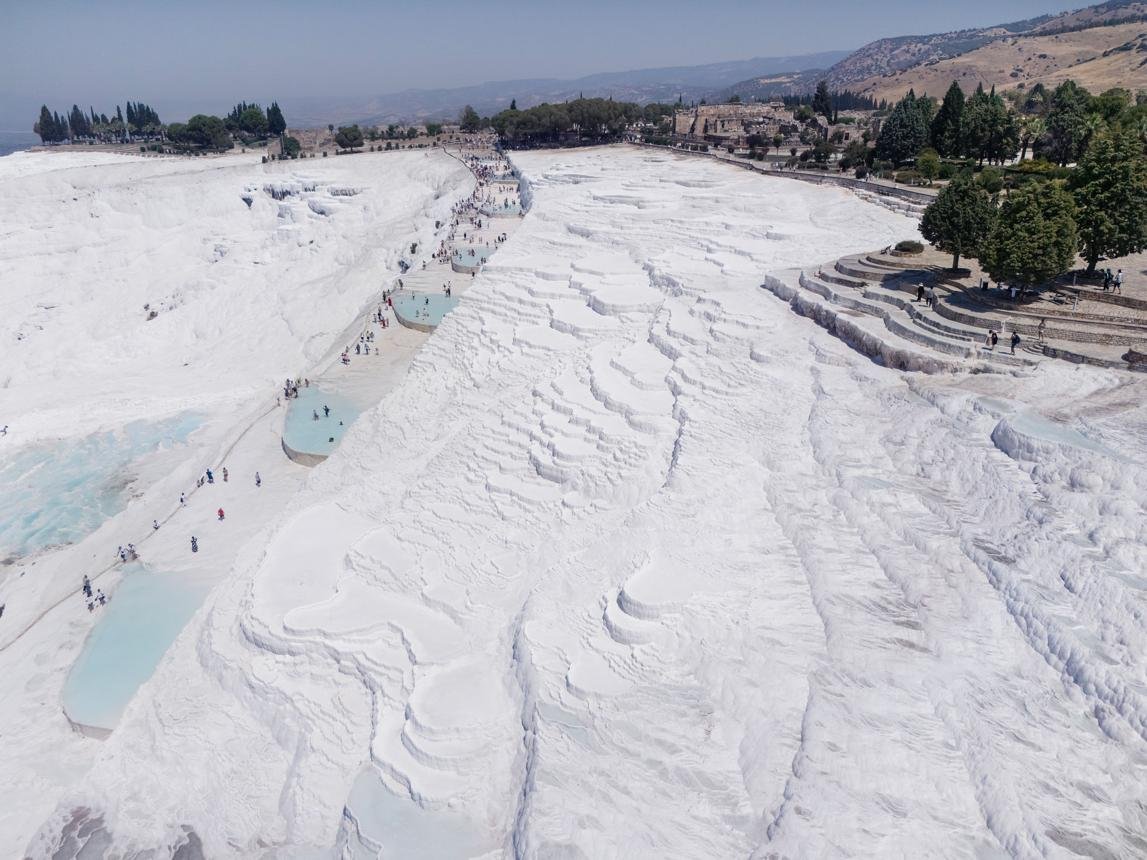
    🤍 2. Pamukkale – White Terraces of Turkey

    In southwestern Turkey is a spectacular geological formation called Pamukkale.

    Its name means “cotton castle.”

    https://images.openai.com/static-rsc-4/TfsUcr-7a5A8bKkoa3gKQdS3qxyW-oziZqoRO_gBI4y2NREBgVzaXLnk6vsPiioUtyQualUkAECGhRQE5CWgibks2LJwz-ZNt3uNLLB9lifihP88NsPapo1vnnCKbdzk3r4PXG6KV2v8Tp4QNg9oqQcJSvmnw4129ONxFL36Mgr1DI9Fe4yhG3oL_Nd1r0hi?purpose=fullsize
    https://images.openai.com/static-rsc-4/KNGiyrS-aCbWMnp3tdHJru8owtOZVeIrZQAd5Tb-PO6NW8d4mzUbs4YSu4Ix-hg_X5dyHW41FLA8P19oMmXBgQ5CiZddSqQYlnThjq4KTlFLlXw2FhnYcCInA4k8af7jfQnvkcpz43DsIUeV-IaiJC-AF2PN4KU-1LAsV9HTicnNemsNCr7qWqEhrytA1Mn9?purpose=fullsize
    https://images.openai.com/static-rsc-4/XivoBwYSHu8iSJke0Sh-HK9fibj9ZmdsY_wTdrINr1WHCLfY9YKJdmOsdtqelj4pUzrI7rPgoo53y0_aAEuBWKlMAw2hqoq71yuWhc18JlrhHqmEdIA5EYmTgw0o5J3c5ebZCVA8P7udO0UnNK79rSM5pN9cAZ3qkveR3cnn2Lx2WB0yvPDOMdMTLpctU_cy?purpose=fullsize

    Mineral-rich thermal water has deposited calcium carbonate over time, creating white terraces and pools.

    From a distance, the landscape can look covered in snow.

    But it is actually a geological formation created by flowing mineral-rich water.


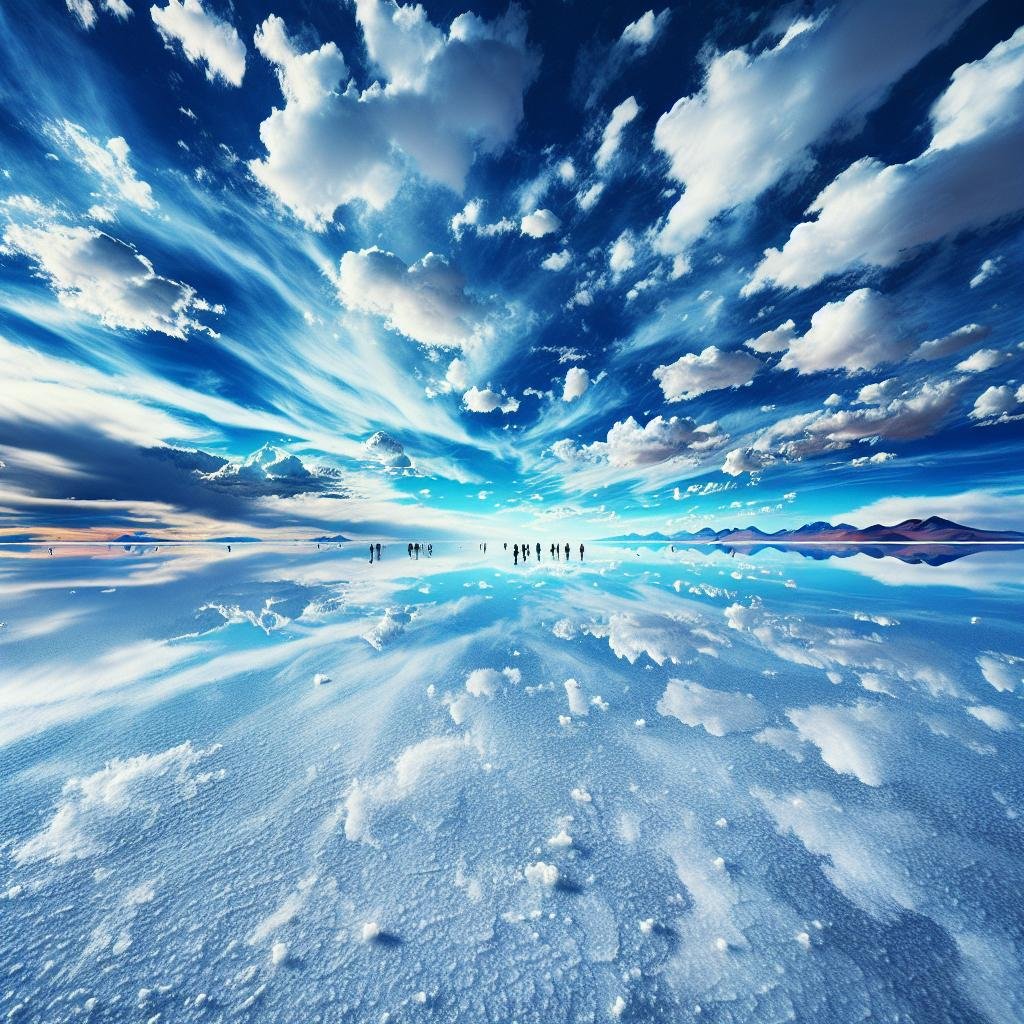
    🪞 3. Salar de Uyuni – The World’s Giant Mirror

    Bolivia is home to Salar de Uyuni, one of the world’s largest salt flats.

    https://images.openai.com/static-rsc-4/bfZ9oldnP-Ec8Oh1DYRArHtopFeudJqrmls4LNoAQqpxnPC19DEt290BlgEkqkCDfCYI2GBdUGxIQxfS1DYY5uOvXuEcfx6SwPf-X7R76L13EH9xIgTX7b2BzPbvS5BIBv2zYbykYdO6NYsWRPwkUo5kJoqa_EeW98JnqbFPM6bN7em_oqpCfVo8zFbJ1VqA?purpose=fullsize
    https://images.openai.com/static-rsc-4/_QXAYoa9C50oWSDhuXIWHG0aK4LSnxwr0ZM7Uy_nhIkYaLrByAFfMDO0y_GwU733CQImSpfL0EkWb7mpTsV9FBk3f90fqhp3jjMdjAmeQK1tIshGrtCzHGl6wt1IRHXOyraM39D7ScKcOnNxQRgqHlVqDaQzXZjo9TEDL36DIe5Pn9klU9srWo5uy6My-di0?purpose=fullsize
    https://images.openai.com/static-rsc-4/cQyd9fue96y_Ku2JaGPbU2FaDdSWLNmPWoV5UFlPZfTZWwMFTjPyiLyN1ok_AkqAJsr8b3J6CdWTBzQ0_mxJkVLQM-e8EslfsuuS7221-2DQvv8xt6wE7PZqWRT8m5YEXEb9PKrZPVJ70ho6TBZEkzuAaREc-j36wOz-PLiG1pyx4EdauywrZu8GZHTkLJsY?purpose=fullsize

    During the rainy season, a thin layer of water can cover the salt surface.

    The result can be extraordinary.

    The ground reflects the sky so clearly that the horizon almost disappears.

    It can feel as though you’re walking across the clouds.

    🌌 Why Does It Look Like a Mirror?

    The enormous, exceptionally flat salt surface allows shallow water to create a near-perfect reflection under suitable conditions.


    🌊 4. Great Barrier Reef – A World Beneath the Ocean

    Off the coast of Australia lies the Great Barrier Reef, the world’s largest coral reef system.

    https://images.openai.com/static-rsc-4/b5-n09aKQYN88VSbFxStdPAOTW5tQcBuqGt_2BWfgNq-CzO0BFGxewi72t1yesaLq9PbrUucVZ9hFN8p4RNXdWHMg6LvpwzJZDYGJcqQaD_jPxx7bZ_cnEyh_JfoOhYz7aVw4pzbYno2M4FHPXvowPr70uLWLLHl3vtlfMBsXy66HeEfnjnFwa28d28Aj7ws?purpose=fullsize
    https://images.openai.com/static-rsc-4/oMuzWefJgaYC6RVoJQG0n58rhaOslyV9fag9tJv2VBi6QILA8KjqkqJLnYB5nq8ALwAPaCda4btvhfG4ksYpOM9J5r9zMSGiu5NlF3wlAyorhxOYlzC3rh1wshpnD3yImlc3jcsHVlGSTKIimFMbJGv47YXS7Aa7LzlmAaypP7MHRYNKvCVotNZ8mshytvG6?purpose=fullsize
    https://images.openai.com/static-rsc-4/Oqa0fOBum8i913ZgYgHR2ayZj3_qokcqCsYUciNeAwwJTeZRrUbbR-dXHv_z-hdCJhRw1lVUqc0jHvsb1-Zwe6CF1ZYi93TgXbXIobjTq0wJVZMZFVxCJE64bBePLzFGOamr8fOloeZ6tcFv2audlrniHSpqQ1zqIttku1PzSiQSHDVLGk3tJKy39gfILZmZ?purpose=fullsize

    It is made up of thousands of individual reefs and hundreds of islands.

    The reef provides habitat for an enormous variety of marine life.

    Under the surface is a completely different world filled with:

    • 🐠 Colorful fish
    • 🪸 Corals
    • 🐢 Sea turtles
    • 🦈 Sharks
    • 🐙 Marine invertebrates

    The reef is also an important example of how delicate marine ecosystems can be.


    🏜️ 5. The Wave – A Natural Stone Sculpture

    In Arizona, United States, is a sandstone formation known as The Wave.

    https://images.openai.com/static-rsc-4/iFlFAqqYCLAI1CjaPFMKcR10J7RG6xq-x4Mw8VvKXw0UGqDVjnDeGHIEJYSLAKSMda8Fx6JEbkuuhBK07vHMfKYzdEGV3qdnNi8a8WyFusKeMDVzFq7cOnHxtttM65Ebe7qDnnT9r8A-rmHJdZdWvJri7oRakQNUtj61kICMaRPumqEyCGrliKqEXaMi422z?purpose=fullsize
    https://images.openai.com/static-rsc-4/qOJ4T5oFLAEXyZve9uubTFJj16J12FYSdMGPDMd1C1gdqxojD_dY08PfQwngc1bWkOGcfyppVlwMA2wuN_8n0NHE5ZQxWGKjk0Zal0-53zqrvqE9dsMq2EoyEO_GgStgjmUT5OyStT8ikDuzA5p9IYPj3MM5aJGLM6i5zL80X1ecZRScnzIZ2XkCPuVDEJE1?purpose=fullsize
    https://images.openai.com/static-rsc-4/PUFLrIoMLiCBKmkBE_x2PQN15mcvkxSlKmsB_oI4LQQdcOASh4PE0P08YLXoQgkrnn3Jlk00PUUDh3yShTkTZKxjqvnaKo-oz8HFdNzZbPEdCr4IvxWnJPpzHY-QZaky74NRFNEBEWqz2GF2eZD4VFjOEJPBxyZqP8RlA_phUuyqMcq_S_5sv6ZAbIyQ9yH6?purpose=fullsize

    Its curved layers look like frozen waves.

    The patterns formed through geological processes involving erosion and weathering.

    The result is one of the most recognizable examples of naturally sculpted rock.


    🌈 6. Rainbow Mountains – Nature’s Color Palette

    Some mountains around the world appear to be painted with different colors.

    One famous example is the Rainbow Mountain region of Peru.

    https://images.openai.com/static-rsc-4/NOpazI6BE5SmigL7Y85QvlM69SH3fVnCkGm6z9e8qsfhXEc_OGX-W16YJ3KiLm-Fe-U-mJzjP2JSDnk_Hb_UThBzjZyMlK-wH82sVrL1M-5X9BSj5andkK-PXx3ZA1z23dtXAKQHjxVrJ-2TJXdtbhdhubQbM5MRLbu53yN-eNLzouj1GVvyg-WN0RCWcRNb?purpose=fullsize
    https://images.openai.com/static-rsc-4/vs2dUR8aBzkRsSXZUfSgzvkycDBHQfEUWR3pnDPJI-2xx4SBmbpr1aX_WtLZqE6uZYvWdOciWZNzOLYTX4y-02JcgSuTHt03IRrYr8oljjuFNQDFlX7PDvucl46ZI4ttblReE8AAvY6hAHHcNTFMAECbQqSFrukR_41B1utMfSG6itGoSZstWwm5K8J1pfj7?purpose=fullsize
    https://images.openai.com/static-rsc-4/q5cx7h3XRcleZWYoUwas2ve5SGqSZ0zSt8lOd4NvtaQ0f35rg3F3tjcl9269avFkqRYs1byXPxsIJJDXKr1FSItsK9zEZn1R22E0ZUVHCzHO03-EJ1nKdScUZBrHeQKF7EG7MtkXlrNjxZ67Kl9oo_2EnceCdoCBWo9tpEZMUCx7WbP6DcQC-4rDrezC_rwE?purpose=fullsize

    The colors come from different minerals within the rocks.

    Depending on lighting and weather conditions, layers of red, yellow, green and other shades can become visible.

    🎨 A Mountain Painted by Geology

    There are no artificial colors here.

    The Earth’s own minerals created the patterns.


    🧊 7. The Blue Ice Caves of Iceland

    Iceland’s glaciers can contain spectacular ice caves.

    https://images.openai.com/static-rsc-4/pDgQ3ZwAzxtEBPTtOlBQ431JAvReKrfRHFQaFcrRSkGAa4iLDVo2iMWLxdmgvUb80sFJZotfkAcNuxWVd7j0xOimSC4UM47jEqRh5Er0P03_SjIAE961cgHqVsHm8NQaUqtX05uAOET4XMaJBAVCqJhvOaYN2iGP8yLRPvacwHMZQ7rWjpNxDHw7NfHOUwXn?purpose=fullsize
    https://images.openai.com/static-rsc-4/GD-JWLADf9chOFg4s5jO4SW3y7Tuwx15HaaA30_bHPkn7epUqZfKfQF9hPfiZ-xyrnvqI3Sq1Yjgzp-u5jnfDAlXdIZl5h1U7Z5LRvTWJVFivb4Tc5lZJTlcutBgkHA7hVfIJESxp6KEGDhIfUorAoD914CtSacJ6nABlF9yz4Kq_2soTQoEVwaasg6RSHwv?purpose=fullsize
    https://images.openai.com/static-rsc-4/0ixUMMt2oL-_BFrEVk7_QTumZYF1U4Vt8d3LXIs2XlmYp8tL88RsyQBWjHLB-TRgIdUUK3K7fWPYAsOsGwPX7oag6oV6aQpIRJvHypRSWhVI9XjkMLwBYko02uu6uC0CbwnKN6rUEi5k-te8QtrF1u7c3qEEuSK_CyFy3saS9nEdyS9P4nhtn-ZcpvG1gpTP?purpose=fullsize

    Inside the ice, light can produce intense blue colors.

    The appearance of glacier caves can change from year to year because glaciers are constantly moving and melting.

    This means an ice cave that exists one winter may look completely different later.


    🌋 8. Yellowstone’s Grand Prismatic Spring

    Inside Yellowstone National Park is the famous Grand Prismatic Spring.

    https://images.openai.com/static-rsc-4/1aW6QfFfSEnIEsxDsQh3Ux007tl5ezj_upNSb8TxZLrnuJ7rQh-yDjrO6UDxz3zsZX84rtmzxCtInjV-wbsooT6gx1WB73d2wiRdgBeJtcfec7d8ZJ1LQ9DDs0xwbjs87-uX2kLWwcpC2zoqPCLkNJllqZlPySedCEz8tdWAGoYxas3aioBiQwFJt-lzNl3a?purpose=fullsize
    https://images.openai.com/static-rsc-4/arhKPvPFawP3OuV493GfdPDEYUwqYm-2Chp5ord98DOzYLPRdZN7wNFakOc_IsFO5PcueD97pIsirens9cl3IpqcePV8vsN2IENH9s630MV-VDVWA_7IFsSAg8Kx18wvHjSTr8UakcWK5sLWtTmUksFAj8vfkU5E6tBT72i1u2DhXxJYO-jTceVMmkI_R_mZ?purpose=fullsize
    https://images.openai.com/static-rsc-4/W6p3QWnMU7cFGk3TPNH6NoSYjRun334kcp8jxStu9TZN7cJSJPaMTbLLwR0FebdvOMhzN5i7v5DkG07aTfcAuSQQST7Ex9Xn4ntXALQw5TKFNVEKafbvyxTZYy6T3iOHRpo7BnXqOt7m0q0XEmjrHbHk2iM0VR7GsfVWWP9vsIWIxNspcVI-rbn4qYpwwkrR?purpose=fullsize

    The enormous hot spring is famous for its brilliant colors.

    The different colors are largely associated with heat-loving microorganisms living around the spring.

    The center can appear intensely blue, while the surrounding areas can show orange, yellow and green shades.

    🔥 Life in Extreme Conditions

    Microorganisms living in hot environments demonstrate how adaptable life can be.


    🏔️ 9. The Dolomites – Mountains Shaped by Time

    The Dolomites in northern Italy are famous for their dramatic limestone peaks.

    https://images.openai.com/static-rsc-4/lrUuSiZOLS7yNoowhFLkpXPJkX5p52yOM0Se_mUSmPJpfhxg0s8CU9CAnhQUR3JWdLUw4qwWrBXXFXxCZ2G0AXFIlZGYdk2aUrV-dULgahsLjd0cL3CxT_4fnqQl6B5OGlBIWpbHbOGhQxBDFqxK-rqI4DI4JO9HJwOlim9NfHZ8wUH3S1m_pWeOkkHeKG6B?purpose=fullsize
    https://images.openai.com/static-rsc-4/RrhXSYkd_v5kDZmbXR_RwzgFA5XzMFrAV34a9P8FiMAr750nvEl3050HoIYjCBiamgd8P-tv3C5q40mfBVsnECxD7VG6Lhaktq_KeT56-HYlZAIvcaZAOZ-SwtkRBJuvAtO5PSpLQ1Qt9_SBBsY6AgTp4akFciW63vUebbwVg3n3vvHUzVTIpjZE5hYHvHiQ?purpose=fullsize
    https://images.openai.com/static-rsc-4/J0xLRsnqNhNoe0TD3vTy-gdJuXsZ7aqgxPFQ8wGlkNEtKixmaF9_ofSNrvLIfEHCBPhltfNeGAblucoId6XVoiJx4MOXgjqvv4vN1TvZyNkNynpgOwpKQszPo5K5X6W4tBqjhyO-mEIlFx-IlYJRzrmqZMWkaDSoE-8jxTno8wELzZYm5yUSwPkcjUrSA8J8?purpose=fullsize

    Their steep cliffs and distinctive shapes were created through a combination of geological processes and erosion.

    At sunrise and sunset, the mountains can take on warm colors that make the landscape especially spectacular.


    🌲 10. The Amazon Rainforest – A Living Natural Wonder

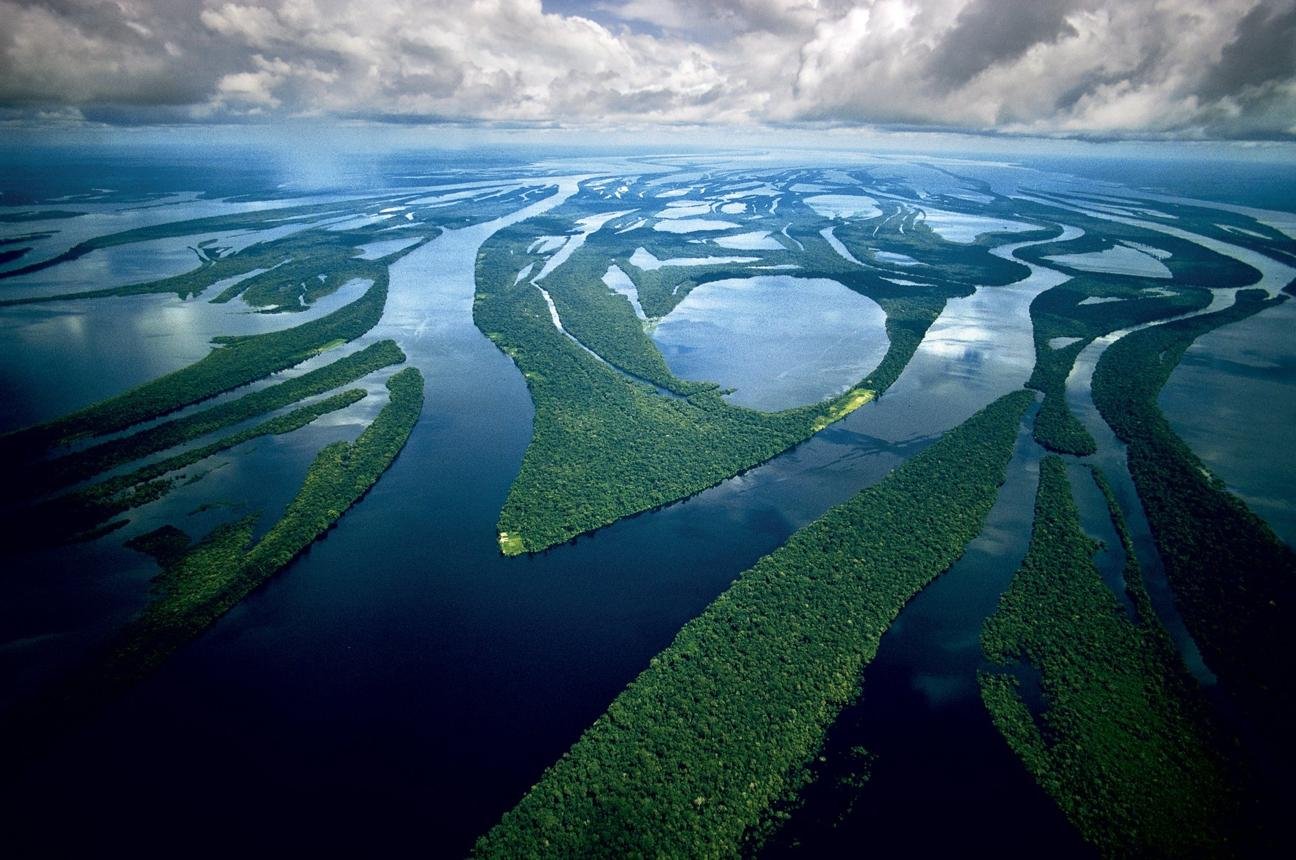
    The Amazon rainforest is one of the most extraordinary ecosystems on Earth.

    https://images.openai.com/static-rsc-4/CA_zv80B1TdBZ4kywmK9nF0A6N09ijPgkLxi5k3W3DlO1XLiIQDrsvttNM0ttniEkVzpBjcAiyKt-dH3Yy83A1459TDhy5bwb7-gOxxcHNqWhSABV-J3l8k6CHDyrCmNh6dYc4d2jZ_7vEihrrIMYMIYRXyIHxVWc7qfjxAmAbrkAF_KlxZeHfobMXts7ZB6?purpose=fullsize
    https://images.openai.com/static-rsc-4/MnkjoGGBCMrMjl0pgkK_MThC_kf7cDPO2Lo19cFAQMSeM6QNamRtAxNq-fDzTZU_LkxiFsXUc5ovGMWG7-AUS324q5FQ68ZX3QbIpKPLt13EO7dbl-IHV-j4IzZ0s-xvdsQj-SwdpRbdRsw0aaj7Yt1b7K0twH5X_GueiucOy501gBhifCfLiC6bABR_yiFa?purpose=fullsize
    https://images.openai.com/static-rsc-4/PKxUKPS-bRDHxuQMwqsMxZq9xssnj5B5Z5SU881dZXO3npuAOrxgXYd7-PnCqOjS8hBhqwTXTvhQ5M0KSjEfY_envPHgSFoi0rG2-SKzfGwc-8z0jjrVtk6QcZ_UpQCdmUuMVKQKqqWgMo1AXU2vL0lBygleMDgpLI4HETuqst6OKlkT-5zXMTmOTggioy0k?purpose=fullsize

    It covers a huge area of South America and contains an extraordinary diversity of plants and animals.

    The rainforest is also deeply connected to the Amazon River system.

    From above, the endless green canopy can stretch farther than the eye can see.

    But below the canopy is an even more complex world.


    🌊 11. Ha Long Bay – Limestone Islands Rising From the Sea

    Vietnam’s Ha Long Bay is famous for hundreds of limestone islands and islets rising dramatically from the water.

    https://images.openai.com/static-rsc-4/BToQhwifFz_hcslezPyOQvRWthLjwRLWZnBj4XNRxO-kdRSGmJ_1doZk3wyQULIXg0MIdNEPIfVETPGUs78wCQuQHvdtLVtbsB9zzoIlcgOMQVtjR4_jkCY0Vs7MzPOwrB4_qYF2sj7GUF6FlwOpK8lGoEvE8Qh3rOOa6fhxuyMYWyZSyn507RoifchdHKiM?purpose=fullsize
    https://images.openai.com/static-rsc-4/ZKJSn283Nqn4OwXT-QG-okC97raaK6pQCGAb2L13SCtt4oqnTc--mujoFVB639klmvdZjV7iceNRl_z5Dhe_qHHsh24BSKUGKpRNhYiFHCscgoeQFyGymMIuHI5FC_d15RkagSdAmnPL-RE7133ftcJfoz6PSLt-a1sX_ixTwMfSgBoAK-BN3C1LOwIPcuPJ?purpose=fullsize
    https://images.openai.com/static-rsc-4/4YAYWI5W1Q_PNmb4m9ftfGcnLLkPWbI-c_7_CjkGi9QpSrALSx5NQHDj1DRIDOJZM16WrquGbovK52YMoZd-BiaVg3ODBHMTWEyPp-psevFU74r92jgQ5JLZ4y3uTbvazNEftVpZOnBpaU7CVgg9FkuX5c31swsutAJa43p7Tw8F8yodU4PvV8I2xpmEQVmr?purpose=fullsize

    The landscape was shaped over long geological periods by erosion and changes in sea level.

    The result is a maze of cliffs, islands and sheltered waters.


    🕳️ 12. Waitomo Glowworm Caves – A Starry Sky Underground

    New Zealand’s Waitomo region is famous for caves containing glowing organisms.

    https://images.openai.com/static-rsc-4/SBPsfRzYC7PJSP7kynxnMSPmYWGfONX_wy8jMPwM2_3vRpbo0AX1iZG6kv92YULteFt-9BEwiqkIF_oIjvl9VPNoN1ywvbxCf2BC_lCI7lgGZ4W5E-BmeipyBhmg8eQVa2Eo0l56e3AZeYcKjJohQvrzIqJ9S9no9snJWX1ut2a-xuY4Ah5hqZQmgcJls43O?purpose=fullsize
    https://images.openai.com/static-rsc-4/PywoX7F5YpXXe5sqh5NCMKY8mMOb-zVUorgMwO8JTxzJFFS_OgOm8ts-GwAueEcNYs2e6cEvYDvI6W3j-WQN2ehfeok_thXGUYPdnlpqN9r0UOVsptQsIQfL3FWKtTILQkwsKewMGhqBDvO7mf4UAlyCJdr0XtJo0U8ChxwDm-726WjRGOTdQ0D-V_Oz5MGA?purpose=fullsize
    https://images.openai.com/static-rsc-4/8xDqimUQgyJ_lemLMeTiu9rr6ke7Di_P3moIj9LSPfFocwi41KYOGclh0yxYzc-js5OzPfl5DjvA1EIEeIuC7EtjrrDPGdUd0CtV8FX5o34lVGTriYX0SvSdzkxlE4__mAcemzZMcKmlKnuVoCTrWu7kjUEDMzOEXP3U17DyopjiNEvMX8M0G8XpkR4KvPUo?purpose=fullsize

    Inside the dark caves, tiny glowing organisms create points of light across the ceiling.

    From below, it can look like a star-filled night sky.

    ✨ Nature’s Underground Galaxy

    There is no actual sky above.

    The lights come from living organisms.


    🧂 13. The Dead Sea – A Lake Where Floating Is Easy

    The Dead Sea, located between Jordan and Israel/West Bank, is famous for its extremely high salt concentration.

    https://images.openai.com/static-rsc-4/yEcpftCRlHOWaogXKidZ_lnBDvFtM_MzXA3llzQjd7Jvt42eXTaYxrtgrnq41Vn17bLIDmRD7CziG4I5GvhSONFVqjekDQl7CWD2L9keSQyQ4oyoUbufPw1nLYgtSdJtSQBM0aVld-M1dSB3SPp7BbFzkzkrzpJSlSzwfelurxqqeHgtyfad-T_j5Oxwlt2c?purpose=fullsize
    https://images.openai.com/static-rsc-4/CD6226i4EwQLm2tYfdGIotQA8u_6Abi4v3vRcUcP2gQc3p7ug33LiPKFxFuOJlPE-oyPHF5YMC00dEOOhA7wZsS2H6VogYfJ6YWSwse1G3iOaOFbZ3EHyBdz7OUd7depQ3KexIY2FjHY-yJCJONQM2tVSfjYGwWmovzYvizcJ3TDr5Ft3_jW3B1fBiys6Kn0?purpose=fullsize
    https://images.openai.com/static-rsc-4/uFGRVf9SjE1ll5M3_C9qItFy8RWEnGgnCSy44wOyo9Q2WKsNboqR2-jAuiyYWbN3q-D2Wr2XZQI3lZ0c5svPfaaoSq9GYcU70lFqsNlN1S3J1bkBngowf46rE3HNMT4AiB6dPjGRkTv7nC6yCShIctmyfHbnjkKiLeXPU17-YMqI6FxblkE1zSKSGhxL3yov?purpose=fullsize

    The high salinity makes the water much denser than ordinary freshwater.

    This makes it unusually easy for people to float.

    The surrounding landscape is also remarkable, with mountains and desert terrain surrounding the water.


    🏜️ 14. Antelope Canyon – Curved Walls of Stone

    In Arizona, narrow sandstone canyons have been shaped by water and erosion.

    One famous example is Antelope Canyon.

    https://images.openai.com/static-rsc-4/6QE0eSjprkGhh8c1LUh_CoWhlt1vR37lb8knfKvHoIghOSYiKXPmkPVYToXn7gLl-5hzwxCTTC1ssorkBRfr2BPsanF5xFyulBrdzgOwTIByveETyFx4rr4vit8U-Ld0HWqILRgmrARmln3pg-a5PL5lcvHx_MYVSoYlWmTKc4sJesfqH5gC5ra7yr3ajR2I?purpose=fullsize
    https://images.openai.com/static-rsc-4/1vcFv9d_1VpUuSLuuKAEjWl7nBM4pORerr55LFK6m-JzgGZ5IMJrs7HgWaebRnnFSDyE-NO5e0K-1QvGgyPB8sHfB4Iq4N936PkaYR2NAoDfXJiDpyWShBMGMXYcga_Q5KSSqTbV04XCDqH0LbJGMloPXfucKqM8UsBdv9Gq7K_AYqYizxx1hO4iNQdt8ILA?purpose=fullsize
    https://images.openai.com/static-rsc-4/uVhCq1pp8OOMuJIliuCjo5jYd4_-2Mmxeprboxz_V2hmNnWzXtwFw615on94AwsqIwCpT8crlyGfIfwmk2rGr3U-TCm8QC2vbiHBjzwdecH7pg9sw3yqbr0moE8A_1xHaVcOkvGdyI2FbsdKDFXqBjrKuJahNmdxnB_gSWuHP4fbPCsHU-p2ZzFa_-v56zaS?purpose=fullsize

    The smooth, flowing walls create beautiful patterns.

    When sunlight enters through openings above, it can illuminate the canyon walls dramatically.

    The result looks almost like an abstract painting.


    🌍 How Does Nature Create Such Incredible Places?

    The answer is time.

    A single rainstorm cannot create a giant canyon.

    A single wave cannot create an island.

    A single earthquake cannot build an entire mountain range.

    But over thousands, millions or even hundreds of millions of years, small changes can produce enormous results.

    Nature uses:

    • 🌧️ Rain
    • 🌊 Water
    • 🌬️ Wind
    • 🧊 Ice
    • 🌋 Volcanic activity
    • 🌡️ Temperature changes
    • 🪨 Erosion
    • 🌍 Tectonic movement

    Together, these forces constantly reshape our planet.


    🤯 Amazing Natural Wonder Facts

    🏔️ Some mountains were shaped over millions of years by erosion.

    🪞 Salar de Uyuni can become a giant natural mirror after rainfall.

    🪸 The Great Barrier Reef is an enormous interconnected coral reef system.

    🔥 Yellowstone contains spectacular geothermal features.

    🧊 Glacier caves can change as glaciers move.

    🌈 Mineral-rich rocks can create naturally colorful mountains.

    ✨ Some caves appear to have stars because of bioluminescent organisms.

    🌊 Rivers and oceans have carved many of Earth’s most spectacular landscapes.


    🌟 Final Thoughts

    The Earth doesn’t need special effects.

    It creates them naturally.

    A salt flat can turn into a mirror.

    A mountain can become rainbow-colored.

    A cave can look like the night sky.

    A glacier can glow blue.

    A river can carve a canyon.

    And an ocean can hide an entire ecosystem beneath its surface.

    These natural wonders remind us that our planet is constantly changing.

    What looks impossible may simply be nature working slowly for a very long time.

    And that may be the most beautiful mystery of all.


    ❓ Frequently Asked Questions

    What is a natural wonder?

    A natural wonder is an extraordinary feature or phenomenon created by natural processes rather than by humans.

    Why are some mountains different colors?

    Different minerals within rocks can produce different colors.

    Why does Salar de Uyuni look like a mirror?

    During suitable rainy conditions, a thin layer of water can cover the extremely flat salt surface and reflect the sky.

    Why are some ice caves blue?

    Dense glacial ice absorbs and scatters light differently from ordinary ice, often producing intense blue tones.

    How are canyons formed?

    Canyons can form through long-term erosion by rivers, wind, ice and other geological processes.

    Are natural wonders permanent?

    Not necessarily. Natural landscapes continue changing through erosion, weather, climate and geological activity.

  • 🌊 The World’s Most Incredible Rivers – Lifelines of Our Planet

    🌊 The World’s Most Incredible Rivers – Lifelines of Our Planet

    What would happen if all the world’s great rivers suddenly disappeared?

    Millions of people would lose their main sources of freshwater.
    Farms would struggle.
    Wildlife habitats would change.
    Cities and civilizations would face enormous challenges.

    Rivers are much more than flowing water.

    They have shaped landscapes, supported agriculture, connected communities and helped some of the world’s greatest civilizations grow.

    From the enormous Amazon to the historic Nile, let’s explore the most fascinating rivers on Earth and discover why they are so important.

    https://images.openai.com/static-rsc-4/VXaI5T5bkK54zPq-tJ5eQLaxmI0tYL7fPca-aQK4OpDJOgnZuAj5mB9FZZN9gXouk-JgVZvAK8RGu36w2ZJ2AMpC7DhzZaiNzxtXLIbFXss__KA9NcK-gXhEZcEmqsXT5NDhYX3vjTQ2WM4Y6M5s3bPrHK84kpQTjl7odg6oaQOPAnmjdgNT7IIekrPtbcLQ?purpose=fullsize
    https://images.openai.com/static-rsc-4/i7hupIWzGIqkP9zM1vKv8G0xjUzI1GoFkWt7Q95uwAhRJq8CCXeJ-vs2iXYmGbt3mYd9DOz919nYuCsMPpKhkDAqoyWOlI5OF7fXCfBokHtxVHWU467G8LrjzVj6IDgoktNJfoCHbKbnIYlrSMoNwN-kHAoLPSh-pWfe6NmmYYBS0RvAgrB7OBQD8u-vBqum?purpose=fullsize
    https://images.openai.com/static-rsc-4/SRDrMIncsZ30sUe1nQCDFR9i6ohznTaYoNzswZD6lvXblUAtIeXusbYp6qlK5sIMUs0cYPWz282A6yfKY7qvol1DswWOi0fKp6Bq8Pv0TK88un7d0TdiENcbFk59ClhdzecybzLN21ncDRWLVo7hIbH8P_1rGxvG7C5Qv_unbzsuPPfIZC5Qe_OCPSlCdQj-?purpose=fullsize

    🌍 What Is a River?

    A river is a natural flow of water that generally moves downhill toward another body of water, such as a lake, sea or ocean.

    Rivers can begin from:

    • 🏔️ Melting glaciers
    • 🌧️ Rainfall
    • 💧 Springs
    • 🏞️ Lakes
    • ❄️ Snowmelt

    As a river travels, it can collect water from smaller streams called tributaries.

    Eventually, the combined water can form a massive river system.


    🌊 1. The Amazon River – A Giant of South America

    The Amazon River flows through South America and is associated with one of the world’s largest river systems.

    https://images.openai.com/static-rsc-4/Hqpm6CKQlE1hpfRzW_ayVzs5ugkSo4KYkseNP6s-itnZiFd9CgB5I7rrsHFkuEAk076KoPih2Sa_uisQxTX304xGV04lW3x55Alvafotu_pNybNlWWqNyYC8YRLi92cuyVhR8VmdD4tLOnlg77Ot2INOMElHDUjAhNDguMWRjXrQ5nvtHwf9qdD1LZ7EtXAy?purpose=fullsize
    https://images.openai.com/static-rsc-4/5MGGNKygSCUFccoDsRKQBJyqZhtBC_e8kfN--KVyGGmzu2EkY4NFP53kxZ2FxZ6kQT9tfjRXO3jNy1h_BRwiojuwcwamMIH0WxUAJYjD2cWkqWScFC2HcrhEdQVJAMq_6Gn80xz1XlJDi37TTXmdRysmSImuTMAINDRZ6x5YuPYI5xyzu5cZYiVypUYaZICd?purpose=fullsize
    https://images.openai.com/static-rsc-4/sIgyf5KiA_-vo1EuygHHBW51qgaE0FGKB6GkKvj7pU9qhQreX40HwcmBrxuadeWHXFBm3pRF9_5_-Egq9On7lR2f2aSvh0M7KMpK6sH42WP-eBiwiXfsHq9-QpciDvMo3ETSlUS9dMHOHgj8DMQkZY8B8O1kzwIt5ilk_0jZryuEGWO1-QmNbK-PojoF33A8?purpose=fullsize

    The Amazon basin covers an enormous area and supports the Amazon rainforest, one of the most biologically diverse environments on Earth.

    The river carries an enormous amount of freshwater toward the Atlantic Ocean.

    🌿 A River Surrounded by Life

    The Amazon isn’t simply a river.

    It is part of a vast interconnected ecosystem containing fish, birds, reptiles, mammals, insects and countless plant species.


    🏜️ 2. The Nile – A River That Built Civilizations

    The Nile River flows through northeastern Africa and has played a crucial role in human history.

    https://images.openai.com/static-rsc-4/gFnuXO5fL99aiJyxppnootxX5NoRzCO2V2GrK6t95gdTdYt77obkyH42eA_WvL-2qWUeCBEiLcvbBElXZRrHDlUO4QUzmkqfagWKC2TsvlVBmtKA6ZbIXRtl8iATUiOrceiGEyUEGGZSqLPKVfycZo9BF_jAHBqCR7j0MjIoaUb1Bi47J5wSG5pCWzHA4r-A?purpose=fullsize
    https://images.openai.com/static-rsc-4/5jg5uM4ZNss3axmaARm4v6l46MOkAwR0cpCpW4wkJUhQuZhpBHjozKoQVoCwDfFKw0vQltpLds20PlZQWZIh5oXE2oZADKKyDX5_C3Iytvk1PbfLoceuh7X5IOwJkb9OgOUg5wNO7R8kUPhZRgU5a_TrWv_2HRlf2N5wTZGzXQNgSlydbOmqx8Drd5LvjAJH?purpose=fullsize
    https://images.openai.com/static-rsc-4/12n5CnRoSWMqN0Z5dGHKxsfbX_TkyWd6o_jE3F9D2Sh02G-wF0Kg9NL_nhIjgVOxdV2yVarUOuUhhiKY5CKxXLpMeOTd9kbHbzQ4XdKPfmcmlPIdkAvW3BdJ9Efm8WP9LWCrmDQpnB5FnWNMkFIq6fCf9SQc2Kqey2nejEQuIF-1EQhWdhFBYLVZtrHyS_rf?purpose=fullsize

    Much of the surrounding region is extremely dry.

    That makes the river particularly important.

    Ancient Egyptian civilization developed along the Nile, where water and fertile land supported agriculture.

    🏺 Imagine Ancient Egypt

    Outside the river valley was largely desert.

    Along the Nile was fertile land.

    The contrast helped create one of history’s most famous civilizations.


    🌏 3. The Yangtze – China’s Great River

    The Yangtze River is the longest river in Asia.

    https://images.openai.com/static-rsc-4/LvA6lnA7b2BReIGCRJ22wlP7pHQ2s6r85Y7Qx6FDPyIptLuaozvtbFHcEGHqHsE4URimcMs-vMhQYWI87o7GDOHgFUYSjUoefPUZxitTViSxJFWqgU1_pX0vbJ-dFcrvTGiVXJl4om3W0162DMVI4Ic2T0bOUt_PPvP8CYapah1OAU04RmLS5N9h01rfImSL?purpose=fullsize
    https://images.openai.com/static-rsc-4/Jv-Z3y4pbL6MWnfk7d3064BUYw7Hzn5ibjd9QjA1bxmiOAfWmxpOaIOHly75C36nt4Q0P9tAwvvj_VxiiSaXz1jKd3Od-iEDN6FbuvHucLkMw5VjQKLLo7MAGaUCFL2P0uloU8QSAfSMJMqulCGQ1oLUnd1ep7U6NEmSOcK0wo94TWLt0JWNnOrrCl6hvHBk?purpose=fullsize
    https://images.openai.com/static-rsc-4/nC9P67Avzd5XNOfJa19RpEMolKgX-HpS9DXI-HRB7GVHn6xdKCYHZZq9x71nO74yaqpVmrupi7LjtgLR5i29bxQpiIURGlhKULea6OStAYAP7rR_RmQIFcgwndS6-cTRO9_PXpVKBtDHce-UsN2IDOP3RIA7Ujt3a1KLeZJ_fxm0bLf66_tIw1aAFr9j4anU?purpose=fullsize

    It flows across China through a wide range of landscapes.

    The river is extremely important for transportation, agriculture, industry and communities.

    The famous Three Gorges region demonstrates how dramatically rivers can cut through mountainous landscapes.


    🌊 4. The Mississippi – A Major River System of North America

    The Mississippi River is one of North America’s most important waterways.

    https://images.openai.com/static-rsc-4/CD5SPbRb9zCJUkAf56Fn0HGh71hoD1UMrjz-qA5eBaHODmI0TVLDmahtlteZM3xmirM0kP_HAe9-1XM2c0wVSb7xAm9i3MgjIYJykvXbbTUV8RBNbUd1u2Tm3gsIFW94XMX5eIUp_B5oIW5_vteVlU20AIeGFZqXB9kxc1q8clgqyQr6TM-ZMmWMQh3mKFxE?purpose=fullsize
    https://images.openai.com/static-rsc-4/ShlJAcwmE6JBmmEDqzZiM7orMYFYvHzuphYvy0fm2b3mlZg6CqO_Eo17e7qVJH17YNHPswvDab3eeuXShwnv_hFn1BfW_ENZ8QLHLZJ4n7T86wM4k2OF8FrIHlxI3HyjO4thJP268X9wDKnZv3jsKUBPYi3NzFyKdlTZk21EvtTPNh5n5C-VMHEqXIX4lUdr?purpose=fullsize
    https://images.openai.com/static-rsc-4/P7cFzIJZB_1DKjDLRQbiyugiLuiyIk5Pc9pFxrTEjbxDKb1642yOBX-35gG4JGhXS4d1qd_zbWqhqyIKESQYkk1hbzMX0yGRShal5CUyuiMDLTrxn-PjJR3Zm2HEqJ-TCWuQQmZjq3h5I4tTzevTXMofwDXLJEjkCzhy3f45-Vrkcb3eV9Yt-N4SFX-UYFqT?purpose=fullsize

    Its river system connects a huge drainage basin across the central United States.

    The river has played major roles in:

    • 🚢 Transportation
    • 🌾 Agriculture
    • 🏙️ Urban development
    • 🐟 Wildlife
    • 💰 Trade

    Its delta also contains important wetland ecosystems.


    🌊 5. The Ganges – A River of Life

    The Ganges flows through India and Bangladesh and is one of the most important rivers in South Asia.

    https://images.openai.com/static-rsc-4/u-j_2A9iVBlw5T9IR6oQn0oZmRj12VvlZV6kGzHH7T1UhZhlVOJlCu3FElN1MQRKTqdiHCbHvQbidGb9fvVwyvfdu1BOiwmP2OzqMmP_T2zwbfFQkaDHfAk2OS72yaIqCPb-VuSkFL8Ay8mxAUZVan7vyZfuxHr0CM_P2eATys042KXQ2OU99XGEeVTRKKVE?purpose=fullsize
    https://images.openai.com/static-rsc-4/I-H30GxCqpikASqHnlbxdy-N9J5C1N42AeeTO2WcTCPtxx6A1RE3fqHCWaPT0aLLAs8o0Nue5HIa2O95BgHilPSJQ52PUDBbMcBv7pxSfKzqXZGWL8Z7JobH-59tBqgljjpThnHw5yDxiRDRb3uR55SBbxKs4RY9aNP2c1n3eCBeISEGprQVVIBf1qMT5ViV?purpose=fullsize
    https://images.openai.com/static-rsc-4/qzPIbjtnfHVDK3DVCcVdCH3xyr0FX5-2AEdVGn3EfqZO3YCKKmohcOGnkkxKtuDcVhk5Ija9hQbNhjhZlPNpCzspf0mCkQd1Z2pRoFWnT0xPwVygI6XIEgy7alVJt4liuLFoDXHtAtHPs0C3zB3vrbMYfJOaWvJXPwQBKReL3-7sw4a1K6HRNP9z7qvrePY0?purpose=fullsize

    The river supports agriculture, fisheries and millions of people.

    It also has enormous cultural and religious importance.

    Cities along the river have developed over centuries, making the Ganges deeply connected with the history and daily life of the region.


    🏔️ 6. The Mekong – A River Across Southeast Asia

    The Mekong River flows through several countries in Southeast Asia before reaching the South China Sea.

    https://images.openai.com/static-rsc-4/z49zATfEOjlHuojmfRzK6_A3HBwtoFi4Kxo_xTqw40o88Ztd08SW2jCYHfhHrbZEdCND0DEF_Be_Sz4p1wFJedVUiQx4Bsx3cmMmfiHv60_Xt28_stVXPzXSx-y1DiozEA6S0RHdsN2-n8o3vr1hst9bEFTzjcrOd_bDZuAlq-bdJrEtVmjLibVMb0dYR3QG?purpose=fullsize
    https://images.openai.com/static-rsc-4/G9UxZhdR9xJ_miQ1aUhRT0ytXiNtMNDkSE6OVx4WcgHoIoylZomLvRadDTFKFnFPyfjiPtjM31DJRLn2yDmY2mJK3bNSFz6LI0svehLoPOo4ggjFkg2O0GUvdfrUWEoE9yhcrHWheOqeEDXmJ9bGR_q4GI7Q19nNKT7bDWPvvF09tTsJ0WW9BI8eQTfUzRpe?purpose=fullsize
    https://images.openai.com/static-rsc-4/qW17e3PgNbarJQM4uIpv0-j3oMM3nDgi2ubW9PjFKW7uGx-EpYRO1vTAG4OZzV0f6A5jrbVPDvGagdX8jp9NR6_dMu8-l1TQO7LeLxRyzb_B_aDhtFRWLTPlA08Hk34_xdpKGzAMI-wNC3aZM5gHcYPHhQFp7_SYJtNs_2MXSI6-hG18VoQusejvh0GBJSQQ?purpose=fullsize

    The river supports agriculture and fisheries and provides an important source of food and transportation.

    Its delta in Vietnam is particularly important for farming.

    🐟 A River Full of Life

    The Mekong supports a remarkable variety of aquatic species.

    Changes to the river can therefore affect both ecosystems and communities.


    🌊 7. The Danube – Europe’s International River

    The Danube River is one of Europe’s major waterways.

    https://images.openai.com/static-rsc-4/fF5pIViO6fhuh2Kzj6nd_Mf4UCKRXMx20We9F1Z9WUY31GtKu925TxaXYCwf8DAX-U8VzoMmYGUTnVycoSaI5qPQCpaGzfONc_9IIPQBbPT0e8yn_F0z_kdoTdEaECVMQeHFHF3w5yxKUtPb9KWx_KUF00yRKkTxRUAYb90DU7hcqkr0-arZXks98G2jKEMD?purpose=fullsize
    https://images.openai.com/static-rsc-4/_5Qo_afVQZmq1IjgyU6_KrnEqdH0F_w099eVAgvRgIgj9Jz5sajH6XTSnkOaAxAYV5lZD4SrAEdlo-pCQ_QD2lu6ve3BpOF-7Zk-s-PfguJfAlmBGvfYq-oyqeJKggl4ipTBmxt-ehRmHVPVfz7a7f0Why2U5EeLmcRF9pE65ZUg8ZwPq8gLQA9EmRj4FKjD?purpose=fullsize
    https://images.openai.com/static-rsc-4/XEfwe5A4OCSLrCPqzoo4FvDYTswA8LvSFbnGtt86VBKDMTS2r5fVOx4ruo76tMQ6T91bmBK5HvGuTlOlMiyuOqYH9_CgeRuz068vgiUA_ggWHqmVuTPYe31p9zJuawrXS3MewnJL3szhWotQkEO_bDsa_f4E5LRs7VsHmfYYNdeKhw2GR5nC-xsb0ufXYFUG?purpose=fullsize

    It flows through or along the borders of numerous countries.

    Few major rivers connect so many different cultures and landscapes.

    The river passes through major cities and has been important for trade and transportation for centuries.


    🌊 8. The Colorado River – A River That Carved a Giant Canyon

    The Colorado River flows through the southwestern United States and is famous for carving the Grand Canyon over geological time.

    https://images.openai.com/static-rsc-4/hZQJH8Y91EukBrhy2wwdrrb27AcDuuXJBNBwGtFT6rFPHoo69rjbbghvOYN5FXgyjaB4rnoMmbkQoWtU9VeWCbzx0Y_dxl2KGaXtzSwM02qf31R_hff70Uqat-XUnjE4LkUwfwRg19h3fZcUfkQspObapXfx1bmJuUd76VwXxYog1AF2U3F6BYZE19NT5UsV?purpose=fullsize
    https://images.openai.com/static-rsc-4/siO6AuyZlu-w3LvIzcBl3FxF2TW8-qjiZEoTDWfzlCPUx-hC6Xl-Cc7TPjimXnPs-hRQzHwSEoPfNNUeQ5UK6mi8MxTLgt0mtVq4m0DOTyDAKETs2EChrCEGD7Q7RyrJyA1Qm8zWGVP4zJRe2Mq2UeRJ2J_XtEPL8ri4EhV_dayOQC0KNPm6ccTnZlAjH_I8?purpose=fullsize
    https://images.openai.com/static-rsc-4/MOcB9Tzjq_n2vV4xG_Fhl2YKZyKqbyhf95BCmjbRFaHMV77Itp2IYkvCTRTrdYi6gafrhANt_Tfa-UY0cAzpGywHJkFs2M_tfroXAOc-8yYPEAFtBa8SF1HEGO0pnRoXwe0K1WxplkpdFXGJrsdXXKnT25aXZuO4l-7yFrGlasUWrOSEtwFH9LDnH5BZAPT4?purpose=fullsize

    The Grand Canyon shows the incredible power of erosion.

    Water doesn’t need to be violent to transform landscapes.

    Given enough time, a river can cut through enormous quantities of rock.

    🪨 The Power of Time

    The Grand Canyon is a reminder that geological change doesn’t always happen quickly.

    Sometimes, nature works slowly for millions of years.


    🌊 9. The Congo River – A Deep and Powerful African River

    The Congo River flows through Central Africa and is one of the world’s great rivers.

    https://images.openai.com/static-rsc-4/-2jj5tZuDF_p1C6H9_3iJGttDQOt02aYDpYk5qpsqS5d-l-4xhZ2G6mSHvBfinYmSsdwS5tlAa_w1KRzM0clcDansqPttdgDsY4C9td5hUfm-E5FTdERMgAyECuCItQjH599bv_2TUOknBxOnt59bQHG1jz8zCb-jor7qz8LM58y9SSgfUP-US6VIvHu7VVq?purpose=fullsize
    https://images.openai.com/static-rsc-4/ADrksUJCf-P5TsUuaWxH6rEPyiXWvdiMS_yqsJPhwmWAJT55rnAnQ8Qhowvu5T2yJCk45PxC5AkX7NzZfWU717aNYXm41XAnOOd9FzCYd4NzJ6atE0I33v9qC4_iQCVB6toCr0IpDM7cZnpxEJ1jZaa9xejMaq0RREeJn1C-K4kafoKHMzKBw8bfBrHKB_7X?purpose=fullsize
    https://images.openai.com/static-rsc-4/O8P3x3HgND9UamXEXFXuU8_XbWgaNIPxUsdLaMz0HB5grt9jPXU7QBgqqFXGDFTKRpve3CclOvS9gznedhDC4MOaHVZoLs_fwdQ_VZoLju4PAKCs40nocDCtDlrN8CUJFE-4kKM-nCEsNkBjji3yX07PlbEw0nfphXGaufhTihQ5UDpbBARDQxOr7vxCBoFz?purpose=fullsize

    Its basin contains vast rainforest ecosystems.

    The river is also notable for its exceptional depth in some sections.

    Its surrounding environment supports enormous biodiversity.


    🏔️ 10. The Indus – A River of Ancient Civilization

    The Indus River flows through parts of Tibet, India and Pakistan.

    https://images.openai.com/static-rsc-4/9fJNEZY0I2i_I3Yl1pIgq8KdY3-l1RS7ekEjQ735P45zZnW4_YqVx_i-cbyYdh-QD5uZ_1meW_MB2wGHlFtDUr6eH3jqu6IrCGo7wvWADSmlEw97DlA30nC3T6cg9MVI5narFyTORWmoBNG9k6LPGnJB--kO3vE5PihN_XnCTP5ZUYySDSwrIBptbAUu2nGv?purpose=fullsize
    https://images.openai.com/static-rsc-4/xv4ZixOFv-59MPQZFWrzhAMiRxpXf4EyZUQEAe7GTuO5iKpSXY4Hwr-jRf5BoNRIgegKQw0JmtJX27g61kjrbrXEJGwOIgnqNH8CsjswxsazFM9wKy92zMp-JJAWMo1Tzs_ZsM1nF-lLGv9QqaRxXtNmmrKIUEVTG8yJlDUycbf7XB1cMTn6upqBWC-Qriyd?purpose=fullsize
    https://images.openai.com/static-rsc-4/FcYdiPsJmPiyCD3Av8nATHO3AFBReYER-_eoyOmBFHyu-9G6_8yYc9lcRy42WI7CYbzGZh4VZujVfabiqs1fEQULJeUuvPYecq6L9Fi2ILaGirJ7GRNJl28iOa1WnmzFjAyDXh0uVrybBXxCxo1255pFUoPjqzDHCvegDKdcwlPhzQdbbsc-B0j-piWEtveT?purpose=fullsize

    It played a central role in the development of the ancient Indus Valley Civilization.

    The river provided water and supported agriculture in a region where access to reliable water was essential.

    Today, the Indus remains extremely important for agriculture and water supply.


    🌧️ How Do Rivers Begin?

    Many rivers begin as tiny streams.

    A small amount of water may flow down a mountain slope.

    Another stream joins it.

    Then another.

    Gradually, the network becomes larger.

    https://images.openai.com/static-rsc-4/aDAe93F-14HMr5v6JI12fJ7U2WCZmMrNdfEktCjKIC4MGl4EJQ3U7HCoZXNPu1do-xY6x0B3aWXucPqHNTarWrpvA28DcsOm7iT6zvMy0BcnW1tepsbxE8Nu_oj_BAIVCdmbyrmcZCAnaIENUYlS7JgklF02e8WJ7hViRdVwptT6hGxzrtEPDI7ZsX-B1-fc?purpose=fullsize
    https://images.openai.com/static-rsc-4/HwJeRlBfzm39fFhzlFfV1ZxInVVQY7UfL-x4cjFYgKgBkAzlF6Ah5n9LOODYizgPjd1SpJhjfr831fadaLrzfU6eONKRlkVFrXK5kMPaATWVyIPUSy-K2cbuvnm5TgSj7TeDhEYkvTr7fPGKNosNH_CFRzmKsduHqZh43HikYNk5jjX1Tg1oxH93OK0y13JE?purpose=fullsize
    https://images.openai.com/static-rsc-4/A08d92lx_x8JIfCoMADSafl7ffbtV3NB_8-JZN5urjDmurKlTAXOjoPs2kELHBk5_-w9w26iARH4J44H1TaCqsdt66N9GwnumvU-nkdy3tdKMgJKQKO9ErDTz2Vi4orrUFCYuFk798-VO_MMz9GmkmiteTT0sJuDtrjm1SL29fFR9XI0-sdUmgQV_zJ6u3jz?purpose=fullsize

    This interconnected network is called a river basin or drainage basin.

    Every river has an area of land from which it collects water.


    🌊 Why Do Rivers Meander?

    Have you noticed that many rivers don’t travel in straight lines?

    Instead, they curve and bend.

    These bends are called meanders.

    https://images.openai.com/static-rsc-4/VPG2xVS8n8SGD2Bi8xLKARksBlXnYT_qWVdhg_FWvolB0uGYXnIwa8MWVNsMrD3_S4ntjOTyfQoSktGQa2BanDJy5bomed10hL7Lp1Zzi9AJCWSOb6q0xTz1ALMqJXZ2zDbiO4nbubU6mYEu5iA-cDdms5Dh-IIN4gS2TI4-U904KE1EyjZoEjlo1qoEy-1V?purpose=fullsize
    https://images.openai.com/static-rsc-4/hGtOkOYwTXKLclmD1FqAGNz7w1kmT5-xJouisCuUlrvDPTRNpCfrYHYJTwu_0p4YbHpGHkDt6-WGPEbCG41rFa9dmTLgEvjQjRqf1NZGtAEy23bO03S_QNxRxop_oAkGW3trZ6rpSFyqn8Pcf2b_Hm5XsxUKOEJOdIuR1I6nR82VPZDGkZxi-qSm-iWBelMB?purpose=fullsize
    https://images.openai.com/static-rsc-4/1Sg_EiQ_SDKhBGMJA13E9vkKf9RzTn_KxVJBqR-uRXGf57Ka2HPVYcsj6XNTgFiW7MM8DcWl1WT-m9emXfjIGCKX81Xu3p4sx_3errGa5EdgmMBhndNI9rDTh-RQukc8VHHL-jvx4VQiij2Ty5CQpHHGBZM184Azu651lyO5W-06pgnB-jepUFzVUkvibC-2?purpose=fullsize

    Water moves faster along some parts of a bend and slower along others.

    Over time, erosion and sediment deposition can make the bends larger.

    Eventually, a river may even cut through a narrow section of a meander and create an oxbow lake.


    🏞️ Rivers Create Deltas

    When a river reaches a sea or lake, its flow slows down.

    It can deposit sediment carried from upstream.

    Over time, this material can create a delta.

    https://images.openai.com/static-rsc-4/t0gyJqe1b57jobXXdoYBfloDrQVIIDBHoiGPlgeT_M8JdIM2N37jHwyGZumFfaaIhu7s_clU-DE3vbBW0qVeIQjYH2Q926HkIlqE5z1Qfldv6MZbdAgeJamCgxu6ripZkaAaQTmW-Y2dWcwDSJCWDkHNo7D4ZO0OxlGt3BmXJOamr4pQbjD22W1gDIgmm1WM?purpose=fullsize
    https://images.openai.com/static-rsc-4/zyFiOSkifrbD2akf993xjiVDfdgSZNHp4STTrkai03XWYmCMZgU5chWUrehLHXy4KEkl7KMgQggUxvG1KHVcatO1Fzawlv2nq4Smd7iR_kAHypPhQugidKLKX5XHGdtyC2EbnfL1llx138YfsjIVcTEcQgYX6Pi_56tR3YKPq21U4loSNJiCv7yWgwwqLBdq?purpose=fullsize
    https://images.openai.com/static-rsc-4/S74I97ulh0bB6F7xEWrJWzhA1_7nesdMkAbd5WJiLOvnzd6z7hZum9zHdLZdnIc-0u7eVFoEW95FtvNaZ6ppWmBP5urAWyuSfpgPtDxUy5EodjcUAJqcv8mujCFlSDu-ZGr1jOP4v95tVhU-EIku7W9PR8QeERA1LzrlNwxA9qzAMsfVhHpFsFUO1lUQgpzO?purpose=fullsize

    Some of the world’s largest and most productive agricultural regions are located around major river deltas.


    🌾 Why Are Rivers Important for Agriculture?

    Plants need water.

    That makes rivers extremely valuable for farming.

    People have developed irrigation systems that move river water to agricultural fields.

    https://images.openai.com/static-rsc-4/nXpEcYUSv_qlM3Ssw-84IiH3VttXbPzaXJebPnDdHYZ51DCmH1KhHI-SOqGxJOhLI-mcgQhAWq4-9eyQ1ByaIZEnnMyFximb18SkCYt489fCmppq0jPR0xuDjA_VCkKVbSmw73yZIpg9iK_QAJfZIwIQ1K5p1F7dL9ke2K75WL8HuDh3pNQAWc5MCkKbwUAk?purpose=fullsize
    https://images.openai.com/static-rsc-4/qkZPYYbv9wJ1eJf3rbLYxKmO0c7jaFvC_D3AyUS6GGoYHyCVYkr7yXaQ92wlPfXiZSK2utTAfPIbh2_7pBzky17nFZ2Z5NteLsatJCUs0XeFsl5GXUAey9Az8nyy-Z_mnjYJ2ZqYLeJw-wQhsbbke2NQ7I1SyXTX2KD44Qz_NxLruFU4Vjv3k3If5UsxAk_E?purpose=fullsize
    https://images.openai.com/static-rsc-4/QPYx2VZTw9Ng2jHcLj3eo0PWXC4rBpEfwY-6cDTbWHHlhO1JuD1FDOcTslMY-zvBNvhfNgbuidFENpT77Ec2twXybjVsq3FVfHkjZwAHrz-4N0XfA4P66i9g0R9j9asGuCGSC44NRl2_U_LeZSFRlGYERfNfaS7TrY2IpkkjgmHquEvGcjOCnPNmU19AjE3A?purpose=fullsize

    Throughout history, reliable rivers have helped civilizations produce food and support growing populations.


    🚢 Rivers Are Natural Transportation Routes

    Before modern highways and railways, rivers were some of the easiest ways to move people and goods.

    Even today, major rivers remain important transportation routes.

    https://images.openai.com/static-rsc-4/Wz_O9zo9HmeQ7CArN7_EcD7EG6jjgnx-daFZ92LuTWYFuqcgDbfIWTYyTbaN_8BYPLmMyxTlYMJDNRdN42lsD2I_34icXXNdVQyfKVMzNpunu3BZdJxItKCIyqYhLVLMrkYyPDZFLQyD6afSz6S2v8aDXi6eYnSPRfi-pE6XB3F4OuPlFceQ18mc76Js_yQ4?purpose=fullsize
    https://images.openai.com/static-rsc-4/WtuWh3YsRGEG3uda9zGUqnYRaNT5lKEwFXQQ5h3MFGusXo-arambTn6SxyHyDdayZHNXmR8bkeXq-Mbt2rgeokT4vlVqwxCGFVkNcUgOPFcNS2aXjblEIZjWLfOFf9rt3JUSlOjriMjQByPEMP35_P5dW3PsFXK9li6UwMqFaj7la-gd0Bnc-ysGQio7RDfD?purpose=fullsize
    https://images.openai.com/static-rsc-4/tXZdu_zGFegRgiJS_Cs4IuJnhAyfuFGHSP9gf6efZ0gxT_c2K17b_1ABW7GBPVhfuZ9jwKuyKDCKZ_88PpnzSZzDx2s9EDZBiWBKSOq-25pgCZIE9so7SnbLuqra7Qb0kBiiDsiZCkN7jemYeqAaJRDCx55cgnnMxQF5v36d6iTA0ygBPaKL1P2qpcgrAEVt?purpose=fullsize

    Large vessels can transport huge quantities of goods more efficiently than many other forms of transportation.


    ⚡ Rivers Can Generate Electricity

    Moving water can also produce electricity.

    Hydroelectric power stations use flowing or falling water to turn turbines.

    https://images.openai.com/static-rsc-4/Kp2MtUj3P9N0_ReBMvksERGzh1r_-PfT2NaGHG8HjI6PHvr1iWOTEZ5q8xROSSmFWqnLttcbDNF93wH7QVwIsprONZauTyVqfQajq3NwTvXHITx0a9LSnl7CfhGomQ7LFKojP2yn0KAe8a-W2jhnwz4rQgKMQdRBlpNlbYSyDeiqpwU1GXkz0bkjc6tG6ntp?purpose=fullsize
    https://images.openai.com/static-rsc-4/VhvpAogvW-Ox5Xx6Xrmmbg1rcJuJYmgTNMSrtbkkjArlHKlxwpwyTOtWUdmbF8oqdt_RAow5-8vFpTuEkzKLPyfX5fsjryDxyKGO1IKEOHcq8nuCOxPQfn8ZC2d2InIAKzYUu-8JkUzch0KbqAAdb01xoN5Sg-lUrO0FVT7C04FvoRLDi9KOGV8OrqdP9VSf?purpose=fullsize
    https://images.openai.com/static-rsc-4/dGk87r9elE--5gbuxdcaaNKXEPWUA5-8dPFR7RI1q6GSm4AF5mSPwOJcJOGxbqKa7PF5CxApuIwWucNF6gqVrroN5vH_UGM2yS94OVWBvtDSInHdy7j839CZdfwfW_ALNnTTJk1sH6tTHIpCbZGQ90NVl527ZsiMo7Vwp4VrQ9DC-s4pN8NBK0nHXIxiDQFx?purpose=fullsize

    Hydropower is one reason some major rivers have enormous economic importance.

    However, dams can also change ecosystems, sediment movement and fish migration, so river development requires careful planning.


    🐟 Rivers Are Homes for Wildlife

    Rivers support entire ecosystems.

    Fish live in the water.

    Birds feed along the banks.

    Mammals depend on rivers for drinking water.

    Plants grow along the shoreline.

    https://images.openai.com/static-rsc-4/6nI22KBPd0lc0Wwn7N5BQrollKc7reUKMzejCUp4DBbRZQFiy67-6hPOwuzv-RoI5jNYLQypVpZz23LWQs1oqHFP1PsLnjvdxI0oWk87yzmWMjWNnGRJD9Py1nYen_LGAulEhUWDiXeecZTbgoXsGnTSJsLxigEdwpkNELr9JoFSmEbEY7LOV88Eic1yEg8-?purpose=fullsize
    https://images.openai.com/static-rsc-4/KvyXozZClFYUnS5X56upPkCt1m0IAusnnPPk1H_KugBro3YIIfxmIzvZURU_HEMvbba101RkiIHZrfl-8J6OJI_9yUO5CI-toemkfhSOqGHOyhxQZfaGTnhR61CYcVP771w9hpwRTjstbcUCreJSYl90r9mxelzx0AC2lqIggrIDg0Y16IyoAB1HwcT6Z-3N?purpose=fullsize
    https://images.openai.com/static-rsc-4/aYPx7e42o-4_PxyYE8vGjDxmxo3BhGdLMcPyES3J68BlXivM8tpV8f73lQItkqwthtUDnUmSrLtXOSny2Zdw6zN7lZfsDiRtX63MLmQA9tivBs7Fw_PC6j0H1Xgn6W_h_eS9PeUMyGKUbeTZ-b8Cwmg9Skb3PujoIyjEH7vrLALYZ_7QIrkQhG03oB14uyqy?purpose=fullsize

    A healthy river is therefore much more than a channel carrying water.

    It is a living ecosystem.


    🌍 What Happens When Rivers Become Polluted?

    Pollution can seriously damage river ecosystems.

    Industrial waste, untreated sewage, agricultural runoff and plastic can enter waterways.

    https://images.openai.com/static-rsc-4/_G_4JQZ342n0ZNrHGqsyjRYIK4JwP7Q0ZL9ZEd8ZpN3zEA1Ewjo9wHkzA6KSxv2WOSymBC_SFPBC_l-i_bXTaLVayF0q2iwLtWc9dKPh9UlEJNpptLXAYQVw6rgNLUEKXMQpbQaNrLkgwbdzBHLRJfgApXK9VORw0HZDv27xINzglAc1HIzCPdUO8gBlvyCW?purpose=fullsize
    https://images.openai.com/static-rsc-4/7HXaxKOHIiho4I8I_0i2XfC9AbS__1wcQf3Oj-vF4w1iwIggqv2gL_0371bK4YmoGv-9C4XWNUFSXQFKw9k16jnKA2k13UraOYguScTMeT_H2VdfrYCDa-xxUlP2-ewk2eG-lfdn6ne3RwePvO8XGKq2Ufefdzev9chOyQ4Mg66bDClhRUXuKf8_B2UstYau?purpose=fullsize
    https://images.openai.com/static-rsc-4/2vSLpPgPOsoknyU62Ovjvse7vxamINMs9hfdsz8T5XEQ6xnw0zJATCQEGh-PgaZJ1xsKdnVaoDOSPnMXcSMqIqlmehrnclWEfzNtgncmqii87-SbVEktl625qwjClk31MO4CxMqu3gQKQBLWLLEijNFkMRnW6MBEXHhbDeGEJ76EMc1QcdChH357megyLuHJ?purpose=fullsize

    Polluted rivers can affect:

    • 🐟 Fish
    • 🐦 Birds
    • 🌱 Plants
    • 🧑‍🌾 Agriculture
    • 💧 Drinking water
    • 🏘️ Communities

    Protecting rivers therefore means protecting both nature and people.


    🤯 Amazing River Facts

    🌊 The Amazon carries an enormous amount of freshwater into the Atlantic Ocean.

    🏺 The Nile was central to the development of ancient Egyptian civilization.

    🌏 The Yangtze is the longest river in Asia.

    🐟 The Mekong supports important fisheries and agricultural communities.

    🏞️ The Colorado River helped carve the Grand Canyon.

    🌍 The Danube connects many European countries.

    🌾 Major river valleys have supported human agriculture for thousands of years.

    ⚡ Rivers can provide hydroelectric power.


    🌟 Final Thoughts

    Rivers are among Earth’s greatest natural forces.

    They carve mountains.

    They create valleys.

    They carry sediment.

    They provide freshwater.

    They support wildlife.

    They help grow food.

    And they have shaped human civilization for thousands of years.

    When you look at a river, you aren’t simply looking at water moving downstream.

    You’re looking at a living system that connects mountains, forests, farms, cities and oceans.

    And perhaps the most fascinating thing about rivers is that the journey never really ends.

    The water keeps moving.

    From a tiny mountain stream…

    to a powerful river…

    to the ocean…

    and eventually back into the atmosphere as part of the endless water cycle.


    ❓ Frequently Asked Questions

    Which is the longest river in the world?

    The answer can depend on how river sources and measurements are defined. The Nile and Amazon are commonly discussed as the leading contenders.

    Which river carries the most water?

    The Amazon has the greatest average discharge of any river in the world.

    Why are rivers important?

    Rivers provide freshwater, support ecosystems, agriculture, transportation, energy production and human settlements.

    What is a tributary?

    A tributary is a smaller river or stream that flows into a larger river.

    What is a river delta?

    A delta forms when a river slows as it reaches a larger body of water and deposits sediment.

    Can rivers change their course?

    Yes. Erosion, sediment deposition, flooding and other geological processes can gradually change river channels.

    Why should rivers be protected?

    Healthy rivers are essential for freshwater, wildlife, agriculture and communities.

  • 🌊 The Most Beautiful Waterfalls in the World – Where Water Meets the Sky

    🌊 The Most Beautiful Waterfalls in the World – Where Water Meets the Sky

    Imagine standing in front of a waterfall so enormous that the sound of falling water feels like thunder.

    Thousands of litres of water rush over a cliff, plunge into a valley and create clouds of mist around you.

    Waterfalls may look simple, but every one tells a different geological story.

    Some are surrounded by dense rainforests.
    Some fall from enormous cliffs.
    Some freeze during winter.
    And some are so wide that they look like a wall of water.

    Let’s explore some of the most spectacular waterfalls on Earth.

    https://images.openai.com/static-rsc-4/Yy_sAaALcorU18krjdm6VdvAMROz2jMYwqrZpmIAo-FWXtO4-km_8IsvGh3RvPnV-9iC2kooi2fUyIJcE4NPSoAWzzRT-wXLcSPw7qicEY2lh3POtdHXsGaMdDQ4GwZOlwWMXTN7AmiMSKy5MN5hLdcmFJ7ejjbyEJajodNnqo7NuxxWtFurf6eWT2n8rhit?purpose=fullsize
    https://images.openai.com/static-rsc-4/F1FXHkYltH245kWAKf53fchfZV37Wnp7NgfrTAPHaomqzWWS4LaLfPynmzloszMNj60RvLGp1RaBbPjtGWNBL94hMhWxhL2-24BReve9BuED8cq-obxuGcz-dvuOPXBBKQXyVCpYuWknrljoibtAVAFIO3zJoz7Z4hX1055lqSuv4mZSSkfgIOOCPaxlZbbv?purpose=fullsize
    https://images.openai.com/static-rsc-4/-OuIBq11-k3wLtCbZHnmPMjWN1BqEw6MbDwI8G8HEzHQU8-K5OpM-iirM3xKwP1d8iwv0F159lb8PlTZgGja_wUzQLBqwVchwi_OnCpak--4CRQrZ7DCwwml1YL1mSgT1QbnIxvzrlAJFzSBK9U7ylePkdYEfQr8YFD8Ug91QsqrCHLEiCwV1B4at3K65TXB?purpose=fullsize

    💧 What Is a Waterfall?

    A waterfall forms when flowing water drops from a higher elevation to a lower elevation.

    This can happen because of:

    • 🪨 Different types of rock
    • 🏔️ Steep cliffs
    • 🌋 Geological activity
    • 🌊 River erosion
    • 🧊 Glacial landscapes

    Over time, the falling water can continue eroding the rock and gradually change the shape of the waterfall and surrounding valley.

    So a waterfall isn’t a frozen feature.

    It is constantly changing.


    🏔️ 1. Angel Falls – The World’s Highest Waterfall

    Deep inside Venezuela’s Canaima National Park is Angel Falls, famous for its enormous vertical drop.

    https://images.openai.com/static-rsc-4/yUCkf6BtiappkLh59_ojkhCeYfQea3Mrmrg3r2RatGz7_IBiBYYp3BwttVh5LWqdQql9IWRcu5frlggsffaQIPze7QEMaBNAiBRIesr1DY6E9sesZQ6sHP97STALf6XwpZqht_ZUOWCPd1pKyH9HaYrIa5LiOVeIuStHAz4x3qopDZPN24kFVk4nKfQiQfsX?purpose=fullsize
    https://images.openai.com/static-rsc-4/AC3wxuxD7R6br0Cx65ZGd3x3_11U3mCWaG8C0vWsfCGLDkIENvoqu3Bksbu6HB-0QZ0zoAUAA39m84lryIIUrNNFM3zGoGb4uokDGfVSVl2c4RfOUPv_ayk8XF90eLU6uJMADAwukt8CPDyz-bNBWzRaJBre1_PCiQFPS0DoWD-bHT7QqqcTl2JsoZ5ZJ9hg?purpose=fullsize
    https://images.openai.com/static-rsc-4/f59x_plvnbgrz2oahGhaKj1hLnrW4jbSa_xF3ztbR2fPuPkl7kvgcoJI6z4UJVRDNEgqJII7vo42Y8SsEi9hwmktXhcGBBGF-mBfmbN9cR5d27F1jFHO3S1_cf-t_4UZsT0UNaiLoBrgNLQ3mB70rtyJ09Z56ABeCf33nXQjpddp-CAAChIdS6PX7HvSpsg3?purpose=fullsize

    The waterfall drops from the edge of a massive flat-topped mountain known as an Auyán-tepui.

    The water falls such a great distance that some of it turns into mist before reaching the lower levels.

    🤯 Imagine This

    Instead of water simply pouring over a small cliff, imagine standing beneath a gigantic wall of rock with water falling from far above.

    The surrounding landscape makes the experience even more extraordinary.


    🌊 2. Iguazu Falls – A Wall of Water in the Rainforest

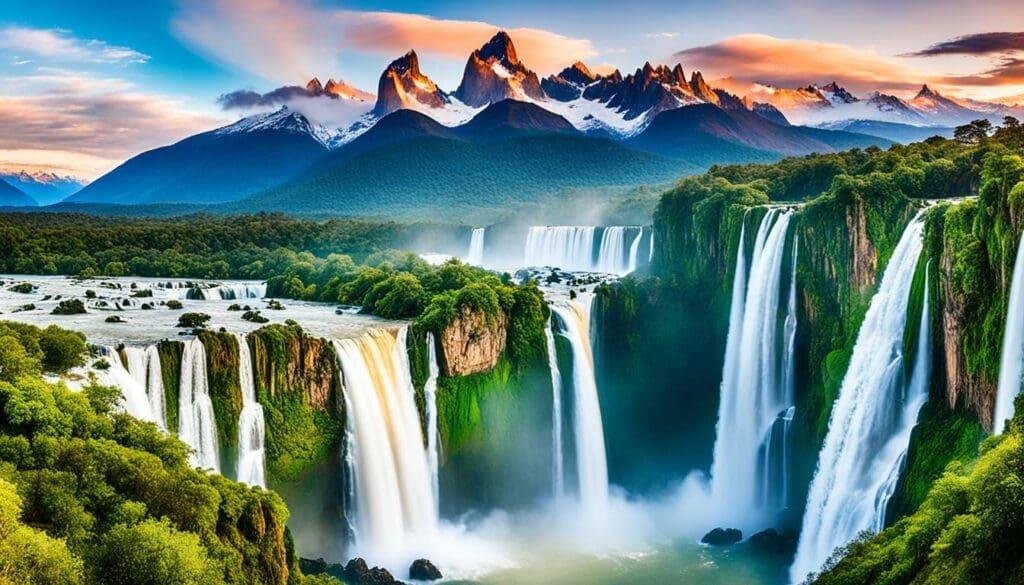
    On the border between Argentina and Brazil lies one of the world’s most spectacular waterfall systems: Iguazu Falls.

    https://images.openai.com/static-rsc-4/G-FJLkAMBrIv85DYwvh-sueMxdMbPTgvj8odK4WRn8TcxmAsN1WAIM8f00M-_V0t7FeGvnKktNg2B7zXjwRm8EcDAxIrmxorCQiz4I0zaX19vBFEraKg2wwKeMvpyt3_HfkcYnAoK5LZdBxpMdZSPQeBlB7uhZ0VGTxvAY0iaqfp5E2f1NriUfeM1CdmrQ48?purpose=fullsize
    https://images.openai.com/static-rsc-4/roHrQznXQLUkgS7S4-BjXHfbOL-64ru_RQSb4bRFdyIdg_0G2U3Bb1ByyDxkDGgFwtXjhdWzypLqQ5miyxCasZxyG475dzHIex0piyM1mC--dQeiVd0mPZK2ScWmkWehL3EzntfhcdiN9ufoA8x6Fw2HoUvNE8Fd4Qs7IUCRbGu-rFjG7mt9GW3md7bxt8qq?purpose=fullsize
    https://images.openai.com/static-rsc-4/vcDCLM8lFbY_Jp1K0WVznq9V9xS1V_py_Rk9a4k45PwtlwerucbHaerYOeRMuIUaKhEq55ZjfHeaar-vXTl8LqyidPycvI5bw-Np8_8AsKYqcQP68RKI72gzktS0IVU0SZl9uipA83rQ_L4EPBPt_Yj8qAFndn9siNgtKB5HQqNRn_vMETVs9QH7xwu2JYQC?purpose=fullsize

    Unlike a single waterfall, Iguazu consists of a vast collection of cascades spread across a large area.

    The surrounding tropical rainforest makes the scenery even more dramatic.

    One of the most famous sections is Devil’s Throat, where huge amounts of water plunge into a deep gorge.

    The sound and mist can make the entire area feel alive.


    🌍 3. Victoria Falls – The Smoke That Thunders

    On the border between Zambia and Zimbabwe is Victoria Falls.

    https://images.openai.com/static-rsc-4/Le2c9Lk3S0SspAqhZAOghVxpFo_Ee_0BP6huByAFJ1K-wM14VRGZQmVFnEadrPRrxKt6jty6dYLLEWAcFVVplOG-gyWB9a8l0J0xupvQOeSufHJ6yzQ_j0BRbtScVt6ol2tGEkqT9fTIP3RPv26L-_dDzC-RFYqFXYaEx4mpyUP5Gr74ZkoFrTePE9yGAjD8?purpose=fullsize
    https://images.openai.com/static-rsc-4/hKt-qIBPZUD7NWxJgPTwo0TCR4oiypnw00nkc3EOfKsU8u7qzUt7uH6OxZHfeFE6_jP7Bt7J1ukpS3CudZtjC40daq7gdyktxkVmwrkLxTulX1Tzzwe4MuSPANhzXEGe2afO4y68gBkhGbhazuAJESl2eglhfP9MCq3j9V1LytRwNhC0ay_0NWYXHISrG3dn?purpose=fullsize
    https://images.openai.com/static-rsc-4/gnQiS4OTr-T3xo7gUWBLU6UFj1GIV8qMLQfwNoAE92wS0UuTn3E7W0vofzDh2XNvMco58jPS50jON5_qX2LTyGx1ULSlJsA-7GzXtlR20EjYbQRg6od9c0HdOvgpbA9EqAmejT6vmo5I-H8pC4ef_k4piOEHVzMTM8A2mcLBJZY0aoFB93r5hrxefmpMP0S-?purpose=fullsize

    The local name Mosi-oa-Tunya means “The Smoke That Thunders.”

    The name makes sense.

    When enormous volumes of water fall into the gorge below, mist rises high into the air and the roar of the water can be heard from a considerable distance.

    During periods of high flow, the mist can create spectacular rainbows.


    🏞️ 4. Niagara Falls – Famous Around the World

    Niagara Falls lies along the border between the United States and Canada.

    https://images.openai.com/static-rsc-4/558XrVh87qNGqwooUevWiN5KMVHlQWH_wo-QuYDQ21mLaY9NB3aW9QT6MpIOuyD2kdgKetZMVpWBN_IYvhJsNjG1HhA6foFnK8xmoLm2qG5ig-YoGnpSAg_w-eTsQ6QvdhDDnnGtmQR7of0d9UtjmiaUm46RaUePyEK1rvYtKWXJP8-74kWY3BUkn9GS9N7b?purpose=fullsize
    https://images.openai.com/static-rsc-4/phJ4dgq-tKpI4gMexkuO1YT3nFt1VvUUBRBzINDPTgBaW7FQxeBPvZoPBhkJrwHg0fg0NMBGPpmGbUj9K9sinWqStJ2kwtdbFjo2MQPy8Zz5HQoPAOcNTe5SBejkdQBV0PAA12m3nw7pxNPg2rnNDNEGQZlIe03fDhvCJFKJ0PlCDNTM-ths7SKZF92wJghr?purpose=fullsize
    https://images.openai.com/static-rsc-4/YH5P0jU49R7PvhHug1SM12dTcmFKEEgaTbKS2scTe9ko4ZlxOPcKJH0y_7pHH7z02lxhphl9Om20RG7Sg1HwuHdA7GIstFG8yXDLTyP5WUS1JR1ZT2KPwK_G8yoQja4X54nZvzJsteG3UItrwHph0VcV_M0a6mQnyO3w6PDbQdOsw2RzLnpeg95x5t7Klj2h?purpose=fullsize

    Niagara is actually a group of three waterfalls:

    • Horseshoe Falls
    • American Falls
    • Bridal Veil Falls

    The falls are famous not only for their beauty but also for the enormous amount of water flowing over them.

    The area has also become an important tourism destination.

    ❄️ Winter Changes Everything

    During cold weather, ice can form around parts of the falls, creating a completely different appearance.

    But the waterfall does not normally stop flowing entirely.


    🏔️ 5. Yosemite Falls – A Giant in California

    Inside Yosemite National Park in the United States is Yosemite Falls.

    https://images.openai.com/static-rsc-4/CQ0BXAjwC9XPtqXe0DiAU33fFKRAq3Y6f9SGBME4v-iprjrt0LkdlmKk9aVIMgGoew6xtP7Ssc7_RSVxBOImp5rAlQ5U4izdYluIoMMtEXRXk-axpjBzl-ERcYOF0ptk5jz9-WdyjTQsoC2kJE2T-O2xFcc1q6rB9QZN6oA2HNKQAJDyvQT6hxpc2ZXe6qTV?purpose=fullsize
    https://images.openai.com/static-rsc-4/BqO0xwIjeIG3MGMAD7KiA9q4xKXqcBoe6-sFAwWL5rKxjpxktTvhYbAAHsypiJA63GoKwiShDa-aMpmAn_Q3HKtnwJmK9Z0JSbWxOf73j7c_R6wvCMKJel9KoTDfQJ31etZQqzA-uMqcaRFAM1kTSXNoloMvBptmsuaaPwcisZUEiBWd8MBZmkcmOAn0w8kh?purpose=fullsize
    https://images.openai.com/static-rsc-4/kopZ02UAXIaCUXVHGtvgYXM6Edc1YlUYCGU_k_756596b4qx813C82Q5Ip1rOWkcJO4JzX-9R7qweyp0big6MiuMulkrxCs2vU_WOnUwva8dR_7gAVM0W_ZUkIhSp-B7j8DO2ASz2CImQspTrOS74OajFMHibCXc1evtp-A0cjBZRPGS87NuiPIWOwuLs-tm?purpose=fullsize

    Water drops through a spectacular sequence of cliffs surrounded by the enormous granite landscape of Yosemite Valley.

    The waterfall is especially impressive during periods when snowmelt increases the amount of water flowing through the river system.


    🌊 6. Gullfoss – Iceland’s Golden Waterfall

    Iceland is famous for dramatic landscapes created by volcanoes, glaciers and rivers.

    One of its most famous waterfalls is Gullfoss, or “Golden Falls.”

    https://images.openai.com/static-rsc-4/mlINAoDW83G8cYoCWY4Q_cF5dfTE1G8hkH7qfTPZPnwvfrTLu9xi-f5Zup_GenwtNiCellSYySeI3kXCaIKtnEYN_hJUSHwkKCquSbcgxryHuBpqKJzNBYFJZV3UAOqH0A5bqVTzXOljO_aePvfrZY_HjK9MvHHnFEJpxDZc6yxP781RD0p7bJ5tErTCfmbT?purpose=fullsize
    https://images.openai.com/static-rsc-4/1uvJpt0IwMwCVX_9GJFZ1p6xqc9pIssEM89jNWhwc1P1cYSvvfibfj_HHRRQScddM-yhf6N5f2W1lOL4CF48AQ5vbTmLlVRjTksEllUmLKzgIJ_QEZ1g-Y50C4WhNAti_m-QtJC7Vdm0lqHXzHhmzId9UqTaydF_XsHA_RU2xg7pSSkVqE4XUOhelcx2EQGH?purpose=fullsize
    https://images.openai.com/static-rsc-4/pTW93vxLeb0Za9MbgM6TTkKIGGdZAdCzPhnPrDaTC7WDASDu9FN0YSlb82evTLSB1DRJRqTvvS4VXImA6W40UlMX2XkRScTdEprsg2FEF3mg7WvFUiqfKUrumPiKLeh__rkJTcW3m84eNJr1Rqm6HY_gVk-5GCxVhXYP0WN4_PfKTk-IY_Iuz3DsVfLViHia?purpose=fullsize

    The waterfall drops in two major stages into a deep canyon.

    On sunny days, sunlight and mist can create beautiful colors around the falls.

    In winter, ice and snow transform the landscape.


    🏔️ 7. Plitvice Waterfalls – A World of Turquoise Water

    Croatia’s Plitvice Lakes National Park is famous for a series of lakes connected by waterfalls and cascades.

    https://images.openai.com/static-rsc-4/WMRHHLy1fQ2tydZ-gNx9wUv69iAvfA5QO_dzfXqqx5JOCdsJOcskE9zA0FqHuaV7sFot0sfCtrIpRZPVZxo0JHR09ZyLHF6ibN68XITo2rpDwapdHZgkpjGeivLvGTRj46_OPLZnTcH0bGT8PXWrXBNVjkfi9b4JbqieBBRHD40T2uG7kV6esYG4cNJJLI7f?purpose=fullsize
    https://images.openai.com/static-rsc-4/eC5lD7kEf1OMdxEJS7_2oHj7Rx5EiQ1Fq2wvTAkL3pME_4N2nsB8rdPyLAD687YnlNlT_9kW0Oj7F-3GKzN6S4wXWTwavkdlUm_dflnRFfEvnAO1KVWHV2aHABTeMzkSmzKtbj4BjJ3mYYO6O6tw84rTHndrNUelzxnU8SDaU8Z50vRezRlp4kmb1GG4a2WD?purpose=fullsize
    https://images.openai.com/static-rsc-4/Rqn75K341XO6B92k_r_OTJxwaYMJDueKquPk7iAE1D-6JN71aouiVCrg79848Y5a8MCgU7SmeElmYP77gY-1QUlkIOnUvq5FFOYhOe-E0s2MDjmbRd6vh_6zGHvHBp08G8SBG8rdaNP0ohB-OhfclvBwd0LZTTy8iSW57PSadg9WnNRSZjBxHpMRheNTrk9y?purpose=fullsize

    The water can appear blue-green or turquoise depending on minerals, organisms, light and other environmental factors.

    Instead of one enormous waterfall, visitors encounter an entire landscape filled with flowing water.


    🌿 8. Kaieteur Falls – Hidden in the Amazon Region

    Deep in the rainforest of Guyana is Kaieteur Falls.

    https://images.openai.com/static-rsc-4/k1Hqyl9thbdi8F0cnH-tR03Y1MG8dQjiWdnShLQYZ6130cpu0KQ7J1_HPDxOtMA0NaLJilBfT4mDBsnEItyseS0djeSs_-Xv0H6jvx5DZALgmA_g2ccsiEcq1ss2TYcIkkLzYCrFnQZQBivH6NBa51gfx36sNAp3pDoJZN3Tv-IX1K9AiYd2Lht1QNuLnfc1?purpose=fullsize
    https://images.openai.com/static-rsc-4/8K045EdL7kOFrbABEIDazPOtuSNq82xjGWXNsOy5EG_rRhRl5MXRNRETTI9flBYxrQ6A_mMEjIpmNaFBKhc3IP95hwiuRBhSgBjGjTe_ToQgOOpJKAizD875n4kkw4eHxV9erV3lB7KKzoaSsuRBWQRCeNAxD5f1jDD0mikh1qxQBQ_U76z_J29YAO1tLvB1?purpose=fullsize
    https://images.openai.com/static-rsc-4/0FNyJLu1qnSiZJFgLN3jZ-T6sq-nmIokmSohZwNWgasyCKIPiBRZXExNpB7mEsBgEh3MS4LVoqIi8yTXksNs57Fq5D1PIwTNljSkvi-AJn70VK9Du0vrJgsX8xQqH8_HMNELGKPkhSN3g7DgRWSthrHtQxWL30GnRAECokofVDM5nyQZkOCclW-U1izf0Wy0?purpose=fullsize

    Its remote location has helped preserve a sense of wilderness around the falls.

    Water from the Potaro River plunges over a sandstone cliff into the gorge below.

    The surrounding rainforest makes the waterfall feel isolated from the modern world.


    💦 9. Dettifoss – Iceland’s Powerful Waterfall

    Another Icelandic giant is Dettifoss, located in Vatnajökull National Park.

    https://images.openai.com/static-rsc-4/_5Cg2vLHX67DwONEvwny52v4VAMVZG6xCC5r9tcc4tPXsVIFjdex-OjNX2H07h_gm7GoGZYeHOGPY9Xn3aJovwuABt_uw6APgZEI87_kgYuT0sxdCwOX7e9b6MXUSyknbT9JY2VJj8soLtbmEvPFO8QZbzM8r_tDzBbW7qi7tPzUTTwdatQWsv4JJOBZ3my1?purpose=fullsize
    https://images.openai.com/static-rsc-4/WOlaj7pu2ENGbB38T-5Nxa3UTFzSillPcXevfEIM4v7FU4wZqyAo38kSnFLYePu2gg40ONu-F6jpoA6mkF-uzhLygAS2G4qHtYnIm49SNkJ6CXKG47aaqTXtw7TPFhBb9a59xxyDH4gi_dwagSfIINaiO8RQ2mWb6MV6vO2xDRkh9dOEvIzlkVtMBYszecYq?purpose=fullsize
    https://images.openai.com/static-rsc-4/7t4Ce_c6g3dfMljmW40_yrLyAAHpboMhLEk45_wXv8USXHZ5Anysx6ySPJLWzrWg7c_TScskCGor1e2ZjEY_QCBf9RqHmFCQKSAylpXFet9otF9skmfpRYgSDR_X0dNFcy1kO86w_kjJLADelELAbBJ10SnvyOKHCeFNdt6MVmwCoKA-cQMm2YlGwH1EzfDx?purpose=fullsize

    It is famous for the enormous power of its water flow.

    The waterfall is fed by a glacial river, meaning the amount and appearance of the water can change with seasonal conditions.

    The surrounding volcanic landscape adds another layer of drama.


    🌊 10. Seljalandsfoss – Walk Behind the Water

    Iceland has another unusual waterfall called Seljalandsfoss.

    https://images.openai.com/static-rsc-4/kgKjLTJFxe6OOfyENGqrkqTxs9R428MJHqG78pLPwaRNyjeFPkeohrTNXdDkqCeIQu3REfahfHhiDSwVz1BxxMWdvKgm3_ZG6mjXlm9-0Almdi6xBr3gvwef_rZtksKkT5U6uYJo06ePH0WYs8Y1GhUvBf4ZDCw8gsa6DIymSSInb6soMgKB1WMIas6qixzP?purpose=fullsize
    https://images.openai.com/static-rsc-4/K9eQv84U6M6gPT_4WnPjWAhujHZx1_Lm56mMBz5dJ62a4I9D8b9r4tWfsS_lOeAKd0QfcPYuGkddVXPcfKSEgi1kYt1W3NVOEUtuzj5U7CioZBdEQMLZobzgiOVCkcWlOnUiMjQMdN07sNC7-6Kzz50SJZXuaVsrb8xm1a9a2GnaiNQqUXAEGZf4H_rN-f89?purpose=fullsize
    https://images.openai.com/static-rsc-4/2lP-SlQqHVLiVCW_d5ZV99uDiqG3SGobA7PXJqBSVydieaZ-AtkFbo6OduLJIeYFu8l-SKWyBcktIJLY1jMJolt0z_00SoIIAFcHIgQwB2yp0_zYDakv3ZqQacZM0xnuYR_JPLHonQZINdtNkxhJFUe0xBIq12zk4JVMag3To1I8DVrsh5yFCM53wu2sqJz1?purpose=fullsize

    Its shape allows visitors, when conditions and access permit, to walk along a path behind the falling water.

    Standing behind a waterfall is a completely different experience from simply viewing it from the front.

    You can see the landscape through the curtain of falling water.


    🪨 How Do Waterfalls Form?

    This is where geology becomes fascinating.

    Imagine a river flowing across two different types of rock.

    One layer may be harder and more resistant to erosion.

    Another may be softer.

    The softer rock can wear away faster.

    Eventually, the harder rock forms a ledge.

    Water flows over that ledge and falls downward.

    https://images.openai.com/static-rsc-4/AvZVHYM2BLwhqQ5-bMseIBGMD5MQ_mcE2UulHdqT3gy7O6v0_h161HepP6aMf1aUwVn3wLr4qg3SHI35RkyTvokHMMlNiGWTKQB11NjpIhEST6vo6dc0Msp1z8PkoS5a4s9EHg07gpCLqth9ifRUeYOAooFwzzCanaXmV9WOnKiGURjwF97_7yb9OBP31u6O?purpose=fullsize
    https://images.openai.com/static-rsc-4/acu7jvF2k9SwOKEPnngqQ23Gp3xkWbwWuRjdZBcEEZAi290z6aVUcJTljVFw5vNu7J1f9D5gq7z-hNVulnJEM1oqJdHarg7FyqfVTx4KqkIApUMPjZSVOhE7lFVmoe9HsVt75LwjC-3yySSfKrMY7MZjJcwFihcyRzoH0hZ4nsu8r3oGd9-IOqhQlut1elAL?purpose=fullsize
    https://images.openai.com/static-rsc-4/nRcOmEaCDrWF-mixzC2QVu0sT6WIUjEG93XCA-XFNDFASZTRo6ciynGfdlZQprDx2PDEbubmPYuis6i5QMELmL77z1PiJhR4Vh2tIeGTRaqwQkWSHyKJzTTVaxh_GCsR-2sai4bh13bhhrJFs5O5vzr9DdXn0_aAmzKn85wx4djOG2HmX7z55gMMS0HsmKbn?purpose=fullsize

    Over thousands or millions of years, erosion can cause the waterfall to move upstream.

    So even a giant waterfall is part of a much longer geological process.


    🌈 Why Do Waterfalls Create Rainbows?

    Have you ever noticed a rainbow near a waterfall?

    There is a simple scientific reason.

    Water droplets in the mist can act like tiny prisms.

    When sunlight enters the droplets, light can be refracted, reflected and separated into different colors.

    https://images.openai.com/static-rsc-4/uFfqz6uDZgsXbUF5nJswmEsx5Ic1kXMCgRoC8N3qoXpULVq7d6L0_OtvmmprWzr42kHDAg6UBkgVD0IvmyHg992EzMi_d28l-ZZYVVvnZHniwwx1i93PnBJnXTevpMaozLdH34YaHiY3_zVYaVLLxuZ7DJlH-dEMYERa22DXdsbn8GwT8VkSagBo0g7ISRx0?purpose=fullsize
    https://images.openai.com/static-rsc-4/T9SnkGlxAPkr1lCIrEV9enu5WL9_VrcPw4gOZ8pvwohFXWm2fe0Pq_9MEcUivUoRgOdTgb9czKxL0wH8p_J7apij4TeSvl65D0BPDCZ7H7VprVN_VkVbJSa2Ozh5BqUE-r18ooG3avmX_Hik8hW8p44lr2-uWFuAgtjZ71v8fqK5s3kZcqpqUu3K3dISK0UU?purpose=fullsize
    https://images.openai.com/static-rsc-4/dGOhu-rjaGJgMt659bjQW8EZEuvwCRMaqQ6RoRaijRa9W7gl4QjbREkuL-fYkDFAk8IkOXl6q21zMxGkJ-kpgCs5Bbhad2kSQtVx9lyWmTrrffBr2Pfs-PVdkuhyMpweND6I_LjgZIuE6luuA3ecUUEj-hHbk3SOVoVlRlgHYDZnMYgMBgExt_7-ocwhF1Fm?purpose=fullsize

    That’s why waterfalls can sometimes produce spectacular rainbows.


    🧊 Can Waterfalls Freeze?

    Yes—but the result depends on temperature and water flow.

    In extremely cold conditions, ice can form around sections of a waterfall.

    https://images.openai.com/static-rsc-4/fZ4bQjmRS-Y-W8RaWPSc3dfhDc7PXTBvgcQ3qw97fVNW5NjJuX9IAQH4tq6xOA5PFeE9seuqeND-1s5Lpl7k_jKi8Rg5iRrAODmmAvRUlTQOZYDULPbSCYV5lBLnaUevaJWobmrN4G4wzkaBpGhPmpxthGRPF2hBGMAG8wOfjDA-Bt2fIOL2x6xA1Pak6BeP?purpose=fullsize
    https://images.openai.com/static-rsc-4/FoN3ucwB5Qo726F74_gka_y2h2x9IKVskUphxS2ouT7aPsCnR-5WHSffdLcLOh11nDuMi9jrAqPuJHyM_T0daxNx3BXDbWFQTZtJyzsSCbWdHlGKOGoP13He_Crv-TaR17a7-zqQ1azy0KGh6K8-Ty6TQyg0oaT5WVwe5d9sI3Yui2Bhyv2EOHvWL7lfDyqT?purpose=fullsize
    https://images.openai.com/static-rsc-4/_N9e97u9MBlY6n-cD4vAYIBY9hvK3pi2PSjqVf9ZJE_Bna8vXCc3Zh5xu1VWISiP4JL4fWEM--WaWCCGgTqpU2fQ6PBnulb2zlq459KHlByUhdGvL2Q3KQiPXoVhFcmR0jpN8h2kQtPun_Y2ewPjOroKqP5o-2_nsFuki_5JidPpPHtFDi8y3ElL4SfCyp5U?purpose=fullsize

    Some waterfalls can look almost completely frozen from certain viewpoints.

    But even when surrounded by ice, water may continue flowing underneath.


    🌍 Waterfalls Help Shape Landscapes

    Waterfalls aren’t just beautiful places for photographs.

    They are powerful agents of erosion.

    Over long periods, falling water can:

    • Cut into rock
    • Create deep pools
    • Form gorges
    • Move sediment
    • Change river channels
    • Help create valleys
    https://images.openai.com/static-rsc-4/1KC4SsYMs1a53afYJXoKfO0p_z9St1iDifTmFde3DuzuHyKWdThoICLbxBPumeS-bT-JsQ8lS7AKZJnfaN80Rt9HiQe1QI_ktCz2Lb-yYeUqTHVFaTrVPQ0VkOjNQ_kyaH15bne3nQubjsuvWd3mXkckdAuXUpvrXO7OeIYzd2EEN2y7FcOomWJ751t9pgiL?purpose=fullsize
    https://images.openai.com/static-rsc-4/Y6lZQ3X8g9ezozkohgPYla059lyGt26MrkmIzWzHo_bKcxB2KMmLDtbflghXpPuJ-3THy7y_LMY5Dm5ejVR_otvIaDWCenFwnv-D7LeIccplWmPULmhKQ8gryTgj8U_mqdkLZbaSBfj3kt5h5Z2iRbL-BU9mhTybclPQxREucfcNMfAzHC_NUzBgBVcZy2wt?purpose=fullsize
    https://images.openai.com/static-rsc-4/rziijPws4m2ivYzKmRfmt_nExdbKmhjXFojMrdaavn_3OVT6W4guUGO8ijvyLmwuIw2Wtkyo3ehpaO9kOGuTHMT6hZCpK5l1ciq4DPA4MJ2tFkNcTUdFaFonyGKZQZb8_I7_WKah6nLmAi0kSZVycOOp7WvcY8DGQhI6sbTLXu0sRpWwE-Sqmo4w-gijJRSc?purpose=fullsize

    The landscape around a waterfall is therefore a record of the interaction between water, rock and time.


    ⚡ Waterfalls Can Produce Electricity

    The energy of moving water can be used to generate electricity through hydroelectric power.

    Water flowing downhill contains potential energy.

    As it moves through turbines, that energy can be converted into electrical energy.

    https://images.openai.com/static-rsc-4/urOsFpK_6JNqfOLqeACzU_r9Xxcv5BExtikk-nzTbb9QOjI3O3nPCREGE_RjMSCVLfduQEJHiYlXPtb6Cj7DcELKciWU9hOnWaitNpPoK90WKTdPSPzW3pTuVEjR0KYZ40U1AhxNU8HcsPFUIqNbXmxL8ssI3-YtzxbhA5WlFRON8L17ORSuB4HB9LmuFpIz?purpose=fullsize
    https://images.openai.com/static-rsc-4/Pv0Fw0o4RldHc0kdjKa62H82KjTVrzzIhR559z7jdfu2yq9QRgvQY2jJ40eCvDd3G-6g8DFrRxU2qPl8hOwfMozunwVrY3B0EW_nmisVQWW3A7wBC05XI4OrRqGuIgs3IOBmr2lrsIiNhnd9E2GIUnK3e1IBRMncMroxyiShj-XnfgNaKVWp3GTT-V3lgBYJ?purpose=fullsize
    https://images.openai.com/static-rsc-4/m9T5kMD3TSvMZnkC4p1QOCbUlNMEWWYuu5-txiWhxC8Zo3IgsJbGgKfGyu9oaJXgTERGgPJG3Re_AOzDB_JfdXAqNM0iWmt85nepWtMCTvcqTJRMGE321D0uJjs0aO8Z9tW1LmmSMOKDGb0Gg74iqcEwN9UnsgZN8pz6x61vcsl3ewcdKkQ_NACV80uC3_wC?purpose=fullsize

    This is one reason why powerful rivers and waterfalls can have economic importance in addition to their natural beauty.


    🤯 Amazing Waterfall Facts

    💧 Angel Falls is famous for its enormous vertical drop.

    🌊 Iguazu Falls consists of a huge collection of cascades.

    🌍 Victoria Falls is also known as “The Smoke That Thunders.”

    🇨🇦 Niagara Falls lies along the United States–Canada border.

    🇮🇸 Iceland contains many spectacular waterfalls because of its combination of glaciers, rivers and volcanic landscapes.

    🌈 Waterfall mist can create rainbows when sunlight reaches the droplets.

    🪨 Waterfalls can gradually reshape the rocks and valleys around them.

    ⚡ Flowing water can be used to generate hydroelectric power.


    🌟 Final Thoughts

    A waterfall may last for thousands of years, but it is never truly still.

    Water is constantly falling.

    Rocks are slowly being eroded.

    Sediment is moving.

    The river is changing its path.

    And the landscape continues to evolve.

    That is what makes waterfalls so fascinating.

    They are not only beautiful sights.

    They are living examples of Earth’s geological power.

    From the enormous cliffs of Angel Falls to the mist-filled landscapes of Iguazu and Victoria Falls, every waterfall tells a story written by water.

    And that story is still being written today.


    ❓ Frequently Asked Questions

    What is the highest waterfall in the world?

    Angel Falls in Venezuela is widely recognized as the world’s highest uninterrupted waterfall.

    How are waterfalls formed?

    Waterfalls can form when rivers encounter resistant rock layers, geological changes or steep terrain. Erosion then continues to shape the waterfall.

    Why do waterfalls create mist?

    Water striking rocks and breaking into smaller droplets can create mist, especially when the water falls from a great height.

    Can waterfalls freeze?

    Yes. In sufficiently cold conditions, ice can form around waterfalls, although water may continue flowing underneath.

    Why do waterfalls have rainbows?

    Sunlight interacting with water droplets in the mist can produce rainbow colors through refraction and reflection.

    Can waterfalls generate electricity?

    Yes. Flowing or falling water can be used in hydroelectric power systems to generate electricity.

  • 🌊 The Deepest Places on Earth – A Journey Into the Unknown

    🌊 The Deepest Places on Earth – A Journey Into the Unknown

    What is the deepest place on Earth?

    You might think the answer is simply the bottom of the ocean.

    But the deeper we go, the stranger the world becomes.

    Thousands of metres below the ocean surface, there is almost complete darkness, enormous pressure and temperatures very different from those on land. Yet life still exists there.

    And the amazing part is this:

    Some of the deepest places on our planet are still difficult for humans to explore.

    Let’s take a journey from the deepest ocean trenches to underground caves and discover what lies far beneath Earth’s surface.

    https://images.openai.com/static-rsc-4/I_WawDg-9kbEkhcBrZnDbO6xey-7wQcsyU8GC0LDC6Bj3a0yRyvAdfuGEv1eBLK1r6Z29RQbugeDuWLIZ1H3wU_xysznAY98L3MoJLdbME7DYD4m4v1L9LRXZwxjp-5t_pd6XHP_0diF0OYP5KgCWIFXUzamLWzhRK1B54bbrpMMnrtNgR_NvXOt9W88MHEz?purpose=fullsize
    https://images.openai.com/static-rsc-4/uTc5Mnmxjj4ViD4FoY706rEaUj0BUqgBvKuZHRcxzf36Y-1BtPxTtlEUJicbMC0-UItfLXxYePuzDZZ38Zm0r4VK38zJzK-_NE6H_OyDJHqg6a9LG391v5RyjOnqVquuWI24Bs8KMmkVKRZNwaPnvuxY8Ra-3zbwuoYym7Kzq-qnRz7mv05Oz3pEgO7hkaun?purpose=fullsize
    https://images.openai.com/static-rsc-4/Di7gGl3JWXjmfM6VMbpK3vIXgI6uasUe76DMD7OqgH0ULE51WS6Bfv9z62ed0lpT8alqMtukGWiTcq9RAfY52r_mUhAMqju__WeP-CMmWdUDEEoCWp4BEcD6KXloR30jRRQw23Frb15tJm_q6iZA3YxL1xKtQ0HTDO5EbNVN5SfadxrXEml2KLannBIBiCg-?purpose=fullsize

    🌊 1. Mariana Trench – The Deepest Known Ocean Trench

    The Mariana Trench in the western Pacific Ocean is the deepest known ocean trench on Earth.

    Its deepest known area is called Challenger Deep.

    https://images.openai.com/static-rsc-4/gQdmikkG9bV4em95V43jvSQ1r2huPCCEd4lbXChdWoxVhoF5bd1M075w6XDbhS9Z2lWx7F7qc4B2dgJvSanPHP6YOuHtRwiWVB1trXih8saAjvu4ty7Cshann-qAhjma83-roUcNwBJf2uLsP2NzSNXBnbggvfUJicSn_wXJkNrpcVOaK0CH30_jE6htMg7r?purpose=fullsize
    https://images.openai.com/static-rsc-4/KARomm9uyXwOZZ2Qv7UaIa9fh76rFfklp0KUX1dJzhSFuoNpTuITZ4T2ZmyJGY4cRzYr864mCCmUHFFEJgxmQSvc_Z2MWn1jPkKBUn1VAN4aY9yU2isz49farQVaBzx3GcEOlC6NdPROQnHKkxt2rA1-81NoCEQHcxOkEu3N-RUUg0qqxS-6FeW9EkwGBE2V?purpose=fullsize
    https://images.openai.com/static-rsc-4/yjaYCeD6W5TGcUARa4MRgqLEfM74X5y6aftl4akqXLLs96ZHnQP8jeskSUTv06Z5Nl-zr7D5zCtjcKzyN1mo0-ad0COf9I_7TRw_Y9stVEXrS0E2ttYMb8LHCNspy0-5f_lKf7OUUBmAKRkmMmDdogwfERIM5jXjZk3mYktl-lMAEFUHvv9ySk2MHiVsz9dM?purpose=fullsize

    The depth is roughly 11 kilometres below sea level.

    To understand how enormous that is, imagine placing Mount Everest into the trench.

    The summit would still be underwater.

    🤯 Think About That

    Everest is the highest mountain above sea level.

    Challenger Deep is the deepest known point below sea level.

    The difference between them shows just how extreme Earth’s vertical landscape really is.


    ⚫ 2. What Does It Look Like at the Bottom?

    Forget sunlight.

    At these depths, sunlight cannot penetrate.

    The environment is almost completely dark.

    https://images.openai.com/static-rsc-4/kgAy6MaOPg9WZm8eQ2QzmxaTQT3_v_pekx1TgjeuovhLAF5EX4cej1HUcRBrqehykE1nr3dc7lX3BYAXVF-y6PIspX-4VPxB86AHDAJbim29rNgDFTd_pSGvE8TLM96Uhaqr3uEVkTexFUUQ194xUWL-zFSlJmoq6Jmxvro9uYqxticK7sPDupHvW7lG9m2L?purpose=fullsize
    https://images.openai.com/static-rsc-4/3-SmN7vwM6j1sw_iLsEeEZ0hvzhtngSE1ghIsp3LENFft7PzPBt9tBuJQqrZwTP670tS0yuLtW7nOVmAO20FK-XXlj_aJnj0MgWcEFYSTj-nYj8rvKRP4Nle9bL3Hj2kQ1WbTAYf39lTKtE7zsqKSLWwoILFwLcu3mbKwCM_7tcraHCuORcchrAUpW0HMnvL?purpose=fullsize
    https://images.openai.com/static-rsc-4/CMc7uv1mW4T87fvZuczCCJB2J_wN9_lC0B3m01R5uRXGa-bbXPCoJ4A5M2ifjj7CL5y51bGXmu7_OdrEzwfXdbLCJzEhLSMSqBmie9qiXn1CMy758e1UjQOhh9yVfJFgE13ZMR7az-lVVYtYogyX1cy7sw4FjfoQcNURoUNrunfdgSSRgAt5-LSbD7rdkQSl?purpose=fullsize

    The pressure is also enormous.

    A human cannot simply dive there using normal scuba equipment.

    Specialized deep-sea vehicles are required to reach these depths.


    🐟 3. Life Exists Where We Thought It Couldn’t

    You might expect such an extreme environment to be completely lifeless.

    But scientists have discovered organisms capable of surviving in the deep ocean.

    https://images.openai.com/static-rsc-4/SUEYQPlogHSamojCSQjxGFNmhdcyMDi8tD0P-VmDbKjnzJquXRX-SF6H50nVFDLg5LYQR5L99-6hiO5JlyntGTf9WA0wruxFDam99JUmhctdsp7St_eumpgs3cqqPKgj1o1HO1pE2U6yF9D9ILdSzxG77teKuT-fA3FyJ3F8J3I6As1zdJwp09vgjNlgPwqx?purpose=fullsize
    https://images.openai.com/static-rsc-4/7Yp21J8y0raGy6ZwKMdLqLjDhiYR0wso60j5K8Vl6WIBq5-NwvjMjrcmzdgD4ket6yYecfiI-IPP1XHpoLGlsDB4xUz4CynICYfbEi5deFneiVjkkLRA5LWPAs9o6DJzeucfiSO7Ug2PK0pV-W5IUyrHaS9evfSogTVgFVRXX2Tqhn6dDNyr56a5UoLSQYdp?purpose=fullsize
    https://images.openai.com/static-rsc-4/YFp8zOXHF514_AWLY8iYopB0Yjn4i8dDbzx-fo3gZe3jll13jGwA0EfobJbvYk1SbAhtreA5SChLzDQQ4hWjzJ8S2-go6eDqk5rP4mHQM6pKoSfGoilJR9u3ONeyO0M24ZRia0EfvAVvqJxFuGiCbl2wAh_oLj3-peiQwFvz2bJWYTsbS22cCKuTLGQcxdTI?purpose=fullsize

    Deep-sea organisms have evolved remarkable adaptations.

    Some produce their own light through bioluminescence.

    Others have bodies suited to extreme pressure and limited food.

    🌌 A World Without Sunlight

    On land, most ecosystems ultimately depend on sunlight.

    But some deep-sea ecosystems can rely on chemical energy rather than direct sunlight.

    That discovery changed our understanding of where life can exist.


    🌋 4. Hydrothermal Vents – Underwater Hot Springs

    Deep beneath the ocean are areas known as hydrothermal vents.

    These are places where extremely hot, mineral-rich water emerges from Earth’s crust.

    https://images.openai.com/static-rsc-4/k2XLuZQLBx07lywIN38XWk4Bo_WA1hkT8TI0N4mT1oKXvTM4trllNst858-wu9aCMu4fKEO9Np2aek2ECFyF4Bj1_buzvnyXGtYwE5wvjKaGWI70ddYEkvYbnswo2Ca-3aM7huw1Q1k5-IBQ_QNAL7yWxbRz-vH8I4PMFjyV64KvUPr2XwRImSAENn9fb1eL?purpose=fullsize
    https://images.openai.com/static-rsc-4/1tfmN5VY_0Mi1mDTr-wjTWxg7Z2xgMBxZQAdhzh1FsVCVaB-FV_kkwrNJlBqMeMl9XsbWA6mODnMoABuBedSMoMk_3VrFNZzLkOcoj2cKYg3og3m7AG9qdNUlMFGc5ifLYNQdiaj7_pgZw_UknHcEfOTF17Gbc3cNnHvAZiDmZnsmru1peNBQqXh9v5qC2PX?purpose=fullsize
    https://images.openai.com/static-rsc-4/sXXabvMm69Y57ebgzvkHLp8PDmJ3C6d20OO0Xdt3kFhIMZ5hDdmPQOXCcAvlqDkMfNUmsxTjC1hgP5ktBW9DkjmYrfbGbMmD4Ri_vK9OdnniFZakoEYfJlu73q9nNRhAeFnBIFKwc9ohlXMUJJdNu-H0qQ3IMrxltfNGc6j153yMzjnziAIhMiE8W-zzscYT?purpose=fullsize

    The surrounding environment can look completely alien.

    Instead of sunlight supporting the ecosystem, microorganisms can use chemical energy from the vent environment.

    These microbes form the foundation of food webs involving other deep-sea organisms.


    🕳️ 5. The Deepest Caves on Earth

    The ocean isn’t the only place where Earth goes deep.

    Beneath the surface are enormous cave systems.

    Some extend for kilometres through rock.

    https://images.openai.com/static-rsc-4/uwEN3ktIOUfwQT7lYjG5s5617VIDY-7fhFIeXS8yya4EQ2MUGDbUHPfg1QLsgl7vjUxq4MZDoLyDYqI0XhcCQYnBFlE5qvn8osH_e6ws5Ee8uWf66m4lOXb_wmY6mb3UdKMvmxssvFccHkH48zASeeKPmJoW8QNO6HRppg46tRyZDe-MIjDM82Kl1JyUw3Rd?purpose=fullsize
    https://images.openai.com/static-rsc-4/SFWr-Tm7KMnzv1TrKo4hJyjjBm4NMk-GynCx02kkh0V5hkB63Ymfu1WLXo0DU2y4pGeQSb8RIATn1jtrJSFhDfM0sKV-ZifVThDusE4dBlCqOaK_188cBNWkwAlEiTvm4H3l5u-hrp-FxPVA8lKUq40XMxJykJY1kUWElW7g16-AB8wTOYF3u6BgYbqU8Wlo?purpose=fullsize
    https://images.openai.com/static-rsc-4/uIbskc298v6ZC-d5QRqKmaJlXJrey1VQBCNp8DCeFFjTryzBJZVt9Pvxc8e9S7ZR6EaH6CTnqmZs1Y6zkPgcysnC9EZtzPDJKOCoFwBElRsoPrr1jZNQphVMkIScLyWwpvtJJyjomh9ohkwA6H-f7DU6ZQD-24ktDQn8heAe4pXhbaNwBrHaXBJPIWJiysQF?purpose=fullsize

    Caves can contain underground rivers, enormous chambers and unique organisms.

    Exploring them can be extremely dangerous because of narrow passages, flooding, falling rocks and difficult navigation.


    🪨 6. How Are Deep Caves Created?

    Many deep caves form when water gradually dissolves soluble rock such as limestone.

    Rainwater absorbs carbon dioxide from the atmosphere and soil, becoming slightly acidic.

    As water moves through cracks in rock, it can slowly enlarge them.

    Over thousands or millions of years, these tiny cracks can become large underground passages.

    https://images.openai.com/static-rsc-4/pPehX-dPRYAEOtZUAETAIqK-pRHMrVrJS6SRjDiJteq0h_1LDs4oBJkI9YKT7ZIaUqQjeJ7Y7aDHZQ71dHZb_zJvcdBsr_T8CPLhubdTSXFr9pr2EUBQP7DzpsOAOP9MK2rhqBVfUIftdPl8YhUoUAdOU_TLEUzr4-4YxG_gTNpQlOwAZFcZ_C36TIK53Smo?purpose=fullsize
    https://images.openai.com/static-rsc-4/Bveb6BInQwi8_Rp4Zxsk4ZV6h-npQHhDRmHE2quR2axQKkIXZnpsN-sgO8GnaWhjCJRQthvBJrsHa0TmnC50D4dFP54KSHr9E3ue1-YOR9BhhrdrXMQgagBCjmB31F1ksYGm-NNVlsqKXzsm7hgEq-Mr4couLFm1cqBwddMFYcBrUogaJUMr6VgCUTHERDQd?purpose=fullsize
    https://images.openai.com/static-rsc-4/pHPDywREEsHm5WtsGDlbv-Cflx67I6XTYQubRzH5B02Dj-13n7MkHpU-E_x60zlJ-bZgW7Srb_s_byBhwc_McXfYjrR38j5Z86JX7KfgQSt30IsdW63FYN75XDbAyAuL-8s4hT7_btUumWj2YxhXjfFJCoDY_XhQ5m12RTk77AzOOcKKCXBqKms8xAQKLghg?purpose=fullsize

    What begins as a tiny crack can eventually become a gigantic underground system.


    🏞️ 7. Underground Rivers

    Some cave systems contain flowing water.

    These underground rivers can travel through darkness beneath the surface before eventually emerging elsewhere.

    https://images.openai.com/static-rsc-4/UITpmvsyYQHEHe62LWo-9hcXXxf9X0qmT7r7_-AzpJzHCx4YN-eXUQwwSHgi6raWnob04L5wnMVhs0zVUuHklbaE6Up7xRDUDFRX3L9wGDgZI4cYY9OQGKEv92q-1TQqb3WxBcFUnYlgLM_uDAZbPi0SZdxczSf3kmrhviffl-9Nh0MmCL7lqET1YZOKfZit?purpose=fullsize
    https://images.openai.com/static-rsc-4/mR6N2njQLn-TTP7c5qrKl3x5egpXMf4t-3s_u24aiE-fqb0mHlSDPwh0sJtRflii7RYb8dE6QgHXvfhAX9UNYrOWFQ-BQnoG1TWYbcM4TDK73z6gaVZSXSWVeL44QB_wYBJQksFZ35rMGY5I0f9mHRPCeXaaDt6KjLCKvsAVtuv5rxo1Q2HsFb_fg2Xkfn_H?purpose=fullsize
    https://images.openai.com/static-rsc-4/0LYF1rhPRzIfJaaoIekIKVPlHSpzAAfjXbi7TuiwIU5nL0fLmNhNcUoBK58kCdD7e4oIMUs4ByA1nAvXrwdsXoJaZ3r_2qA9U0qWu3zdLog0Z1cEyoR6mx5Ryfh1rrEmTkebFhUVbSIlBDYU-4QY7xMx8COJLeka_EANzI8zW-P5sCkxSiWG5byFOo5lbrkq?purpose=fullsize

    This hidden water is also part of the larger groundwater system.

    So even beneath our feet, water can be moving through landscapes we cannot see.


    🌍 8. Earth’s Deepest Mines

    Humans have also travelled deep underground through mining.

    Some mines extend several kilometres below Earth’s surface.

    https://images.openai.com/static-rsc-4/BptlTsbb8bwhnFqkPsHSCx7A2U0Cv1wcWFmT-HFzt4HglZ9PulnT5bMblPgFgdYb273eo1zWghTS4yZ0JYM-QtylC2rqR_jwsqiFk3Y8mijvxNiv0sQvRIJY60Ae4vCov94lPj_3BxQ6jJoWkWbxYRA2zCRiVgeKDeD1UGF1H8_BAl3AnwmsHr50vb_zKeV6?purpose=fullsize
    https://images.openai.com/static-rsc-4/cnBL4BxPEebtvxvLizXnvoFmvOjLmnAYC2wN1ewpAn2QQPWGGvAU1YA2DTQcuLbVciN0K91HDC_ELaXoDn8yT7jJeJYQSudkipviK9sOz4DkwTDjMFOXwoGdu-twP5-vLav0TPdRa1Js2a4oQo3R9pajR_ip2MeOQuwIlUGu3xUQy6_DWiX6rgh9vLngUL54?purpose=fullsize
    https://images.openai.com/static-rsc-4/tuw7KMG3sXEpIdDbiOgm3w9Vk2-iSxZI7LIzpHEHRqkdusk4rvpZ7IoCjKqetFrhyAHDe1P4UY3jD2U3QMQTeQuuERM79Qnd-Xb3esnnwVcfwSajKziYzTrS8UdFVicwk3O-LNE0R9okeJGB-K8JkHQ-8d5hFwaMk-Spd49_91px01fslsJMu6hNcXt68dGf?purpose=fullsize

    As depth increases, temperatures can rise significantly.

    Ventilation and cooling systems are therefore essential in very deep mines.

    The underground environment becomes increasingly difficult for humans to work in.


    🔥 9. Why Does It Get Hotter Underground?

    Have you ever wondered why deep underground environments can become so hot?

    Earth’s interior contains enormous amounts of heat.

    Some of this heat comes from the planet’s formation, while another important source is the decay of radioactive elements inside Earth.

    https://images.openai.com/static-rsc-4/0I1EcF-ryWTUQtlZQVjbP5g2IstI5QZ_ssS0dMIqyQnXFmM2MS33ythP3YZoRJgCDTYm-Nws0BOC51qMdQwHQxQhryIOUSJ3M9tbnOpWPOGfBXPUB5S3AUZxcnplSxialkujdrry8foprVsIHJ1N2BBD5fiJxrNPvLhLPkczbj3qm3Jx-yKyDqGOZhhhORVd?purpose=fullsize
    https://images.openai.com/static-rsc-4/-1M49RWjxQIuoqoQZAwKeC-k6iqF-iLH1NtksHeWAF6zXNf28bbuewTQb6CJPyWkbGgAB4lm2kH3ytMP3qacPUqNAqWl4rkh8zdaubgdHkWGFzO6dgqIYydzREtMA5jYL9PiG5o7iH_BR_UXxntjiJPebZpreSXwZ6dX-mKGLYVBmHEoiUMKYFFFfYoQMrXA?purpose=fullsize
    https://images.openai.com/static-rsc-4/VjiJPCqCi_c2rlfjkf9ZZWTfM3YJM_mEQLqW-laZ_-ioP7QnslnLPmL9qLemg4MejShJFwUtniPReLtBvOUiOLAZVARs1y1O-JqgLFWQjXSx3IkPntuQJUHhaD4oIuadIw_oCOXXvjMiXPE6cDFuwRp6XY4L4y7-rhaz2oOc2hDdS2VD6mghoN2BGHnSxRG3?purpose=fullsize

    As we go deeper into Earth’s crust, temperature generally increases.

    This is known as the geothermal gradient.


    🌡️ 10. Earth’s Interior Is Far Deeper Than Any Mine

    Even the deepest human-made underground structures reach only a tiny distance compared with Earth’s total radius.

    Earth’s radius is about 6,371 kilometres.

    The deepest mines and boreholes are only a few kilometres deep.

    That means humanity has explored only a tiny fraction of the distance toward Earth’s centre.

    🤯 Imagine This

    If Earth were represented by a large apple, the depth humans have directly explored would be an incredibly thin portion compared with the whole planet.


    🌊 The Ocean Floor Is Not Flat

    Another surprising fact is that the bottom of the ocean is not a smooth, flat surface.

    It contains:

    • 🏔️ Underwater mountains
    • 🌋 Volcanoes
    • 🕳️ Deep trenches
    • 🏞️ Valleys
    • 🌊 Plains
    • 🪨 Rock formations
    https://images.openai.com/static-rsc-4/S9wTuSSrzik-nZZVssxn-NebE0bysZcLBDQqQepT8kYXc4zNldcIauq2P4PzupzuiPd6gRzqh--KTwKwsNUvZsWIow2q1VEFNodE8SwZ2pD4obk5HnJZBy80ffajmg0xkCCuJqRbrRbIgfbGMlwIIQaHOp8sHjryCOsmuX96IJSiUAzraoIcK8ylQGJ0eaC1?purpose=fullsize
    https://images.openai.com/static-rsc-4/N9hXIhovf9h62pnh-OJipZbkYSMcjXrUY1f-aY2di5aI2mWD92egXdYAdY-xM6gTS-iKbrGI--lRJuMzRJRcEFomsdm11WtS9dk9MP5Sm7qxF6J2Ms-F2FQm5icHrgKfc7N7vFJqt9WzwXBIvsTqtgQuQf6KcfTI8IcCOg5MB7YllKWvjRjqRyTL-4A9qvzE?purpose=fullsize
    https://images.openai.com/static-rsc-4/UZlI_vLUyC6EbQyO5YIJ2AaCsTiOSVIaxHzC6Kj5djMHD3PlnJbkXr0WXi95n72fQVoAYyznCdD41E0vXREoqtxbslpKXy-62xHU5HSn33xFkrOFCgSlNE-fJzYqyD7APyqwlBOPhMdEBvgT2gvBaqR9aij-LbFHKGuX4H_tqUKCnmxg7UCs8vdd-1xcAlaB?purpose=fullsize

    In fact, Earth’s longest mountain system is largely hidden beneath the ocean.

    It is known as the mid-ocean ridge system.


    🌌 Why Is the Deep Ocean So Difficult to Explore?

    Three major problems make deep-sea exploration extremely challenging:

    1. Pressure

    Water pressure increases rapidly with depth.

    2. Darkness

    Sunlight disappears long before reaching the deepest parts of the ocean.

    3. Distance

    Deep trenches are far below the surface and can be difficult to reach with specialized equipment.

    Because of these challenges, researchers use remotely operated vehicles, autonomous underwater vehicles and specially designed submersibles.


    🧠 What Can Deep Exploration Teach Us?

    Exploring Earth’s deepest environments isn’t simply about setting records.

    Scientists can learn about:

    • 🌍 Earth’s geology
    • 🐟 Extreme ecosystems
    • 🧬 Adaptation and evolution
    • 🌋 Geological activity
    • 💧 Groundwater systems
    • 🪐 Possibilities for life beyond Earth

    Deep-sea organisms are especially interesting because some survive conditions that resemble environments scientists imagine could exist on other worlds.


    🤯 Amazing Facts About Earth’s Deepest Places

    🌊 Challenger Deep is roughly 11 km beneath sea level.

    🏔️ Mount Everest could fit beneath the ocean surface at Challenger Deep, with water still above its summit.

    ⚫ Sunlight cannot reach the deepest ocean environments.

    🐟 Life exists under enormous pressure.

    🌋 Hydrothermal vents support unique ecosystems.

    🕳️ Deep caves can contain underground rivers and enormous chambers.

    🔥 Earth’s temperature generally increases with depth.

    🌍 Humans have directly explored only a tiny fraction of Earth’s interior.


    🌟 Final Thoughts

    We often look toward space when we think about unexplored worlds.

    But there is another mysterious world much closer to us.

    It is beneath our feet and beneath the oceans.

    The deepest ocean trenches, underground caves and Earth’s hidden interior remind us that our own planet still contains enormous mysteries.

    We have satellites.

    We have submarines.

    We have advanced robots.

    We have powerful scientific instruments.

    And yet, there is still so much left to discover.

    Perhaps the next great discovery won’t come from another planet.

    It may come from somewhere deep beneath the world we already call home.


    ❓ Frequently Asked Questions

    What is the deepest place on Earth?

    The deepest known point in Earth’s oceans is Challenger Deep in the Mariana Trench, at roughly 11 kilometres below sea level.

    Can humans reach the bottom of the Mariana Trench?

    Yes. Specialized crewed submersibles have reached Challenger Deep, although such missions are technically difficult.

    Is there life at the bottom of the ocean?

    Yes. Scientists have observed and studied organisms capable of surviving in extremely deep environments.

    Why is the deep ocean dark?

    Sunlight cannot penetrate to the deepest parts of the ocean, creating permanent darkness.

    Why are hydrothermal vents important?

    They support unique ecosystems in which microorganisms can obtain energy from chemicals rather than sunlight.

    How deep can humans go underground?

    Humans have worked several kilometres underground in deep mines, but this is tiny compared with Earth’s radius

  • 🏜️ The World’s Most Amazing Deserts – Where Life Survives the Extreme

    🏜️ The World’s Most Amazing Deserts – Where Life Survives the Extreme

    What comes to your mind when you hear the word desert?

    Endless golden sand?

    A burning-hot afternoon?

    Almost no life?

    That picture is only part of the story.

    Some deserts are covered with huge sand dunes. Some are made of rocks and gravel. Some are extremely cold and covered with ice. And surprisingly, some of the world’s driest deserts contain life that has adapted to conditions that seem almost impossible.

    Deserts are not empty places.

    They are extraordinary environments where nature has learned how to survive with very little water.

    https://images.openai.com/static-rsc-4/YVBH8gEq4ofory0Fg50NWDjYAqjVh2adL8998mqUlgsEq7SNzRoA6lB6LJYuxjkTFiQleQtJgYg795klS85I2K3z0vtU-6hHTxUQlwRU8b5FFljHy6wJ067qXAz9EZ9tplTvVfYBq1nnrMkpaXtCNoZ85rOS9QPPQ9f3WNC667mDdE0vlJeLpCG6j81eGNDd?purpose=fullsize
    https://images.openai.com/static-rsc-4/H_jTIyKrXz61DbkCALgHp1ZKKuJCCvIRFrDEhWKsyqBFEEkiFi6mtycR7TfuGM4very523EZuKqR_1Wub5AAU7128nr2Uj1kI1trqYP0Fx39Ug0xSEE6eH-lZKWBviiE-T1bofyOLaoUn4p9W1zvj6e1gjHu9u8FVvn6eZcXmuDr7xACpZ63xmCbhJXrBgv8?purpose=fullsize
    https://images.openai.com/static-rsc-4/Gol6DaON9yi6mZRx832pk6MAX0j--hBHMU1tX9XH3FNPc2D9gZNfc-FdC7J82YXZeuR8Tm82gnhvKkqxMT5N0l8OQcf47OVATqOcn3-qIj0PBXckQRy5fI2vHw8i9CpXPZwo8irKShPLO4mBbkqAxhirCEXAj3rKvKLNam6NQE5ma3WcsWQms3qdxWwpTS8n?purpose=fullsize

    🏜️ What Exactly Is a Desert?

    A desert is generally defined by very low precipitation, rather than simply by high temperature.

    That means a desert does not have to be hot.

    The key characteristic is a lack of moisture.

    Deserts can be found on almost every continent, and they can have completely different landscapes and climates.

    You can find:

    • 🔥 Hot deserts
    • 🧊 Cold deserts
    • 🪨 Rocky deserts
    • 🏜️ Sandy deserts
    • ❄️ Polar deserts

    And one of the biggest surprises is that Antarctica is considered a desert because it receives extremely little precipitation.


    🌍 1. The Sahara – The World’s Famous Hot Desert

    When people imagine a desert, they often imagine the Sahara.

    Stretching across much of North Africa, the Sahara is the largest hot desert on Earth.

    https://images.openai.com/static-rsc-4/H_jTIyKrXz61DbkCALgHp1ZKKuJCCvIRFrDEhWKsyqBFEEkiFi6mtycR7TfuGM4very523EZuKqR_1Wub5AAU7128nr2Uj1kI1trqYP0Fx39Ug0xSEE6eH-lZKWBviiE-T1bofyOLaoUn4p9W1zvj6e1gjHu9u8FVvn6eZcXmuDr7xACpZ63xmCbhJXrBgv8?purpose=fullsize
    https://images.openai.com/static-rsc-4/KkZHR8JzewuiHKwVDRu1htNvn8cG99nyX1gcBACuIAtLO5zonWTj9J59HHq-yZlGYOpe6xVAp6tilSbBmLvQM4xAFy_v2F1WUypjusjx5uxFC9twcGyPFUBoPoQdCqlaKGR1-rDa2UakRJfXliYJWzMp-Fgb0zpgwdATlWKtM7FvZqNz7srqjqb9BW7yVOow?purpose=fullsize
    https://images.openai.com/static-rsc-4/c9zwaYPaC9T9TlrcTF9OEc3nwceYvT0-ZEwoDkhlzmaNegbCMvppyND_C8tndsNLZqcQ9rij0iKgXD0UclaFzWDRcbeI4lLmg88DRdwIc7-9-WnsG5_xy00hmPT71Uwfq8RuztzUKJnwRUrA1t6fLt6vBcSUBoJBKO7VbzJ7TNhnkBiVjfnqSgqGCztJrhKM?purpose=fullsize

    The Sahara contains much more than sand.

    Its landscape includes:

    • Massive sand dunes
    • Rocky plateaus
    • Gravel plains
    • Mountains
    • Dry valleys
    • Oases

    Despite the harsh conditions, people and animals have lived in and around the Sahara for thousands of years.

    🤯 Here’s the Surprising Part

    The Sahara has not always looked exactly as it does today.

    In the distant past, parts of the region experienced much wetter conditions, with lakes, grasslands and other environments supporting more abundant life.

    Climate changes over thousands of years transformed the region dramatically.


    🌵 2. The Atacama – One of Earth’s Driest Places

    The Atacama Desert lies along the Pacific coast of northern Chile.

    It is famous for its extremely dry conditions.

    https://images.openai.com/static-rsc-4/y_K434FLUHy9IZ_S38zEJlCY0hhbDhNDZZug1nZRVmBbnT_0vUqVe3PdA42Pi1RFyeeh3lOtXhofdTLOiDwOOkdyZiBLnzfMHOd1m-M2-HYiFcrD7Bjre0GCnsg4_daaKSqT4KvdSXIsHG41hCFQCnZpVau7jH33fntg_7ugv56KhnVJstL4vL5cXvwNnOFr?purpose=fullsize
    https://images.openai.com/static-rsc-4/yajcKS2GZC8LImUsvRHgo0MN1TL8WEcckjiDXgDnVZpG-atDuUh4JrhqIxTU4eyhLB4ttyv4awH6QZWBHEvb9Z7hasQ1JC5xK6tCu4ye4cmtqIzw6CzQ2s33mFhPSTYmpg04G6pTm3WKEvxtrsGvzi2XtAcCZYf7fxNyzrPAqKIOuSCtTCR2TojMRn_svv95?purpose=fullsize
    https://images.openai.com/static-rsc-4/l1SEcK_oFRC2w-k19D041Rr8rlM2ye8PHKftwSXCYppPFm7rBkuODr8ebEJ5FOTZxU-MeWfjg1T8hNRmsznlmSX62lRdHzj0tYf6BnzEqUJXl6P508C1kB9WhtWnxPk4V0i2BxsAr9sRRxKtbhiDI91VKWq86gAVa3kFhnN_DOIBYGJ9uPsQkQ7mXsPfhPB8?purpose=fullsize

    Some parts of the Atacama receive remarkably little rainfall.

    The landscape can look almost alien, with rocky valleys, salt flats, volcanoes and unusual geological formations.

    Because of its exceptionally dry and clear conditions, the region is also famous for astronomical observatories.

    🌌 Why Astronomers Love It

    Very dry air and high-altitude locations can provide excellent conditions for observing the night sky.

    On a clear night, the stars above the Atacama can appear incredibly bright.


    🏜️ 3. The Arabian Desert – A Vast Sea of Sand and Stone

    The Arabian Desert covers a large part of the Arabian Peninsula.

    It includes several different desert environments, from enormous sand dunes to rocky landscapes.

    https://images.openai.com/static-rsc-4/QfTRs4BdAEpA1Kmop4OGF2jCDiZ_4w4eRnENC7f4qcBNUjKYUew-BTUu_-lnYcNRpnwDhZvNgqaa0N-Zh8kvl6WSwzw0mPHP1VPDq91NrSYsyIYtPmZIJL3NC8rdL2San9zwOwqiskRISSQI27VvslFa-pcJdIdpApoa6GbZlidT91cc2ra1vagWk6nPizKq?purpose=fullsize
    https://images.openai.com/static-rsc-4/wQb28G35__kXkJMso8AtPsEe7FqdJNn2dx4HyiC81YnKlof2oaAM335ManNn4E6Ezv9XF9EggSKB8xiIFE7nYfQSB_-rJ3GVtGQzAaI5oxM5E3Zh-BafhSzY80rNjJnZMjiaIT4JOUpjUDB7dhbxlShImA6cPvZ9TShDgGCO092KYMru4TOfykbgHXP-iux1?purpose=fullsize
    https://images.openai.com/static-rsc-4/MjHyRP5UVdtx4q0v7twf5w1OQttPCwwW51FcF-40qYMCTZ2iVyocZ6xA9gHq7UEwiHpjJT1vPy_w2Sm8lfU67tfS15OC5THSJGRFq9UKwftZVZoBj4am47MCo7SeRwv5xct0Pm1WNbQ7Cz_mJNnoHPp10TDZXJH8svz4FYMAxDg7ojSlyxfL8d9TYrndNjqK?purpose=fullsize

    One of its most famous regions is the Rub’ al Khali, also known as the Empty Quarter.

    It contains some of the largest continuous areas of sand desert in the world.

    Yet even here, life exists.

    Animals and plants have developed adaptations that help them survive high temperatures and limited water.


    🐪 4. The Gobi – A Desert That Can Get Extremely Cold

    The Gobi Desert stretches across parts of Mongolia and northern China.

    Unlike the classic image of a hot sandy desert, the Gobi contains extensive rocky and gravelly landscapes.

    https://images.openai.com/static-rsc-4/8vMLZa36RL0-fXb4JvULQprOJaDZ_ymoFyfhKybN-YjXKKGUElaUi1-pHwo5bg1xaxw34Vd1oC1aCU6VGSIdI5fEFU2Os-0Zp8Tem8TjL08bd7a0VBGC8dF4r3f6HSwRCTgd4bcBR6bcinOPuuft4-Xrdx4YjTRr_8LmW75hp1t-Ts5HJ-lXpWXKuSrjUksl?purpose=fullsize
    https://images.openai.com/static-rsc-4/3Yr0irep5q_vZQoZddr4MbxIbTH9n1L0obS1IA8hoijzspOjwp-tR3KTlsN53HC63LtbERluxjaanG-d_KaSUodZ3IxCZu5cxfXY58_tyQWMvV7K2k2Hu1SpCDRaLBUNNVffZg9IXswjUNvVZX5xbX_EzcOXEWC71NlFYyImk45lwqL3kgMIONV4XWnwOqPe?purpose=fullsize
    https://images.openai.com/static-rsc-4/OlpQ3NtnMOZ7wqD8rczhMgpTqtmo55Bv-mx99cFqm085c5A471-PBCIfoWcH4Tol8Ntzs6R8hY3BB0cTwd99AwEkMAloW_ELqjOxgvnR8Ivt0Z2t9TpqoSNErVZGehNFoT-pc88O00bnEhfNqkJCn_WKfUdNE5hpC8zbQPkCgg42FqCJte2_zUXNRfQ8ikzk?purpose=fullsize

    Temperatures can vary dramatically between seasons.

    Winters can be bitterly cold, while summers can become very hot.

    The Gobi is also famous for its fossil discoveries.

    Scientists have found important dinosaur fossils in the region, including remarkable fossil evidence from ancient ecosystems.


    🧊 5. Antarctica – The World’s Largest Desert

    Here is a fact that surprises many people:

    Antarctica is a desert.

    https://images.openai.com/static-rsc-4/5er1C0ssHs1L1QpCJN7Jl1hOQFUTMkbPYC3qyac2luRNg5L_2yB2hQeGMlE4SPp0t1LJt64gZXQ7v99vQ2n_0YLJNUBt-r7IDkOoMzIL7hw4vKREcFyUQ3lVJWPG61TNIzze-TSqA_R1C0NZczGWIo4nlQh1S6SdmWylhYr1_-ECWqR4KSJJ-XWrvGteTgfF?purpose=fullsize
    https://images.openai.com/static-rsc-4/9Vv5WHrwm3wQWJ-Ew1VpTrqaZ-2BjgEGGTIys4W3yUHVSuIhJfqTaL1C2FnnZIzzh18NUUA5auiQQXeRku_eC6VbHawYxwbQ2R0Dvs3r6a_rBdc0-z0dAVl2uA8_PcFe_EwQ0YO1-anMSH2CdKzzqVSnb96dYs7YpfJ9JDDiqwlLwF_K4SRLD-nXSMwW4MKH?purpose=fullsize
    https://images.openai.com/static-rsc-4/wMjzGMX9wy_OSfcMlDQV342PYcp2A0vW5cmm9PJyx0G2yhKJXpLhRyU5u-NeVUpKcwFMe4d_PwDU2CrnsFFFHf0i3eO66F9LSlr5Y_Sc6D8AstP3ICj1zPI2owiq4o2bRxzMEEpe_jyMZYDIFZyjm2ZVUmoko5i3_ePSpsgXVz7omgNmCdqcp9F5x1cAKSMI?purpose=fullsize

    Why?

    Because deserts are defined primarily by lack of precipitation, not temperature.

    Antarctica receives very little precipitation across much of the continent.

    Its enormous ice-covered landscape therefore qualifies as a polar desert.

    🤯 Think About This

    A desert can be covered in ice.

    That completely changes the way we normally think about the word “desert.”


    🌵 6. The Sonoran Desert – A Desert Full of Life

    The Sonoran Desert covers parts of the southwestern United States and northwestern Mexico.

    Unlike some extremely dry deserts, parts of the Sonoran receive seasonal rainfall.

    https://images.openai.com/static-rsc-4/vgy_14_qPewyqL5igbQ5cEHaXhXKhBRouPzuAs_68o7Zru9InELJN90UVw8rNEGiUFzrfgjFANcAdBAuAth1d1a1XP8jwLkok3kVaq-di3EsqfjApNWeoj4nnn8cL60OcNucDGsMLgeP2t6n5ldejbTkET5hZhTkkqxfqLh4rJxjdu6dVr4JyUH_MYPAJqUz?purpose=fullsize
    https://images.openai.com/static-rsc-4/_s9VNGTXQk9s_IbkyMLNccZ7Z7ZiOn7ecYCN-FbIcM0h2qKL2meJjvj6SfHObRMd3aQw2CQ2xNs2evm7C_LOmw9R7HtNukUoxyl5Y1I5nSLxGhkJ1cyXixMJRl75RmnDaolrhRmcw3TgS2Dkr7Of4qX47hRKz7-Nztjj9aTCrjDt4G11JmEcdChCDDjyCj3d?purpose=fullsize
    https://images.openai.com/static-rsc-4/To1kF8nK1MzeKh30YGiqCXhVEq_RoAF9nvOY87S2EdicfnxnK-viNTGCzgWb2xE0qOwgDBipT9E-xkB8gdZaruk3ZTFnAmHjt7Zt9aETRBfwrTN3XH_PuBfX4DJ7MWqTKOgG6_1-Q68ZgZvDAz73XBOuhMMx0C4zJnptkMt5dg2w0l6ID2revlHvAdS2h6Mi?purpose=fullsize

    It is famous for the enormous saguaro cactus.

    These giant plants can store water and survive the harsh desert environment.

    The Sonoran demonstrates an important lesson:

    A desert may look dry and empty, but it can contain a surprisingly rich ecosystem.


    🌸 7. When a Desert Suddenly Blooms

    One of the most beautiful desert phenomena occurs when unusual rainfall causes dormant plants and seeds to grow.

    Large areas of desert can suddenly become covered with flowers.

    https://images.openai.com/static-rsc-4/8j3rXhBzq3toInXA6o7dH4i7u5PnZrZAnKoPnmbpV0P5UgpY3Bx_HxEtluBAr0KSgJqpMRL-nlFP61Hkt8rDbgjhCrAaEyLUJhpoiVBcXCQ3diwfRGTurs4ejOW1JpV_E5KUmhCC9cmiMTH-Kvg14XidrQBSbVQRwB4wamWdP3qIC9jbeZBML0rmvFWpJCE6?purpose=fullsize
    https://images.openai.com/static-rsc-4/NsukxE4dRfG59IFNXgwXNV-3hKEkGF7sAQLf5qTPGKTZM7XGl9pICi8HTKvKhHAod7FUpSvj35e8NorQle34R39qAg_p5mNH-bXZ-hIOXIrSCZ122v2oE9kMZb23nOWpO2YXefEfQblIzoNy_L2qCCLHO5dQM7IunpYe-_z4ovOlZ6FfaZiqHxbjaOy9dJdX?purpose=fullsize
    https://images.openai.com/static-rsc-4/W-FIS4-qHbKXhmcvRSQW4CAvJi0_3yL8ikR4xK2ZStmQbk5zgl5RXlGH-2PrMv4H_xiTXmaypzqeh_V_ZhNJHzWNAVFe3BPuPkhVcQaNSuAuIrPKubBefzGmDMmYr7vGpPmOnwCDhH_MXcXiq0JtMcKXPFUKVLEbm4u4ZMd_To_6T6kJK_NHQ6TSvWOnzMRd?purpose=fullsize

    This can transform a seemingly lifeless landscape into a colorful field.

    It is a powerful reminder that some desert life is simply waiting for the right conditions.


    🌡️ How Do Animals Survive in Deserts?

    Surviving in a desert is not easy.

    Water is limited, temperatures can be extreme, and food may be difficult to find.

    Yet desert animals have developed remarkable adaptations.

    Some animals:

    • 🌙 Become active mainly at night
    • 💧 Reduce water loss
    • 🏜️ Hide underground during the hottest part of the day
    • 🌿 Obtain moisture from their food
    • 🐪 Store energy in specialized body tissues
    • 🦎 Have physical features that help regulate body temperature
    https://images.openai.com/static-rsc-4/P0vrsNdWx1p9_ElhVyH4XuUj0YjD4dfxjuPjJk57o9n4MelkSAd0w2-6E0NtTY8I4z5CpAEo0y4nLXQXs3Oeu3eW2_N-k4RV34hluAXnXIH6FTYiQghsFUDWAkPcqPI6KrwCcsvNgnGCz1PhG0f7mFiBDCxbTn39s5tJkzCy886mhU-vc7eSkPa3ex1Bhokt?purpose=fullsize
    https://images.openai.com/static-rsc-4/OF0HxYjvKmHR1GCJL9uP88b69npLmADv0T4Quc0kNPMtgyQiQ3Ziw7k8LEymglNlB_6vDPEsWIYOYLcbx8t-mZmdBsB-EHzcKMIKRlMZ8sPyGVy88Pr013wSgYHJMKnH77xIrfGjluYKfUdGowZhA-RCWJfAKyYcxHczbx-d91Fgo-IA8iS5d5_U9wmMnlLS?purpose=fullsize
    https://images.openai.com/static-rsc-4/LKCchkirexiQ7O0k2oAGyP0IlRA2lcPUv7bjdLRv8d5ZTuXOfWXcyKgu1ypBX5IfdpEGQdt5Vhk3QDN2aiPaJUFkUDlYItUEAO3PVovTELvv3dThfmu_2nrqHlpZZu5mHIZSuZLBMxzlOSROPKIt-354IA-xpDP8dCnGOfuHRgvHUL7RdWFNGMSAA6DQGf2p?purpose=fullsize

    The desert isn’t simply a place where animals survive.

    It is a place where evolution has produced some extraordinary survival strategies.


    🌵 How Do Plants Survive Without Much Water?

    Plants face the same problem.

    Some desert plants have developed thick stems or leaves that can store water.

    Others have roots that spread widely or grow deeply to take advantage of available moisture.

    Many plants also have protective surfaces that reduce water loss.

    https://images.openai.com/static-rsc-4/UMqIsT7ztLL0vmOubLcaC2lrVyJVaeWwNgN07ONmI6jh3fzBeO8Xhy4G7M5mqGdKcqO-mDjuoNNYasvNU04TX8nRpj1y0GhIq_9Vc2cNPZW9fj0Ciz-0rUr_j9c0Qsg3Wqia_3WsxFuC5XcWxGjLJO5LC511Ri85Ef7b5Gn3zJYh63BA9MJw1Ni89jobu7rf?purpose=fullsize
    https://images.openai.com/static-rsc-4/jbLrzSqBBKUZShz1xCrVzFBwA-jIDbxEsatQ7E4ozL7EFTbNewYElY5bgLPQMQV5885XqXZg9A2rfPkm5FmR43nwKvGs-JQgDvNh8BC9czpcXUlw3qa4zZk6zKvpgQ3tn7GinaoDFcVXrGLTputYVqx7BvQEGWpPwtTW4lbCSUcsqJsozWEdvUpxdeYmMui1?purpose=fullsize
    https://images.openai.com/static-rsc-4/FujdXG_M4nOiN3lHeFatszXdhYj4p4-8axg-6cAwOzb0MIYmNKUW2qC25aqgdUqlbCKZ37JT_1Oxwxlbum5S-6KcgWe2Tw-lsQ55qOw2w4r4V3fHQLsMvV1VNJwtM_xu1MksRq-uS5YlxkHcXboq_Gq1VhNqSDeL3s6QI4P1Ksubga6R4lJoVcDIX7E_C-zh?purpose=fullsize

    Every drop of water matters.


    🌙 The Desert at Night Is a Completely Different World

    During the day, the desert can become incredibly hot.

    But after sunset, temperatures can drop dramatically in many desert environments.

    And then something fascinating happens.

    Animals that avoid the daytime heat may become active.

    Small mammals emerge.

    Reptiles move across the sand.

    Predators begin hunting.

    https://images.openai.com/static-rsc-4/t1-lpw0d-ePLkhjw5gRCqdjwwzh-zy0GDhAYONLZ_tIOH7lcfppuWiV7QzanJdFWSbV-UKf6P7Cq_sdOo1PDEYBcWi7lsfejw__pr0xLLHJ4lN7TjSl2Pjyfc0tzKaZxiEbUDzU5m81Gim4Tw4bS_KbBHLQoQxkUh4QnIwGJJMF-IL5tFclXVNJIVHctj4a-?purpose=fullsize
    https://images.openai.com/static-rsc-4/Ntn55Vj2krq6Car9S8cRkmVNFg5mI4fNP8kdYiGsfMenDOU2bNCBOn6RSTTZBN21MK0qbIQGoZz0g-1O9uVd_bInPGkOzDWLM3Q-hgxBBuEOf7bYsQR3ZiztAd3g3c4rPbIJ716ibM_LNgaxXFMnslj25XZ7dzk5yTdZw82gDO1-4sR5W1D1dEImzvKjWfzw?purpose=fullsize
    https://images.openai.com/static-rsc-4/0PMcJey-QYtVoAWA9zhK_LXeYoypQDAh3u4lcEtHGCmsNqbHiZ1FfnbFGYniFXErt2IfOotDJ4XV6S4TFyTyrUlbtmqKSOPHU0Jvm8EcK9zlgiRejx_6mQYnVAE8l8YzbBL5mpi9exsHIzxmffxijAmkmdXBf20A6ehu3zAu81XliHVWU-PGGB1Rk8mjZn6p?purpose=fullsize

    Far away from city lights, some deserts also offer spectacular views of the night sky.

    The same place that looks harsh and silent during the day can become a completely different ecosystem after dark.


    🌬️ How Do Sand Dunes Move?

    A sand dune may look like a permanent mountain.

    It isn’t.

    Wind can gradually move sand from one location to another.

    As grains are blown across the surface, dunes can slowly change their shape and position.

    https://images.openai.com/static-rsc-4/0AwGz3Sscsc90ffyPqzJDIFDXATDe3vLQX18pICruXyvGQvpr214c22wY_9P3Jrouqf9HzerTRW5OoHnphe_GkVk9em94KyNB-1uaAFOkS1iIkp4-QYt_slkXZWeQtRewKt0vZVN8bA4VjxJ8lcfHMBtfH1qx5I0lOXi4NCVTDYQaFOCWbzPvl2qYnHssS2e?purpose=fullsize
    https://images.openai.com/static-rsc-4/AfY5VkgQEYxoH35xK7vTMwhgZ83YXg1DqddPgEUenWO2kwXgGwa6Rk3yZhDY569q86OsrdwJrTbMzN9PpKFLp1rXMZ2ToRONkByKNMrAfUevrXoC7zwte_w1_X00RNQi7Qy83MK9xUF6uWN76K6NrYzxWVldvmHsF8BIKtK-G61MSeb26XLwExExvYOFDchy?purpose=fullsize
    https://images.openai.com/static-rsc-4/Evq8siw4tLmqdSIbHk78YWX-Es9yLby2n94gjm73xwHsFygRaYYTp-zkGfJHidFwdA7jgclSf8kz5yjUFuc4L3DzXzzUpxEQmR9jj-Rf5q9TvJGyDv6O14Eqn_JWy1fQuOVMWZW2OVubMUJ5mnjExHLfvpYUAKI7D6QjDosMKa8eIoC9KUcbmAuZeiCNdceG?purpose=fullsize

    Some dunes can migrate over time.

    So the desert landscape you see today may not look exactly the same in the future.


    🏜️ Deserts Are Not Empty

    This may be the biggest misconception about deserts.

    They may appear empty from a distance, but deserts contain:

    • 🌵 Plants
    • 🦂 Insects
    • 🦎 Reptiles
    • 🐪 Mammals
    • 🦅 Birds
    • 🦠 Microscopic life
    • 👨‍👩‍👧 Human communities

    Every organism has to solve the same basic problem:

    How do I survive with very little water?

    And the answers are surprisingly creative.


    🤯 Amazing Desert Facts

    🏜️ Antarctica is considered a desert because of its extremely low precipitation.

    🔥 The Sahara is the largest hot desert.

    🌵 Some desert plants can store large amounts of water.

    🌌 Extremely dry deserts can provide excellent conditions for astronomy.

    🦖 The Gobi Desert is famous for important dinosaur fossil discoveries.

    🌸 Some deserts can experience spectacular flower blooms after rainfall.

    🌙 Many desert animals are most active at night.

    🌬️ Wind can slowly move and reshape sand dunes.


    🌍 Final Thoughts

    Deserts teach us something important about nature.

    Life doesn’t always need perfect conditions.

    It adapts.

    It changes.

    It finds ways to survive.

    A tiny plant can wait for rain.

    An animal can avoid the heat by becoming active at night.

    A cactus can store water.

    A community can learn how to live in an environment that appears almost impossible.

    From the enormous Sahara to the frozen deserts of Antarctica, these landscapes show us that Earth is far more diverse than we often imagine.

    And perhaps the most surprising fact of all is this:

    When you see a desert, you’re not looking at a place without life. You’re looking at a place where life has learned to be extremely clever.


    ❓ Frequently Asked Questions

    What is a desert?

    A desert is an area that receives very little precipitation. Deserts can be hot, cold, sandy, rocky or covered by ice.

    What is the largest hot desert in the world?

    The Sahara is the world’s largest hot desert.

    Is Antarctica a desert?

    Yes. Antarctica is classified as a polar desert because it receives extremely little precipitation.

    Why are deserts so dry?

    Different factors can cause desert conditions, including atmospheric circulation, mountain rain shadows, cold ocean currents and distance from major sources of moisture.

    Can plants grow in deserts?

    Yes. Many plants have special adaptations that help them survive with limited water.

    Are deserts always hot?

    No. Some deserts are extremely cold. Antarctica is a major example.

    Why are deserts important?

    Deserts support unique ecosystems, contain important geological features and resources, and are home to many human communities.

  • 🌊 The World’s Most Amazing Rivers – Lifelines That Shaped Civilization

    🌊 The World’s Most Amazing Rivers – Lifelines That Shaped Civilization

    Imagine a river so long that it crosses thousands of kilometres, passes through different landscapes, and supports millions of people along its journey.

    Now imagine that another river can completely transform a desert into fertile farmland.

    Rivers may look peaceful from the shore, but they have played one of the biggest roles in shaping human civilization.

    Ancient cities were built beside them. Farmers depended on them for water. Traders used them as natural highways. Entire civilizations grew around their banks.

    Today, rivers continue to provide water, food, transportation and energy to people across the world.

    Let’s explore some of the most fascinating rivers on Earth.

    https://images.openai.com/static-rsc-4/VXaI5T5bkK54zPq-tJ5eQLaxmI0tYL7fPca-aQK4OpDJOgnZuAj5mB9FZZN9gXouk-JgVZvAK8RGu36w2ZJ2AMpC7DhzZaiNzxtXLIbFXss__KA9NcK-gXhEZcEmqsXT5NDhYX3vjTQ2WM4Y6M5s3bPrHK84kpQTjl7odg6oaQOPAnmjdgNT7IIekrPtbcLQ?purpose=fullsize
    https://images.openai.com/static-rsc-4/i7hupIWzGIqkP9zM1vKv8G0xjUzI1GoFkWt7Q95uwAhRJq8CCXeJ-vs2iXYmGbt3mYd9DOz919nYuCsMPpKhkDAqoyWOlI5OF7fXCfBokHtxVHWU467G8LrjzVj6IDgoktNJfoCHbKbnIYlrSMoNwN-kHAoLPSh-pWfe6NmmYYBS0RvAgrB7OBQD8u-vBqum?purpose=fullsize
    https://images.openai.com/static-rsc-4/SRDrMIncsZ30sUe1nQCDFR9i6ohznTaYoNzswZD6lvXblUAtIeXusbYp6qlK5sIMUs0cYPWz282A6yfKY7qvol1DswWOi0fKp6Bq8Pv0TK88un7d0TdiENcbFk59ClhdzecybzLN21ncDRWLVo7hIbH8P_1rGxvG7C5Qv_unbzsuPPfIZC5Qe_OCPSlCdQj-?purpose=fullsize

    🌍 Why Are Rivers So Important?

    A river is much more than a stream of flowing water.

    Rivers connect mountains, forests, plains, cities and oceans.

    They provide:

    • 💧 Freshwater
    • 🌾 Water for agriculture
    • 🐟 Food and fisheries
    • 🚢 Transportation
    • ⚡ Hydroelectric power
    • 🌳 Habitats for wildlife
    • 🏙️ Water for cities and communities

    For thousands of years, humans have preferred settling near reliable sources of fresh water.

    That is one reason why some of the world’s oldest civilizations developed around major rivers.


    🌊 1. The Nile – A River That Made Civilization Possible

    The Nile is one of the world’s most famous rivers.

    It flows through northeastern Africa and is strongly associated with the history of ancient Egypt.

    https://images.openai.com/static-rsc-4/i7hupIWzGIqkP9zM1vKv8G0xjUzI1GoFkWt7Q95uwAhRJq8CCXeJ-vs2iXYmGbt3mYd9DOz919nYuCsMPpKhkDAqoyWOlI5OF7fXCfBokHtxVHWU467G8LrjzVj6IDgoktNJfoCHbKbnIYlrSMoNwN-kHAoLPSh-pWfe6NmmYYBS0RvAgrB7OBQD8u-vBqum?purpose=fullsize
    https://images.openai.com/static-rsc-4/PYdYS2MwwSxeCe2xQorn8L_yFE-eEf3tpFM4Q6XdlHp1RjfCjClC_cpvZCnxQPlt2Jk2faRl8r0OKB_eHvvULPbzuCzfoVUvkVRRPy4QRPwM6cR6NtNVi7Zqe3gF9kI4kW9GMZTds6tM5TfBQkjYdg7AQSwNz9ItMYdMbfnTx2MU6mBYxiRpLOZwIPU81_rD?purpose=fullsize
    https://images.openai.com/static-rsc-4/6Q_kcjSdXvnABjxzAGkM_LJeUoKcsdzm6zjDGilikLzFD-K6qHUaFmI-nA72H7sojMJtlQWz2A_tMIKdTmMjLq60ODoNGFBe3QsMR-yhmWu6hVDaErDMZb7Ctf_oXzKAHSbDat6rA4ildI-O8Q8YOR6bMJpPXYCuy7xdBgLk31NwGWwUjtpYc_wbkzFwkf7U?purpose=fullsize

    Here is what makes the Nile especially fascinating:

    Look at the landscape around much of Egypt.

    There is an enormous desert.

    Yet along the Nile, you can find a long ribbon of fertile land.

    The river provides water that makes agriculture possible in a region where rainfall is generally limited.

    Ancient Egyptian civilization developed around this dependable water source.

    🤯 Think About It

    Without the Nile, the landscape and history of ancient Egypt would have been dramatically different.

    A single river helped support one of the world’s most famous ancient civilizations.


    🌳 2. The Amazon – The Giant of South America

    The Amazon River flows through South America and is closely connected with the enormous Amazon rainforest.

    The river system drains one of the largest watersheds on Earth.

    https://images.openai.com/static-rsc-4/Hqpm6CKQlE1hpfRzW_ayVzs5ugkSo4KYkseNP6s-itnZiFd9CgB5I7rrsHFkuEAk076KoPih2Sa_uisQxTX304xGV04lW3x55Alvafotu_pNybNlWWqNyYC8YRLi92cuyVhR8VmdD4tLOnlg77Ot2INOMElHDUjAhNDguMWRjXrQ5nvtHwf9qdD1LZ7EtXAy?purpose=fullsize
    https://images.openai.com/static-rsc-4/9zN7QdDXpjjNxBAw2uj_XR9SQdc4e6UUFsdhQrZTHfvqy-2A2n2_uWLv7ikC3GInjRiNEy0Ava1P9JAU8jP1FCR5IYBGk1pzi8ZRsF4b429S6JMsyCOUifDM1Jrn405t0KGOzDOT3t3QDnlW6KdNv20MqGrOL-z8ZuOWq5NCwdSeoCJt3hTW43VvCdWixHCj?purpose=fullsize
    https://images.openai.com/static-rsc-4/UglllLQ3BsrdhqgeBJIiNWZZ5h5gqh7B6UxR07RByRgS61y_LOtdVdtcoj_yVdjECVwpBa5Mj65hailCfuZY20SdnmJGMJqKplr1ISrORVAHY1I9sLR3Wj-wgUfD7VvXhxXKMrixI7_Chb8-DK67kczdmoOY9r4sjkAhAldkrw-7aKwWrWtGBu9am4caZ9jK?purpose=fullsize

    The Amazon basin contains an extraordinary variety of plants and animals.

    From enormous river fish to monkeys, birds and aquatic mammals, countless species depend on this ecosystem.

    The river is also important to many communities living throughout the Amazon region.

    🌿 A Hidden World

    The Amazon isn’t just a river surrounded by trees.

    It is part of a gigantic interconnected ecosystem in which water, forests, wildlife and climate influence one another.


    🇨🇳 3. The Yangtze – China’s Mighty River

    The Yangtze River is the longest river in China and the longest river in Asia.

    It flows through some of China’s most important landscapes and cities before reaching the East China Sea.

    https://images.openai.com/static-rsc-4/YPwPyW9siyGvmq3lieentwK0v-onXDpRCmzM68OAEW-okODjz6v2rcR690WvoaqKADCwnwzZOeCx424Sii9N5x6pNP1uv5oM0wM0-AKHCXZbM6W-hfYwu9xdmv1H4V8VXmD9uyqLstKswEGwOruMH4NrqKq7i9LlF9Dzo7T2djJ8B5Ot1xM33xRjvkDdc7aD?purpose=fullsize
    https://images.openai.com/static-rsc-4/gJ1drHiasZHBam71zCypLPMS8Jhi5q0C_bc6pTYyZUEe4PWcQEzRjnVZnBz6gqyEKHuj3lsMzUnchJatXZnELetn3NhyFtqw43WMUUsvpyLjxiiMtCEzswwvgTmetygYUbShFPboojk9inBn6fkHRKvjigR6mdkxRG0-vGbQvGUFbVD29roC0HZdkHlhR9Ge?purpose=fullsize
    https://images.openai.com/static-rsc-4/szCPtrrzHVx8Qw3WhzsM2NO7LcbyiChAA_Kufu-KLkVzqSMIzkvDFf6g6MXj7QOY21g4nXq4jVAKO7wS9DBZv8QvudkIXYXkoLs0zpqDyDnaGHyhtqPiomQE0bfkEHtLzkTa_GOdpi7RHZvC_1brO2-FVDU-8_JFyVvCItj82A-_fBNVs_6hk09q2WMSXar_?purpose=fullsize

    The river is important for agriculture, transportation, industry and energy production.

    The famous Three Gorges section is particularly spectacular, where steep mountains rise around the river.


    🌊 4. The Mississippi – A Giant River System of North America

    The Mississippi River is one of the most important rivers in North America.

    Together with its major tributaries, it forms a huge drainage system across the central United States.

    https://images.openai.com/static-rsc-4/3kcFjUYRHXbPhUeTsnn_qmcbvxTw_8VtE-6IOeniTJNlBnz2U4eVzYH293r6rX3tdDiCQpsUv0hbOLR5RRUaYd8blHRueEh4Ra9OUt5gcO1QdsEygkoB_WrFbH3QxhDN8NfQ6Pjd-__zoH50w9e63racEP5VnfvuP6yVr-jj7AQm5X3yQe_MX7VQL7wgjzNA?purpose=fullsize
    https://images.openai.com/static-rsc-4/Sng1iMeX8tS7LrUyyTXry0xjkqA9KiD2d4B4AX-t78z8fMjIUOym4nbnkgiB7m9oyTdEY2VQNaQVWDyjLYPNrPtBAhKmKvGXr7PpYL4ZIQHzSPFoLfn1PcPmb-Nch0vALfMGREjZK_aBtCAxvlQsviDp3Yfek0EKQRfDzNU7X0gyqjlBtfTHKtJxbn6kqXv8?purpose=fullsize
    https://images.openai.com/static-rsc-4/N-H2XKFv7u1ISWZsNHgWv4MGKERMrR_J6W0pvbOEQ7CRaBGpb3jdt97DLegIf3I49Qknuyy8y1jWfmbblEU9N0d5DpW7QMAhdwfe4nbeLFgm_pvB79DT1RDqU52up6pBjBpxhHCTpuBpEgHqrwazjxGiwyyFu7Vds_moYnWeNm7NA3Pl9BnMfCWsKj-b0_uP?purpose=fullsize

    The river has played an important role in transportation, agriculture, trade and settlement.

    Its enormous drainage basin connects many different parts of the continent.


    🌏 5. The Ganges – A River of Life and Culture

    The Ganges, also known as the Ganga, is one of the most important rivers in India and Bangladesh.

    It supports agriculture, provides water and has enormous cultural and religious significance.

    https://images.openai.com/static-rsc-4/u-j_2A9iVBlw5T9IR6oQn0oZmRj12VvlZV6kGzHH7T1UhZhlVOJlCu3FElN1MQRKTqdiHCbHvQbidGb9fvVwyvfdu1BOiwmP2OzqMmP_T2zwbfFQkaDHfAk2OS72yaIqCPb-VuSkFL8Ay8mxAUZVan7vyZfuxHr0CM_P2eATys042KXQ2OU99XGEeVTRKKVE?purpose=fullsize
    https://images.openai.com/static-rsc-4/6leXWZSub9_qx6CBmlnLI-KI--_i8zXSiqrhB6Klf-gjXoAtddUCCm5zvsx3TPANaeKIjdp1vY6steVHwQ3aPFhpoYuJC--1L4QcuB3zV0GUpEB8aWzKbNUg-fm7g0C4geqYVxDgm0dk4FzEUX1wN3fnEYQDws8TxnP0PgnZvTEhYW35-ZPhPwMLrymYM_ET?purpose=fullsize
    https://images.openai.com/static-rsc-4/bEc-nm3YfrtSlIptHnjZcwsCsAyLovMBYj1QMBodPetwRNYti1xDpI0MZQIO-V-WcZef_96aIG-OtlhtyhRzg4-cWti7k3HA6tlpq6nFXlIKEtptsHWwNiN09RhTLzrwPMZ2c0OEmvbly5Nwt775HHqJUzEF60JAW3Vz6Zc2ozAV8rSi7q6QnubrXxFkkPOk?purpose=fullsize

    Millions of people live within the river’s broader basin.

    The Ganges basin is one of the world’s major agricultural and population regions.

    🙏 More Than a River

    For many people, the Ganges is not simply a geographical feature.

    It has deep spiritual and cultural meaning and has influenced communities and traditions for centuries.


    🌊 6. The Danube – Europe’s International River

    The Danube is one of Europe’s most important rivers.

    What makes it particularly interesting is how many countries it passes through.

    https://images.openai.com/static-rsc-4/c7Nc5i6nGpVIxT8N1Tgx1eXWgQJxV0kcy3_6B0CQN-olLx4DvMeaEtiB2tGe-zbVxL-l1ZooJ9ysPCECgbcMyLC9OwgaxdivbJWUeJ3wlJyjckJKZ2qDniWKNkrfQNaE1jDHXxvRmeefvw4v4XA4D513fOIWxi7VZdph9hjljilCQ6jRUHJcyimoVLb_ztgF?purpose=fullsize
    https://images.openai.com/static-rsc-4/VpC0jvwKe1UN8KOgyzHR8j-tmNpK13An_xpvFILrz3BPDZ_vLaKdjxS0Vx64dJZqmVwfvdsJDszaoraYIh_hKQC34m9zWE17yy0_RaM34c6wxej4RTx8rW5cTDAFb8viTLBACdPTuqtdkkhKDwrU59MyZ8BG5cHSIHxNywR3YtVkTfpi6NW6hoxc8YnqizUx?purpose=fullsize
    https://images.openai.com/static-rsc-4/_5Qo_afVQZmq1IjgyU6_KrnEqdH0F_w099eVAgvRgIgj9Jz5sajH6XTSnkOaAxAYV5lZD4SrAEdlo-pCQ_QD2lu6ve3BpOF-7Zk-s-PfguJfAlmBGvfYq-oyqeJKggl4ipTBmxt-ehRmHVPVfz7a7f0Why2U5EeLmcRF9pE65ZUg8ZwPq8gLQA9EmRj4FKjD?purpose=fullsize

    The river flows through or along the borders of numerous European countries before reaching the Black Sea.

    It has played an important role in European transportation, trade and culture.

    Few rivers demonstrate as clearly how a single waterway can connect different nations.


    🏔️ 7. The Mekong – A River of Southeast Asia

    The Mekong flows through several countries in Southeast Asia.

    It is especially important for fishing, agriculture and local communities.

    https://images.openai.com/static-rsc-4/z49zATfEOjlHuojmfRzK6_A3HBwtoFi4Kxo_xTqw40o88Ztd08SW2jCYHfhHrbZEdCND0DEF_Be_Sz4p1wFJedVUiQx4Bsx3cmMmfiHv60_Xt28_stVXPzXSx-y1DiozEA6S0RHdsN2-n8o3vr1hst9bEFTzjcrOd_bDZuAlq-bdJrEtVmjLibVMb0dYR3QG?purpose=fullsize
    https://images.openai.com/static-rsc-4/G9UxZhdR9xJ_miQ1aUhRT0ytXiNtMNDkSE6OVx4WcgHoIoylZomLvRadDTFKFnFPyfjiPtjM31DJRLn2yDmY2mJK3bNSFz6LI0svehLoPOo4ggjFkg2O0GUvdfrUWEoE9yhcrHWheOqeEDXmJ9bGR_q4GI7Q19nNKT7bDWPvvF09tTsJ0WW9BI8eQTfUzRpe?purpose=fullsize
    https://images.openai.com/static-rsc-4/adBnav-iEvn7wgroBMbhumMth6NRVoIbk43mLkRKqb94kthobYqhRIZRlCTfa9j5KV3zPC1nIlbDVB2-SC8lONT8Q74pdA_DS4-bzCWXO1wwDlw3lod0jtWO0Xvy5jCPIbJ9gnAP6ZXwjPlOBNdc-6ofcxzJxq0pSNCJYULHOjORSIARMGQp6nD8r8pCzztP?purpose=fullsize

    The Mekong Delta in Vietnam is particularly important for agriculture and is famous for its intricate network of waterways.

    The river supports a huge variety of aquatic life and human activity.


    🏜️ 8. The Colorado River – A River That Carved a Giant Canyon

    The Colorado River is one of the most visually spectacular rivers in North America.

    Over enormous periods of time, its erosion helped shape the Grand Canyon.

    https://images.openai.com/static-rsc-4/hZQJH8Y91EukBrhy2wwdrrb27AcDuuXJBNBwGtFT6rFPHoo69rjbbghvOYN5FXgyjaB4rnoMmbkQoWtU9VeWCbzx0Y_dxl2KGaXtzSwM02qf31R_hff70Uqat-XUnjE4LkUwfwRg19h3fZcUfkQspObapXfx1bmJuUd76VwXxYog1AF2U3F6BYZE19NT5UsV?purpose=fullsize
    https://images.openai.com/static-rsc-4/0ardH0W3LWi3Z150BmZcqQILeK7M4bD6zrvRUAJNnjR150DIHOntYCfHaV6QFlkrGYDLmw1-TQM2YefWqtqpp37b-WJEq2IZUlwzZcE7_AEXnAhAs_lDaO0AE6UsD73o5gOTufh_OW3WNGIva897KK2_LZsZ9l2nzh2N9BzWIVWVWK_ySe5bfx7OohvErKeU?purpose=fullsize
    https://images.openai.com/static-rsc-4/TjUTQeYbd4v-fABHlEB0Dlqc1sKkAzUSYZ6IYUBl0EDTJUIaDKMwNhsVKrhkdPKrA7FJhwSOIFJd41ynPmBsMhUd3W4VWzgPaZWf-Ie1YDBCEnb4__G_v2r2nc7mbgfK_SD9w6teScqZKAuOG5g3_vJIdXB8sG6g1XHZwmT_ComiRxaEuCrRhJKKzEbEFzZZ?purpose=fullsize

    🤯 Nature Takes Its Time

    The Grand Canyon wasn’t created overnight.

    Water, rock, geological uplift and immense spans of time worked together to create the dramatic landscape we see today.

    A river that looks relatively small compared with the canyon around it helped play a major role in shaping that landscape.


    🌊 9. The Volga – Europe’s Longest River

    The Volga is the longest river in Europe.

    It flows through western Russia and eventually reaches the Caspian Sea.

    https://images.openai.com/static-rsc-4/GuXsyEBEHA6KOvOeIG-05PxImNZuf4QkBNAOeEwKYx1Gk43FqZJO5DzIncIT7fV3j51MpDpzxCxSXiBkknGwVbZO45jeAeKxiBiwpsOuZL2ozk7KFc0XsJE2msAUSP7fDjSSlNHBBitSFKIDraXOwbEQffALY9xqNuLSmri8anfIKgGDutmHFlnXa3q1Kn5A?purpose=fullsize
    https://images.openai.com/static-rsc-4/pMFyGZflOEu6iO_QpEzmEbKA9MMf6Nmmw1H3o1a72ONoOd8037QYyCoqYrPIl5L_K3WxJATll8cz7r9oquzyMrjKco7dDjF2u_7T7C1R7HW46kNnDPqrM3Rm81EjbEjxQ_dFzGnD8XcewcGRwhxJBLfUcMlKv31MZ72Y2RWsR2iS_5ZW6mnJQpOXEdu2dIS_?purpose=fullsize
    https://images.openai.com/static-rsc-4/LW8Y-WvMc-yZD5oZROsl7emckzIo6KisoGeQw1Ba046wGtUdUM_4YY9L_iT2bquWF4WtUISSMimPPg-3t_imbERc_8iy60eXhVXR1wiwaWWdI8nWbgweAOwbYvv30Rd4CkiMbyTGcmymgCRzsiYWUa6GtJpqdBcLpGA4mvasZtI8CQIfNW_BGMOz67YeXth9?purpose=fullsize

    The river has played an important role in transportation, agriculture, fishing and settlement.

    Its enormous basin covers a substantial part of European Russia.


    🌍 10. The Congo River – Deep and Powerful

    The Congo River is one of Africa’s great rivers.

    It flows through the heart of Central Africa and is closely associated with the Congo Basin rainforest.

    https://images.openai.com/static-rsc-4/QMF17qUozx703iC_a3W5iwI_yrv-zmuYr1PKZ3uu9DlcF7i--NNvh9Rbfc-VxQbKhlVrjJho8xK_8CJE1GfZf_m9foRdlIbmxM_QdLgb15UXiKx2Vitvh5CTCuGeOvUkfe0APj_UTIX9lQTTSmg41cyCIxeBpRN-6yscLtdCE3WaFQULpRslR-4UGfQuHXZ2?purpose=fullsize
    https://images.openai.com/static-rsc-4/O8P3x3HgND9UamXEXFXuU8_XbWgaNIPxUsdLaMz0HB5grt9jPXU7QBgqqFXGDFTKRpve3CclOvS9gznedhDC4MOaHVZoLs_fwdQ_VZoLju4PAKCs40nocDCtDlrN8CUJFE-4kKM-nCEsNkBjji3yX07PlbEw0nfphXGaufhTihQ5UDpbBARDQxOr7vxCBoFz?purpose=fullsize
    https://images.openai.com/static-rsc-4/VrhWxUZo-f57MRuKCqchV4vccRSZ_88rX0BZXB566JscnVjL1R68q3nPBvqoeZfMFxK2LJee_q-ITmGa3qRxiSD9MeiHFtidZZofLulUMs7FcA21pKijCJ7scSA65dKdtJubafOqHQnDamK3i3A_91AP8S-wJNywdDy-xZ0sT8FmHS3O3r2WAnd0GCY7h4jL?purpose=fullsize

    The Congo River is remarkable not only for its length and enormous water flow but also for its depth.

    Its basin supports extensive tropical ecosystems and a wide variety of wildlife.


    💧 Where Does River Water Come From?

    Have you ever wondered where a river actually begins?

    Many rivers start in mountains or highlands.

    Snow, rainfall, springs and melting ice can feed small streams.

    These streams join together to form larger rivers.

    Eventually, the river may flow into:

    • 🌊 An ocean
    • 🌊 A sea
    • 🏞️ A lake
    • 🏜️ Another river

    This entire process is part of Earth’s water cycle.

    https://images.openai.com/static-rsc-4/A08d92lx_x8JIfCoMADSafl7ffbtV3NB_8-JZN5urjDmurKlTAXOjoPs2kELHBk5_-w9w26iARH4J44H1TaCqsdt66N9GwnumvU-nkdy3tdKMgJKQKO9ErDTz2Vi4orrUFCYuFk798-VO_MMz9GmkmiteTT0sJuDtrjm1SL29fFR9XI0-sdUmgQV_zJ6u3jz?purpose=fullsize
    https://images.openai.com/static-rsc-4/oJ2dAQY8rCNztZ3psFHrn4UpI3lZTZ_gIzh_suTy5CKtFzYpTnvlsCvmkzp0h-C2Nhl7OQ3k2EHLAMSIMxw5OXD6oDqoSuiyj4h6BS0hihR6bf6fpyrrOqwES-KzjqLRKVLe6XHOhKN_kXT5SWHsX1EhjQi--Ex_Z94KDpRzRYo9prFP5UZhnLF74jvu16Ud?purpose=fullsize
    https://images.openai.com/static-rsc-4/bNt09PRxdzr-8fpLvSNzFWlJQTwaOlxB3nXl-aoXG0M_0Cfu-lQFAuXege8XxO8e8IDIhEsQDv3hIblLVgvt-fmceNWmKOamDg6v5wRJwTdGPV_3uxvdscIwkRj1bVdbrQTT9QcJuDSOSc5RneBSGfAa0fpa18ar30yVP8QCgUieOx8jCzEHZOABpPi-c9Xl?purpose=fullsize

    🌊 Rivers Can Change the Shape of Earth

    Rivers constantly move sediment.

    Over long periods, flowing water can:

    • Cut valleys
    • Create canyons
    • Build deltas
    • Move soil
    • Shape coastlines
    • Create fertile floodplains

    This means rivers are not just travelling through landscapes.

    They are actively helping create those landscapes.


    🐟 A River Is an Entire Ecosystem

    A healthy river can support an enormous variety of life.

    Fish live in the water.

    Birds feed along the banks.

    Plants grow near the shoreline.

    Animals depend on the river for drinking water.

    People depend on the river for food and agriculture.

    https://images.openai.com/static-rsc-4/6nI22KBPd0lc0Wwn7N5BQrollKc7reUKMzejCUp4DBbRZQFiy67-6hPOwuzv-RoI5jNYLQypVpZz23LWQs1oqHFP1PsLnjvdxI0oWk87yzmWMjWNnGRJD9Py1nYen_LGAulEhUWDiXeecZTbgoXsGnTSJsLxigEdwpkNELr9JoFSmEbEY7LOV88Eic1yEg8-?purpose=fullsize
    https://images.openai.com/static-rsc-4/-aYtO2CJyXOCc7reVQuldld3cuzz-XupHzx_gAb-T1J_g5pOp6YSU-FDyK8jX2Ec02YTrScZqYFevwTBmhRi_Y4BjXb_rzZrNgMT3-_cXbrRzpa06ev9GZO3kDpEq91h5jQKTQFssZGFhJ_xa6oEpP7hw4Rm3E1AzhGbLXcvmAXisUNwQG-lvyPefpCrg0Lp?purpose=fullsize
    https://images.openai.com/static-rsc-4/uxKmltat-u90JzXvKlZFqS4Y3lBWUo-sOuYSkvkJKRucIb0hiqhOoAPydN62NYY2q-dn5_qx2d2BffmdNvgwG27hNCEuOpedQGfg1RCALk77AZuU7meI2EvcXVYSf9Ph-b6Umk55Y7-IjcnXIlznryiGaf1sA4ySsoTIc546DV50MEx6beIYUPiU30rUngf3?purpose=fullsize

    A river is therefore not simply water flowing downhill.

    It is a living ecosystem.


    ⚠️ Why Do Rivers Need Protection?

    Many rivers around the world face threats from pollution, excessive water use, habitat destruction and climate-related changes.

    When rivers become polluted or their natural flow is heavily altered, both wildlife and human communities can suffer.

    Protecting rivers means protecting:

    Water + Wildlife + Agriculture + Communities + Future Generations


    🤯 Amazing River Facts

    🌊 Rivers can travel thousands of kilometres.

    🏺 Many ancient civilizations developed beside major rivers.

    🌳 The Amazon River system is closely connected to one of Earth’s greatest rainforest ecosystems.

    🏜️ The Nile helps sustain fertile land through an otherwise largely arid region.

    🏔️ Rivers can carve enormous valleys and canyons.

    🐟 Freshwater ecosystems support thousands of species.

    🌍 Rivers connect mountains and inland regions with seas and oceans.

    💧 Every river is part of the larger global water cycle.


    🌟 Final Thoughts

    A river may begin as a tiny stream in the mountains.

    But as it travels, smaller streams join it.

    It grows wider and stronger.

    It passes forests, villages, farms and cities.

    It carries sediment, supports wildlife and provides water to people.

    Eventually, it reaches a lake, sea or ocean.

    That journey may take hundreds or thousands of kilometres.

    A river is not just a line on a map—it is a journey through the living history of Earth.

    And some of the world’s greatest civilizations, landscapes and ecosystems would be impossible to imagine without rivers.


    ❓ Frequently Asked Questions

    What is the longest river in the world?

    The answer can depend on how river length is measured and which headwater is considered the true source. The Nile and Amazon are often discussed in this context.

    Why are rivers important?

    Rivers provide freshwater, support ecosystems, help agriculture, enable transportation and have historically supported human settlements.

    Where do rivers usually begin?

    Many rivers begin in mountains or highlands, where rainfall, springs, snowmelt or glacial melt provides water.

    Can rivers create mountains?

    Rivers generally do not create mountains, but they can dramatically shape mountains and surrounding landscapes through erosion.

    Why do civilizations develop near rivers?

    Rivers provide water, fertile land, transportation routes and resources, making nearby areas attractive for human settlement.

    What is a river delta?

    A delta is a landform that can develop where a river slows down as it enters a larger body of water and deposits sediment

  • 🌋 Earth’s Most Amazing Natural Wonders – Places That Look Impossible

    🌋 Earth’s Most Amazing Natural Wonders – Places That Look Impossible

    Have you ever seen a place so strange and beautiful that you wondered whether the picture was real?

    Our planet is full of places that look like they belong on another world. Some mountains appear to change color, some lakes glow with unusual shades, and some rock formations look as if they were carefully designed by an artist.

    The amazing thing is that nature created all of them.

    From enormous waterfalls and glowing caves to colorful mountains and giant ice landscapes, Earth has some truly extraordinary natural wonders.

    Let’s explore some of the most fascinating ones.

    https://images.openai.com/static-rsc-4/BDD25m50lWb-sIEjxKhtqf6Po2NDjRs54lEH3puP7bBaXkkfRbz0RXoaHX5R7tIcffgFhigBmWhdOVb9XjJQErsS1JEi7n2w0kNXL6fz-07Wg-lGBrzA3pxIVKuxxQJiSj6zIwhMtZ20XLRhKHNAEJUvvYseF5h_beUHBZWxyPTu_ftVxAljaYjk1yD0FVQJ?purpose=fullsize
    https://images.openai.com/static-rsc-4/Yy_sAaALcorU18krjdm6VdvAMROz2jMYwqrZpmIAo-FWXtO4-km_8IsvGh3RvPnV-9iC2kooi2fUyIJcE4NPSoAWzzRT-wXLcSPw7qicEY2lh3POtdHXsGaMdDQ4GwZOlwWMXTN7AmiMSKy5MN5hLdcmFJ7ejjbyEJajodNnqo7NuxxWtFurf6eWT2n8rhit?purpose=fullsize
    https://images.openai.com/static-rsc-4/hR5JPGP43y1AvOb7SfW8MFG8wxdtsXr2Jlx74lb2WyK5BWeHkAzoF5cs88HJBpMYwfmRDsD9nIoucqo7ipT1T_snDy-oCLMQou7yNBpIkUabk6usEMhNQW0TLMT5dMjGh5MXsOFZejQwwrpn1s7IxCE4dSnQh-5g-9v61MTI07i1DgBwWd3q5X43hk9kE2hV?purpose=fullsize

    🌈 1. The Mountains That Look Like They Were Painted

    Imagine looking at a mountain and seeing layers of red, yellow, orange, green and purple.

    It sounds like a fantasy painting, but colorful mountain landscapes really exist.

    One famous example is the Rainbow Mountain in Peru. Its unusual appearance comes from different mineral deposits within the rocks.

    Over thousands and thousands of years, geological processes exposed these different layers, creating the remarkable colors visible today.

    https://images.openai.com/static-rsc-4/NOpazI6BE5SmigL7Y85QvlM69SH3fVnCkGm6z9e8qsfhXEc_OGX-W16YJ3KiLm-Fe-U-mJzjP2JSDnk_Hb_UThBzjZyMlK-wH82sVrL1M-5X9BSj5andkK-PXx3ZA1z23dtXAKQHjxVrJ-2TJXdtbhdhubQbM5MRLbu53yN-eNLzouj1GVvyg-WN0RCWcRNb?purpose=fullsize
    https://images.openai.com/static-rsc-4/vs2dUR8aBzkRsSXZUfSgzvkycDBHQfEUWR3pnDPJI-2xx4SBmbpr1aX_WtLZqE6uZYvWdOciWZNzOLYTX4y-02JcgSuTHt03IRrYr8oljjuFNQDFlX7PDvucl46ZI4ttblReE8AAvY6hAHHcNTFMAECbQqSFrukR_41B1utMfSG6itGoSZstWwm5K8J1pfj7?purpose=fullsize
    https://images.openai.com/static-rsc-4/q5cx7h3XRcleZWYoUwas2ve5SGqSZ0zSt8lOd4NvtaQ0f35rg3F3tjcl9269avFkqRYs1byXPxsIJJDXKr1FSItsK9zEZn1R22E0ZUVHCzHO03-EJ1nKdScUZBrHeQKF7EG7MtkXlrNjxZ67Kl9oo_2EnceCdoCBWo9tpEZMUCx7WbP6DcQC-4rDrezC_rwE?purpose=fullsize

    🤯 Imagine This

    What looks like an artist’s colorful brushwork is actually a record of Earth’s geological history written directly into the mountain.


    💎 2. A Lake That Looks Like a Giant Mirror

    Some lakes can become so calm that they reflect the sky almost perfectly.

    When there is little wind, the boundary between the sky and water can almost disappear.

    The result?

    It can look as though you are standing between two skies.

    Salt flats and shallow lakes can create especially dramatic mirror-like landscapes after rainfall.

    https://images.openai.com/static-rsc-4/RVEVZJeQz2anr_MOgJOretMQQqgikclFacEa18kFr9Xlu9JmhGVLxgs0r2bjbNTyjGy0bl5jPynAtEtKFldpjbvPqJjdcAXGV3Jp7nAe8gac2XMpU5h0GTDPyDi6o4bpqkgtsCuV2JOtrJI2kndHgM4g8raH2QcvD6sq5wP_yb_iJX97goUocqWu8wgngktn?purpose=fullsize
    https://images.openai.com/static-rsc-4/h7P-6cXPFX6uu-yXzdhwNQ7ZTDg3wxb2_GQYH_7qoJKehq61MNVHY7T9tVUgaEcZpf4sF7YO5dDHaL840mYxc8bbhFvrk3G7tL56GJPWIlGly2f2ZZf51ceKKMzRZFqgAiyYSjQuSEGYeAMWSpCiLbjEQ7AvPKIYR18m1Eu20XlnZJx5jiy0ZBNeJciE-ake?purpose=fullsize
    https://images.openai.com/static-rsc-4/5mqZJZWG5pY6gavbHajyNFnIB-Y3bFISsisiRLaVLVCeC2iPCiUYKJPDaJQUQpuqOeZxiX2tRFpvITHwjUGArf4S9qjOoWIQQwVLPozki2lQlvNwkB8iK8DARI3-3UjKsw8S9Hp-xAZaSsf_TgYsrTnRSQ0OSwwPuvN2cPR3RqSOvLnt7lhdf07BrULTQfnB?purpose=fullsize

    One of the world’s most famous examples is Salar de Uyuni in Bolivia.

    During the rainy season, a thin layer of water can cover parts of the enormous salt flat and create spectacular reflections.


    🌊 3. A Waterfall Wider Than You Can Imagine

    Waterfalls are already impressive.

    But some are so enormous that standing nearby makes it difficult to understand their scale.

    Iguazu Falls, located along the border of Argentina and Brazil, is a vast system of waterfalls rather than a single waterfall.

    Hundreds of separate cascades spread across the landscape.

    https://images.openai.com/static-rsc-4/G-FJLkAMBrIv85DYwvh-sueMxdMbPTgvj8odK4WRn8TcxmAsN1WAIM8f00M-_V0t7FeGvnKktNg2B7zXjwRm8EcDAxIrmxorCQiz4I0zaX19vBFEraKg2wwKeMvpyt3_HfkcYnAoK5LZdBxpMdZSPQeBlB7uhZ0VGTxvAY0iaqfp5E2f1NriUfeM1CdmrQ48?purpose=fullsize
    https://images.openai.com/static-rsc-4/3uPDb1pFX927uH_5GlEmkKPa2nxYDBTMzg0NiS2VOmp1GoQOo5zMMhZOzaQhnCXupGzLf4nmlvhxSKbJ5sUce7821ZldQIQCamIFj_M0ESGtpcdcPi5VJVsfq98TnF509Z5MWYi1Z8aw4OUOhKuDkf5vS-4SpRheWfkPpEzFrveeFBRYnDRGR2vP7YOKRre9?purpose=fullsize
    https://images.openai.com/static-rsc-4/rWEZa8Ebtf1NQlrooe6bFw-kdcyXvhYKj1beaACjVfLSvGXyTtqOR9bv0USqSgoUs7gk2Xu4OeG57bxkX-iOBXn99LFFQ4T_8LOzJ72SXnb-CddwlyUsC5TEv6YDZao_l71dcAhDROTftnl31SrDgyfIJmumqjUpqJXeZCpcL99w8YKfzOqlPb-vJr91kHhM?purpose=fullsize

    The surrounding rainforest makes the scene even more dramatic.

    You don’t simply see the waterfall—you hear the enormous amount of moving water and feel the mist in the air.


    🧊 4. A World Made of Ice

    Now imagine a landscape where almost everything around you is frozen.

    Antarctica is the coldest continent on Earth and contains enormous ice-covered regions.

    Some ice formations are incredibly large, with shapes that resemble giant walls, towers and sculptures.

    https://images.openai.com/static-rsc-4/PwthzTazWYeW6KT0-s5eZgAp4a1ftfZxdxDhfblkKwRI11XwkanQESy2oKGs1ihwADb6Pf48gVXSAEagF33aZ6BIYY5agJJ5cmCPZK4LU1Xut66xev1Wu3PFZ40guAgZu_ZuCgpOdMJXrGsA8ZpPbTP8Q1KZdy-YNBgtfRZ3hQq8rlFTSRA2mtG9nyeagr1O?purpose=fullsize
    https://images.openai.com/static-rsc-4/JrhSvvza4jCxavB4FWzEdwpFJ-h-k29vUqSoPXt-1yVRRYJWmqsqDNTEBoOQWK_v0V5NVrnGX_Cp-20oocIFENP0ZRp7tqYEpNrIUiFKEwuA_K2mgRP4VgKlKxafZLtw1vvyVsg92YIj4hiLSY3angX7geyw5PlbE2ELuzjQj7vtbKHcpiiLcO891t8upXwg?purpose=fullsize
    https://images.openai.com/static-rsc-4/GKRm3edAdJDZv82OXTCI1SCw1HR6pYnZTXPlyEaj88LlTlCokWmjvYkL_tS0u826pj62oKmLkIn08EjlpfIJ1guvhLIzQMKshQ_w7lWsqDZQslRJ35sFd2mhd_3fIXQ-kfDiP5KrhC-zDpd0xaU6ZhIvQlI9BIPsjTqRcqfoEcBSfBYZ4vCgeNYgTKEPOf27?purpose=fullsize

    Ice can also appear blue.

    Why?

    Dense ice absorbs more of the longer wavelengths of visible light and allows more blue light to be scattered back toward our eyes.

    So some ancient ice can appear brilliantly blue.


    🌌 5. A Cave Filled With Glowing Lights

    What if you entered a dark cave and suddenly saw what looked like a star-filled night sky above you?

    Something similar can be experienced inside New Zealand’s Waitomo Glowworm Caves.

    Tiny glowworms produce points of light that can make the cave ceiling look like a miniature galaxy.

    https://images.openai.com/static-rsc-4/PywoX7F5YpXXe5sqh5NCMKY8mMOb-zVUorgMwO8JTxzJFFS_OgOm8ts-GwAueEcNYs2e6cEvYDvI6W3j-WQN2ehfeok_thXGUYPdnlpqN9r0UOVsptQsIQfL3FWKtTILQkwsKewMGhqBDvO7mf4UAlyCJdr0XtJo0U8ChxwDm-726WjRGOTdQ0D-V_Oz5MGA?purpose=fullsize
    https://images.openai.com/static-rsc-4/SBPsfRzYC7PJSP7kynxnMSPmYWGfONX_wy8jMPwM2_3vRpbo0AX1iZG6kv92YULteFt-9BEwiqkIF_oIjvl9VPNoN1ywvbxCf2BC_lCI7lgGZ4W5E-BmeipyBhmg8eQVa2Eo0l56e3AZeYcKjJohQvrzIqJ9S9no9snJWX1ut2a-xuY4Ah5hqZQmgcJls43O?purpose=fullsize
    https://images.openai.com/static-rsc-4/zwGABfXhzkzSDmiFQ5IbqH2XNbTUc_-naMp2Zn2FOTYXThV1lcRSxpkj9k_609tP0bXhQh3Q9lKX8XP1wMdOSYX6fKU8U4rL-TFAyyWTktsyVEdTu2cb_ELJa3cXzwNU38t3bTgVIMgoR3X_r__9eCSGonCMAsawKjtqbg4iQ6wqJhz8nuMEzKWCP0ssYiyT?purpose=fullsize

    The effect is especially magical because the surrounding cave is dark.

    Instead of stars millions of kilometers away, the lights are produced by tiny living organisms.

    Nature doesn’t always need sunlight to create something beautiful.


    🏜️ 6. A Desert That Looks Like Another Planet

    Deserts are often associated with golden sand.

    But some deserts look completely different.

    The Namib Desert in southern Africa contains enormous orange-red dunes and some of the world’s oldest desert landscapes.

    https://images.openai.com/static-rsc-4/sMnv5tP6PFZH76Va5Mzh2xEBbYpbIyzOOBTTaeHXnozfHPMPlwTtrLUoJtaHu1vI_qgYZRWUDjqq_WjcIfwTU4xL0TD0IV35IXUMYmee2EiS4WpMqeQpBP5o36lPKMfH3EvUfcKrEe4mj-yuW4hF-cNg5_xP-JEs9kc6DTCeIBst6qFbC_Yb2vsoUAtB8uTM?purpose=fullsize
    https://images.openai.com/static-rsc-4/T03cHYyJARrHZ_pAJ1mHCKg9eAY1x40_7rG7cYIXEIDBzv6f3_mcV4aGefT7PhPNXd5nFUNv_srp0SmqRIre2McsY4_41FB_W3QWFaebQsPusg8g2GvVM2_ev_n8sX8UKpd9uuvcXVgS-sVz85TLtJ13Jo9NxkYgNNIq4W72NL97hXwVtquB7dS78riD1u3B?purpose=fullsize
    https://images.openai.com/static-rsc-4/04PFS-UJNuEOy7cAKmGplP_nZUdyq3puroPCzFUZyUdWY6bW0B9XuiV45j3brhqlg1Xhuw2m66wje3LJfPMAUqBVtTvEfStgK754eylCCXtMOLWKeOJ7QxV7G26zzlBDDFqI5Jwn4zT63u4pnWQUfRBxu2zzF-MUom-OdMlHacCaBGXjHGWpo0jgskW_QjoH?purpose=fullsize

    The contrast between the red dunes, blue sky and dark shadows creates a landscape that can look almost unreal.

    Some areas of the Namib are so visually unusual that they have often been used as dramatic filming locations.


    🪨 7. Rocks That Look Like Giant Sculptures

    Nature can create rock formations that look surprisingly artificial.

    Wind, rain, temperature changes and other geological processes slowly break down and reshape rock.

    Over enormous periods of time, these forces can create arches, pillars, cliffs and unusual formations.

    https://images.openai.com/static-rsc-4/Qp_klhbxxQAkwThsBNX1qMbx3yO1vzUdK5NT_aDsMV1GTcUUMaeGDP-jc69EfayPg9sOSsJUP2XqNARwC1XkbaJ-wjsI2wgiIvxKzUclKMRwOdQTy7uHN3ohg5b_2nYwRdqf76ux930spOD2XsHRZ8QU39rJpX1tT2J04ut0DUtK5YOP_CZin4pt2SbLyPKZ?purpose=fullsize
    https://images.openai.com/static-rsc-4/lIGQOSc2KJVPG7k4qQB5AGCKpMX4o8W5QK4K7nJcMKlDah8tcb6iiUp0LtP8QNmBwjffNEqpTSMz75xlbKVeNDYirvbHwl6VgzMahps1cIxv-Nl3i8rJNk2WaliLnwCyFvLaB6sKn0HrTA0vTz-Y6ZU1h7sppzfISLWO4oCWjxYGNP00NoY6v19vGe7E3g_G?purpose=fullsize
    https://images.openai.com/static-rsc-4/Oq_5EDkF1rsnzjGb8rU2Unoibvn_fSGyZbA-SqafffxS-hY1TPz_mP3AZ5hVUgjghim-9_BErMK4pjz9itLI_sQkhfGw2u2_FAHgNGkPFHf8124EQ6CVNFKv7UMFJBKvt63Gkf-_LitYmxcGjBaDyRwupP5tbT6D8Rj9S6u8qNxdM71SC8lwoTmZXdvPgTmD?purpose=fullsize

    Some formations look so carefully shaped that it is easy to forget how slowly they were created.

    A human sculpture might take months or years.

    Nature can spend millions of years creating its masterpieces.


    🌊 8. The Ocean Has a Hidden World Beneath It

    When we look at the ocean from the surface, we see only a tiny part of it.

    Below the waves lies an enormous world of mountains, valleys, trenches and plains.

    The seafloor contains underwater mountain ranges that stretch across vast distances.

    https://images.openai.com/static-rsc-4/py_P3mN8VHdiEYqPkTtlEjIf4Euze6WK80AgEzylKW61LFysbl89DQshwsoTTiUAVoBaLPGeZ3qEmyTPg_TH3hKWuWiWh29wGsYfbA5wzddpr4psvhJAckteyxLz96-ZmwJiz-9xQR41W22kBb2TEYFczJOMlgkIvL6BSb9ymnItN9nlZtrOp2ynnrulYnpd?purpose=fullsize
    https://images.openai.com/static-rsc-4/UZlI_vLUyC6EbQyO5YIJ2AaCsTiOSVIaxHzC6Kj5djMHD3PlnJbkXr0WXi95n72fQVoAYyznCdD41E0vXREoqtxbslpKXy-62xHU5HSn33xFkrOFCgSlNE-fJzYqyD7APyqwlBOPhMdEBvgT2gvBaqR9aij-LbFHKGuX4H_tqUKCnmxg7UCs8vdd-1xcAlaB?purpose=fullsize
    https://images.openai.com/static-rsc-4/FgUTDq8HrTPg8_xI1Od5QyneKnVSINeN19QYT_QayVQaj2p-oJsS5fghN_fi-OG9X-x7Z5mIwV28tF-Gak0gGuPJ0pkPj7y7jMqoe60BGstWRlBcmSx9VE7oFO1U1qGETN5gKVEXOOyhzdRl8ECIqDKy5uMc3-VTiAyzUwZO4ZxbrdBQchRTft4HYqZ4ogIF?purpose=fullsize

    Some areas of the deep ocean remain difficult to explore because of extreme pressure and darkness.

    In many ways, Earth’s oceans still contain mysteries waiting to be discovered.


    🌋 9. A River of Molten Rock

    Volcanoes are among Earth’s most powerful natural forces.

    When a volcano erupts, molten rock from inside Earth can reach the surface as lava.

    https://images.openai.com/static-rsc-4/xxQAayRmKR-wbN4h6i9aIJffz-IuylR6mykY4B0PCOx92EITBmL9l7ZN38UifscYZcyPhI384BHF9OKYwQVQBf2D1glc0YxjGqrRbs1SwXrQJ2k6Hwqju_UjgSLhsc0ytCRXkxy6JvEvYyQ_DpSnkgmkjaih9rG3JTyRsga_nhhX9YRtwYB79gEoluXrnxkh?purpose=fullsize
    https://images.openai.com/static-rsc-4/4FKrITjosnViZcALvVjqMfM1rCXSV8Dh0l5SAoQgZOqKthU4NE3HUDCMUWVTfggESaho_10L9Rt59z6NruK-asUR4OmCdOrl5fNANn6QhH_bOPy_O-7anezRpN2xPFfvgDS5Opk3Jzg7ByUhDX89Ehb_zxLIC1etn4Vse3oGYQG_Ne-JHoQbNYh-gJbPOyF0?purpose=fullsize
    https://images.openai.com/static-rsc-4/E1tQebzH0vBILojwdosaNOjOR1em_fak-xMloiaboUROwdM3-71O8P2FJqgiZV0zeGWNpHB8oiZNGTBv-MUdLLEfQMPCPjZyVjBLA6GnITerZQPCHl-zwq-40OFQFJZWQv4bMeaD1mADTKGIy4tV7SD-0iQC4BO7DqBZJhP8iiwFsG6u0tzh7IeW0MGCJ7Gf?purpose=fullsize

    Lava can destroy buildings and reshape landscapes, but volcanic activity also contributes to the creation of new land and enriches soils over time.

    A volcanic eruption is a powerful reminder that Earth is not a completely still planet.

    Our planet is constantly changing beneath our feet.


    🌳 10. The World’s Great Rainforests

    Rainforests may not look as dramatic as giant mountains or volcanoes, but they are among Earth’s most important natural environments.

    The Amazon rainforest, for example, covers a huge region of South America and contains extraordinary biodiversity.

    https://images.openai.com/static-rsc-4/CA_zv80B1TdBZ4kywmK9nF0A6N09ijPgkLxi5k3W3DlO1XLiIQDrsvttNM0ttniEkVzpBjcAiyKt-dH3Yy83A1459TDhy5bwb7-gOxxcHNqWhSABV-J3l8k6CHDyrCmNh6dYc4d2jZ_7vEihrrIMYMIYRXyIHxVWc7qfjxAmAbrkAF_KlxZeHfobMXts7ZB6?purpose=fullsize
    https://images.openai.com/static-rsc-4/TJxO0bvVLiGUO7AxVcjznzWWVt4H17bsc0OSPb4kJr8WgkMaXqh7__XEmYkIMawyfFIhc4eQgj0Ava6TVS9BuBOBVQp0-sth_1CLhcGNyQrhj8njdp3UxHbzVSmiZX7Z7gkXnBAmuI-tVpcU4WozLeoSRFLr5uYVhocqBs-1FLs9I3CSL5_CIbktRJpBqtfB?purpose=fullsize
    https://images.openai.com/static-rsc-4/C5RPZHiNPDdhvo_NigXgX_zr_Lgf-CA0lRDjz6TtFRhWiJrg-o4tZVrLI3TQFyOrbuZH7XB2ZzBIJ6blH4fOv2Cg0HZyPRFbyKJuPQFJMr-en23gVZl3w5yH4SziVULI2ilIDj3qAm_ogXBaVIVSkonAI6TsEDc5tH5wvPS2z1EeKdRrEYE_bXvYzJUQQ2lz?purpose=fullsize

    Thousands of plant and animal species live within rainforest ecosystems.

    Many species remain poorly studied, meaning scientists continue to discover new information about these environments.


    🤯 Nature Can Be Stranger Than Fiction

    One of the most fascinating things about Earth is that we don’t need to travel to another planet to find alien-looking landscapes.

    We already have them here.

    We have:

    • 🌈 Colorful mountains
    • 🧊 Blue ice formations
    • 🌋 Active volcanoes
    • 🏜️ Giant desert dunes
    • 🌊 Enormous waterfalls
    • 🌌 Glowing caves
    • 🌳 Vast rainforests
    • 🪨 Strange rock formations
    • 🌊 Hidden underwater mountains

    And these are only a small selection of Earth’s natural wonders.

    https://images.openai.com/static-rsc-4/rrINUKSkaJJ3xiXybLihFqA8jOI6E_pE4ZKw_rXzmPMOHa8p_h7MSbubXdJ10hAr9iUfCjYfREI7OCrHuzwFY9Oz7Sfs8-N_BxVCKugFfVodg9t7cb5ygdaNQfq7Rl15SmK-HxmmXxK6iVx_jW_NXG96RNhaeeTnrh7AnJRZTU76MNNclPG5jwwol7-91ToD?purpose=fullsize
    https://images.openai.com/static-rsc-4/mFYck5X0LN5ZE01H_DdpKi_wJPSXXQAPOMmNrbWhJ8wWdY1DV7qBt4Cn3aPWLOsHKQbzVib-Pxe-uqP_hlRc06qRI0RRBx6yI_0UsU6K0RM3T1E1Y__f3AFVxLGzHO7bc2PCktxKfybupUETKqyiaOMe_m9K4fdH2LFV8LLCzVge1jWcy-t4Qdj8IRtUQZlZ?purpose=fullsize
    https://images.openai.com/static-rsc-4/j6JI--oljytrLfnM2-_m_Ilf9Hkau5DaHbHiaC1DEoBSC6zi80I7bN0yeW9lzYWCvaxPkOsi3AaxBkfYd8PPMJEdhIC4eywufLHoSJ4cFS_dvaZa4s8yoDKdGVB55MjbySYbiUfVvpMBhP9wP-LPMXWB0bHVeioTHaPTTHYmMhEFD5nViA5Qb4n-My-6TfzE?purpose=fullsize

    🌍 Why Do These Natural Wonders Exist?

    There is a scientific explanation behind every one of these incredible landscapes.

    Earth’s surface is constantly shaped by:

    Plate tectonics – moving sections of Earth’s crust create mountains, earthquakes and volcanoes.

    Water – rivers, rain, waves and ice slowly erode rock and reshape landscapes.

    Wind – especially in deserts, wind transports sand and gradually changes landforms.

    Volcanic activity – lava and volcanic materials create and transform land.

    Climate – temperature, rainfall and ice influence how landscapes develop.

    Time – perhaps the most important factor of all.

    Many spectacular landscapes took thousands, millions or even hundreds of millions of years to develop.


    🌟 The Biggest Wonder of All

    We often think of natural wonders as individual places.

    But perhaps the greatest wonder is the planet itself.

    Earth has mountains higher than the clouds, oceans deeper than we can easily imagine, forests filled with life and deserts stretching beyond the horizon.

    And all of these environments exist on the same planet we call home.

    The more we explore Earth, the more we realize how much there is still to discover.


    ❓ Frequently Asked Questions

    What is a natural wonder?

    A natural wonder is an extraordinary feature or landscape created by natural processes rather than by humans.

    What creates natural wonders?

    Natural wonders can be formed through volcanic activity, erosion, weathering, tectonic movement, glaciers, rivers and many other geological and environmental processes.

    Why do some mountains have different colors?

    Different minerals and rock layers can produce different colors. Geological processes may expose these layers at the surface.

    Why can ice look blue?

    Dense ice absorbs more red wavelengths of light, allowing more blue light to be scattered back to our eyes.

    Are there still unexplored places on Earth?

    Yes. Particularly in the deep ocean, caves and some remote environments, scientists continue to discover new species, geological features and ecosystems.