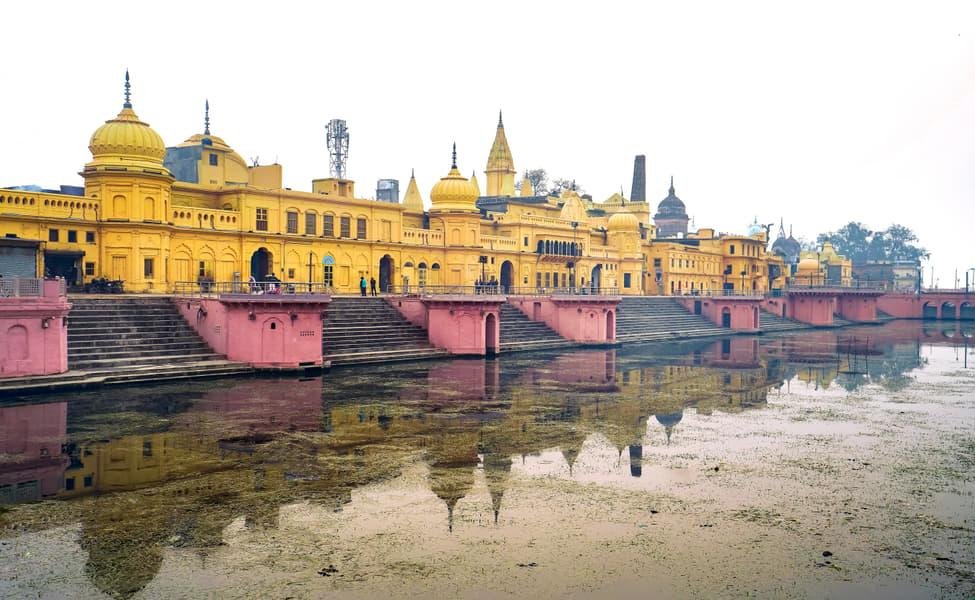
Tag: Rameswaram

  • ๐ŸŒŠ Dhanushkodi: The Ghost Town Where the Sea Changed Everything

    ๐ŸŒŠ Dhanushkodi: The Ghost Town Where the Sea Changed Everything

    Imagine travelling to the southern tip of India and suddenly finding yourself surrounded by sea, sand, ruins and silence.

    There are remains of old buildings.

    A forgotten railway story.

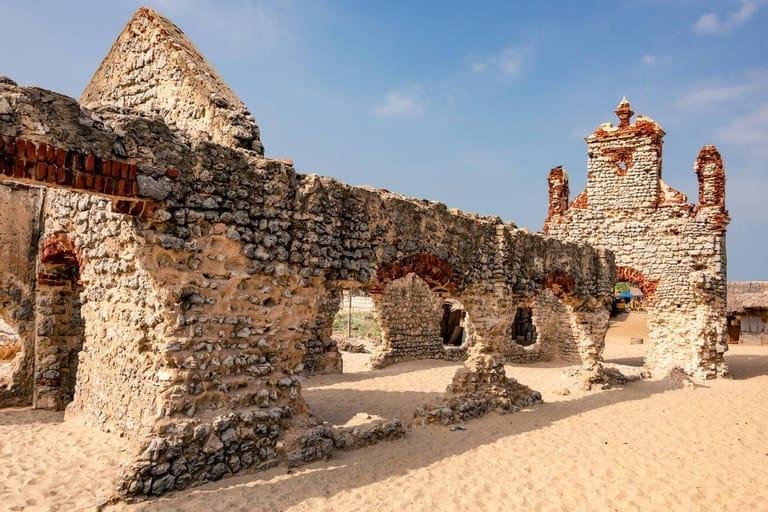
    A church standing among the ruins.

    And a road that seems to disappear into the horizon.

    This is Dhanushkodi, a remarkable place on Rameswaram Island in Tamil Nadu.

    Today, it is famous as a hauntingly beautiful destination. But decades ago, it was a functioning town connected to India’s railway and maritime routes. The story of how that town disappeared is one of the most dramatic chapters in India’s coastal history.

    https://images.openai.com/static-rsc-4/NJg3DnBDtUjWX-cEPEE_Tki_CmEuOG2k-c79GC74sujN8cucxHbn3jP3UsXgiwdG8WlnlE1fTXnKgVI4-yguuNHjTTCIRPwQeKUGrgvof0rJc_8w4YCc-3_RKPzbpCgA8qfmM579BYkXtXYWargczKkVxa641h9WAFbToJZE6oKBrNO5DHp03kgBR9xeI1q4?purpose=fullsize
    https://images.openai.com/static-rsc-4/mtf0DI5IgnSkL0voOSJNm0UNZpoVQswwAvjVxTubEo4_jXAmzoeF870Zo9wDxQhOHEUfeFss-Otg1AYhHt7Lv5IZAhlRG9fEK5I1kwhNOrd9uxz0SOgogSjYzCYVQt44zX7ReTEzXJj7QpizZYaBhaI8b22gI-onhOge6zPzTXthXx9m8-cxnzenRMNki3yp?purpose=fullsize
    https://images.openai.com/static-rsc-4/6Luea7XoBivVr-wwF4WBWdx4jmQ-17CXG3l2-bmRyhaAp-UBlFwCI9L8wdkHJ3kouUeKHeyaGynjYqWIfMHUPRPckid2vHL4zFK-dvpPB4IS74DDq5y1k-FF8Aku0WLKVzoJlRGeRxVIbTTi4X0Juf5nUyYNXwEnlV-MWRHhzOEF_2Nfo-_E_4FgczliUFf_?purpose=fullsize

    ๐Ÿ˜๏ธ Dhanushkodi Was Once a Busy Town

    It is difficult to imagine Dhanushkodi as a busy settlement when you see its ruins today.

    Before the disaster of 1964, Dhanushkodi had important railway and maritime connections.

    It served as a gateway for travel between India and Ceylon, now Sri Lanka. Railway services connected the area with the wider network, while ferry and steamer services connected Dhanushkodi with Talaimannar in Sri Lanka.

    The town had facilities such as a railway station, post office, customs and port-related offices.

    It was not simply an isolated village.

    It was an important transport point between two countries.

    https://images.openai.com/static-rsc-4/2ttvw9FflkrXXNOu3sQMxTxDXM1mPBKBIKF4aieYxTGEInQUvPEetEVDKEZdLfOpNdtuI9F8vRa0FESK7V2n33zYh6MYrd5VEcFEqkmWJMAuL2ec2nj8nkBYbWnsKHMRFnTpsjlXezofLmvm6MNGwqyVx3iXbBwXqVLxSrLTWZ-Y3DSBg8HxUYsCX4o6yoT_?purpose=fullsize
    https://images.openai.com/static-rsc-4/niHDC2WiFOGtj4X1vZMCdVOP3jbMqBIP-YhS_hMjKyjyIWS7th0SU_ZZaqi6D_09qPiI78_llwU2M-ADuc0aj1HO9xGij_v_e1EiaNkIw2xRSK1EdYX9ikxaZrS_0_2G-Fm0TmrASsZCnum9K_UYtY_Iz7oqAAgHQPdXbVfVrjEXz9hBFkD7S4yOwGfnk1Tm?purpose=fullsize
    https://images.openai.com/static-rsc-4/8Q8NbGum3KYtTiByNjcgIHftAY3sQQyhX7hqLLel0DEB2MVEX3_deR19LcuRcM-xdlG9J2ukY06ReHpi6Zf6lgq2z3EWmeJphvwDpCPbw3rWh41zU7mYr1kHxXWGcVWbnFhR7FdYoWE1vUc6k_5-wY2AjuzH5qfQmNIR_dFXSTcXAd0S7Rgtl-016I7Dtphi?purpose=fullsize

    ๐Ÿš‚ The Railway That Connected India and Sri Lanka

    One of the most fascinating parts of Dhanushkodi’s history is its railway connection.

    Passengers could travel towards Dhanushkodi and then continue their journey by sea towards Sri Lanka.

    The route formed part of an important India-Ceylon connection during the pre-1964 period.

    For travellers of that era, Dhanushkodi was therefore much more than a beach destination.

    It was a gateway.

    ๐ŸŒช๏ธ Then Came the Disaster of 1964

    Everything changed in December 1964.

    A powerful cyclone and huge waves struck the Rameswaram-Dhanushkodi region.

    The destruction was enormous.

    Buildings were damaged or swept away, railway infrastructure was destroyed and large areas of Dhanushkodi were devastated. The town was subsequently left largely uninhabited.

    https://images.openai.com/static-rsc-4/7mObIGUm7-x7Tjv2qP-r_eN9Zorxr88h0iCqeeOutu4puxvaZ2XgE45lVBgqG3p2i7WkxJNLF1ONB5vYo2PCKt8n_UBn4VmqKI2tB28IH43D-O9S6enh4t3NXsUTLx4aEzKhqR1_C5GpeRwA60i4qqBOSdytYYWfijiEdpL8IiBboGZuqi0jlYadb_q7RE6F?purpose=fullsize
    https://images.openai.com/static-rsc-4/-jR_QpzwJL8OIbGMnXTOxl0FVy-ldRgMm6c2CjDt67Meo05y0uTP2ESBaIYCpFUGV9TY0CfvPDyzgeXDjidYGYCSGAWupUDi3FAeD4FZm2cZGeIP9cw_e6hpWJp7hokyucQ5BcnY0c7TDue2MFiJps8_pkyqI9Aw0h2YKIuN2dDntaWb2D_xshbfN_nSITUk?purpose=fullsize
    https://images.openai.com/static-rsc-4/tSI9EqH55YJfLtnHvtXDDZXDpfR9tzz9EGIm5rvyilPu30wR0OiQ5byCqqQiPCk0S9wNU9IvNO9VmfKLx0eVhym-ZILHSikAyDpuxDudRJzHcduHD4t-osh7H_mX1aAzoLNbkhuM1gzfu4eIXAjy3gy5m9Mn14p6UTwgUtioeEbHxOUHThLzP9UHA_n-BxvS?purpose=fullsize

    ๐Ÿš† The Train Tragedy

    Perhaps the most heartbreaking part of the disaster involved the Pamban-Dhanushkodi Passenger train.

    On the night of December 22โ€“23, 1964, the train was travelling towards Dhanushkodi during extremely dangerous weather.

    A huge wave struck the train near Dhanushkodi.

    The train was swept away, and everyone aboard was lost. Contemporary reporting based on railway records says the exact death toll is uncertain, with estimates varying; one railway safety account recorded around 100โ€“110 passengers along with railway staff.

    This tragedy remains one of the most unforgettable stories associated with Dhanushkodi.

    A railway journey that was supposed to end at a station ended in the sea.

    ๐ŸŒŠ A Town Lost to the Sea

    The cyclone did not merely damage Dhanushkodi.

    It transformed the place completely.

    The railway station, railway line, houses and other structures were destroyed.

    The destruction was so severe that Dhanushkodi was not rebuilt as the town it once was. Government tourism and municipal sources today describe the area as largely uninhabited since the disaster.

    https://images.openai.com/static-rsc-4/bz-wRitOdZTawuVp_g4Ty6PPNILQcSWC50Z5cMh2XgXpi9RGZ0waBpTUZk_EHkZaCqX6wjh-28r83f-z_V_jydvUO5AROhThds4VrjuophlNb9ttCL2lQ0kWqZNxgUucvSecAKmqtx_FvGBjdZ6cqQzvUfoTJbwGZPuvYGemVF_To8K6tJki0RAkk3r6Uy3P?purpose=fullsize
    https://images.openai.com/static-rsc-4/hVFx4SoRO0zFChsckr9tvxzEW6w9AMVtP_2cT6l_KctMxBm3g6QDv--6cKqCE59jUJ_SNZf2Yq5KqaenMVM_Z_77mO6RJVkTd4QEko8Q1lgqLGkS0x0RoZA0WNdG8YqW7lquHWa2JQqIlItQmZhqb9AtlC9Gtz-XfReT_TdfVSO2dvjPc0N_FCiqhNJmdiWI?purpose=fullsize
    https://images.openai.com/static-rsc-4/-jR_QpzwJL8OIbGMnXTOxl0FVy-ldRgMm6c2CjDt67Meo05y0uTP2ESBaIYCpFUGV9TY0CfvPDyzgeXDjidYGYCSGAWupUDi3FAeD4FZm2cZGeIP9cw_e6hpWJp7hokyucQ5BcnY0c7TDue2MFiJps8_pkyqI9Aw0h2YKIuN2dDntaWb2D_xshbfN_nSITUk?purpose=fullsize

    โ›ช The Ruins That Remain

    Today, visitors can see remnants of the old settlement.

    Among the most recognizable sights are the old church ruins and railway-related remains.

    These structures are powerful reminders of what once existed here.

    The official Incredible India tourism site specifically notes the dilapidated railway station and church as reminders of the 1964 cyclone.

    Standing beside these ruins and looking at the sea makes the history feel remarkably real.

    ๐ŸŒ… Where Two Seas Meet

    Dhanushkodi is also famous for its extraordinary geographical setting.

    At the tip of the island, the Bay of Bengal and the Indian Ocean meet around the Arichal Munai area. Government tourism information describes Dhanushkodi as being flanked by these waters.

    https://images.openai.com/static-rsc-4/mqd505_0dIhfUNuAilk81ij_nucyBzRI8OsBsB7zna5mb-cGmozCautD5tlNg1328kGY-18kxpGqGDe1wl9K8zCyfDyOLbJ8pakhnfoPtU91oYqkwjmN82dqDwXReCS9NRJE3v0ZQPaZbt6p5rarfnyuekqpWY8L2qyPVxlON-1G5d7dVIZD0EHHCPCf5ObM?purpose=fullsize
    https://images.openai.com/static-rsc-4/Wco7gcRgEjUr6dP-Jl4TgTdEgFvoUVSEkSilSni21g1wNjtyIfhFA00Lese6h8Vz7TDbejDbTEDmQEn-DC4HUaa1OHel6hZiYkrzlgoqXclj2sN_IgTliaG55lRqO2bXlRIQviFDJ-sJxAyHohI9yyIWiXHNc_QaUleEleah6IegAsnv0Nge_pyqL033sSMc?purpose=fullsize
    https://images.openai.com/static-rsc-4/xNMFRqsu0llkliORPNFRxWyE1V3FIuJO8e8IcmSfUXl_raqSffY5CxyDCHZNyteLBflX7NasJW4uWu6FNaUVlgipD5Zk73yuN2OYF-L0jqmbWuEx5oL_EUvrfEVAcxQ40neXyO_IHjSYBu9XB8tu9A5ksYS0E18nxXMjJzM4CvHccHmqqlPmaqf5zv7b-J6p?purpose=fullsize

    This creates a dramatic landscape of:

    • ๐ŸŒŠ Blue water
    • ๐Ÿ–๏ธ Long beaches
    • ๐ŸŒด Sparse vegetation
    • ๐Ÿœ๏ธ Sand
    • โ˜€๏ธ Open skies
    • ๐Ÿš๏ธ Historic ruins

    It is one of those landscapes that looks almost unreal.

    ๐Ÿ•‰๏ธ Dhanushkodi and the Ramayana

    Dhanushkodi also has an important place in Hindu tradition.

    According to religious tradition, the name is associated with Lord Rama’s bow, and the region is connected with stories surrounding the journey to Lanka.

    The nearby Kothandaramaswamy Temple is also associated with the Ramayana tradition. Incredible India notes that the temple survived the 1964 cyclone and remains an important historical and religious site.

    It is important to distinguish between religious tradition and historical evidenceโ€”the Ramayana associations are part of the region’s cultural and spiritual heritage.

    ๐Ÿ๏ธ Dhanushkodi Today

    The Dhanushkodi of today is very different from the town that existed before 1964.

    Instead of a busy railway settlement, visitors encounter a destination known for:

    history + ruins + beaches + spirituality + dramatic scenery.

    Tourism has given the area a new identity.

    People come to see the remains, experience the coastline and understand the story of the vanished town.

    https://images.openai.com/static-rsc-4/cIS1dAonJJuC2v89e-SLtOiXJzuvwdWfwECAApq_hrYB-9nr7zSiCmdM0is-fTbLhr2c3CgDDjtCfUHTiE2ulp_A13pYRBvNjpZsCqdD3NF74SN-qd8I6VbSObfLBJ3tfRPl56g1Y-2uTE0WQEC8f8Dn8d2cSGvfiwoiYCr8aFnLs4qC9mc9BYBOx5wrb-De?purpose=fullsize
    https://images.openai.com/static-rsc-4/592DxvOwwSLBHIKJZ46L82zrn98FfeoNfAgtCPnKj9A6Cq9S54k7tOQyrOimk84D04PhAxK_rjwcAVPse_I_Q6rIRKm1D4N-yXAA1tS8UHyEOkBv2eCdf4_GtJ9dBRfAIkBZGPkw9klg0PSdUvDjYtjX14bcCI93wJPmERrExkAZuQJ9nxhpRt8W5-U8j-Cn?purpose=fullsize
    https://images.openai.com/static-rsc-4/vLPp6G9qlWSCswA_ZF56W3BuaxLJhMeT9eURS6lNsuKQmUiIteZgg8Veyk6QbY7l391LfhvGRPerf5x-W3yZDA-bivDPGHxg8W2bkwQ1RSTXfZrYryjrlogWDUV_cSDhcz-7KJy77ixc1LfTLGjz28BiqPoE3sljhU3paCyzD2HiMFE80SIG0d_Ounfere7Y?purpose=fullsize

    ๐Ÿงญ Why Is Dhanushkodi So Fascinating?

    There are many beautiful beaches in India.

    There are many historic towns.

    There are many religious destinations.

    But Dhanushkodi combines all three with a powerful disaster story.

    You can stand on the same island where:

    • ๐Ÿš‚ trains once carried passengers
    • ๐Ÿšข ships connected India and Sri Lanka
    • ๐Ÿ˜๏ธ a town once flourished
    • ๐ŸŒช๏ธ a devastating cyclone changed everything
    • ๐Ÿš๏ธ ruins remained behind
    • ๐ŸŒŠ the sea became part of the town’s history

    That combination makes Dhanushkodi unforgettable.

    ๐Ÿ“ธ A Photographer’s Dream

    Dhanushkodi has become popular among travellers and photographers because of its unusual scenery.

    The contrast is striking:

    ancient-looking ruins against a bright blue sea.

    empty roads against an enormous horizon.

    old structures surrounded by sand.

    https://images.openai.com/static-rsc-4/8mKCvp_j9dcwJRAv-cJUYjkB5Qfw2ZIhhPwdnjqSO-OjqJQZvwi7q8YMQkDCWSjrUZvWhjHwL6gjTyMmuXgCS67s6oSK2FXcf3dZZoZ96k-_3njJ4HehVlVVIfkht6TjSE4-d1kcSC42AOeKwDTcpYX1uB7PM_Y2FL7nRQxccRlAJRJOyWmDZQZ-DkQQFWVh?purpose=fullsize
    https://images.openai.com/static-rsc-4/JtwQWCzQ4O8P8gwh3FMFBBouW_kZdALlTSRndqrNyxC-PQHG1Zc_ypqv7idGB8uZh273IkP0IT4ecN34lQ1J-t3mNgReFDPZsNHCaZwpSSnJppGGG4ZNkMHt9HQLae7lLs8WUmXOnct2SICFaK2BN0f43u3qjEzid5fRrPYkAGumc19Tf9-TbZQttqt_Zqg6?purpose=fullsize
    https://images.openai.com/static-rsc-4/muk4F3N27yHrFNdeHS81qLLdWr571MXFchQOmt6f4sx7feynsyHokMzK7p66oWen2uLh1YmZ5Yz3yO95hzRcV7z1biBObYhOerhu4z6dRN6ALN8lEYOlncYm4yzIg8kw3YrXPAWNLLGVFFi8V3bpp2DxgsngkjeeauXIPY3i7PYQPcSoWLmBQ1Whho6BVNFh?purpose=fullsize

    The best photographs, however, should also remind us that these ruins are connected to a real human tragedy.

    โš ๏ธ Respect the Place

    Dhanushkodi is beautiful, but visitors should remember its history.

    The ruins are not simply photo backgrounds.

    They are remnants of a town destroyed by a catastrophic natural disaster.

    Visitors should follow local instructions, avoid dangerous areas and respect religious and historic sites.

    Coastal weather can also change quickly, so travellers should check local conditions before visiting.

    ๐Ÿค” What Can Dhanushkodi Teach Us?

    ๐ŸŒŠ Nature Can Change Everything

    Human settlements can disappear when confronted with extreme natural forces.

    ๐Ÿš‚ Infrastructure Has a Story

    A railway line can represent much more than transportationโ€”it can connect communities and countries.

    ๐Ÿš๏ธ Ruins Preserve Memory

    Even when buildings disappear, the remaining structures can keep history alive.

    ๐Ÿ‡ฎ๐Ÿ‡ณ History Exists Beyond Famous Monuments

    India’s history isn’t limited to palaces and forts.

    Sometimes it can be found in abandoned railway stations and coastal ruins.

    โ“ Frequently Asked Questions

    Where is Dhanushkodi?

    Dhanushkodi is located at the southeastern end of Rameswaram Island in Tamil Nadu.

    Why is Dhanushkodi called a ghost town?

    The former town was devastated by the 1964 cyclone and was subsequently left largely uninhabited.

    What happened in Dhanushkodi in 1964?

    A powerful cyclone and associated waves devastated the area, destroying much of the town and its railway infrastructure.

    Is Dhanushkodi a tourist destination today?

    Yes. It is visited for its beaches, ruins, scenery, cultural significance and historical connections.

    What can visitors see there?

    Visitors can see coastal landscapes, historic ruins, remnants of the old settlement and nearby religious sites.

    ๐ŸŒŸ Final Thoughts

    Dhanushkodi is not simply a place where a town disappeared.

    It is a place where history, nature and memory meet.

    Once, trains arrived here.

    Passengers crossed the sea towards Sri Lanka.

    Families lived here.

    Businesses operated here.

    Then, in one terrible night, the sea and the storm changed everything.

    Today, the ruins stand quietly beside the ocean.

    The railway is gone.

    The old town is gone.

    But its story remains.

    Dhanushkodi reminds us that sometimes the most powerful historical monuments are not grand buildingsโ€”they are the ruins that survived long enough to tell us what happened. ๐ŸŒŠ๐Ÿ‡ฎ๐Ÿ‡ณ

    https://images.openai.com/static-rsc-4/JtwQWCzQ4O8P8gwh3FMFBBouW_kZdALlTSRndqrNyxC-PQHG1Zc_ypqv7idGB8uZh273IkP0IT4ecN34lQ1J-t3mNgReFDPZsNHCaZwpSSnJppGGG4ZNkMHt9HQLae7lLs8WUmXOnct2SICFaK2BN0f43u3qjEzid5fRrPYkAGumc19Tf9-TbZQttqt_Zqg6?purpose=fullsize
    https://images.openai.com/static-rsc-4/Sjjb6JQMF0DYvMXkY0GZwoQCwkk9XTkjbCtV3dM2zJ2MFvp7kc0wGsigzIjEHuhfWWSeCzqsC_r9forueUQL31xmeXlZs235j-_bQVMErZPQ8zgCh5WpUFHY2JQ-cwOigJbABwh1oH8GVybzSo-BVkGK8GdXn1OZ4VCzdGUccUURaDJ8hVJTN0u2MO4AGDae?purpose=fullsize

    ๐Ÿ‡ฎ๐Ÿ‡ณ MANA BHARATHAM

    Stories, Facts & Wonders From India

    ๐ŸŒ Website: allpincodes.online

    ๐Ÿ“– Blog: MANA BHARATHAM

    Know India. Explore India. Celebrate India. ๐Ÿ‡ฎ๐Ÿ‡ณ

  • Ramayana Part 34: Sacred Places of the Ramayana | The Journey of Rama Across India

    Ramayana Part 34: Sacred Places of the Ramayana | The Journey of Rama Across India

    In the next article, weโ€™ll explore the important places associated with the Ramayana tradition, from Ayodhya and Mithila to Chitrakoot, Panchavati, Kishkindha and Rameswaram, and how these locations keep the memory of Ramaโ€™s journey alive even today.

    https://images.openai.com/static-rsc-4/htdZuPHADQzh5lHnWMGkiuBXuIcTEGtKZV7QU57PCrJOOOazIoziJLwC9knbB3Tu_cNcSKru--vi14hcgQRLZ6-1rcIqaa7a3v9fQK9qZWxs1Co3zL6560SSnoV9bRfsGjJld2sWomGvcyL-Y5qJ1yGZ54HJaKC7soa9avtibCwZiadr0D1jjd3JD9fOylci?purpose=fullsize
    https://images.openai.com/static-rsc-4/glxkKHBV6Yo7_Rg4cQVlaYIe5f6VGts6I2za5i5KYj8if2hnKcBKtgqWHR6dzzjOxJq1dOpqwNOI26tfOrsNMbpqMVoSau8rpe79eUKsdLAbuZ-uHJr8N42enzUexwcSTBfh7YpWNTEw1oZ8At0x0KbcF-JDpTuXdhUb89x48RSCtHq-u4DfxQvQxwAQVidZ?purpose=fullsize
    https://images.openai.com/static-rsc-4/G0WdD7K3OKxSUGHhhnJqJ5dNq9WIvkrWr2kpryXXlyd3x149DA02_5xQhlq4onw7U4wDvbwauHc7DtCRKv-MxCdSYvN6cjK7el9py4S1GwL9OcYLFb2hO2UNwqhAydm7dhAdCgwjxsoeEInoWhlZJc_v0L98b5-ZIVBkLJCFs5cU72BRhr4MOpjGx-tLbJ23?purpose=fullsize

    The Ramayana Is Also a Journey Through Places

    The Ramayana is not only a story of people and events.

    It is also a journey across landscapes.

    Rama’s story takes us through:

    ๐Ÿฐ Kingdoms
    ๐ŸŒณ Forests
    ๐Ÿ”๏ธ Mountains
    ๐ŸŒŠ Rivers
    ๐Ÿ›• Sacred places
    ๐Ÿ๏ธ Distant lands

    Over generations, many of these locations became connected with the Ramayana through literary, religious and local traditions.


    1. Ayodhya โ€“ The City of Rama

    The journey begins with Ayodhya, traditionally regarded as Rama’s birthplace and the capital of the kingdom of Kosala.

    Ayodhya is associated with some of the most important events in Rama’s life:

    ๐Ÿ‘ถ His birth
    ๐Ÿ‘‘ His royal family
    ๐ŸŒณ His departure into exile
    ๐Ÿฐ His return
    ๐Ÿ‘‘ His reign

    For devotees, Ayodhya remains one of the most important sacred places connected with Rama.


    https://images.openai.com/static-rsc-4/3r4z9lyowmSRvTaPHSD2MhoYFwRz6PmACV5-o0rM73Cq0GV-M874r10NPXPEd1NbOYd7lSQG9_eeEMvqcLS_aw7ZwFBy2IuTLmYfI7HYKQ3TFEEdkIgatA8faRJsi_NUqfDyv2zxD10B_OwjT3KeUBUKh8DvMNMycdiEPvhbKCf51DS7Kj7vxHSTj3WwpOQL?purpose=fullsize
    https://images.openai.com/static-rsc-4/scq2A7iJP9AlOke-X942VEpA_5zm6FuaQw5aH45C8YogkovLtqNFNyeQ_aXsyzY0tYB2bGSnU67PVD3TgK7qUdvyV5uo1zmoeWl-ho_rP6vDm4Fe-Ns0tduysknQFbdBR5z5nb-p8rFRicD-9CEk7jgoDkKT-YP8aIf-P_tJOeeKKSPX1ur__bFMdUoGpe9R?purpose=fullsize
    https://images.openai.com/static-rsc-4/JlvoIxiB3Sbv9VvIbk6tUfSnrWg4Aqe1Fjc3lvbGPCI6h1EUgktAmsYLVDWfRrE_QGjQK222eh5-QQmvmtnDTB3yYy02fAcAwAGCS9Meoz7mmhE5VI1WvY0pR2pA5EbjgRQSkPdyuxYyXuk2712VT-pSjS15cM6hlBl20ksRoxFPwoyLr4Qm4SLyaJkfSb1C?purpose=fullsize

    2. Mithila โ€“ The Land of Sita

    Mithila is traditionally associated with Sita and her father, King Janaka.

    The ancient region of Mithila covers areas that today lie in parts of northern India and southern Nepal.

    The city of Janakpur, in present-day Nepal, is particularly associated with Sita and the story of her marriage to Rama.

    The Janaki Mandir is one of the most famous landmarks connected with this tradition.


    3. Chitrakoot โ€“ The Forest Years

    Chitrakoot is traditionally associated with the period when Rama, Sita and Lakshmana lived during their exile.

    The region is known for its forests, hills and rivers.

    According to tradition, Rama spent an important period here.

    Chitrakoot therefore became a major pilgrimage destination associated with the exile portion of the Ramayana.


    https://images.openai.com/static-rsc-4/f9q-5qTAc7NL5057Lss9lpLGZ--74CiavxxIDSRJW5DBIWRZq78NJmm7CXf8lbE53JkG1UdEFt_Il6A25NfmJqn6x08ZV4rptqd1L_GXRG3epYlP5hab-xg1JZ40KCBAO3OTDRHzm1CsUNqP44ajtFEkK2rpO3HwzAX8VxiIbZ3Mhvr5iAHvx2GUUNUPT6xI?purpose=fullsize
    https://images.openai.com/static-rsc-4/HhpDIqwin5CumFe6fEe9jHKyuE4Zn7rvn41Vfm2kAUQqvavhpkpRuYav2uPqrVIrghALu7onrfiw1Ccy1yvUDQEBJFZDH7SdXHKJFVz9DBRtIupSyoUzIdiVyhfgDiGeba0iXBT2C1Xu3F1PaWmuu1_TsHrqyKN18q1mfc7pzmw8TOvKphEfMRZrOHFw_Db8?purpose=fullsize
    https://images.openai.com/static-rsc-4/glxkKHBV6Yo7_Rg4cQVlaYIe5f6VGts6I2za5i5KYj8if2hnKcBKtgqWHR6dzzjOxJq1dOpqwNOI26tfOrsNMbpqMVoSau8rpe79eUKsdLAbuZ-uHJr8N42enzUexwcSTBfh7YpWNTEw1oZ8At0x0KbcF-JDpTuXdhUb89x48RSCtHq-u4DfxQvQxwAQVidZ?purpose=fullsize

    4. Panchavati โ€“ The Forest of Important Events

    Panchavati, traditionally identified with the area around present-day Nashik in Maharashtra, is another important location in the Ramayana tradition.

    The forest period here is associated with several major events.

    It is traditionally connected with:

    ๐ŸŒณ Rama, Sita and Lakshmana’s residence
    ๐Ÿ‘น Surpanakha’s encounter
    โš”๏ธ Conflict with Khara and Dushana
    ๐ŸฆŒ The golden deer episode
    ๐ŸŒฟ The events leading to Sita’s abduction

    Because of these associations, Panchavati remains an important pilgrimage area.


    5. Dandakaranya โ€“ The Great Forest Region

    The Ramayana describes Rama’s journey through extensive forest regions.

    Dandakaranya is traditionally associated with a large forested area of central India.

    It was not simply one small location but a vast geographical region described in the epic tradition.

    Rama, Sita and Lakshmana are traditionally associated with travelling through these forest areas during their exile.


    https://images.openai.com/static-rsc-4/9cD0TnPQ6YtXGCtbSheW-hxtBAgRGnr9E0LVtGxxJVHkArGnwSQhbE1vHAEWrs5c5OMbBeLtFXog6kfop-P4xwSN976dVEEmcHDaOQa7GjD0rHZgM2tZ5rsfO3rlWE5vi1YSaUghiEQuDBOv8znLuU5gEwvA7aQiciJKSMeyXoqAhnyIfSrsX0Yy6QRPyD6t?purpose=fullsize
    https://images.openai.com/static-rsc-4/jg8Hmis-gZab9CUElkhHTawlogcag8A_LcsFBsW9jri4Qtw02i7BwzID6hbHHPpK7rSpRX4WI02-uOqEZ4-1pYbfXzw6Vo-0fv0vxVw4FtzuiZzaEUjTl3PsHnZYJU5leIbIkpYvBtIXuvOYSM3apSYrvTCdZ6BzOFQHY3ZEPR1DGVed-joo-dnoL0KQ1Pnl?purpose=fullsize
    https://images.openai.com/static-rsc-4/rkEziLGHinNCKRYf8zlptql_CcKGm83K_lWzsxBTYjJj_7ZBXkXIIBRJY8e_kdFwEmFF3j-drXj9_9Q6DSnf5Cr8Q2UwKZhrR3bSpVjAxSqGmDZYgkjVeaM7CkVMvrogW1_4HHxVndMup5Fsar3Dfr_fwxKlkRoU8YuHS8S2aUL4Wl8nZDplEn6n3mQpgUaY?purpose=fullsize

    6. Kishkindha โ€“ The Land of the Vanaras

    The story then moves toward Kishkindha, the kingdom associated with Sugriva, Hanuman and the Vanara characters.

    Kishkindha is traditionally identified with the region around present-day Hampi and Anegundi in Karnataka.

    The landscape contains rocky hills, caves and rivers that have become strongly associated with the Ramayana tradition.

    Places in the region are connected by local tradition with episodes involving:

    ๐Ÿ’ Hanuman
    ๐Ÿ‘‘ Sugriva
    โš”๏ธ Vali
    ๐Ÿน Rama


    7. Rishyamukha Mountain

    Rishyamukha is traditionally associated with the period when Sugriva lived in fear of Vali.

    It is also where Rama and Lakshmana encountered Hanuman in the traditional narrative.

    That meeting became one of the most important turning points in the story.

    Rama gained a devoted ally.

    Hanuman found the person to whom he would dedicate himself.


    https://images.openai.com/static-rsc-4/B0cGmjEvyd1TlM5IuLPmXqg0tr1-oERNc0ScuzzalGgbJjnz7VP_tIfj3ndY_SUUf5zGQebjbthIs-QyxUxVauDo_JZiNDcAox-gp52ySiqVWlaw4EUyVoK7BT2y5rEDUg_nQygEYHqKiKOUDWOtk7R2gFv-jrU-CW8giIu3Yijh95489B-vijbjf8IW5nOZ?purpose=fullsize
    https://images.openai.com/static-rsc-4/KWMQ4R1_PrdUEkBGtGS-3I_8bb7sklcMJ_90dNQlhe2k01obnLJ-Wu7PUK4z7lKljkfR_AzrzUFMBhUWtsxTuREABE4yphIJsiF88fm5wQ-WQR2doFGXUF9ozHkUeVb8REuTPHHJgncBpoDtUVgosHcQPJ3Ghj9g3eCMPy2yfBYmIE0MDjSunewewuvXBcTY?purpose=fullsize
    https://images.openai.com/static-rsc-4/GCLbkMKjx6JIqsom0TvSHhy892KuMT9wAPC-KXYR6vGc8NlX4yyM0uVUkOQKPV_s848XOUmoSEJPMea2kOvnK6M2PUGHTZcGGswQD3SRaWXpvlvNmJCpfPa9jrnamS6tDBqip6HiwQyCRLvEJ3ah27AKDeUcoNl61Xj2FxbavQTKvMpSzgLfz2J_6WLq2TmX?purpose=fullsize

    8. Rameswaram โ€“ The Southern Journey

    The story eventually moves toward the southern coast.

    Rameswaram, in Tamil Nadu, is traditionally connected with Rama’s journey toward Lanka.

    The area is especially associated with the worship of Shiva and the tradition surrounding the Ramanathaswamy Temple.

    Rameswaram is therefore important both within the broader Ramayana tradition and within Hindu pilgrimage.


    9. Rama Setu โ€“ The Bridge Toward Lanka

    One of the most famous geographical features associated with the Ramayana is Rama Setu, traditionally described as the bridge built by Rama’s forces toward Lanka.

    The Ramayana describes the Vanara army constructing a crossing over the sea.

    The story of the bridge has remained one of the epic’s most memorable images.


    https://images.openai.com/static-rsc-4/VjsbT3sIG8eU0q1I3NveIzUM-mFzATKglQJWbgeISrafUutNxEatGQC_9RB7mz5v3RHEUudSYPCHhakeHO0UW82CumykjZCjT0-JH6wu-Ok75awIJifuP7GvS2m8dRIkyQCPpoYP_U-PGfTeZT5i0cV2WwWMXJPf2A5TrQ92I1gquXQMLYT5YK9r_Dvy3y3J?purpose=fullsize
    https://images.openai.com/static-rsc-4/tj1YYBfchPzzv-9mfo_6zAEhl-RYiI7NKdR1DlJmliHLKO8aisDGJYorynOxGECHPCjR8bruVrG-rapayNFUgEI1o6mY5LvJ5pfpHfWXrmdynzKtaNHKq9O6nGeFpRx3mAG26EDPuGjuG007p4N9-BJeIfYqu_vgbP3SI_zVpJrNf54nhnZINwNqFsHyW3-K?purpose=fullsize
    https://images.openai.com/static-rsc-4/ds9S68E1nAgJNJ9sh9hQrUITvY5o69kXU4UyJTvM3EPtVG-YqgEBVzVm8BzoAQ9fC3nHiO8uHj-xI6abQtXcVvCJSLeu7zpAXc4GwGPz_HVq-cC-x-DLhiF3074BgCHuVNMS-ejEhd9rdkhRzQsIeKrOMmkyl6mjo3fgW9SymVVMZD1K4yG5TMXwOn7YL7pR?purpose=fullsize

    10. Lanka

    The final major geographical setting of the central Ramayana story is Lanka, the kingdom ruled by Ravana.

    The epic describes Rama’s army crossing the sea and fighting a great battle there.

    The identification of the Lanka of the Ramayana with the modern island nation of Sri Lanka is a subject surrounded by different traditions and interpretations.

    It is therefore useful to distinguish the epic’s Lanka from claims about exact historical or archaeological identification.


    A Journey Across India

    When we look at these places together, the Ramayana becomes a remarkable geographical journey:

    Ayodhya โ†’ Mithila โ†’ Chitrakoot โ†’ Dandakaranya โ†’ Panchavati โ†’ Kishkindha โ†’ Rameswaram โ†’ Lanka

    Each place is associated with a different stage of the story.


    https://images.openai.com/static-rsc-4/-dZH2Hq-d_9cWnNGjCUzPRxH5AdG5Wa_aC25VzyQdYSZoCUWXRCVVvenZZj-8jeaTbmeIsUmEw4jUvrp9MN5eWTOCLEhH8ZgGGaux1JFafrJRNlfyc4ZYmsW8OY4kLf-sn4exVy7hDNXbCLrHSZ8nw-UQUJ8bEOLYeafY1fXcAksJ3QlGhPJ4Eej9w_cPV27?purpose=fullsize
    https://images.openai.com/static-rsc-4/uS3moPsgi8sAQzqrhIsEb9ePcp4x55A2zkwUf8IgP1tO6vH9KC14Y6diE1gzmMygl0PxeHLS15Jqy0UWWMyjKbwpcJggyvtHzf3jWqzgkpd_TWdWq1Zf-7qoNEA93IhFZe8w95C5RTKgm2aJGranRtsV7qny2-PZbRpkktCEC3_zDzFxy5ymbBT5JOe-2TU5?purpose=fullsize
    https://images.openai.com/static-rsc-4/OtuBy6Pu7Htv_SPf31j955GEGduCg2ZDyUUMlPpP47D0SAUObns2YSo4yztZ7m1Oa4Wds33tPU7njZaVz9uGjhztDeKxXEEQzLV3f_ZtD933WTZfXM06e_H5d1ca-_wWMyi-5zRBLiy6Lwaak48XzIS5YTPBWFGzSmFmTyYzo5m4TmOm5Qw0JU38uEZW89Kj?purpose=fullsize

    Why These Places Matter

    For millions of people, these locations are not simply geographical points.

    They are connected with:

    ๐Ÿ™ Pilgrimage
    ๐Ÿ“– Storytelling
    ๐Ÿ›• Temples
    ๐ŸŽญ Local traditions
    ๐ŸŒฟ Sacred landscapes
    ๐Ÿ‘จโ€๐Ÿ‘ฉโ€๐Ÿ‘งโ€๐Ÿ‘ฆ Family traditions

    People visit these places to experience the landscape associated with stories they have heard since childhood.


    Tradition and Historical Evidence

    It is important to understand that the connection between a modern location and a Ramayana episode can come from religious tradition, local memory and later pilgrimage practices.

    Not every traditional identification can be established as a historical fact.

    This does not make the tradition unimportant.

    Instead, it shows how stories can become deeply connected with landscapes and communities over long periods of time.


    The Ramayana as a Pilgrimage Journey

    For devotees, travelling to these places can become a way of experiencing the Ramayana physically.

    Instead of only reading about:

    ๐ŸŒณ The forest
    ๐ŸŒŠ The river
    ๐Ÿ”๏ธ The mountain
    ๐Ÿ›• The temple

    they can visit landscapes associated with the tradition.

    This creates a powerful connection between story, geography and devotion.


    Conclusion

    The Ramayana is not only a journey through the lives of Rama, Sita, Lakshmana and Hanuman.

    It is also a journey through places that have become deeply connected with Indian cultural memory.

    From Ayodhya to Mithila, from Chitrakoot to Panchavati, from Kishkindha to Rameswaram, each location carries its own traditions and stories.

    ๐Ÿ•‰๏ธ For generations, these sacred landscapes have allowed people to experience the Ramayana not only as a story they read, but as a journey they can remember, visit and pass on.

    In the next part, we will explore how the Ramayana entered Indian classical dance, theatre and traditional performance, and how ancient characters continue to come alive on stage.