Tag: Science Facts

  • 🌊 What Would Happen If the Ocean Suddenly Disappeared?

    🌊 What Would Happen If the Ocean Suddenly Disappeared?

    Imagine waking up tomorrow and looking at the horizon.

    Something is wrong.

    The ocean is gone.

    No waves.
    No blue water.
    No ships.

    Instead, where the sea used to be, there is a gigantic exposed landscape stretching toward the horizon.

    It sounds like science fiction.

    But thinking about this impossible scenario reveals just how important the oceans are to Earth’s climate, weather, wildlife and human civilization.

    So let’s imagine it.

    What would happen if Earth’s oceans suddenly disappeared?

    https://images.openai.com/static-rsc-4/sLrYPoZDpixhZngBKaU3v_f0Qd0Jfs3iCKalYZqW6sNjlO9g2BBFn6oDQqshVqMOYyvG15vjikZItgTUq6w9w0prH7Axh17ZA2Quvni2riOPZN-cLUtFsxpVQYYrfFvxKbE1hpvcCyeu60ZrAljbOrm_x7ubSafsrckKKhagpgh1vNhsKXOoYXByUL9xdEDO?purpose=fullsize
    https://images.openai.com/static-rsc-4/KAKl92YDcj1xRrBltRtU_FQUn6Xq1nDPy1gbqgluQz8d6P4CIYZ2GjryIcOBBquM5EW7TBUOTvX6ihPrCKxJ9p80TvHOHRJJCIQvx8ZJdPMw1e_N0QemZ1tvCWQmmaK5yZ8hdWvXzZNWjPO83gSy1BlmuvIz8Rg92mPP74caBfAhXzc4RyjotgjfjO28A7Rl?purpose=fullsize
    https://images.openai.com/static-rsc-4/kXf2v0GXCTsxFv5HXfUIYe_R9aJV6Bx3_T9rHyCJbMa37OZKbM-I3LhPI2aqse8uXUl66ud8Lyv8TLge7vlZ_eKcsS1Ri7WlBByvTqzkkaB0xStOglhOB7oUftC9HrcbKu2uXYpzQm-ybE_IbVU5jH-GT7K2sT80JqqlK2aasQMVSWK9l2XO6P5A-iJeH3g-?purpose=fullsize

    🌍 First: The Ocean Is Enormous

    The oceans cover roughly 71% of Earth’s surface.

    That’s more than two-thirds of the planet.

    https://images.openai.com/static-rsc-4/4asHpgrXqWVwAAtIanpVOlgaWVqvGA_BTzB9_szhiFIASoQImudyZq-H9e_dwEchm0_MQRGj6WWi6ynWUWyu60MjUGhk2xrtGoJeiiY9ZzvttObRxN3nRzHMhJwrL049EZZ43kaFZDcmIzwtxLVwLKHoLDeIkBZ-RSP9EwderDB1raEClBPvaF1NTkbxMrK8?purpose=fullsize
    https://images.openai.com/static-rsc-4/GhRn9e5TYdvafr3D26-knWVHBlnb3Nx8Co_iO8E8mt146FXYCkpllt642yR-jgCvc5yyYmMBEct2xK16RwYWXR79B4nDOZgBG-_UBq1Xc1FofPH8qtuNa01FsqsfQOJHWF7NMvs6lnkzyfj6g4huz-9VhKonlZ4w1H43a3AZTcEBaMeICgMwcBWp38sGipX8?purpose=fullsize
    https://images.openai.com/static-rsc-4/ta3NOxHlXumUtOstELEjejVPV5TgYOqZkpr_8nz5GWylP2e4Y28c4awj9KSYuzHSr6jzKa46e67TMXF2xFYllJnYJCjoCT7SAUjjwbUFLwsR9SJIguOsAYezWtO8z1gVBmaewgzfAdsmYyOUs-tcrzNEc-6wME6nRu72fIwvfHKi-JupU-NdC4ZcvsQi70W-?purpose=fullsize

    When you look at a world map, it can be easy to think of the oceans as simply large areas of blue.

    They are much more than that.

    The oceans are part of a gigantic planetary system involving:

    🌧️ Rain
    ☁️ Clouds
    🌑️ Temperature
    🌬️ Winds
    🧊 Ice
    🐟 Marine ecosystems
    🌊 Ocean currents

    Remove the oceans, and the entire Earth system changes.


    😱 1. The Seafloor Would Suddenly Be Exposed

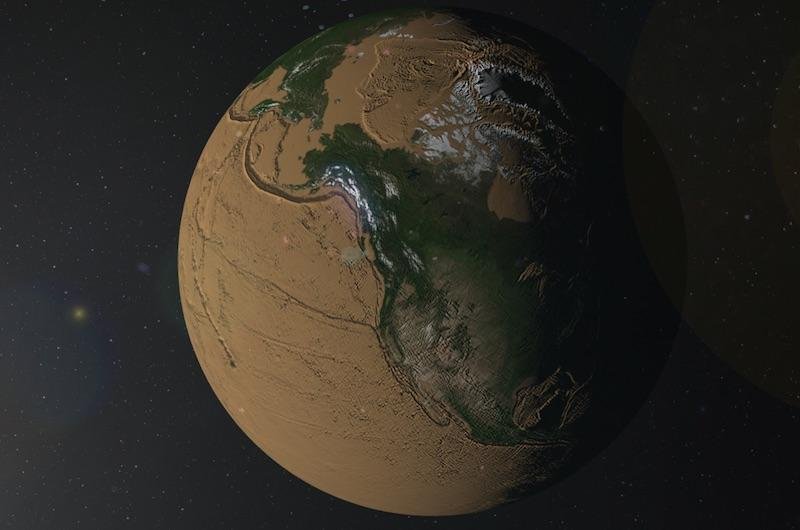
    If all ocean water somehow vanished, enormous areas of seafloor would be revealed.

    https://images.openai.com/static-rsc-4/WdcAGMsMvI1TUnPer-WbsHI1OZoJfDLQxhMmw8H5lVrW30uaOiuWxQWlqE-xfLarzGZa5hisOIWWq0BCpkAXDgJQm3w_YfCpp2JWprWzyxyFzvyKV8C97vOt43T_98PyqBU_FQ0ByAEyPWNxfd-KI0HuMZb4tjm8QgNQAJfqNX2Zrc-mUbB_zhkUgHuWqMVN?purpose=fullsize
    https://images.openai.com/static-rsc-4/T2GruGcWL0budIvyza9R8pfC4a2Qhi-KznJgvS-L1cZ19RM89PwxJxen6F-mvYriFv6utSUnBzCd4mKgX7okkMDsf5xJaZfek_78Qpvfurf-ObEUlpRYd7pIYS-3UB53wHsiyDz1yIfWxvlIHVa6L428dl2l85nwxzrEsrnTxG2Ez_uvy15YgPVkOjaivb0b?purpose=fullsize
    https://images.openai.com/static-rsc-4/lA4iODnxm9RbcAKRv19_LqJZfOzRqz3AfIeg47b8nXQ1bJQHIh5-pgdrBxFCoJN3qcYxYKOGgjnSVumOZdjeH6a5ZWKLaTRhaXLHHvDCcffWlPYaFkdGcN_b6BiFZqHXSbmbk9UKs2Zup6B0TbhfQY4Wxg-LtGnZ5dL8VWfESsq_JmvO6Q8xu8BkW2BLbwts?purpose=fullsize

    The seafloor isn’t flat.

    It contains:

    • πŸ”οΈ Underwater mountains
    • πŸŒ‹ Volcanoes
    • πŸ•³οΈ Deep trenches
    • 🏞️ Vast plains
    • πŸͺ¨ Rocky formations

    Some ocean trenches are deeper than the height of many mountains above sea level.

    The exposed seafloor would therefore create an entirely new landscape.


    πŸ”οΈ 2. Earth’s Geography Would Look Completely Different

    Today, we think of continents and islands as separate land masses surrounded by water.

    Without oceans, that distinction would change dramatically.

    https://images.openai.com/static-rsc-4/CuPrmZRdLcP3vMSlUqYsEJoahM3TQt4c5Bn8UsKTpM3gzcL_o3YcCTdlHmUN-vlXJTHXmG5eeAoHpDOZZvZF_pomThPq_U-Zos7VYDEy5exZJ6jWTjpJ5T2bl_GWse1cP1dEXcau-A0OpIaIwF9lDA_lBAzOEYfFDf-w2UtS5agHZleo_wYCWCtDSTE44Apt?purpose=fullsize
    https://images.openai.com/static-rsc-4/tMylMminsb6Yb0SHeSdSFyQlqYoOoSyiX5goNWlNqekoEYd_ltXnLX3yHGeYPvJLEowwjOnetkk9SFg-8aJjsM3arIK7xXEPLYlSQWWgO8YYvJHft5ItwMitPWH6LA8HUUfSbZsdUj8jYqcoE2sdZZ-eXTGIhkLie1IhlFj1vc5wNhIZgdhhdM97MuWAecFb?purpose=fullsize
    https://images.openai.com/static-rsc-4/2YI5-cyyJEEazQo2OV7nNu2kiE8nl0Lpp4cDEXH7t5TvxGhtgcz-afIzJXNkmSleWmCXlmYLsq8KSTg25VxVdRrWO7rLqm0yxPBUwieptqiy2505nH8VAJXsRtlqw_HWma0GY83haAU2ow3KQNdO-IUcf9XDpX2bFbfcv0RuqGT0L8sZKNL5-oxLBtXIEqOe?purpose=fullsize

    Many islands would become connected to larger land masses.

    Huge underwater mountain ranges would become visible.

    The planet’s geography would be almost unrecognizable.


    πŸ‹ 3. Marine Life Would Face Catastrophe

    This would be the most immediate biological disaster.

    The ocean is home to an enormous variety of life.

    https://images.openai.com/static-rsc-4/2sIC41cAty5gFFi6iK8BOVW5dU1ED4TshI19f-Y3P9XPsK74b1zVzyOMWZ8C6s05fQTczjhyRsllB6FleWTHxSO1-k_3zut7bY6-FaHIOT70V1cSdL6sCakZ0cN5V544I5JgQH_dYFzA4Xd1qSBopxBChA35HDmbDOJbZ8j1RGK6gu-kkc9c800RMg3W6yf3?purpose=fullsize
    https://images.openai.com/static-rsc-4/8_26-vZOsJQBlmuqsI4Skkv0uUpdquf59XwwvWgWrxCIAfEP6NYngFt_Mo560DA7MhmPcnTDfx3_9HpvMeJXJ5Ju3sYjp6FinQCmj6uewgRlnQ5tjeiFJEW23bj1zvM7et413oCRfSLpfZld3i2rGpBUudXuVUvpb_AtyX1DtxLmHsLhEjfJIe5AKMrEO0cK?purpose=fullsize
    https://images.openai.com/static-rsc-4/oYhVnX-xk8pLPyNc2UjUr8Z842h0kO_Ki9XOXiGuIBdjNEW6gN1wuZOSbIskxW8i0yVrYb2lDKj6nrCTx9H8Zyt-Di7NzYWUjWbL7XuVdOud5YCtVLG5ygIbEaTyXZIFIsyLhYhD-_XeEV__iSqIaylhzd9at5QokIDCSeIqcpcwgcl69cnJLcPqZv30U1Vy?purpose=fullsize

    Whales.

    Sharks.

    Dolphins.

    Fish.

    Octopuses.

    Corals.

    Plankton.

    Countless microscopic organisms.

    If the ocean disappeared, marine ecosystems would collapse.

    The impact wouldn’t stop with large animals.

    Even tiny organisms form the foundation of marine food webs.


    🌱 4. Coastal Ecosystems Would Disappear

    Many ecosystems exist specifically because land and ocean meet.

    Examples include:

    🌴 Mangroves
    πŸͺΈ Coral reefs
    🌿 Seagrass meadows
    πŸ–οΈ Beaches
    πŸ¦€ Tidal ecosystems

    https://images.openai.com/static-rsc-4/0L-7CswlhAHmcKIUHqV3UgBqjF_PnyZghsRQZpd0LFiteDcOFK0Jv_z8QBRVCzOzj4Ox2Ih78jZW5A4AenbWcfWcapYxxHaSH9a61y8NclfYodlr1EsNNCFe2TR-1T0zC753x6KHyN4ABwlQoTuIizg3J94Wo1FrvWUEIOqqkeNidCzIikUEOTzMwU3qnTNn?purpose=fullsize
    https://images.openai.com/static-rsc-4/zIBkOfL___1CQrMpGwdTIOjIw2oc0jFRd8gC04UzXrm_FeOr9dfh0n7eEI_lKi_EQzjLW1u6XAh2ElOKNFjTUmo17-jupNzmhDs8LBzQOoTrosPbCu8tizJnoX_DhsqFiGC4kqcuPo2WqH9JGv17E6g5lhph8jPw3LYxiLP3yKIMhJ1Jd6tiQyYhnvOmPWlf?purpose=fullsize
    https://images.openai.com/static-rsc-4/X8v_af2BWd1pThOSzm9NPnVYmq9TmBtilwm8t0_LXVMSt0jGjiEUTG67qlDhL8_T0EA6Y-oS3F3HwQuHZM5G59dD0BS4LyKfhh0stLZJcm-t4X1KVdhLQ14KFF2uAcV53CKejhj_EaTraYyPTN0BVsZh4U8av37_hUQJQ5934GVcnsZuGBNEpuUntqvXwCS1?purpose=fullsize

    Without seawater and tides, these ecosystems would vanish or undergo enormous transformation.


    ☁️ 5. Earth’s Water Cycle Would Be Completely Disrupted

    This is one of the biggest consequences.

    The oceans are the largest reservoir of water on Earth’s surface.

    Ocean water evaporates.

    Water vapor enters the atmosphere.

    Clouds form.

    Rain and snow fall.

    Water returns to rivers, lakes and oceans.

    https://images.openai.com/static-rsc-4/uAmqToMwd3LiNPT3CNQ-YFuzHBe8pK4nbjZCi_iWByKCr6h9u2pYQOBBt7FJX1_Glwcy73UtBLtzxyaIe3vqxtfTIsxv0QQZK6gH8zDKHEzvP2nvTRol7NcKBwe9g0n1Vtfxvh2vmZse4jmacjDpJzotignCYHWQnTkEuCTCqTfvc4vGgrFKKwa3bTaGXHib?purpose=fullsize
    https://images.openai.com/static-rsc-4/UeuaKzIQ5ZYzbWzLeiSIpnf1lkREi5wbRploy5wIDkhTj7Fnpw5DMmjZ-kZuKc8jL1eE-TpitNHl-TKWe5-hXpl75igxiABqdiReKM2L0Mvv6TQna3n-R87canTQ_KDDXAptKr2tNo3QXh-So4NrjAjAxJEESEMdJEwiVsAc7oExXy5TyHC5hfYDhk2NMeJf?purpose=fullsize
    https://images.openai.com/static-rsc-4/gLS8U87xruVyqH8NHbv5HcPEd-ypciviKaujfanfUl8mRl6jVlR3xA5f7I73tnALHBJxVUoFKGWp1w55WLg0macfQBn7yqzqUnJrHNYf4coCdbYDwGLF0fcGTyi-gRnpS1x3njOIBXMbzRFqll9mFPs21bgzNTi0iKPiJjLxI0csG6S2dVU-du8xptt_9gxI?purpose=fullsize

    Remove the oceans and you remove the largest source of evaporation.

    The global water cycle would be radically altered.


    🌧️ 6. Rainfall Patterns Would Change Dramatically

    Much of Earth’s precipitation ultimately comes from water that has evaporated from the oceans.

    Without oceans, atmospheric moisture would eventually become far more limited.

    https://images.openai.com/static-rsc-4/dlxkGG-Qj1ENqfq0cW7S954mtQ_X5TQusr67H1ttsXvZfRyGXamEVFNTqXsjtC1bkg3M8_To6MKlifWs6TVVWk3VxkjyJbhfh7GbU2VRJ-_sOMJKLbVM9yOZGz1O-pvoky1Hx1VmHIorkdVqMx8Z2SK1ke0EGCNz4Z6YyUs22D2PSLNKesb0c5Tlx8VCItPo?purpose=fullsize
    https://images.openai.com/static-rsc-4/Gv4XGkNVmSgi1m-vIJZeXekXdPBkF98N6kYtZ-lrd960r1N8AYOOpsGK9Ej6X9DuaYkGSx0kpObOOfE0ozrK8JxpnoAV1OCGi99nJi0J5MVE-Pab2NNJI3v3VwyS2TyIVAoOj7jg8eGmiGOhtXFK3TVNIQp9PXQMs9WKEtnny9ISzZuFgzNQY6NRVEVSncAy?purpose=fullsize
    https://images.openai.com/static-rsc-4/3w9ob2Srduh3oSn6GqujwOjibcaTDBVqd_8HvnmY5hLE0amUCcT4DYdCiZFBIXS_KkOR2TsxZLHu5JCaUiFytVw9Vp3fdwicLhvGvGCFP9xf9yUCYcIaH1qLIU4LXJhIO2pwujtf30AgS0H7qMT61eiyEiF8uXa_-NG0pCVWnmJJ6cYZtsgF51NuRbN2WAeo?purpose=fullsize

    Some regions might continue receiving precipitation from remaining lakes, rivers, ice and groundwater for a while.

    But the planet’s normal hydrological cycle would no longer function as it does today.


    πŸ”₯ 7. Temperatures Would Become Much More Extreme

    The oceans have an enormous ability to absorb and store heat.

    Water warms and cools relatively slowly compared with land.

    https://images.openai.com/static-rsc-4/KtcKJuaBaCs5deRFD8wYONVu0k6oSUeQMeWg1pY0B62AL3gnBgeHd5lFawtGw7ADZspOoFK-I_t1Ldo864NJ5MkbyWjIWBG9kHdvzDy8xmZLprDv-IVYGyKnY-pzn6oquj02fXySLiwUYioWH7ket5STu09HAnStsQvOvakbdxxIclWkw7A4zoGw9xF57Dz3?purpose=fullsize
    https://images.openai.com/static-rsc-4/LYwkw_encRsmGTPuONvsqtP6n5uBqVnodq2AAZFbPwwJ2wcTQTxiDoJnKCcRrdbJSw0RET-pD5PzaKfYZHGC0RF_Gelo3sVV361P1uEh0EuNg1yI-FkcQa-OzXifvxB4eBJgf_tuVnOwu0CI-0VitBFgkp0dUlhABmaTDMyJL4GTkzq9Dq-aywtC1_UKGcUC?purpose=fullsize
    https://images.openai.com/static-rsc-4/dKuCGHjiP87kf2lIpeowE8Emds2mj9bf6aKTq-SsHOHzCoqbYNe9FnRvc26yrJtJ7yRuYHYIBz4em-sYmRSduiF7ud9VuzYVq_bmH28NjMr6id4O1P5GATj-VVabQGSPMEkv3fyOCFI3J-3O39OZOAKYwSHPPmWiufriPRV81SWxSqBCMCNHX_rzwRRAz2r7?purpose=fullsize

    This helps moderate Earth’s climate.

    Without oceans, temperatures would become much more extreme.

    Many areas could experience much greater differences between daytime and nighttime temperatures and between seasons.


    🌑️ 8. Ocean Currents Would Disappear

    Ocean currents transport heat around the planet.

    Some currents move warm water toward colder regions.

    Others transport cooler water toward warmer areas.

    https://images.openai.com/static-rsc-4/_mstAICtKOX_qJbF4JYL5sYRf6GaN3felfoMahHlsHGCwUqQYnvsNDkb5XGyWBDluE4NNKTJ28jz9tMLra_Yyj2wbgbzbyfoIQH-4K93sz2lm7A__zO1dPskMH0x13TshGY5ocednfLc0MnVYUj4EXWvFBTpDJXnZPEjsGGRD1aUC4EbTQ_6Nckgxa6jQk-U?purpose=fullsize
    https://images.openai.com/static-rsc-4/pOn48kTn6srU_0e_rR1BhJJvTuecESBgkkNFJcGP4EpEqSrQWq_VwZm0xiGdJnREKzU4bXowY8KtYqCJw0q0VpTaq265AKMHwQDP0NUOzfB1C1zAbAAcEITQDTwLS_T0YFevGaJ5HoRVO2bNpLOrhOxqf5qCp2ReBeMQQulsGaj5LmsRXZHO3DpV8q6N5HGx?purpose=fullsize
    https://images.openai.com/static-rsc-4/oF-u6fN89IDIsi53tVsARAIcmakJsiLFDG-1dQdLlHxH2_U2O8bAdY9RQBvsfw8KfY3OQZ-0IQr8Cgz6KR6Gy3RctwLuaSPx5LmH7y6hKn57rSmUf334jYIYJVZSHFEnhwcVPpgjUvvXq52EgXZoDil8W0emF-5pjd7VOHSSxqmcIXilUGYSCvAKSkHgqh7N?purpose=fullsize

    Without oceans, this enormous planetary transportation system would disappear.

    That would dramatically alter regional climates.


    🌬️ 9. Weather Would Change Beyond Recognition

    Weather depends on temperature differences, moisture, pressure and atmospheric circulation.

    The oceans influence all of these.

    https://images.openai.com/static-rsc-4/LRqsrA9IwwFv5sBFAE3SmX7RdMniBsjs4fPfvdBPzXjAcLAhu_tF8DjEWdhLpzmqfLV53rAB512VNAZ2GSyKwd6_p1EHdLpZpzdDatxToy5zPXDu8MApiaTyGcqJlNsju2i9RfO_vm2xFSIB8ZafwSJfZr-RlPuFuzphWvge6c8kPX7WLdEq56ThcSdsgsvU?purpose=fullsize
    https://images.openai.com/static-rsc-4/2URqu55OLQjvJcXDoE6nqoXpKTJN8-8B_gmX0Xqm47JtY5mEe0iDEXq4JSuC-vvwJigEE0A5Umyuumm--DxLYtlYGu8alm6br-xMGcgczQg0jM6m8pE73U1k7wgoNjKWI5eq2OIFwvhdC8lmv1btAVntdX137fyT_cDXIQEnQ-luk4CBa51qi9v6mn6KT5PC?purpose=fullsize
    https://images.openai.com/static-rsc-4/L9X_nh0Z2V-0piw2ljYjodBP5_TjKKvu2x5v1inpzOG_Ezhf1dUOpha31Blv4nCHAnr1xp4elDeNMPst_gVyjrJgNTQvVH8bwADP54WzgIDoqwz9GOB62R5Kz7yWWCaNcF8jWDlxjtXmGo7JP290RbUUaup3eNMhPEk-b8r0loqPQ23s8H2VadAznXVugEcp?purpose=fullsize

    Without oceans, familiar weather systems would no longer operate in the same way.

    Storm formation, rainfall patterns and atmospheric circulation would all change.


    🧊 10. What About the Polar Ice?

    Some water exists outside the oceans as ice.

    https://images.openai.com/static-rsc-4/9Vv5WHrwm3wQWJ-Ew1VpTrqaZ-2BjgEGGTIys4W3yUHVSuIhJfqTaL1C2FnnZIzzh18NUUA5auiQQXeRku_eC6VbHawYxwbQ2R0Dvs3r6a_rBdc0-z0dAVl2uA8_PcFe_EwQ0YO1-anMSH2CdKzzqVSnb96dYs7YpfJ9JDDiqwlLwF_K4SRLD-nXSMwW4MKH?purpose=fullsize
    https://images.openai.com/static-rsc-4/OUiAmzUqlqSD2akEnBT2dWycg1Qa6zGJaunaAh7VQCPNnDDaDekyKJwtPKc_b_IHeQirhSvWJTnkuHfHTk4RL3NWa8tyJxrvTaukvrki4dBexem-LM6pX6jFIlL40EByptKhaaDcOwQTIgbPIvzwjLyaXV0PJMKJAcM8C3SmQ86AMuFBODjvhXanZ9zQfpqU?purpose=fullsize
    https://images.openai.com/static-rsc-4/oCXsT69oLmYN_Pl5f2JfUpLspnOM40snJVHNNb6GT8l7yXE1MhjhS-xpYrjlWtJuqdNebgWaR6cSCBKdggZa-VbCZP8Q0RrKlcwfKdkGHnxW1B3ApBZDu6AeC6lEsolZQ8LgPcuxVv4NjX2V_wk_JePvsrR3DBlaH8esVHu6ist7iO6qNgRn-GsS7XJ8rdyf?purpose=fullsize

    If the scenario simply means that liquid ocean water disappears, polar ice could initially remain.

    But the climate system would change so dramatically that the long-term behaviour of those ice sheets would also be very different.


    πŸ§‚ 11. Giant Salt Deposits Would Remain

    Ocean water contains dissolved salts and minerals.

    If the water vanished through some impossible process, much of that dissolved material would remain behind.

    https://images.openai.com/static-rsc-4/UxOCX-0a_bF7rDMmB3i6AL4CUEbdopW9CW9M_M7KUfb1-ti7T5a8kOZr0QyGFu9IDqC93h_uhY0q4LcryS_nk9RulzIUvqAngb3dtGYOi9PQw_bT9I8PKGjvSQnlPQsl4abO1DgZxOD0Q2Bc8SFyn3Myho_UmbflI8G9YiJkYk7jr6v-RPL4rm6b9K5bzLCJ?purpose=fullsize
    https://images.openai.com/static-rsc-4/qY7OK30bfUgwlutKVqybKmVkYLaKaPGu7uhdzqqRewuc22nf4eqahzvLSXU59yIXIMcp2GnGstOT7qq6jftVo283cmiOCO1S6O3YuLQSwZHh41cMAGeX8TAIaiPcs3PPmUm8RRrcILSjGpf9iPIpNuw1RQwN1N-60_azBAO7McOFNnomRS5o-hd6hO1LAWvB?purpose=fullsize
    https://images.openai.com/static-rsc-4/W3sqIvNEccKUiejSAdNGZVHDj7gJqCUUQLzSrprgr3IObrYlMelQ3mYoKQmmUlzPVF6b0mhr5nN4hn6TGn45PIsYHHCFCZ6cx27kMIutdltvprnOvn8GbQkkvhdVy8P9hJRtp_Grlt24mapW09yQT9aXeqyF-O3w8UX2239T90waJ4WdeQYEQtdNjt8cuPAf?purpose=fullsize

    Imagine enormous regions covered by salt and other marine minerals.

    Some exposed areas could resemble gigantic salt flats.


    πŸ™οΈ 12. Human Civilization Would Be Completely Disrupted

    Modern civilization depends heavily on the oceans.

    Millions of people live in coastal regions.

    Major cities and ports developed around the sea.

    https://images.openai.com/static-rsc-4/vE71FqO0YqlkJlirYC_3cQdXHj4wzZGa7i-hb1xr14ti9Kj12SSMMPymT53tst3wK5QVgYcwC6QR0mxXZ60QaTl--oG2MNWWFte-XCx4df1NU9OrU2ZXH9Y1sBREUN86vRax-15uE2Y9yPJrfPJTClw0cndscaKnVIO8pG2vUvJa64T33nvHYBb3-P3zJ8l6?purpose=fullsize
    https://images.openai.com/static-rsc-4/ORnYd0HCMFEuh-KXS9qls1ogeQ0WL6LN9fPv64OrAd9kD42ncducXOc4SLYOyzdb8UNCRLIP7OXWTs7xpV4ia2t9cHGMYf6Y6GVrm6j1NK6SamIC1HQYRUnBhu7N3R7lbDHe2yY86sZENYe-q7TvLvYh7aSWBLlQI68KB6ddOlHiPNpn_KclwcwY8CzqzwKJ?purpose=fullsize
    https://images.openai.com/static-rsc-4/cnjApbZUe4_PS4sPqQX00ROC_gJUY5miZn80MCbkgfYSiHFIinQ0363ttpApbM0c3BsUCN8QnWFftywc0dVlk7WtbbGdX1SgxFR8bUBCahhdQ4uPEJQ8c2s_WxoqnRtD2eTVOAUYQbdri95s0HffJyH2zEGHM7bU0RCDGBPjj7x7fe4ZHKmWEO6dDGaFSdnN?purpose=fullsize

    International shipping would collapse.

    Fishing industries would disappear.

    Ports would become useless.

    Coastal economies would be devastated.

    And the environmental changes would affect agriculture and freshwater supplies.


    🚒 13. What Happens to Ships?

    Ships would obviously no longer be able to sail.

    Instead, they would be left sitting on the exposed seafloor.

    https://images.openai.com/static-rsc-4/YkptOHX-Nr3e1efQA2Za457SmPZsU3eN16B8Aa-9dAfVtib6HfByE_Jp1TKSuMax5Hc3OQZlPUbCLeKGMOr_3Mx66oPEY6-kTvZVYKI3E94htQzAPyKsXxq4-cs58HA4YjPApRPnxQgdbM0oIqRQaY_r08JxSAcVAjxHMC_KCj8F9o6UwTHyRvgyTc4qh3rn?purpose=fullsize
    https://images.openai.com/static-rsc-4/P92GkaVc4gSdmDCqzAyYwuF64RzqkjXPcHaqVTEEr3bqdKpcpracnA4F9Eh_k5aL1ThAUriYYBDYsU3t5VhX8ScKiCDCZ_fGiUqwUqZVX3O2pTNFH97aMKt5HA_gmX51a0B6zt4dv4wYsSLVl0zpyVb9Rwtt07kM8Fz6mVE3UyOLZEBD86VrE2F8ghrIkoZ5?purpose=fullsize
    https://images.openai.com/static-rsc-4/_Rk0Vw01jO2H0E3Rk6t169lasgSrBQ1OYhrgpKYOK_JTykdtMm50kmQFDU0IdWD-XxLEkhIyY-DRYW7XhDG_uFF5q9RZ4VUGX1wMnoUiZea49ge_Nd3pCn0nBw-MtxN7NxaysjGmOOC8ccQJHgOjcFhSr3t2LX3LAkDsI0RLcfTz85plyk9EuURj4eLyY_Zc?purpose=fullsize

    Some might end up hundreds or thousands of metres below their former sea level.

    Imagine walking across what used to be an ocean and finding a giant cargo ship sitting on the ground.

    It would be one of the strangest sights imaginable.


    🐟 14. The Fishing Industry Would Disappear

    Billions of people rely directly or indirectly on aquatic resources.

    https://images.openai.com/static-rsc-4/y5EKWIHnGtrXfJer22Ki7kfWYGEK-cuaBV0rI58mdd9UfpbdBqURSJqs1GTU_c6gz1R9Wpb2leMF2u6QpSwCXOx42sxPRUy8aKTB55iW4CX1WPj2OoDBuJwEABFCZ-UU5fez5DTUQMh_AWnJAxGtCiI1Aq8olfePCMxQtHGHAZsgmZkeYK1EYl--2Jo0U6_X?purpose=fullsize
    https://images.openai.com/static-rsc-4/S5eNt4t2kMmLuUQJhdr7WURtVhJ2Ca2FBPAJoxe5UlprWv6rEw2tXFdp83SWLRyZ9lDyIuolPfZCY7quSQ6pZ6jfKOIrflIaAFxwSJg2uPChS3XCGc1vZGwCNOrrOSbhlTuTpuTU_8sQ1hCX6H72JMW3BstIvlbg_2JtdoFP7lb5cPFddWFh4tErOaVtjn12?purpose=fullsize
    https://images.openai.com/static-rsc-4/vCjj3iy9hHmZALVMI6mAyHReTXuRB2QqCpR2KXFlBB3KwhyukYnYV9_1Jwk9VLTYCJ4NclNVE6bK_Br5ihtAB-jWvQSofNQkAb15TivUI3wo2oD7yp2wkoYxVF2o58IQzlicv3Q1--NAagHjUH3o5HAh1ixW6SzxWmjVY-jvL-ZqM1b5UcR368Fb0W7xhMzv?purpose=fullsize

    Without oceans, commercial fishing would vanish.

    Aquaculture operations that depend on seawater would also be severely affected.

    This would create major food-security problems.


    🌍 15. Earth Would Lose One of Its Greatest Carbon Systems

    The oceans play an important role in the global carbon cycle.

    They absorb and store large amounts of carbon dioxide.

    https://images.openai.com/static-rsc-4/IzazbqG5dgAFS4laQOU-Yb13lv0i0gMyahwHlt4grt-1AvpD5gsj3D2XXdjZBQPsmHRxieweCZrBMsTm8Qkpq61U5qv6DtTtTLZmvcKJb4eHTH2EDfm3YVTfELguelWPnwMlvMW-vUOhr-AerftGgscw4kISiabOROx5K4ITJ3P0pGokwgQIBYB85fEeB_QJ?purpose=fullsize
    https://images.openai.com/static-rsc-4/sv1aZkQTKr5bjzN00cGgA8bBLyT43owpKyPaL_bveSycpp22_YrOFNq2WU39540aLyFWuk1rH7KtEqjv_AcwF82Rs1n-EVqgphWS5SSsnLvTugI9CILQuBldkGJW2MefSbCYzBQ6q_BgdoJOWNQ0d4ElnM-y4C9Nnw5ZrMIm8fKY8He5dL-f_BQ03G0pphcY?purpose=fullsize
    https://images.openai.com/static-rsc-4/Ueu_qBoIVydw8siegGXvqRXKgnDwZ09ws1vHhwpObTuUWGjUPeJeLDxmbO5LkjRu4o1k754Jal3ZYMhfgHqhqVHVf76V3NNGDdINvhZsll9-KdVXYSuvUYnGsbsr9Rq71-mG3_Ryc_h7xQUzH5wYTiF5M_xUWxtYB8ruG1j72VWTWxh2r32s3wCDMhq6R-TC?purpose=fullsize

    Marine organisms also participate in the movement of carbon through ecosystems.

    Removing the oceans would therefore fundamentally alter Earth’s carbon cycle.


    🌌 The Most Amazing Part: Earth Would Look Like Another Planet

    From space, Earth is famous for its blue appearance.

    https://images.openai.com/static-rsc-4/J4T_KKUyX2OCDzsiBXAePphOFmWPLIV5Y6XTprvoBgz0rNbkwMLt2XBq5HCNoYWSKHRFjfR1fds7ygQBRwC6Jp-OromFiiGNtnE0g7BFObbH1uzy5UkF7AGzQh4vbR9F3SykIPzmoFZY-vHEy2_hlY2SdvC0dacUx41kQkBj9XDQ8kZPlMtRVWZwC6edUy6L?purpose=fullsize
    https://images.openai.com/static-rsc-4/-BzG-zMyPSjCtnAMsOUVptSt2FLxln8X3sOmOpKd-BozhGJbkmqElyakJiBHgqn6PE7ADlUKSReC1qVxF6d2KvDzy3_w5tkBaJvovaKSa3BbvkAYYG_6YbCRdub-iM-J9JnSQr0xsMGneIHlTM1gmL63Jp0T7Ay3ZcuRnowCHahUyHgF0MUHCWAuQO9fWap4?purpose=fullsize
    https://images.openai.com/static-rsc-4/3VFLnr9elFlZwqrazC8h8oqDIYWyXNaQpVXwwapxLvP0zvRiMJsZuHCI08RGlCaPGPmP9FXgnULC7ruD0ImYdVGKvMxzWlbNZAKq_eTHzR1STM1f72GFOqawVcTsXVXwTMMtFByEOmILJDnosZGygFdCUa6q8OOwSrCPxM47KT463qUz2z5ZZDzzLiNwHmxy?purpose=fullsize

    Remove the oceans and the blue planet would look completely different.

    The continents would dominate the surface.

    Huge seafloor structures would be exposed.

    The familiar blue-and-white appearance would disappear.

    Earth would no longer look like the planet we know.


    🧠 But Could Earth’s Oceans Really Disappear?

    Under normal natural conditions, no.

    There is no realistic mechanism that would cause Earth’s oceans to suddenly vanish overnight.

    This is a thought experiment.

    And that’s exactly why it is interesting.

    By imagining an impossible event, we can understand something very real:

    The oceans are essential to the functioning of our planet.


    🀯 Amazing Facts About Earth’s Oceans

    🌊 Oceans cover roughly 71% of Earth’s surface.

    πŸ‹ They contain an enormous diversity of life.

    ☁️ They play a major role in the global water cycle.

    🌑️ They store and redistribute huge amounts of heat.

    🌬️ They influence weather and climate.

    πŸ§‚ Seawater contains dissolved salts and minerals.

    🚒 Oceans are major transportation routes.

    🐟 Millions of people depend on marine resources.

    🌍 Oceans play a major role in Earth’s carbon cycle.


    🌟 Final Thoughts

    We often think of the ocean as something we visit on vacation.

    A beach.

    A place to swim.

    A place to watch waves.

    But the reality is much bigger.

    The ocean is part of the machinery that makes Earth the planet we know.

    It influences climate.

    It moves heat.

    It powers parts of the water cycle.

    It supports enormous ecosystems.

    And it has shaped human civilization for thousands of years.

    If the oceans disappeared, we wouldn’t simply lose beaches and fish.

    We would lose one of the fundamental systems that keeps our planet functioning as we know it.

    The next time you stand beside the sea and watch a wave roll toward the shore, remember:

    You’re looking at one of the most important forces on Earth. 🌊🌍


    ❓ Frequently Asked Questions

    How much of Earth is covered by ocean?

    Approximately 71% of Earth’s surface is covered by oceans.

    What would happen if the oceans disappeared?

    The climate, water cycle, ecosystems, geography and human civilization would undergo catastrophic changes.

    Would all marine life die?

    If the oceans truly disappeared, marine ecosystems as we know them could not survive.

    Would the continents become larger?

    The existing continents wouldn’t physically grow, but enormous areas of exposed seafloor would become land surface.

    Would there still be rain?

    Some water would remain in lakes, rivers, ice and the atmosphere, so precipitation wouldn’t necessarily stop instantly. However, the global water cycle would be profoundly disrupted.

    Why are oceans important for climate?

    They absorb, store and transport enormous amounts of heat and interact continuously with the atmosphere.

    Can Earth’s oceans really disappear?

    Not through any realistic natural process that could suddenly remove them. This is a hypothetical thought experiment

  • 🧠 15 Strange Facts About the Human Brain That Will Surprise You

    🧠 15 Strange Facts About the Human Brain That Will Surprise You

    Your brain weighs only around 1.3–1.4 kilograms.

    Yet this small organ controls your thoughts, memories, emotions, movements, language and even the automatic processes that keep you alive.

    Every second, your brain is processing enormous amounts of information.

    But here is the really interesting part:

    You still don’t fully understand everything your own brain is capable of doing.

    Let’s explore some fascinating brain facts that can make you look at yourselfβ€”and the human mindβ€”in a completely different way.

    https://images.openai.com/static-rsc-4/Ih7uFHD3eQowqtWxwGkkpssEA--EJekwmUs7H2vubpXNb4bX184fiP00xpPZ0HeD5DZEdhB3h5rFuQ8u15Du6fdC71nwtGOSqhcnQwY4XgeI6FaZumtokPVZaI0B8nX78WbK8Sz0_LDoTsrJ33ZirVlnb8gGT0qy8UH-UdPmAAl0ujv5h5pSASPMtZja5ALF?purpose=fullsize
    https://images.openai.com/static-rsc-4/xuPs9TiOAWsS0YIeLWqkOzu45PFaQuLEWxHqs9DUO6kOUQSppddw_krjUZb1eyUiM9gSX71q_Hoq3RGqXsL4tB-1W4ks1WDU0Mgod_12ElV04ByEjQ5Clnf0hOFhOOCQsO8ZZ85kwjT4l-ReMr_-zMMoJvXQKsoN-eQTZvAyQnAvLwlUyBoE1pcaAhIiLwsM?purpose=fullsize
    https://images.openai.com/static-rsc-4/kQCcfQrPMP2V0EipGNwtDXemxXKjw2URso538wvV0Y15AgmMaGujGzqkLc7Uv3YA9Aa8BkORc0RBLwtzFiC7yiphsOcONb5KKAfDRXttukKuPIhh396dWuOIf8Q3WD3n0WaH5pIY_m-pYyULh7i51HOR876mvBHSCv_EzyVZaK0ifqJ3MVZj_OqYfY3lxx4f?purpose=fullsize

    🀯 1. Your Brain Is Always Working

    Even when you’re sleeping, your brain doesn’t simply “switch off.”

    During sleep, the brain remains active and carries out important processes related to memory, learning and the regulation of the body.

    https://images.openai.com/static-rsc-4/x8pmbxEkXpmsUn3IJGUMctlaPSiqv20lO1FxsAdIDrYOULRz_Y-zTkH2yH6OMuMdtzfYyQ3WThGM-SQQUULMk9OBtu18mCBVsLyh1SZ43z0M-b0j0Qp0YaJ-Ydu42OhbAwGL5m2zruvTVsaQANcUAgNDYjvlAmVs1JrhXIdRtqb1hYBeuOOL4pvqQJRAdRir?purpose=fullsize
    https://images.openai.com/static-rsc-4/pxRmvGAsacestDmQbpsSQNJgHCe4BbgWwEn7GvgD18G52VEzIH8WoMW135h7jXVFB4rY62aFW1pWBvckm8L2QJcMjaiECJoOdQyphdGZ7Yx2ISPWO-VDLpdTEXvUsM965rLPcZDxPgLEngDD4vXPkv1a526X4GNSSZXV0RK0TvLIk9jz9Ft2sLAdUL8fdd0_?purpose=fullsize
    https://images.openai.com/static-rsc-4/9ffki0BeQyvZR9_uuwqioxLc2ww5X1b1xPCVJavzW9a8yoN-cSM6BuoUuW82RF0Xsw4lB4OdeOZYwyGDudxNytA-1ufF2C1cFQfAofAmrGEbra8LpVok2mYh5MX_L0x6XK7VdCNkH6Iu7N6xUvwd2BhrCLJFdO-2qphPdS_pz2Ox0_M8x5jpS_Cf5DndlP5Q?purpose=fullsize

    That’s why you can wake up after several hours of sleep and immediately know where you are and who you are.

    Your brain was never truly offline.


    ⚑ 2. Your Brain Communicates Using Electrical Signals

    Your brain contains billions of nerve cells called neurons.

    Neurons communicate with one another using electrical and chemical signals.

    https://images.openai.com/static-rsc-4/ZU5AbXcYjJSstcRaTgCSzZkY5brQiE3A1p8ud9tUrBY58wqfYi0rtaQxq4SM41l4IVx01aXMXWay2lmVQWFl7M8471ixCYu50BmCZ5En7yONiSfCoZbUw9g9XT_u_dBWgJyNG7xTivvEJlSir8oVcCIbW_FCJVKbKmcXRVMkNOkpRny5t5yiqS5bmJV8B8Hb?purpose=fullsize
    https://images.openai.com/static-rsc-4/oXX1o-KGmlv8FDFgEittJfUM0AyMX9Bf6jnL1VH2MWQ4PeHUK1q5_8Vs5OOxF5yFnI9x4yiIRrAEwimuLVQpSjp-1RsEKtMjNng_XLst9RG-SDe3FRZfZabVBdb8jFyACQJHMR6oVfo3t6I3O41xExkX8mEP-TTO0bsdN35cxwzvAjaxbWqXCN9UMikPHnmc?purpose=fullsize
    https://images.openai.com/static-rsc-4/6NSYwqRObLq0EAq1L-c3gofqX2ebiWqSy-KlWGPlXJqFfab4vMbj0EITsfV6TQj7-5HljaDatf80sjAYzybUrF21RCxFdMRBjHZT-CF1ZgqDs1a-erQk2-1yrActR7SC6djp2WdxGl48VZ_NjSzYZcBNK2PwB8Zr_GDiFRADkNjRPr4xRUut0rOwfr_nUoWe?purpose=fullsize

    These signals allow information to travel through networks inside your nervous system.

    Every time you move your hand, recognize a face, read a sentence or remember something, complex networks of neurons are involved.


    πŸ‘€ 3. Your Brain Helps You Seeβ€”Not Your Eyes Alone

    Your eyes collect light.

    But your brain interprets that information and turns it into what you experience as vision.

    https://images.openai.com/static-rsc-4/JZzCqHLkE_ctUgu9c-MOIFGM1uw9xl6qdIvicNS5OYFBr-atpNYNpox5dabhkJEw_jTI6aQ_wbRzf2q0ybFGZpup2LkFZ11TZUgsaMnjOuVb2vrHYr0yC1E5_fpr7EMgxnkq5TWbCRbqdOuH6GVBXByNoy-eqb-ZBFgbCZicWONcyZ6vCxEKpWAwAJwIR7w1?purpose=fullsize
    https://images.openai.com/static-rsc-4/BYzmxGLfSYipv3MWEESrs4qomxRquAJsVAiZABxj5LhQRXk4v93vy_5LSjB--XENJAY95uFKMwdU6rZdFR5LPUhlMPGZ3s11hOctEh-Ace2xjoo3RmpGAAhGhFzY8pFXXP4IG8_5KLMjgPmnTVXDrnkIqPpEZDTk5HlabyxHR7wT7tqoraNkME6g7dsMKYxc?purpose=fullsize
    https://images.openai.com/static-rsc-4/SW4YcPOQA5l024alpCvLUZZx3CwYJ8mrpvg-1goeWnidiRzT2O7UCBqICSnyxcQgYVGYw-Wj7Cc4t82kiHMq9-frKAJOeRj9Sr_mOaaNOLWGnxfo8JyiOr7BSX4RiMffJ_3eD8F2dfian59T9ON5R3aIU2lK7XEK_packNxsCgJ-HTgU2a1KfqqRUc-w-YXs?purpose=fullsize

    The brain has to process shapes, colors, movement, depth and countless other details.

    In other words:

    Your eyes collect information. Your brain makes sense of it.


    🧠 4. Your Brain Can Change

    For a long time, scientists thought the adult brain was relatively fixed.

    Modern neuroscience has shown that the brain can change its connections and organization in response to learning, experience and other factors.

    This ability is called neuroplasticity.

    https://images.openai.com/static-rsc-4/h2w4xemrwpWAzQoicpnnKv4n20v4lqTr1lz9DXVZSByYXOVHfF2vk6D2Jlw5JZbx21Xj3Zoer0PYz16i3ZqVKlIInWT7IkFz26lxgOhShkZKiniHsmfiFs2giwTivOOfGl266fRswF4acdZKpmfSgYnT15hO6WtMlfZ_CeJhK-I8hT60j5P0FBTZrw4IUfuv?purpose=fullsize
    https://images.openai.com/static-rsc-4/xvIVv7yyk9v00vPcjam7OJs8BM9HhMjyq3VY_6_nOMbohEifUQiMbOhparxi3Zy9H96koZX0kvf7D0ldixhkwULYo_mW4a05iyJQnfso857XCeRpPd7CwFspX8ctkaDwDwfbGB27mT7Gh1iirfkcC0MFBkI3lyp4wmS1K_P59Fo2ZpUQ-Eqc2LTXyLqPZ5kB?purpose=fullsize
    https://images.openai.com/static-rsc-4/Qs7wqUxGt4BsvyqqajwRVadkhYEDCE_X8b648FkJ1UMloG8JNupon1TFkbk-K7VblnJTmgMCn5xWz6N49QHRnhIfukfoJsKoDGj1Yp1lKmufxgZTTntcTLSTLaacBLWBGwDe2Bee2IxdN0cugBpF6yBdl9bLDiy9u3NTQ7tod0ncmifsP-bH2GZd2GvCOO_E?purpose=fullsize

    Learning a new language, practising an instrument or developing a new skill can involve changes in neural networks.

    🌟 That’s Good News

    Your brain isn’t simply a machine that stays exactly the same.

    Experience can shape it.


    🎡 5. Music Can Activate Many Brain Systems

    Why can one song make you happy while another reminds you of an old memory?

    Music can involve multiple brain systems related to hearing, emotion, movement, attention and memory.

    https://images.openai.com/static-rsc-4/6PSg6dbeYGVH9QlE3bI4mzH68HL981-gNpwNsmG95aJ46NrcqfCg3eVGM9iy026VFRDGAbnBbRN5D-AC2liD4_T9uiJpyh0R-4nDGNeOAODJu0qdybRGZUSybpIxV62hPY0mX9sPnkNdt1XCY6qYu3VOsEC4VIGq-4wWJmd3ujQBexc7WyFX8Yz4G1ivOtVg?purpose=fullsize
    https://images.openai.com/static-rsc-4/65w_0KVOJXYFs1ukFFguNmyfXOM_K1-zllqus_xCi6IAeBoE8uZKmAe-ri7zqfE3PaavruF_TBeDFTC1VrD7qnBBWYgI_Tq5-uMwqCIh_z9dLelFtJEbrjqn-AWrh5DbBpDluBWqb6uj6O7drJDAxqP2hSrDJ20LSv56A9duu_A69IEQUiQdYZ_Pp0L_gGrF?purpose=fullsize
    https://images.openai.com/static-rsc-4/lGcacyGtFlY8zyhv6Aub33JXqVnvId-7RfmGDIjjPZFTxcMDUHjXvXXicutHvPBV6AWI_zh6_Ns3BofqWou4rEnQ9q_R7KLxLzXrIMk-Y7dRn3dtGhuqgx9RcmuHSExxxp4yCI7gcHHrMUnxDqtdIh1tGvYzj_BcqqoadhXpr-OedfHqXDh9v57uasfUOCQe?purpose=fullsize

    That’s one reason a familiar song can suddenly bring back memories you haven’t thought about for years.


    🧩 6. Memories Are Not Like Computer Files

    A common misconception is that memories are stored in the brain like individual files on a hard drive.

    Human memory is much more complicated.

    https://images.openai.com/static-rsc-4/rY5IRis0YhaPBruj1hmmwl8RqDr4stQhhP0oqHHIk4Wm1N-3dnalRLaWZcdl14Z8d6Ot_u6RAkGrNxEhHw_WgstVjYYgUSnEfnTlW5xH66d8RE7okI1gNYSI-2mYN11DZeweGq5kcPDIf36cwnFwg-UQvDzqT6pj6fk1ZDnEpZ8TPpPgWoopDKTaL5LCmgYI?purpose=fullsize
    https://images.openai.com/static-rsc-4/Vcq0pL7CxPSUJrbd9rAHGgSb9t55KxsXWpVzlde2-21bFRdA2pLtuPF-wHyYY1y4deGQBC8l2WfKnJnAuYtzU-3S7KqvF3CMtRxWfJu0PrH7j9eqpB3YfDgdh0j1LB8amIeGbZVopIrC5ls0gjtXdzXXviGyr2smPBMA5BFUyIbHGiqdO_S_gtjU-Jwie4f7?purpose=fullsize
    https://images.openai.com/static-rsc-4/ajhc6mYugYmX8ps09wFvSSr0dPQ7sgk-5ZQYAm4OZYHMwis4bX-yG6zAIncbNV8TYYze4DOLT893LtaDa2XFTBOlKKAJGVdq1hjnLQUkqWhEW7q9MH5tgLcyJaS3YP5I47uMM68cak3Q0G1p8A1y-OGOwZ4OoalUWcKYXEMzWfsc4Jch6z-dnPUs2Ui4Mrpx?purpose=fullsize

    Memories involve networks of brain activity.

    And remembering something isn’t necessarily like playing back an exact recording.

    Each time you remember an event, the brain can reconstruct aspects of that memory.

    That is one reason human memories can sometimes change over time.


    😴 7. Dreams Can Feel Completely Real

    During certain stages of sleep, especially REM sleep, brain activity can be highly active.

    https://images.openai.com/static-rsc-4/fG57S_BC2qlkqlzHCFzQRADnn_AZFkX4Z3P_B92RnQEFVXM8X6YFcGbJRDaizdOmpd5L8HEiDS8Jdba9VWm6I2iEdZPdmUnTWC853L2W5UvoJ_1BNKARTqGDx2xq6lIlOhZwvxR-wIuR0qUkwQmq5Yx8cBM_TeG6e83Urvslx5zxlyLmiEmKe_UAG-xKEns7?purpose=fullsize
    https://images.openai.com/static-rsc-4/dFtRuGDUUf2T94hVCHMMP3R56BVy9Fyu-P6Z-I29J0uwVWBmwmWH2dRwLR8GcJ515fkuc40-u8l9m9YsgDAzihw3bgsimbR33QIVLDJnTezpgfXfHcSTovFXupz4sfCiwukLPhjJdK2T3uyHPN3D7goDGdJrAphwi7O2uW0I90wGoow4nvgCc1n3nKvOCgGg?purpose=fullsize
    https://images.openai.com/static-rsc-4/W9X_KU-NDxEnz7JACdbJnt33nyNSoRNn2w2a09cFx1nT-uk_iNlZumXHnD4jw0-0su6uZUAc5D6HN2wDyzCTUL2_slTwd3GNH0-WiuP38CTNn9kIqaR49nW1NqF03e-w23Bljh1GFRTDPvw9BEaFgU-6EYIr6TFbQW2kCRS61FObc6d_s5YXzkStFod9mgrL?purpose=fullsize

    Dreams can include people, places, emotions and stories that seem incredibly realistic while you’re experiencing them.

    Scientists still study why we dream and exactly how different aspects of dreaming arise.


    πŸ‘ƒ 8. Smell Is Closely Connected With Memory

    Have you ever smelled a particular perfume, food or place and suddenly remembered something from years ago?

    There is a reason this can happen.

    https://images.openai.com/static-rsc-4/WcBf2hT0dGbtUFhA1TijBbjtqRp2_dZMKOifHt9ac2FIDHkr9KKe-E9um0nVguulzZr6cnpMZZzlgOGYX01l3hoIn2b-gPJf3UjssVsVX1aWBoQQlP2HKhybeGPh9uYNF6FuaUPH5lSVycihkn5Av-EdsgUNwdEL2-75bPZJmloBXief9VwJ3J7b0AbueSjy?purpose=fullsize
    https://images.openai.com/static-rsc-4/j-d0NKtDD796Vlx6unwgB4j8bMeGz8gZawh5aM-CDaYj_1aTi7_pzp6MHmIaCCJsWyz2kJtkFmplWwcMcgX0wuC4drbfl_kGpX7AZmw-FyqUhnebB5eSPfSZ-H3uXHgVwjo01jGmg29euWjdtaWB4zvPHUyaZH-PCCeB3QZCBtkKnPHzaf32cnjRQ-upKGT8?purpose=fullsize
    https://images.openai.com/static-rsc-4/DTjHAl3EQzs1vWQoPOFCAoGMsHiMPacNoGXktmgqEck8PhJeveYjJpzNEsXDzFPgrePJauVdHOiJLjinxkxDtAmXYE7zqoGq_ifmEGi3Mk_Ditr1FuWTInJ3aZlkcjVLIGyP-waACH21IZ6Hg7QmhRJxkvK92d-iy-ejUOfEWal2eT78_VMYLxOUw_A5u7BL?purpose=fullsize

    The brain systems involved in smell have strong connections with areas involved in emotion and memory.

    That’s why a smell can sometimes trigger a surprisingly powerful memory.


    ❀️ 9. Your Brain Helps Control Your Heartbeat

    You don’t have to consciously tell your heart to beat.

    The nervous system helps regulate automatic functions such as:

    • ❀️ Heart rate
    • 🫁 Breathing
    • 🌑️ Body temperature
    • πŸ’§ Fluid balance
    • 🍽️ Digestion
    https://images.openai.com/static-rsc-4/dUx179lbK2m-NaHVe8Pj-D0gGxfIXOTK085jSAtRb0PuG2CLVqGt6Si8ZN6gWGoWLaoiDLxrH2iXsbDgxhyDFV4gxp9V0NhGCW24pUdX1oEKADLzSDcpF2drrHlHhzDhBfe1E7ArXNYpoDmtC34zL2nx6cveIvyXCi3fwXHkl1SC-GeIcjJn_ODOoPVfjwS6?purpose=fullsize
    https://images.openai.com/static-rsc-4/NgnkFpuJtaPiQzVVRgt3j3cPSwtLIfaMGDwmcjWM5f3wwxztWuZt2SEBB73nk3ffXLSvNuXuLrot1if07AvC0lASQSe8N_IsRFYiJchzdUvB06eTarbGdHp-_cgrCyu2dyxtzwCLiGsOT-FOCQWF3IrmZSusmbTTZxEItF1h2GsT8CVHlRxTVv0Ew0xqtWRe?purpose=fullsize
    https://images.openai.com/static-rsc-4/LjYh80l7bOOkjWp7X9o6NflQa-VuNoYe9t1sxXaTvmlj-hm7qzeAWihrFakNheQHIYG-TJcmmU7v4XtrbJ9P1SBkgqqzLe0-qTcguy6eAR5Ba894q505TA-Ut0wShktTkcXspTKbyblExaX7CfBdKGLK4pT6ZDyg_OQICFf2DYRnbDUfm5t02udAilet1etl?purpose=fullsize

    Your brain and nervous system are constantly coordinating these processes, even when you’re not thinking about them.


    πŸ”„ 10. Your Brain Predicts What Happens Next

    Your brain isn’t simply reacting to everything after it happens.

    It also uses previous experience to make predictions about what is likely to happen next.

    https://images.openai.com/static-rsc-4/WRNSacZkKCqdJTbGoKdJcJK3wGhFZLvOFA-w249yby5piYbIeTmMIOKwpWVNgrAJliUx3IGJ6IJ3OCZjO5c6XQ1OzW9c_2P64h_xZ6KJX0v0Bo3-Yw97zQICKq0bYM4VZYcrF2KiVaVPcktLOTsccjmCSXpnqPMG-5ii9Nbv800r9qDELUaL8r03iHV28nfP?purpose=fullsize
    https://images.openai.com/static-rsc-4/Q6ZEjwAShYeuGS1Ht4lhR2IQcRwY5Q8kLGy1OeKmPq-TWZyi5R4K82pY0gOaTLkWV0_MLDoATj8Clj8CcHEiAUJ0jQlQJF2ruynuU6YkvVSfKUnMSef0xzGYLiK0T33sXnCWuHYrCyw9RnFJ4dje_7oCberlMqQbTQ5imRD5jD6QGHNkNrtgiQDMt8ZtVxBr?purpose=fullsize
    https://images.openai.com/static-rsc-4/Uzw87qpn5OfYlQiE3HBqPIk7I1O6XGmdY7nrlPyo8mOEw5k8fIxLPufdk2KoOweN3dgbHXiBubWxsjyQQgtcoCpTjjH-mVzA1twMwQPkGLYZpQj_rhARVkKkyxACNA4grilKjPyC7Xq9MGXL4bEbYzTqn-6mnsObxbJRX0UsbNiUeQih6L2-N8pxqDQacpd3?purpose=fullsize

    For example, when you read a sentence, your brain is already anticipating what kinds of words might come next.

    When you recognize a familiar object, your brain can identify it incredibly quickly.

    This predictive ability helps us navigate the world efficiently.


    πŸ—£οΈ 11. Your Brain Can Process Language Extremely Quickly

    Reading a simple sentence seems easy.

    But behind that simple action are many processes.

    Your brain must recognize letters or sounds, identify words, understand grammar and connect the information with meaning.

    https://images.openai.com/static-rsc-4/FAj4LPPhxXcHaM1fA2NWoEZpF0AeoEt_T-wnYdoGuAjPvAu-5eSuAA2BQU3mPTpWkQ9yj7g-uLD1NOdVrAx3LaIBelsT9LAN8vTdwfDz4PvoG5TexM-4ESB8-fA3CVqj-nOekzspIhtzRKEmPyIOXeNqW6u-mMsoupDzi5ariP-R0bYbgiNWHfWG3Ghpioa1?purpose=fullsize
    https://images.openai.com/static-rsc-4/IAoBWQMHs_AknaczYgbGoWvkZnsAIj0kDcJz8Hzxdy8RCjP3zPh8Wsfbv5e-J2iFs6OJbOy-KPNT6YBqgRbf4W9pPCza5FJdoDJWObZfQhGZCSXYSqDvwoyyDztpbt9drpBAQaqJ92xgrDgJ-rHygQmpkbVXlTr5w93drou9EVEuimnASKaKypN5gYruZCdP?purpose=fullsize
    https://images.openai.com/static-rsc-4/CNUJTu2T4xFkjeu-05iPXB_4hX9FZ60A7qq7P1xvCiTvDU_7OeyXpifawvP_tQzU7KDE25npra3zwcY8UWO0oY5bq9uPi3okFiwgDIjGeWfTrJ6zkziFG2yfphZsFHY86opFkgHrnw7qmTgJgovnJ-jqIjUO2wNL-0F7jurirRXeHbjlD5x84oq1yCW7vjxE?purpose=fullsize

    All of this happens remarkably quickly.


    🧠 12. The Brain Uses a Lot of Energy

    Although the brain represents only a small fraction of total body weight, it consumes a significant share of the body’s energy at rest.

    https://images.openai.com/static-rsc-4/zzxS8UDTJYcCe6zpZKdXxKV3yVe2HftZ8HUFGqjGoL47ZUgBYd4TK5KOqlgzgkV-qxd5XwYQct7gPDIMHSO8C0PLdLUuXs8RWmLTAW636JjOIevdDXBsj2GTWSQksMCYHew24q-KI3HsZPFCOPJc9-U6HaEZFNxzMs6irrMy_q6nxmGYnBxpFpkHmMTtIUVa?purpose=fullsize
    https://images.openai.com/static-rsc-4/OEqlyAAAeruTxojx0qxNmdLNW8QP6L5Q7S4OaCn8Zw2lju3tx6GyRApu8n_F7iYhwL3p5eQBukVQtmHNM3WBY19-STa-pgRWUEjX_uLYX3tVIWbXIm-0ekdNDiEfzSIJiTfzssI2HfD96avjts_u-1pAmKOqkJE81ivCLNHsuFYjRUY2XlzztkhuO5VK1CE6?purpose=fullsize
    https://images.openai.com/static-rsc-4/9r2MpRVwCE8BDdJgwzPwUeHad-V6jHSfxh4kSO2nTcw3Xh6wWOMFdigkKRERWwYGKqIr0TlakxhOvrzQzN2lzEoS225ehPN-fLHDGMg3v7PQcM0l_Nulm0JqbRtVa-Ktu79xKHUH7u7wYtrXe-AsNZx8xd9YrZG9iG6fqqFR2FpHvVi9cYriC0i8XxNw9ZpB?purpose=fullsize

    This energy is needed to maintain electrical activity, communication between neurons and many other cellular processes.

    So even when you’re sitting quietly doing nothing physical, your brain is still an energy-hungry organ.


    🎯 13. Multitasking Isn’t Always What You Think

    You may feel like you’re doing several things at exactly the same time.

    But for many demanding tasks, the brain is actually switching attention rapidly between activities.

    https://images.openai.com/static-rsc-4/BQ1K99hakVde6thCoUWe133OzEsy0DnbNw0UwvZCGXLXO_LaXYq4a0RCQ0veFvm3Hn345XBJxCHeovDBX7M4xmLhW4s_iL7ND0uBx-2sQ2x_ZE7syEALUXkARC69J2nu5lCwqSnHbAugkXYsuj1G-6z0EV_wxRyaw8UZniS1E3boqs80GLi-unZ61t8xbUuh?purpose=fullsize
    https://images.openai.com/static-rsc-4/F4bBIZLteLAsxUVStr65g9XZ9NuV2Pl74dCSUIWAvKbYjlZYUQX1pgzKGoTpLpwZ_0Sm1pGL_vgSskAr2CETmEvy77i90UH0sBstapMHUtS72zA5NQO4mZnTuA_mDAAd0TPlvwZWwHFQJnxP9_xRVVDOko-rWFnjmSyyQkc1mNqWuBLSYheDwcxF_uw9EqsA?purpose=fullsize
    https://images.openai.com/static-rsc-4/j00iFKxg3eQBAp4h07z_bKl1oKRR_cia9NRaV2B9MF4o7d12kePJAQEgl7RFle67y-fv2fSLwCIuq6n-9cP9CQKdA4Wjxcg_OuCC6TyL2lgarAGWrXXS_H2EC7ySwoB0dNzzpWHem-LAtXcWbXJN1K1DjU-i58hF9dwX0VNg0Wpf-eOLUr01ozrgG9kxSsea?purpose=fullsize

    That switching can make tasks less efficient and increase the chance of mistakes.

    This is one reason focusing on one demanding task at a time can often be more effective.


    🧘 14. Your Brain Can Influence How You Experience Pain

    Pain is real, but the experience of pain isn’t determined only by physical signals from the body.

    The brain also processes context, attention, emotion and expectations.

    https://images.openai.com/static-rsc-4/veh2XBcG43v8LY6r8cIrVa_rkHhU2SYkOaI2AnHnvDMOQI6Q39gRJhQH_s4CdtjixMGuv5MLy6WNb91BTDQXOLBX1oLxLuEqT8s3SupdyAphJrAKPcx4RNH_CP_fykylH6Ro4lSWUJA-cti0dyWgsBtAdL0ZiDMy4tHgmCfr5be35seh-27swyrBkvHE4wS0?purpose=fullsize
    https://images.openai.com/static-rsc-4/EnUzrPATDETPHpv0NbSOwiF_xavX9XkDu12SHnlVZ3Z87w16WNKAcjAypjGxcjzd3tLG_vPUqLiEgu8Xpf5OoVWG03q97cld5-b1rYx_czuR3p-hEC-s4G-r_6TYRMSOvUuJvqZYtYgD1njl139iITIAPLbVd9t005XLiSVyx-6UW_e1zNk6LtzOFQlKq2CQ?purpose=fullsize
    https://images.openai.com/static-rsc-4/oe1KwAAwZ8ghNFHn75Qi0hf-LUV7Ux_nvRFgCymF_gQYpy4Y0eVoxPZxv5SaIiTU3PVNxy2S8drd98HiKacNYYsPHgiW7VCx5mvNvT5jdSugDaGhOFvIdR-Be36OQG48YMmqwSY3hgXnPpAhAwlc0AEosqV097RDYtxZfueLJBDBUL53ypPIS8q3Ow6ZSXpb?purpose=fullsize

    This is why two people can sometimes experience similar physical injuries very differently.

    The nervous system and brain play major roles in how pain is perceived.


    🧠 15. Your Brain Is Still Full of Mysteries

    Despite decades of neuroscience research, scientists still don’t have complete answers to some of the biggest questions about consciousness, memory, dreams and subjective experience.

    https://images.openai.com/static-rsc-4/Eqp-EyFap7dTVUGZJZapfk3mxPxbxSEs0IRiAy3t_IBvzjiAE1C6nDY92O_308s9969iwWFoES8E2U_09pK4vit6ldNOUWUoWN1RQRy5slfu2Fp1UGo8tbemQN-i6xGIvHkobibCGuw4bCiE4A9YHGMQ41uAyPkulBeyS0rA-HgVt9XA7QCsUw3vTvRD1q-9?purpose=fullsize
    https://images.openai.com/static-rsc-4/PR9lFl9W7Bs53Gpu7Plwa7mO3DXJ31BsvoA7z_bX6LcGmeDfQGTmZ7VkUSXMeoMC8TjfOMMwbrcl7iCHjrjMaZWxLRFHztFtTWwxEg9hpbbiqkHaljhWdsbph5v-4_8gSqGM_p9xXpF3i3X2hhMlJfDc5SFbmKCOyxZNSaHmVYqaApQpa1NliTrmvHzBYzer?purpose=fullsize
    https://images.openai.com/static-rsc-4/eWNAvzQtTi3gGV7Ea6yjLfUplJhwcpmJV4kHEE_y1IBy3zhyPJPyWsH35yfgnDrDdF-G7FU4szVe2AVO-SmOEuQCFbQzmy9BSUugK7Njls_bDRCzLQGSvpzY8vx13_E-teRWi1Uu-1Ow2x_bi2SKiXc_Rn2wQNHmZ6iQHOSRGFmCWH0GUhJs8Mx1EOFeAzlH?purpose=fullsize

    We know an enormous amount about the brain.

    But compared with everything there is to discover, there is still much more to learn.

    And that’s what makes neuroscience so fascinating.


    🀯 Bonus: Your Brain Can Fool You

    Your brain is incredibly powerfulβ€”but it isn’t a perfect recording device.

    Optical illusions demonstrate that perception can sometimes differ from physical reality.

    https://images.openai.com/static-rsc-4/CzG_ZF2FBn6jv-IDLaUlw-EWKlysYDP4YDVCZuGbpARRozoHU2i9a2eGhptI_WnAUytaEvt55oSsimF6nXfzHhXsNlsulIuF6Awgh1PqTuC3RBJkP-StEQitkIXriLwpWxhHYtQOHs3BUEyB3bdv9338MzTgqYCp9lIEXXYpIgE-4COOZOlJ0zWMmaiEhLG2?purpose=fullsize
    https://images.openai.com/static-rsc-4/mYZk5-N_M5hRKYMspzk-Cx7y8i638E1xl3Ubp7EyWCZ9YWjswNCQ2pRWYBn_Z4j_s1TJk885VB3WGqsD40sn69nUajo-cdMQwGjjnk66a-wS5Ak_-S4Z2-b-knxGVnCt21_NGLqhE_jid-lX5E80LiTpwipnlaNIe3QQS44ZiPUiHx190PG4q0CbykIgbfoX?purpose=fullsize
    https://images.openai.com/static-rsc-4/edtAi5S9GKO3qBSuazy8-QqYzepg-SvZZVEawycQsF8STFfH0LRnp9EKpMtq2NferuUBiV4ZQhYG3w1egSX3wXB1uOxAmmPlr8UxN7JzLWeZUBCjmkJG02ywuD5b76JRcbAEGbVUYM8mFF0weZ48L5740CiTKrK33uO_RoC6pPs1FCWMO4FwH5PhBTiXhrwy?purpose=fullsize

    Your brain constantly interprets incomplete information and tries to construct the most useful explanation.

    Sometimes, that interpretation can be wrong.

    πŸ‘€ The Strange Part

    You can look directly at something and still perceive it incorrectly.

    That’s not necessarily a failure.

    It’s a reminder that what you experience is the brain’s interpretation of informationβ€”not a perfect copy of the outside world.


    🌟 Why Is the Human Brain So Fascinating?

    Think about what your brain allows you to do.

    You can:

    πŸ“– Read a story.

    🎡 Remember a song.

    ❀️ Feel love.

    πŸ˜‚ Laugh at a joke.

    🧠 Learn something completely new.

    🌍 Imagine a place you’ve never visited.

    πŸš€ Invent something that has never existed.

    🎨 Create art.

    πŸ”¬ Discover new scientific ideas.

    The brain isn’t simply controlling your body.

    It allows you to build an internal model of the world and imagine possibilities beyond what you can currently see.


    🀯 Amazing Brain Facts at a Glance

    🧠 The brain contains billions of neurons.

    ⚑ Neurons communicate through electrical and chemical signals.

    😴 The brain remains active during sleep.

    πŸ‘€ Vision depends on both the eyes and the brain.

    🎡 Music can involve several brain systems at once.

    🧩 Memory is a complex reconstruction process.

    🧠 The brain can change through neuroplasticity.

    πŸ‘ƒ Smell has strong connections with memory and emotion.

    ❀️ The nervous system helps regulate automatic body functions.

    🎯 The brain uses predictions to help interpret the world.


    🌟 Final Thoughts

    The most fascinating thing about the human brain isn’t its size.

    It’s what it can do.

    A small organ inside your skull can allow you to remember your childhood, understand a new language, recognize someone’s face, solve a difficult problem and imagine a future that doesn’t exist yet.

    Scientists have learned an incredible amount about the brain.

    But some of its biggest mysteries remain open.

    The human brain is studying the universe while also trying to understand itself.

    And perhaps that is one of the greatest mysteries in the world.


    ❓ Frequently Asked Questions

    How many neurons are in the human brain?

    The human brain contains roughly 86 billion neurons, based on widely cited estimates.

    Does the brain work while we sleep?

    Yes. The brain remains active during sleep and carries out important processes involving memory, regulation and other functions.

    Can the brain change?

    Yes. Neuroplasticity allows the brain to change its connections and organization in response to experience, learning and other factors.

    Why do smells trigger memories?

    Brain pathways involved in smell have strong connections with regions associated with memory and emotion.

    Does the brain control the heartbeat?

    The brain and autonomic nervous system help regulate heart rate and many other involuntary body functions.

    Why do we dream?

    Scientists have several theories about dreaming, but there is no single complete explanation for why humans dream.