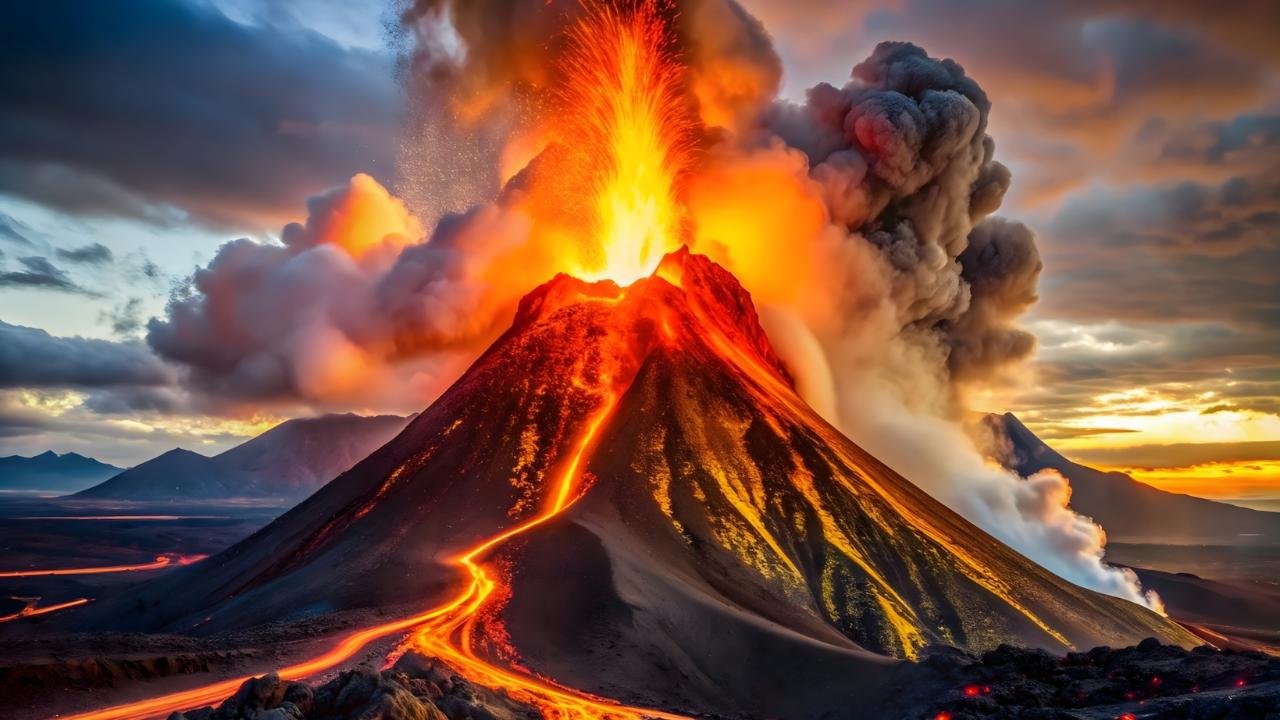
Tag: World Information

  • πŸŒ‹ The World’s Most Powerful Volcanoes – Mountains That Can Change the Planet

    πŸŒ‹ The World’s Most Powerful Volcanoes – Mountains That Can Change the Planet

    Imagine standing near a mountain that looks completely ordinary.

    Then, suddenly, the ground begins to shake.

    Smoke rises into the sky.

    Lava starts flowing.

    Ash spreads high above the landscape.

    A volcano may appear to be just a mountain, but deep beneath it, enormous geological forces are constantly at work.

    Volcanoes have created islands, reshaped landscapes, influenced climate and even helped form some of the rocks beneath our feet.

    So what exactly happens inside a volcano?

    And which volcanoes are among the most fascinating on Earth?

    Let’s explore.

    https://images.openai.com/static-rsc-4/TqiI-Q6ZJBrJGRNa7H33CEk93sIiyLA91o4x8MjWnTYMxyuRdGG4WXLDaPyBhRpwm0FaCkHS8voROGHGvIM0GIAor20-YdBJOxUYtfjww-0U2MHayXlXaUYZtOwr7DMUsmzr-rpzyfP4tQqiG7Bf7uGlJQ74fuaPZR_YKDC4hAs_IZ5XK8NBf2WHddR7gjuG?purpose=fullsize
    https://images.openai.com/static-rsc-4/QWEgJEQIcdjBDkFFng7XBmk7pvKjzBsmaiI8-_ILHQ1mmwsWzZ7txPA1MTemK3eGSH1EYx9uFOi-JbXQPrMAqDRIw_PNsTgqwOYYH99YgaGOKFMMGep-dzojUhVLyLZ2LO-OeWj9nRC9PXGcFzNpYR8M-MR4lhGZHU_BVL9H16wj3PbgUu-Tr0fZGjcMPZEZ?purpose=fullsize
    https://images.openai.com/static-rsc-4/YHHF6SQx6N5Z_GBSE9dxqIuE19Wf5x01nHVBOGJ7FFSuZXeg-jRafMsxOQ5nJbGxN5edQgYBerUv5B1y4_uogP7UXkBmN4GlomjUSSe4xRkU6pyLvAQrIOv69MVq7NgYEuH6TIAH59mFJd_OuCQwbDFfL2nHSLJ6hSnXBacf0R8upiQNq5OG-XguBFfXZ6YR?purpose=fullsize

    πŸŒ‹ What Is a Volcano?

    A volcano is an opening in Earth’s crust through which magma, gases and volcanic material can reach the surface.

    Once magma reaches the surface, it is called lava.

    Volcanoes can have very different shapes and sizes.

    Some are tall, steep mountains.

    Others are broad and gently sloping.

    Some eruptions produce flowing lava, while others can send enormous amounts of ash and volcanic material into the atmosphere.


    πŸ”₯ 1. Mauna Loa – A Giant of Hawaii

    On Hawaii’s Big Island stands Mauna Loa, one of the largest active volcanoes on Earth.

    https://images.openai.com/static-rsc-4/yu8GeyXDYvj1xNb5vwwugt8tsubYElFarCRjyYxWMBiB5cl8S3Gt_nvMMzDbLgpetQMrmz5GlwgpR3xzjJwzDV4cqr4bOlI5t4qP5Kg_cucxrczfM1Axsz_0O-x5PLfApoHoEJXbe-5nV3y4dmDQVcJU-aF1rkKa3RGj-tchG65Jcdj2bG3VSORCd2XxzJ8x?purpose=fullsize
    https://images.openai.com/static-rsc-4/bRM0PKQbtgEPsb4svHlnu_61Csn6MZvNSi3IizLd6tu9llwmr8R8B84ZDt4iIzqQ62awvgzN0wEthM1D65LWGSH6BPTe2KRh218FUqoxAetqSY9XzUCR-8FqXSu6_tWbYbe691ho-25-fr4jQHPcLfX2LGr3tTY3eSuY0nxonKZWZeX7IvK2adGvtczf6reX?purpose=fullsize
    https://images.openai.com/static-rsc-4/BLEt1Inl6G-_SRw8JAQh9z7id3i7f5GB3ME3EqhLyw9qiLuLoJwDp7NdsaK0OgGd4SwFkvJOJ7YUf2ykO6Omn82DpS2SLpLTT6SUxP9CIVxDuAgErs7fNzPg65XxcWAWCCyEiGBLaEZJGpeBO28PxDnuIegWa_h1qK8ADYADXspWxG68zzxw6wOh85LiyqtZ?purpose=fullsize

    Unlike the classic cone-shaped volcano many people imagine, Mauna Loa has broad, gently sloping sides.

    It is a shield volcano, formed mainly by repeated eruptions of relatively fluid lava.

    Its enormous size is difficult to appreciate from photographs because much of the volcano extends beneath the ocean.

    🀯 Imagine This

    The mountain you see above sea level is only part of Mauna Loa.

    A huge portion of the volcano is hidden below the Pacific Ocean.


    πŸŒ‹ 2. Mount Etna – Europe’s Famous Active Volcano

    On the Italian island of Sicily rises Mount Etna.

    It is one of Europe’s most active volcanoes.

    https://images.openai.com/static-rsc-4/5FXdQr1yskTyJc_eIGrE2zHMKVgNI4_jxNOuuka6BRiNnzM04k9sUK5tMND97esqCo1H_OjhHUIeUJvWFNT3Bb0yE3WoskRrnb_CHe6yjvP4GKIa9-gzCdQJGGPldUTPUPCJCN7GKD1kV7qd5gGig6SQzgLVgzMUHG-zVvSZ_R8kSZ_BAUiaAQZbR7790JCt?purpose=fullsize
    https://images.openai.com/static-rsc-4/sgmm8d_pDtkjuPYM0cQeXtmBIwT8roCgYthsXEU2Q6UWvDVFgRJQG4i5xoOGqgbDZQcdH-7RtZJ74f_f82eXkEy-83kQgQn2m7TutWQekRS_nb9ebqWm4kax_RVQUh_ICSLtJQ5Um2wSUbIiHix0hULKuQJ7fomnmhiRV5htYYO8EvU7H46Kv_prk0j_j8II?purpose=fullsize
    https://images.openai.com/static-rsc-4/zNpp2tQ3SxW60jXd4Zit8eH4oIVJE3olmbBwRqG1KmtjwXpt6OaNVvOWYdCmR9iHOp4GHFtjHfyaZscYMXxs_akxFGIqD-4b7632EYf5ZzeM4B7rTIrY5zcVVNyAnNV512GoBBxPC6LBcF6TB-d2xBPYhMprtUgJb3D4phMY9h25V-su60UkxDZVavBYwP5V?purpose=fullsize

    Etna has erupted repeatedly throughout recorded history.

    Its volcanic activity has shaped the surrounding landscape and influenced human communities living nearby.

    One reason Etna is so fascinating is that it is not a volcano that simply sits quietly for centuries.

    It remains an active part of the region’s geology.


    πŸŒ‹ 3. Mount Fuji – Japan’s Iconic Volcano

    Few mountains are as recognizable as Mount Fuji.

    Its symmetrical cone has become one of Japan’s most famous natural symbols.

    https://images.openai.com/static-rsc-4/lCulC-Ml4ZJTMn-zQjc3Mp_se-24fJNYOACEDydF-98RtdwSEJUdNm8vxbFYtpu5ylKDVC5ILALuk_uWcuHXDXjqpS1oXuxzdFkG13gDcJmT-NRAeZS1DMgVF9AUF_YuEWQJQ5TCpbMCyRTzHbensVjSe16N_SR9Vo0MtKyeOyiYNsdxJ9Gl0XpWU2AhYX2a?purpose=fullsize
    https://images.openai.com/static-rsc-4/YEjyt47llYKIVuFQIb4ztIh0pX63TgMD0pPETSBRCAIXmpgp-lWJs1ue7RoQmvA6YaPykwlxX9BcDmMd_yre861Sca1axup3TRhCTq3dIvzt3-rE8dMja3Nqq2qijQkq7SBKzjCq_DfNhTFnql7_XpzUNtRtilPwZSgCrMHSRGNXU5ATkqkSZBBpEZ8X4Ay9?purpose=fullsize
    https://images.openai.com/static-rsc-4/X4vPzCm3Uo6U1-P0bemdinsfdZBJlTl0WQNBDR06FTM7bhqg-4uZs7QU5c_7zi3Sylz4MpZH3Irw-Aalb2Ex3ZJs9cbru5Ku-E1M_-XV6ZPu2CrSXR-JSxnmzcTpPJBsg7Gb6XUq8yR_KznrVGCRNoSCZqEVkDn14KJeS8R1gGula6Q_E818AQT0aZwY8n-q?purpose=fullsize

    Fuji is a stratovolcano and is considered an active volcano, although it has not erupted since 1707.

    Its snow-covered summit and distinctive shape have inspired Japanese art and culture for centuries.

    πŸ—» Beauty With Power

    Mount Fuji is beautiful enough to appear almost peaceful.

    But beneath its slopes lies the geological history of volcanic activity that helped create the mountain.


    πŸŒ‹ 4. Mount Vesuvius – The Volcano That Buried Pompeii

    Mount Vesuvius near Naples, Italy, is one of the most historically famous volcanoes in the world.

    https://images.openai.com/static-rsc-4/zzkLXBZ8vIEZb8MxeFF0mT3PBEdTE4Km3A3Dq05FVGB_Kn-VJcZIPmVfQhJLLG8J9kDN4TeEG9M4GT25CwUyrSHoll-QTuBrCNEPcX04apQ1p9k9Yq0s1SYDgB0aYg58swxwQ_l7CCu-6FZMu7gx_53ijbFug5CmkerEBuokx6Dfd70Dp7N_-xitrEtg_H7x?purpose=fullsize
    https://images.openai.com/static-rsc-4/-Xv8kcBB3Vq8bjClyKi64RjZUPgg-ZhsuOTxdaJ5Uh-uYaXLB23cy4Lav6Yp37H2oEvyjDc97ZZtNmG_zYi9choDESwGHKlzy5KiptYsyAOlSEzrp_GMehNRtCJd29VUhWxzZiiwqZSopR_aTFohkfZ-yEzSu3LCO1c45PZ9FAM2ntRvSrLyVqkea4YyL82d?purpose=fullsize
    https://images.openai.com/static-rsc-4/ZnnfGZXORpSMCmmrXETbh5vIgAn4fnt1tTfLAhJejIbZllcll0SQbxZCePZVTtUCH-WvWWLdpPgbr64IgbU3948j4M4nxs09CC1bidO55uQNiBSE_wXBLn676OR5-L1Mh7vx7ockfdIyNq0Yy_F1hrKg9M5_-sHdfX-7eW-s2tRBunXIuoCZKSH9Xq53ECQw?purpose=fullsize

    In AD 79, a major eruption buried the Roman cities of Pompeii and Herculaneum under volcanic material.

    The eruption became one of the most famous volcanic disasters in history.

    What makes the story especially remarkable is that volcanic deposits preserved buildings, objects and other evidence of Roman life.

    Today, archaeologists can study those remains and learn about daily life nearly two thousand years ago.


    πŸŒ‹ 5. Krakatoa – An Eruption Heard Far Away

    In 1883, the volcanic island of Krakatoa in Indonesia experienced a catastrophic eruption.

    https://images.openai.com/static-rsc-4/6YTqt5rbQx17pij1ldaJhIteWhanjm65sZQFGCKg8MayQIhrtrtMkPKCY-RpvgSMOkKmidft91S7KizOAnJxlZKMMGw1YmFFIePk-rUP4unaRnKoduDkbPWavkJRdyCXIKnXBe6v6QGRju7vrAC6y_Op68thqChS7b0f8Hl3mkvt0YHheMi8Zhmo4glaeTQ7?purpose=fullsize
    https://images.openai.com/static-rsc-4/08UgyOKbZaWhkYQz24EVfjg_Ma41S4bgPsDX9ojBaIebX_ZOKjjtqFZIQipPPkoNtYeKY80TaOrZSVrF6C_d_7_S_ycP12K2vnhN90xgRrZAaAwRyOrrjRLIIa3a3m3ZJcTiGEw0Tb9Iv2poZkIz82pw8iOaJL9ObrODCi5xORKwQBn5pChiNEgCnW5mmnCj?purpose=fullsize
    https://images.openai.com/static-rsc-4/qmfPlKq-W-ZFgztFkmN2ACj91prFFrSi8J9s6BE7OtaMChftbakAgeDE-PjuNG4wtalv1z1CXXSrsfzxQm4yYSxo873jUpGxaeChONSv4E3gFLiowS6V4YK-xgtDqwQC6_wQ1dic_8Qk0Qijamw9Zl94FFGDuMiBggQaI6XdHQiXUnDKEW9G2b2EhMcL_022?purpose=fullsize

    The eruption caused enormous explosions and generated devastating tsunamis.

    The event was so powerful that atmospheric effects were observed around the world.

    The original volcanic landscape was dramatically altered.

    Later, a new volcanic cone known as Anak Krakatau, meaning “Child of Krakatoa,” developed in the area.

    🌍 Nature Rebuilds

    This is a fascinating example of how volcanic activity can destroy landscapes and later create new ones.


    πŸŒ‹ 6. Mount St. Helens – A Mountain That Changed Shape

    In the United States, Mount St. Helens became famous after its catastrophic eruption on May 18, 1980.

    https://images.openai.com/static-rsc-4/58SNcvBmpphyLvYs7f3U_3AzaOM03ay82y7JkMdk3G8r3vwDLzAx7E5ujktyT5QEDYaG0DlchaE-vHqUgoJBqjwVhwAqFHo8E9BbY_SjdLEmxcMQ7HUG5-rNRZQYgXKR66KT9dKhOrkW28zy-YYghJYKakePc0BnFu5Y3zHqRXBbuC4D6qDSSPMtPxyKn70F?purpose=fullsize
    https://images.openai.com/static-rsc-4/xd7N-h6bkEavRtRYAXVUR66p8F-Tuw9Tbp1wBpb5NC55GLQmpRMDS2uLOlyyGM0LsRZdoAqMC_B1vt3DJ8y-U7NQyt6eISajsRe9YUyZPRzVEKX2G_E9T6QJ9G0gSI__WgsnrgIgGaIpgZCEBF08dcTr1ndUGsl8eySyjld440dRI5XtFwZeSwCMF71wLgy2?purpose=fullsize
    https://images.openai.com/static-rsc-4/TVo4A8uleII_CxI3vQPfy9Q0EC7RlfHUH4g_7B3209zNh2mhHeATQSvqd5X-1fjgt6ELaeEdGv5ZbdC1HFexELcMTZ26jclDSWMFKv5yyryl9cAEqEn7Q5vEPr8PWKQ1M4t_RUBJnPanko_O4cCYUooLVvkt9D9C7Z3bJ1XC6uY9t8ehM08c7zulJk7TGcQm?purpose=fullsize

    The eruption caused a massive landslide and dramatically changed the mountain’s shape.

    A large section of the volcano’s northern side collapsed.

    The event became an important subject of scientific study and demonstrated just how quickly volcanic landscapes can change.


    πŸŒ‹ 7. KΔ«lauea – One of Hawaii’s Most Active Volcanoes

    KΔ«lauea is another major volcano on Hawaii’s Big Island.

    It has experienced numerous eruptions and lava flows.

    https://images.openai.com/static-rsc-4/Ao3ik7MF77v85jDFISOt0T55fT65tS3suWxvclVPoSqouiSMoexoEWgcPhaQvuWUt8ftgDJ03DMYaEtYCZvRkYlH7lq_uucl7bauimJMAHzwhuHTXXQFPZgWVld9pQToltwZooscT9KElL5axW46-lezuQ1VWNYDZg2Ttga-zM_Q1aiVmGKaeciijT9B48XC?purpose=fullsize
    https://images.openai.com/static-rsc-4/lSf9wIy2jBsRk-QTtwKgmELigW9BrzMkOHlTvOuFYki2X94ASvofjj3uuN3i4rODgQcmRs2oHYF9R87HRnSDEtqypA1zRIZM29VPfKVRPvpCZrHnY_0r3yANU73NiX39f1QajgsZIVmdXC4JvJKyKujzpaoh0Y0JiZOMclwQpn3wlLeRTVQjAwefnxaSDWC3?purpose=fullsize
    https://images.openai.com/static-rsc-4/r2qB0r2W9iOYbDyYDcE3uo4hvgI0rQ7BkEYfxC3a9QBeorzSKDAA_YlJk8nm88IhKYRXz-QGxokpzuAAat_-s5C23dIGE2Jvt4-Ax8_pqyaikEtsouyE5kHHQSSlmv_7AeFjbxcNYhX1z95ZGosiBI3NO9d_NeSClLIyqdRrnuMcfWVAO8M4dzapO3PL9qbI?purpose=fullsize

    Its eruptions have provided scientists with valuable opportunities to study how lava behaves and how volcanic landscapes develop.

    In some eruptions, lava can travel across the land before eventually cooling into solid rock.


    πŸŒ‹ 8. Mount Merapi – One of Indonesia’s Active Volcanoes

    Indonesia sits along the Pacific Ring of Fire, a region with intense tectonic activity.

    Mount Merapi is one of the country’s best-known active volcanoes.

    https://images.openai.com/static-rsc-4/tLUoS9HuU-mvI4iHGQqN-SXuF9naHsinEVRCg8-BlPz3D_DUtpubW9X3TCEgwLJ2BQGgDjYruRxCrf6ippd3NUZ31Kl8aDGpe6dJg_Fs1E1ClY8vGPJCAfl6QKACckZrI4UjUmFZ_PpXO_mGt204b4VFlH8L_9bKxOvnxcmPu-TvNv--35DuyZi3SfB4OBB0?purpose=fullsize
    https://images.openai.com/static-rsc-4/CEYTSewXCkLi5N56skCEKLkNAFup6ORAStQ2VMXm73ykQHmUVuh4z-OiLtwMq36yXPb5zOep4Bi-9x74i5SXvAXCgzuEzETlSOueKzCsLSp-0GiGa93pHTfowmzVzbq6Ed6uHWnhihOSEdpN7dM7EMBOS0xU_Qw_QkVshECjgEauG0td4xHhx_bLut34yciG?purpose=fullsize
    https://images.openai.com/static-rsc-4/nIDLQ6E0KO32voKhUchtYXOL5K6ex19Lg-5g0bcHGp_Lu_Vy_DbfDNbNMRKxiyDGXW9fng0y9YOfw3kzn6UakZT4_A4HIQjlQN0ObZXEX1yjAF3SWzEp5nZ7CPYyeiX83SJWZaoWczFYvODb-pj0svS07fURXURXE3M6n37Yrzew4AZdINHHVBEDychmkMmS?purpose=fullsize

    Its eruptions can produce lava, ash and fast-moving volcanic materials.

    Communities living near volcanoes must monitor volcanic activity carefully because conditions can change rapidly.


    πŸŒ‹ 9. EyjafjallajΓΆkull – The Volcano That Disrupted Air Travel

    In Iceland, the volcano EyjafjallajΓΆkull attracted worldwide attention during its 2010 eruption.

    https://images.openai.com/static-rsc-4/YRf7zhVdBt5c4Zx_71yTtBFT4QFFsemNxjlN1x9_aWzZHciGqAF1vUXEfPYGrE1fRY99gdhAAQPUEYxOoeZWWqcd-ySFd1fNs6PzCplfXcW23b7WWU5VgRGUN3fORCvp3-aJil-lwqs0dbl32EDaKRtl2F0RNa0qZo68tR4azC4uZQOMA9USQy99OsAWP6xJ?purpose=fullsize
    https://images.openai.com/static-rsc-4/mQs4QNVdYXWnMUjhhL6ozp7eyenWxU4NqiNmf9L227VWZAOoImB4acZDns9kqR9Ouzyd8jNHdTzL0ml3rLNBFaaa0Py8ChBh5DgDG88uaG474rr8nKbw_XEYsJ15k3bLVnJF0rzXCiZvzfOqlRE5P3odLto7VTZiST8jP5p32KhBhJxE4XfG9Z81OR5f3d_g?purpose=fullsize
    https://images.openai.com/static-rsc-4/6b9R8LqQcHD5ljuSPImmWjBH4DtV0O4D8aGgjmBJhnNnbV8UZGL1kDLske_vyrIuM5ZlPsQNH4ioI8yXKfmfLeXREQ6eZvqqk5XSmhkMhOKsKGMYYjKffBZGapRtBZ7y-2vlrREXhdkpJycnzSCMMXrpt9dhIEDv_dnWBHVifhFBeDLOMxjTNspJoGTCSWGL?purpose=fullsize

    The eruption produced a large ash cloud.

    Because volcanic ash can be dangerous for aircraft engines, many flights across parts of Europe were disrupted.

    ✈️ A Small Volcano, A Huge Impact

    This event showed that a volcanic eruption doesn’t need to destroy a city to affect millions of people.

    An ash cloud can travel through the atmosphere and disrupt modern transportation far from the volcano itself.


    πŸŒ‹ 10. Yellowstone – A Different Kind of Volcanic Giant

    Yellowstone National Park in the United States is famous for geysers, hot springs and geothermal activity.

    Beneath the region lies a large volcanic system.

    https://images.openai.com/static-rsc-4/3TzkNjQ2iWYIAHZ6f7_o4d31_ETTCvxQAlCkv9EQSCkS9PxJCPZUQVIuhEOn0YVNoHE4Z01XXG6XAugAbYoV4ZcjrAcvS50BWHuTZndUZMOAb9C3DfKhZfqM_IMA-F4XzrNn_4npdxMWPq8kfupnvbuEElXkc6qsnEx6f1jM-X25YxPfa0yG7xboiy4PL_-x?purpose=fullsize
    https://images.openai.com/static-rsc-4/ouykUcb-huhc6oRdWO4kwoydNIofOpSZ7SBkBSVNqZHuvBDssOll7HY2aEWswrTFPdNybdjZN6NkYPMIJ3pP6fiQnL6NOXTUSM5JYtKOZD8qQbE49Gjt7jxNgpLp2u4Jeu9zH-GNbTqzVQS7V0ZOgW0Gmodbwz8Dl2sSymRd9o21R-xvIWyaJpMxeSjvKo4o?purpose=fullsize
    https://images.openai.com/static-rsc-4/RECTVyBhyyHp32F_5pNc9jQP-8pP0nvjGkCuPo9tYt1-oyMiAwf_n6yxcE243d-iKY85yz7rk2GK1E0-8Oz9JeFh93gcJGH35vuTDJbDH0F-ytnSIlgQuMR6WaZ9w4A4ixZMEeNE5EoqY1LSZDbJ5mcxZkIGCLIna0U1U4ueNySBwqsskp9tm4jKq1L1iFNp?purpose=fullsize

    Yellowstone is sometimes described as a supervolcano because of the enormous volcanic system beneath it and its history of very large eruptions.

    However, that doesn’t mean an enormous eruption is expected anytime soon.

    Scientists continuously monitor the region for changes in earthquakes, ground deformation and other indicators.


    🌍 Why Do Volcanoes Erupt?

    Deep inside Earth, temperatures are extremely high.

    Some rocks can melt and form magma.

    Because magma is less dense than surrounding solid rock, it can move upward.

    If pressure builds and pathways open toward the surface, magma and gases can escape.

    https://images.openai.com/static-rsc-4/KS8zXHGrXQVWWWoMwfwtpTKe0xC8eeZAKVT2uCxnNRSui_lLvEXN37niSlbbQdbJ4GIMV_cz4uldlp1A8uj9ERb0v_mtAit-xh3mo3tRTGJo4dDjyCmRDZFtnSIDL67Ylb5sMo2r6lP3r1saK9zEVC9oNFMtRJk0EIPQYjO-dEzrTvuEjLJBBqMGLvkUn_4z?purpose=fullsize
    https://images.openai.com/static-rsc-4/EplxnnLniFV7ag0RlDXAs2J4-tUgw18NpiaaTbtl-p1en5zIlN-H6rWrrfm-5oNzfPEwJ2c8BdiC0mSVhJhJX02djlGRb1z6kkcsk_tWLKkTknWFdbdwwFR3m_GjMsH_VmdGftfGC6G1RKoNGCAT4lN8Yuv7hV_p56M9fY8jm812_TA44oY1DxdhU7THO7kx?purpose=fullsize
    https://images.openai.com/static-rsc-4/WZJbOWLYczoI0XY3nfeCxt8Ya0qzuNJZVNFyUaA4GAWNWP1gnXeMVXdMWm8kYQs4OIURp9chiCRdCZg6P-3i3_j8DP0cGUHMM158qnbDIH7dYE9x_A05HBVbYglUpQqc9D8wRpmGVWOfxezl9_1KtNCZ1zubNxc5aRK9rBuVdzUkOW35pi-CdlEF-FlYOj4y?purpose=fullsize

    The exact behaviour of an eruption depends on factors such as:

    • Magma composition
    • Temperature
    • Gas content
    • Viscosity
    • Geological structure

    That’s why some volcanoes produce relatively gentle lava flows while others can erupt explosively.


    πŸŒ‹ What Happens After an Eruption?

    An eruption can dramatically alter the environment.

    But life often begins returning surprisingly quickly.

    https://images.openai.com/static-rsc-4/nMleesGS1mJ690elqFF84thj3oTxpG4P1tf3lkRjTn2gI7pro3pl-02MyeqJqrHkLG1GKROc1Vnuq_op5mEYv-d3OvgaZnJn2dUXc8iJnUvf_Zu6Syd8uN7WbVWHmLSwhYanhq68szbwinnehUuaBm5SVls_MJtyrZFnw_K2oMBDsNEl-wGqoJsaXFJazS1u?purpose=fullsize
    https://images.openai.com/static-rsc-4/WfIl5PGs-DKSa9nERNjLppe1WCA1XuuTGfWOE_7gcIH79Nd_ymPWh1cPLkYqwdQjTzULnFRB1MIoiw-g-nrApWZi2aARBH-978NzW5cjrPRVNtTO7yKyZZCarrCAiyt14oKpbwvp_qdLp5bEVi-ALKUtSC-SAvlvJ3fTmjfLhfnHbOHZwDl-W6c92S5OUF-R?purpose=fullsize
    https://images.openai.com/static-rsc-4/lyAFM0MJ3p93ZHlEH3NWCfawYpzwLzb6sRA2SYSaJAszH-edezIKMfts8HyuAp4VQem8W0JpwHDp3oydCnhlVblsvSfF5_GZgJ241lku9M-uQPV8P4iA0YUwYP11RKmXG7-NYRXxebZgHgegw--5nPtmBwo8YVVB9ZMCh4m_TPoBKG42-800_Sx-iq3DxOb1?purpose=fullsize

    Plants may eventually colonize newly formed surfaces.

    Animals can return.

    Soils develop.

    Over time, an apparently destroyed landscape can become a functioning ecosystem again.

    This process is called ecological succession.


    🌱 Volcanoes Can Also Create New Land

    Volcanic eruptions aren’t always destructive.

    When lava cools, it becomes solid rock.

    Repeated eruptions can gradually build volcanic islands and expand existing land.

    https://images.openai.com/static-rsc-4/vxDhLfuVUEQiOy89XlnCTibwdR_GuCwXZZqvEtgGguIncBQ0kwE_jSGgQ-G_kTYp-mWeS2fdcHgbp70eWQJgtln0gLZ-VSVlz5aj09TZUlZ_OD6sesmP-A_qBlkBZ8v9ra9BuvXCbBnKyV-UAX60Z9sQvsxICTt9Luj-fpZbUhKaz0y7YkYsMoWUjSOhZZ88?purpose=fullsize
    https://images.openai.com/static-rsc-4/7GcQ3YoNfswWg__1V1X6x0tEWbxlD0v64I2bOd4wYgMsWFccpOKiToyj8SmtjX_2IS0kFNxRgvt5rM3Z9Mzhg-HvKBD9VVjsdCHD5k5UJR-oDg_IoUugSRd8iKKdDE5OiCPC5RDwiCPoCAlLeh_1hiEjGoxiyW-0LYObTdYpaCLKm_g-9LHwtzd8ffJeKocD?purpose=fullsize
    https://images.openai.com/static-rsc-4/2Vl5ZYGe9rvp8ITR44PRlUepet5pFtkHxMyOADL0iubKBUyAhxbIx0KjVNHfoAv6K_0Gpqz9sbaqzlwqUeDEr4pQw_9b_gMNKV9evKM5OdeUiDELa-KJqS_5USdsoYhVF6mowiRfEa9EO66da2tB-oUlb8GLPKQJiG_3e-yM6Si7cQLj4Tvg2FEMYS43DXc-?purpose=fullsize

    Some islands around the world are essentially the products of volcanic activity over geological time.

    So volcanoes can both destroy landscapes and create them.


    🌾 Why Do People Live Near Volcanoes?

    This may seem strange.

    Why would anyone choose to live near a volcano?

    One reason is that volcanic regions can have fertile soils.

    Volcanic materials can weather into soils containing minerals useful for agriculture.

    Volcanoes can also provide geothermal energy and attract tourism.

    But these benefits come with risks, so communities in volcanic regions need monitoring and emergency planning.


    πŸ”₯ Volcanoes and Earth’s Climate

    Very large volcanic eruptions can inject gases and particles high into the atmosphere.

    Some eruptions have caused temporary global cooling because volcanic aerosols can reflect sunlight.

    https://images.openai.com/static-rsc-4/qqYxHK3m83c6GK_cvGqA4Xn7fClCodnutu3y0akfQF61yqDZaXTuzPutPr0XiqaEcSEOXx6hcZgKmNtR5Wo23iXamlHM1E76GitSF3rpsmz1b2lxbq7I7pzLYa2aN4QZY8J3g3tqkjBYXzuRtQ2YPj9tWZeEaWa3FNW8p_DZTrEZ407ndQM_Go8hvYhG6RgK?purpose=fullsize
    https://images.openai.com/static-rsc-4/W18L1G_J5iyNnBeEryMwBcmCsTqis9RxuWjsv_1AmI_MMZEwHtd956QMSC0g3K_t2eRAcMsGn0mXAqAdZhw3QrVRxe-wlMfqokKPrB0I8NKFt0lM7dza5ffSQ0WdRNXCo8C_2Bx41W2qhXGMQITyEQRLZ6zgVVnWlLQ0E4QdVFw15yz2LQlKs-pK3xQneU_I?purpose=fullsize
    https://images.openai.com/static-rsc-4/3IxaZWsUnxAH7lSswmTWu8sTJEF5oZb0Jtp-au6L80GCUwCBAvyq36YUrNzaj3TIYx-tHDJhDq9lb6iBObWRY_JVfY6hLdWQ_hlwnfrYtpnQo8DX4YW2ImxIw9_RdsMm0Y2VCoO24ysYUBcCMiUT96-xtV5XrAW_LtqsgX92ShJnmR475MIW0tFIp0-YQHTI?purpose=fullsize

    The effects depend on the size and chemistry of the eruption.

    Most volcanic eruptions do not cause long-term global climate changes comparable to human-driven greenhouse gas emissions, but major eruptions can have noticeable short-term effects.


    🀯 Amazing Volcano Facts

    πŸŒ‹ Lava is magma that has reached Earth’s surface.

    πŸ”₯ Some volcanoes have been active for thousands of years.

    🏝️ Volcanic activity can create new land.

    🌾 Volcanic soils can become highly productive for agriculture.

    🌊 Underwater volcanoes are extremely common.

    ✈️ Volcanic ash can disrupt aircraft operations.

    🌍 Most volcanoes are associated with tectonic activity.

    🌱 Life can gradually return to landscapes damaged by eruptions.


    🌟 Final Thoughts

    A volcano can look like a simple mountain.

    But underneath it lies a connection to the enormous forces operating inside Earth.

    Volcanoes remind us that our planet is not static.

    The ground beneath us is constantly changing.

    Mountains can grow.

    Islands can form.

    Lava can create new rock.

    And an eruption can transform an entire landscape in a matter of hours.

    Perhaps the most fascinating thing about volcanoes is that they show us something we normally cannot see:

    the incredible power of Earth’s interior reaching the surface.


    ❓ Frequently Asked Questions

    What is a volcano?

    A volcano is an opening or geological structure through which magma, gases and volcanic materials can reach Earth’s surface.

    What is the difference between magma and lava?

    Magma is molten rock beneath Earth’s surface. Once it reaches the surface, it is called lava.

    Which is the largest active volcano?

    Mauna Loa is widely recognized as the largest active volcano by volume and area above sea level, though measurements depend on how the size is defined.

    Why do volcanoes erupt?

    Pressure from magma and volcanic gases can force molten material through weaknesses or openings in Earth’s crust.

    Can volcanoes create land?

    Yes. Cooling lava can form new rock, and repeated volcanic activity can build islands and expand land.

    Are all volcanoes dangerous?

    Not all volcanoes are equally dangerous. Their hazards depend on factors such as eruption style, location, activity level and proximity to populated areas.

    Can volcanoes affect climate?

    Large eruptions can temporarily influence global or regional climate by injecting particles and gases into the atmospher
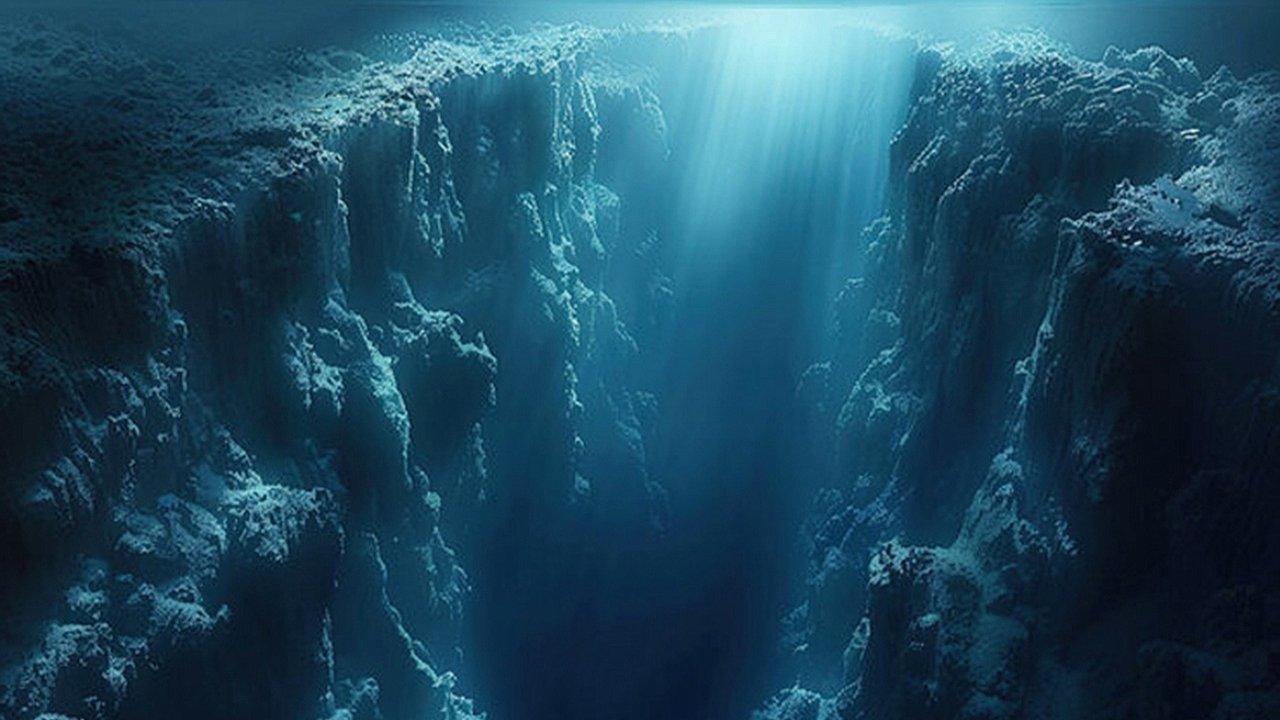
  • 🌊 The Deepest Places on Earth – A Journey Into the Unknown

    🌊 The Deepest Places on Earth – A Journey Into the Unknown

    What is the deepest place on Earth?

    You might think the answer is simply the bottom of the ocean.

    But the deeper we go, the stranger the world becomes.

    Thousands of metres below the ocean surface, there is almost complete darkness, enormous pressure and temperatures very different from those on land. Yet life still exists there.

    And the amazing part is this:

    Some of the deepest places on our planet are still difficult for humans to explore.

    Let’s take a journey from the deepest ocean trenches to underground caves and discover what lies far beneath Earth’s surface.

    https://images.openai.com/static-rsc-4/I_WawDg-9kbEkhcBrZnDbO6xey-7wQcsyU8GC0LDC6Bj3a0yRyvAdfuGEv1eBLK1r6Z29RQbugeDuWLIZ1H3wU_xysznAY98L3MoJLdbME7DYD4m4v1L9LRXZwxjp-5t_pd6XHP_0diF0OYP5KgCWIFXUzamLWzhRK1B54bbrpMMnrtNgR_NvXOt9W88MHEz?purpose=fullsize
    https://images.openai.com/static-rsc-4/uTc5Mnmxjj4ViD4FoY706rEaUj0BUqgBvKuZHRcxzf36Y-1BtPxTtlEUJicbMC0-UItfLXxYePuzDZZ38Zm0r4VK38zJzK-_NE6H_OyDJHqg6a9LG391v5RyjOnqVquuWI24Bs8KMmkVKRZNwaPnvuxY8Ra-3zbwuoYym7Kzq-qnRz7mv05Oz3pEgO7hkaun?purpose=fullsize
    https://images.openai.com/static-rsc-4/Di7gGl3JWXjmfM6VMbpK3vIXgI6uasUe76DMD7OqgH0ULE51WS6Bfv9z62ed0lpT8alqMtukGWiTcq9RAfY52r_mUhAMqju__WeP-CMmWdUDEEoCWp4BEcD6KXloR30jRRQw23Frb15tJm_q6iZA3YxL1xKtQ0HTDO5EbNVN5SfadxrXEml2KLannBIBiCg-?purpose=fullsize

    🌊 1. Mariana Trench – The Deepest Known Ocean Trench

    The Mariana Trench in the western Pacific Ocean is the deepest known ocean trench on Earth.

    Its deepest known area is called Challenger Deep.

    https://images.openai.com/static-rsc-4/gQdmikkG9bV4em95V43jvSQ1r2huPCCEd4lbXChdWoxVhoF5bd1M075w6XDbhS9Z2lWx7F7qc4B2dgJvSanPHP6YOuHtRwiWVB1trXih8saAjvu4ty7Cshann-qAhjma83-roUcNwBJf2uLsP2NzSNXBnbggvfUJicSn_wXJkNrpcVOaK0CH30_jE6htMg7r?purpose=fullsize
    https://images.openai.com/static-rsc-4/KARomm9uyXwOZZ2Qv7UaIa9fh76rFfklp0KUX1dJzhSFuoNpTuITZ4T2ZmyJGY4cRzYr864mCCmUHFFEJgxmQSvc_Z2MWn1jPkKBUn1VAN4aY9yU2isz49farQVaBzx3GcEOlC6NdPROQnHKkxt2rA1-81NoCEQHcxOkEu3N-RUUg0qqxS-6FeW9EkwGBE2V?purpose=fullsize
    https://images.openai.com/static-rsc-4/yjaYCeD6W5TGcUARa4MRgqLEfM74X5y6aftl4akqXLLs96ZHnQP8jeskSUTv06Z5Nl-zr7D5zCtjcKzyN1mo0-ad0COf9I_7TRw_Y9stVEXrS0E2ttYMb8LHCNspy0-5f_lKf7OUUBmAKRkmMmDdogwfERIM5jXjZk3mYktl-lMAEFUHvv9ySk2MHiVsz9dM?purpose=fullsize

    The depth is roughly 11 kilometres below sea level.

    To understand how enormous that is, imagine placing Mount Everest into the trench.

    The summit would still be underwater.

    🀯 Think About That

    Everest is the highest mountain above sea level.

    Challenger Deep is the deepest known point below sea level.

    The difference between them shows just how extreme Earth’s vertical landscape really is.


    ⚫ 2. What Does It Look Like at the Bottom?

    Forget sunlight.

    At these depths, sunlight cannot penetrate.

    The environment is almost completely dark.

    https://images.openai.com/static-rsc-4/kgAy6MaOPg9WZm8eQ2QzmxaTQT3_v_pekx1TgjeuovhLAF5EX4cej1HUcRBrqehykE1nr3dc7lX3BYAXVF-y6PIspX-4VPxB86AHDAJbim29rNgDFTd_pSGvE8TLM96Uhaqr3uEVkTexFUUQ194xUWL-zFSlJmoq6Jmxvro9uYqxticK7sPDupHvW7lG9m2L?purpose=fullsize
    https://images.openai.com/static-rsc-4/3-SmN7vwM6j1sw_iLsEeEZ0hvzhtngSE1ghIsp3LENFft7PzPBt9tBuJQqrZwTP670tS0yuLtW7nOVmAO20FK-XXlj_aJnj0MgWcEFYSTj-nYj8rvKRP4Nle9bL3Hj2kQ1WbTAYf39lTKtE7zsqKSLWwoILFwLcu3mbKwCM_7tcraHCuORcchrAUpW0HMnvL?purpose=fullsize
    https://images.openai.com/static-rsc-4/CMc7uv1mW4T87fvZuczCCJB2J_wN9_lC0B3m01R5uRXGa-bbXPCoJ4A5M2ifjj7CL5y51bGXmu7_OdrEzwfXdbLCJzEhLSMSqBmie9qiXn1CMy758e1UjQOhh9yVfJFgE13ZMR7az-lVVYtYogyX1cy7sw4FjfoQcNURoUNrunfdgSSRgAt5-LSbD7rdkQSl?purpose=fullsize

    The pressure is also enormous.

    A human cannot simply dive there using normal scuba equipment.

    Specialized deep-sea vehicles are required to reach these depths.


    🐟 3. Life Exists Where We Thought It Couldn’t

    You might expect such an extreme environment to be completely lifeless.

    But scientists have discovered organisms capable of surviving in the deep ocean.

    https://images.openai.com/static-rsc-4/SUEYQPlogHSamojCSQjxGFNmhdcyMDi8tD0P-VmDbKjnzJquXRX-SF6H50nVFDLg5LYQR5L99-6hiO5JlyntGTf9WA0wruxFDam99JUmhctdsp7St_eumpgs3cqqPKgj1o1HO1pE2U6yF9D9ILdSzxG77teKuT-fA3FyJ3F8J3I6As1zdJwp09vgjNlgPwqx?purpose=fullsize
    https://images.openai.com/static-rsc-4/7Yp21J8y0raGy6ZwKMdLqLjDhiYR0wso60j5K8Vl6WIBq5-NwvjMjrcmzdgD4ket6yYecfiI-IPP1XHpoLGlsDB4xUz4CynICYfbEi5deFneiVjkkLRA5LWPAs9o6DJzeucfiSO7Ug2PK0pV-W5IUyrHaS9evfSogTVgFVRXX2Tqhn6dDNyr56a5UoLSQYdp?purpose=fullsize
    https://images.openai.com/static-rsc-4/YFp8zOXHF514_AWLY8iYopB0Yjn4i8dDbzx-fo3gZe3jll13jGwA0EfobJbvYk1SbAhtreA5SChLzDQQ4hWjzJ8S2-go6eDqk5rP4mHQM6pKoSfGoilJR9u3ONeyO0M24ZRia0EfvAVvqJxFuGiCbl2wAh_oLj3-peiQwFvz2bJWYTsbS22cCKuTLGQcxdTI?purpose=fullsize

    Deep-sea organisms have evolved remarkable adaptations.

    Some produce their own light through bioluminescence.

    Others have bodies suited to extreme pressure and limited food.

    🌌 A World Without Sunlight

    On land, most ecosystems ultimately depend on sunlight.

    But some deep-sea ecosystems can rely on chemical energy rather than direct sunlight.

    That discovery changed our understanding of where life can exist.


    πŸŒ‹ 4. Hydrothermal Vents – Underwater Hot Springs

    Deep beneath the ocean are areas known as hydrothermal vents.

    These are places where extremely hot, mineral-rich water emerges from Earth’s crust.

    https://images.openai.com/static-rsc-4/k2XLuZQLBx07lywIN38XWk4Bo_WA1hkT8TI0N4mT1oKXvTM4trllNst858-wu9aCMu4fKEO9Np2aek2ECFyF4Bj1_buzvnyXGtYwE5wvjKaGWI70ddYEkvYbnswo2Ca-3aM7huw1Q1k5-IBQ_QNAL7yWxbRz-vH8I4PMFjyV64KvUPr2XwRImSAENn9fb1eL?purpose=fullsize
    https://images.openai.com/static-rsc-4/1tfmN5VY_0Mi1mDTr-wjTWxg7Z2xgMBxZQAdhzh1FsVCVaB-FV_kkwrNJlBqMeMl9XsbWA6mODnMoABuBedSMoMk_3VrFNZzLkOcoj2cKYg3og3m7AG9qdNUlMFGc5ifLYNQdiaj7_pgZw_UknHcEfOTF17Gbc3cNnHvAZiDmZnsmru1peNBQqXh9v5qC2PX?purpose=fullsize
    https://images.openai.com/static-rsc-4/sXXabvMm69Y57ebgzvkHLp8PDmJ3C6d20OO0Xdt3kFhIMZ5hDdmPQOXCcAvlqDkMfNUmsxTjC1hgP5ktBW9DkjmYrfbGbMmD4Ri_vK9OdnniFZakoEYfJlu73q9nNRhAeFnBIFKwc9ohlXMUJJdNu-H0qQ3IMrxltfNGc6j153yMzjnziAIhMiE8W-zzscYT?purpose=fullsize

    The surrounding environment can look completely alien.

    Instead of sunlight supporting the ecosystem, microorganisms can use chemical energy from the vent environment.

    These microbes form the foundation of food webs involving other deep-sea organisms.


    πŸ•³οΈ 5. The Deepest Caves on Earth

    The ocean isn’t the only place where Earth goes deep.

    Beneath the surface are enormous cave systems.

    Some extend for kilometres through rock.

    https://images.openai.com/static-rsc-4/uwEN3ktIOUfwQT7lYjG5s5617VIDY-7fhFIeXS8yya4EQ2MUGDbUHPfg1QLsgl7vjUxq4MZDoLyDYqI0XhcCQYnBFlE5qvn8osH_e6ws5Ee8uWf66m4lOXb_wmY6mb3UdKMvmxssvFccHkH48zASeeKPmJoW8QNO6HRppg46tRyZDe-MIjDM82Kl1JyUw3Rd?purpose=fullsize
    https://images.openai.com/static-rsc-4/SFWr-Tm7KMnzv1TrKo4hJyjjBm4NMk-GynCx02kkh0V5hkB63Ymfu1WLXo0DU2y4pGeQSb8RIATn1jtrJSFhDfM0sKV-ZifVThDusE4dBlCqOaK_188cBNWkwAlEiTvm4H3l5u-hrp-FxPVA8lKUq40XMxJykJY1kUWElW7g16-AB8wTOYF3u6BgYbqU8Wlo?purpose=fullsize
    https://images.openai.com/static-rsc-4/uIbskc298v6ZC-d5QRqKmaJlXJrey1VQBCNp8DCeFFjTryzBJZVt9Pvxc8e9S7ZR6EaH6CTnqmZs1Y6zkPgcysnC9EZtzPDJKOCoFwBElRsoPrr1jZNQphVMkIScLyWwpvtJJyjomh9ohkwA6H-f7DU6ZQD-24ktDQn8heAe4pXhbaNwBrHaXBJPIWJiysQF?purpose=fullsize

    Caves can contain underground rivers, enormous chambers and unique organisms.

    Exploring them can be extremely dangerous because of narrow passages, flooding, falling rocks and difficult navigation.


    πŸͺ¨ 6. How Are Deep Caves Created?

    Many deep caves form when water gradually dissolves soluble rock such as limestone.

    Rainwater absorbs carbon dioxide from the atmosphere and soil, becoming slightly acidic.

    As water moves through cracks in rock, it can slowly enlarge them.

    Over thousands or millions of years, these tiny cracks can become large underground passages.

    https://images.openai.com/static-rsc-4/pPehX-dPRYAEOtZUAETAIqK-pRHMrVrJS6SRjDiJteq0h_1LDs4oBJkI9YKT7ZIaUqQjeJ7Y7aDHZQ71dHZb_zJvcdBsr_T8CPLhubdTSXFr9pr2EUBQP7DzpsOAOP9MK2rhqBVfUIftdPl8YhUoUAdOU_TLEUzr4-4YxG_gTNpQlOwAZFcZ_C36TIK53Smo?purpose=fullsize
    https://images.openai.com/static-rsc-4/Bveb6BInQwi8_Rp4Zxsk4ZV6h-npQHhDRmHE2quR2axQKkIXZnpsN-sgO8GnaWhjCJRQthvBJrsHa0TmnC50D4dFP54KSHr9E3ue1-YOR9BhhrdrXMQgagBCjmB31F1ksYGm-NNVlsqKXzsm7hgEq-Mr4couLFm1cqBwddMFYcBrUogaJUMr6VgCUTHERDQd?purpose=fullsize
    https://images.openai.com/static-rsc-4/pHPDywREEsHm5WtsGDlbv-Cflx67I6XTYQubRzH5B02Dj-13n7MkHpU-E_x60zlJ-bZgW7Srb_s_byBhwc_McXfYjrR38j5Z86JX7KfgQSt30IsdW63FYN75XDbAyAuL-8s4hT7_btUumWj2YxhXjfFJCoDY_XhQ5m12RTk77AzOOcKKCXBqKms8xAQKLghg?purpose=fullsize

    What begins as a tiny crack can eventually become a gigantic underground system.


    🏞️ 7. Underground Rivers

    Some cave systems contain flowing water.

    These underground rivers can travel through darkness beneath the surface before eventually emerging elsewhere.

    https://images.openai.com/static-rsc-4/UITpmvsyYQHEHe62LWo-9hcXXxf9X0qmT7r7_-AzpJzHCx4YN-eXUQwwSHgi6raWnob04L5wnMVhs0zVUuHklbaE6Up7xRDUDFRX3L9wGDgZI4cYY9OQGKEv92q-1TQqb3WxBcFUnYlgLM_uDAZbPi0SZdxczSf3kmrhviffl-9Nh0MmCL7lqET1YZOKfZit?purpose=fullsize
    https://images.openai.com/static-rsc-4/mR6N2njQLn-TTP7c5qrKl3x5egpXMf4t-3s_u24aiE-fqb0mHlSDPwh0sJtRflii7RYb8dE6QgHXvfhAX9UNYrOWFQ-BQnoG1TWYbcM4TDK73z6gaVZSXSWVeL44QB_wYBJQksFZ35rMGY5I0f9mHRPCeXaaDt6KjLCKvsAVtuv5rxo1Q2HsFb_fg2Xkfn_H?purpose=fullsize
    https://images.openai.com/static-rsc-4/0LYF1rhPRzIfJaaoIekIKVPlHSpzAAfjXbi7TuiwIU5nL0fLmNhNcUoBK58kCdD7e4oIMUs4ByA1nAvXrwdsXoJaZ3r_2qA9U0qWu3zdLog0Z1cEyoR6mx5Ryfh1rrEmTkebFhUVbSIlBDYU-4QY7xMx8COJLeka_EANzI8zW-P5sCkxSiWG5byFOo5lbrkq?purpose=fullsize

    This hidden water is also part of the larger groundwater system.

    So even beneath our feet, water can be moving through landscapes we cannot see.


    🌍 8. Earth’s Deepest Mines

    Humans have also travelled deep underground through mining.

    Some mines extend several kilometres below Earth’s surface.

    https://images.openai.com/static-rsc-4/BptlTsbb8bwhnFqkPsHSCx7A2U0Cv1wcWFmT-HFzt4HglZ9PulnT5bMblPgFgdYb273eo1zWghTS4yZ0JYM-QtylC2rqR_jwsqiFk3Y8mijvxNiv0sQvRIJY60Ae4vCov94lPj_3BxQ6jJoWkWbxYRA2zCRiVgeKDeD1UGF1H8_BAl3AnwmsHr50vb_zKeV6?purpose=fullsize
    https://images.openai.com/static-rsc-4/cnBL4BxPEebtvxvLizXnvoFmvOjLmnAYC2wN1ewpAn2QQPWGGvAU1YA2DTQcuLbVciN0K91HDC_ELaXoDn8yT7jJeJYQSudkipviK9sOz4DkwTDjMFOXwoGdu-twP5-vLav0TPdRa1Js2a4oQo3R9pajR_ip2MeOQuwIlUGu3xUQy6_DWiX6rgh9vLngUL54?purpose=fullsize
    https://images.openai.com/static-rsc-4/tuw7KMG3sXEpIdDbiOgm3w9Vk2-iSxZI7LIzpHEHRqkdusk4rvpZ7IoCjKqetFrhyAHDe1P4UY3jD2U3QMQTeQuuERM79Qnd-Xb3esnnwVcfwSajKziYzTrS8UdFVicwk3O-LNE0R9okeJGB-K8JkHQ-8d5hFwaMk-Spd49_91px01fslsJMu6hNcXt68dGf?purpose=fullsize

    As depth increases, temperatures can rise significantly.

    Ventilation and cooling systems are therefore essential in very deep mines.

    The underground environment becomes increasingly difficult for humans to work in.


    πŸ”₯ 9. Why Does It Get Hotter Underground?

    Have you ever wondered why deep underground environments can become so hot?

    Earth’s interior contains enormous amounts of heat.

    Some of this heat comes from the planet’s formation, while another important source is the decay of radioactive elements inside Earth.

    https://images.openai.com/static-rsc-4/0I1EcF-ryWTUQtlZQVjbP5g2IstI5QZ_ssS0dMIqyQnXFmM2MS33ythP3YZoRJgCDTYm-Nws0BOC51qMdQwHQxQhryIOUSJ3M9tbnOpWPOGfBXPUB5S3AUZxcnplSxialkujdrry8foprVsIHJ1N2BBD5fiJxrNPvLhLPkczbj3qm3Jx-yKyDqGOZhhhORVd?purpose=fullsize
    https://images.openai.com/static-rsc-4/-1M49RWjxQIuoqoQZAwKeC-k6iqF-iLH1NtksHeWAF6zXNf28bbuewTQb6CJPyWkbGgAB4lm2kH3ytMP3qacPUqNAqWl4rkh8zdaubgdHkWGFzO6dgqIYydzREtMA5jYL9PiG5o7iH_BR_UXxntjiJPebZpreSXwZ6dX-mKGLYVBmHEoiUMKYFFFfYoQMrXA?purpose=fullsize
    https://images.openai.com/static-rsc-4/VjiJPCqCi_c2rlfjkf9ZZWTfM3YJM_mEQLqW-laZ_-ioP7QnslnLPmL9qLemg4MejShJFwUtniPReLtBvOUiOLAZVARs1y1O-JqgLFWQjXSx3IkPntuQJUHhaD4oIuadIw_oCOXXvjMiXPE6cDFuwRp6XY4L4y7-rhaz2oOc2hDdS2VD6mghoN2BGHnSxRG3?purpose=fullsize

    As we go deeper into Earth’s crust, temperature generally increases.

    This is known as the geothermal gradient.


    🌑️ 10. Earth’s Interior Is Far Deeper Than Any Mine

    Even the deepest human-made underground structures reach only a tiny distance compared with Earth’s total radius.

    Earth’s radius is about 6,371 kilometres.

    The deepest mines and boreholes are only a few kilometres deep.

    That means humanity has explored only a tiny fraction of the distance toward Earth’s centre.

    🀯 Imagine This

    If Earth were represented by a large apple, the depth humans have directly explored would be an incredibly thin portion compared with the whole planet.


    🌊 The Ocean Floor Is Not Flat

    Another surprising fact is that the bottom of the ocean is not a smooth, flat surface.

    It contains:

    • πŸ”οΈ Underwater mountains
    • πŸŒ‹ Volcanoes
    • πŸ•³οΈ Deep trenches
    • 🏞️ Valleys
    • 🌊 Plains
    • πŸͺ¨ Rock formations
    https://images.openai.com/static-rsc-4/S9wTuSSrzik-nZZVssxn-NebE0bysZcLBDQqQepT8kYXc4zNldcIauq2P4PzupzuiPd6gRzqh--KTwKwsNUvZsWIow2q1VEFNodE8SwZ2pD4obk5HnJZBy80ffajmg0xkCCuJqRbrRbIgfbGMlwIIQaHOp8sHjryCOsmuX96IJSiUAzraoIcK8ylQGJ0eaC1?purpose=fullsize
    https://images.openai.com/static-rsc-4/N9hXIhovf9h62pnh-OJipZbkYSMcjXrUY1f-aY2di5aI2mWD92egXdYAdY-xM6gTS-iKbrGI--lRJuMzRJRcEFomsdm11WtS9dk9MP5Sm7qxF6J2Ms-F2FQm5icHrgKfc7N7vFJqt9WzwXBIvsTqtgQuQf6KcfTI8IcCOg5MB7YllKWvjRjqRyTL-4A9qvzE?purpose=fullsize
    https://images.openai.com/static-rsc-4/UZlI_vLUyC6EbQyO5YIJ2AaCsTiOSVIaxHzC6Kj5djMHD3PlnJbkXr0WXi95n72fQVoAYyznCdD41E0vXREoqtxbslpKXy-62xHU5HSn33xFkrOFCgSlNE-fJzYqyD7APyqwlBOPhMdEBvgT2gvBaqR9aij-LbFHKGuX4H_tqUKCnmxg7UCs8vdd-1xcAlaB?purpose=fullsize

    In fact, Earth’s longest mountain system is largely hidden beneath the ocean.

    It is known as the mid-ocean ridge system.


    🌌 Why Is the Deep Ocean So Difficult to Explore?

    Three major problems make deep-sea exploration extremely challenging:

    1. Pressure

    Water pressure increases rapidly with depth.

    2. Darkness

    Sunlight disappears long before reaching the deepest parts of the ocean.

    3. Distance

    Deep trenches are far below the surface and can be difficult to reach with specialized equipment.

    Because of these challenges, researchers use remotely operated vehicles, autonomous underwater vehicles and specially designed submersibles.


    🧠 What Can Deep Exploration Teach Us?

    Exploring Earth’s deepest environments isn’t simply about setting records.

    Scientists can learn about:

    • 🌍 Earth’s geology
    • 🐟 Extreme ecosystems
    • 🧬 Adaptation and evolution
    • πŸŒ‹ Geological activity
    • πŸ’§ Groundwater systems
    • πŸͺ Possibilities for life beyond Earth

    Deep-sea organisms are especially interesting because some survive conditions that resemble environments scientists imagine could exist on other worlds.


    🀯 Amazing Facts About Earth’s Deepest Places

    🌊 Challenger Deep is roughly 11 km beneath sea level.

    πŸ”οΈ Mount Everest could fit beneath the ocean surface at Challenger Deep, with water still above its summit.

    ⚫ Sunlight cannot reach the deepest ocean environments.

    🐟 Life exists under enormous pressure.

    πŸŒ‹ Hydrothermal vents support unique ecosystems.

    πŸ•³οΈ Deep caves can contain underground rivers and enormous chambers.

    πŸ”₯ Earth’s temperature generally increases with depth.

    🌍 Humans have directly explored only a tiny fraction of Earth’s interior.


    🌟 Final Thoughts

    We often look toward space when we think about unexplored worlds.

    But there is another mysterious world much closer to us.

    It is beneath our feet and beneath the oceans.

    The deepest ocean trenches, underground caves and Earth’s hidden interior remind us that our own planet still contains enormous mysteries.

    We have satellites.

    We have submarines.

    We have advanced robots.

    We have powerful scientific instruments.

    And yet, there is still so much left to discover.

    Perhaps the next great discovery won’t come from another planet.

    It may come from somewhere deep beneath the world we already call home.


    ❓ Frequently Asked Questions

    What is the deepest place on Earth?

    The deepest known point in Earth’s oceans is Challenger Deep in the Mariana Trench, at roughly 11 kilometres below sea level.

    Can humans reach the bottom of the Mariana Trench?

    Yes. Specialized crewed submersibles have reached Challenger Deep, although such missions are technically difficult.

    Is there life at the bottom of the ocean?

    Yes. Scientists have observed and studied organisms capable of surviving in extremely deep environments.

    Why is the deep ocean dark?

    Sunlight cannot penetrate to the deepest parts of the ocean, creating permanent darkness.

    Why are hydrothermal vents important?

    They support unique ecosystems in which microorganisms can obtain energy from chemicals rather than sunlight.

    How deep can humans go underground?

    Humans have worked several kilometres underground in deep mines, but this is tiny compared with Earth’s radius

  • 🌌 The Most Mysterious Places on Earth – Secrets That Still Fascinate Us

    🌌 The Most Mysterious Places on Earth – Secrets That Still Fascinate Us

    What if some of the strangest places on Earth were hiding stories we still don’t completely understand?

    Our planet is filled with locations that seem almost unrealβ€”ancient structures, unusual landscapes, unexplained natural phenomena and places surrounded by centuries of mystery.

    Some mysteries have eventually found scientific explanations.

    Others are still debated.

    And that is what makes them so fascinating.

    From a desert covered with enormous drawings to mysterious stone structures and strange natural formations, let’s explore some of the most intriguing places on Earth.

    https://images.openai.com/static-rsc-4/s7UnqPFr1klrN5Pa8Fzf1XmEN91Ko_b6KLfE2yWFEJ1wCA-Cmt_kOEP7S44_ypeXlZKQZWiGR2SGTFaeRq7rpBFdWjslFcX8CwBWv1wiWrLqXV7aJI9cLv80dL4ZCMdgIarda3DwWPObKr24-y5B37gdkLNK_h6HpYVq-dj2A6xNEng4vYIKAKIaE0VELvAW?purpose=fullsize
    https://images.openai.com/static-rsc-4/dn9s7dMXr1gjiBJWTNG6rAE3AQN9UIxgu3iG9MyOjRLFa3iI31WTkkfsEOIRC-WcYUBRYmUzy4lVxtR9AusYY_YlIlRG2taM2vqV7jUO3fZDe4oCPz4aep9wivAg0J9-Vn_kt6YY7xPw-fuU8xKnfU0z2hINeY49l8HWlIE4-SzIlHTkAMB_kq7rjm3fMHoT?purpose=fullsize
    https://images.openai.com/static-rsc-4/Ez7JaR0Rora9ufz9q1DVoava_cGLMPRXMpolirh_zEEq5DG2243tdv0Z0X3TrCLTdB7qLIHZRSwVTVeds3FaVfVxM0-j_HW-Nnk4U97nz8uz-sR3FfhHMx56twQcdGh6IBh-xGtpT_N677pyvK0tIl8TE9XdEkzHcVLyAT8ijbmxqFFB6ez1TgAh4t3x7tor?purpose=fullsize

    🏜️ 1. The Nazca Lines – Giant Drawings in the Desert

    Imagine standing on the ground and seeing nothing unusual.

    But then you fly high above the desert.

    Suddenly, enormous drawings appear beneath you.

    These are the Nazca Lines in southern Peru.

    https://images.openai.com/static-rsc-4/zjQxwA7Nv-ND6xf2-m68QY1pfONCtayO0vt7kSFllMUIfC4PplNV2g0HKePSMvrZt_H2t3YJQIhmgHQro8fshqqQwSm_xJnCa3mm1WjJitHbCKos4uwjMvofTzyHqtESOg-fFEwv9SY-jkeDB2oxRRlpsetDwpxAgMK9TqcrLKLvdEn_53oCEMHSvq181IUG?purpose=fullsize
    https://images.openai.com/static-rsc-4/ymam9nzRgVScuSR8pbMEJbaAt4kgs5LaPsTS0FrvpBs9y-3G06w4ZWV9keZlwyL65MXzyWmeVJ5wkwNECYbW_7-s2_7uhRI7Xe33ppr9uir_vXUW4YiHhadn3ZENr0wfE298_Z7w2h0PFNi3Cf2CKrRiYjjuyfjJI2oFwy3WtAPEqzeAxihOmB0myG7ACrnX?purpose=fullsize
    https://images.openai.com/static-rsc-4/ulbSaoOlV2houJe1G6NJacvzGGj9H9nve1NcaK6Q3swE5J6qxJM9WDzW7dxovYaolGrze-N12nOJiv_BTMXb3jUmgIDdXpLF45xi0Hkan6fKE0TaLjVUU4m0Ufe6Mo12-XE7qhdGlaZ_GtcBcoGrclT4Rhtm8r6aJBgaxCziYMCJRxCuJE-xPQ6Lo-CSsrss?purpose=fullsize

    The ancient geoglyphs include representations of animals, plants, geometric shapes and long lines.

    Many were created centuries ago by the Nazca culture.

    🀯 The Fascinating Question

    Why were these enormous designs created?

    Researchers have proposed different explanations involving ritual, religion, astronomy and social activities.

    While many aspects are understood, the full story behind every design remains a fascinating subject of research and discussion.


    πŸ—Ώ 2. Stonehenge – The Giant Stone Mystery

    In the English countryside stands one of the world’s most recognizable prehistoric monuments:

    Stonehenge.

    Huge stones were arranged in a carefully designed formation thousands of years ago.

    https://images.openai.com/static-rsc-4/B5sRpqrh4gjMrteepW8AECn1tAFGNpAm0apQfPLDedWW7MUWXSyp1wtzft-RA3M-eGASVW1KVfuLAXFnBgaj8Lwjvm49mbup74D8IA_F9yUgFsFrv8PbfT5rygDS_GttnilS95m23je32LhTXfH9f5sNFV81WGfyVO7csmHyUW-XUyaZClcIkwGLpQ5q5Dmv?purpose=fullsize
    https://images.openai.com/static-rsc-4/b5zpT2Rr1msAhC87P_3sN-YrTFnedQuv-gtSYuSiuGmXQwXvDUf7MCeDYVTGgy4cJrPsji7Vl_LU6uYuBJ9B4fswg9nFK2rNOaV_7KZ_E5f1apCgTjKBthuwsL30W5df8FTh1cM8Zrz3PK1WnlX1uqH08nh1jWfQ9KEui6o_-OUVPACeJC1wWmF_N9_u-RdS?purpose=fullsize
    https://images.openai.com/static-rsc-4/mYOhBH2m4X0bfasXNkbGrTSUm0LJahCnEUdpjltcoQumw13-sMpGwAEvK914e716ASE3Gk3etlzB2Acho3u4fRwhDAtWOppq6F9KR-QRI6ACqbJoBb9HVyteJg1_g0w8WqLlq-T57UQQ2vvxHvIqBMrGO7GBeQKWDdeXOptfd6YoOuRHcY9W8tziGfmkNUNB?purpose=fullsize

    Scientists and archaeologists have learned a great deal about its construction and the societies associated with it.

    But questions remain about exactly how different stages of the monument were used and what every part of the site meant to the people who built it.

    🧠 Imagine the Challenge

    There were no modern cranes or heavy machinery.

    Yet prehistoric communities transported and positioned enormous stones with remarkable organization and effort.


    🏝️ 3. Easter Island – The Giants of Stone

    On a remote island in the Pacific Ocean stand hundreds of enormous stone statues known as moai.

    https://images.openai.com/static-rsc-4/DEW_PIQhMii1DB41kwkO9LhjoBjfEesqV5zGPRnt5CPGCfLvLYcXnWd2JX-WMW2M9ig2Ku3xPYwGDJW-dr5aBT6VHhrksb5no0O8LJHMIJoHaOmpic5RIkOwyvRgQFI3JW0cF2JQNHvYPk_FkpRB7yJcQs-S267Q-9Gc58j3MSTJqkFz0HGIZL_GphqfhpWO?purpose=fullsize
    https://images.openai.com/static-rsc-4/6jlOibDVvoFblNRCsAgOAHHhmaaZiAhtg4X3vpsp6ZP583AII-Awts_RJKZi5Nga4Wfa2W0zpin2HPBPWK4kxMKHOlva38jpmLjR3c1hsbSBvXe9VuKGQyTmdt_bJHaWavKVT2OAlIe81bXBPHSbm3WGKpQCqXawZm3dNhTkLCvd4CMmEDy7XZrl3hz0qXzP?purpose=fullsize
    https://images.openai.com/static-rsc-4/-g1TtBln-YlJ5UYVEW8RJ0n7mf1lPgGLR7v9rXWHnp-LJ6J86u488F5F3-h7R_vTH8LBkSIj2r25-LEhg95q-pmdMNqeF1u0wsToHwoXHbtfABnaJXI7jBo6Wp5JV70F272RVXLuH-i9Mzj8XZUjG6YJZQYE5I68AJQrglgLzHxX7xxg5eQGGZwbVfdF71aC?purpose=fullsize

    The statues were created by the people of Rapa Nui.

    Some are several metres tall and weigh many tonnes.

    For a long time, outsiders wondered how these massive figures were transported across the island.

    Archaeological research has provided evidence for methods involving ropes and coordinated movement, but the story remains one of the world’s most fascinating examples of ancient engineering.


    🏜️ 4. The Door to Hell – A Burning Crater

    In Turkmenistan is a large gas crater popularly known as the Door to Hell.

    It has attracted worldwide attention because flames have burned within the crater for decades.

    https://images.openai.com/static-rsc-4/GIcI7M_aqZiEEYhQf3gzJvovPIUdv78Q2qJXjT-VrXATAKCCr5dEp7VXzxGty09OwY4LR_SDD4eomlSR9ttMYWWDr1_Yxn_BqPuU51Tj9wDsaQ-az8l4rjTL3tBu14XooMskb6LSkEnwkmwYarWDlGaSasCkpD-1k2MIVwNgj401-OvGe9l-RpIHTLQqe2jQ?purpose=fullsize
    https://images.openai.com/static-rsc-4/tbrSd_5EC8QjIcvlbrLYiOisOnoCnrGpqSWocj__k4KGYBPkTPrcK6hnpgPKDjFRJDvM4YtWnyAZq9rIKayltCAhNCsYfSKlTPOElgEuxb31C40VBLFR2rQK3wA3Fu7XlgnLj0H0etViWqYi3MM3nwYpus2a4K_TAJZDtmj4UYJxhpcvTqSxIXgaCKv7_xvN?purpose=fullsize
    https://images.openai.com/static-rsc-4/Eg388dueM6Ay30SAV_oSW9jg3fpRaXZD62AWewr36sa8bK2lLK61QgV-PISMPVk5L4cDC_EgPsY-_28D9SFXC-rhD3iv-9HQ1CGoYJxWg-8rsT1rfX7OClHVD5X19UFBYehU4BS-Dw4QyhVAT2tsQOu7aoznZ-rdPjI1uzS2pmh9px8sj134QnF4SK6L5jbK?purpose=fullsize

    The site is associated with a drilling accident from the Soviet period, after which gas began escaping from the ground and was deliberately ignited.

    The result is one of the strangest-looking locations in the world.

    πŸ”₯ A Real Place That Looks Unreal

    Imagine seeing a giant glowing crater in the middle of a desert at night.

    It looks like something from a science-fiction movie.

    But it is real.


    🌊 5. The Bermuda Triangle – Mystery Over the Ocean

    The Bermuda Triangle is a loosely defined region of the western North Atlantic Ocean that has become famous in popular culture for stories about disappearing ships and aircraft.

    https://images.openai.com/static-rsc-4/Fg6eo3L3w3CDOKunLvCvWE5kjZ0-k3P3R5Qlx-xdnBD0mKsVmaQEBolVdSF-q7lRn2FhDCpRP58njGp26p91lpoZl2RxVpCUcF4Zbhta7k2JyPuFome-XguvVA_DihJ3UdAo-ZRCvC7PMPiDNW4Bgwqj34bcedwy7IakdSMpWU6k17kxqLWOJZMKQlgtiThJ?purpose=fullsize
    https://images.openai.com/static-rsc-4/68ah35GngUfsfqYgaKRaBX2HclZQf85s0yBNLaxku5s5lODEOWn33dw4OnDsiIM3zNJsuSj5BAL4KRBgiMAXlCcrNQ35F316h62zSaDay_TCxy0NqiG9TCNW74P6YLhed13ZdO9Kh2wpYvaj1Xk1cUXEj2_r4yLH5CIxwMHPg9PQ0-KYfzoQGocxOU_jcc8x?purpose=fullsize
    https://images.openai.com/static-rsc-4/OfUnX7CRqSx-pbCjxK6qMdmo8fNLEhc-KnhEsZj0_dNusSAF51J0qx04Pk0HSFbFYI4r32_absrnZg1SAVrJ0RLMlCQ3XuTIM7wDhHzVQZ4t6dA779nyChzqm1cL1Exw3oUTu3xpekLybjzw8TedOi6pa77Erl4qZc7v2pIuthCFWYBTkuhIOCF_J5KmnhPu?purpose=fullsize

    Over the years, many dramatic stories have been associated with the area.

    However, there is no accepted scientific evidence that the region contains a supernatural force causing unusual disappearances.

    Weather, navigation errors, human mistakes and ordinary ocean hazards provide explanations for many incidents.

    Still, the legend continues to capture people’s imagination.


    πŸ”οΈ 6. The Moving Stones of Death Valley

    In California’s Death Valley, rocks have been observed leaving long trails across the dry lakebed known as Racetrack Playa.

    For many years, people wondered how the heavy rocks could move when nobody was watching.

    https://images.openai.com/static-rsc-4/1BShomovf6W15kwOlYZL0yZiwCoGtRRsgivtQ9SNS8pbh5_2vhfKhTiihN2nQ3VRv3a9sKy3oOhSHeLUUThau6kiFljfqrSuPI4tuMx85W-YOQX0UbyU4fzCU907jVZO1JuIBYo_zVG4ceHNB2Vs2qJSK3Sn4HbhPSpuDy6Tz29sMoRegxX-XFCPQJcchTlB?purpose=fullsize
    https://images.openai.com/static-rsc-4/2wVIvYLWW7l2Yumk5J8YVuTtXCAG86ZY0EknIoSAaValoWJAUDxwPcwCb74X3n8_F99wWlREihFqN6oyJK0JY6gOng-VJKPhPOxWdVFpFNqijTyZbzQ9LwHqgSiGVuNZi7ZpjyPIzXSKaTU75XRXxq71MOcgdiFwsuzrUS9hSzub2kbIvzHTHIHweA-5dTfm?purpose=fullsize
    https://images.openai.com/static-rsc-4/-8eaH4c2-PT6G4V9YtDFLbavUp5QcIoCx43y13tYmVQEZzIldfInBRDkUkzLtEPlYqEqKTishflugFFE0bjtgHb_ktYk27fYIFtSGt2Okdl7pmWo75E8siHCujxGgwYCpXECwaKoLbGfmNpxX8HZ0YttzhzfpPXaqbxKExG-x8SHu4M-Al0e7Cf0PNQpT17I?purpose=fullsize

    Scientists eventually discovered that a combination of thin ice sheets, water and wind can move the rocks under the right conditions.

    🀯 The Mystery Had a Scientific Answer

    For decades, the rocks appeared to move by themselves.

    But nature had a surprisingly simple explanation.

    Sometimes the truth is almost as fascinating as the mystery.


    🧊 7. Antarctica – A Continent Full of Secrets

    Antarctica may look like an enormous frozen wilderness.

    But beneath its ice lies a hidden landscape.

    Scientists have discovered mountains, valleys, lakes and other geological features beneath the Antarctic ice sheet.

    https://images.openai.com/static-rsc-4/VOJTr7OyV7XviZNb58t4oUfH49CIcr8dYMvrDE-W2yZJ7Dz7YM-AQsIgpWKvSKO_6WItny3PKvOmFwi5mcge4rUEk5wZhIlVQCT9m1dSlRCH3pqGgOdqLSC_lHLXxT2l2XeevjHhVl7KqotC-Sj8LPBGmbPJRqcEXhteBF6e7rXgApzxZQEhtiG1ohZIDDEW?purpose=fullsize
    https://images.openai.com/static-rsc-4/2W0B-ve25lZjfJJZeEo9n9RxVf2IccgXFvc8kXb8p1CRjOb1_KYNIdQ0KTFEduvMg0zzot2vFVY4njnb57Ysji1PxFaWBw72aAxB7JhgcUcIth7_mYcQDVbY3URv2sNdlVpuaq8aqmvmNxw8y1DIgmQLmihTgjMCo1MTcM_whHHe_5ZVkGFEBWhkwm99YubI?purpose=fullsize
    https://images.openai.com/static-rsc-4/B8lWnUNPkkPYbccA6wk6aAjxepONhAup4funDB9RJ1LbWcQMGE6x7vs49FRF9NFljrlEL8Vofrdz5woIU_iwl5AN2haE3gtxw6GLLWtH-Mcfeu2MCYdyANmTs3An-fcrD327qokryzh4jg2rl2mR_GGGwDQtJWOnnVKeD9OHpzrIkDPpD3c6ZWJIIbRrGVn-?purpose=fullsize

    Because much of the continent is covered by thick ice, studying what lies underneath can be extremely difficult.

    This makes Antarctica one of the most intriguing places for scientific research on Earth.


    πŸ›οΈ 8. GΓΆbekli Tepe – A Monument Older Than Many Famous Civilizations

    In southeastern Turkey lies GΓΆbekli Tepe, an archaeological site containing monumental stone structures built thousands of years ago.

    https://images.openai.com/static-rsc-4/i2Rq075oCatmqlhgtAxyl61Zxzq44FEkE6sRUs96gswz0XJcDx8HU0fM9nynTRe5wpG7jhOlMMwPsn6lHnbJQfpnGOIcK78_EkxPcPNkI5QSkAkngdcYAWijgl_-FORpI0FqpAX-s8300hhS6y_9O4z3Zp_gMDJfHELyLCXg27Nu7LHy2S1ri0YO06FzW_G8?purpose=fullsize
    https://images.openai.com/static-rsc-4/WMWaY2XuBfNZPFPAQbVZMoWaWtdyxxhdRzkm0Xso_THlmN5mbV7tLHXmPJrW6bB-rVpdQanjVevBnvMXPRt1PJF0_7z77CoEmBEg3SGjbFRwOJAxeMaYUvBUMBRRFP4ts378EyNi340Jgcz-pZakAO9J80pu1kdpzW5RBUasEkMA-k2CJRUG71UrCw8Tzj0t?purpose=fullsize
    https://images.openai.com/static-rsc-4/I0W8ePbWab4tRQTWDm3KKRrndAXNKpNWu-wZMfZaIpveGJZXAtNAjmA3xoiH4SzuRAu57TlrAFQIcIL1mDxjXoCBPzl1R4M2qIiglevPFako3qSSbKDu72jfkrmrl7E27FxkOfCLdlgiv6XlnbHdN89ZcThDiTDHnPiiCnUiyKVw_nN3sNPNYsQUeUYwkoPE?purpose=fullsize

    Its discovery changed how researchers think about some aspects of early human societies.

    The site predates many famous ancient civilizations and contains large carved stone pillars.

    Its existence raises fascinating questions about how early communities organized themselves and why they invested so much effort in monumental construction.


    πŸŒ‹ 9. The Mysterious Depths of the Ocean

    Perhaps Earth’s greatest mysteries aren’t on land at all.

    They are beneath the ocean.

    https://images.openai.com/static-rsc-4/Di7gGl3JWXjmfM6VMbpK3vIXgI6uasUe76DMD7OqgH0ULE51WS6Bfv9z62ed0lpT8alqMtukGWiTcq9RAfY52r_mUhAMqju__WeP-CMmWdUDEEoCWp4BEcD6KXloR30jRRQw23Frb15tJm_q6iZA3YxL1xKtQ0HTDO5EbNVN5SfadxrXEml2KLannBIBiCg-?purpose=fullsize
    https://images.openai.com/static-rsc-4/YFp8zOXHF514_AWLY8iYopB0Yjn4i8dDbzx-fo3gZe3jll13jGwA0EfobJbvYk1SbAhtreA5SChLzDQQ4hWjzJ8S2-go6eDqk5rP4mHQM6pKoSfGoilJR9u3ONeyO0M24ZRia0EfvAVvqJxFuGiCbl2wAh_oLj3-peiQwFvz2bJWYTsbS22cCKuTLGQcxdTI?purpose=fullsize
    https://images.openai.com/static-rsc-4/bO3vZB9HvgETXUXTvWJtczjHJZVVzbfRlTxsf4ur8_y5f1ivxUjyNRS73hlOYCto_nEFwX4KrZKkyauK-DxJSTnF-Bqqg4APSBt-qz_CD_2CZn9TWVeySNmmxrfPZzGajh_dwEgUoU7M4Jgwb8h49bbf4LGJU3v7Nh7h1tvsXU0x1Gs_KErIvBmOzObqpSr4?purpose=fullsize

    The deep ocean contains enormous trenches, underwater mountains, strange ecosystems and species adapted to extreme pressure and darkness.

    Large parts of the deep seafloor remain difficult to explore.

    🌊 The Amazing Reality

    We have mapped the broad shape of the seafloor, but detailed exploration of many deep environments remains challenging.

    There may still be organisms and geological features waiting to be studied.


    🌌 10. The Northern Lights – Nature’s Giant Light Show

    Not every mystery is unexplained.

    Some natural phenomena simply look mysterious because they are so beautiful.

    The Northern Lights, or aurora borealis, can create waves and curtains of green, pink, purple and other colors across the night sky.

    https://images.openai.com/static-rsc-4/TtmkDRa77mtyWHkAT9O-HETVkMrN0Fcn4nAW9K73luxAwyLIJkRzrT5AFnkVzsasXMFEtDsUYlIT57SC2RGCevLshvUkk4fLqUj25yDtB7PR33Qg-aSKuEj-VUTX3hpCXXG2QE2w6G9hk50t8g-e-z47s6sBRg1aippwViQl1jxgMVB4hDoF2uViinaC1gyW?purpose=fullsize
    https://images.openai.com/static-rsc-4/LMvLRNP4T3DAwAHCXkJtSGT1wWFddR0v6a28b9r5XqMu7h7VCzO797rgDgXFQp6_HF18LGSzcFer7lCyLoeB_IBkhV9-NhBAav2tZSpGSevrI9BiC73ZIIiXr_cQ0ZIbFjoLW4lIElf6A_JbX1xw5lCuhp6MCPmZe8YaRrvjwDYylmUgNKAnXTdQLuXhg-Oz?purpose=fullsize
    https://images.openai.com/static-rsc-4/E7s2VqKjbGvX1i8L3W0TvkpiQnq7xSaxSNHJBLP3hO6RRfslfioPzHrpj4HyNRvikrd3SWjHzSgg9-lz43nFu9Lv0o9r7S31PzOyx1VBd8KLlzKJnYCjh58UoGD53_RL06tut4Se55jT3t8APo3MDx70JUrhfAKv40F6jVCMx7s-rSlkNnTrCc1NaeY64dv2?purpose=fullsize

    They occur when charged particles from the Sun interact with Earth’s magnetic field and atmosphere.

    The science is fascinating.

    But seeing an aurora in person can still feel almost magical.


    πŸ” Why Do Mysterious Places Fascinate Us?

    Humans naturally want answers.

    When we encounter something unusual, our minds immediately begin asking:

    Who created it?

    How was it made?

    Why does it happen?

    What happened here?

    Sometimes scientific research provides an answer.

    Sometimes archaeology reveals new information.

    And sometimes we simply don’t have enough evidence yet.

    That uncertainty is what keeps certain places fascinating for generations.


    🀯 The Biggest Lesson From Earth’s Mysteries

    A mystery doesn’t necessarily mean something supernatural.

    Sometimes it simply means:

    We don’t know everything yet.

    Science works by asking questions, collecting evidence and testing explanations.

    Many things that once seemed impossible eventually received scientific explanations.

    And there are still countless questions waiting to be investigated.


    🌍 10 Fascinating Places at a Glance

    PlaceWhat Makes It Fascinating?
    Nazca LinesEnormous ancient desert drawings
    StonehengeMassive prehistoric stone monument
    Easter IslandHundreds of giant moai statues
    Door to HellBurning gas crater
    Bermuda TriangleFamous maritime legend
    Death ValleyRocks that leave trails
    AntarcticaHidden landscapes beneath ice
    GΓΆbekli TepeAncient monumental structures
    Deep OceanExtreme and poorly explored environment
    Northern LightsSpectacular natural light display

    🌟 Final Thoughts

    Earth doesn’t need fictional stories to be mysterious.

    Our planet already contains places that can leave us speechless.

    Ancient monuments remind us how capable early societies were.

    Desert drawings show that people were creating enormous designs long before modern technology.

    Deep oceans remind us how much of our own planet remains difficult to explore.

    And natural phenomena such as the aurora show us that reality can sometimes look more extraordinary than fiction.

    The most exciting thing about Earth is that we haven’t discovered everything yet.

    There are still questions to ask.

    There are still places to explore.

    And there are still mysteries waiting for someone to find the answer.


    ❓ Frequently Asked Questions

    What is the most mysterious place on Earth?

    There is no single answer. Places such as the Nazca Lines, Stonehenge, Antarctica and the deep ocean are famous for different reasons.

    Are the mysteries of the Bermuda Triangle real?

    The Bermuda Triangle is a popular cultural legend. There is no established scientific evidence that it has supernatural properties.

    Why were the Nazca Lines created?

    Researchers have proposed several interpretations, including ritual and religious purposes. The exact meaning of every geoglyph is not known.

    How were the Easter Island statues moved?

    Archaeological experiments and research suggest that ancient communities may have used coordinated techniques involving ropes and movement, although different methods may have been used.

    Are there unexplored places on Earth?

    Yes. Deep ocean environments, caves, polar regions and other difficult-to-access locations continue to be studied.

    Are all mysterious places scientifically unexplained?

    No. Some mysteries have been explained through archaeology, geology, physics or other scientific research.

  • 🏜️ The World’s Most Amazing Deserts – Where Life Survives the Extreme

    🏜️ The World’s Most Amazing Deserts – Where Life Survives the Extreme

    What comes to your mind when you hear the word desert?

    Endless golden sand?

    A burning-hot afternoon?

    Almost no life?

    That picture is only part of the story.

    Some deserts are covered with huge sand dunes. Some are made of rocks and gravel. Some are extremely cold and covered with ice. And surprisingly, some of the world’s driest deserts contain life that has adapted to conditions that seem almost impossible.

    Deserts are not empty places.

    They are extraordinary environments where nature has learned how to survive with very little water.

    https://images.openai.com/static-rsc-4/YVBH8gEq4ofory0Fg50NWDjYAqjVh2adL8998mqUlgsEq7SNzRoA6lB6LJYuxjkTFiQleQtJgYg795klS85I2K3z0vtU-6hHTxUQlwRU8b5FFljHy6wJ067qXAz9EZ9tplTvVfYBq1nnrMkpaXtCNoZ85rOS9QPPQ9f3WNC667mDdE0vlJeLpCG6j81eGNDd?purpose=fullsize
    https://images.openai.com/static-rsc-4/H_jTIyKrXz61DbkCALgHp1ZKKuJCCvIRFrDEhWKsyqBFEEkiFi6mtycR7TfuGM4very523EZuKqR_1Wub5AAU7128nr2Uj1kI1trqYP0Fx39Ug0xSEE6eH-lZKWBviiE-T1bofyOLaoUn4p9W1zvj6e1gjHu9u8FVvn6eZcXmuDr7xACpZ63xmCbhJXrBgv8?purpose=fullsize
    https://images.openai.com/static-rsc-4/Gol6DaON9yi6mZRx832pk6MAX0j--hBHMU1tX9XH3FNPc2D9gZNfc-FdC7J82YXZeuR8Tm82gnhvKkqxMT5N0l8OQcf47OVATqOcn3-qIj0PBXckQRy5fI2vHw8i9CpXPZwo8irKShPLO4mBbkqAxhirCEXAj3rKvKLNam6NQE5ma3WcsWQms3qdxWwpTS8n?purpose=fullsize

    🏜️ What Exactly Is a Desert?

    A desert is generally defined by very low precipitation, rather than simply by high temperature.

    That means a desert does not have to be hot.

    The key characteristic is a lack of moisture.

    Deserts can be found on almost every continent, and they can have completely different landscapes and climates.

    You can find:

    • πŸ”₯ Hot deserts
    • 🧊 Cold deserts
    • πŸͺ¨ Rocky deserts
    • 🏜️ Sandy deserts
    • ❄️ Polar deserts

    And one of the biggest surprises is that Antarctica is considered a desert because it receives extremely little precipitation.


    🌍 1. The Sahara – The World’s Famous Hot Desert

    When people imagine a desert, they often imagine the Sahara.

    Stretching across much of North Africa, the Sahara is the largest hot desert on Earth.

    https://images.openai.com/static-rsc-4/H_jTIyKrXz61DbkCALgHp1ZKKuJCCvIRFrDEhWKsyqBFEEkiFi6mtycR7TfuGM4very523EZuKqR_1Wub5AAU7128nr2Uj1kI1trqYP0Fx39Ug0xSEE6eH-lZKWBviiE-T1bofyOLaoUn4p9W1zvj6e1gjHu9u8FVvn6eZcXmuDr7xACpZ63xmCbhJXrBgv8?purpose=fullsize
    https://images.openai.com/static-rsc-4/KkZHR8JzewuiHKwVDRu1htNvn8cG99nyX1gcBACuIAtLO5zonWTj9J59HHq-yZlGYOpe6xVAp6tilSbBmLvQM4xAFy_v2F1WUypjusjx5uxFC9twcGyPFUBoPoQdCqlaKGR1-rDa2UakRJfXliYJWzMp-Fgb0zpgwdATlWKtM7FvZqNz7srqjqb9BW7yVOow?purpose=fullsize
    https://images.openai.com/static-rsc-4/c9zwaYPaC9T9TlrcTF9OEc3nwceYvT0-ZEwoDkhlzmaNegbCMvppyND_C8tndsNLZqcQ9rij0iKgXD0UclaFzWDRcbeI4lLmg88DRdwIc7-9-WnsG5_xy00hmPT71Uwfq8RuztzUKJnwRUrA1t6fLt6vBcSUBoJBKO7VbzJ7TNhnkBiVjfnqSgqGCztJrhKM?purpose=fullsize

    The Sahara contains much more than sand.

    Its landscape includes:

    • Massive sand dunes
    • Rocky plateaus
    • Gravel plains
    • Mountains
    • Dry valleys
    • Oases

    Despite the harsh conditions, people and animals have lived in and around the Sahara for thousands of years.

    🀯 Here’s the Surprising Part

    The Sahara has not always looked exactly as it does today.

    In the distant past, parts of the region experienced much wetter conditions, with lakes, grasslands and other environments supporting more abundant life.

    Climate changes over thousands of years transformed the region dramatically.


    🌡 2. The Atacama – One of Earth’s Driest Places

    The Atacama Desert lies along the Pacific coast of northern Chile.

    It is famous for its extremely dry conditions.

    https://images.openai.com/static-rsc-4/y_K434FLUHy9IZ_S38zEJlCY0hhbDhNDZZug1nZRVmBbnT_0vUqVe3PdA42Pi1RFyeeh3lOtXhofdTLOiDwOOkdyZiBLnzfMHOd1m-M2-HYiFcrD7Bjre0GCnsg4_daaKSqT4KvdSXIsHG41hCFQCnZpVau7jH33fntg_7ugv56KhnVJstL4vL5cXvwNnOFr?purpose=fullsize
    https://images.openai.com/static-rsc-4/yajcKS2GZC8LImUsvRHgo0MN1TL8WEcckjiDXgDnVZpG-atDuUh4JrhqIxTU4eyhLB4ttyv4awH6QZWBHEvb9Z7hasQ1JC5xK6tCu4ye4cmtqIzw6CzQ2s33mFhPSTYmpg04G6pTm3WKEvxtrsGvzi2XtAcCZYf7fxNyzrPAqKIOuSCtTCR2TojMRn_svv95?purpose=fullsize
    https://images.openai.com/static-rsc-4/l1SEcK_oFRC2w-k19D041Rr8rlM2ye8PHKftwSXCYppPFm7rBkuODr8ebEJ5FOTZxU-MeWfjg1T8hNRmsznlmSX62lRdHzj0tYf6BnzEqUJXl6P508C1kB9WhtWnxPk4V0i2BxsAr9sRRxKtbhiDI91VKWq86gAVa3kFhnN_DOIBYGJ9uPsQkQ7mXsPfhPB8?purpose=fullsize

    Some parts of the Atacama receive remarkably little rainfall.

    The landscape can look almost alien, with rocky valleys, salt flats, volcanoes and unusual geological formations.

    Because of its exceptionally dry and clear conditions, the region is also famous for astronomical observatories.

    🌌 Why Astronomers Love It

    Very dry air and high-altitude locations can provide excellent conditions for observing the night sky.

    On a clear night, the stars above the Atacama can appear incredibly bright.


    🏜️ 3. The Arabian Desert – A Vast Sea of Sand and Stone

    The Arabian Desert covers a large part of the Arabian Peninsula.

    It includes several different desert environments, from enormous sand dunes to rocky landscapes.

    https://images.openai.com/static-rsc-4/QfTRs4BdAEpA1Kmop4OGF2jCDiZ_4w4eRnENC7f4qcBNUjKYUew-BTUu_-lnYcNRpnwDhZvNgqaa0N-Zh8kvl6WSwzw0mPHP1VPDq91NrSYsyIYtPmZIJL3NC8rdL2San9zwOwqiskRISSQI27VvslFa-pcJdIdpApoa6GbZlidT91cc2ra1vagWk6nPizKq?purpose=fullsize
    https://images.openai.com/static-rsc-4/wQb28G35__kXkJMso8AtPsEe7FqdJNn2dx4HyiC81YnKlof2oaAM335ManNn4E6Ezv9XF9EggSKB8xiIFE7nYfQSB_-rJ3GVtGQzAaI5oxM5E3Zh-BafhSzY80rNjJnZMjiaIT4JOUpjUDB7dhbxlShImA6cPvZ9TShDgGCO092KYMru4TOfykbgHXP-iux1?purpose=fullsize
    https://images.openai.com/static-rsc-4/MjHyRP5UVdtx4q0v7twf5w1OQttPCwwW51FcF-40qYMCTZ2iVyocZ6xA9gHq7UEwiHpjJT1vPy_w2Sm8lfU67tfS15OC5THSJGRFq9UKwftZVZoBj4am47MCo7SeRwv5xct0Pm1WNbQ7Cz_mJNnoHPp10TDZXJH8svz4FYMAxDg7ojSlyxfL8d9TYrndNjqK?purpose=fullsize

    One of its most famous regions is the Rub’ al Khali, also known as the Empty Quarter.

    It contains some of the largest continuous areas of sand desert in the world.

    Yet even here, life exists.

    Animals and plants have developed adaptations that help them survive high temperatures and limited water.


    πŸͺ 4. The Gobi – A Desert That Can Get Extremely Cold

    The Gobi Desert stretches across parts of Mongolia and northern China.

    Unlike the classic image of a hot sandy desert, the Gobi contains extensive rocky and gravelly landscapes.

    https://images.openai.com/static-rsc-4/8vMLZa36RL0-fXb4JvULQprOJaDZ_ymoFyfhKybN-YjXKKGUElaUi1-pHwo5bg1xaxw34Vd1oC1aCU6VGSIdI5fEFU2Os-0Zp8Tem8TjL08bd7a0VBGC8dF4r3f6HSwRCTgd4bcBR6bcinOPuuft4-Xrdx4YjTRr_8LmW75hp1t-Ts5HJ-lXpWXKuSrjUksl?purpose=fullsize
    https://images.openai.com/static-rsc-4/3Yr0irep5q_vZQoZddr4MbxIbTH9n1L0obS1IA8hoijzspOjwp-tR3KTlsN53HC63LtbERluxjaanG-d_KaSUodZ3IxCZu5cxfXY58_tyQWMvV7K2k2Hu1SpCDRaLBUNNVffZg9IXswjUNvVZX5xbX_EzcOXEWC71NlFYyImk45lwqL3kgMIONV4XWnwOqPe?purpose=fullsize
    https://images.openai.com/static-rsc-4/OlpQ3NtnMOZ7wqD8rczhMgpTqtmo55Bv-mx99cFqm085c5A471-PBCIfoWcH4Tol8Ntzs6R8hY3BB0cTwd99AwEkMAloW_ELqjOxgvnR8Ivt0Z2t9TpqoSNErVZGehNFoT-pc88O00bnEhfNqkJCn_WKfUdNE5hpC8zbQPkCgg42FqCJte2_zUXNRfQ8ikzk?purpose=fullsize

    Temperatures can vary dramatically between seasons.

    Winters can be bitterly cold, while summers can become very hot.

    The Gobi is also famous for its fossil discoveries.

    Scientists have found important dinosaur fossils in the region, including remarkable fossil evidence from ancient ecosystems.


    🧊 5. Antarctica – The World’s Largest Desert

    Here is a fact that surprises many people:

    Antarctica is a desert.

    https://images.openai.com/static-rsc-4/5er1C0ssHs1L1QpCJN7Jl1hOQFUTMkbPYC3qyac2luRNg5L_2yB2hQeGMlE4SPp0t1LJt64gZXQ7v99vQ2n_0YLJNUBt-r7IDkOoMzIL7hw4vKREcFyUQ3lVJWPG61TNIzze-TSqA_R1C0NZczGWIo4nlQh1S6SdmWylhYr1_-ECWqR4KSJJ-XWrvGteTgfF?purpose=fullsize
    https://images.openai.com/static-rsc-4/9Vv5WHrwm3wQWJ-Ew1VpTrqaZ-2BjgEGGTIys4W3yUHVSuIhJfqTaL1C2FnnZIzzh18NUUA5auiQQXeRku_eC6VbHawYxwbQ2R0Dvs3r6a_rBdc0-z0dAVl2uA8_PcFe_EwQ0YO1-anMSH2CdKzzqVSnb96dYs7YpfJ9JDDiqwlLwF_K4SRLD-nXSMwW4MKH?purpose=fullsize
    https://images.openai.com/static-rsc-4/wMjzGMX9wy_OSfcMlDQV342PYcp2A0vW5cmm9PJyx0G2yhKJXpLhRyU5u-NeVUpKcwFMe4d_PwDU2CrnsFFFHf0i3eO66F9LSlr5Y_Sc6D8AstP3ICj1zPI2owiq4o2bRxzMEEpe_jyMZYDIFZyjm2ZVUmoko5i3_ePSpsgXVz7omgNmCdqcp9F5x1cAKSMI?purpose=fullsize

    Why?

    Because deserts are defined primarily by lack of precipitation, not temperature.

    Antarctica receives very little precipitation across much of the continent.

    Its enormous ice-covered landscape therefore qualifies as a polar desert.

    🀯 Think About This

    A desert can be covered in ice.

    That completely changes the way we normally think about the word “desert.”


    🌡 6. The Sonoran Desert – A Desert Full of Life

    The Sonoran Desert covers parts of the southwestern United States and northwestern Mexico.

    Unlike some extremely dry deserts, parts of the Sonoran receive seasonal rainfall.

    https://images.openai.com/static-rsc-4/vgy_14_qPewyqL5igbQ5cEHaXhXKhBRouPzuAs_68o7Zru9InELJN90UVw8rNEGiUFzrfgjFANcAdBAuAth1d1a1XP8jwLkok3kVaq-di3EsqfjApNWeoj4nnn8cL60OcNucDGsMLgeP2t6n5ldejbTkET5hZhTkkqxfqLh4rJxjdu6dVr4JyUH_MYPAJqUz?purpose=fullsize
    https://images.openai.com/static-rsc-4/_s9VNGTXQk9s_IbkyMLNccZ7Z7ZiOn7ecYCN-FbIcM0h2qKL2meJjvj6SfHObRMd3aQw2CQ2xNs2evm7C_LOmw9R7HtNukUoxyl5Y1I5nSLxGhkJ1cyXixMJRl75RmnDaolrhRmcw3TgS2Dkr7Of4qX47hRKz7-Nztjj9aTCrjDt4G11JmEcdChCDDjyCj3d?purpose=fullsize
    https://images.openai.com/static-rsc-4/To1kF8nK1MzeKh30YGiqCXhVEq_RoAF9nvOY87S2EdicfnxnK-viNTGCzgWb2xE0qOwgDBipT9E-xkB8gdZaruk3ZTFnAmHjt7Zt9aETRBfwrTN3XH_PuBfX4DJ7MWqTKOgG6_1-Q68ZgZvDAz73XBOuhMMx0C4zJnptkMt5dg2w0l6ID2revlHvAdS2h6Mi?purpose=fullsize

    It is famous for the enormous saguaro cactus.

    These giant plants can store water and survive the harsh desert environment.

    The Sonoran demonstrates an important lesson:

    A desert may look dry and empty, but it can contain a surprisingly rich ecosystem.


    🌸 7. When a Desert Suddenly Blooms

    One of the most beautiful desert phenomena occurs when unusual rainfall causes dormant plants and seeds to grow.

    Large areas of desert can suddenly become covered with flowers.

    https://images.openai.com/static-rsc-4/8j3rXhBzq3toInXA6o7dH4i7u5PnZrZAnKoPnmbpV0P5UgpY3Bx_HxEtluBAr0KSgJqpMRL-nlFP61Hkt8rDbgjhCrAaEyLUJhpoiVBcXCQ3diwfRGTurs4ejOW1JpV_E5KUmhCC9cmiMTH-Kvg14XidrQBSbVQRwB4wamWdP3qIC9jbeZBML0rmvFWpJCE6?purpose=fullsize
    https://images.openai.com/static-rsc-4/NsukxE4dRfG59IFNXgwXNV-3hKEkGF7sAQLf5qTPGKTZM7XGl9pICi8HTKvKhHAod7FUpSvj35e8NorQle34R39qAg_p5mNH-bXZ-hIOXIrSCZ122v2oE9kMZb23nOWpO2YXefEfQblIzoNy_L2qCCLHO5dQM7IunpYe-_z4ovOlZ6FfaZiqHxbjaOy9dJdX?purpose=fullsize
    https://images.openai.com/static-rsc-4/W-FIS4-qHbKXhmcvRSQW4CAvJi0_3yL8ikR4xK2ZStmQbk5zgl5RXlGH-2PrMv4H_xiTXmaypzqeh_V_ZhNJHzWNAVFe3BPuPkhVcQaNSuAuIrPKubBefzGmDMmYr7vGpPmOnwCDhH_MXcXiq0JtMcKXPFUKVLEbm4u4ZMd_To_6T6kJK_NHQ6TSvWOnzMRd?purpose=fullsize

    This can transform a seemingly lifeless landscape into a colorful field.

    It is a powerful reminder that some desert life is simply waiting for the right conditions.


    🌑️ How Do Animals Survive in Deserts?

    Surviving in a desert is not easy.

    Water is limited, temperatures can be extreme, and food may be difficult to find.

    Yet desert animals have developed remarkable adaptations.

    Some animals:

    • πŸŒ™ Become active mainly at night
    • πŸ’§ Reduce water loss
    • 🏜️ Hide underground during the hottest part of the day
    • 🌿 Obtain moisture from their food
    • πŸͺ Store energy in specialized body tissues
    • 🦎 Have physical features that help regulate body temperature
    https://images.openai.com/static-rsc-4/P0vrsNdWx1p9_ElhVyH4XuUj0YjD4dfxjuPjJk57o9n4MelkSAd0w2-6E0NtTY8I4z5CpAEo0y4nLXQXs3Oeu3eW2_N-k4RV34hluAXnXIH6FTYiQghsFUDWAkPcqPI6KrwCcsvNgnGCz1PhG0f7mFiBDCxbTn39s5tJkzCy886mhU-vc7eSkPa3ex1Bhokt?purpose=fullsize
    https://images.openai.com/static-rsc-4/OF0HxYjvKmHR1GCJL9uP88b69npLmADv0T4Quc0kNPMtgyQiQ3Ziw7k8LEymglNlB_6vDPEsWIYOYLcbx8t-mZmdBsB-EHzcKMIKRlMZ8sPyGVy88Pr013wSgYHJMKnH77xIrfGjluYKfUdGowZhA-RCWJfAKyYcxHczbx-d91Fgo-IA8iS5d5_U9wmMnlLS?purpose=fullsize
    https://images.openai.com/static-rsc-4/LKCchkirexiQ7O0k2oAGyP0IlRA2lcPUv7bjdLRv8d5ZTuXOfWXcyKgu1ypBX5IfdpEGQdt5Vhk3QDN2aiPaJUFkUDlYItUEAO3PVovTELvv3dThfmu_2nrqHlpZZu5mHIZSuZLBMxzlOSROPKIt-354IA-xpDP8dCnGOfuHRgvHUL7RdWFNGMSAA6DQGf2p?purpose=fullsize

    The desert isn’t simply a place where animals survive.

    It is a place where evolution has produced some extraordinary survival strategies.


    🌡 How Do Plants Survive Without Much Water?

    Plants face the same problem.

    Some desert plants have developed thick stems or leaves that can store water.

    Others have roots that spread widely or grow deeply to take advantage of available moisture.

    Many plants also have protective surfaces that reduce water loss.

    https://images.openai.com/static-rsc-4/UMqIsT7ztLL0vmOubLcaC2lrVyJVaeWwNgN07ONmI6jh3fzBeO8Xhy4G7M5mqGdKcqO-mDjuoNNYasvNU04TX8nRpj1y0GhIq_9Vc2cNPZW9fj0Ciz-0rUr_j9c0Qsg3Wqia_3WsxFuC5XcWxGjLJO5LC511Ri85Ef7b5Gn3zJYh63BA9MJw1Ni89jobu7rf?purpose=fullsize
    https://images.openai.com/static-rsc-4/jbLrzSqBBKUZShz1xCrVzFBwA-jIDbxEsatQ7E4ozL7EFTbNewYElY5bgLPQMQV5885XqXZg9A2rfPkm5FmR43nwKvGs-JQgDvNh8BC9czpcXUlw3qa4zZk6zKvpgQ3tn7GinaoDFcVXrGLTputYVqx7BvQEGWpPwtTW4lbCSUcsqJsozWEdvUpxdeYmMui1?purpose=fullsize
    https://images.openai.com/static-rsc-4/FujdXG_M4nOiN3lHeFatszXdhYj4p4-8axg-6cAwOzb0MIYmNKUW2qC25aqgdUqlbCKZ37JT_1Oxwxlbum5S-6KcgWe2Tw-lsQ55qOw2w4r4V3fHQLsMvV1VNJwtM_xu1MksRq-uS5YlxkHcXboq_Gq1VhNqSDeL3s6QI4P1Ksubga6R4lJoVcDIX7E_C-zh?purpose=fullsize

    Every drop of water matters.


    πŸŒ™ The Desert at Night Is a Completely Different World

    During the day, the desert can become incredibly hot.

    But after sunset, temperatures can drop dramatically in many desert environments.

    And then something fascinating happens.

    Animals that avoid the daytime heat may become active.

    Small mammals emerge.

    Reptiles move across the sand.

    Predators begin hunting.

    https://images.openai.com/static-rsc-4/t1-lpw0d-ePLkhjw5gRCqdjwwzh-zy0GDhAYONLZ_tIOH7lcfppuWiV7QzanJdFWSbV-UKf6P7Cq_sdOo1PDEYBcWi7lsfejw__pr0xLLHJ4lN7TjSl2Pjyfc0tzKaZxiEbUDzU5m81Gim4Tw4bS_KbBHLQoQxkUh4QnIwGJJMF-IL5tFclXVNJIVHctj4a-?purpose=fullsize
    https://images.openai.com/static-rsc-4/Ntn55Vj2krq6Car9S8cRkmVNFg5mI4fNP8kdYiGsfMenDOU2bNCBOn6RSTTZBN21MK0qbIQGoZz0g-1O9uVd_bInPGkOzDWLM3Q-hgxBBuEOf7bYsQR3ZiztAd3g3c4rPbIJ716ibM_LNgaxXFMnslj25XZ7dzk5yTdZw82gDO1-4sR5W1D1dEImzvKjWfzw?purpose=fullsize
    https://images.openai.com/static-rsc-4/0PMcJey-QYtVoAWA9zhK_LXeYoypQDAh3u4lcEtHGCmsNqbHiZ1FfnbFGYniFXErt2IfOotDJ4XV6S4TFyTyrUlbtmqKSOPHU0Jvm8EcK9zlgiRejx_6mQYnVAE8l8YzbBL5mpi9exsHIzxmffxijAmkmdXBf20A6ehu3zAu81XliHVWU-PGGB1Rk8mjZn6p?purpose=fullsize

    Far away from city lights, some deserts also offer spectacular views of the night sky.

    The same place that looks harsh and silent during the day can become a completely different ecosystem after dark.


    🌬️ How Do Sand Dunes Move?

    A sand dune may look like a permanent mountain.

    It isn’t.

    Wind can gradually move sand from one location to another.

    As grains are blown across the surface, dunes can slowly change their shape and position.

    https://images.openai.com/static-rsc-4/0AwGz3Sscsc90ffyPqzJDIFDXATDe3vLQX18pICruXyvGQvpr214c22wY_9P3Jrouqf9HzerTRW5OoHnphe_GkVk9em94KyNB-1uaAFOkS1iIkp4-QYt_slkXZWeQtRewKt0vZVN8bA4VjxJ8lcfHMBtfH1qx5I0lOXi4NCVTDYQaFOCWbzPvl2qYnHssS2e?purpose=fullsize
    https://images.openai.com/static-rsc-4/AfY5VkgQEYxoH35xK7vTMwhgZ83YXg1DqddPgEUenWO2kwXgGwa6Rk3yZhDY569q86OsrdwJrTbMzN9PpKFLp1rXMZ2ToRONkByKNMrAfUevrXoC7zwte_w1_X00RNQi7Qy83MK9xUF6uWN76K6NrYzxWVldvmHsF8BIKtK-G61MSeb26XLwExExvYOFDchy?purpose=fullsize
    https://images.openai.com/static-rsc-4/Evq8siw4tLmqdSIbHk78YWX-Es9yLby2n94gjm73xwHsFygRaYYTp-zkGfJHidFwdA7jgclSf8kz5yjUFuc4L3DzXzzUpxEQmR9jj-Rf5q9TvJGyDv6O14Eqn_JWy1fQuOVMWZW2OVubMUJ5mnjExHLfvpYUAKI7D6QjDosMKa8eIoC9KUcbmAuZeiCNdceG?purpose=fullsize

    Some dunes can migrate over time.

    So the desert landscape you see today may not look exactly the same in the future.


    🏜️ Deserts Are Not Empty

    This may be the biggest misconception about deserts.

    They may appear empty from a distance, but deserts contain:

    • 🌡 Plants
    • πŸ¦‚ Insects
    • 🦎 Reptiles
    • πŸͺ Mammals
    • πŸ¦… Birds
    • 🦠 Microscopic life
    • πŸ‘¨β€πŸ‘©β€πŸ‘§ Human communities

    Every organism has to solve the same basic problem:

    How do I survive with very little water?

    And the answers are surprisingly creative.


    🀯 Amazing Desert Facts

    🏜️ Antarctica is considered a desert because of its extremely low precipitation.

    πŸ”₯ The Sahara is the largest hot desert.

    🌡 Some desert plants can store large amounts of water.

    🌌 Extremely dry deserts can provide excellent conditions for astronomy.

    πŸ¦– The Gobi Desert is famous for important dinosaur fossil discoveries.

    🌸 Some deserts can experience spectacular flower blooms after rainfall.

    πŸŒ™ Many desert animals are most active at night.

    🌬️ Wind can slowly move and reshape sand dunes.


    🌍 Final Thoughts

    Deserts teach us something important about nature.

    Life doesn’t always need perfect conditions.

    It adapts.

    It changes.

    It finds ways to survive.

    A tiny plant can wait for rain.

    An animal can avoid the heat by becoming active at night.

    A cactus can store water.

    A community can learn how to live in an environment that appears almost impossible.

    From the enormous Sahara to the frozen deserts of Antarctica, these landscapes show us that Earth is far more diverse than we often imagine.

    And perhaps the most surprising fact of all is this:

    When you see a desert, you’re not looking at a place without life. You’re looking at a place where life has learned to be extremely clever.


    ❓ Frequently Asked Questions

    What is a desert?

    A desert is an area that receives very little precipitation. Deserts can be hot, cold, sandy, rocky or covered by ice.

    What is the largest hot desert in the world?

    The Sahara is the world’s largest hot desert.

    Is Antarctica a desert?

    Yes. Antarctica is classified as a polar desert because it receives extremely little precipitation.

    Why are deserts so dry?

    Different factors can cause desert conditions, including atmospheric circulation, mountain rain shadows, cold ocean currents and distance from major sources of moisture.

    Can plants grow in deserts?

    Yes. Many plants have special adaptations that help them survive with limited water.

    Are deserts always hot?

    No. Some deserts are extremely cold. Antarctica is a major example.

    Why are deserts important?

    Deserts support unique ecosystems, contain important geological features and resources, and are home to many human communities.

  • 🌊 The World’s Most Amazing Rivers – Lifelines That Shaped Civilization

    🌊 The World’s Most Amazing Rivers – Lifelines That Shaped Civilization

    Imagine a river so long that it crosses thousands of kilometres, passes through different landscapes, and supports millions of people along its journey.

    Now imagine that another river can completely transform a desert into fertile farmland.

    Rivers may look peaceful from the shore, but they have played one of the biggest roles in shaping human civilization.

    Ancient cities were built beside them. Farmers depended on them for water. Traders used them as natural highways. Entire civilizations grew around their banks.

    Today, rivers continue to provide water, food, transportation and energy to people across the world.

    Let’s explore some of the most fascinating rivers on Earth.

    https://images.openai.com/static-rsc-4/VXaI5T5bkK54zPq-tJ5eQLaxmI0tYL7fPca-aQK4OpDJOgnZuAj5mB9FZZN9gXouk-JgVZvAK8RGu36w2ZJ2AMpC7DhzZaiNzxtXLIbFXss__KA9NcK-gXhEZcEmqsXT5NDhYX3vjTQ2WM4Y6M5s3bPrHK84kpQTjl7odg6oaQOPAnmjdgNT7IIekrPtbcLQ?purpose=fullsize
    https://images.openai.com/static-rsc-4/i7hupIWzGIqkP9zM1vKv8G0xjUzI1GoFkWt7Q95uwAhRJq8CCXeJ-vs2iXYmGbt3mYd9DOz919nYuCsMPpKhkDAqoyWOlI5OF7fXCfBokHtxVHWU467G8LrjzVj6IDgoktNJfoCHbKbnIYlrSMoNwN-kHAoLPSh-pWfe6NmmYYBS0RvAgrB7OBQD8u-vBqum?purpose=fullsize
    https://images.openai.com/static-rsc-4/SRDrMIncsZ30sUe1nQCDFR9i6ohznTaYoNzswZD6lvXblUAtIeXusbYp6qlK5sIMUs0cYPWz282A6yfKY7qvol1DswWOi0fKp6Bq8Pv0TK88un7d0TdiENcbFk59ClhdzecybzLN21ncDRWLVo7hIbH8P_1rGxvG7C5Qv_unbzsuPPfIZC5Qe_OCPSlCdQj-?purpose=fullsize

    🌍 Why Are Rivers So Important?

    A river is much more than a stream of flowing water.

    Rivers connect mountains, forests, plains, cities and oceans.

    They provide:

    • πŸ’§ Freshwater
    • 🌾 Water for agriculture
    • 🐟 Food and fisheries
    • 🚒 Transportation
    • ⚑ Hydroelectric power
    • 🌳 Habitats for wildlife
    • πŸ™οΈ Water for cities and communities

    For thousands of years, humans have preferred settling near reliable sources of fresh water.

    That is one reason why some of the world’s oldest civilizations developed around major rivers.


    🌊 1. The Nile – A River That Made Civilization Possible

    The Nile is one of the world’s most famous rivers.

    It flows through northeastern Africa and is strongly associated with the history of ancient Egypt.

    https://images.openai.com/static-rsc-4/i7hupIWzGIqkP9zM1vKv8G0xjUzI1GoFkWt7Q95uwAhRJq8CCXeJ-vs2iXYmGbt3mYd9DOz919nYuCsMPpKhkDAqoyWOlI5OF7fXCfBokHtxVHWU467G8LrjzVj6IDgoktNJfoCHbKbnIYlrSMoNwN-kHAoLPSh-pWfe6NmmYYBS0RvAgrB7OBQD8u-vBqum?purpose=fullsize
    https://images.openai.com/static-rsc-4/PYdYS2MwwSxeCe2xQorn8L_yFE-eEf3tpFM4Q6XdlHp1RjfCjClC_cpvZCnxQPlt2Jk2faRl8r0OKB_eHvvULPbzuCzfoVUvkVRRPy4QRPwM6cR6NtNVi7Zqe3gF9kI4kW9GMZTds6tM5TfBQkjYdg7AQSwNz9ItMYdMbfnTx2MU6mBYxiRpLOZwIPU81_rD?purpose=fullsize
    https://images.openai.com/static-rsc-4/6Q_kcjSdXvnABjxzAGkM_LJeUoKcsdzm6zjDGilikLzFD-K6qHUaFmI-nA72H7sojMJtlQWz2A_tMIKdTmMjLq60ODoNGFBe3QsMR-yhmWu6hVDaErDMZb7Ctf_oXzKAHSbDat6rA4ildI-O8Q8YOR6bMJpPXYCuy7xdBgLk31NwGWwUjtpYc_wbkzFwkf7U?purpose=fullsize

    Here is what makes the Nile especially fascinating:

    Look at the landscape around much of Egypt.

    There is an enormous desert.

    Yet along the Nile, you can find a long ribbon of fertile land.

    The river provides water that makes agriculture possible in a region where rainfall is generally limited.

    Ancient Egyptian civilization developed around this dependable water source.

    🀯 Think About It

    Without the Nile, the landscape and history of ancient Egypt would have been dramatically different.

    A single river helped support one of the world’s most famous ancient civilizations.


    🌳 2. The Amazon – The Giant of South America

    The Amazon River flows through South America and is closely connected with the enormous Amazon rainforest.

    The river system drains one of the largest watersheds on Earth.

    https://images.openai.com/static-rsc-4/Hqpm6CKQlE1hpfRzW_ayVzs5ugkSo4KYkseNP6s-itnZiFd9CgB5I7rrsHFkuEAk076KoPih2Sa_uisQxTX304xGV04lW3x55Alvafotu_pNybNlWWqNyYC8YRLi92cuyVhR8VmdD4tLOnlg77Ot2INOMElHDUjAhNDguMWRjXrQ5nvtHwf9qdD1LZ7EtXAy?purpose=fullsize
    https://images.openai.com/static-rsc-4/9zN7QdDXpjjNxBAw2uj_XR9SQdc4e6UUFsdhQrZTHfvqy-2A2n2_uWLv7ikC3GInjRiNEy0Ava1P9JAU8jP1FCR5IYBGk1pzi8ZRsF4b429S6JMsyCOUifDM1Jrn405t0KGOzDOT3t3QDnlW6KdNv20MqGrOL-z8ZuOWq5NCwdSeoCJt3hTW43VvCdWixHCj?purpose=fullsize
    https://images.openai.com/static-rsc-4/UglllLQ3BsrdhqgeBJIiNWZZ5h5gqh7B6UxR07RByRgS61y_LOtdVdtcoj_yVdjECVwpBa5Mj65hailCfuZY20SdnmJGMJqKplr1ISrORVAHY1I9sLR3Wj-wgUfD7VvXhxXKMrixI7_Chb8-DK67kczdmoOY9r4sjkAhAldkrw-7aKwWrWtGBu9am4caZ9jK?purpose=fullsize

    The Amazon basin contains an extraordinary variety of plants and animals.

    From enormous river fish to monkeys, birds and aquatic mammals, countless species depend on this ecosystem.

    The river is also important to many communities living throughout the Amazon region.

    🌿 A Hidden World

    The Amazon isn’t just a river surrounded by trees.

    It is part of a gigantic interconnected ecosystem in which water, forests, wildlife and climate influence one another.


    πŸ‡¨πŸ‡³ 3. The Yangtze – China’s Mighty River

    The Yangtze River is the longest river in China and the longest river in Asia.

    It flows through some of China’s most important landscapes and cities before reaching the East China Sea.

    https://images.openai.com/static-rsc-4/YPwPyW9siyGvmq3lieentwK0v-onXDpRCmzM68OAEW-okODjz6v2rcR690WvoaqKADCwnwzZOeCx424Sii9N5x6pNP1uv5oM0wM0-AKHCXZbM6W-hfYwu9xdmv1H4V8VXmD9uyqLstKswEGwOruMH4NrqKq7i9LlF9Dzo7T2djJ8B5Ot1xM33xRjvkDdc7aD?purpose=fullsize
    https://images.openai.com/static-rsc-4/gJ1drHiasZHBam71zCypLPMS8Jhi5q0C_bc6pTYyZUEe4PWcQEzRjnVZnBz6gqyEKHuj3lsMzUnchJatXZnELetn3NhyFtqw43WMUUsvpyLjxiiMtCEzswwvgTmetygYUbShFPboojk9inBn6fkHRKvjigR6mdkxRG0-vGbQvGUFbVD29roC0HZdkHlhR9Ge?purpose=fullsize
    https://images.openai.com/static-rsc-4/szCPtrrzHVx8Qw3WhzsM2NO7LcbyiChAA_Kufu-KLkVzqSMIzkvDFf6g6MXj7QOY21g4nXq4jVAKO7wS9DBZv8QvudkIXYXkoLs0zpqDyDnaGHyhtqPiomQE0bfkEHtLzkTa_GOdpi7RHZvC_1brO2-FVDU-8_JFyVvCItj82A-_fBNVs_6hk09q2WMSXar_?purpose=fullsize

    The river is important for agriculture, transportation, industry and energy production.

    The famous Three Gorges section is particularly spectacular, where steep mountains rise around the river.


    🌊 4. The Mississippi – A Giant River System of North America

    The Mississippi River is one of the most important rivers in North America.

    Together with its major tributaries, it forms a huge drainage system across the central United States.

    https://images.openai.com/static-rsc-4/3kcFjUYRHXbPhUeTsnn_qmcbvxTw_8VtE-6IOeniTJNlBnz2U4eVzYH293r6rX3tdDiCQpsUv0hbOLR5RRUaYd8blHRueEh4Ra9OUt5gcO1QdsEygkoB_WrFbH3QxhDN8NfQ6Pjd-__zoH50w9e63racEP5VnfvuP6yVr-jj7AQm5X3yQe_MX7VQL7wgjzNA?purpose=fullsize
    https://images.openai.com/static-rsc-4/Sng1iMeX8tS7LrUyyTXry0xjkqA9KiD2d4B4AX-t78z8fMjIUOym4nbnkgiB7m9oyTdEY2VQNaQVWDyjLYPNrPtBAhKmKvGXr7PpYL4ZIQHzSPFoLfn1PcPmb-Nch0vALfMGREjZK_aBtCAxvlQsviDp3Yfek0EKQRfDzNU7X0gyqjlBtfTHKtJxbn6kqXv8?purpose=fullsize
    https://images.openai.com/static-rsc-4/N-H2XKFv7u1ISWZsNHgWv4MGKERMrR_J6W0pvbOEQ7CRaBGpb3jdt97DLegIf3I49Qknuyy8y1jWfmbblEU9N0d5DpW7QMAhdwfe4nbeLFgm_pvB79DT1RDqU52up6pBjBpxhHCTpuBpEgHqrwazjxGiwyyFu7Vds_moYnWeNm7NA3Pl9BnMfCWsKj-b0_uP?purpose=fullsize

    The river has played an important role in transportation, agriculture, trade and settlement.

    Its enormous drainage basin connects many different parts of the continent.


    🌏 5. The Ganges – A River of Life and Culture

    The Ganges, also known as the Ganga, is one of the most important rivers in India and Bangladesh.

    It supports agriculture, provides water and has enormous cultural and religious significance.

    https://images.openai.com/static-rsc-4/u-j_2A9iVBlw5T9IR6oQn0oZmRj12VvlZV6kGzHH7T1UhZhlVOJlCu3FElN1MQRKTqdiHCbHvQbidGb9fvVwyvfdu1BOiwmP2OzqMmP_T2zwbfFQkaDHfAk2OS72yaIqCPb-VuSkFL8Ay8mxAUZVan7vyZfuxHr0CM_P2eATys042KXQ2OU99XGEeVTRKKVE?purpose=fullsize
    https://images.openai.com/static-rsc-4/6leXWZSub9_qx6CBmlnLI-KI--_i8zXSiqrhB6Klf-gjXoAtddUCCm5zvsx3TPANaeKIjdp1vY6steVHwQ3aPFhpoYuJC--1L4QcuB3zV0GUpEB8aWzKbNUg-fm7g0C4geqYVxDgm0dk4FzEUX1wN3fnEYQDws8TxnP0PgnZvTEhYW35-ZPhPwMLrymYM_ET?purpose=fullsize
    https://images.openai.com/static-rsc-4/bEc-nm3YfrtSlIptHnjZcwsCsAyLovMBYj1QMBodPetwRNYti1xDpI0MZQIO-V-WcZef_96aIG-OtlhtyhRzg4-cWti7k3HA6tlpq6nFXlIKEtptsHWwNiN09RhTLzrwPMZ2c0OEmvbly5Nwt775HHqJUzEF60JAW3Vz6Zc2ozAV8rSi7q6QnubrXxFkkPOk?purpose=fullsize

    Millions of people live within the river’s broader basin.

    The Ganges basin is one of the world’s major agricultural and population regions.

    πŸ™ More Than a River

    For many people, the Ganges is not simply a geographical feature.

    It has deep spiritual and cultural meaning and has influenced communities and traditions for centuries.


    🌊 6. The Danube – Europe’s International River

    The Danube is one of Europe’s most important rivers.

    What makes it particularly interesting is how many countries it passes through.

    https://images.openai.com/static-rsc-4/c7Nc5i6nGpVIxT8N1Tgx1eXWgQJxV0kcy3_6B0CQN-olLx4DvMeaEtiB2tGe-zbVxL-l1ZooJ9ysPCECgbcMyLC9OwgaxdivbJWUeJ3wlJyjckJKZ2qDniWKNkrfQNaE1jDHXxvRmeefvw4v4XA4D513fOIWxi7VZdph9hjljilCQ6jRUHJcyimoVLb_ztgF?purpose=fullsize
    https://images.openai.com/static-rsc-4/VpC0jvwKe1UN8KOgyzHR8j-tmNpK13An_xpvFILrz3BPDZ_vLaKdjxS0Vx64dJZqmVwfvdsJDszaoraYIh_hKQC34m9zWE17yy0_RaM34c6wxej4RTx8rW5cTDAFb8viTLBACdPTuqtdkkhKDwrU59MyZ8BG5cHSIHxNywR3YtVkTfpi6NW6hoxc8YnqizUx?purpose=fullsize
    https://images.openai.com/static-rsc-4/_5Qo_afVQZmq1IjgyU6_KrnEqdH0F_w099eVAgvRgIgj9Jz5sajH6XTSnkOaAxAYV5lZD4SrAEdlo-pCQ_QD2lu6ve3BpOF-7Zk-s-PfguJfAlmBGvfYq-oyqeJKggl4ipTBmxt-ehRmHVPVfz7a7f0Why2U5EeLmcRF9pE65ZUg8ZwPq8gLQA9EmRj4FKjD?purpose=fullsize

    The river flows through or along the borders of numerous European countries before reaching the Black Sea.

    It has played an important role in European transportation, trade and culture.

    Few rivers demonstrate as clearly how a single waterway can connect different nations.


    πŸ”οΈ 7. The Mekong – A River of Southeast Asia

    The Mekong flows through several countries in Southeast Asia.

    It is especially important for fishing, agriculture and local communities.

    https://images.openai.com/static-rsc-4/z49zATfEOjlHuojmfRzK6_A3HBwtoFi4Kxo_xTqw40o88Ztd08SW2jCYHfhHrbZEdCND0DEF_Be_Sz4p1wFJedVUiQx4Bsx3cmMmfiHv60_Xt28_stVXPzXSx-y1DiozEA6S0RHdsN2-n8o3vr1hst9bEFTzjcrOd_bDZuAlq-bdJrEtVmjLibVMb0dYR3QG?purpose=fullsize
    https://images.openai.com/static-rsc-4/G9UxZhdR9xJ_miQ1aUhRT0ytXiNtMNDkSE6OVx4WcgHoIoylZomLvRadDTFKFnFPyfjiPtjM31DJRLn2yDmY2mJK3bNSFz6LI0svehLoPOo4ggjFkg2O0GUvdfrUWEoE9yhcrHWheOqeEDXmJ9bGR_q4GI7Q19nNKT7bDWPvvF09tTsJ0WW9BI8eQTfUzRpe?purpose=fullsize
    https://images.openai.com/static-rsc-4/adBnav-iEvn7wgroBMbhumMth6NRVoIbk43mLkRKqb94kthobYqhRIZRlCTfa9j5KV3zPC1nIlbDVB2-SC8lONT8Q74pdA_DS4-bzCWXO1wwDlw3lod0jtWO0Xvy5jCPIbJ9gnAP6ZXwjPlOBNdc-6ofcxzJxq0pSNCJYULHOjORSIARMGQp6nD8r8pCzztP?purpose=fullsize

    The Mekong Delta in Vietnam is particularly important for agriculture and is famous for its intricate network of waterways.

    The river supports a huge variety of aquatic life and human activity.


    🏜️ 8. The Colorado River – A River That Carved a Giant Canyon

    The Colorado River is one of the most visually spectacular rivers in North America.

    Over enormous periods of time, its erosion helped shape the Grand Canyon.

    https://images.openai.com/static-rsc-4/hZQJH8Y91EukBrhy2wwdrrb27AcDuuXJBNBwGtFT6rFPHoo69rjbbghvOYN5FXgyjaB4rnoMmbkQoWtU9VeWCbzx0Y_dxl2KGaXtzSwM02qf31R_hff70Uqat-XUnjE4LkUwfwRg19h3fZcUfkQspObapXfx1bmJuUd76VwXxYog1AF2U3F6BYZE19NT5UsV?purpose=fullsize
    https://images.openai.com/static-rsc-4/0ardH0W3LWi3Z150BmZcqQILeK7M4bD6zrvRUAJNnjR150DIHOntYCfHaV6QFlkrGYDLmw1-TQM2YefWqtqpp37b-WJEq2IZUlwzZcE7_AEXnAhAs_lDaO0AE6UsD73o5gOTufh_OW3WNGIva897KK2_LZsZ9l2nzh2N9BzWIVWVWK_ySe5bfx7OohvErKeU?purpose=fullsize
    https://images.openai.com/static-rsc-4/TjUTQeYbd4v-fABHlEB0Dlqc1sKkAzUSYZ6IYUBl0EDTJUIaDKMwNhsVKrhkdPKrA7FJhwSOIFJd41ynPmBsMhUd3W4VWzgPaZWf-Ie1YDBCEnb4__G_v2r2nc7mbgfK_SD9w6teScqZKAuOG5g3_vJIdXB8sG6g1XHZwmT_ComiRxaEuCrRhJKKzEbEFzZZ?purpose=fullsize

    🀯 Nature Takes Its Time

    The Grand Canyon wasn’t created overnight.

    Water, rock, geological uplift and immense spans of time worked together to create the dramatic landscape we see today.

    A river that looks relatively small compared with the canyon around it helped play a major role in shaping that landscape.


    🌊 9. The Volga – Europe’s Longest River

    The Volga is the longest river in Europe.

    It flows through western Russia and eventually reaches the Caspian Sea.

    https://images.openai.com/static-rsc-4/GuXsyEBEHA6KOvOeIG-05PxImNZuf4QkBNAOeEwKYx1Gk43FqZJO5DzIncIT7fV3j51MpDpzxCxSXiBkknGwVbZO45jeAeKxiBiwpsOuZL2ozk7KFc0XsJE2msAUSP7fDjSSlNHBBitSFKIDraXOwbEQffALY9xqNuLSmri8anfIKgGDutmHFlnXa3q1Kn5A?purpose=fullsize
    https://images.openai.com/static-rsc-4/pMFyGZflOEu6iO_QpEzmEbKA9MMf6Nmmw1H3o1a72ONoOd8037QYyCoqYrPIl5L_K3WxJATll8cz7r9oquzyMrjKco7dDjF2u_7T7C1R7HW46kNnDPqrM3Rm81EjbEjxQ_dFzGnD8XcewcGRwhxJBLfUcMlKv31MZ72Y2RWsR2iS_5ZW6mnJQpOXEdu2dIS_?purpose=fullsize
    https://images.openai.com/static-rsc-4/LW8Y-WvMc-yZD5oZROsl7emckzIo6KisoGeQw1Ba046wGtUdUM_4YY9L_iT2bquWF4WtUISSMimPPg-3t_imbERc_8iy60eXhVXR1wiwaWWdI8nWbgweAOwbYvv30Rd4CkiMbyTGcmymgCRzsiYWUa6GtJpqdBcLpGA4mvasZtI8CQIfNW_BGMOz67YeXth9?purpose=fullsize

    The river has played an important role in transportation, agriculture, fishing and settlement.

    Its enormous basin covers a substantial part of European Russia.


    🌍 10. The Congo River – Deep and Powerful

    The Congo River is one of Africa’s great rivers.

    It flows through the heart of Central Africa and is closely associated with the Congo Basin rainforest.

    https://images.openai.com/static-rsc-4/QMF17qUozx703iC_a3W5iwI_yrv-zmuYr1PKZ3uu9DlcF7i--NNvh9Rbfc-VxQbKhlVrjJho8xK_8CJE1GfZf_m9foRdlIbmxM_QdLgb15UXiKx2Vitvh5CTCuGeOvUkfe0APj_UTIX9lQTTSmg41cyCIxeBpRN-6yscLtdCE3WaFQULpRslR-4UGfQuHXZ2?purpose=fullsize
    https://images.openai.com/static-rsc-4/O8P3x3HgND9UamXEXFXuU8_XbWgaNIPxUsdLaMz0HB5grt9jPXU7QBgqqFXGDFTKRpve3CclOvS9gznedhDC4MOaHVZoLs_fwdQ_VZoLju4PAKCs40nocDCtDlrN8CUJFE-4kKM-nCEsNkBjji3yX07PlbEw0nfphXGaufhTihQ5UDpbBARDQxOr7vxCBoFz?purpose=fullsize
    https://images.openai.com/static-rsc-4/VrhWxUZo-f57MRuKCqchV4vccRSZ_88rX0BZXB566JscnVjL1R68q3nPBvqoeZfMFxK2LJee_q-ITmGa3qRxiSD9MeiHFtidZZofLulUMs7FcA21pKijCJ7scSA65dKdtJubafOqHQnDamK3i3A_91AP8S-wJNywdDy-xZ0sT8FmHS3O3r2WAnd0GCY7h4jL?purpose=fullsize

    The Congo River is remarkable not only for its length and enormous water flow but also for its depth.

    Its basin supports extensive tropical ecosystems and a wide variety of wildlife.


    πŸ’§ Where Does River Water Come From?

    Have you ever wondered where a river actually begins?

    Many rivers start in mountains or highlands.

    Snow, rainfall, springs and melting ice can feed small streams.

    These streams join together to form larger rivers.

    Eventually, the river may flow into:

    • 🌊 An ocean
    • 🌊 A sea
    • 🏞️ A lake
    • 🏜️ Another river

    This entire process is part of Earth’s water cycle.

    https://images.openai.com/static-rsc-4/A08d92lx_x8JIfCoMADSafl7ffbtV3NB_8-JZN5urjDmurKlTAXOjoPs2kELHBk5_-w9w26iARH4J44H1TaCqsdt66N9GwnumvU-nkdy3tdKMgJKQKO9ErDTz2Vi4orrUFCYuFk798-VO_MMz9GmkmiteTT0sJuDtrjm1SL29fFR9XI0-sdUmgQV_zJ6u3jz?purpose=fullsize
    https://images.openai.com/static-rsc-4/oJ2dAQY8rCNztZ3psFHrn4UpI3lZTZ_gIzh_suTy5CKtFzYpTnvlsCvmkzp0h-C2Nhl7OQ3k2EHLAMSIMxw5OXD6oDqoSuiyj4h6BS0hihR6bf6fpyrrOqwES-KzjqLRKVLe6XHOhKN_kXT5SWHsX1EhjQi--Ex_Z94KDpRzRYo9prFP5UZhnLF74jvu16Ud?purpose=fullsize
    https://images.openai.com/static-rsc-4/bNt09PRxdzr-8fpLvSNzFWlJQTwaOlxB3nXl-aoXG0M_0Cfu-lQFAuXege8XxO8e8IDIhEsQDv3hIblLVgvt-fmceNWmKOamDg6v5wRJwTdGPV_3uxvdscIwkRj1bVdbrQTT9QcJuDSOSc5RneBSGfAa0fpa18ar30yVP8QCgUieOx8jCzEHZOABpPi-c9Xl?purpose=fullsize

    🌊 Rivers Can Change the Shape of Earth

    Rivers constantly move sediment.

    Over long periods, flowing water can:

    • Cut valleys
    • Create canyons
    • Build deltas
    • Move soil
    • Shape coastlines
    • Create fertile floodplains

    This means rivers are not just travelling through landscapes.

    They are actively helping create those landscapes.


    🐟 A River Is an Entire Ecosystem

    A healthy river can support an enormous variety of life.

    Fish live in the water.

    Birds feed along the banks.

    Plants grow near the shoreline.

    Animals depend on the river for drinking water.

    People depend on the river for food and agriculture.

    https://images.openai.com/static-rsc-4/6nI22KBPd0lc0Wwn7N5BQrollKc7reUKMzejCUp4DBbRZQFiy67-6hPOwuzv-RoI5jNYLQypVpZz23LWQs1oqHFP1PsLnjvdxI0oWk87yzmWMjWNnGRJD9Py1nYen_LGAulEhUWDiXeecZTbgoXsGnTSJsLxigEdwpkNELr9JoFSmEbEY7LOV88Eic1yEg8-?purpose=fullsize
    https://images.openai.com/static-rsc-4/-aYtO2CJyXOCc7reVQuldld3cuzz-XupHzx_gAb-T1J_g5pOp6YSU-FDyK8jX2Ec02YTrScZqYFevwTBmhRi_Y4BjXb_rzZrNgMT3-_cXbrRzpa06ev9GZO3kDpEq91h5jQKTQFssZGFhJ_xa6oEpP7hw4Rm3E1AzhGbLXcvmAXisUNwQG-lvyPefpCrg0Lp?purpose=fullsize
    https://images.openai.com/static-rsc-4/uxKmltat-u90JzXvKlZFqS4Y3lBWUo-sOuYSkvkJKRucIb0hiqhOoAPydN62NYY2q-dn5_qx2d2BffmdNvgwG27hNCEuOpedQGfg1RCALk77AZuU7meI2EvcXVYSf9Ph-b6Umk55Y7-IjcnXIlznryiGaf1sA4ySsoTIc546DV50MEx6beIYUPiU30rUngf3?purpose=fullsize

    A river is therefore not simply water flowing downhill.

    It is a living ecosystem.


    ⚠️ Why Do Rivers Need Protection?

    Many rivers around the world face threats from pollution, excessive water use, habitat destruction and climate-related changes.

    When rivers become polluted or their natural flow is heavily altered, both wildlife and human communities can suffer.

    Protecting rivers means protecting:

    Water + Wildlife + Agriculture + Communities + Future Generations


    🀯 Amazing River Facts

    🌊 Rivers can travel thousands of kilometres.

    🏺 Many ancient civilizations developed beside major rivers.

    🌳 The Amazon River system is closely connected to one of Earth’s greatest rainforest ecosystems.

    🏜️ The Nile helps sustain fertile land through an otherwise largely arid region.

    πŸ”οΈ Rivers can carve enormous valleys and canyons.

    🐟 Freshwater ecosystems support thousands of species.

    🌍 Rivers connect mountains and inland regions with seas and oceans.

    πŸ’§ Every river is part of the larger global water cycle.


    🌟 Final Thoughts

    A river may begin as a tiny stream in the mountains.

    But as it travels, smaller streams join it.

    It grows wider and stronger.

    It passes forests, villages, farms and cities.

    It carries sediment, supports wildlife and provides water to people.

    Eventually, it reaches a lake, sea or ocean.

    That journey may take hundreds or thousands of kilometres.

    A river is not just a line on a mapβ€”it is a journey through the living history of Earth.

    And some of the world’s greatest civilizations, landscapes and ecosystems would be impossible to imagine without rivers.


    ❓ Frequently Asked Questions

    What is the longest river in the world?

    The answer can depend on how river length is measured and which headwater is considered the true source. The Nile and Amazon are often discussed in this context.

    Why are rivers important?

    Rivers provide freshwater, support ecosystems, help agriculture, enable transportation and have historically supported human settlements.

    Where do rivers usually begin?

    Many rivers begin in mountains or highlands, where rainfall, springs, snowmelt or glacial melt provides water.

    Can rivers create mountains?

    Rivers generally do not create mountains, but they can dramatically shape mountains and surrounding landscapes through erosion.

    Why do civilizations develop near rivers?

    Rivers provide water, fertile land, transportation routes and resources, making nearby areas attractive for human settlement.

    What is a river delta?

    A delta is a landform that can develop where a river slows down as it enters a larger body of water and deposits sediment

  • πŸ”οΈ The Highest Mountains in the World – Giants That Touch the Sky

    πŸ”οΈ The Highest Mountains in the World – Giants That Touch the Sky

    What would it feel like to stand on top of a mountain so high that the world below looks incredibly small?

    Some mountains rise so far above sea level that their peaks reach into the thin, freezing air near the edge of the atmosphere. For centuries, these enormous mountains have attracted explorers, climbers and adventurers from around the world.

    But these mountains are more than just tall peaks.

    They are shaped by the movement of Earth’s tectonic plates, covered by glaciers and snow, and connected to rivers, wildlife and communities that depend on the mountains around them.

    Let’s explore some of the highest mountains on Earth and discover what makes them extraordinary.

    https://images.openai.com/static-rsc-4/Eu3_UGIXdKPg2k0L6_rG5Xsw6DAPZfNnSPh5iHle6C72LwDOOWgF18mVM3IQgZ4izjW4frJ5PpvdCoptHevN18zreSdxRufIIvuQRnEwpZdvwIryAcsfZ5COXbFBwT7ydzNFa1SE6MF-vAIZPEuwqNKJY4vdmaiQGqOq632FL7XOAuHPVWMX67QlIKUsRfa5?purpose=fullsize
    https://images.openai.com/static-rsc-4/Re1_La9WvURrzbkeydezTsM4OQKJxiCln-qSj7Pz_x5CDWSjADGsJwuo-JeExJnAqAYqB7iSTaJmMNmG8TGtoK6imWVAsDyoHxRTxU2Kk0RUzWFZRSYX76zbmXsxJ6wYqccCZi4bFv4eFPF9rmv4cMnY-ToUi-GQe83rirVgTR9GCcAAeJku9DGR1X90DZYY?purpose=fullsize
    https://images.openai.com/static-rsc-4/fIL3RpVsLu6fyyQBkh8uaPQMGwBfAyH8wvumL6B1MA_dpG5vRHthLV5STDJR8yLWb3Q87ICYkcQJwX-c62-mHG1Cm8WCnHWsT4RvMX1eruchgcs6f-eFDWJ0DD7MdnFlD3JFaXYi9DW6GEB4og9LjTmmPoftiikUIuKPNQQhychyfb4LBFycHAs87mBLH7ov?purpose=fullsize

    πŸ”οΈ 1. Mount Everest – The Highest Peak on Earth

    When people hear the words “highest mountain in the world,” one name immediately comes to mind: Mount Everest.

    Everest rises to approximately 8,849 metres (29,032 feet) above sea level and is located in the Himalayas on the border between Nepal and the Tibet Autonomous Region of China.

    Its extreme altitude creates freezing temperatures, powerful winds and very low oxygen levels near the summit.

    https://images.openai.com/static-rsc-4/cmancU7INM2we-J8plalfA6yXA0U-azJQ1cCzvpL-VsOuq4Jf46b_XG9cw05FJhs1u2gigdqBNWpvBYLYAn77ilonuV-PUTaKLOedsOjoTkA22rZFF5nwOlGWZImwjZRXr44eIh_iMLa7Elg5O9H9zVGCoLWBgnlBgbmEwd6bLvrHDcMCo712fM164bmaeJI?purpose=fullsize
    https://images.openai.com/static-rsc-4/_sU5pU2AT9IxSdhXlTCKXRxv_qlCFR0LBn_z8IFAaDDLyomadrHtRZJ_kpwNHOjMcwzd58Lax82JotkMXFz5I7Hf7NZEkBSXZ2WbxwSiMTH3toYVGCNBrk3uGvKGi5kHs1_8DtSQ1JxTOiAzcx-D66uxbd5hjZpq9UrVwxpWfoKyNRLb1pvjP0Lm3My7I938?purpose=fullsize
    https://images.openai.com/static-rsc-4/OwKuOV8BNw8OIf4ISkmzdcgbRHQZypSLIzenTiXLSfZx2llZ38YDmXtQQy5Pt4M6mvTt9Gmyn-60BqeiJQyDOrH6UGTfnFZFOq8tq5qZKWjOqhYCNSboJn7IRSyS6QHZ8Uaz3hmmU9nfT6aS6u_jZ-39IIJOr0Eaznu0yRvbiOEHHgK2hPGpo1KltUmzU5sd?purpose=fullsize

    🀯 An Incredible Fact

    At Everest’s summit, the amount of oxygen available is only a fraction of what exists at sea level.

    That means simply breathing becomes a serious challenge.

    Climbers often need supplemental oxygen when attempting the highest parts of the mountain.


    πŸ”οΈ 2. K2 – The Savage Mountain

    K2 is the second-highest mountain in the world, reaching about 8,611 metres (28,251 feet).

    It lies in the Karakoram range on the Pakistan–China border.

    K2 is famous among mountaineers for its steep terrain, unpredictable weather and technically difficult climbing routes.

    https://images.openai.com/static-rsc-4/ldLFVoP1gMQy7OojWY_64YSIaioJ68XoFuFD_kjN3Ira9CsB6dYZUypeDWhG-6hUWdgKwX8Z56X06fiIRTmlHtJl-5LzqrGPgnRIBbJMMYKTROEbGt-HyxBbuLaAkDWrvpWr_dnt27tFR6aKYndFZFM5PrHd9dbAoN7GQVDOY7nIXOqqh2XYzJ5X2BqKdwAt?purpose=fullsize
    https://images.openai.com/static-rsc-4/upEzXn4AsXlmLjRXtM0OEbs_Mf5mCbsolMkUrcL7fHEx4xO3PTkt1opvw2AiukgaT1P2JSVAV-LeXGz7p3WdAi-1esV-3Z0TXL09kAWPSpvKy0Zv1Zzjnu5j6cezUtEnHOJpxqvEvGPmusfi3__0dsyxJDKB5-hrTceiaxWAHwLQtsh5blFqvoTu1mA03m-E?purpose=fullsize
    https://images.openai.com/static-rsc-4/ZbHyLp-A7Xbf6xH_QDCGKLm7kz5MYJ64WzscUxj1k8wk1OLlgu-Ol3vvvr0zjd4ik8za-uwdVN_S4jLCAjfHnisRslfZMnhcqUU5aXpmTOJFHhdxxDLWFcN_zMC1hqUZy_c9Bb1_F7h8an3rMHKghY5PWu5Gybke3czIgsGm0ENB0QOoC6Ole93lapCcWeHY?purpose=fullsize

    Because of its difficulty, K2 has earned the nickname “Savage Mountain.”

    Its enormous walls and extreme weather make it one of the world’s most challenging major peaks.


    πŸ”οΈ 3. Kangchenjunga – A Giant of the Himalayas

    Kangchenjunga reaches approximately 8,586 metres (28,169 feet).

    It lies along the border between Nepal and India.

    The mountain has enormous cultural and spiritual importance to communities in the surrounding region.

    Its huge snow-covered peaks create one of the most dramatic mountain landscapes in the Himalayas.


    πŸ”οΈ 4. Lhotse – Everest’s Giant Neighbor

    Lhotse rises to approximately 8,516 metres (27,940 feet).

    It is located very close to Mount Everest and is connected to the Everest massif.

    https://images.openai.com/static-rsc-4/9WaXn5sqYJLx9LK5o3RCLKQhN-npLa1zaMc1_9x2ui91w5xG1r2SQTwMqUJc5WEcUru28OTEQT_LQ8p52O-x8xwNlnKqC42buQxcanuRsIRVHzAzWR0Ji9smY3V30hU7bNiP7jhGGnWNdBBQeZAm_Px4AcAyVkX6QReWkExW5-MP45hSszrNXlJabm-SwJ_Q?purpose=fullsize
    https://images.openai.com/static-rsc-4/1l7xylaA1wmgO9kDyxoV1xtd2sLZlsw0DuGNglHHL79EgLhT5ApKzqNmxLYlO5NQtOhhbgCZbIjqXX-r-GW8THyH8Pdxy6xfhdjPzNOGCUbe5W2Lj4zB3pP34vE8sZDrnq5bbA3j_deNE_yyjrOstyohl5m3hNXjrHaEwfqhqvM_O0j1T_3ZqqMxFLqh4NaJ?purpose=fullsize
    https://images.openai.com/static-rsc-4/5Lbc426sJwK9c4K46ajTEqmKQUEnDEdU7OxjMDoZpcJW_Ib1fxGG09wjEh1OpFBfdu1xLB7vZKC_1YbnABmH2rx8yaTmcN00e08u5hEFpAKJ8AcfvbITiXg-kODF7TiHSy8WNT6sXdx2QcUcr0t2P9Bw-gSAq7rqJkxCP9eH6F5sXYaZAri08FwSHC39iibE?purpose=fullsize

    Because of its proximity to Everest, climbers in the region may see both enormous peaks during their journey.

    Lhotse’s steep mountain face is particularly famous among experienced climbers.


    πŸ”οΈ 5. Makalu – The Pyramid-Shaped Mountain

    Makalu stands approximately 8,485 metres (27,838 feet) high.

    It is located in the Himalayas of Nepal, close to the border with China.

    One of Makalu’s most recognizable features is its striking pyramid-like shape.

    https://images.openai.com/static-rsc-4/nuwENo2EM1qRP-QEd3SPkdAE4DgJGAjzmtoRnc-uMIUpmASGHXS-O6V9MHPH6nHZ1_gkueIrPHK75MSi3sJO23P0HhVpJxuflVm8FugkVn0vbBwes1pzbhkqo3sqy9LmiliBF6ZnIRRsWOKQwBr0NGEnmKebVVqmvZtRwjXFctvYfxh43gB3spf3EYCuClT3?purpose=fullsize
    https://images.openai.com/static-rsc-4/r2QZHKNaCBUB3vV2Y8MW6ccP9o2tDdGuWqS93GQSGHxTV3TU5t2tHCoGgfN7b3iKB5GfIL8HsXMegNbBu8GoIYa1u8AdBbXWLkIGr_ZXGpu7vBiswnEXv-PJ7h6PExI9_b4wh1XVUZoW2u-lUxaVDmGH-x9I0441Zda-U-itdq-6CMPK5zgwbGlgSNcOy9xK?purpose=fullsize
    https://images.openai.com/static-rsc-4/IWmJrAkPn9JxegY8Jel0_SUe6e8GINDCGcxZ-R3605rCgtCGLr_if76vUdLs1RSBlDmB20yzm0WCETQKmNPhb1bdX2FIz5czvSh1k4gXb7u8FMFHYPKIwNWEHa3Peo0eTrtWB_9rGl2IRIGxanUupLIzAoRqq1XURwPFHuelkMWRJmDu3BJR8_bDEuvxxAiI?purpose=fullsize

    Its steep slopes and exposed ridges make climbing it a major challenge.


    πŸ”οΈ 6. Cho Oyu – One of the Eight-Thousanders

    Cho Oyu is approximately 8,188 metres (26,864 feet) high.

    It lies in the Himalayas near the Nepal–China border.

    It is one of the fourteen mountains in the world that rise above 8,000 metres.

    https://images.openai.com/static-rsc-4/r1VN9RXs6NH34Cj2fzakTA6Y6hbC6Jq4QxVg4_d1QtZcx5LpjLRTqPtj8Euztjq62UGzB6U8D1md2Qk6i3zZ8IuM63ekGQUbD6insgVMCooVvoyWVwHI7L8HMKl5C2hahVNPJ_V5RbNN95GHFNEzwGGlo8bDGll8zD8xphAmWarMnbHPHe1fALwJ3uXNQVH5?purpose=fullsize
    https://images.openai.com/static-rsc-4/KmsnRyOOvSJeoMStrHsP1nc-rbjjEiYeQMzejIb7IxBqKUagzKRCJfPhi4J3JHTDpaJ_v9wueI9ylkcbbaRFS2HtYRCpDFA7HHG_OcxX130zJLqwt9eYM5FZwroy_D9szJypIl2S85xc5ULNXs2DxC3VRjTRGnhEKyuN8bUsBgj0RtQmInv3pv5lQ03ybKc8?purpose=fullsize
    https://images.openai.com/static-rsc-4/CY3TjkFdPcqmHD3qkbjn5z8-ZeQORI7aL94dIOQ8zi9dlW9tMUyJUHcPPiaHieAgdESWYzpgYXRTp6TIPb4Gmcb4B_FCC_do9D7zx_j1XSUPuEL9nn3B7bWxzFDfCshhEhO5v3vW7asnXOeOEtCnK-AEwiV0KGSUctKFNttxUES6cKE72TkZmPfK99Bcb2vF?purpose=fullsize

    These fourteen peaks are often called the eight-thousanders.

    Reaching even one of them is considered a major mountaineering achievement.


    πŸ”οΈ 7. Dhaulagiri I – The White Mountain

    Dhaulagiri I reaches approximately 8,167 metres (26,795 feet).

    It is located entirely within Nepal.

    The name is associated with the idea of a “White Mountain,” reflecting its snow-covered appearance.

    https://images.openai.com/static-rsc-4/WOR_THnqKywdNU6R8KVW8MMERgewP34QjAcPpAvsHAvevg_3woqqmodCwVgNoZ3Po1NRKrSmiwk1ACH7rIHu0fp4MaJHunvVZ9xRO5yrxUtGzgn60ON5Qj4X8ZLCnC9x121iTqYw8V8LdkttTEVftd-WdhRrr4kAEnkqVE-pNsi6gYjdsisN27tryH0VAUO_?purpose=fullsize
    https://images.openai.com/static-rsc-4/eB39ZnUKbM4iZUQhFKg4BE5q5Uy2jIeSbpLiPB5RpYhhyBlxmS46ch3Itbx7nZtKu8SaxQp6Otusfh9sp_D0XDOcwKMiLCJJdw7yE1F56Z2znXxVkUk5X4vOXYuyyX6V1uBnxwSmOiwTTLvsGGQzkR8ONjxy4UtNnszEpAaevcCbYExGGbOOGLMmEckvVPJp?purpose=fullsize
    https://images.openai.com/static-rsc-4/JJXO_c4E_eLcLHJmtuopeqFrK5zDMMtihW0alWJX9og7b-pwcVZ9rE0CrvyskbapLBWh2hxViNhlN4ZcljzlDsPRTKtOUb8KwQY_l4tApYb1E8Etq33zx3YQScuoR4Y_B7UewojVASSi66CbWVsD1CoYz5_qvYLlUNvM5lLylnzT4cQKpNvQydmS9q9SCjwd?purpose=fullsize

    Its massive slopes and surrounding glaciers create an impressive Himalayan landscape.


    πŸ”οΈ 8. Manaslu – The Mountain of the Spirit

    Manaslu rises to approximately 8,163 metres (26,781 feet).

    It is located in Nepal’s Himalayas.

    The name is connected with the Sanskrit concept of “manas,” associated with the mind or spirit.

    https://images.openai.com/static-rsc-4/3Hry-K5FhASyfEFyGlv8FLLYFhSQ9epZegid3Prgj5liNMBape8rtdkfezzn2wyI4WdMTRjSnny513GpNFuXiTRQpzPYQFQDldL1RhsEvlS33w834Gt4PMhX6yTgU1azRE79uob8hETc1WKTGA8QgGiJdu6eMjf3_EZwy4g7ieotCtudTGjv_-7-SJx7iJQC?purpose=fullsize
    https://images.openai.com/static-rsc-4/kHR2wLoRQj20ZXnsr4NDtCTa-gLMQM0kA2-hz2ZEeEUlZLEzllWBfB3CwGSifIO9ducNgZ2hVamb2tqKlbr8Dr-_37dUTYIFejV3JQaCe94Pln_VCRx_WJh8MNEJpchLu2AFN7LmKOZ0Tyxn2BfTkEkFfuPtkv2whcBKm8bErzycxvSouhR0C9QKH7NFvhVx?purpose=fullsize
    https://images.openai.com/static-rsc-4/KQvJbqioysrjFTdumgom7ECMOIlYhpTB4X-8OVLqBTq2PK4_nDI2nxqRLWo4lExoqOrK2lcmsRzOpLC1lVRlqxkmTgWLkdfQrih0KFnB9k4O_xrWuyDUHkypfT4xTRQtCDdrXpNQR-DqgP0exP1luAmKPGEQJyeQsbLjELWu_PC9QhL7Z-_mE3tUSFOoV8Op?purpose=fullsize

    The surrounding region is known for spectacular mountain scenery and traditional Himalayan communities.


    πŸ”οΈ 9. Nanga Parbat – The Killer Mountain

    Nanga Parbat reaches approximately 8,126 metres (26,660 feet).

    It is located in Pakistan’s Himalayas.

    The mountain is famous for its enormous vertical relief and challenging climbing conditions.

    https://images.openai.com/static-rsc-4/dNJQn1-ScHYTNkmcyVojYeTJJbH5zvF454IukqNCTMB8_s486mE4__8UXNQszjzeCOI7DCkOLAsoNAawKHBO92MBfwvE6NWkQEIqMFTUBT3CNW4Swjkpz8OnrnWSmYDMNQ9azKDlvKv4i1H3-Kk8eZI2ZqIBytWOcYdlV9j0xTm-PuLxUrzGMcSwrhuyCTx7?purpose=fullsize
    https://images.openai.com/static-rsc-4/8gxGmWPVitLOstLz79dI-AN7z8XprYc-NnLt-NL9iGhEMKV_IhMfpu92Gell5fEMqP3-5cj_ApbC4aWL8KWww4OmFbWDH8TIurgbgmuqkU0a5lgmgfCHP-aLDRpA77Zg6xAfK187GGl1qOqJNwFGhAzzRum67DMz7NFdpcHTKYu7yC5zIfF47lGwmg-AAe0Q?purpose=fullsize
    https://images.openai.com/static-rsc-4/-6nt6tarvj4DM42qoHrnf_ukJmZTmIdLigYQbpXjO_yOlpqSLM_4khI1A0m5JXalpWhPYtKVY76nhLyn7MqDudwUX5X8tw9boFyGhjKbqqNnfqFKmZ4njvxH3qIbJeEOPILIkbhUk_nT2O61Q5BkmR-DiGrHF1vLm5XdwUeQA5PXec2gYGtek7qPNgiAIKrZ?purpose=fullsize

    It is sometimes called the “Killer Mountain” because of the dangers faced by climbers attempting its difficult routes.


    πŸ”οΈ 10. Annapurna I – Beauty and Danger

    Annapurna I reaches approximately 8,091 metres (26,545 feet).

    It is located in Nepal.

    The Annapurna region is famous for spectacular mountain scenery and popular trekking routes.

    https://images.openai.com/static-rsc-4/eu0Ofrwsj7AUCZ5h_YccbHKjNRRrKfChEqrPkUSECqnsJvBrFWbp-J-gUSoE1JMT9K5bgIis5l16SxlFQQBZuSycs-c4VFj9OKfP8PonlWgcMOOgeJM5fGbTq18Pu_iohM-n7ZlTDVxyd_CD7rLpURdB3EY7VRgLoEj9v2gh-uO5OhccMKMy5J1PyIF9lDpi?purpose=fullsize
    https://images.openai.com/static-rsc-4/DRMaWJT-JaMQj3vtLOxWyvGeJxtdenHOa0mNjWQrKGinwylq_wmEQmE0bYLS4S4r3IjTSU9avQcbuNNCgRlW8OfvXnsNEiM50vbdB2PdtQMSSRWWWErbKlbtLgdBpS89-VMVwtq9prk_BaOoYAagg5NnuZTQiGi-beFajWUCGv7xsAPY0jfl8fthwJqSBzxb?purpose=fullsize
    https://images.openai.com/static-rsc-4/vTYDEhllC1qt5dh6O_c1ovIafX3ZUb4UwT0FZnX70xLvVWwSjqGfcS5UZPc6bcbjwXU8VOAtJ7FbP4tDukNZAQxTzeKvMdqKRqfmSydwd9KrFXvKLji2pThU1IIcLlCx4VoxHazFuE5gm5Xw65cniKf9h9xeiUm-GD0m-4h4xWN9Fb1SwjXpj9ByhtN2QyfQ?purpose=fullsize

    Annapurna I is also known for the serious risks associated with climbing its high-altitude terrain.


    🌍 Why Are So Many of the World’s Highest Mountains in Asia?

    Here is where the story gets really interesting.

    The Himalayas and neighboring mountain ranges were created largely by the collision of the Indian and Eurasian tectonic plates.

    The Indian Plate continues to move northward and interact with the Eurasian Plate.

    This enormous geological process has helped push the Himalayas upward over millions of years.

    https://images.openai.com/static-rsc-4/aAwFLfCrToq8dcLLoDfahW5ZNqZv5MfvsYNa6ORwg3u_sr91Qtbc8Gwv_x08gISUg88Nl6J0zv3OOycJOt2VOcRYI-hCQ47f1M6kwy_CHuxTiIj_VlxEfXmSq3eCD-0qFNIVBvbNxTZPl3WWjHb4LfZwpnJ_ni87BGzDL7qOV6yFRZq6mg8vNRppKvpYoDGS?purpose=fullsize
    https://images.openai.com/static-rsc-4/qOBS5TYiN3f4jbD7JoORosKYTN9uJJxG6HUCW34aAax0fhjeGixFCdXuHynVXusF9BSMARYYCixFEVymPkLpNmpGwe0mbESwQMlAMbqIL-MQiV5_3rY15I3I-RN2GUtTWt8ZP22SZ6QJgMeOlqE0wuOMoMpafzDACFepcAlG10uJa7SZrRDTJWbsIfhVB1F8?purpose=fullsize
    https://images.openai.com/static-rsc-4/QYoNOT20H3egUkWAHm2l_MqoNU9FRQwSjOfy1yjcpqQeSzIt-OXPzsUT82zYiufEktczUfAmGUBhqt9HbsUXUN8Ic12n6oaCqJdd4mUzOTh8udkRgQwEqDTuSMpIOVVjpjhYFCWGkykSHpcMP_Mf3pdDacItqsqcZ1z32tgrOenJTaoeiFCYcgcd6qdcH3Hk?purpose=fullsize

    So the world’s highest mountains are not simply giant rocks sitting on Earth’s surface.

    They are part of a living geological process.


    🧊 What Happens at Extreme Altitude?

    As altitude increases, conditions become increasingly difficult.

    At very high elevations:

    • Oxygen levels are much lower.
    • Temperatures can fall dramatically.
    • Strong winds can occur.
    • Snow and ice can create dangerous conditions.
    • The human body struggles to function normally.

    This is why climbing the world’s highest peaks requires careful preparation, specialized equipment and experienced guides.


    πŸ”οΈ The 14 Eight-Thousanders

    There are 14 mountains on Earth higher than 8,000 metres.

    They are:

    MountainApproximate Height
    Mount Everest8,849 m
    K28,611 m
    Kangchenjunga8,586 m
    Lhotse8,516 m
    Makalu8,485 m
    Cho Oyu8,188 m
    Dhaulagiri I8,167 m
    Manaslu8,163 m
    Nanga Parbat8,126 m
    Annapurna I8,091 m
    Gasherbrum I8,080 m
    Broad Peak8,051 m
    Gasherbrum II8,035 m
    Shishapangma8,027 m

    Most of these extraordinary mountains are located in the Himalayas and Karakoram ranges of Asia.


    🀯 One Mountain Can Influence an Entire Region

    Mountains are not just obstacles for climbers.

    They can influence rainfall, river systems, agriculture and human settlements.

    Snow and glaciers in high mountain regions feed rivers that provide water to communities far beyond the mountains themselves.

    This means a mountain peak can have an influence far beyond what we see from the ground.

    https://images.openai.com/static-rsc-4/HKLsjVr8iBPiC7ex2eM0_wpVQlm85TV1cJ3m44mIaVAEBJAIZ1zcCWMdCzqx58yTnhF5gABTndNI1ApSKp5oEU_mvw4Bs5AoanK0FmcxkBGMm6Y9jsrMOPotL-4tntY-qvSVJeFbQAyqgWlc559heAaJLtdWe5pYwuAbfExD5dmk2bocbff7tdG_ANgxMAMX?purpose=fullsize
    https://images.openai.com/static-rsc-4/OOpc_7myyxRioH5UEwF_mNJEV1TeZyIZvq4LFcdZXLKeyrBA1DhHLV2Ww9MC4egUrDIvmdAHw9g0fJb42yXVOnonwU4aHq25lrBUpbLiHxLG_L36pLHMwYYjfuMXsC8VMwBcAsee_c7VUkc0y4wCYuz4slXnRWQEP6d8V6FlIlzU6Pt8b7hucZO0XsKTpWkf?purpose=fullsize
    https://images.openai.com/static-rsc-4/Ami7FoLWU6Mkn-SpXXfQcsvFKaKG9mj-xKJUYUjp1hhxtMiSUo4YlapPN945WEn7QkT4MMDrMohbWoysT3honbQS2-kyC2MBSO828NMeT78I5AwlbcStMRutTUZKrFPQRmZJ-fn7-GxBXqteg6ITvvP0GN6SmAr82lk7OZL78F33Qx2VSd7kL1hdmVxiCZU9?purpose=fullsize

    🌟 Amazing Mountain Facts

    πŸ”οΈ Mount Everest is the highest mountain above sea level.

    πŸ”οΈ K2 is the second-highest.

    🧊 Many of the world’s highest peaks remain covered in snow and ice.

    🌏 Most of the world’s eight-thousanders are in Asia.

    πŸŒ‹ The Himalayas were formed through enormous tectonic forces.

    πŸ’¨ At extreme altitude, thin air makes physical activity much harder.

    πŸ’§ Mountain snow and glaciers contribute to important river systems.


    🌎 Final Thoughts

    The world’s highest mountains are more than numbers on a list.

    They represent some of the most dramatic interactions between Earth’s geology, climate and life.

    For millions of years, tectonic forces have continued shaping these mountains.

    Today, they stand as enormous natural monumentsβ€”beautiful, dangerous and still changing.

    And perhaps the most fascinating thought is this:

    The mountains we see today are not exactly the mountains that future generations will see.

    Earth is still moving.

    Earth is still changing.

    And the giants of the world are still being shaped.


    ❓ Frequently Asked Questions

    What is the highest mountain in the world?

    Mount Everest is the highest mountain above sea level, at approximately 8,849 metres.

    Where are most of the highest mountains located?

    Most of the world’s highest mountains are located in Asia, particularly in the Himalayas and Karakoram ranges.

    How many mountains are higher than 8,000 metres?

    There are 14 commonly recognized eight-thousanders.

    Why are the Himalayas so high?

    The Himalayas were formed primarily through the ongoing collision and interaction of the Indian and Eurasian tectonic plates.

    Is K2 higher than Mount Everest?

    No. K2 is the second-highest mountain above sea level, after Mount Everest.

    Why is climbing very high mountains dangerous?

    Extreme altitude, low oxygen, freezing temperatures, strong winds, steep terrain, snow and ice can all create serious hazards

  • πŸŒ‹ Earth’s Most Amazing Natural Wonders – Places That Look Impossible

    πŸŒ‹ Earth’s Most Amazing Natural Wonders – Places That Look Impossible

    Have you ever seen a place so strange and beautiful that you wondered whether the picture was real?

    Our planet is full of places that look like they belong on another world. Some mountains appear to change color, some lakes glow with unusual shades, and some rock formations look as if they were carefully designed by an artist.

    The amazing thing is that nature created all of them.

    From enormous waterfalls and glowing caves to colorful mountains and giant ice landscapes, Earth has some truly extraordinary natural wonders.

    Let’s explore some of the most fascinating ones.

    https://images.openai.com/static-rsc-4/BDD25m50lWb-sIEjxKhtqf6Po2NDjRs54lEH3puP7bBaXkkfRbz0RXoaHX5R7tIcffgFhigBmWhdOVb9XjJQErsS1JEi7n2w0kNXL6fz-07Wg-lGBrzA3pxIVKuxxQJiSj6zIwhMtZ20XLRhKHNAEJUvvYseF5h_beUHBZWxyPTu_ftVxAljaYjk1yD0FVQJ?purpose=fullsize
    https://images.openai.com/static-rsc-4/Yy_sAaALcorU18krjdm6VdvAMROz2jMYwqrZpmIAo-FWXtO4-km_8IsvGh3RvPnV-9iC2kooi2fUyIJcE4NPSoAWzzRT-wXLcSPw7qicEY2lh3POtdHXsGaMdDQ4GwZOlwWMXTN7AmiMSKy5MN5hLdcmFJ7ejjbyEJajodNnqo7NuxxWtFurf6eWT2n8rhit?purpose=fullsize
    https://images.openai.com/static-rsc-4/hR5JPGP43y1AvOb7SfW8MFG8wxdtsXr2Jlx74lb2WyK5BWeHkAzoF5cs88HJBpMYwfmRDsD9nIoucqo7ipT1T_snDy-oCLMQou7yNBpIkUabk6usEMhNQW0TLMT5dMjGh5MXsOFZejQwwrpn1s7IxCE4dSnQh-5g-9v61MTI07i1DgBwWd3q5X43hk9kE2hV?purpose=fullsize

    🌈 1. The Mountains That Look Like They Were Painted

    Imagine looking at a mountain and seeing layers of red, yellow, orange, green and purple.

    It sounds like a fantasy painting, but colorful mountain landscapes really exist.

    One famous example is the Rainbow Mountain in Peru. Its unusual appearance comes from different mineral deposits within the rocks.

    Over thousands and thousands of years, geological processes exposed these different layers, creating the remarkable colors visible today.

    https://images.openai.com/static-rsc-4/NOpazI6BE5SmigL7Y85QvlM69SH3fVnCkGm6z9e8qsfhXEc_OGX-W16YJ3KiLm-Fe-U-mJzjP2JSDnk_Hb_UThBzjZyMlK-wH82sVrL1M-5X9BSj5andkK-PXx3ZA1z23dtXAKQHjxVrJ-2TJXdtbhdhubQbM5MRLbu53yN-eNLzouj1GVvyg-WN0RCWcRNb?purpose=fullsize
    https://images.openai.com/static-rsc-4/vs2dUR8aBzkRsSXZUfSgzvkycDBHQfEUWR3pnDPJI-2xx4SBmbpr1aX_WtLZqE6uZYvWdOciWZNzOLYTX4y-02JcgSuTHt03IRrYr8oljjuFNQDFlX7PDvucl46ZI4ttblReE8AAvY6hAHHcNTFMAECbQqSFrukR_41B1utMfSG6itGoSZstWwm5K8J1pfj7?purpose=fullsize
    https://images.openai.com/static-rsc-4/q5cx7h3XRcleZWYoUwas2ve5SGqSZ0zSt8lOd4NvtaQ0f35rg3F3tjcl9269avFkqRYs1byXPxsIJJDXKr1FSItsK9zEZn1R22E0ZUVHCzHO03-EJ1nKdScUZBrHeQKF7EG7MtkXlrNjxZ67Kl9oo_2EnceCdoCBWo9tpEZMUCx7WbP6DcQC-4rDrezC_rwE?purpose=fullsize

    🀯 Imagine This

    What looks like an artist’s colorful brushwork is actually a record of Earth’s geological history written directly into the mountain.


    πŸ’Ž 2. A Lake That Looks Like a Giant Mirror

    Some lakes can become so calm that they reflect the sky almost perfectly.

    When there is little wind, the boundary between the sky and water can almost disappear.

    The result?

    It can look as though you are standing between two skies.

    Salt flats and shallow lakes can create especially dramatic mirror-like landscapes after rainfall.

    https://images.openai.com/static-rsc-4/RVEVZJeQz2anr_MOgJOretMQQqgikclFacEa18kFr9Xlu9JmhGVLxgs0r2bjbNTyjGy0bl5jPynAtEtKFldpjbvPqJjdcAXGV3Jp7nAe8gac2XMpU5h0GTDPyDi6o4bpqkgtsCuV2JOtrJI2kndHgM4g8raH2QcvD6sq5wP_yb_iJX97goUocqWu8wgngktn?purpose=fullsize
    https://images.openai.com/static-rsc-4/h7P-6cXPFX6uu-yXzdhwNQ7ZTDg3wxb2_GQYH_7qoJKehq61MNVHY7T9tVUgaEcZpf4sF7YO5dDHaL840mYxc8bbhFvrk3G7tL56GJPWIlGly2f2ZZf51ceKKMzRZFqgAiyYSjQuSEGYeAMWSpCiLbjEQ7AvPKIYR18m1Eu20XlnZJx5jiy0ZBNeJciE-ake?purpose=fullsize
    https://images.openai.com/static-rsc-4/5mqZJZWG5pY6gavbHajyNFnIB-Y3bFISsisiRLaVLVCeC2iPCiUYKJPDaJQUQpuqOeZxiX2tRFpvITHwjUGArf4S9qjOoWIQQwVLPozki2lQlvNwkB8iK8DARI3-3UjKsw8S9Hp-xAZaSsf_TgYsrTnRSQ0OSwwPuvN2cPR3RqSOvLnt7lhdf07BrULTQfnB?purpose=fullsize

    One of the world’s most famous examples is Salar de Uyuni in Bolivia.

    During the rainy season, a thin layer of water can cover parts of the enormous salt flat and create spectacular reflections.


    🌊 3. A Waterfall Wider Than You Can Imagine

    Waterfalls are already impressive.

    But some are so enormous that standing nearby makes it difficult to understand their scale.

    Iguazu Falls, located along the border of Argentina and Brazil, is a vast system of waterfalls rather than a single waterfall.

    Hundreds of separate cascades spread across the landscape.

    https://images.openai.com/static-rsc-4/G-FJLkAMBrIv85DYwvh-sueMxdMbPTgvj8odK4WRn8TcxmAsN1WAIM8f00M-_V0t7FeGvnKktNg2B7zXjwRm8EcDAxIrmxorCQiz4I0zaX19vBFEraKg2wwKeMvpyt3_HfkcYnAoK5LZdBxpMdZSPQeBlB7uhZ0VGTxvAY0iaqfp5E2f1NriUfeM1CdmrQ48?purpose=fullsize
    https://images.openai.com/static-rsc-4/3uPDb1pFX927uH_5GlEmkKPa2nxYDBTMzg0NiS2VOmp1GoQOo5zMMhZOzaQhnCXupGzLf4nmlvhxSKbJ5sUce7821ZldQIQCamIFj_M0ESGtpcdcPi5VJVsfq98TnF509Z5MWYi1Z8aw4OUOhKuDkf5vS-4SpRheWfkPpEzFrveeFBRYnDRGR2vP7YOKRre9?purpose=fullsize
    https://images.openai.com/static-rsc-4/rWEZa8Ebtf1NQlrooe6bFw-kdcyXvhYKj1beaACjVfLSvGXyTtqOR9bv0USqSgoUs7gk2Xu4OeG57bxkX-iOBXn99LFFQ4T_8LOzJ72SXnb-CddwlyUsC5TEv6YDZao_l71dcAhDROTftnl31SrDgyfIJmumqjUpqJXeZCpcL99w8YKfzOqlPb-vJr91kHhM?purpose=fullsize

    The surrounding rainforest makes the scene even more dramatic.

    You don’t simply see the waterfallβ€”you hear the enormous amount of moving water and feel the mist in the air.


    🧊 4. A World Made of Ice

    Now imagine a landscape where almost everything around you is frozen.

    Antarctica is the coldest continent on Earth and contains enormous ice-covered regions.

    Some ice formations are incredibly large, with shapes that resemble giant walls, towers and sculptures.

    https://images.openai.com/static-rsc-4/PwthzTazWYeW6KT0-s5eZgAp4a1ftfZxdxDhfblkKwRI11XwkanQESy2oKGs1ihwADb6Pf48gVXSAEagF33aZ6BIYY5agJJ5cmCPZK4LU1Xut66xev1Wu3PFZ40guAgZu_ZuCgpOdMJXrGsA8ZpPbTP8Q1KZdy-YNBgtfRZ3hQq8rlFTSRA2mtG9nyeagr1O?purpose=fullsize
    https://images.openai.com/static-rsc-4/JrhSvvza4jCxavB4FWzEdwpFJ-h-k29vUqSoPXt-1yVRRYJWmqsqDNTEBoOQWK_v0V5NVrnGX_Cp-20oocIFENP0ZRp7tqYEpNrIUiFKEwuA_K2mgRP4VgKlKxafZLtw1vvyVsg92YIj4hiLSY3angX7geyw5PlbE2ELuzjQj7vtbKHcpiiLcO891t8upXwg?purpose=fullsize
    https://images.openai.com/static-rsc-4/GKRm3edAdJDZv82OXTCI1SCw1HR6pYnZTXPlyEaj88LlTlCokWmjvYkL_tS0u826pj62oKmLkIn08EjlpfIJ1guvhLIzQMKshQ_w7lWsqDZQslRJ35sFd2mhd_3fIXQ-kfDiP5KrhC-zDpd0xaU6ZhIvQlI9BIPsjTqRcqfoEcBSfBYZ4vCgeNYgTKEPOf27?purpose=fullsize

    Ice can also appear blue.

    Why?

    Dense ice absorbs more of the longer wavelengths of visible light and allows more blue light to be scattered back toward our eyes.

    So some ancient ice can appear brilliantly blue.


    🌌 5. A Cave Filled With Glowing Lights

    What if you entered a dark cave and suddenly saw what looked like a star-filled night sky above you?

    Something similar can be experienced inside New Zealand’s Waitomo Glowworm Caves.

    Tiny glowworms produce points of light that can make the cave ceiling look like a miniature galaxy.

    https://images.openai.com/static-rsc-4/PywoX7F5YpXXe5sqh5NCMKY8mMOb-zVUorgMwO8JTxzJFFS_OgOm8ts-GwAueEcNYs2e6cEvYDvI6W3j-WQN2ehfeok_thXGUYPdnlpqN9r0UOVsptQsIQfL3FWKtTILQkwsKewMGhqBDvO7mf4UAlyCJdr0XtJo0U8ChxwDm-726WjRGOTdQ0D-V_Oz5MGA?purpose=fullsize
    https://images.openai.com/static-rsc-4/SBPsfRzYC7PJSP7kynxnMSPmYWGfONX_wy8jMPwM2_3vRpbo0AX1iZG6kv92YULteFt-9BEwiqkIF_oIjvl9VPNoN1ywvbxCf2BC_lCI7lgGZ4W5E-BmeipyBhmg8eQVa2Eo0l56e3AZeYcKjJohQvrzIqJ9S9no9snJWX1ut2a-xuY4Ah5hqZQmgcJls43O?purpose=fullsize
    https://images.openai.com/static-rsc-4/zwGABfXhzkzSDmiFQ5IbqH2XNbTUc_-naMp2Zn2FOTYXThV1lcRSxpkj9k_609tP0bXhQh3Q9lKX8XP1wMdOSYX6fKU8U4rL-TFAyyWTktsyVEdTu2cb_ELJa3cXzwNU38t3bTgVIMgoR3X_r__9eCSGonCMAsawKjtqbg4iQ6wqJhz8nuMEzKWCP0ssYiyT?purpose=fullsize

    The effect is especially magical because the surrounding cave is dark.

    Instead of stars millions of kilometers away, the lights are produced by tiny living organisms.

    Nature doesn’t always need sunlight to create something beautiful.


    🏜️ 6. A Desert That Looks Like Another Planet

    Deserts are often associated with golden sand.

    But some deserts look completely different.

    The Namib Desert in southern Africa contains enormous orange-red dunes and some of the world’s oldest desert landscapes.

    https://images.openai.com/static-rsc-4/sMnv5tP6PFZH76Va5Mzh2xEBbYpbIyzOOBTTaeHXnozfHPMPlwTtrLUoJtaHu1vI_qgYZRWUDjqq_WjcIfwTU4xL0TD0IV35IXUMYmee2EiS4WpMqeQpBP5o36lPKMfH3EvUfcKrEe4mj-yuW4hF-cNg5_xP-JEs9kc6DTCeIBst6qFbC_Yb2vsoUAtB8uTM?purpose=fullsize
    https://images.openai.com/static-rsc-4/T03cHYyJARrHZ_pAJ1mHCKg9eAY1x40_7rG7cYIXEIDBzv6f3_mcV4aGefT7PhPNXd5nFUNv_srp0SmqRIre2McsY4_41FB_W3QWFaebQsPusg8g2GvVM2_ev_n8sX8UKpd9uuvcXVgS-sVz85TLtJ13Jo9NxkYgNNIq4W72NL97hXwVtquB7dS78riD1u3B?purpose=fullsize
    https://images.openai.com/static-rsc-4/04PFS-UJNuEOy7cAKmGplP_nZUdyq3puroPCzFUZyUdWY6bW0B9XuiV45j3brhqlg1Xhuw2m66wje3LJfPMAUqBVtTvEfStgK754eylCCXtMOLWKeOJ7QxV7G26zzlBDDFqI5Jwn4zT63u4pnWQUfRBxu2zzF-MUom-OdMlHacCaBGXjHGWpo0jgskW_QjoH?purpose=fullsize

    The contrast between the red dunes, blue sky and dark shadows creates a landscape that can look almost unreal.

    Some areas of the Namib are so visually unusual that they have often been used as dramatic filming locations.


    πŸͺ¨ 7. Rocks That Look Like Giant Sculptures

    Nature can create rock formations that look surprisingly artificial.

    Wind, rain, temperature changes and other geological processes slowly break down and reshape rock.

    Over enormous periods of time, these forces can create arches, pillars, cliffs and unusual formations.

    https://images.openai.com/static-rsc-4/Qp_klhbxxQAkwThsBNX1qMbx3yO1vzUdK5NT_aDsMV1GTcUUMaeGDP-jc69EfayPg9sOSsJUP2XqNARwC1XkbaJ-wjsI2wgiIvxKzUclKMRwOdQTy7uHN3ohg5b_2nYwRdqf76ux930spOD2XsHRZ8QU39rJpX1tT2J04ut0DUtK5YOP_CZin4pt2SbLyPKZ?purpose=fullsize
    https://images.openai.com/static-rsc-4/lIGQOSc2KJVPG7k4qQB5AGCKpMX4o8W5QK4K7nJcMKlDah8tcb6iiUp0LtP8QNmBwjffNEqpTSMz75xlbKVeNDYirvbHwl6VgzMahps1cIxv-Nl3i8rJNk2WaliLnwCyFvLaB6sKn0HrTA0vTz-Y6ZU1h7sppzfISLWO4oCWjxYGNP00NoY6v19vGe7E3g_G?purpose=fullsize
    https://images.openai.com/static-rsc-4/Oq_5EDkF1rsnzjGb8rU2Unoibvn_fSGyZbA-SqafffxS-hY1TPz_mP3AZ5hVUgjghim-9_BErMK4pjz9itLI_sQkhfGw2u2_FAHgNGkPFHf8124EQ6CVNFKv7UMFJBKvt63Gkf-_LitYmxcGjBaDyRwupP5tbT6D8Rj9S6u8qNxdM71SC8lwoTmZXdvPgTmD?purpose=fullsize

    Some formations look so carefully shaped that it is easy to forget how slowly they were created.

    A human sculpture might take months or years.

    Nature can spend millions of years creating its masterpieces.


    🌊 8. The Ocean Has a Hidden World Beneath It

    When we look at the ocean from the surface, we see only a tiny part of it.

    Below the waves lies an enormous world of mountains, valleys, trenches and plains.

    The seafloor contains underwater mountain ranges that stretch across vast distances.

    https://images.openai.com/static-rsc-4/py_P3mN8VHdiEYqPkTtlEjIf4Euze6WK80AgEzylKW61LFysbl89DQshwsoTTiUAVoBaLPGeZ3qEmyTPg_TH3hKWuWiWh29wGsYfbA5wzddpr4psvhJAckteyxLz96-ZmwJiz-9xQR41W22kBb2TEYFczJOMlgkIvL6BSb9ymnItN9nlZtrOp2ynnrulYnpd?purpose=fullsize
    https://images.openai.com/static-rsc-4/UZlI_vLUyC6EbQyO5YIJ2AaCsTiOSVIaxHzC6Kj5djMHD3PlnJbkXr0WXi95n72fQVoAYyznCdD41E0vXREoqtxbslpKXy-62xHU5HSn33xFkrOFCgSlNE-fJzYqyD7APyqwlBOPhMdEBvgT2gvBaqR9aij-LbFHKGuX4H_tqUKCnmxg7UCs8vdd-1xcAlaB?purpose=fullsize
    https://images.openai.com/static-rsc-4/FgUTDq8HrTPg8_xI1Od5QyneKnVSINeN19QYT_QayVQaj2p-oJsS5fghN_fi-OG9X-x7Z5mIwV28tF-Gak0gGuPJ0pkPj7y7jMqoe60BGstWRlBcmSx9VE7oFO1U1qGETN5gKVEXOOyhzdRl8ECIqDKy5uMc3-VTiAyzUwZO4ZxbrdBQchRTft4HYqZ4ogIF?purpose=fullsize

    Some areas of the deep ocean remain difficult to explore because of extreme pressure and darkness.

    In many ways, Earth’s oceans still contain mysteries waiting to be discovered.


    πŸŒ‹ 9. A River of Molten Rock

    Volcanoes are among Earth’s most powerful natural forces.

    When a volcano erupts, molten rock from inside Earth can reach the surface as lava.

    https://images.openai.com/static-rsc-4/xxQAayRmKR-wbN4h6i9aIJffz-IuylR6mykY4B0PCOx92EITBmL9l7ZN38UifscYZcyPhI384BHF9OKYwQVQBf2D1glc0YxjGqrRbs1SwXrQJ2k6Hwqju_UjgSLhsc0ytCRXkxy6JvEvYyQ_DpSnkgmkjaih9rG3JTyRsga_nhhX9YRtwYB79gEoluXrnxkh?purpose=fullsize
    https://images.openai.com/static-rsc-4/4FKrITjosnViZcALvVjqMfM1rCXSV8Dh0l5SAoQgZOqKthU4NE3HUDCMUWVTfggESaho_10L9Rt59z6NruK-asUR4OmCdOrl5fNANn6QhH_bOPy_O-7anezRpN2xPFfvgDS5Opk3Jzg7ByUhDX89Ehb_zxLIC1etn4Vse3oGYQG_Ne-JHoQbNYh-gJbPOyF0?purpose=fullsize
    https://images.openai.com/static-rsc-4/E1tQebzH0vBILojwdosaNOjOR1em_fak-xMloiaboUROwdM3-71O8P2FJqgiZV0zeGWNpHB8oiZNGTBv-MUdLLEfQMPCPjZyVjBLA6GnITerZQPCHl-zwq-40OFQFJZWQv4bMeaD1mADTKGIy4tV7SD-0iQC4BO7DqBZJhP8iiwFsG6u0tzh7IeW0MGCJ7Gf?purpose=fullsize

    Lava can destroy buildings and reshape landscapes, but volcanic activity also contributes to the creation of new land and enriches soils over time.

    A volcanic eruption is a powerful reminder that Earth is not a completely still planet.

    Our planet is constantly changing beneath our feet.


    🌳 10. The World’s Great Rainforests

    Rainforests may not look as dramatic as giant mountains or volcanoes, but they are among Earth’s most important natural environments.

    The Amazon rainforest, for example, covers a huge region of South America and contains extraordinary biodiversity.

    https://images.openai.com/static-rsc-4/CA_zv80B1TdBZ4kywmK9nF0A6N09ijPgkLxi5k3W3DlO1XLiIQDrsvttNM0ttniEkVzpBjcAiyKt-dH3Yy83A1459TDhy5bwb7-gOxxcHNqWhSABV-J3l8k6CHDyrCmNh6dYc4d2jZ_7vEihrrIMYMIYRXyIHxVWc7qfjxAmAbrkAF_KlxZeHfobMXts7ZB6?purpose=fullsize
    https://images.openai.com/static-rsc-4/TJxO0bvVLiGUO7AxVcjznzWWVt4H17bsc0OSPb4kJr8WgkMaXqh7__XEmYkIMawyfFIhc4eQgj0Ava6TVS9BuBOBVQp0-sth_1CLhcGNyQrhj8njdp3UxHbzVSmiZX7Z7gkXnBAmuI-tVpcU4WozLeoSRFLr5uYVhocqBs-1FLs9I3CSL5_CIbktRJpBqtfB?purpose=fullsize
    https://images.openai.com/static-rsc-4/C5RPZHiNPDdhvo_NigXgX_zr_Lgf-CA0lRDjz6TtFRhWiJrg-o4tZVrLI3TQFyOrbuZH7XB2ZzBIJ6blH4fOv2Cg0HZyPRFbyKJuPQFJMr-en23gVZl3w5yH4SziVULI2ilIDj3qAm_ogXBaVIVSkonAI6TsEDc5tH5wvPS2z1EeKdRrEYE_bXvYzJUQQ2lz?purpose=fullsize

    Thousands of plant and animal species live within rainforest ecosystems.

    Many species remain poorly studied, meaning scientists continue to discover new information about these environments.


    🀯 Nature Can Be Stranger Than Fiction

    One of the most fascinating things about Earth is that we don’t need to travel to another planet to find alien-looking landscapes.

    We already have them here.

    We have:

    • 🌈 Colorful mountains
    • 🧊 Blue ice formations
    • πŸŒ‹ Active volcanoes
    • 🏜️ Giant desert dunes
    • 🌊 Enormous waterfalls
    • 🌌 Glowing caves
    • 🌳 Vast rainforests
    • πŸͺ¨ Strange rock formations
    • 🌊 Hidden underwater mountains

    And these are only a small selection of Earth’s natural wonders.

    https://images.openai.com/static-rsc-4/rrINUKSkaJJ3xiXybLihFqA8jOI6E_pE4ZKw_rXzmPMOHa8p_h7MSbubXdJ10hAr9iUfCjYfREI7OCrHuzwFY9Oz7Sfs8-N_BxVCKugFfVodg9t7cb5ygdaNQfq7Rl15SmK-HxmmXxK6iVx_jW_NXG96RNhaeeTnrh7AnJRZTU76MNNclPG5jwwol7-91ToD?purpose=fullsize
    https://images.openai.com/static-rsc-4/mFYck5X0LN5ZE01H_DdpKi_wJPSXXQAPOMmNrbWhJ8wWdY1DV7qBt4Cn3aPWLOsHKQbzVib-Pxe-uqP_hlRc06qRI0RRBx6yI_0UsU6K0RM3T1E1Y__f3AFVxLGzHO7bc2PCktxKfybupUETKqyiaOMe_m9K4fdH2LFV8LLCzVge1jWcy-t4Qdj8IRtUQZlZ?purpose=fullsize
    https://images.openai.com/static-rsc-4/j6JI--oljytrLfnM2-_m_Ilf9Hkau5DaHbHiaC1DEoBSC6zi80I7bN0yeW9lzYWCvaxPkOsi3AaxBkfYd8PPMJEdhIC4eywufLHoSJ4cFS_dvaZa4s8yoDKdGVB55MjbySYbiUfVvpMBhP9wP-LPMXWB0bHVeioTHaPTTHYmMhEFD5nViA5Qb4n-My-6TfzE?purpose=fullsize

    🌍 Why Do These Natural Wonders Exist?

    There is a scientific explanation behind every one of these incredible landscapes.

    Earth’s surface is constantly shaped by:

    Plate tectonics – moving sections of Earth’s crust create mountains, earthquakes and volcanoes.

    Water – rivers, rain, waves and ice slowly erode rock and reshape landscapes.

    Wind – especially in deserts, wind transports sand and gradually changes landforms.

    Volcanic activity – lava and volcanic materials create and transform land.

    Climate – temperature, rainfall and ice influence how landscapes develop.

    Time – perhaps the most important factor of all.

    Many spectacular landscapes took thousands, millions or even hundreds of millions of years to develop.


    🌟 The Biggest Wonder of All

    We often think of natural wonders as individual places.

    But perhaps the greatest wonder is the planet itself.

    Earth has mountains higher than the clouds, oceans deeper than we can easily imagine, forests filled with life and deserts stretching beyond the horizon.

    And all of these environments exist on the same planet we call home.

    The more we explore Earth, the more we realize how much there is still to discover.


    ❓ Frequently Asked Questions

    What is a natural wonder?

    A natural wonder is an extraordinary feature or landscape created by natural processes rather than by humans.

    What creates natural wonders?

    Natural wonders can be formed through volcanic activity, erosion, weathering, tectonic movement, glaciers, rivers and many other geological and environmental processes.

    Why do some mountains have different colors?

    Different minerals and rock layers can produce different colors. Geological processes may expose these layers at the surface.

    Why can ice look blue?

    Dense ice absorbs more red wavelengths of light, allowing more blue light to be scattered back to our eyes.

    Are there still unexplored places on Earth?

    Yes. Particularly in the deep ocean, caves and some remote environments, scientists continue to discover new species, geological features and ecosystems.

  • 🌊 The Five Oceans of the World – Names, Geography & Amazing Facts

    🌊 The Five Oceans of the World – Names, Geography & Amazing Facts

    Oceans cover most of our planet and play a vital role in life on Earth. They influence weather and climate, provide habitats for countless marine species, and connect countries and continents through waterways.

    The world’s oceans are commonly divided into five major oceans: the Pacific, Atlantic, Indian, Southern and Arctic Oceans.

    https://images.openai.com/static-rsc-4/LYlTq9R0amUdL_Ix6-ZqUYwSJaDIiRpnryHT86wED6xMiTQmozQ4rlkqTBKUfV4uB25uU0VKfTs2c6aUfZPvOgO-USozhVWbJdeZhzbtGes324MlLybe0wv0wGfcpwXzVWgwVw8tVdoez0MT5FzbFpFmPRk4fh5fOEC8aOfK1EJxMQz-gjEV8oAAuwpRxELW?purpose=fullsize
    https://images.openai.com/static-rsc-4/y-RwyVHgvTEFOVW-QVqWFdhjo7EFAf3h3eDrj88FsCG9zbhZLqJ6QvonJaeT4YluOUveNmsw5CefNxInFR64LkIFFfFxonT-rLykEMDkwfN0N6VahF1bgDlPEi7a-zKjUjOemgVVn_Y7njbbDwOuI1aAIcmwB-HrlFqunuHO2vHn1WDfaicT-3TwxN7W5r9v?purpose=fullsize
    https://images.openai.com/static-rsc-4/ta3NOxHlXumUtOstELEjejVPV5TgYOqZkpr_8nz5GWylP2e4Y28c4awj9KSYuzHSr6jzKa46e67TMXF2xFYllJnYJCjoCT7SAUjjwbUFLwsR9SJIguOsAYezWtO8z1gVBmaewgzfAdsmYyOUs-tcrzNEc-6wME6nRu72fIwvfHKi-JupU-NdC4ZcvsQi70W-?purpose=fullsize

    🌊 What Is an Ocean?

    An ocean is a vast body of salt water that covers a major part of Earth’s surface.

    Although we commonly divide the global ocean into five named oceans, all of them are connected. Water moves between them through currents, creating one enormous interconnected marine system.

    Oceans cover about 71% of Earth’s surface, making them one of the most important features of our planet.


    1. 🌊 Pacific Ocean – The Largest Ocean

    The Pacific Ocean is the largest and deepest of the world’s five oceans.

    It lies between Asia and Australia on one side and North and South America on the other.

    The Pacific contains thousands of islands and is surrounded by areas with significant volcanic and earthquake activity.

    https://images.openai.com/static-rsc-4/zujmGvhwox9Z3_JOdntn2dHJcpO_Wi3rOiriGFiPL0wLO_b9bPxT577plEJhLSr5Lv1PEAbD-6CJ0WDYxxetnzh0wEcM6lWIckWTxp2eZtOyp-tEoYybtTNJlRv0zc2V1r8eaDiqYROT3Mmv6MtSoMylZDR5N6W_dt8aFYCmbIQV8zkNiJG_KjBViBK6gjfg?purpose=fullsize
    https://images.openai.com/static-rsc-4/N02lsudz8tZ1NyQqb9qrrFveYRAs1SZOlR1ZWDko6HiYlM50tZ0WyVIhPQvplYr6ow2nuwDhelkfxPRm0cdPhOzf7OCCgjgdcm4Sm79AMvI8XhGcWymi4m3rqqmLOQ2BbGdkZhKpdQJve0lRimwi1ofMS5QmPnLLI2NWbUrrZKd89YjrAaz7SnCKIAhkwKOa?purpose=fullsize
    https://images.openai.com/static-rsc-4/nFyfuKC43tPS5quT0xWmOAAvKkNYk3UZ2QXS278Iz-HAM5UMMvAIGdb_BPf9yGJd4tKMH0WKXDUbfgSnhYk_4EIYkeVhV6FxrDfGOnssih65SZeIUi3XCkJRFmYnRuXWg-IVTM429w3hNuUdX-Y1DsaXraPWIiL1z67dggf5gSoT8ghvGd0Fm6TMdISO0rEy?purpose=fullsize

    🌟 Interesting Facts About the Pacific Ocean

    • It is the largest ocean on Earth.
    • It contains a huge number of islands.
    • The Mariana Trench is located in the western Pacific.
    • The Pacific is associated with the volcanic and earthquake-prone Ring of Fire.
    • It plays an important role in global climate and weather patterns.

    2. 🌊 Atlantic Ocean – A Major Global Waterway

    The Atlantic Ocean lies between the Americas and Europe and Africa.

    It has historically been an important route for exploration, migration and international trade.

    The Atlantic connects the Arctic region in the north with the Southern Ocean region in the south.

    https://images.openai.com/static-rsc-4/NddDikfRTzOEhiv3QbGpsLyO3DOWY6L9P-x7fcwmx_9BHj-CQPES2tMR-GsPtG7_UhMZsYu5LioUHqt3Gibv3QsCikSFneuBaCN6EkiQ5kVJrdDJrdqatBPk2HEFJqO9sTToBg-KO_g5QT2pKzrmwK9XO7aAH4Q7fa6q6a4TRZBqzZFqQU7PoC5V49SsX18H?purpose=fullsize
    https://images.openai.com/static-rsc-4/1igJFXP-MB4KdZ5lyP5IIfJRfDRAVn_nAka1jdjSpZ8HS4Z_uueqx7gRSrAIzhpV643DWYDLMBtOCM4TFcxfgoN58M955s0jav-b2MtFQMJhpj9zMh1uJWXRBnWA0PhGezj-mZnZ-osHv39T_ph9ZTmG0c0omVPWjbhtieYwirooUKofeA7LKZbsrSvfSBFr?purpose=fullsize
    https://images.openai.com/static-rsc-4/jwxaqvWkT9V3JYLd-Z4Nu-k7OpLSOpq6kTnFXYkLcNsYIFahNhCnbKdIR9-0eQfXh07JBLFM8SmTcz6CTFCRzC6odlEPT5onGFAtW8EwMHB7gbhez4HZduAsM7UsSlePbbyJcFW3Rk7KseKQTry26ZxsXx6jNPqgkdZ18SeXI23Z4KCbYq1u_O1d5CKUdQD9?purpose=fullsize

    🌟 Interesting Facts About the Atlantic Ocean

    • It is the second-largest of the five oceans.
    • It separates the Americas from Europe and Africa.
    • The Atlantic contains many important shipping routes.
    • The Mid-Atlantic Ridge runs beneath the ocean.
    • Major ocean currents in the Atlantic influence climate in surrounding regions.

    3. 🌊 Indian Ocean – The Warm Ocean

    The Indian Ocean lies between Africa, Asia, Australia and the Southern Ocean.

    It is particularly important for countries surrounding the Indian subcontinent, East Africa, Southeast Asia and Australia.

    The ocean has played an important role in maritime trade for centuries.

    https://images.openai.com/static-rsc-4/_S_nBh_TaTlLhhJOyf7Wixth2Q-aJwfdxxDV1sk1fo8fgdLmbt94KfAlFa_vLQHBgwsDYHNDmvMMRHp05gv9OLGWLAwBFSe-YKAy3HQA2_HOCYNS8rzYFLmoPRAX6IjjqY0FqRUusi73ukUoscVt34aLlSTjDKLhbQWvqps-AhlTobOe4NMvJW69NR2ai8t7?purpose=fullsize
    https://images.openai.com/static-rsc-4/5YrYrEOjPrna0EvylzfBfUALjisfWEI_gZI8lPDX7E8VbCCzgKss5gDHR7GlYprH5Gi7a-GsSfuQ82g3HOp2kB3WjpkPtHL7cql5D4pQH_T9qrXLY9RIzkglyBriSFd86iY-5yOgIXDyzzCsv7Q9r15FO_DWMA4sdoP6JFpnHBPh0MyDqcvvF55YABUjW-9S?purpose=fullsize
    https://images.openai.com/static-rsc-4/KdIozFra4Vxec5ELt-G4xFMZoaX45PBFY64vYr8DgirBJCkxLR0jlTY2QBqxdRp9tJDRh9zjjVi9mfTmAMgfRxvnqg3qi8n7RJePydxgKN9iyo7OFiTkSPHXOJ-uQQSKQx58gDuXiaUrwnXh8dwTCsjDAWAkFBuf_2-ppFMZKj4XxRHAtWtlLXf_leSOs4nd?purpose=fullsize

    🌟 Interesting Facts About the Indian Ocean

    • It is the third-largest ocean.
    • It is surrounded by major parts of Asia, Africa and Australia.
    • The Indian Ocean is strongly influenced by seasonal monsoon winds.
    • It contains many tropical islands.
    • It is an important route for international shipping and trade.

    4. 🧊 Southern Ocean – The Ocean Around Antarctica

    The Southern Ocean surrounds Antarctica.

    It connects the waters of the Atlantic, Pacific and Indian Oceans around the Antarctic continent.

    The ocean is extremely important to Earth’s climate system and supports ecosystems adapted to cold conditions.

    https://images.openai.com/static-rsc-4/kj127MRYb0GfJVtVhObsM_0b22MB5mT8-hDwOggvrxpWwWmDoqPVWWnZSk6J-oyILhEBfUuEzTEnmTpdAU_zQFJzGD89HETLsYrChJtAzTCYL-yvOjY2aEgHZ_XO4GQTCvxe4bN_tf-vElhtJWaQvP3QtdjkCZ_DdCUDo-Rvs7YeDM4SQQ5vzDAqE__3ab5q?purpose=fullsize
    https://images.openai.com/static-rsc-4/B2AzufKID4cXLtdXc6aZqZM2rzALX03WFncOHzs52vyYQoAEr25gl8GLexvU2otgPFLsfGzRw1HsXDqMut8_OQSCMPyaEU5lEAY_DyMncH9tuwvw3Krir-5WHLbqYMCs1u1SOZRDJK4pks4eR4nzl8-pcHzWCzskNWM88oAn1yDKLIk3ghbUkIA3jC4aiuzH?purpose=fullsize
    https://images.openai.com/static-rsc-4/46s8qvHZNiYKclJ0YHoGC7Sg05DXjeS824fxovFYI_jwBhws1BbqnH7jQ4DmUJm6Bi7IlpQWPeTz09ciszHBkySlD3WEqsKj0pSqjo9vxCu8f3N77B9ZAaqfy5FsYbzi3ydOqFSoQTV8q-ZB4nOLdqTFoAxearRLtina5jCOqy3ksPyfOhEFHU-9zAK6jFyd?purpose=fullsize

    🌟 Interesting Facts About the Southern Ocean

    • It surrounds Antarctica.
    • It is one of the coldest ocean regions on Earth.
    • Powerful winds and currents occur around Antarctica.
    • Its waters support penguins, seals, whales and many other marine organisms.
    • It plays an important role in the movement of heat and carbon around the planet.

    5. 🧊 Arctic Ocean – The Smallest Ocean

    The Arctic Ocean is the smallest and shallowest of the five oceans.

    It surrounds the North Pole and is bordered by North America, Europe and Asia.

    Large areas of the Arctic Ocean experience seasonal sea ice.

    https://images.openai.com/static-rsc-4/r5K88g7V7FGWFL7-LDaxN9R-gCWKotIPz3SYwtleX-tM29cRM4Oc4Jf4JrtWuBAtFpHOVN5TLGD5GVcgkC3nA4ThhAX0qDFMCTxZCZDB3VsklVixnJ40wr0ijso3Q4Z09tGNfH2S_5Vl0vWMGRQFrPGw2R_SQJPKkaJN3ZUOpZMu4toDmEMJB6uYJc345qPD?purpose=fullsize
    https://images.openai.com/static-rsc-4/rGrp7JA1Lxhm-6ULUpqBXFQrh2GX_VHfzA3UqWn4DougbberuYvYVUnMUpGvwyxXcBSwK3Y6IrcZzxLpD18nRYIwM88aXiiMpREfOjzT41o5zQJuGGvAAxdn9bfGWOY_OHpdifp7L83J0YFfEoHcLpDPcCZmLqPUVoOmf0qSpzBgJ6EPZBTQxaBwCn_WhTZi?purpose=fullsize
    https://images.openai.com/static-rsc-4/et8mMNgC-iBow010jMteBwbZYD4OAyUM1glPsIavs201UvybfsATa_Zq5Maefm8is5TjviBzKw7VUQqr0E7q8J2Y_oQXuBh739A2TyEjuXvyz_XcqIBV9s98dT6uObFbgXlguQzkT5LLqY6nhFjRLUVam3vLQu0b58goq36lorg8Hbye9fR-PTtrRu9Nq30z?purpose=fullsize

    🌟 Interesting Facts About the Arctic Ocean

    • It is the smallest of the five oceans.
    • It surrounds the North Pole.
    • Sea ice covers large areas, especially during winter.
    • Arctic marine ecosystems support species adapted to extremely cold conditions.
    • The amount of Arctic sea ice changes throughout the year.

    🌍 Why Are Oceans Important?

    Oceans are essential to life on Earth.

    They help regulate the planet’s climate by absorbing and redistributing heat.

    They also support enormous marine ecosystems and provide food and resources for millions of people.

    Oceans are important for:

    • 🌑️ Climate regulation
    • 🌧️ The water cycle
    • πŸ‹ Marine life
    • 🎣 Fisheries
    • 🚒 International trade
    • 🌊 Coastal ecosystems
    • πŸ”¬ Scientific research
    • 🌍 Global environmental balance
    https://images.openai.com/static-rsc-4/VqMD6sfe2DOUQpIqI99ZELYGoORHPR1IA_MkOfwLXq-uhWU7l-ai18FGTbpU3S5PSJ2V5LfaidXmkyB3pOnUo8ygKHGbnAlQX4sAUPQMdoFwVr6ojmlHZ8Zf8a4CrSvn5oLdvFVT-xtKI1VE2bZypXV3quw1kAIkWNmajDb3a1Sjk-TdtGH5ngtxRJamR9xX?purpose=fullsize
    https://images.openai.com/static-rsc-4/ooWHIBSUyQtVONQ9gLHjWmuEUNSS--7CM8evztMz35rDBpRLPFm6D9r6s94S30pWYtok6JHwZYo8qSiDs4NZBCNLm7PkaLf4Ag9ntAR64a27K1FeXkQsLRNCOyAWBEUl-Kqv5P10bSIfWLgXkj0W3fRjv2Ph79KZe2k-Zx2qGYMrFcs3B_v_jQOhm-Zcc0lZ?purpose=fullsize
    https://images.openai.com/static-rsc-4/I3PdGmixF8vsr2vOnLxIq-ONvzyyfj5bvlJIvbtZvEskDZLYYlWMbW9_Eb1KFQGL_k3Qo-KwTostfpI6h1IiFKwaKBJq71-svgvxHtK0f-bipOmPoTQNLxsrIQUxf5ZxqbWkzkKMOLcBuc18T5V2s0a5lqF5cIvVPWy-NBBIEult88wyDKGk-tPefMr3Mymt?purpose=fullsize

    πŸ‹ Amazing Ocean Animals

    Oceans are home to an incredible variety of life.

    Some well-known marine animals include:

    • Blue whales
    • Dolphins
    • Sharks
    • Sea turtles
    • Octopuses
    • Penguins
    • Seals
    • Jellyfish
    • Coral reef fish

    Some marine species live near the surface, while others survive in the extreme conditions of the deep ocean.

    https://images.openai.com/static-rsc-4/CNtgkLSUy2PT2aab8Ha5Eyc9miYBNBQ77aNSBsmYVaJ_7pVZyAgPCQdVvMXAY-W8E8D8M5gTKGnYKdQdHJH9OMPipQmNad8t-hOc5yXsm3n7p39V1DiWIBf92vfdhrMGsQ5WrwtGZScs0HQTrOqgEeodNro914pLDPSi2CaC0tA7teuJ50xROB-Vuey1eI81?purpose=fullsize
    https://images.openai.com/static-rsc-4/Twfq7NEQW6W-qtEqe6zay1qvO5nFFqzmViy0aswdU8YCWWsPXfyIoj_K0iF1HukLhNyfnc2L7iA8fn4Wiht9GAJKP2oLW3Iqk9bPkt60mk-dFbUzQqeYwPV_J35YwtIaZ9NPCqijX2iosDizwXjEUJNUsDQHW1BXUppfXlh2jATaJW0Yyt3O7K1Cqgxv5Yol?purpose=fullsize
    https://images.openai.com/static-rsc-4/VoV_0UOxHGwdJjuR1T1ohViR5jMDMOMqtz0YhTiDXA5ny9sAy7bpdnBN3RrcBS81h4NWW3LZOG5Dc9Ux_ifG0pQ8R-ZMj2E-snKPlQi_aGbH-q7UEswgtECc7vdJeP4-YwoLo2ZU4r79Qe4S7_k7JsUwihylCC2qpqk4th0TNMzhiVNzBmR7rSZ1gndP-Hwr?purpose=fullsize

    🌊 The Deep Ocean

    The deep ocean remains one of the least explored environments on Earth.

    As depth increases, sunlight disappears and pressure becomes extremely high.

    Yet scientists have discovered organisms capable of surviving in these challenging conditions.

    Deep-sea environments include trenches, underwater mountains, plains and hydrothermal vents.

    https://images.openai.com/static-rsc-4/kKw_eBkqXZlTKgZEY0Ao_8Y0nCSgmYrsg76fEDLkJmYgwoVE59Os_dbSoLgjXZnQg71eGo0sRjFKBZ4od3gqc7b2l7-yaLcLnXGkUQ2FfxnRng2hImFv7wXBx07UDXX1TrZhB0Ti1k7FIjtFta5tmQFOJdhFX9dnhADz1FD47So-mVoGYHlnvqPEIYoIc3_d?purpose=fullsize
    https://images.openai.com/static-rsc-4/lU97Bm2ZxAPCtNqDo64Q7tplNjMKlt7T4GyrDm0mRhxiag1Q0cO5seCSTJdxxcpaZumujYSaVK4c1DIKiJe3SmutmX_qtijjT2NYFIZI1iR52_ap2i8rLFJ8XiU-GZrCBubZv2NmaCH9tgHQNunIwfUgl8h_p7c1ab2mz5s6ZvXrtSoSdlXwcuAmyRYzg4uX?purpose=fullsize
    https://images.openai.com/static-rsc-4/bO3vZB9HvgETXUXTvWJtczjHJZVVzbfRlTxsf4ur8_y5f1ivxUjyNRS73hlOYCto_nEFwX4KrZKkyauK-DxJSTnF-Bqqg4APSBt-qz_CD_2CZn9TWVeySNmmxrfPZzGajh_dwEgUoU7M4Jgwb8h49bbf4LGJU3v7Nh7h1tvsXU0x1Gs_KErIvBmOzObqpSr4?purpose=fullsize

    🌐 Comparing the Five Oceans

    OceanKey Feature
    Pacific OceanLargest and deepest
    Atlantic OceanMajor trade and shipping routes
    Indian OceanStrongly influenced by monsoon systems
    Southern OceanSurrounds Antarctica
    Arctic OceanSmallest and shallowest

    🌟 Amazing Facts About the World’s Oceans

    🌊 The Pacific is the largest ocean.

    🌊 The Arctic is the smallest of the five oceans.

    🧊 The Southern Ocean surrounds Antarctica.

    πŸ‹ Oceans provide habitats for an enormous variety of marine life.

    🌍 Ocean currents help move heat around the planet.

    🚒 Oceans are major routes for international transportation and trade.

    🌧️ Oceans are an essential part of Earth’s water cycle.


    🌎 Final Thoughts

    The world’s oceans are much more than enormous bodies of water.

    They are a fundamental part of Earth’s climate, ecosystems, food systems and global economy.

    From the enormous Pacific Ocean to the frozen waters surrounding Antarctica, each ocean has its own geographical features and unique environment.

    Understanding the oceans helps us understand our planet itself.


    ❓ Frequently Asked Questions

    How many oceans are there in the world?

    The commonly recognized model identifies five oceans: Pacific, Atlantic, Indian, Southern and Arctic.

    Which is the largest ocean?

    The Pacific Ocean is the largest ocean on Earth.

    Which is the smallest ocean?

    The Arctic Ocean is the smallest of the five oceans.

    Which ocean surrounds Antarctica?

    The Southern Ocean surrounds Antarctica.

    Why are oceans important?

    Oceans regulate climate, support marine ecosystems, contribute to the water cycle and provide important resources and transportation routes.

    What is the deepest part of the ocean?

    The deepest known part is Challenger Deep, located within the Mariana Trench in the Pacific Ocean

  • 🌍 The Seven Continents of the World – Geography, Nature & Amazing Facts

    🌍 The Seven Continents of the World – Geography, Nature & Amazing Facts

    Our planet is divided into seven commonly recognized continents, each with its own geography, climate, wildlife, cultures and history.

    From the enormous mountains of Asia to the frozen landscapes of Antarctica, every continent has a unique character. Understanding the continents is one of the best ways to understand how our world is organized.

    https://images.openai.com/static-rsc-4/Izz14ckjtoyDpmGl6CeJJX4Ij81c4jdSKyEyfFiQjKDcivL12TVfRzbslKA9KaTLEXVTH-Fg8-60tcW-rsGE1Mqb75beP0CtvwJD45Ci0eaOjwRxlkKYYi7b518m71dapZFyuz9qVSysz4XJYRllOBwokyfDmlTsRjSa3axRLi7gzNaj2GZefGtW-8g-dyz7?purpose=fullsize
    https://images.openai.com/static-rsc-4/sSFUsj-hltrXfmoi4EsQRal1zkm7dpYjPCuPjODxHNtB1P84khl_AbF01CPi450_Fc7aHGswMnpBXKpfvjn6Bj5fNqRIqg9NeGwyvQHxwj4yvou6BmY1lvx7N9KimKUjTNKqyuphvfycTUMcUt8MWdu-FfxDMU8K-L1r5WiSPTmb9hM6NsDYuLTchwCIY7DM?purpose=fullsize
    https://images.openai.com/static-rsc-4/X6_hF-ME51IliZ6wqrFTQJgp5OwVkO5zBkRYHAD1SW1aFhmt8ieEeQAxtszAWi0N1aO_6HyjAgSKlFQXQY7qlM5OJHoOC007w03YTJbgfIcrORU_mjSG2Ui1gJ8ZCiUWYIxZA98RViK-DAhpyaRkKQ71fIIKyy350fXsECv1yi1rKY6iKPGyeYNp4Ym2cMZb?purpose=fullsize

    🌎 What Is a Continent?

    A continent is a large, continuous or broadly connected area of land traditionally recognized as a major division of Earth’s landmass.

    The commonly taught model identifies seven continents:

    1. Asia
    2. Africa
    3. North America
    4. South America
    5. Antarctica
    6. Europe
    7. Australia

    Each continent contains different countries and regions, except Antarctica, which has no sovereign countries.


    🌏 1. Asia – The Largest Continent

    Asia is the largest continent in the world by both land area and population.

    It stretches from the Mediterranean region in the west to the Pacific Ocean in the east.

    Countries such as India, China, Japan, Indonesia, Saudi Arabia and South Korea are located in Asia.

    Asia contains some of Earth’s most spectacular landscapes, including the Himalayas, the Gobi Desert, the Arabian Desert and enormous river systems.

    https://images.openai.com/static-rsc-4/IzsEp8msVVXlTTRV6NamqQs1mDFxCXxbKvm2Q_bNjCaWy6byIHbUZhsGuTJz8uY1-1kNMS-W7BcycaqLafRCWLJA7tbAY-Lwi4w40vFbMQzJMZHJlGva7mTmRtmIVjkddE3rhn6-o5FUUwh0SqF0uDdK0zo0ApPpE9g6oo6IvMQZp8TMa-YZaMYrdOwn6HIp?purpose=fullsize
    https://images.openai.com/static-rsc-4/k4FZ9hdELL48CJeNPWVAtRbTyrUMUB6el_eY9MImt4uCkUVNatp_s6QRob8thGwEPkfcKZ5iQlsPK_UzGEHLYARdZLSMAi6XZgkmvrqwhdO5m5vluCC5cDSpv4U-ujZLDKMobIbOVIu1avELLygnI4WkySXen8JSKzvswJfgwcAFU5pAquv6MaxjOQIqUyIZ?purpose=fullsize
    https://images.openai.com/static-rsc-4/_MDYdwB4PY-vWMjsAuL1bVY6GxPV-LOpWJHMbdqH-zMbPxEHk2WsCM9D9a6z7kysA8hREReuo4krxgfQRGqOYCgBcgnjw-OXU6nD5kBf1vJRcXUdyRZHREta5GXgrpPON__8xypBwhZWRnQLr4hMmpedfaXJXA-ujBvhr-M3FhdlL9ifYXMMsljt_PJCUrzl?purpose=fullsize

    🌟 Interesting Facts About Asia

    • Asia is the world’s largest continent.
    • It has the largest population of any continent.
    • Mount Everest is located in Asia.
    • The continent contains some of the world’s oldest civilizations.
    • Asia has extremely diverse climates, from Arctic conditions to tropical environments.

    🌍 2. Africa – The Continent of Incredible Diversity

    Africa is the second-largest continent.

    It is famous for its diverse landscapes, wildlife and cultures.

    The Sahara Desert covers a huge part of northern Africa, while tropical forests, grasslands and mountains can be found in other regions.

    Countries such as Egypt, Kenya, Nigeria, Ethiopia, Morocco and South Africa are located here.

    https://images.openai.com/static-rsc-4/srAeII9lYEN9B8_ZN7n2gatarBWoZ5SKPFBCUmiIWrO3RO6u1OVuDsXJRRWUikQiPrGvCEROB_9OogJSQEq8RNrpQfVjnTL3j81nJMghuQvPyRT35iOEdF8R8LcY52Es3L-71gpQQU_Glclh_8Q0ElX0VZyPJ-bFCdnbMPBrIiUjsLsQptgWJ7Tn-qaRHqOd?purpose=fullsize
    https://images.openai.com/static-rsc-4/cLCw5O4PgFSJPsigkCxLHEIC_lN9QNcfhIGwh-N2QOfqBdAPPfcdWjoTMxcBAELClVixiBaWyPfuYdcVv-qN0ljZgz3ayPEENi78fJWpcTeP_aLEMNhZTLNfGL3A1nnOkJcee4teCPyQo0WGDFzYQEna-G4KFCRfAEl2w-D2FbZl7MY5faRWKcmiq36Ya2in?purpose=fullsize
    https://images.openai.com/static-rsc-4/xi4hrjwsu2U0okk0_vgm7XNmto0W9cwy03nRvIMYtV9SQpIyotGHKXu1RkAtrJaaJCsWfXmgbZRZgM6QCKlvqR2262VVK_mvoPl18OxaGeOFZhkey7ZyBEJByAb8NsxCUJAcy5qEs9m0XcgKXOJzD0elD7LevrOppunmkVmw8dfxnTGW5C9y40abmc8XgQeo?purpose=fullsize

    🌟 Interesting Facts About Africa

    • Africa is the second-largest continent.
    • The Sahara is the world’s largest hot desert.
    • The Nile is one of the world’s longest rivers.
    • Africa has an extraordinary variety of wildlife.
    • The continent contains many different languages and cultures.

    🌎 3. North America – From Arctic Lands to Tropical Islands

    North America is located mainly in the Northern and Western Hemispheres.

    Canada, the United States and Mexico are among its largest countries.

    The continent includes Arctic environments in the north, huge forests, grasslands, deserts, mountains and tropical areas.

    Central America and the Caribbean are also commonly discussed as part of the broader North American region.

    https://images.openai.com/static-rsc-4/sbXpe9c6spYuOAXiiQYhWl7vYO8T3zSGkxuFwOS8nYKkDVURhW-jKNt0UvHhFyl29lT8k62-KCgo80c-F6ZS0EDfM_-vFELw8_vvWfknXO7L3HV0-6pp2apxetPUplmd6lDezfMOqbVz_5U5Dc4Q-7h77Vgby0JhM92zYcT0P7PIBnXHnkfCaFgLVcY25MSQ?purpose=fullsize
    https://images.openai.com/static-rsc-4/zcGlxoYr72lvafRIad1CJJsbH1UdBOzYwwJfFZe56NkKpbo4LibMHYq2n46n21pTlIi8-MMD1LQrySVxHMo0nnJHOTTxF2o3FJZec03__hx7Sy4M0z-80Jr9uuBlg5KCuoFrK8PqGJ1oURrXaLg2TYQJ8l-Sm0Yvailm0Ey3FP-z8agHbs7PfHemyVOJE3bW?purpose=fullsize
    https://images.openai.com/static-rsc-4/VybLPiHZKlzIv1nr4-436nkbogJ8gr-xDQ0WAQ4UhomSXhvSLeVprTllJdj-e-WqYXftFdHULgxgAqbOc9smhwn9rqGVC5pNVo9Kz4-1rezaXwR4Dy_9kIRpPGw8OLhGtbUO6KoDu3NLInrN8o2uKPvZTi-_XVXh1GCmty88DoelFwkswxTXkhO2mDGCo2kq?purpose=fullsize

    🌟 Interesting Facts About North America

    • Greenland, the world’s largest island, is geographically part of North America.
    • The continent contains the Rocky Mountains.
    • North America has both Arctic and tropical environments.
    • Canada has one of the world’s longest coastlines.
    • The continent has a wide variety of ecosystems.

    🌎 4. South America – Home of the Amazon

    South America is famous for its extraordinary natural environments.

    The Amazon Basin contains the world’s largest tropical rainforest system.

    The Andes Mountains run along much of the western side of the continent.

    Countries including Brazil, Argentina, Peru, Chile, Colombia and Ecuador are located in South America.

    https://images.openai.com/static-rsc-4/sU8XBjH2bUmW_-W45hQMym87TR4HBmxBHl3BbShW0jbfyj60JodWO11dc_Cgmy8Xy-V4mvJZozDldbCvuao7ULjn0eh1QF9FPCL1wVCHJXeXYlNeixfXFtQFVV5gzgNkxZqCR-jGnmwWwcKQ6cXddv9zCDCCgBCScxVGv4_FpsdWDQya7BDGFJKh79uD5D5x?purpose=fullsize
    https://images.openai.com/static-rsc-4/QWTU-pdOSJhfg3FZpOGWfepIGAtaRSj3J0tQyUlXVf0xAdFhZb39JNA0-faJ_ORv3s0G89kgmOj6RtKTsOMkJ9Co5IMmW7W2O5hem7LvtQwPiKIALqyLhbizWRzClbGgECJAloVPgKJV91Q5wojiSCG1AFKexZ_Ri6-9OnKBLrrTis4C2PTaJ0-cU3b5VZAn?purpose=fullsize
    https://images.openai.com/static-rsc-4/EnMooWcBdLcr_vIHy7p8KNi5maKma6okme08TY-QIvz4PGqp_xBI4vf3Fj7HDXBtWBcDX7nXc7o_7VW7HQC9hI3V6wDRixWIolPXe_JcUpm6MVeG9_BbTXXqVwzpDa5dHP-wGdLM9Ly3irL0Ldf8kPjT-Yz7vw0RE-wZ_dIhkGw5Hzi8rkkiRR7TtE-r1X9E?purpose=fullsize

    🌟 Interesting Facts About South America

    • Brazil is the largest country in South America.
    • The Andes form one of the world’s major mountain ranges.
    • The Amazon rainforest covers a huge area of the continent.
    • The GalΓ‘pagos Islands belong to Ecuador.
    • South America has many unique plant and animal species.

    🧊 5. Antarctica – The Frozen Continent

    Antarctica is the southernmost continent on Earth.

    It surrounds the South Pole and is covered almost entirely by ice.

    Unlike the other continents, Antarctica has no sovereign countries.

    Scientists from many countries work at research stations across the continent, studying climate, ice, oceans and wildlife.

    https://images.openai.com/static-rsc-4/ZqnaznE5KDRYwEcrn5RukoFaLJjYSQF4AMxnoiRm-vPFWCQb20-O6nqI3ae6ZTWLqnTig_r3cS9bCO3LWZzhIv14XY_a_YcfLdUU06kBxFxpSgr9Wdt-IPRclj2Yafm-Pq1kSlRRE98CDf5hDTjF9pEGi3yfJYyKAC4cFYbqkgrQjj0x35Cpc7l1yDji1nTM?purpose=fullsize
    https://images.openai.com/static-rsc-4/sy5aNZh8d3IKoLXHLxm3W5v_xAVExkBokMzw0-8swt_u4J23QiTECRwK1-hbi3mcKlXNs9025CMSYQ9Wg1Klse-6QKGlIbZt4xX5cEGscG3miV1kVUhy2Dv5RH6tG3JmjXhUfLfMbSZAuoynkEERf1w6m--OoS-YsPItXfjoVz7Jo5HZiAzEt5CaLzg145yO?purpose=fullsize
    https://images.openai.com/static-rsc-4/24KI-0wtTSg-Pj2Otl3-1tZ78EndT6ONPhPcTJL3UawKniPVFzJuyWdVs8VdLBNmrfAKS7lxpDSCDFDeWoj4xN36CEDedJvAnkLiQABt-lXGY5INOYKwZMF9LElN2GlvsMUu6Y0UY8grTRAdYYZxUaDyi5RS7xGw_S6gBNVDVj8_Un8lq7__t2EhbuPzA_Qq?purpose=fullsize

    🌟 Interesting Facts About Antarctica

    • Antarctica is the coldest continent.
    • It is also the driest continent overall.
    • Most of its surface is covered by ice.
    • Penguins are strongly associated with Antarctica.
    • Antarctica has no permanent native human population.

    πŸ‡ͺπŸ‡Ί 6. Europe – A Continent Rich in History

    Europe is one of the smaller continents by land area, but it has had a major influence on world history.

    It contains many countries with long histories, famous cities, historic monuments and diverse cultural traditions.

    Countries such as France, Germany, Italy, Spain, Greece, Norway and the United Kingdom are located in Europe.

    https://images.openai.com/static-rsc-4/IxOnVD9lvUCYBoNvnAS5KtatYs_EWD5kTdq5g7xWorTOMgIi_sKj-wM0F4ERKVbWlqDAkWFx7t8FaEr7xnFn_rcTmgomDUlVwBNcBHb3nwkOeNTHN5DYmmKLi6TU4VMnR72wI6oonHTEfwf2OWZ9e2P6NTbvkoto1xACXj99EnBRUGMBRJHH-9jypq9bl3su?purpose=fullsize
    https://images.openai.com/static-rsc-4/dvTn531-VggODLdwiI14-qlyZk8g7VXnO4aCuVUcINkyIreHpHnaF5zjDKQR4WBJYt3JNMxVhr0yr6GZImZpuMSkocsblKVdIat0QL5sl2aJGtQHjtfqgd5wmZPfkdr0ccqFyCNMMnIbhxbaBO3tzXylLvfruiPenSeWGthBKNzZqF6Ryk-0A552Beqkf9-A?purpose=fullsize
    https://images.openai.com/static-rsc-4/gJ7ZqZ-fMfOuoZqSSAz8SPpn18NhzROHBMNcPEzMv4cGv87WWkhqG80Ug653xljjZBLj3VRdkNj_ezDnN1aXQ1grzePlwQNYvnu-2c5thhwp0OkHZMpNmgIva35DYB1msax9ajfLjxS8cKaazYxoUFrRrWjwoRSSSw04L-2vqoPLcpREJrzwKQd1SmIInMXh?purpose=fullsize

    🌟 Interesting Facts About Europe

    • Europe contains many independent countries within a relatively small area.
    • The Alps are one of Europe’s major mountain systems.
    • Europe has numerous historic cities and monuments.
    • Many influential developments in art, science and philosophy originated in Europe.
    • The continent has a wide variety of languages and cultures.

    πŸ‡¦πŸ‡Ί 7. Australia – The Smallest Continent

    Australia is commonly described as the smallest continent.

    It is also a country, making it unique in geographical terms.

    The continent is known for its distinctive wildlife, including kangaroos, koalas and the platypus.

    The Great Barrier Reef lies off Australia’s northeastern coast.

    https://images.openai.com/static-rsc-4/P0gY-8zK5KZ9Tp1zZpRQ0VSCrfxEWADcG07onng6TM-kK6Vj6yJQUwQ3qrcBQGoI9wepE9QB6qsjf0UQNCIe3TCTZSPzCigtKOyhgJngyDR1Z6FDORVNe9j5Xp0qcHT4CFwGilRKxPcrdV5LIrfO2Yc-RK8zyiJ6-SV3G3Y0z8X0yeKAJkz_fwQ9VxH07Ku8?purpose=fullsize
    https://images.openai.com/static-rsc-4/L8VpFTLqv2WUcXr6QLc-BOIzeMeNCFE95UTJcEtzg4wO_wXHPCPLb2mStX_F2Z5Y_ELXx2Q6pJ5Ci1a5L68-9zGJWbU-oJ3aWy4y_pKfpmIk5NzrVHV31AgP9UupzL4tHpJ-L3Eaa2m-funTzGFI1slpPfWwN8gN7fYFxt6NVMiIXhz4D-0ojUn8shXJlTkh?purpose=fullsize
    https://images.openai.com/static-rsc-4/IZ7EEtGIKXeetce-oHY5sRGn1ALUs69dYIVrdptiep_447aO8YWx_unxqBBCntQ1eXSBDo1m3nkUD_2lOOpe_3baLKsTl7tupX5USfOxISm7WwN0CDUTKU1b3w82C9MfyxCRrLA6Qd-h5jXdaXtg-SCMrDm1fWwzvfgugJ_Hi5yfGvLX5iIezmokbaXmnaHQ?purpose=fullsize

    🌟 Interesting Facts About Australia

    • Australia is both a country and a continent.
    • It is the smallest of the seven commonly recognized continents.
    • Many Australian animals are found nowhere else naturally.
    • The Great Barrier Reef is one of Earth’s most famous marine ecosystems.
    • Much of Australia’s interior is dry or semi-arid.

    🌐 Comparing the Seven Continents

    ContinentKey Feature
    AsiaLargest continent
    AfricaExtraordinary wildlife and cultural diversity
    North AmericaWide range of climates and landscapes
    South AmericaAmazon rainforest and Andes
    AntarcticaFrozen southern continent
    EuropeRich history and cultural diversity
    AustraliaSmallest continent and unique wildlife

    🌍 Why Are Continents Important?

    Continents help us understand the physical structure of our planet.

    They influence:

    • Climate
    • Natural habitats
    • Human settlement
    • Agriculture
    • Trade
    • Transportation
    • Culture
    • History
    • Biodiversity

    Studying continents also makes it easier to understand where countries are located and how different parts of the world are connected.


    🌟 Amazing Facts About the Seven Continents

    🌏 Asia is the largest continent.

    🌍 Africa is home to the Sahara Desert and enormous biodiversity.

    🌎 North America stretches from Arctic environments to tropical regions.

    🌎 South America contains the Amazon rainforest and Andes Mountains.

    🧊 Antarctica is the coldest continent.

    πŸ‡ͺπŸ‡Ί Europe has a remarkable concentration of historic countries and cities.

    πŸ‡¦πŸ‡Ί Australia is the smallest continent in the commonly used seven-continent model.

    https://images.openai.com/static-rsc-4/8Fx7wFN8Fo44TZBYusMbdwt8kQEVifCighpJ-POaCWQZ6T7HK_hsqXd-ozdps_mJTPBfjf6FLwKSsw5oBOBoVIJCPunVBBHLmj6imo6ZPaHt8g2UHf_kP5wMOHSbbv68axEd6nw-gVoCEbgfeEMphNdMsb6Z7J_UhM6wMv5Z1QUnS6tsPt1DeT8eIK8ixv60?purpose=fullsize
    https://images.openai.com/static-rsc-4/BlbBZJ5P9qM-Ry6MMrsVUkEs4NJv52rOKs2XEfVTvyOiaYSE2ow-sZtcQJMvTVURL3N6cWl6HPXbLEGFKyvtryNpdmN0-fBhs3xWg81zExQGe34wgmfLpHeKBTP5XwGfPH2emk59Viv6s2w8C5tLsI8kGWVlvqaEZM-ji7QxicPpwMkR-XfcXpo8HDZvUqVR?purpose=fullsize
    https://images.openai.com/static-rsc-4/A7NxodxdlIEvJqMENq_QcnPxW2SrvyCd255FRTA8XJMpvqKHZsJJOIr91SMsndPdycV2lV_g7HTCYkqKKa3NzNuZuB2chK_nROBpAYkRiI0JGW9zva7jc-XPfS8MaFz514D6efq3QUu4fmizrjpCo-eq9nfolKo-IvDCmym8RZf8yAB7d02pYfZ45L2E41fC?purpose=fullsize

    🌎 Final Thoughts

    The seven continents show just how diverse our planet is.

    Each one has its own combination of landscapes, climates, wildlife, cultures and history.

    From the Himalayas in Asia and the African savannas to the Amazon rainforest, European cities, North American landscapes, Australian wildlife and the frozen wilderness of Antarctica, our world offers an incredible variety of places to explore and understand.

    Learning about the continents is the first step toward discovering the fascinating countries and regions that make up our planet.


    ❓ Frequently Asked Questions

    How many continents are there?

    The commonly taught geographical model has seven continents.

    Which is the largest continent?

    Asia is the largest continent by land area and population.

    Which is the smallest continent?

    Australia is commonly considered the smallest of the seven continents.

    Which continent is the coldest?

    Antarctica is the coldest continent.

    Which continent has the most countries?

    Africa has the largest number of internationally recognized sovereign states.

    Is Australia a country or a continent?

    Australia is both a country and a continent.

    Does Antarctica have countries?

    No. Antarctica does not have sovereign countries.

  • 🌍 Countries of the World: A Complete Guide to Our Planet

    🌍 Countries of the World: A Complete Guide to Our Planet

    The world is a vast and fascinating place, made up of countries with different landscapes, cultures, languages, traditions, histories, and ways of life. From the snowy mountains of Europe and Asia to the tropical islands of the Pacific, every part of the world has something unique to discover.

    Learning about the countries of the world helps us understand not only geography, but also the people, cultures, natural environments, economies, and histories that make our planet so diverse.

    https://images.openai.com/static-rsc-4/GWGXP5jfEwROFuJegmQ0wPHTr3lIoiM4Yu140IVSO0-gR12cU2FAXTqSLxc5aiNCfD_hHrAKhtPOg8i-hJaqLF7Baqh4C6uxCnvWIlSIqh86nRBHM4iB9StO1dlrnvyW_8mYSLL_Yojbr1Kn2v-rEJ3YlDD0pEVhkmJWtRZsWjb3tesaLZvaGQLpKYyBpMt4?purpose=fullsize
    https://images.openai.com/static-rsc-4/2aCFdg05Mv7Sx6SNGJlplzZ-in8vATaHlkqEd7UI1mEQ4G8GXqYkSv4Apg3PzvNW9NeZ6h18cXH8Me3haGmeu3vDd94A99M1nRKBY4FjE_uQ5ydfKnVDfc2HEgJYsDak6pbqVn0Lk9bDsLdR3YQ9r7lpwH9mXuoUnw-UtI2fbMNnxMWe7kZr4aRJUHl-MQxE?purpose=fullsize
    https://images.openai.com/static-rsc-4/jeefoZqXJOnkp-LrTMbNjG9HraB_ey-s0ZofFWxtIgaf-CIe_EOIIYKIj8QT_AMLeCkVQgGof_vOQEi4i8GXnHj8oUVKtr91w_u7KAGem3lBW8DHDm4zXi_EaebLxzMexkr4NZXNoD68ACKsRlGIt17J25TSUMgmf-T-hPyXdr0QBszxfUsbuLXq9h208VgM?purpose=fullsize

    🌎 How Many Countries Are There in the World?

    The commonly used count is 195 countries: 193 member states of the United Nations, plus the two observer states, the Holy See and the State of Palestine.

    However, the exact number can vary depending on how a source defines and recognizes a country. Some territories and regions have limited or disputed international recognition.

    This makes the idea of a “country” more complicated than simply counting places on a map.


    πŸ—ΊοΈ The Seven Continents

    The world’s countries are generally grouped across seven continents:

    1. Asia

    Asia is the largest continent by both land area and population.

    It includes countries such as India, China, Japan, Indonesia, Saudi Arabia, South Korea and Thailand.

    Asia is known for its enormous geographical and cultural diversity. The continent contains some of the world’s highest mountains, vast deserts, tropical forests and major rivers.

    https://images.openai.com/static-rsc-4/Vu-P2asZTmaHu9iOl-HtOswAPiFudoL-Dbv65lL07fdD3qpmVGw_Ut4YSw00Mzm6plYTRaeqqe5xBPM6pdRHfzJwko3BiN6cAGvpcC1tk0lMNOBaQO8AemYccYZH2MWTT99WkNtLayed_bmRpvGhsj7wOgT3mCKT8Yobu0c7Qe2ihwf-cBvbeisHoOrWKQmj?purpose=fullsize
    https://images.openai.com/static-rsc-4/eNvsO2PPdkhGmcl7cPYCiSJ7lyVaDpMBAI_AieOAjBxIS4JRgTbBYIsJgb819JadAfDaxmnBw6S1zuWWsqQ_yzRRueumaax3THlzQw7HiDYOi_rsyyw0r546yPjKuspwBlnSjjLHUZpoCrn-DNNz5Uoz4r0-jU3ZkQwplMVoG2aj_yR_9SUVct544rDgSLlQ?purpose=fullsize
    https://images.openai.com/static-rsc-4/vFA0qYk_J_QiyxQg8GhZwSkjsXk0Mjo_eCnh5XQ21JkbOD92-ZgDvZVxH4Tpv0Ku8PQqcLjEG7ZPuD9xPXzO5j2v04K-prkt50DauGXZW8cpv96r5mehystr3YX3r7Gjg0Zs9mbzOQqpmNX2UDseTYjJMTVj5wOGG6atYRk4-JngJY2Lc25rCuJwelG857_x?purpose=fullsize

    2. Africa

    Africa is the second-largest continent and is home to a remarkable variety of landscapes and cultures.

    Countries such as Egypt, Kenya, Nigeria, South Africa, Morocco and Ethiopia are located here.

    Africa is famous for the Sahara Desert, the Nile River, savannas, tropical forests and extraordinary wildlife.

    https://images.openai.com/static-rsc-4/srAeII9lYEN9B8_ZN7n2gatarBWoZ5SKPFBCUmiIWrO3RO6u1OVuDsXJRRWUikQiPrGvCEROB_9OogJSQEq8RNrpQfVjnTL3j81nJMghuQvPyRT35iOEdF8R8LcY52Es3L-71gpQQU_Glclh_8Q0ElX0VZyPJ-bFCdnbMPBrIiUjsLsQptgWJ7Tn-qaRHqOd?purpose=fullsize
    https://images.openai.com/static-rsc-4/xy9J_PZimbXV1db6Q-28OcQhj5VOwjmHAPtZl5_oaOCSIXOMH_LlUHLdqDS7cp-ozsUtSRzskPjwI87Oophmc-9EsXX1Tlli9D3_0F1Np6PwPL4Ptq3L52DRQVOezG1WSIquLTdO3tcfkLGzqrhKx_rWdEYwXjPkS7ssHh-OGkrR8Ct3mdBzFh7gnSGuHm51?purpose=fullsize
    https://images.openai.com/static-rsc-4/0UqoIl_D_k79va8ScQ8pGx6sYl4NrZd429U5THMautLVEC71EFLxSf-z3XU-jD32NxiON1UA9zWmr_qRVQRzCbvTGUfXrA9EeyV38tPhDqz2sL3CjLTp-gLR_R_amBRd0-eJscoYlDbBd47HooHGyywkTyuPwpkLnEwfZJb9PkPWiJoVdHTC5jiM8Y4bWi5y?purpose=fullsize

    3. Europe

    Europe is relatively small in land area but has played a major role in world history, politics, science, art and culture.

    Countries such as France, Germany, Italy, Spain, the United Kingdom, Greece and Norway are part of Europe.

    The continent contains historic cities, castles, mountains, forests and coastlines.

    https://images.openai.com/static-rsc-4/IxOnVD9lvUCYBoNvnAS5KtatYs_EWD5kTdq5g7xWorTOMgIi_sKj-wM0F4ERKVbWlqDAkWFx7t8FaEr7xnFn_rcTmgomDUlVwBNcBHb3nwkOeNTHN5DYmmKLi6TU4VMnR72wI6oonHTEfwf2OWZ9e2P6NTbvkoto1xACXj99EnBRUGMBRJHH-9jypq9bl3su?purpose=fullsize
    https://images.openai.com/static-rsc-4/4C-BUmmPrfe1xBd9K8ikw93IwNgKKOyn3fX8ITrqDEwejHzTKNYc7nDVFM-gEVzb58pEKS7RUokvGYSEM43nrZFFHh90H9b6HHyXJcrvccP7cXvW6A15w09dlBEx3WNte-qcAUM6FU-SFRBbLJQzf44GUOtluffkf-h_9qUDk22r6YjV7r1D_Y57LKBRtvDF?purpose=fullsize
    https://images.openai.com/static-rsc-4/5hJqbKcu6n3GSl1NGKwTXuiDz3ispDX4WxM0QuoA59_rwdnbQA9Aa7LkmBH3144ymZ8bCcqJnGt_qq1vORfW4Z9hgIpTAkNjk5Rj7wTdoIOKQyNWZIIZjgUZ40uVNEwK5i_wUmvGhlFzl8n6afeLel9fL7SMJdgSOPHlvk1BTiP8zZVaStb6Dhhrw8_VfoOO?purpose=fullsize

    4. North America

    North America includes countries such as Canada, the United States, Mexico and many nations of Central America and the Caribbean.

    The continent contains Arctic landscapes, forests, deserts, mountains, beaches and large plains.

    https://images.openai.com/static-rsc-4/UdeISsu1sw_gZH0PKbKLfumkO0Rj1WPiaZ1CttG9_bRe-CaxF_9reNR8Z9BIhvTH8UlTVELdH8PUfZmLNLHZyAl064mENf3mXR6SacBa3LErYCYHEo2t7hUg9qdWrl04h9Y-E5t5_FfDT1PGGdqcVLbZL1dOc4KuHuLMfhC1VW4hjzDMbdzzBja-LWPgQK7L?purpose=fullsize
    https://images.openai.com/static-rsc-4/nTYXFBbnrzI4Xmy88-yrFNCulNx6XjRPAVF4xl2Zw_rm8netk5PvSO0dnouxzzM4bmM1Ds9RdLsl9Yg6O6oZqR3hNpYVs00FotmuvsAPHeUgN1A2I63dBuEcdZLThYhwXlp4hyco6uhIvtBBcDRG6y-cJ1jtK2TbJwdP8H4j0JFWVXdMDM4YJ29M770_C019?purpose=fullsize
    https://images.openai.com/static-rsc-4/Qb4pOeDTy1IL176ZVZvld5enhtkRU0i7222vpvPPaYfgcx-xsTZFzCkRmFQkrThbpgFB7EnAmExrYkOMY1K95BF47aEW2QKDLIkvF0K5mGKodpZbDdLEAQAvMP696b5nY2fhhcThc-zlkkN1BXggJ8eO3Ds4uzCtDHxayizdKpAalnXa4zAOTBKv_dM6Jn5l?purpose=fullsize

    5. South America

    South America is known for its extraordinary natural beauty.

    Countries such as Brazil, Argentina, Peru, Chile, Colombia and Ecuador are located here.

    The continent is home to the Amazon rainforest, the Andes Mountains and many unique ecosystems.

    https://images.openai.com/static-rsc-4/2NHamRodaDokhrmQUPpojs-CWK8Wp_vHR5UBpZZMnKdmA7lgLdeSeBO5lnjcq3FQfO66cKKlyGoYCxA9DfQYm3EwpYF_g1GfFpgJtUZ4WkiqUvc7kxTDede-ovwDMduG843hSyCcIanZHlJ89S91ZYqJJh0N-ua9NqZIH1Nd29MyGCLOhW1ffoHCj6l9-36b?purpose=fullsize
    https://images.openai.com/static-rsc-4/yE83dXI24D96mMATOfpwxZVLwD4SfWfCvVOoGaol9dwDptcpW4VPQ-f6qnQHFKqHg6l_f0VdFAoPLJ4eZjYWX3NpZXc1w2LRXchp79TLOUppcwWj2qhTfh3YtySptwvBFq5RTT024mfyAIbnrbG4Q6FySHsXlVJV4WOIb8EqctULCjFvicLQ81lY5q4ahnkB?purpose=fullsize
    https://images.openai.com/static-rsc-4/DrutcCgsTUKwG13B-Cr_MMKt3m5Q3wo2PEmguEFJsPPZRQRd6hHmHhawDUEundxWwCg5b6ltO9m5VmOXg-cVmioK2Y74lWU7QROOBCEaY44SKCEihJWjNHa6X4wCnxLZdzzf3D_fEZr4Y1aJcnUdi2cnHYmrsDXhO3-y4K9MKp85qv3dkdkUef7kkC74FtEx?purpose=fullsize

    6. Australia and Oceania

    This region includes Australia, New Zealand and numerous Pacific island nations.

    It is known for unique wildlife, coral reefs, beaches, volcanic islands and diverse indigenous cultures.

    Australia itself is both a country and a continent.

    https://images.openai.com/static-rsc-4/-gS1GCSqpJe92VRV5JeQiveF_3EFdYcsbZjc0xx2KwQoG5zC1UkQvDvpvhAyZHtHP0w1QqyqRKqBo0UDXdzRi4VFmRtS9p3nyRksOuEja-OSC4ikXmdo7ABEe1I4w-M7J9i8nJKZMOyA8jWkqqr2I4kuRgtLdbmmiTVU92xCoB2ZiFz98IWiZDFxolsrNfPE?purpose=fullsize
    https://images.openai.com/static-rsc-4/iKlDujJveSDSmD004icz5osI5nJGRFZGikz-LrDF37v4L6Rvgo40TZQzeFYlmlhyQEjq_8C5q7yedqmkKXDwWKS4SUxle0Jtj0hdo4Yy5lrkDPH7cH4v38AcRelFWf3NaUl06GkQNLD_go758Wqzmc6FomcXc3_18XKlx4DVt3PYgJaTY9EkkzBWB-nGP4WL?purpose=fullsize
    https://images.openai.com/static-rsc-4/UdpmHvmvaJG9tC_MsH6gXnfaw0cZVMnwfY_rbHa9FyC-SJQuQ0-8KtF0FRzSqrsZAryIrnLwM5jWlycqID9iGlJBM6rJJx-kQ50EqJUF9Ns-KQJPwL4nwlaij8ppR1Bd5HGGe_OrQBYE1Mliv2xdvko8LfczHJgTbiAyMYaWZD8BvdKRDApaTxEDH6uBnUHa?purpose=fullsize

    7. Antarctica

    Antarctica is different from the other continents because it has no sovereign countries.

    It is almost entirely covered by ice and is mainly used for scientific research.

    Several countries have research stations there, but Antarctica is governed through an international treaty system rather than being divided into ordinary countries.

    https://images.openai.com/static-rsc-4/ToX0ajfs-xlRMbWd7ocCcpu5rjCYg7WF_Tx-y5_EV58l0zk18KV5eBC19eNED08LFDOpbWPC54-yxfw9SzCqsa6GFCYHWYQPxy5qFEdZWDbwd3_pqnqPnLwrZAfGpLnZUoPQmEPkzSuEhSAhVX7C6w0kf2mPDHN4Nb9eI8cIbGl64GR5jkV522tFdpKWC3EQ?purpose=fullsize
    https://images.openai.com/static-rsc-4/2nFh41aR4x9z-enf2yI8kl6LsMMvWQL0X3BZgRvIA7kQFTTG0VMcGGF8tRTxT0-DTDTofZwpCD7T5nK6_X0AW6qPzEpJClpC0lbueK-mgu2r51dM0xcDhKTa6vxEJJFe8AKmNxSvdzo_GxBktIg36AUouK7hGepVB7dBcO94v4bUDRSX2jZ5DVQY3Tzq3Z1D?purpose=fullsize
    https://images.openai.com/static-rsc-4/sy5aNZh8d3IKoLXHLxm3W5v_xAVExkBokMzw0-8swt_u4J23QiTECRwK1-hbi3mcKlXNs9025CMSYQ9Wg1Klse-6QKGlIbZt4xX5cEGscG3miV1kVUhy2Dv5RH6tG3JmjXhUfLfMbSZAuoynkEERf1w6m--OoS-YsPItXfjoVz7Jo5HZiAzEt5CaLzg145yO?purpose=fullsize

    πŸ›οΈ What Makes One Country Different From Another?

    Every country has its own combination of characteristics.

    Government

    Countries can have different political systems, including republics, constitutional monarchies and other forms of government.

    Language

    Thousands of languages are spoken around the world.

    Some countries have one widely spoken national language, while others have many languages used by different communities.

    Culture

    Food, clothing, music, festivals, architecture, traditions and social customs can vary enormously from one country to another.

    Geography

    A country’s location strongly influences its climate, landscape, agriculture and lifestyle.

    Some countries are surrounded by oceans, while others are landlocked.

    Economy

    Countries also differ in their major industries.

    Agriculture, manufacturing, technology, tourism, energy, mining and financial services are important to different economies.


    🌐 Countries With Unique Geography

    The world contains many remarkable geographical examples.

    Russia is the world’s largest country by land area.

    Canada is the second-largest country by land area.

    Vatican City is the world’s smallest independent state by area.

    Nepal is home to Mount Everest, the highest mountain above sea level.

    Indonesia is one of the world’s largest archipelagic countries, consisting of thousands of islands.

    https://images.openai.com/static-rsc-4/EngY_JQ5Y7KkaKILZHMx0uxKsIv5dtsRFIWpanvVOY40JB-KMhygSE_L6hMS0VJThAvUGnPbLCm-V7MxZBV-RstAKnF6Tzg97J8EXOu59DfS5BqN7KB-_KmVB-xa5KW5wFkJAiVxrEsg2gekvpoSJdbJyA4q1pcDTX2kXTzMX8siiQzO4HmPe8RUSMpKTu6K?purpose=fullsize
    https://images.openai.com/static-rsc-4/GK72boDZpXW9pAVwocjbZD6YppjOq0uPS90Sj9I25BPhEjEhttrVkk8BiUdzuWZHxZ_DoH5J9vBruFUIheRnS5C-10cilhj3Eilt9r-8mm-re0oA8qXGxlPx-0sXTbO1DiyGu1cMOmZBjwIX1vC3nEiO3LBmGho6lOUQkDH5crgNeeHxWayKmuRXb3GIRd6J?purpose=fullsize
    https://images.openai.com/static-rsc-4/dlivL86qYhy_ethPq-x5xAfY__Wilv-jagAb9Zhx2wuqSkfQ-nR0d20UslSUteLul2mTjrNffFEDifRukQBqM57sZ-piM9V2Z7u5eC0sNmVN7t99idqDIhj55pJ7PDr69o95onqyjUqiNrliYx6g6GP3_DnvV2wYtPuBVgIyM85u_LuNOk-SwPvNICCCuTmZ?purpose=fullsize

    🌍 Why Is Learning About Different Countries Important?

    Understanding different countries can help us develop a broader view of the world.

    It teaches us that people may have different languages, traditions and lifestyles while sharing many common human experiences.

    Geographical knowledge can also help students understand international events, travel, world history, global trade and environmental issues.

    Most importantly, learning about other cultures can encourage curiosity, respect and understanding.


    🌎 Interesting Facts About the World

    • The Earth has seven commonly recognized continents.
    • Asia is the largest continent by population and land area.
    • Africa contains the Sahara, the world’s largest hot desert.
    • South America contains the Amazon rainforest.
    • Antarctica is the coldest continent.
    • Australia is both a country and a continent.
    • The Pacific Ocean is the largest ocean on Earth.
    • Mount Everest is the highest mountain above sea level.
    • Countries around the world use hundreds of different languages.
    • Each country has its own combination of geography, history and culture.
    https://images.openai.com/static-rsc-4/oq7tTRgAvxtoW2Q0fcgsVmRTialYzWtOq2WxcladNkZDZdgLN9SeUKVx4vyNjxtAI8-uIpcTglY2ikf3THkCTAvAnih4XZoVbxovpqInCUUL4GkbFO0OeQrAj3pZzRe6Ay4ZA13MeDCH3ufUUvDPbzfZ4g-SDI9HVfXku7p2eL2wmumqgf_IkbvyoTpxW-AH?purpose=fullsize
    https://images.openai.com/static-rsc-4/oRLkJLye8xEBOmG3hb4Dwv_QHoZwbyYC9U3VBm_LcGJrxw7rgMbutt5h6cXArxy-7QIUB_TBm14BclHMSYqfd34EJuz40A7KPwGE645shDWiVu6X-myPG2zCkDAJqGIG1Ok7vH3E4gd3nVikcBm5Fo9JuQ_WfeaslKU_UEkRv6FM57Ac2HyYEPTCYHay1AgY?purpose=fullsize
    https://images.openai.com/static-rsc-4/dJRn3wOGzp-5Z8wVBXREMiiIdFFUCx_N10e23YF4ouf7GxgfcAf7NW92a7dQkbEUExTGXVWDjVARkW9fkGIKNmW91BaC9vOqUAtFHwiGKDaVBcXX-Y-Ih9KTobClfPAo2eB9Sj78Gbc2JJMAbo4ohpAcLs-gDi4hHvbr_M5xg0R9z95X3-3Jao57WpsPOsX-?purpose=fullsize

    🌟 Final Thoughts

    Our world is incredibly diverse.

    Every country has its own story, from ancient civilizations and historic kingdoms to modern cities and technological achievements.

    Exploring the countries of the world is a great way to understand geography, history, culture, nature and humanity.

    There is always something new to discoverβ€”from the world’s biggest countries to its smallest states, from enormous mountains to tiny islands, and from ancient traditions to modern innovations.

    This World Information collection will explore these places and subjects in greater detail, one topic at a time.


    ❓ Frequently Asked Questions

    How many countries are there in the world?

    A commonly used count is 195 countries, consisting of 193 UN member states and two UN observer states.

    Which is the largest country in the world?

    Russia is the largest country in the world by land area.

    Which is the smallest country in the world?

    Vatican City is the smallest independent state by area.

    How many continents are there?

    The commonly taught model recognizes seven continents: Asia, Africa, Europe, North America, South America, Australia/Oceania and Antarctica.

    Which is the largest continent?

    Asia is the largest continent by both land area and population.

    Does Antarctica have countries?

    No. Antarctica does not have sovereign countries like the other continents.