Understanding Crime, Criminal Laws, and Their Evolution in India
Introduction
Crime has existed in every civilization since ancient times.
As societies developed, laws were created to protect people.
Additionally, they aimed to maintain order and punish those who violated legal rules.
In Indian law, the concept of crime has evolved significantly over the centuries.
From traditional village justice systems to modern criminal laws, the country’s legal framework has adapted.
Moreover, it has continued to adapt to changing social, economic, and technological conditions.
Since India’s independence in 1947, the nation has witnessed progress in governance, education, technology, transportation, communication, and economic development.
Moreover, the nature of crime has also changed.
Earlier, crimes were mostly related to theft, robbery, murder, and land disputes.
Today, cybercrime, identity theft, online financial fraud, digital harassment, ransomware attacks, and organized crime have become concerns in Indian law.
India’s criminal justice system is built to ensure public safety while protecting the fundamental rights of every citizen. Moreover, law enforcement agencies, courts, forensic experts, and investigative bodies work together to prevent crimes, investigate offenders, and deliver justice.
This comprehensive guide explains the different categories of crimes in India and their characteristics. Furthermore, it also covers the impact on society and how Indian law addresses them.
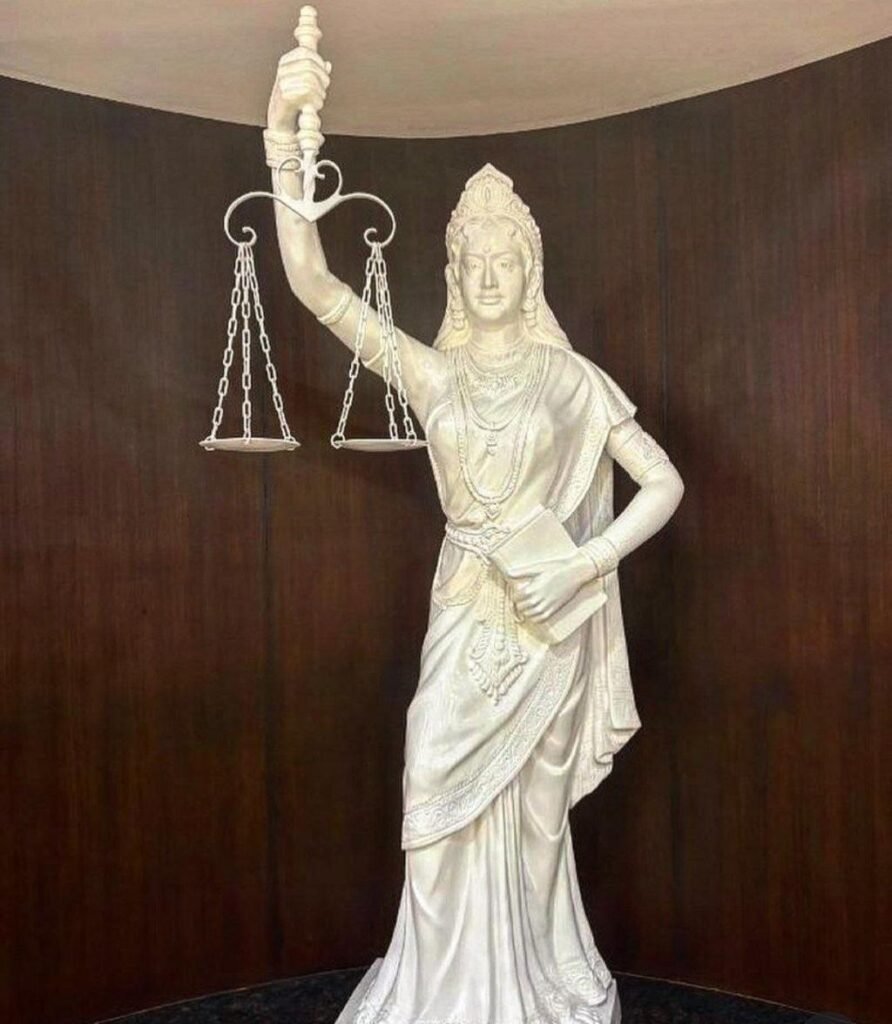
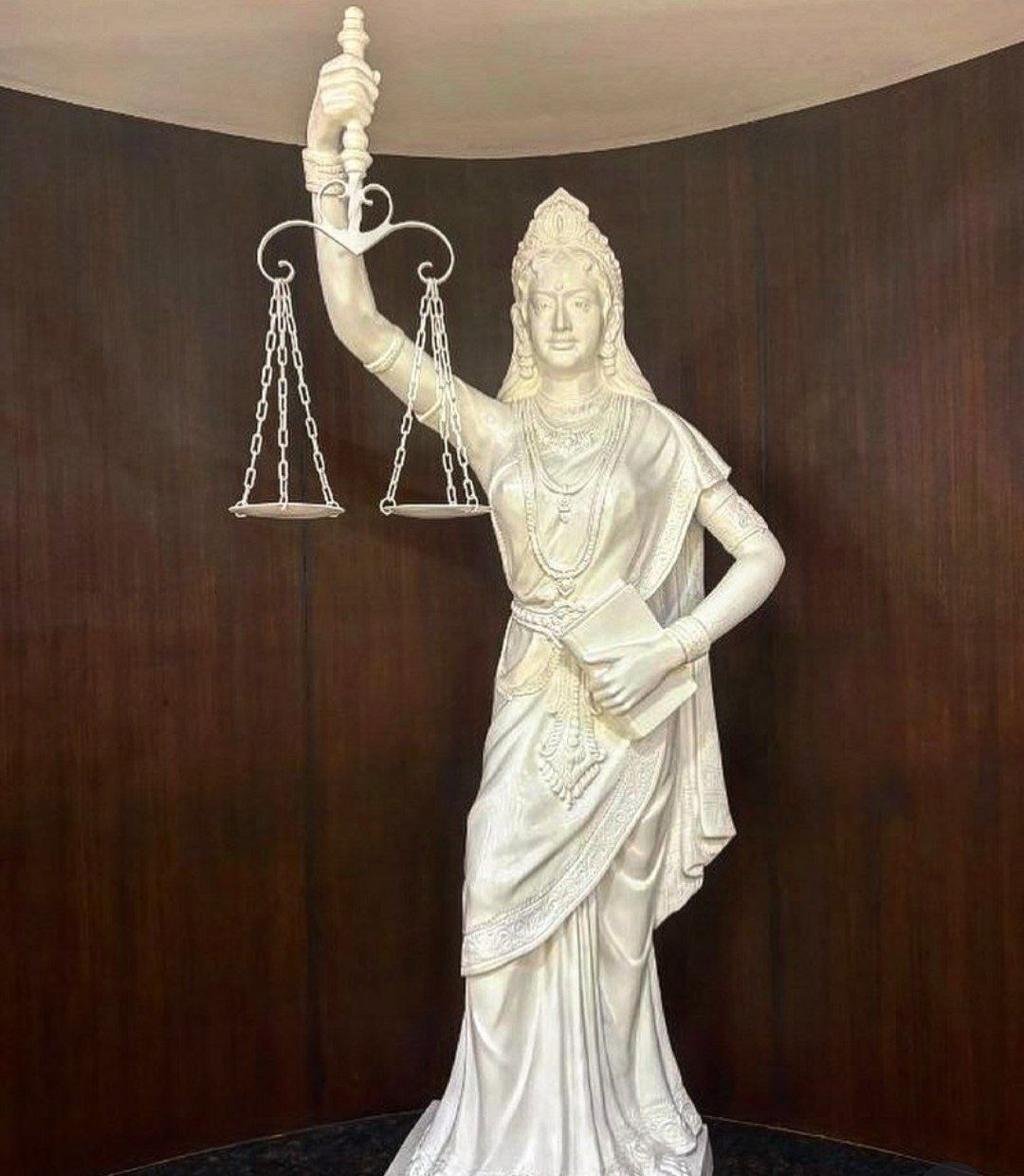
- Lady Justice Statue
- Indian Constitution
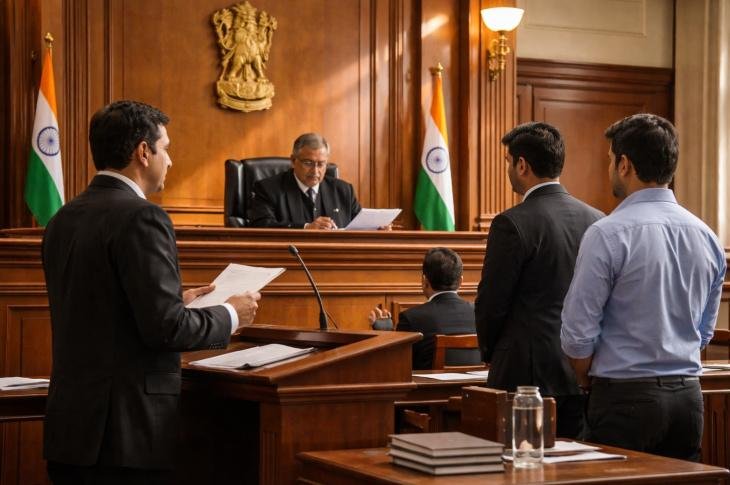
- Court Building
What is Crime?
A crime is an act or omission that violates the law and is punishable by the legal system. Crimes affect individuals, families, businesses, communities, and the nation as a whole.
In simple words, a crime occurs when a person intentionally or negligently commits an act prohibited by law. Criminal acts may result in imprisonment, fines, community service, or other legal penalties depending on the seriousness of the offense.
Criminal laws exist primarily to:
- Protect human life
- Protect property
- Maintain public order
- Prevent violence
- Safeguard individual rights
- Promote peace within society
Without criminal laws, maintaining order in a large and diverse country like India would be extremely difficult.
Essential Elements of a Crime
Every criminal offense generally consists of certain legal elements.
1. Criminal Act (Actus Reus)
A crime usually requires a physical act or unlawful conduct.
Examples include:
- Stealing property
- Assaulting another person
- Damaging public property
- Forging documents
- Hacking computer systems
2. Criminal Intention (Mens Rea)
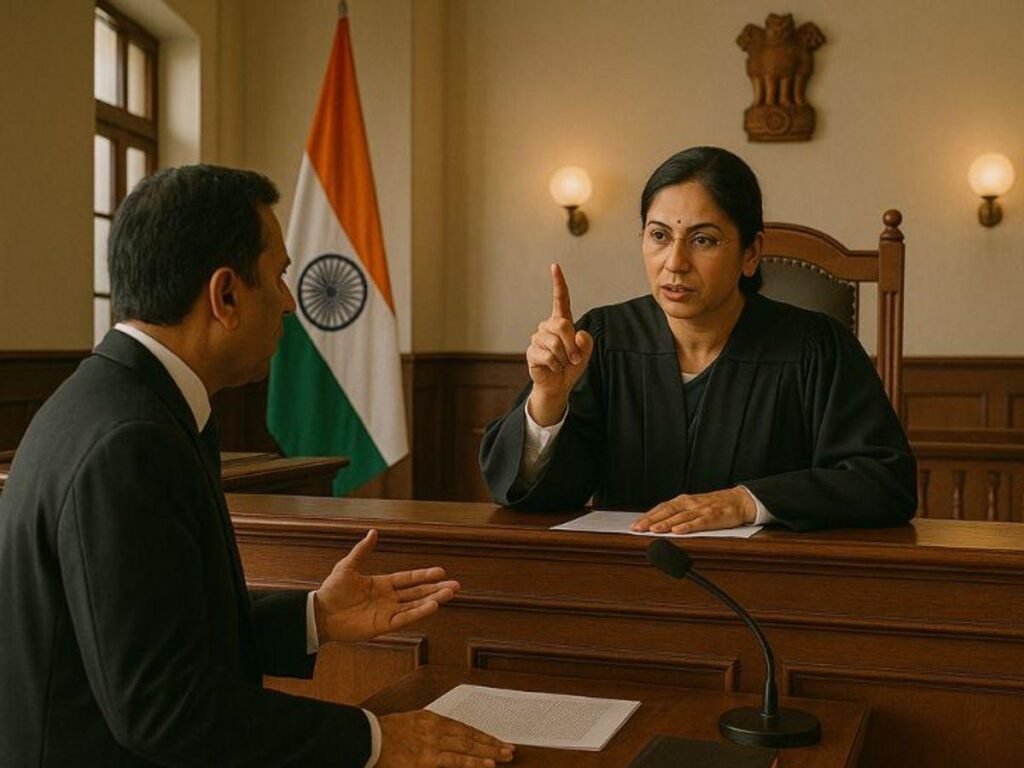
Most crimes involve a guilty intention or criminal mindset.
For example:
A person planning and executing a bank robbery demonstrates criminal intention before committing the offense.
However, not every harmful incident becomes a crime. Courts carefully examine the circumstances, evidence, and applicable laws before determining criminal liability.
3. Punishable Under Law
An act becomes a crime only when it is prohibited by law.
If an act is not recognized as a criminal offense under applicable laws, criminal punishment generally cannot be imposed.
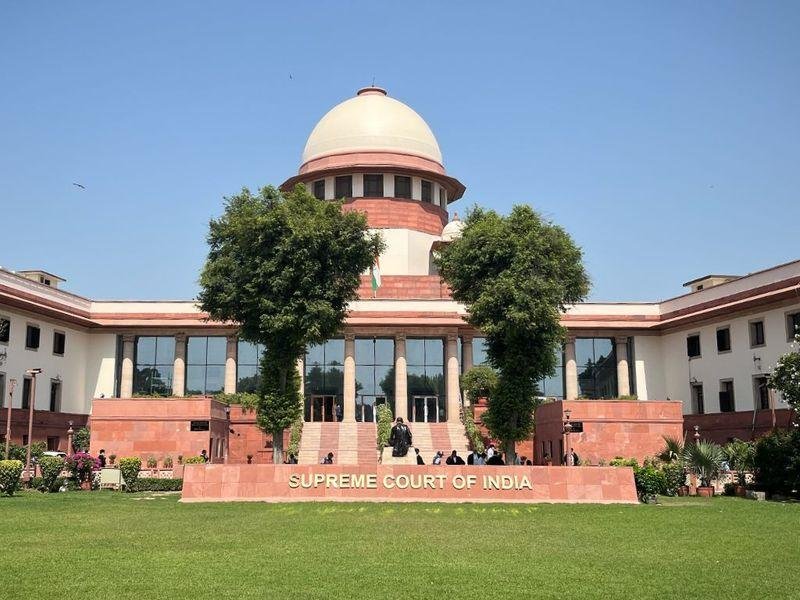
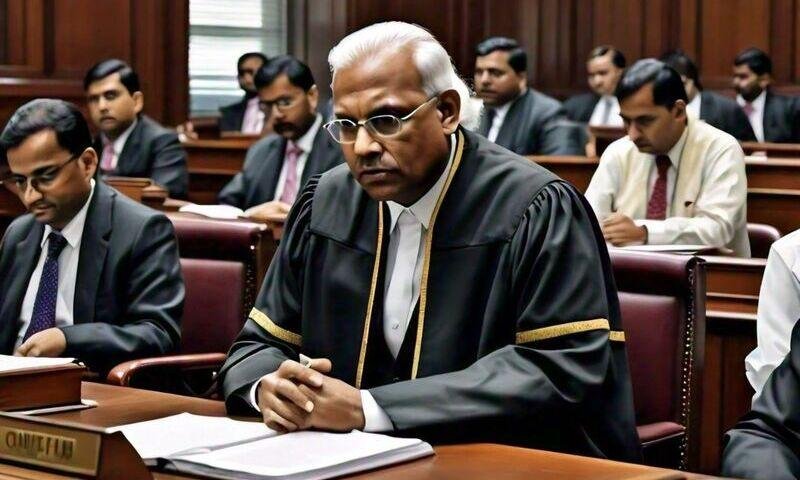
Court Judge delivering judgment
Why Criminal Laws Are Important
Criminal laws play a vital role in protecting society.
Their objectives include:
Protecting Citizens
Laws protect people from violence, theft, fraud, and exploitation.
Maintaining Public Order
Peaceful societies depend upon effective law enforcement.
Delivering Justice
Victims deserve legal protection while accused persons receive a fair trial.
Preventing Crime
Strict punishment discourages potential offenders from committing crimes.
Protecting National Security
Laws also help protect the country from terrorism, organized crime, cyber attacks, espionage, and anti-national activities.
Evolution of Criminal Laws in India
India’s criminal justice system has undergone remarkable transformation over the past several decades.
Understanding this evolution helps explain how Indian criminal law functions today.
Ancient India
In ancient India, justice was largely based on:
- Dharma
- Community traditions
- Local customs
- Village councils
Village elders often resolved disputes peacefully without formal courts.
Kings also maintained courts to punish serious offenders.
Medieval Period
During medieval India, different kingdoms introduced their own legal systems.
Justice varied depending upon:
- Region
- Religion
- Local administration
Punishments were often severe and based upon the ruler’s legal framework.
British Colonial Period
A major turning point occurred during British rule.
To establish uniform criminal administration, the British introduced:
- Indian Penal Code (IPC) – 1860
- Code of Criminal Procedure (CrPC)
- Indian Evidence Act
The Indian Penal Code became one of the world’s most influential criminal codes.
It remained India’s principal criminal law for more than 160 years.
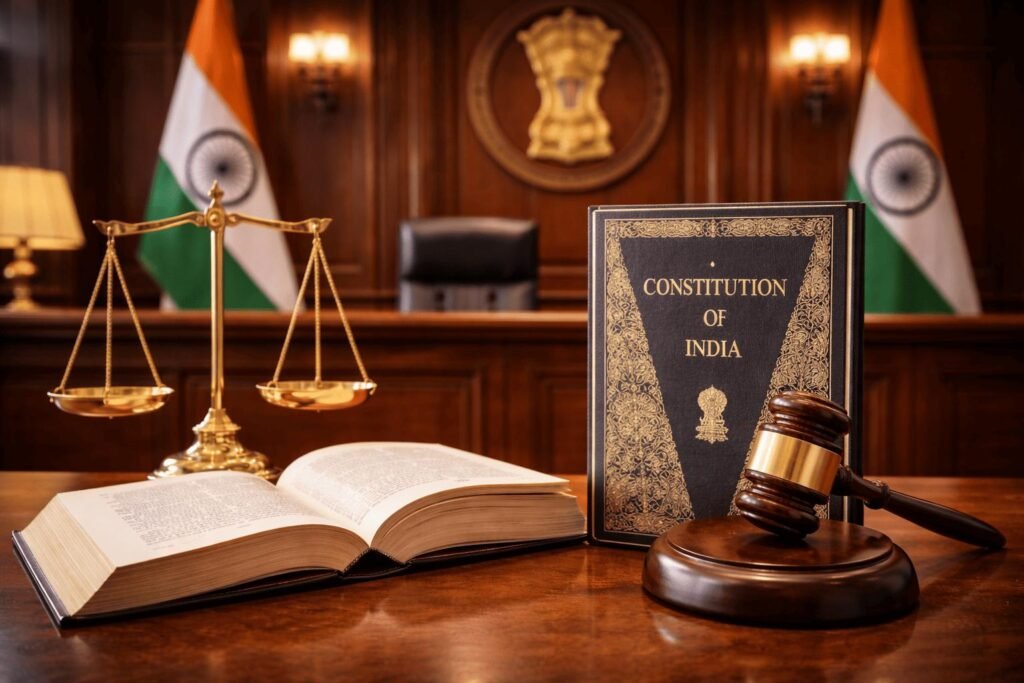
Historic Indian Court or old legal books
Criminal Laws After Independence (1947)
After India became independent in 1947, the Constitution of India came into effect on 26 January 1950.
The Constitution guarantees fundamental rights while also empowering Parliament to create criminal laws for protecting citizens and maintaining law and order.
Independent India strengthened its criminal justice system through:
- Police modernization
- Judicial reforms
- Specialized investigation agencies
- Forensic science laboratories
- Human rights protections
- Cybercrime investigation units
As society evolved, new laws were introduced to address emerging forms of crime.
Modern Criminal Law Reforms
India has continued to update its criminal laws to meet changing challenges.
In recent years, Parliament enacted new criminal legislation to replace several older laws.
These reforms aim to improve criminal investigations, strengthen victim protection, modernize legal procedures, and address contemporary offenses such as organized crime, terrorism, and cyber-enabled crimes.
The objective is to make the justice system more efficient while protecting the constitutional rights of all individuals.
Conclusion of Section 1
Crime is not merely a violation of law; it affects the safety, stability, and development of society. Understanding the meaning of crime and the evolution of India’s criminal laws provides the foundation for learning about the many categories of offenses recognized today.
In the next section, we will explore the first major categories of crimes in India, including Murder, Attempt to Murder, Culpable Homicide, and related offenses, explaining their characteristics, legal treatment, and impact on society

Leave a Reply