Author: pasupuleti saidarao

  • Ramayana Part 40: The Ramayana Across South India | Tamil, Kannada and Malayalam Traditions

    Ramayana Part 40: The Ramayana Across South India | Tamil, Kannada and Malayalam Traditions

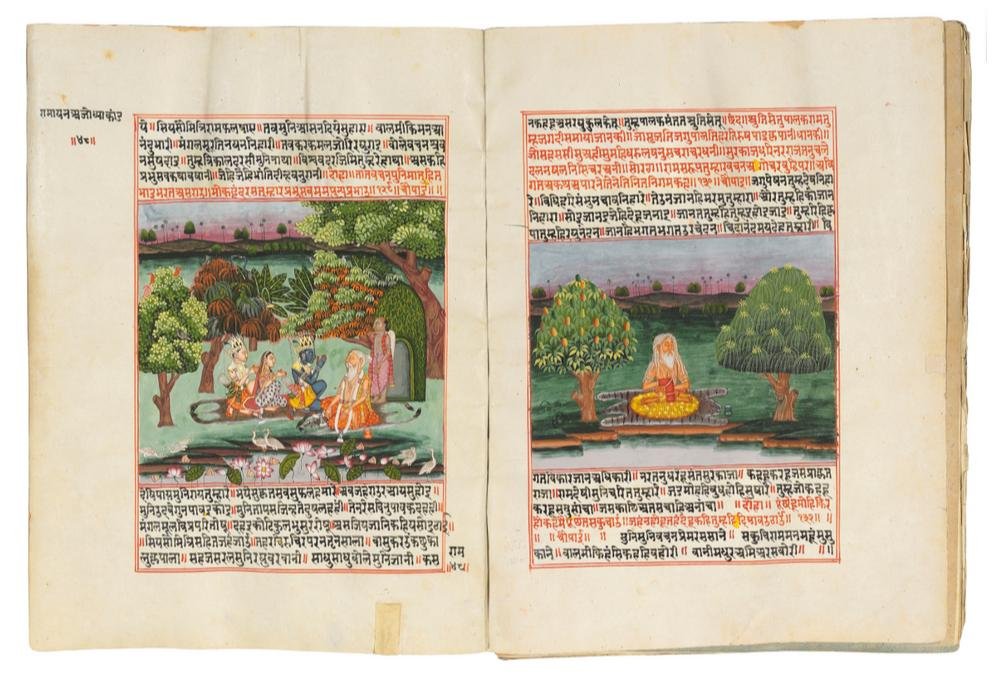
    In the next article, we’ll explore how the Ramayana became part of Tamil, Kannada and Malayalam culture, the famous regional literary traditions, temple celebrations, storytelling and performance forms, and how South India gave the epic its own distinctive voices.

    https://images.openai.com/static-rsc-4/vmkPGqttd0GEkDlP0xVFuGMi1l-8wdqI6xKJqYDJJvHhbSlPvfjB76dxfjFZtWR24tk4t7erRDbKbRiwo1iM6rwqj27GNqgBf6uYnCkQ1zeCzcjbgC2g_3xhEejbDBSSjfRCxooEmzeZwOY4agRO2uX_j3GUrwSvei3tLfBk98q3p-fO7xZQIQSVkW5tfKBp?purpose=fullsize
    https://images.openai.com/static-rsc-4/gthjBFeFgVkhKOzjM-fzRUYCBCpI0s0H5UPJpfB4PvjAZ7vVIeg3x-MEUEfiDToYJhJGqHyJ9QMXlb5MXKzc-uD07VsLoYrfSG92SoJNZLvuG774HwwhZMKARG6bcv93Qx13wZvYG-ZBTxzdVxinxg7gX3__fI9x1hs3QA1HnMLwRZsSYGsXXvZCwm3xE98o?purpose=fullsize
    https://images.openai.com/static-rsc-4/PxfgpJD2NWG0_uaMXH9iLHjxhcnbssYEPNi-zgePKReRMKfDpAAfqzNqFe_hp30nm9RiqapSv17Cne7wB6YIJfNGmEHgjTNwmO90SN8UhpE8kctEXEXy-GbViYEcu1qLOsdBVb-KTSv93Qio4VKZu9AN5D_8l5azsmFPOPXgv3wodTYtDDJtothDTBXIj_N4?purpose=fullsize

    One Epic, Many South Indian Traditions

    The Ramayana has a particularly rich presence in South India.

    Across Tamil Nadu, Karnataka and Kerala, the story has been preserved through:

    πŸ“– Literature
    🎡 Devotional music
    🎭 Theatre
    πŸ’ƒ Dance
    πŸ›• Temple traditions
    πŸ—£οΈ Storytelling

    Although the central story remains familiar, each region developed its own way of understanding and presenting Rama’s journey.


    The Ramayana in Tamil Tradition

    Tamil literature has one of India’s most celebrated Ramayana retellings:

    Kamba Ramayanam

    Composed by Kambar, this magnificent Tamil work transformed the Ramayana into a major Tamil literary tradition.

    Kambar did more than translate the Sanskrit epic.

    He used the richness of Tamil poetry to express:

    ❀️ Love
    πŸ™ Devotion
    βš”οΈ Heroism
    😒 Sorrow
    πŸ‘‘ Kingship

    His work remains one of the great achievements of Tamil literature.


    https://images.openai.com/static-rsc-4/HS7c4oPbcD37GRFB7lsW036TUCkrP0ZNGn2YVex3SaCUm9xG4Gpd7a7FBUy_R2g29p60HYonvnkADUNokYGc7QFGdvn6Q8i5X8V5LNSoGrgyWS7uJoBFYADoVOicEeqHSZe1MhZS_SML5Ah0fk1CIzZBkuUy2QVzF0SPyBdi_edeTlysMNBMQvZRyv0ZX8_8?purpose=fullsize
    https://images.openai.com/static-rsc-4/kOtsfbzzW40EYojY1yhtLth-e_V5CexfE-8kPAUCeYUM0fimUAHiDWPAj2P_WH4FTEBiMpFxhoGAyLXUP9ybgmpTnBnILe1j0TFhHfZLNnLshI6MS1lzGGfOjLgayh2R8VWZxbF3HveO7thrRL2k5ghNL6th966d-NBsslfWQ28d2xgDBILKy2aOItGhvGvA?purpose=fullsize
    https://images.openai.com/static-rsc-4/VCZ6iZcikpgHbIvyXjggE8G2kWdgQcazhad0nVVoxwARi2jn_Ssr8eaN1dwte1Yl6IHCAsN9JMc57QeNjqR9f28D6pDZfaT9h-eaELY6fzoclJ-Qa4FtdW-hApmaL2y0g444gRocfxoslNiClunw0LKT4q7KqELn72lmeOm0PBmpNEO1_u15YaDzVpE7ALZK?purpose=fullsize

    Kambar’s Rama

    Kambar’s portrayal of Rama is deeply connected with devotion.

    Rama is presented not only as a heroic prince but also as a figure of divine significance.

    The poet uses powerful descriptions of nature, emotions and battles to make the story vivid.

    This helped the Ramayana become deeply connected with Tamil literary and devotional culture.


    Ramayana in Tamil Temple Culture

    Rama and related characters appear in many Tamil temples.

    Temple traditions may include:

    πŸ›• Rama and Sita shrines
    πŸ™ Hanuman worship
    🎡 Religious recitations
    🎭 Festival performances
    πŸͺ” Special celebrations

    The temple therefore becomes another place where the Ramayana remains part of living culture.


    The Ramayana in Kannada

    Karnataka also developed a rich Ramayana literary tradition.

    Among the notable works is the Torave Ramayana, traditionally associated with Kumara Valmiki.

    Kannada writers and performers adapted Rama’s story for their own literary and cultural environment.

    The epic also entered Karnataka’s theatre and storytelling traditions.


    https://images.openai.com/static-rsc-4/2RZeYIHkDF-R1oXj8i9qngkPQJA2WIXZDnfTkQ0Y8z7ywEFLUsPY7atJq54RJ5mhdyEV4Eort3HvXAU8pBor7TT83eOQqTyNkKuuuGinQfRiQLQBqMByAW32SAIAJCZtoZ2fWuc8LzQZC_fRM-CulFxc5Z584YSRULKnIvd7RwOSNRw1HivY2boI9r0kLS1t?purpose=fullsize
    https://images.openai.com/static-rsc-4/uS76Rjq-1iAqAsYrnZQNjhvNEYzgDucUceexL1kC5yFqqbsUNAmEBEZh3hw6Xfctd1z4_IDV2isK7hstSy6SUiPOOs4LCYOt5XaoFMXOyIJPFGptBMd18icWr0zg20oRwt-ejuqFTgw-cVhKmT6EOyhpP4HsZ7jv_1W7aJIk8DhrbAMBu7H77PsttJ2r1284?purpose=fullsize
    https://images.openai.com/static-rsc-4/PxfgpJD2NWG0_uaMXH9iLHjxhcnbssYEPNi-zgePKReRMKfDpAAfqzNqFe_hp30nm9RiqapSv17Cne7wB6YIJfNGmEHgjTNwmO90SN8UhpE8kctEXEXy-GbViYEcu1qLOsdBVb-KTSv93Qio4VKZu9AN5D_8l5azsmFPOPXgv3wodTYtDDJtothDTBXIj_N4?purpose=fullsize

    Yakshagana and the Ramayana

    One of Karnataka’s most spectacular performance traditions is Yakshagana.

    It combines:

    🎭 Drama
    🎡 Music
    πŸ₯ Percussion
    πŸ’ƒ Movement
    πŸ‘‘ Elaborate costumes

    Ramayana stories have been performed through Yakshagana for generations.

    The dramatic costumes and energetic performances make characters such as Rama, Ravana and Hanuman especially memorable.


    https://images.openai.com/static-rsc-4/o0MmkcV7EiPhZI3zdL05t_u75LMnOGcvCA_7cOD4LLRseMxDaZSHrKwE41XJfS7lQf07N6ch0LtKSRPX0ToHzfukpoGsfESMAcgCqsdGZ6LmSTWkc7Y9bBZ0TEKLLyO7mY8P85gcWrblgnQO3JHBIcqQ2Z5nwXOM2rImDMavl4U34AA-RPY6mLx56geTaWsb?purpose=fullsize
    https://images.openai.com/static-rsc-4/g6aYZqMUxfsS6LgRAotaY6CtQZYP72QqiDNcHI0P8E-I89uGzoBZnDcb7s7bOMMcg_vZnT7lh3AiGaPOdP4yNf8W5Pa96W5SkhZA2yYYkcu1TPDQOycyrHP8dS_n8slvSnkEwVcwvPUkuVzP454rZ_MF3aPxsrd92scXygDmtWXprH2zXTng4OujAThlNttm?purpose=fullsize
    https://images.openai.com/static-rsc-4/FVdcjcctm8zmWYlffut2XNuFu2UgT_u3yNs_tpABvwPsnMwp6Ldn44-6qurrrCINtd1pxd56zdd_3Gj8LkYNxELGHQsZfEehoI3ElSH2TX5U7MQL-QMJRnginO5ySA6uFfM9kngQvezowoxnlnnV74prlVAlRB3RCwPSIxY_6EWgETFS1kL6sIBQhpiexBhG?purpose=fullsize

    The Ramayana in Kerala

    Kerala has its own strong Ramayana tradition.

    One of the most important Malayalam works is:

    Adhyatma Ramayanam Kilippattu

    Associated with Thunchaththu Ezhuthachan, this work became deeply influential in Malayalam literary and devotional culture.

    For many Malayalam-speaking families, the month of Karkidakam is traditionally associated with reading or listening to the Ramayana.


    Karkidakam and Ramayana Reading

    Karkidakam is sometimes popularly associated with the Ramayana month in Kerala.

    Families may read or listen to the Adhyatma Ramayanam during this period.

    This creates a special connection between:

    🌧️ The monsoon season
    πŸ“– Ramayana reading
    πŸ™ Devotion
    πŸ‘¨β€πŸ‘©β€πŸ‘§β€πŸ‘¦ Family tradition

    The practice demonstrates how literature can become part of the rhythm of everyday life.


    https://images.openai.com/static-rsc-4/RP23s51pPikrjmXtqnrMyPt48qbDXkWOg3CrV_LVZYNT6DSicUKcKXqwzqxJjXpCUZV6XlRUAw-lfKfOqRszPMSh9asbcFG1f_W2gded46iCXVEPFN3iCDw0YnlIZx2ddQv_v7j2SHRTMOODkV-MB9eNe_ONFYzdnrab_9Yq69DQNWyyELdGRBRjIlWW0HPY?purpose=fullsize
    https://images.openai.com/static-rsc-4/rMHU_KHxoXRvg3CjHDvS9c6i-Onx2ObI9hUaUeJyCXzk7SEKn0FBfq76SwlmnxT6SeYHBFTVriJi9UJsNonamIDNREus3YTZLNmUNRGwym-_4hePkdVxffBAUYf726ih0QYRj5-CTFzkOOCZ6HeRgWLTcYh-dnkV-APdBCo_jZ9ldZTpzPN_TUMjnziKVP2D?purpose=fullsize
    https://images.openai.com/static-rsc-4/DwZHqtuK2ZqQJx0mbIGdShJR315EaoqU_P71zS97-DmFMd21coWM9NkFnvItqn7S7dbXB-OLta8zZS3zzsiwwkd2lLFad4MUKTei78hV4cGQEhL2T1Ny3o0YKCTsWcqOneew_m3GMSzNKeVLfnw8ZBc_LovlhakG4wyjf6S5FjYEqjTJkvruWecgHC7UxA1n?purpose=fullsize

    Kathakali and the Ramayana

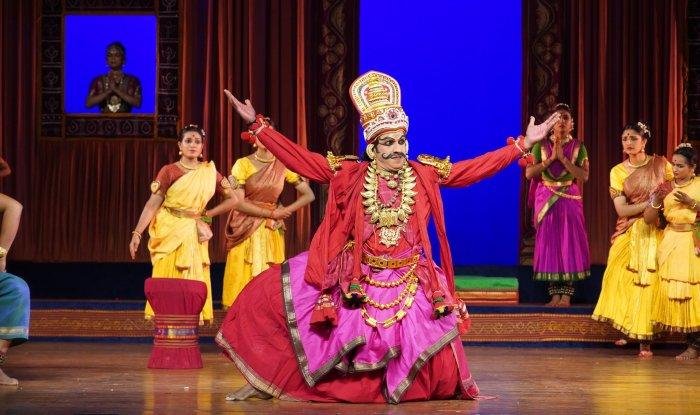
    Kerala’s famous classical theatre tradition, Kathakali, has also presented stories from the Ramayana.

    Its distinctive visual language includes:

    🎨 Elaborate makeup
    πŸ‘‘ Large costumes
    πŸ‘€ Expressive eyes
    🀲 Hand gestures
    πŸ₯ Percussion

    The audience can recognize characters through their dramatic appearance even before they speak.


    Rama and Ravana in Kathakali

    Kathakali allows performers to explore the personalities of the Ramayana characters through highly stylized acting.

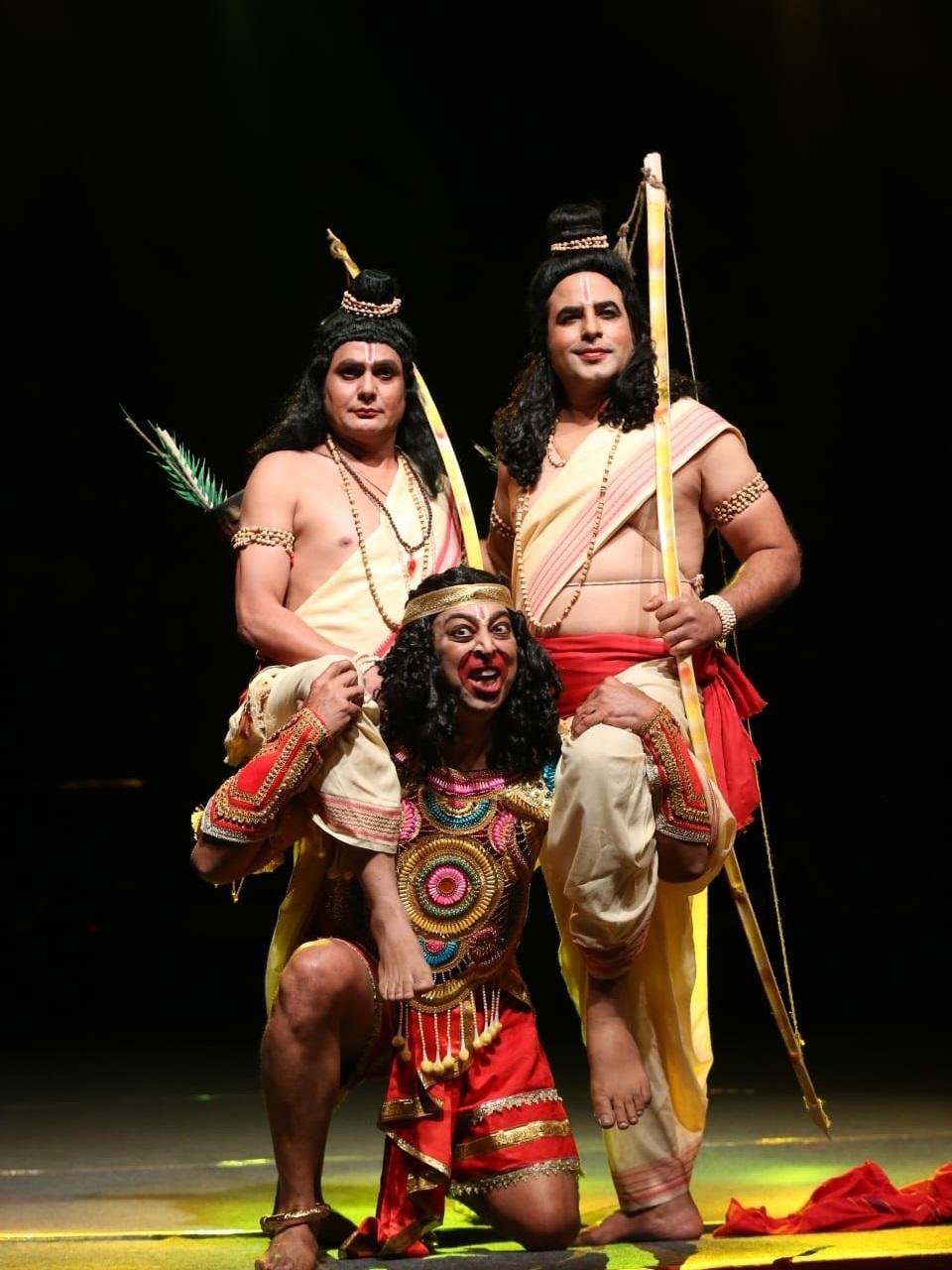
    Rama can represent dignity and righteousness.

    Ravana can represent power, pride and dramatic intensity.

    The confrontation between these characters becomes a visual and emotional experience.


    https://images.openai.com/static-rsc-4/YKJHPO8XirAMxulIdvXfeFsjSSlXp-VwKmT4PnprQ1W1X330w_sz-SPzeYgGKEBzUb3LGxO1ueMUO4D_sT6Yag6HtvrvMfruk63r9AYH4pyo0I0WaEeDDsbW12rL4xcT00eNkR3eJNk4shfwIGOrVrcqGJ5Qj5r2spzkRtMi-HX5oik-RfQGo3Q9MH-5Jz50?purpose=fullsize
    https://images.openai.com/static-rsc-4/k5Xb3uFX5aFWhDDZVDbGoGvUOi9G5IxoNHOGkG6tjPXfLYQznU9JSZFSjW7auxxBkmQQRTYoge_1BAuC2enpWJd_-iRbkI8NSSmoLep6gYslpMGOnYFVWvz6r8iLbLcMVf5kZj0cM60qdnTMTE5i6eo3bAGc-Ld1q_fJ0-dE1KEMEhqVjQz6qoctjMlAuSlU?purpose=fullsize
    https://images.openai.com/static-rsc-4/Zt9sTX-achqBdBmflEmx9G9eY9f373uGBpc52tFohJkCdYFDoTh0Ukw_XIqCeE_-zbfgHWBwKczEXsWZnXr6M0t5glRab_4AnDIIgPppEBdNpY7e8fictsAXCBYDquly65ey4ba8ZEpkE9TjPz0_nBnMm1m_0NGY8ie4uE_1VBBSwzDM4IVfJTLGL-FI0hVl?purpose=fullsize

    South Indian Dance and the Ramayana

    The Ramayana is also deeply connected with South Indian classical dance.

    In Bharatanatyam, performers can portray episodes through:

    πŸ‘‹ Mudras
    πŸ‘€ Facial expressions
    πŸ’ƒ Movement
    🎡 Music

    A dancer may portray Sita’s emotions, Rama’s journey or Hanuman’s devotion without requiring a large stage set.

    The audience follows the story through the performer’s expression and gestures.


    Temple Festivals and Rama

    Across South India, Rama temples continue to celebrate important occasions.

    Sri Rama Navami is especially significant.

    Celebrations can include:

    πŸ›• Temple rituals
    🎡 Devotional music
    πŸ™ Special prayers
    πŸ“– Ramayana recitation
    πŸ’ Sita Rama Kalyanam

    Local customs vary considerably from one temple to another.


    https://images.openai.com/static-rsc-4/uO9QUl3XFTAjywH7tAguzO_kuV0z0adic7lfYpOtnpNhZ4ZMR9ZfDW9-a3OgK-w9Aqg_PSlDX5MDOJ1urJfCe8-QpOJ6CHPpJCksep9Qh8p3LBj_v8kox2bg_ZQC3M3OY6wkbvCBMvRTaWODJxJ8ek-yL8oNO2b4cZWwANY4D0-Hj8DKjcta4zTn3JlGsXge?purpose=fullsize
    https://images.openai.com/static-rsc-4/OnJDUHmpX0oF6IfekziN733OF8Ssnk9qEPoJbVFazf-C9W-U2eYtQeTKrQ-EJ0EEweJBhrPkxlfrkdwEgiE1GAHFd_lX2sGoYBVBbLupEdi6YGVmWyEqZltxe-SmWVEEZXKSkGP51o7k7NkK-EtYcMaTMLDQILOsd_h2u1ZaG4ZqkYjR6FJgOx61FxgdjHs5?purpose=fullsize
    https://images.openai.com/static-rsc-4/UanrrSE8_VcPtMOF5ch6wUfuVBQmbGN2MaQbw1vtvXJhRpvgByHru19loUs4j1G83AZ2p7_s9H_ASqfwq2rrTQOM_-aWMc4QJ1H_jddp7S5wpdSQAZM4gYZaIIhfJCMfYGZWFhf2pnhBN7Goisn4S4DQw9duiIrq7VzmCIELHLsdNoODVkNtuDBAhGeeBc1W?purpose=fullsize

    Different Languages, Shared Story

    Tamil, Kannada and Malayalam traditions demonstrate how a single epic can develop many artistic identities.

    Tamil

    Kamba Ramayanam and Tamil devotional traditions.

    Kannada

    Torave Ramayana and Yakshagana.

    Malayalam

    Adhyatma Ramayanam Kilippattu and Kathakali.

    Each region contributes something different.

    Yet Rama, Sita, Lakshmana, Hanuman and Ravana remain recognizable throughout.


    The Role of Local Artists

    Regional artists played an enormous role in keeping these traditions alive.

    Poets created literature.

    Singers created devotional compositions.

    Actors performed epic scenes.

    Dancers expressed emotions.

    Storytellers passed episodes to new audiences.

    Together, they transformed the Ramayana into a living cultural tradition.


    Why Regional Versions Matter

    Regional Ramayana traditions are important because they show that Indian culture is not a single uniform tradition.

    It contains many voices.

    The Ramayana became a bridge between these cultures.

    The same story could be expressed through different languages while remaining part of a larger shared tradition.


    The Ramayana Today

    These traditions have not disappeared.

    They continue through:

    πŸ“š Books
    πŸ›• Temples
    🎭 Theatre
    πŸ’ƒ Dance
    🎡 Music
    πŸ“Ί Television
    🎬 Cinema
    πŸ“± Digital media

    Modern technology has created new ways for audiences to discover traditions that once depended mainly on live performance and oral storytelling.


    https://images.openai.com/static-rsc-4/DOuz4BpfhS0q-oR5wdbUcm63TsQfPfxmim9aGfhRHMIvAvtOunmcClaWdSPbs3qdbo2444j0LcWVKrvmShF8ZjcRqQoX5GxINOElbCYMV9Do_1xXH0r14XGPP4q06lKPIcBwQRRADlWR7uf5CBLogXdGM8cJRC3SQi8E3x04DisiEjfplcG3OYfwYsKfNkGB?purpose=fullsize
    https://images.openai.com/static-rsc-4/cduG0u6APp72Z6fmIiskegy6opJqIU3qKFwSyD-4XOQ4AOZPb9WmDVJseJbMMQ5SAio702JcScSA5uqKeHm5xF-f4sPs7-YqPMMpI180rvxLPsBkWgUeJm3EwqsHsv-tPKas3TcjhDUZYgJSLJqtixv-aGqxeZS6eBsR37Pii3X3LaSyw7Sfhibd4GFhiQjP?purpose=fullsize
    https://images.openai.com/static-rsc-4/dH06f-UlUUZJv3WC51EeOS_GGY48R-WHyS3hp_CGyOBW_vnPtBuPSQA82vuJarsiLJ1nr-sFWQBeLbGGxBG9mw4dIOWDb1munWQz2QXz0YsBucWVnIUayOGUrkGeCHQ9TRC1HAI50oDJQExpWVNjpss1TDA_23Jn6HF22hMmzEch2pjPzyG7qpsayWW-Urqq?purpose=fullsize

    Conclusion

    South India has given the Ramayana some of its most influential literary and artistic expressions.

    From Kambar’s Kamba Ramayanam in Tamil to the Torave Ramayana in Kannada and Adhyatma Ramayanam Kilippattu in Malayalam, the epic has developed remarkable regional identities.

    Through Yakshagana, Kathakali, Bharatanatyam, temple festivals and devotional traditions, the story continues to reach new generations.

    πŸ•‰οΈ The Ramayana may have travelled across languages, regions and centuries, but every generation found its own way to give the ancient story a new voice.

    In the next part, we will explore the Ramayana’s influence on Indian art and painting β€” from ancient temple sculptures and murals to miniature paintings and modern artistic representations of Rama, Sita and Hanuman.
  • Ramayana Part 39: The Ramayana in Telugu Culture | Literature, Harikatha and Devotion

    Ramayana Part 39: The Ramayana in Telugu Culture | Literature, Harikatha and Devotion

    In the next article, we’ll explore how the Ramayana became deeply connected with Telugu language and culture, the important Telugu literary traditions, Harikatha and Burrakatha storytelling, theatre and cinema, and why Rama continues to hold a special place in Telugu cultural life.

    https://images.openai.com/static-rsc-4/mHSB0DPNRUOsbHjp_jKTZsxZxKWpyMeJZ_46s4hvU5RMpqmWK7qzAHLDhWGeKVLNTDbh_RoTnIT9IZRdaKzXHSc-0IcC7w88hvFMapIALkD1_Srq-0P39gzlNFfAn56LtDWjkQtF7l7Y4RlpCfUHrdiX0b7og7-C1-Ujd8IgCv-Za17LHjAzIMTooLU5n9mx?purpose=fullsize
    https://images.openai.com/static-rsc-4/raCoYWbn_myPnYCd5_lxaoxpeuYCQAoDv_IGhJwBjVnXZ3wOt21d0KdEPy5Wbp12NjKHwb1dBGCCh8QDtcBiEBdi9Ze23sUJJp9ubjcJdj5DBvYm73paimbK8eAY4T5QdCkmZ3XxrwLmPfSKyit3wE0L_RKVB9WEUiy2iHYvrqo4DhfGG51aIUkJXgUlPPvc?purpose=fullsize
    https://images.openai.com/static-rsc-4/u0IL4kSYvmGQp14sQB2kXEwtGpXJxSM4i0dI1_mCCNz7j6CkB9FUfebAyIe14BVII44yYt7v-6rJ0kc1Q2ZZVgoAJXHyo9qN6VixIvTxWM6eHLthFya4G46k4Do_vHeElfUjhhqYvAAAYZiWm-3Q6W-d7T5N9iEYEusOh_K6o20EAOch1ZQL4IXRBWu9L3JU?purpose=fullsize

    The Ramayana in Telugu Culture

    The Ramayana has a long and influential presence in Telugu-speaking regions.

    It has been experienced through:

    πŸ“– Literature
    🎡 Devotional songs
    πŸ—£οΈ Storytelling
    🎭 Theatre
    πŸ›• Temple traditions
    🎬 Cinema

    For generations, Telugu families have encountered Rama’s story through both written works and oral traditions.


    Telugu Poets and the Ramayana

    Telugu literature contains several important works based on the Ramayana.

    One of the earliest major Telugu retellings is traditionally associated with Ranganatha Ramayanam.

    Another important tradition is Molla Ramayanam, associated with the poet Molla.

    These works helped make the Ramayana accessible through the Telugu language and literary tradition.


    Molla Ramayanam

    Molla is remembered as one of the notable women poets in Telugu literature.

    Her Molla Ramayanam presents the Ramayana in Telugu with a style that became widely appreciated.

    Her contribution is particularly significant because she demonstrated how a major epic could be expressed through accessible regional literature.


    https://images.openai.com/static-rsc-4/NG2DE8eErXLyc5qEXn1wKWaoHa0AEG3idhP2fdn7gAF6w4th7ajJT9qI84NgQFTdMw8NLBeUXLEt1ma3u27X6YF8xhQtsAQMPzuQMahVqFGDFyS-aONuGGQ8dsKiOC1ann24EX_WfK25rUkKK_1ZWYSmmv4bq-q72bB63MutpZ6Jg7wkrt_83YYDfygNQXo6?purpose=fullsize
    https://images.openai.com/static-rsc-4/6GPU13RNUIpTkzQNJ7jxyZWAxOAOIArlzzwHNxN_6MswVLi3AhlraXDYaQt5jirKvCAdOxXpwHnsUTLDeinZhwCKbyuoK0vASMRNH0OVgF18vi5mRhb-945cex_4PW7iRxNoup9YMjl8EGKIMzCZZEObstpMaAP3DwzFcVJ1jgCNiuZrr6EWdR8K929JYcZh?purpose=fullsize
    https://images.openai.com/static-rsc-4/HYEY9uzvaVOfzFnDYoObLKC6_U-NUbYGVY1nUjJn8IomBUH4TBD3PmTAh1xwLug7cs1MXvXiV5pR6BKnY1VGH5z4jx2qcswU4MbanTNEdOz0H4A28-wKd25ku6-o6qMvxJWWzkFzPsbXsQomG_mMG2ayi-25H1FHIepGJw8sa8r16diTorcUzP-BscbAhtJa?purpose=fullsize

    Ranganatha Ramayanam

    The Ranganatha Ramayanam is another important Telugu Ramayana tradition.

    It helped establish the epic within Telugu literary culture.

    Like other regional Ramayana works, it should be understood as a literary retelling rather than simply a word-for-word translation of Valmiki’s Sanskrit epic.


    Ramayana Through Harikatha

    One of the most fascinating ways Telugu-speaking audiences experienced the Ramayana was through Harikatha.

    A Harikatha performer combines:

    🎡 Music
    πŸ—£οΈ Storytelling
    πŸ™ Devotion
    🎭 Acting
    πŸ“– Poetry

    The performer may narrate an episode while singing verses and explaining its meaning to the audience.

    This allowed people to experience stories from the Ramayana even without reading the original texts.


    https://images.openai.com/static-rsc-4/O7SXDQninkfHkjDVWuIHFQC5ZtmkQb75r6nKMc5LdqESaFGEYZXRvTV-056K8SMjDDhF7LdFJRQEXpt-ZV1gdMCFLgBv75ymdNvNeXJgyJPtxUgSjW42Z40j9DAuOTX68IU4yBpCWBcRBfTOYNP870dpBWgTdfxoMijFmqZVPEoy3-nMHPvM5C3gbkiQSm_J?purpose=fullsize
    https://images.openai.com/static-rsc-4/_k375WIz0pZTk_YCWGKvFZawk5j6oiTC2HkwZjFbWsIMGzoPFvRjaTOgF0zytCto7hOxY4U3PMF4y7WkZQl32BwF9zQ0iGiBaskHAB6ZkvbMptOjLwXqYdQaQiAaZeE5CM5V4lnxZy1N8TWYbgm8J2UuDXtc4mS72Mj0T3f5j1rzTMf55W-Qkg3TncslSfXj?purpose=fullsize
    https://images.openai.com/static-rsc-4/G4HJ9soDVYJMwEs-Eb5hOyauM1X5THz_7UWcxByNAcdnM-btVQikLQg0kT6iY2AgcrZlAKSzJgD607Ol3mMR1VfWghvPHZ-8G3tVvGFBA0K28Vap7Hm1LmkVr7Zcb5uzCTlRhYjwNN-8BC_qRx8tzcK036kT30dgX6IBu9Ofye6aACIs1IFy3LJ5hacgmkcv?purpose=fullsize

    Burrakatha and the Ramayana

    Another traditional storytelling form associated with Telugu culture is Burrakatha.

    Burrakatha uses narration, music and dialogue to tell stories to an audience.

    Ramayana themes could be adapted into such storytelling traditions, allowing epic characters and events to reach wider communities.

    These forms demonstrate that the Ramayana was not limited to formal literature.

    It was also a story people could hear and experience collectively.


    Bhadrachalam and Rama Bhakti

    One of the most important centers of Rama devotion in Telugu-speaking regions is Bhadrachalam, on the banks of the Godavari River.

    The town is famous for the Sri Sita Ramachandra Swamy Temple.

    Bhadrachalam became particularly associated with Bhakta Ramadasu, whose devotional songs dedicated to Rama remain important in Telugu musical culture.


    https://images.openai.com/static-rsc-4/B4LKRIqpyqJE15S0VGKqNXgBlSQ0vfCUBGDpv22Fb47ewUYfAULqe5EBw2oOTQgwVxAXIIztJTXelZPTaI6KEoni4d3LnbFLr_f0II41w-JKXdHdFMQ29avgNgx0p3D0T4KrnwPO9GbQfiGIaBZfJzS7KSnQVv2XeaEllgfFrz1gNXwtcdqaG-1PHMm3bWAZ?purpose=fullsize
    https://images.openai.com/static-rsc-4/u0IL4kSYvmGQp14sQB2kXEwtGpXJxSM4i0dI1_mCCNz7j6CkB9FUfebAyIe14BVII44yYt7v-6rJ0kc1Q2ZZVgoAJXHyo9qN6VixIvTxWM6eHLthFya4G46k4Do_vHeElfUjhhqYvAAAYZiWm-3Q6W-d7T5N9iEYEusOh_K6o20EAOch1ZQL4IXRBWu9L3JU?purpose=fullsize
    https://images.openai.com/static-rsc-4/_xxCQ2n_BxkOXN13o8snqVF3l6pddZlWUz2hiH3VVLEiH7R57FN_07apkRLsyZpQ8cHqnTeYLfQ6dl-txpuQHklc5N3Ma8Pa9vSuz39HMw-Q3o1iGqJPDwN3I99hlIT5xUoMv6IYlOPtOct1nP6etX-pyEDGcFsFUoQN2E1TxxgFidybcGKuDvMG5J_WXxKC?purpose=fullsize

    Bhakta Ramadasu

    Kancherla Gopanna, popularly remembered as Bhakta Ramadasu, is one of the best-known Telugu devotees of Rama.

    His devotional compositions express:

    πŸ™ Deep faith
    ❀️ Love for Rama
    😒 Emotional surrender
    πŸ•‰οΈ Devotion

    His songs continue to be performed by Carnatic musicians and devotional singers.


    Rama in Telugu Music

    The Ramayana has influenced Telugu devotional music for centuries.

    Songs can focus on:

    🏹 Rama’s qualities
    πŸ™ Hanuman’s devotion
    ❀️ Sita and Rama
    πŸ›• Temple worship
    🌿 Episodes from the epic

    Through music, the story reaches audiences in an emotional way that is different from reading a literary text.


    The Ramayana on the Telugu Stage

    Telugu theatre also adapted stories from the Ramayana.

    Performances could portray:

    πŸ‘‘ Rama’s royal life
    🌳 The exile
    πŸ’” Sita’s abduction
    πŸ’ Hanuman’s journey
    βš”οΈ The battle with Ravana

    Costumes, songs, dialogue and dramatic acting transformed the epic into a live performance.


    https://images.openai.com/static-rsc-4/fHFGjICHPXinjx8HgORptRqOoa70jjTpxl-jGCoeqtCnpIaEtWmG3FBOlaYOEvJCnL_h5fwIenPKsULhAHZ-kSsLUwKjQVKSZPlpM7wnMMpEBLKdFbl0yOtQZZ4ArRecRyq2jXbl5vrOO_Sa1j53XKf35mMZmcTqO8gqUz8wMfC8366XpJFdSDmKS1tGJ0ux?purpose=fullsize
    https://images.openai.com/static-rsc-4/lRDdtKmmKXD10X1XdGI8uos2YfrTAnvAsAbOiP19glqE72Fjflfet1xx3QzmceaHzRIEFUaKRvvmjMd84qGzWprlgRZ2vnuYXdaTh83euuhbFAx2KUm2BkR3yBR2RcOLOQQOGeJ_-PEGpKFFNmQ5XhPz7BJHO3WTmcY7gXST8-CDfNU4SroN6Xa8_dM2yE2c?purpose=fullsize
    https://images.openai.com/static-rsc-4/YxnLW5zVSYnyC1R8TNOmacBjT399LGojlGUK71kDELJFiy42zsI9bPaPNIcGimR4k9kiPrbBz3joNY7lQxPvNQ8Gq5YsNmU_ihdBXIUMjWEwmoMCBs4_nm63o_hreTKpvOMyfjAcBjDX5NHPoUnhHk4w7dJGlmITKbT7JktDx4iUmuCzJQ8-GShYZSEguMcJ?purpose=fullsize

    Rama in Telugu Cinema

    The Ramayana also entered Telugu cinema.

    Films and television productions have presented Rama, Sita, Hanuman and other characters to modern audiences.

    Cinema introduced the epic to people who might never encounter it through traditional theatre or literary texts.

    It also created a visual interpretation of characters that became part of popular culture.


    The Ramayana at Home

    The epic has also remained part of everyday family life.

    Parents and grandparents may tell children stories about:

    πŸ‘Ά Rama’s childhood
    🏹 The breaking of Shiva’s bow
    🌳 The exile
    πŸ’ Hanuman
    βš”οΈ Rama’s battle with Ravana

    These stories can become part of childhood memories.


    Temple Festivals

    Rama temples in Telugu-speaking regions often organize celebrations connected with important events in the tradition.

    One particularly important occasion is Sri Rama Navami.

    Devotees may gather for:

    πŸ›• Temple worship
    🎡 Music
    πŸ™ Prayers
    πŸ“– Recitation
    πŸ’ Sita Rama Kalyanam celebrations

    These events combine religious devotion with community participation.


    https://images.openai.com/static-rsc-4/wcw9ZqNluDeOYlmxyzq0zoqR-OWnitKnGz3E9usjRZeeD-KlGPob6wLwQghxAAVnvMgYfuKfi3y6r-YcNYkN8k1SncKJHnOoHRPm6UAbmfnIYFN2uzNwui7RZhiqcK2bgHrEiJF1ArWTYN65EQzAg7flCAxq9Mq_HyhEq8_yfPiJZwIy-rf3ScssN3rGqyLf?purpose=fullsize
    https://images.openai.com/static-rsc-4/uO9QUl3XFTAjywH7tAguzO_kuV0z0adic7lfYpOtnpNhZ4ZMR9ZfDW9-a3OgK-w9Aqg_PSlDX5MDOJ1urJfCe8-QpOJ6CHPpJCksep9Qh8p3LBj_v8kox2bg_ZQC3M3OY6wkbvCBMvRTaWODJxJ8ek-yL8oNO2b4cZWwANY4D0-Hj8DKjcta4zTn3JlGsXge?purpose=fullsize
    https://images.openai.com/static-rsc-4/qdj8pVd9uhwRuL181lP-fAKRN7c7vm6hnUNU-IbzkJ0BoE9L_V04Tnm4cDh9l2eMtKbw_XFdseGhQSmisEerDRQIIFqOqVKzV4HlyICsae8qBnFgVP_QQIasLWOPW_jRYxBCeOVW5PN0UqpXlaR64JW0BD5ba8Z3ap4pQGR4d84vELPEi_m5RjriFzml4ekB?purpose=fullsize

    Why Rama Is So Important in Telugu Culture

    Rama is remembered through many different roles.

    He is seen as:

    πŸ‘‘ An ideal king
    πŸ™ A divine figure
    ❀️ A devoted husband
    πŸ‘¨β€πŸ‘¦ A respected son
    βš–οΈ A symbol of dharma

    Different communities may emphasize different aspects of his character.

    This flexibility has helped Rama remain relevant across generations.


    A Living Tradition

    The Telugu Ramayana tradition is not limited to ancient manuscripts.

    It continues through:

    πŸ“š Books
    🎡 Songs
    🎭 Performances
    πŸ—£οΈ Storytelling
    πŸ›• Temples
    πŸ“Ί Television
    🎬 Cinema

    Every generation can encounter the same epic in a different form.


    Conclusion

    The Ramayana became deeply rooted in Telugu culture through literature, devotional music, storytelling, temples, theatre and cinema.

    From Molla Ramayanam and Ranganatha Ramayanam to Harikatha, Burrakatha and the devotional traditions of Bhadrachalam, Rama’s story has continued to find new voices.

    πŸ•‰οΈ The Ramayana in Telugu culture is not simply a translated epic β€” it is a living tradition shaped by poets, singers, storytellers, performers and devotees across generations.

    In the next part, we will explore the Ramayana in South India beyond the Telugu tradition β€” including its powerful influence in Tamil, Kannada and Malayalam culture and the different ways these regions have interpreted Rama’s story.

  • Ramayana Part 38: The Ramayana in Indian Languages | How Poets Retold the Epic

    Ramayana Part 38: The Ramayana in Indian Languages | How Poets Retold the Epic

    In the next article, we’ll explore how the Ramayana travelled across India through different languages, the famous literary traditions that retold Rama’s story, how regional poets gave the epic their own artistic style, and why these versions became an important part of Indian literature.

    https://images.openai.com/static-rsc-4/a3kWFN1GQpI2OQWQ85N077pBThqpGYBzRA8JvoVYSbBI2mHRdBu_ro3pl0utY21lZ6SBjMa0tVgfGf6FtY2xBnzA4-duF1A07r3u2ky3gIF6yW9u2wm11YZr3hTkMfBBdQvEcBmkxx-YU0gCimrm3odlpH3qm053Rpd-cJ_9DNz2PrUT_4N1075I4-yidNDh?purpose=fullsize
    https://images.openai.com/static-rsc-4/TMPXi10ZohlHmuv3OE9ClnWlGp8FCsgWuphORnMMbGq8kOwdd5XUV56rQz66TVaH4Vl4MwlcoVLb1Yy8tS8MYexzxHl0Wll_iN22zBD3pHKWkZruOSl-Ik0wPqAhuSJvhyTBSF16cbLWbILkC0jxyBIqh8ivQlZiurfjqqw4PsngcZNmwrw0B_rayHu0ZqzZ?purpose=fullsize
    https://images.openai.com/static-rsc-4/J-iSWOKcNLsFl_dt7ayuDHJEkw6fd74S_W-Zjnp7MYu5b7QI6wfL273o4FnV37qVhB0lda-awJVZ1pXNgoHs6KseWaKFLoKGUIhJrmDkl2QYbt_bVOKW3qktYnHyuyNgbx6BVK80XODXy2Cdhf5FLlqTX5ltdG1fGga6MuGPYBchxXvlpgN_QityBKL-m5Tf?purpose=fullsize

    One Story, Many Languages

    The Ramayana is one of the most remarkable examples of a story travelling across languages and cultures.

    The broad story of Rama remained recognizable, but poets and writers across India retold it using their own:

    πŸ“– Languages
    🎡 Literary styles
    🎭 Cultural traditions
    ❀️ Emotional interpretations
    🎨 Imagery

    As a result, India developed a rich collection of Ramayana traditions.


    Valmiki and the Sanskrit Tradition

    The Valmiki Ramayana is traditionally regarded as the earliest major Sanskrit version of the epic.

    It became an important foundation for countless later retellings.

    Poets in different regions did not simply translate every word.

    Instead, many created literary works that reflected their own language and cultural environment.

    This is one reason the Ramayana became so deeply rooted across India.


    Ramayana in Tamil

    One of the most famous regional retellings is the Kamba Ramayanam, composed by the Tamil poet Kambar.

    Kambar transformed the story into a magnificent Tamil literary work.

    His version is particularly admired for its:

    🎡 Poetry
    ❀️ Emotion
    🎨 Imagery
    πŸ•‰οΈ Devotional expression

    The Kamba Ramayanam became one of the great works of Tamil literature.


    https://images.openai.com/static-rsc-4/CrOg2SDM8hGaPpxekZve4cfNE_NAdIYlDiw-YlccCWw2mfET4nsxQA9pCqeUX3Eoqtryi9tHf49mv1tyd8WOs4XAAkQddPOezaQhgQ6r0SohQPziQvCVAq-Dpu_MAup-S_7dbr9SaOuFqH6a4-Dgoc1jQynm3HDeY9NSLM4PTcq44uinZdEC1VaxHSX1HH6S?purpose=fullsize
    https://images.openai.com/static-rsc-4/nHra8yUaf6uGFp-ydjGO77UIFBhNKzHys_8aEKpMmTGMkLDGAW-5Z2NzrI67xuoIK_jf3YvuJiQYIXfQIqX3gFGOAto7R51tZlRZN7PDKakMrBuvY1FQCP_S_See3MXC5jNmo7f3kUgStVAGxmBOJzpZmN-OXqbpPDFdnLrhnWwxjnFtW3-P_YMwceXsl3J2?purpose=fullsize
    https://images.openai.com/static-rsc-4/FY0gK7qRZp4qpJsgxh6Krpc7LOx3AcmeEw8ar7Wl669ExHpi9A1-kOUjzru5fgHgpbBNE0l1c-QEHJowdXIX6p3JC7UfL942m6kLN7l7B9dpM4Mqv_3dPudIi4CYv-IEJSHE3ADhhLJr0FNSuJ6YfDSHcioa94LMEq1yARYZT48dnXA_0BB5yN716L1Hx70h?purpose=fullsize

    Ramayana in Telugu

    Telugu literature has also developed a strong Ramayana tradition.

    The epic has been retold through:

    πŸ“– Poetry
    🎡 Songs
    🎭 Harikatha
    πŸ›• Devotional literature
    🎭 Theatre

    Telugu audiences have encountered Rama’s story through both literary works and oral traditions.

    The story therefore became part of cultural life beyond the written page.


    Ramayana in Hindi

    North India developed several influential Ramayana traditions.

    One of the most famous is Ramcharitmanas, composed by Tulsidas in Awadhi.

    It made the story accessible to a large audience through a language closer to the spoken traditions of its time.

    Ramcharitmanas became enormously influential in devotional life and in performance traditions such as Ramlila.


    https://images.openai.com/static-rsc-4/qchX8rpf-CUxdUjksOnahiWJEAX2v-WBOQQpOb3NPm3uKbR3kG-1PtxyvALIJRQNm8iWRdQ8RHjosDZTbcaKKB3hVzrPET1ZVjqxigefLpb0HxfedAmrBZ_yujhEcb_VIP0HxtU3-ukET74geCL8ts4xTJI1AvfLxYA2KLwBxVxoo0wMCNRea2Fk0scTPSxZ?purpose=fullsize
    https://images.openai.com/static-rsc-4/wloGxQRh3UZ3ZX7gfgdpKGRt23FEo98TpbGwv0ke_6PBFh_xRFINRX4aOSidcijpTZQs9-oAwBc6xaABYURgnGlGIGG33fPY7ayVKM-ngsadAUpVIXEvDWjGVNcj_9x9P2seY_jjK0SvEBjkGWmLfmyz1TJ7r-k1mAvaYAOXamE2XcPueYqlprZlSXPZ0awi?purpose=fullsize
    https://images.openai.com/static-rsc-4/oQkpBw7YhCYZvGCpxpUyI0pLGbt6i54NmP7UbrEL2PkzIMzOPeoVUirLoS7WgA9K8NUFlbimk4mbIvevsxgjaaquiVNm11Ax2l04HK40z1DSweafIg_sLgS3nDzKMXSNDjI1PFmb0prlW0hycFjyY7xsivWrA7v4P3FcBqEsLbBy1MP7mjqbkNZwKorbUWyT?purpose=fullsize

    Ramayana in Bengali

    Bengali literature also developed its own important Ramayana tradition.

    The Krittivasi Ramayana, associated with the poet Krittibas Ojha, became an influential Bengali retelling.

    Like other regional versions, it allowed Bengali-speaking communities to experience Rama’s story through their own literary and cultural world.


    Ramayana in Malayalam

    Malayalam literature also contains important Ramayana traditions.

    The Adhyatma Ramayanam Kilippattu, associated with Thunchaththu Ezhuthachan, became particularly influential in Kerala.

    It has played an important role in Malayalam devotional and literary culture.


    https://images.openai.com/static-rsc-4/DGz7KJH5LwRmM9RHmc7qP5Tds3_vjNo-k8QD1zS23vGnywEHBoOnN0TpHECpo_DfxnIxBPlnwvm9Vx5dMWesEw6oayugdF9r37SzaUdGLrt_s27IB5A9atHUDDttzq41yaw7zwPuEHG5pitoPWL2ITX3Qw0RDT0lGpViXhkmViHOOjrRGVyV0ZsQYw8z7CBf?purpose=fullsize
    https://images.openai.com/static-rsc-4/Gm5iKuWUZ7rjEgZRTbwFFblsx3ZOsCyhYoPiICmL3EAhVT3NwjcYeaAN6rdUGOqntp8bRtWmQ46SgkClsKgRzoKORrFMKQp8ln_6d5ZEQg-4AIyEYw7dKA3sv1WMEsI_vQ4irdhi6cMeedTY7Ch8Tpd14_Qk2lGBu7yAQJuCafEYVEl-LwSFfg8Os4JFAMYX?purpose=fullsize
    https://images.openai.com/static-rsc-4/TXc9ZI43TEmvZZaFSNdDuNHkrV3d7YOM-Bzz0NlEtLtn4jaPY2JLeU8g2psiFOi_wzvwpMSGkHtT5iBLRw6Kg88voQPULGRCInC9oosqaRLDlE3Zl0vnARLSo5meoCmPxCNlTSBoAS8ZzavqyJ7AJ0ZfAEKM-Fvc2DBQycJxdq5-rXdVLcuAymZvenlPe1Z9?purpose=fullsize

    Ramayana in Kannada

    Kannada literary traditions have also preserved and interpreted the Ramayana.

    One notable work is Torave Ramayana, traditionally associated with Kumara Valmiki.

    Through such works, Rama’s story became part of Kannada literary culture.


    Ramayana in Assamese

    Assam also has a significant Ramayana tradition.

    The Katha Ramayana, associated with Madhav Kandali, is considered one of the important early regional retellings.

    It demonstrates how the epic reached northeastern India and became part of Assamese literary heritage.


    Ramayana in Marathi

    Marathi literature has also contributed to the Ramayana tradition.

    Different poets and religious traditions have presented Rama’s story through Marathi devotional and literary works.

    The epic therefore continued to travel through western India as well.


    https://images.openai.com/static-rsc-4/AunW0rMyghmzrWPsOVmKnpLXTOItkS_wLt_dlwT2ytdCvI11peKlZyxiR3LZ2x7JfT46OVolbCMFDKAMQyTwov4ic6l1YYTeZ8X0yTxJS1I7pViAq-N0tUVjUah26DDfZXVy-gB0XtP4cNtSavFt-1CGUwDUSF_wizbNx-rBqXUIk5Ot_rhTKSVbIPL2v9oj?purpose=fullsize
    https://images.openai.com/static-rsc-4/TMPXi10ZohlHmuv3OE9ClnWlGp8FCsgWuphORnMMbGq8kOwdd5XUV56rQz66TVaH4Vl4MwlcoVLb1Yy8tS8MYexzxHl0Wll_iN22zBD3pHKWkZruOSl-Ik0wPqAhuSJvhyTBSF16cbLWbILkC0jxyBIqh8ivQlZiurfjqqw4PsngcZNmwrw0B_rayHu0ZqzZ?purpose=fullsize
    https://images.openai.com/static-rsc-4/0aDpIqmPjeH-KYjCa5JtzAAMjfA9nYmP15Y7V3ZPiUdh5pdM-Gdz111Iu8feBnhHK2MetDXVpIjGmrxiJy_MpPho1y3wmj08ePxoTQMbpKkPnsMAhK8VYqInUE7-BkUBf0XM0fNSchdsOXyktJnTlLBND4ItFemqmkH2XrfFbzo5r7RCSh_L3LBep5ZKdcBh?purpose=fullsize

    Why Did Poets Create New Versions?

    A natural question is:

    Why create another Ramayana when Valmiki’s epic already existed?

    One important reason was language.

    A Sanskrit text could be difficult for ordinary people who did not read Sanskrit.

    Regional poets could bring the story to their own communities.

    But language was not the only reason.

    Poets also wanted to express:

    πŸ™ Their devotional beliefs
    ❀️ Their understanding of the characters
    🎨 Their literary imagination
    🌿 Their regional culture

    So these works became creative retellings, not merely translations.


    The Same Rama, Different Expressions

    A fascinating feature of the Ramayana tradition is that different versions can emphasize different aspects of the story.

    One poet may focus on:

    πŸ™ Rama’s divinity

    Another may emphasize:

    πŸ‘‘ Rama’s ideal kingship

    Another may focus on:

    ❀️ Rama and Sita

    Another may highlight:

    πŸ’ Hanuman’s devotion

    This diversity does not necessarily erase the common story.

    Instead, it shows how different communities connected with the epic.


    Oral Tradition Was Also Important

    The Ramayana did not spread only through books.

    For centuries, storytellers transmitted it through:

    πŸ—£οΈ Oral narration
    🎡 Songs
    🎭 Theatre
    πŸ›• Temple traditions
    πŸ“– Recitation

    This allowed people who could not read to become familiar with the story.

    A village storyteller could preserve material that might never appear in a printed book.


    https://images.openai.com/static-rsc-4/uVw0plDBl4cfAmv5EHsZAXCNn08NUQsc2Tf3LTaOx19SjM9PuOTJj-NYjprAhQn1RMKfh_gZmUGCV_KxQYDey19O1NNporgKTlrrHoEXPJVpRoZRzVbUuk_Vyw6luN-VB_BcXkpC2oK63hSrA-JWRkTOFcm-inX0N2XA3F6AzyQXSVcmCzFbhO5Wso5QiB42?purpose=fullsize
    https://images.openai.com/static-rsc-4/eyPGk2_SJI7B66Sabfw-YRg3kehDmdNSL45fO2oDaPdQ8a48gcYcYQDbTtjbU9EThi-ZBA-4J1mDVRnmd6RahqSMY7n5wwXaDlyv8oAdJHSp4wVkmiZvVZkj4_-hQ7BkDtLe3YwtyCs26eDA17mXA_LIq2StXUzkosHEUPUxUCf1f4GYrjszONTxCvFyxGFP?purpose=fullsize
    https://images.openai.com/static-rsc-4/Ck4viNZXiqHn0bsolvWRL_OJcL-Kk96c8ekf-OkfdYVeLgz-FuJOWXQPGWlnkgJshrq6MJR6mDb6e2FQgRxz_uLNJCoog04wj56kQB6O5mp-4ezgftZA4xKR0FFB7QEubxuQnw1FB--W0Qbm3yMowDckl7DUM6qu2cA8iSeC-gMM2gV57hxR1YoGqm6x6AN9?purpose=fullsize

    Regional Culture Becomes Part of the Story

    When a story enters a new region, local culture often influences how it is presented.

    The landscapes, expressions, music and artistic styles may change.

    The characters may begin to look different in paintings.

    Songs may use local musical traditions.

    Performances may use regional costumes.

    The Ramayana therefore became both a shared Indian story and a collection of regional cultural expressions.


    Literature and Devotion

    Many regional Ramayana works were not written only for literary appreciation.

    They were also connected with devotion.

    People might:

    πŸ“– Read the text
    🎡 Sing its verses
    πŸ™ Recite passages
    πŸ›• Hear it in temples
    πŸ‘¨β€πŸ‘©β€πŸ‘§β€πŸ‘¦ Share it with family

    Literature therefore became part of religious and social life.


    The Ramayana as a Cultural Bridge

    The many regional versions demonstrate something extraordinary.

    India contains hundreds of languages and countless local traditions.

    Yet the Ramayana became a shared cultural reference across many of them.

    A Tamil reader, a Telugu storyteller, a Hindi devotee or a Malayalam family could encounter Rama through different texts while still recognizing the larger epic tradition.


    Why These Versions Matter Today

    These regional works are valuable because they preserve more than the story of Rama.

    They also preserve:

    πŸ“š Languages
    🎨 Art
    🎡 Music
    πŸ™ Religious traditions
    🧠 Historical literary ideas
    πŸ‘¨β€πŸ‘©β€πŸ‘§β€πŸ‘¦ Community memory

    Studying them therefore helps us understand India’s cultural diversity.


    Conclusion

    The Ramayana did not remain confined to a single language.

    It travelled across India and found new voices in Tamil, Telugu, Hindi, Bengali, Malayalam, Kannada, Assamese, Marathi and many other languages.

    Poets did not merely translate the epic.

    They interpreted it through their own literary imagination and cultural traditions.

    That is why India has not just one way of experiencing the Ramayana, but a vast family of interconnected traditions.

    πŸ•‰οΈ One epic became many literary voices β€” and those voices helped make the Ramayana part of India’s cultural memory.

    In the next part, we will explore the Ramayana in Telugu culture and literature in greater detail β€” its major literary traditions, storytelling forms, performances and the special place Rama holds in Telugu cultural life

  • Ramayana Part 37: Dussehra and the Ramayana | Why Is Ravana’s Effigy Burned?

    Ramayana Part 37: Dussehra and the Ramayana | Why Is Ravana’s Effigy Burned?

    In the next article, we’ll explore the connection between Dussehra and the Ramayana, the tradition of burning Ravana’s effigy, how different parts of India celebrate the festival, and how the story of Rama’s victory continues to shape one of India’s most important annual celebrations.

    https://images.openai.com/static-rsc-4/-9-hBkg2q-eh-HXP_X7JshUL-OB_tMwUfA3nGJFQpuh-r3qHl8GNbkJbxVFmHdgCeKPROIC3uGykjUwhuqse72QQzK5xTFrskAiwZfYpTWvLuxikr3K-7S-jOwtDT75-1_yF2rOI-aD7ZWMyInbrCrltgm4pnyUTcredHQsRvxW7fPzbFJ95KgENP-9W3_fq?purpose=fullsize
    https://images.openai.com/static-rsc-4/6Ted_4DRB6UW8NEf6Plcina_-qgSLFUdq7xNMr2Z_gUcI0ndgbfQz48-K4RUZMAYghxqaVZ7Yq4qkhFKxAyH0C3OEYXp7p42da6Qp0uVVPy6nWrd1laXUvSuhuJUYp0ig8QuRhQ1M6rHYwG6Sr5Xcgm2AFrcyH1Sy2sANMhnNJwWbcfLCuk_-xfoBbUC04Lf?purpose=fullsize
    https://images.openai.com/static-rsc-4/jvbvmHjZAu4wgQ0QX8Zu12lx6JL9EA6QxPS7G3HVSdOn158a6_K3UI7KoEmsCWjC06K8moLelE-2m5VIcALVIrZs_9QcFimCFPd9Bj6onQ2BL8B7Tb40LHoN708zRZHyFDKc2vi-Rei6owknGJR9pdUohPVRbhLkINNJM4-bUGQFp891gM_SQ0cISetA5m1a?purpose=fullsize

    What Is Dussehra?

    Dussehra, also known as Vijayadashami, is one of the major festivals celebrated in India.

    The festival has different traditions in different regions.

    In many North Indian traditions, Dussehra is closely connected with the Ramayana and Rama’s victory over Ravana.

    The celebration represents the victory of righteousness over wrongdoing.


    The Ramayana Connection

    According to the Ramayana tradition, Rama’s conflict with Ravana reaches its climax in the great battle in Lanka.

    Rama ultimately defeats Ravana.

    Because of this story, Dussehra became associated with the idea of:

    βš–οΈ Dharma overcoming adharma
    🌟 Good overcoming evil
    πŸ™ Righteousness overcoming arrogance
    πŸ’ͺ Courage overcoming injustice

    The festival therefore carries a message that extends beyond the battle itself.


    Why Is Ravana’s Effigy Burned?

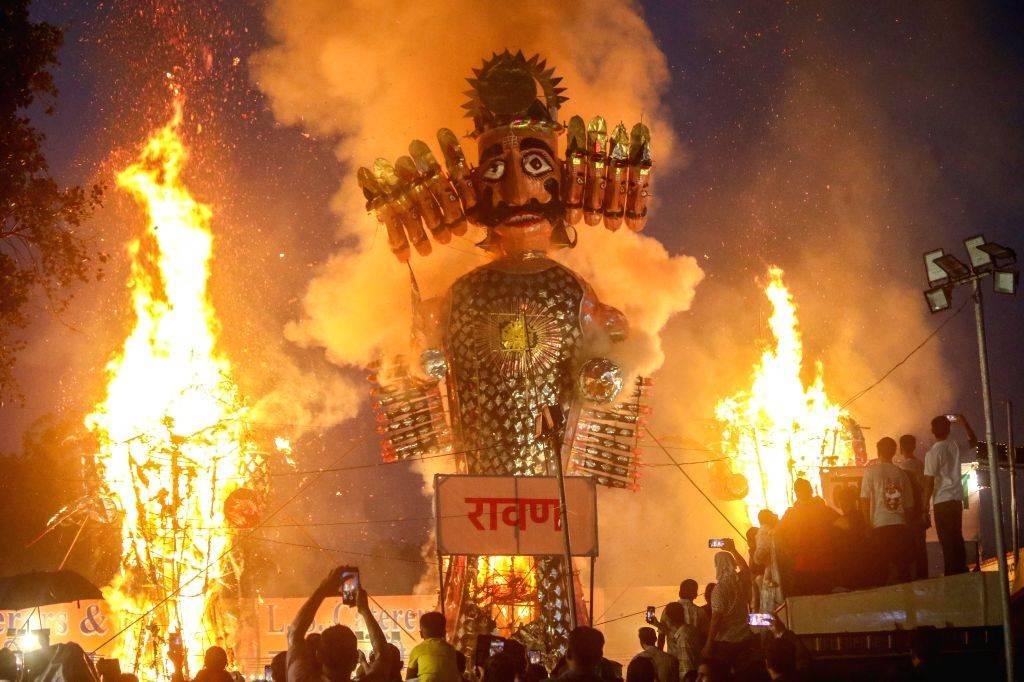
    One of the most recognizable Dussehra traditions is the burning of a large effigy of Ravana.

    In many celebrations, effigies of Ravana, Kumbhakarna and Meghnada are also displayed.

    At the climax of the event, the effigies are set alight.

    https://images.openai.com/static-rsc-4/xTEKRN6o-TZ5iRvvXx0ZHSHL-ddMjNjCCeZWJSzaGjon-3lJUQSL4Qc04DcbB85Yc3VxAq2yrgQ9Xa4PzVbVqvBIEXScmd0hfiIGJgvuRiWwiQVpAqaXv4XjHj0zYnq9OhI67dYIp-4dFzo2z-vfNqn9WiNP7mIddhQV_U9JY2_5ukqZyeFaoFfUw3NF7dgf?purpose=fullsize
    https://images.openai.com/static-rsc-4/o9xAfNjk9a5a93M6doUkNZtoKWGc-9D4fxlMMmpEvGsZprSyZzszz76WjA56OkwVCE-WKfXQ3aW7tTE6jBCeJUxDXW2bo1ILLHuUlZb7GqiiJgqxiRYn4DW6ZpyLV0LA-KTmUdL1_yD1goJSoE15ACXOQpqaJNPoSm83YHE80esDvMQ9V45ISkAJs3IoFK43?purpose=fullsize
    https://images.openai.com/static-rsc-4/NKyAVMSz7MqijN47qi2cqlzV7Yk8g5iq926I_Ypbtw8oHSqGaL4rMv1nb18wVlhUg6SprYtvgNqQ84w_zZMvd0Jvsen1W5DNPbQCWGNEHygZbpBZxhYNDM3HFi9R-NLMQcay4K9DVtLlmPdyZHYz0Y05iUuKfWH81HbN6y42aM_xDMrTiHjIUPsirOMXqJ1L?purpose=fullsize

    The burning symbolizes the destruction of negative qualities traditionally associated with Ravana’s downfall.

    These can include:

    • Pride
    • Arrogance
    • Uncontrolled desire
    • Abuse of power
    • Adharma

    The effigy therefore becomes a visual reminder of the larger moral message of the festival.


    The Ten Heads of Ravana

    Ravana is commonly represented with ten heads in traditional art.

    These ten heads have been interpreted in different ways across traditions.

    They can be understood symbolically as representing different negative tendencies or forms of human weakness.

    However, there is no single universally accepted interpretation of what each head represents.

    The image has nevertheless become one of the most recognizable symbols of the Ramayana.


    Rama’s Victory

    During many Dussehra celebrations, Rama is represented as the figure who defeats Ravana.

    An actor may portray Rama on a decorated stage or chariot.

    The event often reaches its climax when the arrow of Rama is symbolically used to ignite the Ravana effigy.

    For spectators, this creates a dramatic connection between the ancient story and the festival being celebrated today.


    https://images.openai.com/static-rsc-4/UMo8DJxnVg5y97NniOcaVqhxrm9EseXXCx07KOOsfsjc5vImboKv55K93Oj6nLNkDUwqyR4wDLMV9OThtztrO4VyUwKWeMPqcHHqGQR0awsrcVvYK1swlWFJYbdFCoQFwqoTsaVQBkhQetSCBWwbn0o-fyLoD9ykCEJ3--pHZvbpahVMvLRL8C192njSvRgL?purpose=fullsize
    https://images.openai.com/static-rsc-4/uHR76s1AnXifCNpP_wsrYsE_a6F1FosZJmxQTiU--GWPv5le7XepJeCOo1pw7T2S_AQ9sY_R9GPPZnIhOiYXR4RV4b1eYmVkaQZT_Hyl4cM5Yqe7Vr1J96X8k5wpITVrklQRC3DQgSC6dHhiqi-MV1rbh9ZkRBibfJ7KPB365xQ43CpuVqr_VSWxpi2BJD90?purpose=fullsize
    https://images.openai.com/static-rsc-4/STMLPthpY5RW2jeK4-fJZYt_qD7xt2yUWGr7rnAPvPdfFzu-Ef59NzqBOIkXQ8EtmevBiJmmzKYnPrjlA8NjGM33vFonRTq9uJAAf481DO0nVxv1hviasVSO1OgGjMFnzFx6ShVwqjhg0sko_-MiqLSXwiMCkfZtBaBSVJxBI0e7l5iJuXhDvuKlrB-123fS?purpose=fullsize

    Dussehra in North India

    In many parts of North India, Dussehra is strongly connected with Ramlila.

    For several days, communities may perform episodes from the Ramayana.

    The final performance often coincides with Vijayadashami.

    People gather to watch the conclusion of Rama’s battle with Ravana.

    Large effigies are then burned as part of the celebration.


    Dussehra in Delhi

    Delhi hosts large public Dussehra celebrations in different locations.

    Ramlila performances can attract thousands of spectators.

    Large Ravana effigies become a major attraction.

    Families often attend the celebrations together, making Dussehra both a religious and community event.


    Kullu Dussehra

    In Kullu, Himachal Pradesh, Dussehra has a distinctive local tradition.

    Rather than simply focusing on the burning of Ravana’s effigy, the festival is strongly connected with local deity traditions and processions.

    The celebration can continue for several days.

    This is an excellent example of how the same festival can develop very different forms in different parts of India.

    https://images.openai.com/static-rsc-4/UiRXhKQs8cuxKbdJXQDZR_-Zfe84C6vybn15JNz1hHFE9kpa68m2dQnR2df1kQ56kMr6ov-BFLBe0mUEAIKj5o59uW6sHW3Sn0e8MvJeKA2H-7-sZI-ujTBAmZgqOJ-pPHMMivIOnFAzzdbbAC-XGsnV2Gkup6kgaTEcqG_a3H92Hixd9lgi6FMx_Rnd8a8n?purpose=fullsize
    https://images.openai.com/static-rsc-4/LBnKE2adiQS6Hr3FdlBCZV0MB6Cyat_PYvOfQWrtHr5rdzj1UIn37hcMwKS8cbjV_f3rkvXAEDJCz6nyoXZhZ2SGFUqMt-Qma_9EH5cK2s7X3vnEtxc66LvAZ95KMfF55c_FVzUzqSyf2vvPJyqc4Ukn0guJ3yKBFGA9_XpzFSZWhEDayg_Emv-RHNBmSybM?purpose=fullsize
    https://images.openai.com/static-rsc-4/FDEhDPFBEqDw64Eqr1zocvdyV8Hxw22cN0ymBPFtVh0pZzPi8zRt8Kk1y4Dtnxsda5VDElDodX-czwMlajIN6SpZYTnbCIsV1FjUPIPKr1pKqo0xdqb6wCAU7AuTG0-PSyr5eFpiuOUtWTrbbUxkR0wcyBt7IJsf3UJKJDW57Oy3UVOZBj8Nl4AjYG5U0OnR?purpose=fullsize

    Mysuru Dasara

    In Karnataka, Mysuru Dasara is famous for its royal heritage and grand celebrations.

    The festival is closely associated with the worship of Goddess Chamundeshwari.

    The spectacular procession, decorations and cultural programs make Mysuru Dasara very different from the Ramlila-centered celebrations of North India.

    This demonstrates an important point:

    Dussehra does not have exactly the same meaning or ritual form everywhere in India.


    Dussehra in West Bengal and Eastern India

    In several eastern regions, Vijayadashami is strongly associated with Durga Puja.

    The festival marks the conclusion of the Durga Puja celebrations.

    Devotees participate in ceremonies and processions before the immersion of Durga images.

    Here, the festival’s central story is connected with Goddess Durga’s victory over Mahishasura, rather than Rama’s victory over Ravana.


    https://images.openai.com/static-rsc-4/yGUvnDm5NTc5Ivqy1rBV9Ygbki13YCzGD3ny-cC3LWB6PpcFVT81mQCsMIusNif581xdUXNCcl6WNTWuGPPPVCNO-RPVGorJggnIWequ8EgurfUFWPuEo3iKpR3IRnkwX_aMIX4CRWEQvXUi4a5Ysdr54io77HtW7Tb-P2cyKHniDdRiym-ycUXNNCGwKGP8?purpose=fullsize
    https://images.openai.com/static-rsc-4/3ads_9MtnF-47gyKQrzziBvOjsFVBYuXg5m9Y3BmR_fTnuha3NPK2KjIUx-xhx5qAl2NPE2uykVoqnZ4nbDAilB6jlUm3X_zRxXEBy6twwbDZSetW7Ot7Y2fJyXdbgV8fAYfkInsbQ7em6itVKtF1nddM_fkkF-hHc2uELRb8J-ncq6TzhadTt5JSdv_a2f5?purpose=fullsize
    https://images.openai.com/static-rsc-4/UOgglJYUgVmb80U1KRftPVtvX2KfVVk1i2ZQKnI4qlNPsGzkIMCbzT8YdyPD7CCNLeGPo9r7ArjfkoKlUBuG_VBcsRGLWS9h4-lNQMchF9xsiCnOeXRsPCEJ7HhdMO731KSDtE_gB68TQOnyJrHnupaUFioFo5gsv68fS2haVtEexPXVr45zUALAsnM25W2z?purpose=fullsize

    One Festival, Different Stories

    This is one of the fascinating features of Vijayadashami.

    In different regions, the festival can emphasize different traditions.

    North India

    Rama’s victory over Ravana and Ramlila.

    Karnataka

    Mysuru Dasara and the worship of Chamundeshwari.

    West Bengal and Eastern India

    The conclusion of Durga Puja.

    Other regions

    Local traditions, temple celebrations and cultural events.

    The festival therefore demonstrates the diversity within Indian traditions.


    The Message Behind the Celebration

    Even though the stories and rituals vary, many Dussehra traditions share a common theme:

    The triumph of righteousness over destructive forces.

    The celebration encourages people to think about the qualities they want to overcome within themselves.

    Instead of seeing Ravana only as a character from an ancient story, the effigy can become a symbolic reminder of human weaknesses.


    Dussehra and Children

    For children, Dussehra can be an especially memorable festival.

    They may see:

    🎭 Ramlila performances
    🏹 Rama with his bow
    πŸ’ Hanuman
    πŸ‘‘ Ravana
    πŸ”₯ Giant effigies
    πŸŽ† Fireworks and celebrations

    These experiences help introduce younger generations to stories from Indian tradition.


    Dussehra as a Community Celebration

    Dussehra brings people together.

    Families attend public events.

    Communities organize performances.

    Artists create elaborate costumes and stage sets.

    Local volunteers help manage celebrations.

    Food stalls and cultural programs often appear around large events.

    The festival therefore becomes a combination of religion, storytelling, art and community life.


    https://images.openai.com/static-rsc-4/jfBwjUrPhE3dLRUTnplhnsudY-YUlL83YT-heU3OuS6KHWtqFK7j5tAv10faHLg4vMa9OUerzwTNHTVp0qSbP8rmlUJtwxKMm5028jpQvjGFFKQmE-mFvZAFzndahmUmVZ22VuYjYiHjwBWjExwy9TJC3XD0Hl9dIiwMHqVX-KUGQz9cZjxVtZBf0FHp53hC?purpose=fullsize
    https://images.openai.com/static-rsc-4/ctC5mF9oY61ZRmpkrcJNaRwPVNpFI5cdw_rO0H4xsqAsh1JCTsiT4AbfKFcHUqJHrAUYZ7OWurCAnOXVuxqYeW9i8Z2_bhIr9zTvMy65YFLGMjHVDvBUYXM5uHiodVm5XqyCwFwEk5j24i_Tl28RaBBiGzV91DoiF0kSQe-ao_Yu-dviMO3JhEkujRBnnafB?purpose=fullsize
    https://images.openai.com/static-rsc-4/geCV2-xWUOE9w5UQqLk3fCqR5INAxV5XST1fvt5MSjU5BVDrORCy-1TongeQ2rxNqQWwOCMdPuf3p4xvdGEATTFbNyLQIwpgkuQrvnten7wioxayYIIH0sARraMlKuVXW4iiyZPLu7ddztj12QxrMmgtb38prlJ07I9RBR8q3vdXKnVYtFXibOGpOE1D94CB?purpose=fullsize

    From Ancient Epic to Modern Festival

    The Ramayana is an ancient epic tradition.

    Dussehra is a modern annual celebration experienced by millions of people.

    The connection between the two shows how stories can continue to influence public culture for centuries.

    Even with modern technology, television, cinema and social media, people still gather to watch the same basic story being performed.


    What Ravana’s Burning Can Teach Us

    The burning of Ravana can be viewed symbolically as an invitation to examine our own lives.

    What qualities should we overcome?

    Perhaps:

    Arrogance β†’ Humility

    Hatred β†’ Compassion

    Selfishness β†’ Service

    Uncontrolled desire β†’ Self-control

    Abuse of power β†’ Responsibility

    In this interpretation, Dussehra becomes more than a celebration of someone else’s defeat.

    It becomes a reminder of personal improvement.


    Conclusion

    Dussehra is one of India’s most diverse festivals.

    In some places, the central focus is Rama and the Ramayana.

    In others, the festival is connected with Goddess Durga or local traditions.

    The burning of Ravana’s effigy has nevertheless become one of the most recognizable symbols of the festival.

    πŸ•‰οΈ The message is simple but powerful: victory is not only about defeating an enemy; it is also about overcoming the negative qualities that can exist within ourselves.

    In the next part, we will explore how the Ramayana entered Indian literature in different languages β€” and how poets across India created their own remarkable versions of the epic.

  • Ramayana Part 36: Ramlila | How India Brings the Ramayana to Life

    Ramayana Part 36: Ramlila | How India Brings the Ramayana to Life

    In the next article, we’ll explore the history and tradition of Ramlila, how communities perform the story of Rama, the role of music and costumes, the famous Rama–Ravana battle, and why Ramlila remains an important part of Indian culture.

    https://images.openai.com/static-rsc-4/cc4R-W-BjahAED8vQFE5ddLKcLngHf0JMUImvoAhURkoIxywIY0p11kR-_5f9R0reS2TCXHmDvhRM44H2rXCmQ2P5Bdc5JjsSJlby5aQOe6zz3foias6xEqrxsauMT7Brf0_U-Oqfl5KigAx9U42zGvjQ8PfN9YK8T5vSNdMj20mPIjKeyVigpcOPfMgx8T-?purpose=fullsize
    https://images.openai.com/static-rsc-4/dcBCaaoO_DbNd71reBElf88X5J4bpmhdPlUTjGSwJWvC3Fg-ns4U34fiNxU1hl2JS5UGPCChiMlrGL1SvQRDN9OZb8ZjbjBtBpRBIKVvhRPTTPf6YdQ__HH_miM-iOIYQlSvhHF4S06oCJy_VL1OUMjOK9OqDUKt5NB8_uaYcF5qrR17PZ-E6BU0smkbUJuM?purpose=fullsize
    https://images.openai.com/static-rsc-4/A15lA2hmhlz0pRJAVm06Pp-BHlFpAF3Ef7abP99-OHmIQUhw99Z8P84CDzyIYR4tryqtKAknWiwjkphfwpgP39QyoYBPCqd-HzG6YyuO1NCJZ2M6mZcZ76WanKkKWlhVVwt3PwYVibTk2mTo_ka5xdqLJbOASOrUh1YiqM4aqp4SarsL1kArr_0q3SWnPQxl?purpose=fullsize

    What Is Ramlila?

    Ramlila, literally referring to the play or enactment of Rama’s story, is a traditional form of performance based on the Ramayana.

    It is particularly prominent in North India, where communities organize performances during the festival season surrounding Navratri and Dussehra.

    Rather than presenting the entire Ramayana in one short performance, many Ramlila traditions unfold the story over several days.

    Audiences return repeatedly to follow Rama’s journey.


    A Story Shared by the Whole Community

    One of the most special things about Ramlila is that it can involve an entire community.

    People may participate as:

    🎭 Actors
    🎡 Musicians
    πŸ₯ Drummers
    🎨 Artists
    πŸ’‘ Stage workers
    πŸ‘¨β€πŸ‘©β€πŸ‘§β€πŸ‘¦ Audience members
    πŸ™ Volunteers

    This makes Ramlila more than a theatrical performance.

    It becomes a community event.


    The Story on Stage

    Different Ramlila traditions may present different portions of the epic, but commonly include important episodes such as:

    πŸ‘Ά Rama’s birth
    🏹 Rama’s marriage with Sita
    🌳 His exile
    🦌 The golden deer episode
    πŸ™ Hanuman’s arrival
    🌊 The journey toward Lanka
    βš”οΈ The battle with Ravana
    πŸ‘‘ Rama’s return

    The exact order and presentation can vary according to local tradition.


    https://images.openai.com/static-rsc-4/rNe-tXnHXjX4M82k207TYQdbkzV4vsEfJrldECuIM79nEgueZjgskoHSfhvKJJRndd81Ch8ivIjX0Vy9IOdPlMsAhIzw9cXl0C8LNM58zG-klOJV9f69pguiOy6W4CjjF8BxuzMSyrNBxfiLHaw6W8PK7ByBRkw6bBMrqpLYt9sU2AeN4MeoCrnA_meRNYGj?purpose=fullsize
    https://images.openai.com/static-rsc-4/80CKaL5aGCyCf3zQsxXBhSnEFlXlPY_hzifNmoLDmrfANknveBTny7b0-v72p0ojOM6yBFJf3cNQEQmoJ934yCwDYDWuo13ePFYV74pkH4g58T2pMDUgyo9Nw3-LOoUrn3nAUFUosmWL-kZ0HUVx71DlhJenHSEc2GBvYBSbyHkQSwiw268s0qxFbdskACE9?purpose=fullsize
    https://images.openai.com/static-rsc-4/ggQlIF-fr_oKL_-Oy57VW0CpkjO5eWNnwJGwMSrb9bZcXO3HxJlx66zLHYxfCI4PV_myZvMgD0VmKYKuLR66-QHC77n6wkVbw_UtJX1evSXPSCz-Diy2xUpTn0OjOPEAKvcD-LgkoaOpsDqDvXFa-y0rgjjnaeBOmt6Jq_v1AjBt9KJ0aXz-pkVO-HZmj8JO?purpose=fullsize

    Rama in Ramlila

    The actor playing Rama traditionally represents qualities such as:

    βš–οΈ Dharma
    πŸ™ Respect
    πŸ’ͺ Courage
    πŸ‘‘ Responsibility
    ❀️ Compassion

    The performer therefore has an important role.

    The audience is not simply watching an ordinary character.

    They are watching a figure with deep religious and cultural significance.


    Sita’s Role

    Sita is one of the central characters in Ramlila.

    Her scenes often portray:

    ❀️ Her relationship with Rama
    🌳 Her life in the forest
    πŸ’” Her separation
    πŸ•ŠοΈ Her strength and dignity

    Through these performances, audiences encounter Sita’s story not only as written narrative but also through visual emotion.


    Hanuman Steals the Spotlight

    Hanuman is often one of the most popular characters during Ramlila.

    His energetic movements and expressive performance can bring excitement to the stage.

    Children especially enjoy scenes featuring Hanuman.

    His character combines:

    πŸ’ͺ Strength
    πŸ˜„ Energy
    πŸ™ Devotion
    🧠 Intelligence


    https://images.openai.com/static-rsc-4/dcBCaaoO_DbNd71reBElf88X5J4bpmhdPlUTjGSwJWvC3Fg-ns4U34fiNxU1hl2JS5UGPCChiMlrGL1SvQRDN9OZb8ZjbjBtBpRBIKVvhRPTTPf6YdQ__HH_miM-iOIYQlSvhHF4S06oCJy_VL1OUMjOK9OqDUKt5NB8_uaYcF5qrR17PZ-E6BU0smkbUJuM?purpose=fullsize
    https://images.openai.com/static-rsc-4/XrmcFr1OyBa5GogyhchywMLCWeQ-mpppJ5zMZedNIKHuM87ZfEHHocQdEF84cdfYX-z2aBq8Ar5ggyPjYumEJpxh-g3CIgUZ2Yq-KCgM-5h3x47JeE9iqTundxvbXfgvcGf788mXs9jIvyQd1Knx1dHEnpetYO36L7A7ueiA8BoLTtbJgKfQ9-03X3orq2qc?purpose=fullsize
    https://images.openai.com/static-rsc-4/R6aEEO_WIAuEiheGi5hRXrj51MGa4XhAsv9vROmXkvJgNWZtiqgeAWDq9neNXVdsOJwJXUkWI12PKfVmYKWRFiKsAR1coLd49u58E7nZOScwZG1tBs5MwF0_DS9TclIoZfKdy1Rx8YFjqrBnxJA2axTEE2OKDC2koOIDDrYS3gaEEjV1H7ER8i7MLedRcXoN?purpose=fullsize

    The Importance of Costumes

    Costumes play an important role in helping the audience recognize characters.

    Rama may appear wearing royal or traditional attire.

    Sita is presented in elaborate traditional clothing.

    Hanuman is immediately recognizable through his distinctive appearance.

    Ravana is often portrayed with a large crown and dramatic costume.

    The visual design makes the epic easy to understand, even for people watching it for the first time.


    Music and Dialogue

    Ramlila combines theatre with music.

    Performances may include:

    🎡 Devotional songs
    πŸ₯ Traditional drums
    πŸ—£οΈ Dialogue
    πŸ“– Recitation
    🎢 Musical narration

    The combination creates an atmosphere that is both dramatic and devotional.


    The Rama–Ravana Battle

    One of the most anticipated moments is the final confrontation between Rama and Ravana.

    The scene represents the climax of the story.

    Rama faces Ravana in battle, and the victory of Rama becomes the central dramatic moment.

    In many communities, this event is connected with Dussehra celebrations.


    https://images.openai.com/static-rsc-4/-9-hBkg2q-eh-HXP_X7JshUL-OB_tMwUfA3nGJFQpuh-r3qHl8GNbkJbxVFmHdgCeKPROIC3uGykjUwhuqse72QQzK5xTFrskAiwZfYpTWvLuxikr3K-7S-jOwtDT75-1_yF2rOI-aD7ZWMyInbrCrltgm4pnyUTcredHQsRvxW7fPzbFJ95KgENP-9W3_fq?purpose=fullsize
    https://images.openai.com/static-rsc-4/uxWrKaD7oHL1a5oXk_gMNg-CIQmrnMAF99774XQCZqrSUM8ou-syDQbqMOEOHh8R-hDEGMMHWDAuxpnK3nK_hV4aH6ABdGNfh-oF7kerHiiJHpOb9Bt96G0dwEe-lnAfPqJOe4B7XlcQiRhyF9bLuugutSwKJ9-wq32pC1yljFf0YF71e2dTkESlXRNrTxRq?purpose=fullsize
    https://images.openai.com/static-rsc-4/52rvp5KYWHlHVjTEcW6fgRzYDNHA7fNbOjQyQG6KvdiZMsAWA9yRI75pKDgdQE5-pldmwBnhiyoozeCv6bQovRVa0TH2ByHdYyAkEs2Z3w2mQVikzMgHRMfmCN88oGC_PJNJFMyqDQBpjZzsLkiytlQD_RYBhuUXuVkfXYerNlTkVum2hiMso5lHPKeCBNy7?purpose=fullsize

    Why Is Ravana’s Effigy Burned?

    A major Ramlila tradition involves the burning of large effigies of:

    πŸ”₯ Ravana
    πŸ”₯ Kumbhakarna
    πŸ”₯ Sometimes other figures associated with the story

    This usually takes place around Dussehra.

    The burning has come to symbolize the triumph of righteousness over wrongdoing.

    The event also creates a spectacular public celebration that attracts large crowds.


    Ramlila and Dussehra

    Ramlila and Dussehra have become closely connected in many parts of North India.

    During the festival period, people may:

    πŸ™ Attend Ramlila
    🎭 Watch performances
    πŸͺ” Participate in celebrations
    πŸ”₯ Watch the effigy burning
    πŸ‘¨β€πŸ‘©β€πŸ‘§β€πŸ‘¦ Gather with family and community

    The festival therefore combines religious tradition with public cultural celebration.


    Different Ramlila Traditions

    There is not just one single form of Ramlila.

    Different regions and communities have developed their own styles.

    Some performances are:

    🎭 Large theatrical productions

    Others are:

    🏘️ Community performances

    Some may use:

    🎡 Extensive music

    Others may focus more on:

    πŸ“– Traditional narration and dialogue

    This diversity shows how communities have adapted the Ramayana to their own cultural environments.


    https://images.openai.com/static-rsc-4/S_cJ127kozKroxe6kMWmRjRR4c_SEn0vFZJAUgTHiQnBIKaqFUwPj1R99V62kZ3-J3VZwTUvb-iq0DywJrLmzhX0fBdkUBByW0joIdIiPfDcaqFblwtGLSiSsokIw9MHEnBODukud3zdJLzwF2Op18YOkDUSgz3S3YymjJ5cun2v0x5o3Nq8VEUI1Uar0JTG?purpose=fullsize
    https://images.openai.com/static-rsc-4/QFsuMhZ00B4PVkObSeDG3falNPcIn-NrBdqq5Pe8DKrTJohqseTTlUjWP-h68byOiJj9j01LGtUOi0-Rw88xuM6cJwx1Hoix6tA_cAlJ_Q8EhFNUyWJHycD3-QvpaZgEqWiIXyxfiOsAn3F6rSjG5blCoonfvkcrNmFiMtRkgSbf12qfurQueHHQnBbMkf0Y?purpose=fullsize
    https://images.openai.com/static-rsc-4/qgxj7KZP_BJ0SdjJxX1j_0nLF5aOlwntkCX8DT5JWCEpepNwNe3JA2yPAiO4YsEfACnKyj_NrsiBw1_rLXX3mqdkbXo7yqpuBW8g0jCx80Ez_AGFlJCqokoarALOFw66zomsBbKLR97-CNsKaFjGyVdeCFgtdeyd-C-OUf2Icd5qu6o4nr5clX9NY553aiN_?purpose=fullsize

    Ramlila as a Cultural Tradition

    Ramlila has significance beyond entertainment.

    It helps communities pass stories from one generation to another.

    A child who watches Ramlila today may grow up to bring their own children to the same celebration years later.

    In this way, the tradition becomes part of family memory.


    Children and Ramlila

    Children are often fascinated by Ramlila because of its visual storytelling.

    They see:

    🏹 Rama’s bow
    πŸ’ Hanuman
    πŸ‘‘ Kings and queens
    βš”οΈ Battles
    πŸ”₯ Ravana’s effigy

    For many children, this may be their first experience of the Ramayana as a dramatic story.


    Ramlila in the Modern Age

    Modern Ramlila has also adapted to changing technology.

    Many performances now use:

    πŸ’‘ Modern lighting
    πŸ”Š Sound systems
    πŸŽ₯ Large screens
    🎀 Microphones
    πŸ“± Social media promotion

    Some productions have become very large public events.

    Yet the basic storytelling tradition remains.


    https://images.openai.com/static-rsc-4/4UPZwWGbQ34v6LseeWu8Xjyqx05_Wb2jtXye7w6wPaeB7E8wcT6Y5eSMfydPCk0bNQ6gCyZJdj1LHFqC6fx_9hOlowax8jN0xM59V0xC-9gMyeHUqC3WesqTUSYgAeiIlGwQEOgMh3fBoHmlfZvh6quEM7TPNNrVVFa2dcibdYusKcZmzPWjdNkAVfPCjsQP?purpose=fullsize
    https://images.openai.com/static-rsc-4/rlnUWRab9EkXzYD4BUmDNJPOrnlfbZjAW8IJamtKXIUbJsWtyBr6WrTJyWIvV5M6P8k3pCmppaJhD_4OFnyTklHDiIydrwH0GpZeBE190DGN_OLLUce0SoV5quubuGnyIf0weObcoCj_MSP6ZGmnN2_mZ00QbtU89Qcls6tlbRaN5QQ9nP5yfQJkFzcQsWO_?purpose=fullsize
    https://images.openai.com/static-rsc-4/4YS00K5Mx1TiCE9bB5e-RYiy8HvlY5wfKvJYAr3tg8YVnS95VjvyCsIPsksCHfsREHtilH06LOBFKuDiOyLEoHPkAjm0VhMuam1TNzweABMPnyYQ8Nrbq_IeEW7D_ZTg7zuOjZqikgWIAdKUktPullOVlCNJFjLUmYk66ykpKH9B5tPQyJzfoAt_WhUY0Iwt?purpose=fullsize

    Why Ramlila Still Matters

    In a world filled with digital entertainment, Ramlila continues to bring people together physically.

    Families gather.

    Communities participate.

    Performers prepare for weeks or months.

    Audiences experience the story together.

    That shared experience is something a screen cannot completely replace.


    Ramlila and Cultural Memory

    Stories survive when people continue to tell them.

    Ramlila provides one of the ways in which the Ramayana remains part of living culture.

    The story is not locked inside an old manuscript.

    It is performed again.

    And again.

    And again.

    Each generation becomes both an audience and a future storyteller.


    Conclusion

    Ramlila is one of the most remarkable ways in which India continues to experience the Ramayana.

    Through acting, music, costumes, dialogue, community participation and Dussehra celebrations, the ancient story becomes a living performance.

    The actors may change.

    The stage may change.

    Technology may change.

    But the story continues.

    πŸ•‰οΈ Ramlila shows how an ancient epic can remain alive when a community chooses to perform, celebrate and pass it on to the next generation.

    In the next part, we will explore how Dussehra became associated with the Ramayana, why Ravana’s effigy is burned, and how different regions of India celebrate the festival in their own unique ways.

  • Ramayana Part 35: Ramayana in Indian Classical Dance and Theatre | When the Epic Comes Alive on Stage

    Ramayana Part 35: Ramayana in Indian Classical Dance and Theatre | When the Epic Comes Alive on Stage

    In the next article, we’ll explore how the Ramayana became part of India’s classical dance and theatre traditions, how performers portray Rama, Sita, Hanuman and Ravana, and why the epic continues to inspire artists across generations.

    https://images.openai.com/static-rsc-4/qanQ6vHCGO0mvCZsVpfjBl0LWuCayBd17MZv86Hb0Ot5N0clOfzo_8zYives8l0VHM4c8q4AQ_YoXHUSpf8aa3Pd5gT-0EBYlxs6ccHLIH-qGYkj778rsuMEAffJgbz_lPNr6zUbAviKcN-pmkxTmuWBDnLLMfvOUxjB3qKxtIwdOLkffSxqkSuVPul2Wtwe?purpose=fullsize
    https://images.openai.com/static-rsc-4/04ctNaX8IruFfINJhale0vb8o2FVZilhLVoyUZ8NninBpKeJw8kdC5gs_chdnYYrFgFSEEu247gb9956W_mfcbv5TSLDKyieHgJMErsWlNb8dvqUFAFIi58MkGtIQduSAZBVgWRkbomVHMvucD2KCzFfMLBDpyYXZqdgXGLsHCQ_cZqV7E7Rtn6Riu2OF7vb?purpose=fullsize
    https://images.openai.com/static-rsc-4/Zt9sTX-achqBdBmflEmx9G9eY9f373uGBpc52tFohJkCdYFDoTh0Ukw_XIqCeE_-zbfgHWBwKczEXsWZnXr6M0t5glRab_4AnDIIgPppEBdNpY7e8fictsAXCBYDquly65ey4ba8ZEpkE9TjPz0_nBnMm1m_0NGY8ie4uE_1VBBSwzDM4IVfJTLGL-FI0hVl?purpose=fullsize

    The Ramayana Beyond Books

    The Ramayana has never existed only as a written story.

    For centuries, people have experienced it through:

    🎭 Theatre
    πŸ’ƒ Classical dance
    🎡 Music
    πŸ“– Storytelling
    πŸ›• Temple performances
    🎨 Traditional art

    A performer can bring an ancient character to life simply through movement, expression, costume and music.

    This is one reason the Ramayana has remained accessible to generations who may never have read the entire epic themselves.


    How Dance Tells the Ramayana

    Indian classical dance uses a combination of:

    πŸ‘‹ Hand gestures
    πŸ‘€ Facial expressions
    πŸ•Ί Body movements
    🎡 Music
    πŸ₯ Rhythm
    🎭 Dramatic expression

    These techniques allow a dancer to communicate an entire scene without using ordinary conversation.

    A single gesture can represent a bow.

    A facial expression can show sorrow.

    A movement can represent travelling through a forest.

    Through these techniques, the Ramayana becomes a visual experience.


    Bharatanatyam and the Ramayana

    Bharatanatyam, one of India’s major classical dance traditions, has a large repertoire of stories drawn from Hindu devotional literature.

    Episodes connected with Rama have been performed through dance for generations.

    A performance may portray:

    🏹 Rama’s character
    ❀️ Sita’s devotion
    πŸ™ Hanuman’s bhakti
    🌳 Life in the forest
    βš”οΈ The battle with Ravana

    The dancer does not simply narrate the story.

    They interpret the emotions of the characters.


    https://images.openai.com/static-rsc-4/04ctNaX8IruFfINJhale0vb8o2FVZilhLVoyUZ8NninBpKeJw8kdC5gs_chdnYYrFgFSEEu247gb9956W_mfcbv5TSLDKyieHgJMErsWlNb8dvqUFAFIi58MkGtIQduSAZBVgWRkbomVHMvucD2KCzFfMLBDpyYXZqdgXGLsHCQ_cZqV7E7Rtn6Riu2OF7vb?purpose=fullsize
    https://images.openai.com/static-rsc-4/9Z4EKyhw2MdSe_JoSDn3Lx069WAGqg3ujfl_3-kPPbjdlj6z8d5OhTb6G8i1H1t5RoWx_PigkknYiq1JO80zGMWWYizrqnyiEpdT1WOYQ3-GHMdGiiav9ybVlM7j-NtcudHQp_KVopk8ZEd7rqvce_fz6Rbv8rkNVh0x5QuAPcYOKTjErHR1EvkzsyZ2sAg6?purpose=fullsize
    https://images.openai.com/static-rsc-4/lFjPBPNc3jsGI8pA8JHm1G4PhZHRcLUMLxfBR1MCCMfdZvZeuEdaOIpMGmDmFOy_Tv5JFBSiQ6sSVFWTbluZISzBl4aRSIQmak4QK6cXTBjC-viGWnL25GQbFGOzdcX3yCDWaZL1H3BcczF8wTKDLlY7FLu0E7LiUlkjO-1WjzL_b2tID_cfDD4i1Ksv015M?purpose=fullsize

    Kuchipudi and Rama Stories

    Kuchipudi, the classical dance tradition associated with Andhra Pradesh, also draws on stories from Indian mythology.

    Ramayana episodes have appeared in Kuchipudi dance-drama traditions.

    Performers combine:

    πŸ’ƒ Dance
    🎭 Acting
    🎡 Music
    πŸ—£οΈ Dialogue
    πŸ₯ Rhythm

    This combination makes Kuchipudi particularly effective for storytelling.


    Kathakali – The Ramayana in Kerala

    One of the most visually dramatic ways of presenting stories from Indian tradition is Kathakali.

    Originating in Kerala, Kathakali is famous for:

    🎨 Elaborate makeup
    πŸ‘‘ Large costumes
    πŸ‘€ Expressive eyes
    🀲 Hand gestures
    πŸ₯ Powerful percussion

    Ramayana stories have an important place within the Kathakali repertoire.

    Characters such as Rama and Ravana can appear dramatically different through costume and makeup.


    https://images.openai.com/static-rsc-4/Zt9sTX-achqBdBmflEmx9G9eY9f373uGBpc52tFohJkCdYFDoTh0Ukw_XIqCeE_-zbfgHWBwKczEXsWZnXr6M0t5glRab_4AnDIIgPppEBdNpY7e8fictsAXCBYDquly65ey4ba8ZEpkE9TjPz0_nBnMm1m_0NGY8ie4uE_1VBBSwzDM4IVfJTLGL-FI0hVl?purpose=fullsize
    https://images.openai.com/static-rsc-4/mFCS1buu5s1l-OSrkSEHaM0YfwG23uJ4WS9wbaNgmCrSPD701GlGMzHSHPg6XqueATGpGQqoBJoPPOyiTTZh1G-MXJ92EeDrl2sH0Q1xUvFg_hcZYMGYWX6miBvzrcv_aU1wM0rba90xarAW1gElT95VahAXZLacNvBzn7qwoJQ17R_PvuFnsbEkJ9IhX4-1?purpose=fullsize
    https://images.openai.com/static-rsc-4/k5Xb3uFX5aFWhDDZVDbGoGvUOi9G5IxoNHOGkG6tjPXfLYQznU9JSZFSjW7auxxBkmQQRTYoge_1BAuC2enpWJd_-iRbkI8NSSmoLep6gYslpMGOnYFVWvz6r8iLbLcMVf5kZj0cM60qdnTMTE5i6eo3bAGc-Ld1q_fJ0-dE1KEMEhqVjQz6qoctjMlAuSlU?purpose=fullsize

    Yakshagana and the Ramayana

    In Karnataka, Yakshagana combines theatre, music, dance and elaborate costumes.

    Ramayana episodes are among the stories performed in this tradition.

    The bright costumes and energetic movements make the performances visually striking.

    The audience does not merely listen to a story.

    They watch the characters interact, fight, speak and express emotion on stage.


    Ramlila – The Ramayana as Community Theatre

    One of the most famous theatrical traditions connected with the Ramayana is Ramlila.

    Ramlila performances are especially associated with North India.

    They traditionally present episodes from Rama’s life through community performances.

    The performances can take place over several days or even longer periods depending on the local tradition.


    https://images.openai.com/static-rsc-4/cc4R-W-BjahAED8vQFE5ddLKcLngHf0JMUImvoAhURkoIxywIY0p11kR-_5f9R0reS2TCXHmDvhRM44H2rXCmQ2P5Bdc5JjsSJlby5aQOe6zz3foias6xEqrxsauMT7Brf0_U-Oqfl5KigAx9U42zGvjQ8PfN9YK8T5vSNdMj20mPIjKeyVigpcOPfMgx8T-?purpose=fullsize
    https://images.openai.com/static-rsc-4/1binHaGztiAcftP2Njm3lsJIx1ZIN2r-QUogTaVjRgwSINpkLTO4C931b4qBukSk3WAQ7ZlkPZ9RR8P3ajHA1lPC2h7fqzd-CK1U6BZvCAztMgjqSCYxlN0fpI44FgvjyLjO9GovzBBMfDqsGcRE3xvt6Gju78Q2c3VMwOatDlBoRFf4mWFwxGDIsQjgr9B7?purpose=fullsize
    https://images.openai.com/static-rsc-4/uxWrKaD7oHL1a5oXk_gMNg-CIQmrnMAF99774XQCZqrSUM8ou-syDQbqMOEOHh8R-hDEGMMHWDAuxpnK3nK_hV4aH6ABdGNfh-oF7kerHiiJHpOb9Bt96G0dwEe-lnAfPqJOe4B7XlcQiRhyF9bLuugutSwKJ9-wq32pC1yljFf0YF71e2dTkESlXRNrTxRq?purpose=fullsize

    Why Ramlila Is Special

    Ramlila is not simply a theatre show.

    In many communities, it becomes a social and religious event.

    Families gather together.

    Children watch the performers.

    Musicians accompany the scenes.

    Local communities participate in organizing the event.

    The story therefore becomes part of community life.


    Rama and Ravana on Stage

    The confrontation between Rama and Ravana is one of the most dramatic moments in many Ramayana performances.

    The actors use:

    🎭 Costumes
    🎡 Music
    πŸ₯ Drums
    πŸ—£οΈ Dialogue
    βš”οΈ Stage combat

    to create the atmosphere of the epic battle.

    In many places, the performance culminates around Dussehra, when Ravana’s effigy is traditionally burned.


    Hanuman – A Favorite Character of Performers

    Hanuman often becomes one of the most energetic characters on stage.

    His role allows performers to combine:

    πŸ’ͺ Physical movement
    πŸ˜„ Expressive acting
    πŸ™ Devotion
    ⚑ Energy
    🎭 Humor

    This makes Hanuman particularly memorable for audiences, especially children.


    https://images.openai.com/static-rsc-4/XrmcFr1OyBa5GogyhchywMLCWeQ-mpppJ5zMZedNIKHuM87ZfEHHocQdEF84cdfYX-z2aBq8Ar5ggyPjYumEJpxh-g3CIgUZ2Yq-KCgM-5h3x47JeE9iqTundxvbXfgvcGf788mXs9jIvyQd1Knx1dHEnpetYO36L7A7ueiA8BoLTtbJgKfQ9-03X3orq2qc?purpose=fullsize
    https://images.openai.com/static-rsc-4/CaIehb5HcKQy45XT2Df043jABZf7f_AaaJFpx9zQQRvWLtBFVlCD3zjnK102tguWT-GyG__mXVWnlKAvqnbKjUGhh66JaPLbos0ZZbTU1uP7ctLLgMnRJuoVgXL5tvqU8hLmxXsD1MYJMV-M_PEyueVkVPSa_elrbddFpqk-5-kB3RyQeIDp18tZoev1Kze9?purpose=fullsize
    https://images.openai.com/static-rsc-4/ggQlIF-fr_oKL_-Oy57VW0CpkjO5eWNnwJGwMSrb9bZcXO3HxJlx66zLHYxfCI4PV_myZvMgD0VmKYKuLR66-QHC77n6wkVbw_UtJX1evSXPSCz-Diy2xUpTn0OjOPEAKvcD-LgkoaOpsDqDvXFa-y0rgjjnaeBOmt6Jq_v1AjBt9KJ0aXz-pkVO-HZmj8JO?purpose=fullsize

    Dance as a Language

    One of the remarkable aspects of Indian classical dance is that it can communicate without lengthy dialogue.

    A performer can show:

    😒 Sita’s sorrow
    ❀️ Rama’s affection
    😑 Ravana’s anger
    πŸ™ Hanuman’s devotion
    😨 Fear
    😊 Joy

    This expressive language allows audiences to experience the emotional side of the Ramayana.


    Regional Differences

    The Ramayana may be the same broad story, but performances differ greatly between regions.

    A Bharatanatyam performance may focus heavily on expressive dance.

    Kathakali may emphasize dramatic makeup and physical acting.

    Kuchipudi may combine dance and dialogue.

    Yakshagana may use elaborate costumes and energetic theatre.

    Ramlila may involve an entire community.

    These differences demonstrate the remarkable adaptability of the Ramayana.


    https://images.openai.com/static-rsc-4/dH06f-UlUUZJv3WC51EeOS_GGY48R-WHyS3hp_CGyOBW_vnPtBuPSQA82vuJarsiLJ1nr-sFWQBeLbGGxBG9mw4dIOWDb1munWQz2QXz0YsBucWVnIUayOGUrkGeCHQ9TRC1HAI50oDJQExpWVNjpss1TDA_23Jn6HF22hMmzEch2pjPzyG7qpsayWW-Urqq?purpose=fullsize
    https://images.openai.com/static-rsc-4/uz609VyqJsk90t0Z_IsUb-8yakvIpZ0ZgYrIxOWSqjOh5NeKe6YPQuTw4vEcK-Ttr0qVFYMC6NkeqX4ovI5cJOtLrNgfDGYaphzcdpCLp8E0YPxUtcbu3wr3u6GZ7UXqwm-yvI8Gl5p-dIPxyuiIVl1mtOiroV6jPL7BuFwy0cfIMboPdVcJhvn4YHlTAFcK?purpose=fullsize
    https://images.openai.com/static-rsc-4/p6MeS8gP4zy4jLipFuFYSBM27c9ZqWdFVSruH1EmxBk8C5jhhHfjqMJvAw-dAHLPt6EjeAY8cUjJjrg0n5S7Y4hAMFkbdK6r65Zl5i3Yc2FZj29ey348Jra_548gHs3toB8qgQ_zQ1RGIN9vrqJ3TD0i0-7KC9KkKjRO25-AjkvKdjZEi_Syd50WZOJsOIXb?purpose=fullsize

    The Role of Music

    Music is essential to many Ramayana performances.

    Different instruments can create different moods.

    πŸ₯ Drums can create the atmosphere of battle.

    🎢 Melodies can express sorrow.

    🎡 Devotional songs can create a spiritual atmosphere.

    Music therefore helps audiences understand the emotions of each scene.


    From Temple to Modern Stage

    Ramayana performances have changed over time.

    Traditional performances continue in many places, while modern productions may use:

    πŸ’‘ Stage lighting
    🎀 Modern sound systems
    🎬 Large sets
    πŸ“Ί Television
    πŸŽ₯ Film techniques

    Despite these changes, the basic characters remain familiar.


    Why Artists Continue to Choose the Ramayana

    The Ramayana offers artists an enormous range of emotions and situations.

    It contains:

    ❀️ Love
    😒 Separation
    βš”οΈ Conflict
    πŸ™ Devotion
    πŸ‘‘ Royal life
    🌳 Adventure
    πŸ’” Loss
    πŸ† Victory

    For an artist, this provides countless opportunities for creative expression.


    The Ramayana as Living Culture

    A book can preserve a story.

    But performance can make people experience it.

    When a dancer portrays Sita, an actor becomes Rama, or a performer plays Hanuman, the audience encounters the epic in a new form.

    This is why the Ramayana continues to live through performance traditions.


    Conclusion

    The Ramayana has inspired Indian classical dance, theatre and community performances for centuries.

    From Bharatanatyam and Kuchipudi to Kathakali, Yakshagana and Ramlila, artists have found different ways to bring the epic to life.

    The languages, costumes, music and performance styles may change, but the central characters continue to remain recognizable.

    πŸ•‰οΈ The Ramayana survives not only because it is remembered, but because generation after generation continues to perform it.

    In the next part, we will explore Ramlila in greater detail β€” how communities perform the Ramayana, why Dussehra became closely connected with these performances, and how this tradition became one of India’s most recognizable forms of cultural theatre

  • Ramayana Part 34: Sacred Places of the Ramayana | The Journey of Rama Across India

    Ramayana Part 34: Sacred Places of the Ramayana | The Journey of Rama Across India

    In the next article, we’ll explore the important places associated with the Ramayana tradition, from Ayodhya and Mithila to Chitrakoot, Panchavati, Kishkindha and Rameswaram, and how these locations keep the memory of Rama’s journey alive even today.

    https://images.openai.com/static-rsc-4/htdZuPHADQzh5lHnWMGkiuBXuIcTEGtKZV7QU57PCrJOOOazIoziJLwC9knbB3Tu_cNcSKru--vi14hcgQRLZ6-1rcIqaa7a3v9fQK9qZWxs1Co3zL6560SSnoV9bRfsGjJld2sWomGvcyL-Y5qJ1yGZ54HJaKC7soa9avtibCwZiadr0D1jjd3JD9fOylci?purpose=fullsize
    https://images.openai.com/static-rsc-4/glxkKHBV6Yo7_Rg4cQVlaYIe5f6VGts6I2za5i5KYj8if2hnKcBKtgqWHR6dzzjOxJq1dOpqwNOI26tfOrsNMbpqMVoSau8rpe79eUKsdLAbuZ-uHJr8N42enzUexwcSTBfh7YpWNTEw1oZ8At0x0KbcF-JDpTuXdhUb89x48RSCtHq-u4DfxQvQxwAQVidZ?purpose=fullsize
    https://images.openai.com/static-rsc-4/G0WdD7K3OKxSUGHhhnJqJ5dNq9WIvkrWr2kpryXXlyd3x149DA02_5xQhlq4onw7U4wDvbwauHc7DtCRKv-MxCdSYvN6cjK7el9py4S1GwL9OcYLFb2hO2UNwqhAydm7dhAdCgwjxsoeEInoWhlZJc_v0L98b5-ZIVBkLJCFs5cU72BRhr4MOpjGx-tLbJ23?purpose=fullsize

    The Ramayana Is Also a Journey Through Places

    The Ramayana is not only a story of people and events.

    It is also a journey across landscapes.

    Rama’s story takes us through:

    🏰 Kingdoms
    🌳 Forests
    πŸ”οΈ Mountains
    🌊 Rivers
    πŸ›• Sacred places
    🏝️ Distant lands

    Over generations, many of these locations became connected with the Ramayana through literary, religious and local traditions.


    1. Ayodhya – The City of Rama

    The journey begins with Ayodhya, traditionally regarded as Rama’s birthplace and the capital of the kingdom of Kosala.

    Ayodhya is associated with some of the most important events in Rama’s life:

    πŸ‘Ά His birth
    πŸ‘‘ His royal family
    🌳 His departure into exile
    🏰 His return
    πŸ‘‘ His reign

    For devotees, Ayodhya remains one of the most important sacred places connected with Rama.


    https://images.openai.com/static-rsc-4/3r4z9lyowmSRvTaPHSD2MhoYFwRz6PmACV5-o0rM73Cq0GV-M874r10NPXPEd1NbOYd7lSQG9_eeEMvqcLS_aw7ZwFBy2IuTLmYfI7HYKQ3TFEEdkIgatA8faRJsi_NUqfDyv2zxD10B_OwjT3KeUBUKh8DvMNMycdiEPvhbKCf51DS7Kj7vxHSTj3WwpOQL?purpose=fullsize
    https://images.openai.com/static-rsc-4/scq2A7iJP9AlOke-X942VEpA_5zm6FuaQw5aH45C8YogkovLtqNFNyeQ_aXsyzY0tYB2bGSnU67PVD3TgK7qUdvyV5uo1zmoeWl-ho_rP6vDm4Fe-Ns0tduysknQFbdBR5z5nb-p8rFRicD-9CEk7jgoDkKT-YP8aIf-P_tJOeeKKSPX1ur__bFMdUoGpe9R?purpose=fullsize
    https://images.openai.com/static-rsc-4/JlvoIxiB3Sbv9VvIbk6tUfSnrWg4Aqe1Fjc3lvbGPCI6h1EUgktAmsYLVDWfRrE_QGjQK222eh5-QQmvmtnDTB3yYy02fAcAwAGCS9Meoz7mmhE5VI1WvY0pR2pA5EbjgRQSkPdyuxYyXuk2712VT-pSjS15cM6hlBl20ksRoxFPwoyLr4Qm4SLyaJkfSb1C?purpose=fullsize

    2. Mithila – The Land of Sita

    Mithila is traditionally associated with Sita and her father, King Janaka.

    The ancient region of Mithila covers areas that today lie in parts of northern India and southern Nepal.

    The city of Janakpur, in present-day Nepal, is particularly associated with Sita and the story of her marriage to Rama.

    The Janaki Mandir is one of the most famous landmarks connected with this tradition.


    3. Chitrakoot – The Forest Years

    Chitrakoot is traditionally associated with the period when Rama, Sita and Lakshmana lived during their exile.

    The region is known for its forests, hills and rivers.

    According to tradition, Rama spent an important period here.

    Chitrakoot therefore became a major pilgrimage destination associated with the exile portion of the Ramayana.


    https://images.openai.com/static-rsc-4/f9q-5qTAc7NL5057Lss9lpLGZ--74CiavxxIDSRJW5DBIWRZq78NJmm7CXf8lbE53JkG1UdEFt_Il6A25NfmJqn6x08ZV4rptqd1L_GXRG3epYlP5hab-xg1JZ40KCBAO3OTDRHzm1CsUNqP44ajtFEkK2rpO3HwzAX8VxiIbZ3Mhvr5iAHvx2GUUNUPT6xI?purpose=fullsize
    https://images.openai.com/static-rsc-4/HhpDIqwin5CumFe6fEe9jHKyuE4Zn7rvn41Vfm2kAUQqvavhpkpRuYav2uPqrVIrghALu7onrfiw1Ccy1yvUDQEBJFZDH7SdXHKJFVz9DBRtIupSyoUzIdiVyhfgDiGeba0iXBT2C1Xu3F1PaWmuu1_TsHrqyKN18q1mfc7pzmw8TOvKphEfMRZrOHFw_Db8?purpose=fullsize
    https://images.openai.com/static-rsc-4/glxkKHBV6Yo7_Rg4cQVlaYIe5f6VGts6I2za5i5KYj8if2hnKcBKtgqWHR6dzzjOxJq1dOpqwNOI26tfOrsNMbpqMVoSau8rpe79eUKsdLAbuZ-uHJr8N42enzUexwcSTBfh7YpWNTEw1oZ8At0x0KbcF-JDpTuXdhUb89x48RSCtHq-u4DfxQvQxwAQVidZ?purpose=fullsize

    4. Panchavati – The Forest of Important Events

    Panchavati, traditionally identified with the area around present-day Nashik in Maharashtra, is another important location in the Ramayana tradition.

    The forest period here is associated with several major events.

    It is traditionally connected with:

    🌳 Rama, Sita and Lakshmana’s residence
    πŸ‘Ή Surpanakha’s encounter
    βš”οΈ Conflict with Khara and Dushana
    🦌 The golden deer episode
    🌿 The events leading to Sita’s abduction

    Because of these associations, Panchavati remains an important pilgrimage area.


    5. Dandakaranya – The Great Forest Region

    The Ramayana describes Rama’s journey through extensive forest regions.

    Dandakaranya is traditionally associated with a large forested area of central India.

    It was not simply one small location but a vast geographical region described in the epic tradition.

    Rama, Sita and Lakshmana are traditionally associated with travelling through these forest areas during their exile.


    https://images.openai.com/static-rsc-4/9cD0TnPQ6YtXGCtbSheW-hxtBAgRGnr9E0LVtGxxJVHkArGnwSQhbE1vHAEWrs5c5OMbBeLtFXog6kfop-P4xwSN976dVEEmcHDaOQa7GjD0rHZgM2tZ5rsfO3rlWE5vi1YSaUghiEQuDBOv8znLuU5gEwvA7aQiciJKSMeyXoqAhnyIfSrsX0Yy6QRPyD6t?purpose=fullsize
    https://images.openai.com/static-rsc-4/jg8Hmis-gZab9CUElkhHTawlogcag8A_LcsFBsW9jri4Qtw02i7BwzID6hbHHPpK7rSpRX4WI02-uOqEZ4-1pYbfXzw6Vo-0fv0vxVw4FtzuiZzaEUjTl3PsHnZYJU5leIbIkpYvBtIXuvOYSM3apSYrvTCdZ6BzOFQHY3ZEPR1DGVed-joo-dnoL0KQ1Pnl?purpose=fullsize
    https://images.openai.com/static-rsc-4/rkEziLGHinNCKRYf8zlptql_CcKGm83K_lWzsxBTYjJj_7ZBXkXIIBRJY8e_kdFwEmFF3j-drXj9_9Q6DSnf5Cr8Q2UwKZhrR3bSpVjAxSqGmDZYgkjVeaM7CkVMvrogW1_4HHxVndMup5Fsar3Dfr_fwxKlkRoU8YuHS8S2aUL4Wl8nZDplEn6n3mQpgUaY?purpose=fullsize

    6. Kishkindha – The Land of the Vanaras

    The story then moves toward Kishkindha, the kingdom associated with Sugriva, Hanuman and the Vanara characters.

    Kishkindha is traditionally identified with the region around present-day Hampi and Anegundi in Karnataka.

    The landscape contains rocky hills, caves and rivers that have become strongly associated with the Ramayana tradition.

    Places in the region are connected by local tradition with episodes involving:

    πŸ’ Hanuman
    πŸ‘‘ Sugriva
    βš”οΈ Vali
    🏹 Rama


    7. Rishyamukha Mountain

    Rishyamukha is traditionally associated with the period when Sugriva lived in fear of Vali.

    It is also where Rama and Lakshmana encountered Hanuman in the traditional narrative.

    That meeting became one of the most important turning points in the story.

    Rama gained a devoted ally.

    Hanuman found the person to whom he would dedicate himself.


    https://images.openai.com/static-rsc-4/B0cGmjEvyd1TlM5IuLPmXqg0tr1-oERNc0ScuzzalGgbJjnz7VP_tIfj3ndY_SUUf5zGQebjbthIs-QyxUxVauDo_JZiNDcAox-gp52ySiqVWlaw4EUyVoK7BT2y5rEDUg_nQygEYHqKiKOUDWOtk7R2gFv-jrU-CW8giIu3Yijh95489B-vijbjf8IW5nOZ?purpose=fullsize
    https://images.openai.com/static-rsc-4/KWMQ4R1_PrdUEkBGtGS-3I_8bb7sklcMJ_90dNQlhe2k01obnLJ-Wu7PUK4z7lKljkfR_AzrzUFMBhUWtsxTuREABE4yphIJsiF88fm5wQ-WQR2doFGXUF9ozHkUeVb8REuTPHHJgncBpoDtUVgosHcQPJ3Ghj9g3eCMPy2yfBYmIE0MDjSunewewuvXBcTY?purpose=fullsize
    https://images.openai.com/static-rsc-4/GCLbkMKjx6JIqsom0TvSHhy892KuMT9wAPC-KXYR6vGc8NlX4yyM0uVUkOQKPV_s848XOUmoSEJPMea2kOvnK6M2PUGHTZcGGswQD3SRaWXpvlvNmJCpfPa9jrnamS6tDBqip6HiwQyCRLvEJ3ah27AKDeUcoNl61Xj2FxbavQTKvMpSzgLfz2J_6WLq2TmX?purpose=fullsize

    8. Rameswaram – The Southern Journey

    The story eventually moves toward the southern coast.

    Rameswaram, in Tamil Nadu, is traditionally connected with Rama’s journey toward Lanka.

    The area is especially associated with the worship of Shiva and the tradition surrounding the Ramanathaswamy Temple.

    Rameswaram is therefore important both within the broader Ramayana tradition and within Hindu pilgrimage.


    9. Rama Setu – The Bridge Toward Lanka

    One of the most famous geographical features associated with the Ramayana is Rama Setu, traditionally described as the bridge built by Rama’s forces toward Lanka.

    The Ramayana describes the Vanara army constructing a crossing over the sea.

    The story of the bridge has remained one of the epic’s most memorable images.


    https://images.openai.com/static-rsc-4/VjsbT3sIG8eU0q1I3NveIzUM-mFzATKglQJWbgeISrafUutNxEatGQC_9RB7mz5v3RHEUudSYPCHhakeHO0UW82CumykjZCjT0-JH6wu-Ok75awIJifuP7GvS2m8dRIkyQCPpoYP_U-PGfTeZT5i0cV2WwWMXJPf2A5TrQ92I1gquXQMLYT5YK9r_Dvy3y3J?purpose=fullsize
    https://images.openai.com/static-rsc-4/tj1YYBfchPzzv-9mfo_6zAEhl-RYiI7NKdR1DlJmliHLKO8aisDGJYorynOxGECHPCjR8bruVrG-rapayNFUgEI1o6mY5LvJ5pfpHfWXrmdynzKtaNHKq9O6nGeFpRx3mAG26EDPuGjuG007p4N9-BJeIfYqu_vgbP3SI_zVpJrNf54nhnZINwNqFsHyW3-K?purpose=fullsize
    https://images.openai.com/static-rsc-4/ds9S68E1nAgJNJ9sh9hQrUITvY5o69kXU4UyJTvM3EPtVG-YqgEBVzVm8BzoAQ9fC3nHiO8uHj-xI6abQtXcVvCJSLeu7zpAXc4GwGPz_HVq-cC-x-DLhiF3074BgCHuVNMS-ejEhd9rdkhRzQsIeKrOMmkyl6mjo3fgW9SymVVMZD1K4yG5TMXwOn7YL7pR?purpose=fullsize

    10. Lanka

    The final major geographical setting of the central Ramayana story is Lanka, the kingdom ruled by Ravana.

    The epic describes Rama’s army crossing the sea and fighting a great battle there.

    The identification of the Lanka of the Ramayana with the modern island nation of Sri Lanka is a subject surrounded by different traditions and interpretations.

    It is therefore useful to distinguish the epic’s Lanka from claims about exact historical or archaeological identification.


    A Journey Across India

    When we look at these places together, the Ramayana becomes a remarkable geographical journey:

    Ayodhya β†’ Mithila β†’ Chitrakoot β†’ Dandakaranya β†’ Panchavati β†’ Kishkindha β†’ Rameswaram β†’ Lanka

    Each place is associated with a different stage of the story.


    https://images.openai.com/static-rsc-4/-dZH2Hq-d_9cWnNGjCUzPRxH5AdG5Wa_aC25VzyQdYSZoCUWXRCVVvenZZj-8jeaTbmeIsUmEw4jUvrp9MN5eWTOCLEhH8ZgGGaux1JFafrJRNlfyc4ZYmsW8OY4kLf-sn4exVy7hDNXbCLrHSZ8nw-UQUJ8bEOLYeafY1fXcAksJ3QlGhPJ4Eej9w_cPV27?purpose=fullsize
    https://images.openai.com/static-rsc-4/uS3moPsgi8sAQzqrhIsEb9ePcp4x55A2zkwUf8IgP1tO6vH9KC14Y6diE1gzmMygl0PxeHLS15Jqy0UWWMyjKbwpcJggyvtHzf3jWqzgkpd_TWdWq1Zf-7qoNEA93IhFZe8w95C5RTKgm2aJGranRtsV7qny2-PZbRpkktCEC3_zDzFxy5ymbBT5JOe-2TU5?purpose=fullsize
    https://images.openai.com/static-rsc-4/OtuBy6Pu7Htv_SPf31j955GEGduCg2ZDyUUMlPpP47D0SAUObns2YSo4yztZ7m1Oa4Wds33tPU7njZaVz9uGjhztDeKxXEEQzLV3f_ZtD933WTZfXM06e_H5d1ca-_wWMyi-5zRBLiy6Lwaak48XzIS5YTPBWFGzSmFmTyYzo5m4TmOm5Qw0JU38uEZW89Kj?purpose=fullsize

    Why These Places Matter

    For millions of people, these locations are not simply geographical points.

    They are connected with:

    πŸ™ Pilgrimage
    πŸ“– Storytelling
    πŸ›• Temples
    🎭 Local traditions
    🌿 Sacred landscapes
    πŸ‘¨β€πŸ‘©β€πŸ‘§β€πŸ‘¦ Family traditions

    People visit these places to experience the landscape associated with stories they have heard since childhood.


    Tradition and Historical Evidence

    It is important to understand that the connection between a modern location and a Ramayana episode can come from religious tradition, local memory and later pilgrimage practices.

    Not every traditional identification can be established as a historical fact.

    This does not make the tradition unimportant.

    Instead, it shows how stories can become deeply connected with landscapes and communities over long periods of time.


    The Ramayana as a Pilgrimage Journey

    For devotees, travelling to these places can become a way of experiencing the Ramayana physically.

    Instead of only reading about:

    🌳 The forest
    🌊 The river
    πŸ”οΈ The mountain
    πŸ›• The temple

    they can visit landscapes associated with the tradition.

    This creates a powerful connection between story, geography and devotion.


    Conclusion

    The Ramayana is not only a journey through the lives of Rama, Sita, Lakshmana and Hanuman.

    It is also a journey through places that have become deeply connected with Indian cultural memory.

    From Ayodhya to Mithila, from Chitrakoot to Panchavati, from Kishkindha to Rameswaram, each location carries its own traditions and stories.

    πŸ•‰οΈ For generations, these sacred landscapes have allowed people to experience the Ramayana not only as a story they read, but as a journey they can remember, visit and pass on.

    In the next part, we will explore how the Ramayana entered Indian classical dance, theatre and traditional performance, and how ancient characters continue to come alive on stage.

  • Ramayana Part 33: Hanuman Worship Across India | Temples, Traditions and Festivals

    Ramayana Part 33: Hanuman Worship Across India | Temples, Traditions and Festivals

    In the next article, we’ll explore how Hanuman is worshipped across India, the different forms in which he is represented, the traditions followed in Hanuman temples, important festivals, and why devotees continue to turn to Hanuman for strength, courage and devotion.

    https://images.openai.com/static-rsc-4/tjWN73dJJJRBxUHQBgDKp2awTXc8rq34zT3RFJGUlHZW3Nw38G0iurBKzUhqXANQCQ6H7y_OKm0MTkyf_Aa1p-ZIezEreowsfRlyDmwtcosAQyVM9dQjBzqeAqHFCL-an7jpLfZHB1MgX8_yM95E5SPZvvGweMju84rTsdugbtMOPz-bsyioFVcoG9d04HmA?purpose=fullsize
    https://images.openai.com/static-rsc-4/4cdXXe3dJkJF1P-WkEAkuzdCd-NhrHRdCj-TgEDG0Ac4VWqj7E5mib57uFf9138JRWD1-N4G38My4nAc2Yqy7ei9AgVP8t_JfUCiCpd2-kgldGDgpDeeIv4y_vk4eoo54oOA0Hn0IWDJUQeP-B6IuwNg1gcU-BvMGGT_zvZ1_w1b7j0I9kAKmc6vT8JWuf4h?purpose=fullsize
    https://images.openai.com/static-rsc-4/Kej4tMvoOEVI5g3iCwVfVQHVdANIbVlqUQRLAyySLmW_jeDLQmyBvAUaR02WnyRTSl8UTUG5gN3eqhLV9CPZZYZlZmUFXzGwz3Rr7Bu76hEKLC89UoHp2ohY1VNSGeP5G43jL_ybncUKJL8TYb0WcHYIQxXmUuITI1Fwfb2LR_qGX8hxyfHWh1ossKIus4Qw?purpose=fullsize

    Hanuman Worship Across India

    Hanuman is one of the most widely worshipped figures in Hindu tradition.

    His temples can be found in:

    πŸ™οΈ Cities
    🏘️ Towns
    🌾 Villages
    πŸ›£οΈ Along roads
    🌳 Near trees and local shrines

    Some temples are enormous and famous, while others are small neighborhood shrines visited every day by local devotees.


    Why Do People Pray to Hanuman?

    Hanuman is traditionally associated with qualities that many devotees wish to cultivate in their own lives.

    πŸ’ͺ Strength

    Hanuman represents physical and inner strength.

    🧠 Intelligence

    He is remembered for his ability to think clearly and act wisely.

    πŸ›‘οΈ Courage

    His actions in the Ramayana demonstrate fearlessness in difficult situations.

    πŸ™ Devotion

    His dedication to Rama is central to his identity.

    🀝 Service

    He uses his abilities for the benefit of others rather than personal glory.

    Because of these qualities, Hanuman is often approached as a source of courage and confidence.


    Different Forms of Hanuman

    Hanuman is represented in different forms depending on the temple and local tradition.

    He may be shown:

    🏹 Standing with his mace
    πŸ™ Kneeling before Rama
    πŸ’ͺ Raising his hand in blessing
    πŸ”οΈ Carrying the Sanjeevani mountain
    ❀️ Revealing Rama and Sita in his heart
    βš”οΈ In a powerful warrior form

    Each form emphasizes a different aspect of Hanuman.


    https://images.openai.com/static-rsc-4/J2ofLU8KfstjHCeruePdqxPg1KuCljfKKUIYp-9UqhCI_HlRZDibKuCDwe4Wgt3cIQWNT7e9iN_zHST9YyomziKGLonFwkjmO2pG4ZW7bEo9ODrp8_auOerD3TrYAUClj3FC2732QT3rtvitXUVxdbjZbP3TF55k7lF7b0S49Aq0_NDYZSRRDy1Xmx7ajBgA?purpose=fullsize
    https://images.openai.com/static-rsc-4/e3fg7NXlq8vZrogReK1mZ5Xn20JRHbW2EAKnZa6F2ncMMdmNe4yObyZSuWa96D507uhSSpFUpXvFXbo7Ea6RR58FjIp4AwAFhiQicOIogIzS1bTXem7l_tQrRf-lkqxk5ma72FdxGyF4uUD78OfNneOZ_Lv1IX3C1jka2eHIcfKoJ32xmNlFxqo38NSb3ZQO?purpose=fullsize
    https://images.openai.com/static-rsc-4/CqkRN5WHg8QvGP6z7xXwbB9brVMr-6nyz4VAyySYmO0h3FV12XiOqJQDB-o30mqffx1g1JSm1kcaTxbZsjcUdDi6EefpRR3mqwDILfq2Ov3cLRdjA05xyVC2wiLG6TpgZcCz6R-QtaeWSEQXziU-SP281zOwPG2RF9neSmHv8GpRRCoZIxF1gveOKyxk-_bq?purpose=fullsize

    Hanuman Temples

    Hanuman temples can range from simple shrines to major pilgrimage centers.

    In many temples, devotees offer:

    🌺 Flowers
    🍊 Fruits
    🍬 Sweets
    πŸͺ” Lamps
    πŸ™ Prayers

    The exact customs vary according to the local temple and tradition.


    Tuesday and Saturday Worship

    Tuesday is widely associated with Hanuman worship in many Indian traditions.

    Devotees may visit temples, light lamps and recite prayers.

    Saturday is also considered an important day for Hanuman worship in many communities.

    These practices are not identical everywhere, but the association has become widespread.


    Hanuman Chalisa in Daily Worship

    The Hanuman Chalisa is among the best-known devotional compositions dedicated to Hanuman.

    Traditionally attributed to Tulsidas, it is recited by devotees in homes and temples.

    For many people, reciting it is a regular spiritual practice.

    The popularity of the Hanuman Chalisa has helped keep Hanuman devotion deeply connected with everyday life.


    https://images.openai.com/static-rsc-4/QePjY9UNxYwuRknqnc3FjhqLyKV6s2Br_51X9dVG-1Uvgp3lpe3laa3HQmBEvRYVSFcILLvWR43Ets57L-cLOtDl-YuMOjw_BEFLIFXWzJYXjjbDYVfByzG3lOEhFMbsiAA3GiWjJwUbElhnRHFCRsTQceqC9VpQXhtu5HL0DcoTF-KlCnJ8EnA6ZSLV0jOa?purpose=fullsize
    https://images.openai.com/static-rsc-4/SqW3Jkq_pnSbWIJV5mjJKbtkqwMLRQ6QJhDh_Aa2tvHkRpuD-xXV0EhxTKerDKtoZcWzPsxgDXjuuCBCtkge9psRHhzimPCaCQG0Yo54UGezKyHSrjdfFX3Q6F2ccPF_qi0jl-WZkVL6ZlfkxwgBE1CRHqzkzN3nGNh2B2kNLF4EiRQw8OUGh_I0mR3IVzC_?purpose=fullsize
    https://images.openai.com/static-rsc-4/Hk1dXT5CPUszohu6xM5HvyML6Lh38fJuSVL00Qqp8ksIfgqnhKs-e4ASjAUVqw8H1eubgGIpfhjbhFw8p0fItaoAxpP4_NAKSUJA4w-ncXQo_mJg4e8pyQmIX93zgC0d5ZJ0TLfbsQdpfYw_-_QNIO8hE4dzB9yAhe7NQ-YXrio_j3ShZ4ZclFLtdXPYJvKr?purpose=fullsize

    Hanuman Jayanti

    Hanuman Jayanti is celebrated in many parts of India to commemorate Hanuman’s birth.

    However, the date and specific customs can differ between regions and traditions.

    Celebrations may include:

    πŸ›• Temple worship
    🎡 Bhajans
    πŸ“– Recitation of sacred texts
    πŸ™ Special prayers
    πŸŽ‰ Processions
    🍚 Community offerings

    Temples may attract large numbers of devotees during these celebrations.


    Hanuman in Village Life

    Hanuman worship has a particularly visible presence in many rural communities.

    A small shrine may serve as an important local place of worship.

    The shrine does not necessarily need elaborate architecture.

    Sometimes a simple image of Hanuman becomes a gathering point for the community.

    This is one reason Hanuman’s presence can be seen throughout India’s cultural landscape.


    https://images.openai.com/static-rsc-4/B9smGAjgq5m84cshvqtbU2ctyQADUjBG_z8VKyBkb7g2fCucH-oklhtuh88lwcaIYwm0KQ2jwUkFZT2YNqasPOG178_qYXKGHTkJeb2ujVxa8_IUPLA93WoySKnIHYueQ8IMMYZyeI8vgCF0pd9FAd37t0f0SctfG2sEQvQJgfVEN_bOPySwzgTgK9Mk5s-3?purpose=fullsize
    https://images.openai.com/static-rsc-4/JIyzsHb_J27rhqzV9GO22zmC5Zmhx9AXt_nX0W-d64rbFTvEjR98foU2UujU9Kw2InzrtmAK3G1_KkCg7BeDpAZ2ydAeBtKDiRLOFkXrJkDw1s5SOiPuR58vQGRd_8-pFu5fdE8Q-6VZbsdz8po6bC0iI1Wzz7lStw2B2Q2q9AaoOvZTAPKbaKF41Z3f4xJI?purpose=fullsize
    https://images.openai.com/static-rsc-4/IRgSiTQd70YR_hl05xRcOOhbbafH62AsmpvffVqwb06U2kb9vgXVvLqAIIlMR18KmE9XnyrhKtrI3_NXZatuVjeDUVqDBLvMGAB832hkaJ46O0sPxuxV1iGys1qqpdGG30it_XkIrMHFpdLRSj44ooshfgJbp8dMtbv3BBS2soIGhncTF69O7JHhxJJqf2_g?purpose=fullsize

    Hanuman as a Protector

    In popular devotional tradition, Hanuman is often regarded as a protector.

    His image can therefore be found in homes, temples and other places where devotees seek a sense of safety and strength.

    His protective image is closely connected with his fearlessness in the Ramayana.


    Hanuman and Students

    Hanuman is also respected by many students and young people.

    His qualities of:

    🧠 Concentration
    πŸ’ͺ Determination
    πŸ“š Learning
    🎯 Focus

    make him an inspirational figure.

    For some devotees, praying to Hanuman is a way of seeking confidence before examinations, competitions or other challenging situations.


    Hanuman in Martial Traditions

    Hanuman’s image has also become associated with physical strength and discipline.

    In some traditional settings, wrestlers and athletes have regarded Hanuman as an inspirational figure.

    The famous image of Hanuman with his gada, or mace, reinforces his association with physical power.


    https://images.openai.com/static-rsc-4/m4sWl58bhrJ_PgT_yzrlhZ2gQutxUC1VCrh9lveBSfGgpPVkH7JyNJSSR0BqJ9_f76B8yUd6K7NPv5q1di2sitSc9wazGMJNffFpcer76AobrvN7wR_NRdY_uH0q4vWyv_Q6LGeDaCmgZssVkKdgY8tEMZTBXjYGaIGthRyBirQ60Dv7Q7ILSQkFM-occIyu?purpose=fullsize
    https://images.openai.com/static-rsc-4/zGPng0_apmNdCIuyonq25tIMOFZCuTP2TtMGrtLI41NT4WkECqqTsB3QN2xzY47JEIBORJ9FkmAKiM9ODOXMD97gsRIN5z2MPhvk2er8HYZYUjF_e3zgRz8_c4ZSGI_u6dbEnU0yBtyMdKlOljQIrco9yl1LHzLDuNE6kZANs1NrlxcHxbcDlcUlOX8xiOiM?purpose=fullsize
    https://images.openai.com/static-rsc-4/9U60ZlhXLqX6Zy4U6VZkA1v_O2kbjxDS4GHHae0CGai1nz2vJTam7r5RAjGwAB9PLfsMaqu1B0-RXEsFQvjvZZ10fVuh4z2vK1c9b9ZGHp5b1rd5fKJqWCVStArte1foAxq36OQ3PSCVwNEh98FpnBk24Q0YqDyQvJo0aFrflZ2xD7-17xfV1sDPOuOLGPkw?purpose=fullsize

    Hanuman and Rama

    Despite all the different forms in which Hanuman is worshipped, one connection remains central:

    Hanuman’s devotion to Rama.

    This relationship is one of the defining features of his character.

    Hanuman’s strength, intelligence and courage are all directed toward his service to Rama.

    That is why many devotional images show Hanuman with Rama and Sita.


    Regional Traditions

    Different regions have developed their own Hanuman traditions.

    In some places, Hanuman is mainly seen as:

    πŸ›‘οΈ Protector

    In others:

    πŸ’ͺ Symbol of strength

    Elsewhere:

    πŸ™ Ideal devotee

    And in many traditions, all these qualities exist together.

    This regional diversity is one of the fascinating aspects of Hanuman worship.


    Hanuman in Modern India

    Hanuman remains highly visible in contemporary Indian life.

    His image appears on:

    πŸ›• Temple walls
    🚩 Religious flags
    πŸ“š Books
    🎨 Posters
    🎬 Films
    πŸ“Ί Television
    πŸ“± Digital artwork

    The traditional figure has therefore continued into the modern age without losing his cultural importance.


    https://images.openai.com/static-rsc-4/n9153SJHX_L-Szfo0fneXJZsrlcgPTKVyr2fE6oJR2CqV4TfJ2VXP3yHLvCMlKTm0nhqU9Nez8v1SbxJWsYjXU0BHRXJrq0AEymxxu2yoVaklvjSzgIe0T8cJYcbRYIXmoMf1lqXK4wRAg5vehHfOLPFTr7DL95kWYnSrxpFVnEqLyV_swqDZcQoU3hcF22T?purpose=fullsize
    https://images.openai.com/static-rsc-4/PbY20slAyF86SW6ke7PTxDKWKDrnjiVQ-sRQcTbJsOvUGKkTbFYB2HXt3o2tpwYXebe5Z2TBLttbyydLUyyKI5CRUVKCyFeqiIH9AUzUkgEriY5EEfqKkcyFHntu65HeM9jUcjHZhBgMI9GedLYZi4SeJrdFiuyv7ReyjeiXimj0A3be_ayiNYj34X6ao_pX?purpose=fullsize
    https://images.openai.com/static-rsc-4/Kzpo5r8_LyO1eMh14YTVz4xfzoAAaLmHClZDRLUskkpIgPj7luKpLYj0qTBncOdKCyBBbFBOnBNnDrz0sBJU5cKLGekiZbO6zCBtGTWRBCeGo22X5EmEuRYHUDU2_uXBH3DMmpXTDC1J1V8to1GMtV0hTt4AQKG8QdH8SDqImJMQsJ9QFK7fjc-UQVnnHmiU?purpose=fullsize

    Why Hanuman Continues to Inspire

    The popularity of Hanuman can be understood through the combination of qualities traditionally associated with him.

    He is powerful but humble.

    He is intelligent but devoted.

    He is fearless but disciplined.

    He is capable of extraordinary actions but does not seek personal glory.

    This combination makes Hanuman an unusually enduring cultural figure.


    A Symbol for Every Generation

    Children may see Hanuman as a powerful hero.

    Young people may see him as a symbol of courage and determination.

    Devotees may see him as an ideal servant of Rama.

    Older generations may connect him with lifelong faith and tradition.

    The same character can therefore carry different meanings for different people.


    Conclusion

    Hanuman worship has become deeply woven into Indian religious and cultural life.

    From enormous temples to small village shrines, from Tuesday prayers to Hanuman Jayanti celebrations, his presence can be found in countless traditions.

    His story continues to inspire people because it combines strength, intelligence, courage, humility, service and devotion.

    πŸ•‰οΈ Hanuman is remembered not merely for what he could do, but for why he chose to use his extraordinary abilities β€” in the service of Rama and dharma.

    In the next part, we will explore the Ramayana’s sacred places and temples across India β€” locations associated with Rama, Sita, Hanuman and important events in the epic tradition.

  • Ramayana Part 32: The Deeper Meaning of the Ramayana | What Do Its Characters Represent?

    Ramayana Part 32: The Deeper Meaning of the Ramayana | What Do Its Characters Represent?

    In the next article, we’ll explore the deeper symbolism of the Ramayana, what Rama, Sita, Lakshmana, Hanuman, Ravana and other major characters can represent, and why their stories continue to carry meaningful lessons for generations.

    https://images.openai.com/static-rsc-4/MNnljPw4CTUq-MybiAY7bp4yGSbdUPQMwsTaHhWJnwObBqVaIh3fxYrQB1WKLzVw0ziF1VuWk4fyb3AODa3QB9KgInhFQk5DTGQXY1-VU8BNOt-iDIkpiUEb0TeWFxwAhgaAoOoMAkkCTJBJmEbD_8Wkb2lZI3jlUxd9OG4HteJ-WoeGfQepgr7lZqLniYfO?purpose=fullsize
    https://images.openai.com/static-rsc-4/_oUK8yK5KiVpIedSL2N-rSJtA1Hbfuy68ZFDWVxSbUBRzf6c1taa_4RsQBgKgm5nte07chnHxKYyZgG9NNJ_NC-Pt-He_PzUfXlajIq7I6c1rBTMK5ltw9DGZ-LTuHTdXiKvh1y9ZSiRIfmdFbOGFCcI9pV6P9kGZuj_jtr-1WkDSjca081F2L1Ujc4Bk-g1?purpose=fullsize
    https://images.openai.com/static-rsc-4/Le1ctpiltJdgcBVkSAkNfdNCp0mmdabqTxQ77gaA0AjX-9a9vVPhx1RVoSTfw5VSucgttEHZdr9QiWujERc-bz-DU-XmmmkGST9a2n4-pTAs8zAWqM8CBlPmk1yGaFhRe0zcfYFQtENRtgSlU_t7GkTccV1FxQJ6_LwxuJyw2BGXXaAJ-X70dmQc3VnIyZBz?purpose=fullsize

    The Ramayana Is More Than a Story

    The Ramayana can be read as an epic story about kings, kingdoms, forests, battles and journeys.

    But for generations of readers and storytellers, it has also carried deeper ideas about:

    βš–οΈ Dharma
    ❀️ Love
    🀝 Loyalty
    πŸ’ͺ Courage
    πŸ™ Devotion
    🧠 Wisdom
    πŸ‘‘ Responsibility

    Different traditions interpret the characters in different ways.

    The following ideas are therefore best understood as symbolic interpretations, rather than a single official meaning of every character.


    Rama – The Ideal of Dharma

    Rama is often associated with dharma, duty and righteous conduct.

    Throughout his story, he faces situations in which personal happiness conflicts with responsibility.

    His life therefore raises an important question:

    What should a person do when doing one’s duty becomes difficult?

    Rama’s character is traditionally remembered as an example of someone who places great importance on duty and moral responsibility.


    https://images.openai.com/static-rsc-4/z0ybyRds7vyEkv9vhHNGngVlnFwmXbalJdrW0se5kCuPLZ4f74PQEuCG3OOf-RlzIKLiPgFQYgYAirQnPwi6LvPMonTTLqsnTitAbTjZ-LjEtYi9Q2AJaDYxRua8Py5cOYO-iJhfrSTf7Ns6n5FBQtECBcLjsQnPqvdMkskbZDVl3zqO1sXsegiar2Eo7v79?purpose=fullsize
    https://images.openai.com/static-rsc-4/ZGw726oUDb8tsY6YESfEuIrGm_MzPOM5FvWhVTOK16SLTuAViH1QYEi9NFEX9dFubqqUFu8WydtgScsWjkbxPUqySMT6QA6S-rNZkn4FAo6i_ihMRCb60tDPkvZYyjhpqvwsLwXZnZ_YyMjjF4qTSR2bG5ayduKeHYfBQUcBWt1R0xqavIn2rhJI_V7I3pqO?purpose=fullsize
    https://images.openai.com/static-rsc-4/fSest2FkgpQRC40U4lIrOmzmIILax_Ct331JZvd4PVlFHQljFjb4PwuAPE5GYF1QmZ5sYJvjk0I56pCY7VCs-wLzXh72kRGITQEdKIGKRW-6EW30nuRPavDekUt_mH_qbLOt9fTVcRBTj4N5Hwi1eJfOCuDNMLu7YHTWzLAsDDJkLxR1DE6AonCbIzqZXB4E?purpose=fullsize

    Sita – Strength, Dignity and Endurance

    Sita’s story is filled with difficult experiences.

    She leaves Ayodhya, lives in the forest, faces captivity in Lanka and later raises Lava and Kusha away from the royal household.

    Yet she remains an important symbol of:

    🌿 Strength
    ❀️ Loyalty
    πŸ•ŠοΈ Dignity
    πŸ™ Faith
    πŸ’ͺ Endurance

    Her story has also inspired many different interpretations, particularly regarding women’s strength, choice and dignity.


    Lakshmana – Loyalty and Sacrifice

    Lakshmana’s role is closely connected with his loyalty to Rama.

    He voluntarily accompanies Rama into exile and remains beside him through many hardships.

    His character can therefore be understood as representing:

    🀝 Loyalty
    ❀️ Brotherhood
    πŸ’ͺ Sacrifice
    πŸ›‘οΈ Protection

    Lakshmana reminds us that great journeys are often supported by people who stand beside us during difficult times.


    https://images.openai.com/static-rsc-4/uGN82ULyn9WeFepAcJ_CCzFCA8Kdu6D1PK2R7mjfdYa1yar895CABrBZqGxb1rFR8vCPLex-Synx-KVweZaWs6O9zAlu8z1XDvdYx77oocTsK4qmw4hodEgNnFPruG4SH_W03Ii1A4-1III039wF3M7AMto4yDMVK_plwiymmoz08_yELmHVOldWml5hva5Q?purpose=fullsize
    https://images.openai.com/static-rsc-4/MyBJap1H1SLkp_FPyRvffU1xtkiTGW9bQC-Oh-dRIKPEFvrGCfHiryc5feKxRDMkOhKPcUYsI8lzF20TptTZJ0bmUO1MkAto0xuyJ3CA25c3mKkFhgyKXq2CgLGludAbHHtAVp9A1iFRMcn0iSsr4gAKrhSsxt7yS_SQcOFCTQD7Ee0Ft2rKJlnvXPujSvFW?purpose=fullsize
    https://images.openai.com/static-rsc-4/6Zsgm2ubF4HHY7s08LsyJU-GNRhUCDWakS7nxKdJ8A2iec5k1oYIzXZ3hqxErdsEK5x54pmm3aeIt37UAzJZNHnP94IThrm49OPitpYVBKV3IcS06M3s3DxjMHllw7RmD-rtBwguRhZGP1PjT8MzvnHT6LmICfiUTp-C6LObZq1YDOf4rLtIFT5LMxV-0rBx?purpose=fullsize

    Bharata – Putting Duty Before Power

    Bharata has a unique position in the Ramayana.

    He could have accepted the throne of Ayodhya.

    Instead, he refuses to take Rama’s place in the way that was expected and remains devoted to his elder brother.

    The famous image of Rama’s sandals becoming a symbol of Rama’s authority represents Bharata’s respect for his brother.

    His story is often associated with:

    πŸ‘‘ Responsible leadership
    ❀️ Brotherhood
    πŸ™ Humility
    βš–οΈ Duty


    Hanuman – Devotion and Strength

    Hanuman represents one of the strongest examples of devotion in the Ramayana tradition.

    His abilities are extraordinary, but his devotion gives those abilities direction.

    He represents the idea that:

    Strength becomes meaningful when it is guided by wisdom and used in service of others.

    Hanuman is therefore associated with:

    πŸ’ͺ Strength
    🧠 Intelligence
    πŸ™ Bhakti
    🀝 Service
    πŸ›‘οΈ Courage


    https://images.openai.com/static-rsc-4/DAO0XKyqq8vSEzdWN0zADgVwPtHOSc1tlUy_LTxD6MvzEX6owBLownSKHkBoT_N5wLXT6zTZgQaixJITwROa3UjI3bxU6hbzyQaeAk_NgV_Bam9ybdwnJxeG51CFTbzYtVZspyV3Zs6HzU5y9iTWck-dCPzxdg48inIwadQsOsAzW7MT5JpQs2kJB0GfeR8T?purpose=fullsize
    https://images.openai.com/static-rsc-4/nOp_sZxjV2QyMMvjlMIXqQDDBkZtpxvLn7tUk_7Nz3DEK23QKS1dZpiRrGstjvCLGpHy_81DXDoRy07V_vysJH-N-iycT2FiXsDgfq6IaKW2BzPKX79gds2GsbrKhX_af7rhOF0LB5blFPGFRwoQuE-dBPBbhejcyvXcF6UomJbqr9S2lFROS2xXVvt91JP6?purpose=fullsize
    https://images.openai.com/static-rsc-4/AM6afeDo0iRZpttJK2uKRzWnJBBo8vDiuLSIPZD_b7f-T83bFWRjNy-4XcMFpj0oYEGWLDL1L7bCgFhwKCE1N-VqzgX39HSkoKU5iLpfgQaZUYU1Ud8SBbmhEDw1-hoxQjZozge-__FLtTUbOWD1ImX2sD-CYodZ1VaTe092r3VgYpZ1F90l-_lhnIZeKJo-?purpose=fullsize

    Ravana – The Danger of Pride

    Ravana is one of the most complex characters in the epic.

    He is traditionally described as extremely powerful and highly learned.

    Yet his intelligence and power are accompanied by pride and uncontrolled desire.

    His story therefore offers an important contrast:

    Knowledge and power alone do not guarantee righteousness.

    A person can possess great abilities and still make destructive choices.


    Vibhishana – Choosing What Is Right

    Vibhishana belongs to Ravana’s family, yet he ultimately chooses to support Rama.

    His story is often interpreted as an example of choosing dharma over blind loyalty.

    It raises a difficult question:

    Should we support someone simply because they are family or friends, even when they are doing something wrong?

    Vibhishana’s decision suggests that loyalty has limits when fundamental principles are violated.


    https://images.openai.com/static-rsc-4/_yzwXickEpsRbuQ0mlK8DIY0K6t-R2w3uVWG1KJ2q0LgS7pgawGfzbPf98qqGH8pQ8iQbXa1BxoKY1iA3PBGw9PYbOvsHpxmmAwcqT9bQNII_Ea_Ob3iLENKLzEG2vMsQy4pBYCiV0Pj8C9tDRONRuoNo4obT4P9kbQt84qxt1Dcx9irE4tCmUDd2RewFk-9?purpose=fullsize
    https://images.openai.com/static-rsc-4/PiiLB716Kn9-Tyw020Od3nZcZC6-gYIMwZJLwLIImM4Wv44bHYEvXO7-M4l7OO4AuxM44ztHJLN9Fm8yJNgLY7SEWqncs7D2NVK9dNwJ1JxsVwQ8pxwbtRYcoTmWSUlt0CA_NE7Vr4YTZyoM8o9hDW59FhFoIpM1i0sdT9NF9BT0uFEbeGMgNIVOtbP7Nof_?purpose=fullsize
    https://images.openai.com/static-rsc-4/KasC3CwBA5YkcTQ3AIGqcYrgKDD9N_1NzqX6i0jKtaykWY-28MJxRNMk0iR7n6BqMnAv7Xv3vuaQzvXWZMorfQcg7DqOaWEbmFDhk7f5ZumCXr5unYKBUquOxWxbg6OBOfo-hzXUiU0ORAbgghTEuRQNgopDnoGXB2sR3-fwkaMhklx-Fbl5S8DMvv45dgXp?purpose=fullsize

    The Forest – A Place of Transformation

    The forest is not simply a location in the Ramayana.

    It becomes the setting where Rama, Sita and Lakshmana experience some of the most important stages of their journey.

    Away from the palace, they face:

    🌳 Uncertainty
    βš”οΈ Danger
    🌧️ Hardship
    🀝 New friendships
    🧠 Difficult decisions

    The forest can therefore be viewed as a place where characters are tested and transformed.


    The Journey – Life Is Not Always Straight

    Rama’s journey does not follow an easy path.

    There are unexpected changes at almost every stage.

    He moves from:

    Palace β†’ Forest β†’ Lanka β†’ Ayodhya

    The journey can be interpreted as a reminder that life often involves unexpected turns.

    Success is not simply about reaching a destination.

    It is also about how a person behaves during the journey.


    The Bridge to Lanka – Cooperation

    The construction of the bridge toward Lanka is one of the most memorable images in the Ramayana.

    It involves many individuals working toward a common goal.

    From a symbolic perspective, it can represent:

    🀝 Cooperation
    🧱 Collective effort
    🎯 Shared purpose
    πŸ’ͺ Determination

    A difficult task becomes possible when many people contribute their abilities.


    https://images.openai.com/static-rsc-4/2OWQfoFbSFvgh8dNOQJAsc81cdO4dZDLOGrFqN75FBnz2DWEX2qLvGLiLexLsBH5wye-V9EI2pFxLY_twdxDQjYZxr4MPUVRlmUp5ekR_uqlrRL7X7EeLzLrTf25T9VSPGcyMd6jG9wPzHSA1WJkzG2EcASeemFxaq9YSLbGBnjOHVp6fbX-cpUbnQYcqyZ3?purpose=fullsize
    https://images.openai.com/static-rsc-4/0e7q6m01c_QmITVRjYmo02fjEdQJgSD7QQ4mu8W8WK2pqpFd5bJjkMUrfJeW49tm6_dpPEzilwo1ud4KeQO1VGZgCRRQb4XrxEVDSWfLuGnqtpa-6FhyrQjlNvRcUlJNnai1LlnPUSvZ0fm3-bqUdWZRpOrcAlQr_7oO8lslGh0V_ReF1YgChkTrzIgCUM5j?purpose=fullsize
    https://images.openai.com/static-rsc-4/ELv7ovYmV96rTR3mcJmwduG3apcZzKT6tjKZYstosZ6IJQlj2VkW-atoK1Bq_3c5mu3ZyPt4UgSR9Z0ItkD6Ropt81frZYL5nuuqGVjQIwPWC7VCU-pAw2FnWCzHDyNgHTNQpvW-nt92segzTjAmqU6YkEq19aIjBwS6SdeT95nhlN8aUiVglc1uAPyr0Wi_?purpose=fullsize

    The Battle – Good and Evil?

    The battle between Rama and Ravana is often described in simple terms as a conflict between good and evil.

    But the characters themselves are more complicated than that simple description.

    The epic contains people with different strengths, weaknesses, loyalties and motivations.

    The deeper lesson can therefore also be understood as a struggle between:

    Dharma and adharma

    Self-control and uncontrolled desire

    Humility and arrogance

    Responsibility and selfishness


    Why These Symbols Still Matter

    The reason these characters remain memorable is that their problems are not completely unfamiliar.

    People still face questions about:

    • How should I treat my family?
    • What should I do when duty is difficult?
    • Should I choose truth over convenience?
    • How should I use power?
    • When should loyalty have limits?
    • How can strength be used responsibly?

    The Ramayana provides stories through which these questions can be explored.


    Different People See Different Meanings

    It is important to remember that the Ramayana has been interpreted in many ways.

    A religious reader may see the characters primarily through devotion.

    A literary reader may focus on character development.

    A philosopher may examine dharma and ethics.

    An artist may focus on symbolism and imagery.

    A historian may study how the story developed across cultures.

    All of these approaches can reveal different dimensions of the epic.


    https://images.openai.com/static-rsc-4/i8s8476_Sj1sHhVB_KiuKxc40_UxjPLBRqJR-HXGYSslqfl9U0A-mIZNjkrAU353KGBeSBTExXSD6co258CgWejObKIpHJtWuKe54ZMcNmdqWYUgOvAKbgR8GYVYkEWlGY9jpifTcl0eiM-fwyZYS4xJhpaox5_q6WsREr8HY9hRROZz4lvprGN07bRXmrvo?purpose=fullsize
    https://images.openai.com/static-rsc-4/kAJkaXmKOdc-N4R_Baqrwixhe5hMK3BXzHFV6fEanQZ4m_iqmH7JokTB0WEIXYbHw81z-64EpHocX-DMTsoHamIoPcczzbZ91QmyN1KapE9wZLDsQzkmjAvT4GQea3przwNCumr5iL7HAarwzBKJCGfXhYdlxy8F5Bamvcl8BfMiWdmg644mYPRJU3PrS42e?purpose=fullsize
    https://images.openai.com/static-rsc-4/S_cJ127kozKroxe6kMWmRjRR4c_SEn0vFZJAUgTHiQnBIKaqFUwPj1R99V62kZ3-J3VZwTUvb-iq0DywJrLmzhX0fBdkUBByW0joIdIiPfDcaqFblwtGLSiSsokIw9MHEnBODukud3zdJLzwF2Op18YOkDUSgz3S3YymjJ5cun2v0x5o3Nq8VEUI1Uar0JTG?purpose=fullsize

    The Greatest Lesson

    Perhaps one of the most powerful ideas found throughout the Ramayana is that character matters.

    Power matters.

    Knowledge matters.

    Wealth matters.

    But how a person uses these things matters even more.

    Rama’s responsibility, Sita’s endurance, Lakshmana’s loyalty, Bharata’s humility, Hanuman’s devotion and Vibhishana’s choice all offer different perspectives on human character.


    Conclusion

    The Ramayana has survived for centuries not simply because it contains an extraordinary adventure.

    It has survived because its characters allow every generation to think about duty, family, courage, loyalty, power, sacrifice and morality.

    Rama can represent dharma.

    Sita can represent strength and dignity.

    Lakshmana can represent loyalty.

    Bharata can represent selfless responsibility.

    Hanuman can represent devotion and service.

    Ravana can remind us of the dangers of pride and uncontrolled desire.

    And Vibhishana can represent the courage to choose what one believes is right.

    πŸ•‰οΈ The Ramayana’s deeper power lies in the questions it continues to make us ask about ourselves.

    In the next part, we will explore Hanuman worship across India β€” the different forms of Hanuman temples, regional traditions, important festivals and why millions of devotees turn to Hanuman for strength and courage

  • Ramayana Part 31: Hanuman in Indian Culture | Beyond the Ramayana Story

    Ramayana Part 31: Hanuman in Indian Culture | Beyond the Ramayana Story

    In the next article, we’ll explore why Hanuman became one of the most beloved figures in Indian culture, how his devotion to Rama became a symbol of faith and service, the different ways Hanuman is worshipped across India, and why his presence remains so powerful even today.

    https://images.openai.com/static-rsc-4/iw5cJ56kWliFuTbHXu_OAqrB9shlsvd9eSS2YNPs9Jsh8EJBHD-xiyb3gMEpT7uckA_HO7H1-spkjrlVy0vMIDeh1059PyazfCKfonpe0ftKaZJk-sLl_jIvLJNXkJuZUP7PStNltg_nZWyAkolnM8MWMf04iEu2v1yYejpRyUfNLFKZkHvNjJL50CtDGFHu?purpose=fullsize
    https://images.openai.com/static-rsc-4/yK-9M1WubmbcTpUoy6HH565IP-wGAEOaixYfycyaICsANiCSow9SeqnsU3ynOgN22_AyK55uQwkpfjWE6EQIxBN93aKcoVsL5HXWf_vLTYhA75dxCuysblw4tq_OyyfUWesnlVWh43IYHeEMI7JLvyAhLvWta4gtWyh7lTyayDUf6KYekA8LZ-I6gNDHZPpu?purpose=fullsize
    https://images.openai.com/static-rsc-4/jnMpd4G3ZHCYmU0ENOhIq_GfYheE7IxwtMQWF8uLGDafp_OS1CQi4AbClIdowkkI2u7vJVsD14jDetDY3PslMozqAnRPCMoJZk9JYko19OOTZgZLkQQgjqwwAy7I0YtUqfeKByTcJNvPvfcPo-OtZ6Z_NsBLpuqdGuixKSrqsT5NKRyiHbCg424eFWMLD6cn?purpose=fullsize

    Hanuman – More Than a Character in the Ramayana

    When people hear the name Hanuman, many immediately remember his extraordinary role in the Ramayana.

    He crossed the ocean.

    He searched for Sita.

    He carried Rama’s message.

    He fought powerful warriors.

    He helped Rama’s army.

    But Hanuman’s importance did not end with the epic.

    Over centuries, he became one of the most widely worshipped figures in Indian religious and cultural traditions.


    The Heart of Hanuman’s Character – Devotion

    The most important quality associated with Hanuman is devotion to Rama.

    Hanuman is traditionally remembered not simply because he was powerful, but because he used his strength in the service of Rama.

    This gives his character a special meaning.

    His story teaches that:

    Strength becomes meaningful when it is used for a good purpose.


    Hanuman as a Symbol of Service

    Hanuman is often associated with seva, or selfless service.

    He does not seek a kingdom for himself.

    He does not demand wealth.

    He does not ask for personal glory.

    Instead, he dedicates his abilities to Rama and to the mission he believes is righteous.

    This is one reason Hanuman became such a powerful symbol of humility and service.


    https://images.openai.com/static-rsc-4/yK-9M1WubmbcTpUoy6HH565IP-wGAEOaixYfycyaICsANiCSow9SeqnsU3ynOgN22_AyK55uQwkpfjWE6EQIxBN93aKcoVsL5HXWf_vLTYhA75dxCuysblw4tq_OyyfUWesnlVWh43IYHeEMI7JLvyAhLvWta4gtWyh7lTyayDUf6KYekA8LZ-I6gNDHZPpu?purpose=fullsize
    https://images.openai.com/static-rsc-4/Wv6l2vPuU7nvkC3rro6YaxkDKhvoV_jElSi9MkpPuxzwgQ4ZODj7ikpckl6shujn1S__myHh38R79A6RieRCHubEnGq7FH8g3ZH0v3Ecbt1ro1_XrdZwgEj3sEY7D0wR7EWqIIWUPrSE6e-AP4WajAm0fPwz8Hl-CkDOZWeTE3exEppM8kCTUPdecmPdwYAC?purpose=fullsize
    https://images.openai.com/static-rsc-4/vhYRD3iYobtUirJF-wEKY_qTS-x9nKTLkGBX7dJopuYGh0Wahi4gUZbRTsQTQy7aSTaqFeOi-hp6K_ZiXYNpeOQe_jD_MUuvIG7NF54J10kj9Y-eqYLnTWnGdVA_AZTepXUUfS6-PpheYgml0xGcb1MQkalV2SFaIF8Y173LTjCjfflq5yUFq5R-O_qCjjrG?purpose=fullsize

    Hanuman’s Strength

    Hanuman is traditionally described as possessing extraordinary physical strength.

    But his strength is only one part of his character.

    He is also associated with:

    πŸ’ͺ Courage
    🧠 Intelligence
    πŸ™ Devotion
    ⚑ Determination
    🀝 Loyalty
    πŸ•‰οΈ Spiritual discipline

    The combination of physical power and wisdom makes Hanuman a unique figure in Indian mythology.


    Hanuman and Intelligence

    Hanuman is sometimes remembered mainly as a powerful warrior.

    However, the Ramayana also presents him as intelligent and capable of making difficult decisions.

    His journey to Lanka required more than physical strength.

    He needed:

    🧠 Planning
    πŸ‘€ Observation
    πŸ—£οΈ Communication
    ⚑ Quick decisions
    🎯 Determination

    This is why Hanuman is also respected as a figure of wisdom.


    Hanuman as a Protector

    In many devotional traditions, Hanuman is regarded as a protector.

    People pray to him for:

    πŸ™ Courage
    πŸ’ͺ Strength
    🧠 Confidence
    πŸ›‘οΈ Protection
    🎯 Focus

    His image is therefore often found in homes, temples and places of worship.


    https://images.openai.com/static-rsc-4/0Tb_6YHLRiIezYxPfhBvSsw7D8_dthKBFkOEqzzvBGPKtkAYVfp96MyUunbpaacpSXxHEFPPinjIzR8v2a9oGVM9x6FgG8oLIaS9rz2pECzj2kXyxWME8BJplI3ANZ6RQ5Cqsx8GQAekEKWOFvta6-LtVFMLUU-ozGypuC48gXJ_dFPVXVy3_r-u-8Zrh8Xc?purpose=fullsize
    https://images.openai.com/static-rsc-4/W_jjWGJ0Gg9XbpPLURlTEHo8gbHeLVzjYlF6glvVFMNUAsKAOYDKeJfcqb_iZIomb5IYfAok4L8fR3NIsD1UWxRWTdwMKxqBVC-sve5Qve3RYLLROsR6FnHDGu4UMPdUL3d3e_1wsvWN_7_sip8wB3GtgYjD9TInjIMMUOWWd3q-un41AOEgBnny-ZNxB4Ll?purpose=fullsize
    https://images.openai.com/static-rsc-4/0EK6-IcTb_TSMMPWtcDQragRbdxN7iaa6Lxj8pXWQvipmmaeCHH7pPJ1uR3ciD4zLjGQDYQnOvx6mbSkoe5o_FVl8MjcINQ56G3Q3DBVF65Cgeurde5xKRQGloXxNhONcWKky1TWu9q7kRSpEAPKlI_DZ1jHO8qsOloKQrnNgjc-HAbfx4QMujfYetQ1ePSa?purpose=fullsize

    Why Tuesday Is Associated With Hanuman

    In many Indian traditions, Tuesday is considered an important day for Hanuman worship.

    Devotees may visit Hanuman temples, offer prayers and recite devotional texts.

    Another important day is Saturday, when Hanuman worship is also common in many communities.

    These practices vary between regions and traditions.


    Hanuman Chalisa

    One of the most famous devotional compositions associated with Hanuman is the Hanuman Chalisa.

    It consists of devotional verses praising Hanuman’s qualities and devotion.

    It is traditionally attributed to Tulsidas.

    For generations, people have recited it as part of their personal or community worship.

    The Hanuman Chalisa helped make devotion to Hanuman an important part of everyday religious practice for millions of people.


    https://images.openai.com/static-rsc-4/VQVuSA2ywR8DdpX7KnrgKclO4RswmeutmK7zaMdFVD5l0gpO2kWy4SSKXRQg30mod3prRWWs0uksZFtbq-jzeO1Zf-edpmFXYxjkEiLqVDj6PhzChQfzct0_ZLU-0Rvyh8tz7Sysw9XY1UPhhwa6Abf6xpPaQvGGRZVm9X4rs1FjzTehoO5S7lZFj4Hn0A6f?purpose=fullsize
    https://images.openai.com/static-rsc-4/4Lc41oYgIb3kbIbcbOBJmCRUVEr26MeMzH1Z6ZJIxvQFZOsW8-CIT2TME-Gyjdq9Df-i89NyhmTIYF3tzwDxPLfGnrEFUs8dX659jtHxs9Vf3I5eWBpE1QVmbx1NI7CgxOz0VqvmQ8Uh80t0kuqdpH331cJG6iQ2NYTMTkYDmc8KtjWpNLqE8SlmtZ-V3oZe?purpose=fullsize
    https://images.openai.com/static-rsc-4/1WscLGVHHlPTiiTLPdmh14uW8vJ1MTp5PLrYiJLmq8xXfcfIWs-J05KZIerrEfRKLPVpkENxDuneeUzNZphpUhd5Q7A2u3kSyaUj2gq8lCjMsMJJ4dtb0EYsRcusH0gL01i_Li745_FxPDC27KVn1PFkIpfyiMfzD-6_Vr2ro1fvN_9mQQhYDOSIhVPHUguL?purpose=fullsize

    Hanuman Across Different Parts of India

    Hanuman worship is found across India, but local traditions can differ.

    In some places, Hanuman is worshipped as:

    🏹 A warrior
    πŸ›‘οΈ A protector
    πŸ™ A devotee of Rama
    πŸ’ͺ A symbol of strength
    🧘 A spiritual figure

    Different temples may have different forms and traditions associated with Hanuman.


    Hanuman in Village Traditions

    Hanuman worship is not limited to large temples.

    Small Hanuman shrines can be found in many villages and towns.

    Sometimes a simple image of Hanuman beneath a tree becomes the center of a local place of worship.

    This shows how deeply Hanuman became connected with everyday community life.


    https://images.openai.com/static-rsc-4/JIyzsHb_J27rhqzV9GO22zmC5Zmhx9AXt_nX0W-d64rbFTvEjR98foU2UujU9Kw2InzrtmAK3G1_KkCg7BeDpAZ2ydAeBtKDiRLOFkXrJkDw1s5SOiPuR58vQGRd_8-pFu5fdE8Q-6VZbsdz8po6bC0iI1Wzz7lStw2B2Q2q9AaoOvZTAPKbaKF41Z3f4xJI?purpose=fullsize
    https://images.openai.com/static-rsc-4/jvb-2uyiwXK55fzIzD2N7PvGc4DKUlnHD28w9hE3WJugKn-xjtP0R2D_RR0L3XqFzRw7300SwoTl_zKvPcHBiXtgTSXRRnGDfzMgB7WDPiGv1wXUddWvSgQqWo1YA5daRoUqGLWMusSeBJzdYD8Sl1Uko0nv_3Bp9eNaQ_YLj98BV4zHvEiIe-oPMjuJ6zd2?purpose=fullsize
    https://images.openai.com/static-rsc-4/zKE-PHTCwcy7Fb5hByN7X-0o-Sxge2LwmIPKXa5wQZk9yKEBZXcWSwtm0Y79-kVZNvpr4_l7kl627LiJlkQ8BaL-mju7yo9npMpBQ_106ORHasYjCyvXI-mAVuO_gLSW7hl6iDKwM4bDn7QKHIy9jc9JGy3IO31om3oGxWy81xCaNy_K6gpIw7SO6eAoOyyF?purpose=fullsize

    Hanuman in Art

    Artists have represented Hanuman in many forms.

    He may be shown:

    πŸ’ Standing with his mace
    πŸ™ Kneeling before Rama
    πŸ”οΈ Carrying the Sanjeevani mountain
    πŸ”₯ In Lanka
    ❀️ Opening his chest to reveal Rama and Sita

    Each image highlights a different aspect of his character.


    Hanuman Opening His Heart

    One of the most famous devotional images shows Hanuman opening his chest and revealing Rama and Sita within his heart.

    This image is symbolic.

    It represents the idea that Rama is not merely someone Hanuman serves externally.

    Rama has become the center of Hanuman’s entire being.


    https://images.openai.com/static-rsc-4/GCxxs1CSObx6Z1tu6hBGgUOsLNKkjBDwImOu1KtQVJm3U_xBNmIXMnSIrtvatKGNRiiHBtOGEAYvmAjKfIDdM9O-4lqNjJo-mUcZCBaqisZujQsoZl7E4TnrSQpIXqcE55fL0C3_Yp3fSxnDsx2iNAE106ozMmpE5rNMtiCcrZNt7ISWXqdDt7YtmptQHhDO?purpose=fullsize
    https://images.openai.com/static-rsc-4/TMHoyh9szJgiJIa_ldOP1S1y2Zn-RcqSt578UZGz7xaDkg6Q56g394ycQNfOBum_3dnuNtpTZ3v6Z1sv57wNniPgE76wT0Bmkh14LAYxXQXzilwu4veD23lXeKRNiyIE4X9J7VNlMkvRL5gl68A6_2XXi_wYGtgyoIeQyeZyhwVeGwoYZasSgCJ0uEMdEYJ9?purpose=fullsize
    https://images.openai.com/static-rsc-4/s8969rO61bBXxvMkT_KW-sWtJ6z7Gq6pxxhTHIduUNikz8xjynfdxWhAYAetdJ3EkraKAQaDTV3a31clXxNrMQNY9JlaT5bmm8I0bCSY2O9YbfAC4mgQLiBBJZopmDdiWY3fARFjAxgJFj1MPkq5ANbhUoOpRbaVv7gJBhdLBaA7k3_tvGZeAJcy7UIZZJEO?purpose=fullsize

    Hanuman in Festivals and Performances

    Hanuman appears prominently in many Ramayana-related cultural performances.

    During Ramlila, actors portray Hanuman’s role in Rama’s journey.

    His energetic character often becomes one of the most memorable parts of the performance.

    Children and adults alike are drawn to the combination of his:

    πŸ’ͺ Strength
    πŸ˜„ Energy
    πŸ™ Devotion
    🧠 Intelligence
    ❀️ Loyalty


    Hanuman in Modern India

    Hanuman continues to appear in modern culture through:

    πŸ“Ί Television
    🎬 Films
    πŸ“š Comics
    🎨 Paintings
    πŸ›• Temples
    🎡 Devotional music
    πŸ“± Digital media

    Even younger generations who may first encounter the Ramayana through television or the internet often become familiar with Hanuman.


    https://images.openai.com/static-rsc-4/Kzpo5r8_LyO1eMh14YTVz4xfzoAAaLmHClZDRLUskkpIgPj7luKpLYj0qTBncOdKCyBBbFBOnBNnDrz0sBJU5cKLGekiZbO6zCBtGTWRBCeGo22X5EmEuRYHUDU2_uXBH3DMmpXTDC1J1V8to1GMtV0hTt4AQKG8QdH8SDqImJMQsJ9QFK7fjc-UQVnnHmiU?purpose=fullsize
    https://images.openai.com/static-rsc-4/GircSO3rLWPRW8PQhemCC3P6SUml9tTWxeqLeW2QTh8BBrZV5kM_OYJ7_juGtbsohyOS7BOBTgrPWUmD5asL5M53jZ6jn2aA4lRn6FuZckQyVREG-LS6-e-3l4s6Ep1sER-OlH5XM2gOmOXH3Pby2GTLn9XQlYPn8j0fMCnc-jY-TwAXTO6tKd6ojoFeDokx?purpose=fullsize
    https://images.openai.com/static-rsc-4/TDKF5viqYDbEFOBGY5jVrRCqFTjk2AO1c8UaFG-gfqTEIKUB9iF_GxeK_iDQY3BDDgQRlyyY4pWfKqb5KTMP-wuCTYsLIUFDz4v8xL0IaXO6_9OMBmq2x9k9HJUOto1-8Ob0XGKTuGXFMgCiNK9wseT2eTmfoD2TX6nhGWAXMf31H3AwuLcqXqQT3BBNiQjT?purpose=fullsize

    Why Hanuman Remains So Popular

    Hanuman combines qualities that people admire across generations.

    πŸ’ͺ Strength

    He represents physical and inner strength.

    🧠 Intelligence

    He knows when to think, when to act and when to remain humble.

    πŸ™ Devotion

    His dedication to Rama is central to his identity.

    🀝 Loyalty

    He remains committed even during the most difficult situations.

    ❀️ Humility

    Despite his extraordinary abilities, he does not seek personal glory.


    The Deeper Meaning of Hanuman

    Hanuman’s story can be understood as more than a tale about supernatural powers.

    It can also be read as a story about using one’s abilities in service of something greater than oneself.

    His strength is not presented as an excuse for pride.

    His intelligence is not used for selfish gain.

    His courage is directed toward protecting others.

    His devotion gives purpose to his abilities.

    That combination is what makes Hanuman such an enduring figure.


    Conclusion

    Hanuman began as one of the great characters of the Ramayana.

    But over centuries, he became much more than that.

    He became a symbol of:

    Strength without arrogance.

    Intelligence without pride.

    Courage without selfishness.

    Power guided by devotion.

    His image continues to appear in temples, homes, festivals, literature, art and everyday religious life across India.

    πŸ•‰οΈ For millions of devotees, Hanuman represents the ideal of using one’s strength in the service of truth, devotion and dharma.

    In the next part, we will explore the symbolism of the Ramayana β€” what Rama, Sita, Lakshmana, Hanuman, Ravana and other major characters can represent, and why their stories continue to carry deeper meanings.