Environmental Crimes in India: Types, Causes, Laws, Impact and Prevention
Introduction
The environment is essential for human life. Clean air, safe drinking water, forests, wildlife, fertile land, and healthy ecosystems support communities and economies.
When individuals, businesses, or organizations deliberately or unlawfully damage the environment, their actions can cause long-term harm that may affect not only one person but entire communities and future generations.
Environmental crimes are a broad category of unlawful activities involving pollution, illegal exploitation of natural resources, wildlife offences, unlawful destruction of forests, and other conduct prohibited by environmental laws.
India has developed several laws to protect the environment, forests, wildlife, and water and air quality. These laws are supported by regulatory authorities, courts, government departments, and enforcement agencies.
This article explains major forms of environmental crime in India, their effects, important legal protections, and ways citizens can contribute to environmental protection.
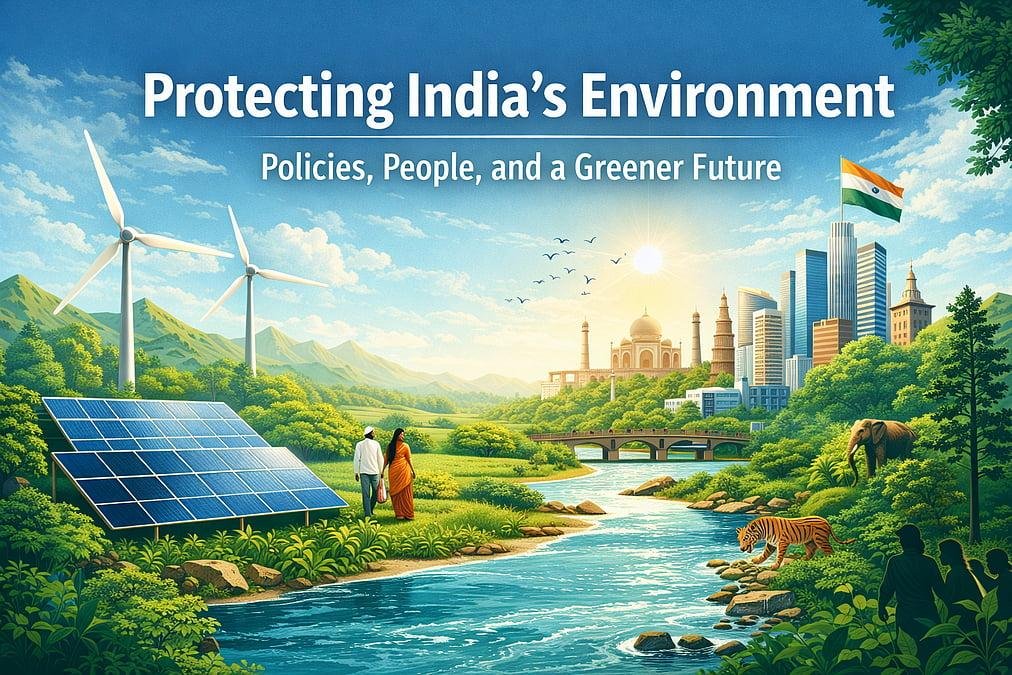
Environmental Protection
Protecting natural resources today helps create a healthier environment for future generations.
What Are Environmental Crimes?
Environmental crimes are unlawful activities that harm or threaten the natural environment or violate environmental protection laws.
They can involve:
- Air pollution
- Water pollution
- Illegal dumping of waste
- Illegal mining
- Illegal logging
- Wildlife offences
- Illegal trade in protected species
- Destruction of natural habitats
- Unlawful disposal of hazardous substances
- Activities that violate environmental regulations
The exact offence and legal consequences depend on the facts and the applicable law.
1. Air Pollution Violations
Air pollution can result from industrial activities, vehicles, construction, burning of waste, and other sources.
Not every instance of pollution is automatically a criminal offence. However, activities that violate applicable environmental standards, permissions, or legal requirements can attract regulatory or legal action.
Air pollution can contribute to:
- Respiratory problems
- Reduced air quality
- Environmental damage
- Reduced visibility
- Harm to ecosystems
Prevention
Industries and other regulated entities should comply with applicable emission standards and environmental permissions.
2. Water Pollution
Water pollution occurs when harmful substances enter rivers, lakes, groundwater, or other water bodies and degrade their quality.
Potential sources include:
- Untreated industrial discharge
- Sewage
- Chemical waste
- Plastic waste
- Agricultural runoff
- Illegal dumping
Water pollution can affect:
- Drinking-water sources
- Fish and aquatic life
- Agriculture
- Human health
- Local ecosystems
India’s Water (Prevention and Control of Pollution) Act, 1974 provides a legal framework for preventing and controlling water pollution and maintaining or restoring the wholesomeness of water.
Water Pollution Awareness


3. Illegal Dumping of Waste
Improper disposal of waste can cause serious environmental problems.
Examples can include unlawful dumping of:
- Plastic waste
- Industrial waste
- Construction waste
- Electronic waste
- Hazardous materials
Waste should be handled according to applicable rules and local requirements.
Why Waste Management Matters
Poor waste management can contaminate soil and water and may also create health risks.
Responsible segregation, recycling, treatment, and disposal are important parts of environmental protection.
4. Illegal Mining
Mining provides important resources for economic development, but unauthorized or unlawful mining can damage the environment.
Potential effects include:
- Soil erosion
- Loss of vegetation
- Water contamination
- Habitat destruction
- Changes to local landscapes
Mining activities are subject to various legal and regulatory requirements. Operating without required permissions or violating applicable conditions can result in enforcement action.
5. Illegal Logging and Forest Destruction
Forests provide:
- Oxygen and carbon storage
- Wildlife habitat
- Soil protection
- Water-cycle support
- Livelihoods for many communities
Unauthorized cutting or removal of trees can contribute to forest degradation.
India has legal frameworks governing forests and forest conservation, including the Van (Sanrakshan Evam Samvardhan) Adhiniyam, 1980, as amended.
Protection of forests is important not only for wildlife but also for climate resilience and local communities.
Forest Conservation


6. Wildlife Crimes
Wildlife crime includes unlawful activities involving protected animals, birds, plants, or wildlife products.
Examples can include:
- Illegal hunting
- Poaching
- Illegal possession of protected wildlife
- Illegal trade in wildlife products
- Destruction of protected habitats
India’s Wild Life (Protection) Act, 1972 provides legal protection for wildlife and regulates activities involving protected species.
Wildlife crime can threaten biodiversity and, in some cases, push vulnerable species closer to extinction.
7. Illegal Wildlife Trade
Illegal wildlife trade can involve the unlawful movement or sale of animals, plants, or wildlife products.
Such trade can operate through local and international networks.
It may involve:
- Protected animals
- Rare birds
- Reptiles
- Wildlife parts
- Protected plants
Illegal wildlife trade is not only an environmental issue; it can also involve organized criminal networks.
8. Plastic Pollution
Plastic has become one of the most visible environmental challenges.
Single-use plastic waste can enter:
- Rivers
- Lakes
- Oceans
- Agricultural land
- Urban drainage systems
Animals may also be harmed when they ingest plastic or become trapped in it.
India has regulations dealing with plastic waste management, including restrictions and requirements concerning certain categories of single-use plastic and plastic waste management.
What Can Individuals Do?
- Carry reusable bags.
- Avoid unnecessary single-use plastics.
- Separate recyclable waste.
- Dispose of waste responsibly.
- Reuse suitable materials.
Plastic Pollution


9. Hazardous Waste Violations
Certain industries produce waste that can be dangerous if it is not handled properly.
Hazardous waste may require:
- Special storage
- Safe transportation
- Treatment
- Controlled disposal
- Record keeping
Improper disposal can contaminate soil and water and create risks for workers and communities.
Businesses dealing with hazardous materials should follow all applicable environmental and safety requirements.
10. E-Waste Related Environmental Offences
Electronic waste includes discarded:
- Mobile phones
- Computers
- Televisions
- Batteries
- Appliances
- Electronic equipment
Improper handling of e-waste can release harmful substances into the environment.
India has E-Waste (Management) Rules that establish requirements for the management of electronic waste.
Consumers can help by sending unwanted electronics to authorized collection or recycling channels where available.
11. Noise Pollution
Excessive noise can affect:
- Sleep
- Concentration
- Well-being
- Schools
- Hospitals
- Residential communities
- Wildlife
India has legal rules governing noise pollution and permissible noise levels in different areas and circumstances.
Individuals, businesses, event organizers, and institutions should follow applicable local requirements.
Clean and Quiet Environment


12. Marine and Coastal Pollution
India has a long coastline and many communities depend on marine ecosystems.
Pollution from:
- Plastic
- Oil
- Industrial waste
- Sewage
- Other harmful substances
can damage marine ecosystems.
Protecting coastal areas requires cooperation between authorities, industries, fishing communities, tourists, and the public.
13. Illegal Activities in Protected Areas
National parks, wildlife sanctuaries, conservation reserves, and other protected areas receive special legal protection.
Activities prohibited by applicable laws may include unlawful hunting, unauthorized resource extraction, habitat destruction, or other prohibited conduct.
Visitors should always follow the rules of protected areas and avoid disturbing wildlife.
14. Environmental Damage from Industrial Activities
Industries contribute significantly to economic growth and employment, but they must also operate within environmental regulations.
Potential environmental concerns can include:
- Uncontrolled emissions
- Improper waste disposal
- Unauthorized discharge
- Excessive noise
- Damage to surrounding ecosystems
Environmental permissions and compliance requirements exist to reduce these risks.
Sustainable Industry


Major Environmental Laws in India
India has several important environmental laws.
Environment (Protection) Act, 1986
This is a major framework law for environmental protection and provides powers concerning environmental standards and pollution control.
Water Act, 1974
The Water (Prevention and Control of Pollution) Act, 1974 addresses prevention and control of water pollution.
Air Act, 1981
The Air (Prevention and Control of Pollution) Act, 1981 addresses prevention, control, and abatement of air pollution.
Wildlife Protection Law
The Wild Life (Protection) Act, 1972 provides legal protection for wildlife and regulates various activities involving protected species.
Forest Conservation Law
The Van (Sanrakshan Evam Samvardhan) Adhiniyam, 1980, as amended, deals with conservation of forests and related use of forest land.
Role of Pollution Control Boards
Pollution Control Boards play an important role in environmental regulation.
The Central Pollution Control Board (CPCB) works with State Pollution Control Boards and other authorities on pollution prevention and control.
Their responsibilities can include:
- Monitoring pollution
- Developing standards
- Supporting enforcement
- Collecting environmental data
- Promoting pollution-control measures
Environmental regulation is a shared responsibility involving central and state institutions.
How Environmental Crimes Affect People
Environmental damage can have long-term consequences.
Health
Pollution can affect human health.
Agriculture
Contaminated soil and water can affect agricultural productivity.
Economy
Environmental degradation can affect tourism, fisheries, agriculture, and businesses.
Wildlife
Habitat destruction can threaten biodiversity.
Future Generations
Environmental damage today can create problems for people decades later.
Protecting Future Generations


Protecting the environment for future generations in India
How Can Citizens Help Prevent Environmental Crimes?
Environmental protection is not only the responsibility of government agencies.
Individuals can contribute by:
- Avoiding littering.
- Reducing plastic use.
- Reporting illegal dumping where appropriate.
- Protecting local trees.
- Respecting wildlife.
- Using water responsibly.
- Supporting recycling.
- Following environmental rules.
- Choosing environmentally responsible products.
Small actions become meaningful when millions of people participate.
What Should You Do If You Notice Environmental Violations?
If you observe serious environmental damage:
- Do not confront potentially dangerous offenders.
- Record information safely where lawful and appropriate.
- Note the location and approximate time.
- Preserve photographs or other evidence if it is safe to do so.
- Report the issue to the relevant local authority or environmental agency.
- Follow up through official complaint mechanisms where available.
Avoid making unverified accusations against individuals or businesses on social media.
Environmental Protection and Sustainable Development
Economic development and environmental protection do not have to be opposites.
Sustainable development aims to meet present needs while protecting the ability of future generations to meet theirs.
Businesses can contribute through:
- Cleaner production
- Waste reduction
- Energy efficiency
- Responsible resource use
- Recycling
- Environmental monitoring
Consumers can contribute by making informed choices.
Frequently Asked Questions
What are environmental crimes?
Environmental crimes are unlawful activities that harm the environment or violate applicable environmental protection laws.
What is the main environmental law in India?
The Environment (Protection) Act, 1986 is one of India’s major framework laws for environmental protection.
Which law deals with water pollution?
The Water (Prevention and Control of Pollution) Act, 1974 provides a major legal framework for preventing and controlling water pollution.
Is wildlife crime a serious issue?
Yes. Illegal hunting, poaching, and wildlife trafficking can threaten biodiversity and protected species.
How can ordinary people help protect the environment?
People can reduce waste, avoid littering, reduce unnecessary plastic use, conserve water, respect wildlife, and report serious environmental violations through appropriate authorities.
Conclusion
Environmental crimes can cause damage that lasts much longer than the original offence. Polluted rivers, destroyed forests, illegal wildlife trade, uncontrolled waste, and habitat destruction can affect human health, biodiversity, livelihoods, and future generations.
Strong environmental laws are important, but laws alone cannot protect nature. Effective enforcement, responsible businesses, informed citizens, scientific monitoring, and community participation are all necessary.
Every individual can contribute to environmental protection through everyday choices.
Protecting nature is not only about saving forests and animals; it is also about protecting human health, livelihoods, and the future of our communities.
Leave a Reply