In Part 21, we explored the complete story of Sita — her life in Mithila, marriage to Rama, forest exile, time in Lanka, and the story of Lava and Kusha.
Now we reach one of the most dramatic parts of the Ramayana:
⚔️ The Great War of Lanka
Why did Rama and Ravana become enemies?
How did Rama’s army reach Lanka?
Who were the great warriors on both sides?
And how did the final battle between Rama and Ravana unfold?
Let’s explore the story.


The Great War of Lanka
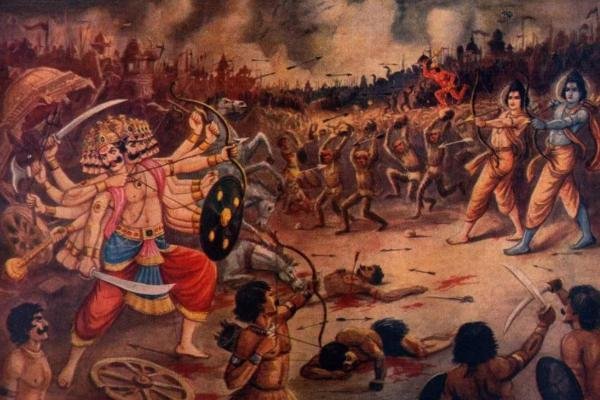
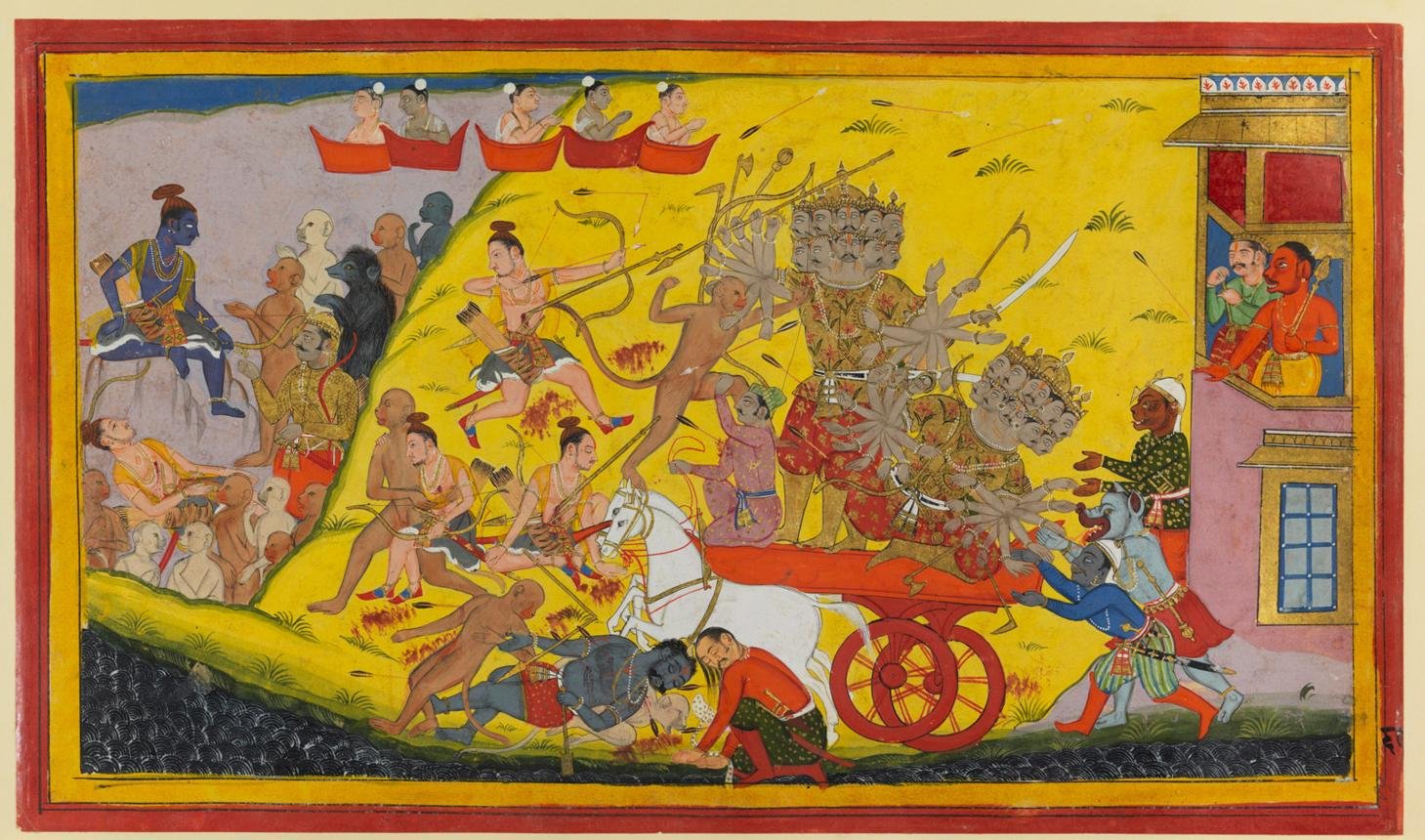
Suggested image: traditional Indian artwork depicting Rama’s forces facing Ravana’s army.
🌊 How Did the War Begin?
The conflict between Rama and Ravana began with the abduction of Sita.
Ravana took Sita to Lanka and refused to return her.
Rama wanted to rescue Sita.
With the help of Hanuman, Sugriva and the Vanara forces, Rama discovered where she was.
Now there was only one major obstacle:
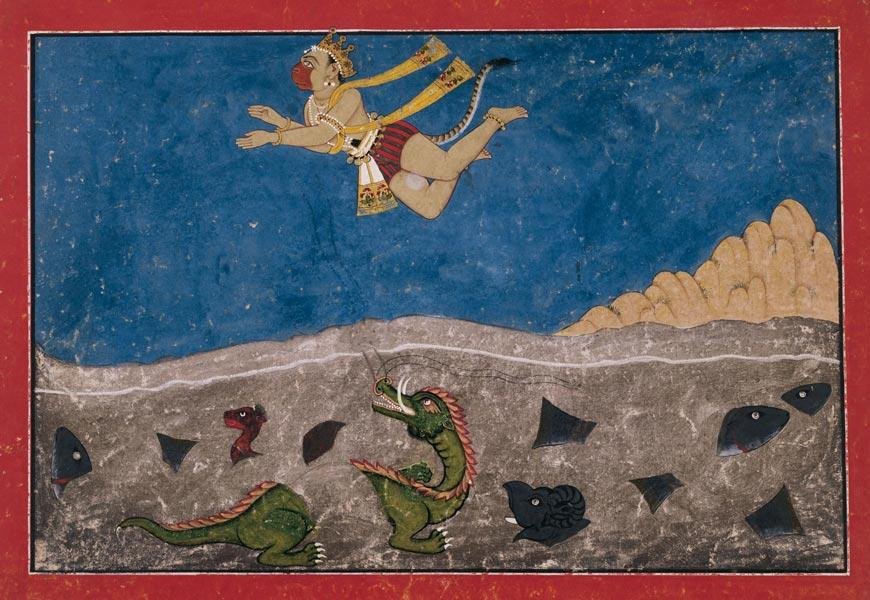
🌊 The ocean separating the mainland from Lanka.
🐒 Rama’s Army Reaches the Ocean
Rama’s army reaches the seashore.
The Vanara warriors look toward Lanka.
Across the ocean lies the kingdom of Ravana.
The army needs a way to cross.
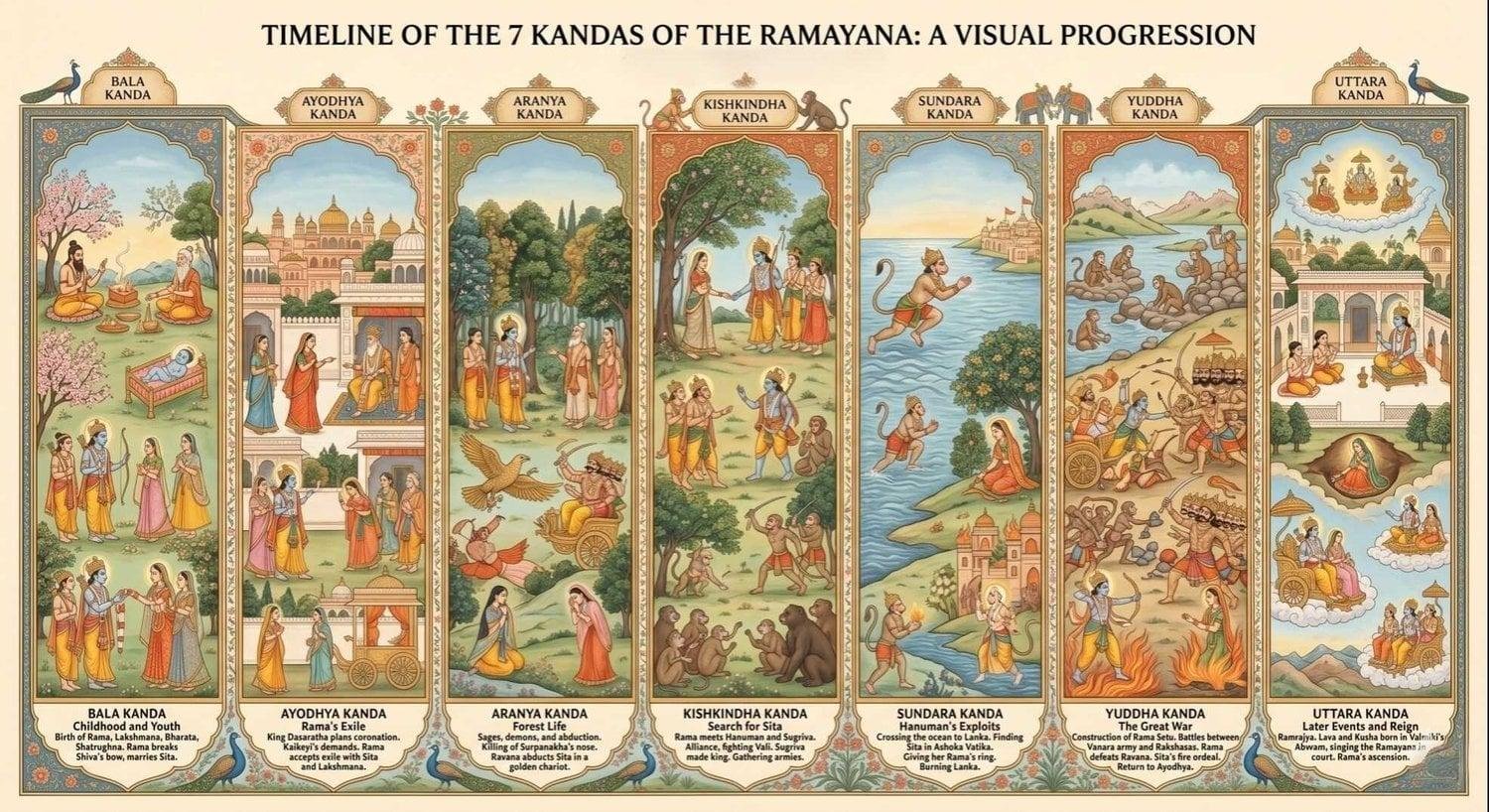
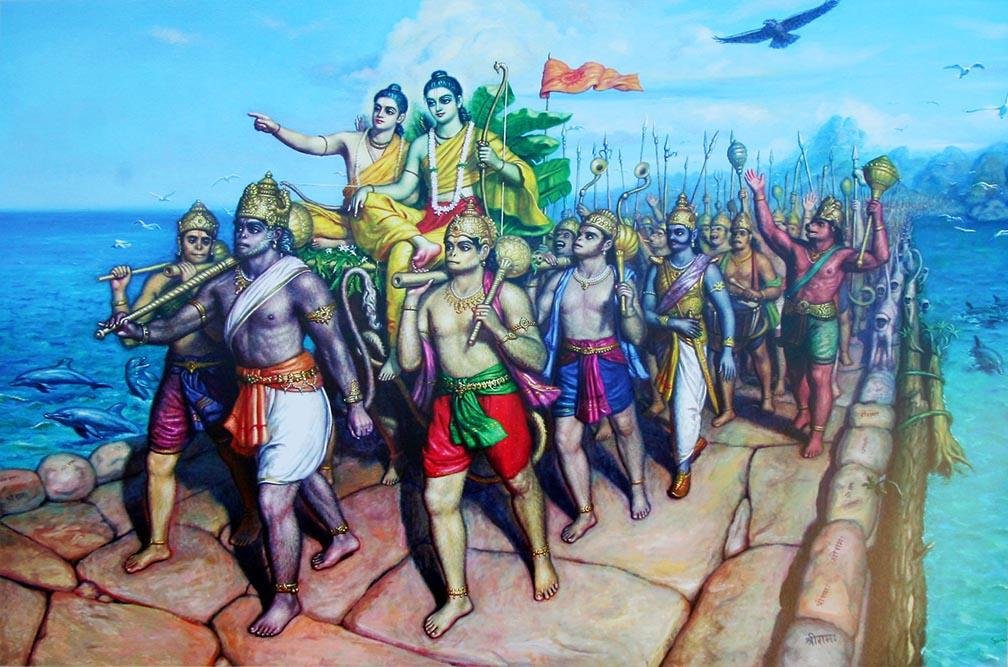
The traditional account describes the construction of a bridge toward Lanka, often called Rama Setu or Setu.


The Bridge to Lanka
🪨 The Vanaras Build the Bridge
The Vanara army works together to create a crossing.
Traditional accounts associate Nala and Nila with the construction.
Huge stones and other materials are carried and placed.
The army gradually creates a route across the sea.
This episode represents one of the most famous examples of teamwork in the Ramayana.
🏝️ Rama’s Army Enters Lanka
After crossing the sea, Rama’s army reaches Lanka.
The city is heavily defended.
Ravana has powerful warriors protecting his kingdom.
The final confrontation is now unavoidable.
👑 Ravana’s Kingdom
Ravana is the king of Lanka.
He is traditionally described as:
- Extremely powerful
- Highly learned
- A great warrior
- Skilled in warfare
- A ruler of a prosperous kingdom
But his strength is accompanied by pride and arrogance.
His decision to abduct Sita ultimately brings him into conflict with Rama.
🧘 Vibhishana Chooses Rama
Ravana’s younger brother Vibhishana disagrees with Ravana.
He advises Ravana to return Sita and avoid war.
Ravana refuses.
Vibhishana eventually leaves Lanka and seeks refuge with Rama.
Rama accepts him.
This becomes an important moment in the story.


Vibhishana Joins Rama
🏹 The First Battles
The battle begins.
Vanara warriors attack Ravana’s forces.
Ravana’s army responds with powerful weapons and warriors.
The battlefield becomes chaotic.
Many important characters participate.
Among the famous warriors are:
Rama
Lakshmana
Hanuman
Sugriva
Angada
Jambavan
Vibhishana
Against them stand:
Ravana
Kumbhakarna
Indrajit
Other powerful warriors of Lanka
🦁 Angada’s Mission
Before the fighting reaches its full intensity, Angada is traditionally sent as Rama’s messenger to Ravana.
He offers Ravana one final opportunity to return Sita.
Ravana refuses.
The possibility of peaceful resolution disappears.
War continues.


Angada in Ravana’s Court
⚔️ Indrajit — Ravana’s Powerful Son
One of Ravana’s strongest warriors is his son Indrajit.
He is also known as Meghanada.
Traditional accounts describe him as a highly skilled warrior with extraordinary abilities.
He becomes a major challenge for Rama’s army.
🐍 The Serpent Weapon
During one battle, Indrajit uses a powerful weapon against Rama and Lakshmana.
They become temporarily bound or incapacitated.
The situation looks extremely dangerous.
But Rama’s forces do not give up.
The battle continues.
🐒 Hanuman’s Courage
Hanuman repeatedly enters the battlefield when Rama’s forces need help.
He fights powerful enemies.
He protects his companions.
His courage becomes essential to the army.
But one of the most famous challenges is still waiting.
😴 Kumbhakarna Enters the Battle
Kumbhakarna is Ravana’s giant brother.
He is traditionally described as enormous and extraordinarily powerful.
Although he disagrees with Ravana’s actions in some versions of the story, he ultimately fights for Lanka.
Ravana calls him into battle.


Kumbhakarna Enters the Battlefield
💥 Kumbhakarna Creates Chaos
Kumbhakarna enters the battlefield with enormous strength.
The Vanara army struggles against him.
Many warriors are frightened.
Hanuman and other powerful Vanaras fight back.
Eventually, Rama confronts Kumbhakarna.
A fierce battle follows.
Rama finally defeats him.
Kumbhakarna falls.
Ravana suffers another devastating loss.
⚡ Indrajit’s Final Battle
Indrajit remains one of Lanka’s strongest defenders.
He uses strategy, weapons and powerful abilities against Rama’s forces.
Eventually, Lakshmana confronts him.
With guidance and support from his allies, Lakshmana fights Indrajit.
After a difficult battle, Lakshmana defeats him.


Lakshmana and Indrajit
😢 Ravana Loses His Son
Indrajit’s death is a devastating moment for Ravana.
He has lost one of his most powerful warriors.
His kingdom is increasingly weakened.
But Ravana refuses to surrender.
He prepares to fight Rama himself.
🏹 The Final Battle
The time has come.
Rama and Ravana face one another.
Two powerful warriors.
Two armies.
One final confrontation.
The battle is described as intense and extraordinary.
Both display great skill.


Rama and Ravana Face Each Other
👑 Ravana’s Strength
Ravana is not portrayed simply as an ordinary enemy.
The traditional epic presents him as a formidable ruler and warrior.
He possesses great knowledge and power.
His defeat therefore becomes significant.
Rama must overcome a truly powerful opponent.
🏹 Rama’s Determination
Rama fights with concentration.
He follows his principles.
He does not allow anger to completely control his actions.
The battle continues until Rama finally finds a way to defeat Ravana.
⚔️ Ravana Falls
Rama uses a powerful divine weapon.
The final attack strikes Ravana.
Ravana falls on the battlefield.
The war comes to an end.


Ravana’s Defeat
🕊️ The War Is Over
With Ravana defeated, the conflict in Lanka ends.
Vibhishana becomes the new ruler of Lanka according to the traditional story.
Rama’s main goal has been achieved:
Sita is free.
🌺 Rama and Sita Reunite
Rama and Sita are reunited.
After everything they have experienced, their reunion becomes an emotional moment.
The long journey from the forest to Lanka has finally reached its conclusion.
🚀 The Journey Back to Ayodhya
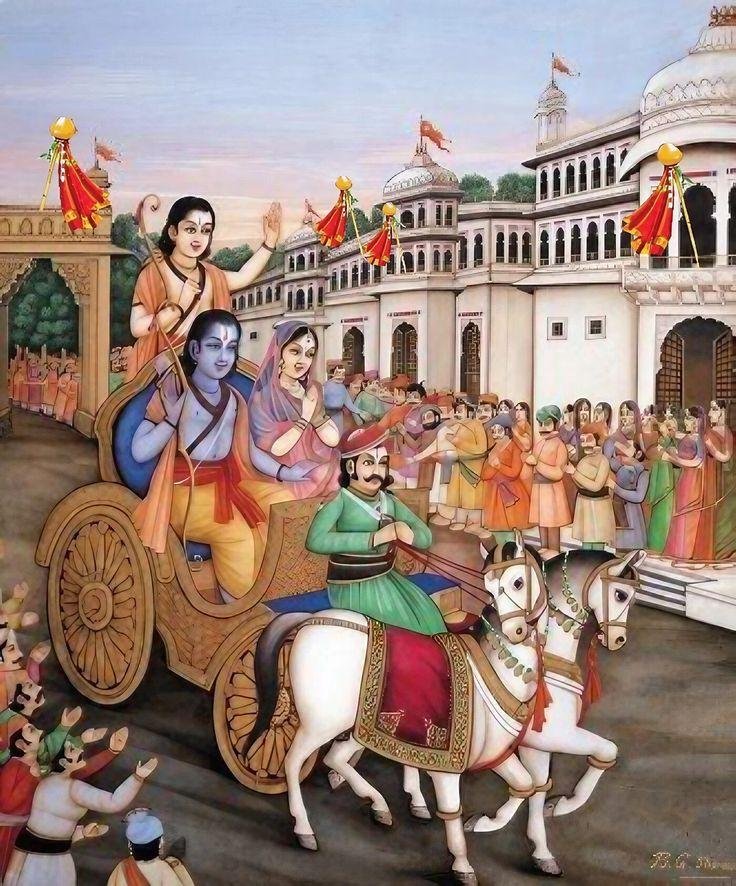
Rama, Sita and their companions return toward Ayodhya.
The traditional story associates their return with the Pushpaka Vimana, a remarkable flying vehicle.
Their journey eventually brings them back to Ayodhya.


Rama and Sita Return to Ayodhya
🪔 Rama’s Return
Rama’s return is celebrated with great happiness.
He has completed the fourteen-year exile.
He has rescued Sita.
He has defeated Ravana.
He returns to his kingdom.
The traditional celebration of Rama’s return is closely connected with the cultural story behind Diwali in many Indian traditions.
👑 Rama Becomes King
Rama is crowned king of Ayodhya.
The traditional ideal of his rule is often described as Rama Rajya.
It represents a kingdom associated with justice, good governance and the welfare of the people.
🌟 What Does the War of Lanka Represent?
The Lanka war is often interpreted symbolically.
Many people understand it as a conflict between:
Dharma and Adharma
Justice and injustice
Self-control and arrogance
Responsibility and selfish desire
However, the Ramayana is a complex epic, and different traditions and readers interpret its characters and events in different ways.
🧠 Ravana Was More Than a Villain
One interesting aspect of the Ramayana is Ravana’s complexity.
Traditional accounts describe him as highly learned and powerful.
Yet his actions — particularly his decision to abduct Sita and refuse to return her — ultimately lead to his downfall.
This creates an important lesson:
Knowledge and power alone do not guarantee wisdom.
A person may possess great abilities but still make destructive choices.
🐒 Hanuman’s Role in the Victory
Rama’s victory is not presented as the achievement of one person alone.
Hanuman plays a huge role.
So do:
- Sugriva
- Angada
- Jambavan
- Nala
- Nila
- Vibhishana
- Lakshmana
- The Vanara army
The war demonstrates the importance of teamwork.
❤️ Why Is the Lanka War Still Remembered?
The story contains everything that makes an epic memorable:
⚔️ Great battles
👑 Powerful kings
🐒 Extraordinary warriors
🌊 A legendary journey
🔥 Courage
❤️ Love
🙏 Devotion
🧠 Strategy
🌺 Sacrifice
🏹 A dramatic final confrontation
That is why the Lanka war has remained one of the most famous episodes of the Ramayana tradition.
🌟 Five Important Lessons
1️⃣ Pride Can Lead to Destruction
Ravana’s refusal to correct his mistake ultimately destroys his kingdom.
2️⃣ Courage Is Not the Absence of Fear
Rama’s allies face enormous dangers but continue their mission.
3️⃣ Teamwork Matters
Rama’s victory depends on many people working together.
4️⃣ Good Decisions Matter
Power is valuable only when combined with wisdom.
5️⃣ Responsibility Is Important
The characters repeatedly face difficult choices involving duty and personal feelings.
🕉️ Conclusion
The Great War of Lanka is the climax of one of the most famous stories in Indian epic tradition.
Rama’s army crosses the ocean.
Vibhishana joins Rama.
Angada delivers a final message.
Kumbhakarna enters the battlefield.
Indrajit fights Lakshmana.
Hanuman continues to support Rama.
And finally, Rama and Ravana face each other.
Ravana falls.
Sita is freed.
Rama begins the journey back to Ayodhya.
🏹 The war ends.
🪔 Rama returns.
👑 A new chapter begins.
🌟 NEXT PART
Part 23: Rama Rajya | What Was the Ideal Kingdom of Rama?
In the next article, we’ll explore Rama’s return to Ayodhya, his coronation, the idea of Rama Rajya, life under Rama’s rule, why it became a symbol of ideal governance, and how the concept is remembered today