Category: world information

all world information

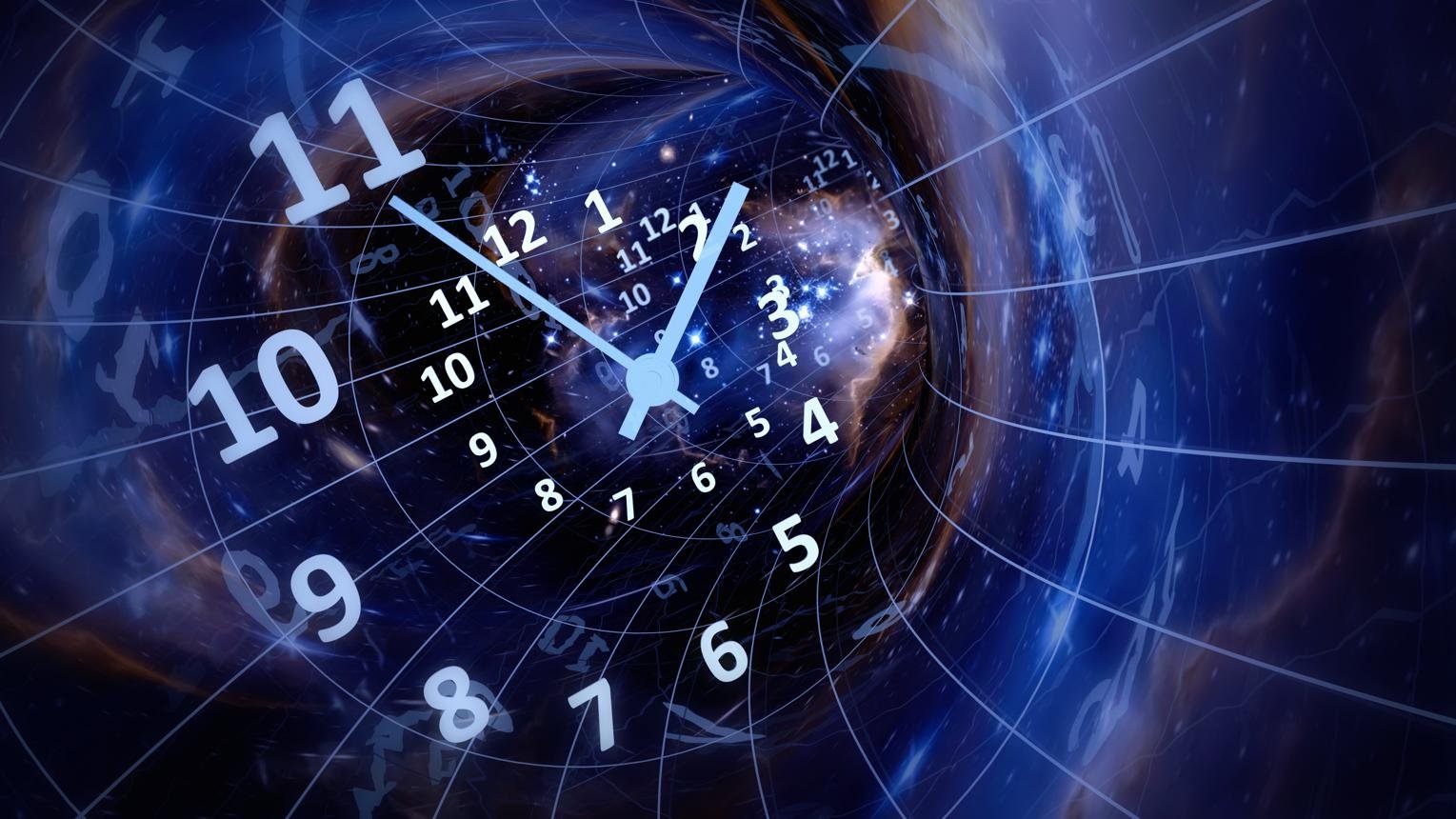
  • ๐Ÿ•ฐ๏ธ What If You Could Travel Back in Time? โ€“ The Biggest Mysteries of Time Travel

    ๐Ÿ•ฐ๏ธ What If You Could Travel Back in Time? โ€“ The Biggest Mysteries of Time Travel

    Imagine you wake up one morning and discover something unbelievable.

    You can travel through time.

    You could go back 100 years and see how people lived.

    You could travel 1,000 years into the past and witness ancient civilizations.

    Or you could jump 500 years into the future and discover what humanity has become.

    Sounds exciting, right?

    But then comes the biggest question:

    If you changed something in the past, would you change the future too?

    And what if you accidentally changed something that affected your own existence?

    Time travel has fascinated humans for generations.

    Let’s explore what science saysโ€”and where the mystery begins.

    https://images.openai.com/static-rsc-4/MMEEDDCPs_HnCYlk3GpjziSZUwrp4E4_9yQf_NHMi6YslcaTh50y8jru2NCOzGWgluV_CFiQowiPIJXfxM4B7M19TpB8Ch1xTmVJJvqLySb0ODfw9wUh5eqArWGEC0ctpk0dEvCqn6hxb8Y0_Bu9pudAOn-DuFo8PX6R-THz9GTJrwFL-g_T5CEhhxkHUb4w?purpose=fullsize
    https://images.openai.com/static-rsc-4/v2sBW0hU84KmJQluEjGXe57aJJBtTypPcITqj1PdYGig2rbTzEZ7LNF8a0eYtw2Bv1PTlqxNBgfyq8Bwvp5Hv7cKUe4_xqgiAw10HNrvJ-yy5jao5j1vjFKp8-ol6sPkDcmrVpxLBTIFgXquHWi_ldLesHZWUEULKM-Wa-QbB0XdibvUh2xSZKFkrF_v4bqK?purpose=fullsize
    https://images.openai.com/static-rsc-4/RfoR7Kuyc2gb81Wmrsr_ga8HPO8wEq4GWfgT5ewdgsBJZi2vQtIMHURyfNbGzZT7EIXigRfz4kPGbAhABkavJztnWly8cYwwiCg7c5GPOg-ldWDC4AytyquNiCMliv35qvWMv9aeV9Q0mbXLnud3xRvS5qp0aGYgtX11sTQjwrtVv37K2ZJZUMyNKG8wzJbA?purpose=fullsize

    โณ 1. Time Travel Is Already Realโ€”In a Small Way

    This may sound surprising, but physics tells us that time does not pass at exactly the same rate for everyone.

    Einstein’s theory of relativity predicts that time can pass differently depending on speed and gravity.

    https://images.openai.com/static-rsc-4/AUagSSqRHxwyEoBT7UsDrrhn8Pnfissth3T0KXYfaH_AmbPmUvAqybTC_WK8MV1ODg_hQU6S4xCteDOfNa5bCOiW1AKmVCbHpzoTZb9ogKOG8il_3ehhOHo6FUut3oUxYYkaY8VSrZgfFqYOetKvkGtdOUY5YPv9MfCphWcqhPEa3TJyZbyd0jLRiTAgLB2u?purpose=fullsize
    https://images.openai.com/static-rsc-4/E52rwcnKB1z7qIAQhyU4N__LbfKwE-pA8vkw2BaedS9jdYNNjsGaux6rSeHJ02uoG2dDsm1bBCDeJlzl5Hs5qMCemI-zBwZw2o-JvNV-nWXJOBzisCalSN6pMzXlazq3xmlnCTvyMkIVpc2uOY9adqEGGEdu6J_VAr9L70rk6FPAVoDHGHyPfz0bD9HMxlgO?purpose=fullsize
    https://images.openai.com/static-rsc-4/02UFWX8UVdjLM9v5HFjUcDhwSD2PDfArw-npMLx9qERzVRe8jushwa744cvXaHSzOYV4-sZpcNBGPkuXeUeOWnDaZ9vYLbyj1z8gqpfTXKUwjbENupMskpBbGTZQxMcS7c3PeD9_F0ywfausLg0xYjPSJiO9DEQfkkx5f8uknlxWaxPSMQC3knKSml-v_FwM?purpose=fullsize

    This effect is called time dilation.

    For example, extremely precise clocks flown on aircraft or placed at different elevations can show tiny differences in elapsed time.

    So in a very real scientific sense, different observers can experience slightly different amounts of elapsed time.


    ๐Ÿš€ 2. The Faster You Travel, the Stranger Time Becomes

    According to special relativity, as an object moves extremely fast relative to another observer, time dilation becomes significant.

    https://images.openai.com/static-rsc-4/9ulCA86ehVxmbW1FhqYnkby4RFAKGDchpCWtyC5YXI4IdFGqOl4NvOysy9mdIEVeKf2fl_6D7ZQ7o-HM0yBaYirqCW3tLsO4isIuFyYVjRdBgk6rQcUgiHIh7FdNVH5nYq7j3dBFNGyAM3QXkaTFiGgfp7VBAZlMBf4GyLydKmcwwCMkFVk3JKzS8CJLIIq-?purpose=fullsize
    https://images.openai.com/static-rsc-4/6mfi-Q7573--f7MhDgkOH0NxRjotU--X7Ky7WvIDLFvxI1c3EjN0F_u1laQXXTDLqWa3Io_47ngX8kyiplCT003n-LKtdnEjBeTxc7LsqVZj3kaOPoVkIyVL4T_UKBbkGzfmJ5bWXIt2IeiDvDN_Z08b1l0SamZufaMjn_bZEUbooCzXcXjeCxdwkUV1QqA_?purpose=fullsize
    https://images.openai.com/static-rsc-4/hP41A8XHB_G0cNBhcoFJvTCgRuSWZBqfxHibu5aUh_IFqqzuzkp8v5e3_QdDNdPTQOZ4G4NI09Va710V289tUTh0OY-cIjYD4jifuQQLckbYlurUNVkMezxsrqk5-yMoPbcIUFHFKnY3amZ1Kq4yGaobkRgwLcRG7uwJ7MlWuEQ5YUFXJQJMWUIJy7j9ysZb?purpose=fullsize

    If a spacecraft could travel close to the speed of light, much more time could pass for people on Earth than for the travelers themselves.

    Imagine leaving Earth and traveling at an enormous speed.

    You might experience a relatively short journey.

    But when you return, people on Earth could have aged much more.

    ๐Ÿคฏ That Is Basically One-Way Time Travel

    You wouldn’t be going backward.

    You would effectively be traveling into Earth’s future faster than people who remained behind.


    ๐ŸŒ 3. Gravity Can Also Change the Passage of Time

    Speed isn’t the only factor.

    Gravity affects time too.

    According to general relativity, clocks in stronger gravitational fields run more slowly relative to clocks in weaker gravitational fields.

    https://images.openai.com/static-rsc-4/4Ha31J3gQvMSxQpkxv2kQ7w6OZCAo2cvMDb2NiASmB4cdDMnHidOeHfiV0HfJxYy_H1VTBR6J1jhn3vsvxTKCbYjs7ThPoyI6olWKWpJWLatCtki0ht88OGpqVb2GRtqetzVwumjQ4K0zikNh7T7Ol64P8mYWmJdXRyEW-oNbFSGfm5c4f1YoLO38Zs7ZFUv?purpose=fullsize
    https://images.openai.com/static-rsc-4/wQ3eOGwaPKRuvu94FdtZiAaruVBg78IsfIzQ3DjvztkiJ6ysDgaq-Lz9GxNxSf3tqkFxIqlc0eJ4WOVNaaASGE0-YSb5GQWrIKOQNLp2ECwwVPud1arZBbgU1oOr-g_nJSaw6aunrIF35bl3euFU5JaGoPRSDca5Tmut-usnKi8DzFJPatsL_idmFZQ9IMTB?purpose=fullsize
    https://images.openai.com/static-rsc-4/coMi0GssYSj9eCuteA3Ia_7dLqKVZrGjbRj-wIpma8pAalIV3_pPLnGvbWQkUD3pjDxkCBbyID6qb3Iot2C37tr8zystz7Vgy5FCt8NSFLLbmSjFUMxd7eCJhoj9glMe1TX1o7q87uMMfm-y-2qCHGHRgniPXd_775nHb4DU7N2c8KFA9aQqT5q-dD3tbAdL?purpose=fullsize

    This isn’t just science fiction.

    Modern technology has to account for relativistic effects in systems such as satellite navigation.

    Without relativistic corrections, precise positioning systems would accumulate errors.


    ๐Ÿ•ณ๏ธ 4. What About Going Through a Black Hole?

    Black holes are among the strangest objects in the universe.

    Their gravity is so strong that once something crosses the event horizon, it cannot escape back out according to our current understanding.

    https://images.openai.com/static-rsc-4/OWt9RZsJtFK3ErYRLL9RQz28Y80xy-vtiZuIazJEf1MB1L0Fj-fZ4AzHyW9DhJwX_wLBP7c2W-5ikFUYRjQtv1-9-_3uq7rd3FOdO0mbU1hWJ-YuBqWa10h2jbbQ8BgYGPBXPWJs7kzDBJkpJwkKmPRiAtdc1WiOOIT3eExtQMVzS9rAvQ81y_uF8rjSxGhq?purpose=fullsize
    https://images.openai.com/static-rsc-4/881461TALwLnJjubhfCz7p3-e-VzoqosDEqWZPo8pilu7QKp5vtghWJctgM1U16VCt3pcOYqxyXnC3fLdxQqH-kEyveltzjXrVh9LpN57W6hsvPPL8N7JJSBfPWGo2haYiokNssQ0WJWm0ZKs77I12DZNYPghkfbPGENj7B5_fiKokQZ6Q7QUUXOnOBQUXQJ?purpose=fullsize
    https://images.openai.com/static-rsc-4/iOwpQ2vzPW07hurXWx9Bk3p4xb8UBVkeewQenbeTLXpWijUeqpzn95qO3STvRLaVNzzvBsBEHV45pfqN-0eNrnNqenI8fo2P3rjfumYqqSaxxVbNP1utWY6pPNS_aWRttaR31v1UezGq4513N8mRx6ZkKe4TGat8FTTvWVtTMj8zm8PI_1dcp7AgzJGMtaTD?purpose=fullsize

    But could a black hole be used as a time machine?

    Not in any practical way we know of.

    The extreme environment near a black hole would pose enormous physical dangers.

    And popular movies often simplify or exaggerate what would actually happen.


    ๐ŸŒ€ 5. What Is a Wormhole?

    A wormhole is a hypothetical shortcut connecting distant regions of spacetime.

    https://images.openai.com/static-rsc-4/NgtZRXf10pi2VVqUxcs1Li96c_zAxFxXk3CEDFuCXG2y50vsC4JU9n1vwYplCItwnRAbXtbP2Q2lfUbe8hq_dMifoCdoD_PRDYocMbVZKcPgE3dNElXhpQV7H2D39K2JjQtrFAeTpG0jVa7RHVK_Fn1A_Vb7azljGIZx3i7Z8-5ONpNv_1AM2LJkKKNr_iC7?purpose=fullsize
    https://images.openai.com/static-rsc-4/_ZF_UadF_BAKMbnUJjl01L1irgNQWgKWaruSbnde4XARWiP4tjITAizFHvQX69YoS9DV1Nn47Q525KB6ATz8Ommbd8FtAuPXRQylkhPXIfrSNxVJuiZnDlRj5jrze9bB0Pe--czJ-T22Glh1C94EHEbEf2hSGKwnRHwAiYzhwxKFnHy2-y4gkjXXGhplXtog?purpose=fullsize
    https://images.openai.com/static-rsc-4/FWUz7iXzXiCbpTd7b4IqAaNanSTYGfrlqqMZg8avGWeIQuBERn_Zt7Yohv_RToiZjnZNKz0c9SPRwXobxjBXZfJvYInLFmMK-SrlGX6NfnJU5BBXS5bgq6ReHzw_7Mlb5LHyFQXjClxEamqmuZAO_ySvcPFCY3CYYeMB3TEjKBAU0my0BroLV-texEzUcLcF?purpose=fullsize

    Imagine folding a sheet of paper.

    Two distant points that were far apart could become close together.

    A wormhole is sometimes imagined as a similar shortcut through spacetime.

    But there is a major problem:

    We have never observed a traversable wormhole.

    They remain theoretical possibilities in certain mathematical models.


    ๐Ÿ”„ 6. Could a Wormhole Become a Time Machine?

    Some theoretical physics ideas suggest that if the two ends of a wormhole experienced different amounts of time, the wormhole could potentially create a difference between the times at its two ends.

    https://images.openai.com/static-rsc-4/QZ-yGZEPJ7MzWYIdM3FNscQ5af8d9zP1rbJnT-_Eqd59_v2_-TWKXUH-ARfRoykbAmajp8scpFM9SRm1_cdmt5DuszppN4tmUi2xu5p3unVHdok6yETrZ6G0qzNFjaLgcxU8zJM26So4Z06QYynA1vb2Xm8L7zpz5bYIP3EhjTiQ7-3bu7diMdiTeiKATS3l?purpose=fullsize
    https://images.openai.com/static-rsc-4/HBYZf0gI6pGSrfgw10BF8bWrGxXuXVordh1RJLPjXiykoettoa8t1vLwqf6MHf4FWwDuHR5cfv0QG8qUb6atEQUn7sRW_-F8g-jsq9GQIWKbJEVX5hyRVtLsPN37gOgixMLZNJzjhak_bdupZCK8GlL1_qaSFkeA3dzkwH7mtLSLVs8bU44lzGFHEvc05SFC?purpose=fullsize
    https://images.openai.com/static-rsc-4/X_mSHzVFnJhM4Nr2Rszmvb0sbbm8Gzd4ByQg-XHGOsRkb4u1BVu-XO8ndkYfpxD2oMxmj4fwMBx_xobSO3u3Ouyo_ucCetBNQhF3WSE7j_EEcS_khilC3-NK-oHCy2F3ds2mlTS8D9UAX03v2jg4Kn84dAtUYONTHhkt7dkuIgmYUcjsMwYO0oCRvvBLBLLe?purpose=fullsize

    This leads to fascinating theoretical possibilities.

    But there’s an enormous difference between:

    “The mathematics permits an idea.”

    and

    “We know how to build one.”

    Humanity is nowhere near building a wormhole time machine.


    ๐Ÿฆ‹ 7. The Butterfly Effect

    Now imagine you somehow traveled into the past.

    You see a butterfly.

    You accidentally disturb it.

    It flies in a slightly different direction.

    Could that tiny change eventually affect the future?

    This idea is commonly called the butterfly effect.

    https://images.openai.com/static-rsc-4/2oJVPXGgH9acfMSJD9wgQkKk1U9Zljs19ds1d_8JKvIHPN0kjacls1tvoJ4DrfPFwNoIdPked1R8zj57nYmqIUyX8pfDaUE6HEHEoNhNWBwYt56u6MZD0zkYUWLfun1x6uc1TCnRtZH8ips5HcjHKLYBLQJnegtknscHqXQHzmWPiugLtwovSusFbof437R7?purpose=fullsize
    https://images.openai.com/static-rsc-4/GeqBDT9QTboR4OWgAAKndqTLwaUCo1oPpONgh8PuAepvDHAhrMnjtXvuNjqzFg6iuT27M08da49bEoQrrA46zCWfRoi8GB4foqm9nyNFSSVi3C7vrh4njrIMqDi3PlrEmBNjoudWAcToZwzgWZpgkdwwzWiPmPQvr8_WOFe8IzgAJvPb20TbeqkYAFgd8s5I?purpose=fullsize
    https://images.openai.com/static-rsc-4/lclsdvCYQQ16V2f0nHVYjjNAmEtGjlfw73_UdbnR9QUL8ySpYGOBEv3TzQZ0JUm9ke0-q17m9PyAj1wSUC_-TCFBAFBB0nMiT9SK4Cd4fYy3EywXvOyR3jaTsaVXLNCutMYW9MnLBz84R5DCtnlW9SCiV7UjcQX4zlospYtvSFKISwYE-2i0Cy1xU9w4Kt7S?purpose=fullsize

    In chaos theory, tiny differences in initial conditions can sometimes lead to dramatically different outcomes in complex systems.

    The popular phrase about a butterfly causing a distant storm is a metaphor for this sensitivity.

    It doesn’t mean one butterfly literally controls a specific future storm.


    ๐Ÿง“ 8. The Grandfather Paradox

    Now we reach one of the most famous time-travel puzzles.

    Imagine you travel into the past.

    You somehow prevent one of your grandparents from ever meeting the other.

    Then you would never be born.

    But if you were never born…

    Who traveled back in time?

    https://images.openai.com/static-rsc-4/1N8O-p5wSd-_bbXYkSVdIggjmO7isIYH3LFx-T1jWXK7ROn7YirhIDcme_fNdqekgaNpLpnI2_-R32Ghfy-UWPh91lVBr5GIU6YmpNyA47143Fn_UiRq_S443dqjW_EZ9dFFx_EJx8gg2622yfitpWuU83ki4BAbAFO-gsEIT9878-h3GU41vnVLp2_H2n9q?purpose=fullsize
    https://images.openai.com/static-rsc-4/I15C9XnTKUoUaA1zHoaUKUK8GHyHFIAGnEpejtEt5xR4NSwSrldiJZneLB00Rybk9IlLOv6cF-yggp00TiM0kj70teqzuw2-y8MywzkEYdXBNNH3APrlxgl_V2uEUNWfFpgUTkLs3S3rppqx108rel_cwGzE1wI9_11iye0fWGJp8Z_ji2vCdz3lN_w0vWVb?purpose=fullsize
    https://images.openai.com/static-rsc-4/ACHb2n-dF-wmNO4LSe88uMHBUJeyxaOU3Zt7bvhLt5vDiBz283M3yQjp4xhA3UGxzwSoWprY8esC1oasoRw07OmKO3S4pyoWWGDYxpc8Tfd6IOOvPX-EOsDHlsxKp8AxWBk__6INeaOxUPfAqZw09-bQFEtXjQiSRt-otgz1ZaVbwIX9XIzsAbn7Kl5Q_-SS?purpose=fullsize

    This is known as the grandfather paradox.

    It illustrates how difficult backward time travel becomes when cause and effect are involved.


    ๐Ÿ” 9. The Bootstrap Paradox

    Here’s an even stranger idea.

    Suppose you travel into the past and give a famous scientist a book containing a scientific discovery.

    The scientist publishes the discovery.

    Decades later, you find that same book, travel back in time and give it to the scientist.

    Now ask:

    Who actually created the discovery?

    https://images.openai.com/static-rsc-4/E8tsGC5DTWNBgtkn5kwzfXZl_Dd4hQZuSVnA-XPRUVhb5OVbllAXrMJPETd93Cyflt9Rk1qktL4JtHrNhI5IHORrCLN9yIP2KX4H5TfhYh6w5azEEP2HcDH5JlQjczX5FCZA8ZVhVSfVfTzwLjqpKtGFKI8JKn5uPCiosLGvfr-jVVn1Oj3QD7DqcIjouo2x?purpose=fullsize
    https://images.openai.com/static-rsc-4/Cuw0t6jzSyqa__KbbGiw8vKVjiRqnRC5NijhPNx8CS5Wts5gCjqwC3Em1j4RNdaicC9rFvmmLP5sLCcwoaoi4MQCzlhwhdX49y7Fzo9nP8YF5jB-pTFq8-Mb9PZt_kidxC5r4fbuHNMfigKui0LKCwde-kEI-IcATCSomz8b56xzKN2KkpJpOX0zWxxfucv_?purpose=fullsize
    https://images.openai.com/static-rsc-4/I15C9XnTKUoUaA1zHoaUKUK8GHyHFIAGnEpejtEt5xR4NSwSrldiJZneLB00Rybk9IlLOv6cF-yggp00TiM0kj70teqzuw2-y8MywzkEYdXBNNH3APrlxgl_V2uEUNWfFpgUTkLs3S3rppqx108rel_cwGzE1wI9_11iye0fWGJp8Z_ji2vCdz3lN_w0vWVb?purpose=fullsize

    The information appears to exist in a loop without a clear original source.

    This is called a bootstrap paradox.

    It’s a fascinating concept in discussions of time travel and causality.


    ๐Ÿงฉ 10. Could There Be Multiple Timelines?

    One possible science-fiction solution to time-travel paradoxes is the idea of branching timelines.

    https://images.openai.com/static-rsc-4/ru0t0VtXrpzI_J-Gin0r2AcFqc9gQujL4gccJfOr6j0uKWXgUo4QBhU_X4F41tEkvZendTFF0kpDYSNQOR10gP7hI_PMAgTIWKeYb_AnYZLhat50qrBFhB1XNb2rwLoFfPhtp3oPL3eR607sMNl8pez7fQ6BWF-q9B-0XCNOLKFrSdaJi85Mrs6IbCb3I7bx?purpose=fullsize
    https://images.openai.com/static-rsc-4/2QKzOS9CYRfKyO5ibtaW2iqKN9ciWujk2ycmBfXuNT1aOBjwBXSaB27CFTtWwU7Fl0CxWMo_IrTzBepZuOgPNzQHtdjEf3ruXVNFvX9gCTfEUwvkwjK2TnKz10gTJ2oQtmNJcTtNrL2a0Rq3r62-iUTyRXA3jrKE0vrtCfyUwngRpcPT_xDliK1IBviyvOFJ?purpose=fullsize
    https://images.openai.com/static-rsc-4/8HBQf6f13MJJOgMasNlttRRhPc2m7x98zBAswOrzZLmRGLauTXhglqgHFw_4yFSGadQeod_KMy4ukpIZJKaayOXeWbVlCnQuRhC85rayVajx-j_v0rFIreE9ZnsjRtWNQHekPuORHwEeo0lvKlWNjSSD-M8FQG7Soz_iIdkahxSZecx1rGFqDNHFT5Cp0lkR?purpose=fullsize

    You travel into the past.

    Instead of changing your own history, your actions create or enter a different branch.

    Your original timeline continues separately.

    This idea appears frequently in fiction.

    Some interpretations of quantum mechanics are sometimes discussed in connection with branching worlds, but that does not establish that time-traveling people can jump between timelines.


    ๐Ÿ•ฐ๏ธ 11. Why Can’t We Simply Go Backward?

    This is where physics becomes complicated.

    We experience time in a particular direction.

    Eggs break.

    They don’t spontaneously return to their original shells.

    Smoke spreads through a room.

    It doesn’t naturally gather itself back into a cigarette.

    https://images.openai.com/static-rsc-4/GSxa_eZdpU8SxVC0GN83TTU1whr3rEawXOt6GgVMcwH6z0p-ERhMnvMWtiFRA5ooHIaE0Y1kVT8aomnRhgx_j5Qm5aTIKUUEwWfK1ub-e43nGG1qpSc59QZ_hVyGeSwVxRac175-SEatyHJViSt3qaZnn-Hcs3KbUG_Qvvo03ZIk747AsYb_eq5b39YZ0iBP?purpose=fullsize
    https://images.openai.com/static-rsc-4/ymT5rDBSIpDi9bzYw4REomfI1qL5jfSIpMnuJ6ZNuaJnn6LvLJLDSwDGmpq7kuyLU-gkzPGgKsQwlRxEuVdRI7ezKnEH4rV2TizkDC8EUoMKJntCjFG4LGJs99jnfy27vUZ4HcvajoMmS2vA4FHtFk4WIW1MUWXYLyJrQ8izLf2uhGzLccIAQnRc6P8BYnfU?purpose=fullsize
    https://images.openai.com/static-rsc-4/Rx_VC8fu22XYJBt0w8otN_hDoAGCDmiLeDAIWQLiiAhQAC4jlnkNCnxqKm3gTUZUNqgQk0zfy_YZOy0bXVfzSZDJgYx7Mz_g3bLXoWT6whud65U_bNJB78qVoMPPWl0bcFujU6v4GqjMoNqdFWZrICVvhMcTxCR6IR-X6uTQ5tb1Fse526CIE5PIW3DW3pBh?purpose=fullsize

    This relates to the concept of entropy and the thermodynamic arrow of time.

    At the macroscopic level, many physical processes naturally proceed toward states with greater entropy.


    ๐Ÿง  12. Your Brain Also Experiences Time in One Direction

    There is another fascinating mystery.

    You remember the past.

    You don’t remember the future.

    https://images.openai.com/static-rsc-4/5RULNt_uvrUEWp4B8eH7y2EJEpFN8vSpjq8iVFrWUOfVGsxU0fhz0x6f8Sj5UyFuUe9cxSe45r9lqpQYrTR97YJ0XT95Wn0x5LkFZXeBLwccjRH2GYW4Wax8Rlrp569LjUhyi26t1EoKlL0dGJY1BGhJOTdz3F_Qh1TGCYiDgIuzvxix73VbgytxCYeoCYN6?purpose=fullsize
    https://images.openai.com/static-rsc-4/pRE0KNSHfopFj6PZ3ra-_BDbtn1vExmOFTJVmsYdDt2kgodsuuxiEiQ_uuTGE7CirfY3AegE-cOZv1iQOCJHY5uij62Expcxjj4SyLj7oaVj8fNA2dq-65odrnO_qmCvSPSWhhrjFxiqKBLaGSXAc3jbq9SZii36Gvn-nW10kYbC4v104reG8vPPZasIU9Eg?purpose=fullsize
    https://images.openai.com/static-rsc-4/7cMa1vGOKyGLOI7SB7GQJ4OmTm0D8YBhCR-P7FmMoKnZJUW9DOiiUTcPXsKK0f2oxbLCaBKOZcgdA7USWRa_fkS9XksTgw4sgyAQQOq_ebXb1bziTvCjtI9BFPtb-Okw11wm-PWDxJhVjgWAbaUhJ6gaP93jNkjIdkFP3x_MsxtPBLbsKDCzNXBnHEOe4O72?purpose=fullsize

    Your memories are records of previous experiences.

    You can imagine possible futures, but you don’t have memories of events that haven’t happened.

    This creates a powerful connection between our psychological experience and our physical understanding of time.


    ๐Ÿš€ 13. Could Humans Travel Into the Future?

    In principle, yes.

    And this is the least science-fiction part of the entire story.

    If you travel sufficiently fast relative to Earth, relativistic time dilation means less proper time can pass for you than for people who remain on Earth.

    https://images.openai.com/static-rsc-4/d64EF-e9G45ZH557yxa0WzSIYgVGz_MUCXlYeX2IqBs2XJIB_1-1JXH2fFzpl5OI2W9enIKwyF4jdEkfHJo8HO5tuk3M0YAXHbXGFZhCvfTIVM_SwciauEG_ViKVm_JB59yQXlQSQna807rbZNmjtpwy-VMMTaJhf78Z-eXGZ0i90U0ntp2gnI4QoXCrY73I?purpose=fullsize
    https://images.openai.com/static-rsc-4/yupLNYasv5SwiodotXqhX5eJQeuyK_Q3iOt5OAYcgGinivcD7ZZcBKiUmuHy6EV1jXI2Gdnewh1WyO-Ao9GY6fdQWoW2F-6X7cf5-4COaUsCqzf0chhaQBNq-BymFh2ERcmSLiHINWuVHkfPHgIETzCcFDVCa1QqjunLBnxAWXHea7q3XahdsOnU-ir0gYDM?purpose=fullsize
    https://images.openai.com/static-rsc-4/_I1Ko-I1w5j6rgiDdjQ5CwUQtOyFtPqjcuP4yu17CJ6ITviNvyEfonOtzVVrbvlAUvxbnfUu3hAJFBpFChbLoM_S2HObewYfwHOJ6v1zm3zrUmwWeqNd5vw2hPbYx155kKZ5H467j0d4rmolVAUjtMlxt50FptDOmS02DQHMBxFfdkMzmrBcp61OyEhgl8gu?purpose=fullsize

    The challenge is enormous.

    We currently don’t have spacecraft capable of carrying humans anywhere near the speed of light.

    The energy requirements become extreme as you approach light speed.


    โŒ 14. Can We Travel Into the Past Today?

    No.

    There is currently no demonstrated technology that allows humans or objects to travel backward through time.

    Ideas involving wormholes, exotic spacetime geometries and closed timelike curves remain theoretical.

    https://images.openai.com/static-rsc-4/THPKer4RGaGQ5cTdj_I8JtNuxvXgl4EbSHo0T82x-aZ0J1P61vpdVisShfNfJDjoVd9GX4dullCCBx2HEVaY1zwjENtXDsNx_mnmt_5T97efkVSuIHV_nb5tYvqhWYDB9mAjzMroUBzgMnNWUvOaI2JqFPiTpTbEXWOZUyVrjli9I7TE4IOE8kPsRNVRlFDE?purpose=fullsize
    https://images.openai.com/static-rsc-4/Z1NjwCOB90AnW5xWh2CB3TDmD5hOVHi4q15kjyjbfTZRA21hgJ6i7UbGaWt3UMYkOm6T83sB5ntHRo4dNdk3qwmDlEjFVUwnA0YuWeMKTo5FGy4SM-MCQSbIDBT9CVZtIiRpYEvmRTi4ZhwHE6d0Zxan14Z-iol07E7oxC03Fd5Ed6V0y-KXmNcdN03lOsNl?purpose=fullsize
    https://images.openai.com/static-rsc-4/aOfbwrjad1b3mTXDf9H2Y-0UU6OHGfyKpMaV8q_F24Y3WaxexWIklb0SW0IvYypICLHWrehvmRCgg8QGgNy0wQa-f_goqbzvj00C_Ur0tGCDeO5ZwSTMQSpEaac0Rmc9t0znxgWo1ETT-9C9VD1SHdL_Oe-geiyKNBEJfMjf_aVy0Asl0nnYDRmyqXssR8N9?purpose=fullsize

    So if someone tells you they have built a real machine that can send you into yesterday, extraordinary evidence would be required.


    ๐ŸŒŒ 15. The Universe Itself Is a Time Machine in One Strange Sense

    Look at the night sky.

    You aren’t seeing stars exactly as they are right now.

    You’re seeing light that took time to reach Earth.

    https://images.openai.com/static-rsc-4/iQVsy4Ev0pSksw_SbGN5m138Q-nfDfBSCyH7DvTGlKfaN4BnNuk57vVftzCVrrLS2NqJZ_68jrs9-vURqUDurEtYJ_O1Mi4_w4FoV27KQwc4bl1SrX53jGynVXWTP9Ra18P9cShFhsbjcatVQiuyb3xwzzKmZz2rwID9oa3dOlnUyn9_fzR2JXcgHkpk4KSb?purpose=fullsize
    https://images.openai.com/static-rsc-4/Emy1TQZSz82nWy0hXH6KAoNdY30KSeeG-rSfIQ8DTSEVq2aOl3D_RZ1ex9At8FXcObV4ouaMqL_1O4OlNSKUgYwtH9UZVCX5PkbwX45n2WXSPgHMUOInBELxlrYyFYp61VRr_ZdeBdIvWP78aEJ4NMOvpiAfEe8a6YnOYzx1gUef0kGXNvvlWz9b8Z0mILEZ?purpose=fullsize
    https://images.openai.com/static-rsc-4/-WrpCwxOkvSMicD07nfFK-Z5ve6GgruebdN0qlrxkkOvLgds2smyr9XKDVHZzZClwlJ2XQdRb8JRZ3fASljt0YCiGHuoXRUfZM91VW9zJ5c3G8v_oJh76ftwpunIENGJjs_ovCuBF6ghPqLVUrsDwlnjms-3Vt6yfVMpGGGKRq2qa_LNuxojZT8tuxzjgUmX?purpose=fullsize

    The farther away an object is, the longer its light has traveled to reach us.

    So telescopes allow us to see distant objects as they appeared in the past.

    When astronomers observe extremely distant galaxies, they are effectively looking billions of years back in cosmic history.

    ๐Ÿคฏ Think About That

    Looking into space is also looking into the past.

    The universe itself carries an enormous archive of ancient light.


    ๐Ÿ”ญ The Farther We Look, the Further Back We See

    The James Webb Space Telescope and other observatories can study extremely distant galaxies.

    https://images.openai.com/static-rsc-4/5PlD4AEnfKeMb3LuAjFQZnlQj_4vQsxPZZoUDzfax4uB3pi2fDN_ID8gxOvbIatpM-bNrW53YD39rMj-UI0lvyQM_tj9EbNH2IMl5HUlBx0lM6s46KZgrOg2PR-ZrZ5Wrc6hL7P_UE6a_G-I3C9ya2ESRwMHotZjIcseQNW3eTp4I3nUXOOsZvxGEBf5Yl55?purpose=fullsize
    https://images.openai.com/static-rsc-4/BO1rjoROLoQ3Dy58HnggEeDGJ1kGLQ-4Fsfoxe1SCxm5YqYRVsQ18MxcqFydrlG7nCPUO7kdPE6r-CHRAY0d5i-OzODLfDt274zmkZdRg-4aRCgZuoZt0fB5OqaSGVm4MB0LIkr8wQ32SPYHkLwIPWybPo91ZjtQhU0tCiykz-wWEWVmYPt8UKCH0gGTK2Vk?purpose=fullsize
    https://images.openai.com/static-rsc-4/3SGegp8VhotqHNj3N7U5azY8i_-09iKB2lssRyBZ0-EK6wJko9mZikUiD3ZAa_V0gzqt7EL3PDV9PIaVsR3WC28zCgaw9WieO5Xg7g2BD6RGIU1LSOUo66cpTrG0Gyxdf8GJEzwBdkpure45SjZ30juc9MX5r767UBT1tUmq3uBbI4aFfVUo9HFbGVG6hLQy?purpose=fullsize

    That light began its journey long before humans existed.

    Some of the objects we observe existed when the universe was much younger.

    So astronomers don’t need a traditional time machine.

    They use light.


    ๐Ÿคฏ The Biggest Mystery

    Here’s the truly fascinating question:

    Is time something fundamental, or is it an emergent feature of the universe?

    Physicists continue to investigate how time fits together with gravity, quantum mechanics and the structure of spacetime.

    We have extremely successful theories describing many aspects of nature.

    But we don’t yet have a complete theory that unifies everything.


    ๐Ÿง  Time May Be Stranger Than We Imagine

    We usually think of time as a simple line:

    Past โ†’ Present โ†’ Future

    But modern physics gives us a much more complicated picture.

    Space and time are connected.

    Gravity affects the passage of time.

    Speed affects the passage of time.

    Light takes time to travel.

    And the universe itself has a history that we can observe through ancient light.


    ๐ŸŒŸ Final Thoughts

    A real DeLorean-style time machine doesn’t exist.

    At least, not as far as science has demonstrated.

    But time travel isn’t entirely fantasy.

    Relativity tells us that time can pass at different rates.

    Fast-moving clocks experience measurable time differences.

    Gravity affects clocks.

    And every time we look deep into the universe, we’re literally seeing the past.

    Perhaps the strangest thing isn’t that we can’t travel through time.

    Perhaps it’s that we are already traveling through it every second.

    And unlike a movie character…

    there is no pause button. โณ๐ŸŒŒ


    โ“ Frequently Asked Questions

    Is time travel scientifically possible?

    Traveling into the future through relativistic time dilation is supported by established physics. Backward time travel remains speculative and has not been demonstrated.

    Can we travel faster than light?

    According to special relativity, objects with mass cannot be accelerated through the speed of light in vacuum.

    Are wormholes real?

    Wormholes appear in some mathematical solutions of general relativity, but no traversable wormhole has been observed.

    Could a black hole take us to another universe?

    There is no experimental evidence that black holes provide usable passages to other universes.

    What is the grandfather paradox?

    It is a logical puzzle in which changing the past could prevent the time traveler’s own existence, creating a contradiction.

    Why can we see the past through telescopes?

    Because light travels at a finite speed. Light from distant objects can take years, millions of years or billions of years to reach Earth.

    Can humans travel into the future?

    In the relativistic sense, yes. High relative speeds can cause time to pass more slowly for travelers compared with people who remain at rest relative to them
  • ๐ŸŒŠ What Would Happen If the Ocean Suddenly Disappeared?

    ๐ŸŒŠ What Would Happen If the Ocean Suddenly Disappeared?

    Imagine waking up tomorrow and looking at the horizon.

    Something is wrong.

    The ocean is gone.

    No waves.
    No blue water.
    No ships.

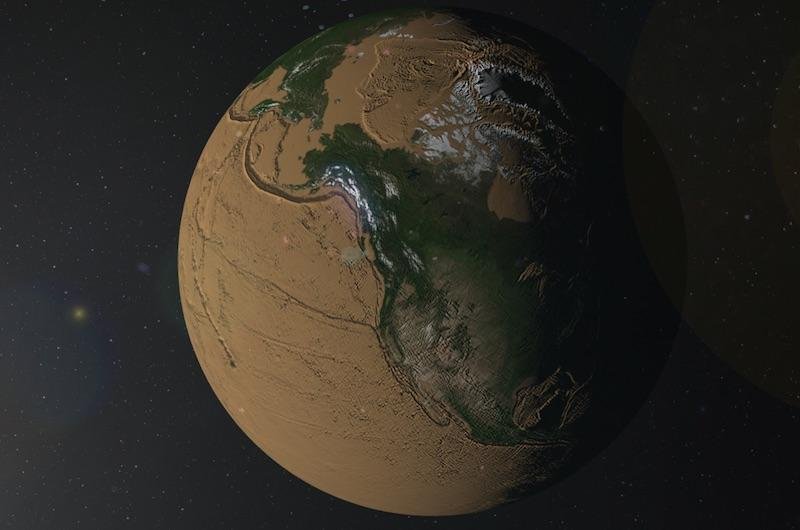
    Instead, where the sea used to be, there is a gigantic exposed landscape stretching toward the horizon.

    It sounds like science fiction.

    But thinking about this impossible scenario reveals just how important the oceans are to Earth’s climate, weather, wildlife and human civilization.

    So let’s imagine it.

    What would happen if Earth’s oceans suddenly disappeared?

    https://images.openai.com/static-rsc-4/sLrYPoZDpixhZngBKaU3v_f0Qd0Jfs3iCKalYZqW6sNjlO9g2BBFn6oDQqshVqMOYyvG15vjikZItgTUq6w9w0prH7Axh17ZA2Quvni2riOPZN-cLUtFsxpVQYYrfFvxKbE1hpvcCyeu60ZrAljbOrm_x7ubSafsrckKKhagpgh1vNhsKXOoYXByUL9xdEDO?purpose=fullsize
    https://images.openai.com/static-rsc-4/KAKl92YDcj1xRrBltRtU_FQUn6Xq1nDPy1gbqgluQz8d6P4CIYZ2GjryIcOBBquM5EW7TBUOTvX6ihPrCKxJ9p80TvHOHRJJCIQvx8ZJdPMw1e_N0QemZ1tvCWQmmaK5yZ8hdWvXzZNWjPO83gSy1BlmuvIz8Rg92mPP74caBfAhXzc4RyjotgjfjO28A7Rl?purpose=fullsize
    https://images.openai.com/static-rsc-4/kXf2v0GXCTsxFv5HXfUIYe_R9aJV6Bx3_T9rHyCJbMa37OZKbM-I3LhPI2aqse8uXUl66ud8Lyv8TLge7vlZ_eKcsS1Ri7WlBByvTqzkkaB0xStOglhOB7oUftC9HrcbKu2uXYpzQm-ybE_IbVU5jH-GT7K2sT80JqqlK2aasQMVSWK9l2XO6P5A-iJeH3g-?purpose=fullsize

    ๐ŸŒ First: The Ocean Is Enormous

    The oceans cover roughly 71% of Earth’s surface.

    That’s more than two-thirds of the planet.

    https://images.openai.com/static-rsc-4/4asHpgrXqWVwAAtIanpVOlgaWVqvGA_BTzB9_szhiFIASoQImudyZq-H9e_dwEchm0_MQRGj6WWi6ynWUWyu60MjUGhk2xrtGoJeiiY9ZzvttObRxN3nRzHMhJwrL049EZZ43kaFZDcmIzwtxLVwLKHoLDeIkBZ-RSP9EwderDB1raEClBPvaF1NTkbxMrK8?purpose=fullsize
    https://images.openai.com/static-rsc-4/GhRn9e5TYdvafr3D26-knWVHBlnb3Nx8Co_iO8E8mt146FXYCkpllt642yR-jgCvc5yyYmMBEct2xK16RwYWXR79B4nDOZgBG-_UBq1Xc1FofPH8qtuNa01FsqsfQOJHWF7NMvs6lnkzyfj6g4huz-9VhKonlZ4w1H43a3AZTcEBaMeICgMwcBWp38sGipX8?purpose=fullsize
    https://images.openai.com/static-rsc-4/ta3NOxHlXumUtOstELEjejVPV5TgYOqZkpr_8nz5GWylP2e4Y28c4awj9KSYuzHSr6jzKa46e67TMXF2xFYllJnYJCjoCT7SAUjjwbUFLwsR9SJIguOsAYezWtO8z1gVBmaewgzfAdsmYyOUs-tcrzNEc-6wME6nRu72fIwvfHKi-JupU-NdC4ZcvsQi70W-?purpose=fullsize

    When you look at a world map, it can be easy to think of the oceans as simply large areas of blue.

    They are much more than that.

    The oceans are part of a gigantic planetary system involving:

    ๐ŸŒง๏ธ Rain
    โ˜๏ธ Clouds
    ๐ŸŒก๏ธ Temperature
    ๐ŸŒฌ๏ธ Winds
    ๐ŸงŠ Ice
    ๐ŸŸ Marine ecosystems
    ๐ŸŒŠ Ocean currents

    Remove the oceans, and the entire Earth system changes.


    ๐Ÿ˜ฑ 1. The Seafloor Would Suddenly Be Exposed

    If all ocean water somehow vanished, enormous areas of seafloor would be revealed.

    https://images.openai.com/static-rsc-4/WdcAGMsMvI1TUnPer-WbsHI1OZoJfDLQxhMmw8H5lVrW30uaOiuWxQWlqE-xfLarzGZa5hisOIWWq0BCpkAXDgJQm3w_YfCpp2JWprWzyxyFzvyKV8C97vOt43T_98PyqBU_FQ0ByAEyPWNxfd-KI0HuMZb4tjm8QgNQAJfqNX2Zrc-mUbB_zhkUgHuWqMVN?purpose=fullsize
    https://images.openai.com/static-rsc-4/T2GruGcWL0budIvyza9R8pfC4a2Qhi-KznJgvS-L1cZ19RM89PwxJxen6F-mvYriFv6utSUnBzCd4mKgX7okkMDsf5xJaZfek_78Qpvfurf-ObEUlpRYd7pIYS-3UB53wHsiyDz1yIfWxvlIHVa6L428dl2l85nwxzrEsrnTxG2Ez_uvy15YgPVkOjaivb0b?purpose=fullsize
    https://images.openai.com/static-rsc-4/lA4iODnxm9RbcAKRv19_LqJZfOzRqz3AfIeg47b8nXQ1bJQHIh5-pgdrBxFCoJN3qcYxYKOGgjnSVumOZdjeH6a5ZWKLaTRhaXLHHvDCcffWlPYaFkdGcN_b6BiFZqHXSbmbk9UKs2Zup6B0TbhfQY4Wxg-LtGnZ5dL8VWfESsq_JmvO6Q8xu8BkW2BLbwts?purpose=fullsize

    The seafloor isn’t flat.

    It contains:

    • ๐Ÿ”๏ธ Underwater mountains
    • ๐ŸŒ‹ Volcanoes
    • ๐Ÿ•ณ๏ธ Deep trenches
    • ๐Ÿž๏ธ Vast plains
    • ๐Ÿชจ Rocky formations

    Some ocean trenches are deeper than the height of many mountains above sea level.

    The exposed seafloor would therefore create an entirely new landscape.


    ๐Ÿ”๏ธ 2. Earth’s Geography Would Look Completely Different

    Today, we think of continents and islands as separate land masses surrounded by water.

    Without oceans, that distinction would change dramatically.

    https://images.openai.com/static-rsc-4/CuPrmZRdLcP3vMSlUqYsEJoahM3TQt4c5Bn8UsKTpM3gzcL_o3YcCTdlHmUN-vlXJTHXmG5eeAoHpDOZZvZF_pomThPq_U-Zos7VYDEy5exZJ6jWTjpJ5T2bl_GWse1cP1dEXcau-A0OpIaIwF9lDA_lBAzOEYfFDf-w2UtS5agHZleo_wYCWCtDSTE44Apt?purpose=fullsize
    https://images.openai.com/static-rsc-4/tMylMminsb6Yb0SHeSdSFyQlqYoOoSyiX5goNWlNqekoEYd_ltXnLX3yHGeYPvJLEowwjOnetkk9SFg-8aJjsM3arIK7xXEPLYlSQWWgO8YYvJHft5ItwMitPWH6LA8HUUfSbZsdUj8jYqcoE2sdZZ-eXTGIhkLie1IhlFj1vc5wNhIZgdhhdM97MuWAecFb?purpose=fullsize
    https://images.openai.com/static-rsc-4/2YI5-cyyJEEazQo2OV7nNu2kiE8nl0Lpp4cDEXH7t5TvxGhtgcz-afIzJXNkmSleWmCXlmYLsq8KSTg25VxVdRrWO7rLqm0yxPBUwieptqiy2505nH8VAJXsRtlqw_HWma0GY83haAU2ow3KQNdO-IUcf9XDpX2bFbfcv0RuqGT0L8sZKNL5-oxLBtXIEqOe?purpose=fullsize

    Many islands would become connected to larger land masses.

    Huge underwater mountain ranges would become visible.

    The planet’s geography would be almost unrecognizable.


    ๐Ÿ‹ 3. Marine Life Would Face Catastrophe

    This would be the most immediate biological disaster.

    The ocean is home to an enormous variety of life.

    https://images.openai.com/static-rsc-4/2sIC41cAty5gFFi6iK8BOVW5dU1ED4TshI19f-Y3P9XPsK74b1zVzyOMWZ8C6s05fQTczjhyRsllB6FleWTHxSO1-k_3zut7bY6-FaHIOT70V1cSdL6sCakZ0cN5V544I5JgQH_dYFzA4Xd1qSBopxBChA35HDmbDOJbZ8j1RGK6gu-kkc9c800RMg3W6yf3?purpose=fullsize
    https://images.openai.com/static-rsc-4/8_26-vZOsJQBlmuqsI4Skkv0uUpdquf59XwwvWgWrxCIAfEP6NYngFt_Mo560DA7MhmPcnTDfx3_9HpvMeJXJ5Ju3sYjp6FinQCmj6uewgRlnQ5tjeiFJEW23bj1zvM7et413oCRfSLpfZld3i2rGpBUudXuVUvpb_AtyX1DtxLmHsLhEjfJIe5AKMrEO0cK?purpose=fullsize
    https://images.openai.com/static-rsc-4/oYhVnX-xk8pLPyNc2UjUr8Z842h0kO_Ki9XOXiGuIBdjNEW6gN1wuZOSbIskxW8i0yVrYb2lDKj6nrCTx9H8Zyt-Di7NzYWUjWbL7XuVdOud5YCtVLG5ygIbEaTyXZIFIsyLhYhD-_XeEV__iSqIaylhzd9at5QokIDCSeIqcpcwgcl69cnJLcPqZv30U1Vy?purpose=fullsize

    Whales.

    Sharks.

    Dolphins.

    Fish.

    Octopuses.

    Corals.

    Plankton.

    Countless microscopic organisms.

    If the ocean disappeared, marine ecosystems would collapse.

    The impact wouldn’t stop with large animals.

    Even tiny organisms form the foundation of marine food webs.


    ๐ŸŒฑ 4. Coastal Ecosystems Would Disappear

    Many ecosystems exist specifically because land and ocean meet.

    Examples include:

    ๐ŸŒด Mangroves
    ๐Ÿชธ Coral reefs
    ๐ŸŒฟ Seagrass meadows
    ๐Ÿ–๏ธ Beaches
    ๐Ÿฆ€ Tidal ecosystems

    https://images.openai.com/static-rsc-4/0L-7CswlhAHmcKIUHqV3UgBqjF_PnyZghsRQZpd0LFiteDcOFK0Jv_z8QBRVCzOzj4Ox2Ih78jZW5A4AenbWcfWcapYxxHaSH9a61y8NclfYodlr1EsNNCFe2TR-1T0zC753x6KHyN4ABwlQoTuIizg3J94Wo1FrvWUEIOqqkeNidCzIikUEOTzMwU3qnTNn?purpose=fullsize
    https://images.openai.com/static-rsc-4/zIBkOfL___1CQrMpGwdTIOjIw2oc0jFRd8gC04UzXrm_FeOr9dfh0n7eEI_lKi_EQzjLW1u6XAh2ElOKNFjTUmo17-jupNzmhDs8LBzQOoTrosPbCu8tizJnoX_DhsqFiGC4kqcuPo2WqH9JGv17E6g5lhph8jPw3LYxiLP3yKIMhJ1Jd6tiQyYhnvOmPWlf?purpose=fullsize
    https://images.openai.com/static-rsc-4/X8v_af2BWd1pThOSzm9NPnVYmq9TmBtilwm8t0_LXVMSt0jGjiEUTG67qlDhL8_T0EA6Y-oS3F3HwQuHZM5G59dD0BS4LyKfhh0stLZJcm-t4X1KVdhLQ14KFF2uAcV53CKejhj_EaTraYyPTN0BVsZh4U8av37_hUQJQ5934GVcnsZuGBNEpuUntqvXwCS1?purpose=fullsize

    Without seawater and tides, these ecosystems would vanish or undergo enormous transformation.


    โ˜๏ธ 5. Earth’s Water Cycle Would Be Completely Disrupted

    This is one of the biggest consequences.

    The oceans are the largest reservoir of water on Earth’s surface.

    Ocean water evaporates.

    Water vapor enters the atmosphere.

    Clouds form.

    Rain and snow fall.

    Water returns to rivers, lakes and oceans.

    https://images.openai.com/static-rsc-4/uAmqToMwd3LiNPT3CNQ-YFuzHBe8pK4nbjZCi_iWByKCr6h9u2pYQOBBt7FJX1_Glwcy73UtBLtzxyaIe3vqxtfTIsxv0QQZK6gH8zDKHEzvP2nvTRol7NcKBwe9g0n1Vtfxvh2vmZse4jmacjDpJzotignCYHWQnTkEuCTCqTfvc4vGgrFKKwa3bTaGXHib?purpose=fullsize
    https://images.openai.com/static-rsc-4/UeuaKzIQ5ZYzbWzLeiSIpnf1lkREi5wbRploy5wIDkhTj7Fnpw5DMmjZ-kZuKc8jL1eE-TpitNHl-TKWe5-hXpl75igxiABqdiReKM2L0Mvv6TQna3n-R87canTQ_KDDXAptKr2tNo3QXh-So4NrjAjAxJEESEMdJEwiVsAc7oExXy5TyHC5hfYDhk2NMeJf?purpose=fullsize
    https://images.openai.com/static-rsc-4/gLS8U87xruVyqH8NHbv5HcPEd-ypciviKaujfanfUl8mRl6jVlR3xA5f7I73tnALHBJxVUoFKGWp1w55WLg0macfQBn7yqzqUnJrHNYf4coCdbYDwGLF0fcGTyi-gRnpS1x3njOIBXMbzRFqll9mFPs21bgzNTi0iKPiJjLxI0csG6S2dVU-du8xptt_9gxI?purpose=fullsize

    Remove the oceans and you remove the largest source of evaporation.

    The global water cycle would be radically altered.


    ๐ŸŒง๏ธ 6. Rainfall Patterns Would Change Dramatically

    Much of Earth’s precipitation ultimately comes from water that has evaporated from the oceans.

    Without oceans, atmospheric moisture would eventually become far more limited.

    https://images.openai.com/static-rsc-4/dlxkGG-Qj1ENqfq0cW7S954mtQ_X5TQusr67H1ttsXvZfRyGXamEVFNTqXsjtC1bkg3M8_To6MKlifWs6TVVWk3VxkjyJbhfh7GbU2VRJ-_sOMJKLbVM9yOZGz1O-pvoky1Hx1VmHIorkdVqMx8Z2SK1ke0EGCNz4Z6YyUs22D2PSLNKesb0c5Tlx8VCItPo?purpose=fullsize
    https://images.openai.com/static-rsc-4/Gv4XGkNVmSgi1m-vIJZeXekXdPBkF98N6kYtZ-lrd960r1N8AYOOpsGK9Ej6X9DuaYkGSx0kpObOOfE0ozrK8JxpnoAV1OCGi99nJi0J5MVE-Pab2NNJI3v3VwyS2TyIVAoOj7jg8eGmiGOhtXFK3TVNIQp9PXQMs9WKEtnny9ISzZuFgzNQY6NRVEVSncAy?purpose=fullsize
    https://images.openai.com/static-rsc-4/3w9ob2Srduh3oSn6GqujwOjibcaTDBVqd_8HvnmY5hLE0amUCcT4DYdCiZFBIXS_KkOR2TsxZLHu5JCaUiFytVw9Vp3fdwicLhvGvGCFP9xf9yUCYcIaH1qLIU4LXJhIO2pwujtf30AgS0H7qMT61eiyEiF8uXa_-NG0pCVWnmJJ6cYZtsgF51NuRbN2WAeo?purpose=fullsize

    Some regions might continue receiving precipitation from remaining lakes, rivers, ice and groundwater for a while.

    But the planet’s normal hydrological cycle would no longer function as it does today.


    ๐Ÿ”ฅ 7. Temperatures Would Become Much More Extreme

    The oceans have an enormous ability to absorb and store heat.

    Water warms and cools relatively slowly compared with land.

    https://images.openai.com/static-rsc-4/KtcKJuaBaCs5deRFD8wYONVu0k6oSUeQMeWg1pY0B62AL3gnBgeHd5lFawtGw7ADZspOoFK-I_t1Ldo864NJ5MkbyWjIWBG9kHdvzDy8xmZLprDv-IVYGyKnY-pzn6oquj02fXySLiwUYioWH7ket5STu09HAnStsQvOvakbdxxIclWkw7A4zoGw9xF57Dz3?purpose=fullsize
    https://images.openai.com/static-rsc-4/LYwkw_encRsmGTPuONvsqtP6n5uBqVnodq2AAZFbPwwJ2wcTQTxiDoJnKCcRrdbJSw0RET-pD5PzaKfYZHGC0RF_Gelo3sVV361P1uEh0EuNg1yI-FkcQa-OzXifvxB4eBJgf_tuVnOwu0CI-0VitBFgkp0dUlhABmaTDMyJL4GTkzq9Dq-aywtC1_UKGcUC?purpose=fullsize
    https://images.openai.com/static-rsc-4/dKuCGHjiP87kf2lIpeowE8Emds2mj9bf6aKTq-SsHOHzCoqbYNe9FnRvc26yrJtJ7yRuYHYIBz4em-sYmRSduiF7ud9VuzYVq_bmH28NjMr6id4O1P5GATj-VVabQGSPMEkv3fyOCFI3J-3O39OZOAKYwSHPPmWiufriPRV81SWxSqBCMCNHX_rzwRRAz2r7?purpose=fullsize

    This helps moderate Earth’s climate.

    Without oceans, temperatures would become much more extreme.

    Many areas could experience much greater differences between daytime and nighttime temperatures and between seasons.


    ๐ŸŒก๏ธ 8. Ocean Currents Would Disappear

    Ocean currents transport heat around the planet.

    Some currents move warm water toward colder regions.

    Others transport cooler water toward warmer areas.

    https://images.openai.com/static-rsc-4/_mstAICtKOX_qJbF4JYL5sYRf6GaN3felfoMahHlsHGCwUqQYnvsNDkb5XGyWBDluE4NNKTJ28jz9tMLra_Yyj2wbgbzbyfoIQH-4K93sz2lm7A__zO1dPskMH0x13TshGY5ocednfLc0MnVYUj4EXWvFBTpDJXnZPEjsGGRD1aUC4EbTQ_6Nckgxa6jQk-U?purpose=fullsize
    https://images.openai.com/static-rsc-4/pOn48kTn6srU_0e_rR1BhJJvTuecESBgkkNFJcGP4EpEqSrQWq_VwZm0xiGdJnREKzU4bXowY8KtYqCJw0q0VpTaq265AKMHwQDP0NUOzfB1C1zAbAAcEITQDTwLS_T0YFevGaJ5HoRVO2bNpLOrhOxqf5qCp2ReBeMQQulsGaj5LmsRXZHO3DpV8q6N5HGx?purpose=fullsize
    https://images.openai.com/static-rsc-4/oF-u6fN89IDIsi53tVsARAIcmakJsiLFDG-1dQdLlHxH2_U2O8bAdY9RQBvsfw8KfY3OQZ-0IQr8Cgz6KR6Gy3RctwLuaSPx5LmH7y6hKn57rSmUf334jYIYJVZSHFEnhwcVPpgjUvvXq52EgXZoDil8W0emF-5pjd7VOHSSxqmcIXilUGYSCvAKSkHgqh7N?purpose=fullsize

    Without oceans, this enormous planetary transportation system would disappear.

    That would dramatically alter regional climates.


    ๐ŸŒฌ๏ธ 9. Weather Would Change Beyond Recognition

    Weather depends on temperature differences, moisture, pressure and atmospheric circulation.

    The oceans influence all of these.

    https://images.openai.com/static-rsc-4/LRqsrA9IwwFv5sBFAE3SmX7RdMniBsjs4fPfvdBPzXjAcLAhu_tF8DjEWdhLpzmqfLV53rAB512VNAZ2GSyKwd6_p1EHdLpZpzdDatxToy5zPXDu8MApiaTyGcqJlNsju2i9RfO_vm2xFSIB8ZafwSJfZr-RlPuFuzphWvge6c8kPX7WLdEq56ThcSdsgsvU?purpose=fullsize
    https://images.openai.com/static-rsc-4/2URqu55OLQjvJcXDoE6nqoXpKTJN8-8B_gmX0Xqm47JtY5mEe0iDEXq4JSuC-vvwJigEE0A5Umyuumm--DxLYtlYGu8alm6br-xMGcgczQg0jM6m8pE73U1k7wgoNjKWI5eq2OIFwvhdC8lmv1btAVntdX137fyT_cDXIQEnQ-luk4CBa51qi9v6mn6KT5PC?purpose=fullsize
    https://images.openai.com/static-rsc-4/L9X_nh0Z2V-0piw2ljYjodBP5_TjKKvu2x5v1inpzOG_Ezhf1dUOpha31Blv4nCHAnr1xp4elDeNMPst_gVyjrJgNTQvVH8bwADP54WzgIDoqwz9GOB62R5Kz7yWWCaNcF8jWDlxjtXmGo7JP290RbUUaup3eNMhPEk-b8r0loqPQ23s8H2VadAznXVugEcp?purpose=fullsize

    Without oceans, familiar weather systems would no longer operate in the same way.

    Storm formation, rainfall patterns and atmospheric circulation would all change.


    ๐ŸงŠ 10. What About the Polar Ice?

    Some water exists outside the oceans as ice.

    https://images.openai.com/static-rsc-4/9Vv5WHrwm3wQWJ-Ew1VpTrqaZ-2BjgEGGTIys4W3yUHVSuIhJfqTaL1C2FnnZIzzh18NUUA5auiQQXeRku_eC6VbHawYxwbQ2R0Dvs3r6a_rBdc0-z0dAVl2uA8_PcFe_EwQ0YO1-anMSH2CdKzzqVSnb96dYs7YpfJ9JDDiqwlLwF_K4SRLD-nXSMwW4MKH?purpose=fullsize
    https://images.openai.com/static-rsc-4/OUiAmzUqlqSD2akEnBT2dWycg1Qa6zGJaunaAh7VQCPNnDDaDekyKJwtPKc_b_IHeQirhSvWJTnkuHfHTk4RL3NWa8tyJxrvTaukvrki4dBexem-LM6pX6jFIlL40EByptKhaaDcOwQTIgbPIvzwjLyaXV0PJMKJAcM8C3SmQ86AMuFBODjvhXanZ9zQfpqU?purpose=fullsize
    https://images.openai.com/static-rsc-4/oCXsT69oLmYN_Pl5f2JfUpLspnOM40snJVHNNb6GT8l7yXE1MhjhS-xpYrjlWtJuqdNebgWaR6cSCBKdggZa-VbCZP8Q0RrKlcwfKdkGHnxW1B3ApBZDu6AeC6lEsolZQ8LgPcuxVv4NjX2V_wk_JePvsrR3DBlaH8esVHu6ist7iO6qNgRn-GsS7XJ8rdyf?purpose=fullsize

    If the scenario simply means that liquid ocean water disappears, polar ice could initially remain.

    But the climate system would change so dramatically that the long-term behaviour of those ice sheets would also be very different.


    ๐Ÿง‚ 11. Giant Salt Deposits Would Remain

    Ocean water contains dissolved salts and minerals.

    If the water vanished through some impossible process, much of that dissolved material would remain behind.

    https://images.openai.com/static-rsc-4/UxOCX-0a_bF7rDMmB3i6AL4CUEbdopW9CW9M_M7KUfb1-ti7T5a8kOZr0QyGFu9IDqC93h_uhY0q4LcryS_nk9RulzIUvqAngb3dtGYOi9PQw_bT9I8PKGjvSQnlPQsl4abO1DgZxOD0Q2Bc8SFyn3Myho_UmbflI8G9YiJkYk7jr6v-RPL4rm6b9K5bzLCJ?purpose=fullsize
    https://images.openai.com/static-rsc-4/qY7OK30bfUgwlutKVqybKmVkYLaKaPGu7uhdzqqRewuc22nf4eqahzvLSXU59yIXIMcp2GnGstOT7qq6jftVo283cmiOCO1S6O3YuLQSwZHh41cMAGeX8TAIaiPcs3PPmUm8RRrcILSjGpf9iPIpNuw1RQwN1N-60_azBAO7McOFNnomRS5o-hd6hO1LAWvB?purpose=fullsize
    https://images.openai.com/static-rsc-4/W3sqIvNEccKUiejSAdNGZVHDj7gJqCUUQLzSrprgr3IObrYlMelQ3mYoKQmmUlzPVF6b0mhr5nN4hn6TGn45PIsYHHCFCZ6cx27kMIutdltvprnOvn8GbQkkvhdVy8P9hJRtp_Grlt24mapW09yQT9aXeqyF-O3w8UX2239T90waJ4WdeQYEQtdNjt8cuPAf?purpose=fullsize

    Imagine enormous regions covered by salt and other marine minerals.

    Some exposed areas could resemble gigantic salt flats.


    ๐Ÿ™๏ธ 12. Human Civilization Would Be Completely Disrupted

    Modern civilization depends heavily on the oceans.

    Millions of people live in coastal regions.

    Major cities and ports developed around the sea.

    https://images.openai.com/static-rsc-4/vE71FqO0YqlkJlirYC_3cQdXHj4wzZGa7i-hb1xr14ti9Kj12SSMMPymT53tst3wK5QVgYcwC6QR0mxXZ60QaTl--oG2MNWWFte-XCx4df1NU9OrU2ZXH9Y1sBREUN86vRax-15uE2Y9yPJrfPJTClw0cndscaKnVIO8pG2vUvJa64T33nvHYBb3-P3zJ8l6?purpose=fullsize
    https://images.openai.com/static-rsc-4/ORnYd0HCMFEuh-KXS9qls1ogeQ0WL6LN9fPv64OrAd9kD42ncducXOc4SLYOyzdb8UNCRLIP7OXWTs7xpV4ia2t9cHGMYf6Y6GVrm6j1NK6SamIC1HQYRUnBhu7N3R7lbDHe2yY86sZENYe-q7TvLvYh7aSWBLlQI68KB6ddOlHiPNpn_KclwcwY8CzqzwKJ?purpose=fullsize
    https://images.openai.com/static-rsc-4/cnjApbZUe4_PS4sPqQX00ROC_gJUY5miZn80MCbkgfYSiHFIinQ0363ttpApbM0c3BsUCN8QnWFftywc0dVlk7WtbbGdX1SgxFR8bUBCahhdQ4uPEJQ8c2s_WxoqnRtD2eTVOAUYQbdri95s0HffJyH2zEGHM7bU0RCDGBPjj7x7fe4ZHKmWEO6dDGaFSdnN?purpose=fullsize

    International shipping would collapse.

    Fishing industries would disappear.

    Ports would become useless.

    Coastal economies would be devastated.

    And the environmental changes would affect agriculture and freshwater supplies.


    ๐Ÿšข 13. What Happens to Ships?

    Ships would obviously no longer be able to sail.

    Instead, they would be left sitting on the exposed seafloor.

    https://images.openai.com/static-rsc-4/YkptOHX-Nr3e1efQA2Za457SmPZsU3eN16B8Aa-9dAfVtib6HfByE_Jp1TKSuMax5Hc3OQZlPUbCLeKGMOr_3Mx66oPEY6-kTvZVYKI3E94htQzAPyKsXxq4-cs58HA4YjPApRPnxQgdbM0oIqRQaY_r08JxSAcVAjxHMC_KCj8F9o6UwTHyRvgyTc4qh3rn?purpose=fullsize
    https://images.openai.com/static-rsc-4/P92GkaVc4gSdmDCqzAyYwuF64RzqkjXPcHaqVTEEr3bqdKpcpracnA4F9Eh_k5aL1ThAUriYYBDYsU3t5VhX8ScKiCDCZ_fGiUqwUqZVX3O2pTNFH97aMKt5HA_gmX51a0B6zt4dv4wYsSLVl0zpyVb9Rwtt07kM8Fz6mVE3UyOLZEBD86VrE2F8ghrIkoZ5?purpose=fullsize
    https://images.openai.com/static-rsc-4/_Rk0Vw01jO2H0E3Rk6t169lasgSrBQ1OYhrgpKYOK_JTykdtMm50kmQFDU0IdWD-XxLEkhIyY-DRYW7XhDG_uFF5q9RZ4VUGX1wMnoUiZea49ge_Nd3pCn0nBw-MtxN7NxaysjGmOOC8ccQJHgOjcFhSr3t2LX3LAkDsI0RLcfTz85plyk9EuURj4eLyY_Zc?purpose=fullsize

    Some might end up hundreds or thousands of metres below their former sea level.

    Imagine walking across what used to be an ocean and finding a giant cargo ship sitting on the ground.

    It would be one of the strangest sights imaginable.


    ๐ŸŸ 14. The Fishing Industry Would Disappear

    Billions of people rely directly or indirectly on aquatic resources.

    https://images.openai.com/static-rsc-4/y5EKWIHnGtrXfJer22Ki7kfWYGEK-cuaBV0rI58mdd9UfpbdBqURSJqs1GTU_c6gz1R9Wpb2leMF2u6QpSwCXOx42sxPRUy8aKTB55iW4CX1WPj2OoDBuJwEABFCZ-UU5fez5DTUQMh_AWnJAxGtCiI1Aq8olfePCMxQtHGHAZsgmZkeYK1EYl--2Jo0U6_X?purpose=fullsize
    https://images.openai.com/static-rsc-4/S5eNt4t2kMmLuUQJhdr7WURtVhJ2Ca2FBPAJoxe5UlprWv6rEw2tXFdp83SWLRyZ9lDyIuolPfZCY7quSQ6pZ6jfKOIrflIaAFxwSJg2uPChS3XCGc1vZGwCNOrrOSbhlTuTpuTU_8sQ1hCX6H72JMW3BstIvlbg_2JtdoFP7lb5cPFddWFh4tErOaVtjn12?purpose=fullsize
    https://images.openai.com/static-rsc-4/vCjj3iy9hHmZALVMI6mAyHReTXuRB2QqCpR2KXFlBB3KwhyukYnYV9_1Jwk9VLTYCJ4NclNVE6bK_Br5ihtAB-jWvQSofNQkAb15TivUI3wo2oD7yp2wkoYxVF2o58IQzlicv3Q1--NAagHjUH3o5HAh1ixW6SzxWmjVY-jvL-ZqM1b5UcR368Fb0W7xhMzv?purpose=fullsize

    Without oceans, commercial fishing would vanish.

    Aquaculture operations that depend on seawater would also be severely affected.

    This would create major food-security problems.


    ๐ŸŒ 15. Earth Would Lose One of Its Greatest Carbon Systems

    The oceans play an important role in the global carbon cycle.

    They absorb and store large amounts of carbon dioxide.

    https://images.openai.com/static-rsc-4/IzazbqG5dgAFS4laQOU-Yb13lv0i0gMyahwHlt4grt-1AvpD5gsj3D2XXdjZBQPsmHRxieweCZrBMsTm8Qkpq61U5qv6DtTtTLZmvcKJb4eHTH2EDfm3YVTfELguelWPnwMlvMW-vUOhr-AerftGgscw4kISiabOROx5K4ITJ3P0pGokwgQIBYB85fEeB_QJ?purpose=fullsize
    https://images.openai.com/static-rsc-4/sv1aZkQTKr5bjzN00cGgA8bBLyT43owpKyPaL_bveSycpp22_YrOFNq2WU39540aLyFWuk1rH7KtEqjv_AcwF82Rs1n-EVqgphWS5SSsnLvTugI9CILQuBldkGJW2MefSbCYzBQ6q_BgdoJOWNQ0d4ElnM-y4C9Nnw5ZrMIm8fKY8He5dL-f_BQ03G0pphcY?purpose=fullsize
    https://images.openai.com/static-rsc-4/Ueu_qBoIVydw8siegGXvqRXKgnDwZ09ws1vHhwpObTuUWGjUPeJeLDxmbO5LkjRu4o1k754Jal3ZYMhfgHqhqVHVf76V3NNGDdINvhZsll9-KdVXYSuvUYnGsbsr9Rq71-mG3_Ryc_h7xQUzH5wYTiF5M_xUWxtYB8ruG1j72VWTWxh2r32s3wCDMhq6R-TC?purpose=fullsize

    Marine organisms also participate in the movement of carbon through ecosystems.

    Removing the oceans would therefore fundamentally alter Earth’s carbon cycle.


    ๐ŸŒŒ The Most Amazing Part: Earth Would Look Like Another Planet

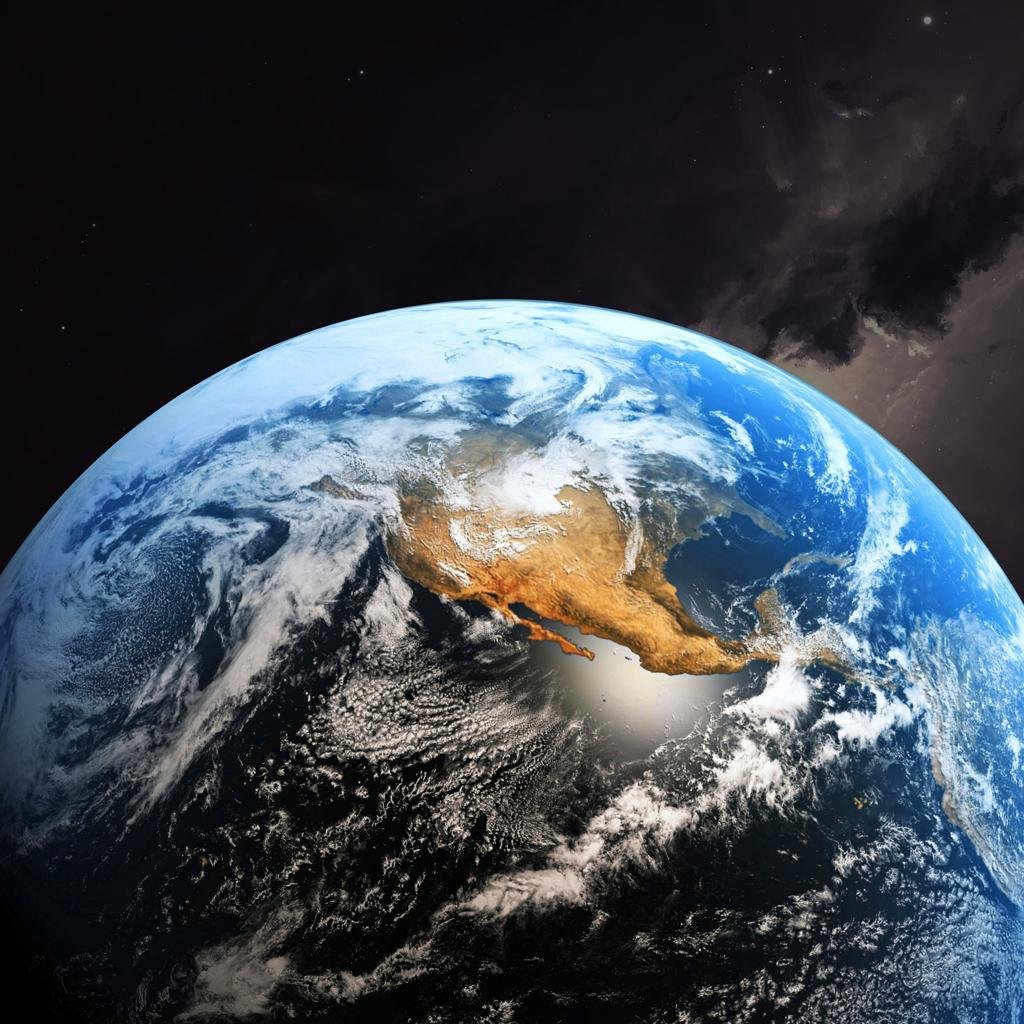
    From space, Earth is famous for its blue appearance.

    https://images.openai.com/static-rsc-4/J4T_KKUyX2OCDzsiBXAePphOFmWPLIV5Y6XTprvoBgz0rNbkwMLt2XBq5HCNoYWSKHRFjfR1fds7ygQBRwC6Jp-OromFiiGNtnE0g7BFObbH1uzy5UkF7AGzQh4vbR9F3SykIPzmoFZY-vHEy2_hlY2SdvC0dacUx41kQkBj9XDQ8kZPlMtRVWZwC6edUy6L?purpose=fullsize
    https://images.openai.com/static-rsc-4/-BzG-zMyPSjCtnAMsOUVptSt2FLxln8X3sOmOpKd-BozhGJbkmqElyakJiBHgqn6PE7ADlUKSReC1qVxF6d2KvDzy3_w5tkBaJvovaKSa3BbvkAYYG_6YbCRdub-iM-J9JnSQr0xsMGneIHlTM1gmL63Jp0T7Ay3ZcuRnowCHahUyHgF0MUHCWAuQO9fWap4?purpose=fullsize
    https://images.openai.com/static-rsc-4/3VFLnr9elFlZwqrazC8h8oqDIYWyXNaQpVXwwapxLvP0zvRiMJsZuHCI08RGlCaPGPmP9FXgnULC7ruD0ImYdVGKvMxzWlbNZAKq_eTHzR1STM1f72GFOqawVcTsXVXwTMMtFByEOmILJDnosZGygFdCUa6q8OOwSrCPxM47KT463qUz2z5ZZDzzLiNwHmxy?purpose=fullsize

    Remove the oceans and the blue planet would look completely different.

    The continents would dominate the surface.

    Huge seafloor structures would be exposed.

    The familiar blue-and-white appearance would disappear.

    Earth would no longer look like the planet we know.


    ๐Ÿง  But Could Earth’s Oceans Really Disappear?

    Under normal natural conditions, no.

    There is no realistic mechanism that would cause Earth’s oceans to suddenly vanish overnight.

    This is a thought experiment.

    And that’s exactly why it is interesting.

    By imagining an impossible event, we can understand something very real:

    The oceans are essential to the functioning of our planet.


    ๐Ÿคฏ Amazing Facts About Earth’s Oceans

    ๐ŸŒŠ Oceans cover roughly 71% of Earth’s surface.

    ๐Ÿ‹ They contain an enormous diversity of life.

    โ˜๏ธ They play a major role in the global water cycle.

    ๐ŸŒก๏ธ They store and redistribute huge amounts of heat.

    ๐ŸŒฌ๏ธ They influence weather and climate.

    ๐Ÿง‚ Seawater contains dissolved salts and minerals.

    ๐Ÿšข Oceans are major transportation routes.

    ๐ŸŸ Millions of people depend on marine resources.

    ๐ŸŒ Oceans play a major role in Earth’s carbon cycle.


    ๐ŸŒŸ Final Thoughts

    We often think of the ocean as something we visit on vacation.

    A beach.

    A place to swim.

    A place to watch waves.

    But the reality is much bigger.

    The ocean is part of the machinery that makes Earth the planet we know.

    It influences climate.

    It moves heat.

    It powers parts of the water cycle.

    It supports enormous ecosystems.

    And it has shaped human civilization for thousands of years.

    If the oceans disappeared, we wouldn’t simply lose beaches and fish.

    We would lose one of the fundamental systems that keeps our planet functioning as we know it.

    The next time you stand beside the sea and watch a wave roll toward the shore, remember:

    You’re looking at one of the most important forces on Earth. ๐ŸŒŠ๐ŸŒ


    โ“ Frequently Asked Questions

    How much of Earth is covered by ocean?

    Approximately 71% of Earth’s surface is covered by oceans.

    What would happen if the oceans disappeared?

    The climate, water cycle, ecosystems, geography and human civilization would undergo catastrophic changes.

    Would all marine life die?

    If the oceans truly disappeared, marine ecosystems as we know them could not survive.

    Would the continents become larger?

    The existing continents wouldn’t physically grow, but enormous areas of exposed seafloor would become land surface.

    Would there still be rain?

    Some water would remain in lakes, rivers, ice and the atmosphere, so precipitation wouldn’t necessarily stop instantly. However, the global water cycle would be profoundly disrupted.

    Why are oceans important for climate?

    They absorb, store and transport enormous amounts of heat and interact continuously with the atmosphere.

    Can Earth’s oceans really disappear?

    Not through any realistic natural process that could suddenly remove them. This is a hypothetical thought experiment

  • ๐Ÿ•ณ๏ธ The Strangest Places on Earth โ€“ 15 Locations That Look Like Another Planet

    ๐Ÿ•ณ๏ธ The Strangest Places on Earth โ€“ 15 Locations That Look Like Another Planet

    What if you could travel to places on Earth where the landscape looks completely unreal?

    Imagine a lake that turns pink.

    A desert covered in giant rocks.

    A cave filled with crystals.

    A forest where trees look thousands of years old.

    A valley so dry that almost nothing survives.

    These places aren’t from science-fiction movies.

    They are real locations on our own planet.

    Let’s explore some of the strangest and most fascinating places on Earth.

    https://images.openai.com/static-rsc-4/PMUWaldXSKqB4cweiNKhJujdBMKInvo8mmZq7BOUkhsWuRjWCJSnk73mBE3M4SAvoXuFPu3grBxMQlQ5XPIjsAZ7Q03VWJyf9FuAacdckC6mZ1jmHs_Ljew_B2dlHJ9sAiOIW-6Nd9CATIMqQuyqnNaOhyxrOiGawsudBkR09UaxojWYOpG0_XjSkqhpkefp?purpose=fullsize
    https://images.openai.com/static-rsc-4/Qm4SULAW6ITiXnjZ3Bm0AQNbCxMUJw0TUkGa9Soov7OuveX5kMKUMpZwxmUnba7Bj3KnEPi6VReSoWgFYlZRsSGKEQNhYdx2Dcl-gN34JqIlD_HCuH3ovtcDKZYyM7xUsh7omPEat8ee-EVhrIJhYYxDYgyrLvShq_43pCz-4AYsTglbSsw_1AIq216pVmA_?purpose=fullsize
    https://images.openai.com/static-rsc-4/C3muRScGHOYVEIGempJrRxWs0Gn8cwNkmdd-Yrl4QWfX24aUn-TpHQ6kOqn-3at8fvINBmIK5DsgWo-DikMd7zRFGJBm6OlWe_9ho4yIJddAIll0-R6ezPiNETwbvu34bOFehf0rTmdb-ukw8f3rkqh3-G2BVPSpXAeoqqQ-87got7ek-Emm-MYf1WwXGXT2?purpose=fullsize

    ๐Ÿฉท 1. Lake Hillier โ€“ The Mysterious Pink Lake

    On Middle Island in Western Australia is Lake Hillier, famous for its striking pink appearance.

    https://images.openai.com/static-rsc-4/q2qH4DQ825i8u-qazX4N2LPb-JwVoEZsS-61ORcReL0lcloNOjIhPqQFzr79xIXzaqu7M0FsNBsS7k5sJ3XHxrw0H2iShSVCjXwZIx3CE2WtqpPClUjmyAlsSYp6DTE3fiJmwMHbGqMezfJG_g1MerfzCQ5xHi11LdlIpElHIYHMQDCVfJmEfzr75JLiVgNp?purpose=fullsize
    https://images.openai.com/static-rsc-4/8TZGNH4aGnhsUjmMsk6mKHmnfY6LzfMxc9sEXH-USI8JM6YcUa9ciluEHaJpojRICoW_FA9pNRZgPwmMPclF9F4y-11Qza-Yp-tzAfG8VPO1aLLB5PiQoWOl13zakwLHjNgr68i28U_ja4RnT-O0ZmMtNCiF4SlGgBZYpuZQiSXDkiQN5Ij4Kl8lkIkzNBUw?purpose=fullsize
    https://images.openai.com/static-rsc-4/MiBXT7dZJZg7KX89qF7iVZIynY-fYxj0lIWrErAMx-ST7RBaZr-PI2Yks9WkpOrp6ranNIc-KAtZT2Qv6MesD4vFWSKcwZJFa1lm9g8xVZ1aG9fvIvpW4Bs_MA_nmtHbU8_hCFLWrjHWc6FOah76AU6qLpNaTR48gfitsAU3GNXuUnJTqIwj9QmjzX4AeoHK?purpose=fullsize

    From above, the lake can look as though someone poured pink paint into a giant natural basin.

    Its color is associated with microorganisms and the lake’s unusual chemical conditions.

    ๐Ÿคฏ The Strange Part

    The surrounding ocean is blue.

    The lake can appear pink.

    And the two bodies of water are separated by only a narrow strip of land.


    ๐ŸŒ‹ 2. Danakil Depression โ€“ One of Earth’s Harshest Landscapes

    In northeastern Ethiopia lies the Danakil Depression, an extreme environment known for intense heat, salt formations and colorful geothermal features.

    https://images.openai.com/static-rsc-4/s0qvG50r2oVmlarqNZFMFB_5Y9rVQPu3xRmE56QBJlwOQq8xQjovyH8-AWATJzg_d65YdotGMO9EVgLW5KrBMbaIZXQy7VruRRZj1jSFmPyjmlIxUrSCbC2RORE09qkwChYqgahBuPHWD4FWEmiLl8FbFWOYsEWO4QdjnFZKldBu_lDBbAKVTa9mmQrDdZjP?purpose=fullsize
    https://images.openai.com/static-rsc-4/EzYHMYEfMe8X0ZdGgaCXf_w78jay0tDX5OdWn208tCnsCa6pksrB8AnQYvDMwuO6M4g4Oyt_j8tXPLMkrpRXPd39uEYjd360hM0TaRcmuduA5fwRQmnZdoA5YVWizXk2_201lLwos4QibP9duSiE2ZASp7mGCTEmdxZZf4acCwHCGHmifUukC32gB7MOQ41e?purpose=fullsize
    https://images.openai.com/static-rsc-4/-Kqz6vf5Pai87IWpB2NN6Ew-fMERGONUsMpubecxmqNkIsJaBeaYDzIjAkinp_x_j32vCsKKxAg0ro3drX-9CkYu783OMRekxyZiihqfqyTCbyokqQC89kwFTmIHrEjJCoDLMyDrQTC4DUMLhGzt4giyhkG2W8Y1_rqNZm2LNzkeg3JRq5OxHUUpiLrZmhk7?purpose=fullsize

    The region lies in an area where tectonic plates are pulling apart.

    That geological activity contributes to the region’s remarkable landscape.

    Bright yellow, orange and green colors can appear around some geothermal areas.

    It looks almost like an alien planet.


    ๐ŸŒณ 3. Socotra โ€“ An Island of Strange Trees

    Off the coast of Yemen lies the island of Socotra.

    https://images.openai.com/static-rsc-4/yAW653FqgyaKTf-Ba9bimrxR6CBQKvtFeglYFXeGLte38J_9672PvNQTHVW4Uth0dHsgTD-695hEibWzfPZoornoptAbD8kDXsczV1B0s_gZYDG4d3_dYqKPx9S5LaNaxKNu8-IW1aze-Eq6cvC-r-gcG48OL64CoX2UcbhSHQzCf6taqBI6Fhi6FNJD8VBD?purpose=fullsize
    https://images.openai.com/static-rsc-4/KNmdjgzWG4L9NhjVxvYYAjbsTGaTyn3VHpNsgsvuvWt5n5SF0iplnpSsR56FN3WgXEyVbAix7AtA0M6dUP4DCy5PKGlQ28YE0j6p-rj0q7v8imaAcWXkv4FSU4SLu9-xSO5NilI2iZZAbeRMVVQRuI9ALSyq8dFQMuUMYRY-AzPyUuT_vPoUJzPOqrMy-Gsc?purpose=fullsize
    https://images.openai.com/static-rsc-4/Fw-I0wX-SYROMuaEy6jFKRQyA9oVv7VorZXLjy_NXmBHWAEXJkTvfhZBsy4zhNO-qstRmNJCqYV1KrqxsGEGNGHdOcPDt0Qm2XKNtCQTsoGXus6So2O1hZ8wYcNbugse3lgJXnZmcX8dec807_6zsUupCtjH3dn7LrrJNzPrCYZSU38v-4sdI0mAHrN8JChQ?purpose=fullsize

    Socotra is famous for unusual plants found nowhere else.

    One of its most recognizable trees is the dragon blood tree, with a distinctive umbrella-like shape.

    The island’s long geographic isolation allowed unique species to evolve.

    ๐ŸŒ It Looks Like Another Planet

    The combination of unusual trees, rocky mountains and dry landscapes gives Socotra an appearance unlike many other places on Earth.


    ๐Ÿ’Ž 4. Naica Crystal Cave โ€“ A Cave of Giant Crystals

    Deep beneath the ground in Mexico is the famous Cave of the Crystals near Naica.

    https://images.openai.com/static-rsc-4/9lABNF5ySZ-1h7ezYoJx3NcMWzJaDW-lGSNMjXwC0SIVSeEOBdC38PcDddoNtcecuFBcKE9YSntQSeZ1exYF80xuAlShDrOYlP5pJerj-IXVNtejEJRdSaj13D1PHegDgUAqiysw6nu52tY2eCOx2oR7Ench6MbSHaU14vLFGWQVI7Ipb9w9K8OjwvtFwd_v?purpose=fullsize
    https://images.openai.com/static-rsc-4/9GJje-ehaaOLUuBXIflgRsvMz5q5niPdj38CVrIUOVsJVzl4-RGTG4JmMq1ZD5G1p4ee1zlgGFgyGVYl3i63jwFuSN7EuzSOcH46QT2aRclUYS8IghAETuliC66w3SfDyQNPQ6JSxUw5QhdPnJ7pe8wRTAhbOAi5JRRlhBVgreNHJKY68ibLF9DQhSMzqoWB?purpose=fullsize
    https://images.openai.com/static-rsc-4/LcF-we6l-WdSM_tJVK9UsKmNqYwc7pQbNfc5POv_cpA_Q8nK1u1SjjnhPZjuLJXHkJFWNTBDRIcrPsvyk1-ycHlszff0gXOa4AAH3xIZZwYDKc3dDEE1SfV50oRw3bJoLM4APG_Lwqdqafi_g1O5inKu-8EgFXUf58uUfR6x5EhtkJIl_Osw2VBtQ9DoDZ_O?purpose=fullsize

    The cave contains enormous gypsum crystals.

    Some are several metres long.

    The crystals formed under unusual geological conditions involving mineral-rich groundwater and heat over very long periods.

    ๐Ÿ’Ž Nature’s Underground Architecture

    These aren’t small crystals that fit in your hand.

    They can be larger than a person.


    ๐Ÿœ๏ธ 5. The Atacama Desert โ€“ Almost No Rain

    Chile’s Atacama Desert is one of the driest places on Earth.

    https://images.openai.com/static-rsc-4/CUs6Dj7uyPLc_aP8rJsv_qfDsva8iVWuWMmOCb_rwCYjNQBCT9o17uFULBmhEF7NY6DIuoy2DgcfoiYIg0DmKeFWo7Jr8nC-Jp7J4VZzwiAVwYlzfskpUeqb9FT9YGPMMQyrn8dGXcfKU-Cvi1h_SMKxab9pwsOgWge57MIJCJL5mZlp42HaKR0Ta19fp-vC?purpose=fullsize
    https://images.openai.com/static-rsc-4/clLtoIOfe51kLYaHMVrVq4InnC58hIC6cdL_lSGYm9HLCStLdQpPd21_iJKdDm0iDVIY8992n39QWhR4eyKtlNuWXCCsPhG00r3NftQyg1jL0RGEnFjBdmpoPwGH4W_nFhVrcOYjO10tm-b27LnYNUZWucD8VYe9j6zsD4xOJxISfHlPMPQ6DClPMZw8SFli?purpose=fullsize
    https://images.openai.com/static-rsc-4/tWqV-GwkS1iZILx9Mo_Mxkr2ZVyyxHYM9dvM-lkBtdheTHbsuEfFStXFt_0mLsqtKsrpphu7UC_xrLN4pz97NlWIinkmxQZ65CDVOFYUiHWvbmcHA4HsTOVBoz3VgoF-ZGjvjsnQdcWsODu6MdHRrdlKC56qU1B1tfsHNN_6VxZ78VJXSjNVB5Jb8E4wtgmf?purpose=fullsize

    Some areas receive extremely little precipitation.

    The landscape contains salt flats, rocky valleys and volcanic mountains.

    Because of its exceptionally dry conditions, parts of the Atacama have been used by scientists to study environments that resemble some aspects of Mars.


    ๐ŸŒŠ 6. The Great Blue Hole โ€“ A Giant Underwater Circle

    Off the coast of Belize is the famous Great Blue Hole.

    https://images.openai.com/static-rsc-4/Uw8g2Oe-TJ5dRRNSVcaieNm47V_KIZQgE_Rqm4r0UG7gKqoV0MWOSUgPWMZeZlvSCeZgCEGnXRkifBOIn45oUohGuDstMO5c52xYEfFZHqXnSUXRgsTU2pwnNOh8Td_s06JFJ8toKNsmysea8A4fVzCBLq6aWBbNiOQXkSXyRZeVdZeLNU-g0WOWXhGW0O_s?purpose=fullsize
    https://images.openai.com/static-rsc-4/uhJi0Pl0YJrF4UW9aIs4-gRuOp0wwghdrbyXtoTkWUJj0nh5ixm2AeMh474RHeafQzm6WZB3OhBKSb6NnwHkAbHEOdVzRxsumBQ7VWkGIOwK8xqbtDYvxYe7as2CDdvkgCCNvT_w6aUei7zACtiN3ZIy80vNnLBfj16opuHtSpSkC1xXcpSdM0LO6r_bj_eJ?purpose=fullsize
    https://images.openai.com/static-rsc-4/PYPEKXCv6Pwq8dxSG-WiXXHNpXf5e6Fby4z-SjVi_YwKAOw0QGaZnV3urhDdoW_O5j5RJSI8Qs3-gQIKD41yzOZaJV3RzMctRHvsOAn19jCfprVDne_5HmcAIaUHllJaS7sEAQTMcDsT5l-xqZ6-wh0CVLRMz2II86zz6c7IPFabJzYzDPuwsybKvomHMjpY?purpose=fullsize

    From above, it appears as an almost perfect dark-blue circle surrounded by lighter Caribbean water.

    It is a massive marine sinkhole formed through geological processes over thousands of years.

    Divers have explored its underwater depths and discovered fascinating geological structures.


    ๐ŸงŠ 7. Blood Falls โ€“ A Red Waterfall in Antarctica

    Antarctica contains one of the strangest-looking natural features on Earth: Blood Falls.

    https://images.openai.com/static-rsc-4/G6sVtaCghFkPHBN9cXH0JHSVqUc-x9nDbixzXsIRYGZ7LXKSuCeBwnvV01cSpK78NtpSE0f-_sTPkw3wXzgq1cfL7OlLY2hmO-vEA6qcKMClJGAhQymex53F-_c3blfWvCyAx_D03Kvdh8WZOGBt9Fefo2LeFng-3cJQjemuhBAN0-ilylQQj4HDgmEcAO3E?purpose=fullsize
    https://images.openai.com/static-rsc-4/YPKXDPlJMwpSuDRwE1KverlxSIl3vOFidlHzHEmqenzcKK1OUcQsSrtQOEQ__A_sLMwIhjnQBJNaI_JctpdUMAPy0Uz2infdqCmhEhvqXSKd3-RNyzhAHv8VpmHdYLlQIsnadTCWvUI1kZCsFEFdn-1KPrUhqypRxLmZRWOoh8Ys-9IHv_jn5EC93cBN0Dpw?purpose=fullsize
    https://images.openai.com/static-rsc-4/nes6ROZjdxJloLpKtqYXgQtIAgn4kcaDo6_sKq95LJK4DlwXWx8apwb1g9qUKJBpPFCIr6LKMi-XNgFSs3p25itsBb6p-T4dnI8eZvXluPi4Z-BlKC77PfmzNb_AwbAURIC0krjxEIuKMlbTfdSN50lrqVFpBbR01xKwsdrfZc5TuDUc-HsD0WfKer8DCEbA?purpose=fullsize

    Red-colored water flows from the Taylor Glacier.

    It may look like blood pouring from the ice.

    But the explanation is geological and chemical.

    The water contains iron-rich material that becomes oxidized when it reaches the surface, producing the reddish color.

    ๐ŸงŠ Imagine Seeing This

    A frozen white landscape…

    and suddenly a red streak appears across the ice.

    It looks impossible.

    But it’s completely natural.


    ๐Ÿœ๏ธ 8. White Desert โ€“ Egypt’s Strange Rock Formations

    Egypt’s White Desert contains unusual chalk rock formations shaped by erosion.

    https://images.openai.com/static-rsc-4/xBq4EZKjj_nB8NSMySs5BKjxVKS4hJlK-E0qLS_4NXSuZxJd0fPG0Kea5TYdXjPDGgqH0ZtyKg3BnhJlKjdQRxlzJtgrXd3aK_NPvzRMqbipH1-xncVT8p0qUqpUXmti71uAuUacvXJcWsApMd-Ct7wFISeq6639vUYSQaaJ159dGQvyl51sYr6zu9K7Aur0?purpose=fullsize
    https://images.openai.com/static-rsc-4/-wJINB_5v7ne6h1zQYfhX__unpPH5oNyxeBCodqeqlJHaE9LiEBu8v87aQnpsX2oP4yymtJU1ixJChmeQEKzVX_3ZHZSiY7jKhyWiH0v_P4t8Ha7zz5KWuO9AVAhj-j5rwdot6zs_LbK8XAbFZ8xy6jppo18I7LaMii8AZYU_HP73R2DKX-20O4NFDs2R5gN?purpose=fullsize
    https://images.openai.com/static-rsc-4/Pd_NQM_mm8MvEY9-p7wAnI9XIOMkz9FvwbGoZZLk1fSxXkviuazBgC_ZPoRg9L7513bwF_fseaSt9Am0AYTgoQJ36ki34vBdKCy84BbrjBdgAipLDljzq55nKJksGXeC3axPuxX0RPmsbyJM_BOvLTE1PDAbLrb3d9oQEuSatZq_Q3ocwjiGR-2o2xLes5pm?purpose=fullsize

    Wind and weather gradually sculpted the soft rock.

    Some formations resemble giant mushrooms, animals or abstract sculptures.

    There are no two formations exactly alike.


    ๐ŸŒˆ 9. Fly Geyser โ€“ A Man-Made Accident That Became a Natural Wonder

    In Nevada, United States, is Fly Geyser, famous for its brightly colored mineral formations.

    https://images.openai.com/static-rsc-4/YIvMWyceJYf9_VrPT0ooyyDG52GA55bgYbATGVHy-halekpJLy_mSDRtst_aV0AQEiYvUT10yG1-UY4bnNeMr-p3zAsj_6rtV5J0R-Vdj1Ib9sOlr9s7rsE4IbUUhhLW1ExmWwym6qwAyV778vadNL6W7Is0gWy6l1Pcj6djzPV_AWNGg1w1r8VR1d-x5AAK?purpose=fullsize
    https://images.openai.com/static-rsc-4/m8bFNGH-1GzU4_qSySM3-x-rBPPd9PR1TCboFL_BPv7-dEAwycQE5P_mpvocDtmNdof6XfDkkDAtta0FpCFgRYh8rNQAznt86NkosT8b98gmBQnJLsAKwdU-vKc-OTUy6262FNIU_mKhdLgLJQXFEQ3vOb9X4rqA15ihKjI9XDdIYt-gGVXNiMVOuA14-JOM?purpose=fullsize
    https://images.openai.com/static-rsc-4/orFUU68H3gXoIM2erI2gl5ZTiksCibmk6Tl1-YncV_CFhhvSpl476lCe0bSsaKbK9Z8cbbkHdUAtqzoqHVLPaXxBcJ4I_kGIfNr2kKtaHAMcd9lazsbweRCO9u5mek_31s7otKn4s5TlyTsZNIxsrS9vgVVhbXmwmGtbd7E3hL8Yxwh41DDrBWu3ypRFgHcM?purpose=fullsize

    The feature began after drilling activity created a pathway for geothermal water.

    Over time, minerals accumulated around the opening.

    Microorganisms also contribute to the striking colors.

    The result is a bizarre-looking formation rising from the desert.


    ๐Ÿ”๏ธ 10. Chocolate Hills โ€“ Hundreds of Strange Hills

    On the Philippine island of Bohol are the famous Chocolate Hills.

    https://images.openai.com/static-rsc-4/ZP2o4TmywhHl45hg2Vp6RZ1X6lGrFwUNrcUXqp3_FgRmpSwcocGmOfk3G-KyZR9yuIbpojM-dWKTUxJzTaNxG56JDpaGTBn3rY9uaAVM50jChQxyCcNl_oGwBgIbwJ2gzamxMMvDxZ28TqtuNjP_orRftXy2TUB_FeZJ-vQItYO6DUYX7QUyBXAUSb-Tqh4T?purpose=fullsize
    https://images.openai.com/static-rsc-4/sgI6Sf5DxHk1JWcrZxhUPl0VAitLRsRi3jCidVDC78kU7KuW8ZooL1oxyPnv280WZKHVp8Pvxo1Oxlfq9OW-kEVaghfMUP6gmsQ5v4tol7s4M05u55FFDOq90LihKd_hWqGSfZuzIgbkPt-TZ5VAhLy8OCFcZt-OoDMkVtxP7yXt_HhdBttqOB5Xeam9lydR?purpose=fullsize
    https://images.openai.com/static-rsc-4/uZAyg6bnatWMDeoKPX-jt-0RX107BHmy90P5JKSco1vHzRrUVCNuCA5pjzt7m-9OJIvGiMVBFcDZawLhL0wUooVkQykSAkmvLsnXxYpB7B7OiwhI1W63NFfeG00y0wpmhVVwXLlyI498A9vE8s58B5QsRsJqxjIREvjBIElIyln0j-Abm7MRsiURPqQ5KnYA?purpose=fullsize

    Hundreds of rounded hills cover the landscape.

    During the dry season, vegetation can turn brown, giving the hills their chocolate-like appearance.

    The exact geological story is complex, but erosion and limestone geology played important roles in shaping the landscape.


    ๐ŸŒฒ 11. Crooked Forest โ€“ Trees With Mysterious Shapes

    Near Gryfino in Poland is a small forest famous for unusually curved pine trees.

    https://images.openai.com/static-rsc-4/kF5ylEhTHPd1XqdBkvsM0JTOrjqR8h5SWL6mE1gemHEmv7bIhJ3hiX9jqWCN7WGm-kG8pDR3NcF-tib1NReRICwvu-EbBRccprrfPY6pSncYpn_hAwtW_DLQwoFJgm8NQDhdoHZ08K-jlUJPkUSTZMAaRveRqY0LPrITWPXPlzJtOtQ5N5-ahrYNtBVMyKM4?purpose=fullsize
    https://images.openai.com/static-rsc-4/8gvUqXjNuYFW9RU1YwO8DJxspybR6PwoUYASx-Qdyis7tHaNhn_C7Kz2el3SOnUCoz0lPTnkPV7ZPYxi4vs36WAn8mNU1GhbPVQvg3ovMLoVUj3P6OJnHgwKdikMHvhsbA_DIxAX0jJI8PHDRsS-jQc_Od9JNZdysnpZbfUjTrgOYhgmWWGSpRqkPm2W8RXl?purpose=fullsize
    https://images.openai.com/static-rsc-4/XUNFCRcqY4PIcXEM2G_ZTxWCNn9ehrTDuzehQsaoK2oTn1V0_GWCZ-wrK1klZhx4jK4ZUlE_pY8NUgcXTPAYLtKXKEIGIrsDpARhaAGgKJKpfpbv8iXK94fZ0sHS7Vfzj1myhShPW05_FYnhCltP2s_0-FNTMF_Co6W7pg9G0rQOiY1Ir1mGMYI59nnYEj-3?purpose=fullsize

    The trees have curved trunks that bend dramatically near the ground.

    The exact reason for their unusual shape remains uncertain.

    Several explanations have been suggested, but there is no universally accepted answer.

    And that’s what makes the forest even more intriguing.


    ๐Ÿ”๏ธ 12. The Rainbow Mountains of Peru

    In Peru’s Andes are mountains with naturally colorful layers.

    https://images.openai.com/static-rsc-4/L9ZAv5bPgNXWT-Vagw1F0y-l7g7PNcdKK_QZCLCajJAdsPpzKCbYtQrDRpKnlXE19SKEMsIGECrK_8fCNJ5D1q0LA9DImOeYyl-ReSgxHlY4fXMj6XOxXBQUArTdwKOjTDCCZioQ0lm0I_m8LIwwgEJU2QnKMwBUy3_nEZTqpfniHvl_D_TGDfYnt3I6Rlvd?purpose=fullsize
    https://images.openai.com/static-rsc-4/3QtwqMfU_WrDHgOVTk_6V53szJiYv7L79iRTqMgmVI2kjPzQ1nJvJLK53LkItVB3Yg1mCJgcXIPg-X6B_7-MsqeNDVCUPh3ihAyuJyX75IH3R18L-2ylu5amJ6zrXh-iW-Q3u4TSm6ZKRlbVwTgvjPOI--V1dcNJgfer01dEzl0BECq2-wXOtn2O6kycT_ab?purpose=fullsize
    https://images.openai.com/static-rsc-4/IUeFIwfXKNDhL8LKyDaLym4z--BcVfeWPzdRrX1AQ20Fcdne6osIMjRMrdT7aT1LDJBeIhG9D9kqNKbyHZm48li3qOKlxP9fxGGfSdL4LxG9AhIxGT8iTACYOyCdBg-EISbKqQSjzH0XMlFsr-KoWqpQuiQnKFrAFdnjLVdhwqv8JHXY3SUs9q62BKYm9-pR?purpose=fullsize

    Different minerals contribute to the red, green, yellow and other colors visible across the slopes.

    From a distance, the mountains can look digitally edited.

    But the colors are geological.


    ๐ŸŒŠ 13. Pamukkale โ€“ White Pools on a Mountain

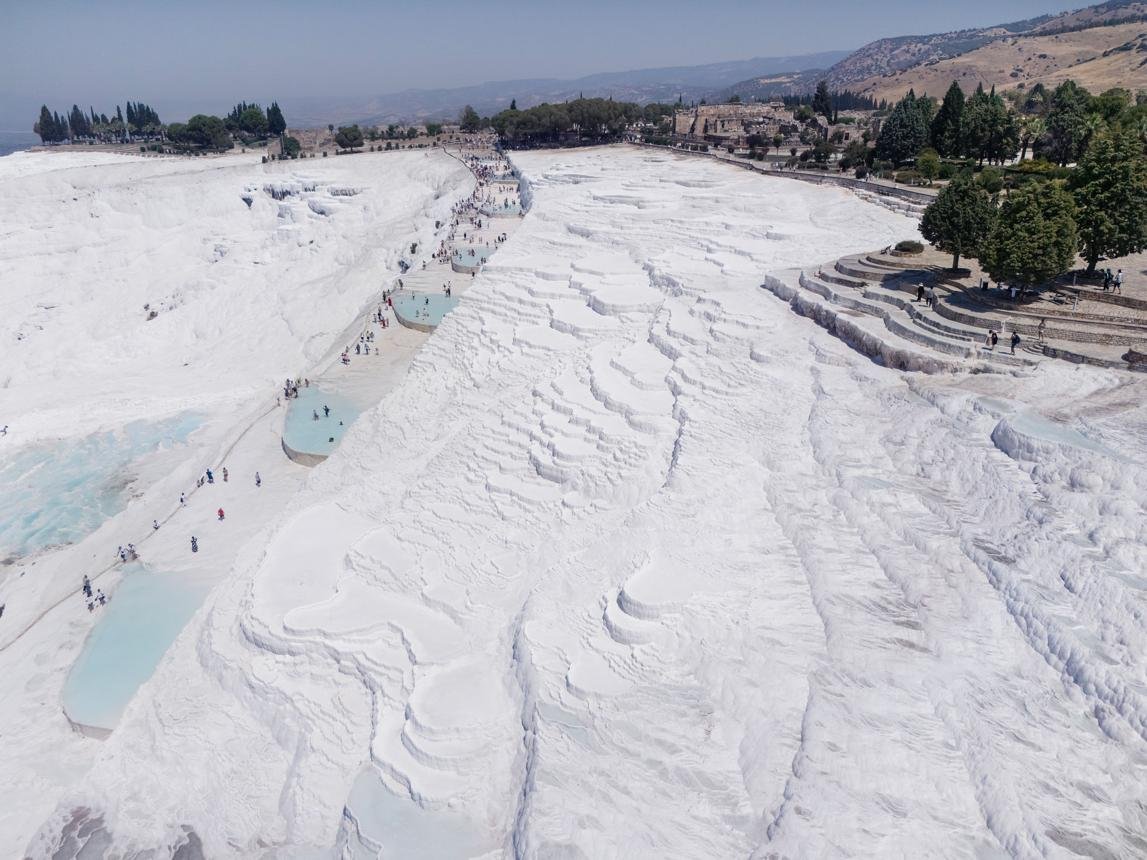
    Turkey’s Pamukkale looks almost like a snowy hillside.

    But the white terraces are actually made from mineral deposits.

    https://images.openai.com/static-rsc-4/aLIhA9uFs1tCY9H5aVIx_UVY8fiskLnKhLV1OClweVrhF5EQGkxB3I431I5e4HQ3doopZxsgHZW1MD6FRGctQ6ySHq29yPODscayF1htz2HVdIAun8X8StXhB8wemYC_WAX952_2smqpjOgfuWHRIdBAFS_Pga_ZmCDrjAEayC7j1aK22VikJ-W3iXLigvUB?purpose=fullsize
    https://images.openai.com/static-rsc-4/iVGCKAW-3I1419VIyAr2O2ZP9yWu1rIpt5DrD7TnZxyTBMAfKpCLtWxP3pQVxN41SeOTw0R5H1z-j4Fpy_0TtFLrBOhBx_f5iIlGyA4NaJi9GIsKneQ2oFOeFkyPOIFmQ2l0ZHNHZmc8yoPv6oPlgMEj0dJCwZuaBJTbrzFj9VzTfO07A4CbMaeEgtu4FkzS?purpose=fullsize
    https://images.openai.com/static-rsc-4/TfsUcr-7a5A8bKkoa3gKQdS3qxyW-oziZqoRO_gBI4y2NREBgVzaXLnk6vsPiioUtyQualUkAECGhRQE5CWgibks2LJwz-ZNt3uNLLB9lifihP88NsPapo1vnnCKbdzk3r4PXG6KV2v8Tp4QNg9oqQcJSvmnw4129ONxFL36Mgr1DI9Fe4yhG3oL_Nd1r0hi?purpose=fullsize

    Thermal water flows over the terraces and deposits calcium carbonate.

    Over long periods, this creates the brilliant white landscape.


    ๐Ÿชจ 14. Giant’s Causeway โ€“ Thousands of Stone Columns

    On the coast of Northern Ireland is Giant’s Causeway, a remarkable landscape of interlocking basalt columns.

    https://images.openai.com/static-rsc-4/mPP4sDhG1r2P2qLwOL3UYG61zzU560FHUeM-23OheIp2NGqrxu2S27sL54kksvQACEKCtti06lND6JDH-Fw7FqIeMEOaIUfPaWa8JBD5imzLrvkLD2tSGgLmDWbvuzlbwkfr5G_Sb2XXpFG83MyVtM8FwhSVHkTnPW8H80KUz8pgFhNiOhkTrZppaEkbf_uJ?purpose=fullsize
    https://images.openai.com/static-rsc-4/D65Su9GPlq4-3KIu3JmRSRe4yswkge8z0XDIYQayr37lswzT0_gY7hN_mE4mf8gKR0pO3EcQ3UEmgN5Y5QmvqzG6ht3fokn6AdAcV5_x3lv2KPyipxvaWZDUkDxmVAyJSpRYW3fK9-UdNlApsc4GW9p6w6mTqb9K1zTGx-iKPQ-5jLVbUra2FTn1LtqXBb6o?purpose=fullsize
    https://images.openai.com/static-rsc-4/2-fA4Sw_a7pvLe_thBIGBnX5JMexbHnOgrZEtV8ZXR3merc6k1oP4f7wgRPiHQ8t81CnJKfZPw51Bqih18EcflFS1Kadnc3mOP4CgMRnlKmq5ueWeh4KCjG9FJA_LxGUntI8ftp892tqRqwpXxMRV1PHqSiDWyEtGRcK04Stit7H2_D35OcY7VXSgVr-3Deg?purpose=fullsize

    The columns formed when thick lava cooled and contracted.

    The cracking process produced distinctive geometric shapes, many of them roughly hexagonal.

    ๐Ÿงฉ Nature Loves Patterns

    Humans often associate geometric patterns with architecture.

    But nature can create them without a designer.


    ๐ŸŒŒ 15. Waitomo โ€“ A Starry Sky Inside a Cave

    New Zealand’s Waitomo caves contain glowing organisms that illuminate the darkness.

    https://images.openai.com/static-rsc-4/PywoX7F5YpXXe5sqh5NCMKY8mMOb-zVUorgMwO8JTxzJFFS_OgOm8ts-GwAueEcNYs2e6cEvYDvI6W3j-WQN2ehfeok_thXGUYPdnlpqN9r0UOVsptQsIQfL3FWKtTILQkwsKewMGhqBDvO7mf4UAlyCJdr0XtJo0U8ChxwDm-726WjRGOTdQ0D-V_Oz5MGA?purpose=fullsize
    https://images.openai.com/static-rsc-4/btPq6ARuk4lvlJBgqB-RdH10tQf_wKmWf-yDf5FrI3LXzKcubgQyJ2zacgH2nb4yNlcQx5CJ4AuJTXRSCeeoVCstzPC508zbQQAe5HY6BuuxvEhbaNbaV6XtTEAEs9Zzt7vqwGi5NwqUmsBF471IbNv8DzzXhxSu94LGztTKVhMB1Xfe02LTwUE4Ps3F-L3P?purpose=fullsize
    https://images.openai.com/static-rsc-4/AtaEq6z06zwvBNTqZnF4sTO33AtqB3nBPxukHUrA8xqKxtPZtPOxqufHeb5YaRRr-ue219DUgQxXM1A6t0o3rUCBNINWMQ4fsXJqdPTbTsRTVtXwLiInxTIv53yPzEP8MpB4xhqB9OOFos9Ox0V0cVDJdfosZgmwS24NZaIa1jVmKj6UcJ4ajGKq80kVNlE7?purpose=fullsize

    When visitors look upward from the darkness, tiny points of light can resemble stars.

    It’s one of the most unusual natural experiences on Earth.


    ๐Ÿคฏ Why Do These Places Look So Strange?

    The answer is a combination of geology, climate, chemistry and time.

    Nature doesn’t build landscapes according to human ideas of what looks normal.

    Instead, rocks are shaped by:

    ๐ŸŒ‹ Volcanoes
    ๐ŸŒŠ Water
    ๐ŸŒฌ๏ธ Wind
    ๐ŸงŠ Ice
    โ˜€๏ธ Heat
    ๐ŸŒง๏ธ Rain
    ๐Ÿงช Chemical reactions
    ๐ŸŒ Tectonic movements

    Over enormous periods of time, these forces can create landscapes that seem impossible.


    ๐Ÿง  The Most Interesting Thing About These Places

    Many of these locations look strange because they combine conditions that rarely occur together.

    For example:

    Extreme heat + minerals + groundwater = unusual geothermal colors

    Ancient rock + erosion = bizarre formations

    Glaciers + iron-rich water = red ice

    Isolation + evolution = unique plants

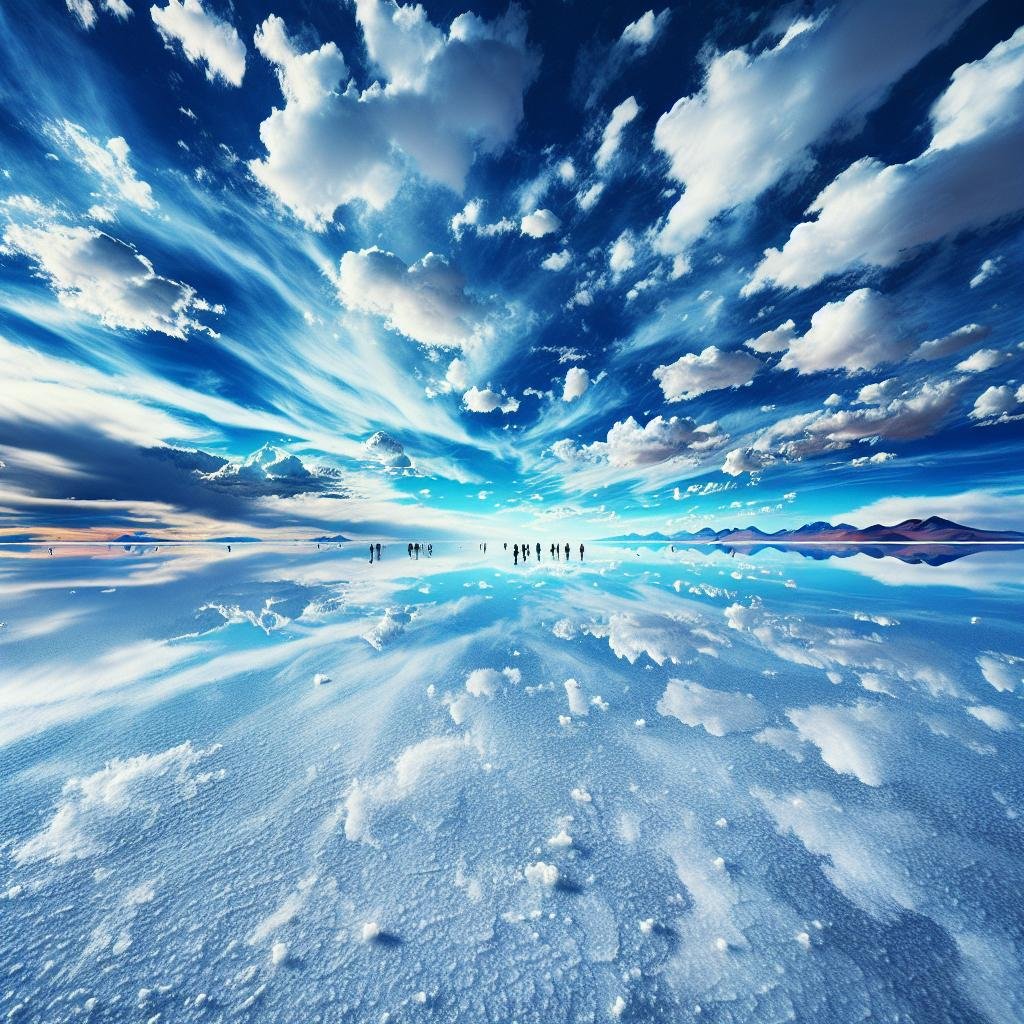
    Salt + shallow water + perfectly flat terrain = giant natural mirror

    Earth doesn’t need special effects.

    Earth is already full of them.


    ๐Ÿคฏ Amazing Facts at a Glance

    ๐Ÿฉท Some lakes can naturally appear pink.

    ๐Ÿ’Ž Giant crystals can grow deep underground.

    ๐ŸงŠ Antarctica has naturally occurring red-colored water.

    ๐ŸŒณ Isolated islands can contain plants found nowhere else.

    ๐Ÿœ๏ธ Some deserts are so dry that they resemble Mars.

    ๐Ÿชจ Cooling lava can create remarkably geometric rock formations.

    ๐ŸŒˆ Minerals and microorganisms can create spectacular natural colors.

    โœจ Living organisms can make caves look like starry skies.


    ๐ŸŒŸ Final Thoughts

    We often imagine that strange worlds exist only in space.

    But our own planet already contains landscapes that look completely alien.

    A pink lake.

    A red waterfall.

    A crystal cave.

    A forest of strange trees.

    A desert covered with bizarre rocks.

    A giant underwater hole.

    These places show just how creative natural processes can be.

    Earth isn’t just a planet where life exists.

    It is a planet that is constantly creating new shapes, colors and landscapes.

    And somewhere around the world, nature is probably creating something even stranger that we haven’t discovered yet.


    โ“ Frequently Asked Questions

    What is the strangest place on Earth?

    There is no single answer because “strange” is subjective. Places such as Socotra, Danakil Depression, Blood Falls and Naica’s crystal caves are among the most unusual.

    Why is Lake Hillier pink?

    Its color is associated with microorganisms and the lake’s highly saline environment.

    Why is Blood Falls red?

    Iron-rich material in the water becomes oxidized at the surface, producing its reddish appearance.

    Why does Socotra have unusual plants?

    Its geographic isolation allowed many unique species to evolve.

    How were Giant’s Causeway’s columns formed?

    They formed from cooling basaltic lava, which contracted and cracked into distinctive columns.

    Why does the Atacama Desert look like Mars?

    Its extremely dry climate, rocky terrain and volcanic landscapes can resemble some aspects of the Martian surface.

  • ๐ŸŒŒ What If Earth Suddenly Stopped Spinning? โ€“ A Terrifying Thought Experiment

    ๐ŸŒŒ What If Earth Suddenly Stopped Spinning? โ€“ A Terrifying Thought Experiment

    Imagine waking up tomorrow morning.

    You look outside.

    Everything seems normal.

    Then you discover something impossible:

    Earth has stopped rotating.

    No gradual slowdown.

    No warning.

    Just suddenly stopped.

    What would happen next?

    Would people be thrown into the sky?

    Would oceans cover the continents?

    Would one side of Earth become permanently hot while the other freezes?

    Let’s find out.

    https://images.openai.com/static-rsc-4/9nsx9XNl7ffcj_Y43sV2dUSJ4hNb4fCVzYy48uypkISftupK2iQYqFWw0w9YFonxQmyT01a_-P5H4ZJp6V95KEVs7kY-Ac15fLzI95i02A2SYLwnmqZi4afFgwAsNGnmHGyq5boCRIa8troWDPvhHIzg9RRZDJNF8zRjYQ7fCVy2uUYUI4y8hQ87zfIWf4j8?purpose=fullsize
    https://images.openai.com/static-rsc-4/jSayPjwCjhvJD4RbSOnAmhPHAjmfu7boATOetVwQV3vU50fK3AVMjEPNDCLIlnrP6MeevPMfxSev7Jhh6HrSj4ITfr_kVzbSAdnAXoK4SqORvB6H8JPVV8FIn1BuMDGmUoFrLH79pvf17bC8VKMByLhOKJOa9ulkd9e3jBzHS3PSfwszpLoPwhD3vIlhA6tI?purpose=fullsize
    https://images.openai.com/static-rsc-4/vZ6rwVtKXOXmCLnOS70HRJJA2lpaTQvLHfpqLuc3Y88hIOCOolDLzCXWtQM8xr7fOgghoUBdfRbfpqo4nMqkaasRgHvgLwaa4kNcgDu0c_5JMctj_djJ3Ekn3hgnvPDovr6nRFPVV8iImBNGR-dmxaPC8ICxgDTX3JtH3amFTSS3JMS8zDuu5Qf_llF_K3_z?purpose=fullsize

    ๐ŸŒ First: Earth Is Moving Right Now

    We don’t feel it, but Earth is constantly rotating around its axis.

    At the equator, the surface moves at roughly 1,670 km/h due to Earth’s rotation.

    And yet you don’t feel like you’re moving.

    Why?

    Because you, the ground, the atmosphere and everything around you are moving together.

    It’s similar to sitting inside a smooth airplane.

    If the plane is flying at hundreds of kilometres per hour but isn’t accelerating or shaking, you can sit comfortably inside without feeling its speed directly.


    ๐Ÿ’ฅ What If Earth Stopped Instantly?

    This would be the most catastrophic part.

    Earth’s surface is moving because of rotation.

    If the solid Earth suddenly stopped but the atmosphere and oceans retained their momentum, enormous amounts of air and water would continue moving eastward.

    https://images.openai.com/static-rsc-4/JToBet0Zs1AF2YW48ZlXIWlLAtPvN_pyweaKPS-1kmtpJMy9d9lI9lxI6RSAk_pZjUgDKrXVoqc26Ngno9u--X08i-hzJjNaRrFOqyInuZu5wyynFFq0mvXPc-jewQ7dWImnVPp9enW80k8EbJSmg1qxA_JWXKU_mhbY1WDF2yF1EOGNCT3hUzyFPNJG92Gg?purpose=fullsize
    https://images.openai.com/static-rsc-4/9dKsnPmumvgxIoBKYf8OibljKNqDrQol4Jzg-joYgRiZ08nTpMYSpaqc6vxiOs-cOrGELjrwihFYqVGvImXs8kZC0Css-h5QABupMNJCV9FH-8d2ANTrsa6CtKba6i7qfUPXvbTiCwQ1zLViEg6Hnyi0C4R9N0fAbynQujtIvG-0jeMxhuukTIE8RHYxVeJX?purpose=fullsize
    https://images.openai.com/static-rsc-4/afymRwGZlSU898SBOouLOHjx5PDMavyVr0Vaa-PCZFsc72Y1goLsCXo_aVRn0ZeG_hB9qwL0RTYtSsT1svbJRynduSIR9OJvv4VJAL09b-H5FNDrzTpUNjeuxynwBqq3r8Ybqc7yNl8zn5wWoqMEiRjJDq6-uyE6O-lfpv0sOmSeuEYklaiIw0TOJktSfxf5?purpose=fullsize

    The result would be unimaginably destructive.

    Massive winds could sweep across continents.

    Ocean water would surge across coastal and low-lying regions.

    Buildings, forests and infrastructure would face forces far beyond ordinary storms.

    This wouldn’t be a normal natural disaster.

    It would be a planetary-scale catastrophe.


    ๐ŸŒŠ The Oceans Would Keep Moving

    Here’s one of the strangest consequences.

    The oceans are rotating with Earth.

    If the planet suddenly stopped but the water kept its rotational momentum, the water would continue moving.

    https://images.openai.com/static-rsc-4/yZZjGhc49yj2fbBpflyMhpvZkQc8RA1R7OrwHc4n9EsK4xCPnlR9Lel-9yH636v2fc_qyR9tO3c97pAY3o9rzRzjUzzf-9oJOup31dBQdOkLiAsp3NykSUnQyn6z14GLFMqElb23j-LL_IhGqy79jUBmNd9pj8Xm6tVS94mV0LqKEB-eeWqjcAjh09MW9iQe?purpose=fullsize
    https://images.openai.com/static-rsc-4/uXXDuLEjrhCmjoZ1ZYBuJgQ-kQ-4NA83t3eykgsQpjEO4R_FZsErCgMxCtPZCfGS_xc4P1scL09YHn502TzeSg7AT2mlZeBVzZpdm1b0JtCsLEgEFNZnPbumj9FeXVBLfU-iJNEucl5z_Bc0aOOJUZidDvuElZ7TJaW6OKSZ4QOGrbDPfHRgFriCcqIV28Sy?purpose=fullsize
    https://images.openai.com/static-rsc-4/MK_AMPV2td9OgLAC-wumvnZ3YTVVpfbPYGWMV4uMjO1kzqRbRFr_FVRFaZAElWwNcUjxhxoNbG0CIcgOAjTrX2oWnjxpX6ZBJ9f1CZuI8VgEhbnr-CxwI977jPSnUU7aBseVrIRYgxeiddsD0QsFKlKxkd_esL2FIKAeXK5iAFXP4LLr2sK-yF45IdV8tXBP?purpose=fullsize

    Huge waves and enormous redistribution of water could occur.

    Coastal regions would be devastated.

    Over time, the oceans would also begin responding to the new gravitational and rotational conditions.

    Earth’s current ocean distribution is partly influenced by its rotation.

    Without rotation, that equilibrium would change.


    ๐ŸŒช๏ธ The Atmosphere Would Become Extremely Dangerous

    The atmosphere also rotates with Earth.

    If the ground suddenly stopped while the atmosphere continued moving, winds near the surface could become extraordinarily powerful.

    https://images.openai.com/static-rsc-4/VEf0Rasay0Dja1aM3ktrkFrcVBj3wStxmueONcreJB8H7vWKFBMZyP5NJQFT-xOtzk9dncPPxfZe1y73mhONpv1MHraoMk-IWdYrso40DJ35uSCya6CBbGW-EqXwwJWi2Sc-4-gLKMAi7f8xkn_mPj0LlOGtmgUCKd5r-hFGaITHZfrW-MNRWqA0o05V0tSe?purpose=fullsize
    https://images.openai.com/static-rsc-4/MoGbpRpl4Jt47sgrnyDXcLqZzmKyeiElmRq031OMbDJT3Z4AXh8beI0iihFXyqXXARAIwVKKxvKICbig-Jd1yGovR3qgSkaL55EUOeJFCIUH4y4NDkUC_srp0AVWT36uLCpoksoBJgyyrp1NyGqBpF3UaNt5-dIZmIwKenH6rOAFWUFScHq2cmp6jaEKL3cw?purpose=fullsize
    https://images.openai.com/static-rsc-4/NgzMiU67w45z4X3DLQ3EjwTTd2QOgluna2gbQk1z8M1lBN8ePtNrRC82kp63_fWlyoJj4-Py22OgRISRv5CKokkZmBf1nQmszrdwPiLynY4Vat5J65xvhkmr3crkk7VzN5Z5W96B_0f-QuQuT2FXHJNWqZa0vVKDncjUxJ6MpmK547hqOkNfeWmq-DoAI1db?purpose=fullsize

    Imagine the strongest hurricane you’ve ever seen.

    Now imagine something on a completely different planetary scale.

    The atmosphere would not simply remain where it was.

    Air would continue moving relative to the surface.


    โ˜€๏ธ One Side Would Eventually Face the Sun for a Very Long Time

    Now let’s imagine Earth somehow stopped rotating gradually and safely, avoiding the initial catastrophe.

    A completely different problem would appear.

    A non-rotating Earth would have one side facing the Sun for an extremely long period while the other side remained in darkness.

    https://images.openai.com/static-rsc-4/RuAUxwxaczJcdqi6se6lOlCLzz8NrLBESk8zCqKmIyf3PvxqtNbrV8MwDZafQp9OV5iEEoiCwO7rfvMzjuQFrod65OLmf_yRCBQu8zatyg3A-dRiYDF5JcB9HxgQDXHMvRL9e2f3WfOBovxFSmhN-qLfLEGKvHgHpPy8NRZll3mc91ZkdNuTF9Kl6VPOXrJ9?purpose=fullsize
    https://images.openai.com/static-rsc-4/QyArg4YGIVYZZ2t0WTYGancgC7-Rc9f9j7jGDTBX7tRM1SDtBWD-yZkOuWZRyKuWv2Z8ZMXyWEWNuAQNsfsMQSkB_64nq4sbWL-Kg7_XkQZ4yACxCd799Int095a5aHctiJQs--oTWXAuhcT7cQ8bnpl5zgjnLaogMorSd8p1yRXkevfOIKijBfzog8n_fKB?purpose=fullsize
    https://images.openai.com/static-rsc-4/QqeUpUun8wnpj9dW_x8I9arGu5oRhn_gCq_lmxk9hHT7ssDJpkLeAVFp3WJLy4Yp248CTuMyN2XP4YrGwZoCym8txGSEzryHegc5LCnuGdVkvZcaD060ec6bpTilE0Ei3P4rXs9t0smMepzxO4I0Mhgs-C-fcCB1dULTQ-eXNzM3Ci-CtbQMceETDK4JKGIL?purpose=fullsize

    The sun-facing side would receive prolonged heating.

    The opposite side would experience prolonged darkness and cooling.

    The climate system would be radically transformed.


    ๐Ÿ”ฅ The Day Side Could Become Extremely Hot

    Imagine sunlight continuously heating the same region.

    There would be no normal sunrise and sunset caused by daily rotation.

    https://images.openai.com/static-rsc-4/k_NJD3rN7e6F_jxD94_b1BhNFnWMkMPKBGLFtf6BuwsPB2F1ihXPrcqTwHy9bRIDzNz5aq2mCffaQUMYmTmkyupCddR8pUn7PvN2Om3fYJ_O0uL2oLa5ccN3jVt4wKnNYuAm_QPTVuh7xVYC66cgVXRhJO21WY8UhjA41WddjSAsgrcY4ptOd_zQ6oogsq6n?purpose=fullsize
    https://images.openai.com/static-rsc-4/L0seVSPjjl6nLNRX3rwsCRFMdwQwVo7lYSw_bEuZMP0n2UbTz0julXl8y7p8-8bGymjGzHPm5KgDq2946TExRpEcgOGCGZ9puuiJbiQ-gIi5HJHZ9HX3VVydcREchc9BIo6xDtIoEWv7uxiwCiY9uO17A6rYAVB2wh7wQ4CD6PZOyVSGnxgupYNgFH_DTBOh?purpose=fullsize
    https://images.openai.com/static-rsc-4/YQ-1z3aFM8NB24zUoU_CilXOp0TK_bnXIA_bUzE_6Xxga0MfQNpuDJk-4unVz8oXaJOjNwcQF2AiKdCqgSk-v4PsdEN3iMTzCd2TgZ_arEiY015dWcsnPj37I9GiGHV2Hs4H44spTM2RZ0UIEKSkgWUnNca9yd3F10JFMR8oxkcgVbmZMwCZsPmX-4c8Zx_x?purpose=fullsize

    Temperatures would depend heavily on atmospheric circulation, oceans and the exact rotational/orbital state.

    But the familiar climate patterns we experience today would disappear.


    ๐ŸงŠ The Dark Side Would Become Extremely Cold

    The opposite side would face prolonged darkness.

    https://images.openai.com/static-rsc-4/WAdA9g0Xpik_GNr9z1R3c9W5vd6GSZ07Kb44s4v0xyPnFtP75rsAj2Fl97st1byea1CRDn3bgF3Oz2BHU9BfRMTNolbvwvYrCXZHHX3EdUhIQ_GyqFxHKBkgJqN1FGbaF46UrgDnyRETHLHfSb8obYNzbSGirRCp1n-C_CaONB0MwEp8Cqq_iBi1hKYhEdpR?purpose=fullsize
    https://images.openai.com/static-rsc-4/OmPtVgBSKeAjyHIlKzbmc1fPyTWLeDg-8C2j6VYFOE2HvUYSzXbMqkaiU6vlmqWSQ1Y2P0pyeqX9snuHIB5LamSDOtTV5obho4p5wXXmBWchAMK-yY7yBbFM2Hbp9-S0O2fNtrwf2mA4cLgs5J-lGXtVaqVv_-tQUHhC1R-oL44b6alQfs1jgBYoA_fMttdj?purpose=fullsize
    https://images.openai.com/static-rsc-4/jxblbRnGEEtI62hcIL20ETW6z2OHf4D5mg2ZUr2m5UhzUXak604F3PtOWfVfnNnE407d5VjpOATRLk-qxQyZhZlWZdptcWOzuzFRWQurO9IGrkQDQvrNxnd7NdZTXZfehYzRteypvFxAhUqGGSRtoUKonRojL30L3CiyHCf7yPd5Hf3j0ZF1aZZuYWyP8qXw?purpose=fullsize

    Without regular sunlight, temperatures could fall dramatically in many areas.

    Water could freeze.

    The atmosphere would redistribute heat, so the boundary between the hot and cold sides would be particularly interesting.


    ๐ŸŒฌ๏ธ The Atmosphere Would Try to Redistribute Heat

    Earth’s atmosphere constantly moves heat from warmer regions toward colder regions.

    If one side became permanently illuminated and the other permanently dark, atmospheric circulation would become very different.

    https://images.openai.com/static-rsc-4/YlzesPyA0z26A14-FXxHmk_paz-NwR7Y_zJslNQRxgdMkhbZXCfV82SZVdEGPfuU0QmVOOcNf7IDyOCkbcAWBdT4oyFO8NrHAlkRA5WQFyMxAcwyAyHz2oaf070rkgGcRzKk3OH3f9eGqcayL1Y7i3gUSphAKi7lMZQtQ8xTVDCodmI6GyuUA8g8D82j_fQE?purpose=fullsize
    https://images.openai.com/static-rsc-4/AgBgLu37HvYoiteoDRghctpBV2J9cAJ9Qk6KKNLv3JKDO_jUoqF33j3-f-zj89xyBvS1vYhVGDuThT9fTKf8dbLvjcm5IzsPHLEmwOotA6JPf2TLYV9doxWOTnK3qqVDrajgzTlcyzr2NcbDYILpJV-01isOp8QeLNsKasIYyZcAh8fT-JToeFPyqwmImej5?purpose=fullsize
    https://images.openai.com/static-rsc-4/nl8j_vjNDJbfidN35mA0SWKJvMso8ocd7KU1ZBMSPrFNSj0BHhMcRC-Tuqk4Gl2FirwuT_EzSbVDerXseBWX0QB-Lr5E5kZ1WoNPpPAO7HU53omgzqTsRVICkRFXFUXScX_0h2br0UG8ZL_njQPZgK3Xwi-YvMEdg5vAe-VZVLAVV1rboXcdHskuX6yr6Vrv?purpose=fullsize

    The atmosphere would attempt to transport heat away from the hot side.

    The oceans would also play an important role.

    So Earth wouldn’t simply become a perfectly divided “hot half and frozen half.”

    The real climate would be much more complicated.


    ๐ŸŒ™ What Would Happen to the Moon?

    The Moon would still orbit Earth.

    But Earth’s rotation affects the way the Earth-Moon system behaves over long periods.

    If Earth somehow stopped rotating while continuing to orbit the Sun, the Moon wouldn’t simply fall into Earth.

    Its orbit around Earth would continue according to gravity and its existing momentum.

    However, the long-term tidal system would be radically different.


    ๐Ÿงญ Would There Still Be a North and South?

    Yes.

    Earth’s geographic poles are defined by its rotational axis.

    If Earth stopped rotating completely, the current concept of geographic poles would become less meaningful as a rotational reference.

    But the physical locations of the existing axis endpoints would still exist.

    The bigger issue would be that Earth’s magnetic field is also connected to processes deep inside the planetโ€”not simply its surface rotation.


    ๐Ÿงฒ Would Earth’s Magnetic Field Immediately Disappear?

    No.

    This is an important distinction.

    Earth’s magnetic field is generated mainly by movement of electrically conducting material in the outer core.

    https://images.openai.com/static-rsc-4/sJIHtp2ALNYk-52fuQz34O2pOmSNy92PrLrGghXyfIvapttYRcRlqcvneRuzzxEeJVS5nTfQeCuAX5F0WIm8lMs1EkN96frvRPdEGcEgyLfZOpWW5bytgIQvamO_HTZPXX0Bjau9jbDMH_znB8eMCKI8BLbWDGvMUIlG2WD2GPG4cWNfvHIv4RM8UelvvEGu?purpose=fullsize
    https://images.openai.com/static-rsc-4/YviuyNxZH3zGsxv7yvyNLJyp0BVojNT9aXIuikxGiAzSpgi8wy7UASgNYp4EBFYfeHYYhjLQdzmRiNpqc4NjFwKvqSUJYma-lSRWssiPwExUfrkgp6aV4IJ_dMwyB46bWBsGZesR8o-eMkEPXrgvP_ZN0uCeexxezMgxuvqmh30VbpLrzBxUToyZKxtjhZG2?purpose=fullsize
    https://images.openai.com/static-rsc-4/7ZL10sVwbiO1svrVw_q_1yhIZo0Z-1TpZMA8HRAx--CQ1N6_zpzvx0vy6nPv4rw79aweQSYnuBMU2nwpMhoWAA0j5uYTtK4R9ZUAExBRb5fddO7Td7qCE8dAzxkBgT5z_mPEblwHGVYA6r4w-iIYDirs0upgri4RN72nZUT5KKdXfbwnfo-Y0WSzwuLwfDqE?purpose=fullsize

    Stopping the rotation of Earth’s surface would not mean the magnetic field instantly disappears.

    The Earth’s interior has its own complex dynamics.


    ๐ŸŒ… No More Normal Sunrises and Sunsets

    Think about how strange daily life would become.

    You wouldn’t have:

    ๐ŸŒ… Morning sunrise

    โ˜€๏ธ Normal daytime

    ๐ŸŒ‡ Evening sunset

    ๐ŸŒ™ Normal night

    Instead, the relationship between location and sunlight would become radically different.

    Our entire concept of a 24-hour day would disappear.


    ๐Ÿ•ฐ๏ธ Your Clock Would Become Less Meaningful

    Today, our daily schedule is strongly connected to Earth’s rotation.

    Morning.

    Afternoon.

    Evening.

    Night.

    If Earth’s rotation stopped, the traditional solar day would no longer work in the same way.

    Humans would need completely new ways to organize time.


    ๐ŸŒฑ Plants Would Face a Huge Challenge

    Plants depend on sunlight for photosynthesis.

    https://images.openai.com/static-rsc-4/LzLpSJDd6RK2C9zDO-VLmZ5virDVQFZG51gs8CT8EckL9JgLaISNVZPT_ARLtvMqdLtbCqH9oMVEhRuopmN7vYMOEZSs2BCw3qyzY1b_uiXMfVEaJFgeAc6WuWGtIRrD0oRYzAex-qWrLbLVKRtG8tWaYYbIbwbKX8H2Han_Afp_R3tQFPYyOgmhCeWLSrom?purpose=fullsize
    https://images.openai.com/static-rsc-4/0Joo8A2Ito5gocoE3BlHrBqav4tR6Q1MBZDs6gX5KOLl_-PRvDvGPn8zp5MKiVMWltb_nHKWxMAMsTvwPXXvXFnLOOYxgowsRaGGczfY3HRA-Yuz9RiWq3Xvz4z3vEwowY1mzSgTWreKZIpDGopUgB7e-JI8PQxL3QOBLY6IOopz8_Cc6f35UYPC38w7acqB?purpose=fullsize
    https://images.openai.com/static-rsc-4/Dttiov0qwzdsgGwT7cf7Au_cKmjMleiWgUxGOeQmVZR1GpwJ7iP-5LP8fq-pZO2ahpHGpmhvkylhxgNeeHyiNW4RSYc_a_OxXPswx_OdWselJbLo29bHxqrBjiUwJS2yz6VVHeP3qOr2m9KmHoUaTUNxJN1YjH16g08-r3_jbUiThDqK0nHBC0bxbvtbIwe_?purpose=fullsize

    Long periods of darkness would create enormous challenges for ecosystems on the night side.

    On the illuminated side, excessive heat and changes in water availability could create different problems.

    Agriculture would be transformed.


    ๐Ÿพ Animals Would Be Confused Too

    Many animals depend on daily cycles.

    Birds, insects, mammals and countless other organisms respond to patterns of light and darkness.

    https://images.openai.com/static-rsc-4/lIlLE17-bFR7CHnnHjJ4T2-6-wV3ZwP40rLUqYvJJz0DdS0bHogA8ULd6pvAxPXhatTF1b5E9qcjjh-g14VT8BTEp48I8ZfACSb0mW7tD4oxdniJQBDPw4bGkJzlgFoiVFO2gNbb4Szh9xtQCDldwTjpjTUbsqjuvRyI0lM6pnVnBqMje1p4NhYFlUIfzo0u?purpose=fullsize
    https://images.openai.com/static-rsc-4/FJAqrRsKKuvsg8g3UsYzt6JrxmlXeOjCC48brnqBpJqQNUuMQFZn7yHrUdg9OslRsF-v-gxG-5niJXNgxTgs6QxC1VGlKfeR3WMbvlhDhU_ylE0vucgxxngqAqfHPV-jWKaDe2U2pQ-BENVGjt4wG6OJ70HlSG6IxVQPdenO3LhAKRGbcfljh612js8z4W-Q?purpose=fullsize
    https://images.openai.com/static-rsc-4/7msGvhk_AMgTE28QjWRZZlmipl5qJ8Kq0iZ_WmKG0IAa-_zu5g8cjRb1GUHOVP2RsoCP7lr8kjd5lMjoNcIhprMdxFVNPMGshhvN4RIHzzEXVEnVWUZsKqiFWWCEwNc8UOEnx5WTuZMaHsYCIq26RY2XfLxMKAO-D-xNmiMYtZ1wQA9iYMav7_HliVYyXsTY?purpose=fullsize

    A radically changed light cycle would disrupt behaviour, feeding patterns, migration and ecosystems.


    ๐ŸŒŠ What About Earth’s Shape?

    Earth isn’t a perfect sphere.

    Its rotation causes a slight equatorial bulge.

    https://images.openai.com/static-rsc-4/7TNS35J2tWIe4ayrOuHRaKQfIMwDI8nW6AK3hUyxwL-aVnPnfF5m30Nxyw3h4psoqv0_QGqHsJ5QBWKw9QYQ9n2218UJJ0r-IojCHBiMTzGHllwJDFcH2mEKYpXhiPcQybt21VYd4TljWfw4RMU_SXAT7YbAMSLaYGE51xPCKhBB-s62kxe_levacuGcyO47?purpose=fullsize
    https://images.openai.com/static-rsc-4/xf1FgvLMB5jCyx7FMKTtYFu8SghXUlFcrWaBQDioUHWwKVaurbEnuQfozwj-vrn4lfkL9QQljGRWBe-qWjAcxgth_Sl0TNrM1qL4KQ7ceeA9iQJaay2Po-BwjBpI7SBFLzrcJnDqYT_f76y2A9KYcupsUHtBFFS2u7vK6cSbBiBcR1ZIdIfFbpiG8kF7A_fn?purpose=fullsize
    https://images.openai.com/static-rsc-4/QNuuTkb0ed1Qiq0Ad-X7gJNq6DWe2ciFMlXvqGwX9RlwpCrOqdhEad-0ZjLCBIrzfh6s06heMhg2hVJDZfB3hmgMKhDe53HzHctNtDn5gV6rMkAQGHU88qPfi0_8PZRC4dWizzBhF3d3UvxsrGxETQXu_6Kv1X6CTljaNFgEGPtCQfeNThnmwVUolQqlRXRQ?purpose=fullsize

    If Earth stopped rotating over a very long period, the planet’s shape and the distribution of oceans would gradually adjust toward a different equilibrium.

    The changes would not happen instantly like flipping a switch.

    They would occur over geological and physical timescales.


    ๐Ÿ˜จ Would Humans Survive?

    If Earth instantly stopped rotating, the immediate consequences would be catastrophic.

    The combination of the atmosphere, oceans and surface momentum would make survival extraordinarily difficult.

    If Earth somehow gradually stopped rotating without the catastrophic momentum effects, humans might theoretically adapt in some regionsโ€”but the resulting climate and environmental changes would be enormous.

    Either way, our familiar world would disappear.


    ๐Ÿคฏ The Most Interesting Part

    Earth doesn’t need to stop rotating for us to realize how unusual our planet is.

    We live on a moving world.

    Right now:

    ๐ŸŒ Earth is rotating.

    โ˜€๏ธ Earth is orbiting the Sun.

    ๐ŸŒ™ The Moon is orbiting Earth.

    ๐Ÿš€ The entire Solar System is moving through the Milky Way.

    And yet, from your chair, everything feels completely still.

    That’s one of the strangest facts about everyday life.


    ๐ŸŒŸ Final Thoughts

    Earth’s rotation is something we almost never think about.

    We don’t feel it.

    We don’t see it.

    We simply live with it.

    But that invisible motion helps shape our days, nights, climate patterns and the world we know.

    If Earth suddenly stopped, the consequences would be extraordinary.

    The oceans would move.

    The atmosphere would surge.

    Weather patterns would transform.

    Day and night would no longer behave normally.

    And the planet’s climate would enter a completely different state.

    Sometimes the most fascinating things about Earth are the things we cannot feel happening beneath our feet.


    โ“ Frequently Asked Questions

    How fast is Earth rotating?

    At the equator, Earth’s surface rotates at roughly 1,670 km/h.

    Would we feel Earth rotating?

    Not normally, because we, the atmosphere and the ground are moving together at nearly constant speed.

    What if Earth stopped instantly?

    The atmosphere and oceans would retain their momentum, producing extremely destructive winds and water movement relative to the surface.

    Would Earth stop orbiting the Sun?

    No. Stopping Earth’s rotation is different from stopping its orbital motion around the Sun.

    Would there still be gravity?

    Yes. Earth’s gravity would not suddenly disappear.

    Would Earth’s magnetic field disappear?

    Not immediately. Earth’s magnetic field is primarily generated by processes involving moving conductive material in the outer core.

    Would one side of Earth become permanently hot?

    If Earth stopped rotating while continuing to orbit the Sun, the exact pattern of sunlight would depend on its orbital relationship. A simple permanent-day/permanent-night picture is an oversimplification, but the familiar day-night cycle would certainly change dramatically.

  • ๐ŸŒŒ The Most Amazing Natural Wonders on Earth โ€“ Places That Look Unreal

    ๐ŸŒŒ The Most Amazing Natural Wonders on Earth โ€“ Places That Look Unreal

    Have you ever seen a place so beautiful that it looked like it belonged on another planet?

    Our Earth is filled with landscapes that seem almost impossible.

    There are lakes with extraordinary colors, mountains shaped by millions of years of erosion, glowing caves, giant salt flats and forests that look like something from a fantasy movie.

    The best part?

    These places are real.

    Let’s explore some of the most incredible natural wonders our planet has created.

    https://images.openai.com/static-rsc-4/RIHVeI9neaC1UKCBpm6Ctp15TP1-09my5O_4cFUW7I7tgEjaBdcdz34mmh2uQof2u7d-BAHebDfpBwQMFv4KIR7TSHQ4nutSdPArF_Pdv_zdiQq6Mj5R5QS06GzA9wsahjVL2Xe08ICmNAUZmAyCmxPHzvRe0gk67nBo3Bj-N4IuI0AbLKJ6_VSgd0hmng75?purpose=fullsize
    https://images.openai.com/static-rsc-4/HqhkiVSIl0jAGvFaox6Ao0LnPS7e0PgUxXtzO5j1XNcwCKNKIKNp6aRYLmviqWHfQsIBMxOyJehl6zZyfKfo1eWQQ4Be5VC2kjW3haYDKjuXgjmNoZI8y1ln4AjrcZvETa7KqbR1yInD6YNYIjxQ1sVI5hxw02DMoruSe2veBQfoutpY5wl-V0k8mY8F8kjt?purpose=fullsize
    https://images.openai.com/static-rsc-4/RbScFn7hbR74V_uZqtSzaeYDyCbXiToO-HSQ_QRnyP1Nt8vQaMROS4w0E3k_Y68TSLjl7tjh68a1-uLecaPR3A5NOany2I7xcSB1eoJBkJdBcZso2tZaOahwthj7_-zAORJg7qp7VIUsGrZxD_-l4Zl8tORVvozkqfRRcBFrxAgO3owrbTbCTSdYBBHeESkn?purpose=fullsize

    ๐Ÿ”๏ธ 1. Zhangjiajie โ€“ Mountains That Look Like Another World

    In China’s Hunan Province, towering sandstone pillars rise dramatically from the landscape.

    This is Zhangjiajie.

    https://images.openai.com/static-rsc-4/l9W-iVPiKoRYkvXvbdrR7tLpm5RX8XHmjBN_s06iNbtCscoFvg_46CCPT3A2MROfB-r8-BpgbPIGwQVsuMkUHq2pFca8rEIPH2D5FtgQQIc3lFWKBZ2HHPd2YEj9QrGTsxZObf1VX0Lq-69RYN2s3N1NOTmNkJh4ziiAS_gEVy7ndiDG0PQoZx_aYrcY6glK?purpose=fullsize
    https://images.openai.com/static-rsc-4/Mj4GOnOx4BM9DYYLuNJ_D8sottoGLsiLx_xZyll1iTu_zl-wE6oD1iLN6nhjdhQ_SZK08ZSJ4AS2Pao871BcnzThSUe9_wizft7aAqR9vm8EHKx7mJBGZioWvdY8RqZWasTQE_3QzsvU5jwrebx3G6MiNySPaNSe0Wjd5KWTID_tT6p6QVT5GVKG6DkTuyx2?purpose=fullsize
    https://images.openai.com/static-rsc-4/ysLCIEHoHRjJM1trk8Jt2Ly7WKnKa1blc_JSEnGFDMiRnOFE24-zZKh57dTsloxhovfOfCT1X56plxqfkwFBbwpt91g7na0gLzdwb5lKtqcxk8h6bVH3L_rpF4_w_vpvn422wwYAVTRzFvX_CpPBX19WJnWj2I1Z_ltnW46wGSMrx3MEUvvWf5iVJFaTYdzg?purpose=fullsize

    The narrow rock towers can disappear into clouds and mist, creating an almost otherworldly scene.

    Over millions of years, erosion gradually shaped the sandstone formations.

    ๐Ÿคฏ Nature’s Architecture

    No architect designed these mountains.

    Wind, rain, weathering and geological processes slowly created them.


    ๐Ÿค 2. Pamukkale โ€“ White Terraces of Turkey

    In southwestern Turkey is a spectacular geological formation called Pamukkale.

    Its name means “cotton castle.”

    https://images.openai.com/static-rsc-4/TfsUcr-7a5A8bKkoa3gKQdS3qxyW-oziZqoRO_gBI4y2NREBgVzaXLnk6vsPiioUtyQualUkAECGhRQE5CWgibks2LJwz-ZNt3uNLLB9lifihP88NsPapo1vnnCKbdzk3r4PXG6KV2v8Tp4QNg9oqQcJSvmnw4129ONxFL36Mgr1DI9Fe4yhG3oL_Nd1r0hi?purpose=fullsize
    https://images.openai.com/static-rsc-4/KNGiyrS-aCbWMnp3tdHJru8owtOZVeIrZQAd5Tb-PO6NW8d4mzUbs4YSu4Ix-hg_X5dyHW41FLA8P19oMmXBgQ5CiZddSqQYlnThjq4KTlFLlXw2FhnYcCInA4k8af7jfQnvkcpz43DsIUeV-IaiJC-AF2PN4KU-1LAsV9HTicnNemsNCr7qWqEhrytA1Mn9?purpose=fullsize
    https://images.openai.com/static-rsc-4/XivoBwYSHu8iSJke0Sh-HK9fibj9ZmdsY_wTdrINr1WHCLfY9YKJdmOsdtqelj4pUzrI7rPgoo53y0_aAEuBWKlMAw2hqoq71yuWhc18JlrhHqmEdIA5EYmTgw0o5J3c5ebZCVA8P7udO0UnNK79rSM5pN9cAZ3qkveR3cnn2Lx2WB0yvPDOMdMTLpctU_cy?purpose=fullsize

    Mineral-rich thermal water has deposited calcium carbonate over time, creating white terraces and pools.

    From a distance, the landscape can look covered in snow.

    But it is actually a geological formation created by flowing mineral-rich water.


    ๐Ÿชž 3. Salar de Uyuni โ€“ The World’s Giant Mirror

    Bolivia is home to Salar de Uyuni, one of the world’s largest salt flats.

    https://images.openai.com/static-rsc-4/bfZ9oldnP-Ec8Oh1DYRArHtopFeudJqrmls4LNoAQqpxnPC19DEt290BlgEkqkCDfCYI2GBdUGxIQxfS1DYY5uOvXuEcfx6SwPf-X7R76L13EH9xIgTX7b2BzPbvS5BIBv2zYbykYdO6NYsWRPwkUo5kJoqa_EeW98JnqbFPM6bN7em_oqpCfVo8zFbJ1VqA?purpose=fullsize
    https://images.openai.com/static-rsc-4/_QXAYoa9C50oWSDhuXIWHG0aK4LSnxwr0ZM7Uy_nhIkYaLrByAFfMDO0y_GwU733CQImSpfL0EkWb7mpTsV9FBk3f90fqhp3jjMdjAmeQK1tIshGrtCzHGl6wt1IRHXOyraM39D7ScKcOnNxQRgqHlVqDaQzXZjo9TEDL36DIe5Pn9klU9srWo5uy6My-di0?purpose=fullsize
    https://images.openai.com/static-rsc-4/cQyd9fue96y_Ku2JaGPbU2FaDdSWLNmPWoV5UFlPZfTZWwMFTjPyiLyN1ok_AkqAJsr8b3J6CdWTBzQ0_mxJkVLQM-e8EslfsuuS7221-2DQvv8xt6wE7PZqWRT8m5YEXEb9PKrZPVJ70ho6TBZEkzuAaREc-j36wOz-PLiG1pyx4EdauywrZu8GZHTkLJsY?purpose=fullsize

    During the rainy season, a thin layer of water can cover the salt surface.

    The result can be extraordinary.

    The ground reflects the sky so clearly that the horizon almost disappears.

    It can feel as though you’re walking across the clouds.

    ๐ŸŒŒ Why Does It Look Like a Mirror?

    The enormous, exceptionally flat salt surface allows shallow water to create a near-perfect reflection under suitable conditions.


    ๐ŸŒŠ 4. Great Barrier Reef โ€“ A World Beneath the Ocean

    Off the coast of Australia lies the Great Barrier Reef, the world’s largest coral reef system.

    https://images.openai.com/static-rsc-4/b5-n09aKQYN88VSbFxStdPAOTW5tQcBuqGt_2BWfgNq-CzO0BFGxewi72t1yesaLq9PbrUucVZ9hFN8p4RNXdWHMg6LvpwzJZDYGJcqQaD_jPxx7bZ_cnEyh_JfoOhYz7aVw4pzbYno2M4FHPXvowPr70uLWLLHl3vtlfMBsXy66HeEfnjnFwa28d28Aj7ws?purpose=fullsize
    https://images.openai.com/static-rsc-4/oMuzWefJgaYC6RVoJQG0n58rhaOslyV9fag9tJv2VBi6QILA8KjqkqJLnYB5nq8ALwAPaCda4btvhfG4ksYpOM9J5r9zMSGiu5NlF3wlAyorhxOYlzC3rh1wshpnD3yImlc3jcsHVlGSTKIimFMbJGv47YXS7Aa7LzlmAaypP7MHRYNKvCVotNZ8mshytvG6?purpose=fullsize
    https://images.openai.com/static-rsc-4/Oqa0fOBum8i913ZgYgHR2ayZj3_qokcqCsYUciNeAwwJTeZRrUbbR-dXHv_z-hdCJhRw1lVUqc0jHvsb1-Zwe6CF1ZYi93TgXbXIobjTq0wJVZMZFVxCJE64bBePLzFGOamr8fOloeZ6tcFv2audlrniHSpqQ1zqIttku1PzSiQSHDVLGk3tJKy39gfILZmZ?purpose=fullsize

    It is made up of thousands of individual reefs and hundreds of islands.

    The reef provides habitat for an enormous variety of marine life.

    Under the surface is a completely different world filled with:

    • ๐Ÿ  Colorful fish
    • ๐Ÿชธ Corals
    • ๐Ÿข Sea turtles
    • ๐Ÿฆˆ Sharks
    • ๐Ÿ™ Marine invertebrates

    The reef is also an important example of how delicate marine ecosystems can be.


    ๐Ÿœ๏ธ 5. The Wave โ€“ A Natural Stone Sculpture

    In Arizona, United States, is a sandstone formation known as The Wave.

    https://images.openai.com/static-rsc-4/iFlFAqqYCLAI1CjaPFMKcR10J7RG6xq-x4Mw8VvKXw0UGqDVjnDeGHIEJYSLAKSMda8Fx6JEbkuuhBK07vHMfKYzdEGV3qdnNi8a8WyFusKeMDVzFq7cOnHxtttM65Ebe7qDnnT9r8A-rmHJdZdWvJri7oRakQNUtj61kICMaRPumqEyCGrliKqEXaMi422z?purpose=fullsize
    https://images.openai.com/static-rsc-4/qOJ4T5oFLAEXyZve9uubTFJj16J12FYSdMGPDMd1C1gdqxojD_dY08PfQwngc1bWkOGcfyppVlwMA2wuN_8n0NHE5ZQxWGKjk0Zal0-53zqrvqE9dsMq2EoyEO_GgStgjmUT5OyStT8ikDuzA5p9IYPj3MM5aJGLM6i5zL80X1ecZRScnzIZ2XkCPuVDEJE1?purpose=fullsize
    https://images.openai.com/static-rsc-4/PUFLrIoMLiCBKmkBE_x2PQN15mcvkxSlKmsB_oI4LQQdcOASh4PE0P08YLXoQgkrnn3Jlk00PUUDh3yShTkTZKxjqvnaKo-oz8HFdNzZbPEdCr4IvxWnJPpzHY-QZaky74NRFNEBEWqz2GF2eZD4VFjOEJPBxyZqP8RlA_phUuyqMcq_S_5sv6ZAbIyQ9yH6?purpose=fullsize

    Its curved layers look like frozen waves.

    The patterns formed through geological processes involving erosion and weathering.

    The result is one of the most recognizable examples of naturally sculpted rock.


    ๐ŸŒˆ 6. Rainbow Mountains โ€“ Nature’s Color Palette

    Some mountains around the world appear to be painted with different colors.

    One famous example is the Rainbow Mountain region of Peru.

    https://images.openai.com/static-rsc-4/NOpazI6BE5SmigL7Y85QvlM69SH3fVnCkGm6z9e8qsfhXEc_OGX-W16YJ3KiLm-Fe-U-mJzjP2JSDnk_Hb_UThBzjZyMlK-wH82sVrL1M-5X9BSj5andkK-PXx3ZA1z23dtXAKQHjxVrJ-2TJXdtbhdhubQbM5MRLbu53yN-eNLzouj1GVvyg-WN0RCWcRNb?purpose=fullsize
    https://images.openai.com/static-rsc-4/vs2dUR8aBzkRsSXZUfSgzvkycDBHQfEUWR3pnDPJI-2xx4SBmbpr1aX_WtLZqE6uZYvWdOciWZNzOLYTX4y-02JcgSuTHt03IRrYr8oljjuFNQDFlX7PDvucl46ZI4ttblReE8AAvY6hAHHcNTFMAECbQqSFrukR_41B1utMfSG6itGoSZstWwm5K8J1pfj7?purpose=fullsize
    https://images.openai.com/static-rsc-4/q5cx7h3XRcleZWYoUwas2ve5SGqSZ0zSt8lOd4NvtaQ0f35rg3F3tjcl9269avFkqRYs1byXPxsIJJDXKr1FSItsK9zEZn1R22E0ZUVHCzHO03-EJ1nKdScUZBrHeQKF7EG7MtkXlrNjxZ67Kl9oo_2EnceCdoCBWo9tpEZMUCx7WbP6DcQC-4rDrezC_rwE?purpose=fullsize

    The colors come from different minerals within the rocks.

    Depending on lighting and weather conditions, layers of red, yellow, green and other shades can become visible.

    ๐ŸŽจ A Mountain Painted by Geology

    There are no artificial colors here.

    The Earth’s own minerals created the patterns.


    ๐ŸงŠ 7. The Blue Ice Caves of Iceland

    Iceland’s glaciers can contain spectacular ice caves.

    https://images.openai.com/static-rsc-4/pDgQ3ZwAzxtEBPTtOlBQ431JAvReKrfRHFQaFcrRSkGAa4iLDVo2iMWLxdmgvUb80sFJZotfkAcNuxWVd7j0xOimSC4UM47jEqRh5Er0P03_SjIAE961cgHqVsHm8NQaUqtX05uAOET4XMaJBAVCqJhvOaYN2iGP8yLRPvacwHMZQ7rWjpNxDHw7NfHOUwXn?purpose=fullsize
    https://images.openai.com/static-rsc-4/GD-JWLADf9chOFg4s5jO4SW3y7Tuwx15HaaA30_bHPkn7epUqZfKfQF9hPfiZ-xyrnvqI3Sq1Yjgzp-u5jnfDAlXdIZl5h1U7Z5LRvTWJVFivb4Tc5lZJTlcutBgkHA7hVfIJESxp6KEGDhIfUorAoD914CtSacJ6nABlF9yz4Kq_2soTQoEVwaasg6RSHwv?purpose=fullsize
    https://images.openai.com/static-rsc-4/0ixUMMt2oL-_BFrEVk7_QTumZYF1U4Vt8d3LXIs2XlmYp8tL88RsyQBWjHLB-TRgIdUUK3K7fWPYAsOsGwPX7oag6oV6aQpIRJvHypRSWhVI9XjkMLwBYko02uu6uC0CbwnKN6rUEi5k-te8QtrF1u7c3qEEuSK_CyFy3saS9nEdyS9P4nhtn-ZcpvG1gpTP?purpose=fullsize

    Inside the ice, light can produce intense blue colors.

    The appearance of glacier caves can change from year to year because glaciers are constantly moving and melting.

    This means an ice cave that exists one winter may look completely different later.


    ๐ŸŒ‹ 8. Yellowstone’s Grand Prismatic Spring

    Inside Yellowstone National Park is the famous Grand Prismatic Spring.

    https://images.openai.com/static-rsc-4/1aW6QfFfSEnIEsxDsQh3Ux007tl5ezj_upNSb8TxZLrnuJ7rQh-yDjrO6UDxz3zsZX84rtmzxCtInjV-wbsooT6gx1WB73d2wiRdgBeJtcfec7d8ZJ1LQ9DDs0xwbjs87-uX2kLWwcpC2zoqPCLkNJllqZlPySedCEz8tdWAGoYxas3aioBiQwFJt-lzNl3a?purpose=fullsize
    https://images.openai.com/static-rsc-4/arhKPvPFawP3OuV493GfdPDEYUwqYm-2Chp5ord98DOzYLPRdZN7wNFakOc_IsFO5PcueD97pIsirens9cl3IpqcePV8vsN2IENH9s630MV-VDVWA_7IFsSAg8Kx18wvHjSTr8UakcWK5sLWtTmUksFAj8vfkU5E6tBT72i1u2DhXxJYO-jTceVMmkI_R_mZ?purpose=fullsize
    https://images.openai.com/static-rsc-4/W6p3QWnMU7cFGk3TPNH6NoSYjRun334kcp8jxStu9TZN7cJSJPaMTbLLwR0FebdvOMhzN5i7v5DkG07aTfcAuSQQST7Ex9Xn4ntXALQw5TKFNVEKafbvyxTZYy6T3iOHRpo7BnXqOt7m0q0XEmjrHbHk2iM0VR7GsfVWWP9vsIWIxNspcVI-rbn4qYpwwkrR?purpose=fullsize

    The enormous hot spring is famous for its brilliant colors.

    The different colors are largely associated with heat-loving microorganisms living around the spring.

    The center can appear intensely blue, while the surrounding areas can show orange, yellow and green shades.

    ๐Ÿ”ฅ Life in Extreme Conditions

    Microorganisms living in hot environments demonstrate how adaptable life can be.


    ๐Ÿ”๏ธ 9. The Dolomites โ€“ Mountains Shaped by Time

    The Dolomites in northern Italy are famous for their dramatic limestone peaks.

    https://images.openai.com/static-rsc-4/lrUuSiZOLS7yNoowhFLkpXPJkX5p52yOM0Se_mUSmPJpfhxg0s8CU9CAnhQUR3JWdLUw4qwWrBXXFXxCZ2G0AXFIlZGYdk2aUrV-dULgahsLjd0cL3CxT_4fnqQl6B5OGlBIWpbHbOGhQxBDFqxK-rqI4DI4JO9HJwOlim9NfHZ8wUH3S1m_pWeOkkHeKG6B?purpose=fullsize
    https://images.openai.com/static-rsc-4/RrhXSYkd_v5kDZmbXR_RwzgFA5XzMFrAV34a9P8FiMAr750nvEl3050HoIYjCBiamgd8P-tv3C5q40mfBVsnECxD7VG6Lhaktq_KeT56-HYlZAIvcaZAOZ-SwtkRBJuvAtO5PSpLQ1Qt9_SBBsY6AgTp4akFciW63vUebbwVg3n3vvHUzVTIpjZE5hYHvHiQ?purpose=fullsize
    https://images.openai.com/static-rsc-4/J0xLRsnqNhNoe0TD3vTy-gdJuXsZ7aqgxPFQ8wGlkNEtKixmaF9_ofSNrvLIfEHCBPhltfNeGAblucoId6XVoiJx4MOXgjqvv4vN1TvZyNkNynpgOwpKQszPo5K5X6W4tBqjhyO-mEIlFx-IlYJRzrmqZMWkaDSoE-8jxTno8wELzZYm5yUSwPkcjUrSA8J8?purpose=fullsize

    Their steep cliffs and distinctive shapes were created through a combination of geological processes and erosion.

    At sunrise and sunset, the mountains can take on warm colors that make the landscape especially spectacular.


    ๐ŸŒฒ 10. The Amazon Rainforest โ€“ A Living Natural Wonder

    The Amazon rainforest is one of the most extraordinary ecosystems on Earth.

    https://images.openai.com/static-rsc-4/CA_zv80B1TdBZ4kywmK9nF0A6N09ijPgkLxi5k3W3DlO1XLiIQDrsvttNM0ttniEkVzpBjcAiyKt-dH3Yy83A1459TDhy5bwb7-gOxxcHNqWhSABV-J3l8k6CHDyrCmNh6dYc4d2jZ_7vEihrrIMYMIYRXyIHxVWc7qfjxAmAbrkAF_KlxZeHfobMXts7ZB6?purpose=fullsize
    https://images.openai.com/static-rsc-4/MnkjoGGBCMrMjl0pgkK_MThC_kf7cDPO2Lo19cFAQMSeM6QNamRtAxNq-fDzTZU_LkxiFsXUc5ovGMWG7-AUS324q5FQ68ZX3QbIpKPLt13EO7dbl-IHV-j4IzZ0s-xvdsQj-SwdpRbdRsw0aaj7Yt1b7K0twH5X_GueiucOy501gBhifCfLiC6bABR_yiFa?purpose=fullsize
    https://images.openai.com/static-rsc-4/PKxUKPS-bRDHxuQMwqsMxZq9xssnj5B5Z5SU881dZXO3npuAOrxgXYd7-PnCqOjS8hBhqwTXTvhQ5M0KSjEfY_envPHgSFoi0rG2-SKzfGwc-8z0jjrVtk6QcZ_UpQCdmUuMVKQKqqWgMo1AXU2vL0lBygleMDgpLI4HETuqst6OKlkT-5zXMTmOTggioy0k?purpose=fullsize

    It covers a huge area of South America and contains an extraordinary diversity of plants and animals.

    The rainforest is also deeply connected to the Amazon River system.

    From above, the endless green canopy can stretch farther than the eye can see.

    But below the canopy is an even more complex world.


    ๐ŸŒŠ 11. Ha Long Bay โ€“ Limestone Islands Rising From the Sea

    Vietnam’s Ha Long Bay is famous for hundreds of limestone islands and islets rising dramatically from the water.

    https://images.openai.com/static-rsc-4/BToQhwifFz_hcslezPyOQvRWthLjwRLWZnBj4XNRxO-kdRSGmJ_1doZk3wyQULIXg0MIdNEPIfVETPGUs78wCQuQHvdtLVtbsB9zzoIlcgOMQVtjR4_jkCY0Vs7MzPOwrB4_qYF2sj7GUF6FlwOpK8lGoEvE8Qh3rOOa6fhxuyMYWyZSyn507RoifchdHKiM?purpose=fullsize
    https://images.openai.com/static-rsc-4/ZKJSn283Nqn4OwXT-QG-okC97raaK6pQCGAb2L13SCtt4oqnTc--mujoFVB639klmvdZjV7iceNRl_z5Dhe_qHHsh24BSKUGKpRNhYiFHCscgoeQFyGymMIuHI5FC_d15RkagSdAmnPL-RE7133ftcJfoz6PSLt-a1sX_ixTwMfSgBoAK-BN3C1LOwIPcuPJ?purpose=fullsize
    https://images.openai.com/static-rsc-4/4YAYWI5W1Q_PNmb4m9ftfGcnLLkPWbI-c_7_CjkGi9QpSrALSx5NQHDj1DRIDOJZM16WrquGbovK52YMoZd-BiaVg3ODBHMTWEyPp-psevFU74r92jgQ5JLZ4y3uTbvazNEftVpZOnBpaU7CVgg9FkuX5c31swsutAJa43p7Tw8F8yodU4PvV8I2xpmEQVmr?purpose=fullsize

    The landscape was shaped over long geological periods by erosion and changes in sea level.

    The result is a maze of cliffs, islands and sheltered waters.


    ๐Ÿ•ณ๏ธ 12. Waitomo Glowworm Caves โ€“ A Starry Sky Underground

    New Zealand’s Waitomo region is famous for caves containing glowing organisms.

    https://images.openai.com/static-rsc-4/SBPsfRzYC7PJSP7kynxnMSPmYWGfONX_wy8jMPwM2_3vRpbo0AX1iZG6kv92YULteFt-9BEwiqkIF_oIjvl9VPNoN1ywvbxCf2BC_lCI7lgGZ4W5E-BmeipyBhmg8eQVa2Eo0l56e3AZeYcKjJohQvrzIqJ9S9no9snJWX1ut2a-xuY4Ah5hqZQmgcJls43O?purpose=fullsize
    https://images.openai.com/static-rsc-4/PywoX7F5YpXXe5sqh5NCMKY8mMOb-zVUorgMwO8JTxzJFFS_OgOm8ts-GwAueEcNYs2e6cEvYDvI6W3j-WQN2ehfeok_thXGUYPdnlpqN9r0UOVsptQsIQfL3FWKtTILQkwsKewMGhqBDvO7mf4UAlyCJdr0XtJo0U8ChxwDm-726WjRGOTdQ0D-V_Oz5MGA?purpose=fullsize
    https://images.openai.com/static-rsc-4/8xDqimUQgyJ_lemLMeTiu9rr6ke7Di_P3moIj9LSPfFocwi41KYOGclh0yxYzc-js5OzPfl5DjvA1EIEeIuC7EtjrrDPGdUd0CtV8FX5o34lVGTriYX0SvSdzkxlE4__mAcemzZMcKmlKnuVoCTrWu7kjUEDMzOEXP3U17DyopjiNEvMX8M0G8XpkR4KvPUo?purpose=fullsize

    Inside the dark caves, tiny glowing organisms create points of light across the ceiling.

    From below, it can look like a star-filled night sky.

    โœจ Nature’s Underground Galaxy

    There is no actual sky above.

    The lights come from living organisms.


    ๐Ÿง‚ 13. The Dead Sea โ€“ A Lake Where Floating Is Easy

    The Dead Sea, located between Jordan and Israel/West Bank, is famous for its extremely high salt concentration.

    https://images.openai.com/static-rsc-4/yEcpftCRlHOWaogXKidZ_lnBDvFtM_MzXA3llzQjd7Jvt42eXTaYxrtgrnq41Vn17bLIDmRD7CziG4I5GvhSONFVqjekDQl7CWD2L9keSQyQ4oyoUbufPw1nLYgtSdJtSQBM0aVld-M1dSB3SPp7BbFzkzkrzpJSlSzwfelurxqqeHgtyfad-T_j5Oxwlt2c?purpose=fullsize
    https://images.openai.com/static-rsc-4/CD6226i4EwQLm2tYfdGIotQA8u_6Abi4v3vRcUcP2gQc3p7ug33LiPKFxFuOJlPE-oyPHF5YMC00dEOOhA7wZsS2H6VogYfJ6YWSwse1G3iOaOFbZ3EHyBdz7OUd7depQ3KexIY2FjHY-yJCJONQM2tVSfjYGwWmovzYvizcJ3TDr5Ft3_jW3B1fBiys6Kn0?purpose=fullsize
    https://images.openai.com/static-rsc-4/uFGRVf9SjE1ll5M3_C9qItFy8RWEnGgnCSy44wOyo9Q2WKsNboqR2-jAuiyYWbN3q-D2Wr2XZQI3lZ0c5svPfaaoSq9GYcU70lFqsNlN1S3J1bkBngowf46rE3HNMT4AiB6dPjGRkTv7nC6yCShIctmyfHbnjkKiLeXPU17-YMqI6FxblkE1zSKSGhxL3yov?purpose=fullsize

    The high salinity makes the water much denser than ordinary freshwater.

    This makes it unusually easy for people to float.

    The surrounding landscape is also remarkable, with mountains and desert terrain surrounding the water.


    ๐Ÿœ๏ธ 14. Antelope Canyon โ€“ Curved Walls of Stone

    In Arizona, narrow sandstone canyons have been shaped by water and erosion.

    One famous example is Antelope Canyon.

    https://images.openai.com/static-rsc-4/6QE0eSjprkGhh8c1LUh_CoWhlt1vR37lb8knfKvHoIghOSYiKXPmkPVYToXn7gLl-5hzwxCTTC1ssorkBRfr2BPsanF5xFyulBrdzgOwTIByveETyFx4rr4vit8U-Ld0HWqILRgmrARmln3pg-a5PL5lcvHx_MYVSoYlWmTKc4sJesfqH5gC5ra7yr3ajR2I?purpose=fullsize
    https://images.openai.com/static-rsc-4/1vcFv9d_1VpUuSLuuKAEjWl7nBM4pORerr55LFK6m-JzgGZ5IMJrs7HgWaebRnnFSDyE-NO5e0K-1QvGgyPB8sHfB4Iq4N936PkaYR2NAoDfXJiDpyWShBMGMXYcga_Q5KSSqTbV04XCDqH0LbJGMloPXfucKqM8UsBdv9Gq7K_AYqYizxx1hO4iNQdt8ILA?purpose=fullsize
    https://images.openai.com/static-rsc-4/uVhCq1pp8OOMuJIliuCjo5jYd4_-2Mmxeprboxz_V2hmNnWzXtwFw615on94AwsqIwCpT8crlyGfIfwmk2rGr3U-TCm8QC2vbiHBjzwdecH7pg9sw3yqbr0moE8A_1xHaVcOkvGdyI2FbsdKDFXqBjrKuJahNmdxnB_gSWuHP4fbPCsHU-p2ZzFa_-v56zaS?purpose=fullsize

    The smooth, flowing walls create beautiful patterns.

    When sunlight enters through openings above, it can illuminate the canyon walls dramatically.

    The result looks almost like an abstract painting.


    ๐ŸŒ How Does Nature Create Such Incredible Places?

    The answer is time.

    A single rainstorm cannot create a giant canyon.

    A single wave cannot create an island.

    A single earthquake cannot build an entire mountain range.

    But over thousands, millions or even hundreds of millions of years, small changes can produce enormous results.

    Nature uses:

    • ๐ŸŒง๏ธ Rain
    • ๐ŸŒŠ Water
    • ๐ŸŒฌ๏ธ Wind
    • ๐ŸงŠ Ice
    • ๐ŸŒ‹ Volcanic activity
    • ๐ŸŒก๏ธ Temperature changes
    • ๐Ÿชจ Erosion
    • ๐ŸŒ Tectonic movement

    Together, these forces constantly reshape our planet.


    ๐Ÿคฏ Amazing Natural Wonder Facts

    ๐Ÿ”๏ธ Some mountains were shaped over millions of years by erosion.

    ๐Ÿชž Salar de Uyuni can become a giant natural mirror after rainfall.

    ๐Ÿชธ The Great Barrier Reef is an enormous interconnected coral reef system.

    ๐Ÿ”ฅ Yellowstone contains spectacular geothermal features.

    ๐ŸงŠ Glacier caves can change as glaciers move.

    ๐ŸŒˆ Mineral-rich rocks can create naturally colorful mountains.

    โœจ Some caves appear to have stars because of bioluminescent organisms.

    ๐ŸŒŠ Rivers and oceans have carved many of Earth’s most spectacular landscapes.


    ๐ŸŒŸ Final Thoughts

    The Earth doesn’t need special effects.

    It creates them naturally.

    A salt flat can turn into a mirror.

    A mountain can become rainbow-colored.

    A cave can look like the night sky.

    A glacier can glow blue.

    A river can carve a canyon.

    And an ocean can hide an entire ecosystem beneath its surface.

    These natural wonders remind us that our planet is constantly changing.

    What looks impossible may simply be nature working slowly for a very long time.

    And that may be the most beautiful mystery of all.


    โ“ Frequently Asked Questions

    What is a natural wonder?

    A natural wonder is an extraordinary feature or phenomenon created by natural processes rather than by humans.

    Why are some mountains different colors?

    Different minerals within rocks can produce different colors.

    Why does Salar de Uyuni look like a mirror?

    During suitable rainy conditions, a thin layer of water can cover the extremely flat salt surface and reflect the sky.

    Why are some ice caves blue?

    Dense glacial ice absorbs and scatters light differently from ordinary ice, often producing intense blue tones.

    How are canyons formed?

    Canyons can form through long-term erosion by rivers, wind, ice and other geological processes.

    Are natural wonders permanent?

    Not necessarily. Natural landscapes continue changing through erosion, weather, climate and geological activity.

  • ๐ŸŒŠ The Worldโ€™s Most Incredible Rivers โ€“ Lifelines of Our Planet

    ๐ŸŒŠ The Worldโ€™s Most Incredible Rivers โ€“ Lifelines of Our Planet

    What would happen if all the world’s great rivers suddenly disappeared?

    Millions of people would lose their main sources of freshwater.
    Farms would struggle.
    Wildlife habitats would change.
    Cities and civilizations would face enormous challenges.

    Rivers are much more than flowing water.

    They have shaped landscapes, supported agriculture, connected communities and helped some of the world’s greatest civilizations grow.

    From the enormous Amazon to the historic Nile, let’s explore the most fascinating rivers on Earth and discover why they are so important.

    https://images.openai.com/static-rsc-4/VXaI5T5bkK54zPq-tJ5eQLaxmI0tYL7fPca-aQK4OpDJOgnZuAj5mB9FZZN9gXouk-JgVZvAK8RGu36w2ZJ2AMpC7DhzZaiNzxtXLIbFXss__KA9NcK-gXhEZcEmqsXT5NDhYX3vjTQ2WM4Y6M5s3bPrHK84kpQTjl7odg6oaQOPAnmjdgNT7IIekrPtbcLQ?purpose=fullsize
    https://images.openai.com/static-rsc-4/i7hupIWzGIqkP9zM1vKv8G0xjUzI1GoFkWt7Q95uwAhRJq8CCXeJ-vs2iXYmGbt3mYd9DOz919nYuCsMPpKhkDAqoyWOlI5OF7fXCfBokHtxVHWU467G8LrjzVj6IDgoktNJfoCHbKbnIYlrSMoNwN-kHAoLPSh-pWfe6NmmYYBS0RvAgrB7OBQD8u-vBqum?purpose=fullsize
    https://images.openai.com/static-rsc-4/SRDrMIncsZ30sUe1nQCDFR9i6ohznTaYoNzswZD6lvXblUAtIeXusbYp6qlK5sIMUs0cYPWz282A6yfKY7qvol1DswWOi0fKp6Bq8Pv0TK88un7d0TdiENcbFk59ClhdzecybzLN21ncDRWLVo7hIbH8P_1rGxvG7C5Qv_unbzsuPPfIZC5Qe_OCPSlCdQj-?purpose=fullsize

    ๐ŸŒ What Is a River?

    A river is a natural flow of water that generally moves downhill toward another body of water, such as a lake, sea or ocean.

    Rivers can begin from:

    • ๐Ÿ”๏ธ Melting glaciers
    • ๐ŸŒง๏ธ Rainfall
    • ๐Ÿ’ง Springs
    • ๐Ÿž๏ธ Lakes
    • โ„๏ธ Snowmelt

    As a river travels, it can collect water from smaller streams called tributaries.

    Eventually, the combined water can form a massive river system.


    ๐ŸŒŠ 1. The Amazon River โ€“ A Giant of South America

    The Amazon River flows through South America and is associated with one of the world’s largest river systems.

    https://images.openai.com/static-rsc-4/Hqpm6CKQlE1hpfRzW_ayVzs5ugkSo4KYkseNP6s-itnZiFd9CgB5I7rrsHFkuEAk076KoPih2Sa_uisQxTX304xGV04lW3x55Alvafotu_pNybNlWWqNyYC8YRLi92cuyVhR8VmdD4tLOnlg77Ot2INOMElHDUjAhNDguMWRjXrQ5nvtHwf9qdD1LZ7EtXAy?purpose=fullsize
    https://images.openai.com/static-rsc-4/5MGGNKygSCUFccoDsRKQBJyqZhtBC_e8kfN--KVyGGmzu2EkY4NFP53kxZ2FxZ6kQT9tfjRXO3jNy1h_BRwiojuwcwamMIH0WxUAJYjD2cWkqWScFC2HcrhEdQVJAMq_6Gn80xz1XlJDi37TTXmdRysmSImuTMAINDRZ6x5YuPYI5xyzu5cZYiVypUYaZICd?purpose=fullsize
    https://images.openai.com/static-rsc-4/sIgyf5KiA_-vo1EuygHHBW51qgaE0FGKB6GkKvj7pU9qhQreX40HwcmBrxuadeWHXFBm3pRF9_5_-Egq9On7lR2f2aSvh0M7KMpK6sH42WP-eBiwiXfsHq9-QpciDvMo3ETSlUS9dMHOHgj8DMQkZY8B8O1kzwIt5ilk_0jZryuEGWO1-QmNbK-PojoF33A8?purpose=fullsize

    The Amazon basin covers an enormous area and supports the Amazon rainforest, one of the most biologically diverse environments on Earth.

    The river carries an enormous amount of freshwater toward the Atlantic Ocean.

    ๐ŸŒฟ A River Surrounded by Life

    The Amazon isn’t simply a river.

    It is part of a vast interconnected ecosystem containing fish, birds, reptiles, mammals, insects and countless plant species.


    ๐Ÿœ๏ธ 2. The Nile โ€“ A River That Built Civilizations

    The Nile River flows through northeastern Africa and has played a crucial role in human history.

    https://images.openai.com/static-rsc-4/gFnuXO5fL99aiJyxppnootxX5NoRzCO2V2GrK6t95gdTdYt77obkyH42eA_WvL-2qWUeCBEiLcvbBElXZRrHDlUO4QUzmkqfagWKC2TsvlVBmtKA6ZbIXRtl8iATUiOrceiGEyUEGGZSqLPKVfycZo9BF_jAHBqCR7j0MjIoaUb1Bi47J5wSG5pCWzHA4r-A?purpose=fullsize
    https://images.openai.com/static-rsc-4/5jg5uM4ZNss3axmaARm4v6l46MOkAwR0cpCpW4wkJUhQuZhpBHjozKoQVoCwDfFKw0vQltpLds20PlZQWZIh5oXE2oZADKKyDX5_C3Iytvk1PbfLoceuh7X5IOwJkb9OgOUg5wNO7R8kUPhZRgU5a_TrWv_2HRlf2N5wTZGzXQNgSlydbOmqx8Drd5LvjAJH?purpose=fullsize
    https://images.openai.com/static-rsc-4/12n5CnRoSWMqN0Z5dGHKxsfbX_TkyWd6o_jE3F9D2Sh02G-wF0Kg9NL_nhIjgVOxdV2yVarUOuUhhiKY5CKxXLpMeOTd9kbHbzQ4XdKPfmcmlPIdkAvW3BdJ9Efm8WP9LWCrmDQpnB5FnWNMkFIq6fCf9SQc2Kqey2nejEQuIF-1EQhWdhFBYLVZtrHyS_rf?purpose=fullsize

    Much of the surrounding region is extremely dry.

    That makes the river particularly important.

    Ancient Egyptian civilization developed along the Nile, where water and fertile land supported agriculture.

    ๐Ÿบ Imagine Ancient Egypt

    Outside the river valley was largely desert.

    Along the Nile was fertile land.

    The contrast helped create one of history’s most famous civilizations.


    ๐ŸŒ 3. The Yangtze โ€“ China’s Great River

    The Yangtze River is the longest river in Asia.

    https://images.openai.com/static-rsc-4/LvA6lnA7b2BReIGCRJ22wlP7pHQ2s6r85Y7Qx6FDPyIptLuaozvtbFHcEGHqHsE4URimcMs-vMhQYWI87o7GDOHgFUYSjUoefPUZxitTViSxJFWqgU1_pX0vbJ-dFcrvTGiVXJl4om3W0162DMVI4Ic2T0bOUt_PPvP8CYapah1OAU04RmLS5N9h01rfImSL?purpose=fullsize
    https://images.openai.com/static-rsc-4/Jv-Z3y4pbL6MWnfk7d3064BUYw7Hzn5ibjd9QjA1bxmiOAfWmxpOaIOHly75C36nt4Q0P9tAwvvj_VxiiSaXz1jKd3Od-iEDN6FbuvHucLkMw5VjQKLLo7MAGaUCFL2P0uloU8QSAfSMJMqulCGQ1oLUnd1ep7U6NEmSOcK0wo94TWLt0JWNnOrrCl6hvHBk?purpose=fullsize
    https://images.openai.com/static-rsc-4/nC9P67Avzd5XNOfJa19RpEMolKgX-HpS9DXI-HRB7GVHn6xdKCYHZZq9x71nO74yaqpVmrupi7LjtgLR5i29bxQpiIURGlhKULea6OStAYAP7rR_RmQIFcgwndS6-cTRO9_PXpVKBtDHce-UsN2IDOP3RIA7Ujt3a1KLeZJ_fxm0bLf66_tIw1aAFr9j4anU?purpose=fullsize

    It flows across China through a wide range of landscapes.

    The river is extremely important for transportation, agriculture, industry and communities.

    The famous Three Gorges region demonstrates how dramatically rivers can cut through mountainous landscapes.


    ๐ŸŒŠ 4. The Mississippi โ€“ A Major River System of North America

    The Mississippi River is one of North America’s most important waterways.

    https://images.openai.com/static-rsc-4/CD5SPbRb9zCJUkAf56Fn0HGh71hoD1UMrjz-qA5eBaHODmI0TVLDmahtlteZM3xmirM0kP_HAe9-1XM2c0wVSb7xAm9i3MgjIYJykvXbbTUV8RBNbUd1u2Tm3gsIFW94XMX5eIUp_B5oIW5_vteVlU20AIeGFZqXB9kxc1q8clgqyQr6TM-ZMmWMQh3mKFxE?purpose=fullsize
    https://images.openai.com/static-rsc-4/ShlJAcwmE6JBmmEDqzZiM7orMYFYvHzuphYvy0fm2b3mlZg6CqO_Eo17e7qVJH17YNHPswvDab3eeuXShwnv_hFn1BfW_ENZ8QLHLZJ4n7T86wM4k2OF8FrIHlxI3HyjO4thJP268X9wDKnZv3jsKUBPYi3NzFyKdlTZk21EvtTPNh5n5C-VMHEqXIX4lUdr?purpose=fullsize
    https://images.openai.com/static-rsc-4/P7cFzIJZB_1DKjDLRQbiyugiLuiyIk5Pc9pFxrTEjbxDKb1642yOBX-35gG4JGhXS4d1qd_zbWqhqyIKESQYkk1hbzMX0yGRShal5CUyuiMDLTrxn-PjJR3Zm2HEqJ-TCWuQQmZjq3h5I4tTzevTXMofwDXLJEjkCzhy3f45-Vrkcb3eV9Yt-N4SFX-UYFqT?purpose=fullsize

    Its river system connects a huge drainage basin across the central United States.

    The river has played major roles in:

    • ๐Ÿšข Transportation
    • ๐ŸŒพ Agriculture
    • ๐Ÿ™๏ธ Urban development
    • ๐ŸŸ Wildlife
    • ๐Ÿ’ฐ Trade

    Its delta also contains important wetland ecosystems.


    ๐ŸŒŠ 5. The Ganges โ€“ A River of Life

    The Ganges flows through India and Bangladesh and is one of the most important rivers in South Asia.

    https://images.openai.com/static-rsc-4/u-j_2A9iVBlw5T9IR6oQn0oZmRj12VvlZV6kGzHH7T1UhZhlVOJlCu3FElN1MQRKTqdiHCbHvQbidGb9fvVwyvfdu1BOiwmP2OzqMmP_T2zwbfFQkaDHfAk2OS72yaIqCPb-VuSkFL8Ay8mxAUZVan7vyZfuxHr0CM_P2eATys042KXQ2OU99XGEeVTRKKVE?purpose=fullsize
    https://images.openai.com/static-rsc-4/I-H30GxCqpikASqHnlbxdy-N9J5C1N42AeeTO2WcTCPtxx6A1RE3fqHCWaPT0aLLAs8o0Nue5HIa2O95BgHilPSJQ52PUDBbMcBv7pxSfKzqXZGWL8Z7JobH-59tBqgljjpThnHw5yDxiRDRb3uR55SBbxKs4RY9aNP2c1n3eCBeISEGprQVVIBf1qMT5ViV?purpose=fullsize
    https://images.openai.com/static-rsc-4/qzPIbjtnfHVDK3DVCcVdCH3xyr0FX5-2AEdVGn3EfqZO3YCKKmohcOGnkkxKtuDcVhk5Ija9hQbNhjhZlPNpCzspf0mCkQd1Z2pRoFWnT0xPwVygI6XIEgy7alVJt4liuLFoDXHtAtHPs0C3zB3vrbMYfJOaWvJXPwQBKReL3-7sw4a1K6HRNP9z7qvrePY0?purpose=fullsize

    The river supports agriculture, fisheries and millions of people.

    It also has enormous cultural and religious importance.

    Cities along the river have developed over centuries, making the Ganges deeply connected with the history and daily life of the region.


    ๐Ÿ”๏ธ 6. The Mekong โ€“ A River Across Southeast Asia

    The Mekong River flows through several countries in Southeast Asia before reaching the South China Sea.

    https://images.openai.com/static-rsc-4/z49zATfEOjlHuojmfRzK6_A3HBwtoFi4Kxo_xTqw40o88Ztd08SW2jCYHfhHrbZEdCND0DEF_Be_Sz4p1wFJedVUiQx4Bsx3cmMmfiHv60_Xt28_stVXPzXSx-y1DiozEA6S0RHdsN2-n8o3vr1hst9bEFTzjcrOd_bDZuAlq-bdJrEtVmjLibVMb0dYR3QG?purpose=fullsize
    https://images.openai.com/static-rsc-4/G9UxZhdR9xJ_miQ1aUhRT0ytXiNtMNDkSE6OVx4WcgHoIoylZomLvRadDTFKFnFPyfjiPtjM31DJRLn2yDmY2mJK3bNSFz6LI0svehLoPOo4ggjFkg2O0GUvdfrUWEoE9yhcrHWheOqeEDXmJ9bGR_q4GI7Q19nNKT7bDWPvvF09tTsJ0WW9BI8eQTfUzRpe?purpose=fullsize
    https://images.openai.com/static-rsc-4/qW17e3PgNbarJQM4uIpv0-j3oMM3nDgi2ubW9PjFKW7uGx-EpYRO1vTAG4OZzV0f6A5jrbVPDvGagdX8jp9NR6_dMu8-l1TQO7LeLxRyzb_B_aDhtFRWLTPlA08Hk34_xdpKGzAMI-wNC3aZM5gHcYPHhQFp7_SYJtNs_2MXSI6-hG18VoQusejvh0GBJSQQ?purpose=fullsize

    The river supports agriculture and fisheries and provides an important source of food and transportation.

    Its delta in Vietnam is particularly important for farming.

    ๐ŸŸ A River Full of Life

    The Mekong supports a remarkable variety of aquatic species.

    Changes to the river can therefore affect both ecosystems and communities.


    ๐ŸŒŠ 7. The Danube โ€“ Europe’s International River

    The Danube River is one of Europe’s major waterways.

    https://images.openai.com/static-rsc-4/fF5pIViO6fhuh2Kzj6nd_Mf4UCKRXMx20We9F1Z9WUY31GtKu925TxaXYCwf8DAX-U8VzoMmYGUTnVycoSaI5qPQCpaGzfONc_9IIPQBbPT0e8yn_F0z_kdoTdEaECVMQeHFHF3w5yxKUtPb9KWx_KUF00yRKkTxRUAYb90DU7hcqkr0-arZXks98G2jKEMD?purpose=fullsize
    https://images.openai.com/static-rsc-4/_5Qo_afVQZmq1IjgyU6_KrnEqdH0F_w099eVAgvRgIgj9Jz5sajH6XTSnkOaAxAYV5lZD4SrAEdlo-pCQ_QD2lu6ve3BpOF-7Zk-s-PfguJfAlmBGvfYq-oyqeJKggl4ipTBmxt-ehRmHVPVfz7a7f0Why2U5EeLmcRF9pE65ZUg8ZwPq8gLQA9EmRj4FKjD?purpose=fullsize
    https://images.openai.com/static-rsc-4/XEfwe5A4OCSLrCPqzoo4FvDYTswA8LvSFbnGtt86VBKDMTS2r5fVOx4ruo76tMQ6T91bmBK5HvGuTlOlMiyuOqYH9_CgeRuz068vgiUA_ggWHqmVuTPYe31p9zJuawrXS3MewnJL3szhWotQkEO_bDsa_f4E5LRs7VsHmfYYNdeKhw2GR5nC-xsb0ufXYFUG?purpose=fullsize

    It flows through or along the borders of numerous countries.

    Few major rivers connect so many different cultures and landscapes.

    The river passes through major cities and has been important for trade and transportation for centuries.


    ๐ŸŒŠ 8. The Colorado River โ€“ A River That Carved a Giant Canyon

    The Colorado River flows through the southwestern United States and is famous for carving the Grand Canyon over geological time.

    https://images.openai.com/static-rsc-4/hZQJH8Y91EukBrhy2wwdrrb27AcDuuXJBNBwGtFT6rFPHoo69rjbbghvOYN5FXgyjaB4rnoMmbkQoWtU9VeWCbzx0Y_dxl2KGaXtzSwM02qf31R_hff70Uqat-XUnjE4LkUwfwRg19h3fZcUfkQspObapXfx1bmJuUd76VwXxYog1AF2U3F6BYZE19NT5UsV?purpose=fullsize
    https://images.openai.com/static-rsc-4/siO6AuyZlu-w3LvIzcBl3FxF2TW8-qjiZEoTDWfzlCPUx-hC6Xl-Cc7TPjimXnPs-hRQzHwSEoPfNNUeQ5UK6mi8MxTLgt0mtVq4m0DOTyDAKETs2EChrCEGD7Q7RyrJyA1Qm8zWGVP4zJRe2Mq2UeRJ2J_XtEPL8ri4EhV_dayOQC0KNPm6ccTnZlAjH_I8?purpose=fullsize
    https://images.openai.com/static-rsc-4/MOcB9Tzjq_n2vV4xG_Fhl2YKZyKqbyhf95BCmjbRFaHMV77Itp2IYkvCTRTrdYi6gafrhANt_Tfa-UY0cAzpGywHJkFs2M_tfroXAOc-8yYPEAFtBa8SF1HEGO0pnRoXwe0K1WxplkpdFXGJrsdXXKnT25aXZuO4l-7yFrGlasUWrOSEtwFH9LDnH5BZAPT4?purpose=fullsize

    The Grand Canyon shows the incredible power of erosion.

    Water doesn’t need to be violent to transform landscapes.

    Given enough time, a river can cut through enormous quantities of rock.

    ๐Ÿชจ The Power of Time

    The Grand Canyon is a reminder that geological change doesn’t always happen quickly.

    Sometimes, nature works slowly for millions of years.


    ๐ŸŒŠ 9. The Congo River โ€“ A Deep and Powerful African River

    The Congo River flows through Central Africa and is one of the world’s great rivers.

    https://images.openai.com/static-rsc-4/-2jj5tZuDF_p1C6H9_3iJGttDQOt02aYDpYk5qpsqS5d-l-4xhZ2G6mSHvBfinYmSsdwS5tlAa_w1KRzM0clcDansqPttdgDsY4C9td5hUfm-E5FTdERMgAyECuCItQjH599bv_2TUOknBxOnt59bQHG1jz8zCb-jor7qz8LM58y9SSgfUP-US6VIvHu7VVq?purpose=fullsize
    https://images.openai.com/static-rsc-4/ADrksUJCf-P5TsUuaWxH6rEPyiXWvdiMS_yqsJPhwmWAJT55rnAnQ8Qhowvu5T2yJCk45PxC5AkX7NzZfWU717aNYXm41XAnOOd9FzCYd4NzJ6atE0I33v9qC4_iQCVB6toCr0IpDM7cZnpxEJ1jZaa9xejMaq0RREeJn1C-K4kafoKHMzKBw8bfBrHKB_7X?purpose=fullsize
    https://images.openai.com/static-rsc-4/O8P3x3HgND9UamXEXFXuU8_XbWgaNIPxUsdLaMz0HB5grt9jPXU7QBgqqFXGDFTKRpve3CclOvS9gznedhDC4MOaHVZoLs_fwdQ_VZoLju4PAKCs40nocDCtDlrN8CUJFE-4kKM-nCEsNkBjji3yX07PlbEw0nfphXGaufhTihQ5UDpbBARDQxOr7vxCBoFz?purpose=fullsize

    Its basin contains vast rainforest ecosystems.

    The river is also notable for its exceptional depth in some sections.

    Its surrounding environment supports enormous biodiversity.


    ๐Ÿ”๏ธ 10. The Indus โ€“ A River of Ancient Civilization

    The Indus River flows through parts of Tibet, India and Pakistan.

    https://images.openai.com/static-rsc-4/9fJNEZY0I2i_I3Yl1pIgq8KdY3-l1RS7ekEjQ735P45zZnW4_YqVx_i-cbyYdh-QD5uZ_1meW_MB2wGHlFtDUr6eH3jqu6IrCGo7wvWADSmlEw97DlA30nC3T6cg9MVI5narFyTORWmoBNG9k6LPGnJB--kO3vE5PihN_XnCTP5ZUYySDSwrIBptbAUu2nGv?purpose=fullsize
    https://images.openai.com/static-rsc-4/xv4ZixOFv-59MPQZFWrzhAMiRxpXf4EyZUQEAe7GTuO5iKpSXY4Hwr-jRf5BoNRIgegKQw0JmtJX27g61kjrbrXEJGwOIgnqNH8CsjswxsazFM9wKy92zMp-JJAWMo1Tzs_ZsM1nF-lLGv9QqaRxXtNmmrKIUEVTG8yJlDUycbf7XB1cMTn6upqBWC-Qriyd?purpose=fullsize
    https://images.openai.com/static-rsc-4/FcYdiPsJmPiyCD3Av8nATHO3AFBReYER-_eoyOmBFHyu-9G6_8yYc9lcRy42WI7CYbzGZh4VZujVfabiqs1fEQULJeUuvPYecq6L9Fi2ILaGirJ7GRNJl28iOa1WnmzFjAyDXh0uVrybBXxCxo1255pFUoPjqzDHCvegDKdcwlPhzQdbbsc-B0j-piWEtveT?purpose=fullsize

    It played a central role in the development of the ancient Indus Valley Civilization.

    The river provided water and supported agriculture in a region where access to reliable water was essential.

    Today, the Indus remains extremely important for agriculture and water supply.


    ๐ŸŒง๏ธ How Do Rivers Begin?

    Many rivers begin as tiny streams.

    A small amount of water may flow down a mountain slope.

    Another stream joins it.

    Then another.

    Gradually, the network becomes larger.

    https://images.openai.com/static-rsc-4/aDAe93F-14HMr5v6JI12fJ7U2WCZmMrNdfEktCjKIC4MGl4EJQ3U7HCoZXNPu1do-xY6x0B3aWXucPqHNTarWrpvA28DcsOm7iT6zvMy0BcnW1tepsbxE8Nu_oj_BAIVCdmbyrmcZCAnaIENUYlS7JgklF02e8WJ7hViRdVwptT6hGxzrtEPDI7ZsX-B1-fc?purpose=fullsize
    https://images.openai.com/static-rsc-4/HwJeRlBfzm39fFhzlFfV1ZxInVVQY7UfL-x4cjFYgKgBkAzlF6Ah5n9LOODYizgPjd1SpJhjfr831fadaLrzfU6eONKRlkVFrXK5kMPaATWVyIPUSy-K2cbuvnm5TgSj7TeDhEYkvTr7fPGKNosNH_CFRzmKsduHqZh43HikYNk5jjX1Tg1oxH93OK0y13JE?purpose=fullsize
    https://images.openai.com/static-rsc-4/A08d92lx_x8JIfCoMADSafl7ffbtV3NB_8-JZN5urjDmurKlTAXOjoPs2kELHBk5_-w9w26iARH4J44H1TaCqsdt66N9GwnumvU-nkdy3tdKMgJKQKO9ErDTz2Vi4orrUFCYuFk798-VO_MMz9GmkmiteTT0sJuDtrjm1SL29fFR9XI0-sdUmgQV_zJ6u3jz?purpose=fullsize

    This interconnected network is called a river basin or drainage basin.

    Every river has an area of land from which it collects water.


    ๐ŸŒŠ Why Do Rivers Meander?

    Have you noticed that many rivers don’t travel in straight lines?

    Instead, they curve and bend.

    These bends are called meanders.

    https://images.openai.com/static-rsc-4/VPG2xVS8n8SGD2Bi8xLKARksBlXnYT_qWVdhg_FWvolB0uGYXnIwa8MWVNsMrD3_S4ntjOTyfQoSktGQa2BanDJy5bomed10hL7Lp1Zzi9AJCWSOb6q0xTz1ALMqJXZ2zDbiO4nbubU6mYEu5iA-cDdms5Dh-IIN4gS2TI4-U904KE1EyjZoEjlo1qoEy-1V?purpose=fullsize
    https://images.openai.com/static-rsc-4/hGtOkOYwTXKLclmD1FqAGNz7w1kmT5-xJouisCuUlrvDPTRNpCfrYHYJTwu_0p4YbHpGHkDt6-WGPEbCG41rFa9dmTLgEvjQjRqf1NZGtAEy23bO03S_QNxRxop_oAkGW3trZ6rpSFyqn8Pcf2b_Hm5XsxUKOEJOdIuR1I6nR82VPZDGkZxi-qSm-iWBelMB?purpose=fullsize
    https://images.openai.com/static-rsc-4/1Sg_EiQ_SDKhBGMJA13E9vkKf9RzTn_KxVJBqR-uRXGf57Ka2HPVYcsj6XNTgFiW7MM8DcWl1WT-m9emXfjIGCKX81Xu3p4sx_3errGa5EdgmMBhndNI9rDTh-RQukc8VHHL-jvx4VQiij2Ty5CQpHHGBZM184Azu651lyO5W-06pgnB-jepUFzVUkvibC-2?purpose=fullsize

    Water moves faster along some parts of a bend and slower along others.

    Over time, erosion and sediment deposition can make the bends larger.

    Eventually, a river may even cut through a narrow section of a meander and create an oxbow lake.


    ๐Ÿž๏ธ Rivers Create Deltas

    When a river reaches a sea or lake, its flow slows down.

    It can deposit sediment carried from upstream.

    Over time, this material can create a delta.

    https://images.openai.com/static-rsc-4/t0gyJqe1b57jobXXdoYBfloDrQVIIDBHoiGPlgeT_M8JdIM2N37jHwyGZumFfaaIhu7s_clU-DE3vbBW0qVeIQjYH2Q926HkIlqE5z1Qfldv6MZbdAgeJamCgxu6ripZkaAaQTmW-Y2dWcwDSJCWDkHNo7D4ZO0OxlGt3BmXJOamr4pQbjD22W1gDIgmm1WM?purpose=fullsize
    https://images.openai.com/static-rsc-4/zyFiOSkifrbD2akf993xjiVDfdgSZNHp4STTrkai03XWYmCMZgU5chWUrehLHXy4KEkl7KMgQggUxvG1KHVcatO1Fzawlv2nq4Smd7iR_kAHypPhQugidKLKX5XHGdtyC2EbnfL1llx138YfsjIVcTEcQgYX6Pi_56tR3YKPq21U4loSNJiCv7yWgwwqLBdq?purpose=fullsize
    https://images.openai.com/static-rsc-4/S74I97ulh0bB6F7xEWrJWzhA1_7nesdMkAbd5WJiLOvnzd6z7hZum9zHdLZdnIc-0u7eVFoEW95FtvNaZ6ppWmBP5urAWyuSfpgPtDxUy5EodjcUAJqcv8mujCFlSDu-ZGr1jOP4v95tVhU-EIku7W9PR8QeERA1LzrlNwxA9qzAMsfVhHpFsFUO1lUQgpzO?purpose=fullsize

    Some of the world’s largest and most productive agricultural regions are located around major river deltas.


    ๐ŸŒพ Why Are Rivers Important for Agriculture?

    Plants need water.

    That makes rivers extremely valuable for farming.

    People have developed irrigation systems that move river water to agricultural fields.

    https://images.openai.com/static-rsc-4/nXpEcYUSv_qlM3Ssw-84IiH3VttXbPzaXJebPnDdHYZ51DCmH1KhHI-SOqGxJOhLI-mcgQhAWq4-9eyQ1ByaIZEnnMyFximb18SkCYt489fCmppq0jPR0xuDjA_VCkKVbSmw73yZIpg9iK_QAJfZIwIQ1K5p1F7dL9ke2K75WL8HuDh3pNQAWc5MCkKbwUAk?purpose=fullsize
    https://images.openai.com/static-rsc-4/qkZPYYbv9wJ1eJf3rbLYxKmO0c7jaFvC_D3AyUS6GGoYHyCVYkr7yXaQ92wlPfXiZSK2utTAfPIbh2_7pBzky17nFZ2Z5NteLsatJCUs0XeFsl5GXUAey9Az8nyy-Z_mnjYJ2ZqYLeJw-wQhsbbke2NQ7I1SyXTX2KD44Qz_NxLruFU4Vjv3k3If5UsxAk_E?purpose=fullsize
    https://images.openai.com/static-rsc-4/QPYx2VZTw9Ng2jHcLj3eo0PWXC4rBpEfwY-6cDTbWHHlhO1JuD1FDOcTslMY-zvBNvhfNgbuidFENpT77Ec2twXybjVsq3FVfHkjZwAHrz-4N0XfA4P66i9g0R9j9asGuCGSC44NRl2_U_LeZSFRlGYERfNfaS7TrY2IpkkjgmHquEvGcjOCnPNmU19AjE3A?purpose=fullsize

    Throughout history, reliable rivers have helped civilizations produce food and support growing populations.


    ๐Ÿšข Rivers Are Natural Transportation Routes

    Before modern highways and railways, rivers were some of the easiest ways to move people and goods.

    Even today, major rivers remain important transportation routes.

    https://images.openai.com/static-rsc-4/Wz_O9zo9HmeQ7CArN7_EcD7EG6jjgnx-daFZ92LuTWYFuqcgDbfIWTYyTbaN_8BYPLmMyxTlYMJDNRdN42lsD2I_34icXXNdVQyfKVMzNpunu3BZdJxItKCIyqYhLVLMrkYyPDZFLQyD6afSz6S2v8aDXi6eYnSPRfi-pE6XB3F4OuPlFceQ18mc76Js_yQ4?purpose=fullsize
    https://images.openai.com/static-rsc-4/WtuWh3YsRGEG3uda9zGUqnYRaNT5lKEwFXQQ5h3MFGusXo-arambTn6SxyHyDdayZHNXmR8bkeXq-Mbt2rgeokT4vlVqwxCGFVkNcUgOPFcNS2aXjblEIZjWLfOFf9rt3JUSlOjriMjQByPEMP35_P5dW3PsFXK9li6UwMqFaj7la-gd0Bnc-ysGQio7RDfD?purpose=fullsize
    https://images.openai.com/static-rsc-4/tXZdu_zGFegRgiJS_Cs4IuJnhAyfuFGHSP9gf6efZ0gxT_c2K17b_1ABW7GBPVhfuZ9jwKuyKDCKZ_88PpnzSZzDx2s9EDZBiWBKSOq-25pgCZIE9so7SnbLuqra7Qb0kBiiDsiZCkN7jemYeqAaJRDCx55cgnnMxQF5v36d6iTA0ygBPaKL1P2qpcgrAEVt?purpose=fullsize

    Large vessels can transport huge quantities of goods more efficiently than many other forms of transportation.


    โšก Rivers Can Generate Electricity

    Moving water can also produce electricity.

    Hydroelectric power stations use flowing or falling water to turn turbines.

    https://images.openai.com/static-rsc-4/Kp2MtUj3P9N0_ReBMvksERGzh1r_-PfT2NaGHG8HjI6PHvr1iWOTEZ5q8xROSSmFWqnLttcbDNF93wH7QVwIsprONZauTyVqfQajq3NwTvXHITx0a9LSnl7CfhGomQ7LFKojP2yn0KAe8a-W2jhnwz4rQgKMQdRBlpNlbYSyDeiqpwU1GXkz0bkjc6tG6ntp?purpose=fullsize
    https://images.openai.com/static-rsc-4/VhvpAogvW-Ox5Xx6Xrmmbg1rcJuJYmgTNMSrtbkkjArlHKlxwpwyTOtWUdmbF8oqdt_RAow5-8vFpTuEkzKLPyfX5fsjryDxyKGO1IKEOHcq8nuCOxPQfn8ZC2d2InIAKzYUu-8JkUzch0KbqAAdb01xoN5Sg-lUrO0FVT7C04FvoRLDi9KOGV8OrqdP9VSf?purpose=fullsize
    https://images.openai.com/static-rsc-4/dGk87r9elE--5gbuxdcaaNKXEPWUA5-8dPFR7RI1q6GSm4AF5mSPwOJcJOGxbqKa7PF5CxApuIwWucNF6gqVrroN5vH_UGM2yS94OVWBvtDSInHdy7j839CZdfwfW_ALNnTTJk1sH6tTHIpCbZGQ90NVl527ZsiMo7Vwp4VrQ9DC-s4pN8NBK0nHXIxiDQFx?purpose=fullsize

    Hydropower is one reason some major rivers have enormous economic importance.

    However, dams can also change ecosystems, sediment movement and fish migration, so river development requires careful planning.


    ๐ŸŸ Rivers Are Homes for Wildlife

    Rivers support entire ecosystems.

    Fish live in the water.

    Birds feed along the banks.

    Mammals depend on rivers for drinking water.

    Plants grow along the shoreline.

    https://images.openai.com/static-rsc-4/6nI22KBPd0lc0Wwn7N5BQrollKc7reUKMzejCUp4DBbRZQFiy67-6hPOwuzv-RoI5jNYLQypVpZz23LWQs1oqHFP1PsLnjvdxI0oWk87yzmWMjWNnGRJD9Py1nYen_LGAulEhUWDiXeecZTbgoXsGnTSJsLxigEdwpkNELr9JoFSmEbEY7LOV88Eic1yEg8-?purpose=fullsize
    https://images.openai.com/static-rsc-4/KvyXozZClFYUnS5X56upPkCt1m0IAusnnPPk1H_KugBro3YIIfxmIzvZURU_HEMvbba101RkiIHZrfl-8J6OJI_9yUO5CI-toemkfhSOqGHOyhxQZfaGTnhR61CYcVP771w9hpwRTjstbcUCreJSYl90r9mxelzx0AC2lqIggrIDg0Y16IyoAB1HwcT6Z-3N?purpose=fullsize
    https://images.openai.com/static-rsc-4/aYPx7e42o-4_PxyYE8vGjDxmxo3BhGdLMcPyES3J68BlXivM8tpV8f73lQItkqwthtUDnUmSrLtXOSny2Zdw6zN7lZfsDiRtX63MLmQA9tivBs7Fw_PC6j0H1Xgn6W_h_eS9PeUMyGKUbeTZ-b8Cwmg9Skb3PujoIyjEH7vrLALYZ_7QIrkQhG03oB14uyqy?purpose=fullsize

    A healthy river is therefore much more than a channel carrying water.

    It is a living ecosystem.


    ๐ŸŒ What Happens When Rivers Become Polluted?

    Pollution can seriously damage river ecosystems.

    Industrial waste, untreated sewage, agricultural runoff and plastic can enter waterways.

    https://images.openai.com/static-rsc-4/_G_4JQZ342n0ZNrHGqsyjRYIK4JwP7Q0ZL9ZEd8ZpN3zEA1Ewjo9wHkzA6KSxv2WOSymBC_SFPBC_l-i_bXTaLVayF0q2iwLtWc9dKPh9UlEJNpptLXAYQVw6rgNLUEKXMQpbQaNrLkgwbdzBHLRJfgApXK9VORw0HZDv27xINzglAc1HIzCPdUO8gBlvyCW?purpose=fullsize
    https://images.openai.com/static-rsc-4/7HXaxKOHIiho4I8I_0i2XfC9AbS__1wcQf3Oj-vF4w1iwIggqv2gL_0371bK4YmoGv-9C4XWNUFSXQFKw9k16jnKA2k13UraOYguScTMeT_H2VdfrYCDa-xxUlP2-ewk2eG-lfdn6ne3RwePvO8XGKq2Ufefdzev9chOyQ4Mg66bDClhRUXuKf8_B2UstYau?purpose=fullsize
    https://images.openai.com/static-rsc-4/2vSLpPgPOsoknyU62Ovjvse7vxamINMs9hfdsz8T5XEQ6xnw0zJATCQEGh-PgaZJ1xsKdnVaoDOSPnMXcSMqIqlmehrnclWEfzNtgncmqii87-SbVEktl625qwjClk31MO4CxMqu3gQKQBLWLLEijNFkMRnW6MBEXHhbDeGEJ76EMc1QcdChH357megyLuHJ?purpose=fullsize

    Polluted rivers can affect:

    • ๐ŸŸ Fish
    • ๐Ÿฆ Birds
    • ๐ŸŒฑ Plants
    • ๐Ÿง‘โ€๐ŸŒพ Agriculture
    • ๐Ÿ’ง Drinking water
    • ๐Ÿ˜๏ธ Communities

    Protecting rivers therefore means protecting both nature and people.


    ๐Ÿคฏ Amazing River Facts

    ๐ŸŒŠ The Amazon carries an enormous amount of freshwater into the Atlantic Ocean.

    ๐Ÿบ The Nile was central to the development of ancient Egyptian civilization.

    ๐ŸŒ The Yangtze is the longest river in Asia.

    ๐ŸŸ The Mekong supports important fisheries and agricultural communities.

    ๐Ÿž๏ธ The Colorado River helped carve the Grand Canyon.

    ๐ŸŒ The Danube connects many European countries.

    ๐ŸŒพ Major river valleys have supported human agriculture for thousands of years.

    โšก Rivers can provide hydroelectric power.


    ๐ŸŒŸ Final Thoughts

    Rivers are among Earth’s greatest natural forces.

    They carve mountains.

    They create valleys.

    They carry sediment.

    They provide freshwater.

    They support wildlife.

    They help grow food.

    And they have shaped human civilization for thousands of years.

    When you look at a river, you aren’t simply looking at water moving downstream.

    You’re looking at a living system that connects mountains, forests, farms, cities and oceans.

    And perhaps the most fascinating thing about rivers is that the journey never really ends.

    The water keeps moving.

    From a tiny mountain stream…

    to a powerful river…

    to the ocean…

    and eventually back into the atmosphere as part of the endless water cycle.


    โ“ Frequently Asked Questions

    Which is the longest river in the world?

    The answer can depend on how river sources and measurements are defined. The Nile and Amazon are commonly discussed as the leading contenders.

    Which river carries the most water?

    The Amazon has the greatest average discharge of any river in the world.

    Why are rivers important?

    Rivers provide freshwater, support ecosystems, agriculture, transportation, energy production and human settlements.

    What is a tributary?

    A tributary is a smaller river or stream that flows into a larger river.

    What is a river delta?

    A delta forms when a river slows as it reaches a larger body of water and deposits sediment.

    Can rivers change their course?

    Yes. Erosion, sediment deposition, flooding and other geological processes can gradually change river channels.

    Why should rivers be protected?

    Healthy rivers are essential for freshwater, wildlife, agriculture and communities.

  • ๐ŸŒŠ The Most Beautiful Waterfalls in the World โ€“ Where Water Meets the Sky

    ๐ŸŒŠ The Most Beautiful Waterfalls in the World โ€“ Where Water Meets the Sky

    Imagine standing in front of a waterfall so enormous that the sound of falling water feels like thunder.

    Thousands of litres of water rush over a cliff, plunge into a valley and create clouds of mist around you.

    Waterfalls may look simple, but every one tells a different geological story.

    Some are surrounded by dense rainforests.
    Some fall from enormous cliffs.
    Some freeze during winter.
    And some are so wide that they look like a wall of water.

    Let’s explore some of the most spectacular waterfalls on Earth.

    https://images.openai.com/static-rsc-4/Yy_sAaALcorU18krjdm6VdvAMROz2jMYwqrZpmIAo-FWXtO4-km_8IsvGh3RvPnV-9iC2kooi2fUyIJcE4NPSoAWzzRT-wXLcSPw7qicEY2lh3POtdHXsGaMdDQ4GwZOlwWMXTN7AmiMSKy5MN5hLdcmFJ7ejjbyEJajodNnqo7NuxxWtFurf6eWT2n8rhit?purpose=fullsize
    https://images.openai.com/static-rsc-4/F1FXHkYltH245kWAKf53fchfZV37Wnp7NgfrTAPHaomqzWWS4LaLfPynmzloszMNj60RvLGp1RaBbPjtGWNBL94hMhWxhL2-24BReve9BuED8cq-obxuGcz-dvuOPXBBKQXyVCpYuWknrljoibtAVAFIO3zJoz7Z4hX1055lqSuv4mZSSkfgIOOCPaxlZbbv?purpose=fullsize
    https://images.openai.com/static-rsc-4/-OuIBq11-k3wLtCbZHnmPMjWN1BqEw6MbDwI8G8HEzHQU8-K5OpM-iirM3xKwP1d8iwv0F159lb8PlTZgGja_wUzQLBqwVchwi_OnCpak--4CRQrZ7DCwwml1YL1mSgT1QbnIxvzrlAJFzSBK9U7ylePkdYEfQr8YFD8Ug91QsqrCHLEiCwV1B4at3K65TXB?purpose=fullsize

    ๐Ÿ’ง What Is a Waterfall?

    A waterfall forms when flowing water drops from a higher elevation to a lower elevation.

    This can happen because of:

    • ๐Ÿชจ Different types of rock
    • ๐Ÿ”๏ธ Steep cliffs
    • ๐ŸŒ‹ Geological activity
    • ๐ŸŒŠ River erosion
    • ๐ŸงŠ Glacial landscapes

    Over time, the falling water can continue eroding the rock and gradually change the shape of the waterfall and surrounding valley.

    So a waterfall isn’t a frozen feature.

    It is constantly changing.


    ๐Ÿ”๏ธ 1. Angel Falls โ€“ The World’s Highest Waterfall

    Deep inside Venezuela’s Canaima National Park is Angel Falls, famous for its enormous vertical drop.

    https://images.openai.com/static-rsc-4/yUCkf6BtiappkLh59_ojkhCeYfQea3Mrmrg3r2RatGz7_IBiBYYp3BwttVh5LWqdQql9IWRcu5frlggsffaQIPze7QEMaBNAiBRIesr1DY6E9sesZQ6sHP97STALf6XwpZqht_ZUOWCPd1pKyH9HaYrIa5LiOVeIuStHAz4x3qopDZPN24kFVk4nKfQiQfsX?purpose=fullsize
    https://images.openai.com/static-rsc-4/AC3wxuxD7R6br0Cx65ZGd3x3_11U3mCWaG8C0vWsfCGLDkIENvoqu3Bksbu6HB-0QZ0zoAUAA39m84lryIIUrNNFM3zGoGb4uokDGfVSVl2c4RfOUPv_ayk8XF90eLU6uJMADAwukt8CPDyz-bNBWzRaJBre1_PCiQFPS0DoWD-bHT7QqqcTl2JsoZ5ZJ9hg?purpose=fullsize
    https://images.openai.com/static-rsc-4/f59x_plvnbgrz2oahGhaKj1hLnrW4jbSa_xF3ztbR2fPuPkl7kvgcoJI6z4UJVRDNEgqJII7vo42Y8SsEi9hwmktXhcGBBGF-mBfmbN9cR5d27F1jFHO3S1_cf-t_4UZsT0UNaiLoBrgNLQ3mB70rtyJ09Z56ABeCf33nXQjpddp-CAAChIdS6PX7HvSpsg3?purpose=fullsize

    The waterfall drops from the edge of a massive flat-topped mountain known as an Auyรกn-tepui.

    The water falls such a great distance that some of it turns into mist before reaching the lower levels.

    ๐Ÿคฏ Imagine This

    Instead of water simply pouring over a small cliff, imagine standing beneath a gigantic wall of rock with water falling from far above.

    The surrounding landscape makes the experience even more extraordinary.


    ๐ŸŒŠ 2. Iguazu Falls โ€“ A Wall of Water in the Rainforest

    On the border between Argentina and Brazil lies one of the world’s most spectacular waterfall systems: Iguazu Falls.

    https://images.openai.com/static-rsc-4/G-FJLkAMBrIv85DYwvh-sueMxdMbPTgvj8odK4WRn8TcxmAsN1WAIM8f00M-_V0t7FeGvnKktNg2B7zXjwRm8EcDAxIrmxorCQiz4I0zaX19vBFEraKg2wwKeMvpyt3_HfkcYnAoK5LZdBxpMdZSPQeBlB7uhZ0VGTxvAY0iaqfp5E2f1NriUfeM1CdmrQ48?purpose=fullsize
    https://images.openai.com/static-rsc-4/roHrQznXQLUkgS7S4-BjXHfbOL-64ru_RQSb4bRFdyIdg_0G2U3Bb1ByyDxkDGgFwtXjhdWzypLqQ5miyxCasZxyG475dzHIex0piyM1mC--dQeiVd0mPZK2ScWmkWehL3EzntfhcdiN9ufoA8x6Fw2HoUvNE8Fd4Qs7IUCRbGu-rFjG7mt9GW3md7bxt8qq?purpose=fullsize
    https://images.openai.com/static-rsc-4/vcDCLM8lFbY_Jp1K0WVznq9V9xS1V_py_Rk9a4k45PwtlwerucbHaerYOeRMuIUaKhEq55ZjfHeaar-vXTl8LqyidPycvI5bw-Np8_8AsKYqcQP68RKI72gzktS0IVU0SZl9uipA83rQ_L4EPBPt_Yj8qAFndn9siNgtKB5HQqNRn_vMETVs9QH7xwu2JYQC?purpose=fullsize

    Unlike a single waterfall, Iguazu consists of a vast collection of cascades spread across a large area.

    The surrounding tropical rainforest makes the scenery even more dramatic.

    One of the most famous sections is Devil’s Throat, where huge amounts of water plunge into a deep gorge.

    The sound and mist can make the entire area feel alive.


    ๐ŸŒ 3. Victoria Falls โ€“ The Smoke That Thunders

    On the border between Zambia and Zimbabwe is Victoria Falls.

    https://images.openai.com/static-rsc-4/Le2c9Lk3S0SspAqhZAOghVxpFo_Ee_0BP6huByAFJ1K-wM14VRGZQmVFnEadrPRrxKt6jty6dYLLEWAcFVVplOG-gyWB9a8l0J0xupvQOeSufHJ6yzQ_j0BRbtScVt6ol2tGEkqT9fTIP3RPv26L-_dDzC-RFYqFXYaEx4mpyUP5Gr74ZkoFrTePE9yGAjD8?purpose=fullsize
    https://images.openai.com/static-rsc-4/hKt-qIBPZUD7NWxJgPTwo0TCR4oiypnw00nkc3EOfKsU8u7qzUt7uH6OxZHfeFE6_jP7Bt7J1ukpS3CudZtjC40daq7gdyktxkVmwrkLxTulX1Tzzwe4MuSPANhzXEGe2afO4y68gBkhGbhazuAJESl2eglhfP9MCq3j9V1LytRwNhC0ay_0NWYXHISrG3dn?purpose=fullsize
    https://images.openai.com/static-rsc-4/gnQiS4OTr-T3xo7gUWBLU6UFj1GIV8qMLQfwNoAE92wS0UuTn3E7W0vofzDh2XNvMco58jPS50jON5_qX2LTyGx1ULSlJsA-7GzXtlR20EjYbQRg6od9c0HdOvgpbA9EqAmejT6vmo5I-H8pC4ef_k4piOEHVzMTM8A2mcLBJZY0aoFB93r5hrxefmpMP0S-?purpose=fullsize

    The local name Mosi-oa-Tunya means “The Smoke That Thunders.”

    The name makes sense.

    When enormous volumes of water fall into the gorge below, mist rises high into the air and the roar of the water can be heard from a considerable distance.

    During periods of high flow, the mist can create spectacular rainbows.


    ๐Ÿž๏ธ 4. Niagara Falls โ€“ Famous Around the World

    Niagara Falls lies along the border between the United States and Canada.

    https://images.openai.com/static-rsc-4/558XrVh87qNGqwooUevWiN5KMVHlQWH_wo-QuYDQ21mLaY9NB3aW9QT6MpIOuyD2kdgKetZMVpWBN_IYvhJsNjG1HhA6foFnK8xmoLm2qG5ig-YoGnpSAg_w-eTsQ6QvdhDDnnGtmQR7of0d9UtjmiaUm46RaUePyEK1rvYtKWXJP8-74kWY3BUkn9GS9N7b?purpose=fullsize
    https://images.openai.com/static-rsc-4/phJ4dgq-tKpI4gMexkuO1YT3nFt1VvUUBRBzINDPTgBaW7FQxeBPvZoPBhkJrwHg0fg0NMBGPpmGbUj9K9sinWqStJ2kwtdbFjo2MQPy8Zz5HQoPAOcNTe5SBejkdQBV0PAA12m3nw7pxNPg2rnNDNEGQZlIe03fDhvCJFKJ0PlCDNTM-ths7SKZF92wJghr?purpose=fullsize
    https://images.openai.com/static-rsc-4/YH5P0jU49R7PvhHug1SM12dTcmFKEEgaTbKS2scTe9ko4ZlxOPcKJH0y_7pHH7z02lxhphl9Om20RG7Sg1HwuHdA7GIstFG8yXDLTyP5WUS1JR1ZT2KPwK_G8yoQja4X54nZvzJsteG3UItrwHph0VcV_M0a6mQnyO3w6PDbQdOsw2RzLnpeg95x5t7Klj2h?purpose=fullsize

    Niagara is actually a group of three waterfalls:

    • Horseshoe Falls
    • American Falls
    • Bridal Veil Falls

    The falls are famous not only for their beauty but also for the enormous amount of water flowing over them.

    The area has also become an important tourism destination.

    โ„๏ธ Winter Changes Everything

    During cold weather, ice can form around parts of the falls, creating a completely different appearance.

    But the waterfall does not normally stop flowing entirely.


    ๐Ÿ”๏ธ 5. Yosemite Falls โ€“ A Giant in California

    Inside Yosemite National Park in the United States is Yosemite Falls.

    https://images.openai.com/static-rsc-4/CQ0BXAjwC9XPtqXe0DiAU33fFKRAq3Y6f9SGBME4v-iprjrt0LkdlmKk9aVIMgGoew6xtP7Ssc7_RSVxBOImp5rAlQ5U4izdYluIoMMtEXRXk-axpjBzl-ERcYOF0ptk5jz9-WdyjTQsoC2kJE2T-O2xFcc1q6rB9QZN6oA2HNKQAJDyvQT6hxpc2ZXe6qTV?purpose=fullsize
    https://images.openai.com/static-rsc-4/BqO0xwIjeIG3MGMAD7KiA9q4xKXqcBoe6-sFAwWL5rKxjpxktTvhYbAAHsypiJA63GoKwiShDa-aMpmAn_Q3HKtnwJmK9Z0JSbWxOf73j7c_R6wvCMKJel9KoTDfQJ31etZQqzA-uMqcaRFAM1kTSXNoloMvBptmsuaaPwcisZUEiBWd8MBZmkcmOAn0w8kh?purpose=fullsize
    https://images.openai.com/static-rsc-4/kopZ02UAXIaCUXVHGtvgYXM6Edc1YlUYCGU_k_756596b4qx813C82Q5Ip1rOWkcJO4JzX-9R7qweyp0big6MiuMulkrxCs2vU_WOnUwva8dR_7gAVM0W_ZUkIhSp-B7j8DO2ASz2CImQspTrOS74OajFMHibCXc1evtp-A0cjBZRPGS87NuiPIWOwuLs-tm?purpose=fullsize

    Water drops through a spectacular sequence of cliffs surrounded by the enormous granite landscape of Yosemite Valley.

    The waterfall is especially impressive during periods when snowmelt increases the amount of water flowing through the river system.


    ๐ŸŒŠ 6. Gullfoss โ€“ Iceland’s Golden Waterfall

    Iceland is famous for dramatic landscapes created by volcanoes, glaciers and rivers.

    One of its most famous waterfalls is Gullfoss, or “Golden Falls.”

    https://images.openai.com/static-rsc-4/mlINAoDW83G8cYoCWY4Q_cF5dfTE1G8hkH7qfTPZPnwvfrTLu9xi-f5Zup_GenwtNiCellSYySeI3kXCaIKtnEYN_hJUSHwkKCquSbcgxryHuBpqKJzNBYFJZV3UAOqH0A5bqVTzXOljO_aePvfrZY_HjK9MvHHnFEJpxDZc6yxP781RD0p7bJ5tErTCfmbT?purpose=fullsize
    https://images.openai.com/static-rsc-4/1uvJpt0IwMwCVX_9GJFZ1p6xqc9pIssEM89jNWhwc1P1cYSvvfibfj_HHRRQScddM-yhf6N5f2W1lOL4CF48AQ5vbTmLlVRjTksEllUmLKzgIJ_QEZ1g-Y50C4WhNAti_m-QtJC7Vdm0lqHXzHhmzId9UqTaydF_XsHA_RU2xg7pSSkVqE4XUOhelcx2EQGH?purpose=fullsize
    https://images.openai.com/static-rsc-4/pTW93vxLeb0Za9MbgM6TTkKIGGdZAdCzPhnPrDaTC7WDASDu9FN0YSlb82evTLSB1DRJRqTvvS4VXImA6W40UlMX2XkRScTdEprsg2FEF3mg7WvFUiqfKUrumPiKLeh__rkJTcW3m84eNJr1Rqm6HY_gVk-5GCxVhXYP0WN4_PfKTk-IY_Iuz3DsVfLViHia?purpose=fullsize

    The waterfall drops in two major stages into a deep canyon.

    On sunny days, sunlight and mist can create beautiful colors around the falls.

    In winter, ice and snow transform the landscape.


    ๐Ÿ”๏ธ 7. Plitvice Waterfalls โ€“ A World of Turquoise Water

    Croatia’s Plitvice Lakes National Park is famous for a series of lakes connected by waterfalls and cascades.

    https://images.openai.com/static-rsc-4/WMRHHLy1fQ2tydZ-gNx9wUv69iAvfA5QO_dzfXqqx5JOCdsJOcskE9zA0FqHuaV7sFot0sfCtrIpRZPVZxo0JHR09ZyLHF6ibN68XITo2rpDwapdHZgkpjGeivLvGTRj46_OPLZnTcH0bGT8PXWrXBNVjkfi9b4JbqieBBRHD40T2uG7kV6esYG4cNJJLI7f?purpose=fullsize
    https://images.openai.com/static-rsc-4/eC5lD7kEf1OMdxEJS7_2oHj7Rx5EiQ1Fq2wvTAkL3pME_4N2nsB8rdPyLAD687YnlNlT_9kW0Oj7F-3GKzN6S4wXWTwavkdlUm_dflnRFfEvnAO1KVWHV2aHABTeMzkSmzKtbj4BjJ3mYYO6O6tw84rTHndrNUelzxnU8SDaU8Z50vRezRlp4kmb1GG4a2WD?purpose=fullsize
    https://images.openai.com/static-rsc-4/Rqn75K341XO6B92k_r_OTJxwaYMJDueKquPk7iAE1D-6JN71aouiVCrg79848Y5a8MCgU7SmeElmYP77gY-1QUlkIOnUvq5FFOYhOe-E0s2MDjmbRd6vh_6zGHvHBp08G8SBG8rdaNP0ohB-OhfclvBwd0LZTTy8iSW57PSadg9WnNRSZjBxHpMRheNTrk9y?purpose=fullsize

    The water can appear blue-green or turquoise depending on minerals, organisms, light and other environmental factors.

    Instead of one enormous waterfall, visitors encounter an entire landscape filled with flowing water.


    ๐ŸŒฟ 8. Kaieteur Falls โ€“ Hidden in the Amazon Region

    Deep in the rainforest of Guyana is Kaieteur Falls.

    https://images.openai.com/static-rsc-4/k1Hqyl9thbdi8F0cnH-tR03Y1MG8dQjiWdnShLQYZ6130cpu0KQ7J1_HPDxOtMA0NaLJilBfT4mDBsnEItyseS0djeSs_-Xv0H6jvx5DZALgmA_g2ccsiEcq1ss2TYcIkkLzYCrFnQZQBivH6NBa51gfx36sNAp3pDoJZN3Tv-IX1K9AiYd2Lht1QNuLnfc1?purpose=fullsize
    https://images.openai.com/static-rsc-4/8K045EdL7kOFrbABEIDazPOtuSNq82xjGWXNsOy5EG_rRhRl5MXRNRETTI9flBYxrQ6A_mMEjIpmNaFBKhc3IP95hwiuRBhSgBjGjTe_ToQgOOpJKAizD875n4kkw4eHxV9erV3lB7KKzoaSsuRBWQRCeNAxD5f1jDD0mikh1qxQBQ_U76z_J29YAO1tLvB1?purpose=fullsize
    https://images.openai.com/static-rsc-4/0FNyJLu1qnSiZJFgLN3jZ-T6sq-nmIokmSohZwNWgasyCKIPiBRZXExNpB7mEsBgEh3MS4LVoqIi8yTXksNs57Fq5D1PIwTNljSkvi-AJn70VK9Du0vrJgsX8xQqH8_HMNELGKPkhSN3g7DgRWSthrHtQxWL30GnRAECokofVDM5nyQZkOCclW-U1izf0Wy0?purpose=fullsize

    Its remote location has helped preserve a sense of wilderness around the falls.

    Water from the Potaro River plunges over a sandstone cliff into the gorge below.

    The surrounding rainforest makes the waterfall feel isolated from the modern world.


    ๐Ÿ’ฆ 9. Dettifoss โ€“ Iceland’s Powerful Waterfall

    Another Icelandic giant is Dettifoss, located in Vatnajรถkull National Park.

    https://images.openai.com/static-rsc-4/_5Cg2vLHX67DwONEvwny52v4VAMVZG6xCC5r9tcc4tPXsVIFjdex-OjNX2H07h_gm7GoGZYeHOGPY9Xn3aJovwuABt_uw6APgZEI87_kgYuT0sxdCwOX7e9b6MXUSyknbT9JY2VJj8soLtbmEvPFO8QZbzM8r_tDzBbW7qi7tPzUTTwdatQWsv4JJOBZ3my1?purpose=fullsize
    https://images.openai.com/static-rsc-4/WOlaj7pu2ENGbB38T-5Nxa3UTFzSillPcXevfEIM4v7FU4wZqyAo38kSnFLYePu2gg40ONu-F6jpoA6mkF-uzhLygAS2G4qHtYnIm49SNkJ6CXKG47aaqTXtw7TPFhBb9a59xxyDH4gi_dwagSfIINaiO8RQ2mWb6MV6vO2xDRkh9dOEvIzlkVtMBYszecYq?purpose=fullsize
    https://images.openai.com/static-rsc-4/7t4Ce_c6g3dfMljmW40_yrLyAAHpboMhLEk45_wXv8USXHZ5Anysx6ySPJLWzrWg7c_TScskCGor1e2ZjEY_QCBf9RqHmFCQKSAylpXFet9otF9skmfpRYgSDR_X0dNFcy1kO86w_kjJLADelELAbBJ10SnvyOKHCeFNdt6MVmwCoKA-cQMm2YlGwH1EzfDx?purpose=fullsize

    It is famous for the enormous power of its water flow.

    The waterfall is fed by a glacial river, meaning the amount and appearance of the water can change with seasonal conditions.

    The surrounding volcanic landscape adds another layer of drama.


    ๐ŸŒŠ 10. Seljalandsfoss โ€“ Walk Behind the Water

    Iceland has another unusual waterfall called Seljalandsfoss.

    https://images.openai.com/static-rsc-4/kgKjLTJFxe6OOfyENGqrkqTxs9R428MJHqG78pLPwaRNyjeFPkeohrTNXdDkqCeIQu3REfahfHhiDSwVz1BxxMWdvKgm3_ZG6mjXlm9-0Almdi6xBr3gvwef_rZtksKkT5U6uYJo06ePH0WYs8Y1GhUvBf4ZDCw8gsa6DIymSSInb6soMgKB1WMIas6qixzP?purpose=fullsize
    https://images.openai.com/static-rsc-4/K9eQv84U6M6gPT_4WnPjWAhujHZx1_Lm56mMBz5dJ62a4I9D8b9r4tWfsS_lOeAKd0QfcPYuGkddVXPcfKSEgi1kYt1W3NVOEUtuzj5U7CioZBdEQMLZobzgiOVCkcWlOnUiMjQMdN07sNC7-6Kzz50SJZXuaVsrb8xm1a9a2GnaiNQqUXAEGZf4H_rN-f89?purpose=fullsize
    https://images.openai.com/static-rsc-4/2lP-SlQqHVLiVCW_d5ZV99uDiqG3SGobA7PXJqBSVydieaZ-AtkFbo6OduLJIeYFu8l-SKWyBcktIJLY1jMJolt0z_00SoIIAFcHIgQwB2yp0_zYDakv3ZqQacZM0xnuYR_JPLHonQZINdtNkxhJFUe0xBIq12zk4JVMag3To1I8DVrsh5yFCM53wu2sqJz1?purpose=fullsize

    Its shape allows visitors, when conditions and access permit, to walk along a path behind the falling water.

    Standing behind a waterfall is a completely different experience from simply viewing it from the front.

    You can see the landscape through the curtain of falling water.


    ๐Ÿชจ How Do Waterfalls Form?

    This is where geology becomes fascinating.

    Imagine a river flowing across two different types of rock.

    One layer may be harder and more resistant to erosion.

    Another may be softer.

    The softer rock can wear away faster.

    Eventually, the harder rock forms a ledge.

    Water flows over that ledge and falls downward.

    https://images.openai.com/static-rsc-4/AvZVHYM2BLwhqQ5-bMseIBGMD5MQ_mcE2UulHdqT3gy7O6v0_h161HepP6aMf1aUwVn3wLr4qg3SHI35RkyTvokHMMlNiGWTKQB11NjpIhEST6vo6dc0Msp1z8PkoS5a4s9EHg07gpCLqth9ifRUeYOAooFwzzCanaXmV9WOnKiGURjwF97_7yb9OBP31u6O?purpose=fullsize
    https://images.openai.com/static-rsc-4/acu7jvF2k9SwOKEPnngqQ23Gp3xkWbwWuRjdZBcEEZAi290z6aVUcJTljVFw5vNu7J1f9D5gq7z-hNVulnJEM1oqJdHarg7FyqfVTx4KqkIApUMPjZSVOhE7lFVmoe9HsVt75LwjC-3yySSfKrMY7MZjJcwFihcyRzoH0hZ4nsu8r3oGd9-IOqhQlut1elAL?purpose=fullsize
    https://images.openai.com/static-rsc-4/nRcOmEaCDrWF-mixzC2QVu0sT6WIUjEG93XCA-XFNDFASZTRo6ciynGfdlZQprDx2PDEbubmPYuis6i5QMELmL77z1PiJhR4Vh2tIeGTRaqwQkWSHyKJzTTVaxh_GCsR-2sai4bh13bhhrJFs5O5vzr9DdXn0_aAmzKn85wx4djOG2HmX7z55gMMS0HsmKbn?purpose=fullsize

    Over thousands or millions of years, erosion can cause the waterfall to move upstream.

    So even a giant waterfall is part of a much longer geological process.


    ๐ŸŒˆ Why Do Waterfalls Create Rainbows?

    Have you ever noticed a rainbow near a waterfall?

    There is a simple scientific reason.

    Water droplets in the mist can act like tiny prisms.

    When sunlight enters the droplets, light can be refracted, reflected and separated into different colors.

    https://images.openai.com/static-rsc-4/uFfqz6uDZgsXbUF5nJswmEsx5Ic1kXMCgRoC8N3qoXpULVq7d6L0_OtvmmprWzr42kHDAg6UBkgVD0IvmyHg992EzMi_d28l-ZZYVVvnZHniwwx1i93PnBJnXTevpMaozLdH34YaHiY3_zVYaVLLxuZ7DJlH-dEMYERa22DXdsbn8GwT8VkSagBo0g7ISRx0?purpose=fullsize
    https://images.openai.com/static-rsc-4/T9SnkGlxAPkr1lCIrEV9enu5WL9_VrcPw4gOZ8pvwohFXWm2fe0Pq_9MEcUivUoRgOdTgb9czKxL0wH8p_J7apij4TeSvl65D0BPDCZ7H7VprVN_VkVbJSa2Ozh5BqUE-r18ooG3avmX_Hik8hW8p44lr2-uWFuAgtjZ71v8fqK5s3kZcqpqUu3K3dISK0UU?purpose=fullsize
    https://images.openai.com/static-rsc-4/dGOhu-rjaGJgMt659bjQW8EZEuvwCRMaqQ6RoRaijRa9W7gl4QjbREkuL-fYkDFAk8IkOXl6q21zMxGkJ-kpgCs5Bbhad2kSQtVx9lyWmTrrffBr2Pfs-PVdkuhyMpweND6I_LjgZIuE6luuA3ecUUEj-hHbk3SOVoVlRlgHYDZnMYgMBgExt_7-ocwhF1Fm?purpose=fullsize

    That’s why waterfalls can sometimes produce spectacular rainbows.


    ๐ŸงŠ Can Waterfalls Freeze?

    Yesโ€”but the result depends on temperature and water flow.

    In extremely cold conditions, ice can form around sections of a waterfall.

    https://images.openai.com/static-rsc-4/fZ4bQjmRS-Y-W8RaWPSc3dfhDc7PXTBvgcQ3qw97fVNW5NjJuX9IAQH4tq6xOA5PFeE9seuqeND-1s5Lpl7k_jKi8Rg5iRrAODmmAvRUlTQOZYDULPbSCYV5lBLnaUevaJWobmrN4G4wzkaBpGhPmpxthGRPF2hBGMAG8wOfjDA-Bt2fIOL2x6xA1Pak6BeP?purpose=fullsize
    https://images.openai.com/static-rsc-4/FoN3ucwB5Qo726F74_gka_y2h2x9IKVskUphxS2ouT7aPsCnR-5WHSffdLcLOh11nDuMi9jrAqPuJHyM_T0daxNx3BXDbWFQTZtJyzsSCbWdHlGKOGoP13He_Crv-TaR17a7-zqQ1azy0KGh6K8-Ty6TQyg0oaT5WVwe5d9sI3Yui2Bhyv2EOHvWL7lfDyqT?purpose=fullsize
    https://images.openai.com/static-rsc-4/_N9e97u9MBlY6n-cD4vAYIBY9hvK3pi2PSjqVf9ZJE_Bna8vXCc3Zh5xu1VWISiP4JL4fWEM--WaWCCGgTqpU2fQ6PBnulb2zlq459KHlByUhdGvL2Q3KQiPXoVhFcmR0jpN8h2kQtPun_Y2ewPjOroKqP5o-2_nsFuki_5JidPpPHtFDi8y3ElL4SfCyp5U?purpose=fullsize

    Some waterfalls can look almost completely frozen from certain viewpoints.

    But even when surrounded by ice, water may continue flowing underneath.


    ๐ŸŒ Waterfalls Help Shape Landscapes

    Waterfalls aren’t just beautiful places for photographs.

    They are powerful agents of erosion.

    Over long periods, falling water can:

    • Cut into rock
    • Create deep pools
    • Form gorges
    • Move sediment
    • Change river channels
    • Help create valleys
    https://images.openai.com/static-rsc-4/1KC4SsYMs1a53afYJXoKfO0p_z9St1iDifTmFde3DuzuHyKWdThoICLbxBPumeS-bT-JsQ8lS7AKZJnfaN80Rt9HiQe1QI_ktCz2Lb-yYeUqTHVFaTrVPQ0VkOjNQ_kyaH15bne3nQubjsuvWd3mXkckdAuXUpvrXO7OeIYzd2EEN2y7FcOomWJ751t9pgiL?purpose=fullsize
    https://images.openai.com/static-rsc-4/Y6lZQ3X8g9ezozkohgPYla059lyGt26MrkmIzWzHo_bKcxB2KMmLDtbflghXpPuJ-3THy7y_LMY5Dm5ejVR_otvIaDWCenFwnv-D7LeIccplWmPULmhKQ8gryTgj8U_mqdkLZbaSBfj3kt5h5Z2iRbL-BU9mhTybclPQxREucfcNMfAzHC_NUzBgBVcZy2wt?purpose=fullsize
    https://images.openai.com/static-rsc-4/rziijPws4m2ivYzKmRfmt_nExdbKmhjXFojMrdaavn_3OVT6W4guUGO8ijvyLmwuIw2Wtkyo3ehpaO9kOGuTHMT6hZCpK5l1ciq4DPA4MJ2tFkNcTUdFaFonyGKZQZb8_I7_WKah6nLmAi0kSZVycOOp7WvcY8DGQhI6sbTLXu0sRpWwE-Sqmo4w-gijJRSc?purpose=fullsize

    The landscape around a waterfall is therefore a record of the interaction between water, rock and time.


    โšก Waterfalls Can Produce Electricity

    The energy of moving water can be used to generate electricity through hydroelectric power.

    Water flowing downhill contains potential energy.

    As it moves through turbines, that energy can be converted into electrical energy.

    https://images.openai.com/static-rsc-4/urOsFpK_6JNqfOLqeACzU_r9Xxcv5BExtikk-nzTbb9QOjI3O3nPCREGE_RjMSCVLfduQEJHiYlXPtb6Cj7DcELKciWU9hOnWaitNpPoK90WKTdPSPzW3pTuVEjR0KYZ40U1AhxNU8HcsPFUIqNbXmxL8ssI3-YtzxbhA5WlFRON8L17ORSuB4HB9LmuFpIz?purpose=fullsize
    https://images.openai.com/static-rsc-4/Pv0Fw0o4RldHc0kdjKa62H82KjTVrzzIhR559z7jdfu2yq9QRgvQY2jJ40eCvDd3G-6g8DFrRxU2qPl8hOwfMozunwVrY3B0EW_nmisVQWW3A7wBC05XI4OrRqGuIgs3IOBmr2lrsIiNhnd9E2GIUnK3e1IBRMncMroxyiShj-XnfgNaKVWp3GTT-V3lgBYJ?purpose=fullsize
    https://images.openai.com/static-rsc-4/m9T5kMD3TSvMZnkC4p1QOCbUlNMEWWYuu5-txiWhxC8Zo3IgsJbGgKfGyu9oaJXgTERGgPJG3Re_AOzDB_JfdXAqNM0iWmt85nepWtMCTvcqTJRMGE321D0uJjs0aO8Z9tW1LmmSMOKDGb0Gg74iqcEwN9UnsgZN8pz6x61vcsl3ewcdKkQ_NACV80uC3_wC?purpose=fullsize

    This is one reason why powerful rivers and waterfalls can have economic importance in addition to their natural beauty.


    ๐Ÿคฏ Amazing Waterfall Facts

    ๐Ÿ’ง Angel Falls is famous for its enormous vertical drop.

    ๐ŸŒŠ Iguazu Falls consists of a huge collection of cascades.

    ๐ŸŒ Victoria Falls is also known as “The Smoke That Thunders.”

    ๐Ÿ‡จ๐Ÿ‡ฆ Niagara Falls lies along the United Statesโ€“Canada border.

    ๐Ÿ‡ฎ๐Ÿ‡ธ Iceland contains many spectacular waterfalls because of its combination of glaciers, rivers and volcanic landscapes.

    ๐ŸŒˆ Waterfall mist can create rainbows when sunlight reaches the droplets.

    ๐Ÿชจ Waterfalls can gradually reshape the rocks and valleys around them.

    โšก Flowing water can be used to generate hydroelectric power.


    ๐ŸŒŸ Final Thoughts

    A waterfall may last for thousands of years, but it is never truly still.

    Water is constantly falling.

    Rocks are slowly being eroded.

    Sediment is moving.

    The river is changing its path.

    And the landscape continues to evolve.

    That is what makes waterfalls so fascinating.

    They are not only beautiful sights.

    They are living examples of Earth’s geological power.

    From the enormous cliffs of Angel Falls to the mist-filled landscapes of Iguazu and Victoria Falls, every waterfall tells a story written by water.

    And that story is still being written today.


    โ“ Frequently Asked Questions

    What is the highest waterfall in the world?

    Angel Falls in Venezuela is widely recognized as the world’s highest uninterrupted waterfall.

    How are waterfalls formed?

    Waterfalls can form when rivers encounter resistant rock layers, geological changes or steep terrain. Erosion then continues to shape the waterfall.

    Why do waterfalls create mist?

    Water striking rocks and breaking into smaller droplets can create mist, especially when the water falls from a great height.

    Can waterfalls freeze?

    Yes. In sufficiently cold conditions, ice can form around waterfalls, although water may continue flowing underneath.

    Why do waterfalls have rainbows?

    Sunlight interacting with water droplets in the mist can produce rainbow colors through refraction and reflection.

    Can waterfalls generate electricity?

    Yes. Flowing or falling water can be used in hydroelectric power systems to generate electricity.

  • ๐ŸŒ‹ The Worldโ€™s Most Powerful Volcanoes โ€“ Mountains That Can Change the Planet

    ๐ŸŒ‹ The Worldโ€™s Most Powerful Volcanoes โ€“ Mountains That Can Change the Planet

    Imagine standing near a mountain that looks completely ordinary.

    Then, suddenly, the ground begins to shake.

    Smoke rises into the sky.

    Lava starts flowing.

    Ash spreads high above the landscape.

    A volcano may appear to be just a mountain, but deep beneath it, enormous geological forces are constantly at work.

    Volcanoes have created islands, reshaped landscapes, influenced climate and even helped form some of the rocks beneath our feet.

    So what exactly happens inside a volcano?

    And which volcanoes are among the most fascinating on Earth?

    Let’s explore.

    https://images.openai.com/static-rsc-4/TqiI-Q6ZJBrJGRNa7H33CEk93sIiyLA91o4x8MjWnTYMxyuRdGG4WXLDaPyBhRpwm0FaCkHS8voROGHGvIM0GIAor20-YdBJOxUYtfjww-0U2MHayXlXaUYZtOwr7DMUsmzr-rpzyfP4tQqiG7Bf7uGlJQ74fuaPZR_YKDC4hAs_IZ5XK8NBf2WHddR7gjuG?purpose=fullsize
    https://images.openai.com/static-rsc-4/QWEgJEQIcdjBDkFFng7XBmk7pvKjzBsmaiI8-_ILHQ1mmwsWzZ7txPA1MTemK3eGSH1EYx9uFOi-JbXQPrMAqDRIw_PNsTgqwOYYH99YgaGOKFMMGep-dzojUhVLyLZ2LO-OeWj9nRC9PXGcFzNpYR8M-MR4lhGZHU_BVL9H16wj3PbgUu-Tr0fZGjcMPZEZ?purpose=fullsize
    https://images.openai.com/static-rsc-4/YHHF6SQx6N5Z_GBSE9dxqIuE19Wf5x01nHVBOGJ7FFSuZXeg-jRafMsxOQ5nJbGxN5edQgYBerUv5B1y4_uogP7UXkBmN4GlomjUSSe4xRkU6pyLvAQrIOv69MVq7NgYEuH6TIAH59mFJd_OuCQwbDFfL2nHSLJ6hSnXBacf0R8upiQNq5OG-XguBFfXZ6YR?purpose=fullsize

    ๐ŸŒ‹ What Is a Volcano?

    A volcano is an opening in Earth’s crust through which magma, gases and volcanic material can reach the surface.

    Once magma reaches the surface, it is called lava.

    Volcanoes can have very different shapes and sizes.

    Some are tall, steep mountains.

    Others are broad and gently sloping.

    Some eruptions produce flowing lava, while others can send enormous amounts of ash and volcanic material into the atmosphere.


    ๐Ÿ”ฅ 1. Mauna Loa โ€“ A Giant of Hawaii

    On Hawaii’s Big Island stands Mauna Loa, one of the largest active volcanoes on Earth.

    https://images.openai.com/static-rsc-4/yu8GeyXDYvj1xNb5vwwugt8tsubYElFarCRjyYxWMBiB5cl8S3Gt_nvMMzDbLgpetQMrmz5GlwgpR3xzjJwzDV4cqr4bOlI5t4qP5Kg_cucxrczfM1Axsz_0O-x5PLfApoHoEJXbe-5nV3y4dmDQVcJU-aF1rkKa3RGj-tchG65Jcdj2bG3VSORCd2XxzJ8x?purpose=fullsize
    https://images.openai.com/static-rsc-4/bRM0PKQbtgEPsb4svHlnu_61Csn6MZvNSi3IizLd6tu9llwmr8R8B84ZDt4iIzqQ62awvgzN0wEthM1D65LWGSH6BPTe2KRh218FUqoxAetqSY9XzUCR-8FqXSu6_tWbYbe691ho-25-fr4jQHPcLfX2LGr3tTY3eSuY0nxonKZWZeX7IvK2adGvtczf6reX?purpose=fullsize
    https://images.openai.com/static-rsc-4/BLEt1Inl6G-_SRw8JAQh9z7id3i7f5GB3ME3EqhLyw9qiLuLoJwDp7NdsaK0OgGd4SwFkvJOJ7YUf2ykO6Omn82DpS2SLpLTT6SUxP9CIVxDuAgErs7fNzPg65XxcWAWCCyEiGBLaEZJGpeBO28PxDnuIegWa_h1qK8ADYADXspWxG68zzxw6wOh85LiyqtZ?purpose=fullsize

    Unlike the classic cone-shaped volcano many people imagine, Mauna Loa has broad, gently sloping sides.

    It is a shield volcano, formed mainly by repeated eruptions of relatively fluid lava.

    Its enormous size is difficult to appreciate from photographs because much of the volcano extends beneath the ocean.

    ๐Ÿคฏ Imagine This

    The mountain you see above sea level is only part of Mauna Loa.

    A huge portion of the volcano is hidden below the Pacific Ocean.


    ๐ŸŒ‹ 2. Mount Etna โ€“ Europe’s Famous Active Volcano

    On the Italian island of Sicily rises Mount Etna.

    It is one of Europe’s most active volcanoes.

    https://images.openai.com/static-rsc-4/5FXdQr1yskTyJc_eIGrE2zHMKVgNI4_jxNOuuka6BRiNnzM04k9sUK5tMND97esqCo1H_OjhHUIeUJvWFNT3Bb0yE3WoskRrnb_CHe6yjvP4GKIa9-gzCdQJGGPldUTPUPCJCN7GKD1kV7qd5gGig6SQzgLVgzMUHG-zVvSZ_R8kSZ_BAUiaAQZbR7790JCt?purpose=fullsize
    https://images.openai.com/static-rsc-4/sgmm8d_pDtkjuPYM0cQeXtmBIwT8roCgYthsXEU2Q6UWvDVFgRJQG4i5xoOGqgbDZQcdH-7RtZJ74f_f82eXkEy-83kQgQn2m7TutWQekRS_nb9ebqWm4kax_RVQUh_ICSLtJQ5Um2wSUbIiHix0hULKuQJ7fomnmhiRV5htYYO8EvU7H46Kv_prk0j_j8II?purpose=fullsize
    https://images.openai.com/static-rsc-4/zNpp2tQ3SxW60jXd4Zit8eH4oIVJE3olmbBwRqG1KmtjwXpt6OaNVvOWYdCmR9iHOp4GHFtjHfyaZscYMXxs_akxFGIqD-4b7632EYf5ZzeM4B7rTIrY5zcVVNyAnNV512GoBBxPC6LBcF6TB-d2xBPYhMprtUgJb3D4phMY9h25V-su60UkxDZVavBYwP5V?purpose=fullsize

    Etna has erupted repeatedly throughout recorded history.

    Its volcanic activity has shaped the surrounding landscape and influenced human communities living nearby.

    One reason Etna is so fascinating is that it is not a volcano that simply sits quietly for centuries.

    It remains an active part of the region’s geology.


    ๐ŸŒ‹ 3. Mount Fuji โ€“ Japan’s Iconic Volcano

    Few mountains are as recognizable as Mount Fuji.

    Its symmetrical cone has become one of Japan’s most famous natural symbols.

    https://images.openai.com/static-rsc-4/lCulC-Ml4ZJTMn-zQjc3Mp_se-24fJNYOACEDydF-98RtdwSEJUdNm8vxbFYtpu5ylKDVC5ILALuk_uWcuHXDXjqpS1oXuxzdFkG13gDcJmT-NRAeZS1DMgVF9AUF_YuEWQJQ5TCpbMCyRTzHbensVjSe16N_SR9Vo0MtKyeOyiYNsdxJ9Gl0XpWU2AhYX2a?purpose=fullsize
    https://images.openai.com/static-rsc-4/YEjyt47llYKIVuFQIb4ztIh0pX63TgMD0pPETSBRCAIXmpgp-lWJs1ue7RoQmvA6YaPykwlxX9BcDmMd_yre861Sca1axup3TRhCTq3dIvzt3-rE8dMja3Nqq2qijQkq7SBKzjCq_DfNhTFnql7_XpzUNtRtilPwZSgCrMHSRGNXU5ATkqkSZBBpEZ8X4Ay9?purpose=fullsize
    https://images.openai.com/static-rsc-4/X4vPzCm3Uo6U1-P0bemdinsfdZBJlTl0WQNBDR06FTM7bhqg-4uZs7QU5c_7zi3Sylz4MpZH3Irw-Aalb2Ex3ZJs9cbru5Ku-E1M_-XV6ZPu2CrSXR-JSxnmzcTpPJBsg7Gb6XUq8yR_KznrVGCRNoSCZqEVkDn14KJeS8R1gGula6Q_E818AQT0aZwY8n-q?purpose=fullsize

    Fuji is a stratovolcano and is considered an active volcano, although it has not erupted since 1707.

    Its snow-covered summit and distinctive shape have inspired Japanese art and culture for centuries.

    ๐Ÿ—ป Beauty With Power

    Mount Fuji is beautiful enough to appear almost peaceful.

    But beneath its slopes lies the geological history of volcanic activity that helped create the mountain.


    ๐ŸŒ‹ 4. Mount Vesuvius โ€“ The Volcano That Buried Pompeii

    Mount Vesuvius near Naples, Italy, is one of the most historically famous volcanoes in the world.

    https://images.openai.com/static-rsc-4/zzkLXBZ8vIEZb8MxeFF0mT3PBEdTE4Km3A3Dq05FVGB_Kn-VJcZIPmVfQhJLLG8J9kDN4TeEG9M4GT25CwUyrSHoll-QTuBrCNEPcX04apQ1p9k9Yq0s1SYDgB0aYg58swxwQ_l7CCu-6FZMu7gx_53ijbFug5CmkerEBuokx6Dfd70Dp7N_-xitrEtg_H7x?purpose=fullsize
    https://images.openai.com/static-rsc-4/-Xv8kcBB3Vq8bjClyKi64RjZUPgg-ZhsuOTxdaJ5Uh-uYaXLB23cy4Lav6Yp37H2oEvyjDc97ZZtNmG_zYi9choDESwGHKlzy5KiptYsyAOlSEzrp_GMehNRtCJd29VUhWxzZiiwqZSopR_aTFohkfZ-yEzSu3LCO1c45PZ9FAM2ntRvSrLyVqkea4YyL82d?purpose=fullsize
    https://images.openai.com/static-rsc-4/ZnnfGZXORpSMCmmrXETbh5vIgAn4fnt1tTfLAhJejIbZllcll0SQbxZCePZVTtUCH-WvWWLdpPgbr64IgbU3948j4M4nxs09CC1bidO55uQNiBSE_wXBLn676OR5-L1Mh7vx7ockfdIyNq0Yy_F1hrKg9M5_-sHdfX-7eW-s2tRBunXIuoCZKSH9Xq53ECQw?purpose=fullsize

    In AD 79, a major eruption buried the Roman cities of Pompeii and Herculaneum under volcanic material.

    The eruption became one of the most famous volcanic disasters in history.

    What makes the story especially remarkable is that volcanic deposits preserved buildings, objects and other evidence of Roman life.

    Today, archaeologists can study those remains and learn about daily life nearly two thousand years ago.


    ๐ŸŒ‹ 5. Krakatoa โ€“ An Eruption Heard Far Away

    In 1883, the volcanic island of Krakatoa in Indonesia experienced a catastrophic eruption.

    https://images.openai.com/static-rsc-4/6YTqt5rbQx17pij1ldaJhIteWhanjm65sZQFGCKg8MayQIhrtrtMkPKCY-RpvgSMOkKmidft91S7KizOAnJxlZKMMGw1YmFFIePk-rUP4unaRnKoduDkbPWavkJRdyCXIKnXBe6v6QGRju7vrAC6y_Op68thqChS7b0f8Hl3mkvt0YHheMi8Zhmo4glaeTQ7?purpose=fullsize
    https://images.openai.com/static-rsc-4/08UgyOKbZaWhkYQz24EVfjg_Ma41S4bgPsDX9ojBaIebX_ZOKjjtqFZIQipPPkoNtYeKY80TaOrZSVrF6C_d_7_S_ycP12K2vnhN90xgRrZAaAwRyOrrjRLIIa3a3m3ZJcTiGEw0Tb9Iv2poZkIz82pw8iOaJL9ObrODCi5xORKwQBn5pChiNEgCnW5mmnCj?purpose=fullsize
    https://images.openai.com/static-rsc-4/qmfPlKq-W-ZFgztFkmN2ACj91prFFrSi8J9s6BE7OtaMChftbakAgeDE-PjuNG4wtalv1z1CXXSrsfzxQm4yYSxo873jUpGxaeChONSv4E3gFLiowS6V4YK-xgtDqwQC6_wQ1dic_8Qk0Qijamw9Zl94FFGDuMiBggQaI6XdHQiXUnDKEW9G2b2EhMcL_022?purpose=fullsize

    The eruption caused enormous explosions and generated devastating tsunamis.

    The event was so powerful that atmospheric effects were observed around the world.

    The original volcanic landscape was dramatically altered.

    Later, a new volcanic cone known as Anak Krakatau, meaning “Child of Krakatoa,” developed in the area.

    ๐ŸŒ Nature Rebuilds

    This is a fascinating example of how volcanic activity can destroy landscapes and later create new ones.


    ๐ŸŒ‹ 6. Mount St. Helens โ€“ A Mountain That Changed Shape

    In the United States, Mount St. Helens became famous after its catastrophic eruption on May 18, 1980.

    https://images.openai.com/static-rsc-4/58SNcvBmpphyLvYs7f3U_3AzaOM03ay82y7JkMdk3G8r3vwDLzAx7E5ujktyT5QEDYaG0DlchaE-vHqUgoJBqjwVhwAqFHo8E9BbY_SjdLEmxcMQ7HUG5-rNRZQYgXKR66KT9dKhOrkW28zy-YYghJYKakePc0BnFu5Y3zHqRXBbuC4D6qDSSPMtPxyKn70F?purpose=fullsize
    https://images.openai.com/static-rsc-4/xd7N-h6bkEavRtRYAXVUR66p8F-Tuw9Tbp1wBpb5NC55GLQmpRMDS2uLOlyyGM0LsRZdoAqMC_B1vt3DJ8y-U7NQyt6eISajsRe9YUyZPRzVEKX2G_E9T6QJ9G0gSI__WgsnrgIgGaIpgZCEBF08dcTr1ndUGsl8eySyjld440dRI5XtFwZeSwCMF71wLgy2?purpose=fullsize
    https://images.openai.com/static-rsc-4/TVo4A8uleII_CxI3vQPfy9Q0EC7RlfHUH4g_7B3209zNh2mhHeATQSvqd5X-1fjgt6ELaeEdGv5ZbdC1HFexELcMTZ26jclDSWMFKv5yyryl9cAEqEn7Q5vEPr8PWKQ1M4t_RUBJnPanko_O4cCYUooLVvkt9D9C7Z3bJ1XC6uY9t8ehM08c7zulJk7TGcQm?purpose=fullsize

    The eruption caused a massive landslide and dramatically changed the mountain’s shape.

    A large section of the volcano’s northern side collapsed.

    The event became an important subject of scientific study and demonstrated just how quickly volcanic landscapes can change.


    ๐ŸŒ‹ 7. Kฤซlauea โ€“ One of Hawaii’s Most Active Volcanoes

    Kฤซlauea is another major volcano on Hawaii’s Big Island.

    It has experienced numerous eruptions and lava flows.

    https://images.openai.com/static-rsc-4/Ao3ik7MF77v85jDFISOt0T55fT65tS3suWxvclVPoSqouiSMoexoEWgcPhaQvuWUt8ftgDJ03DMYaEtYCZvRkYlH7lq_uucl7bauimJMAHzwhuHTXXQFPZgWVld9pQToltwZooscT9KElL5axW46-lezuQ1VWNYDZg2Ttga-zM_Q1aiVmGKaeciijT9B48XC?purpose=fullsize
    https://images.openai.com/static-rsc-4/lSf9wIy2jBsRk-QTtwKgmELigW9BrzMkOHlTvOuFYki2X94ASvofjj3uuN3i4rODgQcmRs2oHYF9R87HRnSDEtqypA1zRIZM29VPfKVRPvpCZrHnY_0r3yANU73NiX39f1QajgsZIVmdXC4JvJKyKujzpaoh0Y0JiZOMclwQpn3wlLeRTVQjAwefnxaSDWC3?purpose=fullsize
    https://images.openai.com/static-rsc-4/r2qB0r2W9iOYbDyYDcE3uo4hvgI0rQ7BkEYfxC3a9QBeorzSKDAA_YlJk8nm88IhKYRXz-QGxokpzuAAat_-s5C23dIGE2Jvt4-Ax8_pqyaikEtsouyE5kHHQSSlmv_7AeFjbxcNYhX1z95ZGosiBI3NO9d_NeSClLIyqdRrnuMcfWVAO8M4dzapO3PL9qbI?purpose=fullsize

    Its eruptions have provided scientists with valuable opportunities to study how lava behaves and how volcanic landscapes develop.

    In some eruptions, lava can travel across the land before eventually cooling into solid rock.


    ๐ŸŒ‹ 8. Mount Merapi โ€“ One of Indonesia’s Active Volcanoes

    Indonesia sits along the Pacific Ring of Fire, a region with intense tectonic activity.

    Mount Merapi is one of the country’s best-known active volcanoes.

    https://images.openai.com/static-rsc-4/tLUoS9HuU-mvI4iHGQqN-SXuF9naHsinEVRCg8-BlPz3D_DUtpubW9X3TCEgwLJ2BQGgDjYruRxCrf6ippd3NUZ31Kl8aDGpe6dJg_Fs1E1ClY8vGPJCAfl6QKACckZrI4UjUmFZ_PpXO_mGt204b4VFlH8L_9bKxOvnxcmPu-TvNv--35DuyZi3SfB4OBB0?purpose=fullsize
    https://images.openai.com/static-rsc-4/CEYTSewXCkLi5N56skCEKLkNAFup6ORAStQ2VMXm73ykQHmUVuh4z-OiLtwMq36yXPb5zOep4Bi-9x74i5SXvAXCgzuEzETlSOueKzCsLSp-0GiGa93pHTfowmzVzbq6Ed6uHWnhihOSEdpN7dM7EMBOS0xU_Qw_QkVshECjgEauG0td4xHhx_bLut34yciG?purpose=fullsize
    https://images.openai.com/static-rsc-4/nIDLQ6E0KO32voKhUchtYXOL5K6ex19Lg-5g0bcHGp_Lu_Vy_DbfDNbNMRKxiyDGXW9fng0y9YOfw3kzn6UakZT4_A4HIQjlQN0ObZXEX1yjAF3SWzEp5nZ7CPYyeiX83SJWZaoWczFYvODb-pj0svS07fURXURXE3M6n37Yrzew4AZdINHHVBEDychmkMmS?purpose=fullsize

    Its eruptions can produce lava, ash and fast-moving volcanic materials.

    Communities living near volcanoes must monitor volcanic activity carefully because conditions can change rapidly.


    ๐ŸŒ‹ 9. Eyjafjallajรถkull โ€“ The Volcano That Disrupted Air Travel

    In Iceland, the volcano Eyjafjallajรถkull attracted worldwide attention during its 2010 eruption.

    https://images.openai.com/static-rsc-4/YRf7zhVdBt5c4Zx_71yTtBFT4QFFsemNxjlN1x9_aWzZHciGqAF1vUXEfPYGrE1fRY99gdhAAQPUEYxOoeZWWqcd-ySFd1fNs6PzCplfXcW23b7WWU5VgRGUN3fORCvp3-aJil-lwqs0dbl32EDaKRtl2F0RNa0qZo68tR4azC4uZQOMA9USQy99OsAWP6xJ?purpose=fullsize
    https://images.openai.com/static-rsc-4/mQs4QNVdYXWnMUjhhL6ozp7eyenWxU4NqiNmf9L227VWZAOoImB4acZDns9kqR9Ouzyd8jNHdTzL0ml3rLNBFaaa0Py8ChBh5DgDG88uaG474rr8nKbw_XEYsJ15k3bLVnJF0rzXCiZvzfOqlRE5P3odLto7VTZiST8jP5p32KhBhJxE4XfG9Z81OR5f3d_g?purpose=fullsize
    https://images.openai.com/static-rsc-4/6b9R8LqQcHD5ljuSPImmWjBH4DtV0O4D8aGgjmBJhnNnbV8UZGL1kDLske_vyrIuM5ZlPsQNH4ioI8yXKfmfLeXREQ6eZvqqk5XSmhkMhOKsKGMYYjKffBZGapRtBZ7y-2vlrREXhdkpJycnzSCMMXrpt9dhIEDv_dnWBHVifhFBeDLOMxjTNspJoGTCSWGL?purpose=fullsize

    The eruption produced a large ash cloud.

    Because volcanic ash can be dangerous for aircraft engines, many flights across parts of Europe were disrupted.

    โœˆ๏ธ A Small Volcano, A Huge Impact

    This event showed that a volcanic eruption doesn’t need to destroy a city to affect millions of people.

    An ash cloud can travel through the atmosphere and disrupt modern transportation far from the volcano itself.


    ๐ŸŒ‹ 10. Yellowstone โ€“ A Different Kind of Volcanic Giant

    Yellowstone National Park in the United States is famous for geysers, hot springs and geothermal activity.

    Beneath the region lies a large volcanic system.

    https://images.openai.com/static-rsc-4/3TzkNjQ2iWYIAHZ6f7_o4d31_ETTCvxQAlCkv9EQSCkS9PxJCPZUQVIuhEOn0YVNoHE4Z01XXG6XAugAbYoV4ZcjrAcvS50BWHuTZndUZMOAb9C3DfKhZfqM_IMA-F4XzrNn_4npdxMWPq8kfupnvbuEElXkc6qsnEx6f1jM-X25YxPfa0yG7xboiy4PL_-x?purpose=fullsize
    https://images.openai.com/static-rsc-4/ouykUcb-huhc6oRdWO4kwoydNIofOpSZ7SBkBSVNqZHuvBDssOll7HY2aEWswrTFPdNybdjZN6NkYPMIJ3pP6fiQnL6NOXTUSM5JYtKOZD8qQbE49Gjt7jxNgpLp2u4Jeu9zH-GNbTqzVQS7V0ZOgW0Gmodbwz8Dl2sSymRd9o21R-xvIWyaJpMxeSjvKo4o?purpose=fullsize
    https://images.openai.com/static-rsc-4/RECTVyBhyyHp32F_5pNc9jQP-8pP0nvjGkCuPo9tYt1-oyMiAwf_n6yxcE243d-iKY85yz7rk2GK1E0-8Oz9JeFh93gcJGH35vuTDJbDH0F-ytnSIlgQuMR6WaZ9w4A4ixZMEeNE5EoqY1LSZDbJ5mcxZkIGCLIna0U1U4ueNySBwqsskp9tm4jKq1L1iFNp?purpose=fullsize

    Yellowstone is sometimes described as a supervolcano because of the enormous volcanic system beneath it and its history of very large eruptions.

    However, that doesn’t mean an enormous eruption is expected anytime soon.

    Scientists continuously monitor the region for changes in earthquakes, ground deformation and other indicators.


    ๐ŸŒ Why Do Volcanoes Erupt?

    Deep inside Earth, temperatures are extremely high.

    Some rocks can melt and form magma.

    Because magma is less dense than surrounding solid rock, it can move upward.

    If pressure builds and pathways open toward the surface, magma and gases can escape.

    https://images.openai.com/static-rsc-4/KS8zXHGrXQVWWWoMwfwtpTKe0xC8eeZAKVT2uCxnNRSui_lLvEXN37niSlbbQdbJ4GIMV_cz4uldlp1A8uj9ERb0v_mtAit-xh3mo3tRTGJo4dDjyCmRDZFtnSIDL67Ylb5sMo2r6lP3r1saK9zEVC9oNFMtRJk0EIPQYjO-dEzrTvuEjLJBBqMGLvkUn_4z?purpose=fullsize
    https://images.openai.com/static-rsc-4/EplxnnLniFV7ag0RlDXAs2J4-tUgw18NpiaaTbtl-p1en5zIlN-H6rWrrfm-5oNzfPEwJ2c8BdiC0mSVhJhJX02djlGRb1z6kkcsk_tWLKkTknWFdbdwwFR3m_GjMsH_VmdGftfGC6G1RKoNGCAT4lN8Yuv7hV_p56M9fY8jm812_TA44oY1DxdhU7THO7kx?purpose=fullsize
    https://images.openai.com/static-rsc-4/WZJbOWLYczoI0XY3nfeCxt8Ya0qzuNJZVNFyUaA4GAWNWP1gnXeMVXdMWm8kYQs4OIURp9chiCRdCZg6P-3i3_j8DP0cGUHMM158qnbDIH7dYE9x_A05HBVbYglUpQqc9D8wRpmGVWOfxezl9_1KtNCZ1zubNxc5aRK9rBuVdzUkOW35pi-CdlEF-FlYOj4y?purpose=fullsize

    The exact behaviour of an eruption depends on factors such as:

    • Magma composition
    • Temperature
    • Gas content
    • Viscosity
    • Geological structure

    That’s why some volcanoes produce relatively gentle lava flows while others can erupt explosively.


    ๐ŸŒ‹ What Happens After an Eruption?

    An eruption can dramatically alter the environment.

    But life often begins returning surprisingly quickly.

    https://images.openai.com/static-rsc-4/nMleesGS1mJ690elqFF84thj3oTxpG4P1tf3lkRjTn2gI7pro3pl-02MyeqJqrHkLG1GKROc1Vnuq_op5mEYv-d3OvgaZnJn2dUXc8iJnUvf_Zu6Syd8uN7WbVWHmLSwhYanhq68szbwinnehUuaBm5SVls_MJtyrZFnw_K2oMBDsNEl-wGqoJsaXFJazS1u?purpose=fullsize
    https://images.openai.com/static-rsc-4/WfIl5PGs-DKSa9nERNjLppe1WCA1XuuTGfWOE_7gcIH79Nd_ymPWh1cPLkYqwdQjTzULnFRB1MIoiw-g-nrApWZi2aARBH-978NzW5cjrPRVNtTO7yKyZZCarrCAiyt14oKpbwvp_qdLp5bEVi-ALKUtSC-SAvlvJ3fTmjfLhfnHbOHZwDl-W6c92S5OUF-R?purpose=fullsize
    https://images.openai.com/static-rsc-4/lyAFM0MJ3p93ZHlEH3NWCfawYpzwLzb6sRA2SYSaJAszH-edezIKMfts8HyuAp4VQem8W0JpwHDp3oydCnhlVblsvSfF5_GZgJ241lku9M-uQPV8P4iA0YUwYP11RKmXG7-NYRXxebZgHgegw--5nPtmBwo8YVVB9ZMCh4m_TPoBKG42-800_Sx-iq3DxOb1?purpose=fullsize

    Plants may eventually colonize newly formed surfaces.

    Animals can return.

    Soils develop.

    Over time, an apparently destroyed landscape can become a functioning ecosystem again.

    This process is called ecological succession.


    ๐ŸŒฑ Volcanoes Can Also Create New Land

    Volcanic eruptions aren’t always destructive.

    When lava cools, it becomes solid rock.

    Repeated eruptions can gradually build volcanic islands and expand existing land.

    https://images.openai.com/static-rsc-4/vxDhLfuVUEQiOy89XlnCTibwdR_GuCwXZZqvEtgGguIncBQ0kwE_jSGgQ-G_kTYp-mWeS2fdcHgbp70eWQJgtln0gLZ-VSVlz5aj09TZUlZ_OD6sesmP-A_qBlkBZ8v9ra9BuvXCbBnKyV-UAX60Z9sQvsxICTt9Luj-fpZbUhKaz0y7YkYsMoWUjSOhZZ88?purpose=fullsize
    https://images.openai.com/static-rsc-4/7GcQ3YoNfswWg__1V1X6x0tEWbxlD0v64I2bOd4wYgMsWFccpOKiToyj8SmtjX_2IS0kFNxRgvt5rM3Z9Mzhg-HvKBD9VVjsdCHD5k5UJR-oDg_IoUugSRd8iKKdDE5OiCPC5RDwiCPoCAlLeh_1hiEjGoxiyW-0LYObTdYpaCLKm_g-9LHwtzd8ffJeKocD?purpose=fullsize
    https://images.openai.com/static-rsc-4/2Vl5ZYGe9rvp8ITR44PRlUepet5pFtkHxMyOADL0iubKBUyAhxbIx0KjVNHfoAv6K_0Gpqz9sbaqzlwqUeDEr4pQw_9b_gMNKV9evKM5OdeUiDELa-KJqS_5USdsoYhVF6mowiRfEa9EO66da2tB-oUlb8GLPKQJiG_3e-yM6Si7cQLj4Tvg2FEMYS43DXc-?purpose=fullsize

    Some islands around the world are essentially the products of volcanic activity over geological time.

    So volcanoes can both destroy landscapes and create them.


    ๐ŸŒพ Why Do People Live Near Volcanoes?

    This may seem strange.

    Why would anyone choose to live near a volcano?

    One reason is that volcanic regions can have fertile soils.

    Volcanic materials can weather into soils containing minerals useful for agriculture.

    Volcanoes can also provide geothermal energy and attract tourism.

    But these benefits come with risks, so communities in volcanic regions need monitoring and emergency planning.


    ๐Ÿ”ฅ Volcanoes and Earth’s Climate

    Very large volcanic eruptions can inject gases and particles high into the atmosphere.

    Some eruptions have caused temporary global cooling because volcanic aerosols can reflect sunlight.

    https://images.openai.com/static-rsc-4/qqYxHK3m83c6GK_cvGqA4Xn7fClCodnutu3y0akfQF61yqDZaXTuzPutPr0XiqaEcSEOXx6hcZgKmNtR5Wo23iXamlHM1E76GitSF3rpsmz1b2lxbq7I7pzLYa2aN4QZY8J3g3tqkjBYXzuRtQ2YPj9tWZeEaWa3FNW8p_DZTrEZ407ndQM_Go8hvYhG6RgK?purpose=fullsize
    https://images.openai.com/static-rsc-4/W18L1G_J5iyNnBeEryMwBcmCsTqis9RxuWjsv_1AmI_MMZEwHtd956QMSC0g3K_t2eRAcMsGn0mXAqAdZhw3QrVRxe-wlMfqokKPrB0I8NKFt0lM7dza5ffSQ0WdRNXCo8C_2Bx41W2qhXGMQITyEQRLZ6zgVVnWlLQ0E4QdVFw15yz2LQlKs-pK3xQneU_I?purpose=fullsize
    https://images.openai.com/static-rsc-4/3IxaZWsUnxAH7lSswmTWu8sTJEF5oZb0Jtp-au6L80GCUwCBAvyq36YUrNzaj3TIYx-tHDJhDq9lb6iBObWRY_JVfY6hLdWQ_hlwnfrYtpnQo8DX4YW2ImxIw9_RdsMm0Y2VCoO24ysYUBcCMiUT96-xtV5XrAW_LtqsgX92ShJnmR475MIW0tFIp0-YQHTI?purpose=fullsize

    The effects depend on the size and chemistry of the eruption.

    Most volcanic eruptions do not cause long-term global climate changes comparable to human-driven greenhouse gas emissions, but major eruptions can have noticeable short-term effects.


    ๐Ÿคฏ Amazing Volcano Facts

    ๐ŸŒ‹ Lava is magma that has reached Earth’s surface.

    ๐Ÿ”ฅ Some volcanoes have been active for thousands of years.

    ๐Ÿ๏ธ Volcanic activity can create new land.

    ๐ŸŒพ Volcanic soils can become highly productive for agriculture.

    ๐ŸŒŠ Underwater volcanoes are extremely common.

    โœˆ๏ธ Volcanic ash can disrupt aircraft operations.

    ๐ŸŒ Most volcanoes are associated with tectonic activity.

    ๐ŸŒฑ Life can gradually return to landscapes damaged by eruptions.


    ๐ŸŒŸ Final Thoughts

    A volcano can look like a simple mountain.

    But underneath it lies a connection to the enormous forces operating inside Earth.

    Volcanoes remind us that our planet is not static.

    The ground beneath us is constantly changing.

    Mountains can grow.

    Islands can form.

    Lava can create new rock.

    And an eruption can transform an entire landscape in a matter of hours.

    Perhaps the most fascinating thing about volcanoes is that they show us something we normally cannot see:

    the incredible power of Earth’s interior reaching the surface.


    โ“ Frequently Asked Questions

    What is a volcano?

    A volcano is an opening or geological structure through which magma, gases and volcanic materials can reach Earth’s surface.

    What is the difference between magma and lava?

    Magma is molten rock beneath Earth’s surface. Once it reaches the surface, it is called lava.

    Which is the largest active volcano?

    Mauna Loa is widely recognized as the largest active volcano by volume and area above sea level, though measurements depend on how the size is defined.

    Why do volcanoes erupt?

    Pressure from magma and volcanic gases can force molten material through weaknesses or openings in Earth’s crust.

    Can volcanoes create land?

    Yes. Cooling lava can form new rock, and repeated volcanic activity can build islands and expand land.

    Are all volcanoes dangerous?

    Not all volcanoes are equally dangerous. Their hazards depend on factors such as eruption style, location, activity level and proximity to populated areas.

    Can volcanoes affect climate?

    Large eruptions can temporarily influence global or regional climate by injecting particles and gases into the atmospher

  • ๐ŸŒŠ The Deepest Places on Earth โ€“ A Journey Into the Unknown

    ๐ŸŒŠ The Deepest Places on Earth โ€“ A Journey Into the Unknown

    What is the deepest place on Earth?

    You might think the answer is simply the bottom of the ocean.

    But the deeper we go, the stranger the world becomes.

    Thousands of metres below the ocean surface, there is almost complete darkness, enormous pressure and temperatures very different from those on land. Yet life still exists there.

    And the amazing part is this:

    Some of the deepest places on our planet are still difficult for humans to explore.

    Let’s take a journey from the deepest ocean trenches to underground caves and discover what lies far beneath Earth’s surface.

    https://images.openai.com/static-rsc-4/I_WawDg-9kbEkhcBrZnDbO6xey-7wQcsyU8GC0LDC6Bj3a0yRyvAdfuGEv1eBLK1r6Z29RQbugeDuWLIZ1H3wU_xysznAY98L3MoJLdbME7DYD4m4v1L9LRXZwxjp-5t_pd6XHP_0diF0OYP5KgCWIFXUzamLWzhRK1B54bbrpMMnrtNgR_NvXOt9W88MHEz?purpose=fullsize
    https://images.openai.com/static-rsc-4/uTc5Mnmxjj4ViD4FoY706rEaUj0BUqgBvKuZHRcxzf36Y-1BtPxTtlEUJicbMC0-UItfLXxYePuzDZZ38Zm0r4VK38zJzK-_NE6H_OyDJHqg6a9LG391v5RyjOnqVquuWI24Bs8KMmkVKRZNwaPnvuxY8Ra-3zbwuoYym7Kzq-qnRz7mv05Oz3pEgO7hkaun?purpose=fullsize
    https://images.openai.com/static-rsc-4/Di7gGl3JWXjmfM6VMbpK3vIXgI6uasUe76DMD7OqgH0ULE51WS6Bfv9z62ed0lpT8alqMtukGWiTcq9RAfY52r_mUhAMqju__WeP-CMmWdUDEEoCWp4BEcD6KXloR30jRRQw23Frb15tJm_q6iZA3YxL1xKtQ0HTDO5EbNVN5SfadxrXEml2KLannBIBiCg-?purpose=fullsize

    ๐ŸŒŠ 1. Mariana Trench โ€“ The Deepest Known Ocean Trench

    The Mariana Trench in the western Pacific Ocean is the deepest known ocean trench on Earth.

    Its deepest known area is called Challenger Deep.

    https://images.openai.com/static-rsc-4/gQdmikkG9bV4em95V43jvSQ1r2huPCCEd4lbXChdWoxVhoF5bd1M075w6XDbhS9Z2lWx7F7qc4B2dgJvSanPHP6YOuHtRwiWVB1trXih8saAjvu4ty7Cshann-qAhjma83-roUcNwBJf2uLsP2NzSNXBnbggvfUJicSn_wXJkNrpcVOaK0CH30_jE6htMg7r?purpose=fullsize
    https://images.openai.com/static-rsc-4/KARomm9uyXwOZZ2Qv7UaIa9fh76rFfklp0KUX1dJzhSFuoNpTuITZ4T2ZmyJGY4cRzYr864mCCmUHFFEJgxmQSvc_Z2MWn1jPkKBUn1VAN4aY9yU2isz49farQVaBzx3GcEOlC6NdPROQnHKkxt2rA1-81NoCEQHcxOkEu3N-RUUg0qqxS-6FeW9EkwGBE2V?purpose=fullsize
    https://images.openai.com/static-rsc-4/yjaYCeD6W5TGcUARa4MRgqLEfM74X5y6aftl4akqXLLs96ZHnQP8jeskSUTv06Z5Nl-zr7D5zCtjcKzyN1mo0-ad0COf9I_7TRw_Y9stVEXrS0E2ttYMb8LHCNspy0-5f_lKf7OUUBmAKRkmMmDdogwfERIM5jXjZk3mYktl-lMAEFUHvv9ySk2MHiVsz9dM?purpose=fullsize

    The depth is roughly 11 kilometres below sea level.

    To understand how enormous that is, imagine placing Mount Everest into the trench.

    The summit would still be underwater.

    ๐Ÿคฏ Think About That

    Everest is the highest mountain above sea level.

    Challenger Deep is the deepest known point below sea level.

    The difference between them shows just how extreme Earth’s vertical landscape really is.


    โšซ 2. What Does It Look Like at the Bottom?

    Forget sunlight.

    At these depths, sunlight cannot penetrate.

    The environment is almost completely dark.

    https://images.openai.com/static-rsc-4/kgAy6MaOPg9WZm8eQ2QzmxaTQT3_v_pekx1TgjeuovhLAF5EX4cej1HUcRBrqehykE1nr3dc7lX3BYAXVF-y6PIspX-4VPxB86AHDAJbim29rNgDFTd_pSGvE8TLM96Uhaqr3uEVkTexFUUQ194xUWL-zFSlJmoq6Jmxvro9uYqxticK7sPDupHvW7lG9m2L?purpose=fullsize
    https://images.openai.com/static-rsc-4/3-SmN7vwM6j1sw_iLsEeEZ0hvzhtngSE1ghIsp3LENFft7PzPBt9tBuJQqrZwTP670tS0yuLtW7nOVmAO20FK-XXlj_aJnj0MgWcEFYSTj-nYj8rvKRP4Nle9bL3Hj2kQ1WbTAYf39lTKtE7zsqKSLWwoILFwLcu3mbKwCM_7tcraHCuORcchrAUpW0HMnvL?purpose=fullsize
    https://images.openai.com/static-rsc-4/CMc7uv1mW4T87fvZuczCCJB2J_wN9_lC0B3m01R5uRXGa-bbXPCoJ4A5M2ifjj7CL5y51bGXmu7_OdrEzwfXdbLCJzEhLSMSqBmie9qiXn1CMy758e1UjQOhh9yVfJFgE13ZMR7az-lVVYtYogyX1cy7sw4FjfoQcNURoUNrunfdgSSRgAt5-LSbD7rdkQSl?purpose=fullsize

    The pressure is also enormous.

    A human cannot simply dive there using normal scuba equipment.

    Specialized deep-sea vehicles are required to reach these depths.


    ๐ŸŸ 3. Life Exists Where We Thought It Couldn’t

    You might expect such an extreme environment to be completely lifeless.

    But scientists have discovered organisms capable of surviving in the deep ocean.

    https://images.openai.com/static-rsc-4/SUEYQPlogHSamojCSQjxGFNmhdcyMDi8tD0P-VmDbKjnzJquXRX-SF6H50nVFDLg5LYQR5L99-6hiO5JlyntGTf9WA0wruxFDam99JUmhctdsp7St_eumpgs3cqqPKgj1o1HO1pE2U6yF9D9ILdSzxG77teKuT-fA3FyJ3F8J3I6As1zdJwp09vgjNlgPwqx?purpose=fullsize
    https://images.openai.com/static-rsc-4/7Yp21J8y0raGy6ZwKMdLqLjDhiYR0wso60j5K8Vl6WIBq5-NwvjMjrcmzdgD4ket6yYecfiI-IPP1XHpoLGlsDB4xUz4CynICYfbEi5deFneiVjkkLRA5LWPAs9o6DJzeucfiSO7Ug2PK0pV-W5IUyrHaS9evfSogTVgFVRXX2Tqhn6dDNyr56a5UoLSQYdp?purpose=fullsize
    https://images.openai.com/static-rsc-4/YFp8zOXHF514_AWLY8iYopB0Yjn4i8dDbzx-fo3gZe3jll13jGwA0EfobJbvYk1SbAhtreA5SChLzDQQ4hWjzJ8S2-go6eDqk5rP4mHQM6pKoSfGoilJR9u3ONeyO0M24ZRia0EfvAVvqJxFuGiCbl2wAh_oLj3-peiQwFvz2bJWYTsbS22cCKuTLGQcxdTI?purpose=fullsize

    Deep-sea organisms have evolved remarkable adaptations.

    Some produce their own light through bioluminescence.

    Others have bodies suited to extreme pressure and limited food.

    ๐ŸŒŒ A World Without Sunlight

    On land, most ecosystems ultimately depend on sunlight.

    But some deep-sea ecosystems can rely on chemical energy rather than direct sunlight.

    That discovery changed our understanding of where life can exist.


    ๐ŸŒ‹ 4. Hydrothermal Vents โ€“ Underwater Hot Springs

    Deep beneath the ocean are areas known as hydrothermal vents.

    These are places where extremely hot, mineral-rich water emerges from Earth’s crust.

    https://images.openai.com/static-rsc-4/k2XLuZQLBx07lywIN38XWk4Bo_WA1hkT8TI0N4mT1oKXvTM4trllNst858-wu9aCMu4fKEO9Np2aek2ECFyF4Bj1_buzvnyXGtYwE5wvjKaGWI70ddYEkvYbnswo2Ca-3aM7huw1Q1k5-IBQ_QNAL7yWxbRz-vH8I4PMFjyV64KvUPr2XwRImSAENn9fb1eL?purpose=fullsize
    https://images.openai.com/static-rsc-4/1tfmN5VY_0Mi1mDTr-wjTWxg7Z2xgMBxZQAdhzh1FsVCVaB-FV_kkwrNJlBqMeMl9XsbWA6mODnMoABuBedSMoMk_3VrFNZzLkOcoj2cKYg3og3m7AG9qdNUlMFGc5ifLYNQdiaj7_pgZw_UknHcEfOTF17Gbc3cNnHvAZiDmZnsmru1peNBQqXh9v5qC2PX?purpose=fullsize
    https://images.openai.com/static-rsc-4/sXXabvMm69Y57ebgzvkHLp8PDmJ3C6d20OO0Xdt3kFhIMZ5hDdmPQOXCcAvlqDkMfNUmsxTjC1hgP5ktBW9DkjmYrfbGbMmD4Ri_vK9OdnniFZakoEYfJlu73q9nNRhAeFnBIFKwc9ohlXMUJJdNu-H0qQ3IMrxltfNGc6j153yMzjnziAIhMiE8W-zzscYT?purpose=fullsize

    The surrounding environment can look completely alien.

    Instead of sunlight supporting the ecosystem, microorganisms can use chemical energy from the vent environment.

    These microbes form the foundation of food webs involving other deep-sea organisms.


    ๐Ÿ•ณ๏ธ 5. The Deepest Caves on Earth

    The ocean isn’t the only place where Earth goes deep.

    Beneath the surface are enormous cave systems.

    Some extend for kilometres through rock.

    https://images.openai.com/static-rsc-4/uwEN3ktIOUfwQT7lYjG5s5617VIDY-7fhFIeXS8yya4EQ2MUGDbUHPfg1QLsgl7vjUxq4MZDoLyDYqI0XhcCQYnBFlE5qvn8osH_e6ws5Ee8uWf66m4lOXb_wmY6mb3UdKMvmxssvFccHkH48zASeeKPmJoW8QNO6HRppg46tRyZDe-MIjDM82Kl1JyUw3Rd?purpose=fullsize
    https://images.openai.com/static-rsc-4/SFWr-Tm7KMnzv1TrKo4hJyjjBm4NMk-GynCx02kkh0V5hkB63Ymfu1WLXo0DU2y4pGeQSb8RIATn1jtrJSFhDfM0sKV-ZifVThDusE4dBlCqOaK_188cBNWkwAlEiTvm4H3l5u-hrp-FxPVA8lKUq40XMxJykJY1kUWElW7g16-AB8wTOYF3u6BgYbqU8Wlo?purpose=fullsize
    https://images.openai.com/static-rsc-4/uIbskc298v6ZC-d5QRqKmaJlXJrey1VQBCNp8DCeFFjTryzBJZVt9Pvxc8e9S7ZR6EaH6CTnqmZs1Y6zkPgcysnC9EZtzPDJKOCoFwBElRsoPrr1jZNQphVMkIScLyWwpvtJJyjomh9ohkwA6H-f7DU6ZQD-24ktDQn8heAe4pXhbaNwBrHaXBJPIWJiysQF?purpose=fullsize

    Caves can contain underground rivers, enormous chambers and unique organisms.

    Exploring them can be extremely dangerous because of narrow passages, flooding, falling rocks and difficult navigation.


    ๐Ÿชจ 6. How Are Deep Caves Created?

    Many deep caves form when water gradually dissolves soluble rock such as limestone.

    Rainwater absorbs carbon dioxide from the atmosphere and soil, becoming slightly acidic.

    As water moves through cracks in rock, it can slowly enlarge them.

    Over thousands or millions of years, these tiny cracks can become large underground passages.

    https://images.openai.com/static-rsc-4/pPehX-dPRYAEOtZUAETAIqK-pRHMrVrJS6SRjDiJteq0h_1LDs4oBJkI9YKT7ZIaUqQjeJ7Y7aDHZQ71dHZb_zJvcdBsr_T8CPLhubdTSXFr9pr2EUBQP7DzpsOAOP9MK2rhqBVfUIftdPl8YhUoUAdOU_TLEUzr4-4YxG_gTNpQlOwAZFcZ_C36TIK53Smo?purpose=fullsize
    https://images.openai.com/static-rsc-4/Bveb6BInQwi8_Rp4Zxsk4ZV6h-npQHhDRmHE2quR2axQKkIXZnpsN-sgO8GnaWhjCJRQthvBJrsHa0TmnC50D4dFP54KSHr9E3ue1-YOR9BhhrdrXMQgagBCjmB31F1ksYGm-NNVlsqKXzsm7hgEq-Mr4couLFm1cqBwddMFYcBrUogaJUMr6VgCUTHERDQd?purpose=fullsize
    https://images.openai.com/static-rsc-4/pHPDywREEsHm5WtsGDlbv-Cflx67I6XTYQubRzH5B02Dj-13n7MkHpU-E_x60zlJ-bZgW7Srb_s_byBhwc_McXfYjrR38j5Z86JX7KfgQSt30IsdW63FYN75XDbAyAuL-8s4hT7_btUumWj2YxhXjfFJCoDY_XhQ5m12RTk77AzOOcKKCXBqKms8xAQKLghg?purpose=fullsize

    What begins as a tiny crack can eventually become a gigantic underground system.


    ๐Ÿž๏ธ 7. Underground Rivers

    Some cave systems contain flowing water.

    These underground rivers can travel through darkness beneath the surface before eventually emerging elsewhere.

    https://images.openai.com/static-rsc-4/UITpmvsyYQHEHe62LWo-9hcXXxf9X0qmT7r7_-AzpJzHCx4YN-eXUQwwSHgi6raWnob04L5wnMVhs0zVUuHklbaE6Up7xRDUDFRX3L9wGDgZI4cYY9OQGKEv92q-1TQqb3WxBcFUnYlgLM_uDAZbPi0SZdxczSf3kmrhviffl-9Nh0MmCL7lqET1YZOKfZit?purpose=fullsize
    https://images.openai.com/static-rsc-4/mR6N2njQLn-TTP7c5qrKl3x5egpXMf4t-3s_u24aiE-fqb0mHlSDPwh0sJtRflii7RYb8dE6QgHXvfhAX9UNYrOWFQ-BQnoG1TWYbcM4TDK73z6gaVZSXSWVeL44QB_wYBJQksFZ35rMGY5I0f9mHRPCeXaaDt6KjLCKvsAVtuv5rxo1Q2HsFb_fg2Xkfn_H?purpose=fullsize
    https://images.openai.com/static-rsc-4/0LYF1rhPRzIfJaaoIekIKVPlHSpzAAfjXbi7TuiwIU5nL0fLmNhNcUoBK58kCdD7e4oIMUs4ByA1nAvXrwdsXoJaZ3r_2qA9U0qWu3zdLog0Z1cEyoR6mx5Ryfh1rrEmTkebFhUVbSIlBDYU-4QY7xMx8COJLeka_EANzI8zW-P5sCkxSiWG5byFOo5lbrkq?purpose=fullsize

    This hidden water is also part of the larger groundwater system.

    So even beneath our feet, water can be moving through landscapes we cannot see.


    ๐ŸŒ 8. Earth’s Deepest Mines

    Humans have also travelled deep underground through mining.

    Some mines extend several kilometres below Earth’s surface.

    https://images.openai.com/static-rsc-4/BptlTsbb8bwhnFqkPsHSCx7A2U0Cv1wcWFmT-HFzt4HglZ9PulnT5bMblPgFgdYb273eo1zWghTS4yZ0JYM-QtylC2rqR_jwsqiFk3Y8mijvxNiv0sQvRIJY60Ae4vCov94lPj_3BxQ6jJoWkWbxYRA2zCRiVgeKDeD1UGF1H8_BAl3AnwmsHr50vb_zKeV6?purpose=fullsize
    https://images.openai.com/static-rsc-4/cnBL4BxPEebtvxvLizXnvoFmvOjLmnAYC2wN1ewpAn2QQPWGGvAU1YA2DTQcuLbVciN0K91HDC_ELaXoDn8yT7jJeJYQSudkipviK9sOz4DkwTDjMFOXwoGdu-twP5-vLav0TPdRa1Js2a4oQo3R9pajR_ip2MeOQuwIlUGu3xUQy6_DWiX6rgh9vLngUL54?purpose=fullsize
    https://images.openai.com/static-rsc-4/tuw7KMG3sXEpIdDbiOgm3w9Vk2-iSxZI7LIzpHEHRqkdusk4rvpZ7IoCjKqetFrhyAHDe1P4UY3jD2U3QMQTeQuuERM79Qnd-Xb3esnnwVcfwSajKziYzTrS8UdFVicwk3O-LNE0R9okeJGB-K8JkHQ-8d5hFwaMk-Spd49_91px01fslsJMu6hNcXt68dGf?purpose=fullsize

    As depth increases, temperatures can rise significantly.

    Ventilation and cooling systems are therefore essential in very deep mines.

    The underground environment becomes increasingly difficult for humans to work in.


    ๐Ÿ”ฅ 9. Why Does It Get Hotter Underground?

    Have you ever wondered why deep underground environments can become so hot?

    Earth’s interior contains enormous amounts of heat.

    Some of this heat comes from the planet’s formation, while another important source is the decay of radioactive elements inside Earth.

    https://images.openai.com/static-rsc-4/0I1EcF-ryWTUQtlZQVjbP5g2IstI5QZ_ssS0dMIqyQnXFmM2MS33ythP3YZoRJgCDTYm-Nws0BOC51qMdQwHQxQhryIOUSJ3M9tbnOpWPOGfBXPUB5S3AUZxcnplSxialkujdrry8foprVsIHJ1N2BBD5fiJxrNPvLhLPkczbj3qm3Jx-yKyDqGOZhhhORVd?purpose=fullsize
    https://images.openai.com/static-rsc-4/-1M49RWjxQIuoqoQZAwKeC-k6iqF-iLH1NtksHeWAF6zXNf28bbuewTQb6CJPyWkbGgAB4lm2kH3ytMP3qacPUqNAqWl4rkh8zdaubgdHkWGFzO6dgqIYydzREtMA5jYL9PiG5o7iH_BR_UXxntjiJPebZpreSXwZ6dX-mKGLYVBmHEoiUMKYFFFfYoQMrXA?purpose=fullsize
    https://images.openai.com/static-rsc-4/VjiJPCqCi_c2rlfjkf9ZZWTfM3YJM_mEQLqW-laZ_-ioP7QnslnLPmL9qLemg4MejShJFwUtniPReLtBvOUiOLAZVARs1y1O-JqgLFWQjXSx3IkPntuQJUHhaD4oIuadIw_oCOXXvjMiXPE6cDFuwRp6XY4L4y7-rhaz2oOc2hDdS2VD6mghoN2BGHnSxRG3?purpose=fullsize

    As we go deeper into Earth’s crust, temperature generally increases.

    This is known as the geothermal gradient.


    ๐ŸŒก๏ธ 10. Earth’s Interior Is Far Deeper Than Any Mine

    Even the deepest human-made underground structures reach only a tiny distance compared with Earth’s total radius.

    Earth’s radius is about 6,371 kilometres.

    The deepest mines and boreholes are only a few kilometres deep.

    That means humanity has explored only a tiny fraction of the distance toward Earth’s centre.

    ๐Ÿคฏ Imagine This

    If Earth were represented by a large apple, the depth humans have directly explored would be an incredibly thin portion compared with the whole planet.


    ๐ŸŒŠ The Ocean Floor Is Not Flat

    Another surprising fact is that the bottom of the ocean is not a smooth, flat surface.

    It contains:

    • ๐Ÿ”๏ธ Underwater mountains
    • ๐ŸŒ‹ Volcanoes
    • ๐Ÿ•ณ๏ธ Deep trenches
    • ๐Ÿž๏ธ Valleys
    • ๐ŸŒŠ Plains
    • ๐Ÿชจ Rock formations
    https://images.openai.com/static-rsc-4/S9wTuSSrzik-nZZVssxn-NebE0bysZcLBDQqQepT8kYXc4zNldcIauq2P4PzupzuiPd6gRzqh--KTwKwsNUvZsWIow2q1VEFNodE8SwZ2pD4obk5HnJZBy80ffajmg0xkCCuJqRbrRbIgfbGMlwIIQaHOp8sHjryCOsmuX96IJSiUAzraoIcK8ylQGJ0eaC1?purpose=fullsize
    https://images.openai.com/static-rsc-4/N9hXIhovf9h62pnh-OJipZbkYSMcjXrUY1f-aY2di5aI2mWD92egXdYAdY-xM6gTS-iKbrGI--lRJuMzRJRcEFomsdm11WtS9dk9MP5Sm7qxF6J2Ms-F2FQm5icHrgKfc7N7vFJqt9WzwXBIvsTqtgQuQf6KcfTI8IcCOg5MB7YllKWvjRjqRyTL-4A9qvzE?purpose=fullsize
    https://images.openai.com/static-rsc-4/UZlI_vLUyC6EbQyO5YIJ2AaCsTiOSVIaxHzC6Kj5djMHD3PlnJbkXr0WXi95n72fQVoAYyznCdD41E0vXREoqtxbslpKXy-62xHU5HSn33xFkrOFCgSlNE-fJzYqyD7APyqwlBOPhMdEBvgT2gvBaqR9aij-LbFHKGuX4H_tqUKCnmxg7UCs8vdd-1xcAlaB?purpose=fullsize

    In fact, Earth’s longest mountain system is largely hidden beneath the ocean.

    It is known as the mid-ocean ridge system.


    ๐ŸŒŒ Why Is the Deep Ocean So Difficult to Explore?

    Three major problems make deep-sea exploration extremely challenging:

    1. Pressure

    Water pressure increases rapidly with depth.

    2. Darkness

    Sunlight disappears long before reaching the deepest parts of the ocean.

    3. Distance

    Deep trenches are far below the surface and can be difficult to reach with specialized equipment.

    Because of these challenges, researchers use remotely operated vehicles, autonomous underwater vehicles and specially designed submersibles.


    ๐Ÿง  What Can Deep Exploration Teach Us?

    Exploring Earth’s deepest environments isn’t simply about setting records.

    Scientists can learn about:

    • ๐ŸŒ Earth’s geology
    • ๐ŸŸ Extreme ecosystems
    • ๐Ÿงฌ Adaptation and evolution
    • ๐ŸŒ‹ Geological activity
    • ๐Ÿ’ง Groundwater systems
    • ๐Ÿช Possibilities for life beyond Earth

    Deep-sea organisms are especially interesting because some survive conditions that resemble environments scientists imagine could exist on other worlds.


    ๐Ÿคฏ Amazing Facts About Earth’s Deepest Places

    ๐ŸŒŠ Challenger Deep is roughly 11 km beneath sea level.

    ๐Ÿ”๏ธ Mount Everest could fit beneath the ocean surface at Challenger Deep, with water still above its summit.

    โšซ Sunlight cannot reach the deepest ocean environments.

    ๐ŸŸ Life exists under enormous pressure.

    ๐ŸŒ‹ Hydrothermal vents support unique ecosystems.

    ๐Ÿ•ณ๏ธ Deep caves can contain underground rivers and enormous chambers.

    ๐Ÿ”ฅ Earth’s temperature generally increases with depth.

    ๐ŸŒ Humans have directly explored only a tiny fraction of Earth’s interior.


    ๐ŸŒŸ Final Thoughts

    We often look toward space when we think about unexplored worlds.

    But there is another mysterious world much closer to us.

    It is beneath our feet and beneath the oceans.

    The deepest ocean trenches, underground caves and Earth’s hidden interior remind us that our own planet still contains enormous mysteries.

    We have satellites.

    We have submarines.

    We have advanced robots.

    We have powerful scientific instruments.

    And yet, there is still so much left to discover.

    Perhaps the next great discovery won’t come from another planet.

    It may come from somewhere deep beneath the world we already call home.


    โ“ Frequently Asked Questions

    What is the deepest place on Earth?

    The deepest known point in Earth’s oceans is Challenger Deep in the Mariana Trench, at roughly 11 kilometres below sea level.

    Can humans reach the bottom of the Mariana Trench?

    Yes. Specialized crewed submersibles have reached Challenger Deep, although such missions are technically difficult.

    Is there life at the bottom of the ocean?

    Yes. Scientists have observed and studied organisms capable of surviving in extremely deep environments.

    Why is the deep ocean dark?

    Sunlight cannot penetrate to the deepest parts of the ocean, creating permanent darkness.

    Why are hydrothermal vents important?

    They support unique ecosystems in which microorganisms can obtain energy from chemicals rather than sunlight.

    How deep can humans go underground?

    Humans have worked several kilometres underground in deep mines, but this is tiny compared with Earth’s radius

  • ๐ŸŒŒ The Most Mysterious Places on Earth โ€“ Secrets That Still Fascinate Us

    ๐ŸŒŒ The Most Mysterious Places on Earth โ€“ Secrets That Still Fascinate Us

    What if some of the strangest places on Earth were hiding stories we still don’t completely understand?

    Our planet is filled with locations that seem almost unrealโ€”ancient structures, unusual landscapes, unexplained natural phenomena and places surrounded by centuries of mystery.

    Some mysteries have eventually found scientific explanations.

    Others are still debated.

    And that is what makes them so fascinating.

    From a desert covered with enormous drawings to mysterious stone structures and strange natural formations, let’s explore some of the most intriguing places on Earth.

    https://images.openai.com/static-rsc-4/s7UnqPFr1klrN5Pa8Fzf1XmEN91Ko_b6KLfE2yWFEJ1wCA-Cmt_kOEP7S44_ypeXlZKQZWiGR2SGTFaeRq7rpBFdWjslFcX8CwBWv1wiWrLqXV7aJI9cLv80dL4ZCMdgIarda3DwWPObKr24-y5B37gdkLNK_h6HpYVq-dj2A6xNEng4vYIKAKIaE0VELvAW?purpose=fullsize
    https://images.openai.com/static-rsc-4/dn9s7dMXr1gjiBJWTNG6rAE3AQN9UIxgu3iG9MyOjRLFa3iI31WTkkfsEOIRC-WcYUBRYmUzy4lVxtR9AusYY_YlIlRG2taM2vqV7jUO3fZDe4oCPz4aep9wivAg0J9-Vn_kt6YY7xPw-fuU8xKnfU0z2hINeY49l8HWlIE4-SzIlHTkAMB_kq7rjm3fMHoT?purpose=fullsize
    https://images.openai.com/static-rsc-4/Ez7JaR0Rora9ufz9q1DVoava_cGLMPRXMpolirh_zEEq5DG2243tdv0Z0X3TrCLTdB7qLIHZRSwVTVeds3FaVfVxM0-j_HW-Nnk4U97nz8uz-sR3FfhHMx56twQcdGh6IBh-xGtpT_N677pyvK0tIl8TE9XdEkzHcVLyAT8ijbmxqFFB6ez1TgAh4t3x7tor?purpose=fullsize

    ๐Ÿœ๏ธ 1. The Nazca Lines โ€“ Giant Drawings in the Desert

    Imagine standing on the ground and seeing nothing unusual.

    But then you fly high above the desert.

    Suddenly, enormous drawings appear beneath you.

    These are the Nazca Lines in southern Peru.

    https://images.openai.com/static-rsc-4/zjQxwA7Nv-ND6xf2-m68QY1pfONCtayO0vt7kSFllMUIfC4PplNV2g0HKePSMvrZt_H2t3YJQIhmgHQro8fshqqQwSm_xJnCa3mm1WjJitHbCKos4uwjMvofTzyHqtESOg-fFEwv9SY-jkeDB2oxRRlpsetDwpxAgMK9TqcrLKLvdEn_53oCEMHSvq181IUG?purpose=fullsize
    https://images.openai.com/static-rsc-4/ymam9nzRgVScuSR8pbMEJbaAt4kgs5LaPsTS0FrvpBs9y-3G06w4ZWV9keZlwyL65MXzyWmeVJ5wkwNECYbW_7-s2_7uhRI7Xe33ppr9uir_vXUW4YiHhadn3ZENr0wfE298_Z7w2h0PFNi3Cf2CKrRiYjjuyfjJI2oFwy3WtAPEqzeAxihOmB0myG7ACrnX?purpose=fullsize
    https://images.openai.com/static-rsc-4/ulbSaoOlV2houJe1G6NJacvzGGj9H9nve1NcaK6Q3swE5J6qxJM9WDzW7dxovYaolGrze-N12nOJiv_BTMXb3jUmgIDdXpLF45xi0Hkan6fKE0TaLjVUU4m0Ufe6Mo12-XE7qhdGlaZ_GtcBcoGrclT4Rhtm8r6aJBgaxCziYMCJRxCuJE-xPQ6Lo-CSsrss?purpose=fullsize

    The ancient geoglyphs include representations of animals, plants, geometric shapes and long lines.

    Many were created centuries ago by the Nazca culture.

    ๐Ÿคฏ The Fascinating Question

    Why were these enormous designs created?

    Researchers have proposed different explanations involving ritual, religion, astronomy and social activities.

    While many aspects are understood, the full story behind every design remains a fascinating subject of research and discussion.


    ๐Ÿ—ฟ 2. Stonehenge โ€“ The Giant Stone Mystery

    In the English countryside stands one of the world’s most recognizable prehistoric monuments:

    Stonehenge.

    Huge stones were arranged in a carefully designed formation thousands of years ago.

    https://images.openai.com/static-rsc-4/B5sRpqrh4gjMrteepW8AECn1tAFGNpAm0apQfPLDedWW7MUWXSyp1wtzft-RA3M-eGASVW1KVfuLAXFnBgaj8Lwjvm49mbup74D8IA_F9yUgFsFrv8PbfT5rygDS_GttnilS95m23je32LhTXfH9f5sNFV81WGfyVO7csmHyUW-XUyaZClcIkwGLpQ5q5Dmv?purpose=fullsize
    https://images.openai.com/static-rsc-4/b5zpT2Rr1msAhC87P_3sN-YrTFnedQuv-gtSYuSiuGmXQwXvDUf7MCeDYVTGgy4cJrPsji7Vl_LU6uYuBJ9B4fswg9nFK2rNOaV_7KZ_E5f1apCgTjKBthuwsL30W5df8FTh1cM8Zrz3PK1WnlX1uqH08nh1jWfQ9KEui6o_-OUVPACeJC1wWmF_N9_u-RdS?purpose=fullsize
    https://images.openai.com/static-rsc-4/mYOhBH2m4X0bfasXNkbGrTSUm0LJahCnEUdpjltcoQumw13-sMpGwAEvK914e716ASE3Gk3etlzB2Acho3u4fRwhDAtWOppq6F9KR-QRI6ACqbJoBb9HVyteJg1_g0w8WqLlq-T57UQQ2vvxHvIqBMrGO7GBeQKWDdeXOptfd6YoOuRHcY9W8tziGfmkNUNB?purpose=fullsize

    Scientists and archaeologists have learned a great deal about its construction and the societies associated with it.

    But questions remain about exactly how different stages of the monument were used and what every part of the site meant to the people who built it.

    ๐Ÿง  Imagine the Challenge

    There were no modern cranes or heavy machinery.

    Yet prehistoric communities transported and positioned enormous stones with remarkable organization and effort.


    ๐Ÿ๏ธ 3. Easter Island โ€“ The Giants of Stone

    On a remote island in the Pacific Ocean stand hundreds of enormous stone statues known as moai.

    https://images.openai.com/static-rsc-4/DEW_PIQhMii1DB41kwkO9LhjoBjfEesqV5zGPRnt5CPGCfLvLYcXnWd2JX-WMW2M9ig2Ku3xPYwGDJW-dr5aBT6VHhrksb5no0O8LJHMIJoHaOmpic5RIkOwyvRgQFI3JW0cF2JQNHvYPk_FkpRB7yJcQs-S267Q-9Gc58j3MSTJqkFz0HGIZL_GphqfhpWO?purpose=fullsize
    https://images.openai.com/static-rsc-4/6jlOibDVvoFblNRCsAgOAHHhmaaZiAhtg4X3vpsp6ZP583AII-Awts_RJKZi5Nga4Wfa2W0zpin2HPBPWK4kxMKHOlva38jpmLjR3c1hsbSBvXe9VuKGQyTmdt_bJHaWavKVT2OAlIe81bXBPHSbm3WGKpQCqXawZm3dNhTkLCvd4CMmEDy7XZrl3hz0qXzP?purpose=fullsize
    https://images.openai.com/static-rsc-4/-g1TtBln-YlJ5UYVEW8RJ0n7mf1lPgGLR7v9rXWHnp-LJ6J86u488F5F3-h7R_vTH8LBkSIj2r25-LEhg95q-pmdMNqeF1u0wsToHwoXHbtfABnaJXI7jBo6Wp5JV70F272RVXLuH-i9Mzj8XZUjG6YJZQYE5I68AJQrglgLzHxX7xxg5eQGGZwbVfdF71aC?purpose=fullsize

    The statues were created by the people of Rapa Nui.

    Some are several metres tall and weigh many tonnes.

    For a long time, outsiders wondered how these massive figures were transported across the island.

    Archaeological research has provided evidence for methods involving ropes and coordinated movement, but the story remains one of the world’s most fascinating examples of ancient engineering.


    ๐Ÿœ๏ธ 4. The Door to Hell โ€“ A Burning Crater

    In Turkmenistan is a large gas crater popularly known as the Door to Hell.

    It has attracted worldwide attention because flames have burned within the crater for decades.

    https://images.openai.com/static-rsc-4/GIcI7M_aqZiEEYhQf3gzJvovPIUdv78Q2qJXjT-VrXATAKCCr5dEp7VXzxGty09OwY4LR_SDD4eomlSR9ttMYWWDr1_Yxn_BqPuU51Tj9wDsaQ-az8l4rjTL3tBu14XooMskb6LSkEnwkmwYarWDlGaSasCkpD-1k2MIVwNgj401-OvGe9l-RpIHTLQqe2jQ?purpose=fullsize
    https://images.openai.com/static-rsc-4/tbrSd_5EC8QjIcvlbrLYiOisOnoCnrGpqSWocj__k4KGYBPkTPrcK6hnpgPKDjFRJDvM4YtWnyAZq9rIKayltCAhNCsYfSKlTPOElgEuxb31C40VBLFR2rQK3wA3Fu7XlgnLj0H0etViWqYi3MM3nwYpus2a4K_TAJZDtmj4UYJxhpcvTqSxIXgaCKv7_xvN?purpose=fullsize
    https://images.openai.com/static-rsc-4/Eg388dueM6Ay30SAV_oSW9jg3fpRaXZD62AWewr36sa8bK2lLK61QgV-PISMPVk5L4cDC_EgPsY-_28D9SFXC-rhD3iv-9HQ1CGoYJxWg-8rsT1rfX7OClHVD5X19UFBYehU4BS-Dw4QyhVAT2tsQOu7aoznZ-rdPjI1uzS2pmh9px8sj134QnF4SK6L5jbK?purpose=fullsize

    The site is associated with a drilling accident from the Soviet period, after which gas began escaping from the ground and was deliberately ignited.

    The result is one of the strangest-looking locations in the world.

    ๐Ÿ”ฅ A Real Place That Looks Unreal

    Imagine seeing a giant glowing crater in the middle of a desert at night.

    It looks like something from a science-fiction movie.

    But it is real.


    ๐ŸŒŠ 5. The Bermuda Triangle โ€“ Mystery Over the Ocean

    The Bermuda Triangle is a loosely defined region of the western North Atlantic Ocean that has become famous in popular culture for stories about disappearing ships and aircraft.

    https://images.openai.com/static-rsc-4/Fg6eo3L3w3CDOKunLvCvWE5kjZ0-k3P3R5Qlx-xdnBD0mKsVmaQEBolVdSF-q7lRn2FhDCpRP58njGp26p91lpoZl2RxVpCUcF4Zbhta7k2JyPuFome-XguvVA_DihJ3UdAo-ZRCvC7PMPiDNW4Bgwqj34bcedwy7IakdSMpWU6k17kxqLWOJZMKQlgtiThJ?purpose=fullsize
    https://images.openai.com/static-rsc-4/68ah35GngUfsfqYgaKRaBX2HclZQf85s0yBNLaxku5s5lODEOWn33dw4OnDsiIM3zNJsuSj5BAL4KRBgiMAXlCcrNQ35F316h62zSaDay_TCxy0NqiG9TCNW74P6YLhed13ZdO9Kh2wpYvaj1Xk1cUXEj2_r4yLH5CIxwMHPg9PQ0-KYfzoQGocxOU_jcc8x?purpose=fullsize
    https://images.openai.com/static-rsc-4/OfUnX7CRqSx-pbCjxK6qMdmo8fNLEhc-KnhEsZj0_dNusSAF51J0qx04Pk0HSFbFYI4r32_absrnZg1SAVrJ0RLMlCQ3XuTIM7wDhHzVQZ4t6dA779nyChzqm1cL1Exw3oUTu3xpekLybjzw8TedOi6pa77Erl4qZc7v2pIuthCFWYBTkuhIOCF_J5KmnhPu?purpose=fullsize

    Over the years, many dramatic stories have been associated with the area.

    However, there is no accepted scientific evidence that the region contains a supernatural force causing unusual disappearances.

    Weather, navigation errors, human mistakes and ordinary ocean hazards provide explanations for many incidents.

    Still, the legend continues to capture people’s imagination.


    ๐Ÿ”๏ธ 6. The Moving Stones of Death Valley

    In California’s Death Valley, rocks have been observed leaving long trails across the dry lakebed known as Racetrack Playa.

    For many years, people wondered how the heavy rocks could move when nobody was watching.

    https://images.openai.com/static-rsc-4/1BShomovf6W15kwOlYZL0yZiwCoGtRRsgivtQ9SNS8pbh5_2vhfKhTiihN2nQ3VRv3a9sKy3oOhSHeLUUThau6kiFljfqrSuPI4tuMx85W-YOQX0UbyU4fzCU907jVZO1JuIBYo_zVG4ceHNB2Vs2qJSK3Sn4HbhPSpuDy6Tz29sMoRegxX-XFCPQJcchTlB?purpose=fullsize
    https://images.openai.com/static-rsc-4/2wVIvYLWW7l2Yumk5J8YVuTtXCAG86ZY0EknIoSAaValoWJAUDxwPcwCb74X3n8_F99wWlREihFqN6oyJK0JY6gOng-VJKPhPOxWdVFpFNqijTyZbzQ9LwHqgSiGVuNZi7ZpjyPIzXSKaTU75XRXxq71MOcgdiFwsuzrUS9hSzub2kbIvzHTHIHweA-5dTfm?purpose=fullsize
    https://images.openai.com/static-rsc-4/-8eaH4c2-PT6G4V9YtDFLbavUp5QcIoCx43y13tYmVQEZzIldfInBRDkUkzLtEPlYqEqKTishflugFFE0bjtgHb_ktYk27fYIFtSGt2Okdl7pmWo75E8siHCujxGgwYCpXECwaKoLbGfmNpxX8HZ0YttzhzfpPXaqbxKExG-x8SHu4M-Al0e7Cf0PNQpT17I?purpose=fullsize

    Scientists eventually discovered that a combination of thin ice sheets, water and wind can move the rocks under the right conditions.

    ๐Ÿคฏ The Mystery Had a Scientific Answer

    For decades, the rocks appeared to move by themselves.

    But nature had a surprisingly simple explanation.

    Sometimes the truth is almost as fascinating as the mystery.


    ๐ŸงŠ 7. Antarctica โ€“ A Continent Full of Secrets

    Antarctica may look like an enormous frozen wilderness.

    But beneath its ice lies a hidden landscape.

    Scientists have discovered mountains, valleys, lakes and other geological features beneath the Antarctic ice sheet.

    https://images.openai.com/static-rsc-4/VOJTr7OyV7XviZNb58t4oUfH49CIcr8dYMvrDE-W2yZJ7Dz7YM-AQsIgpWKvSKO_6WItny3PKvOmFwi5mcge4rUEk5wZhIlVQCT9m1dSlRCH3pqGgOdqLSC_lHLXxT2l2XeevjHhVl7KqotC-Sj8LPBGmbPJRqcEXhteBF6e7rXgApzxZQEhtiG1ohZIDDEW?purpose=fullsize
    https://images.openai.com/static-rsc-4/2W0B-ve25lZjfJJZeEo9n9RxVf2IccgXFvc8kXb8p1CRjOb1_KYNIdQ0KTFEduvMg0zzot2vFVY4njnb57Ysji1PxFaWBw72aAxB7JhgcUcIth7_mYcQDVbY3URv2sNdlVpuaq8aqmvmNxw8y1DIgmQLmihTgjMCo1MTcM_whHHe_5ZVkGFEBWhkwm99YubI?purpose=fullsize
    https://images.openai.com/static-rsc-4/B8lWnUNPkkPYbccA6wk6aAjxepONhAup4funDB9RJ1LbWcQMGE6x7vs49FRF9NFljrlEL8Vofrdz5woIU_iwl5AN2haE3gtxw6GLLWtH-Mcfeu2MCYdyANmTs3An-fcrD327qokryzh4jg2rl2mR_GGGwDQtJWOnnVKeD9OHpzrIkDPpD3c6ZWJIIbRrGVn-?purpose=fullsize

    Because much of the continent is covered by thick ice, studying what lies underneath can be extremely difficult.

    This makes Antarctica one of the most intriguing places for scientific research on Earth.


    ๐Ÿ›๏ธ 8. Gรถbekli Tepe โ€“ A Monument Older Than Many Famous Civilizations

    In southeastern Turkey lies Gรถbekli Tepe, an archaeological site containing monumental stone structures built thousands of years ago.

    https://images.openai.com/static-rsc-4/i2Rq075oCatmqlhgtAxyl61Zxzq44FEkE6sRUs96gswz0XJcDx8HU0fM9nynTRe5wpG7jhOlMMwPsn6lHnbJQfpnGOIcK78_EkxPcPNkI5QSkAkngdcYAWijgl_-FORpI0FqpAX-s8300hhS6y_9O4z3Zp_gMDJfHELyLCXg27Nu7LHy2S1ri0YO06FzW_G8?purpose=fullsize
    https://images.openai.com/static-rsc-4/WMWaY2XuBfNZPFPAQbVZMoWaWtdyxxhdRzkm0Xso_THlmN5mbV7tLHXmPJrW6bB-rVpdQanjVevBnvMXPRt1PJF0_7z77CoEmBEg3SGjbFRwOJAxeMaYUvBUMBRRFP4ts378EyNi340Jgcz-pZakAO9J80pu1kdpzW5RBUasEkMA-k2CJRUG71UrCw8Tzj0t?purpose=fullsize
    https://images.openai.com/static-rsc-4/I0W8ePbWab4tRQTWDm3KKRrndAXNKpNWu-wZMfZaIpveGJZXAtNAjmA3xoiH4SzuRAu57TlrAFQIcIL1mDxjXoCBPzl1R4M2qIiglevPFako3qSSbKDu72jfkrmrl7E27FxkOfCLdlgiv6XlnbHdN89ZcThDiTDHnPiiCnUiyKVw_nN3sNPNYsQUeUYwkoPE?purpose=fullsize

    Its discovery changed how researchers think about some aspects of early human societies.

    The site predates many famous ancient civilizations and contains large carved stone pillars.

    Its existence raises fascinating questions about how early communities organized themselves and why they invested so much effort in monumental construction.


    ๐ŸŒ‹ 9. The Mysterious Depths of the Ocean

    Perhaps Earth’s greatest mysteries aren’t on land at all.

    They are beneath the ocean.

    https://images.openai.com/static-rsc-4/Di7gGl3JWXjmfM6VMbpK3vIXgI6uasUe76DMD7OqgH0ULE51WS6Bfv9z62ed0lpT8alqMtukGWiTcq9RAfY52r_mUhAMqju__WeP-CMmWdUDEEoCWp4BEcD6KXloR30jRRQw23Frb15tJm_q6iZA3YxL1xKtQ0HTDO5EbNVN5SfadxrXEml2KLannBIBiCg-?purpose=fullsize
    https://images.openai.com/static-rsc-4/YFp8zOXHF514_AWLY8iYopB0Yjn4i8dDbzx-fo3gZe3jll13jGwA0EfobJbvYk1SbAhtreA5SChLzDQQ4hWjzJ8S2-go6eDqk5rP4mHQM6pKoSfGoilJR9u3ONeyO0M24ZRia0EfvAVvqJxFuGiCbl2wAh_oLj3-peiQwFvz2bJWYTsbS22cCKuTLGQcxdTI?purpose=fullsize
    https://images.openai.com/static-rsc-4/bO3vZB9HvgETXUXTvWJtczjHJZVVzbfRlTxsf4ur8_y5f1ivxUjyNRS73hlOYCto_nEFwX4KrZKkyauK-DxJSTnF-Bqqg4APSBt-qz_CD_2CZn9TWVeySNmmxrfPZzGajh_dwEgUoU7M4Jgwb8h49bbf4LGJU3v7Nh7h1tvsXU0x1Gs_KErIvBmOzObqpSr4?purpose=fullsize

    The deep ocean contains enormous trenches, underwater mountains, strange ecosystems and species adapted to extreme pressure and darkness.

    Large parts of the deep seafloor remain difficult to explore.

    ๐ŸŒŠ The Amazing Reality

    We have mapped the broad shape of the seafloor, but detailed exploration of many deep environments remains challenging.

    There may still be organisms and geological features waiting to be studied.


    ๐ŸŒŒ 10. The Northern Lights โ€“ Nature’s Giant Light Show

    Not every mystery is unexplained.

    Some natural phenomena simply look mysterious because they are so beautiful.

    The Northern Lights, or aurora borealis, can create waves and curtains of green, pink, purple and other colors across the night sky.

    https://images.openai.com/static-rsc-4/TtmkDRa77mtyWHkAT9O-HETVkMrN0Fcn4nAW9K73luxAwyLIJkRzrT5AFnkVzsasXMFEtDsUYlIT57SC2RGCevLshvUkk4fLqUj25yDtB7PR33Qg-aSKuEj-VUTX3hpCXXG2QE2w6G9hk50t8g-e-z47s6sBRg1aippwViQl1jxgMVB4hDoF2uViinaC1gyW?purpose=fullsize
    https://images.openai.com/static-rsc-4/LMvLRNP4T3DAwAHCXkJtSGT1wWFddR0v6a28b9r5XqMu7h7VCzO797rgDgXFQp6_HF18LGSzcFer7lCyLoeB_IBkhV9-NhBAav2tZSpGSevrI9BiC73ZIIiXr_cQ0ZIbFjoLW4lIElf6A_JbX1xw5lCuhp6MCPmZe8YaRrvjwDYylmUgNKAnXTdQLuXhg-Oz?purpose=fullsize
    https://images.openai.com/static-rsc-4/E7s2VqKjbGvX1i8L3W0TvkpiQnq7xSaxSNHJBLP3hO6RRfslfioPzHrpj4HyNRvikrd3SWjHzSgg9-lz43nFu9Lv0o9r7S31PzOyx1VBd8KLlzKJnYCjh58UoGD53_RL06tut4Se55jT3t8APo3MDx70JUrhfAKv40F6jVCMx7s-rSlkNnTrCc1NaeY64dv2?purpose=fullsize

    They occur when charged particles from the Sun interact with Earth’s magnetic field and atmosphere.

    The science is fascinating.

    But seeing an aurora in person can still feel almost magical.


    ๐Ÿ” Why Do Mysterious Places Fascinate Us?

    Humans naturally want answers.

    When we encounter something unusual, our minds immediately begin asking:

    Who created it?

    How was it made?

    Why does it happen?

    What happened here?

    Sometimes scientific research provides an answer.

    Sometimes archaeology reveals new information.

    And sometimes we simply don’t have enough evidence yet.

    That uncertainty is what keeps certain places fascinating for generations.


    ๐Ÿคฏ The Biggest Lesson From Earth’s Mysteries

    A mystery doesn’t necessarily mean something supernatural.

    Sometimes it simply means:

    We don’t know everything yet.

    Science works by asking questions, collecting evidence and testing explanations.

    Many things that once seemed impossible eventually received scientific explanations.

    And there are still countless questions waiting to be investigated.


    ๐ŸŒ 10 Fascinating Places at a Glance

    PlaceWhat Makes It Fascinating?
    Nazca LinesEnormous ancient desert drawings
    StonehengeMassive prehistoric stone monument
    Easter IslandHundreds of giant moai statues
    Door to HellBurning gas crater
    Bermuda TriangleFamous maritime legend
    Death ValleyRocks that leave trails
    AntarcticaHidden landscapes beneath ice
    Gรถbekli TepeAncient monumental structures
    Deep OceanExtreme and poorly explored environment
    Northern LightsSpectacular natural light display

    ๐ŸŒŸ Final Thoughts

    Earth doesn’t need fictional stories to be mysterious.

    Our planet already contains places that can leave us speechless.

    Ancient monuments remind us how capable early societies were.

    Desert drawings show that people were creating enormous designs long before modern technology.

    Deep oceans remind us how much of our own planet remains difficult to explore.

    And natural phenomena such as the aurora show us that reality can sometimes look more extraordinary than fiction.

    The most exciting thing about Earth is that we haven’t discovered everything yet.

    There are still questions to ask.

    There are still places to explore.

    And there are still mysteries waiting for someone to find the answer.


    โ“ Frequently Asked Questions

    What is the most mysterious place on Earth?

    There is no single answer. Places such as the Nazca Lines, Stonehenge, Antarctica and the deep ocean are famous for different reasons.

    Are the mysteries of the Bermuda Triangle real?

    The Bermuda Triangle is a popular cultural legend. There is no established scientific evidence that it has supernatural properties.

    Why were the Nazca Lines created?

    Researchers have proposed several interpretations, including ritual and religious purposes. The exact meaning of every geoglyph is not known.

    How were the Easter Island statues moved?

    Archaeological experiments and research suggest that ancient communities may have used coordinated techniques involving ropes and movement, although different methods may have been used.

    Are there unexplored places on Earth?

    Yes. Deep ocean environments, caves, polar regions and other difficult-to-access locations continue to be studied.

    Are all mysterious places scientifically unexplained?

    No. Some mysteries have been explained through archaeology, geology, physics or other scientific research.