Tag: Indian Culture

  • Ramayana Part 36: Ramlila | How India Brings the Ramayana to Life

    Ramayana Part 36: Ramlila | How India Brings the Ramayana to Life

    In the next article, weโ€™ll explore the history and tradition of Ramlila, how communities perform the story of Rama, the role of music and costumes, the famous Ramaโ€“Ravana battle, and why Ramlila remains an important part of Indian culture.

    https://images.openai.com/static-rsc-4/cc4R-W-BjahAED8vQFE5ddLKcLngHf0JMUImvoAhURkoIxywIY0p11kR-_5f9R0reS2TCXHmDvhRM44H2rXCmQ2P5Bdc5JjsSJlby5aQOe6zz3foias6xEqrxsauMT7Brf0_U-Oqfl5KigAx9U42zGvjQ8PfN9YK8T5vSNdMj20mPIjKeyVigpcOPfMgx8T-?purpose=fullsize
    https://images.openai.com/static-rsc-4/dcBCaaoO_DbNd71reBElf88X5J4bpmhdPlUTjGSwJWvC3Fg-ns4U34fiNxU1hl2JS5UGPCChiMlrGL1SvQRDN9OZb8ZjbjBtBpRBIKVvhRPTTPf6YdQ__HH_miM-iOIYQlSvhHF4S06oCJy_VL1OUMjOK9OqDUKt5NB8_uaYcF5qrR17PZ-E6BU0smkbUJuM?purpose=fullsize
    https://images.openai.com/static-rsc-4/A15lA2hmhlz0pRJAVm06Pp-BHlFpAF3Ef7abP99-OHmIQUhw99Z8P84CDzyIYR4tryqtKAknWiwjkphfwpgP39QyoYBPCqd-HzG6YyuO1NCJZ2M6mZcZ76WanKkKWlhVVwt3PwYVibTk2mTo_ka5xdqLJbOASOrUh1YiqM4aqp4SarsL1kArr_0q3SWnPQxl?purpose=fullsize

    What Is Ramlila?

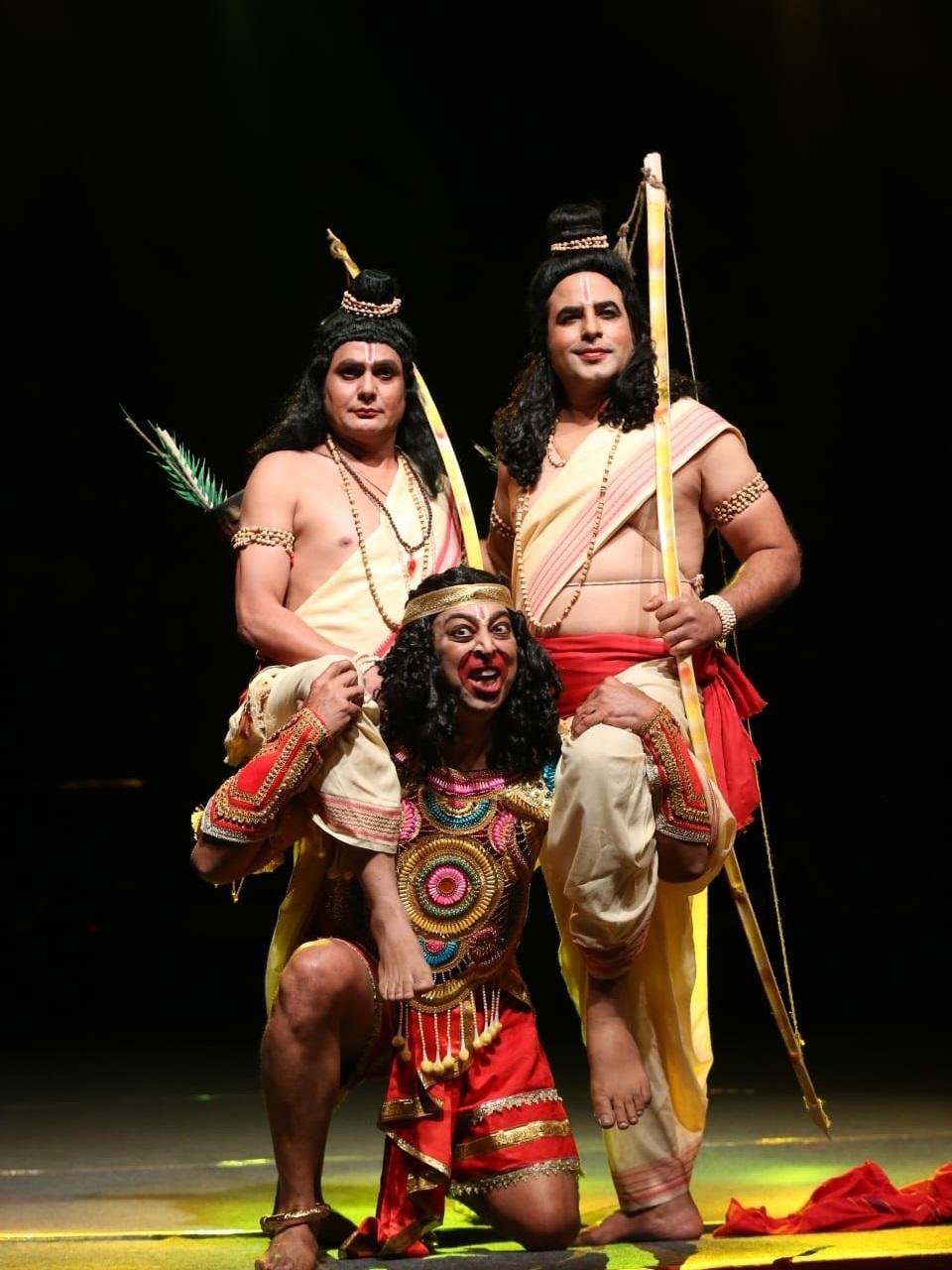
    Ramlila, literally referring to the play or enactment of Rama’s story, is a traditional form of performance based on the Ramayana.

    It is particularly prominent in North India, where communities organize performances during the festival season surrounding Navratri and Dussehra.

    Rather than presenting the entire Ramayana in one short performance, many Ramlila traditions unfold the story over several days.

    Audiences return repeatedly to follow Rama’s journey.


    A Story Shared by the Whole Community

    One of the most special things about Ramlila is that it can involve an entire community.

    People may participate as:

    ๐ŸŽญ Actors
    ๐ŸŽต Musicians
    ๐Ÿฅ Drummers
    ๐ŸŽจ Artists
    ๐Ÿ’ก Stage workers
    ๐Ÿ‘จโ€๐Ÿ‘ฉโ€๐Ÿ‘งโ€๐Ÿ‘ฆ Audience members
    ๐Ÿ™ Volunteers

    This makes Ramlila more than a theatrical performance.

    It becomes a community event.


    The Story on Stage

    Different Ramlila traditions may present different portions of the epic, but commonly include important episodes such as:

    ๐Ÿ‘ถ Rama’s birth
    ๐Ÿน Rama’s marriage with Sita
    ๐ŸŒณ His exile
    ๐ŸฆŒ The golden deer episode
    ๐Ÿ™ Hanuman’s arrival
    ๐ŸŒŠ The journey toward Lanka
    โš”๏ธ The battle with Ravana
    ๐Ÿ‘‘ Rama’s return

    The exact order and presentation can vary according to local tradition.


    https://images.openai.com/static-rsc-4/rNe-tXnHXjX4M82k207TYQdbkzV4vsEfJrldECuIM79nEgueZjgskoHSfhvKJJRndd81Ch8ivIjX0Vy9IOdPlMsAhIzw9cXl0C8LNM58zG-klOJV9f69pguiOy6W4CjjF8BxuzMSyrNBxfiLHaw6W8PK7ByBRkw6bBMrqpLYt9sU2AeN4MeoCrnA_meRNYGj?purpose=fullsize
    https://images.openai.com/static-rsc-4/80CKaL5aGCyCf3zQsxXBhSnEFlXlPY_hzifNmoLDmrfANknveBTny7b0-v72p0ojOM6yBFJf3cNQEQmoJ934yCwDYDWuo13ePFYV74pkH4g58T2pMDUgyo9Nw3-LOoUrn3nAUFUosmWL-kZ0HUVx71DlhJenHSEc2GBvYBSbyHkQSwiw268s0qxFbdskACE9?purpose=fullsize
    https://images.openai.com/static-rsc-4/ggQlIF-fr_oKL_-Oy57VW0CpkjO5eWNnwJGwMSrb9bZcXO3HxJlx66zLHYxfCI4PV_myZvMgD0VmKYKuLR66-QHC77n6wkVbw_UtJX1evSXPSCz-Diy2xUpTn0OjOPEAKvcD-LgkoaOpsDqDvXFa-y0rgjjnaeBOmt6Jq_v1AjBt9KJ0aXz-pkVO-HZmj8JO?purpose=fullsize

    Rama in Ramlila

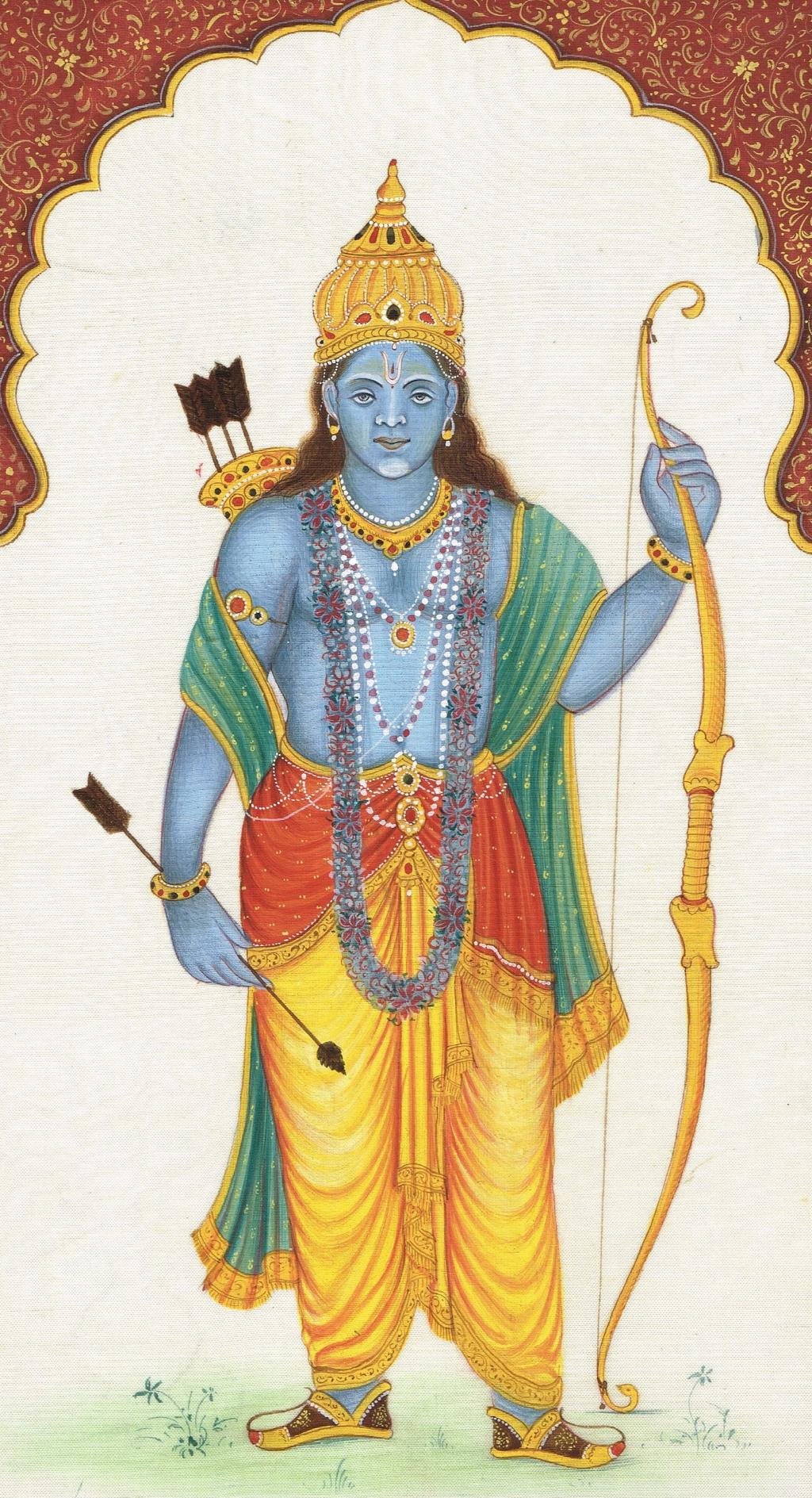
    The actor playing Rama traditionally represents qualities such as:

    โš–๏ธ Dharma
    ๐Ÿ™ Respect
    ๐Ÿ’ช Courage
    ๐Ÿ‘‘ Responsibility
    โค๏ธ Compassion

    The performer therefore has an important role.

    The audience is not simply watching an ordinary character.

    They are watching a figure with deep religious and cultural significance.


    Sita’s Role

    Sita is one of the central characters in Ramlila.

    Her scenes often portray:

    โค๏ธ Her relationship with Rama
    ๐ŸŒณ Her life in the forest
    ๐Ÿ’” Her separation
    ๐Ÿ•Š๏ธ Her strength and dignity

    Through these performances, audiences encounter Sita’s story not only as written narrative but also through visual emotion.


    Hanuman Steals the Spotlight

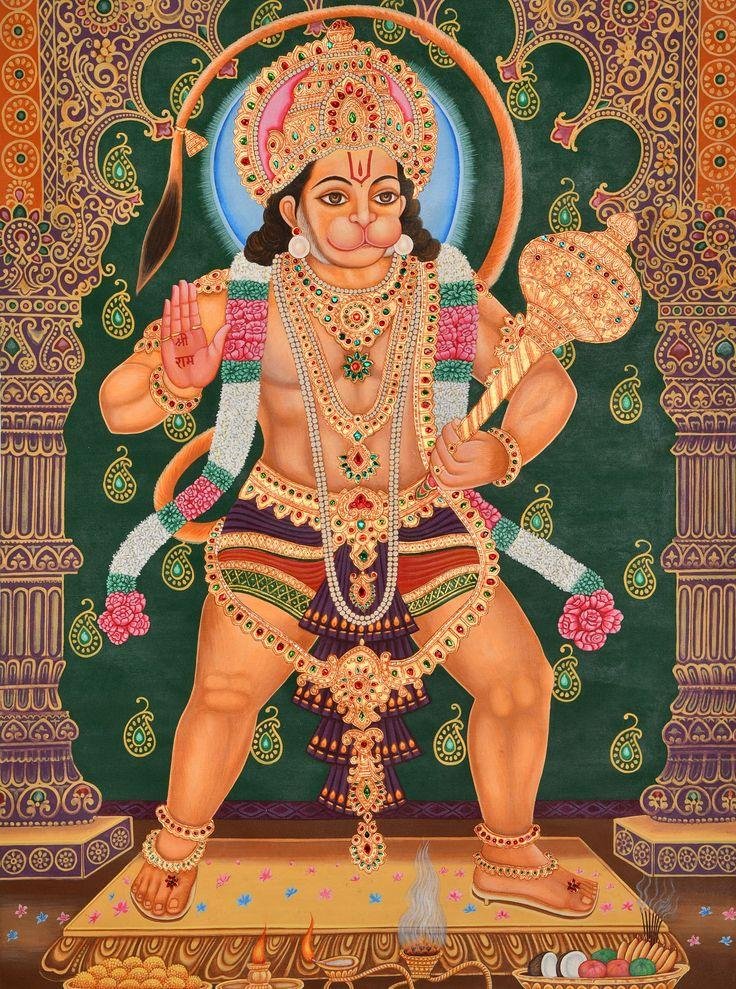
    Hanuman is often one of the most popular characters during Ramlila.

    His energetic movements and expressive performance can bring excitement to the stage.

    Children especially enjoy scenes featuring Hanuman.

    His character combines:

    ๐Ÿ’ช Strength
    ๐Ÿ˜„ Energy
    ๐Ÿ™ Devotion
    ๐Ÿง  Intelligence


    https://images.openai.com/static-rsc-4/dcBCaaoO_DbNd71reBElf88X5J4bpmhdPlUTjGSwJWvC3Fg-ns4U34fiNxU1hl2JS5UGPCChiMlrGL1SvQRDN9OZb8ZjbjBtBpRBIKVvhRPTTPf6YdQ__HH_miM-iOIYQlSvhHF4S06oCJy_VL1OUMjOK9OqDUKt5NB8_uaYcF5qrR17PZ-E6BU0smkbUJuM?purpose=fullsize
    https://images.openai.com/static-rsc-4/XrmcFr1OyBa5GogyhchywMLCWeQ-mpppJ5zMZedNIKHuM87ZfEHHocQdEF84cdfYX-z2aBq8Ar5ggyPjYumEJpxh-g3CIgUZ2Yq-KCgM-5h3x47JeE9iqTundxvbXfgvcGf788mXs9jIvyQd1Knx1dHEnpetYO36L7A7ueiA8BoLTtbJgKfQ9-03X3orq2qc?purpose=fullsize
    https://images.openai.com/static-rsc-4/R6aEEO_WIAuEiheGi5hRXrj51MGa4XhAsv9vROmXkvJgNWZtiqgeAWDq9neNXVdsOJwJXUkWI12PKfVmYKWRFiKsAR1coLd49u58E7nZOScwZG1tBs5MwF0_DS9TclIoZfKdy1Rx8YFjqrBnxJA2axTEE2OKDC2koOIDDrYS3gaEEjV1H7ER8i7MLedRcXoN?purpose=fullsize

    The Importance of Costumes

    Costumes play an important role in helping the audience recognize characters.

    Rama may appear wearing royal or traditional attire.

    Sita is presented in elaborate traditional clothing.

    Hanuman is immediately recognizable through his distinctive appearance.

    Ravana is often portrayed with a large crown and dramatic costume.

    The visual design makes the epic easy to understand, even for people watching it for the first time.


    Music and Dialogue

    Ramlila combines theatre with music.

    Performances may include:

    ๐ŸŽต Devotional songs
    ๐Ÿฅ Traditional drums
    ๐Ÿ—ฃ๏ธ Dialogue
    ๐Ÿ“– Recitation
    ๐ŸŽถ Musical narration

    The combination creates an atmosphere that is both dramatic and devotional.


    The Ramaโ€“Ravana Battle

    One of the most anticipated moments is the final confrontation between Rama and Ravana.

    The scene represents the climax of the story.

    Rama faces Ravana in battle, and the victory of Rama becomes the central dramatic moment.

    In many communities, this event is connected with Dussehra celebrations.


    https://images.openai.com/static-rsc-4/-9-hBkg2q-eh-HXP_X7JshUL-OB_tMwUfA3nGJFQpuh-r3qHl8GNbkJbxVFmHdgCeKPROIC3uGykjUwhuqse72QQzK5xTFrskAiwZfYpTWvLuxikr3K-7S-jOwtDT75-1_yF2rOI-aD7ZWMyInbrCrltgm4pnyUTcredHQsRvxW7fPzbFJ95KgENP-9W3_fq?purpose=fullsize
    https://images.openai.com/static-rsc-4/uxWrKaD7oHL1a5oXk_gMNg-CIQmrnMAF99774XQCZqrSUM8ou-syDQbqMOEOHh8R-hDEGMMHWDAuxpnK3nK_hV4aH6ABdGNfh-oF7kerHiiJHpOb9Bt96G0dwEe-lnAfPqJOe4B7XlcQiRhyF9bLuugutSwKJ9-wq32pC1yljFf0YF71e2dTkESlXRNrTxRq?purpose=fullsize
    https://images.openai.com/static-rsc-4/52rvp5KYWHlHVjTEcW6fgRzYDNHA7fNbOjQyQG6KvdiZMsAWA9yRI75pKDgdQE5-pldmwBnhiyoozeCv6bQovRVa0TH2ByHdYyAkEs2Z3w2mQVikzMgHRMfmCN88oGC_PJNJFMyqDQBpjZzsLkiytlQD_RYBhuUXuVkfXYerNlTkVum2hiMso5lHPKeCBNy7?purpose=fullsize

    Why Is Ravana’s Effigy Burned?

    A major Ramlila tradition involves the burning of large effigies of:

    ๐Ÿ”ฅ Ravana
    ๐Ÿ”ฅ Kumbhakarna
    ๐Ÿ”ฅ Sometimes other figures associated with the story

    This usually takes place around Dussehra.

    The burning has come to symbolize the triumph of righteousness over wrongdoing.

    The event also creates a spectacular public celebration that attracts large crowds.


    Ramlila and Dussehra

    Ramlila and Dussehra have become closely connected in many parts of North India.

    During the festival period, people may:

    ๐Ÿ™ Attend Ramlila
    ๐ŸŽญ Watch performances
    ๐Ÿช” Participate in celebrations
    ๐Ÿ”ฅ Watch the effigy burning
    ๐Ÿ‘จโ€๐Ÿ‘ฉโ€๐Ÿ‘งโ€๐Ÿ‘ฆ Gather with family and community

    The festival therefore combines religious tradition with public cultural celebration.


    Different Ramlila Traditions

    There is not just one single form of Ramlila.

    Different regions and communities have developed their own styles.

    Some performances are:

    ๐ŸŽญ Large theatrical productions

    Others are:

    ๐Ÿ˜๏ธ Community performances

    Some may use:

    ๐ŸŽต Extensive music

    Others may focus more on:

    ๐Ÿ“– Traditional narration and dialogue

    This diversity shows how communities have adapted the Ramayana to their own cultural environments.


    https://images.openai.com/static-rsc-4/S_cJ127kozKroxe6kMWmRjRR4c_SEn0vFZJAUgTHiQnBIKaqFUwPj1R99V62kZ3-J3VZwTUvb-iq0DywJrLmzhX0fBdkUBByW0joIdIiPfDcaqFblwtGLSiSsokIw9MHEnBODukud3zdJLzwF2Op18YOkDUSgz3S3YymjJ5cun2v0x5o3Nq8VEUI1Uar0JTG?purpose=fullsize
    https://images.openai.com/static-rsc-4/QFsuMhZ00B4PVkObSeDG3falNPcIn-NrBdqq5Pe8DKrTJohqseTTlUjWP-h68byOiJj9j01LGtUOi0-Rw88xuM6cJwx1Hoix6tA_cAlJ_Q8EhFNUyWJHycD3-QvpaZgEqWiIXyxfiOsAn3F6rSjG5blCoonfvkcrNmFiMtRkgSbf12qfurQueHHQnBbMkf0Y?purpose=fullsize
    https://images.openai.com/static-rsc-4/qgxj7KZP_BJ0SdjJxX1j_0nLF5aOlwntkCX8DT5JWCEpepNwNe3JA2yPAiO4YsEfACnKyj_NrsiBw1_rLXX3mqdkbXo7yqpuBW8g0jCx80Ez_AGFlJCqokoarALOFw66zomsBbKLR97-CNsKaFjGyVdeCFgtdeyd-C-OUf2Icd5qu6o4nr5clX9NY553aiN_?purpose=fullsize

    Ramlila as a Cultural Tradition

    Ramlila has significance beyond entertainment.

    It helps communities pass stories from one generation to another.

    A child who watches Ramlila today may grow up to bring their own children to the same celebration years later.

    In this way, the tradition becomes part of family memory.


    Children and Ramlila

    Children are often fascinated by Ramlila because of its visual storytelling.

    They see:

    ๐Ÿน Rama’s bow
    ๐Ÿ’ Hanuman
    ๐Ÿ‘‘ Kings and queens
    โš”๏ธ Battles
    ๐Ÿ”ฅ Ravana’s effigy

    For many children, this may be their first experience of the Ramayana as a dramatic story.


    Ramlila in the Modern Age

    Modern Ramlila has also adapted to changing technology.

    Many performances now use:

    ๐Ÿ’ก Modern lighting
    ๐Ÿ”Š Sound systems
    ๐ŸŽฅ Large screens
    ๐ŸŽค Microphones
    ๐Ÿ“ฑ Social media promotion

    Some productions have become very large public events.

    Yet the basic storytelling tradition remains.


    https://images.openai.com/static-rsc-4/4UPZwWGbQ34v6LseeWu8Xjyqx05_Wb2jtXye7w6wPaeB7E8wcT6Y5eSMfydPCk0bNQ6gCyZJdj1LHFqC6fx_9hOlowax8jN0xM59V0xC-9gMyeHUqC3WesqTUSYgAeiIlGwQEOgMh3fBoHmlfZvh6quEM7TPNNrVVFa2dcibdYusKcZmzPWjdNkAVfPCjsQP?purpose=fullsize
    https://images.openai.com/static-rsc-4/rlnUWRab9EkXzYD4BUmDNJPOrnlfbZjAW8IJamtKXIUbJsWtyBr6WrTJyWIvV5M6P8k3pCmppaJhD_4OFnyTklHDiIydrwH0GpZeBE190DGN_OLLUce0SoV5quubuGnyIf0weObcoCj_MSP6ZGmnN2_mZ00QbtU89Qcls6tlbRaN5QQ9nP5yfQJkFzcQsWO_?purpose=fullsize
    https://images.openai.com/static-rsc-4/4YS00K5Mx1TiCE9bB5e-RYiy8HvlY5wfKvJYAr3tg8YVnS95VjvyCsIPsksCHfsREHtilH06LOBFKuDiOyLEoHPkAjm0VhMuam1TNzweABMPnyYQ8Nrbq_IeEW7D_ZTg7zuOjZqikgWIAdKUktPullOVlCNJFjLUmYk66ykpKH9B5tPQyJzfoAt_WhUY0Iwt?purpose=fullsize

    Why Ramlila Still Matters

    In a world filled with digital entertainment, Ramlila continues to bring people together physically.

    Families gather.

    Communities participate.

    Performers prepare for weeks or months.

    Audiences experience the story together.

    That shared experience is something a screen cannot completely replace.


    Ramlila and Cultural Memory

    Stories survive when people continue to tell them.

    Ramlila provides one of the ways in which the Ramayana remains part of living culture.

    The story is not locked inside an old manuscript.

    It is performed again.

    And again.

    And again.

    Each generation becomes both an audience and a future storyteller.


    Conclusion

    Ramlila is one of the most remarkable ways in which India continues to experience the Ramayana.

    Through acting, music, costumes, dialogue, community participation and Dussehra celebrations, the ancient story becomes a living performance.

    The actors may change.

    The stage may change.

    Technology may change.

    But the story continues.

    ๐Ÿ•‰๏ธ Ramlila shows how an ancient epic can remain alive when a community chooses to perform, celebrate and pass it on to the next generation.

    In the next part, we will explore how Dussehra became associated with the Ramayana, why Ravana’s effigy is burned, and how different regions of India celebrate the festival in their own unique ways.
  • Ramayana Part 35: Ramayana in Indian Classical Dance and Theatre | When the Epic Comes Alive on Stage

    Ramayana Part 35: Ramayana in Indian Classical Dance and Theatre | When the Epic Comes Alive on Stage

    In the next article, weโ€™ll explore how the Ramayana became part of Indiaโ€™s classical dance and theatre traditions, how performers portray Rama, Sita, Hanuman and Ravana, and why the epic continues to inspire artists across generations.

    https://images.openai.com/static-rsc-4/qanQ6vHCGO0mvCZsVpfjBl0LWuCayBd17MZv86Hb0Ot5N0clOfzo_8zYives8l0VHM4c8q4AQ_YoXHUSpf8aa3Pd5gT-0EBYlxs6ccHLIH-qGYkj778rsuMEAffJgbz_lPNr6zUbAviKcN-pmkxTmuWBDnLLMfvOUxjB3qKxtIwdOLkffSxqkSuVPul2Wtwe?purpose=fullsize
    https://images.openai.com/static-rsc-4/04ctNaX8IruFfINJhale0vb8o2FVZilhLVoyUZ8NninBpKeJw8kdC5gs_chdnYYrFgFSEEu247gb9956W_mfcbv5TSLDKyieHgJMErsWlNb8dvqUFAFIi58MkGtIQduSAZBVgWRkbomVHMvucD2KCzFfMLBDpyYXZqdgXGLsHCQ_cZqV7E7Rtn6Riu2OF7vb?purpose=fullsize
    https://images.openai.com/static-rsc-4/Zt9sTX-achqBdBmflEmx9G9eY9f373uGBpc52tFohJkCdYFDoTh0Ukw_XIqCeE_-zbfgHWBwKczEXsWZnXr6M0t5glRab_4AnDIIgPppEBdNpY7e8fictsAXCBYDquly65ey4ba8ZEpkE9TjPz0_nBnMm1m_0NGY8ie4uE_1VBBSwzDM4IVfJTLGL-FI0hVl?purpose=fullsize

    The Ramayana Beyond Books

    The Ramayana has never existed only as a written story.

    For centuries, people have experienced it through:

    ๐ŸŽญ Theatre
    ๐Ÿ’ƒ Classical dance
    ๐ŸŽต Music
    ๐Ÿ“– Storytelling
    ๐Ÿ›• Temple performances
    ๐ŸŽจ Traditional art

    A performer can bring an ancient character to life simply through movement, expression, costume and music.

    This is one reason the Ramayana has remained accessible to generations who may never have read the entire epic themselves.


    How Dance Tells the Ramayana

    Indian classical dance uses a combination of:

    ๐Ÿ‘‹ Hand gestures
    ๐Ÿ‘€ Facial expressions
    ๐Ÿ•บ Body movements
    ๐ŸŽต Music
    ๐Ÿฅ Rhythm
    ๐ŸŽญ Dramatic expression

    These techniques allow a dancer to communicate an entire scene without using ordinary conversation.

    A single gesture can represent a bow.

    A facial expression can show sorrow.

    A movement can represent travelling through a forest.

    Through these techniques, the Ramayana becomes a visual experience.


    Bharatanatyam and the Ramayana

    Bharatanatyam, one of India’s major classical dance traditions, has a large repertoire of stories drawn from Hindu devotional literature.

    Episodes connected with Rama have been performed through dance for generations.

    A performance may portray:

    ๐Ÿน Rama’s character
    โค๏ธ Sita’s devotion
    ๐Ÿ™ Hanuman’s bhakti
    ๐ŸŒณ Life in the forest
    โš”๏ธ The battle with Ravana

    The dancer does not simply narrate the story.

    They interpret the emotions of the characters.


    https://images.openai.com/static-rsc-4/04ctNaX8IruFfINJhale0vb8o2FVZilhLVoyUZ8NninBpKeJw8kdC5gs_chdnYYrFgFSEEu247gb9956W_mfcbv5TSLDKyieHgJMErsWlNb8dvqUFAFIi58MkGtIQduSAZBVgWRkbomVHMvucD2KCzFfMLBDpyYXZqdgXGLsHCQ_cZqV7E7Rtn6Riu2OF7vb?purpose=fullsize
    https://images.openai.com/static-rsc-4/9Z4EKyhw2MdSe_JoSDn3Lx069WAGqg3ujfl_3-kPPbjdlj6z8d5OhTb6G8i1H1t5RoWx_PigkknYiq1JO80zGMWWYizrqnyiEpdT1WOYQ3-GHMdGiiav9ybVlM7j-NtcudHQp_KVopk8ZEd7rqvce_fz6Rbv8rkNVh0x5QuAPcYOKTjErHR1EvkzsyZ2sAg6?purpose=fullsize
    https://images.openai.com/static-rsc-4/lFjPBPNc3jsGI8pA8JHm1G4PhZHRcLUMLxfBR1MCCMfdZvZeuEdaOIpMGmDmFOy_Tv5JFBSiQ6sSVFWTbluZISzBl4aRSIQmak4QK6cXTBjC-viGWnL25GQbFGOzdcX3yCDWaZL1H3BcczF8wTKDLlY7FLu0E7LiUlkjO-1WjzL_b2tID_cfDD4i1Ksv015M?purpose=fullsize

    Kuchipudi and Rama Stories

    Kuchipudi, the classical dance tradition associated with Andhra Pradesh, also draws on stories from Indian mythology.

    Ramayana episodes have appeared in Kuchipudi dance-drama traditions.

    Performers combine:

    ๐Ÿ’ƒ Dance
    ๐ŸŽญ Acting
    ๐ŸŽต Music
    ๐Ÿ—ฃ๏ธ Dialogue
    ๐Ÿฅ Rhythm

    This combination makes Kuchipudi particularly effective for storytelling.


    Kathakali โ€“ The Ramayana in Kerala

    One of the most visually dramatic ways of presenting stories from Indian tradition is Kathakali.

    Originating in Kerala, Kathakali is famous for:

    ๐ŸŽจ Elaborate makeup
    ๐Ÿ‘‘ Large costumes
    ๐Ÿ‘€ Expressive eyes
    ๐Ÿคฒ Hand gestures
    ๐Ÿฅ Powerful percussion

    Ramayana stories have an important place within the Kathakali repertoire.

    Characters such as Rama and Ravana can appear dramatically different through costume and makeup.


    https://images.openai.com/static-rsc-4/Zt9sTX-achqBdBmflEmx9G9eY9f373uGBpc52tFohJkCdYFDoTh0Ukw_XIqCeE_-zbfgHWBwKczEXsWZnXr6M0t5glRab_4AnDIIgPppEBdNpY7e8fictsAXCBYDquly65ey4ba8ZEpkE9TjPz0_nBnMm1m_0NGY8ie4uE_1VBBSwzDM4IVfJTLGL-FI0hVl?purpose=fullsize
    https://images.openai.com/static-rsc-4/mFCS1buu5s1l-OSrkSEHaM0YfwG23uJ4WS9wbaNgmCrSPD701GlGMzHSHPg6XqueATGpGQqoBJoPPOyiTTZh1G-MXJ92EeDrl2sH0Q1xUvFg_hcZYMGYWX6miBvzrcv_aU1wM0rba90xarAW1gElT95VahAXZLacNvBzn7qwoJQ17R_PvuFnsbEkJ9IhX4-1?purpose=fullsize
    https://images.openai.com/static-rsc-4/k5Xb3uFX5aFWhDDZVDbGoGvUOi9G5IxoNHOGkG6tjPXfLYQznU9JSZFSjW7auxxBkmQQRTYoge_1BAuC2enpWJd_-iRbkI8NSSmoLep6gYslpMGOnYFVWvz6r8iLbLcMVf5kZj0cM60qdnTMTE5i6eo3bAGc-Ld1q_fJ0-dE1KEMEhqVjQz6qoctjMlAuSlU?purpose=fullsize

    Yakshagana and the Ramayana

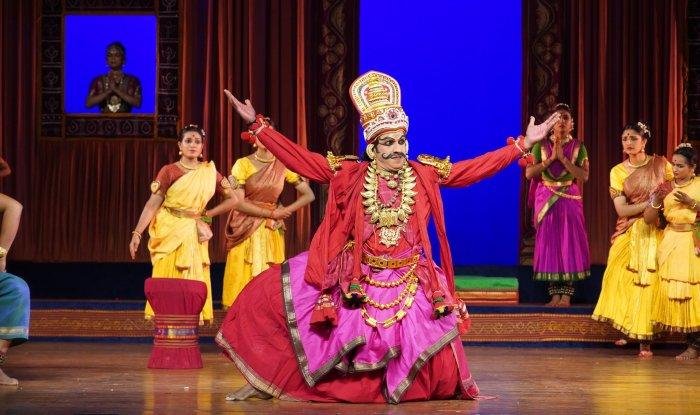
    In Karnataka, Yakshagana combines theatre, music, dance and elaborate costumes.

    Ramayana episodes are among the stories performed in this tradition.

    The bright costumes and energetic movements make the performances visually striking.

    The audience does not merely listen to a story.

    They watch the characters interact, fight, speak and express emotion on stage.


    Ramlila โ€“ The Ramayana as Community Theatre

    One of the most famous theatrical traditions connected with the Ramayana is Ramlila.

    Ramlila performances are especially associated with North India.

    They traditionally present episodes from Rama’s life through community performances.

    The performances can take place over several days or even longer periods depending on the local tradition.


    https://images.openai.com/static-rsc-4/cc4R-W-BjahAED8vQFE5ddLKcLngHf0JMUImvoAhURkoIxywIY0p11kR-_5f9R0reS2TCXHmDvhRM44H2rXCmQ2P5Bdc5JjsSJlby5aQOe6zz3foias6xEqrxsauMT7Brf0_U-Oqfl5KigAx9U42zGvjQ8PfN9YK8T5vSNdMj20mPIjKeyVigpcOPfMgx8T-?purpose=fullsize
    https://images.openai.com/static-rsc-4/1binHaGztiAcftP2Njm3lsJIx1ZIN2r-QUogTaVjRgwSINpkLTO4C931b4qBukSk3WAQ7ZlkPZ9RR8P3ajHA1lPC2h7fqzd-CK1U6BZvCAztMgjqSCYxlN0fpI44FgvjyLjO9GovzBBMfDqsGcRE3xvt6Gju78Q2c3VMwOatDlBoRFf4mWFwxGDIsQjgr9B7?purpose=fullsize
    https://images.openai.com/static-rsc-4/uxWrKaD7oHL1a5oXk_gMNg-CIQmrnMAF99774XQCZqrSUM8ou-syDQbqMOEOHh8R-hDEGMMHWDAuxpnK3nK_hV4aH6ABdGNfh-oF7kerHiiJHpOb9Bt96G0dwEe-lnAfPqJOe4B7XlcQiRhyF9bLuugutSwKJ9-wq32pC1yljFf0YF71e2dTkESlXRNrTxRq?purpose=fullsize

    Why Ramlila Is Special

    Ramlila is not simply a theatre show.

    In many communities, it becomes a social and religious event.

    Families gather together.

    Children watch the performers.

    Musicians accompany the scenes.

    Local communities participate in organizing the event.

    The story therefore becomes part of community life.


    Rama and Ravana on Stage

    The confrontation between Rama and Ravana is one of the most dramatic moments in many Ramayana performances.

    The actors use:

    ๐ŸŽญ Costumes
    ๐ŸŽต Music
    ๐Ÿฅ Drums
    ๐Ÿ—ฃ๏ธ Dialogue
    โš”๏ธ Stage combat

    to create the atmosphere of the epic battle.

    In many places, the performance culminates around Dussehra, when Ravana’s effigy is traditionally burned.


    Hanuman โ€“ A Favorite Character of Performers

    Hanuman often becomes one of the most energetic characters on stage.

    His role allows performers to combine:

    ๐Ÿ’ช Physical movement
    ๐Ÿ˜„ Expressive acting
    ๐Ÿ™ Devotion
    โšก Energy
    ๐ŸŽญ Humor

    This makes Hanuman particularly memorable for audiences, especially children.


    https://images.openai.com/static-rsc-4/XrmcFr1OyBa5GogyhchywMLCWeQ-mpppJ5zMZedNIKHuM87ZfEHHocQdEF84cdfYX-z2aBq8Ar5ggyPjYumEJpxh-g3CIgUZ2Yq-KCgM-5h3x47JeE9iqTundxvbXfgvcGf788mXs9jIvyQd1Knx1dHEnpetYO36L7A7ueiA8BoLTtbJgKfQ9-03X3orq2qc?purpose=fullsize
    https://images.openai.com/static-rsc-4/CaIehb5HcKQy45XT2Df043jABZf7f_AaaJFpx9zQQRvWLtBFVlCD3zjnK102tguWT-GyG__mXVWnlKAvqnbKjUGhh66JaPLbos0ZZbTU1uP7ctLLgMnRJuoVgXL5tvqU8hLmxXsD1MYJMV-M_PEyueVkVPSa_elrbddFpqk-5-kB3RyQeIDp18tZoev1Kze9?purpose=fullsize
    https://images.openai.com/static-rsc-4/ggQlIF-fr_oKL_-Oy57VW0CpkjO5eWNnwJGwMSrb9bZcXO3HxJlx66zLHYxfCI4PV_myZvMgD0VmKYKuLR66-QHC77n6wkVbw_UtJX1evSXPSCz-Diy2xUpTn0OjOPEAKvcD-LgkoaOpsDqDvXFa-y0rgjjnaeBOmt6Jq_v1AjBt9KJ0aXz-pkVO-HZmj8JO?purpose=fullsize

    Dance as a Language

    One of the remarkable aspects of Indian classical dance is that it can communicate without lengthy dialogue.

    A performer can show:

    ๐Ÿ˜ข Sita’s sorrow
    โค๏ธ Rama’s affection
    ๐Ÿ˜ก Ravana’s anger
    ๐Ÿ™ Hanuman’s devotion
    ๐Ÿ˜จ Fear
    ๐Ÿ˜Š Joy

    This expressive language allows audiences to experience the emotional side of the Ramayana.


    Regional Differences

    The Ramayana may be the same broad story, but performances differ greatly between regions.

    A Bharatanatyam performance may focus heavily on expressive dance.

    Kathakali may emphasize dramatic makeup and physical acting.

    Kuchipudi may combine dance and dialogue.

    Yakshagana may use elaborate costumes and energetic theatre.

    Ramlila may involve an entire community.

    These differences demonstrate the remarkable adaptability of the Ramayana.


    https://images.openai.com/static-rsc-4/dH06f-UlUUZJv3WC51EeOS_GGY48R-WHyS3hp_CGyOBW_vnPtBuPSQA82vuJarsiLJ1nr-sFWQBeLbGGxBG9mw4dIOWDb1munWQz2QXz0YsBucWVnIUayOGUrkGeCHQ9TRC1HAI50oDJQExpWVNjpss1TDA_23Jn6HF22hMmzEch2pjPzyG7qpsayWW-Urqq?purpose=fullsize
    https://images.openai.com/static-rsc-4/uz609VyqJsk90t0Z_IsUb-8yakvIpZ0ZgYrIxOWSqjOh5NeKe6YPQuTw4vEcK-Ttr0qVFYMC6NkeqX4ovI5cJOtLrNgfDGYaphzcdpCLp8E0YPxUtcbu3wr3u6GZ7UXqwm-yvI8Gl5p-dIPxyuiIVl1mtOiroV6jPL7BuFwy0cfIMboPdVcJhvn4YHlTAFcK?purpose=fullsize
    https://images.openai.com/static-rsc-4/p6MeS8gP4zy4jLipFuFYSBM27c9ZqWdFVSruH1EmxBk8C5jhhHfjqMJvAw-dAHLPt6EjeAY8cUjJjrg0n5S7Y4hAMFkbdK6r65Zl5i3Yc2FZj29ey348Jra_548gHs3toB8qgQ_zQ1RGIN9vrqJ3TD0i0-7KC9KkKjRO25-AjkvKdjZEi_Syd50WZOJsOIXb?purpose=fullsize

    The Role of Music

    Music is essential to many Ramayana performances.

    Different instruments can create different moods.

    ๐Ÿฅ Drums can create the atmosphere of battle.

    ๐ŸŽถ Melodies can express sorrow.

    ๐ŸŽต Devotional songs can create a spiritual atmosphere.

    Music therefore helps audiences understand the emotions of each scene.


    From Temple to Modern Stage

    Ramayana performances have changed over time.

    Traditional performances continue in many places, while modern productions may use:

    ๐Ÿ’ก Stage lighting
    ๐ŸŽค Modern sound systems
    ๐ŸŽฌ Large sets
    ๐Ÿ“บ Television
    ๐ŸŽฅ Film techniques

    Despite these changes, the basic characters remain familiar.


    Why Artists Continue to Choose the Ramayana

    The Ramayana offers artists an enormous range of emotions and situations.

    It contains:

    โค๏ธ Love
    ๐Ÿ˜ข Separation
    โš”๏ธ Conflict
    ๐Ÿ™ Devotion
    ๐Ÿ‘‘ Royal life
    ๐ŸŒณ Adventure
    ๐Ÿ’” Loss
    ๐Ÿ† Victory

    For an artist, this provides countless opportunities for creative expression.


    The Ramayana as Living Culture

    A book can preserve a story.

    But performance can make people experience it.

    When a dancer portrays Sita, an actor becomes Rama, or a performer plays Hanuman, the audience encounters the epic in a new form.

    This is why the Ramayana continues to live through performance traditions.


    Conclusion

    The Ramayana has inspired Indian classical dance, theatre and community performances for centuries.

    From Bharatanatyam and Kuchipudi to Kathakali, Yakshagana and Ramlila, artists have found different ways to bring the epic to life.

    The languages, costumes, music and performance styles may change, but the central characters continue to remain recognizable.

    ๐Ÿ•‰๏ธ The Ramayana survives not only because it is remembered, but because generation after generation continues to perform it.

    In the next part, we will explore Ramlila in greater detail โ€” how communities perform the Ramayana, why Dussehra became closely connected with these performances, and how this tradition became one of India’s most recognizable forms of cultural theatre

  • Ramayana Part 34: Sacred Places of the Ramayana | The Journey of Rama Across India

    Ramayana Part 34: Sacred Places of the Ramayana | The Journey of Rama Across India

    In the next article, weโ€™ll explore the important places associated with the Ramayana tradition, from Ayodhya and Mithila to Chitrakoot, Panchavati, Kishkindha and Rameswaram, and how these locations keep the memory of Ramaโ€™s journey alive even today.

    https://images.openai.com/static-rsc-4/htdZuPHADQzh5lHnWMGkiuBXuIcTEGtKZV7QU57PCrJOOOazIoziJLwC9knbB3Tu_cNcSKru--vi14hcgQRLZ6-1rcIqaa7a3v9fQK9qZWxs1Co3zL6560SSnoV9bRfsGjJld2sWomGvcyL-Y5qJ1yGZ54HJaKC7soa9avtibCwZiadr0D1jjd3JD9fOylci?purpose=fullsize
    https://images.openai.com/static-rsc-4/glxkKHBV6Yo7_Rg4cQVlaYIe5f6VGts6I2za5i5KYj8if2hnKcBKtgqWHR6dzzjOxJq1dOpqwNOI26tfOrsNMbpqMVoSau8rpe79eUKsdLAbuZ-uHJr8N42enzUexwcSTBfh7YpWNTEw1oZ8At0x0KbcF-JDpTuXdhUb89x48RSCtHq-u4DfxQvQxwAQVidZ?purpose=fullsize
    https://images.openai.com/static-rsc-4/G0WdD7K3OKxSUGHhhnJqJ5dNq9WIvkrWr2kpryXXlyd3x149DA02_5xQhlq4onw7U4wDvbwauHc7DtCRKv-MxCdSYvN6cjK7el9py4S1GwL9OcYLFb2hO2UNwqhAydm7dhAdCgwjxsoeEInoWhlZJc_v0L98b5-ZIVBkLJCFs5cU72BRhr4MOpjGx-tLbJ23?purpose=fullsize

    The Ramayana Is Also a Journey Through Places

    The Ramayana is not only a story of people and events.

    It is also a journey across landscapes.

    Rama’s story takes us through:

    ๐Ÿฐ Kingdoms
    ๐ŸŒณ Forests
    ๐Ÿ”๏ธ Mountains
    ๐ŸŒŠ Rivers
    ๐Ÿ›• Sacred places
    ๐Ÿ๏ธ Distant lands

    Over generations, many of these locations became connected with the Ramayana through literary, religious and local traditions.


    1. Ayodhya โ€“ The City of Rama

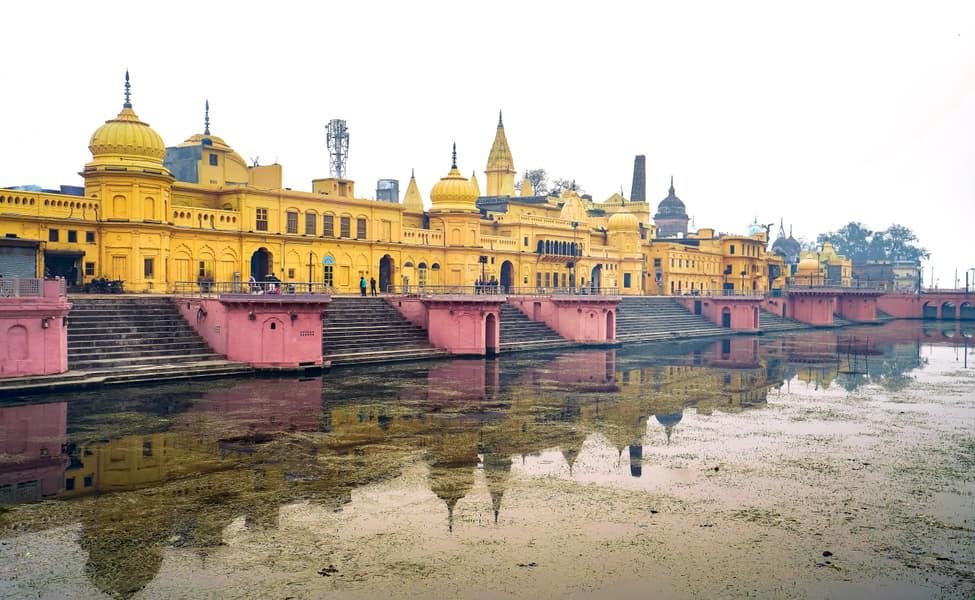
    The journey begins with Ayodhya, traditionally regarded as Rama’s birthplace and the capital of the kingdom of Kosala.

    Ayodhya is associated with some of the most important events in Rama’s life:

    ๐Ÿ‘ถ His birth
    ๐Ÿ‘‘ His royal family
    ๐ŸŒณ His departure into exile
    ๐Ÿฐ His return
    ๐Ÿ‘‘ His reign

    For devotees, Ayodhya remains one of the most important sacred places connected with Rama.


    https://images.openai.com/static-rsc-4/3r4z9lyowmSRvTaPHSD2MhoYFwRz6PmACV5-o0rM73Cq0GV-M874r10NPXPEd1NbOYd7lSQG9_eeEMvqcLS_aw7ZwFBy2IuTLmYfI7HYKQ3TFEEdkIgatA8faRJsi_NUqfDyv2zxD10B_OwjT3KeUBUKh8DvMNMycdiEPvhbKCf51DS7Kj7vxHSTj3WwpOQL?purpose=fullsize
    https://images.openai.com/static-rsc-4/scq2A7iJP9AlOke-X942VEpA_5zm6FuaQw5aH45C8YogkovLtqNFNyeQ_aXsyzY0tYB2bGSnU67PVD3TgK7qUdvyV5uo1zmoeWl-ho_rP6vDm4Fe-Ns0tduysknQFbdBR5z5nb-p8rFRicD-9CEk7jgoDkKT-YP8aIf-P_tJOeeKKSPX1ur__bFMdUoGpe9R?purpose=fullsize
    https://images.openai.com/static-rsc-4/JlvoIxiB3Sbv9VvIbk6tUfSnrWg4Aqe1Fjc3lvbGPCI6h1EUgktAmsYLVDWfRrE_QGjQK222eh5-QQmvmtnDTB3yYy02fAcAwAGCS9Meoz7mmhE5VI1WvY0pR2pA5EbjgRQSkPdyuxYyXuk2712VT-pSjS15cM6hlBl20ksRoxFPwoyLr4Qm4SLyaJkfSb1C?purpose=fullsize

    2. Mithila โ€“ The Land of Sita

    Mithila is traditionally associated with Sita and her father, King Janaka.

    The ancient region of Mithila covers areas that today lie in parts of northern India and southern Nepal.

    The city of Janakpur, in present-day Nepal, is particularly associated with Sita and the story of her marriage to Rama.

    The Janaki Mandir is one of the most famous landmarks connected with this tradition.


    3. Chitrakoot โ€“ The Forest Years

    Chitrakoot is traditionally associated with the period when Rama, Sita and Lakshmana lived during their exile.

    The region is known for its forests, hills and rivers.

    According to tradition, Rama spent an important period here.

    Chitrakoot therefore became a major pilgrimage destination associated with the exile portion of the Ramayana.


    https://images.openai.com/static-rsc-4/f9q-5qTAc7NL5057Lss9lpLGZ--74CiavxxIDSRJW5DBIWRZq78NJmm7CXf8lbE53JkG1UdEFt_Il6A25NfmJqn6x08ZV4rptqd1L_GXRG3epYlP5hab-xg1JZ40KCBAO3OTDRHzm1CsUNqP44ajtFEkK2rpO3HwzAX8VxiIbZ3Mhvr5iAHvx2GUUNUPT6xI?purpose=fullsize
    https://images.openai.com/static-rsc-4/HhpDIqwin5CumFe6fEe9jHKyuE4Zn7rvn41Vfm2kAUQqvavhpkpRuYav2uPqrVIrghALu7onrfiw1Ccy1yvUDQEBJFZDH7SdXHKJFVz9DBRtIupSyoUzIdiVyhfgDiGeba0iXBT2C1Xu3F1PaWmuu1_TsHrqyKN18q1mfc7pzmw8TOvKphEfMRZrOHFw_Db8?purpose=fullsize
    https://images.openai.com/static-rsc-4/glxkKHBV6Yo7_Rg4cQVlaYIe5f6VGts6I2za5i5KYj8if2hnKcBKtgqWHR6dzzjOxJq1dOpqwNOI26tfOrsNMbpqMVoSau8rpe79eUKsdLAbuZ-uHJr8N42enzUexwcSTBfh7YpWNTEw1oZ8At0x0KbcF-JDpTuXdhUb89x48RSCtHq-u4DfxQvQxwAQVidZ?purpose=fullsize

    4. Panchavati โ€“ The Forest of Important Events

    Panchavati, traditionally identified with the area around present-day Nashik in Maharashtra, is another important location in the Ramayana tradition.

    The forest period here is associated with several major events.

    It is traditionally connected with:

    ๐ŸŒณ Rama, Sita and Lakshmana’s residence
    ๐Ÿ‘น Surpanakha’s encounter
    โš”๏ธ Conflict with Khara and Dushana
    ๐ŸฆŒ The golden deer episode
    ๐ŸŒฟ The events leading to Sita’s abduction

    Because of these associations, Panchavati remains an important pilgrimage area.


    5. Dandakaranya โ€“ The Great Forest Region

    The Ramayana describes Rama’s journey through extensive forest regions.

    Dandakaranya is traditionally associated with a large forested area of central India.

    It was not simply one small location but a vast geographical region described in the epic tradition.

    Rama, Sita and Lakshmana are traditionally associated with travelling through these forest areas during their exile.


    https://images.openai.com/static-rsc-4/9cD0TnPQ6YtXGCtbSheW-hxtBAgRGnr9E0LVtGxxJVHkArGnwSQhbE1vHAEWrs5c5OMbBeLtFXog6kfop-P4xwSN976dVEEmcHDaOQa7GjD0rHZgM2tZ5rsfO3rlWE5vi1YSaUghiEQuDBOv8znLuU5gEwvA7aQiciJKSMeyXoqAhnyIfSrsX0Yy6QRPyD6t?purpose=fullsize
    https://images.openai.com/static-rsc-4/jg8Hmis-gZab9CUElkhHTawlogcag8A_LcsFBsW9jri4Qtw02i7BwzID6hbHHPpK7rSpRX4WI02-uOqEZ4-1pYbfXzw6Vo-0fv0vxVw4FtzuiZzaEUjTl3PsHnZYJU5leIbIkpYvBtIXuvOYSM3apSYrvTCdZ6BzOFQHY3ZEPR1DGVed-joo-dnoL0KQ1Pnl?purpose=fullsize
    https://images.openai.com/static-rsc-4/rkEziLGHinNCKRYf8zlptql_CcKGm83K_lWzsxBTYjJj_7ZBXkXIIBRJY8e_kdFwEmFF3j-drXj9_9Q6DSnf5Cr8Q2UwKZhrR3bSpVjAxSqGmDZYgkjVeaM7CkVMvrogW1_4HHxVndMup5Fsar3Dfr_fwxKlkRoU8YuHS8S2aUL4Wl8nZDplEn6n3mQpgUaY?purpose=fullsize

    6. Kishkindha โ€“ The Land of the Vanaras

    The story then moves toward Kishkindha, the kingdom associated with Sugriva, Hanuman and the Vanara characters.

    Kishkindha is traditionally identified with the region around present-day Hampi and Anegundi in Karnataka.

    The landscape contains rocky hills, caves and rivers that have become strongly associated with the Ramayana tradition.

    Places in the region are connected by local tradition with episodes involving:

    ๐Ÿ’ Hanuman
    ๐Ÿ‘‘ Sugriva
    โš”๏ธ Vali
    ๐Ÿน Rama


    7. Rishyamukha Mountain

    Rishyamukha is traditionally associated with the period when Sugriva lived in fear of Vali.

    It is also where Rama and Lakshmana encountered Hanuman in the traditional narrative.

    That meeting became one of the most important turning points in the story.

    Rama gained a devoted ally.

    Hanuman found the person to whom he would dedicate himself.


    https://images.openai.com/static-rsc-4/B0cGmjEvyd1TlM5IuLPmXqg0tr1-oERNc0ScuzzalGgbJjnz7VP_tIfj3ndY_SUUf5zGQebjbthIs-QyxUxVauDo_JZiNDcAox-gp52ySiqVWlaw4EUyVoK7BT2y5rEDUg_nQygEYHqKiKOUDWOtk7R2gFv-jrU-CW8giIu3Yijh95489B-vijbjf8IW5nOZ?purpose=fullsize
    https://images.openai.com/static-rsc-4/KWMQ4R1_PrdUEkBGtGS-3I_8bb7sklcMJ_90dNQlhe2k01obnLJ-Wu7PUK4z7lKljkfR_AzrzUFMBhUWtsxTuREABE4yphIJsiF88fm5wQ-WQR2doFGXUF9ozHkUeVb8REuTPHHJgncBpoDtUVgosHcQPJ3Ghj9g3eCMPy2yfBYmIE0MDjSunewewuvXBcTY?purpose=fullsize
    https://images.openai.com/static-rsc-4/GCLbkMKjx6JIqsom0TvSHhy892KuMT9wAPC-KXYR6vGc8NlX4yyM0uVUkOQKPV_s848XOUmoSEJPMea2kOvnK6M2PUGHTZcGGswQD3SRaWXpvlvNmJCpfPa9jrnamS6tDBqip6HiwQyCRLvEJ3ah27AKDeUcoNl61Xj2FxbavQTKvMpSzgLfz2J_6WLq2TmX?purpose=fullsize

    8. Rameswaram โ€“ The Southern Journey

    The story eventually moves toward the southern coast.

    Rameswaram, in Tamil Nadu, is traditionally connected with Rama’s journey toward Lanka.

    The area is especially associated with the worship of Shiva and the tradition surrounding the Ramanathaswamy Temple.

    Rameswaram is therefore important both within the broader Ramayana tradition and within Hindu pilgrimage.


    9. Rama Setu โ€“ The Bridge Toward Lanka

    One of the most famous geographical features associated with the Ramayana is Rama Setu, traditionally described as the bridge built by Rama’s forces toward Lanka.

    The Ramayana describes the Vanara army constructing a crossing over the sea.

    The story of the bridge has remained one of the epic’s most memorable images.


    https://images.openai.com/static-rsc-4/VjsbT3sIG8eU0q1I3NveIzUM-mFzATKglQJWbgeISrafUutNxEatGQC_9RB7mz5v3RHEUudSYPCHhakeHO0UW82CumykjZCjT0-JH6wu-Ok75awIJifuP7GvS2m8dRIkyQCPpoYP_U-PGfTeZT5i0cV2WwWMXJPf2A5TrQ92I1gquXQMLYT5YK9r_Dvy3y3J?purpose=fullsize
    https://images.openai.com/static-rsc-4/tj1YYBfchPzzv-9mfo_6zAEhl-RYiI7NKdR1DlJmliHLKO8aisDGJYorynOxGECHPCjR8bruVrG-rapayNFUgEI1o6mY5LvJ5pfpHfWXrmdynzKtaNHKq9O6nGeFpRx3mAG26EDPuGjuG007p4N9-BJeIfYqu_vgbP3SI_zVpJrNf54nhnZINwNqFsHyW3-K?purpose=fullsize
    https://images.openai.com/static-rsc-4/ds9S68E1nAgJNJ9sh9hQrUITvY5o69kXU4UyJTvM3EPtVG-YqgEBVzVm8BzoAQ9fC3nHiO8uHj-xI6abQtXcVvCJSLeu7zpAXc4GwGPz_HVq-cC-x-DLhiF3074BgCHuVNMS-ejEhd9rdkhRzQsIeKrOMmkyl6mjo3fgW9SymVVMZD1K4yG5TMXwOn7YL7pR?purpose=fullsize

    10. Lanka

    The final major geographical setting of the central Ramayana story is Lanka, the kingdom ruled by Ravana.

    The epic describes Rama’s army crossing the sea and fighting a great battle there.

    The identification of the Lanka of the Ramayana with the modern island nation of Sri Lanka is a subject surrounded by different traditions and interpretations.

    It is therefore useful to distinguish the epic’s Lanka from claims about exact historical or archaeological identification.


    A Journey Across India

    When we look at these places together, the Ramayana becomes a remarkable geographical journey:

    Ayodhya โ†’ Mithila โ†’ Chitrakoot โ†’ Dandakaranya โ†’ Panchavati โ†’ Kishkindha โ†’ Rameswaram โ†’ Lanka

    Each place is associated with a different stage of the story.


    https://images.openai.com/static-rsc-4/-dZH2Hq-d_9cWnNGjCUzPRxH5AdG5Wa_aC25VzyQdYSZoCUWXRCVVvenZZj-8jeaTbmeIsUmEw4jUvrp9MN5eWTOCLEhH8ZgGGaux1JFafrJRNlfyc4ZYmsW8OY4kLf-sn4exVy7hDNXbCLrHSZ8nw-UQUJ8bEOLYeafY1fXcAksJ3QlGhPJ4Eej9w_cPV27?purpose=fullsize
    https://images.openai.com/static-rsc-4/uS3moPsgi8sAQzqrhIsEb9ePcp4x55A2zkwUf8IgP1tO6vH9KC14Y6diE1gzmMygl0PxeHLS15Jqy0UWWMyjKbwpcJggyvtHzf3jWqzgkpd_TWdWq1Zf-7qoNEA93IhFZe8w95C5RTKgm2aJGranRtsV7qny2-PZbRpkktCEC3_zDzFxy5ymbBT5JOe-2TU5?purpose=fullsize
    https://images.openai.com/static-rsc-4/OtuBy6Pu7Htv_SPf31j955GEGduCg2ZDyUUMlPpP47D0SAUObns2YSo4yztZ7m1Oa4Wds33tPU7njZaVz9uGjhztDeKxXEEQzLV3f_ZtD933WTZfXM06e_H5d1ca-_wWMyi-5zRBLiy6Lwaak48XzIS5YTPBWFGzSmFmTyYzo5m4TmOm5Qw0JU38uEZW89Kj?purpose=fullsize

    Why These Places Matter

    For millions of people, these locations are not simply geographical points.

    They are connected with:

    ๐Ÿ™ Pilgrimage
    ๐Ÿ“– Storytelling
    ๐Ÿ›• Temples
    ๐ŸŽญ Local traditions
    ๐ŸŒฟ Sacred landscapes
    ๐Ÿ‘จโ€๐Ÿ‘ฉโ€๐Ÿ‘งโ€๐Ÿ‘ฆ Family traditions

    People visit these places to experience the landscape associated with stories they have heard since childhood.


    Tradition and Historical Evidence

    It is important to understand that the connection between a modern location and a Ramayana episode can come from religious tradition, local memory and later pilgrimage practices.

    Not every traditional identification can be established as a historical fact.

    This does not make the tradition unimportant.

    Instead, it shows how stories can become deeply connected with landscapes and communities over long periods of time.


    The Ramayana as a Pilgrimage Journey

    For devotees, travelling to these places can become a way of experiencing the Ramayana physically.

    Instead of only reading about:

    ๐ŸŒณ The forest
    ๐ŸŒŠ The river
    ๐Ÿ”๏ธ The mountain
    ๐Ÿ›• The temple

    they can visit landscapes associated with the tradition.

    This creates a powerful connection between story, geography and devotion.


    Conclusion

    The Ramayana is not only a journey through the lives of Rama, Sita, Lakshmana and Hanuman.

    It is also a journey through places that have become deeply connected with Indian cultural memory.

    From Ayodhya to Mithila, from Chitrakoot to Panchavati, from Kishkindha to Rameswaram, each location carries its own traditions and stories.

    ๐Ÿ•‰๏ธ For generations, these sacred landscapes have allowed people to experience the Ramayana not only as a story they read, but as a journey they can remember, visit and pass on.

    In the next part, we will explore how the Ramayana entered Indian classical dance, theatre and traditional performance, and how ancient characters continue to come alive on stage.

  • Ramayana Part 33: Hanuman Worship Across India | Temples, Traditions and Festivals

    Ramayana Part 33: Hanuman Worship Across India | Temples, Traditions and Festivals

    In the next article, weโ€™ll explore how Hanuman is worshipped across India, the different forms in which he is represented, the traditions followed in Hanuman temples, important festivals, and why devotees continue to turn to Hanuman for strength, courage and devotion.

    https://images.openai.com/static-rsc-4/tjWN73dJJJRBxUHQBgDKp2awTXc8rq34zT3RFJGUlHZW3Nw38G0iurBKzUhqXANQCQ6H7y_OKm0MTkyf_Aa1p-ZIezEreowsfRlyDmwtcosAQyVM9dQjBzqeAqHFCL-an7jpLfZHB1MgX8_yM95E5SPZvvGweMju84rTsdugbtMOPz-bsyioFVcoG9d04HmA?purpose=fullsize
    https://images.openai.com/static-rsc-4/4cdXXe3dJkJF1P-WkEAkuzdCd-NhrHRdCj-TgEDG0Ac4VWqj7E5mib57uFf9138JRWD1-N4G38My4nAc2Yqy7ei9AgVP8t_JfUCiCpd2-kgldGDgpDeeIv4y_vk4eoo54oOA0Hn0IWDJUQeP-B6IuwNg1gcU-BvMGGT_zvZ1_w1b7j0I9kAKmc6vT8JWuf4h?purpose=fullsize
    https://images.openai.com/static-rsc-4/Kej4tMvoOEVI5g3iCwVfVQHVdANIbVlqUQRLAyySLmW_jeDLQmyBvAUaR02WnyRTSl8UTUG5gN3eqhLV9CPZZYZlZmUFXzGwz3Rr7Bu76hEKLC89UoHp2ohY1VNSGeP5G43jL_ybncUKJL8TYb0WcHYIQxXmUuITI1Fwfb2LR_qGX8hxyfHWh1ossKIus4Qw?purpose=fullsize

    Hanuman Worship Across India

    Hanuman is one of the most widely worshipped figures in Hindu tradition.

    His temples can be found in:

    ๐Ÿ™๏ธ Cities
    ๐Ÿ˜๏ธ Towns
    ๐ŸŒพ Villages
    ๐Ÿ›ฃ๏ธ Along roads
    ๐ŸŒณ Near trees and local shrines

    Some temples are enormous and famous, while others are small neighborhood shrines visited every day by local devotees.


    Why Do People Pray to Hanuman?

    Hanuman is traditionally associated with qualities that many devotees wish to cultivate in their own lives.

    ๐Ÿ’ช Strength

    Hanuman represents physical and inner strength.

    ๐Ÿง  Intelligence

    He is remembered for his ability to think clearly and act wisely.

    ๐Ÿ›ก๏ธ Courage

    His actions in the Ramayana demonstrate fearlessness in difficult situations.

    ๐Ÿ™ Devotion

    His dedication to Rama is central to his identity.

    ๐Ÿค Service

    He uses his abilities for the benefit of others rather than personal glory.

    Because of these qualities, Hanuman is often approached as a source of courage and confidence.


    Different Forms of Hanuman

    Hanuman is represented in different forms depending on the temple and local tradition.

    He may be shown:

    ๐Ÿน Standing with his mace
    ๐Ÿ™ Kneeling before Rama
    ๐Ÿ’ช Raising his hand in blessing
    ๐Ÿ”๏ธ Carrying the Sanjeevani mountain
    โค๏ธ Revealing Rama and Sita in his heart
    โš”๏ธ In a powerful warrior form

    Each form emphasizes a different aspect of Hanuman.


    https://images.openai.com/static-rsc-4/J2ofLU8KfstjHCeruePdqxPg1KuCljfKKUIYp-9UqhCI_HlRZDibKuCDwe4Wgt3cIQWNT7e9iN_zHST9YyomziKGLonFwkjmO2pG4ZW7bEo9ODrp8_auOerD3TrYAUClj3FC2732QT3rtvitXUVxdbjZbP3TF55k7lF7b0S49Aq0_NDYZSRRDy1Xmx7ajBgA?purpose=fullsize
    https://images.openai.com/static-rsc-4/e3fg7NXlq8vZrogReK1mZ5Xn20JRHbW2EAKnZa6F2ncMMdmNe4yObyZSuWa96D507uhSSpFUpXvFXbo7Ea6RR58FjIp4AwAFhiQicOIogIzS1bTXem7l_tQrRf-lkqxk5ma72FdxGyF4uUD78OfNneOZ_Lv1IX3C1jka2eHIcfKoJ32xmNlFxqo38NSb3ZQO?purpose=fullsize
    https://images.openai.com/static-rsc-4/CqkRN5WHg8QvGP6z7xXwbB9brVMr-6nyz4VAyySYmO0h3FV12XiOqJQDB-o30mqffx1g1JSm1kcaTxbZsjcUdDi6EefpRR3mqwDILfq2Ov3cLRdjA05xyVC2wiLG6TpgZcCz6R-QtaeWSEQXziU-SP281zOwPG2RF9neSmHv8GpRRCoZIxF1gveOKyxk-_bq?purpose=fullsize

    Hanuman Temples

    Hanuman temples can range from simple shrines to major pilgrimage centers.

    In many temples, devotees offer:

    ๐ŸŒบ Flowers
    ๐ŸŠ Fruits
    ๐Ÿฌ Sweets
    ๐Ÿช” Lamps
    ๐Ÿ™ Prayers

    The exact customs vary according to the local temple and tradition.


    Tuesday and Saturday Worship

    Tuesday is widely associated with Hanuman worship in many Indian traditions.

    Devotees may visit temples, light lamps and recite prayers.

    Saturday is also considered an important day for Hanuman worship in many communities.

    These practices are not identical everywhere, but the association has become widespread.


    Hanuman Chalisa in Daily Worship

    The Hanuman Chalisa is among the best-known devotional compositions dedicated to Hanuman.

    Traditionally attributed to Tulsidas, it is recited by devotees in homes and temples.

    For many people, reciting it is a regular spiritual practice.

    The popularity of the Hanuman Chalisa has helped keep Hanuman devotion deeply connected with everyday life.


    https://images.openai.com/static-rsc-4/QePjY9UNxYwuRknqnc3FjhqLyKV6s2Br_51X9dVG-1Uvgp3lpe3laa3HQmBEvRYVSFcILLvWR43Ets57L-cLOtDl-YuMOjw_BEFLIFXWzJYXjjbDYVfByzG3lOEhFMbsiAA3GiWjJwUbElhnRHFCRsTQceqC9VpQXhtu5HL0DcoTF-KlCnJ8EnA6ZSLV0jOa?purpose=fullsize
    https://images.openai.com/static-rsc-4/SqW3Jkq_pnSbWIJV5mjJKbtkqwMLRQ6QJhDh_Aa2tvHkRpuD-xXV0EhxTKerDKtoZcWzPsxgDXjuuCBCtkge9psRHhzimPCaCQG0Yo54UGezKyHSrjdfFX3Q6F2ccPF_qi0jl-WZkVL6ZlfkxwgBE1CRHqzkzN3nGNh2B2kNLF4EiRQw8OUGh_I0mR3IVzC_?purpose=fullsize
    https://images.openai.com/static-rsc-4/Hk1dXT5CPUszohu6xM5HvyML6Lh38fJuSVL00Qqp8ksIfgqnhKs-e4ASjAUVqw8H1eubgGIpfhjbhFw8p0fItaoAxpP4_NAKSUJA4w-ncXQo_mJg4e8pyQmIX93zgC0d5ZJ0TLfbsQdpfYw_-_QNIO8hE4dzB9yAhe7NQ-YXrio_j3ShZ4ZclFLtdXPYJvKr?purpose=fullsize

    Hanuman Jayanti

    Hanuman Jayanti is celebrated in many parts of India to commemorate Hanuman’s birth.

    However, the date and specific customs can differ between regions and traditions.

    Celebrations may include:

    ๐Ÿ›• Temple worship
    ๐ŸŽต Bhajans
    ๐Ÿ“– Recitation of sacred texts
    ๐Ÿ™ Special prayers
    ๐ŸŽ‰ Processions
    ๐Ÿš Community offerings

    Temples may attract large numbers of devotees during these celebrations.


    Hanuman in Village Life

    Hanuman worship has a particularly visible presence in many rural communities.

    A small shrine may serve as an important local place of worship.

    The shrine does not necessarily need elaborate architecture.

    Sometimes a simple image of Hanuman becomes a gathering point for the community.

    This is one reason Hanuman’s presence can be seen throughout India’s cultural landscape.


    https://images.openai.com/static-rsc-4/B9smGAjgq5m84cshvqtbU2ctyQADUjBG_z8VKyBkb7g2fCucH-oklhtuh88lwcaIYwm0KQ2jwUkFZT2YNqasPOG178_qYXKGHTkJeb2ujVxa8_IUPLA93WoySKnIHYueQ8IMMYZyeI8vgCF0pd9FAd37t0f0SctfG2sEQvQJgfVEN_bOPySwzgTgK9Mk5s-3?purpose=fullsize
    https://images.openai.com/static-rsc-4/JIyzsHb_J27rhqzV9GO22zmC5Zmhx9AXt_nX0W-d64rbFTvEjR98foU2UujU9Kw2InzrtmAK3G1_KkCg7BeDpAZ2ydAeBtKDiRLOFkXrJkDw1s5SOiPuR58vQGRd_8-pFu5fdE8Q-6VZbsdz8po6bC0iI1Wzz7lStw2B2Q2q9AaoOvZTAPKbaKF41Z3f4xJI?purpose=fullsize
    https://images.openai.com/static-rsc-4/IRgSiTQd70YR_hl05xRcOOhbbafH62AsmpvffVqwb06U2kb9vgXVvLqAIIlMR18KmE9XnyrhKtrI3_NXZatuVjeDUVqDBLvMGAB832hkaJ46O0sPxuxV1iGys1qqpdGG30it_XkIrMHFpdLRSj44ooshfgJbp8dMtbv3BBS2soIGhncTF69O7JHhxJJqf2_g?purpose=fullsize

    Hanuman as a Protector

    In popular devotional tradition, Hanuman is often regarded as a protector.

    His image can therefore be found in homes, temples and other places where devotees seek a sense of safety and strength.

    His protective image is closely connected with his fearlessness in the Ramayana.


    Hanuman and Students

    Hanuman is also respected by many students and young people.

    His qualities of:

    ๐Ÿง  Concentration
    ๐Ÿ’ช Determination
    ๐Ÿ“š Learning
    ๐ŸŽฏ Focus

    make him an inspirational figure.

    For some devotees, praying to Hanuman is a way of seeking confidence before examinations, competitions or other challenging situations.


    Hanuman in Martial Traditions

    Hanuman’s image has also become associated with physical strength and discipline.

    In some traditional settings, wrestlers and athletes have regarded Hanuman as an inspirational figure.

    The famous image of Hanuman with his gada, or mace, reinforces his association with physical power.


    https://images.openai.com/static-rsc-4/m4sWl58bhrJ_PgT_yzrlhZ2gQutxUC1VCrh9lveBSfGgpPVkH7JyNJSSR0BqJ9_f76B8yUd6K7NPv5q1di2sitSc9wazGMJNffFpcer76AobrvN7wR_NRdY_uH0q4vWyv_Q6LGeDaCmgZssVkKdgY8tEMZTBXjYGaIGthRyBirQ60Dv7Q7ILSQkFM-occIyu?purpose=fullsize
    https://images.openai.com/static-rsc-4/zGPng0_apmNdCIuyonq25tIMOFZCuTP2TtMGrtLI41NT4WkECqqTsB3QN2xzY47JEIBORJ9FkmAKiM9ODOXMD97gsRIN5z2MPhvk2er8HYZYUjF_e3zgRz8_c4ZSGI_u6dbEnU0yBtyMdKlOljQIrco9yl1LHzLDuNE6kZANs1NrlxcHxbcDlcUlOX8xiOiM?purpose=fullsize
    https://images.openai.com/static-rsc-4/9U60ZlhXLqX6Zy4U6VZkA1v_O2kbjxDS4GHHae0CGai1nz2vJTam7r5RAjGwAB9PLfsMaqu1B0-RXEsFQvjvZZ10fVuh4z2vK1c9b9ZGHp5b1rd5fKJqWCVStArte1foAxq36OQ3PSCVwNEh98FpnBk24Q0YqDyQvJo0aFrflZ2xD7-17xfV1sDPOuOLGPkw?purpose=fullsize

    Hanuman and Rama

    Despite all the different forms in which Hanuman is worshipped, one connection remains central:

    Hanuman’s devotion to Rama.

    This relationship is one of the defining features of his character.

    Hanuman’s strength, intelligence and courage are all directed toward his service to Rama.

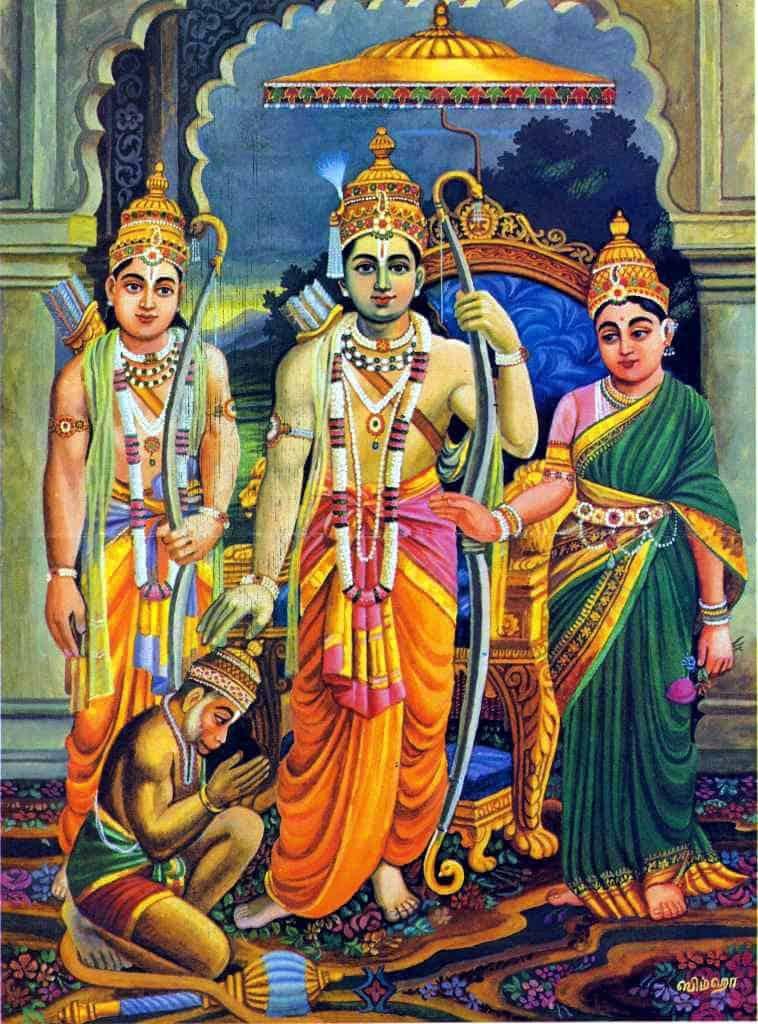
    That is why many devotional images show Hanuman with Rama and Sita.


    Regional Traditions

    Different regions have developed their own Hanuman traditions.

    In some places, Hanuman is mainly seen as:

    ๐Ÿ›ก๏ธ Protector

    In others:

    ๐Ÿ’ช Symbol of strength

    Elsewhere:

    ๐Ÿ™ Ideal devotee

    And in many traditions, all these qualities exist together.

    This regional diversity is one of the fascinating aspects of Hanuman worship.


    Hanuman in Modern India

    Hanuman remains highly visible in contemporary Indian life.

    His image appears on:

    ๐Ÿ›• Temple walls
    ๐Ÿšฉ Religious flags
    ๐Ÿ“š Books
    ๐ŸŽจ Posters
    ๐ŸŽฌ Films
    ๐Ÿ“บ Television
    ๐Ÿ“ฑ Digital artwork

    The traditional figure has therefore continued into the modern age without losing his cultural importance.


    https://images.openai.com/static-rsc-4/n9153SJHX_L-Szfo0fneXJZsrlcgPTKVyr2fE6oJR2CqV4TfJ2VXP3yHLvCMlKTm0nhqU9Nez8v1SbxJWsYjXU0BHRXJrq0AEymxxu2yoVaklvjSzgIe0T8cJYcbRYIXmoMf1lqXK4wRAg5vehHfOLPFTr7DL95kWYnSrxpFVnEqLyV_swqDZcQoU3hcF22T?purpose=fullsize
    https://images.openai.com/static-rsc-4/PbY20slAyF86SW6ke7PTxDKWKDrnjiVQ-sRQcTbJsOvUGKkTbFYB2HXt3o2tpwYXebe5Z2TBLttbyydLUyyKI5CRUVKCyFeqiIH9AUzUkgEriY5EEfqKkcyFHntu65HeM9jUcjHZhBgMI9GedLYZi4SeJrdFiuyv7ReyjeiXimj0A3be_ayiNYj34X6ao_pX?purpose=fullsize
    https://images.openai.com/static-rsc-4/Kzpo5r8_LyO1eMh14YTVz4xfzoAAaLmHClZDRLUskkpIgPj7luKpLYj0qTBncOdKCyBBbFBOnBNnDrz0sBJU5cKLGekiZbO6zCBtGTWRBCeGo22X5EmEuRYHUDU2_uXBH3DMmpXTDC1J1V8to1GMtV0hTt4AQKG8QdH8SDqImJMQsJ9QFK7fjc-UQVnnHmiU?purpose=fullsize

    Why Hanuman Continues to Inspire

    The popularity of Hanuman can be understood through the combination of qualities traditionally associated with him.

    He is powerful but humble.

    He is intelligent but devoted.

    He is fearless but disciplined.

    He is capable of extraordinary actions but does not seek personal glory.

    This combination makes Hanuman an unusually enduring cultural figure.


    A Symbol for Every Generation

    Children may see Hanuman as a powerful hero.

    Young people may see him as a symbol of courage and determination.

    Devotees may see him as an ideal servant of Rama.

    Older generations may connect him with lifelong faith and tradition.

    The same character can therefore carry different meanings for different people.


    Conclusion

    Hanuman worship has become deeply woven into Indian religious and cultural life.

    From enormous temples to small village shrines, from Tuesday prayers to Hanuman Jayanti celebrations, his presence can be found in countless traditions.

    His story continues to inspire people because it combines strength, intelligence, courage, humility, service and devotion.

    ๐Ÿ•‰๏ธ Hanuman is remembered not merely for what he could do, but for why he chose to use his extraordinary abilities โ€” in the service of Rama and dharma.

    In the next part, we will explore the Ramayanaโ€™s sacred places and temples across India โ€” locations associated with Rama, Sita, Hanuman and important events in the epic tradition.

  • Ramayana Part 31: Hanuman in Indian Culture | Beyond the Ramayana Story

    Ramayana Part 31: Hanuman in Indian Culture | Beyond the Ramayana Story

    In the next article, weโ€™ll explore why Hanuman became one of the most beloved figures in Indian culture, how his devotion to Rama became a symbol of faith and service, the different ways Hanuman is worshipped across India, and why his presence remains so powerful even today.

    https://images.openai.com/static-rsc-4/iw5cJ56kWliFuTbHXu_OAqrB9shlsvd9eSS2YNPs9Jsh8EJBHD-xiyb3gMEpT7uckA_HO7H1-spkjrlVy0vMIDeh1059PyazfCKfonpe0ftKaZJk-sLl_jIvLJNXkJuZUP7PStNltg_nZWyAkolnM8MWMf04iEu2v1yYejpRyUfNLFKZkHvNjJL50CtDGFHu?purpose=fullsize
    https://images.openai.com/static-rsc-4/yK-9M1WubmbcTpUoy6HH565IP-wGAEOaixYfycyaICsANiCSow9SeqnsU3ynOgN22_AyK55uQwkpfjWE6EQIxBN93aKcoVsL5HXWf_vLTYhA75dxCuysblw4tq_OyyfUWesnlVWh43IYHeEMI7JLvyAhLvWta4gtWyh7lTyayDUf6KYekA8LZ-I6gNDHZPpu?purpose=fullsize
    https://images.openai.com/static-rsc-4/jnMpd4G3ZHCYmU0ENOhIq_GfYheE7IxwtMQWF8uLGDafp_OS1CQi4AbClIdowkkI2u7vJVsD14jDetDY3PslMozqAnRPCMoJZk9JYko19OOTZgZLkQQgjqwwAy7I0YtUqfeKByTcJNvPvfcPo-OtZ6Z_NsBLpuqdGuixKSrqsT5NKRyiHbCg424eFWMLD6cn?purpose=fullsize

    Hanuman โ€“ More Than a Character in the Ramayana

    When people hear the name Hanuman, many immediately remember his extraordinary role in the Ramayana.

    He crossed the ocean.

    He searched for Sita.

    He carried Rama’s message.

    He fought powerful warriors.

    He helped Rama’s army.

    But Hanuman’s importance did not end with the epic.

    Over centuries, he became one of the most widely worshipped figures in Indian religious and cultural traditions.


    The Heart of Hanumanโ€™s Character โ€“ Devotion

    The most important quality associated with Hanuman is devotion to Rama.

    Hanuman is traditionally remembered not simply because he was powerful, but because he used his strength in the service of Rama.

    This gives his character a special meaning.

    His story teaches that:

    Strength becomes meaningful when it is used for a good purpose.


    Hanuman as a Symbol of Service

    Hanuman is often associated with seva, or selfless service.

    He does not seek a kingdom for himself.

    He does not demand wealth.

    He does not ask for personal glory.

    Instead, he dedicates his abilities to Rama and to the mission he believes is righteous.

    This is one reason Hanuman became such a powerful symbol of humility and service.


    https://images.openai.com/static-rsc-4/yK-9M1WubmbcTpUoy6HH565IP-wGAEOaixYfycyaICsANiCSow9SeqnsU3ynOgN22_AyK55uQwkpfjWE6EQIxBN93aKcoVsL5HXWf_vLTYhA75dxCuysblw4tq_OyyfUWesnlVWh43IYHeEMI7JLvyAhLvWta4gtWyh7lTyayDUf6KYekA8LZ-I6gNDHZPpu?purpose=fullsize
    https://images.openai.com/static-rsc-4/Wv6l2vPuU7nvkC3rro6YaxkDKhvoV_jElSi9MkpPuxzwgQ4ZODj7ikpckl6shujn1S__myHh38R79A6RieRCHubEnGq7FH8g3ZH0v3Ecbt1ro1_XrdZwgEj3sEY7D0wR7EWqIIWUPrSE6e-AP4WajAm0fPwz8Hl-CkDOZWeTE3exEppM8kCTUPdecmPdwYAC?purpose=fullsize
    https://images.openai.com/static-rsc-4/vhYRD3iYobtUirJF-wEKY_qTS-x9nKTLkGBX7dJopuYGh0Wahi4gUZbRTsQTQy7aSTaqFeOi-hp6K_ZiXYNpeOQe_jD_MUuvIG7NF54J10kj9Y-eqYLnTWnGdVA_AZTepXUUfS6-PpheYgml0xGcb1MQkalV2SFaIF8Y173LTjCjfflq5yUFq5R-O_qCjjrG?purpose=fullsize

    Hanumanโ€™s Strength

    Hanuman is traditionally described as possessing extraordinary physical strength.

    But his strength is only one part of his character.

    He is also associated with:

    ๐Ÿ’ช Courage
    ๐Ÿง  Intelligence
    ๐Ÿ™ Devotion
    โšก Determination
    ๐Ÿค Loyalty
    ๐Ÿ•‰๏ธ Spiritual discipline

    The combination of physical power and wisdom makes Hanuman a unique figure in Indian mythology.


    Hanuman and Intelligence

    Hanuman is sometimes remembered mainly as a powerful warrior.

    However, the Ramayana also presents him as intelligent and capable of making difficult decisions.

    His journey to Lanka required more than physical strength.

    He needed:

    ๐Ÿง  Planning
    ๐Ÿ‘€ Observation
    ๐Ÿ—ฃ๏ธ Communication
    โšก Quick decisions
    ๐ŸŽฏ Determination

    This is why Hanuman is also respected as a figure of wisdom.


    Hanuman as a Protector

    In many devotional traditions, Hanuman is regarded as a protector.

    People pray to him for:

    ๐Ÿ™ Courage
    ๐Ÿ’ช Strength
    ๐Ÿง  Confidence
    ๐Ÿ›ก๏ธ Protection
    ๐ŸŽฏ Focus

    His image is therefore often found in homes, temples and places of worship.


    https://images.openai.com/static-rsc-4/0Tb_6YHLRiIezYxPfhBvSsw7D8_dthKBFkOEqzzvBGPKtkAYVfp96MyUunbpaacpSXxHEFPPinjIzR8v2a9oGVM9x6FgG8oLIaS9rz2pECzj2kXyxWME8BJplI3ANZ6RQ5Cqsx8GQAekEKWOFvta6-LtVFMLUU-ozGypuC48gXJ_dFPVXVy3_r-u-8Zrh8Xc?purpose=fullsize
    https://images.openai.com/static-rsc-4/W_jjWGJ0Gg9XbpPLURlTEHo8gbHeLVzjYlF6glvVFMNUAsKAOYDKeJfcqb_iZIomb5IYfAok4L8fR3NIsD1UWxRWTdwMKxqBVC-sve5Qve3RYLLROsR6FnHDGu4UMPdUL3d3e_1wsvWN_7_sip8wB3GtgYjD9TInjIMMUOWWd3q-un41AOEgBnny-ZNxB4Ll?purpose=fullsize
    https://images.openai.com/static-rsc-4/0EK6-IcTb_TSMMPWtcDQragRbdxN7iaa6Lxj8pXWQvipmmaeCHH7pPJ1uR3ciD4zLjGQDYQnOvx6mbSkoe5o_FVl8MjcINQ56G3Q3DBVF65Cgeurde5xKRQGloXxNhONcWKky1TWu9q7kRSpEAPKlI_DZ1jHO8qsOloKQrnNgjc-HAbfx4QMujfYetQ1ePSa?purpose=fullsize

    Why Tuesday Is Associated With Hanuman

    In many Indian traditions, Tuesday is considered an important day for Hanuman worship.

    Devotees may visit Hanuman temples, offer prayers and recite devotional texts.

    Another important day is Saturday, when Hanuman worship is also common in many communities.

    These practices vary between regions and traditions.


    Hanuman Chalisa

    One of the most famous devotional compositions associated with Hanuman is the Hanuman Chalisa.

    It consists of devotional verses praising Hanuman’s qualities and devotion.

    It is traditionally attributed to Tulsidas.

    For generations, people have recited it as part of their personal or community worship.

    The Hanuman Chalisa helped make devotion to Hanuman an important part of everyday religious practice for millions of people.


    https://images.openai.com/static-rsc-4/VQVuSA2ywR8DdpX7KnrgKclO4RswmeutmK7zaMdFVD5l0gpO2kWy4SSKXRQg30mod3prRWWs0uksZFtbq-jzeO1Zf-edpmFXYxjkEiLqVDj6PhzChQfzct0_ZLU-0Rvyh8tz7Sysw9XY1UPhhwa6Abf6xpPaQvGGRZVm9X4rs1FjzTehoO5S7lZFj4Hn0A6f?purpose=fullsize
    https://images.openai.com/static-rsc-4/4Lc41oYgIb3kbIbcbOBJmCRUVEr26MeMzH1Z6ZJIxvQFZOsW8-CIT2TME-Gyjdq9Df-i89NyhmTIYF3tzwDxPLfGnrEFUs8dX659jtHxs9Vf3I5eWBpE1QVmbx1NI7CgxOz0VqvmQ8Uh80t0kuqdpH331cJG6iQ2NYTMTkYDmc8KtjWpNLqE8SlmtZ-V3oZe?purpose=fullsize
    https://images.openai.com/static-rsc-4/1WscLGVHHlPTiiTLPdmh14uW8vJ1MTp5PLrYiJLmq8xXfcfIWs-J05KZIerrEfRKLPVpkENxDuneeUzNZphpUhd5Q7A2u3kSyaUj2gq8lCjMsMJJ4dtb0EYsRcusH0gL01i_Li745_FxPDC27KVn1PFkIpfyiMfzD-6_Vr2ro1fvN_9mQQhYDOSIhVPHUguL?purpose=fullsize

    Hanuman Across Different Parts of India

    Hanuman worship is found across India, but local traditions can differ.

    In some places, Hanuman is worshipped as:

    ๐Ÿน A warrior
    ๐Ÿ›ก๏ธ A protector
    ๐Ÿ™ A devotee of Rama
    ๐Ÿ’ช A symbol of strength
    ๐Ÿง˜ A spiritual figure

    Different temples may have different forms and traditions associated with Hanuman.


    Hanuman in Village Traditions

    Hanuman worship is not limited to large temples.

    Small Hanuman shrines can be found in many villages and towns.

    Sometimes a simple image of Hanuman beneath a tree becomes the center of a local place of worship.

    This shows how deeply Hanuman became connected with everyday community life.


    https://images.openai.com/static-rsc-4/JIyzsHb_J27rhqzV9GO22zmC5Zmhx9AXt_nX0W-d64rbFTvEjR98foU2UujU9Kw2InzrtmAK3G1_KkCg7BeDpAZ2ydAeBtKDiRLOFkXrJkDw1s5SOiPuR58vQGRd_8-pFu5fdE8Q-6VZbsdz8po6bC0iI1Wzz7lStw2B2Q2q9AaoOvZTAPKbaKF41Z3f4xJI?purpose=fullsize
    https://images.openai.com/static-rsc-4/jvb-2uyiwXK55fzIzD2N7PvGc4DKUlnHD28w9hE3WJugKn-xjtP0R2D_RR0L3XqFzRw7300SwoTl_zKvPcHBiXtgTSXRRnGDfzMgB7WDPiGv1wXUddWvSgQqWo1YA5daRoUqGLWMusSeBJzdYD8Sl1Uko0nv_3Bp9eNaQ_YLj98BV4zHvEiIe-oPMjuJ6zd2?purpose=fullsize
    https://images.openai.com/static-rsc-4/zKE-PHTCwcy7Fb5hByN7X-0o-Sxge2LwmIPKXa5wQZk9yKEBZXcWSwtm0Y79-kVZNvpr4_l7kl627LiJlkQ8BaL-mju7yo9npMpBQ_106ORHasYjCyvXI-mAVuO_gLSW7hl6iDKwM4bDn7QKHIy9jc9JGy3IO31om3oGxWy81xCaNy_K6gpIw7SO6eAoOyyF?purpose=fullsize

    Hanuman in Art

    Artists have represented Hanuman in many forms.

    He may be shown:

    ๐Ÿ’ Standing with his mace
    ๐Ÿ™ Kneeling before Rama
    ๐Ÿ”๏ธ Carrying the Sanjeevani mountain
    ๐Ÿ”ฅ In Lanka
    โค๏ธ Opening his chest to reveal Rama and Sita

    Each image highlights a different aspect of his character.


    Hanuman Opening His Heart

    One of the most famous devotional images shows Hanuman opening his chest and revealing Rama and Sita within his heart.

    This image is symbolic.

    It represents the idea that Rama is not merely someone Hanuman serves externally.

    Rama has become the center of Hanuman’s entire being.


    https://images.openai.com/static-rsc-4/GCxxs1CSObx6Z1tu6hBGgUOsLNKkjBDwImOu1KtQVJm3U_xBNmIXMnSIrtvatKGNRiiHBtOGEAYvmAjKfIDdM9O-4lqNjJo-mUcZCBaqisZujQsoZl7E4TnrSQpIXqcE55fL0C3_Yp3fSxnDsx2iNAE106ozMmpE5rNMtiCcrZNt7ISWXqdDt7YtmptQHhDO?purpose=fullsize
    https://images.openai.com/static-rsc-4/TMHoyh9szJgiJIa_ldOP1S1y2Zn-RcqSt578UZGz7xaDkg6Q56g394ycQNfOBum_3dnuNtpTZ3v6Z1sv57wNniPgE76wT0Bmkh14LAYxXQXzilwu4veD23lXeKRNiyIE4X9J7VNlMkvRL5gl68A6_2XXi_wYGtgyoIeQyeZyhwVeGwoYZasSgCJ0uEMdEYJ9?purpose=fullsize
    https://images.openai.com/static-rsc-4/s8969rO61bBXxvMkT_KW-sWtJ6z7Gq6pxxhTHIduUNikz8xjynfdxWhAYAetdJ3EkraKAQaDTV3a31clXxNrMQNY9JlaT5bmm8I0bCSY2O9YbfAC4mgQLiBBJZopmDdiWY3fARFjAxgJFj1MPkq5ANbhUoOpRbaVv7gJBhdLBaA7k3_tvGZeAJcy7UIZZJEO?purpose=fullsize

    Hanuman in Festivals and Performances

    Hanuman appears prominently in many Ramayana-related cultural performances.

    During Ramlila, actors portray Hanuman’s role in Rama’s journey.

    His energetic character often becomes one of the most memorable parts of the performance.

    Children and adults alike are drawn to the combination of his:

    ๐Ÿ’ช Strength
    ๐Ÿ˜„ Energy
    ๐Ÿ™ Devotion
    ๐Ÿง  Intelligence
    โค๏ธ Loyalty


    Hanuman in Modern India

    Hanuman continues to appear in modern culture through:

    ๐Ÿ“บ Television
    ๐ŸŽฌ Films
    ๐Ÿ“š Comics
    ๐ŸŽจ Paintings
    ๐Ÿ›• Temples
    ๐ŸŽต Devotional music
    ๐Ÿ“ฑ Digital media

    Even younger generations who may first encounter the Ramayana through television or the internet often become familiar with Hanuman.


    https://images.openai.com/static-rsc-4/Kzpo5r8_LyO1eMh14YTVz4xfzoAAaLmHClZDRLUskkpIgPj7luKpLYj0qTBncOdKCyBBbFBOnBNnDrz0sBJU5cKLGekiZbO6zCBtGTWRBCeGo22X5EmEuRYHUDU2_uXBH3DMmpXTDC1J1V8to1GMtV0hTt4AQKG8QdH8SDqImJMQsJ9QFK7fjc-UQVnnHmiU?purpose=fullsize
    https://images.openai.com/static-rsc-4/GircSO3rLWPRW8PQhemCC3P6SUml9tTWxeqLeW2QTh8BBrZV5kM_OYJ7_juGtbsohyOS7BOBTgrPWUmD5asL5M53jZ6jn2aA4lRn6FuZckQyVREG-LS6-e-3l4s6Ep1sER-OlH5XM2gOmOXH3Pby2GTLn9XQlYPn8j0fMCnc-jY-TwAXTO6tKd6ojoFeDokx?purpose=fullsize
    https://images.openai.com/static-rsc-4/TDKF5viqYDbEFOBGY5jVrRCqFTjk2AO1c8UaFG-gfqTEIKUB9iF_GxeK_iDQY3BDDgQRlyyY4pWfKqb5KTMP-wuCTYsLIUFDz4v8xL0IaXO6_9OMBmq2x9k9HJUOto1-8Ob0XGKTuGXFMgCiNK9wseT2eTmfoD2TX6nhGWAXMf31H3AwuLcqXqQT3BBNiQjT?purpose=fullsize

    Why Hanuman Remains So Popular

    Hanuman combines qualities that people admire across generations.

    ๐Ÿ’ช Strength

    He represents physical and inner strength.

    ๐Ÿง  Intelligence

    He knows when to think, when to act and when to remain humble.

    ๐Ÿ™ Devotion

    His dedication to Rama is central to his identity.

    ๐Ÿค Loyalty

    He remains committed even during the most difficult situations.

    โค๏ธ Humility

    Despite his extraordinary abilities, he does not seek personal glory.


    The Deeper Meaning of Hanuman

    Hanuman’s story can be understood as more than a tale about supernatural powers.

    It can also be read as a story about using one’s abilities in service of something greater than oneself.

    His strength is not presented as an excuse for pride.

    His intelligence is not used for selfish gain.

    His courage is directed toward protecting others.

    His devotion gives purpose to his abilities.

    That combination is what makes Hanuman such an enduring figure.


    Conclusion

    Hanuman began as one of the great characters of the Ramayana.

    But over centuries, he became much more than that.

    He became a symbol of:

    Strength without arrogance.

    Intelligence without pride.

    Courage without selfishness.

    Power guided by devotion.

    His image continues to appear in temples, homes, festivals, literature, art and everyday religious life across India.

    ๐Ÿ•‰๏ธ For millions of devotees, Hanuman represents the ideal of using one’s strength in the service of truth, devotion and dharma.

    In the next part, we will explore the symbolism of the Ramayana โ€” what Rama, Sita, Lakshmana, Hanuman, Ravana and other major characters can represent, and why their stories continue to carry deeper meanings.

  • Ramayana Part 30: The Many Names and Forms of Rama Across India

    Ramayana Part 30: The Many Names and Forms of Rama Across India

    In the next article, weโ€™ll explore how Rama is remembered by different names and traditions across India, the meaning behind some of his important names, how different regions celebrate Rama, and why his image and story have become deeply connected with Indian culture.

    https://images.openai.com/static-rsc-4/mVppZFzes3Bs9nOfsOk7C5qtwcL6EREuCkKyPL6M48i7kBC1F2rwge54lrWNj6izNHFb6gpuh2YumRL0k3LmUTPobPg3-fpR7AM6YM2D9dpLZDfzz3f76b1cI0NQEaTeeO4gwM0kYZ1Hjwa5MkTnX8JXPfPWwRpPTNfKVx5diNNg6ZFHXqeM5MqQ1aZZpEUH?purpose=fullsize
    https://images.openai.com/static-rsc-4/HgeI3D0qzf-34lVPDpc25UGF9rRqmfPkhh5xJVMZbHxlmTyhKG8fHDxUPvaCNBXPWa0s8HlIkv4cs5iVbbb88QUQYwMKiCyKn-0rtD5okZimCQfmHCH0SzOJQx2TZpkDPQJtZqllZvlxK-C-kY_wJXepWsl_VwFjfoWAm4Bk7IiiuSqj0AyCE5D65f1LhRNu?purpose=fullsize
    https://images.openai.com/static-rsc-4/_ShG0eSABG87b7Xvy-nKbOulY2y-vbVD5Lq9e5_pu14QWyQGg1wZiM3wyBAHdGU7l6oJ5CD5WqS6eA_V2tMr7hLgcBZ0sv0Ct_zS05Ki7MO7Z-QePjxE0uoNwRGdCNBU2gRirSK94p8TrpiZikffR8TgdsSW59KIP9wd6yXdKH_OAhbZO1V7t6zllK4VtUk4?purpose=fullsize

    Rama โ€“ A Name Known Across India

    Few characters in Indian tradition are as widely recognized as Rama.

    From the northern plains to the southern states, from large temples to small village shrines, Rama’s name has been remembered for generations.

    People may pronounce his name differently or follow different regional traditions, but the central image of Rama remains connected with:

    ๐Ÿ™ Dharma
    โš–๏ธ Justice
    โค๏ธ Compassion
    ๐Ÿ’ช Courage
    ๐Ÿ‘‘ Ideal leadership


    The Meaning Behind Ramaโ€™s Names

    Rama is known by many names.

    Each name reflects a particular quality, relationship or aspect of his life.

    Raghava

    Rama is called Raghava because he belongs to the Raghu dynasty.

    This name connects Rama with his royal lineage and ancestors.


    Raghunatha

    Raghunatha means the lord or leader of the Raghu lineage.

    It is commonly found in devotional traditions.


    Dasharathi

    Rama is also known as Dasharathi, meaning the son of King Dasharatha.

    This name emphasizes his relationship with his father.


    Kaushalya Nandana

    Rama is lovingly associated with his mother Kaushalya through names such as Kaushalya Nandana, meaning the joy or son of Kaushalya.


    Maryada Purushottama

    One of the most famous descriptions of Rama is Maryada Purushottama.

    It is generally understood as referring to Rama as an ideal person who lives according to moral boundaries, duty and righteous conduct.

    This concept is an important reason why Rama is regarded as an ideal figure in many Hindu traditions.


    https://images.openai.com/static-rsc-4/vsr5u6TbWBNUANirh4dpV9wpLG0D58FG1gWRDiSujZ1IWC70zno4sp12ccSvnuooWCAEdEcTtHNecQXLCw45MjnsRgfEZ3rhZe91q0NGog7NP-mw3y1_HwP-2VT7H64I4F-LZwBZe1KtqAvdRxHK5ncRXfXnT0g1WAV2VZYACuypJPLud3V14xSYNpbL19o-?purpose=fullsize
    https://images.openai.com/static-rsc-4/zp8lD2rEXEwKvgJD2VpUnB4x4-lOzlP6eLB3vjTawMRpOfvLwVjHeFJk6pwsjCy3EgUbVKNhoKeBXO6nd7bCiDzb_XZNmv5Om6Drdh7TdWAEP6vtqRY8NI5007eBg0qwnvDS3VF-s0GHVRcoVlrNh2HKm8nyhcrJvyAnAN4P_ua8R23Cdj4pMR502Xt2MWJ7?purpose=fullsize
    https://images.openai.com/static-rsc-4/nday0AMbuMtmvTs0VM-MPUheYYXseX5FUoehCB33EnTYDROhnQrayeS1bOKWw8EOEn5l0dTx3v-a6Q-6cw84GoHfBO-wxNtFwRVH76QAiPQ9c7OU2Gr0uJlnQA64keBhmeTpoylgT24X_zRrpo14jicF-lm-I-fDUScSwOuESHmu60SJXUTLJ17YghUSyMyj?purpose=fullsize

    Rama in North India

    In North India, Rama has a particularly strong connection with Ayodhya, the traditional birthplace associated with him.

    The city has become one of the most important centers of Rama devotion.

    Rama’s story is also strongly connected with Ramlila, traditional performances depicting episodes from the Ramayana.

    During these performances, communities come together to watch scenes from Rama’s life.


    Rama in South India

    Rama is also deeply respected throughout South India.

    Temples, literature, music and devotional traditions have preserved his story for centuries.

    In different regions, Rama appears in local artistic styles and literary traditions.

    The language may change, but the central themes of the Ramayana remain recognizable.


    https://images.openai.com/static-rsc-4/LfddKH9MYMP4qM_1TapDl63CywNT2vK1a5mdy407dAh3LPVGRikkNfkVcjzSCuTLR2jm-VmoUsG05fyfFc6p2jHZMEdpGkgDOv5d9f-kwbiZOpo7-OoKRNkQK4DTjwsmnOUifzl6F-VdPMmCGh6AK5mvZJCCsnV6yMkjf_8_QNI0sK5XEy3hZ2nHaIlHvk8p?purpose=fullsize
    https://images.openai.com/static-rsc-4/CyWGk_4WsmBYcUSjkLRO6Si0kwzW992ZeaBjezwqNgpuPvrXTaZVnjGviF3aGS2hZ-57puCeaOLJ9zXr7YlngtkzJE-E57Wz5ChEJv0dvFh3sw229Yxhp-UaPWmrcvBe4i8nKvaWwJuNJWUIjZm6Qk1SRgHQHhfZRoZTKFDpZU60TVJNQI8TIzQcmS5yUEnX?purpose=fullsize
    https://images.openai.com/static-rsc-4/s7qXQf1k1CN6n_OQDJn89BhlICr_z08MnwuO3I3w_Un8pow6PegupVZ04G1d3A7IBob1Y2s-PUiORXqtPpKwlaPEkVACLpyKymwk5EKE0QdajKXgvi-P5styKthLiAw0BIXJWDi3ZVAuCicsoMDwypCdf1KxdqXGfbyOVZ0-49IZAZXgAGTaWntsK0e2AkzH?purpose=fullsize

    Rama in Telugu Tradition

    In Telugu culture, the Ramayana has a long literary and devotional history.

    The story has been retold through poetry, Harikatha, performances, songs and religious traditions.

    Rama temples and celebrations can be found throughout Telugu-speaking regions.

    The Ramayana has therefore become more than a literary epicโ€”it has also become part of everyday cultural memory.


    Rama in Tamil Tradition

    Tamil literature has its own magnificent Ramayana tradition.

    The Kamba Ramayanam, composed by Kambar, is one of the most famous Tamil retellings.

    Kambar presented the story through the richness of Tamil poetry, giving the epic a distinctive literary identity.


    Rama in Kannada and Malayalam Traditions

    Kannada and Malayalam literary traditions have also preserved and retold the Ramayana.

    Poets and storytellers adapted the epic to their own languages and cultural environments.

    This shows something remarkable:

    The Ramayana could travel from one language to another without losing its central emotional power.


    https://images.openai.com/static-rsc-4/2QeuQ3S6xlD6yq9dwwNb5WZQ6Z5rG5HvqjMP51sg1nO_Oysu2bNmPmbr87pR8-gITD_9mccMFYbMghNmeyvBBBwLoWLYwa7QGMPBZ7FA949sS4XyWVZ1TC58eg0sV8wcfQ0JRaMpm9KOz80U0y7EH4TWVvvZoVmrNSKR4-I8HDZ35-ccXAXnbFhNoSzErF9H?purpose=fullsize
    https://images.openai.com/static-rsc-4/uy9pDsMsnMiXLZXhJUegL2AaZ5-UGcGl3ckX6Ew10GTD79_vALPSenDI65vXgDu9WhITjnwO0YmN4hehVXqvbfM3Qj5gu49XeUCP4PK53u3lXtVXrDb_1koe0TSdYfR347Re1bNoOPftgIeUD19_p5er_-1bA4TfQkzQu3r1U8OXdKJDil-qu8F6GJwMH_LU?purpose=fullsize
    https://images.openai.com/static-rsc-4/C2JCOpsjSyLaSfvQIVJxmItUDjrn97EBV3CrdBkQfZz0jXzSGXkcs9ZebA2gfuRwGrYsC4BbAg2Pak7UHaISBQw_w6ZmSwx1xCVSx_AFsGttRRLPJHDl8mAMpytowd-Cz2--IDMtqvr7bcZwT2Zpg7LcoshD0I5ArUlISz1TGQwuBAr3ESmB7m9lJ_u6V_RI?purpose=fullsize

    Rama in Art

    Indian artists have represented Rama in many different ways.

    He may be shown:

    ๐Ÿน Holding a bow
    ๐Ÿ‘‘ Wearing royal clothing
    ๐ŸŒฟ Living in the forest
    โค๏ธ Standing beside Sita
    ๐Ÿ’ With Hanuman
    ๐Ÿ‘จโ€๐Ÿ‘ฆ With Lava and Kusha

    Regional artistic styles can be very different.

    Yet the familiar symbols make Rama immediately recognizable.


    Rama in Temple Traditions

    Rama temples can be found in many parts of India.

    Some temples focus particularly on:

    ๐Ÿ™ Rama and Sita
    ๐Ÿน Rama as a warrior
    ๐Ÿ‘‘ Rama as king
    ๐Ÿ’ Rama with Hanuman
    ๐Ÿ‘จโ€๐Ÿ‘ฉโ€๐Ÿ‘ฆ Rama with his family

    Temple architecture and sculpture have helped preserve the visual memory of the Ramayana.


    https://images.openai.com/static-rsc-4/bNLlW0X2XmtjvOubMj44_f-_DKqyZhMLIjdL9d-3L3BjIzxCYYpzm2nZ2YIddmwo2ikPV2nwd9vM3uZq_oX2fHi3tk_n3xdIzXN1lpYGzrrAJy980GDTu2BztqI9Uw4JiOvvsERgbevMRXecluvZddTjoyogzhqtNrRdKYJaOYZR6jlmxgLgBZcRv8dRdE_o?purpose=fullsize
    https://images.openai.com/static-rsc-4/k4zcVqBxFP--xPteBypn757rqOKwY4aIdSLGOBYAjWz9jP0TUDFrMx_sokj26EXvy6N9_16LpyR89h8ke62PRqDg0Oio-sAyDcUp84OnnjM_bp3QFJFKs5up6IYeY4QwI-16jmLc6mlGqhBrV7gPymwI5tuCYM116s_gsZ6dc9tXkyZf_Z0D3-4eaNtdoLpK?purpose=fullsize
    https://images.openai.com/static-rsc-4/Q2hfE92xAn_vwkFusZYelTon-byXfOWEfVyLqcM0PG4zd_-nzt_mde3COCr9cdbjFjufwh1o5cHrFqbcAIs68QkQ173AUhDdUx58NE6V26VLozF5v6MZpGE_lAqHoV8UsxIeONqzNoS5b8B5s25hWJ_qg4UdaLmYVOkX1FPk0pw7kIPFSXPBbHn1yu9nsjNy?purpose=fullsize

    Why Does Rama Have So Many Names?

    The many names of Rama reflect the many dimensions of his story.

    He is:

    ๐Ÿ‘‘ A King
    โ†’ Rama

    ๐Ÿ‘จ A Son
    โ†’ Dasharathi

    ๐Ÿน A Warrior
    โ†’ Raghava

    ๐Ÿ™ A Divine Figure
    โ†’ Shri Rama

    โš–๏ธ An Ideal of Conduct
    โ†’ Maryada Purushottama

    Each name allows devotees and storytellers to focus on a different part of his character.


    Rama Beyond One Region

    One of the most fascinating aspects of Indian culture is that the same character can be understood differently across different regions.

    A person in Uttar Pradesh may connect Rama strongly with Ayodhya and Ramlila.

    A devotee in Tamil Nadu may connect Rama with Kamba Ramayanam.

    A Telugu-speaking family may know Rama through Telugu literature, songs and storytelling.

    Yet all of these traditions remain connected to the larger Ramayana tradition.


    A Shared Cultural Memory

    The many forms of Rama demonstrate how stories can become part of a civilization’s cultural memory.

    The story can be:

    ๐Ÿ“– Read
    ๐ŸŽต Sung
    ๐ŸŽญ Performed
    ๐Ÿ›• Worshipped
    ๐ŸŽจ Painted
    ๐Ÿ—ฃ๏ธ Retold

    And each generation can discover the story in its own way.


    Rama in Modern India

    Even today, Rama remains an important cultural and religious figure.

    His name appears in:

    ๐Ÿ›• Temples
    ๐Ÿ“š Books
    ๐ŸŽฌ Films
    ๐Ÿ“บ Television
    ๐ŸŽญ Theatre
    ๐ŸŽต Devotional music
    ๐ŸŽจ Art

    Modern technology has created even more ways for people to encounter the Ramayana.


    The Enduring Image of Rama

    Perhaps the most powerful reason Rama continues to be remembered is that his story combines several different roles.

    He is simultaneously remembered as:

    A son who respects his parents.

    A husband connected with Sita.

    A brother loved by his family.

    A warrior who faces Ravana.

    A king responsible for his people.

    A figure associated with dharma.

    That combination has allowed Rama’s story to remain relevant for generations.


    Conclusion

    Rama is not remembered in only one form.

    Across India, different languages, regions, artistic traditions and communities have developed their own ways of celebrating and remembering him.

    His many names reflect the many dimensions of his character.

    From Raghava and Dasharathi to Raghunatha and Maryada Purushottama, each name carries a connection to Rama’s life and legacy.

    ๐Ÿ•‰๏ธ Different regions may tell the story differently, but Rama remains one of the most enduring figures in Indian cultural tradition.

    In the next part, we will explore Hanuman in Indian culture beyond the main Ramayana story โ€” why millions of people worship him, how his image appears across India, and why his devotion to Rama became such a powerful symbol.

  • Ramayana Part 29: The Ramayana Beyond Ayodhya | How Ramaโ€™s Story Reached Across India and Asia

    Ramayana Part 29: The Ramayana Beyond Ayodhya | How Ramaโ€™s Story Reached Across India and Asia

    In the next article, weโ€™ll explore how the Ramayana continued beyond the story of Rama, how the epic spread across India, the different regional traditions of the story, and how Ramaโ€™s journey became an important part of cultures across Asia.

    https://images.openai.com/static-rsc-4/EbJVYczjihNvmqHj_TycOQmxt1RN2sCqTkaKNxtYUwgKesMOp2M3cBm6nAXjzf1kbz4OvOcK19pIoLrRsV07rVLmRc9BV_g9bj3e2a4uuM_gQfbE8S4kdsHkWN1YtZBluTP7R29F9GYQWtxsSc7WzCtDg4Fr4-Edjeuoc2qL2EJXZ_LwRK0w_1suvHLYzQmH?purpose=fullsize
    https://images.openai.com/static-rsc-4/sxQk4e7JnQq0yaI50T3BmFqcv5NY2LNlue8pOFe-SXSDmNn0I2u34qkq1Xu1naeVe5e5X5g98XYlg4q46tF5gFf6QyLIUoeJxYCpjFGJg4AH8HHCKKJGDcjWgnO-M2pu02k64qxWrh4-8ep3F9Xl83UsH93TpV4oQeyY0vG_xSxDtj6uCg4ahi3vkDDjr6QH?purpose=fullsize
    https://images.openai.com/static-rsc-4/szb6CkVozZl8AsbeikRSUtJ5dP3242MW9ktyg7vfzHeqzt0hdHY0KLyAVH91Cvu4lHTqySQ-upM_kgf8ROURCgSUJUfDucbl7k2Yi8auq72X2p5wrlSurjhIL6H_Xvq3Ms8P20dATjOQdvegnEkSdtr-JX6w8XGPk27c7r-hFTZ4IVCbGxwWnY0HEBrGbWZl?purpose=fullsize

    The Story Did Not End With Rama

    The traditional story of Rama may have reached its conclusion, but the Ramayana itself continued to live through generations.

    People remembered the story through:

    ๐Ÿ“– Books
    ๐ŸŽญ Theatre
    ๐ŸŽต Songs
    ๐Ÿ•‰๏ธ Religious traditions
    ๐ŸŽจ Paintings
    ๐Ÿ—ฟ Temple sculptures
    ๐Ÿ—ฃ๏ธ Oral storytelling

    As the story travelled from one region to another, different communities developed their own ways of telling it.


    The Ramayana Across India

    The Ramayana became deeply connected with Indian culture.

    Different parts of India developed their own versions, languages and storytelling traditions.

    The story has been told in:

    ๐Ÿ‡ฎ๐Ÿ‡ณ Sanskrit
    ๐Ÿ‡ฎ๐Ÿ‡ณ Hindi
    ๐Ÿ‡ฎ๐Ÿ‡ณ Tamil
    ๐Ÿ‡ฎ๐Ÿ‡ณ Telugu
    ๐Ÿ‡ฎ๐Ÿ‡ณ Kannada
    ๐Ÿ‡ฎ๐Ÿ‡ณ Malayalam
    ๐Ÿ‡ฎ๐Ÿ‡ณ Bengali
    ๐Ÿ‡ฎ๐Ÿ‡ณ Marathi
    ๐Ÿ‡ฎ๐Ÿ‡ณ Assamese
    ๐Ÿ‡ฎ๐Ÿ‡ณ Many other languages

    Although the details can vary, Rama, Sita, Lakshmana, Hanuman and Ravana remain central characters in many traditions.


    https://images.openai.com/static-rsc-4/qZHP3lhFZ6Z7v_WwPGYZoTGnLRZkz47UR0qoOgOQ3BakT1GBEV7jslp8qLMhp3AF8HXFKKKvjzSKAnB3CD4fT5Mc9cWZJ_YS6hAM-TM5cy5Io9ZNM3492t20kBEovrN3DsWlTiRymlbTRccjp3cTBIelVNnULGqupHtkwdQ68AaCT4EHKzp3NPqGpiAu9e78?purpose=fullsize
    https://images.openai.com/static-rsc-4/qnMaK2CaoDqFX_I_Pb4mMtp2Whqj0pXYXHhNgGhnZUrbOGcWFKB6qdfd1FVvQIOIMGBXlBzK4N8MUGo9KJndZ7id2TDXUHgMnMbbozpVIDFTsOpM-xDh5FpR9mjGYMG8nd1O66M4ppiFhW_o83j1d8Zxqf8nY5PK3-OxDPDTEzBf7m7B4HpMRyi2PoXJBYXq?purpose=fullsize
    https://images.openai.com/static-rsc-4/6O0JV8NVrl0GWEbNYF8c14FSJ6trKx8A_bwmjD70P3X7ISmoPoyHoTQ-MtIp_dI2Ifq00kieRmLZNcAO0BamRCY8y-eh2flseoH2v6p7gZdhvEKAz4HQioWYGNO_0ihQdTL6g6IXF1LpI05YtBN59zNW9sd2bWnsTDNARvfOr_lDJ3Okz1akipzEumIgsr5Y?purpose=fullsize

    Different Versions of the Ramayana

    One fascinating aspect of the Ramayana is that there is not just one way of telling the story.

    The Valmiki Ramayana is traditionally regarded as the earliest major Sanskrit version.

    Later poets and authors created important retellings in different languages.

    These versions sometimes emphasize different characters, events and philosophical ideas.

    This diversity has helped the Ramayana remain relevant to many communities.


    Ramcharitmanas

    One of the most influential retellings is Ramcharitmanas, composed by the poet Tulsidas in the Awadhi language.

    It became extremely influential in North India.

    Through poetry and devotional storytelling, the work brought the story of Rama to a wide audience.


    Kamba Ramayanam

    In Tamil tradition, Kamba Ramayanam, composed by the poet Kambar, became one of the great literary works associated with the Ramayana.

    It presents the story through the richness of Tamil poetry and culture.


    Ramayana in Telugu Tradition

    The Ramayana also has a long and important history in Telugu literature and devotional traditions.

    Different poets and storytellers have retold the story for Telugu-speaking audiences.

    The epic has therefore become deeply connected with Telugu culture as well.


    The Ramayana Travels Beyond India

    The influence of the Ramayana did not stop at India’s borders.

    The story travelled across parts of Southeast Asia, where local cultures adapted it in their own ways.
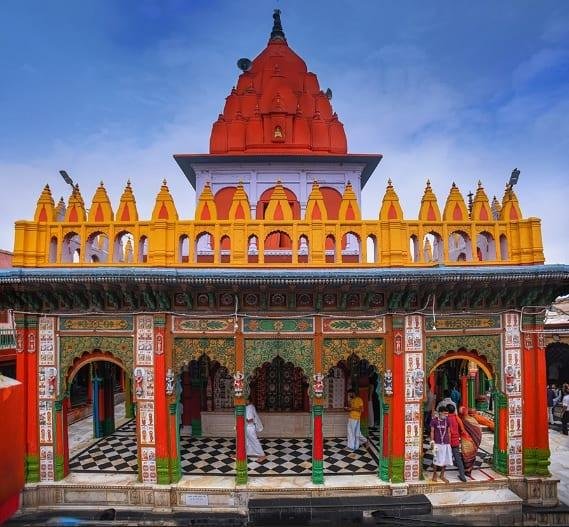
    Ramayana traditions can be found in countries including:

    ๐Ÿ‡ฎ๐Ÿ‡ฉ Indonesia
    ๐Ÿ‡น๐Ÿ‡ญ Thailand
    ๐Ÿ‡ฐ๐Ÿ‡ญ Cambodia
    ๐Ÿ‡ฑ๐Ÿ‡ฆ Laos
    ๐Ÿ‡ฒ๐Ÿ‡ฒ Myanmar
    ๐Ÿ‡ฒ๐Ÿ‡พ Malaysia
    ๐Ÿ‡ต๐Ÿ‡ญ Philippines

    The stories are sometimes significantly different from the Indian versions, but many familiar characters and themes remain.


    https://images.openai.com/static-rsc-4/DHgUplDXTldwW0sf8d6tTO6pI7eRbbp3izLqsCgctV5uWinoL0qU5XHKIsv-3UcwjL38lJpsZUQLbgxMn4c80RFzjMwIBxegPErq6ajQM3KksR-sORHzF-3yuLYqGHEEARBdbGwoP5NQWTIoBLdCjD4CjGCVLnrDmHDScpAZhssVgQLBAZfjs_0SaVIsi9Xg?purpose=fullsize
    https://images.openai.com/static-rsc-4/aujrFWam-XjhwOlz2qtXDO57artTjPtfgiO4Q6KOsvRObRiFbwtGolNF958ZoTwNSMvWvkNhKuwsLz6PweQ2iEdFpKpaGDSBQ_EPXOc9RV-eZwgpwOg6vb-b58gpkN8Ht9MLSY0SMMXpCy_50eF3jVW1MB-oqOaTQhg2tynxuVauA9QIe_33s9rt5p9BabwG?purpose=fullsize
    https://images.openai.com/static-rsc-4/5tHDQK1D0paJVz_uuo0hX5_wkVNMTLYsMz15LfnBK6xuefSgHi60_76sFIjGhLWrrWZ6Pf6j7T8lTSi3o9WKd6TnK_iGNNf1t1LERNcizdcxKNCqEMpuOFODBgHfXv6zmF-yxIxDl53y590ugxXYbx2Ct2aAPPhzuQeP8R8qP07ROz8oOUmRw3KPb5kD6YFf?purpose=fullsize

    Ramakien โ€“ Thailandโ€™s Ramayana Tradition

    In Thailand, the Ramayana became known as the Ramakien.

    The story was adapted into Thai culture and became an important part of literature, art and traditional performance.

    The Thai tradition includes familiar figures such as:

    ๐Ÿ‘‘ Rama
    ๐Ÿ‘ธ Sita
    ๐Ÿ’ Hanuman
    ๐Ÿ‘น Ravana

    But the storytelling, names and details can differ from Indian traditions.


    Ramayana in Indonesia

    Indonesia has its own rich Ramayana traditions.

    The story appears in:

    ๐Ÿ›• Temple architecture
    ๐ŸŽญ Traditional dance
    ๐ŸŽต Music
    ๐Ÿ“– Literature
    ๐ŸŽฌ Cultural performances

    The Ramayana Ballet of Java is one example of how the ancient story continues to be performed through dance and theatre.


    https://images.openai.com/static-rsc-4/tdVQX2EO2oGM2LSxJpov2uYPmalr9kiXXyZStqVpau4yu0mJKXU5t0Z0xwMAGqeFoKFD7oXQKrVnlg1bwzj2NoN_XGupB-p-vBbZJj-ECgI-YCUXMTzJi4hyIwJwJVfLmQOHeX4dfcM8Yk8fRqyCdtpxSlaxCUbNJvP4dxfrNcvhX2_pSV9mPXjccR__HEp7?purpose=fullsize
    https://images.openai.com/static-rsc-4/xYcna3mN-8jStTcZSIo__3AxGQyMizp0yKij8xbsdCDDkLgkZSk5vQ4H-0busYpllN0jGBoFfc1CQAS7dQBg2WMrOU1nv03PJfGHTI2EUQ0ieW0d_4N3YEumTLArTQ80xFUlmmG24gsMhfQMifSERwxagx7Plm3NvPhBGyGihRSTkuyP9-X0_KfDXCs9V705?purpose=fullsize
    https://images.openai.com/static-rsc-4/9lb-qGMsBZFMkJwixWaovG5vxLt6TO7LMaQg5Z39YucSx_TZ53veKD5cxSGo69EnIKFnkMNS1Co1lGzdWFgJ7Sp93V3zIdEKZNBjj2Qs0dbMStTZPwPB63izIuUCJH36Q78YptCkMU1iixxTz5BVUBPkYzgjeK6tAn_QU8WvEgaM7tn03UZS8bw5nmpuNoVS?purpose=fullsize

    Ramayana and Ancient Temple Art

    The Ramayana has also been preserved in stone.

    Ancient temples across South and Southeast Asia contain sculptures and reliefs depicting scenes from the epic.

    These artworks show:

    ๐Ÿน Rama’s adventures
    ๐Ÿ’ Hanuman’s journey
    โš”๏ธ Battles with Ravana
    ๐ŸŒณ Forest scenes
    ๐Ÿ‘‘ Royal life

    Such artworks demonstrate how storytelling and architecture became connected.


    Why Does the Story Travel So Well?

    The Ramayana contains themes that people across different cultures can understand.

    โค๏ธ Love

    Rama and Sita’s relationship is central to the story.

    ๐Ÿ‘จโ€๐Ÿ‘ฉโ€๐Ÿ‘ฆ Family

    The epic contains powerful stories about parents, children and brothers.

    โš–๏ธ Duty

    Characters constantly face difficult choices about responsibility and dharma.

    ๐Ÿ’ช Courage

    Rama, Lakshmana and Hanuman face enormous challenges.

    ๐Ÿค Loyalty

    Hanuman’s devotion to Rama is one of the most famous examples of loyalty in Indian storytelling.


    https://images.openai.com/static-rsc-4/DK9BzJKKKeGsEuGYJt9D0Df8MeJNw-f8SVJ7gfAsrJsWSwWksFn1SUKhOsQ3dK-JcV3-8A-v9Cp-iotT-_i3hDcZHPOTr7O6-IqXIB42V9q0aHC3GB82MT6hXfnV58YkDSyWbfBi50OBPx8R3-6bkxFKZ5GRScyzNEd2ug87dsWG6jt7GCRgPX6soh_DJnLm?purpose=fullsize
    https://images.openai.com/static-rsc-4/nOp_sZxjV2QyMMvjlMIXqQDDBkZtpxvLn7tUk_7Nz3DEK23QKS1dZpiRrGstjvCLGpHy_81DXDoRy07V_vysJH-N-iycT2FiXsDgfq6IaKW2BzPKX79gds2GsbrKhX_af7rhOF0LB5blFPGFRwoQuE-dBPBbhejcyvXcF6UomJbqr9S2lFROS2xXVvt91JP6?purpose=fullsize
    https://images.openai.com/static-rsc-4/keUOdqGiXLgCpmXnq6LQr76oujKoFqm4AoaOdHv5CeiQFiA2xHVt5tKg5upsH_zNIaheOJE5WfAz1fXm4obN8nA37HIw3qncs6iJ91m5xHIQGP5Pt6IzlGPCqw_cyR2IJB0MO0knJ37vTGYFZB4tpEemGhNxj7GET3opS2aV_djGADviwA1VLY4nOo-hKySe?purpose=fullsize

    The Ramayana in Modern Times

    Even today, the Ramayana continues to appear in:

    ๐Ÿ“บ Television series
    ๐ŸŽฌ Films
    ๐Ÿ“š Children’s books
    ๐ŸŽญ Stage performances
    ๐ŸŽจ Digital artwork
    ๐Ÿ“ฑ Social media
    ๐Ÿซ Educational programs

    Modern technology has given the ancient story new ways to reach younger generations.


    Festivals Inspired by the Ramayana

    Many Indian festivals and cultural celebrations are connected with the Ramayana tradition.

    One of the most famous is Dussehra, which is associated with Rama’s victory over Ravana in many traditions.

    Diwali is also traditionally associated with Rama’s return to Ayodhya in several popular versions of the story.

    During these celebrations, people may create:

    ๐Ÿ”ฅ Ravana effigies
    ๐Ÿช” Lamps
    ๐ŸŽญ Performances
    ๐ŸŽต Devotional programs


    https://images.openai.com/static-rsc-4/-9-hBkg2q-eh-HXP_X7JshUL-OB_tMwUfA3nGJFQpuh-r3qHl8GNbkJbxVFmHdgCeKPROIC3uGykjUwhuqse72QQzK5xTFrskAiwZfYpTWvLuxikr3K-7S-jOwtDT75-1_yF2rOI-aD7ZWMyInbrCrltgm4pnyUTcredHQsRvxW7fPzbFJ95KgENP-9W3_fq?purpose=fullsize
    https://images.openai.com/static-rsc-4/M6Y4Ljs23xsGvPMfdA_nMPdxDhQgQlqmNUgKfEzaNBopgIzLaPNnm6SULi7Q-q_taKPN0TFM-W43XRHwtq0LVq1JIfVljp_yNTdzRxu7MJobXwN1M4PFhv6_Y6vUabDZ7j-4wSuOQrToXAQFEhMAQWIfGDjpdx_8QjEDXNwTLzayz6lc-JgY5HDCRLPAWXDC?purpose=fullsize
    https://images.openai.com/static-rsc-4/uxWrKaD7oHL1a5oXk_gMNg-CIQmrnMAF99774XQCZqrSUM8ou-syDQbqMOEOHh8R-hDEGMMHWDAuxpnK3nK_hV4aH6ABdGNfh-oF7kerHiiJHpOb9Bt96G0dwEe-lnAfPqJOe4B7XlcQiRhyF9bLuugutSwKJ9-wq32pC1yljFf0YF71e2dTkESlXRNrTxRq?purpose=fullsize

    A Story That Belongs to Many Cultures

    The Ramayana has become something larger than a single book.

    Different communities have interpreted its characters and lessons in their own ways.

    Some emphasize:

    ๐Ÿ™ Devotion
    โš–๏ธ Dharma
    ๐Ÿ‘‘ Leadership
    โค๏ธ Family
    ๐Ÿ’ช Courage
    ๐Ÿ•‰๏ธ Spirituality

    This ability to inspire different interpretations is one reason the Ramayana has survived for so many generations.


    10 Interesting Facts About the Ramayanaโ€™s Global Influence

    1. The Valmiki Ramayana is the foundational Sanskrit epic traditionally attributed to Sage Valmiki.

    2. The Ramayana has been retold in many Indian languages.

    3. Tulsidas’s Ramcharitmanas became highly influential in North India.

    4. Kambar created a major Tamil retelling known as Kamba Ramayanam.

    5. Thailand has its own important Ramayana tradition called the Ramakien.

    6. Indonesia has rich Ramayana traditions expressed through dance, theatre and art.

    7. Cambodia contains important Ramayana-related temple art.

    8. Ramayana traditions can be found across several parts of Southeast Asia.

    9. The epic continues to inspire modern films, television, books and performances.

    10. Rama, Sita, Hanuman and other characters remain important cultural figures across generations.


    Conclusion

    The journey of the Ramayana did not end with Rama’s departure.

    The story continued travelling through languages, countries, temples, performances, literature and generations of storytellers.

    From India to Southeast Asia, different cultures adapted the epic while preserving many of its central characters and themes.

    ๐Ÿ•‰๏ธ The Ramayana is not only an ancient story. It is a living tradition that continues to connect people with ideas of courage, duty, devotion, family and righteousness.

    In the next part, we will explore the character of Hanuman in greater depth โ€” his birth, extraordinary powers, devotion to Rama, journey to Lanka, and why he remains one of the most beloved figures in the Ramayana.

  • ๐Ÿ‡ฎ๐Ÿ‡ณ The Hijra and Transgender Community in India: History, Culture, Rights and Life Today

    ๐Ÿ‡ฎ๐Ÿ‡ณ The Hijra and Transgender Community in India: History, Culture, Rights and Life Today

    India is known for its incredible diversity of languages, religions, cultures and traditions. Among the communities that have existed in the Indian subcontinent for centuries is the Hijra community, which is now often discussed alongside the broader transgender community.

    The history of Hijras is much more complex than the stereotypes often associated with them.

    They have been part of India’s social and cultural history for centuries, and their story includes tradition, spirituality, royal courts, colonial laws, social discrimination, legal recognition and a continuing struggle for dignity and equality.

    https://images.openai.com/static-rsc-4/SULl0DyMGBxmu56pm8pjvIhdODKAcKbq3aV-kY2KWSlFfCfFLF4vrlWEk8y-ja4a5ksNNdiFgSGLZ_d0za8KUK85X9mDS-0UIDBOGh3tgsuVWcRax8QsDwf-hOFqjuuOwZEm8VxA4ZsQujnGvrizI_1jGKpPVHqsqtUOPIlIZ-Q1yU1kVl2mqateoNr0M9_E?purpose=fullsize
    https://images.openai.com/static-rsc-4/RaA3MPG1hP_VR4f-7aRlR-0tV1Rk2FPLdiAfTcBy-h49LMfICZEMRLQ1iOtuRr7XjZCuED-HPBJJUhsf-1sSh_Lvk9KiVlhyZgmsSPPWWWz0BX13FQmP6UshG5swNuT6b6enrEz7J2BTAN8_dgD9F_DouUmyJq1JCmYH9n1qFxsg4LdbVHezZsYsZLmovCpB?purpose=fullsize
    https://images.openai.com/static-rsc-4/O98CI8h21w6MgLu3EsjqGZCe5dElGR0BTgPGIXdknYDDH3vjjNVVHybDSQFUiUEpzCrlPXrdvy7ma_IWfqqgeLqJWa3yR-5aJoZXJlBNtdBugB4G7HR3xQ7BVZAUDLFknp8viRr_h38NwkU1ASRY2FOU6B4gcMQH4ZO3oebIl3cntui5UZAKg35_w4zmZIoI?purpose=fullsize

    ๐ŸŒˆ Who Are Hijras?

    The word Hijra has been used across the Indian subcontinent for a very long time.

    However, it is important to understand that not every transgender person in India identifies as Hijra.

    India’s transgender communities include people with different identities and cultural backgrounds. Hijra is one particular cultural identity within this broader diversity.

    Depending on their region and personal identity, people may identify as:

    • Transgender
    • Hijra
    • Kinnar
    • Aravani
    • Jogta or Jogti
    • Other local identities

    These terms should not automatically be treated as interchangeable.


    ๐Ÿ›๏ธ A Long History in the Indian Subcontinent

    References to gender diversity can be found in different periods of Indian history, literature, folklore and religious traditions.

    However, modern concepts such as โ€œtransgender identityโ€ should not simply be imposed on every gender-diverse person mentioned in ancient texts.

    Historical societies had their own concepts and classifications, which were not necessarily identical to today’s understanding of gender identity.

    The Hijra community therefore has a history that needs to be understood through different historical periods rather than through a single definition.


    ๐Ÿ‘‘ Hijras During the Medieval Period

    During parts of medieval Indian history, particularly under various royal courts, Hijras and eunuchs could hold important positions.

    Some served in:

    • Royal households
    • Administrative positions
    • Palace security
    • The households of royal women
    • Courtly institutions

    Some individuals could also acquire considerable social or political influence.

    This is an important part of their history because it challenges the modern stereotype that Hijras have always existed only on the margins of society.

    https://images.openai.com/static-rsc-4/yVAhN5_lsl6IOUOVj2KKbOfY--3A_Lf4KjMV3h_45sG7cw1k9ztx296S5HDV_KL3hiKNGsVhpjeD55UX8OuQUfxNSHr_pWDJGVrjRdGhZahWdDSX9TqFvAKHu0SqEv1rb2WPRxvWY3KReHpyxAvDusEhe3VWTEz_aTlXAL5__Nfj1LWnUhhCWH9TD5-HQeYv?purpose=fullsize
    https://images.openai.com/static-rsc-4/dJfK11lx_KXH7GiRY4aUV9HxeG5R3mRfiL5KvcEWZmiHCbrlbIX2TpUfoh6vaGqfhedPA995YG_tsSCapXeuM4Mf6dsCdZu4zIua0cz_VEYu1j4F69MKze2WF554ZVWQKL0vAGjNF_V5-3Yf96IEpzmDCdvQA-yBhW07f2fKMuyBIGRaEdwwdIRlbFa2Pmm7?purpose=fullsize
    https://images.openai.com/static-rsc-4/9sVqJZ5h9sDXK6kOnC992gw_J9DJi2SscNLADjlVL1RukYeByNQoEurB8exnbMV-9fxOXUwMf77oOXstqxJth9oj1fk5jVgI5MiO1kRLcAIdk96rdshYp7cpp8nHBuizUSNpL7cI2_-_3FpKc_VVQhyE7Rac9XVOnbe2ciED4mJx5iRfRDs7eSyrP2WTJGzI?purpose=fullsize

    ๐Ÿ‡ฌ๐Ÿ‡ง The Colonial Period and Its Impact

    British colonial rule marked a major change in the legal and social treatment of gender-diverse communities.

    Colonial authorities introduced systems for monitoring and controlling certain communities.

    The Criminal Tribes Act of 1871, for example, contained specific provisions concerning โ€œeunuchs.โ€

    Such laws contributed to the institutionalisation of negative attitudes and social stigma surrounding gender-diverse communities.

    The effects of colonial-era policies continued to influence social attitudes long after independence.

    Understanding this history helps explain why some forms of discrimination faced by transgender communities have deep historical roots.


    ๐Ÿ™ The Guruโ€“Chela Tradition

    One of the distinctive social structures associated with parts of the Hijra community is the Guruโ€“Chela tradition.

    A guru may serve as an important social and cultural guide for members of the community.

    Depending on the particular group, the relationship can involve learning about:

    • Community traditions
    • Cultural practices
    • Social responsibilities
    • Customs
    • Ways of earning a livelihood

    For some people, these community structures have historically provided a form of social and family support, especially when individuals were rejected by their biological families.

    However, experiences vary considerably from person to person.


    ๐Ÿช” Spiritual Traditions

    Some Hijra communities have distinctive spiritual traditions.

    For example, Bahuchara Mata is an important religious figure associated with sections of the Hijra community, particularly in Gujarat.

    The Bahuchara Mata temple in Gujarat has become an important place of pilgrimage and cultural significance for some members of the community.

    It is important to remember that transgender people in India have diverse religious beliefs and are not all followers of the same spiritual tradition.

    https://images.openai.com/static-rsc-4/YOM7psJtpgzKs04u4DymKY2Ab7UApU-pxIFVqCncJIuiHKlq2sAAbzUnKnmWxO2kt-3WF-fWoof1czOj_YVE5pN4zqlhj9n2n7t2zfrW27j1ODN8y9z2n9qGGs5eZRaP2qR1hxzrf-r0rf52l6A7kwczO9uslzZxTzuQwJCEWFADOG0kaEhBKBAdlJ2OB5lj?purpose=fullsize
    https://images.openai.com/static-rsc-4/bEsLmKIUY3yy58ClXqB3Ht0qc5yfuEmxsvnnaHJn0t8y1ObftIuopsLEHqWvEuIJ_auoKFDBbQwjCwv2IeDMGQR0IS_0Iv8iZUid9D1BAuZBzzMnKV06lQuYrtqoqeZhMLw6KlpX1akUPcHHRs3H1UR3L9Otx7eJvklzbGYVTYxoEiCinbXGgF5uUZcxmDZb?purpose=fullsize
    https://images.openai.com/static-rsc-4/jF7UaIbiHt6kuub0i0T4esisnSIE5pbWNSV0D9eX0NbVc9ofzSEUrqi68rxRfXGENxxx8ee4qO0YUVe5NWLQyw2u80YgP-kZxzGjMyTvLOiTMDukZILJ3PjxEQ86egy9f8AlxOLGJg4i2KoGAYmf29kBSTpmhOQ7TPczwmdwCJx62dRvzMwYL_x1Jj7WbP9F?purpose=fullsize

    ๐ŸŽ‰ The Tradition of Blessings

    In some parts of India, members of Hijra communities have traditionally participated in celebrations such as:

    • Birth ceremonies
    • Weddings
    • Other auspicious occasions

    They may sing, dance and offer blessings in return for gifts.

    This tradition is commonly associated with โ€œBadhaiโ€.

    For many communities, Badhai is not simply an economic activity. It is also part of a cultural tradition passed from one generation to another.


    โš–๏ธ Legal Recognition of Transgender People in India

    One of the most important developments in the modern history of transgender rights in India came from the Supreme Court.

    NALSA v. Union of India โ€” 2014

    In its landmark 2014 NALSA judgment, the Supreme Court recognised transgender people as a โ€œthird genderโ€ and affirmed that they are entitled to constitutional protections.

    The judgment connected transgender rights with principles including:

    • Equality
    • Dignity
    • Personal autonomy
    • Freedom
    • Non-discrimination

    The decision became a major milestone in the legal recognition of transgender people in India.


    ๐Ÿ“œ Transgender Persons (Protection of Rights) Act, 2019

    India subsequently enacted the Transgender Persons (Protection of Rights) Act, 2019.

    The law aims to protect transgender people against discrimination and provide a legal framework for their rights.

    It addresses discrimination in areas including:

    • Education
    • Employment
    • Healthcare
    • Access to public services
    • Housing
    • Public spaces

    The legislation also contains provisions concerning abuse and exploitation of transgender people.


    ๐Ÿšจ Major Challenges Faced by the Transgender Community

    Legal recognition is important, but it does not automatically eliminate social discrimination.

    Many transgender people can still face difficulties in everyday life.

    1. Family Rejection

    Some transgender people experience rejection or misunderstanding within their families.

    Lack of family support can affect education, employment, housing and emotional well-being.

    2. Educational Barriers

    Bullying, discrimination and social pressure can make school and college difficult environments for some transgender students.

    3. Employment Discrimination

    Some transgender people experience difficulties entering formal employment because of prejudice or discrimination.

    4. Healthcare Access

    Finding healthcare professionals who understand transgender health needs and provide respectful treatment can be a challenge.

    5. Housing Problems

    Some people may face difficulty renting accommodation or may be forced to leave their family homes.

    6. Social Stigma

    Perhaps one of the biggest challenges is the stigma attached to transgender identity.

    Mockery, harassment and exclusion can affect a person’s ability to participate fully in society.

    https://images.openai.com/static-rsc-4/bf08w62yxFuCtzkYKzTx2XTGExZMwFDJE4nJWKxA7l6ukItEeScqI51bD78hEdb3breNkeKWAHsElosGNkfzxSqP2JiecV9fmijPPsdD6i8a3D6qjeApUvm-Fe3DstWWsJN1J-0ez9wcmTiSx-OH9LfYkpYzkYnCYuyVEQDcsUAD9zAwFKeQpGJEblFVlAhh?purpose=fullsize
    https://images.openai.com/static-rsc-4/2_SDm19bS-OvL9uk-HMPCMro7uMSzyZ0qOYMLjypzqmewCnWq_kz2OuFgyehIhgpbGWO6nFqRBxcFGsGJdBPJ3zkeV1xy6t8xB2CbSDgOu2yT8dGbvRcUHmlUuGTjDLVHhLzRT1ctjuipUJwEnlgL1lo242dSQD-xAjmjuROkbBr5DlwCwcY-Nq8mjPDjXkC?purpose=fullsize
    https://images.openai.com/static-rsc-4/2U2SW0MvAx486Ln4c7Bdkt0L5T6g4SPM31Q8KDMtSduxes4Ixr-gt3cdngDu7y-8ieBap80fHuONMpihwepph2NsS4hKhDfHwthxOmrmsxJkeK3btTj9WpOPZ79ckwDEsb5X6eaX5cKJGUyyEKMp1YMy3MOpE6wkFpPbhQFZc98mgvQI9Vj6OcReYJjl_kot?purpose=fullsize

    ๐Ÿ’ผ Transgender People and Employment

    Historically, some Hijra communities depended heavily on traditional forms of livelihood such as:

    • Badhai
    • Singing
    • Dancing
    • Begging

    But the situation is changing.

    Today, transgender people are increasingly visible in fields such as:

    • Government employment
    • Private companies
    • Beauty and fashion
    • Entrepreneurship
    • Arts
    • Education
    • Social work
    • Media
    • Politics
    • Community organisations

    Therefore, the stereotype that โ€œHijras only beg for moneyโ€ does not represent the entire community.

    Like any other population, transgender people have diverse skills, careers and ambitions.


    ๐Ÿ—ณ๏ธ Transgender Representation in Politics

    Transgender people have also entered Indian politics.

    Some have contested elections, while others have been elected to local government positions or taken part in political and social movements.

    Greater political representation can help bring attention to issues involving:

    • Education
    • Employment
    • Healthcare
    • Housing
    • Safety
    • Social welfare

    Political participation can also help transgender people become active participants in decisions that affect their communities.


    โค๏ธ Is Being Transgender a Crime?

    No.

    Being transgender is not a crime.

    A person’s gender identity does not determine their intelligence, character, ability or value as a human being.

    Transgender people can become:

    • Teachers
    • Doctors
    • Engineers
    • Entrepreneurs
    • Artists
    • Government employees
    • Politicians
    • Social workers
    • Business owners
    • Professionals in many other fields

    The opportunities available to a person should not depend on whether they are transgender.


    ๐Ÿ‘จโ€๐Ÿ‘ฉโ€๐Ÿ‘ง What Can Families Do?

    Family acceptance can make an enormous difference in the life of a transgender person.

    Families can:

    • Listen without immediately judging
    • Avoid humiliation or violence
    • Support education
    • Respect the person’s identity
    • Seek qualified professional guidance when needed
    • Focus on safety, dignity and well-being

    Family support can help prevent homelessness, educational disruption and social isolation.


    ๐Ÿซ What Can Schools and Colleges Do?

    Educational institutions can create safer environments by:

    Preventing bullying

    Students should not be harassed because of their gender identity.

    Providing equal educational opportunities

    A student’s transgender identity should not become a reason to deny education.

    Creating awareness

    Teachers and students can benefit from accurate information about gender diversity.

    Respecting students

    Using a student’s appropriate name and respectful language can contribute to a safer environment.


    ๐ŸŒˆ The Future of India’s Transgender Community

    The story of India’s transgender community is still being written.

    There has been a significant shift from social invisibility toward legal recognition and public representation.

    The future will depend on whether legal rights are translated into real opportunities.

    Important areas include:

    • Better education
    • More employment opportunities
    • Accessible healthcare
    • Safe housing
    • Political representation
    • Family acceptance
    • Social security
    • Protection from violence and discrimination

    Legal recognition is an important beginning, but social acceptance is equally important.

    https://images.openai.com/static-rsc-4/i5wnmJ3FggU4dY7hFH2RehFA_dKc-hwtLymGW_qsIKT5rsDrP1MhztbO8KzGp2KeTOli0Qh8oGPNaOduag-GjprrrzR5EsDMRdg88NMxYcx_IfrtpjvLBY-P7lDYMEgjMIValiuEqlKQxOiaMOOA3NFkCNJ6qJUyUy0HfjO1I37Stk0CwEOssmXjOTvK6FKj?purpose=fullsize
    https://images.openai.com/static-rsc-4/MP4KrTLFlNGHmdcgOkYKCrq2Oi5GUhx3vIS5gSF725oQ7pM04Lq6qsDDoHW3IjXfPSB4oVVmJyClbTXIebfXrG5FXYm6y8NlXFwRpAgtKW3Vd_bQzKDwi7UPf3oP3dx9-HLfpTwevCfylzCjdmC5_NBtEAicvXNXLDJRD-oNKm7DfiuOzSj9evBqXznyWaod?purpose=fullsize
    https://images.openai.com/static-rsc-4/Sn0gdizqez_IPBCiZFv4iTtDbdbvMxPFE4d9qGDfsa_8D45IymxoRjx9U_CHtVoycqEwZ3eau3dzTYStdOFIKTOdL9f3UrIMGI45FNo8h8jPW-TzBXD7xAbtdqYtcrr4lIx2sXhhJp4VPm1PNPxmZTBYe3ajEaVRK2pLKjMtZBHrUcTJwkGLw8il4D2E-7TZ?purpose=fullsize

    ๐Ÿ‡ฎ๐Ÿ‡ณ Conclusion

    The history of the Hijra and transgender community in India cannot be reduced to a stereotype.

    It includes centuries of cultural traditions, spiritual practices, royal history, colonial discrimination, legal struggles and modern efforts toward equality.

    Hijras have been part of the Indian subcontinent’s social history for generations.

    Today, transgender people are increasingly entering education, employment, business, politics, entertainment and many other areas of public life.

    The 2014 NALSA judgment and the Transgender Persons (Protection of Rights) Act, 2019 were important milestones in recognising transgender rights.

    But laws alone cannot create an equal society.

    Real equality begins with respect.

    Acceptance begins within families.

    Opportunity allows talent to become visible.

    A transgender person should be seen not simply through their gender identity, but as a human being with abilities, ambitions, responsibilities and dreams.

    ๐ŸŒˆ Dignity belongs to everyoneโ€”regardless of gender identity.