Tag: Indian Culture

  • 18 Mahapuranas – Part 4: Shiva Purana

    18 Mahapuranas – Part 4: Shiva Purana

    The Shiva Purana is traditionally counted among the 18 Mahapuranas and is the fourth Purana in our series. It is one of the most important texts connected with the worship of Lord Shiva.

    The Shiva Purana contains stories of Shiva, Parvati, Ganesha, Kartikeya, the divine family of Shiva, sacred places, creation, devotion, spiritual practices and the importance of Shiva Linga worship.

    https://images.openai.com/static-rsc-4/nm41vyfDBd8liJujHjnBWi_0jyshcFp8UeORdoCT9fa7iGrtMl_hV3rCmVRyQ5AASJ9O7wUpRaWdNo_EObuSh3Fb581To6uy2bxWP4d5xOby9gPLXHUYmbKEp-kWUjl-IcNtNUU8X0n_wB1jRqXknSOOwOMiCYqX0wvs_d5Yzn0ElpqARFQvZu_4fnxHfsrg?purpose=fullsize
    https://images.openai.com/static-rsc-4/GlbwKplkUL9Vet3rr209emWjIDIS9mOz2Wzv6APJ5FCyDlCBrx1D2BHNmfvTLVAxi1iVHy13KkA_XzHoQQg8YpouoA4Jm32xau56ZDuG8OLaCU41V_L-dLaGDMlOSuWUZ4RtPE01PDZ9yP62Lzk60R0r4KG3skOijjjiuKBdKQhLPWxTLXMJ6PCMlMT5U6k1?purpose=fullsize
    https://images.openai.com/static-rsc-4/rg8KFiBdgKyQ2HUH6U3l4tfKmFYYzHH5NLfenMURLcG0ceg_3-yFkCP5-bV3x1Q-2El6wk8anMhtJxVWMtiMLajQjyUX52q8DvZmCFa2lJTjc6lQ08U0mPIOSQAUm-VDNTKDxcJModh5l9gkYvGwJixem4Xyhd7QT0LBYZ_viC9NcnKmPmvG0aBS_sCZK-Jn?purpose=fullsize

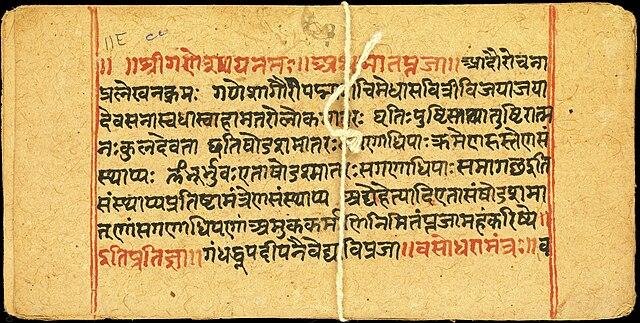
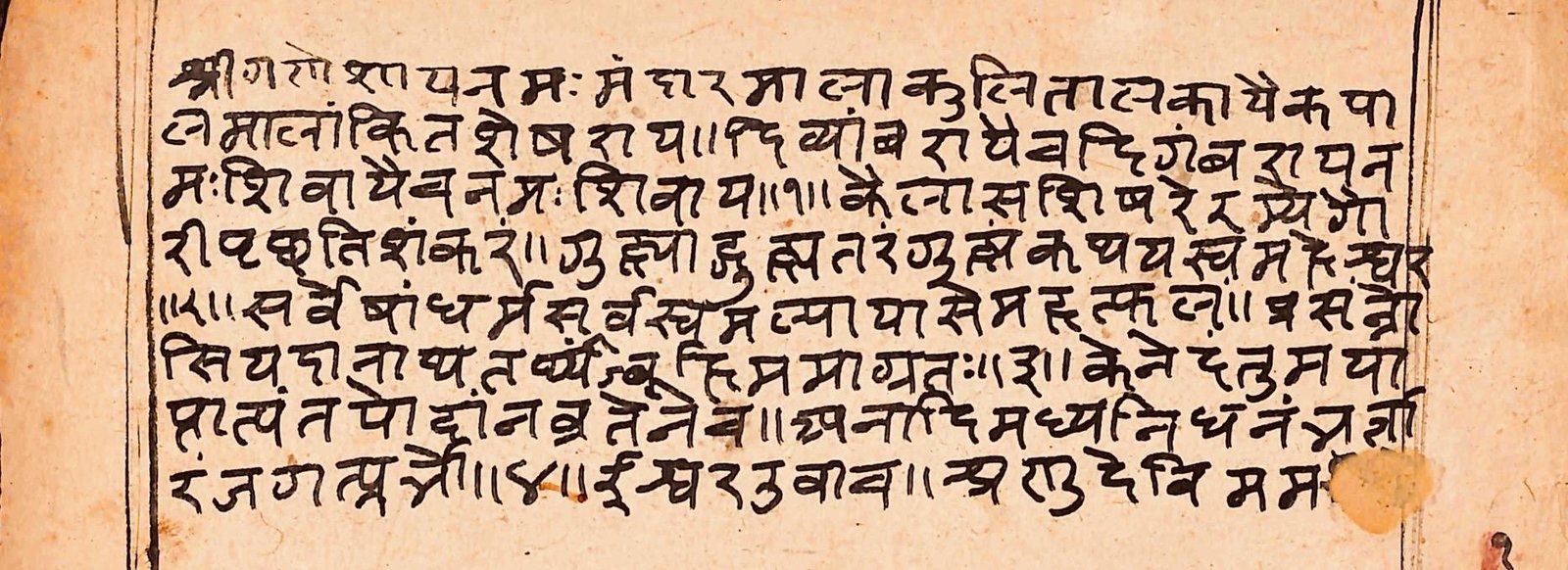
    Image ALT: Ancient Sanskrit manuscript and traditional depiction representing the Shiva Purana


    What Is the Shiva Purana?

    The Shiva Purana is a major Sanskrit Purana traditionally associated with Lord Shiva.

    It explains different aspects of Shiva’s nature and contains numerous stories that have become deeply connected with Hindu religious and cultural traditions.

    Major themes include:

    • Lord Shiva
    • Goddess Parvati
    • Shiva Linga
    • Ganesha
    • Kartikeya
    • Creation
    • Destruction
    • Devotion
    • Dharma
    • Yoga
    • Sacred places
    • Shiva temples
    • Jyotirlingas
    https://images.openai.com/static-rsc-4/sWvcH0sDr5scHpkk0IHBzfCFii0Laj7oXVH8UFAwNpSdxOBiaPxEje8FCIZWFFKcL9ZCEsfHrRVHplv4oUw5M6753bX4NKfnMtrO3by7WBoXcCLuNvNwksi4wsTiUS5WGkV4uBhOn3IaMLHqJdX4n_xwMrT5A8PZhk5EJipAi3HUf_4sHcTEQclXC2YA-nol?purpose=fullsize
    https://images.openai.com/static-rsc-4/Uks54cbwGQRIrUAKbGyPgX27qBKyFlcGU2wK6GYJptQ5A0RKyhmS5f5j3JOktg6Yf-zReR80WgaJa0xgFDrvn4vFUwV_QXYoVI4uGFfmgpGWVugQ8hrCx_Sf51cqJMJutAmlhqy02exAsmiIgtoLtscMDLsWiRTYN-KfHigNKP_SOzDhsH4FQl5pJMGaUTjF?purpose=fullsize
    https://images.openai.com/static-rsc-4/0Xfz0YKe1AU6MB5R-yQsnrVjD3sPQOLBDTaDFoBjoXqtHIvE_Dz1CkeugaNdm4kKnlxKURy9BpqgwVQsYAlz8xT_2Lv1bDObaxw8EU97Y3euxo9XxzcfJZVBpz6BBwnQVD6mqb3xdwOejUjl9H-uIcUDoP5pJ3BuKgS-OlAobZKWdGOPqhJ-Oy7BExXHaK-W?purpose=fullsize

    Image ALT: Lord Shiva and Goddess Parvati representing the central divine tradition of the Shiva Purana


    Why Is It Called Shiva Purana?

    The name comes from Shiva, one of the most important deities in Hindu tradition.

    The word Shiva is commonly associated with meanings such as auspiciousness and benevolence.

    The Purana presents Shiva through many different forms and stories, showing him as:

    • The great yogi
    • The compassionate Lord
    • The cosmic deity
    • The destroyer of evil
    • The husband of Parvati
    • The father of Ganesha and Kartikeya
    • The divine teacher
    https://images.openai.com/static-rsc-4/w5abJHX0EfS7HdTToRWKORy7ILWOotDZyK_Kj1YSWT1ricjN6_TFdUiDi1y9-svMNUS228dUUazMmxKxoBUzsysMh59pGkCIww01yEzmKNxAP9AiHoA5oNKSa8WJT6sQqk7A28L8owmQSbFQUCy9VZqonVtah4L9vkGrdSfM32-F2mgQ5hdXNLu6XNA4jrsw?purpose=fullsize
    https://images.openai.com/static-rsc-4/XddYTR3IWwLmH5HNKWrn64Latv6DsckGZ-b2a4q51aubIOxbSMljMHjXjCQ5bAaXo5QXR5AOqDqA0rUIhpVIqEgNBm5RxNLvfjdrQHAjRqApLr9AhtRjgckNGHH-5I9u4O07Cb89OKkIYtDZslkEQEw9Ybm3Wo-XCAWDBHISWkZ0oKGsCb41RIChwQWE1pNl?purpose=fullsize
    https://images.openai.com/static-rsc-4/4U6fysuTMb5jjGdX03yH7hm2kX1W-f610yX4JpTWyMW8n3AJ3CBFlwbZboUkC9LvTrMiQUah_nPXPvnmJbVotbs5Sg9MSOMNvB9YF4ax7VG_JrS09x2qnlj-ULJTh3YRl11tRKNItsKCAzUZvsSvqeXRAsaUItCUPDHy3YR0ALpVHqkSapRFXsH2zjPz-NRC?purpose=fullsize

    Image ALT: Lord Shiva in meditation representing the yogic and spiritual aspect of Shiva


    Shiva as Mahadeva

    Lord Shiva is often called Mahadeva, meaning “Great God.”

    The Shiva Purana presents many stories illustrating his extraordinary nature.

    Shiva is simultaneously portrayed as a powerful cosmic deity and as a compassionate figure who responds to sincere devotion.

    https://images.openai.com/static-rsc-4/0PfZOC8KqCHJ4eRz0_nc6ejyEIsF4X23b6gUru5eQn2WH8zlvAns_9vbGu0NvGuWKL6Stv0XiZ4j4nom8mO3VNPKWEsYzczKdRUgml1qtLGc_pF5inNhiBsTWC97WWK30DYq9mgSiwiTCSA8c-T6XrHjn_nlgXlcQZeON4X10YyjKf6kcEjuqYIiSIP-1b-h?purpose=fullsize
    https://images.openai.com/static-rsc-4/4ddZOpWJx_uzik_2_kXlho3Kx9IFAtqEXVmnJ-iGapuJWQOR9NiyQUvUF1tQPbaNU1DaKzQ6nfdgIDPlsu7v1uVkWpD7gsRCHqs1ydV0WeZjtnUwKGO3wOuzLKBuPShNPBYHu5Fvb-2eIe8Z7YaplN3rPGrgqzXebBmChQhjQQfskaGhcmLQ8udxAqUt2ugh?purpose=fullsize
    https://images.openai.com/static-rsc-4/BHoLGzQSSb3LyqLmH9nvZxS7nwH0W541qdtreG5frGnb0EdmGWYNnygQYMo4CemjRikTY50dzfC8Q72L3NNk4lINekQVr5k14XyYXUIROwcviZ6m4pMxXRJYbpfVhI2AA_Q3jXHGovIlDalzRlQhTIxZalduLvVHYSJxJgbnJLp_n2PSxucjHrKoRZoSekYI?purpose=fullsize

    Image ALT: Mahadeva Shiva with traditional symbols including the trident and crescent moon


    Shiva and Goddess Parvati

    One of the most important stories in the Shiva Purana is the relationship between Shiva and Parvati.

    Parvati is the daughter of Himavan, the personification of the Himalayas in the traditional story.

    She undertakes severe spiritual practices with the desire to unite with Shiva.

    https://images.openai.com/static-rsc-4/RT22mdlwMwAyOMlvVG9yeTShmCQovfUv7CscpJSEH-u3FSfU1oaAOg5IPth0S66-gJmM4f2DoSs3CxvX2lX0cSNxAFGnUt_jFRYMZhLxqdraxyXx6A-1KM2DH8mOiIwWyDHBHNmotgdpOxLPDcdowBWFczLD5uUiQOoqkUE_6qvXhbsbKwB1LoMWmkaw2D9L?purpose=fullsize
    https://images.openai.com/static-rsc-4/r-Dmq0vlZRpvjAxxvctdQgjn0dIg3tul9Wh5HXTDCRVbR073D0Z-JtUj5G0oXXDuyHXHbIBirNxYXNRPw9Z3jNT4mhWIriLBiIpL_LoMaaEDMbijjm4F1uaTD_Q_4aniMJiZu_OH-7Oq1sam4IgbfKfeJYWjQgwOJ5T-62wp0KT9AWqANgJf7UmhNKOARjN_?purpose=fullsize
    https://images.openai.com/static-rsc-4/e6dUSYcwkRVOkSGfw3gu4VrxH8kAE4zqyiDz4meXvquE4v9ioM7-q_pqITxtkGs9EX7757Xi04Tld4Ol2EBOuyglu_b8s7w3LvnR53nLEV4VDgpnfINP0-30GHn_ZCABwXw8tzn666Q2Mr9DlyUD-NEsI0-Nmt_waWUjdAonmYZVH3MvrZG-1hQvieCpaeuW?purpose=fullsize

    Image ALT: Shiva and Parvati representing their divine union in traditional Indian art

    Their marriage becomes one of the central narratives of the Shiva tradition.


    Parvati’s Penance

    According to the traditional story, Parvati performs intense tapas, or spiritual austerity, to attain Shiva.

    Her determination demonstrates the importance of:

    • Dedication
    • Patience
    • Faith
    • Self-discipline
    • Devotion
    https://images.openai.com/static-rsc-4/sud0B92jmlh0TR7ij1skc9aGY5M7k0qMc62q6kjdE8hAsEFt1KDro7Bh423QPsk43oNYVf87yCLnASRVVPuY0R02RWg-p_TmbFMqbhJKNnuTn3J246MFNCCSZMWW1Xx2_quI48LqRiuBi6TtcDJlhQR467WaXZaY6OWd6V-icp493X9ptjUsjjBTGy6FOHKV?purpose=fullsize
    https://images.openai.com/static-rsc-4/IF6UBc3zavKKUDMO9CUTNp8ipRzRZujyB3bonJoh-5Y_KCpSGFEs2rl1ib9Ex-WOhzx_itnBPwrnFjvbLNtT7ef_7mm3ZQkKJz82gClckwDyZIcM1EWUUFAbcdnLHGJu62AdQcRW1Cw8NABNWu_P5LpczWu-IhZM6ZYEN1F3aN5z7ujTllUYS-SzAvH7lZ6J?purpose=fullsize
    https://images.openai.com/static-rsc-4/EeSW5WVINFJ2cLMxYC9mrOYyEkevjIeMtK6fGf-Pux8bZfr91ItGqcxT6qBu1QkIYsZQYFp7xZZf4JVYfoMo2g0ywIHa-6kkacB8Uq-7eX-oAub75d6gHihuDdjQveZJdpyFC-E9VXAMzDlNdgYD0pCkCsmoraDtnheeTUH6DCCnyXdsVncXQZEketKef-RP?purpose=fullsize

    Image ALT: Goddess Parvati performing penance and meditation for Lord Shiva

    Eventually, Shiva accepts Parvati, and their divine marriage takes place.


    The Marriage of Shiva and Parvati

    The marriage of Shiva and Parvati is one of the most celebrated divine marriages in Hindu tradition.

    It symbolizes the union of two powerful divine principles.

    https://images.openai.com/static-rsc-4/rpp0v7P33ZBrYL2xw6cN5fJS8IhjMsI90OAc-kE0koLoumSdZYM1fXvncReA6pRaqqa8L710uELc4DFBf8137wCS3-Pc49NRWlZ5Yev-G94uMzRO0-uUxL8CsYcpcvmSg6Rvgz67RkDTEF9sBMUD--PGH7cJCOoGKaGypNaxccnQbk1sprKEEYNX6yXXAgSH?purpose=fullsize
    https://images.openai.com/static-rsc-4/RT22mdlwMwAyOMlvVG9yeTShmCQovfUv7CscpJSEH-u3FSfU1oaAOg5IPth0S66-gJmM4f2DoSs3CxvX2lX0cSNxAFGnUt_jFRYMZhLxqdraxyXx6A-1KM2DH8mOiIwWyDHBHNmotgdpOxLPDcdowBWFczLD5uUiQOoqkUE_6qvXhbsbKwB1LoMWmkaw2D9L?purpose=fullsize
    https://images.openai.com/static-rsc-4/e6dUSYcwkRVOkSGfw3gu4VrxH8kAE4zqyiDz4meXvquE4v9ioM7-q_pqITxtkGs9EX7757Xi04Tld4Ol2EBOuyglu_b8s7w3LvnR53nLEV4VDgpnfINP0-30GHn_ZCABwXw8tzn666Q2Mr9DlyUD-NEsI0-Nmt_waWUjdAonmYZVH3MvrZG-1hQvieCpaeuW?purpose=fullsize

    Image ALT: Divine wedding of Lord Shiva and Goddess Parvati in traditional Indian art

    The story has inspired generations of temple sculptures, paintings, festivals and devotional traditions.


    Birth of Lord Ganesha

    The Shiva Purana contains one of the best-known stories about Lord Ganesha.

    According to the traditional narrative, Parvati creates Ganesha and asks him to guard the entrance while she is bathing.

    When Shiva arrives, Ganesha does not allow him to enter.

    A conflict follows, and Shiva eventually strikes Ganesha.

    https://images.openai.com/static-rsc-4/KUq9bdcdaFN70dLw5LAui-VSUcK8n7wZhr9gl6-j9KdduUak_07wjQgNu3L2W3nPBgoTfU-7nqVSdWELCZ0HcpeOVWkh1-YfXoNsdA7nqEjLCRdoHldzytZh4El-rFRUO18VAlGHx-EZmszPY45gcEMxY38HwV4kDRNp6hUPE82jamKwV4mtESythUCtmmOJ?purpose=fullsize
    https://images.openai.com/static-rsc-4/hH6FQa02t6PXt1Ad9bpX1VlVUskfpTRLmsJ8gC_AjZ2WHh55PWdbP6e9Ai_moxtuhM1ARRRsNmOn-Yus8uaFPUzk7IkwJjurAtYqlexgYpBSpoMZYq7RDscR7X7K6q0Kyi9L0lGJxq8p2qZl-bOXuhdeXTwZGDuUpDNQcrf4fMuc4J6OfmxLftHACk05JLVi?purpose=fullsize
    https://images.openai.com/static-rsc-4/c6PpgofdjWWI3P9XrPHsKExnxdeoqkpt5197e1bHib2OYZluiPfsXVVjHAyrfs7Fljbsp6PDoCznRqT1uMPBG0bgYpJ40IFOs8PR5J2Z7iDpvayk0xu3dQFA0P7vbLCks3rpeF4SLkrlTQ3WfjF3pGBu-l-OdXr2_sK8a9RvCq5ldhJ-BFmZxYuI4hOkvoGA?purpose=fullsize

    Image ALT: Lord Ganesha with Shiva and Parvati representing the traditional Ganesha origin story

    Later, Shiva restores Ganesha to life and gives him the head of an elephant.

    Thus Ganesha becomes one of the most beloved deities in Hindu tradition.


    Why Does Ganesha Have an Elephant Head?

    The elephant head is one of the most recognizable symbols in Hindu religious imagery.

    The traditional story explains that Shiva gives Ganesha an elephant’s head after restoring him to life.

    https://images.openai.com/static-rsc-4/c0ncXbBMbSecHA6GGSYLqvwW8Id4jx0Am98Y9UXHcV73GZnhWysySkdES4u1RVWpVv_WqqbTikJG0mXgqe9R9ls0GGKTzmnWyuQyQdzSaMBrvtAKxC_6q4b10sl2MgsuBR5k1qL-FcZZFFCbjbSimKLCdSeKOWBCVprfz8aBcbpOzShTDoaEV75oOfnrJSRx?purpose=fullsize
    https://images.openai.com/static-rsc-4/xP9wCA7YBIxXJu-cW3fXiy6ZZIWejNcEmj2CaTyG55aL7I0f6cjsVizpolHQ_9UC27NxVnQnVKxvw5Vxo_YV1SzNYVL2uHO9N_yIej163wpMIEBrF-t8s13JqCOQlWErtOMXeUuCFatY6wjrnifiGAIb-s_HT8qvI3Rwa4sDcUPmoo_3j3Ky4l6BXJyHjnyI?purpose=fullsize
    https://images.openai.com/static-rsc-4/G3NPCKuuvJhCicrw3jO-HrnY-Ki4Nvg6faYG9bdyBWfOFreYCi4u8yREdlnf8MFGSpS5fGCWz5yy__YiDj0fL_vnAnOUSTKuH-zRpArVt9yNiRZdIvGJqEundPviRS_7MNVYCVK6bhhvBpHs1tP_PkKpz-hvQYv0BATGQCaCtDrSn30nn2g0wkbm5tic1Qxi?purpose=fullsize

    Image ALT: Lord Ganesha with elephant head representing the traditional Shiva Purana story

    Ganesha later becomes associated with wisdom, auspicious beginnings and the removal of obstacles.


    Birth of Kartikeya

    Another important member of Shiva’s family is Kartikeya, also known by names such as Skanda and Kumara.

    He is traditionally portrayed as a powerful warrior deity.

    https://images.openai.com/static-rsc-4/q-hmqDcHJCvVKKn5hin1VI5vrgNkebFDtKLRl7PPG9L5vyUv7cTWE2fxEEGOV5X9P-lRzWSOMRvX5ORZ4Gb1gPUB_-yhRotx7887-mGenVF61w-s72WAKzGdlBS2tacJ5BiSOhaXt0h2fnn5L-NJH1f7mZlJNGmKZG0ZD5PO3sWxTwY0t3L4gZ7pzVS2CgO_?purpose=fullsize
    https://images.openai.com/static-rsc-4/E1RE8asH-w8XwdbV2rIDgLKFiB1Nzf5A3QCeUEOL8hO6yUNq4ccI-3XsWcBZMb41yXiS4K1aVk_EoFjsUGof_mFQV3kuWemH3KcxGzZ8SfzXg6WCgZPD4UOW8LIoO2N4RP35vIAfirdC_JfAJywhkxURPfPBY2iFs0X1sa7KQj4OMpsDrUzU_qwJnueOJMo9?purpose=fullsize
    https://images.openai.com/static-rsc-4/U3Nr0OFMbn1GiwrGsNYylosiD76GWqR6J6EfFzcF1kViayH3uY5nShBu_5uRETAhwJgFOgHYcx04h-BeqndGwyA3cbtafKX0oa-TB7TIe0PJkIeY591lNKNVc0M_JnI3W72xxVTd3ZdcWj8dMTOX8cUgVdgupEKwKuaMdfwVZD-xFyMejBv37PsOOFmG_jYP?purpose=fullsize

    Image ALT: Lord Kartikeya with his peacock representing the warrior deity tradition

    Kartikeya plays an important role in stories concerning the defeat of powerful forces threatening the divine order.


    Shiva and the Divine Family

    The Shiva Purana provides many stories involving the divine family:

    Shiva + Parvati

    Ganesha + Kartikeya

    https://images.openai.com/static-rsc-4/OuAVQv1h9YM2s47XfEbJ7-_pUQxvWsNL9FeDCUUprxpwIrziXy-ikOV_FRs44x9ajelRSOLyZR-8xPbMj-DE5rU5yZtAxKuIw8QogxGzjj9fRPTc65LaBxAlhKiRBM2udfH4ICwiO1lHkec2za1V23LTHtXAJbuk0z8aDazV0_7gfDUEPZ4KBQDKlhVXx7vE?purpose=fullsize
    https://images.openai.com/static-rsc-4/xHI8hktYZoZ64DT8e2qRPhqeSKizObMUlIscI-wcDSw4VvG5iZ9u_NTXvc4nirPUTE7oG6MBwA0OA3zJ3aZ4cu3-8cSIeDSuKx2Ed0VJt6dB7L3RGfYm4A8wxRwOZIDw4r_v9EvzsMnVWu2TVvBmDDCdFqBr3_DgYi1-OHQsdAZZdco1XoOVcVreBW8BHXCR?purpose=fullsize
    https://images.openai.com/static-rsc-4/q5W67Iq7SRtUrSwXRO12mzfuEH-m5fMuWDbHU9R3p-j9D5uug5tU15lk5PFa06JInbMfqGHKEDYsFaaXiOMB8hB1vDpsGJvgGSikDSrELHbO2qfshH6VMKUHOaXw51kx6NIKVZYc7PpWevwKFWyjIFS9SWH0lHbh0RSyaZr8NKsFsCErr7j2S88GCcOFAR4u?purpose=fullsize

    Image ALT: Shiva, Parvati, Ganesha and Kartikeya representing the divine family

    These stories have become an important part of Indian religious art and family worship traditions.


    Shiva Linga

    The Shiva Linga is one of the most important symbols associated with Lord Shiva.

    The Shiva Purana gives great importance to Linga worship.

    https://images.openai.com/static-rsc-4/2xJB_vgxzeiJYUO2K5UVdZbDWKdPqgxBD0yG6NO9rDX0fR1ShUgoWSU7ndl_jyuz1QGFSVOAUy2viTlPVInrvKFLafMshcST4w-cEwh46D2I3pDyFLibMguFwOHe7yFm1eyU-xfYWuPpcop5z0YkGbtK2dZfNiRl_awuCpebN4wgAB_vbU7PwPbkVtjxt2xV?purpose=fullsize
    https://images.openai.com/static-rsc-4/T3Qr6X-Tw0yotKZCjpEhknuGPhmqw9Y8cuuvbRnb9pV30yiZikkTBK9iWpxCwww0AuIU3mnT534uRHKrZJJg3qkhvVfR_iyRewMPOJnp39B1XscFGxVtPoJRf8JS2B60N940PRcwWarNkfq8oeBBS5S0iP40VEZ5GKzHmPZdqIOR0SYd4UIr8sW9HtGSmxNI?purpose=fullsize
    https://images.openai.com/static-rsc-4/HXl3LWOepkR33V33X-Rbribx9hX2P3SYTzmzmffvlJpqqouVxZ8Z7XADGPt2TlkdMUR1rBmaaJ3QvOlfO7zNTFN1L_DAnCdihPnfu7CTuQ3-ubAgpM0XdGlzk2vBrfkzA1KUh-I1KxcdxDmu1JmIqnOCu63UWAQk29_6yJB8gHNonmqUocdkz5-QypHLmD0L?purpose=fullsize

    Image ALT: Shiva Linga receiving traditional worship in a Hindu temple

    The Linga is understood within Shaiva traditions as a sacred representation of Shiva and the divine principle.


    The Story of the Infinite Shiva Linga

    One of the famous narratives associated with Shiva describes a mysterious pillar of light.

    Brahma and Vishnu seek to discover its beginning and end.

    https://images.openai.com/static-rsc-4/vKNC67XwTxJuHVjrsQyhV0fy_0nkagZixHopbznI9xc6UssT655cFsMADKIup9b56P3hNnjUml5PY1vU4qARq0Z-6f6nAOLWgS1mKVCWuZmy_nk9END5VEGkV3RrMaoGp7JkS2eGwpAcZ64oauJxzNWX0hS2_0qnreBOE8UPlO1Sb79x-IDoS_gtCGXGNuKP?purpose=fullsize
    https://images.openai.com/static-rsc-4/NWrDUS0DIEkg2_TwtHne7QxxxPHgWeo6SP6AUGRo0OM7AHQ1NBBkFmU3SzJ9k9ku5A7yYzpnN5bsCy4BbloTe0OLB4BC1sB_lEiIBHyRgeMxZi4No_F4l8eOyWlQgqzCjqyFEPIhSsGdoZwCXCPe0ZCnM5TCEbh6bKM417JQxO5LEHUEHiHlF5K_hEFXhvnd?purpose=fullsize
    https://images.openai.com/static-rsc-4/FdhTOC_5MMufwALBPYzTUXv6DVvbUF-4O8wp_Ij9g6OV6wgxV6QwfvomK8O7Y1Pz2ehh4WfHXviJR25--D8leekszFYEYlLm8_1nE2OqbUxqa4SFqXnYibtm6dfm_MtY2tZgybaUD1Wq8yUlFS7NoeoZ8fXY8PFLXcplMCmQMH9vv6g3O6QsT2tYlEPdrUNZ?purpose=fullsize

    Image ALT: Shiva appearing as an infinite pillar of light before Brahma and Vishnu

    Neither is able to find its limits.

    The story illustrates the idea that the divine reality represented by Shiva is beyond ordinary measurement and comprehension.

    This tradition is closely associated with Lingodbhava.


    Jyotirlingas

    The tradition of the 12 Jyotirlingas is strongly connected with Shiva worship.

    The word Jyoti means light, while Linga refers to the sacred symbol of Shiva.

    https://images.openai.com/static-rsc-4/sae6SIQnGJB-qFP17hLfnRKCvCDEugRyhjeNhI_BjtHlaVmzHSVpMOCUa17khZLCjTTCR-B_RuU-v9R2bJ3BlRAl5mLynP0QklUEGPINo37ys7uJvlrjgaDLi5UKDE-t7AgixdOvJwMJtLMkM-tmYjfxbtHU_y6-TIu5uGY4s32s0VXXNIwb2LF5lWQXk9jT?purpose=fullsize
    https://images.openai.com/static-rsc-4/YtdkohYgekoXh3jUGz_YpPjC43JDX6i-NlKCIffOR75OffhQ_gOMpW-Lg5yhED2xXzcF6YbX4EikV7T203LIwaeigyMuDhzdfHpEkO5JWFQ8QcNNqzMCN-8EK3iiWm67qcuaq5JCRtrWBTSaW4VPt2VU9g6VufrNF9d4QO45cv3YLdroVUjecHP2G7W4XQGf?purpose=fullsize
    https://images.openai.com/static-rsc-4/a3ChQOp8-dfJtrfo4hF15j0YdqQra2MiedBzyPO1DYeiq6DECDkGID7TL0beHboZIe1DV6V9ZQLlE5o_YpX2LX2DkubrC87TiqyQ_hrVOQZhF5GVQv9jmTvUFm-HMfTP1VOSJjD3pJGfKFeFlpNIllMfXsRE19OVzpghD5bokS-1Wmzh2FC2qQiDNAESSIXI?purpose=fullsize

    Image ALT: Shiva Jyotirlinga temples representing important pilgrimage traditions associated with Lord Shiva

    The 12 traditionally recognized Jyotirlinga sites are:

    1. Somnath
    2. Mallikarjuna
    3. Mahakaleshwar
    4. Omkareshwar
    5. Kedarnath
    6. Bhimashankar
    7. Kashi Vishwanath
    8. Trimbakeshwar
    9. Vaidyanath
    10. Nageshwar
    11. Rameshwaram
    12. Grishneshwar

    These temples attract millions of devotees and are among the most important pilgrimage destinations in Shaiva tradition.


    Shiva and the Ganga

    One of the most famous stories associated with Shiva is the descent of Ganga from heaven to Earth.

    King Bhagiratha performs severe austerities to bring Ganga down to Earth.

    But the force of the descending river would be too powerful.

    https://images.openai.com/static-rsc-4/Ure7X0fVNuN3qLxVmVXtMZZZX_-4mhYXUWCaoC_UJd5lzWJ07oRawszynD6kS2Xlc58sxH1xgh-81-aRL0GzT93YS6Q_Ab5y2woQ6rSrU_mKFUmitRY1Levpor9sVf5MDD-0TkWQJkf9EaTQpmAMwBpYpItoJEG1Y9pPtV_fezn5ui3mEJ_lwlWLFLVa4OGU?purpose=fullsize
    https://images.openai.com/static-rsc-4/X5rHsuSwAn2wRjnC6ZqN3AA_yhaTlCbDoOOIEpAasJ-rFxlg0O54ra1Bo1JXTh5LgR_CQfk0YgV64ra6ccKvAs8dUySmoFFl5CQ_pfrZFrs4Aox13vGVBc_hZ2A3nZyVKfTLSIVvouRlDTz9NhwbQaczRU9lmi3PIDcbJxpG3UPXUqFGtHLLM5ARyewl_AUX?purpose=fullsize
    https://images.openai.com/static-rsc-4/6REw7uvPFgAIfnzvC0bEfOJoVk44OAgTtATFmYeR-PCWZklaWWu_I8NcESnm41zVwEX2goQ8yQqJ2rVPepLuslM46hJEgtXOFbttHV1tHU8AgmqTcdQTetASOgj8dJBB70S89Ejh6th8-C8NaJn75GkYPJjo6wXCQAIGvn5jFnLNOsk8chq83gCXZu8gXan_?purpose=fullsize

    Image ALT: Lord Shiva receiving the River Ganga in his matted hair as Bhagiratha prays

    Shiva receives Ganga in his matted hair and allows the river to descend gradually.

    This is why Shiva is known as Gangadhara, the bearer of Ganga.


    Shiva and the Third Eye

    Lord Shiva is traditionally depicted with a third eye on his forehead.

    The third eye represents a higher form of spiritual vision.

    https://images.openai.com/static-rsc-4/fxCj_M8JZzzhE52BKEZVwtY-RGEJtqFlXnemDRikAw7X-Gdn1peOvACY_ZS2MFY7Uxm6ISAW5opapmD59T7QZZ0rUCily_k20JvV0_r6Mv7zOMAeC4mYHjFDWRxQIlaIrk2qtdMEJeqL5cTgh-xuhhCJxsZnVhE34IbLEYc-90LYveo_sfTi9_fixNdOAfpm?purpose=fullsize
    https://images.openai.com/static-rsc-4/hgzgsWBdan-GoedhAhTl_TrlRhH0tO9PVXux4jsiNnmIu8kc3vBCTjtRRIpyfzYsfTlOSf5oGv8gaBmFqkQYIGUUOlGaMybjbeJSjCjnmwnwCBaWK8nVtiAACxYXglTKPBCZzPR_hqgZ_A8N_MjRv5E_yxWzGp0fIjvxacqxNi2aLZosEUr_0AlHm9zWkgnt?purpose=fullsize
    https://images.openai.com/static-rsc-4/dpNdw73h5F4MFB3_eugWd4qZjiuF8aRCaStVUlp9tAy7x0luBt_dEwm9ZwiIchRaqinXAJ-4mwgFW3N4kaalteEAYMm5D3lVHOE4BjWhLYpQ8xSeJNYTJ5VVa5oL8qYto3fiYO7XyioDksrR40tvUTEKPeXCPR9MyUTduNcTnJLR2wuOVYgWFx3vlYHmQOz9?purpose=fullsize

    Image ALT: Lord Shiva with the third eye symbolizing spiritual vision

    The opening of Shiva’s third eye is associated with powerful stories in Hindu mythology.

    It represents the destruction of ignorance and the transformation of consciousness.


    Shiva as Nataraja

    Another famous form of Shiva is Nataraja, the cosmic dancer.

    https://images.openai.com/static-rsc-4/oTnqOA-3TYaIjQGFh-JoSrRISnn61jAKYTTjI_NaTF60iWLcgwclBOcitipzvOJodftjoLC16ncssZ7VXNGghX1zZ5P9GuIhr-AU6mAjH0PnErzwljoXSZBQYN92pRRx1nPZsDqNmJKWavJTPtfykopiqugfjP8YdukErh0C4EgNEZC-BJ9K5NKa-QzbYVtX?purpose=fullsize
    https://images.openai.com/static-rsc-4/s600hmREdjozT2bDR41KL9DgMNsVpR-OJQIlvR-QkdfjkEJujgBU5i-2oP6jy5l3J5AkpL8XOU4xFdyFxRgkkf2PKdTVhazLUhC1G-NcX9QqQdbY-l-AbsJtox8ezvnh5SF_sCatB5PtqU6D2nZ6jdb73GwXAQcnJ5Ed5w7VRYM5YXSpYhyVZH_OprSkdoOs?purpose=fullsize
    https://images.openai.com/static-rsc-4/tjc9CsQ84drV5TedyX_CLhlNg5NXhBpC0JFHH2Wa-aePXVYklErjrgiMJAckLaHU_INbGo9C5sIWuE9AyalH2CMQC-egZ8MAnWbouea3KqrIyOEfQuIvGZYlXqbEqh-0Na_1o2jscB61T2MczA8ggrQ3m8a4z7YVJiDpEe5nBumgwt1pgjl3mM4zagv7UjJU?purpose=fullsize

    Image ALT: Nataraja, the cosmic dancing form of Lord Shiva

    The Nataraja image represents the cosmic dance of creation, preservation and transformation.

    It is one of the most famous forms of Indian religious art.


    Shiva as the Great Yogi

    Shiva is also portrayed as the ultimate Yogi.

    He is frequently shown meditating in the Himalayas.

    https://images.openai.com/static-rsc-4/w5abJHX0EfS7HdTToRWKORy7ILWOotDZyK_Kj1YSWT1ricjN6_TFdUiDi1y9-svMNUS228dUUazMmxKxoBUzsysMh59pGkCIww01yEzmKNxAP9AiHoA5oNKSa8WJT6sQqk7A28L8owmQSbFQUCy9VZqonVtah4L9vkGrdSfM32-F2mgQ5hdXNLu6XNA4jrsw?purpose=fullsize
    https://images.openai.com/static-rsc-4/R0XnngSEYYBOfOnNoFkmCqm7dZVDTvGcMd1GmYL7vZjk8dXGJ_aV_uJ97cZvKWdMbYs34yCDqcVEb8MyxoOqa5y2P6beLqmnJqjb3PLtX4HmFqotWZOOOmXAX2GRLwkA-XYYUOwqaF8-vmjE4gWEDVTCot6p5bIFA2yGZ7fQ95WiXbEumsfHWdDlcGZZKDvA?purpose=fullsize
    https://images.openai.com/static-rsc-4/4U6fysuTMb5jjGdX03yH7hm2kX1W-f610yX4JpTWyMW8n3AJ3CBFlwbZboUkC9LvTrMiQUah_nPXPvnmJbVotbs5Sg9MSOMNvB9YF4ax7VG_JrS09x2qnlj-ULJTh3YRl11tRKNItsKCAzUZvsSvqeXRAsaUItCUPDHy3YR0ALpVHqkSapRFXsH2zjPz-NRC?purpose=fullsize

    Image ALT: Lord Shiva meditating in the Himalayas representing his form as the great yogi

    This aspect of Shiva represents:

    • Meditation
    • Detachment
    • Self-control
    • Inner knowledge
    • Spiritual realization

    Shiva and Mount Kailash

    Mount Kailash is traditionally regarded as the sacred abode of Lord Shiva.

    https://images.openai.com/static-rsc-4/UH24Gy5QJUVV6MV-TgrEE3cooy3o8Syi031I4JoxTXe_7400jDCz4MUDVRbasbfXCOql3dQZBoWn1Nww238E1UyQ0k96g3sgrdDB0ewjwTK2mS-iuX14c_rAcKyHc8FSbwhApPigusN4p4KHD4lT0tKsl2XlNf7osCfwROzuan8c68WbVsGrvxOZ21sEQjA5?purpose=fullsize
    https://images.openai.com/static-rsc-4/SfKwBH9SktDh25DEKaZUc6KoBi4u5oDB34-AIRtKAFZk1ewcKW_ou5iOsOvjEGoOQKoqfSTOgp4AzYu0MK1Mkps-js76nVlyMy2lyK1E8kE44Iw8Ytb-yvWDgjw61USs5cNwZZXGhJETU7bY5b98QWnlgQ3VhSAw3Tk7yw0hC7qwzSYecj3nLG_fgSsrF0hh?purpose=fullsize
    https://images.openai.com/static-rsc-4/gGl6FxYK-nfRJVKq9c1rxhyM_Isd8AA3HRwLMb-7oCGB9fBd9zo5GMrAzIyNnOFA0fnWhUTMUKownZBnKKOg79JVJ0jWWK_8mPADX10ZXovVOR8Nj183gPVqurgddz_Rrd5I-_nD3qR2nX8Mr1mEeEzuSf8BdQ0NIl_d4peM4RJfXRy7nxQIuuhgMknvnzHu?purpose=fullsize

    Image ALT: Mount Kailash representing the sacred abode of Lord Shiva

    For Shaiva devotees, Kailash is one of the most sacred places associated with Shiva.

    The mountain has also become a major pilgrimage destination.


    Shiva and the Destruction of Tripura

    The Shiva Purana contains stories of Shiva defeating powerful forces that threaten cosmic order.

    One famous narrative concerns the destruction of Tripura, the three fortified cities associated with powerful demons.

    https://images.openai.com/static-rsc-4/S7cxzJlLEKYQDPsBAKZH_pBJymvvbp_Y56U5vmVilizykUHhqCyWp6daaUAkcAfgm2wDNyid4aJtU5hova91VZz0SGAom6pCdSw04HnSaj_fCkcXQKwIhf622J4xr1cicllcbk8ei53_-l1P4OXRJKO9V2ibMIWaxAG1EneBkcDeRk81MHiiHaJ56B7OZocs?purpose=fullsize
    https://images.openai.com/static-rsc-4/vPCRUv-naEI_--3gUP8l4UkmXq84OIq1QSJdg3OW2X-ihsSKXOjR1Aq5Ol3qnESTEZGto10ov5ekWf7tlUoZINVVKM0ZezEtt0L4kqZUBZJjMsHqRg-IMi7_GK5lF48cb-KVYApV2q773rebJNA0ciH9VPKW8y-1BhrHuYADsgKpPw8yQcmm1f_dW7BDQ8kJ?purpose=fullsize
    https://images.openai.com/static-rsc-4/8_D-hqNDcZ7WjUTQQMh84d2z8A79PC-LBvGiyR8zp422kBgg2uscZKalUEO7d7D3SNKV4YBiRP8W4P9ZJbVnkANh8mQYCCNvnDdoji03S6xYf_XqjOrjf4hNP7TME0n9cghxkyABbMpwFtXi53X_sLj2oaCILiLtk0820JLU3xg5iixHejL39OmnxMD_TXuI?purpose=fullsize

    Image ALT: Shiva as Tripurantaka destroying the three cities of Tripura in traditional Indian art

    Shiva’s victory symbolizes the destruction of pride, evil and imbalance.


    Shiva and Devotion

    One of the central teachings of the Shiva Purana is the importance of devotion to Shiva.

    A sincere devotee is traditionally encouraged to approach Shiva with:

    • Faith
    • Purity of intention
    • Prayer
    • Meditation
    • Service
    • Self-discipline
    https://images.openai.com/static-rsc-4/wZJiTJlskE8I7m4ZbTmB26LmLdX_CXtWivbfRUHSqtfo15AQYUYpDHzpp1DshaV8d88NyN8NfxC1pLokfo1lYRrCfYes1Ft_CKbc7F1A2-MT6EMNP8k5ecCIxmeTnGOMeJJijxDgUm1QkfDICo_C4FgpiPEViQRnfJfTBZT9aoW4twQh_b7EueXezzZAi-e4?purpose=fullsize
    https://images.openai.com/static-rsc-4/5Ut_UQec-mwAFADq-n8P4Z_LtlK1OvnUmPkpQoVaQLmEXOqaw7-wZGGeDLTv1MgFeeZTfk8uw8paXSm_kKOwYc5o7iPkWvnjAGZ7pcMfYVhVIWWlScKZUCsTkxIZ8bQtP-lTwynJHcw5F8WMHtW3-ZbvhObe4erbVjtrfMhSmm92_1nkpN_rSLle_gXF_QTB?purpose=fullsize
    https://images.openai.com/static-rsc-4/HXl3LWOepkR33V33X-Rbribx9hX2P3SYTzmzmffvlJpqqouVxZ8Z7XADGPt2TlkdMUR1rBmaaJ3QvOlfO7zNTFN1L_DAnCdihPnfu7CTuQ3-ubAgpM0XdGlzk2vBrfkzA1KUh-I1KxcdxDmu1JmIqnOCu63UWAQk29_6yJB8gHNonmqUocdkz5-QypHLmD0L?purpose=fullsize

    Image ALT: Devotee worshipping Lord Shiva in a traditional Hindu temple


    Mahashivaratri

    The worship of Shiva is particularly associated with Mahashivaratri, one of the most important festivals dedicated to Shiva.

    Devotees traditionally spend the night in prayer, meditation and worship.

    https://images.openai.com/static-rsc-4/2hQvG56_SxxbpniNbMfSnMUR_rdMHR-EQfKvohM9f4JcnBh2B2t6l4sOGzgaS1h4D76ldHa9lCJ-2nmIx7LxHOXuxMUKjViawtibR3PczUNcmTSwi1zDnOjj9FLq8TatAId0WRh1vT3BOR5sAKbdCnPCvAgVXssNyR0UvzuhDKlliTPdFX6vHothQ2OVTUr2?purpose=fullsize
    https://images.openai.com/static-rsc-4/wSTPK_wxQEvxBtXnmXcHfUgeI6xOXiFDbCX1ESi0KesRvEQMetVbDNJjDgURQDpxyvH8Dd6RGPberGfMuSz8VagsW4qea9iu7PfvpImsDkJrALwu5JTaiN4-1tlzPmNbuJ5Gl-BONnYdIyXd6X52DaF3r9nOCR-p7l-otrMe2GJn0tJoiVkLVj_bf8lQf8zZ?purpose=fullsize
    https://images.openai.com/static-rsc-4/-6uUGNhuBEyE_68GRQUjIoCE4pDPeCshu8z9HpPIaiarn4vft081l6ULqAZAhzG51YjRnVPQPz7CdGPyjVY_E62ZKSawEhUJULU12RG7ucgY6idq1IWH9Qh9LKhltZZyYHOWN4EcmPrVlOdLtfJ-R_9sgyWCpXYZ5Xe6BWPcUSI2fG6c7MK8Rlw_wQAgIlP6?purpose=fullsize

    Image ALT: Devotees worshipping Lord Shiva during Mahashivaratri

    The festival is associated with fasting, Shiva Linga worship, offerings and night-long devotion.


    Bilva Leaves and Shiva Worship

    The Bilva, or Bael tree, has a special association with Shiva worship.

    Bilva leaves are traditionally offered to the Shiva Linga.

    https://images.openai.com/static-rsc-4/kVBTd6LiaYTIiyt5SkI-68LRxZe4Z6Bg9KNAKYimQ08nJEoZ0kkH0D0KiCg8eHomQPfJ8mkXIWEBvWwYDfXTlKSZHSlSuwyMmdv7qIim7NizTsTl_3SC8u2jfyaeCYA_X1rY2QKyKFutIGSBtVpVXV9N4NRHvTP62bAHDCfhVEPJod37BOEtfoHblGjhovqn?purpose=fullsize
    https://images.openai.com/static-rsc-4/iYu3C0cDSgJABODLJ7EkooyXUAanEwXQ1yFpFX4wyT9F80qHGLCaMCaRsc_1srjVBOiV8ZJypk8FIENryTtBnvuNkaqsQsOHW89M05-hSRLcZ6u1dw8ebBdSutItgAQGK1KVVmzCKR4cdQ99bacuU2l9XrClGD2QQD6R41Iw_zP6Kl39pNrH26iQyBBb2ud9?purpose=fullsize
    https://images.openai.com/static-rsc-4/G_hNM2bI9BFeGXLlGUCxM8l_i08_gqtdWeY0cz_yjJMRcg-VsCfN-3nyFOCQhT-skDXfTYOC4FShTdMz0UzxDFaPL3JNyugfVoBdz6jQVvZiS0udkzdut5w3vKZztXxykhKX3gE87xG650hsIo7xUa3nsFBa693LO4hDfjHtZzNXfP0lq78VMNyNpRumBfNy?purpose=fullsize

    Image ALT: Bilva leaves offered to a Shiva Linga during traditional worship

    The three-lobed leaf is especially associated with Shiva worship.


    Abhishekam to Shiva Linga

    Abhishekam is the ritual bathing of a deity or sacred symbol.

    In Shiva worship, devotees traditionally perform Abhishekam to the Shiva Linga using offerings such as:

    • Water
    • Milk
    • Honey
    • Curd
    • Bilva leaves
    https://images.openai.com/static-rsc-4/oTdODtZNvbzIFlLj413K2rE-p5TDtAIA2digxLYHMP3hRWM9TAtVqBqAyBnswRew72en3sX7bPYOxvkrS7TJ543fNMC903dECQLOGkc98i7rivt_5nu-Kv3sHdYn049X0Yv-F1j12Q_v7eqNuHK5sxR_NvzTCKEYNFq2y07tvOuxt2NE2GgJVuVQNafBK4yS?purpose=fullsize
    https://images.openai.com/static-rsc-4/HXl3LWOepkR33V33X-Rbribx9hX2P3SYTzmzmffvlJpqqouVxZ8Z7XADGPt2TlkdMUR1rBmaaJ3QvOlfO7zNTFN1L_DAnCdihPnfu7CTuQ3-ubAgpM0XdGlzk2vBrfkzA1KUh-I1KxcdxDmu1JmIqnOCu63UWAQk29_6yJB8gHNonmqUocdkz5-QypHLmD0L?purpose=fullsize
    https://images.openai.com/static-rsc-4/hm42m4eodZAViaULFl3V8EApGdqpRjvgnDdv1E7sOg-OofhGGqF69H1gU7_Cxb_fhpQSKlwOB903n01fSYibCap52yezBQrWmR862x-a3NDNJYK4rJD0dNg8w2k4_m0G628VITglrhwNvtojs7maB2odDM_cKgE1pyINPAutZn3RcFNl5e35mk5fmU0Dxw9o?purpose=fullsize

    Image ALT: Traditional Abhishekam being performed on a Shiva Linga

    These practices express devotion, reverence and surrender to Shiva.


    Shiva Purana and Sacred Places

    The Shiva tradition is connected with numerous sacred places throughout India.

    Important Shiva pilgrimage centres include:

    • Kashi
    • Kedarnath
    • Somnath
    • Rameshwaram
    • Ujjain
    • Srisailam
    • Chidambaram
    https://images.openai.com/static-rsc-4/UoSd4YhoToFM4S7GmGd1Q5qULKZDpNumfwDmES0lmi3Mq6ilt6TNI6KH4KjsnTNHyOFnvWaQYVVA7_Pix7nPMuAz82K47_kD4I1O27m3fLchojpL6501IAMbttL9KYAzTA4iB1OWKIUL4ZrC6yPHzQFX3fbLnS9xvZZ10YUck_TEDfPUuvWlknAIH-_HEIMt?purpose=fullsize
    https://images.openai.com/static-rsc-4/Mgv5XAggq6e6jSCwgtm4Jda8ITs3cwPUpem6qF2OncSTjyk-VOUduyW-2B24-e7vKRTrtVRSyYPebrRGaN-ea9k0s_cT14YQFMFkTk0YW9xZoIep6B9ASV6dKfWrnWj86iTBry2zf3sYl6P-ocoaw0MloWTOb2ur_xFTEu_PnrIf-wQmsdr3a63t5gtW3bQA?purpose=fullsize
    https://images.openai.com/static-rsc-4/BOeNhubY9C-wO_wqxV45lIdEtk-O9E3MUV3uclWdWbmfxuBD3hz5uTjQJA2FtMP5g6QsNE18ISbWLhIb4I3lFp5B0iziQrq4LOtrl-vWl4fXa_2tjOJLmVU7yx2ErAmunneivPTkEn62IfGI6UcCiXYXYWxbFVLMrEmrHpMhVGQgZYg-m4RBdATK_-Yf5rSh?purpose=fullsize

    Image ALT: Famous Shiva temples representing the sacred pilgrimage tradition of Lord Shiva

    These temples demonstrate how the stories and teachings associated with Shiva became connected with India’s geography.


    Why Is the Shiva Purana Important?

    1. Shiva Tradition

    It is one of the major texts associated with Lord Shiva.

    2. Divine Family

    It contains important stories of Shiva, Parvati, Ganesha and Kartikeya.

    3. Shiva Linga

    It explains traditions associated with Shiva Linga worship.

    4. Devotion

    It emphasizes sincere devotion and spiritual practice.

    5. Sacred Places

    It connects Shiva worship with important pilgrimage centres.

    6. Mythology

    It preserves stories that have influenced Indian art, temples and festivals.


    What Can We Learn From the Shiva Purana?

    The Shiva Purana teaches several values through its stories.

    Devotion

    Sincere devotion is repeatedly presented as a powerful spiritual path.

    Determination

    Parvati’s tapas demonstrates the power of dedication.

    Wisdom

    Ganesha represents intelligence and wisdom.

    Courage

    Kartikeya represents divine strength and courage.

    Detachment

    Shiva’s yogic form reminds devotees about the value of inner discipline.

    Transformation

    Shiva’s destructive aspect represents transformation rather than destruction alone.


    Shiva Purana – Quick Facts

    Series: 18 Mahapuranas – Part 4

    Name: Shiva Purana

    Traditional Association: Lord Shiva

    Language: Sanskrit

    Major Themes: Shiva, Parvati, Ganesha, Kartikeya, Shiva Linga, devotion, mythology and pilgrimage

    Important Symbols: Trishula, Damaru, Third Eye, Crescent Moon, Ganga and Shiva Linga

    Major Festival: Mahashivaratri

    Major Pilgrimage Tradition: Jyotirlingas

    Major Tradition: Shaivism


    Frequently Asked Questions

    What is the Shiva Purana?

    The Shiva Purana is one of the traditional 18 Mahapuranas and an important text of the Shaiva tradition.

    Who is the main deity of the Shiva Purana?

    Lord Shiva is the central divine figure.

    Does the Shiva Purana contain the story of Ganesha?

    Yes. It contains a famous traditional account of Ganesha’s origin and restoration with an elephant head.

    Does it contain the story of Parvati?

    Yes. Parvati’s devotion and her union with Shiva are important parts of the tradition.

    Does the Shiva Purana discuss Shiva Linga worship?

    Yes. Shiva Linga worship is an important theme.

    What are Jyotirlingas?

    Jyotirlingas are sacred manifestations of Shiva associated with 12 important pilgrimage sites in Hindu tradition.

    Why is Shiva called a Yogi?

    Shiva is traditionally portrayed as the great yogi who practices meditation and detachment.

    Why is Mahashivaratri important?

    Mahashivaratri is one of the major festivals dedicated to Shiva and is traditionally observed through worship, fasting, meditation and night-long devotion.


    Conclusion

    The Shiva Purana – Part 4 takes us into the fascinating world of Lord Shiva and his divine family.

    Through stories of Shiva and Parvati, the birth of Ganesha and Kartikeya, the significance of the Shiva Linga, the story of Ganga, the tradition of the Jyotirlingas, and the spiritual image of Shiva as the great yogi, the Purana presents many dimensions of Shiva.

    The Shiva Purana is not simply a collection of mythology. It also preserves ideas about devotion, discipline, spiritual practice, sacred places and dharma.

    For millions of devotees, these stories continue to live through temples, festivals, pilgrimage and daily worship.

    This is Part 4 of our 18 Mahapuranas series

  • 18 Mahapuranas – Part 2: Padma Purana

    18 Mahapuranas – Part 2: Padma Purana

    The Padma Purana is traditionally counted among the 18 Mahapuranas and is the second Purana in our series. It is a vast Sanskrit text dealing with creation, sacred places, dharma, devotion, pilgrimage, festivals, religious practices and stories of gods and sages.

    The name Padma means lotus, an important symbol in Indian spiritual traditions. The Purana contains material connected with different forms of Hindu devotion, while Vishnu and his worship receive particular attention in several sections.

    Image ALT: Lotus flower symbolizing the Padma Purana and the sacred lotus tradition in Indian culture


    What Is the Padma Purana?

    The Padma Purana is one of the traditional 18 Mahapuranas.

    Like other Puranas, it is not limited to one subject. It brings together mythology, religious teachings, pilgrimage traditions, sacred geography and stories designed to communicate ideas about dharma and devotion.

    Traditional accounts divide the Padma Purana into several major sections, including:

    • Srishti Khanda
    • Bhumi Khanda
    • Svarga Khanda
    • Brahma Khanda
    • Patala Khanda
    • Uttara Khanda

    Different manuscripts and editions can vary in their organization and contents.

    https://images.openai.com/static-rsc-4/8VRsk2i3iPwAy__Q5P-oR346SU3fZnNYEd7l4jYyPBXkAHnnB4GqQ4BOe76x99nCusb5e0aVPuuTVavz0-BAZ_4xmEceSL-o-wpvzJgY8BUGkyTTZjYzAoiYn_6es8ergePkVaqNLYkbHNBUKxyPNC1SCFOswBz-96U2FYII7p8OCV4ntWgVhFMfPo0_hKQ2?purpose=fullsize
    https://images.openai.com/static-rsc-4/LNASIfI-jxGx7Wl-OiIv_3j8s-Dcy7HCQBz1Su8y3SSP5SmMC6mld3-wg8OwYK4yj8SIui2D6zA9GDaFXue5EozshSLD-UBDxblY8qhfTTrkXHuUnbAMa8fMGDGCy-3UC7W_XlhhhYABY13q8TDPUn3BAy2R55aKVPTuIxgLQdqnMEAt74CyokaxcF9Y2SZc?purpose=fullsize
    https://images.openai.com/static-rsc-4/tzzv8iYxOU5zE-zi1vQORfxD5MoWZxxnR-DjcAvbzzlzM7VSCmmDAbLaH5jI5EKJq0L57GTEtOZIuHDaf3KKFk2WQTZA2oJUlJFjJdBgetW4xSBTSUm0f31-Zkhu3jaMg-qKamMYe84KEsRYaGr-FWA6RGgsWuopJpNlixHqvzghfLTJCAu0vEKes-V0Ix_o?purpose=fullsize

    Image ALT: Ancient Sanskrit manuscript representing the Padma Purana and the Puranic literary tradition


    Why Is It Called Padma Purana?

    The word Padma means lotus.

    The lotus has a special place in Indian religious symbolism. It is associated with purity, beauty and spiritual growth.

    The lotus also appears in traditional creation imagery associated with Brahma, who is often depicted emerging from a lotus connected with Vishnu.

    https://images.openai.com/static-rsc-4/90ypE-JfYFFNQRLRlBDjBYLRySfUsqZeu1gM5Q-h0yrGYOWx49q1t-rZ04rZ6wEJIESyQsGT1kLfbioNhQkc_QW8qW0v5X3wO2JcjB1sRZxdTRaEM8NFKY_AZdExh1wX0qxtVRhw011Ij2zfpGDRfGGHglDfxSVT7kJKQcmA9i-NzZjSteM49RtJeWrEtj3m?purpose=fullsize
    https://images.openai.com/static-rsc-4/k7vvZ2zQ8yiFKbA9JG6eyG0-NEAErfxwURs9nz2Bcl28MpVh2x4BPL5zK3Nu8MdJ7Zt8pe5zUj5Ii_mQOe5Ank7bciVOhuW3XG_MSvomzAAvgiCdaXxVSQEGUV51KVMLf8ZvBpE0EHzbej3oKdtUdKO92Ngfxp742nLy4rNMYuvtzRInZ2BbpTNfQLK833Pt?purpose=fullsize
    https://images.openai.com/static-rsc-4/l-ZSDSZyEagwg5XH-gJlLpCBtfnczFVO1i2ylgLBMLM_Uzwj4qHe6Wuy1aUSwGQ0rF3s3eX4dTK7WKywH-vsZXDR0TIJEATd4P1E_NKUHmfXlnTDDqiwoblTw9GVr_VXbFbVq-YSWeumCefSJ8j5V5Mz3aGdosUtYE-cs_x7Tfo3xMeXJo4ig7shiGK5ZBPA?purpose=fullsize

    Image ALT: Lord Brahma emerging from a lotus associated with Lord Vishnu in traditional Indian art


    The Main Sections of the Padma Purana

    The Padma Purana is traditionally divided into several large sections.

    1. Srishti Khanda

    Srishti means creation.

    This section discusses creation, gods, sages, religious teachings and various Puranic narratives.

    https://images.openai.com/static-rsc-4/kf5o5nKQj6Nkme-chIrdcRjEaGupX6cIaWb36Ov0Hgesm9v0zEIA19OL-v7aqME2QAqi6w9AiB8SJllKRtKPYgTt49NctW42Mh2HJ8bfJYqy4N92lkKp9VClLc2QceJisRXxLDvGVOF_yRxckYjq1a9r-83XaMysiga-yl2q4KCmeId8lxTVZ0Bkxol589AM?purpose=fullsize
    https://images.openai.com/static-rsc-4/nX-F9nehDCnGUki-0Vwe5cJTpi2BeaemyZpH2v-s6SOaBzew8M5mBa92_Coh_9cHqCWAoJjxU1VCZ9HhpDJa2zPg7haG0NQuaI9xK4l5lW-FqLoUwfRk5cBpgA-bYXXAoUu5H_ZT7ApoLkAAJXuY_JhXPUg68PtbcighmN9QIVJLKDOhOodgAUgWZtd1LwYw?purpose=fullsize
    https://images.openai.com/static-rsc-4/lYbIr1bWGCXTx1Px8qyLEmyRRzdqpZq6hzv3CauCoof7VMEWpxyiI1Imo1dOZSEEKbnP72QciT-33uVJy1NdeavMkOMSKefUzPnobqWaDjSN4MSP98MxmcXUpIoiNlHJY_7yNMTcgVPAlPzvJxF43Oxdtr_AbSqpYo39ZxEkJpqa8nv67OBFeQoy1gIp5c9w?purpose=fullsize

    Image ALT: Lord Brahma representing creation and the Srishti Khanda of the Padma Purana


    2. Bhumi Khanda

    Bhumi means Earth.

    This section contains stories concerning kings, sages, people and events connected with the earthly world.

    Puranic stories often use the lives of kings and devotees to communicate ideas about dharma, responsibility and devotion.

    https://images.openai.com/static-rsc-4/hU72A0x5q7bJy5Tcyeb6GbDUboL_R-j00w3w38K0fa_bDrp3snOMZJ4l_8jU6Fq4-BeaHeHoCcovdARUz1kVjKyTcd5ICb_VTTUZz9MFSK-D-z-CgIdvxUaB274fum6NL2dAllqcFPXM8hDwOsGIxwXF7nthsq1pS_6LOfsipOcsZwYPd_D7Is0_rHV8qkvB?purpose=fullsize
    https://images.openai.com/static-rsc-4/FU6DLqNmCNcN2gGuYtvQ6b-oAcqs_WjY2z2B6yWXdNNpCFPefMay48Q7eZAMp3sYAk2-_EdIp81ESlyK0un8v4PIh0ZDmej6RufP8E8jQx_5lKpvQbRYMLLYlhZ4BoWJ0Q8SXXNPwacfGQRC12PfA3nE9vMHPRgCPnjb8rDyIbps8Rh8Udb5RZ4gdzv2rpZk?purpose=fullsize
    https://images.openai.com/static-rsc-4/IZREunCxEsJ3id1hVc3C-eB0lWixIUyXiHAJQ7686iSnN4CTz-4gHx3X-IFBOKG-8KV3bZ8sJOWRovCcrb7Bjpqo7wY88_W1rvFml4xu9PNP-dAqtR7lfh-QPmuSiEdtkDiZaJgWb5Ovb30tkXbMdI8syW1mBqjsK_5LG2dMBMw-Dx1252lx9aSDBv9L2zf0?purpose=fullsize

    Image ALT: Traditional Indian depiction of an ancient king and sage representing the Bhumi Khanda


    3. Svarga Khanda

    Svarga refers to the heavenly realm.

    The Svarga Khanda contains descriptions and stories connected with sacred geography, pilgrimage and the spiritual significance of different places.

    https://images.openai.com/static-rsc-4/myUpyJCY0K8PAkQgZj_l45BBd4VnqlIHzTAI0hQvsN95r2OnfKvDUe71cXg_r7QVbxH4jFSq2LDZh6SGRKKBWs4EVxj4lPFRQRLmYhiU6FtkoR8bNeCxCIMvAQWQpZZqVmF5l8T4yYa7hhZ_K-otWEjuJ7iVnAP4vWDDLUEWxpFsgKbbTLiPtTBVxpXuWugr?purpose=fullsize
    https://images.openai.com/static-rsc-4/z-fOmGkp5kV4jSnfh4It91W4XlKSULyJEnkk4Ofb_dYYqrJsV24b4xz9MtkcgvN2d4EEFAr7-aq0_gklIq6PoIqVFdjeeMvypJGduJK5IFdaiRgd7geuy9Uz6zgMu_uyxvgWYmDU-lQNyEjhXVa5jB7t6Uas2ZQrxJE6d-WywlrDr-iQp6VBn3iEEp6fy82x?purpose=fullsize
    https://images.openai.com/static-rsc-4/ItbJsCRw2l_J3VlevSZRxNMQzm-USzdaCAJt5P1S3fszAv1ezB4gBYExDYf-Nmn6j3Mdy_FPO9LjhSY0HWdjzsEmFjtQhEkYcWjqpdl5U58dMnHY3_gJ1848YGNZzsfgs3AyA7KyVK9dP_qRPdfNBvfnQb4xtUjZ4IuzWb9Mub_JOEmJIdLkO0Zhwcphfb5E?purpose=fullsize

    Image ALT: Traditional Indian representation of Svarga, the heavenly realm described in Puranic literature


    Sacred Rivers and Pilgrimage

    One of the important features of the Padma Purana is its interest in Tirthas, or sacred pilgrimage places.

    Indian sacred geography includes rivers, temples, forests, mountains and cities that became associated with stories of gods, sages and devotees.

    The Padma Purana gives importance to pilgrimage and describes the religious significance of sacred locations.

    https://images.openai.com/static-rsc-4/s2n5_6kvN3wqCbAsQGRWh2JfK84I5ySy8Cl-ZhQci4q-930fdQZnrVNauRbT2Kg9SiC4n-OPAhBfCerbSuJ1T5Gb-nswCu7bfJ3yFk1Li3dLWPHPYnYKgbtdq8yj3CIvpEgGN4bq91mStPNFn_rlI_sWMFYu67LEtgQPL3_FhrEo6n79qcCzZJg9jnKdNk4z?purpose=fullsize
    https://images.openai.com/static-rsc-4/S-dIfJ71CVCe9P7OMSO2XDjTUfDRvl7e1DGbBbXoXRCXE2EBw5c3SPJsGvyPdAEOY0AQlbHUgCtkGS8v_imklsi7CIdPIsxUFzr8KXL3md29E0VTQDJ5KXUwGwb0neNnnfUoDvCzrjnky_QFTxeyQ_ZVPHLaJ67fBR8_ngoqTkX_EbK8SCfdyO41qTUME8Go?purpose=fullsize
    https://images.openai.com/static-rsc-4/ltguBxl-pMP2sMh3kakuKRszz-qXFwiF5a7fMk04k-b2iWW7Ocmo-5BgduscdAwZmF78S82fYvrNT2HLy8Rl8J-1UFXwFch8eBKL8L9ppGWttoKfZF8OZFqA-i9aYALfMvdAlQMI3a0W38gpO19_eiO114KCzEkVOmhK2M8yV023dfI8hopFfMMQXHMXuZcE?purpose=fullsize

    Image ALT: Sacred river and pilgrimage tradition representing the Tirtha teachings of the Padma Purana

    For devotees, pilgrimage is traditionally understood not simply as travelling to a place, but as an opportunity for worship, remembrance and spiritual purification.


    4. Brahma Khanda

    The Brahma Khanda contains narratives and teachings involving gods, sages and religious traditions.

    Brahma, Vishnu and Shiva appear throughout Puranic literature in different stories and theological contexts.

    https://images.openai.com/static-rsc-4/wRuFP3dQX6BlA7blB4v_Uqikzw0G20JAEfaVBT5cYe0PWBit4pgBhs3ep-xTDpFVn1qeOplmadVtGbVH6PxhRiqbVGPlkmw29df_B1RE0z8UDoDjD5baNT59Tbk0KszrVOb79xtVzVm13_dseS4zfP24Dpoi033HCLFtEvRSmA2UtuseT8206FeES3CFT0Yy?purpose=fullsize
    https://images.openai.com/static-rsc-4/CZP-qWXRLo2mexq35cPbt34TdvQgpL4-DF8A12ptLvhtjakMCtgtl3upmmh4ZwerLznTbVVTJ1hjnCQkeGgNufP84B441HtdDyAVFbHV4uTB83EOWL3MyEyLYp6MQCmow59WJRnLPW3QCdrgEgKBrXfKB7AMZjOAAeanZl7X5e5nbF_zYIDGZd8tBnqpzgfV?purpose=fullsize
    https://images.openai.com/static-rsc-4/ERSMGxCIgRnxsUI3lF87QV5eHe9cbmbtlXjz4Au9RpsW9Dr5pl8c5T3ay6tk4tlrwlLPn9hgjnxLQgHclgnY3__38kT6aJgxPBb6yVFwxXBZdd2hpj38bbqBM_4Amn3BuIkkjKnB4_g5N1j4s00ps60J1hTTmVzITNCOiS-7i4xdzAKysJAwrI9xjPanUt_w?purpose=fullsize

    Image ALT: Brahma, Vishnu and Shiva representing the major divine traditions of Puranic literature

    The Padma Purana therefore provides a broad picture of Hindu religious traditions rather than focusing exclusively on a single deity.


    5. Patala Khanda

    Patala refers to the lower worlds in traditional Hindu cosmology.

    The Patala Khanda contains several famous stories, including narratives connected with Rama, Sita, Lava and Kusha.

    https://images.openai.com/static-rsc-4/YLKxrVIy1JpZbHOpZiqqkUG6cge8VU1tL9aOXUBPdCqLW0lx8Ri2N2Y0RObK57Ub4X5KlhI49qBOt-pp_i1QhgGct_GqgLNqZQHzzD0GLYBGiKjvudcL0zNQdRHP2NbLuqDoAO41CYOjBDS71ufMpZcPdGpDWC5rN6mLpCLGLTGlzfEl1cWgoJAztRk2bIkR?purpose=fullsize
    https://images.openai.com/static-rsc-4/36arWTKRjWaVff2UIgP0Imjs-YlWaa0ApaYlr6r2Evvps9BHv32QlYL4LJ72bXlrGzzjprD_ORplXSzXxYThAF5lXD_zX7_bmH7StL7L0jqMqBTHBO3ag5-YotjxPRpITwN0NDt25tW3GX8_vGI6hXbCu15tEbiU5-yzrbeRzAFXtL-gqHaRsumkkLOzBudL?purpose=fullsize
    https://images.openai.com/static-rsc-4/LOv-15hw151TPinv8KkMAp8jTJQNg7lSdO6V1QL1jOv1Y3fUN1GQdM8AHLkQudnSkiQ83DwthC1SseGRUpYQX0jEYPkTvvVsSUa5pkBdyGQVxKBhewiwdS-u6xYVSbHgFkFsIDYBcj3JaNMQQk3l_ZLa3UGJgNFaClfMUVvwEsGXZIwhczrWJsf2oU4_cFT0?purpose=fullsize

    Image ALT: Rama, Sita and Lava Kusha representing Ramayana stories associated with the Patala Khanda

    The section demonstrates how Puranic literature often preserves and retells stories connected with the wider Indian epic tradition.


    Stories of Lord Rama

    The Padma Purana contains material connected with Lord Rama and the Ramayana tradition.

    Stories concerning Rama, Sita and their family became an important part of Indian religious and cultural storytelling.

    https://images.openai.com/static-rsc-4/qnMaK2CaoDqFX_I_Pb4mMtp2Whqj0pXYXHhNgGhnZUrbOGcWFKB6qdfd1FVvQIOIMGBXlBzK4N8MUGo9KJndZ7id2TDXUHgMnMbbozpVIDFTsOpM-xDh5FpR9mjGYMG8nd1O66M4ppiFhW_o83j1d8Zxqf8nY5PK3-OxDPDTEzBf7m7B4HpMRyi2PoXJBYXq?purpose=fullsize
    https://images.openai.com/static-rsc-4/yzSoYm2v6ZPotdpONeKg6CTdjeHySMgdWuclXg-bzMI-vZ6B5Yb37ucEXcwrolffEuN0aTA-UVfjEhsWrwWmhpxfMnN6DiowRY7zyAnrgs8uX3PUGVNB7xsRGMaRyIUs873SfNd7f_-tLNWqYxd2hgmdL-sCzySddrTC_iJBA6dlw4vbF7pnjIrrQ2Ajjeno?purpose=fullsize
    https://images.openai.com/static-rsc-4/VXTAqMzARRbl4qV11aPL69qFzQ64zQNhM3TGFTBr9y-ACFnNYFHtfc7Yufvvlz5YX3TKgbCP_O-4EmcFIuBogrYYYIN1LXFl7tkqzYFMdV0IB_-82J-MSu9CuxqLNc92ImYj9ZqU-IT2b57Cf_2DY_r6uLSrWXF9cqslN8u0KzUSGDkRHk1xHS9yGPgciBha?purpose=fullsize

    Image ALT: Lord Rama, Sita and Hanuman representing the Ramayana tradition in the Padma Purana

    These stories communicate values such as:

    • Dharma
    • Loyalty
    • Courage
    • Devotion
    • Sacrifice
    • Responsibility

    6. Uttara Khanda

    The Uttara Khanda is one of the major sections of the Padma Purana.

    It contains extensive discussions of devotion, religious observances, sacred places, festivals and the worship of Vishnu.

    https://images.openai.com/static-rsc-4/MghHY_3JexaE2aaeyUtxTDUTE87Xcyq_Qck9A2USiQkmOf6n2YdB0v-j2_BOLMsWB2Ppouf7TkzA_jlOJQrDGQ4ISJGcQdx6n-OaGyZ77pJXxdLYQHTE36l6ZkL2-IEqLGf0FE-VcLdal9nBGLc_fYql7VAUcLmF96eoknHLi7pXQ89MaNwTuWjYwZ3veY_0?purpose=fullsize
    https://images.openai.com/static-rsc-4/FTJeDqNc04d4zCA6YreCSdpQ3KLfn7Yg07tUQB9u222K2QEGwDOx7sdgyxFjeZ0wWtK4Xo3QzDeM5SXh5JzWzu8lXvg-hNGjbJURBss0FUE0IpA7rZA1TOqHZY0dRh-RrNLIv16DdV68jfJrQhxAigYERUYVToroIQec6hoef5VXTExx4jU5oraiW7Wq5nOv?purpose=fullsize
    https://images.openai.com/static-rsc-4/j86HfTYa7Ol2L_-wuqx3ndPu_dInu3kCfzpBbNPw_t5NAcAILS9SrFUtjnvYn3H47IP60oVQnscKIrHeK1vkWNtORuBIDG89r15oI0v2jfGdtX_pgHGpNiyG7mor_rXImV9W1uEtfIOCEocO76RXkr4KeAWrnCZCj5jz3WUNI3UaKGbBmbLwgeydzSDylBw7?purpose=fullsize

    Image ALT: Lord Vishnu and Goddess Lakshmi representing the devotional traditions of the Padma Purana


    Padma Purana and Bhakti

    One of the most important themes associated with the Padma Purana is Bhakti, or devotion.

    Bhakti means developing a loving and dedicated relationship with the divine.

    The Purana presents devotion through stories, worship practices and discussions of sacred observances.

    https://images.openai.com/static-rsc-4/jdD6ml7Z1qyu85USG_Ai2NJG7duqDtkIvMRqCUGQi5eGLf14KbRn2H85knVjqY0fmifxEwbW-7MiFRDtZaAO3g-dy1NIeEmuH_7rFeeVXxg4-95jWFY-FmRj338MhY9K6bp3JHi9r4kvZE_qC9GQKGZ2uPkuDP-kpg53gcREXYQvEq3hPUhVkTien1QRDiLo?purpose=fullsize
    https://images.openai.com/static-rsc-4/yg8W_3bbMj-gkREtGT_dkSjbsvgiN_XyXRW62eOkEd7IT0NAmHy-bolXlrpBTBvuZ7i5Mx85ysUoZOQZCuOP3T_xyZOu99wqhpfKm-eELZAjou6J798NHp_f-whdDmJhf2HgspvBEF18MPcoMswKg9NlkXbOfjxujFDDwHnE3-CkbhOQ0UC8e5_r-4IqY0OY?purpose=fullsize
    https://images.openai.com/static-rsc-4/Ciwl4mg2rfXRl-KEuHqjTVylJHJNEKxxUbO6nWfB5M1M7_1G8KFTZblX7noiF6vt9xkATb3cVlTJ1SKgGPkRFWncu1-scALjcmnsLz45DPabAeMNBFx65nKa4ZZnAaoUuDhI41cEZDx2OSRie-dF1MuOmr2I-Z0ekdJIaYsPJt9Sp8sT_DIjefpvxSVGzCpb?purpose=fullsize

    Image ALT: Devotee worshipping Lord Vishnu representing Bhakti in the Padma Purana

    The emphasis on devotion helped Puranic literature communicate spiritual ideas in a way that could be understood through stories and everyday religious practices.


    Padma Purana and Lord Vishnu

    The Padma Purana contains significant Vaishnava material.

    Lord Vishnu and devotion toward Vishnu are prominent in several portions of the text.

    https://images.openai.com/static-rsc-4/lhLDnlbGH0VfSz3Bc3o68kOsEUusdRXhgqzxUcN9zvZyO9uneOJQfHY0yrK-4GlM75eKFh95GdnxltLZQsSAM6GzMHc9bV7bCSsX62xxnyqQ8wLaFCPXw7wdfZuSFk2f_JatEq7atSgX4uL0SDmEZkkLZa8HYc5syjo9n51xxHmbUJ4eXuOseqxvFAN5AwUc?purpose=fullsize
    https://images.openai.com/static-rsc-4/MMGrC5yy6a0BaJQ855atzw-sn2IXkrdqVBDR1i5TwGKtXvdcfIU6K18YrOiTTmEDXl47U_HZl79xdXm2C4at59dtAK3oRV7ZZ24NzZMMjcdIU1YyrMYpMnphPd_GQEpZe155Gj79REpcPZtYx4cPZDyDTN1j9XhKPsVKrV_ztQomk_KD4myVWlQE7yAMQ3bn?purpose=fullsize
    https://images.openai.com/static-rsc-4/NviB9tgrDw3N1ChGojRVFDYU4KMyzMbkHcoddwrUjqxOBz_KCPv3cJFnrZpGsL0Iwm96vPEwHYnNJlnOYXcQo4AbUPTq8QDGLeoFiS1hGblWGH3hrOrirfsM1f3emUaKnXJScFo4lUp7pPl9cJ28or7Z8A3txtq3z0zkAXYgLDYl8eAbd5Xhx41iTiGKvj3W?purpose=fullsize

    Image ALT: Lord Vishnu reclining on Shesha representing Vaishnava traditions in the Padma Purana

    The Purana discusses forms of worship, religious observances and the spiritual importance of devotion.


    Tulasi and the Padma Purana

    The Tulasi plant has a highly respected place in Vaishnava traditions.

    Puranic literature contains stories and teachings concerning Tulasi and her connection with devotion and worship.

    https://images.openai.com/static-rsc-4/L2eDXDljax8Cb77ZJKOL8as7DKPDp_svj4E5kkvQUF0i41DzHQEzRPNff2PZfYOfevUzWdF4aujY6MA15E4yvH1tmXy1wgWI9VMU_RKXXVQW9UrkcskTIfkLkNTnmKuBVi_xCNO9q4CfG6rqa8D8_ySUEKsPBKXIZInSzEPUcvty8w3Ng_DpYPI77YOGcB2u?purpose=fullsize
    https://images.openai.com/static-rsc-4/prfxsczFuSWCvPgTiCM259WnlY-zUgErx5x1qoq3XVBRNt4FIDGjUWszy4RghsZ3xO22F3T6pGY7-XjCWAxkjVlHPib3Linme9M339jyYclxrggUv74Y2GXLxjLVH3TafSN4Z9cssXpqdWWnj1r1ZLz1vVBItXLKqZu64StF9_zIASHLADQH-EDr28cEEIDj?purpose=fullsize
    https://images.openai.com/static-rsc-4/wkXq_CRmcHtoQNK6bNMpTNAHGAoMuGH8bnrwnu9D8N6FTo_CQuHGmRXoSos-ZESqJlU8yNq59BWFxUx-rTZD8Qx-zgCCv3trTqqqwtbGOWHVSnURvKZ-YdNRljBE9Tp0HfZGHEod65XJKLuxg42lwZvKpT3wrHJHbjmv4uWTqiIN8ZF3rlURo7S3J_k18OZA?purpose=fullsize

    Image ALT: Tulasi plant used in Hindu worship and associated with Vaishnava devotional traditions

    Tulasi leaves are traditionally offered during the worship of Vishnu and Krishna.


    Ekadashi and Religious Observances

    The Padma Purana is also associated with discussions concerning Ekadashi, an important Vaishnava observance.

    Ekadashi occurs on the 11th lunar day of each fortnight.

    Devotees traditionally observe Ekadashi through fasting, prayer, worship and remembrance of God.

    https://images.openai.com/static-rsc-4/7pL07PCnGgDuVUcFwq-I1K8kVoyPYZUZq6uLGPz_4-fyfL-KZMSocrggUCJXmoWQ-PC6MPtyx4q8J-8wFEEmK3g4DpzwO8HoeuEzI-xgzE3USnu2kHTgV6laaGpPH9I5M7W60SrguDULcNkjeeJdFbgjSQ7y7qK2I75LeF_2bWVoVb3xU3MtdfSoVXuh0h_D?purpose=fullsize
    https://images.openai.com/static-rsc-4/LK_Ja3pLRKyM-1epbSHpvzVdOBXnxMY86ES4NwgqDyoDuAMO9xIFp5QsYIfHLDAK21IIlLIGG_0zu3tpDsqfVCcHcSp43sNYQ43pjouu7Rg02zpXgYB6h3WJRGjaDUePICrO6RHzmIlY0kyHA7JwfVGIgP-gLWY64hmJmaIVZhIG14BeTrVwWaPSqKBqIgqE?purpose=fullsize
    https://images.openai.com/static-rsc-4/4-5xMZRvKOM3Y8KSXtEMzeC1a87GbI2-q-AyNUQPjo1FcAn6jOgWu0Gl257iA8ymE5AapjitpisVs2-rCnVLiUCgug2m8423RL6gk-NKDn0QVH6XAIk5VooO_jgoiHd4aPZ8n4UqduLgBytI0B4tB9vsXgDOrRBR_-HIhHrznREzL6eRYXGvhCvFlFbctxDV?purpose=fullsize

    Image ALT: Vishnu worship representing the traditional Ekadashi observance described in Puranic literature

    The emphasis is not simply on fasting but on discipline, devotion and spiritual focus.


    Padma Purana and Vrindavan

    The Padma Purana contains material concerning Vrindavan and sacred places associated with Krishna.

    https://images.openai.com/static-rsc-4/oe-u8_c8ehvd2iks6AJwa_9NOsfZw7otdru3tEslsn2n6I-utDHiy11am43hjqVjC7E3LI83OlpzPrUe1y6QJ3uRHm2Q6ILUaLrkYlUdjlH-D6K9H2brJyRHn4tSLyDfDfLSl8o2hSliKO79PLaKlfnDP4LL69clcdZwWpXvnijrJfZgMKPbWytrOhmyHh0h?purpose=fullsize
    https://images.openai.com/static-rsc-4/wnh6EurbtPk8UQr4KcVoi3DnYBaV11O5LzMCJrWEaS6c5G0bMi6RWmmA4aoDMNCHNy36kkHlJ4p8i1kW7yAp_oKzk8NfmuF36a5UY2OH4Rtykg3UMla5-mxjAY-fEvOce4hdLWFQ2KI0RSEJAwKPbZZYc6oh81YWzVsT0i56YtUkTuUZpEh_ldGV7V8m8bJy?purpose=fullsize
    https://images.openai.com/static-rsc-4/yRr8wYdJuxIoSF6H48acMHB-FeAtG29vo-zpqOe0nylhIAa-iqFjanZGJUwrly30dJqBljgJypwuUSgIKjoQho0lkRWyEK5tSRp49PlRNIfGbgumIRmmwwAoKilnIGHlnWg4M8KEJ6S3KlHSykpIcmDu1-Kgo1V4C7a-OA47tMca5VvYqRrP6vze9vh5WVOR?purpose=fullsize

    Image ALT: Vrindavan Krishna temple representing the sacred geography associated with Krishna devotion

    Vrindavan became one of the most important pilgrimage centres connected with Krishna traditions.

    Its association with Krishna, Radha and the stories of divine love made it especially important in later devotional traditions.


    Padma Purana and Sacred Geography

    The Purana gives importance to many sacred locations.

    These include:

    • Rivers
    • Forests
    • Temples
    • Pilgrimage centres
    • Sacred mountains
    • Holy cities
    https://images.openai.com/static-rsc-4/TPKmq1yeQ9_oxl49EepBmKA1zp2HVocXydIcnr_2Dx4qvN-Qd7kQ9HwosBrIxdU2k3Rui0nqEJH4oqo8_uAP5dpuVWtjjF0TX2-LqrwwvJacapHZS0uvJTCPGuj4xyHLNIHUHrHI1Gujcm7OMcq3YI7F4JHzKDXtGfCkkLMAqXDtrc34qXBzmrP0cjc4dmRf?purpose=fullsize
    https://images.openai.com/static-rsc-4/EIaO35x87_d_FiNHAz3ijbs3u_luelIL5dpYfvo3GFCAmhzS9M2zi9qc0ZAJu11-GNcKCU2DUA0nPNorl3-Mu0elrmssfAObeuCnyJ1Qspp0jOQfoeGteLW42-MjEdrpKy8o8v6nrQW7oxbhH9MYhKe7xrd6yI1pVRgd4tcL5pYIJ3vOrbLcH2I_ywex4QWg?purpose=fullsize
    https://images.openai.com/static-rsc-4/sjxbBNLoeQJsaZhqUJt51yFTxG5rrO69B99lrtV-QKvYtewAyJejsAgDEzrClzRe2KKrPFkIVKa_DGIVfDeeRL3X6Zk46k9Cw3zVQGIbecnVZhwXA-T_pG4Q-Ce4lcetjSOKn2AmovMwqehuW43dkNr4w4vP2T2rqprgcNHEHQNpdEurGjT3W3r8J0TmDHaR?purpose=fullsize

    Image ALT: Indian temples and sacred landscapes representing the pilgrimage traditions of the Padma Purana

    Through such descriptions, religious stories become connected with real places and pilgrimage traditions.


    Padma Purana and Dharma

    The Padma Purana also discusses Dharma, or righteous living.

    Dharma can include:

    • Truthfulness
    • Compassion
    • Charity
    • Respect
    • Devotion
    • Self-discipline
    • Religious duties
    • Service to others

    These principles are often taught through stories rather than through rules alone.


    Padma Purana and Festivals

    Puranic literature played an important role in explaining the religious significance of many vratas, festivals and observances.

    The Padma Purana contains discussions of religious practices that connect worship with particular days, stories and traditions.

    https://images.openai.com/static-rsc-4/-P6lBN49ni78nRDdH1ejiZbTVh3KNqMs_UX9d3d5E3orsb1nq8BHQbCo2VFZfATgaem7OdOuMvGXIGikTX80hOzKFkQHBMfTIyiNVZXHK9y55pWui7w1-vKcP3xUVm4iprwe6j3c-i6NpneBlpsrjX26cKW1HaTb9u7c76xKFEHa-aAxp63lz5BAGb4l0Bw4?purpose=fullsize
    https://images.openai.com/static-rsc-4/8Cc7pCVomq774fOY7wlKV2pXn2OZCdhD08UIoUq52OUyOAY50y-sQP_PGgejbWA40FzzfNmdBrWW24BHj7G8SYCckhbemdLWxl4_YW0wjdxm6RpROSIw5EAHTP5KrP3bxiwUI4A40S416WwHkRLrqx2HvYoOM38qM5-MaFcKgfmhuT2wowU4zxXxvBjZAE36?purpose=fullsize
    https://images.openai.com/static-rsc-4/CB70DM-FHmma3WtlNEqfHajBmBUfSbyKMCX9y40cF8XrrP7NCQgrQ96q5Y4pmwy3uL5geYr0dqpHnw-mp5LkgmyiuxZiJuOPaiuW6TTQi7dED_7cYPfnjO7a2q-LGOEJ4qMapk5xjnNRx7QVNnXJuz0FxgD9SutBDuYGAxW_uJkxbwkNC8dBJzFMs6nVnbD2?purpose=fullsize

    Image ALT: Hindu devotional festival representing religious observances described in Puranic traditions

    These traditions helped preserve religious practices across generations.


    Why Is the Padma Purana Important?

    The Padma Purana is important because it brings together many different aspects of Indian religious culture.

    1. Devotion

    It gives significant attention to Bhakti and worship.

    2. Sacred Places

    It preserves traditions associated with pilgrimage.

    3. Mythology

    It contains stories of gods, sages, kings and devotees.

    4. Dharma

    It discusses righteous living and religious duties.

    5. Festivals

    It preserves traditions concerning religious observances.

    6. Cultural Heritage

    Its stories influenced Indian religious and cultural traditions.


    What Can We Learn From the Padma Purana?

    The Padma Purana gives us several important ideas.

    Devotion

    Faith and dedication are repeatedly presented as powerful spiritual paths.

    Discipline

    Religious observances encourage self-control and concentration.

    Respect for Sacred Places

    Pilgrimage traditions connect people with India’s sacred geography.

    Dharma

    The stories emphasize the importance of responsible and righteous conduct.

    Preservation of Tradition

    Stories and rituals helped transmit cultural knowledge from one generation to another.


    Padma Purana – Quick Facts

    Series: 18 Mahapuranas – Part 2

    Name: Padma Purana

    Meaning of Padma: Lotus

    Language: Sanskrit

    Traditional Classification: One of the 18 Mahapuranas

    Major Sections: Srishti Khanda, Bhumi Khanda, Svarga Khanda, Brahma Khanda, Patala Khanda and Uttara Khanda

    Major Themes: Creation, dharma, pilgrimage, devotion, mythology and sacred geography

    Important Traditions: Vishnu, Rama, Krishna and other divine traditions

    Important Concept: Bhakti


    Frequently Asked Questions

    What is the Padma Purana?

    The Padma Purana is one of the traditional 18 Mahapuranas and contains mythology, religious teachings, pilgrimage traditions, sacred geography and devotional material.

    Why is it called Padma Purana?

    Padma means lotus, a major symbol in Indian religious traditions.

    How many sections does the Padma Purana have?

    It is traditionally divided into major sections including Srishti, Bhumi, Svarga, Brahma, Patala and Uttara Khanda.

    Is Vishnu important in the Padma Purana?

    Yes. Vishnu and Vaishnava devotional traditions receive significant attention in several portions of the text.

    Does the Padma Purana contain stories about Rama?

    Yes. The Patala Khanda contains narratives connected with Rama, Sita, Lava and Kusha.

    Does the Padma Purana discuss Ekadashi?

    Yes. The text is associated with traditions and discussions concerning Ekadashi observance.

    What is the main message of the Padma Purana?

    Among its many themes, dharma, devotion, pilgrimage, religious practice and spiritual discipline are particularly important.


    Conclusion

    The Padma Purana – Part 2 takes us deeper into the world of the 18 Mahapuranas.

    From creation and sacred geography to stories of Rama and Krishna, from Vishnu devotion to Ekadashi and pilgrimage traditions, the text covers a remarkably wide range of subjects.

    Its different sections preserve stories and teachings that helped shape India’s religious and cultural traditions.

    The lotus, represented by the name Padma, is also a beautiful symbol for spiritual growth — rising above the water while remaining pure.

    The Padma Purana reminds us that devotion, dharma, discipline and knowledge can become part of everyday life.

    This is Part 2 of our 18 Mahapuranas series.

  • 18 Mahapuranas – Part 1: Brahma Purana

    18 Mahapuranas – Part 1: Brahma Purana

    The Brahma Purana is traditionally regarded as the first of the 18 Mahapuranas. It is an important Sanskrit Purana containing stories about creation, gods, sages, dynasties, sacred places, dharma, pilgrimage and devotion.

    It is also notable for its extensive descriptions of sacred places in Odisha, including Puri, Konark, Bhubaneswar and Jajpur.

    https://images.openai.com/static-rsc-4/6fTgNqlCUi0kZ6QawTkFDXPPGW87IQC-K1-4O3fGUq1uKG7ApBM7XtXJlmNU-YiVeA0yfZdc7YN0Xq_f3B_DqdiL7A6kuEQIm9QTRmMuGRJtkpzIdaMaJkEOjfcLxPFezO_HU6aN2B9MMxERmXNvTHj0qc0zNhwxdnRsSQBE_4vpg4IYLdi9603I2zDdCU1j?purpose=fullsize
    https://1.bp.blogspot.com/-k2FfWFqq3kM/VdFoxNkE-aI/AAAAAAAAZI8/lRXQSBhhNng/s1600/brahm2a.jpg

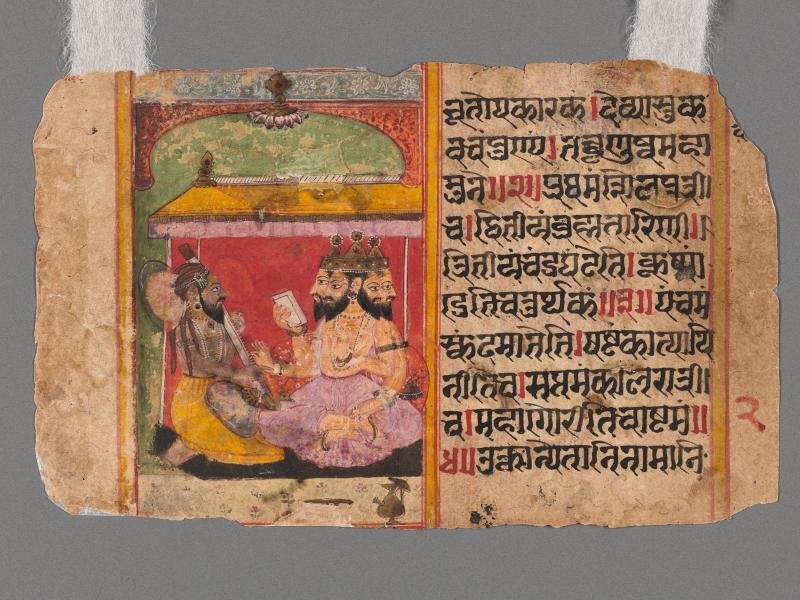
    Image ALT: Ancient Indian Sanskrit manuscript depicting Brahma and a sage, representing the Brahma Purana tradition.


    What Is the Brahma Purana?

    The Brahma Purana is one of the 18 Mahapuranas of Hindu tradition.

    According to the traditional narrative, the Purana is presented as knowledge associated with Lord Brahma. The text begins in the setting of Naimisharanya, where sages gather and Suta Lomaharshana narrates the Purana.

    The text covers a wide variety of subjects, including:

    • Creation of the universe
    • Manvantaras
    • Genealogies of kings and sages
    • Stories of gods and divine figures
    • Dharma
    • Pilgrimage
    • Sacred places
    • Worship of Surya
    • Krishna-related narratives
    • Yoga and spiritual teachings

    A modern study of the text describes it as rich in social, religious, philosophical, mythological, geographical and literary material.


    The Beginning of the Brahma Purana

    The Brahma Purana begins with a description of Naimisharanya, a sacred forest where sages have gathered.

    Suta Lomaharshana begins narrating the Purana after being requested by the sages.

    The early portion discusses the creation of the world. It describes the primordial waters and the manifestation of the cosmic egg from which Brahma emerges. Brahma then begins the process of creation.

    https://images.openai.com/static-rsc-4/jS17ID3Md4Oxj2zAeRptvFZ20pRYs2H5SIGQlLs-ChRv5ijQHTw9SrWOhREAPZlX7_FcH4-5gay0lQ9R0EkODi8kF__Ae2pHvLcVF3HyZuA_qxoKSFLfXXUhrinSOWA_T4Ymui0Crj88MrX3JsVH8gBij0J6SRTnMCC5HyzzgNqU72oFADWUde1Gdc8Huvry?purpose=fullsize
    https://images.openai.com/static-rsc-4/_VD3j2-wMJQf-QSqsV5LGId473APhMYtjlGT_ZcxwVsnn59DAXl6AU6vviiaK4AEQPVZflH7YoHD6mJXTTncLIHSO4i54tAwxeGe_1eDhQ8SfIYW8OyAO62Hq7863bRwWzoR_aQuCf8dOEsrfjqTjb3khaNdi6_C0yUArI2J1LmXbBgj6wfLlC0adwIzbUJ3?purpose=fullsize
    https://images.openai.com/static-rsc-4/0qR_8-F5VajJ3cj9-u0F4tbtp5MpwnDaLBN5-rf17V2D0khFX6EdvgCpAPIi1NTW8Mja-k5yaMyrrBvmIBftTsaBMu-ivREY-Qe5E4piI2Q8O_ZKlA-TBT1Z9Wtd61_RTGTZTn8GNSMizxGiK0d-wed-_jdOhQ2qIvDs2wq6UWAfVSJSauZRfKuC90tClvXl?purpose=fullsize

    Image ALT: Lord Brahma representing the creation of the universe in traditional Indian art.


    Brahma and the Creation of the Universe

    Lord Brahma occupies an important place in the creation narratives of the Brahma Purana.

    The early chapters discuss the creation of different beings and the development of cosmic order.

    The text also introduces figures such as Manu, Rudra and other divine and ancestral beings.

    The idea of creation in the Puranas is not simply a single historical event. It is connected with the traditional Indian understanding of cycles of creation, preservation and dissolution.


    Manu and the Early Dynasties

    The Brahma Purana also discusses Manu and his descendants.

    The early narrative includes Manu’s marriage to Shatarupa and accounts of his children and descendants.

    The Purana later discusses solar and lunar dynasties, along with important kings and legendary figures.

    https://images.openai.com/static-rsc-4/jf7EcF3b7_kk4EMSfZPpmdQbofyFJ-UuPP2cimoS_hlwcs_49aSeh39i5JhyXJO3WHgewOPL7EJ7ak5q6JMQD6jU3AIN4sF_KNqq59RMRI_WdPYZPjuMtnQV_YQZFvHamllksE2GQgLLpJ1WFubHlDWLpqCmbQKfzIuvBK4tfuX03R6qfIC8X9wNYNPF306f?purpose=fullsize
    https://images.openai.com/static-rsc-4/1qlIJY7_RUmC28F05daqjTYNd7q27LFenw4QSLQNggLadZ3iigWtOPqAZmgQb5IE9z0LkN6XId_K9Lq5cz0DL0aHhyG2i-3Ob7Keb2oNv2qTou41kvoOCql9cm2E-twmSY9m3vjlSsvnLTAVIODbZiGnGC1ex-iisHB76T8UZRdWkHnakNmOLa-MsnqX0N8e?purpose=fullsize
    https://images.openai.com/static-rsc-4/qYGFq2u3NMkxh3YZq_qLgnqXLJxvNJSrcPYfKXojwRxu3StO_UINwezvINo1_oLr-zHcC-XuorDucX0fKHn_gFtzHDGtfN5KMGnmqaytqqRb9ylozlJd9ot6nVFPp5fia5toOX_iSYx9ujRRtQ3-GxUSX-fiW3NaI-CSi7Z-bfWeYK7IuR3UIHlnlmQWdZ1R?purpose=fullsize

    Image ALT: Traditional Indian artistic representation of Manu and the ancient royal dynasties.


    Stories of Krishna

    The Brahma Purana also contains a section dealing with Krishna and the Vrishni family.

    Its contents include chapters concerning Krishna’s birth, the Vrishnis and the famous Syamantaka jewel episode.

    https://images.openai.com/static-rsc-4/DIqh-hvO1UrEOL32ruYw8_eBbDnz0PLprCStw4mM-eSAzoXs8_nYhFpwTKJ-8103oIG8ilDQg_wUO6blpccSeibcgTC_dSeI38yQl18wOB2uuOv4eKisNfv4NKPhPaWc3A56qRTyEjE3U-S6rHrHhOGFMA3juYCLDI3Vo1k3uoLxn0L_B8g6H9QOumGs0XCz?purpose=fullsize
    https://images.openai.com/static-rsc-4/sxVftQPSu277HAECKXhA_IjUVBZqb2ZYc0348vtds3EzcpP3YhElZkycFUJzRj3jzQdP1iwsCRiPxXZD2YYEwzeTKTp6kjX8aJdvswzMkwg7mG5055-QEsr3EDwijTOQdyaLzDXTlsyU_WkRWcwFl0WgsmrbevZCRStu55q740fYokz9PQlhT9qPFQg7xZyr?purpose=fullsize
    https://images.openai.com/static-rsc-4/0p7VI1GjPeT7VGxifW7KzwefFoiCtTTN2EwjcM6EuGY28O26qHkVPSoltC_FwqdH5OP8wR50_kzQptu3nr9g7q-BIHLcoHF51sHuiSGtwxIfUup7GhQTGKIv3HaHt_OaaI8clmhLJBdzQpcSlecu3hzCxZPJDRrUw0Feyo91-l1Y8qf9pS4HLKbcqeLlagKa?purpose=fullsize

    Image ALT: Traditional Indian depiction of Lord Krishna representing the Krishna narratives of the Brahma Purana.

    The Krishna-related material shows that the Brahma Purana is not limited to stories about Brahma. Like many Puranas, it brings together traditions connected with several major Hindu deities and sacred traditions.


    Brahma Purana and Odisha

    One of the most distinctive features of the Brahma Purana is its detailed treatment of sacred places in Odisha.

    A substantial portion of the text discusses places including:

    • Puri
    • Konark
    • Bhubaneswar
    • Jajpur

    The text connects these places with Vishnu, Surya, Shiva and Devi traditions.

    Image ALT: Konark Sun Temple in Odisha, a sacred site associated with the Sun worship traditions described in the Brahma Purana.


    Brahma Purana and Konark

    The Brahma Purana contains important material concerning Konark and the worship of Surya, the Sun God.

    The text describes Konaditya, a Sun deity associated with the Sun temple in Utkala. Its chapters on this subject discuss Surya worship and sacred practices.

    This connection makes the Brahma Purana particularly interesting when studying the religious history and sacred geography of Odisha.

    https://www.tripsavvy.com/thmb/rqQt4z-GU0nSFuFjY6GlMJnTqNo%3D/3660x0/filters%3Ano_upscale%28%29%3Amax_bytes%28150000%29%3Astrip_icc%28%29/GettyImages-521720746-988256f732e64eed8d03788cd3cb2cce.jpg
    https://images.openai.com/static-rsc-4/CY3ABzdMazhpuCiu9PBbNmTlDK1F78fUXZQRCrbNN2V1zzx3MlsO3lg91TmujulbXxv8Cx4wRPdjvk1wUPxhi7PqDtIXknXwTncauQOnIZ2SU0vwire1uzPBjX5AJsme_SKQUAG_VIy_NdAYHmM2lxiICRkH7OHfrIiOeT1DyFeXx--y_2o-Tue8esj1SW3Q?purpose=fullsize

    Image ALT: Konark Sun Temple and its geometric architectural layout representing the ancient Surya worship tradition.


    Brahma Purana and Surya Worship

    The Purana contains several chapters dedicated to the glory of Surya worship.

    The text discusses the importance of worshipping the Sun and mentions particular occasions and rituals associated with Surya.

    The Sun has an important place in Indian religious traditions because sunlight is associated with life, energy, health and cosmic order.

    The Brahma Purana preserves part of this ancient tradition through its descriptions of Surya worship.


    Puri and Lord Jagannath

    Another important part of the Brahma Purana concerns Purusottama Kshetra, identified with Puri.

    The text contains extensive material about the sacred region of Puri and its connection with Lord Jagannath.

    https://images.openai.com/static-rsc-4/8_vHINchyHv8JDz5dzfqtXFnRswDXoAZ-1vBLYO6F_7xGWfIBkiJrNgkzO45Ji8_VNzT3bqtONYF_-sKUkmUZhyqHHUijxsUPpU0fO6W9PeM2zvNk5fQsWV9oO8l_jbQq5kFc_kruA2OgCmUL9EED5Q688LHoACge433wXdSF4gBREVoCjZLy3m6hUpUk1AY?purpose=fullsize
    https://images.openai.com/static-rsc-4/zMaIO102ftSkWnGsJ5v1stbCUiW6372E8MKRqqHoRwJYziIlO4pXGKYv8qTNKOSI1-nfgdZqV5zW8PWZh8O0Bm8rAvGGh4m4vD__H77XKtG250tXvWp-Uqaod8oUATUIV3XJRXCtGdp4mNM-f21dAwe4uTu-io2fyWOu84pmG5u3FVt6jsoaDV7-PjucrGDn?purpose=fullsize
    https://images.openai.com/static-rsc-4/zRzKYnvkMhsdQ1x2Un51yQ8D0EAO6_HBw_80oZI8-11qYDSvwfbLSWmhfd5FnkF3CxBXqjV6Cuu4qM-WHAygyOVOEeYCWGp0E7_nyYt2zAM7H5T83DiK4c2iyqK2VeEFwCUhCAC6bue2G-JM7Zp1MOdf-IWVHEJ4uMcVIfY8VCRuN2SqsJP3FHN0-8pIpi5Q?purpose=fullsize

    Image ALT: Jagannath Temple in Puri, Odisha, representing the sacred Puri tradition described in the Brahma Purana.

    The connection between the Purana and Puri is especially important for understanding how sacred geography and religious storytelling developed together in India.


    Bhubaneswar and Shiva Tradition

    The Brahma Purana also discusses Ekamra Kshetra, identified with Bhubaneswar.

    This section is associated with Lord Shiva and sacred places in the region.

    https://images.openai.com/static-rsc-4/IDO6LrozZuQ1Bqs9jpGmao60dkYThmMwrZTNrv-7CB1nr8xeuMPWIoWO8TcRAsR1NRkarTdqizOXoHHV4hcResD3bEsjh1Wy5XNy9B7v2SZ45TMXR56oBdxOWDU1RmNNawQCVnvowzR2ca0-9ei03sRrnenShRAEB2Unn_ojrfcTu9teWGwRj62cEm6L2AxO?purpose=fullsize
    https://images.openai.com/static-rsc-4/DWUtlT6TO-tgpew18Ji3MfDsr-v_q8FFhs7xesDOdO6si6kXwHilpX-0mbg47xNVrvLvoky9lZSiikojMXW33WwCzd0hVJ8vIwkiWdqo_A6vMrUDoM55-ho4Q8dOAetC7btNfSg3lEgWWrOdEjd5ixvEAjgddbR4EJzMi5T_D2Yrn3RdmQTOLps1LSC0sKtg?purpose=fullsize
    https://images.openai.com/static-rsc-4/g3FumqXCtdE4V8MARJmKlgKGDX7O_1NATFoW7xe2mgFA0buw-45HMeFfuIkCfEA2NKfu8vhmHQdeSzzsBF2Ctd1DWR3S1mEj9Fm8dsSbnk_MPtm1pG60CmGSCg53L9m9C9mClIFeYYiipjsuBxZsrt7_KYSdHX73isip1mtYS7leN4ZXE89Uz5vXd81e-GBU?purpose=fullsize

    Image ALT: Lingaraj Temple in Bhubaneswar representing the Shiva tradition of Ekamra Kshetra.

    This shows how the Brahma Purana connects different sacred traditions and different geographical regions.


    Jajpur and Goddess Tradition

    The Purana also describes Viraja Kshetra, associated with Jajpur and the worship of Devi.

    https://images.openai.com/static-rsc-4/W6Bqy9z3b611wXfevZXXFcuHclzSCa9RPR7Hrlx8wjF6DqX-M79fSVZ0uRpOk3zChCARYarMOSGQ6U3BL4qV0RHrKG0UEGXSv1FREINM6PhxfpfmRFt7mxPhu0ZWs9QSjc75Hnn1ltP7HER3ps9Ncf9q_7BrcJ6jnrtry0rX6m_RO5UxnQ6OZlSruTfm8hTa?purpose=fullsize
    https://images.openai.com/static-rsc-4/jG5F1jWfdq7Tu_rqkWgi024VYSwivEsnlhiUpUczpI2Rq4Kl7U_-Q3yHfmMYd08aLoylT_NCYxyAz7U5LmMD3qeT_kjz4-4tdjoHzyiS6_RFUgfQFlica_3iVmYnTTPWCCrsdLdS5Ny-lKPAYKLFyBxMaiitxGDq9ihJ6mt7YyjcPGj2i9vzvH18zp32sTWn?purpose=fullsize
    https://images.openai.com/static-rsc-4/QLH1f8KWjQOfyUib9CoeW20gF1q_brA7ZIIsYQyD0QmztOMJGOjSWgvAiFhfgm7rW3X-C5AG-gQuyEcVG286ZeVKf3yWIzZaEuqOJZfpFTXVd93XPxvlTlqnOxFeTN4EmCEZlpnPNcjTXkbn2gyMPMz4RJxYgjh54Kq6N1rM8Eu9ZNq1hAPNmAbG1chM8_oo?purpose=fullsize

    Image ALT: Biraja Temple in Jajpur representing the Devi tradition associated with Viraja Kshetra.

    Thus, within its sacred geography, the Brahma Purana brings together important traditions associated with:

    Vishnu → Puri

    Surya → Konark

    Shiva → Bhubaneswar

    Devi → Jajpur


    The Brahma Purana and Pilgrimage

    The Brahma Purana gives great importance to Tirthas, or sacred pilgrimage places.

    A pilgrimage is not presented merely as a journey from one location to another.

    Traditionally, visiting a sacred place is connected with:

    • Devotion
    • Purification
    • Worship
    • Remembering sacred stories
    • Performing religious practices
    • Understanding the spiritual significance of a place

    The detailed descriptions of Odisha’s sacred places make the Brahma Purana particularly valuable for studying Indian sacred geography.


    Brahma Purana and Dharma

    The Brahma Purana also contains discussions related to Dharma, or righteous living.

    Dharma in the Puranic tradition can involve:

    • Duties
    • Religious practices
    • Charity
    • Pilgrimage
    • Worship
    • Respect for teachers and elders
    • Ethical conduct

    These teachings are often communicated through stories rather than through abstract philosophical explanations alone.


    Brahma Purana and Yoga

    The text also contains material concerning Yoga and spiritual practice.

    The Brahma Purana’s later material includes discussion of Yoga and contemplative devotion directed toward Vishnu.

    https://images.openai.com/static-rsc-4/uySZro6V0ctpEKaTO4_aFk5oV534x5GiRh7zkcmoGB-OkaGFP1ti8BQmSZdrF0VeWHdlfnCIbaXVs5zqhwTtGZoF_Ax0B2Nr9jPWTbriERdb9B589YVE6VtvPcdvLn4fRthEhdYeDP_h5GaWHRmkwryZbpouhiwr33Nt8snk-dQ90z0fdLNEv0VWvjWaT-oX?purpose=fullsize
    https://images.openai.com/static-rsc-4/JSvH2fiNneuHHMqLNSkHP0c7qPzJWkQB8Dt4JN623Mt1tZX0asYwN6x-2WibpwGwvFSBvjUOyrGSLDKhQAtpLDQ2kjbkLKyS5Je_Is-hSVTaAWHk7eFoSn-Vx-AFc_5LI83ti1gnPxhUj5mzIhhyZtEZfdnILL6tvYn0UnfRZ5RwjejBypQVQcCSPclXiMr9?purpose=fullsize
    https://images.openai.com/static-rsc-4/qqe5JSFvOO3E2Php6_N-US9Ixw7PCHadbPtL-rpzIuNKBbIJjur-U-VwubiLJkAVQFytaIKtloQVEMsGTZSvzOgrX3P1QY_TCXkRWN3khgPaDnHwBQWf6YzFwVG5NlfYbSJRfyfk5H8BiyKjGxr1rIlMt_2z3zU8Q_IE5YQARf2w4M6MYwi7s3Ki69_lXYwr?purpose=fullsize

    Image ALT: Indian sage practicing meditation and representing the spiritual teachings associated with Yoga.

    Yoga in this context is connected with self-discipline, concentration and spiritual realization.


    Why Is the Brahma Purana Important?

    The Brahma Purana is important for several reasons.

    1. Religious Heritage

    It preserves stories and teachings belonging to the Puranic tradition.

    2. Sacred Geography

    Its descriptions of Odisha provide valuable material about sacred places and pilgrimage traditions.

    3. Mythology

    It contains stories concerning gods, sages, kings and divine events.

    4. Cultural Heritage

    Its stories have connections with temples, festivals, pilgrimage and regional traditions.

    5. Spiritual Teachings

    It discusses dharma, devotion and spiritual practices.


    What Makes the Brahma Purana Different?

    Every Purana has its own emphasis.

    The Brahma Purana is particularly interesting for its extensive sacred geography of Odisha.

    Its descriptions of Puri, Konark, Bhubaneswar and Jajpur show how religious traditions became connected with particular landscapes and pilgrimage centres.

    This makes the Brahma Purana valuable not only for religious study but also for understanding Indian culture, geography and temple traditions.


    Brahma Purana – Quick Facts

    Series: 18 Mahapuranas – Part 1

    Name: Brahma Purana

    Traditional Association: Brahma

    Language: Sanskrit

    Major Themes: Creation, genealogy, mythology, dharma, pilgrimage, sacred geography and devotion

    Important Regions: Odisha and other sacred places

    Important Sacred Places: Puri, Konark, Bhubaneswar and Jajpur

    Important Traditions: Vishnu, Surya, Shiva and Devi

    Notable Feature: Extensive descriptions of sacred places in Odisha


    What Can We Learn From the Brahma Purana?

    The Brahma Purana teaches us that India’s ancient literature was not limited to stories about gods.

    It also preserved ideas about:

    Dharma

    Pilgrimage

    Sacred geography

    Devotion

    Cosmic cycles

    Royal traditions

    Spiritual practice

    It connects stories with places, temples and traditions that continue to be important today.


    Frequently Asked Questions

    What is the Brahma Purana?

    The Brahma Purana is one of the traditional 18 Mahapuranas of Hindu literature.

    Why is it called the Brahma Purana?

    It is traditionally associated with Lord Brahma and contains creation-related narratives connected with Brahma.

    What does the Brahma Purana contain?

    It contains material on creation, genealogies, mythology, dharma, sacred places, pilgrimage, Surya worship, Krishna and spiritual practices.

    Which places in Odisha are described in the Brahma Purana?

    Important sacred regions described include Puri, Konark, Bhubaneswar and Jajpur.

    Does the Brahma Purana discuss Lord Krishna?

    Yes. Its contents include narratives concerning Krishna, his birth, the Vrishni family and the Syamantaka jewel.

    Does the Brahma Purana discuss Surya worship?

    Yes. Several chapters discuss Surya worship and the sacred Sun centre at Konark/Konaditya.

    Why is the Brahma Purana important?

    It is important for understanding Puranic mythology, dharma, pilgrimage, sacred geography and Indian cultural traditions.


    Conclusion

    The Brahma Purana is a fascinating beginning to our journey through the 18 Mahapuranas.

    It begins with creation and cosmic narratives, continues through stories of Manu, sages, kings and divine personalities, and later takes us into the sacred geography of India.

    Its detailed descriptions of Puri, Konark, Bhubaneswar and Jajpur make it especially important for understanding the religious and cultural heritage of Odisha.

    The Brahma Purana shows us how stories, temples, sacred places, devotion and spiritual teachings became connected in India’s ancient tradition.

    And this is only Part 1.

    In our next article, we will continue with:

  • Puranas – The Ancient Stories and Wisdom of India

    Puranas – The Ancient Stories and Wisdom of India

    The Puranas are an important part of India’s ancient literary, religious and cultural heritage. They preserve stories about creation, gods and goddesses, kings, sages, sacred places, traditions, devotion and the cycles of time.

    The word Purana is commonly understood as relating to ancient or traditional narratives. The Purana tradition contains both the well-known 18 Mahapuranas and many other Purana texts.

    https://images.openai.com/static-rsc-4/uDiKpWdmVZ0doCbG8kQ_GekOfZ5SJ0vjfzBTJfQMxzDumX8bsyAnesuFsXmkZZyLy8e0K5Woq36hFLWfiOnUb3ZpIJwYLF5R4BRhD2OwCXeaAOld6GOt--sSoF-gl4TeOYsfte37ywjWH3wBBmxTpiqeJhFVrD4K2cYCxAgn2CtAOAPjFpN3luRaOQ70NfE3?purpose=fullsize
    https://www.bonhams.com/_next/image.jpg?q=75&url=https%3A%2F%2Fimg1.bonhams.com%2Fimage%3Fsrc%3DImages%2Flive%2F2022-01%2F31%2F25170695-5-2.jpg&w=2400

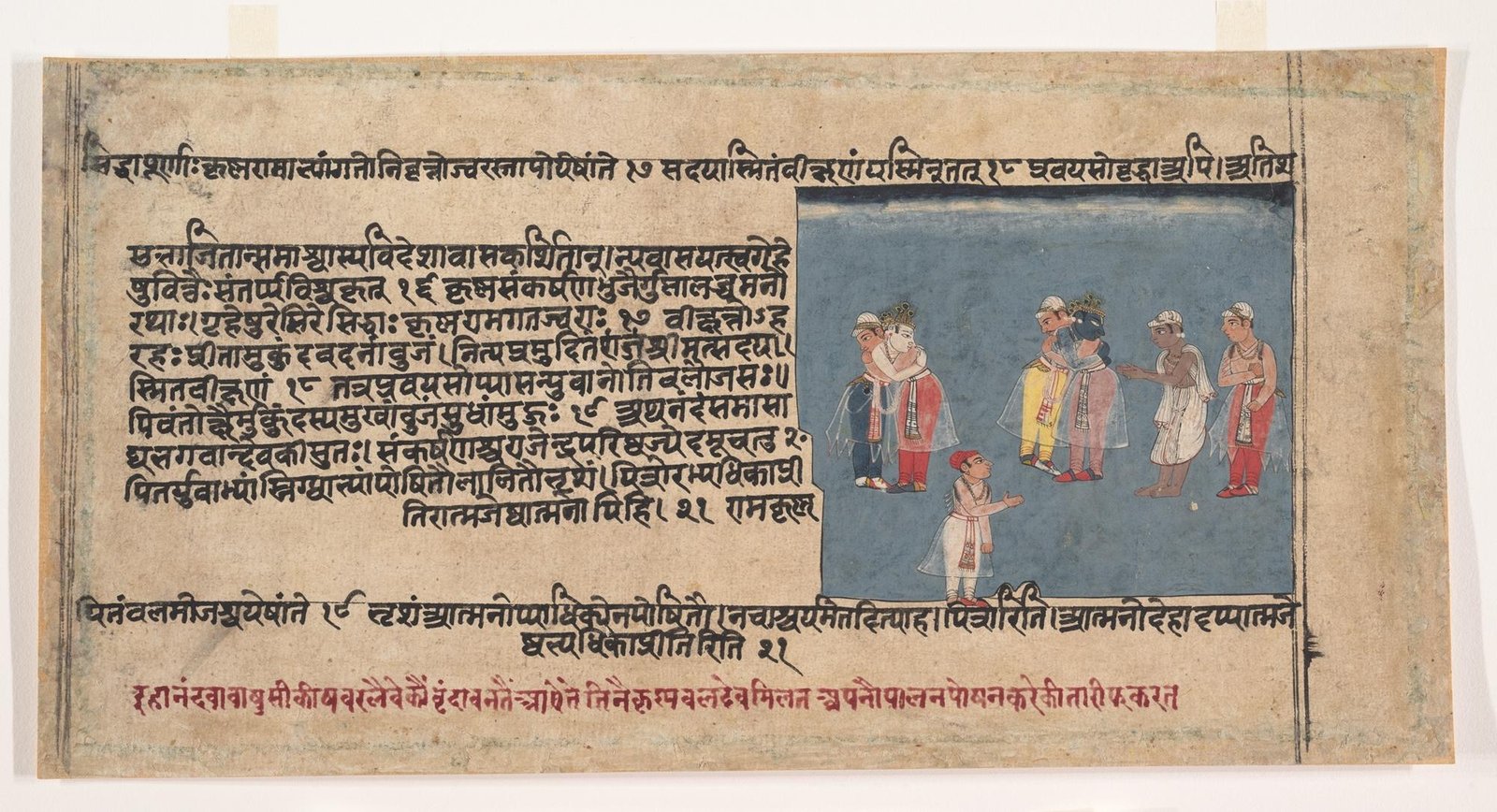
    Image ALT: Ancient illustrated Bhagavata Purana manuscripts representing India’s Puranic literary tradition


    What Are the Puranas?

    The Puranas are a large body of Sanskrit literature that combines stories, teachings, traditions, genealogies, cosmology, sacred geography and religious ideas.

    Unlike a simple history book, a Purana can contain many different types of material within the same work.

    The stories were traditionally used to communicate important ideas through narratives and conversations between sages, kings and divine figures.

    Image ALT: Illustrated Sanskrit manuscript representing the storytelling tradition of the Puranas


    How Many Mahapuranas Are There?

    Tradition recognizes 18 Mahapuranas, or “Great Puranas.” Different traditional lists can vary in some names, but the commonly cited list includes the following:

    1. Brahma Purana
    2. Padma Purana
    3. Vishnu Purana
    4. Shiva Purana
    5. Bhagavata Purana
    6. Narada Purana
    7. Markandeya Purana
    8. Agni Purana
    9. Bhavishya Purana
    10. Brahmavaivarta Purana
    11. Linga Purana
    12. Varaha Purana
    13. Skanda Purana
    14. Vamana Purana
    15. Kurma Purana
    16. Matsya Purana
    17. Garuda Purana
    18. Brahmanda Purana

    The 18-Mahapurana classification is a traditional one, and historical manuscript traditions sometimes differ in their lists.


    What Do the Puranas Talk About?

    Puranic literature covers a very wide range of subjects.

    Some important themes include:

    • Creation of the universe
    • Destruction and recreation
    • Gods and goddesses
    • Avatars
    • Sages and saints
    • Kings and dynasties
    • Dharma
    • Devotion
    • Sacred places
    • Festivals and traditions
    • Cosmology
    • Genealogies
    • Stories of great devotees

    A traditional description of Purana literature often refers to Pancha Lakshana, or five characteristic subjects: creation, recreation, the eras of Manus, genealogies and accounts of dynasties.


    The Five Characteristics – Pancha Lakshana

    The traditional Pancha Lakshana describes five major subjects found in Purana literature.

    1. Sarga – Creation

    This concerns the creation of the universe and its beings.

    2. Pratisarga – Re-Creation

    This concerns cycles of destruction and subsequent creation.

    3. Vamsha – Genealogy

    This includes genealogies of gods, sages and important lineages.

    4. Manvantara – Ages of Manus

    This describes different cosmic periods associated with Manus.

    5. Vamshanucharita – Dynastic Stories

    This includes accounts of royal dynasties and their rulers.

    https://images.openai.com/static-rsc-4/ItbJsCRw2l_J3VlevSZRxNMQzm-USzdaCAJt5P1S3fszAv1ezB4gBYExDYf-Nmn6j3Mdy_FPO9LjhSY0HWdjzsEmFjtQhEkYcWjqpdl5U58dMnHY3_gJ1848YGNZzsfgs3AyA7KyVK9dP_qRPdfNBvfnQb4xtUjZ4IuzWb9Mub_JOEmJIdLkO0Zhwcphfb5E?purpose=fullsize
    https://images.openai.com/static-rsc-4/QvCySISOYOQ_AEdyGe2Uazs_qLkUOJmXmoOFJ6H-ntXadi4bGxHAFHjzlWwXW8p4rbtQCLjAmpvs2n4s4_e_uKuAjEKlgYiBhh_75wxAKYowmBnHNNQRJctUnCBDNxjMTE_zJOaZhW28JNhbtf6SxJZAUY11fJvtF_-k4uqavF3cmtHTfTk9fpzwg2lEk1yq?purpose=fullsize
    https://images.openai.com/static-rsc-4/mjMa8u_2sTZX9foMzInn7zLgLCOeFTYUEtPli-Eh528O-xFXN2JEnWcjSQFZMOEjBKGz0mFqKixThc6F_g9B1hUYHZ0wfWqM9xCzxHRv_fScY6OlofDiRTGFn2jXw1UHDnecTRDaF1BIMqWZHEC3mIPMdC4O4alLJlavzNpLDM-DOhEq9Z6cR02VcBa8-g8i?purpose=fullsize

    Image ALT: Traditional Indian depiction representing Puranic cosmology and cycles of creation


    1. Bhagavata Purana

    The Bhagavata Purana is one of the best-known Mahapuranas.

    It is especially famous for its stories of Lord Krishna, devotion and the relationship between the devotee and the divine.

    The National Museum in New Delhi describes a Bhagavata Purana manuscript as a major religious manuscript and notes its wide influence across Indian languages.

    https://www.bonhams.com/_next/image.jpg?q=75&url=https%3A%2F%2Fimg1.bonhams.com%2Fimage%3Fsrc%3DImages%2Flive%2F2022-01%2F31%2F25170695-5-2.jpg&w=2400
    https://images.openai.com/static-rsc-4/pmOdkBFxeirMhXxqhS2Zbpb31zHwtT1EkuowkXFF2zu3GY5YkGKI7iH5c8V-eBXUkJxyu-IjrXWzKxZ6HO48g7npisuF20_AKagmUdKr-Qz1hAmllStXjQQBr9uvoBIkBEjYDmgtOJFdCSEY1f-IcQVZEBanhK97jZUZpfbcFq52zFpgn4ANH10KZLVRAYIP?purpose=fullsize

    Image ALT: Illustrated Bhagavata Purana manuscript depicting stories associated with Lord Krishna

    Stories connected with Krishna’s childhood, devotees, spiritual teachings and divine activities have made the Bhagavata Purana particularly influential in Indian devotional traditions.


    2. Vishnu Purana

    The Vishnu Purana is an important Vaishnava Purana.

    It contains narratives concerning Vishnu, creation, cosmic cycles, genealogies and the history of important dynasties.

    Manuscript collections preserve copies of the Vishnu Purana as one of the traditional 18 Mahapuranas.

    https://images.openai.com/static-rsc-4/yd1UPEBAD0N8_gwNO2TuMemsU91TBbxMsb9ipS_0sY0H-bQpvpZ09mvBtUfhsp2zrM2zaA049RRue-yKiQ7iBYxT7Kf6oBHZmKtwe3g2lOoaPtwYxDS-9r9_hZ_53dQGKjdEzbwWykIvz8JqWCstfAzNLPaeTrl38j975za4sygGITOaOY-8NH2qFuVfaOQW?purpose=fullsize
    https://images.openai.com/static-rsc-4/Vch3u5nMi2410WFMsN4-syRRB1VY4yO_WSoqxpx65LWDrfEOuHpQ4nuOoRJng09YToBL19ZtGZN0dr3kkpv5EgM04yBGY7khyCCiJldR0DZAG4pc3fWNDF5wAEskFGyRCeT-Z8Dax7Dl5igunHSqICfrAaH8eD4ZZKelYgNTkNXNsjwEID6HLqawnl5pwzUt?purpose=fullsize
    https://images.openai.com/static-rsc-4/dDskeDdAFexNN0gBF9XwmNbdZzzepj5X1oCBotOdifzPwlFMaAeVowTu2A_REc5dcKuXoJNcurmhEjCIUVfNEasUbU968c2XZxXZAVF0FOK6p6Jr0SaqVz6pu1ZOvLs1WPulJeiBakbqwmiqpym3jfx5y6EVjJJGj1-raD3kPLezuhE5dKVtjtUXHZSQC-l5?purpose=fullsize

    Image ALT: Ancient Vishnu Purana manuscript representing the traditions associated with Lord Vishnu


    3. Shiva Purana

    The Shiva Purana is associated primarily with Lord Shiva and Shaiva traditions.

    It contains stories and teachings concerning Shiva, Parvati, Ganesha, Kartikeya and other divine figures.

    https://images.openai.com/static-rsc-4/nm41vyfDBd8liJujHjnBWi_0jyshcFp8UeORdoCT9fa7iGrtMl_hV3rCmVRyQ5AASJ9O7wUpRaWdNo_EObuSh3Fb581To6uy2bxWP4d5xOby9gPLXHUYmbKEp-kWUjl-IcNtNUU8X0n_wB1jRqXknSOOwOMiCYqX0wvs_d5Yzn0ElpqARFQvZu_4fnxHfsrg?purpose=fullsize
    https://images.openai.com/static-rsc-4/py8xLPV-D5JR_NZejEZYQUKBEAFStd-3fPd9EhuD4KyVrskTPDhp23VwDwLUgXRwXmNKmd4dDTJgW_TnUqSzInEedWgSjfm_T6hXNgFkIW_8i7xXY7C-zKt147F1gQ_GyvvsTkdM8tI2NZtC3Rxcxm2KhKb2Qvz2BCII2qErtoXpC6c447UG53pzkwULokSk?purpose=fullsize
    https://images.openai.com/static-rsc-4/-RwCFbhC1DrtAx44fCeNVkoAu1hTiHk6X1oEiOYB82n_YWzYfL1CvRRUsxjvRKpEC-Coblzyfz7xjqFETv95y3tpc94f7WChxy6MKwqySLEcWVmaUEpT5P2uNXLoyDU_UV7CMJL5yBn5RST6mtjEnr88bWwKHluTttRBMdokkVr6n8vVwtovGK8ni2fZvq1K?purpose=fullsize

    Image ALT: Traditional Indian depiction of Lord Shiva and Parvati associated with Shaiva Puranic traditions

    The Shiva Purana has played an important role in communicating stories and devotional traditions connected with Shiva.


    4. Markandeya Purana

    The Markandeya Purana is another important Mahapurana.

    It is especially famous because it contains the Devi Mahatmya, also known as Durga Saptashati or Chandi.

    The Devi Mahatmya is devoted to the glory and power of Goddess Durga and has become particularly important in Shakta traditions. Manuscript collections identify Devi Mahatmya manuscripts as part of the Markandeya Purana.

    https://images.openai.com/static-rsc-4/JDwEZwj798G9wM_4jNPYys5PPFtt4LCTs9WnJaJ_pBmO3ozqzYOzzFVyRqfiGKG7AORTP6nIBRG3GnEUGT0uf_TkoVN2S5qaz0oxUlOgjGgY0c5y7G1tV7aoS_6KNSQgY9zUArhkM1qvuP7DGFfYUk1eHaqvhP3KE4Z4cYKhZPDcC9mWu96ff-dn6AQihyx0?purpose=fullsize
    https://images.openai.com/static-rsc-4/1-Xhv65UiNrcazSmSdqsxD6hGX41NTFI9jd2hzwkpzTVOSx3c8ybl4aLlLnLZLiKPfTRIRP2-ZNZpl5xEMEKiQIFaCPcpRivpfeJ6-gH2FTErTEVjaMo84PAKZ6E_Q8eMhnWMdFn-JaoEkmhad0zDKVf5mW4ucJs0Q30JUHmLHnr4XsHduNXFJFGJvdjH4aS?purpose=fullsize
    https://images.openai.com/static-rsc-4/CiUjTlcbeDl78kzvzCHKbEIAB77tB4jH1PXfL5Wd7hufYyE0f3Iylpdr4Y3E5uImqIpdgJr9bcpLzr-qDQ58YtKvQHjJG7z3OdTu-XuzbLpXK17_RbuHR9gW3W4KamBl5qYwGHt-clLHJ-aTqUPJTLKQh5h71qCFTyYezwj-XQt8ZAub3MTpo2YRI9JwlrrR?purpose=fullsize

    Image ALT: Goddess Durga representing the Devi Mahatmya tradition within the Markandeya Purana


    5. Skanda Purana

    The Skanda Purana is traditionally regarded as one of the largest Mahapuranas.

    It contains extensive material concerning sacred places, pilgrimage traditions, temples and religious practices.

    https://images.openai.com/static-rsc-4/UWbC9bH8IVp1gB9CFQZ7N1SusBxh7PFQOcoPSrSCSLWttD316eeNXsNdQStcz_MuCUP2E9Uk70ZkKmRFoIbYveeOcXRjxRf0pEJQMUVJaf3f76daxSMeEB_NfkWunaWapCs_kDPphwpslXGwZmOnS6WEC5tb7JtONjWHf7Vde4Hbc7soXfzjg7rmMyZ5bXLm?purpose=fullsize
    https://images.openai.com/static-rsc-4/V0x68QX88KZzcvxSsgZ9gAd6m4QDXwtiEck-o5sz8_a9ImXhC648WNr3N5R2X7-APguxYlxJeXvYgijiSq_3x6ymNwtZ5Jufq6KFpXosa7LKrOS0Y_RpcWHOW9hrckc5YB46STkzkuTISViaiWt0hkMahtEVPEody8bqrYQiesKCw6m-UZx2fuRKaw2NXIck?purpose=fullsize
    https://images.openai.com/static-rsc-4/FeEBCtNr-Ll4hJ8Jw4BEOWWO96b0MhMhM63W_L3Jso0mHHgnnQHbKVTmIDPPxsjBi8fu9gzO6WrdCsZpumffnySmM0UBkYqXVYE2ISPIuXdl19hm8JqYAeT3T_s8CPHuL-Z5rqyq9kojpC2s7oNgOHawc-F96y350yHtsL532Id-256gS-5my7y38WWxpwca?purpose=fullsize

    Image ALT: Ancient Indian temple and pilgrimage tradition associated with the Skanda Purana

    The text is especially important for understanding the traditional sacred geography of India.


    6. Garuda Purana

    The Garuda Purana is traditionally associated with Garuda, the vehicle of Lord Vishnu.

    It contains discussions on subjects including dharma, rituals, cosmology and ideas concerning death and the journey after death.

    https://images.openai.com/static-rsc-4/e6bJv7cR6yBnC4k5-XeZ5qt3lB1zcwafJOA7DNj4pVCzk91vg9T10uZ12rhDjDCBWLsre_Y9kb07L-7KHjVfdvYugxcveuyrDqydzgJXPJ13349-EkmBVzbORWhfp52Hx2X4Bxl5I5DqUwFTHwhsTdC2W-2Zbm98YKUOxQN8QG22-m5Up2GrcDCVyMbMMH0N?purpose=fullsize
    https://images.openai.com/static-rsc-4/--ldKX62Tt2Oz75EdNgIJpuVW6qhXE9-rdI18-kpqdAq982PptYBaqYX03dzvYjQz-JbMWOLF51d7Sb1RliZu4ij3SSXLO0m1hH2zo1kVJWcgAgR8KOwoorb7kzgEfCtI_r43iajr50YEWBEicTFkaymDLpt8EcFSsrSioBWDj9Vtcq3ocTCgI66BvGu7_SM?purpose=fullsize
    https://images.openai.com/static-rsc-4/DWXqcjD12eIGUe4F3vax2k5HRYmcgkYG5kOXF_x_UF7elWweGRhE3HdupLA1dby-NlH6EN5E42_Qr3ngRSK8cWSvcY2YcjnIrgSXz5SBydpziI8IJmsLrfYZb0l5bHh31e0QYRheaWNXdr0fYS-nAGN3BhsfgXcWztlyJhCSNa6lefR7nM1qacnauIK8sFNv?purpose=fullsize

    Image ALT: Lord Vishnu and Garuda representing the Garuda Purana tradition

    Because of its discussions about death and funeral traditions, the Garuda Purana is particularly well known among Indian religious texts.


    7. Matsya Purana

    The Matsya Purana is traditionally associated with Matsya, the fish incarnation of Vishnu.

    It contains narratives about creation, mythology, traditions and sacred places.

    https://images.openai.com/static-rsc-4/_Dvoey9_-menlaLEtX5vw843Wq9Sdb_litqNVmDyIrihDp188p6KE22MyVp9phzAF3qJA3KQl23JnARfig2RJvaG9uMopBVrQOjZGDCwHh1kItCj14kQBMSzAofEJchUSxB2IqUV_wS3lX_vBby6g5p1s5IMXCEB_aNZopQymKQa83oFhSWpAwe1kBVUZ9El?purpose=fullsize
    https://images.openai.com/static-rsc-4/8PPSsnKmxS84RHVPynE0c4OkCfOAwjO3JxdqQzfIJzEX5Jgf0fwTPZNGQsWgcE-_yqD5vL-C9yxvf5hppYO1dkZBL8gCQuZVX5TL1hXTvaDawGx1zzMDCD3u1nOqT1QbMprpihmAxsA6G7ZAPRNCZHMnhQJDkrbzgKDU50CFf3A4HanfzemEHjA9jb33Xa9H?purpose=fullsize
    https://images.openai.com/static-rsc-4/K0wpn3Wvgzx7Qd1LlhdblI5MD3A71PNMAWPTG8CT-kwPQWiLAnQunMMGAKrcjWuAQTgTIaleoyvoFm-tFlKT8s_qGJQZ74Gi-_wzRMkoxSz-1ujvQCUypFcO6mNuwpF97eB9YfyPyiNFlxKJpEnevEFFGxVufbRRzQAfTeA0dAlYoJxM8KG2vN_Q9BhaKAyp?purpose=fullsize

    Image ALT: Matsya avatar of Lord Vishnu representing the Matsya Purana tradition

    The story of Matsya is one of the famous narratives connected with the avatar traditions of Vishnu.


    Puranas and the Concept of Time

    One fascinating aspect of Puranic literature is its description of vast cycles of time.

    The Puranic tradition describes four major Yugas:

    • Satya Yuga
    • Treta Yuga
    • Dvapara Yuga
    • Kali Yuga

    Together they form a Mahayuga, within the traditional cosmological framework.

    https://images.openai.com/static-rsc-4/6YeFK8NE4Re43atxvJpDgHdJc7Vg-LAnUiroZChviPgtNzhNQZ8oYDnlSTo6O14zBmDBXwOcSFsiWUA3rFeerVqQJ5kDyvDi2u3qV4BmdeLoGZLyvXYjch2vjKW2nDQWfpW14zrjoZyEv1XSkAs0PJpUDUJoEusUwgHeWMIxA5lxdL5aKXUGm7V12BLrnzcA?purpose=fullsize
    https://images.openai.com/static-rsc-4/U_VqZNjqZq4EpQCwIHJpRiec1qNESiRR-uV0mxiuEktp7AoJilm8eoXSH8cE7Qw4ta7TtdrUJM26kyr8J0ShyM1jvqsKLJ09qE-PQMT4XiFCb6gTzpk56v6otCYQAF-5KyO4CVsIIbsowD83IEgUv36XjXN6ymnV9kP6Q8AB-0TpXJ7900iAf6URwA0mTA60?purpose=fullsize
    https://images.openai.com/static-rsc-4/SFWOROVamcK-w4ke41mg4nn9b1h5y0yYev7Egf7MrNhjvrIT-EJgYS_NQ1SCQ4xbkfm03ghvJarPHQTf0ywdQ_YFB_qdxgAXKOj5Q2BvQLCIMmOS4rf1j2Vuo39DB0yOjK2FY9e_uWMF7noj3ufNsQaTyCsNja7LSmt12UQDTv0yjf3bP_CJn5TrErr4pC7D?purpose=fullsize

    Image ALT: Traditional Indian representation of the four Yugas and the cyclical concept of time

    This cyclical view of time is one of the distinctive features of traditional Indian cosmological thought.


    Puranas and Stories of Krishna

    The Puranas helped preserve many stories that became deeply rooted in Indian culture.

    The Bhagavata Purana, in particular, is famous for its narratives about Krishna.

    Image ALT: Illustrated Bhagavata Purana manuscript depicting a scene from the stories of Lord Krishna

    Stories of Krishna’s childhood, friendship, devotion and divine activities continue to inspire Indian literature, music, dance, painting and religious traditions.


    Puranas and Goddess Traditions

    Puranic literature also contains important traditions concerning Devi, the divine feminine.

    The Devi Mahatmya is one of the best-known examples.

    https://images.openai.com/static-rsc-4/bsVZJocAo76CgafdfZ3r1PB3CbyXpCJHHbBKJjqPANI3LsCKn6Ex5l1kgRAY49xI5rm-zGajE5jG0Q39vVzFkIiNwQsmO-B6QpFGfz4L1vjpRA0Oj1aMsLiOi48lqqbsU8Sjuuo6cbH9HRONRHm9ecTzyNCSixiEa9_HSGTRYQahBlIsYrwWwRHfvU_2imkP?purpose=fullsize
    https://images.openai.com/static-rsc-4/T4NZX3_2VT28pevivBjjDTV-c76Byr1jIvdfJCPjY2SSU3uUjqWXfj089PCgkxGIwznglPIwCOBG2NwYkor_oDUp19RI_UDMeKtYk2XkZSwr7eTBlQl0js-FeVT1ydIMFar15-IifTzwrN8cTdQrW4Egje5wi4JcNezsdKScWIGA6xr0nn5BxUnbRR9MTm-v?purpose=fullsize
    https://images.openai.com/static-rsc-4/tdD_d7uOKrFAoBrrwTzHGGT9LXMTHZfcuG6ahh3SF2hFCetl8fVw2m-mdawVRsgYAwSQiZu8TOE86vlW_yD_GP8eaY0tjEmLQamsW60QLjMp2qcSdYRZYiRM4Fzsgs10fz4W1R-iN2NwKlrIpJ3TIIoGf0gXw6D8seIJvu-5vfpAt5sWmtu_faeCmrfZk6tv?purpose=fullsize

    Image ALT: Goddess Durga representing the Shakta traditions found in Puranic literature

    The stories of Durga and the victory of divine power over evil became especially important in festivals and devotional traditions throughout India.


    Puranas and Sacred Places

    Many Puranas describe the importance of sacred rivers, temples, mountains and pilgrimage places.

    They helped connect religious stories with the geography of India.

    https://images.openai.com/static-rsc-4/FMMz_WeRHbqSn_HjIVpEcnlpvjDT0m81thusiiZaIaciOQVkmuPsXALCB33a9MG6JVKS6lERenwa4xGySSPy0jPh2fwXeEOkCwSyfya-sIoGPapXXnMmoIcbPZaKXDIIXSZt9YNa_M6zpJrruumkS6c-1f2CnyxPhPkVJs4QRKc4H3XO0bHHh-0exickbs8J?purpose=fullsize
    https://images.openai.com/static-rsc-4/p6xzst8n9BQrnt5qEkNRxNa0VYj4C4ZHyzkbcOMgQuzVFs6O8uX2ZJ6LShKk-JFBNdcO636f_Fr0o-_pJ9oQf9Z_cPX-af6uM5qLLFOZ3f-QxNOpTEtzm3eq5LlBw4aSA0Po0mBL2xrjDIeIYqSqSi4s5O0GHblLsmC4iFFPskPLIei9PeqGIv95wZEi3Zyb?purpose=fullsize
    https://images.openai.com/static-rsc-4/u3x_8vJ_IV5cuKPK39LLGQKUCsvcqB7Xipxn2WOaydynNSavAEMWuBFjEf7kTyrzLZFpUPXZkbw-rLUm6Qqicib1fqI8uWV4BcfDtVLOj4nnzBEb7F1Ymu2s6hC8MvKZuaEx87-ihxTyn5lF6pscHipMkOP_z2RI8nJFXDsTKe1mgKjfXFcP_BZofy4XOUik?purpose=fullsize

    Image ALT: Indian temple and sacred pilgrimage landscape representing Puranic sacred geography

    Through these traditions, places across India became associated with particular stories, deities and sacred events.


    Puranas and Indian Culture

    The influence of the Puranas extends far beyond religious texts.

    Puranic stories have influenced:

    • Indian classical dance
    • Music
    • Painting
    • Sculpture
    • Temple traditions
    • Folk stories
    • Festivals
    • Theatre
    • Literature
    https://images.openai.com/static-rsc-4/zaLqfYIf9RDBxpa---_27QoE-I6I7xsjRun6Ao_RWMEl3PHiDiwzqV0R7ThJoosvG0j8VNTksqFQoD7lsq5iFdHSztNVoA30YT7ixhhEzZqrHZ3Am9auZMgjGIEkYzbFO6o9S2KzwPQ3rQrkxXrOVU_ekR7wX2gkPY5y_T6rMvb6WQcpIkhzbhpBqKEq23Lx?purpose=fullsize
    https://images.openai.com/static-rsc-4/X5t_vw-0i3DVxxDoJ2VU9Sq03HDb-0CnWqiVdksTRaq_O4uYL50_-LRG5kjTG9GuFYLWdsRWiFN0WF8v5dGhnNJcha8vDJsZ4ETZi3X0P6MhbLm_5_x3FF22t4c08mPuv-Tpvf1SutI6aF-YsfnzrVlMziffPTn2Pjtmns7LAYog6fUW9VC26gKjoZJZI9YY?purpose=fullsize
    https://images.openai.com/static-rsc-4/YjOAiDiwrzVbcRA_bV0FEmR9XVsF7EbHP5_KJEZTKeoFQhjT1-5J1ee3uA7agYaeCP0u5n9Yj2oGntcO3EqM1cblvMwrbFWCl0nDInjIOxC7kO0skU8A2ggjlvHiOTRWpvp9gl-R9tU1GCyEZV43IRYW0t30ivDzRpw3p965wSPpxRmJ5BeQVtEtBwpDZW4W?purpose=fullsize

    Image ALT: Indian cultural traditions inspired by stories from the Puranas

    Even today, many Indian festivals and cultural performances draw upon stories that have been preserved through Puranic traditions.


    Puranas and Moral Teachings

    The Puranas do not only tell stories.

    Many stories communicate ideas about:

    Dharma – righteous conduct

    Bhakti – devotion

    Truthfulness – speaking and living truthfully

    Compassion – showing kindness

    Self-control – controlling desires and actions

    Devotion to God – maintaining faith and dedication

    These values are often presented through the experiences of kings, sages, devotees and divine characters.


    Why Are the Puranas Important?

    The Puranas are important because they preserve a vast collection of stories, traditions, beliefs and cultural ideas.

    They also help us understand how religious ideas were communicated to wider communities through stories and memorable characters.

    Their influence can be seen throughout Indian art, literature, temple culture and festivals.


    Puranas – Quick Facts

    Traditional Number of Mahapuranas: 18

    Language: Primarily Sanskrit in the classical textual tradition

    Main Themes: Creation, mythology, genealogy, dharma, devotion, sacred places and cosmology

    Famous Examples: Bhagavata Purana, Vishnu Purana, Shiva Purana, Markandeya Purana and Skanda Purana

    Cultural Influence: Literature, music, dance, painting, sculpture, temples and festivals


    What Can We Learn From the Puranas?

    The Value of Dharma

    Many stories explore the consequences of righteous and unrighteous actions.

    The Power of Devotion

    Stories of great devotees show the importance of faith and dedication.

    Respect for Knowledge

    Sages and teachers play important roles throughout Puranic narratives.

    The Importance of Courage

    Many stories describe the struggle between good and evil.

    India’s Cultural Diversity

    The Puranas connect different regions, temples, rivers, mountains and traditions through stories.


    Frequently Asked Questions

    What are the Puranas?

    The Puranas are ancient Indian religious and cultural texts containing stories, teachings, genealogies, cosmology and traditions.

    How many Mahapuranas are there?

    Tradition generally recognizes 18 Mahapuranas. Some historical lists vary in the names included.

    Which Purana is famous for Krishna stories?

    The Bhagavata Purana is especially famous for its extensive Krishna narratives and devotional teachings.

    Which Purana contains the Devi Mahatmya?

    The Markandeya Purana contains the famous Devi Mahatmya, also known as Durga Saptashati or Chandi.

    What are the five characteristics of a Purana?

    The traditional Pancha Lakshana refers to creation, re-creation, Manvantaras, genealogies and dynastic narratives.

    Why are the Puranas important to Indian culture?

    They have influenced Indian religious traditions as well as literature, art, dance, music, temple culture and festivals.


    Conclusion

    The Puranas are one of the great treasures of India’s ancient literary and cultural heritage.

    Through stories of Vishnu, Shiva, Devi, Krishna, sages, kings and devotees, they communicate ideas about dharma, devotion, courage, wisdom and the nature of existence.

    The 18 Mahapuranas cover an enormous range of subjects, from creation and cosmic time to sacred places, genealogies and devotional traditions.

    Their stories continue to live through Indian temples, festivals, paintings, music, dance and literature.

    The Puranas remind us that sometimes the deepest teachings can be preserved through a simple story.

    They are not merely collections of ancient stories — they are an important part of India’s cultural memory and spiritual heritage. 🇮🇳

    MANA BHARATHAM 🇮🇳

  • 🕉️ The Four Vedas: Rigveda, Samaveda, Yajurveda & Atharvaveda – Complete Guide

    🕉️ The Four Vedas: Rigveda, Samaveda, Yajurveda & Atharvaveda – Complete Guide

    1. Rigveda – The Veda of Hymns

    https://images.openai.com/static-rsc-4/Qby5uWu1xuQmsro8AkVjjr2tK_mQvnYg7muMsuxzpNMVEJuq7tcWu-8MJa6qTvEW-e3nA5zhRBErZiiZ72ZTbDXxe2htKVmpnotD9EGs-osQeOj790pAeUPfUlr-NG15wsIdQHOEFhMBENKmsg9v6NYRWnHGSRAib9tLc9LrP9aoMHuqSEgGTQIyy0wFm_ZT?purpose=fullsize

    The Rigveda is generally regarded as the oldest of the four Vedas.

    The word “Rig” is associated with hymns or verses of praise. The Rigveda contains a large collection of hymns dedicated to various deities and natural forces.

    Some of the important figures and forces mentioned in Rigvedic hymns include:

    • Agni – associated with fire
    • Indra – associated with power and storms
    • Surya – the Sun
    • Vayu – associated with wind
    • Varuna – associated with cosmic order and waters
    • Ushas – the dawn

    But the Rigveda is not simply a collection of prayers.

    Some of its hymns ask deep questions about creation, existence, the universe and the origin of life.

    This is one reason why the Rigveda is important for understanding the early intellectual and spiritual traditions of India.

    The Government of India’s Sanskrit resource also describes Rigvedic hymns as praising various divine manifestations and natural forces.

    What makes Rigveda special?

    The Rigveda is especially important for its hymns and poetic verses.

    It gives us a glimpse into how ancient Indian thinkers observed nature, expressed devotion and asked questions about existence.

    Simple way to remember:

    Rigveda = Hymns and Knowledge

    Life Lesson from Rigveda

    The Rigveda reminds us to remain curious, thoughtful and willing to ask questions about the world around us.


    2. Samaveda – The Veda of Music and Chanting

    https://images.openai.com/static-rsc-4/FlDQbLaHCH9BXw4mnyuiHVnA8dTuwFVdHCA-d-OhD6c49L9lKXeTiA4OhazJS6JJVNDXF7K9Hy3kxtw9tBZEPW6nauQqXja_VeiA9B-CmOqO56PEC2N4UC9asv4VMowONI0QhTN4IjoCQs77UwCZH9SJeHAzG5paNiFVIY6dD5CEQ6wV2NjJpc1T1AtVH2vT?purpose=fullsize
    https://images.openai.com/static-rsc-4/PAe5RrBHzCpUUuEQwt_NuiKyVR1STF1Sa6Qyr4MK_5nmoyj8agTgjVnzj6mSOkyz52gqdyJ1eKVjiL34JjSZ6EPHoIaYeH8AgC6pAo5qejfJxh-17teVulofTdVijAKypLlUnqmbII8k8i83IaJQin9Pd6owfvgYMP2RKTf9jrtL84O3lpk4cerMQGdvrFRT?purpose=fullsize

    The Samaveda is closely connected with music, melody and chanting.

    Many of its verses are derived from hymns found in the Rigveda, but they are arranged for melodic recitation.

    This makes Samaveda different from simply reading a verse. The way the words are pronounced, the musical notes used and the rhythm of chanting are all important.

    The Government of India’s Sanskrit resource describes Samaveda as the “Veda of chants” and explains its connection with melodious chanting of Vedic hymns.

    The priest associated with Samaveda chanting is traditionally known as the Udgatri, whose role is connected with singing the Samavedic hymns.

    Why is Samaveda important?

    Samaveda shows how important sound and music were in the Vedic tradition.

    It also helps us understand the ancient roots of India’s musical and chanting traditions.

    What makes Samaveda special?

    If Rigveda is mainly remembered for its hymns, Samaveda is particularly remembered for how those hymns are sung or chanted.

    Simple way to remember:

    Samaveda = Music and Chanting

    Life Lesson from Samaveda

    Samaveda teaches us that the way knowledge is communicated can be as important as the knowledge itself.


    3. Yajurveda – The Veda of Rituals

    https://images.openai.com/static-rsc-4/XOPBVZSk6WeNlY0EhRBEYcpsOfrSmU0wjbZNmhLbfLzoa82M9u0-kEKGb7CHVE5awslKECJKxOmQPeFA_EbLu34YPeArugh191rIxMfEr1D7FjQwB1K6-EFMqS4Qmp14TZTkFh5cy3eWFDJiVqWFzy2Rg3awlo3cnL5Y9lZboYm069DAjGpKKV150iYzvBDF?purpose=fullsize
    https://images.openai.com/static-rsc-4/MzBL8v4PIRm-es8kqQ1yn0paIOEtXjvREb4D2is5QlVGwu3ZMLsfFforiCdx-rVV-3RUCg8k0McjGzgUE5S-HN8F0nqFL6IOaGtmpvufEcGMIgI759I2DWp7oQqdocmb8Is1ZmgYz47VRGar2bm31yAi3MZkZwfC0cn_oeJIhovnAUBZMPK8YkYFjQa9JbhU?purpose=fullsize
    https://images.openai.com/static-rsc-4/VI-IFm_B_78le3Ucnjl0vjHCoMrPt00JHVTUwWhHnsI2nFjmXUEjjAZPln6acUUMfPZ_CyaRaXV7EDhyGMSaxrLwuCrMn8AuIQgXjFj5jyFOWcv5bp1eR1O5OJ97ftoHGQ7GK4xzyoGhZK0ozQCsVQyGldA6lVucFps8D3BceHqz3BGpBMYk6aVbxhm8g2Sv?purpose=fullsize

    5

    The Yajurveda is mainly associated with Vedic rituals, yajnas and sacrificial ceremonies.

    It contains prayers and ritual formulas used by priests during different stages of ceremonies.

    In simple terms, while some Vedic texts provide hymns, the Yajurveda is particularly connected with the practical use of formulas during rituals.

    UNESCO describes the Yajurveda as containing prayers and sacrificial formulas used by priests.

    The Yajurveda has two major traditions:

    Shukla Yajurveda

    This is commonly known as the White Yajurveda.

    Krishna Yajurveda

    This is commonly known as the Black Yajurveda.

    Both traditions have their own textual and interpretive traditions.

    What makes Yajurveda special?

    Its strong connection with yajnas and ritual practice makes it distinct among the four Vedas.

    The performance of a Vedic ritual involved carefully following procedures, reciting the appropriate formulas and maintaining discipline.

    Simple way to remember:

    Yajurveda = Yajna and Rituals

    Life Lesson from Yajurveda

    Yajurveda can remind us about the value of discipline, responsibility and performing duties carefully.


    4. Atharvaveda – The Veda Connected With Everyday Life

    The Atharvaveda is the fourth of the four Vedas.

    It contains a wide range of hymns and mantras connected with different aspects of life.

    These include themes related to:

    • Peace
    • Protection
    • Health
    • Family
    • Well-being
    • Prosperity
    • Ritual practices

    UNESCO describes the Atharvaveda as containing incantations and related ritual material, while India’s Vedic Heritage resources include Atharvaveda among the four major Vedic traditions.

    Because many of its themes relate to human concerns and everyday life, the Atharvaveda gives us an interesting perspective on the concerns and beliefs of ancient Indian society.

    What makes Atharvaveda special?

    It contains many subjects that feel closer to human life and everyday concerns.

    This makes it an important part of the wider Vedic tradition.

    Simple way to remember:

    Atharvaveda = Life, Peace and Protection

    Life Lesson from Atharvaveda

    It reminds us that knowledge should not remain theoretical. It should also help people deal with the real challenges and needs of everyday life.


    The Four Vedas – Easy Comparison

    VedaMain AssociationEasy Way to Remember
    RigvedaHymns and verses📖 Hymns
    SamavedaMusic and chanting🎵 Music
    YajurvedaRituals and yajnas🔥 Rituals
    AtharvavedaDaily life, prayers and protection🌿 Life

    UNESCO similarly distinguishes the four traditions as Rigveda’s sacred hymns, Samaveda’s musical arrangements, Yajurveda’s sacrificial formulas, and Atharvaveda’s incantatory material.


    How Were the Four Vedas Preserved?

    One of the most fascinating things about the Vedas is that they were preserved primarily through oral transmission.

    For generations, teachers taught students the verses through careful repetition and memorization.

    Students were trained to preserve:

    • Exact pronunciation
    • Tone and accent
    • Rhythm
    • Word order
    • Recitation patterns

    UNESCO notes that practitioners were trained from childhood in complex recitation techniques designed to preserve the sound of each word accurately.

    IGNCA also documents the guru-shishya parampara, in which Vedic chanting was transmitted through teacher-student traditions.

    This is one of the greatest achievements of India’s oral knowledge tradition.


    Vedic Chanting – A Living Heritage

    Vedic chanting is not simply a historical practice that disappeared thousands of years ago.

    It continues to be practiced in different parts of India.

    In 2008, UNESCO inscribed the “Tradition of Vedic Chanting” on the Representative List of the Intangible Cultural Heritage of Humanity.

    The recognition is important because it highlights not only the Vedic texts themselves, but also the traditional methods of chanting and preserving them.

    The Vedic Heritage Portal of India’s Ministry of Culture also documents Vedic texts, recitation traditions, manuscripts, rituals and Vedic learning centres.


    Are the Vedas and Upanishads the Same?

    No.

    The Vedas and Upanishads are closely connected, but they are not exactly the same.

    The Upanishads belong to the broader Vedic literary tradition and focus strongly on philosophical questions.

    They explore subjects such as:

    • The self
    • Brahman
    • Knowledge
    • Reality
    • Meditation
    • Liberation

    The Upanishads therefore became an important foundation for later Indian philosophical traditions.


    Why Should We Learn About the Vedas Today?

    Learning about the Vedas does not mean that everyone must become a Vedic scholar.

    Understanding the Vedas helps us learn about:

    Ancient Indian culture

    Indian philosophy

    Traditional education

    Sanskrit literature

    Vedic rituals

    Oral knowledge systems

    Indian spiritual traditions

    The Government of India’s Vedic Heritage Portal describes the Vedas as foundational pillars of Indian thought and provides resources on their manuscripts, oral traditions, chants, rituals and related literature.


    Important Life Lessons From the Four Vedas

    From Rigveda

    Keep asking questions and seeking knowledge.

    From Samaveda

    Respect the power of sound, discipline and expression.

    From Yajurveda

    Perform your responsibilities with discipline and care.

    From Atharvaveda

    Use knowledge to bring peace, protection and well-being into life.


    Conclusion

    The four Vedas — Rigveda, Samaveda, Yajurveda and Atharvaveda — represent one of the most important parts of India’s ancient cultural heritage.

    Each Veda has its own special character:

    Rigveda gives us hymns and profound questions.

    Samaveda gives us melody and chanting.

    Yajurveda gives us ritual formulas and yajna traditions.

    Atharvaveda connects the Vedic tradition with many aspects of human life.

    But the story of the Vedas is not only about ancient texts.

    It is also about the teachers and students who preserved this knowledge for generation after generation.

    That living tradition continues even today.

    Our India. Our Culture. Our Heritage. 🇮🇳


    Frequently Asked Questions

    How many Vedas are there?

    There are four main Vedas: Rigveda, Samaveda, Yajurveda and Atharvaveda.

    Which is the oldest Veda?

    The Rigveda is generally regarded as the oldest of the four Vedas.

    Which Veda is associated with music?

    The Samaveda is especially associated with musical chanting and melody.

    Which Veda is associated with yajnas?

    The Yajurveda is closely associated with Vedic rituals and yajnas.

    Which Veda is connected with everyday life?

    The Atharvaveda contains many themes connected with daily life, peace, protection, health and rituals.

    How were the Vedas preserved?

    They were transmitted mainly through a highly disciplined oral tradition, with careful preservation of pronunciation, tone, accent and recitation patterns.

    When did UNESCO recognize Vedic chanting?

    UNESCO inscribed the Tradition of Vedic Chanting on its Representative List of the Intangible Cultural Heritage of Humanity in 2008.


  • Ramayana Part 49: The Ramayana Across Asia | How Rama’s Story Reached Beyond Southeast Asia

    Ramayana Part 49: The Ramayana Across Asia | How Rama’s Story Reached Beyond Southeast Asia

    In the next article, we’ll explore how Ramayana traditions appeared in other parts of Asia, how the story travelled through cultural exchange, and how different societies adapted Rama, Sita, Hanuman and Ravana into their own literature, art and performance traditions.

    https://images.openai.com/static-rsc-4/GT1a4vzDCw9H-1jSRMJckHchAT_mfKS_A-ZuEmXlg_OPpAS-FDzuXfuW4ge0aWS_je03JLWWolZW_-2NXjNwLvop_73L9UOcJJPG2z7KxT1n7XO8aTmIfWrXGPu2IdgRIOB7Rgmm_8Ts2amVFFiRgQdTAxNVi5aG2IRprgGu_CDHoLlkvKsxTz7pl-5dDxCt?purpose=fullsize
    https://images.openai.com/static-rsc-4/A97eU0HN1Diw6w6-4vpY-2WFMhFa954SFoZ8vSo6R7RTXTVB8fjXux4LGw1HSVMwTHXn34wZgad2W_63XJEP1H1WTdfz1ruI6Q5xAomuH07QQAwbUin4j5Vf2A7zvBwvKVdGcr5nZxSm0R8HD_LRxlh5obSzlXqYbuY9qy1cvAeYUDychXITwBMREKEKvxOV?purpose=fullsize
    https://images.openai.com/static-rsc-4/kA0LllCN_vwR8Iym8MKiGmPuMbjG1K86AdcRTX4Ap27HTG7J3xFb9lkmMe7u_TyCZpI3UxiIEcY7PtDnOmPjGyFy9CtPzon6V_O52DDeUHZKdzmBk2QR0iayG34rRDa3iBEWZBJ9JQGEHa-1tOV8L3ak9cgvPAdW_zPayQd6bUK4HekSP34dPaM0gmIVPAQi?purpose=fullsize

    A Story That Kept Travelling

    Our journey has already taken us from India to:

    🇹🇭 Thailand
    🇮🇩 Indonesia
    🇰🇭 Cambodia
    🇱🇦 Laos
    🇲🇲 Myanmar

    But the cultural journey of the Ramayana does not end there.

    Across Asia, the story has been adapted into different languages, literary traditions, religious settings and performing arts.

    The characters may receive different names.

    The details may change.

    But the basic story remains recognizable.


    How Can One Story Have So Many Versions?

    The answer lies in the nature of oral and literary traditions.

    When storytellers receive an old story, they often retell it in a way that makes sense to their own audience.

    A travelling epic can therefore acquire:

    🗣️ A new language
    🎭 A new performance style
    🎨 A new artistic appearance
    🙏 New cultural meanings
    👑 New political associations

    The Ramayana is an excellent example of this process.


    Rama as a Cultural Hero

    Across different traditions, Rama is generally associated with qualities such as:

    ⚖️ Duty
    💪 Courage
    🙏 Loyalty
    👑 Leadership
    ❤️ Responsibility

    But different cultures may emphasize different qualities.

    One tradition may focus on Rama as a king.

    Another may emphasize him as a heroic warrior.

    Another may present him through dance and theatre.

    This creates different cultural interpretations of the same broad figure.


    Sita Across Different Traditions

    Sita’s character also changes in presentation as the story travels.

    She may appear as:

    🌸 A devoted wife
    👑 A queen
    💪 A strong woman
    🙏 A symbol of dignity
    ❤️ A central emotional figure

    Artists have represented her through paintings, sculpture, dance and theatre.

    Her story remains one of the most important parts of the Ramayana tradition.

    https://images.openai.com/static-rsc-4/J0rqjUEhetbVMyVSlYKU8oeMa7JjHSXkHJCgCWJpXuA0j08GeLmY5tsLIX0XoQKOtMLH79aNBS2rhb5gLtyide7ReK5ZaaiGbugN6wICb3c-676h8qQBaOpo3VGpQxPQnmjhvd7Nh6PW731SH8mtwzoam9c2qwVBPNGIhLjQxRlY4ey6W7QWAYDfV7Sc_EiH?purpose=fullsize
    https://images.openai.com/static-rsc-4/p9Tb4l45CZFpNBPK-MIMURqqlGjTCnuPo14KZIbofbldQRWu9gwrkEzGhiJdj43tnt5uW9RoIhA9vM-NTI6j28tyvxaoJOpbxpK2ZWaIAXgRjE3Y8GzZZBxVQzT8krxBT9NB5ezjKbiDCMDD0nQd8_k-EKUt-MUqGvQc1F3CgZJtP7xH1OOGoI1Kh9cFTqoW?purpose=fullsize
    https://images.openai.com/static-rsc-4/uP8OgP2aqtKX3qvnGAoYOCY05r9T4n_w9OFSFmHI17r0zxXK1zv2enDuknezwhdpoEYBNq8fY18NFujaS6SnapcL0OkU9SeCjknjvcLnJi6YaHW4h7phrxqpBIOL2l8SBH3rk3eQU54XhqAwpAkrSNeTKrrVzxRpnAwhcwZtPZiBbSkr72NGaOhMr5ObfOC_?purpose=fullsize

    Hanuman Travels Especially Well

    Hanuman may be one of the most successful Ramayana characters across Asia.

    Why?

    Because his personality combines several qualities that work extremely well in performance:

    🐒 A distinctive appearance
    💪 Extraordinary strength
    🧠 Intelligence
    🙏 Devotion
    😄 Humor
    ⚔️ Action

    A dancer can portray him.

    A puppeteer can create him.

    A sculptor can carve him.

    A painter can give him an entirely new appearance.


    Ravana in Different Cultures

    Ravana also changes visually as the story travels.

    His traditional image is dramatic enough to inspire artists across different cultures.

    He can be represented as:

    👑 A powerful ruler
    ⚔️ A formidable warrior
    🔥 A dangerous antagonist
    📖 A complex literary character

    The appearance may change, but his opposition to Rama remains central.


    The Ramayana Through Dance

    Dance became one of the most effective ways to preserve the story outside India.

    A dancer does not need a large amount of dialogue to communicate:

    🏹 A battle
    ❤️ Love
    😢 Separation
    🙏 Devotion
    👑 Royalty

    Body movements, facial expressions, costumes and music can tell the story.


    https://images.openai.com/static-rsc-4/xYcna3mN-8jStTcZSIo__3AxGQyMizp0yKij8xbsdCDDkLgkZSk5vQ4H-0busYpllN0jGBoFfc1CQAS7dQBg2WMrOU1nv03PJfGHTI2EUQ0ieW0d_4N3YEumTLArTQ80xFUlmmG24gsMhfQMifSERwxagx7Plm3NvPhBGyGihRSTkuyP9-X0_KfDXCs9V705?purpose=fullsize
    https://images.openai.com/static-rsc-4/tGR1FnP0iZhld0kU5lz2IlzA7OHxxyy1VkiaqWaUJNh4Vs1RIWLGSFsbUw5sqoHoBZVSLM8yiDljRWN67SyjZ3Tx0O9QFcADb44TnP2D65dVi5hl7gkoLdh2NT2zohUAo2-RCv8VirO-lDVJVE_dRGmyS8myXDE_VBBbzvjoVo3G41Lx1u_GGTX61oBAuuUV?purpose=fullsize
    https://images.openai.com/static-rsc-4/tMSjsWEw0LN5KPD1EAiRcUbe8tQrrREI-31EeegMoj4X4W2_hYFJ-y7qqJZYNzm3Kugss7k-CJgt7aHie5LOLyZfgi5U0gaFN52onYNNIShleayYuqs3kPY9mNe7_pkxE5f3Ft5kyUdOap8jI_3g3gRNJawPMR_lIWzmc7vrHCMNaiVFPagPI4-0fz3YP9Jm?purpose=fullsize

    The Ramayana Through Puppetry

    Puppetry is another important storytelling tradition.

    Indonesia is especially famous for Wayang Kulit, but puppet traditions across Asia demonstrate how epic stories can be transformed into visual theatre.

    A puppet can become:

    🏹 Rama
    🌸 Sita
    🐒 Hanuman
    👑 Ravana

    The puppeteer then controls the characters while narrating the story.


    The Ramayana in Architecture

    The story also travelled into stone.

    Temples and monuments across Asia contain artistic representations of epic narratives.

    Some of the most famous examples include:

    🛕 Prambanan in Indonesia
    🛕 Angkor Wat in Cambodia
    🛕 Wat Phra Kaew traditions in Thailand

    These monuments demonstrate that the Ramayana became part of architectural and visual culture.

    https://images.openai.com/static-rsc-4/y5Q3LDu5KDweuzsD4XVLKUO2FIA9xYnKlHVoH4Y2mk6_4LONL1ywcxTpBVnHOq27rdxbivllojkjRdYs24yYu2almlk77BMB7ZgoPg9xKnldRBlqdsysejg_IDmUSSJGVNDvMpxBwZnoIj8tV_vPFfyNhbpG8Ew6S0aCNj1AhI071CzpkiShU3qU2XOyhbfA?purpose=fullsize
    https://images.openai.com/static-rsc-4/b7fyY4Usc4S46fWvue7cNjoiRR2Sc4rj5G7WeIBl6FyVVl65TxflC6dLKRlkId4aPh7giFmG5z8Jcl6YwMA740iXQC8NQ4XASf9NFNHd_qz_pEvl0Rk9vwwJJ7aiM5XgOvqirk8R8GmYB4kIGDI-rEmOkxrItLLgRlpLcWtA6JCLu17NtV7i7oBJEMUAuqJm?purpose=fullsize
    https://images.openai.com/static-rsc-4/yUDzNOdzB3zHMg4JvtmxwasDA3eXxM8kbNqkOWPMYW7LTStwqLyo6dNvYRy1jZf435HX8XfSiX5-QzcFpp58AG7q2cKwAV8nrarPsAo5fwk8x1aQj1MfCa9qBaJA7i3oqTYD0DzjVoyhWby5nL8FDpyr7JLgK9OkE8EIkg0QLnaCAchHj7b1DxMucPN7zK8z?purpose=fullsize

    From India to Southeast Asia

    The movement of the Ramayana was part of a much larger history of cultural exchange.

    Trade networks connected communities across the Indian Ocean.

    Religious traditions travelled with scholars and teachers.

    Royal courts exchanged ideas.

    Artists and storytellers adapted narratives.

    The Ramayana was one of the stories that moved through these networks.


    The Story Changes Without Disappearing

    This is one of the most important lessons from the Ramayana’s Asian journey.

    A story does not have to remain identical to remain recognizable.

    The Ramakien is not exactly the same as an Indian Ramayana.

    The Reamker is different again.

    Phra Lak Phra Lam has its own identity.

    Yama Zatdaw developed its own Burmese characteristics.

    Yet all remain connected to the larger Ramayana tradition.


    Why Cultural Differences Matter

    These differences should not simply be treated as mistakes or deviations.

    They show how communities make stories their own.

    A Thai artist paints the story according to Thai artistic traditions.

    A Cambodian dancer performs it according to Khmer movement traditions.

    An Indonesian puppeteer presents it through Wayang.

    A Lao storyteller presents it through Lao language and culture.

    The story becomes a meeting point between cultures.


    The Ramayana as a Cultural Bridge

    The epic therefore provides an extraordinary example of cultural connection.

    It connects:

    🇮🇳 India
    🇹🇭 Thailand
    🇮🇩 Indonesia
    🇰🇭 Cambodia
    🇱🇦 Laos
    🇲🇲 Myanmar

    And many other communities that encountered the story through literature, religion, art and performance.


    What Remains Common?

    Despite differences, certain themes appear repeatedly:

    ⚖️ Dharma and duty

    Characters face difficult moral choices.

    ❤️ Family and relationships

    The story places enormous importance on family bonds.

    🙏 Loyalty

    Hanuman and Lakshmana are powerful examples.

    💪 Courage

    The characters repeatedly face dangerous situations.

    👑 Leadership

    Rama’s role as a ruler remains an important theme.

    These ideas helped the story survive across cultural boundaries.


    The Ramayana in the Modern World

    The story’s journey continues today.

    Modern audiences can encounter Ramayana traditions through:

    📺 Television
    🎬 Cinema
    📱 Digital media
    🎨 Contemporary art
    🎭 Theatre
    💃 Dance
    📚 Books

    The ancient epic continues to find new ways to reach new generations.


    https://images.openai.com/static-rsc-4/BXbI_e3izJfHHGp4jYyC-TKc_8JYptkfHqvWy2-UKcmUQj4AA5jnxgYzW6f9NRwJR2bA04isj_ekIFE6B7kiwEZZTbzDuBruvaJXFIuLQWVjFaC1hG0N_mJBRGerZohLP3HvsHXJ8StXx7CtoUilCDHrQHdyS0HqkufLs9L8KVIDuje9VPcTCFlo2pivrzyz?purpose=fullsize
    https://images.openai.com/static-rsc-4/36C2QKI6gF7865uu-qIBAoqsQDUSbJjkwM0CO8DI2ounXfVUXU20r6DA5B6sOnDrriiA6ZrusbLibHfDvof_w0h63AQeneliOCeXp5n4mIHryKX6kqLsLWUavs8QzwZmVc1sUE7lePUUMgA4KtLkBd6JFFv4ttdAh3RqDIdZZH8g1JVbcS9_m1wOdbE-xLj8?purpose=fullsize
    https://images.openai.com/static-rsc-4/QCveuHoy1N9SwSWbpXZXtKjZgfXRpDNM4ySw7-zY4cnAio3RMz6d_KL-bFswMcSG6uPop3o3hFM2_jYQKpI4EoEuOENHG1k49127zKpST1VzZOS4bGfetefp2vzpydMNij608ojNBxM5bnzBozqnxsT7k5fiY1M7nLlYAqy-zs4IDXKn-PCpghC7F7gdohkX?purpose=fullsize

    One Epic, Many Cultural Voices

    Perhaps the most beautiful part of the Ramayana’s journey is that there is no single visual appearance that represents the entire Asian tradition.

    Rama can look different.

    Sita can wear different clothing.

    Hanuman can have different costumes.

    Ravana can appear in different artistic styles.

    And yet audiences can still recognize the story.


    Why This Journey Matters

    Studying the Ramayana across Asia helps us understand something bigger than the epic itself.

    It teaches us about:

    🌏 Cultural exchange
    🎨 Artistic adaptation
    📖 Literary traditions
    🎭 Performance
    🛕 Architecture
    🤝 Connections between societies

    The Ramayana becomes a lens through which we can understand Asian cultural history.


    Conclusion

    The Ramayana travelled far beyond the land where its earliest major literary traditions developed.

    As it moved across Asia, it encountered new languages, religions, artistic traditions and societies.

    It changed.

    But it did not disappear.

    Instead, it became:

    🇹🇭 Ramakien in Thailand
    🇰🇭 Reamker in Cambodia
    🇱🇦 Phra Lak Phra Lam in Laos
    🇲🇲 Yama Zatdaw in Myanmar
    🇮🇩 Javanese and Balinese Ramayana traditions in Indonesia

    🌏 The Ramayana’s journey across Asia is not simply the story of one epic travelling from one country to another — it is the story of cultures meeting, adapting and preserving a shared narrative in their own unique voices.

    In the next part, we will return to India and explore another fascinating subject: the Ramayana in Indian regional languages — how Tamil, Telugu, Kannada, Malayalam, Bengali and other traditions created their own powerful versions of Rama’s story.

  • Ramayana Part 43: The Ramayana Beyond India | How Rama’s Story Travelled Across Asia

    Ramayana Part 43: The Ramayana Beyond India | How Rama’s Story Travelled Across Asia

    In the next article, we’ll explore how the Ramayana travelled beyond India, how countries such as Thailand, Indonesia, Cambodia, Laos and Myanmar developed their own traditions, how Rama’s story was adapted into local art and performance, and why the epic became a shared cultural heritage across Asia.

    https://images.openai.com/static-rsc-4/SzG6TrnahMU_OtsxaQkXZLNAtD8jvq0xb-KTDuQbeXU5YPQS2pPmR71NSkMQ6R0BFeuFRvcHiaeI_KJSQtlqA79lLySizftPQPAsj-DAkWOdPIti6yU04vKFQpprwLe60orDg-ilffn-fAI5LLBBCx5bVBgOA07oOBt5CS9UgAzKxMwvo3G6cqhI_vmfUJk8?purpose=fullsize
    https://images.openai.com/static-rsc-4/tMSjsWEw0LN5KPD1EAiRcUbe8tQrrREI-31EeegMoj4X4W2_hYFJ-y7qqJZYNzm3Kugss7k-CJgt7aHie5LOLyZfgi5U0gaFN52onYNNIShleayYuqs3kPY9mNe7_pkxE5f3Ft5kyUdOap8jI_3g3gRNJawPMR_lIWzmc7vrHCMNaiVFPagPI4-0fz3YP9Jm?purpose=fullsize
    https://images.openai.com/static-rsc-4/N2xqlPeSENpMlqAzzB9-s_I_Sz8Y7TVYTwLNJiaXDInxN-47e7TL2nK0AETAgG0YHMxkuUdHoSGLCHNnH7qJcCKaA3IWkUZ2WDAVHoKKOdxUnvyW9OhR0z7BlF5fyVGBhgN1JObd_YZULly_5m7lcr6sd-GHWpT4RfbmBKXqCo_uzj3gRH8tZuzTxIo9lbxt?purpose=fullsize

    The Ramayana Was Never Limited to India

    The Ramayana is one of the world’s great travelling stories.

    Over centuries, versions and adaptations of the story appeared across South and Southeast Asia.

    The names, characters and details sometimes changed.

    But familiar figures remained:

    🏹 Rama
    🌸 Sita
    🐒 Hanuman
    👑 Ravana
    🦁 Lakshmana
    👑 Sugriva

    Each culture gave the story its own artistic identity.


    How Did the Story Travel?

    The Ramayana spread through several historical channels.

    Among them were:

    🚢 Trade routes
    🛕 Religious traditions
    📖 Literature
    👑 Royal courts
    🎭 Performing arts
    🗣️ Storytelling

    Merchants, religious teachers, scholars and artists all contributed to cultural exchange across Asia.

    The result was not simply a translation of one Indian text.

    Instead, different societies created their own interpretations.


    The Ramayana in Thailand

    Thailand has one of the most famous Ramayana traditions outside India.

    The Thai version is known as the Ramakien.

    Rama is known as Phra Ram, while Ravana is known as Thotsakan.

    The story became deeply connected with Thai literature, art and royal culture.


    https://images.openai.com/static-rsc-4/gfKeF7qdQv-A-6bI48IVIyRzB3roFYrX0IyPPIKfE06LNcc0dihIRMyJYnXW1LGs1A_gPexbmUJ4eI9c3wvuH0YBu-R7xQdb5wCSo1hwx02ilVa6DWXHJVTLXQyj5vwbZ-RfyYVC1bMgGnGCrMRNVLIDnADDKRs_tI0TQNPu3SxZJ-KXFT52HqFdKSwvEBSv?purpose=fullsize
    https://images.openai.com/static-rsc-4/YHX7HFc_ccDJZ9Qj6GFfYZ2OxwTp2EIs_y_l-adMPgtor--hjUwE8hkSCnBf1fPcZ6YhB6AN5EUxJoVLH6sLboYh_yAOfsee6tOzcpvTzbFIdV1IsBUE9uv8lTkOQhavkOW_IcgRYqlbOZXmO_iiw76Oa_amWeOb8XIkeO7Bu1fE2A-bRve81J2HNMPofJ73?purpose=fullsize
    https://images.openai.com/static-rsc-4/pCNjoxMjUMqxBsAONUFgwtwWcj6k4OH6GKKb8oZP3Cn12kUho9mr-5iYnzoifxKPiHz65ZcwVm7X2jaSLSFByADqXZ7LcIc3J80H5LUWsgRJ_AF580K5lt3giEzqdhiCMUOPSlJ2yU-92zV9_f1qHP7L_eVtKNJ_JfV0jja-huAqG9_Iy86i9mhT9vGizJs7?purpose=fullsize

    Ramakien and Thai Art

    One of the most famous places to see Ramakien scenes is the mural tradition associated with Wat Phra Kaew in Bangkok.

    The walls contain elaborate scenes depicting characters and events from the story.

    The artistic style is distinctly Thai.

    The clothing, architecture, landscapes and visual details reflect Thai culture.

    Yet the underlying narrative remains recognizable to someone familiar with the Ramayana.


    Khon: Thailand’s Masked Performance

    Thailand also has Khon, a highly stylized masked performance tradition.

    Performers portray characters from the Ramakien using:

    🎭 Elaborate masks
    👑 Costumes
    🎵 Music
    🥁 Percussion
    💃 Choreographed movement

    Hanuman is especially popular in Thai performances.


    https://images.openai.com/static-rsc-4/rnfB24R-54ErfuiYqQBqh10C24aGzp_lBmqYf8YYvNyJQLRyt4lsPkwZW7IxlgRzF6ICw7YIWWR1kXsfZcBLXgmM0ILuJV51ztlhyqR43Z9Lai80uxsXX5MRFuFygVyAF5maBQ6IH0piR76-UnH3p86tr3kAOncQEfgY7PJHyriai-wV_q4NE3r8cwt6K-nN?purpose=fullsize
    https://images.openai.com/static-rsc-4/yo9mFX2oabyaV_mMDZbf8WCIqNVeO6sfoPig8BZArKH7eDObIb2yua66HOgpDZgodRxOtoakOpG2O7i3QslCrJLNmFtDbpNL8-LQL7n9hgNNRwdgp1plUctdUmyqKF82ybDmFl8patfWJlrMx6m6muk4YmyNQtjw-cZTwgWWJ8Vur7f3b1Hxk_MkwPLDpWH9?purpose=fullsize
    https://images.openai.com/static-rsc-4/xGQU5N_rkYV8Qw3jkSWz5XrXXRJ2l4SbKA2Cb3QWOjKUyLGRayR6Y5t4VMC2wBljiM_sPBj0t0HytbMTjPs5Ni9nh4RdPuz6pinR-GBXlOlIE-vQOC2QED302AvtkWBeGRqJ4lSsF4sb_hze-iT1ausF6TKoPf7cswIDPFFwL31eforsW-YcrAJY7O0ZdHnX?purpose=fullsize

    The Ramayana in Indonesia

    Indonesia developed several important Ramayana traditions.

    The story became particularly influential on the islands of Java and Bali.

    Indonesian versions incorporated local cultural ideas, languages and artistic styles.

    The result is a distinctive Indonesian Ramayana tradition.


    Prambanan and the Ramayana

    The ancient Prambanan Temple complex in Java contains famous reliefs depicting episodes from the Ramayana.

    The stone carvings transform the epic into a visual narrative.

    Visitors can follow scenes through the sequence of reliefs.

    https://images.openai.com/static-rsc-4/pYvw1l10wdzFuFSkqihmC11agfZSJV8XNOpyZVpctMtLfIQQdwR_bSTbsnh3a_sXSiVuOMkCZAQfeFRzkTiSz-nupvinAmRThPPJheI-mNORXw4NpGjPprOny0ALSJqzlMya4TeaEA0-e6jqcUA9CG47ImCaPqHUFtpYZENdkhXT-hcjUi_GKE9m9CLCKdKk?purpose=fullsize
    https://images.openai.com/static-rsc-4/3pQ9Rk2YCxa-1NvlEVX68OczeVstMHhaJnM0AdnQHEfXPicHj8NiAs4r6ob6bIGZc47ULD_edr6YWAqMAOyZF_ZgPKy9LMBM9pq7Hl6qNKhIgHsGFCM9DSS1KHb7obMW3I5KhvKVSj6M5RxHmt8AQbkJ79OXkHhC9kU0Xc3-GIAWnOnGY1MprW47NLVMGez_?purpose=fullsize
    https://images.openai.com/static-rsc-4/TslmfhhtDOklW6EQO0sM13rzWFsxyeirgfEpXTnd-mq7R6DBDoCISFjpeS8VRhlitUigjaYzTkdo8sx8vckc8SvdvAczto9dznYynz7F5jsDrk_rv4IRuXE2bKZg_uN6LtiPuW3MiGOCyFieeMKvwD1JApITOQO8CF-XE2Tnitg6w7vVrnwDYjRrPruG7yc6?purpose=fullsize

    Ramayana Ballet in Indonesia

    Indonesia also has spectacular Ramayana dance performances.

    The Ramayana Ballet at Prambanan combines:

    🎭 Dance
    🎵 Music
    👑 Costumes
    🔥 Stage effects
    ⚔️ Dramatic storytelling

    Performers bring the story of Rama and Sita to life against the spectacular background of the temple complex.


    Wayang and the Ramayana

    Indonesian Wayang traditions also incorporate stories from the Ramayana.

    In shadow-puppet performances, characters are represented through intricately designed puppets.

    The puppeteer controls the figures while narrating the story and coordinating music and dialogue.

    This creates an entirely different way of experiencing the epic.

    https://images.openai.com/static-rsc-4/kgQEHQEFJsgf0ZFTRec8VU7pYyGUOq0misLSUwOkyx8Ncj-0-Dl3f4GEOAWGLmGa5MO2PLvzrQzdoWd3LnkbmKfeUGoAn_8FVE0Hdr6sXddJf_VZTB5DMrkzamZaCJy7bbYd-iSHBM7MCPK0JPldpFt6qU5r_24B_NGmu3HDCQNX2_GtnOCTkhRyx3fnfEKE?purpose=fullsize
    https://images.openai.com/static-rsc-4/NSmxKnw95bPfhhJ9Bsfv4p1evPLuIxvTGn8fdcLRpw8lg-SpXTSExEuVbq1iQAWuOTNCMeheYOVNHENl0j6ar8Y5m5U9z9uqiVLkIf7fRioD3m37kIyEx7hU2JfAkTXK720wexdkAu-o0JbYJ1TuoyekGiuMOOJsg23GYPkUE0I6UtMwKmM8urZ2DjNu49zP?purpose=fullsize
    https://images.openai.com/static-rsc-4/Xi26jLu3CSXcGsEJfv825CrB-MjqQPCHFZC4bqIQQnQUz06BZY_61Q03GPo2BylfBwC-MEtR6JPEmB9wrGaR9G20wraniI5VFgYwxT5_Tn-h5fnSY8Y7k2SajD0ZZHSdJo8KS6mqiwzZ62F31KJyPTvpo4PC2WZFyoXSaXBh1G1o_6mIAdr_3dyE_2EV4SOx?purpose=fullsize

    The Ramayana in Cambodia

    Cambodia also has a strong Ramayana tradition known as the Reamker.

    The story became an important part of Cambodian literature, dance and visual art.

    Cambodian artists adapted the characters and scenes into their own artistic language.


    Ramayana at Angkor Wat

    One of the most remarkable examples can be found at Angkor Wat.

    The temple complex contains extensive bas-reliefs depicting scenes from Hindu epics and mythology.

    Ramayana scenes appear among the temple’s extraordinary stone carvings.

    https://images.openai.com/static-rsc-4/KipX8QNxSfbEFH996j_0Dz58XNxaPjQYFHWNnqdtUlVq1AZ4O9bgKtYidUdOCB8U1Sh0n6xqjdSgy3mOz9yHH4BvkHR0GRT8wnzAOIeczOBjHZaVlpKS7f48oSVALUKN560Rhhy-ieXNLyFzAcTak6hBt63h4-nWEB1L2RHtjMI3djIY9q8R5Moc-PbaLwEo?purpose=fullsize
    https://images.openai.com/static-rsc-4/DLgZ8md-ecuJNicmogrWMIww6GPqkpkygeX7_Ni0IO-Z4-CBJkxlwKzOSIyMmt5jLoQIICfTtGOx4zw6IJe9Ic4rM-G1ORQ60UHSV8JzEAaNeOmoOYkap_XSKs1d5QBwRMGiPVePgYNZxiKMfGwv2QOeZo_MGXJj9yUxvS9jrIHdSEyuGAWSNelclN85t3FT?purpose=fullsize
    https://images.openai.com/static-rsc-4/aujrFWam-XjhwOlz2qtXDO57artTjPtfgiO4Q6KOsvRObRiFbwtGolNF958ZoTwNSMvWvkNhKuwsLz6PweQ2iEdFpKpaGDSBQ_EPXOc9RV-eZwgpwOg6vb-b58gpkN8Ht9MLSY0SMMXpCy_50eF3jVW1MB-oqOaTQhg2tynxuVauA9QIe_33s9rt5p9BabwG?purpose=fullsize

    The Ramayana in Laos

    Laos has its own Ramayana tradition, commonly associated with the Phra Lak Phra Lam.

    The story was adapted into Lao literary and religious culture.

    As elsewhere in Southeast Asia, the characters and narrative were given local interpretations.

    This demonstrates how the Ramayana could enter a new cultural environment without losing its central identity.


    The Ramayana in Myanmar

    Myanmar also developed Ramayana traditions.

    The story is commonly associated with Yama Zatdaw.

    It became part of Burmese performing arts and storytelling.

    Rama and other characters were adapted into the artistic traditions of Myanmar.


    https://images.openai.com/static-rsc-4/v0KEACuEXDkPb5o7_rL671Vq8Rc0withhBTrwTFdhltdf0-2cOEvDTk9tKkZjNHk993ero0gooWs5IcaT4KiM5bH86ByRdyJPswXo6Cg8g44UtTTakU-_9h8-kitBgHRy9VXDTPY5tm14sAEzuZn_MffyY0zlfL3Gur_PiKgBxRiyXS4A9THGL2X-5izgN7i?purpose=fullsize
    https://images.openai.com/static-rsc-4/-B-_rBUri77aTq7_obqlsofCw8ZHDO7mYlEf0kQXkL-gbcL4wxsvCWjMXx2NPxy7SLI9qPns0qR6RsGXXsXHfMo78po-e3iRJ7Vzn2NLR1sOlMnh940Q2K1W8EHEbyJDvhVEM2Y4zJ-Bk1FE80a8PhQip0qnOprIWPMozLKqrsnsxGrbIHFvOyoSIqtAfXEW?purpose=fullsize
    https://images.openai.com/static-rsc-4/TQaZnw09NRydJaMyK-fibe99J-EBEnUnRq3c1IJ5A6ae5CBs46Gtz-jnfPTe5MYCAICCs8NpLHR0z4Bx2ZdmcKZTHCqt9Cvw73uQox-RXQigD0lJc1WlJIMTcbBtBPUiOHd90gRcQortEXonnzkr6IwDIfk4WvdDRpc3JNqYJIiXN0W5RHeeTrAEF9FRKyGO?purpose=fullsize

    The Same Story, Different Names

    One fascinating feature of these traditions is the change in names.

    For example:

    Indian TraditionThailandCambodia
    RamaPhra RamPreah Ream
    SitaSidaNeang Seda
    RavanaThotsakanKrong Reap
    LakshmanaPhra LakPreah Leak
    HanumanHanumanHanuman

    The names vary, but the connections between the traditions remain visible.


    Why Did These Cultures Adapt the Story?

    When the Ramayana entered another society, local artists and writers did not necessarily preserve every detail exactly.

    They adapted the story to their own:

    🎨 Artistic traditions
    👑 Royal culture
    🛕 Religious environment
    🗣️ Languages
    🎭 Performance styles

    This process created unique versions rather than simple copies.


    Hanuman Becomes Especially Popular

    Hanuman is particularly popular in many Southeast Asian traditions.

    His combination of:

    💪 Strength
    🧠 Intelligence
    🙏 Loyalty
    😄 Humor
    ⚔️ Courage

    makes him an ideal character for dance, theatre and visual art.

    In some Southeast Asian performances, Hanuman receives a larger range of adventures and personality traits than audiences may be accustomed to from Indian versions.


    The Ramayana as Cultural Exchange

    The spread of the Ramayana demonstrates how cultures influence one another.

    A story can travel from one region to another and then develop new characteristics.

    The process does not necessarily mean one culture simply replaces another.

    Instead, the receiving culture can reshape the story according to its own traditions.


    More Than a Religious Story

    In Southeast Asia, Ramayana traditions became part of many forms of culture.

    They can be found in:

    🏛️ Architecture
    🎭 Theatre
    💃 Dance
    🎨 Painting
    📖 Literature
    👑 Royal traditions
    🗿 Sculpture

    This shows that the story became much more than a religious narrative.

    It became part of cultural identity and artistic heritage.


    India and Southeast Asia: A Shared Heritage

    The Ramayana provides a fascinating example of cultural connections between India and Southeast Asia.

    The story travelled across oceans and borders.

    Centuries later, people in different countries can still recognize the basic relationship between:

    Rama → Sita → Hanuman → Ravana

    But each culture tells that story in its own voice.


    Why This Global Journey Matters

    Studying the Ramayana outside India helps us understand an important idea:

    Stories belong to the people who keep telling them.

    When a story travels, it changes.

    New languages reshape it.

    Artists reinterpret it.

    Performers give it new movements.

    Communities connect it with their own history.

    The Ramayana’s journey across Asia is therefore also a story about cultural exchange.


    Conclusion

    From India’s Sanskrit traditions to Thailand’s Ramakien, Indonesia’s Wayang and Prambanan traditions, Cambodia’s Reamker, Laos’s Phra Lak Phra Lam, and Myanmar’s Yama Zatdaw, the Ramayana has travelled remarkably far.

    Its characters have changed names.

    Its costumes have changed.

    Its music has changed.

    Its performance styles have changed.

    Yet the story continues to connect cultures across Asia.

    🌏 The Ramayana became more than an Indian epic — it became a shared Asian cultural tradition, with every country giving Rama’s story its own distinctive voice.

    In the next part, we will explore one of the most fascinating Ramayana traditions outside India in greater detail: the Thai Ramakien, its characters, murals, Khon performances and unique interpretation of Rama’s story

  • Ramayana Part 41: The Ramayana in Indian Art | Paintings, Sculptures and Visual Traditions

    Ramayana Part 41: The Ramayana in Indian Art | Paintings, Sculptures and Visual Traditions

    In the next article, we’ll explore how artists across India transformed the Ramayana into paintings, sculptures, murals, miniature art and temple carvings, how Rama, Sita, Hanuman and Ravana were visually represented, and why Ramayana art remains an important part of India’s cultural heritage.

    https://images.openai.com/static-rsc-4/Abx9hLlLoWA4EogGTcKwJarYyzEt21y1fDRfiVHhBH_WNkd_J5BsE2qFmS0lkHpX9Z8l1hV0OfdEw0AOXjHWb_j0ZJw19KW-osxzN6gQTz3aPphMSFXqxNAdJhkruvhMuLou0ds0TsAQ974MnvUn4Xheade6CjrMwjt30gi8koee2PtfPiLvRXyCfx8VG8wv?purpose=fullsize
    https://images.openai.com/static-rsc-4/CyWGk_4WsmBYcUSjkLRO6Si0kwzW992ZeaBjezwqNgpuPvrXTaZVnjGviF3aGS2hZ-57puCeaOLJ9zXr7YlngtkzJE-E57Wz5ChEJv0dvFh3sw229Yxhp-UaPWmrcvBe4i8nKvaWwJuNJWUIjZm6Qk1SRgHQHhfZRoZTKFDpZU60TVJNQI8TIzQcmS5yUEnX?purpose=fullsize
    https://images.openai.com/static-rsc-4/6YeYnDX6dDjdlApAwmBj0gK2vX1Bw0ddnfRLCUc7fqiGUzqvUO-T_yclMlbJG_cuKT-A3Kcouw6emP1BhStaosQK7Cq_dJbJCcWq2NGENAlJODefkRzoZNQwIS7lpVx_I1PeA-I3hDgMG5gQLOosrteRTROMdZUAZvPUFT8-2HKp2aFumr3VZ_T-lNAEtGpL?purpose=fullsize

    The Ramayana as a Visual Story

    Long before modern cinema and television, artists used images to tell stories.

    The Ramayana provided artists with countless scenes to portray:

    👶 Rama’s childhood
    🏹 Rama and Sita’s marriage
    🌳 The forest exile
    🦌 The golden deer
    🐒 Hanuman’s journey
    🌊 The bridge to Lanka
    ⚔️ The battle with Ravana
    👑 Rama’s return

    These images allowed people to experience the epic visually.


    Ramayana Sculptures in Temples

    Indian temples contain many sculptures depicting stories from Hindu traditions.

    Ramayana scenes can appear on:

    🛕 Temple walls
    🚪 Pillars
    🏛️ Mandapas
    🪨 Stone panels
    🎨 Temple interiors

    Sculptors used stone to create detailed scenes involving Rama, Sita, Lakshmana, Hanuman and other characters.


    https://images.openai.com/static-rsc-4/949eQHnBlJscTIbSY2InYjM6emUMxx1vrPY7ayI8fyEQBdMVNOA_W9sQiD3x4oT2fuQovZsedGZYmLPHVM0Ji2tLOFXmJFt6yylnsq9q-J0BuF9heSRl7cldaRuTBwG9ly8mML0ohyVZh3TEZdkZoyDI36DUOV7Lfpv4EonSSk08mHdKIeLDJfgT3f3cdAmB?purpose=fullsize
    https://images.openai.com/static-rsc-4/Xmz3nn9_kvX7vJSQM36hiRjZF8nGcJew0zMPZ8ZTswsgDn1W6FXW3CTvKfSUF5eVraDOUbOTOWsdcx62R-jS6XS0LEUQGZfTSVozcsK4uD86lIfp9rqDHbku5fKg3u9iTwbZ7yw2krEWJz3DRR9I3FboHb__MJNfSUEXI4FpS_s5204WN1zHEZdeUg0CPTgS?purpose=fullsize
    https://images.openai.com/static-rsc-4/zaVpDOiW4pylTeU9G9eLRobDelKebcX3Xg3e6gGb8AMR0obs3rIIvhG6ELmWEQw7D3uuKN714DgMYMKI-p0mbyY6xqSwkIWeoIiyrIEA5F8YCGGuP3hTz2DqQeWRBsTugcBkQU-ECaiJM9k7KKONHVXCYxaHRSKiGv4yUbn7EZs1jYN7tef5NRcYOfAy4UVO?purpose=fullsize

    Hampi and Ramayana Art

    The monuments around Hampi in Karnataka contain numerous connections with the Ramayana tradition.

    The region is traditionally associated with Kishkindha, the kingdom of Sugriva.

    Local landscapes, temples and traditional narratives connect places around Hampi and Anegundi with episodes involving:

    🐒 Hanuman
    👑 Sugriva
    ⚔️ Vali
    🏹 Rama

    This combination of landscape, architecture and storytelling makes the region particularly interesting for Ramayana enthusiasts.


    Ramayana Murals

    Murals are another important artistic form.

    Artists painted stories directly onto walls and ceilings.

    Instead of reading a long narrative, visitors could encounter an entire sequence through a series of images.

    A mural might show:

    ➡️ Rama’s journey
    ➡️ Sita’s abduction
    ➡️ Hanuman meeting Rama
    ➡️ The search for Sita
    ➡️ The battle in Lanka

    The wall itself becomes a visual storybook.


    https://images.openai.com/static-rsc-4/6YeYnDX6dDjdlApAwmBj0gK2vX1Bw0ddnfRLCUc7fqiGUzqvUO-T_yclMlbJG_cuKT-A3Kcouw6emP1BhStaosQK7Cq_dJbJCcWq2NGENAlJODefkRzoZNQwIS7lpVx_I1PeA-I3hDgMG5gQLOosrteRTROMdZUAZvPUFT8-2HKp2aFumr3VZ_T-lNAEtGpL?purpose=fullsize
    https://images.openai.com/static-rsc-4/mHjcZU8DmJP0TI5QlZaqMdRg4JJXbj0f5UwE4cL165JIQT4lYE0RzyhV6jT9SVNrpXztxi3RLLqccvZY0kB4Gjf0MzsK9W7JcjgfyZMpHSe2JTLoJZ1ro7f0Vs_o3Wtjyvxu5N7RU74ipQw1seykM9CIr4StvGW95RXWQWagiki7yEKRhnKC7Om01wAgvLDs?purpose=fullsize
    https://images.openai.com/static-rsc-4/kq_dyCf7gqAXRAd_edsZC1lRdFF2EJAzo4shGjBB0NVixiEMHQRYlWxl8J2S7BwATD46DUO03Gl-7eT41fhDZtomocTKDn03xm5y8Q_9jH1WQCcDQdVyNivNoUs3fUT--os8lBYfNXg2MrjW6ZLHNnW3hty_C8L0RGV4qpipfCwGPEb2kVzg6AGTdSt9vlw4?purpose=fullsize

    Miniature Paintings

    Another fascinating tradition is Indian miniature painting.

    Artists created detailed scenes on relatively small surfaces.

    Ramayana manuscripts and illustrated collections could contain multiple paintings showing different episodes.

    These artworks often feature:

    🎨 Detailed landscapes
    👑 Elaborate costumes
    🏰 Palaces
    🌳 Forests
    ⚔️ Battle scenes

    The small scale did not prevent artists from creating highly detailed compositions.


    Rama and Sita in Art

    Artists have represented Rama and Sita in many different ways.

    Rama may be shown:

    🏹 Holding his bow
    👑 As a king
    🙏 In a devotional setting
    ❤️ Together with Sita

    Sita may be shown:

    🌸 With Rama
    🌳 In the forest
    🏰 In Lanka
    🙏 In devotional compositions

    The artistic style changes from region to region.


    Hanuman in Indian Art

    Hanuman is perhaps one of the most visually recognizable figures from the Ramayana.

    Artists portray him in many forms.

    He may be shown:

    💪 Carrying the Sanjeevani mountain
    🏹 Serving Rama
    🙏 Kneeling in devotion
    🐒 Leaping across the ocean
    ❤️ Showing Rama in his heart
    🛡️ Holding his gada

    Each representation highlights a different quality.


    https://images.openai.com/static-rsc-4/27PUkehzewLeISroY8ZdCIahfnm9lVBd5Hot0jc2tY4XaLcaeZc295q2jHywzGS85gOPhrqnEzq5OHlielw268G8eG73UIArFZbY8pS3wrPnxjMdBh9B9xjW2NEaqIVOCr_V4r1VHopTERePXmnjAkXISkoRdTTP5Dq0PZIoyk7DoJB4lxi94lL71TwWaVRZ?purpose=fullsize
    https://images.openai.com/static-rsc-4/vmkPGqttd0GEkDlP0xVFuGMi1l-8wdqI6xKJqYDJJvHhbSlPvfjB76dxfjFZtWR24tk4t7erRDbKbRiwo1iM6rwqj27GNqgBf6uYnCkQ1zeCzcjbgC2g_3xhEejbDBSSjfRCxooEmzeZwOY4agRO2uX_j3GUrwSvei3tLfBk98q3p-fO7xZQIQSVkW5tfKBp?purpose=fullsize
    https://images.openai.com/static-rsc-4/MiWkfsabF7udYPD4avlJyQwVKtGhw6dCAFgO0ewaZoHtQmSz4jjYKzS_8iPEjfc_E2D04ZhnQRzn4Vs3WlwQ3ebeg9Tt-1dyef_o2e7xTZ9cZSkj5ICjMdoj7_t-B_MJZVNGav4G0av7UGuVFwj4Gkd0oGxc0MdVnsS3yLgXri6KdWjFHJJ_ZC55-dUfPSjF?purpose=fullsize

    Ravana in Indian Art

    Ravana is another character who gives artists enormous creative possibilities.

    His traditional ten-headed form creates a powerful visual image.

    Artists may portray him as:

    👑 A powerful king
    ⚔️ A warrior
    🔥 A dramatic antagonist
    📖 A learned figure within traditional narratives

    His elaborate crown, weapons and multiple heads make him immediately recognizable.


    Regional Artistic Styles

    The Ramayana appears differently in different artistic traditions.

    A painting from Rajasthan may look very different from a mural in Kerala.

    A South Indian temple sculpture may differ greatly from a miniature painting from North India.

    Yet the characters remain recognizable.

    This is one of the most interesting features of Ramayana art.


    https://images.openai.com/static-rsc-4/jxlOGfgKBqQ2e3qwkDdUv4sKsu-Y8LWWVSMDhd5XTzg1WMpGQVSfubi9oPf3-I3Wc9k6V61eTyzd6_uZ1-z6_CXT5iyJwM8Tsj1PSPqmN8PwkIexAQ_Xl-QzjTMxzh1R-s8P46flU4ZWMCkAQbgxURZeLIPxIiW2iHMb37fKaBzLusNKVY2xWcXJC1LGGfkA?purpose=fullsize
    https://images.openai.com/static-rsc-4/6OiB7Op6pGOGUHR54lwQMsYN-By3schn-KJI1GhV6QUwrVCpepkcrLFrxgmaedaWTBtyE9qzozN8zYJV424vf5NgnBj07WSh-xYMBIM1umKHQ3ReHOWYrd3UGHn3wyUA4QPyT5qJ42shzpp44GX7uNx-kUojlWhGAkptBcXVRWWpl7q0AKmyp8hjK1NAWMHO?purpose=fullsize
    https://images.openai.com/static-rsc-4/hHGkWnP2ygWtds54OdkST8TV0Fymzbsww9PyMQOJbZgdOxipUM-sBZvZ2C8s5UsxYY6yllNcUl3KwOqous3HEMaVK8dKemFmrrMdpiuvF6TDU1iip9Lu3hweJwP781ZR4rCIjdQdxdfBixWwmj3sUz1WqhOV-6vvaa_eBj8_FSAh6yzcMopE9SvkUNr5KUN0?purpose=fullsize

    The Battle of Lanka

    Artists have often been drawn to the dramatic battle between Rama and Ravana.

    Paintings may include:

    ⚔️ Rama’s army
    🐒 Vanara warriors
    🏹 Rama and Lakshmana
    👑 Ravana
    🔥 The battlefield

    These compositions allow artists to show movement, emotion and enormous scale.


    The Golden Deer

    The golden deer episode is another popular subject.

    Artists can create a striking visual contrast between:

    🌳 The forest
    🦌 The unusual golden deer
    🏹 Rama pursuing it
    ❤️ Sita watching

    The episode is particularly suitable for visual storytelling because of its dramatic imagery.


    Hanuman’s Leap

    One of the most dynamic scenes in Ramayana art is Hanuman’s leap across the ocean.

    Artists may show him:

    🌊 Flying over the sea
    🏔️ Passing mountains
    🐒 Surrounded by clouds
    💪 Carrying extraordinary strength

    The scene visually represents courage and determination.


    https://images.openai.com/static-rsc-4/aHvuLaf8xs0ZvF83LELG6wVoutpdVJiZqlDimLmZeDmG7wtR36wAUeO7ybat2ylSoAaNagnQXcsgsY8xOuX2si9jP3qel2uLJSaDI1XfOjdvv9FeWUVxdXZKADgJWM71__XJF7DfQo2Zmdu8m6rj8vcic7mLvENfHmuigQ_YqisT7kSTrQLg4WVNr9vi-ZCe?purpose=fullsize
    https://images.openai.com/static-rsc-4/ayO4wj1mcudrmH-eMd2DNDVMwcBt2aUCSnyCd4w7lvpAWmiehhfh91BJ6CTlP1kiBt4jfs9axzQLh68SPzILR1Il5XRNznu3zMhQszvE6b2gV1JCwx3waWSKUu-8_ECZBx6hn43HBbEb_cMr6Gqq3R0h1sPw-xABZ_Hue2Ak5CwYDakyVvqRWCJfGtrE__Jg?purpose=fullsize
    https://images.openai.com/static-rsc-4/Z4xYM7hEXYNPM8sa4zLLbqTA7XYBIcbs91cVgFaCA840882xwpoZlcIdR9XHSUvogNlUVnnKdt3zj-Iec_AD5AGqdwdzPXHtpf1uKhAVzQuKGxnYhYejAFQFuTZOBkMK1f3Mhl4eHjPFZQWVVCOWySC37iwlQr6uEPtqd2D1QO5VPwjRHNqEorXSpWb3U6c9?purpose=fullsize

    Ramayana Art and Storytelling

    Visual art can communicate a story even to people who cannot read.

    A temple visitor might recognize:

    🏹 Rama through his bow
    🐒 Hanuman through his form
    👑 Ravana through his multiple heads
    🌸 Sita through her appearance

    The image becomes a form of storytelling.


    Art Preserves Cultural Memory

    Paintings and sculptures do more than decorate buildings.

    They preserve ideas about:

    👑 Kingship
    🙏 Devotion
    ⚖️ Dharma
    ❤️ Relationships
    💪 Courage
    🌟 Good and evil

    When people encounter these artworks centuries later, they can still see how earlier generations imagined the Ramayana.


    From Temple Walls to Modern Art

    Ramayana-inspired art did not stop with traditional temple sculpture.

    Modern artists have continued to reinterpret the epic.

    Today, Ramayana themes can appear in:

    🖼️ Contemporary paintings
    🎨 Digital artwork
    📚 Graphic novels
    🎬 Film design
    🧑‍🎨 Modern illustrations

    The visual language continues to evolve.


    https://images.openai.com/static-rsc-4/he8c-iL-F46VvmR4xi6LGKhy603DrM_gGUK4eNHhC-FpoqWYJsMAcnOEZdwvw2tVqTMif87RN_z6KIckclu9r-nbdtlcH1DjE-261yUExOtK4S4uSEqcDwz-xKud9kP3rWo3qItgfGJYQEvuMrdhVH3aKf2ujefv4AVErpSeS1zyE3ZkbCWnotKphWuUXYgI?purpose=fullsize
    https://images.openai.com/static-rsc-4/hvAIXBy1hNLV098dobh3RD_7RpphrgI1OoBew0xN7qrD2H7ktzlq-2k27LU6-wFfxc3j1SwSQuubRgr6Xk0F9RMmqMN_DNr6oC4ub3s3Mkc8YkJPvojbNvrT2JMXgp6m-Jc82SiQcJvsNptLZVKfs7K7ImWDXDRbZxTrd_X7j2OjACCJdCA2-BKTKSRZVmyZ?purpose=fullsize
    https://images.openai.com/static-rsc-4/VHyVzFNMGXNFMMBJ1_pKqp9jGMCDvrfjIfNjJN46WEyRijHjKapFYlHq6ObdO68rzqi5_uKeC2wIe9fayUHJUO3p1KKH4ewFusYCcqXkW02Q9g7j2O_rTH9v2HMZ3VsAZluSC4AvmExSgfHZOvBORenWvlC-p9kXmy7LFHJtNa7oW9EfUTmKYx8uaD9vUF8H?purpose=fullsize

    Why Ramayana Art Still Matters

    A written story tells us what happened.

    A painting can show us how a generation imagined it.

    A sculpture can show us which characters were considered important.

    A mural can reveal how an entire community experienced the story.

    That makes Ramayana art valuable not only as religious expression, but also as a record of India’s artistic history.


    A Story Written in Stone and Color

    Across India’s temples, manuscripts and paintings, the Ramayana has been preserved through visual art.

    Some works are centuries old.

    Others are being created today.

    The materials may change from stone and natural pigments to modern digital tools, but the inspiration remains remarkably enduring.


    Conclusion

    The Ramayana has inspired generations of Indian artists.

    From temple sculptures and murals to miniature paintings and contemporary artwork, Rama’s story has been transformed into countless visual forms.

    Artists have portrayed:

    🏹 Rama’s courage
    🌸 Sita’s strength
    🐒 Hanuman’s devotion
    👑 Ravana’s power
    ⚔️ The battle of Lanka
    👑 Rama’s return

    🕉️ The Ramayana is not only an epic that people read or hear — it is also an epic that generations of artists have painted, carved and brought to life through images.

    In the next part, we will explore the Ramayana in Indian cinema and television — how filmmakers transformed the ancient epic for the screen and introduced Rama’s story to modern audiences.

  • Ramayana Part 38: The Ramayana in Indian Languages | How Poets Retold the Epic

    Ramayana Part 38: The Ramayana in Indian Languages | How Poets Retold the Epic

    In the next article, we’ll explore how the Ramayana travelled across India through different languages, the famous literary traditions that retold Rama’s story, how regional poets gave the epic their own artistic style, and why these versions became an important part of Indian literature.

    https://images.openai.com/static-rsc-4/a3kWFN1GQpI2OQWQ85N077pBThqpGYBzRA8JvoVYSbBI2mHRdBu_ro3pl0utY21lZ6SBjMa0tVgfGf6FtY2xBnzA4-duF1A07r3u2ky3gIF6yW9u2wm11YZr3hTkMfBBdQvEcBmkxx-YU0gCimrm3odlpH3qm053Rpd-cJ_9DNz2PrUT_4N1075I4-yidNDh?purpose=fullsize
    https://images.openai.com/static-rsc-4/TMPXi10ZohlHmuv3OE9ClnWlGp8FCsgWuphORnMMbGq8kOwdd5XUV56rQz66TVaH4Vl4MwlcoVLb1Yy8tS8MYexzxHl0Wll_iN22zBD3pHKWkZruOSl-Ik0wPqAhuSJvhyTBSF16cbLWbILkC0jxyBIqh8ivQlZiurfjqqw4PsngcZNmwrw0B_rayHu0ZqzZ?purpose=fullsize
    https://images.openai.com/static-rsc-4/J-iSWOKcNLsFl_dt7ayuDHJEkw6fd74S_W-Zjnp7MYu5b7QI6wfL273o4FnV37qVhB0lda-awJVZ1pXNgoHs6KseWaKFLoKGUIhJrmDkl2QYbt_bVOKW3qktYnHyuyNgbx6BVK80XODXy2Cdhf5FLlqTX5ltdG1fGga6MuGPYBchxXvlpgN_QityBKL-m5Tf?purpose=fullsize

    One Story, Many Languages

    The Ramayana is one of the most remarkable examples of a story travelling across languages and cultures.

    The broad story of Rama remained recognizable, but poets and writers across India retold it using their own:

    📖 Languages
    🎵 Literary styles
    🎭 Cultural traditions
    ❤️ Emotional interpretations
    🎨 Imagery

    As a result, India developed a rich collection of Ramayana traditions.


    Valmiki and the Sanskrit Tradition

    The Valmiki Ramayana is traditionally regarded as the earliest major Sanskrit version of the epic.

    It became an important foundation for countless later retellings.

    Poets in different regions did not simply translate every word.

    Instead, many created literary works that reflected their own language and cultural environment.

    This is one reason the Ramayana became so deeply rooted across India.


    Ramayana in Tamil

    One of the most famous regional retellings is the Kamba Ramayanam, composed by the Tamil poet Kambar.

    Kambar transformed the story into a magnificent Tamil literary work.

    His version is particularly admired for its:

    🎵 Poetry
    ❤️ Emotion
    🎨 Imagery
    🕉️ Devotional expression

    The Kamba Ramayanam became one of the great works of Tamil literature.


    https://images.openai.com/static-rsc-4/CrOg2SDM8hGaPpxekZve4cfNE_NAdIYlDiw-YlccCWw2mfET4nsxQA9pCqeUX3Eoqtryi9tHf49mv1tyd8WOs4XAAkQddPOezaQhgQ6r0SohQPziQvCVAq-Dpu_MAup-S_7dbr9SaOuFqH6a4-Dgoc1jQynm3HDeY9NSLM4PTcq44uinZdEC1VaxHSX1HH6S?purpose=fullsize
    https://images.openai.com/static-rsc-4/nHra8yUaf6uGFp-ydjGO77UIFBhNKzHys_8aEKpMmTGMkLDGAW-5Z2NzrI67xuoIK_jf3YvuJiQYIXfQIqX3gFGOAto7R51tZlRZN7PDKakMrBuvY1FQCP_S_See3MXC5jNmo7f3kUgStVAGxmBOJzpZmN-OXqbpPDFdnLrhnWwxjnFtW3-P_YMwceXsl3J2?purpose=fullsize
    https://images.openai.com/static-rsc-4/FY0gK7qRZp4qpJsgxh6Krpc7LOx3AcmeEw8ar7Wl669ExHpi9A1-kOUjzru5fgHgpbBNE0l1c-QEHJowdXIX6p3JC7UfL942m6kLN7l7B9dpM4Mqv_3dPudIi4CYv-IEJSHE3ADhhLJr0FNSuJ6YfDSHcioa94LMEq1yARYZT48dnXA_0BB5yN716L1Hx70h?purpose=fullsize

    Ramayana in Telugu

    Telugu literature has also developed a strong Ramayana tradition.

    The epic has been retold through:

    📖 Poetry
    🎵 Songs
    🎭 Harikatha
    🛕 Devotional literature
    🎭 Theatre

    Telugu audiences have encountered Rama’s story through both literary works and oral traditions.

    The story therefore became part of cultural life beyond the written page.


    Ramayana in Hindi

    North India developed several influential Ramayana traditions.

    One of the most famous is Ramcharitmanas, composed by Tulsidas in Awadhi.

    It made the story accessible to a large audience through a language closer to the spoken traditions of its time.

    Ramcharitmanas became enormously influential in devotional life and in performance traditions such as Ramlila.


    https://images.openai.com/static-rsc-4/qchX8rpf-CUxdUjksOnahiWJEAX2v-WBOQQpOb3NPm3uKbR3kG-1PtxyvALIJRQNm8iWRdQ8RHjosDZTbcaKKB3hVzrPET1ZVjqxigefLpb0HxfedAmrBZ_yujhEcb_VIP0HxtU3-ukET74geCL8ts4xTJI1AvfLxYA2KLwBxVxoo0wMCNRea2Fk0scTPSxZ?purpose=fullsize
    https://images.openai.com/static-rsc-4/wloGxQRh3UZ3ZX7gfgdpKGRt23FEo98TpbGwv0ke_6PBFh_xRFINRX4aOSidcijpTZQs9-oAwBc6xaABYURgnGlGIGG33fPY7ayVKM-ngsadAUpVIXEvDWjGVNcj_9x9P2seY_jjK0SvEBjkGWmLfmyz1TJ7r-k1mAvaYAOXamE2XcPueYqlprZlSXPZ0awi?purpose=fullsize
    https://images.openai.com/static-rsc-4/oQkpBw7YhCYZvGCpxpUyI0pLGbt6i54NmP7UbrEL2PkzIMzOPeoVUirLoS7WgA9K8NUFlbimk4mbIvevsxgjaaquiVNm11Ax2l04HK40z1DSweafIg_sLgS3nDzKMXSNDjI1PFmb0prlW0hycFjyY7xsivWrA7v4P3FcBqEsLbBy1MP7mjqbkNZwKorbUWyT?purpose=fullsize

    Ramayana in Bengali

    Bengali literature also developed its own important Ramayana tradition.

    The Krittivasi Ramayana, associated with the poet Krittibas Ojha, became an influential Bengali retelling.

    Like other regional versions, it allowed Bengali-speaking communities to experience Rama’s story through their own literary and cultural world.


    Ramayana in Malayalam

    Malayalam literature also contains important Ramayana traditions.

    The Adhyatma Ramayanam Kilippattu, associated with Thunchaththu Ezhuthachan, became particularly influential in Kerala.

    It has played an important role in Malayalam devotional and literary culture.


    https://images.openai.com/static-rsc-4/DGz7KJH5LwRmM9RHmc7qP5Tds3_vjNo-k8QD1zS23vGnywEHBoOnN0TpHECpo_DfxnIxBPlnwvm9Vx5dMWesEw6oayugdF9r37SzaUdGLrt_s27IB5A9atHUDDttzq41yaw7zwPuEHG5pitoPWL2ITX3Qw0RDT0lGpViXhkmViHOOjrRGVyV0ZsQYw8z7CBf?purpose=fullsize
    https://images.openai.com/static-rsc-4/Gm5iKuWUZ7rjEgZRTbwFFblsx3ZOsCyhYoPiICmL3EAhVT3NwjcYeaAN6rdUGOqntp8bRtWmQ46SgkClsKgRzoKORrFMKQp8ln_6d5ZEQg-4AIyEYw7dKA3sv1WMEsI_vQ4irdhi6cMeedTY7Ch8Tpd14_Qk2lGBu7yAQJuCafEYVEl-LwSFfg8Os4JFAMYX?purpose=fullsize
    https://images.openai.com/static-rsc-4/TXc9ZI43TEmvZZaFSNdDuNHkrV3d7YOM-Bzz0NlEtLtn4jaPY2JLeU8g2psiFOi_wzvwpMSGkHtT5iBLRw6Kg88voQPULGRCInC9oosqaRLDlE3Zl0vnARLSo5meoCmPxCNlTSBoAS8ZzavqyJ7AJ0ZfAEKM-Fvc2DBQycJxdq5-rXdVLcuAymZvenlPe1Z9?purpose=fullsize

    Ramayana in Kannada

    Kannada literary traditions have also preserved and interpreted the Ramayana.

    One notable work is Torave Ramayana, traditionally associated with Kumara Valmiki.

    Through such works, Rama’s story became part of Kannada literary culture.


    Ramayana in Assamese

    Assam also has a significant Ramayana tradition.

    The Katha Ramayana, associated with Madhav Kandali, is considered one of the important early regional retellings.

    It demonstrates how the epic reached northeastern India and became part of Assamese literary heritage.


    Ramayana in Marathi

    Marathi literature has also contributed to the Ramayana tradition.

    Different poets and religious traditions have presented Rama’s story through Marathi devotional and literary works.

    The epic therefore continued to travel through western India as well.


    https://images.openai.com/static-rsc-4/AunW0rMyghmzrWPsOVmKnpLXTOItkS_wLt_dlwT2ytdCvI11peKlZyxiR3LZ2x7JfT46OVolbCMFDKAMQyTwov4ic6l1YYTeZ8X0yTxJS1I7pViAq-N0tUVjUah26DDfZXVy-gB0XtP4cNtSavFt-1CGUwDUSF_wizbNx-rBqXUIk5Ot_rhTKSVbIPL2v9oj?purpose=fullsize
    https://images.openai.com/static-rsc-4/TMPXi10ZohlHmuv3OE9ClnWlGp8FCsgWuphORnMMbGq8kOwdd5XUV56rQz66TVaH4Vl4MwlcoVLb1Yy8tS8MYexzxHl0Wll_iN22zBD3pHKWkZruOSl-Ik0wPqAhuSJvhyTBSF16cbLWbILkC0jxyBIqh8ivQlZiurfjqqw4PsngcZNmwrw0B_rayHu0ZqzZ?purpose=fullsize
    https://images.openai.com/static-rsc-4/0aDpIqmPjeH-KYjCa5JtzAAMjfA9nYmP15Y7V3ZPiUdh5pdM-Gdz111Iu8feBnhHK2MetDXVpIjGmrxiJy_MpPho1y3wmj08ePxoTQMbpKkPnsMAhK8VYqInUE7-BkUBf0XM0fNSchdsOXyktJnTlLBND4ItFemqmkH2XrfFbzo5r7RCSh_L3LBep5ZKdcBh?purpose=fullsize

    Why Did Poets Create New Versions?

    A natural question is:

    Why create another Ramayana when Valmiki’s epic already existed?

    One important reason was language.

    A Sanskrit text could be difficult for ordinary people who did not read Sanskrit.

    Regional poets could bring the story to their own communities.

    But language was not the only reason.

    Poets also wanted to express:

    🙏 Their devotional beliefs
    ❤️ Their understanding of the characters
    🎨 Their literary imagination
    🌿 Their regional culture

    So these works became creative retellings, not merely translations.


    The Same Rama, Different Expressions

    A fascinating feature of the Ramayana tradition is that different versions can emphasize different aspects of the story.

    One poet may focus on:

    🙏 Rama’s divinity

    Another may emphasize:

    👑 Rama’s ideal kingship

    Another may focus on:

    ❤️ Rama and Sita

    Another may highlight:

    🐒 Hanuman’s devotion

    This diversity does not necessarily erase the common story.

    Instead, it shows how different communities connected with the epic.


    Oral Tradition Was Also Important

    The Ramayana did not spread only through books.

    For centuries, storytellers transmitted it through:

    🗣️ Oral narration
    🎵 Songs
    🎭 Theatre
    🛕 Temple traditions
    📖 Recitation

    This allowed people who could not read to become familiar with the story.

    A village storyteller could preserve material that might never appear in a printed book.


    https://images.openai.com/static-rsc-4/uVw0plDBl4cfAmv5EHsZAXCNn08NUQsc2Tf3LTaOx19SjM9PuOTJj-NYjprAhQn1RMKfh_gZmUGCV_KxQYDey19O1NNporgKTlrrHoEXPJVpRoZRzVbUuk_Vyw6luN-VB_BcXkpC2oK63hSrA-JWRkTOFcm-inX0N2XA3F6AzyQXSVcmCzFbhO5Wso5QiB42?purpose=fullsize
    https://images.openai.com/static-rsc-4/eyPGk2_SJI7B66Sabfw-YRg3kehDmdNSL45fO2oDaPdQ8a48gcYcYQDbTtjbU9EThi-ZBA-4J1mDVRnmd6RahqSMY7n5wwXaDlyv8oAdJHSp4wVkmiZvVZkj4_-hQ7BkDtLe3YwtyCs26eDA17mXA_LIq2StXUzkosHEUPUxUCf1f4GYrjszONTxCvFyxGFP?purpose=fullsize
    https://images.openai.com/static-rsc-4/Ck4viNZXiqHn0bsolvWRL_OJcL-Kk96c8ekf-OkfdYVeLgz-FuJOWXQPGWlnkgJshrq6MJR6mDb6e2FQgRxz_uLNJCoog04wj56kQB6O5mp-4ezgftZA4xKR0FFB7QEubxuQnw1FB--W0Qbm3yMowDckl7DUM6qu2cA8iSeC-gMM2gV57hxR1YoGqm6x6AN9?purpose=fullsize

    Regional Culture Becomes Part of the Story

    When a story enters a new region, local culture often influences how it is presented.

    The landscapes, expressions, music and artistic styles may change.

    The characters may begin to look different in paintings.

    Songs may use local musical traditions.

    Performances may use regional costumes.

    The Ramayana therefore became both a shared Indian story and a collection of regional cultural expressions.


    Literature and Devotion

    Many regional Ramayana works were not written only for literary appreciation.

    They were also connected with devotion.

    People might:

    📖 Read the text
    🎵 Sing its verses
    🙏 Recite passages
    🛕 Hear it in temples
    👨‍👩‍👧‍👦 Share it with family

    Literature therefore became part of religious and social life.


    The Ramayana as a Cultural Bridge

    The many regional versions demonstrate something extraordinary.

    India contains hundreds of languages and countless local traditions.

    Yet the Ramayana became a shared cultural reference across many of them.

    A Tamil reader, a Telugu storyteller, a Hindi devotee or a Malayalam family could encounter Rama through different texts while still recognizing the larger epic tradition.


    Why These Versions Matter Today

    These regional works are valuable because they preserve more than the story of Rama.

    They also preserve:

    📚 Languages
    🎨 Art
    🎵 Music
    🙏 Religious traditions
    🧠 Historical literary ideas
    👨‍👩‍👧‍👦 Community memory

    Studying them therefore helps us understand India’s cultural diversity.


    Conclusion

    The Ramayana did not remain confined to a single language.

    It travelled across India and found new voices in Tamil, Telugu, Hindi, Bengali, Malayalam, Kannada, Assamese, Marathi and many other languages.

    Poets did not merely translate the epic.

    They interpreted it through their own literary imagination and cultural traditions.

    That is why India has not just one way of experiencing the Ramayana, but a vast family of interconnected traditions.

    🕉️ One epic became many literary voices — and those voices helped make the Ramayana part of India’s cultural memory.

    In the next part, we will explore the Ramayana in Telugu culture and literature in greater detail — its major literary traditions, storytelling forms, performances and the special place Rama holds in Telugu cultural life

  • Ramayana Part 37: Dussehra and the Ramayana | Why Is Ravana’s Effigy Burned?

    Ramayana Part 37: Dussehra and the Ramayana | Why Is Ravana’s Effigy Burned?

    In the next article, we’ll explore the connection between Dussehra and the Ramayana, the tradition of burning Ravana’s effigy, how different parts of India celebrate the festival, and how the story of Rama’s victory continues to shape one of India’s most important annual celebrations.

    https://images.openai.com/static-rsc-4/-9-hBkg2q-eh-HXP_X7JshUL-OB_tMwUfA3nGJFQpuh-r3qHl8GNbkJbxVFmHdgCeKPROIC3uGykjUwhuqse72QQzK5xTFrskAiwZfYpTWvLuxikr3K-7S-jOwtDT75-1_yF2rOI-aD7ZWMyInbrCrltgm4pnyUTcredHQsRvxW7fPzbFJ95KgENP-9W3_fq?purpose=fullsize
    https://images.openai.com/static-rsc-4/6Ted_4DRB6UW8NEf6Plcina_-qgSLFUdq7xNMr2Z_gUcI0ndgbfQz48-K4RUZMAYghxqaVZ7Yq4qkhFKxAyH0C3OEYXp7p42da6Qp0uVVPy6nWrd1laXUvSuhuJUYp0ig8QuRhQ1M6rHYwG6Sr5Xcgm2AFrcyH1Sy2sANMhnNJwWbcfLCuk_-xfoBbUC04Lf?purpose=fullsize
    https://images.openai.com/static-rsc-4/jvbvmHjZAu4wgQ0QX8Zu12lx6JL9EA6QxPS7G3HVSdOn158a6_K3UI7KoEmsCWjC06K8moLelE-2m5VIcALVIrZs_9QcFimCFPd9Bj6onQ2BL8B7Tb40LHoN708zRZHyFDKc2vi-Rei6owknGJR9pdUohPVRbhLkINNJM4-bUGQFp891gM_SQ0cISetA5m1a?purpose=fullsize

    What Is Dussehra?

    Dussehra, also known as Vijayadashami, is one of the major festivals celebrated in India.

    The festival has different traditions in different regions.

    In many North Indian traditions, Dussehra is closely connected with the Ramayana and Rama’s victory over Ravana.

    The celebration represents the victory of righteousness over wrongdoing.


    The Ramayana Connection

    According to the Ramayana tradition, Rama’s conflict with Ravana reaches its climax in the great battle in Lanka.

    Rama ultimately defeats Ravana.

    Because of this story, Dussehra became associated with the idea of:

    ⚖️ Dharma overcoming adharma
    🌟 Good overcoming evil
    🙏 Righteousness overcoming arrogance
    💪 Courage overcoming injustice

    The festival therefore carries a message that extends beyond the battle itself.


    Why Is Ravana’s Effigy Burned?

    One of the most recognizable Dussehra traditions is the burning of a large effigy of Ravana.

    In many celebrations, effigies of Ravana, Kumbhakarna and Meghnada are also displayed.

    At the climax of the event, the effigies are set alight.

    https://images.openai.com/static-rsc-4/xTEKRN6o-TZ5iRvvXx0ZHSHL-ddMjNjCCeZWJSzaGjon-3lJUQSL4Qc04DcbB85Yc3VxAq2yrgQ9Xa4PzVbVqvBIEXScmd0hfiIGJgvuRiWwiQVpAqaXv4XjHj0zYnq9OhI67dYIp-4dFzo2z-vfNqn9WiNP7mIddhQV_U9JY2_5ukqZyeFaoFfUw3NF7dgf?purpose=fullsize
    https://images.openai.com/static-rsc-4/o9xAfNjk9a5a93M6doUkNZtoKWGc-9D4fxlMMmpEvGsZprSyZzszz76WjA56OkwVCE-WKfXQ3aW7tTE6jBCeJUxDXW2bo1ILLHuUlZb7GqiiJgqxiRYn4DW6ZpyLV0LA-KTmUdL1_yD1goJSoE15ACXOQpqaJNPoSm83YHE80esDvMQ9V45ISkAJs3IoFK43?purpose=fullsize
    https://images.openai.com/static-rsc-4/NKyAVMSz7MqijN47qi2cqlzV7Yk8g5iq926I_Ypbtw8oHSqGaL4rMv1nb18wVlhUg6SprYtvgNqQ84w_zZMvd0Jvsen1W5DNPbQCWGNEHygZbpBZxhYNDM3HFi9R-NLMQcay4K9DVtLlmPdyZHYz0Y05iUuKfWH81HbN6y42aM_xDMrTiHjIUPsirOMXqJ1L?purpose=fullsize

    The burning symbolizes the destruction of negative qualities traditionally associated with Ravana’s downfall.

    These can include:

    • Pride
    • Arrogance
    • Uncontrolled desire
    • Abuse of power
    • Adharma

    The effigy therefore becomes a visual reminder of the larger moral message of the festival.


    The Ten Heads of Ravana

    Ravana is commonly represented with ten heads in traditional art.

    These ten heads have been interpreted in different ways across traditions.

    They can be understood symbolically as representing different negative tendencies or forms of human weakness.

    However, there is no single universally accepted interpretation of what each head represents.

    The image has nevertheless become one of the most recognizable symbols of the Ramayana.


    Rama’s Victory

    During many Dussehra celebrations, Rama is represented as the figure who defeats Ravana.

    An actor may portray Rama on a decorated stage or chariot.

    The event often reaches its climax when the arrow of Rama is symbolically used to ignite the Ravana effigy.

    For spectators, this creates a dramatic connection between the ancient story and the festival being celebrated today.


    https://images.openai.com/static-rsc-4/UMo8DJxnVg5y97NniOcaVqhxrm9EseXXCx07KOOsfsjc5vImboKv55K93Oj6nLNkDUwqyR4wDLMV9OThtztrO4VyUwKWeMPqcHHqGQR0awsrcVvYK1swlWFJYbdFCoQFwqoTsaVQBkhQetSCBWwbn0o-fyLoD9ykCEJ3--pHZvbpahVMvLRL8C192njSvRgL?purpose=fullsize
    https://images.openai.com/static-rsc-4/uHR76s1AnXifCNpP_wsrYsE_a6F1FosZJmxQTiU--GWPv5le7XepJeCOo1pw7T2S_AQ9sY_R9GPPZnIhOiYXR4RV4b1eYmVkaQZT_Hyl4cM5Yqe7Vr1J96X8k5wpITVrklQRC3DQgSC6dHhiqi-MV1rbh9ZkRBibfJ7KPB365xQ43CpuVqr_VSWxpi2BJD90?purpose=fullsize
    https://images.openai.com/static-rsc-4/STMLPthpY5RW2jeK4-fJZYt_qD7xt2yUWGr7rnAPvPdfFzu-Ef59NzqBOIkXQ8EtmevBiJmmzKYnPrjlA8NjGM33vFonRTq9uJAAf481DO0nVxv1hviasVSO1OgGjMFnzFx6ShVwqjhg0sko_-MiqLSXwiMCkfZtBaBSVJxBI0e7l5iJuXhDvuKlrB-123fS?purpose=fullsize

    Dussehra in North India

    In many parts of North India, Dussehra is strongly connected with Ramlila.

    For several days, communities may perform episodes from the Ramayana.

    The final performance often coincides with Vijayadashami.

    People gather to watch the conclusion of Rama’s battle with Ravana.

    Large effigies are then burned as part of the celebration.


    Dussehra in Delhi

    Delhi hosts large public Dussehra celebrations in different locations.

    Ramlila performances can attract thousands of spectators.

    Large Ravana effigies become a major attraction.

    Families often attend the celebrations together, making Dussehra both a religious and community event.


    Kullu Dussehra

    In Kullu, Himachal Pradesh, Dussehra has a distinctive local tradition.

    Rather than simply focusing on the burning of Ravana’s effigy, the festival is strongly connected with local deity traditions and processions.

    The celebration can continue for several days.

    This is an excellent example of how the same festival can develop very different forms in different parts of India.

    https://images.openai.com/static-rsc-4/UiRXhKQs8cuxKbdJXQDZR_-Zfe84C6vybn15JNz1hHFE9kpa68m2dQnR2df1kQ56kMr6ov-BFLBe0mUEAIKj5o59uW6sHW3Sn0e8MvJeKA2H-7-sZI-ujTBAmZgqOJ-pPHMMivIOnFAzzdbbAC-XGsnV2Gkup6kgaTEcqG_a3H92Hixd9lgi6FMx_Rnd8a8n?purpose=fullsize
    https://images.openai.com/static-rsc-4/LBnKE2adiQS6Hr3FdlBCZV0MB6Cyat_PYvOfQWrtHr5rdzj1UIn37hcMwKS8cbjV_f3rkvXAEDJCz6nyoXZhZ2SGFUqMt-Qma_9EH5cK2s7X3vnEtxc66LvAZ95KMfF55c_FVzUzqSyf2vvPJyqc4Ukn0guJ3yKBFGA9_XpzFSZWhEDayg_Emv-RHNBmSybM?purpose=fullsize
    https://images.openai.com/static-rsc-4/FDEhDPFBEqDw64Eqr1zocvdyV8Hxw22cN0ymBPFtVh0pZzPi8zRt8Kk1y4Dtnxsda5VDElDodX-czwMlajIN6SpZYTnbCIsV1FjUPIPKr1pKqo0xdqb6wCAU7AuTG0-PSyr5eFpiuOUtWTrbbUxkR0wcyBt7IJsf3UJKJDW57Oy3UVOZBj8Nl4AjYG5U0OnR?purpose=fullsize

    Mysuru Dasara

    In Karnataka, Mysuru Dasara is famous for its royal heritage and grand celebrations.

    The festival is closely associated with the worship of Goddess Chamundeshwari.

    The spectacular procession, decorations and cultural programs make Mysuru Dasara very different from the Ramlila-centered celebrations of North India.

    This demonstrates an important point:

    Dussehra does not have exactly the same meaning or ritual form everywhere in India.


    Dussehra in West Bengal and Eastern India

    In several eastern regions, Vijayadashami is strongly associated with Durga Puja.

    The festival marks the conclusion of the Durga Puja celebrations.

    Devotees participate in ceremonies and processions before the immersion of Durga images.

    Here, the festival’s central story is connected with Goddess Durga’s victory over Mahishasura, rather than Rama’s victory over Ravana.


    https://images.openai.com/static-rsc-4/yGUvnDm5NTc5Ivqy1rBV9Ygbki13YCzGD3ny-cC3LWB6PpcFVT81mQCsMIusNif581xdUXNCcl6WNTWuGPPPVCNO-RPVGorJggnIWequ8EgurfUFWPuEo3iKpR3IRnkwX_aMIX4CRWEQvXUi4a5Ysdr54io77HtW7Tb-P2cyKHniDdRiym-ycUXNNCGwKGP8?purpose=fullsize
    https://images.openai.com/static-rsc-4/3ads_9MtnF-47gyKQrzziBvOjsFVBYuXg5m9Y3BmR_fTnuha3NPK2KjIUx-xhx5qAl2NPE2uykVoqnZ4nbDAilB6jlUm3X_zRxXEBy6twwbDZSetW7Ot7Y2fJyXdbgV8fAYfkInsbQ7em6itVKtF1nddM_fkkF-hHc2uELRb8J-ncq6TzhadTt5JSdv_a2f5?purpose=fullsize
    https://images.openai.com/static-rsc-4/UOgglJYUgVmb80U1KRftPVtvX2KfVVk1i2ZQKnI4qlNPsGzkIMCbzT8YdyPD7CCNLeGPo9r7ArjfkoKlUBuG_VBcsRGLWS9h4-lNQMchF9xsiCnOeXRsPCEJ7HhdMO731KSDtE_gB68TQOnyJrHnupaUFioFo5gsv68fS2haVtEexPXVr45zUALAsnM25W2z?purpose=fullsize

    One Festival, Different Stories

    This is one of the fascinating features of Vijayadashami.

    In different regions, the festival can emphasize different traditions.

    North India

    Rama’s victory over Ravana and Ramlila.

    Karnataka

    Mysuru Dasara and the worship of Chamundeshwari.

    West Bengal and Eastern India

    The conclusion of Durga Puja.

    Other regions

    Local traditions, temple celebrations and cultural events.

    The festival therefore demonstrates the diversity within Indian traditions.


    The Message Behind the Celebration

    Even though the stories and rituals vary, many Dussehra traditions share a common theme:

    The triumph of righteousness over destructive forces.

    The celebration encourages people to think about the qualities they want to overcome within themselves.

    Instead of seeing Ravana only as a character from an ancient story, the effigy can become a symbolic reminder of human weaknesses.


    Dussehra and Children

    For children, Dussehra can be an especially memorable festival.

    They may see:

    🎭 Ramlila performances
    🏹 Rama with his bow
    🐒 Hanuman
    👑 Ravana
    🔥 Giant effigies
    🎆 Fireworks and celebrations

    These experiences help introduce younger generations to stories from Indian tradition.


    Dussehra as a Community Celebration

    Dussehra brings people together.

    Families attend public events.

    Communities organize performances.

    Artists create elaborate costumes and stage sets.

    Local volunteers help manage celebrations.

    Food stalls and cultural programs often appear around large events.

    The festival therefore becomes a combination of religion, storytelling, art and community life.


    https://images.openai.com/static-rsc-4/jfBwjUrPhE3dLRUTnplhnsudY-YUlL83YT-heU3OuS6KHWtqFK7j5tAv10faHLg4vMa9OUerzwTNHTVp0qSbP8rmlUJtwxKMm5028jpQvjGFFKQmE-mFvZAFzndahmUmVZ22VuYjYiHjwBWjExwy9TJC3XD0Hl9dIiwMHqVX-KUGQz9cZjxVtZBf0FHp53hC?purpose=fullsize
    https://images.openai.com/static-rsc-4/ctC5mF9oY61ZRmpkrcJNaRwPVNpFI5cdw_rO0H4xsqAsh1JCTsiT4AbfKFcHUqJHrAUYZ7OWurCAnOXVuxqYeW9i8Z2_bhIr9zTvMy65YFLGMjHVDvBUYXM5uHiodVm5XqyCwFwEk5j24i_Tl28RaBBiGzV91DoiF0kSQe-ao_Yu-dviMO3JhEkujRBnnafB?purpose=fullsize
    https://images.openai.com/static-rsc-4/geCV2-xWUOE9w5UQqLk3fCqR5INAxV5XST1fvt5MSjU5BVDrORCy-1TongeQ2rxNqQWwOCMdPuf3p4xvdGEATTFbNyLQIwpgkuQrvnten7wioxayYIIH0sARraMlKuVXW4iiyZPLu7ddztj12QxrMmgtb38prlJ07I9RBR8q3vdXKnVYtFXibOGpOE1D94CB?purpose=fullsize

    From Ancient Epic to Modern Festival

    The Ramayana is an ancient epic tradition.

    Dussehra is a modern annual celebration experienced by millions of people.

    The connection between the two shows how stories can continue to influence public culture for centuries.

    Even with modern technology, television, cinema and social media, people still gather to watch the same basic story being performed.


    What Ravana’s Burning Can Teach Us

    The burning of Ravana can be viewed symbolically as an invitation to examine our own lives.

    What qualities should we overcome?

    Perhaps:

    Arrogance → Humility

    Hatred → Compassion

    Selfishness → Service

    Uncontrolled desire → Self-control

    Abuse of power → Responsibility

    In this interpretation, Dussehra becomes more than a celebration of someone else’s defeat.

    It becomes a reminder of personal improvement.


    Conclusion

    Dussehra is one of India’s most diverse festivals.

    In some places, the central focus is Rama and the Ramayana.

    In others, the festival is connected with Goddess Durga or local traditions.

    The burning of Ravana’s effigy has nevertheless become one of the most recognizable symbols of the festival.

    🕉️ The message is simple but powerful: victory is not only about defeating an enemy; it is also about overcoming the negative qualities that can exist within ourselves.

    In the next part, we will explore how the Ramayana entered Indian literature in different languages — and how poets across India created their own remarkable versions of the epic.