Tag: Science

  • 🌐 What If Earth Lost the Internet for One Year?

    🌐 What If Earth Lost the Internet for One Year?

    Imagine waking up tomorrow morning.

    You pick up your phone.

    No internet.

    You try Wi-Fi.

    Nothing.

    Mobile data?

    Nothing.

    You restart your phone.

    Still nothing.

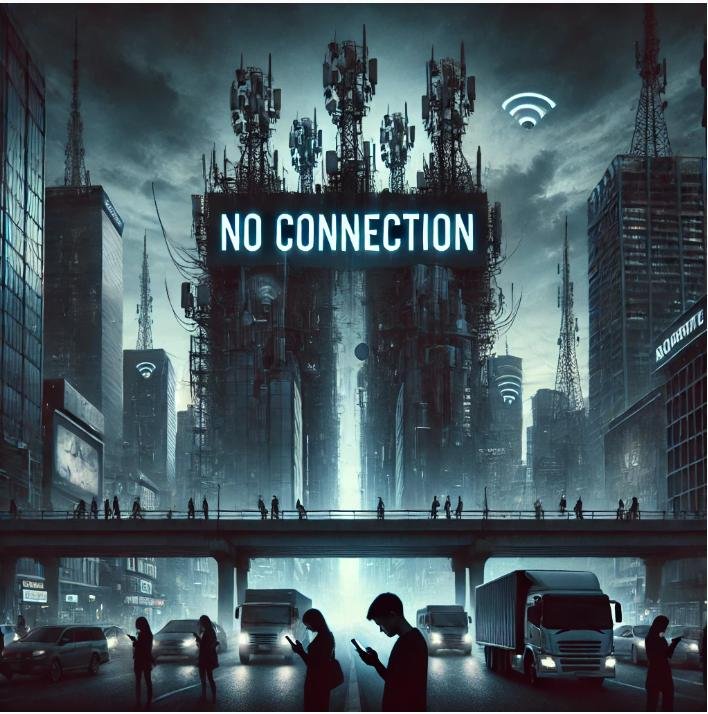
    Then you turn on the television and hear the shocking news:

    The entire world has lost the internet.

    Not for an hour.

    Not for a day.

    For an entire year.

    At first, many people might think, β€œNo problem. We can live without the internet.”

    But within hours, we would discover just how deeply the modern world depends on this invisible network.

    So let’s imagine what the next 365 days could look like.

    https://images.openai.com/static-rsc-4/KSHIl13BTatEBTAch5-bl747moM_8OzZhYATdDhpGq48oxEMrgEE2nsUF_2ce5iMYIfpSamyN1dAj0ZY3BqI4tdgswqgwqQa4dkRqVMl4DTvnCqwcZn2ZMwrIGq3OLNa4XWLaSdpg3FouCPa6dfPcqdSfB3MRgrm6AS0hdl1v7hw00q0io2V56TzhQ6TY7_h?purpose=fullsize
    https://images.openai.com/static-rsc-4/Sccr2gpeC4h2rIV9ndku6yKRuNiLQV0cFfNOtu1SYOEDKNBbqSTqzbjjojah0guWYysZEFwGXKnDPtI0RZhiJnJLoOH6KdbLzdKW996CgVLWrwSDqpnfKjVtnbI2XgJU8QK_bxFpGNPrYt7Qzqe00HE11dmWLZti_BhXaLNHrFialA7SO5AP1RweOYUIwhXA?purpose=fullsize
    https://images.openai.com/static-rsc-4/mWgU25bxqvaC3sIZz_S7zVr8B-uVa4-TRdT2cU-rBNpkaPcZyq8vt94Em35UO-tXcfS1uahEWwux2TmFMgLh7lsBgJIh-KHX2GhjlXVLgD7i4k-7y9TLo19Vlh7paMql1-8YmOe-PtyAMyS7mZ65FkLFCrMOe3MMyv9DLMz-BcdNDZsvCe9BwRn_EX8jeg6Y?purpose=fullsize

    πŸ“± The First Few Minutes

    The first reaction would probably be confusion.

    People would check their phones.

    Messages wouldn’t send.

    Websites wouldn’t load.

    Social media would stop refreshing.

    Streaming services would stop working.

    https://images.openai.com/static-rsc-4/IryjlHMJD3ryFpY2_vrVFQjEg5m4neb6sBvf6AkSFlr0YObKKJCDLTbedgE8Xs1h5veT-ulNH9UamLhGZ9BG71jg0_d7tqB4WSob7JtCEs7Tcmy-Ekq7hRnM1UVRT1iVHjj326xNQqvS-4Ewr5Xvw-Ua9Ibt9MyrhfpU44Vq2oI-qZhtY8ZzKpeibAZSkHbk?purpose=fullsize
    https://images.openai.com/static-rsc-4/H1NFc-CozzsgzFYh6r5pbzOcT_hFAYDfPJojYGCzLYl-v94oJ3dvBfbqRtSVjMRhG2jT-T8mKbtswP9lL3gd2lrPhpd5YpC8w5TucoAVJ3y2rRkcbfbHPf0YDTDIDhi8qO3tBXUvMTSqvJ4oxgqp_vWnYal0xgt7hsDsECs3fX3WKXaTU1QF3QQo0ETGwY3x?purpose=fullsize
    https://images.openai.com/static-rsc-4/kSuLRUxh828ysn8lwBBIG69ixf_7L9C41NTvpK7FgQrUbeLteT3babM48xaicLjeH6-3QcoAe5dcjBXZNAMfYt9sk2y5GbiodxckOmBTmGeln0HHqe1k-7SCGJkEkOBak5KorhZZalKOa8cwRFvWgeaWDgQPFIoXO1Z_pRTjPmFyYRqS80qshplaxGuSc9rm?purpose=fullsize

    Millions of people would initially assume it was a local problem.

    They might restart their routers.

    Switch networks.

    Call friends.

    But then something strange would happen.

    Nobody could connect.


    🌍 Within an Hour, the World Would Know Something Is Wrong

    News organizations would start reporting widespread connectivity failures.

    But even getting information out would be difficult.

    https://images.openai.com/static-rsc-4/LUV68Qhb409XVbg9S-iqtGiUt69GUAZf7vRe0MlUwQh4ysnkWjU0mMGY5R7fRK9bCSPJm5NylOVR5hx43qGT0I7pxwKvpgD_VSQ4uw4T0VxLRDmfdsNUcBPADflb6YZpsn-JZxrsHQybEQ67-tvJBSthNdKWtbtInfuaEEoluDFTNln1GvVge890EV-VqHa1?purpose=fullsize
    https://images.openai.com/static-rsc-4/IB11FEPw4dVVA0_isaBhmUwk8S8DrHzpCeDaTWDiP85qS99WIPhYyzdALYUYcja4Qv_bhBiSnRMDRitMdo02O1bZgXP0tISS4p1CSVQhupehGyWCMaztfaIT8HJrzReoyyhzwbEHmZ2H7P6Dz-NuPvbjks5H7JrLTc2nduLfzTQ5-B4ZDlw9vbHWigwToF9k?purpose=fullsize
    https://images.openai.com/static-rsc-4/pDVBpP7PWGmLtix0OU4G6qKBMgf0K73Wo8Tc9jjrD9XQGaSiLmC4oYwBk0flr8kBWrVa3sQP40OPqEHuNUJltRemC5NSi9Tc4ZBkJ6KbbdgCMkaoVESrjdNFxI6zSYB3wgEbUw3b08n1OBwMPBCi5ipEOJqJE1FlSGBfo0qgsJa8baVBrGdNh84rlIYc9Yy3?purpose=fullsize

    Traditional television and radio could become extremely important again.

    People might gather around televisions, radios and physical notice boards to understand what was happening.

    For a generation raised with instant online information, this would feel incredibly strange.


    πŸ’¬ Messaging Apps Would Become Useless

    Think about how many conversations happen online every day.

    Family groups.

    Work groups.

    School groups.

    Business chats.

    Customer support.

    Without internet connectivity, online messaging would stop functioning.

    People would suddenly have to return to older methods:

    πŸ“ž Phone calls
    βœ‰οΈ SMS where available
    πŸ“» Radio
    πŸ“¬ Postal mail
    🀝 Face-to-face conversations

    The simple act of contacting someone could become much more deliberate.


    πŸ’° Banks Would Face a Huge Challenge

    This could be one of the biggest problems.

    Modern banking relies heavily on digital communication and computer networks.

    https://images.openai.com/static-rsc-4/O2dui9XiwPIDfG0Gv2CbC-HlsPhRUuH9BjbLaUkQ1-OvJIHcVi66EXexlkbFHnKLpnNqulDDUjfnxMNvpuMtiAQqYuIQJDknn4QYWCbS_jVLZkN80CwvQFnpOW3H_K6P43OM5i2SYSR60QKuC1ewBuQVxu5235FT97pHhkxBYiNkSxM-ZWDsvzzw29RCQ5D7?purpose=fullsize
    https://images.openai.com/static-rsc-4/KH-WcbS_O4NuKA_TuLx4bdwUO2xMHrZz_31s4PYotqBBfmryu2ds5VnosV2pqG5dmS7q-nbEZzKryjcqQziOyNpehl01zl5OvTQ6QOEVAf8gJ_RRA0ZFn3LG26jxMuoK3UW6Pwmy7-kQSyFLVEvsEM2lFLEW1rhW4pmo42va2LT6jaW5nZPYZr5Z8e_7zxFg?purpose=fullsize
    https://images.openai.com/static-rsc-4/mfjJuTXa81gVPy4vxt6ZW6KjBhLoQFNRubG-mEbk1dwzujUdo6oIwJNsIbLsg93jF0fc5df1Ym7go3jmOiPFKhFhOmUVwWxcX-e77__isKv6jsYaV5Ojhtsrdu7_qmzZjvU7DTG2ygFvKimFg0AXeYNZdhZduaCKmn07kNYf-n8RNXCY4JIY7S_wQbMC7D6_?purpose=fullsize

    Online banking would disappear.

    Mobile banking apps wouldn’t work.

    Many digital payment systems would be unavailable.

    Banks would need to rely more heavily on offline procedures and whatever private communication systems remained operational.

    People could suddenly find themselves standing in long queues at physical branches.


    πŸ’³ Digital Payments Could Become a Nightmare

    Imagine going to a shop.

    You scan a QR code.

    Nothing happens.

    You try another payment app.

    Nothing.

    https://images.openai.com/static-rsc-4/YGMJlnDe9I_gkIZDgEWAk8smvRiVz6wv-nyrp7rx68aLDe5B4ucPM_FFotZ67sYeNrBVi6Fdqeh7DEckCGnipXo0Wp2Vf8egdmyDA0dwshAi1NcjSxS8OelAkugzyWGH2Ve322RbOv5h-CVL0Chmj61qpN92cLOp-WXSoIvP2mPVKPaCZClvgCQjftqv3rI8?purpose=fullsize
    https://images.openai.com/static-rsc-4/hbd2pgI_z0GD-LQhuPOQ5_AfiSnyBSjdM-W4jIhH-rUAtL4cXwwiivtNaP5o6vNmw5xahbz1PL3Fcx6zXTYDLY5haKTBjjrNseIFwBz1obytq8p3Zhbkzl6khaOu6CaLKfS8a4UWYEsZACyMQwhdD_U-tUNBaZ_Jjn8djvQMeRWR5TqvdRJULO7dbP5aqd1y?purpose=fullsize
    https://images.openai.com/static-rsc-4/osauHW3SWvh8kq9-SaLlYG3afMJudY-Nr_azTLfCZJsn8EKvXjTwnhih1coUsruFldT8nhCZF2rFhWm8bH5SMLxpzIVEuQ4WprOC5YcCJw5TWyGLD6UG62zG9skWIXzU_YF9DZyPMMYbgjfLagW75BalzbiW6uvJVUpJKCgyV81Q0h2DqdyXs9Q9XGM6wX-E?purpose=fullsize

    Businesses would have to depend much more on:

    πŸ’΅ Cash
    🧾 Paper receipts
    🏦 Traditional banking procedures
    πŸ’³ Offline payment methods where supported

    People who rarely carry cash would suddenly realize how useful physical money can be.


    πŸ›’ Shopping Would Change Completely

    Online shopping would disappear.

    No Amazon-style browsing.

    No food-delivery apps.

    No online grocery orders.

    No instant price comparisons.

    https://images.openai.com/static-rsc-4/nJeMKSzgGtTEUf_JZ4Xdx8Ij90MQ72_iVeiTUFD8PTkiMxzRQQcfsnjdjKQNOy6B1lqZ6dnxRGkNuq8GEWadyhSbXMgBwgQEpMk1f3OVqou9KjrU0Xrhgs9S0C_OAIJ1FlGRnPfwRf2f9JReUVVGhQOYCNgNtbiuINR8EMt-QRlJJyCqbDVK3-PN86BUQX6a?purpose=fullsize
    https://images.openai.com/static-rsc-4/kmWekyN50QC0hEcN5Pvy7dyixKk85srd9kb9TbRhPysm6PVnittjr8qX62CuCS7lUQs2an6C6wCub_wTREVvCptTmJPnzlhedr-7h1Hpb371uXz6A4-rIq4X1zkdSfdcUdzuuAX99-g7nFk1JLW3PS66ilHl95xW8JGVKMY-hZMpSJRX0vPmPsGGfUBR0ZUs?purpose=fullsize
    https://images.openai.com/static-rsc-4/L3rbWKcKXTfFtdDlPyGfjKGdFakEDaLyBU0ekVMCAmHpb4fP749_hJcMKkhk5s_BwlxjArEKz7TQl19MRvny3uC0rpXQ6rKFNA0tAEKFBe_VO1lRF0ix1_yhv8bQ70KGALnRcpfGti3lO4Q5FYzy_-Hi8oRHrGntNt-pMz9mzSsS52HbJ0i72BETJvI198de?purpose=fullsize

    People would return to local stores and physical markets.

    Want something?

    You would have to go and find it.

    Want to compare prices?

    You might need to visit several shops.

    Want to know whether something is available?

    You would have to call or visit the store.


    🚚 Global Supply Chains Would Be Under Pressure

    This is where things become much more serious.

    Modern supply chains use digital systems to coordinate:

    🚒 Ships
    ✈️ Aircraft
    πŸš› Trucks
    🏭 Factories
    πŸ“¦ Warehouses
    πŸ›’ Retailers

    https://images.openai.com/static-rsc-4/GZAU4encTEYNcxD-pmfwzuiY8te5eL3iHqjeFe-XnjAhkEbIh7qVT99bDDMyYJu0p307S6AeD_T-Wt4MMjUGXZmBksV2do6YTymII8aPfF4AdIQ67MHbMgzAKW6rcIOdThZ2gQ-sI-8gEcL5bOlJonukV8dkbbgdWnZfKQJ1cLpG5MajKWb87HvOwD_CjDLv?purpose=fullsize
    https://images.openai.com/static-rsc-4/F1bJOctvOrjbi4yvFjhU2yTeaTvHTd103rdNSFul45urR4CeWn_BCqjofngSpP6grFtRNcPmDFANZd5Dp0GHsKCmbBjR1JU_8WszcIJNfRXytgmSpdnsb_0BWtnV06o21bE6rf2VslERitwClEib7t3j41oayuzZwV4boDqbGf7bjt4dJbm4D6rBFnMJyDgh?purpose=fullsize
    https://images.openai.com/static-rsc-4/FIHsQjkPXdy0X7XxF9_wGlldziGyRZNTDit0KiIZAJTNKGNm4ya7cZ8VgKJg-cY5XPW4VfcFHCATorI6xHDhJZTX04Sl-xu-x4E_aIl-dO821QNeP-BD_Gobgf4IJe1SB422B-ERJ7rlWsHEJoLjMKsd9RwRnWICNQFgxW59DU4rQN36-7719U38y4k2It5K?purpose=fullsize

    If internet-based communication disappeared worldwide, companies would need to switch to alternative communication and manual processes.

    The result could be delays, confusion and shortages.


    ✈️ What Would Happen to Air Travel?

    Air travel wouldn’t necessarily instantly stop everywhere.

    Aircraft can operate using systems that don’t depend on the public internet.

    But the wider aviation system relies on enormous amounts of communication, scheduling, reservations and data exchange.

    https://images.openai.com/static-rsc-4/DqVIji3fzPNbGIpa4gIWOGf3HomeWJlJFPHrX-WLsWaD02JI3SBf2jmPdMnTUn5cBd8QEF5ByM4xXsGUA5QLn-G4ActNIJtML2_9B4kdWGqKo6zqdc6cbob6ceQx28jLsCU8symcGJd_oAm3yAssAJeKe__jKXOYTjEaHcp0w3GQ41hhUoaGv-ZuUWUlM96x?purpose=fullsize
    https://images.openai.com/static-rsc-4/YiuYduiWdxI_vujJwUwrmwSgJdeq33qV_7kAmHh6MAKp9o6qKTJNGE4dWjeeIalBT9O_-Zs317jbQCwI-Kd0vSHQvF0a6mOz5Oxr7yUUly72fKVjE1A-YE5bEBXRTaTl-o7gHVYuVJC5AKf44ShNrgITGe8vusrsFFbTF3Xr2iMK0uLBgDt0lFGdq98GKZzu?purpose=fullsize
    https://images.openai.com/static-rsc-4/FcPSQxmTTBPZrKvcgDYL-5jU6eFO_oLnJzvUCHhlDploMJ_FlueW0IcbA1ZSfISvBYw4BFnBHsQFCwj4f-Bts304-mRq5mSFQLXU51zcawmcp2tuB_-Z24cI24iKbvn72-enir6mvEv9sT0VW_MaGvvWVnGRWGVZrx4dnIrZUD1EZ9yAFLFZMnXT3gisHX8Q?purpose=fullsize

    Airlines would face huge operational challenges.

    Flight booking systems could be disrupted.

    Passengers might have difficulty checking schedules.

    Airports could become chaotic.

    Alternative communication systems would become extremely important.


    πŸš† Trains and Public Transport Would Be Affected Too

    Modern transportation is increasingly connected.

    https://images.openai.com/static-rsc-4/RoLFt7bAK8nParwUKtU99Ol9mLZMKzm4QwoRlbi6fuU8k5hckb0UGRA2Ldpw6LQC8VSuqn3J4av-o7lkttTlSpdiMFc97oM3aW_Ii6pFL53sM5v6873yCssKnnSvrC2FsrU6YgvAwrfiI2DAz7D-69T_wfjYR4jARtbg5odsNUfqSbi6aq0nMPgF2iP14xyT?purpose=fullsize
    https://images.openai.com/static-rsc-4/dEjJ1NDemyQFRfvd3ex0N4JqRg3Y7fFUpW7QhCHV549Ir7R0l5SLcMr3gUZnaXf_T9Ijw5echZES6VmckuBbgdZVB4Z5lmKvYsZeJtMSJN34DSRMYeIZla9wPvptwn157Y_u7GA7biBm_aLl2yPnqpbFLd_78opxYDAAcP4w6GwsWp2aiy469j_r0EdyTviB?purpose=fullsize

    But this doesn’t mean every train would simply stop.

    Many transport systems use dedicated networks and local control systems.

    The bigger challenge would be coordination:

    Schedules.

    Ticketing.

    Maintenance.

    Passenger information.

    Logistics.

    Transport operators would need to rely much more heavily on local and offline systems.


    πŸ₯ Hospitals Would Face Enormous Pressure

    Hospitals use networks for many different tasks.

    Patient records.

    Communication.

    Scheduling.

    Laboratory systems.

    Medical imaging.

    Supply management.

    https://images.openai.com/static-rsc-4/NgNspn6SFlq1LYJG1vIL8OzOEe5RI-L82VO6GBPLeWULkmYvDRtJRHofu3hN3CMAloDC4A5_E4rjxYsVLw6Rhch5kRSqid2t-gUx9kOPj1CqqFSppvMDQk3oAJtobrmxmap9dKXCyuIpi0oGgJNRU-g9DfvO8wrqXGepIGu9vYOxX4Tv4Ff8BFJgKM3PQbQH?purpose=fullsize
    https://images.openai.com/static-rsc-4/YS8eEwzeCeiMQApxvfU5S_8ICsZkQMEugR_qumnCKhHEZG5KflsSe1bh8Lrq2-yeDQLrRH4BrOWFBjJvgWP-eEged0r52YklLebNoQj0s8IuP2sPI3Y1oMBlLciYsk_8zh-bKijHSe8c9Y2AtphZhct3PyLaZn2bqz4Xmf0c8ddPb_3wweiebjU8NANnBK1t?purpose=fullsize
    https://images.openai.com/static-rsc-4/3-CTa-lUI7thpNTaWNq5jMwKFATJXd-jJGpLxgFySZuQwJ-B9qpZo-4zkW6ahalimMdY0NNM9pka4O2l-ZaNrR16pDqkUqiKsuD0pCrq-WnOyZNZH-B_a3qFjcwNgFRPrJdUdGUqmiDwuzgExtH-W6aMVLDxR6UxAYcKj2_YB02bibnTILYkJJkzPv1S4a8a?purpose=fullsize

    Hospitals would not suddenly become useless.

    But many digital workflows would become much harder.

    Staff would have to rely more heavily on local systems, paper records and direct communication.


    πŸ§‘β€πŸ’» Millions of People Would Lose Their Normal Work Routine

    Imagine a world where:

    No Zoom.

    No cloud documents.

    No Slack.

    No online meetings.

    No email.

    No remote work platforms.

    https://images.openai.com/static-rsc-4/AdjGPGo1XRlMweqCaiMjZxlURjACuCVaSrH3AXVVkFUbzFpuUTx3Iq2XkAW8GKFKsAa6kHovVmGFuVXjMcDbXhVDfPHaTPY7xASBCx4tsl1HCeQz6RcktUArolKwQOZuMMpbKpnWqnOBXelPXwLB7NHPH6chZ250fSXeOPGFSSabmQ6OmzGPZp51jWKw_Cvm?purpose=fullsize
    https://images.openai.com/static-rsc-4/QjZhVtlokB_luEJ9C1SsV-t-KS5yDicsOYdWNh_MiC_gSqrXOe2-8evoMmiQlyFqZ4gL08FHIkVD1VEhhvNlAGzCkrEVznyqaE-DIbV7jqyE6Jw8ldGRLYBkfgEFi7hWoxnPjxFMcz2wWEu0dcsSJRFzvEG3zaEIs3n6mQ1B-4KGAgsy52e6IBxxEPcmPE2N?purpose=fullsize
    https://images.openai.com/static-rsc-4/I4qsMTYSDaMbzajZfhOdNX31uTGGDI7iuBV_6RoFrcJ7EGoS2dnAkEtqbgYBUnkssLUBSQlW8-rzhkOPxcVSJyNcDn7fHmDXbKYfs-S_HpMxp3RTn_xIdcmvyzGWCSkttyKRsk2_A-3AlQOXRUQXqg31J-woSC2Fc0yFEGuCmdN0BL7yIMFhszBuUX29OBmT?purpose=fullsize

    Some jobs would continue normally.

    Others would be severely disrupted.

    Jobs built almost entirely around online services could disappear or transform.

    Companies would have to rethink how employees communicate and exchange information.


    🏠 Remote Work Would Mostly Disappear

    Millions of people now work from home using internet-connected systems.

    Without the internet, that model would largely collapse.

    https://images.openai.com/static-rsc-4/E1yKlYGn4ym7HKX1aiww_7bZOTIMEqkKaDvXlc1enuypwr-P8Iy6Oe82MJrYoiXT33Ku3W65kmXiapLg4ptNWCmcyTOGvlPOjfrTIy2GBObYps8k1yLvsSQm26H5xN-Yklj7yhQYMhj5yMsaQYy6O09rNNcphhVSwb5_RCzCYU1NiUhgV_GZo5yZ0TtSFIjL?purpose=fullsize
    https://images.openai.com/static-rsc-4/Ovjc1Z3Bdz6ceQSLhD-Nan0hxfK3nERxu4GFDOwqZUiPMieQRLn565HvlzWmm57Jz3uXfkXsVej8lFcv1Eh8RbQGXZub-Ar-FtNzjSv5iIAKrT2u4gkYl_JGRZ9NP5SUga_T_aKtwy3mux2sJQLenEtKjgbXqq9uPxppEJ8UQmZ2cGxBtDAcOb2r_pVgQGjY?purpose=fullsize
    https://images.openai.com/static-rsc-4/EX7CUMlKyf0vyr4lcTcxXDmTXlW5vxf335iTVER1g_dr391ARCV15uxbSS4kp7jfeMViTTvuJD7APPPQ5kHjJw4K9_jrPq2jHO9MNXVNNm2SIEcd0wmiXuudXH4DkizyOTqLw_QUftjm4HrbIoIqj9nifO5EzvDLFLZOi-n7AU50v01AXQwej0xu97XZ8ZqM?purpose=fullsize

    People might have to return to offices.

    Or companies could establish private communication networks.

    Either way, the workplace would look very different.


    πŸ“š Education Would Change Overnight

    Students today can access enormous amounts of information online.

    Search engines.

    Digital libraries.

    Online courses.

    Educational videos.

    Virtual classrooms.

    https://images.openai.com/static-rsc-4/0285E5Crl_xGcLq1uGDh66ZtUU0gH13DxnerRU5MSwCKIt8to1ByRbh9ovaM4kaydETBStqCPlEIRsDg3Smy1XmZsutXjyeZ2biyoNdjbJ6zePt1vgCT_Vm1k_VA2WQEumG-2us2ZMrqCSrxHLXSWTrOi5vIZdeaCbGrUWhK_d17YpOS00V-su4goh87Sfoo?purpose=fullsize
    https://images.openai.com/static-rsc-4/CZSTO0fZyKP2BadLFCyVIpYBRbX4zAO7yS74hgpwf3-1Xb4esYi4gGFneoI73zhs2fkclx27W8X9c9uu21BCGRNfW-MORrIPlOG00EiaLnWTTfBeyAP6ACHPaUlJXrJcCvYrdkbvc_MUXuDpvHsMvsdq53DsazqzYvi6YkYhdxExkgiv0gFfq5FL63fmOkSH?purpose=fullsize
    https://images.openai.com/static-rsc-4/-_3xtRKqpcWz_QLtaKam9wMQfTSi8goBMQASY_NoRxtXJ-jnA_tzkbrW1SlGcQhmprzDT81MRsR1WtZyA8Squ-h81Y-61naM-oohEbrVn9MPqZ_j1kHf65VbzO__X52HKt5Kga7Ygsny7g3PICBBitgofrmbeYWCXCyp54-7Rg3qr5knQQVV3nu52wvfDAnZ?purpose=fullsize

    Without internet access, schools would return much more heavily to:

    πŸ“š Textbooks
    πŸ“ Notebooks
    πŸ‘¨β€πŸ« Teachers
    🏫 Libraries
    πŸ—‚οΈ Printed materials

    Interestingly, libraries and physical books could suddenly become extremely valuable.


    πŸ“° Search Engines Would Disappear

    Think about how often we say:

    β€œJust Google it.”

    What if you couldn’t?

    https://images.openai.com/static-rsc-4/WrXCzHgY5n-_mXhL7SOQ3_7V6J2xqng4XZYf87K5_ZRyXNtWeoSJLgKXDDDOIojdTUzZuF14seaQy-uO8hVwfhAUIT4EWpn-r2K5IFiUgsnhxXHh9LnwIVHLqCdCzhb663MefFGZVsR7SmtV7WIIoFYHr0dSHJHtrxFe8MMa0chc6R4UzPDb6htqV8lHg_FM?purpose=fullsize
    https://images.openai.com/static-rsc-4/P92EYeY-hBnTEjQeVcFur7oqpXCVW43DN762aiQspYzOfIOJ8uRf6m3KRs650sUgCGRUWUb8MRh_-zcXFQqqiwxctm8Ul1a7GyMfgxQtVyvFKZZnkm4s1f7v6nbnH6RZ6RvFzmBABoJ4DEvb_fFA7ZGSA4veKtnvppmblrxuqgt7tErjcMp8LGmtbiSl-CnN?purpose=fullsize
    https://images.openai.com/static-rsc-4/MO1-Yw1wk83h9C_bJV_VfDibyLGdsdgs7zoIrtEt5iuHliS9b0XQFrURZfm9aVTFQLm542KO6r2g_pNsxC2ySXRrWLr9fdyh_5pI3Jnq6-T03TgkvjAeHVmHCxGJ1aiqqd3NGWqL-2BYAMqvf7WeCTqVzr58_LCV_5mPnoKmPyoYJYm6LDartzpkVdv9Tv6P?purpose=fullsize

    Need an answer?

    You might have to:

    Ask an expert.

    Search a physical encyclopedia.

    Visit a library.

    Check printed documents.

    Call someone who knows.

    Knowledge wouldn’t disappear.

    Access to knowledge would simply become slower.


    πŸ“– Libraries Could Become Extremely Important

    For decades, libraries have remained valuable despite the rise of the internet.

    In this hypothetical world, their importance could increase dramatically.

    https://images.openai.com/static-rsc-4/NGf45fSP_isAXxNW1Fgvd-GbfCJ8gVoaOsl7pHCu-S_qwe8lhhhz33pzQH6O-6WI5WhdKhzc55OuCnJxl7xMFeZDagaBmr6Lp-2zzOBsAOYcLOrfldltd8lOAY4nGNuweEr3oyFIt0btS3ITynJczFO_gMZ0feiT4kV1ow0b6FMIbHVFrM8__oNsN8cx9mU8?purpose=fullsize
    https://images.openai.com/static-rsc-4/mgEzsXdPW0zGe3iORTBX1jiFU2OJkUXRtzmmds444WW8ouR6RYqKtNDSuQVA2dlfAtlAD01BT42Bu6sArDF8sYqmpYdUzSQuscMFAlInNty_oLI1g_kul7dkcIlRIgH-n48Uyx7fGkiYeVaIxyYVKO56pn4vA6HYI97mFryoGZhPHtDR5hDhHi3QKmbtkrHq?purpose=fullsize
    https://images.openai.com/static-rsc-4/Id_b03THE-5H8QgdAjaivpsIL532UzHIHujBYkqYjbsuHnQ2er0S8-SFa5FlsrWP70k2RvhnBwKmeDamosH19UqeoXpKE-4fNkGLs_ca_pMX2PWwtGmfw9DtUvDwlFxCFKJlJhQyp4gGFUhzVrY72f9qsgg0pktk8UBE38dgpuzNd3AalNHulphRQ-R7Qa4A?purpose=fullsize

    Imagine thousands of people visiting libraries just to look for information that they previously found online in seconds.

    A librarian might suddenly become one of the most useful people in town.


    🎬 Entertainment Would Change Completely

    No YouTube.

    No Netflix.

    No Instagram Reels.

    No streaming music.

    No online gaming.

    https://images.openai.com/static-rsc-4/XZK4W74p9PW5ymLT-pkM4DrGHclK6CrWBsG_siirZwr7cnUiyOx56FjArTjLU8NoRqVQdyPJryRWikh7L-RGjZj3GPOyQbG2tL8JCLHdVPWdmOZ81Cq-_bUvpUZ9Tp7xkfDPAtE6dkP5vaanWjc2N-2jPsGzaDyAzanil67pUPdpCM7GUOLz0QY7Je0cINPg?purpose=fullsize
    https://images.openai.com/static-rsc-4/nDnre2Qq2hqWWUmLIy5TODMufSG9bHVelwiwGxDbuA_Gty29R8eqGv08kDmODO-bUpue-MD5Q_cxfL_auv35XvC7L5pFIkOf4jtgQMcr1tqTgZa-rRtrBg5hLpnlgULjYqSYFeyhWNtn3XtRHAXq7cOrngmOiJiV43fdpEzNTebTuiYvVUh3emBqb_uhPVCD?purpose=fullsize
    https://images.openai.com/static-rsc-4/C52Jn3CI_wSYyIvvnprMVYmvSmuKIUbOtvfbp70VPPCD-twM38Zoq5_6kVpEDHlqBq3IVNOobPMP_Ape5PzH4SYh4sIpiHeCTZNxFxJD1zZ_56cGUhDC5-b7WytaGATGVwtzD5XSQ9m2msrcLtFo7n6vBSAFdq6vBcs3lbnloP2Ibpe2VuFJUKyQfIHMKga-?purpose=fullsize

    People would return to:

    πŸ“Ί Television
    🎬 Cinema
    πŸ“» Radio
    πŸ“š Books
    🎲 Board games
    🎡 Physical music
    ⚽ Outdoor activities

    And perhaps something else would return:

    boredom.


    πŸ˜„ And Boredom Might Actually Change Society

    Today, a few seconds of waiting can lead us to reach for our phones.

    Without the internet, there would be fewer instant distractions.

    https://images.openai.com/static-rsc-4/OL5-CRgIA-TfZn-h71qCjn-bk-3pADop4fnsa9VBPuxhqaPxbIn29HRco4CtuZ_oSNvYfPWIimvKeeLIMj2H-vdnMWzAZDB4bcUIfbZGfIFa1f--prLA8udroKZsVmwNmMcDb_iHsbzy6qmaUG0yXoh_DBQnVjy-uCD3ba4dQlxYP-Dunym-a4X7aa9oyVno?purpose=fullsize
    https://images.openai.com/static-rsc-4/M4-btLIA-669cbjQe6raQXLDzsQTHUGkcP-s3-YHiHHETcsI0gVsWNUvk1GPNKrpg-lnX_PBtx7TxY9Q9xq5gJXWCGAohFJWVjMXPAOqu3xQpfHV5Qkp1Ahj4z0BwVmk_0hhrwYfFOEZJkVZsWiJyL1xpfeQsUdsx-tl8aXggTLSeN9JI4eDtoZ1H1lXlBUR?purpose=fullsize
    https://images.openai.com/static-rsc-4/eItpjewAoT1KWYm-0KAUs_CzklZwEjLYGc5mdommGWlbXNVpFYV3H8U4ZwTqNdQqKcPZ3nGDlK4d6Wq5IF8XWMVYKrr8BCXkuyaQz8z_fsqforfoSQjSLE7sVawBoN8PDycuvcExuanZfqh_nZ2W2vKWdecd5hiu5m2s7lZQeomSgXJlRFFWzb5w0VI2iFfJ?purpose=fullsize

    People might spend more time talking.

    Walking.

    Reading.

    Playing.

    Thinking.

    Meeting neighbours.

    Some people might hate it.

    Others might discover they enjoy it.


    πŸ‘₯ Face-to-Face Communication Would Become More Valuable

    If online communication disappeared, meeting someone physically would become much more important.

    https://images.openai.com/static-rsc-4/8inuL0W6uKEy1k-1bWfSSt2jHYOyPn2e22yFh4iBUEQ-bBZN8P9KdZyaq_7AADpJOWeMKF5_MeiY45-V4D-RtzALHXL5u91wZ3JKZbYX6H-oHvXO_y7pZA1DJMjVAwZ3STYrvOdlWYl0pO2nZ6uVdRsK8lLI5qYa31rvMTahwRTaay3NeYFWGSu8SwGzj6bS?purpose=fullsize
    https://images.openai.com/static-rsc-4/iBcrNdFuYQ1Cr3XaOhxvZyJJyQm-GOrjU5A8kylyphIK1dRQoagWXTWQU_qq_fc0E4_UgFQEXa9m1NoxzevroH-6v2vdvisBoXMqBf9jGpIQ9yHx3-Mo_SLMRo_zIlhQrx7uDRFAYvFhYj52lKaoU_VLP_7-Gx2IyaTrYRTku_tGRxKqMl7wwHNtiZVOKbKP?purpose=fullsize
    https://images.openai.com/static-rsc-4/lvmvtFY51LdWyePRiRiTm1eT_PItag54L__vbLjxKzpX7LH1Y7AM5gEUyzAY6HGKvim_APhOhU7cJ30OP4l_8d45VmWAzL-bDn_tZ15lg03gxzbKD90WIKCkjdtu9HZcINClYTDpwSShC9smqtOsBxgSudfUeYKb52XXuQ80vYODYZ5dFFHVWIn21inhQ-54?purpose=fullsize

    A simple sentence like:

    β€œLet’s meet tomorrow.”

    would mean exactly that.

    You couldn’t simply send twenty messages throughout the day.

    You’d need to make the effort to communicate.


    πŸ“Έ Social Media Would Vanish

    For many people, social media is a major part of daily life.

    Without the internet:

    No feeds.

    No likes.

    No viral videos.

    No influencers posting every day.

    https://images.openai.com/static-rsc-4/MJJwAFZcU9pEeii0SGnXmSWoZL1JjG8K22BCQHIv16W4MDF9HBvEYegbNnwl19rLfYRaZNZ3yI2USEGrtpW142Aw1DDb7H2K96PgPgYumZs8n3koKDKKQbLlBEo_VB3jB72_zVevk133qVO3rmzY7ITVBx0xSkpOB6yZxreqdGw6_y3fkO6r-dVQ36ajqCOa?purpose=fullsize
    https://images.openai.com/static-rsc-4/S1f8C8y_Vnl4HRlkVS7z4IfRUO6XE2OSTIp4f2eVCNzYgINa2d07B5X0bZq_f5vzwRnuOOYth3xCAkXoVgKZMpS7pmQ4TBCSM6ERhVs5ecq5tkozjgF_R7xFFrLbTwfoCyO9QtsY4bGmNrxtPT5o9MORo59OschHRg8U6Pdw23KD6xBPQj4u5wSKspgdlz20?purpose=fullsize
    https://images.openai.com/static-rsc-4/Vlrz_HmqaNWWoweTxFGgPZlSX8DLDzupl8kfWrHQL_m_njKpFNqL_47GNCg1GxHIydV7sVY2s10zhnQNKHwL1a9ivuJhY4M6eYuLY0yb54jmoydM3dk23CoZE_hnAbos3ddeuZfzl6yBHwjW9bgTL7_pfLe4IhW2EanNGSgL7k8Wr26PUGuMcO9Blf2s6M5U?purpose=fullsize

    The culture of instant virality would disappear.

    Fame might become much more local and dependent on traditional media.


    πŸ“» Radio Could Make a Huge Comeback

    If internet communication vanished, radio could become extremely useful.

    https://images.openai.com/static-rsc-4/URpiaORVjnLhyBlkIIVxrY6Pv5B29Du-UYyNZFTPtp5lV_i85ttN75XCwn2_4-G7Z7KAG07vJB-51fkWDHvRmx6Z8c3BiRSQ7qFWakZMCJgHcjqoFcfyP96SIgU-SB7pPTPIcCBkGW9Z7lWySzuEymFp6s_zENxDVVFFR72NKoQGaFziiR-qvD8pP4A8dxMg?purpose=fullsize
    https://images.openai.com/static-rsc-4/kFZjcEG0VpU8JOAWW5eFLBO7QY_PItHC7S9Ty_pH5_1Mu_pIV5-DYiWOpvHfxclfSeZHC694h63QoJ-wO53FGpABRZogIE4CWU9dMtscQ6_GtqKhsi5zKGDqkOHq7D09ZhKAVUjHbdBkm0alnDp_Md_50FitDY0ggBtGMRue8xd3d07hasBwy9l8AzsiIMhv?purpose=fullsize
    https://images.openai.com/static-rsc-4/hp8M5ByLMELOax1T2V9eLYCGlD5qSdMZyWEp8_FUxDPhvRYjtPJXtP0irLl9UvVS-DOXb6vQNoS6iK31cxqhxijKuosc-Y3m7K0e2b3lb2Q4Y_FfGOQvZ1Ec7G1ufJmXAnoC7o7aPDafkw23Z1BE8xpQ4IwQcneQWeCXUm-saY99N3lQ9xdPYxjw6po6uSum?purpose=fullsize

    Radio doesn’t require the same global internet infrastructure.

    Emergency broadcasts could provide important information.

    Communities might once again gather around radios for news.


    πŸ“ž Phone Calls Would Become More Valuable

    Even if the internet disappeared, telecommunications systems could potentially continue operating in some form depending on the exact nature of the outage.

    https://images.openai.com/static-rsc-4/0hA4jHW2gPPxQGphWpeHJGcnNNLRrBnBhpzp2gS8HSZAv_bsSoiF_5p-hjXHFpPEyX4ibL7EPdabGIuWpZ0Zx414sA0xwq6qFSLFnWI0Och4xCi9MgMASmwM8QSqGKunLLCbcIeB5UD84p5Sf_DjP5padvXeOXkJJMZ6QQ9ANjmczw1CUD63BwoRQtegMzur?purpose=fullsize
    https://images.openai.com/static-rsc-4/-E7yKS3uc6QE44mdIYdas0HPSESKmUG6RvhaS0gH8QKWpXcVP2pjNoVSnaiNeegcvu--3ChStC348BYT2T_UHLnJ7kRiollwUpkq-GltZRbFtgSv9TVGCMnjtugE6adtp8K_Gt1BXG-A0AYf8iACo8IK5358ZTrwSaEsEKKz6KMLlJ0vI7Owh7cGDeoT9esF?purpose=fullsize
    https://images.openai.com/static-rsc-4/FaeRd260i04F6Tgsxv4b7lAbLvCvxSZfhPZ5JHEeDFCpvouKaiR_1R0_PdwyeUuBIzn9Vt0wsSXvAoqwo53aKZAPJc1W9D5KE4xGQIgeLvpv3rr0TETqD3UHwgoaJw4qn49xB5kuElPhIGpD2ZeA05Ec2vg0hT3RmvNQ2yjM_XaniiVZzCLHEsGgszyKzUd0?purpose=fullsize

    But networks could become overloaded.

    People would suddenly make far more voice calls.

    A simple phone conversation might become much more common than texting.


    πŸ—ΊοΈ GPS Would Be A Special Case

    This is an interesting one.

    Many people assume:

    No internet = no GPS.

    That’s not necessarily true.

    https://images.openai.com/static-rsc-4/sFe1sReUgNQEDnA_dwVhRGHxHoKrXMFBW3yf3_mTZqQlBqX5TFZQem9UQdAIxpdCa1GPy0nA-ey1zkV6e82n6hGkMf7ByZvTzKzFnMQvs4XeVFai2FuKl2BwLbpLGV1QiL_meGb9Bd_KXtcFjiBgz5yYVFcrKi_MOYw18RZQ_yDdSGp1UaHMDtBFjxDjTmVV?purpose=fullsize
    https://images.openai.com/static-rsc-4/UgF8LV1cpnh50cx3x7tb1enVrmJE3qmwm-VO5km-1kQtF3aUJ3YfrxU0KthNz34nabcCF_20Ljc-IIgmCRXPgdTmLsdq1CbZqYPfmEqY04G75lYIrhCN64qW9rHMqQkwp8Vj32kk_skgFTV_H9Oba_tjHH7mD8W1JjWYILAXWrWv92QQ68aUdckBB7ArQfnH?purpose=fullsize
    https://images.openai.com/static-rsc-4/8ggUfThD0br3-4oxtQlnZjcBdX7jma1i4bGSpspJ7jzllSknIoWwhBp2xfpnJgOSU1Gsu3vgepPM7YJDv4ilCEHD6djY8EfcTg1NTI4bZ33q3bvQPf7bDrQY52djMqKoCczqMJzvBZXbZlIH2vsH5askaWKuhWEjtGwyMBWaKWucFO2BWhUcHrJwCZqey0QH?purpose=fullsize

    GPS satellites broadcast navigation signals independently of the public internet.

    So GPS itself could still work in many circumstances.

    However, many navigation apps rely on internet services for:

    • Live traffic
    • Online maps
    • Search
    • Business information
    • Real-time updates

    So navigation could become much more limited.


    πŸ—ΊοΈ Paper Maps Would Come Back

    Suddenly, a folded paper map would become incredibly useful.

    https://images.openai.com/static-rsc-4/37VREtPjYZWR56iJttBNiwlC8tRikn0spRfTLDlQdkHbjGHftqcMw-1UlDEGBl_TiKnqDXLYq-HJdaMdw3dHLDKEV3_XRnt00CnvSuYALPhZ5e-Gtad0JMCLImKLyrVpWh4eQzsa7X7VGnbQtSCazFBdXzg0Oo_HrVzJpKDXvLoW0Z-LoPlDVOjaPD1p04Tz?purpose=fullsize
    https://images.openai.com/static-rsc-4/ttQSxESnJleU20IemdXGWpqMAQj9r_uuAiVh_-msWi8r_TApYRKf3XY_KOMRAmU21N8_N7OwDLi9Iv8IxT778emf147xnjoDdLLF4PSimSAwfX0112yMaQBXOF9wUzmYHP8IK6LnJtpBVjd37-on6M7lEpA9xJ2Rmt_epKDqbO5veb96Agq8yK1RyPgM5cMO?purpose=fullsize
    https://images.openai.com/static-rsc-4/F_Q1HSsRKKL_5MWQltAVzZjw4mwxJE8JDYZ-P7-l-7iou8HDUYQagIKue-WNVKuJxENI6VxfLIqny1iO_Qoj1PDOn1GGV7l7wvIq6XkfY_B-asCWbq57R7YPZSX2BLwl8un9e2sqL5YJfHmdVMjWrNJ5EMN0wCD-OX2-Y_J2P26OiND0QwbsWv-tJt3VY2YH?purpose=fullsize

    Drivers might keep road atlases in their cars.

    Travellers might carry printed maps.

    Young people who had never used one might have to learn.


    πŸ’Ό Businesses Would Have to Adapt

    Companies wouldn’t simply disappear.

    Humans are remarkably adaptable.

    Businesses could create:

    πŸ“  Private networks
    πŸ“ž Telephone systems
    πŸ“» Radio communication
    πŸ“¦ Physical distribution systems
    πŸ“ Paper-based processes

    https://images.openai.com/static-rsc-4/8DpWXmSqeSCpPsHuDym06O8OAndNHEeN9ZJMlZZtjcSU0HyUUwYCf9p50OHT0jhsegsPYGRpJ8XQvvRb1FM1Aq1118NqInOK5UX4FgkTE29w-t4e4BR9vRmRXgVDDGhtG8BtJp4FvkE2xESxI_0fsSD_aeEopbPb8wTLcCk6MchdYKeTwVP1IhsfSwEspGQF?purpose=fullsize
    https://images.openai.com/static-rsc-4/O1gP_yrepS9GZDsUA9k3bInnOd4HwNUq1CPgNK6iMMsnoguu_9s2uUc3d5Cu67W344x8YU30zaat2K-xuW5jkuPJI-rynwkRQfia0uJw_P1JnL0nKAaNEI7eDNq_m0Ny69pkTXkniDbrgKjhHAZRpJCVUnqfDO4_aPKVNkgkox5G19Dvi3mQX4W9s5-aQ7lp?purpose=fullsize
    https://images.openai.com/static-rsc-4/oGcQnixOar0AbS-OMChcIs-2RRgFPuhZI3Vcr3sDuF3qP0mr8R0FTS3OvmtAxxCYOXyPFL59qCZHj32O1SGLLzZVFNWlNb8a-pJlVeoadHnKEq7ExEwoZ8onrSc7ZWDoSjfRs5WY-sielafBBxvrcvY9SiT8XrOaLuuH-mFZwVUd49UNMfsDExy0pfsFP3Rk?purpose=fullsize

    The world would become slower.

    But humans would find alternatives.


    🏭 Factories Might Keep Operating

    This is another important point.

    Not every machine in the world depends on the public internet.

    Many industrial systems use local networks and specialized control systems.

    https://images.openai.com/static-rsc-4/ImKXaI5adHHMP2ZkI_BI01aW5qjAGN46tcpv6QxDV-zuTMEoxd4Eq7gyCSviG5Ey01VO7cc9G-MWjFZjgX7z5_sCIDQ9NNvgZZl1VgQsMrHL9Ca2_pB-ExlBNEuDoaTrJKOAZMoUKwzeEWxKT713s-DEC3mOQGsds8kcEC9sh5gU2fKPhfBatQ1-UMxEr6D5?purpose=fullsize
    https://images.openai.com/static-rsc-4/o5FzzKFB2KLjzpCqhHWVADXQoJKXe5Mlud3VNYQCOuLSw1GHG3tGE64dEwPswmI8TMaXI7gqI1GxmjHZSCi_wTz06U9fDVb9C0wq8QGmYJK214UrLNi_Gz9FUPmVkuF2vxkWiZOYiX2e6Jyc2p4T-9it2LEPMXrhBDT2bQn5NluQazz832AxMKk9C5p81D1P?purpose=fullsize
    https://images.openai.com/static-rsc-4/LYtsiAm9ili7h8YWEmsZtMWCpG-zEgGPiKmPhZqheHMVloc0hK814v9F0MN8AtpkV6anBN7U5nvzTkjEAq-QWtQRGJOKKNJvAPohHN-ist24Gj0BCIjsOCefbvb-wJOa1bEmJPSeEjJUDqGlUGpqBBilYX2mVvOzpgPyQgnEAzKU-SHL-OnCF3eRXD91AJ6M?purpose=fullsize

    So factories wouldn’t necessarily shut down immediately.

    But supply chains, maintenance, logistics and business coordination could become much more difficult.


    🌐 After One Month, Society Would Start Adapting

    This is where the story gets interesting.

    Humans don’t like losing useful technology.

    So they would start creating alternatives.

    https://images.openai.com/static-rsc-4/xyGia0tpktdXqXct7d5HGdjb_WNhPzdWZMe3O9QmaVvOcGv_qW6SaP8eJ2_Vt9DawhAXfWcjtpAkGGYkSERL-zeGR0wS5Kn8pGxF1DMKepFbvH7pCjtr1VbAK7iXX6iwwu1F7ygXA4TO248_c7PZ3-qRfDt3AIS55En05tE1_SGL8muHsjutCTTPgXzjuE8o?purpose=fullsize
    https://images.openai.com/static-rsc-4/06Ce4pjyHKiT-itsC99ZuyraAs_MUkXSQqdisFLh5RIuUtuFH9gY9Ot_8sCJGTgLnOH1kxV7cbGVGjvqgcfNhb3HwPrXk1KSl7P3__RyjgUB6KLNYFeBxmJ-zeJzhuKAgfbnz7Zo3Eg3jRc3D8zqywo_mJoy2rHfM9ODe3bx1YahVESvf3fQOy-SEHHs1E_e?purpose=fullsize
    https://images.openai.com/static-rsc-4/HWi6jTUTcLQpLIxlB0N6R50Ao_G3IRpGsQz3e_mHnJjksDik8HpQSCajTEW4jq2xu29wucEoP8MXclAytE35_tmreJzEIwASf9F0zXe6Cm_b0X0p9jQXUEncUGmaEO4igxYB-fmuno_eLV_8aQ3xG5pWzNM86msDkeqwfkdYy1VLosX_86S80DBpcNXEQoRa?purpose=fullsize

    Companies would develop new communication methods.

    Governments would establish emergency systems.

    Communities would create local information networks.

    The world wouldn’t simply sit and wait for the internet to return.


    🏘️ Local Communities Could Become More Important

    Without global online communication, people might rely more heavily on their immediate communities.

    https://images.openai.com/static-rsc-4/pvB-R9BPiVjKAYXgAyXiYERzlKyThn4836xg9N8XgWDIfOKLOwNpgK7OjBoRZjYwpdjeYBbZlZDA-zN9fDuFqOFoOJhsk1IdsLejp0e-8qtjYcCm_lJM3IzFDe1dVZgeaJ2v4dSvN8yt0fnL4_y0X3NynRbR-cerLdTx8FzciIbDV1hBNt1GPackzjrsrjaO?purpose=fullsize
    https://images.openai.com/static-rsc-4/wbQNjX2Z_-Y-sWoIY2suBcnGEWCxxpIW96rivum6jSqhBqOkgxaooXi3pHfXsv062y8_JH0lJnXHDdzl2rYU7pnVKmlWpSP3G1C_L1NjOVTB21RRPWZ--RECci7BOBKjg52RHM2n8QCmxlV7I_ycKcL1il2V3ZFvphmmajz8RjUliC-Ha74hibYM-Hwmgofi?purpose=fullsize
    https://images.openai.com/static-rsc-4/xNWzAxG3nuG2MtRhye3TQsTc499ykSdwTj8r8df19xHkkPojmq5713ziJbU4uC5MzPpdcndLwxLVzkNL_ZWP0V23iWKSrKWIazQVhoRxEXrBju1fSl1N64o43fpuQm-lDIaXVvkLeYr29cCVLwZwmmNlrIScXviDtLfp1YYUIwBEM1lgqjBsWVU8VDJP0EXI?purpose=fullsize

    Neighbours might exchange information.

    Local newspapers could become more valuable.

    Community radio could expand.

    Physical notice boards could return.


    πŸ“° Printed Newspapers Could Experience a Revival

    Imagine buying a newspaper every morning again.

    https://images.openai.com/static-rsc-4/sLHuFDGR0fwU0P14HOSo0vSQxYc54UfJpnkJWagtlPoAAr1VovEBPl9v00Mi1HvOcHOUts2NM5N_jP_7mLijN1VVVar3OstytY-ciSct8DgUtH9KotGRvLWUbY6toZbaZGSbXVqsT2fo5NC1acSP9S_fOTnbp9CGZ6DMD0fNMBvIFC-2iwkAOE0mkbPrQBw9?purpose=fullsize
    https://images.openai.com/static-rsc-4/iE0CbBmwOINXR1VnzXqutx_VvN_dm9IS3teOdAvrBpcXgMPCHT5iRiG4_M5eP9FAIZ7pBw-zRCdztxARYUlJSeXc3QqrOkQOHMGfc5uOwS5bLX-38LkWHam1c7YA5cde3KftmB6WPsqc12jzkhELFvdygrkpIqijcRM68HJhkW3Uuk4kUNOIThQ-aSuK3mYj?purpose=fullsize
    https://images.openai.com/static-rsc-4/jttc_BSioA_dYmEs8LO2bzPF0DCBjQJ8tf_J7DyKm71ZfNynQD3KGNxjFyy0qthW3qezDqVru_kRo7NozZjd4AV-01g0IGBrYr1hd-68tlmKWbpF6TTW5_u7PUOzKyZwI1aFq3Rmc6tDaF8WKYtxYPP-gMGwWRaloZFbvC32ai_MJhloDR5q7t-Nwvc8CPE0?purpose=fullsize

    Instead of checking dozens of websites, people might depend on one daily printed source.

    Breaking news would no longer arrive every few seconds.

    The news cycle would become slower.


    πŸ’‘ After Six Months, Something Unexpected Might Happen

    People would become much better at living offline.

    Children might spend more time outdoors.

    Adults might rediscover hobbies.

    Businesses might develop paper-based systems.

    Communities might become more locally organized.

    https://images.openai.com/static-rsc-4/dt6ZFucBYR4aanBQkYLncVXpvaRKu9n8ios4S4jdxQ_2ctSSXlmRQdQNEx-OCQqQxot1GUfoT3KdIqoyI5bQRL06B8FZQ8kdYcanF-zhXWG20m5rw5ubqC1g8yThhUxWrJR5GUL8T7GDmFnfKOiBqclfVHqyja9_0UGlDfTGODgQzOsu5UAznrIej0KoFvMg?purpose=fullsize
    https://images.openai.com/static-rsc-4/UMbD6RfyNvWJ2tRoD7kar_fkTV5Hz6d179OJSJFMUXHl-P2eGC1TTGctuKocXMlIcZ9ItURMLWU8UOV3I74nmsVOSsmefyA9qW9_MIZtkfviqtKOdR7PE46JKqwIyrb3BDMyjIMsNIB7cqysaSnDrePmHrm3RxpY5_RRT2P9s4emntdXj7SWxA9kVvQ-5McX?purpose=fullsize
    https://images.openai.com/static-rsc-4/BcQF8aadvGsduKXvL-GuzrRdeH-8rPUvowk_iCqRSrBeNXTKdS7_RtGCvZ8Y_H2TEWzjTiP1bIg9z0t1I7SfGrBFQiusj6ZZbmCBcD4QNAX-H9aI-OEERKPO0REByyfqdyUNFMxWRvGF6JC6cI4JSMCzzW36anmCwPdDuM-8BOoYHXjjZbbbM3uvHiBVZE7C?purpose=fullsize

    Some people might even realize:

    β€œI don’t miss being online as much as I thought I would.”

    Others would be desperate to get the internet back.


    🧠 Would Humans Become Less Intelligent?

    Absolutely not.

    The internet is a tool.

    It doesn’t create human intelligence.

    https://images.openai.com/static-rsc-4/CUavWzSxL6uDyuXkL4vLgwFl6DE0gbtRcxtZGSEfom6VS-nmNAiq5duzw19Jl02ru6Pk-hQvNgotfr13CDIQq-U3tB2r9VHMiwfSqDFSQEoqCsSiiMEdDMSff40QvHmMUjn1eGn5xEtI9VpM9JXl4Qnk_1FJNsYW59OR3M30dyxHRUQQUJvml5t2x09RIbmr?purpose=fullsize
    https://images.openai.com/static-rsc-4/tVkxX6nS0eHzvnhZtnU-IZAZ74M9iri_f9CEpb1z81R3Y06nAIvHIeDg0oTvBk34P9Oc9RI_fFlKTwa08Vqy5a6FXpvxU09_driUS9O4SjqbF1ca12wn9JN-c0EqEhAFOG3_Bks87WR8FJ6L21ZfTIogSaNY9CnGfjBKbKewvOnO-vtUF60VC8m0jB01SQJk?purpose=fullsize
    https://images.openai.com/static-rsc-4/eaHBh37r0jUf6r4HN-a5VQb_iJfJSyM06UTTHG8NAJhj7Mof_20V4xtSMQkEJKqaT8GEkhxe2YOWNWzuy-Bc1d_vnFDJsKp2w0TWpIa-4S4ihz52jAkHhwH7Mbe9LordJtM2RM8fkLmALBd2wN5inGJiIyiNbJW4UpI6rnILq7n-FRIs6Zp4M_EupcRG1boB?purpose=fullsize

    People learned, invented and discovered incredible things long before the internet existed.

    But access to information would become slower.

    That distinction is important.


    🌍 Would the World Become More Peaceful?

    Not necessarily.

    This is a common assumption.

    Without social media, some forms of online conflict and misinformation could decrease.

    But people would still disagree.

    Governments would still compete.

    Wars would still be possible.

    https://images.openai.com/static-rsc-4/XcHAAMjBxww-9Uv1sbd5UZ9JLvCUl1haDoVwga9w7zJhQFhsJmpiqQLT1qSw6ABd9xCs3InU7fl9s0PvjGmIKTVAHc9T92U-XZjbSl2EM81T1ccort4hzkYrnO945AKZoekm10-5e7gAEl0ro7tr58-62q22HnZk5wYzKGdpKCraq1yaQHyp0y8GMZxZBZeD?purpose=fullsize
    https://images.openai.com/static-rsc-4/vg6jxqK2C5cRhBwjYiW4zRxQWeVksFzxK6vAyTOcxMRvTQYyt9cx5JT6kU3-6RNypFLiHrJGbL9_rDpQYsBhP6hvFbuMDH94D8hXNWFCOI6Fpu7-RuXs7B6HwaFQUzUhqdsAFdfZpaTnUZYQylgIO2nd0QHfi36RwVGZsSdbgE7IPG88xsOSyBLJASqGxT1x?purpose=fullsize
    https://images.openai.com/static-rsc-4/YnfhjjP1eLqQ5K3gytL19kB8jxxoTzaTvWyBdIzXkwFO5prYzn2z4XHsc0SKyTNN0iEHqscqpDoyjEWVRM-Nr_furbeYmjA85o9AEMV1V7YfhsXmp6W0OAGXTRHzSgdUFNYfmLsR3pw4Kg78XccDfBRagwYT32WnRwOs6W65n4P-Ji9qBueGfvD967i2xlf7?purpose=fullsize

    The internet changes communication.

    It doesn’t eliminate human conflict.


    πŸ”₯ Could the Internet Come Back?

    If the entire global public internet were somehow unavailable for a year, rebuilding it would depend completely on why it disappeared.

    If the underlying physical infrastructure still existed, restoring services could be very different from a scenario in which cables, data centres and network equipment had been physically destroyed.

    https://images.openai.com/static-rsc-4/f6HWXUirZdb4RdZTn7aaS97mTP5SBEpMMqJJsffl_VqYAW-xrTxmg7hBUO6Ccw7kOypAOQAtcYv4nQ5JopwCsB5blcH9b4r6954vgpwN5qPTp76Qghv2FMHxLPrM3DGr_chR2dMx8MNMtPMZ_SejJZ5QiuSr6eQN4cZ3o6MCgnLi6kvlm52mA0i7NlZDXUVR?purpose=fullsize
    https://images.openai.com/static-rsc-4/c4xB04wHfcM7bzuzfkrHj0Kcq21Fre2d5M-JukwVikKM8G9YvrElFoWaVLwCtJpzPmK-WTL1fCRjlOh3lys7xRZZQuI20ANDM_JNgTlVJ_SeW-zcjN-rB9CrUPm8fyDtm_xd5N2D0pX7J65pPrbPf8EaFYyrIC8K3rFxpR5kHU1woAU_jtIJMM5wpzqYEC_X?purpose=fullsize
    https://images.openai.com/static-rsc-4/7bc5fqes2KuDYb5TedU34J83GbT_JSmZjKeXozT65lvnfiv4109Ig919cMFSMq3y2rWHvMizSjKRp1h9r16jXAEpxnncKpyBgfISOS40kcXqAnF5aDFZONQpwEntnWqHDAP-yS70GfhkyH9mmRzLfrfLnCe35kF-_24y-yfMhUWMQbdT_2s7P4irACWPYAEN?purpose=fullsize

    The cause of the outage would determine how difficult recovery would be.


    🀯 The Most Interesting Question

    What would happen to human behaviour?

    That’s perhaps more fascinating than what would happen to technology.

    For the first time in decades, billions of people would have to live without:

    Instant information.

    Instant entertainment.

    Instant communication.

    Instant shopping.

    Instant opinions from millions of strangers.

    https://images.openai.com/static-rsc-4/hTjAhXlGQtHp-oWT5yQW5EjDgoyJKELBtPMq30aieZVfBBlcWh80VHt1iR4xeEYRDqVzvkL8PXcwrUhf-kbwvsOn24yUREEC_rUY1rg7ZQ6Yvn9CQep0fwLHbf-uiXW-9xURO2PLZtLMCqegeJnMjcE_e2zViRUBD3P0xXPAAoKIT0SCsMwvqTNcoX8dcbfT?purpose=fullsize
    https://images.openai.com/static-rsc-4/_txJ7W52iQVN-m6TSX1NNYmi1dRUjgUkq9Oazx-r9HZhOipGUJVQv9JTnKpbhZE2pyyzWT6sBpyC6xg2cTdkn2nmW42WIO8MBN7IkLHWzr8Wxu7plYd8-ylMxmFPD4OJXR8sTgE_aBYlvbJ8yTw0IK9VrbBOO5nP-FaHrG9L5KLX84zLn7rKaJ3Od7rmqbhX?purpose=fullsize
    https://images.openai.com/static-rsc-4/CA5RI2bXukBlCRzvwPfiSgTcfhheFqrz0Mc0zz2i9Dc-YQkRM9AYL23i8ZVacMnHDcksFgDdHncXUbjvMoIAYZbDJ9YNiTmhtlp8s6bbCiumCyiJi2CUsyJHLHBLYjDCKbec3N9UjjvwYbchTaQIfJUzlqrpfMMLlphh8zT68olVsrUn84TNk3nDhRBQkLVT?purpose=fullsize

    Would we become happier?

    Would we become more productive?

    Would we become more social?

    Or would we simply spend our time waiting for the internet to return?

    Nobody knows.


    🌟 Final Thoughts

    The internet feels invisible.

    We don’t see the cables under oceans.

    We don’t see the data centres processing our requests.

    We don’t see the networks moving information around the planet.

    https://images.openai.com/static-rsc-4/X4g-rqZmoZft9itTr0okpiiwFzEN2Yj1AoSAqGJIV2dibxBPuGVRdhCAcXs2QHwhMBWM7oaVbg9wtNrgHmFyIiD-5ivsmd-RvcXPdkrd2kgV9br0c9qXR0oNFpLjAUsJxoT_HMAZYBHuHVx9dKNMXIiNlV3RFrzIbEsLmfir6zLkY2Pk0v9KslL1Y19zvwuN?purpose=fullsize
    https://images.openai.com/static-rsc-4/fpkckccpCAoGWH2Z3VPZJJ03nsgFRsSA5X1QsbYi1zqWmXuM3an8ppwUNjzIZubBHv57EpiMloZaYK-Y6hvOrAcCB4j9rFHG28tXah6hosDFayTnMOcVItcwrg6cFcPDIjGkTHTdMW3Hr23Etct9uztulNlgqPK4LQr4voUNEjLdOBhQ8QxVsI0LUSTDA3HR?purpose=fullsize
    https://images.openai.com/static-rsc-4/7DW9KCxXnswhuxQYAfOYSNSlexekSxFEKCBQHtL9kYTGYX9GL_Rn15tDi3rD9kT1KN36FszrAarfJi_Cp-CVE3lAoy64h9xsM4UFCXB8-f9-j2diAmIoG4ATHMMjd5NepxMcjnevO99HePbGAEfd5XmrKjSiA-YcTyEvnbVjZJqyULNqiXTkea1Mw_YEoZxv?purpose=fullsize

    But every day, billions of people depend on this invisible system.

    If it disappeared for one year, humanity would not disappear.

    We would adapt.

    We would use paper.

    We would use radio.

    We would use telephones.

    We would use physical stores.

    We would meet people face to face.

    We would build alternative systems.

    But the experience would teach us something important:

    The internet isn’t the world.

    It is a tool we built on top of the world.

    And if that tool suddenly vanished, humans would still be here.

    Still communicating.

    Still creating.

    Still solving problems.

    Still finding a way forward.

    🌍 The internet changed the way humans connectβ€”but it didn’t create our ability to connect.


    ❓ Frequently Asked Questions

    What would happen if the internet disappeared for one year?

    Communication, banking, shopping, entertainment, education, logistics and many business processes would be severely disrupted, while society would gradually develop offline alternatives.

    Would mobile phones stop working?

    Not necessarily. Traditional cellular voice/SMS functions and internet-based mobile services are different systems. The exact outcome would depend on what infrastructure remained operational.

    Would GPS stop working?

    GPS itself does not require the public internet to broadcast positioning signals. However, many smartphone navigation features rely on internet-connected services.

    Would banks completely stop working?

    Not necessarily, but internet-dependent banking services would be heavily disrupted. Banks could rely more on physical branches, private networks and offline procedures.

    Would airplanes stop flying?

    Not necessarily. Aviation uses many specialized systems that are not simply equivalent to the public internet. However, airline operations and coordination could face major disruptions.

    Would people become happier without the internet?

    There is no certain answer. Some people might enjoy less digital distraction, while others would struggle with the loss of communication, entertainment and access to information.

  • 🌌 What If Earth Had Two Moons? – A World That Would Look Completely Different

    🌌 What If Earth Had Two Moons? – A World That Would Look Completely Different

    Look up at the night sky.

    You see one Moon.

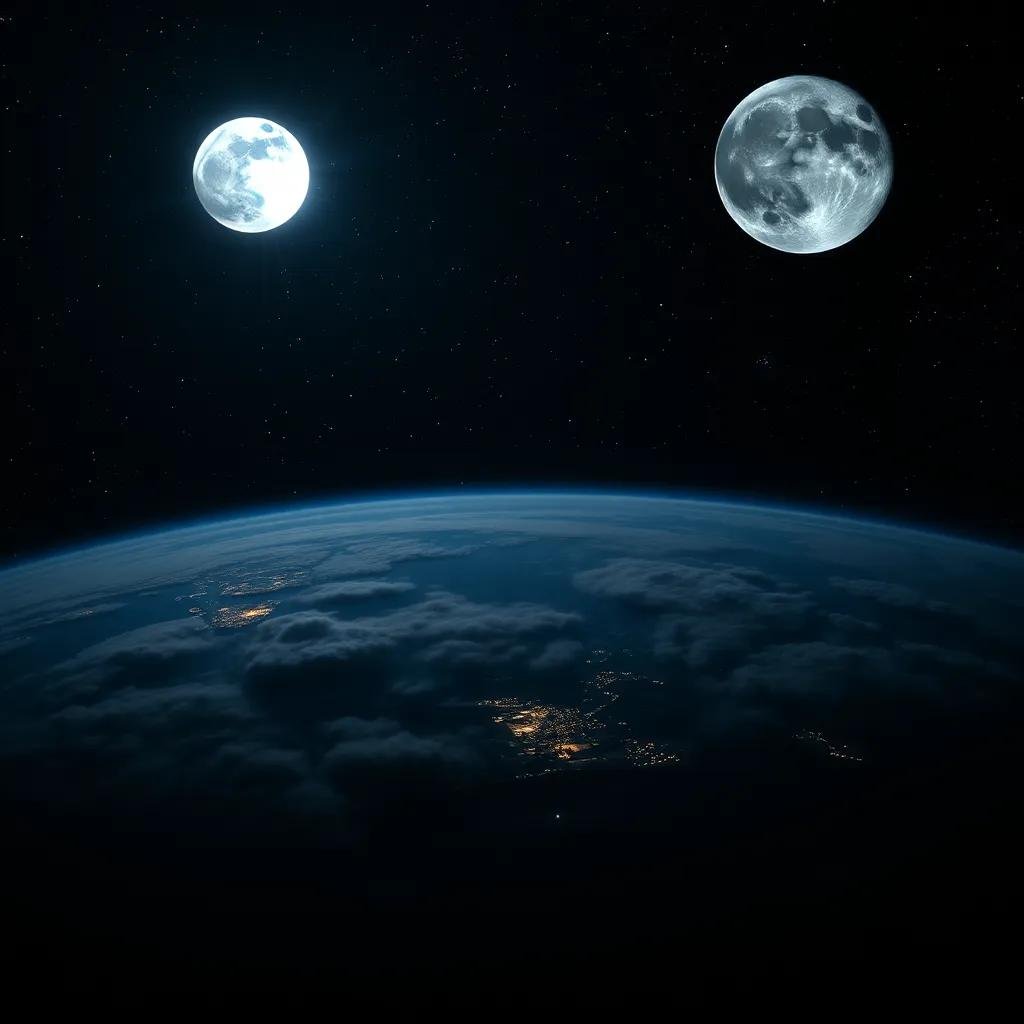
    Now imagine seeing two.

    One large Moon shining brightly above youβ€”and a second Moon rising behind it.

    It sounds like science fiction.

    But imagining a second moon gives us a fascinating way to understand tides, eclipses, nights, calendars and even human culture.

    So let’s ask the impossible question:

    What would Earth be like if it had two moons?

    https://images.openai.com/static-rsc-4/YbIe4gEwOzgAPvQM4Yo0fm7nakW3OBBYZZy5rJit2JIq8lNr-UrVu83A0nfLnUm5V-UV2yN2dD0-d8L9BW-xnGIq-cpI_n5PugKuWHS-hx7tKQ1zyK-hjXKSicCyTn6GUVnPfnCo3dZEU0S-UB-9Cx77dacogD73lTcs5oVPRDjqkMlPKxvr1Hp6PcL2M8kS?purpose=fullsize
    https://images.openai.com/static-rsc-4/_Sleb7dM2j7CNNDR6M58dOr1sxt2R8H4BYojoQ2vM5uVax3NsOHKu1XD2GYVonCL_VP5eIhAB71vInxLm4lxcrkkUqgzGKXdFXv5eVzbFCNghLvl3l6F3w2AnPQubkD_cdsbBdXFRj54BVbnT59uBCY5O6xRNxBMzgkZpWSxavYvNtGzK8-fQfgM4B2o3p9N?purpose=fullsize
    https://images.openai.com/static-rsc-4/HDsCsMypa6_LmxfVU5MmufvRO_yR3uuyv-3JubONp4f2U4jtLLCbLjbe6Js0Mg5MIWbFN0uKZ9HMzwqiTTFQfFq3ylOOvUXgQH77tiHERoAbxa8muLpINjEmNbDBJMw-mXjViNYcvcFTGrqT_D_K-achgMUbokpbq1AxhiOPqccUliNJCFiacmWExIXIDOBN?purpose=fullsize

    πŸŒ™ 1. The Night Sky Would Be Incredible

    The first thing humans would notice would be the sky.

    Imagine stepping outside at night and seeing two different moons.

    https://images.openai.com/static-rsc-4/U7K-KaFkHB2QJD4mp6q1V1WNEaaNzeLN7qzBfvA21j-tgIkrTi6qMiEhPq_rOZkQqKm87RUk7vKPDZSyd6T7WfRsqlLHoPvwu4k_4scPMSTLAO0DCunmPFyY06ttmKp4zq8bPrHHHX66Vfu58oF1MO3ZRztcxPbvDrs4w6NaRcvE0TReU438GPrKd8vVACxT?purpose=fullsize
    https://images.openai.com/static-rsc-4/GpfDW3fgOU2-C3J-WqnuVH4FjDFoM72y5X3GWDaJ6NWuH4F3XeJhg-PX0OarBFIZl898AChZZ9txXtH5lUqQtV8guV7A06dfO8T_IfshKqnLZjkJR7RqKbh6okS0vgdIvn6LCuYk5ESO6xux9CPcrZ2XUb_yYftTqvJHku95aKQfsYmD1Wz66hoSbLC-PCQh?purpose=fullsize
    https://images.openai.com/static-rsc-4/L-AzXpBk0MBn_XVmjxW1-zibYRRlm-sKTJ4bpljdDkIM6vNtYt5v_fvCqFQ7_r1N7SDg2EEBudRoUYB_zq4t0ntVSTlXvuf6-_s3yQ2j5fXAY4hMcBemudRNhu1ebB5pbzpWDBPPmmjO9xAng8SqjwKDcEA9K72s4OyarHwUFmiSQU3s84kQ9b53SkL0G6Oj?purpose=fullsize

    Depending on their sizes and distances, one could appear much larger than the other.

    Sometimes they might appear close together.

    At other times, they could be on opposite sides of the sky.

    Every night could look different.


    🌊 2. Earth’s Tides Would Change

    This is probably the biggest physical effect.

    Our Moon plays an important role in Earth’s tides.

    https://images.openai.com/static-rsc-4/v2h6uZ1o39Mx7zyQR_8B6uFg-j1xI61P5sjC4NqPoSxxwGIwZpOwbUKArDCtSIKIFblyiVh_-Tcf8m1oFd5ykasO7jN4k4QGy8YE48YHPZ1U8OuLCyqkKiHyYFssQkqam4_gxfL9IF0s7fOuWWulH8z5zZqbWGicihVhHdyfsVVxO85umRyiB3UXUOsDEsFf?purpose=fullsize
    https://images.openai.com/static-rsc-4/bd_8SmnQXa6_7qRlW5j6pa6GDVK3mtOnULbcbeDLMo_B3q7-RPzlP75fXHHsWR_IuYg9NJWtKXniOdCF9LYHn7jqT7fypv4yzPvFPMMXvgVqxmXKnEO68gked6sjlgvxM11J9N7HHMZpJDUa9E9n4QgiGeZvNfwyP01NlQBZY3-xgwvlmluR56r9739mn_GV?purpose=fullsize
    https://images.openai.com/static-rsc-4/cYMVNvaUJ8TmEelWV6_OpvN1hiaZaI_-6ES6hokw3ZH0H1c9-EeF2WlZ2CxHQSZ5kz8LH-XP2lVF2e_pyQ3JkdPtPE_04UrrDDWO7uNWda9CeeT_ufVSCPKxahSMAjzineyu0elRUuhx5hM3rbI0YIFcWqhwk7_bzFrQgsVQEKVHporBhJ_YxXRDHYnEq9TF?purpose=fullsize

    If Earth had another moon, its gravitational pull would also affect the oceans.

    But the exact result would depend on:

    • πŸŒ™ The second moon’s mass
    • πŸ“ Its distance from Earth
    • πŸ”„ Its orbit
    • 🌍 The orientation of both orbits

    If the second moon were large and relatively close, tides could become much more complicated.


    🌊 3. Some High Tides Could Become Much Stronger

    Imagine both moons pulling on Earth’s oceans in a way that reinforces their effects.

    https://images.openai.com/static-rsc-4/c2UH9k-9M7xoV9ebhzJHoSah1u8G17BzJ47YB0viZJFOqN7wt4TATD7ub2vz6syiNLYKvycmzUhCcA2RDvxdGFSzvagYH1YpLRsuz2ftw8YL-EYoZKxo2VxREMbeFBTJNcng5x7XNRcqhGva71zUER321mUmfJLrMJXfttH2eqTNCkDY401pqfHTrLCjMOnx?purpose=fullsize
    https://images.openai.com/static-rsc-4/n8lwB_w0aZGj5akkwtItUCz80cubB7323Q9NeFy51lbvkMQpDkvzP6HjQhqbewxofXCfOdv-21C_Y0xnC03dyMPuG_rcKNNmIdNTMLj-VHL6EzAy6xyVYH2e6Uqy6n645yuAc0PkCqmR1VAlmQAy9EEbqJmW_xJmj16PmpGHcBPA2fNQz8mbH8O_5hLMQBd8?purpose=fullsize
    https://images.openai.com/static-rsc-4/v2h6uZ1o39Mx7zyQR_8B6uFg-j1xI61P5sjC4NqPoSxxwGIwZpOwbUKArDCtSIKIFblyiVh_-Tcf8m1oFd5ykasO7jN4k4QGy8YE48YHPZ1U8OuLCyqkKiHyYFssQkqam4_gxfL9IF0s7fOuWWulH8z5zZqbWGicihVhHdyfsVVxO85umRyiB3UXUOsDEsFf?purpose=fullsize

    Under certain alignments, their tidal effects could combine.

    That could produce unusually high tides in some locations.

    But it wouldn’t mean that every coastline would suddenly experience gigantic waves.

    Tides are complex and depend on geography, ocean basins and the positions of the celestial bodies.


    πŸŒ— 4. There Could Be More Interesting Eclipses

    With two moons, eclipses could become much more common or complicated.

    https://images.openai.com/static-rsc-4/NT2WBiE0tpcdueRD_k5ocjl8jo6qB6l_c6skBDcxCx8kutHhAorth0Pz2RgO4kpJNkEJBHwd0hsOI84xzjiQZHJ5JtNwRVFsovMAGp1MrDCECKGAcjnIoMSCNQPDv3TQsanL1TSIQMo3TgUyQmgYqovayGaOfL_IRFaJcg6ymTe6pyJobfFOSEtNWi86p8Tx?purpose=fullsize
    https://images.openai.com/static-rsc-4/rY64iHqk7j1IIOQDaSEvcKsVoQyMrB6TgNRCC5uVCvrOVxgpHsZjKkb43oZp9i2xAjPKomaMFyGeGUDNqbEkp5wOQt98ASTTlFA4OEGpv7KyKewnf2VmavJ61b28dEy-lzyVydfIlkU0hdAN9KO34A0v2k0WAHzKo0xL8Q8Aja9Z_LLfjC43EiozeiQ63Grb?purpose=fullsize
    https://images.openai.com/static-rsc-4/quEibhyKY5Rb1tlNRFPgrZvYJTYuZNtFliFFatHhcFhCe5g56_wQZ1KHFkUfeH3nfvokzTUty70qT9c3_0ihXkxwaYitc8oNjxP5cZiq0OKNrp8twLQPscNITde-NnRHsg2PRpcEdnW1GyUb57XDdD_5g7e19FmcbzUCcg2ukYRuXdHWGZzoPCPFg4Dpzfnq?purpose=fullsize

    Imagine one moon passing between Earth and the Sun.

    Then imagine the second moon doing the same thing later.

    In some orbital arrangements, unusual eclipse sequences could occur.

    The sky could become a spectacular natural theatre.


    β˜€οΈ 5. What About Solar Eclipses?

    A solar eclipse happens when the Moon passes between Earth and the Sun from our viewpoint.

    A second moon could create additional opportunities for eclipses.

    https://images.openai.com/static-rsc-4/mWQ3kk7FYzV4b5lAio1RwTvOGcHZrBKgx9W8bMNL3qiaxAe8phMU-SsnQsvDN7d5NCRsLEDcCpmJ366R6zXZOBWYyHjl-qLErDuzgakFPbp1kfS_fI2wwR-6FRYgZbwtftwQIDUDup2UMCqKmQV95R0i1whNycWkZnh_kV3rvKqZiRtgut2boLQbzzi9ow2T?purpose=fullsize
    https://images.openai.com/static-rsc-4/oKwfiXadCjE55QxFrWypRQzlcR_dHJlHMyqIItSYvJcjWp0rDhtdc7obBfxYD1A0M2x8u3BrfrVTv-KvJDKOzl3x08z17mGocm7GaLR0VUjv5l3aVs7uhdTqBrCPU7n3ehk3UruGE4uWjZkpQNAo0D9UKwS4cESkjBARt0H2LwR_dXtoJ9RKfUNJqhP7iFCs?purpose=fullsize
    https://images.openai.com/static-rsc-4/3uL6Zis8oUpedAKxQ1pNq2c9NSP0VOFRTtO9fPze--LyC-rZULEjS9soimBBdVM-bD8bKAFUybwGtlKNYLJa0Hy2RH_bwV5Kr-KjQvPi-uvaifothAEvUbHN5qluhFPjyP1egrPYjST8zCirBX7I2BT_PqOCe6UVxrKAAlsnzy_9FXGtVASTWSFypkeqlk1T?purpose=fullsize

    Depending on the second moon’s size and orbit, it could produce:

    πŸŒ‘ Partial eclipses
    πŸŒ‘ Total eclipses
    πŸŒ‘ Annular eclipses

    The frequency would depend entirely on the orbital geometry.


    πŸŒ™ 6. Some Nights Could Be Much Brighter

    Moonlight is reflected sunlight.

    If the second moon were large and bright enough, nights could become noticeably brighter.

    https://images.openai.com/static-rsc-4/putRCV5oxkF1_5xHpHiKmM3gHzFxR-hG1XJe9kIu1HGp6B_NmdpnTl3vE0xDl8prfj5LFz1AIHyfnki-yzfudA-9D5EvLNJoFDclTk04nsl-TokASG7kThkPbwBUIbU3NLckCDmGT43YvJ0dqq78rd30S4u-Vw7fgJBZqlyF8aIXcB6eOsJW43sTjkmHmwnR?purpose=fullsize
    https://images.openai.com/static-rsc-4/GpfDW3fgOU2-C3J-WqnuVH4FjDFoM72y5X3GWDaJ6NWuH4F3XeJhg-PX0OarBFIZl898AChZZ9txXtH5lUqQtV8guV7A06dfO8T_IfshKqnLZjkJR7RqKbh6okS0vgdIvn6LCuYk5ESO6xux9CPcrZ2XUb_yYftTqvJHku95aKQfsYmD1Wz66hoSbLC-PCQh?purpose=fullsize
    https://images.openai.com/static-rsc-4/Mfow1kDkT8Y_o-5imKG3vRNezxnffxynCZ-yHPdtX09zH5thHSXC5LSEtTr4_EbdSq1vp8viRJxMUXK06KBcWc11zm-H3ZbeFKn7PDf82RM1MVBkQZStQjmsV_eEgNExjBkLd9obTyglufZq5EMhB7vvCu_93miXrD6v_Vsf4Jpm7Y1jRUeVg6ZLzBEncdmJ?purpose=fullsize

    This could affect animals that use darkness for hunting, hiding and navigation.

    Some nocturnal species might behave differently.


    🐺 7. Animals Would Have to Adapt

    Many animals respond to natural light cycles.

    Moonlight can influence the behaviour of some marine animals, insects, birds and other wildlife.

    https://images.openai.com/static-rsc-4/6RabANZi--EHf4vjZ3mo94i8Ks5Z5xGLZvwCNCgu39FAhJGGIi1LMe5z1q0svXtMw9tLe1uhaf0YPoN6mJaJUqZhW2arTUcPnUZbSh-74oQ4Vdezvmb-V7DzojPPGBgEHvQBT1OwTIvsCo6LTXmr0KJ70Yi1uZTecBwqwnX7bbNy4H7XwqQk5gyUgFVstLDT?purpose=fullsize
    https://images.openai.com/static-rsc-4/ob_ncwNVT3HbUg-bVtNna4UVtvfpdExPx7lVtx9are3LvCYCUSjxnajpQ-LLYmQlLT27Ae8BNDA_HzCvBAfw78thPXJNKwJ2X_VUKN4XWxX6GvzsM1rWGNnBhH1cyVScD_f3TGeY3Zan8nyqT59aTSc3hkoxHqdb-fqxMjpiwBSaQYXSS4rNTmJlTAErxrYt?purpose=fullsize
    https://images.openai.com/static-rsc-4/mZisHfz0KyJUhC7WQiCFgdYnqNM6NOU8owH9XbkFJWtUsWXGLzgKT6hiEQXme_ve1UrYlFKoVeeE8lQ-bItUqAnvNvBIMv2jJW110HVohPKbpqwrXyeBj03eu9hfwqclQVz5Z__-yOPcyMALagiyjaTshJTKiLPMV02ISwoTqrEQe4jqJkj9LC7NeN0hFdKN?purpose=fullsize

    A second moon could create new patterns of light and darkness.

    Over many generations, some species might evolve behaviours adapted to the new environment.


    πŸ“… 8. Human Calendars Could Be Completely Different

    The Moon has influenced calendars and cultures throughout human history.

    https://images.openai.com/static-rsc-4/A2qQvJMmrGiIJt9E7BvR9yZg9G3KdEklTcuetDsH7n_mQ2kBB4QLZMkTJRiBex9XjLYXiC9jNAYFPNsOMEAKJAqDhsBrH-3TPuefAZII_e5USknZ0UW3Q-5PcexWwIcEJHAY5Tes7x00c7FdGTjfrmvM166hoVGRf6Bl3riWMdy3DrhqbY44eO-j6bOuBr4P?purpose=fullsize
    https://images.openai.com/static-rsc-4/zh4NHamQikYMMVTy3XDQvu5WP09XlAxy2fPMIatxS2cLcSajP9NKDosExhYizBVD3nfTeW6Hsnt0mRgzzXi0srW8QSaXqDRlQkEzmwITR1Syj4shy0Ez7CLA42uBC27icJDg02YTNRSFGmje2diWvJQ83pJKBTAX0MxhboMIVXVYNnHeSdnQZXzrmhrtrvTg?purpose=fullsize
    https://images.openai.com/static-rsc-4/0yCGyGrBMzqYIOYrMpgX_OdB1KDagfUZvm-klXtmbFx6IXB2e-TKxbGBFYBaGs6bT96jGvsKgY5k_gLND0HdHjOSRAj94alTg8QIUABl41kO8rRpcK8Vc5REoA0gfOVVl-YOthu-ssFznXYPaSDetxJhpI25T5S7KT13CceI0uHqGO8j5GTSR4rF0r6hjELF?purpose=fullsize

    Now imagine trying to create a calendar with two lunar cycles.

    You could have:

    πŸŒ™ Moon A phases
    πŸŒ™ Moon B phases

    Sometimes both could be full.

    Sometimes one could be full while the other was a crescent.

    People might develop completely different systems for measuring months and seasons.


    🧭 9. Navigation Could Become More Complicatedβ€”and More Interesting

    For thousands of years, humans have used the sky for navigation.

    The stars, Sun and Moon can all provide useful information.

    https://images.openai.com/static-rsc-4/k0JbjKXt8Xy81gyAe3M86CjtjAEo02h8xemLteb92cmnr0oTisx6ABmfh2gGaLjx6CkckgtSkSTiN9_UpMisHEOuTfKDuZ8S0iNdpKucAW0dekqyfmt5SuMTgPmYRIByMeIJUS-iI5GSseQpaPGnKI8-Cz1eoSw9x8aMRQAqD7HxsoNZQ3vRcvIi76s8yylk?purpose=fullsize
    https://images.openai.com/static-rsc-4/jlD1BL832p4Qp1pc7f4eSIl1uq0AHzrR74pd8z2EVdnqNU3nUFleAvOUe-AzW5gSD1_lQcUy5efyKp3FxSO7JvOk2zL39w2apt_04zh-yNK_wvFRR0tBRfGpwV3_fTlCVZfyW98a_m8DrXoYmTPafcgQEE73vsE9dGS9Yno-XtL2aj4lIyqmLnhHEFC6QM91?purpose=fullsize
    https://images.openai.com/static-rsc-4/hsONa50FwgrR0bW23MjopXaoh0o7qDVEvvEhG_x7EVdkZLpizUEnmh9htdPsfCZIT-AgyJjg36jpqFoEkJ6xsleCbzfxodg_-s-bp31lavPRFpNW06ZM5fX7WJkKVFnJmotPsIiRSP3VIIsFW49h2om7c3ErR-iaFSqTu26ODdZoyytUUu2NU0dU1eofAGcN?purpose=fullsize

    A second moon would add another moving object to the sky.

    Experienced navigators could potentially use its predictable orbit as another celestial reference.


    🌍 10. Earth’s Rotation Could Be Affected Over Long Periods

    Our Moon produces tidal effects that slowly influence Earth’s rotation.

    A second moon would add another gravitational interaction.

    https://images.openai.com/static-rsc-4/dvNyl8ulm7RCbwt5pZAYlV-OArX9TkgqbO3M5b22MOZIkKdTE1dIfCjIciuX0EVb7yFz2u1JedF9TpGgC-FPyugdnPLDG9H5amTy4ad_rkBnA9rdLygjRNxchDpODTdXZOWBHp-k5TZAhmux9QeKDXylHsYmkqUEwUc6obml4gj21fIiGvM4BBZYbK54Og14?purpose=fullsize
    https://images.openai.com/static-rsc-4/OPwAr6cNO5qELyg5hxSEOEdCZhAM5nlEv4oZffhpjjiDCDCGCa9JT88CtXmUcUz0Elg03NWP1WQNlTZNjVDNUonvVQBLcH0iNIIXn7A6sUPCgr03Spww1n04sBNKy-EIwUihazDMgUfHc3E0MCybj7w3X6Ghyoa4o0nu-Vmc_oB-8UkFO1zGH0KURw88_p3i?purpose=fullsize
    https://images.openai.com/static-rsc-4/-m6PPm-J3-2gIaPxfJyyTXYfBDhkro0zNzPH4Kl7HGcMOUjZQhdssC8RbFKG__XXZK9hp0D8Wi7VLj3Z5-uBfgI8WG39q4Q1o8ZbZHB7DFd3lXvEn_Iec-SRoP2ada3C4wqV-fzMgXiPjLYxEZuxYAPQRNoJ87UlQn0ReyeQcqfKnXt2H7auv2tYopEJyILz?purpose=fullsize

    Over extremely long periods, this could alter the evolution of Earth’s rotation and the moons’ orbits.

    The exact outcome would depend strongly on the second moon’s mass and orbital characteristics.


    πŸ›°οΈ 11. Space Travel Would Become More Complicated

    Today, spacecraft missions are carefully planned around the gravitational environment of Earth, the Moon and other bodies.

    Add another moon and mission planning becomes more complicated.

    https://images.openai.com/static-rsc-4/HLCnQrgv6D7ZI7JiZY1RmidEchz-v48pdX7EUbK3HS9bJeiPm2EGmuaamvjeycm_M7MasFacCdDbNSrLDBmazeWYUWXdBrZmtYINxlgLzswyDx2Gr06c1mgKgJkzweEZbcngfuBFy7mUMdN1ZsoM4Yg8ma5T9JySXJkmLcE3NkaKfagxQO4cEZ8CoLUbo36i?purpose=fullsize
    https://images.openai.com/static-rsc-4/MI8XMKNcOc_Me8yqBvwnAwhXe6_-RKf5g3ywKkbz3f6o44AWtE3_uFoiuHm8qbuDSVvL6sQF7iiRqRZGfn-FQ0BI5s8CL6CXSbQSZZxH7LxJbLJhjlEamfNziHk_dM0o6WBsbg8mY79hgH9NgKK-YraEPedG7FzbNb8d3ef0Dqc00hkTriorRQLa2w0VgqKq?purpose=fullsize
    https://images.openai.com/static-rsc-4/qZ1up2PpmdwhkoG7NIoarOMe3Clb0RbSPbBYJI9EXH91X8eHO3T7G8DYFh5mWmpGQmeGsEew-3xNLlW2g7n3LzNrb0rfsdv5eLLdCgbfnWUfU6UwbZ1NuG6o2yQf-OkaESxRlX7Q3IONk8ZSv5SS8hM7L98rjGIO6sFNyH1_5rA1XKsTtHRfPLyG8qulG3kX?purpose=fullsize

    Engineers would have to account for another significant gravitational body.

    But there could also be advantages.

    A second moon could potentially provide additional destinations and gravitational opportunities for future space exploration.


    ⚠️ 12. Would Two Moons Be Stable?

    This is where the scenario gets complicated.

    Not every two-moon system would remain stable forever.

    https://images.openai.com/static-rsc-4/JXVkxtM8V70W4D-vIWqmW2p4W9dG_ZZH1EQR5f6h5m6ykS8tphEKVa2gJ6gknA5Bzqj3qXtGMEnxUdRqQKcaevotnspQrDERD3moZotDGyBieYNP0kqlnvbjqw3SI6UIH3ID79x9Rr-a0mqEvI8PoILvYvqd0KVFaPVKb3gXKrAg-apGEX15Azw9ENVc1ndV?purpose=fullsize
    https://images.openai.com/static-rsc-4/LVjwSb4fDqS4_Geb4oWwBag7KvxZD0UYp7L0WEqAPLXmyv2OLl5cEmPWUU_ZV4Yle-9pzMwdy9z0wqD-2WajOCHks58EajisWxVtm2M7c2QRqHgLVkolHfm0AAP6adnIr_AgtzKNDe9zPEkCqMByS-z59eZNuumbK77V3S4drzPcK2-5LvLU9KKWiX_owpG8?purpose=fullsize
    https://images.openai.com/static-rsc-4/8rWE8vxC-J9jXwajeNhULQ-IU2ziMX2DVY8z_u4mhXGPM92mA9YEm5uGONenNtHTDvSkZ02fSYoJrpQEvYrdwSGXv8McPPjWDFr3Ts5ORq5_fu7Lc088cBTXsXPN4WmvxgFY8NK2VeaTMyJTCXb9ygxibDDP5gFZQxjMWWOwvvHxMVxW1jY5qqkSgZsv3dEJ?purpose=fullsize

    The moons would gravitationally interact with:

    • Earth
    • Each other
    • The Sun

    Their orbits would need to be arranged in a dynamically stable way.

    If the second moon were too massive, too close or in an unsuitable orbit, the system could become unstable over time.


    πŸ’₯ 13. Could the Two Moons Crash Into Each Other?

    In principle, yesβ€”if their orbits were badly arranged.

    But a stable two-moon system could avoid such a collision.

    https://images.openai.com/static-rsc-4/HDsCsMypa6_LmxfVU5MmufvRO_yR3uuyv-3JubONp4f2U4jtLLCbLjbe6Js0Mg5MIWbFN0uKZ9HMzwqiTTFQfFq3ylOOvUXgQH77tiHERoAbxa8muLpINjEmNbDBJMw-mXjViNYcvcFTGrqT_D_K-achgMUbokpbq1AxhiOPqccUliNJCFiacmWExIXIDOBN?purpose=fullsize
    https://images.openai.com/static-rsc-4/o00jbYn697ALNQXdXHhSuCK1iPwzig9KRaLX_VgEkKzWLPrpZbdowxMIt9bAuaeHHMjk_OXRnsPlY9bVeGat2IDTAt9loGsMSyj7tCcwMDvtV-aLiWSucldG3XEVcIFV7-kwDaLewYokCtHeA1CFoC3OUBWP_pjjQiP9iHa7Oslshzobz6Kb2ZFhSp-usDRk?purpose=fullsize
    https://images.openai.com/static-rsc-4/8rWE8vxC-J9jXwajeNhULQ-IU2ziMX2DVY8z_u4mhXGPM92mA9YEm5uGONenNtHTDvSkZ02fSYoJrpQEvYrdwSGXv8McPPjWDFr3Ts5ORq5_fu7Lc088cBTXsXPN4WmvxgFY8NK2VeaTMyJTCXb9ygxibDDP5gFZQxjMWWOwvvHxMVxW1jY5qqkSgZsv3dEJ?purpose=fullsize

    The important thing is that having two moons doesn’t automatically mean they would crash.

    Orbital mechanics can produce stable arrangements.


    πŸŒ‘ 14. What If the Second Moon Were Small?

    Now imagine the second moon was much smaller than our Moon.

    https://images.openai.com/static-rsc-4/FBGUBDiyiaY7uQGKq4igV2rkJfmN8JwobCVeJnPSMs31WaiV2PA7XvezNOnnNbbtP6aO_ZF5YQU9MBBiYh2sMC5Trw-4pUL2J32LC-uqIFfQSwC2itx0yrbCLg66uLzQwQSJgIM_gum_xqUjYBvwadPzPX2iIcRBFzE1ufIj_o_7cIVlfSauBZws-H0sec5k?purpose=fullsize
    https://images.openai.com/static-rsc-4/_CguXxOecR1KRaCbpTfjIva5yuaX6kwQ999kEHA8gPQb_O_9oTMhl2CuIYO34uCUVaqAIAWNxpa0zvkvYtLoxboneSVDTp42QH3JRZmwpPNu5vBeidPcYD8bzlZcUstsxelFNaz-u8qcjTZzdqz2kM_Eo_VOHsP-MhUKPdx5qK2KieuZx4ND56BINNRQbUG1?purpose=fullsize
    https://images.openai.com/static-rsc-4/A0JOxe1O_h7Gq5wbvGg_ZeEqI2f5EF4lK4gv7zDS6b3Fu7cipL2cMmsalnXB-Dfq-Zx12zDbvweuawXTScH8RGRU6bYFj3krlEggrrdotIsU_IPTKhHrfgylX2RBjavYq3FpRe09Afe23v6bnC-XAAj0FmJ0gANH5Mzq4GDlUcoZvY-KgTN0MrnRahObqegl?purpose=fullsize

    The effects on Earth’s oceans could be relatively small.

    But visually, it could still be fascinating.

    People might see a small companion moon moving across the sky.

    Astronomers could study it.

    And eventually, humans might even visit it.


    πŸŒ• 15. What If the Second Moon Were as Large as Our Moon?

    Now things become much more dramatic.

    Two moons with similar masses would exert significant gravitational effects.

    https://images.openai.com/static-rsc-4/cRe66I_MIIG6NhdDuesR5a_LLdgtnXre_N1XGctVQb8LTilxBMSQ5TSwr9941SMtqnKnhaJXvzy_vSEYh4CPDxQf6_aJvsNo34r9MF54T-POLeXljEU75SVLG00HMTtnjZkLVr2iwNDlj4CZcZIXesYDDitP8w9psOPpfHKy_p-2JbPUh2yIVVCRKeErjIxI?purpose=fullsize
    https://images.openai.com/static-rsc-4/YbIe4gEwOzgAPvQM4Yo0fm7nakW3OBBYZZy5rJit2JIq8lNr-UrVu83A0nfLnUm5V-UV2yN2dD0-d8L9BW-xnGIq-cpI_n5PugKuWHS-hx7tKQ1zyK-hjXKSicCyTn6GUVnPfnCo3dZEU0S-UB-9Cx77dacogD73lTcs5oVPRDjqkMlPKxvr1Hp6PcL2M8kS?purpose=fullsize
    https://images.openai.com/static-rsc-4/NT2WBiE0tpcdueRD_k5ocjl8jo6qB6l_c6skBDcxCx8kutHhAorth0Pz2RgO4kpJNkEJBHwd0hsOI84xzjiQZHJ5JtNwRVFsovMAGp1MrDCECKGAcjnIoMSCNQPDv3TQsanL1TSIQMo3TgUyQmgYqovayGaOfL_IRFaJcg6ymTe6pyJobfFOSEtNWi86p8Tx?purpose=fullsize

    The tidal system would become far more complex.

    The orbital dynamics would also be more difficult to keep stable.

    Earth would effectively be part of a much more complicated three-body gravitational system involving two moons and the Sun.


    🌊 16. Coastal Life Could Be Completely Different

    Tides influence many coastal ecosystems.

    https://images.openai.com/static-rsc-4/DtIhOJt3iig4RovjSYW6EZVUNi-3P4wdQDQtB-HuySJbwQAjTJl1i2v9KB40zcpIHHuZmr3f7s9l5yFPAxL1uQ5HooA5CGufR_fLgKzHgvLqnl44QV25298YRawtnBIUK_rG4fP7QkFQRgz2K9BnDW6ai3bZ1LPJq2K3MvmJeaylDeOVxk89NIfLy07nUeDD?purpose=fullsize
    https://images.openai.com/static-rsc-4/y-z7BKDhFR7iOiNM27Taib0qbDE4Sp6WTbrTS0-UDoC1o6d477HP1OQ-_kOFazI8bB_T_l-kc3zNXmy1dk5swmNxbLprYH3z7dpMAUifafY8HkfuYwCH0A3pOPM0bKHzg4vmxnPCWuS0SaqRsN1j-VBlmFALQEDAZhA2UTtleacHOihEaNoW1Yoz2TqFwWqd?purpose=fullsize
    https://images.openai.com/static-rsc-4/dcpUtMWgQ64v2ZoZ_9-Y-LIxsZPkLa5GySPV3OZibOeIbLGJdujLNnR-fQiuRSPwnsyh0D-I-omP-PLzkqh3X0YM2Pbxeu6p025Woy7MI9WAL38blKmbW1qUknAWUd3Kq9d-Qs3jFRqJDJKyiGUpTLmTMjbZpwOEX8DTKNTTrjOhB5AQopXfWuKAivsy9GYN?purpose=fullsize

    If tidal patterns changed significantly, organisms living in tidal zones could face new environmental conditions.

    Some species might benefit.

    Others might struggle.

    Over geological timescales, ecosystems could evolve in completely different directions.


    πŸ›οΈ 17. Human Culture Would Look Different

    Imagine ancient civilizations looking into a sky containing two moons.

    https://images.openai.com/static-rsc-4/LK2XnKDkVyu6JonYjSycoWmxL85EHbLpyEBgevwJiyx9xAOEiuNJkOo89O1M-YO13Z0D0zEF2jFjimFLnefDpXw6t0MKHwxi91Ksce6K1h6JrhmVCdicUQLlbQ53-5xloE-0uavveuAL-NpP_fbXM3tVXLlemS_zhoOI6OzLdlpkuTUaE5SFX7TGrIjRrR7o?purpose=fullsize
    https://images.openai.com/static-rsc-4/bQx9b1NmdH-AjHMo1sItKFD-GrewGixkuQrBpDRnJu-5D5z2z8NUFMNMTDX4Nvc40opi2vBtam631q5GNkWr1iZc_5JF0v6Kj2v5i2e4jjD5okW2lXIZHpyy-UO59LsAakirWg7x7tN837M3ju5O7OOhefQEF8R3HJicHVPwgYZc9mBLq7GbV8ck46rAB2L4?purpose=fullsize
    https://images.openai.com/static-rsc-4/-5y6TOaXRUvWbJNMiERs5NjDdqKPCa5FlltrCdnXiWUlY4EETm5tYEoiHbK_cipRKgL4Q6U1LC_VYBU94EIMHS4Dhqks5yarfbe4OokDowuZDqf0r9Z9sYKZJA0eKw_tr9wSfptAJw817NA8rMi8iuqqdkpLZoWtQl9iKvzjoAWRtNEFmJCA_DOxFtTLbwkp?purpose=fullsize

    Their myths might feature two lunar gods.

    Their calendars could track two cycles.

    Their architecture could be aligned with two different lunar movements.

    Stories, religions, art and poetry could all develop differently.

    The night sky is one of the oldest sources of human imagination.

    Two moons would give humanity twice the inspiration.


    🎨 18. Art and Stories Would Be Completely Different

    Think about paintings, movies and books created in a world with two moons.

    https://images.openai.com/static-rsc-4/gKY_kK6_VNCkyXF3e9PQU_loLDha3BjpquVQy0wggXIlZSznn3U3HRWtr8-CZwQ5U5-YKBf2kS06clxkFJ7kJET5OgIa4XfiUrsyDPJAiWhm_uo-xTj8i9XIzmwALYT-Rkk073Io8TWEyupF9MSppGjj3825RC9jysGGw7Au1CbSp7ezB7WqXmkqgBN-mrl5?purpose=fullsize
    https://images.openai.com/static-rsc-4/QiiVOTErqmkO2DqJICBrNKQ_lRPnBkqeiR47wk6F3uIa2pre_FwGvzENvu_EbQY2P7bq8jrvOH2kHmPurXAjOZYyJmmGAXw5orYvQiTI7c1JCUVTcX3TAAmyEgkvrsqgpcRgzkgXsXQ5cxE42Y0aQI-b7zX2GG7KcrT34ErKJTsGm5pDes6uTtQROWxpnaBM?purpose=fullsize
    https://images.openai.com/static-rsc-4/NXQcNaZg7lDwHuAeCDXMtTBSmk6hAVU-szXdBnOhoi0FboDJ77JgQPdg2W3S7Ex1zTRcB2qoDNwuxq231HwDNlgsx32KhTNePb-wk4S0LZXYK62jgs0i8X0udnctH9wcXCPghzGi1nlUG60vRwZjlGefiqOzboep9nOPAICv382BP0xBDkNLiXPP2Ma0jjjS?purpose=fullsize

    A romantic evening might involve watching two moons rise.

    A poet might write about one moon chasing the other.

    A filmmaker might create stories based on rare double eclipses.

    Even the phrase “moonlight” might have a different meaning.


    🌌 19. Imagine Seeing Both Moons Rise

    This might be the most beautiful possibility.

    You are standing near a quiet beach.

    The Sun has disappeared.

    The sky becomes dark.

    One moon rises above the horizon.

    Then another appears.

    https://images.openai.com/static-rsc-4/uBumcQV-9CXln8AL0VSzUUivr_fmDlYTppcLLvbi9xWHKnsnCpe27Yasq8ljQgDYSIXeMrgXcvlo9eq9Zs4sWahvPzLXLcUl2bZhaKXj545ybg5WRaOEwdtEKZ0D2JPS4QXeRe2grOsaCrbQ1BY0ZZ8Q08kHwfKJjk9D6qx1d7TJmZP-saLvk7-yqrxsw3FZ?purpose=fullsize
    https://images.openai.com/static-rsc-4/Ghx_qY_9QUzOlUFPu6295baJsV1ACGOdg15Ah3t2uuyiB3syVPq5zJqKqFLxWMVbkeOg3DYF4ltDGd3elk6bw6PeRsqZJdel4zGgZVRdoHG1OyXry0NjpDwGyOO-HugH283pFA3bJeHNsLrxFlfygsn4GaZossbqrGBBi8st97JMcQoXhRERIFOTdTZUpHnw?purpose=fullsize
    https://images.openai.com/static-rsc-4/_dHQrQpF6CbDsTY7a60JJENj6hydWNsipivLaK2IpqwrfilKmOsj5EdUKuvDR89xX9Idmi3jlO0d7WzNWiHtAk9fPK3Ykkf3GtCdRlSRugRH_hGgGmcWeMtqWGAfKXodA1Ns76HZZoAxhzUcB1XWQFozrPUZtMwgFcHxgjtH0OKe99pi51Oth4SoWbLh3qjQ?purpose=fullsize

    The ocean reflects both.

    Stars appear between them.

    And for a moment, the entire sky looks completely different from the one we know.


    🀯 20. The Biggest Question: How Would Earth Get a Second Moon?

    This is where the thought experiment becomes especially interesting.

    A large second moon cannot simply appear.

    There would need to be a physical mechanism for its formation or capture.

    https://images.openai.com/static-rsc-4/cFJZTllc_anrvyrz0jtxahn6Uj06E9mqS-z5foKdyq81IVajLAECyNXlxEhymedP6PlFphqdIKDbZ0VAex-EAqzW0bxftmTquSCevN3L3TmDfABRQpzLWTTggiS-GSzaH38k8qL0Q19ms67SeHsq6RoCiWmYVAksSM5uNiyTOKkjsCzUQbzcdAGzcu9IqGzA?purpose=fullsize
    https://images.openai.com/static-rsc-4/p5d7RQfo9VUyh68pGkwbPZYWDiSlqARtBeJTaLh8ppcbMvxTiXRti4LlmNuPkzFzk0H69AkXtgFfaFBBMH28EY6t76K3ahe3tIQm4oFC7W-_SuS7N6bhabEe_luJZTJbeepOPNHUTZ8ZjDHZVWZEQijbu-L2h4fBnTVuZGgmFt6fb83ZEYwvYvJ-NIACXbpD?purpose=fullsize
    https://images.openai.com/static-rsc-4/iUcU6Xi-EbIsLwv6WnPwK_zIVrC5joAKTR8qffd36lCN2MxILaRlni4ZQWiXirLqyVQkp4Bw8gquCiNzjtzuOuYgkXNuv1M0bT5G7liAFsFjps4yMxipKByMT-aHyEJ0BOTYK_peVOknGPnamn-OoQf6Xy14f9h-GaNGEXOgsN0mQpAU2xFQjI8BpQ9p2NFK?purpose=fullsize

    Possible theoretical scenarios include:

    • A giant impact producing multiple large bodies
    • Capture of another object
    • Formation from a disk of material around Earth
    • A collision between moons or planetary bodies

    But each scenario has major complications.


    🧠 The Real Lesson

    The thought experiment teaches us something important.

    The Moon isn’t simply a beautiful object in the night sky.

    It is part of a gravitational system.

    Its presence affects:

    🌊 Tides
    🌍 Earth’s rotation
    πŸŒ™ Nighttime illumination
    🧬 Some biological rhythms
    πŸ“… Human calendars
    πŸ”­ Astronomy
    πŸš€ Space exploration

    Adding another moon would change many of these systems.


    🀯 Quick Facts

    πŸŒ™ Earth currently has one natural satellite.

    🌊 The Moon contributes significantly to Earth’s tides.

    πŸŒ‘ A second moon could create additional eclipse possibilities.

    πŸ“… Two lunar cycles could make calendars much more complicated.

    πŸ›°οΈ Another moon would introduce additional gravitational effects for spacecraft.

    🐾 Changes in nighttime illumination could affect some animals.

    🌍 Long-term orbital stability would depend heavily on the moons’ masses and distances.


    🌟 Final Thoughts

    Imagine a world with two moons.

    Children would grow up thinking two bright objects in the night sky were completely normal.

    Ancient people would build stories around them.

    Scientists would study their strange gravitational dance.

    Astronauts might one day visit both.

    And every evening, millions of people could look upward and see a sky completely different from ours.

    But there’s something even more fascinating.

    Our real Moon already makes Earth unusual.

    Without it, our planet’s tides, rotation and history would be different.

    So perhaps we don’t need two moons to appreciate the one we already have.

    The next time you look at the Moon, remember:

    That bright circle in the sky is part of a gigantic cosmic danceβ€”and it has been dancing around Earth for billions of years. πŸŒ™πŸŒβœ¨


    ❓ Frequently Asked Questions

    Would Earth survive with two moons?

    Potentially, yes, if the two-moon system were dynamically stable. The effects would depend on the moons’ masses and orbits.

    Would tides become twice as strong?

    Not necessarily. Tidal effects depend strongly on distance, mass and alignment. Two moons would create a more complicated tidal system rather than simply doubling tides.

    Would there be more eclipses?

    Potentially. A second moon could create additional eclipse opportunities, depending on its orbital inclination and position.

    Could two moons collide?

    They could if their orbits were unstable or intersected, but a carefully arranged system could remain stable.

    Would nights become brighter?

    If the second moon were sufficiently large and reflective, yes, especially when it was illuminated and above the horizon.

    Could Earth naturally have two moons?

    A stable two-moon configuration is physically possible in principle, but the formation and long-term stability of a large second moon around Earth would be complicated.

  • πŸ•°οΈ What If You Could Travel Back in Time? – The Biggest Mysteries of Time Travel

    πŸ•°οΈ What If You Could Travel Back in Time? – The Biggest Mysteries of Time Travel

    Imagine you wake up one morning and discover something unbelievable.

    You can travel through time.

    You could go back 100 years and see how people lived.

    You could travel 1,000 years into the past and witness ancient civilizations.

    Or you could jump 500 years into the future and discover what humanity has become.

    Sounds exciting, right?

    But then comes the biggest question:

    If you changed something in the past, would you change the future too?

    And what if you accidentally changed something that affected your own existence?

    Time travel has fascinated humans for generations.

    Let’s explore what science saysβ€”and where the mystery begins.

    https://images.openai.com/static-rsc-4/MMEEDDCPs_HnCYlk3GpjziSZUwrp4E4_9yQf_NHMi6YslcaTh50y8jru2NCOzGWgluV_CFiQowiPIJXfxM4B7M19TpB8Ch1xTmVJJvqLySb0ODfw9wUh5eqArWGEC0ctpk0dEvCqn6hxb8Y0_Bu9pudAOn-DuFo8PX6R-THz9GTJrwFL-g_T5CEhhxkHUb4w?purpose=fullsize
    https://images.openai.com/static-rsc-4/v2sBW0hU84KmJQluEjGXe57aJJBtTypPcITqj1PdYGig2rbTzEZ7LNF8a0eYtw2Bv1PTlqxNBgfyq8Bwvp5Hv7cKUe4_xqgiAw10HNrvJ-yy5jao5j1vjFKp8-ol6sPkDcmrVpxLBTIFgXquHWi_ldLesHZWUEULKM-Wa-QbB0XdibvUh2xSZKFkrF_v4bqK?purpose=fullsize
    https://images.openai.com/static-rsc-4/RfoR7Kuyc2gb81Wmrsr_ga8HPO8wEq4GWfgT5ewdgsBJZi2vQtIMHURyfNbGzZT7EIXigRfz4kPGbAhABkavJztnWly8cYwwiCg7c5GPOg-ldWDC4AytyquNiCMliv35qvWMv9aeV9Q0mbXLnud3xRvS5qp0aGYgtX11sTQjwrtVv37K2ZJZUMyNKG8wzJbA?purpose=fullsize

    ⏳ 1. Time Travel Is Already Realβ€”In a Small Way

    This may sound surprising, but physics tells us that time does not pass at exactly the same rate for everyone.

    Einstein’s theory of relativity predicts that time can pass differently depending on speed and gravity.

    https://images.openai.com/static-rsc-4/AUagSSqRHxwyEoBT7UsDrrhn8Pnfissth3T0KXYfaH_AmbPmUvAqybTC_WK8MV1ODg_hQU6S4xCteDOfNa5bCOiW1AKmVCbHpzoTZb9ogKOG8il_3ehhOHo6FUut3oUxYYkaY8VSrZgfFqYOetKvkGtdOUY5YPv9MfCphWcqhPEa3TJyZbyd0jLRiTAgLB2u?purpose=fullsize
    https://images.openai.com/static-rsc-4/E52rwcnKB1z7qIAQhyU4N__LbfKwE-pA8vkw2BaedS9jdYNNjsGaux6rSeHJ02uoG2dDsm1bBCDeJlzl5Hs5qMCemI-zBwZw2o-JvNV-nWXJOBzisCalSN6pMzXlazq3xmlnCTvyMkIVpc2uOY9adqEGGEdu6J_VAr9L70rk6FPAVoDHGHyPfz0bD9HMxlgO?purpose=fullsize
    https://images.openai.com/static-rsc-4/02UFWX8UVdjLM9v5HFjUcDhwSD2PDfArw-npMLx9qERzVRe8jushwa744cvXaHSzOYV4-sZpcNBGPkuXeUeOWnDaZ9vYLbyj1z8gqpfTXKUwjbENupMskpBbGTZQxMcS7c3PeD9_F0ywfausLg0xYjPSJiO9DEQfkkx5f8uknlxWaxPSMQC3knKSml-v_FwM?purpose=fullsize

    This effect is called time dilation.

    For example, extremely precise clocks flown on aircraft or placed at different elevations can show tiny differences in elapsed time.

    So in a very real scientific sense, different observers can experience slightly different amounts of elapsed time.


    πŸš€ 2. The Faster You Travel, the Stranger Time Becomes

    According to special relativity, as an object moves extremely fast relative to another observer, time dilation becomes significant.

    https://images.openai.com/static-rsc-4/9ulCA86ehVxmbW1FhqYnkby4RFAKGDchpCWtyC5YXI4IdFGqOl4NvOysy9mdIEVeKf2fl_6D7ZQ7o-HM0yBaYirqCW3tLsO4isIuFyYVjRdBgk6rQcUgiHIh7FdNVH5nYq7j3dBFNGyAM3QXkaTFiGgfp7VBAZlMBf4GyLydKmcwwCMkFVk3JKzS8CJLIIq-?purpose=fullsize
    https://images.openai.com/static-rsc-4/6mfi-Q7573--f7MhDgkOH0NxRjotU--X7Ky7WvIDLFvxI1c3EjN0F_u1laQXXTDLqWa3Io_47ngX8kyiplCT003n-LKtdnEjBeTxc7LsqVZj3kaOPoVkIyVL4T_UKBbkGzfmJ5bWXIt2IeiDvDN_Z08b1l0SamZufaMjn_bZEUbooCzXcXjeCxdwkUV1QqA_?purpose=fullsize
    https://images.openai.com/static-rsc-4/hP41A8XHB_G0cNBhcoFJvTCgRuSWZBqfxHibu5aUh_IFqqzuzkp8v5e3_QdDNdPTQOZ4G4NI09Va710V289tUTh0OY-cIjYD4jifuQQLckbYlurUNVkMezxsrqk5-yMoPbcIUFHFKnY3amZ1Kq4yGaobkRgwLcRG7uwJ7MlWuEQ5YUFXJQJMWUIJy7j9ysZb?purpose=fullsize

    If a spacecraft could travel close to the speed of light, much more time could pass for people on Earth than for the travelers themselves.

    Imagine leaving Earth and traveling at an enormous speed.

    You might experience a relatively short journey.

    But when you return, people on Earth could have aged much more.

    🀯 That Is Basically One-Way Time Travel

    You wouldn’t be going backward.

    You would effectively be traveling into Earth’s future faster than people who remained behind.


    🌍 3. Gravity Can Also Change the Passage of Time

    Speed isn’t the only factor.

    Gravity affects time too.

    According to general relativity, clocks in stronger gravitational fields run more slowly relative to clocks in weaker gravitational fields.

    https://images.openai.com/static-rsc-4/4Ha31J3gQvMSxQpkxv2kQ7w6OZCAo2cvMDb2NiASmB4cdDMnHidOeHfiV0HfJxYy_H1VTBR6J1jhn3vsvxTKCbYjs7ThPoyI6olWKWpJWLatCtki0ht88OGpqVb2GRtqetzVwumjQ4K0zikNh7T7Ol64P8mYWmJdXRyEW-oNbFSGfm5c4f1YoLO38Zs7ZFUv?purpose=fullsize
    https://images.openai.com/static-rsc-4/wQ3eOGwaPKRuvu94FdtZiAaruVBg78IsfIzQ3DjvztkiJ6ysDgaq-Lz9GxNxSf3tqkFxIqlc0eJ4WOVNaaASGE0-YSb5GQWrIKOQNLp2ECwwVPud1arZBbgU1oOr-g_nJSaw6aunrIF35bl3euFU5JaGoPRSDca5Tmut-usnKi8DzFJPatsL_idmFZQ9IMTB?purpose=fullsize
    https://images.openai.com/static-rsc-4/coMi0GssYSj9eCuteA3Ia_7dLqKVZrGjbRj-wIpma8pAalIV3_pPLnGvbWQkUD3pjDxkCBbyID6qb3Iot2C37tr8zystz7Vgy5FCt8NSFLLbmSjFUMxd7eCJhoj9glMe1TX1o7q87uMMfm-y-2qCHGHRgniPXd_775nHb4DU7N2c8KFA9aQqT5q-dD3tbAdL?purpose=fullsize

    This isn’t just science fiction.

    Modern technology has to account for relativistic effects in systems such as satellite navigation.

    Without relativistic corrections, precise positioning systems would accumulate errors.


    πŸ•³οΈ 4. What About Going Through a Black Hole?

    Black holes are among the strangest objects in the universe.

    Their gravity is so strong that once something crosses the event horizon, it cannot escape back out according to our current understanding.

    https://images.openai.com/static-rsc-4/OWt9RZsJtFK3ErYRLL9RQz28Y80xy-vtiZuIazJEf1MB1L0Fj-fZ4AzHyW9DhJwX_wLBP7c2W-5ikFUYRjQtv1-9-_3uq7rd3FOdO0mbU1hWJ-YuBqWa10h2jbbQ8BgYGPBXPWJs7kzDBJkpJwkKmPRiAtdc1WiOOIT3eExtQMVzS9rAvQ81y_uF8rjSxGhq?purpose=fullsize
    https://images.openai.com/static-rsc-4/881461TALwLnJjubhfCz7p3-e-VzoqosDEqWZPo8pilu7QKp5vtghWJctgM1U16VCt3pcOYqxyXnC3fLdxQqH-kEyveltzjXrVh9LpN57W6hsvPPL8N7JJSBfPWGo2haYiokNssQ0WJWm0ZKs77I12DZNYPghkfbPGENj7B5_fiKokQZ6Q7QUUXOnOBQUXQJ?purpose=fullsize
    https://images.openai.com/static-rsc-4/iOwpQ2vzPW07hurXWx9Bk3p4xb8UBVkeewQenbeTLXpWijUeqpzn95qO3STvRLaVNzzvBsBEHV45pfqN-0eNrnNqenI8fo2P3rjfumYqqSaxxVbNP1utWY6pPNS_aWRttaR31v1UezGq4513N8mRx6ZkKe4TGat8FTTvWVtTMj8zm8PI_1dcp7AgzJGMtaTD?purpose=fullsize

    But could a black hole be used as a time machine?

    Not in any practical way we know of.

    The extreme environment near a black hole would pose enormous physical dangers.

    And popular movies often simplify or exaggerate what would actually happen.


    πŸŒ€ 5. What Is a Wormhole?

    A wormhole is a hypothetical shortcut connecting distant regions of spacetime.

    https://images.openai.com/static-rsc-4/NgtZRXf10pi2VVqUxcs1Li96c_zAxFxXk3CEDFuCXG2y50vsC4JU9n1vwYplCItwnRAbXtbP2Q2lfUbe8hq_dMifoCdoD_PRDYocMbVZKcPgE3dNElXhpQV7H2D39K2JjQtrFAeTpG0jVa7RHVK_Fn1A_Vb7azljGIZx3i7Z8-5ONpNv_1AM2LJkKKNr_iC7?purpose=fullsize
    https://images.openai.com/static-rsc-4/_ZF_UadF_BAKMbnUJjl01L1irgNQWgKWaruSbnde4XARWiP4tjITAizFHvQX69YoS9DV1Nn47Q525KB6ATz8Ommbd8FtAuPXRQylkhPXIfrSNxVJuiZnDlRj5jrze9bB0Pe--czJ-T22Glh1C94EHEbEf2hSGKwnRHwAiYzhwxKFnHy2-y4gkjXXGhplXtog?purpose=fullsize
    https://images.openai.com/static-rsc-4/FWUz7iXzXiCbpTd7b4IqAaNanSTYGfrlqqMZg8avGWeIQuBERn_Zt7Yohv_RToiZjnZNKz0c9SPRwXobxjBXZfJvYInLFmMK-SrlGX6NfnJU5BBXS5bgq6ReHzw_7Mlb5LHyFQXjClxEamqmuZAO_ySvcPFCY3CYYeMB3TEjKBAU0my0BroLV-texEzUcLcF?purpose=fullsize

    Imagine folding a sheet of paper.

    Two distant points that were far apart could become close together.

    A wormhole is sometimes imagined as a similar shortcut through spacetime.

    But there is a major problem:

    We have never observed a traversable wormhole.

    They remain theoretical possibilities in certain mathematical models.


    πŸ”„ 6. Could a Wormhole Become a Time Machine?

    Some theoretical physics ideas suggest that if the two ends of a wormhole experienced different amounts of time, the wormhole could potentially create a difference between the times at its two ends.

    https://images.openai.com/static-rsc-4/QZ-yGZEPJ7MzWYIdM3FNscQ5af8d9zP1rbJnT-_Eqd59_v2_-TWKXUH-ARfRoykbAmajp8scpFM9SRm1_cdmt5DuszppN4tmUi2xu5p3unVHdok6yETrZ6G0qzNFjaLgcxU8zJM26So4Z06QYynA1vb2Xm8L7zpz5bYIP3EhjTiQ7-3bu7diMdiTeiKATS3l?purpose=fullsize
    https://images.openai.com/static-rsc-4/HBYZf0gI6pGSrfgw10BF8bWrGxXuXVordh1RJLPjXiykoettoa8t1vLwqf6MHf4FWwDuHR5cfv0QG8qUb6atEQUn7sRW_-F8g-jsq9GQIWKbJEVX5hyRVtLsPN37gOgixMLZNJzjhak_bdupZCK8GlL1_qaSFkeA3dzkwH7mtLSLVs8bU44lzGFHEvc05SFC?purpose=fullsize
    https://images.openai.com/static-rsc-4/X_mSHzVFnJhM4Nr2Rszmvb0sbbm8Gzd4ByQg-XHGOsRkb4u1BVu-XO8ndkYfpxD2oMxmj4fwMBx_xobSO3u3Ouyo_ucCetBNQhF3WSE7j_EEcS_khilC3-NK-oHCy2F3ds2mlTS8D9UAX03v2jg4Kn84dAtUYONTHhkt7dkuIgmYUcjsMwYO0oCRvvBLBLLe?purpose=fullsize

    This leads to fascinating theoretical possibilities.

    But there’s an enormous difference between:

    “The mathematics permits an idea.”

    and

    “We know how to build one.”

    Humanity is nowhere near building a wormhole time machine.


    πŸ¦‹ 7. The Butterfly Effect

    Now imagine you somehow traveled into the past.

    You see a butterfly.

    You accidentally disturb it.

    It flies in a slightly different direction.

    Could that tiny change eventually affect the future?

    This idea is commonly called the butterfly effect.

    https://images.openai.com/static-rsc-4/2oJVPXGgH9acfMSJD9wgQkKk1U9Zljs19ds1d_8JKvIHPN0kjacls1tvoJ4DrfPFwNoIdPked1R8zj57nYmqIUyX8pfDaUE6HEHEoNhNWBwYt56u6MZD0zkYUWLfun1x6uc1TCnRtZH8ips5HcjHKLYBLQJnegtknscHqXQHzmWPiugLtwovSusFbof437R7?purpose=fullsize
    https://images.openai.com/static-rsc-4/GeqBDT9QTboR4OWgAAKndqTLwaUCo1oPpONgh8PuAepvDHAhrMnjtXvuNjqzFg6iuT27M08da49bEoQrrA46zCWfRoi8GB4foqm9nyNFSSVi3C7vrh4njrIMqDi3PlrEmBNjoudWAcToZwzgWZpgkdwwzWiPmPQvr8_WOFe8IzgAJvPb20TbeqkYAFgd8s5I?purpose=fullsize
    https://images.openai.com/static-rsc-4/lclsdvCYQQ16V2f0nHVYjjNAmEtGjlfw73_UdbnR9QUL8ySpYGOBEv3TzQZ0JUm9ke0-q17m9PyAj1wSUC_-TCFBAFBB0nMiT9SK4Cd4fYy3EywXvOyR3jaTsaVXLNCutMYW9MnLBz84R5DCtnlW9SCiV7UjcQX4zlospYtvSFKISwYE-2i0Cy1xU9w4Kt7S?purpose=fullsize

    In chaos theory, tiny differences in initial conditions can sometimes lead to dramatically different outcomes in complex systems.

    The popular phrase about a butterfly causing a distant storm is a metaphor for this sensitivity.

    It doesn’t mean one butterfly literally controls a specific future storm.


    πŸ§“ 8. The Grandfather Paradox

    Now we reach one of the most famous time-travel puzzles.

    Imagine you travel into the past.

    You somehow prevent one of your grandparents from ever meeting the other.

    Then you would never be born.

    But if you were never born…

    Who traveled back in time?

    https://images.openai.com/static-rsc-4/1N8O-p5wSd-_bbXYkSVdIggjmO7isIYH3LFx-T1jWXK7ROn7YirhIDcme_fNdqekgaNpLpnI2_-R32Ghfy-UWPh91lVBr5GIU6YmpNyA47143Fn_UiRq_S443dqjW_EZ9dFFx_EJx8gg2622yfitpWuU83ki4BAbAFO-gsEIT9878-h3GU41vnVLp2_H2n9q?purpose=fullsize
    https://images.openai.com/static-rsc-4/I15C9XnTKUoUaA1zHoaUKUK8GHyHFIAGnEpejtEt5xR4NSwSrldiJZneLB00Rybk9IlLOv6cF-yggp00TiM0kj70teqzuw2-y8MywzkEYdXBNNH3APrlxgl_V2uEUNWfFpgUTkLs3S3rppqx108rel_cwGzE1wI9_11iye0fWGJp8Z_ji2vCdz3lN_w0vWVb?purpose=fullsize
    https://images.openai.com/static-rsc-4/ACHb2n-dF-wmNO4LSe88uMHBUJeyxaOU3Zt7bvhLt5vDiBz283M3yQjp4xhA3UGxzwSoWprY8esC1oasoRw07OmKO3S4pyoWWGDYxpc8Tfd6IOOvPX-EOsDHlsxKp8AxWBk__6INeaOxUPfAqZw09-bQFEtXjQiSRt-otgz1ZaVbwIX9XIzsAbn7Kl5Q_-SS?purpose=fullsize

    This is known as the grandfather paradox.

    It illustrates how difficult backward time travel becomes when cause and effect are involved.


    πŸ” 9. The Bootstrap Paradox

    Here’s an even stranger idea.

    Suppose you travel into the past and give a famous scientist a book containing a scientific discovery.

    The scientist publishes the discovery.

    Decades later, you find that same book, travel back in time and give it to the scientist.

    Now ask:

    Who actually created the discovery?

    https://images.openai.com/static-rsc-4/E8tsGC5DTWNBgtkn5kwzfXZl_Dd4hQZuSVnA-XPRUVhb5OVbllAXrMJPETd93Cyflt9Rk1qktL4JtHrNhI5IHORrCLN9yIP2KX4H5TfhYh6w5azEEP2HcDH5JlQjczX5FCZA8ZVhVSfVfTzwLjqpKtGFKI8JKn5uPCiosLGvfr-jVVn1Oj3QD7DqcIjouo2x?purpose=fullsize
    https://images.openai.com/static-rsc-4/Cuw0t6jzSyqa__KbbGiw8vKVjiRqnRC5NijhPNx8CS5Wts5gCjqwC3Em1j4RNdaicC9rFvmmLP5sLCcwoaoi4MQCzlhwhdX49y7Fzo9nP8YF5jB-pTFq8-Mb9PZt_kidxC5r4fbuHNMfigKui0LKCwde-kEI-IcATCSomz8b56xzKN2KkpJpOX0zWxxfucv_?purpose=fullsize
    https://images.openai.com/static-rsc-4/I15C9XnTKUoUaA1zHoaUKUK8GHyHFIAGnEpejtEt5xR4NSwSrldiJZneLB00Rybk9IlLOv6cF-yggp00TiM0kj70teqzuw2-y8MywzkEYdXBNNH3APrlxgl_V2uEUNWfFpgUTkLs3S3rppqx108rel_cwGzE1wI9_11iye0fWGJp8Z_ji2vCdz3lN_w0vWVb?purpose=fullsize

    The information appears to exist in a loop without a clear original source.

    This is called a bootstrap paradox.

    It’s a fascinating concept in discussions of time travel and causality.


    🧩 10. Could There Be Multiple Timelines?

    One possible science-fiction solution to time-travel paradoxes is the idea of branching timelines.

    https://images.openai.com/static-rsc-4/ru0t0VtXrpzI_J-Gin0r2AcFqc9gQujL4gccJfOr6j0uKWXgUo4QBhU_X4F41tEkvZendTFF0kpDYSNQOR10gP7hI_PMAgTIWKeYb_AnYZLhat50qrBFhB1XNb2rwLoFfPhtp3oPL3eR607sMNl8pez7fQ6BWF-q9B-0XCNOLKFrSdaJi85Mrs6IbCb3I7bx?purpose=fullsize
    https://images.openai.com/static-rsc-4/2QKzOS9CYRfKyO5ibtaW2iqKN9ciWujk2ycmBfXuNT1aOBjwBXSaB27CFTtWwU7Fl0CxWMo_IrTzBepZuOgPNzQHtdjEf3ruXVNFvX9gCTfEUwvkwjK2TnKz10gTJ2oQtmNJcTtNrL2a0Rq3r62-iUTyRXA3jrKE0vrtCfyUwngRpcPT_xDliK1IBviyvOFJ?purpose=fullsize
    https://images.openai.com/static-rsc-4/8HBQf6f13MJJOgMasNlttRRhPc2m7x98zBAswOrzZLmRGLauTXhglqgHFw_4yFSGadQeod_KMy4ukpIZJKaayOXeWbVlCnQuRhC85rayVajx-j_v0rFIreE9ZnsjRtWNQHekPuORHwEeo0lvKlWNjSSD-M8FQG7Soz_iIdkahxSZecx1rGFqDNHFT5Cp0lkR?purpose=fullsize

    You travel into the past.

    Instead of changing your own history, your actions create or enter a different branch.

    Your original timeline continues separately.

    This idea appears frequently in fiction.

    Some interpretations of quantum mechanics are sometimes discussed in connection with branching worlds, but that does not establish that time-traveling people can jump between timelines.


    πŸ•°οΈ 11. Why Can’t We Simply Go Backward?

    This is where physics becomes complicated.

    We experience time in a particular direction.

    Eggs break.

    They don’t spontaneously return to their original shells.

    Smoke spreads through a room.

    It doesn’t naturally gather itself back into a cigarette.

    https://images.openai.com/static-rsc-4/GSxa_eZdpU8SxVC0GN83TTU1whr3rEawXOt6GgVMcwH6z0p-ERhMnvMWtiFRA5ooHIaE0Y1kVT8aomnRhgx_j5Qm5aTIKUUEwWfK1ub-e43nGG1qpSc59QZ_hVyGeSwVxRac175-SEatyHJViSt3qaZnn-Hcs3KbUG_Qvvo03ZIk747AsYb_eq5b39YZ0iBP?purpose=fullsize
    https://images.openai.com/static-rsc-4/ymT5rDBSIpDi9bzYw4REomfI1qL5jfSIpMnuJ6ZNuaJnn6LvLJLDSwDGmpq7kuyLU-gkzPGgKsQwlRxEuVdRI7ezKnEH4rV2TizkDC8EUoMKJntCjFG4LGJs99jnfy27vUZ4HcvajoMmS2vA4FHtFk4WIW1MUWXYLyJrQ8izLf2uhGzLccIAQnRc6P8BYnfU?purpose=fullsize
    https://images.openai.com/static-rsc-4/Rx_VC8fu22XYJBt0w8otN_hDoAGCDmiLeDAIWQLiiAhQAC4jlnkNCnxqKm3gTUZUNqgQk0zfy_YZOy0bXVfzSZDJgYx7Mz_g3bLXoWT6whud65U_bNJB78qVoMPPWl0bcFujU6v4GqjMoNqdFWZrICVvhMcTxCR6IR-X6uTQ5tb1Fse526CIE5PIW3DW3pBh?purpose=fullsize

    This relates to the concept of entropy and the thermodynamic arrow of time.

    At the macroscopic level, many physical processes naturally proceed toward states with greater entropy.


    🧠 12. Your Brain Also Experiences Time in One Direction

    There is another fascinating mystery.

    You remember the past.

    You don’t remember the future.

    https://images.openai.com/static-rsc-4/5RULNt_uvrUEWp4B8eH7y2EJEpFN8vSpjq8iVFrWUOfVGsxU0fhz0x6f8Sj5UyFuUe9cxSe45r9lqpQYrTR97YJ0XT95Wn0x5LkFZXeBLwccjRH2GYW4Wax8Rlrp569LjUhyi26t1EoKlL0dGJY1BGhJOTdz3F_Qh1TGCYiDgIuzvxix73VbgytxCYeoCYN6?purpose=fullsize
    https://images.openai.com/static-rsc-4/pRE0KNSHfopFj6PZ3ra-_BDbtn1vExmOFTJVmsYdDt2kgodsuuxiEiQ_uuTGE7CirfY3AegE-cOZv1iQOCJHY5uij62Expcxjj4SyLj7oaVj8fNA2dq-65odrnO_qmCvSPSWhhrjFxiqKBLaGSXAc3jbq9SZii36Gvn-nW10kYbC4v104reG8vPPZasIU9Eg?purpose=fullsize
    https://images.openai.com/static-rsc-4/7cMa1vGOKyGLOI7SB7GQJ4OmTm0D8YBhCR-P7FmMoKnZJUW9DOiiUTcPXsKK0f2oxbLCaBKOZcgdA7USWRa_fkS9XksTgw4sgyAQQOq_ebXb1bziTvCjtI9BFPtb-Okw11wm-PWDxJhVjgWAbaUhJ6gaP93jNkjIdkFP3x_MsxtPBLbsKDCzNXBnHEOe4O72?purpose=fullsize

    Your memories are records of previous experiences.

    You can imagine possible futures, but you don’t have memories of events that haven’t happened.

    This creates a powerful connection between our psychological experience and our physical understanding of time.


    πŸš€ 13. Could Humans Travel Into the Future?

    In principle, yes.

    And this is the least science-fiction part of the entire story.

    If you travel sufficiently fast relative to Earth, relativistic time dilation means less proper time can pass for you than for people who remain on Earth.

    https://images.openai.com/static-rsc-4/d64EF-e9G45ZH557yxa0WzSIYgVGz_MUCXlYeX2IqBs2XJIB_1-1JXH2fFzpl5OI2W9enIKwyF4jdEkfHJo8HO5tuk3M0YAXHbXGFZhCvfTIVM_SwciauEG_ViKVm_JB59yQXlQSQna807rbZNmjtpwy-VMMTaJhf78Z-eXGZ0i90U0ntp2gnI4QoXCrY73I?purpose=fullsize
    https://images.openai.com/static-rsc-4/yupLNYasv5SwiodotXqhX5eJQeuyK_Q3iOt5OAYcgGinivcD7ZZcBKiUmuHy6EV1jXI2Gdnewh1WyO-Ao9GY6fdQWoW2F-6X7cf5-4COaUsCqzf0chhaQBNq-BymFh2ERcmSLiHINWuVHkfPHgIETzCcFDVCa1QqjunLBnxAWXHea7q3XahdsOnU-ir0gYDM?purpose=fullsize
    https://images.openai.com/static-rsc-4/_I1Ko-I1w5j6rgiDdjQ5CwUQtOyFtPqjcuP4yu17CJ6ITviNvyEfonOtzVVrbvlAUvxbnfUu3hAJFBpFChbLoM_S2HObewYfwHOJ6v1zm3zrUmwWeqNd5vw2hPbYx155kKZ5H467j0d4rmolVAUjtMlxt50FptDOmS02DQHMBxFfdkMzmrBcp61OyEhgl8gu?purpose=fullsize

    The challenge is enormous.

    We currently don’t have spacecraft capable of carrying humans anywhere near the speed of light.

    The energy requirements become extreme as you approach light speed.


    ❌ 14. Can We Travel Into the Past Today?

    No.

    There is currently no demonstrated technology that allows humans or objects to travel backward through time.

    Ideas involving wormholes, exotic spacetime geometries and closed timelike curves remain theoretical.

    https://images.openai.com/static-rsc-4/THPKer4RGaGQ5cTdj_I8JtNuxvXgl4EbSHo0T82x-aZ0J1P61vpdVisShfNfJDjoVd9GX4dullCCBx2HEVaY1zwjENtXDsNx_mnmt_5T97efkVSuIHV_nb5tYvqhWYDB9mAjzMroUBzgMnNWUvOaI2JqFPiTpTbEXWOZUyVrjli9I7TE4IOE8kPsRNVRlFDE?purpose=fullsize
    https://images.openai.com/static-rsc-4/Z1NjwCOB90AnW5xWh2CB3TDmD5hOVHi4q15kjyjbfTZRA21hgJ6i7UbGaWt3UMYkOm6T83sB5ntHRo4dNdk3qwmDlEjFVUwnA0YuWeMKTo5FGy4SM-MCQSbIDBT9CVZtIiRpYEvmRTi4ZhwHE6d0Zxan14Z-iol07E7oxC03Fd5Ed6V0y-KXmNcdN03lOsNl?purpose=fullsize
    https://images.openai.com/static-rsc-4/aOfbwrjad1b3mTXDf9H2Y-0UU6OHGfyKpMaV8q_F24Y3WaxexWIklb0SW0IvYypICLHWrehvmRCgg8QGgNy0wQa-f_goqbzvj00C_Ur0tGCDeO5ZwSTMQSpEaac0Rmc9t0znxgWo1ETT-9C9VD1SHdL_Oe-geiyKNBEJfMjf_aVy0Asl0nnYDRmyqXssR8N9?purpose=fullsize

    So if someone tells you they have built a real machine that can send you into yesterday, extraordinary evidence would be required.


    🌌 15. The Universe Itself Is a Time Machine in One Strange Sense

    Look at the night sky.

    You aren’t seeing stars exactly as they are right now.

    You’re seeing light that took time to reach Earth.

    https://images.openai.com/static-rsc-4/iQVsy4Ev0pSksw_SbGN5m138Q-nfDfBSCyH7DvTGlKfaN4BnNuk57vVftzCVrrLS2NqJZ_68jrs9-vURqUDurEtYJ_O1Mi4_w4FoV27KQwc4bl1SrX53jGynVXWTP9Ra18P9cShFhsbjcatVQiuyb3xwzzKmZz2rwID9oa3dOlnUyn9_fzR2JXcgHkpk4KSb?purpose=fullsize
    https://images.openai.com/static-rsc-4/Emy1TQZSz82nWy0hXH6KAoNdY30KSeeG-rSfIQ8DTSEVq2aOl3D_RZ1ex9At8FXcObV4ouaMqL_1O4OlNSKUgYwtH9UZVCX5PkbwX45n2WXSPgHMUOInBELxlrYyFYp61VRr_ZdeBdIvWP78aEJ4NMOvpiAfEe8a6YnOYzx1gUef0kGXNvvlWz9b8Z0mILEZ?purpose=fullsize
    https://images.openai.com/static-rsc-4/-WrpCwxOkvSMicD07nfFK-Z5ve6GgruebdN0qlrxkkOvLgds2smyr9XKDVHZzZClwlJ2XQdRb8JRZ3fASljt0YCiGHuoXRUfZM91VW9zJ5c3G8v_oJh76ftwpunIENGJjs_ovCuBF6ghPqLVUrsDwlnjms-3Vt6yfVMpGGGKRq2qa_LNuxojZT8tuxzjgUmX?purpose=fullsize

    The farther away an object is, the longer its light has traveled to reach us.

    So telescopes allow us to see distant objects as they appeared in the past.

    When astronomers observe extremely distant galaxies, they are effectively looking billions of years back in cosmic history.

    🀯 Think About That

    Looking into space is also looking into the past.

    The universe itself carries an enormous archive of ancient light.


    πŸ”­ The Farther We Look, the Further Back We See

    The James Webb Space Telescope and other observatories can study extremely distant galaxies.

    https://images.openai.com/static-rsc-4/5PlD4AEnfKeMb3LuAjFQZnlQj_4vQsxPZZoUDzfax4uB3pi2fDN_ID8gxOvbIatpM-bNrW53YD39rMj-UI0lvyQM_tj9EbNH2IMl5HUlBx0lM6s46KZgrOg2PR-ZrZ5Wrc6hL7P_UE6a_G-I3C9ya2ESRwMHotZjIcseQNW3eTp4I3nUXOOsZvxGEBf5Yl55?purpose=fullsize
    https://images.openai.com/static-rsc-4/BO1rjoROLoQ3Dy58HnggEeDGJ1kGLQ-4Fsfoxe1SCxm5YqYRVsQ18MxcqFydrlG7nCPUO7kdPE6r-CHRAY0d5i-OzODLfDt274zmkZdRg-4aRCgZuoZt0fB5OqaSGVm4MB0LIkr8wQ32SPYHkLwIPWybPo91ZjtQhU0tCiykz-wWEWVmYPt8UKCH0gGTK2Vk?purpose=fullsize
    https://images.openai.com/static-rsc-4/3SGegp8VhotqHNj3N7U5azY8i_-09iKB2lssRyBZ0-EK6wJko9mZikUiD3ZAa_V0gzqt7EL3PDV9PIaVsR3WC28zCgaw9WieO5Xg7g2BD6RGIU1LSOUo66cpTrG0Gyxdf8GJEzwBdkpure45SjZ30juc9MX5r767UBT1tUmq3uBbI4aFfVUo9HFbGVG6hLQy?purpose=fullsize

    That light began its journey long before humans existed.

    Some of the objects we observe existed when the universe was much younger.

    So astronomers don’t need a traditional time machine.

    They use light.


    🀯 The Biggest Mystery

    Here’s the truly fascinating question:

    Is time something fundamental, or is it an emergent feature of the universe?

    Physicists continue to investigate how time fits together with gravity, quantum mechanics and the structure of spacetime.

    We have extremely successful theories describing many aspects of nature.

    But we don’t yet have a complete theory that unifies everything.


    🧠 Time May Be Stranger Than We Imagine

    We usually think of time as a simple line:

    Past β†’ Present β†’ Future

    But modern physics gives us a much more complicated picture.

    Space and time are connected.

    Gravity affects the passage of time.

    Speed affects the passage of time.

    Light takes time to travel.

    And the universe itself has a history that we can observe through ancient light.


    🌟 Final Thoughts

    A real DeLorean-style time machine doesn’t exist.

    At least, not as far as science has demonstrated.

    But time travel isn’t entirely fantasy.

    Relativity tells us that time can pass at different rates.

    Fast-moving clocks experience measurable time differences.

    Gravity affects clocks.

    And every time we look deep into the universe, we’re literally seeing the past.

    Perhaps the strangest thing isn’t that we can’t travel through time.

    Perhaps it’s that we are already traveling through it every second.

    And unlike a movie character…

    there is no pause button. ⏳🌌


    ❓ Frequently Asked Questions

    Is time travel scientifically possible?

    Traveling into the future through relativistic time dilation is supported by established physics. Backward time travel remains speculative and has not been demonstrated.

    Can we travel faster than light?

    According to special relativity, objects with mass cannot be accelerated through the speed of light in vacuum.

    Are wormholes real?

    Wormholes appear in some mathematical solutions of general relativity, but no traversable wormhole has been observed.

    Could a black hole take us to another universe?

    There is no experimental evidence that black holes provide usable passages to other universes.

    What is the grandfather paradox?

    It is a logical puzzle in which changing the past could prevent the time traveler’s own existence, creating a contradiction.

    Why can we see the past through telescopes?

    Because light travels at a finite speed. Light from distant objects can take years, millions of years or billions of years to reach Earth.

    Can humans travel into the future?

    In the relativistic sense, yes. High relative speeds can cause time to pass more slowly for travelers compared with people who remain at rest relative to them

  • πŸ•³οΈ The Strangest Places on Earth – 15 Locations That Look Like Another Planet

    πŸ•³οΈ The Strangest Places on Earth – 15 Locations That Look Like Another Planet

    What if you could travel to places on Earth where the landscape looks completely unreal?

    Imagine a lake that turns pink.

    A desert covered in giant rocks.

    A cave filled with crystals.

    A forest where trees look thousands of years old.

    A valley so dry that almost nothing survives.

    These places aren’t from science-fiction movies.

    They are real locations on our own planet.

    Let’s explore some of the strangest and most fascinating places on Earth.

    https://images.openai.com/static-rsc-4/PMUWaldXSKqB4cweiNKhJujdBMKInvo8mmZq7BOUkhsWuRjWCJSnk73mBE3M4SAvoXuFPu3grBxMQlQ5XPIjsAZ7Q03VWJyf9FuAacdckC6mZ1jmHs_Ljew_B2dlHJ9sAiOIW-6Nd9CATIMqQuyqnNaOhyxrOiGawsudBkR09UaxojWYOpG0_XjSkqhpkefp?purpose=fullsize
    https://images.openai.com/static-rsc-4/Qm4SULAW6ITiXnjZ3Bm0AQNbCxMUJw0TUkGa9Soov7OuveX5kMKUMpZwxmUnba7Bj3KnEPi6VReSoWgFYlZRsSGKEQNhYdx2Dcl-gN34JqIlD_HCuH3ovtcDKZYyM7xUsh7omPEat8ee-EVhrIJhYYxDYgyrLvShq_43pCz-4AYsTglbSsw_1AIq216pVmA_?purpose=fullsize
    https://images.openai.com/static-rsc-4/C3muRScGHOYVEIGempJrRxWs0Gn8cwNkmdd-Yrl4QWfX24aUn-TpHQ6kOqn-3at8fvINBmIK5DsgWo-DikMd7zRFGJBm6OlWe_9ho4yIJddAIll0-R6ezPiNETwbvu34bOFehf0rTmdb-ukw8f3rkqh3-G2BVPSpXAeoqqQ-87got7ek-Emm-MYf1WwXGXT2?purpose=fullsize

    🩷 1. Lake Hillier – The Mysterious Pink Lake

    On Middle Island in Western Australia is Lake Hillier, famous for its striking pink appearance.

    https://images.openai.com/static-rsc-4/q2qH4DQ825i8u-qazX4N2LPb-JwVoEZsS-61ORcReL0lcloNOjIhPqQFzr79xIXzaqu7M0FsNBsS7k5sJ3XHxrw0H2iShSVCjXwZIx3CE2WtqpPClUjmyAlsSYp6DTE3fiJmwMHbGqMezfJG_g1MerfzCQ5xHi11LdlIpElHIYHMQDCVfJmEfzr75JLiVgNp?purpose=fullsize
    https://images.openai.com/static-rsc-4/8TZGNH4aGnhsUjmMsk6mKHmnfY6LzfMxc9sEXH-USI8JM6YcUa9ciluEHaJpojRICoW_FA9pNRZgPwmMPclF9F4y-11Qza-Yp-tzAfG8VPO1aLLB5PiQoWOl13zakwLHjNgr68i28U_ja4RnT-O0ZmMtNCiF4SlGgBZYpuZQiSXDkiQN5Ij4Kl8lkIkzNBUw?purpose=fullsize
    https://images.openai.com/static-rsc-4/MiBXT7dZJZg7KX89qF7iVZIynY-fYxj0lIWrErAMx-ST7RBaZr-PI2Yks9WkpOrp6ranNIc-KAtZT2Qv6MesD4vFWSKcwZJFa1lm9g8xVZ1aG9fvIvpW4Bs_MA_nmtHbU8_hCFLWrjHWc6FOah76AU6qLpNaTR48gfitsAU3GNXuUnJTqIwj9QmjzX4AeoHK?purpose=fullsize

    From above, the lake can look as though someone poured pink paint into a giant natural basin.

    Its color is associated with microorganisms and the lake’s unusual chemical conditions.

    🀯 The Strange Part

    The surrounding ocean is blue.

    The lake can appear pink.

    And the two bodies of water are separated by only a narrow strip of land.


    πŸŒ‹ 2. Danakil Depression – One of Earth’s Harshest Landscapes

    In northeastern Ethiopia lies the Danakil Depression, an extreme environment known for intense heat, salt formations and colorful geothermal features.

    https://images.openai.com/static-rsc-4/s0qvG50r2oVmlarqNZFMFB_5Y9rVQPu3xRmE56QBJlwOQq8xQjovyH8-AWATJzg_d65YdotGMO9EVgLW5KrBMbaIZXQy7VruRRZj1jSFmPyjmlIxUrSCbC2RORE09qkwChYqgahBuPHWD4FWEmiLl8FbFWOYsEWO4QdjnFZKldBu_lDBbAKVTa9mmQrDdZjP?purpose=fullsize
    https://images.openai.com/static-rsc-4/EzYHMYEfMe8X0ZdGgaCXf_w78jay0tDX5OdWn208tCnsCa6pksrB8AnQYvDMwuO6M4g4Oyt_j8tXPLMkrpRXPd39uEYjd360hM0TaRcmuduA5fwRQmnZdoA5YVWizXk2_201lLwos4QibP9duSiE2ZASp7mGCTEmdxZZf4acCwHCGHmifUukC32gB7MOQ41e?purpose=fullsize
    https://images.openai.com/static-rsc-4/-Kqz6vf5Pai87IWpB2NN6Ew-fMERGONUsMpubecxmqNkIsJaBeaYDzIjAkinp_x_j32vCsKKxAg0ro3drX-9CkYu783OMRekxyZiihqfqyTCbyokqQC89kwFTmIHrEjJCoDLMyDrQTC4DUMLhGzt4giyhkG2W8Y1_rqNZm2LNzkeg3JRq5OxHUUpiLrZmhk7?purpose=fullsize

    The region lies in an area where tectonic plates are pulling apart.

    That geological activity contributes to the region’s remarkable landscape.

    Bright yellow, orange and green colors can appear around some geothermal areas.

    It looks almost like an alien planet.


    🌳 3. Socotra – An Island of Strange Trees

    Off the coast of Yemen lies the island of Socotra.

    https://images.openai.com/static-rsc-4/yAW653FqgyaKTf-Ba9bimrxR6CBQKvtFeglYFXeGLte38J_9672PvNQTHVW4Uth0dHsgTD-695hEibWzfPZoornoptAbD8kDXsczV1B0s_gZYDG4d3_dYqKPx9S5LaNaxKNu8-IW1aze-Eq6cvC-r-gcG48OL64CoX2UcbhSHQzCf6taqBI6Fhi6FNJD8VBD?purpose=fullsize
    https://images.openai.com/static-rsc-4/KNmdjgzWG4L9NhjVxvYYAjbsTGaTyn3VHpNsgsvuvWt5n5SF0iplnpSsR56FN3WgXEyVbAix7AtA0M6dUP4DCy5PKGlQ28YE0j6p-rj0q7v8imaAcWXkv4FSU4SLu9-xSO5NilI2iZZAbeRMVVQRuI9ALSyq8dFQMuUMYRY-AzPyUuT_vPoUJzPOqrMy-Gsc?purpose=fullsize
    https://images.openai.com/static-rsc-4/Fw-I0wX-SYROMuaEy6jFKRQyA9oVv7VorZXLjy_NXmBHWAEXJkTvfhZBsy4zhNO-qstRmNJCqYV1KrqxsGEGNGHdOcPDt0Qm2XKNtCQTsoGXus6So2O1hZ8wYcNbugse3lgJXnZmcX8dec807_6zsUupCtjH3dn7LrrJNzPrCYZSU38v-4sdI0mAHrN8JChQ?purpose=fullsize

    Socotra is famous for unusual plants found nowhere else.

    One of its most recognizable trees is the dragon blood tree, with a distinctive umbrella-like shape.

    The island’s long geographic isolation allowed unique species to evolve.

    🌍 It Looks Like Another Planet

    The combination of unusual trees, rocky mountains and dry landscapes gives Socotra an appearance unlike many other places on Earth.


    πŸ’Ž 4. Naica Crystal Cave – A Cave of Giant Crystals

    Deep beneath the ground in Mexico is the famous Cave of the Crystals near Naica.

    https://images.openai.com/static-rsc-4/9lABNF5ySZ-1h7ezYoJx3NcMWzJaDW-lGSNMjXwC0SIVSeEOBdC38PcDddoNtcecuFBcKE9YSntQSeZ1exYF80xuAlShDrOYlP5pJerj-IXVNtejEJRdSaj13D1PHegDgUAqiysw6nu52tY2eCOx2oR7Ench6MbSHaU14vLFGWQVI7Ipb9w9K8OjwvtFwd_v?purpose=fullsize
    https://images.openai.com/static-rsc-4/9GJje-ehaaOLUuBXIflgRsvMz5q5niPdj38CVrIUOVsJVzl4-RGTG4JmMq1ZD5G1p4ee1zlgGFgyGVYl3i63jwFuSN7EuzSOcH46QT2aRclUYS8IghAETuliC66w3SfDyQNPQ6JSxUw5QhdPnJ7pe8wRTAhbOAi5JRRlhBVgreNHJKY68ibLF9DQhSMzqoWB?purpose=fullsize
    https://images.openai.com/static-rsc-4/LcF-we6l-WdSM_tJVK9UsKmNqYwc7pQbNfc5POv_cpA_Q8nK1u1SjjnhPZjuLJXHkJFWNTBDRIcrPsvyk1-ycHlszff0gXOa4AAH3xIZZwYDKc3dDEE1SfV50oRw3bJoLM4APG_Lwqdqafi_g1O5inKu-8EgFXUf58uUfR6x5EhtkJIl_Osw2VBtQ9DoDZ_O?purpose=fullsize

    The cave contains enormous gypsum crystals.

    Some are several metres long.

    The crystals formed under unusual geological conditions involving mineral-rich groundwater and heat over very long periods.

    πŸ’Ž Nature’s Underground Architecture

    These aren’t small crystals that fit in your hand.

    They can be larger than a person.


    🏜️ 5. The Atacama Desert – Almost No Rain

    Chile’s Atacama Desert is one of the driest places on Earth.

    https://images.openai.com/static-rsc-4/CUs6Dj7uyPLc_aP8rJsv_qfDsva8iVWuWMmOCb_rwCYjNQBCT9o17uFULBmhEF7NY6DIuoy2DgcfoiYIg0DmKeFWo7Jr8nC-Jp7J4VZzwiAVwYlzfskpUeqb9FT9YGPMMQyrn8dGXcfKU-Cvi1h_SMKxab9pwsOgWge57MIJCJL5mZlp42HaKR0Ta19fp-vC?purpose=fullsize
    https://images.openai.com/static-rsc-4/clLtoIOfe51kLYaHMVrVq4InnC58hIC6cdL_lSGYm9HLCStLdQpPd21_iJKdDm0iDVIY8992n39QWhR4eyKtlNuWXCCsPhG00r3NftQyg1jL0RGEnFjBdmpoPwGH4W_nFhVrcOYjO10tm-b27LnYNUZWucD8VYe9j6zsD4xOJxISfHlPMPQ6DClPMZw8SFli?purpose=fullsize
    https://images.openai.com/static-rsc-4/tWqV-GwkS1iZILx9Mo_Mxkr2ZVyyxHYM9dvM-lkBtdheTHbsuEfFStXFt_0mLsqtKsrpphu7UC_xrLN4pz97NlWIinkmxQZ65CDVOFYUiHWvbmcHA4HsTOVBoz3VgoF-ZGjvjsnQdcWsODu6MdHRrdlKC56qU1B1tfsHNN_6VxZ78VJXSjNVB5Jb8E4wtgmf?purpose=fullsize

    Some areas receive extremely little precipitation.

    The landscape contains salt flats, rocky valleys and volcanic mountains.

    Because of its exceptionally dry conditions, parts of the Atacama have been used by scientists to study environments that resemble some aspects of Mars.


    🌊 6. The Great Blue Hole – A Giant Underwater Circle

    Off the coast of Belize is the famous Great Blue Hole.

    https://images.openai.com/static-rsc-4/Uw8g2Oe-TJ5dRRNSVcaieNm47V_KIZQgE_Rqm4r0UG7gKqoV0MWOSUgPWMZeZlvSCeZgCEGnXRkifBOIn45oUohGuDstMO5c52xYEfFZHqXnSUXRgsTU2pwnNOh8Td_s06JFJ8toKNsmysea8A4fVzCBLq6aWBbNiOQXkSXyRZeVdZeLNU-g0WOWXhGW0O_s?purpose=fullsize
    https://images.openai.com/static-rsc-4/uhJi0Pl0YJrF4UW9aIs4-gRuOp0wwghdrbyXtoTkWUJj0nh5ixm2AeMh474RHeafQzm6WZB3OhBKSb6NnwHkAbHEOdVzRxsumBQ7VWkGIOwK8xqbtDYvxYe7as2CDdvkgCCNvT_w6aUei7zACtiN3ZIy80vNnLBfj16opuHtSpSkC1xXcpSdM0LO6r_bj_eJ?purpose=fullsize
    https://images.openai.com/static-rsc-4/PYPEKXCv6Pwq8dxSG-WiXXHNpXf5e6Fby4z-SjVi_YwKAOw0QGaZnV3urhDdoW_O5j5RJSI8Qs3-gQIKD41yzOZaJV3RzMctRHvsOAn19jCfprVDne_5HmcAIaUHllJaS7sEAQTMcDsT5l-xqZ6-wh0CVLRMz2II86zz6c7IPFabJzYzDPuwsybKvomHMjpY?purpose=fullsize

    From above, it appears as an almost perfect dark-blue circle surrounded by lighter Caribbean water.

    It is a massive marine sinkhole formed through geological processes over thousands of years.

    Divers have explored its underwater depths and discovered fascinating geological structures.


    🧊 7. Blood Falls – A Red Waterfall in Antarctica

    Antarctica contains one of the strangest-looking natural features on Earth: Blood Falls.

    https://images.openai.com/static-rsc-4/G6sVtaCghFkPHBN9cXH0JHSVqUc-x9nDbixzXsIRYGZ7LXKSuCeBwnvV01cSpK78NtpSE0f-_sTPkw3wXzgq1cfL7OlLY2hmO-vEA6qcKMClJGAhQymex53F-_c3blfWvCyAx_D03Kvdh8WZOGBt9Fefo2LeFng-3cJQjemuhBAN0-ilylQQj4HDgmEcAO3E?purpose=fullsize
    https://images.openai.com/static-rsc-4/YPKXDPlJMwpSuDRwE1KverlxSIl3vOFidlHzHEmqenzcKK1OUcQsSrtQOEQ__A_sLMwIhjnQBJNaI_JctpdUMAPy0Uz2infdqCmhEhvqXSKd3-RNyzhAHv8VpmHdYLlQIsnadTCWvUI1kZCsFEFdn-1KPrUhqypRxLmZRWOoh8Ys-9IHv_jn5EC93cBN0Dpw?purpose=fullsize
    https://images.openai.com/static-rsc-4/nes6ROZjdxJloLpKtqYXgQtIAgn4kcaDo6_sKq95LJK4DlwXWx8apwb1g9qUKJBpPFCIr6LKMi-XNgFSs3p25itsBb6p-T4dnI8eZvXluPi4Z-BlKC77PfmzNb_AwbAURIC0krjxEIuKMlbTfdSN50lrqVFpBbR01xKwsdrfZc5TuDUc-HsD0WfKer8DCEbA?purpose=fullsize

    Red-colored water flows from the Taylor Glacier.

    It may look like blood pouring from the ice.

    But the explanation is geological and chemical.

    The water contains iron-rich material that becomes oxidized when it reaches the surface, producing the reddish color.

    🧊 Imagine Seeing This

    A frozen white landscape…

    and suddenly a red streak appears across the ice.

    It looks impossible.

    But it’s completely natural.


    🏜️ 8. White Desert – Egypt’s Strange Rock Formations

    Egypt’s White Desert contains unusual chalk rock formations shaped by erosion.

    https://images.openai.com/static-rsc-4/xBq4EZKjj_nB8NSMySs5BKjxVKS4hJlK-E0qLS_4NXSuZxJd0fPG0Kea5TYdXjPDGgqH0ZtyKg3BnhJlKjdQRxlzJtgrXd3aK_NPvzRMqbipH1-xncVT8p0qUqpUXmti71uAuUacvXJcWsApMd-Ct7wFISeq6639vUYSQaaJ159dGQvyl51sYr6zu9K7Aur0?purpose=fullsize
    https://images.openai.com/static-rsc-4/-wJINB_5v7ne6h1zQYfhX__unpPH5oNyxeBCodqeqlJHaE9LiEBu8v87aQnpsX2oP4yymtJU1ixJChmeQEKzVX_3ZHZSiY7jKhyWiH0v_P4t8Ha7zz5KWuO9AVAhj-j5rwdot6zs_LbK8XAbFZ8xy6jppo18I7LaMii8AZYU_HP73R2DKX-20O4NFDs2R5gN?purpose=fullsize
    https://images.openai.com/static-rsc-4/Pd_NQM_mm8MvEY9-p7wAnI9XIOMkz9FvwbGoZZLk1fSxXkviuazBgC_ZPoRg9L7513bwF_fseaSt9Am0AYTgoQJ36ki34vBdKCy84BbrjBdgAipLDljzq55nKJksGXeC3axPuxX0RPmsbyJM_BOvLTE1PDAbLrb3d9oQEuSatZq_Q3ocwjiGR-2o2xLes5pm?purpose=fullsize

    Wind and weather gradually sculpted the soft rock.

    Some formations resemble giant mushrooms, animals or abstract sculptures.

    There are no two formations exactly alike.


    🌈 9. Fly Geyser – A Man-Made Accident That Became a Natural Wonder

    In Nevada, United States, is Fly Geyser, famous for its brightly colored mineral formations.

    https://images.openai.com/static-rsc-4/YIvMWyceJYf9_VrPT0ooyyDG52GA55bgYbATGVHy-halekpJLy_mSDRtst_aV0AQEiYvUT10yG1-UY4bnNeMr-p3zAsj_6rtV5J0R-Vdj1Ib9sOlr9s7rsE4IbUUhhLW1ExmWwym6qwAyV778vadNL6W7Is0gWy6l1Pcj6djzPV_AWNGg1w1r8VR1d-x5AAK?purpose=fullsize
    https://images.openai.com/static-rsc-4/m8bFNGH-1GzU4_qSySM3-x-rBPPd9PR1TCboFL_BPv7-dEAwycQE5P_mpvocDtmNdof6XfDkkDAtta0FpCFgRYh8rNQAznt86NkosT8b98gmBQnJLsAKwdU-vKc-OTUy6262FNIU_mKhdLgLJQXFEQ3vOb9X4rqA15ihKjI9XDdIYt-gGVXNiMVOuA14-JOM?purpose=fullsize
    https://images.openai.com/static-rsc-4/orFUU68H3gXoIM2erI2gl5ZTiksCibmk6Tl1-YncV_CFhhvSpl476lCe0bSsaKbK9Z8cbbkHdUAtqzoqHVLPaXxBcJ4I_kGIfNr2kKtaHAMcd9lazsbweRCO9u5mek_31s7otKn4s5TlyTsZNIxsrS9vgVVhbXmwmGtbd7E3hL8Yxwh41DDrBWu3ypRFgHcM?purpose=fullsize

    The feature began after drilling activity created a pathway for geothermal water.

    Over time, minerals accumulated around the opening.

    Microorganisms also contribute to the striking colors.

    The result is a bizarre-looking formation rising from the desert.


    πŸ”οΈ 10. Chocolate Hills – Hundreds of Strange Hills

    On the Philippine island of Bohol are the famous Chocolate Hills.

    https://images.openai.com/static-rsc-4/ZP2o4TmywhHl45hg2Vp6RZ1X6lGrFwUNrcUXqp3_FgRmpSwcocGmOfk3G-KyZR9yuIbpojM-dWKTUxJzTaNxG56JDpaGTBn3rY9uaAVM50jChQxyCcNl_oGwBgIbwJ2gzamxMMvDxZ28TqtuNjP_orRftXy2TUB_FeZJ-vQItYO6DUYX7QUyBXAUSb-Tqh4T?purpose=fullsize
    https://images.openai.com/static-rsc-4/sgI6Sf5DxHk1JWcrZxhUPl0VAitLRsRi3jCidVDC78kU7KuW8ZooL1oxyPnv280WZKHVp8Pvxo1Oxlfq9OW-kEVaghfMUP6gmsQ5v4tol7s4M05u55FFDOq90LihKd_hWqGSfZuzIgbkPt-TZ5VAhLy8OCFcZt-OoDMkVtxP7yXt_HhdBttqOB5Xeam9lydR?purpose=fullsize
    https://images.openai.com/static-rsc-4/uZAyg6bnatWMDeoKPX-jt-0RX107BHmy90P5JKSco1vHzRrUVCNuCA5pjzt7m-9OJIvGiMVBFcDZawLhL0wUooVkQykSAkmvLsnXxYpB7B7OiwhI1W63NFfeG00y0wpmhVVwXLlyI498A9vE8s58B5QsRsJqxjIREvjBIElIyln0j-Abm7MRsiURPqQ5KnYA?purpose=fullsize

    Hundreds of rounded hills cover the landscape.

    During the dry season, vegetation can turn brown, giving the hills their chocolate-like appearance.

    The exact geological story is complex, but erosion and limestone geology played important roles in shaping the landscape.


    🌲 11. Crooked Forest – Trees With Mysterious Shapes

    Near Gryfino in Poland is a small forest famous for unusually curved pine trees.

    https://images.openai.com/static-rsc-4/kF5ylEhTHPd1XqdBkvsM0JTOrjqR8h5SWL6mE1gemHEmv7bIhJ3hiX9jqWCN7WGm-kG8pDR3NcF-tib1NReRICwvu-EbBRccprrfPY6pSncYpn_hAwtW_DLQwoFJgm8NQDhdoHZ08K-jlUJPkUSTZMAaRveRqY0LPrITWPXPlzJtOtQ5N5-ahrYNtBVMyKM4?purpose=fullsize
    https://images.openai.com/static-rsc-4/8gvUqXjNuYFW9RU1YwO8DJxspybR6PwoUYASx-Qdyis7tHaNhn_C7Kz2el3SOnUCoz0lPTnkPV7ZPYxi4vs36WAn8mNU1GhbPVQvg3ovMLoVUj3P6OJnHgwKdikMHvhsbA_DIxAX0jJI8PHDRsS-jQc_Od9JNZdysnpZbfUjTrgOYhgmWWGSpRqkPm2W8RXl?purpose=fullsize
    https://images.openai.com/static-rsc-4/XUNFCRcqY4PIcXEM2G_ZTxWCNn9ehrTDuzehQsaoK2oTn1V0_GWCZ-wrK1klZhx4jK4ZUlE_pY8NUgcXTPAYLtKXKEIGIrsDpARhaAGgKJKpfpbv8iXK94fZ0sHS7Vfzj1myhShPW05_FYnhCltP2s_0-FNTMF_Co6W7pg9G0rQOiY1Ir1mGMYI59nnYEj-3?purpose=fullsize

    The trees have curved trunks that bend dramatically near the ground.

    The exact reason for their unusual shape remains uncertain.

    Several explanations have been suggested, but there is no universally accepted answer.

    And that’s what makes the forest even more intriguing.


    πŸ”οΈ 12. The Rainbow Mountains of Peru

    In Peru’s Andes are mountains with naturally colorful layers.

    https://images.openai.com/static-rsc-4/L9ZAv5bPgNXWT-Vagw1F0y-l7g7PNcdKK_QZCLCajJAdsPpzKCbYtQrDRpKnlXE19SKEMsIGECrK_8fCNJ5D1q0LA9DImOeYyl-ReSgxHlY4fXMj6XOxXBQUArTdwKOjTDCCZioQ0lm0I_m8LIwwgEJU2QnKMwBUy3_nEZTqpfniHvl_D_TGDfYnt3I6Rlvd?purpose=fullsize
    https://images.openai.com/static-rsc-4/3QtwqMfU_WrDHgOVTk_6V53szJiYv7L79iRTqMgmVI2kjPzQ1nJvJLK53LkItVB3Yg1mCJgcXIPg-X6B_7-MsqeNDVCUPh3ihAyuJyX75IH3R18L-2ylu5amJ6zrXh-iW-Q3u4TSm6ZKRlbVwTgvjPOI--V1dcNJgfer01dEzl0BECq2-wXOtn2O6kycT_ab?purpose=fullsize
    https://images.openai.com/static-rsc-4/IUeFIwfXKNDhL8LKyDaLym4z--BcVfeWPzdRrX1AQ20Fcdne6osIMjRMrdT7aT1LDJBeIhG9D9kqNKbyHZm48li3qOKlxP9fxGGfSdL4LxG9AhIxGT8iTACYOyCdBg-EISbKqQSjzH0XMlFsr-KoWqpQuiQnKFrAFdnjLVdhwqv8JHXY3SUs9q62BKYm9-pR?purpose=fullsize

    Different minerals contribute to the red, green, yellow and other colors visible across the slopes.

    From a distance, the mountains can look digitally edited.

    But the colors are geological.


    🌊 13. Pamukkale – White Pools on a Mountain

    Turkey’s Pamukkale looks almost like a snowy hillside.

    But the white terraces are actually made from mineral deposits.

    https://images.openai.com/static-rsc-4/aLIhA9uFs1tCY9H5aVIx_UVY8fiskLnKhLV1OClweVrhF5EQGkxB3I431I5e4HQ3doopZxsgHZW1MD6FRGctQ6ySHq29yPODscayF1htz2HVdIAun8X8StXhB8wemYC_WAX952_2smqpjOgfuWHRIdBAFS_Pga_ZmCDrjAEayC7j1aK22VikJ-W3iXLigvUB?purpose=fullsize
    https://images.openai.com/static-rsc-4/iVGCKAW-3I1419VIyAr2O2ZP9yWu1rIpt5DrD7TnZxyTBMAfKpCLtWxP3pQVxN41SeOTw0R5H1z-j4Fpy_0TtFLrBOhBx_f5iIlGyA4NaJi9GIsKneQ2oFOeFkyPOIFmQ2l0ZHNHZmc8yoPv6oPlgMEj0dJCwZuaBJTbrzFj9VzTfO07A4CbMaeEgtu4FkzS?purpose=fullsize
    https://images.openai.com/static-rsc-4/TfsUcr-7a5A8bKkoa3gKQdS3qxyW-oziZqoRO_gBI4y2NREBgVzaXLnk6vsPiioUtyQualUkAECGhRQE5CWgibks2LJwz-ZNt3uNLLB9lifihP88NsPapo1vnnCKbdzk3r4PXG6KV2v8Tp4QNg9oqQcJSvmnw4129ONxFL36Mgr1DI9Fe4yhG3oL_Nd1r0hi?purpose=fullsize

    Thermal water flows over the terraces and deposits calcium carbonate.

    Over long periods, this creates the brilliant white landscape.


    πŸͺ¨ 14. Giant’s Causeway – Thousands of Stone Columns

    On the coast of Northern Ireland is Giant’s Causeway, a remarkable landscape of interlocking basalt columns.

    https://images.openai.com/static-rsc-4/mPP4sDhG1r2P2qLwOL3UYG61zzU560FHUeM-23OheIp2NGqrxu2S27sL54kksvQACEKCtti06lND6JDH-Fw7FqIeMEOaIUfPaWa8JBD5imzLrvkLD2tSGgLmDWbvuzlbwkfr5G_Sb2XXpFG83MyVtM8FwhSVHkTnPW8H80KUz8pgFhNiOhkTrZppaEkbf_uJ?purpose=fullsize
    https://images.openai.com/static-rsc-4/D65Su9GPlq4-3KIu3JmRSRe4yswkge8z0XDIYQayr37lswzT0_gY7hN_mE4mf8gKR0pO3EcQ3UEmgN5Y5QmvqzG6ht3fokn6AdAcV5_x3lv2KPyipxvaWZDUkDxmVAyJSpRYW3fK9-UdNlApsc4GW9p6w6mTqb9K1zTGx-iKPQ-5jLVbUra2FTn1LtqXBb6o?purpose=fullsize
    https://images.openai.com/static-rsc-4/2-fA4Sw_a7pvLe_thBIGBnX5JMexbHnOgrZEtV8ZXR3merc6k1oP4f7wgRPiHQ8t81CnJKfZPw51Bqih18EcflFS1Kadnc3mOP4CgMRnlKmq5ueWeh4KCjG9FJA_LxGUntI8ftp892tqRqwpXxMRV1PHqSiDWyEtGRcK04Stit7H2_D35OcY7VXSgVr-3Deg?purpose=fullsize

    The columns formed when thick lava cooled and contracted.

    The cracking process produced distinctive geometric shapes, many of them roughly hexagonal.

    🧩 Nature Loves Patterns

    Humans often associate geometric patterns with architecture.

    But nature can create them without a designer.


    🌌 15. Waitomo – A Starry Sky Inside a Cave

    New Zealand’s Waitomo caves contain glowing organisms that illuminate the darkness.

    https://images.openai.com/static-rsc-4/PywoX7F5YpXXe5sqh5NCMKY8mMOb-zVUorgMwO8JTxzJFFS_OgOm8ts-GwAueEcNYs2e6cEvYDvI6W3j-WQN2ehfeok_thXGUYPdnlpqN9r0UOVsptQsIQfL3FWKtTILQkwsKewMGhqBDvO7mf4UAlyCJdr0XtJo0U8ChxwDm-726WjRGOTdQ0D-V_Oz5MGA?purpose=fullsize
    https://images.openai.com/static-rsc-4/btPq6ARuk4lvlJBgqB-RdH10tQf_wKmWf-yDf5FrI3LXzKcubgQyJ2zacgH2nb4yNlcQx5CJ4AuJTXRSCeeoVCstzPC508zbQQAe5HY6BuuxvEhbaNbaV6XtTEAEs9Zzt7vqwGi5NwqUmsBF471IbNv8DzzXhxSu94LGztTKVhMB1Xfe02LTwUE4Ps3F-L3P?purpose=fullsize
    https://images.openai.com/static-rsc-4/AtaEq6z06zwvBNTqZnF4sTO33AtqB3nBPxukHUrA8xqKxtPZtPOxqufHeb5YaRRr-ue219DUgQxXM1A6t0o3rUCBNINWMQ4fsXJqdPTbTsRTVtXwLiInxTIv53yPzEP8MpB4xhqB9OOFos9Ox0V0cVDJdfosZgmwS24NZaIa1jVmKj6UcJ4ajGKq80kVNlE7?purpose=fullsize

    When visitors look upward from the darkness, tiny points of light can resemble stars.

    It’s one of the most unusual natural experiences on Earth.


    🀯 Why Do These Places Look So Strange?

    The answer is a combination of geology, climate, chemistry and time.

    Nature doesn’t build landscapes according to human ideas of what looks normal.

    Instead, rocks are shaped by:

    πŸŒ‹ Volcanoes
    🌊 Water
    🌬️ Wind
    🧊 Ice
    β˜€οΈ Heat
    🌧️ Rain
    πŸ§ͺ Chemical reactions
    🌍 Tectonic movements

    Over enormous periods of time, these forces can create landscapes that seem impossible.


    🧠 The Most Interesting Thing About These Places

    Many of these locations look strange because they combine conditions that rarely occur together.

    For example:

    Extreme heat + minerals + groundwater = unusual geothermal colors

    Ancient rock + erosion = bizarre formations

    Glaciers + iron-rich water = red ice

    Isolation + evolution = unique plants

    Salt + shallow water + perfectly flat terrain = giant natural mirror

    Earth doesn’t need special effects.

    Earth is already full of them.


    🀯 Amazing Facts at a Glance

    🩷 Some lakes can naturally appear pink.

    πŸ’Ž Giant crystals can grow deep underground.

    🧊 Antarctica has naturally occurring red-colored water.

    🌳 Isolated islands can contain plants found nowhere else.

    🏜️ Some deserts are so dry that they resemble Mars.

    πŸͺ¨ Cooling lava can create remarkably geometric rock formations.

    🌈 Minerals and microorganisms can create spectacular natural colors.

    ✨ Living organisms can make caves look like starry skies.


    🌟 Final Thoughts

    We often imagine that strange worlds exist only in space.

    But our own planet already contains landscapes that look completely alien.

    A pink lake.

    A red waterfall.

    A crystal cave.

    A forest of strange trees.

    A desert covered with bizarre rocks.

    A giant underwater hole.

    These places show just how creative natural processes can be.

    Earth isn’t just a planet where life exists.

    It is a planet that is constantly creating new shapes, colors and landscapes.

    And somewhere around the world, nature is probably creating something even stranger that we haven’t discovered yet.


    ❓ Frequently Asked Questions

    What is the strangest place on Earth?

    There is no single answer because “strange” is subjective. Places such as Socotra, Danakil Depression, Blood Falls and Naica’s crystal caves are among the most unusual.

    Why is Lake Hillier pink?

    Its color is associated with microorganisms and the lake’s highly saline environment.

    Why is Blood Falls red?

    Iron-rich material in the water becomes oxidized at the surface, producing its reddish appearance.

    Why does Socotra have unusual plants?

    Its geographic isolation allowed many unique species to evolve.

    How were Giant’s Causeway’s columns formed?

    They formed from cooling basaltic lava, which contracted and cracked into distinctive columns.

    Why does the Atacama Desert look like Mars?

    Its extremely dry climate, rocky terrain and volcanic landscapes can resemble some aspects of the Martian surface.

  • 🌌 What If Earth Suddenly Stopped Spinning? – A Terrifying Thought Experiment

    🌌 What If Earth Suddenly Stopped Spinning? – A Terrifying Thought Experiment

    Imagine waking up tomorrow morning.

    You look outside.

    Everything seems normal.

    Then you discover something impossible:

    Earth has stopped rotating.

    No gradual slowdown.

    No warning.

    Just suddenly stopped.

    What would happen next?

    Would people be thrown into the sky?

    Would oceans cover the continents?

    Would one side of Earth become permanently hot while the other freezes?

    Let’s find out.

    https://images.openai.com/static-rsc-4/9nsx9XNl7ffcj_Y43sV2dUSJ4hNb4fCVzYy48uypkISftupK2iQYqFWw0w9YFonxQmyT01a_-P5H4ZJp6V95KEVs7kY-Ac15fLzI95i02A2SYLwnmqZi4afFgwAsNGnmHGyq5boCRIa8troWDPvhHIzg9RRZDJNF8zRjYQ7fCVy2uUYUI4y8hQ87zfIWf4j8?purpose=fullsize
    https://images.openai.com/static-rsc-4/jSayPjwCjhvJD4RbSOnAmhPHAjmfu7boATOetVwQV3vU50fK3AVMjEPNDCLIlnrP6MeevPMfxSev7Jhh6HrSj4ITfr_kVzbSAdnAXoK4SqORvB6H8JPVV8FIn1BuMDGmUoFrLH79pvf17bC8VKMByLhOKJOa9ulkd9e3jBzHS3PSfwszpLoPwhD3vIlhA6tI?purpose=fullsize
    https://images.openai.com/static-rsc-4/vZ6rwVtKXOXmCLnOS70HRJJA2lpaTQvLHfpqLuc3Y88hIOCOolDLzCXWtQM8xr7fOgghoUBdfRbfpqo4nMqkaasRgHvgLwaa4kNcgDu0c_5JMctj_djJ3Ekn3hgnvPDovr6nRFPVV8iImBNGR-dmxaPC8ICxgDTX3JtH3amFTSS3JMS8zDuu5Qf_llF_K3_z?purpose=fullsize

    🌍 First: Earth Is Moving Right Now

    We don’t feel it, but Earth is constantly rotating around its axis.

    At the equator, the surface moves at roughly 1,670 km/h due to Earth’s rotation.

    And yet you don’t feel like you’re moving.

    Why?

    Because you, the ground, the atmosphere and everything around you are moving together.

    It’s similar to sitting inside a smooth airplane.

    If the plane is flying at hundreds of kilometres per hour but isn’t accelerating or shaking, you can sit comfortably inside without feeling its speed directly.


    πŸ’₯ What If Earth Stopped Instantly?

    This would be the most catastrophic part.

    Earth’s surface is moving because of rotation.

    If the solid Earth suddenly stopped but the atmosphere and oceans retained their momentum, enormous amounts of air and water would continue moving eastward.

    https://images.openai.com/static-rsc-4/JToBet0Zs1AF2YW48ZlXIWlLAtPvN_pyweaKPS-1kmtpJMy9d9lI9lxI6RSAk_pZjUgDKrXVoqc26Ngno9u--X08i-hzJjNaRrFOqyInuZu5wyynFFq0mvXPc-jewQ7dWImnVPp9enW80k8EbJSmg1qxA_JWXKU_mhbY1WDF2yF1EOGNCT3hUzyFPNJG92Gg?purpose=fullsize
    https://images.openai.com/static-rsc-4/9dKsnPmumvgxIoBKYf8OibljKNqDrQol4Jzg-joYgRiZ08nTpMYSpaqc6vxiOs-cOrGELjrwihFYqVGvImXs8kZC0Css-h5QABupMNJCV9FH-8d2ANTrsa6CtKba6i7qfUPXvbTiCwQ1zLViEg6Hnyi0C4R9N0fAbynQujtIvG-0jeMxhuukTIE8RHYxVeJX?purpose=fullsize
    https://images.openai.com/static-rsc-4/afymRwGZlSU898SBOouLOHjx5PDMavyVr0Vaa-PCZFsc72Y1goLsCXo_aVRn0ZeG_hB9qwL0RTYtSsT1svbJRynduSIR9OJvv4VJAL09b-H5FNDrzTpUNjeuxynwBqq3r8Ybqc7yNl8zn5wWoqMEiRjJDq6-uyE6O-lfpv0sOmSeuEYklaiIw0TOJktSfxf5?purpose=fullsize

    The result would be unimaginably destructive.

    Massive winds could sweep across continents.

    Ocean water would surge across coastal and low-lying regions.

    Buildings, forests and infrastructure would face forces far beyond ordinary storms.

    This wouldn’t be a normal natural disaster.

    It would be a planetary-scale catastrophe.


    🌊 The Oceans Would Keep Moving

    Here’s one of the strangest consequences.

    The oceans are rotating with Earth.

    If the planet suddenly stopped but the water kept its rotational momentum, the water would continue moving.

    https://images.openai.com/static-rsc-4/yZZjGhc49yj2fbBpflyMhpvZkQc8RA1R7OrwHc4n9EsK4xCPnlR9Lel-9yH636v2fc_qyR9tO3c97pAY3o9rzRzjUzzf-9oJOup31dBQdOkLiAsp3NykSUnQyn6z14GLFMqElb23j-LL_IhGqy79jUBmNd9pj8Xm6tVS94mV0LqKEB-eeWqjcAjh09MW9iQe?purpose=fullsize
    https://images.openai.com/static-rsc-4/uXXDuLEjrhCmjoZ1ZYBuJgQ-kQ-4NA83t3eykgsQpjEO4R_FZsErCgMxCtPZCfGS_xc4P1scL09YHn502TzeSg7AT2mlZeBVzZpdm1b0JtCsLEgEFNZnPbumj9FeXVBLfU-iJNEucl5z_Bc0aOOJUZidDvuElZ7TJaW6OKSZ4QOGrbDPfHRgFriCcqIV28Sy?purpose=fullsize
    https://images.openai.com/static-rsc-4/MK_AMPV2td9OgLAC-wumvnZ3YTVVpfbPYGWMV4uMjO1kzqRbRFr_FVRFaZAElWwNcUjxhxoNbG0CIcgOAjTrX2oWnjxpX6ZBJ9f1CZuI8VgEhbnr-CxwI977jPSnUU7aBseVrIRYgxeiddsD0QsFKlKxkd_esL2FIKAeXK5iAFXP4LLr2sK-yF45IdV8tXBP?purpose=fullsize

    Huge waves and enormous redistribution of water could occur.

    Coastal regions would be devastated.

    Over time, the oceans would also begin responding to the new gravitational and rotational conditions.

    Earth’s current ocean distribution is partly influenced by its rotation.

    Without rotation, that equilibrium would change.


    πŸŒͺ️ The Atmosphere Would Become Extremely Dangerous

    The atmosphere also rotates with Earth.

    If the ground suddenly stopped while the atmosphere continued moving, winds near the surface could become extraordinarily powerful.

    https://images.openai.com/static-rsc-4/VEf0Rasay0Dja1aM3ktrkFrcVBj3wStxmueONcreJB8H7vWKFBMZyP5NJQFT-xOtzk9dncPPxfZe1y73mhONpv1MHraoMk-IWdYrso40DJ35uSCya6CBbGW-EqXwwJWi2Sc-4-gLKMAi7f8xkn_mPj0LlOGtmgUCKd5r-hFGaITHZfrW-MNRWqA0o05V0tSe?purpose=fullsize
    https://images.openai.com/static-rsc-4/MoGbpRpl4Jt47sgrnyDXcLqZzmKyeiElmRq031OMbDJT3Z4AXh8beI0iihFXyqXXARAIwVKKxvKICbig-Jd1yGovR3qgSkaL55EUOeJFCIUH4y4NDkUC_srp0AVWT36uLCpoksoBJgyyrp1NyGqBpF3UaNt5-dIZmIwKenH6rOAFWUFScHq2cmp6jaEKL3cw?purpose=fullsize
    https://images.openai.com/static-rsc-4/NgzMiU67w45z4X3DLQ3EjwTTd2QOgluna2gbQk1z8M1lBN8ePtNrRC82kp63_fWlyoJj4-Py22OgRISRv5CKokkZmBf1nQmszrdwPiLynY4Vat5J65xvhkmr3crkk7VzN5Z5W96B_0f-QuQuT2FXHJNWqZa0vVKDncjUxJ6MpmK547hqOkNfeWmq-DoAI1db?purpose=fullsize

    Imagine the strongest hurricane you’ve ever seen.

    Now imagine something on a completely different planetary scale.

    The atmosphere would not simply remain where it was.

    Air would continue moving relative to the surface.


    β˜€οΈ One Side Would Eventually Face the Sun for a Very Long Time

    Now let’s imagine Earth somehow stopped rotating gradually and safely, avoiding the initial catastrophe.

    A completely different problem would appear.

    A non-rotating Earth would have one side facing the Sun for an extremely long period while the other side remained in darkness.

    https://images.openai.com/static-rsc-4/RuAUxwxaczJcdqi6se6lOlCLzz8NrLBESk8zCqKmIyf3PvxqtNbrV8MwDZafQp9OV5iEEoiCwO7rfvMzjuQFrod65OLmf_yRCBQu8zatyg3A-dRiYDF5JcB9HxgQDXHMvRL9e2f3WfOBovxFSmhN-qLfLEGKvHgHpPy8NRZll3mc91ZkdNuTF9Kl6VPOXrJ9?purpose=fullsize
    https://images.openai.com/static-rsc-4/QyArg4YGIVYZZ2t0WTYGancgC7-Rc9f9j7jGDTBX7tRM1SDtBWD-yZkOuWZRyKuWv2Z8ZMXyWEWNuAQNsfsMQSkB_64nq4sbWL-Kg7_XkQZ4yACxCd799Int095a5aHctiJQs--oTWXAuhcT7cQ8bnpl5zgjnLaogMorSd8p1yRXkevfOIKijBfzog8n_fKB?purpose=fullsize
    https://images.openai.com/static-rsc-4/QqeUpUun8wnpj9dW_x8I9arGu5oRhn_gCq_lmxk9hHT7ssDJpkLeAVFp3WJLy4Yp248CTuMyN2XP4YrGwZoCym8txGSEzryHegc5LCnuGdVkvZcaD060ec6bpTilE0Ei3P4rXs9t0smMepzxO4I0Mhgs-C-fcCB1dULTQ-eXNzM3Ci-CtbQMceETDK4JKGIL?purpose=fullsize

    The sun-facing side would receive prolonged heating.

    The opposite side would experience prolonged darkness and cooling.

    The climate system would be radically transformed.


    πŸ”₯ The Day Side Could Become Extremely Hot

    Imagine sunlight continuously heating the same region.

    There would be no normal sunrise and sunset caused by daily rotation.

    https://images.openai.com/static-rsc-4/k_NJD3rN7e6F_jxD94_b1BhNFnWMkMPKBGLFtf6BuwsPB2F1ihXPrcqTwHy9bRIDzNz5aq2mCffaQUMYmTmkyupCddR8pUn7PvN2Om3fYJ_O0uL2oLa5ccN3jVt4wKnNYuAm_QPTVuh7xVYC66cgVXRhJO21WY8UhjA41WddjSAsgrcY4ptOd_zQ6oogsq6n?purpose=fullsize
    https://images.openai.com/static-rsc-4/L0seVSPjjl6nLNRX3rwsCRFMdwQwVo7lYSw_bEuZMP0n2UbTz0julXl8y7p8-8bGymjGzHPm5KgDq2946TExRpEcgOGCGZ9puuiJbiQ-gIi5HJHZ9HX3VVydcREchc9BIo6xDtIoEWv7uxiwCiY9uO17A6rYAVB2wh7wQ4CD6PZOyVSGnxgupYNgFH_DTBOh?purpose=fullsize
    https://images.openai.com/static-rsc-4/YQ-1z3aFM8NB24zUoU_CilXOp0TK_bnXIA_bUzE_6Xxga0MfQNpuDJk-4unVz8oXaJOjNwcQF2AiKdCqgSk-v4PsdEN3iMTzCd2TgZ_arEiY015dWcsnPj37I9GiGHV2Hs4H44spTM2RZ0UIEKSkgWUnNca9yd3F10JFMR8oxkcgVbmZMwCZsPmX-4c8Zx_x?purpose=fullsize

    Temperatures would depend heavily on atmospheric circulation, oceans and the exact rotational/orbital state.

    But the familiar climate patterns we experience today would disappear.


    🧊 The Dark Side Would Become Extremely Cold

    The opposite side would face prolonged darkness.

    https://images.openai.com/static-rsc-4/WAdA9g0Xpik_GNr9z1R3c9W5vd6GSZ07Kb44s4v0xyPnFtP75rsAj2Fl97st1byea1CRDn3bgF3Oz2BHU9BfRMTNolbvwvYrCXZHHX3EdUhIQ_GyqFxHKBkgJqN1FGbaF46UrgDnyRETHLHfSb8obYNzbSGirRCp1n-C_CaONB0MwEp8Cqq_iBi1hKYhEdpR?purpose=fullsize
    https://images.openai.com/static-rsc-4/OmPtVgBSKeAjyHIlKzbmc1fPyTWLeDg-8C2j6VYFOE2HvUYSzXbMqkaiU6vlmqWSQ1Y2P0pyeqX9snuHIB5LamSDOtTV5obho4p5wXXmBWchAMK-yY7yBbFM2Hbp9-S0O2fNtrwf2mA4cLgs5J-lGXtVaqVv_-tQUHhC1R-oL44b6alQfs1jgBYoA_fMttdj?purpose=fullsize
    https://images.openai.com/static-rsc-4/jxblbRnGEEtI62hcIL20ETW6z2OHf4D5mg2ZUr2m5UhzUXak604F3PtOWfVfnNnE407d5VjpOATRLk-qxQyZhZlWZdptcWOzuzFRWQurO9IGrkQDQvrNxnd7NdZTXZfehYzRteypvFxAhUqGGSRtoUKonRojL30L3CiyHCf7yPd5Hf3j0ZF1aZZuYWyP8qXw?purpose=fullsize

    Without regular sunlight, temperatures could fall dramatically in many areas.

    Water could freeze.

    The atmosphere would redistribute heat, so the boundary between the hot and cold sides would be particularly interesting.


    🌬️ The Atmosphere Would Try to Redistribute Heat

    Earth’s atmosphere constantly moves heat from warmer regions toward colder regions.

    If one side became permanently illuminated and the other permanently dark, atmospheric circulation would become very different.

    https://images.openai.com/static-rsc-4/YlzesPyA0z26A14-FXxHmk_paz-NwR7Y_zJslNQRxgdMkhbZXCfV82SZVdEGPfuU0QmVOOcNf7IDyOCkbcAWBdT4oyFO8NrHAlkRA5WQFyMxAcwyAyHz2oaf070rkgGcRzKk3OH3f9eGqcayL1Y7i3gUSphAKi7lMZQtQ8xTVDCodmI6GyuUA8g8D82j_fQE?purpose=fullsize
    https://images.openai.com/static-rsc-4/AgBgLu37HvYoiteoDRghctpBV2J9cAJ9Qk6KKNLv3JKDO_jUoqF33j3-f-zj89xyBvS1vYhVGDuThT9fTKf8dbLvjcm5IzsPHLEmwOotA6JPf2TLYV9doxWOTnK3qqVDrajgzTlcyzr2NcbDYILpJV-01isOp8QeLNsKasIYyZcAh8fT-JToeFPyqwmImej5?purpose=fullsize
    https://images.openai.com/static-rsc-4/nl8j_vjNDJbfidN35mA0SWKJvMso8ocd7KU1ZBMSPrFNSj0BHhMcRC-Tuqk4Gl2FirwuT_EzSbVDerXseBWX0QB-Lr5E5kZ1WoNPpPAO7HU53omgzqTsRVICkRFXFUXScX_0h2br0UG8ZL_njQPZgK3Xwi-YvMEdg5vAe-VZVLAVV1rboXcdHskuX6yr6Vrv?purpose=fullsize

    The atmosphere would attempt to transport heat away from the hot side.

    The oceans would also play an important role.

    So Earth wouldn’t simply become a perfectly divided “hot half and frozen half.”

    The real climate would be much more complicated.


    πŸŒ™ What Would Happen to the Moon?

    The Moon would still orbit Earth.

    But Earth’s rotation affects the way the Earth-Moon system behaves over long periods.

    If Earth somehow stopped rotating while continuing to orbit the Sun, the Moon wouldn’t simply fall into Earth.

    Its orbit around Earth would continue according to gravity and its existing momentum.

    However, the long-term tidal system would be radically different.


    🧭 Would There Still Be a North and South?

    Yes.

    Earth’s geographic poles are defined by its rotational axis.

    If Earth stopped rotating completely, the current concept of geographic poles would become less meaningful as a rotational reference.

    But the physical locations of the existing axis endpoints would still exist.

    The bigger issue would be that Earth’s magnetic field is also connected to processes deep inside the planetβ€”not simply its surface rotation.


    🧲 Would Earth’s Magnetic Field Immediately Disappear?

    No.

    This is an important distinction.

    Earth’s magnetic field is generated mainly by movement of electrically conducting material in the outer core.

    https://images.openai.com/static-rsc-4/sJIHtp2ALNYk-52fuQz34O2pOmSNy92PrLrGghXyfIvapttYRcRlqcvneRuzzxEeJVS5nTfQeCuAX5F0WIm8lMs1EkN96frvRPdEGcEgyLfZOpWW5bytgIQvamO_HTZPXX0Bjau9jbDMH_znB8eMCKI8BLbWDGvMUIlG2WD2GPG4cWNfvHIv4RM8UelvvEGu?purpose=fullsize
    https://images.openai.com/static-rsc-4/YviuyNxZH3zGsxv7yvyNLJyp0BVojNT9aXIuikxGiAzSpgi8wy7UASgNYp4EBFYfeHYYhjLQdzmRiNpqc4NjFwKvqSUJYma-lSRWssiPwExUfrkgp6aV4IJ_dMwyB46bWBsGZesR8o-eMkEPXrgvP_ZN0uCeexxezMgxuvqmh30VbpLrzBxUToyZKxtjhZG2?purpose=fullsize
    https://images.openai.com/static-rsc-4/7ZL10sVwbiO1svrVw_q_1yhIZo0Z-1TpZMA8HRAx--CQ1N6_zpzvx0vy6nPv4rw79aweQSYnuBMU2nwpMhoWAA0j5uYTtK4R9ZUAExBRb5fddO7Td7qCE8dAzxkBgT5z_mPEblwHGVYA6r4w-iIYDirs0upgri4RN72nZUT5KKdXfbwnfo-Y0WSzwuLwfDqE?purpose=fullsize

    Stopping the rotation of Earth’s surface would not mean the magnetic field instantly disappears.

    The Earth’s interior has its own complex dynamics.


    πŸŒ… No More Normal Sunrises and Sunsets

    Think about how strange daily life would become.

    You wouldn’t have:

    πŸŒ… Morning sunrise

    β˜€οΈ Normal daytime

    πŸŒ‡ Evening sunset

    πŸŒ™ Normal night

    Instead, the relationship between location and sunlight would become radically different.

    Our entire concept of a 24-hour day would disappear.


    πŸ•°οΈ Your Clock Would Become Less Meaningful

    Today, our daily schedule is strongly connected to Earth’s rotation.

    Morning.

    Afternoon.

    Evening.

    Night.

    If Earth’s rotation stopped, the traditional solar day would no longer work in the same way.

    Humans would need completely new ways to organize time.


    🌱 Plants Would Face a Huge Challenge

    Plants depend on sunlight for photosynthesis.

    https://images.openai.com/static-rsc-4/LzLpSJDd6RK2C9zDO-VLmZ5virDVQFZG51gs8CT8EckL9JgLaISNVZPT_ARLtvMqdLtbCqH9oMVEhRuopmN7vYMOEZSs2BCw3qyzY1b_uiXMfVEaJFgeAc6WuWGtIRrD0oRYzAex-qWrLbLVKRtG8tWaYYbIbwbKX8H2Han_Afp_R3tQFPYyOgmhCeWLSrom?purpose=fullsize
    https://images.openai.com/static-rsc-4/0Joo8A2Ito5gocoE3BlHrBqav4tR6Q1MBZDs6gX5KOLl_-PRvDvGPn8zp5MKiVMWltb_nHKWxMAMsTvwPXXvXFnLOOYxgowsRaGGczfY3HRA-Yuz9RiWq3Xvz4z3vEwowY1mzSgTWreKZIpDGopUgB7e-JI8PQxL3QOBLY6IOopz8_Cc6f35UYPC38w7acqB?purpose=fullsize
    https://images.openai.com/static-rsc-4/Dttiov0qwzdsgGwT7cf7Au_cKmjMleiWgUxGOeQmVZR1GpwJ7iP-5LP8fq-pZO2ahpHGpmhvkylhxgNeeHyiNW4RSYc_a_OxXPswx_OdWselJbLo29bHxqrBjiUwJS2yz6VVHeP3qOr2m9KmHoUaTUNxJN1YjH16g08-r3_jbUiThDqK0nHBC0bxbvtbIwe_?purpose=fullsize

    Long periods of darkness would create enormous challenges for ecosystems on the night side.

    On the illuminated side, excessive heat and changes in water availability could create different problems.

    Agriculture would be transformed.


    🐾 Animals Would Be Confused Too

    Many animals depend on daily cycles.

    Birds, insects, mammals and countless other organisms respond to patterns of light and darkness.

    https://images.openai.com/static-rsc-4/lIlLE17-bFR7CHnnHjJ4T2-6-wV3ZwP40rLUqYvJJz0DdS0bHogA8ULd6pvAxPXhatTF1b5E9qcjjh-g14VT8BTEp48I8ZfACSb0mW7tD4oxdniJQBDPw4bGkJzlgFoiVFO2gNbb4Szh9xtQCDldwTjpjTUbsqjuvRyI0lM6pnVnBqMje1p4NhYFlUIfzo0u?purpose=fullsize
    https://images.openai.com/static-rsc-4/FJAqrRsKKuvsg8g3UsYzt6JrxmlXeOjCC48brnqBpJqQNUuMQFZn7yHrUdg9OslRsF-v-gxG-5niJXNgxTgs6QxC1VGlKfeR3WMbvlhDhU_ylE0vucgxxngqAqfHPV-jWKaDe2U2pQ-BENVGjt4wG6OJ70HlSG6IxVQPdenO3LhAKRGbcfljh612js8z4W-Q?purpose=fullsize
    https://images.openai.com/static-rsc-4/7msGvhk_AMgTE28QjWRZZlmipl5qJ8Kq0iZ_WmKG0IAa-_zu5g8cjRb1GUHOVP2RsoCP7lr8kjd5lMjoNcIhprMdxFVNPMGshhvN4RIHzzEXVEnVWUZsKqiFWWCEwNc8UOEnx5WTuZMaHsYCIq26RY2XfLxMKAO-D-xNmiMYtZ1wQA9iYMav7_HliVYyXsTY?purpose=fullsize

    A radically changed light cycle would disrupt behaviour, feeding patterns, migration and ecosystems.


    🌊 What About Earth’s Shape?

    Earth isn’t a perfect sphere.

    Its rotation causes a slight equatorial bulge.

    https://images.openai.com/static-rsc-4/7TNS35J2tWIe4ayrOuHRaKQfIMwDI8nW6AK3hUyxwL-aVnPnfF5m30Nxyw3h4psoqv0_QGqHsJ5QBWKw9QYQ9n2218UJJ0r-IojCHBiMTzGHllwJDFcH2mEKYpXhiPcQybt21VYd4TljWfw4RMU_SXAT7YbAMSLaYGE51xPCKhBB-s62kxe_levacuGcyO47?purpose=fullsize
    https://images.openai.com/static-rsc-4/xf1FgvLMB5jCyx7FMKTtYFu8SghXUlFcrWaBQDioUHWwKVaurbEnuQfozwj-vrn4lfkL9QQljGRWBe-qWjAcxgth_Sl0TNrM1qL4KQ7ceeA9iQJaay2Po-BwjBpI7SBFLzrcJnDqYT_f76y2A9KYcupsUHtBFFS2u7vK6cSbBiBcR1ZIdIfFbpiG8kF7A_fn?purpose=fullsize
    https://images.openai.com/static-rsc-4/QNuuTkb0ed1Qiq0Ad-X7gJNq6DWe2ciFMlXvqGwX9RlwpCrOqdhEad-0ZjLCBIrzfh6s06heMhg2hVJDZfB3hmgMKhDe53HzHctNtDn5gV6rMkAQGHU88qPfi0_8PZRC4dWizzBhF3d3UvxsrGxETQXu_6Kv1X6CTljaNFgEGPtCQfeNThnmwVUolQqlRXRQ?purpose=fullsize

    If Earth stopped rotating over a very long period, the planet’s shape and the distribution of oceans would gradually adjust toward a different equilibrium.

    The changes would not happen instantly like flipping a switch.

    They would occur over geological and physical timescales.


    😨 Would Humans Survive?

    If Earth instantly stopped rotating, the immediate consequences would be catastrophic.

    The combination of the atmosphere, oceans and surface momentum would make survival extraordinarily difficult.

    If Earth somehow gradually stopped rotating without the catastrophic momentum effects, humans might theoretically adapt in some regionsβ€”but the resulting climate and environmental changes would be enormous.

    Either way, our familiar world would disappear.


    🀯 The Most Interesting Part

    Earth doesn’t need to stop rotating for us to realize how unusual our planet is.

    We live on a moving world.

    Right now:

    🌍 Earth is rotating.

    β˜€οΈ Earth is orbiting the Sun.

    πŸŒ™ The Moon is orbiting Earth.

    πŸš€ The entire Solar System is moving through the Milky Way.

    And yet, from your chair, everything feels completely still.

    That’s one of the strangest facts about everyday life.


    🌟 Final Thoughts

    Earth’s rotation is something we almost never think about.

    We don’t feel it.

    We don’t see it.

    We simply live with it.

    But that invisible motion helps shape our days, nights, climate patterns and the world we know.

    If Earth suddenly stopped, the consequences would be extraordinary.

    The oceans would move.

    The atmosphere would surge.

    Weather patterns would transform.

    Day and night would no longer behave normally.

    And the planet’s climate would enter a completely different state.

    Sometimes the most fascinating things about Earth are the things we cannot feel happening beneath our feet.


    ❓ Frequently Asked Questions

    How fast is Earth rotating?

    At the equator, Earth’s surface rotates at roughly 1,670 km/h.

    Would we feel Earth rotating?

    Not normally, because we, the atmosphere and the ground are moving together at nearly constant speed.

    What if Earth stopped instantly?

    The atmosphere and oceans would retain their momentum, producing extremely destructive winds and water movement relative to the surface.

    Would Earth stop orbiting the Sun?

    No. Stopping Earth’s rotation is different from stopping its orbital motion around the Sun.

    Would there still be gravity?

    Yes. Earth’s gravity would not suddenly disappear.

    Would Earth’s magnetic field disappear?

    Not immediately. Earth’s magnetic field is primarily generated by processes involving moving conductive material in the outer core.

    Would one side of Earth become permanently hot?

    If Earth stopped rotating while continuing to orbit the Sun, the exact pattern of sunlight would depend on its orbital relationship. A simple permanent-day/permanent-night picture is an oversimplification, but the familiar day-night cycle would certainly change dramatically.

  • 🌊 The Deepest Places on Earth – A Journey Into the Unknown

    🌊 The Deepest Places on Earth – A Journey Into the Unknown

    What is the deepest place on Earth?

    You might think the answer is simply the bottom of the ocean.

    But the deeper we go, the stranger the world becomes.

    Thousands of metres below the ocean surface, there is almost complete darkness, enormous pressure and temperatures very different from those on land. Yet life still exists there.

    And the amazing part is this:

    Some of the deepest places on our planet are still difficult for humans to explore.

    Let’s take a journey from the deepest ocean trenches to underground caves and discover what lies far beneath Earth’s surface.

    https://images.openai.com/static-rsc-4/I_WawDg-9kbEkhcBrZnDbO6xey-7wQcsyU8GC0LDC6Bj3a0yRyvAdfuGEv1eBLK1r6Z29RQbugeDuWLIZ1H3wU_xysznAY98L3MoJLdbME7DYD4m4v1L9LRXZwxjp-5t_pd6XHP_0diF0OYP5KgCWIFXUzamLWzhRK1B54bbrpMMnrtNgR_NvXOt9W88MHEz?purpose=fullsize
    https://images.openai.com/static-rsc-4/uTc5Mnmxjj4ViD4FoY706rEaUj0BUqgBvKuZHRcxzf36Y-1BtPxTtlEUJicbMC0-UItfLXxYePuzDZZ38Zm0r4VK38zJzK-_NE6H_OyDJHqg6a9LG391v5RyjOnqVquuWI24Bs8KMmkVKRZNwaPnvuxY8Ra-3zbwuoYym7Kzq-qnRz7mv05Oz3pEgO7hkaun?purpose=fullsize
    https://images.openai.com/static-rsc-4/Di7gGl3JWXjmfM6VMbpK3vIXgI6uasUe76DMD7OqgH0ULE51WS6Bfv9z62ed0lpT8alqMtukGWiTcq9RAfY52r_mUhAMqju__WeP-CMmWdUDEEoCWp4BEcD6KXloR30jRRQw23Frb15tJm_q6iZA3YxL1xKtQ0HTDO5EbNVN5SfadxrXEml2KLannBIBiCg-?purpose=fullsize

    🌊 1. Mariana Trench – The Deepest Known Ocean Trench

    The Mariana Trench in the western Pacific Ocean is the deepest known ocean trench on Earth.

    Its deepest known area is called Challenger Deep.

    https://images.openai.com/static-rsc-4/gQdmikkG9bV4em95V43jvSQ1r2huPCCEd4lbXChdWoxVhoF5bd1M075w6XDbhS9Z2lWx7F7qc4B2dgJvSanPHP6YOuHtRwiWVB1trXih8saAjvu4ty7Cshann-qAhjma83-roUcNwBJf2uLsP2NzSNXBnbggvfUJicSn_wXJkNrpcVOaK0CH30_jE6htMg7r?purpose=fullsize
    https://images.openai.com/static-rsc-4/KARomm9uyXwOZZ2Qv7UaIa9fh76rFfklp0KUX1dJzhSFuoNpTuITZ4T2ZmyJGY4cRzYr864mCCmUHFFEJgxmQSvc_Z2MWn1jPkKBUn1VAN4aY9yU2isz49farQVaBzx3GcEOlC6NdPROQnHKkxt2rA1-81NoCEQHcxOkEu3N-RUUg0qqxS-6FeW9EkwGBE2V?purpose=fullsize
    https://images.openai.com/static-rsc-4/yjaYCeD6W5TGcUARa4MRgqLEfM74X5y6aftl4akqXLLs96ZHnQP8jeskSUTv06Z5Nl-zr7D5zCtjcKzyN1mo0-ad0COf9I_7TRw_Y9stVEXrS0E2ttYMb8LHCNspy0-5f_lKf7OUUBmAKRkmMmDdogwfERIM5jXjZk3mYktl-lMAEFUHvv9ySk2MHiVsz9dM?purpose=fullsize

    The depth is roughly 11 kilometres below sea level.

    To understand how enormous that is, imagine placing Mount Everest into the trench.

    The summit would still be underwater.

    🀯 Think About That

    Everest is the highest mountain above sea level.

    Challenger Deep is the deepest known point below sea level.

    The difference between them shows just how extreme Earth’s vertical landscape really is.


    ⚫ 2. What Does It Look Like at the Bottom?

    Forget sunlight.

    At these depths, sunlight cannot penetrate.

    The environment is almost completely dark.

    https://images.openai.com/static-rsc-4/kgAy6MaOPg9WZm8eQ2QzmxaTQT3_v_pekx1TgjeuovhLAF5EX4cej1HUcRBrqehykE1nr3dc7lX3BYAXVF-y6PIspX-4VPxB86AHDAJbim29rNgDFTd_pSGvE8TLM96Uhaqr3uEVkTexFUUQ194xUWL-zFSlJmoq6Jmxvro9uYqxticK7sPDupHvW7lG9m2L?purpose=fullsize
    https://images.openai.com/static-rsc-4/3-SmN7vwM6j1sw_iLsEeEZ0hvzhtngSE1ghIsp3LENFft7PzPBt9tBuJQqrZwTP670tS0yuLtW7nOVmAO20FK-XXlj_aJnj0MgWcEFYSTj-nYj8rvKRP4Nle9bL3Hj2kQ1WbTAYf39lTKtE7zsqKSLWwoILFwLcu3mbKwCM_7tcraHCuORcchrAUpW0HMnvL?purpose=fullsize
    https://images.openai.com/static-rsc-4/CMc7uv1mW4T87fvZuczCCJB2J_wN9_lC0B3m01R5uRXGa-bbXPCoJ4A5M2ifjj7CL5y51bGXmu7_OdrEzwfXdbLCJzEhLSMSqBmie9qiXn1CMy758e1UjQOhh9yVfJFgE13ZMR7az-lVVYtYogyX1cy7sw4FjfoQcNURoUNrunfdgSSRgAt5-LSbD7rdkQSl?purpose=fullsize

    The pressure is also enormous.

    A human cannot simply dive there using normal scuba equipment.

    Specialized deep-sea vehicles are required to reach these depths.


    🐟 3. Life Exists Where We Thought It Couldn’t

    You might expect such an extreme environment to be completely lifeless.

    But scientists have discovered organisms capable of surviving in the deep ocean.

    https://images.openai.com/static-rsc-4/SUEYQPlogHSamojCSQjxGFNmhdcyMDi8tD0P-VmDbKjnzJquXRX-SF6H50nVFDLg5LYQR5L99-6hiO5JlyntGTf9WA0wruxFDam99JUmhctdsp7St_eumpgs3cqqPKgj1o1HO1pE2U6yF9D9ILdSzxG77teKuT-fA3FyJ3F8J3I6As1zdJwp09vgjNlgPwqx?purpose=fullsize
    https://images.openai.com/static-rsc-4/7Yp21J8y0raGy6ZwKMdLqLjDhiYR0wso60j5K8Vl6WIBq5-NwvjMjrcmzdgD4ket6yYecfiI-IPP1XHpoLGlsDB4xUz4CynICYfbEi5deFneiVjkkLRA5LWPAs9o6DJzeucfiSO7Ug2PK0pV-W5IUyrHaS9evfSogTVgFVRXX2Tqhn6dDNyr56a5UoLSQYdp?purpose=fullsize
    https://images.openai.com/static-rsc-4/YFp8zOXHF514_AWLY8iYopB0Yjn4i8dDbzx-fo3gZe3jll13jGwA0EfobJbvYk1SbAhtreA5SChLzDQQ4hWjzJ8S2-go6eDqk5rP4mHQM6pKoSfGoilJR9u3ONeyO0M24ZRia0EfvAVvqJxFuGiCbl2wAh_oLj3-peiQwFvz2bJWYTsbS22cCKuTLGQcxdTI?purpose=fullsize

    Deep-sea organisms have evolved remarkable adaptations.

    Some produce their own light through bioluminescence.

    Others have bodies suited to extreme pressure and limited food.

    🌌 A World Without Sunlight

    On land, most ecosystems ultimately depend on sunlight.

    But some deep-sea ecosystems can rely on chemical energy rather than direct sunlight.

    That discovery changed our understanding of where life can exist.


    πŸŒ‹ 4. Hydrothermal Vents – Underwater Hot Springs

    Deep beneath the ocean are areas known as hydrothermal vents.

    These are places where extremely hot, mineral-rich water emerges from Earth’s crust.

    https://images.openai.com/static-rsc-4/k2XLuZQLBx07lywIN38XWk4Bo_WA1hkT8TI0N4mT1oKXvTM4trllNst858-wu9aCMu4fKEO9Np2aek2ECFyF4Bj1_buzvnyXGtYwE5wvjKaGWI70ddYEkvYbnswo2Ca-3aM7huw1Q1k5-IBQ_QNAL7yWxbRz-vH8I4PMFjyV64KvUPr2XwRImSAENn9fb1eL?purpose=fullsize
    https://images.openai.com/static-rsc-4/1tfmN5VY_0Mi1mDTr-wjTWxg7Z2xgMBxZQAdhzh1FsVCVaB-FV_kkwrNJlBqMeMl9XsbWA6mODnMoABuBedSMoMk_3VrFNZzLkOcoj2cKYg3og3m7AG9qdNUlMFGc5ifLYNQdiaj7_pgZw_UknHcEfOTF17Gbc3cNnHvAZiDmZnsmru1peNBQqXh9v5qC2PX?purpose=fullsize
    https://images.openai.com/static-rsc-4/sXXabvMm69Y57ebgzvkHLp8PDmJ3C6d20OO0Xdt3kFhIMZ5hDdmPQOXCcAvlqDkMfNUmsxTjC1hgP5ktBW9DkjmYrfbGbMmD4Ri_vK9OdnniFZakoEYfJlu73q9nNRhAeFnBIFKwc9ohlXMUJJdNu-H0qQ3IMrxltfNGc6j153yMzjnziAIhMiE8W-zzscYT?purpose=fullsize

    The surrounding environment can look completely alien.

    Instead of sunlight supporting the ecosystem, microorganisms can use chemical energy from the vent environment.

    These microbes form the foundation of food webs involving other deep-sea organisms.


    πŸ•³οΈ 5. The Deepest Caves on Earth

    The ocean isn’t the only place where Earth goes deep.

    Beneath the surface are enormous cave systems.

    Some extend for kilometres through rock.

    https://images.openai.com/static-rsc-4/uwEN3ktIOUfwQT7lYjG5s5617VIDY-7fhFIeXS8yya4EQ2MUGDbUHPfg1QLsgl7vjUxq4MZDoLyDYqI0XhcCQYnBFlE5qvn8osH_e6ws5Ee8uWf66m4lOXb_wmY6mb3UdKMvmxssvFccHkH48zASeeKPmJoW8QNO6HRppg46tRyZDe-MIjDM82Kl1JyUw3Rd?purpose=fullsize
    https://images.openai.com/static-rsc-4/SFWr-Tm7KMnzv1TrKo4hJyjjBm4NMk-GynCx02kkh0V5hkB63Ymfu1WLXo0DU2y4pGeQSb8RIATn1jtrJSFhDfM0sKV-ZifVThDusE4dBlCqOaK_188cBNWkwAlEiTvm4H3l5u-hrp-FxPVA8lKUq40XMxJykJY1kUWElW7g16-AB8wTOYF3u6BgYbqU8Wlo?purpose=fullsize
    https://images.openai.com/static-rsc-4/uIbskc298v6ZC-d5QRqKmaJlXJrey1VQBCNp8DCeFFjTryzBJZVt9Pvxc8e9S7ZR6EaH6CTnqmZs1Y6zkPgcysnC9EZtzPDJKOCoFwBElRsoPrr1jZNQphVMkIScLyWwpvtJJyjomh9ohkwA6H-f7DU6ZQD-24ktDQn8heAe4pXhbaNwBrHaXBJPIWJiysQF?purpose=fullsize

    Caves can contain underground rivers, enormous chambers and unique organisms.

    Exploring them can be extremely dangerous because of narrow passages, flooding, falling rocks and difficult navigation.


    πŸͺ¨ 6. How Are Deep Caves Created?

    Many deep caves form when water gradually dissolves soluble rock such as limestone.

    Rainwater absorbs carbon dioxide from the atmosphere and soil, becoming slightly acidic.

    As water moves through cracks in rock, it can slowly enlarge them.

    Over thousands or millions of years, these tiny cracks can become large underground passages.

    https://images.openai.com/static-rsc-4/pPehX-dPRYAEOtZUAETAIqK-pRHMrVrJS6SRjDiJteq0h_1LDs4oBJkI9YKT7ZIaUqQjeJ7Y7aDHZQ71dHZb_zJvcdBsr_T8CPLhubdTSXFr9pr2EUBQP7DzpsOAOP9MK2rhqBVfUIftdPl8YhUoUAdOU_TLEUzr4-4YxG_gTNpQlOwAZFcZ_C36TIK53Smo?purpose=fullsize
    https://images.openai.com/static-rsc-4/Bveb6BInQwi8_Rp4Zxsk4ZV6h-npQHhDRmHE2quR2axQKkIXZnpsN-sgO8GnaWhjCJRQthvBJrsHa0TmnC50D4dFP54KSHr9E3ue1-YOR9BhhrdrXMQgagBCjmB31F1ksYGm-NNVlsqKXzsm7hgEq-Mr4couLFm1cqBwddMFYcBrUogaJUMr6VgCUTHERDQd?purpose=fullsize
    https://images.openai.com/static-rsc-4/pHPDywREEsHm5WtsGDlbv-Cflx67I6XTYQubRzH5B02Dj-13n7MkHpU-E_x60zlJ-bZgW7Srb_s_byBhwc_McXfYjrR38j5Z86JX7KfgQSt30IsdW63FYN75XDbAyAuL-8s4hT7_btUumWj2YxhXjfFJCoDY_XhQ5m12RTk77AzOOcKKCXBqKms8xAQKLghg?purpose=fullsize

    What begins as a tiny crack can eventually become a gigantic underground system.


    🏞️ 7. Underground Rivers

    Some cave systems contain flowing water.

    These underground rivers can travel through darkness beneath the surface before eventually emerging elsewhere.

    https://images.openai.com/static-rsc-4/UITpmvsyYQHEHe62LWo-9hcXXxf9X0qmT7r7_-AzpJzHCx4YN-eXUQwwSHgi6raWnob04L5wnMVhs0zVUuHklbaE6Up7xRDUDFRX3L9wGDgZI4cYY9OQGKEv92q-1TQqb3WxBcFUnYlgLM_uDAZbPi0SZdxczSf3kmrhviffl-9Nh0MmCL7lqET1YZOKfZit?purpose=fullsize
    https://images.openai.com/static-rsc-4/mR6N2njQLn-TTP7c5qrKl3x5egpXMf4t-3s_u24aiE-fqb0mHlSDPwh0sJtRflii7RYb8dE6QgHXvfhAX9UNYrOWFQ-BQnoG1TWYbcM4TDK73z6gaVZSXSWVeL44QB_wYBJQksFZ35rMGY5I0f9mHRPCeXaaDt6KjLCKvsAVtuv5rxo1Q2HsFb_fg2Xkfn_H?purpose=fullsize
    https://images.openai.com/static-rsc-4/0LYF1rhPRzIfJaaoIekIKVPlHSpzAAfjXbi7TuiwIU5nL0fLmNhNcUoBK58kCdD7e4oIMUs4ByA1nAvXrwdsXoJaZ3r_2qA9U0qWu3zdLog0Z1cEyoR6mx5Ryfh1rrEmTkebFhUVbSIlBDYU-4QY7xMx8COJLeka_EANzI8zW-P5sCkxSiWG5byFOo5lbrkq?purpose=fullsize

    This hidden water is also part of the larger groundwater system.

    So even beneath our feet, water can be moving through landscapes we cannot see.


    🌍 8. Earth’s Deepest Mines

    Humans have also travelled deep underground through mining.

    Some mines extend several kilometres below Earth’s surface.

    https://images.openai.com/static-rsc-4/BptlTsbb8bwhnFqkPsHSCx7A2U0Cv1wcWFmT-HFzt4HglZ9PulnT5bMblPgFgdYb273eo1zWghTS4yZ0JYM-QtylC2rqR_jwsqiFk3Y8mijvxNiv0sQvRIJY60Ae4vCov94lPj_3BxQ6jJoWkWbxYRA2zCRiVgeKDeD1UGF1H8_BAl3AnwmsHr50vb_zKeV6?purpose=fullsize
    https://images.openai.com/static-rsc-4/cnBL4BxPEebtvxvLizXnvoFmvOjLmnAYC2wN1ewpAn2QQPWGGvAU1YA2DTQcuLbVciN0K91HDC_ELaXoDn8yT7jJeJYQSudkipviK9sOz4DkwTDjMFOXwoGdu-twP5-vLav0TPdRa1Js2a4oQo3R9pajR_ip2MeOQuwIlUGu3xUQy6_DWiX6rgh9vLngUL54?purpose=fullsize
    https://images.openai.com/static-rsc-4/tuw7KMG3sXEpIdDbiOgm3w9Vk2-iSxZI7LIzpHEHRqkdusk4rvpZ7IoCjKqetFrhyAHDe1P4UY3jD2U3QMQTeQuuERM79Qnd-Xb3esnnwVcfwSajKziYzTrS8UdFVicwk3O-LNE0R9okeJGB-K8JkHQ-8d5hFwaMk-Spd49_91px01fslsJMu6hNcXt68dGf?purpose=fullsize

    As depth increases, temperatures can rise significantly.

    Ventilation and cooling systems are therefore essential in very deep mines.

    The underground environment becomes increasingly difficult for humans to work in.


    πŸ”₯ 9. Why Does It Get Hotter Underground?

    Have you ever wondered why deep underground environments can become so hot?

    Earth’s interior contains enormous amounts of heat.

    Some of this heat comes from the planet’s formation, while another important source is the decay of radioactive elements inside Earth.

    https://images.openai.com/static-rsc-4/0I1EcF-ryWTUQtlZQVjbP5g2IstI5QZ_ssS0dMIqyQnXFmM2MS33ythP3YZoRJgCDTYm-Nws0BOC51qMdQwHQxQhryIOUSJ3M9tbnOpWPOGfBXPUB5S3AUZxcnplSxialkujdrry8foprVsIHJ1N2BBD5fiJxrNPvLhLPkczbj3qm3Jx-yKyDqGOZhhhORVd?purpose=fullsize
    https://images.openai.com/static-rsc-4/-1M49RWjxQIuoqoQZAwKeC-k6iqF-iLH1NtksHeWAF6zXNf28bbuewTQb6CJPyWkbGgAB4lm2kH3ytMP3qacPUqNAqWl4rkh8zdaubgdHkWGFzO6dgqIYydzREtMA5jYL9PiG5o7iH_BR_UXxntjiJPebZpreSXwZ6dX-mKGLYVBmHEoiUMKYFFFfYoQMrXA?purpose=fullsize
    https://images.openai.com/static-rsc-4/VjiJPCqCi_c2rlfjkf9ZZWTfM3YJM_mEQLqW-laZ_-ioP7QnslnLPmL9qLemg4MejShJFwUtniPReLtBvOUiOLAZVARs1y1O-JqgLFWQjXSx3IkPntuQJUHhaD4oIuadIw_oCOXXvjMiXPE6cDFuwRp6XY4L4y7-rhaz2oOc2hDdS2VD6mghoN2BGHnSxRG3?purpose=fullsize

    As we go deeper into Earth’s crust, temperature generally increases.

    This is known as the geothermal gradient.


    🌑️ 10. Earth’s Interior Is Far Deeper Than Any Mine

    Even the deepest human-made underground structures reach only a tiny distance compared with Earth’s total radius.

    Earth’s radius is about 6,371 kilometres.

    The deepest mines and boreholes are only a few kilometres deep.

    That means humanity has explored only a tiny fraction of the distance toward Earth’s centre.

    🀯 Imagine This

    If Earth were represented by a large apple, the depth humans have directly explored would be an incredibly thin portion compared with the whole planet.


    🌊 The Ocean Floor Is Not Flat

    Another surprising fact is that the bottom of the ocean is not a smooth, flat surface.

    It contains:

    • πŸ”οΈ Underwater mountains
    • πŸŒ‹ Volcanoes
    • πŸ•³οΈ Deep trenches
    • 🏞️ Valleys
    • 🌊 Plains
    • πŸͺ¨ Rock formations
    https://images.openai.com/static-rsc-4/S9wTuSSrzik-nZZVssxn-NebE0bysZcLBDQqQepT8kYXc4zNldcIauq2P4PzupzuiPd6gRzqh--KTwKwsNUvZsWIow2q1VEFNodE8SwZ2pD4obk5HnJZBy80ffajmg0xkCCuJqRbrRbIgfbGMlwIIQaHOp8sHjryCOsmuX96IJSiUAzraoIcK8ylQGJ0eaC1?purpose=fullsize
    https://images.openai.com/static-rsc-4/N9hXIhovf9h62pnh-OJipZbkYSMcjXrUY1f-aY2di5aI2mWD92egXdYAdY-xM6gTS-iKbrGI--lRJuMzRJRcEFomsdm11WtS9dk9MP5Sm7qxF6J2Ms-F2FQm5icHrgKfc7N7vFJqt9WzwXBIvsTqtgQuQf6KcfTI8IcCOg5MB7YllKWvjRjqRyTL-4A9qvzE?purpose=fullsize
    https://images.openai.com/static-rsc-4/UZlI_vLUyC6EbQyO5YIJ2AaCsTiOSVIaxHzC6Kj5djMHD3PlnJbkXr0WXi95n72fQVoAYyznCdD41E0vXREoqtxbslpKXy-62xHU5HSn33xFkrOFCgSlNE-fJzYqyD7APyqwlBOPhMdEBvgT2gvBaqR9aij-LbFHKGuX4H_tqUKCnmxg7UCs8vdd-1xcAlaB?purpose=fullsize

    In fact, Earth’s longest mountain system is largely hidden beneath the ocean.

    It is known as the mid-ocean ridge system.


    🌌 Why Is the Deep Ocean So Difficult to Explore?

    Three major problems make deep-sea exploration extremely challenging:

    1. Pressure

    Water pressure increases rapidly with depth.

    2. Darkness

    Sunlight disappears long before reaching the deepest parts of the ocean.

    3. Distance

    Deep trenches are far below the surface and can be difficult to reach with specialized equipment.

    Because of these challenges, researchers use remotely operated vehicles, autonomous underwater vehicles and specially designed submersibles.


    🧠 What Can Deep Exploration Teach Us?

    Exploring Earth’s deepest environments isn’t simply about setting records.

    Scientists can learn about:

    • 🌍 Earth’s geology
    • 🐟 Extreme ecosystems
    • 🧬 Adaptation and evolution
    • πŸŒ‹ Geological activity
    • πŸ’§ Groundwater systems
    • πŸͺ Possibilities for life beyond Earth

    Deep-sea organisms are especially interesting because some survive conditions that resemble environments scientists imagine could exist on other worlds.


    🀯 Amazing Facts About Earth’s Deepest Places

    🌊 Challenger Deep is roughly 11 km beneath sea level.

    πŸ”οΈ Mount Everest could fit beneath the ocean surface at Challenger Deep, with water still above its summit.

    ⚫ Sunlight cannot reach the deepest ocean environments.

    🐟 Life exists under enormous pressure.

    πŸŒ‹ Hydrothermal vents support unique ecosystems.

    πŸ•³οΈ Deep caves can contain underground rivers and enormous chambers.

    πŸ”₯ Earth’s temperature generally increases with depth.

    🌍 Humans have directly explored only a tiny fraction of Earth’s interior.


    🌟 Final Thoughts

    We often look toward space when we think about unexplored worlds.

    But there is another mysterious world much closer to us.

    It is beneath our feet and beneath the oceans.

    The deepest ocean trenches, underground caves and Earth’s hidden interior remind us that our own planet still contains enormous mysteries.

    We have satellites.

    We have submarines.

    We have advanced robots.

    We have powerful scientific instruments.

    And yet, there is still so much left to discover.

    Perhaps the next great discovery won’t come from another planet.

    It may come from somewhere deep beneath the world we already call home.


    ❓ Frequently Asked Questions

    What is the deepest place on Earth?

    The deepest known point in Earth’s oceans is Challenger Deep in the Mariana Trench, at roughly 11 kilometres below sea level.

    Can humans reach the bottom of the Mariana Trench?

    Yes. Specialized crewed submersibles have reached Challenger Deep, although such missions are technically difficult.

    Is there life at the bottom of the ocean?

    Yes. Scientists have observed and studied organisms capable of surviving in extremely deep environments.

    Why is the deep ocean dark?

    Sunlight cannot penetrate to the deepest parts of the ocean, creating permanent darkness.

    Why are hydrothermal vents important?

    They support unique ecosystems in which microorganisms can obtain energy from chemicals rather than sunlight.

    How deep can humans go underground?

    Humans have worked several kilometres underground in deep mines, but this is tiny compared with Earth’s radius