πŸŒ‹ The World’s Most Powerful Volcanoes – Mountains That Can Change the Planet

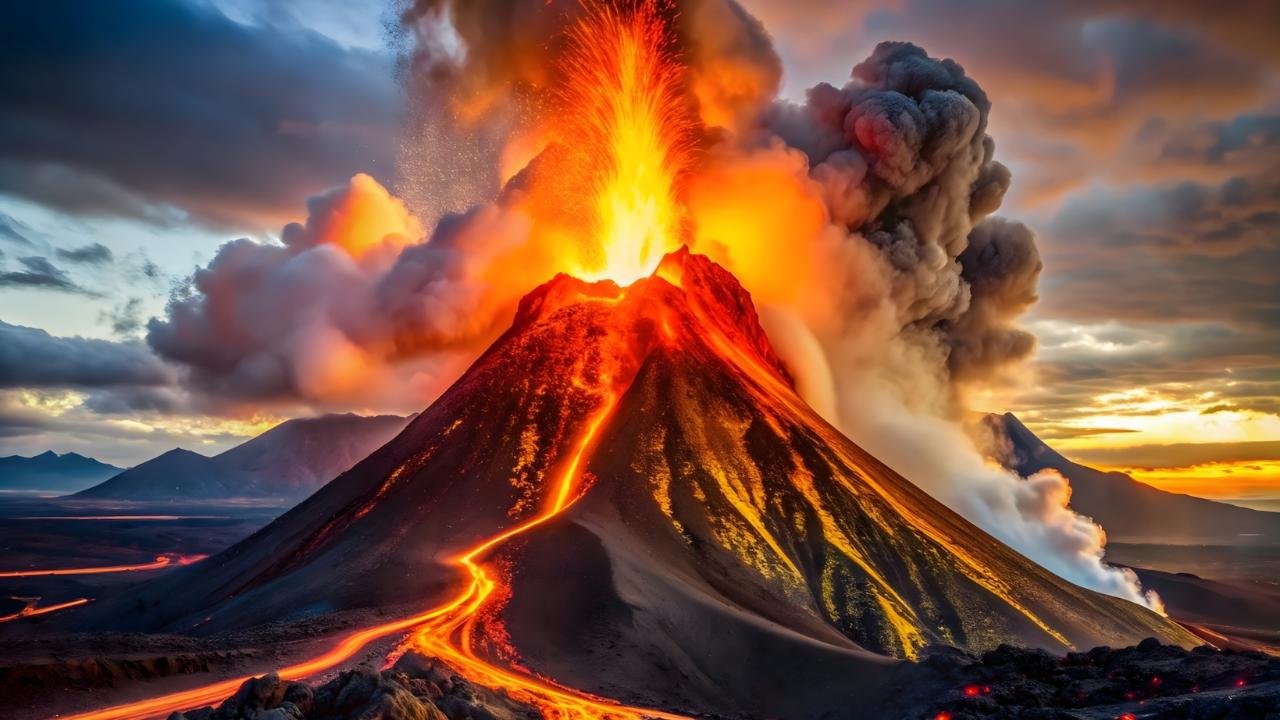
Imagine standing near a mountain that looks completely ordinary.

Then, suddenly, the ground begins to shake.

Smoke rises into the sky.

Lava starts flowing.

Ash spreads high above the landscape.

A volcano may appear to be just a mountain, but deep beneath it, enormous geological forces are constantly at work.

Volcanoes have created islands, reshaped landscapes, influenced climate and even helped form some of the rocks beneath our feet.

So what exactly happens inside a volcano?

And which volcanoes are among the most fascinating on Earth?

Let’s explore.

https://images.openai.com/static-rsc-4/TqiI-Q6ZJBrJGRNa7H33CEk93sIiyLA91o4x8MjWnTYMxyuRdGG4WXLDaPyBhRpwm0FaCkHS8voROGHGvIM0GIAor20-YdBJOxUYtfjww-0U2MHayXlXaUYZtOwr7DMUsmzr-rpzyfP4tQqiG7Bf7uGlJQ74fuaPZR_YKDC4hAs_IZ5XK8NBf2WHddR7gjuG?purpose=fullsize
https://images.openai.com/static-rsc-4/QWEgJEQIcdjBDkFFng7XBmk7pvKjzBsmaiI8-_ILHQ1mmwsWzZ7txPA1MTemK3eGSH1EYx9uFOi-JbXQPrMAqDRIw_PNsTgqwOYYH99YgaGOKFMMGep-dzojUhVLyLZ2LO-OeWj9nRC9PXGcFzNpYR8M-MR4lhGZHU_BVL9H16wj3PbgUu-Tr0fZGjcMPZEZ?purpose=fullsize
https://images.openai.com/static-rsc-4/YHHF6SQx6N5Z_GBSE9dxqIuE19Wf5x01nHVBOGJ7FFSuZXeg-jRafMsxOQ5nJbGxN5edQgYBerUv5B1y4_uogP7UXkBmN4GlomjUSSe4xRkU6pyLvAQrIOv69MVq7NgYEuH6TIAH59mFJd_OuCQwbDFfL2nHSLJ6hSnXBacf0R8upiQNq5OG-XguBFfXZ6YR?purpose=fullsize

πŸŒ‹ What Is a Volcano?

A volcano is an opening in Earth’s crust through which magma, gases and volcanic material can reach the surface.

Once magma reaches the surface, it is called lava.

Volcanoes can have very different shapes and sizes.

Some are tall, steep mountains.

Others are broad and gently sloping.

Some eruptions produce flowing lava, while others can send enormous amounts of ash and volcanic material into the atmosphere.


πŸ”₯ 1. Mauna Loa – A Giant of Hawaii

On Hawaii’s Big Island stands Mauna Loa, one of the largest active volcanoes on Earth.

https://images.openai.com/static-rsc-4/yu8GeyXDYvj1xNb5vwwugt8tsubYElFarCRjyYxWMBiB5cl8S3Gt_nvMMzDbLgpetQMrmz5GlwgpR3xzjJwzDV4cqr4bOlI5t4qP5Kg_cucxrczfM1Axsz_0O-x5PLfApoHoEJXbe-5nV3y4dmDQVcJU-aF1rkKa3RGj-tchG65Jcdj2bG3VSORCd2XxzJ8x?purpose=fullsize
https://images.openai.com/static-rsc-4/bRM0PKQbtgEPsb4svHlnu_61Csn6MZvNSi3IizLd6tu9llwmr8R8B84ZDt4iIzqQ62awvgzN0wEthM1D65LWGSH6BPTe2KRh218FUqoxAetqSY9XzUCR-8FqXSu6_tWbYbe691ho-25-fr4jQHPcLfX2LGr3tTY3eSuY0nxonKZWZeX7IvK2adGvtczf6reX?purpose=fullsize
https://images.openai.com/static-rsc-4/BLEt1Inl6G-_SRw8JAQh9z7id3i7f5GB3ME3EqhLyw9qiLuLoJwDp7NdsaK0OgGd4SwFkvJOJ7YUf2ykO6Omn82DpS2SLpLTT6SUxP9CIVxDuAgErs7fNzPg65XxcWAWCCyEiGBLaEZJGpeBO28PxDnuIegWa_h1qK8ADYADXspWxG68zzxw6wOh85LiyqtZ?purpose=fullsize

Unlike the classic cone-shaped volcano many people imagine, Mauna Loa has broad, gently sloping sides.

It is a shield volcano, formed mainly by repeated eruptions of relatively fluid lava.

Its enormous size is difficult to appreciate from photographs because much of the volcano extends beneath the ocean.

🀯 Imagine This

The mountain you see above sea level is only part of Mauna Loa.

A huge portion of the volcano is hidden below the Pacific Ocean.


πŸŒ‹ 2. Mount Etna – Europe’s Famous Active Volcano

On the Italian island of Sicily rises Mount Etna.

It is one of Europe’s most active volcanoes.

https://images.openai.com/static-rsc-4/5FXdQr1yskTyJc_eIGrE2zHMKVgNI4_jxNOuuka6BRiNnzM04k9sUK5tMND97esqCo1H_OjhHUIeUJvWFNT3Bb0yE3WoskRrnb_CHe6yjvP4GKIa9-gzCdQJGGPldUTPUPCJCN7GKD1kV7qd5gGig6SQzgLVgzMUHG-zVvSZ_R8kSZ_BAUiaAQZbR7790JCt?purpose=fullsize
https://images.openai.com/static-rsc-4/sgmm8d_pDtkjuPYM0cQeXtmBIwT8roCgYthsXEU2Q6UWvDVFgRJQG4i5xoOGqgbDZQcdH-7RtZJ74f_f82eXkEy-83kQgQn2m7TutWQekRS_nb9ebqWm4kax_RVQUh_ICSLtJQ5Um2wSUbIiHix0hULKuQJ7fomnmhiRV5htYYO8EvU7H46Kv_prk0j_j8II?purpose=fullsize
https://images.openai.com/static-rsc-4/zNpp2tQ3SxW60jXd4Zit8eH4oIVJE3olmbBwRqG1KmtjwXpt6OaNVvOWYdCmR9iHOp4GHFtjHfyaZscYMXxs_akxFGIqD-4b7632EYf5ZzeM4B7rTIrY5zcVVNyAnNV512GoBBxPC6LBcF6TB-d2xBPYhMprtUgJb3D4phMY9h25V-su60UkxDZVavBYwP5V?purpose=fullsize

Etna has erupted repeatedly throughout recorded history.

Its volcanic activity has shaped the surrounding landscape and influenced human communities living nearby.

One reason Etna is so fascinating is that it is not a volcano that simply sits quietly for centuries.

It remains an active part of the region’s geology.


πŸŒ‹ 3. Mount Fuji – Japan’s Iconic Volcano

Few mountains are as recognizable as Mount Fuji.

Its symmetrical cone has become one of Japan’s most famous natural symbols.

https://images.openai.com/static-rsc-4/lCulC-Ml4ZJTMn-zQjc3Mp_se-24fJNYOACEDydF-98RtdwSEJUdNm8vxbFYtpu5ylKDVC5ILALuk_uWcuHXDXjqpS1oXuxzdFkG13gDcJmT-NRAeZS1DMgVF9AUF_YuEWQJQ5TCpbMCyRTzHbensVjSe16N_SR9Vo0MtKyeOyiYNsdxJ9Gl0XpWU2AhYX2a?purpose=fullsize
https://images.openai.com/static-rsc-4/YEjyt47llYKIVuFQIb4ztIh0pX63TgMD0pPETSBRCAIXmpgp-lWJs1ue7RoQmvA6YaPykwlxX9BcDmMd_yre861Sca1axup3TRhCTq3dIvzt3-rE8dMja3Nqq2qijQkq7SBKzjCq_DfNhTFnql7_XpzUNtRtilPwZSgCrMHSRGNXU5ATkqkSZBBpEZ8X4Ay9?purpose=fullsize
https://images.openai.com/static-rsc-4/X4vPzCm3Uo6U1-P0bemdinsfdZBJlTl0WQNBDR06FTM7bhqg-4uZs7QU5c_7zi3Sylz4MpZH3Irw-Aalb2Ex3ZJs9cbru5Ku-E1M_-XV6ZPu2CrSXR-JSxnmzcTpPJBsg7Gb6XUq8yR_KznrVGCRNoSCZqEVkDn14KJeS8R1gGula6Q_E818AQT0aZwY8n-q?purpose=fullsize

Fuji is a stratovolcano and is considered an active volcano, although it has not erupted since 1707.

Its snow-covered summit and distinctive shape have inspired Japanese art and culture for centuries.

πŸ—» Beauty With Power

Mount Fuji is beautiful enough to appear almost peaceful.

But beneath its slopes lies the geological history of volcanic activity that helped create the mountain.


πŸŒ‹ 4. Mount Vesuvius – The Volcano That Buried Pompeii

Mount Vesuvius near Naples, Italy, is one of the most historically famous volcanoes in the world.

https://images.openai.com/static-rsc-4/zzkLXBZ8vIEZb8MxeFF0mT3PBEdTE4Km3A3Dq05FVGB_Kn-VJcZIPmVfQhJLLG8J9kDN4TeEG9M4GT25CwUyrSHoll-QTuBrCNEPcX04apQ1p9k9Yq0s1SYDgB0aYg58swxwQ_l7CCu-6FZMu7gx_53ijbFug5CmkerEBuokx6Dfd70Dp7N_-xitrEtg_H7x?purpose=fullsize
https://images.openai.com/static-rsc-4/-Xv8kcBB3Vq8bjClyKi64RjZUPgg-ZhsuOTxdaJ5Uh-uYaXLB23cy4Lav6Yp37H2oEvyjDc97ZZtNmG_zYi9choDESwGHKlzy5KiptYsyAOlSEzrp_GMehNRtCJd29VUhWxzZiiwqZSopR_aTFohkfZ-yEzSu3LCO1c45PZ9FAM2ntRvSrLyVqkea4YyL82d?purpose=fullsize
https://images.openai.com/static-rsc-4/ZnnfGZXORpSMCmmrXETbh5vIgAn4fnt1tTfLAhJejIbZllcll0SQbxZCePZVTtUCH-WvWWLdpPgbr64IgbU3948j4M4nxs09CC1bidO55uQNiBSE_wXBLn676OR5-L1Mh7vx7ockfdIyNq0Yy_F1hrKg9M5_-sHdfX-7eW-s2tRBunXIuoCZKSH9Xq53ECQw?purpose=fullsize

In AD 79, a major eruption buried the Roman cities of Pompeii and Herculaneum under volcanic material.

The eruption became one of the most famous volcanic disasters in history.

What makes the story especially remarkable is that volcanic deposits preserved buildings, objects and other evidence of Roman life.

Today, archaeologists can study those remains and learn about daily life nearly two thousand years ago.


πŸŒ‹ 5. Krakatoa – An Eruption Heard Far Away

In 1883, the volcanic island of Krakatoa in Indonesia experienced a catastrophic eruption.

https://images.openai.com/static-rsc-4/6YTqt5rbQx17pij1ldaJhIteWhanjm65sZQFGCKg8MayQIhrtrtMkPKCY-RpvgSMOkKmidft91S7KizOAnJxlZKMMGw1YmFFIePk-rUP4unaRnKoduDkbPWavkJRdyCXIKnXBe6v6QGRju7vrAC6y_Op68thqChS7b0f8Hl3mkvt0YHheMi8Zhmo4glaeTQ7?purpose=fullsize
https://images.openai.com/static-rsc-4/08UgyOKbZaWhkYQz24EVfjg_Ma41S4bgPsDX9ojBaIebX_ZOKjjtqFZIQipPPkoNtYeKY80TaOrZSVrF6C_d_7_S_ycP12K2vnhN90xgRrZAaAwRyOrrjRLIIa3a3m3ZJcTiGEw0Tb9Iv2poZkIz82pw8iOaJL9ObrODCi5xORKwQBn5pChiNEgCnW5mmnCj?purpose=fullsize
https://images.openai.com/static-rsc-4/qmfPlKq-W-ZFgztFkmN2ACj91prFFrSi8J9s6BE7OtaMChftbakAgeDE-PjuNG4wtalv1z1CXXSrsfzxQm4yYSxo873jUpGxaeChONSv4E3gFLiowS6V4YK-xgtDqwQC6_wQ1dic_8Qk0Qijamw9Zl94FFGDuMiBggQaI6XdHQiXUnDKEW9G2b2EhMcL_022?purpose=fullsize

The eruption caused enormous explosions and generated devastating tsunamis.

The event was so powerful that atmospheric effects were observed around the world.

The original volcanic landscape was dramatically altered.

Later, a new volcanic cone known as Anak Krakatau, meaning “Child of Krakatoa,” developed in the area.

🌍 Nature Rebuilds

This is a fascinating example of how volcanic activity can destroy landscapes and later create new ones.


πŸŒ‹ 6. Mount St. Helens – A Mountain That Changed Shape

In the United States, Mount St. Helens became famous after its catastrophic eruption on May 18, 1980.

https://images.openai.com/static-rsc-4/58SNcvBmpphyLvYs7f3U_3AzaOM03ay82y7JkMdk3G8r3vwDLzAx7E5ujktyT5QEDYaG0DlchaE-vHqUgoJBqjwVhwAqFHo8E9BbY_SjdLEmxcMQ7HUG5-rNRZQYgXKR66KT9dKhOrkW28zy-YYghJYKakePc0BnFu5Y3zHqRXBbuC4D6qDSSPMtPxyKn70F?purpose=fullsize
https://images.openai.com/static-rsc-4/xd7N-h6bkEavRtRYAXVUR66p8F-Tuw9Tbp1wBpb5NC55GLQmpRMDS2uLOlyyGM0LsRZdoAqMC_B1vt3DJ8y-U7NQyt6eISajsRe9YUyZPRzVEKX2G_E9T6QJ9G0gSI__WgsnrgIgGaIpgZCEBF08dcTr1ndUGsl8eySyjld440dRI5XtFwZeSwCMF71wLgy2?purpose=fullsize
https://images.openai.com/static-rsc-4/TVo4A8uleII_CxI3vQPfy9Q0EC7RlfHUH4g_7B3209zNh2mhHeATQSvqd5X-1fjgt6ELaeEdGv5ZbdC1HFexELcMTZ26jclDSWMFKv5yyryl9cAEqEn7Q5vEPr8PWKQ1M4t_RUBJnPanko_O4cCYUooLVvkt9D9C7Z3bJ1XC6uY9t8ehM08c7zulJk7TGcQm?purpose=fullsize

The eruption caused a massive landslide and dramatically changed the mountain’s shape.

A large section of the volcano’s northern side collapsed.

The event became an important subject of scientific study and demonstrated just how quickly volcanic landscapes can change.


πŸŒ‹ 7. KΔ«lauea – One of Hawaii’s Most Active Volcanoes

KΔ«lauea is another major volcano on Hawaii’s Big Island.

It has experienced numerous eruptions and lava flows.

https://images.openai.com/static-rsc-4/Ao3ik7MF77v85jDFISOt0T55fT65tS3suWxvclVPoSqouiSMoexoEWgcPhaQvuWUt8ftgDJ03DMYaEtYCZvRkYlH7lq_uucl7bauimJMAHzwhuHTXXQFPZgWVld9pQToltwZooscT9KElL5axW46-lezuQ1VWNYDZg2Ttga-zM_Q1aiVmGKaeciijT9B48XC?purpose=fullsize
https://images.openai.com/static-rsc-4/lSf9wIy2jBsRk-QTtwKgmELigW9BrzMkOHlTvOuFYki2X94ASvofjj3uuN3i4rODgQcmRs2oHYF9R87HRnSDEtqypA1zRIZM29VPfKVRPvpCZrHnY_0r3yANU73NiX39f1QajgsZIVmdXC4JvJKyKujzpaoh0Y0JiZOMclwQpn3wlLeRTVQjAwefnxaSDWC3?purpose=fullsize
https://images.openai.com/static-rsc-4/r2qB0r2W9iOYbDyYDcE3uo4hvgI0rQ7BkEYfxC3a9QBeorzSKDAA_YlJk8nm88IhKYRXz-QGxokpzuAAat_-s5C23dIGE2Jvt4-Ax8_pqyaikEtsouyE5kHHQSSlmv_7AeFjbxcNYhX1z95ZGosiBI3NO9d_NeSClLIyqdRrnuMcfWVAO8M4dzapO3PL9qbI?purpose=fullsize

Its eruptions have provided scientists with valuable opportunities to study how lava behaves and how volcanic landscapes develop.

In some eruptions, lava can travel across the land before eventually cooling into solid rock.


πŸŒ‹ 8. Mount Merapi – One of Indonesia’s Active Volcanoes

Indonesia sits along the Pacific Ring of Fire, a region with intense tectonic activity.

Mount Merapi is one of the country’s best-known active volcanoes.

https://images.openai.com/static-rsc-4/tLUoS9HuU-mvI4iHGQqN-SXuF9naHsinEVRCg8-BlPz3D_DUtpubW9X3TCEgwLJ2BQGgDjYruRxCrf6ippd3NUZ31Kl8aDGpe6dJg_Fs1E1ClY8vGPJCAfl6QKACckZrI4UjUmFZ_PpXO_mGt204b4VFlH8L_9bKxOvnxcmPu-TvNv--35DuyZi3SfB4OBB0?purpose=fullsize
https://images.openai.com/static-rsc-4/CEYTSewXCkLi5N56skCEKLkNAFup6ORAStQ2VMXm73ykQHmUVuh4z-OiLtwMq36yXPb5zOep4Bi-9x74i5SXvAXCgzuEzETlSOueKzCsLSp-0GiGa93pHTfowmzVzbq6Ed6uHWnhihOSEdpN7dM7EMBOS0xU_Qw_QkVshECjgEauG0td4xHhx_bLut34yciG?purpose=fullsize
https://images.openai.com/static-rsc-4/nIDLQ6E0KO32voKhUchtYXOL5K6ex19Lg-5g0bcHGp_Lu_Vy_DbfDNbNMRKxiyDGXW9fng0y9YOfw3kzn6UakZT4_A4HIQjlQN0ObZXEX1yjAF3SWzEp5nZ7CPYyeiX83SJWZaoWczFYvODb-pj0svS07fURXURXE3M6n37Yrzew4AZdINHHVBEDychmkMmS?purpose=fullsize

Its eruptions can produce lava, ash and fast-moving volcanic materials.

Communities living near volcanoes must monitor volcanic activity carefully because conditions can change rapidly.


πŸŒ‹ 9. EyjafjallajΓΆkull – The Volcano That Disrupted Air Travel

In Iceland, the volcano EyjafjallajΓΆkull attracted worldwide attention during its 2010 eruption.

https://images.openai.com/static-rsc-4/YRf7zhVdBt5c4Zx_71yTtBFT4QFFsemNxjlN1x9_aWzZHciGqAF1vUXEfPYGrE1fRY99gdhAAQPUEYxOoeZWWqcd-ySFd1fNs6PzCplfXcW23b7WWU5VgRGUN3fORCvp3-aJil-lwqs0dbl32EDaKRtl2F0RNa0qZo68tR4azC4uZQOMA9USQy99OsAWP6xJ?purpose=fullsize
https://images.openai.com/static-rsc-4/mQs4QNVdYXWnMUjhhL6ozp7eyenWxU4NqiNmf9L227VWZAOoImB4acZDns9kqR9Ouzyd8jNHdTzL0ml3rLNBFaaa0Py8ChBh5DgDG88uaG474rr8nKbw_XEYsJ15k3bLVnJF0rzXCiZvzfOqlRE5P3odLto7VTZiST8jP5p32KhBhJxE4XfG9Z81OR5f3d_g?purpose=fullsize
https://images.openai.com/static-rsc-4/6b9R8LqQcHD5ljuSPImmWjBH4DtV0O4D8aGgjmBJhnNnbV8UZGL1kDLske_vyrIuM5ZlPsQNH4ioI8yXKfmfLeXREQ6eZvqqk5XSmhkMhOKsKGMYYjKffBZGapRtBZ7y-2vlrREXhdkpJycnzSCMMXrpt9dhIEDv_dnWBHVifhFBeDLOMxjTNspJoGTCSWGL?purpose=fullsize

The eruption produced a large ash cloud.

Because volcanic ash can be dangerous for aircraft engines, many flights across parts of Europe were disrupted.

✈️ A Small Volcano, A Huge Impact

This event showed that a volcanic eruption doesn’t need to destroy a city to affect millions of people.

An ash cloud can travel through the atmosphere and disrupt modern transportation far from the volcano itself.


πŸŒ‹ 10. Yellowstone – A Different Kind of Volcanic Giant

Yellowstone National Park in the United States is famous for geysers, hot springs and geothermal activity.

Beneath the region lies a large volcanic system.

https://images.openai.com/static-rsc-4/3TzkNjQ2iWYIAHZ6f7_o4d31_ETTCvxQAlCkv9EQSCkS9PxJCPZUQVIuhEOn0YVNoHE4Z01XXG6XAugAbYoV4ZcjrAcvS50BWHuTZndUZMOAb9C3DfKhZfqM_IMA-F4XzrNn_4npdxMWPq8kfupnvbuEElXkc6qsnEx6f1jM-X25YxPfa0yG7xboiy4PL_-x?purpose=fullsize
https://images.openai.com/static-rsc-4/ouykUcb-huhc6oRdWO4kwoydNIofOpSZ7SBkBSVNqZHuvBDssOll7HY2aEWswrTFPdNybdjZN6NkYPMIJ3pP6fiQnL6NOXTUSM5JYtKOZD8qQbE49Gjt7jxNgpLp2u4Jeu9zH-GNbTqzVQS7V0ZOgW0Gmodbwz8Dl2sSymRd9o21R-xvIWyaJpMxeSjvKo4o?purpose=fullsize
https://images.openai.com/static-rsc-4/RECTVyBhyyHp32F_5pNc9jQP-8pP0nvjGkCuPo9tYt1-oyMiAwf_n6yxcE243d-iKY85yz7rk2GK1E0-8Oz9JeFh93gcJGH35vuTDJbDH0F-ytnSIlgQuMR6WaZ9w4A4ixZMEeNE5EoqY1LSZDbJ5mcxZkIGCLIna0U1U4ueNySBwqsskp9tm4jKq1L1iFNp?purpose=fullsize

Yellowstone is sometimes described as a supervolcano because of the enormous volcanic system beneath it and its history of very large eruptions.

However, that doesn’t mean an enormous eruption is expected anytime soon.

Scientists continuously monitor the region for changes in earthquakes, ground deformation and other indicators.


🌍 Why Do Volcanoes Erupt?

Deep inside Earth, temperatures are extremely high.

Some rocks can melt and form magma.

Because magma is less dense than surrounding solid rock, it can move upward.

If pressure builds and pathways open toward the surface, magma and gases can escape.

https://images.openai.com/static-rsc-4/KS8zXHGrXQVWWWoMwfwtpTKe0xC8eeZAKVT2uCxnNRSui_lLvEXN37niSlbbQdbJ4GIMV_cz4uldlp1A8uj9ERb0v_mtAit-xh3mo3tRTGJo4dDjyCmRDZFtnSIDL67Ylb5sMo2r6lP3r1saK9zEVC9oNFMtRJk0EIPQYjO-dEzrTvuEjLJBBqMGLvkUn_4z?purpose=fullsize
https://images.openai.com/static-rsc-4/EplxnnLniFV7ag0RlDXAs2J4-tUgw18NpiaaTbtl-p1en5zIlN-H6rWrrfm-5oNzfPEwJ2c8BdiC0mSVhJhJX02djlGRb1z6kkcsk_tWLKkTknWFdbdwwFR3m_GjMsH_VmdGftfGC6G1RKoNGCAT4lN8Yuv7hV_p56M9fY8jm812_TA44oY1DxdhU7THO7kx?purpose=fullsize
https://images.openai.com/static-rsc-4/WZJbOWLYczoI0XY3nfeCxt8Ya0qzuNJZVNFyUaA4GAWNWP1gnXeMVXdMWm8kYQs4OIURp9chiCRdCZg6P-3i3_j8DP0cGUHMM158qnbDIH7dYE9x_A05HBVbYglUpQqc9D8wRpmGVWOfxezl9_1KtNCZ1zubNxc5aRK9rBuVdzUkOW35pi-CdlEF-FlYOj4y?purpose=fullsize

The exact behaviour of an eruption depends on factors such as:

  • Magma composition
  • Temperature
  • Gas content
  • Viscosity
  • Geological structure

That’s why some volcanoes produce relatively gentle lava flows while others can erupt explosively.


πŸŒ‹ What Happens After an Eruption?

An eruption can dramatically alter the environment.

But life often begins returning surprisingly quickly.

https://images.openai.com/static-rsc-4/nMleesGS1mJ690elqFF84thj3oTxpG4P1tf3lkRjTn2gI7pro3pl-02MyeqJqrHkLG1GKROc1Vnuq_op5mEYv-d3OvgaZnJn2dUXc8iJnUvf_Zu6Syd8uN7WbVWHmLSwhYanhq68szbwinnehUuaBm5SVls_MJtyrZFnw_K2oMBDsNEl-wGqoJsaXFJazS1u?purpose=fullsize
https://images.openai.com/static-rsc-4/WfIl5PGs-DKSa9nERNjLppe1WCA1XuuTGfWOE_7gcIH79Nd_ymPWh1cPLkYqwdQjTzULnFRB1MIoiw-g-nrApWZi2aARBH-978NzW5cjrPRVNtTO7yKyZZCarrCAiyt14oKpbwvp_qdLp5bEVi-ALKUtSC-SAvlvJ3fTmjfLhfnHbOHZwDl-W6c92S5OUF-R?purpose=fullsize
https://images.openai.com/static-rsc-4/lyAFM0MJ3p93ZHlEH3NWCfawYpzwLzb6sRA2SYSaJAszH-edezIKMfts8HyuAp4VQem8W0JpwHDp3oydCnhlVblsvSfF5_GZgJ241lku9M-uQPV8P4iA0YUwYP11RKmXG7-NYRXxebZgHgegw--5nPtmBwo8YVVB9ZMCh4m_TPoBKG42-800_Sx-iq3DxOb1?purpose=fullsize

Plants may eventually colonize newly formed surfaces.

Animals can return.

Soils develop.

Over time, an apparently destroyed landscape can become a functioning ecosystem again.

This process is called ecological succession.


🌱 Volcanoes Can Also Create New Land

Volcanic eruptions aren’t always destructive.

When lava cools, it becomes solid rock.

Repeated eruptions can gradually build volcanic islands and expand existing land.

https://images.openai.com/static-rsc-4/vxDhLfuVUEQiOy89XlnCTibwdR_GuCwXZZqvEtgGguIncBQ0kwE_jSGgQ-G_kTYp-mWeS2fdcHgbp70eWQJgtln0gLZ-VSVlz5aj09TZUlZ_OD6sesmP-A_qBlkBZ8v9ra9BuvXCbBnKyV-UAX60Z9sQvsxICTt9Luj-fpZbUhKaz0y7YkYsMoWUjSOhZZ88?purpose=fullsize
https://images.openai.com/static-rsc-4/7GcQ3YoNfswWg__1V1X6x0tEWbxlD0v64I2bOd4wYgMsWFccpOKiToyj8SmtjX_2IS0kFNxRgvt5rM3Z9Mzhg-HvKBD9VVjsdCHD5k5UJR-oDg_IoUugSRd8iKKdDE5OiCPC5RDwiCPoCAlLeh_1hiEjGoxiyW-0LYObTdYpaCLKm_g-9LHwtzd8ffJeKocD?purpose=fullsize
https://images.openai.com/static-rsc-4/2Vl5ZYGe9rvp8ITR44PRlUepet5pFtkHxMyOADL0iubKBUyAhxbIx0KjVNHfoAv6K_0Gpqz9sbaqzlwqUeDEr4pQw_9b_gMNKV9evKM5OdeUiDELa-KJqS_5USdsoYhVF6mowiRfEa9EO66da2tB-oUlb8GLPKQJiG_3e-yM6Si7cQLj4Tvg2FEMYS43DXc-?purpose=fullsize

Some islands around the world are essentially the products of volcanic activity over geological time.

So volcanoes can both destroy landscapes and create them.


🌾 Why Do People Live Near Volcanoes?

This may seem strange.

Why would anyone choose to live near a volcano?

One reason is that volcanic regions can have fertile soils.

Volcanic materials can weather into soils containing minerals useful for agriculture.

Volcanoes can also provide geothermal energy and attract tourism.

But these benefits come with risks, so communities in volcanic regions need monitoring and emergency planning.


πŸ”₯ Volcanoes and Earth’s Climate

Very large volcanic eruptions can inject gases and particles high into the atmosphere.

Some eruptions have caused temporary global cooling because volcanic aerosols can reflect sunlight.

https://images.openai.com/static-rsc-4/qqYxHK3m83c6GK_cvGqA4Xn7fClCodnutu3y0akfQF61yqDZaXTuzPutPr0XiqaEcSEOXx6hcZgKmNtR5Wo23iXamlHM1E76GitSF3rpsmz1b2lxbq7I7pzLYa2aN4QZY8J3g3tqkjBYXzuRtQ2YPj9tWZeEaWa3FNW8p_DZTrEZ407ndQM_Go8hvYhG6RgK?purpose=fullsize
https://images.openai.com/static-rsc-4/W18L1G_J5iyNnBeEryMwBcmCsTqis9RxuWjsv_1AmI_MMZEwHtd956QMSC0g3K_t2eRAcMsGn0mXAqAdZhw3QrVRxe-wlMfqokKPrB0I8NKFt0lM7dza5ffSQ0WdRNXCo8C_2Bx41W2qhXGMQITyEQRLZ6zgVVnWlLQ0E4QdVFw15yz2LQlKs-pK3xQneU_I?purpose=fullsize
https://images.openai.com/static-rsc-4/3IxaZWsUnxAH7lSswmTWu8sTJEF5oZb0Jtp-au6L80GCUwCBAvyq36YUrNzaj3TIYx-tHDJhDq9lb6iBObWRY_JVfY6hLdWQ_hlwnfrYtpnQo8DX4YW2ImxIw9_RdsMm0Y2VCoO24ysYUBcCMiUT96-xtV5XrAW_LtqsgX92ShJnmR475MIW0tFIp0-YQHTI?purpose=fullsize

The effects depend on the size and chemistry of the eruption.

Most volcanic eruptions do not cause long-term global climate changes comparable to human-driven greenhouse gas emissions, but major eruptions can have noticeable short-term effects.


🀯 Amazing Volcano Facts

πŸŒ‹ Lava is magma that has reached Earth’s surface.

πŸ”₯ Some volcanoes have been active for thousands of years.

🏝️ Volcanic activity can create new land.

🌾 Volcanic soils can become highly productive for agriculture.

🌊 Underwater volcanoes are extremely common.

✈️ Volcanic ash can disrupt aircraft operations.

🌍 Most volcanoes are associated with tectonic activity.

🌱 Life can gradually return to landscapes damaged by eruptions.


🌟 Final Thoughts

A volcano can look like a simple mountain.

But underneath it lies a connection to the enormous forces operating inside Earth.

Volcanoes remind us that our planet is not static.

The ground beneath us is constantly changing.

Mountains can grow.

Islands can form.

Lava can create new rock.

And an eruption can transform an entire landscape in a matter of hours.

Perhaps the most fascinating thing about volcanoes is that they show us something we normally cannot see:

the incredible power of Earth’s interior reaching the surface.


❓ Frequently Asked Questions

What is a volcano?

A volcano is an opening or geological structure through which magma, gases and volcanic materials can reach Earth’s surface.

What is the difference between magma and lava?

Magma is molten rock beneath Earth’s surface. Once it reaches the surface, it is called lava.

Which is the largest active volcano?

Mauna Loa is widely recognized as the largest active volcano by volume and area above sea level, though measurements depend on how the size is defined.

Why do volcanoes erupt?

Pressure from magma and volcanic gases can force molten material through weaknesses or openings in Earth’s crust.

Can volcanoes create land?

Yes. Cooling lava can form new rock, and repeated volcanic activity can build islands and expand land.

Are all volcanoes dangerous?

Not all volcanoes are equally dangerous. Their hazards depend on factors such as eruption style, location, activity level and proximity to populated areas.

Can volcanoes affect climate?

Large eruptions can temporarily influence global or regional climate by injecting particles and gases into the atmospher

Comments

Leave a Reply

Your email address will not be published. Required fields are marked *