Author: pasupuleti saidarao

  • ๐Ÿ‡จ๐Ÿ‡ญ Switzerland: The Country Where Almost Everyone Could Have a Place in a Bunker

    ๐Ÿ‡จ๐Ÿ‡ญ Switzerland: The Country Where Almost Everyone Could Have a Place in a Bunker

    When people think about Switzerland, they usually imagine snow-covered Alps, beautiful lakes, luxury watches, chocolate and peaceful villages.

    But Switzerland has another fascinating side that many people around the world do not know about.

    For decades, Switzerland developed an extensive system of civil-defence shelters designed to protect people during major emergencies, including armed conflict and nuclear fallout.

    This unusual preparedness policy became one of the most distinctive features of modern Switzerland.

    ๐Ÿ”๏ธ Why Does Switzerland Have So Many Shelters?

    Switzerland is a neutral country, but neutrality does not mean that the country has historically ignored national security.

    During the Cold War, the possibility of a large-scale conflict in Europe created serious concerns about the safety of civilians.

    Switzerland therefore developed a national civil-protection strategy that included shelters for the population.

    These shelters were constructed in many different places, including:

    • Residential buildings
    • Schools
    • Hospitals
    • Public buildings
    • Underground facilities
    • Parking structures

    Some shelters were designed to protect people from the effects of conventional attacks, while others were designed with nuclear fallout protection in mind.


    โ˜ข๏ธ Switzerland’s Nuclear Shelter System

    One of the most remarkable aspects of Switzerland’s civil-defence policy was its attempt to provide shelter capacity for a very large proportion of the population.

    Swiss authorities have maintained a nationwide network of protected shelters, although the exact number of available spaces and their operational status can change over time.

    The country’s federal civil-protection system explains that shelters remain an important part of Switzerland’s emergency-preparedness strategy.

    The concept is simple:

    If a major disaster happens, people should have a protected place to go.

    This idea became particularly important during the Cold War.


    https://images.openai.com/static-rsc-4/WYdTYU0nkzhBo6Jcdn1Moa69MF2Lcd4EP6YYGUl--tWyMFQPhwkQAQY18pGAy5R1DswGIGym4D0FyBdCNPStsVEBjo5Tb1K19JMJUJlwWVeBTDrDbR1UQIxf7oN6LaODdEc05TpWippOAhhyEf5ZmtYv3AS37t9lxBqdoweXnIckfcNcQFh_J_YMA9TlMHxs?purpose=fullsize
    https://images.openai.com/static-rsc-4/IpGMcGnSk13qXwKW4JUd_4buowBVTmqv6BTrvXqIMEYqv1hACc7lOCWvYyXxl2y29kkKGf-9z-uVRJH8OR4gJKSdq3TXByjUz2A5AXesva3frUoTpCMDu6jBzT6BlGyG-LEQ7CDCy1a6_VbdTawbBRWRi1yrY1HOJEhjK7pe4nijt662h7iGFEBkPR7Taq32?purpose=fullsize
    https://images.openai.com/static-rsc-4/F7BVLafu5XwhsJpIg2AQEYJd5AzhqOVdVleFC1qPaz8SkaNhWFHeqnkawNYtPVKuQoeffpui5GAcJFueeNlt-1KjB4yoFXY6D2T7yocJVvBdIg5dpdS-HeA-gIepmOyvK7-DKJ0hTM7Zemh3KSwMJINgMYtZ4heUiRgBD3vblD8vR-xHz9WYti9jTDV_YyXQ?purpose=fullsize

    ๐Ÿšช Some Shelters Are Hidden Under Ordinary Buildings

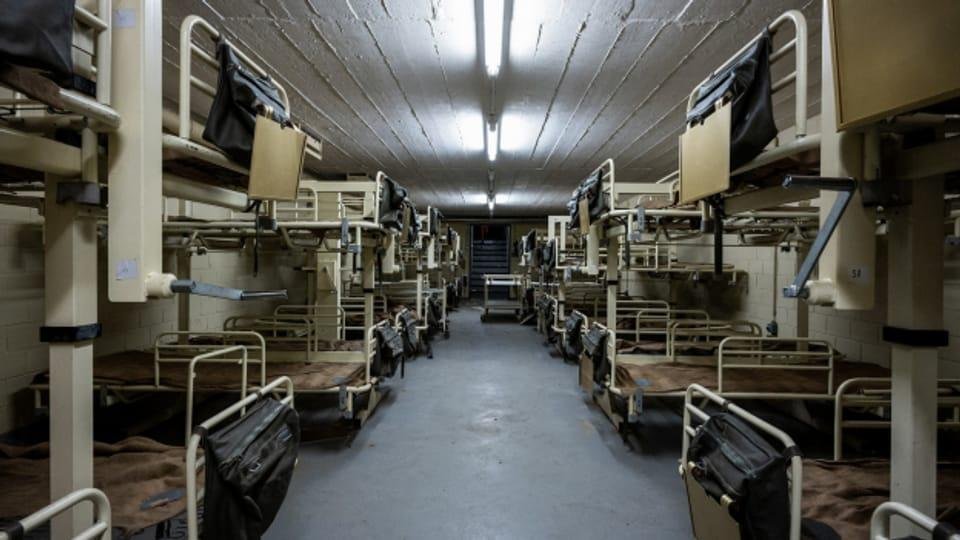
    One of the most surprising things about Switzerland’s shelters is that they do not always look like military bunkers.

    A shelter can be located underneath an ordinary apartment building.

    From the street, a building might look completely normal.

    But below ground, it can contain:

    • Reinforced walls
    • Heavy doors
    • Ventilation systems
    • Emergency equipment
    • Sleeping areas
    • Sanitation facilities

    This means that Switzerland’s civil-defence infrastructure can be almost invisible in everyday life.


    ๐Ÿ  Why Were Shelters Built Under Homes?

    Switzerland’s approach was based partly on the idea that protection should be available close to where people live.

    Instead of expecting millions of people to travel long distances during an emergency, shelters could be distributed throughout communities.

    This created a decentralised civil-protection system.

    In theory, that means:

    Home โ†’ Nearby shelter โ†’ Protection

    rather than:

    Home โ†’ Long-distance evacuation โ†’ Emergency facility

    That approach can be especially valuable when roads and transportation systems are disrupted.


    ๐Ÿงฑ What Makes a Nuclear Shelter Different?

    A normal basement is not automatically a nuclear shelter.

    A properly designed civil-defence shelter can include structural protection and specialised ventilation systems.

    The purpose is not necessarily to make people completely immune to every danger.

    Instead, the shelter is intended to reduce exposure to hazards such as:

    • Radiation from fallout
    • Debris
    • Blast effects
    • Contaminated air
    • Other consequences of major emergencies

    The exact capabilities depend on the design and condition of each facility.


    ๐Ÿ‡จ๐Ÿ‡ญ Switzerland’s Famous Preparedness Culture

    The shelter system is part of a much broader Swiss approach to emergency preparedness.

    Switzerland has traditionally placed considerable emphasis on:

    Preparation before a crisis happens.

    That philosophy can be seen in civil protection, emergency planning and infrastructure.

    The underlying principle is straightforward:

    It is better to prepare before a disaster than to improvise after it begins.

    This idea has influenced Switzerland’s approach to several types of emergencies, not just military conflict.


    ๐ŸŒ Is Switzerland Preparing for a Nuclear War Today?

    This needs an important clarification.

    The existence of nuclear shelters does not mean Switzerland expects a nuclear war to happen.

    Many of the shelters were developed during the Cold War, when nuclear confrontation was a major concern across Europe.

    Today, Switzerland’s civil-protection system covers a much broader range of potential emergencies.

    These can include:

    • Natural disasters
    • Major accidents
    • Infrastructure failures
    • Armed conflict
    • Other large-scale emergencies

    So the shelters are better understood as part of a national resilience system, rather than simply โ€œnuclear war bunkers.โ€


    https://images.openai.com/static-rsc-4/BmICuPiBGSKLbShbsIx2Es8aLn2vIKSf-JV-gtc5_3_isRHw-nPdTdzGEvqsOd-3hlQXVP7Lv_20R55i8JUmUQ9QoJbGzy9Ux18BzM93m4BQA2V4NbX8DZDv0avAdU4JrOKloKJF_2rnSbPb1MweLXKwe4iClNUYZNkRq3FGNwLHiPGr-RjNSAahAFJjPth0?purpose=fullsize
    https://images.openai.com/static-rsc-4/m4gBG3FUNUVNoxTpLPN_KUA8qmhyI5kno3iT9y56SVlBeq6RD12oUX1nGnQ17z80a8kBpMjO9iWDm4nDlu66wScn-0vQ1W7MPd1L6vhgPUu3lC7uTLGjGeC5iHVgOicm0Ass2kRJaUFe_yDIx2o5S0tj68gp3_lEf04FNi0hdI6nK4Yx7qUAnuwiAbUE4TIC?purpose=fullsize
    https://images.openai.com/static-rsc-4/0ccLXiIDnJMl2jYCyrvRysn0jcNSIskDmV2Y5pzxsLUnADQ_WXsn5uba69eY62F43pW9Rp0cBNPsWAEifz9I2HYjuU4iLvZScvWXv5FNSO_9ewSVgy314poLv4-umxv9_Mn6NOBQGFyGkApHgzlbLRhyp2QEb2UTtz0aciTQy1JIC93_-YxeZhogzdX8I8aR?purpose=fullsize

    ๐Ÿ”๏ธ Why Switzerland’s Geography Also Matters

    Switzerland’s geography has influenced its approach to civil protection.

    The country has:

    • High mountains
    • Narrow valleys
    • Dense urban areas
    • Important transport routes
    • Major tunnels
    • Underground infrastructure

    Underground construction is already a major part of Swiss engineering.

    The same engineering expertise that helps build tunnels and infrastructure can also be used in civil protection.


    ๐Ÿš‡ Switzerland Has a Remarkable Underground World

    Switzerland is famous for engineering projects beneath the mountains.

    Railway tunnels, road tunnels, underground facilities and military installations are scattered throughout the country.

    Some of these structures are connected with Switzerland’s long history of using mountains and underground spaces for strategic purposes.

    This creates an interesting contrast:

    Above ground:

    Beautiful villages, lakes and mountains.

    Below ground:

    Tunnels, shelters and reinforced infrastructure.

    That hidden side of Switzerland is rarely seen by tourists.


    ๐Ÿคฏ 10 Fascinating Facts About Switzerland’s Shelters

    1๏ธโƒฃ Switzerland has one of the world’s best-known civil-defence shelter networks.

    2๏ธโƒฃ Many shelters were developed during the Cold War.

    3๏ธโƒฃ Some shelters are located underneath ordinary residential buildings.

    4๏ธโƒฃ Certain shelters were designed to provide protection against radioactive fallout.

    5๏ธโƒฃ Civil-protection shelters are not limited to military emergencies.

    6๏ธโƒฃ Switzerland’s emergency-preparedness system is closely connected with its broader civil-protection strategy.

    7๏ธโƒฃ Underground construction is an important part of Swiss engineering.

    8๏ธโƒฃ The country’s mountain geography has encouraged extensive underground infrastructure.

    9๏ธโƒฃ The shelters became especially important during the period of Cold War nuclear tension.

    ๐Ÿ”Ÿ Switzerland’s shelter system demonstrates the country’s long-standing emphasis on preparedness and resilience.


    ๐Ÿซ Switzerland Is More Than Chocolate and Mountains

    Switzerland is often marketed to the world through its beautiful landscapes and famous products.

    People know it for:

    Swiss chocolate ๐Ÿซ

    Swiss watches โŒš

    The Alps ๐Ÿ”๏ธ

    Beautiful lakes ๐ŸŒŠ

    Ski resorts ๐ŸŽฟ

    But underneath this peaceful image is a country that spent decades preparing for some of the worst scenarios imaginable.

    That contrast is what makes Switzerland so fascinating.

    A peaceful country that built an enormous civil-defence system.


    ๐ŸŒŽ What Can Other Countries Learn From Switzerland?

    Switzerland’s shelter system raises a much bigger question:

    How should a country prepare for disasters before they happen?

    Every country faces different risks.

    One country may worry about earthquakes.

    Another may face floods.

    Another may face hurricanes.

    Another may face wildfires.

    Switzerland’s experience demonstrates the value of:

    Planning + Infrastructure + Public Awareness + Emergency Preparedness

    The exact system may not be suitable for every country, but the principle of preparing in advance is universal.


    ๐Ÿ‡จ๐Ÿ‡ญ The Hidden Side of Switzerland

    Switzerland may look like one of the world’s quietest and most peaceful countries.

    But beneath its towns and buildings lies a remarkable story of engineering, preparedness and Cold War history.

    Its civil-defence shelters are a reminder that even countries known for peace and neutrality have historically prepared for extremely dangerous situations.

    And perhaps that is the most surprising thing about Switzerland:
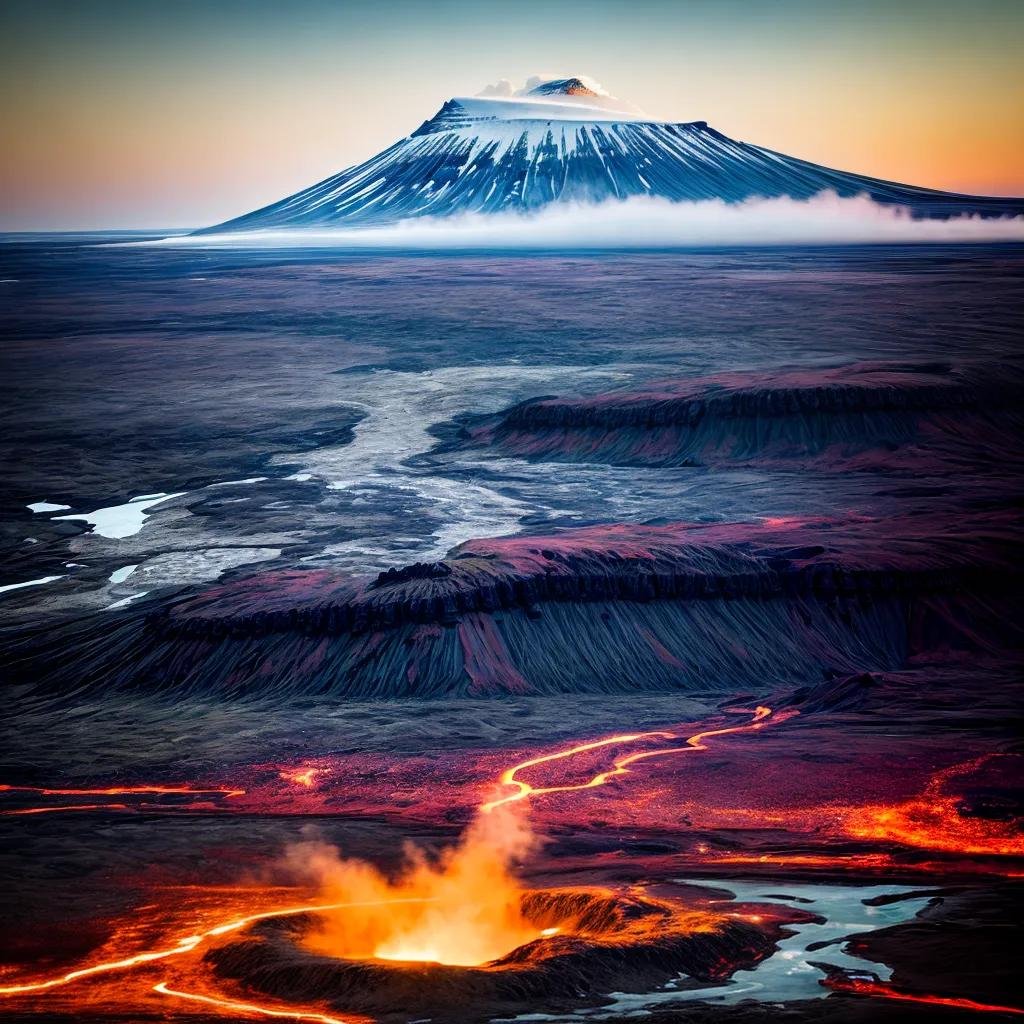
    The country famous for peaceful mountains also built one of the world’s most extensive civil-protection shelter systems.

  • ๐Ÿ‡ฎ๐Ÿ‡ธ Iceland: The Extraordinary Country Where Fire and Ice Exist Together

    ๐Ÿ‡ฎ๐Ÿ‡ธ Iceland: The Extraordinary Country Where Fire and Ice Exist Together

    Imagine a country where massive glaciers, active volcanoes, black-sand beaches, waterfalls, geothermal springs and the Northern Lights can all be found within the same national landscape.

    That country is Iceland.

    Located in the North Atlantic, Iceland is one of the world’s most unusual countries because its landscape is shaped by two powerful forces at the same time: volcanic activity and ice.

    That is why Iceland is often described as the โ€œLand of Fire and Ice.โ€ Its official tourism authority describes it as a country of extreme contrasts, with some of Europe’s largest glaciers and some of the world’s most active volcanoes.


    https://images.openai.com/static-rsc-4/6e_-lHn2ZEE4x7BmSQqGZa6cpdwhMY5hkXwA6q29rTwnodlTLGyA3CQ0EbDJiUyfFPLnJZcvBO_wvy0LwqyT4jrRQYTyay3jH94gs_Kh50t8YpLxmKaDAQ_pkcDNxF59tmQlApgDitjtWyXZ5OMVeNqP0dsiCUWQu-_NGv6Zqo7sKzdv2NkS2vG3c3EFDt0j?purpose=fullsize
    https://images.openai.com/static-rsc-4/uaOBlmkOsAeXPto6ZxHIqQey4pnmZjifX70S840oPbViBPz2pWNqrvKfTf6Yvgq6nsydGz-BXv3RkyCygejMv_ZPNH8Wh7oREZ9oZef02OUt-6xOSWbSM4DXUuIoIdOM98cPe2LtQcLKrZ-SGIQeZxHWpg578Go11fT45LOHzg5mPgfDtwgYtRaTLjW1Tz8H?purpose=fullsize
    https://images.openai.com/static-rsc-4/yG9koEjEjSV4OsL3kZe82GBiaTn34MN6iVPerfCmAh1Jd-3BCt1K_g-9IAWI_tgH7yhNCgrk-r226VjAfVSzsihkEAc9rcm_ibHks2rFFMfBM6CnWFc8ZIownwMjAp7F6EQoElQMMCvvhq5w9JW37fqVHSpTjiUpC7OTP3SDfEjAS6mwtiqeOAahFFQ5s4JI?purpose=fullsize

    ๐ŸŒ‹ Why Is Iceland Called the โ€œLand of Fire and Iceโ€?

    The name sounds almost like something from a fantasy movie, but it describes Iceland’s geology surprisingly well.

    On one side, Iceland has enormous glaciers and ice-covered mountains.

    On the other, it is a highly volcanic country where geothermal heat rises from deep beneath the Earth’s surface.

    Volcanic activity is considered a normal part of life in Iceland, and the country’s geology also provides opportunities for geothermal energy.

    This creates landscapes where black lava fields can exist beside bright glaciers, while hot geothermal water can emerge from the ground in an otherwise freezing environment.

    That extraordinary combination is one of Iceland’s biggest natural attractions.


    ๐ŸงŠ Iceland’s Massive Glaciers

    Although the country’s name suggests ice, Iceland is not completely covered by glaciers.

    However, its glaciers are among its most spectacular natural features.

    One of the best known is:

    Vatnajรถkull

    It is the largest glacier in Iceland and one of the largest in Europe.

    The glacier has shaped the surrounding landscape for thousands of years, creating valleys, rivers, volcanic features and dramatic ice formations.

    Iceland’s official tourism information lists Vatnajรถkull among the country’s UNESCO World Heritage sites.


    https://images.openai.com/static-rsc-4/YCVZGL9c3QqWJ_AHaR8A57tma6Qr43WZwXHTcJc0uIz4o95CdurkX2rpg0sWXjbQPsMtvmQkrUCw19H4qn0r31JRX--PMpITyGgdlY9xUGvZPB-IFR89mQANErYxvSTU-bBZUuT8xhetWpofu_6ahrrRBHjlmoriBwsmg7PWO2_Jc66FD_Aun8KVVK76pF17?purpose=fullsize
    https://images.openai.com/static-rsc-4/DLbs-RnhWL_o5gPs8aVPN7PjEA_KZdlhnyq-wRlzffRPNfVqSkLU-nx14gjXApRYCo8W8uhpUrdxdieqgHpbprvC26YcLFK1FqiQisryX3WoK6r_iK7zSlwxejXr1qGK64MVdyqHhmFKKi9mNajAWQHzMXDf74TUI5DJlhKL7Kfit7yH4vIkzD6lHENlMMcE?purpose=fullsize
    https://images.openai.com/static-rsc-4/712-GEeWQ1JIELWrf0H2z_AmQd-R8LyAJAIKPuOyCvVe9-CPGzxS3iDJ65DU-1NjaScV9Gx3dXuXc3bhs3ImOofV-MEYARqwbAOm7sRiYpOihYCyfr4dy8lR-IpOYMF8hQ74hhjRWqfueoT1_TtxU9QDSWHVJ-59XjYROCM9xbsoQ3K_U9jfNiQep38kNJZq?purpose=fullsize

    ๐Ÿ”ฅ A Country Built by Volcanoes

    Iceland is located in a geologically active region where tectonic forces and volcanic activity have played a major role in creating the island.

    Volcanoes are not simply distant geological features here.

    They are part of Iceland’s living landscape.

    Lava fields, volcanic mountains, craters and geothermal areas can be found in different parts of the country.

    The Reykjanes Peninsula has been particularly active in recent years. Iceland’s official tourism authority reports that the peninsula experienced eight eruptions since 2023, with the latest of those listed there ending on August 5, 2025.

    This is one reason Iceland is fascinating to geologists as well as travellers.


    ๐ŸŒก๏ธ How Can Iceland Be So Hot and So Cold?

    This is perhaps the most interesting contradiction about Iceland.

    The country can have:

    ๐ŸงŠ Glaciers

    and at the same time:

    ๐Ÿ”ฅ Geothermal heat

    Deep underground, heat from the Earth’s interior warms water and rocks.

    That heat can reach the surface through geothermal areas.

    The result is a landscape containing:

    • Hot springs
    • Geysers
    • Geothermal pools
    • Steam vents
    • Volcanic areas

    Iceland has used this natural heat extensively for heating and other purposes, making geothermal energy an important part of its energy story.


    https://images.openai.com/static-rsc-4/qBJo5YfABepx0AZj3A8F4s84D1EQU894gT1HultD4U-yXM5lCScQHsRoqddJyuzEHexc0YViLOMS599Rbggaste7psEWsDBhIbR31h7koJlT45clN_SckS5OBYUupKolapwJmbVVY_-5wQGybvzZkrNeGGBtv1PxakQQGhckepjHnolIar9n776QqZ07resu?purpose=fullsize
    https://images.openai.com/static-rsc-4/Ghx5-ac-iQdpjWU9azFFoiJKY-IX2ghRbWR-s-gTDPSqM1LR6GXa_o0xsnVDDyzuDTclU5qdCrfHg8mwunY7miI6Xtw9BQuFYD7Wn-H8rPSi3l7-f21iZIXheooMOZuT035X6GpdHdoNtGuGin9ED50G0Lih3ElZd95PgF6mEoAgzjVwuwt3PdMAcQo2O4eb?purpose=fullsize
    https://images.openai.com/static-rsc-4/yG7ftCl6dx-X8Bj--LH1tYHjeOgpESWDC-PPBW33rugZrFE1_7_cnaCbca2aLvwE-khS7IVvCj75HY4hG6n6nLOL1To_9HvRoSCrb6KeKXmj2KgIZH3wi6T5Cy77sKg4GahS-2tlU-X3GdfkXEGjjdXubAqcvFVga3IdVhQNt-1_Tr6dN2vlez7pd-oY9-hV?purpose=fullsize

    ๐Ÿ’จ The Country Where Geothermal Energy Is Part of Everyday Life

    In many countries, hot water and heating require large amounts of conventional fuel.

    Iceland’s geology gives it an unusual advantage.

    Geothermal resources provide naturally heated water that can be used for:

    • Heating
    • Bathing
    • Swimming pools
    • Certain industrial uses
    • Electricity generation

    The country’s official tourism authority describes Iceland as having abundant clean, renewable energy because of its distinctive geography and geology.

    This is a fascinating example of how a country’s natural environment can influence its technology and everyday life.


    ๐ŸŒŒ The Northern Lights: Iceland’s Magical Winter Sky

    One of Iceland’s most famous natural attractions is the:

    Aurora Borealis โ€” Northern Lights

    During the darker months, the night sky can sometimes fill with moving colours ranging from green to pink, purple and other shades.

    The phenomenon is caused by interactions between charged particles from the Sun and Earth’s upper atmosphere.

    Iceland’s official tourism information says the Northern Lights season generally runs from September to April, when darkness provides suitable viewing conditions.

    But seeing the Northern Lights is never guaranteed.

    You need a combination of:

    Darkness + suitable weather + solar activity + clear skies.

    That uncertainty is part of the excitement.


    https://images.openai.com/static-rsc-4/oBi3ATQSwIioO2Jh5jUdzGpDZy3u5W91T1YKT4mi8yscbl0MWcr2FXr-yKzVtQC6kwqHB9YeVd077ls3hwAI2U_XraASt4fW70Usc2MKBnxtCItolzJNxNqzID0VPk1ohZVRNUel6AJJ5JRLieLgloKCjMPP2POKbiB4KVMRPlicESzWWFx-QsvEF94PXUJj?purpose=fullsize
    https://images.openai.com/static-rsc-4/n0_AL51bPk81Ma6nH17ayyazcbfRxmf7ds2XBZ41eMqEOouaHyaMFOPIw3-uOAd8R9p9Hq0AgzfPejKCRz7Nxhj6uM_GbG_f7938FAr4a7AR4MBefpgTOERg452n5IxzPzXM55_h4kBgjNE5sK9A0Clo-dc8LrQzmGdX0jmEwM05ZDoIBCBqTvFxo4yPfisU?purpose=fullsize
    https://images.openai.com/static-rsc-4/mN4zaBHx3odV3cZU74yFuuhRs58Fw1WA3eoOEh-vQpah_BK7Y0-IfbmYY9DrAXc1GYpKKPru0Oi0HgYqZb-IU7K_tIAmB3Jq5BkootC74bWIA4WnyY7lxBt1Fx9FW6pM3o5FEpC_qRim6IvR_u5S5SXkRkbVsRmngoFhdLRNQyEXot_Br7SQxSe2OzyFA3ED?purpose=fullsize

    โ˜€๏ธ The Opposite Happens in Summer

    Iceland’s winter darkness has a remarkable opposite.

    During summer, the country experiences extremely long daylight hours.

    Around the period from mid-May to mid-July, the Midnight Sun creates nights that remain unusually bright.

    So Iceland can offer two completely different experiences:

    Winter:

    ๐ŸŒŒ Long darkness and opportunities to see the Northern Lights

    Summer:

    โ˜€๏ธ Extremely long daylight and the Midnight Sun

    This dramatic difference between seasons is one of the country’s most memorable characteristics.


    ๐ŸŒŠ Iceland’s Famous Black-Sand Beaches

    Most people imagine beaches as places covered with golden or white sand.

    Iceland has something very different.

    Some of its beaches are covered with dark volcanic sand.

    The colour comes from volcanic material that has been broken down over time.

    These beaches create a spectacular contrast:

    Black sand + white waves + green cliffs + grey sky

    The result looks almost unreal.

    Iceland’s volcanic geology is therefore visible not only in mountains and lava fields, but also along its coastline.


    https://images.openai.com/static-rsc-4/4nLWAiYtiD5IDCgu7dVurUt2Qku60K-LXPXdutyN8AFm_yTZKjqm_0jxqfx4_GB0yeNaulJwHNWSB2rtg02tLf_YiXEYSeUqkXtAbuOVJ9Kxizz0cXIyMotL2QZYADwOp2ODrajTqs0XGEWa0VnSbe_Vwci6ibZdI_ahNo2P6OeUHP5tptq07z9TsERatlqX?purpose=fullsize
    https://images.openai.com/static-rsc-4/IBZkVd7CatGn0F9J2cJxnEqaZYUwV9IlfZ5VqA0GW_7b2fnyA7ZKXfdsOWqvTVPlKL4DTFU2QvxxWEsE6CENYLx2C676jGxdBeLZivr9W9y6h5zDb5FDz2r8K8DhY-sztFFUhXiNKD6aCLckHLIy1FMYb6mJu8MjVQdC2E6xnETKQ9SQe-ivwbLpA-W57niP?purpose=fullsize
    https://images.openai.com/static-rsc-4/gdBWE8LxsVWBuvzAYUQ20wPhPJ8wF0Ap3y5KHb8t4unc7nqYTNFUdmh807KQzTmKFlJzSpCliVN8GoH1BTUv6WVqP2mIUaFcPM96QRzimN3CGS3o_Bt-xoXFOsXD3neJszZCOGslQyVFuMa7SeIgvjoSElAMVZhxH27pGzmrp4VsCvSYEilQIvDqhHlO4-mE?purpose=fullsize

    ๐Ÿ’ง Waterfalls Everywhere

    Iceland is also famous for spectacular waterfalls.

    Its combination of:

    Glaciers + snow + rainfall + mountains + rivers

    creates ideal conditions for powerful waterfalls.

    Some waterfalls are surrounded by cliffs, while others fall from broad plateaus or narrow valleys.

    Water is one of the most important elements in Iceland’s landscape, and travelling through the country can reveal completely different waterfalls within a relatively short distance.


    ๐Ÿž๏ธ Iceland Is One of the World’s Least-Densely Populated Countries

    Iceland has a very small population compared with the size of its territory.

    At the end of the first quarter of 2026, Statistics Iceland recorded a population of 395,050.

    The country’s official tourism authority describes Iceland as one of the world’s most sparsely populated countries, with almost two-thirds of residents living in the capital area in the southwest.

    That means enormous areas outside the main urban region have relatively few inhabitants.

    For visitors, this creates a remarkable feeling of space.

    You can travel through landscapes where there may be mountains, lava fields, glaciers and oceanโ€”but very few buildings.


    ๐Ÿ™๏ธ Reykjavรญk: A Small Capital With a Big Personality

    Iceland’s capital is:

    Reykjavรญk

    It is the country’s largest urban centre and the heart of its political, cultural and economic life.

    Despite being a capital city, Reykjavรญk is much smaller than the world’s giant metropolitan areas.

    That gives it a distinctive character.

    Visitors can experience:

    • Modern architecture
    • Cafรฉs and restaurants
    • Museums
    • Nordic culture
    • Geothermal swimming pools
    • Easy access to spectacular natural landscapes

    The capital region is home to the majority of Iceland’s population.


    https://images.openai.com/static-rsc-4/2MXKBpzescWqdWBbAlVTSY3DjmIBCkRYuHeC_Y_O1UI7SNa_v52OpZyttbtlcRoLgWQab4NQ3NKVDitECRh_7DUnYueiSdm8ZsB7TscfXdg7GSMULP_6ggIfBrHjvqScFv1hliSd44aKAq516UQEkK5xtjQpm2GVVAedFdYLDvCr08ZcyzRWFC03vQgCmDng?purpose=fullsize
    https://images.openai.com/static-rsc-4/fRpbP59uYpdKn2yP8TDDyFz9TLeAtiZhYy1BPVT8FWNAHmoIYO-bippOEO-S06KigKIVrHwQvXamPhQemLQ2C90MPjz3LvkWs6E0QQRNkDKpslZc7e9EaSdD4nb-7oBlwFU-EBTodhT4z7qZmzdd1xYlxEyCp_2jVa2as4X75eCVW6PqR9wTeQWMdwqGuvST?purpose=fullsize
    https://images.openai.com/static-rsc-4/DGFzcq9yBDutHyM2QuRfVQRDhIWfAmRlXrXHrGzwGzKtnXYAhv77tglOu_4SIblU4KA9mrOZsEvwyRIcW6wFTFycggPHU05iPDTUHyVhGjFTStNPCL65bHcNK5wCocbRXcOWl-yFhfe5ypvtbEzSWZlS-H8ianLUuDrIxn6YLbG_VMQI4cm-qV3jqt3-UhGm?purpose=fullsize

    ๐Ÿงฌ Iceland’s Unique Connection With Nature

    Iceland’s geography has influenced almost every aspect of life.

    The country’s:

    Volcanoes

    created land.

    Glaciers

    shaped valleys and rivers.

    Geothermal heat

    provides energy and hot water.

    Ocean

    supports fishing and coastal communities.

    Long winter darkness

    creates ideal conditions for experiencing the Northern Lights.

    Long summer daylight

    changes the rhythm of everyday life.

    In other words, Iceland’s natural environment isn’t just something people visit.

    Nature is deeply connected to life in Iceland.


    ๐Ÿ‹ Wildlife in Iceland

    Iceland’s waters and coastal environments support a variety of marine life.

    Depending on the region and season, visitors may encounter:

    • Whales
    • Seabirds
    • Puffins
    • Seals
    • Arctic wildlife

    The country’s official tourism resources highlight wildlife experiences such as whale watching and puffin spotting among its attractions.

    The famous Atlantic puffin has also become one of Iceland’s most recognisable wildlife symbols.


    ๐Ÿ›๏ธ A Country With a Viking Heritage

    Iceland’s modern culture is strongly connected to its Norse and Viking-era history.

    The country has preserved a remarkable literary tradition, including the famous Icelandic sagas.

    Its language has also retained many features of Old Norse.

    This means Iceland offers a fascinating combination:

    Ancient heritage + modern society

    Traditional stories and language exist alongside advanced technology, modern infrastructure and contemporary urban life.


    ๐ŸŒ‹ One of the World’s Best Natural Laboratories

    For scientists, Iceland is more than a beautiful tourist destination.

    It is a natural laboratory for studying:

    • Volcanic activity
    • Earthquakes
    • Glaciers
    • Geothermal systems
    • Plate tectonics
    • Climate change
    • Renewable energy

    The country’s unusual geology makes it particularly valuable for understanding how Earth’s natural systems work.


    ๐ŸŒ Why Is Iceland So Special?

    Many countries have mountains.

    Many have glaciers.

    Many have beaches.

    Many have volcanoes.

    But Iceland brings an extraordinary number of these features together in one relatively small country.

    You can experience:

    ๐ŸŒ‹ Volcanoes

    ๐ŸงŠ Glaciers

    ๐ŸŒŒ Northern Lights

    โ˜€๏ธ Midnight Sun

    ๐Ÿ’จ Geothermal areas

    ๐ŸŒŠ Waterfalls

    ๐Ÿ–ค Black-sand beaches

    ๐Ÿ‹ Marine wildlife

    ๐Ÿ”๏ธ Dramatic mountains

    all within the same island nation.

    That combination is what makes Iceland genuinely unique.


    ๐Ÿคฏ 10 Amazing Facts About Iceland

    1๏ธโƒฃ Iceland is widely known as the Land of Fire and Ice.

    2๏ธโƒฃ It has both major glaciers and active volcanic areas.

    3๏ธโƒฃ The country has extensive geothermal resources.

    4๏ธโƒฃ The Northern Lights can be seen during suitable dark and clear conditions, generally from September to April.

    5๏ธโƒฃ The Midnight Sun creates exceptionally long daylight periods around summer.

    6๏ธโƒฃ Iceland has dramatic black-sand volcanic beaches.

    7๏ธโƒฃ Its population was 395,050 at the end of Q1 2026.

    8๏ธโƒฃ Almost two-thirds of its population lives in the capital region.

    9๏ธโƒฃ The Reykjanes Peninsula has experienced repeated volcanic eruptions in recent years.

    ๐Ÿ”Ÿ Iceland’s geology provides abundant renewable geothermal and hydropower resources.


    ๐Ÿ‡ฎ๐Ÿ‡ธ The Real Story Behind Iceland

    Iceland is much more than a beautiful travel destination.

    It is a country where Earth’s most powerful natural forces are visible almost everywhere.

    Fire rises from beneath the ground.

    Ice covers enormous areas.

    Waterfalls cut through valleys.

    Geothermal heat creates warm water.

    The ocean surrounds the country.

    And during the right winter night, the sky can suddenly come alive with the Northern Lights.

    That combination makes Iceland one of the most extraordinary natural environments on Earth.

    ๐ŸŒ‹๐ŸงŠ Iceland proves that sometimes the most fascinating countries are the ones where nature itself becomes the main attraction.

  • ๐Ÿ‡ง๐Ÿ‡น Bhutan: The Country That Measures Progress Beyond Money

    ๐Ÿ‡ง๐Ÿ‡น Bhutan: The Country That Measures Progress Beyond Money

    A Fascinating Look at Gross National Happiness, Forest Protection and a Unique Way of Development

    When people think about the progress of a country, they usually think about GDP, income, industries, roads, technology and economic growth.

    But there is a small Himalayan country that became famous for asking a different question:

    โ€œIs economic growth enough to make a country truly successful?โ€

    That country is Bhutan.

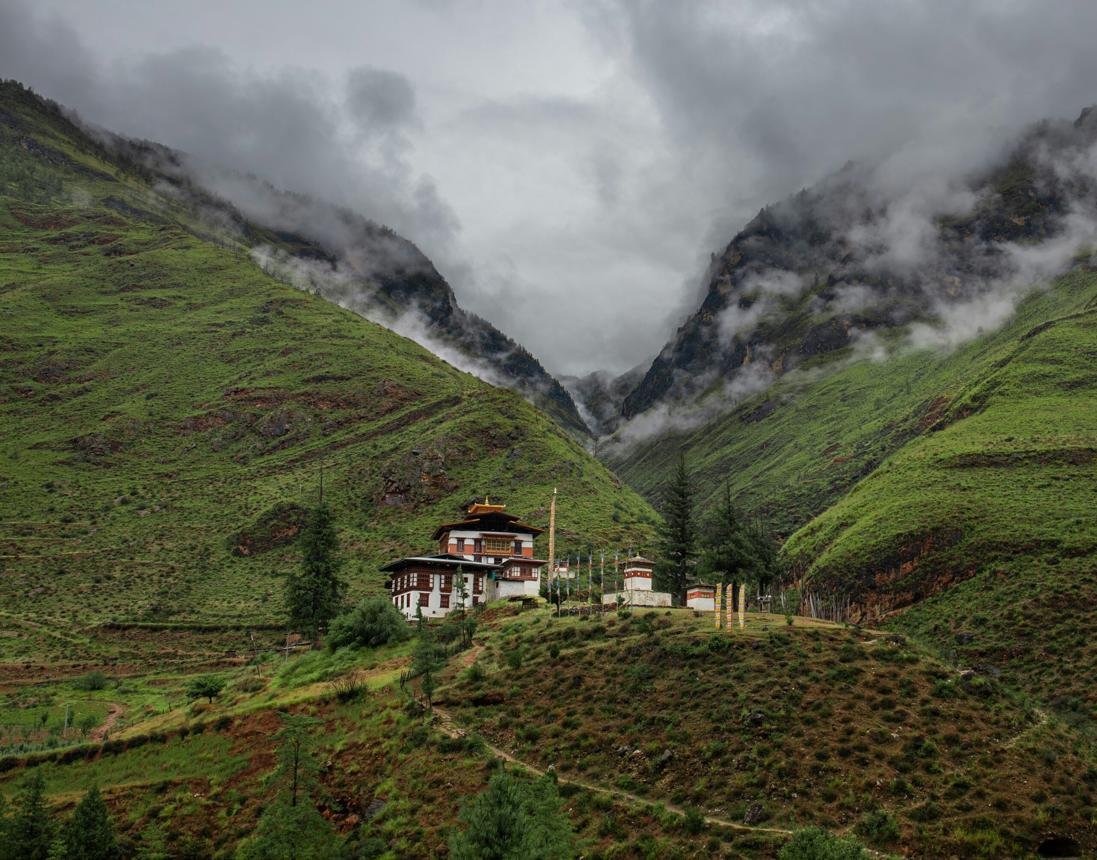
    Nestled between India and China in the eastern Himalayas, Bhutan is known for its mountains, monasteries, forests and distinctive cultural traditions. But one of its most remarkable features is its approach to national development.

    Instead of treating economic growth as the only measure of progress, Bhutan developed the philosophy of Gross National Happiness (GNH).

    And the story behind it is far more interesting than the name suggests.

    https://images.openai.com/static-rsc-4/HP8FZ3yiyvh4s939brOeVufI8BQkPOs2NF13VaJAbhG3EC4iVffvcAaWSPkYYTCHN6bMqtgPOjOFay-fDCwxKmfym0Dc2-ekYDo-QRUxBZm4zXtCtRxw75CyeJB0u8AkJlCV519gKFuVL9LTZ_y2MoKyGYGzRb3SBO2-H_LG2fI4Itz4RTSNMe2dtAATTOAP?purpose=fullsize
    https://images.openai.com/static-rsc-4/suTSYxzKeDnv0UvmVnd0jKqzIuvGl2ywj7CrkWppmH9fOCG1r7Va2kLPnE5X-K46AXQbiMLYHDtjshUZ-yXrj0hdjgAaLJiaUwTDpVCZ5elT31iUddsoru6hBL0b0-NTTP11XOOnRLysPdRIlaCS2IDV9Dall77jqAHrSp96wrf0EGFYnhY385RXGWaaD3Q4?purpose=fullsize
    https://images.openai.com/static-rsc-4/oQDRlqbnWs0FX358uavhI1aYBrjN2qwN4Q3dHzaSHNCS7T0EUG6u-Dt_tzo10wKGHeCm4XyirihbrvHGnd_7Ot2SvXDty3fmGPoSP2E4wD-5UC7Bmt2hZ2LQLeCPaCmk10okReqnK-JKbS_VA4nPzhS09StVK1JtnywN6xbPtBAuvUTUkHXE6sCMhuO4qDmr?purpose=fullsize

    ๐Ÿ”๏ธ Where Is Bhutan?

    Bhutan is a landlocked Himalayan kingdom located between India and China.

    Its landscape is dominated by:

    • High mountains
    • Deep valleys
    • Forests
    • Rivers
    • Traditional Buddhist architecture
    • Small towns and settlements

    The country’s geography has played an important role in shaping its culture and development.

    Its mountainous terrain also means that protecting forests, water resources and biodiversity is especially important.

    Bhutan’s government has therefore made environmental conservation a central part of its national development philosophy.


    ๐Ÿ˜Š What Is Gross National Happiness?

    The most famous idea associated with Bhutan is:

    Gross National Happiness โ€” GNH

    The concept was developed under the leadership of King Jigme Singye Wangchuck, Bhutan’s Fourth King, in the 1970s.

    The basic idea is that economic development should improve people’s overall quality of life, rather than focusing only on increasing national income.

    Bhutan’s official description of GNH presents it as a holistic development approach involving people’s well-being, culture, environment and good governance.

    This does not mean that Bhutan ignores money or economic development.

    Instead, the philosophy attempts to balance economic development with other aspects of life.


    ๐ŸŒฑ The Four Pillars of Gross National Happiness

    Bhutan’s GNH philosophy is traditionally organised around four major pillars.

    1. Sustainable and Equitable Socio-Economic Development

    Economic development matters, but the emphasis is on making development sustainable and beneficial to society.

    2. Environmental Conservation

    Bhutan gives extraordinary importance to forests, biodiversity and ecological protection.

    3. Preservation and Promotion of Culture

    Traditional culture, heritage and identity are considered important parts of national well-being.

    4. Good Governance

    The quality of government and institutions is also considered part of people’s overall well-being.

    These four pillars are further developed into areas including health, education, psychological well-being, living standards, community vitality, culture, governance, ecological integration and balanced use of time.

    https://images.openai.com/static-rsc-4/jTsedG1or7OSRL3SPRHEZIXUdMiY6Zkopv5nQw6SO28bfJSRm2LOV7Xf9LgQMiHYvrNyGILyXW4I3Ys1jSW2JbwaoU7HTPifCGFpEj4H_GMVIm9Xm9Hp6hykL5izL7udifCRvRJQSgAqWds5PWTuvuW_IGAJFKAgxC-HI6baQl-ce1taIQwyY7gFG8qwpfes?purpose=fullsize
    https://images.openai.com/static-rsc-4/mrhy8_FyaGJX8SAAEx9JB6_wmAtXesxefxinQlcR4QrDhsQZBO-ZIMYHjZRXM2YE2YIqGtZAO-0RZfi_LTPe4D7TLxblv5z5BGKbQ7Iukk9MxAOOvkaEFNzOmGJBfmQQLF6F3XsOcnDBhezfZiS6WjrR57xKGDsS9aES6DzGuCzbdZ4wmuD9zIgXkx42Mhx_?purpose=fullsize
    https://images.openai.com/static-rsc-4/52hgskMwkLnGzqr00xv1x93fRJBH0sCvICNbeRx-oyiywC2vCTZfQdQlZ-aO3SzRNTCMKYYRT7F36yIxQB9B75gED-0hGOyurRoQ-FRBSXYP3CHZ9eXlDHVGdR98769-2LXuNy-WlrQTp69cKL4Gl04vvVV5CoUFkWNjGJPDRiiKBF8wcqOSKuPQekoq-Nam?purpose=fullsize

    ๐Ÿ“Š Does Bhutan Actually Measure Happiness?

    This is where the story becomes particularly interesting.

    GNH is not simply a slogan saying:

    โ€œBhutanese people are happy.โ€

    Bhutan developed a framework containing multiple indicators to examine different dimensions of people’s lives.

    The official GNH framework has included nine domains, 38 sub-indexes, 72 indicators and 151 variables.

    These areas cover subjects such as:

    • Psychological well-being
    • Living standards
    • Health
    • Education
    • Time use
    • Cultural diversity
    • Community vitality
    • Good governance
    • Ecological conditions

    So the idea is much broader than asking someone a simple question such as:

    โ€œAre you happy?โ€


    ๐ŸŒณ Bhutan’s Extraordinary Forest Commitment

    Bhutan has another remarkable feature that makes it stand out internationally.

    Its Constitution requires the country to maintain at least 60% of its total land area under forest cover for all time.

    This is not merely an environmental target written in a government plan.

    It is a constitutional requirement.

    Bhutan’s Department of Forests and Park Services currently reports forest cover of about 70.45%, with an additional 10.43% under shrubs, while 51.34% of the country’s total area is under protected-area management.

    That makes Bhutan’s environmental policy one of the country’s most distinctive characteristics.


    ๐ŸŒ A Country That Wants to Remain Carbon Negative

    Bhutan has also made strong climate commitments.

    Its forests absorb significant amounts of carbon dioxide, and Bhutan has repeatedly committed itself to remaining carbon neutral.

    Government environmental documents describe Bhutan as a net carbon sink, meaning its ecosystems absorb more carbon than the country emits overall.

    This is especially remarkable because Bhutan is a small developing country with a relatively modest industrial base.

    Its environmental strategy demonstrates that economic development and environmental protection do not necessarily have to be treated as complete opposites.


    https://images.openai.com/static-rsc-4/0FZnzZbkFg35cIZX1TFOp5ZFoMWvaf4uT3_Ny3P5EVnZhZUmCHYMLoh5b5Zqn-5w0rXmHxkLWUeD2PUHMJZHZyZzJkaUrf29PHbrfl7JR6RzS9ar2C6jitt2Wpzds0RlH0_2yMPwq27lzShzarDi238iAYgptG7JSg_wvxTi3I2u5WuyfAig0UriJNXNIruy?purpose=fullsize
    https://images.openai.com/static-rsc-4/r4MN5WEQVwwwlof3MnhWmDZ4zGhUOfdQFOFpUQ0Hz-45hyL8XMuZ8QwEH_TSJt2SMXM8Msv-1HzwMXHJ0pM3PcaZk9IcHKPDolQ-HBk5NqMS_5nkFIDJU2tUSA_6ikn3qbXvVGN6VDFl-hy9k0Rk6cc_YMs3_T1ljVAUA6bnoHXgOmg7Aj2uwvxKkZA22Wqw?purpose=fullsize
    https://images.openai.com/static-rsc-4/z_hNJlyH-HF5aRwLbXnEqlIXPBgCpFfBWTtNJUKARqZjFAb_lEql6F9uRawsq1RX0rOu6OHlHlH40t3KLKSItjR0SjORH1OobmqrBN74mxMIqxtGjJAHYXXc8xKnZzZxjrQFtSN_dd128gK4kroPEo_wh_75OAzTeH5yt-wMdIlaLk_ETXdrokgalANjrr7F?purpose=fullsize

    ๐Ÿฏ Why Are Bhutan’s Forests So Important?

    Bhutan’s forests are not valuable only because they look beautiful.

    They provide:

    • Wildlife habitat
    • Clean water
    • Protection against soil erosion
    • Carbon storage
    • Biodiversity
    • Natural resources
    • Ecosystem services for communities

    The country’s protected-area network includes national parks, wildlife sanctuaries, nature reserves and biological corridors.

    This approach has helped Bhutan maintain important habitats across its mountainous landscape.


    ๐Ÿ›• Culture Is Another Part of Development

    Bhutan has carefully preserved many aspects of its traditional identity.

    Visitors often notice:

    • Dzongs
    • Buddhist monasteries
    • Traditional buildings
    • Religious festivals
    • Traditional clothing
    • Local crafts
    • Himalayan customs

    Bhutan’s approach is unusual because cultural preservation is not treated merely as a tourism product.

    It is considered part of national identity and well-being.

    That is why modern development in Bhutan often exists alongside centuries-old cultural traditions.


    โšก Bhutan’s Economy Is Not Based Only on Happiness

    It is important not to misunderstand the GNH philosophy.

    Bhutan still needs:

    Jobs + Income + Infrastructure + Education + Healthcare + Investment + Economic Growth

    One of the country’s economically important sectors has historically been hydropower.

    Bhutan’s mountainous terrain gives it significant hydropower potential, and electricity has become an important part of its economic relationship with neighbouring India.

    Bhutan’s government also identifies hydropower as a major component of its development strategy.


    ๐Ÿ‡ฎ๐Ÿ‡ณ Bhutan and India: A Special Relationship

    Bhutan shares a long border with India and has strong economic, cultural and diplomatic connections with its larger neighbour.

    India has been an important partner in areas including:

    • Hydropower
    • Infrastructure
    • Trade
    • Education
    • Development cooperation
    • Connectivity

    For Bhutan, cooperation with India is particularly significant because of its geography and landlocked position.


    ๐Ÿš€ Bhutan Is Also Changing

    It would be wrong to imagine Bhutan as a country frozen in the past.

    The country is developing modern infrastructure, expanding digital services and looking for new economic opportunities.

    One of the major current initiatives is Gelephu Mindfulness City, which the Bhutanese government describes as a transformative development initiative.

    The 2026 State of the Nation report highlighted Gelephu Mindfulness City alongside initiatives such as the 21st Century Economic Roadmap.

    This shows that Bhutan is attempting to combine:

    Tradition + Technology + Economic Development + Well-being

    rather than choosing only one of them.


    ๐Ÿ™๏ธ Can Other Countries Copy Bhutan’s Happiness Model?

    This is a difficult question.

    Bhutan’s approach was developed within a particular:

    • Cultural environment
    • Geographic setting
    • Political history
    • Economic structure
    • Religious tradition
    • Population size

    Therefore, another country cannot simply copy Bhutan’s model and expect exactly the same results.

    But the underlying question is universal:

    Should a country’s success be measured only by how much money it produces?

    That is the question Bhutan has encouraged the world to discuss.


    ๐Ÿค” Is Bhutan Really the โ€œHappiest Country in the Worldโ€?

    This is one of the biggest misconceptions about Bhutan.

    You may see headlines saying:

    โ€œBhutan is the world’s happiest country.โ€

    But that statement is too simplistic.

    Gross National Happiness is Bhutan’s development philosophy.

    It is not the same thing as saying that Bhutan ranks first in every international happiness survey.

    A country can use GNH as a policy framework without automatically being No. 1 in every global happiness ranking.

    This distinction is important for accurate reporting.


    ๐ŸŒŸ Why Is Bhutan So Interesting?

    Bhutan is fascinating because it challenges some assumptions about what development should look like.

    A country can ask:

    How much did our economy grow?

    But Bhutan also asks:

    How are our people living?

    Is our environment healthy?

    Are we preserving our culture?

    Is development sustainable?

    Is government serving society effectively?

    These questions make Bhutan’s development philosophy unusual in the modern world.


    ๐Ÿ“Œ 10 Fascinating Facts About Bhutan

    1๏ธโƒฃ Bhutan is a Himalayan kingdom between India and China.

    2๏ธโƒฃ It developed the philosophy of Gross National Happiness.

    3๏ธโƒฃ GNH considers more than economic output.

    4๏ธโƒฃ Bhutan’s Constitution requires at least 60% forest cover to be maintained permanently.

    5๏ธโƒฃ The country’s current forest cover is reported at about 70.45% by Bhutan’s forestry authorities.

    6๏ธโƒฃ More than half of Bhutan’s territory is under protected-area management, according to its forestry authorities.

    7๏ธโƒฃ Hydropower is an important part of the country’s economy.

    8๏ธโƒฃ Bhutan places strong emphasis on preserving its cultural heritage.

    9๏ธโƒฃ Bhutan has committed to maintaining carbon neutrality.

    ๐Ÿ”Ÿ The country is now pursuing new economic and urban-development initiatives while retaining its GNH philosophy.


    ๐Ÿ‡ง๐Ÿ‡น The Real Lesson From Bhutan

    Bhutan’s greatest uniqueness may not be its mountains, monasteries or forests.

    It may be the question it asks about development.

    For decades, the world has often measured national success through:

    GDP + Income + Production + Economic Growth

    Bhutan added another dimension:

    Well-being + Culture + Environment + Good Governance

    It does not mean economic growth is unimportant.

    Instead, Bhutan’s philosophy argues that economic development should serve human well-being rather than becoming the only definition of progress.

    That idea is what made this small Himalayan country famous far beyond its borders.

    ๐ŸŒ Bhutan may be small on the world map, but its question is enormous:

    โ€œWhat does it really mean for a country to develop?โ€

    And that is precisely why Bhutan deserves a special place in any World Information collection.

  • ๐Ÿ‡ฏ๐Ÿ‡ต Japanโ€™s โ€œBlueโ€ Traffic Lights: Why Does Japan Call Green โ€œBlueโ€?

    ๐Ÿ‡ฏ๐Ÿ‡ต Japanโ€™s โ€œBlueโ€ Traffic Lights: Why Does Japan Call Green โ€œBlueโ€?

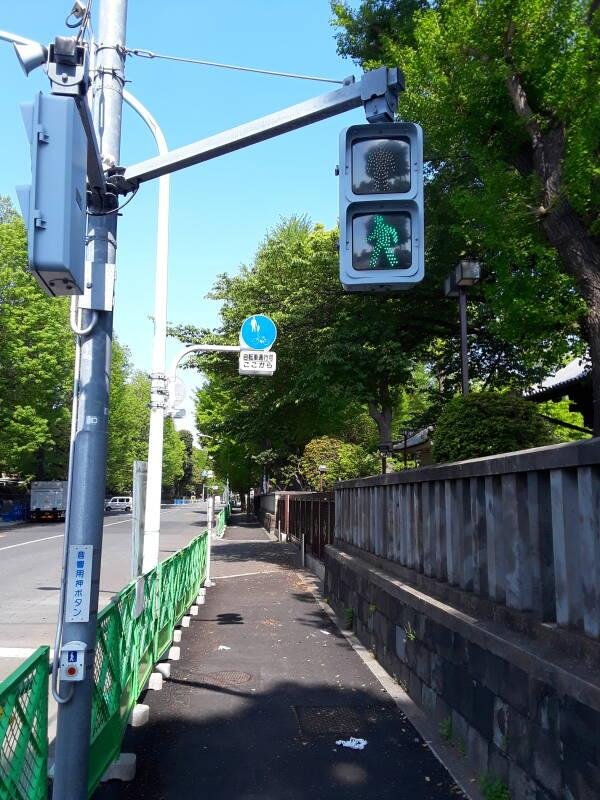
    If you look at a traffic signal in Japan, you may notice something surprising.

    The light that most of the world calls green is commonly referred to in Japanese as โ€œaoโ€ (้’) โ€” a word usually translated as blue.

    So, does Japan really have blue traffic lights?

    The answer is much more interesting than a simple yes or no.


    https://images.openai.com/static-rsc-4/zTN_tVkHPGIoCrA_NbZ6OeMlq_4RJnwKLjVVVMhRzy40k9_MNVbRXZyR9grY-vM0JxCcxtF1Xq0kAUpbACBpScX4-K3HLVZsQMscyA7K94RaJwlLZn9WFdmPP7hUok43ODNgw4tsPEUUuCZf2lPtngeo9k209ZgpQlVxkqMAALW26W4OH1Bgg3jktkb0i057?purpose=fullsize
    https://images.openai.com/static-rsc-4/zgRP2wrx_n10qkDEMafkPaa9ZmQXRnL4VAmaki55W0cNauY41Q2e-NE3JeoXrgSfoVebY-BKsxES68yu1YXNg3ZSLpnd-zbZcZzSDVy5lvDQnjzGc4JqqD1yGBwgNJ8EOqLfuVZD_fXQeauhz4uuEU3s9LmPRvE_RwFbWWMnzj_-F3Mg4KV9B-4w1k4BY8ZM?purpose=fullsize
    https://images.openai.com/static-rsc-4/ux0RUWssDzQYU76wy7p5YvSrYJWpVWlqSmiLPj65xB7n84tdTVbqg09ShsyLquHu_g7xR7Yu7Hq7Z1MvHUha1dOIin0jgWrGz5vCK3FSx_7UqdUuAz2PATjJ3VCY076gi7O9n9AbHaxhijXgP7iwIbXxxmjDtlGGXqiL3DDJpAdHIsexhzLp4ThODbPPglc6?purpose=fullsize

    ๐Ÿšฆ A Green Light That Is Called โ€œBlueโ€

    In English, traffic signals are normally described as:

    Red โ†’ Yellow โ†’ Green

    But in Japan, the green signal is traditionally called:

    ้’ไฟกๅท (Ao-shingล)

    Here, ao means blue, while shingล means signal.

    So, literally, ao-shingล means โ€œblue signal.โ€

    For someone visiting Japan for the first time, this can sound strange. After all, the signal looks green to most people.

    But the explanation goes back much further than modern traffic lights.

    It is connected to the history of the Japanese language and the way colour words developed over centuries.


    ๐ŸŽจ The Japanese Words โ€œAoโ€ and โ€œMidoriโ€

    Modern Japanese has a commonly used word for green:

    Midori (็ท‘)

    It is used for many things we would clearly describe as green, including vegetation and other green objects.

    There is also:

    Ao (้’)

    which is normally associated with blue.

    However, historically, ao covered a broader range of colours than the modern English word โ€œblue.โ€

    It could be used for colours that were blue, blue-green or vividly green in particular contexts.

    This is why some traditional Japanese expressions can sound unusual when translated directly into English.

    For example, Japanese still has familiar words and expressions containing ao that refer to things that appear green to English speakers.

    https://images.openai.com/static-rsc-4/IWp6obnySbmK1vyoh3Ut5OyU6pT3qQ57UUX5SBaftVXmBBTyV04Xf8Cfs86QWwISBx0gaIU1PNFfuDNp-X5E5SSNiKxq6cE9HsngJ7oV53C4X-HQMHYR-TWjbmDLnlMj_Jb49k14qIwgYl16l6JrdG6WYN_1rueD55AV0Hu7O2b6zlB89CVqQSI1MtLtB1KM?purpose=fullsize
    https://images.openai.com/static-rsc-4/ZQgXI3LdGjK0G_lDL9twUvs9i2TrC_X37EV7GeasYKQIHj5Wnqjne7w29nQ6MsHftZIyS_Bef9xc-b-MLOnFvrZsWXK6Ti1vkXvxy3U2wFUHlTQUPPHRQz73sgh5MVcFwc2aJkjxwSzuZQGJDvrhEm5Z8Q7_QHMLvZ1nYBuj0lN_qngHGaEYPPVBggeg5ajx?purpose=fullsize
    https://images.openai.com/static-rsc-4/umG8g0R63lwAarqyLa8DXyk6sJgACirfhdLaq1jZD_5lGiNY5AprPRUiqv6jd2MLOfc_ieUOnOOUS6hOJ24pNYo-mlJ8HH25j-d2GSfoYZiYJKzqeizN2hiTBbTxCDGLadepRjUjFdlGIux2v7VqRZJN8-O1rbEcttgJ8YzapKYc3ZD0-uuoAzCOM249jbLQ?purpose=fullsize

    ๐Ÿ“œ The Story Goes Back Centuries

    The unusual use of ao is not something that was invented for traffic signals.

    The word has a very long history in Japanese.

    Historically, Japanese colour terminology did not always divide the visible colour spectrum into exactly the same categories used in modern English.

    Over time, midori became strongly associated with green, especially natural greenery.

    But ao continued to survive in older expressions and everyday language.

    That history eventually became connected to one of the world’s most recognisable road signals.


    ๐Ÿšฅ When Did Japan Get Traffic Lights?

    Japan’s first electric traffic light was installed in Hibiya, Tokyo, in 1930.

    It was imported from the United States and used the familiar three-colour system.

    Interestingly, the original Japanese legislation referred to the โ€œgoโ€ colour as midori, meaning green.

    But ordinary people continued to call the signal ao.

    The popular terminology eventually became so established that in 1947, ao-shingล was adopted in Japanese law as the official name for the โ€œgoโ€ signal.

    That means the strange-sounding expression has a genuine historical and legal background.


    ๐Ÿ’š So, Is Japanโ€™s Traffic Light Actually Blue?

    Not exactly.

    Japanese traffic signals generally serve the same three basic functions as traffic signals elsewhere:

    ๐Ÿ”ด Red โ€” Stop

    ๐ŸŸก Yellow โ€” Caution

    ๐ŸŸข Green โ€” Go

    The โ€œblueโ€ mystery is mainly about the name, not about Japan changing the basic meaning of the signal.

    However, there is another interesting detail.

    Some Japanese green traffic signals can appear somewhat blue-green or cyan rather than the deeper green many people expect.

    This helps explain why the traditional terminology does not always feel completely disconnected from what people see.

    But the main reason remains language and history, not a completely different traffic-light system.


    https://images.openai.com/static-rsc-4/COC12_VbQeZk0tVsCU7c5GMN-IN7uRQpBASSiBBdBC4L1Cc_xpFv7T0XmLTwPOof0KS5zcFNTXjp5R3o1jn0GR30SK6bwvnYqt4ln5h24ARrC5axxrFt2tEbiM0iZQv3efIlk4t158GnHBt6A6yyAw_btAIdzLnYznw4lr7LtwtBqrWsEtbrM3x3zTkkIukN?purpose=fullsize
    https://images.openai.com/static-rsc-4/JOfOuq8Lgce1A5Utn-5rnZRphIG8I8XiAIEz9Oifuv6eknQFwWshdpL_LII9C6fX4AuHJ3iz_fG3Qtlbjrm66vQUiSF7PSgJUPMOAyBTaH1uh-gOsOhQZnkv10RI9IniCHMGTdRnsZJJuDFH4KxwcF8Nc3Y6gWBDcta0SyN6TAlCgx5nQ-q3ZUftC47rM7eZ?purpose=fullsize
    https://images.openai.com/static-rsc-4/Ie9wT0sWFCF72_r_O7S2v6R_i0tBzD4qI5J3kqxfbD3MkmExtd9-P5LaqqbtrlfjMxp2KMbcsWUEKwHXVa83s5LgWfX298pYrfXvn-miYUiSNVxd899nAmvMTtAFOMatlXU_d38wJasrHfe2hZfdme_0W1ZMcARItbn6Fr1VsANpLPgKyWLRFsOQnMkeU-UX?purpose=fullsize

    ๐Ÿ’ก Why Do Some Japanese Signals Look Blue-Green?

    Modern LED technology has made traffic signals brighter and more precisely controlled.

    Japan has also played an important role in LED technology. Japanese researchers Akasaki Isamu, Amano Hiroshi and Nakamura Shuji were awarded the 2014 Nobel Prize in Physics for work related to efficient blue LEDs. Blue LEDs later became important in displays, lighting and traffic signals.

    But it would be incorrect to say that Japan uses blue traffic lights simply because of blue-LED technology.

    The name โ€œao-shingลโ€ existed long before modern LED traffic signals.

    The language came first; the technology came later.


    ๐Ÿ—ฃ๏ธ Why Didnโ€™t Japan Simply Change the Name to โ€œMidoriโ€?

    This is where language becomes fascinating.

    Once a word becomes deeply established in everyday speech, changing it can be surprisingly difficult.

    Millions of people already understood ao-shingล to mean the signal that tells traffic it can proceed.

    Changing the name would create little practical benefit while breaking a familiar linguistic tradition.

    In 1947, the term was officially incorporated into Japanese law, helping preserve the expression.

    So today, Japanese speakers can understand:

    Ao = traditionally blue, but also used in certain green-related expressions

    and

    Midori = modern word strongly associated with green

    without seeing this as the contradiction it may appear to be to an English speaker.


    ๐ŸŒฟ This Is Not the Only Japanese โ€œBlue-Greenโ€ Mystery

    The relationship between ao and green appears in other Japanese vocabulary too.

    For example, expressions involving fresh foliage and green vegetables can use ao.

    One famous example is:

    Aoba (้’่‘‰)

    which refers to fresh green leaves.

    Another is:

    Aomame (้’่ฑ†)

    used for green soybeans.

    These expressions show that the historical meaning of ao was broader than the modern English definition of โ€œblue.โ€


    ๐Ÿ—ป Even โ€œAomoriโ€ Has an Interesting Connection

    Japan’s Aomori Prefecture provides another interesting example of the old association.

    The name Aomori is commonly explained as referring historically to green vegetation or trees associated with the area.

    The exact historical interpretation of place names can be complex, but it provides another illustration of how ao has long been connected with the natural world and greenery in Japanese language and culture.


    https://images.openai.com/static-rsc-4/Mkdg3_7WmSH3RyYyibD9LKsdL9R_RJA8m5Dv_dX2hO6fOUNayErFGPcRmQ5H3vR4EsrK37BsLi8fRkRD4-dZF5btmV5FSgrMhFR55eqUkdkGsINJ_x416k7s0nlkVSb7ugen_ZOVlPf7d3V1Yg3JkizGfc8fnj_j2gun1XAhbTeHh_g9fSCjuah8IRXOi-q5?purpose=fullsize
    https://images.openai.com/static-rsc-4/moEDDsw3apiFAkFGNDapqdLcRlTc2-RMo_CO1v01NR40ipzlvGMzPndeQhu5f9ztGPxRvh2I8jNIEQoCJUMgqRGS653wroMolkZmWF-zxAIsPmiUNx7oQoVoxnccoSTem2c3qEZyaFvumQVyK1lWd6lU2_IeDBlDxU_OVOySXgyKsIIej61lCdKVHQPAKMmh?purpose=fullsize
    https://images.openai.com/static-rsc-4/y4QLSIa3ndYO_XwqbhE4M1R_eEzu24rcjwtPghgHMrRQTnr3zy-0G3I770PfVePeU0-xG4nf3YB8phdvjIT-q8ZYuF-njZ9ef9XiUDqo5LlbQiHuP957EWFDqtvjHC0Ewq3OB07X9GhNhP0aVgIOZIi0AXOtnIGQhOa5ysqn99XxIWXc57M79QC4NhdGJbRg?purpose=fullsize

    ๐ŸŒ What Does This Teach Us About Language?

    The Japanese traffic-light story demonstrates something important:

    Colours are not understood through exactly the same linguistic categories in every culture.

    We often assume that colours have universal names.

    Red is red.

    Blue is blue.

    Green is green.

    But languages divide and describe colours differently.

    A word that traditionally covers a wider range of shades in one language may have a much narrower translation in another.

    That is why translating ao = blue and stopping there can create a misleading impression.

    Language is not simply a dictionary of one-to-one replacements.

    It carries history, culture and everyday habits.


    ๐Ÿคฏ Why Does This Fact Surprise Tourists?

    Imagine learning Japanese and memorising:

    Midori = Green

    Ao = Blue

    Then you arrive in Tokyo and see a green traffic signal.

    Someone tells you:

    โ€œAo-shingล.โ€

    You might immediately think:

    โ€œWaitโ€ฆ isn’t that green?โ€

    That moment is exactly what makes this one of Japan’s most fascinating everyday cultural facts.

    It looks like a simple traffic signal.

    But behind it are:

    Language + History + Culture + Technology


    ๐Ÿ‡ฏ๐Ÿ‡ต Japanโ€™s Traffic Lights Are a Lesson in Cultural Differences

    Japan is known for its advanced technology, extremely organised transport systems and attention to detail.

    Yet this particular curiosity has nothing to do with Japan being technologically different.

    Instead, it shows how an old linguistic tradition can survive inside a modern technological system.

    A traffic light introduced in the early twentieth century became part of a language tradition that was already centuries old.

    That combination makes the Japanese ao-shingล story particularly fascinating.


    ๐Ÿ” Quick Facts About Japanโ€™s โ€œBlueโ€ Traffic Light

    QuestionAnswer
    What does ao usually mean?Blue, but historically it can cover blue-green/green shades
    What does midori mean?Green
    What is a Japanese green traffic signal called?Ao-shingล (้’ไฟกๅท)
    When was Japan’s first electric traffic light installed?1930
    Where?Hibiya, Tokyo
    When was ao-shingล adopted in law?1947
    Does โ€œblue signalโ€ mean the light is literally blue?No
    Why is it called blue?Historical Japanese colour terminology and established usage

    The historical details above are documented in research on Japanese colour terminology and the history of the traffic signal term.


    ๐ŸŒŸ The Fascinating Conclusion

    Japan’s so-called โ€œblue traffic lightsโ€ are not really a story about a country using a completely different traffic system.

    They are a story about how language survives through time.

    A colour word that once covered a wider range of shades remained part of everyday Japanese vocabulary. When traffic lights arrived, people used the familiar word ao for the green โ€œgoโ€ signal. Eventually, ao-shingล became officially established.

    So the next time you see a Japanese traffic signal described as blue, remember:

    ๐Ÿ’™ It is not simply a mistake in translation.

    ๐Ÿ’š It is a piece of Japanese linguistic history.

    And that is what makes an ordinary traffic light one of the most interesting little cultural mysteries in Japan.

  • ๐Ÿ‡ฎ๐Ÿ‡ณ Indiaโ€™s Globally Recognised Private-Sector Companies

    ๐Ÿ‡ฎ๐Ÿ‡ณ Indiaโ€™s Globally Recognised Private-Sector Companies

    Their Global Position, Growth Story, Brand Value & International Recognition

    India is no longer known globally only for its large population or fast-growing economy. In the last few decades, Indian businesses have built strong positions in technology, telecom, automobiles, banking, energy, infrastructure, retail and manufacturing.

    Today, several Indian private-sector companies and business groups compete with some of the world’s best-known brands.

    A good indication of this growing influence comes from Brand Finance’s India 100 2026 report. The combined brand value of India’s top 100 brands reached US$252.8 billion, up 7% year-on-year. Tata remained India’s most valuable brand, while Indian companies continued to strengthen their positions in global sector rankings.

    Important note: In this article, โ€œprivate companiesโ€ means private-sector Indian companies/business groups, not necessarily unlisted companies. Also, the โ€œratingโ€ mentioned below refers mainly to Brand Finance brand-strength ratings, not credit ratings.


    ๐Ÿ† 1. Tata Group

    India’s most valuable brand

    The Tata Group is arguably India’s best-known corporate name internationally. Its businesses span:

    • Technology
    • Automobiles
    • Steel
    • Aviation
    • Hotels
    • Consumer products
    • Jewellery
    • Electronics
    • Renewable energy
    • Financial services

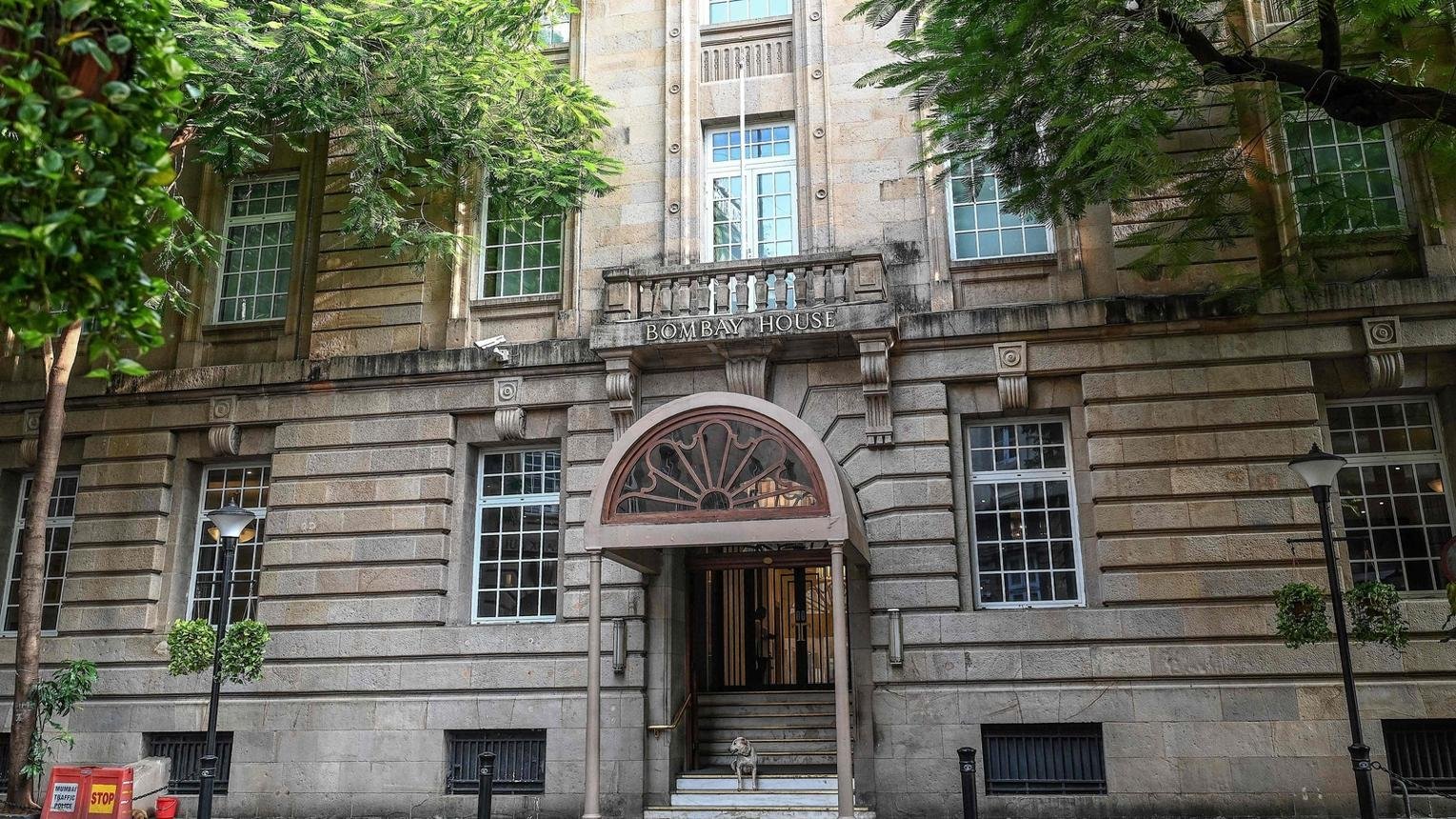
    The group’s headquarters is Bombay House, Mumbai. Tata says its companies generated more than US$180 billion in revenue in 2024โ€“25, while the combined market capitalisation of Tata companies was about US$328 billion on March 31, 2025.

    ๐ŸŒ International position

    Brand Finance’s 2026 India 100 ranking placed Tata as India’s No. 1 most valuable brand for the 18th consecutive year.

    Its 2026 brand value reached US$33.6 billion, an increase of 7%.

    ๐Ÿš€ How did Tata grow?

    Tata’s growth has come from diversification rather than depending on a single industry.

    Its international expansion accelerated through businesses and acquisitions in areas such as automobiles, technology, steel and hospitality.

    The group’s current strategy also includes major investments in:

    semiconductors + electronics + EVs + renewable energy + digital infrastructure.

    โญ Rating

    Tata is the No. 1 Indian brand by value in the 2026 Brand Finance India ranking.

    For the group, Brand Finance’s ranking focuses on brand value; individual Tata brands can have their own brand-strength ratings.

    https://images.openai.com/static-rsc-4/I550S3lQ8wFdBq-Ve9a42f6uX0rAovdGKSvLj244aJbikMXXsjbbwkj1ab9aN2XCvYmKXiYzVPl8F33tLPepHH1Mq34tEP4L6feFaMAu5uD83EJA2RPZZpU9ywad8aH9Jbb1fLaxGJa7fkSzrMwzgbMeWLuPusKZ2qqM_bOal5O_38_hwEj1uJo4wY2tK_R1?purpose=fullsize
    https://images.openai.com/static-rsc-4/7-E9OktgA0Vvs-GSPDq5hrSwNqWLZhU8pRGKk7I9UBsfHxMJERyIeJgIBS-60z_blBVZRa4eQ5uyVKG_3QsCDkHhmE1IN_8cfk98_NW1OtLEemLeMjMqd9_Jv-X9T2qFbMGAn1MxafncDHZvOaWAUF_HAeoe7Tgg6rzvNN2PZi_bhAZxObuLnx6rQPicbCzA?purpose=fullsize
    https://images.openai.com/static-rsc-4/IxNt9mmJhZ2xeRMNTJkHuqSMK5nTdCJZ8GPy8CCUHtEhKezn-BdorTumIgHCA_nXMUvTMxzsDsnXhSNd8AGB0AOlY1fHQ-W-UH5wWFd3dgdJZmq8rrOdtWky7FRqPTNYo-fTSUdTFTO6i9m9BtJ2_9CIWilcWDQALCLT621gnhp8G4RoHAQCBbsT1wBPLQBm?purpose=fullsize

    โšก 2. Reliance Industries

    From textiles to a global diversified giant

    Reliance Industries is one of India’s largest private-sector companies.

    Its businesses include:

    • Energy
    • Petrochemicals
    • Retail
    • Telecommunications
    • Digital services
    • Media and entertainment
    • New energy

    Its corporate office is at Maker Chambers IV, Nariman Point, Mumbai.

    ๐ŸŒ Global recognition

    Fortune’s current Global 500 profile places Reliance Industries at No. 85 in the Fortune Global 500, based on revenue.

    Brand Finance’s 2026 India 100 ranking places Reliance Group at No. 5 among India’s most valuable brands, with a brand value of US$10.8 billion, up 11%.

    ๐Ÿš€ How did Reliance grow?

    Reliance’s biggest transformation has been its movement from a primarily energy-focused business into a diversified consumer and technology ecosystem.

    The expansion of Jio, retail and digital services dramatically increased the group’s presence in everyday consumer life.

    Its next major growth areas include:

    New Energy + AI + Digital Infrastructure + Retail + Telecommunications.

    Brand Finance also reported in 2025 that Reliance had the highest total intangible value among Indian companies, at about US$150 billion.

    https://images.openai.com/static-rsc-4/BRXb4UpYctH4Mimo2cbSLbYE30gHCJxkuNta4uxdjJmAMITL49MemVgbxbERpFavxpPZOpCYiMmmF0nihuHgjayjaOZw_Yo47i8BToEBaYBv8E6wfZ-tTubbhFvEot_wvOQ9tz7KUdbu1Ms1GRKZHfsbJz3rs3iXH4c9_t2b3pZbxRFqtNzGJRRKuvn7T2TZ?purpose=fullsize
    https://images.openai.com/static-rsc-4/yMaIBdry2VDrCg2LqQVuxaJ_hFRM5QiLzd71gOYBylEg7vEfVyNnKkHPVgqbwDBq_9omB5yBjWQ17ROSdQIFE9GMrR6VbcGJk1Md9y9mQqSD4F7W6bLS9BsRtBPwjEftOPfj0YyTf1qUsieQRTGwD4QkclMlB29woaCvCHhcr-Mv9VNFow7OO0Ocj8KZkzlo?purpose=fullsize
    https://images.openai.com/static-rsc-4/Xk-k3y-UQHdAKcvDwL2lMwkydr2ff6ptcU7KkqTfyyZfqlHF5a93PDPtisV5S_Yc4TsANMzK-TcH1cnbGsznrVQfBOWwCn_3sie0FQO3kRVkEhz1MdtslWwI9DcFeFYPseoqmdcXtKpJoMFH_Z_LhyqxFQ4pZPYSt4jTfXGlsdCvlTHj-PHv76e9UNuUhpi6?purpose=fullsize

    ๐Ÿ’ป 3. Tata Consultancy Services (TCS)

    India’s technology giant

    TCS is one of the strongest examples of an Indian company achieving global success without relying primarily on natural resources.

    Its core businesses include:

    • IT services
    • Artificial intelligence
    • Cloud computing
    • Cybersecurity
    • Digital transformation
    • Consulting
    • Data and analytics

    TCS has clients across major global markets and has become one of the world’s largest IT-services companies.

    ๐ŸŒ Global position

    Brand Finance’s 2026 IT Services ranking placed TCS at No. 2 globally by brand value.

    It also achieved an AAA brand-strength rating for the first time in 2026.

    TCS has maintained its position as India’s most valuable IT-services brand since 2014. Its 2026 brand value was approximately US$21.2 billion.

    ๐Ÿš€ Growth story

    TCS grew from a relatively traditional IT-services company into a global technology partner by continuously investing in:

    Cloud + AI + Cybersecurity + Digital Engineering + Enterprise Technology.

    Its ability to work with multinational corporations has been one of the biggest reasons behind its international success.

    https://images.openai.com/static-rsc-4/3n5bu3nwUKUtsH1gu5xyp3AhR-LuE9FXW4RG6rEUruEf3Zt4TWXmZC478DatRLK0s02T9Mb72pA95P4Xvhna6KvOKQ03S667MAqcJUXzpYSd0-SFZczhLDxszGrgw_76vQcogzskY-1DCEIuVIv5QwuD8LohKjKqVrKNAnMni9YLBGgkrW_svPUaGZVZRayp?purpose=fullsize
    https://images.openai.com/static-rsc-4/DRTc_YK6Q9F8xG3j0vbAHN9Z9pjtbkEywTWE_FXBQchCkCAnKvVbQV4BIhb7KE841smDmV_0vyGZute1kfTqnQekq5pgnEweIu_f5snTJrG7KBLjDiIqWK_L1ig6_UTM-AsxbMDWWJgaT9lr68vX_288PgGUz-OJVl5SxuWdF1jbcealDSyBVhlpCdL67jWx?purpose=fullsize
    https://images.openai.com/static-rsc-4/_2hkb-I-2eBgvlv49aqJ-O7CX4m17GV4r47h6UOSJIN99kLLB6xw78rCu-vqkPg3IiAvxUQqUO8Vr1MzFHeg9MXcofcjG2MFznihdJiiu-QVsS7EtHy8FGdKn00EBuW11pfzzxjMKFU2eXOZLbbf29oaisRR9imK0J3fT7KN2HrYf234kymxX3dtj7diRU2c?purpose=fullsize

    ๐Ÿง  4. Infosys

    One of India’s most recognised global IT brands

    Infosys has played a major role in establishing India as a global technology and outsourcing centre.

    Its headquarters is in Electronics City, Bengaluru. The company says its operations span 290 locations in 59 countries.

    Its major areas include:

    • AI
    • Cloud
    • Digital transformation
    • Consulting
    • Software
    • Engineering
    • Business process services

    ๐ŸŒ Global ranking

    In 2026, Brand Finance valued Infosys at approximately US$16.4 billion.

    It ranked as the world’s third most valuable IT-services brand.

    Its Brand Strength Index was 86.8/100, placing it among the world’s strongest IT-services brands.

    Infosys has also recorded a 15% compound annual growth rate in brand value over six years, according to Brand Finance.

    ๐Ÿš€ Why is Infosys successful?

    Its international growth has been built around:

    Global delivery + engineering expertise + AI + cloud + digital transformation + long-term multinational clients.

    This is one reason Infosys became an important symbol of India’s rise in the global technology industry.

    https://images.openai.com/static-rsc-4/eggRzjwmkXTgYqLFlrjG5OT4GmT37BHJO3vpZdybUHurT-WiRBk29qyDNT-21P6Pb1matHaePOMv2V1dzSR5js1BMHAAQdj6WY1VTOmt9OGJoGTx8aZ51U1Vr0qefQeNGo8_DdJtQcU7_QcBldprBokg5gZ5hltQUPdUn3hiMSARXx3ELM4shBH4Eu24OdWj?purpose=fullsize
    https://images.openai.com/static-rsc-4/2yGXzr7N0m4Fxi3dgnF9gpyrxIzRXZxr5S2MLH24IVyMfUIM6iPDREc1oA9n2PKglT_3-CIbhFOhNqvl6_eit1xGJzG7bcs7QErKcZm9pSOl_AjAfzMohhJh4Jiz6xhlunnPtjndf9nUrmOlz-NggcCUJlMtZ_M8ksudbE_2bTH5I1oLTpdwu35VP0HHZbsV?purpose=fullsize
    https://images.openai.com/static-rsc-4/usU_ZHlv_sWU1VKfQqBwrO6EQaDftuv41fSxutGxlwOmJ1tvbcqE7XswXH3_LwhY2r3Yu3u99rYcU8NGVNekrIiWJeiZtpNYxxtA87Fs4nhH3Ib7Z2lqGrIDMC286qZLkR4K0vUY9S0jT6z06sxN7FoTqMTFtIGH0ZOKbiNPihQlmDbLgHo-VAmf8qRQM5Hj?purpose=fullsize

    ๐Ÿ“ฑ 5. Bharti Airtel

    India’s telecom brand with a global footprint

    Bharti Airtel is one of India’s best-known telecommunications companies.

    Its operations extend beyond India into several international markets.

    The company has built a strong presence in:

    • Mobile communications
    • Broadband
    • Enterprise connectivity
    • Digital services
    • 5G

    ๐ŸŒ Global ranking

    Brand Finance’s Telecoms 150 2026 report valued Airtel at approximately US$8.1 billion.

    Airtel ranked 17th globally among telecom brands, moving up two positions from 2025.

    ๐Ÿš€ Growth

    Airtel’s recent brand growth has been supported by:

    5G expansion + increased services + higher revenues + digital connectivity.

    Its international operations also demonstrate how an Indian telecom company can compete in multiple emerging markets.


    ๐Ÿฆ 6. HDFC Bank

    India’s private banking powerhouse

    HDFC Bank is one of India’s largest private-sector banks.

    Its business covers:

    • Retail banking
    • Corporate banking
    • Digital banking
    • Loans
    • Payments
    • Wealth management
    • Financial services

    ๐ŸŒ International recognition

    Brand Finance’s 2026 banking research reported HDFC Bank as India’s leading banking brand by value, at approximately US$12.4 billion.

    In the previous global Banking 500 ranking, HDFC Bank had reached No. 24 globally by brand value.

    ๐Ÿš€ Growth

    Its growth has been driven by:

    Digital banking + massive customer base + technology investment + branch expansion + financial products.

    The merger with HDFC Ltd also significantly expanded the group’s financial-services ecosystem.


    ๐Ÿš™ 7. Mahindra Group

    From India to the global automobile market

    Mahindra is one of India’s most internationally recognised industrial groups.

    Its businesses include:

    • Automobiles
    • Tractors
    • Farm equipment
    • Technology
    • Finance
    • Hospitality
    • Logistics
    • Renewable energy

    ๐ŸŒ Global automobile ranking

    Brand Finance’s 2026 Automotive Industry ranking placed Mahindra at No. 25 globally by automobile brand value.

    India had eight homegrown automobile brands in the global top 100 in the 2026 ranking, showing the growing international strength of India’s automotive industry.

    ๐Ÿš€ Growth

    Mahindra’s international growth has been supported by:

    SUVs + tractors + electric vehicles + technology + international partnerships and acquisitions.

    Its tractor business in particular has helped the company establish a strong international agricultural-equipment presence.

    https://images.openai.com/static-rsc-4/Y8gRW10PK9XBPmOY_89mzot1c2-NTQhPGFfDabbkuOL2QENmKrV0vDv_7sw3XwPia1ESpJneqcUTdKrJGmxtM3SsgilD8GhGua_Y-rkyUiFwH0tD0E9D4jxQjGIsZiE48hhhav_DIeqCUX_krHABQWE7idVLUVXTHxqYeORZN8Wbcp8_SThQ9Vm88flU979o?purpose=fullsize
    https://images.openai.com/static-rsc-4/yEtboQhO3IXwSOwoQdrEwWZtUGwOdbnwxshqoWXgmiIL4zjVwkwGTa1KSWNuVuN4zCVrht3WUYR0NrRvd8movdc4uxYy6VjmwZRAbgS580Cj7Dk6G_Rb7tB-EE81WcyE00ymK64Vr-4hZ_3Xstk7rgXsAJfIwFHc1fCFFB_uEIypHL72mndqiTdo9S2J4jk8?purpose=fullsize
    https://images.openai.com/static-rsc-4/Et9AbrFegux87dYFoNbS_NuhZS5lfabNgZO_1DMAjQ0e5iEpp0Xz__-HRb57Caj6BDEnLDTziYUMcS2Tm4cqp1E4NfhNpgdutNHcnvCt-yJW4TsOyNPLC_P9t3i_2e2lNZyvbuTFaPi3r5MIin0BO2nTTKB66mGwlh6KIegmQsfroXBKgpAqwuA6sLFaby64?purpose=fullsize

    ๐Ÿ—๏ธ 8. Larsen & Toubro (L&T)

    L&T is one of India’s most important private-sector engineering and infrastructure companies.

    Its activities include:

    • Construction
    • Engineering
    • Defence
    • Heavy engineering
    • Energy
    • Technology
    • Infrastructure

    L&T’s international reputation has grown through large-scale infrastructure and engineering projects.

    Brand Finance has consistently included L&T among India’s leading brands. In its 2025 India ranking, L&T entered the diversified sector with a brand value of US$7.4 billion and an AA brand-strength rating.

    Its growth demonstrates India’s increasing ability to export engineering expertise and project-management capabilities, not just products.


    ๐Ÿ’ป 9. Wipro

    Wipro is another Indian technology company with a substantial global presence.

    Its services include:

    • Artificial intelligence
    • Cloud
    • Cybersecurity
    • IT consulting
    • Digital engineering
    • Business transformation

    Brand Finance’s 2026 IT Services ranking placed Wipro among the world’s top 10 IT-services brands, at No. 9, with brand value of approximately US$6.3 billion.

    Wipro’s international growth shows how Indian technology companies have moved from providing outsourced services to becoming strategic technology partners for global enterprises.


    ๐Ÿญ 10. Adani Group

    Adani is one of India’s fastest-growing private-sector business groups.

    Its businesses span:

    • Ports
    • Airports
    • Energy
    • Renewable energy
    • Logistics
    • Infrastructure
    • Data centres
    • Cement
    • Mining and related businesses

    Brand Finance’s 2026 India 100 report identified Adani Group as the fastest group to enter India’s top 10 brand ranking.

    Its rapid expansion has been particularly visible in:

    ports + airports + renewable energy + infrastructure + logistics.

    This makes Adani one of the most internationally visible Indian infrastructure groups.

    https://images.openai.com/static-rsc-4/p7T3yN28aTBwnfr18yW1HopHM-nV2xw7wbeZ0CF2Z4Na1r8LxriJ4lJtYs5oCgwnmBvUYmC5uYMAeAkIqHG7TBRsDq4tDUaXTuHfgmHxoRWz7SKL0AV8Vt2rlVAsomfjJ4Ac3bHGgV0Z08IpzFqX0yR_SO-k8Gm7nOUB4hw2MMGWh7wNQoc_BHPzaGNDKneU?purpose=fullsize
    https://images.openai.com/static-rsc-4/V2dP1LuJYuRjhMo0Mvik2kEmhdNRbZuoyyXqn8n1hKJuxYEhyfy7UcwHapo8dLZLWL_jxLQ2J_r3OuX3K32Gm3FDPiekznfMa4NlpQQ0iYaSM-rVinPuIre_Y_hxQJrhUYsJRSg0rm_nzicxHgtbpCLkxOiEL6pF0LoS4IEW38ak-fo-GVGLA-A-L9vf9wWu?purpose=fullsize
    https://images.openai.com/static-rsc-4/QX8sN-hW_hNZBzmjRj_JBDoYGrE-IT-61vcZRjHO291MzYX1xw_xP-3E8we-vtGkTGOYOdwkWrq2puIylq822Vzfs8iwoeDxDQxpsj1pQPZibm0G-JKqW20EEaPS8DVHYw7EOjACNTWXneqnkA4tq5HC-YIyxbKGtw2dcGEsD4ILHy3RfVLYTJDGEv_qR9Bf?purpose=fullsize

    ๐Ÿ“Š Top Indian Private-Sector Brands at a Glance

    Company / GroupMain SectorInternational Recognition
    Tata GroupDiversifiedIndia’s No.1 brand by value in 2026
    Reliance IndustriesEnergy, Telecom, RetailFortune Global 500 No.85
    TCSIT ServicesNo.2 global IT-services brand
    InfosysIT ServicesNo.3 global IT-services brand
    AirtelTelecomNo.17 global telecom brand
    HDFC BankBankingIndia’s leading banking brand by value
    MahindraAutomobilesNo.25 global automobile brand
    L&TEngineering & InfrastructureMajor global engineering brand
    WiproIT ServicesNo.9 global IT-services brand
    Adani GroupInfrastructure & EnergyFast-growing global Indian conglomerate

    ๐ŸŒ Why Are Indian Companies Becoming Global Brands?

    India’s private sector has changed dramatically.

    Earlier, many Indian companies were primarily focused on the domestic market.

    Today, successful Indian companies are increasingly competing globally through five major strategies.

    1. Technology

    AI, cloud computing, digital payments and telecommunications have allowed Indian companies to serve customers worldwide.

    2. Acquisitions

    Indian businesses have acquired companies and brands in Europe, North America and other markets, accelerating their global expansion.

    3. Manufacturing

    Automobiles, electronics, pharmaceuticals, engineering equipment and other products are increasingly being produced for international markets.

    4. Infrastructure

    Indian companies have developed expertise in ports, airports, roads, energy and large engineering projects.

    5. Brand Building

    Indian companies are investing more heavily in reputation, innovation, customer experience and global marketing.


    โญ What Does a Brand Finance โ€œRatingโ€ Actually Mean?

    This point is important for readers.

    A Brand Finance rating is not the same as a bank or corporate credit rating.

    Brand Finance evaluates brand strength using a Brand Strength Index (BSI), which considers factors such as marketing investment, stakeholder perceptions and business performance.

    Brand Finance explains that its methodology uses the BSI score to determine brand strength and ultimately contributes to its brand valuation.

    So if a company receives an AAA or AA rating, it should be understood as a measure of brand strength, not a guarantee of financial performance or investment safety.


    ๐Ÿ“ˆ India’s Global Corporate Rise

    The most interesting part of India’s corporate story is that its global strength is no longer concentrated in just one sector.

    India now has internationally recognised companies in:

    Technology โ†’ TCS, Infosys, Wipro

    Telecom โ†’ Airtel, Jio

    Banking โ†’ HDFC Bank

    Automobiles โ†’ Mahindra

    Engineering โ†’ L&T

    Energy & infrastructure โ†’ Reliance, Adani

    Diversified businesses โ†’ Tata

    Brand Finance’s 2026 research also found that eight Indian IT-services brands together represented 36% of the global top-25 IT-services brand value, showing just how significant India’s technology sector has become internationally.


    ๐Ÿ‡ฎ๐Ÿ‡ณ The Bigger Picture

    India’s corporate success story is no longer simply about being a low-cost outsourcing destination.

    The new generation of Indian companies is competing through:

    Innovation + Technology + Scale + Global Expansion + Brand Trust

    TCS and Infosys demonstrate India’s strength in technology.

    Airtel demonstrates India’s ability to build telecom brands at global scale.

    Mahindra shows the country’s growing automotive influence.

    Tata demonstrates how a century-old Indian business group can continue expanding into new industries.

    Reliance and Adani demonstrate the scale at which Indian private-sector infrastructure and consumer businesses can grow.

    HDFC Bank shows the international potential of India’s private banking sector.

    L&T demonstrates India’s engineering capabilities.


    ๐Ÿ† Conclusion

    India’s most successful private-sector companies have travelled a remarkable distanceโ€”from businesses primarily serving the Indian market to brands recognised around the world.

    The latest rankings show that Tata remains India’s most valuable brand, TCS is the world’s No.2 IT-services brand, Infosys is No.3, Mahindra has reached No.25 among global automobile brands, and Airtel remains in the global top 20 telecom brands.

    These rankings are more than numbers.

    They show a broader transformation:

    ๐Ÿ‡ฎ๐Ÿ‡ณ India is increasingly becoming a country that does not just consume global brandsโ€”it creates global brands of its own.

    And the next phase could be even more significant, as Indian companies expand into AI, semiconductors, electric vehicles, renewable energy, digital infrastructure, advanced manufacturing and global financial services.

  • ๐Ÿšจ ACB, Income Tax, ED & CBI Raids in India: How Many Have Taken Place and Why?

    ๐Ÿšจ ACB, Income Tax, ED & CBI Raids in India: How Many Have Taken Place and Why?

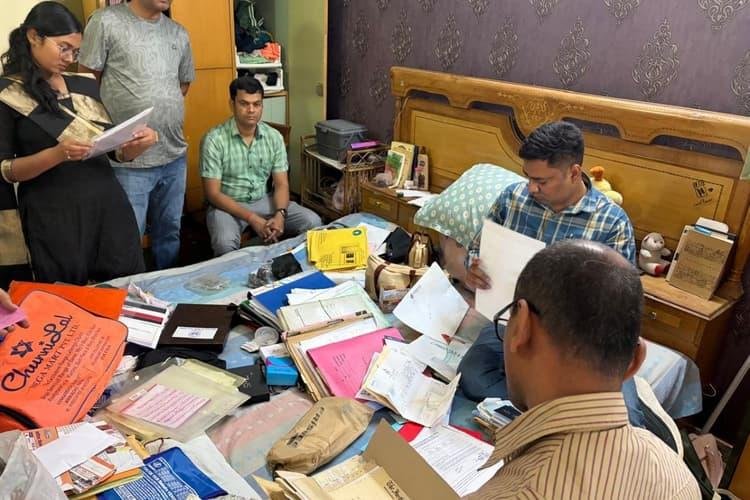
    In India, whenever the Income Tax Department, Enforcement Directorate (ED), Central Bureau of Investigation (CBI), or Anti-Corruption Bureau (ACB) conducts a search at the home, office or business premises of a politician, government official, businessman or other prominent person, it immediately becomes major news.

    People often ask:

    • How many raids have taken place in India?
    • Why are these searches conducted?
    • What do investigators look for?
    • How much money or property is seized?
    • Does a raid mean the person is guilty?
    • What happens after a search?

    The answers are more complicated than a television headline suggests.


    ๐Ÿ”Ž Is There One Official Number for All Raids in India?

    No.

    There is no single official database giving the total number of ACB + Income Tax + ED + CBI raids in India from 1947 to 2026.

    This is because the agencies work under different laws and maintain different types of records.

    For example:

    • Income Tax records search and seizure operations.
    • ED records PMLA, FEMA and FEOA investigations and actions.
    • CBI records cases and individual search operations.
    • ACBs operate primarily at the state level, so their figures are not maintained as one nationwide ACB total.

    Also, a case, search, arrest, attachment and conviction are different things.

    Therefore, publishing a made-up figure such as โ€œIndia has witnessed 20,000 raidsโ€ would be misleading.


    https://images.openai.com/static-rsc-4/2BjvLYhY_qQUTNF1BswVbpyauYmBi83nA4QpiT0t8676lRdZTpvEitav3T_0iOptDVgc1o0Nr3aFQGhMMCIOcsmf-a_DVQxAWorCezkFHsE7OxRQ8PlBvgCyij3rxejs-IPYomagv2L26hf707VuAIGG7dz6w06mX9AJQV8hicYkEC3ZO5MVVSPilMQV0wZZ?purpose=fullsize
    https://images.openai.com/static-rsc-4/Wvx8UO79cwLiJipIoiKKhqctWK5LfbopO8KmA0nOlZM5njPjijFo-b0g0rbPk_FG1cfPLDH1rSBMI2GMVlACn3sAxDrxd1sQgUR2U-fOugvHy9mM0nVBci2dz5gtWgD3VT7MZhhwDrsKh2iagFlonp_wg---yH7pAoqrz_y8qrYyqoTOftjXdIZFJyYaAy7c?purpose=fullsize
    https://images.openai.com/static-rsc-4/gTuSOkeXRlszJJTZKCnlt4Bkh-8YzqoETqnciP_zbM4fI_M5SGdOb3ELQh16HD0-DdaTwBwnTsE__x_yTngeOh2Y0bFUaevY16JgrpgLu_x7ItD2elSXlzALmFHuC9tTjqKkmrNOXlFTyllTDAGKsFyUyxSzXp3vJ2NOQoadRKIk3G0EhlF-9nERKmQDrWDw?purpose=fullsize

    ๐Ÿฆ Income Tax Department Searches

    The Income Tax Department conducts searches when it has legal grounds to investigate matters such as:

    • Undisclosed income
    • Tax evasion
    • Unaccounted assets
    • Hidden financial transactions
    • Suspected manipulation of accounts
    • Other tax-related irregularities

    During a lawful search, investigators may examine or seize relevant material such as:

    • Cash
    • Jewellery
    • Property documents
    • Account books
    • Invoices
    • Agreements
    • Computers
    • Hard drives
    • Mobile phones
    • Digital records

    India’s tax framework changed in 2026 with the Income-tax Act, 2025. The Income Tax Department’s official material explains the new framework applicable from April 1, 2026.


    ๐Ÿ“Š How Large Can Income Tax Search Operations Be?

    There is no single 1947โ€“2026 total, but historical government data shows that Income Tax search operations have sometimes been conducted on a large scale.

    For example, official government data for earlier financial years recorded:

    Financial YearSearch & Seizure Groups
    2013โ€“14569
    2014โ€“15545
    2015โ€“16445

    These figures refer to search groups, not necessarily individual people.

    One search operation may cover several premises belonging to the same business group or connected persons.


    ๐Ÿ’ฐ Does Finding Cash Automatically Mean Black Money?

    No.

    This is one of the most important points to understand.

    If cash is found during a search, investigators still have to determine:

    • Where did the cash come from?
    • Was it recorded in the accounts?
    • Was it disclosed for tax purposes?
    • Is there supporting documentation?
    • Is there a legitimate business explanation?

    Therefore:

    Cash found โ‰  Automatically illegal money

    The legal status of the money depends on the evidence and the subsequent proceedings.

    The same principle applies to jewellery, property and other assets.


    ๐Ÿš” What Is an ACB Raid?

    ACB stands for Anti-Corruption Bureau.

    State-level anti-corruption agencies investigate allegations involving public servants, particularly matters such as:

    • Bribery
    • Illegal gratification
    • Corruption
    • Disproportionate assets

    India does not have one single nationwide ACB operating in exactly the same manner across every state.

    Different states have their own anti-corruption or vigilance structures.

    Therefore, there is no reliable single figure representing all ACB raids in India since 1947.


    ๐Ÿ’ต How Does an ACB Trap Case Work?

    Suppose a government employee is alleged to have demanded money for performing an official duty.

    A complaint may be made to the anti-corruption authorities.

    After following the required legal procedures, investigators may arrange a trap operation to gather evidence of the alleged bribe transaction.

    If evidence is obtained, a criminal case may follow.

    But an important distinction remains:

    A trap or arrest is not the same as a final conviction.

    The case still has to go through the legal process.


    ๐Ÿ  What Is a Disproportionate Assets Case?

    Another important category in anti-corruption investigations is a Disproportionate Assets (DA) case.

    In simple terms, investigators may examine whether a public servant’s assets and expenditure are disproportionate to their known lawful sources of income.

    For example, investigators may examine:

    Income + legitimate financial resources

    against

    Assets + expenditure during the relevant period

    But such calculations can be complicated.

    Investigators may also need to consider:

    • Previous assets
    • Loans
    • Inherited property
    • Family income
    • Agricultural income
    • Legitimate investments
    • Other lawful sources

    Therefore, simply saying that someone owns โ€œvery expensive propertyโ€ does not by itself prove corruption.


    ๐Ÿ•ต๏ธ What Does the Enforcement Directorate Do?

    The Enforcement Directorate (ED) is India’s major financial investigation agency.

    Among other responsibilities, it investigates cases under:

    PMLA โ€” Prevention of Money Laundering Act

    and

    FEMA โ€” Foreign Exchange Management Act

    ED investigations can involve matters such as:

    • Money laundering
    • Proceeds of crime
    • Certain foreign-exchange violations
    • Financial transactions connected to alleged criminal activity

    ๐Ÿ“ˆ ED’s Official Numbers Up to March 31, 2026

    The ED’s official statistics provide a useful picture of the scale of its work.

    As of 31 March 2026, the ED reported:

    • 8,851 ECIRs recorded under PMLA
    • 3,501 provisional attachment orders
    • โ‚น2,36,016.61 crore in provisional attachment orders
    • 1,187 persons arrested
    • 2,396 prosecution complaints filed
    • 466 cases in which charges had been framed
    • 60 completed PMLA trials
    • 56 trial cases resulting in conviction

    However, there is an extremely important point:

    8,851 ECIRs does NOT mean 8,851 raids.

    An ECIR is an investigation record; it should not be presented as a search count.


    ๐Ÿ’ผ ED and Property Attachment

    During a money-laundering investigation, property believed to be connected to proceeds of crime can be subject to provisional attachment under the applicable legal process.

    But:

    Attachment is not the same as final confiscation.

    The legal process continues through the appropriate authorities and courts.

    This distinction is important when reporting financial investigations.


    ๐Ÿ›๏ธ What Does the CBI Do?

    The Central Bureau of Investigation (CBI) investigates a range of cases falling within its jurisdiction, including certain:

    • Corruption cases
    • Bribery cases
    • Bank frauds
    • Major economic offences
    • Criminal conspiracies
    • Court-directed investigations

    CBI searches can involve homes, offices, companies and other premises connected to an investigation.


    ๐Ÿšจ Recent CBI Search Examples

    The scale of CBI searches can vary enormously depending on the case.

    April 2026 โ€” Builder-related investigations

    In April 2026, CBI conducted searches at 77 locations across eight States/UTs in connection with 22 cases involving alleged builder-financial institution nexus. The searches reportedly resulted in seizure of documents, digital devices and other material for examination.

    May 2026 โ€” Bank fraud cases

    In another operation, CBI searched seven premises in Mumbai and Ahmedabad in two bank-fraud cases involving an alleged combined loss of โ‚น119.03 crore to public-sector banks.

    July 2026 โ€” Bank fraud investigations

    On July 4, 2026, CBI conducted coordinated searches in two bank-fraud cases involving alleged losses exceeding โ‚น231 crore.

    These examples demonstrate why it would be inaccurate to describe every CBI search as a โ€œraid against a politician.โ€ Many searches involve companies, bank fraud, cybercrime, corruption and other investigations.


    ๐Ÿ’ป Why Are Computers and Mobile Phones Searched?

    Modern financial investigations are no longer based only on paper documents.

    Important evidence may exist in:

    • Emails
    • WhatsApp conversations
    • Accounting software
    • Spreadsheets
    • Cloud storage
    • Mobile phones
    • Computers
    • Digital payment records
    • Electronic documents

    For this reason, digital evidence has become an important part of many modern investigations.


    ๐Ÿ’ฐ What Can Investigators Find During a Search?

    Depending on the nature of the case, investigators may find:

    Financial evidence

    Bank records, account books, invoices and transaction details.

    Property evidence

    Sale deeds, land records and property agreements.

    Digital evidence

    Phones, computers, hard drives and electronic files.

    Physical assets

    Cash, jewellery and other valuables.

    Communication records

    Emails, messages and other communications relevant to the investigation.

    Finding such material does not automatically establish criminal guilt. Investigators must examine its relevance and evidentiary value.


    ๐Ÿ‘ค Does a Raid Mean the Person Is Guilty?

    Absolutely not.

    This is one of the most important principles your blog should explain.

    A typical investigation may proceed through stages such as:

    Complaint / Information

    โฌ‡๏ธ

    Preliminary verification

    โฌ‡๏ธ

    Investigation

    โฌ‡๏ธ

    Search and seizure

    โฌ‡๏ธ

    Evidence analysis

    โฌ‡๏ธ

    Further investigation

    โฌ‡๏ธ

    Charges / prosecution, where applicable

    โฌ‡๏ธ

    Court proceedings

    โฌ‡๏ธ

    Final judicial decision

    Therefore:

    Raid โ‰  Guilt

    Arrest โ‰  Conviction

    Investigation โ‰  Conviction

    This distinction protects both the integrity of journalism and the rights of the person being investigated.


    ๐Ÿ“ฐ Why Do Raids on Famous People Become Major News?

    Searches involving:

    • Politicians
    • Ministers
    • Senior government officers
    • Business leaders
    • Film personalities
    • Major contractors
    • Large companies

    naturally attract significant media attention.

    A search involving a prominent individual can therefore become a national political or social issue.

    However, the person’s public status does not change the basic legal principle:

    An allegation must not be presented as a proven fact.


    โšก Why Do Political Controversies Arise?

    When an opposition leader or prominent political figure faces an investigation, supporters may say:

    โ€œThe agency is doing its legal duty.โ€

    Opponents may say:

    โ€œThe investigation is politically motivated.โ€

    Such claims should be treated as claims, not established facts, unless supported by evidence or a judicial finding.

    For reliable reporting, readers should be directed toward:

    • Official agency statements
    • FIRs
    • Court orders
    • Charge sheets
    • Investigation updates
    • Final judgments

    rather than unverified social-media posts.


    ๐Ÿ“ฑ The Social Media Problem

    Today, a photograph from a search operation can become viral within minutes.

    A caption may claim:

    โ€œโ‚น500 crore black money found!โ€

    But the actual official statement may only say that documents or assets were found and are under examination.

    These are very different statements.

    Before sharing a raid-related claim, ask:

    Who published it?

    Is there an official source?

    When did the search happen?

    What exactly was seized?

    Was the amount actually confirmed?

    Has a court made a final decision?

    Responsible reporting requires answering these questions.


    ๐Ÿ”„ Can Multiple Agencies Investigate the Same Matter?

    Yes, depending on the facts and legal jurisdiction.

    A financial matter can potentially involve different legal issues.

    For example, one alleged transaction might raise questions involving:

    Tax law

    Corruption

    Money laundering

    Different agencies may therefore examine different aspects under their respective laws.

    However, an agency’s involvement does not automatically mean that every allegation against a person has been established.


    ๐Ÿ“Š A Useful Snapshot of India’s Investigation System

    AgencyMain AreaCan Conduct Searches?
    Income Tax DepartmentTax evasion, undisclosed income, unaccounted assetsYes, under applicable tax law
    EDMoney laundering and certain foreign-exchange mattersYes
    CBICorruption, fraud and other cases within its jurisdictionYes
    ACB / State VigilanceState-level corruption and bribery casesYes

    The exact powers and procedures depend on the applicable law and the facts of each case.


    ๐Ÿ‡ฎ๐Ÿ‡ณ What Do the Latest Numbers Tell Us?

    The available official statistics show that financial investigations in India operate on a very large scale.

    For example, the ED reported 1,080 new PMLA ECIRs during FY 2025โ€“26, compared with 775 during FY 2024โ€“25. It also reported 712 provisional attachment orders in FY 2025โ€“26.

    At the same time, a Parliamentary Committee has raised concerns about the need for more comprehensive public disclosure of consolidated CBI statistics, including registration, pendency, disposal and conviction data.

    This explains why it is difficult to produce one accurate number for all CBI raids from 1947 to 2026.


    ๐Ÿงพ 10 Things Everyone Should Know About Raids

    1. A raid does not automatically prove guilt.

    2. Cash found during a search is not automatically illegal money.

    3. An ED ECIR is not the same as an ED raid.

    4. An arrest is not a conviction.

    5. Property attachment is different from final confiscation.

    6. ACB statistics are largely state-specific.

    7. CBI, ED and Income Tax have different legal roles.

    8. More than one agency may investigate different aspects of a matter.

    9. Social-media claims should be verified.

    10. The final legal outcome is determined through the judicial process.


    ๐ŸŒŸ Conclusion

    ACB, Income Tax, ED and CBI searches are an important part of India’s system for investigating alleged corruption, tax violations, financial crimes and other offences.

    But a search is not the end of a case.

    It is generally one stage of an investigation.

    The most important questions are:

    What evidence was found?

    What does the evidence actually establish?

    What charges were filed?

    What happened during the court proceedings?

    Was there finally a conviction or acquittal?

    That is why sensational headlines should never replace facts.

    ๐Ÿ‡ฎ๐Ÿ‡ณ A strong investigation requires evidence. A fair legal system requires due process. And responsible journalism requires both.

  • ๐Ÿ‡ฎ๐Ÿ‡ณ Religious & Communal Violence in India (1947โ€“2026)

    ๐Ÿ‡ฎ๐Ÿ‡ณ Religious & Communal Violence in India (1947โ€“2026)

    Major Incidents, Deaths, Causes and the Long Road to Peace

    India is one of the world’s most religiously diverse countries. Hindus, Muslims, Christians, Sikhs, Buddhists, Jains and people of many other faiths have lived together for centuries.

    Yet independent India has also experienced periods of communal violence, religious clashes and targeted attacks.

    These events have caused thousands of deaths, large-scale displacement, destruction of homes and businesses, and long-lasting trauma.

    But there is an important fact that is often missed:

    There is no single official database that gives a complete death toll for every communal incident in India from 1947 to 2026.

    Government statistics generally classify incidents under particular crime categories, while historical researchers and civil-society organisations may use different definitions and sources.

    For example, the Ministry of Home Affairs has published NCRB figures for cases registered under โ€œCommunal/Religious Rioting.โ€ For 2018, 2019 and 2020, the recorded cases were 512, 438 and 857 respectively.

    Therefore, this article focuses on major documented episodes and explains why the numbers sometimes differ between sources.

    https://images.openai.com/static-rsc-4/a8eGsubRYwwkU-IIJlJ64rah74CWTtcMa6vjUpL3D5YS-7tqNvNNWZYqs2BqOrYUFYhmlL7RPsFF605Ol0FW8C_PkhpSvydrhCntU0l57QrauxfB1eukxSe9g6OTlFXqKy9zu_QADmJbkyV7KcDNdi0kHBOIhHepcjvdfwdGT_UAB74POm8Jr_FT0pfpsXz8?purpose=fullsize
    https://images.openai.com/static-rsc-4/3TUL2je21YgShOUYRcEypcSaDr0kg7bJtIpHhPRBSKHjlqzV8ApHxlAOM4aF31JrCgEIuBMiLO038o2NadGpTO4eswrgLvQyGse3HQ3EylZduUCUhGaNlYl_j_DGwGEUa6nJG--qcE119_Co5-LyZmfafIcj6hl1JLj7Xk0YikimPWRyC9frwp9OuUZzFAQq?purpose=fullsize
    https://images.openai.com/static-rsc-4/yjixYOVSA9-YMJ5e01MGFZH7K5eA9jxOb69Fr4i4olQchU1WclLEgTkc004dtbJP-dWMVSxPknPZVYCsMM_IzS1fuPwNvrLnjfdX6MFyBNd3Ms2e4ps9-z923lc6-vHCR92HPQa2kSjWClNM6ZLiR2jCI6ZAAUwTAB8YzbUHz2LGfP5dfjRhP-tzWDpkZicQ?purpose=fullsize

    ๐Ÿ•Š๏ธ 1947 Partition: The Most Devastating Beginning

    India’s independence in 1947 came together with the Partition of British India and the creation of Pakistan.

    The Partition triggered enormous communal violence, particularly in Punjab and Bengal.

    Hindus, Muslims and Sikhs were among the communities affected.

    Millions of people were forced to leave their homes.

    Estimates of deaths vary substantially. Historical sources commonly place the death toll somewhere around one to two million, although there is no universally accepted exact number.

    The human tragedy was not limited to deaths.

    Millions became refugees, families were separated and entire communities were uprooted.

    Why did it happen?

    Several factors came together:

    • Partition and territorial uncertainty
    • Political mobilisation around religious identity
    • Fear and rumours
    • Mass migration
    • Breakdown of law and order
    • Retaliatory violence
    • Local disputes turning into wider communal attacks

    The events of 1947 left a deep psychological scar on the societies of India and Pakistan.


    ๐Ÿ”ฅ 1969 Ahmedabad Riots

    Ahmedabad witnessed one of the major communal disturbances of the post-independence period in 1969.

    The violence developed amid existing social and political tensions and escalated into widespread attacks.

    A historical fact-sheet compiled by PPRC lists 512 deaths for the Ahmedabad violence. Other historical accounts can differ depending on the period and definition used.

    The episode demonstrated how a relatively local confrontation could rapidly become large-scale violence.


    โš ๏ธ 1980 Moradabad Riots

    The Moradabad riots in Uttar Pradesh were another major episode of communal violence.

    The exact circumstances and death toll have been disputed in historical accounts.

    A PPRC compilation lists approximately 1,500 deaths, illustrating the scale of the tragedy, although figures from different sources should not automatically be treated as identical.

    The episode is remembered as one of the most serious communal conflicts of the early 1980s.


    ๐Ÿฉธ 1983 Nellie Massacre, Assam

    The violence in Nellie, Assam, in February 1983 was one of the darkest episodes of mass violence in independent India.

    The victims were overwhelmingly Bengali-speaking Muslims.

    The incident occurred against the backdrop of the Assam Movement, political tensions, questions surrounding immigration and citizenship, and intense ethnic and political mobilisation.

    A commonly cited official figure is 1,819 deaths, although historical estimates and accounts vary.

    The incident remains a powerful example of how political conflict, ethnic identity and communal tensions can combine with devastating consequences.


    ๐Ÿ•ฏ๏ธ 1984 Anti-Sikh Violence

    In October 1984, Prime Minister Indira Gandhi was assassinated by two of her Sikh bodyguards.

    Violence against Sikhs followed in Delhi and several other parts of India.

    Thousands of Sikhs were killed, particularly in Delhi.

    Different investigations and sources have produced varying totals, but the Delhi death toll is generally reported as being around 2,700โ€“3,000.

    Human Rights Watch notes that the violence involved allegations of political complicity and failures of authorities to protect victims.

    The 1984 violence remains one of India’s most painful examples of targeted communal violence.


    ๐Ÿ™๏ธ 1989 Bhagalpur Riots

    Bhagalpur in Bihar witnessed severe communal violence in 1989.

    The conflict involved widespread killings and destruction.

    A historical compilation lists approximately 1,161 deaths.

    The episode demonstrated how communal tensions could continue for an extended period and spread across multiple localities.


    ๐Ÿ•Œ 1992 Babri Masjid Demolition and the Riots That Followed

    On 6 December 1992, the Babri Masjid in Ayodhya was demolished by a large crowd of Hindu activists.

    The demolition triggered communal violence in several parts of India.

    Mumbai experienced particularly severe riots during December 1992 and January 1993.

    A U.S. Congressional Research Service report states that the riots following the demolition resulted in around 900 deaths across Indian cities.

    The violence also contributed to a cycle of retaliation and further tension.

    Why was this event so important?

    Because it transformed a long-running dispute over the Ayodhya site into one of the most consequential communal and political issues in modern Indian history.


    ๐Ÿ™๏ธ 1992โ€“93 Mumbai Riots

    Mumbai experienced major communal violence following the Babri Masjid demolition.

    The violence occurred in two major phases and involved killings, arson and destruction of property.

    A government training document citing historical figures records approximately 900 deaths, including Muslims and Hindus.

    The Mumbai violence was followed in March 1993 by a series of bomb blasts, which killed hundreds more.

    It is important not to combine the riot deaths and bomb-blast deaths into one category because they were different events with different perpetrators and circumstances.


    ๐Ÿ”ฅ 2002 Gujarat Riots

    The 2002 Gujarat violence remains one of the most discussed communal conflicts in modern Indian history.

    The immediate trigger was the burning of a train coach at Godhra, where 58 people were killed.

    Communal violence subsequently spread through parts of Gujarat.

    The official death toll commonly cited for the riots was 1,044, comprising 790 Muslims and 254 Hindus, with additional people reported missing. A U.S. Congressional Research Service report records these official figures.

    The violence resulted in:

    • Large numbers of deaths
    • Thousands of injuries
    • Destruction of homes and businesses
    • Displacement
    • Long-term legal proceedings
    • Deep communal mistrust

    The causes and the question of administrative responsibility remain intensely debated.

    Human Rights Watch has documented allegations concerning failures by authorities and accountability for those responsible.


    โ›ช 2007โ€“08 Kandhamal Violence

    Communal violence also affected Christians in India.

    Kandhamal district in Odisha witnessed serious violence in 2007 and 2008.

    The violence involved attacks on Christians, churches, houses and institutions.

    Reports documented large-scale displacement and property destruction.

    This episode is important because communal violence in India has not been limited to Hindu-Muslim conflicts.


    ๐Ÿ˜๏ธ 2013 Muzaffarnagar Violence

    In 2013, communal violence broke out in Muzaffarnagar and surrounding areas of Uttar Pradesh.

    The conflict led to deaths, injuries and large-scale displacement.

    Human Rights Watch lists the 2013 Muzaffarnagar violence among major episodes in which authorities faced criticism over the response to communal violence.

    The incident also demonstrated how local disputes can become much larger when they interact with political mobilisation and communal identity.


    ๐Ÿ™๏ธ 2020 Delhi Riots

    In February 2020, serious communal violence occurred in northeast Delhi.

    The violence happened amid intense political tensions surrounding protests against the Citizenship Amendment Act.

    The clashes resulted in more than 50 deaths and hundreds of injuries.

    The episode attracted significant national and international attention because of allegations concerning police response, political rhetoric and the treatment of different groups.

    It remains an important example of how political polarisation and misinformation can contribute to communal violence.


    ๐Ÿ“Š What Do Official NCRB Numbers Tell Us?

    For recent years, official data gives us a better understanding of registered cases.

    According to a Ministry of Home Affairs answer based on NCRB data:

    YearCommunal/Religious Rioting Cases
    2017723
    2018512
    2019438
    2020857
    2021378

    These are registered cases, not the number of deaths.

    That distinction is extremely important.

    A year with fewer registered cases could still contain a particularly deadly incident, while a year with many cases may contain numerous smaller incidents.


    ๐Ÿ“‰ What Happened in 2024?

    Independent monitoring by the Centre for Study of Society and Secularism (CSSS) recorded 59 communal riots in 2024, compared with 32 in 2023.

    According to its monitoring, 13 people died in those 59 incidentsโ€”10 Muslims and 3 Hindus.

    CSSS also recorded 13 mob-lynching incidents in 2024 resulting in 11 deaths.

    However, CSSS explicitly explains that its methodology is based on reports appearing in selected newspaper editions, so these figures should not be treated as equivalent to an all-India government dataset.

    https://images.openai.com/static-rsc-4/Zc7ctBxmiMk0TztSIjaU7008oYTlTT7wS37aLM2RgWtqbunxc4NHO4GOGwJwwE92DX0NLBDJPotXkDcDmnCKeuNEnKg3n5giaeUteFIZBhv5_UDHHDaIl_ZR04XYY0aWYrrSRfnP9zP83cQFzXTdYx_LifzejBpl9DD7ClhE5pZkHYEPRLFNS0csuOESq8Ju?purpose=fullsize
    https://images.openai.com/static-rsc-4/qv1XYemOQx5VfU83v0iRjwHlxYJ8AUkZmwNV4gfNDVpyg8kcA83oUgfkZL3EkhFH-ede2fE5nxNcQM0BH7xAV-GLac38CRhWQSHQLdxE9Q57kCRZokzUigu8k0t0wI6p4Qwdp47ocETljjgue7F1zbPyX_ZrfCrMkGWwPb2Dn7brRqEIXaVPv_ScyMX2XXu3?purpose=fullsize
    https://images.openai.com/static-rsc-4/lMWiiCx_SPtGYkTipOkjmKvhoiMR7tv9mx0VC3lyobpSdJ2cXkOTcJkwnHmvTndWbbKFUf056NWo2NRZnRpUZUX7TM4XmuZUZPnc60DFA8jmA26VU3e5oCsu1dxTWMrSZexdQEyJC7CPM-77MVygsfRoqavYT_SnQ-_V4XdbLkrbdA0_tbc2UDt6rCP8dNax?purpose=fullsize

    ๐Ÿ“‰ What Happened in 2025?

    According to CSSS monitoring, communal riots declined sharply in 2025.

    The organisation recorded approximately 29 communal riots, compared with 59 in 2024.

    Its monitoring recorded four deaths and 360 injuries from those riots.

    It also recorded 14 mob-violence incidents resulting in eight deaths.

    Again, these figures represent the methodology of that monitoring organisation and should not be presented as the definitive official national total.


    โ“ Why Do Different Sources Give Different Death Numbers?

    This is one of the most important parts of understanding India’s communal-violence statistics.

    Different sources may count:

    • Deaths during the immediate riot
    • Deaths from injuries later
    • Missing persons
    • Police firing
    • Retaliatory attacks
    • Bomb attacks
    • Related incidents
    • Deaths in surrounding districts

    Some reports also count only communal riots, while others include mob lynching, targeted attacks or terrorist retaliation.

    Therefore, combining all these categories into one number can produce a misleading result.

    For example:

    The 1992โ€“93 Mumbai riots and the 1993 Mumbai bombings are historically connected, but they are not the same type of incident.

    Likewise, the 2002 Gujarat train burning and the subsequent Gujarat riots should be analysed separately before discussing their combined historical context.


    ๐Ÿ” What Are the Main Causes of Communal Violence?

    Communal violence rarely has just one cause.

    Usually, several factors interact.

    1. Religious and identity-based tension

    Differences between communities can become politically or socially charged.

    2. Political mobilisation

    Religious identity can be used to mobilise voters or supporters.

    3. Rumours and misinformation

    False information can spread rapidly and provoke fear or retaliation.

    4. Provocative speeches

    Inflammatory rhetoric can increase tensions between communities.

    5. Religious processions

    Disputes over routes, music, slogans or places of worship can sometimes trigger clashes.

    6. Local disputes

    A small neighbourhood dispute can become communal when people interpret it through religious identity.

    7. Economic and social competition

    Competition over land, jobs, businesses or local political power can acquire a communal dimension.

    8. Failure of law enforcement

    If authorities fail to prevent violence or protect vulnerable communities, a small confrontation can escalate dramatically.


    ๐Ÿ“ฑ The Role of Social Media

    The nature of communal violence has changed considerably in the digital era.

    A rumour that once took hours or days to spread can now reach thousands of people within minutes.

    Old videos can be reposted as new incidents.

    Images from another country can be falsely presented as events in India.

    Edited videos can create the impression that one community has attacked another.

    This is why verification is critical.

    Before forwarding a religiously sensitive message, people should ask:

    Who published it?

    When was it recorded?

    Where did it actually happen?

    Has a reliable news organisation or official authority confirmed it?

    A few seconds of verification can sometimes prevent a much larger problem.


    ๐Ÿ•Š๏ธ How Can Communal Violence Be Prevented?

    Preventing communal violence requires more than police deployment.

    Strong law enforcement

    Police must act quickly and impartially against violence.

    Responsible political leadership

    Political leaders can reduce tension by avoiding inflammatory language.

    Better social-media literacy

    People need to learn how to identify misinformation.

    Community dialogue

    Religious and community leaders can help calm tensions.

    Fast justice

    When perpetrators are held accountable, it can discourage future violence.

    Protection of vulnerable communities

    Authorities need to protect homes, places of worship, businesses and individuals during periods of tension.


    ๐Ÿ‡ฎ๐Ÿ‡ณ India’s Other Story: Communal Harmony

    While the history of communal violence is important, it should not create the false impression that Indians of different religions have always been in conflict.

    Millions of Indians live peacefully with neighbours, friends and colleagues from different religious backgrounds every day.

    India has countless examples of:

    • Interfaith cooperation
    • Shared festivals
    • Joint community celebrations
    • Religious places supporting one another
    • People helping neighbours during disasters
    • Families and friendships crossing religious boundaries

    This quieter side of Indian society rarely becomes headline news.

    Yet it is equally important to India’s history.

    https://images.openai.com/static-rsc-4/co7tVGrECZlH7aWfz-FJgUV3F5HB9CdaBA3mfFK7x6uIxR5wPpipZ3IyvQ_8lSPoOY29IVLCVHOPN-ZYvFjFa6b0v1IEh1otbWkwoulV-9JWd4b4_6kMHji2Jbp2LXdV7Ul_bjnp9Le9YJAOSU-OKF7RktKg6HVoHkTqszoiU31dLE8QQPemtFelDiPJw6mD?purpose=fullsize
    https://images.openai.com/static-rsc-4/g_L3qO1bnItCytR04ePvU6bDtIAa_tlLd2eCvsxRHXwdsE5pLPR5qRPrZJ6rmZ0UnOQvog4F4vYkwmldLMsdfosVC9-cZ7YqwyfxOdJUKBiDgltVJCo5BpJEmvrntzLXvmC7Zl_D7bDrdxiJqTT1fOf-9qendrVKbAWASIBOCiFgnst8k9NDg-FzzToJju7E?purpose=fullsize
    https://images.openai.com/static-rsc-4/lJpkfhlUlZ5GIjE3Rq7dYy5eeuSX8PBmpCRx478LJ5J4NJ_hlfTrvQNhScjBehU0aRzNSz9MKg_q_rq2J3XCRaz7v0NVpHmKpzah_84CxlmWlsU-h5meJv2AWW40TpK_VpE1zcXPjn-bJWzDY2oaSgdEoFXc4JuPS3zQtiLTsWtJtsCVatsz6soxBrNsCHPK?purpose=fullsize

    ๐Ÿ“Œ A Note About the 1947โ€“2026 Death Toll

    โ€œHow many people died in communal violence in India from 1947 to 2026?โ€

    the responsible answer is:

    There is no single universally accepted official total covering every communal-violence incident in India across the entire 1947โ€“2026 period.

    The 1947 Partition alone is estimated by historians at roughly one to two million deaths, but even that figure is disputed.

    For subsequent decades, government figures, commissions, historians and civil-society organisations have used different definitions and methodologies.

    Therefore, adding individual estimates from unrelated sources and presenting the result as an exact 1947โ€“2026 national death toll would be misleading.

    That caveat actually makes your article more credible, not less.


    ๐Ÿ‡ฎ๐Ÿ‡ณ Conclusion

    India’s history since independence contains both terrible episodes of communal violence and extraordinary examples of coexistence.

    From the trauma of Partition in 1947 to major episodes in Ahmedabad, Moradabad, Nellie, Delhi, Bhagalpur, Mumbai, Gujarat, Muzaffarnagar and Delhi again in 2020, communal violence has repeatedly demonstrated how quickly fear, misinformation, political mobilisation and local disputes can turn into tragedy.

    But history also teaches another lesson.

    Communal violence is not inevitable.

    Strong institutions, responsible leadership, accurate information, fair policing, speedy justice and everyday cooperation between communities can prevent conflicts from becoming disasters.

    The most important lesson from India’s past is therefore not simply how many people died.

    It is understanding why the violence happenedโ€”and what society can do to ensure that such tragedies are not repeated.

    ๐Ÿ•Š๏ธ India’s diversity is its strength. Protecting that diversity is a responsibility shared by everyone.

  • ๐Ÿ‡ฎ๐Ÿ‡ณ The Hijra and Transgender Community in India: History, Culture, Rights and Life Today

    ๐Ÿ‡ฎ๐Ÿ‡ณ The Hijra and Transgender Community in India: History, Culture, Rights and Life Today

    India is known for its incredible diversity of languages, religions, cultures and traditions. Among the communities that have existed in the Indian subcontinent for centuries is the Hijra community, which is now often discussed alongside the broader transgender community.

    The history of Hijras is much more complex than the stereotypes often associated with them.

    They have been part of India’s social and cultural history for centuries, and their story includes tradition, spirituality, royal courts, colonial laws, social discrimination, legal recognition and a continuing struggle for dignity and equality.

    https://images.openai.com/static-rsc-4/SULl0DyMGBxmu56pm8pjvIhdODKAcKbq3aV-kY2KWSlFfCfFLF4vrlWEk8y-ja4a5ksNNdiFgSGLZ_d0za8KUK85X9mDS-0UIDBOGh3tgsuVWcRax8QsDwf-hOFqjuuOwZEm8VxA4ZsQujnGvrizI_1jGKpPVHqsqtUOPIlIZ-Q1yU1kVl2mqateoNr0M9_E?purpose=fullsize
    https://images.openai.com/static-rsc-4/RaA3MPG1hP_VR4f-7aRlR-0tV1Rk2FPLdiAfTcBy-h49LMfICZEMRLQ1iOtuRr7XjZCuED-HPBJJUhsf-1sSh_Lvk9KiVlhyZgmsSPPWWWz0BX13FQmP6UshG5swNuT6b6enrEz7J2BTAN8_dgD9F_DouUmyJq1JCmYH9n1qFxsg4LdbVHezZsYsZLmovCpB?purpose=fullsize
    https://images.openai.com/static-rsc-4/O98CI8h21w6MgLu3EsjqGZCe5dElGR0BTgPGIXdknYDDH3vjjNVVHybDSQFUiUEpzCrlPXrdvy7ma_IWfqqgeLqJWa3yR-5aJoZXJlBNtdBugB4G7HR3xQ7BVZAUDLFknp8viRr_h38NwkU1ASRY2FOU6B4gcMQH4ZO3oebIl3cntui5UZAKg35_w4zmZIoI?purpose=fullsize

    ๐ŸŒˆ Who Are Hijras?

    The word Hijra has been used across the Indian subcontinent for a very long time.

    However, it is important to understand that not every transgender person in India identifies as Hijra.

    India’s transgender communities include people with different identities and cultural backgrounds. Hijra is one particular cultural identity within this broader diversity.

    Depending on their region and personal identity, people may identify as:

    • Transgender
    • Hijra
    • Kinnar
    • Aravani
    • Jogta or Jogti
    • Other local identities

    These terms should not automatically be treated as interchangeable.


    ๐Ÿ›๏ธ A Long History in the Indian Subcontinent

    References to gender diversity can be found in different periods of Indian history, literature, folklore and religious traditions.

    However, modern concepts such as โ€œtransgender identityโ€ should not simply be imposed on every gender-diverse person mentioned in ancient texts.

    Historical societies had their own concepts and classifications, which were not necessarily identical to today’s understanding of gender identity.

    The Hijra community therefore has a history that needs to be understood through different historical periods rather than through a single definition.


    ๐Ÿ‘‘ Hijras During the Medieval Period

    During parts of medieval Indian history, particularly under various royal courts, Hijras and eunuchs could hold important positions.

    Some served in:

    • Royal households
    • Administrative positions
    • Palace security
    • The households of royal women
    • Courtly institutions

    Some individuals could also acquire considerable social or political influence.

    This is an important part of their history because it challenges the modern stereotype that Hijras have always existed only on the margins of society.

    https://images.openai.com/static-rsc-4/yVAhN5_lsl6IOUOVj2KKbOfY--3A_Lf4KjMV3h_45sG7cw1k9ztx296S5HDV_KL3hiKNGsVhpjeD55UX8OuQUfxNSHr_pWDJGVrjRdGhZahWdDSX9TqFvAKHu0SqEv1rb2WPRxvWY3KReHpyxAvDusEhe3VWTEz_aTlXAL5__Nfj1LWnUhhCWH9TD5-HQeYv?purpose=fullsize
    https://images.openai.com/static-rsc-4/dJfK11lx_KXH7GiRY4aUV9HxeG5R3mRfiL5KvcEWZmiHCbrlbIX2TpUfoh6vaGqfhedPA995YG_tsSCapXeuM4Mf6dsCdZu4zIua0cz_VEYu1j4F69MKze2WF554ZVWQKL0vAGjNF_V5-3Yf96IEpzmDCdvQA-yBhW07f2fKMuyBIGRaEdwwdIRlbFa2Pmm7?purpose=fullsize
    https://images.openai.com/static-rsc-4/9sVqJZ5h9sDXK6kOnC992gw_J9DJi2SscNLADjlVL1RukYeByNQoEurB8exnbMV-9fxOXUwMf77oOXstqxJth9oj1fk5jVgI5MiO1kRLcAIdk96rdshYp7cpp8nHBuizUSNpL7cI2_-_3FpKc_VVQhyE7Rac9XVOnbe2ciED4mJx5iRfRDs7eSyrP2WTJGzI?purpose=fullsize

    ๐Ÿ‡ฌ๐Ÿ‡ง The Colonial Period and Its Impact

    British colonial rule marked a major change in the legal and social treatment of gender-diverse communities.

    Colonial authorities introduced systems for monitoring and controlling certain communities.

    The Criminal Tribes Act of 1871, for example, contained specific provisions concerning โ€œeunuchs.โ€

    Such laws contributed to the institutionalisation of negative attitudes and social stigma surrounding gender-diverse communities.

    The effects of colonial-era policies continued to influence social attitudes long after independence.

    Understanding this history helps explain why some forms of discrimination faced by transgender communities have deep historical roots.


    ๐Ÿ™ The Guruโ€“Chela Tradition

    One of the distinctive social structures associated with parts of the Hijra community is the Guruโ€“Chela tradition.

    A guru may serve as an important social and cultural guide for members of the community.

    Depending on the particular group, the relationship can involve learning about:

    • Community traditions
    • Cultural practices
    • Social responsibilities
    • Customs
    • Ways of earning a livelihood

    For some people, these community structures have historically provided a form of social and family support, especially when individuals were rejected by their biological families.

    However, experiences vary considerably from person to person.


    ๐Ÿช” Spiritual Traditions

    Some Hijra communities have distinctive spiritual traditions.

    For example, Bahuchara Mata is an important religious figure associated with sections of the Hijra community, particularly in Gujarat.

    The Bahuchara Mata temple in Gujarat has become an important place of pilgrimage and cultural significance for some members of the community.

    It is important to remember that transgender people in India have diverse religious beliefs and are not all followers of the same spiritual tradition.

    https://images.openai.com/static-rsc-4/YOM7psJtpgzKs04u4DymKY2Ab7UApU-pxIFVqCncJIuiHKlq2sAAbzUnKnmWxO2kt-3WF-fWoof1czOj_YVE5pN4zqlhj9n2n7t2zfrW27j1ODN8y9z2n9qGGs5eZRaP2qR1hxzrf-r0rf52l6A7kwczO9uslzZxTzuQwJCEWFADOG0kaEhBKBAdlJ2OB5lj?purpose=fullsize
    https://images.openai.com/static-rsc-4/bEsLmKIUY3yy58ClXqB3Ht0qc5yfuEmxsvnnaHJn0t8y1ObftIuopsLEHqWvEuIJ_auoKFDBbQwjCwv2IeDMGQR0IS_0Iv8iZUid9D1BAuZBzzMnKV06lQuYrtqoqeZhMLw6KlpX1akUPcHHRs3H1UR3L9Otx7eJvklzbGYVTYxoEiCinbXGgF5uUZcxmDZb?purpose=fullsize
    https://images.openai.com/static-rsc-4/jF7UaIbiHt6kuub0i0T4esisnSIE5pbWNSV0D9eX0NbVc9ofzSEUrqi68rxRfXGENxxx8ee4qO0YUVe5NWLQyw2u80YgP-kZxzGjMyTvLOiTMDukZILJ3PjxEQ86egy9f8AlxOLGJg4i2KoGAYmf29kBSTpmhOQ7TPczwmdwCJx62dRvzMwYL_x1Jj7WbP9F?purpose=fullsize

    ๐ŸŽ‰ The Tradition of Blessings

    In some parts of India, members of Hijra communities have traditionally participated in celebrations such as:

    • Birth ceremonies
    • Weddings
    • Other auspicious occasions

    They may sing, dance and offer blessings in return for gifts.

    This tradition is commonly associated with โ€œBadhaiโ€.

    For many communities, Badhai is not simply an economic activity. It is also part of a cultural tradition passed from one generation to another.


    โš–๏ธ Legal Recognition of Transgender People in India

    One of the most important developments in the modern history of transgender rights in India came from the Supreme Court.

    NALSA v. Union of India โ€” 2014

    In its landmark 2014 NALSA judgment, the Supreme Court recognised transgender people as a โ€œthird genderโ€ and affirmed that they are entitled to constitutional protections.

    The judgment connected transgender rights with principles including:

    • Equality
    • Dignity
    • Personal autonomy
    • Freedom
    • Non-discrimination

    The decision became a major milestone in the legal recognition of transgender people in India.


    ๐Ÿ“œ Transgender Persons (Protection of Rights) Act, 2019

    India subsequently enacted the Transgender Persons (Protection of Rights) Act, 2019.

    The law aims to protect transgender people against discrimination and provide a legal framework for their rights.

    It addresses discrimination in areas including:

    • Education
    • Employment
    • Healthcare
    • Access to public services
    • Housing
    • Public spaces

    The legislation also contains provisions concerning abuse and exploitation of transgender people.


    ๐Ÿšจ Major Challenges Faced by the Transgender Community

    Legal recognition is important, but it does not automatically eliminate social discrimination.

    Many transgender people can still face difficulties in everyday life.

    1. Family Rejection

    Some transgender people experience rejection or misunderstanding within their families.

    Lack of family support can affect education, employment, housing and emotional well-being.

    2. Educational Barriers

    Bullying, discrimination and social pressure can make school and college difficult environments for some transgender students.

    3. Employment Discrimination

    Some transgender people experience difficulties entering formal employment because of prejudice or discrimination.

    4. Healthcare Access

    Finding healthcare professionals who understand transgender health needs and provide respectful treatment can be a challenge.

    5. Housing Problems

    Some people may face difficulty renting accommodation or may be forced to leave their family homes.

    6. Social Stigma

    Perhaps one of the biggest challenges is the stigma attached to transgender identity.

    Mockery, harassment and exclusion can affect a person’s ability to participate fully in society.

    https://images.openai.com/static-rsc-4/bf08w62yxFuCtzkYKzTx2XTGExZMwFDJE4nJWKxA7l6ukItEeScqI51bD78hEdb3breNkeKWAHsElosGNkfzxSqP2JiecV9fmijPPsdD6i8a3D6qjeApUvm-Fe3DstWWsJN1J-0ez9wcmTiSx-OH9LfYkpYzkYnCYuyVEQDcsUAD9zAwFKeQpGJEblFVlAhh?purpose=fullsize
    https://images.openai.com/static-rsc-4/2_SDm19bS-OvL9uk-HMPCMro7uMSzyZ0qOYMLjypzqmewCnWq_kz2OuFgyehIhgpbGWO6nFqRBxcFGsGJdBPJ3zkeV1xy6t8xB2CbSDgOu2yT8dGbvRcUHmlUuGTjDLVHhLzRT1ctjuipUJwEnlgL1lo242dSQD-xAjmjuROkbBr5DlwCwcY-Nq8mjPDjXkC?purpose=fullsize
    https://images.openai.com/static-rsc-4/2U2SW0MvAx486Ln4c7Bdkt0L5T6g4SPM31Q8KDMtSduxes4Ixr-gt3cdngDu7y-8ieBap80fHuONMpihwepph2NsS4hKhDfHwthxOmrmsxJkeK3btTj9WpOPZ79ckwDEsb5X6eaX5cKJGUyyEKMp1YMy3MOpE6wkFpPbhQFZc98mgvQI9Vj6OcReYJjl_kot?purpose=fullsize

    ๐Ÿ’ผ Transgender People and Employment

    Historically, some Hijra communities depended heavily on traditional forms of livelihood such as:

    • Badhai
    • Singing
    • Dancing
    • Begging

    But the situation is changing.

    Today, transgender people are increasingly visible in fields such as:

    • Government employment
    • Private companies
    • Beauty and fashion
    • Entrepreneurship
    • Arts
    • Education
    • Social work
    • Media
    • Politics
    • Community organisations

    Therefore, the stereotype that โ€œHijras only beg for moneyโ€ does not represent the entire community.

    Like any other population, transgender people have diverse skills, careers and ambitions.


    ๐Ÿ—ณ๏ธ Transgender Representation in Politics

    Transgender people have also entered Indian politics.

    Some have contested elections, while others have been elected to local government positions or taken part in political and social movements.

    Greater political representation can help bring attention to issues involving:

    • Education
    • Employment
    • Healthcare
    • Housing
    • Safety
    • Social welfare

    Political participation can also help transgender people become active participants in decisions that affect their communities.


    โค๏ธ Is Being Transgender a Crime?

    No.

    Being transgender is not a crime.

    A person’s gender identity does not determine their intelligence, character, ability or value as a human being.

    Transgender people can become:

    • Teachers
    • Doctors
    • Engineers
    • Entrepreneurs
    • Artists
    • Government employees
    • Politicians
    • Social workers
    • Business owners
    • Professionals in many other fields

    The opportunities available to a person should not depend on whether they are transgender.


    ๐Ÿ‘จโ€๐Ÿ‘ฉโ€๐Ÿ‘ง What Can Families Do?

    Family acceptance can make an enormous difference in the life of a transgender person.

    Families can:

    • Listen without immediately judging
    • Avoid humiliation or violence
    • Support education
    • Respect the person’s identity
    • Seek qualified professional guidance when needed
    • Focus on safety, dignity and well-being

    Family support can help prevent homelessness, educational disruption and social isolation.


    ๐Ÿซ What Can Schools and Colleges Do?

    Educational institutions can create safer environments by:

    Preventing bullying

    Students should not be harassed because of their gender identity.

    Providing equal educational opportunities

    A student’s transgender identity should not become a reason to deny education.

    Creating awareness

    Teachers and students can benefit from accurate information about gender diversity.

    Respecting students

    Using a student’s appropriate name and respectful language can contribute to a safer environment.


    ๐ŸŒˆ The Future of India’s Transgender Community

    The story of India’s transgender community is still being written.

    There has been a significant shift from social invisibility toward legal recognition and public representation.

    The future will depend on whether legal rights are translated into real opportunities.

    Important areas include:

    • Better education
    • More employment opportunities
    • Accessible healthcare
    • Safe housing
    • Political representation
    • Family acceptance
    • Social security
    • Protection from violence and discrimination

    Legal recognition is an important beginning, but social acceptance is equally important.

    https://images.openai.com/static-rsc-4/i5wnmJ3FggU4dY7hFH2RehFA_dKc-hwtLymGW_qsIKT5rsDrP1MhztbO8KzGp2KeTOli0Qh8oGPNaOduag-GjprrrzR5EsDMRdg88NMxYcx_IfrtpjvLBY-P7lDYMEgjMIValiuEqlKQxOiaMOOA3NFkCNJ6qJUyUy0HfjO1I37Stk0CwEOssmXjOTvK6FKj?purpose=fullsize
    https://images.openai.com/static-rsc-4/MP4KrTLFlNGHmdcgOkYKCrq2Oi5GUhx3vIS5gSF725oQ7pM04Lq6qsDDoHW3IjXfPSB4oVVmJyClbTXIebfXrG5FXYm6y8NlXFwRpAgtKW3Vd_bQzKDwi7UPf3oP3dx9-HLfpTwevCfylzCjdmC5_NBtEAicvXNXLDJRD-oNKm7DfiuOzSj9evBqXznyWaod?purpose=fullsize
    https://images.openai.com/static-rsc-4/Sn0gdizqez_IPBCiZFv4iTtDbdbvMxPFE4d9qGDfsa_8D45IymxoRjx9U_CHtVoycqEwZ3eau3dzTYStdOFIKTOdL9f3UrIMGI45FNo8h8jPW-TzBXD7xAbtdqYtcrr4lIx2sXhhJp4VPm1PNPxmZTBYe3ajEaVRK2pLKjMtZBHrUcTJwkGLw8il4D2E-7TZ?purpose=fullsize

    ๐Ÿ‡ฎ๐Ÿ‡ณ Conclusion

    The history of the Hijra and transgender community in India cannot be reduced to a stereotype.

    It includes centuries of cultural traditions, spiritual practices, royal history, colonial discrimination, legal struggles and modern efforts toward equality.

    Hijras have been part of the Indian subcontinent’s social history for generations.

    Today, transgender people are increasingly entering education, employment, business, politics, entertainment and many other areas of public life.

    The 2014 NALSA judgment and the Transgender Persons (Protection of Rights) Act, 2019 were important milestones in recognising transgender rights.

    But laws alone cannot create an equal society.

    Real equality begins with respect.

    Acceptance begins within families.

    Opportunity allows talent to become visible.

    A transgender person should be seen not simply through their gender identity, but as a human being with abilities, ambitions, responsibilities and dreams.

    ๐ŸŒˆ Dignity belongs to everyoneโ€”regardless of gender identity.

  • ๐Ÿ‡ฎ๐Ÿ‡ณ India in the World: What Is Indiaโ€™s Rank in Different Fields?

    ๐Ÿ‡ฎ๐Ÿ‡ณ India in the World: What Is Indiaโ€™s Rank in Different Fields?

    India is no longer viewed only as a developing country with a huge population.

    Today, India is one of the world’s most important economies, a major technology and services hub, a nuclear-armed power, a spacefaring nation and one of the largest markets on the planet.

    But an interesting question remains:

    Where exactly does India stand in the world?

    Is India the world’s largest country by population?

    What is India’s economic rank?

    Where does India stand in innovation, military strength, human development, gender equality and press freedom?

    The answer is different for every category.

    There is no single global ranking that measures every aspect of a country. Different organisations use different methodologies, indicators and years of data.

    So, instead of asking simply โ€œWhat is India’s world rank?โ€, it is more useful to ask:

    โ€œWhat is India’s rank in each important field?โ€

    Let’s take a detailed look.

    https://images.openai.com/static-rsc-4/grpOBDvUv-yctVemjhAS3t5B74qBdVVAoXZ53me4gMto1uePIdgCJluU89hQIic8bw7G-FnflOqfhg5waCUMO3cVxJNO6p1QACF3Akw16og0W01tePSHu6VUVzNwUdnLV1OeCN8YhdjpJZnOXVSfFnL6oBkud1sofjNr6Dni1PjO705yeFns2CCwsKDO4rU_?purpose=fullsize
    https://images.openai.com/static-rsc-4/1X3tzAe8VGH5EmmNcMLQfKN6xLLLyLrx0ULk-jD2waEcbz98-geqh7jdAIaLS6ExlPzRF4bkEn5G28jyDCz02D7j6Q5q4mqExiU25VnLOkGgEBuYSg4HD5bV9LbS6WfFt3_huQrfbv2h_yw1xGtE_UtMODci3mqNnJ03c5sN87aQSjcHDx6U7tZ3UB7i9tnX?purpose=fullsize
    https://images.openai.com/static-rsc-4/PYwpoC0ahwgBrQiAEo0D0d9XRRYqgowcfJgmoIkT44xUd8YNLvVOqJYCIoEyafJdP8ENw9R-82ySral0Hxb4H81N6O9w8STXUFAN9-ESJ8gbD_50GvANOSSiq3RtA90VVcmHWL51v82R41XzllVLH_3VlbwNeqCQRiVA1onRj3MisdYYZeD-7-HB0pu72K1J?purpose=fullsize

    ๐ŸŒ 1. Indiaโ€™s Population Rank โ€” No. 1

    India currently holds the position of the world’s most populous country.

    The World Bank’s latest data put India’s population at approximately 1.46 billion in 2025.

    This enormous population gives India a huge domestic market and a very large workforce.

    It also creates major challenges involving:

    • Employment
    • Housing
    • Healthcare
    • Education
    • Infrastructure
    • Food and water security
    • Urbanisation

    India’s population size is therefore both an economic opportunity and a major development challenge.

    ๐Ÿ† World Rank: 1st


    ๐Ÿ’ฐ 2. Indiaโ€™s Economy โ€” Among the Worldโ€™s Largest

    India has become one of the world’s largest economies.

    The World Bank currently lists India’s 2025 GDP at about US$3.96 trillion at current prices.

    A 2026 Federal Reserve analysis describes India as the 5th-largest economy measured at current exchange rates, while Indian government material in 2025 described India as having become the fourth-largest global economy based on its then-current estimates.

    The difference illustrates an important point:

    Economic rankings can change depending on the source, exchange-rate methodology and reference year.

    India’s economic growth has been particularly strong in:

    • Information technology
    • Business services
    • Pharmaceuticals
    • Engineering
    • Digital payments
    • Telecommunications
    • Manufacturing
    • Start-ups

    The World Bank reports 7.6% GDP growth for India in 2025 in its latest country data.

    ๐Ÿ† World Rank: Top 5 economies by nominal GDP


    ๐Ÿš€ 3. Indiaโ€™s Innovation Rank โ€” 38th

    This is one of India’s most interesting achievements.

    According to the Global Innovation Index 2025, India ranked:

    ๐Ÿ† 38th out of 139 economies

    The index is published by the World Intellectual Property Organization (WIPO) and measures innovation capabilities using around 80 indicators.

    India also ranked:

    • 1st among 37 lower-middle-income economies
    • 1st in Central and Southern Asia
    • 32nd in innovation outputs
    • 52nd in innovation inputs

    WIPO also identifies India as a long-standing innovation overperformer, meaning India produces stronger innovation results than might be expected from its income level.

    India’s strengths include:

    • IT services
    • Start-ups
    • Venture capital activity
    • Digital technology
    • Scientific research
    • Business innovation

    WIPO notes that India ranks 1st globally in ICT services exports in the GII indicators.

    ๐Ÿ† World Rank: 38th / 139

    https://images.openai.com/static-rsc-4/hUPp_XWOpmnz4m7NEtoT8UeGgp3KlhhuSZWYIbP5OaKdA6E8QZmmOMkseE4kWXjXg4-A20XxA4YMOWg4gU-ZZgX8PRUlwkjHbPoueDFJyjdzq3OEifXg-ZjuRRVFXdznJA9KKatp_95LqPitrcGtoboocTsCJ_t8Agu6a-EhuSpVKmTWdIz346pEjVO4c22Y?purpose=fullsize
    https://images.openai.com/static-rsc-4/0N1z6EodLx_bSkmjFty2qwag5aoyeZqq25lxGjtIpWs9ujtOf728D1VCdJe1TUdh8y-Cus0qfYxZ7k7ocv3cKWPl84s3hQSGbJClBv5CdUVG_xAWeXR3qETq85mGIO44bVk_7SmJGgWn_GOQq5MejE27g7HGJUik-NoqLmgUgk1Zhe01z6RJwsgErHPjqeqW?purpose=fullsize
    https://images.openai.com/static-rsc-4/-LcYjhCLjH6_fcx-A1FI1M8zDuGYR8MJEmCPaPpenHaxZnU9iGkp1qeO6HEWzZvbHl8tduB8YAdYOIdVLH00L-c9c3110azy8QtK8zzUMLpc7_2RkUeac2caXS30yCwxMUYxJ-yOqiwgO6h3XONajnuI2SyKxFus8nuxn1V50RV5FG2ywDIkRru6plb_PFiZ?purpose=fullsize

    ๐Ÿช– 4. Military Spending โ€” 5th Largest

    India is also one of the world’s biggest military spenders.

    According to the Stockholm International Peace Research Institute (SIPRI), India was the:

    ๐Ÿ† 5th-largest military spender in the world in 2025

    India’s military expenditure reached approximately US$92.1 billion, an increase of 8.9% compared with 2024.

    The top three military spenders were:

    1. United States
    2. China
    3. Russia

    India followed as the fifth-largest spender.

    India’s military capabilities include:

    • Nuclear weapons
    • Ballistic missiles
    • Aircraft carriers
    • Fighter aircraft
    • Submarines
    • Satellites
    • Indigenous defence systems
    • Large armed forces

    However, military spending rank should not be confused with military strength rank. Spending is only one measurement of military capability.

    ๐Ÿ† Military expenditure rank: 5th


    ๐Ÿ‘จโ€๐Ÿ‘ฉโ€๐Ÿ‘ง 5. Human Development โ€” 130th

    Economic size alone does not determine the quality of life of citizens.

    The United Nations Development Programme (UNDP) measures this through the Human Development Index.

    In the 2025 Human Development Report, India ranked:

    130th out of 193 countries

    India’s HDI value increased from 0.676 in 2022 to 0.685 in 2023.

    UNDP placed India in the medium human development category.

    The HDI considers dimensions such as:

    • Life expectancy
    • Education
    • Income

    India’s progress in life expectancy has been particularly significant, with UNDP noting that the country’s life expectancy reached its highest level since the beginning of the index.

    ๐Ÿ† World Rank: 130th / 193

    https://images.openai.com/static-rsc-4/eTgfJ2EHsrvyotnFq7Hgc0-aSJen3KA45IkMZFcpf_f0iOd7R9EZTrralHs8O93T6hezow6O4QJ_Vb16JFkdVdy1rmxVLMd9hLRa8FucTsvPHPe-LjTufQLuIkSxKSF2WXKIdNSINAp_bbWsmCzfx-_XTnRJbnQdhWfO0kIXAsRQrUxP2RiozG3OCNuCadZl?purpose=fullsize
    https://images.openai.com/static-rsc-4/cRTUxFvHBmCiDCNkcEr0pG-68xiook2yEz4xuJWSz3mGqcpgflETwJaeg0meps04tUjzMfTyPHNkQvWEnilxf0ielcl6vo7sKwZLv3MFkgxMuIp2EBi-yCWN56wCTPGs05FN_IrfUiT_oFr_Lv38Obexic_hSitqtO1OX5zo1fHta_bADWANTKFo0g6G8q7n?purpose=fullsize
    https://images.openai.com/static-rsc-4/RfHkxovzOI_kjM5Re6oLTeJDhW9IopamY33b-X7KkWnjq_zOVM7QQyXFsNymF0J1Fj6PQak_APUtfV66TIH_3Ke2FsozfkG1_ZlAxFTk0dbA7EHu5Pp288c6Eu9cTly4DTvZCLnhxKmP6Yx9n0Vcj_QaFGgWhjSBcdE6Qufyus57cZA7rEnnWkQFEz_8uA1o?purpose=fullsize

    ๐Ÿ‘ฉ 6. Gender Equality โ€” 131st

    India still faces considerable challenges in achieving gender equality.

    According to the World Economic Forum’s Global Gender Gap Report 2025, India ranked:

    131st

    India’s overall gender parity score was 64.4%.

    The report noted that India’s overall score improved slightly, but its ranking fell three places compared with the previous edition because other economies improved faster.

    The index evaluates four major areas:

    • Economic participation and opportunity
    • Educational attainment
    • Health and survival
    • Political empowerment

    India’s performance varies considerably across these categories.

    ๐Ÿ† World Rank: 131st


    ๐Ÿ˜Š 7. Happiness โ€” 116th

    Economic growth does not automatically mean that people report high levels of life satisfaction.

    The World Happiness Report 2026 placed India at:

    116th

    The ranking is based on people’s evaluations of their lives using Gallup World Poll data covering 2023โ€“2025. India’s reported life-evaluation score was 4.536.

    The report measures subjective well-being rather than simply income.

    Factors associated with the ranking include:

    • Social support
    • Income
    • Healthy life expectancy
    • Freedom to make life choices
    • Generosity
    • Perceptions of corruption

    ๐Ÿ† World Rank: 116th

    https://images.openai.com/static-rsc-4/joYsXmo3efcAKSHsD2l0zOw3hQqFfSlz5IeEqHO6kJR_mOOEAUHXV8Z6jNc_ChiQs_qgNHdSFgsrBLLUNdzF3_VuD644hD2trZbYZL5w83DWXcFStbiWYsF3lsom_dRzxkqDFQyRrNzpenCl0yAukLHKFyxKKLmT9UuuEAbcLMzcd4XkcuwhKHFhU2pMB1rk?purpose=fullsize
    https://images.openai.com/static-rsc-4/05ApY0mN7-Fb853gWh4qwR6SUwpcMLJtJE1wlivWj711AKmQb7blWsk8_z2K0lkhIypJlM7zplNlKkVekfT-9o1ahGnl2EAqilTsRvQN6D2oZSAqVjcf64biS2zkvHNSLHdF2cjTOi6ixTLJLESB_iUC_C6KUFkwANg00lfhF-3MSHUid1eBBQXqXx5tdbvE?purpose=fullsize
    https://images.openai.com/static-rsc-4/OFU6KX-F7Dcr0uPNZHnDQXTPggU-Meur5yNEi0E8UnsR4O3zEUWnjbvCyID5R-xPDxDLxw8rISsnU8-g8u5hXETgH5_4mA-oQo9OSywUrFn4HEFPKBcObGxzprQcKGWBAJ9zY8QWUNpZ-MBouU__lUAPoQAsyaAGE75AzOv2YDm_jEDJq6ybsW64ckzc3voW?purpose=fullsize

    ๐Ÿ“ฐ 8. Press Freedom โ€” 157th

    One of India’s weaker positions in international rankings concerns press freedom.

    According to Reporters Without Borders (RSF), India’s position in the 2026 World Press Freedom Index is:

    157th out of 180 countries

    India received an overall score of 31.96.

    The 2025 ranking had placed India at 151st, meaning India’s position declined in the 2026 edition.

    RSF’s index examines several dimensions, including:

    • Political context
    • Economic context
    • Legal framework
    • Social context
    • Safety of journalists

    It is important to remember that this is RSF’s assessment, not an official ranking issued by the Indian government.

    ๐Ÿ† World Rank: 157th / 180


    ๐Ÿ’ผ 9. Corruption Perception โ€” 91st

    Another important international measure is the Corruption Perceptions Index (CPI) published by Transparency International.

    In the 2025 CPI, India ranked:

    91st out of 182 countries

    India received a score of 39 out of 100.

    A higher score indicates a better perceived level of public-sector integrity, while a lower score indicates higher perceived corruption.

    India’s score increased by one point compared with the previous edition.

    It is important to understand that the CPI measures perceptions of public-sector corruption. It does not count the exact number of corruption cases in a country.

    ๐Ÿ† World Rank: 91st / 182


    ๐Ÿ“ฑ 10. Digital Economy and Digital Payments

    India has become particularly prominent in the field of digital payments.

    The Indian government’s Economic Survey 2025โ€“26 reports that:

    • UPI processed 172 billion transactions in 2024
    • Digital transaction volumes increased dramatically over recent years
    • India’s services exports reached an all-time high of US$387.6 billion in FY2025
    • India’s share of global commercial services exports reached 4.3% in 2024.

    India’s digital public infrastructureโ€”including UPI and other platformsโ€”has become one of the country’s most internationally discussed technological developments.

    Rather than giving a misleading single โ€œdigital rankโ€, it is more accurate to highlight India’s scale and global significance in digital payments.

    ๐ŸŒŸ Global position: One of the world’s leading digital-payment ecosystems

    https://images.openai.com/static-rsc-4/-LcYjhCLjH6_fcx-A1FI1M8zDuGYR8MJEmCPaPpenHaxZnU9iGkp1qeO6HEWzZvbHl8tduB8YAdYOIdVLH00L-c9c3110azy8QtK8zzUMLpc7_2RkUeac2caXS30yCwxMUYxJ-yOqiwgO6h3XONajnuI2SyKxFus8nuxn1V50RV5FG2ywDIkRru6plb_PFiZ?purpose=fullsize
    https://images.openai.com/static-rsc-4/6uSQEkHJCZB7GBOREZXq9gHgY1S0ncyiwSB5HrUZUg61Vn4RDG2zjvIhZ4q6-YIOmE2lKJzx44wUJBcCxQfOyr4xlpUzoNmJ3hIRnsJx5ILXhIRFCXk6s5efZqRh2bPpyq9UCCHhBCug_3WdmvSw95y9OMbjsYE1S2GTRz2NXB4RegxqxfcNRsN3oN4PPF_T?purpose=fullsize
    https://images.openai.com/static-rsc-4/OFGegiC66alXygAupajKMEccf5VnVe41H7mPiTcdPWBdEqFmHJ5ZOPMJH7ddbYo-h0SPMcZHbfj6HY8tETVjmHwZGmu8V7lUQvH4Na1WFvBNEnv-BIzXlLNcSPvcHmKWm9haIiQA2glFPbkhzIhbyoWolX6IMUmwRwDLoJmStSrmaLR2hJz5UU3k3bMoIHV2?purpose=fullsize

    ๐Ÿš€ 11. Space Technology โ€” A Major Global Player

    India’s space programme has developed from a modest beginning into a sophisticated national space capability.

    The Indian Space Research Organisation has demonstrated capabilities in:

    • Satellite launches
    • Earth observation
    • Navigation
    • Communication satellites
    • Planetary missions
    • Lunar exploration
    • Solar observation
    • Launch vehicles

    India’s Chandrayaan-3 mission made history in 2023 by successfully landing near the Moon’s south polar region.

    Rather than assigning an arbitrary global rank, it is more accurate to describe India as one of the world’s established space powers.


    ๐Ÿ’Š 12. Pharmaceuticals โ€” A Major Global Supplier

    India has also become a major force in the global pharmaceutical industry.

    The country is particularly well known for:

    • Generic medicines
    • Vaccines
    • Pharmaceutical manufacturing
    • Contract manufacturing
    • Affordable medicines

    Indian pharmaceutical companies supply medicines to markets around the world.

    India’s strength here is not best represented by a single overall ranking because pharmaceutical rankings differ depending on whether they measure production, exports, market value, generic medicines or pharmaceutical innovation.

    ๐ŸŒ Global position: Major pharmaceutical manufacturing and export hub


    ๐ŸŒ 13. Internet and Technology Services

    India’s technology-services industry has become one of its strongest global advantages.

    WIPO’s Global Innovation Index 2025 identifies India as the world’s No. 1 economy for ICT services exports under its relevant indicator.

    Indian technology professionals work across:

    • Software development
    • Cloud computing
    • Artificial intelligence
    • Cybersecurity
    • Business-process services
    • Financial technology
    • Engineering services

    Indian cities such as Bengaluru, Hyderabad, Chennai, Pune and Mumbai have developed major technology ecosystems.


    ๐ŸŒพ 14. Agriculture โ€” One of the World’s Major Producers

    India is one of the world’s largest agricultural producers.

    The country is a major producer of:

    • Rice
    • Wheat
    • Milk
    • Sugar
    • Spices
    • Pulses
    • Fruits
    • Vegetables
    • Cotton

    Because rankings differ from crop to crop, it would be misleading to give India one single โ€œagriculture rankโ€.

    For some individual commodities, however, India ranks among the world’s largest producers.

    Agriculture remains especially important because hundreds of millions of people are connected directly or indirectly to the sector.


    ๐ŸŒ 15. India’s Global Economic Influence Is Growing

    India’s importance is not determined only by GDP.

    Its influence also comes from:

    ๐Ÿ‘ฅ Population

    The world’s largest population creates an enormous consumer market.

    ๐Ÿ’ป Technology

    India has a massive technology and services workforce.

    ๐Ÿ’ฐ Remittances

    The Indian diaspora sends enormous amounts of money back to India.

    The Economic Survey 2025โ€“26 states that India remained the world’s largest recipient of remittances, with inflows reaching US$135.4 billion in FY2025.

    ๐ŸŒ Trade

    India’s share of global merchandise exports nearly doubled from 1% in 2005 to 1.8% in 2024, according to the Economic Survey.

    ๐Ÿš€ Space

    India has developed an independent launch and space-exploration capability.

    ๐Ÿช– Defence

    India remains one of the world’s largest military powers and military spenders.


    ๐Ÿ“Š India World Ranking โ€” Quick Summary

    FieldIndia’s positionSource
    ๐ŸŒ Population1stWorld Bank
    ๐Ÿ’ฐ Nominal GDPTop 5World Bank / Federal Reserve
    ๐Ÿš€ Innovation38th / 139WIPO
    ๐Ÿช– Military spending5thSIPRI
    ๐Ÿ‘จโ€๐Ÿ‘ฉโ€๐Ÿ‘ง Human Development130th / 193UNDP
    ๐Ÿ‘ฉ Gender Gap131stWEF
    ๐Ÿ˜Š Happiness116thWorld Happiness Report
    ๐Ÿ“ฐ Press Freedom157th / 180RSF
    ๐Ÿ’ผ Corruption Perceptions91st / 182Transparency International
    ๐Ÿ“ฑ ICT services exports1st indicator rankWIPO

    ๐Ÿค” Is India a Highly Ranked Country or a Low-Ranked Country?

    The answer depends entirely on what you measure.

    India is:

    ๐Ÿ† Extremely strong in:

    • Population scale
    • Digital payments
    • ICT services
    • Innovation relative to income level
    • Military spending
    • Space technology
    • Pharmaceutical manufacturing
    • Services exports

    ๐Ÿ“ˆ Improving rapidly in:

    • Innovation
    • Digital infrastructure
    • Manufacturing
    • Infrastructure
    • Economic scale
    • Human development

    โš ๏ธ Facing major challenges in:

    • Human development
    • Gender equality
    • Press freedom
    • Public-sector corruption perceptions
    • Income per person
    • Social and regional inequalities

    This is why a country’s development cannot be understood by looking at one ranking alone.


    ๐Ÿ‡ฎ๐Ÿ‡ณ India’s Biggest Strength: Scale

    Perhaps India’s most unusual advantage is its scale.

    A successful digital system in India can potentially serve more than a billion people.

    A new highway can connect enormous markets.

    A successful technology company can access one of the world’s largest consumer bases.

    A successful space mission can build capabilities that serve both domestic and international needs.

    But scale also creates challenges.

    Providing high-quality education, healthcare, employment and infrastructure for such a huge population is extraordinarily difficult.


    ๐ŸŒŸ The Real Story Behind India’s Global Ranking

    India’s international position is a mixture of extraordinary strengths and significant challenges.

    It is possible for the same country to be:

    No. 1 in population,

    Top 5 in military spending,

    38th in innovation,

    while simultaneously being

    130th in human development,

    131st in gender equality,

    and 157th in press freedom.

    There is no contradiction.

    Each index measures a different aspect of national life.


    ๐Ÿ‡ฎ๐Ÿ‡ณ Conclusion

    So, what is India’s rank in the world?

    There is no single answer.

    India is the world’s most populous country, one of the largest economies, the 5th-largest military spender, and ranks 38th globally in innovation in the 2025 Global Innovation Index.

    At the same time, India has considerable room for improvement in human development, gender equality, press freedom and corruption perceptions.

    The bigger picture is therefore much more interesting than a simple number.

    ๐Ÿ‡ฎ๐Ÿ‡ณ India is a country of enormous scale, rapidly growing capabilities and equally enormous challenges.

    Its future global position will depend not only on how big its economy becomes, but also on how successfully it converts its population, technology, education, infrastructure and natural resources into a higher quality of life for its people.

    India’s story is not about one rank. It is about how many different rankings are changing at the same time.

  • ๐Ÿš” Indian Police and Criminal Cases: How Many Cases Were Registered Against Police Personnel From 1947 to 2026?

    ๐Ÿš” Indian Police and Criminal Cases: How Many Cases Were Registered Against Police Personnel From 1947 to 2026?

    police

    Police are responsible for protecting citizens, maintaining law and order and investigating crimes.

    But what happens when a police officer himself is accused of committing a crime?

    Over the decades, India has witnessed cases involving police personnel accused of custodial violence, illegal detention, corruption, assault, abuse of authority, human-rights violations, sexual offences and other criminal misconduct.

    This raises an important question:

    How many criminal cases have been registered against police personnel in India?

    The answer is more complicated than a single number.

    India does not have one publicly available official database containing every case against every police officer from 1947 to 2026.

    Instead, the National Crime Records Bureau (NCRB) publishes annual statistics under specific categories, including cases registered against state police personnel and cases involving human-rights violations. The data are supplied by States and Union Territories.

    Therefore, a responsible article must distinguish between complaints, registered criminal cases, arrests, charge-sheets, completed trials and convictions.


    ๐Ÿ“Š What Does Official NCRB Data Show?

    Recent NCRB data provide a much clearer picture.

    For 2022, NCRB recorded:

    6,164 cases registered against State Police Personnel across India

    The same table recorded:

    • 4,390 police personnel charge-sheeted
    • 1,810 final reports submitted
    • 1,163 police personnel arrested
    • 832 police personnel charge-sheeted
    • 239 cases withdrawn/disposed of
    • 240 trials completed
    • 15 police personnel convicted
    • 225 acquitted or discharged

    These figures are from NCRB’s table on cases registered against State Police Personnel for 2022.

    2022 at a glance

    CategoryNumber
    Cases registered6,164
    Police personnel arrested1,163
    Police personnel charge-sheeted832
    Trials completed240
    Police personnel convicted15
    Acquitted/discharged225

    One important point is that a case registered is not the same thing as a conviction.

    A person against whom a case is registered is legally only an accused unless and until a court establishes guilt.


    โš–๏ธ Does This Mean Only 15 Police Officers Committed Crimes?

    No.

    This is one of the most important points to understand.

    The figure of 15 convictions in the 2022 NCRB table means 15 police personnel were recorded as convicted in the cases represented in that year’s disposal data.

    It does not mean that only 15 police officers were accused of wrongdoing in India.

    Likewise, 225 acquittals or discharges do not necessarily mean that every original complaint was false.

    Criminal cases can remain pending for years.

    Some can be closed after investigation.

    Some accused persons can be acquitted.

    Some cases can be withdrawn or otherwise disposed of.

    Therefore:

    Registered cases โ‰  guilty persons

    Arrests โ‰  convictions

    Charge-sheet โ‰  conviction

    Complaint โ‰  proof of crime

    This distinction is essential when writing about police misconduct.


    ๐Ÿง‘โ€โš–๏ธ Why Is the Number of Convictions Much Smaller?

    There can be a large gap between a complaint and a final conviction.

    A typical criminal case may go through several stages:

    Complaint โ†’ FIR/Case Registration โ†’ Investigation โ†’ Arrest โ†’ Charge-sheet or Final Report โ†’ Trial โ†’ Judgment โ†’ Conviction/Acquittal

    A case can disappear from the conviction statistics at several stages.

    For example, investigators may submit a final report, a court may stay or quash proceedings, the accused may be acquitted, or the trial may still be pending.

    Therefore, looking only at the final conviction number can give an incomplete picture.


    ๐Ÿšจ What Types of Cases Are Registered Against Police Personnel?

    Police personnel can face allegations under many different categories.

    These may include:

    1. Custodial Violence

    Allegations that a person was physically or otherwise abused while in police custody are among the most serious allegations involving law-enforcement personnel.

    2. Custodial Death

    Deaths occurring while a person is in police custody are subject to special scrutiny.

    The National Human Rights Commission (NHRC) requires authorities to report custodial deaths within 24 hours.

    3. Illegal Detention

    A person may allege that police kept him or her in custody without lawful authority.

    4. Abuse of Power

    Police officers have significant legal powers. Using those powers improperly can result in disciplinary or criminal proceedings depending on the circumstances.

    5. Corruption

    Police personnel can face allegations involving bribery, illegal gratification or other corruption-related offences.

    6. Assault

    Physical assault by an officer can result in criminal proceedings depending on the facts and applicable law.

    7. Human-Rights Violations

    The NCRB separately records cases involving human-rights violations by police personnel.

    8. Sexual Offences

    Police personnel can also be accused of sexual offences. Such allegations are investigated under the applicable criminal law just as other allegations are.


    ๐Ÿ•ต๏ธ Human-Rights Violation Cases Against Police

    The issue becomes particularly serious when police personnel are accused of violating fundamental human rights.

    The NCRB’s Crime in India datasets include a specific category for incidence of human-rights violation by police.

    The recorded categories include matters such as:

    • Custodial violence
    • Illegal detention
    • Abuse of authority
    • Custodial death
    • Police action-related deaths
    • Other alleged human-rights violations

    However, the existence of a registered case does not itself establish that the police officer committed the alleged violation.

    A final judicial determination is different from registration of a case.


    ๐Ÿ›๏ธ What Does the NHRC Do?

    The National Human Rights Commission of India (NHRC) has an important role in cases involving alleged human-rights violations.

    Its investigation division deals with matters including:

    • Custodial deaths
    • Custodial rape
    • Deaths during police action
    • Encounter deaths
    • Other alleged human-rights violations

    The NHRC states that custodial deathsโ€”whether in police or judicial custodyโ€”must be reported within 24 hours, while deaths during police action are subject to a 48-hour reporting requirement.

    The Commission can investigate, seek reports, conduct inquiries and make recommendations to public authorities.

    Its law division also handles complaints and official notifications relating to incidents such as custodial deaths and deaths resulting from police action or inaction.

    https://images.openai.com/static-rsc-4/tyyQ__8NX7NOxLdzcPMfA4BSNcMUT9HXmShJ2qFzx2kLaR0hUROIvktD7kkXT7D2yVO-BxqAEx3UwbH7yrnYXUdtTdA4S0J_UcKNCGuFxNnpoNRwVr40wnI11coQlWKSexAobZhg4N2gU4PNIUoISTk2hGR3Z5MQTVf3Q1stRpMFg3vMdar4ReFki7BjRv6m?purpose=fullsize
    https://images.openai.com/static-rsc-4/e44EhxT04CWMKFkL35d0sU4aSSycCAEqv9mPaf_XQKKGUdwm2B5edLAt2mgJGccXqt2ZfJvzPbPSu3hxKMDScVeUNPATA66mcEniNFfjxVVHARK1WZdOAGgPp8tfA86H2tT0zr8N8nsl1HExqWCV91OohWOF2T-jD8PePcUtLaMpeIuc4PfNif_x2U4hqNF2?purpose=fullsize
    https://images.openai.com/static-rsc-4/6jXnt9rJT5sdClAVuu_P3dktoyn69N98WERWx4L4bA4sgqzdmQmXlRX7Fh3TzyplgXLH27iG4A_MmLJjCgCDOeK2pbgM8MbkhaElZBXAO5E3qaSg0QJ7eLv1jHTUcHYNEnbQgqQbk92Ip6u6sLOtYGRHgI4xZ7MjOoSZn1BNZj7sDYPqOjILroz-D_oDTTvo?purpose=fullsize

    ๐Ÿ“Œ A Recent Example of How Police Cases Are Recorded

    The NCRB’s 2022 data demonstrate how dramatically the numbers can differ between states.

    For example, the 2022 table recorded:

    • Maharashtra โ€“ 375 registered cases
    • Andhra Pradesh โ€“ 221
    • Gujarat โ€“ 130
    • Kerala โ€“ 101
    • Karnataka โ€“ 60
    • Madhya Pradesh โ€“ 48
    • Haryana โ€“ 41
    • Tamil Nadu โ€“ 113
    • Telangana โ€“ 91
    • Rajasthan โ€“ 245

    These figures should not automatically be interpreted as proof that police in one state are more criminal than police in another.

    NCRB itself cautions that State/UT figures should not be compared purely on the basis of crime numbers.

    Differences in reporting practices, population, policing structures, complaint mechanisms and registration practices can affect the numbers.


    ๐Ÿ“ˆ What About 2023?

    NCRB’s Crime in India 2023 dataset includes state/UT-wise cases registered against state police personnel and a separate dataset covering human-rights violations by police personnel. These datasets were published through the Government of India’s Open Government Data platform in February 2026.

    This is important because it shows that official statistics are continuing to be updated rather than ending with the older NCRB reports.


    โš ๏ธ Why You Should Be Careful With 2024 Data

    There is an interesting example showing why crime statistics need to be checked carefully.

    The NCRB’s 2024 report reportedly recorded 4,069 cases against police personnel in Chandigarh.

    However, Chandigarh Police publicly disputed the figure, saying it appeared incorrect and might have been a data-entry error. Previous NCRB figures for Chandigarh were only 2 cases in 2020, 6 in 2021, 4 in 2022 and 6 in 2023.

    This is a powerful reminder:

    Official statistics should be read carefully, especially when a number suddenly changes dramatically.

    It also demonstrates why a responsible blog should mention disputes or corrections instead of presenting every database figure as unquestionable fact.


    ๐Ÿ’ฐ Police Corruption Cases

    Corruption is another major area in which public officials, including police personnel, may face investigation.

    The NCRB’s 2023 datasets include information on cases handled by Anti-Corruption Bureaus, Vigilance organisations and Lokayuktas under the Prevention of Corruption Act and related provisions.

    Allegations can involve:

    • Bribery
    • Illegal gratification
    • Misuse of official position
    • Abuse of authority
    • Unlawful financial benefits

    A corruption allegation, however, still needs to be investigated and proved according to law.


    ๐Ÿš” Custodial Deaths: One of the Most Serious Issues

    A custodial death is particularly sensitive because the individual is under the control or supervision of the State.

    NCRB separately publishes data on deaths in police custody or lock-ups.

    The causes can vary.

    They may include:

    • Illness
    • Suicide
    • Injuries suffered before custody
    • Injuries during custody
    • Accidents
    • Other causes

    Therefore, not every custodial death automatically means that a police officer committed murder or assault.

    Each case requires investigation.

    The NHRC specifically has procedures and guidelines for custodial deaths and police-action deaths.

    https://images.openai.com/static-rsc-4/2y-ruCPcrxMsqD99IzfKt_UdlmVyjusYRafT0xyjDSKZKhII6FTfMhj8FNx3HwCDuj-17h7-GFYBWwEPuwO6pigZFg_ScXEts36eS0uXEAZFFlFlh-QZPATJGq1-Qppp1SzN_AGd1jh5KqwfhC_YNVRaMsvKpduPWjzTMmb42fRF3LK4_DWu-AN-5SqOXkaf?purpose=fullsize
    https://images.openai.com/static-rsc-4/xZaRkS6TnxxuBLOTta2TVhciGKOA1Rb2_-S2dGE4iTqMcZSicVHWu4Wf2dFOPiwqCW4lhq-00iLxQ12lSOZtDWaZPH3QMrOZ5FQJ_M0q2lmy-9OCKAlyF-PuTTZO9Kdt00eS6hJBG_BxgwCUQBD5wpBCusdJAUsxdg2yaHU1Jypnx74iluZ4ImanfwcLQLJx?purpose=fullsize
    https://images.openai.com/static-rsc-4/TaMCPKVJHlyuztgxGFQnzUDRdxaY2NDbVguz37XiucSZZo8O0WgRLCzyqMn3x7ydnazzxB0RmbS327ucQKM_FiD_az_edJGYfxYG-PqhewGquehNPd5r04LANhUhUjFM4S7lNtqeZXmiz9SXFnC1hlj-bYVluIdUyK65MW3fr3k1aNVtt-FIop3040V5O_n7?purpose=fullsize

    โš–๏ธ What Punishments Can a Guilty Police Officer Face?

    There is no single punishment called a โ€œpolice crime punishment.โ€

    The punishment depends on:

    1. What offence was committed
    2. Which law applies
    3. Evidence presented
    4. Court’s findings
    5. Whether the accused is convicted
    6. The seriousness of the offence

    Depending on the offence, punishment can include:

    Imprisonment

    Serious criminal offences can result in imprisonment.

    Fine

    Courts can impose fines where the applicable law provides for them.

    Both imprisonment and fine

    Some offences provide for both.

    Departmental action

    Separately from a criminal case, police personnel may face departmental proceedings.

    Possible disciplinary consequences can include:

    • Warning or censure
    • Suspension
    • Reduction in rank
    • Compulsory retirement
    • Dismissal from service

    The exact disciplinary rules differ according to the police organisation and applicable service regulations.


    ๐Ÿง‘โ€โš–๏ธ Criminal Punishment and Departmental Punishment Are Different

    This distinction is very important.

    Suppose a police officer is accused of accepting a bribe.

    There can potentially be:

    Criminal proceedings in court

    and

    Departmental proceedings by the police/service authority

    These are not necessarily the same process.

    A criminal court decides criminal guilt under the applicable criminal law.

    The department can separately examine whether the officer violated service rules or professional conduct standards.


    ๐Ÿ‡ฎ๐Ÿ‡ณ What Changed After the New Criminal Laws?

    India’s criminal-law framework underwent a major change on 1 July 2024.

    The Bharatiya Nyaya Sanhita (BNS) replaced the Indian Penal Code (IPC) for offences under the new framework.

    The Bharatiya Nagarik Suraksha Sanhita (BNSS) replaced the Code of Criminal Procedure (CrPC).

    The Bharatiya Sakshya Adhiniyam (BSA) replaced the Indian Evidence Act.

    BPR&D, under the Ministry of Home Affairs, provides official information and resources relating to the new criminal laws.

    Therefore, an article covering 1947โ€“2026 needs to remember that the legal provisions applicable to a case can depend on when the alleged offence occurred.


    ๐Ÿ•ฐ๏ธ Why Can’t We Give One Number for 1947โ€“2026?

    This is perhaps the most important part of the entire article.

    There is no reliable single official number that can be presented as:

    โ€œExactly X police officers were charged and Y were convicted between 1947 and 2026.โ€

    Why?

    Because:

    • Historical records were maintained differently.
    • Categories changed over time.
    • NCRB’s modern statistical framework does not provide a single uninterrupted series from 1947.
    • A complaint is different from a registered criminal case.
    • A criminal case can remain pending for years.
    • Police personnel can face departmental proceedings that are not identical to criminal cases.
    • Human-rights complaints before NHRC are not the same thing as criminal convictions.
    • Different agencies maintain different datasets.

    For example, the Government of India’s Open Data platform has a dataset specifically covering complaints/cases registered against police personnel during 1995, demonstrating that older records exist, but that still does not create a single complete 1947โ€“2026 series.


    The available statistics tell us two things at the same time.

    First:

    There have been thousands of allegations and registered cases involving police personnel.

    Second:

    A registered case does not automatically mean the accused officer was guilty.

    The 2022 NCRB figures are a good illustration.

    6,164 cases were registered, but only 240 trials were recorded as completed, with 15 police personnel recorded as convicted and 225 acquitted/discharged in the table.

    This shows why case registration, investigation and conviction must never be treated as the same thing.


    ๐Ÿ” Why Accountability Matters

    Police officers have powers that ordinary citizens do not possess.

    They can:

    • Register criminal cases
    • Arrest people under legal conditions
    • Investigate offences
    • Search premises under legal authority
    • Question suspects and witnesses
    • Maintain public order

    Because these powers are significant, accountability is equally important.

    A trustworthy police system needs both:

    Strong policing

    and

    Strong accountability.

    Neither one can replace the other.


    ๐Ÿค Police and Public Trust

    Public trust is one of the most important assets of any police organisation.

    When citizens believe that police will act fairly, lawfully and professionally, they are more likely to cooperate with investigations and report crimes.

    On the other hand, allegations of corruption, torture, illegal detention or abuse of power can seriously damage public confidence.

    This is why investigations into police misconduct are importantโ€”not because all police officers are corrupt, but because a professional police system must be capable of identifying and dealing with misconduct when it occurs.


    ๐Ÿ“ท IMAGE โ€“ POLICE AND ACCOUNTABILITY

    https://images.openai.com/static-rsc-4/J5iRIC1E4ak_w3g77Ik4DqSCU6XhgEHDqN4gBi-znePJK-kX5Y_h5rnuAAAapOUgy6U3qmj3MCfIhCeC580WN_fE7pGd3mZq7QoLU0uNhEZJxGFJOyvTHs1buDTkCKxHj031jUrr8Du_u6tDxpjhJ3G56WfUcQi3W9o5bx7-ZpGx4RLIxnqRucg4NYhKzejV?purpose=fullsize
    https://images.openai.com/static-rsc-4/aBwaOLbUz7draBjtJlbYhRhfu0iIKHJcaS4C_I3FNQujM-8jgAZ61aQoKk17_pe0-Wq2zFjotGeDP1s4IINmGfCe38zIkNSumCZbDgaL0lBDgoviAQFyufdnmRLBlV3yfW3kVOXGhJYKHMPrXZ9DVP4XZZyvIydfWL0nKr96JCs1zL7z8lmBaeHE-PZKa7qr?purpose=fullsize
    https://images.openai.com/static-rsc-4/0QRDglhO5erP4dAxhR8kOk-nMDwKCd3Z1atqnY7uGANyf6L_YCHy3bl0a4TPV2gnPa21_7sTOYsZw65GmLGhneRqSTo3p6-QDnaa7EbiWCftTtMYSde2WMMk_IguW59HcFfocu0nWO0fepw-24uN1pQgTaKQ5rYJawq5ElOSbVEXAYCPK-oRI24zteESt8vB?purpose=fullsize

    ๐Ÿ“ Final Conclusion

    From independence in 1947 to 2026, India’s policing system has changed enormously.

    Millions of police personnel have served the country, often under difficult and dangerous conditions.

    At the same time, there have been cases and allegations involving some police personnel in matters such as corruption, custodial violence, illegal detention, abuse of authority and other criminal or human-rights violations.

    The official data available today do not support giving one simple number for all cases against police personnel from 1947 to 2026.

    However, recent NCRB statistics demonstrate that thousands of cases can be registered in a single year.

    For example, 6,164 cases against State Police Personnel were recorded across India in 2022, while the same table recorded 15 convictions among police personnel in the relevant disposal figures.

    The most important lesson is therefore not simply the number of cases.

    It is the difference between:

    Allegation โ†’ Investigation โ†’ Charge-sheet โ†’ Trial โ†’ Conviction

    Every stage matters.

    A police officer should not be declared guilty merely because a complaint was filed.

    At the same time, a genuine allegation of abuse of power should never be ignored simply because the accused is a member of the police.

    A strong democracy needs strong policeโ€”and strong accountability for those who exercise police power