Author: pasupuleti saidarao

  • 🦟 Mosquitoes in India: How Many People Die Every Year from Mosquito-Borne Diseases?

    🦟 Mosquitoes in India: How Many People Die Every Year from Mosquito-Borne Diseases?

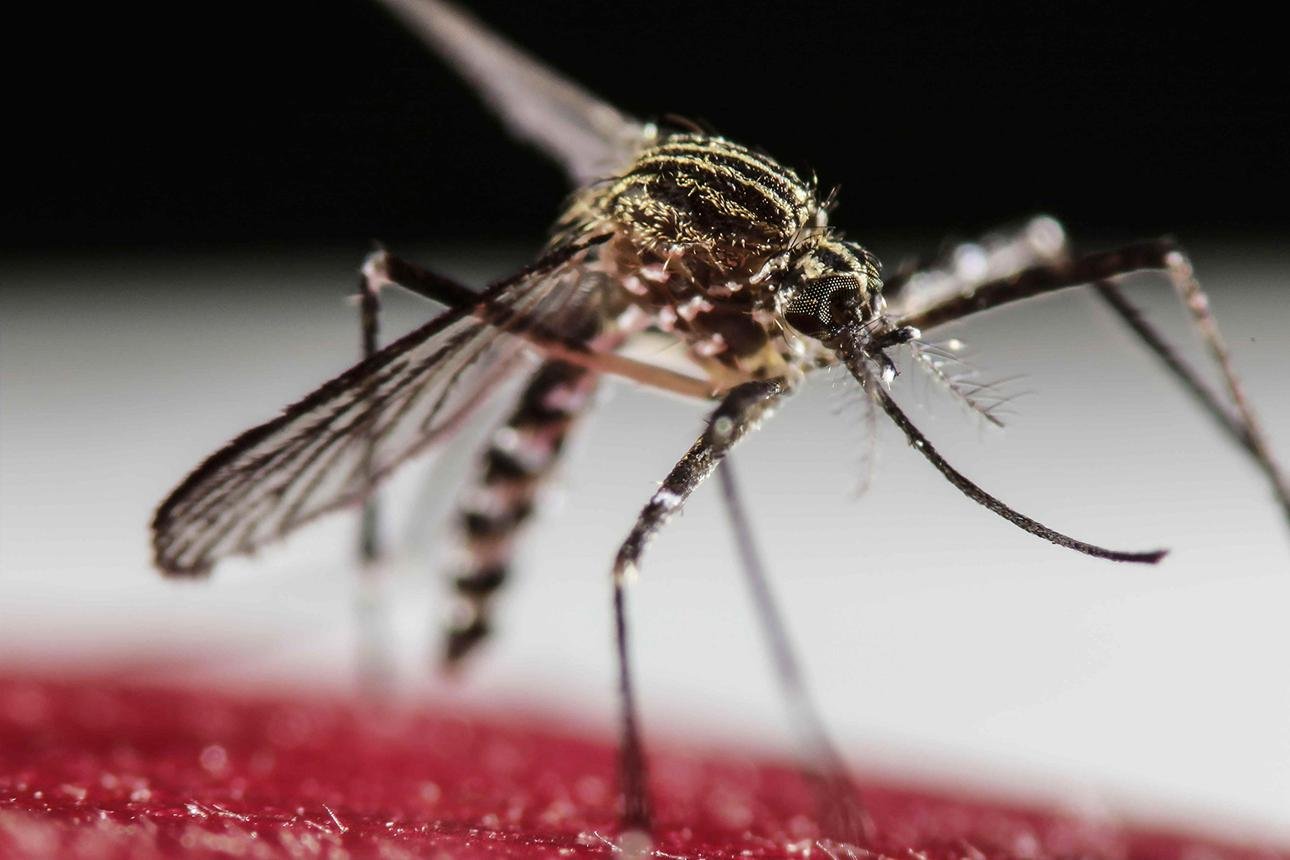
    A mosquito is one of the smallest creatures we encounter every day. Yet, it can carry diseases capable of causing serious illness and death.

    In India, mosquitoes are responsible for transmitting several important diseases, including malaria, dengue, chikungunya and Japanese encephalitis.

    But an important question remains:

    How many people actually die in India because of mosquito-borne diseases?

    There is no single official number covering every mosquito-borne disease together. Government agencies report deaths separately for diseases such as malaria and dengue.

    The latest official data shows that India continues to face a mosquito-borne disease burden, although there has been significant progress in reducing malaria over the years.


    🦟 Which Diseases Are Spread by Mosquitoes in India?

    Different mosquito species can transmit different diseases.

    The major mosquito-borne diseases of public-health importance in India include:

    • Malaria
    • Dengue
    • Chikungunya
    • Japanese Encephalitis
    • Lymphatic Filariasis
    • Zika virus disease in relevant surveillance contexts

    Among these, malaria and dengue are particularly important when discussing deaths and disease burden.

    https://images.openai.com/static-rsc-4/adgb927MAW8JRzluKLpOZVibAhPQKPTpt3-xG2uXSJprYPY4TCc9A0XUxCYYObdN3-pTzglaCO_dz7jFZKFsbRSAXLNaxt4nE0WUPYBsd71L4nb8XF66b9AFmrZMBCTkPiGpsArJjEt9Rlsp9pjihk2MlqdWqv7UURI1BKF-GtJYdHGAOwYZumFbdeBNh8zK?purpose=fullsize
    https://images.openai.com/static-rsc-4/A7llDJVJXllJpe5WQdLmmtJMuPrJ0LtiYpSLl041TIyH0mXyzGgUut2HBBVXDZQr4FhXtfB210p5OcuQeIWzvTXpXrxo7yr_oN7FqyVBi2pngLgzSlzwobidgNRpMV5lNNa8ClbyTkIve8J7Yr51zaiHeMD1twSawRa3lh2RxE-VQcTh33ctpeT7b4tEdtQq?purpose=fullsize
    https://images.openai.com/static-rsc-4/YmgAoE_zPGkiPBmdkmZgVTULVP0TumvH9CgXb8mvmQ5vAnlN3-ITBJ34GvlaZET1e6XyQmT8thn6ukcpzm_2sbd0Li9XPD7-Re5kTwLFtIhPeLkQvsJUW8fm_FTUvJV8PtCgUMDJeAHopuHWZiNhsfD2co11jPuJoz2StBQ4FzgnDEGf1Wrl2KHcYxB0Y-tT?purpose=fullsize

    🦠 Malaria Deaths in India

    Malaria is one of the oldest mosquito-borne diseases known to humanity.

    It is transmitted by infected female Anopheles mosquitoes.

    According to the latest WHO India malaria country profile, based on data for 2023, India had an estimated 2 million malaria cases and about 3,500 malaria deaths. The same WHO profile recorded 227,564 reported malaria cases and 83 reported deaths, showing the difference between estimated burden and officially reported deaths.

    This distinction is extremely important.

    Estimated deaths vs reported deaths

    There are two different numbers:

    Estimated deaths: around 3,500

    Reported deaths: 83

    The estimated figure is produced by WHO modelling, while the reported figure represents deaths recorded through the country’s reporting system. Therefore, these numbers should not be treated as contradictory—they answer different questions.


    📉 India Has Made Major Progress Against Malaria

    There is also good news.

    According to WHO, India’s estimated malaria cases declined from approximately 6.4 million in 2017 to around 2 million in 2023—a reduction of about 69%.

    India also exited the WHO’s high-burden-high-impact group in 2024 after significant progress in reducing malaria incidence and mortality.

    That does not mean malaria has disappeared.

    It means India has made substantial progress while continuing to work toward malaria elimination.

    https://images.openai.com/static-rsc-4/3q3BPLyKA6k6xf1b8-WjANM6Qik-ZbCmWn5Z_ElYtheXD8pBQDnQ5GgzQ6-pxV4kgHZMwPJvxKh7Y-WEC72VXfq5VtFaZLRQ2d1GV50CvI-XeXd80wJM0RSV5rp__uV0AD_ygqlB6czoULBtjQ-T-9TWlzZV28yJgCtQqkBVl-BsIEOLr3eKWUwlNpBAdypI?purpose=fullsize
    https://images.openai.com/static-rsc-4/b0TeHRP1c5EjFdW4QAda0kyD6GzI5INURVwpgK7e0eQoyR1pwEK9i1855JN3PDvwCjNPdFZnDJSnAHSeO08obS6kdUcnGWQtZTcaDJzEeCXsA-fwK6C3eOd4t-VLA4zIam3BhLMF0Vszj4Vk_dEdh7KXrVUq0ivf4we_HFeS2346_MycnCxJxvN8KOekd18j?purpose=fullsize
    https://images.openai.com/static-rsc-4/XQqKOKDofTO0JimCfLb9uzoG1o6Y6rQSRVKZPu78ADJgqO5cF_QQ9pjshIX5ezF2KJzZ2hym38THSDsHG3ot8sJRJG4Th3JIy0GqJBpAWbPg5GQlbXfg7xJUGOWE2WloeUxxqUATEGeOEFxgJQ6qrYr3OhulVKPRlA5BJySpOKT_ehbV-dXvPKaP_n4l2zH9?purpose=fullsize

    🦟 What About Dengue Deaths in India?

    Dengue is another major mosquito-borne disease.

    It is primarily transmitted by Aedes mosquitoes, especially Aedes aegypti.

    Unlike malaria, dengue does not involve a parasite. It is caused by the dengue virus.

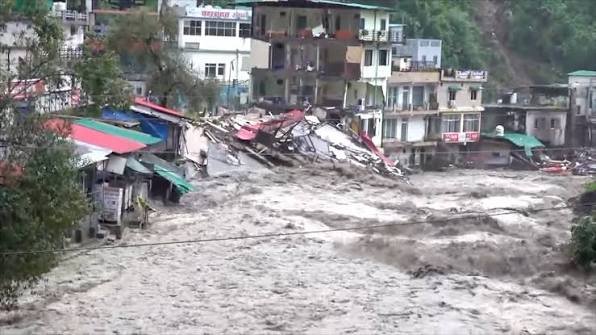
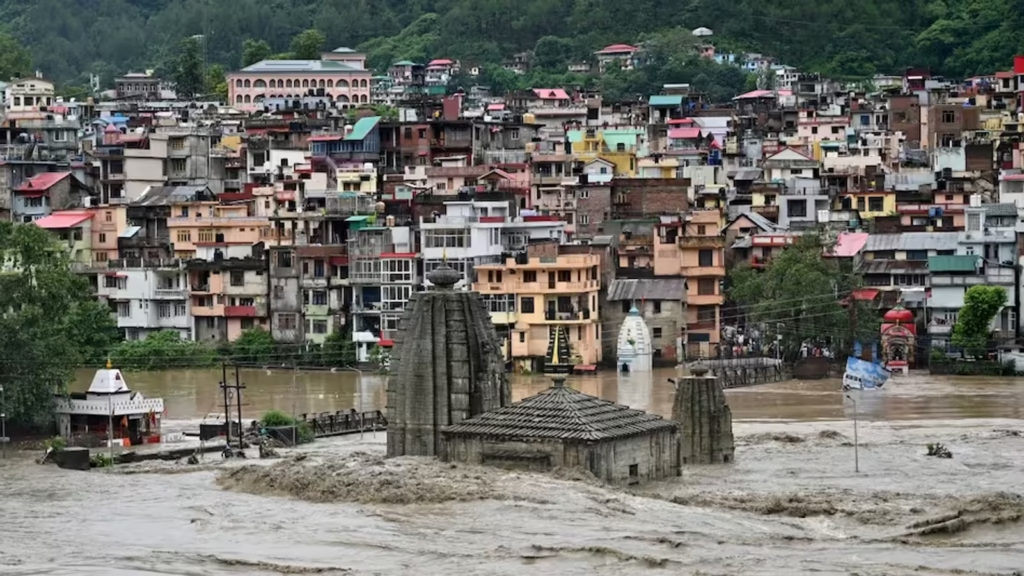
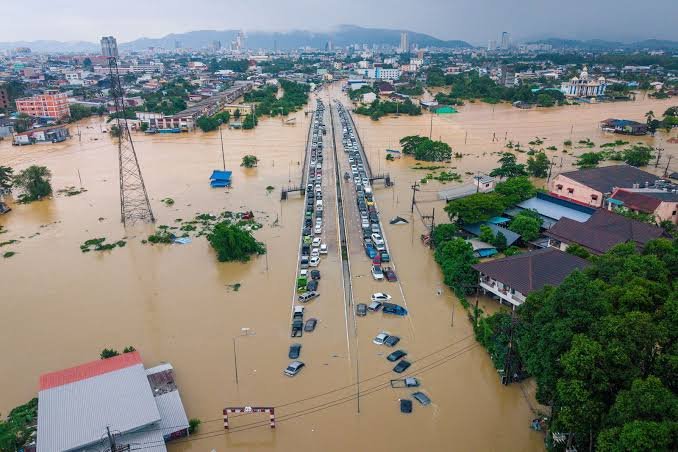
    The number of dengue cases can rise sharply during periods of heavy rainfall because mosquitoes can breed in small collections of stagnant water.

    According to India’s National Center for Vector Borne Diseases Control (NCVBDC), the country recorded:

    YearReported dengue casesReported deaths
    20222,33,251*303*
    20232,89,235*485*
    20242,33,251*297*
    20252,32,87555

    The exact presentation of annual dengue figures can change as surveillance data are updated, so for a blog post it is best to identify the data year and source rather than presenting an apparently permanent number. The current NCVBDC database provides state-wise dengue cases and deaths and is the appropriate source for updates.

    Important: The figures above should not be combined with malaria deaths to claim a single “total mosquito death” number because the surveillance systems and reporting methodologies differ.


    🩸 Why Can Dengue Become Dangerous?

    Many people recover from dengue without major complications.

    However, some patients can develop severe dengue, which may cause:

    • Severe bleeding
    • Shock
    • Organ complications
    • Severe dehydration
    • Dangerous changes in blood pressure

    Early medical evaluation is important when symptoms become severe.

    Common dengue symptoms can include:

    • High fever
    • Severe headache
    • Pain behind the eyes
    • Muscle and joint pain
    • Nausea
    • Rash
    • Weakness

    A person with suspected dengue should seek medical advice rather than relying on home remedies alone.


    🌧️ Why Do Mosquito Problems Increase During the Rainy Season?

    Rain creates one of the biggest opportunities for mosquitoes to reproduce.

    Water can collect in:

    • Old tyres
    • Flower pots
    • Buckets
    • Construction materials
    • Roof gutters
    • Open containers
    • Discarded plastic items
    • Water storage containers

    Even a relatively small amount of stagnant water can become a mosquito breeding site.

    This is particularly important for Aedes mosquitoes, which can breed around homes and urban neighbourhoods.

    https://images.openai.com/static-rsc-4/mFwkjEtD_31NW3HX66H7vZI9u0wJDmKXJ973ag4r7QzAx9Ceh95fHDMj7tTRrZxiwZr8EwfvujyeTFRLdXcRapHTDzWM4UNuh9-8IXWemOuYSZl_x5JhpGmDQNWI2ox6LYXPtAjvEou3QzCQ1W6gPmbR50b4YrLON0zF9tHIz2Fz96z1eWhvVCpPv_lDN8E3?purpose=fullsize
    https://images.openai.com/static-rsc-4/eYw1cDrfIef6eK3lvCLGgMVoUXGCgTB7MRui3MFHnWR1bZEVD_94gMJPEs5SAQ-9IkkUjTkL4D8TxR4o_mc-9K_oewysK2PhsKsp1u2Rn5DvnqmmPnkNUiZA1p_mN8hFuK2sYX-wCqZd1K5qbZrSLlVk8apB28lFq7CnKyLTFcHwgyKIt7mry-j_mKZQAB6k?purpose=fullsize
    https://images.openai.com/static-rsc-4/Pw-FegTon1v9EnhkVI4PgSKuxsk80oTQS2bct32coaIrpFq7e4_yIgqMJtEgBPejXdRdrt1EuS0IcEptNz0-DHegV2T5hvleMIUkGi4bjsLEp2EfNv2w-Fvovp7l2URHksJk0qXHnWt_cwU3mEOwLu3Ohrw1jMYny7fvE6noyoyXNJDezfDoLRI-jK5drGRe?purpose=fullsize

    🏠 How Can Families Reduce Mosquito Breeding?

    Mosquito control does not depend only on government spraying.

    Households can also make a major difference.

    1. Remove stagnant water

    Check your surroundings regularly and empty containers where water has accumulated.

    2. Cover water storage containers

    Keep stored water properly covered.

    3. Clean coolers regularly

    Water coolers can become breeding places if they are not cleaned and emptied regularly.

    4. Use mosquito nets

    Mosquito nets can reduce exposure, particularly while sleeping.

    5. Use screens and repellents

    Window screens and appropriate mosquito repellents can reduce mosquito bites.

    6. Keep surroundings clean

    Discarded containers, tyres and plastic materials should not be allowed to collect rainwater.


    🧬 Why Are Mosquitoes So Dangerous?

    The mosquito itself is not necessarily dangerous simply because it is a mosquito.

    The danger comes when a mosquito becomes infected with a disease-causing organism and then transmits it to another person.

    For example:

    Malaria → parasite

    Dengue → virus

    Chikungunya → virus

    Japanese encephalitis → virus

    So the same broad category—mosquito-borne disease—can involve very different pathogens.


    🇮🇳 India’s Fight Against Mosquito-Borne Diseases

    India has national programmes dedicated to controlling and eliminating vector-borne diseases.

    The National Center for Vector Borne Diseases Control (NCVBDC) publishes surveillance information on diseases including malaria and dengue.

    The data show that India has made substantial progress against malaria, while dengue continues to require strong surveillance and prevention efforts.

    WHO also continues to work with India on malaria elimination and other vector-borne disease programmes.


    📊 What Do the Latest Numbers Really Tell Us?

    The numbers tell us something important.

    It would be misleading to say:

    “Millions of Indians die every year because of mosquitoes.”

    The available official data do not support such a statement.

    Instead, the evidence shows:

    • India has a significant mosquito-borne disease burden.
    • Malaria cases have fallen substantially over the long term.
    • WHO estimated about 3,500 malaria deaths in India in 2023.
    • India’s government surveillance system records dengue deaths separately.
    • The total number of deaths from all mosquito-borne diseases cannot simply be obtained by adding a few headline numbers from different sources.

    This is why responsible health reporting should always mention which disease, which year and which data source is being discussed.


    🔬 Why Reported Numbers and Estimates Can Be Different

    This is an important point that is often missed in online articles.

    Suppose a disease surveillance system records a certain number of deaths.

    That does not necessarily mean every death caused by that disease was diagnosed and reported in exactly the same way.

    WHO therefore uses epidemiological models to estimate the overall disease burden.

    That is why the WHO malaria profile can show approximately 3,500 estimated deaths alongside 83 reported deaths for India in 2023.

    Both figures are useful, but they should not be confused.


    🦟 Can Mosquitoes Really Be Called One of the World’s Deadliest Animals?

    Yes—with an important qualification.

    The mosquito is dangerous because it acts as a vector for pathogens.

    It can transmit diseases between humans or between animals and humans.

    That makes mosquito control an important public-health activity around the world.

    But the exact number of deaths attributed to mosquitoes depends on which diseases and which years are included.


    ❤️ The Most Important Message: Prevention

    The most effective mosquito-control strategy is not simply killing mosquitoes after they appear.

    It is also about preventing breeding.

    One small container filled with stagnant water may appear harmless.

    But if mosquitoes breed there, that tiny container can contribute to a much larger public-health problem.

    Therefore:

    No stagnant water = fewer breeding opportunities = fewer mosquitoes.

    And fewer mosquitoes can mean fewer opportunities for mosquito-borne infections to spread.

    https://images.openai.com/static-rsc-4/CS3ofAh2W2aj7w60xidjdQYDVdXnxKKVb7H41apnnXls_zfrAFdO2AQFOzvkDUUoNugzGxIaXDQUIeq0gKE6lvctUhh8SR9fhoQcKU5j-iWReQeSuojWDQV-NlyibvUafJovXOm4vmV3AG5hesor5OBE81g18aEbkFUBPhkmsBLeTly2-2bxQp27KHErGnQo?purpose=fullsize
    https://images.openai.com/static-rsc-4/L_piE5vozmbaefKNQkuG1eI4jQnmqqBVAhYbq1_EgufzuGsZaue0YK9PscG3muU55OEuUz6OH_XnBLJwDEgXdEoOtiUf-G9VbbpPkwTNaPSwnXkbnMVYYqdPvv-QoOXAZoAxef9iC9c6l7GriM0DAMO2mYUAOfLeP0JPtRHHkKGHFnxK4qQaNOLnq_RPbE7h?purpose=fullsize
    https://images.openai.com/static-rsc-4/-uyXfyaeLJy56_whchehCArKUmLhePT31j-QH4GhVHYSwpPKzZm5U2Eg7try1EYjrABIHKKMW4yEZ2hXWub3foqtD95PINCj0tB5TXhvP_vx3XsOLbW-Wu-qGmQvGzfChuGbqbmDSSyrgw8ft0XzuaaRCC5sksJiLEdmrnTohDntmGu5ROaPI_eEYyaY2P3P?purpose=fullsize

    🇮🇳 Conclusion

    Mosquitoes may be tiny, but the diseases they transmit can have a major impact on public health.

    In India, malaria, dengue and other mosquito-borne diseases continue to require attention, even as the country has made significant progress in reducing malaria.

    The latest WHO data estimate around 2 million malaria cases and 3,500 malaria deaths in India in 2023, while India’s government surveillance system continues to track dengue and other vector-borne diseases separately.

    So the answer to the question “How many people die in India because of mosquitoes?” is not one simple number.

    The scientifically responsible answer is:

    Thousands of deaths are associated with mosquito-borne diseases, but the exact total depends on the diseases included, the year and whether reported or estimated deaths are being counted.

    The good news is that many mosquito-borne diseases can be prevented or controlled.

    Remove stagnant water. Protect yourself from mosquito bites. Seek medical care when serious symptoms appear. And keep your surroundings clean.

    🦟 A small mosquito can create a big health problem—but small preventive actions can also make a big difference.
  • 🚆 Major Train Routes in India: Important Cities, Famous Trains and Complete Route Guide

    🚆 Major Train Routes in India: Important Cities, Famous Trains and Complete Route Guide

    india railway

    India is a country of enormous distances, and the Indian Railways network connects some of the most important cities, cultural centres, business hubs and pilgrimage destinations across the nation.

    From Delhi to Mumbai, Mumbai to Chennai, Kolkata to Delhi, Delhi to Varanasi, and Chennai to Bengaluru, thousands of passengers travel every day by train.

    Some railway routes are famous because they connect major metropolitan cities. Others are popular because they pass through historic towns, pilgrimage centres, mountains, rivers and some of India’s most beautiful landscapes.

    In this guide, we look at some of the major railway routes in India, famous trains operating on these corridors, important cities connected by them, and what makes each route special.

    Note: Train numbers, stoppages, schedules and services can change. Always check the current Indian Railways/IRCTC information before planning a journey. The Government Services Portal provides current train-name, fare, route and schedule search facilities.


    🇮🇳 1. Delhi – Mumbai Railway Route

    One of India’s Most Important Rail Corridors

    Delhi and Mumbai are two of India’s biggest metropolitan and economic centres.

    The railway corridor connecting them is among the country’s most important long-distance routes.

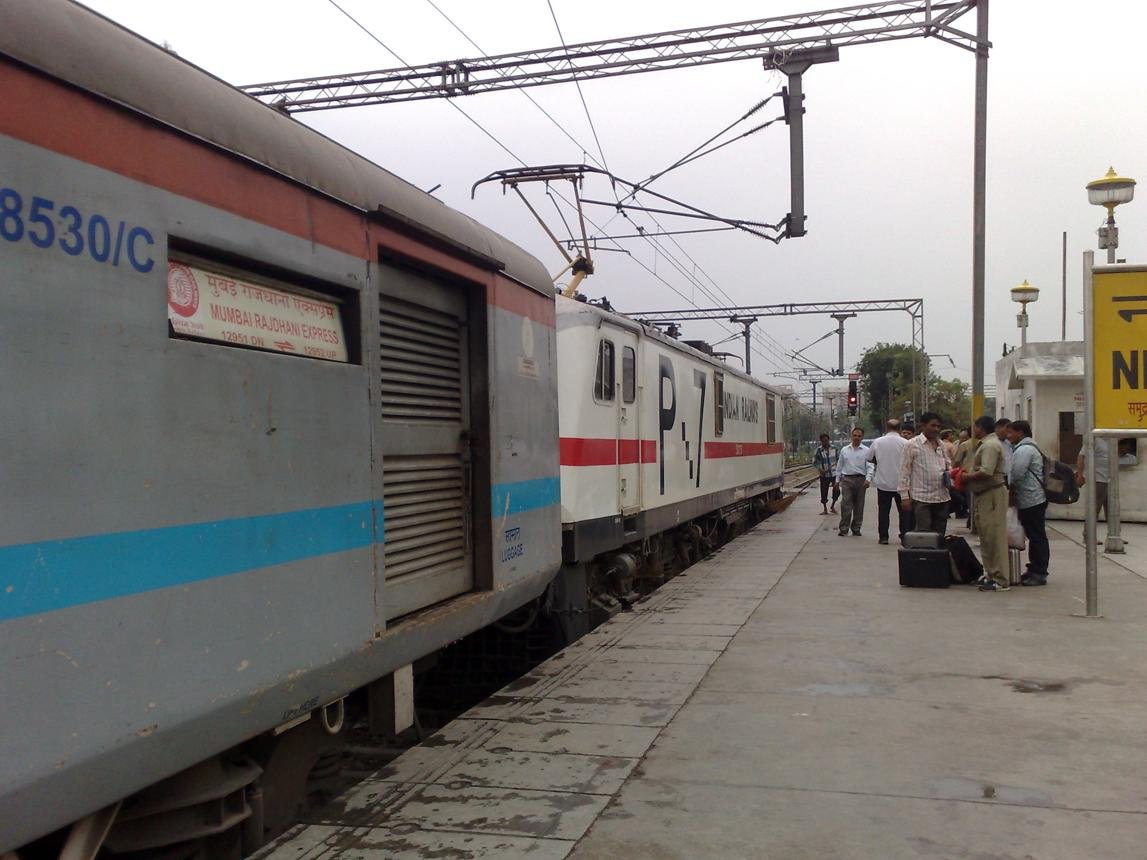
    Major trains on this broad corridor include premium services such as Mumbai–New Delhi Rajdhani Express and other long-distance express services. Indian Railways’ official Rajdhani list includes the Mumbai Central–Hazrat Nizamuddin Rajdhani service.

    Important cities and regions on the corridor

    Depending on the train and route, passengers may travel through or near:

    • New Delhi
    • Kota
    • Ratlam
    • Vadodara
    • Surat
    • Mumbai

    The journey provides a fascinating transition from northern India to western India.

    https://images.openai.com/static-rsc-4/jWeHBkfHKnWNmlNX2vcWhP9dETUHVIgq_LUbkIrCK1wnpaB_LIUzYdFwNURuEbr8o8UpkM9mZPGKgZJUSJsBasBrOGY5n9_CpbntB8Qn8y-0cVtsGmQTSC0DvAsm2B71xL_uXPvU6839UNc21gOC-qbzfQhTmUNgCcN8XKO1yNk14SV34v4G4NhDA73GBJdF?purpose=fullsize
    https://images.openai.com/static-rsc-4/b1QQYifWYxflgIK0bqmnGmMnXB-2D1ka1ubXxsRXoW7Wxq4vjenOxsZkK63eU3eHVhxJJsDUo3g-Pcc8XLBfbJuyZ4yAJ7jlWeVWVS9Xvp9LCpBu0uP9qLcEdna-jIzEkb3UskyLHlDFU1nSDiLCr-TdDzBCbu-A6FWp267C0bwUC3RAx1_7O23FN2WHzBTu?purpose=fullsize
    https://images.openai.com/static-rsc-4/VUx8_UvSq2J75dbUvhbjHv9Gm5JoliyjrawZBQXY7fR06TdYqOku7FelDpinol659JwSz9X-Hwl8TjWRZx1ECnIriYxK-VEId-PcuJai5_BoAw7rvJ1f-E_YVK4GLWl-qzHAcwbyt8n8gPiqoQT1btsRtaS5uR2Hn64NwKNGMkvYMdvkb4p0vrnxoHtVgYT2?purpose=fullsize

    Famous trains

    Mumbai Central – New Delhi Rajdhani Express

    This is one of the best-known premium rail services connecting the two cities.

    Other express services also operate between Mumbai and Delhi through different routes.


    🚆 2. Delhi – Kolkata Railway Route

    Connecting India’s Capital With the City of Joy

    The Delhi–Kolkata railway corridor is another major artery of Indian Railways.

    It connects India’s political capital with one of its most historically important eastern metropolitan cities.

    The route passes through important parts of northern and eastern India.

    Major cities associated with the route

    • New Delhi
    • Kanpur
    • Prayagraj
    • Varanasi region
    • Patna region
    • Dhanbad
    • Kolkata

    The exact route and intermediate stops depend on the train.

    Famous trains

    One of the best-known services is the Kolkata Rajdhani Express, connecting Howrah and New Delhi. Indian Railways lists the Howrah–New Delhi Rajdhani services among its Rajdhani trains.

    https://images.openai.com/static-rsc-4/5i81HOmV6KNJc03MQf56rfdT0wEjxjEeJTKh_78TLG3IgKw2Z6n8VnFgfwDV-rxuoZa8JnTnLKAmw8vQFPBP_UioNZe0-AVm0uJqGXeJv2QfiGtHMfEHAbqYQiFygMukRl45m7x2-txXChhQCLDBVi7ukijBl9pbhLSxsKebHi7wzW8M9B6-JzuFkbminGBT?purpose=fullsize
    https://images.openai.com/static-rsc-4/CE20EI6P5VuYbPcaiQiYibcAt4JvRchTIHcdnzwAZesno3dkqbTr5-DzotlgqVmG1IcUwWpc1Hjfiw-J2IyfRFSlDjsUvcqAbK9kexF9vCXy1ZT-zBnzFKm5Bknb29FTrtqRbYrfBbUCV4nOq8TVtGq7SBqkcPEQpALGPKy2EA9XpsRK5ilxjMj02_seQLo5?purpose=fullsize
    https://images.openai.com/static-rsc-4/7R1MeC7X9T_0Q9eBp9mP_bf_mGqkzJhZdEOKQwVou4xyZ3iircalpGif-gwr7hxOMbyIMfZ0XfjfCwgtlTCTnvH2APh-m8LlEB4h8hFdxrBkynDGxesTZVqr1TfqenG_PY9iBvBo6r8675le9VA-zzhjgR1bBuzGy5jNgJdk8TVIgFWroyfunqU7L5--tlOp?purpose=fullsize

    🚄 3. Delhi – Varanasi Route

    One of India’s Most Important High-Speed Intercity Corridors

    Varanasi is one of India’s most famous spiritual and cultural destinations.

    The railway connection between New Delhi and Varanasi is particularly important for both tourists and pilgrims.

    The New Delhi–Varanasi Vande Bharat Express is one of the prominent trains on this corridor. The Ministry of Railways lists train numbers 22435/22436 for this service.

    Why this route is popular

    Passengers travelling between Delhi and Varanasi can experience a journey connecting:

    India’s political capital → historic Uttar Pradesh → one of India’s oldest living cities.

    https://images.openai.com/static-rsc-4/FowCTS0u8gj2N49XRbfa2ZkpOin-xFzEQlK5_ATo9ZZgi-3ximzv80_vKQuEYrFDUDrIxJrJOGrsAojzyVWcx-BITVfAKN2crrgIKK7YQ6-GWAlhXTmPlqNi--hWG1KQlZd2f1cyl7sn6GzoHahixpWic630eD6KjZEF_lfDqUOdpCCNitwdMKC25w6272xG?purpose=fullsize
    https://images.openai.com/static-rsc-4/5I78iK4q6s4Xhjx0fMAyCsUXWgMnClzFPBkMc0cmOMeEAjofwJsEGzXxkMhpmD3KRut2AGmwi2OcZMF_lfZ1RZOuE3wWFqP7Gr0Ycdu0xcDeXIIhS4_Nbn3OK2nkAsRNUMYp_GuDxsOjp-m8KKwMEeZzG_KuF11L7yd2rv2OaARrK4qU38NfYA0cRGLjS29P?purpose=fullsize
    https://images.openai.com/static-rsc-4/eFv49kIK6DZMpMRXQw0rFob6PCubZJ1-b0M7e2QxjxxfUWo0Mn1DiNVKGNRpoF6b_4rQyUbHM81k5HmzrNuHkBBUGm7Cv6Ik4A95lrNApTSB7svbHXRZpdZjF4Z_syUDKVDD0DPBzUDfbin4BphupO5E-VaqmByZPCYYlkaD9hwmqPbBUucn8fVJe2HGU1zI?purpose=fullsize

    🚆 4. Mumbai – Ahmedabad Railway Route

    A Major Western India Connection

    Mumbai and Ahmedabad are two major economic centres in western India.

    The railway route between them is heavily used by business travellers, tourists and daily passengers.

    One famous premium service is the Mumbai Central–Ahmedabad Shatabdi Express.

    Indian Railways’ Shatabdi list identifies the Mumbai Central–Ahmedabad service as 12009/12010.

    Important cities

    • Mumbai
    • Surat
    • Vadodara
    • Ahmedabad

    This route is particularly interesting because it connects India’s financial capital with major industrial and commercial centres of Gujarat.

    https://images.openai.com/static-rsc-4/P35PnTFdq9jYC5pOzC_RZPmlHBEz75Og1idL84GReKCNBEcP7CJePVNduk1SFOv7EAGBIHPm-wA3BxPZuDjMl5j7fgWpXA1wFnY9oOBS9v0x5Sicf9Tl6mKwD2F8X8IXoaoaW-fW3rCPNDZ8iOcdFO9-au552Dp8rXttiWEu72YnaSFqJaq8i7EKcvSFZP4m?purpose=fullsize
    https://images.openai.com/static-rsc-4/XktMii-BoRhHo9DhQpaBSIDla5RUb__BCKNpXmdhpBKZrpyZIpaF-dfgc0uXfBvSFGRssMkh4WIKibbCNQy8u1U0F8HLp5OPWO8WYJVLcZ-0VE28nKGk14XA3aYkfdsgKHW4z7jjKSovvpsV8dQyj0iT9EoXhZgLz5lxW_f4PwEQ4UAHar7PxMIinKgdPzsR?purpose=fullsize
    https://images.openai.com/static-rsc-4/_xFyKdlmX36kNmYlO25NBgaCxIoH-jJM46cQTKpF7WYj4kkyg9p_soxVOHiyZ-nAHREjVo6GO_99bB7A7hFppNGxptiKMLCWDWBOwo-m7sXpLcxOKAAM-y0GFkpvDk_zeyBnv8z4OpSPbSfliB8K-IQfNQ1DREH-QIdl2dS05iP5KOs8XJ9jYGjGtEHkhiyS?purpose=fullsize

    🚄 5. Mumbai – Surat – Vadodara – Ahmedabad Vande Bharat Corridor

    The western railway network has also become an important part of India’s modern semi-high-speed rail expansion.

    The Gandhinagar Capital–Mumbai Central Vande Bharat Express is among the services officially listed by the Ministry of Railways.

    The broad corridor connects important cities including:

    Mumbai → Surat → Vadodara → Ahmedabad/Gandhinagar

    This makes the route particularly important for business and leisure travel between Maharashtra and Gujarat.


    🚆 6. Chennai – Bengaluru – Mysuru Route

    A Major South Indian Railway Corridor

    The Chennai–Bengaluru–Mysuru corridor connects three important cities of South India.

    Chennai is a major industrial and cultural centre.

    Bengaluru is one of India’s leading technology and business hubs.

    Mysuru is famous for its royal heritage, palaces and tourism.

    The Chennai Central–Mysuru Shatabdi Express is one of the best-known trains on this corridor. Indian Railways lists the service as 12007/12008.

    https://images.openai.com/static-rsc-4/KR9o4FvZKOAa_zeVxP_N3mX54CtUM3Fh35F6BjCvjEhPjMDFMPEA_Y4ZaGaPuxY3ALbI0PU6eem4_0J_Sh7uZbLQ18YGwLswR2MMql791ilr3qTrV9VXP6YIm8Tn8_JzS1xKT95vnsq-ng5NP_FDtZs1a_ot3Njzc7_RmG05YX1EhtN7Q2gPfOjopQdhHAZc?purpose=fullsize
    https://images.openai.com/static-rsc-4/IzVHdb6slLg8MAHarj3js1iA-p4Rim7E26XpyXUPH9AECDxj1gSdhCQTaS_TytNi0sA45jtoxfakA7V3tNjewSMFppkSB74O3xvU7Y1EVhUUusFh6k_RzJJOE-qjX-tplPaLkgncC1gwoPcslfmL2blrl7h523SC8v_F5k_wRKnKCAf1K18Y5UJ4cs0yqK9g?purpose=fullsize
    https://images.openai.com/static-rsc-4/QNGoe8T-5rfUKRBO0cs_yddwMYPj94ZqEfdu5rJmAa-nU4vh2RTglHkwbVhLE8WGVDX4R0Mz2C1dhdtrI9IdQyAZ-yIIDcVpXcjNpIHA5jPhJaVVXXPcy9hfqf1ooHghImC45tA-yEr1Wqd9ug4383Iok2aAYhUdyH6UqDTEtUNkMPxbqZZvhBM62ZOoGple?purpose=fullsize

    🚄 7. Chennai – Coimbatore Route

    The Chennai–Coimbatore corridor is one of the important railway connections within Tamil Nadu.

    The route links:

    Chennai → Salem region → Erode → Tiruppur → Coimbatore

    A Shatabdi service operates between MGR Chennai Central and Coimbatore, listed by Indian Railways as 12243/12244.

    A Vande Bharat service also operates on the Coimbatore–Chennai corridor, listed by the Ministry of Railways as 20643/20644.

    https://images.openai.com/static-rsc-4/5HlNfsbMIgCXR-B1lo05ZgXpMKmGbW6bJuHsIPHDTlpnvMk2rTyc_4gW_2HNVveLbwUxUsshqXK-V8gqOmAMRzxYRd2m8Iz4oJRNNAQRJQgW5LiMZ-Io6KrztEH8rpFbrm0c9LuyuqPKKFbMnmPLO97dYszNBnK4PKVpfpHNhVNnoOv1M_QKkTVUFLXwes1X?purpose=fullsize
    https://images.openai.com/static-rsc-4/q0FLLeWAdGBfQ-DmDqgPWB8GvI5dC3xcE7XnbARppz29J6iZHVm0WK1NhW2QXRMX4Ax8SszY32WUDENfLVLnSzrpxE7_DEow4TBo4lyZRFN0QTUJWVyhXwKke9HpNDygccjbBqzwkjVKV4hQtVWuQ1_lEj-IfahSxPXFcdGklVxaCtmKhqz0Zr2TZp1u8RDj?purpose=fullsize
    https://images.openai.com/static-rsc-4/ywVmoaroYk8aUUoq7W-fz-RT5Zo7qK9kWyqIW-P577I4JQKJXJ55Im2ce-zODl3X1Tlx7nZujX7JxDyW3SDv0O_h1jR9jH48lGGEc8Hv056CwHhDkxow4qL02R_fU-QPslmHAY5BNIVhsNFggJJcSy1lk-_eXcCc7ImDI90V_Utj-s-MZR6ubrFBxUqtwwN3?purpose=fullsize

    🚆 8. Hyderabad – Mumbai Route

    The Hyderabad–Mumbai corridor connects two major metropolitan regions in central-western India.

    Important trains connect Hyderabad/Secunderabad with Mumbai through routes across Maharashtra and Telangana.

    One notable premium service listed by Indian Railways is the Secunderabad–Lokmanya Tilak Terminus Duronto Express, train numbers 12219/12220.

    Major cities associated with the corridor

    • Hyderabad
    • Secunderabad
    • Solapur region
    • Pune region
    • Mumbai
    https://images.openai.com/static-rsc-4/zg2z3DDMA9LEe4wyARsBywuhBEVfgdEzXHgA8dgjnMIxzckhAuuF0BmKKb_EF8RLWtHrt4DR3-OXxdl0PIiRT_AG_ynirkt1YU3wHGOW_edG_n4PKHYonAZsqViQj5BSNwUDM_TqIJ9WHO3rM7pZClg4K6J_hS9TsXlwQz4RwNujU8KyCm4osMzV7KLnbsxF?purpose=fullsize
    https://images.openai.com/static-rsc-4/DUBTyMN92UwBhoIE5s95UULajqjXOn2yIKaEoeyYoWiTm36N174H3_82cIy0HTUiXAcxiiEkYcIsuz1B-KNwAeOOKqnG3NHmrfZK_zvAVsBFz9Y_-qAM1_svnGGoq1Zg_CaYOepynH5ghXKdcyNS9Fl0YZpY6JRkU552YRf4tbq71Bxj65ICIMRvsEWzyIm1?purpose=fullsize
    https://images.openai.com/static-rsc-4/D7OcPzV-HIXNkqJJCAeeB6_1AVUsz6A-wa7Km5aGWvWc-61owNNwb8iRr4knRQYamMTERqNtYoUMOx22_p10y74yyiwYeHBH9VWIy2K1KqTDJ2Sf-qfscWm9rsXhN8augbpMvp8XMEoX-CzYmv7ghqhhuItOKQ-lVNEAkJhWhqye_gIFHYRf4pWOycFXFYhT?purpose=fullsize

    🚄 9. Hyderabad – Visakhapatnam Route

    This is an important connection between Telangana and Andhra Pradesh.

    The route links:

    Hyderabad/Secunderabad → coastal Andhra → Visakhapatnam

    A Secunderabad–Visakhapatnam Vande Bharat Express is among the Vande Bharat services listed by the Ministry of Railways.

    This route is particularly useful for passengers travelling between Telangana’s capital region and Andhra Pradesh’s major coastal city.

    https://images.openai.com/static-rsc-4/zCn1fcNpALYR0Yx-cqoTvxgxakqoBheB8euopjQxqEg2Ec8ZSZhHYk-S1fZeHYtBOPapsl2xV3OEvZAMUEIrIHYKzmEtQsZszFMBqMVkx99w1OVJb7Fomccyvf05KXYNxQ8nKd2TFZ28ayNWBTpFLIsRXGEIzvhc6Mk5oBcvVtz6YYoOA2sIEJi8uBblXIN_?purpose=fullsize
    https://images.openai.com/static-rsc-4/J2KCg2_cdeZPj2FD7fmkXD0rvOYCBf-jq_HRnlhvgGvDHs6adYTzDtOnO75QlfQTQn8OZ0_WhfIMmKI_SxvsTqpVhYZ0SUh7X6I7CJuLA_hj2qLjYibGb4-gB7GOlTYD94s82e7hCTQ5AcXmNOT5eiRaumHS44jEWmJVnoG14szQ5cxAbdXVCuOJ4fF71wtf?purpose=fullsize
    https://images.openai.com/static-rsc-4/Pu0HlBkw_9SK92631En7YyTVtGgt--ZFb0fpGldM4jXwxnZAG5VEeqlAhtH8mpg6ddrG_74fnCB02Gdr-ix13MvU8XBcKImVf8LXtd4Pyb8XXyoQYm9XVDnMQT5F4T6as6Aw9Lp5NIBftDXrcQylXyUTzckCjMD5VC6vcBJQ9A2SLjGC53wwTEg5fLSjydzu?purpose=fullsize

    🚆 10. Delhi – Jaipur – Ajmer Route

    Rajasthan has strong railway connectivity with Delhi.

    One of the famous premium trains on this corridor is the Ajmer Shatabdi, connecting New Delhi and Ajmer.

    Indian Railways lists 12015/12016 Ajmer Shatabdi among the Shatabdi services.

    The route is particularly popular with tourists because it provides access to:

    • Jaipur
    • Ajmer
    • Rajasthan’s historic cities
    • Major tourist destinations
    https://images.openai.com/static-rsc-4/-xdc5jTaYQ8cFu_mgPame3Ow9Ehc9fuDMtbrd8NpBbd6b0HeDZOPFWg0U1h8tSAUY3Yvgvao8sOQVUuohEiHok5EYKEnI5Qw59yPM493dx_KKo_EdarcUC-cThJ6fB31zaVas7bQwKF7iUNQbQe81orTYdBzYDjIVJUPEPzJKC1sd7v9xjNOgvKlN2gPDPiN?purpose=fullsize
    https://images.openai.com/static-rsc-4/9KyIn67mOXWgHdtz5H92Y56fMTBL5iuAKngcGxw72-htRBuoa_TOaHeL6bXIZk8VKU2WeCphxrNiYwxCe_1ddmiFlOUawg3YCeUZyS_0JG-q92B2lBLkNPnKmytiDK_Ulz8qbYOcxN1gYzcIeXuHiQdXt3LfcuoOCSX24IAB6-yQlwQdCXoXQqDw4oN3FdYm?purpose=fullsize
    https://images.openai.com/static-rsc-4/Z2qbU378xFoGPbGQ4cUpZa793nQczsp3EVvSZviGMcQFziXrQQKfnKgjmdZldV-fBEutURUCHA7hTnRTLz1PQk6Tk0AOvmh9ZdnK3AlaxF7yPefHgvoZb9qrIY7Xo0fMP_UfPDW0ariGmQRNaVcUSHGJUqffzt9785udleDvozWGib5l24tDyf7h0Q7Ypxzl?purpose=fullsize

    🚆 11. Delhi – Amritsar Route

    The railway connection between Delhi and Amritsar is important for tourism, pilgrimage and business travel.

    The New Delhi–Amritsar Shatabdi Express is one of the best-known services on this route. Indian Railways lists the service as 12013/12014.

    Amritsar attracts visitors because of the Golden Temple, Jallianwala Bagh and its historical importance.

    https://images.openai.com/static-rsc-4/0vzNEsCuyNgtUQt7R28s-r9A3vdlzbtWpDc5ySABv3V4S5FYQPZtmbP8QW1WTfv4g44BEE0PVkkaylFEj_flpP_4QT8N2-K8qmzLqqaZGUUuBmGohB-AWEKqhF-XJCJXVPJN5YA3QWaUdc7VImyv4pijpoyiFe8xAPQapBFh3i71M9WsGYFfehUMYMWW_pvH?purpose=fullsize
    https://images.openai.com/static-rsc-4/HuB7ZOR3JkfYFQd6Fy-5wsvkpWtHCHeI5OCNu6QzjRzxpNguhcnzhlv4AjqE_UpZKif_FjaLoqxmCYLWbbkBtfyBkAlKtM1tNSaoOMjam-SYHLceuNqlV5Rn3aWaOiMyaCIpPQOu_IOkMZEdBkPyNnzjRDpX_iRZeuh5IDuLcjXL7VXh-cX_3buPgGxSXhYd?purpose=fullsize
    https://images.openai.com/static-rsc-4/y63rKyOgC_tjDBGXGFI68_owImmES7x4EI2M8ZIWIUAvnL5ubx7W1v7-ybl5P3knS68RAYyumjjkqpUF27b6xbT8wJT1Z_PROwupVblRlCMBvI6b3Mt9UzogBV1fV0mReoKWGMtCja6CzDiMn9EsrhGfVon_B7BuVuIg8b81ciN2xF9IVg20h6krlIOaJy6C?purpose=fullsize

    🚆 12. Delhi – Lucknow Route

    Delhi and Lucknow are two important northern Indian cities with strong rail connectivity.

    The route connects:

    New Delhi → Uttar Pradesh → Lucknow

    One well-known premium service is the Lucknow Swarna Shatabdi, listed by Indian Railways as 12003/12004.

    Lucknow is famous for its architecture, cuisine and cultural heritage, making this route popular among both business and leisure travellers.


    🚄 13. Mumbai – Pune – Solapur Route

    Maharashtra has an extensive railway network linking Mumbai with Pune and onward to Solapur.

    A notable Vande Bharat service connects Solapur and Chhatrapati Shivaji Maharaj Terminus, Mumbai. The Ministry of Railways lists it as 22225/22226.

    There is also a Sainagar Shirdi–Mumbai Vande Bharat, connecting the pilgrimage centre of Shirdi with Mumbai.

    https://images.openai.com/static-rsc-4/wtD17RcXdoqGDIoTiIBipZxSZuzP1NxeHWHqqc2Qnh64vr4Fw6RP1Ziq9YtTKqelLpnefXuKImSafm0MoJBJSiutSDkOjZxagOJqdN_iz-xupvUXomP0Me9E7tzBcmNw03wmWcHIkmTl-ktrptgXZUJA3DXf4ngiQhcAJqSvL4Wshr6g_w48mSrz0bhw-y33?purpose=fullsize
    https://images.openai.com/static-rsc-4/OtZrUcsZ6R9mzKsCHXs7iE_Hhh6QfL8e5BAhux_CKD83pw9r-t6HOr8rQbCtK7o3mUn6VdmS14Apc0KjN7yHV5q24Rjl117jDCTSDYVSPIsHNfGCCPOUgL_pjLqHPAt5VKi-3Q_5Lz5oTYj7L2uYJDJhCNAoshxSpKbZs2QVxbBaDVeucQ_CKYOwR6JNvVCX?purpose=fullsize
    https://images.openai.com/static-rsc-4/_U6DSPmQC2OGvrIKZuwdHpzHZVCAEa4sxiSR7_wj1HZY5xCQ_g1QnU6VFVsYhi_RTKg1VNIGpamKRo-2mZQ50hGLuZvzdY8Ga-C3dCc6vLQ8NMx0wshFijodyzSkOnlPIqv-g7d_WyC52E0DHM45uJx4R_WTBzJZv04qPYlJ3e2Ae8P3sevPik0O0NaPXfgB?purpose=fullsize

    🚆 14. Howrah – Chennai Route

    The eastern and southern parts of India are connected by several long-distance services.

    The Howrah–Chennai corridor is particularly important.

    The official Indian Railways train-name index includes the MGR Chennai Mail, connecting Howrah and MGR Chennai Central.

    This long-distance corridor provides an excellent example of how India’s railway system connects very different regions, languages and cultures.

    https://images.openai.com/static-rsc-4/2TBCD1LeLKml-Ls7gwnYeJG-V0KzJAkZ5vp5hvdXYOAPVXtGrTGIImKE92aNmSbm_HA_j_hfvq3K8E7I2cidDT7rO821m-_WyeLmy4zJyC8oH0TJCYLVt6myTD8JVCqxynM-EHFm7ollmhTNk3I2-GGinhHPkyoaU7df2EMQt9VfdSdesHlZSFpvI4QH832S?purpose=fullsize
    https://images.openai.com/static-rsc-4/4I3gw5Kc_tkKCzSr9g7Vvb5I1EUUSnrFQTJrxGa6zsaMAO9yJ0sq9NkMUL_MfNm4oZyvIRNB5hX8PNgwW2HCQpUUMbPzQwN6KShp6771Q68ZfnY1yKs43ZsmLVdVdloCHuXpmW_UjTOmaFCUuSo6uU70evSq-kcSV6_tGmKvk7Rqo4jzfZVjcrkQSyBnLd70?purpose=fullsize
    https://images.openai.com/static-rsc-4/_PNAKVG_rxw5YRhjYESowgQhp1HLhoF9WikYZAvlgkowA1kQPXyMW950AwWfw9AE6CFgz2w9NzGWOCnC1Qh4a0VvhtmxwyAeol01eI7t4bpSLNdaQH3xs2qh643FLHt39M6pI3J_vZefydxwz8jKIVgGUCkLlb_7m93lQXLoz8JRuvHQdTyFnk-UCXAgoPaG?purpose=fullsize

    🚆 15. Kolkata – Mumbai Route

    The eastern metropolis of Kolkata is connected with Mumbai through major long-distance railway services.

    One well-known service is the Howrah–Mumbai Mail, listed in Indian Railways’ train index.

    This broad east-west corridor crosses several major regions of India and is important for both passenger and commercial connectivity.


    🚆 16. Delhi – Jammu Tawi Route

    The railway network also connects Delhi with the Jammu region.

    The Jammu Rajdhani Express is one of the premium services listed by Indian Railways.

    The route is especially important for passengers travelling toward Jammu and onward to popular pilgrimage and tourist destinations.

    https://images.openai.com/static-rsc-4/kXv-sj8KIRcgQWN-3l8iOlXuTp945zAR9ZAV9d31Qj4F_j6h-MpCKqq97USA41OmcM4qAu356VjUIrQmfydUMRnuKRiABoETDSy3sUXiYUSGswtNEJrMW5rZJuyV1lQkzS11FMtamVm2NFaNstalJQjiRMzRhhso0U8gqIxWZjNof3vclrkCvrX6twAYFMX5?purpose=fullsize
    https://images.openai.com/static-rsc-4/jaeaqWrJrx1RCOd6ZP_UsvzTpZOu0CvBmr5IpcyPSKmy0e9Ixg8uDzXyh0_emhnOEduVA9beJWDwurK85I6HHkGLUXTeL-7H-akn0t-OLw1du06Ks_QcqsPT7bImfI6gAgFaB6D3yIqhHQOaS0jBhw_xQEFtJdTbIr7thQkvLw3AhzEtqZvPIzPhiLfbHtsA?purpose=fullsize
    https://images.openai.com/static-rsc-4/e6PsKzdGY3Spm7_kMfC4ERxvpfBDz1BwHjXMKueE9HQK54RN9XU-GRbf_QfjOmXKeFCtl32CId6OgH5gkuOKKKvk9-xxw5akirP9gXMz3aBzcpesaMekfyWMp7dMhoOHoTlOmrt3jYK7EjEX-VS2W2Xv9QtGCqsD_jhEi2UtE7mN6q_1_5G_ezlgeg_YHfc9?purpose=fullsize

    🚄 17. Delhi – Katra Route

    One of the most important modern rail connections for pilgrims is between New Delhi and Shri Mata Vaishno Devi Katra.

    The Sri Mata Vaishno Devi Katra–New Delhi Vande Bharat Express is officially listed among India’s Vande Bharat services.

    The route is particularly popular with devotees travelling to the Vaishno Devi shrine.


    🚆 18. Mumbai – Indore Route

    Mumbai and Indore are important commercial centres of western and central India.

    A Mumbai Central–Indore Duronto Express is listed by Indian Railways, with train numbers 12227/12228.

    This connection links Maharashtra’s financial capital with Madhya Pradesh’s major commercial city.


    🚆 19. Pune – Hyderabad Route

    Pune and Hyderabad are major IT, education, manufacturing and business centres.

    Several railway services connect the two regions, providing an important rail link between Maharashtra and Telangana.

    For travellers, the route offers a convenient alternative to road and air travel, particularly for passengers carrying luggage or travelling overnight.


    🚄 20. Tirupati – Secunderabad Route

    The railway connection between Tirupati and Hyderabad/Secunderabad is especially important for religious tourism.

    The Tirupati–Secunderabad Vande Bharat Express is officially listed by the Ministry of Railways as train 20701/20702.

    This route connects one of South India’s most important pilgrimage centres with Telangana’s capital region.

    https://images.openai.com/static-rsc-4/AE8blJILpTaHH5A_fAa-shUrqQHt715ZdmWOQ3gRVq-iIba7rPynxmHDJ10bJkEVkWNyF__Q6oxAbfcwAbfbq3ifmuIwrNRiBos_kQmVO38K7-UMrcxC0jyv2WVtiZeU_hQhWQKPzvcWKcd5fMiaiOPTNABGLFYNqOfbwxolhw9SryKv1S7-LSdl57JMaOni?purpose=fullsize
    https://images.openai.com/static-rsc-4/DCW1rJAbyj8nEIG9QKRobL3O-3hSPMRulWlp-lU5xUr2HDLvATDX2ekuObOTOsiTk9n_EybVI6phGM8J1Km712JSW4O1TJR9srsfu0gXwq8XQPBf-1znPpvXQGgZRPywYqo6KbtYiqo_TlT8LB_pMgdoglHWiLoZpM8rQ7XQ4LvDblk8l71Caa6MJ3HdAjow?purpose=fullsize
    https://images.openai.com/static-rsc-4/PjNIAawqxKsN77tODfZAtmcQ4JXcRFU1pNhr1CkDz5-X89_lAUPRVr2HIt4jLXFjF13_ndyHEeQgQz_HipAS5xmKx3jJKqonVBPItNuf6maFCMSpUUdv0u6zArXqAJ0bb93UQgsqZ8kKoANUAEXYDuQnGwlknWbjiTyK12D-5oCT307cOVNr8DBT0ZY-yTFq?purpose=fullsize

    🌟 Some Famous Train Categories in India

    India’s railway network includes several important premium and long-distance train categories.

    🚄 Vande Bharat Express

    Vande Bharat is India’s modern semi-high-speed trainset designed for intercity travel. The Government of India describes it as an indigenously developed semi-high-speed trainset with modern passenger amenities and safety systems.

    As of 12 March 2026, the Ministry of Railways listed 162 Vande Bharat Chair Car services in operation.

    🚆 Rajdhani Express

    Rajdhani trains are premium services primarily designed to connect major cities with New Delhi.

    Examples include:

    • Mumbai Central–New Delhi Rajdhani
    • Howrah–New Delhi Rajdhani
    • Sealdah–New Delhi Rajdhani
    • Jammu–New Delhi Rajdhani
    • Dibrugarh–New Delhi Rajdhani

    These services are listed in Indian Railways’ official Rajdhani information.

    🚆 Shatabdi Express

    Shatabdi trains are generally daytime intercity services.

    Famous examples include:

    • New Delhi–Bhopal
    • New Delhi–Lucknow
    • New Delhi–Amritsar
    • New Delhi–Ajmer
    • Mumbai–Ahmedabad
    • Chennai–Mysuru

    Indian Railways’ official list provides the train numbers and endpoints for these services.

    🚆 Duronto Express

    Duronto services are known for connecting major cities with relatively limited intermediate stops.

    Examples include:

    • Mumbai–Indore
    • Mumbai–Secunderabad
    • Mumbai–Jaipur
    • Howrah–Pune
    • Howrah–Yesvantpur
    • Yesvantpur–Delhi

    These are listed in Indian Railways’ Duronto information.


    🗺️ India’s Railway Network: Why These Routes Matter

    Indian Railways is much more than a transport system.

    It connects:

    North India with South India.

    East India with West India.

    Metropolitan cities with smaller towns.

    Business centres with industrial regions.

    Pilgrimage destinations with millions of devotees.

    Tourist destinations with travellers from across the country.

    A train journey therefore becomes more than simply travelling from one station to another.

    It is a way of experiencing India’s enormous geographical and cultural diversity.


    ❤️ Why Train Journeys Are Special in India

    A flight can take you from one city to another in a few hours.

    But a long train journey offers something different.

    You can watch the landscape change outside your window.

    You may begin among crowded urban neighbourhoods and eventually see farms, rivers, forests, mountains or coastal landscapes.

    You meet passengers from different states.

    You hear different languages.

    You taste regional food.

    And sometimes, a simple train journey becomes one of the most memorable parts of a trip.

    That is one reason trains continue to hold such a special place in Indian life.


    🇮🇳 Conclusion

    India’s railway network is one of the country’s greatest connecting forces.

    From Delhi to Mumbai, Kolkata to Chennai, Mumbai to Ahmedabad, Chennai to Bengaluru, Delhi to Varanasi, Hyderabad to Visakhapatnam, and Tirupati to Secunderabad, trains connect some of India’s most important cities and destinations.

    Premium services such as Vande Bharat, Rajdhani, Shatabdi and Duronto have added different levels of speed and comfort to India’s long-distance railway network.

    But the real strength of Indian Railways is not just speed.

    It is connectivity.

    Millions of passengers use the railway network to travel for work, education, business, tourism, family visits and pilgrimage.

    From a small railway station to a massive metropolitan terminal, every route is part of a much bigger story—

    🚆 The story of India travelling together. 🇮🇳

  • India’s Biggest Bank Robberies and Heists: The Most Audacious Loots in Indian History

    India’s Biggest Bank Robberies and Heists: The Most Audacious Loots in Indian History

    police

    India has witnessed some extraordinary robberies over the decades—from criminals digging tunnels beneath bank buildings to gangs posing as police officers and stealing crores of rupees.

    Some of these crimes were carefully planned for months. Others depended on deception, insider knowledge or simply exploiting weaknesses in security.

    The amounts involved have changed dramatically with time. A few lakh rupees once represented an enormous fortune, while modern heists have involved crores of rupees worth of cash or gold.

    Here are some of the most remarkable and widely reported major robberies in India’s history.


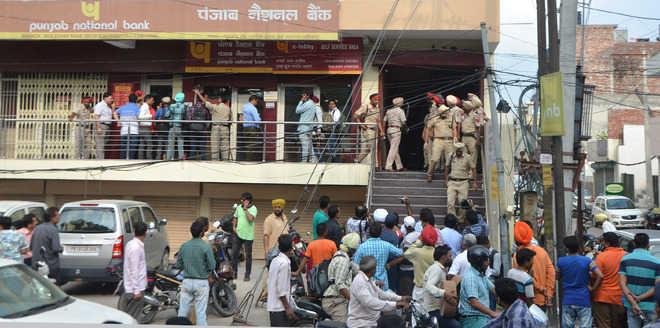
    1. The 1987 Ludhiana PNB Robbery

    One of India’s Most Famous Bank Heists

    One of the most notorious bank robberies in Indian history took place in Ludhiana, Punjab, in February 1987.

    A group of armed men entered a Punjab National Bank branch and reportedly posed as police officers. The deception allowed them to gain access to the premises and overpower security personnel.

    According to contemporary reports, the gang escaped with approximately ₹5.7 crore. At the time, the amount was extraordinary, and the robbery was widely described as the biggest bank robbery in India. Contemporary international reports put the value at around US$4.5 million.

    The robbery was later associated with the Khalistan militant movement, and the stolen money was alleged to have been used to finance militant activities.

    The case continued for decades. In 2017, the Supreme Court acquitted nine people who had previously been convicted under TADA, holding that the prosecution had failed to establish that ₹60 lakh recovered from the accused was part of the stolen money.

    https://images.openai.com/static-rsc-4/i5DlOMH_uQQrN1IOK_7sGyA9-pB86PY3nTxmmCrIH7Nr0A3cEA0WQTTzw2t0fYGUsy3kx-LssXXwNTxI28rSK9cmwpcgG9QFzfPOpgaOyVt2h3lNMrznbyZvLNgBOl-0B9kttEnwMKmtADWrv9EPynVKw82ywkrHikpG7YKZGRZhw-SfM9ioLTjVweBFYduD?purpose=fullsize
    https://images.openai.com/static-rsc-4/YN_ChnBnOLXowCkr5j1N5b_1jIbRRhTyYfjragItIXUAQpLU0FvAgCD1SDaizvUkgleR0FuyWNXZXOtI96TYUhlgKCrPCNufP0XutKFX9J4clY3tnshKl6J3qGji1X8kLY7C_89I9PyOFggd_0K52fxuMqkq7eLVRPDZlpnfuJeEQykvHszORYZFODnO3M51?purpose=fullsize

    2. The ₹100-Crore PNB Locker Heist in Haryana

    A Tunnel Leads Directly Into the Bank

    Another extraordinary case occurred in Sonipat, Haryana, in 2014.

    This robbery became famous because of an underground tunnel.

    According to reports, the criminals began digging a tunnel from an abandoned house near the Punjab National Bank branch.

    The tunnel reportedly extended for approximately 125 feet and eventually reached the bank’s strong-room area.

    The robbers targeted lockers inside the bank. Reports said that the bank contained hundreds of lockers and that the gang broke open or accessed dozens of them.

    The estimated value of valuables taken from the lockers was reported at around ₹100 crore, making it one of the largest locker robberies reported in India.

    Unlike a conventional armed robbery, this crime relied heavily on planning, patience and secrecy.

    The criminals did not simply walk into the bank.

    They attempted to reach the valuables from underneath the building.

    https://images.openai.com/static-rsc-4/OAWcpieYeTR5CRWoHU2rOMoJDEgpYInXn_QdTL0NVJTzSlrzv4wueAD0mf3_ZD82I5q3rSuHn2zCYxbZTfyKelMHghs-2xQfk1I6AwVWw1XxxSa_eu77-LCn2WReR8qr0udEVxD9KS0fBIQqrB60xkFmG7nJHEYl00g__JObyzzROgkdvtyKLrHwH8hHtL1t?purpose=fullsize
    https://images.openai.com/static-rsc-4/yPTkX0nh-Coj8r165oDxu71Emh71wAL1juBlvJGNSoW3z4DcHFETRQkN3oPUUYVKWpPyQC4dkFOar-YocSO_Mm3cClINowrR5MB9fGelTR058R7eaBvnDwWkGmFSnd2ircKBEC88ADw5TU2W4E7zk8KUWjKthiN4VHVaD74-SAerVl9bSxSie1C9pfO9uEkm?purpose=fullsize
    https://images.openai.com/static-rsc-4/EQyTqwRpT7IRkDDa1ongd2UVP3gv_UiBdd5sRK-uLoYdyNRoKHT5czdr7S-UlXp7UUbjk3TR6S_bt45BeA-e6JP-fLi67LB4vzVwslEgyVS68KVs0JvlSGi75BmSrb4Pc6UTceQu8eqZR9VFRxdmXuuNzKc89POWmmn4TlIXnkM_LkRaGdUc61rM4SjujFs7?purpose=fullsize

    3. The 1968–69 Kolkata Robbery Series

    When Robberies Were Called “Revolutionary” Acts

    One of the most unusual robbery stories comes from Kolkata in the late 1960s.

    Beginning in July 1968, a group carried out a series of robberies targeting financial institutions.

    The first major incident involved the Park Street Post Office, where approximately ₹3.97 lakh was reportedly taken.

    Over the following months, other targets included National & Grindlays Bank branches and the Park Street branch of the State Bank of India.

    The total amount taken in the series was reported to be approximately ₹12 lakh.

    What made the case particularly unusual was the way the robbers described themselves. According to later reporting, they told victims that they were not ordinary criminals but revolutionaries.

    The police investigation became one of Kolkata’s famous unsolved crime stories for decades.

    https://images.openai.com/static-rsc-4/XjsNXeww046UVS1wpl3Kf9a_J-_2wQzWJfq0telC7HEGy3is4SKQ_s4VMUyisiY09LPCpgP_NVdLxrSKfxzvweykJnvq0gpDy-a0VLz2v5s_UgwZC_y-lDs4Kg9kFFYVnSvR2Lbfi2rsrNL5vH3DQ2wFouzPuqUMBF2Oj2oNP-qCFRu58ESJkEZ5OLV6ooIy?purpose=fullsize
    https://images.openai.com/static-rsc-4/bd4k93ZX0wgp4L_dlNbwtA-Of30CaPefuUyAUoJ-Rqy137K8m22aGw0d9bPMoWWzq9jiBYBYA8WlFKPRl_s_hIe2BhyluMEPWeHn2_OPY6-06HgWHKqHcuhZgm2KZEBwJ5Q7_GwkPdvLBcopW4owOAjcpp_7lyEdAMuUEOJfIIqsdzWYOnWL5GSMn5YcyM4a?purpose=fullsize
    https://images.openai.com/static-rsc-4/VyXKLEx7vhJ3vojpeLmDqxUs3rCcPEZdoedxrOE-S5126nUWnsc87oTkhHVlDc8IcZqycVEXy_XhJheBgN8DGuqHAF93PLHe9sDzM5PGEdmAG_lIQ2TF4oenl8vrG8Aj-vZPi4OEi0fHhhGWGuJwa8cAFGpuGV0x_wixjMb-7Wa_0hddMcRaBm3TgZuS12a9?purpose=fullsize

    5

    4. The ₹8.49-Crore Ludhiana Cash Management Robbery

    A Modern Cash-Centre Heist

    In 2023, Ludhiana again became the scene of a major robbery.

    This time, the target was not a traditional bank branch but the office of a cash-management company.

    According to the FIR reported by the Indian Express, a group of robbers entered the company’s office in Ludhiana and escaped with at least ₹8.49 crore. Police investigated the possibility of insider involvement as part of the case.

    The incident demonstrated how modern financial crimes can target not only banks but also companies responsible for handling and transporting large amounts of cash.

    https://images.openai.com/static-rsc-4/CDlHaiZ239yXLrrSipaGjrXI_ZsPXorND7WOp9aD_mF_yOW_r5hjGxfspFksWL_29AmtD6-3ecgcc2yHiYfLL6GexlRSipo5rW7tN6cxF6ZWTcdg7mkvJmBpVJ00ZEsQkUT1vVnmxvsuPeUHv8McQAA0TuRlZzbT3qtQ_zfDcdfAAKzp9NA1KeFmyMiEG0LG?purpose=fullsize
    https://images.openai.com/static-rsc-4/GncbFt675ciCfmlKyRPYqybLSvB9xb676WEZGfG4NBqEL7NzZ8Iw2viBQPluU3ws6zzFOP2P3hPux0HRo-Ap29irCQD1ArZGVKZBo1ZDEuJiLoOk_wWnhFS2L80b3uqqWBfk0pKdbwy4gcQnIiePP-JSvTjuB4JukfV8DfTDS16Rna0kF_UD13TT6TgyNhJf?purpose=fullsize
    https://images.openai.com/static-rsc-4/YJ5f-96u3DRR2V_bxWcoR1Dazv5SiMrRdbOYYnNHZKJtI8Iornr68PbMwW70oDcLJTTiFLXhC13kejOzceJHd2IEbWTT5Pno8zpfSw1i_GOhYjw69h2ntcypj34mVO6U5NW1AF3wd8GWJsN9hPXcGZO0kph110cdOTOlTdrYqr3GKU0fYn-I3sI79cLYLXSj?purpose=fullsize

    5. The ₹13-Crore Gold Robbery in Karnataka

    A Bank Heist Inspired by Crime Fiction

    In October 2024, a major gold robbery took place at an SBI branch in Nyamati, Davanagere district, Karnataka.

    According to police investigations reported in 2025, approximately 17 kg of gold, valued at around ₹13 crore, was stolen.

    The investigation later led to arrests, and police reported recovering most of the stolen gold.

    One particularly unusual detail emerged during the investigation: police said the main accused had been influenced by crime videos and the television series Money Heist while planning the crime.

    Unlike some older cases that remained unresolved for years, this case was eventually cracked by investigators.

    https://images.openai.com/static-rsc-4/NlFAG5St65Xk7xyF-XexHgnL1Bl27CpnleL3P0S752y-MAgqraVzlFSufOI3238Y-icoAn4l-rBzkN7annsETZ1cEgg1yn37Fcd0A69h8EqzJI-L_e0OE7MSdagon367ygxQrgAO49e4RwFHypU2sFt7Y-PjmIcNRSDQo3SfAJB1VwsixPrrygbcMUfagDoH?purpose=fullsize
    https://images.openai.com/static-rsc-4/4jSZEg6rzfg5K1twtCNLP4GTSSoO5GsPLLqjb5yzEuq9L4rkbZWNQhplknt2A83K7NsNSnRAYR11V4qHt6PK07nQ57f4cwNUy3Zlj6Rem7KYfxSgm4AgDgVjv6P0PPsUAgR9IfNSGtTEzGnlnmgs6jex5BjkaPXK6lB8_JuvZAs1dmfAX4u-2EHr1LJuxIpL?purpose=fullsize
    https://images.openai.com/static-rsc-4/w4LtpJH79KUu67igHxctXTGgXtly-NRryswSTqlzHbie8nOXZDATGwgqvWw88UKPmocSj1-Sohc9rYyN9qU7ywXu9NWViMJt2PWOTLTpjjwYmrqWim3ywW9OtstQ5-6ti5YE3tg4dxv14HB0-gJ19qzJDier6Tx1zLPxlk7QIrUQ28PFJZSBeD4rBGisXwBq?purpose=fullsize

    4

    6. The 2025 Karnataka Gold Heist

    Nearly 59 Kilograms of Gold

    Another extraordinary robbery was reported in Karnataka in May 2025.

    According to India Today, unidentified robbers targeted a Canara Bank branch in Managuli, Vijayapura district.

    The reported haul was approximately 59 kg of pledged gold jewellery, along with around ₹5.2 lakh in cash.

    Investigators said the robbers had disabled the alarm system and used a fake key to access a particular locker. A strange object resembling a black-magic doll was reportedly left behind, apparently intended to mislead investigators.

    The enormous quantity of gold made this one of the most striking recent bank robberies reported in India.

    https://images.openai.com/static-rsc-4/7vVjDALGclxQiprszQPScpQNxBGAjNqDSgYPCcTCPn0cq2KBWKPZjOgXJOemDv4YpHABH2oYHy8XxQ37BrqVgnl--r-5bXhVtjEELhNUQxOp_7BBWUdkcpsoAm9w-aU8wcJoGVa40peFNEQYLhqd4m6Q4uugZAz_LlSBLyHiq2pTSYqmBEIvEOe61pu73uy_?purpose=fullsize
    https://images.openai.com/static-rsc-4/m_xJzwQcfzh0E8qrIWb2WV2EGHUpY_QbQaiUG4kT6wqQsMDoWUSmzM5_ZzOQoWf5NNU2gWEYSDRzrA1sCnaTxKgvgLT2-SDH7N8Yhezc_edE-gidjPGT7paBrcxnzXjrPZyL0jpKisTTntKFGJUXWPkeb6lIb092Gh4xTFnAeBRIYA6n5wl7JWdzwRFSduyD?purpose=fullsize

    Why Were These Robberies So Successful?

    Although every case was different, several common factors can be seen.

    Careful Planning

    Large robberies rarely happen completely spontaneously.

    The criminals involved in major cases often appear to have studied the target, its security arrangements and the movement of money or valuables beforehand.

    Deception

    The 1987 Ludhiana robbery demonstrated how powerful deception could be.

    The robbers reportedly presented themselves as police officers, exploiting the trust normally associated with law-enforcement personnel.

    Knowledge of the Target

    In some cases, criminals appeared to know exactly where valuables were stored.

    The Haryana tunnel case, for example, involved a tunnel reaching the strong-room area of a bank.

    Weak Security

    Every successful robbery exposes weaknesses.

    Modern banks and financial institutions therefore continuously upgrade alarms, surveillance systems, access controls and cash-handling procedures.

    A 1987 parliamentary response regarding bank robberies noted that public-sector banks were reviewing security arrangements and issuing additional guidelines where necessary.

    The Difference Between a Robbery, Theft and Heist

    These words are often used interchangeably, but there are differences.

    Robbery generally involves taking property through force or threat.

    Theft involves taking property without the victim’s consent, usually without direct confrontation.

    Heist is a popular term for a carefully planned major theft or robbery, particularly one involving money, valuables or a high-value target.

    The cases discussed in this article include different types of crimes, so calling all of them simply “bank robberies” can sometimes be misleading.

    What Happened to the Stolen Money?

    One of the biggest questions in major robberies is what happens to the loot afterward.

    Large quantities of cash and gold are difficult to hide permanently.

    Police investigations often focus on:

    • Where the stolen property was taken
    • Who helped move it
    • Whether insiders were involved
    • Where money or gold was sold
    • Financial transactions after the crime
    • Vehicles and communication records
    • CCTV and forensic evidence

    In the 2024 Karnataka gold robbery, for example, investigators eventually recovered much of the stolen gold and arrested suspects.

    The Biggest Robberies Were Not Always the Most Clever

    A huge amount of stolen money does not necessarily mean a perfect crime.

    Some robberies involved elaborate planning but were eventually solved.

    Others remained mysteries for years.

    The Kolkata robbery series of the late 1960s, for example, remained a famous unsolved case for decades before later developments shed more light on what happened.

    Meanwhile, some modern cases have been solved relatively quickly because of better CCTV networks, digital evidence, forensic techniques and financial tracking.

    How Banking Security Has Changed

    The world of banking has changed dramatically.

    Decades ago, security depended heavily on physical guards, locks and basic alarm systems.

    Today, financial institutions can use:

    • CCTV surveillance
    • Electronic access controls
    • Alarm systems
    • Strong-room security
    • GPS tracking
    • Digital transaction monitoring
    • Forensic technology
    • Improved police coordination

    Technology has therefore made some forms of traditional robbery more difficult.

    At the same time, criminals continually search for new weaknesses.

    Conclusion

    India’s history of major robberies is filled with stories that sound almost unbelievable.

    There was the 1987 Ludhiana bank robbery, in which criminals reportedly escaped with ₹5.7 crore.

    There was the Haryana tunnel robbery, where criminals reportedly dug their way into a bank’s strong-room area.

    There were the unusual Kolkata robberies of 1968–69, which remained famous for decades.

    And in recent years, massive gold and cash heists have shown that large-scale financial crime has not disappeared.

    But behind every spectacular robbery is a serious reality: victims, financial losses and years of investigation.

    These cases are interesting from a historical and investigative perspective, but they also demonstrate why strong security systems, responsible banking practices and effective law enforcement are essential.

    The most fascinating part of these stories is not the money itself.

    It is how investigators eventually try to answer one question:

    How did the criminals get in—and where did they go after they got out?

  • 🇮🇳 The State Emblem of India: History, Meaning and the Story Behind the Four Lions

    🇮🇳 The State Emblem of India: History, Meaning and the Story Behind the Four Lions

    india symble

    When we think about India, several national symbols immediately come to mind—the Tricolour, the Ashoka Chakra, the national anthem, and the majestic State Emblem of India.

    The familiar image of the three visible lions appears on government documents, official publications and many institutions across the country.

    But have you ever wondered where this emblem came from?

    Why are there four lions?

    What does the Dharma Chakra represent?

    And why are the words “Satyameva Jayate” written beneath it?

    The story of India’s State Emblem goes back more than two thousand years to the reign of Emperor Ashoka.

    https://images.openai.com/static-rsc-4/UQebvcBdu4HxNMU3MN4Gyyi6T01v_2JLeschJEy_IASzRzB7c-_U-0y1tY8Zwu33U1yKLINu0Q9jIdIQPjbynGcvgLpJgwa_L9UMNqEFCUEEfZyw_nmUjvYMWdTfkD_H34PO_wvCydFencOupyVbtwG-OZKZyKqS4KrYxlFFrqf7TJjzQ6hW3CBuesmXy7N2?purpose=fullsize
    https://images.openai.com/static-rsc-4/1pN2XekUwB3rogn4Efe3IjDgc2OTRxHwfCb9BdCze0m4nAC8tP8LqQiXL62Cf2dfrF-r0zj5oIL1EhmtxW2A9zRhqFNgkb9mtvxrlSIjQxK0eqDo_jY2Yov2EFC__4IJxMWc33vVNYqRiNF9H61F4tQYdG8P4I8yecIUbA9IPS5TJSEOFIFoSITa6QXnm43f?purpose=fullsize
    https://images.openai.com/static-rsc-4/YKnbo9s3owDUj52UU_XXOBnCzYyddhuHFG8AbMgPQ7J7xYVfDDLAauDjv1sWNcl2BN4AHZCFHlCUIGfb79dHjqNRPXLooVUVjPynvbSN2ZMmgJi7ssWBpOFlWR0cHSOV0sxnIb1H9RWUufbEi2HGnQXfUKLAIimmf6qn95nzjTJ2-RcMRPCTHLH22fW6szUG?purpose=fullsize

    5

    The Origin of the Indian State Emblem

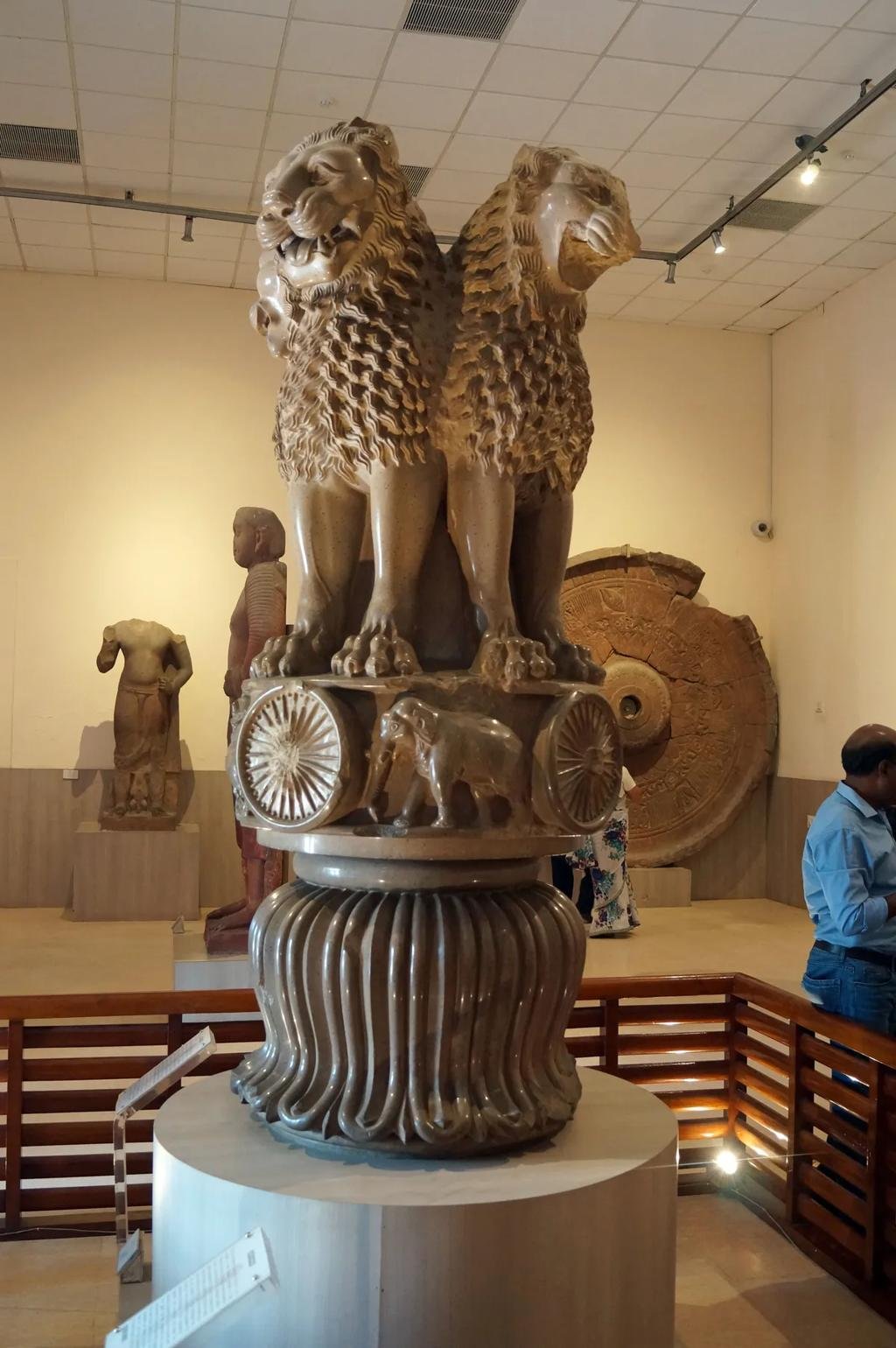
    The State Emblem of India is based on the Lion Capital of Ashoka at Sarnath.

    Emperor Ashoka of the Mauryan Empire commissioned numerous pillars and monuments across his vast empire. One of the most important was erected at Sarnath, near Varanasi.

    Sarnath is especially significant in Buddhist history because it is traditionally regarded as the place where Gautama Buddha delivered his first sermon after attaining enlightenment.

    The Lion Capital created during Ashoka’s reign eventually became the inspiration for India’s modern State Emblem.

    According to the Government of India’s official description, the State Emblem is an adaptation of the Lion Capital of Ashoka at Sarnath.

    🦁 Why Are There Four Lions?

    The original Lion Capital features four lions standing back-to-back.

    Each lion faces a different direction.

    From the front, however, only three lions are visible. The fourth lion is positioned behind them.

    This is why the official emblem generally appears to show three lions even though the original sculpture contains four.

    The lions give the emblem a powerful and dignified appearance and connect modern India with its ancient historical heritage.

    https://images.openai.com/static-rsc-4/1pN2XekUwB3rogn4Efe3IjDgc2OTRxHwfCb9BdCze0m4nAC8tP8LqQiXL62Cf2dfrF-r0zj5oIL1EhmtxW2A9zRhqFNgkb9mtvxrlSIjQxK0eqDo_jY2Yov2EFC__4IJxMWc33vVNYqRiNF9H61F4tQYdG8P4I8yecIUbA9IPS5TJSEOFIFoSITa6QXnm43f?purpose=fullsize
    https://images.openai.com/static-rsc-4/ZNSYxTKmqrAC0LwvgpkV2xQAX7-mEdesYTGLZ8HYSZzODIhy7Y3_Cvn6_bcBWJWcBN9R8lDyRwIgOZCNsIT6Y391wN2OIME0IC8RAnw5D8pphM4eqdi54rhgeNyLHOhxbbzxvckVMSY8MbWZb0Hb1q9Gxbpt_QDkaFGMzskijEngt75N5fUQoc_3iK25JAQU?purpose=fullsize
    https://images.openai.com/static-rsc-4/VIPMz6JSCLAX2o4hoeNy2z1nJPe8LnNlmG0TgqO8m6kbEiIs9U6u77us2p7xYrVXYl_gvDR8879dWuzbzoa2o0rAZjGhfisz8yCZKUyFL6rqaSyf3-XOx3bWLZlHkddKv9nVOd3FlLZdgw3qG3W5GOCunBlKXK3yUYyx9sECrXd_QxH5STrWINwxxDRMON5i?purpose=fullsize

    5

    The Dharma Chakra Beneath the Lions

    Below the lions is a circular platform known as the abacus.

    The original Sarnath Lion Capital contains representations of animals and Dharma Chakras on this section.

    The Dharma Chakra is an important symbol associated with the teachings of Buddhism and with the wider idea of Dharma.

    The modern State Emblem is based on the ancient sculpture but is not an exact reproduction of every part of it.

    One noticeable difference is that the bell-shaped lotus at the bottom of the original sculpture is not included in the official State Emblem.

    🐘 The Elephant, Horse, Bull and Lion

    The original abacus of the Sarnath Lion Capital contains representations of four animals:

    • Elephant
    • Horse
    • Bull
    • Lion

    They are separated by Dharma Chakras.

    These details are part of the artistic and historical character of the original Ashokan sculpture.

    Many explanations about the individual symbolic meanings of these animals can be found online. However, not every interpretation has the same historical or official basis.

    Therefore, it is better to distinguish between documented history and later interpretations.

    🇮🇳 When Did India Adopt the State Emblem?

    After India became independent in 1947, the new nation needed official symbols that reflected its history and identity.

    The ancient Lion Capital of Ashoka provided a natural connection between India’s historical heritage and its modern republican identity.

    The State Emblem was adopted for official use when India became a republic on 26 January 1950.

    Since then, it has become one of the most recognizable symbols associated with the Government of India.

    https://images.openai.com/static-rsc-4/0OpQQrldoVVCuFyEq9cGHYk0xsB8IKmqKSSeRrWl2OiOQDgZZW5zNOal7dBhE5mxvaZBcOVhlDN2yE-DTHAQ_qfP7xVhbaTuICwWGqftIRv1xLT-5tIziAP-ONJhGTmco7z_nRHI9Cd3GFSueRtdUBnyaS94xBIDvjVhDL21gxc8zCS33asqpUiGI8FzCrQU?purpose=fullsize
    https://images.openai.com/static-rsc-4/fDjCmoIUkQ952wNppCe-5NXHXQZED5BoGrBW6QVk8vx-7CofNFGsKfTbdzBP2BhXnqv7GmObrhrAI0mChUj4e-kEgC4GbMnvA8DPzmVLzK0VPf3viFoT1TyGa9j6AfcW91J76BTOsI1VeoSnVD8s0H55dAMTUVmP9F9uvuVH3WvySjMVgGIWb3TQ4b6PqLRF?purpose=fullsize
    https://images.openai.com/static-rsc-4/thBReTBa0LrlKQVrG9RzlE4PLnbUE400crnjGWWYFp3YX3hNG4wGAFXHdZzVVK7pom6vxIthiuTNVO4H4vSOVmuZ1D8RafJ3LvWD9C5ZFwDMEMId1e5Zj7dPCIxBE9nJKgaBwl_boBKC8CSHtdpxWLaz29DqZc9551eeTzzTo5LAzZgfylKQybR-Sde0Wkt9?purpose=fullsize

    6

    “Satyameva Jayate” — Truth Alone Triumphs

    One of the most meaningful features of India’s State Emblem is the inscription underneath it:

    सत्यमेव जयते

    In English, it means:

    “Truth Alone Triumphs.”

    The phrase comes from the Mundaka Upanishad.

    Its inclusion gives the State Emblem a message that goes beyond political authority.

    It reminds us that truth and moral values should remain at the foundation of public life.

    The Government of India officially describes the motto as “Satyameva Jayate” — “Truth Alone Triumphs.”

    Why Is the Fourth Lion Not Visible?

    This is one of the most common questions about India’s State Emblem.

    The answer is simple.

    The original sculpture has four lions arranged back-to-back.

    When viewed from one direction, only three can be seen clearly.

    The fourth lion is behind them.

    Therefore, the official two-dimensional representation normally shows three visible lions.

    https://images.openai.com/static-rsc-4/9K6GIysEfhpYGtSUai50BReWD1FANkujwSubBYsg-m9PU5bd3cnIy6-E_2qth8wmmpKZL4A9Hyw0zGNRttLnN6TqQHBNW3BuZbaYJp5M9LN-NF4Qaljz55k8Q9Jn9j_U5Jbk3EFi1Y9NxZa_GvCTcRGjdl7_17G97ssduXkDig5jT4b6GCrw9suNuL90ReHf?purpose=fullsize
    https://images.openai.com/static-rsc-4/MmMh_HCqecWV2wwp3OFYzSBIQxIxAQwyvF_DF8aDFQOO_8PPY76dpW2uRxcgMyMS95WFSfdJrCyg1vL2_5Dzrwg1IBry9N2Rs73TdLaVPE9Pq1O5WUYaeO9XFkVLTbqKHYrS6UaQ5HlTOAmM654wuQul1-INl9yjVa6D7cGfPKqGfxWk0nw4606iH8ojkKlC?purpose=fullsize
    https://images.openai.com/static-rsc-4/JOz2Xz86S042jhVoNeC8nRXArz_hsqh5FpksbOeNGHerD21czSlmv1Fq3w15I-OlsOnkfIPKg35vS8g2tslephGRo-DDNKENf9H397buNB0iQTIemf7srUho9C_N4W4-kNv5-oLS_fsFHZ5uYgSjsfh-4C32lAyMbcS_OKEmFB2Qr0sb_Q587hmfe4z6XKFL?purpose=fullsize

    4

    The State Emblem and the Government of India

    The State Emblem is used in many official contexts.

    It can be seen on:

    • Government documents
    • Official publications
    • Government offices
    • Certain official certificates and communications
    • Government websites
    • Various official institutions

    However, the emblem is not simply a logo that anyone can freely use.

    India has laws governing the proper use of the State Emblem. The State Emblem of India (Prohibition of Improper Use) Act, 2005, along with the relevant rules, regulates its use.

    This is important for bloggers and website owners.

    If you are writing an article about India’s State Emblem, it is better to use an appropriate historical image for illustration rather than treating the official emblem as your own website logo or commercial branding.

    🇮🇳 State Emblem vs Ashoka Chakra

    Another common source of confusion is the difference between the State Emblem and the Ashoka Chakra.

    They are not the same symbol.

    The Ashoka Chakra appears at the centre of India’s national flag.

    The State Emblem is based on the Lion Capital of Ashoka and features the lions, the abacus and the motto Satyameva Jayate.

    Both have historical connections with Emperor Ashoka, but they represent different national symbols.

    Why Is the State Emblem Important?

    The State Emblem connects modern India with an ancient chapter of Indian history.

    It represents more than a group of lions carved in stone.

    It carries the memory of:

    • Ancient Indian art
    • The Mauryan period
    • Emperor Ashoka
    • Sarnath
    • Dharma
    • India’s republican identity
    • The principle of truth

    That is why the emblem has such an important place in India’s official identity.

    The Journey From Sarnath to Modern India

    More than two thousand years ago, a magnificent stone capital was created during the reign of Emperor Ashoka.

    Centuries passed.

    Kingdoms changed.

    Empires disappeared.

    India eventually became an independent nation.

    Then, in 1950, the ancient Lion Capital became the foundation of one of the most important symbols of the Republic of India.

    That journey—from an ancient monument at Sarnath to the official emblem of a modern democratic republic—is what makes the story so fascinating.

    https://images.openai.com/static-rsc-4/pTbJoppv18UvxbF5nktCja9PxDCMHl1Gx-yK0nBEyz7ac7HcfC_EKoXoTIlIlp6zkU14gSUXz_EJWh88u4Ej9ZSB86b1C62WXc304VGtmY_2C-38F99eBv-gL1kTNWW5tlHfagqz1yPAnlzZErjCKVM4zUsbZhSSITQO0JD7W69HOCu0-rkpArdJtx344Rtw?purpose=fullsize
    https://images.openai.com/static-rsc-4/1g1_LXOsoVF53TkvGW-g9ElVD3QgsWJ0yA9or_4q-IiZMMm5TnuQiGYEyFWj07bnT7X9oavVbKdKTkOEMweIrdOyAlqo64rHNIEjCelDKsZa6TyM4j7cwK-t-g8y-0HVinEoJtXIVG28ZUwLxRiwmOYApyGIHqmxAJ2W_b0Pd3j8LwdxUVh_D5TMisBwKOLh?purpose=fullsize
    https://images.openai.com/static-rsc-4/wurgMw4nTDmD9qQLHRI6Xo3bEfCjJ9P1YH0Pv4o5T47qNzl78GDkgSUunHzZBhilFZWEAbPIXDTYCC1GJXyEsbS0O8XqRd6_6VTuhYLpAsmwTqjReKBCTGIXz68b_z-vtRyLCmRYQUePbPt5hQ809ADzd6egZYVa5GJ9XDoiaNsdC6Xme_jMtSDXfDhFEgMv?purpose=fullsize

    4

    A Symbol of History, Responsibility and Truth

    The next time you see India’s State Emblem, look beyond the three visible lions.

    Remember that the emblem represents a much larger story.

    It connects India with its ancient past while representing the modern Republic.

    The lions represent the majesty of the emblem.

    The Dharma Chakra connects it with the idea of Dharma.

    The ancient sculpture connects modern India with the Mauryan period.

    And beneath everything is the powerful message:

    Satyameva Jayate — Truth Alone Triumphs.

    Conclusion

    The State Emblem of India is one of the country’s most important national symbols.

    Its story begins at Sarnath, with the magnificent Lion Capital created during the reign of Emperor Ashoka.

    Thousands of years later, that ancient artwork became the foundation of the emblem of independent India’s Republic.

    It reminds us that a nation’s identity is not created overnight.

    It is built from history, culture, values and the memories passed from one generation to another.

    The four lions, the Dharma Chakra and the words Satyameva Jayate together create a symbol that represents India’s historical heritage and its commitment to truth.

    🇮🇳 The State Emblem is not merely an official symbol—it is a bridge between India’s ancient past and its modern identity.

  • 🇮🇳 India’s Freedom Struggle: The Long Journey to Independence

    🇮🇳 India’s Freedom Struggle: The Long Journey to Independence

    delhi

    India’s independence was not achieved in a single day.

    The freedom that India celebrates every year on 15 August was the result of decades of struggle, sacrifice, protests, imprisonment and determination. Millions of ordinary Indians, along with well-known leaders, became part of a movement that eventually brought an end to British rule.

    The story of Indian independence is therefore not only the story of famous leaders. It is also the story of students, farmers, workers, women, revolutionaries and countless people whose names were never recorded in history books.

    The Beginning of a National Awakening

    British rule in India had existed for many decades before the freedom movement developed into a mass national struggle.

    The Revolt of 1857 became one of the earliest major challenges to British authority. Although the revolt did not end British rule, it became an important part of India’s later political memory.

    During the late nineteenth and early twentieth centuries, political awareness grew rapidly. Indians increasingly demanded greater participation in government and began to organize themselves politically.

    The formation of the Indian National Congress in 1885 provided an important platform for political discussion and, eventually, for the wider independence movement.

    But the journey was still only beginning.

    https://images.openai.com/static-rsc-4/4h4D1LPsA_MkaQfEzs0Gjxt7SlFD3pyL6fgyP2114UJjQpaddi6KAxABljepfgv_tekjP4FC2Srx1llvUjhEj0lGCFwOEFX4CKfxiZzi_T_NtSYpzQe5XOt48ZFTAsUE_wpwaz6AkSRkbK85Qvi8qP2cW4U1Q6WcEhtQLJKjUN2qmDykpP4FZ_mbe6syZkJd?purpose=fullsize
    https://images.openai.com/static-rsc-4/JaJ9M6c2Lh69fuS3O4b90wFIy9NK3ozWStTAFfUMw9GaDWKJpyAfwmDhbd8fWAMCfQN3B2od35uATMd9iKDpglQuell--dROpkZny60NQdb49htOQe67_EO2ipzy3mfUeIOlrocE5V07VhMzizAjs-hhEYPCkihd6HUvSfL-ul_9-35kxzchAL_keUie4EJo?purpose=fullsize
    https://images.openai.com/static-rsc-4/SuGY-mSz7HBEKuApScGLf8-QLiGu7VAmoQt-9NAX-fgU37rVKHw7WEzFwRZw-67Q9RbJPGeRRXK1XLey754iUNoVWsLF07ArOI2kOakNqt9rvnAamLVG5YUZkHq0Eqtyh_vO3GzwBqYYVTxfsY9hQ6jl6y-U-JRMBf38Pov3422-fQANPUg6Ph5n8aiHmhJ7?purpose=fullsize

    Mahatma Gandhi and the Power of Non-Violence

    When Mahatma Gandhi returned to India in 1915, he gradually became one of the most influential figures in the freedom movement.

    Gandhi believed that ordinary people could challenge an unjust system through non-violent resistance, civil disobedience and mass participation.

    Movements such as the Non-Cooperation Movement and the Civil Disobedience Movement brought large numbers of Indians into the struggle.

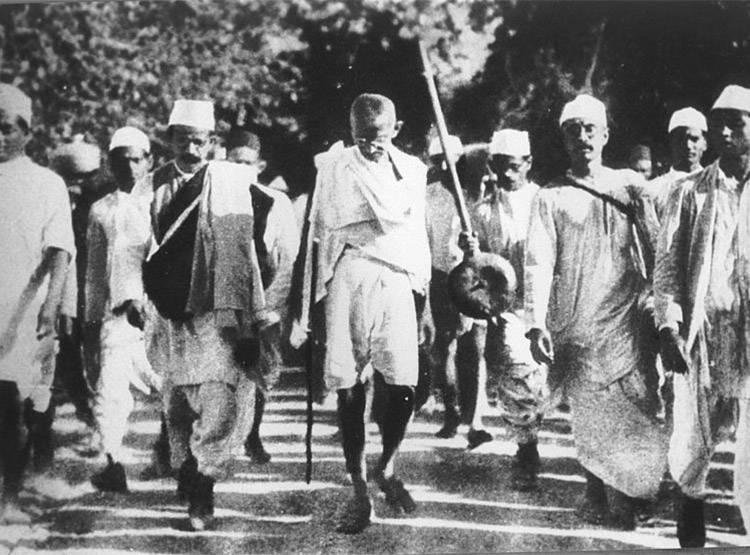
    One of the most famous examples was the Salt March of 1930.

    Gandhi and his followers marched to the coastal village of Dandi to challenge the British salt laws. The march became a powerful symbol because salt was something used by ordinary people every day.

    The message was simple but powerful: even an ordinary object could become a symbol of resistance when people stood together.

    The Freedom Movement Becomes a Mass Movement

    By the 1920s and 1930s, the independence movement had spread across different parts of India.

    People participated in demonstrations, boycotts, strikes and civil-disobedience campaigns.

    Women also played an important role. Leaders such as Sarojini Naidu, Aruna Asaf Ali and Kamaladevi Chattopadhyay contributed to the movement in different ways.

    At the same time, revolutionary groups and other political organizations followed different approaches to challenging British rule.

    India’s freedom struggle was therefore not one single movement with one single method. It was a large and complicated national struggle involving many ideas and many groups.

    The Quit India Movement of 1942

    The Second World War created a new and difficult situation.

    In August 1942, the Indian National Congress launched the Quit India Movement, demanding an immediate end to British rule.

    Gandhi gave the famous call:

    “Do or Die.”

    The British authorities responded with mass arrests. Many national leaders were imprisoned, but the movement continued through protests and underground activities.

    The Quit India Movement became one of the most important final mass movements against British rule. Official historical records also document the participation and sacrifices of many individuals across India during the movement.

    https://images.openai.com/static-rsc-4/18Pt2uIZVh_joTmoLm3KXzWWLJWIPwAi2huQm41rk1uzjtwo5dk78PpoHaiSmLgFTvx6OudgT1d-JtHJYmtttuxtoA4AV0wphkm9xekWSg--5t_Dmtt9qVDoCiEY5EJ-Zc4Daj5_cFoLDdwaU2Fl6QK_DZT9_rpHvOljdLpRh8xGM4jrnqHIelYMTP8EYgXp?purpose=fullsize
    https://images.openai.com/static-rsc-4/_yMLRPkkvg-MuY0OvvFql4esqu_EdOUkxS7Ukx7LnUhStHm5UVUELil4P-F338BHeQBW6vrlTlcSJECN8He8RKbQvMLAMiQlIS6u4pv7iIHIisvPu8JlM6dDrqopYyAWADkaBlZpesDX4hGBKcRwAmNqQt2LYa_mLwAhrs7uL42mScIH119IGS6tLCA9dpzq?purpose=fullsize
    https://images.openai.com/static-rsc-4/wha1IQ32j_9ECCMVvyjgFizMlMkbY-mO7bl8LIcd8ceRivb3WJmEg2h7biP6x91BaVcZRy-l_5vz80clD4ZTHvXuaMspu2rHkc2OIKBRo16HvaJiG-0zqD7R46VFEXhfylSgeFN-Zj3SDiXkZpx9OvvS8aXv8zcpMBpps-ymtAMEYq795BuwLB_-dcbziYGa?purpose=fullsize

    6

    The Forgotten Heroes

    When we talk about India’s independence, names such as Gandhi, Nehru, Patel, Bose and Bhagat Singh are often remembered.

    But thousands of other people also suffered imprisonment, injuries, financial hardship and, in many cases, death.

    Farmers joined protests.

    Students organized demonstrations.

    Workers participated in strikes.

    Women entered public life and political activity.

    Young people distributed messages and organized resistance.

    Many freedom fighters spent years in prison without knowing when India would become free.

    Their contribution reminds us that independence was not achieved by a handful of famous individuals alone.

    It was a national effort involving people from different regions and backgrounds.

    Subhas Chandra Bose and the Indian National Army

    Another important chapter of the freedom struggle was associated with Subhas Chandra Bose and the Indian National Army (INA).

    Bose believed that armed struggle could play a role in ending British rule. Under his leadership, the INA sought to fight the British and advance toward India.

    The INA’s military campaign did not achieve its ultimate objective, but the events surrounding the INA trials after the war created considerable public attention and sympathy in India.

    The growing political pressure after the Second World War made British rule increasingly difficult to maintain.

    1947: The Moment of Independence

    After the Second World War, Britain’s ability to continue ruling India had weakened considerably.

    Political negotiations intensified, but the final years before independence were also marked by serious communal tensions and violence.

    Eventually, the Indian Independence Act 1947 provided the legal framework for the creation of two independent dominions: India and Pakistan.

    On the night of 14–15 August 1947, Jawaharlal Nehru delivered his famous “Tryst with Destiny” speech.

    At midnight, India entered a new chapter in its history.

    https://images.openai.com/static-rsc-4/1mEM8n1dn08PYzFh_Hk-5IKmOyNg7_9qCpf30BrA_4j7mEFGsZ_qy7ANse10JktHgctb9dSA7ScRVOjt8pLwQ0gzeiqxltlQJSNNtzGHd-LZQ2puHoxId0JUBXeyqVGATvu2_f7tjEda38Kec0kt32T-j5y9fF94EEX5Fftx4Y9oQ_zfXM0S07OQTjtObKp7?purpose=fullsize
    https://images.openai.com/static-rsc-4/eENeunZjELFVN_cwiG1xB1oPqU1kaLeuc8XDXye2JpdN9bTRj-EX3YoG4CLNCPlvXjOGCrcUwyYS-YVV7jynebIbpvWCCiVUT1f5aJG11dRle2YZ5eWZstqIRQQDXyckj6EW5y7XlNJ00fFkQg0cZry2xmXTDUK1UA2b-EkKyDS_68vepvyKIXwt0lXdM8e4?purpose=fullsize
    https://images.openai.com/static-rsc-4/678QcuxaidWsP2gYYzfyUkDQ74YZ-r91JLjA1yFHfAbUMsjDFAaf3IwIpOuNRRLswr-GtKM6lPsr1QfORQ1OncFMeh_D1FKOq2RbjIVDIfKuE68bnO28lZ-rSt9GaEIeT18Xw71UzLsPsz0M8ep2I-IitoVbJi4N18QTkdFDQTlCSm-9oNK4xXqG--TkTIXp?purpose=fullsize

    5

    The First Morning of Free India

    The morning of 15 August 1947 was unlike any other morning in Indian history.

    After nearly two centuries of British colonial rule, India was independent.

    People gathered in streets and public places. The Indian flag became a powerful symbol of the new nation.

    Newspapers carried the historic news across the country. The atmosphere was filled with celebration, hope and enormous emotion.

    https://images.openai.com/static-rsc-4/ZuEgkENNHP9j5txp1d1fRbkL5x9jNOiaDN7pbo-ejNoh3oFFo49Onk1lSuco7EjNaipDsJIrrLg8MKasQESnKGvnpIDVMUmBansD7bq0IQWL65j84sqg6uzEDdlkzWUURAeEnuqJ20NiGDjQvKNL1cYL-GiO-phxuk1nj0KRQWpgCuvrVvfBGCOU4aRe4LBA?purpose=fullsize
    https://images.openai.com/static-rsc-4/QL-tpYNIdOIzHn1acJN-fu8863UDjoJTf_3uiJDfFBflHU-Jl0Y7ZNcEkBi1bjODY1LBr3-SLNt8Llp3orGxIdcFvfFK5A9uf-KBkzwLnHLwwhWDHLmWgGW3yQ9NiiBlhzrdWCRoFZ2vPk2_2COMmrewCff_AM3ev2SGYKx4o3JqF6tjOoqWwyCSQsbiIk7y?purpose=fullsize
    https://images.openai.com/static-rsc-4/k1mvo_gIUHEyLPU2Mzuf9KItjoG-DTKqNtfpSr5sFSS35gINdpBHmV-8Y-wiA257d1h2Laoo4kGoJfk7JDgFCWCz_yJBS045YJF-6MpwPxmcksTPNdI8B-ZUxqIO2G5x9fQz1Iqjpc3SPqwkwH7olJgN2g331cBE3zTPP6mIw38mcL-ZZtIdOv_cvRswKIGe?purpose=fullsize

    4

    But independence also came with enormous pain.

    The partition of British India resulted in one of the largest and most tragic population movements in modern history. Millions of people were displaced, and communal violence caused immense suffering.

    Therefore, 15 August 1947 was both a day of freedom and a day marked by deep human tragedy.

    What Independence Really Means

    Independence was not simply the replacement of one government with another.

    It gave Indians the opportunity to build their own democratic institutions and decide their country’s future.

    In the years that followed, India adopted its Constitution and established itself as a democratic republic.

    The journey after 1947 was not easy. The country faced poverty, social divisions, wars, economic challenges and many other difficulties.

    Yet the basic idea remained powerful:

    India would determine its own future.

    Remembering the Freedom Fighters

    Every Independence Day gives us an opportunity to remember the people who contributed to India’s freedom.

    Some became famous.

    Others remained unknown.

    Some used non-violence.

    Others believed in revolutionary methods.

    Some spent years in prison.

    Others lost their lives.

    Their methods and political beliefs were not always the same, but they were all part of the complex history that eventually led to independence.

    The freedom we have today was built through the sacrifices and efforts of generations.

    Conclusion

    India’s independence is not just a date in a calendar.

    It is a story of courage, sacrifice, unity, disagreement, hope and determination.

    From the early resistance of the nineteenth century to the mass movements of the twentieth century, India’s freedom struggle continued through several generations.

    And finally, on 15 August 1947, the long struggle reached its historic turning point.

    The tricolour rose over a free India.

    The country had a new beginning.

    But the responsibility that came with freedom was even greater:

    to protect democracy, respect diversity, remember history and build a better India for future generations.

    🇮🇳 Jai Hind.

  • Major Flight Accidents in India from 1947 to 2026

    Major Flight Accidents in India from 1947 to 2026

    air 6

    Air travel is one of the fastest and most convenient ways to travel, but aviation history has also witnessed some tragic accidents. India has experienced several major aircraft crashes, runway accidents, mid-air collisions, hijackings and other aviation incidents over the decades.

    From the early years after Independence to the present day, these incidents have resulted in significant loss of life and have also led to important improvements in aviation safety.

    This article looks at some of the major flight accidents and aviation tragedies connected with India from 1947 to 2026.

    1. Air India Flight 245 – 1950

    air

    On November 3, 1950, Air India Flight 245 crashed into Mont Blanc in the French Alps while flying from Bombay to London via Geneva.

    All 48 people on board were killed.

    The accident became one of the earliest major tragedies in Air India’s history and highlighted the challenges of navigation and flying in mountainous regions.

    2. Air India Flight 101 – 1966

    On January 24, 1966, Air India Flight 101 crashed into Mont Blanc while operating a flight from Bombay to London.

    All 117 people on board died. Among the victims was Dr. Homi Jehangir Bhabha, one of India’s most prominent nuclear scientists.

    The accident remains one of the most significant tragedies in India’s aviation history.

    3. Air India Flight 855 – 1978

    On January 1, 1978, Air India Flight 855 crashed into the Arabian Sea shortly after taking off from Bombay.

    The Boeing 747 was carrying 213 people, all of whom died.

    The accident raised concerns about cockpit instrument interpretation, aircraft orientation and flight crew decision-making.

    air 2

    4. Air India Flight 403 – 1982

    In June 1982, Air India Flight 403 crashed while attempting to land at Bombay Airport during poor weather conditions.

    The aircraft was badly damaged and there were fatalities and injuries.

    The incident emphasized the importance of safe landing procedures and weather awareness during aircraft operations.

    5. Air India Flight 182 – 1985

    On June 23, 1985, Air India Flight 182, known as Kanishka, was destroyed by a bomb over the Atlantic Ocean near Ireland.

    All 329 people on board were killed.

    Although the aircraft was not flying over India at the time, the tragedy is closely connected with India’s aviation history because it involved an Air India aircraft and Indian citizens.

    It remains one of the deadliest acts of aviation terrorism in history.

    air 3

    6. Indian Airlines Flight 491 – 1993

    On April 26, 1993, Indian Airlines Flight 491 crashed shortly after takeoff from Aurangabad Airport in Maharashtra.

    The aircraft was carrying passengers on a domestic route when it crashed near the airport.

    The accident became another reminder of the importance of takeoff safety, aircraft performance and airport surroundings.

    7. Charkhi Dadri Mid-Air Collision – 1996

    One of the worst aviation disasters in Indian history occurred on November 12, 1996.

    A Saudi Arabian Airlines Boeing 747 and a Kazakhstan Airlines Ilyushin Il-76 collided in mid-air near Charkhi Dadri, Haryana.

    All 349 people aboard the two aircraft were killed.

    The disaster led to increased attention to air-traffic control procedures, communication and aircraft separation in Indian airspace.

    air 4

    8. Indian Airlines Flight 814 Hijacking – 1999

    On December 24, 1999, Indian Airlines Flight 814, operating from Kathmandu to Delhi, was hijacked.

    The aircraft was eventually taken to Kandahar, Afghanistan. One passenger was killed during the incident.

    Although this was a hijacking rather than an aircraft crash, it became one of the most important aviation security incidents in India’s history.

    9. Alliance Air Flight 7412 – 2000

    On July 17, 2000, Alliance Air Flight 7412 crashed into a residential area in Patna, Bihar.

    The Boeing 737 was approaching Patna Airport when it lost control and crashed.

    More than 60 people on board and on the ground were killed.

    The accident raised concerns about flight operations, airport surroundings and aviation safety.

    10. Air India Express Flight 812 – Mangalore, 2010

    On May 22, 2010, Air India Express Flight 812, travelling from Dubai to Mangalore, crashed while landing at Mangalore International Airport.

    The Boeing 737-800 overshot the runway and fell into a valley.

    There were 166 people on board, and 158 people died, while eight survived.

    The accident became one of India’s deadliest aviation disasters. It also drew attention to the challenges of operating aircraft at airports with tabletop runways.

    air 5

    11. Air India Express Flight 1344 – Kozhikode, 2020

    On August 7, 2020, Air India Express Flight 1344 was attempting to land at Kozhikode Airport in Kerala during heavy rain.

    The aircraft overshot the runway and crashed into a valley beyond the runway.

    There were 190 people on board. 21 people died, including both pilots.

    The accident highlighted the risks associated with runway overruns, heavy rain and challenging airport terrain.

    12. 2025 Ahmedabad Air India Crash

    One of the most tragic aviation disasters in India’s recent history occurred on June 12, 2025.

    Air India Flight 171, a Boeing 787-8 Dreamliner operating from Ahmedabad to London Gatwick, crashed shortly after takeoff.

    The aircraft struck a building in a residential area near the airport. There were 242 people on board. One passenger survived, while people on the ground were also killed.

    The accident shocked India and the international aviation community. Investigators began examining flight data, cockpit recordings, maintenance records and other evidence to determine the exact sequence of events.

    The crash once again highlighted the importance of aircraft safety, emergency response and aviation investigation.

    13. Aviation Incidents in 2026

    Aviation safety incidents have continued to occur in 2026, although not every incident results in a crash.

    In January 2026, IndiaOne Air Flight 102, a Cessna 208, made a forced landing near Rourkela during approach, with five people surviving and one person reported dead.

    In August 2026, an Air India flight travelling from Phuket to New Delhi experienced a sudden drop of approximately 300 feet shortly after takeoff. Twenty-four passengers and crew members were injured. The incident was under investigation, with authorities examining factors including flight data, maintenance records and crew-related information.

    These incidents demonstrate that aviation safety requires continuous monitoring even when an event does not result in a complete aircraft crash.

    Why Do Flight Accidents Happen?

    Aircraft accidents can have many different causes. Sometimes several factors contribute to a single accident.

    Common contributing factors include:

    • Human error
    • Poor weather conditions
    • Technical or mechanical problems
    • Runway overruns
    • Navigation errors
    • Air traffic control issues
    • Inadequate communication
    • Bird strikes
    • Terrain and airport-related risks
    • Security threats or terrorism
    • Maintenance-related problems

    It is important to remember that an accident investigation is a detailed technical process. The initial reports about a crash may change as investigators examine flight recorders, aircraft components, weather information and other evidence.

    How Aviation Safety Has Improved

    The aviation industry has changed significantly over the decades.

    Modern aircraft use advanced navigation and communication systems. Pilots undergo extensive training, while airlines follow strict maintenance schedules.

    Airports have also improved runway safety systems, emergency response procedures and passenger evacuation systems.

    Air traffic control technology has become more sophisticated, helping aircraft maintain safe separation from one another.

    India has also strengthened its aviation safety and accident-investigation systems over the years.

    Lessons Learned from India’s Aviation Tragedies

    Every major accident has provided important lessons for the aviation industry.

    1. Better Pilot Training

    Regular training and simulator exercises help pilots handle emergencies, bad weather and unusual situations.

    2. Improved Airport Safety

    Runway design, runway-end safety areas, lighting and drainage can play an important role in preventing serious accidents.

    3. Advanced Navigation

    Modern navigation systems help pilots and air traffic controllers maintain accurate aircraft positions.

    4. Better Weather Forecasting

    Accurate weather information is essential for safe takeoffs and landings.

    5. Strong Emergency Response

    Firefighters, medical teams, police and rescue personnel must be able to respond quickly when an accident occurs.

    6. Continuous Investigation

    Accident investigations help identify what went wrong and prevent similar accidents in the future.

    Conclusion

    From the early years after India’s Independence to 2026, the country has witnessed several tragic aviation accidents and security incidents.

    The loss of passengers, pilots, crew members and people on the ground has left a lasting impact on families and communities.

    At the same time, every major accident has provided valuable lessons. Improvements in aircraft technology, pilot training, air traffic control, airport design, emergency response and safety regulations have made aviation considerably safer.

    The history of flight accidents is therefore not only a history of tragedy. It is also a history of learning, technological progress and continuous efforts to make air travel safer.

    Remembering these accidents respectfully helps us understand the importance of aviation safety and the responsibility shared by airlines, pilots, engineers, airports, regulators and passengers.

    Every lesson learned from an aviation tragedy can help save lives in the future.

  • Major Disasters in India from 1947 to 2026

    Major Disasters in India from 1947 to 2026

    disaster

    India has witnessed many devastating disasters since independence in 1947. These disasters have included earthquakes, floods, cyclones, droughts, tsunamis, landslides, industrial accidents, fires, and other human-made tragedies. They have caused significant loss of life, property, infrastructure, and livelihoods.

    This article presents some of the major disasters that have affected India from 1947 to 2026, along with their impact and the lessons learned from them.

    1. 1948 Assam Earthquake

    1948

    In 1948, a major earthquake struck Assam and surrounding areas. The earthquake caused considerable damage to buildings and infrastructure and affected communities across the region.

    It highlighted the vulnerability of northeastern India to earthquakes and the need for stronger construction practices.

    2. 1950 Assam–Tibet Earthquake

    1950

    On August 15, 1950, one of the strongest earthquakes ever recorded struck the Assam–Tibet region. The earthquake caused massive landslides and damage across Assam and nearby areas.

    The disaster demonstrated the enormous seismic risk faced by northeastern India.

    3. 1967 Koyna Earthquake

    koyna

    The Koyna region of Maharashtra experienced a major earthquake in 1967. The earthquake damaged buildings and affected thousands of people.

    It became an important event in India’s understanding of earthquake risks associated with reservoir regions.

    4. 1970 Bhola Cyclone and Its Impact on the Region

    bhola

    The 1970 Bhola Cyclone was one of the deadliest tropical cyclones in recorded history. Although its greatest impact was in what was then East Pakistan, the event affected the wider Bay of Bengal region and demonstrated the extreme vulnerability of coastal communities to cyclones and storm surges.

    It reinforced the importance of cyclone forecasting and evacuation systems in the region.

    5. 1977 Andhra Pradesh Cyclone

    andhra

    A powerful cyclone struck the coastal areas of Andhra Pradesh in November 1977. Storm surges and strong winds caused extensive destruction.

    Thousands of people lost their lives, while homes, crops, livestock and infrastructure were severely damaged. The disaster became a major turning point in cyclone preparedness along India’s east coast.

    6. 1984 Bhopal Gas Tragedy

    bhopal

    The Bhopal Gas Tragedy occurred on the night of December 2–3, 1984, when a toxic gas leak occurred at a pesticide plant in Bhopal, Madhya Pradesh.

    It is considered one of the world’s worst industrial disasters. Thousands of people died, and many more suffered long-term health and environmental consequences.

    The tragedy highlighted the importance of industrial safety, emergency preparedness and strict regulation of hazardous industries.

    7. 1993 Latur Earthquake

    lahor

    On September 30, 1993, a devastating earthquake struck Maharashtra, particularly the Latur and Osmanabad regions.

    Thousands of people died and numerous villages were badly affected. The disaster demonstrated that destructive earthquakes could also occur in areas that were not traditionally considered India’s most earthquake-prone regions.

    8. 1999 Odisha Super Cyclone

    1999 odisa

    On October 29, 1999, a powerful super cyclone struck Odisha.

    The cyclone brought extremely strong winds, heavy rainfall and a devastating storm surge. Large numbers of people died, homes were destroyed and agricultural land was severely affected.

    The disaster led to major improvements in Odisha’s disaster-management system, including cyclone shelters, early-warning systems and large-scale evacuation programs.

    1999 2

    9. 2001 Gujarat Earthquake

    On January 26, 2001, a powerful earthquake struck Gujarat, with Bhuj and the Kutch region among the worst affected areas.

    Thousands of people died and large numbers of buildings collapsed. Roads, schools, hospitals and other infrastructure were severely damaged.

    The disaster resulted in renewed attention to earthquake-resistant construction and disaster preparedness in India.

    2001

    10. 2004 Indian Ocean Tsunami

    On December 26, 2004, a massive undersea earthquake in the Indian Ocean triggered a devastating tsunami.

    The tsunami severely affected India’s eastern and southern coasts, particularly Tamil Nadu and the Andaman and Nicobar Islands. Thousands of people lost their lives, while coastal communities suffered enormous economic and social losses.

    The disaster led to the development and strengthening of India’s tsunami early-warning capabilities.

    2004

    11. 2005 Mumbai Floods

    In July 2005, Mumbai experienced exceptionally heavy rainfall that caused catastrophic flooding.

    Transport systems were disrupted, roads were submerged and thousands of people were stranded. The disaster demonstrated the risks created by intense rainfall, urbanization and inadequate drainage capacity.

    m2005

    12. 2008 Kosi Floods

    In 2008, a major flood occurred in Bihar after the Kosi River changed course following a breach in its embankment.

    Millions of people were affected, and large areas of agricultural land and settlements were inundated. The event demonstrated the importance of river management, embankment maintenance and flood preparedness.

    2008
    An aerial view of the flood affected village where the people are sitting on the top of their houses in Bihar.

    13. 2013 Uttarakhand Floods

    In June 2013, Uttarakhand experienced devastating floods and landslides following exceptionally heavy rainfall.

    The Kedarnath region was particularly badly affected. Thousands of people died or went missing, while roads, bridges, houses and other infrastructure were destroyed.

    The disaster highlighted the need for responsible development, environmental protection and better disaster preparedness in fragile mountain regions.

    2013

    14. 2014 Jammu and Kashmir Floods

    In 2014, Jammu and Kashmir experienced severe flooding following heavy rainfall.

    Large parts of Srinagar and surrounding areas were submerged. Homes, businesses, roads and public infrastructure were badly damaged.

    The disaster showed the vulnerability of urban and rural communities to extreme rainfall and river flooding.

    2014

    15. 2015 Chennai Floods

    Chennai and parts of Tamil Nadu experienced severe flooding in late 2015 following exceptionally heavy rainfall.

    The floods disrupted transportation, electricity, businesses and everyday life. Thousands of people were rescued from flooded areas.

    The event emphasized the importance of urban drainage, wetland protection and effective city-level disaster planning.

    16. 2018 Kerala Floods

    Kerala experienced one of its most severe flood disasters in 2018 after extremely heavy monsoon rainfall.

    Many districts were affected, homes and infrastructure were damaged, and large numbers of people had to be evacuated.

    The disaster also demonstrated the importance of community participation. Volunteers, rescue teams, fishermen and government agencies played major roles in relief operations.

    17. 2019 Cyclone Fani

    2019

    Cyclone Fani made landfall in Odisha in May 2019 as a very severe cyclonic storm.

    Although the cyclone caused significant damage to homes, electricity infrastructure, trees and agriculture, large-scale evacuation helped reduce the loss of life.

    Fani demonstrated the effectiveness of advance warnings and organized evacuation.

    18. 2020 Cyclone Amphan

    Cyclone Amphan struck eastern India in May 2020, particularly affecting West Bengal and Odisha.

    The cyclone caused extensive damage to houses, roads, electricity networks, agriculture and coastal ecosystems.

    The event demonstrated the increasing importance of resilient infrastructure and effective cyclone preparedness in India’s coastal regions.

    19. 2021 Uttarakhand Flood and Glacier-Related Disaster

    2021

    In February 2021, a sudden flood in Uttarakhand’s Chamoli district caused extensive destruction in mountain valleys.

    The event raised concerns about the risks associated with climate change, changing mountain environments and infrastructure development in fragile Himalayan regions.

    20. 2023 Sikkim Glacial Lake Outburst Flood

    In October 2023, a glacial lake outburst flood affected parts of Sikkim.

    The resulting flood caused deaths, destruction of infrastructure and damage to roads, bridges and hydropower facilities.

    The disaster highlighted the growing need to monitor glacial lakes and assess climate-related risks in the Himalayan region.

    21. 2023 North India Floods

    2023

    Several parts of northern India experienced severe flooding and landslides during the 2023 monsoon season.

    Himachal Pradesh, Uttarakhand, Punjab, Haryana and other areas experienced significant rainfall-related disruption and damage.

    The events highlighted the increasing challenge of managing extreme rainfall in densely populated and environmentally sensitive regions.

    22. 2024 Wayanad Landslides

    In July 2024, devastating landslides struck Wayanad district in Kerala after intense rainfall.

    Several villages were severely affected, with major loss of life, homes, roads and other infrastructure.

    The tragedy once again highlighted the vulnerability of mountainous areas to extreme rainfall and landslides.

    23. Major Cyclones and Floods in 2025–2026

    2025

    During 2025 and into 2026, India continued to face seasonal hazards including cyclones, extreme rainfall, floods, landslides, heatwaves and drought-like conditions in different parts of the country.

    These recent events have reinforced an important reality: disaster risk is changing as population growth, urbanization, environmental degradation and climate variability interact.

    The Common Impact of Disasters

    Although each disaster is different, their consequences are often similar:

    • Loss of human life
    • Destruction of homes and infrastructure
    • Damage to agriculture and livestock
    • Disruption of transportation and communication
    • Loss of livelihoods
    • Economic setbacks
    • Displacement of communities
    • Long-term environmental damage
    • Psychological and social consequences

    Lessons India Has Learned

    India’s experience with disasters over the decades has resulted in major improvements in disaster management.

    Early-Warning Systems

    Modern forecasting and warning systems now allow authorities to identify many cyclones, floods and other hazards before they occur.

    Evacuation and Rescue

    Large-scale evacuation plans and trained rescue forces have helped reduce casualties, particularly during cyclones.

    Stronger Infrastructure

    Earthquake-resistant buildings, cyclone shelters, stronger bridges and improved drainage systems can significantly reduce disaster-related losses.

    Community Participation

    Local communities are often the first responders during disasters. Training and awareness can therefore save lives.

    Environmental Protection

    Protecting forests, wetlands, mangroves, rivers and coastal ecosystems can help reduce the impact of floods, landslides and storms.

    Conclusion

    From 1947 to 2026, India has faced numerous natural and human-made disasters. Each tragedy has caused pain and destruction, but each has also provided valuable lessons.

    India has gradually moved from a largely relief-focused approach to a more comprehensive disaster-management approach, emphasizing prevention, preparedness, early warning, mitigation, response and recovery.

    However, disaster preparedness cannot be the responsibility of governments alone. Citizens, communities, businesses and educational institutions all have an important role to play.

    As climate variability and extreme weather events continue to pose challenges, India’s future resilience will depend on better planning, scientific forecasting, environmental protection, resilient infrastructure and an informed and prepared population.

    The best way to face a disaster is not only to respond after it happens, but to prepare before it happens.

  • 👻 Part 8: Shaniwar Wada Ghost Story – The Cry That Echoes at Midnight

    👻 Part 8: Shaniwar Wada Ghost Story – The Cry That Echoes at Midnight

    An original folklore-based horror story inspired by the tragic history and popular legends associated with Shaniwar Wada in Pune. This article does not present supernatural claims as scientifically proven facts.


    🏰 The Fort That Remembers

    Pune is home to many historic places, but few have a reputation as mysterious as Shaniwar Wada.

    Built in the 18th century, the fort became an important centre of the Peshwa period. Today, its surviving walls and ruins attract visitors interested in history and architecture.

    But after sunset, a different story begins.

    According to popular folklore, people have reported hearing a young voice crying from within the old fort.

    The words are often described as a desperate plea:

    “Kaka, mala vachva…”

    In Marathi, this is commonly understood as:

    “Uncle, save me.”

    Is it the voice of a ghost?

    Or is the story a memory of a tragic event that became part of local folklore?


    Shaniwar Wada

    https://images.openai.com/static-rsc-4/oH4VP1zYL-jdJ2Bn3T0uGjtFsIFLAPgtYZuvat8IQat1IhlBwyKnaU4FR_Y0mpjmodFMTMhovgTxG2GmBPKBv-xV-_pOMg4VIWB_Fo8KeswC_V6NIynKYjLue3ZKf1F2CEI8VSbZWhfpo0WPllgixBumoJ_TZ5ptFCQ86zGj3py7IWLSPqUYLqJwg4rFl03W?purpose=fullsize
    https://images.openai.com/static-rsc-4/VYJTDKk2lfumxYyH0I7sjMgXDAoLGHdZ8zw2yCKJ296KtsgLJJ0oRD6T6rY76pjVPNco3PC3nFutd-msBGRsPLfAAuwg454ZyZ7o6wSEY4aV5cWQRJDi5amVuuIyqXeblvyFXaHPGXg9ZV6vmXzkh6i39k5txH0vYLWY62olrZeXvETM5lRwzHC1JqRKVKAP?purpose=fullsize
    https://images.openai.com/static-rsc-4/XVM0e2LhWmBa7XBwoVvPqRTb0kG42ILTw4u_Ro_py9XPXsZt2zjAyjzLYB70m2MW9ANJkUhL8mL6cj-BThDbcnOR4AlDa7KiVfW5p-RsnZ0dnnB0VmJ5-0U_99mVMvAqBSnpFC3HrAr314E5WX4L9M1YhYR8Oh5gW6YvbA4n8nEB4UOCshoqTvF4gaPkuZYt?purpose=fullsize

    Shaniwar Wada historic fort in Pune


    📜 The Tragedy Behind the Legend

    To understand the ghost story, we first need to understand the history.

    One of the most tragic episodes associated with Shaniwar Wada concerns Narayanrao Peshwa, who became Peshwa at a young age.

    Historical accounts describe a violent political struggle surrounding him.

    In 1773, Narayanrao was killed at Shaniwar Wada.

    The circumstances surrounding his death became the subject of historical debate and later storytelling.

    Over time, a haunting legend developed around the tragedy.

    According to popular tradition, Narayanrao’s spirit is said to return to the fort and cry for help.

    That is where the famous midnight story begins.


    🌙 The Midnight Cry

    Imagine standing outside the old fort late at night.

    The streets are quiet.

    The wind moves through the trees.

    The stone walls are barely visible in the darkness.

    Then, from somewhere inside the ruins, you hear:

    “Kaka… mala vachva…”

    You stop.

    You listen.

    Nothing.

    Then the voice comes again.

    “Kaka… mala vachva…”

    You look toward the dark walls.

    Nobody is there.

    The voice seems to come from everywhere at once.
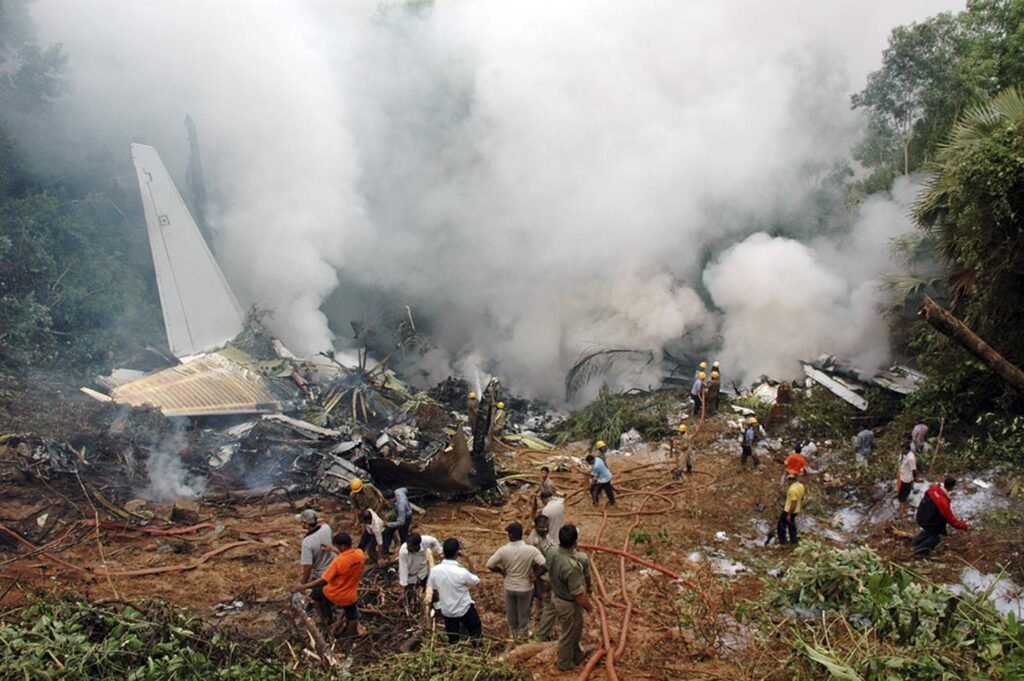

    Fort at Night

    https://images.openai.com/static-rsc-4/c-uBAKqZSDhoAc25z1Jcn-mmRxUis_21UOroWehGJ0DswMbiPkLR9nHJUIHJFvPakhpjmOh61gIGKXPmnRRpSxFj9xrCgwZv03e3HXzGpyl5rp0RIpPu-wew00m_E-Pw1IpayeXJx4R8XZyv1FnDrNYbjy5SDcojvGCs0VoZC8cUZZF_MXfPCFk3TXko43-o?purpose=fullsize
    https://images.openai.com/static-rsc-4/7zkzzfA6jcL-LSws1ajOrIs0_tmx_p9TYLguZWPCFq1WOqLDX3yl6QD7dy23YadZUxQEfM1JYPW1ri9ClwTGtF3cfgvYkACBDVN3ZI7tGtPHwDgEcfN3-_dq-oX8x11NomA3upxLpe0cKXyXMSa49nJ7i2SpXGFeaDr8j-SUfM4L7QBFd17Ro5D0_KERW0pr?purpose=fullsize
    https://images.openai.com/static-rsc-4/TbjtOl3R48OZW-jWPb295DjmozumtJFu4Hc2-cLidKUbaBSD4XUKGTMAFv3I7AlHEsiW_FtGU_jjuZlM8ZuwbWLORHHu9jsIeB5OH_7_15DkOOrFkwazLRrvi9te-U3mkpSrJ69CjF5ts1MUrMP-M2PVaf6iUW3ivyj7M_t5S58FUgFWvl0MHneW61Lmh1IA?purpose=fullsize

    Shaniwar Wada at night with mysterious atmosphere


    👣 The Footsteps

    The story becomes even darker in some versions.

    Visitors and local storytellers sometimes describe hearing footsteps around the old fort.

    At first:

    Step…

    Then:

    Step… step…

    And suddenly—

    running footsteps.

    It sounds as though someone is desperately trying to escape.

    The footsteps seem to move across the old stone corridors.

    Then they stop.

    Silence returns.

    No one appears.

    This is one of the reasons the location has become associated with supernatural folklore.

    But old historic structures can naturally produce echoes and unusual sounds.

    Wind, animals, visitors, and surrounding activity can all create noises that sound mysterious at night.


    🕯️ Why Is the Story So Powerful?

    The legend is frightening because it is connected to a real historical tragedy.

    This is different from a completely invented ghost story.

    There really was a violent political conflict surrounding Narayanrao.

    There really was a death inside the fort.

    What cannot be established scientifically is the claim that his spirit continues to appear or speak from the ruins.

    That part belongs to folklore.


    Historic Interior

    https://images.openai.com/static-rsc-4/QAVwavgkX0U9B3p1aU-H_CDbFFMdl0QOo0oS0tN-f4adkDSemnB6wl_VtzkOcZXkegLIcYMeOfLnCrwuTTmCXDYkksCI12YQZT7AywzfSXsxaaE3xEU2vHNTx1zW9cBOTSCza3nZFf0uzsOyRqhic7bC7oOH1DrfmWNogJdv7f1H3rNBpPOpJVIMpdQPIPNE?purpose=fullsize
    https://images.openai.com/static-rsc-4/cNDyA5TgAYxbD7GX5iEwCgowM7MWc-XbxKrwd9Y0eHx54amLZdWIWEB6O1Xy-uU9vEYaWgermH3HGBZ9snY6eUQw4t2TzhtiTixiXVG8lMTTobiEhvAlUBR4mLj3OYuVP1r5CYsB270iiicGRYZIYAIR1dMEc6WL3etmd42KybPMyIcpP8zsX74WF82VNCc2?purpose=fullsize
    https://images.openai.com/static-rsc-4/XVM0e2LhWmBa7XBwoVvPqRTb0kG42ILTw4u_Ro_py9XPXsZt2zjAyjzLYB70m2MW9ANJkUhL8mL6cj-BThDbcnOR4AlDa7KiVfW5p-RsnZ0dnnB0VmJ5-0U_99mVMvAqBSnpFC3HrAr314E5WX4L9M1YhYR8Oh5gW6YvbA4n8nEB4UOCshoqTvF4gaPkuZYt?purpose=fullsize

    Historic stone architecture inside Shaniwar Wada Pune


    👦 The Young Peshwa

    Narayanrao was very young when he became Peshwa.

    His position placed him in the middle of a complicated political environment.

    The conflict surrounding him involved powerful people and competing interests.

    His death therefore became much more than a personal tragedy.

    It became an important part of the political history of the Peshwa period.

    Later generations remembered the tragedy through stories, and supernatural elements gradually became associated with the location.


    🌑 What Happens After Dark?

    Popular stories describe the fort becoming especially mysterious after nightfall.

    People imagine:

    • Empty corridors
    • Faint footsteps
    • A distant cry
    • Shadows moving across walls
    • A child’s voice
    • Sudden silence

    These details have been repeated in various retellings.

    But readers should remember that these are stories and beliefs, not verified paranormal observations.


    🔥 The Most Famous Cry

    The phrase associated with the legend is:

    “Kaka, mala vachva!”

    The words are often translated as:

    “Uncle, save me!”

    According to the legend, this is the desperate cry of Narayanrao.

    Whether anyone actually hears such a voice today cannot be scientifically established.

    But the phrase has become deeply connected with the popular identity of Shaniwar Wada.


    Mysterious Corridor

    https://images.openai.com/static-rsc-4/6JNicHYfB4Gp7Ud166-76JBjqD76XYcpRjFQbzIFC7rrV6KZu-aKOVhlSmZAZS0AWnrINVdWX9k-i50M8CeNLrRoAHomnQ-dVZjij_6hNfXtnljhv6PZtDgfhobQebCSm372j_W9F3UFOR4siIMdYP-wmZ5R9mJWzFYxK0p0llUZjCr4ggwe3Dfc1nasBUMW?purpose=fullsize
    https://images.openai.com/static-rsc-4/ObHGtvvDZLhs_CBCKdMvlsPh4Ippc7iBiV45uiFtkDfmwzsScVVi-VjKqlw34IhjtLpPcx284I2Bq5SenTaR-WgMv_3YqTnI7orM4l-GyRummwJSNlW7JK3ZafkJq8Y8BeqqQYkqcaJPQGKSchIEL_Mb8Swud3tzKDk1pyvr9XHQy9lh5Rsu_XfffnGmbOG_?purpose=fullsize
    https://images.openai.com/static-rsc-4/8CZL9AL1bfksRHLCKEChVjycGvBm88nLjEx_Tsi0wY9_dPoUea662je173IKYfSrwqafmSgKCFH_uHXVB0wQiZm4gNMK9TA1GRba2WJzUSogaiWtiIJB1Ih9aZFh2UyMgBd7h3ZAFE19BO2u2aT4do9eV1qEiVY3Ixu9yFm6mFd-kcmbdkLJWE5i-ijkZwaj?purpose=fullsize

    Mysterious corridor inside an old Indian fort


    👂 Why Do People Hear Voices in Old Buildings?

    There are several possible explanations for unusual sounds.

    Echoes

    Stone walls can reflect sounds in unusual ways.

    Wind

    Air moving through openings can create tones that resemble voices.

    Animals

    Birds, bats, insects, and other animals can produce unexpected sounds.

    Human activity

    Distant conversations can become difficult to locate accurately.

    Expectation

    If someone already knows a place is supposed to be haunted, they may pay greater attention to ambiguous sounds.

    These explanations don’t prove that every reported experience is false.

    They simply show that there are alternative possibilities besides a supernatural explanation.


    🕯️ The Empty Courtyard

    Imagine an old courtyard surrounded by high stone walls.

    There is no crowd.

    No traffic.

    Only the wind.

    A dry leaf moves across the ground.

    Then you hear something.

    A child crying.

    You look around.

    Nothing.

    The crying stops.

    You take another step.

    Then—

    “Kaka…”

    You freeze.

    The sound seems to come from directly behind you.

    You turn.

    Nobody.

    You look toward the wall.

    Still nothing.

    Then the sound disappears completely.

    This is how the legend is often imagined.


    Empty Courtyard

    https://images.openai.com/static-rsc-4/xRRKyLHnyvo0SoeK2tHtI0Yg-WqwsBgKufeS17t3c0PPKt57oq1XlnBadHWldKVyVtCsems_ZkJ60Rzwd5DmN4hqus522CgOik3Pb3_njzHuh7-evPR9IRN_LpQhCcPyGFYzqTfTcABamcJfkjKW6vJhQUxaIldSv9SBVLDFY7AqDX7VTZwVdfvTOwn187Pd?purpose=fullsize
    https://images.openai.com/static-rsc-4/OZU0R4_71eRj2wxSWmegsvV_AZVLKibRL8wm51nqTCMUG-_LUsVkA2TyEYgi6Y7cgtRHMEs3VpP7Rc_EHIPE2j9BLSnyYUEoGs5xNP1cjB3yLuW_8kxhtwx7f5YWzhj5D8WfFDPsyLNWw9TvAXiI9azw_IRtd0rkA0U5Lxq0VmL7OATuzHJqoHUw-CYhvf3t?purpose=fullsize
    https://images.openai.com/static-rsc-4/9Py8Ey-H-fC16PLHuyq5yNlzvk2JhLR8yF29X3X3v10BaJ1xHY1ZmWOEV-GJbbiLFbSW8loNwSSNW8EwnJHc3vq9-5-h5LN_PiEBoEmfI--6vgKYAAB72ydsL9QDTuw3nagD7CeOqhAUafvTFAmyZYtb4m61uiup6OrLPtrRdWJjXuC4INR4gPQDTtuKVUh6?purpose=fullsize

    Empty courtyard inside Shaniwar Wada Pune


    👻 Is Narayanrao’s Ghost Really There?

    There is no scientific evidence proving that Narayanrao’s spirit remains at Shaniwar Wada.

    The ghost story is best understood as historical folklore.

    This distinction is important because the historical event and the supernatural story are two different things.

    Historical fact:

    Narayanrao was killed at Shaniwar Wada in 1773.

    Folklore:

    His spirit is said to cry for help.

    Scientific evidence:

    There is no established scientific evidence proving that his ghost appears at the fort.


    🏛️ The Fort Today

    Shaniwar Wada is now an important historical site in Pune.

    Its remaining structures offer visitors an opportunity to learn about:

    • Maratha history
    • Peshwa-era architecture
    • Pune’s heritage
    • Political history
    • Traditional construction

    The ghost legend may attract curiosity, but the site’s historical importance is much greater.


    🌧️ Why Rain Makes the Legend More Frightening

    Imagine the old fort during a monsoon evening.

    Rain hits the stone.

    Wind passes through empty spaces.

    Water drips from the roof.

    The sky becomes dark.

    Every sound echoes.

    A distant noise can suddenly seem much closer.

    In such an environment, an old tragedy can easily become the foundation for a powerful ghost story.


    Shaniwar Wada in Rain

    https://images.openai.com/static-rsc-4/52oy9zowN5NmE3GQGl5J80AuCdXBzjuYo5MIrOZ8Kxcsqrgx55BW2usjT77z_Oge0xRoRofV1ZqHMqnl3MCAMZYSgTLUxYDxxc5JiLW3EUQf_lplejtry09CwxmqYDb2IcumzgWxb5T0Zl99itKr57NaZKyefFo4FqQ7oDnac2B_ncCwcBdfS9plNSIalxVi?purpose=fullsize
    https://images.openai.com/static-rsc-4/HXNNsBp7EKw11B8QAIetb-88QISjV2dBef2en0W5c6VjB4jqumsNpV1vzjf4eRMRZi-PfitC3P-Gpt1XRMY0GNuKtinpOznTbD1UEOK0KxC5t0RXo_ImJi-NVi4DWFPEZJjdboqwW-4dTN8qsmXmIRB8UOHKi2TBalX6wwVOwmK7thsAQEQafNRVRK_y__fo?purpose=fullsize
    https://images.openai.com/static-rsc-4/rbaz4pgD9CUrHrd0gpPakiQdJRRfdMk_kkhbIq2ssOkrz-WGY-s6yeKt00HH9Y49xEsGsDwRELIXm_2hV1359XuyMrevVFvtGhAu0q09HQDHOLG7HpQKZJWXk9pc5Cx6PkkeTYvxN9uGmila5enS0GuWyRkDLR0azze1mwh_EOSjbX-IdXT8g9_oXJHHtptM?purpose=fullsize

    Shaniwar Wada during monsoon rain in Pune


    The Difference Between History and Horror

    This story teaches us something interesting.

    Sometimes the strongest ghost stories begin with real historical events.

    A tragedy happens.

    People remember it.

    Stories are told.

    Each generation adds details.

    Eventually, the original historical event becomes surrounded by supernatural folklore.

    That may be what happened with the Shaniwar Wada legend.

    We cannot prove the ghost.

    But we can study the history that inspired the story.


    🧠 Why Do People Believe the Legend?

    Belief in supernatural stories can be influenced by:

    • Family traditions
    • Local storytelling
    • Historical tragedies
    • Personal experiences
    • Cultural beliefs
    • Movies and television
    • Social media

    Once a story becomes famous, people may visit a place expecting something unusual.

    That expectation can make ordinary events feel extraordinary.


    ⚠️ Respect the Historical Site

    If you visit Shaniwar Wada, remember that it is a heritage site.

    Visitors should:

    • Follow current entry rules.
    • Respect the monument.
    • Avoid damaging old structures.
    • Keep the area clean.
    • Avoid climbing restricted sections.
    • Respect other visitors.

    A historical monument should be treated as part of India’s cultural heritage—not simply as a haunted attraction.


    Heritage of Pune

    https://images.openai.com/static-rsc-4/oH4VP1zYL-jdJ2Bn3T0uGjtFsIFLAPgtYZuvat8IQat1IhlBwyKnaU4FR_Y0mpjmodFMTMhovgTxG2GmBPKBv-xV-_pOMg4VIWB_Fo8KeswC_V6NIynKYjLue3ZKf1F2CEI8VSbZWhfpo0WPllgixBumoJ_TZ5ptFCQ86zGj3py7IWLSPqUYLqJwg4rFl03W?purpose=fullsize
    https://images.openai.com/static-rsc-4/6HORAizu9R72jA5ahaa66Ufrou689M5ryVCJ8RDvS5IMOWMq0NjEZdgmRjEPP2cgA5JG4oG1_2TV4sNVlTui7v7DsQSUNjQgmJ9tdGQs8Dc5G9hu920QMpcPIKr_gA-7VdSabF7Eg9BYrEx7PQLi6Y6jpjFnmEeqIm7fPwMISkA3MVZu8qKKJ6sg9McPfg7y?purpose=fullsize
    https://images.openai.com/static-rsc-4/DGNdA_KUZY1n2D4huAtaowT4Y0kxdeTSJKRnpIjLqjBWiffNCJJM-oA1Uk2nWeI0bsH2tHXuf1Sa0v5u8AJL0fvwIH3iyZZVuBcz9BJuPUpCQc3bET2oE1u3G_hLGqSolyLxFcku38kjNmygl0KlLhqUEKnWpNVt46E2zYmObsFo-8qzSI8Mwp8VCxzmOuuG?purpose=fullsize

    Shaniwar Wada heritage monument in Pune Maharashtra


    Frequently Asked Questions

    Is Shaniwar Wada really haunted?

    There is no scientific evidence proving that the fort is haunted. The ghost stories are part of popular folklore connected with its tragic history.

    Who is said to haunt Shaniwar Wada?

    Popular legend associates the haunting with Narayanrao Peshwa, who was killed at the fort in 1773.

    What does “Kaka, mala vachva” mean?

    It is Marathi for “Uncle, save me.” The phrase is traditionally associated with the legend of Narayanrao’s final cries for help.

    Did Narayanrao really die at Shaniwar Wada?

    Yes. His death at Shaniwar Wada in 1773 is a historical event; the supernatural stories surrounding it are a separate matter.

    Can visitors hear the ghost?

    There is no scientifically verified evidence that visitors can hear Narayanrao’s ghost.

    Why is Shaniwar Wada famous?

    It is historically significant because of its association with the Peshwas and the political history of the Maratha period.


    👻 Conclusion

    Shaniwar Wada is a place where history and horror folklore meet.

    The tragic death of Narayanrao Peshwa is part of documented history, while the story of his spirit crying “Kaka, mala vachva” belongs to the world of legend.

    Perhaps that is why the story has survived for so long.

    The old stone walls cannot tell us what happened after midnight.

    They cannot confirm whether a voice ever echoed through the corridors.

    They cannot tell us whether the footsteps were real.

    But they do preserve the memory of a tragic chapter in Indian history.

    And when the night becomes silent, the old legend still asks one frightening question:

    What if the voice you hear in the darkness is the same voice people have been talking about for generations? 👻

  • 👻 Part 7: Delhi Cantonment Ghost Story – The Mysterious Woman in White

    👻 Part 7: Delhi Cantonment Ghost Story – The Mysterious Woman in White

    An original fictional horror story inspired by a popular Delhi urban legend. The story is fiction and is not presented as a verified supernatural incident.


    🌙 The Road After Midnight

    It was 1:26 a.m.

    Amit was driving home through a quiet road near the Delhi Cantonment area.

    The city that was normally full of traffic had become strangely silent.

    Streetlights stood at long intervals.

    Trees covered both sides of the road.

    There were no shops.

    No pedestrians.

    Only the sound of Amit’s car engine.

    He glanced at the clock.

    1:27 a.m.

    Then he noticed someone standing beside the road.

    A woman.

    She was wearing a long white dress.

    She wasn’t moving.

    Amit slowed down.

    The woman looked directly toward his car.

    He continued driving.

    After a few seconds, she disappeared behind the trees.

    Amit thought nothing of it.

    Until he heard a soft knock on the rear window.

    Tok.


    The Empty Delhi Road

    https://images.openai.com/static-rsc-4/5Smd85LsKlnenB6h6vuRJMyVbz2FnAJltQgLkRWAl4UwPwyP_xo7xs8i8kZvD8RZbafx99uZQ3iN2qelV19GAnf4JzRB7XukrzP50a054aChJ5juXXNvT2tGFSjuUo-j2miND4dheJushHbvaWQvjIPqCYHHJimLAgTLG1JSCoRqma-IDxSHz1AoQBS7MzK5?purpose=fullsize
    https://images.openai.com/static-rsc-4/7nyAQ9nY57rsMKzNOU9AUKhEL0hEv38NMzKIhMkm35Sa-QecWvib_thmzGkUSiP7BhHonqeXu4i1JznhD1o-X_-reBG0NFHORODOLVxT9F8f2Z7FDPLwLqDYygPBN6_gdGUP-fVRqt4l5o7QKgxBMzVE8uTtf2l8137lbu1CLxKAdbtxQOX_68zUulCiCVNr?purpose=fullsize
    https://images.openai.com/static-rsc-4/8O2y3HZqfTjqzqAwHAhM-Wb1lGCgj83J9mzevFDtiQflYdIKH9zwdGi1P-uIOrn6hpBxE5K2l1fzkU9_XRzdciFKH7kk0HcRQrjPFSjag1bZudsECPtcnATK-kwB37aITqlQYNiCjytS94Dhcg7SwF618-McKMnqMPdDCeIjJ5OjshBxv9LohcZr_cnAE1vu?purpose=fullsize

    Quiet Delhi road at night surrounded by trees and streetlights


    🚗 The First Warning

    Amit looked into the rear-view mirror.

    Nothing.

    The back seat was empty.

    He turned the music off.

    The car became completely silent.

    Then—

    Tok.

    Another knock.

    This time it came from the passenger-side window.

    Amit looked.

    Nobody was there.

    He increased the speed.

    The road ahead was empty.

    Then his phone rang.

    It was his friend Rahul.

    Amit answered.

    “Hello?”

    Rahul asked:

    “Where are you?”

    “Near Cantonment.”

    There was a pause.

    Then Rahul said:

    “Don’t stop your car.”

    Amit frowned.

    “Why?”

    Rahul’s voice became quieter.

    “Just keep driving.”


    👩 The Woman Appeared Again

    A few minutes later, Amit saw the woman again.

    She was standing beside the road.

    But this time she was much closer.

    Amit drove past her.

    He checked the rear-view mirror.

    The woman was no longer standing beside the road.

    Instead…

    she was walking behind the car.

    Amit pressed the accelerator.

    The woman started walking faster.

    Then faster.

    Amit’s heart began racing.

    He looked again.

    She was gone.


    Woman in White

    https://images.openai.com/static-rsc-4/gcIwH4wEzKkdJIHWDKItFrpbCCQBI3rJeaaXqqw6pXbOXB-j4zamIehmiUW5PxDEkxKtotNzT1n7uCgfzIkJ-hNG9DQRux0M3WIcVxeiwHUXrn_xCyqk2dxdp7-eU1sfFmmMYbnRgff_vfU_iZgABYf50oyFUU9xjZsED7Y5supabFstTRZl8vLsYdS91hg1?purpose=fullsize
    https://images.openai.com/static-rsc-4/HkaN63FgexK7pVc9PH5h1ka-jUvrvNAaNujsnGDabdaUd5cBIBBj5JhXWnsQovex_CAMrhkix4o_u2KdFWa0agGmDxpNyA2UtvrkyDJUFBla8puBjLwgI4CIi_AEo-vjuvI7dS8KUYfCvC24tRFjwFZ-7n67lvPM-zSDTabzhI-8_6RxVDkyqzUMvhvKsjt7?purpose=fullsize
    https://images.openai.com/static-rsc-4/bF2L9X5fKQLrvRLRg1GsEimu9GZZNTKk9Lf9E8iCApHmAArhSZXJ1nOKXQfrTDT3zMAFcK2G4mkhOjsMNqM8qTwV0IQCk5AiD75g5n5x5E4IYucqK8WvjB1QxPrpBqk0dX35NVqJ1CEMnVy3AIEgezadue3OpHdtnVJosuKjLZ7zBfNE9xGaS937F0NSHN-U?purpose=fullsize

    Mysterious woman in white standing beside a deserted road at night


    📞 The Phone Call

    His phone rang again.

    Rahul.

    Amit answered immediately.

    “Tell me what is happening!”

    Rahul asked:

    “Did you see her?”

    Amit stopped breathing for a moment.

    “How do you know?”

    Rahul didn’t answer.

    Instead, he said:

    “Listen carefully. Don’t look at the back seat.”

    Amit’s eyes immediately moved toward the mirror.

    He saw nothing.

    Then Rahul said:

    “She’s not behind you.”

    Amit felt slightly relieved.

    Then Rahul whispered:

    “She’s sitting beside you.”

    Amit slowly turned his head.

    The passenger seat was empty.

    But the seat belt was moving.

    As if someone invisible was sitting there.


    😨 The Seat Belt

    Amit slammed the brakes.

    The car stopped.

    The seat belt suddenly stopped moving.

    Silence.
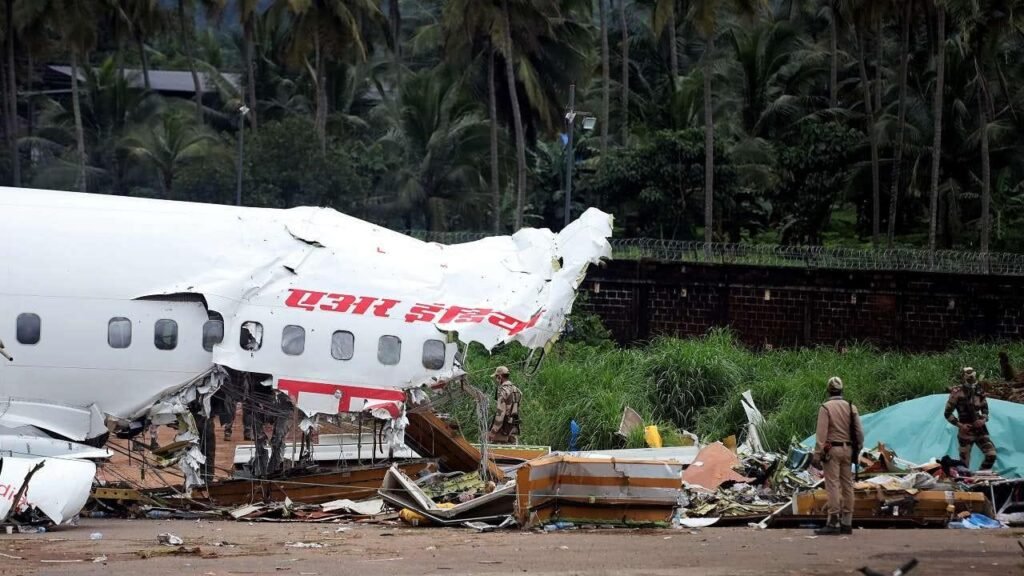
    He looked toward the passenger seat.

    Nothing.

    He opened the door.

    Cold air entered the car.

    He stepped outside.

    The road was empty.
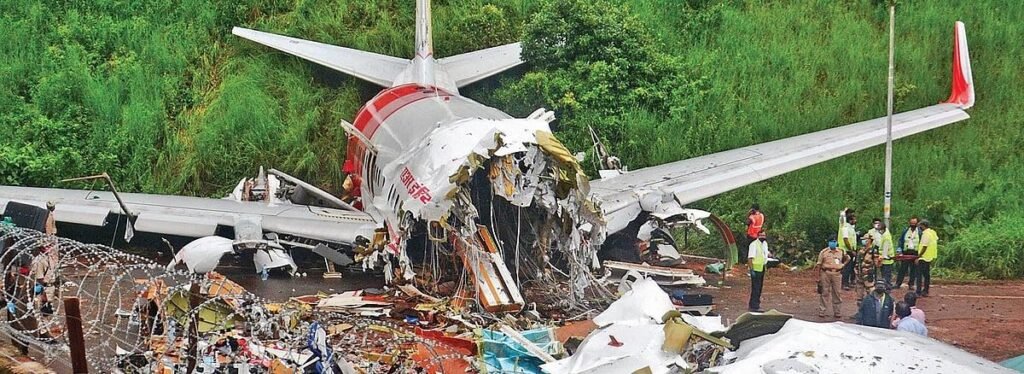
    No woman.

    No people.

    No vehicles.

    Only trees.

    Then he noticed something on the passenger seat.

    A single strand of long black hair.


    Empty Passenger Seat

    https://images.openai.com/static-rsc-4/9JA49YsBdKsN5GjmATbptzS0RVxB9uyE4_JfJWP42rlX5fL0EEkSaCRcdgD-i_4Urlm6iSvyw3QZl1g_twqfteUBETRXL5YMXChjUU4xU1Q33EVY4WsPiN7wCrA7nea3y8I3qMmnRMeYk1MY_CXLFrM1neV1RWHNWXSqI677_xNa1ksKh2oj9m3tOzwdF3-u?purpose=fullsize
    https://images.openai.com/static-rsc-4/UtDGlvQjMairKUn8LRrBgwIXofZHJLQ04VpfpriWQQbJPDxxT27reAZse-kjJE30O0SbjsyzbzNOPEeIQypFe-dY8QJjdWX9FjAxM7n6KXQRLJaqI9K6NpTb28paks8NvIHBfXIqNTW1FLCELUK63y7QTeIQOB5hyxR9JOHDN_oR9Tc6YovqAe3TRWl15s15?purpose=fullsize
    https://images.openai.com/static-rsc-4/vgyGCDV97XoVJFsHfh_s-GydNHRz57MEQ3-klQiTYjqf0mZKUNK5SFVx-0j4sOXbizBeR9jLjxB7OjGyf_NqOmL8NXQGzJX_MARUFWDEnAruqTkqdvlwBaUaG1I1cYAGPb0zVY8AMWkUyruJH2_2-LtkXmvsT_ODjm8NHxbUSHOJC7niPjPZU-h-uqTsb2TT?purpose=fullsize

    Empty passenger seat inside a car at night with a mysterious atmosphere


    🚘 He Started Driving Again

    Amit didn’t know what to do.

    He got back into the car.

    Locked every door.

    Started the engine.

    And drove.

    He didn’t look toward the passenger seat.

    After several minutes, he reached a busier road.

    Streetlights became brighter.

    A few vehicles appeared.

    Amit finally felt safe.

    Then he noticed something in the rear-view mirror.

    A white figure was sitting in the back seat.

    He immediately turned around.

    Nothing.

    He looked at the mirror again.

    The figure was still there.

    But now it was closer.


    👁️ The Face

    Amit’s hands tightened around the steering wheel.

    He looked at the road.

    Then at the mirror.

    The figure slowly lifted her head.

    Her face was hidden by her hair.

    Amit blinked.

    The face was gone.

    Only the white dress remained.

    Then the figure leaned toward the driver’s seat.

    Amit heard a whisper.

    “Why did you leave me?”


    The Rear-View Mirror

    https://images.openai.com/static-rsc-4/JM4AVD7PXKEwe4H-ea8N7FMISZMF7qDYisPxgtfQVkmX1UJLgJmVsxqymFDRq8LsFBlaKm_JpH4C89wu_J0hDHaKiSdrUjDTFu3Sz9UvXbW7L1Yk4GRphqmPObNE2fbDpL4F6HKsg8ag_j27WSr36odqnkivs73lSVU0p4fBOOu2rUiIzVK5gVTQzud_NnXj?purpose=fullsize
    https://images.openai.com/static-rsc-4/DZZRale3ONfxklAev4H-DW9fxCqQe9WBu7hKjBqF3XAWu8tJMxXInHuFZJKHrRCEOdUvFfCY0HzCC2IPiZM4krPrmi41j2bE3W8600iPt1OkwgoH_Lbgq4H_nm29ikVmyjMZ1GfGYGSLwykqvF6wg52cusSszOl0E3wUA54m9UJbV6cVKOfH551UeOoJD8nb?purpose=fullsize
    https://images.openai.com/static-rsc-4/rCyDyIQh67AkWQKOnRzlGXOgNQ5KWVm6SCVQrD6VvFttrbsoMqW_RbIWq3zSKofG25m11cryGXK8K_t-ThW7NskaVqowzaPre5RifujV62YN5WhmTV-38e4SlHj2A6PL9FgCO6t1mndgh9SHObllq5iTftZjQcHCG9rC757zSOY61KdaD9560f1UMIPPaDUP?purpose=fullsize

    Mysterious silhouette reflected in a car rear-view mirror at night


    🛑 The Traffic Signal

    A red traffic signal appeared ahead.

    Amit stopped.

    He didn’t want to stop.

    But there were other vehicles around him.

    He looked at the mirror.

    Nothing.

    The back seat was empty.

    The signal turned green.

    He accelerated.

    Then his phone displayed a notification.

    It was from Rahul.

    Amit opened it.

    The message said:

    “I’m sorry. I shouldn’t have called you.”

    Amit immediately called him.

    No answer.

    He called again.

    Nothing.

    Then his phone received another message.

    This time it contained only four words:

    “She’s not a passenger.”


    🌧️ The Rain Started

    Without warning, rain began falling heavily.

    Amit turned on the wipers.

    The road became blurry.

    He slowed down.

    Then he saw the woman again.

    She was standing in the middle of the road.

    Amit pressed the brake.

    The car stopped only a few metres away from her.

    She didn’t move.

    Amit stared at her.

    She slowly raised her hand.

    And pointed toward the passenger seat.

    Amit looked.

    The passenger door was open.

    He knew he had locked it.


    The Road in Rain

    https://images.openai.com/static-rsc-4/im_ERcmSMJCSMZj1HJBSICAsKiHlclS8wPmu9tBlUv0TcrP8jTCVos-Wq3DDM_cY5UKt5KaTDJs2OiLtcTxjWyM969vUhuntOvV-z4FI3tzUCrkKv5sP9jw86cmmvTgJVHVfG3ZqPUFOJEzzSEq3phSyGS-nW2IVlrIJ-UJ2Df-fPEL9h_p2XBVQhbrA3KFl?purpose=fullsize
    https://images.openai.com/static-rsc-4/_RiQL6ole08ffwWPLP3i0gxdO9HWgzNgBYT6inKXV8WAef_YkLzfbwznHCtWuKVZAVWtjPZSb01z3pn6fuv_F_8EEU2GtH3XnwIsJ52-7mnnzAr5ibuj0QcSOgFWNfxpgxvux-9K48nyseah8Vl4rz1b-MfCzzzSJnI5lcZM3k5UlK8eDo8wEwD90NgUVr1e?purpose=fullsize
    https://images.openai.com/static-rsc-4/g09hj1ahVgWY1RcM-CVzLUxdzU5P_zPXyuTnGyLYWbpISYKBSOHXkJ48Ol4A80DmWAl6IqheGgyAwfkGZP3L1l6DaaB66iJ9Ho0v38ji-loWFj0DnWRSK81uvFWgQA5gpSF_DhRjONfCij4wC3ccveqMz5bcuy_Z_tjn2CDqnP3SNeuCvZDKC9JODDGwQT95?purpose=fullsize

    Empty rainy road at night with a mysterious figure


    🚪 The Open Door

    Amit stepped out of the car.

    “Who are you?”

    The woman didn’t answer.

    Rain covered her white dress.

    She slowly turned her head.

    Amit couldn’t see her face.

    Then she said:

    “You passed me three times.”

    Amit felt confused.

    “What?”

    She pointed toward the road behind him.

    “You didn’t stop.”

    Amit looked behind.

    The road was empty.

    When he turned back…

    the woman had disappeared.


    🌅 The Morning

    Amit eventually reached home at sunrise.

    He didn’t sleep.

    He told Rahul everything.

    Rahul looked shocked.

    Then he showed Amit something on his phone.

    It was a news article about an accident that had occurred years earlier on a road in the same area.

    A woman had reportedly died there.

    The details were unclear.

    There was no proof connecting the accident with the story Amit experienced.

    But one detail caught his attention.

    The reported time of the accident was:

    1:27 a.m.

    Amit looked at his own phone.

    The first time he had seen the woman was:

    1:27 a.m.


    Dawn After the Mystery

    https://images.openai.com/static-rsc-4/YPNqhzdM_8AfKT1YRVBS5vaa0G230pZEFdjH3ZAbK_uwwPyuJJfof8Yhzcb-V4mmRwAhuRJmwDVczg-Xu18Wuaso2nz1FKTHcIOEJ9hQAQ5z8o05aTwbSb0zK7tO924Z3M4F2joNGiz4lSAs4BHyu-ld2h7bpWqSdtAa7YVGUGBke-D0U-5sn2MrNJLN1tlj?purpose=fullsize
    https://images.openai.com/static-rsc-4/9JPD4ci7suB0O6URbvypWWs6S_yG2eFBgAEUdVCvobUcs_nYxa1six5Qo6YIoI8CnCeN4FD4In60-GaKYtJeS2xky6zSpKERYeN7H_jK9QOOucfdddKB0O-PS4ojiHgQ1cz-1MkT8WGP1D7eCPYWLkzenTmNXrk4SwCDYN0V4ROEwcKoQbaWYiLUN9wM5-Tr?purpose=fullsize
    https://images.openai.com/static-rsc-4/wisx0v4vcqv8eizUts2KNjjM_m7wWku2suZa53SDw9Ie6n0NWtSpxeJ_Mz5pij37pvq2tVM8-Ebw6Gd8rNnizGO67WD-PWvUzdmECunp4SP-A8yBDvMObQWeLHKR5aiDfzNF13SQsvAHNrdwY7Cp0lq1Q3c0AkyCqVwhoAL5Ua5jCBxUk_F_KtldXpat22fG?purpose=fullsize

    Quiet Delhi road at dawn after a mysterious night


    📸 The Final Photograph

    A week later, Amit was cleaning his car.

    He found something underneath the passenger seat.

    A small photograph.

    He didn’t recognize it.

    It showed an old road.

    A woman in white stood beside a tree.

    A car was parked nearby.

    Amit looked closer.

    The car in the photograph was his car.

    He turned the photograph over.

    There was a handwritten message:

    “Next time, don’t stop.”

    Amit dropped it immediately.


    👻 Legend or Reality?

    The story of a mysterious woman appearing on roads around Delhi Cantonment has circulated as an urban legend.

    Different versions describe the woman differently.

    Some stories say she asks drivers for a lift.

    Others claim she appears suddenly beside vehicles.

    These are popular stories and folklore, not scientifically established evidence of a ghost.

    There are also ordinary explanations for unusual nighttime encounters:

    • Poor visibility
    • Fatigue
    • Reflections
    • Shadows
    • Pedestrians
    • Animals
    • Expectation and fear

    So the supernatural interpretation remains a matter of belief.


    Why Are Road Ghost Stories So Popular?

    Roads are perfect settings for urban legends.

    At night they can become:

    • Empty
    • Quiet
    • Dark
    • Difficult to navigate
    • Surrounded by trees

    A normal person walking beside a road can look mysterious from a distance.

    A reflection in a window can appear like a person.

    A shadow can seem to move.

    And once a legend becomes famous, every unusual event can become part of the story.


    ⚠️ A Real Safety Lesson

    Regardless of ghost stories, driving alone late at night requires caution.

    Drivers should:

    • Avoid speeding.
    • Stay alert.
    • Never use the phone while driving.
    • Avoid stopping in isolated places unnecessarily.
    • Follow traffic rules.
    • Use well-lit routes when possible.
    • Stop only at safe locations if tired.

    The real danger on a deserted road is often much more ordinary than a ghost.


    Conclusion

    The Woman in White remains one of the most recognizable types of Indian urban ghost legends.

    The story is frightening because it takes something completely ordinary—a lonely road at night—and turns it into something mysterious.

    Did Amit really encounter a supernatural presence?

    Or could every strange detail have had an ordinary explanation?

    The story never gives a definite answer.

    And perhaps that’s what makes it frightening.

    Because if you are driving alone at 1:27 a.m., and suddenly notice a woman standing beside the road…

    you might remember this story.

    And before you look into the rear-view mirror—

    you may think twice. 👻

  • 👻 Part 6: Dow Hill Ghost Stories – The Haunted Forest of Kurseong

    👻 Part 6: Dow Hill Ghost Stories – The Haunted Forest of Kurseong


    An original folklore-based horror article inspired by the mysterious stories associated with Dow Hill, Kurseong, West Bengal.

    Important: This article presents local legends and popular paranormal stories. There is no scientific evidence confirming that Dow Hill is haunted.


    🌫️ The Forest Where the Fog Never Seems to End

    Imagine walking alone through a narrow hill road.

    There are tall trees on both sides.

    The air is cold.

    Mist slowly moves between the branches.

    You hear nothing except the wind.

    Then suddenly—

    Footsteps.

    One step behind you.

    Then another.

    You stop.

    The footsteps stop too.

    You start walking again.

    Step…

    Step…

    But this time, the footsteps are closer.

    You turn around.

    There is nobody there.

    This is the kind of atmosphere surrounding the stories of Dow Hill in Kurseong, West Bengal.

    Kurseong itself is a beautiful hill town known for its tea gardens, forests, viewpoints, and old schools.

    But among paranormal enthusiasts, Dow Hill has developed a very different reputation.


    🖼️ Image 1 – Misty Dow Hill Forest

    https://images.openai.com/static-rsc-4/K6Z5If1mLOjLRE5cG9Sr5N_h4LBdiMogwXGVhlQd9vD5EsYqdBram_D1_3fOYSvVnIgb5Hh2j_k6oHbIMR9jq3WINy4rb7sm42Tm7p7HOgl5WlwRIZcR131f3YUGjxlQhNbNJFNlvCH06Hw_doaq_aWPv_y7eTnLAHY55KQ2SG-5ganNgZ2jp2SnOf0e_9kO?purpose=fullsize
    https://images.openai.com/static-rsc-4/PmzKCatMoMsPiAYzmGIktikE2cCbIj3h_35H3Kr6wz1hNskes4ee7mNrsiXnfTTZBlGd2d5Xbk8MM0wEFNAmTu2aIBNcvLdu-Htx92GlaE2LYZkPKuScmCMLJts4xELEm3-1mqqQX4LsWtfnj5cDulT9jODX_tl1UPUSDiGdyGDgssDnKMBczfIxHdAMaeEp?purpose=fullsize
    https://images.openai.com/static-rsc-4/dkiJmBNKt4unp4LA6sArwqYl4AABS9uGY4hi9tvijW0F9L9bDPws3LpqyZ_vIIVB_dzmDX17UBd1GK5WdOSUD6UrLlG4Ee7wMKt574P5z2Ai2TcL2E1LgwrZCWYBH0iQ6L-cYMhbI66UYkYBUP05x7vFc4XUMYxxYT-63H0e0EQrpy0w2AOF071F3HJlp7tT?purpose=fullsize

    Misty Dow Hill forest in Kurseong West Bengal


    🌲 The Forest Road

    One of the most famous stories concerns a forest road between the Dow Hill area and the forest office.

    Popular accounts sometimes refer to this stretch as “Death Road.”

    According to local stories, woodcutters and other people have reported strange experiences in the forest.

    Some stories describe:

    • A mysterious figure appearing between trees
    • A feeling of being watched
    • Strange footsteps
    • Unusual sounds
    • A figure disappearing into the forest

    These accounts have helped create Dow Hill’s reputation as one of India’s most mysterious hill forests.

    But remember:

    A story repeated many times is still not scientific proof.


    👦 The Headless Boy Legend

    Perhaps the most disturbing Dow Hill legend is the story of a headless boy.

    According to popular folklore, some people have claimed to see a young boy walking along the forest road.

    At first, he appears to be an ordinary child.

    Then something seems wrong.

    The figure is said to disappear into the trees.

    Some versions of the story describe the boy as having no visible head.

    The story is frightening precisely because the figure reportedly does not attack anyone.

    He simply appears…

    walks…

    and disappears.

    Reports of this legend have been repeated in Indian travel and paranormal coverage.

    There is, however, no verified evidence that such a supernatural figure exists.


    The Forest Road

    https://images.openai.com/static-rsc-4/zwftd90wl78W7AlkoLTxYFsNcTS6jGs_9AkKGAfBmIul4d1X3pfWB67jQ4ND1BcTlGZWUV2i5d9biPSq5B6UhBhHZJTxsE0SkrxnmiOUEeWBVFPqGWnix0BL31qUkFg3NsWa7W25r3Cl5JhMH7pPkhLT7rLM7fwOvtNtTuBNV12_z0ExNdm8z-tKJHGOIaRT?purpose=fullsize
    https://images.openai.com/static-rsc-4/PmzKCatMoMsPiAYzmGIktikE2cCbIj3h_35H3Kr6wz1hNskes4ee7mNrsiXnfTTZBlGd2d5Xbk8MM0wEFNAmTu2aIBNcvLdu-Htx92GlaE2LYZkPKuScmCMLJts4xELEm3-1mqqQX4LsWtfnj5cDulT9jODX_tl1UPUSDiGdyGDgssDnKMBczfIxHdAMaeEp?purpose=fullsize
    https://images.openai.com/static-rsc-4/dkiJmBNKt4unp4LA6sArwqYl4AABS9uGY4hi9tvijW0F9L9bDPws3LpqyZ_vIIVB_dzmDX17UBd1GK5WdOSUD6UrLlG4Ee7wMKt574P5z2Ai2TcL2E1LgwrZCWYBH0iQ6L-cYMhbI66UYkYBUP05x7vFc4XUMYxxYT-63H0e0EQrpy0w2AOF071F3HJlp7tT?purpose=fullsize

    Misty forest road near Dow Hill Kurseong


    👁️ The Feeling of Being Watched

    Another recurring element in Dow Hill stories is the feeling that someone is following you.

    A person walks through the forest.

    Nothing is visible.

    But they feel…

    someone is behind them.

    They turn around.

    Nothing.

    They continue.

    Again, the feeling returns.

    Some popular accounts even mention strange glowing or red eyes appearing among the trees.

    There are ordinary possibilities too.

    Dense forests contain animals, birds, insects, moving branches, reflections, and unusual sounds.

    In fog and low light, the human brain can also misinterpret distant shapes.

    That is why a mysterious experience does not automatically establish a supernatural explanation.


    🏫 The Old School Legend

    Dow Hill’s stories are also associated with the Victoria Boys’ High School.

    The school is one of the old educational institutions in the area.

    Popular accounts say that during periods when the school is closed, people have reported hearing:

    footsteps

    and

    whispers

    coming from the building.

    The idea of hearing footsteps in an empty old school is naturally frightening.

    But old buildings can produce sounds because of:

    • Wind
    • Wood movement
    • Temperature changes
    • Animals
    • Echoes
    • Structural sounds

    So again, the reports remain part of folklore rather than scientifically established paranormal evidence.


    Old School Atmosphere

    https://images.openai.com/static-rsc-4/VF4qyjr1XXdrdV0QQrvNMud5G7L5qzQA2kNevZ2IdYATi6bfTlB1tgtarrIZwjQmJcw-S3eFdOWae-BI2mvkeDzDU55lu6IpxBGcvG0Zi1OuFj7NG7z1yJfY1whuDhJABKA4bItA3ZdAAU715v5iDNQfhdzzCR7qlrZ6Z_6ScgSx_EkfViwvwIvEVGdAmYil?purpose=fullsize
    https://images.openai.com/static-rsc-4/XiJ62X9DOHq217czlc-pFh-8mPc54hVHWYZSTb71U_1bm-yj2kd_9Bq2Qp_u7eLBSUuSggffBm9Z_RUtN1K8k9ZnP0ZkTOZ-qSnoJzKMzZA5faCh0jaSmnNKqrQyJz9fbwwORrSD76bDH-S5AR7tB952VBSazZLJZYWOGHEhLPdgoaHNYljHBZCfzEzVK2Ew?purpose=fullsize
    https://images.openai.com/static-rsc-4/GXbetRJNG0M8tnVgN_k3IcNUq8GcFg4o4QqFjcwTNRtEcuP2onV_2-PVA-E59a4-eP2IGT6lZGqibynms34t0yWmLJ4wTgcZjqxfqcqnLXQy7DUqB8bgpNlw4lGy0Yafv8m1HilIGUJa8ryYS6wrHoJq2IPy1TwNIgoMOyXTeUb6vgAenS9z1l2s640H8t0a?purpose=fullsize

    Old school building associated with Dow Hill Kurseong legends


    👩 The Woman in Grey

    There is another disturbing story associated with Dow Hill.

    Some popular accounts describe a woman dressed in grey appearing in the forest.

    According to the legend, she may appear suddenly before disappearing among the trees.

    Different versions of the story describe her differently.

    Some people interpret the figure as a ghost.

    Others see such stories simply as part of the area’s folklore.

    There is no verified evidence confirming that the woman is a supernatural entity.


    🌫️ Why Does Dow Hill Feel So Frightening?

    There is actually a very simple reason.

    The environment itself is dramatic.

    Dow Hill is surrounded by:

    • Forests
    • Hills
    • Mist
    • Old buildings
    • Narrow roads
    • Dense vegetation
    • Changing weather

    Kurseong’s natural landscape is one of its attractions, but the same environment can feel unsettling when experienced alone in fog or darkness.

    Add a few ghost stories…

    and your imagination does the rest.


    Fog Over the Hills

    https://images.openai.com/static-rsc-4/PmzKCatMoMsPiAYzmGIktikE2cCbIj3h_35H3Kr6wz1hNskes4ee7mNrsiXnfTTZBlGd2d5Xbk8MM0wEFNAmTu2aIBNcvLdu-Htx92GlaE2LYZkPKuScmCMLJts4xELEm3-1mqqQX4LsWtfnj5cDulT9jODX_tl1UPUSDiGdyGDgssDnKMBczfIxHdAMaeEp?purpose=fullsize
    https://images.openai.com/static-rsc-4/dkiJmBNKt4unp4LA6sArwqYl4AABS9uGY4hi9tvijW0F9L9bDPws3LpqyZ_vIIVB_dzmDX17UBd1GK5WdOSUD6UrLlG4Ee7wMKt574P5z2Ai2TcL2E1LgwrZCWYBH0iQ6L-cYMhbI66UYkYBUP05x7vFc4XUMYxxYT-63H0e0EQrpy0w2AOF071F3HJlp7tT?purpose=fullsize
    https://images.openai.com/static-rsc-4/ztblK6_cBM1uhWfCLBnnpWnyFzkIn_lyI9f8bLpcvpl7fYQkvb1ITeN88eNkGOBwPdlT2FA8ojNpLvSYZUEP4kCJ27RhhxHvnpq3Xgupc3SHaEX26EDuUiLVHVv3PZRneYM_i7s7pWR0quxwDPzRvT-Ef7pGh6E4Hm-Ne-dB99G_UkYX8RMcO-FXUjZv0Eja?purpose=fullsize

    Fog covering the hills and forest of Kurseong


    👣 The Footsteps Story

    Imagine this.

    It is late afternoon.

    The forest is quiet.

    You are walking along the road.

    Then:

    Step.

    You stop.

    Nothing.

    You continue.

    Step… step…

    You walk faster.

    The sound becomes faster.

    You stop again.

    Silence.

    Then suddenly—

    one final step directly behind you.

    You turn.

    Nothing.

    This is one of the classic patterns found in stories about Dow Hill.

    Whether the sound comes from an animal, another person, echoes, or imagination is impossible to determine from a story alone.

    But as folklore…

    it is undeniably creepy.


    🔴 The Red-Eye Legend

    Some stories associated with Dow Hill mention a mysterious red eye appearing in the darkness.

    Imagine seeing a tiny red light between trees.

    You stare at it.

    It doesn’t move.

    You take one step forward.

    It disappears.

    Then another red point appears somewhere else.

    It would be terrifying.

    But there are many natural possibilities for lights or reflections in a forest.

    Animal eyes can reflect light.

    Distant vehicle lights can appear distorted through mist.

    Moisture and fog can also change how light is perceived.

    So the legend remains a mystery rather than proof of a supernatural creature.


    Red Light in the Forest

    https://images.openai.com/static-rsc-4/Quj87ifm724mSI5n2oUgvcyAnWWkFZCLkSjcCURgJD9nRF3ExDWfMW3FpWyUZ613sWXU0ZXtOmLXKZmZqm104ENqqTz00tgNZNWG5mxBbtdv87jke6QgoDHTsJj4BiBJBtBUDZ_oSvql9PWZRwPJyDRZz3wZ0XnchmyqpJkp0SFBPh_u5ReHe4MAH_tLHkNo?purpose=fullsize
    https://images.openai.com/static-rsc-4/CVTG8u2jGLW0tMnmXWf4lBGZ3LSSbYWvxt-XSduSl9CWeotSWbTNPUeAcr3TTbZdRWG04uf5-Q8R80hE__S4uWTbLv1Sc53t7Wupnd_8Nr4t8l6mPe8qe2LFRzT0H2EyySqFtP2Isw1RudSlgQ379x2s0TMduV_n6b4i4e-DC2WhIOVDT1Tb1tDgg1vKeJHj?purpose=fullsize
    https://images.openai.com/static-rsc-4/MenwqCjRo6S8mLrBWtcqWQ1_wdOG9g0aaU8wl2m9jlcNgnJsFZo3BMdrE0X3AFhrJQ4ELwwL648o_jV-AA5NQfEaR1kyrGLJ9gCkPzfCshdixhw2fzUNSVqlwstyUhqC59QVB6AWNDsDyOmn9HdVnxGsD7b0VUCge5VY8ypqKYJPqWSz-3Zavi0_vXCC4CA3?purpose=fullsize

    Mysterious light in a foggy forest at night


    🧠 Fear Can Change What We See

    There is an interesting psychological side to ghost stories.

    If someone enters a forest already believing:

    “This place is haunted.”

    their attention becomes focused on unusual sounds and movements.

    A branch breaks.

    They become alert.

    Something moves in the fog.

    They become frightened.

    A distant sound resembles a voice.

    Suddenly the entire environment feels threatening.

    This doesn’t mean that people deliberately invent their experiences.

    It means our brains constantly interpret incomplete information.


    🏚️ Why Old Buildings Become Part of Ghost Legends

    Old buildings naturally create mystery.

    A modern building has:

    • Electricity
    • CCTV
    • Phones
    • Bright lighting
    • Regular activity

    An old building may have:

    • Dark corridors
    • Wooden doors
    • Empty rooms
    • Echoes
    • Broken windows
    • Unusual sounds

    When such a building is surrounded by forest and mist, it becomes a perfect setting for folklore.

    Dow Hill combines many of these elements.


    👻 Is Dow Hill Really Haunted?

    The honest answer is:

    There is no scientific evidence establishing that Dow Hill is haunted.

    The headless boy, grey-clothed woman, red eyes, footsteps, and whispers are part of popular stories and reported experiences.

    They are interesting as folklore.

    But they should not be presented as proven supernatural facts.

    This distinction is especially important for a website article.


    Dow Hill Mystery

    https://images.openai.com/static-rsc-4/GXbetRJNG0M8tnVgN_k3IcNUq8GcFg4o4QqFjcwTNRtEcuP2onV_2-PVA-E59a4-eP2IGT6lZGqibynms34t0yWmLJ4wTgcZjqxfqcqnLXQy7DUqB8bgpNlw4lGy0Yafv8m1HilIGUJa8ryYS6wrHoJq2IPy1TwNIgoMOyXTeUb6vgAenS9z1l2s640H8t0a?purpose=fullsize
    https://images.openai.com/static-rsc-4/97_dpz4VFThX2eyEAqlPsgZBsNLqlD3FAy_BJLMPC5Dq01jdyaOstFZeTFB_Y6bs4CkW2_iMyMwkBroMFprYQ6-Vn4bC5UXBhr2qciIx8UYVCa2z8OzeGG2CPYMP4A_13V_y_LGquOcrx-flIVY2UBhxVGOoFyS_KqZWRsC1DpGvJKmqDefSJ87HNdeC121F?purpose=fullsize
    https://images.openai.com/static-rsc-4/abavxIGCTq9OaLImUJ1XOT-Y5lkCvebFsJ5QkXS3l6HYyyfLXFo9LX-2w8RKR47JfVHp4NUr2VKzIt2D4e-XYRnarCG68NDozShHAnQlCeALbicMYs2em5CxnnDh81VJGEuP0KbrCjrGFiDcsoG7fDHnGxAxqwJSW-RnaAEl98XVPJsHxkBUbsaThktxY1eE?purpose=fullsize

    Dow Hill Kurseong forest and mysterious old buildings


    🌿 The Real Beauty Behind the Horror Stories

    It is easy to forget that Dow Hill is part of a beautiful hill region.

    Kurseong is known for:

    • Tea gardens
    • Forests
    • Orchids
    • Mountain scenery
    • Viewpoints
    • Historic schools
    • Pleasant climate

    West Bengal Tourism describes Kurseong as a hill town spread across multiple hills and highlights its natural environment and heritage attractions.

    So behind the horror stories is a real landscape with considerable natural and cultural value.


    ⚠️ Should You Explore Dow Hill Alone at Night?

    No.

    Regardless of whether you believe in ghosts, walking alone through an unfamiliar forest at night is not sensible.

    There can be real dangers:

    • Uneven ground
    • Wild animals
    • Falling branches
    • Poor visibility
    • Getting lost
    • Weather changes
    • Restricted areas

    Visitors should follow current local rules and avoid entering restricted places.

    The real-world risks of a forest are enough reason to be careful.


    👻 Legend vs Reality

    Dow Hill LegendWhat We Can Actually Say
    Headless boy appears in the forestPopular local legend
    Red eyes watch visitorsReported in folklore
    Footsteps are heard in empty buildingsPopular reports; many natural explanations are possible
    Grey woman appearsParanormal legend
    Dow Hill is definitely hauntedNo scientific proof establishes this

    Why Has the Legend Survived?

    The story survives because Dow Hill has all the ingredients of a powerful mystery:

    A beautiful hill station.

    A dark forest.

    Old buildings.

    Heavy mist.

    A lonely road.

    Stories of a headless child.

    Whispers and footsteps.

    And one unanswered question:

    What would you see if you walked through the forest alone?


    Conclusion

    Dow Hill is one of India’s most famous locations associated with ghost folklore.

    The stories of the headless boy, mysterious woman, red eyes, footsteps, and whispers have been repeated for years in popular accounts and travel stories.

    But there is no scientific evidence proving that supernatural beings inhabit the forest.

    Perhaps the real mystery is how a beautiful hill environment became surrounded by such powerful stories.

    Maybe the footsteps are only echoes.

    Maybe the figure in the mist is only a shadow.

    Maybe the red light belongs to an animal.

    Or maybe…

    the forest simply has stories that it refuses to give up.

    And if you ever find yourself walking through Dow Hill in thick fog and suddenly hear:

    Step…

    Step…

    Step…

    Don’t panic.

    Stop.

    Listen.

    And remember—

    sometimes the scariest thing in a forest is not what you can see… but what you cannot explain. 👻